
#1896 Mean as a Snake
Mean as a Snake
Diagnosed at 13, she took her CGM off one beach day and never put it back on. Three years later: fingersticks only, low-6s A1Cs, and fierce independence.
Jump to a moment









- Great numbers, no CGM. Diagnosed at 13 and three years in, Allie’s daughter manages entirely on multiple daily injections and 10–12 fingersticks a day (~400 strips/month), with A1Cs from high-5s to low-6s (her worst was 7.4). Good management doesn’t require any one piece of technology.
- The tradeoff of no CGM is the lows you can’t see coming. Allie’s main worry: without a sensor to “catch the fall,” her daughter often doesn’t treat until she feels a low (50s–60s) rather than heading it off in the 70s.
- Autonomy over pressure. After a beach “sensor break” became permanent, Allie chose not to force the CGM — fearing a fight would cost more than it gained. Instead she gives space, shares info in small pieces, and lets slow buy-in happen (her daughter has now agreed to try an Eversense 365 at night for college).
- Recognizing new-onset type 1: the tells were a sudden return to a giant water bottle (thirst) and repeated overnight bathroom trips. Her pharmacist mom confirmed it at home with a drugstore glucometer (blood sugar in the 300s) before heading to the ER.
- A practical MDI tool from the show: for a reliably low-carb school lunch, they use R (regular) insulin dosed as she leaves for school to cover the slow, steady rise across the day — one example of matching insulin type and timing to the meal.
- Bold Beginnings Series — for the newly diagnosed, with Jenny Smith (verify slug)
- Small Sips Series — short episodes Allie shares with her daughter (verify slug)
- Diabetes Pro Tip Series — foundational management series (verify slug)
- Eversense 365 CGM — the year-long implantable CGM she’s pursuing for college
- Touched by Type One — programs, annual conference, D-Box, Dancing for Diabetes
- Afrezza (inhaled insulin) — ultra-rapid inhaled insulin Allie is seeking approval for (verify URL)
- Juicebox Podcast Facebook Group — community around type 1 (verify URL)
- Juicebox Podcast — all series and free resources
Every word of the conversation
Meet Allie0:00
Welcome back, friends, to another episode of the Juice Box podcast.
Hey. This is Allie, and I am the mom of a type one.
Nothing you hear on the juice box podcast should be considered advice, medical or otherwise. Always consult a physician before making any changes to your health care plan. If you're new to type one diabetes, begin with the bold beginnings series from the podcast. Don't take my word for it. Listen to what reviewers have said.
Bold beginnings is the best first step. I learned more in those episodes than anywhere else. This is when everything finally clicked. People say it takes the stress out of the early days and replaces it with clarity. They tell me this should come with the diagnosis packet that I got at hospital.
And after they listen, they recommend it to everyone who's struggling. It's straightforward, practical, and easy to listen to. Bold Beginnings gives you the basics in a way that actually makes sense. This episode is sponsored by the Tandem MOBI system, which is powered by Tandem's newest algorithm, Control IQ plus technology. Tandem Mobi has a predictive algorithm that helps prevent highs and lows and is now available for ages two and up.
Learn more and get started today at tandemdiabetes.com/juicebox. The podcast is also sponsored today by my favorite diabetes organization, Touched by Type One. Please take a moment to learn more about them at touchedbytype1.org on Facebook and Instagram, touchedbytype1.org. Check out their many programs, their annual conference, awareness campaign, their d box program, dancing for diabetes. They have a dance program for local kids, a golf night, and so much more.
Touchedbytype1.org. You're looking to help or you wanna see people helping people with type one, you want touched by type1.org. I'd like
to thank the Eversense three sixty five for sponsoring this episode of the
Juice Box podcast and remind you that if you want the only sensor that gets inserted once a year and not every fourteen days, you want the Eversense CGM. Eversensecgm.com/juicebox. One year, one CGM.
Hey. This is Allie, and I am the mom of a type one.
Excellent. And, Allie, we're gonna stay a little vague today. We're not gonna say if your type one is a girl or a boy. Is that right?
But we can say she's a girl.
We can.
Because otherwise, I won't know how to refer to her.
Oh, I wouldn't either. So I would have just talked around it forever. The way I do when where was I this weekend? I was at a touch by type one event in Atlanta. And Elizabeth, is the founder, and she runs the whole thing with a bunch of great people.
But I think she saw me not know someone's name, and she looked she looked me in the face. And she knew I was talking around the person's name, and I thought, oh, I got caught. I am am not good with names. I wish I could tell a story right now, but a person I know a person will hear it. I don't want them to be offended.
But, like, I it's possible I've known you for years, and when I look you in the face, I just think, oh, there's that person. I have all the memories of our relationship. Mhmm. But I don't know your goddamn name. And and if somebody asked me about you in this scenario, I could probably tell ten, eleven heartwarming stories that I'm really attached to.
Bad with names. I I don't know what that's about exactly.
But It's okay. We all have to have a flaw.
Oh, but you think that's my only flaw?
No. I'll listen to the show.
Yeah. Yeah. It's a punch list. I got a punch list somewhere of things that need to get fixed. But I said to my wife the other day, I was like, look.
I'm 54. I think it's too late. I've done pretty well, like, myself out of the shit storm I was born into. I think I think I'm good now. I'm just gonna enjoy the rest of it.
You know what I mean? Like, I don't think I'm gonna murder anybody or anything like that. I think this is good. I'm just gonna I'm just gonna ride this part out. And my wife says to me, I swear to god, it's an emotional moment we were having together.
It's none of your business, right, we tell you more about it. And and and, by the way, that's from a guy who three weeks ago told an hour long story about bleeding from his ass. So I just maybe it maybe I will tell you. But we were talking about parenting. And, you know, and I don't know how many of you listening have children who are older, but one day, in case you're not aware of this now, they will figure out everything that's wrong with you and then tell you about it until you die.
So
I can't wait. It's super fun.
And it leads to a lot of conversations where we say things like, well, they're a problem. Or why did we do this? Or do you remember when we had money and used to have sex all the time? Why did we stop doing that? Never anyway, point being is that I I made this declaration about, like, I've done enough.
You know what I mean? Like, I've come pretty far out of the muck. I'm proud of myself. And she goes, you should never stop working on yourself. She wasn't talking to me.
She tried to be colloquial about it. Like, people should and I was like, fine. And I just looked back at her, I said, you're not perfect either, you know. Then we went upon our merry way. Okay.
Now what do we wanna know about you? How many kids in total do you have?
Two Kids, and the Fluff6:01
I have two kids. My daughter is 17. My son is 14.
Okay. And you married, or did you get rid of that man that you let be with you to make those babies?
He is still around.
Look at you. What a pinch you are. You don't know that word. Right. I can tell by your accent, but not the point.
That's very nice to
My accent's already showing.
Already showing? I mean, word one, it's out. You know what I mean? Like, I'm on my way to Florida now to Blake's sitting in the front yard with you or wherever it is you live that's similar to that. So and don't tell me.
Let it be a surprise. So, how long have been married?
This is our twenty first year.
Oh, congratulations. That's lovely. Thanks. Never been in jail? No battery?
Nothing like that?
Not yet.
Pretty great. Not yet. There is a smart answer from a person who's been married for two decades. By the way, for those of you online who say the podcast is full of too much fluff, this is the part where I make Ali comfortable because she's never been recorded before. And then you get online and go, it's so full of fluff.
Hey. Can I just say something to these people, Ali? And I don't know you yet, so this is fuck you people. Okay? Like, you come make a podcast about type one.
How about you're welcome? Just say thank you. Okay? You motherfuckers. Sorry.
I'm I'm so
Well, now I'm loosened up.
It's like five people, Allie. But, like, I just you know, like, hey. What if you step back one day and said, I have type one diabetes or my kid does? And there's this guy that sits down every day of his natural life for twelve years and has a conversation with somebody attached to type one diabetes so I can listen to it. Maybe I won't get online and say, I don't like the fluff part of the podcast.
You don't like the fluff. Make your own goddamn podcast. Leave me alone. Meanwhile, this is my last part. This is my last thought on this.
Ali's not used to being interviewed. Like, I bring you voices who don't have a megaphone. They need a minute to calm down before we start. I don't know how you don't see you have mental health issues. If you're online telling me that my thing anyway, you're all lovely.
Love please don't please don't unsubscribe. Just keep listen just leave me alone. That's all I wanna say. I already have a wife and a daughter. I don't need the rest of you.
Okay? That that's what I'm getting at. Okay. So this kid, how old is it when it's diagnosed? It how old is she when she's diagnosed?
The Autoimmune Family Tree8:23
So she's she was 13, almost 14.
Okay.
Right before her birthday.
So just maybe three years ago then? Right. Not
long. Well, four. Yeah.
Okay. Is there any other autoimmune in your family? Do you have hypothyroidism? I'm gonna say yes because you have a deeper voice, but just go ahead and tell me the truth.
This episode is sponsored by Tandem Diabetes Care. And today, I'm gonna tell you about Tandem's newest pumping algorithm. The Tandem Mobi system with Control IQ plus technology features auto bolus, which can cover missed meal boluses and help prevent hyperglycemia. It has a dedicated sleep activity setting and is controlled from your personal iPhone. Tandem will help you to check your benefits today through my link, tandemdiabetes.com/juicebox.
This is going to help you to get started with Tandem's smallest pump yet that's powered by its best algorithm ever. Control IQ Plus technology helps to keep blood sugars in range by predicting glucose levels thirty minutes ahead, and it adjusts insulin accordingly. You can wear the Tandem Mobi in a number of ways. Wear it on body with a patch like adhesive sleeve that is sold separately, clip it discreetly to your clothing, or slip it into your pocket. Head now to my link, tandemdiabetes.com/juicebox, to check out your benefits and get started today.
Today's episode is sponsored by a long term CGM that's going to help you to stay on top of your glucose readings, the Eversense three sixty five. I'm talking, of course, about the world's first and only CGM that lasts for one year. One year, one CGM. Are you tired of those other CGMs? The ones that give you all those problems that you didn't expect?
Knocking them off, false alerts, not lasting as long as they're supposed to. If you're tired of those constant frustrations, use my link ever since cgm.com/juicebox, to learn more about the Eversense three sixty five. Some of you may be able to experience the Eversense three sixty five for as low as a $199 for a full year. At my link, you'll find those details and can learn about eligibility. Ever since cgm.com/juicebox.
Check it out.
No. I so my family this is what my mom told her oncologist or the doctor that diagnosed her with ovarian cancer. She said, we are heart attack and stroke people. There's no way I can have cancer. All of my relatives just dropped dead.
Now my husband's family has some autoimmune. Oh. He has a first cousin that's a type one.
We found the person we can blame to alleviate our guilt. This is awesome.
Oh, it's definitely him.
Good for you. That's nice. Yeah. It probably really was lightning for you. Gotta call it wasn't me.
You by the way, your mom, we're heart attack and stroke people. I don't have cancer. Yeah. I'm gonna die of a heart attack. What are you even talking about?
Yeah. Yep.
She's she's still kicking with her ovarian cancer too.
Really? How old was she when she was diagnosed?
Let's see. She is 79 now, and this was probably six years ago.
Oh, wow. Can you hear the, type a people listening going, stop pivoting. Stick to the kid's diagnosis story. Again, make your own podcast. Okay?
I learned so much stuff from your podcast just from stuff that doesn't even have to do with what you're talking about. Yeah.
Well, those people who talk like that, they're boring, and they would make boring podcasts that nobody listened to. They just don't realize it about themselves. Go to therapy. Okay. Now so your daughter was diagnosed three years ago.
Your there is autoimmune on your husband's side. His would you say cousin has a type one?
Right.
Okay. Look at me remembering things. You his seriously, you have no idea how impressive that is. So his cousin has type one. There's other autoimmune stuff.
Does your husband have anything directly? A little celiac? Do you make the poopy after dinner or anything like that? What's going on there?
He definitely has something GI going on Mhmm. As does my son, but neither one have been diagnosed with anything.
What a lovely thing to pass down. So Right.
Yeah. He also has HS, the skin disorder. I know you've talked to other people about as hidradenitis suppurativa, which is not really considered all autoimmune, but it's auto inflammatory, and it's genetic, or it's hereditary.
Okay. Interesting.
Doctor Google Was Right12:56
So that was actually what my daughter, the year before she was diagnosed, started having those skin problems. And that's the
first Describe them for people. Okay.
So I took her to the dermatologist. She was having breakouts around her bikini line. Now she, you know, was 12 at that time. She had started shaving. The first two dermatologists I took her to told me it was just a rash from shaving Even though I had pictures of when they had erupted, and they were much worse.
Like, I have had razor burn before, and this was not razor burn.
I've been with a few ladies in my life. Razor burn looks very specific.
Right.
Yeah. Yeah. Yeah.
And I'm not if you can see my kids' medical charts at their pediatrician, we never go to the doctor. I like, it has to be something pretty bad for me even to make an appointment. Mhmm. So the fact that I brought her in, you know, I knew it wasn't razor burn. I figured out what it was.
My husband was never diagnosed. I don't know if it was a thing that was diagnosed when he was growing up. It's a thing that happens a lot with hormones, and you get it during puberty. And, he had kinda grown out of it. But I figured out what it was just from doctor Google and went into the third dermatologist and told her my suspicions, and she agreed.
So then she was diagnosed at that time with HS.
I just wanna be clear. She was diagnosed when you figured it out.
Right.
You just got you just got a doctor to agree with you. That that's all that happened.
Yes. Yeah.
Contextually, that's important, by the way. Yeah. Because you you very well might have gone in there and gone, what do you think this is? And the third one might have gone, oh, that looks like razor burn. And and, know Great.
Yeah. You sometimes you know how you say don't lead people if you want their opinion, or lead them if you don't want their opinion. You know what I mean?
Right.
People are pretty malleable. So, well, that's good good for you, first of all. That's that's way to get after it. And isn't life unfair? Like, you know what I mean?
You're, like, you're born a little bit. You're like, there's the baby. Look. The baby's gonna probably grow up to be a princess or, you know, a baseball player. And we'll probably watch you know, he'll move out.
Sure. But I'll get to turn the TV on every night at 07:00 and watch him play. And then instead, you shave at twelve and find out you have a skin issue. Awesome.
Yeah. Yeah. Yeah.
That was different than what I thought. So, man, that's bullshit too. Oh, I'm sorry. Okay. What do you do for that?
Is there anything to do for
So she has a very mild case. Thank goodness. Some people are put on the biologic injections that are immune suppressants
Mhmm.
Like Dupixent, you know, things that are also used for eczema that just suppress the immune response.
Just a bit. I wanna talk can I say, I'm sorry to take away from your time, which is funny after I've ranted and raved about 19 different things, but, I think this is what happened when you get me early in the morning? Oh. Yeah. I got a lot of energy right now.
It's not good for you.
You're well caffeinated. It's
good. Yeah. It's great for me. I haven't had anything yet this morning. Got up, took care of the dogs, took a little shower, came back to you.
I wanna talk to more people who are on those biologics to suppress immune stuff for other things. So if you're listening out there and you're taking something like that for anything at all, don't even care what it is. Like, reach out. I'd love to have more conversations about that. Sorry.
Okay. So it's you're managing that. It's going along fine. She's wanting to deal with it. That's all good?
Mhmm.
Okay. I did think it was a little bit strange because she's always been small. When you read about HS as a condition, you hear about overweight, hairy men mostly. And I kinda wrote it off because her dad has it, but that just still put some suspicion in my mind.
Hey. Just real quick. Is your husband an overweight, hairy man?
No. He's not either.
Oh, I think I wanna I
mean, he's pretty hairy, but he's not overweight.
Long time listeners know what I'm thinking right now. I would love to call this episode episode hairy man or something like that. I would also love to be able to say episode, but I was putting a lip balm on while I was trying to talk. Little trick of the trade there to keep the look the lip smacking from happening. Okay.
Alright. Well well, boy, that's something. Is that a thing that, like does it impact her life, do you think?
It did. She did have, a procedure on one of her places that kept erupting, but it was just like an outpatient. Not really a surgery, but they open it up, and it heals from the inside out.
Mhmm.
And since she had that done, it has been pretty good. So now when she feels something coming up, when it starts hurting, she'll start taking an antibiotic, and it usually goes away.
How how close are you with your daughter? Like, is it would she would she has she come to you and said, like, I'm getting older, be thinking of becoming intimate with people? Like like, is that a is that a roadblock for that?
I think it will be, but she is just now starting to show some interest in boys
Mhmm. Okay.
Which I feel like we've been pretty lucky with that. She's a senior.
It picks up quick, though, once it starts. Not really
Yes. I'm afraid of
with
her going to college next year.
Arden tells so many boys, no. Thank you. Not good enough. Blah blah blah. Now she found some handsome kitten.
Yeah. She she we were sitting around last night eating dinner, and then she's like, gotta go upstairs. She goes upstairs, comes back downstairs. It's, like, 10:00. She's like, I'm gonna go out.
And I'm like, okay. And I said, when do I expect you back? She goes, I'll be home by eleven tomorrow morning. And I went,
oh, okay. Oh.
And she's, 22. You know what I mean? So Yeah. But it's still you're it doesn't feel that way when you're looking at her. She looks like she's I in my mind, she's, like, 12.
You you know? Yeah. Yeah. Anyway, there's something for you to look forward to crying about.
Great. Later. I can't wait. I can't wait again.
Getting excited. Oh, the boy's already older. Is it different for your son, do you think? You're like He's 14. Oh, he's the 14 year old.
No.
Never mind. Yeah.
Okay. I think I might have been thinking of my son. Yeah. You're not you you're not ready to have that I can't ask you that question. About the, like is it really like, I know it seems wrong, and it probably is wrong to judge people differently.
But is it different, like, you know, sending your son out into the world or your daughter out into the world, that kind of thing? But, anyway, we'll we'll skip past that.
Oh, yeah. I don't know.
Yeah. You
I hadn't gotten there with him yet, I guess.
You won't be happy about that, though. Yeah. He's just at the part now where he hides in his room, he's slightly mean. Right?
He's not mean yet. He's still sweet.
Oh.
But she's she's been mean as a snake for quite some time. They're just different personalities. I actually I I said
to Ardold, and was like, why are you being so mean to me? I'm like he's like, I'm not. I'm just explaining it to you. I'm like, oh my god. Oh, no.
Sounds like Kelly's grandmother where she was just like, I'm not being mean. I'm just telling people how it is. I'm like, no. It's mean. Anyway, she's lovely most of the time.
She said she said something the other day. She go she looks at my wife, and she goes, like, real serious. She goes, do you ever have times where just every man you look at, you just kinda wanna punch him in the face? And they're having this thoughtful conversation, and I was like, I was trying not to, like, say anything. You know?
And she's like, I don't know, like and Kelly's like, yeah. And she's like, I don't know what that is. And Kelly asks, like, even your boyfriend? She goes, yeah. I just told him about it the other day.
She's like, I just don't know what's happening. And I just went, I mean, it's hormonal. She hit me. And I was like, hey. What the heck?
So anyway, it's hormonal, in case you're wondering. I've been around a I'm long like that what's that lady that watched the monkeys? You know who I mean? Going out in the woods with the monkeys, and she paid really close attention to them her whole life, and she I'm that.
Jane Goodall?
Jane Goodall. Yeah. I'm the Jane Goodall of women. I just wanna say. I've been
Just watch them.
I've been paying real close attention. And, anyway, I know you don't take the monkey's food from them, and I know you're not supposed to say it's hormonal when they ask questions like that. But there I was, and I'm getting older. I don't really care anymore. So, anyway, what is the lead up to the diabetes?
What do you see? What happens? How do you get to it?
The Big Water Bottle21:26
Oh, so she plays basketball, and she had just finished her eighth grade season of basketball. And she has this great big water bottle that she takes, to school when she has practice after school. And so since the season was over and she was just coming home after school, we had changed back to her normal sized water bottle. And after a few weeks after the season was over, she asked for her big water bottle again. So that was clue number one.
My son at that point was 11. He would sometimes get scared at night, he would go sleep in her floor in her room. And he told me that she had stepped on him when she got up to pee at night. And so that was clue number two. Mhmm.
About a month after that, we went on spring break, and we were all staying in a hotel room. And the bathroom was right outside of where I was sleeping. And she would get up maybe three times a night to pee.
Oh, okay.
So that's when I told my husband while we were on vacation that I thought she probably had diabetes. He flipped out. He's not medical at all. I guess I didn't say that I'm a pharmacist. And so he responded with anger.
I think he was afraid. Yeah. You know, there was a whole thing, but we when we got home, I went to Walmart and bought a glucometer and tested her, and she was three hundred something. And I called my friend who's a nurse practitioner and said she's a pediatric nurse practitioner and just asked, what hospital, and do I need to pack a bag? Because I knew what was coming.
Yeah. Jeez.
And Well So yeah.
That sucks. I wanna jump forward a little bit to the reason that you put in your note about coming on. And, of course Mhmm. So that I can say again, Emma, I I think I do know now. I'm gonna call the episode me as a snake, I think.
So Appropriate. Yeah. Yeah. Yeah. Also, you know, she'll never hear this, so it's fine.
True.
And it'll help other people, which is nice. Why don't you tell me a little all your note says is teenage rebellion and managing without technology. So, like, why don't you walk me through the the getting diagnosed and more of the mental, you know, side of how it impacted her and and how things move forward from there.
The Sensor Came Off at the Beach24:05
Okay. So that sounds like there was some big blow up, I guess, from what I wrote, but it's it's it was more like we eased into this. But so when she was diagnosed, I think we spent one night in the hospital. The educator came in the next morning and went over the basics, and then, there wasn't really a whole lot of education. I had a little bit from school, but that was a long time ago.
She went home with an Dexcom g six, NovoLog pens, and Levemir pens. And, Levemir was discontinued, so now we're doing Tresiba. Still doing NovoLog pens. The summer after she was diagnosed in April, we were at the beach. She asked me if she could take her sensor off while we were at the beach.
And without giving it much thought, because I know about finger sticks and how annoying that is, I thought, well, you know, this sure. You know, take a break. She'll be super annoyed with finger sticks. She'll go right back to her sensor. It never happened.
Did she not get months in. Did she not get annoyed with the finger sticks, or did she just not do them?
Three years later, we're still finger sticking. She's we go through probably 400 strips a month, I think, is what I get with our insurance. She probably tests 10 to 12 times a day.
Oh, cool. I mean, not you probably are mortified, but, like, I mean
I never thought for one second that, yes, I'm gonna let her do this, and she's gonna it's
It's gonna work out. You you you did that thing. You were like, oh, she'll see. And then the point will be made, and I won't have to even be the one to say it. Right?
Right. I should have known. Mhmm. I mean, she's been her own person since she was born. She's always been very independent, had her own thoughts about things.
She didn't care that that's the standard of care. She didn't care one bit. She liked the finger sticks and is still doing them.
Ten to Twelve Times a Day26:05
Is it working out? Like, it or her I mean. Never mind. I I took it from the I mean. Guess I don't think probably don't need the whole story.
It's not working out. Is that what you're
I mean, she's very responsible. She always doses. She, the worst a one c she's had since diagnosis was a 7.4. She's usually high fives to low sixes.
Okay. Well, she's doing well. But But you think she's
having more lows than I would like.
Yeah.
Because you can't you you just can't you know, we went from having the data every five minutes to having, what, 12 readings a day. I'd
Well, be serious about it for a second, though. Like, let's not joke around for a second. It is I get I get it. Right? Like, let's try to, like, thoughtfully look into the other side of it.
So you have the CGM. You always have context for what's happening. You can get ahead of things. Even if you don't get ahead of it, you can kinda track how bad it's going while you're fixing it. Right?
Like, there's a a level of comfort there at the very least. And she's probably having lower a one c's, you think, though, because she's low sometimes, and we're not doing anything about it. She's staying low too long?
She treats her lows, but, you know, you can catch the fall with a CGM, and that's you'd
Yeah.
You know, she doesn't catch it until she feels it sometimes.
Mhmm.
And, you know, so she ends up being in the, you know, sixties treating, sometimes fifties versus you know, we were treating in the seventies when she had the CGM. So you just don't see it coming.
When you had the conversations that I'm I'm assuming you've had with her before and they end with her yelling at you, what's the process, and what does she explain to you that she is it I don't care or I like it better this way? What's her perspective?
Two Friends Know27:56
It's just her personal preference. And she also doesn't like people to know that she's diabetic. So she has two friends that know. So it's not well known at school, and I think that has a lot to do with when she like, at what age she was diagnosed.
Mhmm.
You know, if she was diagnosed in elementary school, everybody would have had to have known.
And it would be too much she could have
end of middle school, you know, going into high school, it was kind of, you know, you have to consider their ugh. They have to be part of the decision making process even though they're they still have monkey brains.
You know? These kids, they think they know something, and then they talk. And if you ignore them, the state comes for you. It's tough. Yeah.
Yeah. Yeah. We do you is she in her, like, a side of diabetes life? Is she super private?
Yes. I would say so.
Is it vanity?
Maybe. Although, I think it's more she doesn't wanna be judged by that. She doesn't want any kind of sympathy or to be treated any differently. You know, when you're a teen, especially girls, it's all about conformity. Like, they all wanna dress alike, look alike.
I'm gonna
ask not like that.
Yeah. Yeah. Understand that. Know how to do it. Like, can I ask a question that some people are gonna judge me for, but I'm just I only have it?
Okay? Is she super pretty, or is she weird and awkward? What's the reason she doesn't want people seeing the stuff on her?
I think it's just insecurity.
Insecurity. Okay. And
And I I think that comes from so this is a little background about the elementary school we go to. About 10% of that school goes to a certain middle and high school, and the other 90% go to a different one. So we're in the 10% because of where we live. So after, you know, fifth grade, she had to make all new friends. Well, the first year of middle school, they go out for COVID.
So she had made, like, one or two good friends, and then it it was weird for a couple of years.
Yeah.
So she really has just a very small friend group, and she's not social. She's not very social.
Is she antisocial or
just the weirdo.
You're like you're like, listen. She's gonna shoot people in a ball. I was it that level? No. You didn't mean that.
You meant, like, she's just not, an out and about person.
Well, I mean, she's on the basketball team. She's on the golf team. She's an honor graduate. I mean, it makes her sound like she's, you know, a strange child, but she really is not that weird. But just very private and just doesn't want she's never wanted to draw attention to herself.
Mean as a snake, but not that weird. What a love letter. What a love letter. I'll let you say nice stuff about her at the end. Don't worry.
If she first of all, we know she's never gonna hear this. And secondly and by the way, for those of you who are like, yes, she will. I'm like, we we trust me. It's not gonna happen. We've taken steps.
And so but is she I mean, is she like like, how do you talk about her? Like, forget this whole diabetes story for a second. Like, if she didn't have diabetes, do you think this kind of stuff would be happening around other things in her life where she'd kinda be close to the vest, wouldn't let a bunch of people in, or do you think she's doing this just because of the type one?
I think it's a combination of the whole social COVID thing
Yeah.
And the HS and the diabetes.
It's like a stew that just leads you in this direction, really. What do you do about that or for oh, listen. I wanna say something. The other day, I was talking to somebody about some mental health stuff on the podcast, and I I just I have the same feeling every time I talk about not mental health, but human problems in general. Like, you either know they're happening or don't.
You kinda can diagnose them. They're hard to change. People don't wanna hear about, you know, where they're falling short or could be acting differently even. It's not a thing. I'm completely convinced at this point.
People change when they change, if they change. That's it. Like, you cannot force somebody to do something.
People Change When They Change32:20
Mhmm.
At all about anything ever. It's probably a waste of your goddamn time to even think about it. Like like so pointing out to like, you know, for a million years, you could point out to her, like, hey. You know, your life would probably be easier with a CGM.
Right.
She's not she's gonna say I don't care. Mhmm. You're gonna hear I don't care as she doesn't care about her health, which is not what she's saying. Right? And then it's just and then you're gonna feel nervous about it.
You're always gonna be on the edge. You're gonna have this feeling between the two of you where she's gonna know that she's you're disappointed in her for not doing a thing that she doesn't wanna do. And she's gonna judge you for treating her that way. And my point is, is if my wife and I just would not have had these kids, I think we'd have a second house. In a warm weather location.
You could be at
the beach right now.
Son of a bitch. But also, without them, I don't even know if I'd care. So you know what I mean? Like, this I think Mhmm. This is life.
And fighting against it is not valuable. I really Right. I'm not like a hippie dippie person, but, like, I think you just have to give people space. Let them be who they are, and let them know you love them. Mhmm.
Say your peace, and then back out slowly.
Right.
Right? And then maybe they figure it out one day.
Well, she's always been a very just deal with it kind of person. It is what it is. We're just gonna deal with it. And she, I mean, she completely manages. I haven't helped since probably the first year.
You know? And she always doses. She always checks. I can't really complain. I just I do, every once in a while, just put the bug in her ear that, you know, it's not really a one c.
It's time and range.
Wear It at Night for College34:14
Mhmm.
And we don't really have an accurate picture of your time and range because we have these pinpoint times throughout the day. We don't have the full data. You know, I just I want her at some point in the future to I'm actually trying to get her approved for the Eversense three sixty five right now because she told me she would do that and at least wear it at night so when she's at college.
Oh, that's that's a nice piece of progress. That's what I'm talking about, by the way. Marathon, not a sprint. You use whatever metaphor. Makes you comfortable.
Right. You you know, like, that's really fantastic. Hey. When you tell her all that, does she pause and go, dad's right. You're a pain in the ass?
Or, like
Every time.
Yeah. And then do you go, oh, I can't believe he says that about me buying my back, or do you go, no. This all checks
out. Yes. Definitely.
I like everyone's I guess Good.
A little bit, I guess, that I had some fear about her rebelling if I did make her wear the CGM.
Mhmm. I think you're smart.
Well, I could totally see her just turning me off and not letting me follow.
Oh, not only that. I listen. If you wanna get into my mindset, I have a daughter, and, and she's been on the podcast before. You've all heard her. So Yeah.
I my brain would say this. If I force her to do this thing, I jump right ahead to she's on heroin and she has three kids, and she lives on a just despite me. Do you know what I mean? Like, I I know that's not what but that's how far my I'm just like, oh, this is just gonna spin out of control. And that I actually believe about personal relationships.
You can Mhmm. You can live in a in a imperfect relationship that gets better, but you can't push a relationship outside of that cell. I actually am thinking about a human cell. Like, once you push it through that membrane, you're on the other side of it. You can't get back in again sometimes.
Right. Or it takes forever, and it's never the same again. So I'd rather this is obviously from the voice of a kid from a divorced family. But, like, I would rather everything not be perfect till we can find better than to push hard. No one's gonna bend anyway, and then everybody's at odds forever.
Right.
Yeah. I think you're doing the right thing.
Well, I don't know. We'll see. I'm also trying to get her approved for Afrezza, which I've I did all this stuff last year, but she was she's getting ready to turn 18
Mhmm.
In ten days. So they our insurance denied the Eversense and the Afrezza last year because she wasn't 18 yet. So I'm gonna go through all that again because I would I would like to for her to have those tools before she goes to college.
Yeah. I think that year. It's tough too because when you ask somebody to do something, if they're not ready to do it or they don't want to do it, but they know you're letting them down, you that they know or they feel like this decision is letting you down. Right? Now they feel bad for not wanting to do it.
They feel bad for not doing it, and then they feel bad for how it's making you feel. And then they probably feel bad for feeling bad and what it's done to your relationship. People are wired very strangely. You know what I mean? You would feel that way if if she was a friend of yours, but instead, you're her mom, so you're just worried about her health and her safety.
Right? You probably don't have any other thoughts except long term health, short term health. These are these are your concerns. Right?
Right.
Yeah. It's a weird mix. I don't know.
But I also want her to be good mentally, and I
You're not sure that she is?
Well, she is because she's not wearing the CGM. I think that it was very taxing for her to have all that data. I loved it. I'm the type a. Like, I had everything charted.
We would write down everything she ate and what happened, and she's just not like that. She just
She more like her big fat hairy dad? I know he's none of those things, but
yeah. Yes. Yes. They are a lot alike.
So his response to, I think, our daughter has type one diabetes is her response to, hey. You should wear a CGM?
Pretty much.
Awesome. Is your is your son just like like you?
He is. How does
all this happen? Isn't it weird?
I don't know. It's so weird. He's very laid back and very just easy to get along with.
Mhmm. I know you like him the best. That's fine. I understand.
They're so different. It's crazy. I know why came out that way.
Yeah. Yeah. Yeah. I got home the other day. I was gone for a few days.
I got home, and everyone was in like, it was the end of the weekend mood. You know, the Sunday afternoon, this wasn't a long enough break everybody kind of was feeling. You know what I mean? Mhmm. And I kinda stepped into it, but I had, like, a ton of excitement for my trip and, like, good energy.
And I was like, oh, I'm not fitting in in the space. And then and then I I tried to share something I was excited about, and I didn't I got a lot I got pushed back from from a lot of angles except for Kelly. Kelly was nice about it. But the kids were I'm talking about, like, changing something, and I think it's scaring the kids. Mhmm.
Right? And not scaring them, like, you know, like, they think that clown's gonna come out of the sewer kinda scared. But, like, it's just it's just uncomfortable for them. And so they're kinda they were pushing back with, like, their, like, oh, yeah. But what about?
And I was like, well, yeah. But what about this? Like, where we should just look or, you know, like, let's know better. And you realize, like, you're trying to, like, you're trying to make a point with fifty years of experience to somebody who maybe has five years of experience being adult, and they're not really adults. They're just like like I said to my wife the other night, I was like, do remember when we were Arden's age?
We were we were on our own. Like, we owned we had an apartment. We owned cars. You you know what mean? Like, we had jobs.
Like like, we were, like, we were we were hustling. Like, it was a different time. They're, like, finishing up school or talking about going to grad school or just starting out with work if they're lucky. You know? And their level but they still based on the age, they're like, I'm an adult.
Like, Arna said the other day Pat, I hope she never hears this. She had a she had a Dexcom, like, went funky. It got the gooseneck thing when you pop it in and the wire comes out of the top. Yeah. And so she had to pop it off and put on another one.
And I said, hey. Listen. You know, we can't afford to throw that away. You have to call in and and get that replaced because she told me six months ago that she's an adult. She can take care of herself.
So I said I put it on the counter, and I was like, hey. You just need to call Dexcom real quick. Tell them what happened, and they'll send you a new one. I mean, that was four weeks ago. And so, it's still sitting on the counter, but now I think it's a situation where I think she realizes it's been too long and I and I don't know why whether she's forgotten about it or she really believes I'll get to it, but she's also in college and she's got you know, she's young, she's got a boyfriend, all that stuff.
And, and all I can think is every time I walk past the box, I think, well, don't call it in because she's an adult and she wants to take care of it herself. But I'm also the one that paid for it, so I'd like very much if the replacement came soon. And so now I'm just weighing the amount of time I have to wait until she won't care. And again, my wife and I just used to, like, you know, have sex and, like, laugh and watch movies, and then we were like, we should have a kid. And now I'm staring at a Dexcom box wondering what the appropriate amount of time is to call this in.
Because let me just be clear, and I if she does hear this one day, she's never gonna fucking do that. Like, never, never, never, never. In a million years, this isn't gonna happen right now. I do I think she'd be an adult who would take care of it if it was five years now? I think in a in a millisecond.
But to your point earlier, she's in college. She's got friends. Those friends are like, their lives are changing. She's got a boyfriend. She's got her, you know, desires for herself and, you know, she's you know, what she wants and what she's doing, what she's not doing.
She's feeling like she probably feels like she lets herself down every day. She's out there hustling trying not for that to be the case. She probably feels like she's letting us down. I think it's so crazy how people always feel like that. Like, instead of just looking at the things that are going really well, you measure the things that aren't going well.
Don't do that. I only measure the stuff that's going.
The Box on the Counter40:12
Just freaking everything else.
Yeah. I'm like, hey. Listen. That wasn't perfect, but you just see what I did over here. So I mean, because I don't imagine I can be perfect.
So Mhmm. Like, why not like, anyway, you can't there's another thing you can't talk a person into doing. Right. You know? So Right.
Anyway. I'm anyway, so my life is spent, like, looking at that box going, like, what's the right amount of time to make this call? Ridiculous. I'm an adult. I have a bank account.
You know what I'm saying? Yeah. Yeah. You know why she has the bank account? Because I made her open up a bank account.
That's the only money that's in that bank account is from the one job she's had so far, which I can say now because it won't be out for a while, but was, like, making social media for Omnipod. Like, she doesn't even work. Like, I guess she's, you know, she and she's like, I'm an adult. I'm like, you're an adult. You'd be dead in twenty minutes without me.
What are you talking about? You're an adult.
Their own money, I don't think it changes until it's their their own money.
She's an adult like my wife wouldn't be broke if I wasn't here defending our cash. You know what I mean? My wife would be homeless without me. She'd be like, don't know where the money went. I'm like, I know where it went.
Shoes. It's in the closet. Go get it. Sell it to somebody. You'll get it back again.
But but seriously, also, let me I'm gonna say this because I think I'd like to lead this into your part of the conversation too. I'm being genuinely serious here. Beautiful, thoughtful, lovely, intelligent person. Fantastic. I love my daughter.
Is awesome. She is growing every day and becoming a more and more complete person every day. If if she heard me say anything like this, she'd think I don't understand her at all. But I would tell her she doesn't understand that she's in the middle of a process. She always thinks she's at the end of the process.
That's the thing about being young. Like, is you always think, oh my god. This is the best version of me ever. I know more stuff right now than I ever have. You don't realize you're just in the middle of it still.
Mhmm. You know? Mhmm. It's hard to hear.
I still did a lot of stupid things in my twenties.
Yeah. Of course. Are you kidding me? I had a baby twice. I was obviously an idiot.
I listen. I gave I've given you all the best advice in the world. I told you to pre bolus. Told you to get your base alright. I told you to understand the impact of fat on your blood sugars.
I told you not to get a dog. I told you not to get married, and I told you not to have kids. I have kids, dogs, and I've been married for thirty years. I'm an idiot too. If I knew what I oh my god.
I'd be by myself in the woods. I just want you to know, happy is a clam. What do think of that? Oh.
That'd be great.
How do they measure clams happiness, by the way? That's ridiculous. By the way Not
sure how we got here.
I gotta tell you something. For those of you who don't enjoy this part of me, I feel like I am flowing right now. Like, this is what I feel like my podcast should be like all the time. Oh my god. I'm like the Tim Dillon of diabetes.
And if nobody understands that reference, I'm like the Howard Stern of diabetes. And if you're too young for that one, don't know what to tell you. But I really feel like I'm doing great right now. And I don't use drugs. And I think that's impressive.
Oh my god. Alright. So what do you think?
Me a little bit of how we describe mental illness, as, like, diary of the mouth or, like, a word salad.
I don't know.
Sometimes.
I have, there's a flow is the best word I can give you. Also, was a comedian on here recently who I went off on kind of like a little bit of a what you some of you might call a rant, but I call it a a beautiful moment. And, and at at the end of it, I apologized to him. Was like, oh, I went on too long there. I'm sorry.
And he goes, no, man. He's like, you were, like, flow state there. He's like, I spend my professional life trying to find that spot. Oh. I was like, oh, I just need ten minutes to warm up, but I can hit it in two seconds.
You're on the roll.
And I also think that even if you being, like, super serious for a second, if you go back and listen to any of, like, the pro tip stuff or any of that stuff there Mhmm. I'm not good at diabetes till I hit this moment. Mhmm. And then it feels like I create this sort of, like, slip and slide from the things I know to the ability to, like, articulate them. Mhmm.
But if I try to speak thoughtfully and measured more like the rest of you do sometimes, I'm not really that thoughtful. It it's interesting. Like, I I need a little bit of unconscious when I'm talking, and then it, like, then it makes sense. Or those of you who don't believe in that, whatever. But, like, you know, you're like, no.
You're an idiot. That's why I listen to this. I listen because you're an idiot, and you make me feel good about my own mental health. Maybe that's what's happening for some people. I have no idea.
Oh, it's like those people that have to have a little bit of alcohol to drink before they they can be social.
That's not good for me. I wouldn't need that's not that wouldn't be good for me. Yeah. I'd say terrible. Like, I I mean, they wouldn't be terrible, but they would hurt your feelings if I was because I do this is actually me.
I'm I'm actually, like, restraining myself. I I tell people all the time, like, when I first started doing this, Kelly's like, people are not gonna like you. And I was like, no. I'll just hold some of it back. And and she's like, yeah.
You think you can do that? And I was like, no. And I think I've actually found a, like, a good level of it. I think so. I I think the podcast is entertaining, and it's helpful, and it's introspective, and and valuable.
But Yes. If I just opened up oh, thank you for that. That was a thoughtful yes. I'm sorry I spoke over it. If I just completely opened up, you would be like, oh my god.
Too much?
Well, imagine, like, no filter on me and going this fast.
Yeah.
Yeah. I'd it would take me about an hour to just, like I'd go through that. Yeah. I'd hit all the ones. I'd be like I'd talk about those people online who are, you know, acting like they're the reason that that Elodon trial's working.
I would talk by the way, the others nine people who I don't mean that about are now insulted. But here's the funny thing about me. I don't care. And you you know, like and and I'm not talking about them. Figure it out.
That's your own guilt, not me. Okay? And, you know, I'd I'd go off about I I would talk about so many things that would probably get me in trouble. But maybe at the end, I'll let you know when the last year of the podcast is. I'll may I'll, like, ring a bell.
I'll be like, listen. I've already secured all the advertising, and I'm not doing this again next year. Let's go. You you know what I mean?
Do You Run Out of Toilet Paper?49:15
This we talk about this at the pharmacy sometimes because there's just some customers you wish you could just say what you wanna say to them.
Mhmm. Well, what would you what would you say? How give me one example of somebody who is just like if you could just say what you wanted to say to them, you think it would be valuable for them if they would be forced to listen.
Well, just people who whose irresponsibility and or lack of taking ownership of their own care, and then it creates, like, an emergency for you. And, like, like, running completely out of things like insulin or, you know, their heart medicine, and then coming in on a weekend, they don't have refills on their bottle. You know, usually, we'll give them some. But if they come in being an asshole right off the get go, it doesn't really make me wanna, you know, just give you something.
Mhmm.
But I have asked people before, like, do you let yourself run completely out of toilet paper?
And what and what do they say?
They're like, no. And they look at me like I'm crazy. I'm like, this is what you need to live. Like, what?
You would you say to them, listen. Would you let yourself run out of toilet paper? Because the situation you've put us in right now is you have a shitty ass, and you're asking me to wipe it off. Exactly. Yeah.
I don't wanna do it.
Yeah. And guess what? Not for nothing. Ali's not into that. Okay?
So, go take care of yourself. You know what? I I have, an acquaintance who's been on a GLP for two years and can't lose weight. And and I say you know, I'm talking to him one day. I was like, yeah.
Yeah. Yeah. I'm like, look, man. I don't know. You're doing something wrong.
Like, you know what I mean? Like, like, let's try to, like, let's figure it out. I realized I'm talking to him. He's in a convenience store parking lot eating a lunch and talking about how his stomach hurts all the time. And I'm like, well, what are you eating?
And he starts going through the things he's eating. I said, you should stop eating those things. I was like, I think that might be part of your problem. You know, you you've taken a drug that's slowing down your digestion significantly, and then you're eating fatty foods. And then you're saying, I don't understand.
My stomach hurts. And then the the takeaway is the GLP makes my stomach hurt. I'm like, a word of. Not really. Like, you know now, again, some of you have probably had problems on the drug.
I'm not I'm not saying you didn't. I'm just saying that there's some situations where you're like, listen. You're you're double fisting cheeseburgers on a GLP and telling me that it makes your stomach hurt. The the the cheeseburgers that make your stomach hurt, not the GLP.
Right.
You you you know, like, so and or or the or the poor people who have some level of gastroparesis when they start, and then they have real trouble on it. They didn't know they had gastroparesis before, probably. And then they're like, you know, this this medication, it gave me gastroparesis. And I'm like, maybe, or maybe you almost maybe you were getting closer, and maybe it's tipped it a little bit. Like, I don't know, but we all run out into the world then and, you know, make the pronouncements about things.
Mhmm.
It's and it's tough to be do you ever think about this when you're looking at those people in the pharmacy? You want them to make a good decision, but nobody's ever told them what a good decision is. Mhmm. How are they gonna make it? Like, I mean, seriously, back to, like, GLPs and gastroparesis, someone probably should have said to them, hey.
Have you had diabetes for twenty years and had a one c's in the sevens? I don't think we maybe it might be a little scary to put you on the struggle. Why don't we check your motility first to make sure that this isn't gonna slow it way down? Like, there's think people led them wrong in that situation. Right.
Anyway, like, I'm gonna take a hard pivot for a second because you're in pharmacy. I think GLP medications are gonna, like, fundamentally change the world. I I think that in your my lifetime, like, that idea of, like, you know, you you go to Disney World and everybody's overweight. Like, I don't I think that's gonna go the other direction. Do you think that or what are you seeing with people like in real in the real world?
Because I get worried sometimes that I judge what's happening based on my experience, which is all I can really do. But I'm my I'm having a fairly thoughtful use case with the stuff. So what do you see, like, in the real world use?
I'm not seeing a whole lot of people who don't go to the pharmacy anyway. Like, if there are people who don't go to the doctor, don't take care of their health, I don't think they're gonna be exposed to it anyway. These are people who or most most of the people that we dispense to, you know, are diabetic patients anyway, or they have other health issues going on that they were already our patients. We don't have many new people coming in that are just getting GLPs. I guess that's what I mean.
The way I'm doing it. Like so I I I wasn't having a ton of other issues that were, like, really detrimental, and I was like, I'm gonna lose weight.
And Right.
Then I so I oddly enough, I'm using it more proactively than most people.
Right.
Yeah. But we'll put it
in the water. It's not even on some people's radars.
Oh, no. That's for sure. Like, a 100 I'm I'm sometimes stunned by the things that exist in the world that people don't know about. I'll give you three of them right now. GLPs, most people no idea what you're talking about.
Mhmm.
Self driving cars, which work much better than you all probably think they do, and AI. Like, the weight like, I go to juiceboxpodcast.com right now and look at how great that website looks like. And then say to yourself, that Scott guy did that in two weeks, and he doesn't know how to code a website. Like like, seriously. No no joke.
Like, go look. It's people say, wanna be able to listen on the website. I don't wanna go to like, you know, I don't there's a thing I I think I'm I think I drag a lot of people who otherwise would never listen to a podcast into being podcast listeners. Mhmm. So you kinda have to give them more options about how to listen because, like, where I would just, like, open Spotify or Apple Podcasts and listen, they don't know about that.
So they wanna be able to listen online better. But that's not what the podcast industry wants, so the online players kinda suck. And so I just coded my own online players. But I don't know how to code. And the I mean, that's the thing that AI does that's really astonishing.
My son works in an industry where he's overseen by a project manager. And he came downstairs yesterday and he goes, you know how this project would go better? And I said, how? And he goes, if the project manager would leave us alone. And and and and I was like he starts talking about, like, you know, Skye is just trying to make work for himself.
We don't need him. Like, he thinks he's everything's about him. He's making a thousand meetings that nobody needs, blah blah blah. We need to keep track of what we're changing, keep track of our deadlines, blah blah. And I watched over his face.
He goes, I could just build an AI agent to do that. And I was like, okay. And in ten minutes, he was explaining to me how he's gonna build an AI agent to do the project management stuff. And then once it's working right, he's gonna take it to his boss and go, hey. I figured out how we can save a $100 and make our lives better.
Let's get rid
And of like, so and you could argue, well, that's terrible. John's gonna lose his job. Or you could argue if John was better at his job, no one would ever have that thought. And, you know, and like, I've heard people say about all these things. Right?
Mhmm. Always fear the GLPO, it's bad or you're Mhmm. You you know, you're cheating. Well, when I'm alive longer, I'm not gonna think of that as cheating, by the way. I'm gonna think of that as winning.
You know? The the AI stuff, I've heard it said that the closest thing I can come to believing now a year and a half ago, I would have told you. I was telling to people a year and a half ago, there's gonna be college courses just about how to prompt AI. Mhmm. And now and and I thought that the people who knew how to do it were gonna succeed.
And I've kinda melded that into an idea of now, like, it feels more to me like people who people who work with AI will keep their jobs, and people who don't know how to work with it are gonna have trouble in certain industries. Like, know what I mean? Like, not not everywhere. Self driving cars, I'm just gonna tell you, like, they work perfectly. Mhmm.
Is it perfect perfect? It's not, but it drives way better than you do. So you can think that's not true, but you were wrong. So it it it's it's fascinating how well that stuff works. Anyway, my point is that those are, like, pretty big leaps in technology and understanding of the world that most people are completely unaware of.
Yeah. It's pretty interesting. So when you get into medicine or, you know, like, you know, what was the other day they were yelling about, like, there's peptides are gonna be easier to compound now or something. And then I heard somebody say that's not true. But I was like, whatever.
Like, let's say it becomes more true. It doesn't matter. It's not like your doctor's gonna be like, oh, you know, here's this peptide that helps you heal more quickly. That's no one's ever gonna prescribe that to you. Like, it's just you you know what I mean?
Yeah. Yeah.
Anyway, I'm sorry. Say all the things you wanna say now.
Dragged In by True Crime58:28
Well, I have to tell you how I found the podcast, I guess, because I am of a certain age, and I didn't listen to podcasts before. Do you know who Alec Murtaugh is?
Wait.
It's this lawyer in Charleston that, like, killed his family.
I know that name. Yeah. Yeah. Yeah.
Yes. Okay. So that one of my friends was listening to a podcast about that whole thing, and she was like, you gotta listen to this. It's great. So that was the first ever podcast I listened to.
So that got me onto and then I figured out I could, you know, search for things I wanted other things I wanted to listen to. Mhmm. So when she got diagnosed, I came you know, yours You knew about this? To pop up.
Oh, wow. Well, thank god he killed all those people.
I know. Right? Thanks, Alec. I don't know I don't know if he's still alive or if he's in jail or what. But So you It was terrible story.
I
like the way you laughed through it. No. It's but, man, what a good point. Like, you were never gonna find podcasts. Something drug you into it because it was the only delivery system for that story.
Also, I mean, this is an over said statement, but I do not know why women like True Crime Podcasts so much. It's very like, that's a truth about the world. They're incredibly popular.
Mhmm.
Like, health podcasts, true crime podcasts, politics, those should be, like, the most, like, widely popular kinds of of podcasts. Mhmm. But yeah. Do any idea why? Have you ever dreamt of killing somebody?
Does it fulfill a fantasy? What's going on there? Do you like being scared without being in danger?
I think if you see, like, a really messed up family, it makes you feel better about yours maybe.
So this is just about cattiness, you
think? Probably.
I knew there were people out there that were worse off than I was. Thank god.
I'm just here to make you feel better about yourself.
Oh, that's a t shirt for sure. If it's not, patent pending. Please don't steal that. I had the oh my god. I a couple of years ago, a professor at Penn State Mhmm.
Was arrested for having relations with a dog. I don't know another way to say that nicely. Oh. And I was like, god. That must be the talk of the campus.
And then I said to the kids, I was like, could we make a t shirt about that and then just sell it in Penn around Penn State? I think we might be wealthy. I think every kid on camp there's so many kids at that school. What if we sold one to each one of them? I think we'd be done.
We could retire. You know? And my kids are I I don't I wasn't I wanna be clear. I wasn't serious. I was joking around, but they're like, please don't do that.
But but I'm only here to make you feel better. That's gotta be it. I mean, if that's not a t shirt already, the t shirt gods are are not paying attention. That's Right. Because that's how we all feel, by the way.
Yeah.
Yeah. Like, I'm just here messing everything up. You know, at least I'm a I'm a good role model for you to feel like you're doing a little better job than me. I I think there's a lot of value in that. But then you find the podcast and Yeah.
Why do you find it though? Because you said she's been taking care of it on her own pretty much the whole time. So where's the value for you? Because I don't imagine she's listening to you. You don't get to go like, oh, go listen to episode this.
Right? Right. You
Well, I'm I'm just the kind of person who wants to know everything about a thing, and I had limited knowledge. And I those first probably three months were rough. She was
Nice.
So when she got diagnosed, she was in the hospital, I think, on a Tuesday or Wednesday. We got out the next day. She had a basketball tournament that weekend, and I was like, what? We're doing it. We're now this is not gonna limit us.
We're we're doing it. Mhmm. Well, she played the first game, and I expected her to tank. So we had given her some snacks before, and she was, like, 400 after her game.
Yeah.
And so then I did some research on to the, like, adrenaline and how it can make you go up during exercise versus down versus, you know, different kinds of exercise, and there's you know, it's just so much information. And then the hormones, and, I just wanted to get all the information I could so that I could you know? And I do share it with her in little pieces, and I have sent her some of the small sips.
Mhmm.
I don't I don't know if she's listened to them or not.
Tell you I listened to them recently? Yeah. I had to give a talk, and it was a I had this is only for people who are online too much, but I had to drive out to Long Island to give a talk at Hofstra at a teaching hospital. It's a three hour ride one way. I drove six hours to talk for an hour and ten minutes.
I did not charge them to do that. Wow. So those of you out there who say you're helping people, but it's all about, like, I wonder if I could get money out of everybody. Mhmm. You know, maybe just do a nice thing once in a while.
Anyway, that's not for me. That's to tell you that I was in the car first three hours on the way to the thing. And I'm a pretty good public speaker. Mhmm. So but I don't prepare.
So I do the flow state thing. Usually works out pretty well. I just modulate it differently because, you know, it's not for fun. It's not a podcast. And but I I knew I was going out to to give like a very specific conversation.
And I actually thought to myself, I wish I could just brush up really quickly on what I think. I know that sounds odd, but, you know, stuff I said a while ago and, you know, it lives online where people are like, my god. This is really valuable to me. I don't remember exactly how I said those things. So I just list I just put those small sips on.
I just let them run-in the car. And, you know, they're only sometimes ten minutes long or something like that. And I got done, and I don't mean I'm not trying to be funny or self deprecating or any I just I got done and I thought, these are really good. Mhmm. Like, these will really help you.
You you know? And they're quick. And they put you in a in a tiny little knowledge bubble that you need, makes it understandable, and you can get the hell out of it really quickly. And, you know, I made that for younger people, but never thinking to myself, like, they'll probably never even listen to it. So but they're there if you want them.
Yeah. Yeah. Well, I've sent her some of them. I listened to all the beginner stuff. I'd started at the beginning.
Mhmm. And then I would skip ahead and search for certain things I was looking for.
Sure.
R Insulin and What Actually Matters1:05:15
But I I learned so much just from listening to other people talk about just different I remember I was listening to a podcast one time, and you had Jenny on. And y'all were talking about a mountain climber, and she was talking about our insulin. And I ended up getting some from the pharmacy, and my daughter eats a very low carb lunch. Mhmm. So we give her r when she leaves her school, and it covers her throughout the day.
Okay.
So that's working pretty well too.
Nice.
But just different things that I've picked up, and everybody's so different at the way they manage. I do hear a lot of people talking about pumps and technology, and I have listened to a lot of those podcasts as well just hoping in sometime in the future that she may, you know, be ready for that.
Yeah. Just got a text while you and I were talking from the person who just helps me with Arden's, Trio algorithm. And the text just says let's see. Trio is in Main now. Should we move Arden up?
I said, do you think I should? And they said, yes. And I said, cool. Let's do it. So yeah.
I'm I'm hopeful for, I mean, honestly, I think if we could get to unannounced meals on an algorithm, it'd be a really big deal for people. Mhmm. Yeah. You just eat and that thing could figure it out and get ahead of that. I think that changes people's lives.
I've you know, just in the last week, I've spoken to a group of adults, a group of parents, a second group of parents, and a bunch of little kids all about diabetes in, like, in a short span of time. And it's it's valuable to hear their their feedback and what they're going through and everything. And whether these kids, I'm not kidding, are seven or 70, and you say to them pre ballsing, they all say the same exact thing. Like, that's difficult to remember to do.
Mhmm.
And Yeah. And one I think it was a kid today. It was. It was like a like a an 11 year old girl she said to me, I don't know I'm hungry till I'm hungry. Mhmm.
And it was just the simplicity of the way she said it. Like, I don't plan to eat in twenty minutes. I'm not hungry now. I'm hungry twenty minutes from now. And, you know, I don't know.
There's just the way she said it to me, was like, yeah. She's she's right. Again, not that I don't know that pre bolting is difficult or that it's not an extra thing for you to remember. I just I'm more in the camp of you're putting so much effort into this. If we could put in less effort in different places
Mhmm.
And it is it a is it a it a switch up in how you think about it? It is. But it I think you'll find it valuable if you can get into that kind of flow state with it. Whereas, like, you know, I pre bolus my meals. I don't let a blood sugar get over, like, one sixty without, like, bolus ing again, if that's happening.
Right? If it's going up and not stopping, I don't stare at it. And, you know, I mean, I understand the impact of my food, and you're you're kinda done. Like, it's not
that Right.
There's not that much to it. It's I said to somebody the other day, I used to worry all the time that, you know, like, I would lose the podcast somehow or somebody would come along and say it better or differently or make it more entertaining or something like that. I said, stopped thinking about it. Like, I don't I don't think about it anymore. Like, seen, I lost count at around a 110 or a 120 other people who tried to start a type one diabetes podcast in the last twelve years after I did
it. Mhmm.
And it's hard. It's hard to say the same simple things in different ways. Like, you get I think you can get lost in thinking there's, like, a bigger idea and more to say. There's not. It's it's it's managing your insulin timing and amount.
It's understanding the impact of your food. That's really it. Right. You know, after that, there's mental health stuff and all this, you know, interpersonal stuff that, you know, you you and I talked about today and you've heard in other episodes. It's all important.
And, you know, there's it's it's all worth paying attention to. But if you're just talking about the nuts and the bolts of it, it's just putting the right amount of insulin at the right time.
Right.
You know? And so Right. When you start doing those things wrong right? And I don't mean wrong like you screwed up. I mean, purposely, I don't pre bolus my meals.
Okay? Mhmm. I'm now there's a ton of psychological reasons why that might not have happened. I don't minimize any of them. But I'm saying once that happens
It happens.
This twenty four hour period, it's a shit show. You're chasing the insulin. You're chasing the the number. It's a it's an entire day of this exhaustive chase of this thing that you just didn't have to let out of the box. And, you know, and and it's not that easy.
And obviously, I I mean, if you heard me talk for the last hour, I know it's not that easy, but it is true. Mhmm. And so how do you get yourself to that point? And I will tell you that, you know, our daughters are not exactly the same age, and they've had diabetes for vastly different amounts of time. But I still hear the same story in your daughter that I hear in other people I talk to and I experience with my own kid, which is you can do all this stuff you wanna do.
The way it ends up going is out of your hands. It's gonna have a lot to do with their desire, their focus, their level of interest and understanding, and all of the outside variables that they come to in their life. Girlfriends, boyfriends, jobs, stress. Like, these are all things that re they reshape people constantly. Right?
Right. And we only have so much perspective, and we only have so much time, and we only have so much energy. So you can be a perfect parent. You can understand all of this. You can pass it on, and it might go great.
It might not go great. It might go somewhere in the middle. But I'm gonna tell you that nobody wakes up on the first day that their new baby's home from the hospital and says, I'm gonna raise that Montauk guy. But somebody does. And you know what I mean?
And so, like, your kid's either gonna be out there, like, slaying diabetes or diabetes is gonna be slaying them or somewhere in that middle. Don't know that you can do more than lay out a path, be supportive, be understanding, and then step back and say, if you need me, I'm right here.
Right.
And then just take whatever it is that's gonna happen, you just gotta be willing to just accept that really wasn't within your control to begin with. Right?
Right. Right. I told her I wanted her to make all the mistakes while she was living at home so that she would know how to how to deal with them.
Yeah. Well, that's parenting, is putting kids through experiences so that hopefully when they happen to them when you're not there, they don't freeze up. Right. Or ignore them.
She doesn't drink now or, you know, I guess my parents probably thought that too. But, no, I think kids these days don't drink as much as what went on when I was a kid, but, I've talked to her about it anyway, you know, like, all the things that can happen and how it's harder to treat lows. And I just want her to have all the information. Mhmm. And she can, you know, use it however she needs to.
But
It's all you can do. That's life, by way. It's not diabetes. Like, if you think Right. I I I think I say it enough here, but I I found myself saying it this weekend.
Somebody came up to me after the talk, like, oh my god. That was so thoughtful and blah blah blah. It's just how I think about life. Like, it's just common sense layered over top of diabetes. And Mhmm.
Like, the I the truth of it is you can take the talk I just gave, take out the word diabetes, put in a different word word. I don't know what that word would be, and it would probably apply to that stuff too. Mhmm. It's not magical. You you know what I mean?
Right. I'm just I'm laughing, thinking your parents sitting around going, oh, Ali, she doesn't drink. She probably doesn't have sex. She's, like, she's fantastic. And you're out there just drunk, banging in the back seat of a car.
And and they're just like, she's so lovely. She's really great. She's our princess. Princess? Yeah.
Something like that.
Something like that. Well, yeah. Well, you know, like, it sucks. And it's interesting, and it's fun. And if you changed it, it would be boring.
So
Well and I don't think I would have done half the things I did if everybody had a video camera in their pocket like they do these days. You know?
Yeah. I mean, right?
That would have changed everything.
They don't know about our lives. They really don't. They they
I'm glad I grew up when I did.
Actually, I like, we're in a we're probably about the same age. Right? So I like the spot we're in. I like having grown up without it, but experienced it humming. And being like, I you know, I'm probably not the person you would think would be at home being like, I think I can make AI work for me.
You you you know, but I I but I had a computer when I was younger. It didn't do anything. It's trite to say it out loud now, but you guys have no idea. Like Mhmm. If you're walking around with a cell phone right now, you know, I've said it before, but there's more computing power in your iPhone than what they used to, like like, send that that lunar orbit to the moon.
Like like, there's you know, back in the sixties, if you believe they did it. I mean, the Internet. You know what I mean? But, like, but it it's just it's fascinating. They're talking about they're talking about this AI making another leap sometime this year by the beginning of next year.
And it's all to do with, like, the chip speed that's processing the work behind the scenes. And once they get these chips moved up one more time, then, you know, I guess, then they get the AIG. I'm a little out of my depth here, but, like, you know, the the I mean, what's his name? Anthropic just released a model of Claude internally that have you heard about this? They so, you know, they No.
They have a new new model of Claude. I think it's called Mythos. And they they test it the way they test it. Right? And one of the way they test it is, like, against security and protocol and stuff like that to see if it can find flaws in existing systems.
And they went into systems where they have like, we all think they run perfectly. Right? They we think they're secure. We think they're fine, etcetera, and so on. Like, nothing that we've had up until then, including the the version of Claude right before that could find any problems.
This mythos walked in and was like, oh my god, and found every problem with it in a split second. Oh, I know. To the point where they said, we can't release this to the public. Because for you, you seem like a nice person. You might think, oh, that's great.
Well, well, like, I'll go to my bank with Mythos, and I'll find all the security flaws and fix them. Mhmm. Someone else is thinking they're gonna go to your bank with it and take your money. You you you know, or or blah blah blah. So they're so they were like, we I don't we don't even think we can release this.
We're at that point already. And, you know, like and so they'll cripple it a little bit probably before they put it out. But then they shared it with a bunch of companies, which by the way, thought was because they wanted the companies to be they say they wanted the companies to be able to, like, fix their problems before this kinda gets out into the world. But the point is is that eventually, this is gonna get out in the world. You you know?
And I don't I don't know that anybody's even paying attention to this stuff. Like like, seriously, like, you hear I don't know. AI's scary. It's bad. Or it uses up a lot of electric or water.
And maybe you're that person where you're like, you know, well, it's it's ruining the environment. You know? Mhmm. Trust me, everything's ruining the environment. But like, you know or maybe you're like me who's like, I think I can find better ways for people to help themselves with their diabetes with it.
Like, I'm gonna Mhmm. Gonna try to use it for like a good thing. Meanwhile, like, I don't know, like, things are moving really, really quickly. But you and I have context for it. People who are alive right now, like, in the last twenty years, they just think this is how it works.
Right.
It's a magical world where the electric thing does the stuff. And Mhmm. Like, know, you and I made, a grilled cheese sandwich and walked outside with it. And we're like, I wonder what I'll stare at now.
Went to look up things in an encyclopedia.
The worst. Absolutely the worst. And you're reading about it, and you're like, even back then as a kid, I was like, when was this written? Like, I don't know. Everything I knew up into that's why I'm like like that's why I'm still really hopeful about the podcast being like, you know, it's easy to say, like, he's been doing this for twelve years.
I actually, I'm one of the people who says that, like, how much longer can this possibly last? But at the same time, I honestly think it's in its infancy still. Because we're about to find a whole new generation of people who don't have to go find a podcast through a true crime podcast to help themselves with their diabetes. Their expectation is that this exists somewhere. Mhmm.
And they're gonna go get it. The same way when I wake up in the morning and I don't know how to do something, I think I will understand how to do this by this afternoon.
Mhmm.
I I get excited about that.
I'm always amazing.
Yeah. I'm pissed about being old because I think the next fifty years, again, if we don't kill ourselves or the robots don't come or whatever.
I mean, you've seen Terminator.
I've seen Terminator. I've seen the news. Like, you know, like, if we don't figure out a way to blow ourselves up, I think it's gonna be really amazing, and I'm gonna be pissed to be dead. Seriously. I mean it.
Like, the last thing I think before I go out, I'll be like, I'm gonna miss a bunch of stuff. That's how that's how I'm gonna feel. People who died fifty years ago were just like, okay. It's fine. I can go now.
Right. They had no idea what was coming.
I'm out of stuff. I did the thing. Right? I painted the house three times. How many times am I gonna paint the house?
I'm good. So, nevertheless, any anyway, good luck to everybody. I don't know what to tell you. The guy that barely got out of high school making a podcast. So you probably shouldn't be listening to me.
What have we missed? Anything? Do you wanna say anything? You got follow ups ending? You wanna leave a message to the world?
No. I just really appreciate, you know, hearing everyone's voices, and I wanted to add in my 2¢ because we're you know, we manage a little differently. And because I've learned so much from hearing other people's stories, I just wanted to, you know, be on and and contribute.
Did you feel like you got to do that, or did you catch me on too much of an energy day, you're like, well, I probably should be invited back to do what I wanted to do.
I'll come back if she ever goes back on a CGM
or if
she gets some technology or something because I'll be I don't know. I'll be shocked.
I gotta tell you. I wish there was a way to, like, invite her on here. I'd love to hear her opinion. I know that's not happening. Don't get me wrong.
But hers is the kind of opinion I'd like to hear. Right. I'd like you you know what I mean? I'd like to hear her say, look. I don't I just don't care.
Like or, like, I'm doing this is good enough. Good enough is good enough or whatever. Like or I don't know how she feels. She might Yeah. You she might surprise you.
She might you know, if she was able to unburden herself, she might say, you know, I can't handle it. You know, I wanna do that stuff, but I just I can't. Like, it's too much for me. Like, who knows what her answer would be? You know?
Right. But that's why this is interesting because all this is is your perspective of her situation.
Mhmm. Right.
You know? And mine? Right. I don't know you or her.
Mhmm. Right.
I'm just generalizing. Yeah. Having said that, generalizing, you know, works pretty well. So everybody's not like, I'm a I'm a flower. No.
You're not. Stop it. Alright. Hold on one second for me. I'd like to thank the Eversense three sixty five for sponsoring this episode of the
Juice Box podcast and remind you that if you want the only sensor that gets inserted once a year and not every fourteen days, you want the Eversense CGM. Eversensecgm.com/juicebox. One year, one c g m. This episode was sponsored by Touched by Type One. I want you to go find them on Facebook, Instagram, and give them a follow, and then head to touchedbytype1org where you're gonna learn all about their programs and resources for people with type one diabetes.
The podcast you just enjoyed was sponsored by Tandem Diabetes Care. Learn more about Tandem's newest automated insulin delivery system, Tandem Mobi with Control IQ plus technology at tandemdiabetes.com/juicebox. There are links in the show notes and links at juiceboxpodcast.com. I can't thank you enough for listening. Please make sure you're subscribed or following in your audio app.
We'll be back tomorrow with another episode of the Houston Fox five.
Read the full disclaimer
© 2007–2026 Juicebox Podcast. All rights reserved.

#1895 Laying Pipe
Laying Pipe
A year after her toddler's Mother's Day diagnosis, a first-time podcast listener went from terrified to thriving numbers and confidence — proof you don't need to be a diabetes veteran.
Jump to a moment
- Strong management is possible fast. One year after her daughter was diagnosed at 3½, Melissa reports a 6.7 GMI with about 79% time in range on Omnipod 5 and Dexcom — her whole reason for coming on was to tell the newly diagnosed you don’t have to be a “veteran” to do well.
- The signs before diagnosis: increased thirst and urination (peeing through overnight pull-ups), lethargy, sunken eyes, and confusion, with a fever finally sending them to the ER. New-onset type 1 can escalate quickly.
- Melissa’s “bold” ethos: when a number is high and trending, correct it and figure out the why later instead of sitting and staring — and pre-bolusing (she cites ~40 minutes for a banana) makes the biggest difference she sees.
- Easing device-change fear in a young child: distraction tricks (a percussion massager, a “clicky pen” tapped on the leg), decorating pods with stickers and paint, and modeling pride turned screaming pod changes into her daughter showing off her “bump.”
- Access took persistence: a family connection helped skip a ~4-month endocrinology wait to Riley Children’s in Indianapolis, and telehealth now covers most visits with local bloodwork. Multiple people — ER nurses and a friend with type 1 — pointed her to the podcast.
- Omnipod — the tubeless pump her daughter wears (Omnipod 5)
- Dexcom — the CGM Melissa calls “my buddy”
- Bold Beginnings Series — for the newly diagnosed, with Jenny Smith (verify slug)
- Diabetes Pro Tip Series — foundational management series Melissa re-listens to (verify slug)
- Riley Children’s Health — Indianapolis; her daughter’s pediatric endocrinology (verify URL)
- Juicebox Podcast Facebook Group — community around type 1 (verify URL)
- Juicebox Podcast — all series and free resources
Every word of the conversation
A Mom, One Year In0:00
Here we are back together again, friends, for another episode of the Juice Box podcast.
Hi. I am Melissa, and I am mom to a four year old type one diabetic.
Nothing you hear on the Juice Box podcast should be considered advice, medical or otherwise. Always consult a physician before making any changes to your health care plan or becoming bold with insulin. If you're looking for community around type one diabetes, check out the Juice Box Podcast private Facebook group. Juice Box Podcast, type one diabetes. But everybody is welcome.
Type one, type two, gestational, loved ones, it doesn't matter to me. If you're impacted by diabetes and you're looking for support, comfort, or community, check out Juice Box Podcast, type one diabetes on Facebook. Today's podcast episode is sponsored by Medtronic Diabetes, who is making life with diabetes easier with the MiniMed seven eighty g system and their new sensor options, which include the Instinct sensor made by Abbott. Would you like to unleash the full potential of the MiniMed seven eighty g system? You can do that at my link, medtronicdiabetes.com/juicebox.
Today's episode is also sponsored by the Kontoor Next Gen blood glucose meter. Learn more and get started today at kontoornext.com/juicebox.
Testing. Can you say
testing? Testing.
Awesome. That's working. Now you won't be the next Victor Garber. Yeah. Go ahead.
Introduce yourself the way you want to be known. I don't think you need your last name. If you wanna use it, I wouldn't stop you.
Oh, no. I'm mm-mm. Okay. You're
like, no. I won't be telling people my last name. Thank you for bringing it up.
Alright. Well, here goes. Hi. I am Melissa, and I am mom to a four year old type one diabetic.
One Year This Past Weekend2:37
How long has your four year old first of all, hello, Melissa. And Hello. How how long has your four year old had type one?
One year this past weekend.
I just this morning interviewed a gentleman from England who's, I think, 16 old or it has had it for, like, four months now or something like that. Jeez. She like, he told me a story that while he was telling me, he got choked up. Mhmm. I stopped him, I said, listen.
If it makes you feel better, I'm crying too. So it was just this terrible extra when it's, a little kid. Just hard to hear, I think. Yeah.
Yeah. Well, today might be a day for tears because
Awesome.
I get choked up. It's hard for me to still talk about it sometimes. Okay. It's only been a year, so I think that's fair.
Yeah. How old are you?
How old are you? You? What year is this? 42.
You're 42. But you have a four year old?
Yeah. Yeah.
How old were you when got married?
Not yet. Actually, getting married this August.
How old were you when you let that boy make you pregnant? 38?
38 with that one, but then
Melissa, you're gonna be fun. We're okay. I okay.
Yeah. Which times have 18 old.
Oh, yeah. With with Yeah. Oh, wait a minute. How many kids do
have Two and no more.
Same guy. You said it like you were like, it was such such such a a flashback. Same guy.
Well, I mean, I'm not married, so that's, like, obviously everyone's first question.
Gotta be. You know what I mean? So Yeah. We have a third so had you had you been married prior? Nope.
What happened well, how did may may I dig in? What happened to yeah. Unburden yourself, Melissa. What happened in your life that you didn't meet a guy until you were 38 that you would even let do that, and then you didn't marry him right away? Like, what's how'd you get to all that?
Unburden Yourself, Melissa4:16
So I think well, I know I'm, like, a little bit weird in a I think I think in a good sense, but I don't know. I've had a couple, what, three, like, decent length relationships, but I was engaged once in my very early twenties. And then that was a it was very obvious mistake. So Okay. Broke that off early on.
And then what what's the next long relationship?
Let's see. My late twenties.
Mhmm.
I was I had friends that had kids right out of high school, and I at that point, like, always wanted kids, and I always wanted to have the, you know, happily ever after. But I was just having fun. Like, I worked in a restaurant. We went out to the bars every night.
Mhmm.
You know, it was just a good time.
I I've been married for thirty years this summer. I don't know if I
have Congratulations.
I don't know if I have a happily ever after. I suppose I was just
Well, I've come to realize that maybe it's not like I mean, not all the time. I'm very happy.
Sure.
Me too.
Yeah. Too. We were watching the boys last night, and Arden Arden says, if mom had Homelanders powers, you'd be dead. You said you're right. You're right.
That's fine. So okay. Early twenties, Melissa. How was she Mhmm. How was she quirky?
The Unfiltered Tomboy Plumber5:59
I hope this doesn't offend anyone. But okay.
So I hope it does.
I was
But go ahead.
Yeah. That's true. Whatever. I was very tomboyish, like, played softball my whole life.
Mhmm.
I ended up becoming a plumber by trade, and then I I always had guy friends and not, like, girlfriends.
It was
kind of a running joke that I was a lesbian by other people, not me. I'm like, no. No. I promise. Like, women are great.
Love them. They're beautiful. Yeah. Nice boobs. But, no, I don't wanna touch them.
Not down for that. But but but you you you, as the kids say, coded gay.
Yes.
Okay.
Very much so.
Alright.
Yeah. Yeah.
And then and then how was late twenties, Melissa, quirky? Did it change at all?
Maybe. A little bit. I think I got a little more reserved in a sense because I was in, like, I don't wanna say a shitty relationship. It was it yeah. It ended up being not it was he was a little mentally abusive, never physical.
He had just small digs, small digs. So it kinda shut me down some, I think.
Wait. You said small digs. Right? Yeah. Okay.
Alright. It wasn't. So it's like, what is she it's like, what is she about to say? So so wait. So he would, like, what?
Like, just try to looking back, he feel like he was trying to keep you down a little bit or change you, or what do you think was happening?
Yeah. I think he was trying to keep me more, I guess, submissive, maybe, in a sense.
To thoughts and ideas or sexually, or what do you mean?
Yes. All.
All all the above.
Yeah. Looking back, like, of any ex I've ever had, like, I'm still I don't wanna say friendly, but, like, I don't have hatred towards, like, if I saw them, I'd be like, oh, hey. How's it going?
What's up?
If I saw this guy, I'd probably find a rock or something and throw at him. Like
Was his mom's domineering towards him? Do you do you have any idea why he felt like he needed to control somebody? So Okay.
I don't so I believe let's see if I remember correctly. His dad was actually out of the picture because he was in prison.
Oh, that's one of Yeah. That's one of the things that
get Yeah. So he did grow up with a stepdad. And, like, I think I I only met his parents once, that was a surprise on them. We drove from the Midwest to Virginia. And then when we got there, they're like, oh, who's this?
I'm like, oh, cool. You didn't tell your family I was coming.
Awesome. Do they know who I am even? Why is this so weird?
They did not.
Oh, how long had you been dating when he drove you across the country to spring on them that you were
Probably two years.
Oh my god. Really? Now when that happens Yeah. You're standing in Virginia and you realize all this, you go, okay. I guess I'll break up with him as soon as we get home?
No. Because I think at that point, I was so, like, already beaten down. Not physically, but,
like Yeah.
You know? But, yeah, I think I was just and, like, he had two small children that I was, like, in love with, so that was a part of the Oh. Part of the reasons that I stuck around. Can I
tell you what I told a lady the other day while we were recording? Sure. If somebody else didn't like it, you might not like it either. You know what I mean? Like like Right?
Careful. You know? I I I don't wanna generalize because there are plenty of women who are horrible. But but, you know, girls, like, put I have a I my daughter's twenty twenty over. Please be careful.
You you know? When they're when they're yelling, that's not okay. You know, when you're making up excuses for them all the time, not okay. You know? When they seem really, like, perfect, but they've been divorced three times.
Right.
Yeah.
Yeah.
Not okay. Yeah. Anyway, well, I'm sorry. That sucks. But but okay.
But how were you quirky then? Because you you said I was a little weird. You mean weird, like, coded lesbian, but we're straight? No.
I guess let's see. Weird I don't know. I say I don't have much of a filter.
Mhmm.
So, like, those a lot of those thoughts that some people just internalize and keep to themselves, I would, like, say out loud. Okay. Like, I don't know. I couldn't even come
up Melissa, I say things constantly that people look at me strangely about. I have no idea what they're talking about.
That's true. When I listen to your podcast, I there are many times where you've said something, and my eyes are just like, woah.
Right.
Oh, okay.
That's cool. But you would but you would say it.
Absolutely. Yeah.
How come it's okay for you and not for me?
It's not. I mean, it is okay. It's just I'm not used to other people being the same.
I it's and I by the way, I'm not a person who says, like, oh, I know that I'm being offensive or outside of what people say usually, but too bad, deal with it. Like, I'm not I don't feel like that at all. I genuinely don't see what's wrong with it. And I don't mean like I don't understand the world. I don't understand why we can't talk like that.
I really don't. Like, I I think everybody would be better off if they just said what they thought and everybody knew how everybody felt. And we were being honest about things. We weren't Yes. Go you know, like, one of my favorite things that happens on the podcast is people will come on and talk about their horrible health care.
And then I'll ask them about the doctor and go, oh, the doctor's fantastic. And I'm like, I don't understand. Like, you just described, like, multiple things going wrong with your health that could easily be helped by somebody else. And I Mhmm. I assume you're about like, when someone does that and I ask the follow-up question, my assumption is they're gonna explain to me what their doctor's not doing, how it would
be more helpful for them if they did these things so that it can
be like a learning experience for other people. But instead, what they go is, no. He's great. I'm like, that's not possible. It's like if I I I told you before we got on, like, there was somebody here painting a wall in my house.
Imagine if he showed up and I paid him, and when he left, the wall wasn't painted. And I said, how's the painter? And he went, oh, he's terrific.
No. Yeah.
Yeah. Yeah. I don't I don't get that at all. But, nevertheless, like, I don't think that words hurt people.
I agree with that.
Yes. So, I mean, you can choose to be hurt by them, I guess. But I I mean, I've had people say pretty terrible things about me, and I'm still okay.
Hey. Same.
Yeah. I I well, trust me. I get it more than you do probably. Because my
You things you talk to more people than
you do. My things in the world. You you know what I mean? So anyway Yes. Yep.
Right now, early thirties, Melissa.
Yes.
What what happened there? How did you shift again?
The Kontoor Next Gen blood glucose meter is sponsoring this episode of the Juice Box podcast. And it's entirely possible that it is less expensive in cash than you're paying right now for your meter through your insurance company. That's right. If you go to my link, contournext.com/juicebox, you're gonna find links to Walmart, Amazon, Walgreens, CVS, Rite Aid, Kroger, and Meijer. You could be paying more right now through your insurance for your test strips and meter than you would pay through my link for the Contour Next Gen and Contour Next test strips in cash.
What am I saying? My link may be cheaper out of your pocket than you're paying right now even with your insurance. And I don't know what meter you have right now. I can't say that. But what I can say for sure is that the Kontoor Next Gen meter is accurate.
It is reliable, and it is the meter that we've been using for years. Kontoornext.com/juicebox. And if you already have a contour meter and you're buying test strips, doing so through the juice box podcast link will help to support the show. Unlike other systems that will wait until your blood sugar is a 180 before delivering corrections, The MiniMed seven eighty g system is the only system with meal detection technology that automatically detects rising sugar levels and delivers more insulin as needed to help keep your sugar levels in range even if you're not a perfect carb counter. Today's episode of the Juice Box podcast is sponsored by Medtronic Diabetes and their MiniMed seven eighty g system, which gives you real choices because the MiniMed seven eighty g system works with the Instinct sensor made by Avid, as well as the Simplera Sync and Guardian Force sensors, giving you options.
The Instinct sensor is the longest wear sensor yet, lasting fifteen days and designed exclusively for the MiniMed seven eighty g. And don't forget, Medtronic Diabetes makes technology accessible for you with comprehensive insurance support, programs to help you with your out of pocket costs, or switching from other pump and CGM systems. Learn more and get started today with my link, medtronicdiabetes.com/juicebox.
Becoming a Plumber15:30
Early thirties is when I became a plumber. My stepdad was a plumber and asked me I was doing the waitress thing, and they were like, oh, what are you gonna do with your life? Blah blah blah. I'm like, I don't know. I like waitressing.
And then he was like, hey. You wanna help me put in a water softener one day? And I'm like, yeah. Why not? So I went.
He had me using a flame and soldering stuff, and I'm like, well, this is cool. And, yeah, that became my my trade for about ten years.
Ten years. Like like Yeah.
Working on your own, or you worked for a house? Or what do you
Oh, yeah. Yeah. I worked well, his his company. Okay. Family company.
But
They could put you in a van, send you to someone's house. You could swap out a hot water heater, plummet, new construction thing, stuff like that. Yep. And you learned that all on the job?
Yes. Well, I went through the whole, like, four year apprenticeship also.
Oh, you did? But yeah. Yeah. But why'd you stop doing that then? Because, you know, it was because of the joke about the lesbian laying pipe.
Was that it?
Oh, it's no. Because I I was so I learned very early on that you had to give all the guys their, like, more shock than what they will say to you. Oh, okay. You won't get yeah. I was
Oh, okay. So if you're quiet and demure, they're gonna be rude around you. But if you can be if you can be worse than them, it shuts them down.
Yeah. Oh. Yes.
Interesting.
Yeah.
But you didn't mind that dynamic?
No. Because it was great because that's, like I was able to say whatever I wanted in, like, the most harsh, not safe for work
Mhmm.
Way. Like, it was cool.
Kinda kinda freeing. You couldn't say that
in the
restaurant when you were, like No. Bringing people their pancakes. Yeah. No. No.
Interesting. No. Okay. Alright. So you're so, I mean, you're not weird.
You're just what? You're you're outspoken maybe? Is that how people would think of it? I by way, I don't Yes.
That would be.
Yeah. I don't know how regular people describe me. But sometimes when they say stuff, I'm like, I don't see myself that way at all. It's interesting. Okay.
So okay. Then you finally meet this guy, the guy that you've allowed to knock you up twice. And Mhmm. On purpose, by the way?
First time. Yes.
And so you guys are like, we've been together for a while. We're gonna have a baby. We'll get married at some point. Like, that was the vibe.
Yeah. Okay. Cool. Yeah.
Nice.
Yeah.
And okay. So then make that baby, it pops out. Make another baby eighteen months ago. Wait a minute. First one gets diabetes how long ago?
A year ago. Mother's Day weekend of last year.
Mother's Day weekend of last year, your your toddler still gets diagnosed while you have a newborn?
She was about, what, year? Nine months?
Yeah. My gosh.
Not quite a year.
The Week Before Diagnosis18:33
Okay. So what what was the, you know, what was the first thing you noticed? What what got you to the doctor?
So we had just gone through potty training. So she was peeing a lot anyway because that was, like, the whole thing in the potty train. You drink a lot of water. Drink a lot of water. Make you pee.
She hadn't peed overnight in a long time, but then she was, like, peeing out of her pull ups. And then that was probably for a couple weeks. She'd wake up in the middle of the night to go pee. She'd come downstairs and just be like, I need water, or I'm hungry. I'm like, why are you hungry at 2AM?
This makes no sense.
Yep.
And then that last week, she had let's see. Wednesday, she was acting normal. Thursday morning, she was just, like, super lethargic, just, like, sleepy. Like, super sleepy. I'm like, well, maybe she's just you know, the weather's been nice.
Like, we've been outside more. Like, maybe she's just tired. Yeah. We all get tired. Friday comes and still lethargic.
Her eyes seemed a little sunken. Mhmm. Still peeing a lot, and there was a lot of confusion. Like, she couldn't quite like, if we asked her a question, it would take her a second, and you could tell that she was basically forcing herself to interact with us.
Okay.
I'm like, okay. Well, maybe she's coming down with something.
Maybe I am maybe I am weird, and the kids identified it.
I know. Right?
She's like she's like, look. And this lady brings food, so I'm not gonna say too much. But, you know, I'm sorry. Yeah.
Well and she's a kid that doesn't complain. Like, actually, just yesterday morning like, she usually gets up at, like, eight.
Mhmm.
Yesterday morning, like, 06:30, she's she's like, I'm I wanna go downstairs. And I'm like, let's cuddle. We we co sleep.
Mhmm.
I'm like, let's cuddle. Usually, that's my way of, like
Laying in bed longer?
Go back to sleep for a little bit longer, kiddo. So she's like, no. My tummy hurts. I'm like, what? Like, you don't complain about things.
What is this? So came downstairs. I think she went to the bathroom, and then she felt better. But then she's still, like, blah. So I took her temperature, and it's, like, one zero one point nine.
I'm like, no. This is the first time that we've had a temperature since diagnosis.
Okay.
So I'm like, oh my god. What do I do? What do I do? What do do? Give her carbs so I can give her insulin.
Was
it even a problem?
She did have ketones yesterday evening, and then this morning, she had moderate, but I think that's just because overnight. Mhmm. Because the the second pee of the day, she was negative.
Okay. You you've got ketones with urine?
Yes.
Okay. There's a cool blood meter that does it too.
Yeah. I've been I asked for a prescription because my insurance covers basically everything, but they didn't cover it. So I just haven't bought one yet Okay. Because it hasn't been an issue.
They didn't they don't cover that?
I know.
That's interesting.
I don't know. But Okay. Oh, so back to
Friday. You. Yeah.
Yeah. So oh, no. So okay. So Saturday morning, it was, like, what we're is our Mother's Day. We're gonna do it Saturday because for some reason, they don't do stuff on Sunday and Mother's Day, like, in the towns.
So we went to breakfast, and, of course, she had waffles and syrup. And she was, like, in great spirit Saturday morning. And then waffles and syrup, and then we go to, like, a Mother's Day market afterwards and walking around. And, usually, she's, like, wants to touch everything, wants to be like, do everything, walk around, run around. Like, she's all over the place.
Yeah. But she just wanted to sit in the wagon with her baby sister. And we're like, okay. This is something is really not right. So we leave there, and it's around nap time.
She falls asleep in the car immediately, but she has very labored breathing. So we're like, okay. Let's go home. He stays home with the baby. I take her to the ER, and it was like, as we're checking in, like, I didn't even finish giving them all the information.
And they're like, why don't you come back to triage? Like, skipped the waiting room, went straight back. There was one nurse that was, like, doing all the vitals. He's like, before we do anything, we're just gonna do a blood sugar test. And I'm like immediately, I'm like, ah.
Straight Back to Triage22:47
Oh, you thought diabetes?
Yeah. Yeah. Yeah. Well, I had, you know, the old Google and chat GPT.
Mhmm. In in your family at all?
The Aunt Who Went Blind23:34
Yeah. I had my dad's sister, so my aunt, she was diagnosed in the seventies, in her thirties.
She
only is fifteen year later fifteen years later that she ended up passing.
In her mid forties? Yeah. Wow.
From the diabetes. Yeah. Lost digits, fingers, toes, lost her eyesight. I'm I'm guessing that she it was undiagnosed for a long time, but it was a long time ago too.
Yeah. Also, it's type one. It can only go undiagnosed for a certain amount of time. At some point, it's more about using enough insulin for what you're eating. You know?
Yeah. Yeah. Jeez. No one knows I don't know how with her being blind, I don't know how I don't understand how they I don't get it. I don't my mom's tried to tell me some stuff, and I'm like, I
About how they manage it. It could even
manage it. Not make sense to me that they were able to, like, manage anything back then. Like, it's hard enough now. Like You know, I have
cutting edge technology, and this is very difficult. You know? Imagine the seventies. Scott, is that Yeah. I I almost thought how long ago was that, but I know how long ago that was because of how old I am, and that's, you know Right.
Yeah. 55 years. She was blind.
Like Wait. The whole time or from the diabetes?
I she lost her eyesight very early on.
Really?
Yeah. Like, had a seen eye dog and everything. Like, when I say eyesight, like, they took her eyeballs out.
Oh, see
She had she had glass eyeballs.
No kidding. Gosh. That's a tough life.
Yeah.
Yeah.
And she was a nun. Even worse.
No kidding? Yeah. Yeah. How do you No. Never mind.
Are you guy are you guys Catholic? The whole family? Yeah.
I mean, yes.
Yes. We are. Thank you.
Yes. Baptized Roman Catholic. Yes. But I am probably the I've got four siblings. I'm really I don't I'm not not practicing right.
Particularly religious. I I wish I was a nun so that when people offer me things, could say, none for me. Thanks. Don't I think I would just do I think I would do cringey stuff like that all day long. I really do.
I don't ching.
Yeah. I I think I would do pretty much all the time. Wow. Okay. So it's a little bit in your background.
The doctor says blood sugar is checked. You know diabetes. It all kinda falls together for you then what you've been seeing, you know.
Yeah. I mean, was still very shocking because I was, you know, in denial. But, yeah, her when they when he showed me the thing, it was $6.95, and I was like and there were, like, three other nurses right there and because the teaching hospital. But they were I'm not saying they were excited, but they were all, like, you could tell they're patting themselves on the back a little bit because they knew.
We're figuring it out.
And they weren't they weren't being, like, rude about it or anything. But it was just, like, I could tell that they were, yay. Yeah. Figured that out. Immediately.
Yeah. Woo hoo.
They see you more like a black
first time. Yeah.
Yeah.
That was the very first time. Like, the one nurse that took her blood sugar was like, you need to listen to the juice box podcast.
Listen to the Juice Box Podcast26:44
Really?
I'm like, do what? Yes. You're gonna
somebody just Yes. Can you imagine the ridiculousness of what I've built? You're, you know, you're in an emergency room. Somebody just told you your four year old has type one diabetes, and and they're like, here's a podcast for you. You're like, did that seem strange?
It did. Right?
Well, looking back, yeah. I mean, at the time, I was like, sure. I don't know what you're I don't I don't listen to podcasts. I don't like podcasts. I'm not a podcast person.
I do not like podcasts, but this one applies to me. So
Yeah. Turns out you just needed the right one. That's all.
Exactly. Yeah. Yeah.
There's gotta be a podcast for girls who plum.
My sister has tried to tell me, like, many times, like, you need to do YouTube channel. You need to do TikTok. You need to do all this debt. And I'm like, I probably should've, like Oh, man.
Like, girl, like, showing you how to, like, do plumbing stuff?
Yeah. She's like, you could be called the ponytail plumber.
You know, that only works one way with today's Internet. Right? Yeah. Tanks is involved. So Yeah.
Yeah.
Only fans. Only Jesus.
What does the world come to? Oh. Wow. Okay. So kids diagnosed in the and somebody says, listen to the podcast.
You, I've assumed, don't, like, download it right away. But
On the second day, I did. Second day in the hospital.
Tell me. Tell me. How'd you go from work?
I is not I cut you off. I'm sorry. Tell me. Oh, wait. No.
You're fine.
No. No. Well, I'll start over. So, like Yes. You go from day one of, like, I don't listen to podcast to day two.
Okay. Give it to me. What happens in that twenty four hours?
Because there are about three other people that told me to listen to the podcast.
Oh, in the hospital or in your life?
Yes. In the hospital. What hospital? One in my life.
What hospital is this?
It's in South Bend, Indiana.
Alright. Hey. Thanks, everybody. What's up, guys?
Yeah. Yeah.
Invite me out. I'd love to do a talk.
Right?
Yeah. Not during tornado season. Is that where there are tornadoes?
Occasionally. Okay. We do. Yes. More in the country, not really in town so much.
Okay. I saw a house in Indiana the other day. You know how, like, if if you look at one house, eventually, your Instagram will just show you a new house.
Is it? Oh, yeah. Yeah. Yeah.
This it was a mansion. And and and the price was so low, and I'm like, I don't understand what's happening. And then I clicked through, and there's like, Indiana. But, oh, I got it now. Usually, that's West Texas.
You ever see the West Texas house?
Oh my god. Yes.
You know. Right? You're like
So jealous. Yeah. Yes.
How would you like to live in a mansion for $12? I would. Thank you. Where do I have to live? West Texas.
Oh, okay. Sounds dry.
Mean, I like warm weather. So
I'll tell you. I'm gonna south. If these people stop arguing with me, I'm going to Tennessee. Right. By these people, I mean my children and my wife.
My brother has a house in Tennessee.
Does he?
Yeah. He owns an Airbnb.
I seriously am thinking about leaving.
I am.
I can hook
you up.
Yeah. No. I don't mean for now. I'm I wanna leave. Like, I wanna sell my house and go there and live.
Oh, yeah. Yeah. It's it's nice.
Is it?
It's pretty. Yeah. Yeah. It is. Have you not been?
Yeah. I've been once. I went once, looked at a house, and said, that's fine. I'll stay here. Thank you.
I'm very easy to get along with.
Right. It's honestly, if you don't like snow, besides maybe once every few years, It's great.
Don't want snow.
Mild winters, mild summers from what I understand.
Yeah. That's what I'm looking for. Somewhere where some of my animals could live outside even maybe. Right, buddy?
Oh, yeah.
Yeah. I just like to live outside. He can't understand me. He's a dinosaur. But anyway, I'm sorry.
So a number of people come up to you in the hospital, say, hey. Give it a try. You're like, oh, hell. Okay. I guess I will.
And then what's the rest of the time in the hospital like? What happens when you get out? Do they start you with technology? I wanna know about that stuff.
So the hospital we were okay. So we were there admitted Saturday. We ended up being discharged Tuesday evening. I mean, it's a whirlwind of information, so it was like, ah. And I had it in my mind that, you know, she's gonna go back into DKA, like, as soon as we get home.
Like, ah, this is it was, you know, as with everyone, was very scary.
Frightening. Yeah.
We left with a Dexcom. Thank god. I don't like, when people talk bad about Dexcom, I almost take it personally because I'm like, this is, like that's my buddy. Like, stop talking about my buddy that way. I love my Dexcom.
Like, it's a lifesaver. So there for all the all the teaching, all the education, I end up my my sister is an ER doctor down in Indianapolis. Mhmm. And she was, like, the first person next to my kid's dad, the first person I contacted when we're in the hospital. And she's like, oh, like, did they say DKA?
I'm like, yeah. That's yeah. That would be basically the first thing they said. So she was, like, kind of a driving force of getting me into an endo down at Riley Hospital, which is, like, the big children's hospital in Indiana.
Mhmm.
And when when the diabetes educator of the hospital we were in was, like, trying to get us an appointment because they wouldn't let you discharge until you had an appointment with an endo.
That's probably good. No.
Yeah. Absolute like, I hear all these stories of them, like, hospitals just letting people go, and I'm like, that is not my experience.
They're like, you go see an endo. How am I supposed you'll figure it out.
And Yeah.
Yeah.
So they were like, oh, well, you can't get into Riley. That's usually, like, months wait. And I'm like, well, let me let me try. And so then, like, I got in touch with my sister and her one of her good colleague friends was the ER doc at Riley Hospital. And she's like, hey.
You need to get my sister's daughter in. And she just emailed the endo, and I was like, hey. Send them. Call them and set up an appointment. So they called me, and we got in that next week.
And it was when the educator at our hospital tried calling. It was like a four month wait. And they're like, you're not gonna get in. You're not gonna get in. I'm like, well, I have an appointment next week.
So A
four month wait. Yeah. That's really something, isn't it?
Because she was so young. Yeah. Because she was three and a half at the time. And there that was the closest that had a pediatric for under four. No one else would see her.
Like, that was local.
Mhmm. Did you have to travel? Almost. Do you still travel to go to Arundo?
Once we've been down there twice, but they're totally fine. Our like, my management has been, I think, stellar. Oh. So we've been doing Zoom.
And they're they're able
need blood work.
Yeah. I mean and they can do that locally where you are, really. You don't Yeah. Need to travel for that. What do you mean your the management's been stellar?
How long she had to hype on now? Year?
A year.
Okay. Yep. And and what what are outcomes like so far?
6.7 and 79% in Range34:21
Let's see. I wrote all this down because I knew you're gonna ask. So currently, her the GDI or whatever it is on Dexcom has her at 6.7.
Nice.
And we average around $1.44.
Wow. That's great. And she's
I'm in range
I'm
in range. 79%.
79. She's not in school right now yet. Right? No. Okay.
And you are you home with her?
Yes.
Yeah. I was gonna ask you, what did you do after the plumbing?
So I went from doing the manual labor to working at a plumbing wholesaler. So instead of installing toilets, I sold the toilets. Okay. And that is where I met my man. He was he was my boss.
Is he older than you?
A little bit. Is it in, six years?
It it like, six years. I was gonna say, is it was this inappropriate? Would HR not enjoy this if they heard about it?
At first, no. We actually I I worked there up until I had my first kid.
Okay.
The the diabetic. And we he was so terrified to contact his like, the own it's a family run. I mean, it's a big company in Indiana, but it's a family run. But he was very nervous to tell them that
He knocked up the girl that works at the front desk?
Yes. Basically. Yeah.
Worry. We did on purpose.
Right? Yeah. Basically. And they were something? No.
No. Okay. Okay.
No. But they were, like, totally, like, is it is it is this a healthy thing? Is this is this like, you're not gonna get in trouble. The company is not gonna get in trouble. And he's like, no.
Like, we're like, we've lived together since COVID. Like,
it's She's not here against her will.
We're going on, like, five years being together, and they're like, okay. Great.
Awesome.
Yeah. Us pictures.
Yeah. Leave us out of it. Thank you.
Basically. Basically.
Well, you know, the truth is is that and not to pivot in a really crazy direction, but I think a large percentage of people meet their mates at work.
How else do you meet people?
I don't know. Like, I I remember graduating from high school, and my cousin goes, well, that's the last time you'll meet a new girl. And I went, wait. What? And then I was like, oh, he's right.
Because we all work in a sheet metal shop, and there's not girls here. You know? Although I did briefly do something with the daughter of the girl that showed up at the lunch truck. So, I mean, I guess that's a work from patients.
Right. So
I don't feel like that's a thing I ever said out loud. But seriously though, like, it's it's hard, you know, like, to meet people. And then, you know, the the whole world leaned in a certain direction over the last couple of years. Now, like, suddenly, you're not able to talk to anybody or, you know, what if I offend someone or say the wrong thing? You know, in the end, I think it's if a if a handsome guy with some money talks to you, it's romantic.
And if a creepy guy or if if a pimply guy with no prospects talks to you, it's creepy. You you know, it's sometimes
A conversation for my brother.
Oh, why why? Is he creepy, or is he not?
No. He's not creepy at all. He's great. He's 50, and he's he's still he will be a forever bachelor. But he's come across the if he is friendly to a woman, then he's being, like, offensive and sexual harassment.
But he's like, how am I supposed to talk to people? Like
Yeah. No. No. No. We we I think we might have overcorrected in there a little bit.
Yeah. You know? And then and everybody complains nobody dates anymore. Like, well, you won't let anybody talk to anybody.
So Right. Yeah. Yeah.
It's gotta be a middle ground somewhere, which I assume we'll find soon once people are completely tired of dating apps, which has gotta be
The Internet goes away.
Yeah. Which has gotta be coming soon. Mean, nobody seems to everyone who you talk to does not enjoy them, But they feel like they have to use the the dating app. So
Yeah. That's luckily, I've never had to
Yeah.
Thankfully.
Yeah. Oh, no. Not you. You're you think like a boy. You probably just run out there and take over.
Right. Slap everyone on the
ass.
Yeah. Yeah. Hey.
Let's get going. Let's sell some toilets, if you know what I mean. So do you guys still work together,
or you're not you're not there anymore?
So this was this is a I don't know. Not a silver lining. Work perk, I suppose. I work part time from home. Same company.
You can sell toilet from the house?
I do, like, order entry stuff. So That's awesome. Good for you. Yeah.
Right. It's a nice little setup. Nice. How come my shower was tripping this morning? Once that it dripped is it the handle?
Did you so if it were me, I would turn it on and off Mhmm. Few times, like, aggressively. And if that didn't fix it, you probably have some dirt kept up in there.
Okay. Like, in the where this where the seal In
the handle.
In the handle. Mhmm. Mhmm. Alright. Well, if you live closer, I'd have you come out and take care of it.
I'm definitely not gonna do it because all I think of is, like, water just everywhere in the house.
Oh, I mean, it's a possibility.
Yeah. That could happen.
That's I so many people are like, oh, hey. Can you come over and do this? I'm like, no. No. I can't.
I am not insured. Mhmm. I am not licensed at this point. I will not touch any plumbing in your house because if something goes wrong, I will not be health licensed.
You're definitely gonna blame me. Sorry. And then what am I gonna do? Yeah. I hear you.
Okay. Well, okay. Kid comes home, has good ear. You feel like you're doing well. Tell me how you got to doing well.
Like, I mean, was the education at the hospital? Oh, wait. It's not it's just me?
I just had this just you.
Mhmm. This this happened the other day. I was explaining this to somebody. I'm like, I I genuinely ask. I wanna know what they heard in the hospital.
I wanna know all this. And then sometimes people are like, oh, I learned it with a podcast. And I was like, and it sounds like I'm asking, so they'll say that. But I really don't know what anyone's gonna say. So I'm glad that's the case.
Tell me how you figured it out then. What'd you do?
So I don't know. So the first I remember the first episode. I don't remember which one it was, but it was one where it was just like a like, someone talk you talking to me. Like, you're talking to a parent or whatever. And, like, the verbiage, I was like, mind you, this is day two.
Yeah.
I'm like, I don't I don't understand. I don't okay. This isn't for me. I don't maybe down the road. And then a buddy of mine who I used to work at the restaurant with, I had called him, like, that week because he's he's been he's type one, had been for probably around twenty years or so.
Okay.
And he's like, you really need to listen to the Juice Box podcast. Nope. You know, I tried, and it's not for me. He's like he's like, you have he's like, there's, like, the gold beginnings, and he's, like, listing down, like, the the list of the ones of the episodes. And I'm like, I don't know.
I'll try. And then he
oh. Are you are you ordering poem?
For it. I just thought you were ordering
a poi after typing.
Oh, no. That's my pen. Oh. It's just completely lost track of what I was saying.
Well, let me talk for a second because Sure. People who are like, yeah. Why don't you not talk as much? But that's fine. I just teared up.
Like, the idea that you were in Indiana and your kid gets diagnosed and multiple people in the hospital come up to you and kinda whisper in your ear, try this podcast. And then you try it, you don't have a good, you know, you know, it's not doesn't feel right for you, which I understand. And then you go to a friend who has type one and that's an adult. It's not a he's not a nurse, he doesn't work at the hospital, he's the guy living with type one IVs and he knows the show. And I really felt like, oh my god.
Like, I'm I really am doing a good thing. Like, it it's working because I can't tell if it's working from here. I don't know if that
It is.
Yeah. Yeah. But it's hard I don't know if that makes sense to people listening because, you know, I mean, if I if I if I owned a lawn mowing service, I showed up at your house. When I was done, I could look back and go, I cut the grass. Like, I see that I did it.
You you know, I Right. I can't see what's happening. And so to hear stories like this is is really fulfilling. So I appreciate you telling me this. Thank you.
Hey. Anytime.
No. So he talks you into it? He's like, stop thinking and do?
Yeah. Well, he was telling me this is where I lost my thoughts.
I got you back to it. Sorry, professor.
You did.
Yeah. Yeah. Go ahead.
He was trying to explain to me the tug of war. Mhmm. And I'm like, I don't like, I he kind of makes sense. But then I listened to the the episode, and I'm like, oh, I'll be okay. Okay.
Okay. So it made sense when I said it. Yeah. I've practiced. I know how to do it.
Yeah. Well, and I've listened to a lot of the series, like, since then, like, over and over because I find that once I, like, listen to it and, like, put it to practice, and then maybe a month later, go back and listen to it again. I'm like, okay. I get it even more.
Yeah. You hear something else that makes sense all of a sudden that didn't make sense for you. Yeah. No. I agree.
That is exactly how it works. So you are a podcast person?
Just this one.
Is there nothing else you're interested in learning about?
Tried other ones. I've really I've tried them. Well, I like this. Maybe I'll like another one.
Oh, but the people suck.
I can't, basically.
You know, I'm a talented communicator.
Yeah. You're a wordsmith. Mhmm. It's fun.
Thank you. I just laugh because I just I always imagine that somebody this is someone's first episode. And they're like, what a what an asshole. Right. Keep listening.
You'll learn to like me. Or you won't. And then you hate listening, that's good for me too. So whatever you need to do Right. It's alright with me.
Well, that's really wonderful. I'm I'm thrilled. So you what? You learned about getting settings? I mean, here's my here's my hope.
I hope that what you heard was nothing works without good settings, and I need to understand the impact of the food, and timing's really important, and then the rest of it just worked out for you.
I mean, that's the goal. Yeah. Settings, I think that we are I think we're pretty okay on settings right now.
Mhmm.
Bananas and the 40-Minute Pre-Bolus45:08
It's more with her being for Like, it's hard to pre bolus.
Yeah.
And when I do get to, it's like
How much easier this works?
Amazing. Like, I'm really good at bananas, surprisingly enough. Mhmm. Really good with bananas because she knows she has to wait about forty minutes that she wants a banana.
We're
gonna get this Everything else.
In the other direction, and then you're gonna eat this banana just so you know. Well Yep. Yep. That's so that's that's really great. Like, I I was just talking to the gentleman before me before you, where, like I said, he's got, like, a, you know, a 16 old.
And I said, you know, the best thing I can tell you about pre bolusing is if you're remembering to do it, you're scared because you're not sure what they're gonna eat, put a little bit in. And then as soon as you see the rest of it go in, then do it. Just having a tiny bit on your side is a big deal. You
know? Yes. Yeah.
I still can't get that through to my own kids sometimes. But by the way, pre ballsing is a difficult thing to to to remember to do even. You know?
Yeah. I feel like that is like, she'll eat peanut butter and jelly almost every day. I know that that's 25 carbs. And as like, I'm giving her the plate a lot of times. I'm like, goddamn it.
I forgot. I could have at least gotten a five minute pre bolus.
So but but and it's tough when you see the difference because there's a huge difference.
Yes.
Huge. And and it's you know? But you know. And I think that really is the most important part. You have the ideas down.
And if you don't get to do it every day, that's one thing. But knowing that you should be staying, you know, motivated to to do better and and and to to meet those kind of, like, measurements, you'll get there. You you know what I mean? You really will.
Oh, yeah. Yeah. That's
How does she handle the diabetes? Like, is it does it seem impactful to her?
Every three and ten days. What
do you mean?
So she well, whenever we have to she's on Omnipod.
Oh, I know. Sorry.
Sorry. I had to clear my throat.
You're fine.
So she she's fine, basically. I mean, we we poke her do it well, we do her toe, not her fingers. Mhmm. But, like, when we have to poke her toe to double check the Dexcom, she's she's the one that wants to do it. She's like, can I do it?
Can I do it? I'm like, hell, yeah. You can do it. Nice. I want you to do it.
But and she's gotten a lot better when we changed the pods. It was
Look at My Bump47:38
Scary for
I think yeah. Scary. I think it was more like this, like, clicking.
Then when the scene goes in? The anxiety because of
she let like, I I paint the pods with, like, acrylic paint markers and, like, make it look cute. She picks out her stickers.
Yeah.
She loves all that part, but just just the last couple weeks, she has not fought to change it. Like, it has for the last year, it has been
Easier.
Her dad holds her and hugs her, and she, like, screams every time we change a pod. But she was doing that MDI, so I'm like, well, I'll take the once every three days over the
Every time.
To seven times one day.
Yeah. And do you think it hurts her, or do you think she's scared?
I think she's scared.
Okay. And do you think with the clicking with the pump, it's the anxiety of, it's coming. It's coming. It's coming?
Yes. Okay. Yeah. I have been so I got one of those, like, percussional massagers. Mhmm.
To, like like, as I'm holding, like, pinching up the skin, like, I'll have her hold the massager on her leg to kinda divert the the feeling.
Oh, good idea.
And we have progressed from there to I just give her, like, a clicky pen Mhmm. And, like, have her hit her leg with the pen.
Okay. To kinda, like, make her more, like Yeah. Kinda give her practice at feeling about thinking about it.
Yeah. Yeah.
I it is not for me to tell you how Arden accomplishes her GLP shots, but I hope she'll come on here one day and explain it to you because there's a similarity to what you just said with the with the percussion thing.
Mhmm.
Yeah. Just kinda confuse your brain for a second.
Right. Yeah. Just divert the
The attention.
What's happening.
Yeah.
I do give my brother so my oldest brother, the 50 year old, he she loves him because he's just he's a funny guy. Like, he plays with her. She loves him. And we had to change her Dexcom and her pod while he was here a couple weeks ago. And it was the first time that she did not, like, lose her mind because she was like, watch.
Watch. Watch this. Watch this. Watch this.
Oh, she went to show him. Oh. Yes. Well, that's nice.
Like, she's very like, she's she seems afraid of the devices, but she seems to be also very proud of them. Because she's always whenever we're out in public and someone notices, she'll be like, look at my bump. She calls it a bump. Mhmm. She'll be like, look at my bump.
Look at my sticker on my bump.
Trying to share it with people too.
Yes. Oh, that's nice. Because we
don't healthy.
I try not to be negative about it around her because, you know
Sure.
They're sponges right now. So she doesn't really hear much negativity about the diabetes. It's more just, like, she doesn't like changing devices.
She doesn't like changing devices.
Mm-mm.
Okay. Yeah. Well, I mean, it's hard to blame her. I I I heard Arden. Arden went out last night with Kelly late.
I was like I was like, where are you guys going? And they said, we're getting going for salads. It was, like, 09:00. I'm like, oh, okay. And I don't really ask a lot of questions anymore.
I'm like, okay. Cool. And and they took off. They came back in the door, and I I'm like, Arden's, like, changing her pump. And I'm like, what happened?
She goes, my my pod expired. Like, blah blah blah. And she's, you know, stuck it on. I'm not looking at her. She's in another room, but I can hear her.
You know? And she just goes, oh, this one's gonna hurt. That's what she said. But I it was it's funny because she stuck it on and and somehow talked herself into believing that that was a bad spot that she put it. Mhmm.
It's interesting all that little psychological stuff that goes around the insertions of these things. I'm telling you, Mike, it's it's really fascinating Because she didn't she has no idea. Like, that's a senseless statement. Do you know what I mean? Like, if I just randomly put my hand on you somewhere and said, oh, do you think this, when we poke you with a needle, will hurt more or less here than usual?
How would you know? Which you know what I mean? Right. Like but she she had herself believing it would, and then I sat there kinda quietly, you know, during the insertion process. Like, I don't know.
It just seems disrespectful to make a ton of noise while somebody's trying to do something like that. Mhmm. And so, like, sat quietly, and it installed. And I didn't hear her say anything. And I thought, I wonder if it didn't feel the way she was going to or if it did, and she's muffling it.
And Mhmm.
I couldn't I didn't wanna ask her. Like, I didn't wanna, like, it just felt like it would have been the wrong time to ask. You know what I mean? Mhmm. But anyway, it's just I think it's all very interesting, like, the psychology around the insertions.
There's a lot more there than than probably people would expect. Well, anyway, that's cool. It's good that she's out showing people her stuff too. I think that's great.
Mhmm.
Yeah. How does it feel for you when she's putting on? Do you feel sad about it or anxious, or does it bother you?
I the only time I get feelings about the devices are, like because she's a four year old. She likes to run around with just her underwear on. Like, I will see, like, her her Omnipod and the Dexcom, and I'm like, I'm never gonna see her, like, extremities with no devices. Like, it's always gonna be there. Like, this is very sad.
But then she probably, like, kicks her sister or something, and that feeling goes away very fast. So
Well, here, maybe this all of you. Arden was she's it's it's the finals time. So she's here studying. Her boyfriend was here. He's studying or writing a paper for his final.
They're both seniors in college. And they're sitting next to each other on the sofa with their laptops. And Arden's pod is on her arm, right arm maybe. And he's sitting next to her, and I looked over and saw all that. And then I saw the pod.
And it was probably my first inclination to feel badly for her. But then I let that go and I said, this guy doesn't seem to care at all. You know? Like, here he's been here for a while now. And he he doesn't seem to have an opinion about it one way or the other.
And she doesn't she's not sitting there right now feeling like, oh, I'm sitting next to this boy, but I have this device on my arm. She's not thinking about that either. So it's more about I I mean, I I think it's much less about how it feels for you and more about what how it feels for her. I guarantee you I'm sure. Yeah.
She's probably not gonna care. You know? No. Interesting. How does your husband handle all this?
Or you're the guy that you're considering allowing you to marry you after you had to get That boy. Yeah. That boy.
He's it's he's a great dad, and he helps. He's a great dad and a great partner, but I am definitely the caretaker
Mhmm.
Which is fine. I hyper fixate on things more than he does. Like, he's only he's he came home from work to watch her. And, like, right now, her blood sugar is two eighty nine. And I have to, like, text him and be like, hey.
Bullis. Bullis. Bullis. Don't let it get that high. What are you doing?
Well,
he's like I He's almost 50. Right?
Yeah.
Yeah. Yeah.
Yeah.
You're like, yeah. Threw him with an old guy, I didn't think about it like that. But now
Great.
But but but he's probably was he married previous to being with you?
He yes. He was actually, when we first started chit chatting, he was just finalizing his divorce.
Oh, are you a homewrecker? Yeah. No. No? No.
Okay.
No. Mm-mm. No. I met them I met him after.
Yeah. Afterwards. Very nice. That's what I would think though. And so but but does he have kids, other kids?
No. No? Okay. What's interesting? It's like because it's a late he's a late in life father then.
He and his ex wife had tried, but nothing ever came to fruition.
Oh. So Think that's part of the reason why they didn't make it?
I don't know.
Interesting. Don't ask too many questions?
That's I don't I don't think he completely knows.
Oh, someone told him to leave?
No. Like, I know. I think his wife got kinda weird. I don't I'm speculating on anything about Should she
become a plumber? No. What what do you mean? What weirdly?
Like, she got from what I have gathered, she kinda, like, got interested in, like, guns and, like, her personality really changed, I guess. Okay. I again, speculating, and I can say this because he won't listen to the podcast. He I I think she was cheating on him. But, again, speculation.
Oh, and then some boy got her into guns.
I think so.
I see. I think so. Do feel sad for him that he doesn't know? No. Are you happy to No.
I mean, it all worked out, man, for him.
Yeah. But yeah. Because you're so wonderful.
Yeah. Yeah. Like yeah. We've got two two great kids, one with a stupid chronic disease, the other one's a little psycho, and, you know, me who might be going through perimenopause. Not sure, but maybe.
You'll know when when when the ceiling fan is is is cooling the room to minus two, and you're like, it's so warm in here. And he's
Oh, yeah.
Hiding under the bed. My my wife the other it's now a running joke in my house that when we get in bed at night, I put the blanket over my head. Like, to keep the air off of me. It's, like, too it dries my eyes out.
I said, said, I'm
like, there's so much air. Like, what is it?
What is it? Know? Wind tunnel.
And the thermostat for the upstairs is in our room. So, like, nobody else is heated or cooled properly because our room is always reading it like, you know, frigid temperatures. So, you know, either the heat's running way too much for the rest of the house or the air conditioner never comes on for anybody else depending on the time of it. Right. And everyone's just very happy to think that this maybe will be over soon.
But it's been years now. Not been fun. Have you
I ugh. I'm not looking forward
to that. Don't forget to ask about the estrogen patches at some point if it becomes a thing.
I will. I'm already, I need to get on, like, the Lexapro kick. Like
Are you are you sad?
I get bouts of unexplained anger. Oh. Like
At who?
I also have
Go ahead.
Anyone. Does
it matter?
Anything. It could be the high chair that I just walked by and ran into, and I'm just like, this a metaphor. Get out of my way.
Is this, like, you think hormone shifting?
I think yes. Yes. Because I do not recall this before having children.
Tanya, ask about that estrogen badge. I don't wanna say this like this because it feels like it would be insulting if she heard it, but my wife is way more normal since she got one of those.
Yeah. But I'm totally for modern medicine, so I am
I mean
It's just the doctor.
Really nice the last years. God. Yep.
I Nothing wrong with that.
No. I'm the exact right and wrong person to make a podcast. I realized that just now. Like, the reason you're all listening is because, like, I can't believe you said that. That's awesome.
And and, also, it's gonna come back to bite me at some point. This is gonna be in a deposition one day.
I I saw nothing. I heard nothing. These these are AI voices. So Your
honor, he said I was more normal, and that's one of the reasons why I'm leaving. But now she's just god. Every word I reach for seems wrong, but she just seems more balanced. Like, less highs and lows kinda thing.
Yep. Yeah. I I believe it. I know many well, not many. I know enough women that have been on one medication or another, and it's like, wow.
Yeah.
You're a really great person now.
It's like I remember hating you before.
Go there for a while.
There's this lady in my town. This is, like, 10 years old, but there's no way she'll hear this. But she was just, like she was just a bitch on wheels. Like, nobody liked her. She was she was just nasty.
Like, about everything in every situation all the time. Like, times when it just wasn't called for or even necessary. Mhmm. She did a she did an apology tour after she found out she had hypothyroidism and got on thyroid medication.
Oh, wow.
She went around the town and, like, met people and was like, hey. I'm super sorry for how I was before, but turns out my thyroid was super imbalanced, I feel much better now.
The Apology Tour1:01:04
I did an apology tour to every person I knew that was type one diabetic.
Oh, how many was that?
Let's see. One, two, three. At least five people that I was, like, actively friends with in the last thirty years.
Wow. Where do you live near? A power plant? What's going on there?
I don't know. And so one of the girls that she is a diabetes educator, actually, through the hospital through my Endos hospital. And I've known her since high school. She was diagnosed in the eighties when she was, like, two
Mhmm.
Two and a half maybe. But, yeah, she was the first person, like, diabetic that I contacted. I'm like, Amy, I'm sorry. I don't like, she played sports in high school. Like, I remember seeing her pump and, like, you know, I remember seeing her do things like shots and or, like, the pump or, you know
Yeah.
Finger sticks. And I've been like, I I had no idea. Like, I had no idea. I thought it was just like, you carry insulin, you carry sugar. You take one or the other.
Like, who knew?
Did she seem
to Who knew?
Did she seem to appreciate that?
Yes. Everyone that I have and then it's few people through the years that I've known, and I have, like, reached out. And I'm like, I'm so sorry for, like, downplaying it. Like, I had an aunt, but, like, she was two or I was two when she died. So I don't like, I remember her presence, not so much her.
Yeah.
I remember her seeing eye dog. Mhmm.
Cool dog, probably.
Yeah. What was his name? Arthur.
Arthur.
Yeah. But, yeah, I have apologized to every diabetic that I know, and I'm like, I just I didn't know. Like, I apologize for the downplay.
Like Well, you didn't do it to the face
of the what you don't know.
Yeah. But you
didn't No. Not at all.
This is this was in your own mind.
Yeah. Oh, yeah. This is totally a me thing.
Yeah. With
no one else.
Good to hear, though. Like, so now all of us are listening thinking, like, oh, everyone is thinking this.
Right.
Maybe. Which is probably not true, everyone. But I bet you more people than you think are Yeah. Are downplaying it in their minds, and they're like, oh, they complain all the time about nothing. It's just this.
You know?
Right. Yeah. Like, oh, your blood sugar is high. Like
Yeah. Stop complaining. You're like, I can't Yeah. I'm dizzy.
Oh, you get to drink you get to eat sugar. Oh, it must be tough.
Yeah. Look who's complaining about getting chocolate in the middle of the day.
Yeah. Yeah.
No. No. I I see I can see how that could be. Well, that's nice of you to do. It didn't take you long to figure that out.
No.
I mean, it was within a week or two of being discharged from the hospital, and I was like, yeah. I need to throw some words out there.
Good for you. It's very nice. Well, what I know this is seems late as we've been talking for an hour now, but was there a reason you wanted to come on, or have we hit the reason? Or have I missed anything?
An Ounce of Hope1:03:58
I'm sure. I don't know. I think the main the only reason main reason is to give an ounce of hope to, like, the new the new diagnoses that you don't have to be, like, a veteran of diabetes to, like, get good management. Like, we're not perfect, but, like, the being bold part is, like, I like, again, her blood sugar right now, two seventy one going angled down. But, like, if I were downstairs, I'd probably give her, like, one and a half units just to, like, let's get this going.
Like, stop being so high all the time. Like, you don't like, just do it. Yeah. What the afraid. What the fuck?
You know
Go ahead. I'm sorry. Don't be afraid.
You know how to fix it. Right? Like, if you you can you know how to fix it. Like, have a juice box. If you get too low, like, trust the process.
Yeah. Just be a little bold and Yeah. And and have have enough tools to stop a problem and but don't sit and stare at don't sit and stare at terrible blood sugar results.
Yeah. Don't sit at look at it and be like, ugh. Why is it doing this?
Mhmm.
Why? Why? Just fix it and then figure it out later. Like, just do it. Just do it.
I'm glad you've come away with that. And that your a one c, especially a year end with a, like, a young kid like that is fantastic.
Yeah. I can't wait until we can get her, like, on a normal like, she eats normal foods on a normal basis.
Yeah. What pump is she using? Wonderful. Omnipod. But Omnipod five or Omnipod dash?
Five. Five. Yeah. I
I'll tell you that's getting a zhuzh up pretty soon.
Oh, yeah?
Yeah. The Omnipod five algorithm is close to being updated.
Oh, really?
I think that's the thing you probably shouldn't tell anybody I told you.
I mom's the word.
Trying to think about what I've said and done and been told. Anyway, it's common. They're gonna lower have they said this out loud? Hold on. Hold on a little bit.
Let me let me just just check here. I've signed a number of NDAs in my lifetime. I don't wanna Bro. I don't wanna be on the wrong side of any of them. Let's see if I can substantiate if they've said that.
There's no way they haven't said this out loud. Yeah. This is their website. Right? Hold on.
Yeah. They announced that insulin announces FDA five ten k clearance of Omnipod five algorithm enhancements that redefine insulin delivery and simplify the bot experience. New 100 target glucose setting offers more custom offers more customization and tighter glucose management. Enhanced algorithm, helps users remain in automated mode to improve their user experience. But, know, sometimes you get kicked out of automated.
I think that's what it's talking about. Hold on. Most requested new features enable health care providers to more effectively modify diabetes therapy to meet needs of people with diabetes. That sounds like a lot of PR talk. I know the person that wrote that.
She's a talented writer. But, actually, if you saw me in a a commercial for them recently where I talked about
I did.
Yeah. That. The girl that wrote that, and she's so good. Everybody's given me a ton of credit. They're like, you seem so natural.
Like, you have no idea what she wrote was so like she wrote in my voice. And like, she's really good. You know? I I I won't say her name on her, but I I'm a big fan of hers. So anyway, yeah.
It seems like it's online. So what I will tell you is that you're gonna be able to target 100, that they've made enhancements to the algorithm, and that I expect that should be out pretty damn soon. Is Go ahead.
Is it still gonna be the Omnipod five, or is this like
No. That'll be on that's Omnipod five with just the zooshed up algorithm. Cool. I will say this. It this the interweb says Insulet announced that the next generation Omnipod six will launch in 2007.
With clinical studies and FDA clearance is targeted for 2026, which means it's in testing now. The updated system will feature a universal pod compatible with all major continuous glucose monitors and advanced adaptive learning algorithms. So it sounds like they're gonna zhuzh it again in 2027. That nice?
It is nice.
Yeah. I I
It makes me think of so my friend that is the diabetes educator, when she was diagnosed, her parent the doctors had told her parents, like, basically, she's not gonna live to her twenties.
They say that
She is in her four
Wait. Who did they say that to?
The her parents when she was in the when she first got diagnosed.
Okay.
Like, two years old. And they're like, don't expect her to live to her twenties. But now when we were diagnosed, there were so many people that are like, oh, now is the best time to have diabetes. You couldn't have picked a better time. Okay.
Thanks.
What about next year? Comic pod six is available. Would that have been a better month?
Yeah. Yeah. Kidding.
They take their point, though. Like, you know
Yes. No. I do. And it's it's like, I technology, I love it. Like, I can't imagine.
I cannot imagine doing this without it.
Yeah. No. I I hear you. I think it's gonna be I think these things are gonna continue. Hopefully, these companies all stay solvent and, you know, and their the the fight between them for dominance continues because that's I think the only thing that keeps them, you know, innovating is the idea that somebody else is gonna get ahead of them.
So, you know, have them out there fighting with each other and making better stuff, and and hopefully, that stuff will help everybody. Be pretty awesome if Yep. If at some point, you know, AI gets a little more involved and maybe you can start making adjustments, you know. May maybe there will be an algorithm that makes adjustments on the fly, and it's not just reactive to, you know, the way it works right now. Mhmm.
I think it's really it's a, you know, exciting time for sure. It's hard to say you picked the best time because it just sounds like
I know.
It sounds like, well, no. I should have picked no time if I was picking.
Yeah. Yeah.
Yeah. But that's really, really give
it to myself,
not her. Yeah. Can I tell you that I get so many bizarre emails, and then you don't answer them, and they just keep emailing? Really? Hi, Juice Box podcast.
Type one diabetes. Oh. I wanted to send you one final note, which means I've already emailed you three times regarding our neuroscience and yoga conference encore. I completely understand the timing or fit isn't right. I mainly wanted to close the loop and be sure you had the opportunity to take a look if it's felt aligned to share with your community.
Please tell stuff up please tell your people about stuff that we're doing that we charge money to people for. This is my whole day. It's, like, ignoring people who want to take advantage of you guys.
You sound like a big deal, mister diabetes.
I might be. But that's not the point. The point is please stop emailing me because I'm not gonna email you back, and you're really you're bothering me. And as soon as I teach my my my overlord how to, like, just completely take you out of here.
To scan your emails?
I just swear to you, I get I get bombarded with people who are like, I wrote a book. I did a thing. I made an app. This lately, this kid, boy, every way you can contact a human being, this kid has tried to contact me. Okay?
Yeah. I've made an app. I'm like, I I'd like god bless you. I hope your app helps people. I hope it's I don't wanna I don't wanna know about it.
Like like, it just if it works, come tell me then. Don't tell me about the thing you just launched that you're like, you I've been at this a long time. This is the nine millionth app somebody's told me is gonna change the face of diabetes for people. And then I ignore it, and then they come at me from a different way. Then they try DMing, then they try this thing, and then they have somebody in their family do it.
They try to post in the Facebook group. It gets blocked. They come in with another account, try to do it. It's just exhausting. Just stop.
Like, I hope your app is awesome. I wish you a ton of success. You're not selling it through my audience. Like, that's not gonna happen. So, you know, because so what?
So 50 of you, a 100 of you can take a flyer on this app? That that person makes a bunch of money, and then the app falls apart six months from now, and it's gone like every other one of them ever has? I've I've seen apps by bit like, backed by companies that don't last. Like, you in your living room, like, you make it work and then tell me about it. Come back and tell me I've I've 10,000 users.
Then I'll say, well, let me hear about your app because that sounds valuable to people. Anyway and I know you wrote a children's book. Leave me alone. Okay?
I'm happy Facebook page. Put it on the Facebook page.
Don't do that either. You're not allowed to do that either.
Oh, yeah. That's true. You're not
can't sell in the Facebook group. It's not a fucking billboard. It's a Facebook group to help people with their diabetes.
Or they can start their own Facebook group.
Yeah. Do that. Leave me alone. Yeah. I've written a book about beeping.
I'm like, ugh. Again? You're the ninetieth person to do that. What a unique, good idea you've had. But by the way, like, I I genuinely, like, one on one, if you came up to me on the street like, hey.
Wrote a children's book. I'd be like, that's really cool, and I'd be interested in hearing more about it. But it's not a podcast episode. You know? Right.
It's a thing you say once for three seconds, then I go, okay. Now what do we do? So, you know, the what do we do for the next fifty nine minutes? Anyway, I don't like peep you know, listen. It it's not here to, like, shill too.
I heard you do plenty of shilling with the with the advertisers that you don't need more.
Oh, right. Yeah.
It would say it
I don't skip through those ever.
Thank you. I really I I listen. Truth be told, like and I I work with some really great people. People who are out there really fighting for you guys behind the scenes, you would have no idea and you probably don't believe it. They're really working really hard.
Especially some companies are loaded with type ones in their departments. And so people are out there really trying hard. And they're lovely people, etcetera. But if you asked me, if you gave me a magic wand and said, you like to make the podcast with or without ads? I'd say, oh god, without, please.
Like, you know, like it's a whole like like, most of my life is spent, you know, talking to advertisers and and then setting up business arrangements and making sure that they're happy and, you know, making sure that I can keep making the podcast. It's it's a lot, and I don't wanna be doing it.
It's a necessary evil.
Yeah. It also doesn't change the podcast at all. Like, the content side of it, like, I'm not doing anything differently. I mean, can you imagine if this is me tamped down? So, like, you know, I'm not doing anything differently or holding my tongue on anything.
So does that part doesn't matter to me. It's just the rest of it. The you send it I got a note the other day. It's May 14. I got a note the other day from one of my advertisers, and I sent them an invoice in on January 2.
Oh, jeez.
It's not paid yet. I'm still I gotta pay my I got I still my electric bill comes every month. You know what I mean? And and Mhmm. And then you're just like, hi.
Are you gonna pay this invoice? Like, oh, yeah. Yeah. Yeah. Yeah.
It's coming. It's coming. Okay. Or somebody reaches out and they're like, hey. We wanna buy ads.
I'm like, that's great. Like, you know, there's time considerations. We don't have a lot of space left. Like, this is gonna be and you don't hear back from them. Like, six weeks later, they're like, hey.
We're ready to go. I'm like, wait. Well, now I'm not ready.
Start the process over, guys. Come on.
Start over. Like, the podcast is made in advance. Like, there's an episode that's up today that, you know, was probably I probably put it online four weeks ago, and it sits in a queue and waits for its turn to go up. Like, you can't put an ad on that one. You needed to put an ad on that one eight weeks ago, not today.
So then they're like, well, we want our ads to start running in June. I'm like, well, then you should have reached out in April. But you know this already because we've worked together in the past. And then suddenly, it's like, anyway, all that I'm not complaining. Like, I used to work in a sheet metal shop.
You you've been a bummer. You know what I'm talking about. Like, it's Mhmm.
Oh, yeah.
I'm fine with it. Like but it's just like, ugh. It's a lot. Like and and it's not their fault either, by the way. They're they've got stuff on their end that's holding them up and and whatnot.
But, nevertheless, this I'm not our can you imagine if I was complaining about making a podcast, Jack? And maybe I'm an asshole. I mean, honestly, like, it's so easy, like, compared to, like, a real like, a real job. You know what I mean?
Yeah. Mhmm. Can
I ask you a question? I feel like we're done. Sure. So I'm gonna ask you a question real quick.
Okay.
Because you're pretty newly diagnosed.
Mhmm.
If I were to put, like, a twenty one day kinda self guided thing together to help you through the pro tip series. You think you would have used that? Like, once a day, like, got a little, like, affirmation, a little thing to think about, got you ready for the next day, and then you just step through it at your own pace.
Yeah. Absolutely.
That would have helped. I'm not gonna charge for it. Like, I know people are like, oh god. He's trying to find a way to make money. Like, I'm absolutely free.
Like, I'm not I'm not I wouldn't ask any.
I don't know if it would have been, like, more or less help, but at this point, like, anything I think it changes so often. Like, the diabetes changes so often that anything any new tip that I can, like, try to soak in and help you.
Even just to, like, be I think it's very I don't know. I I what I'm trying to do is, like I don't know. I'm not trying not to out anybody. I certainly think people should be able to make a living any way they want to. But there are people selling coaching stuff for diabetes.
It's really expensive.
And Oh, yeah.
And there's it it's just they they don't know anything different than I know. You know what mean? And Yeah. Or that anybody else knows or that you maybe couldn't figure out by googling. If you try at this point, you Google.
The podcast pretty much is where where Google's getting it from. So, like, you can get it anywhere you want, really. But but in the end, it seems like they're charging people to hold their hand. And and I again, I don't like that idea. Like, I I prefer if you got to keep your money because diabetes is already tough enough.
And and so I I thought, well, why don't I just set something up that does that, but then just not charge anybody for it? Just let them have it.
I mean Yeah. Why gatekeep?
I well, I mean, I have bills, but, like, I I I make money. I'm okay. Like, I don't need to make more. You you know what I mean? Like, I don't need another dollar from I mean, there are times I I well, as I I daydream about what if everybody just sent $5 one time, and then I could just maybe move to an island.
But that's fine. That that's not what I'm I don't want that.
Hint hint, everybody.
What are you doing? Put some money in the mail. My god. Right. No.
But although somebody told me recently what they paid for coaching, and I was like, stop in the middle of the conversation. I'm like, everyone send me $40 right now. This is ridiculous.
Right. I was like, how much are they making?
But I just think it's, you know I don't know. I I worry that somebody wouldn't use it. But the idea would be that you kinda like join a class, and you start when you wanna start. And every day, you get an email for, like, 21 days. And that email just kinda lays a little idea out for you.
You know, gives you a little bit of an affirmation, a thing to think about. And and the episode will list too if you want, but you don't even have to, and then just take that into the next day and, you know, do a noticing, an affirmation, you know, an optional deeper dive, and then on and on and on like that to kinda help walk you through the kind of the big ideas of the podcast in the pro tip series, for example.
Yeah. I think as a newbie, that would probably be because I I didn't know at the very beginning, like, where to start. I mean, bold beginnings, that wasn't obvious enough. But Mhmm. Go ahead.
Apparently, at the time, I think that would be if you had something like that aimed towards, like, the the newly diagnosed Yeah. It would be very I mean, yes, bold beginnings is very obvious. But and I think your website's different now than what it was
I've changed
year ago.
It's much better now.
And Yes.
It's yeah. And I just actually, just had added, like, a clinician share portal to it so, like, doctors can go to this one link and print out handouts or so I just went to it so I could look at it. But I could click here, print a handout for a patient. It'll it'll print the bold beginning series. I could also click email, text, or copy and get that same information texted, emailed, or copied.
So the doctors who are, like, trying to share it with people but are end up, like, whispering into their ear or telling to go find something Yeah. They could actually give this to you now. And it's it's it's a very simple thing to do. And and then if you scroll down farther, every series in the podcast offers that same sharing thing at the bottom. But at the top, it's bold beginnings, pro tips, small sips, defining diabetes.
That's it.
Yeah.
Yeah. So, hopefully, people will try it. I don't know. But I'm thinking maybe maybe I'm gonna add this this bit to it about the the walkthrough. So I'm in the middle of it.
I'm kinda crafting it right now, so we'll see. But I appreciate your feedback.
Great idea.
Thank you. I'm full of good ideas. I just am by myself.
You're kinda smart.
I am. Don't tell people.
Kinda. Kinda.
Don't tell people. It's embarrassing.
I'm not.
Alright. Listen. Melissa, you were fantastic. I appreciate you doing this for me.
Thank you.
Mhmm. Good luck with the kid and the marriage. When are we getting married?
August 22.
Oh, big thing? Which
Yeah. Kinda. I mean, like, 150, 180 people ish.
Sounds big to me.
Yeah. I like that. Expensive.
It's expensive. Yeah. Tell them to bring money, but say don't yeah. I don't need a dish. I need I need I need a couple $100 in that card.
Basically.
Cover your meal plus a little more people. You know how to do
it. Yeah. It's like $35 a head. Come on. Just
Is that what it costs? Money.
Yeah. That's kinda like the low end.
Okay. I think then I I would play. If you're bringing two people, it's $200 per card.
Yeah. Yeah. Something like that.
You think they're gonna cheap out because you're adults?
My parents are.
Your parents are like, we spent that money already, honey. I gotta be honest with We didn't think you were getting married.
Basically. Yeah. Yeah. We all I mean, I'm in my forties. My sister, she got her first kids when she was 38 also.
You guys are all doing it like that?
Well, just me and her, my brothers. There's none that they know of.
Yeah. You're saying your brother the the ladies don't they don't they don't come in too close.
They wonder because he's, again, in his single in his fifties.
You think they wonder if
he's gay? Marriage. I don't know.
I mean, they thought you were probably.
I yeah. Maybe it's
I mean, a 100%.
Right? Maybe it's a family thing. I
don't know. You're like you're like, I'm getting married. And your dad looked at your mom, went, oh my god. And then handed her $10, and you realized he lost the bet.
Oh, my dad said, when are you getting married in the Catholic church? I'm like, ow.
Really? It's still bad? I got two kids with that. Well, I'm not married. We we we gotta pretend on that still?
Yeah. There's a lot of hypocrisy with that one. How old is he? 83.
Oh, hell. You just better hurry up and get married.
Yeah. Well, that's basically the reason we're doing it because Oh my god. My parents are both so old. I'm like, well, I wanna have, like, wedding pictures with them. But now I don't even know if my dad's gonna come to the ceremony because No.
He's because it's against his religion.
Are you serious?
Maybe. It's possible.
Here's a question I have. I'll leave you all with this as you go off onto your day. What the is wrong with everybody? There.
Right?
Yeah.
Cheese. Right?
Christ. But it one life. You get one life. Okay? Yeah.
That's what you're gonna do? Unbelievable. Alright. I hate you all.
Alright. I'll see you. Basically.
Alright. Hold on one second. Okay?
K.
I'd like to remind you again about the MiniMed seven eighty g automated insulin delivery system, which of course anticipates, adjusts, and corrects every five minutes 20 four seven. It works around the clock so you can focus on what matters. The JuiceBox community knows the importance of using technology to simplify managing diabetes. To learn more about how you can spend less time and effort managing your diabetes, visit my link, medtronicdiabetes.com/juicebox. Having an easy to use and accurate blood glucose meter is just one click away.
Contournext.com/juicebox. That's right. Today's episode is sponsored by the Contour NextGen blood glucose meter. Hey, kids. Listen up.
You've made it to the end of the podcast. You must have enjoyed it. You know what else you might enjoy? The private Facebook group for the juice box podcast. I know you're thinking, oh, Facebook, Scott, please.
But no. Beautiful group, wonderful people, a fantastic community. Juice Box podcast type one diabetes on Facebook. Of course, if you have type two, are you touched by diabetes in any way, you're absolutely welcome. It's a private group, so you'll have to answer a couple of questions before you come in.
We'll make sure you're not a bot or an evil doer, then you're on your way. You'll be part of the family. I can't thank you enough for listening. Please make sure you're subscribed or following in your audio app. I'll be back tomorrow with another episode of the Juice Box podcast.
Read the full disclaimer
© 2007–2026 Juicebox Podcast. All rights reserved.
#1894 Four chats live From ADA
Learn about SugarPixel
Four separate short conversations, one booth. This isn’t one long interview — at his first ADA, Scott recorded four quick (~10–15 minute) chats back-to-back at the Sugar Pixel booth: Lane Desborough on creating Nightscout, Madison Smith on smarter MDI, Kenny Fox on DIY Loop, and John Sjolund on Luna’s overnight automation. Each stands on its own; the throughline is the people quietly building the tech behind modern diabetes care.







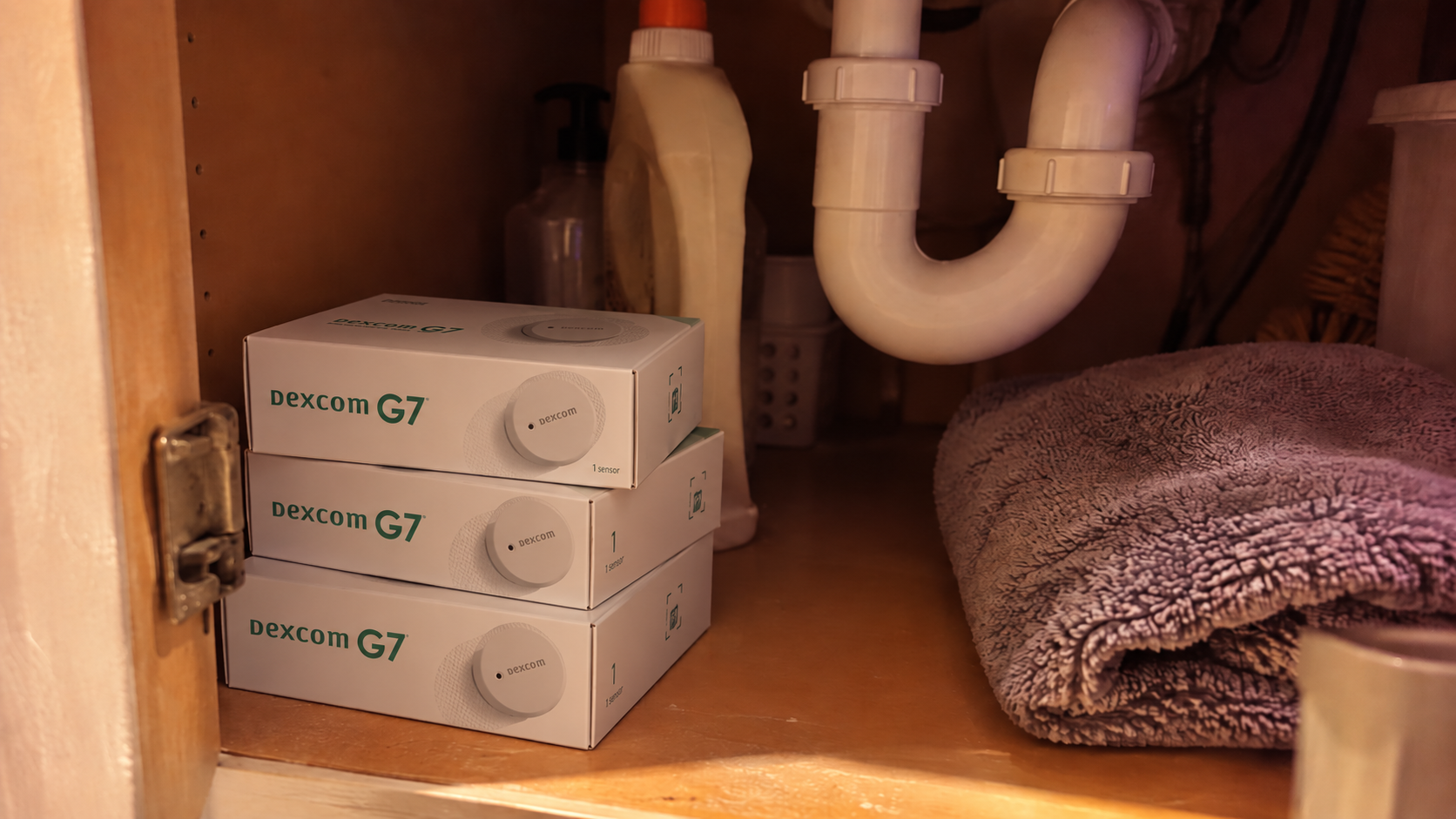














The Engine Behind the Room
Welcome from ADA: inside the SugarPixel booth 0:00
Hello, friends, and welcome back to another episode of the Juice Box podcast. Today, I'm bringing you audio from ADA. So I sat down with a number of very interesting people at a booth at the American Diabetes Association Scientific Sessions where I was a guest of SugarPixel. At the SugarPixel booth, I interviewed these people. Top of my head, no preparation whatsoever, Some really, really interesting people.
Lane Despero. You're gonna learn more about him. You're gonna learn more about Scott Johnson and Blue Circle Health. You're gonna hear from a gentleman who's making a new product that is very exciting. Kenny Fox from Fox in the Loop House and I had a great conversation and so much more.
These are short conversations, ten, fifteen minutes at a time. I'm gonna put them all together right here for you. You wanna know what it was like to be at ADA? This was my experience. Nothing you hear on the Juice Box podcast should be considered advice, medical or otherwise.
Always consult a physician before making any changes to your health care plan or becoming bold with insulin. And if you'd like to support me by buying a SugarPixel, please do it at my link, customtype1.com/juicebox. Go get that brand new SugarPixel.
Lane Desborough: teaching insulin to talk to glucose 1:26
Everybody. I'm here at the Sugar Pixel booth with Dane Despro. I always think your name should have an x at the end of it every time I say it, by the way. Lane is a pretty spectacular guy. I'm gonna let you, learn about him through his words.
So, Lane, can you tell me how you find yourself at ADA and a little bit about your your time with diabetes?
Sure. So sixteen years ago, my awareness of diabetes was it had something to do with glucose and insulin. That was my level of understanding of of diabetes sixteen years Sixteen years. And then, my son was diagnosed, and I climbed a pretty steep learning curve after that.
Wow.
I didn't even know I knew insulin did something to glucose. I didn't even know whether it made it go up or down. That's my level of understanding.
And your son's diagnosed. You throw yourself into it. What's your background? Why did it work
out for you?
So my background is engineering, chemical engineer, and in various engineering disciplines, you specialize. So Mhmm. Specialized in what's called process controller automation. So these are the brains of oil refineries and chemical plants. So Okay.
There's not a bunch of people going around turning knobs and looking at dials. There's computers doing that.
Right.
And this is what immediately drew me to a realization that why don't we do this with insulin and glucose? If I can twiddle or if I can use computers to control chemical plants, why can't we use computers to control blood glucose?
So how what do you do with that knowledge? Where do you throw your your effort? I mean, I I don't wanna speak for you, but I make a podcast today about diabetes because when my daughter was diagnosed, I wanted to help, and I took what I thought were my skills and put them in an area where I thought they would work. I'm assuming you did the same thing, but how did you figure out where to start?
Yeah. So, I was curious about the whole how does this work? I've got it I I knew about CGMs. I knew about pumps. At the time, sixteen years ago, they weren't really connected to each other.
Okay. So and this really surprised me that, okay. There's here's a device over here. It's like the speedometer on your car Right. And there's the gas pedal down there, like the insulin.
Met. Yeah. They've never met, and and I know how to do that. Like Right. That's my that's my superpower.
Okay.
So that immediately got me interested in, has this been done before? Are others doing this? And I discovered fellow chemical engineers who were five or ten years ahead of me already on that path in a research capacity.
Okay.
So at, at universities doing this.
Mhmm.
And and I thought, well, maybe I can contribute my industrial experience doing that. And so one thing led to another, and I wound up about nine months after my son was diagnosed working for Medtronic. Okay. So in a complete happenstance, accidental But you
just switched jobs and threw your effort
looked at it of why would I work on something trivial like the world's energy problem when I can work on something more meaningful to
Help your son.
Help my son.
Yeah. And
so I was like, that's when I got my calling. It's like, oh, that's why I have twenty five years of experience. I can go use that to something much more purposeful for me.
Oh, that's lovely. That it felt that way to you. Like, I've been
preparing And still feel that way.
I've been preparing for this.
And and what I would say is that that mantra, that that goal, I've I've done different things over the intervening sixteen years, but it's always with that goal of how can I leverage my skills and experience, such as they are to, further the availability of Right? Of these transformational therapies like automated insulin delivery.
Do you think most people online know you for Night Scout?
Well, that was one of my side projects. Yes. So yeah. So maybe they do.
Yeah. Yeah. But what so what did you what did you do? I guess, let me ask you instead. What what did you do at Medtronic?
How long were you there, And then what did that lead you into after that?
Well, so one of the things going back to at the time, CGMs, if you wanted to see the CGM value, you had to look at the pump. Do remember the Yeah. The pump had the little display on it? Then so so here, Hayden was 10 years old at the time and we were still going into his bedroom three times a night to see if he was still alive. Right.
Yeah. Right? Dead and bad and and so
Good times.
And and at the time that I that he was diagnosed, I was working for GE Energy. And GE Energy, they monitor a thousand gas turbine power plants around the world. So Saudi Arabia, the jungles of Brazil. So so I was the product manager of this remote monitoring center. And I thought it's crazy that I can monitor a gas turbine in Saudi.
Right. And I can't see my son's blood glucose 20 feet away in his bedroom. Like, there's no technical limit to that. Right. Because we're doing far more difficult things to get this telemetry back.
Sure. So that's really what precipitated NightScout
Okay.
Was this realization that there was no technical, limitation to to doing this. And that's the thing
you did on the side.
And that I did that on
the side. At home. Okay. I I have to ask you. Once you have it and it works and you think this is a great tool, people will use it, how do you get it to people?
You just give it away a little bit and think, alright. It'll make its way around. Like, are you stunned at how far it's gotten in the I have a phone right now, and I I have it on mine. So, you know
How Nightscout was born: crawling through broken glass 6:36
So I was really shocked. I I thought and at the time, the there was so much technical difficulty in setting up NightScout. I thought there'll be three people in the world who will, how it would look classified or characterized as crawling through broken glass or learning Swahili. Like, don't if and I didn't realize there were a whole bunch of people who would be willing to crawl through technical broken glass and learn obscure things To make it happen. To make it happen.
Yeah. And that that all got progressively easier. Now it's like a one click install.
Right.
But that's I I really thought that what we were doing with Night Scout in terms of adding value to the community was showing an unmet need. Okay. Because at the time, like, I was wearing at Medtronic, they said, we've seen no customer research. Our marketing department hasn't said there's a need for this. They're like, I'm telling you there's a need
for this. Nobody wants a show. Like, I want it.
Exactly. I'm telling you, my wife, cold dead hands, Geraldine Heston, kind of attitude to take away Night Scout.
Yeah. It was No kidding.
That was it was that powerful. Do you
so do you feel like you're because of your personal experience, you found a way to be ahead of the curve of where the industry is? So it's funny
you say that because I I had a talk with the then president of Medtronic one time, and I said, I want you to understand that I'm kinda like an alien from the future. Mhmm. There are people like me, but they would not voluntarily come into this essentially backwater of technology Yeah. Called medical devices unless they had a personal motive for doing so. Right.
And that's really the way I felt. It it was so frustrating to me just how conservative and and blank sheet of paper and we need to go to primary research. So that was really, I think, what triggered me to say we are not waiting. It's like Right. We don't need to wait.
Like, all these other industries have already done this before.
Yeah. It's wonderful.
We just steal from them, you know, proudly found elsewhere.
Yeah. Yeah. And, yeah, proudly found elsewhere and make this happen. I tell people all the time that I mean, my daughter's gonna be 22 soon. She's diagnosed when she was two.
So we've been at this twenty years, And there was a long stretch of time where just someone putting out a new meter, even though the MARD wasn't any better, like like, the meter didn't do anything differently. You just looked a little and you were like, oh my god. We got a new thing. That was advancement back then. And then all of a sudden, I don't know I don't know.
In my world, it was, I guess, Dexcom. Dexcom started, and then they figured out a way to kinda get through the FDA a little faster, and then the innovation started happening, and everybody kinda piled on innovation now. And then you look back and you think, those meters are like the equivalent of boiling needles and peeing on strips Yeah. In in a twenty year span. And now, I guess, what I'd love to ask you about next is, now that things have sped up so much, it's not gonna take twenty years for us to get to the next thing.
So what's gonna make our CGMs and our pumps look like peeing on sticks in the future? Do you see anything out there?
So I I think one way to answer the question is the physical like, how do how are these gonna look physically in the future? Right. And that's what that's what most people think of. And so is it gonna be a one one device or a
Smaller or thinner or a
thinner or purple or Yeah. Like some Right. Some physical attribute. And I I think we'll continue to see some advancements there, but honestly, that's that's not what's is interesting to me as what we're doing with the algorithms in
what I want. Yeah. Yeah. Like, I I want the data to come in and instead of it being a fixed set of if this, then that, it's if this, then that, and then something else thinking about it, and then changing if this, then that. Right?
And I
think I I I have no technical mind, but that's the idea. Right?
A thinking disease: lifting the cognitive burden 10:17
Oh, a 100%. So and this is where I think people who don't have diabetes and they think, it's the physical part of the disease that's so hard. Mhmm. Finger sticking or infusion sets or wearing all this stuff. But there's this cognitive burden.
Right? It's a thinking disease.
Yeah.
Yeah. It is you you are never not thinking about your diabetes Mhmm. And it's consuming, resources in your brain that would otherwise, be for a
better purpose.
So so I think that's really where the opportunity is is to how do we allow people to just live a more, enriched life and
not have to worry about it. I imagine it would not surprise you to hear that I have a little estimator on my website that I built. Right? You put in your carb ratio, your sensitivity. You can put in your current blood sugar.
It applies some Warsaw math to it. Carbs, fat, protein, if you want, you can tell it which direction your your CGM is moving in and your current blood sugar insulin on board. Hit a button, and it'll say to you bolus this much now and this much later. Three bolus about fifteen minutes. Make this next wave last four hours.
It is the most popular page on my website. Wow. I have never shared it publicly with anybody. Wow. I All word-of-mouth.
But to your point, what what is it doing? It's just relieving someone's burden
Mhmm.
Around a meal. That's all it is.
Yeah. And and is it like, this is what happens with with people who don't have diabetes. That's what their endocrine system is doing. Sure. Right?
You're having the cephalic response, the Pavloni. Like, you're anticipating dinner, your, or lunch in our case, and it's already secreting, insulin getting ready for that. Like, that's like, we're not thinking about it. Now when that loop gets broken Mhmm. You have to think about it.
So based on something you said earlier, I
wanna ask this next question.
You are at Medtronic, you say this is important. People go, we don't think it is. Is that happening now? Are there a group of, you know, rebel fighters out there working on stuff and the companies are saying we don't see this, or do you think everyone's on the same page now?
I think that's been that's a great question. There's been an evolution of what do we do with this people with diabetes community. Right. How do we how do we understand what they're doing, what their needs are? Yeah.
So that's that's one of the things that drives these companies. The other one that really bothers me is this feature function checklist battle phase. Like, oh, they have a dual wave bolus calculator. We better have a dual wave bolus calculator. They have an exercise mode.
We better have an exercise. And a lot of those features aren't actually helpful
Now you're being able don't actually use
them. Yeah.
I used to like when they're like, we have a food library. I'm like, no one cares about that. Exactly. Yeah.
So so that's I think those those are sort of two tensions of driving. It's like, we need to keep up with the competition
Right.
But, we should be paying attention to what the unmet user needs are.
Yeah. I I'll share with you that because of what I do and for how long I've been doing it, the amount of people who have come to me and said, I have an app, and I always think, don't care. Yeah. I don't care. Your app is no one's it it adds to the burden.
It doesn't take away from it.
Yeah. The perfect app is no app.
Even if it's great, it does it still adds. Now I gotta open the app, and I gotta do a thing. Oh, you just log your and I'm like, no. That that you don't understand what it's
like to live
with this if that's how you built this.
You know?
When I was at Medtronic, they brought in somebody from IDEO or one of those companies that does design. Yeah. And they were talking about making the app sticky and more of and it's like, you're missing the point. Like, the best app is no app. Like, don't want people engaged with their diabetes app eight hours a day.
You failed if that's the case.
Yeah. So do you so a lot of companies are talking about, one day, we're not gonna have to put in our carbs. Like, do you think they're gonna get to that? Because don't aren't they more restricted by just I mean I mean, listen. Why does Loop you know, why is Trio?
Why are these things out ahead? Because they don't have to go back to the FDA and say, is this okay? And you don't get one CEO who's risk averse and one who's a little less and everything. So, I mean, is that in your opinion, is the DIY community gonna stay ahead in that?
I think it will. The one of the point about getting to full closed loop, because I think that's what you're asking. Yeah. Right. If we don't have the current carbs anymore, we don't have to do hybrid closed loop.
We don't have to do a meal announcement, which is the number one most burdensome thing. Right? Like, three times a day, there's a huge mental burden of I am now doing carb count and pre meal bolus and
It becomes more and more evident to me as my daughter gets older and transitions away from being a child, and I'm watching her be an adult in the world living with diabetes. If if you ask me what she needs most, she needs the alleviation of decision making, like, I think.
A 100%. Yeah. And it's it's kinda one of these things that people go through various phases in their life where they might have the headroom at a certain point to be able to Mhmm. Contribute those decisions, but there's, like, new parents or new jobs or stressful jobs or puberty. Like, there's other priorities of their life.
So how do we help people as they're going through these various phases of their life to still be safe in Yeah.
Safe, healthy, and as uninvolved as possible is what I would is what I would wish.
Sort of at the the top of Maslow's hierarchy of needs. Like, instead of, like, worried about the primal Yeah. Base things, like, how can I self actualize because I don't have to worry about all this other crap?
Other stuff. Yeah. Yeah. So is that what are you involved in right now? Like, how do you spend your time sixteen years later after you've done these other things?
So I love my job. I before describing what it is, I just some some people say like, Lane, you're working on the weekend. It's like, no. I'm like, I'm playing on the weekdays. Yeah.
It's so fun. Yeah. I joke that I I love recreational math. Like, some people do recreational chemistry. I do recreational math.
Right. And I just love the algorithms, the data science, the analysis of the data because it's a data disease as well. Right? It's all we get to all this data streaming in and and sometimes that's confusing to people. It's intimidating to people.
Show the path, then scale it: DIY, the FDA, the bottleneck 16:20
They don't know how to act with it. But what I would say I'm what what I am doing right now, and this gets a little bit to the DIY community and one of the things when I did Night Scout, I I stopped. I stepped away from Night Scout as soon as it was launched for a couple of reasons. But one of them was I really felt we had we had shown the path. It's like, there you go, device companies.
It's your job to scale. Right. Right. It's like the field of dreams model. If we build it, they will come.
Like, there it is. Yeah. We've done our thing. Now you go do it for everybody. Right.
And and so Dexcom share and follow happened soon after that. But Yeah. I was talking with somebody at d data the other day that here we are sixteen years later, there's really nothing like NightScout from, integration of insulin and see it's like
I still hear people complain about it when they're using a retail system. Like, why can't I see this stuff?
Like, my my wife, was a school nurse for many years. So 25 students under her responsibility. She was the diabetes expert, so, like, six schools at lunchtime.
Right.
She's getting pink. And and so she'd get a text and she she had something like 12 people on Dexcom follow or or kiddos. And the very first question she asked is how much insulin is on board? Like, it's not helpful for me to know Yeah. That their blood glucose is 200.
If they've got, you know, tons of insulin on board, that's a different thing Yeah. Than if they have no insulin on board. So that was frustrating to me that we're not seeing the scaling of these, pioneering things that the DIY community is doing, whether it was Night Scout or or Loop or Trio. So that's what I'm focused on now is how do we get scale? How do we get these, incredible technologies, whether they're coming from the DIY community or even from sponsors or sponsors is the FD word for device manufacturers.
Okay. It's taking them ten to twenty years from conception to wide scale of these. Yeah.
It's time. Need to. It's a lifetime.
It really is. Lifetime. I mean Yeah. Yeah. And it takes the same amount for gen twos.
So so like the the second generation of an algorithm, it's on the same track as the first generation. Yep. So it is incredibly frustrating to me and I recognize this as a bottleneck or constraint in the
A venture.
In the commercial regulatory flow
Yeah.
Path and I said I think I have a solution to this.
No kidding.
And that's what I went to the FDA and the Helmsley Trust a year ago
Right.
And said all of those innovations that are happening over there and that are happening in companies, they're running into a a a like, just imagine a flow of value. There's a pinch in the pipeline down here, a bottleneck. And if we could relieve that bottleneck, we can get faster scale.
Laina, how about you come on the podcast, and we'll talk about the rest of that? Would that be okay?
That would be fantastic.
“I didn’t know I was dying”: Scott’s thank-you to Lane 19:02
I'm gonna share something with you before I let you go. But, everybody who's listening, if you enjoyed that, we'll we'll have Laina on to do a a longer because I I'm sitting here thinking, I feel like we could talk about this for a couple of hours. So, but I wanna share something with you that you don't know. It's a thank you. So when I started doing all of this, I had just like everybody else said, no context for it.
My daughter was two. I was a stay at home dad. I genuinely felt like I was killing her most days. I did not find what the doctors were telling me to be helpful, and I am not a reader. I'm sorry to say out loud.
So I broke diabetes down myself, and I eventually came up with what I knew were, like, the rules. If I did this stuff, I got the outcomes I wanted. And I did a thing that a lot of people around the world do now. I I I kinda coined this idea of bumping and nudging blood sugar. Uh-huh.
And I would use temp basal increases and decreases. Sugar surfing. I would to manipulate the blood sugar. Right? I didn't know Steven.
I mean, I just I'm in my house like a mad scientist trying to figure this out. Right? But my understanding of what I was doing did not open up completely until I got night scout. And my daughter went on loop. And then when I saw the thing doing what I was doing, I thought, oh, I was doing the right thing.
And it was the first time I felt comfortable and confident that I wasn't just making it all up. You know what mean?
That's fantastic.
It was just wonderful. Like, watching on Night Scout, watching Luke take away and give and bolus and knot and everything, I was like, oh my god. I've been doing that for a decade. And then you know what happened next? I slept through the night.
I And people don't appreciate what it's like to sleep through the night. It's and I didn't know I was dying. And if I if we get off camera and I show you a photo of myself before then, my body was given out. I wasn't sleeping at all. I was in a terrible situation.
I had no idea. Wow. Anyway, what you did Well, thank you. Really made a
big difference.
No. Seriously. It really and I see other people walking. I'm gonna try to interview some of them today. I see other people walking around this room that I don't think half of these people know, and they don't realize how they're driving the engine behind a lot of what's going on in this room.
So I really do appreciate your time.
A village. Everybody's bringing their their skills Sure enough. To to the fight. Diabetes is the enemy.
Yeah. Maybe that's really what this this couple days is about. So thanks again. I really do appreciate it. Thank you, everybody.
And thank you to Sugar Pixel for making this possible. Take care. Why don't you start by telling me a little bit about you? Who are you?
Madison Smith: a CDE with type one, smarter MDI 21:31
Great. So my name is Madison Smith. I live in San Diego, California. Mhmm. And I currently work as the therapy chief engineer for MDI systems at MiniMed.
How do you remember that? You're the therapy chief engineer.
I've gotten used to saying it, but it's quite a mouthful.
What does it mean? What what does the job mean?
I I would say that my role is to help make sure that we're engineering the products that make sense once they get into patients' hands. So how is it actually gonna be used, to help best manage the way that they wanna manage their diabetes? Right. Does it fit into the way health care teams want to introduce and use technology and and
So we don't want there to be some, like, high minded idea that when it gets out into the real world, it doesn't really do the things that people intend.
Right.
Okay. So what what what exists right now that you're working with that you think actually does help people in the real world?
So I so I work on MiniMed Go or MDI systems.
And
so I think historically, when you were looking at what it takes to manage MDI, you I mean, you have pump, which I would say is the gold standard, you saw, algorithms being developed and so much sophistication.
Mhmm.
And then the kind of the alternative on MDI, which more than seventy percent of people living with diabetes are still on MDI therapy.
Sure. Yeah.
We're like in the dark ages of pencil and paper and calculator.
Get the benefit of all these things that we've learned because they're MDI. They prefer to be MDI usually, or is it access sometimes?
I think it depends. Right? Sometimes it's access, sometimes it's cost. And in my case, which we didn't even cover this yet, but
I Do
you have type one?
I have type one.
Okay.
And I just have a strong preference to be on MDI therapy.
Mhmm.
But I kept always feeling like I was being pushed towards a pump because that's where I had calculator support. It could track how much active insulin I had, and so all those features that would kind of push me towards a pump, but I really preferred MDI.
How long have you had type one?
I've had type one since I was 16 years old.
Okay. And you're 25 now.
I wish. Okay. Not quick.
So you've had it for a while.
I've had
it And for and you prefer MDI, but as things progress and get better, did you have the feeling of, like, oh, I'm being left behind with my health?
Yes. So I kept I mean, I was finding myself being pushed towards a pump. Yeah. But then when I learned about the InPen and now these smart connected devices that can track active insulin, that can help inform dosing decisions, and really offered the things that I was looking for out of pump therapy, but let me be on MDI
Yeah.
In a more sophisticated, like, raise.
It's exciting.
The locked door and the unplugged iron 24:28
Like, I keep thinking, like, why did we leave MDI in such, like an example I give is, like, how often have you left the house and you can't remember if you've locked the door Mhmm. Or you can't remember if you've unplugged the iron. And in all those cases, you can go back and you can physically check and see that the door is locked Right. Or you can see the iron's unplugged. And then we have this medication that we have to take four or five times a day Yeah.
That has serious consequences if you miss it or if you double take it, and there was no way of knowing. If you took it, how much you took it, what time you took it.
Yeah.
And so now having that more smart informed connected technology is what
So do you use the what pen do you use?
I do I use an in pen
You use the in pen.
With the MiniMed Go system.
And MiniMed Go means InPen connected to one of your two sensors?
Correct.
Which one do you use?
I'm currently using the Instinct. Okay.
And the other one is
Simplera? Simplera.
Okay.
So we have a choice between the two sensors
Right.
And the options.
And I do understand it works with Dexcom, but it the data is lagged?
That was with our prior system. Okay. So Dexcom data could come in, but it was on a a delay.
A delay. Right.
So now with the two sensor options we have in our portfolio Works. They're connected directly to the app, and they're in real time.
Yeah.
And that piece alone has also helped us to develop more informed, actionable, sort of decision making.
It's a smoother process in general with both of your sensors.
Yes. And I because we're, for the first time, actually looking at not just sensor glucose values Yeah. But also the other part of what it takes to actually manage diabetes, which is insulin. So when did you take your last dose? How much of that dose is still actively working in your body?
Mhmm. And so instead of just, let's say, notifying you because your glucose is rising quickly or you've crossed some threshold, we can look at your glucose in the context of how much insulin you have on board, let's say. And maybe there's actually, we see more than 50% of the time when you were just if you just used a threshold based sensor glucose alert, there was no action to be taken because they've just eaten a meal and they've taken the insulin for it, or you've just corrected that high blood sugar and you need time for the insulin to do its job.
Right.
And so what this system does is actually reduces the, let's say, the alert fatigue
Yep.
And waits to find the right opportunities to alert you when there's action to be taken and then tells you what you need to do.
Now would be a great time to
Yeah.
To do something. Yeah.
So you've lived so long with MDI and nothing like this.
Mhmm.
And now there's all this data in the world. Mhmm. Did it actually benefit you? Like, having the data, having the the automation, like, can you just from your personal experience, has it improved your a one c, your time and range, anything like that?
It has. I mean, it's improved my my overall glucose control. I would say, in a lot of ways, we had the I had the capacity to do the decision making that I was doing. Right. But now I get to be more hands off and wait for the system to identify an opportunity.
And when that opportunity comes, I take action. And so I'm say, like, I think about it less. I check less because I know that it's monitoring in the background, and when I need to do something Right. It engages me. So the less time I get to spend less time thinking about diabetes and all
the stuff. Of the of the benefit of the data and of the automation that comes to the impact. That's pretty awesome. Like, has it, like has it, like, personally alleviated anything for you? Is it made like, is it a measurable difference in your life, or is it just a nice thing and my health's better and I don't think about I I I don't know what I'm asking
you exactly. I mean and I also don't know that I mentioned this part, but I'm I'm a certified diabetes care and education specialist, a nurse, and I think that, you know, from a professional standpoint, you would think I have it all together. Right? Well But, like, I No.
I've interviewed enough people. I know that's not the case.
Well, exactly. Yeah. Yeah. That's where I'm going. Right?
So, like, I'm still a person living with diabetes, and and I it's not perfect. With everything diabetes comes with. Like, I can know the information, but it doesn't mean
You'll do it. Yeah. Yeah.
They do what I say, not what
I do.
Everyone says that for a reason. I I used to have this, thing where I'd always wonder, like, why would my daughter, like, ride her pump out to the last possible second? Like, right now, I'd be like, why don't you just change it a little sooner? You know, you know, it'll be it'll be helpful, blah blah. And I mentioned one time to a friend of mine who's had diabetes for, like, almost forty years.
Mhmm. And she's also a therapist. And I said, you know, it's so frustrating. Like, I know if she just changed it a little sooner, she did this a little sooner, she'd have such better outcomes. And that therapist with almost forty years of diabetes living said, oh, I do the same thing.
Yeah.
And I said, why? And she goes, I don't know. Yeah. That that was sort of it. Right?
It's it's the living with it everything. So anything you can do that makes it not have to be front of mind Right. But is still getting the benefit Yeah. Of of all this data that's available. Yeah.
That's listen. I'm a huge fan of the MPEG.
I was
really I million percent because I believe exactly what you're saying is that a lot of times, places like this, these people we get to meet, it's lovely, but they are not exactly an accurate slice of the population. Right. And a lot of people don't wear pumps. Exactly. A lot of people.
And they don't not deserve to have what they could get out of all this. So, you know, I mean, if you were to if you were talking to a person who is you in the past Mhmm. Like, how would you talk your old self into trying something like this sooner? Because why because you didn't do it for a long time. Right?
But also Impen
It wasn't around when
I was first diagnosed. Right?
Newly diagnosed and overwhelmed: easing into it 30:31
But I would say so it well, I come back to especially, like, newly let's say you're newly diagnosed Mhmm. And I've been newly diagnosed, and I've also been the nurse educator sitting down with families that are newly diagnosed.
Sure.
And it's completely overwhelming.
Mhmm.
You've been kind of given this diagnosis. In my case, I didn't even know what diabetes was, and now I'm being told I have it.
Yeah.
And I'm being given a vial and a syringe and, like, okay. Give yourself your first injection. Oh, and by the way, here's how insulin works, and this is when it spikes and it peaks, and you can do this and don't do this, and here's the formulas, and it's, like So much. Overwhelming.
And then and then would you like to stick a thing to you? Do you wanna get a CGM? Do you wanna get a pump? And you I listen. I hear from people all the time.
I I don't know how well you know what I do, but I've been making my podcast for twelve years. Right. I've interviewed nearly 2,000 people.
Wow.
Over and over again, they'll say the same thing. When my kid was first diagnosed, when I was first diagnosed, I didn't want anything on me. It felt weird. I didn't wanna be a robot. Often, they'll come around
Right.
And realize the benefit of it.
Sure.
But in the beginning, like you're saying, they're being told all this stuff, all this terminology they don't understand. They're the shock of the trauma of what's actually happening to them. Let's not forget they might have crazy brain fog from high blood sugar. There's a lot going on. And they start off but often they start off the way they start and then never reassess it again.
Right.
And that that that to me is is kind of a shame that that, you know, you almost you almost walk the path you're upset on.
Yeah.
You know what I mean? So so back to it. What what do you tell that person?
Well, I I think that there's just so much to like, there's diabetes experts for understand. And so if you can have a system that is you know, your health care team helps inform how it should be let's say your therapy settings, how it should be configured. But your day to day interactions are you have a sensor that's telling you what your current glucose is. You're choosing your meal type, your meal size, or if you carb count, you can put in carbs, and it's recommending the dose.
Yeah.
But it's doing all that, you know, the informed decision making behind the scenes. So I I just think that there's a big opportunity to to give more support to the person to to allow you to kind of ease into the education, so to speak. Because as an educator actually, there's there was a study cited that people only retain about 30% of what they first learned.
It's 20% more than I remember, but go ahead. That's awesome.
And so imagine I mean, I've been the person that then goes home and you're kind of lost and confused, and you're hoping you're remembering everything and doing it correctly.
Yeah.
And then as an educator, you're hoping this family can go home safely. And
And then how do you start to walk them through the whole process slowly. Right?
But if we could have these I mean, I would just love to see these tools being used. Like, the more visibility we have, people can be aware of them, know that they have access to them, and then if it could be used as a tool even early in diagnosis
Yeah.
To not put so much pressure on the patients or the persons with diabetes and the family to be these experts going out the door on day one.
Yeah. In pen, the the whole MiniMed goes system, like, it's a great entree where you get the health benefit without all of the burden of, like, what's all this stuff? Why do I have to remember all this thing?
Yeah.
So you'd go back in time and tell yourself, get an in
pen? Yes. I would tell my my health care team, give me an infinite diagnosis, not make me start with a violent syringe and kind of
Listen. You're preaching to the choir.
I don't understand the concept of, like, make them struggle so they really understand it. Then we can give them a CGM. Like, I don't I don't don't get that. I think it's old it's probably older thinking, and I don't not understand it. But, you know, I I I've had people say to me, what if it all disappears?
I'm like, if it all disappears, we're in a
lot bigger trouble than that.
So don't worry about it. Like, I think you're gonna be okay. I like the idea of listen. You can't minimize like, joking aside, you can't minimize the the information and the education that comes back from wearing a CGM. Yeah.
You learn about diabetes so much more quickly wearing a CGM. Mhmm. So much more quickly. I using the the Impen app. So you can see I put insulin here.
I did this. You know, like, You
start to see how
starts to just make sense.
Impacts the glucose, how meals impact
the blood. Information helps you make better decisions personally and with your diabetes care. Exactly. And it's it's to me, it's all just better. Okay.
And then everything that's being collected too goes into reports that then you can bring to the health care team. And instead of sitting down and feeling like, you know, it's 21 questions and
you're thinking here? Do you remember what you ate last Saturday? I don't remember what I had. Yeah. Right.
For breakfast. Yeah. And you want me to remember why my blood sugar went high two weeks ago. I don't you're gonna try to use that to make a decision around my therapy. So having that full picture
Yeah.
I also feel like you can get to the more meaningful conversations that'll actually help address, is it a behavior, is it an education, or is it a a settings change? Right. And it's not always a settings change.
It's awesome. Right. Now I really do appreciate your time and your insight. Thank you so much. You're delightful.
You should come back sometime Okay. On the regular podcast, not when we're here at ADA I'd about this more.
Thank you so much.
Thank you
so very much. And thank you so much to Sugarpixel for making all this possible. Thanks so much, guys. Bye. Kenny, how are you?
Kenny Fox in the Loop House: laid off to helping full-time 36:39
I'm good, Scott. Nice to see you in person for the first time.
Never met Kenny in person. But it's crazy.
This is your first conference.
So I have. This is my first ADA. It is massive, and I cannot believe all these people are here. It's my first as well. You've never been before either.
I have not. Yeah. So let's find out a little bit about you. First, do you have kids with diabetes?
I have four children. One, my second child, Tessa, has just turned 13, and she has type one. She's had type one for going on almost eight years or at seven and a half years, I think.
Eight years. Yeah. And what does she do for her management?
So she's using the DIY loop system, and we've been using that since about six months after diagnosis. Okay. Yeah. She got started with injections and a Dexcom, and then immediately got the the pods. And about a month later, we started looping.
So she's been looping with an Omnipod for years?
Seven years. Yeah.
Okay. And you I know you because you came on to JuiceBox to talk about your knowledge of how to loop.
Seven times.
Yes. Well, you've been on a lot. Yeah. Kenny's been on episodes called Fox and the Loop House if you wanna listen. They're fantastic.
But why do you know so much about loop? Like, why are you the person to talk to about how to actually use it day to day?
I think part of it is I'm a technology person by trade, and I've always been attracted to how do we use technology practically in our lives. So when I worked at a credit union, it was all about, okay. We have this tech, how to and then and understanding how someone did their job and figure out how to apply it. Mhmm. Just streamline their life, basically, their day to day job in technology.
And so when Tessa was diagnosed, my go to was I need to understand the mechanics, the flow, the workflow, and that's just how I coped was part of it, was just understanding diabetes mechanics. And by trying to look all that stuff up, I found all the DIY apps, all the information, and then I ended up looping. And then from there, it was all just like I basically treated Tessa's diagnosis like a like a game or a problem to be understood because that's all I knew how to do once I could see the data.
So are you telling me that at her initial diagnosis, you felt a little hopeless or like, you weren't helpful?
Yeah. It was very overwhelming at first, but for us, my wife understood diabetes. My sister-in-law has type one diabetes, and so she knew to check my daughter's blood sugar when she started getting cranky and losing weight and I need to go to bathroom. And then not wanting to eat dessert was actually when we got figured that one out. And so she tested her blood sugar.
We had a meter in the house from before
Yeah.
And found out she was diabetic. And all my wife said is pack a bag. My sister had to stay the night a few nights, and Tessa has type one diabetes. And I'm like, I don't know what that means.
Right.
So I took her to the ER. They, like, moved us up the chain. They saw her blood sugar and immediately told the guy who popped his head in that she's next. And so I go, I the severity hit me. And then as she's sitting there, I just tried to keep her calm, gave her a a movie to watch on her iPad, and I'm, like, googling what is type one diabetes and how do we fix it.
So What
was the movie? Do you remember
it? I don't. Actually, I should ask Tessa if she remembers.
So the movie that we ran over and over again when Arden was diagnosed, that my wife can't watch it. It makes her sad, But it was sky high. So but my daughter will watch it still. So sky high on a on an iPad or a I maybe not even. Actually, I'm pretty old.
It was a compact DVD player that we played sky high
on over the did period. You have to watch it?
I mean, it was countless. It's all we had. It just ran and she was two. So it just ran over and over and over again.
But Tessa was five and a half, and our process was we got diagnosed, and we were only in the ER for two or three hours. And they said gave her a couple injections and said, go home. We'll see you tomorrow in the afternoon, and we had a four hour session with our
That was that.
That was that.
It's pretty awesome. But when this is over, you realize, I don't know what I'm doing. I'm gonna dive into the thing that I'm maybe more adept at. It ends up being this do it yourself algorithm. And now I feel like there's nothing I couldn't ask you about loop that you wouldn't understand, and you have a business around it now as well.
Yeah. Somebody came up with a good name called Fox in the Loop House. So I grabbed that. And so a couple years ago, in October 2023, I got laid off from my job. And I'd been always thinking about trying to figure out a way to help people even more than I already had with all the years in the DIY community.
And I thought, well, I could I could probably do this. If I could do it all the time without stealing time from my employer Right. That would probably be more fair for everyone. And so once that happened, I took the severance and then made a plan to start rolling stuff out try to give it a go.
So now you're helping people virtually?
Or Yeah. It's all virtual. Okay. I mean, I guess if someone would come over to my house, we could do that, but it's all virtual. And right now, my I help people with building because I know people wanna help building when they get started.
And being a tech person, that actually was, like, the easiest part to do. So we set up the build if they wanna do that. And then mostly, it's, teaching you how to use Loop in your day to day life, but at the same time understand the the data so you know what settings to change.
Okay.
So there's a lot of application. I like to say I focus on teaching you how to adjust your settings, which is my focus. Mhmm. But in practice, you gotta know how to just live life, understand diabetes variables, and apply them to the system.
Yeah.
And so I do that in, two ways. I have created a video course essentially
Mhmm.
That we watch, once a week, and then you either join a group, and we do it through a group method where we meet once a week in small groups, or, you can do private coaching, and then there's some way to get help between in case you have a question come up.
Generally, how long does it take people to go from the build part to the part where they're comfortable enough to have the outcomes they're looking for?
Yeah. Building is, I got it down to about two, two and a half hours, but teaching how to use the system takes a little bit longer. I it's a seven week process is what I walk people through, and I would say that everyone that goes through it as everyone's been happy, and they feel very confident in what they're doing. But I would say there's about a third of people that when they finish, they still there was so much new stuff, just basic diabetes mechanics Sure. That they need to go back and refresh.
And so it takes them a few more months to either watch the videos again, or I have a membership on the back end if they wanna join and get some help and stuff.
Refreshing up till the comfort sets in.
Yeah. Yeah. They're adjusting their own settings by the time the seven weeks is over here and there. At least they're basal Yeah. And making some good adjustments in meals.
But a few people linger a little bit, but I'd say most people are pretty confident in changing their basil and carb ratios.
What do think what's the thing you see most people trip on? Where where do they get stuck?
“You’re not as special as you think”: recounting carbs 43:16
I would say a lot of the adults, it's counting food. So it's either they some of them don't want to enter all the carbs that are required because they feel like it's, like, oh, it's not healthy enough. I shouldn't be eating it or something like that. There's some fear around entering all of them food.
Do you think it's do you think that they're worried about the the the amount of insulin or then does the number scare them? It's both the amount of insulin and the calories sometimes. Okay.
So they feel like, oh, well, I shouldn't eat that. Then they don't wanna enter all of it. So they enter thirty grams, but it should be fifty. So there's a couple different reasons that my adults I try to put them all in the same group in my group coaching. And so I'm learning more about their hesitancy, especially if they've been diabetic for a long time.
I had one recently that told me, I was just told a piece of bread is 15 grams, and that's the only thing she's ever been told. So everything is, like, either 15 grams of bread or nothing.
Okay.
And so her counting was way up, and she eventually like, I had her had her adjust her settings, and then she's like, you know what? I looked at the package on this bread I'm eating. It's healthier bread than I used to eat when I was a kid, and it's 20 grams. And I looked up this other thing I have for breakfast, and I had oatmeal, and she had a pretty flat line. So once she she's like, it's amazing.
I enter all my carbs, and then I was okay. Yeah.
So you think if she doesn't take the time, in this example, if she doesn't take the time to just reunderstand things, she might go on like this forever.
Yeah. Yeah.
Yeah.
With that calibration, that forcing people to calibrate to count, you know, a lot of them pick it up after just, like, a week or so of really putting some effort in. Right. But they hadn't done it in a while. So I usually encourage people in general, like, if you just take couple days once a year and maybe kind of pretend like you're a brand new diabetic
Yeah.
Just reset. And especially for parents that have kids that are growing up, this is where someone get hung up is they were diagnosed at two, three, or four, and now they're eight or nine, and they're eating twice as much. And so I had one mom in my group recently realized that she she's like, I'm the problem because she thought the lunch she's packing her daughter was 35 grams, but she's now four years older than that, and she eats 55 grams for her lunch at school. Simply counting it all and the serving sizes, all of a sudden lunch was looking better.
Funny, isn't it? Because you're sitting here talking about it. It seems so obvious.
Right.
But it's not once life gets going and
people Yeah. You're rhythms.
You you find a rhythm, you get into it, and then you start thinking, oh, the pump doesn't work. This doesn't work. I this is just diabetes. Yeah. That's the one I find that mostly people fall back on.
This is their expectation. This doesn't go well. It's not supposed to. And I'm like, no. I think you're just maybe not putting the insulin at the right time or doing this or that.
It is really interesting to watch somebody do the thing they do and be able to step back from a dispassionate third party situation and look and go, oh, actually, what's happening here is you don't like thinking that you're not eating a healthy meal. So you're making a smaller number to lie to yourself into feeling better. It's really something. It's interesting you saw it that way.
Yeah. The the the most common situation I see is a combination of there's the mystery fat protein rises. They they're a mystery to someone else, but I understand kinda where they are once you break down what they're eating and the timing of them. And so over time, either themselves or their endo has increased their basal rates all day long. Yeah.
And so then they occasionally go low when they mix up their meals, or they're always going high when they eat more because it doesn't scale well when their meals change or when life changes. So the classic situation is someone comes in, we look at the data, and we end up scaling all their basal rates back a fair amount, making their carb ratios stronger. And then for loop specifically, we end up adjusting a few more things to make sure that the meals are properly tracked and managed in loop, but the the bulk of the success comes from modifying the basal rates and simplifying them. Some people have, like, ten, twenty basal rates in a day. Yeah.
Just getting a couple, like, a night like, a sleeping one and a daytime one, scale back the daytime one, make the ratio stronger, add and in some fat and protein carbs, and all of a sudden, poof, they're
It just works.
They're good. Yeah.
I love talking to you about this because you it just rolls off your tongue. And I use too many floury words to get to the same ideas, most of the time. But, I mean, I've been for years just telling people, like, it's timing, it's amount, it's understanding the impact of your food. It's kind of it, really. You know, be flexible.
Don't be afraid to knock the high blood sugar down. It it I appreciate the way you do it. So it's foxinthelouphouse.com?
Foxinthelouphouse.com. There's a couple free resources if you wanna check that out. I got a basal rate cheat sheet, kinda most common basal rates and kinda tips for why it's like that. And then there's another one around meal absorption time, which in loop, you declare how long a meal is supposed to be. Right.
And so I give, some bullet points on how you can pick the right absorption time, and there's in that one is a really important one for sleeping, is is a nugget around how we manage dinner or evening meals. They tend to be a little bit slow. Everyone struggles with going low before bed and then rising after.
Right.
So, I'll give some tips around modifying your absorption time and how you would count food in that same handout. So you guys can find that on my website.
Very nice. Give me one now. What's a tip that you like, if I walked up to you and I said I'm struggling with loop, where and I don't know. I'm I I don't know. I'm high three hours after I eat.
What what would you look at first?
Kenny’s four-step Loop framework: start overnight 48:31
So I always I have a framework I give people. It's four steps. And then we just I have to say someone, look at your graph and ask these questions, these things in order. And the first is well, I have a step zero that I'm building out. It's check your pod site because inevitably, the pump site's not working.
Right.
For some for a lot of things. So learning how to check that's good. And then first one is basal. And so we're always looking at the insulin onboard or the active insulin is what Luke calls it. Mhmm.
Overnight is what is the easiest. Kinda your three, four, five in the morning if you have a morning rise, kinda get before that.
Yeah.
Like, the flat spot when most meals should be chill and just kinda see where are you. If you're near zero insulin onboard and in your range that you've asked Luke to put you in, you know, 87 to 93 or a 100 to a 110, whatever it is, then you're probably good. And then I always just say, okay. That means your nighttime basal's probably fine. Mhmm.
But if there's lots of them, then we say, well, how do we how do we average those out to get to the rate that's basically working around that time? And then after that, it's a lot of that, the pushback comes. So what about the what about the rise at night after I go to sleep? Right. And because everybody has to crank their basil up for that.
And so, then we start talking about fat and protein for dinner. So it's really just a overnight basil. Daytime is inevitably for, like, I'd say ninety percent of people. The daytime basil is a little bit lower Mhmm. Than the nighttime one.
Some people, it's not true, but My daughter's opposite. Yeah. Yeah. Some people have kind of a stress of the day, and they end up going up a little bit.
Right.
There's different reasons why, but I always ask people to try either one rate or two and with a slightly lower one during the day. And then we kinda start entering meals well, and that's what I I thought I only had, like, couple minutes with people. That's what I would tell them is Okay.
You know,
pick one or two rates, one for sleeping, one for awake, and then, read my little handout on entering meals. Yeah. And then so you can enter some fat and protein, and you'll be good to go.
I'm smiling because, like, as you're talking through all this, it I when when I started doing this, I didn't know what I was doing. I had no idea about diabetes. I didn't know anything about it. Everything that I talk about on that podcast now is just hard to earn, like, through experience and hashing it over and over again, trying to figure out the basics. And the basics really are get your basal right.
You know, do this, do that, look overnight, find stability, take that into the daytime. It really is awesome to hear you talk about
it. It's a lot of fun now because it's, it helps me because I have helped people in the community. I think I had, like, seven or 800 Night Scout sites bookmarked in my browser at one point before I started this business. Really? Just looking at people's stuff or whatever.
Yeah.
And then now with meeting with people and getting to sit with them for seven or eight weeks and really digging into their settings, asking about their lifestyle, it's nice to see that these basics do apply to most everybody Yep. And then we can very quickly find the outliers. And as I'm working on documenting the more common outliers so people have a place to go in that Basal cheat sheet, to know where to where to start if they happen to be that special. But I tell everybody, you're not as special as you think, so please try and do basic settings and then kinda roll from there.
Yeah. When people tell me your diabetes may vary, I'm like,
not that much. Doesn't vary that much. Yeah.
Yeah. Yeah.
Well, I really appreciate you doing this with me. I wanna say just hearing you talk about how you used to help people just not you know, saw all those night scout things. I think people wouldn't know that, like, most of my daughter's health is because people came on to the podcast and shared their thing. Like, I got to build my understanding through talking to people. It sounds like you've helped build yours
Yeah.
Through helping people
as Very similar. Yeah. I saw what was working, and I just pinged a couple people in the early days of using Loop and be like parents that were struggling, and I'm like, hey. Can we try some of the stuff I'm trying? And then it evolved and grew, and then I'd run into really smart people in the community that would, like, enhance my understanding of how the algorithm works.
Right.
And then with a little bit of, like, okay. Fine. I'll go look at the code because I can. Mhmm. I'd start reading some stuff.
But mostly, I just found the smart people, and so it's a very community effort. And so I try to give back as much of that information as I can on my website or in handouts, and I do free free consultations. There's a button on my website to do that. You schedule forty five minutes with me. We'll talk about whatever you want about Loop, whether it's, like, diving into some settings or just, like, what is Loop like?
I'm not sure I wanna do it. We'll talk about anything you want, and then I'll just share my programs in case you're interested. And if you're not, that's fine. Like, no harm, no foul. I just really like talking to people.
It's awesome. Me too. Well, Kenny, thanks for joining me here at the Sugar Pixel booth.
Yeah, man.
You should
come back on the podcast again, we should chat some more. We do have plans, don't we?
We talked about doing, like, a little series of q and a or something
like that. Yeah. We'll figure
that out.
Well, thanks so much for doing this, and thanks to everybody for listening and visiting us here today at the SugarPixel booth. If it wasn't for SugarPixel, we wouldn't be able to do this. So check them out and, learn all about their new device. Thank you so much. Thanks again, Kevin.
Yeah.
We're all set. Alright. John, don't you introduce yourself because I'm super afraid I'm gonna mispronounce your last name.
John Scholland & Luna: automation only while you sleep 53:27
Thank you. My name is, John Scholland. Mhmm. Scholland, like, show time or something like that.
Okay. Okay.
What's that?
Where do you work?
I work for a company called Luna Diabetes. Mhmm. Started it about five years ago. I'll tell you more about it. It's about trying to help people that are using insulin pens, is most of us living with diabetes, how to get the get able to take advantage of automation.
That sounds crazy. So I can't wait to ask you more about that. But I first, let me find out a little bit about yourself personally. You have type one?
I have type one about forty years now. Forty years.
Have you always worked in the diabetes space?
No. I didn't I didn't think I would ever work in diabetes. I started my career in digital marketing and advertising. Really? So a whole whole new thing.
How did you make the shift?
You know, I just got frustrated that some of the products that I wanted were for myself or things that problems I had weren't being solved. And so I made a I made a cap for an insulin pen that told me when I took my last dose of insulin.
Really?
And I started showing it to people, people wanted it, and all of a sudden, I was a medical device entrepreneur.
So you don't work for Luna. You created Luna.
I created Luna. Yeah.
Oh my god. So this is the Okay.
Next one, second company upgraded in diabetes.
No kidding. Alright. So you just said something that, like, fucked my mind. How is an insulin pen gonna work as an like, of just tell me what the idea is because I don't even know. I don't
think I understand. So the first thing I was telling you about Right. Is we made it was called TimeSulin. Okay. And we made a cap for any insulin pen that told you when you last took your insulin dose.
Okay. We subsequently sold that to Bigfoot Biomedical and made a really cool product that then Abbott bought and the world hasn't yet seen.
Really?
So that's hopefully coming.
And it's as simple as when you uncap the pen, it what marks the time? And then so when you look again, oh, I last took oh, that's really kinda simple and brilliant.
That was the original product from a long time ago.
Okay.
And the stuff
So you sold you sold that off, and then you said, I don't wanna go back to work. I'm gonna invent something else, or did you have an idea?
There's a couple hop hops along the way. I worked for a CGM company for a while.
Okay.
But then, yeah, we came up you know, I was really I was early in building the do it yourself automated systems.
Mhmm.
And it just totally changed my life Yeah. Of of having these automated systems. And I was always frustrated that more people weren't experiencing it, more that weren't seeing it. I mean, at first, it was you have to build it yourself. It was hard.
There's a technical Yeah. Barrier to do it. Now, of course, you know, whether it's Tandem or Mimatronic or Beta Bionics, there's really great products that do it. But still so few people are willing to wear a pump. And I want more people to experience what it feels like when you live with diabetes, just be able to go to sleep and not be nervous, not be scared, not be stressed about it.
Okay.
And so Luna, what we've created, is about bringing the best of insulin automation to people that want to continue to use pens during the day.
I've been doing this a long time, John, and I normally think I know where people are going to go when they're explaining something, and I can't imagine how you're going to tell me this works. So please lay it
out for me as simply as you can. Yeah. So during the day, you use your pens exactly as you did before. If you're type one, you're taking your basal and your bolus. Type two, maybe basal only.
You might be using a GLP one. And before you go to bed, you fill it with rapid acting insulin. We've made the world's smallest patch pump.
Okay.
And when you're sleeping, it talks to your CGM. And if you need insulin to get you back to target, it will give you these microboluses of insulin while you sleep.
So is there an an like, an inset somewhere? Like, you're wearing a and then you just connect the pen to it? Nope. You fill it from your pen,
and then you you put it on. So imagine you're
starting to get there. So I'm wearing something you're wearing something on your body, and it knows everything that happened during the day. You put some insulin into it, and overnight, it uses that insulin to fight highs.
Yep. And it also helps with lows. And so there's some other tricks up our sleeve to help with lows. So
How does it help with lows?
We have some tricks up our sleeve for
doing that. You can say yeah. Okay. Yeah. You brilliant?
What happened? Did you know you were brilliant?
No. Look. It's just, you know, I've lived with diabetes a long time.
Yeah.
And I want more people to be able I you know, I was lucky. I got good health care, and I'm able to to get the medications that I need. Yeah. But so many people are having such a tough time with it. I feel obligated to try to come up with these ideas and try to make it happen.
So you just you've taken your experience of living it with so long and saying, would I like to happen? What would I need to happen? And then I listen. I see the same thing. It's easy to fit in these settings and think everybody uses an insulin pump, but a majority of people with type one diabetes do not use pumps.
Do not.
Right. And I listen. I don't know what you're running, if you have a pump or what you're doing, but, like, my daughter's using a DIY algorithm too. And they are they have been and are fascinatingly good for her health.
So great.
Yeah. Absolutely.
So So the real insight for us was the following is is we were looking at data from one of the pump manufacturers in their study. Yeah. And they ran a study where they were they had a group of people that wore their normal system. No automation. Mhmm.
And then automation only at night. They turn it on before they went to bed and turn it off in the morning.
Yes.
And what the data showed was that over 80% of the improvement to glucose happens at night when you're sleeping
Yeah.
Which is very dramatic. Right? So if you're wearing a CGM, during the day, you do about as well with a pen as you do with the pump. Mhmm. The pumps are are they don't do very much at and it just really changes at nighttime.
Right.
And so that was the really key thing of, woah. If you can give me 80% of the benefit of a tandem system or a Medtronic system at night, let's make that happen.
You you don't know me, I imagine, but, like, I've been making a podcast for a very long time, and I've been telling people forever, like, the first thing we wanna do is get your basal right. But then after that, we gotta figure out overnight. Like, get over you can steal so much a one c overnight is the way I think about it. Right? And then what you learn overnight about your settings often applies easily to the daytime, and then it takes you know, people don't they don't want a basal test.
They don't know how to do things. Their doctors don't help them with their settings very much. Right? Yep. And it just becomes so you figured out that that, and then I still can't do you have the device with you?
It's in my backpack over there. Gotta I gotta go up and get get
it for me? Sure. Of course. Can't imagine. We'll edit this part out of you walking over, but
I thought I had one in my pocket. I did. Yeah.
He's a wizard.
Can you hear what I'm saying? This man might be a wizard. Hold on a second. So
there's stuff in this box that I don't wanna show.
Okay. Sure. Keep out whatever you need to
so here it is. So this is the world's smallest patch pump, and you use it with a single use reservoir like this.
Okay.
So before you go to bed, you'll fill this up with, rapid acting insulin.
Mhmm.
It holds 20 units. The average overnight need for someone with type one so this is in addition to your basal. Right? Okay. So the average need is 1.6.
We put into up to 20. Okay. Connect it with this device. This is a there's an actual pump, and then you put it on your body.
How long does it stay on for?
Just while you sleep. That's it. Do you take it off in the morning?
Fill it, put it on at bedtime, get up in the morning, take it off, and it manages high blood sugars overnight, keeping your blood sugar down, giving you better stability, better overall a one c, better health. And you're telling me that there's a way that it might help with Lowe's, but you can't share with me what that is yet. Yeah. I mean, look.
If you if you're, yeah, if you're avoiding big boluses, if you have your basal titrated bowel, you are gonna increase your time and range. Yeah. You're just gonna every night, you just this is your reset button every night for diabetes.
Do you imagine that this will be an entree for MDI users that make them think maybe I should try an insulin pump, or do you think that people like, what is your finding when you talk to people? Do not wanna wear pumps but wish they had better control? Generally, it's
do not wanna wear a pump. Okay. And are there gonna be people that try this and say, wanna wear an Omnipod? Sure. And are there gonna be people that wear an Omnipod and say, don't wanna wear it twenty four seven?
Sure.
Maybe that too.
So this is sleep only automation. I know it's just it hasn't existed before. Right? You you you're either gonna go wear a pump and all the the cost and the complexity that that is. Yeah.
But great. I mean, pumps work. Or you're stuck with no technology, no help, and going to bed at night just going, oh, man. Am I gonna make it?
Yeah. It it always strikes me that way too. It's it's all this way or all that way. All or nothing ever in the middle. Right?
Nothing's standing. Yeah.
So we're creating this new therapy that sits in between, and and people are loving it.
And so and what is it how does it make the decisions overnight? Is it by talking to CGM, or is it also by knowing how much insulin you've had during the day, what your basal is? Like, the what is it thinking about?
So it's speaking to your CGM. Yeah. And then we have our we've developed our own algorithm, which is that determines how much and when to give insulin. Okay. And importantly, we like we've really rethought the experience of insulin pump therapy.
When you start the first time you use this Yeah. All you have to do is enter one thing once into the system, and then it starts learning about you. When you put it on at night, you don't have to take out your phone. You don't have to prime it. You're not you just fill it, put it on, take it off.
So it's super simple. There's no settings. There's no targets. There's no ISF. There's no carb ratios.
There's none of that stuff.
Is the brain inside of it, or do I have an
app on my phone? Brain's inside of it.
Inside of it. Yep. It feels like magic to me. Like like, seriously. And this all just came to you one day, you were like, you know what would be great?
And that's where this idea started.
How do you how do
you go from like, I don't imagine you I mean, maybe you are, but you're not a product engineer. Right? Like, what do you do when you have that idea? Like, where do you like, when you say to somebody, I need to build a thing, you'd how does that all work?
Yeah. So, I mean, now I've been doing this for a while. So so we're in San Diego. We have the most exceptional team of engineers that are have responsible for many of the products that you see around here. Sure.
So some of us, it's our fourth company together. We have a team of of just outstandingly committed mechanical engineers, electrical engineers, and get a team to do it. But it's it's hard. You know, there's clinical there's big clinical studies Yeah. Takes take cost a lot of money
to do it. Where are you at in that process?
We have about seventeen hundred nights of use of this. We just have some new studies starting next week. Okay. And so people are using it, and people are liking it. And we're on the path to launch it as quickly as we can.
Do you imagine running this business and doing the manufacturing and the or do you imagine selling it to somebody?
Never know. Yeah. Yeah. I mean, we're gonna we're I think we'll probably launch it ourselves.
No kidding. Yep. What's the time frame do you think?
As quick as we can. That's awesome. Know. Just sometimes it slows down. Yeah.
Doing as quick as we possibly can.
That's it. Where can people learn more about it?
Lunadiabetes.com is our website. Yeah. Go check out the product.
When you have more to share, would you come on the the full podcast and talk to me for an hour about it? And, like, sure. Yeah. Oh, that would be awesome. I really appreciate that.
I know you have to run. Like, people told me you're a little bit on a time crunch. Yeah. But but thank you so very much. That's awesome.
And thanks to SugarPixel for making this possible. Thank you, guys. That's awesome.
To learn more about the Sugar Pixel, please go to my link. It's in the show notes. Customtype1.com/juicebox. There's a brand new actually, there's two brand new SugarPixels. One with a big beautiful color screen.
The other one's more portable. They connect now in hotels. I know people wanted that as an addition to the SugarPixel. John brought it to you. Speaking of John, thanks so much to him and SugarPixel, the entire team for having me out at ADA.
We're also gonna get together at Friends For Life, meet us there if this comes out before Friends For Life. It's a very loud car going by. Won't be much longer. My studio is just about finished. If I could just stop going to these events, I'd have time to finish up.
Then no more noise. What else I got for you? Check me out on Facebook, juiceboxpodcast.com. We have a private group with over 85,000 people, and I think you would love it. Follow on Facebook.
Subscribe or follow in your favorite podcast app. Check me out on Instagram. I think that's all I got for you.
I hope you enjoyed this.
I hope you check out customtype1.com/juicebox. And, of course, I'll be back very soon with another episode of the juice box podcast. In fact, I believe coming up next week is the longest episode of the podcast ever. I think it clocks in two hours and forty five minutes maybe. See if you can make it to the end.
- Four separate short conversations, one booth. This isn’t one long interview — at his first ADA, Scott recorded four quick (~10–15 minute) chats back-to-back at the Sugar Pixel booth: Lane Desborough on creating Nightscout, Madison Smith on smarter MDI, Kenny Fox on DIY Loop, and John Scholland on Luna’s overnight automation. Each stands on its own; the throughline is the people quietly building the tech behind modern diabetes care.
- The heaviest part of diabetes is cognitive, not physical. Lane Desborough — the engineer behind Nightscout — calls it a “thinking disease,” and argues the point of good technology is to give people their attention back rather than add one more thing to check. His line: “the best app is no app.”
- MDI can be smart, too. More than 70% of people with diabetes use pens. Madison Smith — a CDE and nurse who lives with type 1 — works on connected tools (an InPen paired with a real-time CGM) that track insulin on board and time alerts to when action is actually needed, cutting alert fatigue without a pump. Ask your care team what smart-pen options fit you.
- Get back to basics, in order. Kenny Fox’s Loop check starts with the pod site, then basal: on a flat overnight stretch, if you’re near-zero insulin on board and in range, your night basal is probably right. He often simplifies people to roughly two basal rates (sleep vs. awake) and has them recount carbs honestly — stale numbers (“bread is 15 grams”) quietly break dosing. “You’re not as special as you think.” Confirm any changes with your team.
- Overnight is where the biggest gains hide. John Scholland built Luna around pump-maker data showing 80%+ of automation’s glucose benefit happens while you sleep — echoing Scott’s long-standing “get your basal right, then win overnight” approach. What you learn about your settings overnight often applies to your day. Work any settings change out with your care team.
- Sugar Pixel (CustomType1) — Episode host/sponsor — the glucose display device, now in two new models. Scott’s support link.
- Luna Diabetes — John Scholland’s sleep-only insulin automation — the world’s smallest patch pump, worn overnight only.
- Fox in the Loop House — Kenny Fox’s DIY Loop coaching — free 45-minute consults, plus basal-rate and meal-absorption cheat sheets. (Verify spelling.)
- MiniMed Go / InPen (Medtronic) — The smart-pen MDI system Madison Smith works on — links an InPen to a real-time CGM (Instinct or Simplera).
- Nightscout — The open-source remote-CGM project Lane helped create — the “#WeAreNotWaiting” effort.
- Juicebox Podcast Facebook Group — The private group Scott mentions — 85,000+ members.