
#1020 Diabetes Pro Tip: Glycemic Index and Load
Scott and Jenny discuss the importance of understanding the glycemic load and glycemic index of foods. They emphasize that different foods can impact blood sugar levels differently, even if they have the same amount of carbs.
You can listen online to the entire series at DiabetesProTip.com or in your fav audio app.

You can always listen to the Juicebox Podcast here but the cool kids use: Apple Podcasts/iOS - Spotify - Amazon Music - Google Play/Android - Radio Public, Amazon Alexa or wherever they get audio.
Key Takeaways
- Glycemic Index vs. Glycemic Load: The Glycemic Index (GI) measures how fast a single food turns into sugar in your blood. Glycemic Load (GL) factors in the portion size (e.g., half a cup of rice vs. a massive plate). You must account for both when timing your bolus.
- Not All Carbs Are Created Equal: 10 grams of carbs from a green apple act completely differently than 10 grams of carbs from a gummy bear. Whole, fibrous foods hit slower, while refined sugars hit fast. Your insulin timing (pre-bolus) must adapt to the food type.
- Preparation Changes Impact: How you prepare food changes its glycemic index. A boiled potato hits differently than mashed potatoes. Even the ripeness of fruit matters—a green banana digests slower than a spotty, brown banana.
- The "Health Halo" Trap: Don't assume a food is easy to bolus for just because it's marketed as "healthy," "vegan," or "gluten-free." Many of these products are highly processed, dense with hidden carbs (like tapioca or rice flour), and hit your blood sugar rapidly.
- The Hierarchy of Learning: Don't stress over complex glycemic load calculations if your foundational settings are wrong. First: Get your basal right. Second: Master the pre-bolus. Third: Understand food impact. Mastering these three things will get you most of the way to your goals.
Resources Mentioned
- Wrong Way Recording: wrongwayrecording.com
- Diabetes Pro Tip Series: diabetesprotip.com
- Juicebox Podcast: juiceboxpodcast.com
- Integrated Diabetes Services: integrateddiabetes.com
- Juicebox Podcast Type One Diabetes (Private Facebook Group): Join on Facebook
- Zojirushi Rice Cooker
- Dexcom Pro (CGM)
Introduction and the Diet Conundrum
Scott BennerHello friends, and welcome to the diabetes Pro Tip series from the Juicebox Podcast. These episodes have been remastered for better sound quality by Rob at wrong way recording. When you need it done right, you choose wrong way, wrong way recording.com initially imagined by me as a 10 part series, the diabetes Pro Tip series has grown to 26 episodes. These episodes now exist in your audio player between Episode 1000 and episode 1025. They are also available online at diabetes pro tip.com, and juicebox podcast.com. This series features myself and Jennifer Smith. Jenny is a CDE and a type one for over 35 years. This series was my attempt to bring together the management ideas found within the podcast in a way that would make it digestible and revisitable. It has been so incredibly popular that these 26 episodes are responsible for well over a half of a million downloads within the Juicebox Podcast. While you're listening please remember that nothing you hear on the Juicebox Podcast should be considered advice, medical or otherwise, always consult a physician before making any changes to your health care plan or becoming bold with insulin. Okay, Jenny, so I know how people's minds work. And the problem with this episode is it's going to be incredibly important. And they're going to see the title and not listen to it. Right? Nobody. I'm just going to curse and I'll bleep it out later. For some reason. Your mother during glycemic load and glycemic index foods you're making me crazy. Okay. So here's the here's the problem. The core of this podcast, the concept behind it is I don't think you should have to limit your diet. The unspoken part of that sentence is I also don't think you should have a bag of sugar every day. Right? So I want you to Yeah, listen, if you get crazy one day and you're like having a pop tart, or I want to eat a bowl of cereal, I want you to understand how to Bolus for that that's really the the reasoning for the podcast that it's at its beginning, like I said, but the amount of people who say hey, listen, I counted these carbs. And it didn't work. So I don't know what you want me to do about it? Well, what I want you to do about it is understand that there's a difference between 10 grams of potatoes and 10 grams of sugar and 10 grams of Pop Tarts. And Cheerios are the I'm fascinated by how many unhealthy foods people think are healthy. Which one jumps into your mind when you say that? Because I think of wheat bread right away. Like somehow it being wheat bread doesn't make it bread.
Jennifer Smith, CDERight, I think of especially in the past five years, I would say maybe even more than that. I know what you're gonna say go ahead. I think of meal bars. I don't know what else to call them.
Scott BennerI was gonna say go ahead.
Jennifer Smith, CDEIt's kind of like the bread idea. Just because Wonder Bread now says that it's wheat bread versus white bread. That's like if you want real bread, like go back to granny. She made her bread right? And even you know breads today being there's a plethora of them on the market. Right? But just because it says wheat bread doesn't mean that it's healthy bread. I mean if you're talking about like healthy bread, if you're going to eat it, you're talking About the sprouted like low glycemic, we'll talk about the glycemic subsets yes of this whole episode. But right I mean, those types of breads the unprocessed, you can actually physically see the grains in it or the seeds or whatnot. There's a big difference between wonder wheat bread and sprouted grain Ezekiel bread. major difference.
Scott BennerEven when I make bread at the house, I'm only just making white bread, but it's at least sugar, flour, yeast, water, butter. That's it. That's what's in it. Like salt. Excuse me, that's, that's what's in it. It's of course, the the flour is processed and the sugars processed. But you can buy a loaf of wheat bread. And the first ingredient is high fructose corn syrup. Right. And people are like, I don't know what happened. Right? I do.
Jennifer Smith, CDEI do too. Yeah. It's kind of like I said to though, with the bars, people, lives are busy today. Very busy. And I actually did a whole like, I think I did a blog post about this actually, or it was in part of our newsletter or something all about, like, sort of the false advertising of nutrition bars, right? You're eating your nutrition bar, because it's like, it's low carb, or it's low glycemic, or it's follows your keto plan, you know what they're, you're gonna follow a plan, follow a plan and eat real food. Most I say most of the time like these, like 90/10 80/20, kind of, most of the time you're doing real food, you know where it came from, your grandmother could identify it, I can guarantee that if I showed my grandmother who was no longer living something like, I'm not gonna name a brand, but a general like, a store bought processed meal bars to be like, What is this? What is this? What is this gonna make yourself a peanut butter sandwich or something, you know,
Scott Bennerthose things are so dense, with calories and carbohydrates and all that stuff. My son uses them. So my son does not like to have a full stomach when he's playing baseball. But you can't go play college baseball in the heat without fuel, right? But he can take like a half of one of those bars and power him through a baseball game. There's so much jammed into it. So he likes them because they don't fill his stomach. But it goes to show how much fuel is in it and you know, things that impact your blood sugar. I thought, you know, when you said, you know, a bar, I thought you might say vegan food. And I thought your vegan diet and I thought you might say no gluten stuff. Because I had to remember one time, they were trying to figure out my iron issue. And a doctor said, Hey, don't eat gluten for a month. And in a month of eating not gluten. I gained like eight pounds. And I thought, but I'm eating healthier. And then I looked back and I went No I'm not. I'm just eating things that don't have gluten in them. Right? Right. I confused no gluten with health. And my daughter's friend is a vegan. But she's basically a human garbage can. You know, it's fascinating.
The "Health Halo" and Hidden Carbs
Jennifer Smith, CDEIt is in terms of I mean, just those two, vegan or even being vegetarian is kind of the first right. Okay, you don't want to eat meat. Great. I mean, for the most part, the only animal that I eat is fish, okay, than any of the other animals on the planet. I eat fish. It's occasional, not very often. So for the most part, we are mostly vegetarian. And but you could be a very unhealthy vegetarian, you could also be a very unhealthy vegan. I mean, if you're doing a heck of a lot of the processed, oh, but it doesn't have any animal based product in it. Great, but like, how long has it been sitting in the bag or the box on the shelf just because it doesn't have animal product in it? Or? Right I mean, there are healthy ways to be vegetarian or vegan. They're also healthy ways to be on a ketogenic diet. You know, a lot of the products that are on the market for that type of an eating fueling plan are very processed, you can be healthy and actually eat good real food on a ketogenic diet or on a vegetarian diet or on a paleo or a caveman diet. But much of the process stuff that's out there like you found with the the gluten free stuff. Yeah. Unfortunately a lot of the gluten free packaged processed stuff. It's made out of very this is brings in glycemic index. It's made out of very high glycemic quick impacting refined carbohydrate, rice flour, tapioca starch, potato flour, I mean, the lower glycemic ones would be things like if it's made out of like an almond flour, or like the nut flowers or like a coconut flour or something like that. Those tend to be lower impact, lower glycemic, still processed. But
Scott Bennerthe reason I bring it up, and I'm sure this happens to you constantly, then to me far last, because I don't speak to nearly as many people one on one as you do. But I am just endlessly inundated with people who want to know like, I don't understand why this isn't working. I eat healthy. It's almost like when people say it's almost like when people say to me, Oh, my blood sugar got really low. I've learned not to infer what I think of his low into what they say in the beginning, when someone say to me, Oh, I got really low, I'd go right over it. Now I stop. And I go, what does that mean? What number is really low? Because sometimes the personal say, 85. And I'll go oh, well, that's not really well. And so it frames my conversation. So when people say I eat healthy, I do. I'm like, what does that mean? Right? Because I need to understand what you're eating to talk to you about the insulin you're using, because we did everything right here. Your blood sugar should not be 200 right now, why don't understand I had a really healthy meal. And then when you talk to them, you know, it's like, oh, I had avocado toast and you think oh, that does sound healthy. Except a they don't know there's carbs and avocados for some reason. They're completely disconcerted with the facts in the avocado and there's high fructose corn syrup and the toast they made and I'm like, yeah. Okay. So, so So I don't care how anyone eats I would think of myself as the only real diet I stick to is an intermittent schedule. I only eat in a certain hours. But other than that, in the past week, I've had Ben and Jerry's ice cream. I'm making ribs tonight for dinner, Texas style, in case anyone's wondering gonna smoke them. And you know, I think last night we had I had chicken parm that I made last night. But keeping with Jenny's point, I made the chicken parm I took a chicken breast, I hammered it flat. I put bread crumbs on it, and a little tomatoes and some mozzarella cheese you at least you could see what was on and
Jennifer Smith, CDEyou knew what you put in it.
Scott BennerYeah, and I didn't. And I didn't fry it in any of the I don't use processed oil either. And the and the the the olive oil I use is only cold pressed I don't I don't use the heat pressed. So those are pretty much the only things that I follow and besides taking, you know a reasonable amount of like, you know, vitamins. I don't really do anything differently. But I'm also not really interested. I'm not trying to impact my weight. I just want to be healthy and I want to eat something
Jennifer Smith, CDEand you're not concerned with your own blood sugar overall. I mean, you're concerned with your daughters, but
Scott Bennerother than a glucose monitor a couple of times my body handles my diet. So that's and I'm not over taxing it. I didn't eat like three pints of Ben and Jerry's ice cream. You know, I
Glycemic Index vs. Glycemic Load
Jennifer Smith, CDEthink it's also I think that actually brings up kind of a good a good visual of the difference between glycemic index and glycemic load when you were wearing that continuous monitor. I remember you either I think you texted and you texted like how much you physically had to eat. In order to get the CGM to register like a bump up in your blood sugar is showing that your body was actually being taxed. He was fascinating by the amount that you ate. And that actually speaks to the load impact. Right. So when we talk about glycemic index and glycemic load, glycemic index is really just it considers the amount of food that you've eaten carbohydrate that will turn into impacting sugar in the next two hours after you consume the food. But that's just the tip of the iceberg and understanding. And that's when when I talk to people, you know, who are trying to consider glycemic index and like, you have to take it a step farther, there are depths or there is depth to glycemic index and a step farther as glycemic load in terms of glycemic load talks about the amount of the food that you're eating at a particular time. And my favorite example to give is watermelon. Watermelon has a very high glycemic index. If you're not familiar with glycemic index, or not quite sure it's a scale of zero to 100, with 100 being pure glucose. So as foods are rated on that scale with a number, that higher the number or the closer to 100, the faster the impact should be on your glucose level. Okay, but again, this is in a simple lab generated testing, right? Where you're only eating my example watermelon, you're not eating watermelon on top of chicken parm on top of like a whole stick of butter. Right?
Scott BennerI also wonder, are these things tested on people with diabetes when they come up with the index or people with a working pancreas when they come up with the index?
Jennifer Smith, CDEI believe it was, I believe it's people with a working pancreas. Yeah, to give a true definition of what the impact could be when sort of outside insulin dosing isn't in the picture. But that is a really good thing it makes me think of maybe looking that up.
Scott BennerHere's what it made me wonder about, you know, when somebody tries to catch a low by turning their basal off for an hour, and then they create, like, avoid in front of them a black hole where there's no and then they have the tiniest bit of carbs, like my blood sugar shot way up, I don't understand it, well, your pancreas doesn't work, and you took away all the insulin in your body and then added even the tiniest bit of carbs. So the glycemic index of anything away from insulin is probably 100, right? Like everything probably hits like 100 away from insulin. And so when you've got the right amount of basal in these foods are going to still hit on this chart. And before we go on, like I just I'm gonna run through it real quick and just pull a couple out to give people an idea. whitebread is a 75 Right? White rice is a 73 cornflakes are 81 but an apples 36. Right strawberry jam is 49 A potato boil to 78 but a potato mashed is at seven. So everything hits differently and when I stand on stage, I try to simplify it down by saying Foods punch at a different weight, some of them just hit harder than others. And that's and it's interesting to they have sugars listed out here. Sucrose is 65. Glucose is 103. Honey is 61. And fructose, if I'm saying that right is 15.
Jennifer Smith, CDEYeah, because toast is fruit sugar. And that kind of brings into the treatment for lows, then the reason that glucose tablets technically work the best or anything in which dextrose is one of the first three ingredients in like a candy kind of thing. That's the reason it's going to work the best because glucose is the simplest form of sugar that there is, there's no breakdown to it, it gets in and it gets distributed and use. Whereas something like fructose, or galactose, which is milk, sugar, sucrose, they are more calm, there are more combined chemical sugar structures, so your body has to break it apart, to get the glucose out to actually impact the blood sugar.
Scott BennerSo in a scenario where a person takes a glucose tab, and it takes forever for their blood sugar to go back up, but eventually it rockets up, that means they have a lot of active insulin that the tabs fighting with Is that Is that what you would infer from that,
Jennifer Smith, CDEthat would be the estimate, you know, if there's iob, and there's a load of it, and there's a low and you only take one glucose tablet, that's like a drop in like the ocean of impact the other. The other reason could possibly be whatever is in the stomach already might be hampering the true absorption of that if the glucose tablets kind of sitting on top of that digestion. And if that other food is really highly fibrous or very high in fat or a lot of protein, it may take longer for that little bit of glucose to definitely impact and get absorbed. Yeah.
Simplifying Choices While You Learn
Scott BennerOkay. All right. So I'm sorry, we kind of got away from it for a second. But it all feels really important, you know, that, that you can't just I mean, all carbs aren't created equal. I guess that's how I've boiled it down for the podcast. But again, the the amount of you out there who I tried to say to people, like when they're really learning about the podcast, and they're going through the pro tip episodes, and they're getting the ideas down, but they're still spiking, and they're getting low later. I always say like, why don't you just simplify your food choices for a little while while you're practicing? You know what I mean? Like, I think I think I said to somebody recently, if you got it in your head that you wanted to learn how to box and you went to the gym a couple of times, you took some sparring, and you were starting to get confident. Once you had a little bit of confidence under your feet. Your next thought wouldn't be, you know, I had to go find iron Mike Tyson and see if he wants to go a couple rounds. And because you're not ready for that yet, right? But people make a couple of good boluses in a row and they're like, I'm gonna try Cheerios like, no, don't try Cheerios, it's day three. You're not good at this yet, you're getting better at it. And so if you're having trouble putting tools into practice, I always say, go for things that are you know, that don't punches hard. While you're practicing it, cut yourself a break, you know,
Jennifer Smith, CDEand also learn and I think I've said this before to some other episodes, but learn the foods are the that are most common for you. Take a look at what you love to eat, write them down. Most people have about 20 foods that are over and over what they eat almost every single day, write, mark them down, look up their glycemic index and see how does it work when you try to cover these foods, even if it's like a meal, let's say you eat chicken and broccoli and rice three nights a week because it's like one of your favorite things in the whole, great, write it down, figure out what you did. What happened if it especially if it didn't work the way that you wanted it to work out, and then eat it again, you know, two nights from now and try it again. Maybe it was more insulin that you needed. Maybe the timing was a little bit different. Maybe it takes into consideration though. Well, gosh, tonight I ate a whole cup of rice with the chicken and the broccoli. And maybe Wednesday night I decided to eat only a half a cup of the rice with the same amount of chicken and broccoli. So there's the load impact, right? It's the portion of the rice, the rice itself in one cup versus half a cup versus four cups, still has the same glycemic index. That's not going to change. But the load takes into I guess what you have to pay attention to is you're eating now like a whole cup versus a half a cup. And that load impact is going to then be the big driver of blood sugar after In fact, you might need to play with timing of the insulin a little bit differently based on portion
Scott Bennerright now Jenny brought up earlier that I tried to drive my blood sugar up when I was wearing a glucose monitor and I obviously don't have diabetes. And I took a I think it was a big piece of cake with a lot of icing on it. And I ate it and waited and my blood sugar did not go up very much All right, so I forced myself for you people, I hope you're happy. I forced myself by the way I did not enjoy. I did not enjoy the last third of the first piece. And I really didn't enjoy the second piece. And I was just like, oh, we get this and, and what do I get to like 132? Something like that my blood sugar like something like that
Jennifer Smith, CDEright state under the defined like 140 Mark. Yeah,
Scott BennerI couldn't eat myself over 140 If I tried and, and, but still I got to 130 in a life where I wasn't getting to 130 a lot I was having to like, do what Jenny said to get the 1/3 he was having to stack multiple different tough foods on top of each other, like layer them on top of each other's having to have bread with potatoes, and then something else and more and more. I was I spent one night I don't know if you know those little spearmint leaf candies that are just like they're just sugar with like, they literally they take sugar and then they dip it in sugar. I sat with a glucose monitor in front of me just going like just popping one of those in like every three minutes. And my blood sugar would not move off of 89 like it just wouldn't move. And I was just like I'm not trying to make people jealous curious
Jennifer Smith, CDEdid you I was Thank you pancreas thank you so much. No,
Scott BennerI I told you I had a deep feeling of guilt. Eating food and watching my blood sugar not go up like a significant it makes me sad thinking about it. I had a real deep feeling of guilt the first number of days I award. And I was just you know, I'm trying to do these things. So I can talk about them on the podcast. And at the same time I'm looking over at my daughter while we're like correcting a 130. So it doesn't turn into a 170 You know, and and I'm just but anyway, like, let's get back to the fun part. I am throwing these candies into the point where I was like, I hate these things now. I couldn't get my blood sugar to go up. That was it. It was it was pretty fascinating. Having said all that, again, I think that the podcast exists because I think people are going to have a candy once in a while. I think that when people look at the you know at Harvard's good you know what you can swap out for lower glycemic index things. And I think oh, I could have corn on the cob or a leafy green or peas. You know, I think most people are like I would like corn would you like corn flakes or bran flakes? I want corn flakes. You know, even white rice to brown rice is you know now there are ways like you'll learn how to like for us. We I've switched the house over just a basmati rice. It just hits Arden differently. It just does. And who cares why? Like I tried four different Rice's and I finally got to one and I was like this is the one that doesn't hit her as hard. This is the one we eat now.
Preparation and Ripeness Matter
Jennifer Smith, CDEDoes it differ based on how you cook it or prepare it?
Scott BennerI only prepare one way Jenny. I have this Zojirushi, people are making fun of rice steamer. I have the greatest rice steamer on the face of the planet. And let me tell you why I am able to afford this rice steamer. I was walking through a Macy's one day and they had this little rack of things that had clearly been returned to the store but bought online that they don't stock in the store. And so they just want to get rid of it because they have no place to put it. And my eye luckily for me, Is it zeros? It's Zojirushi they make bom bom rice cookers right? Wow. And my eye catches this rice cooker that I know in my heart costs like $500 and right and obviously I'm not going to own a $500 rice cooker in my lifetime. And I looked over and that things had 75 bucks. And I moved across that store. like Usain Bolt in his prime. I was like out of the way people. I snatched this box up and I was holding it. I was like hugging it. Everybody just moved like I felt like everyone else knew as I looked around, I realized I was the only one aware that I was holding a very expensive rice cooker with a $75 price tag on it. And I actually it was so crazy. I went over to an employee I was like, This is $75. And she goes yeah, and I would I will buy this. Thank you. So I took it. It makes perfect rice. It is fascinating. You put the rice in, you fill the water up to the line that corresponds with the cups, the number of cups of rice you use. You push a button, it plays Twinkle, twinkle, little star and 55 minutes later, you're eating the best ratio ever had in your entire life. I don't know why it plays tickle. Take a little star when you start up but it does.
Unknown SpeakerMy kids love that.
Scott BennerOh my god. Other than that I am The word I can't make rice. I screw rice up six ways from Sunday every time I try to make it so I
Jennifer Smith, CDEbarely have rice. I only have rice when we do sushi.
Scott BennerWhen my son is trying to gain weight, he wants it in the house too. So I make it and I and it goes in the um, it goes in the refrigerator. He just adds it to everything he's eating.
Jennifer Smith, CDEYeah, my choices always. My kids love quinoa, thankfully. And then wild rice, which isn't technically even rice, it's it's the seed of a long grass. So education for you. Oh,
Scott BennerI love I love a nice long rice because I like the the the sort of like, you know, spices that go on with it, too.
Jennifer Smith, CDEYeah. They work glycemically better. And I've just found long term that it been my family likes it. So it's not like I even have to cook it separate for me and something like brown rice. So yeah,
Scott BennerI can't believe I spent so much time talking about my excitement about getting a cheap rice cooker and this podcast episode. I'm sorry for all that. For everyone who's listening. It was like, Yeah, buddy, this is not helping me. I'm not buying a $500 rice cooker. Well,
Jennifer Smith, CDEwell, you shared it because the way I asked you how you cooked it, right, that does bring in as you were talking about the glycemic index before about like a big potato versus a boiled potato versus you know, the glycemic index can change based on how something is prepared and or how ripe something is. So for example, like your apple that you mentioned before, I think it's in like the 30s or 40s or something right? Most apples are considered low glycemic, anything under 50. On the glycemic index scale are considered low glycemic slow impact. Apples are there a kiwi fruit is there most of the berries are there. But then you get into the fruit that you really eat at its peak sweetness. You're talking about the summer melon, you're talking about pineapple, papaya, mango, bananas, grapes being cherries, they're all high glycemic, because their sugars are so developed to get that flavor that you want. I mean, I guarantee you're not going to eat it. Well, some people do. My husband doesn't care. He's one of the people can eat like a green banana, put it in a smoothie, he doesn't care. He's like the bananas there. Because I liked the nutrition in it. I don't care how it tastes, right. I cannot eat a green but
Scott Benneron the outside when you're biting Do you notice that like the FMD? Like, why is that doing that to my mouth, my mouth.
Jennifer Smith, CDEI wish people could see us sometimes that we make when we're talking. But I mean, I bring that in because glycemic index is higher for a riper fruit and the impact is going to be faster. And I can tell you if I make a smoothie with a less than ripe banana because it's what we've got, and I want a smoothie. The impact is definitely different for me. And I strategize my Bolus timing, different based on that. Based on that,
Scott Bennerwell, you hit one with Arden loves cherries, and they like I have to like swing it those with both hands get you know, when you're bolusing they're really tough. That is see i i find all this fascinating. And I find it sad, because I don't think that many people think about it at all. They just count the carbs. And then they're like, well, this I counted the number and the number says 10. And so it's 10 I, I'm right, you know what I mean? Nobody thinks about the insulin, because I don't think about the carbs that much like I look at the food and I pick the insulin. I saw somebody the other day. They were, you know, they had this meal. And they're like, We use two units or three units. And I said, Well, what is this? Like a, like, I don't understand is this like a four year old kid and it wasn't it was a teen and I'm like, that's not gonna work. And you know, and then I asked them their ratio, and they're like, oh, it's one to 10. And I was like, You think this is 25 carbs, I was like, this is 60 carbs. You know, if it's one, it's 60. And I'd be scared to say 60. As I was looking at it, I was like, I don't know, I'd like to go 70 To be perfectly honest with you. And, and they do 20 or 30, they're not sure. And then the kids blood sugar jumps up to 240 and they don't know what happened. And then they're correcting, correcting, correcting, then the food gets digested out the kids crashing down and then they're correcting and then they want and it goes by and it's just it's never ends.
The True Foundation of Management
Jennifer Smith, CDEI think you know the topics of glycemic index and glycemic load are they really are such they're kind of the like further down the road when you're talking about like just correct carb counting. Get that squared away. That is step number one get get some carb counting, get some labels read even if you have to do portion estimation, that's your tool that you get good at portion estimation. Then for again, those foods that are on your these are the typical things that I eat. Great. Then we can move on further to things like glycemic index glycemic load a little bit better Bolus timing, and then you kind of that maybe another step is, how was it cooked? Right? Am I boiling? My potatoes? Are my baking my potatoes? Am I you know eating a green banana? Am I eating a completely black bun? So?
Scott BennerWell, you're hitting on something that I know I want to talk about on the podcast more with you in the future, which is after speaking to so many people, like I realized that there's a, an order in which you should pay attention to things when you're starting, right? And like in an overly simplistic way, like I always say, if I was if I was on the Titanic, and I was thinking you, you, you somehow recognize me as a person who could help people with diabetes. And like, Scott, I have a tape recorder, you're 30 seconds, what do you want to tell people about type one diabetes, I'd say get your Basal insulin right? Learn how long your Pre-Bolus is, and then understand the glycemic load and index of food. And then I would go under and freeze to death and drown. But but those like if the if I could only say those things to you like three things to you, I'd say that. And then from there, I'd start talking about well, it's timing and amount. And you know, and you can't forget about overnight, this happens. And you know, protein and fat cause rises, like there's the variables, I just think of it is the seed of the idea. Like I always think of like management of diabetes is a tree, it's 100 year old tree with 1000 branches. And every point of that tree is important, but at its core at its seed, it's basal. And then it's you have to Pre-Bolus and then it's you have to understand the impact of the food. Like that's the start of it, you never, but I see so many people who are out on the tip of the 700th branch going, I really want to understand this part. And I was like, there's a lot more to understand before you dig into that, you know, back at the trunk. And here's the problem, right? No one tells you to Pre-Bolus No one ever tells you Basal insulin is important. And the words glycemic index and glycemic load are not sexy, and I don't like to pay attention to them. When I hear them. My brain goes. Boring. That's for people who eat good. Like that's how it made me feel when somebody said it to me in a doctor's office one day, I'm not trying to run a marathon. I don't care about glycemic load. They instead of saying, Hey, you over here, these are the three most important things you need to understand. They told me the most important things and then moved on to stuff that doesn't matter as much. So not that it none of it matters. It all matters, but there's a core of it. And if you do the core, you're okay. I'm telling you, Basal Pre-Bolus glycemic load glycemic index is an A1C in the sixes. That's my guess. You want it in the fives, start crawling out in the edges of the tree and figure out the rest of it. But this is an exercise. Yeah, get a pump and go for a walk. Like there's I could say stuff all day. But you know, stop eating pop tarts and telling me like it's not fair. I can't have it. Of course, it's not fair. But pick your poison.
Jennifer Smith, CDEI remember the last time I had a pop. Probably in college because there was like nothing left in the cafeteria or something. And I was like, oh my god, I have to eat something. But
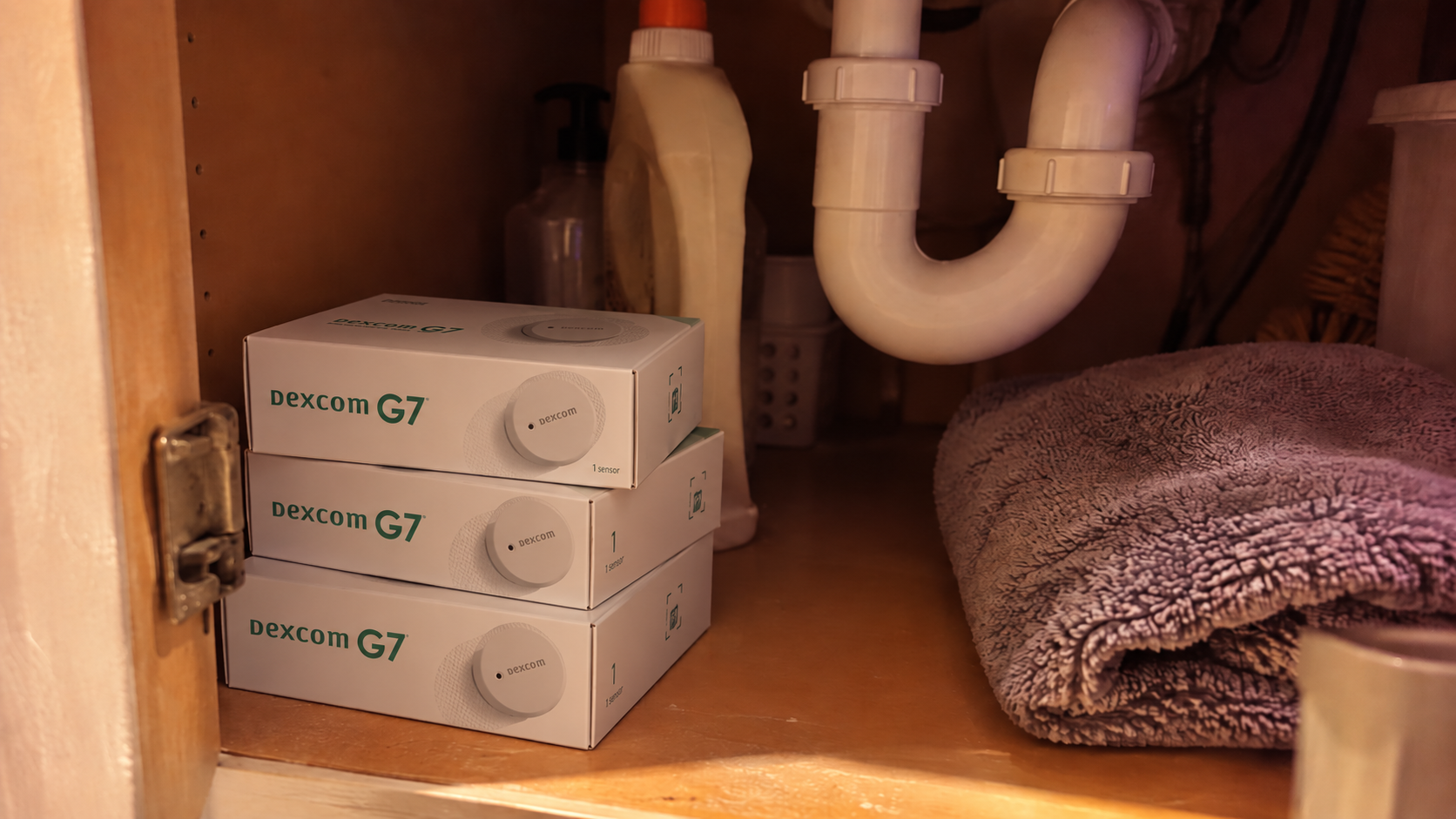
Scott Bennermy insulin, Jenny, assigned to that if you want a goddamn Pop Tart, eat it. I don't care. Just don't act like you don't understand what happened afterwards. Because that makes me sad. Like, I just, you're killing me online, okay, you're putting things up online, and you're making me sad because I want to come solve this stuff. The I don't have time. And you're breaking my heart. So and and when I when I help people privately. Some people get it more quickly. And some people get it slowly. And then some people give it away, like after they know it. And I've seen them do it. And then they stopped doing it. I'm just gonna tell you, like, I don't follow many people's Dexcoms. And when I do, I don't for long. But when I do, and I've seen you do it, and I've seen you understand it, and then you have a 300 blood sugar, I gotta stop following you. It just It breaks my heart like I just can't, like it eats me up inside. You know, I look at the graph. And I'm like, oh my god, like it didn't Pre-Bolus Or why
Jennifer Smith, CDEhave a bad pump site or Cutlass?
Scott BennerIt could have been anything. The problem is, it's just it's ripping my guts out. I can't look at it anymore. Like with my daughter, I can do something about it.
Jennifer Smith, CDEIt's hard to follow people I agree. I mean, with the with the many, many, many people. I see their data. Yeah, it is. It's hard because and I think, you know, there's, there's no, there's no stop to, like my job isn't like, I go to the office and do my job. I put everything away. I close the door and then I go home, right? Like the people that I work with become like, they're almost like family to me, right? They're people that I I care about the people that I get the privilege to work with and help and I want the best and I Tonight, I feel like I could just like go home with everybody
Scott Bennerjust texted a person this morning. And I said, if you could just come here for, I think 18 hours, I could just do this for you and you could see, but they and they know what to do and they won't do it. And I'm just like, oh my god, it just really listen, I'm not trying to turn this. It's hard on me. Like I really does. Like it just rips me up. Like, I'm like, you keep making the same mistake over and over again. But it's not out of ignorance. You you quite honestly know not to do it. And you just I don't know if it's fear, habits are hard to break. Yeah, or habits are hard to break. But you're just you're doing the wrong thing. Like it's and I've told you it's the wrong thing. 10 different ways. And each time I say it, you say I understand I now know what my wife feels like when she's talking to me. It must be Kelly. I'm so sorry. It must be incredibly frustrating to say the same thing to me a million times, and me go No, no, I understand. I 100% understand it three days later. I'm just doing it again. But But and so it's like, I don't mean to come down on me. I'm not trying to come down as evil. I'm just saying that. Jenny's not wrong, like following someone's blood sugar is it's a lot. And it's tough to win. Like, I don't think I know everything. And I but it's tough. When you look at a graph and you go, hey, you know what, you need more basal? And they go, No, you know what I think? And I always think to myself, I actually started saying it out loud. I just started going like, why don't we stop worrying about what you think? Because what you think led to this graph I'm looking at? Try what I think for a second and see what happens.
Jennifer Smith, CDEThat's my way for a little bit, please. Yeah, here. And
Scott BennerListen, I'm gonna cost Jenny some money and save all of you an hour paying her Friday. Stop explaining to Jenny what you think, let her tell you what's going on. Because you're just in therapy at that point. And that's not getting you to a better blood sugar thing. You know what I mean? Right? How many stories do people tell you where you're just like, stop talking, this doesn't matter.
Jennifer Smith, CDEAnd sometimes, you know, sometimes it's a marriage of what I see. And sometimes it's adding in then what they've seen, but they're addressing a certain way, because they think something's happening, that isn't really the reason for it. So it's kind of a marriage of what I see and how to tell them about what to do differently. It's not that what you're seeing is wrong, it's that the adjustments are not quite the right adjustment. You're
Scott Benner100% right. And I was being too flippant, like you do need to hear it from them. But it's fascinating how infrequently their interpretation of what they're seeing is right, right. You know, you need to you need to hear what's happening. You don't need their interpretation of what's happening as much it's interesting. Anyway, it's like it's like trying to do I don't know, it's the weirdest customer service in the world like it people. This is like that except times like a million. So anyway, Jenny has to go. She's sure I do drop bombs of knowledge and truth all over this episode. So I really appreciate that. I will talk to you soon. Cool. Awesome.
Conclusion and Episode Outline
Jennifer Smith, CDEJenny Smith holds a bachelor's degree in Human Nutrition and biology from the University of Wisconsin. She is a registered and licensed dietitian, a certified diabetes educator and a certified trainer on most makes and models of insulin pumps and continuous glucose monitoring systems. She's also had type one diabetes for over 35 years and she works at integrated diabetes.com. If you're interested in hiring Jenny, you can learn more about her at that link.
Scott BennerIf you're living with diabetes, or are the caregiver of someone who is and you're looking for an online community of supportive people who understand, check out the Juicebox Podcast private Facebook group Juicebox Podcast type one diabetes there are over 41 1000 active members, and we add 300 new members every week. There is a conversation happening right now that would interest you, inform you, or give you the opportunity to share something that you've learned Juicebox Podcast, type one diabetes on Facebook. And it's not just for type ones, any kind of diabetes. Any way you're connected to it, you are invited to join this absolutely free and welcoming community.
I hope you enjoyed this episode. Now listen, there's 26 episodes in this series. You might not know what each of them are. I'm going to tell you now. Episode 1000 is called newly diagnosed are starting over episode 1001. All about MDI 1002 all about insulin 1003 is called Pre-Bolus Episode 1004 Temp Basal 1005 Insulin pumping 1006 mastering a CGM 1007 Bump and nudge 1008 The perfect Bolus 1009 variables 1010 setting Basal insulin 1011 Exercise 1012 fat and protein 1013 Insulin injury and surgery 1014 glucagon and low BGs in Episode 1015 Jenny and I talked about emergency room protocols in 1016 long term health 1017 Bumping nudge part two in Episode 1018 pregnancy 1019 explaining type one 1020 glycemic index and load 1021 postpartum 1022 weight loss 1023 Honeymoon 1024 female hormones and in Episode 1025, we talked about transitioning from MDI to pumping.
Before I go I'd like to share two reviews with you of the diabetes Pro Tip series, one from an adult and one from a caregiver. I learned so much from the Pro Tip series when our son was diagnosed last summer. It really helped get me through those first few very tough weeks. It wasn't just your explanations of how it all works, which were way better than anything our diabetes educator told us. But something about the way you and Jenny presented everything, even the scary stuff. That reassured me that we could figure out how to deal with us and to teach our son how to deal with it too. Thank you for sharing your knowledge and experience with us.
This podcast is a game changer 25 years as a type one diabetic, and only now am I learning some of the basics. Scott brings useful information and present it in digestible ways. Learning that Pre-Bolus doesn't just mean Bolus before you eat but means timing your insulin so that is active as the carbs become active. Took me already from a decent 6.5 A1C down to a 5.6. In the past eight months. I've never met Scott But after listening to hundreds of episodes and joining him in his Facebook group, I consider him a friend. listening to this podcast and applying it has been the best thing I have done for my health since diagnosis.
I genuinely hope that the diabetes Pro Tip series is valuable for you and your family. If it is find me in the private Facebook group and say hello. If you're enjoying the Juicebox Podcast, please share it with a friend, a neighbor, your physician or someone else who you know that might also benefit from the podcast. Thank you so much for listening. I'll be back very soon with another episode of The Juicebox Podcast.



























Please support the sponsors


The Juicebox Podcast is a free show, but if you'd like to support the podcast directly, you can make a gift here. Recent donations were used to pay for podcast hosting fees. Thank you to all who have sent 5, 10 and 20 dollars!
#1019 Diabetes Pro Tip: Explaining Type 1
In this episode of the Juice Box Podcast, Scott and Jenny Smith discuss the need for better understanding of type 1 diabetes. They provide valuable insights and tips for parents, educators, friends, and neighbors to navigate living with type 1 diabetes. This episode serves as a resource for both those who want to learn more about type 1 diabetes and those who struggle to effectively communicate what it entails.
You can listen online to the entire series at DiabetesProTip.com or in your fav audio app.
You can always listen to the Juicebox Podcast here but the cool kids use: Apple Podcasts/iOS - Spotify - Amazon Music - Google Play/Android - Radio Public, Amazon Alexa or wherever they get audio.
Key Takeaways
- Explaining Type 1 Simplified: T1D is an autoimmune disease where the body stops producing insulin. Without insulin, blood sugar rises dangerously high. A person with T1D must manually provide insulin (via injections or a pump) to stay alive and function normally.
- Respect Their Timing and Gear: If a person with T1D needs to look at their phone or give insulin during a meeting, class, or practice, they are not being rude—they are making life-saving decisions. Never ask them to "wait 5 minutes" to take their insulin; timing is critical to match food digestion.
- Avoid Harmful Anecdotes: Do not tell stories about a relative who lost a limb to diabetes. Do not suggest a cure or a specific diet. Unless you live with T1D, listen more than you speak, and ask how you can be supportive rather than offering unprompted advice.
- Recognize Symptoms of Highs and Lows: Low blood sugar can cause shaking, confusion, irritability, slurred speech, or a "drunk" feeling. High blood sugar often causes fatigue, sluggishness, and frustration. Both severely impair cognitive and physical performance.
- Support, Don't Smother: Be observant but not overbearing. Asking "Are you okay?" every five minutes is exhausting for the person with diabetes. Establish a subtle system (like a quick thumbs-up) or schedule specific times for them to check their blood sugar without making it a public spectacle.
Resources Mentioned
- Wrong Way Recording: wrongwayrecording.com
- Diabetes Pro Tip Series: diabetesprotip.com
- Juicebox Podcast: juiceboxpodcast.com
- Juicebox Podcast Type One Diabetes (Private Facebook Group): Join on Facebook
- American Diabetes Association (ADA)
- Afrezza (Inhalable Insulin)
Introduction: Explaining T1D to "People"
Scott BennerHello friends, and welcome to the diabetes Pro Tip series from the Juicebox Podcast. These episodes have been remastered for better sound quality by Rob at wrong way recording. When you need it done right you choose wrong way, wrong way recording.com initially imagined by me as a 10 part series, the diabetes Pro Tip series has grown to 26 episodes. These episodes now exist in your audio player between Episode 1000 and episode 1025. They are also available online at diabetes pro tip.com, and juicebox podcast.com. This series features myself and Jennifer Smith. Jenny is a CDE and a type one for over 35 years. This series was my attempt to bring together the management ideas found within the podcast in a way that would make it digestible and revisitable. It has been so incredibly popular that these 26 episodes are responsible for well over a half of a million downloads within the Juicebox Podcast. While you're listening please remember that nothing you hear on the Juicebox Podcast should be considered advice medical or otherwise, always consult a physician before making any changes to your healthcare plan or becoming bold with insulin. The Pro Tip series that exists inside of the Juicebox Podcast is mainly about management of type one diabetes. There's also some informative stuff like what can you do when you go to the emergency room to make your experience easier. And today, I'm going to be filling a need that's been presented to me by the listeners. So I don't know if this episode is for them to get ideas from or for them to share, or maybe both. But in this episode of The Juicebox Podcast, I along with Jenny Smith, Jenny, of course has had type one diabetes for 32 years, she's a certified diabetes educator and an all around amazing person. And me Scott, who's you know, just the host of the podcast and the parent of a child with type one diabetes. So this episode is for people who need to understand type one diabetes more, or for those of you with type one who struggled to talk to those people about what type one diabetes is. See, if you're like the school nurse or a teacher, maybe my boss, friend, a neighbor, somebody wants to have my kid over for a sleepover. This episode is for you to try to understand better what type one diabetes is and what your role in it can be. And if you're a person living with type one or the parent of someone living with type one, and you're struggling for how to talk to people about it, this will be beneficial for you as well. And a huge welcome to those of you who don't usually listen to a type one diabetes podcast, those of you who care enough to try to learn a little more about type one so that you can be a better support system for the people you know and love living with type one diabetes, it means a lot to them. I'm sure they're really, really excited that you that you took the time. So I hope we can make this informative and fun for you. I think we have let's get started. I want to jump right into this because this has been interesting since I brought this up to you the other day, I I sat down myself and I thought who in my time have I spent? Have I had to describe diabetes to you know, when I started kind of making a list. And then I just a lot of people, a lot of people and then I went online and I said you know into the private Facebook group for the podcast and I said hey guys, Jenny and I are gonna do this thing. Who do you wish? You know, we could talk to and here's how the list came back. Grandparents, teachers, parents, babysitters, somebody who might have My kid for a sleepover, my child's friend's parents, a coach of a team, spouses or significant others, co parents, roommates, extended family, school nurse, co workers, bosses, bus drivers, and, and and family of adults with type one. So people who are diagnosed as adults who then are around other adults who never end up getting it. And then very much at the end of the list, someone said, Oh, I wish you could explain it to chaperones. And I started thinking, everyone should have just answered with the same word, it should have said, people, because this is just, this is like everything else around diabetes like you like, oh, explain it specifically to a coach. So what I'm going to tell you is, I think we're going to have a conversation, that whether you're one of the people I listed, or just a person who knows somebody with type one diabetes, when you're done, I'd like you to understand the basics of type one better, maybe a little bit of terminology. So things are happening, and maybe more so the mind of the person with type one, what's happening to them, and how you can be supportive of them. I think that's the goal here like not to speak to like, like there was there in the beginning, I thought, oh, we'll do a couple of minutes talking to grandparents, and then a few minutes tall, and I'm like, No, it's all the same thing. Really. Right.
Jennifer Smith, CDEYeah, it is. And it's, it's really funny, you bring this topic up, because it's actually we do a monthly newsletter, and my my article last month was sharing your diabetes. Okay. And it was it was kind of along this same line it was, how do you talk to other people about your diabetes and give them the baseline of what you need them to really know. Without like a textbook, that's like 4000 pages long, overwhelming. It's overwhelming. And I some of the big points were one set a time to discuss specifically diabetes, with these people, or this person, or this culture, whoever it is, I like your term, just people in general, right? Pick the person. You need them to know this, this and this, these are the important facts. Because it's a lot easier if you've set a time for it, than if you go to the coach at the end of practice. And you're like, Hey, can you just take five minutes with me, I really want to talk to you about you know, Billy's like type one diabetes, and the coaches got, like, you know, soccer balls over is trying to get home
Scott Bennerto go home and get yelled at. There's a lot going on in my life right now. Right, right. So
Jennifer Smith, CDEsetting up a time, again, the timeline of what are the important things you want these people to know? Like you said, the basics.
Scott BennerLet me add this to that. The other things that people came back in their, in their responses, very overwhelmingly was, I want this episode to be something I can text to somebody like a link and say, Please, can you listen to this and understand diabetes? Because many of the people who came in to speak said, Look, I'm not very good at describing it. Like I can take care of myself. But when I start there was an overwhelming feeling of when I start to explain it to somebody else, I either get frazzled or too detailed. You and Jenny do it. And I'm like, alright, well, we'll do it. So Jenny's after you listen to this episode, and you decide you really want to help a person you love with type one diabetes, or someone who's in your class, or because there was one very specific woman who said, I'm a college professor, I wish I could explain it to my students. Better, right. And so whoever you are, in this scenario, here's what I can promise you, Jenny, and I will not make this boring. And we will not make it overly like taxing. It won't be so technical, you won't understand. And it should be a good runway up to you having that conversation that we just spoke about with this person in your life who has type one diabetes. So that's my overarching goal, Jenny, don't mess it up. Okay. I'm talking to myself. I don't want to mess it up. Do we start with? Well, we usually talk about diabetes in such a specific way. But why don't we start with just a really simple description of type one diabetes? You want to go?
What is Type 1 Diabetes?
Jennifer Smith, CDEYeah, absolutely. I mean, type one. diabetes is the body's inability to create insulin or to put it out into the body. And so without it, your blood sugar gets too high. So type one diabetes is a deficiency of insulin. It's specifically an autoimmune disorder, which means the person did nothing to cause type one diabetes. It's not because they sat and ate hohos for you know, three years or whatever. So and I think that's a that's an important one to put out there. And just the simple explanation because there is a lot of misunderstanding And around just the term diabetes. Sure.
Scott BennerSo yeah, and it is a listen, it's a genetic issue, right? It's an auto immune disease, you know, you can use an example, my daughter was two years old when she was diagnosed, she weighed 19 pounds. And I, you know, fed her the same stuff, all of us feed our kids. And, and her body just was like, you know, got confused one day. I mean, that's even that right? For these people listening. I don't know exactly what triggered my daughter's type one onset, what I can tell you is that testing can prove that you have markers, that that make you more likely to get diabetes. I don't know if my daughter had them, obviously, because no one ever checked her. But she got sick. And you know, it's always been my belief that her immune system got confused. And instead of killing her virus, Winton killed her pancreas for the lack of a better term. And I want people to understand, too, that the advent of insulin is still fairly new 1921 one, right. So, for context, if my daughter's pancreas would have crapped out in 1919, she would have died in a couple of weeks, right? That's correct. Okay. The insulin is the only thing keeping people with type one diabetes alive. Otherwise, the first time your blood sugar starts heading up, it will just keep going up and never stop. That's right, right. And you'll slip into a coma and die. Okay, I told you, this wasn't gonna be too technical. So so people are getting this insulin in, in a ton of different ways. And so I think that would be important, what are the different ways people get insulin,
Jennifer Smith, CDEinitially, and some people even long term after diagnosis continue to take injections. So the age old, you get a little like bottle or what we call a vial of insulin, they now come thankfully, and easily dispensing pens. And you dose it through the course of the day based on many factors. There's other ways such as an insulin pump, that you could take your insulin, kind of a fancy little pager size device that sort of drips it into the body through a tube, or if you're using a tubeless, one like Omni pod, then that would be another way to do it. So essentially, an injection or a pump, those are two ways to get in the body. Now there is one other way. I mean, if we wanted to be truthful about it, there's also an inhalable insulin called the Afrezza. So that's another way to use it,
Social Pressure, Timing, and Empathy
Scott Bennermost people inject insulin correct. And so inject like Jenny said, with a pen, which really is just a very fancy syringe, you might see someone do it with a syringe, you might see someone wearing a device on their body, or carrying a device that's connected to their body with a tube, there's different ways, but in the end, you need to get that insulin under your skin, right. And this could happen for a number of reasons it could happen because you're eating if you happen, because your blood sugar just went up on its own, and you need to bring it back down. When it needs to happen, it needs to happen. And I want people to understand that asking a person with type one diabetes, to go into the bathroom, and extensively hide while they're injecting is is not the right thing to do. So if please, there's, throughout this, I'm gonna tell you say things like, please don't ever say this, here's one of them, people around here might be uncomfortable with your diabetes, you can't do that to a person. If they're uncomfortable, they can leave, I need to give myself this insulin. So my blood sugar doesn't go up really high. And don't get me wrong, like not getting the insulin is not going to you know, it's not gonna kill you in the moment if your blood sugar is going higher, but here are a lot of things that could happen. They're thinking could become cloudy, right? Right, they could become agitated. So if you're a teacher, you don't want your kids blood sugar high, because they're gonna have trouble concentrating, thinking, they're not going to learn performing in all kinds of different ways. Same thing with sports, your blood sugar gets too high, you slow down your body has a difficult time, you know, I can see at my daughter's foot speed. If my daughter's blood sugar gets over a certain number high where it doesn't belong. I can literally see her slow down while she's running, she just can't go as fast.
Jennifer Smith, CDERight? It would be the same thing too. I think in like a corporate world type of setting where someone may leave, feel like it wouldn't be acceptable in order to use their insulin or to respond to their pump, telling them to take the insulin or whatnot. And the same thing if they're being asked to present or to discuss something that's very, very important. They may not have the ability to do that. And if their blood sugar is not in the right place. Yeah.
Scott BennerSo you need to give people the freedom to do what they need to do. If you want them to be themselves or be able to do that. thing you're asking them to do or hope that they can do. They need to be able to take their insulin and feel comfortable about it, it's difficult to have. This is a lifelong disease, like it's not going to, it's not going to get cured anytime soon, it's not going to, it's not going to go away, it's not going to one person said, make sure people understand it doesn't just transform it to type two diabetes, like it's a progression from one to two, right? Doesn't happen type two diabetes, completely different thing, right. And so this person, it's hard, it's really difficult. Like, I really want people to listen and think that every time you have a body function that puts pushes up your blood sugar. And so for people whose pancreas is work fine, could be adrenaline, stress, pain, so many different things can make your blood sugar try to go up, when that happens to you out there. With a working pancreas, your pancreas just stops it, you don't even see it happen. Like if you were monitoring your blood sugar in real time, and you got some adrenaline like it might blip for a second, but it would come right back. A person who doesn't have that their blood sugar is going to shoot up and keep going or get too high and stay there. And then they need to put that insulin in into their body to bring it back down again. It's just it's 24 hours a day and to have somebody make it more difficult for you is is kind of terrible.
Jennifer Smith, CDEAnd I think in terms of even bringing up the technology that is available, such as an insulin pump in terms of delivery, I know that there's also the misconception even in our day and age right now. Oh, you've got a pump? That takes care of it all. Yeah, that's a, that's not true. 100% not true at all, there is so much that the person with diabetes has to interact with in order for that technology to do what it needs to do for them. So just because they're connected to these devices, can be helpful. But it's not doing anything without their interaction with
Scott Bennerit. Yeah. And it's, it's easy for people to understand to make an assumption, like, Oh, they got the machine, the machine fixes it. Right, right, or something like that. And I want to be really clear for everyone listening, like, I'm not coming down on you. There are plenty of disease states that I don't understand in any meaningful way. But what that does is it stops me from, you know, saying things about it that I don't understand. And like, there's a ton of different things. You might think, Oh, this is helpful. Like, if you find yourself with a parent of a child with type one, and they've just been diagnosed, and you think, Oh, this parents so smart, or look how well they're handling it. It's not right to say to them something to the effect of you know, Well, God gave the child with type one diabetes to the right person, because you can really handle it. Right. Really think about that sentence. But you know, when you're in it, because it happens to a lot of people. No one's lucky that their kids got diabetes. Nope, no adult feels lucky. And no one walks around going, thank God, I'm a head screwed on straight kind of person. And I'm the one who got type one, because Jimmy up the street hot mess. And if he would have gotten it, it would have been way worse for him. It's bad for everybody. Okay, it's just that's a, so be careful how you speak to people. Right? I think I think about a person who's been on this podcast before who had a child who passed away and I asked like, what's the right thing for someone to say to you? And she's like, there is no right thing for someone to say to you. And, you know, anything you do is just going to, it's not going to make anything better. Unless you offer like sincere, simple support. Hey, if there's anything you need, I don't know what to do. But if you tell me I'll do it for you that works with this as well. You know,
Jennifer Smith, CDEI think it's I think it's along the same line as offering up information about your neighbors grandma, who is something Something happened because they had diabetes, I same thing. It's like, don't, don't offer up in terms of like a connecting point. You know, if sure if you've got a cousin who has type one or you know, an uncle who had type one, and you have a little bit of understanding that might even further your discussion in terms of what the person with type one talking to you could put back into the conversation. But unless you've really lived with it, or you have taken care of somebody with type one, please don't? Yes. Tell them about your neighbors, uncles friends.
Scott BennerThis was Jenny's politely saying don't look at somebody go diabetes. Oh, where have I heard diabetes from my grandmother? Oh, you know what? Oh, my grandmother had diabetes. They cut her leg off. That's not a good thing to say to somebody. Yeah, right. And just yeah, don't don't do that. Okay. So keep keep those thoughts inside. Because that's not helpful. And it might have nothing to do with the person you're talking about your grandmother's situation. Very well could be a ton different than this person situation and that It's important to understand too is that in this day and age right now, I know this sounds kind of strange, but this is the best time in the in the history of the world to be diagnosed with type one diabetes. So people have a much greater chance of staving off, what could be long term complications, and they have a much better chance of managing day to day in the moment in a way that won't impact their lives too badly. Now, I feel strange saying this because on one hand, what I'm telling you is, these people need some leniency. They need some understanding they need a little space because they're making decisions about how their bodies are, you know, working. And at the same time, I want to tell you that they can do anything, and so don't limit them. You know, and that's hard to do too, because you might not feel like you're limiting them you may feel like you're protecting them. And correct they don't need that. And if they do need that, they'll know and they'll ask you for it. Yes,
Jennifer Smith, CDEright, exactly. Which is part of this. You know, the purpose of this is understanding if they're having a conversation with you about what you need to know. The reason is because a lot of times they want you to know what to do in case they need help. Right some understanding about this is diabetes, this is what you might see me carrying such as the devices this is I might make some noise my products might be bit tight, or whatever you know, but in case of this, this and this, these are the things that you could do to help me and this is how to help me right
Recognizing Lows and Highs (and how to help)
Scott Bennerbecause they may at some point need that help. And it's so you understanding like say you're a teacher, you understanding like signs like visible signs of hypoglycemia Okay, so low blood sugar, blood sugar. And I'm gonna read your list which I'm not a big list reader on the podcast but this person could feel shaky, be nervous or anxious. They could be sweating, have chills feel clammy, irritable, impatient, confused, their heartbeat might pick up, they can feel lightheaded or dizzy, voraciously, hungry, nauseous. Their skin sometimes can get pale, they'll look tired or could feel tired, they could end up feeling weak. Their vision could get blurred or impaired. My daughter talks about her mouth gets tingly and numb if her blood sugar gets too low headaches, trouble coordinating themselves clumsiness. This is coming right from the ADA's website, the American diabetes Association's website, in their sleep, they can have nightmares or cry in their sleep. And if their blood sugar gets too low, they can and if it gets low enough, we'll have a seizure. And so they'd like to know if they're not making sense when they're talking so that they can take in some carbohydrates of some kind to bring their blood sugar back up. And so you being a person around them, like like a coach. And you have to figure out the line, right? Because these things while they can happen, may very well not happen. So think of the other side of it. You know, you've got a little girl on your soccer team, and she's running around and every three seconds you're jogging next to her. Becky, do you feel okay? Becky, Are you dizzy? You don't feel clammy? Do you? Hey, Becky, Becky, Becky, Becky, you're ruining Becky's life when you do that, okay? Don't Don't do that. But at the same time, you could look over once in a while and visually, just, you know,
Jennifer Smith, CDEevaluate the performance, if you're the coach, you know, how your kids usually perform or do things, you know, how they interact with their other teammates and whatnot. So yeah,
Scott Bennerit may not be at all, a strange thing to say, like, look, we have a two hour practice. Everyone sits down, you know, halfway through and drinks water. I'd really like it. If Becky tested her blood sugar, then, you know, because I don't maybe you don't feel comfortable as the coach like you don't want to be on the hook for like, seeing if this kid is about to fall over or not. Right, I get that. So talk to the parents and say, Look, can we just coordinate a blood sugar check, you know, at some point, you know, for safety, and then make it normal, don't call attention to it don't like it's happening. And everyone doesn't have to stare and people are going to stare in the beginning. But you got to just give the kid the the space to let it happen because everyone will get used to it. And I guess that's what I want to bring up with. Um, when my daughter was very little the first day of school, I'd go in and it's and I would give a talk like to the kids like five minutes on the literally the first day. Hi, this is Arden. Arden has type one diabetes, her pancreas doesn't make insulin, once in a while you're gonna see art and pull out this thing and give herself insulin within her controller for her pump. Hey, you know what Arden is just like the rest of you. She doesn't need, you know, she doesn't need you to check on her constantly. But if she looks like she's dizzy, or she's not making sense, you know, it'd be nice to tell your teacher, right? But it still didn't stop this one little girl from mothering her. And so she came home one day and she's like, this kid will not leave me alone. Like, like, and she goes, it seems really sweet. But she won't stop, I need this kid to stop back off. Like leave me alone. So that there's, there's a balance in there somewhere where you can be supportive, and understanding without being a burden to them or making them feel different or looked at. And this is very important. Like it really goes across the
Jennifer Smith, CDEboard and what you're saying to not just the little kid component, but the teacher or the coach, like you said like bugging, bugging, bugging, are you okay? Do you feel okay, do you need some more juice, you know, that kind of thing, or maybe even goes cross crosses over into spouses, significant others. You know, especially and I would expect that later in marriage or later in partnership. You've had enough visualization to not be like bugging, bugging, bugging, but in newer relationships, I think an upfront important talk when you know that it's going a little bit further than just let's go out and get a drink or whatever, right? I mean, it's important to bring up this is how you could help me Don't bother me though. You know, don't don't tell me not to have the potatoes with my dinner when we go out for dinner because oh my goodness, they have carbohydrate in and
Scott Bennerthe potato makes your blood sugar go up. Thank you. That's what I want you thinking about right now. Unless the person says look, I have trouble saying no to potatoes. So if you could like if they want it
Jennifer Smith, CDEthat's different, right? It's Could you remind me not to do exactly
Scott Bennerwhat I say? See the french fries, if you could just go, Hey, you told me last time, I shouldn't get french fries to bring it up. I don't think anything that we've said the last couple of minutes about kids and coaches and teachers doesn't specifically apply to adults in adult situations, either. It's correct. It's all exactly the same. It's why I didn't want to break these up into like, Okay, now, here's 10 minutes for your boss, if someone's working for you, and they have type one diabetes, they're going to have some needs. And the most important thing is to support them and not make them feel awkward or odd about it. And I'll tell you why. And as a person who I'm hoping cares about other people who have type one, you know, you could create a, an eating disorder by telling someone don't, don't use your insulin here, because what you're saying to them is don't eat right now. And then they start associating the awkwardness of giving themselves the insulin with eating, and then they'll stop eating. And I know that sounds like oh, that won't happen, that happens a lot,
Jennifer Smith, CDEor hide their eating. Right, right, in an effort to not like show others. I mean, there there is, it's I mean, it's a whole another broad topic in terms of diabetes, the eating disorders that are associated with diabetes. It mean, food is a huge part of diabetes management it is. And so it's not odd, that it can become an issue. But it certainly is something that in terms of being supportive for another person who has diabetes, you don't want to push the envelope that way. And I
Empowering Independence (and the School Nurse Problem)
Scott Bennerand seriously, because your grandmother or your aunt, or your uncle has type two diabetes, you don't understand type one at all. There's nothing about that, that translates over to this in any meaningful caregiving kind of a way. I remember just recently, we were having a conversation before a school year. And one of the teachers, you know, my daughter's information about her blood sugar is on her cell phone, right, which is really cool. And so the teachers like, well, we take the cell phones away at the beginning of the class, and I laughed, and I was like, that's fine. Arden's not going to be giving you her cell phone, she needs it to, you know, make life and death decisions. And she's very good with their cell phone. She's not going to abuse it and everything like that. She was well, what do I tell the other kids? And I said, I swear I said this in a roomful of about 10 teachers is that tell them if they want to get a lifelong incurable disease, then they can keep their cell phone on them too. Otherwise, they should shut up. And like, and you have to have the nerve to do that, like you shouldn't to turn to 20 other kids and go, Listen, her situation is different than yours. I don't even care if you but just stop, you know, like it's a it's a big deal. Imagine wanting to use someone's diabetes as an excuse to keep your cell phone or to be a malcontent for a second, and then you as an adult, don't just shut that down right away. Instead, you're like, Oh, well, you know, Kim does have a good point. It's not fair. Of course, it's not fair. It's also not fair that my daughter's carrying a juice box with her and like, something called glucagon in case she passes out so somebody could stick it in her leg. It's not fair either, you know. So just think I'll tell you a common sense is, is a huge help with diabetes. It really is, and especially about being around them. But let's look, I think everybody understands now hopefully, why don't we drill down a little bit more about how in a situation whether you're a teacher or grandparent who's babysitting or something like that, or a you know, a boss who's trying to, you know, keep somebody healthy, like let's give him more nuts and bolts of what goes on in the day of a person with type one diabetes and how they may be able to be helpful in those situations. So, I mean, but before we do that, Jenny, I'm sorry. Can you explain to people what it feels like to be high and what it feels like to be low? For you personally, it's gonna be different for some people. But
Jennifer Smith, CDEYeah, so lows. As I said just a bit ago, low symptoms for the person can change through the course of life with type one, too. So my lows now, I feel as though I have like these racing thoughts. I feel like things are going really like exponentially fast. But I feel like I'm moving through mud. Like, I feel like I just can't get there. Even though everything in my brain feels fast. I feel like I'm just moving at like a snail's pace. It feels horrible. I also, for a long time, it started in college, and I didn't have this symptom before, but kind of like you mentioned that like numb. With Arden, I have like this numb, tingly tongue kind of feeling for low blood sugars. And I've never thankfully knock on wood, I've never gotten to the point of needing glucagon, I've never had to use it in my 32 years of life. Nobody's had to give it to me, I have had to have assistance for treating low. But um, you know, sometimes I've, I've, like started talking kind of weird, like, not really what the whole conversation was about, or like mumbling and sort of rambling. And my husband said, like, I think your blood sugar's kinda low. And this was before CGM, like we were married early on. You know, he knew some of the things to watch for. So I mean, those are my lows. Now, when I was younger, I definitely was shaky. I mean, it was very visibly, my blood sugar was low. And again, that was a time when there were no continuous monitors and pumps were not really beneficial. So but highs, highs, I get really, like tired, and really kind of, like more annoyed, I don't get annoyed, I don't get that like irritated angriness with lows like many people can get, I get that more when I'm high. And I feel like I just can't put a lot of really good, like thoughts together consistently, I feel slow,
Scott Bennerso hard to put the effort in for anything. And it's not something that you can just fight through. It's not like that. It's not, it's not like I didn't get enough sleep last night, but I need to be at work. It's an absolutely physiological issue that is limiting you. So for people listening, it's sugar, glucose is the is the energy your brain runs off of. And having the right amount of it is perfect. Having too little of it, you know, is goes the way we've discussed and having too much of it does something to your body with a working pancreas just keeps you in a great range all the time. So you don't experience all of these things. But a person who maybe could do something so simple as let's see, let's say you have a kid in your class who says I have to give myself my insulin right now, because I'm eating in 10 minutes. And you say, no, no, no, we're gonna finish this first, don't do that. I don't want you giving yourself insulin in front of all these people. Well, you've now missed time, their insulin with the impact that the foods going to have on their body, which will very likely drive their blood sugar higher and cause what Jenny just described. Similarly, if they say I put my insulin in 10 minutes ago, and I know you want to talk for five more minutes, but I have to start eating now. You can't say no, because then their blood sugar could go the wrong way the the insulin will continue to pull the sugar out of their blood, it doesn't know how to stop like, like a healthy body does,
Jennifer Smith, CDEit's expecting there to be food there to work with.
Scott BennerYes, and when that foods not there, they can get awfully low and all the way up to like I don't want to, like, you know, I don't want to make you feel like I'm trying to be dramatic, but you could kill them. And you know, anywhere from shaky to not making sense to angry to seizures to passing out to dying, like if you take too much of that sugar out of their blood. That's like taking electricity away from a light bulb and you can't turn it back on again by putting the sugar back in after it's off. So it's really important. And at the same time super important not to make people feel like pariah and and not to give them long term, serious psychological issues around this thing that they you know, I am going to say this, but I don't think it matters. They have nothing to do with getting it. But even if they did, why would you? Why would you want to make them feel that way? You know, and I think that's important and I don't think any of the people listening to this want that. I think it's just it don't know what they're talking about. And then you make assumptions you No, I don't know, a lot of the things that we think are is anecdotal. You know, we kind of went over like, oh, diabetes, that keys off. My grandmother had diabetes. I understand diabetes, I live with my grandmother for three years. No, that's different. That's probably type two diabetes. And your grandmother probably took a couple of medications and, you know, different thing. But the person who says that, I don't think they say that out of malice, I also don't think the person who tells you, you're so strong, thank God, this happened to you. And not me. I don't even think I don't think that person means that with malice. No, you know, they're in any
Jennifer Smith, CDEconversation, we're always trying to find a connecting piece, you know, I mean, communication is that it's a give and take between two people or six people or whatever. But if you're in the, if you're the person that doesn't know, then ask more than talking. Yes. Right. It's, it's always, well, oh, goodness, I, you know, I didn't know that you had type one diabetes, tell me what that's like. I mean, that's a very easy, simple, you know, and if the person really doesn't want or need to share with you, maybe they would just say, Well, you know, I manage it, and it's okay. But if they're, if you're sharing with them for a reason, then continue to really be more of the ask the questions. But don't share too much. Unless you truly have some experience to share. I feel
Scott Bennerlike before we go over nuts and bolts like management ideas that people will have to intersect with, I think what we should really be saying here is, in case you haven't been paying attention for the last 49 minutes, this is about communication. And most people are terrible communicators. And it's because they don't listen enough, and they interject their thoughts. And it's a very human thing to feel like, you know, but you don't like I could sit here for the rest of my life and make a list of things I don't understand. You know, but I'll tell you what, put me in a situation where one of those things, I probably puff up a little bit, start reaching into my common sense, or, you know, a little bit of my anecdotal information I have, and I start saying now, now I know what's up here. You know, it's, it's like talking about, I know, we're recording this during Corona, but like, it's that thing when people step up, they go, Oh, no, no, you know what you have to do you have to do this. How do you know that? Is it because you're a Harvard researcher? Or is it because you heard a guy say a thing, and now two people said it, you're like, oh, that must be true. And that's just how our brains operate. And it's very valuable day to day, it's not very valuable when you're trying to talk to somebody about something important like this, that you don't understand. And they very well may be struggling with as well. You know, so anyway, All right, I'll start you jump in. Okay, I'll do breakfast, you do lunch, and we'll, we'll go from there. My daughter gets up in the morning. And if we're lucky, her blood sugar has been stable overnight. But if she's been low, overnight, we may have had to take away some insulin, or give her food, she could wake up a little higher. Because of that, it could throw off the timing of her eating, she might end up being late for school. Because of that. She may end up being a little rundown, you can wake up if you have a bunch of low blood sugars overnight, you wake up with what people some people call a low blood sugar hangover. Yeah, right. And so that could be that. So you got to give these people a chance to get their lives moving. And then they've got to get to work. And what if I get myself insulin or on time and I have to get my car then and drive to work. And now I'm scared, I could get low while I'm driving like these poor people, or you're just eating, you got a pancreas, it works. You get up, you make some eggs, you throw them in your face and run out the door. And it's all good. People with diabetes are already 45 decisions into life. And it's 7:30. And they haven't been in the shower yet. So they so they get that together. My daughter, you know, heads off to school and, you know, half an hour, 45 minutes later, she needs to know what her blood sugar's doing. So she's gonna have to look. So you see, my daughter looked down at her phone in the first in first class, she's not ignoring you. She's making sure that her blood sugar doesn't get out of whack. And then she's got to start thinking about like, Oh, I'm getting low. And I have Jim two hours from now. And, and lunch is going to be in three hours. And, you know, I have to give myself insulin during social studies so that it's working for, you know, all that stuff, right. And they have to count their carbohydrates in their food. So I'm going to ask Jenny to explain like, what what they're doing, they're around their meals.
Jennifer Smith, CDEYeah. So I mean, carbohydrates are it's just a big word for sugar, right? I mean, all all carbohydrate foods, like starchy foods, fruit, even vegetables have some kind of carbohydrate or sugar in and when we take insulin, insulin is meant primarily to cover the impact of carbohydrates. So timing is really important around that in terms of like you said, she might need to take her insulin and social studies so that by the time she gets to lunch, the insulin is already there. The way that our insulin today works, it's meant to meet with her Food in the system. But our insulin has to actually do what we call peaking, kind of get in get working get circulating in order for food, carbohydrates was which digest really fast. Once they start, you know, getting into the stomach, that insulin has to meet it at the right time. And so when we count our carbohydrates, it's a certain amount that goes along with a certain amount of insulin, so that our blood sugar doesn't get too high after that might involve looking at a food label that might involve looking up information on your phone. So that maybe you're you know, visiting an app that's got a calorie or a carb counter in it, you might see somebody again on their phone or their device looking something up. And I guarantee that diabetes is fits around a mealtime. It's not that they're ignoring you or trying to be rude, it's likely that they're looking for information, or maybe that they're telling their pump to do something important. Coming into that mealtime.
Scott BennerAnd if you stand in their way of doing that, than most people to feel like they fit in next time won't do it, then you'll make their insulin late and they're gone. And their blood sugar is going to be higher. Not everybody's me, like I don't care what people think I would just do whatever, you know, and I've raised my daughter that way. I'm like, Oh, don't worry about them just do what you need to do. But but you have to understand that many, many people can't overcome social pressure. And so you pressure him even on the way you don't understand, you may send them in another direction. So they count all these carbs that give themselves their insulin. Now they're not sure if it's going to work, their blood sugar might go up and might go down. Now they might have to have their meter out to check their you know, they might have to poke a hole in their finger, make some blood come out, check it with a test strip, some people might be wearing a glucose monitor that's feeding their their blood sugar live to them on their cell phone, there's a lot of gear they have. It's not, you can't restrict their access to their gear is is a big thing. Because I've seen people say like, oh, just leave your bag here. Like I need that bag. I can't just leave it here. And that might mean if you're a teacher, that at recess for this year, you're going to be wearing some kids bag over your shoulder at recess. And just I know it sucks, but just do it. And that's it. For for, for I was good, please.
Jennifer Smith, CDEOh, I was gonna say along with that, like in terms of like, what do you have to leave your bag here, whatnot, I've worked with quite a number of adults, especially who are government employees who aren't allowed to run their phones aren't allowed to have certain devices like a phone or whatnot within their government building. And I think the important thing, I mean, if you are certainly, you know, within the realm of being an employer, for people with type one i policies need to change, then that's the biggest thing that I can say, because while the device itself might have pieces that you don't want within the building, you're really restricting their ability to have a healthy life in terms of also what you're asking them to do performance wise on the job, things
Scott Bennerchange. And that goes right to what I was gonna say with like school nurses, like, I know, You've been a school nurse for 25 years, and no kid here has ever died from type one diabetes, except the way that you took care of it 15 years ago, it's not the way people take care of it anymore. It's much more fluid, it's, it's better. It just it really is and saying to somebody, Oh, it's okay. Or I'd rather their blood sugar be high than low? No, you wouldn't rather their blood sugar be high than low, you'd rather the blood sugar be normal normal than either of those things. Stop finding either ores in your head, I don't want to go down the wrong road away from away from diabetes, but everything's not black or white. It's not this or that. There's all kinds of other options and gray areas. And just because your brain picks, I'd rather be high than why rather than behind the load that doesn't make you right, and that doesn't mean that's the only option. There are a ton of options. Kids having to leave class to go to the nurse to do diabetes related things. That's bad. Okay, I know you think it's Oh, they need to be around me. So they do it right. You need to everybody needs to teach them how to handle it on their own because losing five or 10 minutes of math when you're too you know in second grade is one thing, but losing 10 minutes of advanced trigonometry is another thing you know like or may miss a whole concept. Yes, and it's gone and and if you learned how to manage on your own in the moment, you can just kind of find a need meet the need keep going instead of wait till the needs a problem. Go to the nurse spend a half an hour getting out of the problem going back much better to be proactive than reactive. And the going to the nurse thing all the time is reactive. It's waiting for a problem. These things can can be done in classrooms. Technology is amazing. My daughter has been managing her blood sugar through text messages with me for a decade. Right and she does no lie. Since the last day of second grade. My daughter who is a junior in high school has not been into the nurse's office for anything diabetes related in all that time?
Jennifer Smith, CDEWell, even in terms of like safety to, you know, I know that there are a number of schools and families that have worked with well, they have to send my child to treat the low blood sugar to the nurse's station, it's down three levels and across the building and whatnot, like, blood sugar is low, they need to treat it in class, there's no reason that you're you're sending a kid whose blood sugar is dropping, you know, for a five minute walk through the halls in order to go suck some juice down and a nurse so they can watch and make sure they drink the whole box. That's ridiculous. Like,
Scott Bennerthey're like, well, we'll send a kid with him like, Oh, great. So there'll be another eight year old there, because I am always putting eight year olds in charge of important things, you know, hey, listen, you just go with Jenny. And if she passes out, you know what to do your age. Right? Exact my 20 year old wouldn't know what to do, we'd be like, Oh, what happened? Jenny fell over, we left her there. And she died. Like, you know, like, you just don't put kids in charge of stuff. It's weird. Like I get if it's a little like, Oh, she just wants to have somebody to go down with and it's all nice. But the nurse's office is for emergencies. And here's the crazy thing. Having type one diabetes is not an emergency. It's just, it's just an extra thing you do during the day. So stop treating them like they're sick, Trump's stop treating them like they're broken. They're, they're just they're not, you know, and so and so listen, that they're gonna have to get on the bus, or you have to drive home from work. And you're still thinking about your blood sugar. And so if someone comes to you and says, Look, I need you to watch my kid tonight for a couple of hours, or you're the babysitter, or a grandparent, it's very doable, someone's gonna say to you look, eight o'clock, test their blood sugar, you know, text me the number, I'll help you do what you do. If you know if the numbers in this range, that's cool, give him this much insulin, let him eat this snack, you know, and here's what the snack is. Just follow the instructions, the person giving you the instructions is fairly confident that they're that they're right. And questioning them all the time is bizarre, you have any idea how many school nurses fight with parents, like I've been taking care of this kid for 10 years. And you want to tell me how to do it now. Because that's how we've always done it here. Very strange way to come at something. I get that you don't want to get into a long conversation with a family who maybe doesn't understand and maybe, least common denominator, it might make it easy for people who don't know, but instead of doing that to them, like what if you said to them, Hey, I think there's a way we could do this that your kid could be healthier, or you know, that kind of thing. And, and I want to say too, I'd like to give Jenny a chance here to talk about what it would feel like if her spouse had those kind of like anecdotal thoughts and was leaning on her all the time. First of all, I'd be dead. She'd bury him somewhere. It's over. She wouldn't take it. But But like, what would it be like for another adult who you respect in all other things, to suddenly have thoughts about your health that that aren't warranted or founded?
Jennifer Smith, CDEIt would be it would, it would feel horrible. I mean, this fact that somebody that, like you said, you care so much about and that you have a lot of good rapport, and almost every other thing that you talk about and live with and decide about together? I mean, it would make you feel kind of countered, honestly, in terms of what you've been doing. And also like visually how you feel like they're now seeing you. Like, is it all about this? Is this all they see now? is are they really gosh, they're they're really worried about this, or they feel like they don't have any, there's no confidence there, in what I in what I'm able to do for myself, you know, I've been managing this for 30 some years. They feel like I can't do it anymore, that they're constantly asking, like, are you okay? Or did you just check your blood sugar before bed tonight? Because, you know, I heard your Dexcom last night or whatever, psychologically to
Scott Bennerfeeling like feeling like someone looks at you and sees diabetes, not you. Is is is kind of crushing. You know, and that's another great little tip you're looking for a tip don't lead with how's your blood sugar every time you see somebody, something else first, how's the day? Isn't it sunny out, blah, blah, blah. Like, even if you're the school nurse, like just walking in there. It's a drudgery for kids right to do that.
Jennifer Smith, CDELike it's very rare for my husband to actually like, ask, even if he hears like my Dexcom making a noise or something. It's very rare for him to ask I he does have the follow app on his phone. And even with that, he never I think it was maybe a month ago that he texted me to ask, you know, I've gotten these like urgent, low alerts. He's like, you know, and I've gotten a couple of them like, are you okay? It's kind of all he asked or, you know, and I was like, Yep, it's a sensor. That's totally off. I was like, I just restarted it this morning. A little difficulty. Yeah, I actually texted him a picture of like my actual life. finger stick, I'm like, I'm like, 92 totally fine. It's like, okay, I just wanted to make sure that he's like, because I keep getting them. And I just wanted to make sure that everything was okay. But other than that, usually it's not, you know, it's not even something I
Scott Bennerbrought up, but it wouldn't be pleasant if if he was constantly.
Jennifer Smith, CDENo, in fact, usually my my late native work in which he doesn't work, he usually makes dinner. And he'll actually usually text me and ask, you know, hey, I was gonna make this this evening, you know? This is how much carbs in it, because you know, is that I need to Pre-Bolus Or he'll have measured something for me. And this is how much was in it? Or, you know, when do you think you're going to be done, because he knows that the Pre-Bolus component is really important. So those kinds of pieces are really helpful. They're not like, annoying
Scott Bennerto good example. It's a good example of him. Like, look, what are we saying, listen, talk, ask questions, be empathetic, do things that are actually helpful, not that you think are helpful. I learned that from being married, by the way, that the things that I think my wife wants aren't necessarily the things that she wants. And that you know, and then I wouldn't be much more helpful if I did the things that would actually be beneficial to her and not the things that I feel would be beneficial, right. So listen, talk, ask questions, let them talk, realize it's hard for them as well. And like Jenny said, at the beginning, set a time to sit down and talk about this. And if you don't understand, keep asking and understand that things could continue to kind of morph and grow and change and that what you know, today to be true, very well may not be true a year from now. Right? You know, you have no idea how things evolve and change hormones and kids are huge stress is, is can sometimes be hard on your on your diabetes, but I really do want to make sure that no one leaves this feeling like oh, well, people with type one diabetes, I shouldn't hire them. I shouldn't put them on my kids baseball team. It's not the case, with with good support and understanding. I mean, this, okay, you guys are listening. Because somebody sent you this episode, you don't know this podcast, you don't know me. I've met 1000s of people with type one diabetes in my life. And overall, some of the kindest, smartest tuned in people that I've ever met in my life. Like, imagine how tuned during you are when you have to understand the inner workings of your body constantly. You want these people on your side, like they're, they're great teammates, they're there, they're great coworkers, there's just a little bit that they need you to understand. And then you'll find a rhythm. That's the other thing is like, this isn't forever, you'll find a rhythm together, whether you're you know, a, you know, the parent of a friend of a kid or something like that, or whoever you are in the scenario, you deal with times, it won't be a thing anymore, you'll just you'll have it, you know, and it's worth doing because you're gonna get to know some great people who otherwise may be marginalized. And I don't know, just think about it, like you have an opportunity to put in a little bit of effort to figure something out. And keep a kid from being a kid who's not invited to a birthday party, or a person who loses a job that they're completely qualified for, because they got low at work, and nobody knew how to help them that made all of you nervous, you know, that that sort of thing. I want to say to that, if you really want to dig in more, there are episodes of the podcast called defining diabetes. And they're very short. And they, they define very specific things. So like, if we set a word here, like Bolus or Pre-Bolus, that you didn't understand, it will explain that to you very simply. And if you really want to dig down deep and understand what people are thinking about when they're managing their blood sugar's, there's an entire series of episodes called diabetes pro tip, right? So it's diabetes pro tip Pre-Bolus diabetes, pro tip, something, there's maybe 20 of them by now, if you really want to understand what people with type one diabetes are thinking about. Those episodes will take you well inside. And same thing for people listening who were like, I can't make anybody understand Pre-Bolus saying like, just you could send them one of those. So yeah,
Conclusion
Jennifer Smith, CDEI was actually going to mention that too. So yay.
Scott BennerThank you very much. And this is the first episode that Jenny and I recorded with her new microphone. And I have held in my excitement about how good she sounds the entire time we were doing this. So for regular listeners to the podcast, you're there. All right now going like 20 sounds so much better. And for everybody else, they're like, Hmm, I didn't know that was a big deal.
Jennifer Smith, CDEI asked Scott if it was actually going to get rid of my Wisconsin accent. And he's like, yeah, probably not. But no, it'd be so much clearer.
Scott BennerYou talked earlier about the night your husband, would you work late and your husband cooks and there were four words that if I hadn't spoken to you so much, I don't know that I would have known what you were saying. Oh, really? That's right. I've said water a couple of times in here. So everybody who's not from Philly is like what is wrong with this guy? They think and I'm having a stroke probably Anyway, I really hope this was valuable. I know it's not possible for us to cover everything. But the goal was for you to be the person who's in some way supporting someone with type one diabetes or wants to understand better. And I hope that by listening to this, you, you have a better understanding, I think you will.
Jennifer Smith, CDEAnd also know that you are really important in terms of the person's like feelings about things and that background support piece, you're a really important part of that as long as you understand things in the way that you need in order to provide that support. So
Scott BennerI think in the last thing, I think I want to say is that, as my dog barks, that you don't want to separate yourself from a person's life because you're scared of their thing. Like that hurts like it might, because I talked about co parenting earlier and spouses who aren't as involved, I believe, sometimes they just don't want to mess up. So they step back, but you end up alienating the person with diabetes and stranding the person who's trying to help them. And and I know, it's a lot to figure out, but you could like trust me, I know, as you're listening, you don't know me, but I am. There's nothing special about me and I understand diabetes really well. And everything I know about it. And Jenny knows about it, we put into those pro tip episodes. So if you're just a dad or a mom, or you know who's like, I don't want to get involved, because I'll mess it up. You know, you're doing other things that I think you don't mean to be doing in your relationships. And if you understood it better, I think you could do better it would help. Yeah, it really would. Anyway, I could keep talking about this forever. So let's just stop. Jenny, thank you very much for doing this with me. Of course. I hope you enjoyed this episode. Now listen, there's 26 episodes in this series. You might not know what each of them are. I'm going to tell you now. Episode 1000 is called newly diagnosed you're starting over episode 1001 all about MDI 1002 all about insulin 1003 is called Pre-Bolus Episode 1004 Temp Basal 1005 Insulin pumping 1006 mastering a CGM 1007 Bumping nudge 1008 The perfect Bolus 1009 variables 1010 setting Basal insulin 1011 Exercise 1012 fat and protein 1013 Insulin injury and surgery 1014 glucagon and low BGs in Episode 1015 Jenny and I talked about emergency room protocols in 1016 long term health 1017 Bumping nudge part two in Episode 1018 pregnancy 1019 explaining type one 1020 glycemic index and load 1021 postpartum 1022 weight loss 1023 Honeymoon 1024 female hormones and an episode 1025 We talk about transitioning from MDI to pumping. Before I go I'd like to share two reviews with you of the diabetes Pro Tip series, one from an adult and one from a caregiver. I learned so much from the Pro Tip series when our son was diagnosed last summer. It really helped get me through those first few very tough weeks. It wasn't just your explanations of how it all works, which were way better than anything our diabetes educator told us. But something about the way you and Jenny presented everything, even the scary stuff. That reassured me that we could figure out how to deal with this and to teach our son how to deal with it too. Thank you for sharing your knowledge and experience with us. This podcast is a game changer 25 years as a type one diabetic, and only now am I learning some of the basics. Scott brings useful information and presents it in digestible ways. Learning the Pre-Bolus doesn't just mean Bolus before you eat but means timing your insulin so it is active as the carbs become active, took me already from a decent 6.5 A1C down to a 5.6. In the past eight months, I've never met Scott. But after listening to hundreds of episodes and joining him in his Facebook group, I consider him a friend. listening to this podcast and applying it has been the best thing I have done for my health since diagnosis. I genuinely hope that the diabetes Pro Tip series is valuable for you and your family. If it is find me in the private Facebook group and say hello. If you're enjoying the Juicebox Podcast, please share it with a friend, a neighbor, your physician or someone else who you know that might also benefit from the podcast. Thank you so much for listening. I'll be back very soon with another episode of The Juicebox Podcast. If you're living with diabetes are the caregiver of someone who is and you're looking for an online community of supportive people who understand check out the Juicebox Podcast private Facebook group Juicebox Podcast type one diabetes, there are over 41,000 active members and we add 300 new members every week. There is a conversation happening right now that would interest you, inform you or give you the opportunity to share something that you've learned Juicebox Podcast, type one diabetes on Facebook, and it's not just for type ones, any kind of diabetes, any way you're connected to it. You are invited to join this absolutely free and welcoming community.
Please support the sponsors

The Juicebox Podcast is a free show, but if you'd like to support the podcast directly, you can make a gift here. Recent donations were used to pay for podcast hosting fees. Thank you to all who have sent 5, 10 and 20 dollars!
#1018 Diabetes Pro Tip: Pregnancy
Scott is joined by Jennifer Smith who shares her immense knowledge on the topic of type 1 diabetes and pregnancy.
You can listen online to the entire series at DiabetesProTip.com or in your fav audio app.
You can always listen to the Juicebox Podcast here but the cool kids use: Apple Podcasts/iOS - Spotify - Amazon Music - Google Play/Android - Radio Public, Amazon Alexa or wherever they get audio.
Key Takeaways
- Pre-Planning is Critical: Ideally, aim for 3-6 months of tightened, stable blood sugars (A1c under 7%, ideally lower) before conception to reduce the risk of early miscarriage and birth defects.
- Pregnancy Targets are Tighter: Pregnancy requires non-diabetic blood sugar targets (e.g., fasting 65-95, post-meal under 120-140) because the developing baby has a working pancreas that will overproduce insulin if exposed to high maternal blood sugars, leading to severe lows for the baby at birth.
- The Rollercoaster of Insulin Resistance: Insulin needs fluctuate wildly. Needs may rise immediately after conception, drop briefly at the end of the first trimester, and then climb steadily (creating massive insulin resistance) from 18 weeks until about 36 weeks.
- The Pre-Bolus Must Lengthen: As insulin resistance increases during the second and third trimesters, your pre-bolus time will likely need to extend significantly—sometimes up to 40 minutes—to prevent severe post-meal spikes.
- Build a Specialized Care Team: Don't just settle for standard OB care. You need a maternal-fetal medicine (MFM) team or an endocrinologist who specifically understands the nuances of Type 1 Diabetes and pregnancy, which is very different from gestational diabetes.
- Prepare for the Postpartum Drop: Immediately after delivering the baby and placenta, the pregnancy hormones vanish, and insulin needs plummet. Have a documented postpartum plan ready so hospital staff know your basal rates must be drastically reduced.
Resources Mentioned
- Wrong Way Recording: wrongwayrecording.com
- Diabetes Pro Tip Series: diabetesprotip.com
- Juicebox Podcast: juiceboxpodcast.com
- Integrated Diabetes Services: integrateddiabetes.com
- Juicebox Podcast Type One Diabetes (Private Facebook Group): Join on Facebook
- Pregnancy with Type 1 Diabetes: Your Month-to-Month Guide to Blood Sugar Management by Ginger Vieira and Jennifer Smith, CDE (Available on Amazon)
- Dexcom (CGM and Clarity app)
Introduction and the Importance of Pre-Planning
Scott BennerHello friends, and welcome to the diabetes Pro Tip series from the Juicebox Podcast. These episodes have been remastered for better sound quality by Rob at wrong way recording. When you need it done right, you choose wrong way, wrong way recording.com initially imagined by me as a 10 part series, the diabetes Pro Tip series has grown to 26 episodes. These episodes now exist in your audio player between Episode 1000 and episode 1025. They are also available online at diabetes pro tip.com, and juicebox podcast.com. This series features myself and Jennifer Smith. Jenny is a CDE and a type one for over 35 years. This series was my attempt to bring together the management ideas found within the podcast in a way that would make it digestible and revisitable. It has been so incredibly popular that these 26 episodes are responsible for well over a half of a million downloads within the Juicebox Podcast. While you're listening please remember that nothing you hear on the Juicebox Podcast should be considered advice, medical or otherwise, always consult a physician before making any changes to your healthcare plan or becoming bold with insulin. good and fresh.
Jennifer Smith, CDEBecause I'm not gonna sing. I don't say
Scott Benneroh no, no, because this episode is going to be basically me going uh huh. And you saying a lot of different things. So I want to if I can, yeah, do a pro tip episode about pregnancy. And I mean, like, pre planning leading up to it, what to expect out of prepare what to do, what's going to happen if this happens, what I do, and if we can, how do I do it without a glucose monitor? Is that all doable in the next hour?
Speaker 3Without a glucose. Alright, well, let's do the winning without a continuous without physically without knowing anything.
Jennifer Smith, CDEThat's possible. But
Scott Bennerisn't it funny? I call them glucose monitors or blood glucose monitor. Why do I do that? I don't know. Anyway, without a CGM, gotcha, gotcha. Okay. Because I would like to, I want to do that as well. So anyway, I am, I'm going to be on the outside looking in here for this. But I do think that the place to start, if you agree, is understanding what the pre planning is like? Because you can't, or you shouldn't I'm guessing if you have type one diabetes, if you're the lady, you should not just if you can help it be in a situation where we got bored on Friday, and now we're going to have a kid. Right? Right. There should be some more planning to that. So how far out? Does the planning have to be in is that maybe person to person based on their situation?
Jennifer Smith, CDEYeah, and kind of like we always talk it is sort of person to person. Uh, you know, overall, if you've all along had pretty good management, you've put lots of play, and you know how your insulin works, you know, how food and activity and all of those things work for you. Maybe three months, maybe, you know, maybe you get married, and it's a quick turnaround. And you're like, Yeah, we're ready. And like you're, you have everything in place. And, you know, you're where it should be. And I mean, there are other parameters to check to, especially with diabetes, things like thyroid. All of those things should definitely be checked and analyzed and evaluated prior. But everything checks out. Great. If not, then yes, it could be three months, it could be six months. It could you know, if you're somebody who's starting out you, you know that you and your partner really want to have a child but you don't really have things in place to do that safely from a discussion maybe that you've had with your doctor or your OB team or whoever, then it might take a long time. I think it takes going back to really like the pro tips episodes, really, if you're trying to get things contain and that's, that's the starting place. Because while while you know where you need to maybe get, or maybe you don't glucose target range for pregnant should really be started prior to conception. Because then it's not such a big change over from saying, Okay, well, I've been aiming for a target of 80 to 180, let's say, right, while pregnancy target is, you know, fasting 65 to 95. That's when you wake up in the morning. Is
Scott Bennerthat is that an A1C in the fours? Is that is that high fours to look
Jennifer Smith, CDEfor the A1C listing because what I think, Zack, they were that
Scott BennerI think what we're talking about here is that you have to know how to manage your blood sugar's tightly and see some consistency through weeks and months. So it's not just a fluke, like one month, you're just like, Oh, I did it. And you have to be able to do it without low blood sugars that are going to be dangerous for you or the baby to write, you know. And so yeah, get it right, and then prove it over and over again, over and over again, through your period through different meals, because you also could, I just finished what I really enjoyed, I haven't, I did a four part series with a pregnant person who has type one. And we interviewed together after her first trimester after her second after a third and just yesterday, when her baby is three months old. And so I went through the whole process with her to try to understand it. And her A1C was like 4.8, during her pregnancy, and she was describing needing insulin, more than double than what she normally needed. And that like swallowing that pill of like, oh my god, there's way more insulin needed here. I have to do it. And Yeah, and I want to get to all that. But But yeah, to me, what you're saying is, you can't be a person who's got an A1C of nine and say I'm going to have a baby. I'll just get pregnant now. And I'll fix it. Because what could those things lead to, like what Ohio one sees in pregnancy lead to?
Pregnancy Targets and Risks of High A1c
Jennifer Smith, CDESo that's where the typical national standard is? A1C less than 7%. At conception, right? That's, that's the broad goal. We aim for a little tighter than that. Because as you're kind of getting to, it's easier to have things tighter to begin with. Oh, goodness, I've not really done anything, or I didn't plan it. And I also haven't done anything. And now I really have to tighten everything up. That's a lot of change all at one time, along with a load of hormones impacting things at the same time. Yeah, so it's a lot, right. So the standard center conception is really because what they've seen in research is the risks of things like early miscarriage, or many of the genetic problems that can come up from those early weeks of forming all of the different body. All of the different body organs and everything. That's what's happening in that first trimester. So the goal being under 7%, your risk is is about even with the general population who doesn't have diabetes, for those same types of problems to have, okay? Okay, the higher the A1C, the more potential for early loss or or miscarriage, the more potential for the heart to not form the right way or any of the organ systems, you know, a lot of those genetic types of things. Then also a lot of things that are not specifically genetic, like they don't come from down the gene line, but they just happen because glucose levels aren't allowing the cells to divide and form into what they're supposed to do.
Scott BennerSo anywhere from a miscarriage to birth defects, correct. Okay. And is it a mortal lock that that's going to happen? I mean, you know, how you know how some people are like I smoked all through my pregnancy and he's fine like that, like it are they're dumb luck people. And I'm not that I'm saying roll the dice on that, but, but were you definitely going to see something or maybe not even know like, is it possible? You know, is it is it out of this world to think that you could have a high A1C and your child could develop asthma and that even though you're never going to know it could have something to do with that? I guess that would be some speculative, but that's
Jennifer Smith, CDEit is complete speculation, because there's really not. There's a lot of research done on later outcomes in kids who've, I guess, born from women who have had diabetes, right through pregnancy, but a lot of it is more assumption of putting information together, right? Really, no, you're never really going to know. And, you know, on the opposite of that, let's say you, you did plan to really take care, just and make changes, and, you know, things do happen, people get pregnant,
Scott Bennerand it happens. I've seen it happen personally.
Unknown SpeakerYes.
Scott BennerAnd no one's planning on it. And the next thing, you know, you're moving to a place to have more space.
Jennifer Smith, CDEBecause you're gonna need it. There's gonna be another person,
Speaker 4someone by mistake got knocked up, because, you know, long day everybody missed each other. And the next thing you know, I gotta leave my condo. That's all.
Jennifer Smith, CDEThere you go. So you know that it happens, right. And I mean, and I've worked with a number of women through pregnancy, who that has been the case while they were planning events. Really right now, and an A1C really was not where we would aim to have it be the highest I've had someone start a pregnancy, which was really not planned. It was a teen pregnancy was 11.3.
Scott BennerWow. And now they come to you right away. And no, it took too long. They didn't
Jennifer Smith, CDEthey, you know, they came in early second trimester it was you know, they had gotten through their first trimester, with OB TM, and some endocrine, I can't even remember how the family found integrated to, you know, get in contact and get. But I worked with her through her whole entire pregnancy. And we pretty quickly got her A1C down. Yeah. And then, you know, by the end of pregnancy, her A1C was 5.7. That's great. So I mean, and she has, she's a beautiful little kid now that there are no. So can things be okay? Yes, they can. But the risk increases dramatically as the A1C. And the glucose levels are not managed
Scott Bennerit to me, for me personally, and given that you can get pregnant by you know, not on purpose. By breathing out someone, hey, that's what I was told. But I think what we're saying is, is that, you know, say you live in a nice, safe town, you don't really need to lock your door, but you do anyway, there are certain steps you take, just because Why would we take the risk if we don't need to? Like if we know we're going to have a baby, why would we start with a seven A1C and go, I bet I can get it down before something weird happens to the kid like, you know, like, let's, let's not do that if we don't need to. If we get caught in that situation, then, you know, figure it out, get it down? It's correct. It really is. It's such a it's I don't know, I just I'm thinking back now to the conversation I had, that the person who I mentioned from the, you know, the four different interviews through the pregnancy came to my attention because her first pregnancy ended in a mask a miscarriage. And so and I've been contacted by people who there's a person I'm still hoping to get on the podcast, she found out that she had diabetes, because she was pregnant. You know, like, she got pregnant, they ran a blood test. And they were like, Oh, you're not just pregnant. You have type one diabetes. And yeah, did not know prior to that. That person is doing terrific has a really cute kid. And, and I'm hoping to have her on one day. But anyway, it's just, you
Jennifer Smith, CDEknow, the other thing I wanted to mention here, too, is that all the things that you can do ahead of time, sometimes things do happen anyway. Right. I mean, I I'm I'm actually my personal is our my first pregnancy I had a miscarriage. So, you know, and I did everything ahead of time. I had been doing everything for several years. We're like, yes, we're like, finally ready to definitely have a child. Right. And I had done everything. And in fact, my my maternal fetal medicine, which is a high risk OB doctor that typically manages through high risk pregnancies. You know, she was like, this has nothing to do with she said many, many early pregnancies back she said many women, they kind of their visit late especially, they've been pretty regular. They're a little late in their in their, you know, period starting and then it starts like five, seven days late and they're kind of wondering, she said, oftentimes those are very strange where the body actually didn't even start up anything truly. Many miscarriages in terms of For a person without diabetes, and a person with diabetes who has managed well, there just because the body knows that there's not something quite right,
Scott Bennerjust feels like a false start. And that's what happens. Oh, that's sad. No, of course.
Jennifer Smith, CDEYeah. And so, you know, I mean, it's sad in any regard. But I think if you can do the things ahead of time to prevent it, then you know that you've done everything possible,
Scott Bennertakes away from the idea of is this diabetes? Or is this something else that you can see yourself as more than having type one, you can see normal things that happen to people, I just saw someone recently who had a seizure, and thought it was because of their blood sugar, but then figured out, it wasn't, you know, but that was their first thought was, oh, I must have my blood sugar must have gotten very low. And it turned out not to be right, you need to see yourself aside of diabetes. And the best way to do that is to make diabetes a lesser impact on you so that you're not always worried about is this happening because of that, right.
Jennifer Smith, CDEAnd I think that that's a good point, though, for the pre the pre conception, the pre planning stage, to know the impact of this versus, versus, you know, I do this activity, and this happens. There's a lot that goes into that, beyond just having well managed blood sugars. Yeah, there are a lot of other things to consider in that right. Nutrition is one of them. And then the other factors that are very rare autoimmune disorder is, are your other autoimmune conditions? If you do have them? Are they well controlled? Thyroid is another very big one that's really, really important to have tightly managed prior to conception. Because thyroid levels do change. They will manage and evaluate and do more blood tests and adjust your medication. But you also have chi, you have to have kind of a baseline right? To know coming in. Yes, things are good.
Scott BennerYou know, it's funny, you mentioned that because just an hour ago, I took art and to get her blood test, because we've been managing her thyroid through her endo forever. But it's always just like, well, she's in range, it's fine. It started with still having a lot of, you know, side effects of what you would consider hypothyroidism. And so I finally found an endocrinologist who doesn't care exactly what the number says they care about how you feel. And so she's doing all these other things with her and I hope to have that doctor on at some point when this process is done with Arden, but it's fascinating. She's taking so often uses Tirosint and and the amount of Tirosint that that her first doctor had her on is half of what the second doctor had her on. And she looked and she said, Yes, her numbers fine, but her symptoms are terrible. And she said, given her weight, I would think that this should be more medication like so she was just she's very tuned into it. I just think that I would like to do a lot more about thyroid. On the podcast, I just you have to find the right people to talk to and they're difficult to locate, you know. But yeah, so that as well. So what do I do? I've, and I don't want to skip over what Jamie just said about nutrition too, like, don't get so focused on your blood sugars, that you're like, wow, look at me, I've got a four, eight, I can eat all the Twinkies I want. I learned how to keep my blood, the kids gonna need like some greens and protein and stuff like that to grow it. But I don't want to tell you how to pray in your family. What I am wondering is I've decided, I've got some money, I found a space I can put the kid nice. The safe closet, if I want to go out maybe that break can't get hurt, you know, and moving forward. Do I make with the bangbang fun part? Or do I go find a doctor first? What's the first? Yeah.
Building the Right Care Team
Jennifer Smith, CDEThe other part of it is not only your management, having a team in place, prior to conception is really, really important. Because I've had a number of women that I've worked with who have thought that they would just go with who was preferred with their insurance, right plan. And a number of them have transitioned once or even twice through pregnancy because they were so unhappy with the care that they were receiving. A lot of it's specific to diabetes and the consideration of diabetes in the pregnancy. I mean, and definitely higher risk, maternal fetal medicine teams, they know pregnancy, but it really takes the right team to know pregnancy and diabetes together. And pregnancy and diabetes with type one diabetes is very different diabetes. And so if you've got a practitioner who you know says yes or there you call and you ask around to a couple of offices talk to their nurse Horses and get a bit of an idea about how the clinic runs and how appointments run and the doctor and experience and oh, we've got lots and lots of experience with diabetes. diabetes, is the question you should be asking, because they may have a good amount of gestational diabetes management experience. It's very different with type one,
Scott Benneryou don't want to get caught up in the medical equivalent of Oh, my aunt has that. Yeah, correct. Right. type one, your and as type two, it's different. Thanks for Yeah,
Jennifer Smith, CDEso do your shopping is really, you know, the case. The other piece when you're doing your shopping essentially, for your care team is, if you've got a really great endo that you're working with already, that would be a first, like, stop to actually ask them. Are you going to be my diabetes Backup Manager through this pregnancy? Because I've had some endos who differ to the maternal fetal medicine team, which, that's okay. As long as the maternal fetal medicine team has got it, man, they understand the diabetes pieces, and they understand the diabetes pieces. Well, I've also, you know, games differ, you know, some OB is, once you get pregnant with high risk anything, they're hands off, they're like, you're going to high risk, high risk is going to manage the pregnancy for you. We won't see you. Right, we will see you until baby is born and you are post delivery time, right? Other teams, the OB sees you for the base visits just for the monitoring and that kind of stuff. You'll be shuttled away to maternal fetal medicine potentially then for the high risk types of things. Anatomy scans, fetal heart echoes all of the higher risk types of evaluations, especially in the third trimester. So it it around, it pays to even see if offices have a preconception consultation that they will do. So you can talk to the doctor and you can bring them this is how I manage I'm well managed. This is what I've done to get to the point of being ready. Because the more that any team like that what you know, and how well you're doing, the more comfortable they're going to be helping you to manage the right way. Yeah, so yeah, it takes it takes looking.
Scott BennerOkay. So we have to do some shopping, find we find the doctor. We, we we decide to move forward. We start doing what we're doing. I ended up pregnant. Me. I don't know why I didn't see you in this scenario. Hopefully you don't pretend I'm a lady for a sec. And I'm pregnant now. And I have diabetes. So pretend everything about me is different. I'm a lady I have diabetes. I'm pregnant. Now. How soon do I start noticing like well, I noticed that my blood sugar's before I noticed in my pregnancy test.
Jennifer Smith, CDEFor the most part in the first several weeks post conception, blood sugars are going to start to look wonky. wonky and I think the easiest way to describe it is if has experienced a rise of any kind in blood sugar during their normal monthly cycle, whether it's the three to five days before the couple of days of once they get it or even around ovulation. Hormones from the start of pregnancy are significant. A big difference in blood sugar most women in about the first week to let's call it five to six weeks will experience a rise in their insulin need because of those hormones and the impact that they have. So you know if you have been trying that you've been trying as soon as you know you're done try get on the these are my diabetes pregnancy targets that I'm aiming for if you haven't been doing it you know so tightly prior to trying then definitely do it as soon as you're done try you could be pregnant.
Why Are Targets Different for Pregnancy?
Scott BennerAlright, let's take a detour for a second and and let Jenny rant for a minute. Why it's might be something I know about her that she's never said here but why are there different ideas of health for pregnant people with type one diabetes and non pregnant people with type one diabetes if it's great for the baby, isn't it great for all of us.
Jennifer Smith, CDEThere you go. Yes, it opens up a whole can of worms Pandora's box, so to speak. We have
Scott Benneran hour
Jennifer Smith, CDEIt's a great question. And it's one that's always kind of been like in the back of my mind even before my husband and I were like, we definitely want to have a child within the next year. Right. But I had already prior to that readiness, I had already been focusing on much tighter targets than my endo ever told me to aim for. Knowing what I know the research that I've done about long term outcomes of blood sugar management and control, right. And it was several years ago actually that I worked with a woman through her pregnancy and postpartum she said to me, so my doctor wants me to loosen up my targets. And she's like, No, I'm through pregnancy, managing the way that I did. And knowing what people without diabetes, what their body manages for them. Yeah, she's like, why would I go back to loosened targets? Why would I do that? And it was, I mean, it really like brought it to the front of my head from like, love. That's what I always aim for. So I guess I didn't really think about it. But that's right. It's it's a it's a great question. Why are we not overall consistently aiming whether you're a man or a woman? Why are we not consistently aiming for blood sugars that are in the nondiabetic? Why why is that the case? Now, outside of this? There are some good reasons things like older adults, hypoglycemia unawareness. There are some medical types of conditions or certain scenarios, let's call it that could meet a range and or a higher range for safety kinds of reasons. But the general population it's a good thing to bring up because that's it's true. It why are we aiming for less than 180 after meals, and I really it should be lower.
Scott BennerAnd I brought it up. Because in my sort of peripheral understanding of this, this whole time that I've been in the diabetes space, I've always thought of it as people would people with, I was gonna say people with pregnancy, people who are getting pregnant, are somehow asked to do some superhuman thing with their health. That's not even necessary. And it took me a while to realize that's not what we're really saying. What we're saying is that every Listen, there's a lot of people that have type one diabetes, and we all have different access to different technology insulins, all these different things. And so there's a, there's a blanket statement out there, like, if your A1Cs, you know, under this number, you're probably have a really great chance of being okay. As it gets lower your chances of problems get differently, you know, maybe they lessen, but then once in a while someone will put out a report, this is all there's no benefit in having an A1C under this number for some reason. And I every and we've talked about on here before and I see that and I think I don't, I don't believe that that's true. And I think that that's going to be one of the things that 10 years from now someone's gonna say, oh, there was a report 10 years ago that said this was wrong. Yeah. But oops. You know, and I also think that it's a, it's an emotional idea. Like, if someone has a seven, you don't want to make them feel like a failure, because they're not five and a half. Right? Right. Because they're not, but it doesn't mean that they should stop trying for the other day not make themselves crazy, or you know, like anything, but write better goals. It's, I don't know, right? It just, you know, it's like if I went out and ran a 300 yard dash today, I think I'd finish it. And I don't know, probably an hour and a half. And so right. Now, that might be my personal best, but I saw on the Olympics, it can be done. You know, it about seconds, about 15 seconds. And so I can't just sit here and say, Oh, I did the best ever, because that's my best because it's not and it's your health or your child's health. And you can't just I mean, I think that one of the underlying concepts of this podcast is that you can't just say, oh, that's fine. It's good, or it's good enough. 300 after pizza usually go to 400. That was a huge win for that.
Jennifer Smith, CDEWas that right? And maybe that was a win. Maybe that was a win, you know, but if it's,
Scott BennerYeah, it's totally better. Again, try again, try it.
Jennifer Smith, CDERight. And that's it. So yeah, that's a very good point to bring, I think target targets in pregnancy are in a way they are tighter, because we do have certain parameters such as, in the post mealtime period, the targets are at one hour post meal, the goal is at two hours post meal, it's less than 120. Yep. And really, if meals aren't in the picture, you should be averaging somewhere around, you know, like the 65 to like, 100 ish range. That's, that's, that's what you should be aiming for. Now, the person who's not pregnant, if they're sitting at 121, great, they might feel really good at 121. In pregnancy, that's the high end of really where we would want to hover long term. So there are some parameter differences. And I think it has to do also with everything that the mother is doing to her body. Yeah, that's the impact on the developing baby then,
Scott Bennerright? And keep in mind why that is to 121 blood sugar. If if you're a person, like we've been able to see my wife's blood sugar in the past, my boy's blood sugar sits at like, 75 Most of the time, right? Yeah. And so if, if, if that's what your normal is, and you're 121, I'm going to tell you some quick math tells me that's 46 points higher than what your body would have done without diabetes, which is a significant difference significant. It's a significant concentration of glucose in your blood, messing with the development of that baby. That's what I'm, or if you're not pregnant, messing with your life, you know, so
Jennifer Smith, CDEas far as like messing with the baby, I think another piece to bring in is once the baby. I always find this concept really interesting that a pregnant woman who has diabetes type one diabetes specifically has a pancreas that's doing right, the betas are either almost completely dead or they're all gone. Right. What they have and are growing this little person that has a working pancreas inside of its body. Yeah, right. I mean, that's, it's amazing just to think of like a developing baby to begin with, but then to think of all the little parts and pieces growing and working the way that they're supposed to, in that like little being. It's amazing to me so when you consider blood sugar in pregnancy as well. Your baby has a functioning pancreas. is very early on, right? And it starts to make insulin in response to what? Telling it's blood sugar. Oh, right. So the flux of your blood sugar tells then how is it kind of it goes along with how much glucose or how much food gets funneled in to the baby, the higher your glucose levels are, the higher glucose levels will get Now, baby's glucose levels again, theyre being controlled well within a normal non diabetic target, because that's what its body is doing. But the more the pancreas has to work to combat your high glucose levels, the more like swapped in glucose the to be continually. And that's why like, later on post delivery, if the baby's body has been so used to pumping out excess insulin all the time, as soon as the baby is born, and you've heard about babies have been born with really low blood sugar. Yeah, soon as that umbilical cord is cut the mother's food source to the baby, it is gone, right? And if the baby has come into delivery, with a pancreas that's spitting out excess insulin because the mother's glucose levels were so high, its blood sugars are going to plummet.
Scott BennerInteresting. So that makes sense, obviously, but that's Yeah, interesting.
Jennifer Smith, CDESo that's another piece of like, we talked about the tight control in pregnancy. Tight is it's, it's there for a different reason, really. And so the ranges and how long glucose should stay at that elevated like one, then be back down, really into the normal range. There. There's reason for that.
Scott BennerYeah. It's funny, we all talk about it. So academically, like you know, 140 in the first hour, or 120, in the second hour back down and stable until I wore a glucose monitor and watch my body do it. It really didn't mean as much to me as it did, saying it out loud, right? Because my understood my entire understanding of insulin is through Arden's perspective. Like I've never thought about it before about about somebody else's ever once, and there's no lie, your blood sugar just sits in the 80s, you know, and then all of a sudden, pops up a little and comes back down and comes back down and levels out. And maybe you see a protein rise or something from fat later, it comes back up a little bit, but boom, right back down again, I ate my face off and couldn't get my blood sugar to go above 145. One, you know, 130 by the cage or something, totally took in as much food as I could, and I couldn't get over 135. So, you know, so, but how do we? You know, it's interesting, right? Because this podcast works, because we talk to people honestly about stuff like this, but most people's perception of how to talk to people. So don't make anyone feel bad. And I don't want anyone to feel bad. Like, I don't want someone to hear this and think I can't do that. Because I think you can. I think that I think that it's very possible that Jenny and I could have cottoned on and said this is a diabetes pro tip episode about pregnancy, go back and listen to the other pro tips, and then have sex. Yeah. Right. We'll see you next time. Like it may be could have been that really. And so if you're in the scenario, right now, where you're listening to this, you're like, Oh, I can't do this, or I have a different kind of diabetes, you probably don't, you know, like, you know, a blood sugar, that's it's stable, it's 70 75 80. That's Basal insulin, that's just getting your Basal right. And so it's real doable. So if you've made it this far, you must really want to have a baby. And, and it really is doable. I really do say go back to Episode 210, find the beginning of the pro tips, or go to diabetes pro tip.com, where they're all listed, and listen through them, I think you could change your management. Now. Here's the thing. You've been pregnant, like you said a number of times with type one, is it more difficult? And by difficult, I mean, intensive with your focus and paying attention to your diabetes while you're pregnant, or while you're not pregnant? And what's different about it, like what are people going to find once they're pregnant? So I've got my three months where I'm doing great, but now all of a sudden, there's a baby in there, what changes?
The Trimester Rollercoaster: Resistance and Pre-Bolusing
Jennifer Smith, CDEIt's more intense, I think, because of the impact of the hormones once you are pregnant, right? So you knew what you were doing? You knew let's say you had your list of 30 Awesome foods that you had figured out or three pills and you knew what to do for them and how to Bolus and you can knock out your 10 mile run, you know, twice a week and whatever you figured it out. hormones in the picture change that okay. And so and that sounds kind of scary, but it's, it's kind of a roll with it sort of. Okay, you and if you've learned things again, from the pro tips, you've learned that don't let it just sit there fix it, right? Don't wait six days to see is this really a trend? If you've got a high blood sugar in pregnancy, okay, one, it might be hormones great. Okay, but then let's get it down in the tested that you know how to get your blood sugar down, use those tools, you may need to use the tools in a in a more hyped up way, right, let's say you always knew that an angled arrow up or a straight arrow up required an extra half a unit of insulin, oh, with pregnancy hormones in the mix, maybe it requires to offset that, because those pregnancy hormones cause some insulin resistance. And in early pregnancy, it's a very quick, noticeable rise in insulin need. The end of the first trimester typically things dip off a little bit, they plateau as there's a transition, where the pregnancy hormones are made transitions from ovaries into your placenta, there's a little bit of a transition there. You see, you might run some lower blood sugar's in late first trimester, before second trimester starts. And this is where I kind of call it like, if you've ever been at a theme park, and you get on the roller coaster and you're right at the bottom just starts to get you going up and you're up and you're up. And you keep climbing and you keep climbing. That's from second trimester or about like 18 ish plus weeks, that slow steady climb and insulin resistance, thus requiring more insulin and more. And then over time, I mean, the heaviest resistance is definitely the third trimester, typically somewhere between about 30 to 32 weeks until about 36 weeks is the heaviest resistance. So you accommodate by making adjustments. And again, this is where that team to begin with should be a huge advantage to you. Because during pregnancy, pregnancy brain or mommy brain is not a myth. Yeah, it is something that is there, you might get lost in in data. And so having a team that's really, really good and willing, and frequently through pregnancy with adjustments, despite you making your own, you may need a second set or a third set of eyes looking at things and being able to say that was great, but I think we could bump this a little bit more, we could change it a little bit more here. Oh, this looks like it's happening now.
Scott BennerThat's well, I was just as you were speaking, I there's this conundrum around more insulin like, you know, my body needs more all of a sudden give it more and we call it insulin resistance. And I'm always resistant to call it insulin resistance. I'm always thinking of it as just more need. But how do you convey that to a person? Right? How does a person who believes that their Basal is one unit an hour? How can they make the leap to now believe it's two units an hour or that a meal that was three units is six units all of a sudden, like that's such a huge leap in your head? And I wonder if it wouldn't help people just to think of insulin resistance as magical carbs that just appeared inside of your body? Right? Like so, you know, like, instead of insulin resistance, pushing your fasting blood sugar from 85 to 150, think of, well, how many carbs would have moved me that far? Right? And how much insulin would I have used for those carbs? So that's in there, there's a math equation of how much insulin do I need. But what I realized most about the podcast is that people need a way to think about it, right? They need a way that it makes sense to them. Because otherwise, they want an equation that's going to tell them when I'm pregnant, I need this percentage more, or the food's gonna need this much more. And I don't know that anyone's gonna give you that answer the way you want it. So
Jennifer Smith, CDEI think it is it's more but I think if you know when you're talking about like the math, as you said, if you know that your typical fasting now in pregnancy has been like 78 81. And now all of a sudden, you're waking up when I was nine 110 That kind of range. How much of an insulin adjustment is needed in that overnight Basal then and where did it go up and what to adjust because again, if you've done your homework ahead of pregnancy, you have an idea of where things started. And as you changes, you're more attuned to them in pregnancy. You just you see things on a super highlighted level. Let's call it that You know, you're paying more and more and more attention you asked, you know, what's the difference between paying attention outside of pregnancy versus B? I think just the pregnancy itself drives a woman to think I'm now caring for another little being that's growing. And I have, I have the ability to let this baby develop really healthy from the get go. And I'm a big part of that, right? So you become really kind of like, hyper on evaluating what's happening to your blood sugar. I mean, I looked at my I looked at my Dexcom. More than Well, while I was pregnant, I was constantly like clicking to see, you know, what was going on? Where was it going? What was happening? Because, well, the see, is this normal, or have I gotten a new load of like pregnancy impact? And do I need to make a shift now? Oh, look, this is like, day two, that I've now had to correct my blood sugar with a little more after lunchtime. I need to obviously add more insulin to my Bolus, I need to change my
Scott Bennerdid you have anxiety around that? Samantha mentioned in the episode that she sometimes felt like she was hurting the baby when her blood sugar would get high? Yeah, it was hard to deal with sometimes. And then I think
Jennifer Smith, CDEthat's a I would say, 95% of the women that I work with their pregnancy that's at at least once it's mentioned, well, my goodness, my blood sugar. Again, we we had like a baby shower, and I had like a bite of a cupcake and my blood sugar was 201. Or, you know, I got it down really right away. I'm like, okay, that's that's okay. And they're, you know, they're very, I think the worry really is one they need to voice it because it was concerning to have worrying about that baby did that really high blood sugar for one hour? Cause my baby to now have three eyeballs now weigh 12 pounds? No, it's It's more understanding that the consistent lengthy, high blood sugars, that's problematic. Right off, I mean, was my blood sugar sitting at 83, the entire pregnancy dislike flat, beautiful, I actually go back to my Dexcom records from that time because I printed them out. But I have them in like my pregnancy file.
Scott BennerJust let everybody take a second to say to themselves personally, whether they're doing chores, the House working out or your grocery shopping to go. I knew Jenny had her Dexcom graphs from her pregnancy.
Jennifer Smith, CDEThey're good. They're reference for me, as I work with people, and I was really glad having done that my first pregnancy, because we knew that we wanted more kids. Yeah. And I wanted to have a reference to be able to say, tested. So once you get through a first pregnancy, and you get an idea, yeah, I needed more around 20 weeks, I needed more, again, in Basal and in Bolus, and I needed to lengthen my Pre-Bolus. That's another big one that shifts through pregnancy, you might you know, pre pregnancy, you might do 15 20, things are stable, that works really great. Once you're pregnant. As you get more pregnant, the time of Pre-Bolus gets longer and longer and longer. So by about mid pregnancy, you should be pretty minute Pre-Bolus For most meals,
Scott Bennerhow much of what's happening to a pregnant person is in regards to their insulin use is that they're pregnant, that they're cooking a little person inside of them, they've got a bunch of hormones going on. And by the way, all of you have to be so impressed that I talk about this stuff so much. And I've never told that joke from the 80s. How do you make a hormone? I keep it inside every time I hear it, just so you know. And so how much of this has to do with that? And how much does it have to do with gaining weight too? Is that a part of it? So like a side of the diabetes piece or a side of the pregnancy piece you are gaining weight as well, right?
Jennifer Smith, CDEGaining weight and you shouldn't you should be gaining weight and that is a very big piece of it. Yes. And you know, Healthy Weight Gain if you've if you're at a really good target, happy healthy weight prior to pregnancy. You could gain somewhere between 20 to 30 25 to 35. Okay, in pregnancy that would be considered normal. You have to expect or I guess you have to understand where does that weight to come from? Because in both of my pregnancies, my first pregnancy I think I gained I think it was 26 pounds. My second pregnancy I gained 21 pounds. And you have to you have an eight pound baby. That's like a third to maybe half of your weight. Depending you know, that's a big chunk of that already. Now, like put on the floor plucked out at You're you delivered right? Hopefully that the floor but right, it's like not on you anymore, right? And then you have to expect development for lactation, you have a placenta, you have all the amniotic fluid, your fluid levels in your body doubles through pregnancy. That's why a lot of women experience swelling and whatnot in their legs by the end of the day at in late stages of pregnancy, your blood volume increases to pump all of that extra blood through you, pink tissue and the bat. So you've got a lot of gain that disappears, literally once you deliver the baby. So really, women end up you hear people complaining on this last five pounds, I can't seem to get rid of it after pregnancy. That's really it is that gain? Yeah, most women gain someone seven pounds of fat gain through pregnancy. And it's normal, your body should be doing that. Because if you plan to nurse or breastfeed your child, your body needs a reserve. So it's packing things away. So you can make plenty milk to supply this like never are empty baby
Scott Bennerhungry all the time, it was about to show off and say that that was for breastfeeding. But then you beat me to it. I was like, Oh, I know something. Finally that's yeah, prove it now. So it doesn't matter.
Jennifer Smith, CDEAnd typically, as long as you nurse, you're usually most women are going to retain about that. Once nursing is done, depending on how long you plan to nurse, usually, as long as you return to your normal activity, and you haven't been eating bonbons crazy, just because you want to typically that weight does come off once you're through nursing.
Labor, Delivery, and Postpartum Reality
Scott BennerAlright, so we've gotten through the pregnancy things have gone well, the day the delivery comes, please talk to your doctors well ahead of hand and understand that just speaking to your doctors doesn't mean that the nurse that the hospital's going to know that you're taking care of your blood sugar during your during your delivery, right. And it's going to, if you've been doing such a good job thus far be really weird to hand it off to somebody, you know, in the last 50 yards, when you're like I can see the end, now you take care of my blood sugar. So you know, if you have a spouse or a family member, that you can, you know, teach how to help you or she'll be there with you right in case something gets funky and they end up putting you out or something like that, I guess obviously, if they go to a C section, you're gonna get handled like a surgery case then too. But if you're just having a regular vaginal birth, you should be able to manage your blood sugar through that time pretty well.
Jennifer Smith, CDEpotentially even a C section, you know, really? Yeah, really. And I think this is where protocol, like you said initially, it's, it's really important to have this talk with your team much sooner than delivery could possibly happen. I mean, there are always certain instances delivery at like 28 weeks, or 30 weeks or whatever. And those are really, it's not often. And that's a very feel of management, right. But for the most part with women that I work with your pregnancy, we establish and detail a labor and delivery plan, okay, and it goes through, these are the expectations of glucose management, this is where you should target through dip through every, this is how much insulin adjustment you could expect to need to make. And again, every woman responds to laboring and delivery a little bit differently. Some women's needs with the active nature of laboring, some women's needs go down by 50%, great use a Temp Basal decrease. Some woman's needs go up a little bit with the stress of all of the contractions and everything. Great. So you might need a little nudge kind of Bolus of insulin in order to get a little bit, right. A little bit extra. Whenever you're correcting in delivery, our recommendation is typically about 50% of what your pump is recommending to correct a blood sugar while you're laboring because, again, you're you're active. I mean, it's not like you're out running a marathon. But a pregnancy can take long, or a delivery can take a lot longer than marathon takes a person, right? So you can expect that that now is gonna get active pretty quick, and it's going to have a faster impact on your blood sugar. Right. So those are some of the things that we highlight. We also have a pattern established in the care plan so that the doctors know where your rates are, what your sensitivity is going in delivery. And then there's also a postpartum part of the delivery plan that notes now insulin needs are decreased considerably. This is what your postpartum pattern should look like a lot of the women I work with take it into their OB team, they get it signed off, it becomes part of their medical record. And once they go into the hospital, that's the plan of care. The nurses know the targets. They don't have to continue to explain it over and over and over and over to all of the nurses as they're rotating through their eight to 12 hour shift.
Scott BennerYeah, yeah, that's Samantha brought that up to that the first nursing staff was great after the pregnancy. And then when they switched over, the next group didn't know what the first group knew. And then now you're explaining about your blood sugar's and that all gets and you've just had a baby said she was wasted from having the baby, the whole thing. Okay, so I have a couple more questions. And I know we're running up on time a little bit. Oh, we're good. Okay. Make the baby baby comes out. Everybody comes to the hospital. They're like, Oh my god, the baby made a baby. It's great. You see your friends of yours who you're like, oh my god, they shouldn't even be near kids. Somehow you let them hold your baby. If you're younger, trust me that will happen. One of your 25 or 30 year old friends is going to be hold them in your like, that's probably a mistake letting Jimmy near the baby. And so that all happens. Your home now. Now, you've got to take care of a baby. Yeah, I see a lot of people say well, it's hard to take care of the baby and my blood sugar the way I was taking care of it before. But it did you find I'm using you as an example here because you're very good at handling your blood sugar. Did you have trouble after you had a baby keeping care of yourself?
Jennifer Smith, CDEI think you know, this is where again, planning your care team kind of thing comes into play. And while your mom, your aunt, your best friend, you know your uncle's brother, who isn't really your uncle, but is a good friend that you whatever it is, whoever's going to be there anyone post delivery that you trust, not Jimmy, who
Scott Bennerlike drop the delivery of the baby to get the
Jennifer Smith, CDEbaby to but somebody you're going to trust to be there once you come home from the hospital. Yeah, that is a really, and something for at least a week, maybe even two weeks for someone to really be there to help with things because one delivery in and of itself is it's a labor. Yeah, that's why they call it labor, right? It's work you you may with a vaginal delivery. Okay, you may not be in the hospital for very long. If you have a C section delivery, C sections typically are about a three to three to four nights stay. It it depends on healing and how things are going and all of that kind of stuff, right? But definitely when you get home. It's harder because you're now not taking care of just you and diabetes. Now, it's like you've got a second child, even though if this is your first real child, I always considered diabetes, kind of like a toddler that never really grows up, like constantly sort of like caring for it. So it's almost like this first child diabetes gets pushed off in the corner and you're like, Yeah, you're just gonna have to sit there for a bit, because mommy's gonna take care of
Scott Bennerit fine. He can do his homework by himself.
Jennifer Smith, CDEThat's right, right. So you know, some things to kind of along with that care person, there beyond your spouse or your significant other, you know, somebody else that can be there. So you can focus a little bit because in that time period, especially the first month, things will change considerably with insulin sensitivity, especially if you're nursing. There are a lot of changes that will take place and blood sugars are going to look a little bit more rollercoaster we want how important
Scott Bennerare blood sugars to the breastfeeding process does that impact the milk at all?
Jennifer Smith, CDESo there's a lot of like thoughts around it a lot of research that sort of like a 50 50 one of the big things is high blood sugars can actually impact good lactation. So if you leave your blood sugars sitting high, one, as we've talked in previous episodes about hydration, your blood sugars are sitting high, you are not well hydrated. And milk is liquid, not only is more coming out as you're nursing, but with high blood sugars you are not drinking enough. Oh, I see. So Right. So hydration is really, really an important part of not only the blood sugar, but also continuing to be able to supply enough liquid that's going to get sucked out of your body.
Scott BennerYour mind too. If you've never had a baby before. They don't sleep the way real people sleep. So there's a tired factor that is really hard to put into words. It's not easy. And so there's a lot going on. I mean, listen, we've gotten this far I should put I'll be telling you having kids is a huge mistake. I don't mean that having them is great. It's getting them and taking care of them and keeping them alive and being, you know, good to them and teaching them things. All that is a harsh show. But the kid itself is lovely. Like, when you walk through the room, you're like, oh, look, the kid. That's nice. Yeah, in that moment, you don't think about when they're yelling at you when they're eight, or that you paid a guy who was probably homeless to be spider man and a third birthday party or something like that, like, that's the thing she you know, they want you to have a dog. And then you get a dog because you like, oh, the kid should grow up with a dog. And then it's 6:30 in the morning, everyone's asleep, but you and you're outside with the damn dog. You know, I'm saying kids are great. A lot of what goes with it is hard. And hard. And especially right after a
Jennifer Smith, CDEbaby is hard. Especially if, again, it's your first pregnancy. Yeah, it's it's a harder time. And this is again, where help comes in the form of also, like, pre planning, for the post delivery, the time period, you know, we number of like soups, and things that I could put in the freezer, that were easy to pull out. I knew the content of them, because I knew what was in them, I either made them or my mom made them. And I froze them, it made it a heck of a lot easier. Also, some of those foods that are definite, known foods and how are you react to them? Yeah, can be a huge help in the aftermath. So it's just not it's not more struggle, as you're already managing. Nursing a child putting a child to sleep, learning how to not like have poop all over the place as you change them.
Scott BennerYou could experience postpartum depression, which is incredibly common. There's a lot that could happen. And by the way, a lot of guys will eventually turn into good fathers, but it doesn't, they don't have a nature provided switch, like I'm telling you, you're going to have a baby and be like, This is the most important thing in the world I watched might happen to my wife, she almost didn't even care that I was alive. When the baby came out. She was like, the baby's here. And that guy, you know, like, it was you if you're, you know, lucky, you're gonna get a great connection, and you're gonna feel that desire to take very good care. It takes guys longer to figure out how to be fathers than it takes women to figure out how to be mothers, generally speaking, even if you've got an even if you're listening right now you're like, now my guy is a good guy. Listen, I'm a good guy. It took me like two years to figure out how to be a good dad, right? Like, you have to watch it and go, Okay, this is what I think they want. But this is what they actually need. There's a difference in there, I still struggle with to this day, I'll probably be struggling with it on my deathbed. I'll be 80 years old, just drifting off, and I'll hear someone in my family go. He did that wrong, you know, there's that there's a lot that's going to happen to you and you have a baby, and you're going to have diabetes too. And it would be very much my hope that you don't take all this wonderful stuff that you've learned pre planning for your pregnancy, through your pregnancy through your delivery, and just do that human thing of going that baby's more important than I am and so I'll let my stuff Wait.
Jennifer Smith, CDEYou know, I think it will also a friend who also has type one, she had a son prior to our first son. And she gave me some really good advice and said, You know what? If inter we're talking about like, low blood sugar's around nursing, right, she was like, You know what? if your blood sugar is low, and the baby is screaming, that the baby is safe. Not sitting like on the edge of the counter waiting to fall off. Right? But like, fine. I am important to take care of myself. It's important that I take care of myself. I'm important too. I have to manage. Yeah, I have to manage my high blood sugar and the baby screaming. It's okay. Yeah, maybe it's gonna be okay screaming really? I mean, you're not going to let them scream for like three hours. But yes, in the case of 5 10 minutes while you are taking care of you treating a low blood sugar or even just for your meal before you actually sit down to eat it. That's another piece that I we talk a lot about Pre-Bolusing and the timing in this podcast and that's a piece that often goes out the window because depending on what your schedule is like what your significant other schedule is like, you may at times be home your maternity leave with the baby
Scott Benneryeah, I there's a part of me that believes that we should be making a sign and selling it through the podcast that just says Pre-Bolus. You know how like you see those beautiful signs and people's kitchens It's like The cook is blah, blah, blah, there should just be one that says Pre-Bolus. hung in people's homes so that it gets drilled into your head over and over again, because this is the easiest thing to mess up. Like, tip, forget, you know, I did it this morning, this morning, we got back from the blood draw. And art is like, I'm gonna have eggs and turkey bacon and toast. And I was like, does that mean I'm making it for you? And she's like, Yeah, so I'm thinking, Well, I have an hour till Jenny and I record. And I can get this done by then. And I started focusing on getting it finished. And then I turned to her and handed her a plate and thought, Oh, I didn't give her any insulin
Jennifer Smith, CDEDamn it. And of course, she didn't think of it either.
Scott BennerNobody thought of it. No, we'd gotten up super early to go to this blood draw place. And you know, like all this stuff. So I said to her, we're going to Bolus now and please eat the toast last. That was like the best I could come up with, you know, in the moment, and we ended up having to use an extra unit to overcome that offset. Yeah. So okay. Did we miss anything? Is there something in the back of your head burning?
Jennifer Smith, CDEI'm trying to think of, maybe, I guess the one last thing along with it is definitely stay connected to your care team. You know, because that's, as you mentioned, already, there is potential for postpartum there's a difference between just being a little bit like down in the aftermath of delivery. And true, like, you crawl in bed, and you're like, I don't to do anything else I, I will nurse the baby. But then the baby goes over here, it's almost like a, it's a disconnect that happens in true postpartum depression. Yeah. And so staying connected to your care team, is really, really important. Making sure you have those postpartum follow ups kind of scheduled. Leave the hospital, it's really, really important. Maybe staying connected with your diabetes educator or your endocrine doctor, whoever was also a really good advantage through pregnancy, stay connected with them so that, you know, they can even nudge you maybe to say, hey, you know, can you just pop in and upload it and I can take a peek and I can make some recommendations for you let somebody help you. Let somebody help you really? think, oh, go ahead.
Scott BennerIf you think it can't happen to you, my wife and I, we were just talking about this recently, she said for the first two weeks after our son was born, she had no feeling at all about having a baby. Like she just felt like we brought home a lamp. You know, like it really she's just like, I don't know, if I like this thing or not. Plug it in over there. Leave it Oh, we'll see how it goes. And she said that all of a sudden, one day, a couple of weeks in, I was at work. And she said she just was holding Cole and just started crying. She's like the baby is the most important thing. Like it all hit her at once. It was almost like you expect that to happen when you need it, but it didn't happen to her right away. And then she had that like, oh my god, I have a baby and I don't care. Like we're not even not care but like there hasn't been this ramping up connection connection immediately. Right? Yeah. So and that's a rabbit hole people could fall down especially if you've been depressed in the past or something like
Jennifer Smith, CDEthat, especially with another condition to manage like diabetes. Yeah, there's there's more to manage than just connecting with this new little person. Yeah, so
Scott BennerSo stay connected to somebody that can walk you through it and if you're feeling that way have to tell somebody like don't hide it. Just tell somebody just tell ya then I should say here as we finish up, if anybody wanted to buy a book about pregnancy with type one diabetes, should they buy one called pregnancy with type one diabetes your month to month guide to blood sugar management available on Amazon and written by ginger Vieira and Jennifer Smith CDE. Oh, okay. Yes,
Jennifer Smith, CDEthey should absolutely. I think the farthest I've heard that somebody's purchased. Our book is Bally Bali or Bali? Yeah. I'm in Bali. Yes. Bali
Scott Bennerplace in Vegas where I can lose my money in the slot machine. Bally's. Bally's. Yeah, there's someone in Bali right now has a little baby a Bali baby. Yeah, she's pregnant. Oh, look at that. All right. Well, all I know is Ginger has been on the show before you obviously know, Jenny, the books only 12 bucks. It definitely is worth your while and it goes
Jennifer Smith, CDEthrough everything kind of in a much more. What we've touched on kind of in each of the sections of pre-planning pregnancy, whatnot. It's, it's a good book. I'm glad that we did it.
Conclusion and Series Outline
Scott BennerIf you're living with diabetes, or the caregiver of someone who is and you're looking for an online community of supportive people who understand, check out the Juicebox Podcast private Facebook group Juicebox Podcast type one diabetes, there are over 41,000 active members and we add 300 new members every week. There is a conversation happening right now that would interest you, inform you or give you the opportunity to share something that you've learned Juicebox Podcast, type one diabetes on Facebook, and it's not just for type ones, any kind of diabetes, any way you're connected to it. You are invited to join this absolutely free and welcoming community. I hope you enjoyed this episode. Now listen, there's 26 episodes in this series. You might not know what each of them are. I'm going to tell you now. Episode 1000 is called newly diagnosed are starting over episode 1001. All about MDI 1002 all about insulin 1003 is called Pre-Bolus Episode 1004 Temp Basal 1005 Insulin pumping 1006 mastering a CGM 1007 Bumping nudge 1008 The perfect Bolus 1009 variables 1010 setting Basal insulin 1011 Exercise 1012 fat and protein 1013 Insulin injury and surgery 1014 glucagon and low BGs in Episode 1015 Jenny and I talked about emergency room protocols in 1016 long term health 1017 Bumping nudge part two in Episode 1018 pregnancy 1019 explaining type one 1020 glycemic index and load 1021 postpartum 1022 weight loss 1023 Honeymoon 1024 female hormones and in Episode 1025 We talked about transitioning from MDI to pumping. Before I go I'd like to share two reviews with you of the diabetes Pro Tip series, one from an adult and one from a caregiver. I learned so much from the Pro Tip series when our son was diagnosed last summer, he'd really helped get me through those first few very tough weeks. It wasn't just your explanations of how it all works, which were way better than anything our diabetes educator told us. But something about the way you and Jenny presented everything, even the scary stuff. That reassured me that we could figure out how to deal with us and to teach our son how to deal with it too. Thank you for sharing your knowledge and experience with us. This podcast is a game changer 25 years as a type one diabetic, and only now am I learning some of the basics, Scott brings useful information and presents it in digestible ways. Learning that Pre-Bolus doesn't just mean Bolus before you eat but means timing your insulin so that is active as the carbs become active. Took me already from a decent 6.5 A1C down to a 5.6. In the past eight months. I've never met Scott But after listening to hundreds of episodes and joining him in his Facebook group, I consider him a friend. listening to this podcast and applying it has been the best thing I have done for my health since diagnosis. I genuinely hope that the diabetes Pro Tip series is valuable for you and your family. If it is find me in the private Facebook group and say hello. If you're enjoying the Juicebox Podcast, please share it with a friend, a neighbor, your physician or someone else who you know that might also benefit from the podcast. Thank you so much for listening. I'll be back very soon with another episode of The Juicebox Podcast.
Please support the sponsors

The Juicebox Podcast is a free show, but if you'd like to support the podcast directly, you can make a gift here. Recent donations were used to pay for podcast hosting fees. Thank you to all who have sent 5, 10 and 20 dollars!