#1884 Grand Rounds: Dr. Maggie Grillo
Pediatric endocrinologist Maggie Grillo on why doctors should learn the pumps, meeting newly diagnosed families, letting patients change their own settings, and the labs nobody tells you to check.







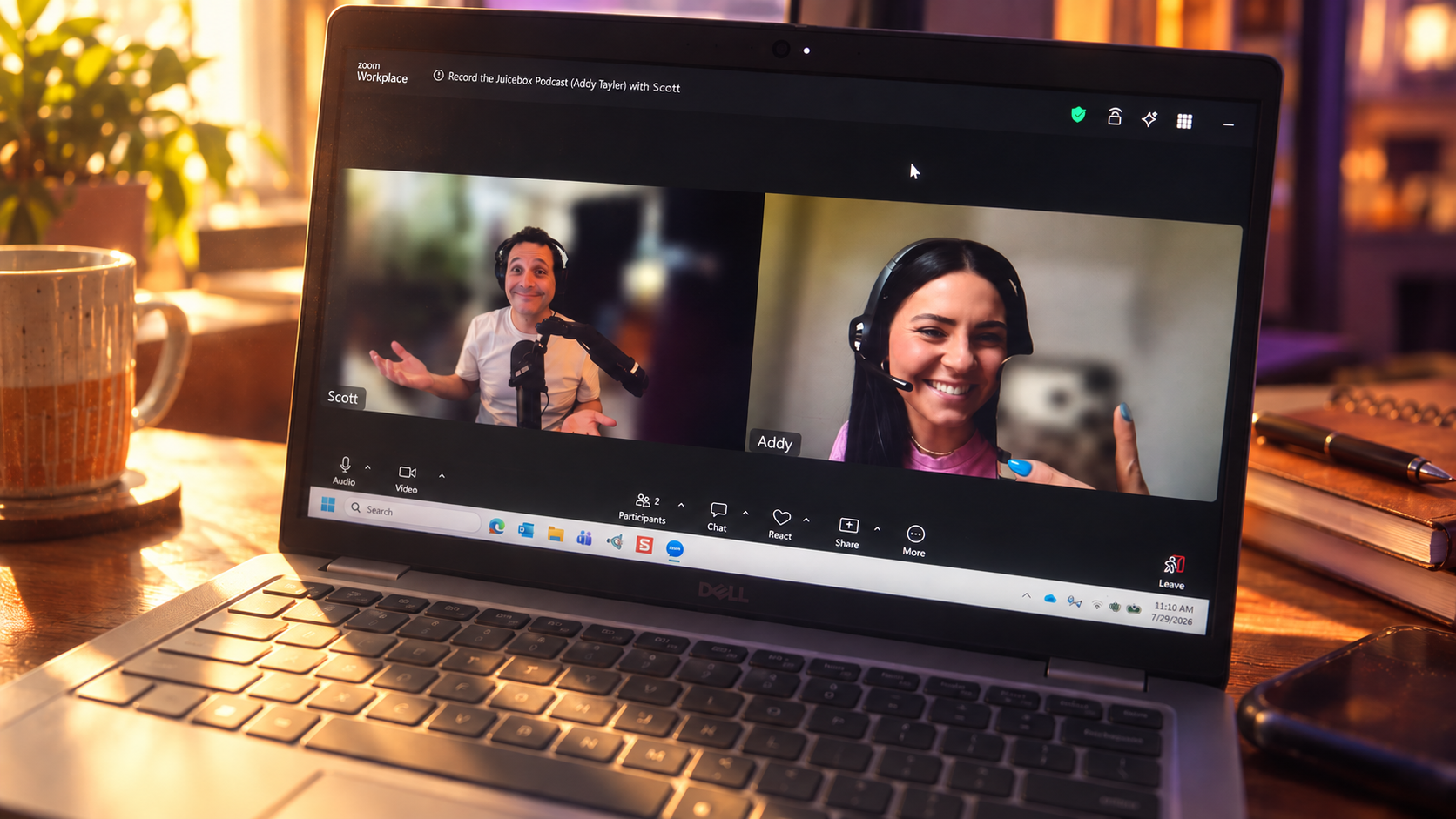






























Grand Rounds: Dr. Maggie Grillo
Cold Open & Sponsors 0:00
Welcome back, friends. You are listening to the Juice Box podcast. If your loved one is newly diagnosed with type one diabetes and you're seeking a clear practical perspective, check out the bold beginnings series on the juice box podcast. It's hosted by myself and Jenny Smith, an experienced diabetes educator with over thirty five years of personal insight into type one. Our series cuts through the medical jargon and delivers straightforward answers to your most pressing questions.
You'll gain insight from real patients and caregivers and find practical advice to help you confidently navigate life with type one. You can start your journey informed and empowered with the Juice Box podcast. The bold beginnings series and all of the collections in the Juice Box podcast are available in your audio app and at juiceboxpodcast.com in the menu. Nothing you hear on the Juice Box podcast should be considered advice, medical or otherwise. Always consult a physician before making any changes to your health care plan or becoming bold with insulin.
This episode of the Juice Box podcast is sponsored by the only implantable sensor rated for long term wear up to six months, the Eversense CGM. Eversensecgm.com/juicebox. This episode is sponsored by the Tandem Mobi system, which is powered by Tandem's newest algorithm, Control IQ Plus technology. Tandem Mobi has a predictive algorithm that helps prevent highs and lows and is now available for ages two and up. Learn more and get started today at tandemdiabetes.com/juicebox.
This episode of the Juice Box podcast is brought to you by my favorite diabetes organization, Touched by Type One. Please take a moment to learn more about them at touchedbytype1.org on Facebook and Instagram. Touchedbytype1.org. Check out their many programs, their annual conference, awareness campaign, their d box program, dancing for diabetes. They have a dance program for local kids, a golf night, and so much more.
Touchedbytype1.org. You're looking to help or you wanna see people helping people with type one, you want touched by type1.org. Make sure that you're being recorded, that I am I'm saying testing, and I'm being recorded. Try you.
I'm not sure. How do I know if I'm being recorded?
Well, you just said something, and I can see that you are being. So we're good.
There we go.
Perfect. Introduce yourself the way you want to be known.
Meet Dr. Maggie Grillo 2:58
Okay. So my name is Maggie Grillo. I am a pediatric endocrinologist and the associate diabetes director at Cohen Children's Medical Center, part of Northwell Health, which is located on Long Island in Queens in New York. Very
nice. And, Maggie, you are can I call do you want me to call you doctor Grillo? What do what are looking for here?
Please call me Maggie.
Okay.
We've had this conversation before. Please call me Maggie.
Wanna make sure. That's all. Maybe you've changed your mind. What's your connection to diabetes outside of your professional life, if any?
Honestly, I never really had a connection to diabetes before I started my pediatric training. I had a friend when I was growing up who was diagnosed with type one, but this was when I was so little that I barely even knew what it was. Mhmm. And it really wasn't until my training as a pediatric resident that I was shown what diabetes is, and I learned a lot about diabetes and got very involved in it.
Okay. What led you towards wanting to be a doctor in general?
You know, that's such a good question. I don't know if I have such a great answer. It wasn't like one day I just had this vision, and I was a doctor. Was either a doctor or a vet, and then I'm an animal lover. So the thought of having to put down animals just kind of turned me off of the whole vet thing, and I leaned into medicine.
Not not so troubling thinking of putting down a person?
Yeah. Right? That's why I do pediatrics.
Like, I get them at the beginning. Well, that's pretty cool. So what did you I mean, at what age did you have that first feeling? Did it did it impact at all any decisions you made through high school? Obviously, college, but where tell me about that path.
So I always knew I wanted to do something medical, whether it's being a vet or a doctor, even in elementary school. So all the way through high school, I knew that I was gonna go to college. At that point, I knew I was going to go for medicine. So my high school was pretty geared towards the medical tract. And then in college, I was premed, and then I studied neuroscience there.
So I I knew I was going to do medicine.
Okay. And you like you like the science, would you say? Like, I I hear people talk about this all the time. Either they're people people or they like the science or what what do
you think? I do like the science, but I really like the people. And that specifically for diabetes, I like all of endocrinology. Right? I'm an endocrinologist at at baseline.
Mhmm. But I really like talking and learning about families with diabetes because I feel like I become part of their unit. You know? And I like I love that.
Yeah. How did you find me?
Finding the Podcast as a Fellow 5:33
I found you. I was a fellow when the Omnipod five came out. So I was doing my training. For those of you who don't know what a fellow is, I was learning how to be an endocrinologist. And you had a three part episode or series on the Omnipod five, the algorithm, and and all the settings.
Right. And that's when I first listened to you and started learning about the Omnipod five. And then the rest, I just kept listening.
Well, so I I wanna pick through all this, but you are a unicorn for me. So I'm I'm excited to talk to you. I don't want people to think this is gonna be an hour of me, you know, bathing myself. But I don't need a ton of endos who are willing to come on the podcast and say, hey, Scott. I like this podcast.
There's plenty of them that suggest it to other people in whispers Mhmm. Always and things like that. But to have you come on and talk about it is a big deal for me. So I I wanted to thank you.
Oh, thank you.
No. And we'll also get to the part where I thank you for having me out to your institution to speak. Mhmm. Because, again, another situation I run to pretty frequently, emails from hospitals, would you come out and give a talk to the patient population? Would you come out and give a talk to the staff?
And then eventually, it gets far enough up the ladder and somebody says, you wanna have a guy from a podcast come talk here? And then it usually gets the kibosh put on it as it would would be. But Mhmm. I actually made it all the way to to the hospital and spoke.
You did. Yeah. You came.
So I'm interested to see, you know, what got you thinking about that because you are obviously the founder of the feast on that one. And then how, if at all, there was any difficulty getting me actually there. So let's go back first though to the Omnipod five So you're a fellow, you're learning. Mhmm. You're doing a thing that I'm always yelling at doctors to do, trying to learn about how the pumps work.
So Right. Why did you feel like you had to go get that information? Why do doctors not have it intrinsically?
Honestly, I think because the technology is ever changing. And when we're when we're learning how to be an endocrinologist and even as we're doctors, maybe we don't have I don't wanna say we don't have enough time, but sometimes we just don't have that time to sit down and really dig into it with, you know, a demo potter or something Mhmm. How the actual mechanism behind the pump works. But then when I was a fellow, so many people were learning about the Omnipod five and were trying to switch over from whatever device they had to the Omnipod five or from multiple daily injections to the pump. Mhmm.
And I just didn't know enough about it. So when they were, you know, coming to me to talk to me about it, or if they were on the pump and needed to make changes to their settings, I did not know enough about it. And that's when I sought you out.
When Doctors Won’t Learn the Tech 8:22
So that in my in my experience, and for people who are new to the podcast, my experience is 1,800 plus recordings and probably twenty years that I've spaced twelve years making this podcast. It's uncommon for doctors to take the second step. Like, that the I'll go learn about this on my own time thing. So that already puts you into a different category for me. I I no kidding.
I just recorded with a person three hours ago who found the podcast, started doing better, and their doctor tried to fire them for touching their settings. And but it was done in such a way and it made me angry when she explained it to me. It was almost like it it was like it was like the doctor went to her and said, do you want another doctor? Which I found passive aggressive in this way. Do you know what I mean?
Like like, let me pressure you now and tell you you're obviously not listening to me. So but it wasn't like something was going wrong. They gave her settings. The settings didn't work. The mom said, I think, obviously, I need more insulin.
Right. Put in some more insulin. The doctor slapped her hand, said, don't do that because now I don't know how to help you. The mom's quiet thought in her head was, you didn't know how to help me before. And so I'm not sure why me adding more insulin isn't saying to you, well, obviously, they need more insulin and adjust from there.
It was all very, very strange. And to the woman's credit, she said to the doctor, no. No. No. You and I are gonna work this out together.
And she
That's great.
Yeah. And she stuck with her. But when I asked her quietly after the recording about that, she said, truth be told, it's a small town. I didn't have a lot of options. So so she she said basically the way I put it to her was this, she found out her husband was cheating and she's like, no.
No. No. You're staying and cutting the lawn. Yep. Yep.
And I actually told her, I said, in a couple of years, I really wanna know, does this doctor come around or does this end up being your your lifetime? Is this how this doctor ends up being your your prescription pusher? And and not a a valuable part of the team. But again, do you not see that as I mean, it's a thing you thought to do, so you don't see it as special. But you do know other physicians at this point.
Like, why is that not something I should just be able to expect as a patient? And I know it's a bit I know your time is an answer, but it just you you hear that that doesn't ring true to me when you say that. Right?
Like Right. Yeah. And and it's not so true. Like, I do a lot of my listening. I still listen to your podcast even now that the Omnipod five has been around for some years where I know I don't have to Mhmm.
Listen to that podcast anymore. But I listen to you. I drive an hour to work and an hour back home once a week to go to a satellite location. And in that hour's time, I listen to you or, you know, throw in some music. But recently, I've been listening a lot to you.
Mhmm. So there is time. We just have to find it.
Yeah. I mean, it's it to me, I know I say this a lot, but it would be like if I took my car to get new tires, and the guy was like, well, I'd like to help you, but I don't know how this air gun works. Well, I I mean, you're the guy. Like, you put up a sign. You said, I put on tires.
Like, I let's come on. You know? And then they say, well, they shipped a new air gun, and I don't know how that one works. So I don't know what to tell you. Like, go find a Facebook group.
Like, wait. What?
So I mean, I can speak from my own experience.
Yeah. Yeah.
I mean, I'm you've met me, so you know that I'm, you know, I guess, relatively young in my career. But the the endocrinologists that I have worked with, both in my current position and as a fellow, they really do seek out and try and learn about all of these things. So I I really think maybe that the whole maybe that's the tide is shifting. People are really trying to maybe. Yeah.
Maybe just as technology becomes more and more advanced and it's not going away, and it's just helping people more and more. But I really do think people are trying and and doctors are trying to learn more.
Well, that's encouraging because I've been doing this long enough that, you know, I'm willing to believe that. And also, you know, looking at how technology is moving so much more quickly. It's I feel like I've had this conversation already today. But like, I said to that that person I was interviewing, I I said, you know, back when Arden was first diagnosed, we got a meter syringes. I had to I I even had to learn that syringes came in half units, by the way.
That wasn't even something someone told me. We got a we got a meter of syringes and a vial of
it. Mhmm.
Yeah. And the red lily
The glucagon. That was it.
That that was literally what they gave us. Right? And I think Arden might have had diabetes for two or three years, and then one day the excitement in the diabetes community that the people who made the meter made a new meter. But the meter the new one wasn't any more accurate. It just looked different.
And we were all happy about that. We're like, oh my god. Look. We got something new. The and that's twenty years ago.
Okay? And now things are moving so quickly. Yep. Right? Like, each one of these companies is like it or not.
They're fighting with each other to make their algorithms work better. I love it. I think it's great.
I think it's great too.
Yeah. Yeah. Dexcom is iterating, like, you know, they're out here telling you about Dexcom seven. People like, but I love the six. They're like, yeah.
Well, we're gonna do a 15 seven. So come on. And then and then about the time they tell you about the fifteen day seven, in the background, they're saying, here's what we're thinking about for Dexcom. Right. Already.
Here's the eight. Yeah. These iterations are coming. I take everybody's point. Like, it'd be great if it worked, but I I think you want them moving forward and pushing.
Because I don't think you wanna live in a world where you wait for years and go, oh, look. I I got a meter. It's a different color. This is great. You you Absolutely.
But when that's happening, I can see how an older doctor could get swept away in it. But younger people who grew up in this generation, they should be able to hang with this.
I think that I mean, I can speak to the the people that I know, and I really do think that we are.
This episode is sponsored by Tandem Diabetes Care. And today, I'm gonna tell you about Tandem's newest pumping algorithm. The Tandem Mobi system with Control IQ plus technology features auto bolus, which can cover missed meal boluses and help prevent hyperglycemia. It has a dedicated sleep activity setting and is controlled from your personal iPhone. Tandem will help you to check your benefits today through my link, tandemdiabetes.com/juicebox.
This is going to help you to get started with Tandem's smallest pump yet that's powered by its best algorithm ever. Control IQ Plus technology helps to keep blood sugars in range by predicting glucose levels thirty minutes ahead, and it adjusts insulin accordingly. You can wear the Tandem Mobi in a number of ways. Wear it on body with a patch like adhesive sleeve that is sold separately, clip it discreetly to your clothing, or slip it into your pocket. Head now to my link, tandemdiabetes.com/juicebox, to check out your benefits and get started today.
Why would you settle for changing your CGM every few weeks when you can have 365 of reliable glucose data? Today's episode is sponsored by the Eversense three sixty five. It is the only CGM with a tiny sensor that lasts a full year sitting comfortably under your skin with no more frequent sensor changes and essentially no compression lows for one year. You'll get your CGM data in real time on your phone, smartwatch, Android or iOS, even an Apple Watch. Predictive high and low alerts let you know where your glucose is headed before it gets there, so there's no surprises, just confidence.
And you can instantly share that data with your health care provider or your family. You're going to get one year of reliable data without all those sensor changes. That's the Eversense three sixty five. Gentle on your skin, strong for your life, one sensor a year that gives you one less thing to worry about. Head now to eversincecgm.com/juicebox to get started.
Evolving with the technology.
Meeting Newly Diagnosed Families 16:35
That's awesome. So when you talk to somebody about type one, when they're newly diagnosed
Mhmm.
Do you come from the perspective of, I need to tell them everything they need to know right now. I need to give it to them slowly over time. Mhmm. Or I how I'm fascinated by that because your job's incredibly difficult. Like, mine's easy.
I get the like, I put everything in one place, and you can listen to it at your own time. But you see a person, a couple months later, they come back.
Right. Right. Yeah. I mean, it really depends on the situation. Right?
So a lot of it depends on I'm pediatric, so I'm dealing with a lot of parents and the children too, of course. But are the parents distraught? Are they just so devastated that anything you say to them is gonna just go over their head? In that situation, it'll be kind of like a slow and steady influx of information. Maybe it's a family who has, you know, a cousin with type one diabetes.
Okay, they're ready for more. But usually, I like to go into a new onset diabetes patient room. I explain who I am, what I do, and then I always like to ask, what do you know that's happening so far? What is your understanding of why Jimmy is here in the hospital? Right?
Because I I usually sit in the hospital. And then we go from there. I like to talk about what is type one diabetes, what is type two diabetes, and just kinda talk about, you know, what insulin is, how insulin works, why are we giving Jimmy insulin in the hospital. Why
are
we checking blood sugars? What's insulin gonna do to those blood sugars? What is food gonna do to those blood sugars?
Yeah. Do you find yourself being a little bit of a like, an armchair therapist trying to figure out who these people are in this scenario? Are they quick learners? Are they not? Are they overmatched?
Are they
Yeah. Like to. I also like to know what their background is. Are they you know, what do you the parents do for work? Like, we have a nurse here.
Okay. Maybe I can speak in a little bit more technical terms. I try and stay away from that even with, you know, medical people because it's it's their kid. Right? Or do they just need a lot more explanation and and more simple terms to help them understand what's going on?
So I I do like to sit there and kind of learn about them as a family unit.
Yeah. Here's a little piece of advice on that heading. Architects, attorneys, people who work with numbers, that kind of their brains, like, give them the math. Like like, tell them about I
believe it.
Yeah. Yeah. Give those people the math. They they want that. You know, they're like, oh, there's math here.
I'll figure it out. That's super interesting to me. I would also tell you that of all the people I've interviewed over the years, some who struggle the most are often nurses. And I think that's because they get a a little bit of a little bit of everything, not a lot of anything. And and what they were specifically told about diabetes is so much about just, like, emergent care.
And, like, you know, that that when they hear diabetes, they go, this isn't really a problem. You, like, you do some counting, and then you give some insulin. And and then you do it again, like, like, hours later. And there's testing in between. I I have found that they can get overwhelmed by it.
It's almost like they can't some of them can't break free of the training they've had, which is obviously not not nearly enough for living with type one.
Doritos, Glucagon & Going Blank 20:00
Right. And it's their their child too. I can give you a personal story. So I have three children. When my oldest daughter was maybe seven or eight months, she had her first Dorito chip.
So at this point, I had graduated from residency. I was a fellow, so I was trained in CPR, pediatric CPR, and and what to do if someone's choking. So she's choking on this Dorito chip at a party, and I lost my mind. I could not think, okay, Maggie. All you have to do is give some blows on the back.
Right? That's what we learned. I had to run across the backyard at the party we were at to find my husband, who's also a pediatrician, to tell him that our daughter is choking for him to take her from me and just pat her on the back and out.
Doctor in the house? Is there a doctor in the house? It was say. Ladies and gentlemen, we're cruising at 50,000 feet. If there's any physicians on board, could they please come to the Dorito Bowl?
Yeah.
Oh my gosh. It was yeah. But my mind, it was my daughter.
You went blind.
Mind. I was like, what do I even do? I just went blank.
Yeah. You should have seen me holding that that Lily Red kit when Arden had a seizure when she had diabetes for, like, six months.
And I can't imagine.
And I was just staring at it. I couldn't remember how to constitute the I knew I had to constitute it, but I couldn't remember about the the needle and the Yep. Which is by the time it was over, my wife handled the whole thing with, like, glucose gel on her cheek. But, you know, I was not helpful. And and later when I look back on it's funny.
I I like to tell you on the podcast, I wasn't prepared. But I wasn't prepared because our physician said, this is glucagon. It's for emergencies. Don't worry. You'll never need it.
Right.
And I was like, well, I already have a lot going on. If I this is the thing I don't have to worry about. I'm not gonna worry about it right now then.
Right. You're gonna tune out.
Yeah. So I just never really I never really put it now, having said that, the rest of it was the panic. Like, I would've if your husband was across the yard, I definitely would've ran. Orknobbers quit my guess is what I'm saying. I would've been like, help me.
But not my wife. My wife was like she was rock solid. The next time, we were better. Yep. You
know? If she ever choked on a Dorito, again, I think I would handle that a lot better.
You think you would. Yeah.
But luckily, we we haven't had any more incidents with chips.
Hey. If I could just take an aside for a second. I know you'd love to yell, it's because of COVID Frito Lay, but a bag of Rios is $3.50. It's not $9. I don't know what you're doing.
Please stop. We can't we can't afford your stupid potato chips anymore. Please. There's a public service announcement to the rest of you. I you get you stop pushing the price up just to see if we'll pay it.
Okay? Because, you know, they're they're just chips, and we don't want them that badly. Right. My goodness. Okay.
So, yeah, you can you can panic a little bit. So when people are coming in, they're obviously panicked. Or they're quiet or sullen or sad. You're never gonna know. I mean, I've spoken to so many people that most of them will tell you the time in the hospital they don't remember.
Right. And any one of them who's reasonable when I ask them later, did you get what you needed at the hospital? Will say, no. But in fairness, I might not have been listening.
Right.
So now you're in that position of trying to, like, send them home so they don't kill anybody, and they're not even listening. And this is all very difficult, especially in the beginning. So what do you do? Do you get them back a couple days later? Do you like, what's the pathway to getting them stable?
The First 48 Hours & Beyond 23:27
Right. So at Northwell, what we do, we have education in the hospital. And, really, it's gonna be so much information that it's almost overwhelming, and it is overwhelming. Right? So I always tell my families of my newly diagnosed patients, what I want you to learn from this is that how to give insulin, how to check a blood sugar, and what to do if you need to talk to us, if you need to call us.
The rest of it will come later. Right? Yeah. We go over it, but knowing that they're not gonna retain everything. And I always tell them that I learn something new about diabetes every single day, so I don't expect them to learn all of diabetes in the forty eight hours that they're in the hospital.
So then once they're discharged, we at North will have them come back that sometime in the next week. We'll either do a virtual visit the day after discharge from one of our diabetes nurses. They'll check-in and make sure, did you get your supplies? Are are you settled at home? What can I help you with?
They'll reiterate some education. Then they come see us. They see me one month after discharge. And then after that, they'll see me every three months.
Okay. So is it fair to say from your perspective that it's a fairly impossible task you're given? And that it's not incredibly out of line for people to feel like they weren't told anything. But it would be nice if they were a little more understanding about the situation.
Absolutely. I think it would be great if I could just go home with all of them. Right? Or if they could come to my house, we could learn all about diabetes together.
Yeah. You know, I one time I I daydreamed about starting up, like, like, a a place where you could stay for a week after you're newly diagnosed to, like, to live under, like, supervision of people who could, like, help you get through the first bits.
I thought that would Amazing.
That might be really helpful. I don't know how you would do that or who would pay for it. Obviously, none of that would ever happen, but it it felt like it felt like the best idea at the time. Like, if somebody was just here for me to look across the room at and go, am I doing this right? Like, almost a nod.
Like, yeah, keep going. Got it. It would be really helpful. But I would also tell you that with hindsight, and it's a thing I say on the podcast a lot, but every experience you have, if you allow it to be, is a great is a great building block. And you almost have to go through all this crap so that you can get to a zen place and and and move along through it.
So you don't want the experiences to be taken from you, and you don't want to not have to fight your way through them. But but what I see after talking to so many people is that that only works for certain personalities, for certain situations. Some people are waylaid, knocked on their ass, and never get back up again. And then they're stuck wherever they fall over forever, and then that's the level of care that they get. And Right.
While I think it's nice to say we'll get the next one at the next appointment, and three months from now, we'll add a little more to it. Also, it doesn't work like that because you go into the office, and it's it never just picks back up. Like, you don't, I mean, be honest. Like, six months later, you don't know me when I come back. You're I I'm words on a chart from six months ago.
And and it's not like you like, I remember our last encounter if I if you're my doctor. You don't remember it the way I remember it. And so now there's the, hey, how are you? How's the weather? How's your kids?
Like, that part. Now, boom, five minutes is going. Some people get chatty. I'll tell you, I've done a lot of in person diabetes stuff. Nothing like a person with type one who wanna sit down and tell you their story.
It's still like, you don't have to laugh, but I know I know you know. And then, like, you know, then they, you know, then we're chitchatting and blah blah blah. And you're not going, hey. When you know, it's not like the end of a Netflix series where they let you rewatch the last thirty seconds and you remember where you were. So then stuff gets missed.
Right.
Right? And it yeah. I don't know if there's a fix to that either.
I don't think there is. And it's it's a shame. I don't know if it's a shame, but we only see you guys, these patients with diabetes, every three months.
Mhmm.
That I don't know how that changes. I don't know if it should change, but we're not with you every single day. So there's a lot that happens in between each of these visits. Even if I remember every detail of our conversation from our last visit
Yeah.
It's been twelve weeks now.
Yeah. You might not even need those things anymore. Exactly. You might and then we might spend ten minutes you figuring out that I already figured out the thing that you were here to tell me today. If Right.
There's no perfect way through this. That's yeah. That's why that's why I think the podcast works really well. Because it's a la carte. At this point, I'll go out in a limb and tell you pretty much anything you need to know is in there somewhere.
And and you you know where you're at right now, and you know what you need right. So it's almost like having a bookshelf and being able to walk over to it and go, I need episode eleven fifty three. Mhmm. Because that's the thing I don't understand right now, and that's the next building block. And in fairness to doctors and and the way things are set up to begin with, you're not gonna do that.
All I all I want from doctors is, like I I mean, seriously, I'd like you to know how the the the damn pump works. Like, you should be able to speak thoughtfully about how the pump works. And if you can't, like, call somebody. Like, I you know, like, it it's it it is frustrating. Now I'm not saying that you, you know, you're gonna be able to set it up for them.
It's gonna work just right. But also, here's the next reason these things don't work right is why I'm not speaking for you, but why won't more people talk about fat and protein and around how insulin works? Why do so many people not get told about pre bolusing, not get told about the impacts of fat on their blood sugar, things that have really significant impacts moment to moment.
Definitely. Definitely. I I don't know. I from wherever I've been, both as, you know, resident fellow in my current position, we do teach that. Yeah.
We teach, you know, we have two specific nutritionists in our clinic that see our diabetes patients. We have a nutritionist in the hospital that talks to every single newly diagnosed patient. So it's there. But I think a lot of it's gonna come with trial and error, which I'm sure is frightening for a newly diagnosed parent.
Why Nobody Talks About Fat & Protein 29:36
Can I tell you something from perspective of a patient? Of course. Being sent to talk to the nutritionist feels like, uh-oh. Someone's about to tell me I don't eat well. Feels like I'm going to the to to the principal's office.
Going to detention.
Yeah. Yeah. Yeah. So like, because, oh, they caught me. I I we were getting away with it, but now the diabetes is here.
Someone's gonna notice there's crimpets in the freezer. You know what I mean? That's a probably a local reference, but still, you it it's not a thing you go into comfortably. For me, at least. You I went in there thinking like, oh, someone's gonna tell me what I'm doing wrong now.
No. Listen. Hand to god. Okay? My kid went to a really good institution while she was a minor.
And nobody ever said to me, hey. Fat slows down digestion, throws off the timing of insulin, and that's where you're getting these late rises from.
Interesting.
And and I've said that to physicians who don't know what they're talking about when you say it. So that's not uncommon either. I've I've said, like, how come you don't talk about fat and protein? They're like, what do you mean? How would I talk about that?
It's carbs. Count the carbs. Put the stuff in. The the machine takes care of it. That stuff.
You know?
Right. Right. Anyway. I think it's hard for people that don't have diabetes to understand that fully. Maybe without maybe if we ourselves were CGMs, we can see how it how it happens in our own bodies.
But maybe it's just I don't know. Maybe we need to increase our own education on nutrition specifically. But there's a lot more to diabetes than just here's a carb. Yeah. Here's insulin for that carb.
So for me, it it all of that there's a lot about life that would be nice if it worked a certain way, but it just isn't how it goes. So the reason I think that pro tip series works so well is because it really is boiled down to t shirt slogans. And but it's everything you need to know to get you going in the right direction and at least give you enough of experience and and an idea that when you see the next thing happen, you can make better sense of it. I I got you know, we send you to a nutritionist. Could you just tell me fat slows down digestion and that throws off the where the insulin hits, please?
Because I don't wanna learn about nutrition right now. Mhmm. Or or, you know, can you please just tell me, you know, that I need to be hydrated or the CGM might not work. Or, like, you know, like, these little things that are I think they're foundational. I my point is is that my experience has taught me that there is no functional way to upload all the information to people that they actually need.
So you but if you give them That's right. Yeah. If you give them these foundational things, it is enough to keep them alive and educated and ready to accept an experience when it comes at them as a learning experience. To me, that's the answer. But, I mean, I'd love to know if you think otherwise or if there's something else you think that I'm missing.
No. That I mean, that's very fair. Right? And what people need in certain situations so we have two excellent nutritionists. Right?
Maybe for a newly diagnosed patient, that's a great place to start. But maybe in six months, they need to talk to nutrition about I don't know. Maybe they're trying to increase muscle mass or something, and they need to talk to nutrition. But there's no appointments. Or when they come to nutrition, when they're able to see them or see the doctors, their needs are ever changing.
And I think that's why it's so great to have something like this podcast where, just like you're saying, you go to the bookshelf and you pull off exactly what you need for that specific moment in time.
Yeah. It just isn't it it the model isn't there. Like, it's I don't get me wrong. Like, I want there to be doctors. And I want you all to go to medical school, and I want you to be there when I fall over and I get hurt and everything else.
But there's a limit to it that that people outside of the medical field can't be aware of because, again, I go back to like doctors, right, teachers, cops. You grow up, somebody tells you, listen to these people. They know what they're talking about. Don't argue And with you're just like and look, by your own example, your kids start choking. You're like, I don't know what to somebody better help.
And so you're a person is my point. Right. And and and I try to make this point all the time. Like, you've gotta drive through traffic to get to work. You might have been fighting with your kids before you left.
Maybe your kid's sick. Maybe your husband's a jerk. Maybe, like, maybe you got cut off in traffic and you're pissed. Like, there's a lot of things impacting your day as well. You work for somebody.
They have, you know, requirements of your time, and now I'm coming in here and asking you to learn how to, like, use a pump. And you're like, look, I ain't got a time for this. Like like, I'm trying to stay alive too, you know. So I I'll tell you, it really makes me hopeful about technology in other ways too because, again, going back to this interview I just did right before yours. What she told me was she realized she wasn't getting enough from her doctor.
She found me. She got some more. She realized she needed a little more. She didn't know what to do. A friend of hers whose kid had type one diabetes was having trouble talking to their physician.
So she asked ChatGPT, how can I have this conversation better with my kid's endocrinologist? It helped it helped her to do that. She told the story to the person that I interviewed. That person said, oh, I'll try chat GPT. She went to chat GPT and said, hey.
Look. My kid's on hand to Moby. I am not having the outcomes that I'm supposed to. What do I do? And, basically, chat GPT walked her through resetting her settings.
Wow.
And then she heard I don't know if you've heard heard did you hear Laurel Messler on the podcast talking about Tandem Control IQ? I
don't think I did.
It's real recent, but you'd you'd like her. She's really good. She works at Tandem, but she talks more real world nuts and bolts about using the pump when she talks about it. And so she heard her say something about, you know, this setting had to be a certain way. And this lady cobbled all that together and gave her kid a five nine a one c.
Wow. Isn't that crazy? I think it's gonna be so cool to see what AI does for diabetes in the future.
Yeah. Me too. Yeah. Yeah. I really do.
Like and I mean, far future, I'd like to see your algorithm assessing, reassessing more than just like, here's the math and where we think it's gonna be the way they kinda work out the way they work now. It'd be cool if they could if they could think on their feet a little more than they do. And maybe they will one day. I don't know. You know?
You see, like, Beta Bionics really is behind that. Like, we don't don't count carbs idea.
Like Right.
And I've heard Medtronic, like, whisper about not at Whisper, but she was on the podcast. And she said, like, I I don't think you're gonna have to enter carbs forever.
That would be so cool. Yeah. That'd be life changing for so many people.
Well, yeah. And I I would say I would ask you to talk about that a little bit too because while it's nice to say, here's what you do and if you just do all these things, it's gonna work out. It's really not how people's brains work. It is really unfair too, by the way. Like, and I don't think we talk about that enough.
That's not how you're supposed to be living your life. Yeah. So what do you see even for people so there's people who struggle, and there's people who look like they're succeeding. There's people who are succeeding who are probably struggling quietly. Mhmm.
Like, what are your, like like, deeper kind of psychological takeaways after helping people with type one? What do you what do you think? I can tell you a story. Yeah. What's going on behind their eyes?
Emily and the Pump That Changed Her 36:59
Okay. So I have a patient. I will call her Emily. K? So Emily came to me with a very high a one c for many, many, many years.
I took over her diabetes care, and I just once a month, I made it I would see Emily every single month. And she just didn't want a bolus. She didn't want a pre bolus. She didn't count carbs. She was was on multiple daily injections.
Ugh. I don't give my Lantus every single day. Just didn't really care. After a couple months, we talked about insulin pumps, and I just saw this light in her eyes, like a switch flipped. And she said, I have been wanting a pump for so long.
So, you know, okay. We took a gamble, got her on the pump. Can I tell you something? Yeah. The entire month before her pump training, she gave insulin for every single meal.
She did not miss one dose of Lantus. She went on the pump. Her she went on the Omnipod five, and I right away, you could see that she was almost always in range. She has since had a baby. So I I mean, I, of course, no longer take care of her, but she is doing exceptionally well.
What do you think happened? Her her interest got reignited because of the pump being introduced? Her your
I think so.
Yeah.
I mean, I'm not I'm not I can't take credit for that. That was all her, Emily, did. She just did it herself, and it was just I don't know what that turning point was for her. Maybe it was just that she wanted this pump forever and no one listened and not that no one listened. She gave up.
Mhmm. But then it would just reinvigorated her to take care of herself. And now she has a beautiful baby, and she's taking care of herself for this baby. It's just it's beautiful.
My other takeaway is people will help themselves for the love of someone else, but not often for themselves.
Which is so sad.
Yeah. But I think it's very, very human. And, I mean, at least that's my takeaway after making the podcast all these years. Father has type one diabetes forever, doesn't take great care of it, wipes up his butt to take care of it. He does and he doesn't.
One of their kids gets diagnosed. Boom. He pulls it right together. Right. Like, I don't wanna be a I don't wanna be a bad influence.
So let me Right. Let me do this. A lot of young girls, you know, who talk to me, you know, I went to college, I didn't pay attention, that kind of stuff. But when I realized I wanted to have a baby, I knew and it wasn't about like, you'd be surprised. It's not about I know that my a one c has to be a certain place for me to be pregnant.
It's part of it for some of them. But for some of them, it's just the idea of, like, oh, I it's important that I be alive. It is is really
And I'm healthy for this thing that I just made.
Yeah. I'm responsible for something now. Now I have to act responsibly. It is super I it is sad. Like, it's sad that we all don't just feel that way out of the box, and some people obviously do.
But I overwhelmingly, I think that's another thing that holds people back is they're like, well, I mean, what's the point? Like, I'm just here going to my dumb job doing this, blah blah blah. Like, you know I mean, can you imagine, like, skipping your Lantus on injections? And by the way, you said you took a leap. What's the what's the common medical idea behind not giving someone a pump?
It's that at least they're shooting their basal insulin? What if they don't put the
pump on? Is that the The thought is, like, what happens if, let's say, the pump runs out of insulin, and now you have no insulin going. And it you can go into DKA, of course, very quickly. But she wasn't giving her Lantus anyway, so she was at a high risk of going into DKA anyway.
Yeah. I find that to be backwards thinking a little bit. Like, I mean, what happens if the pump runs out of insulin? What happens if they don't put insulin in through the needle? I mean, isn't it the same thing?
And and what happens when the pump drops their average blood sugar? Like, I don't know what Emily's a one c was, but, you know,
14?
Well, that see, that's what I was gonna say is that I have the it's the benefit, but it also gets dubious at some point because most people who come on here are aggressively trying to help themselves. Right? So I don't get to talk to enough people. There are not a lot of people who are excited, I guess, Maggie, to run out and tell you the story about how their a one c is 14 and they don't shoot their insulin all the time. Right?
So you don't hear from those people as frequently. But those people make up a larger percentage of people with type one diabetes than not, I think.
I think so too.
Right. And so if you put a pump on that person and their 14 turns into a 10, isn't that amazing? Then what if victory. Yeah. And what if some of their brain fog lifts?
And then they're like, I I have more of, mental space now. Like, let me put a little more into this. I think there's all those different pieces of it that nobody's considering. Like, get their blood sugar lower and stable and see if it doesn't help them reignite themselves somehow. Right?
Like, I talk about this all the time, but the drift to poor health, generally speaking, happens so slowly that you don't see it happen. It's the same way when you see somebody get divorced. They're like, what happened? I don't know. We grew apart.
That's not what happened. You didn't grow apart. A million little things went wrong over the last fifteen years that you didn't notice. And now at the end, you don't have an answer for what happened. And health is the same way.
Gaining weight is the same way. You don't you don't gain 75 pounds on a Tuesday. You gain a quarter of a pound a day and a half a pound tomorrow and three pounds next week. And a year and a half from now, you're like, hey. What happened?
And and so if bad health works that way, you know, you don't know you don't know what's going on in a person's brain. And and if their blood sugar's 40 and then it's 65 and then it's 400 and then you're and you and you get them aside, you go, I need you to pre bully. They're they're probably not thinking straight. And but they're still gonna come in your office, put a big smile on their face, and try their hardest. Right.
You you know?
And she showed up, which was
It's a big deal.
Coming, which was awesome. And I tell you, Scott, I could see the change in her face. And just the way when I would open the door when I first met her in the first couple months, she was just always down and just not really happy with herself because she knew it was gonna be not, you know, in her eyes, the best visit.
Yeah. Here comes the warden.
Exactly. Yeah. Yeah. But then as she's on the insulin pump and as she's doing better, I would walk in the room and she would have this giant smile on her face, and she couldn't wait for me to see the download. And I was just
Proud of herself, and she wants to show somebody.
Yep. Yeah. Yeah. Yeah. So proud of her.
Well, this is the see, this is the message. If you're a doctor and you're listening, it it's all right there. Like, you just I can give it to you from my perspective. People ask about, you know, more business minded people. I mean, Maggie, it's it's a bit of a feat to keep a podcast going for twelve years.
It's not a thing that normally happens. How do you do this? They they think there's some, like, magic business idea that they're gonna I said, I just wake up in the morning. I think about other people. I just get up and I think, what'll help these people?
What what am I hearing out in the world that they're talking about that maybe I could reframe for them or find in my bookshelf and deliver hand deliver to them or something like that? Like, how can I be helpful to these people? Oh, well, what about making money? I said, you help people, you make money. It just happens.
Like, like, right? Like, I I sell the ads. It's fine. Like, I'm good. Why don't you wanna make more money?
I don't I don't want to. Well, you could paywall this. You could sell them that. Like, right now, I have 50 adults. Here's the thing nobody even knows.
Pro Tip Practice: 21 Days, Free 44:22
Let me take a drink. I have 50 adults demoing a twenty two day how do I explain this to you?
It's I'm excited.
Yeah. I'm glad you are. So hold on a second. Because if you weren't, then you wouldn't be the right person to be here. So I can't give it away yet, but it's basically called Pro Tip Practice, a twenty one day guide of reflections on living well with type one diabetes built the Juice Box podcast pro tip series.
Five minutes a day, free, reflective, not prescriptive. And so it doesn't cost anything to do. You can skip a day, come back, etcetera. It's up to you. The browser remembers where you are without keeping any of your personal private data, and I am not charging you for it.
And trust me, I know I could charge people for this. Absolutely. I am not doing that. Just so you all know, click on the ads. Okay?
So I'm my personal I'm personally going through it, and I'm on just to see how it works day to day. And I just finished day three. There are people online that are ahead of me. So now day four says the number is the smallest part. Most people read their CGM the way they were taught to read a finger stick meter, glance at the number, react to the number, forget the number, repeat, and that's not what a CGM is for.
A finger stick gives you a snapshot. A CGM gives you a story. The number is one frame of the story and not even the most important one. Today's idea, a CGM shows you three pieces of information, the current number, the direction it's heading, the speed in which it's heading there. Most people use the first one, the second, and the third are where the actual decisions live.
Mhmm.
A one thirty with a flat arrow is fine. A one thirty with a steep up arrow is on its way to one eighty in thirty minutes. A one thirty falling fast is on its way to 70 in 20. Then that the number three different the same number three different situations, blah blah blah. And then it says, here's it gives you a quote from the pro tip series.
The number on the CGM is the smallest piece of what it's telling you. The direction, the speed carry, the rest of the story is from episode one zero three. For the next four days, you're gonna relearn how to read what you've been looking at the whole time. And today's affirmation is the number is a piece of the story, not the whole story. And it gives you something to notice for today.
Every time you look at your CGM today, name the direction out loud or in your head before the name, before you name the number. Even if you don't change anything, just practice that. It gives you a link to a small sip episode that'll reinforce it, and it gives you a reflection of the evening. What did I notice when I started reading the first the arrow first? And once you mark that day complete, it'll move you to the next day.
And at the very
That's very cool.
Thank you. And at the very end of all of this, it helps you write a letter to your doctor to tell you about what you've learned doing it and what you're hoping to do.
Nice.
Right? And so, anyway, the the key to helping people if you're a doctor and listening is just have people's best interest at heart. Go to work with some enthusiasm and treat them like human beings. And realize that they have a lot more going on than you think. This is not a cold calculated we're not you're not buying a bagel and a and a yoohoo from these people.
Like right? It's just it's not a it's not that kind of interaction. Right. And if you're not good at that part, find someone in the office that is. Because I can tell you that one of Arden's endocrinologist had the personality of wet paper.
I mean, she I'm sure she was good, but my goodness, she couldn't talk to you. And when she touched you, it felt like a robot was touching you. Oh. You know? I'm not kidding.
She I used to talk all the time about, like, I used to believe that for insurance purpose, she she had to physically touch Arden once a year or they weren't allowed to bill us. And I don't know if that's actually true.
Oh my gosh.
But but so Arden was only ever managed by the practitioners. Right? But once a year, this endo would come in and do this very awkward, like, hand on knee thing to Arden. And you could see Arden was like, why is the robot touching me like this? And, like and it was all very awkward.
Now I don't think that doesn't mean she's not a fantastic physician
or her brain She wants to help, I'm sure.
All of that, I believe, is true. She just was not good at this part. You know? And so then she'd leave the room and then the other ones would start their song, you know, they they they the music would start back up again and the the personality would come back in the room kind of a thing. But, I mean, if you can't do the thing that Maggie's explained to you or the thing that I'm telling you has helped, Maggie, I'd like to be humble here, but I think I've helped tens of thousands of people with type one diabetes.
Like, right?
I'm sure you have.
Yeah. And and the truth is is that I've never met any of them. So ask yourself, how am I able to help people when I don't even know who they are? And the answer is that all their needs on a basic level are the same. You you know, like people just need to know how to use their insulin.
And if you don't teach them how to use insulin, if you don't teach them that, you know, having the ability to change their settings is a paramount skill that they need to, you and they together need to develop. Like, you know, the the most successful people have the knowledge and bravery necessary to make changes to their settings.
I And I think they need to be empowered to make changes to their settings too.
Yeah. And and, yeah, that's up to you because they're scared. They think Of course. Yeah. They think you know, then it goes poorly.
And that that assumption is, well, I I listen to the person who knows, and it's not going well. I guess this is my life. Right.
Yeah. So And you have to remember you being, you know, a patient that's coming to see me or a parent of your child that has type one. I only see the data for the past two weeks. Right? Mhmm.
So I can make decisions on the past two weeks. And, generally, they're they're good decisions on what's happening now. But just because it's happening now doesn't mean that next week is gonna change.
Yeah.
It very well might.
You think there could be a list of rules? Like, you're doing a good job. I'm talking to you because you're forward thinking, obviously, or I wouldn't have ended up at your place talking. No. Or there are probably some people listening that think it was malpractice that you had me there.
But they listen. That's it's between them and Jesus. And so, like, is there a way to automate this? Or Mhmm. Is it just is it as lucky as I get a good one, I get a bad one, I get a new one, I get an old one?
Hopefully, altogether, it all shakes out. Like, is that is that really the
I think if you are unhappy with the person usually, happens, right, is when you are when your child or you are diagnosed with diabetes, the on call physician becomes your primary endocrinologist.
Okay.
I will urge you if you don't not everyone clicks with each other, and that's totally fine. If I'm not right for you, there are zero hard feelings. I want you to find someone that you click with and jive better with and seek that out.
But that's a top down thing in your organization, though. Like, that has to be something that somebody told you it's okay for us to to be like this. Like, how do
At Northwell yeah. We so the way I didn't mean to cut you off. No. Sorry. The way that we do it in our practice, if we all see each other's diabetes patients.
So we have, of course, you know I I'm Jimmy's endocrinologist. I still wanna see him every three months, but maybe he can't make that three month appointment with me because he has soccer practice, and I don't have any time. So if he sees my colleague and that we share patients in in that way that if I'm unavailable, there's another provider that's available. And maybe Jimmy likes this other provider better. Mhmm.
That's fine. I'm I'm female. Maybe you wanna see a male provider.
But you're confident. You're confident in that. There's also gonna be doctors who aren't confident who don't don't need 10 Jimmy's bailing on them because it isn't gonna look good for them. You know what I mean?
I guess that's true. Yeah.
See, you you work in a good place. You don't you don't probably see a lot of these problems.
Or if they if they happen, maybe I'm not privy to them.
Yeah. You guys have watched that person out already. Mhmm. Okay. So when you have the bright idea to have me come out and speak at this Yep.
Yep. You calm I remember us talking on the phone.
Into My DMs: Bringing Me to Northwell 52:31
I went into your Instagram DMs. I DMed you.
Mhmm. Yeah.
And you called me.
Yeah. I get the least sexy DMs of people on the planet, by the way. So so I I called because and tell me if I'm remembering this incorrectly. I was calling to tell you this isn't gonna work out, and I appreciate you asking, but why don't we not always start talking?
Pretty much. Yeah. Pretty much.
And not because I didn't believe in you, but because this was countless times, number, whatever, that this has happened to me. So you are not nearly the first person to reach out from a place and say this to me. You are the first person that worked it out. So Nice. How does that happen?
When you go back to people like, I mean, because, right, you're you're gonna go pitch to somebody who doesn't know me. And you're gonna say, hey. There's a guy that barely got through high school. He lives in New Jersey. He has a podcast, and I want him to come here and talk to a couple 100 of our patients and the staff.
And medical background consists of he doesn't have one. So where does how do you please explain that conversation to me. I would love to know how to Well,
first of all, I didn't pitch you like that.
Well, you should have. That would have been honest. Okay? What'd you I
explained that you are a parent of someone with type one diabetes, that you've learned how to manage your daughter's diabetes, and you like to share that information with others. You actually gave me a blurb about yourself that I included. And then I just encouraged, you know, the higher ups to listen, to listen to you.
Think that happened? Or do think I got tired of you and just said that, like, oh, it's fine. You're gonna bring him
Go fine.
Just leave us alone, Greg. What the hell? No.
I'm sure they did. I'm sure they did listen to you. Wait. It helped to some of our diabetes nurses listened to you as well. Mhmm.
It was a great group, by
the diabetes since oh, they're the best. Yeah. Yeah. The best. Some of them have type one and have listened to you, and their families have listened to you.
So they were in your corner too. So it just
So you just created a buzz?
Yeah.
Yeah. Look at you. You're marketing. You're was there anybody who pushed back?
Not that I'm aware of.
Okay. And even though in any
of those meetings where it had to be, you know
Because I had to go into a I had to do a Zoom with a group of people. And it's funny because my eye, of course, show up imagining these are the people who really don't want me to come and they're trying to, like, bet me. But I did that's not the vibe I got from them. Like but they still were quiet and reserved. And I I realized I am not a professional person, so sometimes people just acting professionally seems odd.
Like, why are they sitting up so straight and smiling? It's But but I had a I I had a really nice conversation. And, you know, I I went over some things that I wanted to say. And if I'm gonna be completely honest with you, they asked me not to talk about fat and protein, and then I just did it when I was there.
So did that get you any trouble? Bold move, Scott. No. It did not.
Oh, okay. Because I was asked directly not to talk about that.
Oh, gosh.
Sorry, Maggie. You went out of the limp for me.
That's okay.
And so I I was asked directly in that meeting, please don't talk about that. And not because I think they thought I was wrong. I just think maybe they thought it was too nuanced or something. But I do I don't know. I mean, you were there.
Part of I don't think I was part of that meeting.
No. No. Not that meeting. You were there when I spoke. And so Yes.
I I mean, tell the people. I am really good at this, aren't I?
You are you are a good speaker.
Thank you. And and but I paint a nice picture that kinda coalesces together. It feels it feels actionable when you leave.
Yeah.
Yeah.
Yeah. So did have a couple people call the next day asking to change Basils, which I will say maybe we can put a little disclaimer on your talk.
Go ahead.
That for those on the Omnipod five that are in automated mode, maybe changing the Bazel is not gonna do much.
Yeah. So it it is become a tough world to talk about all this in because when I put that Pro Tip series together originally, there were no automated systems.
Right.
And so you're you're hearing me talk about how I was acting as an automated system. Like Right. And so my my point to people would be is, like, those are foundational ideas. Now when you start applying them to these other systems, most of it still tracks. Like, you still if you you need to understand how insulin works, you need to understand how your food's impacting you, you need to understand timing.
That's the you know, that stuff. That's all never gonna change, like, for for the foreseeable future. But in a system like Omnipod five, for example, like, you put your settings in, then you flip into auto, and then what you typed in yesterday doesn't is meaningless.
Doesn't matter.
Yep. And I don't know how that's gonna be with their next version. I they're very close to getting that next version through the FDA and in people's hands. Nice. I I'm not allowed to tell you why I think that.
Are you gonna be doing a three part series on how the technology works and the algorithm works?
I don't know if we'll be doing that, but I'm I can't say. Oh, wait.
That was very helpful.
I'll tell you, Rob. Bleep all this out. Alright, Rob. I'm gonna say I just went to, and then after that, everything goes. Leave it as blank for people.
I think it'll be amusing. I just went out to California to shoot a commercial celebrating the new target of 100 for Omnipod five.
Oh, that's awesome.
Okay, Rob. Now the people can hear when she said, oh, that's awesome. And and going forward so my point is I don't think they would have done that if it wasn't close. Fair. That's how I figured through that.
And then and and I think they have said publicly, what are they shooting for? Lower target? And then there's some other adjustments being made to the algorithm that aren't specifically been named yet. Okay. And then I think they're working on the next version of it now too, which would be Omnipod six
maybe? Maybe.
Yeah. I don't know. I mean, remember when it was Horizon, then it was Omnipod five?
Oh, I forgot that it was Horizon.
Yeah. That whole time that they were trying to build this thing and get it out the door for years, they called it Omnipod Horizon.
I forgot about that.
Yeah. And then there was a changeover in leadership, and then they switched it to Omnipod five. Wow. Yeah. So anyway, you can't just there are settings in Omnipod five specifically.
That when you're in automation, if you change the settings in the pump, it's not actually changing anything in automation. It's changing your manual settings, which might surprise the hell out of if you ever flip back into manual again because you've been yakking the knobs all over the place that are not actually doing anything. I would tell you that that three part series I made describes very well what's impactable and what's not in automation on eight five five. You should check it out. Yeah.
Having said that, so you had people call in and say, hey. I'd like to look at our Bazel. Yep. Was it valuable for them, do you think?
I think so. I think a lot of people really got benefit from it. So there were there was a freshly diagnosed family there, maybe a week out from diagnosis, all the way up to people who have had diabetes for decades. Right? So I think a lot of it was good for everyone.
Maybe the nuance that, you know, it took you years to become comfortable with it, maybe that wasn't there so much, but you really only had, what, forty five minutes to speak.
It was a quick talk. I would tell you this is that I've learned that my goal at those is to leave you with the idea that there's more that could be done. It's not that confusing, and I should ask. Yep. That's that's that's my goal when I give that talk, usually.
I think you achieve those goals. I really do. Mhmm. And then very next day, we have people calling to make changes, and that's awesome. Good.
Yeah. Because how would you know otherwise that they felt like they were in need of those changes?
I don't think we would. I think they would I think they think they have to wait until their three month appointment to come to see us. And then at that point, we can make a little tweak to the insulin to carb ratio, hope that works, and then see you in three months from now, and you can tell me how it works.
Yeah. Which is not which is not it's not a recipe for success, really.
No. And I always tell my patients, please, if this doesn't work, call us, email us, reach out to us. We're we don't have to wait for three months.
Yeah. But, you know, they don't wanna bother you too.
I know, but that's my job.
I understand. But they don't wanna bother you. They don't have the time to be calling you all the time. They're also I think there's a learned helplessness that comes eventually too, where you just feel like nothing I do is gonna work. It doesn't matter.
You you know? And that's not true, obviously, but I do think it it's a wet blanket that can lay over top of people.
I can I can see that? Yeah. So the tell like, come to us for help. We wanna help you, Please.
Yeah. I hope so. Did you did I send you the the link that I made for doctors to share the show with?
You did. Good. You did.
Is it did I do a good job with it?
I think so.
Good.
I really I liked it.
Good. I'm glad. Thank a nurse practitioner in Toronto, Saskatchewan, somewhere in Canada.
Okay. Reached out
to me and she was like, I need a better way to share your show. Like, That's great. Yeah. She bullied me into it, basically. And they say Canadians are nice, but she was very aggressive.
No. She was she this poor lady was like, I need help. And I was like, will you get on the phone with me and tell me what you want? And she was like, I guess so. So we we jumped on the phone.
Tools for Clinicians 1:02:18
Was like, just what do you what do you wanna do with this thing, and what do you need from me? And she told me, and now, I guess listen. I'll I'll put it out there for people. It's juiceboxpodcast.com/clinician-share. And what it will give you is just simple buttons.
You can, like, bold beginnings, pro tip series, small sips, and define diabetes are at the top. You can print a handout, generate an email or a text with all the episodes and links that it needs, or you can hit copy so you can paste it into something yourself. Or like I said, can click print and just print out the list. I've also added there like, it's a short seven minutes from some ladies some conversation from the show where this lady named Bethany describes how her diabetes educator, her daughter's school, and the community she lived in had already been shaped by Juice Box podcast around type one diabetes before their her child was ever diagnosed. And how all the little things that those people had learned along the way created a community around her she didn't even know existed till her child was diagnosed.
And then I put my search bar in there, which if you guys haven't looked at it yet, the search bar on the pod on the website. My pod my website does not get enough play, Maggie. It's a it's a, like, a language like, a real language search. So I'm just gonna type in, how do I fix Basil? As soon as you type that in, it gives you links to episodes that apply to what you've typed in.
If it doesn't give you something that you want, you can open up the full frequently asked questions page, which is awesome. And it produced, like, hundreds of results that might attach to your question. And then once you're there, you can look and change your question around if you want to. But, you know, how do you calculate how much to change your basal rates using overnight IOB math and loop popped up. You know, what should I do if I miss or forget my MDI basal injection?
How and when should you use a temp basal? Raising my max basal should help my algorithm on the pod five. Like, you know, basal set too low. Like, all this stuff, click on it, it gives you like quick quick access to listen to that episode. So that's there as well on the clinician page.
And then I kinda boldly, I think at the bottom, there's a little button down there that just says for clinicians. And you can go listen to the grand round series, which is conversations like this one with Maggie, where doctors just talk about what they think their patients need. And then there's takeaways from the ground rounds the grand rounds series and a place where you can put your name in for juice box docs if you think you're the kind of doctor that people listening to the podcast would enjoy. You can put yourself on my community source directory for providers. It's all free, obviously.
So Lots of great information there. Yeah. I'm working hard over here, Maggie.
I believe it.
Me and my assistant, Jean Claude Van Chachepiti. Actually, it's Claude. So because I don't know how to code crap. And when you get to that website, you're gonna be like, wait. Somebody who doesn't know how to code a website did this?
Pretty impressive. But but nevertheless, like, there it is. Hopefully, people will use it. I know that the podcast grows through word-of-mouth, and it's it's probably fifty fifty patients and doctors. So would you explain to me from your perspective why you're comfortable sharing the podcast with a patient?
Because I really think there is such genuine information. Right? I I can't go home and, you know, figure out your routine and figure out your insulin needs with you every second of the day. I can't live life with you. Maybe I'd like to, but I can't.
Right? So I need people to understand that they can reach out to other sources and learn more about diabetes and figure out how to make diabetes work in their lives. It doesn't need to be this awful burden on them. And, of course, I'm sure you're always gonna feel that there's a burden. I hope not, but I can imagine it might feel that way.
But I really want patients to feel empowered to search for their information themselves and learn more than what I can give you in thirty minutes.
I have to thank you because I I I just realized something. I've been doing this for so long that the the tone and tenor in which people see the Internet is completely different now than the way they saw it when I started doing this. And it's possible, like, I'm somehow rooted in old ideas when I think about this at times. Because you didn't say anything about, like, well, yeah, I'm a doctor suggesting a podcast. That's ridiculous.
You don't think of it as ridiculous. You don't see me as the person who you shouldn't be introducing other people to. But I've been doing this long enough that it used to be crazy. Right? Like, they it used to be a lot of see you know, a lot of practitioners would tell me, I'd stand in the room, let the endo talk, grab them, take them out so they can make their next appointment, and then slip them a sticky note that said juiceboxpodcast.com on it.
And they and she's like, I've had people directly tell me, I don't even speak. I just hold it up and I go, mhmm? Mhmm. And then I hand it to them. Because I know they just got bad information in that room.
They know it because they're walking out looking at me like, hey. What the hell just happened in there? And, like and and they don't know what to do, and I can't suggest this. But the world's changed.
Yeah.
And I Yeah. And I'm I just realized that while you were talking, like, I gotta stop acting like I'm some, like, I don't know, guy skulking out of a you know, from behind a dumpster as you're walking down the road. Yeah. I know a thing about basil. And so, I guess maybe I've you made me feel like I might have elevated myself and was unaware of it just now.
I think you have to give yourself more credit.
Thank you. I really do
appreciate that. In this world where we use qual and chat GPT, everyone is expanding their knowledge and trying to learn more about everything.
Mhmm.
Right? I mean, we all are on our phones all day long. Maybe reading more and learning more, why not listen to a podcast?
Yeah. No. I mean, I agree. But, like, I was you understand that when I first started talking about this, I sounded crazy to people. Like, because the world hadn't because I was ahead of the role on podcasting.
Right? I've been listening to podcasts forever, way before most people have been. And so, like, it but so when I started doing it, it seemed normal to me, but it wasn't normal to everybody. But now it is, but I'm still a little stuck in the idea of, like, I'm doing this crazy Lenny Bruce thing over here, which is not true. And also a reference that no one under 50 is gonna get along.
And so but that was really thank you so much. Like, I I really do appreciate it. It I don't have impostor syndrome. Like, if you ask me to be direct, I'd tell you this podcast is awesome. It'll definitely help you.
And and I think I do a fairly good job of of making it. But the idea that you would like, you're an actual under you're a doctor. You went to medical school. Like, I met You're not crazy. Like, you have all the prerequisites for me being very impressed by the idea that you like me.
And so, like, that you would say that out loud is really it's valuable to me because it's not a thing I thought somebody would say. You know?
I have learned from your podcast. I've learned I think I can take care of people with diabetes better from listening to your podcast.
Basically, I'm a doctor. You're saying I should get
So go back to medical school. Alright? I will say
The TSH Mic Drop 1:10:03
You're
thing one thing we should talk about is the TSH. So I want everyone to imagine Scott at the end of his talk. Now he's already talked apparently about fat and protein, which he was not allowed to talk about.
I wasn't?
And then at the end Oh,
I just randomly threw in about your test your TSH as I left the seat.
Literally almost a mic drop. He says something to the effect, if you have positive antibodies for Hashimoto's, which can cause hypothyroidism, for those who don't know, and a TSH above 2.1
with symptoms. I said if you're if you're 2.1 with symptoms and your doctor won't give you medication, ask them why. Yes. Did I cause a problem?
Exited the stage. You didn't cause a problem.
Very good.
But I would just like to dissect that a little bit
Please.
If that's okay with you.
Please. Please.
So you have to remember that we're in a pediatric population. Right? So a lot of pediatric people don't like getting their blood taken. And if you have anxiety when the blood work is being taken from your arm, that can elevate the TSH. Okay.
Now you're also talking to a room full of people with type one diabetes, so they have an autoimmune condition. So it's not so farfetched to think that maybe they have the antibodies that are positive for Hashimoto.
Mhmm.
So in not every situation where the TSH is above 2.1 and there are antibodies, not every patient needs medication.
No. No. I wouldn't imagine. I what I'm saying is and maybe I could have stayed thirty more seconds and been more clear. What but it's a thing that I find that if I don't say it, people don't hear it.
And, again, colloquially, from talking to people over and over again, there are a lot of people walking around with untreated thyroid issues.
I believe that.
They create them a lot of problems for them. And when and doctors will very frequently tell them, no. You're in range. Even though they're standing there with seven symptoms. It's Yeah.
Completely obvious they need thyroid medication. Somebody goes, yeah. But your TSH is free. We don't treat that. So, like, that's you know, again, if they if they bugged you a little bit for a week after that, I'm okay with that.
You might not have been, but I'm okay with it. And at least it's in their head now. Yep. That's how I think about it. They at least it's in their head.
More knowledge, and that's I think that's wonderful.
Well, it's a good way for them not to turn into a 16 year old kid who's sixty pounds overweight, tired all the time, can't pick their ass up off the ground. And and their doctor's like, I mean, listen. We checked here. It's not that. And and then I look at their labs and I'm like, I mean, pretty obviously is.
And and and where does that come from from me? It comes from personal experience watching people not treat my wife well. It comes from my daughter being diagnosed, getting medication right away, and going from the smallest girl in her school to one of the tallest people her age. And it comes from episode four thirteen, which is with an endocrinologist named Addie Benito, who just retired, very sadly, because her husband got a great job and she's gonna go live in Paris. And I guess I'm wishing her well, but I would be like, behind and take care of us.
Or take us all with you.
You know? And and she deserves it. She's helped a lot of people over her life. But she's the person that tells you, once I'm helping you with your your your thyroid, I want you managed under a 2.1. And, you know, and if you have if you have symptoms, we were going to try to get rid of them with your thyroid medication.
And she's not just throwing pills at you. She's doing math. She's like, take one on this day, take two on the first Sunday of the month. Like like, she's really, like, thoughtful about it. But most people aren't going to be.
And listen, my wife will eventually come on this podcast one day and tell you all how she didn't get her thyroid medicated for seven years, and it ruined a lot of her adult experience. So Yeah. You know, you don't get the you don't get the hit reset and live again. So, you know, I'd rather I'd rather you push, especially in a world where a doctor is not gonna is most doctors are not gonna look at a 2.6 TSH with symptoms and do anything about it. Is that fair?
That's fair.
Yeah.
That's
fair. So I'm like, Robert
lot of it depends on what the thyroid hormone level itself is too. Let's say it's very, very normal. Then maybe we watch for a little bit.
Exactly. And nothing wrong with that. But, like, let's not forget about it. Also, let's not pretend I'm a doctor. I don't know what the hell I'm talking about.
I'm just telling you that, like, I I've had enough conversations with enough people to know that you should pay attention to this because it has the opportunity to ruin your life.
Yep.
Yeah. And you won't know it because, again, slow drift into nothingness, it'll all just seem like because you I swear, every time I bring it up, especially to middle aged women, they're like, well, I'm older. I'm supposed to feel like this. I'm like, I don't think you are. I don't you're not supposed to be tired all the time.
You know? The same thing with, you know, if I if I could've picked that mic up and dropped it again, would've told them to, you know, get their their iron panels done.
It really was a mic drop moment.
Because seriously, like, also, how many of these type ones are running around anemic? Right. Nobody does anything about that either.
And that's why it's so important to know as someone with type one that every year, at least once a year, we're gonna run blood work, and we're gonna check these things. But if you have symptoms in between, please reach out to us.
Yeah. No. A 100%. Also, for you, don't see somebody's ferritin at 20 and go, we'll take a supplement. Oh, cool.
Thanks. I'll be I'll feel better in 1979. Mhmm. Like like, when it comes back around on the calendar again, it's gonna take so long. Like, you know, have a steak.
Awesome. Can you get me an infusion, please? Like, what are we messing around for? Like, you know, 2026 and all. But yeah.
Listen. Low b twelve, low vitamin d Mhmm. Iron, thyroid. You have type one diabetes. I want you looking at all of this.
You know? And then I want the doctor to actually not tell me, well, it was green on the test so we didn't look at it, which I hear people say. Really? Yeah. It was green.
It was green. Come on. No. You get you get to talk to people who are happy because they come to a good practice. I get to talk to people who are out of their minds because somebody's been ignoring them their whole life.
Anyway, why did you wanna come on here and do this? I mean, I invited you and all, but, like, what made you say, yeah. This is a good idea. I should do this.
I just thought it would be a really good conversation.
Has it been?
I think so.
Okay. Good. Because I I I'll get pressured pretty quickly. I think I messed it up. Yeah.
I I appreciate that. I I love having listen. You are you fall right into my sweet spot of how I hope people's endocrinologists are.
Thank you.
No. Seriously. I I'm so happy you're out there and and helping people. And truth is I'd like to have more conversations with people like you and and you Yep. In general.
I hope that doctors who find themselves in a position of not feeling that they're doing the same kind of work that you are can listen and hear that there's nothing nothing special about what you're doing. Like, you're you're staying up to date on things. You're listening to people, trying to see a bigger picture, you know, and putting them in touch with community and ideas that are. He can't be so ego driven that it all has to come from you. Like, that's you know what I mean?
Like, any good teacher is gonna show you other teachers. Not not just say what they don't hear from me, then I don't want them to hear it. Right. You know? That's all.
Also, you could stand for days and talk about this and see how the world has meaningfully changed. Like, you know you know, in the last handful of years, if not the last twenty years. And if you if you're a 70 year old doctor right now, I get that you don't understand what I just said when, you know, when when somebody said, oh, somebody went to chat GPT and talked it through with them. There's no way anybody, you know
No. It's intimidating at that point.
100%. Listen. That the the frequently asked questions page on my podcast, I took I have who have no no knowledge of how computers work other than I I'm an operator of them, but I don't know how they work behind the scenes. I took I think I took the top 250 most googled type one diabetes questions. I took a list of struggles that listeners made for me.
So it was like 90 pages of returns from people about things they struggled with. We distilled it down into, like, you know, into categories and subcategories and stuff like that. So I took the 250 most Googled questions about type one diabetes. I took the struggles list, and then I mapped it against all of the management series of episodes of the podcast.
So
so then you can say like, I just clicked in the search bar again because I was talking about it. It gives you a populates with, like, 15 things that you can like, says, like, try asking this. Can my child eat cake at a party? And you click on that, and it gives you a bowl beginnings episode, a mental wellness episode, and asks Scott and Jenny a bolus for, like, right away just around the that question. Wow.
But I don't know how to do that. I literally sat down at Claude, and I said, I have this and I have this. And I spoke to it in plain English. I want it so that when people do a search, they're get mapped the episodes that might have an answer in it for them. And it took me a couple of weeks, but it works really well now.
That's really cool. Yeah. And so having said that, let me ask you this question. This is where we'll Sure. We'll probably end.
Bolus & Basal Estimators 1:19:37
You just probably you'll hang up and say, I'm sorry. I can't answer that question. Mhmm. But on my website, I have an estimator. It's a bowl it's a bolus estimate.
Right. You put in your insulin to carb ratio, your sensitivity factor, the target blood sugar you want, and then carbs, fat, and protein in a meal. You can put in your current blood sugar, any insulin you know of onboard, and the the trend line of your CGM. And it will give you I mean, let's do it together real quick. Let's just what what's an average insulin to carb ratio for a 10 year old?
Mhmm. You could do 20.
20. And then what do you think their sensitivity is?
Maybe 80. 80?
And let's say that they listen to the podcast, their blood sugar is one ten. Or let's say their target is 90. Okay? And they're gonna eat how many carbs? What do you see in a kid's meal usually?
Oh my gosh. It really depends. My own kids Mhmm. They'll just crush chicken nuggets. But I don't know.
Just maybe we can make it easy. Maybe say they're gonna have 50 grams of carbs because everyone's different. We never know.
How much fats in those 50 grams of carbs?
What do they happen?
I don't know. Let's say they're gonna have fries with it. You wanna put 15 grams of fat in there?
Sure.
Okay.
Sure.
And protein. Chicken, you said. So let's put in five grams of protein. Okay? K.
I'm gonna make their current blood sugar one ten, and no insulin on board, and let's give them a stable arrow. Right? You hit simulate strategy, and it gives you a 2.75 unit bolus. It wants you to do a point three nine based on the Warsaw method over three hours. So that gives you the theoretical requirement as 3.14, and it says you should probably pre bolus around eleven minutes.
Wow.
And let's say that you just believe that that works. Okay? Is that a thing you would share with people, or is that a bridge too far?
I might share this with people. You can make this into an app too because there's that bolus calc app that we it it helps people with with the math behind insulin doses.
Mhmm. So on
this I think one we would have
I actually have a show calculation step. So it it it shows you everything that it did if you wanna see the math behind it. And it actually gives you a a very significant breakdown of what the pool is, what it isn't, what it's doing. I mean, it's a it's kind of like a a short master's class on bolusing and fat and protein. Right?
I can tell you it is one of the most popular pages on my website. Now I can't make it into an app because then I think the FDA might talk about it being, you know, Fair. A medical device. But I feel like I've done a good job of setting it up so that it's a teaching tool because the because the way you really like, what I love about it most for teaching is you can go right back and say, okay. Well, what if this was actually 75 carbs?
And what if there was 25 grams of fat in there? Mhmm. And then resimulate it and to see like, wow. That moves at the four units up front and point six over. Now it's four hours instead of three hours that I'm gonna see an impact.
Oh, and the but the pre balls didn't change. Isn't that interesting? Like, I think that, like, it's I think it's valuable to sit and just change the numbers around and watch how it changes the bolus to give you kind of an idea. Anyway, I have that on my site. I also have one that just does fat and protein.
There's a fat and protein estimator. There is a basal estimator that uses weight. You can just kinda drag your weight around. Like, say, you weigh a hundred and thirteen pounds, you're a pre puberty child. You have activity level, your active.
These are all sliders that you can change to see how it changes things. And then you can just say estimate my basal. And it, of course, it changes your weight into kilograms, does some math and everything. And then shows you that your estimated base will range between, like, ten point three and nineteen point three a day. And then it shows you how it calculated all that.
Like, I just that's the kind of stuff I don't think I don't think people know that when you come into the office and ask your doctor, Where should we start with settings? They take your weight and just do that. You know what I mean?
Right. And that's where we have to start. Right? It's just a math equation. It doesn't mean that it's perfect for everyone, and certainly needs change.
Right? Girls get their period. They go through their, you know, menstrual cycle, and your basal changes
Yeah.
Yeah. During that cycle. So please understand that what we it's a very good estimate, but it's it's just math.
And it's also not perfect too. Like, I think I Right. I would tell anybody, because I have another page that you'd it starts with weight too, and I'll I'll put it to, like I'll I'll put it to one thirteen again because that's what we use. You can also tell it, like, am I on this one, am I highly sensitive? Am I standard sensitive?
Am I resistant? Am I highly resistant? You can kinda, like, make a choice there. And then it shows you, like, when you make that choice, it's just using different math to figure out what your theoretical total daily insulin is. So one thirteen at resistant, it has you at about 33 a day.
At standard, 28. Highly sensitive, 23. Then it uses that same information you scroll down, it tells you your basal's probably about eleven and a half units a day, maybe about point five an hour if you're on a pump. Using the 500 rule, your insulin to carb ratio theoretically should be about 21 and a half. Your insulin sensitivity using the 1,800 rule should be about 78.
It's all just on one page. It's it's super simple. Like, because it's all just simple math, all based off of
Right.
Now having said that, those numbers could be completely wrong. Like, I'm not saying, like, go type in your weight and be like, Like, you you know, but but what I do think is that it if if you did that and you're it says, hey. My total daily insulin's around twenty three units and your total daily insulin's around fifteen units and your a one c's high, maybe that'll make a person go, I wonder if I'm not using enough for too much insulin, vice versa, you know. So anyway, they're pretty cool things. They're all built from, you know, stuff I've learned on the podcast and, you know, Claude, basically.
So and so it and if you don't wanna use my thing, don't. Like, I don't care. I don't get anything out of it. You but go do it yourself. It's Yeah.
Yeah. It's it's you can you can learn this on your own if you try. You can learn anything on your own at this point.
So That's very true.
Yeah. Head out there. Alright. Maggie, what have you not said that you wanted to? Anything that was on the tip of your tongue that didn't get out?
I don't think so. I think I just I mean, I wanna reiterate to everyone listening. Please try and, know, learn for yourself and and come to us with your questions. We we want to help you. We as your providers and your diabetes educators, nutritionists, we want to help you.
So please come to us with questions. Do some research on your own. Ask us questions. Ask us how we can help, and we wanna be a team.
Yeah. And, ma Maggie, if somebody lives, like, tell them where you work again in case they they're interested.
So I work for Northwell Health. It's kind of on the border of Queens and Long Island in New York. So come see me.
Yeah. Good luck getting there. But Oh
my gosh. I know.
I came out to speak in the afternoon. I don't know. I I think I was total time in the car both both ways, I think seven hours. Unbelievable. I believe I drove, I don't know, 80 miles.
Was just so much fun. Know the
so bad.
You know the next day, I left to go to, Atlanta to do a talk for Touched by Type one.
It probably took you less time to get there.
It's so funny. I had this I had this thought in my head after having driven for the first seven hours headed to to Atlanta. I'm like, I drove from my house to Long Island and back again in the same amount of time it took me to drive to, like, I think it was, like, the the the bottom half of Virginia.
It's brutal. The traffic here, it's pretty rough.
Yeah. Yeah. But it's worth it. I mean, to get a doctor like Maggie or or one of the people she works with. I'll tell you, like, everybody I met there was was really thoughtful, patient forward.
And I'm telling you, like, they had me out then, and you like this podcast and you're near there, these people would be a great fit for you.
So Thank you.
Yeah. Of course. Well, I really do appreciate you taking the time, and I know I kept you longer than an hour. But but thank you very, very much.
Thank you so much. Thank you.
Of course. Hold on one second. Okay?
Yep.
Head now to tandemdiabetes.com/juicebox and check out today's sponsor, Tandem Diabetes Care. I think you're gonna find exactly what you're looking for at that link, including a way to sign up and get started with the Tandem Mobi system. This episode was sponsored by Touched by Type one. I want you to go find them on Facebook, Instagram, and give them a follow, and then head to touchedbytype1.org where you're gonna learn all about their programs and resources for people with type one diabetes. A huge thank you to Eversense CGM for sponsoring this episode of the podcast.
Are you tired of having to change your sensor every seven to fourteen days? With the Eversense CGM, you just replace it once every six months via a simple in office visit. Learn more and get started today at eversincecgm.com/juicebox. Hey, kids. Listen up.
You've made it to the end of the podcast. You must have enjoyed it. You know what else you might enjoy? The private Facebook group for the juice box podcast. I know you're thinking, oh, Facebook, Scott, please.
But no. Beautiful group, wonderful people, a fantastic community. Juice Box podcast type one diabetes on Facebook. Of course, if you have type two, are you touched by diabetes in any way? You're absolutely welcome.
It's a private group, so you'll have to answer a couple of questions before you come in. We'll make sure you're not a bot or an evil doer, then you're on your way. You'll be part of the family.
- A CGM tells a story, not a snapshot. The number matters less than the direction the arrow is pointing and the speed it’s moving. Practicing “name the direction before the number” is a skill worth building.
- Foundational ideas — how insulin works, timing, and the impact of fat and protein — still carry over into automated systems like Omnipod 5. But in automated mode, changing your pump’s basal settings may do little, so confirm any changes with your care team before acting.
- The most successful people have the knowledge and confidence to adjust their own settings — in partnership with their provider. Maggie stresses that patients should feel empowered to make changes, never punished for it. Always work changes out with your care team.
- If you don’t click with your endocrinologist, it’s okay to ask to see someone else in the practice. Maggie encourages it with zero hard feelings — finding a provider you trust is part of building a good team.
- People with type 1 should keep an eye on thyroid (TSH and Hashimoto’s antibodies), iron/ferritin, B12, and vitamin D, and reach out between visits if symptoms appear rather than waiting three months. Discuss any lab concerns and treatment decisions with your care team.
- Eversense CGM — Implantable CGM rated for long-term wear — an episode sponsor.
- Tandem Mobi — Tandem’s smallest pump, powered by Control-IQ+ technology — an episode sponsor.
- Touched by Type 1 — Scott’s favorite diabetes nonprofit and an episode sponsor — programs, conference, and more.
- Clinician Share Page — The shareable hub Scott built so clinicians can hand the podcast to patients.
- Bolus Estimator — The Warsaw-method teaching tool Scott and Maggie walk through near the end.
- Pro Tip Practice — The free 21-day reflective guide built from the Pro Tip series.
- Juicebox Facebook Group — “Juice Box podcast type one diabetes” — the private community group.
