#1852 Dexcom G6 Leaving and G8 Coming?!
Dexcom G6 discontinuation and Investor Day updates , highlighting the 15-day G7 baseline , the upcoming self-adapting G8 , and future potassium monitoring.






























Key Takeaways
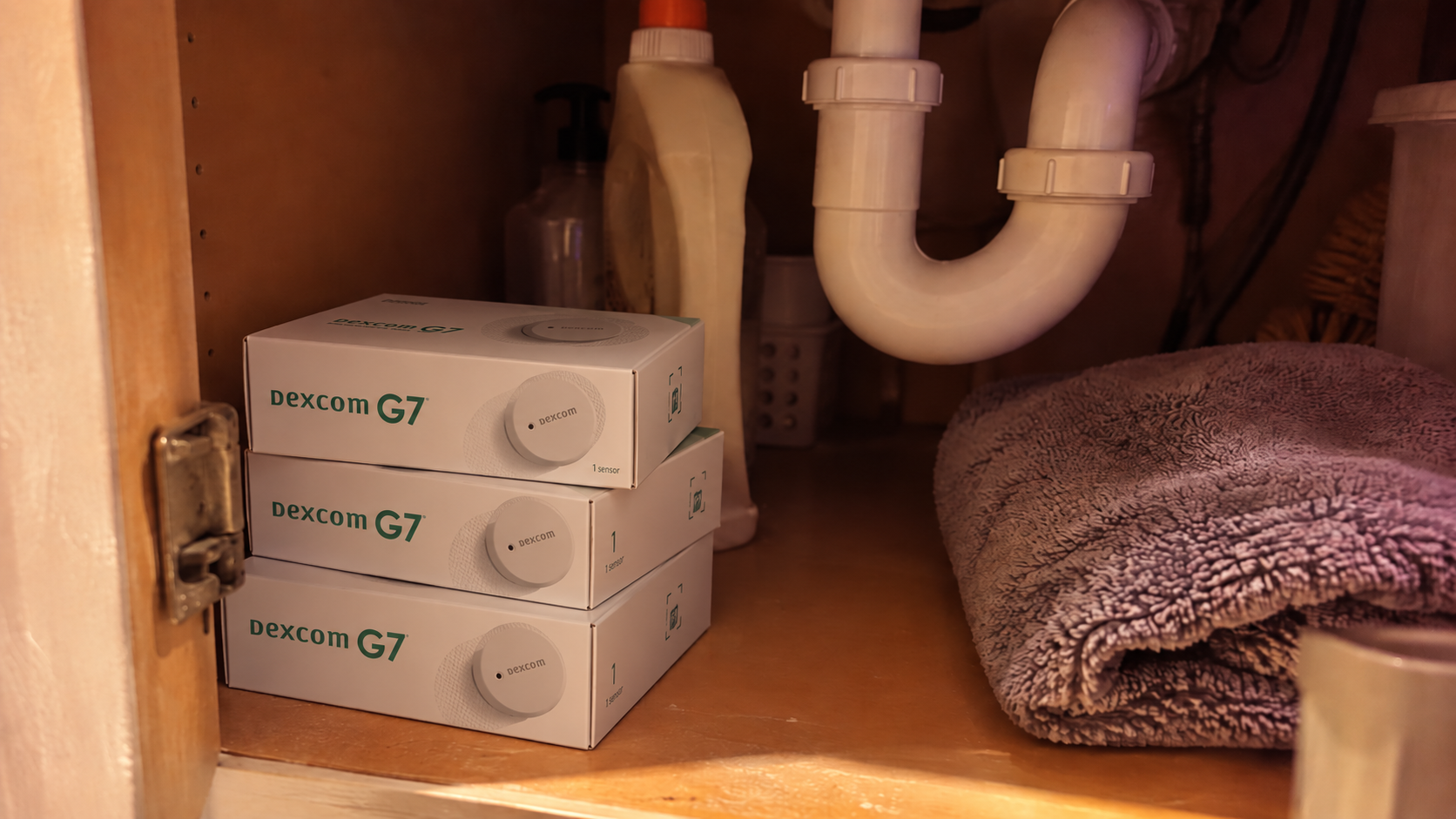
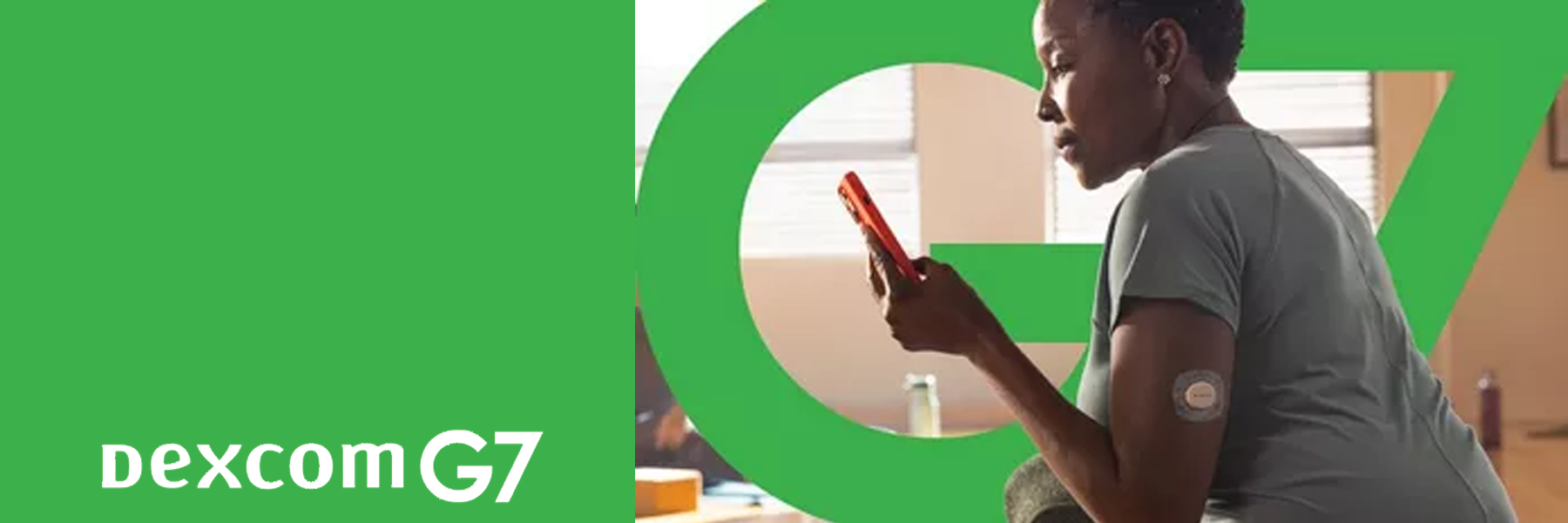
- Dexcom G6 Discontinuation: Dexcom is officially sundowning the G6 sensor line, with manufacturing ending completely on July 1, 2026. Current users are strongly encouraged to contact their doctors immediately to transition to the G7 platform.
- G7 15-Day Wear Baseline: The 15-day version of the G7 is now fully integrated with all major US pump partners (Omnipod, Tandem) and has become Dexcom's baseline floor for all future product generations.
- Smart Basal & Smart Bolus Software: Dexcom's newly FDA-cleared "Smart Basal" system uses personalized CGM data to slash insulin titration time down from 12 weeks to under 30 days, while the upcoming "Smart Bolus" will integrate trend arrow physics directly into dosage calculations.
- Dexcom G8 Launch (2027/2028): The self-adapting, next-gen Dexcom G8 is slated for a late 2027 or early 2028 market launch, boasting a 50% smaller form factor, automated calibration updates during wear, and planned multi-analyte ketone integration.
- CGPM & Expanded CMS Coverage: Dexcom unveiled its development roadmap for CGPM (Continuous Glucose and Potassium Monitoring) to help manage kidney and cardiovascular risk. Additionally, Medicare (CMS) is projected to extend CGM coverage to all Type 2 patients by mid-2027.
Resources Mentioned
Dexcom G6 Sundowning & G7 Transition
Scott Benner Hello, friends. Listen. Before we get started, I think I should just say out of the gate, Dexcom is sundowning the g six.
Scott Benner If you haven't heard about that, the production of the g six officially ends 07/01/2026, which is just about six weeks from today when this episode drops.
Scott Benner Supply still trickle in maybe through your pharmacy and distributors for a little while after that, but Dexcom is not guaranteeing availability past July 1, and they're encouraging everyone still on the g six to talk to their doctor about upgrading to g seven or g seven fifteen day before the cutoff.
Scott Benner If you're a g six user, and I know a lot of you still are, that means that in the next few weeks, you want to be having a conversation with your endo or your prescriber about getting a new prescription written.
Scott Benner The g seven is generally covered by the same insurance that covers your g six, but you've got to actually move on it.
Scott Benner So don't wait until you're on your last sensor. Okay?
Scott Benner Now here's a few practical things if you've been holding off on switching.
Scott Benner The g seven doesn't restart off label the way the g six did.
Scott Benner If you've been getting extra days out of your g six sensors, that's not a feature that carries over, so plan for that.
Scott Benner The g seven is smaller, shorter warm up time, and the fifteen day version is what Dexcom is now calling its baseline going forward.
Scott Benner And the g six Pro, the one used in clinics for blinded readings, is also being discontinued.
Scott Benner There's no announced direct replacement for that one yet.
Scott Benner So if you've been hearing about it from your endo, that's why. Alright.
Dexcom Investor Day & The 15-Day Baseline
Scott Benner Now with that g six housekeeping out of the way, here's why I'm actually making this episode.
Scott Benner Earlier this week, Thursday, May 14, Dexcom held their Investor Day. Usually, these events are for Wall Street.
Scott Benner You know, they go over gross margins, cash flow conversions. They you know, stuff like that.
Scott Benner But this one had real product news in it, more than I expected.
Scott Benner So I listened to their presentation, and I went through the deck that they that they, you know, made available on their website. You could go see it too.
Scott Benner And, I think I can go over a few things that really matter for you here, make this kind of, easy to understand.
Scott Benner Quick disclosure before I go. Dexcom is a longtime juice box podcast sponsor.
Scott Benner This episode is not sponsored. I'm summarizing what Dexcom publicly presented to the world on Thursday, and I'm going to tell you what I think of it.
Scott Benner I'm also hoping to get Jake Leach to come on and talk more about some of this stuff.
Scott Benner So if Dexcom's listening, can we, get Jake on here?
Scott Benner Until then, g seven fifteen day this is kind of where we are now.
Scott Benner By the 2026, Dexcom expects roughly half of their US customer base to be on the fifteen day platform.
Scott Benner If you haven't switched yet and a lot of you are switching anyway because of g six sundowning, that's the wave you're joining in on.
Scott Benner Fifteen day is now live with all US pump partners.
Scott Benner So if you've been waiting on Tandem, Omnipod, any of them, that's done. The integrations are in place.
Scott Benner International rollout of fifteen day starts in the back half of this year. They didn't break out specific country timing yet.
Scott Benner And the company said something I think is worth flagging out loud.
Scott Benner Fifteen day wear is now their baseline. Everything they build going forward assumes that is the floor, which, of course, is a real shift in how the product line works.
Smart Basal and Smart Bolus Software
Scott Benner Now they talked about something called Smart Basal and Smart Bolas, so that's software because Dexcom announced two products that use CGM data to actually do something, not just show you a number.
Scott Benner The first one, they called Smart Basal.
Scott Benner This is mostly a type two thing.
Scott Benner When a doctor starts someone on basal insulin today, giving the dose dialed in, excuse me, usually takes about twelve weeks.
Scott Benner They do log reviews, dose tweaks, follow-up visits, more tweaks.
Scott Benner Dexcom is saying Smart Basal can shrink that down to under thirty days using personalized dosing recommendations driven by their CGM data.
Scott Benner And this one isn't theoretical.
Scott Benner Smart Basal actually got FDA clearance back in November 2025, and it's rolling out alongside the g seven fifteen day.
Scott Benner So it's a real product available now, not a roadmap item.
Scott Benner If you're a type one listener, which I'm assuming most of you are, and you heard basal titration and then then you tuned out, just stick with me for a second because picture this.
Scott Benner This process is happening millions of times a year across the country.
Scott Benner Faster time to a working dose means less time being high during, the figuring out period.
Scott Benner That's a real health outcome. It's gonna be good for people.
Scott Benner The second one, of course, is SMART bolus. This is gonna be more interesting to you.
Scott Benner SMART bolus uses CGM trend data to inform the bolus calculation.
Scott Benner The goal is fewer lows, fewer missed doses, and less insulin stacking.
Scott Benner It's described as under review, not currently available, but it is on the road map, and Dexcom is being public about it.
Scott Benner Here's why I think that one might matter. The trend. Right?
Scott Benner Your blood sugar rising, falling, staying flat, whatever, is something a lot of you who listen to this already have in your head. You're doing it in your head. Prebolising when you're flat, hold off when you're falling, give a little more when you're ready going up. That's pro tip stuff.
Scott Benner But the truth is most people aren't doing that math.
Scott Benner They're using a calculator that doesn't know what direction the glucose is moving.
Scott Benner So if SmartBolus works the way it's being described, it's the kind of feature that helps the person who isn't a power user, and that's a lot of people.
Scott Benner So I'm happy about that. Now the headline here, g eight.
The Next Generation: Dexcom G8
Scott Benner This is what most of you probably wanna hear Dexcom announced the g eight.
Scott Benner G eight is the next generation Dexcom sensor expected to launch in late twenty twenty seven or early twenty twenty eight, so roughly two years from now.
Scott Benner The headline feature is that g eight is self adapting. That's a quote.
Scott Benner And what that actually means is this, current CGMs, including g seven, are calibrated in the factory.
Scott Benner They go through a quality control. They get dialed in, and then they're on you. That's it.
Scott Benner Once the sensor is on your arm, it's doing its best with what it knew about itself at the moment it was made.
Scott Benner G eight adjusts during wear, so updated electronics, new algorithm, the sensor itself adapts in real time over the days you're wearing it.
Scott Benner Dexcom said this is technology they've been developing for nearly two decades.
Scott Benner They're claiming significant accuracy improvements over g seven and a reduction in those weird outlier readings.
Scott Benner They're also saying g eight is 50% smaller than g seven. That's gonna be pretty tiny.
Scott Benner And in the q and a portion of the day, they confirmed two things that didn't make the slide deck.
Scott Benner One, they expect to file g eight with FDA in 2027. That tracks with a late twenty twenty seven or early twenty twenty eight consumer launch.
Scott Benner And two, ketone monitoring is planned to be part of the g eight platform, not at launch, but it's on the road map.
Scott Benner So let me say something about why that might matter.
Scott Benner Dexcom did their own customer research, and the top two things people want from a CGM are accuracy and reliability. No surprise.
Scott Benner Above ease of use even, above customer support even, and above brand, above everything. People want accuracy and reliability.
Scott Benner And the top two reasons people stop using a CGM are both about reliability.
Scott Benner So if g eight delivers what they're describing, it's directly addressing the thing that this community has been asking for.
Scott Benner And the smaller form factor, that matters more than people give it credit for.
Scott Benner Pediatric use, lean people, athletes who are wearing the sensor on their arm, smaller equals more wearable. It's two years out, but it's a thing to put on your radar.
Continuous Glucose and Potassium Monitoring (CGPM)
Scott Benner Now here's something interesting. CGPM, glucose plus potassium. Pay attention to this.
Scott Benner This next one is, I don't know. You're gonna think it doesn't apply to you, but I I still think it's worth listening to.
Scott Benner Dexcom announced a sensor called CGPM, continuous glucose and potassium monitoring. One sensor, two analytes at the same time continuously.
Scott Benner But why potassium?
Scott Benner Well, for people with type two diabetes, about a third also have chronic kidney disease. About a third have cardiovascular disease, and in those populations, potassium imbalances are a big deal.
Scott Benner They correlate with higher ICU admissions, longer hospital stays, and higher mortality.
Scott Benner Dexcom's data says roughly twenty percent of annual costs for someone with type two plus kidney disease are tied to potassium problems. Interesting. Right?
Scott Benner So a sensor that watches both glucose and potassium in real time could change how those patients are managed entirely.
Scott Benner And here's why I'm telling you, the type one diabetes listeners. Kidney disease is a long tail risk that anyone with diabetes can develop.
Scott Benner Anyone can develop it, but, you know, it's prevalent with some people with type one. And I'm not trying to scare you or anything, but most of you are not gonna develop kidney disease.
Scott Benner But a sensor that monitors potassium continuously could end up mattering to a lot more people than you think today. Dexcom didn't give a CGM timeline. They put it on their what's next.
Scott Benner And I wanna read you a note that I got from a listener. It says, hey. Just so you know, my adrenaline and potassium related paralysis groups are over the top excited about the potassium monitoring element of g eight, and they are just grateful that it's progressed enough to be talked about and published for investors.
Scott Benner This is a tech and data that's never been available to us in real time and will be so incredibly helpful. Waiting two years isn't even phasing anyone in these groups, she says.
Scott Benner Thought it might be nice for you to hear that. I'm sure Dexcom may not have even contemplated how far beyond CKD, CVD, and even DKA this element of g eight might reach, but it's going to be incredibly impactful on a growing number of people.
Scott Benner Isn't that something? That's something you don't know about? I don't even know about, but one of our great listeners was, nice enough to reach out and tell me about.
Global Expansion and Institutional Products
Scott Benner Okay. Let's move, a little quickly through the rest of this. There's a lot of, lot of stuff divulged by Dexcom. I wanna make sure you hear it all.
Scott Benner Dexcom Flex, a new sensor specifically for type two diabetes, both basal only insulin users and non insulin users launching soon in Germany, international only for now.
Scott Benner This is part of Dexcom's tiering their product lines so different sensors fit different markets and reimbursement environments.
Scott Benner Stello is going international. Stello will be all over the, let's see. What do they got here?
Scott Benner Stello is the over the counter biosensor, no prescription required, aimed at wellness users and people with type two, not on insulin.
Scott Benner It's launching in Australia, The UK, South Korea, and New Zealand in late twenty twenty six, early twenty twenty seven.
Scott Benner I love this one. Dexcom Hospital CGM system.
Scott Benner You might remember this conversation started up around COVID, but they're planning to launch an inpatient hospital product by the 2027. And if you've ever had to fight to keep a CGM on or, like, your kid or yourself after you've been admitted with DKA or something else in the hospital, you know exactly why this matters.
Scott Benner There are roughly fourteen million dysglycemic events a year in hospitals. This could really go a long way to helping that.
Scott Benner If you don't remember around COVID, there was, a special I don't think they they were allowing people who needed their blood sugar monitored to wear CGMs at hospitals so that nurses and staff could monitor their blood sugar without going into the room. I think this is where that all got started. It's great to see that it's turning into something.
Scott Benner We also have direct EHR integration. More than 320 health systems are now live or onboarding with Dexcom's direct integration into electronic health records.
Scott Benner So in plain English, your CGM data shows up in your ENDO's chart right alongside your labs without your ENDO logging into a separate platform. That's a slow burn quality of life improvement for sure that's gonna pay off over the years.
Scott Benner Last bit, then I'll wrap up.
Scott Benner Dexcom is expecting CMS, which is, of course, is Medicare to expand CGM coverage to all people with type two diabetes, including those not on insulin by mid twenty twenty seven.
Scott Benner They expect a CMS proposal at the 2026 and final coverage by mid twenty twenty seven.
Scott Benner That single change would roughly double DexCom's US covered lives from about fifteen million today to about thirty million in 2027. Now why am I telling you this?
Scott Benner I I think, honestly, it's because that same Dexcom company that's developing g eight and CGM and hospital products is going to be a meaningfully bigger company a year from now, which hopefully will give them more resources to put into things that you and I are actually using.
Closing and Additional Podcast Resources
Scott Benner So what do you think? I think this was a real investor day. Actual products with real names on dates that aren't ten years out.
Scott Benner G eight is roughly two years away. Smart Basal already has data behind it. C g p m is further out, but it's the most interesting bet on the board.
Scott Benner The thing I keep coming back to is Dexcom said, and I'm paraphrasing here, they want to be the premier glucose sensing solution for everyone. And they paired that with a roadmap of specific products for a community that has spent a decade waiting on things, and that's worth noticing.
Scott Benner If you have questions about any of these products, send them my way. I'll do my best. You can reach out on Facebook. We can start conversations with other people. There's a contact form at juice box podcast dot com. I read everything you guys send.
Scott Benner But don't forget, if you're still on g six, please talk to your doctor now. July 1 is six weeks out, and you don't wanna be the person who's figuring this out when you're on your last sensor. Thanks so much for listening. I'll see you next time on the Juice Box podcast.
Scott Benner Nothing you hear on the Juice Box podcast should be considered advice, medical or otherwise. Always consult a physician before making any changes to your health care plan.
Scott Benner If you'd like to hear a little bit about the pro tip series or other offerings on the website, hang out. And if not, you're finished. But there'll be another episode tomorrow and five more this week and five next week and so on and so on.
Scott Benner The Juice Box podcast has over thousand episodes and has been in production continuously since January 2007. Check us out in your favorite audio app. Follow, subscribe if you're not already, and don't miss the private Facebook group.
Scott Benner If you'd like to hear about diabetes management in easy to take in bits, check out the small sips. That's the series on the Juice Box podcast that listeners are talking about like it's a cheat code.
Scott Benner These are perfect little bursts of clarity, one person said. I finally understood things I've heard a 100 times. Short, simple, and somehow exactly what I needed.
Scott Benner People say small sips feels like someone pulling up a chair, sliding a cup across the table, and giving you one clean idea at a time. Nothing overwhelming. No fire hose of information. Just steady helpful nudges that actually stick.
Scott Benner People listen in their car, on walks, or rather actually bolus ing anytime that they need a quick shot of perspective. And the reviews, they all say the same thing. Small sips makes diabetes make sense.
Scott Benner Search for the Juice Box podcast, small sips, wherever you get audio. And if you'd like to refer back to this episode, go to juiceboxpodcast.com, find the episode page for this episode, or in my blog, we have a whole breakdown of Dexcom's announcements. Just scroll to the bottom and look for the blog.
