#1823 Bolus 4 - Salmon Dinner
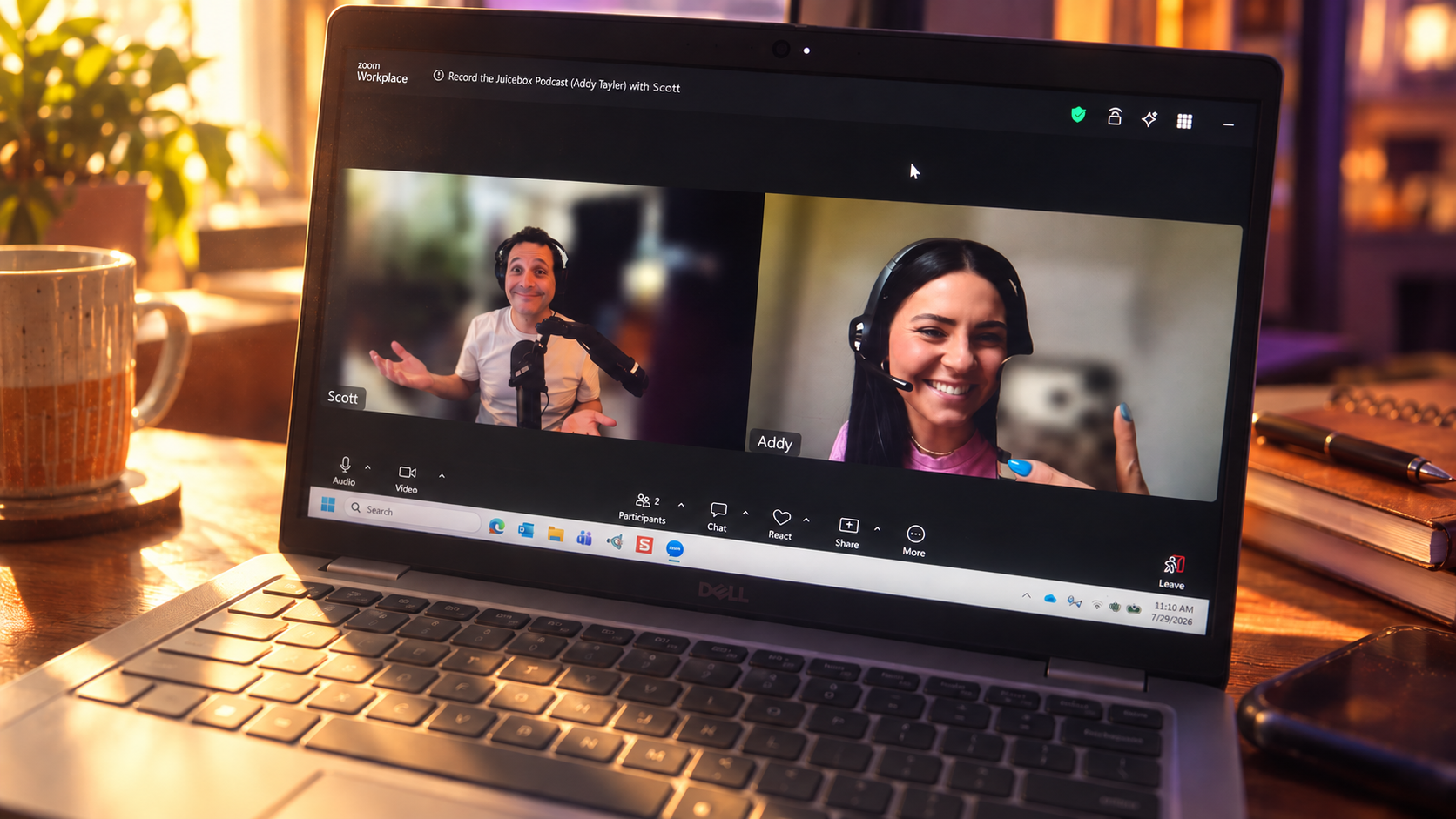
Scott and Jenny Bolus 4 salmon and the rest.






























Key Takeaways
- The "Meal Bolt" Strategy: This structured approach to bolusing stands for Measure the meal, Evaluate yourself, Add the base units, Layer a correction, Build the bolus shape, Offset the timing, Look at the CGM, and Tweak for next time.
- Protein and Fat Matter: High-protein and high-fat meals (like salmon and olive oil-cooked vegetables) require insulin. These macros can be calculated as equivalent carbohydrates using Fat Protein Units (FPUs).
- Extend the Bolus: Because fat and protein digest slowly, insulin meant to cover them should be delivered as an extended bolus (often over 4 to 5 hours) to match the delayed blood sugar rise.
- Meal Sequencing: Changing the order of what you eat—starting with vegetables, moving to protein, and finishing with carbohydrates—can sometimes reduce or completely eliminate the need for a pre-bolus.
- Leveraging Technology: Tools like AI and online calculators can quickly synthesize complex nutritional data (like the Warsaw Method) to suggest actionable bolusing strategies, helping ease the cognitive load of managing Type 1 diabetes.
Resources Mentioned
- Meal Bolt Info: juiceboxpodcast.com/meal-bolt
- Warsaw Method Calculator (Wurcal): juiceboxpodcast.com/warcal
- Omnipod 5: omnipod.com/juicebox
- Contour Next Gen Meter: contournext.com/juicebox
- Paprika Recipe Manager App
- Wrong Way Recording: wrongwayrecording.com
Introduction to Meal Bolt
Scott BennerHere we are back together again, friends, for another episode of the Juice Box podcast. In every episode of bolus four, Jenny Smith and I are gonna take a few minutes to talk through how to bolus for a single item of food. Jenny and I are gonna follow a little bit of a road map called meal bolt. Measure the meal, evaluate yourself, Add the base units. Layer a correction. Build the bolus shape. Offset the timing. Look at the CGM. Tweak for next time. Having said that, these episodes are gonna be very conversational and not incredibly technical. We want you to hear how we think about it, but we also would like you to know that this is kind of the pathway we're considering while we're talking about it. So while you might not hear us say every letter of Mielbolt in every episode, we will be thinking about it while we're talking. If you wanna learn more, go to juiceboxpodcast.com/meal-bolt. But for now, we'll find out how to bowl us for today's subject. While you're listening, please remember that nothing you hear on the Juice Box podcast should be considered advice, medical or otherwise. Always consult a physician before making any changes to your health care plan or becoming bold with insulin.
Sponsor Messages
Scott BennerA huge thanks to my longest sponsor, Omnipod. Check out the Omnipod five now with my link, omnipod.com/juicebox. You may be eligible for a free starter kit, a free Omnipod five starter kit at my link. Go check it out. Omnipod.com/juicebox. Terms and conditions apply. Full terms and conditions can be found at omnipod.com/juicebox. Today's episode is also sponsored by the Kontoor Next Gen blood glucose meter. This is the meter that my daughter has on her person right now. It is incredibly accurate and waiting for you at contournext.com/juicebox.
Building a Healthy Meal
Scott BennerJenny, I mentioned, I think, the time or two before that we recorded that somebody asked me, are we gonna do anything healthy in these bolus four episodes? So I and I remarked then, and I'll tell you again. We went out to the community. I asked what you wanna hear about bolusing for. We're just doing the list. You know? I didn't sit around and think, oh, Cinnabons. I haven't had a Cinnabon in twenty years. So but I wanna do a meal, like, one healthy meal right now.
Jenny SmithOkay.
Scott BennerSo I'm gonna let you build the meal. And then, like so if you were putting together a dinner for people tonight, would you do salmon? Would you do chicken? Like, what would you do? What would you put with it?
Jenny SmithSure. Oh my gosh. A healthy meal. Salmon, definitely. We We do a lot of seafood. So salmon, grilled salmon, And I really like, let's say, a grilled asparagus.
Scott BennerOkay. For grilled salmon.
Jenny SmithAnd, like, either a baked or a grilled, like, something yummy. We're gonna go
Scott Bennerpiece by piece as we build the meal out. Okay? So, when tracking grilled salmon, the nutritional value varies slightly depending on whether it is wild caught, leaner, and high protein or farmed. Isn't that interesting? Mhmm. Do you buy one specifically?
Jenny SmithI do not buy farmed ever. Any kind of farmed fish, I do not buy. Again, totally personal preference, but the farmed often if you look at the packaging, it will have color added, especially for salmon. Mhmm. And most often, the farmed fish, not just salmon, but the farmed fish, the nutrient quality is just not there comparative to the wild Ain't that interesting? Caught.
Scott BennerSee, look at us. By doing it like this, I learn things. Six ounces is a serving, or you think it should be more or less?
Jenny SmithA typical I mean, if we're talking about a serving of what people eat, their portion, or a serving in designating, like, what a serving should be, serving is about three ounces.
Scott BennerOkay.
Jenny SmithBut nobody eats just three ounces. Usually, a portion is about six, so that was a good estimate.
Scott BennerAwesome. Okay. So here's what we're gonna learn right now by grilling the fillet. Calories, 265 k cals, 45 grams of protein, nine and a half grams of fat, no carbs. Cholesterol, 104. Sodium, 156. That is a pretty balanced thing. Okay. So we're going to keep that there. There's no carbs yet. But is there bolusing to be done for salmon, you think?
Jenny SmithIf it's and that's why I brought up portion versus serving. Right? A typical serving of any kind of protein's about three ounces as as designated by whoever designated that as the serving size eons ago, whatever. So anything more than that, and I usually explain it by, like, the size of the palm of a hand's about three ounces ish once it's cooked. So anything larger than that, yes, to answer your question. We're going to need in need insulin in order to cover the rise up later.
Scott BennerK.
Jenny SmithSo salmon or any kind of protein like that isn't gonna be an immediate effect. It's not it's gonna not gonna be the like eating grapes, for example. But you will need something to cover the larger portion of protein over time.
Scott BennerDid you say grilled broccoli? Did you say broccoli?
Jenny SmithOh, well, I like broccoli too. I said asparagus. Said asparagus? Almost done. Different.
Scott BennerAspergeras. I know how to spell it because of that. And what do you cook it with? Just the olive oil, or how do you grill it?
Jenny SmithYeah. I usually put a little bit of olive oil. Like, if it's in the oven outside in the, you know, summertime, it's just on the grill. Mhmm. But in the wintertime or whatever, in the oven just baking it, I usually use a little bit of olive oil in the pan.
Scott BennerOkay. Here we go. Grilled asparagus breakdown. I put EVO on there because I'm super, super, hip. Calories. Let's see. Serving.
Jenny SmithGood job with the acronym.
Scott BennerThank you. Grilled asparagus with extra virgin olive oil is a nutrition powerhouse. The addition of healthy fats in the oil is actually beneficial here. So six to eight spears or one cup, 55 to 70 calories, four and a half grams of fat, three grams of protein, five grams of carbs. Mhmm. Okay. So now we have five carbs. Let me get a piece of paper. Is that okay?
Jenny SmithYeah. You have to do all your math adding it all together. Right?
Scott BennerSo far, got zero and five for the for the carbs.
Jenny SmithJust for the carbs. Yep. Did you wanna do all the macros for each of them to add them all together by the end?
Scott BennerCan you do that?
Jenny SmithYou should be able to. I mean, if you're doing, you know, salmon while you have zero carbs, you do have a fair amount of protein.
Scott BennerOkay. So
Jenny SmithAnd they're in that portion should also be a certain amount of fat.
Scott BennerAlright. So let's do that. And then actually, I know what to do. Don't worry. Okay. What else are we gonna put with the food? Jenny's done eating already. She's like, that's enough. I'm good. Yeah. But what what what do you think, an average person would put? You think they put a piece of bread with it? Do you think they would do another vegetable?
Jenny SmithI think some people would do another vegetable, maybe like a side salad. But if they do want a true carbohydrate with it, they might add let's try, like, the little fingerling potatoes.
Scott BennerOh, good job.
Jenny SmithJust for fun.
Scott BennerYou caught Jenny on her on her anniversary out to eat. She's like, I'll take a potato too. I
Jenny Smithsent you a picture actually from our anniversary, didn't I?
Scott BennerThat's what made me think of it. Because when I looked at it, I was like, this is exciting for Jenny, this plate.
Jenny SmithIt was very, very yummy. Yeah.
Scott BennerI thought I thought I thought for sure. Four ounces of potatoes, three to five, small potatoes grilled with a teaspoon of extra virgin olive oil, 4.8 grams of fat, 125 to 140 calories, 2.5 protein, 22 carbs, sodium 10. Okay. So now what I'm gonna tell it to do is Go ahead.
Jenny SmithAnd I like that that portion shows that things like a potato do not have to be a steakhouse baked potato that's the size of, like, a basketball player's hand. Mhmm. Like, there's there's no reason you have to eat that much potato to enjoy a potato.
Scott BennerI love that you're now horrified. You're like, why 22 carbs of potatoes? Why couldn't it be
Jenny Smithtwo twenty two grams is a lovely little portion of these these little potatoes, and it's not gigantic.
Using AI and the Warsaw Calculator
Scott BennerOkay. And I am all I'm telling you to do is I said combine these three items and create a bolus based on and I'm dropping in the link to juiceboxpodcast.com/warcal,warcal Yep. The Warsaw calculator.
Jenny SmithThat's gonna use the FPUs Yep. And everything.
Scott BennerSo I show people, like, you don't need to understand all that to have this broken out for you by I'm using, Google Gemini today. The new version, this is pro. So I don't think I pay for it. Do I? I might pay $20 a month for this.
Jenny SmithIn Chrome, Gemini becomes like, it's an option right up in the corner. I don't know if the pro is a paid version or not. Mhmm. My Gemini just shows up as Gemini. It doesn't say Gemini pro.
Scott BennerI think I must pay $20 a month for it then. Okay. Contournext.com/juicebox. That's the link you'll use to find out more about the Contour next gen blood glucose meter. When you get there, there's a little bit at the top. You can click right on blood glucose monitoring. I'll do it with you. Go to meters. Click on any of the meters. I'll click on the next gen, and you're gonna get more information. It's easy to use and highly accurate. SmartLight provides a simple understanding of your blood glucose levels. And, of course, with second chance sampling technology, you can save money with fewer wasted test strips. As if all that wasn't enough, the Kontoor Next Gen also has a compatible app for an easy way to share and see your blood glucose results. Kontoornext.com/juicebox. And if you scroll down at that link, you're gonna see things like a buy now button. You could register your meter after you purchase it. Or what is this? Download a coupon. Oh, receive a free contour next gen blood glucose meter? Do tell. Contournext.com/juicebox. Head over there now. Get the same accurate and reliable meter that we use. This episode is brought to you by Omnipod. Would you ever buy a car without test driving it first? That's a big risk to take on a pretty large investment. You wouldn't do that. Right? So why would you do it when it comes to choosing an insulin pump? Most pumps come with a four year lock in period through the DME channel, and you don't even get to try it first. But not Omnipod five. Omnipod five is available exclusively through the pharmacy, which means it doesn't come with a typical four year DME lock in period. Plus, you can get started with a free thirty day trial to be sure it's the right choice for you or your family. My daughter has been wearing an Omnipod every day for seventeen years. Are you ready to give Omnipod five a try? Request your free starter kit today at my link, omnipod.com/juicebox. Terms and conditions apply. Eligibility may vary. Full terms and conditions can be found at omnipod.com/juicebox. Find my link in the show notes of this podcast player or at juiceboxpodcast.com.
Calculating the Final Bolus Strategy
Scott BennerTo create a bolus for this meal using the work, workout the Warsaw Method Calculator from the Juice Box podcast, we must account for both the immediate impact of the carbohydrates and the delayed impact of the fat and protein. So now by giving it that link, let me explain to people what that link has there. You and I have talked about this stuff in a number of different episodes.
Jenny SmithCorrect.
Scott BennerI've synthesized all of those conversations into what's on that website describing how to bolus for fat and protein. Plus, there's an actual calculator there that you guys could use, you know, at your own risk, please. There's a disclaimer there that helps you break this bolus out. But this is AI doing it for you. AI even wants you to know that they're not doctor. And this information is based on the podcast, which, by the way, will tell you that I'm not a doctor either. So we're all disclaimered out the butt. Let's keep going. Yes. The nutritional breakdown based on six ounces of wild caught salmon fillet, six to eight asparagus spears, and four ounces of fingerling potatoes, we're looking at 27 total carbs, 22 from the potatoes, five from the asparagus, 19 grams of fat, 10 from the salmon, nine from the vegetables and the olive oil, and the total protein, 50.5 grams. 45 of it is from the salmon, 2.5 from the potatoes, three from the asparagus. You're gonna start feeling bad about going to college in a second. Now it says step one, the bolus for the carbs. So calculate your standard carb dose using your insulin to carb ratio. So we're gonna do one to 10 just so we're gonna we're gonna pit Jenny against AI. Yeah. And to pit it against the AI. Because I'm gonna put you on this to figure this out too on your own.
Jenny SmithOkay.
Scott BennerSo 27 carbs, one to 10 ratio.
Jenny SmithTwo point seven units just for the carbs.
Scott BennerYep. And it agrees. Okay. Great. It says that, I would Scott would recommend a pre bolus between fifteen and thirty minutes before eating to ensure the insulin is active when the potatoes begin to digest. It says step two, you can use the Wurcal calculator to figure out your later dose. The Wurcal method converts fat and protein into fat and protein units, FPUs, to calculate on extra extended bolus to calculate an extend extended bolus. Calories from fat, 19 times nine equals a 171 kcals. Calories from protein, 50.5 times four is 202 kcals. Total fat and protein calories, three seventy three kcals. FPU is three seventy three divided by 100 equals 3.73 FPUs.
Jenny SmithNice.
Scott BennerOkay. The calculation carb equivalent, each one FPU is treated like 10 grams of carbs. So 3.73 FPUs times 10 grams equals 37.3 grams of equivalent carbohydrates. Now that is not a thing anybody would imagine.
Jenny SmithNo. And that's from fats and proteins.
Scott BennerYes. Extra insulin divide the equivalent carbs by your insulin to carb ratio. Example, if your insulin carb ratio is one to 10, you'll need an extra how much for 37.3?
Jenny SmithI'm sorry. Ask it again. My brain was thinking through the whole sorry.
Scott BennerSorry. 37.3 equivalent carbs at a one to 10 ratio needs how much insulin?
Jenny SmithThree point seven three. Wait. Let's say it's 3.7.
Scott BennerIt rounded the 3.7. Now Okay. Here's where it helps you. It helps you with the duration. Per the Warsaw method calculator, since you have 3.7 FPUs, the extra insulin should be delivered as an extended bolus over how would you do it? How many hours?
Jenny SmithSo this this is where sometimes the Warsaw can be too extensive in that extended piece, that extended bolus of insulin Mhmm. Most people end up finding with some experimentation that they have to shave down the extended bolus amount or time, I should say. Not the amount, but the time. Okay. My expectation would be extending this over probably four to five hours.
Scott BennerMhmm.
Jenny SmithMy expectation, Warsaw probably said six hours.
Scott BennerIt said five to eight. That's
Jenny Smithit. Okay.
Scott BennerBut it it's super interesting to listen to your to you think about it. So we're just gonna say, I'm going with you. So we'll say an extended bolus over four to five hours. Yes. Tell me if you agree. Summary bolus strategy. Upfront pre bolus 2.7 units for the 27 carbs and extend a bolus of 3.7 for the fat and protein delivered over it actually says five hours. So delivered over five hours. It says this is a pro tip from the Juice Box podcast. If you use a pump like Omnipod, you can set a dual combo type bolus if you're using MDI injections. Some listeners use a split dose or a small nudge injection two to three hours after the meal when the protein starts to rise. Mhmm. Right?
Jenny SmithI and it you know, what's also interesting is it's giving you a generalized idea for that pre bolus. Right? Maybe you're the type of person who has learned that you can get away without a pre bolus if you start the meal with the vegetables and then move to the protein and then finish off with the carbohydrates. And because of the large portion of protein and fat in this meal Yep. If you started out with that structure of intake, you maybe don't even need a pre bolus for this.
Scott BennerRight.
Jenny SmithAgain, using your CGM, using your glucose values, using a trend, these are all pieces to build in that, obviously, even an AI like this can't give you all of that complex information. You have to use your intuitive brain of how you how things work for you and what you've seen before from historical perspective
Scott BennerRight.
Jenny SmithTo actually move into and approach the bolus thing for this meal. But in terms of the dosing for it, it does a great job of telling you what to do and what to expect. And I think building in, we've thankfully in the past five years with more AID systems, we've also started to talk a lot more about protein and fat Mhmm. Thankfully. Because, you know, in the past when I was educated, my goodness, like, protein was just it was a free food. Yeah. Right? We didn't count it. There was a certain amount that I needed from a growth perspective, right, that was built into my intake, but proteins were free just like cucumbers and celery. They were free food.
Scott BennerAs much as you want. Jenny's over there eating a chicken like a caveman. Well, I'm smiling while we're doing this because, you know, I've had the conversations, and I've had some with you and some with other people about bolusing for fat and protein.
Jenny SmithMhmm.
Scott BennerBut the truth is is that in the end, like, I can give you as much detail as you want. You're either gonna understand it in that detail or you're not. I mean, for me Right. I'm always just like high fat meal. I make a secondary bolus, like,
Jenny Smithin Yep.
Scott BennerEighty or sixty to ninety minutes later.
Jenny SmithRight.
Scott BennerAnd I know that people hear this stuff and they want they want this. They want, like, do this here, do that. But Jenny pops right in to tell you that's not exactly what's gonna happen. And Right. I think that's great. The reason it makes me smile is because even if you got to that link I'm not gonna lie to you. That link is overwhelming. Mhmm. Like, understanding how the Warsaw method works and FPUs and KCALs, and I mean, I'm out already. Like, you know me long enough. Like, I start hearing that stuff. I get fuzzy. I'm like, I'm done. Right. Yeah. And so
Jenny SmithYou're like, I don't know. This meal looks like three and a half units. We're gonna give. And then it's gonna hit later. So we're just gonna do a little bit of a nudge extra here. I mean, that's great. But I do also really like that this calculator piece, once you feed it the right information yes, it has to be a little detailed information. But once it's there, it actually does the calculations. It even asks for your insulin to carb ratio. It can be very directing where you may have had no idea rather than just a wild guess before.
Scott BennerYeah. And a 100%. And I still think people need to understand though that a large part of how it came up with this so cleanly and easily is because I was able to give it the link back to all of the information. I'm not asking you to go out on the Internet and, like, just I didn't say, like, take these three things. My insulin to carb ratio is one to 10. Use the Warsaw method and figure it out. I don't know if we would have gotten this clear language if that would have happened. Maybe I maybe I would have. I don't know. But I just I saw a person online the other day scolding someone for using AI to help them with something like this. And I thought, my gosh. Aw. They were making all these arguments. And I said I said to myself, those arguments are twelve months old now around AI. And I realized it's crazy to think that, you know, twelve months ago, you know, the person said, how they put it? Like, that thing's just telling you what you want to hear. And I was like, oh, that was a year ago. It's not doing that anymore. Like, they they they whipped that right out of it already. And so this thing's gonna move so quickly, like, going forward. And if you can already accomplish this with it
Jenny SmithIt is.
Scott BennerI mean, it's pretty amazing. Without AI, I don't have that web page. Right. I could not have I I had those conversations, and I could not have sat down and synthesized all that information and put it together like that. Like, I don't have that mind.
Jenny SmithRight.
Scott BennerYou you know? So
Jenny SmithAnd because we walk around with computers in our pockets. Right? I mean, we don't have phones. We've got computers, small, little, tiny computers that we walk around in our back pocket all day long. And so with diabetes, you can use it to your advantage in today's world of technology because the information is pretty clean and pretty accurate.
Scott BennerYeah.
Jenny SmithAgain, two years ago, not so much. Your best bet was to look up the nutrition facts probably from the USDA or, you know, another website. Right? But now the nice thing is that all that data is put into AI already, then you can ask it directed questions about, hey. What do you think about this? They can give you some feedback.
The Future of Tech and Bolusing
Scott BennerIt is really, I think, valuable and gonna become more valuable to people. I sent something to Jenny recently that I've been kinda working on over here because a lot of how AI works is is the direction you give it. Right?
Jenny SmithYes.
Scott BennerSo I was I I don't think I should say Oh. I don't know. I I was working out a prompt that wasn't just a prompt. It wasn't a sentence or two. It it was it actually, like, pages of prompting Right. But that you could put in and then literally just give it a link to a recipe. Mhmm. And it would it would it would turn out a bolus on the other side. And I'm pretty close to getting it worked out. And I don't know That's awesome. I don't know shit about Jenny. And like, I can't code. I can't do anything else, but I just kept taking information and saying, no. You need to be more and do it over and over again. Make a mistake and I'll go, oh, here. You made a mistake here. Like, we need to rewrite this. Right. You can turn it into code and put it on a website where you just, like, drop a link in, push a button, and boom. That's your bolus for this. Now you still gotta think
Jenny SmithRight.
Scott BennerMaybe that's not right. I mean, I'm not saying I would blindly do it, but it gets you a hell of a lot closer than where a lot of people end up.
Jenny SmithAnd it would be lovely if, you know, an app like that would actually also take in maybe an app that somebody uses. Like, I use to keep recipes all in one place rather than having 6,000 pictures of recipes that I've looked at online. So I actually copy the link into the Paprika app
Scott BennerYep.
Jenny SmithWhich saves your recipe. It saves it in a recipe format, just not just the website view, which is awesome. And it would be great if an app that could also take that recipe and then dictate to you when you do eat this meal, This is what your bolus strategy is gonna look like. Yes. You're still gonna have to feed it things like this is my insulin to carb ratio. This is maybe my starting blood sugar. Maybe eventually you could feed it, like, the trend in your blood sugar and what you know what I mean? Like, there is there's so much that could be done the right way using technology to make the advantage for people with type one to take a little bit of that stress away.
Scott BennerYeah. The thing I'm making, which is just me, you know, I don't know if he
Jenny SmithFiddling around.
Scott BennerCall vibe coding, I guess. Yeah. The the way he can basically just talk to it into changing code and stuff like that. But what I wanted to to do is, like, go to a link, find the recipe, break down all of the ingredients, and then apply all these other ideas from, you know, from the podcast and from people's conversations and from what's, you know, well established and known in the world and come back and tell me how to bolus for this. So Mhmm. Basically, drop in the recipe, your vitals, you know, your insulin to carb ratio, stuff like that, starting blood sugar, and boom. And there's your answer. And I think that by the time I figure that out, some dorks at some pump company are gonna be feeding that into a pump somewhere. And if they're not, you guys aren't paying attention to what's possible. So at the very least, it could be an app, and, somebody should do it.
Jenny SmithWell, I think you touch on actually a really good point. You know, we we have these wonderful hardware devices with soft software that's becoming more, I guess, intelligent depending on how we interact with it. Right? It is not up to current potential like the DIY community, the open source community has. That potential has gone beyond what our typical FDA pumps. Right?
Scott BennerYes.
Jenny SmithBut somebody needs to step up in one of these companies, and they need to say, we've got this part of it. But this greater percentage of life with diabetes, what if we integrate in just the ability of somebody to say all of these pieces? And then the pump can actually do more for you, and its algorithm can do more for you. Right? Even exercise. Right? Being able to take it. Well, I'm gonna take a light yoga class versus I'm gonna go run for 10 miles.
Scott BennerMhmm.
Jenny SmithRight? The ability of the app to actually interact or, algorithm to actually interact.
Scott BennerWell, everybody's Huge. Everybody's gonna control their pumps from their phone to begin with. So I I mean, honestly, just think of it
Jenny Smithgone that way.
Scott BennerAnother screen that says, this is what I'm eating. You know? Make a make a a bolusing strategy for me. And then, you know, I I I realized the legality people listening are like, oh, we we we wouldn't put ourselves in the line like that. Make make somebody who agree to a disclaimer. You know? Right. Like, I mean, your stuff works as well as it works. It still isn't perfect. Like, so same idea. You know, I agree that this is the bolusing strategy I wanna use and let the app talk to the and just feed it over. Right. You
Jenny SmithAnd who with diabetes
Scott BennerWouldn't love that.
Jenny SmithWith type one, not only would love that, but as you just said, like, a disclaimer, really, we're given we're given a hormone that people use a 100% off the prescribed label of what to do with it.
Scott BennerAll day long.
Jenny SmithThey do all day long. You're sent off with take ten units or put this in your pump at the basal rate, and then the person goes home and they fiddle with things, and they adjust things. They take more, and they're like, nope. That's not enough. Let's take some more. Like, that's entire there's no disclaimer for that.
Scott BennerNo. No. No. No. Come on. Yeah. Yeah. I know. And they don't tell you you really get the least direction in the beginning too.
Jenny SmithOh, a 100%.
Scott BennerAnd sometimes they don't even tell you, like, if you get dizzy, maybe that was too much. But like
Jenny SmithRight. Yeah. I know.
Scott BennerSo It's awesome. Alright.
Jenny SmithI don't think there's a disclaimer needed.
Scott BennerNo. Yeah. Well, the the companies are gonna disagree with you, but maybe somebody will make an app that does that. I mean, listen. I just laid it out there for you. Steal the idea. I don't care. I'm not looking to make an app. You know, I was gonna do it for myself.
Jenny SmithRight.
Scott BennerBut anyway, I I appreciate this conversation. Thank you.
Jenny SmithNo. Thank you very much. It was great.
Closing Thoughts and Links
Scott BennerA huge thanks to my longest sponsor, Omnipod. Check out the Omnipod five now with my link, omnipod.com/juicebox. You may be eligible for a free starter kit, a free Omnipod five starter kit at my link. Go check it out. Omnipod.com/juicebox. Terms and conditions apply. Full terms and conditions can be found at omnipod.com/juicebox. Having an easy to use and accurate blood glucose meter is just one click away. Contournext.com/juicebox. That's right. Today's episode is sponsored by the Kontoor Next Gen blood glucose meter. Okay. Well, here we are at the end of the episode. You're still with me? Thank you. I really do appreciate that. What else could you do for me? Why don't you tell a friend about the show or leave a five star review? Maybe you could make sure you're following or subscribe in your podcast app, go to YouTube and follow me or Instagram, TikTok. Oh, gosh. Here's one. Make sure you're following the podcast in the private Facebook group as well as the public Facebook page. You don't wanna miss please, do you not know about the private group? You have to join the private group. As of this recording, it has 74,000 members. They're active talking about diabetes. Whatever you need to know, there's a conversation happening in there right now. And I'm there all the time. Tag me. I'll say hi. My diabetes pro tip series is about cutting through the clutter of diabetes management to give you the straightforward practical insights that truly make a difference. This series is all about mastering the fundamentals, whether it's the basics of insulin, dosing adjustments, or everyday management strategies that will empower you to take control. I'm joined by Jenny Smith, who is a diabetes educator with over thirty five years of personal experience, and we break down complex concepts into simple, actionable tips. The diabetes pro tip series runs between episode one thousand and one thousand twenty five in your podcast player, or you can listen to it at juiceboxpodcast.com by going up into the menu. Have a podcast? Want it to sound fantastic? Wrongwayrecording.com.
