#1850 Still a Human
Masha shares how her son's Type 1 diabetes diagnosis didn't stop her family's six-month move to Finland weeks later , emphasizing the power of education over fear.






































Key Takeaways
- Bedwetting and sudden, intense emotional changes—such as unusual rage or sentimentality—can be early warning signs of Type 1 Diabetes in children.
- A Type 1 Diabetes diagnosis shouldn't prevent your family from pursuing big life plans. With the right supplies and preparation, traveling or moving abroad is entirely manageable.
- Transforming anxiety into preparedness by identifying worst-case scenarios and creating actionable plans for them is a highly effective way to manage the mental burden of diabetes.
- Pre-bolusing (administering insulin 10-15 minutes before a meal) is a crucial foundational tool that helps prevent post-meal blood sugar spikes.
- Focusing on what you can control today—like sleep, food, and exercise—is far more productive than dwelling on unpredictable "what ifs" about the future.
Resources Mentioned
Introduction & Sponsor Messages
Scott Benner Hello, friends, and welcome back to another episode of the Juice Box podcast.
Masha Hello. My name is Masha. I'm a mom of a seven year old well, actually, two boys, but one of them has type one diabetes.
Scott Benner If you'd like to hear about diabetes management in easy to take in bits, check out the small sips. That's the series on the Juice Box podcast that listeners are talking about like it's a cheat code. These are perfect little bursts of clarity, one person said. I finally understood things I've heard a 100 times. Short, simple, and somehow exactly what I needed. People say small sips feels like someone pulling up a chair, sliding a cup across the table, and giving you one clean idea at a time. Nothing overwhelming, no fire hose of information, just steady helpful nudges that actually stick. People listen in their car, on walks, or rather actually bolusing anytime that they need a quick shot of perspective. And the reviews, they all say the same thing. Small sips makes diabetes make sense. Search for the Juice Box podcast, small sips, wherever you get audio. Please don't forget that nothing you hear on the Juice Box podcast should be considered advice, medical or otherwise. Always consult a physician before making any changes to your health care plan or becoming bold with insulin.
Scott Benner Today's podcast episode is sponsored by Medtronic Diabetes, who is making life with diabetes easier with the MiniMed seven eighty g system and their new sensor options, which include the Instinct sensor made by Abbott. Would you like to unleash the full potential of the MiniMed seven eighty g system? You can do that at my link, medtronicdiabetes.com/juicebox.
Scott Benner Today's episode is also sponsored by the Kontoor Next Gen blood glucose meter. This is the meter that my daughter has on her person right now. It is incredibly accurate and waiting for you at kontoornext.com/juicebox.
A Diagnosis Before a Big Move
Masha Hello. My name is Masha. I'm a mom of a seven year old well, actually, two boys, but one of them has type one diabetes. He was diagnosed when he just turned six, maybe a month after. And we were lucky enough that he didn't go into DKA because my mom, she has type two, and she was like, oh, the symptoms, you should go and check check it out. So, like, this is how we found out early. And, of course, it did change our lives upside down, but also I guess, like, why I'm here, like, what the main idea I wanna share is that, like, what happened in our life. We were planning to move abroad to Finland for half a year, And my kid was diagnosed three weeks before our flights. And so, like, this was this kind of, like, two life changing event events stacked side by side. So I wanna share that things are possible and, like, diabetes didn't stop us from going. And even though it's, like, super scary, super terrifying with the new diagnosis, like, we still went and there was, like, zero regrets.
Scott Benner Okay. So you you think you have, like, these two core ideas you need to share?
Masha Yeah. Just, like, lack of fear and, like, education. Like, your podcast helped tremendously in the very beginning. So I'm, like, I was just adamant. I thankfully, again, just, like, things kind of worked out in this weird ironic way that I had three three months booked off work because I really needed a break for other reasons, but, like, I dedicated this time not to myself like I intended to, but to learning everything I could about diabetes. So I guess the main two ideas is, like, yeah, don't be scared of big things like traveling or anything like that. Or, like, we moved for six months overseas to a country where where I didn't speak the language in
Scott Benner No.
Masha With a kid with diabetes and also education.
Scott Benner Okay. Let's start at the beginning then, and we'll get and then we're gonna unpack all of that. So you said you have two children. One of them has type one. How long ago were they diagnosed?
Masha This was in 2024 in July, so it's a year and a half ago.
Scott Benner Okay. And were there any reasons to think that diabetes might be in your future prior to that day?
Masha Not at all. I wasn't it wasn't even on my radar. All I knew is that my great grandmother had diabetes. Nobody knows which type. I remember my mom telling me no. Sorry. Yeah. My mom telling me that she was injecting herself with this huge old school syringe. It was in Soviet Ukraine, so, like, who god knows what it was like. But that was it. Like, I didn't know anything about type one. I only heard it's the bad type, the bad diabetes. Like, that's all I knew.
Scott Benner That's how they talked about it. Mhmm. The bad yeah. You're not the first person to say that. And how about other autoimmune issues in your family? People have celiac or RA, thyroid issues, anything like that?
Masha No. Nobody has anything else. I know if you're asking these questions, I've kinda thought about it, and now I couldn't come up with anything. Like, my mom has type two, but she has a lot of things. So it's Yeah. I don't think it's autoimmune. It's like lifestyle and stress and whatnot.
Scott Benner Mhmm. And, I mean, how about just generalized health? Is this like a situation where you're a young family, you've got a couple young kids, and everything's going great, and then all of a sudden, whack this happens? Or do you even have any, I guess, history with other things going wrong? Any reason to feel like you'd be good at this or, you know, have some practice at the very least?
Masha No. Like, things are going really well, and I was always about healthy eating. So my kids eat vegetables, and they pick salads on their own without me priming them. And, like, I always, like, keep three cornerstones of health, good food, sleep, and exercise. But in like, in terms of kids' exercise, basically, just, like, grinding around. So yeah. And we this was totally out of the blue, and I did not expect this at all.
Scott Benner Okay. Alright. Well and then there you are. So what is the first sign, and how do you know to pay attention to it?
Masha So the first and pretty much the only sign was that he started wetting his bed, which hasn't happened because he kinda trained himself out of a diaper at two, and the kid's never had any accidents since. Well, okay. Maybe one in five years. But that was a big sign, and we thought, okay. This might be stress because we were talking about, like, moving to Finland. This is always a dream of ours. And so we we thought, okay. Maybe this is stress. So we went to the doctor, and the doctor says, oh, it's probably stress. And, also, I used to sleep in his room because he was, like, five at the time, and we took away the mattress. And this started happening, like, a week after. So we thought, oh, maybe it's the stress of mom not sleeping in his room anymore. So we tried everything. Nothing went away. Then he was he was generally a cranky kid, like, from the very beginning, but the level of crankiness just, like, a month before diagnosis was almost unbearable. And so my mom said, like, wetting the bed is a sign of diabetes. You guys should go check his blood sugar. And then we did do the blood work, but my doctor who I'm really, really mad at, like, we didn't get a call from a doctor. We got a call from the lab. This is how we found out. The the lab called us on a Saturday, and we went to the hospital Monday morning where the diagnosis happened. But, thankfully, like, he was not in TKA. He didn't even need any IVs or anything like that, so we caught it early, they said.
Scott Benner What was that time you said that time was difficult? How was it difficult? His health or the way he was acting, or what part of it? Maybe all.
Masha I guess just, like, emotions. He was a very always a very emotional kid, and he's an older brother. He's four years older. And they were always fighting even from when when the youngest one turned two, I feel like that's when the fights just escalated, and then COVID happened. So, like, there was a lot of emotions in general.
Scott Benner Okay.
Masha So he would get upset really easily. He would be yelling, screaming, like throwing things. But I kind of thought this was sort of normal because, like, the they both got on each other's nerves all the time. Mhmm. And so but, like, prior to diagnosis, he would just, like, come up to me and just, like, cry out of out of the blue, basically, who said, oh, I don't wanna grow up. I wanna be a baby and things like that. He would just, like, start crying when he was looking at his old pictures. Like, it was really
Scott Benner He was really emotional. Yeah.
Masha Yeah. Like, really emotional, but, like, he's usually emotional in, like, in in a rage manner, but, like, not in this very sentimental and kinda sad. But but then, of course, the rage was also there. It was just, like, very, like, much more frequent. It was, like, not once a day, like, before, but, like, I don't know, three, five times. Yeah.
Scott Benner Okay. Do you recall what you thought was going on before you realized the diabetes?
Masha Like, it's really hard to say. I I just remember thinking, like, we must have messed it up somehow. Like, maybe he's really stressed about Finland. And, also, like, at the May, just, like, when the symptom like, these symptoms were showing up. Like, my grandma died, so, like, I was really sad. And I was just thinking, yeah, something, like, emotionally must be going wrong. There's like, it's a lot for a five year old to know that he's gonna be moving abroad and Yeah. Mom was sad and all of that.
Scott Benner Gotcha. Any, anxiety in your family? No. No? Okay. Well, so what happened in the hospital? What did they what did they tell you, and how did everything begin? Did you get good technology? Did you get good direction, or did you feel adrift?
Masha Well, when we on a Saturday where we got the call from the lab, we kind of knew that this is what it is. We did the research, and we're like, okay. This is her life. My husband accidentally, about a month ago, he read an article about somebody with type one describing diabetes, like how hard it is and how it's a lot like playing flappy bird, you know, when you can get too high and you cannot get too low. Mhmm. And so, like, that was the idea, and I thought, oh, this is it gets hard, but I didn't know what to expect. And in the hospital, they basically measured his blood sugar. They said, well, this is type one, but, like, wait until we get all the blood work done and stuff like that. And, yeah, like, he was diagnosed, then they said, oh, you have to stay in the hospital for a couple days until we, like, teach you what it is, what to do. They were doing finger pricks before every meal and the hospital food here. Holy moly. Like, I I I'm still scarred by the breakfast. Like, for a type one diabetic, it was orange juice, banana muffin, and frosted flakes or something. I'm like, what are you doing? How is this a diabetic breakfast? So, like, thankfully, my husband was able to go home and bring us some, like, proper foods and, like, omelets. I don't know. Like, food is I'm really obsessed about healthy food. Yeah. So, yeah, this is kinda funny. And so two days, we were doing the finger pricks, and they were doing injections, and they were teaching us how to do injections. They gave us pens.
Scott Benner Mhmm.
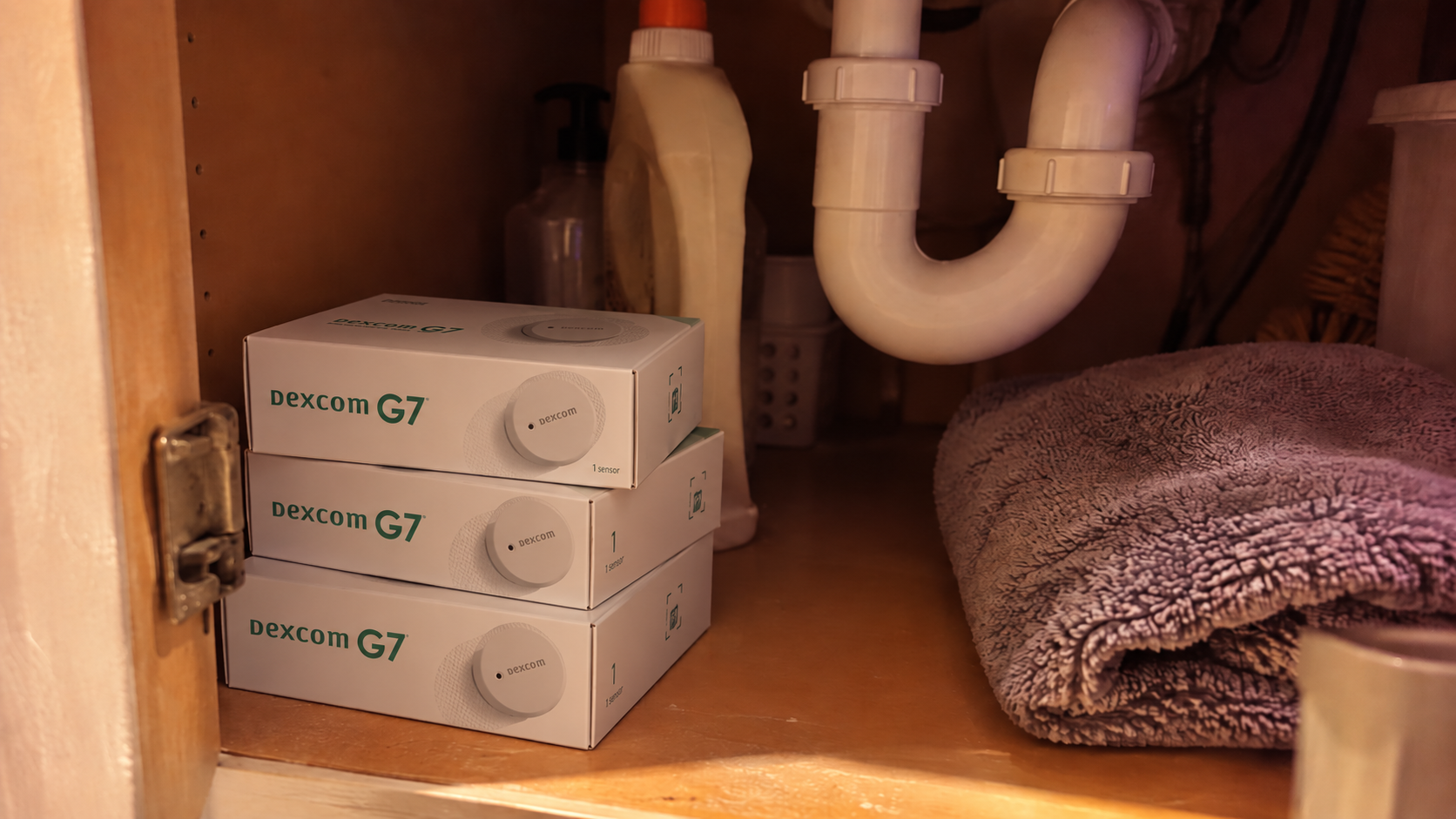
Masha And I'm the person who's terrified of needles. I don't even have my ears pierced. So I was like, oh, how ironic that now I have to do this. But it took me a day to basically adjust, and they thankfully gave us a Dexcom g seven on the last day before they let us go home.
Scott Benner Okay.
Masha And so this was I think this was crucial for me to not just go insane, but worry because I was like, okay. We see the numbers. We kinda know, like, very roughly what to do, how to control them. I'm really thankful to the nurse who just gave us, like, a whole bunch for free Yeah. Because I think they were testers. Like, I don't know. Marketing material maybe. Mhmm. Yeah. So this is how it all started. Then we had to make a really big decision. Like, okay. We have these tickets to Finland to fly overseas. So, like, we consulted the doctor. We consulted the nurse, and they all say, well, it's really up to you.
Scott Benner Nobody was helpful. Hey. How far before your planned move was the diagnosis?
Masha So we had tickets in the July. So we put yeah. We planned it probably, like, March where I registered him for school and all of that, and he was diagnosed in the June. So, like, three and a half weeks maybe.
Scott Benner Yeah. Did you end up going?
Masha We did. Yeah. We just figured it was really hard, but we figured, you know, Finland is a civilized country. They have some basic health care. We'll figure it out. We just packed a whole bunch of insulin, and we packed a whole bunch of Dexcom. And we said, well, worst case scenario, we're just gonna be back in a month. And we said we're just gonna use that as a traveling opportunity with insulin and Dexcoms.
Scott Benner Did you sell your home, or did you were you renting?
Masha We wanted to rent it out, but then the opportunity fell through, like, also a week before the flight. So, thankfully, my partner's mom came to, like, help out with the house.
Scott Benner Okay. So you you had a place to come back to if this whole thing blew up. You could've okay. You could've come back.
Masha Because we only were going to we the plan was to go for six months because I didn't wanna lose my job and yeah.
Sponsor Break
Scott Benner Oh, you well, so aren't you interesting? What makes you such a a free spirit with the let's go some let's go to Finland for six months? Where's that come from?
Masha Oh, boy. Do you have time for long stories?
Scott Benner I have time for long stories. Don't worry. Go ahead. Contournext.com/juicebox. That's the link you'll use to find out more about the Kontoor Next Gen blood glucose meter. When you get there, there's a little bit at the top. You can click right on blood glucose monitoring. I'll do it with you. Go to meters. Click on any of the meters. I'll click on the Next Gen, and you're gonna get more information. It's easy to use and highly accurate. SmartLight provides a simple understanding of your blood glucose levels. And, of course, with second chance sampling technology, you can save money with fewer wasted test strips. As if all that wasn't enough, the Contour Next Gen also has a compatible app for an easy way to share and see your blood glucose results. Kontoornext.com/juicebox. And if you scroll down at that link, you're gonna see things like a buy now button. You could register your meter after you purchase it. Or what is this? Download a coupon. Oh, receive a free Kontoor Next Gen blood glucose meter. Do tell. Kontoornext.com/juicebox. Head over there now. Get the same accurate and reliable meter that we use.
Scott Benner Unlike other systems that will wait until your blood sugar is a 180 before delivering corrections, The MiniMed seven eighty g system is the only system with meal detection technology that automatically detects rising sugar levels and delivers more insulin as needed to help keep your sugar levels in range even if you're not a perfect carb counter. Today's episode of the Juice Box podcast is sponsored by Medtronic Diabetes and their MiniMed seven eighty g system, which gives you real choices because the MiniMed seven eighty g system works with the Instinct sensor made by Avid, as well as the Simplera Sync and Guardian Force sensors, giving you options. The Instinct sensor is the longest wear sensor yet, lasting fifteen days and designed exclusively for the MiniMed seven eighty g. And don't forget, Medtronic Diabetes makes technology accessible for you with comprehensive insurance support, programs to help you with your out of pocket costs, we're switching from other pump and CGM systems. Learn more and get started today with my link, medtronicdiabetes.com/juicebox.
Relocating to Finland
Masha Okay. So I moved to Canada from Russia all those years ago all by myself as a student. So, like, I was always, oh, I wanna travel. I don't care about physical possessions or owning anything. Like, I just wanna experience the world. And so I was in Toronto for the longest time. And then I met my husband, then we had kids. And then my husband had an idea to move to The States, so we moved for a year, hated it, and returned to Canada. But then COVID started, and so we were kind of we didn't have a house in Toronto anymore, and we ended up in a suburb of Toronto.
Scott Benner Okay.
Masha And the suburbs are really foreign to me. Like, as a Soviet child, like, the cars were a luxury in the Soviet Union. So, like, all of the cities were built for public transport or walking. And so we were stuck here in the suburb during COVID with, like, a car and nowhere to go. And so the idea was to just, like, move away from the suburb to somewhere that's more human, like, people oriented. And so we thought we thought, okay. Finland has a program for visitors. Like, they they had a startup visa, and so my partner had a startup. So he applied for a startup visa, and this is how we basically pick Finland. And the other reason was I really wanted my kids to experience one of the best schools in the world as they claim Finland has.
Scott Benner Mhmm.
Masha So the two reasons.
Scott Benner I like that you didn't want possessions, but you picked up a boy and two children. You can't sell them like a VCR. So
Masha Well, those are yeah. I don't know. Those are human. Like, I don't wanna have a pet because a pet would always need my care. But, like, you know, the children, they grow and they take care of themselves.
Scott Benner Yeah. Masha, I know that humans are not, like, possessions. I was just joking. But Yeah. It's an interesting line to cross. Right? What happened? You fell in love? Is that what ruined your plan?
Masha That's also another very complicated story. Like, my mom and my grandma were always on my case that, like, I have to have children. I have to get married. This is what makes a woman happy. You know how, like, the Soviet patriarchy
Scott Benner Okay.
Masha The Russian does it to you? And I was like, okay. And those were the last words that I heard from my grandma over the phone. It's like, Masha, you have to have children. Yes. But what about me? But then, I don't know. The last words from my grandma really, like, convinced me, and this was my goal. So, like, here I am. No regrets. No regrets here, though.
Scott Benner Can I ask you, was she right? Did it change your life in a way that feels measurable and commiserate with her opinion?
Masha I do not agree that in order to be a fulfilled woman, you have to have children. I do not agree with that, and I think my grandma was wrong in that because they they claim every woman like, that's the happiness.
Scott Benner Okay.
Masha But for me personally, yeah, I think it was the right call. It definitely changed me in a lot of ways, made me more patient, and made me appreciate more things.
Scott Benner Okay. That's awesome. What happened when you got to Finland? Like, you had your your satchel full of insulin and and whatnot. Were you able to find devices, medical care? How did you work your way through all that?
Masha Yeah. So I had a friend in the city in Finland that we moved to, and she said, just, like, email the hospital. And so I emailed them, and turns out that Finland is so much more advanced. So they were texting with me, which I'm like, it's never happened to me here. I never texted with a doctor. But I basically was setting up an appointment with the clinic describing our situation, and they said, yes. Just, like, come in at the time. We'll do the assessment, and we'll see what to do with you. And so, thankfully, everybody spoke some level of English at the hospital.
Scott Benner Okay.
Masha So this is how we were able to talk to them. Like, the doctors, of course, had impeccable English. The nurses, like, it was a hit or miss. But, like, with Google Translate, we were able to get by. So we get to the hospital. They are all terrified of, like, we should keep you here overnight. This is diabetes. This is serious. But we're like, we've gone through that a month ago. We don't really need to be in the hospital. I guess for bureaucracy reasons, they still had to take us through the entire education, like, series, like what to do, what to do with lows, what to do with sickness. So they kept us there for a couple days, not overnight, though. So let us go home. And they also wanted to make sure that we know how to dose. So they brought us food for my kids specifically, and they watched us calculate. And then they watched us do the injections, like, do we do it correctly or not? And once we passed their test, they were like, yeah. We'll see you in three months. And since we were there legally, like, on a startup visa, we registered there and registered with the municipality that we are now kind of citizens of that place. And that gave us access to the basic health care, including top one diabetes care.
Scott Benner Nice.
Masha So that was a really nice surprise, and that made us really confident. Was like, okay. This is gonna work out because they also provided us with free Dexcoms for the six months that we were there. You just basically order a thing online, and the package arrives with however many Dexcoms.
Scott Benner Okay. Did you ever consider staying? Did you like it enough to think we should move here forever?
Masha Yes. And I still dream about that. I really liked it there because I grew up in the North Of Russia and, like, the Finnish culture and the Finnish nature, it smells like, the forest smell like my childhood, basically. I would love to stay there, but I don't know. My my family, they're still in Russia, they say, you know, Russia is unpredictable these days, and Finland has a border. So just, like, stay away, stay across the ocean for now until that whole situation figures itself out. But, yeah, my oldest really loved the school. In Finland, there is so much freedom. The kids are allowed to go to school on their own and take public transit at the age of seven, which is unheard of in North America.
Scott Benner Sure.
Masha So I think I would really love to move to maybe in a couple years.
Scott Benner Do you guys do the kind of work that allows you to be mobile like that?
Masha Yes. We both are software developers.
Scott Benner Okay.
Masha So even though my company I'm only allowed to work outside of Canada for ninety days, it's still ninety days. Like, we can travel and work anywhere pretty much.
Vibe Coding and AI in Diabetes
Scott Benner Kidding. You know, it's so bizarre that that's what you said because you might turn your nose up at this, and I would understand if you did. But all morning, I've been I I'm sure you hate this word, but I've been vibe coding an app that allows you to put food and insulin onto a timeline and slide it around to see how changing the bolus changes the peaks in the valleys.
Masha Wow. I you're not gonna believe it. My husband did an app like that, and there's a thread on Reddit somewhere about that.
Scott Benner Really? It's just such a great like, I trained it on, like, the work saw method and, you know, understood ideas about how insulin works and different insulin timings and stuff like that.
Masha Mhmm.
Scott Benner Let me say this. It's not something you would dose off of. Although, I imagine if you got it correct, you probably could. It is just very visual and I think allows I think it would easily allow people to say, like, oh, I see the value of where I put the insulin and how long the food impacts my system. I think kind of be for visual people, it might be a lot easier than some other stuff. Anyway
Masha I totally agree. I'm so happy you're doing that.
Scott Benner I hope you
Masha share with the world.
Scott Benner Oh, I I'm I'm I'm trying. I swear the, the I I know it's such a I hope they come up with a better phrase than vibe coding because it sounds I feel can I just be honest? I feel like a douchebag when I'm saying it. But at the same time, that's not what's happening. Like, I'm talking to it about what I wanted to accomplish, and it is accomplishing it. I it's making me feel like like a lot of different things are possible all of a sudden. It makes me wanna create an app that that not only can house the audio from the podcast, but maybe one day also have a community right inside of it, you know, a dictionary of diabetes definitions and then links to take you back to longer explanations of it. Like, I I honestly like, I have the whole thing pictured in my head. I just don't have any actual skill. So I'm I'm waiting for AI to either kill us or catch up with my idea. That's my hope.
Masha I think the latter is gonna happen. Honestly, it's so good these days. Like, I don't code anymore. I just basically type in English or sometimes even talk to it, you know, with voice recognition and stuff. It's bizarre.
Scott Benner My son is just starting in the world. He's only 26, but he's got one of those jobs where, you know, he did teach himself a lot of coding. And then all of a sudden, one day, he was like, I don't really have to code that much anymore, but I still am. And I was like, yeah. He works for a company that basically, rents him out to other large corporations that need back end stuff done, but, you know, don't wanna hire people or or have the expertise to walk through the project. So he's been doing that for a while. I think he likes it a lot, actually.
Masha It it sounds really fun. Yeah. Like, we all got into the this job, I guess, for the pleasure of coding, and now we're gonna have to find pleasure in problem solving overall, not just coding.
Scott Benner Something else. Right?
Masha Mhmm.
Scott Benner I'm gonna get back to your kid's diabetes for a second. But to your point about it, it's getting better so much more quickly. I've been using, like, deep research tools to just research the podcast transcripts and then to turn it back into content that will reach people in different ways. It's just it's so good at it. It's incredible.
Masha Mhmm.
Scott Benner I used to sit around and think, there's so much in the podcast that I think just goes dormant and could be reused, but what am I gonna do? Am I gonna sit and transcribe it and then put it together in a written form? I'll have to live six lifetimes to do that. You know? And now suddenly, I'm just like, hey. Here's 25 episodes of the bold beginning series. Can you break out all the important diabetes tips in it? And, like, ten minutes later, it's like, here. Oh, okay. Yeah. Yeah. Really
Masha Live in the future.
Scott Benner Yeah. It really is awesome. Anyway, that's all. I hope it doesn't take your job.
Masha That's okay. I also bake bread, so I'm like, people are always gonna eat, so I'll just be a baker.
Scott Benner I love that. You're like, if it takes my job, I'll just bake bread. That's great. That's fantastic. Well, I I also think, like, you know, it's nice to be able to put something down. Like, I think the podcast works for a reason. I think the talking through it is really valuable. I don't think that'll ever go away. But I do think, like, you know, even just having, like, a I don't know, like, a, like, a touch tone app, like, a daily reminder. Like, just imagine opening up an app in the in the morning, it just tells you, like, just some little tidbit about diabetes or your personal wellness or care that just kinda keeps you grounded and and focused on what you need to do for the day. And then there's a community back there if you wanna go talk to people. I don't know. It seems like it makes a lot of sense to me. So
Masha Yeah. Especially if you give access to the data to the app. And, like, in the morning, it's, like, has a small analysis of your overnight graph or something. Like, that's just invaluable. Oh, yeah. Lives are busy, and we don't have time to do that, like, daily. But
Scott Benner Are you saying are you saying that my app should open up, look at your last twenty four hours, and say, hey. I just wanted to remind you to pre bolus for your meals. It looks like we might have gotten away from that yesterday.
Masha Something like that would be amazing.
Scott Benner Alright. You're hired. I have no money. Let's go. Have the whole thing done in three months, please. We're on a schedule. So funny.
Masha Well, with my little quad, I'm sure we can do great things.
Scott Benner Yeah. That's the guy. I had somebody approach me at a I did an event over the weekend, and a person walked up to me and said, you know, I'm I'm an electrical engineer and then wanted to show me this thing they made, which was like it was crazy. It was this it was a little tiny screen. It was maybe four by two or four by three, and it was just plugged into a into a little battery pack. And as he got within Bluetooth distance of it, it just populated with his Dexcom information. And when he walked away from it, it just went away. And when he walked back, it turned back on again. It was fascinating. And, it looked like something you bought at the store. It was so nice. I said, how much did that cost? She goes, it was about $30 worth of parts I bought online.
Masha Crazy.
Scott Benner And built the whole infrastructure and flashed it onto it. And then he was looking at something on my website, a bolus estimator. And he's like, I could turn that into an app if you wanted to. And I was like, yeah. Okay. So anyway, I I love people that are just excited to to help and do things and, you know, have some
Masha expertise. Mhmm.
Preparedness vs. Anxiety
Scott Benner So how does your child handle the diagnosis? I'm gonna ask about how you handle it in a minute, but is it a tough thing? Are they young enough that they kinda go along with it, or, you know, what what ends up happening in that situation?
Masha Overall, like, I think he felt much better after he started getting insulin. Mhmm. And I think he told me at some point in the very beginning that he does feel better. And he, like, almost overnight well, I guess, over two nights at the hospital, like, he the emotion, like, those really sharp emotions went away. Yeah. And, yes, he was really annoyed with the finger pulps for the couple of first days until we got on the Dexcom. And he was really annoyed with the with the pens too, but also I showed him the syringes that they used to use before pens, I guess, came on. And he was like, oof. Yeah. The pens are so much better. And so I think
Scott Benner There's your Eastern Bloc upbringing. You're like, how would you like to get stabbed with this instead?
Masha Yes. I guess, you know, like the I grew up with always being reminded that there is starving children in Africa. You know? There's somebody there's always somebody who's worse off. And so I guess I yeah. I guess I used that on him too. But we also we really tried like, me and my partner, we really tried to not be heartbroken about it visibly. Like, we were for a little bit, but then I don't know. Like, something shifted in me. Maybe it's, like, the last years with the war and just, like, knowing about a lot of really bad things. I'm like, I don't know. I all I can say
Scott Benner Yeah. Perspective's important. It really is you know, it's funny. I was just listening to a commentator this morning talk about he said he said that I don't keep artwork in my home, but I have this photograph of Anne Frank's father, and he's standing in the attic after he's lost his entire family and the war's over. And he's reflecting and and in this photo. And the guy said, every night before I go to bed, I look at that picture for ten minutes, and I try to imagine what he's thinking about. And Mhmm. Then in the morning, I look at it again for ten more seconds, and I try to remember that my worst day is a lot better than most people's best day. And then, you know, just I don't have I forget how he said it. I don't I don't have problems. I have inconveniences, he said.
Masha Mhmm.
Scott Benner And and I thought that was really something. And and it's interesting that I just heard somebody say that. Now you're saying the same thing.
Masha I totally agree with that. And I think we, like, we did try to talk to him in this way and they're like, okay. This yes. This is inconvenient. Yes. This is very annoying. But, you know, we're still gonna live. He never skipped a pool hangout with his friends. Like, never did like, diabetes hasn't stopped him. Like, we made sure that diabetes doesn't stop him from anything. Yes. It adds a lot of, like, inconveniences, the things we have to now think about, but it doesn't mean that we cannot do those things. So, like, from the get go, we kinda said, this is our life now. Let's just move on. We're gonna eat everything. We're gonna travel. We're gonna see. We're gonna, I don't know, go to water parks and whatnot, deal with those things, but let's not focus on diabetes. I forgot it was your podcast. Like, I heard this somewhere that I'm not organizing my life around diabetes. I'm organizing diabetes around my life, and I really like that.
Scott Benner Yeah. You just have to you just have to find the t shirt slogan that works for you, basically.
Masha Pretty much.
Scott Benner Yeah. And and your attitude, do you is it cultural? Because I've been doing this a very long time now, and you're not the first person from Russia I've spoken to, and I've had some people on, from Czech Republic and just that kind of part of the world, and I find their attitudes all seem to match up with what you're saying.
Masha Probably, it's really yeah. Like, if I had to guess, like, especially people who have immigrated, they've decided to leave, like, the bad parts behind. And, like, we have a much better life here, like, wherever you move. Like, even if I move to Europe or, like, to a more singlish country than Russia. Like, we just value and, like, appreciate things a lot more, I find
Scott Benner Yeah.
Masha And take less like, fewer things for granted. That's that's what I've noticed.
Scott Benner Yeah. Just nice not freezing your ass off, I would imagine. I
Masha mean, I'm in Canada.
Scott Benner Well, yeah. Why'd you do that, by the way? Why didn't you go some why don't you go somewhere warmer?
Masha I don't like war. I don't I grew up on the White Sea, and White Sea is the part of the the part of the Arctic Ocean. And I just don't deal with the heat. Like, I don't like it.
Scott Benner Oh, that's interesting.
Masha My winter.
Scott Benner Yeah. So it's not just it's not just psychologically, you don't think your body does well in warmer climates?
Masha I just don't enjoy that. I don't enjoy sweating, and I don't
Scott Benner Yeah. Nobody enjoys that.
Masha Yeah. So, like, even in Toronto, the summers used to be, like, really hot and humid, and I don't like that. I'd rather be cold than warm. So
Scott Benner You can come stay in my house because there's two feet of snow outside. It'll keep you nice and cold. I don't know why it won't stop snowing here. It hasn't snowed like this in the last twenty years of my life, and then all of a sudden, here we go.
Masha This winter has been something for sure.
Scott Benner So now we understand how your son adapted. Did you have luck applying? Because, you know, it's all well and good to have ideas. What that was something about best laid plans. Right? But did you have luck following that in your mind? Like, were you were not gonna let it hold us back, or did did the emotions of it get to you?
Masha I think that us moving and kind of seeing that it's working, it really, really, really helped me psychologically to process all of it. Because now looking back, I'm like, you know, even when we're in Finland, like, we first flew to London. We'd stayed in London for a week, then we flew to Finland. So it was, like, already kinda traveling, like, taking airplanes a lot and being in airports. So doing that so close to the diagnosis, it really helped me see, like, okay. We're doing it. It's working. Mhmm. Like, of course, there's highs and lows, and, like, it's terrifying. It's, like, those emotions. Like, sometimes there's a interrupted night of sleep, which is also very annoying, but, like, we managed to pull off this overseas move. He was really happy in school. He made friends. He tried all sorts of weird Finnish foods. And, like, I think that really helped me see, like, okay. It's really it's not just like the world. It's not just a slogan on a T shirt, but we're living it. And I always not always, but, like, sometimes I wonder what would have happened if we didn't have this. It would probably have been much harder on me. But having pulled off that huge, like, undertaking with moving our kids overseas and just, like, trying to arrange a new life, even temporarily with diabetes and talking to people, to the new doctors, like, kind of navigating the new system, and we managed to do that successfully. I think that really boosted my self confidence, and and I kind of moved on from there. Like, we moved back, and I've never even looked back. I guess diabetes is annoying. It's scary. I try not to think about what ifs because what's the point? I'm trying to focus on, like, what can we do today? Yeah. But my brain does go sometimes like, oh, the teenage years when the sleepover starts, like, what if he's gonna, like, I don't know, forget to do his insulin or something. But I'm like, he's seven now. Let's focus on today and then maybe the next month Yeah. And I'll manage whatever happens.
Scott Benner Not gonna worry about things you can't control that you're not even sure if they're gonna arrive or not. So Yeah. So I'm hearing a lot here. This is really interesting. So my first question is is, was the move to Finland so preplanned that you couldn't back out, or could you have backed out if you wanted to and it was a decision you made to go?
Masha We totally could have backed out. There was nothing like, there's no money involved. The only thing we've done is I pre rented an apartment for the first couple weeks, and I registered them to school. So
Scott Benner You could have eaten that cost if you wanted to and stayed behind and and not left.
Masha Yeah. Yeah. Pretty much.
Scott Benner Okay. You made a decision to be bold, and then you got some early wins, and then you built off of those wins. Is that right?
Masha I think so. Yeah. Yeah. I think that's what happened. And because we also have said, like, okay. Worst case scenario, we don't have anxiety. I don't think I'm an anxious person, but I maybe that's how my anxiety manifests itself. Like, I always need to know all the what ifs. Like, I just need to be prepared. It's like the worst case scenario, this is what we're gonna be doing. So we're like, okay. What's the worst case scenario? There is no doctor. There is no Dexcom. There's no access to insulin, and we were ready to pay for insulin and turned out that we had to pay for it, but it was really cheap. It was, I don't know, €90 for six months supply, like, something like that.
Scott Benner Okay. It's interesting, isn't it? If you worry about something and then get your answer and continue to worry, you're anxious. But if you worry about something, get your answer and let it go. You're prepared.
Masha Me yeah. Yeah. That's a good distinction. Yeah. Like, I I don't worry about it if I know what I what my options are. I worry when there's a lot of unknowns. So, like, I kinda need to at least come up with some ideas. So, yeah, like, worst case scenario, we would just be back in in time for a school year just time because we school in Finland starts in August, and school here starts September. So we're like, okay. You guys go to school for a month. See what it's like. And if things don't work out and we have to be back, we'll just be back.
Scott Benner I tell this story a lot on the podcast. I hope it's not boring for people, but I once was, somewhere with my brother-in-law, and I said, I don't know how it came up, but I was like, you don't have an escape plan if your house catches on fire and you're on the 2nd Floor and you can't get downstairs? And he said, no. Like, are you anxious? And I'm like, I'm not anxious. I'm ready. And then I described how I would get out of my house on my secondary egress and and all that stuff. And I said, but I've never thought about it since then. Like, I don't sit around wondering, oh gosh, what am I gonna do if the house catches? I assume my house isn't gonna catch on fire. I had kids, and I thought it was important to think, well, if we get trapped upstairs, how would I get people out? And now that I've got my answer, I'm never gonna think about it again. But you've never thought about it. He said, no. I I I would never think about it. But the whole family is, like, littered with anxiety. So I just feel like they're they're wasting their they're wasting their worry in the wrong places is how it feels to me. I know anxiety is not that simple, but it's neat to talk to you about it because you're like, oh, I, you know, I have a lot of things I was concerned about. I figured them out and that's that now. It feels like you have a book that you you put your ideas into, and now you're just believing that they're gonna work the way you set it up or the way you thought.
Masha Pretty much. Yeah. Or if they don't work out, they could at least say no where to go. I know who to ask.
Scott Benner And you can just adjust. Mhmm.
Masha Yeah. Yeah. Because life is so unpredictable in a lot of ways. So
Scott Benner because how how could you be anxious while you're coding? Because you're sitting there writing, writing, writing, and you you, you know, you you press enter, and then if something breaks, and then you gotta go find where appropriate. You have to almost want the problem to do that job. Do you know what I mean?
Masha Yeah. Yeah. There's something to it. I also thought, like, if us both being in software affected how we dealt with diabetes because we always get praise from the diabetes team. It's like, oh, like, you manage it so well, and, like, you ask such good questions. I'm like, probably our systemic and maybe, like, lot. I don't I don't wanna call it logical. It's not, like, other people that are logical. But, like, there's some structure that we bring to diabetes itself probably due to our profession.
Scott Benner I had to do something. Right? To choose between some entrants on something, some entries. And I was like at first, I was like, I'm just gonna do it randomly. And then I thought, well, some of these are like, they have more impact than others. And, like, I don't know how to like, I just and I sat here. I was just I was just just making myself crazy trying to figure out how to do it. My son comes in and goes, what are you doing? I said, I'm thinking about doing this a different way. And he he's like, oh, yeah. Well, you could just, you know, list out all of the things then add a point system to them and then, like, add it up and weigh it. And then and I was like, oh, is that how your brain works? I was like,
Masha oh, I
Scott Benner was like, well, that was interesting. He just he didn't even pause. He just rattled it right off, and I thought, oh, my gosh. That's that's the part of him that's not for me, is what I thought while it was happening. And that's exactly it must be what my wife does too because they they think very similarly. So you and your husband have a similar brain. I just have to ask for a second. Is that fun, or is it annoying sometimes?
Masha It is annoying sometimes, but I think it's more fun because, like, we understand each other. And, like, we can talk about work as well Mhmm. In-depth, which I really enjoy. Like, I learned a lot from him. He's he's working in crypto now, and I don't know anything about crypto. So, like, learning about that has been fun.
Scott Benner Okay. But you do you ever feel like, I wish one of us had a different side so we could like, you almost have wanderlust, don't you? You said you you're dreaming of going back to Finland.
Masha Yeah. Yeah. Oh, yeah. I I find it hard to settle. But, like, you know, with kids, kids need stability, all of those things that people tell you. So, like, we do travel a lot.
Scott Benner All those things that people tell you. I like that you're raising your family based on something your grandmother said and other things you've heard from people. But in if if it was up to you, you guys would be walking around the planet with a satchel over your over your shoulder, baby. Right?
Masha I totally would, but, like, now I do drag my kids to travel a lot with me, and sometimes they complain. Because, like, when we were in Finland, we took a lot of, like, smaller trips across Europe, and they said, oh, can we please not travel for a little bit? I'm like, you spoiled little brats.
Scott Benner You're ruining my life. I got plans. That's really something. Do you worry about your other child getting type one?
Masha We did do a test. I forgot what it's called, but when they test your antibodies
Scott Benner TrialNet?
Masha Try yes. Try that. We did it after we were back from Finland, so a year ago.
Scott Benner Okay.
Masha He is negative for now, but, of course, I do worry about that sometimes. But it's one of those things. It's like if it happens, it's not really preventable. Like, yes, there's this new drug that can postpone it. I'm already doing what's under my control. Like, I it in I make sure that they eat well, they exercise, and sleep is really hard in the in this house. They never slept as babies. And, like, but I do try my best. So I'm like, this is all I can do. I cannot control other things. So
Scott Benner Yeah. No. I I agree with you. You know, people talk about, you know, what is that? TZL, that drug that you were just you just brought up, but it's like something like 13 infusions, thirteen days in a row, and it may stave it off for a certain amount of time, but they're not sure.
Masha And Mhmm.
Scott Benner It's a tough hill to climb. I just interviewed somebody the other day who had got an islet cell transplant in, one of the studies that's going on out of Chicago, and I don't think the episode's out yet. But and she's gotta get an infusion every twenty one days to keep the, you know, keep the cells viable and so that her immune system doesn't attack and whatnot. I mean, Arden is just about she's gonna be 22 this summer. So she's 21 right now. She was diagnosed right after her second birthday. Arden's had diabetes solidly for nineteen years. Last night was the first time I told her about anything like that. I was like, hey. I interviewed this lady, and she got this, you know, this thing. I said, would you do that? And she said, I don't feel like I would do it until people had been doing it for a while. And I was like, you sure? And she said, yeah. And I I said, you know, that's it. Like, you know, maybe no more diabetes, no more giving yourself insulin, all the other things that come with high or low blood sugar is just gone. She said, no. I still think I'd wanna wait a little bit and see how make sure it's okay. And, then she joked with me, and she said, and what's the what's the protocol for this stuff? I said, well, they say it's like a an infusion every twenty one days, but woman told me they're hopefully working on, like, a once weekly injection to be able to do at home. I said, of course, this is, like, you know, in the testing phase. So this isn't like it's retail or anything like that. And she she joked and she said, I would just forget to take the shot, and then those those cells would die, and I'd be right back here again.
Masha Oh, right. That's so interesting. She must feel like it's really under control then.
Scott Benner I you know, that's it made me feel really comfortable because she wasn't in, like, a mad dash. She didn't say, yeah. Like, she didn't lean over to me and go, hey. Can you in that podcast get me in that study? Like, you know what mean? Like, she wasn't which, by the way, I don't know that I my maybe that I couldn't, like but I but at the same time, like, she never I wouldn't ask and she didn't offer she didn't even offer up as an idea. So, yeah, that that's what I thought too. Like, my gosh. She must be pretty comfortable, You know? And that made me feel good that she felt that way. Yeah. Really did. I hope it makes other people feel good too.
Masha True. Like, technology these days, it's Yeah. It's really incredible. Because I did talk, like, when he my kid was diagnosed, I got a few connections from people who also have either kids with Taipan or Taipan, like, themselves. And I did talk to a lot of them. And for example, like, there was one family whose kid is now oh, he was 18 at the time. So now must be, like, 19, whatever. And he was diagnosed at four. And so the mom told me, like, she couldn't work because she had to, like, be in school around. And, like, she he got low at school. And, of course, if there was no CGM, so, like, it was a whole new thing. So I'm like, these days, I would call it easy compared to what people had to do even ten, fifteen years ago.
Scott Benner Yeah. I mean, I I tried to be respectful of people coming in later to this where the technology is much more advanced. They don't have any any perspective for, you know, long needles that, had to sharpen. A woman just left a comment on one of my Instagrams the other day, and she said that the big needle she used to give herself in some long time ago, they had to be boiled. And that sometimes she she was so hungry, she couldn't wait for them to cool off. And that was one of the things she thought about. Like, she would use warm needles because she was just, you know, just starving and wanted to eat. You know, most people don't have that perspective. If you were diagnosed a year ago and somebody, like, slapped the CGM on you that works so good. But then later, hear those people complain like, oh, the CGM didn't last ten days. And I was like, oh, wow. That's that it almost felt like it it almost sometimes feels to me like your kid going, I'm tired of traveling. You know what I mean? Like, oh, no.
Masha Yeah.
Scott Benner Boo hoo, are you? Not that I don't and I wanna be clear. Not that I don't think the thing should last ten days if it says it last ten days or whatever the hell, you know, and I want companies striving towards that. But if that doesn't happen, I do wish people had, you know, I don't know, a time machine or a crystal ball so they could see what it could be like and maybe that could help them feel more comfortable or happy instead of feeling let down or, you know, burdened. I don't know.
Masha It's you know? Totally. I no. I totally agree. And I think those conversations that happened early for me really, really helped. There was also this 60 year old that I talked to. He also lived with type one for forty something years, and he has a grandchild who was one and a half when he was diagnosed. So, like, he knows a lot about diabetes. And he told me that diabetes is the best chronic condition you can get because it forces you to live a healthy life. It forces you to eat healthy, to exercise, to keep track of your vitals. And I've really it's really stuck with me. I'm like, yes. Yes. Like, that's a really good outlook. So, yeah, Like, I tried to put as many things on a t shirt as I could because these really help me when things get tough. I'm like
Scott Benner Yeah.
Masha Always go back to them.
Scott Benner No. No. I've I've said that before, and I I believe that too. Just just forces you to pay attention to things. Mhmm. That can only be good. All the health issues that come from a slow, you know, I don't know, years and years of of neglecting something or not knowing something's important or whatever, and then you get to the you get to the part where it's a problem and you can't go backwards anymore, at least you're up and you're looking at it and trying to be healthy, you know, at the very least and and make good decisions. I I take this point that it does focus you on that stuff.
Masha Mhmm.
Scott Benner I'm interested because now you and I have been talking for a little while, and there's a certain part of you that I get why you like me and and why you might have listened to the podcast. And I am very comfortable with you because I think of your cultural background and it makes you kind of think more along the way up the lines in the way I think because I grew up kind of broke here in America. And so, like, I'm having a very comfortable happy conversation with you, but I cannot I can't not ask you, like, when you have a, like, a, like, a software engineer's brain, like, how how do you find me palatable? Because aren't I all over the place to you?
Masha I guess when you talk to people just like I guess people like myself when the it's not focused. Like, I really liked your episode with Jenny that you did.
Scott Benner Mhmm.
Masha They are laser focused on the diabetes stuff.
Scott Benner Right.
Masha And those I have to admit, yeah, they are a little more a little easier for me to
Scott Benner I was gonna say, like, you must not be okay with, like, these rambling. I'm wondering how you're making it through this right now, to be perfectly honest.
Masha I'm still a human.
Scott Benner Yeah. Okay. I know I'm still a human. I
Masha do enjoy talking to people. Yeah. I also listen to a lot of podcasts that are kinda, like, just people talking on two x. But so when I was again, like, one of the people I was connected to, she has a son who has type one as well, and she's she's a nurse, so she's obsessed. I'm not as obsessed with that lady, but she gave me your podcasts with the series. She said, you have to start with this I already forgot what it's called, like, basics of diabetes where you talk about all the definitions and all of the terms. Then she said, you have to move on to the pro tips.
Scott Benner Mhmm.
Masha And then when we were about to get an Omnipod, because in Canada, you have to wait for a year on MDI in order to be able to apply for a pump unless you wanna pay for it yourself, which we didn't wanna do. So when we were getting ready to get an Omnipod, she sent me all the Omnipod series where you talk to people about Omnipod. So those, I I'm so thankful to you for putting them out because those are perfect learning material Yeah. Especially coming from a person who is a parent. And also, like, in case with Jane, like, she has type one, like, perspectives are invaluable.
Scott Benner Yeah. For sure. I would hold up those series to any when people say to me, I think you have ADHD. I'm like, no. I don't. I can concentrate if I need to. Don't worry. I just I just find talking this way more entertaining to me. I also find that very linear conversations also, seem boring to me sometimes. Like, I like I like hearing keywords that seem interesting and taking turns and going down little rabbit holes and and talking about stuff.
Masha Yeah. I agree. It kinda shows, like, opens up a person for you and then you're not just, like, diabetes day because there's a lot of diabetes in our lives anyway, and
Scott Benner Sure.
Masha This is a nice way to go deeper on to the
Scott Benner I completely agree.
Masha Person is like yeah.
Scott Benner You or your husband I'm sorry. You you've been referring to him as your partner, but you you and that boy that you let make those babies with you. Like, are are you guys, kinda co parenting diabetes, or does it fall one way or the other to or do you guys have certain jobs that, you know, one person does, certain jobs the other person does? How do you do it?
Masha He is my husband. It just I don't know. I really like the word partner, so that's why I've been using it. But he so my kid had a rash for Dexcom, and now, like, for Omnipod, like, we dealt with rashes here and there. So I never learned to put on Dexcoms. I don't know how to do that because the process is that we put hydrocolloid something something
Scott Benner Okay.
Masha Thing on top of his arm with a little precut hole, and then we put a Dexcom on top of that.
Scott Benner Mhmm.
Masha And this really protects his skin. It's been working really well, but I he figured out the system. I never learned to do that, so I never do that. I do sleep with all the devices. So, like, if there's an occasional high or low sugar, so I deal with that mostly just because I lost sleep when they were born anyway. So, like, what's another
Scott Benner They're like,
Masha I'm used it. Sleep. Pretty much. Yeah.
Scott Benner Oh, you know, I interviewed a a woman recently, and she's like, listen. My husband could do it, but he just gets very grumpy and he complains about it. So I just do it so that doesn't happen. I was like, oh, no kidding. Right now, it falls to you. Please take my word for it when I tell you it's not sustainable long term. Like, you really do need to sleep.
Masha Yeah. No. But we've been we've been sleeping mostly. Like, that's now a rare occasion, but I do have to wake up, which I'm really thankful for, like, the system we have figured out. Yeah. And also what's interesting between me and my partner, I find that I'm more okay with the low blood sugar, so I'm always, like, giving more insulin. And sometimes, like, there's an occasional low, and he is more comfortable to be on the higher side. So, like Oh. That's also, like, a very interesting dynamic I find. I don't have any solutions yet, but we keep kinda talking and discussing the situations when they do arise.
Scott Benner Oh, oh, interesting. Okay. How involved is your child in the care? Are you guys making all the decisions? I mean, he's still pretty young. Right? So are you making all the decisions? Are you doing it together in hopes that the the understanding grows? What's your you mentioned, you know, worrying about the future and not being worried about it, but you must have some sort of a plan for building this out.
Masha Yeah. So when he was an MDI, we did everything. And there was a nurse who came into school for two lunch periods, and she administered insulin. Now she still comes and but she now uses a pump. And so we are planning this summer when he goes to camps for him to finally do it himself. Like, he does it. He gives himself insulin, so he knows how to use a controller. But the calculation, like, amount of carbs, I just like, he knows it's an an apple. A medium apple is, like, roughly 15 grams. So, like, those basic things. When there's complicated stuff, we usually do that, and I do not always have it in me to use every interaction as an education session. But that's the idea. Like, we're gonna start slowly build that muscle for him. I don't know how many years it's gonna take because even, like, our carb counting is not perfect, and there's so much more to count for than just carbs.
The Power of Pre-Bolusing and Success
Scott Benner Yeah. One of the issues that people are tripped up by most are just estimating their meal correctly and, you know, understanding the impacts of the the entire, you know, concoction sometimes and make you know? Mhmm. Yes. Where fat is and stuff like that. But I think it's carb counting and pre bolus thing. I think those are the two things around meals that that cause people the biggest concerns, you know, and and get in the way of success over and over again.
Masha Yeah. I just wanted to bring up a little point about pre bolus thing because I learned about it from your podcast as well. And we started doing it pretty much right away. Like, we got home, and this is this is he first gets insulin, and then he eats. And I think when we're in control, like, we try to do the fifteen to ten minutes depending on the thing. But now I feel like he built a muscle, so, like, he's always gonna have first insulin, then maybe run around the house, and then food. So thank you for teaching us about pre ballsing in the beginning.
Scott Benner Oh, you're welcome. It's a it's a pleasure. I find it really changes things for people, and, you know, it's it's just incredibly overlooked at the educational level in a lot of in a lot of doctor's offices.
Masha Especially for children because I feel like doctors have way more fear of lows, and they're like, oh, like, you'd better be high than low, but I don't think that's the right attitude to teach from the very beginning.
Scott Benner Me either. Yeah. Me either. Yeah. You know, I found myself asking online the other day because I've been thinking about it a lot. It's like, what are predictors of success? I think my two, from my conversations, are people who are interested and continually trying to learn. I think that's a great predictor for success. And I think also having the autonomy and the knowledge to keep your settings up to date is the other one.
Masha Mhmm.
Scott Benner Those are my those are my two that I think I I think are one and two. But I'm wondering, you've been at it for a little while now. Do you have you gotten any insight on things you do that lead to successful outcomes?
Masha I also don't know, like, how to count success. Like, our time in red chip is not the best, and we have this kid who's a snacker, and he doesn't always tell us. Like, we're working on that. Like, he at least tells us Mhmm. That he ate something. So I think I consider success as of right now at this stage in my life is that we have more or less, we have sleep. Maybe we wake up, like, once every three, four weeks, which I find is way, way better than the first month after diagnosis. And, yes, the kind of the feeling empowered to change our care. Because I remember after diagnosis, I think they gave us a really large, long insulin dose, and he was all constantly falling. And I was afraid to give less insulin. I had to, like, talk to the doctor or we have to, like, email. So I I had to get a a hold of the doctor to be allowed to change that number. And I think after two weeks of trying to do that, I'm like, I'm not doing this anymore. I am managing this thing. I have the numbers. I have all the data to make my own decisions, and I felt empowered after that. So I think always yeah. Just, like, having once a month, maybe a review of what's happening and adjusting as it goes because it changes all the time. Like, for example, we had about, like, sickness in January, and some of the sickness is really visible. Like, the fever, the runny noses, but some of the sickness, like, something is going on, but, like, you're kind of okay just to glow energy. And that, like, my type one kid had it, and we could not figure out, like, what was happening. But then it turned out that if you had a very light virus or something so just being able to adjust and not wait, I guess, until your care appointment Yeah. Because it only happens once. For us, it happens once every three months.
Scott Benner That's such a great answer that I think I'm gonna start asking that question more often to people. And I I like that you started with, I don't know, like, well, you know, how are we measuring success? But I think it's important to say that you should measure success however you measure success.
Masha Sure.
Scott Benner Yeah. Not based on somebody else's idea of it. Well, that was really great. Thank you. I when you hear me ask other people in the future that, just know that that answer is a big reason why I kept asking them. Thank you.
Masha Thank you.
Scott Benner Yeah. That was awesome. Am I missing anything? Have we forgotten to talk about something? Is there something that's come up that I have directed you away from or, you know, that we haven't gotten to?
Masha No. I don't think so. Like, the main points I wanted to share it is that I'm super happy that we didn't get scared off from the big plans, and I hope people do not get scared. Like, it is a scary disease. Like, I totally understand it. I am scared half the time as well. But being scared and doing things because life just has so much to offer, and that's not diabetes, and you can kinda squeeze it in. I always joke that now I have a little tiny brain growing in my, like, main brain that's diabetes only focused, but, like, the rest of my brain can kinda focus on everything else that's going on in life.
Scott Benner Your brain has an AI agent that's only thinking about one task? Is that what you're telling
Masha Oh, I never thought about that. That's exactly
Scott Benner what's happening. Right? You're like, I'll just task this bot to think about this over here.
Masha I'm Yeah. Yeah?
Scott Benner Yeah. Do you see I mean, I didn't ask you what kind of software you developed, but, obviously, you know a a fair amount about all this. So I don't know that we're not that close to all this, by the way. Like, I've already seen people just drop their graphs into a chat GPT kind of a situation without any context, and I've seen it give back rather valuable input. So and I'm talking about without knowing insulin sensitivity and, you know, and that kind of stuff. But, I mean, if you could get a prompt to think about, you know, how the insulin is, you know, breaking down and and being used and how foods digested over time, you know, based on its fat protein content, sugar, that kind of stuff, I don't know that you can't, at some point, just say, like, look. This is what I'm thinking of eating. Where do I put the insulin? This is my insulin sensitivity and my carb ratio, and it can't just tell you.
Masha Mhmm. And it can't even tell the time because, like, you can like, it has all those data points. Like, you can tell, like, oh, for this food, don't do, like, a long pre bolus to, like, a three minute. For this food, do, like, a half an hour
Scott Benner or something
Masha like that.
Scott Benner Yeah. Because, I mean, listen. Not that everybody wants to live their life that way, but if I really also buy into the idea that people really eat about the same 20 or 30 things over and over again. So if you walked through it the first number of times until it became a muscle memory thing, it's not like you'd have to go back to the prompt over and over again. You could then eventually say, alright. I know I'm about to eat this. I'm gonna put in this amount of insulin, wait about this long, and then I'm gonna eat and it's gonna work. And I actually think it's all here already, which is somebody needs to package it together. The algorithms that are, you know, coming from the companies, I don't think they're considering it quite as much. But if you look at, like, loop and trio and, like, the ability to, like, you know, tell it that you're eating fat and it to, you know, set up extended boluses and and, you know, touch points in the future where it's trying to address those sorts of things. Obviously, those systems are doing that already. I don't know. It just feels like it's all there. Just somebody needs to do it and then have the nerve to release it, and that's maybe the biggest problem. You know?
Masha I agree. I agree. I always say that the future looks bright if only people stop fighting with each other. Yeah. Because I feel like that takes away a lot a lot of energy from trying to solve the the other the more important humanities issues.
Scott Benner No. That's for sure. Okay. Well, you were terrific. I really
Masha Thank you, Scott.
Scott Benner No. I really enjoyed this, and I'm really learning something about myself. I should probably move to where you're from. I think I'd love everybody. I I mean, seriously, everyone who comes on from that part of the road, I'm like, what a sensible person and and lovely to speak to. No bull this was awesome.
Masha Yeah. We never learned how to do small talk. That's true.
Scott Benner That's okay. I I I keep up that side of our relationship. It'll be fine. You could just nod at me and go, there he is. He's talking. It's fine. We like him for other reasons. Well, I really I genuinely appreciate you adding, you know, your story to this to this whole thing as we, you know, climb towards 2,000 episodes of, you know, stories and and people's lives. I think it it already has and will continue to come together and be helpful for others. So, you know, the time you took today will be invaluable for others going into the future. So thank you very much.
Masha Thank you, Scott. Thank you for all that you do for the diabetes community.
Scott Benner It's a it really is a pleasure. You have no idea, like, how happy it makes me. So thank you. I appreciate you saying that. Hold on one second for me. Okay?
Masha Mhmm.
Outro & Sponsor Messages
Scott Benner I'd like to remind you again about the MiniMed seven eighty g automated insulin delivery system, which, of course, anticipates, adjusts, and corrects every five minutes 20 four seven. It works around the clock so you can focus on what matters. The Juice Box community knows the importance of using technology to simplify managing diabetes. To learn more about how you can spend less time and effort managing your diabetes, visit my link, medtronicdiabetes.com/juicebox. Having an easy to use and accurate blood glucose meter is just one click away. Contournext.com/juicebox. That's right. Today's episode is sponsored by the Contour NextGen blood glucose meter. Okay. Well, here we are at the end of the episode. You're still with me? Thank you. I really do appreciate that. What else could you do for me? Why don't you tell a friend about the show or leave a five star review? Maybe you could make sure you're following or subscribe in your podcast app, go to YouTube and follow me or Instagram, TikTok. Oh, gosh. Here's one. Make sure you're following the podcast in the private Facebook group as well as the public Facebook page. You don't wanna miss please, do you not know about the private group? You have to join the private group. As of this recording, it has 74,000 members. They're active talking about diabetes. Whatever you need to know, there's a conversation happening in there right now. And I'm there all the time. Tag me. I'll say hi. How would you like to share a type one diabetes getaway like no other? Join me on Juice Cruise 2026. You may be asking, what is Juice Cruise? It's a week long cruise designed specifically for people and families living with type one diabetes. It's not just a vacation. It's a chance to relax, connect, and feel understood in a way that is hard to find elsewhere. We're gonna sail out of Miami, and the cruise includes stops in CocoCay, San Juan, Saint Kitts, and Nevis aboard the stunning Celebrity Beyond. This ship is chosen for its comfort, accessibility, and exceptional amenities. You're gonna enjoy a welcoming environment surrounded by others who get life with type one diabetes. I'm gonna host diabetes focused conversations and meetups on the days at sea. There's thoughtfully designed spaces, incredible dining, and modern amenities all throughout the celebrity beyond. Your kids can be supervised, there's teen programs so everyone gets time to recharge. Not just the the kids going on vacation, but maybe you get the kickback a little bit too. There's gonna be zero judgment, real connections, and a whole lot of sun and fun on juice cruise 2026. Please come with me. You're going to have a terrific time. You can learn more or set up your deposit at juiceboxpodcast.com/juicecruise. Get ahold of Suzanne at cruise planners. She will take care of everything. Links in the show notes. Links at juiceboxpodcast.com. Have a podcast? Want it to sound fantastic? Wrongwayrecording.com.
