#1824 Insurance Let Me Down - Part 1
Discussion of type 1 diabetes , Gen X identity , and advocacy against systemic insurance technology denials.

































Key Takeaways
- Persistence in Advocacy: Even professionals face insurance denials; success often requires constant follow-ups, resubmissions, and refusing to accept "medically unnecessary" labels at face value.
- Strategic Communication: Utilizing gender-neutral or male-coded communication (like sending emails from a husband’s account or bringing a male companion to meetings) can unfortunately result in better institutional responsiveness in school and medical settings.
- Generational Confidence: The Gen X "heartiness" and self-confidence can be a powerful tool in healthcare advocacy, allowing patients to remain firm and assertive without taking system failures personally.
- Technology Evolution: Moving from older insulin regimens (NPH/Regular) to modern tools like CGMs and smart pumps (Omnipod 5) significantly improves glycemic control and can even halt the progression of complications like retinopathy.
- Insurance Strategy: For those with chronic illnesses, choosing a higher-tier Silver or Gold plan on health exchanges is typically more cost-effective long-term than low-premium, high-deductible plans.
Resources Mentioned
- Touched By Type One: touchedbytype1.org
- Omnipod 5 Starter Kit: omnipod.com/juicebox
- Eversense 365 CGM: eversensecgm.com/juicebox
- American Diabetes Association (ADA): diabetes.org
- Juicebox Podcast Resource Lists: juiceboxpodcast.com/lists
- Wrong Way Recording: wrongwayrecording.com
Introduction and Background
Scott Benner Welcome back, friends. You are listening to the Juice Box podcast.
Laura Hi. My name is Laura Keller. I am 52, so I'm dead solid into Gen X. And I spent twenty five years working in diabetes, and I live with type one diabetes. I've had type one diabetes for twenty seven years.
Scott Benner This episode of the juice box podcast is brought to you by my favorite diabetes organization, touched by type one. Please take a moment to learn more about them at touchedbytype1.org on Facebook and Instagram. Touchedbytype1.org. Check out their many programs, their annual conference, awareness campaign, their d box program, dancing for diabetes. They have a dance program for local kids, a golf night, and so much more. Touchedbytype1.org. You're looking to help or you wanna see people helping people with type one, you want touched by type1.org. While you're listening, please remember that nothing you hear on the Juice Box podcast should be considered advice, medical or otherwise. Always consult a physician before making any changes to your health care plan or becoming bold with insulin. I'm having an on body vibe alert.
Scott Benner This episode of the Juice Box podcast is sponsored by Eversense three sixty five, the only one year wear CGM. That's one insertion and one CGM a year. One CGM, one year. Not every ten or fourteen days. Ever since cgm.com/juicebox.
Scott Benner Today's episode is also sponsored by the Omnipod five. And at my link, omnipod.com/juicebox, you can get yourself a free what'd I just say? A free Omnipod five starter kit. Free. Get out of here. Go click on that link. Omnipod.com/juicebox. Check it out. Terms and conditions apply. Eligibility may vary. Full terms and conditions can be found at omnipod.com/juicebox. Links in the show notes. Links at juiceboxpodcast.com.
A Career in Diabetes Advocacy
Laura Hi. My name is Laura Keller. I am 52, so I'm dead solid into Gen X. And I spent twenty five years working in diabetes, and I live with type one diabetes. I've had type one diabetes for twenty seven years.
Scott Benner Twenty seven years. What does it mean you worked in diabetes?
Laura I worked for the American Diabetes Association for twenty five years. So I did everything you could do, basically. I did camps for kids with diabetes, family retreats, diabetes expos. I did fundraising, black tie events like our father of the year event, and I got into advocacy. So when I first got diagnosed with type one, I was 25 years old. And I was a manager of an athletic club at the time up in the sort of North Of Seattle area. Mhmm. And I got diagnosed, and I called the American Diabetes Association to volunteer, and I called JDRF, which is now beyond type one. They used to be called JDRF didn't wanna have anything to do with me because I was 25 and basically poor. Right? So they never responded, especially in Seattle because they have a really big following, and they have a lot of money, which is great. They do great work, but they weren't interested in me. The ADA, I called, and they called me back. And within about three weeks, I had a job. And so I started out as the youth program director. And in doing that for five years, I gotta do other things, fundraising, all of that. And then I started working on advocacy. And I got really into advocacy, not because I thought that was gonna be a career, but I spent about twenty years working for the ADA in advocacy. I retired from the ADA about three years ago now as the vice president of grassroots advocacy.
Scott Benner Oh, wow.
Laura So I spent my whole adult career in nonprofit work. I love nonprofit work. I do nonprofit consulting now, and I volunteer for several organizations as well in my retirement. And, yeah. So I'm very passionate about the nonprofit space.
The Gen X Perspective
Scott Benner Awesome. When you say you're firmly would you say Gen X? Is that what it is?
Laura Gen X. Yeah. Mhmm.
Scott Benner What does that mean to you?
Laura That means to me, don't piss me off. If you push me too far, I will find a way to come back and kick your ass. Ethically, of course, but I will do it. Like Ethically. I, I have those, sensibilities. I'm the the chick that is at Orangetheory working out five days a week, and I will sing and dance on the treadmill because I hate cardio, so I'll keep it going. I get the sweetest things. I get these other people in class. They're like, it's dancing, Laura. Because I don't care what you think of me. But if I need to do cardio for twenty five minutes on a treadmill, I have to do something to make it fun. And that's what I do.
Scott Benner In your mind, it's a generation of people who aren't worried what externally people think of them?
Laura I think so as a general rule. Yeah. I think it's a general rule. Obviously, there's exceptions to everything, but I think as a generation, we're a little bit more I hate to say the word hearty, but I do think so. Having raised a child, my bonus daughter, and dealt with her friends and things, I think, you know, all those things you see on the gram in social media about we really did drink from hoses, and we really did run around and do all those things. And I feel so blessed and lucky in so many ways that I didn't have to deal with social media growing up because I'm loud, and I'm tall, and I'm outspoken, and all the things I can't imagine having gone to parties and stuff with evidence.
Scott Benner Somebody pointing at Cam.
Laura These kids have no plausible deniability. They have none. It's like, you know, they think they can get away with stuff, and you're like, nope. You put it on your socials. Like, sorry. Busted. It's like you idiots.
Scott Benner My wife asked me one time. She's like, if you murdered somebody, she's like, would you ever stop saying you didn't do it? I was like, it'd be the last thing I said in the electric chair. Wasn't me. You got the wrong guy. Yeah.
Laura Right. Exactly. There'd be no evidence. Right? Because we're like, we just didn't have to deal with that stuff. So yeah. So I definitely identify with that.
Scott Benner I'm a couple years older than you, but I'm your age. And it's funny because to bring it back to the podcast for a minute, people call me direct. And, Laura, I don't know what they're talking about. Somebody will say, like, you're very direct. And I'll think, like, what does that mean? I can't wrap my head around why they would see me differently than they see themselves.
Laura That is interesting.
Scott Benner Yeah. Because I think I'm just so accustomed to living in the world where, you know, where everyone says what they think and you can agree with them or not. And, you know, and
Laura Exactly.
Scott Benner And if you don't agree with them, you just kinda quietly call them an asshole with your friends and never talk to them again. You don't have to go make sure the world knows they're wrong. You just go, oh, that guy's an asshole, and that's the end of it. And then people think that of me, I would assume. And I go, okay. When I met my wife I'm sorry. I promise we'll get the diabetes. When I met my wife mean, we've been married for a very long time now. Like, I think Mhmm. I think. I shouldn't say I think. I know for sure we'll be married this summer for thirty years.
Laura Congratulations.
Scott Benner Oh, thank you. She just didn't leave me because she wanted the kids to look the same. And then eventually, she was like, There's so much stuff in this house. Like, how could I move it all out? You know what I mean?
Laura Right.
Scott Benner When I met her, she had grown up like she's Catholic and kinda told to be quiet, like that kind of thing. Like, she you're not running around telling people. And one day, we're not dating for very long, maybe a year. And she says to me, not everyone likes you. And I said, right. She goes, does that bother you? And I swear, I said, it would bother me if everyone liked me. Yeah. I don't know. What would I be then? Like, just this kind of milk toast thing that is okay for everybody? And then, going down, you know, that rabbit hole a little bit, she started pointing out different people. And I said, well, that person over there, that person doesn't like me at all. And she's like, I know and that doesn't bother you. I said, what do you think of that person? And she said, well, he's kind of a, you know, a dick. And I was like, yeah. I said, then what would it say about me if he liked me? I was like, you don't need everybody to like you, and you shouldn't even want everyone to like you. And I and I kinda translated that into this podcast too because there are plenty of people I'm sure that have listened to this and been like, oh my god. What a horrible person. And and and plenty of people who and I have a note from this morning that if I write it to you, you and I would start crying together. Do you know what I mean? Like, it's it's just been so impactful for someone. Anyway, I appreciate that attitude of, this is who I am, and here's how I And you can like it or not, and it's cool with me, but I'm not gonna spend any time helping you parse your feelings about me. So cool. Yeah.
Laura Why give people the power over you? Right? If they don't like that's their problem, and it's never my husband always says, you have more self confidence than anybody ever I've ever met. Because I don't take stuff like that personal. It's like, why?
Scott Benner Yeah. No. I don't either.
Laura Why would I let someone else make me feel bad? I can do that all on my own if I want to, You know?
Self-Confidence and Gender in Advocacy
Scott Benner I was on a panel the other day talking to about 75 women about how to advocate for themselves in a health situation in the hospital. I said to them at some point, I said, if I could just give all of you just a little bit of my narcissism, I said, I think you'd be fine. But I don't mean narcissism, like, in a, like Yeah. What would they say now, like, a toxic way. I have an insane amount of confidence in myself. Yep. And in places where I don't you know, listen. I'm sure I overvalue myself in some places, but there's also places where I know I don't measure up, and I just say, okay. I'm not very good at that, or I I don't understand that part. And you're right. I've never once thought of that as a judgment about myself.
Laura And I think you're right about women in particular, especially when they're advocating for themselves. They have a tendency we're sort of trained from the time we're little to be nice and to be polite. And instead of being firm and just stating what you believe, it's really easy for women to feel like they can't be assertive and not in a douchebaggy way. If you advocate for yourself, people are like, she's a bit. Instead of if a man said the exact same thing
Scott Benner Yeah. They're confident or they're sticking up for themselves or something. And, know, it's funny because I think that's fairly obvious. And at the same time, said so many times, people could hear it and think like, oh, yeah. Sure. That's a thing people say now. But there's some predictors in business, for example. You know, you ask somebody to do something, and a qualified woman will decline thinking they're not qualified enough. And a man who's unqualified and realizes they're unqualified will leap forward and and say, do it.
Laura Yeah. You know? They'll fake it till they make it. Yeah. Enough women don't always do that. Here's an advocacy one that I used to do. So I used to, when I worked for the ADA, do these state advocacy presentations in the states that I covered for parents of kids with diabetes. And I would talk to them about what their five zero four rights were and what their rights were in schools and how to advocate. And in the school system and I don't care what state it was in, it could be Washington state, it could be Idaho, it could be New Mexico, didn't matter the state. In a lot of situations, school districts would assume that the mom was crazy because the mom would be emotional. This is her child. This is her baby. She's they've got type one diabetes. They're trying to figure things out. They're newly diagnosed or they don't know, and nobody in their family's ever had type one diabetes. Right? It's very traumatic. And sometimes women were a little more emotional sometimes, and they might start to cry. Well, as soon as a mom gets emotional and has a conflict with the school, they just write her off. And I used to tell people in my advocacy presentations, and this was not ADA station, but I would tell them this. If you have to, just bring a man. Even if the man is your bartender, your dad, your hairdresser, it doesn't matter. You put a man in that room. If the school has, like, labeled you as just an emotional mom, they'll take you more seriously. I also used to tell moms and parents in these advocacy trainings I would do, send the email, the same one that you sent, but from your husband's email address and let me know if you get a better response. Every single time, they would. Every single time. If they sent it from their husband's, like, work address or their husband's email address, and they put their husband's name on it, even if they wrote it, even if it was the exact same thing, they would get a better response from the school principal or the five zero four coordinator than if it was from them.
Scott Benner And would it matter if the principal, the coordinator, whatever, was male or female?
Omnipod and Eversense Sponsorship
Scott Benner Today's episode is brought to you by Omnipod. Did you know that the majority of Omnipod five users pay less than $30 per month at the pharmacy? That's less than $1 a day for tube free automated insulin delivery. And a third of Omnipod five users pay $0 per month. You heard that right. 0. That's less than your daily coffee for all of the benefits of tubeless, waterproof, automated insulin delivery. My daughter has been wearing an Omnipod every day since she was four years old. She's about to be 21. My family relies on Omnipod, and I think you'll love it. And you can try it for free right now by requesting your free starter kit today at my link, omnipod.com/juicebox. Omnipod has been an advertiser for a decade. But even if they weren't, I would tell you proudly, my daughter wears an omnipod. Omnipod.com/juicebox. Terms and conditions apply. Eligibility may vary. Why don't you get yourself that free starter kit? Full terms and conditions can be found at omnipod.com/juicebox.
Scott Benner Today's episode is sponsored by a long term CGM. It's going to help you to stay on top of your glucose readings, the Eversense three sixty five. I'm talking, of course, about the world's first and only CGM that lasts for one year. One year, one CGM. Are you tired of those other CGMs, The ones that give you all those problems that you didn't expect? Knocking them off, false alerts, not lasting as long as they're supposed to. If you're tired of those constant frustrations, use my link ever since cgm.com/juicebox, to learn more about the Eversense three sixty five. Some of you may be able to experience the Eversense three sixty five for as low as a $199 for a full year. At my link, you'll find those details and can learn about eligibility. Ever since cgm.com/juicebox. Check it out.
Universal Advocacy Truths
Laura It really wouldn't. Honestly, it really wouldn't. I would love to say that it did, but it it was just kind of a universal truth. So I I would literally would make that joke at the end of presentations. Like, hey. If you have to, bring your bartender. Bring your hairdresser. Bring your uncle. And you they don't even have to talk in the meeting. Just have a dude in the chair in the meeting with you if you're not getting good results.
Scott Benner Laura, I, I'm five nine. I'm not particularly tall. I'm taller than a lot of people I meet during the day, but, know, as soon as you see somebody taller than me, I look fairly short. Right? And then until, I don't know, three years ago when I found a GLP medication, I was overweight. But I have a deep voice, so I would try very hard to do business over the phone because over the phone, people took me more seriously. Isn't that interesting? I bought a car over the phone once because I knew I could negotiate the price better if they couldn't see me. When my son was trying to find a place to play baseball in college, after the first time of doing something in person, I realized that they couldn't meet me until they liked him because they'd look at me and then judge him. It was really like Interesting. Yeah. I I take your point about what you're talking about. People have baked in preconceptions. I don't think they're conscious even.
Laura No. Probably not.
Scott Benner And by the way, I've also given that same advice to people for probably over a decade now. I tell them all the time, like, when you find yourself explaining type one diabetes to a stranger, an outsider to diabetes, right You sound insane even when you're not. Right? Because there's so much to know and worry about and think about and preplan for. Yeah. You sound like a bipolar prepper when you're talking about diabetes. Like, there's no way two ways around it. Right? Yeah. And then if you are actually emotional on top of all that, then you really do. You sound nuts. You know, you can't let them go out on the playground by themselves without checking their blood sugar first, you know, thinking about what I've said to people prior to CGMs, like, she's gonna die out there. And they'd be like Right. What? There's been kids with type one diabetes here before. And said, well, those kids a one c's were higher, and they were keeping their blood sugars high, but we're not gonna do that. And then they go, why don't you just leave their blood sugars higher? Then I'm why didn't we and then, you know, now that road. And if you're not calm and and measured, boy, it's it'd be super simple for someone to write you off quickly. So yeah. Yeah.
Diagnosis and Family History
Scott Benner Well, okay. So you get type let's we're gonna kinda go backwards to go forwards. But you're 25 and you're diagnosed. Is there type one in your family at the time or other autoimmune?
Laura Yeah. So my father had type one diabetes. Oh. And so I grew up watching him use the sticks to figure out what his blood sugar was and all of that. And it was actually kinda cool having my dad have type one diabetes because when he thought he needed it, we'd go to Dairy Queen. And it was like, yes. Ice cream. So, like, type one diabetes was not necessarily this, like, horrible thing in my family. Mhmm. My mom was a registered nurse, and what was interesting was that when my parents went to go have kids, the doctors told them not to have kids because they would probably have a kid with type one diabetes. And my mom said, screw you, basically. And they had two, my sister and I. I'm the oldest. And when I got diagnosed at 25, I found out that my father got diagnosed at basically the same age, 24. And then his half brother also got diagnosed about the same age. So for whatever reason in my family, that's kind of the trigger point. Now I personally think knowing what I know now, I probably should have been diagnosed when I went off to college because I remember doing my college health paperwork or whatever. Like, I'm 18. I'm headed off to school. You do your last physical and all that stuff. Mhmm. And my fasting blood glucose at that point was one twenty three, which now that would have flagged something, but I very clearly remember the pediatrician that I saw, and my mother was in the appointment with me at the time. He said, you can't get diabetes now because they just didn't know. Right? Because that was, like, 1991 when I was going off to college.
Scott Benner That doctor was saying that at your age, you couldn't get type one diabetes?
Laura Yep. Yep. And they just didn't know. Right? And so, you know, you're like, okay. Fine. But yeah. So my father had type one diabetes. You know? We dealt with when he was low, bring him a Coke, whatever. But once I got diagnosed and I realized how different his diabetes management was compared to what mine was gonna be starting in 1999, like, that was just shocking to realize that he was working on old data. It's amazing that people now we have so much better technology even from when I was diagnosed twenty five years ago. You know? I was on NPH and regular, and talk about having to have snacks and all kinds of BS to carry with you and all these things. Right? It's just a completely different world. We're very lucky with the technology that we have now, but I feel, like, very blessed to have had a parent who had it. Like, if one of us would get a paper cut, we would joke. Quick. Check your blood sugar. Right? Don't waste it. Don't waste you know, like, you gotta have a sense of humor about it.
Scott Benner I'm thinking these CGMs are gonna put Dairy Queen out of business.
Laura I don't know. Because you know what? But one of the things is, I mean, I do like my treats, and that's why I go to Orangetheory and workout. So I can do that and drink wine. But I think you just got a carb for it. That's that's the key.
Scott Benner Oh, no. I'm dad got low and went to Dairy Queen. Now all these people have CGMs are probably not getting low anymore. What's gonna happen to Dairy Queen?
Laura Yeah. It's more of a choice now. Right? It's a choice to go to Dairy Queen. You gotta factor it in.
Modernizing Care for the Next Generation
Scott Benner Okay. So you're diagnosed. You noticed the difference between you and your dad. Does this help your father modernize his care?
Laura Okay. So that is exactly what happened. So he was not on even Lantus at the time or a fast acting insulin. Like, he didn't have the ability to adjust for what he was eating. There was no carb to insulin ratio. None of that.
Scott Benner Wait. I'm sorry. In '99, your dad's doing NPH and regular still?
Laura NPH and regular. Yeah. So he wasn't even on Lantus or anything. And I remember being like, what the heck? Because I at least had a sliding scale Mhmm. And was on Lantus after After about six months, I got on Lantus since maybe it a little bit longer. But I was a patient at the University of Washington in Seattle, and I was a patient there. And their diabetes endocrinology center is fantastic. I had gotten to know doctor Earl Hirsch because of working at the ADA and then being a patient there. And my father had definitely not been treated well in his endocrinology that he was seeing in Oregon. Mhmm. They weren't, like, trying to get him to modern care and and up to standards. And my father got diagnosed with a rare kind of, tumor on his adrenal glands. It is autoimmune kind of genetic tumor, but my sister and I got tested. We don't have that, which was nice. You know? One autoimmune is great.
Scott Benner I might have the word is it pheochromocytoma? Or is that it? I don't am I using the wrong words?
Laura Don't remember what it was called. Okay. But I remember they tested us because they said it was genetic. But while he was there and then going in, I kept talking to my dad. Was like, you need to have a sliding scale. You need of options because he would just take the same thing every day. And I I called it the rule of sevens. No matter what, he always just, like, took seven units. Right? And his doctor wouldn't do anything. And I got frustrated because I tried to advocate for my dad with his endocrinologist that was in Oregon. And so I was telling Earl this one day, and I said, hey. I'm gonna give my dad your book because he had a book about and it had all this, like, data and why. And my dad was an analytical business guy, and he was data minded, and he was really smart. But his doctor just wouldn't give him the information needed the way that it would work for my dad. So I gave him Earl's book, and then he was like, oh, that makes sense. So then he went to his doctor and asked for it, and his doctor still said no. So god bless Earl Hershey. I told him that. He called my dad's endocrinologist and said, look. This guy can handle and do it. I don't know. I'm not privy to that conversation. This was a while ago. My dad passed away about twelve years ago. But he did that. And when my dad had his surgery for his adrenal glands, his endocrinologist came out into the waiting room where my sister and my mom and I were waiting at Kaiser Hospital in Oregon. And he wasn't very happy because he goes, yeah. Earl Hirsch called me about your dad. We'll get him on that. And then what was so funny is this after his surgery, they got him on Lantus and more of a sliding scale with Humalog. And my dad's a one c was never above 7.5 the rest of his life.
Scott Benner Awesome. Oh, that's amazing. By the way, I blurted out the name of a tumor, but that's an adrenal gland tumor just in case. I don't want people or my dad was an adrenal gland tumor. Oh, it was. So it might have been that. It was on his adrenal glands. Yeah. So that might be it. Thiachromocytoma. Maybe. Anyway okay. Well, that's awesome. By the way, very common to type ones, I would say, especially men whose children are later diagnosed, they often upgrade their care. It's a fairly common story that I've heard. Do you have any other autoimmune?
Laura I don't. Luckily, knock on wood, I do not.
Scott Benner How about your sister?
Laura She does not either, and she was tested as part of, like, the type one testing to see if she carried the gene. She seems to be okay, so that's good. Anything else, though, like thyroid, celiac, anything like that? Well, so my sister does have some thyroid issues. I do not. Mhmm. But she doesn't have, like, Hashimoto's or anything.
Scott Benner But she's taking Synthroid? Good. I'm not sure, honestly, if she's taking Synthroid or not. You're in your fifties. I don't know if you're chatting with each other about everything all the time.
Laura Yeah. I mean, we talk almost every day. But we're pretty lucky that way. But I don't know. I'll have to ask her after this is over Mhmm. Just for curiosity's sake.
Genetic Roots and Nordic Heritage
Scott Benner And then my last little backwards question before we move forward is your dad's half brother on his mom's or his dad's side?
Laura It is on mom's side. So it was my dad's mother. What's interesting, and I don't know if this is scientifically proven or not, but I do know that some of the highest concentration of people with type one diabetes is in, like, the Nordic cultures Mhmm. And, like Sweden, Norway. And my dad's mom's family was very Swedish. When I was growing up, my mom used to yell at my dad sometimes and say he was a stubborn Swede and was always told we were Swedish. I'm actually blonde in five eleven, so I kinda have that Viking look, I guess, a little bit. But I always thought that was interesting that that sort of rang true that we had type one diabetes a little bit.
Scott Benner Yeah. I see it when I interview people, like, Nordic backgrounds, Irish, is another one where I see the Irish English Yep. Like, there. Even Nordic people kind of immigrated towards Minnesota and Wisconsin and everything, and there's clusters there of diabetes. Yep. Yeah. No. I I think it's fairly common. So it's on my mom's my grandma's on my dad's side. So it's mom. Yep. Now you get this job with the ADA. And is it overwhelmingly a positive experience, it sounds like?
Laura For me, yes. I loved working at the ADA. It was really good. I mean, you know, at the end of the day, a job's a job, and there's always gonna parts of each job that Are frustrating or great. But I had a great twenty five years, met some great people, passed some great legislation to protect people's rights in schools and jobs, access to health care, things like that during my advocacy time.
Scott Benner I was gonna say, what things do you think you saw better for people while you were there?
Laura So pass a lot of, school legislation and did some discrimination for kids in schools to a certain extent. By passing the laws, I think, you know, there's still a lot of work to be done. And, unfortunately, in advocacy, I think one of the things that is frustrating for me as a person living with type one diabetes is that things are sort of going backwards in terms of protections, cost, health insurance access, the way they can defray costs, all of those things. So that is sad and frustrating. Pick something specific you think is going backwards.
The Current State of Health Protections
Laura Okay. I'll give you something specific. Yeah. With the Department of Education federally making changes and, you know, trying to get rid of some of the protections that all kids with disabilities have in schools, that's gonna be hard. Right? Because I remember when I was a state advocacy director, and I would get calls and people wouldn't allow their kids with diabetes to play basketball because they'd have to go on a bus. And they said no one else could help them or assist them, and that's kinda scary, I think, for kids with disabilities of all kinds, some of the rollbacks and the protections they're putting in place. And, you know, they get calls and say things like, your kid is too smart. They don't need a five zero four plan, or they don't need protections. Well, the reason why they need those protections is so that they can continue to excel at school. Right? Like, you need protections in place. And so some of those kinds of things, I think, are getting rolled back from the federal level, and that sucks. From a health insurance perspective, I have been trained on diabetes advocacy. I know what to do. I used to train people on how to pick a health insurance plan in the exchange, what to look for, all of the things. And I got screwed this year, and I'm pissed about it, quite frankly, because I did everything right.
Scott Benner Yeah. Yeah. This is actually why you're on. So I feel like I don't know if you realize, like, I got your whole backstory and we had some fun, now I'm just lighting a fuse and I'm gonna let you explode.
Laura Fair enough. Yeah. This is why you wanted to come on the podcast. So lay it out for people. Yeah. So I know what I'm doing. I was a diabetes advocate for twenty years, and I trained people. I fought health insurance at the state level. I went to congress, taught advocates how to advocate for themselves. I did all the things. I'm a trained professional, and I was looking at the exchange. I had to buy an exchange this year. Mhmm. I did everything right. And so I wanted to come on to share my story so that, one, people know they're not alone. Two, kinda share so we can commiserate together, but also so that people know what to keep doing. So I went to the exchange this year, and I looked. And I had a great plan last year. My plan last year was a Aetna banner plan in the state of Arizona, and it was awesome. It covered my insulin pods. I'm on the Omnipod Mhmm. At $40 a co pay, covered my insulin, all the things. Great plan. Loved it. All the things. So they pulled out of the Arizona exchange because, obviously, things are changing. Subsidies are changing, and so they decided not to have any plans. So I get a letter that says the comparable plan now in Arizona is this Ambetter Arizona Complete plan. And I never take that stuff for face value. I know as a consumer, you have to do your due diligence. So I did. I looked at the other plans. I looked at who covers my endocrinologist, all of the things. Right? The hospitals I wanna go to, the specialists. And then I went on Ambetter's website, and I pulled their PDL, which is their list of all the medications and what tiers they cover them under and and what are the rules. And I searched for insulin. I search for insulin pumps. I search for continuous glucose monitors. I search for CGMs. I search for type one diabetes. Nothing came up. Nothing came up. And I was like, okay. So because they don't have any of those categories, and I read through that, you know, several page document Mhmm. That must mean they cover those things. Right? So then I call Ambetter, and I talked to one of their like, if you're not buying through the exchange, you're just asking them questions, the people who sell you their plans. Do you cover type one diabetes, insulin pods, and CGMs? And they all said yes. I was like, great. Then I went on the World Wide Web, and I used AI, ChatGPT, and Copilot, and I searched. And I said, does Ambetter cover insulin pods and pumps and CGMs for people with type one diabetes? Everything said yes. K?
The Insurance Nightmare: Denials and Dead Ends
Laura Then I also saw that they have these diabetes plans, then they cover these things. Right? And they covered my endocrinologist office, which is like a stand alone endocrinology office in the Scottsdale area. And so I was like, okay. All the signs are there. Right? It's all good news. All good news. Yep. And I tell my husband. I was like, okay. I can't guarantee this is the plan, but based on everything, this is what I know. And what I also know is that when you have a chronic disease, like type one diabetes, type two diabetes, any other kind of chronic disease, if you can, you should buy, like, a silver or a gold plan or higher because the cost sharing and things like that are gonna be better, and your prescription drug coverage are gonna be better. You're usually better off to pay a little bit more monthly than to have these, like, high deductible, low monthly costs because it works better if you're
Scott Benner You need your insurance. You're gonna be using your insurance. Right.
Laura Yeah. Yeah. Yeah. And so I picked a a silver plan. And nowhere on there does it say like, I don't even need referrals for my Ambetter Arizona Complete silver plan. I don't even need referrals. Okay? I picked a solid plan, but it had a $5,000 deductible. And then anything after that was 40% coinsurance, but nowhere on their website does it say they don't cover insulin pumps. So my endocrinologist fills out at the January the prior authorization for my CGM and my insulin pods, and they get denied. And the reason they got denied was because they said it wasn't medically necessary. K? That was the reason I was told Okay. By Ambetter that an insulin pump was not medically necessary. The only reason why I knew that is because I called them and asked. You can't just sit around and wait. You have to call. Yeah. K? You have to call and you have to ask. So I called and asked, like, what's going on? Because on their website, they have this section where they tell you if your claims have been denied or if they're pending or whatever in my account, but it doesn't tell you anything. It's just numbers. So you have no idea what that pending denial whatever means. Mhmm. Only the numbers. And there's no grid or anything, and you can't click on it to get more detail. It's just numbers up there. So, anyway, I was like, why aren't my pods coming through? Right? And it said they were denied when I called. And I was like, why? And they said it wasn't medically necessary. And I was like, what do you mean not medically necessary? I have type one diabetes. I'm gonna have type one diabetes for my whole life. Right? This isn't something I can control in terms of if I have it or not. And so I kinda lit up the customer service people. Now I was very direct. I was very frustrated, but I always thank them for their time and told them I know this is not your fault. This is a systemic company problem and not a them problem, but I was very direct. And they said, well, it was because they only gave three months of blood glucose information. Well, first of all, have type one diabetes. Why would you need more than three months if my endocrinologist says I need this? Like, that's ridiculous, but okay. We're gonna play the paperwork game. I go back to my endocrinology office. I ask them to resubmit. They do. K? I give it three, four days. I call them back, the Ambetter. And they go, well, your account was closed. I go, excuse me? Your appeal was closed. And at this point, I am just livid. Okay? Livid. And they go, your account's closed. And I go, what do you mean you close it? And they go, well, because they sent in the six months of data on the wrong form. And I was like, what? And there's nothing in my account online that says this. They didn't mail me a letter. And I asked them. I was like, did you tell my endocrinology office that you closed my appeal because they sent it on the wrong form? Well, no. Do you even understand type one honestly, even though I'm a trained professional and I would consider myself pretty tough, like, I'm not a quitter by any means, and clearly, I'm not because I'm still talking about this.
Scott Benner A lot, though. Right? Like, you're
Laura It is a lot. And I started crying. I started crying because I was so mad at myself. Right? I was so frustrated, and they so didn't understand what type one diabetes was. These people, even in their pharmacy that I'm talking to about this appeal Right. And they're not taking it seriously, that I started crying. And I get off the phone, and my husband's like, don't cry. You never cry. I don't like to see you cry. And I was like, know, but I just feel like an idiot.
Scott Benner Did you say I should have brought my bartender with me? This would have went better.
Laura Exactly. Seriously. Right? So then I go back to my endocrinology office, and I say, hey. I'm sorry to bother you, but I need you guys to resubmit. They need six months of data. So they go back, then they resubmit it again. Nothing happens. So then I call up a few days later. They said they never got anything. I was like, what do you mean? I mean, I'm going through all the paces. I've talked to so many people. It's ridiculous. So now we're at, like, the February. So it's been a month, and I don't have any insulin pods unless I pay out of pocket, which I did. I did call Omnipod. Shout out to Omnipod. Best customer service in the world. They've called to check-in on me to see how I'm doing. They have tried to help me and give me advice. They actually sent me a couple free pods here and there to get me so that I didn't have to spend quite as much money out of pocket, and they do have, like, a co pay card. They have a co pay card if you have insurance for secondary insurance. Mhmm. They've been great. So just know that if anybody's got the pod. Fantastic customer service.
Scott Benner Omnipod.com/juicebox if you'd like to get started today. Okay.
Laura Well, there you go. Highly recommend. So I'm dealing with all this, trying to keep this going. Just I get them on the February to send the right form because they sent it on the wrong form, I guess, the six months that they needed or whatever on the wrong form. They fax it to my endocrinologist's office, they said to me. So then I check-in the following week, which is so we're now at the February, and they said they didn't get it. I reach out to my endocrinology office, and they say, no. We sent it. We sent the information. So I called back the next day. They said they didn't get it. I was like, how is this possible? How is this possible? Like, I don't know. We didn't get it. We didn't get it. So then last week, I reached back out to my endocrinologist. I'd say, hey. They didn't get your forms. They said they're gonna fax you a new form. Friday, my endocrinologist, this is the February 13, says, yeah. We'll resend it. So then last week, same thing. They still don't have it. They didn't get it. They resent the form. I'm talking to my endocrinology office. So we're talking multiple time I'm wasting with their customer service, with their pharmacy people, you know, my own time, my endocrinology's office time. Finally, Monday of this week, they say they got the actual form, a new form or whatever, and they sent it in. And I said, hey. Just to confirm, is this the first time you've sent this information in? And they said, no. They have done this several times and that my second appeal was denied. I was like and they didn't even tell me that at Ambetter. Yeah. Like, it is horrible. And I was so frustrated when I was talking to the Ambetter people the last time. I was like, okay. If you don't like people with type one diabetes, just put it on your damn website. Just be honest. Just put it on there.
The Reality of Out-of-Pocket Costs
Scott Benner I talked to you, and I'll have to tell you when I'm done. I am not better when I speak to you. Exactly. It's true. It's true. The rigmarole is set up to try to get you to to give Yeah.
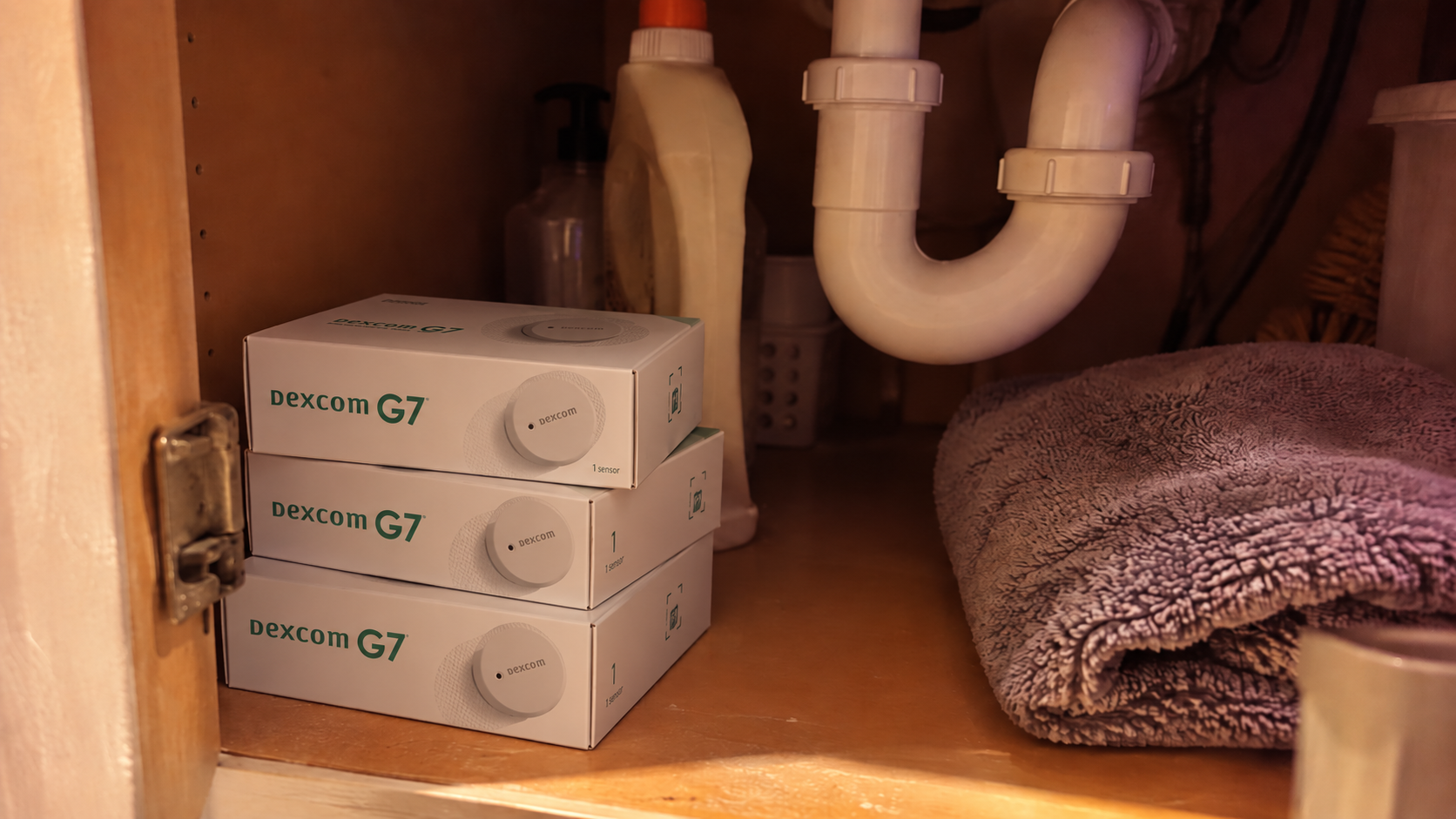
Laura Yep. Yeah. And if you don't dog them and call them and call them, that's how people give up. That's how people spend all this money out of pocket. And here is the most insane part of this. Besides the fact that they're supposed to cover this and probably eventually they will, I hope, but they don't cover your insulin comps or your CGM until you've met your deductible and you pay your max out of pocket. So even if they were approved this today, okay Or tomorrow or next week or whatever, even though it's been two months in, so they've gotten away with two months of not having to pay for my insulin pumps at all. They're going to have to charge me now 40% coinsurance. Because I was able to switch my plan to a no deductible plan because my income has changed because I'm no longer working right now. So my income changed. So I could go into the exchange and change my plan. That was really nice. I'm very lucky I could do that. Otherwise, I would have had to have reached $5,000 out of pocket and then pay 40% coinsurance. So in this plan, I pay no out of pocket, and I still have to pay 40% coinsurance. So even when they approve it, I'm still paying 40 which is several $100 For a month's worth of insulin pods. Right? And then once I get my max out of pocket, then they'll start covering it instead of just offering it as a co pay. That is ridiculous. And I was like, I was so frustrated. I was like, you also could put a statement on your plan about how you cover type one diabetes, how you cover insulin, how you cover insulin pods. And shout out to CVS because those pharmacists, like, they have been trying to help me so much, find me copay cards, find me things with CGMs. Yeah. They also won't pay for my Dexcom because you have to use the Libre. I'm not saying the Libre is not a great product, but it's not the same. The Dexcom, I'm on the g seven fifteen. I can bolus from my phone. It's one less thing that I have to carry around. And I'm already carrying around goo for low blood sugars and granola bars and extra diabetes supplies as backup.
Scott Benner Wait. I'm sorry. Are you saying because you're on Omnipod five?
Laura Yeah.
Scott Benner Well, how would they possibly be tell you that Omnipod five's okay, but the CGM that makes it work is not okay? This episode was too good to cut anything out of, but too long to make just one episode. So this is part one. Make sure you go find part two right now. It's gonna be the next episode in your feed. The conversation you just heard was sponsored by Touched by Type One. Check them out, please, at touchedbytype1.org, on Instagram, and Facebook. You're gonna love them. I love them. They're helping so many people at touchedbytype1.org.
Podcast Support and Community
Scott Benner Are you tired of getting a rash from your CGM adhesive? Give the Eversense three sixty five a try. Eversensecgm.com/juicebox. Beautiful silicone that they use. It changes every day. It keeps it fresh. Not only that, you only have to change the sensor once a year. So, I mean, that's better. This episode of the Juice Box podcast is sponsored by the Omnipod five. And at my link, omnipod.com/juicebox, you can get yourself a free what'd I just say? A free Omnipod five starter kit. Free? Get out of here. Go click on that link. Omnipod.com/juicebox. Check it out. Terms and conditions apply. Eligibility may vary. Full terms and conditions can be found at omnipod.com/juicebox. Links in the show notes. Links at juiceboxpodcast.com. Hey. Thanks for listening all the way to the end. I really appreciate your loyalty and listenership. Thank you so much for listening. I'll be back very soon with another episode of the juice box podcast. Alright. Let's get down to it. You want the management stuff from the podcast. You don't care about all this chitting and chatting with other people. Juiceboxpodcast.com/lists. They are downloadable, easy to read, every series, every episode. They're all numbered. Makes it super simple for you to go right into that search feature. In your audio app, type juice box one seven nine five to find episode one seven nine five. Juiceboxpodcast.com/lists. If you're looking for community around type one diabetes, check out the juice box podcast private Facebook group. Juice box podcast, type one diabetes. But everybody is welcome. Type one, type two, gestational, loved ones, it doesn't matter to me. If you're impacted by diabetes and you're looking for support, comfort, or community, check out Juice Box podcast, type one diabetes on Facebook. Have a podcast? Want it to sound fantastic? Wrongwayrecording.com.
