#1818 Windy City Independence - Part 1
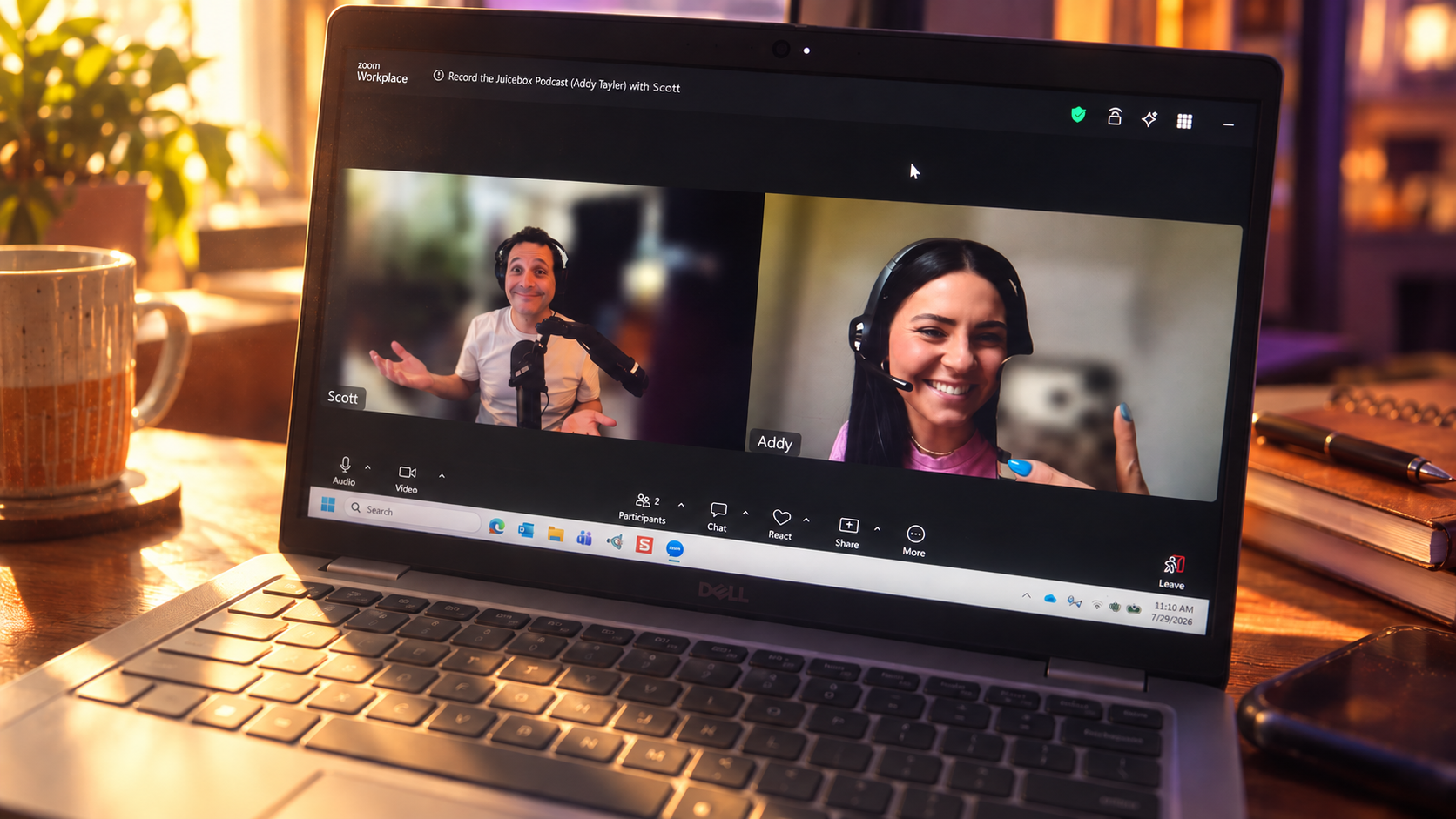
Scott shares his Facebook group moderation philosophy before Lindsey discusses her type 1 diagnosis at 14, how body image masked her severe weight loss, and her early diabetes burnout.































Key Takeaways
- Diagnosis Symptoms Can Be Deceiving: Lindsey's initial severe weight loss and thirst at age 14 were masked by a desire to be thinner, highlighting how easily classic Type 1 symptoms can be misunderstood by both the patient and their community.
- The Importance of Early Context: The first 24 to 36 hours post-diagnosis are critical. Lack of proper context or reassurance about what life with Type 1 looks like can cause immense, unnecessary anxiety for the patient and their family.
- Burnout Often Follows the Desire for Independence: Taking on too much diabetes management too quickly (especially as a teen trying to prove independence) can quickly lead to burnout and frustration with the disease.
- The Spotlight Effect: Many teens downplay their diabetes or avoid using visible devices (like pumps or CGMs) because they feel like "everyone is watching," even though, in reality, most people aren't paying close attention.
- Community Moderation Requires Kindness: Online diabetes communities thrive when members remember to engage with empathy. Disagreement is natural, but maintaining a safe, kind environment is essential to keeping the space helpful.
Resources Mentioned
- Juice Box Podcast - Small Sips Series
- US Med: usmed.com/juicebox or call (888) 721-1514
- Eversense 365: eversensecgm.com/juicebox
- Tandem Diabetes Care (Tandem Mobi): tandemdiabetes.com/juicebox
- Juice Cruise 2026: juiceboxpodcast.com/juicecruise
- Wrong Way Recording: wrongwayrecording.com
Introduction and Small Sips
Scott BennerFriends, we're all back together for the next episode of the Juice Box podcast. Welcome.
LindseyHi. My name's Lindsey, and I've been a type one diabetic for about twelve years now. I'm 25.
Scott BennerIf you'd like to hear about diabetes management in easy to take in bits, check out the small sips. That's the series on the Juice Box podcast that listeners are talking about like it's a cheat code. These are perfect little bursts of clarity, one person said. I finally understood things I've heard a 100 times. Short, simple, and somehow exactly what I needed. People say small sips feels like someone pulling up a chair, sliding a cup across the table, and giving you one clean idea at a time. Nothing overwhelming, no fire hose of information, just steady helpful nudges that actually stick. People listen in their car, on walks, or rather actually bolusing anytime that they need a quick shot of perspective. And the reviews, they all say the same thing. Small sips makes diabetes make sense. Search for the Juice Box podcast, small sips, wherever you get audio. Nothing you hear on the Juice Box podcast should be considered advice, medical or otherwise. Always consult a physician before making any changes to your health care plan.
Sponsor Messages
Scott BennerThis episode of the JuiceBox podcast is sponsored by US Med, usmed.com/juicebox, or call (888) 721-1514. Get your supplies the same way we do from US Med. Today's episode is also sponsored by the Eversense three sixty five, the one year wear CGM. That's one insertion a year. That's it. And here's a little bonus for you. How about there's no limit on how many friends and family you can share your data with with the Eversense Now app? No limits. Eversense. The podcast is also sponsored today by the Tandem MOBI system, which is powered by Tandem's newest algorithm, Control IQ Plus technology. Tandem MOBI has a predictive algorithm that helps prevent highs and lows and is now available for ages two and up. Learn more and get started today at tandemdiabetes.com/juicebox.
Moderating the Facebook Group
LindseyHi. My name's Lindsey, and I've been a type one diabetic for about twelve years now.
Scott BennerLindsey, how old are you?
LindseyI'm 25.
Scott Benner25. Lindsey, would you like to play a game with me? It's new. I call it help Scott moderate Facebook.
LindseySure. Okay.
Scott BennerAlright. Ready? Drum roll. I'm not sure if I just noticed since my youngest was diagnosed, type one in August, but it feels like more kids are being diagnosed. Now let me just say this. It's always the same. I've been around this forever and ever. Whoever looks up one day, they're like, oh, it feels like this is happening a lot later. I'm hearing about it a lot. Like, sure, you're hearing about it a lot. Your kid was just diagnosed. You're online. The algorithm is feeding you nothing but type one content. Of course, you're hearing about it a lot. Also, you know that thing, Lindsay, when you're out in the world and you see a car that you've never seen before and then suddenly you see them everywhere?
LindseyYep. Exactly.
Scott BennerSame idea. Okay. So this conversation goes very well. First of all, I'm a big fan of letting people talk. I like people right, wrong, or indifferent to be able to speak. Doesn't matter to me. Right? Mhmm. Now here's where this is going to go off the rails very quickly. We all know it's gonna go off the rails very quickly because why? You know why, Lindsay? Let's test you. Why? Well, some people are gonna see this as code for, hey. The COVID's given everybody type one diabetes. So some people are gonna see that as code for, I would like to say that COVID has started type one diabetes, and some people are gonna see this code for, I'd like to say that the COVID vaccine's not necessary. Anyway, it just brings out everyone's crazy.
LindseyRight.
Scott BennerI have no opinion about this one way or the other, Lindsay. I'm just moderating the group. Yes. One person says, oh, I think the same. Also diagnosed in August, I think it's environmental. Yes. Of course, it's environmental. You're being poisoned with type one diabetes by the lead in the paint or the Mhmm. The hooks that your pictures are hung by or what. I I don't know. Also, I don't know that it's not environmental. Not the point. This is just how the things go. Then someone says, well, somebody told me COVID did this, which really what somebody told them if they were spoken to by a reasonable health care professional is that viruses can sometimes be the precursor to a type one diabetes diagnosis. COVID was a virus. Did you get COVID? Yeah. And then they go, COVID did it. It's a bit of a leap. You understand? They missed a lot of the nuance in the middle, but okay. Now somebody who understands all this is inevitably gonna come in and explain it, But they're going to have had one too many go rounds on the Internet with this, and their crazy is gonna come out too. This is also happening. And this is a very reasonable people that I know in here, like very reasonable people. Virus this person says COVID is a virus. Viruses can trigger things. It's not a conspiracy theory. Blah blah blah. But to that person, I would say, no one said it was a conspiracy theory. You read into that in the thing. So now I have to take down a very reasonable comment by a reasonable person. Right? I don't wanna do that. Yeah. So I kinda go like, okay. Let's let people talk. Right? Now a little sidebar, Lindsay. This is boring to you because, children don't like jobs, and I still count you as a child. And I hope you do too because you're young. Yes. Yeah. Yeah. You feel like, yes. Don't worry. I'm a kid. I don't wanna be in charge of anything, please. So this morning, I've already had to make a little bit of a post because there's times of the year, times of the day, and times of the week when people lose their minds, Lindsay. Some of these times are right after Thanksgiving, the entire time leading up till Christmas, the days after Christmas. Those are crazy times. Crazy time is also Friday afternoon, which we also call drink o'clock. Drink o'clock also happens around 9PM eastern time. Most days during the week, there's times when people get a little crazy. Okay. So Scott has to step up once in a while and say, hey, everybody. Let's try to remember what your kindergarten teacher told you and be nice to everybody. Okay. Now this sounds like everyone's going crazy. That's not what's going on, Lindsay, and we'll get to you in a second. I'm sure what you have to talk about is very important. But it's just that once in a while, a handful of people let their crazy out, and then a few other people go, oh, I didn't know we were letting out our crazy. And then, like, they let it out too. It's just a little steam, just letting off a little pressure. You know what mean? Nothing wrong with it. Yep. We need to remind everybody to be cool. So I actually just did this this morning because I can smell crazy train a comet. You understand? Yes. I've been doing this a while. It's coming around the corner. I hear the whistle of choo choo. It's gonna crest the mountain. I'm gonna see it in a second. It's about time for crazy training. Everyone's hope for the new year is gone. January is over. They now realize their lives are exactly the same as they were going to be last year and will probably not change because they're not willing to do or can't do whatever it is they want to do to make a change. So I stepped in. Lindsay, may I redo what I wrote?
LindseyYes.
Scott BennerThank you. And, we will get to Lindsay. I said, kindness is my line. I see this community as something I take care of, not control. People show up here with different experiences, strong opinions, and real emotions. Disagreement and criticism are part of that. They're allowed, expected, and healthy. It means people care enough to engage. We want that. I step in quickly when conversations become unkind, personal attacks, harassment, or cruelty. They don't belong here, and, thankfully, those situations are few and far between. More often, I say something when people are unkind without realizing it, Poor communication or inability to see the other person's perspective is usually the culprit, an easy fix 99% of the time. I mean everything I'm saying here. I go on to say I may also step in when incorrect ideas drift towards being potentially harmful. This isn't about winning arguments or policing opinions. It's about protecting people from advice or narratives that could cause real world harm if taken at face value. Now listen. I don't get involved in that very often. Okay? Let's see. People have opinions. I'm fine with them having it. I actually say that here. I say that said, if you're gonna engage with other people, you need a reasonably thick skin. I am not here to protect anyone from their insecurities or deeply ingrained beliefs. I'm here to maintain a healthy stasis in the community. Now let's take a sidebar for a minute. Lindsay, I'm just gonna mark where I'm at so I can come back and finish reading. If you are right now listening and you think that everybody who took a COVID vaccine is crazy, you think I agree with you. And if you think that everybody who took a COVID vaccine was saving the world, you also think I agree with you. That's the sign of a nice down the middle moderation of a group. Okay? You don't really know what I think about those things. It's not important. What I think is you have an opinion, they have an opinion, there's the truth. It's hard to say what the truth is. Conversation gets us to it, but we do it nicely. In short, some people are going to say things you think are completely wrong, wildly off base, or somewhere in between. We're not here to stop people from being wrong. We're here to keep the space kind, useful, and intact. When you reply to those people, remember to be kind and communicate clearly in a way that you would appreciate if someone disagreed with you. Isn't this nice? To keep this space focused and useful, I don't allow political or religious conversations. Those topics tend to divide more than they help, and they often turn conversations into something less thoughtful and less useful. Drawing that line isn't about shutting down dissent. You're welcome to question, push back, disagree, and feel frustrated to work things out in real time. What matters to me is that as many people as possible feel safe enough to speak and respected enough to stay. If you disagree, explain why. If you're frustrated, say so. Just do it with kindness. And then I finish up strong here, Lindsay, with I'm not interested in spending my life explaining what amounts to the same advice most of us learned in kindergarten, so please be nice. I hope you agree. But if you don't, please know how little that means to me. Now, Lindsay, what I'm trying to say here is, what is wrong with everybody? Hold yourselves together for Christ's sake. That's me talking now, not the guy that moderates the board. Unbelievable. You're a young person. How old were you during COVID?
LindseyI was just about to turn twenty Twenty. When COVID happened. Yes.
Scott BennerDid it ruin your life?
LindseyI'll be honest. It didn't ruin my life like it ruined some people's. However, it definitely was a tough time. I'm sure it was a tough time for everyone.
Scott BennerYeah.
LindseyEveryone had a different experience. But, yeah, I was 20 years old. I had just graduated with my associate's degree in college, and I didn't get to technically graduate because of everything that was going on that year. Mhmm. So that was pretty much the only thing that really happened to me that wasn't so great with COVID.
Scott BennerOkay. Good. Do you find that people your age are arguing about COVID still? Do they speak about it? Does it ever come up? By the way, I had it three weeks ago.
LindseyOh, wow. Well, I'm glad or hope you're well now.
Scott BennerI'm fine. Everything is fine. Let me just say that. Got a little sick. I had the COVID. Everything's good. Good.
LindseyGood. Yes. I actually have never had COVID, or at least to my knowledge, I have not.
Scott BennerNo? Ever get a sniffly nose in the last year and a half?
LindseyI mean, you know, maybe I have. Like I said, like, I've had a sniffly nose here and there, but I haven't genuinely been sick
Scott BennerMhmm.
LindseyIn, like, a long time. So whatever maybe I have had it, maybe I let it go, and I was like, oh, maybe I should check. But then by the point, I was feeling better. I was fine. So I don't know. Anyways, no. I don't really hear it come up too often among people my age, but I know, like, my parents, they've always been talking about it. My grandparents, relatives, I see stuff online all the time. So yeah.
Scott BennerOkay. So I'm gonna say to this person, and I love this person dearly. They've been in the group for a long time. You read into the original posters intent. You can't preempt preempt is a word. Right? Yeah. These conversations by being equally unhinged in the other direction. There we go. That's me doing my job. My job sucks. Okay. It's also better than having a real job. For all of you who have a real job, I'm not complaining. I make a podcast. I run a Facebook group. Basically, my life is awesome. Now let me put my feet up and talk to Lindsay. Lindsay, let me just say what I think about COVID real quick in case it's been unclear to anybody. COVID is a virus. When it first came out, we didn't know what to do about it. It was very dangerous. Some people think that the ways that we handled it were good, and some people think in the ways that the government handled it were bad. I'm sure they're both correct. Anybody who's still talking about that, please see a therapist. Okay. Let's move on. So what did you say? You got the diabetes? How did it happen? Please just say I got COVID.
LindseyYeah. I
Scott Bennergot I'm teasing. I'm teasing. Teasing. Good.
LindseyBack in 2014.
Scott BennerIt would be great if it said, Scott, well, listen. My parents, they lived under electrical lines. We later found out it was a government plot to sterilize white men. And, anyway, it didn't work on my dad. It just gave me COVID, and that's why we live underground with a tinfoil hat on.
LindseyYes. No.
Scott BennerAnyway, sorry. Well, how old were you when you were diagnosed? How did it come up? What is your remembrance of all of it?
Sponsor Messages
Scott BennerToday's episode is sponsored by a long term CGM. It's going to help you to stay on top of your glucose readings, the Eversense three sixty five. I'm talking, of course, about the world's first and only CGM that lasts for one year. One year, one CGM. Are you tired of those other CGMs? The ones that give you all those problems that you didn't expect? Knocking them off, false alerts, not lasting as long as they're supposed to. If you're tired of those constant frustrations, use my link, ever since cgm.com/juicebox to learn more about the Eversense three sixty five. Some of you may be able to experience the Eversense three sixty five for as low as a $199 for a full year. At my link, you'll find those details and can learn about eligibility. Eversensecgm.com/juicebox. Check it out. I used to hate ordering my daughter's diabetes supplies. I never had a good experience, and it was frustrating. But it hasn't been that way for a while, actually, for about three years now because that's how long we've been using US Med. Usmed.com/juicebox or call (888) 721-1514. US Med is the number one distributor for Freestyle Libre systems nationwide. They are the number one specialty distributor for Omnipod Dash, the number one fastest growing tandem distributor nationwide, the number one rated distributor in Dexcom customer satisfaction surveys. They have served over one million people with diabetes since 1996, and they always provide ninety days worth of supplies and fast and free shipping. US Med carries everything from insulin pumps and diabetes testing supplies to the latest CGMs, like the Libre three and Dexcom g seven. They accept Medicare nationwide and over 800 private insurers. Find out why US Med has an a plus rating with the Better Business Bureau at usmed.com/juicebox, or just call them at (888) 721-1514. Get started right now, and you'll be getting your supplies the same way we do.
Diagnosis and Ignoring Symptoms
LindseySo I was 14 years old at the time, had just turned 14. I didn't know anything about diabetes. However, I lost an extreme amount of weight. I was constantly thirsty, constantly going to the bathroom, very tired, very weak. I remember vaguely before I got diagnosed, remember I was doing some sort of physical activity in my gym class, like running, and I could barely do it without, like, feeling like I was dying.
Scott BennerStruggling. Yeah. Yeah.
LindseyI was like, I I couldn't understand, but, you know, I was like, I don't know. Maybe there's just something going on with me. I know I've lost a lot of weight, but, like, I don't know why I feel so weak. Later on, I had some friends who were worried about me. They were worried I wasn't eating because of how skinny I got, and I was like, no. Just fine.
Scott BennerAt 14, you lost enough weight that by the way, boys and girls or girls?
LindseyMostly just my girlfriends. Okay. But there were a couple of my guy friends who also had made comments.
Scott BennerHave you known people by that age who had eating disorders by them? My daughter had known a couple of people who had been in treatment and stuff like that. Like, is that something girls are aware of at that age?
LindseyI mean, yes. They are.
Scott BennerOkay.
LindseyI did know a couple people.
Scott BennerYes. Your good friends came to you and went, hey. You okay?
LindseyYeah.
Scott BennerYeah. Okay. And you said And
LindseyI basically was like, yeah. I eat all the time. I'm fine. If anything, I feel like I've been eating more than usual.
Scott BennerI found the secret to life. Okay? So the rest of you, I know you're jealous, but I've been working it down with both hands, and I'm losing weight. I can't stop myself. Yeah. At that point, did you think, hey. That doesn't sound right?
LindseyI mean, like, it didn't, but, like, I was loving it. I mean At the same time, like, I love the idea that people are like, oh my gosh. You're losing weight. Because I'll be honest, when I was younger, I wouldn't say I was, like, extremely overweight or anything, but, like, before the teenage years, you you got a little extra, like, fluff on you, like baby fat or what whatever they say.
Scott BennerSo you felt like it was going the right way for you? You felt good
Lindseyabout it? Yeah. I felt like, oh, well, I'm just having a growth spurt. I'm losing weight. Like, this is normal. Like
Scott BennerPeople are like, what are you doing? You're like, well, I'm eating Doritos with Mike and Ikes on them, I dip them in chocolate milk. It's it's really, you should try it. Yeah. Yeah.
LindseyLiterally, I remember there was one time someone, don't know if it was a friend or a family member had told my parents. They were like, she looks like she's lost a lot of weight. Like, is she good? And then my parents were like, yeah. Like, I think she's going through a growth spurt, but she is really skinny. And I remember a week, there was this one time that my stepmom had offered me cupcakes. She's like, here, you can eat these. Like, you need to eat these. Like, you're skinny. You can have whatever you want. Like, whatever. And just how ironic it was later on figuring out that I had diabetes and only that was making it worse.
Scott BennerShe's doing the equivalent of, honey, you need a cheeseburger.
LindseyYeah. And right.
Scott BennerRight. So it occurred to her at some point, like, you can do this.
LindseyLike Yeah.
Scott BennerYou have room to grow here. Like yeah. But nobody ever goes, this is odd. You look sick. It's Enough to do something about it, I mean.
LindseyI was gonna say, it didn't really nobody noticed it. Like, it's almost like it happened so quick. And then all of a sudden, I remember my mom got a phone call from one of my teachers in school and said, hey. Just calling to check on you. Some of her friends have came to me thinking she has an eating disorder. She's gotten really skinny really fast. And that was when my mom was like, okay. Yeah. She has gotten really tiny, but she didn't really see anything wrong that I was doing. She didn't think I wasn't eating. She knew I was eating. My dad knew I was eating everything. But we did go to get a checkup after that because she was like, you know what? It is kinda weird. It's weird that she has lost this weight very quickly.
Scott BennerRight.
LindseySo then we go to the doctor's office, and we check my weight, all the things. And they tell me that I've lost over, like, 30 pounds.
Scott BennerWow. How tall are you?
LindseyI'm five seven, five eight ish. And I at this point, I was like, I think the lowest weight I got was, like, ninety eight, ninety nine pounds.
Scott BennerLindsay, you think you went from, like, one forty down to, like, in that range? One thirty, one forty? This episode is sponsored by Tandem Diabetes Care. And today, I'm gonna tell you about Tandem's newest pumping algorithm. The Tandem Mobi system with Control IQ plus technology features auto bolus, which can cover missed meal boluses and help prevent hyperglycemia. It has a dedicated sleep activity setting and is controlled from your personal iPhone. Tandem will help you to check your benefits today through my link, tandemdiabetes.com/juicebox. This is going to help you to get started with Tandem's smallest pump yet that's powered by its best algorithm ever. Control IQ Plus technology helps to keep blood sugars in range by predicting glucose levels thirty minutes ahead, and it adjusts insulin accordingly. You can wear the Tandem Mobi in a number of ways. Wear it on body with a patch like adhesive sleeve that is sold separately, clip it discreetly to your clothing, or slip it into your pocket. Head now to my link, tandemdiabetes.com/juicebox, to check out your benefits and get started today.
Body Image and Cultural Conditioning
LindseyI think it was, like, anywhere from twenty to thirty pounds. Wow. But yeah.
Scott BennerAt five seven, like, you're not a heavy person.
LindseyI wasn't heavy, but I don't I don't know. In my mind, when growing up because I don't know if I reached five seven quite yet or, like, maybe I was shorter before. I don't know. But I just remember I wasn't, like, the skinny girl. I was I was always, like, a bigger child, like, growing up. Like, I was always, like, the bottom of the pyramid whenever we would, like, do things as kids. Like, you know, like, those pyramids that you'd make with your friends. Like, I was always the bottom because I was the tallest or biggest. You know? So, like, I never considered myself small or skinny until this had happened to me.
Scott BennerYou also didn't consider yourself just fat or Yeah. Overweight. You just you you felt like you were just a bigger girl. Yes. I gotcha. No. I understand. Okay. Yep. Isn't it interesting how we think about that? Like, really, I have a daughter. Like, so if you're not skinny, then you're heavy, which is ridiculous because you sound like you were a very average weight.
LindseyYeah. Yeah.
Scott BennerAnd and build too, by the way. Like, can you help me dig in that as a girl for a second? Because I don't obviously have this context. Is it if you don't look like you belong on the cover of Cosmo, you weighed, like, an amount that doesn't get thought of well? I I I don't under like, the thinking. What's the thinking?
LindseyHonestly, yes. I feel like just media, no matter, like, what age you are growing up, like, you always see the tiny girls, tiny women. And even myself, even though, like, I am not considered, like, obese or overweight
Scott BennerRight.
LindseyAt that age, I still thought I was in my head back then, I considered myself before I got diagnosed with diabetes, I considered myself fat compared to some of my other friends that I may have been around that were tinier than me. And growing up, like, I know there was a couple girls that were very conscious about their weight and would say their weight out loud, and then me being the person I was and taller and bigger. I always did have a bigger weight than these girls growing up. So I did think of myself as bigger. I don't know if I ever considered myself fat, but, like, when you're growing up, there's just so many things going on. You hear so many things. You see so many things. There's all of these trends that go around, and you just compare yourself. At the end of day, that's what it is, is you're comparing
Scott BennerTell me something to use this as an example. Like, a curvy girl, hippie, chesty, but not fat. How do you think of that person? Now? Yeah. Am I painting a picture in your mind that you understand? Okay. So, like, curvy, like, more classically voluptuous, but no loose skin. Like, is that a fat person to you?
LindseyNo. Not at all.
Scott BennerWhat's the word you use there?
LindseyHonestly, when I think of a girl who's curvy, now with my mindset, back then, I might have thought of it differently
Scott BennerMhmm.
LindseyBack with, like, the trends and just growing up. But now, I think a curvy woman is beautiful. Mhmm. I would love to have that body shape. Everyone's body shapes are different, but, yeah, when I think of that shape, like a curvy body but no loose skin, like, that is ideal.
Scott BennerSo the weight's not the point? Because in my mind, that person weighs more than you probably did when you were 14 before you lost weight.
LindseyYes. Right. Yeah.
Scott BennerSo it's not the number then. It's the construction of the body and what it relays Kind of. Visually?
LindseyYeah. I guess, like, visually and I mean, I guess the number does matter when you compare it to others. Mhmm. Whereas, like, yeah, someone might not look a heavyweight, but maybe they are just because of their build, their body build. I learned that growing up, and I realized that now being 25, there are so many different bodies, and you could be any weight. And there's people who would never guess how much I weigh just because of my body build and how I look. You know? Like
Scott BennerI'm just I'm fascinated how the imagery impacts the words we use. Right? Because if you use, like, there's a model, Ashley Graham. Right? Like, she's big lady. Yeah. Right? Right. And hippie and, you know, chesty and by the BMI scale has extra weight and everything. But no one looks at her and thinks, oh, fat. Right. Because at her same weight and height, there are other people who would project a different vibe back to people. I don't know the right words to use and everything. But, like, what I'm saying is I wonder what it is visually that takes the number and throws it away, and I wonder what makes us react the way we react when we see different body styles, I guess, is my question. You know what I mean?
LindseyYeah. I honestly don't know. It starts at such an early age too that it's almost like you don't even remember why this means that to you or why fat or skinny is this or what the
Scott BennerRight.
LindseyThreshold is or, like, the, I guess, spectrum of what you think is considered fat or skinny.
Scott BennerExactly. Or even attractive or desirable or anything. Right? I believe that there's a key for every lock kind of feeling. Right? Like Yeah. I don't think that there's any body style, weight, size, look, tie, hair, color, whatever that somebody won't find attractive. Like, I I always think there's really, you know, a match for everybody.
LindseyYes.
Scott BennerAnd there are things that are thought of more classically, I guess, by the masses. But, you know, thinking about that, but then distilling it down into a 14 year old's mind who's not overweight, but who, when comparing themselves to whatever they're supposed to be is, is comparing themselves back to a model who probably weighs ninety five pounds. Mhmm. It's so interesting that that's where you compare yourself to. And you're Like, who knows what the pathway is to that? Like, what magazine cover you saw or what maybe what thing as simply as, like, what thing you heard your dad say
LindseyRight.
Scott BennerAt one point or another man in your life who was like, that girl's pretty or something like that. And then it, like, sticks in your head that
LindseyI think it does come down to that too. It's like something you may have experienced that you don't even remember or maybe you do. And I'll be honest, like, I did have, like, people in in my younger days, like, they would say, oh, like, you're bigger or, like, you're fat. Like, they have actually used the term fat. So I think in my head back then, I considered myself fat even though I really wasn't.
Scott BennerYeah. Because someone said it to you. Yes. And that's the word they chose because of all of their different experiences or ideas or whatever.
LindseyYep.
Scott BennerSuper interesting. It really is.
LindseyYeah.
Scott BennerI would never I'm using Ashley Graham as an example because I'm aware of who she is. Like, visually, I know what she looks like. I think that lady is really beautiful. Mhmm. It would not occur to me to describe her by her weight. It's interesting.
LindseyYes.
Scott BennerRight? Yeah. Yeah. Okay. So alright. Well, fun times.
The Hospital and Unclear Answers
Scott BennerSo that happens. You get diabetes. Yeah. But your mom takes the advice of, like, the phone call. That's awesome.
LindseyShe takes the advice of of the phone call, takes me in. We get a whole bunch of tests done. They take my blood work, and they check my sugar. And not knowing what an a one c even means or what it is, on their a one c machine, it said my a one c was 14.7.
Scott BennerWow.
LindseyNow I am like, what the heck does that mean? The doctor or the nurse, whoever was in there that read it, she, like, wide eyed looked at it, and I'm like, my mom was, like, kinda freaking out. She's like, what? What? And she goes, well, I don't know. And I'll be honest, this doctor's office, like, I don't think they are very knowledgeable in type one diabetes or diabetes at all because they didn't even they weren't confident in telling me whether I actually had diabetes or not. They said we are gonna send this information and test to another like, I don't even know. At the time, I think maybe an endocrinologist or maybe Helen DeVos where I live. I live in Michigan. And they were just saying, like, I think she might have diabetes. And when I heard that, I was like, what? Like, I was so confused because although I did think back then, like, before diabetes, I did think I was considered fat or overweight. Oh. I didn't understand how I was losing weight, and told me I had diabetes because anything I've ever heard of diabetes was knowledge of type two.
Scott BennerRight. And it meant in your mind, how could I be thin and have diabetes?
LindseyYeah. And then I'm over here, like, okay. Yeah. I haven't been eating the best, but I haven't been eating terrible.
Scott BennerMhmm.
LindseyAnd I'm 14. Like, I it was very confusing. So, basically, they start asking me questions like, alright. Have you been thirsty? Have you been going to the bathroom a lot? Have you been like, just going over all the symptoms, and I'm like, yeah. Yep.
Scott BennerI think there's cameras in our house, mom.
LindseyYeah. Yeah. So now I'm starting to freak out because now it sounds like, okay. It's not just a they don't know yet if I have diabetes. It's a pretty for sure thing that I do have diabetes. But the funniest thing about this is they sent me home, and they said that we would get a call maybe the next morning once results came back. And I was told, just don't eat any carbs or any sugar going home. So my mom was like, well, what does that even mean? I remember we went home, and we had these little turkey sausages. And I'm sure she made me, like, eggs, and I basically had, like, a breakfast for dinner type of thing.
Scott BennerYeah.
LindseyAnd I just remember going to school the next day, like, praying that it was untrue that I did not have diabetes and that, like, it was something else or they just messed up. Like, in my head, I just did not want this problem, and I just went to school acting as if, oh, no. It's gonna be fine. It's gonna be fine. But I remember at school, like, I just kept leaving my classroom to get drinks from the water fountain. Like and I just was like, there is something wrong with me, and I just didn't wanna believe it.
Scott BennerYeah.
LindseyAnd then I got a call maybe only, like, two hours into my school day, and they called me to the office. And my mom picked me up, and she goes, well, we are taking you to Helen DeVos, which is a place that is a children's hospital, and they have great endocrinologists there. And she said, we are taking you to Holland de Vos, and you have type one diabetes, and they have to treat you. So I remember after that just crying on my way to the hospital. I just remember crying the whole way there just, like, so devastated even though I had no idea what even type one was.
Scott BennerSure. Well, I mean, somebody's telling you something's wrong and and you're hearing words that diabetes, you're probably like, oh my god. Like, old people have that. Yeah. Yeah. Yeah. Right? Like, there's isn't that interesting that how much that lack of context impacted that first, like, twenty four hours for
Lindseyyou?
Scott BennerYes. What do you think in hindsight? Now you've had diabetes a long time. Right? So in hindsight, what could have somebody have said to you in that office or in that car that would have made this a better experience, you think?
LindseyI will say my mom was very positive even though, like, I could tell she was stressed out. She just kept telling me it's gonna be okay. We're gonna be fine. We're gonna figure this out. We're gonna do this together. Like, she was very positive and just tried to keep calming me down, but it was very hard for her because she also didn't know anything about type one diabetes. So she didn't really have any answers for me. And in the doctor's office the day before, I really don't know what anyone could say to me because I really just had no knowledge. I I mean, I guess I just wish someone would have said, your life isn't, like, gonna end after this. Like, it's gonna change, but it's not gonna be the end of the world for you.
Scott BennerRight.
LindseyBecause in the moment, I thought it was. I thought, oh my gosh. My life is changing, or it's gonna be a complete one eighty, which, like, don't get me wrong. It was, but now looking back at it after dealing with it all these years, I just think to myself, okay. But I'm here, and I'm okay.
Scott BennerYeah.
LindseyAnd I still live a great amazing life.
Scott BennerIt was different, but not different in the way you were imagining when you didn't have any context for it.
LindseyYeah.
Scott BennerRight. So somebody's gotta say to you then, hey. Listen. You have type one diabetes. You might have heard of diabetes. It's not that type two that you're talking about. This one's, you know, autoimmune related. You know, we'll figure out all that later, but for now, just know that we're gonna get everything straightened out. You're gonna have to take insulin. You know, there's a number of different ways to use it. We'll walk you through that in a while. Tons of people live great with type one diabetes. It's not a thing that's gonna change your life. You know? Do you have any questions? Do you think that would have been more helpful?
LindseyYeah. I think it would have. Yeah. And I definitely got those answers once I got to the hospital.
Scott BennerYeah.
LindseyThey were very much more knowledgeable in type one than my doctor's office that I went to here. Yeah. It just occurs to
Scott Bennerme that I've heard enough of these stories, right, where there's always an hour or a day or, you know, a week where people are, you know, disconnected from good information in the beginning. I mean, it's understandable. I mean, you listen to your story, nobody did anything wrong. You know what I mean? Like, it just unfolded the way it unfolded. Yeah. But still, it it's the part you think about. You know, you said, let me tell you about my diabetes. You could have started with at the hospital this happened or on the first day when we got home. But when you're telling that story, you're digging into those hours, I'm assuming because they were meaningful to you.
LindseyYes. They were. Yeah. Yeah. Definitely. It's just like one of those moments in my life that definitely are just like ingrained in my brain.
Scott BennerAnd I don't think doctors realize that that first thirty six hours of your story is so impactful and that nobody tried to contextualize any of it for you, and that's probably why it's impactful to you.
LindseyYes. Just like the unknown. Yeah. I think that's why.
Management, Burnout, and the "Spotlight" Effect
Scott BennerThat's my point. Anyway, alright. They get you in the hospital. They fix you all up. They send you home. What do they give you? They give you the insulin pump, needles, a pen, CGMs. What did you get?
LindseyI got pens. I just use pens and just use a regular glucose monitor and prick my finger to check every time.
Scott BennerHow long ago? Twelve years?
LindseyYeah. Yeah. About twelve years. Yeah. Going on twelve years.
Scott BennerAnd did you eventually end up with other tools, or did you use those for a while?
LindseyI used those for about well, I actually used them for a couple years. I did get a CGM, one of, like, the old, like, Dexcom g fours or whatever they had. I remember using those, but then I remember insurance companies, like, it was very hard to get ahold of those things. So it was, like, on and off. Sometimes I would wear Dexcom, sometimes I wouldn't. But then it came down to the pump, the insulin pump, if I wanted to be on that. They asked me a year after if I wanted to get on it, and I was totally against it. I did not want anything connected to my body. I don't know why I was so against it, but I was. And then couple years later, 2018 going into 2019 is when I got my first insulin pump.
Scott BennerOkay.
LindseyAnd then I got back on the Dexcoms.
Scott BennerThat's, like, six years into it.
LindseyYeah. Well, I will say it was, like, five. Like, 2014, '20 2018 going into 2019.
Scott BennerI like it when people do that. I'm like, it's like six years. You're like, no, Scott. Not six. You silly, silly man. It's five.
LindseySame thing. Yeah.
Scott BennerYeah. So about halfway. You describe in your note that you experienced burnout. When's the first time that happened to you?
LindseyI would say probably year two is when I actually had burnout because the first year, we were so on top of everything, but my parents were helping me so much.
Scott BennerMhmm.
LindseyAnd they were doing a lot of the work. And I was letting them, but I also wanted to be independent and show that I could do everything on my own. And I think I took on a little bit too much too fast because I wanted to.
Scott BennerRight.
LindseyAnd I didn't realize, oh, I'm literally gonna have this for life. I'm doing this by myself for life.
Scott BennerPace yourself, Lindsay.
LindseyYeah. I should've let my parents do a lot more for me than I let them. I wanna say after, like, the first year, was like, yeah. Just let me handle everything.
Scott BennerCan you tell me a little more about what made you feel like you wanted that separation?
LindseyI really struggled with everyone talking to me about diabetes all the times. Like, when I was first diagnosed, it was, like, just the number one thing, like, how's your sugar? What's your sugar? From my parents or my friends. And it just got kind of, like, annoying knowing, like, that they were kinda in control of everything, and I wanted to take that control back. I hated just, like, having to write everything down and them having to ask me everything and, like, write my little logbook what my sugar was and what I ate that day. I just remember, like, hating having to relay the information to them. I just wanted to do it myself.
Scott BennerToo much diabetes, and you don't need people reminding you constantly.
LindseyYeah. It was it was my life. Like, the first, like, few years, it was all I was known for was diabetes, and I actually hated that.
Scott BennerThat's how it felt to you. Do you think that was how it felt to do you think it was true? Do you think did people shift in your life and stop seeing you and only see the diabetes?
LindseyNo. I I think it was just in my head, but I will say, like, I was one out of the two people in my entire high school that had type one. Oh. So nobody knew. So, like, when I was, like, that second person that have it at my high school, it was like, woah. Like, everyone just thinks of me as, okay. The girl with diabetes, the girl that, like, leaves right before lunch to do her, like, blood sugar checks and insulin before lunch, stuff like that. It was just like a thing, and I also think that's why I didn't want the insulin pump for so long too. I was like, I like to be discreet, just take my shots and stuff. I didn't want people seeing
Scott BennerYeah.
LindseyLike, gadgets or whatever.
Scott BennerI don't know if I've told this story. I haven't heard before, but when my son was, like, I don't know, 12 or 13, and we went to a baseball game on Saturday, pretty far from our house. We were all done, and we stopped at this diner that I knew about on the way back. And this is a sidebar, Lindsay. I knew about the diner because I once had lunch there with the film director, Kevin Smith, because it was the diner in the town where his little film office was. Red Bank, New Jersey for anybody who was interested. And I knew the diner, I thought that was cool. And so we stopped there to have, you know, it's an old New Jersey diner. And they sat us down at a table in the middle of the room. So imagine booths around three walls and then two tables in the center. Right? So there's enough room to walk around the freestanding tables, and there's booths that go down three sides of the wall. And they put us at the table in the middle. And I noticed after being there for a few minutes that my son was uncomfortable. And I asked him why, he said, I don't like sitting here. Everyone's looking at us. And I said, no one's looking at us. Like like, people are eating their lunch. They're talking to each other. I'm like, look around. No one's looking at us. I'm like, you feel like they are. I understand. You feel like you're on a stage and people are listening or and looking, but they're really not. Like, really pay attention for a minute. I was like, people can barely pay attention to their own lives. They're not looking at you. And it made them feel better. And so my question to you was, were people looking, or did you feel like they were looking?
LindseyI probably just felt like they were looking.
Scott BennerOkay. Alright. So you were not experiencing people, like, walking by and going, there's Lindsay, the girl with diabetes, and pointing and shunning you. That wasn't happening.
LindseyNo. Definitely not. But, like, it definitely was, like, a thing. Like, everybody knew I had type one diabetes.
Scott BennerTo keep this going a little longer, my son was in a baseball uniform. He was the only one not dressed like every other person walking down the street. Like, I'm sure people did look up and go, oh, look. That kid must have come from a baseball game. But they weren't then going, what an ass. Like, they were just like you know? But I take your point. So people are aware of this. You know they're aware of it because there's so few people with diabetes. You are ducking out here and there. But whether they're actually looking and talking or not, it really doesn't matter to you. Right? Like, it still feels the same one way or the other. Yes. Right. Okay. Alright. And you think that kept you off a pump for a while as well?
LindseyIt did. I do remember one experience too when I had a Dexcom on during class, and I remember my Dexcom was beeping that, like, my sugar was either high or low. I can't remember. But I just remember a teacher I don't know if it was a substitute or a teacher, but they had said, phone's off. Somebody turned their phone off or I'm taking it away. And then I remember the whole class had my back, and they go, that's her diabetes. And they, like, they, like, yelled at the teacher for me.
Scott BennerLady, you're gonna feel bad in a second. Wait till we do this. Finally, we've got the upper hand as a group of small children.
LindseyRight. So, like, don't get me wrong. I love that they all, like, knew about it, had my back, knew that that noise was not my phone, but, like, my Dexcom notification. But I hated the attention from it, and I oh, that just turned me off. I'd after that point, I remember I silenced my Dexcom alerts because I hated the attention the sound brought to me.
Scott BennerYeah. That's not happening again to me.
LindseyYeah.
Scott BennerThat hurts you too. Right? Because you can't hear the damn thing beeping.
LindseyYep. And then I let high sugars go or maybe let my sugar get too low. Mhmm.
Scott BennerAll to keep people from either sticking up for you or being aware of you.
LindseyYeah. I almost like I do remember I almost kinda just wanted to forget or think that I didn't have diabetes. I remember, like, in the beginning, I tried really hard to make it seem like, oh, I don't really need to do that much. Like, I can still live a normal life because I remember my friends, parents, relatives, everybody that I was around was just worried about it. Worried about being around me, and I had I hate scaring people. So I think I tried to play it off, Like, oh, it's really, like, not that big of a deal, which it is, but,
Scott BennerOh, that's interesting. You downplayed the impact diabetes had on your life so that other people could feel comfortable?
LindseyKind of. Yeah. I will say kind of, in a sense, just because I didn't want people to be scared of, like, what could happen to be around them.
Scott BennerThen that focuses them on you more?
LindseyNot necessarily. But
Scott BennerYou ever go to therapy? This is we're getting pretty deep here. This is going
LindseyI know we are. I'll be honest. I don't go to therapy, and I should.
Scott BennerLike He's like, listen. It's on my list. Okay?
LindseyIt's on my list. But
Scott BennerBut it's an interesting insight from you that you knew that your diabetes was making other people uncomfortable.
Closing and Outro
Scott BennerThis episode was too good to cut anything out of, but too long to make just one episode. So this is part one. Make sure you go find part two right now. It's gonna be the next episode in your feed. The podcast you just enjoyed was sponsored by Tandem Diabetes Care. Learn more about Tandem's newest automated insulin delivery system, Tandem Mobi with Control IQ plus technology at tandemdiabetes.com/juicebox. There are links in the show notes and links at juiceboxpodcast.com. Are you tired of getting a rash from your CGM adhesive? Give the Eversense three sixty five a try. Eversense cgm.com/juicebox. Beautiful silicone that they use. It changes every day. It keeps it fresh. Not only that, you only have to change the sensor once a year. So, I mean, that's better. US Med sponsored this episode of the Juice Box podcast. Check them out at usmed.com/juicebox or by calling (888) 721-1514. Get your free benefits check and get started today with US Med. Hey, kids. Listen up. You've made it to the end of the podcast. You must have enjoyed it. You know what else you might enjoy? The private Facebook group for the Juice Box podcast. I know you're thinking, oh, Facebook, Scott, please. But no. Beautiful group, wonderful people, a fantastic community. Juice Box podcast type one diabetes on Of course, if you have type two, are you touched by diabetes in any way, you're absolutely welcome. It's a private group, so you'll have to answer a couple of questions before you come in. We'll make sure you're not a bot or an evil doer, then you're on your way. You'll be part of the family. I can't thank you enough for listening. Please make sure you're subscribed or following in your audio app. I'll be back tomorrow with another episode of the Juice Box podcast. How would you like to share a type one diabetes getaway like no other? Join me on Juice Cruise 2026. You may be asking, what is Juice Cruise? It's a week long cruise designed specifically for people and families living with type one diabetes. It's not just a vacation. It's a chance to relax, connect, and feel understood in a way that is hard to find elsewhere. We're gonna sail out of Miami, and the cruise includes stops in CocoCay, San Juan, Saint Kitts, and Nevis aboard the stunning Celebrity Beyond. This ship is chosen for its comfort, accessibility, and exceptional amenities. You're gonna enjoy a welcoming environment surrounded by others who get life with type one diabetes. I'm gonna host diabetes focused conversations and meetups on the days at sea. There's thoughtfully designed spaces, incredible dining, and modern amenities all throughout the celebrity beyond. Your kids can be supervised, there's teen programs so everyone gets time to recharge, Not just the the kids going on vacation, but maybe you get the kickback a little bit too. There's gonna be zero judgment, real connections, and a whole lot of sun and fun on juice cruise twenty '26. Please come with me. You're going to have a terrific time. You can learn more or set up your deposit at juiceboxpodcast.com/juicecruise. Get ahold of Suzanne at cruise planners. She will take care of everything. Links in the show notes. Links at juiceboxpodcast.com. Have a podcast? Want it to sound fantastic? Wrong way recording.com.
