#1770 Pivot to Health
You can always listen to the Juicebox Podcast here but the cool kids use: Apple Podcasts/iOS - Spotify - Amazon Music - Google Play/Android - iHeart Radio - Radio Public, Amazon Alexa or wherever they get audio.
Corporate lawyer and Diabetes Canada board chair Sonya Young discusses her age-50 T1D misdiagnosis, overcoming career stress, and the daily "186 decisions" required to manage life with type 1.
Key Takeaways
- Late-Onset Misdiagnosis: Sonya shares her experience of being diagnosed with Type 1 diabetes at age 50, highlighting the common hurdle of being initially misdiagnosed and treated for Type 2 due to her age.
- The Weight of T1D Decisions: Sonya and Scott discuss the mental exhaustion of making 186+ extra daily decisions, and how diabetes creates an ever-present, underlying hum of anxiety, especially when traveling.
- The Catalyst for Change: A severe DKA episode while traveling in the Canadian Rockies forced Sonya to evaluate her high-stress career as a corporate finance lawyer, ultimately leading her to retire and prioritize her health.
- Advocacy Through Leadership: Seeking to find meaning in her diagnosis, Sonya became the Board Chair of Diabetes Canada, offering her a unique view into diabetes research, advocacy, and clinical guidelines.
- The Power of the Loop: Transitioning to a DIY looping system (Omnipod Dash + Loop) allowed Sonya to sleep through the night for the first time in years, dramatically improving her overall quality of life.
Resources Mentioned
- • US Med: Free Benefits Check or call (888) 721-1514
- • Omnipod 5: Request a Free Starter Kit
- • Juice Cruise 2026: Book Your Getaway
- • Community Support: Find Calculators, ASL Guides, and Facebook Links
Friends, we're all back together for the next episode of the Juice Box podcast. Welcome.
SonyaMy name is Sonya Young. I live in Toronto. I am the board chair of Diabetes Canada. That came about because I wanted to join the board after I was diagnosed at the age of 50. That's five o, not one five, with type one diabetes.
Scott BennerHey. Do you need support? I have some stuff for you. It's all free. Juiceboxpodcast.com. Click on support in the menu. Let's see what you get there. A one c and blood glucose calculator. People love that. That's actually, I think, the most popular page on the website some months.
Scott BennerA list of great endocrinologists from listeners. That's from all over the country. There's a link to the private Facebook group, to the Circle community, and we have a a fantastic thing there, American Sign Language. There's a great sign language interpreter who did the entire bold beginning series in ASL. So if you know anybody who would benefit from that, please send them that way.
Scott BennerJust go to juiceboxpodcast.com and click on support. While you're there, check out the guides like the prebolising guide, fat and protein insulin calculator, oh gosh, thyroid, GLP, caregiver burnout. You should go to the website. Click around a little bit on those menus. It really there's a lot more there than you think.
Scott BennerNothing you hear on the Juice Box podcast should be considered advice, medical or otherwise. Always consult a physician before making any changes to your health care plan. The episode you're listening to is sponsored by US Med. Usmed.com/juicebox or call (888) 721-1514. You can get your diabetes testing supplies the same way we do from US Med.
Scott BennerA huge thanks to my longest sponsor, Omnipod. Check out the Omnipod five now with my link, omnipod.com/juicebox. You may be eligible for a free starter kit, a free Omnipod five starter kit at my link. Go check it out. Omnipod.com/juicebox. Terms and conditions apply. Full terms and conditions can be found at omnipod.com/juicebox.
Misdiagnosed at 50
SonyaMy name is Sonya Young. I live in Toronto. I am the board chair of Diabetes Canada. That came about because I wanted to join the board after I was diagnosed at the age of 50, that's five o, not one five, with type one diabetes. And that was after being misdiagnosed with type two.
SonyaThis happened back in 2017. So I gather misdiagnosis at at my age is not an uncommon thing.
Scott BennerNine so about nine years you've been living with diabetes?
SonyaYeah. Yeah. Yep.
Scott BennerDoes it seem like does it seem that long?
SonyaIt some days, it feels like forever, and some days, it's it's like this just happened, and and how did it turn my life so upside down? So
Scott BennerWhat do you think impacts how it feels? Like, what makes it feel like it's forever?
SonyaI think it's the the whole exhaustion from dealing with the extra 186 decisions a day when I'm fighting with the loop and when the sensors are crashing out, and it's it's just the the general diabetes distress, I think, that a lot of people go through, and it's just a slog, or it's, like, ten at night, and I just wanna go to bed, and my pod goes, hey. It's expired. And it's just that extra bit packing for a trip. I used to go on business trips with a carry on suitcase for two weeks all over the world. Now I have a carry on suitcase with just the extra diabetes supplies, and I'm forced to check luggage in, which annoys me greatly.
SonyaSo the only advantage to that is though I can get just about any liquid through through security at the airport.
Scott BennerArden just left the house, like, twenty minutes ago, and she's, helping a friend today. So, her friend is in fashion, and Arden's gonna go model a bunch of clothing for her and just stand there and, I guess, look pretty while they she gets her picture taken. And, you know, she left with so much clothing. Like, she actually she looks like she's moving back to college. Right?
Scott BennerAnd, you know, her the car is packed. It's there's lights in it and cameras and clothing and all this other stuff. And then this little bag that has extra low snacks, it has insulin, two pumps, two CGMs because she's driving, you know, about an hour and a half from the house.
SonyaRight.
Scott BennerAnd I I swear it's I take your point because most days I think nothing of it. I'm like, here's the bag. Go ahead and go. Right? Yep. Yep. But there are sometimes I see her leave with that bag. Like, she's gonna go out, I don't know, with friends for the evening. And I see that bag go in the back of her car and I do feel terrible. She has to carry it with her.
Scott BennerYeah. So I can't imagine actually being the person who thinks like if I don't bring this bag, then you know something's gonna go wrong, and then I'm gonna have to whatever. It's gonna interfere with my day. So I take your point.
SonyaYeah. And and what drives me crazy is because I switched between a knapsack and a purse and and my luggage. And inevitably, the one thing I need is the one thing that's not in the bag.
Scott BennerDidn't make didn't make the transfer.
SonyaNo. It didn't. Somewhere along the line, my insulin pen vanished, and and suddenly my pod had crapped out. Or or I didn't bring enough low snacks, and and it's just, yeah, it's just not good.
The Invisible Weight of Diabetes Decisions
Scott BennerI'll share something here. And if Arden hears it, I hope she takes it in the spirit of me sharing with other people and not complaining. But my wife and I went on a cruise last week, and we did three excursions, Dominican, Puerto Rico, and Tortola. We went and did three different things. And my every time we got done at the end of the day, one of my takeaways from the day was this was so much easier because Arden wasn't here.
SonyaYes.
Scott BennerAnd I did I felt terrible about that. And I also thought that like, we got done doing this this thing. It was beautiful actually. It was a system of it was a cave system on the shore of the ocean, but it wasn't actually a cave. It was fallen boulders that created the cave system.
Scott BennerThat makes sense. Right? It was very, very cool. And it was a lot of walking and climbing and and traversing. And we got done and went to, like, you know, a little beach where there was, you know, some people selling stuff.
Scott BennerAnd my wife was as soon as we got there, I I found the food, and I assessed how long the line was. And I thought, why did I just do that? Because I'm not hungry.
SonyaYeah.
Scott BennerAnd then I realized, like, I I would I would have already been prepping to make sure Arden had food if she needed it after we did this exercise thing. And then instead, we sat down and screwed around and bought a t shirt and talked to a vendor and messed around before we left. I came out of that thing, saw saw daylight, looked around, saw food, and my first thought was how long is that line? If I needed to get to food, how long would it take me? So, anyway
SonyaIt adds an entire layer on top of everything else. It it's it sucks up a lot of brain space sometimes.
Scott BennerYeah. I think it's important for me to share that not just maybe not even for the people listening, but for myself because I have to admit that when I hear that line about, like, people with diabetes make know, there's everybody makes up a different number. A 186, 300, 400, different decisions every day. Yeah. There is part of me that feels like that's just social media, and I have to remind myself that number might be right.
Scott BennerIt might be low. You know? It might be you know what I mean? Like, how it feels Yeah. It almost feels like it's just somebody's tagline to make their meme pop or something like that.
Scott BennerBut it's a real thing, it happens to me, and I don't even realize it.
SonyaYeah. Yeah. It it just becomes a it just becomes a reflex.
Scott BennerYeah. I'm telling you. I just I saw I saw the area, looked around, found food, looked at the line, how long would it take me to get it, started I I felt myself, like, wondering where my wallet was, like, that whole thing. Like, because you know that if Arden was with us, that it's possible that ten minutes after we stopped, we would've heard beep beep beep, you know, and oh gosh, maybe she's low from the activity. Anyway, that was terribly depressing.
Scott BennerWhy are we talking about this? What what else should we what else should we talk about?
SonyaI I can make it even more depressing. We actually
Scott BennerGet to it, Sonya.
SonyaCool. We actually went on a trip in in the fall, and we went to the rocky through the Rockies. So we took the we took the train from Vancouver up to Jasper and then picked up a car and drove down the highway down to Banff. And and so one of the hikes we did was the Valley Of The 10 Peaks. Now doing a hike when you don't usually do that much exercise and you're trying to figure out how much food you should bring along is a bit of a challenge.
SonyaMy sensor kept crapping out. I accidentally pulled off my pod. We had to put a new one on in the parking lot. I don't think I did it right. We ended up in Edmonton that night having dinner with my cousins at some place that was just carb loaded.
SonyaAll that to say I ended up in severe DKA that night Oh. And ended up in the ER. No. Really? And, yeah, that was the fun eighteen hours of of of the end of our trip.
SonyaSo and it was just because there were so many new inputs, I think I just and a perfect storm with my tech failing because tech is great until it isn't. Mhmm. I had never been in severe DKA. Like, when I got diagnosed, it was just the usual I'm really thirsty and and got sent for blood tests, and my a one c was eleven type of thing. But this was this was full blown, and and I thought, oh, man.
SonyaWhen people have kids that get diagnosed that way, it just must be so terrifying.
Scott BennerYeah. Well, it it definitely I mean, just their stories. You know, forgetting that I even have my own personal story about that happening to a child. Hearing other people's, it's it's frightening sometimes.
SonyaYeah. I like, I didn't think it was that big of a deal until I got back, and and a friend of mine said, oh, yeah. She she knew somebody whose daughter was six when she was diagnosed and ended up in the ICU for three days. Mhmm. And I thought, holy crap.
SonyaThat's nice.
Scott BennerIt's It's because because I didn't
SonyaI got out of there in eighteen hours. I mean, I do I was doing pretty good.
Scott BennerYeah. And you think it was just because you maybe just didn't get the new pump on correctly?
SonyaI think I well, I have a frozen shoulder, so I had to put it on a new spot. So I asked my husband to put my it's a it's an Omnipod. Dash, so to put it on. And I think he was so tentative that it was it stuck to me, but I don't think it was it was on securely enough for the cannula to have gone in.
Scott BennerSure.
SonyaAnd then when I went to because I had been hiking and we finally ended up at dinner and I was pretty low, I threw in a bolus for a bunch of food because this was one of those Brazilian steakhouses with the side dishes that all had carbs in them. And and then I accidentally did it twice.
Scott BennerNo kidding.
SonyaSo, like, yeah, I double bullsed on myself for some reason or another. Anyway, so, yeah, it all it all it's fine. I'm fine now, but it was not a fun experience. And and it's never fun when you're doing it and you're not anywhere near your home either. So
Scott BennerI wanna know more about that, but let me tell you this. I don't think Arden would mind me sharing. The other night, we had food brought in, and then Kelly was like, it's gonna take forever. Like, can you go get it to speed it up? And I was like, yeah.
Scott BennerSure. So I, you know, picked the food up, and, again, I did the same thing I always do. I texted Arden. I'll be home in five minutes with the food. Like,
Sonyajust Right.
Scott BennerIt's kind of like my, hey. If you haven't pre bolus, this is your reminder that it's already too late. And that was it. You know? And a couple hours couple two hours later, she starts to get to get like, we're sitting around and she starts to get low.
Scott BennerAnd I look over at her when the beeping happens, and you could see the confused look on her face like, I shouldn't be low. What's happening? Right.
SonyaYeah.
Scott BennerSo I didn't, like, interfere. Right? But I I did open my app and look, and I thought, oh, that's weird. She bolus. And then it then she bolus again, like, like, five or ten minutes, like, later.
SonyaRight.
Scott BennerI said, Arden, did you eat enough to cover the 50 carbs? And she said, I bolus 20. And I was like, no. You bolus 20 and then 30. And she and then you could see her and she went, no.
Scott BennerDid I?
SonyaYeah.
Scott BennerShe really didn't know. You know, we fixed it. It wasn't, like, a big deal, but I think this really goes towards what you were talking about. Like, I mean, she's adept at this. This is not not her first day.
Scott BennerAnd just maybe there were people around. We were all talking. People were running to get food. It's a couple days before Christmas, and she just, you know, bolus. Five minutes later thought, like, who knows?
Scott BennerMaybe I texted her and said, hey. You know, I'm on my way home with the food, she thought, oh, I have to bolus, forgetting that she just did. You know?
SonyaYeah. And and sometimes you just hit the wrong number. Like, even last night, I thought I bolus for sixty grams. I turned out I only bolus for thirty grams because, apparently, I'm dyslexic when it comes to three, sixes, and eights. And then and then after a couple hours after dinner, I was like, why the hell am I 16?
SonyaBut, you know, so MMOs. But it it happens. Although sometimes if you are running low, it it can get you out of the lineup at a restaurant, so I have done that.
Scott BennerYo. I gotta eat right now. You don't want the I yeah.
SonyaI wave at the what? At the hostess, and it's in the red. It's like, lady, I need a table now. And she's like, oh my god. Okay.
SonyaAnd, you know, then I just, get a table. So, you know, make it work for you if you can.
Scott BennerYeah. Yeah. Yeah. And all you weirdos out there that are thinking you're gonna make yourself low to get a seat faster, please don't do that.
SonyaYeah. No. Don't do that. I don't recommend it.
Scott BennerWell oh, gosh. I said I wanted to hear more about something from you, and then I thought after I say this, then I forgot. Do you remember what it was gonna what you were talking about?
SonyaDKA ing in the ER. So
Scott BennerYeah. Yeah. I'm sorry. I'd like to know a little bit about that experience in the ER. Did you feel like they knew what they were doing?
Scott BennerDid you even have enough energy or wherewithal to care? How much does your husband understand it to help?
Sponsor Break: Omnipod and US Med
Scott BennerThis episode is brought to you by Omnipod. Would you ever buy a car without test driving at first? That's a big risk to take on a pretty large investment.
Scott BennerYou wouldn't do that. Right? So why would you do it when it comes to choosing an insulin pump? Most pumps come with a four year lock in period through the DME channel, and you don't even get to try it first. But not Omnipod five.
Scott BennerOmnipod five is available exclusively through the pharmacy, which means it doesn't come with a typical four year DME lock in period. Plus, you can get started with a free thirty day trial to be sure it's the right choice for you or your family. My daughter has been wearing an Omnipod every day for seventeen years. Are you ready to give Omnipod five a try? Request your free starter kit today at my link, omnipod.com/juicebox.
Scott BennerTerms and conditions apply. Eligibility may vary. Full terms and conditions can be found at omnipod.com/juicebox. Find my link in the show notes of this podcast player or at juiceboxpodcast.com. I have always disliked ordering diabetes supplies.
Scott BennerI'm guessing you have as well. It hasn't been a problem for us for the last few years though because we began using US Med. You can too. Usmed.com/juicebox or call (888) 721-1514 to get your free benefits check. USmed has served over one million people living with diabetes since 1996.
Scott BennerThey carry everything you need from CGMs to insulin pumps and diabetes testing supplies and more. I'm talking about all the good ones, all your favorites. Libre three, Dexcom g seven, and pumps like Omnipod five, Omnipod Dash, Tandem, and most recently, the Islet pump from Beta Bionics. The stuff you're looking for, they have it at US Med. 8887211514, or go to usmed.com/juicebox to get started now.
Scott BennerUse my link to support the podcast. That's usmed.com/juicebox, or call (888) 721-1514.
Handling DKA at the Hospital
SonyaMy husband understood enough that if I gave him instructions, he followed them to the letter. And he was very good, and the poor man sat there while I threw up nine times. So and didn't flinch once. So I'll give him credit on on that one. The problem I found was they were they were very nice people.
SonyaThey were great. The triage nurse was fabulous. But and when I got in there, my heart was pounding at that point. And but then it settled down. He took my blood sugar.
SonyaIt was it was high, but it wasn't it wasn't outrageously outrageously high.
Scott BennerMhmm.
SonyaAnd I was coherent. So I was probably less coherent than I normally am, but I can I can fake coherent pretty good? I sat there for five hours, and I had packed everything on that trip except my ketone meter. So that will never happen again. I finally broke down because it was at a university hospital, and I knew the director of the diabetes institute there.
SonyaAnd so I actually emailed him at five in the morning, and he replied twelve minutes later, told me to take some insulin. I got in there, and I had an endo resident looking at me going, yeah. So I got this phone call and got called out of bed at quarter to six in the morning, and he's looking at me like, who the hell are you? And and that's how I ended up getting the help. And they were fabulous.
SonyaLike, they knew what they were doing. They, you know, pushed the IV fluids. They they got me back up to where I needed to be so that I could actually get on a plane the next day and go home. So they were amazing.
Scott BennerWell, that's great. I'm happy when anybody has where was that again?
SonyaIt was in, in Edmonton. So Alberta.
Scott BennerYeah. Is that outside of your province?
SonyaYes.
SonyaI'm in Ontario. I'm actually in Toronto, but and, and we were in Edmonton visiting my cousins, it was just it was literally the last dinner before we were going home the next day.
Scott BennerYeah.
SonyaSo yeah.
Scott BennerIt's it's really something. So I wanna go back to you getting diagnosed. So were you misdiagnosed in the beginning?
SonyaI was.
Scott BennerYeah. How did that happen? What was that process like for you?
SonyaSo I had been you know, I I'm a I was a lawyer. I'm semi retired now, but I was a corporate finance lawyer for a global law firm. And so I was traveling a lot, and I developed, like, the crappy late nights, no weekends, bad eating habits, chronic stress habits. And and my eyesight was getting worse, and I thought, oh my gosh. You know, that optician screwed up my new prescription.
SonyaI'd like, I didn't recognize the signs for what they were until I sort of looked back on it. And and so I thought I was just, you know, severe jet lag because I've been traveling. I went from London to Brussels to Beijing to Hong Kong and home again in the space of two weeks, and I was cranky and tired. I happened to go for my annual physical and told my family doctor that my eyesight was getting kinda blurry. So she sent me to my optometrist who actually said, you either have cataracts or diabetes.
SonyaAnd since it's both your eyes, I'm pretty sure it's diabetes and sent me back to my GP. She sent me for lab work. That's when we figured out an a one c of 11. So it was the, I think, the knee jerk reaction of your Asian, you are in your, you know, you're in your late forties, early fifties. You must have type two.
SonyaShe prescribed metformin, told me to get a blood glucose meter, but then she referred me to an endocrinologist. That's was the assumption then was I had type two. Like, I showed up with a report from my GP saying she probably has type two. So that's what they tried treating first, and nothing was working. I mean, it worked for a little bit because I think I was still honeymooning
Scott BennerMhmm.
SonyaAfter about seven months of me having turned my entire life upside down from diet to exercise and and whatever and getting increasingly frustrated, and he put me on a long like, on a basal insulin, which I thought I was a failure at this because now I have to make you know, I've started to have to take injections. And then he finally looked up one day and sort of went, did we ever test you for type one? Like, they never did the antibody test, and so they did. And that's when we figured out it was actually type one.
Scott BennerLong did you live like that?
SonyaAbout seven, eight months.
Scott BennerSeven or eight months. Did things change pretty drastically when you have the type one diagnosis? Or
SonyaIt did because I I think here's the thing, and and this sort of goes to the whole diabetes stigma thing, is he's he phones me and he says, you have type one. And the first thing I felt was a sense of relief that it wasn't type two because that meant it wasn't my fault.
Scott BennerReally?
SonyaYeah. And which is a completely asinine attitude, but I think not uncommon, which is why I think a lot of people tend not to admit they have diabetes because of the reactions and the circumstances Sure. And the misconceptions. And and I think those feelings of failure are probably pretty common. So Well it's it's Yeah.
Scott BennerI mean, I think it feels even more universal after you describe what your job was, to be perfectly I know I don't know how that sounds to other people, but, like, you come off as a bright, thoughtful, like, you know, well intended person. And and I would imagine being an attorney, it sounds like you're moving around the world dealing with a lot of people making a lot of decisions. I I have to admit, like, I was like, oh, I can't believe she had that feeling too, but I guess it is just a human reaction to anything.
SonyaYeah. I think so. And and I'm a bit of a control freak. Right?
Scott BennerNo. Stop. But it
Sonyawas funny because he he he call when he called me with the type one diagnosis, it was a day before I was supposed to fly to Austin, Texas actually for meetings. So I convinced them all that I was a responsible person. I had read all the relevant chapters of the, you know, using insulin by John Walsh. I could manage with insulin pens. I promised to show up for an appointment when I got back.
SonyaAnd long story short, it didn't go well, and I ended up coming home early. So and it because I don't think I, at that point, recognized what kind of change it was gonna make to my day to day living. So and getting the type one diagnosis, I think, was easier to manage in terms of, okay. I can now do something, and I'm actually seeing results. I'm not I haven't got that frustration going on.
SonyaYeah. I got my a one c down to, like, a decent I'm I run it usually around a six. I you know, I'm more or less in range when I as, you know, 85% of the time. Christmas is a different story. But, I also just listened to the bowls for Christmas snacks, and I really wanna try Puppy Chow now.
SonyaAnyway, I never heard of it either.
Scott BennerI did not know what anyone was talking about when they said that. I it's funny. Visually, I understood understood it. It. Like like, I know I've seen it in a bowl somewhere, but I didn't I had no idea anybody would have called it that or or I didn't have any context for how popular it was with people.
Scott BennerNope. Your parents have type two? Anybody in your extended family?
SonyaNo. A couple of my cousins have type two. My grandfather, my mom's side, actually, we think he had type one, but this was back in Hong Kong in, I don't know, like, the twenties and thirties. And so, a, Asian culture, you don't talk about these things. And then, b, I think it was just he just by the time I knew him, he had was pretty much legally blind from diabetic retinopathy.
SonyaHe was on insulin from the age of about 53 onwards, And so that's where I think it sort of came through that that side of the family.
Scott BennerGot it. Okay. Is there any other autoimmune, or would you not know? How about like, do you have anything else? The thyroid or anything like that?
SonyaNo. No. This this is the only thing. I have another cousin who's allergic to just about everything on the planet, but other than that, yeah, no.
Scott BennerHow long have you been married?
SonyaOh gosh. Twenty four years.
Scott BennerOkay. Okay. And kids? No kids?
SonyaNo kids. Dog.
Scott BennerDog. And that's too much.
SonyaDog is my kid. He's an eight he's 80 pounds of enthusiastic Belgian Shepherd.
Scott BennerSo Oh my gosh.
SonyaIt's enough.
Scott BennerYeah. It really is enough. I was gonna say, like, you're married for a fairly long time. Right? And and I didn't ask you how old you are.
Scott BennerDo you mind if I do?
SonyaI'm so I think just slightly older than you, which I therefore, I get all your cultural references. I am 58.
Scott BennerOh, okay. Okay. So you're 58. You've been married for twenty oh, you you were busy making a little life for yourself, and then you found yeah. That Then you found that boy.
Scott BennerRight?
SonyaYep.
Scott BennerYeah. Okay. Then okay. But you've married a long time. So when something like this happens, I mean, obviously, it's not a thing that's gonna, like, fracture your marriage or anything like that, but it must change it somehow.
Scott BennerRight? Like, is there not a part of you that feels like you don't wanna put this on him? Is there not a part of him that wonders how much of this is yours, how much he belongs in it? Like, can you give me some context for that dynamic?
SonyaI'm fairly independent. So this was mine. I am managing it. He doesn't even follow me. Nobody follows me.
SonyaIf there's a beeping sound of any source in our house, then he his first things out of his mouth is, do you need juice? And I'll go, no. That's the microwave. I think he recognizes us there. He will do whatever I ask him to do, but he won't interfere.
Scott BennerOkay.
SonyaAnd then he just recently, I think it was last year or so, got diagnosed with type two. Oh. So
Scott Benneryeah. Couldn't just let you have your own thing.
SonyaOf course not. Had to have his own. And I looked at him, and I said, yeah. Your doctor's gonna give you metformin, probably recommend something like Jardiance, and then tell you to go on Ozempic. And he's like, okay.
SonyaAnd he goes goes to his doctor. He comes back. I was like, what did you say? He said, well, here's a prescription for metformin. You probably should go on Jardiance and think about going on Ozempic.
SonyaSo thank you very much.
Scott BennerAwesome. Yeah.
SonyaAnd he's on a Freestyle Libre two. I'm on Dexcom. We sort of have a little bit of a contest of whose system's better, whose a one c is better, nauseous me being competitive.
Scott BennerInteresting. Does he want your help? No. No.
SonyaHe will let no. Well, to be fair, he did ask questions, especially when he was initially diagnosed. He did ask questions because he's trying to understand things. And I think diet wise, we've probably already adjusted quite a bit because of my diagnosis. So we use Dreamfields pasta.
SonyaWe use you know, it's parboiled rice, more more vegetables and and less carbs if if possible type of thing. Yeah. And he was never one for sweets. And as long as we don't keep the potato chips in the house, I'm good. The
Scott BennerSonia, you and I have that in common. Oh my gosh. My wife she will not take my word for this. If she didn't buy a potato chip, I'd never eat a potato chip again in my life.
SonyaRight?
Scott BennerBut if you put one in the house, I am sure as hell gonna eat it. Yep. And I said that to her, she was, you're blaming me for your lack of self control. I'm like, I am not. I'm just telling you how it is.
Scott BennerI ran out yesterday to do a little last minute Christmas shopping. And on my way home, I was hungry. And everybody's running around. Arden and Kelly are Christmas shopping. Cole's working.
Scott BennerAnd I'm like, I want a piece of grilled chicken. And so I stopped at the grocery store. I grabbed grilled chicken as I was I grabbed chicken to grill. As I was walking out, I realized that I had only seen a couple of eggs that morning when I made my eggs. So I grabbed a dozen eggs, and I stood in the line with the eggs and the chicken under my arm.
Scott BennerAnd I thought, oh, if I live by myself, this is what shopping would look like. I would just eat chicken every day. Every once in a while, I might be like, I might have a steak. And then that would, like and that would be the end of it. But no no lie.
Scott BennerYou bring chips in here. Is Scotty gonna eat the chips?
SonyaHeck yeah.
Scott BennerYeah. Yeah. Ain't that something? Oh, I I've I've never heard somebody else say it like that, like, the way I think about it before. Thank you.
Scott BennerThank you for I don't know what you just did for me, but you made me feel
SonyaValidating your your chip addiction? I don't know.
Scott BennerIt's something. Validating is definitely the right word. I don't know what we validated exactly.
SonyaI'm not sure either. Yeah.
Scott BennerOkay. So you're using it. He's on did he by the way, I don't mean to jump off of you, but, like, did he end up on a GLP?
SonyaYes. He just started it.
Scott BennerJust. So Okay. Does he have weight to lose, or is this just it's about blood sugar?
SonyaNo. It's about blood sugar.
Scott BennerOkay. I'm so interested. I'm so interested about how dosing's gonna change over the next few years for this stuff too. Because right now, those doses are set up just, you know, to get like, so they could get through the FDA and say this works. This works.
Scott BennerThis works for, you know, for weight loss, which is where they, you know, kinda you know, even for for blood sugar control. But there's definitely people who are taking more than they need, and it's impacting their hunger when it doesn't need to. And I I I think there's gonna be some definite changes about how it gets Yeah. Yeah. You know, dosing.
SonyaI well, I admit, I'm I'm a little bit concerned, I'm kinda keeping an eye on him because he doesn't have the weight to lose. So if he's on whatever dosage is recommended and he's gonna start losing weight because he's not hungry anymore, we're that's that's gonna be an issue. Right? So and and I he's not the only one, I'm sure, who's type two and doesn't need the weight loss necessarily.
Scott BennerSo No. I'm sure.
SonyaPoint.
Scott BennerYou just have to remember to eat. I mean and I have to say, I'm I don't know if I'm close to three years now, but I'm well over two years. And I have come to a really interesting place where I don't wanna say eat through it. I can't overeat. I eat, and then I'm full, and then I stop.
Scott BennerBut I do have the ability to eat more. Not a lot more, but a little more right there, which I would have told you at the very beginning I could not have done. Like, once I was full, I had to stop. Now I can kinda go a little farther. So, like, you know, if I need more protein, I can eat a little more chicken.
Scott BennerI can have a little more beef, like, like, that kind of thing.
SonyaRight.
Scott BennerI always wonder, like, where people's lines are because the enjoyment factor for food is different now. And not bad, but it's different. You know? So
SonyaYeah. That's interesting. Like, I'm a foodie. He's not. He's so but it it'll be interesting to see.
Scott BennerYeah. What happens to him? Yeah. Yep. Do you have any insulin resistance?
SonyaNo. I don't. I'm actually my my basal rates are actually relatively low, I think.
Scott BennerSo Okay. Alright. Awesome.
SonyaI'm usually fine. I just usually well, and they again, Christmas snacks, and I came to I had become to Jesus moment when Jenny said, like, a cookie was 30 grams of carbs, and I was trying to delude myself into thinking they were 10 or 12.
Scott BennerSo I don't know why I'm always high.
SonyaYeah. It's like, why with the shortbread?
Scott BennerI think we undervalue carbs a lot when we're counting. You know?
SonyaOh, hugely. Yeah. And I suck at pre bolusing. So
Scott BennerYes. So that said so that's a double whammy then. So you talk about the podcast, like, in in loving tone. Like, how long ago did you find it?
SonyaI found it at the beginning because I would okay. I'm in was a corporate finance lawyer, and I do diligence, and I was diving all into onto I went down that Google rabbit hole like nobody's business.
Scott BennerMhmm.
SonyaAnd then I actually heard your podcast mentioned on another diabetes podcast, and so I gave it a try. And it's really listening to the pro tips and the bold beginning. Well, back then, was before the bold beginnings. You know, just getting started on it, it it I didn't know the difference between a basal and bolus, to be honest. Why would I?
SonyaI never had any raisin to. And and then, you know, listen to I love the Ask God and Jenny because it was like, yeah. That is a question I want an answer to. Mhmm. I joined the Facebook group when it was only, like, what, 10,000 people?
SonyaNope. Kidding. Yeah. Yeah.
Scott BennerYou've been around for a long time. That's awesome. I've been
Sonyaaround for a while. I actually when I've had other people get diagnosed, I said, go listen to Juicebox podcast.
Scott BennerThank you.
SonyaWe are the senior VP of mission at Diabetes Canada. He he's relatively new. Shout out to Shane. And I sent him to your podcast.
Scott BennerOh, oh, I love that. Thank you. I just got, an email from somebody. I found it in my junk folder. It's such a funny email.
Scott BennerLike, she is telling me how much the podcast has helped her. She's been listening for, like, almost five years. Like, just effusively nice about it, but sprinkles in about every three sentences that she doesn't like me. I spent the morning I was looking at my wife, and my wife's like, what's the face? And I was like, I'm reading something.
Scott BennerHold on a second. And I got done reading, and I said, why would you send somebody fan mail and tell them that you don't like them in the same thing? And she goes, you know that happens all the time, do you? And I was like, I know. I'm like, I just I don't know why you would do it is all I that's the part I'm confused about.
Scott BennerI mean, honestly, it's like if I walked up to you and went, oh, hi. I love your top. And you went, thank you. And and I said, your face is terrible, but I really do love that shirt. And you said, awesome.
Scott BennerThanks. And you said, it's no problem. Your pants is great too. And you go, oh, I really appreciate it. So why is your hair like that, though?
Scott BennerAnd, like, it was oh, I had such a good time this morning with that.
SonyaOh, that's funny.
Scott BennerThank God I dug through my junk mail. I never go in there. I usually just delete it. But I was like, I went through and I was like, oh, look. This is an email.
Scott BennerLet me find it. Let this person shoot on me two days before Christmas. I don't know. I want someone to explain it to me. So if you're one of those people and you hate me, but you listen, please come on.
Scott BennerI'd love to understand that part. So it's really I don't listen to one thing I don't like. Do you? Right?
SonyaWell, right. Because it's well and I usually do the podcast while I'm walking the dog. So and and I will occasionally talk back at it while I'm walking the dog. But, yeah, if you don't if I don't like the person, that podcast is not on my list.
Scott BennerWhat a weird thing. Like, I four four I think she said four and a half years she's been listening. I was like, oh, I appreciate it. I hope everybody I don't care if you like me or not. I just you keep listening.
Scott BennerIt was on the heels of a post yesterday where a new listener said, oh, I tried the my first episode, and I found him to be condescending. And I was like, awesome. Welcome. And then one lady who I know really, like, listens a lot or or is very connected to the show, she jumps in. I'm used to her.
Scott BennerShe's a little cantankerous, so I I'm okay. She jumped in to say what a horrible ego I have, but I was like, what is happening? Anyway, it was it was, like, the best part of my week. Really, really cool. So you found it oh, by the way, whoever, like, whoever's podcast said my name, like, what a mistake.
Scott BennerShe probably didn't go back to yours.
SonyaWell, to be fair, I did.
Scott BennerOh, you just oh, okay. Well, then then hey. Then you should look look. It doesn't hurt anything to pump me up, so continue that.
SonyaNo. Okay. Yeah. No. I listened to a few.
SonyaI yeah. I listened. I I need to know these things. I need to I need to understand what's going on, which is great. What because I as I said, I'm on the board of Diabetes Canada, which is basically the Canadian equivalent of the ADA.
Scott BennerYeah.
SonyaSo I was at the professional conference last month. I got to sit in on on the on the meetings and and listen to to, you know, sort of the latest and greatest in in clinical practice and and meet some of the researchers. So it's been it's been amazingly fun, actually.
Scott BennerHow long will you do that? How long will you be like, because you're a volunteer. How how long does that go for?
SonyaSo I joined the board in 2021, which and then which was during the pandemic, which made it interesting. And it's two, three year terms, and I will be chair until April 2027.
Scott BennerNice. What does that mean? Like, do you oversee things? You help events come together?
SonyaNo. I basically chair the board meetings, and then I I keep in touch with the with the CEO and sort of, you know, act as a bit of a sounding board or just, just to be there if they need to and just basically to to, you know, go to the conference or go to events and say thank you when for coming out and thank you for supporting the organization because it invests in in research.
SonyaIt provides all sorts of services. It owns the clinical practice guidelines. Like, it's it's everywhere. So
Scott BennerHow do you find the the machine's ability to stay current with what's happening? Is it by nature always gonna be a little behind the curve?
SonyaSorry. What do mean?
Scott BennerWhat do I mean?
SonyaThe machine?
Scott BennerI yeah. Yeah. The professional diabetes space. Like
SonyaYeah.
Scott BennerVersus what people are on the ground are doing, I guess, for their health.
SonyaI find it's always gonna be behind for the reason that they need empirical evidence before they will endorse or support a position, which is fair. Right? Because we we're all doing it going, hey. If I do this, this works, and I've got absolutely no reason for telling you why. It just does for me.
SonyaAnd different hacks will work for different people. With them, it's the well, does AID work? We need to see the research. We need to see the data. We need to see the results.
SonyaAnd by then, you know, we've all DIYed. Yeah. So they're always gonna necessarily, I think, for safety reasons, if nothing else, be a a step behind.
Scott BennerI mean, as it should be, but I'm wondering, like, from your perspective, it's interesting. Right? Because you have a professional perspective for their perspective, and you have your personal perspective. Do you wear two hats on that? Do you find yourself frustrated by it but understand why, or does it not frustrate you to see I have two great examples from the last handful of years.
Scott BennerOne, I've shared a number of times. Really well respected doctor makes this big announcement a couple of, I don't know, maybe a year and a half ago. And he, I mean, he made such a big deal out of it. And, he said that if you lower your CGM target, your a one c will come down. And I was like and he said he was like, we've done ten years of research.
Scott BennerAnd I was like, awesome. I I figured that out, like, ten years ago. I figured it out, and then I said, oh, that's right. And then it worked, I told somebody else that would happen for me too. And I went, awesome.
Scott BennerWe've got a rule. Let's move. Then the more recent one is these organizations right now sending out their newsletters like GLP one medications just came out yesterday. Yeah. Yeah.
Scott BennerAnd they're they're, oh my god. This new thing, have you heard about it? And I'm like, again, three years I've been using it. And other people have been using it longer than that going back to Rybelsus and, you know, Jardiance and that kind of stuff too. I get frustrated by that because I think they're not really surprised by the impact of GOPs.
Scott BennerI know some of these people. They're very bright people. They've been paying attention for years, which means that they've gotten up every morning and sent out another newsletter that said some bull that isn't gonna help anybody when they knew they could say something that would help them. And five years later, they go, here it is. And I don't I find that frustrating.
Scott BennerI really do. So, anyway, I don't mean to drag you into it.
SonyaNo. No. But it but it's interesting. So the the ENDOs and the certified diabetes educators, they're pretty on top of things for the most part in some cases, but they don't not all of them live with it on a day to day basis.
Scott BennerYeah.
SonyaSo I think, for example, at Diabetes Canada, a lot of the staff actually live with type one or type two or have kids that that live with type one. So they're they're they're super invested. Like, this is not just a job. It's a passion. It's it's really, you know, something like that.
SonyaBut then you have people that it's interesting from a from a more of a scientific research career perspective, and then you have the GPs that, you know, have to diagnose everything under the sun and don't really understand diabetes necessarily.
Scott BennerYeah. Well, is is Canada similar? Like so here, ADA kinda, like, lays out their rules. They just they just sprung them on us again the other day. Again, like, you know, they wrote another one.
Scott BennerLike, these GLPs, they're magical. Like, awesome. Thanks for thanks for getting on board. But is it the same way there? Like, you know, because the GPs don't move if the if the rules if the rule book doesn't say so, most GPs aren't gonna say it out loud even if they know it.
Scott BennerSo does that happen in Canada too? I mean, I would think there's part of me that believes you're gonna tell me it's probably more strict there than it is here.
SonyaSo there as I said, there are the clinical practice guidelines in that Canada has, which is similar to what the ADA puts out in terms of rules. And so the latest one was that everybody should be offered everybody with type one should be offered the option of an automated insulin delivery system.
Scott BennerOkay.
SonyaIt was like, well, duh.
Scott BennerGreat.
SonyaSo yeah. Right?
Scott BennerThanks.
SonyaBut that was after the empirical research and whatever whatever. The the problem is you can stick them in the guidelines, but if that GP's not reading that those guidelines, it's really not gonna help anybody Yeah. In that respect. So my best friend, whose name is Patty, and shout out to Patty, her data type one, her sister just got diagnosed, went to the GP in the small town who basically gave her a prescription for insulin and Ozempic and sent her on her way.
SonyaAnd and it's like, what was she supposed to do with that?
Scott BennerYeah. Thanks for all the input. Like, I I I now you've got tools and no idea that the hammer's for the nails.
SonyaNo. And you have no idea what you're doing with it. Right. So and it's been a struggle to find the proper health care provider that can actually give her the the tools and the education that she necessarily needs. Like, I'm I'm doing it with the, oh, hey.
SonyaThat just sounds wrong, and go get a CGM. Like you know? But that's that's just me based on my life experience.
Scott BennerHey. When we set this recording up before we hit play, I'd I say the same thing to everybody I I interview. Like, so much so that I could probably record it and not know the difference. And when I tell people, like, you guys listening don't know this, but I'll say to them, like, look, you know, just make a decision upfront about using people's names.
SonyaMhmm.
Scott BennerDon't tell me your neighbor Patty six times and then, you know, later email me and say, oh, I shouldn't have said Patty's name. I should've I should've just said my neighbor. When I said that, did you think, oh my god. My best friend's name is Patty?
Sonya100%. And I was totally gonna use her name, and it's Patty with an I, not a y.
Scott BennerI just thought that must have freaked you out. You must have been like, this guy's clairvoyant. This is insane.
SonyaI know.
Scott BennerAnd I don't know why I use that name, by the way. Have no clue. I my mother in law's name is Pat. And other than that, I don't know a person on the planet named Pat. And and yet that I every day, I that's what I say to people.
Scott BennerThat's great.
SonyaThere you go.
Scott BennerOh my gosh. Alright. Well, look at me. I wonder what else I know that I don't know I know. Yep.
SonyaIt's a little frightening, isn't it?
Scott BennerI mean, I've been frightened for a while. So yeah. What made you wanna come on the podcast? I mean, after listening for so long.
SonyaI think I wanted to to basically I think I have had a unique experience in terms of getting the misdiagnosis than the diagnosis at my age. I couldn't, you know, just have a midlife crisis and go buy a sports car. No. I had to get a chronic disease. And just my experience being a little bit closer to the organizations, the health care providers, and I and I think learning a lot about just I didn't realize how stigmatizing diabetes actually was.
SonyaI think because I'm at the age where I don't really care what people think about me anymore.
Scott BennerYeah. What a great time to be a part of our life, Yeah. By the
SonyaYeah. And and then I've learned to use, you know, my t one d is kind of a tool when I lean into, like, as I was saying, if I go through security at airports, if I'm trying to jump the line like, I just I lean into it. I'm happy to admit. And plus, I, after private practice, I I retired from the firm because you cannot manage type one as a newbie and try to run a a full time transactional practice. And I joined one of my clients, which is an investment bank that specializes in health care.
SonyaSo, you know, I don't nobody cares that I have diabetes. In fact, they use me as sort of the guinea pig when people like, startups come and say, hey. We've got this great diabetes kind of solution, and they send it to me. And I look at it going, what's this? One and two other people there have type two and Modi.
SonyaSo it's it was never a big deal. I keep insulin in the fridge at at their office. But there are people and when when I looked at we the Diabetes Canada did a a survey, a stigma survey. And so there are people who won't admit to their employers that they have diabetes because they are afraid it's going to impact their job.
Scott BennerAnd it does sometimes.
SonyaAnd it does.
Scott BennerYeah.
SonyaAnd I think the stats were something like ninety percent of people living with with t one d and seventy percent of people living with type two have experienced some sort of shame and blame for having diabetes.
Scott BennerYeah. I believe that. I'm of two minds there. Like, there's part of me that thinks it's funny. I I think it's the podcaster part of me thinks, like, go out there.
Scott BennerDon't be afraid. Tell people. Shine. That whole thing. But then I realized if you were my kid, I might be like, hey.
Scott BennerWhy don't you try not bringing that up until you get the job? Yeah. Yeah. And then once you get the job, be ready because somebody's going to treat you differently. I'd be talking out of two sides of my mouth if I talked about that.
Scott BennerI really do think you should tell everybody and not be ashamed. I think you should inject at the table, blah blah blah, but I also wouldn't tell a soul at a job interview. That's interesting, isn't it? From a lawyer's perspective, if somebody's treating you differently, obviously, there's there's avenues to take, but you have to understand the minute you do that, you you now have an adversarial relationship. You almost have to take it if you wanna keep working.
Scott BennerRight? I mean, I mean, you can say that people can't retaliate if you, you know, if you, I don't bring a charge or go to HR or something like that, and you're right. But that's it's not how people work. It's still gonna come back at you, I would think.
SonyaNo. I mean, I think the second you go to HR with a complaint or you go to the Human Rights Commission and file a complaint, you you to your point, you change the relationship. You're you're not you've you turned it into an adversarial relationship as opposed to a, you know, I'm part of the team type of of Yeah. Environment.
Scott BennerSo Even though they did it, but still Yeah. It's not how it you're not the machine they are. So Right. You know. Right.
Scott BennerYou're the grist in the mill. They're the mill. And Exactly.
SonyaThey're gonna grind you down.
Scott BennerYeah. Exact yeah. You're not you're not winning that. I when I see people do that, I'm like, they I'm like, oh, that's not gonna end well for you. I could think of it more of a from a social thing.
Scott BennerLike, I'm happy that there are people out there swinging hands and doing what's right and everything. But, you know, at the very end, I don't think you can expect to have the same relationship afterwards. No.
SonyaNo. I don't think so either.
Scott BennerTough one. So when you say in your note that turned it into something meaningful, did you mean with your work, with your advocacy work, or was there something else that you think has been impacted by your diabetes?
SonyaI think a couple of things. I think I think actually being diagnosed with diabetes probably saved my life because if I hadn't had this chronic disease that was turning my life upside down, I probably would have kept working at the law firm and probably keeled over at my desk at some point from just stress and all the bad habits that came with my life. Yeah. This really forced me to take stock of, well, what do you what do you really wanna do? What can you do that's that's gonna allow you to manage this disease so you can actually live well?
SonyaAnd when I finished when I retired from private practice that first week, my my blood sugar levels improved by, like, 15%.
Scott BennerI bet.
SonyaBecause the the back the background chronic stress was gone because I had done that, and then I saw the posting for the the board vacancy at Diabetes Canada. I thought, hey. I was the board chair for another organization here in Toronto, which is an anti poverty organization. I was coming off of that board anyways, and I was looking for probably for another volunteer position. And this popped up, and I thought, well, that's serendipity.
SonyaBeing able to volunteer and to see how much work they do and how many how many things, you know, in terms of programs just for people living with diabetes, the type they run camps for the, you know, type one kids. They do the clinical practice guidelines. They're running advocacy programs all the time. They're it's and being able to and being able to get close to the researchers too, and I've been able to tour a couple labs. So you had doctor Peter Thompson on from Winnipeg.
Scott BennerYes.
SonyaAnd I actually met him in his lab because I was I was there able to do a bit of a tour. Like, things like that, I would have never the opportunity if I hadn't volunteered. So and it was and he's a lovely, lovely guy. But having that opportunity was was really cool.
Scott BennerYeah. That's awesome. Don't give me any numbers. I'm not asking for specifics. Okay?
SonyaMhmm.
Scott BennerPrior to being diagnosed, could you have afforded to change careers? And if so, what kept you doing that thing that was so stressful?
SonyaYes. I could have. And I think inertia. You know, oh, I'll just do one more deal, then I'll go. Oh, I'll just do one more.
SonyaWhatever. I'm gonna I'll do I'll do this until I turn whatever age. I think I and so it it's an all encompassing career, and most of your life is spent at the law firm or or somehow involved in that. It's not a nine to five, Monday to Friday type of job. So to pull yourself out of that is takes I think it it took a little bit of something kicking me out the door.
SonyaMhmm.
Scott BennerAnd there's no downside to the change you made? No. Monetarily, your lifestyle, anything like that?
SonyaNo. Okay. I mean, because, again, we've been married. We don't have kids. And kids are expensive.
SonyaI'm sure you as you are well aware.
Scott BennerOh my god. We just talked about this. My wife and I were standing in the airport, and I said, can you imagine how much money we'd have if those kids weren't in our life? Right. Yeah.
Scott BennerYeah.
SonyaSo no kids. It was it's a lot easier to do. It's something that I was lucky in terms of I had health care coverage when I went in house with one of my clients. They had just started covering CGMs back then. It was kind of interesting when the insurance company asked me for proof that I still had type one diabetes the following year, and I said, oh my gosh.
SonyaYou guys found a cure. That's awesome. Let me know what it is.
Scott BennerYeah. Why why are hiding it from me?
SonyaYeah. Why are you hiding it from everybody? So they never asked me for proof from a doctor ever again after that. It led me to make meaningful sustainable changes to my lifestyle, and and I don't think I could have done it while running a pretty busy practice because at the time, I was I was running the corporate group in the Toronto office. It was I was pretty involved in terms of just the North American practice group.
SonyaIt you kinda you get sucked in there, and it's hard to pull yourself out without a darn good reason other than I'm just really tired now.
Scott BennerYeah. My wife has a job that feels a lot like that feels when you describe it. And, you know, we're constantly talking about, like, how long can you possibly do this for? Right. And, you know, and we went away.
Scott BennerLike, I she and I just went on our basically, there's I have that juice cruise coming up in June. The cruise ship had me out so that I could experience the ship so I could come back and, you know, tell you guys about it and hopefully entice you to come over. So I got not a free trip, but I had to pay my taxes and still, you know, I had to pay, you know, airfare and that kind of stuff. But it was much cheaper than it would have been. I didn't have to pay for the the stateroom.
Scott BennerAnd so Kelly and I, you know, we went. We we don't go away enough. And I said, look. We have this opportunity. You know, it's something I'm going to do for work, so you can come along.
Scott BennerAnd she came. And Mhmm. I would say that for maybe three weeks before we left, she was upset that we were going away.
SonyaReally?
Scott BennerBecause work, what am I gonna do? Like, that whole thing. Like, there's gonna be a gap of time. And then Yep. Then she does the, I'm not even gonna turn my phone on, like, the the big declarative, like, it's not gonna happen.
Scott BennerAnd, like, that's it. I I have a clean, you know, clean break. But for two days, I look over at her, she's just rubbing her clavicle, like, like, the top of her chest. And I'm like, I wonder when this stress is gonna stop. You know what I mean?
Scott BennerAnd maybe took four days, and then she was relaxed. Just like that. And then on the flight home, I saw her open up her phone and get tense. And she was like, yeah. She's got work to do.
Scott BennerAnd Yeah. And we're only working for a couple of days, and then it's gonna be Christmas. And she's gonna have off a few more days, but it doesn't matter. It came right back. And for somebody who doesn't have a job like that, I don't know that they can completely understand it.
Scott BennerI mean, the weight of the world is a great way to put it. You know?
SonyaOh, a 100%. I I used to travel with a laptop. I would sit in the of tour buses on conference calls. I would
Scott BennerMhmm.
SonyaYou know, I remember standing somewhere in San Juan. I think it was the old Ford or whatever. Again, on a call, I would hang out, sit in the hotel room, and draft things. It it was it it turns your life upside down.
Scott BennerYeah.
SonyaSo, I mean, I'm I'm lucky living with this. There at this point, there's a bunch of, you know, significant advancements. I don't think I could have coped before, you know, CGMs and hybrid closed loop systems and rapid acting insulin and all that stuff. Right. But I'm very lucky.
SonyaI think the general lack of awareness, access, and affordability is is a huge barrier for people, and and it puts and in turn, it puts, like, incredible pressure on the health care system. Right? So
Scott BennerWell, see, I think it's very commendable whether you've got forced into the change or not that you didn't fight it, and you and you did the thing that you thought was better for you.
SonyaYeah. Because it's all about me.
Scott BennerYeah. Let me tell you why, Scott. It's because I'm most important. Okay.
SonyaI'm most important in my life. Yes.
Scott BennerDon't give me one wish from a genie. You're not getting world peace. But no. But seriously, it's it's a it's a leap to make. Like, I there's something to having a meaningful job where you're in control and you feel powerful and just to, like, you know, give it away is it can be tough, especially when you feel like other people are counting on you.
Scott BennerAnd I'm assuming you're one of those people who has knowledge in their head that everybody else doesn't exactly have in the organization. And, you know, that that
SonyaYeah. And it and it took a while to let go. And I remember the first week after I finished private practice because, you know, attorneys bill by every six minute, like, six minute increments. And and I realized that for the first time in my life, nobody cared what I did all day. So I didn't have to justify my time to anybody, and it was a little disconcerting.
SonyaYeah. Like, I was like, I was just kinda cut adrift.
Scott BennerYeah. Like like, during COVID when you didn't know what day it was.
SonyaYeah.
Scott BennerAnd you were you were sort of like, does it matter that it's Wednesday? I'm not sure. I say this a lot, but it's been really impactful on me. I'm not happy that COVID happened. But that piece of it, I really found beneficial.
Scott BennerLike, caring that the week is starting, the week is ending. This is the middle of the week. This is the weekend. I don't have any concern about that anymore, and I find it I find it very invigorating, actually. Yeah.
Scott BennerI just think of myself as being alive. I don't care what day it is. And and it really I don't know. It's helped me a lot. I I don't know why exactly.
Scott BennerI haven't really examined it. I just know that I feel better not feeling the pressure of, this constantly starting and ending cycle.
SonyaYeah. And and I and I kinda and I said, I I knew I would know when I'm fully retired, I don't think I'm quite there yet, when a weekend is no longer a weekend to your point.
Scott BennerYeah. Yeah. It's just the day. And then you can get bored and start complaining about it and go back to work. It'll be awesome.
Scott BennerYeah. Exactly. I'm just gonna consult.
SonyaNot consulting. Well, okay. To be fair, I did my best friend Patty with an I, and I actually started a a little side business. I mean, nobody's retirement is gonna gonna, like, profit off of it, but it just for fun. And yeah.
SonyaYeah. So because I can't do nothing. So
Scott BennerI feel like I'm lucky because the thing I do is it's so playful to begin with, really. Do know what I mean? Like, it's it's not I don't really feel like I'm working. It doesn't mean that I don't I don't give a lot of hours to something, and there are times when I wish I could like, I do feel like I can't walk away from it. To your point, it's not the same as, you know, writing a brief on the back of a tour bus or something, but, you know, I'm I'm on a walking tour of Puerto Rico the other day, and I'm managing the Facebook group at the same time.
SonyaRight.
Scott BennerYou know? Or, you know, somebody's like, oh, you put there's an episode and there's something wrong with the description. I'm like, okay. Or I'm I'm scheduling recordings with people for, you know, weeks from now and stuff like that or companies or like, I'm getting ready to go do something for Omnipod at their at their headquarters. And, like, you know, I had a lot of conversations during my vacation about that.
Scott BennerAnd so, you know, it's not the same. I don't know. It's almost fun. You know what I mean? Like, I'm Yeah.
Scott BennerI'm, like, famous adjacent, so it's kind of fun. You know? So but and I so I feel like I could do this, you know, for as long as people are interested in me doing it, honestly. Nevertheless. Okay.
Scott BennerSo you are managing with I mean, it sounds like you're using a DIY. Are you wearing Omnipod with, like, Loop? Are you doing?
SonyaI am. So, you know, I was listening to listening to you and Kenny Fox talk about it and and sort of going, oh, that's what's happening there. I'm a little bit terrified because I'm pushing 60, and I have an Apple developer certificate. Like, I don't what the hell I'm doing. But the Loop and Learn group has got amazing videos and and documentation, so I managed to build it and managed to to it's on my phone and my watch.
SonyaAnd
Scott BennerIt works.
SonyaIt it works. And and you know what? The the one thing it did is it let me sleep through the night.
Scott BennerAwesome. Isn't it?
SonyaOh my god. The first time I went through, like, the solid eight hours, and then it was just yeah. I I For if nothing else.
Scott BennerYeah. I'll say I don't care if you're using a DIY system, if you use Omnipod five, Medtronic seven eighty g, if you use Twist, if you use Tandem Control IQ, wait till you see how you how much better you get to sleep. It's just really fantastic. So. Yeah.
Scott BennerAnd and a much bigger deal. Like, I don't get to talk about it enough anymore because it doesn't happen to me any longer. But in the beginning of the podcast, like, I was sleep deprived in a really terrible way. And it it had incredibly terrible impacts on my health. I try to remind people all the time, I didn't know it was happening.
Scott BennerThat a health decline happens so slowly that you just sort of slip, slip, slip and never realize that you've moved. And that's where I was with sleep until one day. Like, I was just laying in bed in the middle of the night and, you know, I think something woke Kelly up and she's like, what's going on? And I'm like, Kelly, I'm gonna have a heart attack. Like, I was sitting there and, like, my chest was just thumping.
Scott BennerAnd she's like, what's wrong? I'm like, I'm so tired. And I I just I'm so goddamn tired. And I just I feel like I'm gonna die. And, you know, not too long later, some nice lady comes on the podcast and says, you should try this.
Scott BennerAnd I tried it, and I was like, oh, and then I slept. So and now, a completely different person. So it's, it's pretty I've been able to put so many things in my life in order since the advent of of an algorithm based insulin pumping system. It it it really has just freed me up to pay attention to a lot of other things.
SonyaThat's great.
Scott BennerYeah. It's awesome. I'm not telling you you need it or you have to have it or whatever, but try it. See if I'm not right. If you don't agree, then whatever.
Scott BennerGive it back or I don't know. Throw it out the window, but it I think it's worth a shot. And it seems like, Sonia agrees. So Yep. Are you looking forward to anything with your diabetes, or do you feel like you've got it in a place now where you're like, okay.
Scott BennerThis is stasis. This works well, kinda just running in the background now, or do you still have ceiling above you?
SonyaNo. I'm I'm still because I'm a total control freak. I spent the first six months with the loop fighting it. And then I well, you know, it was like it it's like when you talk back to the GPS system in your car, it's like, no. I'm not turning that way.
SonyaAnd then and then it does that, you know, recalculating and that disapproving tone of voice. Like, been fighting it and just, I think, learning aspects of it. As I said, it it's great when I'm not trying to bolus for something, but I take the Zen approach to bolusing and and just sort of go, that looks like 60 carbs. Mhmm. You know?
SonyaIt's so and sometimes I'm right, and sometimes I'm wrong. Just trying to get and plus, I'm just a perfectionist in in some respects, and and I wanna be, you know, I wanna be 95% time in range. And my endo looks at me and goes, yeah. Or you could actually have a life. Right?
SonyaAnd so it's it's things like that. Just I'm trying to get a little bit more control on on the numbers. So so
Scott BennerI find it's funny. When the doctors talk like that, I get the intent, and I don't disagree with it. But I also don't think it's completely an honest statement. I think you can have your 95% range and have a life too. I just think that there's you have to put the work up front.
Scott BennerLike, the work or you'll chase it all the time. And that to me is the thing. Like, it's one of the things I still like, I think people have the most difficulty wrapping their head around. Even when I'm talking to Arden sometimes, like, I don't know how many times I can say to somebody, it's not just about diabetes. Like, this is a life rule.
Scott BennerWork in the beginning makes less work later. If you ignore something and then try to engage it once it's tumbling, that's gonna take more time and more effort and give you more failure than if you just get ahead, stay ahead. Yeah. Yeah. And it's so much it gives you so much more freedom.
Scott BennerSo I don't disagree with the doctor, but I would love to take a doctor that said that and make them listen to the pro tip series and then see if they'd still have the same exact intent when they said it. Like, that's not just your doctor. I I just think that in general. Like, I'd like it if they understood a little better about how to address things before their problems.
SonyaYeah. And I think sometimes giving somebody or giving yourself permission to slide a little is a is a pretty dangerous slippery slope because how how far are you gonna let yourself slide?
Scott BennerIt's it's possible that yeah. I I tell you, I learned eight, nine years ago from an episode where this woman, the way she put it to me, they told me that, you know, 70 to one twenty was okay. And when I got to one thirty, I thought, oh, that's so close to one twenty. And then before she knew it, she apologized away, and then she had herself in a position where she was like, what's just 200? Yep.
Scott BennerAnd I said to her, I was like, but you're at blood sugar right now. She's talking about taking care of her son if I remember. Right? And I said, but your blood sugar right now is probably 80. She's like, yeah.
Scott BennerI'm like, well, 200 is a 120 points more. It's over a 100% more than that. And I think it was that conversation that it hit her, but it also hit me. Like, that idea of, like, again, that slow drift away from something you don't realize is happening. And I take your point, but at the same time, I also take a doctor's point who says, or you could live your life.
Scott BennerYep. I believe there's a way to live your life and not give away your health. I think there's a balance in there if you have the right tools and the right the right ideas. So I
SonyaI think so. You can you can work yourself up into a frenzy if you're trying to hit perfection, and and you've gotta and you can't. I mean, you you're you're you're the 47 factors and whatever, however many, and and your own body and just going through life and changes and and whatever are are all you're always gonna be on the losing end of that. But I think it comes down to as well is just looking at the numbers and and recognizing that it's just data, and you can react and tweak and do whatever in response to the data. But the data shouldn't make you feel bad about yourself.
Scott BennerHow much about your job do you think, and and that you're imagining good at your job? Like, how do I mean this? I have a friend who's a cop. And in the beginning, he always thought he was right about everything because the rules were on his side. And I wonder if that does that not apply to being a lawyer where you there's rules, then you just have to figure out how to position yourself around the rules to make them work for you.
Scott BennerAnd if that's a feeling of, like, that's the thing I do. I can do that. Then how how frustrating must that be when diabetes tells you it has rules in the beginning, but then clearly doesn't?
SonyaIt's a completely see it's the secret rules. I spent thirty years trying to head off all the potential, I guess, bad results for a client yet like, the goal is to protect the client, to make sure that nothing was gonna go wrong with their deal, that you'd covered every possibility. I spent a lot of time imagining the worst case scenario so that I can head them off at the past. Yeah. And which causes a lot of anxiety when you kind of stop being a lawyer and you're just living your life, and all of a sudden, you you know, you've got no outlet for that.
SonyaYeah. It was it it's it's necessarily having to take the conscious decision of, I can't control this a 100%, but I can do the best I can so I can, like, lead a a decent life and not end up with diabetes related complications later in life because that's the other dangerous. You can let it slide now because there's no immediate consequence. Mhmm. It's gonna be ten years from now when you're suddenly you can't see out of your right eye.
SonyaYou know?
Scott BennerIt's a big it's a big sticking point for me too. I I all I I come at it from the perspective of why is there such a robust type one community online, but not such a robust type two community. And I I think that really is it. That right there. The the person with type one does not have time to ignore something.
Scott BennerRight. They're gonna have a a pretty, you know, a pretty terrible impact pretty quickly if they use insulin wrong. And there's and they are still open to that long term issue, whereas a type two might not, again, might be in that slow drift and not see it the same Are you just using lawyer to be colloquial with me colloquial with me? Aren't you a barrister or a solicitor or something like that?
SonyaWell, in Canada, you're both a barrister and a solicitor.
Scott BennerMhmm.
SonyaSo it's in England where they actually split the two.
Scott BennerOh, okay. But that's how you if you introduce yourself at home and somebody said, what do you do for a living? You'd say
SonyaI'm a lawyer.
Scott BennerOh, you would say that. Okay.
SonyaYep. Alright.
Scott BennerYep. That's Canadian stuff going right out the window.
SonyaI will never say an immaturnee.
Scott BennerHave you ever been in a room with somebody in a powdered wig?
SonyaThat would be England. But the royal the but they do do the robes when they go to court. I don't go to court because I'm I'm more of a solicitor end of things as opposed to barrister. But, yeah, the litigators will will show up in court in robes. Just they don't have to wear the weird wig.
Scott BennerThey don't have to wear the weird wig.
SonyaWhich I'm sure must be really hot and itchy. But
Scott BennerI mean, how could it not be? Exactly. That's awesome. Okay. I'm having a nice time, but I have we talked about everything that we're supposed to talk about?
Scott BennerDo you have other stuff? I wanna make sure I don't miss anything because you are probably, like, about a 100 times smarter than me. So I'm assuming you have stuff in your head all lined up in order.
SonyaNo. I think we covered just about everything. I think I think diabetes is just such a huge problem. You've built a good community around around the type one community here, and and just I think thank you for that. No.
SonyaThank you. And thank you to Jenny as well. I think I've learned more from Jenny than any CDE because I listen to you guys every week as opposed to my every six months appointment. Yeah. I think it's important that everybody just I think the whole goal is to just, you know, keep your quality of life on a good level and optimal health, you know, supportive systems, and and part of that, and I think a large part of that is a community.
SonyaSo
Scott BennerOh, I appreciate that. I was you thanked me. I was getting ready to thank you. That was that's lovely. I I'm trying very hard to do exactly that, and I'm I'm thrilled that it's working.
Scott BennerI could say every day, but I I see people helped about every 30 minutes. It's just awesome. Like, it just you used the word inertia earlier in kind of a bad way. Like, you know, what kept me in that job might have been, you know, just inertia. But, like, I feel like the same inertia keeps this thing moving.
Scott BennerIt feeds it. It it it, you allows me to go away for a couple days, not look at it as closely. It still works well. There's a lot of people at help in the background that you don't see, but a group experts and admins and stuff like that on the Facebook side. There are days I feel like I've put it in such a place that if I just said, hey, guys.
Scott BennerIt's yours. I'll be back in a month. Like, I think it would be okay. You know? It's yeah.
SonyaOh, no. 100%. And and I think so for example, the Facebook group. I actually went on there when I was on the g six and not the g sevens, and I said, I I keep putting in sensors, I keep blowing them. And and so I put the, what am I doing wrong on the Facebook group?
SonyaAnd twenty minutes later, somebody said you have to wait at least six to eleven minutes before you put in the next sensor. Is people helping people? Yeah. Kind of all in it together.
Scott BennerReally cool. It really is. You called it you said diabetes is a problem. You fumfered around a little bit trying to explain what you were saying, but, like, was there more to that, or did you just start inarticulately?
SonyaA little bit inarticulately, but I I think that it is way more widespread, I think, than people realize. So, like, I think there's, like, over four million people diagnosed with diabetes just in Canada.
Scott BennerYeah.
SonyaThere's disproportionate impacts on on radic on racial groups and in in in in Canada and indigenous communities. And if we don't give people the preventative treatment and catch them early, you're gonna crush the health care system.
Scott BennerYeah. Yeah.
SonyaSo
Scott BennerI wish we meant it when we said that the health care system needs to be preventative and not reactionary, but we don't actually mean that. We just say it. And Yeah. Yeah. By we, I mean the people making the rules and the money and all that stuff.
Scott BennerYeah. It's it's the thing they say. Oh, it's just, you know, we're always chasing it. Like, if we were just trying to get ahead of it, yeah, we'll go ahead and get ahead of it. Oh, we can't.
Scott BennerThe rules keeps I can't bill for that. Like, you know, it's not how it's set up. It's all just kind of, BS, I think. Sonya, I'm afraid to keep talking to you because you bring out, like, the more articulate side of me, and I think people are listening now, and they're gonna be like, did he say that she started her conversation inarticulately?
Scott BennerI thought he was a big dumbass.
Scott BennerSo I am. I'm a big dumbass. It's okay. I'm so stupid. Let's go.
Scott BennerBut, yeah, I think if I talk to you much longer, I'm gonna out myself as maybe having more thoughts than I,
Sonyak. Well, I'll try to keep your secret except you just told everybody that.
Scott BennerOh, shit. I I hopefully, they give honestly, the ideas if they can't figure it out, I I don't know. They're probably not listening to begin with. So You're really you're lovely. I the one thing I didn't dig into, if if you don't mind, if I can take five seconds, your Chinese background.
Scott BennerIs that right?
SonyaThat's right.
Scott BennerYeah. And so you talked about, like, type two being kind of a cultural issue. Like, I'm very accustomed to and I've had a number of conversations with people from India. But, again, that's still it's Asian still, but I never I guess I didn't think of Chinese as having the same issue, but is it similar?
SonyaYeah. I think Chinese, South Asian, black communities, they all have, I think, up to twice the prevalence than than your white Caucasian population.
Scott BennerMhmm. Jeez.
SonyaAnd it's cultures where you don't talk about these things.
Scott BennerYeah. That's the thing you said. Now now I'm remembering. So culturally, like, if you have an illness, you don't tell people why because they'll think
SonyaI don't know. It's it's just in families. Right? They don't even talk about it. Like, I never knew that my grandfather went on insulin when he was 50 until my aunt told me two years ago.
SonyaAnd it would just happen to be a conversation, and then and it just kind of came out. So they don't like, trying to learn your medical history is kinda tough.
Scott BennerYeah. I just had something, happen in there were a person that I that I know where somebody in their family got very sick and no one told him. Yeah. They were keeping it from him on purpose for no reason that I can I I mean, I listened to the story backwards and forwards? I can't understand why they would have done that.
Scott BennerLike, why on a phone call? How's everything? Like, if I got on the phone with you and I just said, hey. How's your husband? And the answer was he was hanging from his feet over a cliff, and you went, he's good.
Scott BennerIt was like that. And it went on for weeks, and I thought, like, what is that familial? Is it cultural? Like, what the hell is that? But it it freaked me out.
Scott BennerIf there's something wrong with me, I'll tell you in three seconds. Wait till you listen. Wait till you hear the first month of next year. Wait till you hear the crazy thing that I I, for some reason, admitted to. You're gonna be like, oh, Scott, you found the line.
Scott BennerWhy did you tell people that? Why
Sonyadid you cross it?
Scott BennerOh, well, I'd have kept that to my you might be going like, oh, my family might have a point. Maybe something should be kept to yourself. Anyway okay. Well, I mean, that's a difficult thing to deal with. And you don't have kids, so you're not gonna be able to break that chain.
Scott BennerNo. No. Yeah. Well, you'll find another way. You'll you'll do it through your your advocacy.
SonyaI tell everybody everything that's wrong with my dog to the point where my husband thinks it's hilarious. So, you know, every I
Scott Bennerdon't know what's wrong with my dog, but I think it's a mental thing. I gotta tell you. Just watch him fly all over the place today. I was like, just stand there for a second. Like, oh my god.
Scott BennerNevertheless. Okay. Well, I hope you have a very happy holiday. Thank you so much for doing this with me. And I really do appreciate I didn't come right out and say it, but I really do appreciate the the length of time that you've put into listening to the show and that you you know, it it's culminating here with you coming on and sharing your story.
Scott BennerI hope it continues to do whatever the show does for you, I hope it continues to do it for you. And I think your conversation will help that to happen for somebody else. So I really appreciate your time.
SonyaGreat. Thanks a lot, Scott.
Scott BennerIt's a pleasure. Hold on one second for me. Okay?
SonyaSure. Yep.
Scott BennerArden has been getting her diabetes supplies from US Med for three years. You can as well. Usmed.com/juicebox or Paul, (888) 721-1514. My thanks to US Med for sponsoring this episode and for being longtime sponsors of the Juice Box Podcast. There are links in the show notes and links at juiceboxpodcast.com to US Med and all of the sponsors.
Scott BennerA huge thanks to my longest sponsor, Omnipod. Check out the Omnipod five now with my link, omnipod.com/juicebox. You may be eligible for a free starter kit, a free Omnipod five starter kit at my link. Go check it out. Omnipod.com/juicebox.
Scott BennerTerms and conditions apply. Full terms and conditions can be found at omnipod.com/juicebox. Okay. Well, here we are at the end of the episode. You're still with me?
Scott BennerThank you. I really do appreciate that. What else could you do for me? Why don't you tell a friend about the show or leave a five star review? Maybe you could make sure you're following or subscribe in your podcast app, go to YouTube and follow me or Instagram, TikTok.
Scott BennerOh, gosh. Here's one. Make sure you're following the podcast in the private Facebook group as well as the public Facebook page. You don't wanna miss please, do you not know about the private group? You have to join the private group.
Scott BennerAs of this recording, it has 74,000 members. They're active talking about diabetes. Whatever you need to know, there's a conversation happening in there right now. And I'm there all the time. Tag me.
Scott BennerI'll say hi. Hey. I'm dropping in to tell you about a small change being made to the Juice Cruise twenty twenty six schedule. This adjustment was made by Celebrity Cruise Lines, not by me. Anyway, we're still going out on the Celebrity Beyond cruise ship, which is awesome.
Scott BennerCheck out the walkthrough video at juiceboxpodcast.com/juicecruise. The ship is awesome. Still a seven night cruise. It still leaves out of Miami on June 21. Actually, most of this is the same.
Scott BennerWe leave Miami June 21, head to Coco Cay in The Bahamas, but then we're going to San Juan, Puerto Rico instead of Saint Thomas. After that, Bastille, I think I'm saying that wrong, Saint Kitts And Nevis. This place is gorgeous. Google it. I mean, you're probably gonna have to go to my link to get the correct spelling because my pronunciation is so bad.
Scott BennerBut once you get the Saint Kitts and you Google it, you're gonna look and see a photo that says to you, oh, I wanna go there. Come meet other people living with type one diabetes from caregivers to children to adults. Last year, we had a 100 people on our cruise, and it was fabulous. You can see pictures to get at my link juiceboxpodcast.com/juicecruise. You can see those pictures from last year there.
Scott BennerThe link also gives you an opportunity to register for the cruise or to contact Suzanne from Cruise Planners. She takes care of all the logistics. I'm just excited that I might see you there. It's a beautiful event for families, for singles, a wonderful opportunity to meet people, swap stories, make friendships, and learn. Have a podcast?
Scott BennerWant it to sound fantastic? Wrongwayrecording.com.

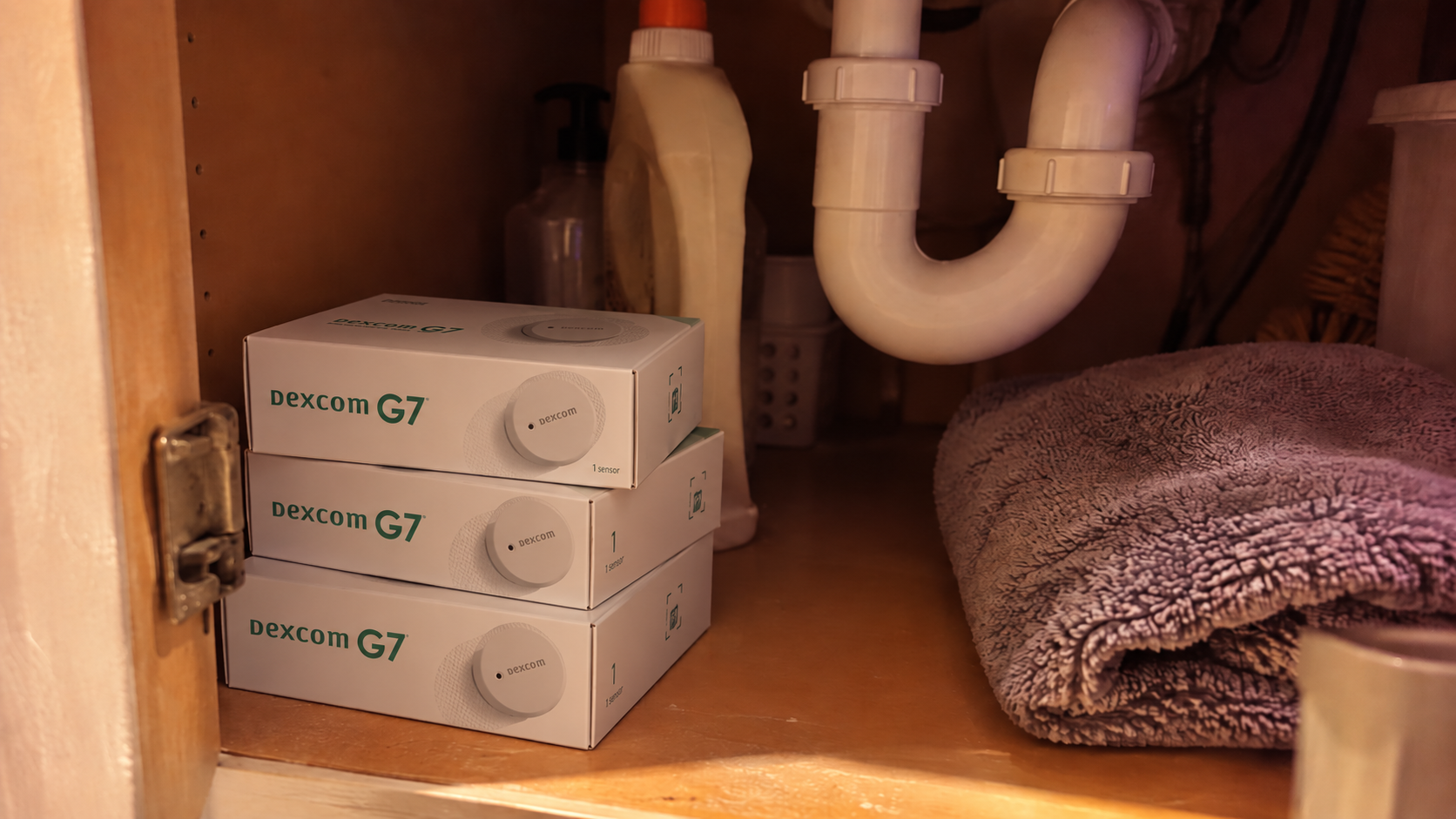


















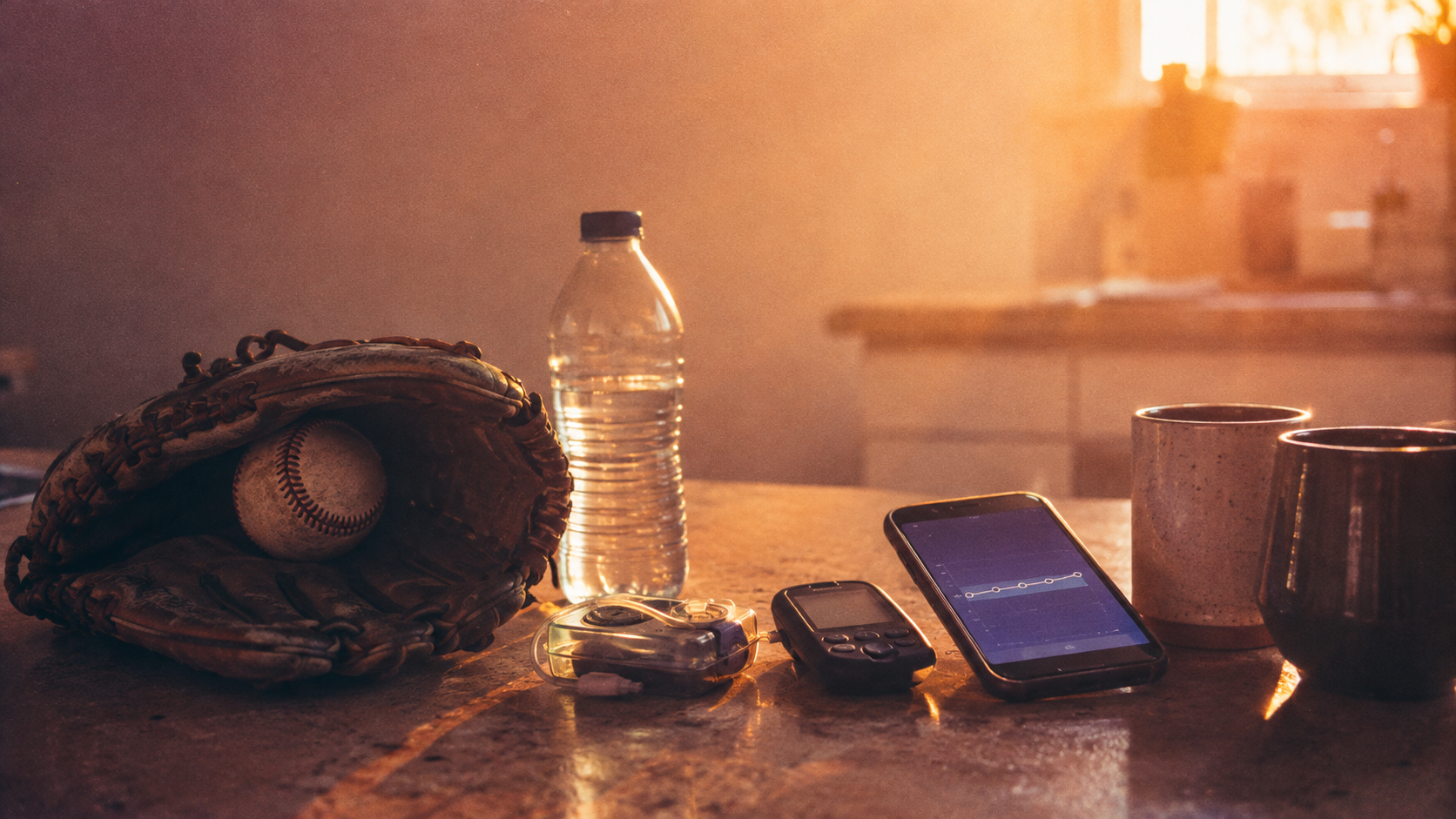







Please support the sponsors








The Juicebox Podcast is a free show, but if you'd like to support the podcast directly, you can make a gift here. Recent donations were used to pay for podcast hosting fees. Thank you to all who have sent 5, 10 and 20 dollars!
