
#1829 Relationships that Heal: Affection, Connection, and T1D Safety Nets
Scott Benner and Erika Forsyth explore the landmark ACE study , introducing how positive childhood experiences (PCEs) build resilience and counteract early stress for families.



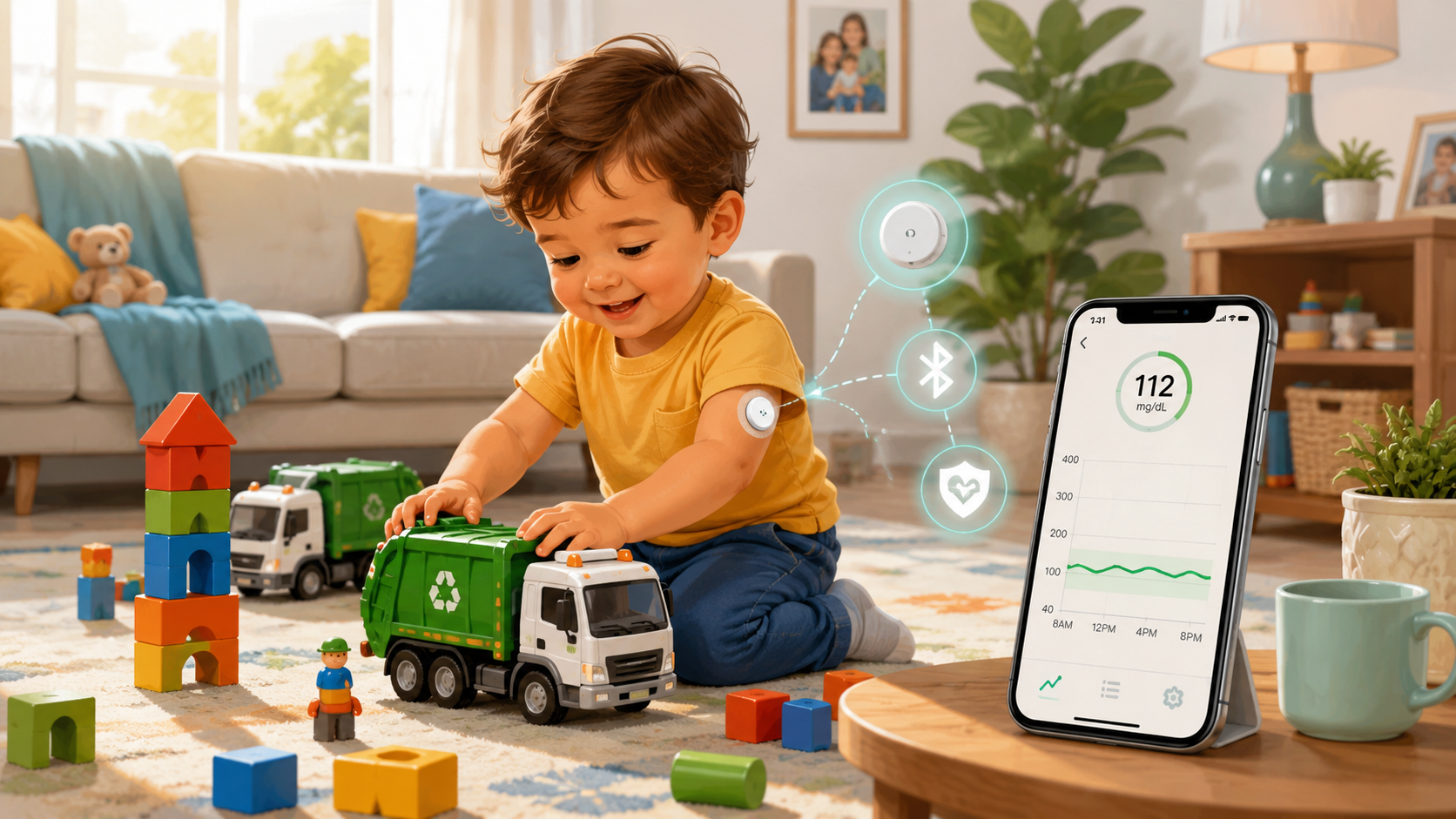






























Key Takeaways
- Having affectionate, steady caregivers who respond calmly during highs, lows, and nighttime checks helps children feel safe rather than like a burden—check your facial expressions and vocal reactions around blood sugar numbers.
- Instead of saying "I get it" when your child with diabetes is frustrated, acknowledge that while you understand the caregiving burden, you don't experience what they physically go through—this validates rather than dismisses their feelings.
- Find at least one adult outside your home (teacher, coach, neighbor, or mentor) who genuinely understands your child's diabetes and can be a quiet safety net—this reduces isolation and shame.
- Helping your child stay part of groups (sports teams, activities, support groups) after diagnosis reduces the "why me?" mentality and normalizes their experience even while managing blood sugars.
- The best thing caregivers can do for their children is manage their own trauma around the diagnosis—unresolved parental stress transmits directly to children and affects their nervous system regulation.
Resources Mentioned
- Medtronic Diabetes - MiniMed 780G system with Instinct sensor
- Contour Next Gen - Blood glucose meter
- "Childhood Disrupted" by Donna Jackson Nakazawa - Book on how trauma becomes biology and how to heal
- PACEs Connection Science Initiative - Research on protective and compensatory experiences
- Juice Box Podcast Private Facebook Group - Community support for diabetes families
Introduction to the PACEs Series
ScottHello, friends, and welcome back to another episode of the Juice Box podcast. Hello, friends. Welcome back to the second episode of the Paces series with myself and Erica Forsyth. Living with type one diabetes means dealing with stress, uncertainty, and a lot of daily decisions, But research tells us something encouraging. Supportive relationships can actually buffer stress and help the brain handle challenges more commonly.
ScottIn this episode, we're looking at the first category of PACEs, protective and compensatory experiences. We'll talk about the people who make a difference, caregivers, friends, teachers, and communities, and how those connections can build resilience, confidence, and emotional safety for people living with diabetes. If you're looking for community around type one diabetes, check out the Juice Box Podcast private Facebook group. Juice Box Podcast, type one diabetes. But everybody is welcome.
ScottType one, type two, gestational, loved ones, it doesn't matter to me. If you're impacted by diabetes and you're looking for support, comfort, or community, check out Juice Box podcast, type one diabetes on Facebook. Nothing you hear on the Juice Box podcast should be considered advice, medical or otherwise. Always consult a physician before making any changes to your health care plan. Today's podcast episode is sponsored by Medtronic Diabetes, who is making life with diabetes easier with the MiniMed seven eighty g system and their new sensor options, which include the Instinct sensor made by Abbott.
ScottWould you like to unleash the full potential of the MiniMed seven eighty g system? You can do that at my link, medtronicdiabetes.com/juicebox. Today's episode is also sponsored by the Kontoor Next Gen blood glucose meter. This is the meter that my daughter has on her person right now. It is incredibly accurate and waiting for you at contournext.com/juicebox.
Understanding Protective and Compensatory Experiences
ScottErica, it is part two of our pace series, episode two. I don't know how we'll end up, like, breaking these down. And I see here by your header, proactive and compensatory experiences. Is that where we're starting today?
ErikaYes. Well, we're gonna start yes. So in our first episode on the PACE series, we've kind of reviewed the ACE study. We then talked about so those are the adverse childhood experiences we talked about. As a result of that landmark study, there were positive childhood experiences that were analyzed because we wanted to discover what makes these children who've had exposure to the ACEs land well and show resilience.
ErikaSo we talked about what the the positive childhood experiences are, and then we talked about and sometimes people call it now that your PACE score, your positive and adverse childhood experience. And so then what we're gonna be talking about, though, are the the PACE, the protective and compensatory experiences that can be applied even after you've been exposed to trauma as a child. And that was research that was and and the paper that was written by Amanda Sheffield Morris and Jennifer Hayes Grudeau that was published in January 2023. So we're gonna be kind of focusing on those protective and compensatory experiences.
ScottI I think that's exciting. I probably mentioned it before, but, you know, if the idea is, you know, you've had a certain number of these things from this aces list by the way, if you haven't heard part one, don't even listen to this. You gotta go listen to part one first or it's not gonna make a ton of sense to you. Once you've understood those that list, that ACEs list and how it can impact people, the next question I had was, you know, is there a list of things that happens to people that maybe points to a better outcome for them as as an adult? And then through that learning that not only is that possible, but you maybe could take some of these things and go back and reapply them to people who have had adverse experiences in their life and and change it for them.
ScottI I found that to be, like, the kinda most exciting part of what we talked about last time. So I am, I'm good to go to dig into this. So wherever you wanna start, please do.
ErikaOkay. Great. I I wanted to add as we were kind of thinking about this series and I was researching, I came across an additional resource that I thought would be helpful to share. I have not read this book personally, but the author is Donna Jackson Nakazawa. Nakazawa. Hope I'm pronouncing that correctly. And she wrote a book called childhood disrupted, how your biography becomes your biology and how you can heal. And, basically, the the summary she describes the summary of this book that no matter how old you are or how old your child may be, there are scientifically supported and relatively simple steps that you can take to reboot the brain, create new pathways that promote healing, and come back to who it is you were meant to be. So I just wanted to share that as a resource as we talk about these experiences, that you can dig dig deeper.
ErikaThere's lots of great resources from her website and also the PACE PACE's connection science initiative. So with that, we're gonna we talked about there's two different parts with these protective and compensatory experiences. The first one that we're gonna be talking about today, the first category are is relationships that heal, and the second one is resources that build skills and resilience, which we're gonna talk about in the next episode.
Why Supportive Relationships Matter in Diabetes
ErikaSo why is it important that we we're we're gonna kind of talk about this through the the lens of living with diabetes, these, different categories. But, yeah, obviously, it's important. Living with diabetes, you're it's full. We know of so many stressful moments. And so having these supportive relationships that we're gonna discuss can buffer those stressors.
ErikaThey can heal some of those stressors and teach the brain you're you're not alone. That this is this is hard, but you're safe. Right? We're always wanting to come back to what is the child and you as an adult experiencing a safety in your body. And so these relationships and these connections can change how the brain handles stress.
ErikaSo that is the important part that even if you're listening to these things and as an adult and you did not have these experiences, they you can work on them, apply them, and it can actually rewire the brain and heal. One other note before we go on to talking, if you're listening to these five different points that we're gonna talk about that that nobody is pair is perfect. No parent is perfect. And I just invite you to hold grace for yourself if you're listening to these things and you think, gosh. I don't do that, or I do that really well, or gosh.
ErikaI don't I can't do any of these things. This is not prescriptive. This is hopefully helpful and supportive, but we're not this is not supposed to lead to shame.
ScottRight. No. Absolutely. No. Please. Please don't let that be the takeaway. Right.
Point 1: Affectionate, Steady Caregivers
ErikaSo the first one is number one, having affectionate, steady caregivers. In your life as a child. I thought it might be helpful to talk about, yeah, what does that look like with living with type one or or diabetes in general. So having a parent who does nighttime checks without shame or anger. So you might you might feel that irritation of having to the alarm goes off, but kind of checking yourself, taking a breath before he needed to go into the room. Even though the child is asleep, people with diabetes are very attuned to all sorts of thoughts, responses, facial expressions and being really aware that they don't want their diabetes to be an irritation for other people.
ScottYeah. They don't wanna feel like they're the reason you're upset, sad, whatever. So it's up to you to not I think not just reflect that onto them, but to not feel that way. Like, you have to figure out a way to go in and do that blood sugar check gracefully, you know, in a way that makes people feel like, this is nowhere else this guy would rather be right now but helping me. And that can be tricky. I'm sorry. Go to the next one.
ErikaBe tricky. Yes. When your child's presenting as an affectionate steady caregiver, when your child is high or low? I know I am not I my children do not have type one, so I do not know what it's like to be a caregiver to someone with type one. But I do hear stories from the children and teens that I work with.
ErikaAnd when they are experiencing a higher low, if they're sitting across from their caregiver who is panicking, who is annoyed, who is scared. I hear all of those things, and I understand why you might be feeling those things as a caregiver. It can then it's triggering the child's nervous system that this high or low is really bad or I'm bad or this is really scary. And some of those things, it is scary to be high or low sometimes. So I'm not trying to dismiss that. But just being mindful of how you're showing up when your child is high or low and how that might be interpreted within your 10 year old or your 16 year old.
ScottMy wife stopped me years ago now, and I don't think it's a thing that I adjusted immediately. But she's like, every time you see a number that you don't like, she's like, you kinda mutter under your breath. Like, or you'll you'll go like, oh, something like that. And she's like that like, Arden hears that. She's like, I hear it. It makes me nervous. And I was like, okay. And it's funny because I never I wasn't angry. I didn't mean anything by it. I think it was just like a like a throwaway reaction that I was having that had an impact on other people I didn't realize. So I I appreciate somebody having pointed it out to me. I wish it was something I would have been able to adjust more quickly than I did, but it is something that I I got handled eventually. Still, I I I guarantee it had adverse effects on on art and the people around me. But yeah. And unknowingly too. Sorry.
ErikaYes. No. That's good. It's a good example. Yeah. So having being being a parent or caregiver who comforts your child during site changes or, you know, pump failures or hospitalizations. Donna points out in the research the author I referenced earlier, the significance of eye contact that we talked a little bit about in the first episode and and a twenty second hug. So we're talking not only about kind of physical emotional affection, but also physical affection and what that does to the nervous system.
ErikaI hear so many fabulous and wonderful examples of support for your child during some of these traumatic things. One thing I also wanted to highlight is a common maybe frustration that I hear from the the children and teens I work with is when a parent might say, like, I get it. So the the child is maybe feeling frustrated about a a pump change or having to treat a low or having to wait to eat because they're high, and the parent might say, I get it. Now I understand. I'm guessing as the caregiver, you're trying to connect with your child.
ErikaYou're trying to make them feel less alone in that moment. I understand you're not saying I get it because I have type one. Right? Unless maybe you do. And then that's the separate situation. But what the child is hearing in that moment is not connect. They aren't feeling connected. They're feeling like, no. You you don't get it. You don't have type one. I know you're getting it that you're getting the burden, the burnout of of of dealing with the chronic illness, of dealing with the diabetes. But what the child might be feeling in that moment is, well, you don't get it. You're not having to be aware of, you know, when you're going to the bathroom and pulling your pants down and not wanting to rip off your pump site. You don't get, like, having the beeps go off and all your friends looking at you.
ErikaSo just being mindful of when you are wanting to connect and show that affection and that connection with your child, maybe saying, you know, this is really hard. Or you're wanting to show up for them. You're wanting to calm their nervous system, but be mindful of that word, that phrase, like, I get it. Because you get it as a caregiver, but not as someone living with it.
ScottIt's more than just a difference in wording. There really is the the truth is, no, you don't. You're empathetic and you you know, to me, it runs right along with, I would take this from you if I could. Like, please don't say that. Like, because you can't. So it's pretty falls pretty hollow when when you say something like that to somebody. But I I even think the thing I try to do, I don't think is perfect. Because now that Arden's older, I'll say, you know, I'm, I look. I'm doing my best to understand what's happening to you. I completely understand that I don't know how you feel, but I, you know, I see this as hard. Even that, I think, is, like, I think that's better, but I don't think that fixes the problem.
Managing Your Own Trauma as a Caregiver
ErikaBut you can also go back and repair to say, Tommy, you know what? Those times I've said I get it because I'm trying to support you and I'm trying to, like, connect with you. I realized I I don't get it the way you get it. And I'm so sorry.
ScottAnd you can almost let it go for them if you if you come back with that apology. It occurred to me while you were speaking a minute ago that there are probably people out there that are like, oh, there's burnout. It either happens to you or you don't. But I think that's because of the word maybe. Like, they they think of burnout as like a flame out, like a complete, like, collapse. I believe that every person living with a chronic illness is going to experience some version or level or degree of burnout constantly. And I don't think there's a way around it. I don't think you're gonna get rid of it. I just think it's a fact of the situation. And you you can't possibly you're not just either living fancy free with this or you're collapsed on the side and need therapy. Like, it's not it's not a one or the other situation, but I do think it gets treated like that sometimes. I just think that there's, a spectrum of what that looks like from very low level to I can't even begin to take care of myself anymore and everywhere in between, and I don't think that there's anybody not living in that spectrum that I've met so far.
ErikaYeah. That's a good point. Yes. And and on that spectrum, if you because you are I guess we're speaking mainly to caregivers right now. You know, if you have had your own medical trauma from seeing your child just either live with diabetes, have a seizure, be in the hospital, a diagnosis, or DKA, it's important to do your own work to process the trauma because so often, again, unintentionally, it might spill over that you are experiencing a traumatic response every time your child has a sight change or every time your child gets sick and you're running through this, oh, no.
ErikaLast time you got sick, well, you had to go to the hospital because he got into DKA. And so that is running through your body and and understandably so, but you don't want us that it it can become indirectly placed on your child's diabetes and then directly internalized by your child that that they are a problem or that they're scary and what they have is scary.
ScottAnd and I don't think we could say enough times that it's this is not anybody pointing to you and saying, like, look, you're doing a wrong thing. But you also need to I do think you need to see the connection between you know, the reason that aces list is interesting to me is because if you experienced these things growing up, like, somebody's physically harmful to a spouse or your mother to your father, your father to your mother in your household. Right? And then you see that growing up, it has detrimental effects on you. And it's easy to say, well, yeah. Well, the mom just shouldn't have punched the dad or the dad shouldn't have yelled at the mom, whatever it was. Right? But if you go back a generation, you'll see why that happened to them. Right? Like, somebody did something in front of them that caused that. And while that's true and completely excusable, I think, because you are now wired that way and not necessarily how you want to be, I understand both arguments that you should be an adult and overcome that and not do that. I also understand the argument that says that, like, maybe it is beyond your control. You don't have the tools or the knowledge to stop it.
ScottNone of that makes it untrue though. So, like, if that's the case and you flip this over into diabetes and what you just said is, like, you've got your own medical trauma. You've watched your kid go through this thing. You're having your own reaction. That's all true. You're welcome to that, but you cannot ignore what the outcome of that's going to be when you do that then in front of your kid later. They are going to carry some baggage forward with them because of your experience and how that experience came out in front of them. Does that all sound right?
ErikaYes. And your this quote that I found from Donna again, I have no personal connection to her. I've not read her material, but it's connected to a lot of this ACE and PACE work. She says the best thing we can do for the children we care for is to manage our own stuff. Adults who've resolved their own trauma help kids feel safe. So that's, yeah, kind of just from from the research, and it's hard. It's like, when do you have the time to do that? You're just trying to keep yourself and your child alive. I I totally hear that. And, hopefully, through some of these conversations things get a little better. Some tools.
ScottThat's all yeah. That's all you're looking for. I mean, not no. I don't think I don't think any of us are getting to perfect, but we certainly could be moving in the right direction. And running off and living in a cave is not the answer either. You can't just remove yourself from the situation thinking they'd be better off without me or, by the way, not leaving the house, but removing yourself emotionally thinking as if I'm not interacting with them, at least they won't get my crap. They're just gonna get different crap from that. Ain't no winning. There's only levels of not losing. Okay?
Point 2: Having a Best Friend
ErikaOkay. Here we go. So well, let's move on. Yep. The number two, and there's five of them, is having a best friend. And so what does that look like for two with living with diabetes? So a friend maybe having a friend who knows and could even actually verbalize and advocate for your your child with diabetes. Like, oh, she she needs like, if she's eating in class, let's say you're low, and you need to treat your low. Your best friend sitting next to you is kind of like your protector. Like, oh, she needs to eat sometimes. Or you know, he he has a pump. It's okay. Or when the sub says, who's, you know, who's beeping back there? No phones allowed. The best friend can say, it's a medical device. You know? I'm, like, shouting, you know to to the teacher. She needs it. And not that you want it you need to be reliant upon that best friend all the time, but it just it does kind of share some of that burden of advocacy.
ScottI don't wanna go too far down the rabbit hole, but, also, if you're that friend, get ready to be a nurse later in life, you know, because, like, this experience is gonna put you into a caregiver role in your and you're not even gonna realize it. The spider web that is personal interaction is fascinating. Like, right, because the the minute you become that person's best friend, it changes probably the direction your life goes. You don't even realize. But very valuable community in general. And a community I just got done saying this to somebody. A community can be two people. It really can be. So you need a little bit there. It doesn't have to be a thousand people for it to be a community.
ErikaNo. It's good. And and having this best friend and this can be, you know, if you're adult living with diabetes who who doesn't act annoyed or scared or surprised, who someone who maybe you don't feel like you have to apologize in front of. You know, we in the body grease series, we talked a lot about how we live in a in a stage of apology often. I'm sorry. I gotta change. Like, are you okay if I do this thing right here right now? So someone who really gets it in that way. And then having a buddy, like, maybe as a caregiver, you trust not only the family, but the friend who can be another person of lookout for sleepovers or after school activities, field trips, and such. And what this does for the the person living with diabetes is you you feel less alone.
ErikaEven though they don't have it, your best friend does not have type one, that maybe they do. That would be kinda cool. But even if they don't, knowing that someone truly gets as much as if they can and is your peer reduces that isolation and kind of normalizes the experience, and you're not the one always having to advocate or explain.
Point 3: Adults Who Stand By Your Child
ErikaAnd the third one, adults other than caregivers who stand by the child during hard times. So this one might take some education, right, from you as the caregiver, from a team, a medical team. So this is gonna take a little bit extra work. But what does it look like to have an adult who stands by your the child with diabetes during hard times, having a teacher who really gets the highs and lows and is super aware of their nonverbals. And this applies to also nurses and coaches. If you have either a sugar pixel or something in the room or maybe they can hear the alarms, maybe they're following. You know, there's everyone has different setups. But for at school, having a nurse and a teacher and or a coach or PE teacher who really gets it and isn't doesn't show in a sense of annoyance, but real empathy and compassion. And, again, that if you don't if that if those things feel impossible, there are other ways. But I know just thinking about, you know, where your child spends most of the days at school. And so having one or it doesn't have to be all of them. And it doesn't have to be it could be just like the the library instructor. It could be one other adult in your child's life who really gets it.
ScottSo instead of, like, a health advocate, almost like a like a happiness advocate or a totem in your life that you walk past once in a while and you just look up and you go, there's there's missus Smith in the library. If I if something happened to me, she would know what to do. Like, that kind of feeling. To feel like there are people in your life and in your orbit who understand and would have your back if necessary, but aren't necessarily running around constantly yelling like, hey. Save forests. It's not like that all the time. Right? It's just knowing that they're there quietly in the background. So as a parent, you have to try to set those people up in your kids' lives, or do you wait to see if they spring up organically, you think?
ErikaOh, that's a good question.
ScottBecause sometimes they do. Sometimes they spring up organically, and there they are, and then you have them. But for some people, like, how do you go initiate that conversation with somebody without it feeling stilted or weird moving forward?
ErikaSometimes those people might kind of present themselves as you're having conversations. They might say something like, oh, my my niece has type one, or, they might have a personal relationship to a chronic illness may or may not be type one. That's usually kind of a first indicator that they understand that things happen out of their out of their students' control. Yeah. Also, maybe, like, their rigidness around their instruction, around their teaching style. And and just kind of can I just kind of having that warmth, right, that they might get it? But I think you made a good point that it's not someone sometimes this can drive some of the people that I work with, like, the PE coach is like, hey. Like, screaming across the yard. You know? Timmy, you're low. Like, go to the nurse now. That's the opposite of what you were looking for.
ScottI've just I've heard too many stories from people that are like, oh, I thought their coach understood. I thought this one understood until something happened, and then you realize they're kinda nerd nicks and they didn't really get it or they didn't understand it as well as you thought they did or whatever. And then they become, like, the anti hero in the story. Like, the person you thought was gonna save the day ends up becoming, you know, the the reason for your your bigger problem. And so, I hope that these people pop up organically, but if they don't, I'd be very thoughtful about how you choose the people you approach to be this. Just because they are a thing in your life doesn't mean they're gonna be good at this job, I guess, or want it even or do, you know, or do well with it for you. It's a slippery slope. It's not an easy thing to figure out, you know, from my experiences and from my conversations.
ErikaThat that is it is because you you would hope that your child's teacher or you would hope that the school nurse would be this person. And that they might not they might be some years. They might not be every year. And that also, you know, the way you're responding as you're trying to find adults who stand by your child during hard times. It also I know we're talking about it very specifically and narrowly with diabetes, but it could be the other parts of their life. You know, maybe they're really supportive if your child has, you know, learning differences, and they are really attentive and attuned to that.
ScottI bring it up because I find that one of the places people push back with, like, mental health support in general or, honestly, a lot of times where you end up with a checklist of things to do for something is that they're nice to say, but, like, yeah. Yeah. Sure. I should go get my librarian or my kid's soccer coach to be nicer to him, but I you haven't met these people. They're idiots. Or I you know, like, who knows? He's not the one I can go to for this. Right? And so it's I I get scared that people hear that and then they go they take the next step and they go, that's not really viable for us. That won't work. And then they I don't want them to give up on it. I do think there's somebody out there who would be a great best friend who understands your diabetes or, you know, a mentor within the community who is the right person to be this. I just don't think it's as easy all the time as it could be. And there are some people that live in in cultures and and communities where they don't trust a soul outside of their their life. That can be tough too. You know, as much as I believe that your human connections are probably maybe a little more valuable face to face. There are plenty of times where you have to rely on the Internet to to bring together this group of people that you're desirous to find but cannot find in their in your own life. There's don't think there's anything wrong with that either.
ErikaYes. So that that is those are all very valid points because you could be listening to this and hearing, like, well, I've tried everyone at school, and no one is can fulfill this role. Yeah. And that is obviously very frustrating. It could be a neighbor in your community. We're gonna talk about more resources in the next episode. It could be someone within your your faith community, but just a mentor. There are, you know, diabetes mentor groups out there. Just somebody else besides the primary caregivers is really the point.
ScottYeah. No. Of course. It's because you don't want your you you don't wanna be walking out to the mound to tell your own kid that they're not throwing strikes. Like, sometimes that's just not the best way to get the point across. I just wanted to you know, as we're making space for things, I just there's plenty of people who are more worried about not getting shot walking home than finding a neighbor that could be valuable for them about their diabetes and, you know, and and everywhere in between on that too. So just because it's difficult doesn't mean it's not important, I guess, was my point. Like, don't just skip it if it's not easy to just point and go, that person could be helpful to me. That's all. Anyway, good luck.
ErikaNo. I I those are great points to, yeah, to spread the idea that it's it's not just school based. It's not just community based. It might be really hard to find somebody like this. Yeah. And that is valid. I think the in the line of, you know, the adults who stand by your child, I know this probably doesn't need to be said, but I'm gonna kinda say it around the the medical professionals, you know, being in a space where the doctor, the nurse, the nurse practitioner, whoever you're seeing isn't just focused on the numbers, but is attuned to your child's or to yourself if you're the adult listening to yourself as a person. My I've had a range of endos from grading my a one c's as a child to my current endo who the I probably have said this before, and this is a new and a fabulous experience. He's like, how are you feeling? How are you doing?
ErikaBefore he pulls up the graphs, before he pulls up the data. And and it's only probably a two, three, maybe five minute conversation, but that is such a a gift, right, that he's seeing me as a person and not just my diabetes and my numbers. And there are people out there who are who treat that way. So I just wanted to kind of point that out as well.
ScottLook. Listen. And there's a lot of value in hearing that from you specifically because you've had diabetes for, like, you know, wait, what, more than say more than thirty five years. So you know the value of being treated that way and and and the difference when you're not. Also, I, I'll give you a compliment right here. Somebody reached out to me recently and said, I like that Erica is sharing more of her real life in the episodes. So I I I actually got some feedback about that I wanted to tell you. So they said they feel like over over the episodes and the years that you seem like you feel more comfortable talking about yourself and your diabetes.
ErikaThat is a very an observant listener. Yes. Awesome. Well, I'm often yeah. It's it's an interesting experience as a as a therapist that you don't typically disclose much.
ScottYeah. There's a little bit of a blur here for you. Yeah. Erica's like, I got this I got this thing too. Yeah. I'm sorry. We gotta get back to your list.
ErikaSo let's keep moving. So, really, what does this do? Why is it why are we spending time about having, you know, having an adult who is supportive for your child or for yourself? It reminds them that there that there's safety outside even though that might, for yourself and your community, it might not feel safe outside your home. And I think it's important to validate that. But where you can and if you can reminding your child that there are people out there outside of your home who can be safe, and then that also kind of mitigates and protects against any kind of shame narrative or feeling like you're the burden living with with diabetes.
ScottYeah. All with the goal of giving you positive experiences around your diabetes that will help you be a a more fully formed happy adult one day.
Point 4: Being Part of a Group
ErikaYes. Yeah. Okay. Number four, being part of a group, which you just kind of alluded to that a community or a group can be, you know, yourself plus two. And some of these are are fairly obvious that we talk about, you know, participating in support groups, particularly for teens. Those are highly popular, participating, attending diabetes camps. And then separately, even if so the where yes. It's diabetes focused, those things, but being on a team, being in a choir or a dance group where diabetes management is integrated into their rhythm and their life, I know that can feel really scary for people. And and often, I do hear and and understandably so, after diagnosis, there's a pause from integrating some of those things into your child's life because you're trying to learn how to manage. But I do encourage if your child is is, you know, hungry for that to to reintegrate them back into those things where they feel like they're a part of a group, where they belong, where it's not just about their diabetes is so important.
ScottSome of the more interesting stories that I've people have shared with me, a lot of times people are diagnosed right before a planned trip or something, adults and kids, and they still do it. And then every one of them in hindsight is like, thank god I did that anyway. Because somebody tried to tell me, oh, maybe you shouldn't travel right after this or so an adult that told me recently about how they were they were literally trying to get insulin on the way to the airport because that's how close their their diagnosis was to, like, a, like, a long plane flight that they had. And if they look back and they're like, I'm so glad I did this. I did ask. If that was happening to your kid, would you want them to go? And she said, oh, no. I wouldn't. It was great because she validated that going anyway was super important. And she was going far, if I'm not mistaken, like, another country. And I said, what did you like, what did you think would happen if you, like, would you have gotten on the plane if you couldn't have got insulin? And she's like, probably, because I know I would have landed and people could have helped me still. Like, she was very, I could get it done when I get there. Great message. Great energy. I said, would you let your kid do the same thing? She goes, no. I don't think so.
ErikaI hear I hear similar stories. Yes. Going off to college, going abroad, going on trips. It's a tough decision trying to decide to be carry on even though we know it'll be more stressful. But then I wonder how significant making the choice to go becomes integrated into your narrative of, like, we can continue on with life.
ScottI go blinders because I realized a long time ago that if I put my fear on those kids, it's gonna be worse for them than whatever's gonna happen to them if they do something, it doesn't go well. Right? So but there are still times where, like, the pull inside of you is just, like, don't let them do that. That's a bad idea. Don't like, just say no to that. You know what I mean? I just, like, I shut my eyes, and I go, I know it'll be better for them to do it on their own than to not have it happen, and I'll just stop looking. And that way, maybe I won't feel like or at least maybe I won't open my mouth at the wrong time. You know? And that goes for, like, health stuff, dating, like, all that stuff. There's times you wanna be like, are you sure about that one? But you think, no. It's better to have the experience than for me to be the reason that you make a decision. Like, you need to make that decision. I can't make it for you. My experience is not just because you've lived through something and you know the right answer doesn't mean that giving them that answer is gonna get the outcome that you want. You're skipping them over an entire like, letting them have a lived experience in there that will be much more valuable to them than whatever the thing is you think you're gonna save them from, unless it's not. Like, you know, I mean, if the guy's got that serial killer stare, maybe grab your daughter and pull her back in the house. But, like, anyway you know what I mean? But moreover, it's just better for them to go find out he's a jerk and come back, you know, or or whatever this the thing, I think. Unless it all goes wrong. And then, of course, you'll second guess yourself for the rest of your life. So congrats. But I think, generally speaking, that's the way to go.
ErikaSo so being part of a group, obviously, it sometimes can cost money and time, and that is maybe not a luxury that that we all have all of the time. I used to see people on the the Juice Box Facebook group post like, hey. I live in this ZIP code. Anyone wanna meet up at such and such park on this date?
ScottYeah. I see people do that.
ErikaYeah. Yeah. I thought I just think that's really cool because it's it's very loose. It doesn't cost any money, I don't think, to show up at the park. And I just think that's a be a beautiful way to to feel connected without hopefully spending any money. A lot of these things do cost money. So the why why is this important? I think particularly getting your child back into, you know, whether it be school or sports or activities, it can reduce that feeling of why me? Even if their blood sugars are all over the board, and I know that that is super scary, I'm thinking about, like, their mental health component of, why can't I I used to love playing baseball. Why can't I do that anymore? That is such an important aspect to reduce that sense of loneliness and isolation or that why me? Why and then and then why can't I do this? Oh, it's because of my diabetes. So the belonging and identity and support is really important.
Point 5: Stable Employment for Caregivers
ErikaOkay. Should we do the last one? Number five.
ScottYeah.
ErikaHaving one caregiver at least one caregiver with stable employment. Now that one, I know, is is hard. Right? Like, some of some of us might think, well, it must be nice to have stable employment for one of us for between my partner and I, or maybe you are living you are a single caregiver to your children or child. And so I I hear that, and I wanna acknowledge that. I think it's also important to note, you know, what would be the benefit of that, not only financially, but emotionally.
ErikaSo having you know? And particularly if this employment has insurance. Now having predictable access to your insurance, we know it can be obviously very helpful with diabetes. But even if you have stable employment, so often that your employer might change insurance plans, and that is so frustrating and irritating and having to find new doctors and getting new prior auths and all of that. But with with having access to insurance with stable employment, you obviously have that kind of known rely you know, like, you can rely upon having access to your devices, your insulin. And in general, for you as the parent, this is all obvious. You know, reduces your own stress and financial stress, and your children can live in that and pick up on that if you are more stressed financially. But, basically, the the stability reduces that kind of background stress. When are we gonna get the devices? When are we gonna get insurance? And your child will feel more secure and safe. But, again, these are these are obvious, and this is hard to do perhaps all of the time to have one caregiver with stable employment, but this is what the research has shown.
ScottYeah. I just looked while you were talking, and it says that children living in families without secure parental employment in The US, about 18,400,000 children or around 25 to 31% lived in families in 2023 where no resident parent worked full time and year round. That means no parent worked thirty five plus hours per week for most of the year. That's a bigger number than I imagined it. Wow. Yeah. Yeah. That's it's a lot of people. Anyway, that was a bummer. But I yeah. Yeah. But I I appreciate you you saying it doesn't stop again, this doesn't stop the truth from being if one of the parents is gainfully employed and the kids can what? Expect that their pumps and CGMs and supplies will be available to them when they need, if there's not financial stress around their lives. Kids pick up on that. Like, if you can reduce those things, you have a better out you have a better chance. By the way, you could also do all these things right, and your kid could still be a show one day. I like the none of this or vice versa. By the way, that was the thing that really freaked me out. The first episode, you could have a ton of those aces on that list and not have adverse events from it in your adult life either, which is also good news. But yeah. I mean, I don't know if I cut you off, like, if you got to go over everything you wanted to in part five or not. But just because it's sad or unfair or whatever doesn't mean it's not true, I guess, is the is the point.
Summary: Relationships That Regulate
ErikaYeah. Yeah. So these these five things, you know, having affectionate steady caregivers, having a best friend, adults who stand by your child during hard times, being part of a a group, and having one caregiver with stable employment. These all are, you know, relationships that are significant that ultimately help regulate your your child's and and also your own, you know, nervous system.
ErikaAgain, under the umbrella of protective and compensatory experiences, these are things that will help buffer, mitigate, heal the experience of being exposed to to trauma or stress, in this case, diabetes, but obviously can be applied to other stressors that the ACE list recognizes and and ultimately helping your child feel safe and and that their nervous system is regulated even when they're exposed to hard things living with with diabetes.
ScottRight. Because if their nervous system has responses to these outside influences when they grow up and become an adult and those stressors happen, you're they're more likely or or they're likely at least to have those kinds of reactions that then create this problem moving forward for their children and generations to come if somebody doesn't break the circle at some point. Yes. Yeah. Yeah. Such a simple and yet complex idea at the same time. Right? And and I have to understand the physiology of it to even believe that it is true. Because I think there's most people there's plenty of people would say, like, look. Just be an adult. Don't do that. But I it just doesn't seem to me that that's the way things work. So I appreciate you doing this with me very much.
ErikaYeah. Yes. You're welcome.
Sponsor Messages and Closing
ScottI'd like to remind you again about the MiniMed seven eighty g automated insulin delivery system, which of course anticipates, adjusts, and corrects every five minutes 20 four seven. It works around the clock so you can focus on what matters. The Juice Box community knows the importance of using technology to simplify managing diabetes. To learn more about how you can spend less time and effort managing your diabetes, visit my link, medtronicdiabetes.com/juicebox. Having an easy to use and accurate blood glucose meter is just one click away. Contournext.com/juicebox. That's right. Today's episode is sponsored by the Kontoor Next Gen blood glucose meter.
ScottOkay. Well, here we are at the end of the episode. You're still with me? Thank you. I really do appreciate that. What else could you do for me? Why don't you tell a friend about the show or leave a five star review? Maybe you could make sure you're following or subscribe in your podcast app, go to YouTube and follow me or Instagram, TikTok. Oh, gosh. Here's one. Make sure you're following the podcast in the private Facebook group as well as the public Facebook page. You don't wanna miss please, do you not know about the private group?
ScottYou have to join the private group. As of this recording, it has 74,000 members. They're active talking about diabetes. Whatever you need to know, there's a conversation happening in there right now. And I'm there all the time. Tag me. I'll say hi. My diabetes pro tip series is about cutting through the clutter of diabetes management to give you the straightforward practical insights that truly make a difference. This series is all about mastering the fundamentals, whether it's the basics of insulin, dosing adjustments, or everyday management strategies that will empower you to take control. I'm joined by Jenny Smith, who is a diabetes educator with over thirty five years of personal experience, and we break down complex concepts into simple, actionable tips.
ScottThe diabetes pro tip series runs between episode one thousand and one thousand twenty five in your podcast player, or you can listen to it at juiceboxpodcast.com by going up into the menu. If you have a podcast and you need a fantastic editor, you want Rob from Wrong Way Recording. Listen. Truth be told, I'm, like, 20% smarter when Rob edits me. He takes out all the, like, gaps of time and when I go, and stuff like that. And it just I don't know, man. Like, listen back and I'm like, why do I sound smarter? And then I remember because I did one smart thing. I hired Rob at wrongwayrecording.com.

#1827 From ACEs to PACEs: The Science of Rewiring the Developing Brain
A four part series on the powerful impact of early stress on brain development and long-term life outcomes. Hear science-based strategies for leveraging positive, protective, and compensatory experiences (PACEs) to foster healing and build enduring resilience within the diabetes community.
Key Takeaways
- Brain Development and Stress: Early toxic stress can alter neurological systems, making the amygdala (brain alarm system) oversensitive and weakening the prefrontal cortex, which manages regulation and focus[cite: 2412, 2442, 2444].
- ACE Study Results: High Adverse Childhood Experience (ACE) scores are statistically linked to higher risks of chronic diseases like heart disease, cancer, and depression, as well as reduced life expectancy[cite: 2462, 2463].
- The Power of Resilience: A high ACE score is not a destiny; researchers found that many individuals with traumatic backgrounds thrive as adults thanks to positive experiences that "buffer" stress and rewire brain circuitry[cite: 2398, 2399, 2561].
- Predictable Connections: Simple, consistent actions like being present when a child returns from school, maintaining focused eye contact, or offering physical touch build lasting trust and security[cite: 2501, 2505, 2530, 2531].
- Diabetes and Adversity: Families living with type 1 diabetes can intentionally build "PACEs" (Protective and Compensatory Experiences)—such as safe neighborhoods and stable routines—to offset the emotional and physical burden of a chronic condition[cite: 2371, 2621, 2693].
Resources Mentioned
- US Med: usmed.com/juicebox or call (888) 721-1514 [cite: 2379, 2483]
- Tandem Mobi & Control IQ: tandemdiabetes.com/juicebox [cite: 2383, 2474]
- Cozy Earth: cozyearth.com (Offer code: juice box) [cite: 2465]
- Juicebox Podcast Facebook Group: facebook.com/groups/juiceboxpodcast [cite: 2372, 2375]
- Wrong Way Recording: wrongwayrecording.com [cite: 2726]
Introduction to the PACES Series
Scott Benner Hello, friends, and welcome back to another episode of the Juice Box podcast. Friends, welcome to the first episode of my Paces series with Erica Forsyth. This series is about something very powerful, the experiences that shape our brains and our lives. Research from the Landmark ACE study showed that early stress can affect how the brain develops and how our bodies respond to the world. But newer research adds something equally important.
Scott Benner Positive experiences can build resilience and help heal those effects. In this series, Eric and I will explore what science says about adversity, support, and connection, and how families living with type one diabetes can intentionally build the kinds of experiences that help kids and adults grow stronger over time. If you're looking for community around type one diabetes, check out the Juice Box Podcast private Facebook group. Juice Box Podcast, type one diabetes. But everybody is welcome.
Scott Benner Type one, type two, gestational, loved ones, it doesn't matter to me. If you're impacted by diabetes and you're looking for support, comfort, or community, check out Juice Box podcast, type one diabetes on Facebook. Nothing you hear on the Juice Box podcast should be considered advice, medical or otherwise. Always consult a physician before making any changes to your health care plan.
Scott Benner US Med is sponsoring this episode of the juice box podcast, and we've been getting our diabetes supplies from US Med for years. You can as well. Usmed.com/juicebox or call (888) 721-1514. Use the link or the number, get your free benefits check, and get started today with US Med. Today's episode is also sponsored by the Tandem MOBI system, which is powered by Tandem's newest algorithm, Control IQ Plus technology. Tandem MOBI has a predictive algorithm that helps prevent highs and lows and is now available for ages two and up. Learn more and get started today at tandemdiabetes.com/juicebox.
Scott Benner Erica, the other day, I sent you a note, and I said, we talk about the ACEs sometimes. Is there something opposite of the aces? And I went to, the Internet to try to figure it out, and then I just threw it in your lap. And you've come I said, you know what? You get this. You don't want my brain picking through it. But but it occurred to me if there are things that, you know, studies say if you grow up around these things, you may be you know, you may have certain outcomes that are not positive. Are there things that people grow up around that give them positive outcomes more often than not? And I just found myself interested in that, and I wanna know what you unearthed when you were looking through all this.
Reviewing the ACE Study
Erika Forsyth Yes. Great. So well, lo and behold, even in your, you know, inquiry and thought, those things these lists, these studies do exist. And so we are gonna talk about the kind of the the opposite of the ACEs. I think it might be helpful to start with reviewing the ACEs study. And I know we we did do a resilience series, and we talked about the ACEs study pretty extensively, but thought we could start with that and then end today with talking about what the opposite of the ACEs are, which are, you know, adverse childhood experiences. So the opposite are positive childhood experiences. How does that sound?
Scott Benner I think that's terrific. And and you can please tease here a little bit that it maybe isn't as black and white as these things happen to you. So you're going to have positive outcomes or these things happen to you and you're gonna have negative outcomes. There's also maybe a more of a gray area?
Erika Forsyth Yes. So the results of the ACE study, which, yeah, we can we'll get into in a minute, but I think what the biggest kind of outcome that researchers kind of unearthed was that even if you have a high ACE score, a high adverse childhood experience score, if you were to take the the test or the survey, They realized that, wow, still a lot of people grew up and and this is for, you know, adverse childhood experiences between birth and 18 years of age. They found that as as adults, despite having high ACE scores, they showed up in life with healthy outcomes across the board, mental health outcomes, in relationships, in profession. So it there wasn't this you know, it wasn't, an equal it wasn't proportionate to the amount of know, if you had an ice high ACE score, that meant that you were gonna have a really challenging adult life. And so that led the researchers to wonder, well, what what was it that kind of aided people in having healthier outcomes later in life?
Scott Benner We'll talk about that. That's awesome. Okay. So, yes, please, let's review what ACEs is just, you know, for anybody who's uninitiated.
Erika Forsyth Okay. So the ACE study was conducted by the CDC and Kaiser Permanente of Southern California and by two doctors, doctor Vincent Felletti at Kaiser and doctor Robert Anda at the CDC. And so they conducted studies surveys with over 17,000 members from Kaiser here in my hometown in Southern California. And from the years of 1995 to 1997, there were two waves of these surveys that went out. And so the the kind of the landmark study and this article came out in 1998 as a result of these surveys. It was titled relationship of childhood abuse and household dysfunction to many of the leading causes of death in adults. So that's a pretty, you know Intense title.
Scott Benner What a title.
Erika Forsyth Yeah. Okay. So they kind of continue to dissect and analyze the data and the research, and this continued into the February. But, basically, the summary of of the findings said that that the child's brain, you know, grows in a very sensitive way step by step. And during childhood, the brain is building, as we know, all of the systems that control your emotions, your learning, your memory, your stress response. And so because the brain is still developing when the child between newborn to 18, they have early experiences of stress or trauma, they will have a big outcome, right, and a big impact for better or for worse. Okay. So shall I keep going?
Defining the 10 ACEs
Scott Benner Can I just list them for people very quickly? So the ACEs are depending on how you read the list, I I I see them as being broken up into a couple of sections. Abuse, neglect, household dysfunction, I think are kinda like the three, you know, big ones. Inside of abuse, it's physical abuse that a parent or other adult in the household often or very often push, grab, slap, throw something at you or ever hit you so hard that you had a mark or you were injured. That's physical abuse. Emotional abuse that a parent or another adult in the household often or very often swear at you, insult you, put you down, humiliate you, or act in a way that made you afraid that you might be physically hurt.
Scott Benner Then sexual abuse did an adult or person at least five years older than you ever touch or fondle you or have you touched their body in a sexual way or attempt or actually have oral, anal, or vaginal intercourse with you? So that's the abuse section. Neglect is physical neglect. Did you often or very often feel that you didn't have enough to eat, had to wear dirty clothing, or had no one to protect you, or your parents were too drunk or too high to take care of you or take care of or take you to a doctor if you needed it. Under neglect also, emotional neglect, do you did you often or very often feel that no one in your family loved you or thought you were important or special, or your family didn't look out for each other, feel close to each other, or support each other?
Scott Benner And then under household dysfunction, which gosh. I guess they all could have, like, fallen under this one, but divorce or separation, were your parents ever separated or divorced? Domestic violence. Was your mother or stepmother often or very often pushed, grabbed, slapped, or had something thrown at her? Or sometimes often or very often kicked, bitten, hit with a fist, or hit with something hard, or ever repeatedly hit over the at least a few minutes or threatened with a gun or a knife. Jesus. Is the last time. Number eight, substance abuse. Did you live with anyone who was a problem drinker or alcoholic or who used street drugs? Number nine, mental illness. Was a household member depressed or mentally ill, or did a household member attempt suicide? And 10, incarceration. Did a household member go to prison or jail? And depending on how you answer those questions, you're, you're given a score. Is that that's how that works?
Erika Forsyth Yes. It is a heavy list. Yeah. I believe we went into the results in the resilience series, but a high percentage of people from these 17,000 participants a high, high percentage had one or two. But I don't unfortunately, I actually don't have the numbers in front of me at the moment, but I I believe we went into it, and you can probably find those pretty easily if you were to if you were curious.
Scott Benner Kicking around. Yeah. Yeah. So, anyway, that so, anyway, it's such a weird transition. Yeah. That's the ACEs list. And, you know, if you've had these things happen to you, what did the study say? It does what for to you?
Neurological and Biological Impacts of Stress
Erika Forsyth Okay. Yeah. So, yep, what happens when if you are exposed to any of these adverse experiences? So the research, even amongst not only humans, but also animals, have shown and indicated that too much stress, and particularly stress that is scary and unpredictable and repeated or repeated, can change how the brain works. It alters, the systems. And so if we can go into that, like, what does that actually mean? So the brain's alarm system, which is the amygdala, becomes extra sensitive. Right? The child may react more strongly to stress, fear, or conflict if they are exposed to these things that are scary, unpredictable, or repeated. The prefrontal cortex, which is your your thinking and kind of calming regulating system, can weaken, and this can make it harder to manage the big feelings. It could make it harder to stay focused, remain calm. The body's stress response system, which is the hypothalamic pituitary adrenocorticole, otherwise known as the HBA axis, is thrown off balance. So this the HBA axis is is designed to help you to respond to challenges. But if you get if you're exposed to early stress, it can lead you to feeling, overreactive. And maybe that's why sometimes people are are described or feel like they're being too sensitive, but that's really often a response to something like this or under reactive, and your body's just trying to shut down. Again, these are all systems and things that as a newborn or a child up to 18 develops to just try and stay alive. Right? Like, it's they're just trying to keep going, and so this is how your system responds.
Scott Benner Can I jump in for a sec? Is this a good place to pause you? Give me a half so I have the scoring here. A score of zero. None of these 10 things happened to me, reported by roughly thirty six percent of the population. One to three reported by roughly fifty one percent of the population, and those people also saw a moderate increase in health risks. A score of four plus reportedly by reported by roughly twelve percent of the population. This is often considered a critical kind of tipping point where the risk for serious health and behavioral consequences rise dramatically. It's also asking me to remind you that a high score does not guarantee a bad outcome just like a low score doesn't guarantee a healthy one. But once you get four and over, compared to a person with an a score of zero, individuals with an a score of four or higher are statistically more likely or much more likely to experience the following. Two times the risk of ischemic heart disease, two times the risk of cancer, two and a half times the risk of a stroke, three times the risk of chronic lung disease, four point five times the risk of depression, significantly reduced life expectancy. Some studies suggest that up to twenty years difference could be between the scores of zero and six and over. And then behavioral health risks, seven times risk of alcoholism, 10 times risk of using injectable drugs, and twelve times risk of attempting suicide. So that's that's some pretty impactful data.
Sponsorships and Resources
Scott Benner This episode is sponsored by Tandem Diabetes Care. And today, I'm gonna tell you about Tandem's newest pumping algorithm. The Tandem Mobi system with Control IQ plus technology features auto bolus, which can cover missed meal boluses and help prevent hyperglycemia. It has a dedicated sleep activity setting and is controlled from your personal iPhone. Tandem will help you to check your benefits today through my link, tandemdiabetes.com/juicebox. This is going to help you to get started with Tandem's smallest pump yet that's powered by its best algorithm ever. Control IQ Plus technology helps to keep blood sugars in range by predicting glucose levels thirty minutes ahead, and it adjusts insulin accordingly. You can wear the Tandem Mobi in a number of ways. Wear it on body with a patch like adhesive sleeve that is sold separately, clip it discreetly to your clothing, or slip it into your pocket. Head now to my link, tandemdiabetes.com/juicebox, to check out your benefits and get started today.
Scott Benner I used to hate ordering my daughter's diabetes supplies. I never had a good experience, and it was frustrating. But it hasn't been that way for a while, actually, for about three years now because that's how long we've been using US Med. Usmed.com/juicebox or call (888) 721-1514. US Med is the number one distributor for Freestyle Libre systems nationwide. They are the number one specialty distributor for Omnipod Dash, the number one fastest growing tandem distributor nationwide, the number one rated distributor in Dexcom customer satisfaction surveys. They have served over 1,000,000 people with diabetes since 1996, and they always provide ninety days worth of supplies and fast and free shipping. US Med carries everything from insulin pumps and diabetes testing supplies to the latest CGMs, like the Libre three and Dexcom g seven. They accept Medicare nationwide and over 800 private insurers. Find out why US Med has an a plus rating with a Better Business Bureau at usmed.com/juicebox, or just call them at (888) 721-1514. Get started right now, and you'll be getting your supplies the same way we do.
Healing and Rewiring the Brain
Erika Forsyth Yes. No. I think that's that's it is helpful. Yeah. So kind of going through what why that happens, we're kind of going through the kind of biological, neurological systems that are impacted by the stress that lead to some of those outcomes. The last two, the hippocampus, you know, which is where memory and learning is stored, the stress hormones can slow down the growth of those new brains brain cells, which impacts, consequently, your learning and memory. But also on a positive, a nurturing and enriched environment can help repair some of those damaged brain cells. And we're we are we're gonna get to the positive stuff soon. It's coming. So, basically, the yeah. Your brain chemicals involved in in mood and relationships are are shifting, you know, in in these develop years. And so it can make it harder to regulate emotions, forming secure relationships, and feeling really safe and secure internally, which makes sense that some of that a lot of the outcomes that you listed occur because of this shift in brain development.
Erika Forsyth So we can why why are we kind of reviewing this? Why we wanna kind of just remember the impact of of the ACE study was so significant and holding that you know, stress obviously impacts your child and not and they're not just being dramatic, but it is it is a chemical experience, right, as their brains are being wired. And positive, predictable, caring relationships are incredibly powerful. So and there can be healing. There it's not like if you're listening and you're thinking, well, either I, as the if you're an adult grown up now listening to this and that you experienced a lot of those ACEs, things can be rewired. Things can be healed. Things can be also prevented. So we're gonna kind of switch and talk about studies that came out as after the ACE study. I'll pause there.
Scott Benner Okay. Well, I mean, I don't know how other people parent, but it's my core belief that that part that you just said about being predictable, I think that's just super important. You know, just that your kids know they're getting what they get from you, and it's there if they need it, and that's it. That you're I used to think I know this isn't something everybody could do, but I always thought it was really valuable that my kids knew when they got home from school, I would be there. Like, just a very simple thing. I'm gonna open the door, and that guy is gonna be there. Right? Like, that's a thing I can count on. It happens every day. It builds trust. It builds it builds a lot inside of them. Right? Confidence. And then I have something that they I need to talk to you about. You stop and talk to them. You spend time with them. Listen. My my son's 26 at this point almost, and he he still lives here. He's, you know, trying to save some money up to, you know, move out. At the same time, he's been teaching himself to play guitar recently. And last night, I was busy. And I mean busy when he rolled into the kitchen and he was like, hey. Check this out. I taught myself this riff on the guitar. And I didn't even think twice. I just stopped what I was doing, leaned on the wall, I was like, show me. And he showed me once. He showed me twice. He showed me how he taught it to himself. And it's not easy because there is a voice in your head going, you're supposed to be doing something else right now. Right? And I just I fought the voice off, and I was like, it doesn't matter. Like, nothing matters except hanging out here with him for the next couple of minutes and let him share this with me. And then once I gave that away, I was enjoying it too. Not that I wouldn't have, but I was literally being pulled from one moment into another one. You know? I see that as the the successful end to him believing that when he has something to say, I'll stop and listen to him. And therefore, he came to show me because otherwise, if he didn't think I was interested, he would not have sought me out to show it to me to begin with. And I think all of that just builds together very nicely. Anyway, I that's what struck me of everything you just said, consistency and I don't I forget the words you used, but, like, the the belief that you're gonna be there or do or do a thing. It I mean, it's just as powerful as it is. The opposite is destructive. Right? If if if that same kid believes that when they come to me, I'm gonna dismiss them or that I don't care or I'm not interested or that, you know, if something gets said, they're gonna get hit, smacked, yelled at, screamed out, whatever. Like, you can see how that would would create a completely opposite situation. Anyway, sorry. That's, that's what you made me that's what you made me think of.
Erika Forsyth No. Absolutely. I'm sure I feel like we maybe have mentioned this on another episode, but the studies show that upon reconnecting with your child, it could be after school, it could be when you're getting home from work, that it's quality over quantity. So if you were to connect with eye contact, it could be for one minute. It might be a little bit more, but it's it's just brief. Drop everything. Eye contact. Connect. Have some physical touch of comfort, hug, kiss, whatever you do is way more impactful than feeling like you need to go like, kind of not having that moment and then feeling like you need to go do something that maybe is not enjoyable for you as much for hours and and kind of half being there. Kinda maybe you're on your phone, but you're also kind of throwing the ball.
Scott Benner I think the physical touch thing's really important too. I try to just lay my hands on them at some point, whether it's, like, on your shoulder as I'm walking by or, like, you know, tap you on the side as you walk by somebody. Just let them know, like, you're aware of them, I guess, is is is the way to put it. You know, with Arden, I think it's as as they've gotten older, like, I'll kiss her, like, on the head maybe or give her a hug when she walks by. But there's a thing. You can see it on people. Like, there's a moment in everyone's day. If you stop them and give them a hug, they're gonna melt. They're gonna be like, oh, thank god. I am tired of holding myself up. You know? And it just I don't know. Anyway, so hopefully maybe that stuff's gonna pop up on that that list in a little bit.
Defining PCE, PACE, and PEACE
Erika Forsyth It it probably will. Yes. Okay. So I thought it was important for us to kind of clearly define and explain the difference between these two different acronyms as a result of the ACE study. So one is the PCE, and I guess we'll just say can we say PEACE or maybe we just say PCE? Positive childhood experiences. And then the other acronym that came out is after the ACE study was Protective and Compensatory Experiences. So we're gonna get into that a little bit today.
Scott Benner That sounds like just a smart person trying to play off the aces, and then they got wordy.
Erika Forsyth Yeah. Yes. Well and then it also that also exists is now in within the kind of ACE community world they now refer to it as your PACE score. So you can also take a positive a PACE survey. Right? So then they'll say, what is your positive and adverse childhood experience score?
Scott Benner There's ACE, PACE, and PEACE? Is that really it?
Erika Forsyth Yes. Yes. Yes. Alright. Basically, I wanna make sure I understand. Okay.
Erika Forsyth Okay. The positive child experiences. So the study comes out. You know, the article comes out in the late nineteen nineties. People are dissecting the research. They're trying to determine why are people showing why are adults now showing up with such resilience even with high ACE scores? So doctor Christina Bethel released the results of a study in in 2019, and the study kit was conducted of 6,188 adults at John Hopkins. And she was seeking to identify what what are these qualities, these positive childhood experiences that could buffer against the health effects of the traumatic ones, the what that basically, all those things that you just listed.
Scott Benner Yeah. Right? So because what we just explained, people are are showing up with kind of healthy, normal development, good adult emotional health, wanting to understand the why behind it.
Scott Benner So somebody looked at somebody with a high ACE score and was like, I don't understand why is this person not suffering some of the same consequences we expect from people on this the the score high on this list. Exactly. And that leads to this. Okay. And that that leads to the study. Basically, it identified seven experiences that are statistically linked to good, positive, emotional, and mental health in adults. Okay? So this is kind of leading to, like, you know, how we went into this again a little bit in the resilience series of, like, how does one become resilient? How does one have up with resilience later in life? And these seem to be the, the outcomes. So here should I go ahead and list them?
The 7 Positive Childhood Experiences (PCEs)
Scott Benner Yeah. Do it. Yeah.
Erika Forsyth Okay. Okay. So the seven positive childhood experiences are:
- The ability to talk with family about your feelings and feeling safe to do so.
- The sense that family is supportive during difficult times.
- The enjoyment of participation in community traditions.
- Feeling a sense of belonging in high school.
- Feeling supported by friends.
- Having at least two nonparent adults who genuinely cared, like, maybe coaches, people in your your faith community.
- Feeling safe and protected by an adult in the home.
Scott Benner Wow. That seems like pretty basic stuff. I guess not. I'm sorry. You're saying something positive and I got negative. You're like, there's some great things that happen to people, Scott. I'm like, why don't they happen to everybody? And but some of these didn't happen to me when I was growing up. But, just hearing them back, it I don't know. It just doesn't seem like a big lift to, I I mean, support somebody during a difficult time, for example.
Erika Forsyth Right. Right. And and, yeah, I think that there you could look at it from two different, you know, perspectives of, like, wow. It's remarkable that people, even with high ACE scores, still were exposed to these situations that buffered the stress that kind of helped heal, maybe rewire some of the the negative experiences that they had as a child.
Scott Benner Right. I'm gonna choose to think of it that way. Thank you. Yeah. Yeah. Seriously. Because if you're in a household that also has the those ACEs thing going on, if you're experiencing any of that, that means that somebody is probably fighting through their worst demons trying to bring this to you as well. Right? That's the situation where you find yourself talking about your parents later, and you go, well, they did the best they could, which meant they were they were limited, and they still pushed through in some areas. And okay. Alright. I'm sorry. I shouldn't have come negative. Okay.
Erika Forsyth No. No. It's okay. But I I think it yes. We one could also look at this list and think about it as, yeah, it seems like common sense. Seems like, you know, it would be nice to feel like a sense of belonging in high school. It would be nice to feel supported by friends, but also when you're thinking about those adverse childhood experiences, it also makes sense why some of these things would be highly difficult to be exposed to. But with that so the this list is, I think, just important to note that, like, it is something that has occurred for these these later in life, these adults who also experience these positive experiences that help them, you know, succeed in life or at least health be healthy and thrive.
Scott Benner So I I'm looking at, like, an offsetting. Right? Like like, I don't know. The aces put three on, and we took one off, and it got a little like, that kind of thing. Okay. Yes. Alright. Yes. Okay. So that's that's the positive childhood experiences. So kind of moving forward and saying, okay. Well, what if like, must have been nice. Right? If if you're you're listening to this and you're thinking, well, gosh. I didn't I didn't have any of those things as a child, and I do have a high ACE score. Or perhaps your family system is experiencing a lot of these, stressors currently. I think where our hope is in that, you know, today and perhaps in the next, you know, one or two episodes is that we can provide some hope and some tools that things that if you have not experienced yet can be helpful to even heal now wherever you are in your age and stage of life to heal some of that pain and trauma.
Updates to ACE Scoring
Scott Benner Before you move on, I wanna add something about the the ACEs scoring because it struck me as odd, so I've been looking into it while we were talking. I thought, why does it not affect me poorly if I see a woman batter a man in my household? And it turns out that's a fairly common flaw, understood flaw in the system, and more modern clinicians have added it to say, do did you witness a parent or household member being hit and sold or threatened, etcetera? So but the the the the description's interesting that it said in the nineties, they they what they were trying to say was, have you seen your primary source of safety be assaulted? And that assumption back then that the children saw the mother as the primary source of safety. And that's why so the the question was designed on purpose like that, but it's been it's been changed, over the years. So, anyway, it just just as we were talking, like, I was like, that seems so strange. Why does it matter what sex is beaten on what sex? Like, that doesn't make any sense to me, and so there's your answer. Sorry about that.
The PACEs Science Initiative
Erika Forsyth That is interesting. Okay. So, as a result, the there was a a kind of a community initiative called the PACES Science Initiative. And this acronym stands for Protective and Compensatory Experiences. So and, again, this was developed after the ACES framework. And so we'll we'll go over the list, and then we can the hope is that we'll be able to go into more detail and even perhaps apply it to some, you know, diabetes Specific work as well in the next two, in the next few episodes. So these these are 10 specific protective experiences that that not only like like the positive childhood experience that can buffer or counteract, but also repair the harm from the ACEs.
Erika Forsyth So they these the PACEs fall into two different categories. One is relationships that heal, and this might these sound similar to the the PCE. So:
- Having parents/caregivers who provide affection.
- Having a best friend.
- Having adults who stand by you during difficult times.
- Being a part of a group, whether it's school or church or or other sports or activities.
- Having at least one caregiver with a steady job.
- Participating in hobbies or community activities.
- Living in a home with predictable routines.
- Attending school that feels safe.
- Having neighborhoods where people look out for one another.
- Having access to healthy food.
Erika Forsyth So these these are more kind of actionable, right, things that that a family or a community or a school can can focus on and intentionally build and apply. So with that and we I think we kind of already discussed kind of identified the difference between the the PCE and the PACEs. And, ultimately, the PCEs are what helps the kids thrive and be stronger later in life, and the PACEs are are things that have been identified, again, through research that helps kids heal and thrive.
Breaking Generational Patterns
Scott Benner Oh, yeah. I think this is really awesome because when I when I had the thought, it really was just a fleeting thought. I was sitting here working and doing something else at night. I thought there's so many times that I refer to this in the in the podcast. I'm like, did this happen to you? Have you heard about the ACEs? That thing I thought, is there not? Like, some like, didn't somebody do a study to, like, figure out the other side of all this? And, like, I I'm happy to know I I wasn't the first person to think of it, obviously. I actually feel a little silly now, but that's not the point. I like getting this back, like, especially because the resources here are they're just not heavy lifts, you know, like so what I'm reading is if if you're not living a life full of aces and you are, you know, doing some of these these, you know, piece or paces, then you're looking at a a a hopeful outcome. And even if you are struggling with things and you you could maybe facilitate some things that would offset and and really leave your kids in a better place. I mean, it's it's just a matter of you understanding that that's what's happening, and that's why we're doing it so that people can hear it and maybe hear because I I would also say that I wonder how many people are hearing this and thinking, oh, that's that's a horrible thing that happens to other people. But that's not me. I'm from a good family and blah blah blah. But I'm telling you now, I've interviewed enough people. We all have some of those aces. Like, I I don't know that I've ever met anyone who's heard those 10 things and gone, nope. Not me. Haven't heard about it. So, you know, if you have some of that stuff happen to you, and you're effectuating other people's lives based on the building blocks that you came up with, you might not even know you're doing it half the time.
Scott Benner I mean, there have been examples throughout the podcast that were, you know, not nearly this dire that, you know, I I I think of this one this one lovely woman who came on one time, and she was talking all about how her mom hid her health stuff from from them. They never she was never honest about her health stuff. But as she was telling her story as an adult, I was like, you hide things from people all the time. And I said it to her. Like, I'm not you know, she's allowed it to be on, I'm happy to talk about it. But I was like, do you not notice that about yourself? And she really didn't. I was like, you talked about being covert here, here, not sharing this, not sharing that, and then easily flipped into talking about how your mom you couldn't believe your mom didn't share these things with you. I was like, that's I'm like, that's great. She's like, what should I do? I'm like, definitely go see a therapist. But but at the same time, like, this is what it makes me feel like. Like, you know, as you sit here and, like, wonder about, like, a magic wand fix for all this that doesn't exist, but as you try to imagine it, I mean, I quickly recognize there's no stopping this. This isn't gonna, like this isn't a light switch problem. Like, this is generational slow building. Maybe fifty years from now, we won't be experiencing all this if you're lucky kind of movement.
Scott Benner But for those people who are interested in it right now, I mean, again, I don't living at home with a predictable routine, you you must be able to, like, accomplish that. Like, that's not tough. And I'll tell you too, I get uneasy when my household gets off of routine too far. You know? Like, it just it feels like everything's mixed up all of a sudden, and I don't know why that is. It because my dad yelled at me? Apparently, maybe. You you you're like, like, I don't know exactly, but that adds a ton of a ton of grounding. Even just watching my son, like, teach himself to play the guitar because we spoke about it one time. He seems more content. He's you know, in his free time, he's doing something valuable. He feels like he's getting somewhere. Even though it's not going incredibly quickly, he seems very proud of himself. He can come show with us. We are proud of him. We're happy to share that with him. You know what I mean? Like, in build, build, build. Guys could all do this is, I guess, my point in bringing all this up.
Increasing Positive Experiences
Erika Forsyth Yes. And I think what what is encouraging and hopeful, you know, that after the ACE studies came out, a lot of the discussion and emphasis was on, you know, how do we decrease these adverse childhood experiences which is still a movement and still an emphasis. But I think as a result of a lot of this research and identifying, you know, resilience and wanting to learn and understand it more, the the research and a lot of you know, even the clinical interventions have been focused on how do we increase these positive childhood experiences. And my hope is that as we kind of go through, it does seem like a very, maybe, basic list. It also might be a really complex and challenging list as you're thinking through. Well, how do I do this? I can't afford it, or I don't have time, or I don't have a community around me that feels safe. Our our hope is that we can kind of go through these two different categories, the relationships that heal and the resources that build skills and resilience, and talk about some practical ways that might seem maybe very obvious for some, maybe not as obvious for others and and go into more detail through these two different categories.
Scott Benner No. I take your point. I look forward to having the conversation and having you point out to me that that's not so easy for everybody. Like, seriously, because just because it seems obvious to me doesn't mean it'll seem obvious to someone else. And, also, I might be thinking I'm doing it and not really accomplishing it too. You should go ask my kids. But, actually, don't ask them. But, like, you should yeah. It might be like, I don't know what that guy's talking about. None of that happens here. But I don't know. I I again, I look forward to looking through it and trying to make sense of it so that the people listening can identify things that maybe they've seen in their past that maybe are impacting their future and can wonder out loud about how to stop it. Because it's all like, I hate to sound like an Oprah, like, episode from '86. But you were just trying to break patterns, really. Just trying to stop the circle from from perpetuating onto itself. Because you do it to them, they're just gonna do it to somebody else. And, you know, it's never gonna stop until somebody figures it out. And luckily for me, I have a lot of episodes to make, so I have plenty of time to talk about stuff like this. And I find this to be incredibly interesting.
Fascination with Human Behavior
Scott Benner I I think you know, Eric. I imagine people listening though, and this is not some unique thing about me, but I am you know, there are plenty of people who feel this way, but I am just endlessly fascinated by people's decisions and what they do and why they do them. I'm probably just trying to figure out why somebody treated me a certain way, but that's fine as long as we all get to talk about it and it helps somebody. I think that's part of, what building a a a complete community looks like. And Yes. But and like you said, after you get this part hammered out, it's not too hard to adjust it and point it at diabetes a little bit. Like, there's easily gonna be ways to look at this and think about how do I be more supportive of people with their diabetes. And, you know, it it's just as easy as easily as you could sit here and say, if these things happen, then down the line, I might end up being an alcoholic. Right? It's easy it's easy to say if these things happen, then down the line, I might not be taking care of my diabetes the way I should be. So what could we do to offset some of that to give people a chance at at long term health and and happiness at the same time? So if we can help people a little bit with that, I'm gonna call this a big success. Appreciate you doing it.
Erika Forsyth I'm excited about it. Thank you. I know you are. Actually, she was shot out of a cannon. Those were her words when we started recording. She's like, I'm so excited about this. And then they put a lot of pressure on me because I'm like, oh, god. I'm gonna screw this up. I know for sure. And I was like, she's got it all worked out in her head. I'm gonna say something dumb, and then she's gonna be like, no, idiot. And then we're gonna, like, go off on a oh, you know what I mean. And then we're gonna go off on a tangent. You're such a therapist. She's like, no. I don't think you're an idiot. I know you don't think I'm an idiot. Stop. I got a lot of good feedback about you recently. I just wanted to share that with you. People really, really, really love these these conversations with you. So I yeah. Thank you very much for adding them to the show. Alright. Well, next time we get back together, we'll keep this going.
Erika Forsyth That's right. Awesome. Thanks. See you soon. Bye.
Conclusion and Sponsorship Credits
Scott Benner Today's episode of the Juice Box podcast was sponsored by the new Tandem Mobi system and Control IQ Plus technology. Learn more and get started today at tandemdiabetes.com/juicebox. Check it out. Arden has been getting her diabetes supplies from US Med for three years. You can as well. Usmed.com/juicebox or call (888) 721-1514. My thanks to US Med for sponsoring this episode and for being longtime sponsors of the juice box podcast. There are links in the show notes and links at juiceboxpodcast.com to US Med and all of the sponsors. Hey. Thanks for listening all the way to the end. I really appreciate your loyalty and listenership. Thank you so much for listening. I'll be back very soon with another episode of the Juice Box podcast.
Scott Benner My diabetes pro tip series is about cutting through the clutter of diabetes management to give you the straightforward practical insights that truly make a difference. This series is all about mastering the fundamentals, whether it's the basics of insulin, dosing adjustments, or everyday management strategies that will empower you to take control. I'm joined by Jenny Smith, who is a diabetes educator with over thirty five years of personal experience, and we break down complex concepts into simple, actionable tips. The diabetes pro tip series runs between episode one thousand and one thousand twenty five in your podcast player, where you can listen to it at juiceboxpodcast.com by going up into the menu. If you have a podcast and you need a fantastic editor, you want Rob from Wrong Way Recording. Listen. Truth be told, I'm, like, 20% smarter when Rob edits me. He takes out all the, like, gaps of time and when I go, and stuff like that. And it just I don't know, man. Like, I listen back and I'm like, why do I sound smarter? And then I remember because I did one smart thing. I hired Rob at wrongwayrecording.com.
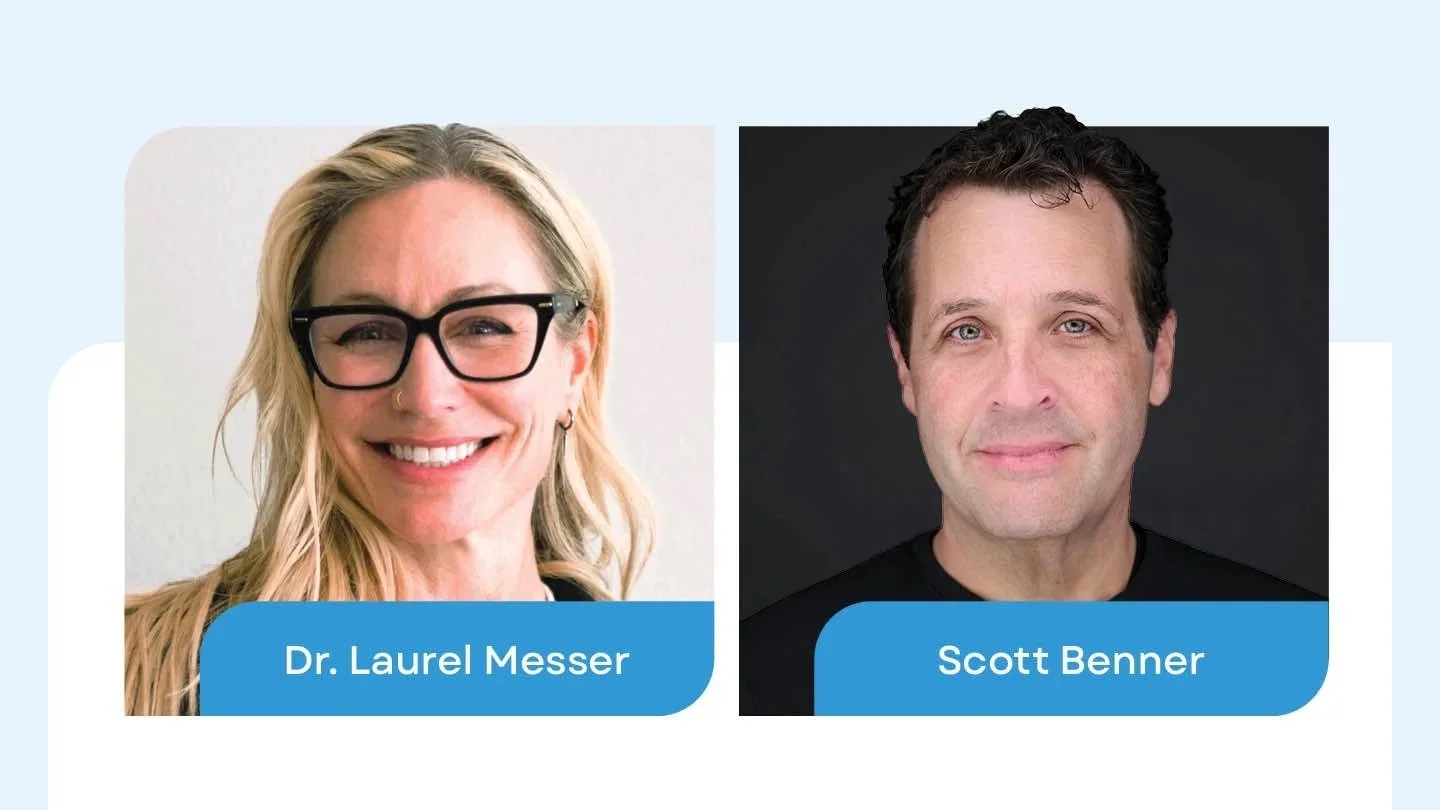
#1826 Re-thinking Control IQ Plus Technology
Optimization of Control IQ technology , emphasizing correction factors as primary levers and the importance of fresh setting calculations when switching between insulin pumps.
Key Takeaways
- The Power of the Correction Factor: In Tandem's Control IQ system, the correction factor is the most critical setting to optimize. Strengthening this factor makes every five-minute automated delivery and the hourly auto-boluses more aggressive, leading to better time-in-range.
- Avoid Legacy Settings: When switching between different pump systems (e.g., Medtronic to Tandem or Omnipod), do not simply transfer your old settings. Recalculate fresh settings based on current total daily insulin needs to give the new algorithm the best chance of success.
- Settings Drive Success: Research indicates that stronger, more "tight" settings generally lead to improved outcomes. Users should prioritize accurate correction factors over minor tweaks to basal rates or carb ratios.
- Autonomy Predicts Success: Success with type 1 diabetes is strongly linked to a user's genuine interest in their health and their willingness/autonomy to adjust their own pump settings as their needs evolve over time.
- Simplification is Art: Effective diabetes management doesn't require complex 13-page papers; it often boils down to simple strategies like accurate pre-bolusing, understanding food impacts, and using features like "Sleep Activity" mode to target tighter ranges.
Resources Mentioned
- Tandem Mobi & Control IQ: tandemdiabetes.com/juicebox
- Dexcom G7: dexcom.com/juicebox
- Cozy Earth (Code: JUICEBOX): cozyearth.com
- Juicebox Podcast Website: juiceboxpodcast.com
- Wrong Way Recording: wrongwayrecording.com
Introduction and Dr. Laurel Messer's Background
Scott Benner Friends, we're all back together for the next episode of the Juice Box podcast. Welcome.
Laurel Messer Hi, everyone. I am doctor Laurel Messer. I'm vice president of medical affairs at Tandem Diabetes. But even more importantly, I am a fierce advocate for people living with diabetes. I have worked in diabetes technology for over twenty years, and I'm so thrilled to be on this podcast today with Scott.
Scott Benner If this is your first time listening to the Juice Box podcast and you'd like to hear more, download Apple Podcasts or Spotify, really any audio app at all. Look for the Juice Box podcast and follow or subscribe. We put out new content every day that you'll enjoy. Wanna learn more about your diabetes management? Go to juiceboxpodcast.com up in the menu and look for bold beginnings, the diabetes pro tip series, and much more.
Scott Benner This podcast is full of collections and series of information that will help you to live better with insulin. While you're listening, please remember that nothing you hear on the Juice Box podcast should be considered advice, medical or otherwise. Always consult a physician before making any changes to your health care plan or becoming bold with insulin.
Scott Benner This episode is sponsored by Cozy Earth. You can use my offer code juice box at checkout to save 20% off of your entire order at cozyearth.com. Everything from the joggers that I'm actually wearing right now to the sheets I sleep on, the towels I use to dry myself with, and whatever else is available at cozyearth.com. Just use the offer code juice box at checkout.
Scott Benner Today's episode is also sponsored by the Tandem Mobi system, which is powered by Tandem's newest algorithm, Control IQ Plus technology. Tandem Mobi has a predictive algorithm that helps prevent highs and lows and is now available for ages two and up. Learn more and get started today at tandemdiabetes.com/juicebox.
Scott Benner The podcast is also sponsored today by the Dexcom g seven, the same CGM that my daughter wears. Check it out now at dexcom.com/juicebox.
Laurel Messer Hi, everyone. I am doctor Laurel Messer. I'm vice president of medical affairs at Tandem Diabetes. But even more importantly, I am a fierce advocate for people living with diabetes. I have worked in diabetes technology for over twenty years, and I'm so thrilled to be on this podcast today with Scott.
Scott Benner Thank you so much. I have to tell you, you know, I shared this with you before we started, but I just saw something you posted on LinkedIn. I found it interesting, and I reached out to somebody I know at Tandem. And I was like, can I get Laurel on the podcast? And they were like, let's find out. So here you are.
Laurel Messer Absolutely. And that answer is always yes, by the way. Because if I get a chance to talk about my work and why I'm doing it and talking to the people that I do it for, it is always a red letter day. So this be assured, this is the highlight of my day today.
Scott Benner Oh, well, thank you. I will say the same in return. Although, I did feed my chameleon today and it was exhilarating watching him shoot his tongue across and pick up that bug. This is definitely beating that. So tell me, how did you get into this work? Like, what did you I actually, I'll ask a a slightly farther back question. Coming out of high school, going into college, what did you think you were gonna do? What direction had you taken then? And where did how did you get to this point?
The Journey from Broadway Aspirations to Nursing
Laurel Messer Sure. So number one career aspiration was to be on Broadway. I wanted to be in the musical Cats. But it turns out you need to be able to sing, and you need to be able to dance and act, and I can't do any of those. So restricting. My my, like, first high school dream was crushed.
Scott Benner Okay.
Laurel Messer And so I ended up going into, research. I wanted to do, like, genetic counseling or something like that. And I ended up in a lab where I was working with mice and then with cell cultures and then eventually with humans. Yeah. And I looked around and I realized that nurses were doing the majority of the work with people living with chronic conditions. I realized that nursing like, nurses are who meet you where you're at when you're in active crisis. So I went back to school. I have, like, four degrees, but I went back to school for nursing. And the first job I got out of nursing school as my second degree was with a famous pediatric endocrinologist named doctor Peter Chase who hired me over the phone. I have no idea why he was so bold to do that. And he said, I need you to come and run my diabetes technology trials. And I'm like, well, I mean, I know about diabetes, but I don't know what you mean by technology. And so I show up on day one, and we're talking about CGMs that were blinded and had cords attached to them and had plastic shower bags. And I just immersed myself in this to this diabetes technology world. And I'm thinking, it's not Broadway, but it's deeply meaningful. And I I like, on day one, I see how technology can change the lives of people living with diabetes. So I have no regrets, but if Broadway ever called, we would have some competition.
Scott Benner Is Kat's even running? It's not running anymore.
Laurel Messer I don't know, Scott, but it's really important that it stays in our collective, consciousness forever.
Scott Benner I think it's important right now for you to commit to, at the end of this episode, just singing a a stanza from your favorite cat song for us.
Laurel Messer Yes. I will 100% not do that, but thank you.
Scott Benner Well, if you tell the people you're going to it, they might listen till the end.
Laurel Messer Okay. Well, I mean, I'll yeah. I'm a little caught off guard. I'll have to see where we go with this.
Scott Benner My god. Well, okay. So you get this job, and you get brought into the world. Yeah. And I guess what captures you about it? Like, is it is it the helping? Is it the new frontier kind of feeling? Like, what what got your imagination going?
The Human Element of Diabetes Technology
Laurel Messer Yeah. You know what it is? I think it's so diabetes is so front and center all the time. It's not something you take a pill for once a day. It becomes such an intimate part of lived experience. And so, you know, I had these families. So I work primarily in pediatrics. And I have these families who are drawing me into, like, the daily intimate details of their life managing diabetes from onset, from a year in, from five years in, watching children develop through adolescence and and having to figure out how to navigate this on top of all the other social pressures. So it was very quickly addicting human to human. Like, I feel so honored to be brought into someone's intimate journey of their life living with diabetes. And so if we wanna spend our day, you know, feeling like you make a difference, it's journeying with someone who's doing hard things. And people with diabetes do hard things all day every day. So, I mean, it was so quickly part of I want to help people on that journey even though I don't live with it myself.
Scott Benner Are you a caregiver at heart, do you find?
Laurel Messer No. No. No. I think about when my children were small. I'm like, oh, can you please just grow up?
Scott Benner Why do you like strangers better than your own children, Lara?
Laurel Messer Oh my goodness. It's a complicated question. I love my children. But just the like I said, it's just this human privilege to to come along on a journey. I can't always fix. I can't always caretake, but I can be witness, and I can listen, and I can learn something about people's experience beyond my own.
Scott Benner I wish you were just a regular interview because I would dig into your childhood and figure this out, but I don't have the kind of time to...
Laurel Messer And I have a therapist. It's it's really fine.
Scott Benner Have they explained it to you?
Laurel Messer I'm an empath. I mean, yes. I'm an empath. Okay. Hands down.
Scott Benner Well, I'm glad you are. It's a put you you know, life puts you in a good position. So you moved through that. And I guess, like, give me, like, kind of the quick step to how you get to your current, like, job and and and what led to what you wrote.
Laurel Messer Yeah. So, you know, I was a nurse by training at this point. I had an advanced master's in public health, but I wasn't the doctor. I wasn't the study investigator. And as we go, you know, progress through decades of research on CGM, and now there's smart pumps. And now the two are talking to each other, and now we're automating insulin delivery. I realized we were asking all the great clinical physiological questions, but we weren't asking the questions I was interested in, which was like, how does this impact the person with diabetes? What do they feel like when this system when they're wearing this system? How how is their lived experience impacted? So I I gravitated heavily toward more of these, like, quality of life questions. Finally, one of my career mentors just said, look. If you wanna ask those questions, you need to go get your PhD so that you are the scientist asking the questions. So I did. I went and got my PhD in nursing, and my entire dissertation work was spent researching the lived experience of adolescents using CGM. What makes them use it? What makes them not use it? What are some of the characteristics of what makes someone successful using it? And it's so funny because I probably paid $50,000 for that degree, and I'll tell you the secret of my dissertation. Turns out, if people find a technology to be useful, they will use it. If they find it to not be useful or too hard to use, they won't use it. There is my doctoral...
Research and Real-World Value
Scott Benner You're making me laugh because I know by now people who really listen are probably sick of me saying this, but there's a a really well considered person in this space and a person who I have a lot of respect for who, you know, made an announcement a couple years ago that they've been researching I think they said they've been researching something for ten years. They have big news about CGMs. And then they and they you know, it's like, you know, drum roll, please. And turns out if you set your high alarm at a number, you, stay under that number. And I said, yeah. I figured that out, like, six months into using a CGM. I was like, you you had to do a study afterwards just to get the rest of that together, did you? And I appreciate that part of life, but it just you what you just said is, like, you know, that makes everyone you know, we all are, like, online sometimes and see something, and it's like science says, and we're all like, yeah. Yeah. Yeah. We we all knew that. Thanks.
Laurel Messer We've been telling you that for years.
Scott Benner Smiling makes people around you comfortable. Oh, thank god. Yeah. Yep. So But So they use CGMs because they find them valuable. Yes. But why do they let's cut you a break. I'm sure you learn more than that. What is it they find value valuable about them?
Laurel Messer Yeah. I think they it's the peace of mind piece. It's the feeling like something is has their back. Mhmm. I think I I I wrote an analysis once that was called, like, best friend or spy, you know, like deep perspectives on CGM. Because it can also be used very much in adolescence as a tool, not for punishment, but for for adolescents feeling spied on by their parents. But the the places where it really impacts users are when they feel like, you know, they don't have to think about their diabetes all the time because something else is helping them. Yeah. And, really, that that helping piece of automated insulin delivery or CGM or insulin pumps, all of these technologies, they're useful when it works for the person. When they have to spend all their time troubleshooting it and, you know, it it not meeting standards, that's really when you run into this this diabetes burden, this burnout piece of things.
Scott Benner So the phrase, the juice needs to be worth the squeeze is basically what we're talking about here.
Laurel Messer Well, I think that's exactly right on the Juice Box podcast.
Scott Benner I was actually Absolutely. know, it's funny you would think that's why I said it, but it's actually because of this, guy that whose son used to play baseball, with with my son. And sometimes he would just in this very, like, Brooklyn accent go, help. The juice ain't doing very which just ain't worth the squeeze here. And I was like, no. I know. I've never heard that before until you said it to me. But no kidding. You know, I listen. I talk to a lot of people with diabetes, and and I, you know, I just said to somebody from a from a pump company today, no one wants a thing stuck to them. Yeah. Like, right? So you have to give them compelling reasons why they'd put up with that.
Laurel Messer Yeah. And I had, Scott, can I just tell you? Had a 14 year old say to me. I said, this is but this was back when I was in practice. I'm like, this is one of the best things that have ever come, you know, available to people with diabetes. He said, I don't care if it's the best if it sucks.
Scott Benner Yeah.
Laurel Messer And I'm like, well, that's that's very apropos. If you hate it, it doesn't matter how good it is.
Scott Benner It needs to work the way you tell me it's gonna work. Yeah. But, I mean, that really is it. Like, you set an expectation. Yeah. That's right. You just need to meet that. And, really, life's pretty much like this. You just you set an expectation you need to meet it. And once in a while, we can all be accepting of things once in a while not working out. The damnedest thing around, like, this kind of technology is that you're taking an inert object and sticking it into a real life person whose physiology is different from the next person. I think it's amazing how well they work on mass. And yet, if you're one of the people it doesn't work well for, it shuts off on the sixth day or it gives and you that that could literally be just as frustrating and maybe even more so than the unknown that you were experiencing before you put it on.
Moving to Tandem and Product Design
Laurel Messer Yeah. I appreciate that. And kind of getting to your other question of how did I end up where I am, I left academia because I had an opportunity at Tandem. One of the things that compelled me was what you just said. Like, I spend part of I I do a lot of different jobs within Tandem. But one of the things I do is I spend time in our product pipeline, and I say, okay. If you make that product decision, here is how it is going to impact the person on the other end. This is how the lived experience with a person with diabetes is going to change because of that decision you made. And usually, it's for really, really good decisions, but other times, it's like they didn't quite have that perspective of how for many people, certain product decisions are not going to be ideal. And so I think bringing that perspective, again, that people with diabetes have taught me, if I can bring those into early product development, that's how we get to products that really are life changing and we can set appropriate expectations for and then deliver on them.
Scott Benner It's valuable too not to believe, like, from a marketing or a business perspective that you're gonna make something that everyone's gonna like. Yeah. You know what I mean? Like, I I'll tell you. I think the Moby's a great example, and I'm happy to be candid. Like, I have met people who have told me the Moby is the greatest pump they've ever used. They're incredibly happy with it. They couldn't possibly be more happy. And I've met people who said, oh, I saw it. It looked a little big to me, so I skipped it. How are you supposed to take those two people and then make them a thing that they both, like, are gonna go like, oh, that's perfect. Yeah. The way technology sits right now today, I don't think you can make things small enough for everybody to like because I think that has something to do with it. There's form factor, the way you have to carry it. You know, there's a lot to it. I guess my question would be using continuing to use Moby as an example. Like, how does it end up looking like it looks? Like, how does anything end up being what it is at the end? Like, it's you start with an idea. Right? Like Yeah. Is it about just, like, well, we gotta put liquid into it. It's gotta have, like, electron is that is that kinda how it goes? And and how do you how do you help with that?
Sponsorships: Tandem, Dexcom, Cozy Earth
Scott Benner This episode is sponsored by Tandem Diabetes Care. And today, I'm gonna tell you about Tandem's newest pumping algorithm. The Tandem Mobi system with Control IQ Plus technology features auto bolus, which can cover missed meal boluses and help prevent hyperglycemia. It has a dedicated sleep activity setting and is controlled from your personal iPhone. Tandem will help you to check your benefits today through my link, tandemdiabetes.com/juicebox. This is going to help you to get started with Tandem's smallest pump yet that's powered by its best algorithm ever. Control IQ Plus technology helps to keep blood sugars in range by predicting glucose levels thirty minutes ahead, and it adjusts insulin accordingly. You can wear the Tandem Mobi in a number of ways. Wear it on body with a patch like adhesive sleeve that is sold separately, clip it discreetly to your clothing, or slip it into your pocket. Head now to my link, tandemdiabetes.com/juicebox, to check out your benefits and get started today.
Scott Benner The Dexcom g seven is sponsoring this episode of the juice box podcast, and it features a lightning fast thirty minute warm up time. That's right. From the time you put on the Dexcom g seven till the time you're getting readings, thirty minutes. That's pretty great. It also has a twelve hour grace period, so you can swap your sensor when it's convenient for you. All that on top of it being small, accurate, incredibly wearable, and light. These things, in my opinion, make the Dexcom g seven a no brainer. The Dexcom g seven comes with way more than just this. Up to 10 people can follow you. You can use it with type one, type two, or gestational diabetes. It's covered by all sorts of insurances. And, this might be the best part. It might be the best part. Alerts and alarms that are customizable so that you can be alerted at the levels that make sense to you. Dexcom.com/juicebox. Links in the show notes. Links at juiceboxpodcast.com to Dexcom and all of the sponsors. When you use my links, you're supporting the production of the podcast and helping to keep it free and plentiful.
Mobi Design and Customer Input
Laurel Messer Yeah. Well, you know, that's an interesting one. The form factor piece of things, this all happened before I came to Tandem. So I've been at Tandem three years. The Tandem Mobi had already been in development for a long period of time. But, you know, it's one of those things with every product both at Tandem and outside of Tandem. I'm like, oh, well, I have an opinion on that. Sure. There's there's always a lot of good reason things look the way they do, they design the way they are. And, you know, for Tandem Moby, that's been in development a really long time. One thing I asked about when I got to Tandem, I said, why do you have to see the the vial? It makes it look like a medical device. And what they said was when they were, talking to people with diabetes, they said it was really important to them to want to see the cartridge itself. So they intentionally you know, if you look at a tandem Mobi, you can see the, the insulin cartridge, and that was because people with diabetes had spoken into the design saying, we do want to see that. You know? And you can cover it up. You can bedazzle it. People do incredible things to their Moby. I do think, you know, asking people with diabetes is one of the most, like, important sources of information for when you're making product design decisions.
Scott Benner I agree. I'm glad to know people are doing that too. I I have the same feeling when I do ever jump on a website and start using it and think, did the guy who designed this ever try to use it? Yeah. Yeah. Like Yeah. Like, I know it works, but Yeah. Geez, this could have been done 10 better ways, I feel like. You you know? Well, that's really that's interesting. So okay. Yeah. So now I'm gonna just fast forward a little bit. I feel like I know who you are, and I feel like I know what kinda got you here, which is great. But I wanna leave the rest of the time, you know, for the for the paper that I saw. Rethinking Control IQ plus technology, simple strategies for easy optimization. Like, what what gets you to think about that? I mean, you didn't do it yourself. There's a lot of people's names on this paper.
Scott Benner So friends, I just placed my order at cozyearth.com. They're today's sponsor, and I'm here to tell you about them. Use my offer code juice box at checkout when you buy, and you'll save 20% off of your entire order. That's everything in your cart at cozyearth.com. Save 20% with the offer code juice box. Now why am I excited? Well, I just ordered the cozy earth blanket. It's the viscose bamboo blanket. I'm super excited about it. It looks comfy as can be, and it's gonna go so well with the sheets that we already have from Cozy Earth. Now, yeah, I'm a bit of a a Cozy Earth convert, I guess. I'm sitting here in my joggers. I used my towels coming out of the shower this morning. I slept on my sheets last night. Slept like a baby, by the way. Cozyearth.com. They pretty much have everything you want. Use the offer code juice box to save 20% at checkout on skin care, women's and men's clothing, bath and sleeping accessories. And don't forget, Valentine's Day is coming up quickly. Get those pajamas. Cozyearth.com. Use the offer code Juice Box at checkout to save 20 off of your entire order.
Rethinking Control IQ Optimization
Laurel Messer Yeah. I have, like, world class HCPs on this paper from all over the world, but this was probably a brainchild of mine from the last few years. So remember, back when I was at Barbara Davis Center working in pediatric diabetes, I founded a program called the Panther program. And the majority of our time was spent helping HCPs and people living with diabetes understand the differences between devices. So I was very much in the weeds of how every single device works. I still am in the weeds of that, honestly. But trying to simplify this so that people understand the technology they're working with. And then when I came to Tandem, I realized being on the inside, even I had some misconceptions for how Tandem worked even though, honestly, I'd been using it for years before it was even publicly available. I was using it in clinical trials. Mhmm. And I realized that after a product has been out for, you know, five plus years now for Control IQ, there's still a lot of misconceptions about what it is, how to use it, and, much of that was because we've learned it in the last five years. And so I wanted to take an opportunity. It's I'll be honest. It's a long paper, and there's a lot of sections, but I think of it as, like, a primer. So if you just need to know the basics, read the basics part. If you are a person with type two diabetes or a doctor who works with specialty, like, new onset pediatric patients, there's a section for you too. This is not a paper I expect people to read front to back. I want them to take the section that is most meaningful to them and then use it in their practice. Okay. But if I had to give, like, a one liner about what this paper is about is that Control IQ can be used much more simply than I think it's it's typically talked about out in the world.
Scott Benner Well, how do you think people are using it that's more difficult, and what could they change?
Laurel Messer So when we when we teach people about Control IQ, we're like, oh, you can change basal rates. You can change carb ratios. You can change correction factor. And that's fine, but it doesn't give a person very much guidance about how to do that well. And so one of the, first things I did when I came to Tandem three years ago was did an analysis to say, look. What settings are associated with better outcomes? Scott, I really like on your website, you have this, like, setting simulator where people can kinda play around with what doses should I be using because I kinda did the same thing with Control IQ users. And what I found was this is, again, like, doctoral level research that's boiled down to a very simple fact. Stronger settings lead to more time and range. Uh-huh. But what was unique about Control IQ, and this is a big message in the paper and what I wanna get out to everyone out there, is because it works a little bit differently than other systems, you're gonna have to remember correction factor as the most important lever to pull. And I can confidently say that's not true of any other system, which is why I want to make sure that people know that. When they give when they set themselves a really strong correction factor, what they're doing is they're changing every aspect of Control IQ plus automation. So that every five minute insulin delivery is impacted to be more dynamic. The auto boluses that the system gives on top of that once an hour, they are made more aggressive. And then if the user is bolusing and they give a correction dose, that is made more aggressive as well. So one of the key points of simplification is don't worry about all the settings, and don't worry about tweaking it every hour or two hours. Just make sure your correction factor is super tight, and you're gonna see an improvement in time and range. And the data indicate it does not seem to be a large trigger of hypoglycemia in the same way that some other settings could cause hypoglycemia.
Simplifying Diabetes for Mass Impact
Scott Benner I don't know how well you know the podcast, but this is my twelfth year making it. I am up to I'm over 1,800 episodes. I'm telling you all that so that you know that prior to that, I wrote a blog about diabetes too. So February, I started writing the blog. February, I started making the podcast. And I can tell you right now that by the time I got 200 episodes into the podcast, it's when I made the pro tip series because I said to myself, there are things, and I know if I do them, my daughter's a one c stays in the low sixes, the high fives. Right? And they're not incredibly difficult things. And Yeah. You keep talking about, like, there's this this you know, there's a paper. Here it is boiled down. I kept thinking the same thing. Like, I could hand somebody your paper. I don't know what's gonna like, they're gonna go, okay. And I felt the same way about, like, you know, like, about what I was doing. And I and I kept thinking, like, I need to somehow, like, distill diabetes down into t shirt slogans. Yeah. And then teach people, like, you know, here's the slogans. Here's when you might notice them being important. I I have to tell you, like, I I hope this doesn't come off as pompous. I certainly don't mean it that way. I believe I've impact tens of thousands, if not hundreds of thousands of people's lives with diabetes by telling them that if your blood sugar's too high, you probably need more insulin. And if your blood sugar's too low, you might have used too much insulin.
Laurel Messer Do you have a doctorate? That sounds like doctoral level research.
Scott Benner Well, yeah. Yeah. Again, like, you might think I took ten years and $50,000 in a in a in a room full of people to figure this out. And then in the end, what I learned was it's all timing and amount. Yeah. Like, everything about diabetes is using the right amount of insulin at the right time. It doesn't I don't care if you're MDI. I don't care if you're on a static pump, and I don't care if you're on an algorithm. Like, if your settings are wrong going in, you're gonna get junk back out again. And you have to understand the impacts of your food so that you can meet it with insulin, and that's really the whole thing. Yeah. How do you get that thought into someone's head? I used the podcast. Like, right. I I have to tell you, like, we've only been talking for twenty one minutes. I've already tasked my Gemini to take your paper and turn it into a tool to an interactive tool to help people.
Laurel Messer Amazing.
Scott Benner I'm not gonna do that because that's your thing, but you should do that. You see what I'm saying? Like, you Absolutely. Like, because I'm looking at your paper. You're 14 keystrokes away from somebody logging onto a web page and talking to your paper. Yeah. And I just think that's that's what you need. Like, you need you need this stuff to be available for people and meet them. I hate saying meet them where they are because it really feels like you're being pejorative to people. But, like, people have impacts of life, of health, of time, of finance, of all these different things, and they do not I used to think it was because they didn't care enough to do the work for themselves, but now I after doing this for so long, what I believe is is that just life is hard. And and somebody just needs to tell me my blood sugar's high here, like, why? Mhmm. And that's it. Like, you know, it's because you don't know about the fat impact from the cheeseburger and fries you just had. Yeah. Here's a way to cover that. And and there. Now go go, you know, go forth and do your best. So do you have any plans for this information? Like, what are you gonna do with it? Because now you did it. It's here.
Bridging the Gap Between HCPs and Patients
Laurel Messer Yeah. I know. Now that I got the the paper published, we're kind of thinking about ways to make this practical, digestible, available for people. Your, you know, your pro tips idea is excellent. It reminds me reminds me of Van Gogh. He says great the great artist is the simplifier. And we don't need a 13 page paper to talk about simple Control IQ use. We need the top three tips, which are going to help people, you know, both in the moment, but also as they're making settings adjustments. So I'm thinking of how to distill this down and boil it into something tangible and useful, both for HCPs who honestly have a really hard time differentiating between systems, but also for people with diabetes and people using Control IQ Plus.
Scott Benner And you know why that's so necessary? Do have any idea how many people tell me that they go to a doctor's office and they say, hey. I wanna get an Omnipod. And the doctor goes, we don't support Omnipod here. We support Tandem. Or, hey. I wanna get a Tandem. They go, oh, we don't support Tandem here. We support Medtronic or vice versa all over the place. Yeah. And I used to think, like, how long would it take? You know, then you you push the doctor. What do you mean? Well, I don't have any experience with the Medtronic pump, so I don't know how to talk to you about it. Mhmm. Do you have a Saturday afternoon in the Internet? Couldn't you go teach yourself that? Like, is that and then I learned that that might be too big of an ask. You know?
Laurel Messer Yeah. I mean, the the time and capacity of HCPs is limited, But we we also know that's a problem, though, because, you know, historically, people have, you know, seen HCPs as gatekeepers. They say, oh, you're not a good candidate for blank, for an insulin pump, a CGM, an AID system. And what's cool is that from all across the industry, every major manufacturer, more and more data come out that show, like, most people can use these technologies safely and effectively. And I think many of our, you know, I'll be honest. Early in practice, I would I would say, oh, I'm concerned. I don't know if we should put that patient on a pump. They might go into DKA. And I think when we got AI when we got automated insulin delivery, that note probably should have been revised. But even in my own narratives, I'm thinking there's no longer this thought of who's a candidate. It's everyone is a candidate. It's finding the piece that's going to to work the best for them. Yeah. But, yes, it is it is a hard, hard challenge to solve all the things HCPs need to know. So if we can give them, you know, the bullet points, it's gonna equip them to do their job better.
Scott Benner So scary to think that we used to work on a model where if you said something to a doctor, that's what people got told for twenty years afterwards.
Laurel Messer Yeah. I mean, yeah, that's true. Do you know how hard it was to, like, to break people of, like, I don't know, 15 carbs, fifteen minutes as an example? Many still don't know that that's not great advice. Yeah. So if anyone listening still is giving 15 carbs and retesting at 15, go ahead and reduce that number, especially if you're on an automated insulin delivery.
Educating on Pre-Bolusing and Expectations
Scott Benner Listen to my podcast. I'll explain it to you in eight seconds. Also, you know, as much as people like this podcast, in the end, I think that I've won over most of them by telling them how to pre bolus their meals, which should not be a thing. No one should leave their endocrinologist's office thinking that pushing the button and starting to chew happen at the same time. That's insane. How do you either educate physicians so that they go out into the world and spread better information? Or how do you find people who are already out in the world or past that that sticking point and are out there fighting with this this all these technologies. Like, I know you work for Tandem, but, like, listen. Between you and me, they all work pretty well. It ends up being settings and timing and your understanding of food, and there really isn't much more to it than that. Yeah. And so, like, do some of them work better for some people? Yes. Or some of them are more aggressive or some of them are, you know, less input. Like, I mean, can't tell you how many people came up to me recently to show me their eyelet pump at this event I did. And, like, know, like, has and by the way, that was an interesting thing there. Like, I met a few people who were like, I don't really wanna be involved in this. Yeah. Like and you you're not gonna talk them into being more involved in it. They've decided that this is their level of, you know, of of touch points they wanna have, and they're comfortable with it. Like so, I mean, I'm looking I I know this is it probably sounds insane, but I already have a pretty nice model for your your embeddable tool online. It's got a it's got a type one and type two side. It's got a physician side and a patient side. It's got a nice little thing here where you can change your daily dose to see how to set up the the this is what you need. Perfect. I'm seriously I'll tell you what. The world changed about three months ago. Like, I I I'm talking to you and coding this at the same time. If I showed you what I just did when we got done, I'm gonna tell you right now, you could do it yourself. And then let Tandem put some money behind it. Yeah. Let them get off their butts and do something. I'm calling them out right now.
Laurel Messer Yeah. Now I want everybody to do stuff like this. Yeah. No. I think anyway so I love the idea of coding a tool, Scott. I love the idea of making this more tangibly available. And I think the timing piece is really important. Some people need this information upfront. Some people need it when they realize their settings aren't working anymore. Mhmm. Some people need some guidance even in the moment. You know, it's interesting. You're talking about bolus timing. I'm talking about food for insulin. One of the really cool things I'm always thinking about the user who does struggle to maintain adherence to ideal bolusing habits, etcetera. We had such great data in our type two study with Control IQ plus where people were you know, they were doing some simplistic variances of bolus thing, like small, medium, large meals, thirty, sixty, 90 carbs, where they're not, you know, precisely calculating and weighing, etcetera. And they did just as well as the people who were precise carb counting. Who did just as well as the people who were just putting in some fixed units. And I think when I see these things, I get excited about opportunities to reduce some of the cognitive burden. It doesn't go away entirely, but there are strategies to help. You know, like the term meeting people where they're at? I kinda love it because if we can't get them if they're not able to change what they're currently doing, we can give them strategies that will work for them. And that really excites me as an educator.
The Future of Closed-Loop Algorithms
Scott Benner Yeah. First of all, thank you for looking around my website. I appreciate that very much. Yeah. I I I keep I keep saying, like, this far are we off from this kind of stuff being right in the pump? Like Oh, sure. Like, we we gotta be closer to that. Right? Like, we're like, isn't the pump gonna be able to think a little more, or can you just plug it into something that thinks for it and then downloads, like, adjustments to it? I mean, it's Yeah. At this point now and, Laurel, I don't wanna mix the message here. Okay? Because but I've seen people online drop their Dexcom graph into a chatbot and say, hey. With no other like, not not this is my sensitivity. This is my nothing. Just like, do you see what's going wrong here? And it's oddly right about what they did wrong. Yeah. And you know what I mean? And then suddenly, you give them you give it access to, your insulin sensitivity, your carb ratio, stuff like that, and it it's all I keep trying to I'm sorry. I feel like I'm all over the place, but I've been trying to tell people forever. These pumps, they're magical, but they're working off of a few really basic mathematical principles. They're not that complicated on the inside. And, you know what I mean? Like, I just feel like I'm not saying you have to make them more complicated, but I hate that people go out into the world. They get it set up by somebody. I think what's happening is I'm not speaking for you. Is that the doctor that was told 15 carbs fifteen minutes is now in charge of putting you on a pump. Mhmm. And they've been over baseling people for fifteen years because people don't bolus correctly for their food. And then they get worried that that like, you just said earlier, like, the machine will make you low. Like, we're afraid. Like, people have to be super smart to use these things. I also don't find that to be true. Yeah. They set you up with bad settings, set you on your way. You have a slightly better outcome than you had before. They call it a win, and they never talk about it again.
Laurel Messer Yeah. Yeah. I mean, you're you're describing classic therapeutic inertia. You know? It's like, it's good enough. It's not perfect, but, you know, we we did something here. And I do think you're right that there's ways to automate that. But, Scott, I think you actually I think we all wanna think even bigger than that. We should be getting to the place where you have a system that does not require you to be tweaking basal rates and carb ratios and targets. Well, yeah. You Go ahead. do that. Yeah. I mean so and that's really that's, you know, the future of fully closed loop. This is something you know, JDRF back in the day and Aaron Kowalski set this vision for having this eventually a fully closed loop with one or two hormones. I don't know. But I think we are closer than we've ever been. So I'm kind of the way I see this in my brain is I think Control IQ plus is one of the best algorithms out there. I can give you tips about how to make it better. But in five years, I don't wanna give you a single tip on our system. I want an algorithm that is continually adapting to do it itself. Yeah. And so this is a paper I don't wanna write again in five years.
Comparing Automation to "Vibe" Management
Scott Benner No. This is the Yeah. We want we want someone to open up a a app on their phone, and the app has one button. Says, let's go on it. And that's it. Yeah. If what algorithms are doing now is working so well, and I really think it is. I think it's working incredibly incredibly well. Like, going back to you know, going back all those years ago when somebody came on the podcast and said, Scott, why don't you put your daughter on loop? And I was like, what? What is that? And and I tried it, and then I was like, oh, that thing is doing all the stuff I've been doing. Like, you know, temp Basil here, reduce this, up that, put some in, take some out. Like, I was doing that forever. Like, I also wasn't sleeping, and I was going out of my mind. But that's Anyone can be a pancreas if they have a you know, don't have a full time job or anything sleep. Yeah. I yeah. It's really not that hard. Sleep. Not that complicated. I I tell people all the time that through the Night Scout app, I get to watch the loop work. Yeah. And then it it almost reinforced me. I thought, oh, I was right. Like, I actually felt like that. Was like, oh, god. It's doing what I was doing. Yeah. And then, you know, obviously, you know, everybody's got an algorithm working for him at this point. And my gosh. Like, it's still not doing anything all that complicated. All I keep thinking is is what if you just had a little bot in that app that was just constantly assessing and turning those same knobs again, like, on a, like, on a micro level of what it's doing now? And I I mean, there's gotta be a point where if you collect enough data, then you can make parameters that will work for most people and that and that's gotta be it. Right? Isn't that the I I don't know anything. By the way, I barely got through high school, but isn't this I'm right. Right?
Laurel Messer Yeah. Absolutely. Okay. I think that so this is what I you know, I'm learning on the inside being at a company. You can invest dollars and time and development into that type of, you know, engine that helps recommend settings, or you can work on the next algorithm that's going to automate it entirely. Mhmm. And so I I think sort of the way we're thinking about it at Tandem is we are putting all our resources into future algorithmic development that's going to be fully closed loop. And as a second effort, I'm gonna tell you in five bullet points, you probably need a stronger, correction factor. That's something you have to remember as a correct, Control IQ user. I'm telling you that if you're bolus ing regularly, turn on sleep activity all the time, and you're gonna see a tightening of that target. So, like, I think there's ways to give people some practical information and put your development resources into the future of automation, which is gonna be fully closed loop.
Utilizing AI to Decode Experience
Scott Benner Do you know how I made that bolus estimator? No. I took all the episodes of the podcast that deal with management. And I just fed it to an AI, and I said I need you to pull out all the important things about this because that this is what I wanna do with it afterwards.
Laurel Messer That's amazing.
Scott Benner And that was it. I don't know the first thing about coding. I don't know. I'm not a doctor. I see you're certain no one listening should listen to me. Nothing here in the Juice Box podcast should be considered advice medical or otherwise. I'm an idiot. Like, be be clear about that. Okay? I had these ideas in my head. When I did them for my daughter, her a one c stayed in the high fives to low sixes. I recorded my thoughts. I did it with a CDE who gave me, like, her perspective while we were talking back and forth. And over a decade, I hear back from genuinely countless people who have been able to listen to something we said out loud without any techno without any it's not written down anywhere. There's no charts. There's no graphs. It was a vibe. Right? Like, here's the vibe of how I do it. Here's the vibe of how I think about it. Like, oh, you know, are you having trouble bolusing for something because you're afraid you're gonna get low? You should trust that what you know is gonna happen is gonna happen. Like, literally, with that kind of, like I teach. First of all, I don't teach anybody anything. I share how I do my thing. But the way I talk about it is just the way my brain works around it. And then I kept thinking, it's all there. It's in the podcast. But it can't be pulled out because it's not numbers and graphs and letters. Right? Like, it's it's vibe. And I thought, well, I guess it's stuck there forever, it will only ever help the people who are listening to it, who jive with it, who can pull out the meaning and apply it for themselves. Right up until AA got so good about a year ago. And then I thought, oh, no. I can pull it all out of there. And so then I pulled it out. I did, I just did a deep research dive on my own content. I taught the LL about the content itself. Then I had to go out to the Internet and fact check and QC it till the cows came home. And then I brought it back, and I said, these are the rules about how to take good care of yourself with diabetes. What if we if I built an estimator to teach it to other people, what would they need to know? And it's like, well, it needs to know this and this and this and this and and this, and then you put these numbers in here, and we have to take the Warsaw method into account, blah blah blah. And here's the answer. And six weeks ago, I sat down I'm now doing these episodes called bolus four, where we just sit down and walk through how to bolus for an item.
Scott Benner Oh, wow. And people find it really valuable. It just it kind of, you know, contextualizes it and and makes it more colloquial and everything. But we did one recently where I took this concoction. Found online this this recipe. And the girl I do it with, Jenny, she's a CD, CES. She's got type one diabetes for, like, thirty seven years now, Jenny does, and she's a nutritionist. And I just said all I did was gave her the link to the recipe. And I was like, I want you to use, this carb ratio and this sensitivity factor and tell me how to bolus for this. And we did it together back and forth. And while she was doing it on paper and in her head, I was doing it with the estimator, and it came up with the exact same bolus. Wow. It was really awesome.
Recalculating Fresh and Fighting therapeutic Inertia
Laurel Messer That's incredible. Yeah. What a great use of technology.
Scott Benner Yeah. Well, listen. What am I I it seems so complicated, but it's not. Right. There are so many people running around who I mean, listen. Every one of these pump companies is getting calls all day long. The thing don't work. It don't work. You told me it was gonna work. I didn't doing the right thing. And I'm like, these poor people, it's set up wrong. They're putting their insulin at the wrong time. They misunderstand their the impacts of the glycemic index of the food, whatever. Like, it's Yeah. It's not difficult stuff.
Laurel Messer So You know what's interesting? That really brings to light one of the things we're struggling with is it's very common, especially when people are going from one system to another system, they're often just transferring their settings. So, you know, you go from a Medtronic pump to a Control IQ. Mhmm. You just pop in the same settings that you had over there or an Omnipod to Control IQ. And what you realize very quickly is that because all the systems work a little bit differently, this is setting you up not for success. What you're doing is you're you're almost you would have been better if you were coming from MDI and estimating new doses. And so one of the things I'm really pushing, I think it's in this paper as well, is, like, do not use legacy settings across systems. Go ahead and calculate based on your current amount of insulin you need. Like, create those settings new because when you do that, you're giving the system such a better chance to work than, like, taking all of these things that are, like, inappropriate in the new system that worked fine for the other system. Even people who are frustrated with their devices, this is tandem agnostic. But, like, if you're unhappy with how your pump is doing things, recalculate settings because it's gonna give it a fresh start in in kind of its automation piece.
Scott Benner I did a private event a couple weekends ago where I spent a couple of days with, like, a group of about 400 people. Most of them have type one diabetes. And I think I spent most of my time just sitting with people going, okay. Listen. Just start over. Like like, let's make sure your settings are right. Put them back in and start again. Just reset the thing. You're it's...
Laurel Messer It's so simple, and it's so impactful. Yeah. And the one last piece I'd say about Control IQ is one of the common calculations for correction factors, you take the number 1,700, and you divide it by total daily insulin. We know with Control IQ, you can go stronger than that. Do 1,500 divided by TDI, 1,600, but make sure you're recalculating fresh because you're going to just see a lot of those problems from legacy settings evaporate.
Real-Time Optimization
Scott Benner I'm gonna read something. He's gonna freak you out. Okay. I've expanded the Control IQ plus optimization assistant to fully incorporate the core clinical teachings from the paper. Physician mode now includes focus on three pillars of optimization, basal, insulin to carb ratio, and correction factor using the paper's recommended seventeen hundred total daily dose and four fifty total daily dose formulas, user mode. It it's I it already like, everything you know, it already knows about your paper. It's fat. That's amazing. There's a slider here where you move your total daily dose already. Yeah. And it's optimizing in a dashboard, changing your basal, changing your car ratio, your correction factor, and it's showing you on a graph where your graph works now and where it'll work with the the updated settings.
Laurel Messer Oh my god. We gotta talk about this offline.
Scott Benner I know. I know. I'll show it to you. People, you know, people come up and they're like, I don't know what's going on. Like, look at my graph. And I said, well, you know, sometimes I go I it just looks like you don't pre bolus your food. And then and then I I would, you know, I'd open my phone up and I would take out the little thing that I built for myself. And I'm like, how much do you weigh? And then we'd look and I'd say, well, your settings look close. Like, I wouldn't start monkeying with your settings. They look close. I'm like, I would just start pre bolus. Like, do it for a week. Like, promise yourself you're gonna pre bolus for a week, and let's see if this gets better. And as and if it doesn't, then fair enough, then look back at your settings again. Right? Because, you know, that's not the it's not the be all end all of settings, your your weight as a starting point, but it's Pretty close. Gets you there, you know? And then there were some other people where I I would like they'd say, oh, look at my graph. Look at their graph. I put in I go look to their what their settings should be, like, baseline. I'm like, my god. Your basil's way off. Like that and then you can go back to the graph and go that that's why you're high all, like, in these hours here. Like, you did pre bolus your meal. Your carb ratio did work, but not quite well enough, then you just hung forever. Yeah. And and I said, if you bolus this right now, would you come would you go down and bounce back up, or would you go down and stay down? Yeah. And they were like and one lady said, well, I would go down and I bounce back up. And I was like, that's basil. And, like, just simple, like, ideas like that. And you can just see them light up because Yeah. Oftentimes, they've had diabetes for decades. Mhmm. And they don't know what they're doing. You you you know what I mean? Like, they somebody set them on a path.
Clinical Empowerment and Takeaways
Scott Benner We did a series called Grand Rounds a few years ago where I reached out to my Facebook group. I reached out to them and I said, tell me things that you were told a diagnosis that were helpful and things you were told a diagnosis that were not helpful or even detrimental. Yeah. I got back I don't wanna lie, but I think I got back, like, 80 or 90 pages of returns from people. And all we did was synthesize them down, collect them up under categories, like, put them all together. And then I built basically, like, a rule of thumb list for doctors at diagnosis. And then we put together an eight part series about it. Right? Like, what to say and what not to say. Yeah. Like, the cure the cure is in two years. Well well, yeah. Little things like that or, like, because what I think the doctors don't understand is sometimes you say something on day one and two years later, that person still thinks that's a rule. Like, here's one for you. We're gonna put your settings in your pump that you should say the rest of that. They're going to change over time. Like, not like this is it forever. Right. But people don't people take it very especially when they're in that, like Yeah. Freshly diagnosed thing. Everything you say is is gospel. Right? Literal. Very literal. Exactly right. And so, like, you know, we put that whole thing together, and you know what it turns out? It's like, it's a lot of common sense if you're looking at it from the outside, but I could also see how doctors wouldn't know to say some of those things or not say some of those things.
Laurel Messer Yeah. And you know what's also interesting, Scott? I I think clinicians may sometimes, they come in to do a job, they're like, oh, I'm gonna change your settings, and there you go. They don't take it to the next level of, let me teach you how I'm doing that. Let's let's think about how insulin works and how we can sort of do this together, and you can do it on your own as well. You know, it's it's very often you you see a a person with diabetes come in for a clinic visit, and their settings haven't changed since the last time we saw them. But in the meantime, they gained 10 pounds and shot up two inches, and it's like, well, hold on a second. Yeah. You know, I think we could do a better job of empowering people with diabetes to say, you don't have to go to med school, but you can know with Control IQ that your correction factor can has has a lot of room to move. You're growing. Your carb ratio needs to be stronger. Mhmm. You're high. Go ahead and make your basils tighter. Like, we can empower people with diabetes with this knowledge, and we just haven't, I think, done it in a systematically advantageous way.
Scott Benner I'll I'll tell you that what I've learned doing this for all these years is that from for my money, two best predictors of success, I think, are genuine interest in your health and Uh-huh. The autonomy to make changes to your settings. Thoughtful. Yeah. That's it. And and by the way, I recently, just in the last week or so, I've been putting together like, just told you about the grand rounds. I've been putting together I have 72 comments so far working on predictors of success. Like, what do you find to be good predictors of your success with diabetes? And we'll we'll put together a series about that to talk to people about, you know, because in the end, what that means is people who do x find their outcomes come out better. And and, like, I just think that that kind of stuff is is important. But but moreover, if my point was is I don't care how long that predicts the success series ends up. I'm gonna tell you right now, understanding your settings and having the clarity and knowledge to make changes to them, that predicts success with type one diabetes. My weight my weight changed, my activity level changed, I went on a different pump. I just been doing this for a while and things aren't going the way I want. People who can change their settings and aren't waiting for a doctor are gonna do better because most of the time and by the way, I'm a listen. I think there are a million great doctors out there. I'm certainly not bashing anybody. But the the number of times I've seen somebody go to a doctor with a low blood sugar at 2AM, and the doctor turns their basal down at 01:00. And I think, why don't you go back over the last six hours and see what happened with the insulin before you start making decisions about what happened at 02:00? Then they mess up their basal at 01:00, And then that messes up something else. Then they go back again, and they mess it up again somewhere else. And then before you know it, you have 17 different settings, and none of them And they're all just addressing the last problem you made.
Laurel Messer Yeah. Yeah. Yeah. That is so apropos. That is exactly how it works. Yeah. And then you and then you're sitting there in front of the electronic medical record, and you're like, I have to put all of these in? Holy moly.
Scott Benner And then you bump into somebody who knows what they're doing, and then they're trying to they're trying to untangle this disaster.
Laurel Messer Exactly. And that's again, like, start fresh. Good grief. Yeah.
Scott Benner See how I brought it back to that. Exactly.
Laurel Messer I see how you brought it back. That was incredible.
Scott Benner It's not my first day, Laurel. I've been doing this a while.
Laurel Messer Not mine either. I appreciate it. Yeah. What am I not asking you about all this? Like, what do you want people to know? Like, thinking back on that paper, like, what should their takeaways be? More importantly, should you and I be doing a small six part series on the takeaways in this?
Laurel Messer 100% we should be doing that. The the takeaway again, I I I I love this phrase. Control IQ can meet you where you're at. It you know, if you are not able to bolus perfectly, you know, preprandially, this auto bolus really helps cover you. If you don't know how to get better control, this correction factor is your secret sauce. If you bolus all the time and want a tighter target, use sleep activity. And then if there's you know, if you're a child, if you're pregnant, if you're type two, if you're new onset, there's all these different clinical clinically relevant tips in there. And they're not from me. They are from world class physicians who've been doing this for years and years. And so it's like, you're supported, but we can give you some basic tools to do on your own. And at the end of the day, Control IQ is so adaptable. It can meet you where you're at. So that's the takeaway on the paper.
Scott Benner Okay. So I'm gonna tell you that I think if you're interested, what you should do is take all of your knowledge that you have around this, break it into categories Yeah. And that you think we could that you could explain well inside of a thirty minute conversation, and that's how many, like, little sections we should make about this.
Laurel Messer Perfect. I'm I'm game.
Scott Benner Awesome. Because it just it's going to help people. Because for listen. For every person who, you know, says, oh, just give me a tool or tell me the the math or something, I'm gonna tell you that it's my expectation that there are 50 times more people who will never intersect well with that information that way. And this conversational way really works for a lot of people. I really do think it's a it's a great idea, I'm I'm I'm happy to hear that you might be interested because the truth is is I didn't know if you would be or not. Like, I just...
Laurel Messer Oh my god. I love talking about this stuff. I get really passionate about simplifying things for people. That's why I have a Van Gogh quote on my on my wall. But, yeah, these are I want to give anybody simple information that's going to help them on their diabetes journey in an easier way. So 100%, am in.
Scott Benner What's the van Gogh quote?
Laurel Messer The van Gogh quote is the great artist is the simplifier.
Scott Benner That one. Okay. Yeah. Yeah. Yeah. I mean, that speaks deeply to why I do what I do and what I want people to know.
Scott Benner I you know, it's funny from two completely different perspectives, you and I are doing the exact same thing. A 100%. And and I think there's it's gonna take it takes many vehicles and ways to do it. Yeah. And I yeah. I I'm so appreciative of what you do. And that's one of the beautiful things about the diabetes community is there's so much crowdsourcing. There's some there's some concern with that too, but in general, I think people with diabetes learn from other people with diabetes so so well. And I think that's one of the most beautiful parts of this community that's very different than many other medical communities.
Scott Benner Yeah. When we get off, I'm gonna tell you a a quick story about somebody that I I it's already been in the podcast, so people don't need to hear it again from me, but, to to kinda solidify that point. So you feel like we've done a good job with this conversation?
Laurel Messer 100%, Scott.
Scott Benner We're gonna keep talking then. So we're gonna I'm gonna shut this off so nobody else they can't hear anymore, but we're gonna talk about how to do this moving forward. And I'm gonna tell I'm gonna tell you that story. Thank you, Laurel, for doing this. I really appreciate it.
Laurel Messer Oh, 100%. This is great. Thank you, Scott.
Scott Benner A huge thank you to Cozy Earth, a longtime sponsor. Cozyearth.com. Use the offer code juice box at checkout. You will save 20% off of your entire order when you use that code. Don't let me down kids. Head over there now. Get yourself some joggers, some towels, some sheets. Save yourself some money. Support the podcast. Make your life beautiful and comfortable all at the same time. Cozyearth.com. Use the offer code juice box at checkout. Dexcom sponsored this episode of the juice box podcast. Learn more about the Dexcom g seven at my link, dexcom.com/juicebox. Today's episode of the Juice Box podcast was sponsored by the new Tandem Mobi system and Control IQ plus technology. Learn more and get started today at tandemdiabetes.com/juicebox. Check it out. Okay. Well, here we are at the end of the episode. You're still with me? Thank you. I really do appreciate that. What else could you do for me? Why don't you tell a friend about the show or leave a five star review? Maybe you could make sure you're following or subscribe in your podcast app, go to YouTube and follow me, or Instagram, TikTok. Oh, gosh. Here's one. Make sure you're following the podcast in the private Facebook group as well as the public Facebook page. You don't wanna miss please, do you not know about the private group? You have to join the private group. As of this recording, it has 74,000 members. They're active talking about diabetes. Whatever you need to know, there's a conversation happening in there right now. And I'm there all the time. Tag me. I'll say hi. My grand rounds series was designed by listeners to tell doctors what they need, and it also helps you to understand what to ask for. There's a mental wellness series that addresses the emotional side of diabetes and practical ways to stay balanced. And when we talk about GLP medications, well, we'll break down what they are, how they may help you, and if they fit into your diabetes management plan. What do these three things have in common? They're all available at juiceboxpodcast.com up in the menu. I know it can be hard to find these things in a podcast app, so we've collected them all for you at juice box podcast dot com. If you have a podcast and you need a fantastic editor, you want Rob from Wrong Way Recording. Listen. Truth be told, I'm, like, 20% smarter when Rob edits me. He takes out all the, like, gaps of time and when I go, and stuff like that. And it just I don't know, man. Like, I listen back and I'm like, why do I sound smarter? And then I remember because I did one smart thing. I hired Rob at wrongwayrecording.com.