Sam shares her son’s rare KCNJ11 neonatal diabetes diagnosis, her fight through the NICU, and her incredible personal journey of breaking generational trauma to build a beautiful life.



































Key Takeaways
- Neonatal Diabetes & Genetics: Sam’s son Elliot was diagnosed with a rare KCNJ11 gene mutation (occurring in 1 in 600,000 babies), causing neonatal diabetes, which was initially managed with sliding-scale insulin.
- The Power of Advocacy: Sam’s traumatic hospital experience highlights the immense pressure parents face. From dealing with unauthorized $12,000 genetic labs to navigating threats from social services, her story underscores the crucial need to relentlessly advocate for your child.
- Understanding the KCNJ11 Mutation: This specific mutation prevents the kATP channel in the pancreas from closing, blocking the release of insulin. Because the body's natural glucose-sensing mechanism is broken, insulin is not secreted properly.
- Transitioning from Insulin to Glyburide: Because of the nature of the KCNJ11 mutation, Elliot was successfully transitioned off daily insulin injections at age two. He now takes a compounded oral sulfonylurea (glyburide) that pharmacologically forces the pancreatic channels to close, releasing insulin.
- Breaking Generational Curses: Sam shares her deeply moving personal journey of overcoming a traumatic, abusive childhood to provide a healthy, stable, and supportive co-parenting life for her son.
Resources Mentioned
- Dexcom G7: dexcom.com/juicebox
- Omnipod 5 Starter Kit: omnipod.com/juicebox
- Cozy Earth (Use code JUICEBOX for 20% off): cozyearth.com
- Juice Box Podcast - Bold Beginnings Series: juiceboxpodcast.com
- Juice Box Podcast Private Facebook Group: Search "Juice Box Podcast, Type 1 Diabetes" on Facebook
- Wrong Way Recording: wrongwayrecording.com
Introduction & Sponsors
Scott BennerHere we are back together again, friends, for another episode of the Juice Box podcast.
SamI am Sam. My government name is Ashley Silea. I am the mother of a neonatal diabetic with a KCNJ eleven gene mutation. He was diagnosed eight hours after he was born.
Scott BennerIf your loved one is newly diagnosed with type one diabetes and you're seeking a clear practical perspective, check out the bold beginnings series on the juice box podcast. It's hosted by myself and Jenny Smith, an experienced diabetes educator with over thirty five years of personal insight into type one. Our series cuts through the medical jargon and delivers straightforward answers to your most pressing questions. You'll gain insight from real patients and caregivers and find practical advice to help you confidently navigate life with type one. You can start your journey informed and empowered with the Juice Box podcast.
The bold beginning series and all of the collections in the Juice Box podcast are available in your audio app and at juiceboxpodcast.com in the menu. Nothing you hear on the Juice Box podcast should be considered advice, medical or otherwise. Always consult a physician before making any changes to your health care plan.
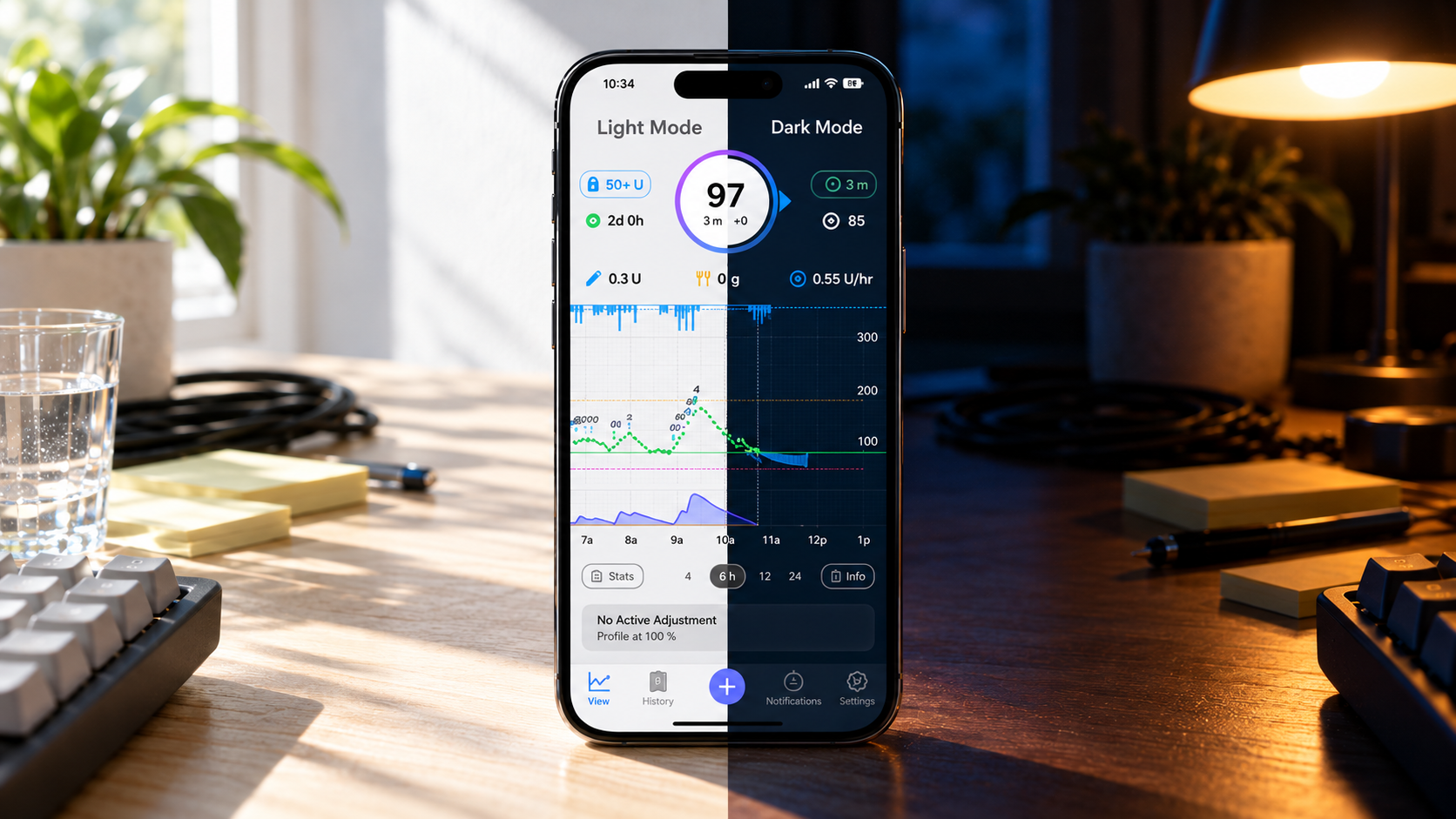
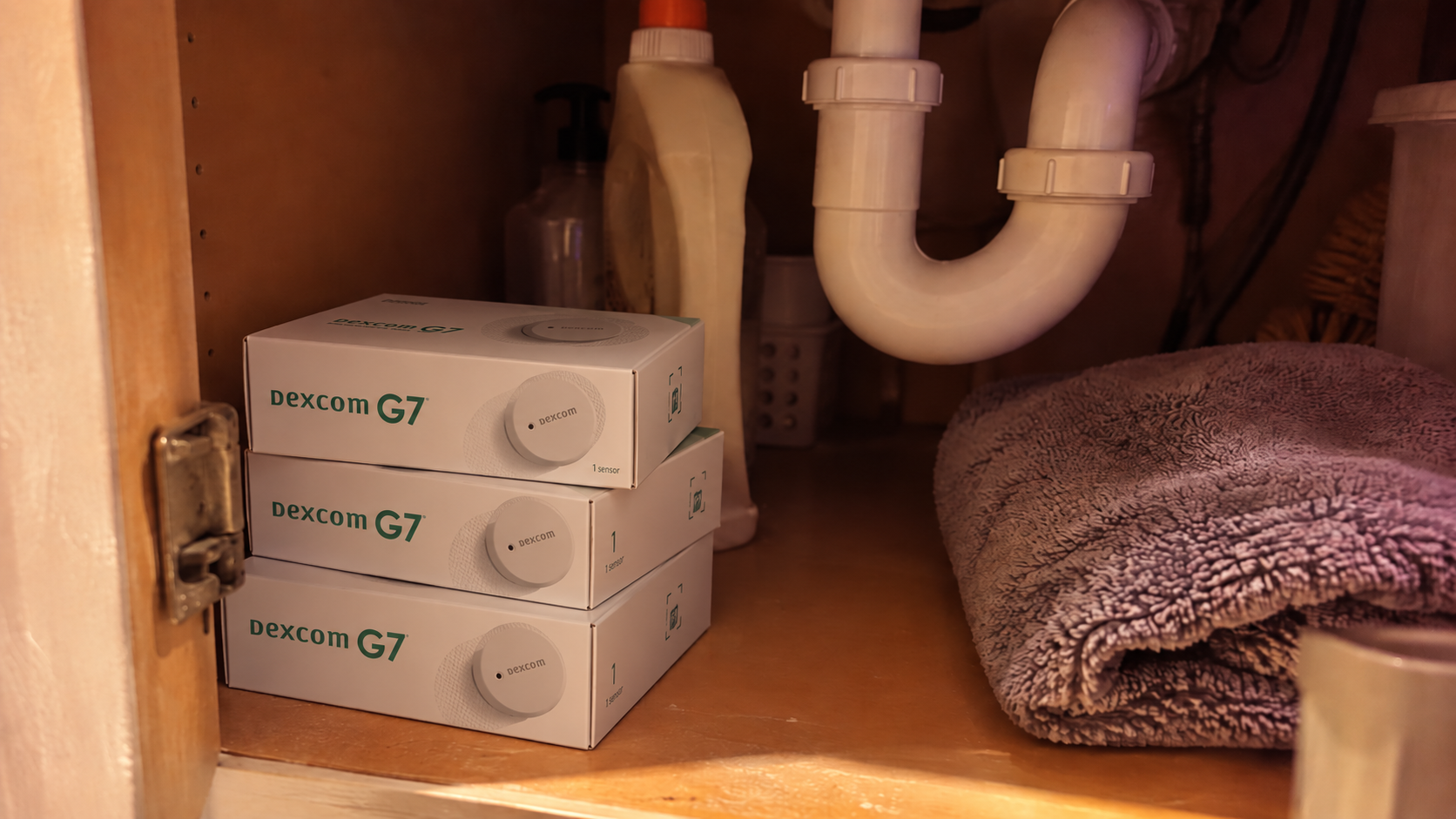
The episode you're about to enjoy was brought to you by Dexcom, the Dexcom g seven, the same CGM that my daughter wears. You can learn more and get started today at my link, dexcom.com/juicebox.
Today's episode is also sponsored by the Omnipod five. And at my link, omnipod.com/juicebox, you can get yourself a free, what I just say, a free Omnipod five starter kit. Free? Get out of here. Go click on that link.
Omnipod.com/juicebox. Check it out. Terms and conditions apply. Eligibility may vary. Full terms and conditions can be found at omnipod.com/juicebox.
Links in the show notes. Links at juiceboxpodcast.com. The podcast is also sponsored today by Cozy Earth. You can use my offer code juice box at checkout to save 20% off of your entire order at cozyearth.com. Everything from the joggers that I'm actually wearing right now to the sheets I sleep on, the towels I use to dry myself with, and whatever else is available at cozyearth.com.
Just use the offer code JUICEBOX at checkout.
Meet Sam & The Birth Story
SamI am Sam. My government name is Ashley Silea. I am the mother of a neonatal diabetic with a k c j KCNJ eleven gene mutation. He was diagnosed eight hours after he was born.
Scott BennerWow. Am I calling you Sam?
SamYes.
Scott BennerOkay. Please. Plea please.
SamIt's just easier for everybody to call me Sam.
Scott BennerI have no trouble with that. I just wanted to make sure I didn't start calling you something else. Well, how how old are you?
SamI am oh, thirty thirty?
Scott BennerSam, why don't you know how old you are?
SamWell, when you turn after you turn 25, you just kinda forget.
Scott BennerOh, was that what you do? Yeah. I should try that. You're 30 years old. You have how many kids?
SamOne.
Scott BennerOne. And how old is the baby?
SamHe is now 10.
Scott Benner10. Okay. So take me back. Your pregnancy pretty was it, like, a common pregnancy? Did it seem like it was problematic?
How was that process?
SamSo it was actually really great up until it wasn't. About thirty two ish weeks along, we noticed some problems, such as, like, the placenta starting to de He just wasn't growing. He really didn't have the room to grow because I'm a very small person also. And then things just kinda escalated from there. In about thirty five weeks, my doctor had made a comment stating that he wanted me to deliver at the time we were located in Iowa, he wanted us to deliver in the University of Iowa.
Mhmm. He never really made it seem like anything was, like, drastic, So I was like, no. Like, it's okay. Like, I picked you. I want you for a reason.
I'm a very, so to speak, shy female. I don't want everybody up in there and everything, so I was dead set that he was going to do it. He never made me feel like things were gonna take a turn for the worse.
Scott BennerOkay.
SamHe was very calm about everything. And looking back now, I realized it was actually, like, more serious than he ever led me to believe. And I think it was more him just trying to keep me calm because it we were in, like, the in between. We it could go either direction.
Scott BennerI see. No reason to get you upset in that moment?
SamYes. Okay. And then about thirty five weeks, he was like, okay. I'm gonna give it a couple more days. If we don't see any progress, then we're gonna go ahead and induce you.
And sure enough, we started the induction process.
Scott BennerOh my. And then I'm sorry. You married at that time?
SamSo my spouse and I at that time, my son's father, we were never actually married, but we were common law married at the time.
Scott BennerYou you weren't by yourself in the hospital is what I'm getting at.
SamCorrect.
Scott BennerOkay. Good. Good. So the, induction, they give you the juice to get it going. Right?
Is that the whole thing? You Yeah. Making a make a plan, show up on a certain day. It wasn't rushed or emergent or anything like that.
SamNope. We show they said to hear midnight on Friday. I think it was, like, the August 27, and we're like, okay. So we got there. It was my mom and I because we had a new puppy at the time, so his dad stayed at home.
The next morning, he was up there and everything. So it's would actually been later on and they're on Friday, and they started some type of pills they gave me, and they started all their stuff. And they're like, okay. You're gonna be here for, like, thirty six hours, and some labors last up to seventy two, especially with it being your first one. And I'm like, oh my.
Okay.
Scott BennerAwesome. And then yeah.
SamI was like, this sounds like a great time. And then all of a sudden, I mean, several hours later, they wanted me up and walking as much as possible to try and speed up the process.
Scott BennerMhmm.
SamAnd all I wanted to do was take a bath. Yeah. And I was like, okay. It's time for my bath. Like, she said, I gets up I get up every hour for a half hour.
It it's time. And she's like, let's just go ahead and see how far along you're coming. She's like, when you hit a six, you cannot because if your water breaks, like, you cannot be in the bathtub without water. She's like, okay. But I promise you, I'm nowhere near six.
And she's like, oh, you're at seven, so you're not taking a bath, and we're calling the doctor.
Scott BennerIt's your last moment.
SamYeah. And I was so mad in that moment. I was like, I just want a hot bath, and I just wanna feel better. And so they called the, anesthesiologist up. He never made it.
Scott BennerMhmm.
SamThey called my doctor in, and they're like, you're gonna have to hurry up because she's in actual active labor. And he's like, there's no reason that she should be. And she's like they they're like, no. She absolutely is. He got there, and I I kid you not.
I pushed five times, and he was still in his farm clothes, and I had my son.
Scott BennerDid he have a corn cob in his pocket by any chance?
SamNo. But he didn't have mud on his boobs.
Scott BennerOh my gosh. That's I don't know if that's amazing or creepy. I can't tell.
SamYeah. He's like, I didn't even have time to go on my lab coat. So
A Frightening NICU Transfer
Scott Bennerbaby comes, is there initially any problems at all or anything, like, on that day to be concerned about?
SamOn that day, yes. But, like, the first couple hours, like, brand new mom. I was 20, yeah, 20 years old when I had my son.
Scott BennerWow.
SamAnd they, like, threw him on my not really threw him, but, like, put him on my chest. And I was like, what do I do? Like, I don't know what I'm supposed to do right now.
Scott BennerI'm still thinking that, in case you're in case you're wondering, Sam. I'm a I'm a I'm pretty far into this, and and every day, I think, I wonder what I'm supposed to do.
SamYeah. Like, they do not give you an instruction meeting. And I, like, looked around at the nurses, like, dumbfounded, like, what just happened? Because, again, everybody's told me seventy two hours and everything, and five pushes, and he's here. And I was like, uh-uh.
Yeah. Like, I was just dumbfounded. So in the first, like, couple hours, I had opted for him to stay in the room with me because I wanted to start, like, caring for him and getting used to, like, the mom things. And they came in about an hour later and said, we're gonna just gonna take him in on the nursery just for some observation and get him cleaned up and stuff. And I was like, okay.
Didn't think anything of it. Like, they were just calm and collected. They reassured me. Come to find out behind the scenes, they were continuously checking his glucose because it wasn't where a normal child at that age should be.
Oh.
SamAnd then about oh, I couldn't even tell you what time it it was. I wanna say early afternoon, his pediatrician comes in, and she's saying, okay. So, like, we're noticing and, of course, the doctors, you know, use the big words and stuff, and I just went through this traumatizing life experience. And I was like, can you just dumb this down for me? Like, I cannot understand what you're saying.
And she's like, so your son's glucose is higher than what we want it to be. We're gonna have to transport him. And my mom's like my mom and I were both like, oh, okay. So what floor are we moving to?
Scott BennerYeah.
SamJust thinking we're going to a different level. And she's like, no. He has to go to Iowa City. I was like, what?
Scott BennerAnd then
Samfrom where we were, it would
Scott BennerWhy there? Is it because they have clean shoes? Why did you have to go to Iowa City? Did they have like
Sama So the University of Iowa is a research hospital.
Scott BennerI see.
SamSo they have they were better equipped to to care for just about, honestly, anything I've never to best comparison I can think of with Iowa City is, like, going to Saint Louis.
Scott BennerOkay. And do you get to go with him, or do they keep you at that hospital?
SamSo in a normal situation, no. If I had been if I had been probably in a better condition than I was because my blood pressure tanked and everything else, they would not have discharged me. And in that moment, I actually found out that just because baby gets discharged to a different hospital doesn't mean that mom does. And I I'll be honest, I freaked out on everybody finding that out. And my doctor actually agreed as long as, like, I passed certain requirements, I was able to go.
And he's like, with the complication that she's having or the complications she started having after giving birth and stuff, Iowa City is actually going to be the best place for her too.
Scott BennerThat was because sounds like he made a decision to help you stay with the baby. Yes. Yeah. Let me pause for a second there. So we'll we'll put you guys in transport, and we'll hold on for a second.
In your family, any issues like this in the past? Do people have autoimmune issues? Are people sick in general? Like, what's the family health like?
SamSo I do not two years after he was born, my mom has an autoimmune disease called Graves' disease, but it has nothing to do with the pancreas. It deals with the thyroid. Yep. My, like, very distant ancestors have a history of type two diabetes, but nothing, like, nothing else. And my cousin's son was actually diagnosed a year and a half ago with type one diabetes.
Scott BennerYour cousin's son was. Okay.
SamAnd they're the same age.
Scott BennerOkay. Okay. So alright. So they get you to the hospital. Baby's blood sugar won't come down.
It shouldn't be lost on people. Like, 20 is young to be dealing with all this, you know. So Yes. It's a lot happening. You know, you don't have a background in this.
Does anybody in your family have, like, even a medical background to help walk you through it, or are you just sort of, you know, at the mercy of what people will tell you?
SamYeah. I was 100% even, like, honestly, still to this day, I'm still at the mercy to what people tell me because it doesn't matter how much knowledge you have about diabetes. I personally believe anything and everything can change in a split second. Mhmm. And you can't have all the knowledge.
There's always going to be something else that you I feel like I'm learning something else every single day.
Scott BennerYeah. And you're at it for ten years now. Yes. Yeah. What is this gene mutation?
And, you know, when do they figure it out? And then how's it presented to you? And then what what does that mean for his life, you know, in the beginning and now?
Sponsor Break
Scott BennerFriends, I just placed my order at cozyearth.com. They're today's sponsor, and I'm here to tell you about them. Use my offer code juice box at checkout when you buy, and you'll save 20% off of your entire order. That's everything in your cart at cozyearth.com. Save 20% with the offer code juice box.
Now why am I excited? Well, I just ordered the cozy earth blanket. It's the viscose bamboo blanket. I'm super excited about it. It looks comfy as can be, and it's gonna go so well with the sheets that we already have from Cozy Earth.
Now, yeah, I'm a bit of a a Cozy Earth convert, I guess. I'm sitting here in my joggers. I used my towels coming out of the shower this morning. I slept on my sheets last night. Slept like a baby, by the way. Cozyearth.com.
They pretty much have everything you want. Use the offer code juice box to save 20% at checkout on skin care, women's and men's clothing, bath and sleeping accessories. And don't forget, Valentine's Day is coming up quickly. Get those pajamas. Cozyearth.com.
Use the offer code juice box at checkout to save 20% off of your entire order.
Scott BennerToday's episode is brought to you by Omnipod. Did you know that the majority of Omnipod five users pay less than $30 per month at the pharmacy? That's less than $1 a day for tube free automated insulin delivery. And a third of Omnipod five users pay $0 per month. You heard that right.
0. That's less than your daily coffee for all of the benefits of tubeless, waterproof, automated insulin delivery. My daughter has been wearing an Omnipod every day since she was four years old, and she's about to be 21. My family relies on Omnipod, and I think you'll love it. And you can try it for free right now by requesting your free starter kit today at my link, omnipod.com/juicebox.
Omnipod has been an advertiser for a decade. But even if they weren't, I would tell you proudly, my daughter wears an omnipod. Omnipod.com/juicebox. Terms and conditions apply. Eligibility may vary.
Why don't you get yourself that free starter kit? Full terms and conditions can be found at omnipod.com/juicebox.
The Reality of the NICU
SamThey transported us to Iowa City. We couldn't go in the room because they were putting an arterial line. We had no idea what this was. We were able to finally go in at 03:00 in the morning just to be told that he we cannot hold him until this arterial line comes out Mhmm. Because it's connected through his like, where his umbilical cord would have been, so his belly button, and connected to the major artery in his heart.
So that way, they could do blood draws without having to poke him because they were checking him at that time every hour.
Scott BennerOkay.
SamSo they didn't wanna constantly poke him if they didn't have to on top of giving him insulin shots because he was on insulin shots at that time.
Scott BennerAlrighty. Okay. Wow. How much insulin do you give a newborn?
SamSo he was on a sliding scale, and I still have all the records of them. He was getting anywhere from one to three units for the first nine and a half months nine and a half to 10 or I'm sorry. Nine and a half to a year of his life. Mhmm. It was it just depended on where his sugar was.
Scott BennerJeez. Did you breastfeed?
SamI did not breastfeed, but I did pump.
Scott BennerOkay.
SamBecause he was he had the arterial line in for so long that I Oh, you couldn't couldn't take him up.
Scott BennerI see.
SamAnd they did after about three days, I ended up having a breakdown and they they were able to get it to where I could put my arm, like, under his head and just kinda hold him inside the incubator like that.
Scott BennerYeah. How'd you make it three days? I'm only talking to you for fifteen minutes. This was ten years ago, and I'm about to have a breakdown. This is really upsetting.
Seriously. Yes. You know? Wow. Okay.
So they let you kinda nuzzle in with them a little bit there, but they're very worried about that that arterial line.
SamYes. Yeah. I was too. Because, like, you're telling me if I pull on this or if it gets snagged on anything, like, it's connected to his major arteries.
Scott BennerYeah. Yeah. No. Of course. And you're 20 again, I'm it's it's not gonna leave me that you're 20 years old while this is happening.
I don't I think I was at a movie theater when I was 20 years old. You you know what I mean? And you're you're in a hospital doing this. You're on a sliding scale. What do you do?
Do you let him eat first, then give him insulin? Are you like, how does that all work back then?
SamSo they would have us let me back up just one second here. He when he was born, he was born under four pounds as well.
Scott BennerOkay.
SamAnd he could not maintain his own body temperature, so he had to be in, like, a heated incubator on top of it.
Scott BennerMhmm.
SamWith him being so small, and they just kept saying, like, he's the healthiest baby in the NICU. He's the healthiest baby. And I'm thinking, how is this healthy? Like, he's got all these tubes connected to him, and they come in and said he wasn't eating enough. So they had to put this NG tube in.
Mind you, I'm a first time mom. I have no idea what a NG tube. I do not take any nursing classes at all whatsoever. And so I lost it over this NG tube because he's got all these other wires. And one of the nurses, after I completely lost it on everybody, came in and she said, just because sometimes as doctors and nurses, we forget that something so minor such as an NG tube, which is just a feeding tube, come to find out.
Mhmm. Something that's so minor to us is actually a big deal to the parents, and sometimes we don't take a moment to reflect on that and explain that this is a good thing to get the nutrients he needs and to see how we can better help him with his sugars.
Scott BennerYeah.
SamSo that is, like, a moment that stuck with me
Scott Bennerfor Scary. Right?
SamUp until this day.
Scott BennerYeah. Yeah. It's just a scary sight. He's so little. And what's that tube go in his nose?
Is that right?
Scott BennerThe Dexcom g seven is sponsoring this episode of the Juice Box podcast, and it features a lightning fast thirty minute warm up time. That's right. From the time you put on the Dexcom g seven till the time you're getting readings, thirty minutes. That's pretty great.
It also has a twelve hour grace period, so you can swap your sensor when it's convenient for you. All that on top of it being small, accurate, incredibly wearable, and light, these things, in my opinion, make the Dexcom g seven a no brainer. The Dexcom g seven comes with way more than just this. Up to 10 people can follow you. You can use it with type one, type two, or gestational diabetes.
It's covered by all sorts of insurances and, this might be the best part. It might be the best part. Alerts and alarms that are customizable so that you can be alerted at the levels that make sense to you. Dexcom.com/juicebox. Links in the show notes.
Links at juiceboxpodcast.com to Dexcom and all of the sponsors. When you use my links, you're supporting the production of the podcast and helping to keep it free and plentiful.
SamYes.
Scott BennerYeah. Oh, jeez.
SamAnd all they do is just pour the breast milk in through the tube and it goes in through snows and gets into his digestive tract, but I didn't know that. They just kept saying another tube, another tube.
Scott BennerMhmm. This boy you made this baby with, he's 20 as well?
SamSo he oh, gosh. How old? He's five years older than me. So he's currently 34 or 35.
Scott BennerOkay.
Sam35.
Scott BennerBut he was like 30 but he's 25 then, so he's still no help. I remember myself at 25. Yes. Yeah. Yeah.
I gotcha.
SamAnd he like, of course, I was on maternity leave. We still have bills to pay on top of it. So he I'm two hours away from him at this hospital with our newborn. He's back at work, like, two or three days after we have the baby Yeah. Just because we still have to have an income to be able to pay our bills and pay for insurance and everything else.
We started in the bay one, which is, like, critical unit, and then they moved us, like, to each bay. And there's up to three bays in just like the normal NICU. By the time we got to bay three was when they finally did the genetic lab to see what was causing the diabetes. Mhmm.
Advocating During the $12,000 Genetic Lab
SamWe found out that our insurance would not cover this lab, and it's a $12,000 lab just for one person. They wanted all three of us to get this done. Oh. So we tried to opt out of getting this lab done because who has $12,000 in their back pocket?
Scott BennerWell, it sounds like 36,000.
SamWell yeah.
Scott BennerYeah. Yeah. Yeah. Yeah. But it you're independently wealthy.
Right? Your 25 year old boyfriend was working as a rocket scientist, maybe? I I mean, how
SamYeah. Right?
Scott BennerWell, hey. What if we were to ask? Hey. You guys get $36 to do free tests? We don't.
No.
SamNo. No. Like, we we do not. And not knowing how long we're gonna be here for and I was gonna be off of work, we can't just spend money just because we want to spend money. Like, that was not an option.
Scott BennerYeah. What'd they end up doing for that then? I mean, because you have the diagnosis, so how'd it work out?
SamSo at this point in time, we did not yet find out that he had the k c n j eleven gene mutation. We just knew he had some type of diabetes.
Scott BennerOkay.
SamAnd they they did say, like, several times that they believed it was linked to genetics because they there was all out of all the other labs and tests that they ran, like, there was no explanation. And this was the only test that they hadn't run yet.
Scott BennerI see.
SamSo they they knew it was linked to genetics, but they couldn't pinpoint exactly how without this specific test.
Scott BennerOkay.
SamAnd we told them, like, we can't do this. We can't afford it. I'm like, that's just not an option for us. Well, we did some research and found out that if we paid for shipping in The UK, they would do the lab for free because they wanted to study this.
Scott BennerIt was like, $100
Sameach.
Scott BennerYeah. It's $36 or 45¢ for a stamp. Which would you prefer? Yeah. Thanks a lot.
SamRight? So we, like, explained to them, we would be more than happy to pay to have it shipped to The UK to have them study it, and, like, they would share the answers or whatever with the hospital. Mhmm. The hospital did not wanna go that route. And I and I understand it now.
At the time, I didn't, but contamination and everything and all the things. So I was like, I don't know how we're gonna pay for this. Like, we're just not going to do it. We'll just do do with what we got. We know the problem, and we can go from there.
We're just trying to dig die deeper at this rate.
Scott BennerOkay.
SamCouple hours later, he's back home two hours away, and me and baby are there. About two hours after we made this decision, a nurse comes in with a needle, and I kid you not. That needle was probably six and a half inches long. The needle was longer than the baby's arm. And I was like, what are we doing?
Like, I haven't seen an insulin shot like this before. What are we doing here?
Scott BennerYeah.
SamThat's when they explained they were doing the genetic lab behind our back.
Scott BennerAnd then gonna charge you for it later? So
SamI freaked out because that's what I thought. I freaked out again. Another freak out episode. Mhmm.
Scott BennerFreak out in Bay three. Freak out in Bay three. Yeah. Yeah. Yeah.
SamGot the direct the pedia I'm sorry. Pediatrician medical director in there. I got his entire endo team in there, and it's it was this one specific doctor that had ordered it. And to this day, I still will not speak to her. If she's the only on call, I will call and call and call until I get somebody else.
I will not talk to her. And I'm on the phone with my spouse, and he's yelling at her. I'm just a blubbering mess. I'm having a full on panic attack at this point because, finally, everything just got to me, and that was the tipping point. Come to find out, they made an agreement that the university would cover the cost but never expressed that to us.
Scott BennerYeah. Communication's not great. Also, like how the same, group of people who were not concerned about the muddy boots were concerned about contamination. That's interesting.
SamRight?
Scott BennerEvery everybody's got their head screwed on nice and straight. Yeah. Again, so how simple would it have been just to come to you and say, hey. Great news. You know?
The university's gonna take care of the testing. We're gonna test the baby now. You would have been like, oh, that's amazing. Thank you.
SamYes. Absolutely. And it really would have been just that simple, and I wouldn't have freaked out for, like, the hundredth time at this rate.
Scott BennerYeah. So okay. So but once you get that diagnosis, I mean, do you treat them any differently than you were prior to knowing?
SamYes. Okay. So we were in the hospital for several months, and this lab could take anywhere from six to twelve weeks to come back because it tests literally everything in its dog. So we're still in the hospital. We're still doing the insulin on the sliding scale as normal, making adjustments as needed with his body.
Finally, the day comes for I'm sorry. Let me back up here. Mhmm. After that freakout episode with the genetic lab, they thought I had postpartum depression, so they sent social services in. I looked at them, and I said, okay.
I'll tell you right now. I do not have postpartum depression. I know it's a very real thing, and I know a lot of people deny it. But let me tell you about my experience from the minute I had my son up until I got Really, let's backtrack up to my thirty five week gestation mark up until today because these are all the things that's happening. And you're telling me that you wouldn't have a minor freak out?
Scott BennerI don't love the word gaslighting because, well, I have my own reasons, but that feels like that's what that is. Right? Like, you know, you know, beat on your head for days and days and days, and then when you go stop it, they go, hey. Why are you so upset?
SamYeah. And I that that's literally what I told him. Like, you have to understand. I've been through all of these things, and I finally just combusted.
Scott BennerYeah. I would imagine.
SamI think it's justifiable.
Scott BennerListen. I I wanna be honest with you. Yesterday, I had to make three phone calls. Okay? One to insurance for my car, one to something we're purchasing, and one to another these three unrelated issues in my life.
Right? And not one person on the phone appeared to have any grasp of their job, what they were supposed to be doing, what was needed. You know, you'd ask a simple question, they'd say, I don't know. And I'm like, woah. Woah.
If you don't know, who who know you know what I mean? It would be like if you went to the grocery store and pointed at the cash register and said to the cash register person, what's that? And they said, I don't know. Like, it was on it was on that level. Okay?
So these three calls, they go exactly the same way. I walk downstairs and spend the better part of six minutes ranting at my wife. And I don't I don't even know what I was able yeah. I was just like, why is everyone I mean, am I just getting old? Like, what's happening?
How come it appears that no one fundamentally understands their job or cares or is motivated to look into it any deeper? When they when the answer was I don't know, I said, well, what are we gonna do about that? And one girl went, she went, I was like Oh, no. Yeah. Like, I guess we hang up the phone now and you'll have no resolution.
It's like like the vibe of it. I had not been through all the things you were through. I just had three phone calls that were frustrating and I had a freak out in Bay 3. I just want you to know, except my freak out was in the kitchen.
SamThat was awesome. I had a freak out in Bay 3.
Scott BennerYeah. Yeah. You said don't I wouldn't judge yourself too harshly. I was I
Samwas Right?
Scott BennerOh, I don't I'm know I was just like, oh, what is happening? I I was like, I started saying, have to move, and she goes to where? And I'm like, I don't know.
SamThat's awesome. I love that.
Scott BennerIt just it's been I I've been alive too long now. Do know what I mean? So I'm like, I'm a fairly competent person. I'm not in a great shakes, but I'm fairly competent. You put me in charge of something, I'll get it done for you.
If I don't know, I'll figure it out. I don't think I've ever looked at a person and thought and said to them, uh-uh. I guess we'll just all just give up and lay down. You you know, like, I what in the hell? Ugh.
Anyway, I would At
Samleast pretend like you're looking for the answers.
Scott BennerI just want you to know that if I was you, they would have arrested me in that hospital. Yeah.
SamIt was it was bad.
Scott BennerYeah. I think you did fine is what I'm getting at. But go ahead.
SamWell, I appreciate that.
Scott BennerYeah. Yeah.
SamMean, after that, like, they never sent in another social worker. They had many more breakouts, but they did not send anybody else in.
Scott BennerAnd and
SamI explained oh, yeah. I explained to the social worker too also, like, I am my child's voice. He doesn't have a voice. He can't even stay awake for more than five seconds at at this point in his life. Somebody's gotta speak up for him, and that will be me.
And you're telling me that he has this disease that he's going to have to have or this disability that he will have for the rest of his life. Somebody's going to have to be in his corner and that's me.
Scott BennerYeah. And not for nothing. I still look like I looked at my high school graduation photo. So there's a lock oh, if that social worker would have come into my room, Sam, they would have had to call a hostage negotiator after that. Okay.
I would have been like I would have been like, that's enough.
SamThat's enough. Yeah. We're done here.
Scott BennerShe can't come back out now. How's that sound? Someone send somebody in here with a goddamn brain in their head because I can't do this anymore with you people. Right? I'm sorry.
Go ahead. Oh, we gotta get past this part. No. You're good. After
Samthat, I think it was really, honestly, a couple of days later, I think they were just tired of me being in the NICU because they ended up moving us to the pediatric floor, and he was the smallest and youngest child on the pediatric floor. And many of the nurses kept saying, we've never dealt with a baby or a child this small or this little or this young.
Scott BennerMhmm.
SamAnd I was like, what are we doing here?
Scott BennerYeah.
SamBut then it was like, when we were on the NICU floor, they're like, we don't typically handle diabetes. Like, they were bringing pediatric nurses from the pediatric floor into the NICU to be able to care for him.
Scott BennerMhmm.
SamBut then when we went to the pediatric floor, they were like, we don't really know what we're doing here. And I was like, I just wanna go home. I thought it's right.
Scott BennerI got kicked out of the hotel I was in previously. I think I think this is where they put me. Yeah. Yeah. By the way, what what bay are we in, by the way?
Because
SamRight.
The Diagnosis: KCNJ11 Mutation
Scott BennerWell So so so okay. So now, I mean, you you get this back. Like, can I read this here? A k c n j one one mutation is a change in the k c n j one one gene, which gives instructions for making part of the k a t p channel in pancreatic beta cells. That channel helps the body decide when to release insulin.
If the gene is altered, the channel may not work normally, so insulin can be released too little or too much depending on the specific variant. Does that all sound right to you?
SamYes. Okay. Yes. That is actually correct.
Scott BennerAnd he gets not enough? His variant is not enough insulin. Is that right?
SamThat is correct. Okay. So we went home when they finally discharged us. We still went home on a sliding scale because this lab still hadn't been back by that point.
Scott BennerOh, okay.
SamWe had to drive up there. I believe it was, like, every other day. We had to drive up there. Every day, we had to talk to them to let them know his sugars, what he ate, and everything. We were doing checks every two hours.
By month two or three of us being out of the hospital
Scott BennerMhmm.
SamMind you, he's we were in there for quite some time, and we're approaching our first birthday. That was actually, no. I believe he was closer to 14 old, I think is what it was, is when we finally got the lab back, if I remember correctly.
Scott BennerYou should've tried Uber Eats. They're pretty quick. I mean Right? Am I right to say he could have had neonatal diabetes or congenital hyperinsulinism? Is that right?
Is it the two things that could have Correct. Right. And the insulin by the way, the other one, congenital hyperinsulinism, other cause beta cells to release too much insulin. I mean, that's I don't know. I'm I think I'd choose not enough before too much if you made me pick.
You know what I mean? Jesus. Yes. So what is this technically? Is it neonatal diabetes then?
SamThat is correct. When the lab came back because he was they just said, yes. Type one diabetes. Even though they knew it wasn't Mhmm. But until they could get those answers, they couldn't for insurance purposes, they couldn't just put whatever on there.
So they just gave him type one diabetes. And then when the lab came back, we both of us had to attend this meeting or this appointment, and they explained that he is a neonatal diabetic with a KCNJ eleven gene mutation, and that one in six hundred thousand babies are born with it.
Scott BennerOh, jeez. Awesome. Yeah.
SamAnd I got that one.
Scott BennerYeah. I got that kid. I made that kid all by myself. Yeah. Thank you.
Anybody out there listening who wants to give me too much credit, I just want you to know that I just, you know, typed explain k c n j one one mutation into a browser. And and I'm just very good at reading and sounding like I'm it's coming out of my head. In case in case you're all just like, oh my god. Scott knows so much about things. I I really don't.
I just I found myself saying it with so much confidence. I was like, I should be clear. Just threw that into chat GPT real quick. So and by the way, I only use chat GPT when I'm when I'm recording because the font is bigger. Anyway, that's neither here nor there.
So Jesus. Is there anything else that comes with this mutation, or is this thing with the insulin, is it is it the entirety of its impact, or are there other things?
SamSo with my son specifically, he really just has the one mutation, but there are other kiddos out there that I found on, like, mommy diabetic support groups where they have, like, additional things attached. And I knew you were gonna ask me this question. I meant to look up what the other one was, but, like, they have other mutations with it or they have additional, like, a disease that is a side effect or a symptom of the KCNJ eleven. K. He does not.
He strictly just has this. Now, obviously, we monitor for the other things when he goes for his appointments, but there's never been any flags that's been waived to lead us to dig deeper into seeing if he has those. Mhmm.
How Glyburide Replaces Insulin
Scott BennerThat's funny. You know, moving forward, I mean, I I I'd be remiss if I didn't ask you a little bit about raising a tiny little baby on insulin. Like, what was that like? You know, were there did you have a CGM? You know, if not, when did you get it? Have you gone to pumping? You know, how have you managed over the years?
SamCertainly. So when we first got home, he was still on his sliding scale because we didn't have all the answers that we have now. Every two hours, we would have to he never wanted to wake up. He's always, even to this day, been a really good sleeper. We would have to force him awake to do his feedings and to do his insulin shots.
We would give him his insulin beforehand, let him eat, and then wake him up two hours later. And that was just a a really vicious cycle, but we made it through. We got through it.
Scott BennerYeah.
SamDad and I, even though his dad's just the only one working, we he would even wake up with me even though he had to be up at work by 08:00 in the morning and everything else. He because he knew I needed a little bit of the extra support until I no longer needed that extra support
Scott BennerMhmm.
SamWhich was really great. And then about and mind you, we're still doing pokes by with a baby, you have to do them on their heel instead of their finger or at least my baby because his fingers were too small. So we were doing his heel. By the time he started walking, that's when we had to switch to the actual finger because they were worried about dirt getting inside of an open wound even with a Band Aid on there. And then about 17 or 18 old, we were finally approved for the Dexcom for an like, the FDA actually approved us because at this time, they were not approved for anybody under the age of two.
Scott BennerOkay.
SamSo we had to go through a lot of hoops to be able to get that. And with his condition being what it was, everybody wants to study it. Everybody wants to know all the ins and outs because he is actually the only the fourth patient ever in Iowa to be diagnosed with what he has, and he was diagnosed eight hours after he's born. So, nationally, he is the youngest child that's diagnosed with what he has. So everybody was, like, getting everything that they could task for us to be able to have all these tools such as, like, the Dexcom g six at that time and everything.
Scott BennerWow. That's a lot to go through. It it just genuinely is. How's he doing today?
SamSo today, he actually, by the time he turned two, we found out that we would be able to switch him to an oral medication called glyburide.
Scott BennerMhmm.
SamAnd he they the pharmacy and there's only one pharmacy beside the University of Iowa within a four mile or four hour radius of us that can make his medication the way that it needs to be made. He takes it by mouth twice a day, and he's been on that since he's been two. So no insulin. Well, let me take that back. He only gets insulin if he's above 300 for three hours or more or ketones are present.
Scott BennerOkay.
SamWe've given him insulin four times in the past two years.
Scott BennerOkay. I so I was reading about this earlier, but, mean, help me a little more with that. So it's a sulfonylurea pill. Is that right?
SamOriginally, yes. It comes in pill form, and then they compound it. The pharmacy compounds it into a liquid form for him.
Scott BennerI see. And the drug acts is this right? The drug acts on the same potassium channel pathway. Long term studies have shown this can be effective for many patients switch from insulin to the pill under special supervision. Do have any idea why that works for him and doesn't work?
It's something about unlocking I'm gonna need your help if you know. But, like, there's something right about this mutation that's, like, stopping the transfer of I'm out of my depth here all of sudden. Can you tell me more about how this all works?
SamSo the best way that it's been ever been explained to me is a type one diabetic, as most people know, not everybody, but most people know, is insulin dependent. A type two diabetic is is more manageable because they are not insulin dependent. It can be managed for the most part and for some people through diet. Then there in the middle is Elliot. That's my son's name.
I'm sorry. I never said his name. Elliot. He has what they consider even though he's a neonatal diabetic, he's treated as if he's a type two diabetic, and the glyburide is not insulin. It just gives the pancreas a little bit of a boost to keep morphing.
Scott BennerOkay. I mean, is that generally does he still does he wear a CGM?
SamYep. He wears the Dexcom Okay. G seven.
Scott BennerOkay. What happens if he doesn't take the pill? Like, what if you forget the pill one time?
SamSo perfect example I mean, we've never forgotten his medicine, but a perfect example, yes no. I'm sorry. Easter, so Sunday. Mhmm. So he gets it twice a day.
He gets a dose in the morning, and then he gets a dose at night. He got his dose his evening dose, and usually it's about 05:00 when we give it to him. He gets it about 05:00, and then he can eat a half hour after he has it. So we did five o'clock. He was eating by 05:30, 06:00 approximately.
07:00, his sugar was 350.
Scott BennerMhmm.
SamHe's going through a growth spurt right now, so we we've had to increase his medicine and haven't found the right dosage yet for it to keep up. So at that time, we had to give him insulin because his glyburide wasn't keeping up with what he had eaten for supper and everything, and his pancreas just wasn't kicking in. And we go through spurts where, like, sometimes his pancreas will work really well, and our max is 11 without any type of medication needed. And then there's been days where we've been hospitalized because it's just not working at all. Insulin's not working, and glyburide's not working.
Scott BennerI see. Is this expected to shift throughout his life?
SamSo when he was first born, they told us there was a seventy five percent chance that he would outgrow it. By the time he turned two, it turned into a fifty percent chance. By the time he turned four, it turned into a twenty five percent chance. And now we've just kinda given up on asking because if it was gonna happen, we kinda feel like it would've, and we've gotten over the hard part now.
Scott BennerOkay.
SamAnd they did say there's a chance of it, like, him outgrowing it, but then coming back later in life, especially as a teenager.
Scott BennerWow. I don't normally like to do this, but I'm gonna read this because I think it's super interesting. So functionally, glyburide works because it bypasses the broken glucose sensing step and directly pushes the beta cell toward insulin release. In KCNJ one one disease, the problem is usually that the kATP channel stays too open, so the beta cell membrane stays too quiet and does not depolarize normally when glucose rises. That means calcium does not enter well and insulin granules are not released.
In plain language, normally glucose enters the beta cell ATP rises and the kATP channel closes. Closing that channel causes membrane depolarization. Depolarization opens voltage gate calcium channels. Calcium flows in and triggers insulin secretion. With an activating KCNJ eleven mutation, that channel does not close properly when ATP rises.
So even if glucose is present, the cell behaves like it is still at rest and insulin release is blunted. The glyburide binds to the s u r one part of the same k t p channel complex and forces the channel more towards the closed state. So instead of relying on the defective ATP signal to close the channel, the drug chooses it pharmacologically. Drug closes it pharmacologically. Once the channel closes, the cell can depolarize, calcium can enter, and the insulin can be released again.
That is the core reason about how it works. That is really fascinating and interesting and so strange. That one little mutation stopped that odd thing from working. Like, that little tiny thing that happens for people you don't even think twice about. How about that?
SamAnd especially for it happening to it's just somebody so small and so new to the world Yeah.
Scott BennerAs well. Yeah.
SamLike, their body hasn't had any wear and tear
Scott Bennerat all. Yeah. No. Right. Just it's just that it's that mutation.
And it's the one in what'd you say? Six hundred thousand?
SamYes.
Scott BennerGosh.
Overcoming Trauma & Breaking Generational Curses
Scott BennerOkay. Well, well, that I mean, so I guess you count yourself lucky there. Right? Yes. I mean, how do you do you seem reasonably upbeat.
How do you like, were you always this way, is it a is this an attitude you've grown into over time?
SamSo this is my favorite question. I love when people ask it. My sister and I had a really, really, really crappy childhood. It's like, think of the worst thing ever and then times that by, like, 50. I am just adapted to environments.
I mean, we've lived in 60 some houses that I can remember, 10 schools. No. Seven schools, 10 states, child abuse, the whole nine yards. We went through it all, and I just decided I wanted to be a better person in life than what I was given and handed.
Scott BennerOkay.
SamAnd I wanted my child to have a better life. And the entire time in the NICU, they kept saying, like, I'm surprised you haven't broken, like, more or, like, completely lost it because my minor combustions were just minor. Mhmm. And I explained to them, and I will explain this to anybody to this day. It's not about me.
I have to be strong for my child, and he's looking up to me all hours of the day. And I wanna be the best role model I can be for him because I didn't have that.
Scott BennerYeah. I mean, I don't have all the details about you growing up, but I can tell you I didn't grow up well. And I often have a feeling of, like, this is not even the worst thing that's happened to me, like, you know, this year. Or, you know, you should have been around when I was 15. Like, that was that was that was tough.
You you know? So Yes. Yeah. I mean, I get your point. You have a lot of perspective.
Right?
SamYes. Yeah. And I just I want him to just to learn okay. He sees mom being a good person. He sees dad being a good person, doing kind things, doing good things, good deeds.
I want him to learn from that.
Scott BennerYeah. So this is why you use a different name than the one you were given? Because you don't wanna have attachment to your upbringing. Is that right?
SamNo. I use a different name than the one I was given because I used to be a bartender, and I am a part time nine one one dispatcher. And I got tired of people saying it incorrectly, and most of my 911 calls would be, oh, how did you get your names?
Scott BennerLike, hey, lady. You're upside down in the car right now. Why don't you focus on that? Okay? What an interesting name.
Shut up. Yes. So you're like, just call me Sam.
SamYeah. Pretty much.
Scott BennerI'm gonna ask a couple more questions that you can feel free to say no to. Because I feel like we understand the gene mutation thing and that whole process. I'm good, and we have a little more time left. So how much of your upbringing would you be comfortable talking about?
SamI'm an open book.
Scott BennerI mean, so how many you're one of how many kids?
SamSo my mom has three girls. My dad has oh, let me think here.
Scott BennerAre you under the second hand?
SamYeah. Yeah. He has, like, 10 kids, but some of them, like, aren't his, but he helped raise them so he considers them his.
Scott BennerIs he an incredibly handsome man?
SamI mean, I guess.
Scott BennerIs he well is he wealthy? No. No. Had he
SamWell, he makes money. Don't get me wrong.
Scott BennerBut, I mean, that's he has 10 kids spread out over how many people?
SamThree.
Scott BennerThree people, 10 kids, and he was abusive to you?
SamSo he was not, but his second wife
Scott BennerWait.
SamWas very abusive.
Scott BennerSo did you live with him when he was married to her?
SamSo my dad, yes, dad. My my parents, my entire childhood went back and forth on who had custody of us. Up until about fifth grade, my dad my mom had custody of my sister and I, and my dad actually kidnapped us and moved us to a southern state.
Scott BennerSam, why didn't you lead with that an hour ago? We would have never even talked about your kid's diabetes. Oh my god. Wait. You were wait.
So what's alright. So anytime I just wanna say this is a generalization, but anytime the kids end up with a dad for any reason, I'm always baffled. So what's up with your mom? Because you're talking to her now, but what was wrong with her back then?
SamSo my mom had her first child. So my oldest sister, she had her when she was 15. So she was a a mom at a very young age. Her dad ended up getting custody of her because my sister is of a different race, and that was a very big thing during the nineties when we were born.
Scott BennerYour mom's father has custody of your sister.
SamNo. No. No. No. I'm sorry.
My oldest sister's father had custody of her.
Scott BennerI see. Okay. Your oldest sister's so she's oh, This is okay. So your sister is you're connected to your sister through your mother, but you two have different fathers?
SamCorrect. And
Scott Bennerhe got custody of her due to her race? Yes. She wasn't being treated well in Whiteyville where you live? Is that what you're trying to say? No.
No? No. What happened? Okay. No.
Okay.
SamI I'm trying not to offend anybody.
Scott BennerOh, good luck. Maybe maybe you should stop talking then. Okay. Right.
SamHe had several, like, political parties that backed to their side of the family and ended up getting custody of her saying that a white mother couldn't raise a child of another race
Scott BennerOkay.
SamBecause that just wasn't a thing then.
Scott BennerAnd can I be honest? It doesn't sound like your mom couldn't raise you because she was white. It sounds like but does sound like she couldn't raise you. I just don't know why. There were problems for sure.
Okay. So that's all crazy. Yes. Alright. So
SamAnd and, like, her age definitely played a part into it, and there there was a lot of other factors, but that was, like, their defense that they stood on
Scott Bennerwas I
Samthe the difference.
Scott BennerBut when your dad comes and and kidnaps you, he takes her too?
SamNo. No. No.
Scott BennerNo. Oh.
SamHer dad her dad had custody of her by the time she was four.
Scott BennerUh-huh.
SamWe were just back and forth between my mom and my dad up until I was in fifth grade, and that's when he took custody or he had kidnapped us. The reason my mom ended up not really losing custody, but she went through and she had lost her job. She ended up getting evicted from her home, and she didn't want us to be essentially homeless. So my my that first time, my mom had given my dad a scroll so that way we had a roof over our head because she had nowhere to go with us.
Scott BennerI see. Okay.
SamShe was living in her car for some time.
Scott BennerYour mom's living in her car for a long time. Your dad now has you and he's got custody of you. He gets remarried. That lady starts abusing you?
SamCorrect. My sister got it the worst because she is a stunning image of my mother, burns with a curl iron and everything. My mom obviously gets DCFS involved, has all this documentation, and essentially ends up going to court, and she ends up getting custody of us back.
Scott BennerOkay. Were you ever abused?
SamBecause when she had given us to our dad, she had signed over not really, like, signed over all her rights, but stated, like, she was not fit to be able to provide for it at this time and is giving temporary guardianship to my dad.
Scott BennerGotcha. So then the abuse gets, allows her to get you back. Were you abused as well?
SamI was, but not to the extent that my sister was.
Scott BennerOh, okay. She burned her with a curling iron and things like that?
SamCigarettes. There was a few instances where she was pushed down some stairs.
Scott BennerDrugs involved at all?
SamYes.
Scott BennerYeah. I mean, it sounds
Samlike Heavily.
Scott BennerYeah. Okay. Your dad didn't step in?
SamMy sister in 2017 had a huge psychotic break and ended up going to the psych ward, and he she had to to be able to be released, she had to because it's court ordered, she had to attend, like, therapy and family therapy. Mhmm. He has stated in, like, his therapy sessions because they're, I mean, they're no longer married. Yeah. That he had no idea that it was ongoing and, like, he, you know, he was really messed up.
He's now twenty some years sober.
Scott BennerOh, good for him.
SamAnd he is, like, trying trying to rekindle the relationships.
Scott BennerWhat kind of drugs are we talking about?
SamThink of the hardest thing you can think of and all the other things combined.
Scott BennerSo we're looking about meth, heroin, stuff like that?
SamAge, I do not know about, but the others, yes.
Scott BennerYeah. My gosh. Well
SamI believe a few times, fentanyl was involved as well.
Scott BennerOh, yeah. Yeah. Sure. Let me just get right to the source. And and nothing was any of the abuse sexual?
No. Okay. Gosh. No. No.
No. I mean, I can you imagine the situation you're in where where you're like, oh, well, there's good news. Yeah. Jesus. Wow.
Well and did any of that have anything to do with you your relationship? Like, when you I mean, five years older when you're 20. Like, so you were dating an older guy when you were younger. Why? Because you were looking for, you think, like, stability, like, better decision making than you were than you had access to?
SamI mean, we worked together. We were friends for a little while before we actually started dating, and I was just attracted to him. And, actually, if I'm being honest and he actually knows this. My friend and I were playing making bets on to see who they could who could get with him before the other. And then it turned into a ten year relationship.
Scott BennerGonna say, do do you see this as you having won that game or losing it?
SamRight? But yeah. By the time my dad had kidnapped us, you know, fifth grade, it took my mom two years and two to four years and a $140,000 for her to be able to fight the sports to get us because Illinois would not cross over into state lines. And mind you, we were in Mississippi, and that's several state lines.
Scott BennerCan I just make a public service announcement? You you don't need kids. You you know what I mean? Like, do it look into yourself for a second and say to yourself, am I the kind of person who's gonna burn somebody with a hair curler? Am I, the kind of guy who might, you know, do meth on a Wednesday afternoon?
Maybe I don't need a baby. You know what I'm saying? Like, please. Yeah. All of you.
Just please. It's okay. Yeah. Making this podcast has been one of the best and worst experiences of my life. I have to tell you, like, there's there's times when you hear stories like that and you just think, that is not part of my reality.
And it's hard to believe it's real, but you talk about it with, like, such, like like, it just feels so normal for you. Do you know what I mean? Like, when you're talking about it. If you wrote that story down and had me tell it, I'd be sarcastic and ridiculous, and I'd be like, can you believe this? How does this happen?
Blah blah blah. And you're like, no. No. That was Tuesday. That that would happen all the time.
Okay. You know what I mean? I it's very I'm so sorry for you. But but at the same time, and the reason I kinda wanted to bring it up and what I'm gonna close here with is, did you you do therapy to get through this? Was it just a conscious decision you made?
I mean, how is it you're not drunk or high right now? Like, what what do you attribute all your success to?
SamSo I actually did not have, like, a huge psychotic break. My sister's was in 2017. Mine was in 2014, actually, but right before I met my son's father. Mhmm. My boyfriend died on a motorcycle accident, and I started drinking heavily.
Because growing up, I mean, we had seen all this stuff, so we both said, like, we'll never do drugs. We'll never drink. 2014, my boyfriend dies. It's my senior year. I'm graduating or had just graduated.
So then I started drinking heavily, and then I actually decided, like, I don't wanna do this anymore. Like, I'm better than this.
Scott BennerMhmm.
SamAnd I don't want to go down the same path as my parents did and everything. So I just started doing better. And then after my son's father and I had separated, I I didn't know how to be a single mom because, I mean, I I've been with this guy since I was 18, and then all of a sudden, I'm got this date or not really dating, but this toddler. I'm on my own. I'm starting from the ground up.
So I did seek out therapy after we separated. I believe it's been 2022
Scott BennerGood for you.
Sam'21, '22.
Scott BennerYeah. Good for you.
SamAnd they gave me some healing or some helping tools, and now I'm here.
Scott BennerYeah. Good for you. That's really awesome, Sam. Congratulations. That's a very adult decisions you made.
And you think you made them for you, or did you make them for your son or a little of both?
SamI would say the personal growth would 100% be for both of us, but mostly, it is so he has a better life than I had.
Scott BennerSam, you broke a circle. I You must be very proud of yourself. Alright. We gotta get her to move some more wait. Sam, hold on.
Sam, so you're we get we do have to get you better Internet though. I said you must be very proud of yourself.
SamYes. I am.
Scott BennerGood for you. That's awesome. Wow.
SamI'm all about breaking all the generational curses that I can.
Scott BennerYeah. No fentanyl for you.
SamNo. And, like, people say it's weird that my son's father and I have this great co parenting relationship where we have Christmas together. Sometimes we go on vacations together. Why is it weird? Is it because society tells us it's weird?
Because if he doesn't go with or I don't go with, then we're missing out on the excitement with our child. We're missing out on an experience with a child, making core memories with our child. Yeah. Why does society say it's weird?
Scott BennerWell, listen. On top of that, I'm I'm gonna do a little guessing here. You'll stop me if I'm wrong. Right? But it doesn't he probably didn't grow up great either.
Is that right?
SamCorrect.
Scott BennerYeah. So you're two people who came from bad circumstances who both decided that's not gonna be who we are. You guys probably just got together too early. If you made me break down your relationship, it sounds to me like you were, you know, two people who found each other and probably supported each other getting through all of this crap that people put on you when you were younger. And then you get to a certain point where you realize, had we not been thrown together like this, we probably wouldn't know each other, and this probably wouldn't be a relationship that we had.
And so then you very healthily separated, but kept yourselves together when your son's involved. And, I mean, honestly, this might be the healthiest healthiest thing I've ever heard in in my life. That really does make a lot of sense to me. Am I getting that about right, do you think?
SamA 100%.
Scott BennerYeah. I I mean, I've been doing this for a while. You you know? So this is the part where someone leaves a review later that says, he's so full of himself. I yeah.
I just heard he she tried to tell her story, but he made it about him. It's a conversation. I'm just bringing stuff up. I saw your review. Go to hell.
Okay? But I think it's possible my sarcasm doesn't translate to everybody, Sam. Do you know what I'm saying?
SamOh,
Scott Benneryeah. Yeah. Yeah. Neither here nor there. That that really is, that's really well adjusted decision making on both of your parts.
Like, do you think if you guys would have met when you were 30 and you had normal lives, do you think you would be together, or do you think you wouldn't have enough in common to be together?
SamYou probably wouldn't have really enough in common
Scott BennerYeah.
SamHonestly.
Scott BennerYeah. You're like two people who were stuck in a bank robbery together and you hung out for a year after that until the trauma was gone and then you went your separate ways. Yeah. Yeah.
SamYeah. That's kinda nice. I would agree with that.
Scott BennerYeah. Now, Sam, here's the last question. Are you dating? Are you looking for a person? Are you happy single with a 10 year old?
What what what is your play?
SamSo I after we split up, I was adamant about, like, working on myself, just being me and my son. I had just started at nine one one dispatch. I became really good friends with one of the officers, actually several of the officers, and him and I were just friends for several months. And we are going on to year three of dating.
Scott BennerGoddamn, Sam. You are a success story. This is it. Well, I appreciate that. From fentanyl to happiness, the Sam story.
Yes. Sam's not her real name. We put that in parentheses at the end. It'd be awesome. Oh, I'm so happy you did this.
What made you come on the podcast?
SamA lot of people kept saying, like, when I would comment or post in there about his genetic mutation because it's so rare. A lot of people just kept saying, like, they wanna hear our story.
Scott BennerYeah. Oh, I'm glad they said that, and I'm glad I was smart enough to listen. Look at me giving myself credit for answering your email. Well,
Samit is definitely appreciated. I love sharing our story and educating people because I mean, a lot of people know type one diabetes or know about it. A lot of people know type two or know about it, but then there's that neonatal that nobody's ever heard of.
Scott BennerYeah. And that if you if people ask you, you you would say my son has neonatal diabetes. Is that how you would answer? Or do you talk about the gene do you talk about the gene mutation, or is that over people's heads usually?
SamI do include it because I wanna educate, and I wanna educate properly as much as I can. And I just try to explain them, like, he's a neonatal diabetic with a KCNJ eleven gene mutation. It came from him or it came from his dad and me or his dad or just me, and one in six hundred thousand babies have it, and that's all the answers that I really have. But I'd be more than happy to look into it further and provide you with more in more answers if you have any questions.
Scott BennerSam, I am gonna do my square best to keep this podcast going for ten more years so I can interview you again when you're 40. I would love this. I feel like
Sambe there.
Scott BennerYeah. I feel like you're gonna really be a a person who looks back and doesn't recognize who they were twenty years before. I'm I'm super excited.
SamEven to this day, I don't even, like, recognize who I was when I would when I got kidnapped or, you know, like, even before then.
Scott BennerYeah. Seriously. Good for you. I'd clap if I didn't think it was reductive. I mean, I'm seriously happy for you with the decisions you made and and all the things you've been able to accomplish.
Really, sincerely.
SamWell, I absolutely appreciate that.
Scott BennerYeah. Congratulations. That's wonderful. Okay. Alright, Sam.
Thank you so much. I I really appreciate this. Hold on one second. Okay?
Closing & Outro Sponsors
Scott BennerA huge thank you to Cozy Earth, a longtime sponsor. Cozyearth.com. Use the offer code juice box at checkout. You will save 20 percent off of your entire order when you use that code. Don't let me down kids.
Head over there now. Get yourself some joggers, some towels, some sheets. Save yourself some money. Support the podcast. Make your life beautiful and comfortable all at the same time.
Cozyearth.com. Use the offer code juice box at checkout.
Dexcom sponsored this episode of the juice box podcast. Learn more about the Dexcom g seven at my link, dexcom.com/juicebox.
This episode of the juice box podcast is sponsored by the Omnipod five. And at my link, omnipod.com/juicebox, you can get yourself a free what'd I just say? A free Omnipod five starter kit. Free? Get out of here.
Go click on that link, omnipod.com/juicebox. Check it out. Terms and conditions apply. Eligibility may vary. Full terms and conditions can be found at omnipod.com/juicebox.
Links in the show notes. Links at juiceboxpodcast.com.
Hey. Thanks for listening all the way to the end. I really appreciate your loyalty and listenership. Thank you so much for listening. I'll be back very soon with another episode of the Juice Box Podcast.
If you're looking for community around type one diabetes, check out the juice box podcast private Facebook group, juice box podcast, type one diabetes. But everybody is welcome. Type one, type two, gestational, loved ones, it doesn't matter to me. If you're impacted by diabetes and you're looking for support, comfort, or community, check out Juice Box podcast, type one diabetes on Facebook.
The episode you just heard was professionally edited by Wrong Way Recording. Wrongwayrecording.com.
