
#812 Peach Clobber
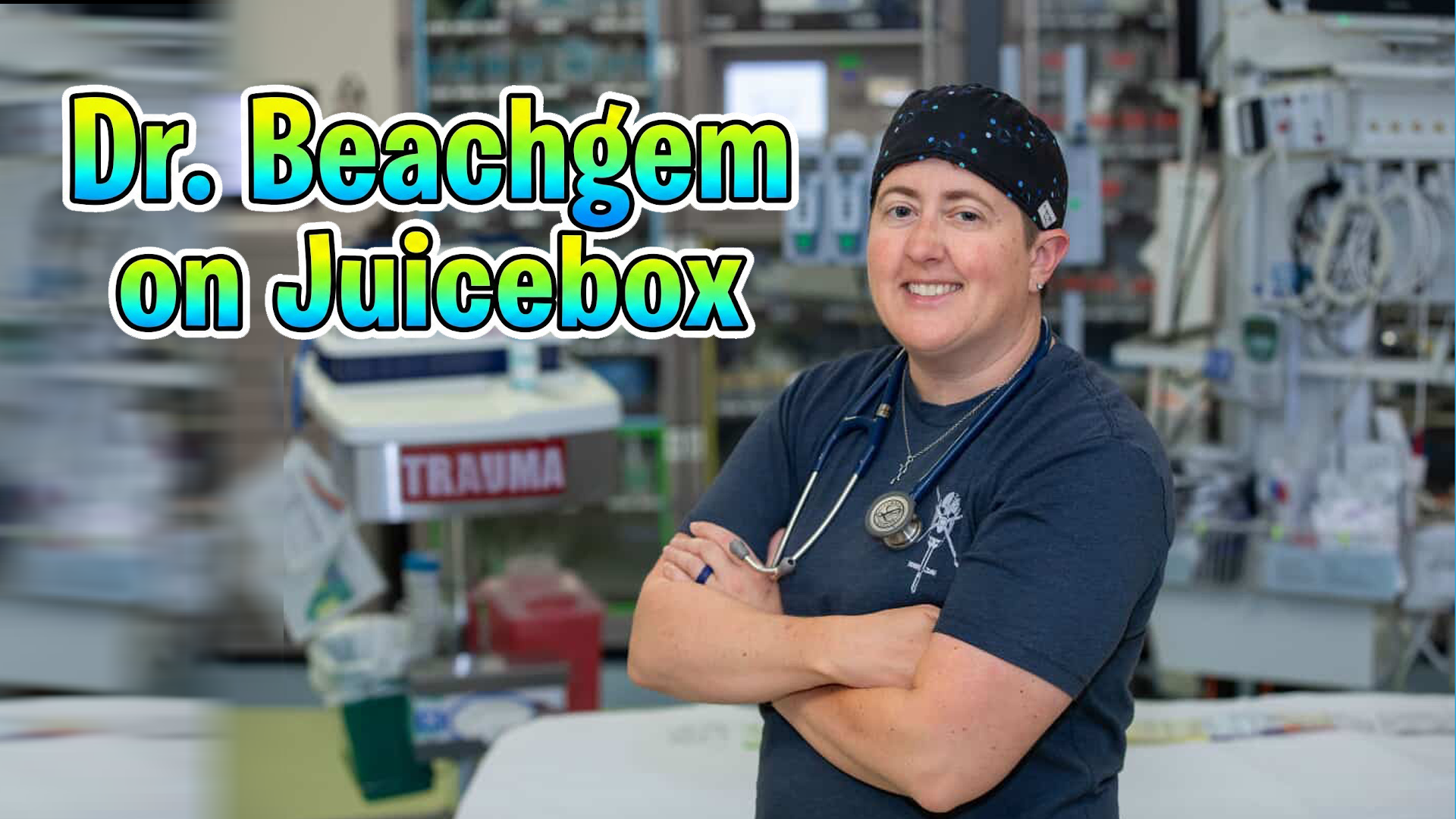
Max has type 1 diabetes and is a returning guest. Her first appearence was on episode 558, After Dark: Life Struggles.

You can always listen to the Juicebox Podcast here but the cool kids use: Apple Podcasts/iOS - Spotify - Amazon Music - Google Play/Android - iHeart Radio - Radio Public, Amazon Alexa or wherever they get audio.
+ Click for EPISODE TRANSCRIPT
DISCLAIMER: This text is the output of AI based transcribing from an audio recording. Although the transcription is largely accurate, in some cases it is incomplete or inaccurate due to inaudible passages or transcription errors and should not be treated as an authoritative record. Nothing that you read here constitutes advice medical or otherwise. Always consult with a healthcare professional before making changes to a healthcare plan.
Scott Benner 0:00
Hello friends, and welcome to episode 812 of the Juicebox Podcast.
Today, we have a returning guest, we're going to be speaking with Maddie who's actually Max, but that you'll find out about later. Anyway, Maddie, where Max was on Episode 558, which is called after dark life struggles. And she's back today to tell us more about her life. Let's see if her struggles have gotten lesser. While you're listening, please remember that nothing you hear on the Juicebox Podcast should be considered advice, medical or otherwise, always consult a physician before making any changes to your healthcare plan. Or becoming bold with insulin. It's the end of the year, but you can still go to T one D exchange.org. Forward slash juicebox and join the registry. Then just fill out the survey, the whole process takes fewer than 10 minutes. When you do this, when you complete that survey, you're going to be helping people living with type one diabetes, you're going to be moving research forward and you may find a little something in there for yourself. T one D exchange.org. Forward slash Juicebox. Podcast a lot of talking. Alright, ready to get going? Yeah. All right. Let's do it. This episode of The Juicebox Podcast is sponsored by the Contour Next One blood glucose meter. You're gonna learn more about that great little meter at contour next one.com forward slash Juicebox Podcast is also sponsored today by us Med and US med is where we get our diabetes supplies and where you can get them as well. Us med.com forward slash where you can call 888-721-1514 This show is sponsored today by the glucagon that my daughter carries. G voc hypo pen. Find out more at G voc glucagon.com. Forward slash Juicebox.
Max 2:17
Podcast I've been like thinking I was and I'm like I don't even know what to talk about. Like I didn't know anything really. I kind of feel forgot it until it showed up in my calendar this month. And I'll go Yeah, that's right.
Scott Benner 2:31
Let's let's we're recording already. Let's figure it out. So I figure it takes what about six months to get on the show? Is that about right?
Max 2:43
Yeah, I think so. Just about
Scott Benner 2:45
Yeah, from once I send a link it takes about six months so there's I'm not good with email MADI so, like, I know I have I have like a month's worth of emails I have to answer right now. And some people just keep sending them as if I haven't seen them. I'm like, Oh, this is just making it worse. Please stop. Please stop resending your emails. Overwhelmed. i It's just me here. So. But anyway, once once you get a link back, and I asked you to find a time it usually takes about six months to get something. And so, you know, they're most episodes that people hear. Take like a year to get to them. It's really interesting. But so you don't remember back then what made you reach out?
Max 3:29
I do. I do. Okay, having those stomach issues, and I was like my, my pancreas just doesn't like me.
Scott Benner 3:38
So wait a minute. You have diabetes?
Max 3:40
Yes. Do you do not remember our episode? Maddie?
Scott Benner 3:44
I don't remember anything. Are you kidding? Are you on the first time anymore? Oh, you're special? Hold on a second. What episode were you on the first time? What was it? Do you remember it was?
Max 3:56
So it ended up being an after dark episode when it wasn't originally planned to be? I do remember. You named it. I think it's like life struggles.
Scott Benner 4:07
Yes. Oh, it was just out. Like, it's funny. It's probably seem so long ago to you. But I was like, Well, that was just October 2021. It's only like, it's only like seven months ago. And I said come back on at some point. Is that correct? Yes, you did. Yeah. Okay. See, I mean, remember, it's a strong word, but I know what you're talking about. I only put afterdark out periodically. And there's been seven Since yours. And I've recorded four more. So what's in my head is the most recent one that I edited, which was about a boy who who had type one is mom had type one. And he he had some bipolar and was an addict and he over pod at some point and passed away. And so that that one's in my head right now. So All right. All right, Maddie, let's just refresh for people for a second. So for anybody interested Maddie was on episode 558 called after dark life struggles. So when you first came on to record that time, you didn't think it was going to be an after dark and I didn't either.
Max 5:17
Not Not at all. What, uh,
Scott Benner 5:19
what about our conversation, put it into the afterdark category?
Max 5:24
Um, oh, you were like, asked me about like, my childhood or like something or I don't remember what it was like I had mentioned something and you're like, oh, wait, wait, hold up. Like, let's talk about that. A little bit more editing.
Scott Benner 5:38
And then we found some stuff. Yeah.
Max 5:41
When we cried, we both cried, ladies.
Scott Benner 5:45
Well, that's not hard to get me to cry. So that's not a that's not a big bar to clear. But well, so since you've done it since you recorded it. Have you had any? Like, have you had any clarity? Like, has anything gotten better for you since then?
Max 6:04
Yeah, some things have gotten better than some things haven't, I guess.
Scott Benner 6:08
All right. Well, let's start at what got better. Go ahead.
Max 6:12
Okay. I got a new job that I really enjoy. But I'm not I'm gonna have to leave. I just put in my two weeks yesterday. I like moved. So the commute has been much longer it's been, like, very difficult. Like, unfortunately, like, I'm gonna find someplace you know, closer to home. So I did.
Scott Benner 6:38
So you found you found a job you liked, but it was too much of a commute.
Max 6:44
Well, in the beginning, it wasn't because I lived nearby. And then I moved. And it just like tripled my commute time. I was like, I can't especially because like at the you know, drop off my son like all over the preschool. Like before I come in, it's like way too early. A poor kid. He's the he's a trooper, though. Because like, I have to drop them off at six in the morning. And we get the wake up at five.
Scott Benner 7:13
Maddie, I just, I know who you are now. I know. It's weird for you. But I love you. I had so much fun talking to you. I got now I see your face. Like I just looked online. I'm like, I know this voice. I know who this person is. I'm like, damn it. And you know that little boy. Right? And oh my gosh. Oh, how are you? Um, I know, this is weird. I feel like we bumped into each other at the mall, I guess. Yeah, I feel like we bumped into each other at the mall. And like for the first couple of minutes. I'm like, Hey, how are you? You look great. I you know, and then one day and then have something I'm like, Oh my God. It's Maddie. I know who this is? Oh, well. Oh, now I'm so excited. Love it. Can you imagine that other people who have recorded the show are like, Wait, he doesn't know at all when we get. I really don't. But interestingly enough, that's how we got Maddie story the last time because I didn't know what we were talking about. Right. And actually, that's right. So alright, so you found you found a job. Let's do a high level here before we get into everything. So you're how old?
Max 8:24
I'm 25 now, right? Oh,
Scott Benner 8:27
congratulations. And how old is your son? He's four. Okay, you have type one. Yes. And what's, there's something going on with him? Am I right?
Max 8:37
She beat cancer. That's right.
Scott Benner 8:40
Look how I just said there's something going on. Little boy beat cancer. And I'm like, he had a thing. What was it? And he's still doing well.
Max 8:51
Yeah, I mean, he's doing pretty good. You know, we have to regularly get like checkups and scans done and stuff. I mean, no, cancer wise, everything was fine. So the he had to do like so much chemo and so much radiation that it eventually you know, caused him to not be able to walk during treatment. Like first it was braces up to his knee, like ankles and other places up to his knees and then it was those braces and a walker and then eventually it was just like nothing for a long time. So he has like very, you know, like his bones are still are still getting stronger. still catching up a little bit in some ways.
Scott Benner 9:38
Was he getting the bone pain after chemo?
Max 9:41
Yeah. So in that and then right when he was starting physical therapy, after he was able to like kind of walk again. Right when like he was like finishing it. He actually broke one of his legs. So He was in a cast for that. And then like he had to put on a boot. And you know, physical therapy longer. He was fine. It was like, about a year now. And then he actually just got seen for like his checkup again. And they're like, oh, like he has to start physical therapy again. His legs are a little bowed on there. Like, hopefully, like, we've caught it soon enough that we can correct it. Like, it's not like he's probably gonna have to get surgery next year. And I was like, Oh, great. Another thing
Scott Benner 10:36
we needed something to do. That's perfect news. Yeah.
Max 10:39
Oh, yeah. And then he's been like having stomach issues. And like, some of the tests done on his liver have been a little off. So we need to see a specialist for that too. Just because going through, you know, like the radiation and stuff. It actually gave him VOD as one of the side effects and it's like blood clots in the liver. And he's like in the hospital for a month straight, like hooked up to so much stuff like reversing it. So we've Yeah, we need to get his lover checked out with his liver checked out again. Hopefully that's okay. It's crazy.
Scott Benner 11:13
All the things that medicine can do for cancer now. You sent some since you and I spoke, my mom was diagnosed and had to have a pretty radical surgery to remove the cancer and she's 79 and and tolerated the surgery, okay. And she just finished her chemo last week. So she just got her. She just got her second scans back and they told her they look good. And she's she's trying to be proud of herself. But she's so old. She she's just like, she's from another time. She's like I said, I did that. Like what are we gonna do now?
Max 11:51
That sounds about right. Like completely done like with the maintenance chemo to
Scott Benner 11:57
she at the moment. She doesn't need any more chemo. So that's amazing. Yeah, we're all like, Mom, you should celebrate. She's like, Ah, I didn't do anything. That's like a big surprise party. Well, that's what we were talking about her birthday is, is coming up pretty soon. I said, Maybe we should do that. And if she can't celebrate it herself, well, we'll have to find a way to do it for you know, so Okay, well, alright, well, how's your diabetes stuff going?
Max 12:23
I was struggling again for a while. I'm actually just like getting back on track now. Because, you know, I want to get, I want to get a pump and real TGM you know, I just have the FISA libre. As my doctors like super for it, and like it would be much easier if I'm with my activity level. Now.
Scott Benner 12:51
How was your activity level risen?
Max 12:54
Its present insanely. I mean, I'm no longer like at a desk job. Now the job that I'm at right now that I'm leaving in two weeks, I'm like a team lead on a food manufacturing, like, production floor. So I'm like, constantly running around, and like a fridge and freezer for like nine hours a day. And then I I do roller derby now, for fun. So it's so much fun. I love it. So much. Like, I also just feel like a badass and it's great. And Oliver loves coming to practice.
Scott Benner 13:28
We used to go to roller derby, there was one near here, a league and we would go a lot actually, when we were younger to watch and our kids were really small. It was a ton of fun watching actually, I always like oh my god, they're gonna get hurt, they're gonna get hurt. And everybody was always kind of okay, it was interesting. How did you get involved? How'd you get involved in that?
Max 13:48
Oh, that's kind of a sad story now. So I don't know if you remember when we were recorded our first episode kind of got into like the topic of my mother, like my birth mother. And like she had, like, passionately when I was young. Oh, you know, it was like, the day before my birthday. And so it was like, I've never really enjoyed celebrating my birthday. You know, like, a lot like not every year, this past year, you know, like, I was sick. And you know, I just wasn't like feeling good. And I was like, out and about and I was like, I want to do something like I want to take myself out. No, and just randomly I looked online, I was like, oh, like what's happening like around me. There's like a roller derby about in 30 minutes and I could make it and I was like I'm taking myself like I'm I'm definitely taking myself to this right now. I did and like I just like fell in love with it. And like after that was done, you know, I was like how how can I get into this? Like tell me how now.
Scott Benner 14:58
Not that big are you
Max 15:01
Oh, I'm like, I'm almost five, six.
Scott Benner 15:04
Okay. All right. That's pretty. I guess that's pretty tall. Right?
Max 15:08
I feel like it's average.
Scott Benner 15:09
I think if he was tiny, I don't know why
Max 15:13
we're talking about that. Yeah. Yeah. Like you're small. And I was like, now
Scott Benner 15:19
it's your face. Like there's something about your face you you look like a, like a pixie or something. I don't know how to put it exactly. But you just you, when I see your face, I think the rest of you is gonna be super tiny for some reason, but five six is a legitimate pipe. So are you out there knocking girls around?
Max 15:36
Yes, yes. It's great. And I'm falling. Like I actually have like a, my left shoulders hurt right now. And like my right hip is a little bruised up. But, but it's fine.
Scott Benner 15:48
But it's fine. Because it's that much fun.
Max 15:52
Yes, I'm like, I pay to do this. And I enjoy doing this. And I'm like, I'm getting beat up on the rink, but it's fine.
Scott Benner 15:59
How often do you? Are you Is it a match, they call them matches?
Max 16:02
They call them bouts out. Okay? So actually think about like roller derby. It's like not a sport, you can actually just like jump in and join. You have to take a three month course before you can pass the skills test and then be able to join the League or team. I'm sorry. Now I'm like currently doing the they call it crash course. And actually get tested at the end of this month. I'm very excited. Oh, see,
Scott Benner 16:35
your three months is almost up. Yeah. And then you think you have to take the test. And if you take the test, and you can go like what do you go into like a pool and a team can pick you or do they assign you to a team?
Max 16:46
I actually can pick which team? Oh, wow.
Scott Benner 16:49
That's fun. Is it close to your house?
Max 16:53
So I mean, not really. I guess it's actually just close by my workout here. So it's like 3040 minute drive depending on traffic.
Scott Benner 17:04
Okay. All right. Well, I mean, if you're having fun, who cares, right? Yeah. And, and your son comes along to practices and everything.
Max 17:12
Yes, he loves it. And everyone loves him was because he's just too cute. Yeah,
Scott Benner 17:17
no, I know. I would. But it's, it's a nice thing. You get to see you're doing something active. And you guys get out and do stuff in your does it help you, like get frustrations out? Or what's the benefit of it?
Max 17:31
Like, like, I'm separating, or like giving myself like quality, like time with myself, like, like, I'm constantly working or like doing something. And Leah just like he gets it gets to be a lot sometimes. And I was like, I need to do something for myself. And I did. And it's it's just that fantastic. Like a stress reliever. It takes me. You know, like, out of thinking about everything going on. It's my escape.
Scott Benner 18:06
It's excellent. I'm glad you found something that is what were you before that just working and being a mom and working and being a mom? Yes, yeah. Are you seeing anybody? Are you just you and heal on your own right now?
Max 18:19
Right now. It's just him and me. So, actually, when my first episode came out, I actually was with someone that kind of just like, burned down in flames. It's okay. I actually like I prefer the single life like it's so much easier and like I'm one super busy anyway, I'm like, I don't even have time.
Scott Benner 18:41
Okay, well, maybe one day you'll meet somebody else. You said that your diabetes got off track what happened.
Max 18:50
Like, just like, with my ex, like I wasn't doing good, like mentally and so like I stopped, like taking care of myself and kind of just like, went down that little rabbit hole again for a little bit. But it didn't get to a point where I was like getting hospitalized for like DKA or anything like my blood sugar is just like obviously running higher. But I've been you know, like doing a lot better now that I was like, have separated myself from him. happened in February. Like it's only it's only been like two or three months.
Scott Benner 19:32
Can you just can you describe a little bit about what happens to you, you have a relationship, it doesn't go well. And as its ending, like specifically, you've stopped counting carbs you stop Pre-Bolus eating meals what like what what happens? And then how does it get away from you? When you have diabetes and use insulin, low blood sugar can happen when you don't expect it. G voc hypo pan is a ready to use glucagon option that can treat very low blood sugar in adults and kids with diabetes ages two and above. Find out more go to G voc glucagon.com. Forward slash juicebox G voc shouldn't be used in patients with pheochromocytoma or insulinoma visit G voc glucagon.com/risk. I've tried a number of different ways to talk about the Contour Next One blood glucose meter over the years, you know, talked about its size or how well it works. I mean, the accuracy alone is probably enough for you to be and I tell you about how the Contour Next One could end up costing you less money if you just bought it over the counter didn't even go through your your insurance. But in the end, I think what really resonates with people are these two things, I think this ad should be 10 seconds long, it should sound like this. The Contour Next One blood glucose meter is small, easy to use, and incredibly accurate. Plus, the test strips are for you Second Chance testing. So if you get some blood but don't get enough, which is not to say that it needs a lot of blood because it doesn't, but if you get some but not enough, you can go back and get more without messing up the earring or experiencing an error on the test trip. Alright, so maybe more like 30 seconds long. Anyway, contour next one.com forward slash juicebox. It's a place where you can learn more, you can get started. Or you can just buy all this stuff online with the big buy now. Link that you'll see when you get there. Contour next.com forward slash juicebox in the end, you want and deserve an accurate blood glucose meter. Everything starts with that test and what it says right is it accurate? I mean just my blood sugar at I want to know contour next one.com forward slash juice box. Now we're gonna move on to talking about the place where arting gets her diabetes supplies and no surprise here you could get your supplies there as well at us med.com forward slash juice box now go to the link to get started. That's it us med.com forward slash juice box if you don't prefer the internet, if you're like really attached to the phone call 888-721-1514 These are your options. They are plentiful and easy no matter what you choose. Why would you do this? Well, just quickly. US med accepts Medicare nationwide and over 800 private insurers. They have an A plus rating with the Better Business Bureau and they always provide 90 days worth of supplies and fast and free shipping. US Matt has everything from insulin pumps the diabetes testing supplies to the latest CGM like the FreeStyle Libre three and the Dexcom G six. Pretty soon there might be other Dex coms better service and better care is what you're going to get from us med they're the number one distributor for FreeStyle Libre systems. Number one specially distributor for Omni pod dash we get our Omni pod supplies from us med we get our Dexcom supplies from us med you can to us med.com forward slash juice box or call 888721151 for get your free benefits check and get started with white glove treatment from us med it's that easy. And you have time off. The holidays are coming. I know you're sitting around not doing anything. Call us. Alright, just a tiny bit of music laughs let me remind you, T one D exchange.org forward slash use Box go take the survey. And let's get back to Maddie. Who will soon be max you'll see about that in a second
you've stopped counting carbs you stop Pre-Bolus eating meals but like what what happens? And then how does it get away from you?
Max 24:04
Like I just I usually stopped taking my ADHD medication. That's like a big thing that like actually helps me take care of my diabetes because without I'm like, oh, like I don't want to do this. I'm not going to be physically able to basically. Um,
Scott Benner 24:23
is that I'm sorry. I didn't mean to cut you off. There's a little bit of a lag. Go ahead. I'm sorry.
Max 24:31
I'm sorry. So yeah, I was saying you know, like, I stopped taking my medication. And then I stopped taking my insulin like I'm not watching what I'm eating. And then like, let go Yeah, like I'm feeling a little crappy but I'm not like awful like, awful. Like I had, like I said, like, have had DK anything because it was like I was I was still taking my long acting. So I still had something in me, but it was like yeah, like, just like hovering For carbs, really eating like I should.
Scott Benner 25:05
So so. Okay, so let me see if I can understand a little bit or maybe we can figure it out together. So life starts to fall apart in your personal life, you stopped taking the ADHD medication? Is that on purpose? Do you do that? Because you know, without that you won't have to focus on all this stuff? Or does it happen by mistake, where life gets hectic, you miss a pill, then you miss another pill, and then all of a sudden, you're experiencing ADHD at its full power. And then it's hard to even start taking the pills like which, which do you think happens?
Max 25:42
Man, it's more of like a purposeful act, they kind of like go like, I'm just gonna like, mess my meds. Like I woke up late anywhere, like, whatever. I was just like, it'll be like a super busy morning. And like, I space it. And it'll be like, Oh, just a couple hours later, oh my gosh, like that's, like struggling. I'm like, I don't want to take it, you know, late in the day, because then I it's like, it's hard for me to go to sleep. And it just like, it just makes it even worse. But then yeah, so I'll like notice, and then like, almost like, the next day, and then I'm like, You know what, like, whatever. Like, I've already missed it. Like, I don't care to take it. And then and then my diabetes starts declining along with that.
Scott Benner 26:27
How? How aware? Are you of what's happening while it's happening? Like, do you see it crumbling around you and you don't care? Or do you not notice it right away?
Max 26:40
I'm very aware of it. He was like, hyper aware. But no. So why is that was never been really want to reach out. I was like, I can do it on my own.
Scott Benner 26:58
So what's interesting because it's a conflicting, it's a conflicting message, right? Like so you're saying I want to check out and at the same time, you're saying I don't need help, I can handle this in a moment when you're not handling it. And, and but yet, has this ever happened at all with with the care of your, like, remind people for a second? How old was your son when he was diagnosed with cancer? He was two, he was two, which made you about 22 years old. I was
Max 27:31
23.
Scott Benner 27:32
Okay, so made you're really young. He was really young. You were really young. Did you ever falter for taking care of him? Or were you always handling him?
Max 27:41
Oh, no. Like it. It was hard. For me, it was very hard, um, literally, like, the next month after I had actually gone missing. Um, I I actually just, like, reconnected with an old friend acquaintance. And he was like, he's like, I'm pretty sure. Like, the way I found out about it, like you missing was like, on the news. And I was like, I didn't even know I was on the news. I was like, I knew it was all over Facebook. And like social media. Because he like my finally came to and like, contacted, you know, like my sister. And like, I was like, I'm okay. Like, I just, like, seen it all over social media. I didn't, I wasn't worried that it was on the news. How long
Scott Benner 28:28
were you going for?
Max 28:31
So I was, I think it was like, two days, like a day or two.
Scott Benner 28:39
You just kind of picked up and left, like, ran away from everything or
Max 28:45
so like, all after all of it was diagnosed, like, you get sad. Like, fell into like a depression. And again, you know, like, I stopped taking, like my ADHD medication. And then I stopped taking care of my diabetes. And then like, what I try to explain to people too, is like, you know, someone without diabetes or like a very, you know, like, serious medical condition. You know, they can fall into a depression, like very easy, and, you know, like, people won't like shower for like weeks or like, clean their house or, like, they won't go to work. I'm an effects on like, so badly. And I was like, with having a medical condition like diabetes, it's like a, get some so much like, scarier like worse, like life threatening. Like, it can be like so much quicker, you know, because of that.
Scott Benner 29:41
Right? Because it's not just it's not just you kind of shut like sheltering yourself away and being depressed. It's everything else is happening at the same time and you have the ADHD medicine on top of that. So it's that it's diabetes. The one thing makes the other thing more difficult actually, they both make the other thing more difficult. So I would imagine once your blood sugar gets high, you're probably I mean, more easily annoyed and irritated. And then everything just keeps piling up, right? Yeah, you just kind of took, you have to remind me, do you get high or? No?
Max 30:19
So I mean, not very often, but yes, I do.
Scott Benner 30:24
Is that where you disappear to for two days or?
Max 30:27
No, so actually, you know, like, I stopped taking care of myself. And I, I really enjoy driving like to just like, calm down, you know, like, I used to live in Orem. And where I lived was very close to like, the canyon, like the mouth of the canyon. And I would just like drive, like, drive through almost every day. And so like, I went for a drive, because I was just like, I need to chill out a little bit. Like, I'm just like, so emotional, like, I'm so stressed out, like, I'm so upset, you know, like, all of this is going on, and my blood sugar was super high. And I was like, I like pulled off the freeway at some point, because I was no longer living near the canyon. So I'm just gonna drive on the freeway for a bit and then turn around and come back. But I woke up in the hospital. I'm, like, I pulled over and like call for help, or something happened. And that was, I was just there.
Scott Benner 31:32
Where was your son for those few days?
Max 31:35
So he was with his dad. So actually, like, how they became aware of me, you know, I just like being missing or something being wrong so quickly, was because that night, all of his dad was supposed to drop them off to me. And he was like, she's not answering her phone. Like she's not answering like the door like nothing. Like, oh, like she's not here. And then they're like, Okay, like, we need to file like a missing persons report. We need to get on this like super quick.
Scott Benner 32:08
Okay. Yeah. All right. Well, geez. All right, Maddie. You know, it doesn't take long for me to start feeling paternal in these conversations and like, I start getting upset. It's upsetting at them. So the most recent time that you that things kind of fell off for your care. This was about it was about just kind of a breakup of a relationship. And when it was happening, and it was the same thing that had happened to you in the past? Is that Is there any guardrails for you to help you get back quicker? Or do you have somebody in your life that you could turn to to say, hey, it's happening? I need you know, I need somebody to make sure I'm on my ADH ADHD medication, so that I can keep taking care of my diabetes, or is it just like this, it just fall off? Like it's you understand on me? Is there anything in place for you, anybody who can support you?
Max 33:04
I mean, I know I have support my family and like my friends and like, all of his dad's family's there for me. Like I said, I'm just very hyper independent. And I'll be like, I don't want to ask for help. But then like, it'll get to a point where I'm like, okay, like, no, like, I need help. Ashley's young, just reach out to Oliver's dad's mother and his fiancee, as well as like, not like I'm struggling, like, I need help. Like, I don't want this to affect Mike, my care for all of her, you know. And, you know, like, they're, of course, like, they're happy to help, like, they would help as much as they can. Like, without a doubt, it's just I know, myself or I'm just like, hard headed. But then like, I'll, like now, like, I'll come to the realization a lot sooner than than later.
Scott Benner 34:04
Can I ask you something I think is going to be difficult, but I'm wondering. I mean, you're here. So how old was she? How old? Were you again when your mom passed?
Max 34:15
So it was the day before my seventh birthday?
Scott Benner 34:18
Okay. Do you have any concerns about your own life? Do you think you're going to die early?
Max 34:24
I do. Um, a lot of people are like, No, that's not true. Don't think that way. Isn't mean like, I have a lot, you know, like, of medical conditions now. And like, I know, like, my body is damaged from all of the residents. They miss care, but I was like, no care at all. No big really growing up because I was also like, such a late diagnosis with my ADHD. Or like, I just like I just wasn't able to like it was it was like so debilitating. I'm like, try, like just trying to be like I couldn't because we didn't know or like it wasn't like addressed when I was younger.
Scott Benner 35:08
So, ADHD type one diabetes, tell people what else you have going on.
Max 35:15
Okay, so yeah, so ADHD type one diabetes, chronic pancreatitis, exocrine. pancreatic insufficiency, diabetic neuropathy. I have endometriosis and polyps Oh, I have all sort of colitis now, apparently and they're like still trying to determine whether or not I have Crohn's disease.
Scott Benner 35:47
Are you being helped with any of this? Like it? Or is there a way to make any of it better?
Max 35:54
Oh, and I have medication for most of those things, or, you know, like specialists and stuff like that.
Scott Benner 36:07
Can you just can you describe how the endometriosis affects you?
Max 36:12
Oh, so I used to have super like insanely heavy periods and like the worst cramps ever like I was prescribed, like, like actual like narcotic like pain medication for how bad my period would hurt me. And I was actually starting to get like abscesses like on my ovaries. And like it's just a
Scott Benner 36:43
matter you're gone alongside Maddie because you hear me You disappeared for a second abscesses on your ovaries. That's the last thing I heard.
Max 36:54
Yeah, so I was just like, I need to, I need to get this fixed. Like somehow or like, get, like some treatment for it. And you know, you tried a whole bunch, like, different like birth controls. It's also tricky, just, you know, like diabetes as well. There's like, like, I can't take the pill because if you have diabetes, it actually puts you at high risk for blood clots. So I was like, can't do that, you know, try some other things like didn't help. me like I had to get surgery for my endometriosis to like, basically, like, scrape off the scar tissue off of like my reproductive organs.
Scott Benner 37:34
Does that help at all?
Max 37:36
It actually did for like, about a year after I had it done. And then I started getting into pain again, and like the heavy bleeding. And so I went back to my doctor and I was like, Can we please like, do this surgery again? I was like, in tears begging him and he was like, No, he was like, the reason why we can't like do it like yearly or like very often is because like multiple surgeries actually just make it worse. It's gonna cause even more scar tissue. Like adding on to like everything else going on with your endometriosis. Okay, okay, yes. But, you know, like, obviously, like having a period like hormone stuff like that, that also, you know, like raises your blood sugar. And then it it was just like, it'd be like, I wouldn't eat because I was in so much pain, just like making it a little bit harder to manage. And then, sorry, like, when I first got that surgery, actually, I hadn't been diagnosed with ADHD yet. And so you know, like, I, you know, a lot of pain, I'd stay in bed, I'd miss my medication, I'd start to miss my insulin. So I mean, I feel like everything just affects the other and it makes it difficult.
Scott Benner 39:00
No, I understand. Well, did your health issues have anything to do with your last relationship networking? Or was it just purely personal?
Max 39:11
It was personal. A I started seeing some red flags. Then I ignored it for a little while. And then I started adjusting them and then made things worse. And as I needed, like, I'm done like I need to get out of this like, as quickly like as possible. Because like, obviously, as I've as I've grown, I'm more aware of things I've learned from my past mistakes. I need to take this care of now. Like I can't, I will not tolerate this anymore. Good for
Scott Benner 39:52
you. Remind you your father's still around?
Max 39:57
Yes, yeah. So my father was about like, half an hour for me, my biological father, the My stepfather that raised me are talking about that last step. So you don't have any contact with him anymore.
Scott Benner 40:12
What would your would your biological father be a good, like backup for you? Like, could you explain to him what you're going through and tell them you need, like support and help sometimes even if it's like, just emotional or, you know, somebody around? Yeah,
Max 40:26
like, most definitely. Yeah. That's funny, because I actually, I went to my parents, for Mother's Day, brought Oliver with me. And my mom was like, oh, or, well, my stepmom, my father's wife, I call her mom. Um, she was like, we like kind of like one of the, like, tell you something about like, like your sister, and like your dad. They're like, they like both. I've just recently been diagnosed with ADHD as well. I was like, Oh, my God. I was like, we got it from you. Because it actually is like, you know, a genetic thing, you pass it down. I was like, we bought it from you. But, like, kind of got emotional. Because, like, when you're late diagnosis, it's like, you look back on your life, and you're like, if only, you know, like, we found out so much sooner, like, my life would have been so much different. Like, my life makes so much sense now, like, I thought it was crazy, or like, whatever. Or like, the missed potential, you know,
Scott Benner 41:35
yeah. If he had, if he had the medication, he might have been able to do something differently. And it could have had a cascading effect and an impact that everybody puts, you would have known earlier that you had ADHD and, and then you could help sooner.
Max 41:49
And so it was just like, like, better see? And then I was like, now you can like, and like, understand, when I was younger, and they're like, why can't you just like, take your insulin, like, you know how to do it like, you like you're capable of doing it. You've had it for so long. But like, why can't you do it? And I would tell I'd be like, I just don't know, like, I will think about it, like, it will be like a huge, like weight in my brain. You know, I'm like, It's all I can think about. I'm just not physically able to will myself to do it. But I want to like the the ones there. But I just I can't.
Scott Benner 42:31
Is there anything that could force you to overcome? I mean, I don't know, obviously, I don't have ADHD. So I don't understand it completely. But I mean, it's, I'm struck while we're talking and remembering your story from the first time and then building on it here. I mean, you lost your mom, when you were young, I assume you don't want your son to lose you is that I'm sure it's in your head, like you're a smart person. You think about things, it's in your head, but that's not enough, right? You can't overcome it just because of that.
Max 43:02
It's like, it'll work for like a little bit. And he was like, what ADHD is like, like, the dopamine. And it's like, A, that's like, what I was also like, 2020 like my parents, when I was younger, I was like, I, I can take care of myself. You know, like, once I start like, so I'm getting like the dopamine from it. But then it's like, once the dopamine like runs out. It's like it just I fall back into the cycle of not doing it. But then it's like, oh, I can do it for a couple months. And then I just like fall off because I'm not. I'm not. I'm not happy with it. I'm like, I hate taking care of babies. No one wants diabetes. Like, I just get to the point and I stopped or I used to stop. Now I'm medicated, medicated I can do it.
Scott Benner 43:54
No, it's mean, it's hard not to feel bad when you're talking. Because, I mean, you really, you need somebody there who's not, who doesn't have ADHD who can help you stay, you know, on the path you're on. And notice when you're off the path and get you back on it quickly. How long was the break from you taking care of your health? Like when you say I think you said like the relationship kind of stopped in February. How long did it take you to get back to my house?
Max 44:25
So actually, I moved out of his house in early February, okay. took about a month. It's a because another like hard thing to do was like moving like all my prescriptions over and then having to get like Doctor authorizations and like, you know, just like getting everything switched over was like such a hassle. And then for a while the pharmacy was like, oh, like your insurance isn't active and I was like, What are you talking about? And I was like, I literally went to the doctor like last week. I was like I've had my insurance for years like, and like it says it expired in 2013. And I was like, That is insane. And so it turns out, you know, the, like, while I hadn't been able to, like, fill my prescriptions because I was like, they're insanely expensive, like, I'm not able to afford that. They're like, oh, like, we finally call the insurance like, because like, I told them, I was like, you know, I was like, I have not leaving this, like, counter until you call them because like, I need this to live, like, come on. Like, oh, I guess they like change, like the system or whatever. Like, we don't need to put like the two extra zeros at the beginning of the number. And I was like, oh my god, that was really, that was it?
Scott Benner 45:45
Yeah, yeah. Do you have a question? Do you have a roller derby name yet? Because I have a suggestion if you don't have one.
Max 45:53
I do you. What is your suggestion though? I want to hear it. Well,
Scott Benner 45:57
as I as we used to watch roller derby. I would tell Kelly all the time. If I ever become a woman and start doing roller derby, I'm gonna make my name chicken patty. I love it. I don't even know why I just think it's hilarious.
Max 46:19
Yeah. Oh, yeah. So I do have a roller derby being my roller derby name is peach clobber? For short, I go by peaches.
Scott Benner 46:31
That's good, though. That's excellent. piece. Kloppers Excellent.
Max 46:36
Oh, what I also love about like roller derby is we actually have a couple girls that have type one as well. Yeah, so the first person I like was skating around with like, basically like, the hollows you call it like it puts that word. Like orientation, I guess for like, the derby. I was like skating with her. And I had noticed her she hasn't Omnipod. And I was like, Oh my God. I was like, I need to show you something. And like, I pull down my shirt and like a shoulder my sensor. And she's like yeah, so yeah, I think she's actually a travel nurse. She has type one as well. And she actually has a she has a an alert dog to like she's brought him once.
Scott Benner 47:33
Volcana No. Hate so not to not to make this a business thing for me. But you're saying on on the paddle. Stay on while you're participating in roller derby? Yes. Wow. Um, the pod.com forward slash juice. Thank you take that opportunity. Yeah, that's really a great idea. I mean, if it's gonna hold on for that, I can't imagine what it wouldn't hold on for. So you see, you've met some people? Well, you've met people with type one through the roller derby already? Yes, that's right. Yes. Is there any kind of I mean, obviously, the podcasts and I mean, the Facebook page and stuff like that, for like diabetes exists? Is there community around ADHD at all?
Max 48:21
And, like, I've, like seen groups like on Facebook. I mean, the only ones they've really like joined is just the ones that have means get my giggles
Scott Benner 48:40
I guess it would be hard, though, right? Because when you need help, you're usually struggling or when you're struggling with ADHD, you're not taking your medication, maybe. And then, I mean, that makes it difficult for you to be I would imagine focus to help other people as well as yourself. Right? Maybe it doesn't lend itself to it. I don't know. I just thought, I don't know the entire time you're talking like, I just want you to have like a person. You know what I mean? Like, it doesn't have to be a romantic relationship. I just want you to have somebody that you can turn to when you need it. Because you're still super young, like you've been through enough in literally just the last couple of years to fill a lifetime for somebody. Seriously, I it's not it's not right. It obviously there's no fair not fair in the world. That's not how things work. But if there was, you'd be getting screwed, you know? Yeah. For sure. Do you notice that changing at all as you get older? And I'm just asking like as your mind? I mean, I'm trying to ask as you get more mature. But I mean, I don't know your maturity might have come pretty early in life. But But do you notice that at all? Do you notice like as you get older, you get more experiences and it becomes easier or is it the same struggle today that it was, like five years ago?
Max 50:00
Now it becomes much easier. I attempt to like, look back, you know, often. And I'm like, oh, yeah, like in that moment, like, I may have been, like confident about my decision or like, didn't care about something or whatever. And like, I reflect a lot on like, I've, I've learned, you know, from mistakes, from decisions, like stuff like that. And it really does help me out now. I can, I can definitely tell you like, I'm more responsible. You know, I, I put in an effort, much more than I used to. Yeah. Like, there's, there's been a big change in me. Oh, funny about that. It's talking about big change. I don't know if you noticed on like, my Zoom name I read or whatever. I like Maddie slash max. So since we've, you know, talked last I go by Max now, like, how
Scott Benner 51:04
do I not know this? I'm sorry. I wish you would have told me 45 minutes ago, but that's okay. So, tell me about that.
Max 51:16
Okay, so, um, I used to be a waitress and the restaurant that I was waitressing at, there was two other Maddies. So there's three of us. And I was like, you know, I was like, We need something to distribute that work to
Scott Benner 51:35
differentiate. I know this one. Yeah. Hold on. Let me, Max. Let me have this for a minute. Because there's times I don't get them. Differentiate. Yes. Excellent. Go ahead. Thank you. I was just showing off God.
Max 51:49
And I was like, you know, I'm going to change my name you like it, we're first I was just at work. I was like, you guys, like call me max out. Like, I got a new name tag, you know, like, change my server card. And I was like, you can just call me max. And I liked it. I really liked it. Like, I felt like it just like really resonated with me. And then I started introducing myself as Max outside of work. And it just like, stuck, it just felt right. And eventually came to a point one I was like, Maddie who like like, I didn't even like react to the name anymore.
Scott Benner 52:32
And this is just the name. It's not like a gender thing or an identity thing.
Max 52:37
name, gender, like involved. And I was like, thinking over and I was like, yeah, like, since that, like, I feel like, I've just also like really have grown so much as a person. I feel like, I'm like, I've outgrown Maddie like, I'm not I'm not Maddie anymore. Like that's, I'm not that person. A, I have blossomed into a beautiful butterfly called Max.
Scott Benner 53:08
Well, that's really wonderful. Do you? Do you find people asking you what it's short for? And then you have to say, it's just max or how does that work?
Max 53:18
Oh, yeah, I get asked that pretty often. And I was like, I'm like, no, like, like, I'll tell them my own name. I'm like, my, like, actual name is Madeline. So but I just I don't go by that. Like, no, they're like, Max like really suits you. Or like we like Madeline's not it and I was kinda
Scott Benner 53:40
it would definitely you. I mean, your face. I don't know. I look at you. And I have to agree. I don't know that Madeline's The first thing I would think of if somebody asked what your name was. So what? What about like, talking about it for one more second, like, just choosing a different name, like rebranding yourself or feeling like you're starting over? Is that is it gives you a big kind of psychological boost.
Max 54:04
Like that? Definitely. Because, you know, like I said, you know, I look back on my life. Well, you know, I look back, you know, a couple years ago, and like, I was, I was very different. I was a lot a lot more different. You know, and I'm like, Yeah, I'm gonna just like that's that's not me. And now I was like, this new like this new Max that's doing like, good and like or like better No, just it makes me feel you know, just happy through me like I'm, I'm a new person like I'm becoming more of like what I wanted but wasn't doing back then.
Scott Benner 54:44
You think you're raising yourself right now? Does that make sense? Like do you think you're raising yourself right now like you're you're a mom to Oliver. Do you think you're you're allowing yourself to kind of guide your guide yourself as well, not just him. That makes I'm not sure. Yeah. Are you? There thought just went right out of my head. Dammit. This is what happens when you get old backs. It's, um What was I gonna say? raise yourself. I can't find it. Damn, I'm sorry. I just been diagnosed ADHD I just, I just blew the flow of the conversation dammit. That pisses me off. I'm so proud of when conversations flow from one thing to another. And I just, I just ran in the middle. I just ran in the middle this talk and y'all stop everybody stop. That I didn't have anything to share after that. I can't for the life of me thinking what I was just gonna ask you change your name. Make you feel different? Are you do you feel like you're raising yourself? God, I'm gonna curse. Fuck you back. Yeah, I can't find it. Alright, you say something. And I'll go back and find it later.
Max 56:00
Ah, now I don't even know what to think about because I was thinking about you not thinking of that thing anymore.
Scott Benner 56:08
And the episode is over. Maddie will be back when she can refocus in a few months. And we'll keep talking. right where we left off? Well, I mean, you just, you've been through so much in such a short amount of time. I understand the idea of just wanting to start over again and leaving behind the stuff that happened before? Are you able to leave behind some of it? But not all of it? Or do you have to just like draw a line and start over?
Max 56:43
I'm not sure I really understand what you're asking.
Scott Benner 56:47
Like, can you? Can you remember your mom? For instance? Without being sad about your mom? Can you pick and choose what you bring over to the to the max life? Or? Or do you have to just cut everything off that happened before and start fresh?
Max 57:04
Oh, no. Like I can like definitely, like, look back at your like things or whatever. And, like not get upset about it. Like it doesn't, like a lot of things don't really affect the now it's changed the current events, I guess. Like sometimes it can, you know, like, it will affect me usually, like if I'm going through something, you know, like in the now. And that makes me kind of like remember something else. I'm just like, oh, like it's been so bad. But if like it's just a normal climb or whatever, like, I can talk about stuff like I can remember things like, like, everything's fine won't affect it.
Scott Benner 57:48
Because it will eventually be as it sounds crazy when you're 25 Maybe, but eventually it will be 20 years from now. And you'll be 45. And this time won't be as bright of a memory. And you'll still be living in the moment. And colored by what has happened to you in the past. But you'll learn as you get older that it's just it's not as important. Nothing's really as important as it feels in the moment. But the only way to make that true is to keep living and keep going. You know what I mean? Does that make sense?
Max 58:23
No, it makes perfect sense. When, you know, somehow someone hears about, like something that I've gone through like some like, whatever. Now they're like, oh, like you're, like so strong or like, oh, like how, like, how are you doing or like stuff like that, or when someone else is going through something. And like, even just like have a little problem, like happens in your day or whatever. Like, I always tell people I'm like, okay, like, that's, that's happened now, like you've experienced whatever, like you've experienced, but it's not past, you know, I'm like, right now, like, in this moment, you can make a decision to like, make it better, or, like, make it worse, or like, ignore it or whatever. I was like with that, like, ultimately, it's up to you. And I was like, you can't change what's happened. Like it's happened, you know, like, just focus on the future for you know, like the present and, you know, work towards a better outcome of the situation that's happening,
Scott Benner 59:24
you know, on the podcast, and like I talked about insulin and I say, what you're doing with insulin right now isn't for now it's for later. Oh, yeah, I think life's like that. So the truth is, if you really, if you really listen closely to the podcast, you'll hear how I think about things over and over again. And you'll see that I really just managed diabetes, the way I think about life. So, you know, and that's sort of where the savings come from, and the ideas and stuff like that. And I think about that, to simplify the idea. My son is 22 now, and he's gonna grow traditional college and a couple of weeks. And it's possible unless he goes on to play somewhere else that the other day, Cole played in his life, his last baseball game. And he started playing when he was four. So there was an 18 solid years of him playing baseball, like I'm not kidding. Like there was no breaks, he didn't take off the season. Cole played in the spring he played in the summer, he played in the fall like holes been playing baseball for 18 years. And as you're doing it, you look for purposes sometimes, because it's not a thing you succeed at. Often. I mean, let alone constantly look big you can have, you can show up on a Saturday and be bad or not have success, and then still go to practice on Tuesday and Wednesday and Thursday, and then come back on Saturday, and it doesn't work out. But then three weeks from now it works out and then a little workout for a couple of days. And then it stops and it goes back and forth. And anyway, that's hard to stay focused on while you're in it. Because you're working so hard. You think, Well, every time I whip this thing out to show it to somebody, it should do what I need it to do. I've practiced so hard. But I used to tell him that you don't play baseball. For what happens today, you play baseball, to keep playing baseball. So that the next time you do this, you'll be a little better at it so that you can keep building up these experiences and get better and better and better. And why? I don't know, there's no answer to that. Because Because even as a college baseball player, there's divisions in baseball, D 123. And JUCO. There's four divisions. At in any year max, only about 9000 Kids are playing college baseball. And the year that they started little league when they were for like my son, 4 million children started playing baseball that so it went from 4 million, right? I forget the number who plays high school baseball, it's still a pretty large number. But then the ones that go on to play in college just over 9000. After that, I think there were only like 3000 professional baseball players in the world or something like in America maybe. And so when you don't, when you don't have the expectation that the end result is going to be that you're on television playing baseball, because well, that's a fairly unrealistic goal. What is it that you like hanging your hat on? Right? Like everyday? Like, why am I doing this? And, and so I just told him, I was like, you're just doing it, to get better at it. And it's not for anyone else. It's not, it's not for your teammates. It's not for your coach, it's not for the game you play in. I don't care if you show up every week and you you'd never get ahead. Like just get better. Like be be accountable to yourself that and I guess the nice way to like the easy way to say that is that it's the journey, not the destination, I guess is the way people put it. Yeah, but I think about that for diabetes. I think about that for baseball, I think about it for my own life. And I want very badly for you to think about it that way too. That's how I find myself feeling while you're talking. So you might not agree with me. But
Max 1:03:11
oh, I'm lazy like another like thing I kind of remember it's like progress, not perfection.
Scott Benner 1:03:19
Yeah, it because there's no point to the thing like eight because like, let's say that it calls last baseball game, he got up three times and hit three home runs, it would still be over the next day. Right? It's just It's just what it is and things in life come and go. And so it's not about being perfect at it or showing somebody that you're good at it even it's about it's about finding a thing that you like, and putting your effort into it. I don't even know if it's about getting better. I think it's just about being proud of yourself for trying maybe. I don't know it's kind of how I say it. But you didn't come on here for that you didn't ask me to write you don't need that all those was pretty profound. I felt it as I was saying it
next I was like I have a thought here I wonder if I can get it out succinctly and then it took me six minutes to say it
Max 1:04:19
you gotta back and that's account some people
Scott Benner 1:04:21
will that later email and say you could have just said it's it's the journey not the destination anyway, that's on let's a podcast if I just said that the whole thing be 30 seconds long, right? We gotta we gotta talk. We have to talk. Is there anything we have not spoken about that you were hoping to talk about today? Although you just remembered recently that you're coming back on so I doubt it
Max 1:04:50
I think I think that might be it.
Scott Benner 1:04:51
I think we did good.
Max 1:04:53
I think yeah, I think we done good.
Scott Benner 1:04:55
Yeah. So Oliver's doing well. He's having some pride albums but you're, you're addressing them. Wow. And how about your stomach? Are you able to eat? And are you having fairly successful days for yourself?
Max 1:05:12
I am now so so yeah, I was in like very well like like after I was originally diagnosed with the EPI, but then like my stomach issues actually just a few months ago to like two three months ago now there's certain effects be really bad again, like it was awful I was like okay, like I have to go back to the specialist like see what's up because I did it literally put me in the hospital two weeks in a row, hey, I was like something up. So I like all whole bunch like more like tests on or whatever. And that's when they go like you have all sort of colitis like, um, some doctors you know, like we're saying it was Crohn's and then some like weren't. So do like some more tests on to figure that out. And then they like up to my dose on the enzyme replacement therapy. And so that's been like helping out like a lot. You know, some days I do feel like my stomach kind of acting up or whatever. But for the most part, it's it's doing well. But I still have to heal
Scott Benner 1:06:26
an autoimmune condition correct ulcerative colitis? I think it is. Let me take a look. I'll use the internet. Finally use for the internet. Let's say Mayo Clinic inflammatory bowel disease that causes inflammation, ulcers digestive track, innermost lining of your large intestines. Also, here's medical news. today.com is ulcerative colitis and autoimmune disease. Ulcerative colitis is an autoimmune condition in which the immune system attacks healthy tissue in the gut. So not not surprising, maybe? Are they giving you simple things? Like are you taking what is the word I'm looking for? God, I'm bad with words today. It's perfect for a podcast match.
Max 1:07:28
Mabel to you know, pronounce some words earlier, but you helped me out.
Scott Benner 1:07:31
Probiotic. Probiotics was the word I was searching for that I couldn't find. Are they giving you like simple things like that to try to calm your stomach?
Max 1:07:39
No, actually, the first time I like went in to be seen for it, you know, like in the, like, er, they had actually prescribed me like some in some antibiotics, I think and like some steroids, but I was like, because of that, you know, like it was so I mean, it affects my diabetes anyway, just seemed like the stomach issues. But then like, the medication was also affecting it. And then the second time when I went in there, like, oh, they shouldn't even have given you that medication in the first place. So you just made you worse. And I was like, Oh, great.
Scott Benner 1:08:12
Yeah. The antibiotics made it worse. Yeah, cuz that kind of kills your gut bacteria. And yeah, I wonder if maybe, maybe if you shouldn't ask them about a good like a quality probiotic not like just something you could buy over the counter or even if you couldn't incorporate, you know, foods that would help. Gosh, like yogurt with stuff in there, Kim Chi things like that.
Max 1:08:41
Yeah, well, I mean, like, also, like, the difficult thing is, you know, just like with my EPI, you know, it's like I kind of should be eating like certain things and avoiding a lot of other things. mess me up to a lot. And so I was like, I really want to see a nutritionist. But it was like, we need to try to get like this manager like figure out what it is like, first because if I try to see nutritionist now, it's like, Oh, I know I have type one. I know I have epi and you see what it's like, do I have Crohn's or not? And then also like what's my activity level now? It's like everything's affecting each other and they like wouldn't even be able to give me like, like a meal plan to like base like my day off of their likes so much. It's just like out of whack right now. Like we have to wait until here I guess, like more stable to make up some kind of thing for you. And I was like, Well, that makes no that makes perfect sense. And I got to a point where I was just here I was like, just just give me a feeding tube. I was like, I know how to do it like all over you know, it was on 24/7 feeds for the longest time.
Scott Benner 1:09:57
I'm ready to give up on food. It's okay. He
Max 1:10:00
got to that point where I was like, or give me like a, like a philosophy bag. So I'm playing like I was I was just done, completely done. Because it was literally was and it sounds really gross, but it was literally, like, a couple times a week like I was I was showing myself and I was like, I'm in like awful pain, like I am crying. You know, I'm scared to eat. I was scared to eat a as I was like, No, I was like, I don't know, if it's gonna, like make my stomach worse. If it does, like I was gonna be I'm gonna be out for the day. You know? So yeah, I was like, so fed up. And also just give me just give me some feeds. And I was like, we can probably just, oh, put me on, like a certain dose of long acting. And you know, you could just call it good. Like, my, my blood sugar will be perfect. I
Scott Benner 1:10:56
feel like there's somebody on the on the Facebook page for the podcast, who is going through a diagnosis right now that is similar to epi. I think her pancreas is not producing sufficient enzymes. Is that part of it? Yeah, that's, that's it, right? Yeah. So you know, when you get off, I can tell you her name. If you can, you can go find her posts and see if you can maybe chat with her. She maybe could help. Or maybe you guys could commiserate a little bit or something. You know, I mean, it can't hurt to learn what other people are learning to because then you've got the benefit of their doctor's appointment and your doctor's appointment. You can kind of make sense out of things a little easier sometimes. When you have more information like that, but I don't know it's up to you. I'm definitely very open to it. Yeah, I mean, I think any situation where you're not shitting yourself would be really optimal, right?
Max 1:11:55
Yeah. The ideal would be ideal. Oh, my God. Oh, he's actually at one of my last appointments with, like, my diabetes team. I was talking to my doctor, and he was like, Well, I don't know, like, what it like could also be adding to it or like, it's a possibility. He's like, Have you ever heard of diabetic diarrhea? And I was like, What? What did
Scott Benner 1:12:22
you say? I've never heard of that whole long. What did he say that was?
Max 1:12:30
And he was like, yeah, like normally, like when your blood sugar sides, you get constipated. Like, it's hard. Poop usually was like, he was like, but this is like the opposite where it's like, it's kind of like, you know, like your neuropathy, where you're like, diabetes hasn't been managed, and it affects, you know, like your intestines, like your bowels and stuff. So then you're the opposite. They're not working as well. He was like, but most of the time you're like, after taking care of yourself for so long. Like, it could get better. And he's like, yeah, it could just be like, chronic diarrhea, diabetic diarrhea.
Scott Benner 1:13:08
We don't know. We don't want that. Also, I never want anybody to say that on the podcast again. But I am going to ask you, I do have to go. I do want to ask you, like, do you have fewer symptoms and problems when your blood sugars are more stable and lower?
Max 1:13:28
Yes. So it's constant. Unless, you know, I'm not taking my enzymes.
Scott Benner 1:13:33
Okay. So but but I mean, what about just your blood sugars? Like, do you like where's your agency right now? You know,
Max 1:13:39
I don't
Scott Benner 1:13:42
What about does the libre let you know, like your last 90 days or anything like that?
Max 1:13:47
Oh, yeah. Yeah. So I mean, it's, it's up there right now. I was just looking at it earlier. And it was in the three hundreds, as I said, like, we're still like, trying to get this like, whatever stomach issue bowel issues, all the issues, kind of like figured out. And it's been really difficult. Especially, like, with, like, I feel like also like my activity level. It's like, either I'll be like, you know, like dropping insanely fast or, you know, like, I'll try to correct it and then I'll be like, Hi, or
Scott Benner 1:14:24
are you using a pump?
Max 1:14:27
No, so I'm actually working towards getting one right now. We're trying to get like the t shirt, like a closed loop like T slim.
Scott Benner 1:14:36
Yeah, that'd be a big deal, I think for you.
Max 1:14:40
Yeah, so probably like within like the next month, I think actually, I'll I'll be able to finally get one
Scott Benner 1:14:48
right now. I think. I mean, listen, I think it's kind of step one is to get your blood sugar low, lower and stable. And, and see if it doesn't help you with some of these things. At the very least, or less than some of the The impacts the some of the problems, especially with the, with the neuropathy, like I, I, you know, it's you kind of can't turn back time, but I've heard people say that they've seen their problems slow down or stop the progression when they get their stuff together.
Max 1:15:16
Oh, yeah. Like, when I was younger, I actually had, like the early stages of retinopathy in my right eye. And I was actually able to reverse
Scott Benner 1:15:27
that. Yeah, that's exactly what I'm talking about. Okay. All right. Well, I hope you get the I hope they set you up with an algorithm like some sort of a closed loop system. I mean, on the pod five just came out. The control IQ would be great. Like, yeah, whatever they can get you would be amazing. You think you could stay focused on using it? Yeah, excellent. Oh, yeah. Good, good. Good. All right. Well, Max, I'm sorry. I called you, Maddie for 45 minutes, but I really did appreciate you coming back on. Did you have fun? Yeah. Oh, now you're breaking up again. So much. Sorry. I couldn't hear anything. That's okay. Say it again. What did you say?
Max 1:16:10
I said, Yes. So much fun.
Scott Benner 1:16:13
Wouldn't it be funny if you said no. And I made you repeat it and you're like, No, it was not good. Oh, my gosh, no, I would never do that. If you if somebody came on here was like, I hate your podcast. I'd be like, Oh, cool. Tell me about that. I don't care. Whatever you think is fine with me. Whatever you think is fine. Anyway, all right. Well, thank you very much for doing this. Can you hold on one second for me? Yeah, thanks. A huge thank you to one of today's sponsors. G voc glucagon. Find out more about Chivo Capo pen at G Vogue glucagon.com forward slash juicebox you spell that GVOKEGLUC AG o n.com. Forward slash juice box. Get your diabetes supplies from us med U S med.com. Forward slash juice box for call 888-721-1514. Get your free benefits check today from us med a company who has served over 1 million people living with diabetes since 1996. Get a blood glucose meter that you deserve an accurate one one that is easy to use and hold and carry. Get the Contour Next One blood glucose meter at contour next one.com forward slash juicebox. Thank you so much for listening. I'll be back very soon with another episode of The Juicebox Podcast.






















Please support the sponsors




The Juicebox Podcast is a free show, but if you'd like to support the podcast directly, you can make a gift here. Recent donations were used to pay for podcast hosting fees. Thank you to all who have sent 5, 10 and 20 dollars!
#811 Ben Analyzes Scott
Ben has type 1 diabetes and is a Licensed Professional Counselor.
You can always listen to the Juicebox Podcast here but the cool kids use: Apple Podcasts/iOS - Spotify - Amazon Music - Google Play/Android - iHeart Radio - Radio Public, Amazon Alexa or wherever they get audio.
+ Click for EPISODE TRANSCRIPT
DISCLAIMER: This text is the output of AI based transcribing from an audio recording. Although the transcription is largely accurate, in some cases it is incomplete or inaccurate due to inaudible passages or transcription errors and should not be treated as an authoritative record. Nothing that you read here constitutes advice medical or otherwise. Always consult with a healthcare professional before making changes to a healthcare plan.
Scott Benner 0:00
Hello friends, and welcome to episode 811 of the Juicebox Podcast.
On today's show, I'll be speaking with Ben Shabbat, Ben's been a type one diabetic for a very long time. And he's also a licensed professional counselor. So you know how this goes. It turns into me being a therapist by by then. But we talked about stuff that's interesting to you along the way. You get the podcast by now, right? While you're listening today, please remember that nothing you hear on the Juicebox Podcast should be considered advice, medical or otherwise, always consult a physician before making any changes to your healthcare plan or becoming bold with insulin. If you are a type one like Ben, or you're the caregiver of a type one, like me, go to T one D exchange.org. Forward slash juicebox. Join the registry and take the survey. The survey will take you fewer than 10 minutes. It is completely HIPAA compliant. It is absolutely anonymous and it helps move diabetes research forward. It does it seriously does. And you'll You're the reason your survey answers move research forward. And you never have to leave your house you can do a great thing right from wherever you're sitting right now. T one D exchange.org forward slash juicebox.
Today's episode of The Juicebox Podcast is sponsored by ag one from athletic greens. I take ag one every day and you could as well athletic greens.com forward slash juice box you looking for a green drink that has good stuff in it and tastes good too. Well then ag one is what you're looking for. The podcast is also sponsored today. The podcast is also sponsored today by my favorite type one diabetes organization touched by type one head over now and find them on Facebook and Instagram and at touched by type one.org. This show is sponsored today by the glucagon that my daughter carries G voc hypo pen. Find out more at G voc glucagon.com. Forward slash juicebox.
Ben Shabad 2:19
My name is Ben Shabad and I'm a mental health therapist I work with children and adolescents and adults from all walks of life, not just those with diabetes. But several of my clients do have diabetes, both type one and type two. But I personally am especially familiar with type one diabetes, because I've had it pretty much my whole life. I was diagnosed at a young age. And so having grown up with type one diabetes, I understand firsthand how stressful and challenging and demanding it is to manage. So as a therapist, I'm able to kind of combine my knowledge of diabetes and my training and psychotherapy to help clients overcome challenges and gain insight gain perspective and to help them realize their goals so that they can live a more fulfilling and meaningful life.
Scott Benner 3:08
How old were you been when you were diagnosed?
Ben Shabad 3:11
So I was diagnosed at a really young age. When I was I think two or three. That's funny.
Scott Benner 3:16
Isn't it funny? You kind of almost don't know, it's been so long, right?
Ben Shabad 3:21
It's been so long and it's not, you know, all that time. It's kind of blended together. And so I don't remember so well the actual time of diagnosis because I was so young.
Scott Benner 3:32
Do you guys do and you're so let me ask a question your parents together? My parents are not together? No, but they were at that time they were at that time you grew up with two parents is I guess my question. Yeah. Did you not talk about diabetes very much.
Ben Shabad 3:47
Oh, no, we talked about it all the time. It's I mean, as you know, your your daughter's got it and she was diagnosed young too. Right. Two years old. Yeah, yeah. So right, right around the same time as me. You can't really not talk about it. It's such a it's so intricately intertwined in every aspect of your life that Yeah, we talked about diabetes all the time and a lot of it was you know how to manage it. And then obviously as I got older understanding what what diabetes how you know, what what potentially causes it and you know, what all the implications are and then as I got older I started getting more interested in the mental health aspect of it and and how to handle that and through that how to help other people with that. And so yeah, it was a constant topic of conversation to answer your question interesting as I'm sure it is in your house
Scott Benner 4:41
there are times I so we try to I mean, we try to tackle it when it needs to be tackled and ignore it when it's not you know, it's not looking for attention it's almost like a almost like a tantrum when your toddler at some points, right. Like you're like oh, it's not gonna stop will help it And then other times, just you sort of don't want to be bothered. I just made it sound like I don't want to be bothered with toddler. So I use the bed analogy. But, um, but I was just trying to get out like, because, you know, because you said like two or three in there. Like I just didn't know if maybe it was one of those things. There are a lot of families that just don't talk about it, you know. And so that was my, that was my, my initial Yeah,
Ben Shabad 5:21
no, that's a really good point. I think. I think two things, one, type one diabetes runs in my family. So there was a lot of information to talk about, and and to relate it to. And so it wasn't like an unfamiliar conversation. Even from the start. I'm on my mom's side of the family. There's type one diabetes. And so. And on top of that, I think my family also just talks about a lot of things in general.
Scott Benner 5:47
Yeah. Not particularly shocking when you had type on your mom was probably like, and here it is. Exactly,
Ben Shabad 5:54
exactly. There was no, not too much confusion as maybe there would be in families that don't have type one diabetes. So it was recognized pretty quickly. My mom was suspicious of it as soon as I was, you know, drinking a lot of water using the bathroom, you know, frequently throughout the day. Yeah, sure enough, type one diabetes.
Scott Benner 6:12
Do you have any other autoimmune issues? No, no, I don't do they run in your family? Celiac thyroid, like that?
Ben Shabad 6:21
Um, you know, I don't think they do. I don't think other auto you know, I guess eczema, you know, mild eczema, maybe, is, is autoimmune, but nothing too severe, like type one diabetes.
Scott Benner 6:33
Right. Okay. All right. Well, yeah, that's interesting. So, you're, you're actually an LPC? Is that right? That's a licensed professional counselor. Exactly. How do you how do you come to want to do that?
Ben Shabad 6:45
So I'm also a school psychologist. And so you know, growing up with diabetes, because it was such a frequent conversation in my house. And I've always been interested in psychology, and that kind of like what I mentioned in the beginning, I think that it was a good career path for me, because I was able to combine those two, those two aspects of my life, okay. But in general, you know, I work with all clients, not just those with type one diabetes, I've always been really interested in psychology and behavior and what causes people to act and behave the ways they do, and how to shape behavior. And so I, I've always been kind of fascinated by the field of psychology in general. And then, I think I became a school psychologist. So working with students of all ages, and right now I work mostly with high school students. But then, as an LPC, I'm able to also work with adults, which is, which is a really neat thing. And so I'm really passionate about the work. Like I said, I find it very interesting. I enjoy what I do. And so I think it, it helps me be a successful therapist.
Scott Benner 7:59
Yeah, you're breaking up a little bit, Ben, but I was gonna say that I, I love. I don't know, if I don't know how to describe what I find interesting about people, it's, it's almost the idea of like, you know, what is a conscious decision? And what is a direction that you move in that you are almost powerless to impact? Like, what's the difference between the things you know, are happening, that you can impact and things that just happened? And then I've spoken to, I mean, honestly, I'm coming up on 1000 People now, like, in these interviews, mostly people with type one, or people who, you know, love somebody with it. And it's just, it's fascinating to see how one person can be, you know, stricken with a set of circumstances, and they, so just gracefully handle it. And then another person can get the same set of circumstances, and it runs them over. And it's just like, I'm endlessly fascinated about like, Why does Why does one person you know, what is it about one person? Because it's not it's not a fault? Like, that's what I've I've mainly noticed is that people who do well, you know, quote, unquote, with their management, and people who don't do well, they don't normally have any different level of effort. Like some people just have better tools or better understanding, and some people don't, and they put in them, I actually find that people who struggle end up putting in more effort than people who don't struggle a lot of the times. But you know, what I mean, like, what is it about the way your brains wired or how you grew up or a combination of those things that lead you to? I don't know just like lead you to have different reactions to different situations.
Ben Shabad 9:47
Yeah, it's I mean, that's a fascinating question. I wish I had a you know, a sure answer for that turn off. You're talking about resiliency and whether that's kind of inborn or, or nurtured and And, or where the overlap is there, because you're right. So two people can experience the exact same situation and, and one of them seems to handle it, you know, very easily and is coping effectively and another person is, you know, can be traumatized about the same situation. So, you know, my guess would be there's a biological factor there. But I also feel like, a lot of it has to do with how that situation specifically and other situations, stress inducing situations have have played out in your life, you know, because every situation, you're going to have a lot of associations with that debt. And if stressful events are not handled adequately, whatever that means for you, and the way that you've experienced them, then I think those situations are going to cause a lot more stress. And, you know, how does like diabetes, for example, that doesn't just impact the person who, who has diabetes, the individual with the disease, that AMPA impacts everyone around them, and also every aspect of their life, every environment they find themselves in? And so, you know, part of it is going to be, how does? How do the people around me handle it? Right? How do my parents deal with it? How do my friends deal with it? How has this impacted me in school, and my reputation there and at work and etc, and my relationships, and so it really seeps into every aspect of a person's life. And all of those things combined, I think, impact how you how you handle it, whether you're handling it adequately, to cope effectively, or, or whether or not, it's causing a lot of stress and try to, you know, implement some new stress in your life.
Scott Benner 11:48
Yeah, I'm I again, I'm sorry, you break up right at the end, when you're talking? I don't know why that is. But hear me right now. Yeah, you're fine. And then all of a sudden, in longer sentences. It's, it's almost like we're asking too much of the internet. It's like, I'm tired. Are you on your? Are you on a phone? No, I'm
Unknown Speaker 12:07
on my computer on your computer? Is
Scott Benner 12:08
it Wi Fi? Or is it wired? It is Wi Fi? Yeah, that might be. But I was gonna say that. I've been thinking recently, a fair amount about the idea that if you just took a baby, a brand new baby, and set it down in my house, or you took that same baby, and walked across the street and set it down in a different house, that that baby would have a profoundly different life, depending on, on where it is almost, almost as if to say if a deer is born in the woods, and it's pointing north, it'll have a different existence that if it was born, and it was pointing south, yep. You know, just, I don't think people, I don't think that's something people think about. Generally, it's a big idea, right? And it makes it seem like you're not you, and you don't have agency over yourself. But I think to a large degree, we don't, and then we end up being who we are, every day. And then in that day, you need to make a decision. And you can only make it based on who you are and what you've seen before. And try to put yourself in positions that are of your making, instead of you know, instead of of the making of the fact that you were pointing south or north when you were born. And and and I think that once people understand that there are a mix of those things, it becomes much easier for them to, to live to get to get through, you know,
Ben Shabad 13:37
yeah. Yeah, definitely. I mean, I absolutely am, I'm a believer in freewill and, you know, determining the course of your life, of course, and it's, again, it goes back to the nature nurture discussion that we were just having. Yeah, two kids, you probably find, find fascinating. Some of these twin studies, I don't know how much in psychology you've read. But they do a lot of studies with identical twins growing up in different environments. And it's fascinating, both how similar they remain to each other, despite having never met each other and growing up in different houses. But also the differences. And so I think that points to when you're talking about development and outcomes for people, you're, you're looking both at a biological component and an environmental component and a major overlap between those things, right? Because it's about how your biology reacts to the environment that you're in,
Scott Benner 14:29
is so much about how you're wired, but then after that, it's a lot about how your wiring responds to impulses that come from the outside.
Ben Shabad 14:36
Yes. It's like, you know, baking, it's like, you know, baking bread in the oven. You know, what, what contributes to the bread? Is it the ingredients or is it the heat of the oven, you know, and it's both. It's how the heat impacts the ingredients.
Scott Benner 14:49
Absolutely. Yeah. And so, so applying that to your work. I mean, even in a in a school setting, right? You don't see people until they've acknowledge that they're struggling, right?
Ben Shabad 15:02
So, definitely, in private practice, that's the case because people have to seek you out. So that so at a base level, they've identified that they want some help for themselves. Yes. In schools, it's not always like that, because sometimes a person can, whether it be a teacher, a parent, somebody, somebody else can refer a student to you. So the student doesn't necessarily, at the start recognize that there was an issue or see their behavior as a problem, or
Scott Benner 15:32
with someone sees it, someone
Ben Shabad 15:35
sees exactly, exactly. So he's gonna show that the approach there is, is going to be a little bit different. Because first, you got to kind of start by, of course, rapport building, but then, you know, reflecting on the behavior and helping them see whether or not it's helping them achieve their goals and getting them to be where they want to be and be the type of person that they want to be. Or if it's if it's leading them astray.
Scott Benner 16:00
How much of psychology is maybe it's all of it is based in societal norms and expectations, right? Because let me make just I'll make a wild like distinction. If I was bipolar, and I, I could live my life and be bipolar, I'd probably run into violence, or assault at some point, I likely die sooner, I'd likely seek out probably I'd probably become a drug addict. But I would live a life that would come to a natural end. And so when you see a person whose that is their, their reality, like I'm trying to use a big reality for a second, the idea of helping them is really to put them inside of a societal norm. Is that right?
Ben Shabad 16:48
Yeah. Oh, 100%. And I think you had you were the guest the other day, I think that was talking about something along these lines, if I remember correctly, but you're talking about Yeah, kind of evolutionary psychology. So so a lot of the things that we consider to be problematic in today's day and age were advantageous at some point throughout human history. Yeah. If that makes sense.
Scott Benner 17:11
Like being able to grab somebody and smash their head into a rock, like, like, exactly what's happening would be considered murderous now, maybe 150 years ago, would have been considered a great way to stay alive.
Ben Shabad 17:22
Absolutely. Think about things like ADHD, which is very prevalent these days. You know, there's advantages to being very vigilant and, and paying attention to things happening around you all the time, you know, does it does it bode well, for somebody who has to sit in the math class and study the textbook? You know, no, but when you're looking at looking through the history of humans, yeah, it does, you know, it's advantageous for some people in your group or your tribe to be, you know, not so focused on, you know, the rocks in front of them, but to be paying attention to, you know, potential threats on the horizon, and things like that, you know, having their head always on the swivel can be, can have some major advantages. And so, yeah, you always have to look at things in the context of, of the society you're living in, of course, yeah.
Scott Benner 18:10
And then when it comes to personal safety, it's really is about our, it's about us being evolved. Because when we see a person struggling, generally speaking, society wants to help that person, if I always use like an ant hill as an example, but if an ant is struggling, if an ant has one of his legs cut off, the rest of the hill doesn't go, oh, no, look what happened to Bill, let's get him a crutch. Like they they're like they, you know, they they walk right past bill, because bills done now. And obviously, that doesn't work. Like I'm not, I'm trying to be clear, I'm trying to play both sides of the spin. But I would not abandon somebody, right? Like I'm of the idea that we would help. But but all of a sudden, you take this person who might be on a path that is, for the most part not correctable, like back to whatever you think normal is, and then you're just dragging their round peg into a square hole for their entire existence. And I'm not saying that. Maybe that's not valuable. But I've spoken to bipolar people. Yeah, you know what I mean? And when they're not in the middle of an episode, I don't know what you would actually call it, I got over the specific specifics of it. There's just lovely people like everybody else. And then you know what I mean, and then suddenly, they're in so now when you boil this idea down into not so big examples, right? And you start thinking about people who have medication needs as an example, like, like, you, you have an illness or a thing that doesn't work in your body and it's, it's, it's going to happen forever, right? This is not going to go away. And they hand you a pill or a shot or something and they say, do this like this is gonna make you healthier and extend your life? There are so many people who don't do it. Yeah, right. And and then they just accept that there Life isn't going to be, I guess what they had hoped, you know what they were promised on day one they are, quote unquote, promised on day one, and some people are okay with it. And some people aren't. And in the people who aren't are fastidious about like, you know, taking care of themselves and doing everything that they need to do, and then the people who don't, they don't seem to care now, where the line gets blurred to me is that in the case of blood sugar, if your blood sugar gets so high, you can't make good decisions anymore. So so if you're, you know, you miss your insulin for an afternoon that turns into a day, that turns into a 350 blood sugar. And now you're not quite thinking clearly. You know, if someone kind of helped you and brought you back down to baseline again, would you make a better decision the second time like, I'm just, I don't know, I think there's so much more than the way we think about it when when people look at it day to day, so when people come to you using diabetes as an example, is it mostly or mainly about being burned out? G voc hypo pan has no visible needle, and it's a premixed auto injector of glucagon for treatment of very low blood sugar. In adults and kids with diabetes ages two and above. Find out more go to G vo glucagon.com forward slash juicebox G voc shouldn't be used in patients with insulinoma or pheochromocytoma. Visit G voc glucagon.com/risk. My journey to finding a good green drink was not easy. But it did end when I found ag one from athletic greens. The first drink I tried was was nauseating. It made my stomach very ambiguous and I don't know if you know the word but it was upset. And then after that, I tried another one that was like, this stuff's really good. Like, you know, I overpaid for it. And I was like alright, and it did not taste good either. I so the first one made my tummy upset. And the second one made my mouth upset. Ag one makes my tummy happy. And my mouth happy. And my body happy. I take ag one every morning. It's super easy to do some water, a scoop, shake, shake, shake. Write down what's in the stuff? Well, with one delicious scoop of ag one you are absorbing 75 high quality vitamins, minerals, Whole Foods sourced ingredients, probiotics and adaptogens. These are going to help you to start your day off, right? Why do I personally take each one. It's because my diets a little shaky sometimes. And I want to make sure I'm getting the things into my body that I need. And each one helps me with that. Athletic Greens is a Climate Neutral certified company. And in 2020, they purchased carbon credits that support projects protecting old growth rainforest 81 will cost you less than $3 a day. And when you're investing in your health, that's just not bad. It's lifestyle friendly. Doesn't matter if you're eating keto, Paleo vegan, dairy free or gluten free. And it contains less than one gram of sugar. There's no GMOs, no nasty chemicals, or artificial anything athletic greens.com forward slash juice box head over there now. And athletic greens is going to give you a free one year supply of immune supporting vitamin D and five free travel packs of ag one along with your first purchase. So all you have to do athletic greens.com forward slash juicebox. There are links in the show notes of your podcast player to AG one. G vo Capo pen touched by type one and all of the sponsors, if you can't find that for some reason, they're also at juicebox podcast.com. I'm telling you this, because when you click on my links or type them into a browser, you're supporting the show and helping to keep it free and plentiful. So thank you very much for taking that extra step. I'm gonna get you back to my conversation with Ben now it actually picks up gets a lot of enthusiasm as it goes on. It's interesting how it grows
mostly or mainly about being burned out. We're feeling cheated by life or something in that space.
Ben Shabad 24:16
Yeah, I mean, that's a Yeah, it's a great question. There's a lot embedded in that in everything you just said. I think when it comes to mental health related to diabetes, I experienced most clients who are who are dealing with very high levels of stress. Yeah, diabetes burnout. Because it is a 24 You know, it's a 24/7 disease. And so, you see a lot of depression, a lot of anxiety, having a low sense of control over their lives, like eating disorders, body image issues, you know, feeling defeated. There's also a lack of, you know, some people struggle with a lack of independence because they feel so dependent on the people around them and, and the insulin itself, you know, to keep them alive. And they're they're putting excessive restrictions on their life. And some people get frustrated because they don't recognize the effort that's that other people don't recognize the effort that is required by them to manage their diabetes. Because it takes so much discipline in the mind and body to do it successfully.
Scott Benner 25:24
Can we? Can we pick through that for a second? Because that one, that one always fascinates me? The the drive the desire, the almost like, pathological need to make sure that everyone else understands how hard this is. What does that come from?
Unknown Speaker 25:40
Well, yeah, I mean,
Scott Benner 25:43
why does it matter? If every anybody else understand that your life is hard? I guess that's my question.
Ben Shabad 25:49
Well, you know what I think like any, any circumstance in your life, if you are very stressed about something, and other people don't recognize it, there can be an impasse there, right. You imagine in a relationship with a spouse or within a family or coworkers, if you are, if you are dealing with something very stressful, that's one of the reasons that therapy is so effective, because somebody is there hearing you witnessing it, you know, bearing witness to everything that you are struggling with. And so you got to get it out, you got to you have to tell somebody, it has to be recognized and acknowledged. Otherwise, you're sitting there and, and dealing with it all by yourself. And, and that can be it's very stressful.
Scott Benner 26:31
maddening. Yeah, but But I'm saying, listen, Ben, I'm asking you a question you don't know the answer to because I think it makes good conversation, and I am genuinely interested it but like, why does it matter if anybody else knows? Like, why? I mean, if, if you know why, yeah, what do you think?
Ben Shabad 26:47
Because humans are social creatures. And we're not designed to bear things by ourselves, to bear burdens by ourselves. And so I think that when you talk with people, so it meets a very central human need to be able to share your experiences, and, and get help, you know, it's it is it's imperative that you feel like you can be helped it into your sense of security, and safety. And so when you are dealing with something, you diabetes, you got to think about it like this with diabetes, as you know, if your daughter every, every now, Scott, you don't have diabetes,
Scott Benner 27:26
do you? Correct? I
Ben Shabad 27:28
do not. Okay, so every but you know, from your daughter, every decision you make with diabetes is a high stakes decision. We're not talking about, you know, and I think people that don't have diabetes, or have somebody in their family with diabetes, sometimes they equate it to maybe like, health, you know, trying to live more more healthfully, you know, making health conscious decision. So I'll just eat this, instead of this or do this instead of this. Your life is somewhat on the line with every decision that you make, right? A little bit too much insulin can be catastrophic. You know, eating too much sugar can be catastrophic, exercising too much or too little, can be catastrophic. And that takes a major toll, especially when you're trying to do it, right. And that's kind of the irony. And as some people do go through the burnout, and they just stopped caring, they stopped putting effort in. And that has its own absolutely set of issues, both for physical and mental health. But, you know, when you when you try to try to take control over your diabetes, then you start to realize that every decision that you're thinking about all the time is very impactful and high stakes
Scott Benner 28:36
is that you use the word giving up, right? So I heard you, right, right. You said like they can get burned up at burned out and give up? Is that the modern? equivalent? Do you think of just like the lay down and die while you're trying to cross the country for the first time, or you're on a ship and everybody's sick? And you just like, Screw it, you just jump in the ocean? You're like, I'm not doing this? Is that mean? Do you think that that's the modern version of this?
Ben Shabad 29:06
It isn't, it isn't. I mean, you know, all the stress of living with diabetes, all the effort, all the planning, all the calculating, all the inevitable failures, you know, can be too much for people and they get so drained that they want to give up. But and with diabetes, it's not something where you can just see the light at the end of the tunnel. And, and so the thought of having to manage the situation forever can be so overwhelming. And that's when you see a lot of the burnout. But you know, burnout, when you experience burnout, and we say give up, you know, like, I'm not going to do this anymore. Well, that that might mean for some people, they're just not going to take their insulin anymore, right? But then the problem doesn't just go away. It's not like, you know, I'm not going to dye it anymore because you feel terrible. As I'm sure you know from your daughter. When you stopped taking insulin, your blood sugars are very high. All the time we're swinging are chaotic. You can't just forget about it, there's really no way to just give up without feeling
Scott Benner 30:08
horrible. That's that's sort of my point. Like you can't give up because just puts you in a different horrible situation. Exactly. You're trading, you're trading one thing for another and they're exactly the same thing. And, and some people don't have give up in them at all. So can it be taught? Like, because my assumption is, here's a good example. I'm adopted. Okay. So I'm not genetically linked to my parents at all. My mom is at now, about six years, six months ago, we we thought for sure she was going to die. And we took her to doctors and doctors till somebody figured out what was wrong with her. My mom had cancer, just so much cancer, and she had to have a full hysterectomy. A full hysterectomy at 79 years old. The next day, as I talked to her on the phone, I said, Mom, how's the pain? She goes out, it's good, not bad. She's just been cut, like, you know, from her chest to her belly, you know, and opened up, they took out her insides threw them away. It fixed the hernia while they were in there did all these other things. As I'm talking to my mom, and she says there's no pain. I joke and say they got you on the good stuff. Mom. She was no, I'm taking Tylenol and Advil. And I'm like, What's this now my mom is taking over the counter medications for pain after a surgery where she was cut about a foot and a half, like through her belly. Today, two days later, she's up walking around, and they stick her into chemo, which is terrible. And she just soldier's forward as if there is no other option. And six months later, I'm actually I don't know if I've ever said this on here. My mom was pronounced to be in remission, which is an amazing thing. And then the next day after that she was put, she was told she was in remission, she got COVID and four days after that, she called me up, she's like, I'm done with this COVID I feel fine, I gotta get out of here. And you know, then they kept her for 20 days because of some state law in this COVID wing. And she just pushes through that. And I have that. I have that, like you come get me benefit goes bad because I'm not going down. And I can't I can't tell you why. I don't know why that's my reaction. Because life is hard. My, my daughter has type one diabetes, she's got a thyroid condition. My wife has a thyroid condition. My son has Hashimotos. You know, I just had a knee surgery, my back hurts all the time, blah, blah, blah. I get up every morning as hopeful as a newborn bird. And I don't know why.
Ben Shabad 32:36
That is fantastic. I mean, I'd love to. I'd love to know why.
Scott Benner 32:40
Yeah. Right. Because why? Because it's why you asked the question all the time. Because couldn't that be taught to someone else? Because they think it was taught to me? And I don't know, you know,
Ben Shabad 32:51
you you. You saw that example for you every day with your mom, it sounds like you guys have high resilience, my guess is that you probably have low levels of depression in your household, right?
Scott Benner 33:03
Well, for me, I'm like, I don't, I don't understand. Like, I can't wrap my head personally around depression at all. Like, I don't know that other people in my family don't get the feel sometimes. But for me, personally, I just have this. Everything seems so obvious to me. Something happens, you order it, I think I talked about it sometimes, like I somebody told me one time to think like an astronaut, like everything's trying to kill you order it in the you know, by importance and take care of the first thing that's trying to get you and then get the second thing. And I just think that I don't even think about I don't even think about things like oh, I want to go on vacation or I want to do this, like I'm happy in my work. I'm happy with my family. I don't see life as this thing that owes me something or that it's gonna pay me back bigger. I don't have any big hopes for it. I don't think I'm gonna become the grand Pooh bah at the end or something like that. Like, I just want to be around my family and do the things we're supposed to do
Ben Shabad 34:02
that I mean, that's fantastic. That's, that's really where you want to get. That's where you want to be where you are, you know, I think I think you are obviously a go getter. You have high resilience. And you have a passion for life. And I think what you said, you know, it's kind of telling you don't think that anybody owes you anything. And that's fantastic. Because to me, that means that you don't have a lot of shame. So when people feel very ashamed about themselves or or where they come from, or something about an aspect of themselves and you fill out a shame, then you start to feel like the world owes you something. This is unfair to you. And so yeah, it's like the opposite of guilty when you feel guilty. Guilt and shame kind of go together. When you feel guilty. You feel like you owe you owe the world you owe somebody else you've done. You've done something and now you owe to other people. When you feel ashamed. You feel like the world owes you something really right.
Scott Benner 34:58
And I understand if I'm guilty I feel Like, I owe that I get like, I have something I don't deserve, I should give it back or something like that is actually the very beginning years of the podcast, and even the blog I wrote before that, I did feel like that, like, when I realized that my thing helped people, I felt guilty for not helping more people. So one of the reasons I think I've grown the podcast so big, was to get rid of that feeling. You know, because I knew something about diabetes that other people didn't know. And it was impacting them so horribly. And I just thought it's not fair that they don't know this. It's my fault if I don't find them to tell them. But I've given that I gave that away. And I think that I gave that away just by making it so big that it's hard to, it's hard to ignore that it reaches a lot of people, right. But I don't understand the shame part, like shame makes me feel owed, how can you explain how that happens?
Unknown Speaker 35:53
Sure. Well,
Ben Shabad 35:57
so there is basically I think it boils down to the fact that when, when you're ashamed of something, then you feel like something was done to you. And so it's not fair. And you have to hide it away. And, and so, so then you're owed something, it's kind of just it's it's the way that we try to balance it out to our brains try to balance out that that phenomenon. It's
Scott Benner 36:28
so Odin, the, let me see if I understand so owed in the sense that something happened to me. I'm ashamed of it. If some if if this thing would have just gone differently, I wouldn't feel like this. I'm owed a better chance at this a better shot than I was given. Is that right? Exactly. Okay. Exactly.
Ben Shabad 36:45
Exactly. Okay, well, that's interesting. Yeah. And so and so right. Even though those two things, the guilt and shame go together, the way they impact the person and the way they manifest are very different. And so, you know, you see people who have a lot of shame oftentimes that they, they can display narcissistic personality traits, right? So I get everything I'm owed everything I can take, I can take I can take because something was done. That's so wrong to me. So I have something that that's so bad happening with me. And I didn't deserve that. And because I didn't deserve that. Now I have the right to take, right everything is mine. I am owed
Scott Benner 37:26
free pass, get a free pass now. Somebody somebody slap somebody down, I can knock you all over if I want to.
Ben Shabad 37:33
Exactly you might see kleptomania you know, where where people are taking things and no, it's not wrong. I'm entitled to this, you know, I've dealt with my share, I've already been given a bad hand, everything else is owed to me.
Scott Benner 37:46
Okay. I'm sorry, I'm actually telling my daughter not the Bolus. But this is the podcast where everybody's okay with that. So, okay, all right. So I understand, I do get that. And so when. So when people come to you, where they seek out help in general, they, they're at a point where they're, they or somebody has said to them, you're upside down, like you need help, I don't know how to help you. You're not listening to me. And, you know, I'm people are pointing out maybe this maybe that, you know, I again, I think maybe well, meaning people are not the best. The are not the best equipped to walk you through your psychological minefield. Yeah, because they, they see their perspective and then they layer on top of that, I imagine all of their problems. So they might be more mirroring themselves onto you than actually seeing you. So your job is sort of to be a blank slate and to not mirror back and leave your baggage outside and talk to people in a in an academic way about these issues? Um,
Ben Shabad 38:55
yes, and no, I mean, in academic ways, academic perspective is important. But I'm also a human. And part of the sometimes people are looking for connection when they come to therapy a lot of the time back that the number one factor that that determines whether or not therapy is going to be successful for people is the rapport they have with their therapist. Sure. So that is a huge factor in the relationship you guys have and that that comes from two humans, right? You're not talking to a machine a computer. And so part of it is, yeah, of course, I have to I have to recognize my own biases. That's very, very important for therapy, but but I also have experiences, you know, personal experiences, and I also have experiences that with other clients. And so everything, you you come to the table with everything you have at your disposal, and then it's about figuring out figuring out what a what yeah, what has brought that person to therapy. Are they correctly identifying the issues that are that they're struggling with? And what what is under Find those those issues, right? Is it? What's it rooted in? Is it rooted in trauma? Is it rooted in? You know, guilt or shame? Or? Or what are the underlying factors that are causing them to feel distress or that they're that are feeling like, their life isn't where, where they want it to be right now. And so it takes a lot of self reflection and a lot of exploration. So it's not me just diagnosing telling them that, you know, this is the issue, and this is what you need to do it. It definitely comes from the client, right? So it's, I'm helping them with their exploration and helping putting words to it, and sorting through some of those issues. And then, and then getting to the point where, you know, okay, what do we need to do about this?
Scott Benner 40:47
Yeah, so the, the idea of like you, you can help them by sharing some of your anecdotes and experiences, as long as they're not colored in a way where, like, I mean, like, something ridiculous, like, in the middle of a session, you don't look at somebody and go, I'm very anti union. You don't and be like, like, like, not personal that way, but just your personal like, yeah, I see. I do understand. Gosh, I was just gonna say something, and it fell right out of my head. So I've made
Ben Shabad 41:16
self disclosures in therapy are not not always an appropriate, you know, it just depends on the circumstances. Okay. Well, you have to keep in mind is, the session is not about me, it's not about my issues, right? So so it's only only appropriate if it's if you feel like it's going to help the client. It's all about them. That's their time, and you're trying to help them, help them with whatever, whatever needs are presenting. And so
Scott Benner 41:42
do you think, Oh, I'm sorry? I'm sorry? Do you think that it's important for them to realize you're not perfect? Or is or do some people need to see you as a, as a bastion of hope? And some people need to see you as a person?
Ben Shabad 41:56
Yeah, that's kind of a funny question. They know, I think they need to see you as a human. Okay, absolutely. It's not, you know, I don't even like this is hierarchy in the in the therapy session, you know, I don't I don't put myself above the clients, I'm working with him, I'm no better, no worse than they are, are just people, everybody's people. Everybody has their own issues. You know, nobody is without issues. And, and part of the part of the way you become a good therapist is by figuring out your own issues, you know, what, what have I done? That's worked for me? What strategies have helped me overcome challenges? And but no, I don't want my clients to see me as being a perfect specimen who doesn't deal with challenges, because that wouldn't be that wouldn't be helpful to them. And it's not the truth, you know? Yeah.
Scott Benner 42:45
You know, though, that people see doctors like that, like using a doctor as an example, which is part of the reason why managing diabetes is sometimes so difficult, because you go to this person who's not perfect, who may not understand your diabetes very well, but you believe in your heart that they know. And then if they say something to you, I've been one of the things that I see people struggle with most often is they get bad information. They suss it out as bad information, but they keep following it. Because the person who told it to them in their mind knows more about it than they do.
Ben Shabad 43:19
Right. Right. So yeah, I mean, I, you know, you do have an expertise, and you, you have training in psychotherapy, and so, absolutely, you you share, you share that as needed. And, and, and that's very valuable information, of course, but also, you know, psychology is human connection, and understanding and empathy. And that concept plays largely plays out largely in therapy sessions, and, and is a very effective tool.
Unknown Speaker 43:52
Should I say? So?
Ben Shabad 43:54
Very important. No, I'm just saying both of those are very important, the academic and the human side. I don't think you can do do without either one of those. And in fact, if you are going to dispense with one of those, I would say the academic side
Scott Benner 44:06
is the one. Yeah, if I, if I go and seek out therapy, should I think of it as surgery? Or should I think of it as insulin? Meaning? Am I going to need it a little bit every day? Or is there going to be a time where what you do fix it and I don't have to think about it again.
Ben Shabad 44:26
So that, you know, that totally depends on the client, some clients, some clients are in therapy multiple times a week, right, very intensive. It takes work and it's draining and and the level of support that a client needs just depends on their, their level of need some clients to check in once once a month, you know, maybe even once every couple of months. And so, it just depends on the presenting issues and where they are in terms of the level of support that they need. Okay, but yeah, effective therapy, it's not, it's generally not a quick fix, you know, it's, you're doing a lot of exploration, it's hard work. And so you really need to have a good connection with the therapist, and you need to be willing to let your guard down. And, and a good therapist helps you do that, you know, because you have these internal systems, psychological systems that are designed to prevent you from really looking closely at, at some of these, some of these negative, you know, traumas or experiences that you've had, because they can be, they can be dangerous in the psyche. And so, a good therapist and and a willing participant what what, what you do is you got to lower some of those barriers and get to the root of what's going on.
Scott Benner 45:51
I say, I'm, I'm kind of fascinated sometimes like, just like using a hoarder as an example. Like, you know, there, you see a television show or someone's packed in a house where they almost can't move. They're hoarding junk and garbage, their own feces, like any dead animals, anything they can have. But yet they're alive and they're healthy. And I think, wow, we're resilient. Like this person is fundamentally flawed, psychologically. And they're still doing it. Like I was like, I'm always like, kind of like, it's funny, I think of those things differently. Other people might look and go, that poor person, I'm like, look at how that person is persevering. There's like, there, there are dead cats in a corner. Like there's a dead cat corner in their house, and they're still like, alive and their hairs combed. I'm like, it's insane. It's insane. It's insane, that we're that, that we can be that resilient, and yet, at times, give up so easily over little things. And sometimes I feel like the giving up is a cough. It's a cry for help. Right?
Ben Shabad 46:55
Yeah, absolutely. Okay. And it's funny, that's your, your approach is, is again, very hopeful, very optimistic. You're always seeing the bright side of things, Scott. And I think that that's, that's an awesome attribute.
Scott Benner 47:07
Well, Ben, the the alternatives if you die, so I don't have a lot of options in my, in my opinion about life, you know what I mean? Like, it's just,
Ben Shabad 47:14
some people do take a much more negative view of life, they can see a situation and see all the downsides and, and the failures and, and everything that's going wrong. And other people like yourself, see the same situation, and you're like, How can I help? What can I make of this? A lot of things happening here, you know, you take a strengths approach
Scott Benner 47:32
by this by by the same token, I'll share with you about myself as I love to complain. But I don't mean it. In a real world scenario, like I love I can when I complain, it feels it's joyous. I love to complain about things, but I almost see it as thinking them through to it, you know, like you blow it up, big picture you you go, Well, here's the problem. Here's the problem. Here's the problem. Here's the problem. I can't fix this scenario. But I'll tell you what, if I ever get put in this situation, I'm not going to do the things I saw go wrong here. It feels like a mental exercise to me complaining, I'm not doing it because I want something fixed. And I'm not doing it. Because I need somebody to hear that. I disagree. I just liked the exercise of talking about it for some reason. Yeah.
Ben Shabad 48:20
It's your almost it's almost like a dream where you're just it's an unstructured and you're just letting these thoughts filter through. And and you do it with a good sense of humor. And and I know this about you only because I listen to your, your podcasts a lot. I think you have a lot of those good psychological qualities about you. I think you you have this kind of relaxed unstructured style when you're speaking. You're very personable, you use sarcasm the right way. And it's not it's not hostile at all. And it's not. I don't I don't detect a lot of you know, resentfulness it's more like you said, just trying to understand and explain things in your own way.
Scott Benner 49:03
Yeah, I I think if this podcast was structured, it wouldn't be any good. Like, or at least I'd be the wrong person to hosted. Yeah, right. Right. Right. Yeah. I just can't I when people talk about like, we're gonna make a bullet list and we're gonna I'm like, Oh, God, please don't do that. Or, you know, they're like, coming on the show. What are we going to talk about it? I don't know. We'll figure it out. After you say, Hey, my name is Ben. You know, I don't want to because I believe that we probably talked about we're only 45 minutes out of this. I believe we probably talked about a dozen things already. That never would have come up if I would have run this. But you would like you would expect it to be run or like you see it run by other people, I guess.
Ben Shabad 49:45
Absolutely. Yeah. And I mean, I think part of that is because you trust the process. Now how you got to that point is is of interest to me, and I'm sure
Scott Benner 49:54
that might be narcissism, Ben. But not the bad part of it where I feel like everybody owes me And then I feel like like that part, like, let me let me be like this happened to me, let me impose my will on you. I just believe in myself, but not what we want. So,
Ben Shabad 50:11
yeah, there's there's a kind of confidence and competency there that, you know, things are gonna land you're not scared of things going wrong because
Scott Benner 50:22
well, I can tell you why I feel that way. Because because bad things have happened and I'm still alive. Sure, right. And so we were talking about this the other day in my house. My son just got done College, and he's talking about his future. And it's obviously a time fraught with, you know, the unknown. And he can he's verbalizing and talking it through out loud, which is great. We spent a lot of days since he got home from school just talking about what what might be. And I realized that the difference between he and I is, I did not grow up with any expectations. Like, I didn't think I was going to be happy or financially sound or have a new car, or I have no expectations for life, I have the bar set so incredibly low that no matter what happens, I'm like, look at us when you know. And, and I lived through hard things. Like Like, I definitely believe in, you know, pressure makes diamonds or whatever, you know, whatever you want to say there. But yeah, I somebody, I mean, think about it, Ben, when I was a baby, like just born, people who had me were like, you take it, and like and so like you have that knowledge about yourself. And then you get, you know, people adopt you. They fight. They're real people, they get divorced, you know, and that's a hard thing. And then my mom goes off to work to you know, try to keep us all together. And I'm raising my brothers and their little, and I'm young. And that's a hard thing. But to me, every day I open my eyes. I'm still here. I'm like how we're doing it. And so eventually you go through these experiences over and over again. And when you see the next one coming down the street, I'm not scared of it. I'm like, oh, that's this thing. I know what to do about this. You know what I mean? And then I just do it. I think I just have more experiences at a young age than most people get. I'm just wasn't
Ben Shabad 52:20
you, you have a survivor's mentality. And so you're always looking to, you know, things are going to be okay. And at the core, you know, things are going to land. Yeah.
Scott Benner 52:32
And Ben, for clarity, really broke as a child, like not like I was sitting in like a seven bedroom house going, Oh, my parents got divorced. What are we ever going to do? I guess we'll use the pile of money. My mom got it. For my living. It wasn't like that, like my mom made $4 An hour and a terrible job. There was four of us. We only had a place to live because a local church rented us a parsonage that they weren't using, like I grew up really poor. And yet, I never, ever once didn't think I can't do this. I dug myself out, dug myself out, I pulled my brothers along with me. You know what I mean? And I did the best I could. And it makes me think of a friend of mine who grew up in a situation. And I'm going to keep this very vague because I don't believe this is something they want share. But literally grew up in a trailer park where they were surrounded by really terrible drug abuse. And was, I think one of three kids. And the grandmother scraped up enough money to send one of them to college, and literally made the Sophie's Choice, right, picked one of the kids and said, it's you your arm, you're our hope, like you get out of here and come back for us. And he did it. Like he went, he became an attorney. He's successful. He bought a home for his, his siblings, he pulled his parents out of it. Like he took that very seriously. And when he and I talk privately, it's fascinating because he's an accomplished person and a very bright man and everything else. But when we talk about our childhoods, it is quite clear that he has enough anger in him to lay waste to a mountain chain if he needed to. And it's funny because he took that anger and that disappointment. And he focused it at something positive. Instead of going to a bar and getting a little wasted and punching people in the face. Yeah,
Ben Shabad 54:28
you hit the nail. I mean, anger, you know, anger has downsides to it and sure be considered a negative emotion lead you astray. But it can also be a really productive fuel source. And if you sublimate it in the right way, like your friend did, then then it can have some really positive and great outcomes. You know, Dr. Turn tab, you say screw people, I'm a screw this upbringing or my parents, if they wronged me or whatever my circumstances are. I'm going to use that and show them you know, I'm going to show them that I'm gonna make something of myself and, and that's awesome that he did that, you know,
Scott Benner 55:04
it's like he turned it into Drive, it's almost like he mined the anger out of himself and turned it into Drive. Like is the best way I can describe what he did. And, and so. So Ben, like if you listened to enough episodes of this podcast and you're really listening, what you're going to see is that I applied the way I think about living to managing diabetes. That's really all I did. When you hear me talk, it's why I'm enjoying this conversation with you and why I'm having it so other people can hear it. Because if you just take out the, the words we used around, you know, life and family and everything and put in Bolus and basil and you know, a one C, I really just managed diabetes, the way I managed my life, I tried very hard to keep drama out of it, I make sure that I have experiences that I can draw on when I need them. When these bad things happen. I steal up and I get through to the next day, and I keep going I appreciate good days, I don't expect them. And I don't know like if you're listening to this podcast, and you think the way I talk about management of insulin and stuff like that is valuable. All I'm really telling you is about how I went from a little adopted kid to where I am now. I just translated to diabetes. So
Ben Shabad 56:21
it's it's a fantastic mentality, do you have a very healthy way to to deal with the world? Do you feel like your daughter has picked up some of that from you?
Scott Benner 56:31
She's definitely got the I don't care part down that that, that she's got good. She's learning about the management stuff, you know, as it goes, she's had, you know, experiences with diabetes that she can draw on in the future for certain she's not as good at it as I am. But for the same reasons that that waylay everybody you know, because she sleeps and I can stay awake if I need to. Because, because and I think this one's a big one. Because you generally speaking, care and love your loved ones more than you care about yourself. And, you know, yeah, and, and because she's busy living her life, and part of my life is managing her diabetes. So she doesn't have that same thing. So we just pass it off slowly, like I look years ago, one of the most you'll appreciate this as a longtime type one. And as an adult, that as I came up through this, and I'd go to speaking events or make podcasts or do whatever I did. adults with type one would always come up to me and say, Oh, this is all well and good. But how are you going to teach it to her? And I and that was I wonder if that's shame. Oh, that's so interesting. Because they were so they were so every time it happened. There was an anger in the question. I get a long line. Sometimes I get it my private life. Yeah, yeah, sure you figure it out. But you're not going to be able to teach it to her. Because nobody, because I think the unspoken part of that sentence was no one was able to teach it to me. Right. And I always tell them the same thing. I take this diabetes thing the same way I think about parenting, you got to say the same thing a million times over and over again, without acting like you're irritated by it until you see and figure it out. And you move on to the next thing and you keep trying to build on top of them until I get so old. I don't care anymore. And then you're on your own. You know, like, I mean, does it matter, right? Like, it's like, what you're doing,
Ben Shabad 58:28
you're doing a great service for your daughter, because she has so much support with you while talking to her and helping her to manage the diabetes that she doesn't feel alone. And that is one of the one of the major themes I see when working with people with diabetes is they feel alone because the burden is so high. They don't always have they're not always so lucky to have parents like you who are so involved with it. So they your daughter, I would imagine does not feel like she's dealing with this by herself sure that her dad's got her back, and that the value in that is is immeasurable. Well, there's
Scott Benner 59:04
a lot of luck in it too, though, Ben because I mean, I've I've interviewed enough people to know that there are some people who you know, everybody when they're having a baby Or their wife's pregnant, you hear they tell the stories like you know, one day if something happens and a car comes, I'll push them out of the way I'll jump in front of the car, then you know, when the car comes proverbially sometimes they pretend like they don't see it. You know what I mean? They're like, hey, you know what, the kid can get hit by this one. It's already like, I'm not going to take this one. And, and there. And so that's sometimes what happens. I just interviewed a gentleman the other day. I mean, I think seven years old and the family was like, you'll figure it out, like figure it out. Like he's got nothing figured out. He doesn't know where his Legos are, you're gonna put him in charge of diabetes, you know? And, and then the other side of it is, what if your parents are just not intellectually agile enough? Right, like, even if they aren't, so you could end up with a parent that's not in often puts it on you, you could end up with a parent who is involved, but it's more of a detriment than a help. Or you might get lucky and have somebody who's interested and understands it.
Ben Shabad 1:00:10
Or another category as you can get, you get parents who are called helicopter parents, but they're so involved with everything that they they basically clear the road of any obstacles and that kid never learns to, to deal with, with challenges on their own.
Scott Benner 1:00:25
Yeah, that's how you end up with a carbon kid. Not a diamond kid. Right? Yeah, right. I didn't know. I didn't mean to make science in there. But without the pressure the carbon anyway, you know what I mean? Yeah, yeah. I do think that's true, too. I mean, there have been times that my kids have been hurt playing sports, or something bad's happened to them, and bless my wife, my wife would, my wife would murder all of you to save my children, as I imagine you would for that for your children, right. And you know that something happened to the kids. And she stands it up on like, just, like I put my hand on, I'm like, Just wait, just you guys. I'm like, they're not dead. If this was going to kill them, they'd be dead already. So now they're just hurt. So let them be hurt for a minute, like, let them process the whole thing. And then we'll get to a situation where we'll come in, and we'll do what we're supposed to do. But you can't, you can't show up before they have an opportunity to benefit from this bad moment. And, again, if you listen to the podcast, I tell people all the time, when something goes wrong with their insulin, when their blood sugar does something that they don't expect or didn't want. You don't throw your hands up and yell, oh, that's just diabetes, I have no control over this, this thing is terrible. You use it as an example. Because until you learn from this example, it's going to have to keep happening until you can figure out oh, I see this coming. I know how to avoid this. And that's what I thought about like, with my kids, like I actually see talking about insulin like that the same exact way I see letting a kid get hit in the leg in a baseball game and not jumping on the field to check on him right away. Like, you need to see this thing through, figure out what it is. So that next time, you can either avoid it or or more gracefully, get your way through it. Anyway,
Ben Shabad 1:02:13
ya know what, here's what you're saying you use everything as a learning experience. And I couldn't agree more. The thing with diabetes is sometimes there is no rhyme or reason, or at least one that you can identify. And so there can be a stressful situation that you cannot, you can't you know, maybe your blood sugars are high or low or something, you know, the insulin hits you the wrong way. And you can't you don't learn in the sense that next time I'll do things differently. So it's not it's not about the specific diabetes event. But what you do learn is the perseverance, the resilience is that it's okay, that I don't know what caused that that's gonna happen sometimes. Yeah,
Unknown Speaker 1:02:51
I think that I can live with that.
Scott Benner 1:02:53
And so I pull you know what I almost use the word teach. And I don't think of myself as a teacher. But I talk about the idea of sometimes it's not important to know why it happened. Just fix it and keep moving. Right, like, and so and that's, and I tell you, I see people online, there's a great thread in my Facebook group recently, where someone was somebody just very lovely. I wish I could find it. They just said, like, here's the thing I heard on the podcast that really helped me, what's the thing that you heard on the podcast that helped you? And I kept track of that thread? Because I was like, Well, what am I saying that people are finding valuable? And you know, maybe there's stuff I'm saying that I'm like, maybe I don't have to say that anymore. It may be it's not striking people but but I got to a person who said exactly what I just talked to you about. One of the things that helps them the most is that they don't need to diagnose every situation and understand it while it's happening, that they can get through it start over and look at it later if they want to. Or just decide it's an anomaly and keep moving. Much in the same way as if I was walking through a mountain trying to get the Montana from New York and the 1800s. And a an A Brock fell next to me, I wouldn't spend the rest of my life thinking a rock fella was gonna fall on my head, I would think, well, that's interesting. And then I would move on, but some people get some people get trapped in the idea that the rocks gonna fall on them. Yeah, that's right.
Ben Shabad 1:04:17
Absolutely. Or, you know, it's it's feeling that you you sometimes impact more things or have more control over the environment than you do. The same goes if you have a negative interaction with maybe somebody you don't know that, well, somebody on the street, right? You might, you might think, Oh, why did this person say such a nasty thing to me? What did I do? What's wrong with me, et cetera? How could I have handled that differently? It's, or what can I do to make sure that I don't cause anything like that again? Well, sometimes some of that is out of your control. So it doesn't help to just keep ruminating about what your role was because you might not figure it out. The important thing is, are you okay? And is it okay that something like that happens? Are you able to get yourself back to Bay Slide and keep moving forward bend is
Scott Benner 1:05:01
that what's commonly called magical thinking?
Ben Shabad 1:05:05
Your magical thinking, Yeah, I mean, feeling that you're kind of more omnipotent than you are, right? You see this with, with young kids, it's a it's a very natural phenomenon, where they, they feel like they have much more power to control over the universe than they actually do. And so, healthy development is, is learning that, you know, you don't actually bad things happen in there. They're not your fault. And some things are you can control certain things, and you can't control other things. And people make their own decisions, et cetera, et cetera. And that that's so yeah, there is there. People always have some magical thinking, of course, and it's helpful through the therapeutic process to identify it. So that you can kind of accurately think about situations in your life.
Scott Benner 1:05:51
Yeah, I find that I always find that very interesting. I tell I've told a story on here before I won't bother you with it was one time I heard like, if you step on a crack, you break your mother's back, and I was walking to school one day, and I found myself thinking about it and, and avoiding cracks in the sidewalk. And it took me even I was in elementary school. It took me about 30 seconds ago. This is stupid. And then I purposely stood on every crack on the way to school I could find went home and there was my mom, and she was okay. And I was like, I knew that was stupid. Like, can you imagine? Becky imagined I get home my mom's on the floor writhing in pain. She's like, I don't know what happened. My back just kept breaking.
Ben Shabad 1:06:32
Yeah, but you know, those and much more common, of course, in childhood, but those superstitions don't go away. There's that there's a part of our brain just part of the human brain that that has that going on, you know that where we are, we are susceptible to those types of superstitions you're having, you know, it's connected to probably a religious part of the brain, too.
Scott Benner 1:06:57
But and that's so interesting. I have no religious upbringing, and I'm the least superstitious person you'll ever meet in your life. It's a superstition. It's, it's funny, is so far away from how I think that when I try to use the word in conversation, I can't find it sometimes. Wow, I only knew it just now because you use that first. That's why I went on like, oh, there's that thing that I don't have. Oh, look at me. And I saved all that money. And all those Sunday mornings I was able to sleep.
Ben Shabad 1:07:29
Do you feel this? Does that cause you any stress? Not? Because you know religion and religion, for example, can can bring people a lot of satisfaction and comfort? You? Do you find that without that things are? Some of those uncertainties about life and death become more stressful for you?
Scott Benner 1:07:50
I don't feel stressful about the only thing that bothers me thinking about dying is leaving my children alone. Okay, I other than that, I don't like I'm a pretty happy person. I love what I do. I love how it helps people. If I walked out in the street thing got hit by a car, my last thought would be, huh. And that would probably be the end of it. So, you know, I know I'm going to die. I'm okay with that. As near as I can. I'm sure as I get closer to it, I'll get less, you know, okay with it. But, but I don't feel like it's coming today. The passage of time bothers me. In that I think about it, you know, but it's the measurement stuff. It's your, your kid graduating from something or, you know, you look back and like, oh, wow, we built this thing 10 years ago, or you throw something away. And you think, God, when did we buy that? Or, you know, I saw sweat shirt that my wife and I used to share when she was in college, and it's gone. And it made me sad that the sweatshirt was gone. But I stopped thinking about it about eight seconds after that. You know,
Ben Shabad 1:08:54
your family and raising kids is the absolute most important thing
Scott Benner 1:08:58
to you. It's the only thing I care about. And not the only thing but it's the thing I care about most I will tell you that very recently, you know, we were having a conversation just about my my wife's 401 K plan. I've a podcast. So obviously Ben, I don't have a 401 K plan. But um, but when you're talking about my wife, we were going to move it to another management place like it was just sitting somewhere she had had an old job and we were going to move this is a common thing that happens if you leave a job you leave a 401 K behind we were going to move it over to somewhere else. So we're talking to the person who's going to move it. And he says to me, what do you want to do when you retire? And I didn't answer him with what I thought. Because I thought I sounded ridiculous. And and so I what I said to him instead was like I really don't know. Like I think of myself as what I do. I do what I do, because it helps people because I enjoy it. It helps my family. It pays my bills. And I like So I do that thing. And moreover, I see myself as a tool that makes money so that my family can thrive. And I haven't thought about what I would do if I didn't have to do those things or who I would be. But the truth is Ben, that's the answer I gave him. The truth is, when he said it, I thought, I want to watch my son play baseball. It's the only thing I could think of, it'll make me cry now, Ben, if we start talking about it. So here's the only thing that really popped into my head. He said, What do you want to do when you retire? And I thought, I want to go to a field, and I want to watch my son play baseball. It's the only thing I could think of. So
Ben Shabad 1:10:37
it's so important for you to be there for your kids, because probably having to do with your you being adopted at a young age, you know, the comment you made earlier? About being away? You know, I can tell there was a little bit of hostility there. You know, maybe I'm misinterpreting it. But that's what it sounded like, to me a little bit of anger there. And you I think you kind of probably made a commitment somewhere along the way that, you know, I will never abandon my family, I will be there for them, you know, through the, through the thick and thin of life. And that that is my meaning. That is my purpose. And I will never do anything close to what was done to me.
Scott Benner 1:11:14
Yeah. So much. So I'm aware of all this, Ben, I appreciate it. Because I think you're right. I appreciate it. Because I appreciate it, Ben, because you agree with me. But But I believe you're right. And but when I was younger, in my 20s and 30s. I could not stand it if my family members fought with each other. Because I linked fighting with divorce. Yeah. And so if people disagreed, it was incredibly important to me that they, they did not walk away from the conversation angry. And it took me a long time to realize that that's not how things work. Yeah, and I've given that away, too. Like you can't mediate everything, and that sometimes people's feelings overwhelm their common sense, actually, most of the times their feelings overwhelm their common sense. And so I've gotten very good at letting personal drama play out. And, and paying attention to when it's ready, like when they're ready to find the resolution and not try to force a resolution.
Ben Shabad 1:12:22
Yeah, I wonder if you have this part of your personality that's very, very personable and very calm, I could see you being very calm in stressful situations and, and mending things over and kind of being the bridge builder, perhaps or, you know, between two fighting parties, you kind of give give me that, that sense when I talked with you, and I wonder if part of that has developed over the course of your life, because because you you need to make sure that the family doesn't split apart. You know that that is your role.
Scott Benner 1:12:53
Right? Yeah. Because when it when it goes the other way, your mom cries a lot. That's why, you know, yeah, that's not good, either. Yeah. Right. So it's just, you know, it's, uh, it really is that and it's funny. Like, if I, if I saw my family is a dysfunctional thing, that would be better off without each other. I can't honestly tell you that I would force it together. I just don't. I just I think luckily enough, I don't see them that way. And so it seems to me, you know, little problems that come up day to day and stuff like that, that are not the kind of things you throw away a family over or you throw a relationship over. So I mean, even even being married like, it's, you're pretty young, right? I am 34. And I heard a baby earlier. Did
Unknown Speaker 1:13:37
I not? You did? Yeah. A little kid. Okay. Your three year old and a one year old?
Scott Benner 1:13:42
I thought earlier, I either heard a baby or somebody was running an electric drill. I couldn't tell which it was at first. I thought it's probably a baby. So that was probably my one year old vow. Yeah. Adorable. Congratulations. That's that's thank you for Yeah. But but the idea of like, you don't know yet, like, you know, from talking to people, so you have a better idea than most people but being married for a lifetime is incredibly difficult. And, and the way I approach it, is that I don't expect it all to be perfect. You know, I said to my wife, one time I was looking for married for 40 years, one day and 10 of the years were amazing. And 10 of them were terrible. And five of them were okay. And eight of them were not so bad. And, you know, there was that one year where we probably didn't talk to each other. Like, if that's what it is at the end. That seems like a pretty big success to me. Yeah. Yeah.
Ben Shabad 1:14:33
Marriage is not all, you know, sunshine. I mean, it's, it's, it's more than just romance. It's it's a friendship, it's a partnership, and there's ups and downs all the time. And so you kind of have to weather the storm and and cherish the times when everything's going well. I think
Scott Benner 1:14:51
there's times that you have to have a macro view and there's times you have to have a micro view. And you know, if someone's hitting you that's micro view time like this isn't out, okay, it has to stop. But if you're just arguing about wanting to spend money on something or not having money or something like that, and this argument lasts for a couple of weeks or something like that, you have to step back macro and say, If I'm going to be married for two years, these last two weeks are meaningless. In the grand scheme of things, it's almost the way you think about your life on the planet and time and stuff like that, like, my life is incredibly important to me and the people who love me. And beyond that, it's fairly meaningless to everything else, you know, and I find some comfort in that. And whereas I think other people find that to be a scary thought, but I don't.
Ben Shabad 1:15:38
Yeah, well, I think you're, you're expanding your your reach, especially with this podcast, I think you're impacting a lot of people in a really positive way. People who, people who have diabetes, people who want to learn more about diabetes, people who are just interested in the good conversation.
Scott Benner 1:15:58
Thank you. Yeah, I
Ben Shabad 1:15:59
think you have a great podcast. And you're right, you do have to look at some people get uncomfortable with feeling too insignificant. You know, in the grand scheme of things, when you look at the universe, we are pretty insignificant. You know,
Scott Benner 1:16:13
I think it's comforting Ben, it means if I screw something up, it's not really that bad. Yeah, you know what I mean? Like, you know, just even the weirdest stuff. We planted eight bushes one time, and one of them died. And I was like, hmm, only one of them died. That's great. And I know my neighbor was like, Can you believe that bush died? And I was like, Yeah, I mean, I can pull for you. Yeah, like it to me. I was like, wow, only one. That's terrific. And he was like, Oh, now you got to replace it. And I was like, Yeah, but only one died. That's good. So anyway, then I'm not gonna hold any we're over our time. And I apologize. No, not at all. But I want to I just want to say if anyone's still listening, first of all, you're a great fan. Thank you for listening to the end. Oh, is appreciate that. And secondly, everything that I've brought up today, just listen to it, and then apply it to your life with diabetes and things will get easier. It just, it's all right there, Ben. Avoid drama. Understand what moments are important, what moments aren't important. You know, safety overall, keep the family together, Gillick, that kind of stuff. Like it all. It all leads to fairly good success and in my mind, a life that's unencumbered day to day for the most part, which I think is like my goal. My goal is just that for most of my days to be good. Yeah. And
Ben Shabad 1:17:32
I think you do that very well, by sticking to your, your ethics and your values and, and feeling like you're, you're contributing in a meaningful way to the world,
Scott Benner 1:17:42
and you want to hear my ethics. When I was younger, I used to tell people, people were like, how do you run your life? And I said, I never lie if I don't have to. And I try to treat people the way I want to be treated. Those are my those were only my only two roles growing up. That was fantastic. That was it. Ben, what are your rules? What do you what's the line? You won't cross? Oh, that's tough. Spot?
Unknown Speaker 1:18:07
Yeah.
Ben Shabad 1:18:10
You know, I think I think I have to say you have to be honest with yourself. And maybe that's my psychology brain talking. But I think you, I think you if things are not going well in your life, you have to look at things through an honest lens and ask yourself why and, and, you know, live by your values, literally, the things that are important to you being being straight with people. Being honest, you I know I keep saying Be honest to yourself, I think that's such an important thing because I see all the time with other people and with myself at times that there's a lot of deception when you have these conversations with yourself, you know, you're not, you're not being real, you're kind of hiding, hiding maybe some underlying reasons for why you're doing what you're doing. And so if you have a good relationship with yourself, and you're not scared to look inside yourself, and I think that can have some really positive and productive results. And so that's what I was trying to do.
Scott Benner 1:19:09
But if you're lying to yourself, there's no way you're gonna have success with anything. Exactly. It's I heard a comedian say one time I kind of wish I could remember her name. She was so funny. She's I went on that weightwatchers where you write down all your calories and one day I had a pie and wrote down that I had cashews. I'm the only one that sees the list she said and that was such an insight to people like like no one sees this but you what does it matter what you write down your your She's literally lying to herself. Yeah, and yeah, just to get over, right? Like it gets you through that gets the difference between its difference, which is just getting to the next day, and the next day actually being one. I'll tell you that I'm gonna finish my thought with a statement but one of the things I detest most in life is when you and I are in a room together then and If I lie to you, you know, I'm lying. And I know you know, I'm lying. And none of us stop lying. I find that to be maybe the most maddening of human interactions. And it feels like a waste of time, it insults the amount of life I have. And I can't fathom why everyone is lying when everyone knows the truth. It's absolutely maddening to me. Is that a common thing that people do, though?
Ben Shabad 1:20:35
You mean, like for both parties to be sitting there and lying or not acknowledging the elephant in the room,
Scott Benner 1:20:40
it's basically lying to yourself, but in a in a family, or a group situation?
Ben Shabad 1:20:46
Yeah, it happens all the time. It happens in large ways and small ways. Sometimes you don't even know it's not always conscious, you know, you don't know you're lying to yourself. You know, and it takes it takes a lot of work and a lot of self exploration to figure out why you keep telling yourself like a narrative, for example, about your life or about the way things are, you know, certain set of circumstances that you're in. And you keep telling yourself these little stories all the time, there's voices in your head all the time, and they're on repeat. And and you have to question them, you know, you have to say, wait a minute, is this is this real? Is this? Am I being honest with myself? And? And if not, why not? You know, what's being covered up here? And but, you know, it has to start from a place of recognizing that you don't like where you are, right? You know, I need to change something. I am not satisfied where I am. And I want things to be better,
Scott Benner 1:21:47
can it? I'm sorry to cut you off. I didn't mean to, but I'll go ahead. Can it help you if you're in a in a financially depressed situation? Or you just don't have a lot of resources? Can it help to make tiny changes? The ones you can affect? Is that a thing that can build for you to bigger things?
Ben Shabad 1:22:06
Are you saying financially distressed? Because you're saying if you'd like can't afford a therapist? Yeah.
Scott Benner 1:22:09
If you can't Well listen, if you can't afford a therapist, or if you can't even afford to dream that things are gonna go well, I guess is what I'm talking about. Like if I get up every day, to go make french fries in a place. And I hate that, but this is the best job I can get. Is there still something smaller in my life more? That might seem inconsequential, but if I made a positive change to it, I might get I might get that boulder rolling down a hill?
Ben Shabad 1:22:35
Yeah, I mean, we know one thing that people do is even even when you're in a really negative situation, identifying things that are going well for you and it sounds like that's something Scott that you do all the time for yourself which in which like I said before, I think is really really useful and valuable. So you're identifying the things even if there are a few that are going well for you in your life and and identifying where you want to go, you know, what, what do you want to accomplish? Whether it be with your work or your family or some other situation in your life and and evaluating? Are these are these realistic goals? And what are the what are the steps I need to take to get there? You know, doing doing the self exploration depending on the person can be very challenging without without somebody else there. It doesn't necessarily have to be a therapist, but you want to have a trusted individual to talk about things. Yeah.
Scott Benner 1:23:35
That's a good place to leave it Ben like so you're in like, so. I don't know if you've heard like I Erica comes on a lot. She's a licensed family something I forget what else? Yeah, you know what I mean? And but she's from California, and she can only see people. It's a weird thing. Like your industry is opened up to online, but it's bordered by state. So yeah, what state are you in?
Ben Shabad 1:24:00
I'm in Illinois.
Scott Benner 1:24:01
Okay, how people? How can people find you?
Ben Shabad 1:24:04
So, right now, the best way to find me would be on psychology today. Okay. I am in the process of working on a website, which I'm finding is much more difficult than I thought it would be.
Scott Benner 1:24:15
So squarespace.com And you can do it. Yeah.
Ben Shabad 1:24:19
I have no respect for these web designers. It's not as easy as I thought it would be. But I'm in the process of working on a website. But the best way to contact me would be to find me learn more about me would be on psychology today. You just type in my last or my full name, then Shabbat sha ba D and it's got my contact information there. And so that would that would be a good place to start.
Scott Benner 1:24:45
Well, I I must have liked you because I let you say that in the recording so I had a really good time talking today. Thank you very much. I I know I talked more but if I don't like present my problems, how are you going to give context to them?
Ben Shabad 1:24:59
Yeah, Yeah, I thought this this is a great time meeting with you. I really appreciate you having me on the show. Like I said, I love your podcast and and I think it does a lot of good. So thanks a lot.
Scott Benner 1:25:10
I appreciate it very much. A huge thank you to one of today's sponsors, G voc glucagon, find out more about Chico Capo pen at G voc glucagon.com. Forward slash juicebox. you spell that GVOKEGLUC AG o n.com. Forward slash juicebox. I'd also like to thank ag one from athletic greens and tell you about that link. Again, athletic greens.com forward slash juice box, you get your order plus five free travel packs, plus the vitamin D head over there now. And of course don't forget about touched by type one.org and T one D exchange.com. Forward slash juicebox. Thank you so much for listening. I'll be back very soon with another episode of The Juicebox Podcast. If you're not subscribed or following in a podcast app, I would really appreciate it if you did. Spotify, Apple podcasts, Amazon music are some of the most popular you should not be paying for a podcast app they should be free. And it really helps when you subscribe and follow and tell someone else about the show.
Please support the sponsors
The Juicebox Podcast is a free show, but if you'd like to support the podcast directly, you can make a gift here. Recent donations were used to pay for podcast hosting fees. Thank you to all who have sent 5, 10 and 20 dollars!

#810 Defining Diabetes: Untethered
Scott and Jenny Smith define diabetes terms In this Defining Diabetes episode, Scott and Jenny define Untethered.
You can always listen to the Juicebox Podcast here but the cool kids use: Apple Podcasts/iOS - Spotify - Amazon Music - Google Play/Android - iHeart Radio - Radio Public, Amazon Alexa or wherever they get audio.
+ Click for EPISODE TRANSCRIPT
DISCLAIMER: This text is the output of AI based transcribing from an audio recording. Although the transcription is largely accurate, in some cases it is incomplete or inaccurate due to inaudible passages or transcription errors and should not be treated as an authoritative record. Nothing that you read here constitutes advice medical or otherwise. Always consult with a healthcare professional before making changes to a healthcare plan.
Scott Benner 0:00
Hello friends, and welcome to episode 810 of the Juicebox Podcast well eaten.
I'm excited to have Jenny back today for another installment of defining diabetes. And today, Jenny and I are going to define untethered. This will be the 46th installment of the defining diabetes series. It's a series that takes the time to define the terms that you use every day with diabetes, from fat and protein rise to brittle diabetes, bolusing and everything in between. Check out the finding diabetes short episodes that let you feel like you know what you're talking about. And bonus, after you listen, you will actually know what you're talking about. There are a number of different series within the podcast. So if you go to juicebox podcast.com, to see a list of them. If you do it on a browser, you'll just see it at the top and you notice the finding diabetes click on it. If you're on your phone, there's a little menu like the three lines, it's a menu click on that, then it shows you to find diabetes. There you will get a complete list of the episodes, as well as an online player and links to a number of different popular podcast apps and links to the other series. Like bold beginnings thyroid disease algorithm pumping diabetes variables, ask Scott and Jenny mental health afterdark and the diabetes pro tip episodes. This show is sponsored today by the glucagon that my daughter carries G voc hypo Penn Find out more at G voc glucagon.com. Forward slash juicebox. today's podcast is also sponsored by Ian Penn from Medtronic diabetes, get yourself an insulin pen that has much of the functionality of a pump at in pen today.com The last sponsor of the day is the Contour Next One blood glucose meter. This little blood glucose meter is the bomb. It's the best one I've ever used. I love it. Contour next one.com forward slash juicebox. Hi, Jenny, how are you?
Jennifer Smith, CDE 2:14
I'm great. How are you? Scott? Good. We
Scott Benner 2:16
are back together doing some more defining diabetes episodes. Awesome. And I am going to ask you to define something that I've never done before. What does it mean when people say they're pumping untethered?
Jennifer Smith, CDE 2:35
Oh, I guess there are probably a couple of different methods to that. One that I've seen used enough is they will take a Basal injection, right. But they will reconnect to Bolus with the precision of a pump. Remember that pumps can you know dose down to really really tiny unit markers. Whereas injections mean the tiniest marker you can get as a half a unit if you're really really good. You can do a syringe and maybe get close to a quarter unit ish. But pumps can get much lower than that so many I shouldn't say many but some people who choose basil injected insulin may reconnect to do a Bolus. I've also seen it the other way where the Basal actually is what the pump is doing. And then the Bolus is are either injections or the inhaled insulin like a Frezza. I don't necessarily. I don't think of that in the term of untethered though because technically you are connected. Yeah. So there are a couple I guess, ways to think about it. But in general, it's when you're using a basil and then reconnecting to Bolus so you're still using a pump. But not for basil purpose.
Scott Benner 4:04
Well, the lancet.com which is a reputable diabetes website. All right. Cool. Yeah. says yes, people with type one diabetes who use continuous continuous sub content, who boy continuous subcutaneous insulin infusion or pump therapy often remove their pump before extended periods of exercise, because this approach might result in reduced glycemic control and increased risk of hypo hyperglycemia. And keto Genesis. We aim to assess the efficiency and safety of a hybrid approach. This is a paper they kind of wrote about it, in which the Basal insulin delivery was divided between pump therapy and daily injection of insulin. Okay, well, this is interesting. So, so this is this follows the one thing you said so I guess what happens is, there's a whole kind of modern Heat her. How do I mean this? People who use pumps modernly would not think, Oh, I'll wear my pump and then take it off for hours and hours at a time, right? You know, it's kind of an older, like, it seems like one of those hybrid ideas, people who've been doing MDI forever, they've moved on to pumping. And then they're like, I can't pump while I'm playing soccer. So I'll take this damn thing off and blah, blah, blah. So so you're so the one thing you're talking about here is inject your Basal insulin, right? And then you have a tube pump with a sight that you disconnect the tube and connect it back. Why would someone do that beyond exercise, swimming? Or is there any real reason just not wanting to wear a pump? Or,
Jennifer Smith, CDE 5:42
Yes, not wanting to wear the pump. But like I said, earlier, it's the idea that you get the precision and the calculation of iob. And everything using the pump for the Bolus strategy is one of the reasons and I honestly, I've only had a handful of people who've really chosen to do that method. And sometimes there are good scenarios for doing that, such as a diver, for example, or you're going on a dive scuba type of, you know, vacation, and you cannot, you cannot you can't dive with a pump, relative to pressure. Yeah. So in that case, an untethered approach would be beneficial, you could take a Basal insulin, you could keep your site in. And you could return, you know, back up to the surface, and you could Bolus as you needed to. And then disconnect again, because you've got basil in the background from the injection.
Scott Benner 6:47
Okay. The other thing this reminds me of is, there are, I don't know if it's a specific person from a specific time period, if I've just seen this once in a while, from all different places, but I have periodically seen people be scared of the idea of an insulin pump. Because they think, what if it stops giving me my Basal insulin? And I don't know, like, that's one of the main fears you notice. Right? When people come from MDI, and they go to pumping, they say, but what if the thing you know, it's the thing, what if the thing stops working, I won't get insulin, and I'll be dead. At least I know, when I inject my Basal insulin, even if I forget my meals, this is there. Right? So that's what it makes me think of. And I guess it would alleviate your concern. If you had that concern. This is not something you could do with an Omnipod, though, or? Well, no, you,
Jennifer Smith, CDE 7:40
you could you could suspend the basil, you couldn't remove the pod, obviously, I mean, we all know that. But you could suspend for the length of time that the pod allows you to suspend or you could set a Temp Basal of zero for a longer duration, then you can actually suspend, which would essentially be the same idea. But you just have to remember to unsuspend or stop the Temp Basal of 0%. When you wanted to, you know what I mean? Do?
Scott Benner 8:13
Yeah, I'm just trying to think of other ways people might be doing this that I'm not aware of like, what about people who have you ever seen somebody who has, like a big insulin need? And they weren't aware? I don't know. Like, would you is there any world where you would shoot basil and let your pump give you some at the same time?
Jennifer Smith, CDE 8:33
I've Yes, with the woman that I work with in pregnancy, sometimes insulin needs go up so significantly, that the site often gets just oversaturated with the amount going in, you know, if you've got Basal rates that are two units an hour plus and your Bolus is are going to be 1520 25 units, depending on what your insulin to carb ratio is. You're talking supersaturation of this, this little tiny area underneath your skin. So not only do you end up needing to change the site a lot more frequently. You risk you risk sort of the right absorption underneath the skin as well in certain in terms of timeframe, right. So what we can do is with really large doses or need for insulin, you can downplay the basil, at least by taking the basil in a larger chunk from a Bolus of a Basal acting insulin, leave a little bit of Basal drip there. And you mainly use the site for boluses.
Scott Benner 9:39
Right? So inject the bulk of it, let the pump do a minor amount of it and then use the pump for meals and corrections.
Jennifer Smith, CDE 9:48
Correct. Yeah, I've even had some women who've done that as well as potentially once the Bolus has get so large, they can tell that they absorption is just not right for the way that Uh, things normally worked. And so we'll say, Okay, go ahead and use your rapid insulin as an injection for 50% of the Bolus and give the other 50%. You know, in terms of the pump,
Scott Benner 10:15
so, but for most people, there's no, like, I don't want people to listen to something because there's something I should be doing. I just wanted to find so you know what it is, but this is not something most people will have a need to do. Right?
Jennifer Smith, CDE 10:27
For the most part should not be okay, right?
Scott Benner 10:31
This by the way, this is interesting. The Internet tells me, essentially, going untethered means making use of an insulin pump and taking long acting insulin at the same time. This is just from a like a blog post. But it says The term was coined by endocrinologist and person with diabetes. Steven Edelman, did Steve come up with this? That's interesting. Is that a term? I
Jennifer Smith, CDE 10:51
mean, I wonder if he came up with the term kind of like John Walsh came up with the term of super Bolus? Yeah, right. I don't know. Maybe.
Scott Benner 11:00
In the future, will somebody one day Google like crush it and catch it? It'll be like this. It'll be you. Anyway, we covered this Yes. I'm thinking yes. Yeah. Cool. Thank you very much.
Jennifer Smith, CDE 11:14
Absolutely no problem.
Scott Benner 11:19
When you have diabetes and use insulin, low blood sugar can happen when you don't expect it. G voc hypo pen is a ready to use glucagon option that can treat very low blood sugar in adults and kids with diabetes ages two and above. Find out more go to G voc glucagon.com. Forward slash juicebox. G voc shouldn't be used in patients with pheochromocytoma or insulinoma visit G voc glucagon.com/risk. If you're looking for an insulin pen that does more, you want the N pen from Medtronic diabetes, head to in pen today.com forward slash juice box to find out all about the N pen. The pen Pen features a dosing calculator, active insulin remaining glucose history reports activity logs dose history meal history and it does it all on an app on your phone. Once you have that app and connect your continuous glucose monitor, here's what you're gonna get from the NPN. A dosing calculator, active insulin remaining glucose history reports activity log dosing history meal history. And like I said, connect your CGM and you're going to be able to see your current glucose levels right on the in pen app in Penn today.com. That's where you head off to place your order. You can get it right from there, where you can learn more about it or learn more about it, then order it. I don't care what you do, just use my link. By the way, you may pay as little as $35. For the pen the offers available to people with commercial insurance only Terms and Conditions apply, but head over because you could be one of those people who gets the pen for $35. In Penn requires a prescription and settings from your health care provider you must use proper settings and follow the instructions as directed where you could experience higher low glucose levels. For more safety information visit in Penn today.com. Next, I'm going to tell you about the Contour Next One blood glucose meter. The website is contour next.com forward slash juicebox. Wish you could have just seen my face now I typed it in as I was saying it and I had a typo. And then nothing came up and I was like I think I'm still doing business with contour. But I was just typo. Anyway contour next one.com forward slash juicebox. And I want to thank contour. They're back in 2023 is a long term advertiser so that I can tell you about the Contour Next One again next year in 2023. But for now in 2022 This is an easy to use website that has a ton of information on it. And the Contour Next One blood glucose meter is legit the best meter I've ever used, it's easy to handle hold using the dark using the light test strips off for a second chance testing. It's remarkably accurate. And you can even buy it in cash if you want it. It could be cheaper in cash and it is through your insurance company. Find all of that out at contour next one.com forward slash juice box I know but you know nowadays some people are like why have a CGM it doesn't matter but it really really matters and you deserve an accurate meter contour next.com forward slash juice box
guys, it was a short episode today but I want to thank you for listening. I also want to thank Jenny Smith and remind you that Jenny works at integrated diabetes.com If you'd like to hire her, she can help you with your diabetes integrated diabetes.com to find Jenny Smith. Hope you're enjoying the defining diabetes series. I find it to be One of the best, you know, just to hear the short conversations and leave with an understanding of a term that is going to come up over and over again in your life. It's really, I don't, I'm a big fan of it. Anyway. That's it. Thank you so much for listening. I'll be back again very soon with another episode of The Juicebox Podcast.
Please support the sponsors
The Juicebox Podcast is a free show, but if you'd like to support the podcast directly, you can make a gift here. Recent donations were used to pay for podcast hosting fees. Thank you to all who have sent 5, 10 and 20 dollars!