#1902 Chicago Eyes
Chicago Eyes
Thirty years with type one, and diligent about it — until an eye exam this year found early diabetic retinopathy. A reminder it can happen even when you're in range.
Jump to a moment

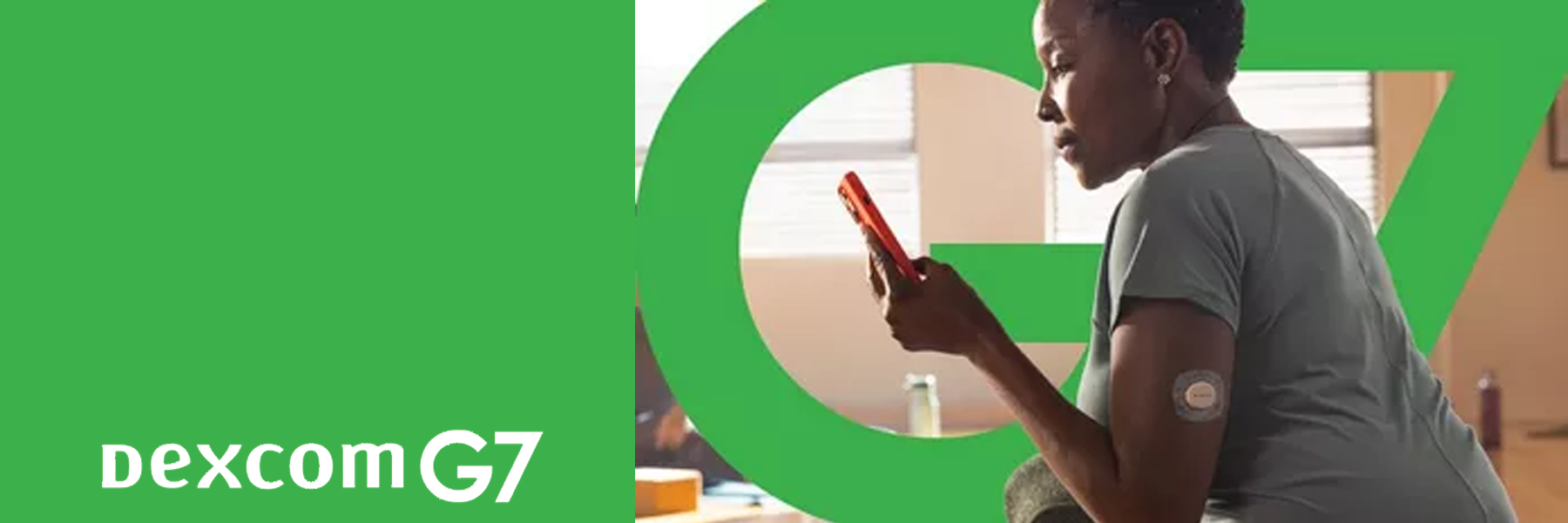








- Diabetic retinopathy can develop after decades even with good control. Svetlana held A1Cs in the high-5s to low-6s and saw her eye doctor three times a year, yet a routine angiogram this year still caught early peripheral retinopathy. It was expected after 30 years, caught early, and is manageable (anti-VEGF injections, laser) — not a verdict on her effort.
- As an adult with type 1, you have to advocate for your own eye screening. Pediatric care watches closely; adult care often stops mentioning it. A dilated exam — and periodically a fluorescein angiogram — can catch changes before you notice any vision problem. Svetlana had zero symptoms.
- Bringing a high A1C down fast can briefly unmask eye changes. Her doctor could literally “see” the drop from ~7.9 to 5.8 in her retina, and rapid improvement is a known reason some clinicians lower A1C gradually. Worth asking your team about before a big change.
- Tools shape the long game. Decades on regular/NPH insulin with a food-pyramid diet, little day-to-day adjusting, and average endos set a different trajectory than today’s CGM-and-algorithm era. Her CGM was the single most life-changing tool — and it took a great endocrinologist to finally push her toward modern technology.
- Afrezza (inhaled insulin) worked beautifully for her — “like a working pancreas” — but her eye doctor found unexplained crystal deposits in her eyes, so she stopped to protect her vision. The cause was never identified. A reminder to weigh a new therapy against your own biggest risks, and that not every reaction has an answer.
- Mental Wellness Series (Erica Forsyth) — Erica’s episode on her own eye laser treatments happened to be playing the day Svetlana was diagnosed (verify slug)
- Bold Beginnings Series — for the newly diagnosed, with Jenny Smith (verify slug)
- Prevent Blindness — Diabetes & Your Eyes — diabetic retinopathy screening and treatment info (verify URL)
- Glucose Goddess (Jessie Inchauspe) — the food-order/glucose book she and her husband use (verify URL)
- Juicebox Podcast Facebook Group — community around type 1 (verify URL)
- Juicebox Podcast — all series and free resources
Every word of the conversation
Meet Svetlana0:00
Welcome back, friends, to another episode of the Juice Box podcast. If you're new to type one diabetes, begin with the bold beginnings series from the podcast. Don't take my word for it. Listen to what reviewers have said. Bold beginnings is the best first step.
I learned more in those episodes than anywhere else. This is when everything finally clicked. People say it takes the stress out of the early days and replaces it with clarity. They tell me this should come with the diagnosis packet that I got at the hospital. And after they listen, they recommend it to everyone who's struggling.
It's straightforward, practical, and easy to listen to. Bold Beginnings gives you the basics in a way that actually makes sense. Nothing you hear on the Juice Box podcast should be considered advice, medical or otherwise. Always consult a physician before making any changes to your health care plan. If you're looking for community around type one diabetes, check out the Juice Box podcast private Facebook group, Juice Box podcast, type one diabetes.
But everybody is welcome. Type one, type two, gestational, loved ones, it doesn't matter to me. If you're impacted by diabetes and you're looking for support, comfort, or community, check out Juice Box podcast, type one diabetes on Facebook. This episode of the Juice Box podcast is sponsored by the Kontoor Next Gen blood glucose meter. Learn more and get started today at kontoornext.com/juicebox.
Today's podcast episode is sponsored by MiniMed, the innovators behind the MiniMed Flex system, a small, sleek, and discreet insulin automated delivery system controlled from an app. Nothing comes close to freedom you can feel. To learn more, visit minimed.com/juicebox.
Hello. My name is Svetlana, and I am 39 years old. And I live in Chicago.
The Metallica Ticket Disaster2:12
And I've just informed Svetlana that she has chosen the worst day in the world to make the podcast with me. So I'm just gonna start off by complaining, and then we'll
move forward. Turn this around, Scott.
Oh, yeah. You're gonna turn this around. My I
hope so.
My brothers and I, who have never as adults gotten together by ourselves and done something, Saved and pulled money together, and we have tickets to see Metallica at The Sphere next year.
We got Amazing.
You would think. You fly out and see the see a concert on Thursday, I believe. And then Friday, you have the day off. On Saturday, you see another Metallica concert with completely different music, and you leave on Sunday. It was almost impossible to get those tickets, but I did it.
And then about, I don't know, a couple weeks ago, I got this email that looked like a phishing email that asked for a picture of my driver's license. And I deleted it. And then one came again as phishing emails do, and I do delete deleted it again. And the third one came. I was like, oh, what in the hell?
Like, I gonna have to, like, block this or unsubscribe? And then I looked really hard at it, I'm like, this might be real. So I emailed their company, Vibe, if anybody's interested in knowing. And I said I said, I'm sorry. Like, this looks fake.
You know? Like, is there a a an account that I've set up that I could log in through to make sure this is real or blah blah blah? But then I got a response back, and they were able to respond with my order number this time. And I was like, okay. This is real.
I'll I'll do the thing. Except my driver's license was was, like, being renewed. And it and I so I was like, oh, I'll just I'll just wait till it comes in. So it did come in a few days ago while, I was away at the ADA helping people with diabetes. That's okay.
And then, apparently, while I was at the ADA, I got an email that said I had, like, seven days or something. And then, you know, I don't know. Anyway, I'm up this morning. I think this is important because it shows that karma is not a real thing. I'm up I'm up this morning making children songs to help them learn about their diabetes at 6AM when I get an email that says, here's your money back.
Your order's been canceled.
Stop it.
Swear to god. So I responded to that email and said, hey. Hey. Hey. Hey.
Hey, Kai. Everybody you know, I don't know what I said. I was like, please don't do this. I dug out the email about the ID verification, sent the ID in because the driver's license downstairs in the counter right now. Also, if I'm in the middle of complaining, so that line of one more second, the state of New Jersey was supposed to use a new photo of me, but instead used a seven year old photo that I'm fat in.
So thanks, New Jersey, and thanks for all of this. It's okay.
No worst state.
So no. No. Mother and so anyway, I then I get a response back from Vibe, and it's Kurt. And I'm like, you know the word? Short.
Not pleasant. And I'm like so I respond back again. I'm like, hey. Like, I sent a note. I'm like, hi.
I don't want my tickets canceled. Like, what are we doing? And all they sent was, like, legalese back to me. I so I thought it was a like a like a an auto response. So I responded back in.
I'm like, can somebody please read this down? Then I can email back. I did read your email. And I'm like, oh my god. So Wow.
Oh my god. Jesus Christ. So then I called and left a message on their machine. So they're like, look. I'm a real person.
I'm trying to get together with my brothers for the first time, and, you had our money. Like, what? You had the money. Just keep it if I don't if I don't send you the ID. Like, what nevertheless, they say they're going to try to reticket them, but they can't promise anything.
And now I have to wait for that. And I also sent a fat picture of myself to somebody I don't know. This is what's that.
Is that is that the part that upsets you the most?
It's hard to it's hard to parse the whole thing. Okay? But and I just had to text my brothers and tell them. So, anyway think
I can do both of karma. Yeah. Yeah. I mean, that doesn't even come close to what you just described to me. I mean, I would just say, let's believe in Carmel.
Let's hope that they will turn this around. You have a pretty compelling story.
Yeah. They don't know me. They they just they think I'm some guy who didn't respond to an email.
But they're reading your emails, though. So I think you should, like, you know, write a longer email about, like, everything you just said to me. Or you already did?
Oh, don't worry. It's it's I I I mean, I shortened it up a little bit, but, yeah, it's there. I I I I, like, low key begged a little. I threw in the part about my brothers because it is true. Do you know I'm 54?
I'll be 55 this summer.
By the time You still have your whole life, Tula.
No. That's lovely of you. By the time I by the time I go to that well, excuse me. By the time I would have went to that concert, I would have been just about 57 years old. And my brothers and I as adults have never gone away together once.
That should have been your email right there. Listen. If they don't get back to you with tickets, you let me know, and I will throw some special legalese back at them, and you guys will go.
You wait. Are you a lawyer?
I happen to be a lawyer.
Oh, well, let's find out about you. This is much more interesting. Okay. Give it to me. When did you get that diabetes?
I'm gonna try to let this go, but my chest is heavy right now, and I don't usually feel like it. I'm not a good No.
I feel for you. That's such a nice thing to do. Like, all your brothers get together like this, and then, like, bad people just, you know,
take it away
from you like that.
Yeah. I'm try I'm not trying to shame. I listen. Apparently, was the email. I didn't do the thing.
But, like, what's the rush?
Yeah. You've got Seriously, what's the rush? And in your defense, they look like phishing emails. They did
the first couple of them. Who asks you for a picture of your driver's license after you buy a ticket from them for a concert?
I would have deleted it. You can't be the only one that has this issue. So we could just, like, round up, like, a class action of all the other people just happened there. You think I've got ideas for you,
we could get Metallica to play in my backyard? What's going on?
I'm not a miracle worker, but, you know, let's say hi. Let's see what we could do.
I I'm not I'm not joking. Like, it was it really was by the way, this is not a cheap excursion.
Oh, I can imagine.
Okay? Like, we we literally had to scrape money together for this. And Yeah. It so it's I mean, what do they think? Like, the the like, I'm not gonna get them.
They've got they've got thousands of dollars of money. Like, they think I'm not gonna get around to it?
Yeah. Oh my Seems unnecessary.
You mean yeah. I'm sorry. What let me start over. I'll slap myself in the face. Hold on.
No. No. You're okay.
I don't I I gotta no. This happened just before you jumped on. It's not
My gosh. It's my Jewish luck. You know, it happens. That's what happens.
Oh, your last name. I can't believe you're Jewish.
Yeah. Yeah. I know. Surprise.
Anyway, tell me a little bit about when you're diagnosed. Let's be honest. Most of us would love to spend less time thinking about diabetes. That's exactly what MiniMed had in mind with the new MiniMed Flex system. It's small and sleek, you can control it from an app, and it uses the trusted smart guard technology that automatically adjusts insulin every five minutes.
Less juggling, less micromanaging, more freedom. That's the MiniMed Flex system. Available now at minimed.com/juicebox. And number two, if you're a parent of a child with diabetes, you know nighttime can be one of the hardest parts of the day. You go to bed wondering where their blood sugar is headed.
You wake up to check numbers, wondering if everything is going to stay steady until morning. The new MiniMed Flex system from MiniMed uses the same trusted automation people already know, now in MiniMed's smallest pump yet and fully controlled from your phone. And here's something that really stood out to me. People using recommended settings achieved 91% overnight time in range. Think about that for a second.
Not because it's a statistic, because every hour they stay in range is one less thing to worry about while you're trying to sleep. Learn more at minimed.com/juicebox. The Kontoor Next Gen blood glucose meter is sponsoring this episode of the Juice Box podcast, and it's entirely possible that it is less expensive in cash than you're paying right now for your meter through your insurance company. That's right. If you go to my link, kontoornext.com/juicebox, you're gonna find links to Walmart, Amazon, Walgreens, CVS, Rite Aid, Kroger, and Meijer.
You could be paying more right now through your insurance for your test strips and meter than you would pay through my link for the Contour Next Gen and Contour Next test strips in cash. What am I saying? My link may be cheaper out of your pocket than you're paying right now even with your insurance. And I don't know what meter you have right now. I can't say that.
But what I can say for sure is that the Kontoor Next Gen meter is accurate. It is reliable, and it is the meter that we've been using for years. Kontoornext.com/juicebox. And if you already have a contour meter and you're buying test strips, doing so through the Juice Box podcast link will help to support the show.
Diagnosed at Eight in the '90s12:00
Okay. So I was diagnosed when I was eight. So I've had it for about for more than thirty years now.
Mhmm.
And it's so this isn't, like, the cool part of my story or anything like that. It's pretty, like like, standard what we've what we hear a lot. I was a kid. I was sick. I don't know.
I can't remember what I had, and my parents, like, wouldn't know what I had either. I tried asking them, you know, because I was trying to see if it was, with, like, the hand, foot, and mouth or, other common things that tend to bring on diabetes, but I I don't know what it was.
Are you telling me you've asked them recently, and they're like, we don't know.
No. I asked them, like, a while ago.
A while ago.
Yeah. I asked them a while ago, and they were like, what? I I don't know. Who are you? You're our child, whatever.
So, yeah, they they don't remember that kind of history. But I remember it was in April. I don't have the date, but I remember it was in April. I was very sick. Like, I was eight years old and maybe, like, thirty three pounds, like like, severely underweight.
And maybe after, like, a week of, like, letting me sleep on the couch, my mom was like, yeah. We should take you to the doctor. And they tested my blood sugar right away, and they were like, yep. You're going to the ER. So, like, not a super eventful story, like, pretty standard.
Yeah.
This was back in, what, like, 1993, 1994. Yeah. So, you know, spent a week in the hospital, learned how to give injections on an orange, all that you know, learned the old messed up food pyramid when, you know, they bring you, like, cereal, a muffin, an apple, and orange juice for breakfast at the hospital. So, like, had the whole, like, typical experience.
Mhmm. But this wasn't the cool part of your story. That's the part I like. What what the is there there is a cool part of your story?
No. But I guess, like, an interesting part of, like, my diabetes experience of, like, why I want it to be on
the I see.
Podcast. Like, what what I can maybe bring to others through my experience.
Your diagnosis was just pretty mundane and average.
Pretty boring. Yeah. Okay. Unrefundful.
Well, what happened next then? Let's go let's do it that way.
So no. So, I mean, typical teenager. So, I mean, back in the nineties, like, we didn't have I I remember, like, somebody was telling me about, like, the c what would be a CGM and what would be an insulin pot pump. But, like, they weren't you know, I didn't have, like, great endocrinologists. Like, they were okay endocrinologists.
I wouldn't call them sort of, like, diabetes type one experts. Mhmm. And so I I didn't use a CGM or a pump until, like, maybe the last six, seven years. So I was MDI and finger poking until then.
Okay.
Just because I didn't have anyone who, like, really pushed me to it. You know? They're just kinda like, you're you're doing fine. You're doing okay. You know, my I wouldn't say I was doing okay.
Like, my a a one c's were, like, seven or eight. So it's not, like, ideal, not compared to, like, what I have now. But I wasn't, like, being pushed by anyone to, like, not live under a rock until maybe seven or eight years ago when I went to my, like, GP, my my family doctor, and she was like, you know, you really should see this one endocrinologist so I know, like, she could, like, change your life. And I went to see her, and she was kinda like, you know, objectively on paper, you look like a smart person, but, like, you're kind of, like, stupid and not using the technology that's out there.
Decades on MDI, Then a Wake-Up14:53
Wait. So you just kinda came up, though, in a time where, like, pumps weren't very, very common then.
No. They weren't. I remember I don't remember seeing them on people. Like, really, honestly, growing up, I feel like I didn't know that many other diabetics. Mhmm.
I don't remember seeing pumps on people. Maybe I just wasn't looking, or maybe I was just, like, so in my own world about things. But I just, like I I didn't I still don't have, like, any diabetic friends. Like, your podcast is, my community. They just, you know, I think they're all my friends, but they don't know I'm alive.
But, like, I don't really have real in real life friends who are diabetic.
It's interesting, isn't it? There was a a frame of time around type one diabetes where just having an endo who said, you should try a pump made meant they were a great forward thinking endo.
Yeah. Yeah. Yeah. Because mine didn't. Mine would just be like, okay.
Let's, look at your numbers. Okay. We'll try to keep this down or, like, you know, get more exercise. K. See you in a and it's like, here's your prescriptions.
See you in a year. Bye. So, yeah, it's it's crazy now. I mean, I listened to, like, all the parents on your podcast. I'm like, oh my gosh.
They were like, they're so in it to win it. Like, I I just I don't know. I just didn't it that wasn't my experience, like, growing up in the nineties.
So even if I asked you if, like, your parents were trying to help you or anything like that, there was nothing to help with, really.
Yeah. Yeah. Yeah. And I mean so so my my family emigrated from the Former Soviet Union in the nineties, in the early nineties. And so, like, my parents, like I mean, they were just too busy to, like, be sort of all on board.
Like, it was kinda like, we'll we'll work to get you your medicine, and you you you figure it out. Best of luck.
This one needs more than the other ones.
Yeah. Yeah. Yeah.
Do you have brothers and sisters?
I do. I have an older sister.
Does she have any autoimmune stuff?
She doesn't. She's she's lucky. She not not any autoimmune that's, like, visible to us right now, but but we do have diabetes in the family. My my father's mother, so my paternal grandmother, was type one, but she had a, like, later onset in life. Like, I have I have small minor memories of her, like, boiling needles and giving herself insulin.
Wow.
So I I I remember that a little bit back when we still, like, lived in Ukraine, and she passed away very early. Like, she passed away maybe, like, in her early sixties.
Yeah.
And then my maternal grandmother had type two diabetes, but, like, I mean, that was completely, like, I think lifestyles choices
Right.
That brought that on. But, no, we don't really have any other autoimmune that that I'm aware of in my family.
How about you? Do you have other stuff?
I well, we could get to that because I need your professional diagnosis, Scott, here. I've been quite professional, but go ahead. Alright. It's the best I've heard. I'm I'm pretty sure I have a thyroid condition, but, like, not nobody wants to believe me.
I think you will believe me. I think you will agree with me.
Well, yeah, I believe all thyroid. That's what that's the saying, isn't it?
I know. I know. And, you know, so I I in preparation from this call, I pulled my medical records to see what my THS was. And I know you say, like, anything over two. You should get medicated.
Mhmm.
And I I know won't do it. She won't do it. She keeps telling me I'm within the normal range. And so last year, it was, like, 3.84. And this is how sick I am right now.
I'm like, I'm hoping it's gonna be over four. So she finally, like, believes me and, like, will treat me for it. But it's been, like, up and down. Like, there's some years it's, like, 1.74. There's some years it's 2.5.
There's then it goes back to, like, 1.9. So it's, like, not consistent.
Are you symptomatic?
I think so. I think I'm, like, tired all the time, but it could just be that I'm a bad sleeper. But I do think I I I know the list that you usually go to. Yeah. So no dry hair or nails.
That's a no. I do have tiredness. I am tired quite often.
Mhmm.
My biggest one is sort of as I've gotten into my thirties, like, I haven't changed anything about sort of my eating habits or my workout, but I am just like, I am gaining weight for, like, no reasons.
Yeah. Well and and so you tell the end of all this, and what's the answer to that? Like, let's say, okay. It's you know, they're gonna ignore your TSH. She doesn't think it's your thyroid.
What does she say?
She just says, you're fine. You're just work out more if you think you're putting on a few pounds.
What about the tiredness?
She's like, I you're you're an attorney. You might be stressed. You know? It's fine. Just get more sleep.
Oh, no. Oh, jeez. Where did where did they buy that degree at that they have?
No. She's actually amazing. I don't wanna I want How is
that possible? I this I'll say, of all the things that plummets me about making this podcast, if she's not helping you with something this simple, how is she amazing?
She's amazing in other ways. I will tell you that she's the first they're can I talk to I'll I'll I will make sure her
Tell me? Because it feels like you're saying to me, well, he doesn't hit me. Like like so yeah.
So what's going on? I know. This is not sounding well. I know. This doesn't look good.
Let let me try to turn this boat around. Mhmm. So this is the one thing where where we've kind of butted heads, and I haven't gotten my way on is is this, that she's like like, objectively, your test results don't don't indicate to me that, like, you need to be medicated for a thyroid condition. But she has been the first one to actually listen to me. And, okay, maybe this is the part where my story gets a little bit more interesting.
So when I met her that six or seven years ago when she basically called me stupid, and I was like, yeah, I think maybe, like, you're right. You have a point. One of the first things that we did was we went on dexcom. And I still stayed MDI, but I went out of dexcom.com. And that was, like, so life changing.
I agree with everything that you say about CGM. Like, if there's only one tool I could have, it would be the CGM because you could just see things real time. And so that was really cool. And I I didn't love a pump. I didn't love the idea of having something attached to me.
I for some mental reason, I was against it. I remember, like, years before then, a a different endocrinologist tried to, like, put, like, a CGM on me, and I, like, fainted. Like, I had this kind of weird reaction to anything being attached to me. Really? So she wasn't gonna push me to get a pump.
Dexcom, and a PowerPoint for Afrezza20:55
Okay.
And we stayed with the with the CGM. And then, of course, me being me, I'm like, okay. She told me I need to be smarter. So, like, I start, like, just, like, diving in about all kinds of research, and I and I was very intrigued by the inhalable insulin. Right?
Afrezza?
Mhmm.
I think I'm saying is that how you
said it?
Was it Afrezza? Afrezza. And so I was super interested. And then so my my whole thing about, like, using technology is, like, I wanna use technology, but only if it makes my life easier. Right?
If, like, that tub doesn't work well, I don't necessarily, like, want to use it or or if I have to take more steps in a day. Like, with a pump, like, you know, you're constantly putting like like, you have to bolus for it, and you're putting things in, and you're checking your phone. And so I was like, what if I can have a CGM but then use Afrezza as sort of my short acting insulin
and
take once a day long acting insulin. This is Tresiba.
This is the thing people do. Yeah. Yeah. Right.
And so she she's like, I don't have any patients on Afrezza, and so I put together a PowerPoint presentation. I'm like, I really think you should. I should be your patient. She's like, okay. Let's do it.
So she was, like, very open to, like you know, once I made a compelling case of, like, why I wanna do it, she sort of she she helped. And it was it wasn't easy with insurance. Like, you need all these prior preapprovals and all these things. But, like, she she did it for me, and we went on it. And she was, like, so supportive of it, and she was, like, as interested as I am.
And with Afrezza, you know how you have those doses? They come sort of like I don't I don't remember. It was, four
Four eight, Yeah. Yeah.
Yes. And it was too big. Like, if you just want a light snack, like, you couldn't take one of them. So I became one of those people where, like, I bought, like, a little kid scientist, like, kit, and I would, like, break up the doses. So, like, if you didn't know what I was doing, like, you would have think you would think I was doing, like, you know, illegal things.
There's, like, white powders, and I'm, like, breaking them into smaller doses and putting it back in and then inhaling them. And so but she was, like, she was really intrigued that I was doing it, she was like, show me how you do this. Oh, this is how you break the doses. So she's she was really, like, supportive Yeah. Of me finding, like, treatment that worked for me the way I wanted it to work.
And so that meant a lot to me because I'd I've never had sort of endocrinologist take such a keen, like, interest in how I'm managing my diabetes. And so she and she was open to, like, me not wanting a pump and let's try this. Unfortunately, it didn't work out. I had this weird reaction to Afrezza that nobody has been able to explain to me. Like, I've contacted, like, a lot of endocrinologists.
My doctor has contacted a lot of endocrinologists. Can I tell you what it is? Are you do you
Crystals in Her Eyes24:09
wanna know? It's not a cough, is it? It's
No. It's not a cough. It it showed up. My eye doctor was the one that found it. I was I go to the eye doctor, like, three times a year just because, you know, I've had diabetes for thirty years.
I'm OCD about not having diabetic changes. And, like, I don't know, maybe a year after being on this regime of Afrezza and a long lasting insulin, he he, like, looks at me. He's like, we've known each other for a while. Right? And I'm like, yeah.
And he was like, are you can I ask you a question? Are you, like, using drugs? And I was like, yeah. Insulin. Like, I'm a diabetic.
He's like, no. I'm, like, talking about illegal drugs, like intravenous drugs. And I was like, what? He's like, you know, I'm seeing these changes, these crystals in your eyes, and there's sometimes I see this when people are using intravenous drugs. And I was like, like, nonstarter.
Wait. He's he's like he's like, you're not using heroin, are you? That's what he was asking you?
I was like, I we were, like, staring at each other cause we were both, like, not under like, I thought we were speaking different languages
Sure. Sure. To
each other. I was like I was like, you think I'm using like, really, of all That things
bond is high, and you're like, what's this guy talking about here?
Yeah. I was like, of all the things I could do with my time and money, that is not what I would do. And so he's like, okay. Like, I I want you to stop using it because if that's the only thing that you're doing different, like, any new medication, then we need to figure out what this is because, like, these these findings shouldn't be showing up when I dilate your eyes. And so he called my endocrinologist immediately, and she called me immediately, like, all freaked out.
And she's like, don't use it. Like, go back on I think I was using NovoLog at the time. She's like, go back to that and stop using. And so we were never like, know, she called around her contacts. He called around his contacts, and we were and, I mean, I even asked the MannKind representatives.
They said they had never heard of it.
Yeah.
But we were never able to get to the bottom of it. And, like, maybe for, like, two years after that, I was like, can I try it? And they'd be like, no. Like, nonstarter. Like like, the you don't wanna mess with your vision.
But it was I mean, if I
could go have bought it,
it would, like
I'm not having any luck finding anything about that.
Me either, Scott. I I I've I asked my endocrinologist to reach out to So this group of endocrinologists out in San Diego who have done a lot of work on Afrezza, and nobody has ever seen this reaction. But because there was nothing else I was doing at the time, like, that was the only sort of difference, like, objective finding that was different from my last exam. Like, he couldn't rule it out. And he I mean, I'm not gonna risk my vision if it was what caused it.
Checked since then?
Yes. So so the crystals have sort of left over time. They're smaller and smaller deposits of them over time, but that's because I never used it again.
Well, you maybe.
Wait. What do you mean maybe? I didn't use it.
No. No. No. No. Maybe that's the reason there's less fewer crystals, I'm saying.
Like, maybe it's something else. Exactly. Yeah. Like, I mean
It could have been something else. Yeah. It could have been something else, and that's what I'm saying. But, like, I'm not comfortable to sort of, like No. Try using it again.
I I hear you. Yeah. Yeah. Worse. Yeah.
No one had an idea about what like, the eye doctor didn't say
No one.
What else it could be? Why why would
We went through, like, all I was like, here are the vitamins I'm taking. Like, here's this that I'm doing. He's like, no. Nothing other than maybe this is is what could have caused it. So I was heartbroken.
It was, like, the most normal I ever felt because, right, I was just taking in my love Tresiba once a day, and then I would be taking the Afrezza right after I eat. So,
like Yeah.
I would see what I actually ate and then dose for it right after because it worked so quick. It was just so amazing. I I felt like I had a working pancreas.
Did the doctor call this thing ALK retinopathy or embell embolic crystalline retinopathy? No. No. Okay.
No. It was just I think the language used was it were crystal deposits.
Crystal deposits.
Yeah. If you find out the answer and I'm able to go back on Afrezza, I would owe you my life.
I don't know that I wanna be in charge of your eyes. But Absolutely. But I'm just trying to figure out, like, what else like, did the Afrezza bring your a one c way down or your average blood sugars way down? Did it make any No. No.
No. It just makes me feel like
more to Yeah. I had a normal life. I felt just a nor like, you know, I wasn't constantly sort of, like, checking my phone to see how the insulin was or, like, how my blood sugar was doing because it it just worked so quickly. I didn't have as many lows too because the lows would rebound really quickly too.
Mhmm. Were you on any other medications back then?
No. I wasn't using anything else just except my placebo. I know. It's it's I mean, it's like the greatest tragedy of my life.
It's I've you were really enjoying it.
I was really enjoying it.
And there's no indication for what you said here. Like, I can't I mean, listen. No. I can't find using the Internet and half a brain while I'm listening to you talk. I can't find any indication around Afrezza.
No. Something like that.
Nope. Nobody's ever heard of it. None of the other endocrinologists in my doctor's network had ever had patients report anything like
that. It dangerous?
I well, that's what he couldn't tell. He's like, I don't know, but these deposits shouldn't be here. And so, like, if you wanna risk it, you can, but I wouldn't feel comfortable sort of you doing that. And the other thing he said to me is, like, not everyone's, like, OCD about going to the eye doctor and getting their eyes dilated and checked for things like you are. So this could be happening to other people, but, like, they're just not, you know, religiously getting their eyes, you know
Well, I can tell you this. I'm pretty sure someone from mankind's gonna hear this. So
Oh, well
They can reach out. If they have something they wanna say, I can put them in touch with you. Yeah.
Mean, for sure, I would love to hear from them. You know, they they did reach out, like, right afterwards, and, like, I didn't know if, like, I should be talking to them or anything. I mean, I will get I will I mean, I I think it's a great product. I wish it had worked for me. The customer service there was amazing.
Like, the specific rep that trained me on it was incredible. Like, I actually really miss him. You know? Like, we we became friends. Like, he would he would check-in on me all the time because there weren't that many patients on it.
I'm trying to think this was, like, back in 2020. They didn't have as many sort of patients using it the way I was using it. And so he they were amazing. I have only great things to say about them. And like I said, I'm heartbroken that, like, I can't use their product.
They just got their indication for younger people.
I know. I've been following I even remember in 2020 when I first started using it, sending you an email being like, you need to do a topic about Afrezza because it's the best thing ever.
I did a I a fair amount of them too. And Yeah. And I I mean, I found myself thinking last week if this younger indication for younger people if that if the indication for younger people doesn't have Afrezza blow up, like, I I wonder if it ever is going to. Because, again, everyone who I talk to who uses it really, really likes it.
I really, really loved it. But, you know, again, like, my biggest fear in life was, like, losing my vision, so I wasn't gonna mess with it. And if, like, I couldn't use it, then I couldn't use it. And then
Oh, just just just headphone. No. You're fine. It's such an interesting situation to get put into. Like, you don't know that that's what was happening, but it's also too big of a risk that
Exactly. Yeah. What Yeah. Exactly. With your vision.
And so that that's when, like so then I went back to, like, MDI, and then I was like, okay. Let's try because with MDI, you can't, like like, microdose. You know? My I can't, like, do one point two. I have to just, you know, guesstimate what one point two is.
So I did go on the Omnipod, and I do love the Omnipod. I have good I don't have any qualms about it or anything negative. I I I did think that their algorithm is not aggressive enough, so I run my I keep mine in manual mode.
Back to the Pod (Manual Mode)31:47
You see they just updated it?
I did. I did. I saw that in a
little they're enjoying the new lower target and some of
the Yeah.
Some of the changes they made to the algorithm. The new Yeah.
I think I'm gonna try. I think gonna try.
Yeah.
Yes. I think I'm gonna try. I mean, what what it was one time before, so a 100. I'm not I'm not I'm not convinced it's gonna be, like, aggressive enough for me because I'm I'm, like, one of those low riders. I like to be on, you know Yeah.
Yeah. To be on the lower side.
At least unlike your eyes, you could just turn it on and see how it goes.
Yeah.
You know?
Yeah.
Yeah. Just if you're just make sure the settings that you're using currently I mean, well, you're in manual. So if you're having good success, I mean, it would be as easy as flipping it over and letting it run and see what happens.
Yeah. Yeah. I think I am gonna try. I'm I'm gearing myself up to giving it a go.
I can tell you something because this won't come out in any amount of time where this won't be a problem. But I I was on a they made a a commercial to to, like, announce the 100 target.
Mhmm.
It's real and it's really cool if you if you find it. It's it's short. It's, like, thirty seconds long, but it's it's, like, a bunch of actual Omnipod users at a pool. And they're all they're all just sort of, like, looking at each other saying 100, like, to each other. And Oh, that's cool.
And it's it was a lot of fun. And then at the very, very I'm like an Easter egg at the very, very end of the of the the commercial.
You're in the commercial?
Yeah. But so after you get done seeing, like, young, attractive people, then I I come in to balance that all out at the end and make you make you realize the reality of the world. And then Oh, stop it. And then and then it ends.
That's so cool. That's so amazing.
Yeah. It was it was a good time. It was it's weird because it's, like, you know, like, real, like, filming set where you, like, you stand there for nine hours and work for fifteen minutes. But it was it was a good time. I got to see some people I hadn't seen in a while in person and everything.
Joy and I
That's amazing.
Yeah. Yeah. So that's out now. I think it's on their YouTube, but they haven't, like, they haven't used it yet in their social media where they're going to. I guess it's coming.
Okay. I'm gonna look this up when we get off the phone.
Yeah. Yeah. It's it's hilarious. Let me let me just say that the the makeup person comes up to me and says, I'm trying not to completely give it away, but I had to put zinc on my they had to put zinc on my nose. Like, the, you know, the white, like
Oh, that, like, the white powdery stuff?
The cream, like, for being at the beach, like, in the old days. Oh. Yeah. Yeah. So she comes up to me.
She goes, they want me to put, like, a a stripe of, like, zinc on your nose. Are you okay with that? By the way, I you gotta love California. Everyone's always asking if you're alright. Are you okay with that?
Is that okay? And I'm like, yeah. Yeah. I mean, I'm here. Right?
I I Yeah. I said I'd do this. Like, let's go.
No. I think they're legally required. My has, like, all like, an extra law for everything. We actually my husband and I just spent the last three years before we moved back to Chicago in LA. And, I mean, anywhere you go, like, if you if you're in a garage anywhere, there's, like, all these signs that remind you that carbon monoxide could be bad for you.
And you're like, yeah. I'm in the garage. I'm like
Figured that. Thanks. Yeah. So she's like, can I, you know, can I put it on your nose? And I'm like, yeah.
Yeah. Sure. She puts a line down the middle of my nose, and she goes, they want it to be, like, a comical amount. Is that okay? And I went I and I go, yeah.
I guess so. Go ahead. But then I couldn't see myself afterwards. You know? Oh.
And then I saw the commercial, and I was like, well, she was right. It was a comical amount.
I guess that's why she asked okay
four times. What she meant was, now that I'm looking back on it, is it okay if I make you look ridiculous?
Yeah. You're
going
still would have said yes Yeah. If you just said it that way.
You're going to be a clown. Are you up for that? I'm like, oh, okay. Now put this
And you're like, I'm born for this.
Yeah. Now put this hat on and blow this whistle, and let's go, clown. So anyway it and was a great it was really lovely to be invited, actually. Omnipod.com/juicebox. Use my link.
And learn more
Much love. Much love.
Learn more about the Omnipod pod. So you, after all of this rigmarole, didn't end up finding a pump?
No. I I know. It it was all mental. It was it must have been some kind of mental I mean, of course, I got the Omnipod because it wasn't tube. Mhmm.
I think I I wouldn't do well with a tube pump. I just don't like I have this thing about, like, you know, extra things being attached, but I've been you know, part of why I love your group on Facebook so much is you have all these people posting about new places to put your pod because I I run out of real estate. You know? So, like, my legs don't absorb well. I don't like it on my stomach because I I find it hurts more on your stomach.
I find, like, the skin there where, like, the sort of the the cannula is
Not your favorite place.
After three days. Yeah. Yeah. It gets, like, really sore. My hips, again, I don't absorb well.
I think it's because of, like, you know, thirty years of injecting there. There's probably, like, scar tissue, and it just, like, doesn't absorb well
there. I mean, listen. I You gotta trust that your hips don't lie. Yeah. Thank you.
That's right, Shakira. That's right.
That's all I have today because I've lost my goddamn Metallica tickets. That's why
I said No. It's god.
They're definitely
gonna try to be extra funny. I won't try to be extra funny to cheer you up.
I had to go I had to go she hear a dad joke. That's how low I am. Okay.
No. Those are that's good comedy. I mean, that's good humor. We don't we don't want, like, that slapstick humor. That's not funny.
Alright. I and the the dark stuff is really funny. So you can, like, you know I appreciate it. To use your dark humor.
Oh, baby. When you talk like that, we might as well keep going. I could do the whole song if you want. Did she not get in trouble for, like, tax fraud?
Did she?
I don't wanna speak
out of unfortunate. Her.
Hold on a second. Did Yeah. Jakira get found guilty. Oh.
Yeah. Don't wanna have to defend you against stuff.
Making No kidding. Don't I don't even have to pay you. I although I have all that extra Metallica money back, I guess we could
get Yeah. There you go.
I'm on Internet. It's really looking. Look at it looking. I mean, it's not that seriously. Yes and no, it says.
Depends on what case you depends on what case I mean.
For the 2000 lawyer answer. 12/2012,
2014 Spanish tax case, Shakira was not found guilty after a trial. She accepted a settlement plea deal on the first day of the trial in November 2023, accepted the charges, paid fines, and received a suspended three year sentence to avoid prison. For a separate 2011 Spanish tax case, she was acquitted in May 2026. Spain's high court ruled that she was extra sexy and didn't have to pay. How about that?
The tax authorities yeah. Authority had not proven she was a Spanish tax resident that year. Oh. I was like, sounds like Shakira moves around a lot trying to
Good technicality. Mhmm.
Yeah. I'm gonna have to remember that one. Yeah. I ever make enough money to try to defraud my taxes. I'm not up to the effort being worth the squeeze at this point.
Yeah. So anyway Fair. So but getting back to you, I really think that I really think that it's interesting to see somebody diagnosed around the time you were before this technology was available and then becomes available, but it's not plentiful or a thing that people are really doing. You're probably you have doctors who grew up without any of this. They're not thinking to even tell you about it.
Yeah. And then eventually someone, you know, knights you with, hey. Go talk to this lady. She's Yeah. Very forward thinking, and all she said was you should get a pump.
Yeah. Yeah. Yeah. And so and does that make a big difference in your life? Do do you see a night and day difference between your a one c's, your outcomes, how you feel?
Diagnosed Before the Tech39:26
Yes. Yeah. It does.
Yeah. Tell me. But at the same time, I guess the the extension of my question here is the time between when you knew pumps existed and when you actually got one, you were aware of them then but didn't want a thing on your body.
Yes.
Were you were you knowingly making a trade for variability in a one c, or did you not think of it that way?
You know, I you don't think of it that way, or at least I wasn't thinking of it that way. I was like, you know, I'm doing well enough. Like, you know, objectively, I I look healthy. And and, you know, back then, doctors told you, like, a seven or eight a one c was good. Like, that wasn't, you know, that wasn't bad.
So I was like, okay. Like, I'm doing what I need to be doing. You know? Like I said, most people didn't know I had diabetes. So everyone just, like, thought I was, like, fit, active, things like that.
Yeah.
So it never just, like, played and and I didn't have other diabetics around me. So, like, nobody was talking about it. So it just, like, die I mean, I knew I was diabetic, obviously, but, like, it wasn't, like, something I think about every day. I will say sort of now that I'm leaning into, like, sort of your community that you've built, which is amazing and, like, have all this tech, I am more interested on. Like, I'm reading all the time about it.
I'm looking at all of these studies. I'm thinking about all the like, how different the different products are and stuff. But it could also be just because, like, I'm older, maybe it interests me more. And then back then, I was just like, okay. Like, I'm in school.
I'm a student. And then, you know, I'm in law school. I'm starting my career. This wasn't top of mind for me. I'm also reminded of it all the time now because I'm I'm I'm very competitive with myself where, like, I look at my numbers constantly.
Mhmm. Like, you know, all the all the data, all the trends, I'm I give myself, like, a score every week. You know, when Dexcom sends you your weekly report, I'm like, oh, I got an a minus this week. You know? If I'm, like, 91%.
Enjoying doing that?
Yeah. Yeah. I mean, my husband thinks I'm crazy. But, like, for me, like, I'm not competing with other people. I'm just competing with myself now that I have this data.
Yeah.
Until you have it, you just don't think about it. But, like, when you get it and it's right in front of you, then I've taken, like, a much more interest in sort of, like, my diabetes over the last seven years.
Well, yeah, I mean, I can believe that you take more interest as you get older. But is the is it helping you? Like, is the paying attention more digging in, reading about things? Yeah. Can you tell me how that helps?
The Call She'd Been Dreading42:33
Yeah. I mean, I I it kinda leads me to, like, why I wanted to be on the show today. So maybe, like, I don't know, eight, nine years ago, like, on a regular I I always confuse, like, the two different doctors, the ophthalmologist, the optometrist, the app whatever. Just like the one that, you know, checks your reading glasses and your contacts.
The way I think of it is Steve and the other guy. Yeah.
Yes. Okay. So, I'll I'll call her doctor k then.
Okay.
Doctor k and then the other guy. So doctor k is the one that checks my glasses and my contacts. She takes a look, and she's when she dilates my eyes, and she's like, hey. Like, you've been diabetic for a really long time. It might be worthwhile for you to go to the other guy and just for him to do, like, a deeper retinal evaluation Sure.
Just to make sure you don't have things popping up. And so I started seeing this other guy. And this other guy is like, okay. Well, I could definitely tell that you're diabetic, but I'm not seeing any sort of peripheral retinopathy or anything. And your vision has affected your vision or anything.
So, you know, why don't you just come see me twice a year, and we'll just monitor things? And so that's what I was doing. I I went to him I I think I actually went to him, like, three times a year since since that time. And he would just do sort of more imaging of the retina to make sure every once in a while, he would run an angiogram. Do you know what that is for, like, your eyes?
For your eyes? Yeah. Don't think I do.
Angiogram for your eyes.
What do they do there? What do they do with that?
I mean, it's what it kinda what it's as awful as it sounds. It's basically they they they pump, like, yellow ink or a yellow dye into your vein, and then it's it's like, travels through your vessels, your blood vessels. And then at that same time, they're taking imaging of your eyes so they could tell with this yellow dye if there are more vessels forming, which is, like, sort of signs of a peripheral diabetic retinopathy. Mhmm. So every couple of years, he would take those, and they were fine.
And so at some point, he was like, maybe you don't need to see me as often. And I'm like, okay. Like, great. I love you. But, like, if you're telling me everything is good you know, my my a one c's are in the six.
Like, they go between, like, six like, 59And63. So, like,
you know,
I'm I'm doing my best in tore in terms of, like, control.
Of course.
Not a lot of, what, variability too. Like, I think, like, my variability is usually 20 to 25 or something.
Real quick. Were you doing the IV in the arm with the stuff three times a year?
No. No. No. That's every couple of years he would
take it. Okay.
Just because that's another that's just, like, a more thorough look to make sure no new vessels are forming.
Yeah.
So, like, on this last appointment, maybe at the beginning of this year, maybe January or February of this year, I go in to see him, and he's like, yeah. Your things look good. The imaging looks good. But, like, we haven't had an angiogram in maybe, like, four years. Let's just do one to be safe.
You know, I'm overthinking it, but let's just do one to be safe. And so I'm like, okay. Like, why not? Super fun times. So we do this angiogram, and something about, like, the tech in the office.
The angiogram has done is not sending the results to his office. And, like, I'm waiting and waiting. He's like, hey. Just go home, and I'll call you and, like, let you know when we get the results. And so I'm I come home maybe, like, four hours later, and, like, I have a bad feeling now because, you know, like, I I thought it was no big deal, but, like, the fact that he wanted to do it today seemed weird even though he told me everything looks fine, and he's just being overly cautious.
And then I might call our ID. I see the office calling, and I pick it up. And I'm expecting it to be one of his assistants being like, just called to give you the news. Everything's fine. See you in four months.
But I hear his voice.
Ugh.
And yeah. And it was like, I there's only, like, two times in my life I can clearly remember, like, just hearing something and getting physically sick. Like, you're gonna throw up. Mhmm. And this was this was one of the times.
Like, I couldn't talk to him. Like, as soon as he started talking and, like, said something along the lines, like, I'm so sorry we found something. Like, I had to put myself on mute because I was gonna throw up.
Yeah.
And then I took myself off of you, and I was like, I'm so sorry. Can I call you tomorrow? Like, I just I I I'm like, I wasn't sound to, like, listen to what he had to say because, like, it was like that call I've been trying to avoid and work so hard. Like, all these years not Yeah. To get.
And then when I finally did talk to him, he was like, hey. It's more likely than not to have prolo that's what it is. It's peripheral diabetic retinopathy. He's like, somebody who's and the reason why I check you so often is because I was expecting this. Like, when someone has it for thirty years, it's more likely than not that there will be changes, and it's manageable.
There's you can get injections. You can get laser treatments. But, like, up until that point, I had just never heard anyone talk about it. And so I felt like like, WTF. Like, why didn't I know this was, like, a thing?
And why am I the only one who has it? And funny enough, that day, I was listening to your podcast, and you had an episode on with oh my gosh. I'm blanking on her name right now. The woman in California, the therapist.
Erica.
Erica. Yes. I can't believe I forgot her name. She's so amazing. And she was telling about how she had laser treatments for her eyes.
Right.
And I was like, maybe it was confirmation bias. You know? Like, I just wasn't paying attention to it when people talked about it before, but now that it impacted me, I was like, oh my gosh. Now I'm seeing it everywhere. And just hearing her talk about that it would, like, happen to her too and that she had these treatments, I was like, oh, okay.
So, like, it wasn't me who just, like, effed up. You know?
Like, it happened. Would you rather hear that news or this sentence? Vibe has refunded your Metallica two show concert and hotel experience. February 2027 destination. Oh my god.
Which Okay. That is more that nauseous. Ever.
Which made you more nauseous. Okay? No. What no. I'm I'm joking, obviously.
No. No. I mean, it's a close call.
It's a close
call. I don't know. Both are threatening me. That would be the third time in my life.
My brothers and I have a playlist of songs we're excited about.
I know. It's okay. This is all this this will all help bolster that letter that I'm gonna write on your behalf.
Dear sir or madam, who am I concerned? Yeah. Yeah. No. No.
Listen. I if you write a letter, I'm definitely not getting my tickets. They're gonna be like, no.
No. No. No. No. You would get your tickets.
I'm a very good letter drafter.
How often do you do this to get things? Like, do do it at the grocery store when the bags aren't right? Or,
A Lawyer Who Reads the Room49:22
like No. No. I'm not ridiculous.
Of a letter you have drafted constantly that you're like, let me just lay this on you.
No. I'm just, like, very good explaining to people why sometimes what they've done is unreasonable, and they should reconsider.
What what kind of law do you practice?
So I don't even practice law anymore. I work in what we call alternative dispute resolution. Basically, we help people and companies not resolve their differences but not in court.
Court. Yeah.
Yeah. Exactly. Exactly. But I used to be an insurance litigator.
So Oh, wow. That sounds boring as hell. And, like, a lot of, like, a lot of reading is what it sounds like, actually.
There was reading, but I I was, like, a trial attorney, so I got to, like, be in front of juries and, like, you know, try to tell them how my client who is ridiculous isn't so ridiculous.
Oh, wow.
So it was kinda fun.
Oh, you're like the you can't handle the truth, people. I gotcha.
Maybe not as dramatic.
Not that dramatic. I mean Yeah. Is court not like Jack Nicholson and Tom Cruise yelling at each other? I can't believe it.
My gosh. I wish. I wish. But most of the terror reasons are horrible. Like, actually, court is, like, very awful because a lot of attorneys are just, like, bad attorneys, and it's painful to watch them.
Oh, but they're bad at talking.
Yes. Yeah. They're boring and yeah.
Yeah. Yeah. I have to say, I was doing something the other day, and I thought, what a weird skill I have. But as I looked around the room, thought, not a lot of people have this one. They just, like, reach into your head and start going.
You know what I mean?
Yeah. Yeah. Yeah. It's a gift. Mhmm.
Well It's a gift.
You have to tell a story. Not everyone can tell a story.
Yeah. I it's it's crazy. I used to really undervalue it. I used to mean, honestly, I think I probably just felt like if any if I was good at something, everyone must be good at it. You know what I mean?
But that's just bad really a gift, though.
Bad upbringing. That's all.
Yeah. No. I and you do have that gift of being able to talk to people and keep people's interests. And so, like, now I lead a sort of business development team, and I always tell my team, I'm like, don't be boring. Read the room.
Mhmm.
Yeah.
Pim it if nobody's reacting to you.
I came out of I came out of the bathroom. Was going into the bathroom in a public place, and there was a security guard, a female security guard, probably in her mid thirties. And she was doing her paperwork with between the men's and women's room. And I made eye contact and smiled at her and she smiled back and I said, do you know what always gives me hope about humanity? And she said, what?
I said, in public places, the men have to walk farther to get to the bathroom than the women do. And she, looked and she goes, you're right. I'm like, no. I know. In every situation, we make the men walk the extra distance to the the farther bathroom.
I like, was and it makes me happy. It makes me feel like we're still paying attention to small things that are important. Aw. We had a whole little conversation. She's like laughing, and we talked a little bit, and we walked away.
And I was with a person who kinda saw it from a distance and said, what did you what were you just talking about with her? And I told him, he's a younger guy, and he goes, why why did you say that to her? And I said, I like to test my ability to talk to people and make them feel comfortable really quickly. That's all. A little bit.
Yeah. I just like I think it's, like, good practice. Also, I find it really interesting. And who the hell am I gonna tell about that?
Yeah. And I like talking to random people. You always have something to learn from someone too. Right?
I swear. Yeah. Because she talked back, and she she told me some things about you know, she's like, I can't believe I never noticed that before. I'm like I said, look. It might not be every building, but it's most of them.
I think it's it's a chivalry thing, honestly.
I never thought about it this way, but that I'm I will take that. I will keep that with me, Scott.
Yeah. Small thing. Interesting. We won't help you with your reproductive health. No one's gonna look at no one's gonna look into PCOS or endometriosis.
That's not happening. We do have 19 different boner pills, though. And and that's technically for most of you, isn't it? It's probably how they argue about it in the meeting.
Probably.
Yeah. Yeah. We don't help women. And they're like, this is kinda for them. Like, not really.
Not after the first couple times. Right? So on the event, it's sort of,
you know But your bathroom is closer than the men's one. So
Yeah. I like mine better.
There you go.
So okay. So doctor tells you this bad news about your eyes. Yeah. And you finally you pull together and you call. Is there a what do you do then?
Injections, Lasers, and Acceptance53:22
And he's just kinda like, hey. We expected this. Like, we were watching for this, actually. So, like, it's perfect that we caught it at such an early moment. He's like, we are just seeing a couple of small new, like, vessels.
Mhmm. But, like, there's treatment for this. There's injections, you know, what sounds like an injection in your eye, like, fun times. And there's laser treatments, which I am going to go get one relatively shortly. But he said it's manageable.
Like, this is manageable, and, like, we are not gonna lose your vision. Like, your your your a one c is good. You're in control. The and and, of course, like, know, I fact check all of this. I Google, like and I chat GPT, like, for the next three days to be like, was it really more likely than not?
And it was. I mean, the all the data says, you know, after thirty years, it's expected. But, like, I just you know, I always thought, like, I worked so hard to keep my sugars in range and
Yeah.
You know, like
But, you know
things like that to avoid it, to to be that minority, but, like, I didn't do it.
But in the beginning disappointing. The beginning, though, your tools weren't good. Like, what I mean, you're on regular an NPH at one point. Right?
Right.
Yeah. I want So I what I would say is, you know, somebody who was diagnosed ten years ago, I bet you they don't they have a much better chance that this not happening to them. I think if you were diagnosed ten years ago, that twenty years from now, you wouldn't be going through this. I think it really think it's the regular and Miles per hour launch, if I'm if I had to guess. And I don't know what you could have done about that.
I I think that the people who end up getting through the regular Miles per hour days unscathed are probably ones who just were given a heavier dose of insulin. It's probably a you know, because what you weren't really adjusting. Right? You weren't
Yeah.
You weren't really policing for everything you ate, etcetera. So yes.
And the way you were eating back then was, like, I mean, like, the food paragraph. I mean, like
Yeah.
I mean, all those carbs. Like, now that I think after I got the CGM, I never ate a sweet potato again because I saw what it
After the first time it hit you, you're like, oh gosh. That Is what they do?
Go. I was like, not having one of those. And I really I really haven't had, like, a baked sweet potato ever since because, like, now I know what, like, the different foods do to me. So, I mean, listen. Like, I I get it.
Like, you know, I I think I did my best, but it's still it was still disappointing because, you know, I was doesn't I
I'm gonna cut you off. That doesn't help knowing that you did your best, but you weren't prepared with you know, you No. It didn't. I was feel like better? Yeah.
No. I think it made me feel even worse because I was like, well, clearly, it wasn't my best. Right? Like I
don't know about that, though.
Objective findings still show it's like, you know, that one you you start doing crazy things like, well, maybe I shouldn't have let my blood sugar sit high for two hours that one time, or maybe I shouldn't have been having, like, that ice cream and stuff like that. You start doing that, like, crazy thing that you do to yourself.
Yeah.
Like, what is it? Like, the denial phase, the regret phase, whatever the five phases were. Like I No. By the time I came in to see him, injection. He's like, are doing?
I'm like, well, I'm past the denial phase, and I'm into acceptance. So,
like, just I
tend to going through it because I I had about three rounds of injections, and now we just started with the laser. And, I mean, neither one of them are pleasant procedures, but, like, it is what it is. Like, this is the hand of the deck of cards you got handed. Right? Yeah.
I'm at least grateful that now there are these things that you could do to manage it. And he was telling me, he's like, know, we don't really have the injections weren't that good, and the laser didn't do this much until a couple years ago too. So, like, this is
That's lucky.
We have better tools now to manage it too. So, like, in that regard, I feel really lucky too.
Hey. Your voice got dimmer a second ago. Did your hair cover your microphone or anything like that? Hold on a second. I gotta answer this call.
This is gonna be hold on.
Sure. No problem.
Hey, Arden. Go ahead. You're on the podcast, though. Go ahead.
Okay. Well, you blocked me in. I can't leave for the interview.
You can't leave for the interview. Can't you just move my car?
I I have to go. I'm already running late. I need
Sweetie, can John move it or somebody else? Bye. I can't I'm I'm working. You can't leave the house late, say my car's in your way, and I gotta move it.
Scott, you sound just like me. Like, I remember, like, when my parents, like, weren't weren't working anymore, like, full time. And and I would, like, try to do a, like, a family vacation and, like, try to, like, organize the time. And I'd be like they'd be like, well, we're not available these times. And I'd be like, I'm the only one with the job.
Like, like, Like, why didn't you ask me when I'm available? Like, what do you mean you're not what do you do? Give me an itinerary.
I'm guessing what happened was is let me be clear. I went to the ADA thing. I came home. She took my spot in the garage that we have. And so I came home parked behind the garage, and nobody's left the house in a day or so.
And now she's running out the door to go to a job interview, and she opened the door and saw my car sitting there. I mean, move the car.
It's clearly your fault.
Yeah. Clearly your fault.
I don't know what you're confused about.
Yeah. Yeah. Like, I I gotta go. I'm like, well, go. And the idea how That's fine.
I move the other car so I can get out. Like, why?
Yeah. That's funny.
People. Also, she knows in the past if she calls while I'm on the podcast, she's gonna be on the podcast. She knows that. So that's okay.
That's fair. Yeah. But I disclosed it.
I still tolerate. So you've had a few treatments already that you've done the needles?
Yes. I've done the injections. I've done about three rounds of them.
Yeah. How long's how long have you been out that?
So from January of this year, we're talking June. So I I spaced them out about, like, a month or about six to eight weeks apart.
They have be this for, like, six months then.
Yeah. Yeah. But the prognosis is good. He's saying, like, he's sort of seeing you know, it it's sort of stopping any growth or anything like that. And so I'm I'm reacting well to treatment, which is, like, the best thing that could be could have hoped for.
Is this anything you noticed in your vision?
No. Not at all. That's the craziest part. Sorry. You're gonna hear the door open really quickly just because I'm gonna get in the car, but I don't think you'll No.
You're fine. Feedback.
You're fine. Tell people we'll tell people where you're going.
To the eye doctor to get my to get my treatments. I'm so diligent about it. But that's the crazy part that it he found this just by being overcautious. It's not because I complained of vision problems or anything like that.
Right. Are you there? No.
Oh, I'm sorry. You you you
just I wasn't sure if you got that off for a second. Sorry.
And, you know, one of the first things that I said to him too was I I I sort of, like, confronted him. I was kinda trying to tell him that I think he's wrong about me. Wrong. And because, like, I I said, I'm way younger than all the other people in your office waiting to get, like, these treatment. And he was kind of like, what?
But then I was like, like, I don't understand why, like, I'm the only one my age here. And that's where he was like, because maybe you're the like, you're you're abnormal in that you're so diligent about being so, like
Oh, they found it
sooner or about Or
you were younger when you were diagnosed and in that time frame too. You know what I mean? Because if you were ten years older when you were diagnosed, but but it was still the nineties, then you'd be you'd be 10 years old now. So so Yeah. Yeah.
So I don't know. So I think it's great you're doing. I think it's great you went and got checked. Everybody needs to do that, especially because, you know, when when you're a kid and you're going to endo, they look all the time. And then when you become an adult, nobody brings it up anymore.
Well, that's what I mean. Yeah. It's like and, you know, and it was just because he had some kind of gut feeling. He's like, let's just run this extra test because he didn't see anything different when he dilated my eyes. Maybe he just needed a a mile.
Maybe he needs a boat. So he's you know what I mean?
Yeah. He's like, he had to bill something. He looks like an easy one. Yeah. Hey.
Do you
believe there's more stools
in your eyes by any chance? Or you're not gonna Google that if I say it out loud, are you?
I know. Right? It's like I know. So stoked. It's too soon.
It's too soon. I'm still upset that I can't take Afrezza.
What are you doing today? Are you doing lasers? Or
So I'm doing a laser treatment. So one so there's a couple of different ways you could do it. You could do, like, both of your eyes because they found it in both of my eyes, sort of these early peripheral retinopathy. So what you could do is you could do both eyes at the same time, or you could do one eye at a time, because you have to be dilated. And, you know, the the way I am, I'm like, well, what if something goes wrong?
I don't want it to go wrong in both eyes, and then I can't see.
Mhmm.
So I sort of drag out the treatment for myself. I do the eyes separately because I'm too paranoid. If something were to go wrong, I wouldn't want it to go wrong in both of the eyes.
Okay. So it'll just take a little longer this way.
Yeah. It takes a little longer. Base I mean, it was really bizarre. I had my first laser treatment last time, and I didn't know what to expect. But it's basically like like they're just shining right light into your eye for, like, five minutes and telling you to look in certain directions.
And you're like, I can't see. So I don't know, like, what you're telling me to do.
Feel like I'm doing it.
Yeah. I'm like, am I doing it? I have no idea. And
Does it hurt?
Then yeah. No. They numb your eyes. So neither neither the laser nor the injection hurt except for, like, pressure. You know?
Like, you can feel the pressure of a needle going into your eye, but it's not it's uncomfortable, but I wouldn't say, like, you shriek from the pain. Mhmm. And the laser, you don't feel it either because your eye is numb. It's just, like, bright light into your eye to the point where, like, you don't see out of that eye because it's so bright. But it goes away.
Like, once they stop, it goes away in, like, a minute or two.
Yeah. I was gonna say there's no recovery after the laser or anything like that?
Well, it it that's what, like, was scaring me so much the first time I went to do it. Like, they stopped, and I was like, I still can't see. Like, you lied to me. And he said, just give it a minute. Like, it's kinda like when you look in a bright light and, like, your vision gets all messed up.
Like, just give it a and I asked him to stay with me in the room until I could see it.
But it was it's scary, though. I mean, that's
It was scary.
Yeah. There's certain things that are scary. Your vision's gotta be
Is one of
of list. Yeah. Of course.
For me, it's the top of the list. Absolutely. Thanks for understanding how I feel. Everyone is, like, kinda like, it's fine. It's manageable.
I'm like, you don't understand. It's my I I equate my vision to, like, my independence. Like, if if you don't have your vision, like, I would have to rely on other people for, like, almost everything. And, like, that to me is, like, a nonstarter. I can't do that.
I don't know. I mean, it doesn't seem like it's a hard thing to understand that losing your vision would be upsetting. Yeah. Yeah. You know what
I mean? Yeah. Whoever's saying
that is just trying to be positive in the wrong situation. You know?
No. And you've had so many folks on here who have been in that situation, and, like, I find their episodes so valuable, and it's so interesting to hear from them kind of, like, how they deal with it and what their journey has been.
Why It Happens Even in Range1:04:54
Yeah. Me
too. And so and I think where my story was, like, a little bit different is that, like, I just didn't even know that I should be on the lookout for something like this if I was, like, so well controlled. You know what I mean? Mhmm. Like, I was like, you know, if this happened, why didn't it happen during my teenage years when, you know, my a one c was probably higher?
Like, why is it happening now in these six of me on my eight months, it has never been better.
Well, because it takes it takes time to develop. And, also, I have heard stories too about people like Right. Your blood sugars are high for so long, and then when you get them back into range, you know, that everything sort of changes about the pressure in your eye too, and maybe that can expose some stuff as well. You should ask him about that.
Yeah. He did he did say that one time years ago where Yeah. Where I was a little bit higher. Like, my a one c was maybe, like, an eight, and then I got on the I got on the Dexcom, and, like, the next time my a one c was, like, 5.8 because, like, you know, now I was seeing my numbers real time.
K.
And he was like, just out of curiosity, did you did your a one c go down significantly? And I was like, yeah. He's like, yeah. I could see that, but, you know, I could see that in your eye immediately.
No. That's not uncommon. I've heard people say that doctors have brought their a one c's down very slowly on purpose because of stuff like that.
Yeah. So I mean, I didn't think, like, seven nine to, like, five nine was that big of a drop, but I guess it was. Like, it was significant enough for him to, like, ask me about it.
Yeah. Yeah. And he noticed just from looking in your eye too. Right?
Yeah. Yeah. Mhmm. Exactly.
I think you have a good doctor.
He is so good. And, like, I'm so grateful that, like, he's so overly cautious like that as much as, like, you know, now I I was, like, so angry for a while. I'm like, I can't believe I have this and stuff. But, like, he he's right. We found it at the earliest moments, and it's manageable.
And, like, again, this is what it is, and this is what we're gonna do.
Cool. You ever tried writing a strongly worded letter to diabetes, see if it would leave you alone?
Yeah. I write one in my head every day. It has a lot of bad words in it. I imagine that's true.
Hey. Real quickly, do you have any kids?
I don't have kids.
No? Mhmm. How involved is your husband with your diabetes? Does he know because you're you're pretty old school. I bet he doesn't know three things about it, but I'm but I wanna hear what you tell me.
A Husband, and the Glucose Goddess1:07:02
That's so funny and interesting that you say that. So my husband is, the best person on earth, and he has an interest in it. Because I I've dated other men that were just kinda like, for diabetes. What? But, like, he he's very supportive of, like, my very healthy eating habits.
Like, he eats the same way too, and he wants to know everything, like, about my sugars. Like, if he hears my alarms, he's like, do you need anything? But then he's also very into, like, food science with me too. Like Nice. We, you know, we you had this one woman, Jessie.
Can't pronounce her last name.
I can't pronounce her last name either. She
was Dutch. Right? She or Dutch. I think she was Dutch, but I'm
not sure. Yeah.
But we got her book, and we're, like, all into her book about kind of, like, you know, how different foods impact you and how, like, the time of day or what you eat it with and things like that. So we're both into that. And I actually for as a gift for, like, I don't know, our anniversary, I bought him, like, a Dexcom or a Freestyle Libre one time to wear for a week so he could see how different foods were impacting him. I I don't think he's, like, eaten a banana since because he was like, oh my gosh. But so he's very, very supportive.
He he does think I I'm, like, a little too competitive. There's, like, this event in California every year. I think it's it's called some type ugh. I can't remember the name of it. But it's run by a lot of the endocrinologists out in the UC San Diego group.
Okay.
And it's for adults. It's for adults with type one or types two to get together. There's a lot of programming. It's really great.
Nice.
But he says, like, we can't like, I'm not allowed to go to it anymore because I, like, become too competitive. Mhmm. Like, which I didn't realize I did. But, like, he like he just thinks I shouldn't be around other people and, like, trying to find out, like, what their a one c is. Because then if it's, like, lower than mine, then I'm like, okay.
I wanna be just as good. Like, how do I do it?
But, Lana, you became a trial attorney. You don't know you're competitive?
I thought I was competitive with myself, not with others. I was heartbroken to hear that, like, I, you know, give off that aura. I'm competitive with someone else.
My So he
he come to me with with that
anymore. Level of competitiveness is the only thing that keeps this podcast going. Oh, okay. Cool. Because people are always like, how do you make a podcast about diabetes for twelve years?
And I'm like, I don't wanna lose.
Like Yeah. I'm like I like that. Yeah. I like that.
I don't know what it's about, but it it feels healthy. Keeps it keeps me moving. By the way, I just wanna say that Jesse, whose last name in Yeah. Don't know
how sounds
I don't know. But yeah. But she def but but she is from France, and she's French.
She's from France.
That I got right. Okay. So I just want don't know You did. Yeah.
She was interested know why she's She talks
to type twos mainly. Mhmm. Got pretty famous actually for a while. But I I had her is great. Yeah.
I just had her on because she was talking about I like the one thing she was talking about about how to eat in a certain order to change your digestion.
It's toll and not even digestion, but, like, your numbers too. Like, so we we use a lot of her methods, and they work for us. I mean, for me, I don't know if my husband's because he's not wearing a CGM anymore. But she is right about, like, how certain foods impact you.
Yeah.
So I do I found her book very, very useful. I like I like it a lot. Sometimes we'll flip through it for things.
That's cool. Yeah. Listen. I once he's not even the CEO of Dexcom anymore. His name was Kevin, but he came on years and years ago, and he's like, I wore a, you know, a CGM.
I don't have diabetes. He's and he's listed off a handful of foods. He's like, I don't touch these foods anymore. Yeah. Yeah.
After seeing what they did to my blood sugar, I was like, no. Thanks. I don't need this, though.
So Yeah. And it's interesting hearing it from a nondiabetic too because, you know, there's certain I mean, like I said, I've never had a sweet potato since. I don't touch figs or sort of or dates. Oh my gosh. Dates.
I mean, that is just like you just call them diabetic killers. Yeah. I don't know what else to call Well,
they're like sugar soaked in sugar.
It's just sugar. Yeah. Sugar soaked in sugar, sprinkled with powdered sugar, and, you know, inhaled. But, yeah, there's there's a whole other group of things that I it's just not worth it to me. You know?
I thought that you can't eat it. It's just, like, not worth the trouble that it comes with.
You know, when I hear people talk about it that way, what I hear is, you know, I know I can eat it, and I could get through it. But sometimes, I mean, the juice isn't worth the squeeze, and I don't wanna be in
Exactly.
I just don't wanna be involved in this. So I'm like, this
is Exactly.
My line I'm drawing for myself. Don't think there's anything wrong with that Yeah. At all. Alright. Well, we have to let you go because you're probably you're in Chicago.
You're probably to find a place to park your car and walk and the whole thing. Right? Exactly. Exactly. Are you did you get to say everything you wanted to say?
I did. Thank you so much for having me on. And Yeah. Of course. No.
I I just hope that, like, other people know if this is hitting them, you know, in their thirties, they're not the only ones. Like, other people have these kind of findings too and just I know I know it definitely helped me to hear from Erica that day that she had gone through it too because I Yeah. Felt like I was the only person.
I always have that feeling. Always have that feeling. Like, just a person who you think has it together starts telling you about and you're like, oh, that all happens to me too. Then it I don't think to me, that should make you think, maybe I have it together too. Like, maybe I do, and I'm not giving myself, like, enough grace here.
You know what I mean?
Yeah. I'm not in that phase yet.
It's only thirty years. You'll get there. Don't worry. Yeah. That's funny.
Do you do you have can I ask you what advancements are you looking forward to? Like, when you think about, oh, I can't wait for them to do this. Is there something in mind, or do you not think about any of this that way? Oh,
Trials, a Cure, and Paying It Forward1:12:57
no. I do. I'm constantly trying to get myself on those trials and things. Like, I was really interested in the the you know, you had that woman on that did the, the islet cell transplants, but they weren't they weren't human. They were porcine.
Yeah. I don't
know if I'm saying that word correctly.
Right.
I was like, oh, I wanna I wanna do that. So I'm constantly trying to think. It's it is a it is a lot of work finding those studies, having those people reply to you, and then actually qualifying for them.
The qualifying is the hard part. Did
you
try the Eladon study? It's right there in Chicago.
So that's next on my list to investigate. Yeah. So I I do think like, you know, when I was little and the doctors have been like, oh, there'll be a cure one day. Like, after you heard that, like, a couple of times, they're like, okay. Just stop.
Yeah. I guess that's
not true. I think when people say that, I'm more hopeful that that really is the truth. Like, the amount of, like, advancement that's happened in the last five, ten years is incredible. So I I am very positive about the future. And, honestly, at the end of the day, I know this sounds crazy, but I think I personally feel like there are some benefits to having diabetes and that, like, it really made me a responsible, organized person that I don't know if I would have been that way if it wasn't for diabetes that that has shown those skills have shown up in other ways
Yeah. I know you I know what you mean. Had thoughts like
that before. Yeah. Like, I'm very productive in work because I know I have to be organized because, like, you know, I have to make 50 extra decisions today Yeah. And things like that.
Well, having said that, I could've just got you a book about making your bed. It probably would've done the same thing eventually. But I hear I do hear what you're I hear what you're saying. I hear people say all the time, look. I definitely don't want diabetes, but there's been a ton of positive things that have come from it.
And they'll list off of Yeah. A bunch of stuff like that. So if if doctor Wachowski called you and he was like, hey. You're in Chicago. Come on over.
We're gonna jam some islet cells in your liver and give you this infusion. You would do it, Can
you connect me?
Oh, I see. You're ready. I he I think he's right now looking for people who have an ish I forget what it is. Like, you had to be you kinda had to be pretty perfect the first time around.
And now you have to have some some other things. And see, that's the problem with my group, like or me in general. I'm not, like, sort of none of my organs are giving out. Gotcha. But I'm also, like,
not that a problem, but I hear what you're saying as far as getting No. But, you know study. Yeah. Mhmm.
It's a lot of studies. You have to be sort of one or the other. And, you know, I've had it for thirty five years almost. So it's like, I'm not gonna qualify, but I I I would I am more likely than the average person to sign up for a study.
You would do it.
I just I always feel like it's it's part of paying it forward too. Right?
Like I I take that too. And I I usually hear that come from longer lived type ones too. Like, I'm trying to help everybody else too and help myself. Like, so if if if that was the case and you had to every twenty one days get an infusion to keep
that do it.
You would do it. Okay.
No problem.
Interesting.
Even if I wasn't in Chicago, I would do it. Like, I I'm very interested in the science of it too. I I would love to be part of, like, the story of, you know, a one day possible cure. Because, I mean, you have to have people. Otherwise, we're not gonna
No. Yeah. Every time I interview somebody who's done one of these things, you end up thanking them for just for being being willing to try. I'll never forget the woman that was on one time who she had that Vertex paltz. Like, like
I I remember her.
And then they Yeah. And she
didn't even know if she had Yeah. The one or it was a placebo.
And then they were taking it back from her. And I thought, like, she knew going in they were gonna take that back from her. Like, that's a really selfless thing to do. Yeah. You know?
So anyway. Okay. Well, I'm gonna let you go. I hope your appointment goes quickly today. Take yourself out for a nice lunch afterwards and, you know, try to enjoy your afternoon.
Thank you so much.
And I really do appreciate this. Just in case anybody's wondering, before I say goodbye, Vibe has not emailed me back yet. So Oh, man. I still Okay. Okay.
We'll take this offline, Scott.
Alright.
We'll take this offline and get a letter drafted.
Hold on one second for me. Okay?
Okay.
Something new just arrived from MiniMed. It's the MiniMed Flex system. Think about everything people love about MiniMed technology. Designed for great outcomes, helping keep you in range, and made to be easy to use. Now in a pump that's the size of two stacked vials of insulin.
MiniMed Flex is fully controlled from an app. Designed to stay tucked away and powered by the proven automation that helps over six hundred thousand people manage diabetes day and night. Order today. Minimed.com/juicebox. Having an easy to use and accurate blood glucose meter is just one click away.
Contournext.com/juicebox. That's right. Today's episode is sponsored by the Kontoor Next Gen blood glucose meter. Hey, kids. Listen up.
You've made it to the end of the podcast. You must have enjoyed it. You know what else you might enjoy? The private Facebook group for the juice box podcast. I know you're thinking, ugh, Facebook, Scott, please.
But no. Beautiful group, wonderful people, a fantastic community. Juice Box podcast type one diabetes on Facebook. Of course, if you have type two, are you touched by diabetes in any way, you're absolutely welcome. It's a private group, so you'll have to answer a couple of questions before you come in.
We'll make sure you're not a bot or an evildoer, then you're on your way. You'll be part of the family.
Read the full disclaimer
© 2007–2026 Juicebox Podcast. All rights reserved.
