
#448 Fighting for a Child
Navigating Mental Health
Whitney's son has type 1 diabetes and the support that he needs is impossible to find.

You can always listen to the Juicebox Podcast here but the cool kids use: Apple Podcasts/iOS - Spotify - Amazon Music - Google Play/Android - iHeart Radio - Radio Public, Amazon Alexa or their favorite podcast app.
+ Click for EPISODE TRANSCRIPT
DISCLAIMER: This text is the output of AI based transcribing from an audio recording. Although the transcription is largely accurate, in some cases it is incomplete or inaccurate due to inaudible passages or transcription errors and should not be treated as an authoritative record. Nothing that you read here constitutes advice medical or otherwise. Always consult with a healthcare professional before making changes to a healthcare plan.
Scott Benner 0:09
Hello friends and welcome to Episode 448 of the Juicebox Podcast. On today's show, we have Whitney Whitney is the mom of two children, one of whom has type one diabetes. But the diabetes are the least of their troubles at the moment. Her child has some other issues that she's been trying to get help for. And it has not been easy to find someone to lend that help. This episode is going to be in depth and honest and light hearted at times. But overall, it's a look into the mental health system and how it can be very challenging, especially if you have type one.
Please remember, as you're listening that nothing you hear on the Juicebox Podcast should be considered advice, medical or otherwise, always consult a physician before making any changes to your health care plan, or becoming bold with insulin.
This show is sponsored today by the glucagon that my daughter carries Gvoke hypopen, Find out more at Gvokeglucagon.com/juicebox. Today's show is also sponsored by the Dexcom G6 continuous glucose monitor. You can get started today with Dexcom by going to dexcom.com/juicebox. And please don't forget to check out touched by type one. You can find them on Facebook, Instagram, and it touchedbytypeone.org. Leave the video on and see how it goes. Okay, you might have a super strong signal.
Whitney 2:09
I mean, that would be news to me, given this whole plague.
Scott Benner 2:16
I don't think the plague affects Wi Fi does it?
Whitney 2:18
The sheer quantity of people on the Wi Fi Yeah, I mean, especially during the day.
Scott Benner 2:23
There was um, there was this interesting moment. I don't know where you live in the country. But Howard Stern, the Howard Stern Show had to be off air by 10:30am when his neighbors woke up and went to work because it was
Unknown Speaker 2:39
it's very fun.
Whitney 2:39
No, we're outside DC so um, it's it's decent, but we live in an area with a lot of townhomes. So everybody has their Wi Fi signal up. And it's it's interesting. We're in this time where we have the Facebook page for the neighborhood. And it's like, okay, it's at about a seven. It's so it's okay, that's it for today, everybody. So I wake up and get the daily update on how bad the internet is. Because, I mean, we have me working. My husband working and my other son in school. So we're all a giant internet suck in this house.
Scott Benner 3:12
So because of the podcast, I have a fiber optic line, dedicated cable I can like, I can send a ton of information up and down really quickly. At one point, my son, his friend, my daughter, two of her friends, my wife and I were all using the internet in the house, and I was like it worked so
Whitney 3:33
well. I did a really good job of talking to my family about being quiet. Uh huh. So I had a conversation with my son. I had a conversation with my husband who is very loud when he's on the phone. But the only person I can't control in my house is the dog and he is very sensitive to people walking in front of the house. So welcome to COVID I gotcha.
Scott Benner 3:59
No problem. Introduce yourself. Do we just
Unknown Speaker 4:04
go over that? That's really awkward. Yeah, but you got to do it.
Whitney 4:07
Okay, so my name is Whitney. I work for the US government. So does my husband. We're both diplomats. So usually we serve overseas. We have two sons. Our youngest is seven going on. 22. And our oldest is 12. And he's been part of our family for about a year and a half now.
Scott Benner 4:30
Okay. Um, okay. You stole him from the mall? I imagine. I
Whitney 4:36
did. It was really a big ordeal. There was news about it. No, he was a family based adoption. We had a good relationship with Him prior to it, but we lived overseas pretty frequently. So we didn't see each other as often as we would have liked. Got it. But we did have a relationship prior to adoption.
Scott Benner 4:52
I know we're not sharing a ton of details about all that which is absolutely fine. I just didn't want it for the next half an hour people to wonder how you just can't okay.
Whitney 5:00
I really wanted to learn how to manage diabetes. So I found a diabetic kid and I adopted him is that not normal? So he had
Scott Benner 5:07
type one the entire time you knew him?
Whitney 5:10
Yeah, he was diagnosed with type one, when he was three, he had a really bad incident. We are not aware of how the management was prior to the adoption, we are aware that he ran pretty high. He, he didn't manage it, as well as I think someone who listened to your podcast would. But he didn't have any other large scale incidents, except for once where he was given a snow cone with uncovered insulin. But other than that he was alive and well. But we have explored and done some research based on the effects of those long term highs during development that could have affected some of our ongoing concerns. Gotcha.
Scott Benner 5:51
So Whitney, I have to say that I have 401 episodes up, as this moment, I think I have 67 of them recorded, which puts me close to 500. And I, I put people on this show that I'm interested in talking to
Unknown Speaker 6:11
no one ever, until you just let me just say bullied their way onto the show before.
Whitney 6:20
I mean, when you have an issue that has like taken over your world, and you see discrimination at its real roots, in terms of disability, it hits you it in a place that is really hard to handle.
Scott Benner 6:35
I can't imagine But I have to tell you like I see it privately, privately, people be like, please look at my graph, please. Like I'll get like, sometimes I'll get
Unknown Speaker 6:43
diabetes.
Scott Benner 6:45
A problem. But so I'm, I'm very slow to put the show together. There's there's some times when I'm not like I admitted in the the after dark heroin episode Niva sent an email and I responded back to her in eight seconds. I was like, Yes. Here's the link book the show, let's go because I thought wow, this is clear, right. And I'm not gonna lie. People's writing tells me a lot about how they'll be on the show. And your your emails were great. But you literally this, you could not have chosen a worst month to try to write, like, there's
Whitney 7:20
a good reason I had solid reasoning for why I wanted to do it before next week,
Scott Benner 7:25
hey, you're here. So it's fine, right. But I have like a list of things in front of me that I'm supposed to be doing right now. And none of them are talking to you. So sorry.
Whitney 7:35
As I said, beginning, we're diplomats, we serve overseas, things change after elections. It's really hard in our world. But I will actually highlight the real reason that and if I don't know if you recall, but when I started and we'll get into the specifics, when I started facing a lot of the problems, I actually reached out to you in the first place, because I needed help finding a place and I needed somebody who had been through it. And I had to hit every Facebook group I was in, and I couldn't find anybody. So actually, you reached out on my behalf, to your community to see if anybody knew anything. So that was I think, like six months ago. So I definitely tapped into your resources as much as I could as soon as I could.
Scott Benner 8:20
So your the thing we're going to talk about here is not incredibly common. But people listening would be surprised about how frequently I hear from a person like you in a situation like yours. So it is not uncommon in my world to go ahead and tell me why you're on the show. Tell everyone
Whitney 8:38
because I bullied my way on No. So my son is a type one diabetic who was raised in a different type of environment that is necessarily the most healthy and has experienced a great deal of trauma. And his coping methods for that trauma were never well developed. And maybe even very poorly developed. So when we adopted him a year and a half ago, I was so ready for the diabetes. I did all the readings. I got all the books I I listened to your podcast before I had a diabetic kid in my house. So I was ready. But what I wasn't ready for was the mental health issues. And that was really rough on the family.
Scott Benner 9:24
What's the scope of the concerns?
Whitney 9:27
So we originally when we originally adopted him, there was a diagnosis of autism and ADHD at this point in time because of the way things are fluid with his treatment. He's at bipolar, something called rad which is very normal in adopted families, which is reactive attachment disorder, and he still has the ADHD. But right now as we are trying to get him treatment, the formal the formality of what is wrong with him. is less important than getting him the help he needs?
Scott Benner 10:02
Yeah. Well, that makes sense. Did you hear Jonathan's episode?
Unknown Speaker 10:06
I don't know. Reminds
Scott Benner 10:08
me Jonathan's 20. He He's bipolar has ad. Oh, yes, I did. I did. Okay. Did that did what he was saying ring, like close to your experiences, I guess minus the drug stuff,
Whitney 10:21
I think yes and no, like, it's interesting. They're hurt hear it firsthand. But I think my son's problems are more stemmed to coping than it is to living day to day he hasn't done to live into day to day, what we found was that my son is really has a hard time with being told no. And what we were able to deduce in previous Homes is that being told no was a way to get attention. And he would have what were normal at age five to six tantrums, but now at age 12. And my height, and getting to be a young adult with you know, a little bit more strength, for our tantrums are a little difficult. And we'd he just didn't have doesn't have the coping skills to recognize he's upset and do the things you need to do, where he at this point in time will scream for four hours using curse words using language like you're killing me. So I've had a lot of conversations with my neighbors. I'm not killing him, I promise. And it's less the bipolar because as I mentioned, the diagnosis, these have just been so in and out, it's more about him and his problems. But the main key to his problems is that they are locked in on the parent role. So he doesn't react well to being parented, essentially. So the diabetes management ended up being a large part of it. Because agreeing on food, agreeing on food with 20 minutes ahead of time, we had a huge problem with sneaking food in our house. So all of our refrigerators and cabinets got locked up. We got really creative, there's bells on every cabinet in my house, we just had to find a way. And it wasn't that we were limiting what he could eat, he would just take any opportunity. And he had no impulse control, it's part of the rat, he just can't contain it. But it got really bad in the house where we just couldn't manage it. And I I'm an economist by trade, my husband's an attorney by trade, neither one of us are developed Child Development therapists and when we were dealing with for our tantrums multiple times a day, and and during COVID times when you're alone in your home, and there's nothing else you can do. And it got to be really bad. And we were having cops arrive pretty much daily. And that got to be really rough on the family.
Scott Benner 13:03
Well, I would think that it's not that your pardon, this isn't very important. But for the child as well, this is obviously not a productive way to move forward, and there's got to be better options, you need to find those options.
Whitney 13:17
100%. And then the other issue is also the transitions. Like he he transitioned a lot before he landed in my home because they needed an intermittent care. So he's got these deep seated problems with trust with a parent figure staying and remaining and, you know, just loving and those problems are also very rooted in all of his his issues. And rad
Scott Benner 13:39
is I don't know what it stands for. But it's um, it speaks to not being able to form like bonds with people is that
Whitney 13:48
healthy, long lasting, meaningful bonds. So he has, he also has problems with friends, he gets along much better with children younger than him, which is also very common. But at the end of the day, it was very difficult because his issues really are mainly presented in the home with us, which is is normal in this type of arrangements. So he wasn't having problems at school. So the resources that would have been in a little bit more available through the public school system weren't available to us because he wasn't acting out in school. He wasn't getting suspended. He wasn't getting in trouble in the same way. Okay,
Scott Benner 14:25
so he pulls it together when he goes to school.
Whitney 14:27
Oh, yeah, totally. And that's why we were able to eliminate the autism diagnosis and some of the other diagnoses because he totally pulls it together. What he totally pulls it together when he's not in the house or he's not dealing with us. So sometimes when he's we are in public, he still loses it but it's based on an interaction with us.
Scott Benner 14:49
Okay, so it's, is it psychologically, I'm trying I'm guessing here but is is it like any opportunity to push you away before you can push him away? Is that the idea?
Whitney 15:01
That is, that is the basis of rad, but with, with my son, I think it's more about, you said no to me, and I am used. I want this and an inability to think about anything else. So we in public one, we were out, and there is a coffee bar near our house that we all frequent very often, and they have really good paleo snacks because I personally am paleo. And so I was saying, why don't we get one of these, and he got in his head that he wanted a muffin. And I was like, let's just get one of these. They're smaller, we don't need a whole meal, you have to wait 20 minutes, and the whole muffin thing would be a lot harder. So he basically laid on the floor and screamed in the coffee shop, because he had thought about a muffin. And now he couldn't think about anything else. Gotcha. And it's also what you said, it's also, you know, coming at me, and I'm the new authority figure who, why am I the authority figure? And he's not, there are a lot of questions there. But it's a lot of facing the reality that I can't always have what I want, which, you know, I would love to eat a million muffins, but we can't, it feels
Scott Benner 16:07
like the same thing that I think most people see with a child, any child raising them, is that magnified a million times in a larger body with no end in sight? Because we've all had these, like,
Whitney 16:20
I've got 100% Yeah, like I have a seven year old. I know,
Scott Benner 16:24
there's times where every parent has turned to like their spouse and like, privately with, okay, this is going on long enough. We need to shut this down right here.
Whitney 16:33
Exactly. And with my seven year old, we can do that we can say, okay, you need to go upstairs, you need to go cool down. You need to read a book, you need to even watch TV or plug into a tablet. My other son just couldn't do any of those things to get out of that mindset. And now we're looking at 12 years old, with a fantastic curse word vocabulary. second only to some of the comedians I've seen on the internet. Like he was like, I know that I'm supposed to be upset. But my husband and I would be like, that's just impressive. Yeah. How do
Unknown Speaker 17:07
you string those together like that?
Whitney 17:08
He like made it so it was it was super cool. I mean, you're in trouble. But
Unknown Speaker 17:12
awesome. Love the Way flowed here?
Unknown Speaker 17:15
I haven't heard that use that way. Yeah,
Scott Benner 17:17
a lot of people go right from dirty debt. But you, not you, not you.
Whitney 17:23
Well, but to the extreme that we had to have conversations about certain words that were really inappropriate, inappropriate for public for this skinny little white 12 year old to be screaming and I'm like, Oh my god,
Unknown Speaker 17:35
no one's gonna beat me up.
Unknown Speaker 17:38
Please, stop.
Unknown Speaker 17:40
Exactly. Please love God, I
Whitney 17:42
just need this to end. But it wouldn't. And sadly, that was the problem. The fact that we couldn't get it to end and they started happening. So much so that literally the whole day from morning till sunup to sundown was a my son's tantrums. And we started to see the facts on our other side who to this, you know, is now doing his own therapy to recover from what we call PTSD. Because when you're living in a home with constant screaming and constant expletives, and to some extent, some violence, mainly targeted a mom, but um, you know, that kind of has effects on you. So
Scott Benner 18:23
why? I'm sorry, I want to I do want to get the rest of it. But I'm just I'm thinking I'm just picturing your younger son would feel defensive of you. And your no ability to really handle it because he's smaller, and probably up until five seconds before this all began. He didn't have experiences like the ones you're like, you didn't curse at him for fun. That right, yeah, so he This is like his, so his life was just going along, like, Okay, and then you're like, we're gonna adopt somebody? And he's like, yeah, right on, we can do that. And then the guy got there. It was like, hey, man just
Unknown Speaker 18:58
released a tornado.
Unknown Speaker 18:59
Yeah.
Whitney 19:01
And yes, there was cursing in my house I ever posted that says, Don't curse sitting next to me. But no, not to that extent. Yeah, so it has effects on the whole house. And then when we hit COVID time, we just, you know, we all got tired. And we all got, we couldn't, we just couldn't. And we didn't have any help. We weren't able to access any networks in the area that that could help us. And the resources available, which I'll get into now on, started to be limiting whether it was because of you know, insurance, which I'm sure you've everybody, you know, can roll their eyes and insurance. But also we started running into problems where there were laws and regulations and things we didn't know and resources that would have been available to us had we had done things certain ways. For instance, there's a lot of resources available to you if you adopt a kid While we made the mistake of adopting in Pennsylvania, which is where he lives, and then living in Virginia, so neither of those states will support us in the adoption because we don't reside or adopted from there. So Well,
Unknown Speaker 20:14
yeah, it would state the state.
Whitney 20:16
Oh, yeah. And so you learn these things as you go that like, all those different types, but when it became very clear, my son couldn't remain in the home. And this is why I reached out to you in the first place. Yeah, we had to find something to do. Um, and I was in a lot of mental health groups and talking to a lot of adoptive parents, and they said, like, one of these behavioral type programs would be perfect for him. So I started reaching out both with our insurance and trying to locate one of these types of programs, that would be great for him. And we kept getting the same response. We don't take children with diabetes. And they even put that in emails and said, very clearly to us, we can't take your son because of diabetes. And in the beginning, that was like, Okay, all right, next one. But things got worse at home. And it became very necessary and resources I reached out, we found that there was a emergency hospital based place, he could go temporarily, in Virginia, that it was a hospital, so they didn't give me the diabetes thing. But he had a CGM line. And it just it was interesting to watch someone else manage his diabetes. But at the end of the day, this wasn't a permanent solution. Because this is supposed to be a triage. These are for children who are in crisis, these are for children who need to get out of their home temporarily. But this isn't meant for long term residential health. So I continued working with this hospital, after he was in care for 30 days, he qualified for Medicaid. So Medicaid started helping me BlueCross BlueShield started helping me and the hospital started helping me and we didn't find anything. Well. And there were, I think, my husband and I counted 50 institutions that blatantly put in writing or said, we can't take diabetic kids. And the number one reason they cited is we don't have a full time nurse. Okay. And, you know, I always responded with Well, I'm not a full time nurse. And, you know, we he goes to school, and it's a public school nurse, but it's a nurse for the whole school. It's not like he needs a dedicated person. And it's not like you need full time care. And I think everybody there know, everybody listens to your podcast knows we monitor we watch, but it's not necessarily full time hands on care. And go ahead, sorry.
Scott Benner 22:58
Well, no, I'm just thinking. So these are all private institutions, or some of them public. They're all private. Right?
Whitney 23:07
So that's a complicated question. So they are all run by private companies. But what you can see based on their websites, is they all get public grants. So they're supported through grants from the government, and through funding from the government.
Scott Benner 23:24
Was that your pathway to finding something? No, no, no, be like, hey, you're getting public money. Stop it.
Whitney 23:31
So that is our pathway to lawyers. So we did. So I don't know how familiar everybody on your podcast is with the American Disabilities Act. But the American Disabilities Act specifically says you cannot discriminate against a diabetic person, right. So usually, people use this act when it's like job purposes, you had your your you've had various people with various different types of jobs who had to fight for that job. And the American Disabilities Act is the way to do that. And it's also used very much for people with wheelchairs and hearing impairments and and blind impairments. But there is a very clear clause that says endocrine, so it doesn't even say your endocrine disabled. And despite the fact they use public funds, and despite the fact that this is clearly articulated in law, they said no. And the rationale behind that was, what am I going to do? Right? And that's kind of why I wanted to talk to you and raise this issue, because that's the truth. What are we going to do?
Scott Benner 24:42
So people run into this scenario, where were the institutions bigger than they are? They just say no, and then hope that you go away, right, which you probably would have if there wasn't a 12 year old. Exactly. Exactly calling you at 30 something.
Unknown Speaker 25:04
Hey now, but yes 100% to be honest
Scott Benner 25:07
with you, this is such a serious topic, but I'd love for you to tell me some things that he's caught you and I'll just beep it out. I just because I want to know, but it'd be a waste our time.
Unknown Speaker 25:17
You can bleep all you want, but everything was off.
Unknown Speaker 25:20
Oh, really?
Whitney 25:21
Yeah. And I was like, I think you're using that. Maybe, but I'm not down with the lingo you know. So maybe he's using your right to put everything was tough. And I'll when I think of some of the more creative but but, but like to the point where Dad and Mom, y'all are just super jacked off and it was like, What?
Unknown Speaker 25:44
Isn't? That's clearly
Whitney 25:45
not happening in public too. So that's fun. We're not I swear,
Scott Benner 25:50
I would love to see your husband in public. I'm not sure. Everybody, please. I'm not verifying my hand. See my hands. I'm good.
Whitney 26:03
We did have an incident where my son was losing it on the front lawn. And neighbor came out and said, Can you you know, get this under control to which my husband said can you bring in
Unknown Speaker 26:15
ideas? Yeah, I'm open to ideas.
Unknown Speaker 26:18
I hadn't thought of that. Hey, buddy.
Scott Benner 26:20
Look, the jerk. Next Door is here. Okay. All right. Yeah. So so you get to see you. You run into this situation where the every is and you said, Oh, like 50 maybe
Unknown Speaker 26:35
50 we have a list.
Scott Benner 26:36
We're like, no. Uh huh. I want a backup for half a second. Where does that put you? What mindset does that put you in?
Je Volk hypo pan has no visible needle, and it's the first premixed auto injector of glucagon for very low blood sugar in adults and kids with diabetes ages two and above. Not only is chivo hypo pen simple to administer, but it's simple to learn more about, all you have to do is go to G Vogue glucagon.com Ford slash juicebox. g vo shouldn't be used in patients with insulinoma or pheochromocytoma. Visit g Vogue glucagon.com slash risk. Next time you're out there on the internet, check out touched by type one.org. You can also find them on Instagram and Facebook touched by type one.org. And of course, if you're looking for the magic of the Dexcom g six continuous glucose monitor, look no farther than dexcom.com forward slash juicebox. Why do you want to do that? Let me see if I can speak extemporaneously off the top of my head. Just from you know, I think extemporaneously at the top of my head mean the same thing, but I'm just gonna go, here's what you get from the Dexcom. I'm gonna pick up my phone, I've done that I'm swiping up, I'm touching the app, I see my daughter's blood sugar is at six been stable for the last three hours. So Matter of fact, she ate about an hour ago. And I'm looking at where the cheeseburger went in and I see the Pre-Bolus I can see everything kind of on her graph, you know, like, Where did she start going down when we Bolus? Where did the food come in? Where did the battle begin between the food and the insulin, it's all right there. I use that information to make decisions. Daily, hourly, and so does my daughter. You can to see your diabetes in real time, see your blood sugar as it's happening, make better decisions that lead to better outcomes. Of course, these are our results and yours may vary. But I've got a strong feeling that seeing this information would be a huge benefit for you, or anyone using insulin. Again dexcom.com forward slash juicebox Get started today find out more everything you'll want to do can happen right there at that link. And I think if you're a US veteran who gets their insurance through the VA, you might be very happy with the cost that you find out when you go to that link. Guys listen, being able to see your blood sugar on a phone, Android or iPhone being able to share that with up to 10 followers, a loved one, a parent, a school nurse, anybody who you might want to see it. This is freedom. This is information. This is how you become empowered. dexcom.com forward slash juicebox Jeeva glucagon comm forward slash juicebox and touched by type one.org links to these sponsors and all of the sponsors are right there in the show notes of your podcast player. We're at Juicebox Podcast comm when you click on the links, you're supporting the show when you're supporting the show. You're making me warm and happy inside and you're keeping the show free, plentiful. And right there in your podcast that help out if you can, if you've got Listen, what am I really saying? If you have some interest in this stuff, please use my link, if you don't have any interest in I mean, I mean, that's fine. I'm just saying, if you do, and you can click on the thing, I mean, you get it, let me get back to Whitney, here we go.
Whitney 30:17
So it is so devastating as a parent, to have your son not be able to get the resources he needs in the moment he needs them. For something that's not his fault. I mean, it's, it's, he needs help he it's very hard to explain how overwhelming it was to not be able to get in and I hadn't run into this because I'm, you know, I'm, I'm a bully, get what I want.
Scott Benner 30:50
I was thinking you're probably not accustomed to things not going you're
Whitney 30:53
not used to things not working out if I put my mind to it. Now, if I'm being lazy that that's on me Sure. But as a parent, I'm not this was the first time I was put in a place where my child needs something, and I can't fulfill that need. And it was for something that, you know, I can't do anything about. And when we were dealing with every organization, it was very clear that they knew that they knew that they had the power. And that that was that. And this is around the time I actually reached out to you and the community. And I want to thank your Facebook community because they were really awesome and jumping in with some ideas, and putting me in touch with some other people who had no, we were able to locate another hospital. So that's I need to be clear about that. This isn't necessarily a long term residential health facility. It's another hospital specializes and allows these type of kids in. And we got a special waiver which took our connections with the city, which we just happen to have, and a very persistent, loud mom and dad to get him in. So that is where he is now. And this is the only facility facility in the United States that would take him. And I don't want to get your podcasts in trouble. So I'm going to mute, I'm going to lower my anger at this. But a week later, an article came out about previous experiences of this hospital, which made us dead devastated because now we're the parents who are leaving their kid in a facility that has horrible stuff happening in the news. And we can't take him out. Because there's nowhere else that will take him. And it's and I will say this, that I'm not alone in this. Because while he was at the first hospital, several other moms came through with kids with type one. And it was very interesting, because the population of type one in this area is not as high as other areas where I know it's very common. But in Virginia, it's really not to have two other girls come through the program that were type one that could sit down and we talked and we had conversations about well, what do we do? Yeah. And the answer was nothing. We have nothing we can do. We can't get our kids are helping me.
Scott Benner 33:19
Yeah, and having diabetes shouldn't be the the reason that anything doesn't happen for you. But this seems more dire and specific, it's not going to go away. It's not even like, it's not even like he broke his finger. And I won't know because he has diabetes. So it's just gonna you know, he'll little Ben, you know, like this is not going to stop happening, it's probably just going to get
Whitney 33:41
worse, worse, much worse. And I do think that there this is a problem in the diabetes community because we do see and I know you've had many kids, many people on talked about the mental health issues associated with just being diabetic, whether it's a child who grew up with needles and grew up with medical that just needs some help and talking through things. The minute things get serious, the researchers aren't available for these kids. And I just, I was floored because it's 2020 you know, I wasn't expecting this type of blanket. And I know I'm using the word discrimination and it usually has different connotations, but in this case, that's exactly what it was. It was discrimination.
Scott Benner 34:21
Yeah. But obviously, it's the way it is because you got the same answer over and over every race is a tried and true defense for these organizations to use. Oh, diabetes. No, we don't do that.
Whitney 34:33
Yeah, yeah. 100%. And to the point where, where I was trying, in my mom way, I filled out the application. I didn't mention it. We just talked about it. We just talked about it. I went back and forth with them. They're like, Oh, other issues. I'm like, type one diabetes medication. I'm like, no vlog. And then I like I put it in hoping. I don't know what I was hoping. But at this point, I'm desperate and he Either in my house or in the emergency facility and I don't know what else to do, and even now, even now, he's not necessarily getting the best care he could. He's not getting the best of the best of the best. And he's not getting what he needs, which is more behavior based therapy because of the diabetes and that's it's still I can't get past that.
Scott Benner 35:24
Yeah. And there's And to be clear his situation isn't it's not that you don't want to be involved it's not like going to a therapist twice a week would would straighten this out No, no
Whitney 35:37
it when we were doing that. No, I yes, of course there for for more minor things. We're not maybe if he was with us since he was born. These would all be different issues, but these are pretty severe mental health concerns.
Scott Benner 35:52
I just wanted to make sure that we were articulating the you're not you're not a person who's like, Oh, I adopted a kid and it's not going the way I want it to where do I get rid of it? My
Whitney 36:01
biggest nightmare you just articulated my fear that everybody was thinking like right and the problem with was was he wasn't presenting with the problems so it got to the point where I felt so awful because I look like I'm trying to dump my you know, adopted son off which is not the case. So I ended up having an and this is both creepy but necessary. We had to put up some cameras in the house to ensure that no more food sneaking was happening. Because Whoa, is that kid creative. Like creative like he snuck calls like the the sucky throat. Yeah, like it's not in it wasn't, I'm hungry. It was. That is edible. And that is in front of me. And I can't not eat it. So yeah, it was a really bad impulse problem.
Scott Benner 36:47
So he wasn't. Oh, yeah, I
Unknown Speaker 36:49
that
Whitney 36:50
was that was unexpected for me.
Scott Benner 36:52
Right. The cough drop was probably like, Huh, I didn't think the lock those up.
Whitney 36:56
Exactly. Yeah, animal palms was another thing. I didn't think to lock up. Really? Yeah, I found them in his pocket. And I said, you know, this is medicine, like it's for when you're sick. I don't understand. And so we talked about it, but it doesn't make the talking about it didn't make the problem go away. So anyway, we had the cameras up. So I was able to film some of the more serious meltdowns and provide that to the experts who weren't seeing the meltdowns. And they were like,
Unknown Speaker 37:24
oh, okay, yeah.
Whitney 37:27
And aggressive violence, which they weren't seeing as well.
Scott Benner 37:30
But still, how does that motivate a private institution?
Whitney 37:34
No, it doesn't, oh, it completely doesn't they don't care. Their number one priority is their own liability, which, you know, we all have to understand. And I'm used to it. But if, you know, their fear is he'll have an insulin overdose and it's on them.
Scott Benner 37:48
Yeah. And there's no way for you to not I guess not that you would want to, but can you sign away your rights to sue or something like that they get the care. I mean,
Whitney 37:58
I mentioned my husband's an attorney right here. Never in a million years do that. But it at that point, if it meant getting him in, but No, nobody was having it. There was one institution that actually said we're not taking him because he's autistic. And I said, Oh, okay, good. I have this report from Kennedy Krieger, which is an institute in Baltimore, which is like the best place you could go that says he's not autistic. Read it. It's great. And they're like, Oh, it's actually the diabetes
Scott Benner 38:27
never meant diabetes. Or else you're going to say,
Unknown Speaker 38:33
Yeah, 100%
Unknown Speaker 38:35
Anything else? Wow.
Scott Benner 38:36
I feel like I feel like you're describing an argument I once had with a girlfriend. Where I was just like, what? 100% I genuinely feel like I'm making sense. I don't understand how you keep coming up with alternatives to the, to the the reality that we're living in. But but that is exactly what happened is that no matter what you were gonna say it was so so is the place he is now literally the only place you could find it really is.
Whitney 39:02
Had I not mentioned the other articles, I would say the name of the place, but I will say that a lot of your listeners suggested this place. It's very well known for taking diabetics. Okay, um, but then again, all this article comes out. And now not only my the mom who dumped, who dumped the adopted kid, and the mom who dumped the adopted kid in this place with all these rumors and horribleness and now I just, yeah, now I'm back to square one. So I have all his social workers restarting the same process
Scott Benner 39:33
looking for a different place who doesn't have like allegations about stuff?
Unknown Speaker 39:37
Yes, that would be
Unknown Speaker 39:38
great. But it's not that
Whitney 39:43
but I would have it was interesting because my our rep with Blue Cross Blue Shield. Her name is Bevin and she was amazing. She said to me, I mean, I started with Medicare. She said to me, this has never happened before. We've never not been able to place a kid before. fork, this is Medicaid like they please everybody, right? And they just kept running into things like,
Scott Benner 40:09
well, so what's the answer this, let's take us out of your situation for a second and put us in charge of the
Unknown Speaker 40:14
world solution mode. Yeah.
Scott Benner 40:15
How do you fix? Like, how would the world fix this? Is it that the American Diabetes Association steps up and creates CDs or practitioners who are willing to work in mental health situations and offer them to these institutions as pre trained employees? That the then the institution just has to pay, but then the liability still falls in the institution? Is there any way
Whitney 40:46
like how you're thinking it through on the fly?
Unknown Speaker 40:48
Thank you. Um,
Whitney 40:49
so we so my husband and I have taken a couple of meetings with government officials who have asked us the same thing. And from my point of view, I am a development worker, I I don't have the solutions. But we have talked about a couple of options. And the first is what I think y'all are doing here and your community is doing education. It is not the diabetes in the 1960s. It is the diabetes of 2020. We are not talking about finger sticks necessarily every hour, we are not talking about the diabetes as you know it. And that's been my primary yellow, I'll talk to even the doctors at these facilities. And they're like, well, we don't have the ability to do finger sticks every hour. And I'll be like, well, he is a Dexcom You don't need to
Scott Benner 41:34
also every hour.
Unknown Speaker 41:36
I yeah, I do I look at her.
Scott Benner 41:38
That's a hospital protocol, though.
Whitney 41:40
Yeah. 100%. Yeah. Um, and they would, they would say things like, Well, how do we monitor overnight? We don't have the capability for that. I was like the same way I do. You put an alarm on his phone that goes off. And there you go. And the things that us as parents of diet type one diabetics, we creatively come up with with no medical background, all these experts are not thinking outside of the box that are also using an antiquated idea of diabetes. Yeah.
Scott Benner 42:10
The problem they're trying to solve isn't even the problem in front of them.
Whitney 42:14
No, not at all. The problem they're trying to solve is I said, 1960s. Probably 1980s is probably a better take on what diabetes is like most of these places. When I said the letters, CGM didn't know what I was talking about. No, no, I've
Scott Benner 42:27
I've seen I've seen people who should definitely understand some diabetes stuff that don't don't know it. Not this is pretty far removed from the people I'm thinking of even so it's not a it's not a surprise.
Whitney 42:39
No, I know, it's not uncommon. And it's not even uncommon for people who have diabetes knowledge to not even know all of these things. But for me, this is how I started diabetes. You know, my son came, the phrase I use is, it was the Dexcom was a gift with purchase. He had a Dexcom on when I adopted him. And
Scott Benner 43:01
everyone who takes a boy today gets a free three, by the way.
Whitney 43:08
Yeah, everyone after that, you need to get some insurance. But actually, he came with a couple extras. But anyway, um, the the the management side for me was always technology based. So I never had to do the other things that in the past other parents have do. So I'm looking at only in and we were using the pins as well. So for me, I've never done an injection. I've never done life without a CGM, except for that brief period of time the Dexcom went down, and I was freaking out, because that was the only time I didn't have readings. Yeah.
Scott Benner 43:40
Well, I would, I would assume that most people coming into their doors are not going to be offering continuous glucose monitoring systems and things like that. So I can understand their I understand their concern, I can even understand them saying, look, we don't have the infrastructure to handle this or the knowledge. But How hard would it be to add that infrastructure in the in the in terms of a person who would manage it? Maybe you need a couple right? And maybe it's a three person hire, and then all of a sudden you're an institution that can take people with diabetes and do it well and you become gold standard for that. And I mean, if we're gonna think of it in a business situation, there are obviously a lot of kids with mental health issues who have Type One Diabetes that need help you could be the you could be the place for that
Whitney 44:28
you could be the it the the the hip, new place, you know, but thinking
Scott Benner 44:31
about it from a business standpoint, I guess there's no shortage of people who need the place. So why not just weed out the ones who are more difficult to help?
Whitney 44:39
Well, and it's not more difficult. It's a a liability in terms of death. We're talking about it, you know, they have children who are hard to care for, and that's different. But here isn't a kid that could be insulin overload or could have an incredible high on our watch. How can we do that? So one of the things actually Medicaid was doing was telling these people, we will work with you, we will provide you the funds to be able to manage it and they just weren't interested.
Scott Benner 45:12
And well, then you're random. That's, that's a human failing because you we can gather up 1000 people in 1000 different walks of life and explain to them how today we're going to give them something extra to do at work. Would you like? it'll really help somebody and they're going to go, No, because I'm stretched to my end already. Everybody, no, listen, if you're going to work every day, and feeling like huh, this is super easy. I could probably take on more. I just won't tell anybody. You're in the minority. If you're thinking mostly our 100% agree, I watched my wife work for 16 hours in a row yesterday, which by the way, the lockdown has been terrible for people who are very busy and have an incredible work ethic. Because you can't, you know, we used to talk about all the time, like, Oh, you, you know, when I work from home, I skipped lunch, or I do this, my wife gets up, takes a shower, goes sits down and gets up and goes to bed. Because she's trying to she's trying to make sure that a COVID vaccine is safe. So she's here she's really busy. And, and, but she can't stop. Like I'm like, just pick a date, like a time. Just see five o'clock. Not gonna work past five o'clock. She's like, Okay, and then it's seven. I'm like, hey, it's seven. She's like, I know I'm almost done. And then 11 last night, she was I just thought you should write this email,
Unknown Speaker 46:33
I get this email out, then.
Scott Benner 46:34
It'd be all set. I was like, you know, when you die, I told her. I said, when you die, when you die from this. I'm gonna take the insurance money, you're gonna lose 20 pounds. And I'm gonna find a tardy lady to come be the kids mom. Just so you know.
Unknown Speaker 46:51
Oh, my goodness. Not
Scott Benner 46:52
gonna be all workI like you are. The world. Yeah, now that we've got your insurance money, I'm gonna really lighten up on this trying to fix the planet. But no, I mean, but seriously, like, No,
Whitney 47:04
I don't you mean about taking on more? Yeah. But if these you have to remember the mandate of these places, other than the fact that you have to look at them as business making places, of course, they have to make profit, they have to turn revenue, but they're at inherent in their mission is to help kids in need. Right. And we are looking at in though I know it's it's not common. But my husband ran into one of these facilities that explicitly wrote on the website that we adhere to the American Disabilities Act. We take kids that are blind, we take kids that are in wheelchairs, we take kids that are deaf. So then my husband said, well, you're not doing that this is part of the a DA, and they still said, No, you know that I do believe the answer was that information is old. I'm like, okay, we
Scott Benner 47:54
don't have an IT guy to fix that offline, because I don't know how
Whitney 47:59
we no longer you know, support those people. My bad. Yeah. I mean, it was just jaw dropping. And behind all of this is the immediacy. Right? And it's the immediacy that every parent feels, and I don't want to share other people's feelings, other people's experiences, but you're looking at kids who have issues.
Unknown Speaker 48:21
Are we talking?
Whitney 48:22
Oh, husband's has made an appearance?
Scott Benner 48:25
It's opening a window.
Unknown Speaker 48:27
Door. Oh, no, no, there's a dog too.
Scott Benner 48:30
Oh, yeah. The dog got laid out. I understand. Yeah.
Unknown Speaker 48:32
So there is
Whitney 48:36
kids who have immediate needs. I mean, we are, you know, suicides, one of the major problems. And if you're looking at a kid who's diabetic, who's dealing with all sorts of problems, and hypothetically, if a kid was newly diabetic and not handling all of that, well, there's no immediate way to face and get the help you need as a parent. These type of situations for a parent, you lose the reins completely. Yeah. And once your reins are lost, you can't get your get your kid what you need, I'm going to start crying, that's gonna be great for your podcast. I
Scott Benner 49:10
do like, people cry.
Whitney 49:12
I'm trying to I'm pulling it in pulling it in. You can't get your kid to help you need but it's an immediate need. Right? You're really at the discretion of these places. And the The other reason I, I did push you to come on now is COVID is another stressor here. Yeah, you're seeing kids who don't have access to their networks, who don't have the ability to interact with their friends. And all the mental health facilities in the United States are really at high levels because of the you know, because of COVID. And they also have protocols and then it's also interesting, so for instance, we can't visit him.
Scott Benner 49:50
Yeah, well, yeah, I didn't think
Whitney 49:52
and we can't, can't do the home trials that you normally would do in these cases because of COVID.
Scott Benner 49:59
And so this also reinforces his consideration that you are going to abandon at some point. Sorry,
Unknown Speaker 50:06
call my mom buttons, I'll
Scott Benner 50:08
get you to cry if I know if I
Whitney 50:10
know you're trying to make me cry. I just know what 100%. And we keep saying that to him. Because you know, how do you say this is different than what your biological parents did? I mean, how do I convey to him that I'm here, I'm I. But what we use is with him, we use this the the skill, I had to say, I don't have the skills to do this. Your biological parents didn't have the skills to do this. I'm not giving up. I'm still here. We do phone calls daily, we do what we can. But we're not going anywhere. We just aren't experts. And I can't get you the help you need we have you in my house because I'm too early. And one of the things we kept saying is, we're so exhausted by the tantrums, that we can't then try to build that bond and build the love to have fun.
Scott Benner 51:05
I have a question. Does he know that being around him is difficult?
Whitney 51:13
That's a good question. Um, I think he knows he has problems. He knows his problems are bad. But he is very adamant that he's a normal kid. So I don't think he realizes that it makes it difficult to all live together. The one point I think in our most recent meeting, we were able to drive home to him that he really understood was the effects it was having on his little brother. Okay. That was the first time I think he had like, like, you know, I have a black eye doesn't really mean something to him. But what I was able to say, Your brother is constantly upset. I think he got it a little bit more. But overall, there's no he thinks he's perfect. He thinks he's amazing, which is great, because that's a good you know, about self confidence is a great skill to have later in life. But right now, it's not helpful in the admitting you have a problem point of view.
Scott Benner 52:12
So as you're talking, I mean, I'm, I'm sure other people are putting together the, you know, the pieces here. We're specifically speaking about the trouble that you had get seeking out mental health, help long term residential mental health help for someone who has type one diabetes, but really, this is a this is the same as everything else. It's a healthcare problem.
Unknown Speaker 52:35
100% Yeah, yeah, it's
Scott Benner 52:37
just it's exactly what it is. There are countless homeless people who have mental health issues, who are homeless, because at some point, the system says, No, I'm not going to help you. No, I'm not going to help you. Oh, you don't have the right insurance. You don't have enough money. You don't have anything. Get out of here. Get out of here, get out of here. And one day, they just give up and go sit on a bench. And that's the 100% Yeah.
Whitney 52:57
But you know, you have a diabetes podcast, so I thought
Scott Benner 53:03
I'd talk about it.
Whitney 53:05
Um, but I will say this, like, all these parents are just the desperation is is so saddening that we all just want what's best for our kids. And not being able to get what's best for my kid was infuriating. I will, I will step back and say in terms of the mental health once we got him Medicaid, which was its own process. The AR n Taylor at BlueCross, BlueShield. She was amazing. And our Medicaid representative, these people really did help. Yeah. And they did what they could and they were awesome and amazing. Following up, they still do. I think I'm closer to these people than my friends right now giving COVID-19
Scott Benner 53:48
Shannon Taylor out a couple of times.
Whitney 53:52
Or it'll be like, Hey, hey, wait, Taylor's on the front. Oh, tell her Hi, what's up, you know, these are just our peeps. And everybody was trying and just to see this blanket problem that they all felt. And I just didn't know what to do. Like there was no solution. We other than eventually getting this variance. So because he was too young. That was why he originally wasn't in the long term care at the original hospital. He was 12. And they had a minimum of 13 on their license. But we were able to work with. Let's just say we tapped into our resources with our state senator and with our mayor, Justin Wilson, major shout out and they were able to
Scott Benner 54:40
move that number to 13.
Whitney 54:42
Yes, well, no, no, it was the fact that they were able to get this variance. They were able to do it fast once we identified that that was the problem. But just figuring that out. Like nobody would have said that to us blatant. So
Scott Benner 54:54
here's the thing where we're skipping over to is that you and your husband are a little connected, you're thoughtful and able to pick through multi leveled problems where someone's shooting at you at every level. Yeah, and that a lot of people, no disrespect to a lot of people, but a lot of people couldn't do that they just take the No. And then this turns into a violence situation in the home where eventually someone just doesn't want their genitals defamed one last time and you catch them in the wrong situation, and some kid ends up flying across the room into a wall. And then you have a different problem.
Whitney 55:32
Well, and then not to, oh, I don't care if I do a little bit. But what you're describing the type of individual you're describing was the biological parents of my son, my son,
Scott Benner 55:45
the system was too much for them, they couldn't
Whitney 55:46
figure it out. They couldn't do it. And it was too much. And they they couldn't do it anymore. Yeah. Now, they didn't articulate necessarily the level of the problem, right. Um, but they, there was clearly a lack of ability to handle it,
Scott Benner 56:01
ya know, and that's, listen, that's reasonable. I don't know a lot of people who would be able to handle what you're describing, but I'm just saying that like, hammering through the bureaucracy of it, your job kind of lends to understanding how to do that. And, and that and that everybody has. So we have this little thing at school right now, where one of our teachers is just not performing particularly well, virtually. And it's, and it's not just art, and it's the entirety of the class. That's, that's having the same problem. And, you know, you make the school aware. And then the school's first foray is always to go, well, the children have to try harder. It's always like that. It's like, Well, let me throw up. Let me let me volley the ball back to you. And you're like, Okay, well, they are doing that. Here's how that's happening. This isn't happening here. Some other observations volley back again, then they go, Oh, okay, well, you're gonna make a stronger point and fight back a little bit. I see. And then the ball comes back to you, again, you have to have the nerve and the understanding to keep hitting the ball back to them until they have to catch it and go, right, you're right. This isn't this isn't going the way it should, we'll take care of it. And even once they said, they'll take care of it. There was a caveat at the end of the email that just was like, but you know, we think the kids and the teacher are struggling well, funny, because five emails ago, you didn't think anybody was struggling except the kids. And now you're down to Okay, we see the teacher struggling. So my point is, is that people, institutions, doesn't matter, defend their position, they defend, defend, defend, defend, and if you don't have the wherewithal and the and the, the desire and the nerve and the knowledge of how to fight back. It ends there they go, Hey, stay out, and you go, Okay, and then that's the end of it. Exactly. person to fight back.
Whitney 57:56
And that was where I was really frustrated. And now I apologize. I know, you have a lot of associations. But this is where I got very upset with the a DA and the jdrf. If you want to go ahead, oh, I'm totally going to be because we reached out. And we said just that like we have we need someone to be at our side to be behind us to be holding our hands through this process and saying, no, this kid deserves and has rights. And we reached out to everybody and and it's just not necessarily within their purview. Right. And that's, you know, it's very specific, but but I was under the impression fighting for diabetics rights was in their purview, especially when it comes under the American Disabilities Act. And having that No, just was exhausting. And then just to add to what you were saying, I had to take a month off of work. So we are all working, working virtually. My husband's working for the State Department and me for USAID. And I was in the process of learning Spanish for my job, because we're supposed to move overseas at some point. And I had to stop because it had to be my full time job, trying to get him Medicaid, trying to work with insurance trying to find a place It was my full time job
Scott Benner 59:16
and who can afford that most people know.
Whitney 59:18
Well, and I will say that USAID and the government was really amazing, because when COVID hit I will and I was home, I sat with him, and he sucks the energy. So while I'm trying to do that, while we're trying to do this, it was just it was overwhelming. I have no idea. And my husband and I have said that on more than one occasion when we're speaking to our attorneys when we're speaking to government officials. how someone who isn't us could do this. We don't know
Scott Benner 59:47
what the answer is they can't. And that's part of the plan.
Unknown Speaker 59:52
That's what they hope.
Scott Benner 59:54
It's like when you call your insurance company like hey, I think you're supposed to cover this they go No. Denied and they're Lopez, their hope is that you'll just go Alright, well, I guess I'll put myself on a payment plan and I'll figure this out or, like, they're hoping you'll give up the whole, a lot of the world is based on the hope that everyone will give up. I don't know if anyone's paying attention or not. But you know, it's kind of how things are set up. And it just isn't, like even reaching to Ada or jdrf. I can't even see them saying, We don't do this. But what I don't understand is them not saying Hold on, I bet you we could figure out someone who could help like, so there's, there's got to be a moment where someone along the line says, I'll go above and beyond here and get this straight for you. But it is really what you need. You need someone to go look this because it is a very uncommon thing. You know, it's not like there's, there's not like there's an office somewhere with a mental health professional, who also knows how to handle type one diabetes, who's just sitting there waiting for you to come in? You know what I mean? And it just hasn't happened yet. Right? So it really is, okay, it's an uncommon situation, most people aren't ready for it. But Why doesn't someone step back and say, let's see if we can figure this out instead of No. And, and is that is that a perk is that most people are not, they're put into a job and the job has requirements, and they don't really know, outside of those requirements, is it not wanting to help is it I don't think most people don't want to help, I think they think they don't have the, I don't know what to do here, I don't have the ability to help you. So we don't do this, hoping you'll go to the next person who does except the next person does the same thing. And on and on. And
Whitney 1:01:40
I think it's two things. And this is where my background is a development worker comes out, they don't have the passion or the agency. So they don't feel they can and they don't have the hopes and dreams to make it happen. And that's what makes a parent different than a, you know, regular worker in the sense that they feel empowered to do. So they feel like they have to do it, but they they know they can. So that agency is a really important thing. Now I will say one of the things that we were able to do is because we jumped around to so many places, we did find the Disability Law Center of Virginia. And they started working with us on the next steps from here, and what we can do in the future to fight for this and continuation. This is also the reason why I haven't said any of the names of the facilities. And I've avoided saying my child's name is because we are going to try to make a difference here. It matters to us. And we want to have a future for other kids, because it's important to us. I mean, as I said, I work for a development agency, I want other people to have this pathway. And I stood in the parking lot with a mother with a daughter with type one just crying because of the options available to her. And my kid needs help. But there are lots of other kids who need help. Right.
Scott Benner 1:02:58
And so you're really here just to shed light on this hoping somebody is getting Well,
Whitney 1:03:01
I'm here for a couple of reasons. I'm here because I want other parents who are going through this to know that they have advocates, there are people who are out there fighting. But I'm, as you mentioned, we need ideas, there needs to be more. I don't know I I don't have the solutions. If it was an economic growth in South Sudan, maybe I'd be able to help. But I don't have the ideas. So it's
Scott Benner 1:03:29
someone on the inside has to wanted. Yeah, to say this is this is the pathway to fixing this.
Whitney 1:03:36
And there has to be enough. So that's the other problem. I believe we have enough people who have this problem and understanding that there that I am not the only parent going through this, which I know. But I am positive that there are other just given the nature of what diabetes is it does a number on your mental psyche, right? And if you have loving, caring family to support you, then you do great. But if you don't, then you end up like my son dies. And it's just detrimental.
Scott Benner 1:04:09
Yeah, no kidding. Is his. So do you think that there is help for him that will move him past this place to a better life? Or do you think this is managed lifelong management?
Whitney 1:04:23
Um, another good question. I think he if he is able to tap into understanding what is wrong with him, and being able to manage it, when it does manifest, then he has a great future ahead of him. But if he's not given the skills from experts to get out of it, he's not going to be able to hold it on a job. Cuz there is going to be somebody who says you can't do that today. He's not going to be able to move up in education. Like we have problems with homework, we have problems with studying. These are all concepts that he's not interested in doing. So He's going to float through the system. And we're not sure if so right now his education level is probably closer to that of third grade than sixth grade. Because he's been able to just kind of float without doing the work. Yeah. And I mean, I don't see a world in which he doesn't get the help where he can have a boss. Even if it's just like, somebody who says you have to be here at that time. I don't see it not ending up with screaming expletives. My son screaming expletives that said, boss,
Scott Benner 1:05:32
yeah, don't worry, I'm writing down.
Unknown Speaker 1:05:34
I know when I say it, I caught your writing. Am
Scott Benner 1:05:37
I gonna take it down? Huh? Well, this is terrible.
Whitney 1:05:44
Well, and but in reality, it's a larger problem. Let's let's take a bigger step back from me.
Scott Benner 1:05:50
Yeah, let's so that I don't have a stroke on a Friday afternoon.
Whitney 1:05:56
So if we take a bigger step back, we could we're looking at a systemic misunderstanding of diabetes. And and podcasts like yours really do help the word we're helping ourselves. People who are not diabetic don't. And I don't know your demographics, but I assume don't necessarily tune in if they don't have a family or a loved one. But it's getting past this old view of diabetes, to a general understanding, because I will be honest, we also looked at boarding facilities before we landed on we needed long term mental health. We were looking at schools, just schools, and we hit about 30. Who said no, because of the diabetes as well. So this is not unnecessarily just a long term residential health facility problem. This is a systemic issue of how do we allow these kids to live away from their parents? Now there I reached out prior to his I mean, deciding he needed long term mental health. And I, I put into a couple of Facebook groups. Does anybody have kids in boarding school with type one because I need to look system options because the home life is a problem. Let me tell you how many parents jumped down my throat? Oh, it was a fun response bag.
Scott Benner 1:07:12
About boarding school.
Whitney 1:07:13
Yes. Oh, my God, how could you not have your kid next to you?
Scott Benner 1:07:17
boarding school? I don't know what to tell you.
Unknown Speaker 1:07:20
Lots of kids do.
Whitney 1:07:22
But I mean, I get it. It's a lot of parents can imagine that. But what if you wanted to have that as an option for your kid by a military school? Well, yeah,
Scott Benner 1:07:32
yeah. And not only that, but as prevalence grows around diabetes in general, the system can't. And by the way, the system like at this point, I'm talking about the matrix, like the world, the green letters, the world can't keep ignoring people a diabetes, because the numbers grow. You can't just keep saying, Oh, no, no, no, because at some point, it will turn into a financial situation. At one point, the boarding school is going to say, Hey, we can't fill this place. And we just told 20 kids with diabetes, no. So and so is it really when it becomes a financial imperative for them, then they'll figure out how to handle it? Is that not
Whitney 1:08:12
that? I don't know, they've been presented? Well, because of the mentality I was just talking about where parents not not necessarily prone to like sending their kids out of the house with diabetes. I don't know if they've been presented it very much. But you're right. And they all think that I don't know what I'm talking like, I love how every one of these facilities started. Do you know that there's a type one and type two? And then I'm like, oh, tell me more. You.
Scott Benner 1:08:38
So there's more than one you're saying? Hold on, let me get a hold on. Let me get pen and paper. I don't want to miss what you're saying here.
Whitney 1:08:44
We'd have to count carbohydrate, one carbohydrate.
Scott Benner 1:08:49
There's carbs in it. Almost everything.
Unknown Speaker 1:08:53
Yeah,
Whitney 1:08:54
yeah. Just a fun example of my son. He convinced a bunch of kids that crackers didn't have carbohydrates, and they could sneak them for him. And he'd eat them. So he convinced an entire class of kids that crackers don't have carbohydrate
Scott Benner 1:09:06
isn't hard to confuse people about what carbs Oh, I know.
Unknown Speaker 1:09:11
12 year old.
Whitney 1:09:13
Um, so yeah, so this systemic problem, this larger problem that is a knowledge based problem of larger understanding of what diabetes is how people manage it, how people live with it. And if I don't have the solutions, I don't have legislation, ideas and all these things that might improve the situation in the future. Yeah, I just know there's a need now. There's a gap in in what parents can do and what parents have access to in terms of services, whether it's a school, a behavior adjustment school, or long term residential health facility. The kids aren't getting what they need, and I've got my kid in a place. I don't love the place but I've got my kid in the place and I can breathe a little bit easier. But we met so many people along the way. They're doing what we're doing. And we just I, anybody out there who can, who has ideas, who knows somebody, or who has experienced, you know, let's, let's talk come up for your conversation.
Scott Benner 1:10:14
Well, it does feel like you're gonna have to put together a consortium of people who this impacts
Unknown Speaker 1:10:19
their spare time, right?
Scott Benner 1:10:20
Yeah. While you're, you know, you know, just, you know, like solving
Unknown Speaker 1:10:26
the world's problems, those moments
Scott Benner 1:10:27
where you're just like, Oh, I wish I had something to do. But But yeah, I mean, it seems like they taking you out of it is you need a consortium of people who have the same problem to lobby the right person to make it. I mean, the awareness, you'd have to build first to get support would probably take years. Mm hmm. You know, and, and you, I don't, I think you need an already established organization to want to pick this mantle up. Because starting from scratch would just be I mean, you'd be, you know, you'd be retired at your, you know, when you're finally in the congressman's office, taking the picture going, we fix this. Now, I want to go away, because I, I've lived my life already like it, you need an established organization, like a DA to pick this up, go to their contacts on the government side and say, Look, we don't know what the numbers are here for people who are impacted by this. But these these organizations, if they want federal funding, have got to make provisions for handling people's type one diabetes. To me, that's the most as indirect as that sounds, that's the most direct way to fix it.
Whitney 1:11:40
And that's literally what we pose to different organizations to do that sort of advocacy. And we'll continue to do so. And, you know, we are still taking meetings we are, as I mentioned, before, we are starting our legends are the kind of going after some of these organizations with some attorneys, but ultimately, it's time sensitive. So when a parent isn't this,
Scott Benner 1:12:08
oh, yeah, what I just said isn't gonna help anybody in the Mo,
Unknown Speaker 1:12:11
nobody now. But I mean, and
Scott Benner 1:12:16
you also, I'm assuming have some reasonable finances to support all this, too. And I'm not saying like, I'm looking at you. I'm not saying you look wealthy, I'm just saying it looks like yeah, I'm saying I think I don't think you're struggling to pay for a sandwich is what I'm getting. And but what I my bigger point is, is what about everyone else? Who's who's just paycheck to paycheck or worse? You know, where are they? How are they doing this?
Whitney 1:12:43
So the financial side was actually not easy for us. As I mentioned, we both worked for the government.
Scott Benner 1:12:51
That works
Unknown Speaker 1:12:52
all that well.
Unknown Speaker 1:12:55
But what a waste to being a lawyer.
Unknown Speaker 1:12:59
Doing good work. He's He's we're diplomats. We're doing our thing. Yeah, no,
Scott Benner 1:13:04
I understand. But But
Whitney 1:13:05
what I'm saying is the fact that that we did fight the fight to get him Medicaid, which was a separate fight, which was a separate thing. But once he got Medicaid, a lot of that was able to be paid for, but the school end isn't, so we're still responsible for the school end. We're working with the city on that, like, the steps in this have been mind numbing, like, so we asked, we worked with the city to get a grant for some of his schooling, that process was hard. We had to work with Medicaid. In Virginia, there's a rule that if you're in a mental health facility for 30 days or more, but the clock restarts the moment you step into your house, so it's a whole thing and getting Medicaid for that was a problem. Also, they usually don't do that for kids. So we had to fight for that.
Scott Benner 1:13:52
To be lauded for for seriously, it's, it's a lot I hear people are like, Oh, I had to call my insurance company three times to get my pumps, you know, and they're like, they're at wit's end already.
Unknown Speaker 1:14:03
And I'm doing that. I
Scott Benner 1:14:04
would imagine that's also something you're accomplishing. Is he getting any education right now where he is, right?
Whitney 1:14:10
So this facility does the previous one didn't? This one does. It's not like,
Scott Benner 1:14:17
it's not there. It's not like being at Harvard or anything like that.
Whitney 1:14:20
But I mean, it's not even at the level of a regular public school, but it is schooling and we respect and appreciate what they are doing for him. But the side that we need is okay, but you got to push it. He's got to be he really, he needs to be pushed, because if he's not pushed, he's not gonna melt down. If he doesn't melt down, then he's not gonna get the help he needs. So I don't know if this type of curriculum will give him that kind of push, but
Scott Benner 1:14:45
like they need to see him in his in all this glory, so they don't know
Whitney 1:14:50
and the glorious curse words and the glorious flailing of the arms. Yes. And that's actually a major concern for us. So we did have a call from the placement like he's really Well be Hey, guys, let me send you some videos. I got this. I got
Scott Benner 1:15:04
the video probably helped them.
Whitney 1:15:06
Oh yeah, but it helps them understand and but they do see other things he ruminates on other things, he does have other things that that come out like, he's obsessed with the weather, which is great. But there's only so many times you can be told the temperature outside before wanting to pull your hair out.
Unknown Speaker 1:15:22
It's like I can just walk outside. So
Scott Benner 1:15:24
he's obsessed. So he tells you, he'll continually tell you what the temperature is
Whitney 1:15:29
the temperature for the next 25 days. Oh, and then the temperature of grandma's house the next 25 days. And then temperature in his house for the next 45 days
Scott Benner 1:15:36
is like imagine if Siri told you things you don't care about?
Whitney 1:15:40
On a constant loop. Yeah. But I mean, once again, this is an interest we love him. We Yeah, we we tried to bolster it. We took them to a meteorologist in Key West and we got to launch a weather balloon, like we're trying to cater to his hobbies, but at the end of the day, it's also a rumination problem.
Scott Benner 1:15:58
Right. I would imagine if he also wasn't cursing at me during that it might just be a thing that he does. Rather constantly. I wish he wouldn't call me a filthy while he was doing it, though, like
Whitney 1:16:13
filthy would have gone there. I think it would be something a lot worse. The first ones go together.
Scott Benner 1:16:18
I was cleaning it up. Like my guesses are not nearly as clean as what I've said out loud, just so you
Whitney 1:16:23
know. Yeah. It's It's It's very creative. But the bigger problem or the other things he was saying like you're killing me, you're starving me to death, because he hasn't eaten in four hours. Right? I did try to explain what starving meant that that didn't.
Scott Benner 1:16:38
He's not looking for that interpretation from know
Whitney 1:16:40
the truth, man. But at the end of the day, it's just getting awareness about what the reality is of diabetes, what it's like to have a type one. I mean, let's be honest, is I did it again, my son is you're sorry, a lot of bleep people is fully a cyborg. He has the Omni pod. He has the CGM. He has everything easy. Nobody has to really do anything for him, except for punch some numbers and then receiver. But that explaining how easy it was, I didn't even get to that point with these organizations. So it was mind numbing.
Scott Benner 1:17:18
Well, listen, I've spoken to people who's who they or their children have diabetes for years. And it's hard to make them understand it. So yeah, no, I really don't know how I would even go about and it would take a special person to, in a short amount of time make it seem doable. Yeah.
Whitney 1:17:40
and easy. That's the problem is making it sound really easy.
Scott Benner 1:17:46
You're also not expecting him to keep his blood sugar at 85. All day, right?
Unknown Speaker 1:17:49
No, I
Whitney 1:17:49
please, if we can be under 200. My life is good. He'd be thrilled.
Scott Benner 1:17:53
All right. Is there anything we didn't cover that you wanted to get out? there anything else you want to force me to do?
Unknown Speaker 1:18:01
I'm just kidding. No,
Whitney 1:18:01
I come off really bad. And as I mean, I know I didn't want to thank you, though, because one of the resources I was able to do and because you did put the podcast though, this is where naming your podcasts would be a little bit more helpful. When there was an issue at home having an external person, or podcast, explain something like water. Ah, Jenny's explanation of water helped me so much when he wasn't drinking, and I couldn't get his sugar's down, and I just popped on her podcasts. Listen, someone else is gonna tell you how I explain it
Scott Benner 1:18:37
to you. Oh, Jenny would like to hear that. Also, you'll be happy to know that a small band of dedicated listeners have come together. They have created a spreadsheet of topics and ideas and thoughts and words and keywords. They're going to go back and re listen to the entire show, and put together a better synopsis for the show. And I just want you all to understand your hate that no, I'm happy. It's fine. It's everyone needs to understand that at this point. I don't think I've ever said this out loud on the recording, but this show is in the top 8% of all podcasts on Apple podcasts. So have yourself on the back. No, no, no. And, and most of those other shows have producers and editors and Booker's and I have me. So I, I book it, I record it. I edited it. I put it up, I support it on social media. And I don't have the wherewithal to write a dedicated synopsis because the other thing is is that I am in like our conversation right now. I feel like my job is to listen to you ask questions that need to be asked that are in the minds of the people listening and that you need to have it Ask. And I'm lost in this conversation. But if we stopped recording right now, and you asked me what we talked about, I may not know. And so then when I go back again, as the editor, I'm not listening for content still, I'm editing, I'm listening for noises. You know, did someone say their name when they said they didn't want it said, you know, did someone curse, you know, like, like, and so now I listened through it for that. And I try to imagine at this point, I've got the time back and forth with you and email, my understanding of what we're going to talk about this recording time, the editing time, then the processing time, the posting time, this is when I like when, like, because I got to do the next one. I understand. So I'm not, I'm just because we're talking about batching I'm gonna do it sometime. I'm gonna go back two weeks. 1-234-567-8910. I've recorded 12 times in the last two weeks.
Whitney 1:21:08
That's impressive. And it shows you that you have you know, you're trying to address all the issues. But let me tell you, sir, there are these things that in the government, we've learned about that. It may be time they're called interns. Yeah. I don't
Scott Benner 1:21:21
like other people being involved in my thing.
Whitney 1:21:23
That's a huge problem. And that's a thing you need to like, go Oh,
Scott Benner 1:21:28
I know, it sounds like that. But and but do you like the podcast?
Whitney 1:21:34
Oh, I do. I Yes, of course I am. I will say this that I everybody I meet that we talk about diabetes is first one of the first things I say I explain that, you know, you get a lot of information. So as someone who was handed for all intensive purposes, a type one, a T one D and said here, take care of this starting now. I got some information, we got a 30 minute training. That's what we got from his endo. And I told you, my husband and I read all the books. And I know that but that doesn't give you any real life. So working and listening through all your tips, and especially the stuff on basil. Really, and but we did have all the fights that you described between the mom and the dad. He's not a doctor. He's a podcast guy. We had all that too. But
Scott Benner 1:22:23
ultimately would have that fight too, by the way. Yeah, I listened to other podcasts. And I'm constantly thinking, should I really be listening to this idiot? But, but my point is, is that it's a good podcast. And it's to some point, it's my aesthetic. I don't even know how to put that exactly. But if I start bringing other people into it, it's not gonna be what it is now. And then it might not work. And I can't take that risk. Because if I'm being 100% honest with you, I don't really know why it works now.
Whitney 1:22:53
Well, actually, it's because you, you speak the reality. And that's probably why I was like, this is how I need to do this. This is how I need to talk about it. Because you you break it down into real terms. And you're not just kind of saying what everybody wants to hear, you're breaking it down into reality, though, you know, social media, you know, there's several 14 year olds out there who might be able to do it better.
Scott Benner 1:23:18
I honestly, I have to be honest with the social media part of it, I almost don't care about, I think not how it's not how podcasts grow, they grow. So here if you want better, a synopsis for the podcast, and everyone listening, subscribe in your player. Listen to the episodes when you need a pump or CGM or something like that. Use the advertiser links and then tell to other people about the show. We can grow the show to a point where I could afford to get somebody to edit it. We're just not there yet. Yeah, I can't like give away my car payment for this. Hey, Scott, what happened? Yeah, we have an editor now. Everything's so much easier. I walk everywhere.
Whitney 1:24:01
I haven't, I'm happy as is. I know that you you started by saying I bullied my way on.
Unknown Speaker 1:24:08
Let me be clear.
Whitney 1:24:10
No, it's okay. It's just that the issue. It has such immediacy to me, because of will and I will say because of COVID. This is a huge problem with these facilities. But to a parent whose kid is not in the best place. There's immediacy.
Scott Benner 1:24:27
No, I wanted it. Listen, let me be final stop being funny for a second. We're trying to be funny. I just every time I say something like that, I imagine someone listening. Oh, you're trying to be funny. It's not working. But you are passionate. You're in a dire situation. You were really well spoken and well educated about what you want to talk about. I absolutely wanted to have you on. But you contacted me in a party like right now when people contact me right now. They're getting dates in March and April 2021 to record it. Because I'm done. Like I just I just overpacked by October so that I can have Christmas for myself personally. And so that by the way, I can do a lot of back ground stuff for the podcast that you don't expect, like, like the like the episode synopsis project, which 16 lovely people who are listening to this show are working on really hard right now. And I'm in the middle of putting transcripts in every episode on my side. And that's like, that's a lot of work. So on days, when I have to dedicate myself to that I can't be recording or putting up shows like there's a show that's gonna go up in three hours that I put together a week ago. And that's uncommon for me, most of the time, I finish an edit and the show goes out within like 36 hours. So that's even me trying to be you know, more on top of things, but I also have kids in a family and my whole family's living. Listen, I can't take this now. I'm just ends because witness came on. No, no, I'm it No, but seriously, like, I really wanted to do what you're doing, which is how I figured out how to get you here, because I wanted to do it. And I didn't think you were gonna do a great job. And I do think you did.
Whitney 1:26:08
So. Um, but you know, this is one of those places where those 16 people have an opportunity to do you know, another project. This is where writing your congressman and telling them about the discrimination that the diabetic community could really
Scott Benner 1:26:21
help? Well, I'll say this, if you put together a thoughtful blog post about it with a form letter, I'd put a blog for you. Okay,
Whitney 1:26:34
that's that, that you're giving me a project? Okay.
Scott Benner 1:26:39
They told me to get an intern, you're my intern now.
Unknown Speaker 1:26:43
I'm not 14.
Whitney 1:26:46
But the Yeah, not 14. But no, you're right. It is something we're looking into. And but we don't know who else is out there. And we don't know who else is interested in this. I mean, we are still reaching out. One of the things that was interesting this week, given the state of the world affairs is Mark Warner pota, I senator in Virginia put out an advertisement where he started by saying my daughter is a type one diabetic. And I was like, let's send him an email.
Scott Benner 1:27:09
And where to start then?
Unknown Speaker 1:27:11
Yeah. So like it was,
Whitney 1:27:13
that's what we've been doing. And we're advocating we're advocating while at the same time trying to get our son the help he needs. And so
Scott Benner 1:27:20
you're in the Facebook group. I know that because yeah, that already. Why don't when your episode goes up, which I'll pull up soon. All right. And what's November? Well, no, no, no, no. Although I have to tell you, it would be June if you were on the regular schedule. But I'll put it up soon. And I'll make a post in the private Facebook group about this episode. And if anyone listening wants to find Whitney, you should go there to that, that post that try to find Does that make sense?
Unknown Speaker 1:27:51
Yep.
Whitney 1:27:52
Works for me. And you could also I mean, I think there are back posts where I posted about the issue as well just search for my name. And yeah, I very, I participate in the group and I'm clearly vocal. So if you need someone to represent you, my husband and I use our words wisely. And we've learned how to curse in such an amazing way that that's a secondary skill.
Scott Benner 1:28:15
You guys want to get together privately and call each other? The word you absolutely can.
Whitney 1:28:20
Oh, yeah, that's a huge one.
Unknown Speaker 1:28:22
Oh, he was good with that one. Oh, that
Unknown Speaker 1:28:24
one's a good one.
Whitney 1:28:26
I don't think he knows what it means right? 90% sure he does, and I'm not gonna teach him it.
Unknown Speaker 1:28:32
I do. Imagine if you were like, hey, just I'm gonna write all these curse words down you explain them all to me and your
Whitney 1:28:39
you want them to know how to use them correctly.
Scott Benner 1:28:41
You don't want to throw them around wrong, that's for sure. Yeah, I
Whitney 1:28:43
mean, the little one you know when he accidentally says one when he dropped something. I'm just happy if it's right. But no, we did have to explain a couple to get them out of their vernacular but otherwise
Scott Benner 1:28:57
All right. Well, my wife says that when I um I just got a text that said when I throw away all of our old spices I throw away her nutmeg and she needs it right now and she's very upset so apparently out of the store
Whitney 1:29:07
awesome cuz I literally have to go buy nutmeg to what are we making? I don't know. But literally, I just sold my told my husband. Pumpkin Spice is not not big.
Scott Benner 1:29:18
I can't believe that that in any way connected with you.
Whitney 1:29:23
But yeah, yeah. So let's go get nutmeg, and call it this pumpkin spice season. Cool. All right.
Scott Benner 1:29:29
Well, listen. If you love the cello, Alyssa Wyler Stein's on the show this afternoon. Don't miss it.
Unknown Speaker 1:29:35
I'll definitely tune in really good.
Scott Benner 1:29:40
Hey, Well, how about a huge thanks to Whitney for coming on the show, and sharing all that's going on in her family's life. Really, really kind of eye opening and thought provoking. There's going to be a post in the private Facebook group for the podcast about this episode. And if you want to connect that's where you can Do it. That's Juicebox Podcast, Type One Diabetes on Facebook. It's a private group. So you have to answer a couple questions to get in. But then after you're in, you're in and that's that. Let me thank some people. Thank you Dexcom, makers of the G6 continuous glucose monitor. Thank you touched by type one. And a huge thank you to one of today's sponsors. Gvoke Glucagon, find out more about Gvoke HypoPen at Gvokeglucagon.com/juicebox you spell that GVOKE gL use C AG, o n.com. forward slash juicebox. Thanks so much for listening for supporting the show by sharing it with others and all the great things that you guys do to get behind the Juicebox Podcast. I'll be back soon with another episode.
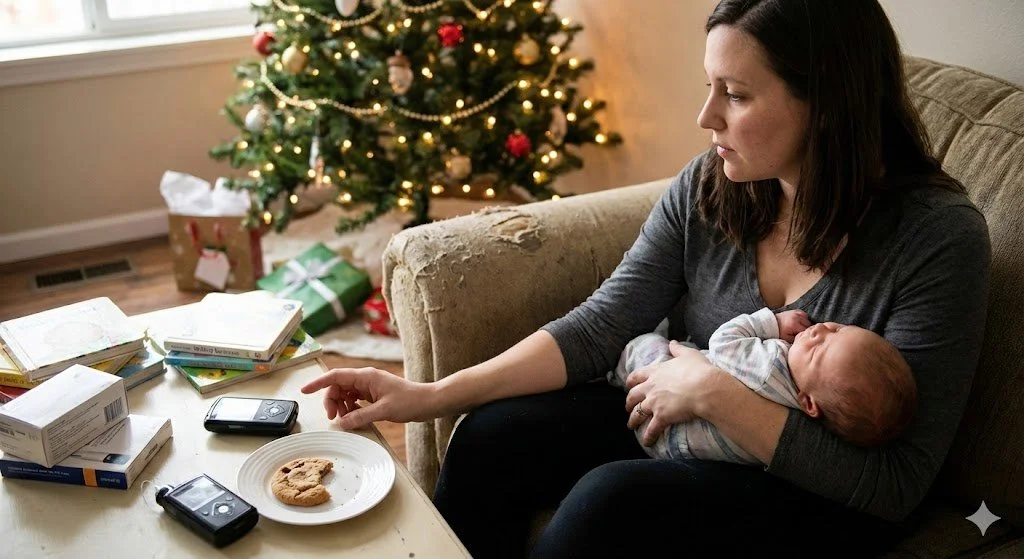


















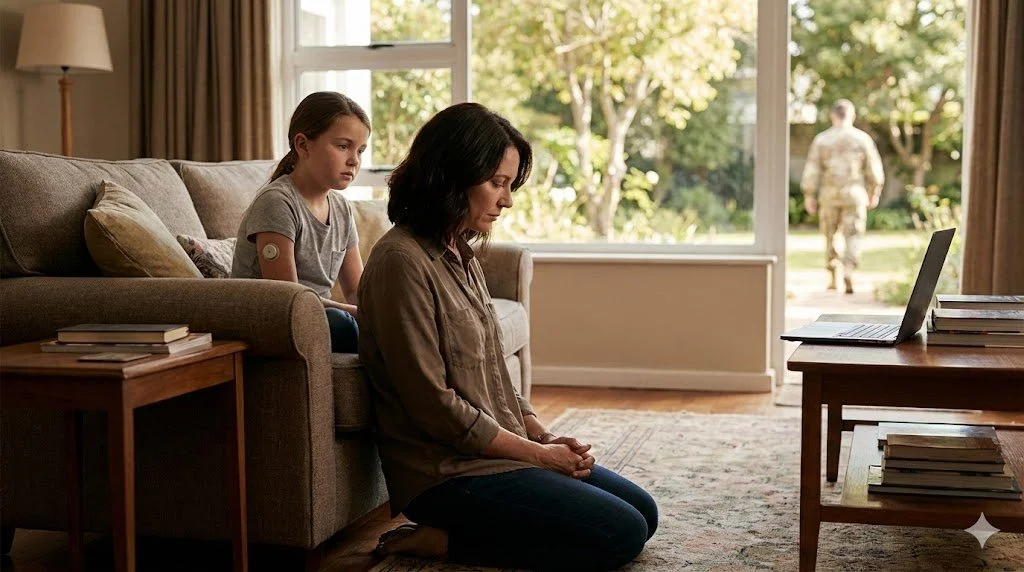




Please support the sponsors


The Juicebox Podcast is a free show, but if you'd like to support the podcast directly, you can make a gift here. Recent donations were used to pay for podcast hosting fees. Thank you to all who have sent 5, 10 and 20 dollars!

#447 Spatchcock Josh
After an illness Josh developed three issues
Diabetes - Heart - Stroke
You can always listen to the Juicebox Podcast here but the cool kids use: Apple Podcasts/iOS - Spotify - Amazon Music - Google Play/Android - iHeart Radio - Radio Public, Amazon Alexa or their favorite podcast app.
+ Click for EPISODE TRANSCRIPT
DISCLAIMER: This text is the output of AI based transcribing from an audio recording. Although the transcription is largely accurate, in some cases it is incomplete or inaccurate due to inaudible passages or transcription errors and should not be treated as an authoritative record. Nothing that you read here constitutes advice medical or otherwise. Always consult with a healthcare professional before making changes to a healthcare plan.
Scott Benner 0:00
Hello, everyone, and welcome to Episode 447 of the Juicebox Podcast.
Today we're gonna talk to Josh, who's got quite a story of diagnosis is diagnoses, diagnosis, diagnosis, definitely diagnoses. He's got quite the story. A year ago, in March 2020, Josh got sick. And after that he was diagnosed with maybe I shouldn't even tell you. Well, three things happened to him, that Josh thinks might be from that illness. I'm definitely not going to give you all the details. Just trust me and settle in and listen to an interesting, interesting story. We're gonna dedicate the first bit of the show to Josh, just laying it all out for you. And then it turns into more of a back and forth and the conversation opens up. But wait, do you hear the crazy stuff that's happened to this man? Please remember that nothing you hear on the Juicebox Podcast should be considered advice, medical or otherwise, always consult a physician before making any changes to your health care plan, or becoming bold with insulin. There's no ads on this one today, just a couple of announcements, then we get right into the conversation.
Okay, if you're looking for the diabetes pro tip episodes, they begin at Episode 210. And they're also available at diabetes pro tip.com. Perhaps you have a great diabetes practitioner, or you're looking for one one way or the other. If you've got one to share, or you're looking to find a new one, check out juice box docs.com. It's a great list. It's being built by listeners just like you just think of it as like that little Penny thing at the convenience store. Or like give a penny take a penny. I don't think they let us do that anymore. But you remember, give a doctor or take a doctor. And last thing, please consider supporting the good work being done by the T one D exchange. Your participation will take just a few moments. But the impact of your kindness will last forever. The T one D exchange is looking for type one adults and type one caregivers who are us residents. They'd like you to participate in a quick survey that can be completed. I mean, we did it in seven minutes. And you can do it on your phone or your computer right there from your house. You don't have to go anywhere. I don't have to go to a doctor's office, and you're still helping with Type One Diabetes Research. After you finish their questions, you'll be contacted annually to update your information just in case anything's changed. And you may be asked further questions. This is 100% anonymous, it is completely HIPAA compliant. It never requires you to see a doctor and you can back out of it at any time if you'd like to. But your personal information will never be attached to the answers that you get. Now every time someone completes the process using my link, T one d exchange.org. forward slash Juicebox. Podcast will also benefit. So if you've been looking for a way to help type one research, or the podcast, or maybe both, nothing could be easier or more beneficial. The study is looking for up to 6000 participants, so there's plenty of space for you. The information that past participants have offered has helped to bring increased coverage for test trips Medicare coverage for CGM and changes to the ADA guidelines for pediatric a one seagulls super simple to do. You'll really be helping other people with type one diabetes. And it can be done again. At the T one D exchange T one d exchange.org. forward slash juicebox we're recording that way so don't say exactly but what part of the country on
Josh 3:55
Oh, I'm very close to you. I think I mean, I'm not sure if you're in North Jersey or southern jersey, but we're about to like the top of the Chesapeake Bay.
Scott Benner 4:02
Oh, no kidding. I'm just interested that you can be on your porch. Is it heated? Right?
Unknown Speaker 4:07
Well, it's uh, you know,
Unknown Speaker 4:08
yeah, he
Scott Benner 4:10
it used to be a concrete thing you know, that I glanced it in so it's, it's pretty well insulated. Nice. I just woke up this morning and I was like, it's please Why is it snowing again? Like Please stop.
I know people like it, but I don't.
Josh 4:25
Well, our family has a hardware store so I'm just happy to sell everybody ice powder.
Scott Benner 4:29
I was gonna say buckets of salt and scrapers and turning turn into a splash.
Josh 4:35
Last year. We didn't sell any of that stuff. No, it was it was just if it did snow it you know, turn to rain right away or whatever. Yeah.
Scott Benner 4:41
When that happens, you just stick that stuff in the back and sit on it for a year.
Josh 4:45
Yeah, for the most part. I mean, you know, we have a inside place to store it. So I mean, it keeps pretty good but shovels keep better than the salt for sure.
Scott Benner 4:55
But I'm just thinking you're staring at something you already paid for that you can't sell for another year. That's got It'd be pretty.
Unknown Speaker 5:02
Got it. I'll come to the world of retail, right? Yeah, no
Unknown Speaker 5:04
kidding.
Josh 5:06
My name is Josh, I guess I'm just here to tell you my story.
Scott Benner 5:09
Yeah. You have a good one to Josh. So I don't even know, there are some people's stories that I think there's an obvious jumping in point. And for years, I don't believe there is. So I'm just going to start slow with, you know, how long have you had diabetes? What was it like being diagnosed? That kind of stuff?
Josh 5:29
Sure. Well, I'll give you my whirlwind story. I know you like to do the same thing I do, and kind of, you know, go on tangents and stuff. So I kind of hit you with the story, and then we can take it from there. So I'm about this time last year, my youngest daughter, I got I got two ones. 12 right. Now one's 14. My youngest got the flu, right? Everybody gets the flu, no big deal. I called the pediatrician, they were like, it's going around, you know, keep her hydrated. If it doesn't spike above this, you know, we don't need to see her kind of thing. You know. So, you know, my parents live right next door, she stayed, she stayed home with them for the day. And then, by the end of that day, you know, my mom was sick. My dad's like, I think you're out to watch her tomorrow. So I stayed home with her. And next thing, you know, I had the flu. So, you know, the three of us were all, you know, dying on the couch or whatever, for a week, no big deal. You know, the few couple days go by and weekend rolls around, I started feeling a little better go back to work. You know, I'm on the sales floor, doing whatever. And you still have that little bit of that. That lingering cough that was going around, you know, for the last couple years and can't quite shake. Yeah, the next thing you know that that next Thursday, I woke up in the morning, and my hand was tingling. And I'd broken that wrist in high school. And it didn't really think that it was, you know, something serious, I thought, you know, I don't know, slept on it wrong, or whatever, right? I'm in my 40s now. You know, I kind of dismissed it for a day. And then the next day, my face went kind of tingling down by my, my left hand side of my jaw, like I just had to surgery or something, I took that one a little more seriously, but still, like, typically stubborn guy didn't go to the doctor's or anything. So you know, the weekend rolls around, and I hear I kind of just take it easy. The kids are at work, you know, divorced kids are at their moms that weekend. So they lounge around the house to try to get ready for the next week. So I still felt you know, terrible at Sunday. So I said to my dad, I think I'm gonna, you know, go in to see the walk in clinic tomorrow. So I figured, you know, why see my regular doctor, you know, X ray my hand or something. So, he takes the kids to school, I, you know, I go into the clinic there and they're like, Hey, we think you're having a stroke.
Unknown Speaker 8:00
It's like, Whoa,
Josh 8:01
really, you know, so I get to that I get to the hospital. And, you know, they brought a bunch of tests and stuff. And sure enough, like, not like one of those little mini strokes, you know, I always do things like, you know, full bore, so I had a had an actual stroke, and my hand in my face were you know, being controlled by a part of the brain that just sensitivity so my hand kind of felt like it's permanently dipped in ice or something. It's been that way for the last year. But um, you know, they This is how I found out so I hear these different stories from your, your, your different podcasts, you know, they were like, so how long you been diabetic? You know, and I'm like, What are you talking about? And my agency was apparently 13 and I think I was like 12 or 1300 for my sugars at the time. But But it wasn't just that my all my organs were infected, right? Have something you know, some some unknown yet unknown undiagnosed virus that may or may not have been COVID I'll get to that in a minute. But so so every organ was infected, right? So so my heart fracture rate was like 40% you know, they couldn't figure out what what it calls that it didn't seem like it was a heart attack, you know, but it wouldn't beat right. And you know, my kidneys and my pancreas and all that stuff weren't right. So you know, a couple days go by, they get me like, you know, feel a little better they start showing me how to inject myself with a pen and scoot me out the door and off I go, right so I go to the pharmacy and I pick up a couple pins right in it. I've got it I got a bunch of doctors follow up visits with that, you know, and you know, go home, you know, so the pain still tingling face still numb, you know, whatever. And, you know, there I stare I sit trying to deal with all that. And the one thing I'll say which I think I keep hearing over and over from you is there must not be enough endocrinologist in the world. I mean, there really must not be because, you know, I left the hospital you know, and they had an appointment immediately for cardiologist and I had an appointment that day scheduled for endocrinologist. I didn't really look at Got it. But you know, turns out it was like three months down the road, you know. So another thing I'll say is I found out like, way after the fact that apparently, my health insurance provider actually provides, depending on your situation, they provide one call nurses that you can speak to, and I got, I wish I had known that, you know, then because I kind of struggled around, I had had some, you know, friends and family that have had either a kid with diabetes or had diabetes, or, you know, some level of understanding a little more than the average person, but, you know, I was kind of left with a, you know, here's a pen Have at it, you know, and it was that, you know, every time you eat, shoot, shoot, ate, you know, and, and watch and test yourself, test yourself, test yourself, right, here's a, here's a non Bluetooth meter, you know, from the insurance company that write all your stuff down. This seems, seems daunting, right? I'm a fairly smart guy. But, uh, so So, you know, my first kind of thing was to deal with the heart basically, and, and, and the diabetes. So, you know, my first set of appointments was to the cardiologist, right, I was like, I gotta try to find another doctor get in or something with the endocrinologist, but I'll, I'll put that off and go to the cardiologist, the cardiologist, you know, they do a stress test, they run a bunch of stuff in their life is normal. Now, I have to tell you that the, the week, before the flu was like Valentine's Day, so it's almost like a full full blown year. And then the next week, was the last week of February, last year. And then so I got into the hospital out of the hospital, like March 2 through the fifth. So, you know, now there's this part of the story. I'm like, the second week of March. So I go and have a fairly normal experience at the cardiologist, they give me a heart monitor put me on that to kind of try to figure out why my heart was doing the things it was doing. Nobody was talking about some massive pandemic viral infection going around, right. So, you know, so I leave with this heart monitor. And, and I have to tell you, that when I had it for two weeks, I went to turn it back in. And now now they have a box outside, and I've got to, I got to give it a like, go drop it off, like, you know, like some kind of spy, you know, and they're gonna hold it there for a couple days and spray it down, because they don't understand what COVID is, or how it works or anything like that. But, you know, when I dropped it off, we're talking like St. Patrick's Day, and that's when everybody and their mom had COVID. Right? It's just, it's just exploding, and nobody knows what to do. So So that's kind of how it all started, you know? And then what happened there was, as you may or may not know, I hope you guys didn't have a personal experiences with this. But quote, unquote, elective surgery just shut down for like, a year. Yeah, like, so it was just like, shut down. And that's
Scott Benner 13:03
and then that's more than people who like when people hear elective surgery, they think like, Oh, I can't get a nose job because of COVID. But there's other things that like knee replacements and things that really impact people's lives that they just weren't doing at that time.
Josh 13:16
Oh, yeah. So I have a, I have a friend of the family that he had a heart transplant, right before COVID. And then when when COVID started, he was a missed rehab. And then when rehab, you know, when the COVID started rehab shut down, and then the insurance company, and he gives you so many weeks of rehab. So you started rehab, you didn't do rehab, you can't sort of back up so you just got you know, screwed out of half of his rehab. That's just how that worked. You know, that some of these companies are making some, but you look at I mean, look at my problems, I feel like they're, they're so they're severe, but they're minor compared to some other testing. I mean, you know, people aren't getting biopsies during this time period, right? You know, they're pushing off cancer treatments, because they don't even know if they have cancer or not, I can't imagine how, because I was pretty stressed about this heart stuff. And, and, and so I'm talking to the doctor, most of us that virtual, you know, like we're doing now, you know, we're FaceTime or whatever, talking to the doctor about different stuff. And what he really wants to do is what they call catheterization, where they go up there and they look at the heart with a with a tube, and then usually while they're in there already, they decide if they need to put a stent in or something. So they want to do that really bad. They want to check out the heart they want to see what's going on because I can't quite figure it out. Now you know, I'll skip ahead to the end and maybe go back to the middle or something but so he so so he wants to do this catherization keeps putting it off and putting it off putting off we can't get in we can't do anything. So, so finally, him and I kind of mutually decided that we're going to do a CAT scan of the heart, you know, real they don't usually do that because you know yields the same effect. is just going in there and then fixing it at the same time. So do that CAT scan in June. And they're like, Oh, yeah, just like we thought, looks like looks like a mild blockage. You know, I don't know that that's what calls whatever happened. But you know, we go in there and clean it up, you know, in and out same day, you know, put a little stent in there, no big deal. No big deal. open heart surgery, no big deal. You know, so yeah, I'm, I'm in my 40s, I'm like, Alright, well, you know, I like bacon, you know, I'm sure, I'm sure I've got a little bit of clog going on in there. You know, whatever, that's good. It's just one artery, whatever, we'll go get it cleaned up, in and out. You know, so. So it's, uh, you know, now now we're talking into June or July, they scheduled this mid July, they scheduled the stent surgery, you know, it's a really is a relatively benign procedure, you know, things have loosened up a little bit with COVID, but not really.
Unknown Speaker 15:51
So,
Josh 15:54
you know, they go in there. I'm sorry, backup, the way it works, which, you know, I don't know if you've had any experience with any, any surgeries minor or otherwise, during this whole thing, but, you know, they say that I have to go get a COVID test before I go and do the surgery, right, you know, make sure I don't have it going into surgery. So, okay, so they say you need to do it within 72 hours. Now, you know, my grammar differs from theirs, because what they meant was 72 hours. So I was hoping to do it, like the day before or something, but I had to do it a couple days in advance. So I go in there to do it, you know, then they're like, hey, by the way, you can't go to work or anything, because I'm because it's because we're essential business, like I might have set out if it's on tape or not, but we have a hardware store, it's retail, we're open, we're considered essential in the state, you know, we're selling stuff and doing stuff like normal. So
Scott Benner 16:46
but you know, like, test and then they, they want you to go sit by yourself until it's time for the surgery. Because if you're negative, and then you go bump into somebody
Josh 16:57
you didn't know. So so my. So my kids went to their they were just happenstance, though, at the after the first week of a two week stay at their mom's house for you know, for her, like summer vacation time. So, you know, I kind of had purposely planned that surgery or on a Friday, you know, middle of their, their thing, but as it turns out, I'm, I'm now I'm home alone, you know, to my own devices for a couple days before the, for the little tiny minor surgery, right. So, you know, we live down by the water went out on the bay, messed around on the kayak for a couple hours a day, you know, no big deal. I had to, you know, I'm sort of getting this, this this diabetes thing, right, um, I got some I got, you know, I got my Apple watch on I got my, I got, you know, all my stuff to be safe, you know, messed around the kayak, you know, you know, I got a little you know, snack or something, if in case I get low, I've got that all handled. But, you know, after messing around kayak for a couple hours, go all in and come back inside, do that for a couple days. Go and have the surgery, you know, and then they they go in, they come out and they're like we didn't do the surgery. You know, you're in you need to find a bypass to try not to sweat it. We're going to do it on Tuesday. Just stay here in the hospital. And you're, you know, then you're just sitting there like it would have been way better if I just woke up with, you know, five bypasses, but, but I don't know if you heard me correctly. So that's five bypasses. Yeah. So
Scott Benner 18:30
it went from Hey, you're gonna get a stent. This is really no big deal to and so can you describe to people what a bypass is? Do you know? Or did you just close your eyes? Yeah. Hey, just do it. I'll be okay. I don't want to know.
Josh 18:45
Yeah, and then No, no, I would say anybody getting a bypass, maybe don't Google it and watch the YouTube videos on it or whatever. But you know, the down and dirty is the, you know, the the arteries going in and out of the heart, right, they just cut them loose and reattach some stuff looks like you're just like traffic, just like a bypass around a city or whatever. And they put new pieces in there. So they get those new pieces. You know, if it's one bypass, they get it from someplace up in your chest somewhere, I believe. And if it's like five, they take a big chunk out of your leg. So they just cut me down by the knee and down by the ankle and they just jerked out an artery and cut it into pieces and put it around my heart. You know, so I was fortunate enough to have the head of the the team work on me and that was fantastic. I don't know that I had any kind of special pool which just happened to be that way. But you know, that guy did a fantastic job. And you know, I was the youngest one in the ward I can say by far had a little rough time with needs a little blood, you know, right after something but after that I bounced up there was pretty much walking around on my own. I'm not a big advocate of opioids or anything right so the first thing to do is pop a bunch of oxy and yeah, and then you know, I'm like, I don't want that, you know, some toughing it out with Tylenol and stuff and fighting to go home because, you know, I had the surgery on my youngest daughter's birthday. So that was kind of nervy I told the doctor he's not allowed to kill me on my kid's birthday.
Unknown Speaker 20:14
That's exactly what I would have said, by the way.
Josh 20:15
Yeah. Yeah. So, so anyway, you know, I go home I'm home for like a week. My parents live right next door, I might have mentioned that. They, they wanted me to stay with them. You know, it's uh, you know, I love my parents. It's one of those things where I you know, moved out for reason when I was kid right? They drive each other a little nuts when we're in the house and mom smother me that kind of stuff. So a couple days, there was plenty, you know, went back to my house. So my good test
Scott Benner 20:43
for your heart right away.
Unknown Speaker 20:46
Yeah. So then,
Josh 20:49
like a week later, I had I we have a standing thing work buddy of mine from college that incidentally lives North though view, slightly. buddy of mine from college and a buddy of mine from the next state over, we all kind of convene, and we and we go, we go down to the Outer Banks every summer. So I had asked the doctors, I'm like, Can I can I go down and out of banks. And they were like, like, two weeks after the surgery, they were like, they were like, sure, you know, you can't drive you can't lift anything, you can't really carry anything up the stairs, you know, you really should stay out of the Sun can't get in the water, but have at it, you know, so So I was like, watch sounds fine. Because that's like my therapy for the for the year, right? You know, go down there and just do nothing. So, you know, the kids helped me pack which was fantastic. And then when my buddy from from New Jersey came down and met us, you know, just outside of town and my dad kind of carried my car over there. And then my buddy drove me all the way down there which was which was wonderful. That was I was really one of those vacations where you really appreciate the vacation. Just Yeah, then I came back for like a week or two, I'd say you know, I guess it was like three weeks I was going to start cardiac rehab but they couldn't start it because of COVID till like Labor Day. And I did that till Thanksgiving while I was working right three days and work and taking some time off and here we are. I guess so. I don't know if getting questions. I feel like you might have some questions. That's
Scott Benner 22:11
crazy Josh. Okay, so let's start slow You stay right on the water and in the Outer Banks because I've been there twice and we've gone to the four by four houses both times so you like drive onto the beach drive like three miles up to the beach to your house and you have to have a four wheel drive car to get to it that's very relaxing
Josh 22:32
yeah so you're so you're so you're what you're in the north end of the Outer Banks when you're doing that sort of up by where the
Scott Benner 22:38
where the wild horses are. So God what is it called? I haven't been there in a while. I can't think of it now.
Josh 22:44
Like doc or something
Scott Benner 22:46
yeah, I I've been to doc and maybe not quite that far up wants to
Josh 22:51
Yeah, so we so we go the other way. We've been for about a decade now. We've been going down to Buxton, which is Hatteras Island, which is we're right next to the Hatteras lighthouse and a little duplex was it like say my two other buddies families? You know it's kind of nice for the duplexes right on the right on the dune you know, whatever. So we you know, we typically go over to Boca croak, you know, take the ferry over there and you know, the good and bad of Buxton is there's literally nothing to do but you know what there is to do there this little, little putt putt and and you know sandwich shop grocery store all kind of in walking distance which was good because I couldn't drive my truck You know, my buddies are all super helpful you know for sure but you know you're trying to regain your independence a little bit but you know, you want to do some stuff is kind of hard to remember at this point in the story I can't lift 10 pounds you know, that's a milk jug right? Like you know you want to you want to get out there and do something you know, but you can't even carry carry sack of groceries up the stairs. But I was walking on my own I wouldn't use a walker or anything I mean I was bounced around you just got to it's got to be careful because apparently I guess this part left out of the story but the other thing they do besides cut that piece out of your leg to put in your heart is they just they have to get to your heart right so they they just Bonsall you know your breastplate and this rip it open like in some kind of you know, alien movie or something and and then they just wrapped some some some metal wire around it to hold it closed and they and they may superglue you shut joshy a few I gotta be a little careful.
Scott Benner 24:34
I don't know if you ever cook a chicken at home. You were spatchcock. You know that you know the phrase, right? Yes.
Unknown Speaker 24:41
Yeah, exactly.
Scott Benner 24:44
strong likelihood. This episode is called spatchcock Josh but it's just that that's fascinating. So they just boom cuz they gotta get there. I didn't even think of that. I can tell you I freaked out when he's talking about pulling the the the pieces They needed out of your leg that actually the senate chill right up my spine into the base of my skull. And I almost passed out. I was like, Oh, I can't imagine having it done. But like you said, it's, I mean, two weeks later, even that battered you were able to just, like, go anywhere is pretty fascinating. And how long ago was this now? March, April. So.
Josh 25:24
So, you know, the stroke was in in March, but the open heart surgery was the the end of July.
Scott Benner 25:31
Okay. Now, okay, so we have to pick through this a little bit. So you had a stroke, major reconstruction of your heart and found out you had Type One Diabetes on this one thing and you were sick prior deep? Have you ever had an Did you ever get an antibody test? Or did they not exist at that point to see if you had COVID.
Josh 25:49
So so I don't know, I really say this part. But I have a friend that had that that has a sibling that that works for the government. So I was able to get one of the early ones, but that was still like about three months after. After it all happened, you know, it's like April or something. And so, so we took one of those and came back negative. And then several months after that, like, I don't know, the beginning of June or something, I was able to go to like lab core and get a blood, no more official blood blood tests. And both of those came back negative. So, you know, I'm not gonna sit here and tell you that I had COVID. But like, if I didn't have COVID it, I have all the stuff that they're saying COVID does. So one of my friends said, Hey, you know, you're probably the only person existing on earth that could get like some other, you know, super weird viral infection during a pandemic of another super weird virus. So, you know,
Scott Benner 26:51
I don't know, though, I mean, something. Well, first of all, I have to say, this is such a great jersey conversation, because you like, I know a guy that got me a thing. You know, like, my,
Josh 27:01
like, I say, we're in Maryland, but we're close enough.
Scott Benner 27:04
But still, like, it's got that vibe like you. You've been here before. And it's obvious. So No, but seriously, in east coast in general, it's just such a great feeling. You're just like, you know, you know, I got I got a friend, he took care of it. But so Okay, so something obviously happened, you had some sort of a viral problem, and it just attacked everything. But it didn't cause you to need five bypasses that was just bad genetics or hard living or something like that, right?
Josh 27:33
Well, well, I don't know that now. They're saying if you if you look it up, now they're saying that COVID causes, quote, unquote, rapid plaque buildup, because nobody can explain how I went from the chest X ray showing, you know, a little minor blockage to you know, everything blocked, like 100% Oh, yeah, like, I would have died if they didn't do it right away. So, so net. So, you know, they, they, they're all kind of like, but we don't have any evidence, but yeah, probably, you know, and, and, you know, nothing against the the cardiologists that, you know, did all this work to start with, but either he's really screwed up, you know, in looking at the chest x rays, you know, or there was a quick printer, I had some kind of rapid black.
Scott Benner 28:21
Yeah, see, I just assumed,
Josh 28:23
like, my great, I'm sorry. My grandfather's 97. Everybody seems healthy in our family. So I don't,
Scott Benner 28:29
yeah, I don't know. See, I just assume when you said it, that they misread the first test, and then got in there and was like, Oh, yeah, me too. We thought but I see what you're saying. And I have recently seen an article about that, about the rapid plaque through COVID. And, and
Josh 28:46
other saying COVID does the same thing that you know, a lot. I mean, a lot of the conversations are about the lungs. And I didn't really have much long issue other than I had this nasty, you know, like hoovering call for you know, the week after the flu, but um, you know, it's also doing stuff where it's kind of clotting, you know, is going through the heart or it's causing, you know, it's causing strokes, it's causing aneurysms. It's called different problems in different organs. And like I say, when it all started, I had all that I mean, my my Pete, my regular primary care doctor, she ran a bunch of tests. Now she's like, well, let's make sure it's not hepatitis, you know, I don't even know what there are like A, B, C, D, E, F, G, we're gonna check them all in like we're just gonna have to get like nine vials of blood that I had to draw here we're just going to run out what every test there is. And then you know, after that we did some more blood work like a month later and turns out every organ is working fine. Except for this whole pancreas thing. Right? You know, so I mean, I know we're, we're diabetic conversation but my my, so I didn't see a doctor about my diabetes again until like, the end of May. May, you know, going back from March and at that, from that time in between, I didn't know what kind of diabetic I was. And I seem to be responding like type one. But you know, I don't have type one type two, I didn't know what I was, nobody told me. So when I finally got to see somebody I, I asked, right, so then we did some blood work. And it seems like my pancreas is working a little bit, but, you know, damaged all the same. So, I guess that says that one a that we talked about a little bit. I think I'm officially diagnosed as a two. You know, so I don't know, you know, we're still in that. What do you call it that Cinderella period or whatever. Like, I've been doing great with the with the blood sugar's you know, went from 13 to 5.4 in the hospital, right, you know, and then, back in December, I was back up a little bit to like, 5.7. But, you know, I, I credit A lot of it to you, because, you know, I didn't get a lot of help till I finally got a chance to talk to the doctor. And then you know, I mean, she's, she's, she's just kind of like, here's this, here's this, and I'm like demanding, you know, continuous glucose monitor, I'm like, demanding a pump. So, I got the glucose monitor in, in May, and I and I, I got a G six, which I love. And then I and then I got the pump, which is Omni pod, and I got it in. While I was in the hospital, I was in the hospital for the surgery, and they were like, ooh, let's wait a week or two, to put that baby on. So after I got back from the beach, you know, we, we got I got the training for that put that on. So that was like mid August or something that I got that and that's where I really started to be able to control my sugars and stuff. Because before, you know, I'm taking a pen taking a long acting insulin, you know, at night. You know, they told me to take it at night. I don't sure why. Because, I mean, it seems like the way the cycles work and stuff that that brought me down more often than not, you know, in the middle of the night. You know, I think it probably should have been taking it during the morning or something. Right. But But, you know, I had had the two pins, and I, you know, I was taking the other one you're taking, you know, one to 10, you know, for whatever I was eating, trying to eat real good and trying to get it for, you know, 40 units or whatever for, for 40 carbs. You're doing all that doing all that basic math, but I'm shooting up and then I'm done. I'm eating the sandwich or something. Right. And, and you're seeing those big up and down spikes. And, you know, I cannot stress this enough. I know I keep I keep following your, your group on Facebook and stuff. And you keep hearing the same questions over and over again. But, you know, the PRI and and extended Bolus is like, you know, what does it you know, if you're not, if you're not, if you're just jamming yourself with a pen, you can't really can, you can't really do that. You can't do that without a pump, you know, but even if you have a pump you have to do that you can't just can't just eat and like watch it start to go up and then start to dose yourself and hope for the best. Right You have to you have to do more
Scott Benner 33:04
is that you got to find the right timing and use the insulin words need
Unknown Speaker 33:07
right? There's a science to it.
Scott Benner 33:09
Hey, I'm so so is it possible? It's such an interesting look, right? Because you're obviously very involved with your health. And probably you weren't probably a year ago, but still you're you're involved in it, you're paying attention to what's happening. And Isn't it crazy that nobody can really tell you exactly what happened? Like maybe you got a virus that puts you into like multiple, like system failures. And at the same time started diabetes. Is that possible? Like is there any any autoimmune in your family line? Two people have celiac hypothyroidism type one. Do you see that anywhere in your family? No,
Josh 33:48
no, not at all. I mean, I have my mom has a sister that passed away about a year before this conversation started. And she was she was a type two diabetic. You know, she had been heavy she had you know, she'd lost some weight. she she she loves sweet tea. Right? So I'm not sure that she managed it to the best of her ability. And she was doing that with you know, mainly with pills and then finally with it with some some insulin, I believe but you know, none of that, you know, I had a I had an uncle that had had a heart valve surgery. But that was a defect from you know, from birth or something, which is completely different than a bypass. So, you know, we're all relatively healthy. I mean, there's some skin cancer, there's some other stuff that's you know, that's popped up in the family but, but nothing nothing that explains this.
Scott Benner 34:39
Yeah. How about your girls? They were both sick at the same time too. Are they? Okay?
Josh 34:45
Just one which my oldest, you know, I mean, we're in the same house and my oldest was fine. You know, my dad was fine. You know, but, but my youngest. You know, she got this and, and, you know, I guess like you're hearing about most kids With with COVID and stuff, there is some there's some weird symptoms and stuff, but she basically just had the flu. You know, we didn't even it didn't even dawn on us that this could have been COVID till it started kind of, you know, just progressing and you start reading about some of the different symptoms and stuff. Like what we might have had COVID Yeah.
Scott Benner 35:18
It's that timing in that vert in those beginning months where nobody really First of all, it was here in January, and we weren't aware of it at all. I mean, when do you really feel like America became aware of it and the first
Josh 35:30
rate on St. Patrick's Day, right, right before me. I remember they shut they shut down Ireland for the bars St. Patrick's Day, right? Yeah, that's where I remember it was the week of St. Patrick's Day is when I kind of mark as the the timeframe that everything kind of shut down.
Scott Benner 35:46
We're March 13. I remember, Cole was in Florida playing baseball, and we rushed home, he actually got sick while we were down there. But he got something that we we don't think was viral because they gave him antibiotics. And it cleared it really quickly. But, you know, we rushed home from there. And God, that's 11. I mean, it's February 18. Now, so it's almost been a full year, I have to tell you to Joshua, you've been going through a thing. So you've been busy. But the last couple of days, I just sit in my house thinking like, oh, there's the wall in the living room again. It's still there. Like I just I'm, I'm really starting to, I want to go outside, and then it snowed. And I was like, oh God, like, I can't even wander around in my property anymore, you know, go to a park or something like it was just, I am almost at my wit's end, I think is what I'm saying. Like, if I snap and rob a bank or kill somebody, six months from now, you'll be able to use this recording, as this man was calling out for help. He's been he's been in his house too long. It's just,
Unknown Speaker 36:46
well, you. Yeah, you,
Josh 36:48
you, you, you brought up a point that I really, I can't, I can't really I can sympathize with but I've been really blessed, our business has been essential. It's been open, I've been I was home for a couple weeks dealing with this heart surgery thing. You know, but but I've had the added bonus of, you know, seeing 1000 customers a day and talking to people and things being sort of normal in my life. You know, and I've watched friends struggle that have you know, that are teachers or that or that own a restaurant or whatever the case may be and there and and, or work for any of those types of things. And and you know, of course, you're you're a stay at home dad, so you're a little more accustomed to it to start with, I imagine. But still, it's different. It's been a bad year, and it's been a bad year for people I imagine that have any type of mental health are prone to depression or something like that. I mean, it's just, it's just rough. And one thing to keep asking it with this with the, with the open heart surgery and stuff, I guess, I guess you're prone to depression for that. So they keep kind of you Okay, you feel all right. I'm like, I'm fine. You know, but also, like I say, I'm not home. The kids aren't home either. They, you know, they go to a private school. The private school was really cool. They did. They were they were virtual for a little bit, right last year. And then this year, they decided they were going to open up safely. So they moved all the classrooms around ripped out lockers, that all this weird stuff, but they gave us a choice. You know, your kids can go virtual, your kids can go full day, your kids can go what they call essential learner so so we opted for the essential learners. And that's basically eight to 1230 is the go in there. And they bang out all this core classes. And then they they skip lunch where everybody's a little more communal, and they skip gym, and they skip the stems program where they might be sharing a microscope or something and they just go home and they do their homework. So so even the kids have had a little bit of a sense of normalcy, you know, we're you know, you haven't, but, you know, but my kids played volleyball. You know, I was assistant coaching the year before this, I was kind of thankful, sort of that we didn't have volleyball this year, because I'm not sure I didn't ambition to assistant assistant coach this fall, but but, you know, I missed that. And I think the kids missed that. Yeah, it's good. It's it's a good physical activity getting them out. You know, but for us, it's a lot of running around because unlike, you know, public schools, you know, it's all the other sister schools that are, you know, an hour away sometimes. So, you know, it was a lot of it was a lot of run into two games and stuff last couple years, and this year, quieted a little bit for us, which was like something that I think I personally needed. But I'd like things to go back to normal, right? And I'm kind of sick of wearing these I kind of prefer the Gators over the mask because I'm in and out of my office all the time on the sales floor. But But everybody's sick of wearing those things. You know, it's hard for employee morale, it's hard for the customers, you know, nobody you know, everybody wants to be safe, but nobody wants to really, you know, just function with that stuff on all the time.
Scott Benner 39:44
I listen, I don't mind doing what whatever needs to be done. I'm happy to do I just because my life used to be. I'd get up in the morning and I you know, she wouldn't think of it this way. But I get my wife off to work. I get my daughter off to school. Come back. You know You clean up from the night before get the house in order. Do a little light cleaning. I've record a podcast, do some editing, have a little lunch, mess with the dogs a little bit. I go get Arden from school, we get that thing going they start making dinner like there was a pattern to it last night at 830. Arden, when can I have dinner and I went, I didn't give you dinner. And she has known like, Oh, sorry. Like, I just there's no rhyme or reason to anything like I can just, there's just nothing. There's no scheduling, it doesn't matter what time it is. It doesn't matter what day it is. I stood in the kitchen this morning. And I was like I was just here seven hours ago. I don't even like what do I do now? Like, you know what I mean? It's just ridiculous. I really need a schedule.
Josh 40:39
And your kids are a little older to a teenager, right?
Scott Benner 40:43
Yeah, yeah, she's 16 my son's still stuck here. He's going to be 21 in a couple of days. And,
Josh 40:48
yes, so So I mean, my two, like I said, they're 12 and 14, but I think about you know, had an aunt that was a teacher, it was a kindergarten teacher for like, 30 years. And, and, and I sit there and I think about these kids that are that are five, or eight, or something and you go, I mean, you know, they're kind of too young to leave at home. But the schools aren't like letting them go to school. And you know, sometimes, I got a buddy of mine that has kids in elementary school, middle school and high school, and our county, I think still, I don't know, at least to begin with, you know, they had kids going, you know, a couple days a week, but different different days for different age groups and stuff. And you're like, Oh my god, I can't, I can't imagine trying to try to schedule that in my own brain, ya know, like, I, I have, I have a calendar, I write stuff down. I can imagine the kids, this kid goes this day, and this kid goes this day. And this kid who's this day, the rest of days, they all stay home. Well, how do you run that?
Scott Benner 41:39
Yeah. Listen, I can't be certain. But I also think that everything we've done for the last year has probably saved a lot of people from going through what you went through. So that alone, hopefully, yeah, hopefully, like if it and if it did, then to me, it's worth it. Like, don't get me wrong, like six months from now. You know, if everything is is different, I'm not gonna like, think back on this. It's not, you know, it hasn't impacted me for the rest of my life in a way that I can't rebound from what I'm also lucky about because I did have that thought. Last night, I was cooking dinner. And I thought this is a bad day. I had a bad day today. I just did not there was nothing about being alive today. That was anything, but I'm lucky that mentally I'm, I guess I'm I'm built in a way that I can get through this and get to the next one. But there are plenty people that can either and I don't know, there's your
Josh 42:30
impression is real. Yeah. And, and like I was saying, in I tell a lot of people tell you know, summer employees and stuff. I mean, when this whole thing started to, you know, everybody's trying to decide, you know, leave the groceries out and spray them down, whatever the case may be, you know, like, all the stuff that was filthy before is filthy now, you know, like, like, a public bathroom is filthy, you know, like door handles to a restaurant or store, whatever, they're, they're filthy. You know, gas pumps are filthy, you know, I mean, keypads for, you know, the point of sales, you know, they're there. They're filthy. I mean, you know, wash your hands, right, you should be washing your hands. You know, if you're a parent, you got kids that are older now, but I mean, how many times did you spend your like your? You know, I don't know. I feel like my 30s were spent telling somebody to wash their hands, right? And friends that are nurses and stuff that wash your thumbs to write you wash your hand. Like don't put it in your mouth.
Scott Benner 43:29
I mean, obviously, there's it's shone a light on a lot of like, important stuff like that. Now we'll wait and see if if, if it if it sticks to people or you know, three months after you don't have to wear a mask anymore. Everybody's just licking their fingers and putting in their phone number at the grocery store again, and I can't I'm also Josh, I had a real job at one point in my life. And so
Josh 43:51
yeah, I read I read your book. I'm not gonna lie actually. I'm like, like three chapters in or whatever, but I got it off Amazon. Oh, and I started so so I heard about your real job.
Scott Benner 44:01
I had a real job and because of that my hands are I don't know how to describe this to people who have never worked with their hands like in a real vigorous way but I don't really have much in the way of like, grip on my hands. Like so things slip out of my hands sometimes I'm not I'm not having a stroke I don't think like you did but I can't grab
Unknown Speaker 44:20
this is a try having a stroke
Scott Benner 44:22
but opening those damn cellophane bags at the grocery store without like, I mean honestly without just touching your tongue to your finger a little bit like it's really hot it's so they're like trying to blow like warm air through my mask on my family. Can I get some humidity maybe will that help and my wife's like don't do that. I was like, how am I gonna get the bag open? I don't I can't get the bag open. So I don't know I just it's all very strange but and that it led to any of your health issues is that it possibly did is crazy. And you see are you going to get an antibody test to see if you have type one that can do that.
Josh 45:01
Yeah, I guess I mean, I don't know, like you said, I mean, there's so much going on and so much to kind of cross back and forth between different things that, you know, like, back around was the right around Christmas, I guess I was at the cardiologist and he goes, who's your? Who's your neurologist? And I don't have a neurologist, they're like, why not? You still have this stuff with your hand and stuff? And I'm like, I don't know, I haven't. I've haven't had time to deal with that, you know, I've been focused on you know, I mean, it took me forever to get an endocrinologist and get in there and see her a couple times and see the nutritionists and stuff. And the last time I was in there, I'm proud to report like I say, she said, She's, I have no advice for, you know, I don't even know why some of this stuff, some of the settings, you have work. But, you know, keep doing that. And I was complaining about, you know, my, my range or whatever, right? I'm like, I'm like, 20%. You know, you know, as far as my, my, you know, jump from from thing to thing, like, when I eat and stuff like it, you know, I was trying to get a little tighter trying to get my line a little flatter, but, you know, listening to you trying to do better. She's like, That's ridiculous. Like, you're, you know, when you're out arranger, you're like, you know, you hit like, 132. You know, I mean, you're not, it's not, you're not like 400 or something. So
Scott Benner 46:24
is that the Mendoza line? 400 400? everything's going great. And well, did you just tell her like, Look, there's a man's voice that comes out of my phone, and I'm just doing what he was saying. I don't
Josh 46:39
know, man. I mean, in all seriousness, I plugged the crap out of you. I think you're doing good work. I appreciate. You know, so. And I think I think that, you know, there's not really a lot of a lot of education for this. And I think that there's not really a lot of doctors that are doing this. And there's not a lot of doctors that are educated on this stuff. I've been reading, right, you know, there's I'm sure maybe, maybe I missed an episode or something. But there's a, there's a company that's working on insulin doesn't need to refrigerate is working on another pump. It's kind of like the Omni pod is coming out or something that
Scott Benner 47:08
seems pretty cool that yeah, that seems a little like vaporware to me. But it's, it's, it's a great, great idea. And if they can do it, that's amazing, what they're talking about doing is creating a more concentrated insulin. So the that also doesn't need to be refrigerated, which helps people around the world, but you wouldn't need as much of it, you know, if you're, if your carb ratio now is, you know, I don't know, three units, you know, for every 10 grams or something like that, it could end up being significantly less, which would mean the pump would need to hold less, and they could make a smaller pump. And you know, and it's going to work faster. But that's a lot of that's a lot of hoping and not a lot of you. I mean, none of that stuff exists right now. So they're working in the apple
Josh 47:49
and the Apple Watch is talking about, you know, there's gonna be some kind of magnetic reader, which seems like the holy grail for glucose monitors, you
Scott Benner 47:58
know, wrap my head around that either like, I don't know how you're gonna get some, but like, maybe it would like, Listen, if you if you tell me that the average person could wear an Apple Watch, and be told, Hey, your, your blood glucose is normal. Or maybe you ought to go to a doctor like that would be crazy. But I don't know how you'd make like specific decisions about insulin. If you had type one or type two without I don't understand how I just don't imagine that the technology took such a great leap, and none of us heard about it. Do you know what I mean? Like it Me neither. But I
Josh 48:30
have to tell you like our business. You know, we've been around since 1924. Right? So so we sold ice and cold and I have a hard time wrapping my head around delivering a cube of ice to somebody like second floor walk up or third floor walk up and put it in their icebox so that they can have refrigeration, you know, and I and I look at the I look at insulin the same way. I mean, man, holy cow. I mean, people were peeing on this on on strips and stuff to try to get you know, whatever. And then now you can prick your finger and check it and now now you can wear the Dexcom Now the Dexcom is getting smaller, you know,
Scott Benner 49:05
insulin that works. It's amazing insulin that works more quickly, that you might not need as much of That's amazing. I mean, that would just be a huge thing. There are other little things they need to work on to like canula technology like candles need to be, you know, an adhesive that doesn't you know, it's tough because, you know, if you make a million of something and 50,000 people break out from it, it's hard to ignore what's happening to 50,000 people it's also hard to ignore that the other million of them are not having trouble with it. It's so hard to like to innovate serve people as a customer service in the moment and cover everybody when when maybe most people aren't having the it's just in the internet makes it look worse. Like Yeah, he's a great example like the internet makes it looks crazy.
Josh 49:52
If I say anything to my my fellow Dexcom slash Omnipod. Where's like, I mean, it's right in the instructions. But you know, I think I think When I get on the different groups and stuff that I don't you don't you believe that? Like, I don't want to maybe start this Hi, but 90% of the problem is you didn't prep that area, right? Like you didn't, you know, like, I'm a little hairy. You know, I didn't, I didn't shave it. I didn't, I didn't. I didn't put a rubbing alcohol swab on there and make sure all the greases all my skin were off or whatever. And I just slapped that thing on there and didn't didn't stick who couldn't, you know,
Scott Benner 50:25
and you know, and here's the other side of it is we don't use alcohol, all the prep sites we use, we use whatever. We use warm water and a clean rag because at some point, Arden started having what looked like contact dermatitis. This is many, many years ago got it had to be. It's about nine years ago now. And at least you're cleaning it? Well. Yeah. Well, so I wrote a blog about it once because I remember looking at art and site thinking, God, what is this, like her on the pod is causing like a rash? And like the adhesive, and what am I gonna do without this pod? And I was standing literally standing, still thinking, and I found myself rubbing my fingers together thinking, and I realized how dry my hands were. And I thought, Oh, yeah, it's obvious why I'm so dry. I'm always touching alcohol. And then I went, Oh, wait a minute. And so I on my own, stopped cleaning her with alcohol. And the problem went away. Now this wouldn't be the answer for everybody, obviously. But for her it really was. And then I did a little research. And I found out that in Europe, if you go to your endocrinologist, they'll tell you explicitly not to clean with alcohol, where in America, they tell you explicitly to clean with alcohol. So right, like, wait a minute, and you know, so I started thinking like, Is this just a liability issue like this DNA mean like this in a more litigious place to somebody just not want to say don't, you know, kill, so we just, we cleaner really well. And we just don't use alcohol to dry your skin out. And that's it? Well, I
Josh 51:53
think cleaning cleaning, however we go about it, like that's a valid point. I mean, I don't really feel like I have sensitive skin. But I know my one daughter does. So and and going back to this technology, I have to say I can't imagine I know you've like literally grown up, you know, had her grow up with it. But I can't imagine having a kid with type one I know plenty of people that have and send them off to school, right and just kind of hoping for the best I mean, these dex coms, these continuous glucose monitors, you know, where you can control it, where you can see it, like, I don't micromanage my kids, but at the same time, like, I mean, I would want to know what their sugars are now. Like all day long, just like I want to know my own art. And I've learned a lot i'm sure I've already talked about it. But I've learned a lot from just spending like the last year looking at my mind, you know, looking at my every five minutes, I think comparing them from day to day, week to week looking at those reports, you know, I've got the sugar made, I've got the I've got the clarity app, and i and i and i look at all the different ways that that stuff matters. I've even compared it to my you know, the heart rate and stuff like that because because the heart stuff so I've looked at this become a data junkie on all this stuff. And and you know, I can tell what I've done wrong when I wouldn't my sugar's go up. I have to say though, I got a question for you. I got your quiet got you live. I I've been doing great except for this year. Uh, my, this new found neurologist put me on a drug to help deaden the nerve pain that I've got going. And it takes a couple weeks to ramp up in your system. So you know, it's actually been like about a month and a half, but my sugars go up and they stick you know, and I'm pretty damn sure that it's exactly that medicine that's doing it. I mean, I'm running higher. And I'm taking like, you know, two or three times what I should should have to take to bring my stuff down and I'm not really crashing but it's what's the drug? Well, it's it's Lyrica, Lyrica, which is a pretty common drug I guess for that and some other purposes. So I'm sure some other people are probably on it. Listen,
Scott Benner 54:03
pre gambling, nerve pain, medication, brand Lyrica. fibromyalgia, neurology, epilepsy, neuropathy, spinal stenosis. It's used for a lot of different things.
Josh 54:22
It's like, for me, I mean, but it's not working for me was supposed to do is kind of turn off the brain where it's over sensitive, over firing sensitivity. And, you know, like I say, my hand feels like it's an ice all the time. So I've just been taking more and more of it. And, and, and, you know, one of the side effects is makes you drowsy. So you know, guys, that guy, you get used to it. So I mean, I feel really blessed. I don't have all the side effects or anything. I just, I just feel tired. And now my sugars keep going up. You know, you eat a breakfast or something like that. And you do the PRI and extend it. The next thing you know, you're you're, you know, I'm blown over 200 And then I'll take 10 or something and it won't even budget, you know, and then it won't crash down. It'll just settle down. But you know, you'd like what happened to that 10 or 15 units that I just gave. That's a lot.
Scott Benner 55:10
Yeah. I am seeing, excuse me. I'm seeing a couple of like old forum conversations with people about you know, has anybody ever used Lyrica and lost control of their blood sugar's somebody said, Yes, I have. Didn't get a big, it wasn't a big conversation. But there were a couple people in there that said it did. There's an article another place, I've been on Lyrica started getting super high spikes every day. And then then yeah, some people say, I tried Lyrica, it didn't help me. I tried Lyrica. It did help me. Yeah, I don't know. It sounds like it's not out of the, out of the realm of possibility that, that it's making your blood sugar do that. But you're also saying it's not helping for what it was prescribed for?
Josh 55:57
Yeah, yeah. So I mean, the way it works is with you know, a lot of those kind of drugs, I mean, they start you off with a low dose, you take this twice a day, this level, you know, let's do it for a week or two, let's, let's, let's double that, you know, let's, you know, let's, let's switch from the little pill to the big pill, you know, let's take more of the big pill, you know, so I've been, I've been gradually ramping it up. And I'd say I'm at a, at a medium high level for what most people would take whatever, but it's not.
Unknown Speaker 56:23
It's not, it's not
Josh 56:24
doing anything for me as far as the resolve. So, you know, I'm on I'm at, I'm at the point where I'm probably, you know, next up is like, you know, do I get a refill? Do I just tell him, I'm going to stop, you know, what happens next, you know, we try a different medicine or something, but like I say, in the interim, you know, that Dexcom very clearly tells me, you know, and then I've checked it, you know, with the with, with the regular strips and stuff, you know, it's not like it's the Dexcom is reading or something, but why it affects it
Scott Benner 56:53
is weird, I would say I would get up to full strength first to make sure it's not gonna because It'd be a shame to go through all this and not take it all the way and find out it would have helped. But I mean, once it doesn't help for a long enough time, you'd have to bail on it. Right? Like, described right?
Josh 57:07
Before this episode, fantastic. I'm sorry, describe what
Scott Benner 57:11
their hand thing can you describe it? Like it feels cold to you? Is it cold to the touch? What I think your hand was cold if I touched it?
Josh 57:18
No, you wouldn't. It's uh, so what I've been told is that there's a part of the brain, obviously, the control sensitivity and stuff, and then I've got a, you know, like a grain of rice size damage that they can see on a MRI, whatever. And what it feels like, if I could describe it, you know, my hand, which is a different sensation than my face, but my hand feels like, if you took your hand right now, you went outside, and you just dipped it in the snow and ice or whatever, right? You just stuck it in there and just left it in there. Right. So it feels like wow. And, and it and it kind of goes up, radiates up to you know, tapering off to the elbow. But what's really weird too, is it it's hypersensitive, so if, if the air conditioner kicks on, or you're outside in the breeze, you know, it's gonna be 100 degrees or whatever, you're outside in the breeze. And, and, you know, little hairs on my arm move. You know, it feels like, you know, like a hurricane went through, it just feels terrible. And when I type on the keyboard, you know, pushing down on the buttons and stuff. You know, it's like, I'm stabbing myself with little needles every time I do it. But oddly enough, like, I've been to hand therapy and stuff, and oddly enough, my hand strength is fine. You know, I have a little trouble picking up like a quarter or something, sometimes could have a little trouble feeling it. But but for the most part, I don't have any of that, you know, it's not it's not neuropathy. Right? It's different. Because that's kind of what I thought to begin with. And I was kind of reading about, you know, that kind of stuff, which is a diabetic issue. You know, they were talking to me about not burning my hand and whatever, but, but it's not, it's, it's, it's brain damage. Right. So, so then, the other thing is, which kind of might go along and explain some of the COVID stuff to other people, but there's a nerve that comes out of the brain and kind of rides the, the temple kind of comes down the round the, the eye socket, and down, down the cheek into the mouth and kind of the tip of my tongue, you know, this one nerve, and it's damaged too. And it kind of feels like some sinus pressure on my eye a little bit, and it feels like novocaine that hasn't worn off for a year, you know, in my mouth, so, but don't really have any trouble chewing really, or anything. I mean, it's not it's not that it's, it's a gnome, right? It's just kind of like you know, we go to the dentist and come back and quite worn off yet.
Scott Benner 59:40
What's the prognosis for all this? Is there any chance of it improving for you? Or is it just gonna stay where it's at? Will it get worse? Have they given you any or you haven't really seen a neurologist, I guess you might not even know. Right? I
Josh 59:51
saw the one guy he's, he was like, he was like, it's not nerve damage. A lot of times with nerve damage. You know, the nerve will regenerate over the course of a month to or something like that. He's like what you've got, you know, like a, you know, a fried circuit. You know, it's it's, it's You got it, it's damaged, you know, that's not he didn't he didn't really prognose it like it's gonna improve he's like he's like, I think maybe we can give you something to, you know, make it numb sort of, you know not not, not nothing like alcohol but numb, like, you're desensitized that that that firing of that snaps it's a little bit so so far the what he's tried didn't so we'll see what happens next. Wow,
Scott Benner 1:00:30
I listen, this is could just be Hocus Pocus and I have not read a lot about it. But very recently I did hear about this idea of retraining your brain about pain and and I don't know if that would be valuable to you or not and but the person was talking about you know, if you have a chronic pain and your finger hurts that it really is just signals that are telling you your finger finger hurts and that you can I don't know, like I as I was reading I was like, this seems like some hippie shit, but I wasn't straight
Josh 1:01:01
right? It's like the matrix right? Is that really chicken?
Scott Benner 1:01:04
Yeah, just pretend it's not chicken it'll turn into a daisy. So like I was just like, I wonder how much value there is to that idea. And the only reason I stuck to it a little bit is because I have in my life read and enjoyed john Sarno his books about back pain and and general about body pain. And just, you know, the idea that you can kind of overwhelm your mind sometimes, but I don't know that this is nearly the same thing.
Josh 1:01:29
Yeah, so on a completely different side tangent I have, I have scoliosis, right, I've had a pretty bad curve, it's in my lower back, I went to a guy that's a non surgical scoliosis guy who kind of a chiropractor did a lot of can lever weights and some isolated muscle group exercises, and then that really helped and stuff. But I would say that it's compared to the average person, you know, I've got a relatively high sense of pain, you know, I deal with that, you know, dealt with that all the time, you know, before this, and then I've had kidney stones before, and I've, you know, I've, I've, they're, they're supposedly I don't take anything away from any, any women, but women in my life have told me they're worse than childbirth in some way. So I feel like my, you know, when you're, when you're at the hospital, and you have an open heart surgery to get done, whatever, and they're like, How do you feel? And I'm like, I don't know, like, like a two, you know, and they're like, the pain levels are like it too. You know, you're like, well, I don't know about kidney stones. Right? That's like a 10. You know, so this is like less than that. So
Scott Benner 1:02:28
just this it's not physical pain, but I, I hear what you're saying, like, I grew up really broke, and things were fairly terrible. A lot of the times, you know what I mean? financially, you know, around the house, my dad left my mom, like, there was a lot of things. And so, you know, in a situation like today, where, you know, my daughter's got type one diabetes, she's got hypothyroidism. My wife has hypothyroidism. I don't know if I've said it on the podcast yet. But it looks like my son has hashimotos. And we're just literally figuring all that out right now. And it's terrible. And yet, I'm like, this is like a four, like, you don't need like, I'm, I think I'm spending more time of my life right now worrying about other people than I am about anything else. And I could see how this one, I can see how this would make someone crazy. But if you grew up in my life, you'd be like, Oh, well, at least this isn't happening. You start like going, like, at least this didn't happen. And somehow that makes it better. I don't even know how to describe the
Josh 1:03:25
same. I guess I'm an optimist. I don't know, I'm thinking more of a realist, but I, you know, I have a tendency just to trudge forward, right? I mean, won't even get into, or divorce or that relationship or whatever. But you know, yeah, I mean, trudging forward, but then you also, you know, you and I both I think we both agree, I mean, we live in the United States, right? Like, I mean, you know, I mean, really, you know, for the, you know, for all the drama that's been going on the last couple years, or whatever, it's, it's really one of the best countries to live in. And, you know, you get to these other, you know, third world places and stuff. And those people deal with a lot more stuff you're dealing with,
Scott Benner 1:04:00
like, I'm not, I'm not running from 1713 year old boys with machine guns through Central Africa. It does seem, I said to my son the other day, I was like, I know, this sucks, man. I was like, but I said, if you're thinking you're going to get through your life, with everything being perfect, I'm sorry that I let you think that and, you know, and this sucks, and it's it's really impeding him at the moment, but we think it's gonna be long term, it's gonna be fine. And I was like, man, there's so many more horrible things that somebody could have said to you today. And, and so you got to just sort of keep your perspective about that. I said, plus you're going through it in a house with health insurance and people who are helping you like imagine, imagine if some doctor would have just said this to you and you would have gone home by yourself and not understood any of it. I was like there's there's a lot here to be, you know, to feel positive about but I with you, like I think of myself, as incredibly hopeful. And at the same time, I think other people see me as very realistic In a way that could feel like Scott's like doom and gloom, I'm like, I'm not I see the things that I see for what they are. But I don't think that any of that means that we can't do better tomorrow or we have hope of better. I don't know how I got that balance because I probably by all rights, the way I grew up should be out of my mind.
Josh 1:05:18
In Yeah, and same, I'm pretty optimistic. But I'm also I think I'd call myself a pre worrier. I think I've let my youngest daughter inherit that or whatever. So we, you know, I, I plan everything out, like 100 times in my head, like different ways, you know, different different stuff that could go wrong with it with the x, right, you know, school things, whatever, whatever it is, you know, all this stuff with this heart surgery and stuff, like I run all the scenarios, just, you know, have them all in the back of my head is like, just keep walking forward anyway.
Scott Benner 1:05:48
I have to admit, I once had a conversation with my brother in law, we were talking about something. And I started saying like, well, I guess it could go this way, this way. And I started describing a myriad of ways that this situation could progress. And he goes, have you thought about all this? I was like, yeah, you haven't. And he's like, right. I'm like, dude, like, I
Josh 1:06:05
mean, if you're, if you're not planning for the zombie apocalypse or something, you're doing something wrong. Like you
Unknown Speaker 1:06:09
don't know.
Josh 1:06:10
I'm not a prepper. But yeah,
Scott Benner 1:06:12
I'm like, you don't know which window to jump out of in case there's a fire and you can't get to the door. Like, you'd have to think about which window it is. I was like, I got the window. It's overtop of a bush on the way down the bush Hill, but you don't know that. And at the same time, I don't I don't prepare for anything. I just think like I I'm like, does everyone not know what they're gonna do if they find a genie in a bottle? Like you don't have that pre prepped in your mind? No. First wish. I want all my other wishes to come true. second wish no matter what, you can't say no to my third wish, third wish I need unlimited wishes. Boom, I'm done. Like, how does no one See that? Josh, I find that bottle one day, I do not want to go I need a Ferrari and a pretty girl. Like I do not want to like fall into that leg situation. But I just like,
Josh 1:07:00
where they all go wrong with the lottery too. Right? You you get all this stuff that you can't you can't maintain? You know, you got to think ahead.
Unknown Speaker 1:07:08
No, no, no,
Josh 1:07:09
you gotta pay for the gas. That Ferrari.
Scott Benner 1:07:10
Yeah, yeah, once one day, I realized that my 9000 square foot mansion isn't necessary, I need to be able to wish it away. Like I need. I mean, I just don't I, I tried to think things through even with my, you know, with my son's thing, he's having a, he's having an issue on the the hyperthyroidism. That's not, we're not certain yet, if it's a symptom of the hypothyroidism if it's something different. And while we're figuring that out, I can see about the four different ways that his health is going to go. And I already know what to do if it lands down any of those paths. And at the same time, you know, we're keeping Arden's blood sugar, the same as it always is. And I just don't know, like, maybe I'm not fun. Like, maybe I'm gonna die one day and realize I didn't get any of my free time over to anything valuable, like when you said about sitting on the beach is like, that is a good idea. And then I couldn't remember the last time I was on a beach. So I was like,
Josh 1:08:06
maybe I'd write well, you should do it more. I mean, we have these epic sunsets where I live in epic sunrises. And I think one of the best things I did in 2000 2021 is a couple my friends were like, you should start a Facebook group of, you know, some of these pictures, right? And I started, I started this little group, now it's a little over 1000. I mean, it's not not not anything, like what you've got, but, but there's no negative comments or anything, people were just posting pictures of pretty stuff that's in the county, you know, and it's fantastic. And as changed my feed, right, it's going from all this new stuff to like, you know, just some pretty sunsets and stuff. And, you know, and I and I kind of tell the kids, like, you know, like, we drive to school every day at a time that they see this what the sun come up over the, over the river, you know, and I'm like, look how pretty that like, you'd have to, like, take the headphone off for a second, right? And just appreciate where we live. You know, because it's a great view, it's a great sunsets, a great sunrise, you know, I get to see it almost every day. You know, and that's, you know, and and i don't i don't relax enough, either, right? I mean, you, you know, one of the things that this whole thing is taught me, the one doctor said I should have died twice. You know, it's like, it's like, Hey, is that little stuff? Maybe take a moment, that whole nonsense about smell the roses or whatever, but I mean, it's true.
Scott Benner 1:09:27
Yeah. Once you realize the everyone thinks in the back of their head, not made, it's not going to happen to me, I'm going to live on 105 I'll be playing golf when I'm 96 that's not what's going to happen to most of us and, and, but you get the hope about it. And therefore you get to ignore things because you think I have all the time in the world. And then once someone like actually shows you, Oh, actually, you know, you could give yourself too much insulin and pass out or did you notice your brain went haywire and your hands cold now and suddenly you're like, you know, I'm gonna take more time and and try to check so I'm trying to like I really hoped to come out of COVID with that idea at the front of my head, just really, I want to try to, you know, enjoy things a little more, I am going to be 50 in the summer. I mean, I, I had bacon for breakfast yesterday, I can't be here much longer, you know, I mean, so like, I need to, I need to just spend a little more time like that. I just always feel like there's something I'm a worker, like, I'm a worker bee, like, there's always something to do. And I want to do something and get something accomplished. I've Yeah,
Josh 1:10:29
I didn't even mention I'm one like, you know, like, I don't know, I don't even know, five, five different nonprofit boards, right. So I mean, besides, you know, the coaching with the volleyball and doing all of this good stuff, and, you know, actual work stuff, that I'm involved with this other stuff, too. You know, I just keep myself busy. Like I always have, you know, this was a real, this is a real, you know, like, halt hard stop, it was a hard stop is what it was.
Scott Benner 1:10:55
I, my wife is gonna need that soon, because she's been working on the safety side of a vaccine for COVID for about a year now. And she just gets up every morning, walks downstairs to the room that she took over in our house sits down and works for like 18 hours, and then gets up, walks upstairs, goes to the bathroom, brushing their teeth gets in bed,
Josh 1:11:18
and she just keeps doing right. God bless her.
Scott Benner 1:11:21
Yeah, well, so you're all gonna be well, because of this, she's gonna be dead. And we're trying to like tell her but she's just, she's a type A, and she comes from a blue collar family and there's work to be done. And that's what she sees. So you need people like that. Ah, but those people need people to tell them to, you know, walk outside and find a sunset. That's for certain You're making me think of a time we vacationed in Chincoteague is that where is that? Uh huh. And it's To this day, still the most amazing sunrise I've ever seen in my life. It was was it
Josh 1:11:57
the Porsches and stuff right? Yeah,
Scott Benner 1:11:58
that place like it's, it's just, it was the best it was the nicest sunrise I ever saw my It was so great that the following morning, I got up before the sun came up to go out and take pictures of it because I thought I'm never gonna see something like this again.
Josh 1:12:11
If the police we go in the Outer Banks, you know, I feel like a lot of Maryland is you have Ocean City and the Jersey Shore and all that stuff. But I mean, I feel like you know, there's a portion of us that go drive like nine hours to go down to the Outer Banks. And and you know, what I like about and i and i and to be honest with you, I'm about a mile walk from the water from my house, but I'm right I kind of at the top of the bay activity exactly where we are. But when you go down to the Outer Banks, it's kind of similar to what the rivers like here. I mean, there's nothing there. There's nothing you know, there's nothing to do really, and it's and it's somewhat it's somewhat therapeutic, you know, a couple years ago and it's like a memory I'll never I'll never forget in my my littlest you know, with my my get up at five o'clock kind of person, you know, even even on Saturday, whatever now she's a teen right? So she's not quite doing that but but we got up and you know, she's she's gonna carry I'm carrying her out to the beach or whatever, look, you know, that whatever. And we, we watched some baby turtles being born, right? It sets up good memory for her was cool memory for me. And, and there's not enough of that in a world, right? It's all it's all about. You know, like, I gotta do this, I gotta get milk today. I gotta remember to run to this. And I gotta remember to call that person back. And, you know, everything's tracked on your phone, and you're just running around, get up and look at your phone right away. It's not enough looking at maybe see turtles being born. I
Scott Benner 1:13:33
think my life was like that before the autoimmune stuff started in the family. Like I like you'll get to a part in the book where I just talked about going to the zoo and just sitting and watching the I think the Tigers eat with my son when he was little.
Josh 1:13:46
Yeah, you sound like you. I mean, not that you're not now but sound like you were amazing. You know, stay at home dad. Right. And, you know, I think that there's not enough credit given to stay at home moms or stay at home dads, you know, like, like to just sit around and do nothing, right. And some of them do, I suppose. But, but I mean, that's the job. That's a real job. You know, kudos to everybody that does it.
Scott Benner 1:14:06
If you do it, right. It's the best thing you'll ever do. But at some point, when stuff starts getting piled on you, and then you have to start prioritizing. You'd be surprised how quickly going to the zoo to watch the lions eat started falling on your list when you're like, instead, what if I figured out how not to kill art because, you know, in the beginning when she's just using a meter and we're injecting insulin, and there's no CGM and all that stuff, I always just felt like she was on the end of a giant yo yo. And I was throwing her towards like death and then yanking her back and then it was she was going back down and I just spent my whole day just yanking her back is what it felt like that to your earlier point that people who do this still without technology like this probably still feel like that most of the time and it's not a great yeah,
Josh 1:14:51
I know this. This whole thing is going to be interrupted like six or seven times with commercials which I say kudos to them, but I'm just gonna say again, you know, diabetic type one, two To get yourself a CGM and get yourself the G six, right because or the seven or whatever's next because, you know, I know some of the other ones are starting to do it now, but I can't imagine the point of sticking that thing on your arm and not have it actually read every five minutes automatically the ones that you have to like manually go and do it. That seems pointless to I mean, the G six, I can tell you, I've got it set up with with sugar mate, I don't think you talk about this too much. But I got set up with sugar mate. And and it's set up to call my dad, you know, in the evening time, yeah, hopefully overnight, and it said, I'm sorry, set up to call me it's up to text my dad. So you know, there's been a couple times where I've slept through the phone call, but nine times out of 10 the phone call wakes me up. And it gives me a warm warning that I'm starting to plummet. You know, and if I sleep through that, you know, you know, he he's like calling me trying to figure out why it's, you know, saying 45 or something, right? So, I think that that, you know, especially if you're especially if you're doing it on your own, like if you don't if you're if you're not the dad taking care of the kid or whatever. I mean, you know, those lows, particularly those midnight lows are are scary. And and, you know, how do you even know if you're picking yourself after every meal when you get up in the morning? If you're having one? Like how do you even know, I guess one day just fall over or something, right? I mean, I think and I was saying this, I bought a little bit of stock and Dexcom. And I'm hoping that, you know, it pays off dividends at some point when I have to get done saying this, but like, I listened to the CEO talk to you a couple times and stuff and I and I feel like they're pushing to get these things worn in hospitals. And I feel like they're just as valuable in a hospital if not more than like a heart monitor and stuff. I mean, you know, and it's easy, right? You know, they have that remote reporting. So why isn't everybody in the hospital just getting slapped with one whether it's laying there, you know, recovering or dying or whatever they're doing? Why don't they have a glucose monitor on all the time?
Scott Benner 1:16:54
I always think it's interesting that you know, you have a problem with your heart and you leave with a heart monitor you have a problem with your pancreas and they're like, we have a monitor for that. But that's it. And you know, it's just it's not required it's a pin stick yourself. Yeah. Hey, listen, if you feel dizzy try to eat something before you pass out. Good luck. Like I that's a weird Yeah, yeah, well, it's money. You know, I mean, it's it's insurance and all that stuff, but I feel Listen, I I've managed a child's diabetes without that stuff. And I've managed it with it and it's a lot easier with it. And I agree you can be more successful more frequently. I just I just opened up art and sugar meat while you're talking about because sugar made helped me with I know if you were around when I shared my blood sugar's for like two weeks I put my blood sugar's low.
Josh 1:17:39
Yeah, matter of fact, I Matter of fact, I just I think it was on your your group. I just told somebody that the link to it because they were asking about you know, like non diabetics and stuff. I go, Well, you did it. I thought it was fascinating. Now it's still up there live, but it has no feed because you're not hooked to it. I don't know if you knew that. Yeah,
Scott Benner 1:17:54
no, I still only pay Yeah, I gotta figure I'm gonna have to either just shut the page off for now, or, or get a CGM back on somebody. I really was hoping to put it on more people. But it ended up being a little more technically an issue than I thought it was going to be like, it's easy for me to do it. But
Josh 1:18:11
yeah, well, it's up, I would tell everybody to go and rewind it to what like December, December 10, or something to Christmas somewhere there's about because it's kind of because he's looking at it looks like there's nothing there. And then you've got all your notes and stuff. And you're way better at that than I am I I started off strong. I started off with I saw the ads for one drop, and I was gonna buy that and I looked at it and I noticed that it was actually owned by a different company and, and they make a couple of different meters that work with that one drop and one of them is a little little crappy Bluetooth meter from Amazon. And I bought a bunch of strips real cheap off Amazon, I bought like three of them. I took one to work to my car. And you know, I was I was writing everything down. I was document everything. And that was before I got the guts to CGM, but it you know, I think it's important to track that stuff. And I know my own limitations. Like I'm not gonna keep a journal and drag it around with me every place I go, you know, I need a I need it do it automatically for me. So I recommend some method of tracking your blood sugar for anybody that's that's even maybe pre diabetic, you know, writing it down and writing down what what happened around the time you took it? You know, did I just wake up? Was it you know, are they eating something and you got to have some kind of documentation?
Scott Benner 1:19:28
Yeah, it shows you I mean, honestly, I did it for that. But I mean with Arden I just sort of step back and clear my mind. Like I'm in a, you know, a sci fi movie and just, I don't know, I I've gotten to the point now where I don't need at all to make decisions like I can just see it. But you know, it's like it's like I've been fixing engines my whole life and you pull up and you're like my carburetor sound. I'm like, sure everyone be quiet. I can hear you start to feel and I think everybody gets to that point at some point where you don't need it. But in the beginning when you're figuring it all out or if you're trying To figure out something that's going on at the moment of documenting stuff is, is incredibly valuable because you can look back and go oh, yeah, like, it's like you said, like, Oh, my blood sugar seems to go up every time when this happens. And I wonder why. And when I start making money,
Josh 1:20:12
I think the doctors, you know, listen to what you saying, Listen to what the doctors say. I think I think another thing, which I don't necessarily buys me by right away is, but I mean, I think I think the doctors try to keep it high, right? Like, if you're, if you're up above 120, I know people are gonna say that's not high, if you're up above, living above 120, if you're like, 200, but not 200. You know, I mean, that's good. It's good. It's good for you Good diabetic, nice job, you know, right. But if you if you go down to 80, that's not that far from 70. And then you get into 70, and 50. and stuff, you start passing now, so we don't want that. So we're gonna keep you a little, little high. You know, they in the hospital, they wanted me to stay above like, they, they wouldn't treat it if it was if it was above 150. Or, sorry. 252 50. Okay, you know, so, so, the whole time in hospital, it's riding like 250. You know, they just don't treat it and they don't want it to go down low. They don't want to have to watch you. I guess that's my opinion. I you know, I don't know. But I think that you know, you know, there's all kinds of problems going high, there's all kinds of problems with going low, and the ride that thread that needle and ride that line is is difficult. And and, uh, you know, I'm, I'm that same type bag, right? I want to, I want I want, I want to close the Fitbit loops or whatever, right? I want to complete that task, you know, so So, you know, I think with the diabetes, it's the same thing. Like I look at it, and I go, I go, he talks about and I look at it, and I can make that line flatter. Right, you know, I can, you know, and and i and i didn't eat the most healthy to begin with, you know, and, and you know, I've tried to do a lot, I mean, I've had not touched you know, a regular sugary soda, you know, or some of that kind of stuff you know, since since all this started, obviously, but I've tried to introduce some more normal stuff back to my diet right like to have Coke Zero and Gatorade zero and some of that kind of stuff and but I'm trying to make make it as you know, regular as possible, but enough to tell you man I rocked out to send it to you I rocked Thanksgiving, I was really really proud of it. I you know, I pre Pre-Bolus and I and I extended you know, and, and I ate turkey and stuffing and mashed potatoes and you know, I portion control that a little bit. But I ate all this stuff. And I had a flatline flattens fantastic, you know, showed it to the doctor and she was like befuddled about it.
Scott Benner 1:22:50
Oh, that is very cool. I and I have to say too. It's doable, right? And at the same time, it doesn't always have to be perfect. And so once you but once you know how to do it, it just sort of works out in your favor more frequently because you're taking the right steps doing the right things at the right times. And it's leading to better outcomes I get not worried. But I I sometimes think that people can hear the podcast just for a minute and think oh my god, I can keep my you know, his kids a one season the mid five. So I can just keep my blood sugar like you know, at six constantly. And that's not how Arden's blood sugar is, you know,
Josh 1:23:27
hurts a lot of work. Yes, a lot of work. I can't iterate enough, like you actually have to give a crap about your diabetes to get the numbers that you're getting, you know, right, I guess in your case, I guess you you can kind of force her to do stuff like this. You're still the parent. Yeah. But I mean, you know,
Scott Benner 1:23:44
will definitely not force her, but I hear what you're saying. And you can say, look, it's time to do this now do it. And there are times like she she got a little lower last night. So we had this go, I think we opened the loop during a change for a pump. So we wanted the I wanted the basil to run consistently. And she started So then once we got her there, we closed it and she started drifting. I was like, Hey, you know, this is the time like, eat something now. Like you're at it's drifting down. I will I will I will I will I will earn your 50 I will, I will, I will you know, then she drinks something and doesn't move off of 55 for a while. I'm like, are you gonna eat something else? And she just couldn't. And I and there are those moments where I'm like, God, is this what's gonna happen when she's by herself? Is she just gonna be like, I don't feel like doing this.
Josh 1:24:30
And in the loop seems fantastic. I mean, that's a whole separate conversation. I mean, that's hours of your podcasts, you know, in the past anyway, but I mean, like, I'm excited about I figured since I'm close enough, I'm not gonna do I'm not gonna do the Reilly link or doing that stuff. I was gonna wait it out for this other thing that's pending. You know, so I'm hoping that yeah, I think Omni pod live
Scott Benner 1:24:49
will be here pretty soon. So you just right.
Josh 1:24:52
I'm hoping that it's coming out. It's, it's, it's, it's it's kind of like you know, it's kind of like that fishing pole. It's like string just just enough in the in the in the point of view that I can almost see it. But, um, yeah, and then and then there's two different versions of that, right there's, there's the, there's the horizon, and there's the one that's actually going to work with the tide pool. And yeah, and I'm leaning towards that one, because I have an iPhone, right? So you got to make all this technology mesh together,
Scott Benner 1:25:18
it's a very cool thing that Omnipod did is that they said, Look, we're gonna put out an algorithm, and we're gonna let our pump work with tide pools algorithm as well, like that is just, that's, that's cool. It's, it's just, it gives you more options. And it also
Josh 1:25:32
Dexcom seems the same way, right, like Dexcom, sharing everything,
Scott Benner 1:25:35
they have a lot of board for business agreements, yeah, because you could listen, you get on the pod five, when it comes out, which shouldn't be long. Now. I mean, there's, there's one that tandem makes, you know, Medtronic is going to put out a new one, I think that I think the goal here with algorithm based pumping is get it out, prove to the FDA how it works, and then start ratcheting down on, on blood sugar goals, because they're still gonna, like, some of these things are still gonna have blood sugar levels of like, 110. And so you're gonna need to, you know, if that's not okay with you, but you still want to use the algorithm, I'm hoping there's a way that you can sort of mess with the settings a little bit to get, you know, steady at a lower number. But once you show the app, once they can show the FDA, some real data from people using it, they can say, Alright, look like, you know, if we just make the, let them change the goal, lower, nothing's gonna change. And then you'll see a year or two from now, that'll happen, in my opinion, and then you know, then that's it, then we're off to the races, then people who want to be in the fives, and people who just want to be in the sixes can both wear these algorithms, because right now, just the way the algorithms are at the moment, you take most people with type one diabetes who are living with 789 10 1112, a one sees, and you slap this algorithm on them, they suddenly get immensely more healthy. And that's and to be able to impact the masses, like, that is a huge thing. It's just, it's terrific. So I'm like, Well, I
Josh 1:27:02
guess I haven't used the algorithm, but but I'd have to, I have to imagine that you can attest to this, that I mean, like, doing it, I'm doing it on my own and keeping it down is a lot of effort. If I could program it in there and kind of have it do it automated for me, that would be a lot easier. And I think a lot of people take the easiest path. And, and, and I'm gonna sit here and tell you that it's been a, you know, listening to you has been immensely helpful. You know, I mean, you know, I don't even know that the injured crowd has talked about pri and extended Bolus to any kind of, you know, depth. I've certainly talked to them about it. But But, uh, you know, it's a lot of work, it's a lot of work. And if people don't want to put the work in, you know, they're going to get the results that they get without putting to work. And that's, that's how that goes. It's just how it is. It was just like, almost everything else in life. And I've been trying to put the work in for this, you know, it's, it's a new thing for me. And I'd like gadgets, right? I mean, so that's kind of cool, I've got the watch. And I've got the things stabbing me in the arm, and I've got the pump, and, you know, like, it's gonna feel like a robot or something,
Scott Benner 1:28:04
dude, I'm glad you're in the Facebook group, because I want to be able to keep up with all the other stuff that's going on with you and try to try to see if we can't, like, I'm just really interested to see where this goes, like I can see you coming back on like two years from now and updating me on everything that happened, I think that would be kind of incredible, because you just got dropped into the middle of a ton of health issues in just the snap of your fingers. And you have a great attitude, which is, which is laudable because like you said, it can be very natural to have depression issues after heart surgeries. It can be it can be natural to have a problem after any number of your I mean, diagnosis and you're not. It's just the it's a it's a testament to how you're built, I think and I appreciate you coming on and explaining that to me.
Josh 1:28:48
I've told a couple people like, you know, I just got it, you know, like it might my youngest is 12 right, you know, I got I got another eight years or you got a she's got her six years got to make it till she's 18. Right. That's, you know, like, that's, that's, that's like a micro goal. Like I got it's got to go that far. You know, like she you know, she we've got some some issues with Mom, you know, we've I've gotta be I gotta be the adult till she's an adult for sure. So that's, that's like my micro goal. So you know, whatever the doctors say, make sure the hearts run, right, whatever, I'm going to do that. You know, make sure everything everything's good. But you know, you got to sit there it's kind of like little goals and like kind of achievable goals, you know, right. We're going to figure out how this Dexcom works or figure out is Omnipod works we're gonna make this stuff Don't you know, and and, you know, you could fight all this stuff, but what's the point? Yeah, so like I said, I can't tell everybody who's listening enough. Like I feel like I don't want I don't want anybody to think that you're just plug in these two companies that are doing the spots for you. I mean, I commend them for for for paying you for this, which is fantastic. But I mean, you know, I think you generally believe that it's helped your daughter and I think it has and I and I feel the same way and I can't imagine doing this without the Dexcom like Dexcom. Number one, I mean, you can have different pumps, there's different arguments for the different pumps, you know, the different technologies built into the pump. Yeah, looping, non looping. But if you don't know what the hell is going on, right, like, if you don't know what, what your sugar is, and it's not enough to look at it, like every once in a while, two hours after he
Scott Benner 1:30:22
left. So I appreciate that. I mean, the way it worked out, I'm really grateful for because the podcast starts, it's just the podcast, right? It's not until it hits certain numbers and certain downloads that you realize that it becomes, it becomes a business really, like it's now now your goal is how do you keep what you had before? and nurtured along in this in this new way? Like meaning? How do you not take this valuable thing and turn it into some like money, gin, because that's not what I want. Like, I think it's popular because of what it is. I want to keep it as what it is, but it becomes a time suck that is just immense. And so you're like, Okay, I can't just do this for fun anymore. Like it needs to have some financial support, and it gets enough downloads to get that financial support. Now, do I want to do a commercial for a company that I've been using forever? And I believe in and I can speak about, honestly, where do I want to take, you know, a frozen pizza ad because that's what's being offered. And so, you know, I just feel grateful that companies that I actually can get behind Are you interested in advertising, because if they weren't, you'd be turning on the podcast. And I'd be you know, talking about erectile dysfunction medication or something like that. Or I can't even tell you the number of emails I get from, like, we'd love to do this with the podcast, we want to do this. We want to set up a there's just one company out, we want to set up a teaching program. And I'm like, Yeah, that sounds like something you want me to charge people for? Like, I don't I don't want to charge people. That's no, so I delete that. You know, and then, you know, our company sells this. Our company sells that art. I mean, I'm close to downloads where I could give you a Casper mattress ad. And I just don't write
Josh 1:32:06
I don't want to do or my pillow or
Scott Benner 1:32:08
just Well, I'm saying is that the podcast is very close to hitting a download number where anyone would be willing to advertise on it. So it doesn't wouldn't have to be diabetes related. But I also don't know why that's valuable. Like I just, you know, I'm I can't stand behind, you know, you know, Jerry's doorknobs I don't have one of Jerry's doorknobs, and I don't care. Like Like, I just, you know, I don't want to be that person who just like, out here like shucking and jiving to get you to buy a lamp, I just, I just want to be able to tell you look, this is how this pump works.
Josh 1:32:40
And there's podcasts and stuff out there that talk about, you know, particular products and things like that, too. And that's interesting and useful. And hey, look, I know, you talk about some of the stuff and I know you can't talk about some of the stuff that you're actually, you know, helping beta test sometimes or whatever, but, but I agree with you, I think I think relevancy is the key to me. I mean, I, I don't know if I think I left this part out of the story out, but like, that first four days that I was in the hospital with a stroke, you know, you're like, should I guess I'm diabetic, I'm gonna have to figure this out right now, like, so let me see what I can find on the internet flip, flip, flip, you know, oh, here's this podcast I can listen to. And you know, hey, you know, this, there's two or three others out there that are interesting, sort of, you know, right. I like yours. You know, I feel like I feel like we could grab a beer and have a conversation like this for hours. Like I know, I've rambled on for, you know, over over the, the podcast hours, I know what you're gonna do about editing, but
Scott Benner 1:33:36
I enjoyed this. My advice, I'm not editing. I also don't know about any other podcasts I and meaning I'm aware they exist, but I don't, I've never, never listened to them. There's one that somebody I've a business relationship once asked me to listen to a snippet of, to get my opinion about something. And other than I have never heard one of them. And, and I when I used to write a blog every day, I never read anyone else's blog either. And I still don't want to do I don't want to be interesting. People or think like, I just, you know, this, this is working for me, I don't. And I get my and I get my outside information from people I talked to. And so if you don't want to, yes, I don't talk about tandem, you know, pumps on here very often, but I've also never used the tandem pump. But when someone comes on as a tandem pump, I don't tell them not to talk about it. They talk about it. Like I just, you know, I can speak from my perspective. That's, you know,
Josh 1:34:32
and I think that's what that's what makes it relevant doesn't make it relevant to me. Like I'm like, Why? Well, you know, he's making that work with his daughter. And that seems like a good thing to try. And I like, you know, hey, I tell you the AMI pods great. I mean, I'm not I'm not, I'm not gonna tell you that I'm like, super athletic person or whatever. Right. But I mean, like we, you know, we recreate around the water, you know, we have a pool. You know, like I said, we went down to the beach. You know, to me, it seems like and I know people will say that the IQ and Some of the different stuff, but to me, it seems like, you know, having this thing you just stick on and it puts the canula and all by itself and stuff, and you wear it for three days, and you throw it away, versus having to worry about breaking a pump that you only get insurance to pay for every, every four years or something. It just seems better, you know, in so many different ways. I mean, I've had a couple of these guys go bad, I'm not going to tell you that they're perfect. But I will say that, you know, you call up Omnipod and you're like, you know, had one didn't, didn't fire up, right? I had one that, you know, whatever happened to it, you know, and they're like, Okay,
Scott Benner 1:35:34
look, my daughter's not wearing an omni pod because they buy ads. They buy ads, because my daughter has been wearing an omni pod for a really long time. And, you know, I'm a proponent of it. So it's just, I mean, that's obvious, right? And that, to me, the tubeless nature of the Omni pod to me is a game changer. And if if my daughter needs to, you know, live an extra six months without control IQ Ben tandems got it. But tandems got it on the tube pump on the pod will have it it's gonna be here soon. And we just live in such a consumer world where everybody just wants everything to be like so immediate, and I understand that desire. But I have a long game here. Like I'm not giving up to bliss to get another year of something that I'm gonna have anyway, like it just, it didn't make a big enough difference to me. Now you might have a situation where that's not true for you, or you might put it on the pot on and freaking hate it. I don't care if you do get a different pump. Like I mean, Omni pod wouldn't even care if there was someone from Omnipod on here right now. And I said, Hey, when somebody uses your pump, they don't like it. Should they just keep using it? They'd say, No, there are other pumps, they should try a different one. Like, it's just it's not No, no, you know what I mean?
Josh 1:36:44
And you've said this before, before, but like, Hey, you know what you call Omni pod day, they'll send you a free sample, you stick it on your body, see how you like it. I mean, it doesn't have the doesn't have the needle in it, whatever. But I mean, you can wear it, you know, and and i think i think i i did that I got some I got some information. I went to the endocrinologist, like educated, like, I want this thing. Can you make me? Can you give me this thing? I know, I need a script for this thing. But I think this thing would be what would help me. Right? You know, and you have to be your own advocate for this kind of stuff. You really do. I mean, you know, your daughter's lucky to have have you and your wife to be advocates, you know and and know about this technology and stay up on it because because there's a lot of different stuff and and and in the last what decade or something right? There's a lot of different stuff coming on the market. I mean, like you said you were doing all this stuff. You know, when she was little and and a tubeless pump wasn't even the thing. You know, I mean, you guys have had that what the most of the her most of the time is being hired full time. I
Scott Benner 1:37:38
don't know if it's the entire time it's been developed. But I can tell you that the day I have to go in a minute, Josh, I'm sorry. But the day that we went around to her hospital to look at a pump, like there was a pump day where you could go down and check them all out. I've told this before but I'll tell you in 30 seconds, they absolutely honest to God's truth. There's conference tables around the perimeter of the room. In the middle of the room, all the pumps are set up like on display. And in the back of a fairly large room in this like kind of like misshapen corner, there was a small table and someone had flung the Omni pod on to it like like it was like they walked to the table to put it there but got five feet away from the table. It's just like a screw it and toss it against the wall bounce on the table. They did not even put it out with the other pumps. So that's the Animus ping and whatever else was available back then all like you know, with heavenly light shone on it. So you could pick through
Josh 1:38:29
Yeah, it's very boring looking. Right?
Scott Benner 1:38:32
Well, so I'm walking around the room and I get a nurse practitioner. I said, Hey, what's this one? She goes, You don't want that? And I was like, why? And she goes, Well, your daughter's too lean for it. And I was like, What do you mean? She says to lean canula to lean, you know, just try this one. And I was like, well, this one? Like, am I right to understand like, this is the whole pump like there's no tubes. And she goes, Yeah, you don't want that she pushed me so hard. And I said, Well listen, I went back to my wife and I said, this looks right. To me. I said, this looks futuristic, and I kind of used it this time. If they make updates to it. It's not like they're gonna make 7000 versions of this pump. Like they're gonna keep updating, you're gonna keep getting the new one. Like, I this makes sense to me. There's no tubing, like, look at this. So we tried it. It was great for us. It was great for art. And two years later, the endocrinologist pulls me aside after an appointment to apologize. I know we pushed you away from the on the pod. We wanted to explain that back then we didn't have any experience with it. We didn't want you using a pump. We didn't know how to support. So it wasn't about my daughter. I didn't lean. That was just bullshit. Oh, great. So, you know, so she then she said, I want you to know we are now prescribing on the pods out of this practice because of our success with it. And it's a big hospital on the east coast. And so it just takes somebody you know, that's how long I've been with it. I've been with it since Omnipod was trashed to a nurse practitioner because they didn't understand it. And I just took a leap because it made sense to me. And it still makes the same sense to me today. And I've said this openly to the people that I work with it on the pod, if somebody comes out with something better than this, I can't tell you, I won't try it. Like, like, so keep innovating, keep doing good things. Because, you know, I want I want Omnipod to succeed, I want my daughter to succeed. If someone else comes along and does something else, then I mean, I'm foolish if I don't look, so you got to keep being, you know, gotta stay with this, you know, and keep and keep working on it. And they are they're a little behind right now. On on algorithm, but they're about to catch right up real quick. So
Josh 1:40:42
yeah, and I had to say, I'm not a big fan of carrying around this other thing, right, like Dexcom, Scott Dexcom got an app that you can function, the Dexcom with, right? You don't really need to carry around their thing. And then Omni pod, you know, there's no controls on it, which is fantastic. But then you got to carry around this thing. And I can't tell you, I've got it to a tile, you know, thing and but I've left it at work before, right? And I'm like, I'm like a 40 minute drive from from work and you get about halfway home, you're like crap, I need that for dinner.
Scott Benner 1:41:12
Well, I would think that this, probably the only thing standing between you and not having to worry about that is the FDA About Phone control. And I understand Yeah, on the pods, a CEO has talked about the desire to get the phone control. So hopefully that comes to because I don't think they want to be making PDMS either. I don't think that's the business they want to be in. So
Josh 1:41:34
if you can tell it's an old phone, right? You know what they're doing with it, they're just doing their best to just make something work.
Scott Benner 1:41:39
They took they took, basically like Android phones that are blanked out that have nothing on them, and they've made them, you know, into the PDMS. And that's not the that's not the business they're trying to be on. So I would assume that the minute phone control is reasonable and is going to get through the FDA, you're gonna say it. And I think the sooner you get to these algorithm loops, the sooner that the FDA is going to see the value in that. So, you know,
Josh 1:42:01
it's got I know, you said you had to go and I feel like we could talk like I said, I feel like we could talk for hours about this kind of stuff. I'm happy to come back on and, you know, talk to you again, or something that sometime I don't know, I don't know what the next chapter of that story is. I don't know how it ends.
Scott Benner 1:42:14
I know I can't wait to find out. I hope it's not your daughter calling me going. Hey, listen, both of his hands are cold now he can't pick up the phone. So right. Hey, but you're just how old are you again?
Josh 1:42:26
Um, so So when this all started I was 44. And then my birthday is in June right? So just you know a little bit after my my 45th birthday. I'm having open heart surgery. So that's always exciting.
Scott Benner 1:42:36
That's crazy. And and yet, man, no lie. If this happens to you, even 20 years ago, this probably kills you. Like the medicine right? Oh, amazing. Right now. It's just It's fantastic. There's nothing but but hope for people. And that's a that's a good thing. So I really appreciate you doing this. I genuinely do. I'm sorry that I have to run. But I mean, we went like 45 minutes longer than I thought we would. So
Unknown Speaker 1:43:00
no worries. It's a pleasure.
Scott Benner 1:43:07
Huge thanks to Josh for coming on and sharing all this. It's an amazing and crazy story. And I'm really thrilled that he was willing to share it with you. I'd also like to remind you to check out the T one D exchange at T one d exchange.org. forward slash juicebox. spend a couple of minutes make a difference. Help out the show. Looking for those diabetes pro tip episodes there at diabetes pro tip.com. We're right there in your podcast player beginning in Episode 210. If you've got a doctor that you think is terrific and you wish other people knew about, you can share that doctor with everyone listening to this show by going to juice box docs.com and sending me that information. And if you need a doctor, there's quite a list there.
Whenever I mentioned links, don't forget that right there in your podcast player. There are show notes and the links are there. If you can't find them there or you're listening online, they're also available at Juicebox podcast.com. Thank you for listening. Thank you for sharing the show with others, please subscribe in a podcast app. I will see you soon.
Please support the sponsors
The Juicebox Podcast is a free show, but if you'd like to support the podcast directly, you can make a gift here. Recent donations were used to pay for podcast hosting fees. Thank you to all who have sent 5, 10 and 20 dollars!

#446 I Lost and Found Carrie
Diagnosed with type 1 diabetes at age 44
This is Carrie!
You can always listen to the Juicebox Podcast here but the cool kids use: Apple Podcasts/iOS - Spotify - Amazon Music - Google Play/Android - iHeart Radio - Radio Public, Amazon Alexa or their favorite podcast app.
+ Click for EPISODE TRANSCRIPT
DISCLAIMER: This text is the output of AI based transcribing from an audio recording. Although the transcription is largely accurate, in some cases it is incomplete or inaccurate due to inaudible passages or transcription errors and should not be treated as an authoritative record. Nothing that you read here constitutes advice medical or otherwise. Always consult with a healthcare professional before making changes to a healthcare plan.
Scott Benner 0:00
Recently, I learned that some people who listened to the show refer to themselves as juice boxers, which was not something that I knew. But I did like the idea. Anyway, I'm gonna mention that again in a second. And then tell you about today's show.
I have to apologize to today's guests. Because, well, you know, sometimes you get an email, and it falls down your inbox. And like six months later, you're like, Oh, my God, I remember that. And I can't believe I lost track of it. And you don't know what to do or how to email back because it's awkward. Well, you can list this episode under that heading, because somehow this episode slipped down in the folder that I have it and I must have opened it which redated it and then it slid down. It doesn't matter. But whatever. Whatever the case, this should have come out a while ago. And so I apologize to today's guest. And of course, if things timeline wise don't seem to make sense. That could be why. Please remember, while you're listening that nothing you hear on the Juicebox Podcast should be considered advice, medical or otherwise, please always consult a physician before making any changes to your health care plan, or becoming bold with insulin.
I didn't mention it at the beginning. But did you notice that's the old opening to the show. Like that's how long ago I recorded this episode, the file, right to the files, you want a little back room, I have a template and the template has the music in it, then I record on other tracks. So this template was built so long ago. It's the old theme music. And I just left it in there to make the point that I screwed this up. Before I start with Carrie, I want to remind you about the T one D exchange. The T one D exchange is looking for type one adults and type one caregivers who are us residents to participate in a quick survey that can be completed in just a few minutes from your phone or your computer. After you're finished the questions which are simple. They're not in depth probing questions. I did it in about seven minutes. You will be contacted annually to update your information. But you know, it might just be you get contacted. You're like no, there's no update. That's it. At that time, they may ask you further questions. But this thing is completely anonymous. So your name is not attached to it at all. He is 1,000,000% HIPAA compliant, and it will never require you to see a doctor or go to a remote site. This is a way for you to help with Type One Diabetes data research without leaving your house or having to be in a study. Every time someone completes the process using my link, T one d exchange.org. forward slash juicebox. You will be benefiting Type One Diabetes Research and the podcast. So thank you. Past participants like you have helped to bring increased coverage for test strips Medicare coverage for CGM and have provided changes in the ADA guidelines for pediatric a one c goals. That's one of those things that doesn't sound like a big deal. But it really is. The T one D exchange helped motivate the ADA to lower agency goals, that information goes out to doctors, then it reaches you, then you get different marching orders from your doctor, not just you, but the whole world to strive for lower a one sees better time and range, that kind of stuff. So it's incredibly easy and exciting to imagine what your participation might lead to T one d exchange.org. forward slash juicebox. There's links in your show notes. Please give it a chance, at least head over to the link and see what you think. It's a genuinely good use of your time. Go ahead and introduce yourself. You seem jacked up, we can get going.
Unknown Speaker 4:09
Okay,
Unknown Speaker 4:10
so
Carrie 4:12
I'm Carrie, and I'm 45 and I am a mom of two. I have a seven or no 16 and 13 year old and I was diagnosed with type one last year at 44.
Scott Benner 4:31
Get by surprise. Oh,
Unknown Speaker 4:33
you could say that. Yeah.
Scott Benner 4:35
44 Have you been Have you been sick through your life? Or was this your first never
Carrie 4:40
nothing. I'm very very healthy. I've never had an issue in my life. I literally I literally just say I have type one at 44 because I'm a kid at heart. So
Scott Benner 4:55
well not that you can't get it at any age. People have gotten it in their 60s, even But my thing is, it's more like, and maybe you didn't have this feeling, but I've always segmented my life up, like, you know, if I can just make it to 18 I can just make it 25 you know what I mean? Like, and
Carrie 5:12
I've heard you say that.
Scott Benner 5:13
Yeah, but in your 40s you think if I'm getting sick in my 40s I'm getting cancer, right? Like, that's, that's exactly
Carrie 5:20
what I thought. Right? But, but I mean, I literally, so I guess last? Well, it wasn't last was last August. And I thought I was killing the over 40 metabolism game when I lost 20 pounds. So I was like, I mean, I got like, three different you know, once I had three different people say, Oh my gosh, you've lost so much weight and I wasn't trying, I was eating like a teenage boy. And, and still losing weight. And I was like,
Unknown Speaker 5:51
What are you talking about? This
Carrie 5:52
is great. I've worn pants that my that I wore before my son was born. And you know, still haven't lost the baby weight. And so I was like, I mean, of course the
Scott Benner 6:04
it's gonna just be me and Holly Berry and a couple of other like, really fit skinny 50 year olds in the world.
Unknown Speaker 6:10
Yes.
Carrie 6:11
I was like, This is great. I'm happy. I'm not going to the doctor. This is great.
Unknown Speaker 6:15
Are you married?
Carrie 6:16
I'm not sure I've been divorced for almost 10 years. Because if
Scott Benner 6:20
you were married, you'd be like, I'm gonna have to get rid of this guy and start over. Yeah, I didn't know I was gonna look this good in the last third.
Carrie 6:27
I know but like so and then of course I had the other normal symptoms the the weight of in the world, the weight loss, and then this severe thirsty, peeing constantly. I actually what, what else? Oh, I had, I was my fingertips and my toes were going numb. So when I went, I find that my mom traveled to the doctor with me to make sure that I went because I'm just not that like, overly hypochondriac. You know, I don't overreact. So I went, and they were like, I don't think you're diabetic. I was, well, I actually when I went, I said, I either have diabetes, a thyroid issue, or I have a tapeworm. And I don't know which one they're like, well, I'm sure it's not a tapeworm, and you don't fit the profile for a diabetic. And so we'll just test everything. And so they did. And come to find out when I went back the next week after my labs were in. My sugar was a 356. And my a one C was 16. Oh, how
Unknown Speaker 7:35
did you feel? I felt fine. No kidding. Yeah. And that's what is that's
Unknown Speaker 7:40
why I was like, I'm
Unknown Speaker 7:41
fine. I'm
Carrie 7:42
just, you know, whatever, I'm fine. I don't feel a high at all. And so then, so they, they were like here, here's a pen of basketball or just give your shot self a shot at the end of every day. And you know, just if you're going to eat pasta, just eat a little bit, make an aside. And I'm like, okay, so they showed me how to give myself a shot. And off I went two weeks later, I was Oh, and I lost my sight.
Scott Benner 8:10
Okay, hold on a second. Wait, we got to slow down, right. Like you need to take a breath. I'm thinking all right, we gotta we gotta do one of the things. Are you on a Mac or a PC?
Unknown Speaker 8:18
I'm on an HP
Scott Benner 8:19
and hp. Okay. I was just hoping to silence your reminder somehow, but I don't know how to do that. Oh, that's my phone. Is it? Can you put it on? Yeah.
Unknown Speaker 8:29
Yeah, yeah, I got it.
Scott Benner 8:30
Okay. So let's slow down. Your your agency is 16. Yes. You and they tell you to just give yourself a shot of insulin at the end of the day.
Unknown Speaker 8:41
Yeah, like a long, long, long acting because
Scott Benner 8:43
they think you have type two diabetes. Right? Okay.
Carrie 8:47
That's my that's my general practitioner.
Scott Benner 8:49
Right. And if you have pasta, do what?
Carrie 8:52
Just use like, if you're going to eat it, just, you know, portion it much smaller than you would don't make it the meal. Make it the size. If you're going
Scott Benner 9:00
to drink hemlock. Just have a sip. I gotcha. Right.
Unknown Speaker 9:06
Just on the weekends, and then Off you go. Off I
Carrie 9:09
go. Two weeks later, it was a little bit after Christmas. And I so I ride the train to work. I work in DC. And can I say something? I know you
Scott Benner 9:21
live in DC, or my next or my next question would have been? Where do you live that they gave you this kind of advice at your doctor's off?
Carrie 9:33
I live near Annapolis, Maryland.
Scott Benner 9:36
Yeah, you're by the way your email addresses what made me think you live in that area. Oh, okay. Good.
Carrie 9:41
I'm saying Yeah, okay. All right. Well, so, so actually, I should take a step back my doctor did when she had me get my labs work my labs done. She also ordered me an MRI of my pancreas because she said that pancreatic cancer does show up. Sometimes. As diabetic symptoms
Scott Benner 10:01
Oh, do you think she thought you had cancer and she was just like, give yourself some insulin and then we'll really yeah, I see. Okay,
Unknown Speaker 10:09
so,
Carrie 10:10
yeah, so like, I'm like, holy crap, what am I gonna tell my kids? Like, I don't even know what to do. So then finally, my, my,
Scott Benner 10:19
what am I gonna tell my kids? Remember that bad stuff I told you about that it's not true. You're going to live with him. Forget all that stuff. Mommy said when she was whining 10 years ago, and I don't mean like whining like talking. I mean, like, you know, with a bottle of wine. And
Carrie 10:34
yeah, so I'm like, oh my gosh. So I totally was panicking, panicking until the results came back, which were fine. So that's good. But then, like I said, a few weeks after Christmas, I'm at work. And I'm like, I can't even I just had my eyes tested. And I'm like, how in the world is my eyesight, so bad, I couldn't see close up at all. And, um, and it was like a busy time of year for us an election year. And so was just very busy. So I couldn't read barcodes on different pieces of inventory or equipment that I was supposed to be able to do. And I was, like, useless pretty much. And so I just like kind of broke down and was like, I don't know what's going on. Well, then, I checked my sugar. And it was like, literally 600 Mm hmm. And so I'm like something, something else has to be done. Like, I can't live like this. This is this is frustrating. So I did make I made an appointment with an endocrinologist. And I saw her for the first time, last February. And ever since then, I've been on the straight narrow, totally good. And so I'm on. Well, I first started with multiple inject multiple, multiple daily injections, she switched me, she's like, oh, and I was taking the Metformin that the doctor prescribed when I was when she thought I was type two. So she's like, definitely stop taking that that does nothing for you. And she said, I can just tell by your numbers that you're type one. I mean, I did end up having the test with for the antibodies done, which confirmed type one. But I did the multiple injections from February till about May. And then I went on pump and CGM.
Scott Benner 12:25
How long was it from the time you saw the GP till February when you went to the end? Oh,
Unknown Speaker 12:30
December to February.
Scott Benner 12:32
I think it's possible that you're describing the absolutely haphazard diagnosis that a lot of type twos get
Unknown Speaker 12:41
I do to that yeah,
Scott Benner 12:42
that probably in hindsight makes you pretty sad to look back on not just for yourself, I would imagine it's just it's a strange thing. You know, here you have diabetes. I'm not really gonna tell you too much about it. Don't eat pasta. And but I mean, you know, if you do just don't have a ton, and in right, here's your insulin and a meter and check it once in a while. You'll be anyway Good luck. It was Yeah, that's really crazy.
Unknown Speaker 13:05
I mean, literally,
Carrie 13:06
they literally gave me a booklet that looked like it was from 1970 with Andre the Giant on the front. Stop it.
Scott Benner 13:15
That's oh my gosh, you know, I don't usually like the title of the episode is to come out this early but Andre the Giant is the title of your episode. Carrie, so you're gonna have to say something way better the next morning. Get away from that. Oh, no, I
Carrie 13:30
got it. I got a really, really game
Scott Benner 13:32
start winging one liners all over the place. No, but that's, that's so what did the pants What did Andre tell you?
Carrie 13:40
Andre told me to eat less carbs and no sugar. And, you know, you know, his his wife? I'm not even sure red hair. older lady. They were walking in a park and just you know, I don't know. I kind of just browse through it and throw it away. Yeah,
Unknown Speaker 14:03
he's not the picture of hell.
Carrie 14:07
I mean, if it wasn't him, it was his definite doppelganger.
Scott Benner 14:11
I have a question. Was he in the unit hard in this or dress like a regular?
Unknown Speaker 14:17
whatever it's called. Well, at one
Scott Benner 14:18
point in his career, he has the one the one that went over the one shoulder you remember? And then when he really stopped caring what people thought of him, he just went right to the bikini pants.
Unknown Speaker 14:29
He really didn't care. Oh
Scott Benner 14:30
my gosh. I'm gonna get him here fighting Andre the Giant or Andre the Giant fighting Hulk Hogan and it's hilarious image.
Unknown Speaker 14:39
That was the Oh, yeah,
Scott Benner 14:42
I got I listen. I wish you would throw that pamphlet out because I would have asked you to mail it to me.
Carrie 14:48
You know what? I can get another? You Really? Why not? You are handing them out.
Scott Benner 14:54
I guess it was just a year ago. Right?
Unknown Speaker 14:57
Yeah. All right. Give
Unknown Speaker 14:58
me another one. The
Unknown Speaker 14:58
next time you're getting it. So getting it.
Scott Benner 15:02
Okay, so Andre, the giant didn't help you that much. You document it out much. You found it. And oh, that did help you.
Carrie 15:07
She is amazing. I love her like BFFs and my clinical manager that helps me with my pump settings and everything. We're BFFs also, and they have been the reason why I'm doing so well.
Scott Benner 15:25
Well, that's wonderful. I have to tell you that I was scared that you were going to tell me that that was just the level of what was going on there. Because I just last week had to turn down speaking at the jdrf event in DC. He has my date, the date didn't work for me. I was already traveling that day. Oh,
Carrie 15:44
yeah. So next month, February 29. I'm going to the type one summit in Las Vegas. Oh, why does
Scott Benner 15:51
nobody invite me to that kind of stuff?
Carrie 15:54
I invited myself Oh,
Scott Benner 15:55
well. Yeah, but that's different. I don't want to pay. I just want to go talk. Oh, yeah, but yeah. Vegas, really the flight and hotel is probably like $85. Right. Right, exactly. But um, I did break my heart just to go on from that aside for a second, because they have a huge chapter. She was talking about maybe 1000 people have signed up already. And I just, I really, I love that part of the country a lot. I love it a little more of the spring than I do in the winter. But I was excited. And then they dropped the data on me and I'm traveling, I'm going to see my son play baseball in Florida. So I couldn't do it. And I was like, Oh, you have to invite me next year. And she goes, Well, it'll be the same time next year. I was like, well, you have to have it a week earlier next year. Invite me next year. So
Unknown Speaker 16:42
yeah, I did.
Carrie 16:44
I did the jdrf walk in DC this past year. And on my own non non team, just myself. I raised over $1,000 we could you Congratulations.
Scott Benner 16:57
We're just we're just a walk us through
Carrie 17:00
last year went last year. It went through by the monument down to the Lincoln Memorial.
Scott Benner 17:09
So that's a good jdrf walk.
Carrie 17:11
Yeah. And it was it was really good. It was really nice. Now I just got a call like last night and wanted to they wanted to know if I was coming again. And this year or this coming year, it'll be closer on the Mall. So a time of year is that usually it may it's at the end of May.
Unknown Speaker 17:29
Really? Yeah. Mm hmm.
Unknown Speaker 17:33
Aha pencil you in?
Scott Benner 17:35
I don't know. I think I'm speaking in Orlando. But listen, we should do a thing. have everybody walk into a room and we'll talk afterwards about using their insulin.
Unknown Speaker 17:45
I love it.
Scott Benner 17:46
I just want to see the monuments again. I haven't been down in a while. Oh, yeah. Anyway, all right. So pumps. Yeah, there's what do you got going?
Unknown Speaker 17:55
I got going. I'm on Medtronic, and the
Unknown Speaker 17:59
G six. CGM
Unknown Speaker 18:03
X. How did you uh,
Carrie 18:05
well, it just, this is the guardian. It came with the pump together. And I, I didn't really ask and I just was, like, she, my doctor was like, you know, here's the Medtronic. Wrap. And here's and so I didn't have any I didn't really
Scott Benner 18:25
I'm not. By the way. I'm not saying you shouldn't cut the Madonna pump. You don't usually see people with a Medtronic pump and a Dexcom. CGM. It's a it's an interesting.
Carrie 18:33
I have I have the guardian. You have the guardian. Guardian. Six. Yeah. The Guardian sex.
Scott Benner 18:37
Not that Jesus.
Unknown Speaker 18:38
Yeah, yeah.
Scott Benner 18:39
How's it working for you?
Carrie 18:41
It's so awesome. It's like I literally,
Unknown Speaker 18:44
I
Carrie 18:45
I never go low. I mean, I if anything, I will go high. But it's because I'm still, I'm still kind of learning. I mean, I'm, I've been on the pump since I since May. And like auto mode since like a month after that. And my agency is 6.6.
Scott Benner 19:07
Congratulations. Yeah. Thank you. Oh, boy. Good for you.
Carrie 19:10
Yeah. And that was in less than six months. So I thought that was a pretty a pretty good jump from 16.
Scott Benner 19:18
Yeah, no, pretty good. Please. Are you kidding? Yeah, she's
Carrie 19:22
back. Everything's my visions back. My I did have a bunch of hair loss. But that's also getting better. But I had a lot to lose. So it's okay. And I did develop hashimotos. So I do just take Synthroid once a day for that.
Unknown Speaker 19:43
When were you diagnosed with that?
Carrie 19:45
Um, that was in like, March of this year.
Scott Benner 19:50
So after the type one diagnosis, yep. Do you think you had it prior or No,
Carrie 19:54
definitely not because my thyroid was checked in December before that. When I was when I was diagnosis type two. Gotcha. And it was not it was on the normal scale.
Scott Benner 20:05
How's your energy with it? Like with with having hashimotos? Is your juice, okay? Do you sleep things like that, or how's it affecting.
Carrie 20:14
So I'm definitely more tired. And my energy level is not it is not where it used to be. But it's it's definitely getting better. Some days, I'm just exhausted some days I'm not. But I think that's just diabetes. And I used to be a runner, I'm still trying to figure out my pump and exercise. Because I go, I will go extremely low with any cardio, anything like that. So I mean, I know I can suspend delivery, but I hate doing that. And I just feel like I'm like, I'm not going to catch up if I don't. If I do do that.
Scott Benner 20:56
Well, do you have the option? I wouldn't say to suspend delivery completely. But you have an option to scale back the power of the insulin prior to the exercise.
Unknown Speaker 21:05
Yes,
Carrie 21:05
yes, you can do that. And I was just nervous. Yeah, I know. It took me a long time to actually just go running and see where I was with doing nothing. So I'm running with like, a phone in one hand and my pump in the other hand with constant eyes on my pump. But um, yeah, I mean, it's, it's definitely one of my goals is to get back into that, because I really do miss it.
Scott Benner 21:32
Well, yeah. So there's, I'm going to try to find it for you. There's an episode of the podcast that talks about exercise. It's one of the prototypes. Have you heard? Have you found the pro tips?
Unknown Speaker 21:43
Yeah, okay. Sure. Well, so
Scott Benner 21:45
this one is, I'm going to click on it, it doesn't start playing. So just be strange. Episode 256 is called diabetes pro tip exercise. It's me and Jenny Smith, and we're talking about how Yeah, you can stop yourself from getting low in that situation.
Carrie 22:00
So yeah, because I certainly don't want to end up looking like Andre the Giant.
Scott Benner 22:03
Well, you know, I would also think you don't want to be you know, on the Mall, laying on your face, hoping somebody comes by and doesn't think you're drunk. It helps you.
Unknown Speaker 22:12
And you know, I
Carrie 22:12
that's that was my route that I used to run on my lunch breaks every day, every day, I would run from the Capitol, to the around the monument and back and that was about three miles all the way to the Lincoln Memorial. And back was five, a little, maybe a little more, say almost six. And that I would do that during my lunch break every day.
Scott Benner 22:32
You see, I try to get I keep telling my wife like, why do we not go to Washington with a cherry blossoms are blooming? Like I want to do that?
Carrie 22:39
Because you want to sneeze all
Unknown Speaker 22:40
day? One time to see it. Yeah, I
Unknown Speaker 22:43
guess yeah, I
Unknown Speaker 22:44
don't know.
Carrie 22:45
I don't think I don't think I've actually done that.
Scott Benner 22:47
Or you just, you just made everyone realize that everything they want to go do somewhere else probably sucks. And you have to ask the person who lives there. Like, for instance, you know, I've never until very, very recently ever laid eyes on the Liberty Bell. I
Unknown Speaker 23:03
don't think I have either, but I've
Scott Benner 23:04
driven past year 1000 times in my life, you know, and so, I've I've quite literally been on the road, you know, you can look over and go there's the building where the Liberty Bell is I could park here and go and whatever. Right, you know,
Carrie 23:18
it's true. I mean,
Unknown Speaker 23:19
I
Carrie 23:19
I think the first time I went to the White House was in like 1998 when I started working at the Senate.
Scott Benner 23:26
What do you do? Can you say what you do?
Carrie 23:28
Yeah, I I work for the sergeant at arms, which is support for all of the Senate and committee offices in IT support services. And so we track all of your all of the office equipment, the computers all that stuff. TVs copiers all that stuff. I worked in the Senate for 19 years for a member and then he retired and now I'm finishing out my years there at the Sergeant at Arms where no election depends on my, my job.
Scott Benner 24:02
So a lot of pressure around election time.
Carrie 24:04
Yes, it's very busy for us. We're taking in all of the equipment we have to you know, wipe all the hard drives and and you know, recent re submitted to the new member and yeah, it's it's it's pretty intense. And so that's what I was going I was going through all of these symptoms when we were doing all of that during the election
Scott Benner 24:26
season. What was I just I just had a thought in my head do disappear, or can I find it? Huh? Hold on. Let's find out. This is totally where an ad is gonna go. So let me just I was just thinking, Oh, my gosh. All right. I'm going back over now My head
Unknown Speaker 24:44
is it hard action actions.
Unknown Speaker 24:49
Damn it.
Scott Benner 24:52
I'm so so disappointed in myself right now. Listen to the old add music didn't, didn't didn't. Anyway, I'm just reminding you again about the T one D exchange. That's it T one d exchange.org. forward slash juicebox. One brief last time, the T one D exchange is looking for T one D adults, NT one D caregivers who are us residents to participate in their quick survey. That's it. I'll get you right back to the episode. T one d exchange.org. Ford slash juicebox. Just do it. That simple. Just type in your thing and you go do the thing. And then like 10 minutes later, you're like, I did a good thing. thing, thing, thing and smiles. Who doesn't want good things and smiles? Do you not want good things and smiles? Are you one of those people who doesn't want good things and smiles? I don't think you are. One the exchange.org forward slash juicebox make good things and smiles.
even know what happened. I just lost my thread for a second. Oh, it's gone. It'll come back to me. That's okay. So Oh, I found it. Oh, yes. 19 years ago, it used to It's been more than that now. But how do you? How do you initially get a job like that?
Carrie 26:17
So definitely back then it was you know, someone, I, my, my grandparents godson was working in this office as a legislative fellow, which is they're on loan from their specific department, like Department of Energy or Department of Health and Human Services. They are borrowed from the Senate, but they're still paid or to the Senate. But they're still paid by their agency. So they're just we just like use them for their expertise in a certain area. So he was he was working there. And they needed somebody to answer phones and, you know, constituent services. So I applied and they needed somebody right away. And so it was my first big girl job that turned into my career. And so what I did then was I answered phones, I had flags flown over the Capitol for constituents that request I did tours of the Capitol. Things like that. Just you know,
Unknown Speaker 27:19
a lot of
Scott Benner 27:21
phone calls was was the member you worked for local? You weren't child, were you? Did you have to travel in and out of DC? Or did you stay in work just there?
Carrie 27:30
I didn't until so I didn't do that in the full capacity of the 19 years I moved into, I became the correspondence manager. And I dealt with all of the incoming correspondence that we received from constituents or whatever.
Scott Benner 27:50
So like, the day I wrote a letter that said, Yeah, dear Congressman, I didn't vote for you. I'm not in your party. But I did come to your office a couple of times and talk to you about type one diabetes. I'd really love to go to the Obama og inauguration. Give me tickets, you would have gotten that note?
Carrie 28:07
I did. I gotcha. Okay. Yes. And
Unknown Speaker 28:12
so, yeah, I
Carrie 28:13
did that. And then, as he announced his retirement, I was in charge of archiving his 30 plus years of service center. So yeah, it was the best I will tell you, it was the best part of my, my job for the last like 22 months of closing his office. So at that capacity is when I ended up having to travel to Las Vegas, and close his Las Vegas office, and go through tons of awards and memorabilia, over 800 pieces, and catalog and, you know, send all of that stuff out to the repository where he's, you know, is keeping all of his archivable material,
Scott Benner 28:58
feel free not to answer this, but when you're doing that kind of work. Does it matter if your politics match with the person you're working for?
Carrie 29:08
I think, I think it would, if you were in the legislative portion of the office, I was in the administrative portion. That's what I'm saying. You know, I, I think that not everyone is going to align perfectly, but you know, I think it helps if you do have a little bit of, you know, common interest.
Unknown Speaker 29:32
You know what I mean? So
Scott Benner 29:34
it isn't, it's an office job, but at the same time, I mean, how often in most people's lives in their office job, do they hear their boss say something that could sway the you know, sway policy in the country and, and then you have time to think like, I mean, you can get mad at your boss or like, you know, we're gonna start doing this like this. Now, you think I think we should do that. But that's different than, you know, I'm gonna go you know, I'm gonna go vote for this amendment. And you're thinking Please, don't Oh my gosh, don't do that. Please don't like you know, and then you start feeling like, I would imagine that you start feeling like you're furthering a thing that you don't want to see further. But it would be interesting. That's all.
Unknown Speaker 30:13
Yeah. You know,
Carrie 30:14
I mean, just to give you kind of a reality check, I sat at the front desk and answered phones during the Clinton impeachment trial. So I was called, I have very thick skin these days, because of that, because I was called every name in the book, you know, and, and, you know, so you get that you and you get mostly complaints. And you know, not many people take the time to
Unknown Speaker 30:40
call in a compliment. It's like the internet.
Scott Benner 30:44
No one goes online to be like, you know, what's great, my toaster always works. Always perfect. I just want everyone to know, you know, no one ever says that, like, but how happy are you when your toast comes out? Nice and even right? Never thought to yourself, tell someone I gotta go. I mean, someone should know about this toaster, you know? No, I hear you. That's, that's definitely. And so when that when that person calls, they want to make sure that you know, they're happy, sad, mad, whatever it is, right. And so it they give you the full, the full throat of how they feel, not feeling not realizing like, Yo, I'm really just, I'm just answering the phone. Right. You know, like, I mean, they must feel like you would turn around, then go to your senator and say, Hey, listen, he just said, Yeah, you must want my input on this. And here's what the people are saying on the phone. Yeah. Not how that works.
Carrie 31:37
No. I mean, they're, they're interested in you know, definitely, like tallied, like, you know, against or for sure. But, of course, not the whole, you know,
Scott Benner 31:49
they want to know which way the winds blowing.
Unknown Speaker 31:51
Right. Yeah. Right.
Scott Benner 31:52
Right. That was Yeah, that's exactly what's going on in the impeachment now, like, when? Because we're, we're recording this as, right as, as the republicans are probably two thirds of the way through their initial folly. And, and and when this started, you heard Well, there's not going to be any witnesses. There's not going to be we're not going to bring documents into this. And then as I went to bed last night, there was a republican on television going, you know, I do think we need to hear from this Bolton character. And I thought, Oh, yeah. So he felt the wind change, and he did not want to be downwind of a stink. So he ran around the other way. And I was like, Oh, that's that's exactly what's going on here. Yeah, I
Carrie 32:34
think Jake Tapper is the one that called it not the elephant in the room, the white mustache in the room. He's like, I mean,
Scott Benner 32:41
he should have made a Lorax reference with that mustache. Maybe this taffer guy is not a comedian. But no, but it really is politics aside of it, it's it's interesting to see like, you know, I'm okay. As long as the majority of the people who are voting for me agree with what I'm doing in the minute that looks wrong. I'm gonna run to the other side of the boat before we capsize. And, yeah, very interesting. You must have seen a lot of crazy stuff.
Carrie 33:08
I have seen a lot for sure. centuries. I mean, yeah, I mean, there. I definitely have. I mean, I, I can't say it's all been good since I was there when the Capitol Police officers were shot. And, you know, that was very scary, of course, but, you know, a lot of good too. So, but, and I, I, you know, I've had my kids while I was there, I was married and divorced. While I was there. I feel like I've, you know, lived your life that really lived my life there. And I, when I retire, whenever that may be, I want to go back to school and I want to do radiology, diagnostics. monography. Okay.
Scott Benner 33:47
I thought you're gonna say, I was 100% Sure. You're gonna say I want to teach history. He took me by surprise on that one.
Unknown Speaker 33:53
No, I
Carrie 33:53
I never knew what I wanted to be when I grew up. And I think I've finally figured it out. And I think that that's a good way to make, you know, an income and be able to live anywhere I want. Let me
Scott Benner 34:07
ask you this, without asking any political leanings? Do you see it being more true that this is all just bs? And they're gonna do whatever they want? Like the people who feel like that about politics? Or do you see sort of the pageantry and the beauty of it and the, and the history of like, which side of it
Carrie 34:26
is like, you know, beauty in this? No beauty. It's, to me, it's, it's an awful thing. And I hope that though, I hope that
Unknown Speaker 34:39
the other side will
Carrie 34:42
come to their senses and have a fair trial.
Scott Benner 34:44
Okay. And then in an aside of the impeachment, like the entirety of it, like, like the political world in general, do you like how do I put this? Have you ever seen the American president? I don't think so. It's a movie where it's you know, it's They sort of speak romantically about politics. And and like, and when you talk about, like, you know, they when they people who talk about the framers, they hold these, like, ideas really close to their heart, like, is it less like that and more business? Or are there some people walking around? Or just like, golly, this is the way this is supposed to be? I want to do the right thing here, or is there not a ton of that?
Carrie 35:22
I don't think there is. Um, you know, I've been fortunate enough to see from an, you know, a senate office side, and then they also the outside. So it's definitely, it's definitely a different picture. You mean, you have I think there's politics and everything, no matter no matter what, or where you work.
Unknown Speaker 35:45
So
Carrie 35:47
I, I do feel that some people are some, some members are strictly with their party. Okay. And, and both sides. Yeah. I agree.
Scott Benner 36:03
Yeah. And, and, and so it would matter, they could see or hear something. And I think any reasonable person would be like, oh, gosh, well, we can't do that. And they'd be like, No, no, if we do that, I get to build airplanes. So we're totally doing
Carrie 36:15
fortunately, unfortunately. That's it. And that's what's so sad.
Scott Benner 36:19
Yeah, it's interesting. It really is that it's alright. Well, you answered my question. You answered my question the way I imagined you were gonna answer and I was just, I was really, there was just part of me that was hoping you were gonna be like, No, you know, it's not I see a lot of people down here who care deeply. You know, they're still talking about George Washington, and they want the right. You were like, you were like,
Carrie 36:39
those people were like, Who?
Scott Benner 36:40
Yeah, everybody's trying to get there. This is what you're telling me? Yeah. Gotcha.
Carrie 36:44
Oh, yeah. And, and, and to be very honest, the hill staffers mostly use the hill experience for resume builder, to go off and work in the private sector, because they can make so much more money. Half of them are lawyers, right, they can make way more money.
Scott Benner 36:59
So not a bunch of bright eyed college kids, thinking I could I could change the world. They're thinking I can get a resume.
Carrie 37:06
There's definitely that too. Right. I mean, there's definitely that too. Gotcha. But, um, but a lot of it is, you know, just
Scott Benner 37:15
a stepping stone you it's a ladder.
Unknown Speaker 37:17
Yeah, yeah, absolutely. Well,
Scott Benner 37:19
I don't know that it's ever been different than that. Or, you know,
Unknown Speaker 37:22
right. Yeah, I don't think
Scott Benner 37:25
I it weirds me out, when people are like, things have changed so much. I'm like, and they haven't. Nothing's changed. There's just more of us now. And you have social media, so you can see it happening faster. You're, you're more aware of things. But somebody, somebody's always been career building and stepping on somebody else's throat to get to something else. That's not a new, it's not a new path in life. But you know, it's funny, what's new is when you know, what's not new, but what's sad is when you do meet somebody who just wants to go do a good job, you know, be treated fairly, you know, maybe move up once or twice isn't looking to, you know, light the world on fire and be at the top and everything. Yeah, and that that person just gets treated like they get manipulated by the people who are trying to climb it. So
Carrie 38:10
I think that you've kind of described me, but I was fortunate enough not to be stepped on. I hung in there. And, you know, I, I was the longest serving staffer in my senate office. And yeah, and I, I think I did pretty good, even though I wasn't in the legislative part, because those are the ones that really come and go the administrative portion is, is, you know, there most of the time, they're there for the long haul.
Scott Benner 38:38
Well, I think it's really wonderful. I think it's something to be proud of. So thank you. Absolutely. Okay. All right. I gotta bring this back to diabetes somehow.
Unknown Speaker 38:47
Yeah.
Scott Benner 38:49
Okay. You're not gonna have any information? Maybe you will, if you don't just say I don't. But do you see the the other side of the fight about insulin pricing? I do have thoughts on it that you're willing to share?
Carrie 39:05
So I feel so Gosh, I feel so lucky that I have awesome insurance. And I feel terrible for those that are struggling. And I've seen where a couple different states have, you know, kept insulin prices to people
Scott Benner 39:27
or people in Medicare right. Or some orange state?
Carrie 39:29
Yes, yes. Yes, yes. Yes. Yes. I want to say it was Michigan or something, but I can't be positive.
Scott Benner 39:36
I find that article funny because the headline makes you feel like no one's ever gonna pay more than $100 a month for insulin and then you read three more sentences. You go out. No, not everyone. Yeah,
Carrie 39:46
I mean, I literally get five vials of Nova log for $25. And so I feel spoiled, because that's just what it costs me. It doesn't cost me anything. penny more. And, um, and that, of course, I mean, I'm not on a ton of insulin. I mean, I know there's some people that are, you know, I think I have like 85 units for three days. Oh, okay. Yeah. So if that's not a lot,
Scott Benner 40:16
no Arden uses up every bit of 200 units every three days.
Carrie 40:21
That's crazy. And like, that's, I mean, it's not crazy. It's reality. But it's, there's people that use a lot more like that need cheaper prices, because they have to have so much. And it's a life saving.
Scott Benner 40:38
It's, you know, it's interesting, as you were saying that I just realized, Arden's had diabetes for a really long time now, and I don't know how much insulin isn't a vial of insulin. It's, it's never been a problem for me, because we had insurance too. I just write us a vial of insulin. When I'm done. I throw it away, and I get another vial of insulin. That's just how it goes, you know? Something, it made me feel bad, good job. Not that I, I was very compassionate to begin with. But I just
Carrie 41:07
like, I feel like oh, my gosh, I'm getting this for such a cheap price. Why are other people struggling? And so if? Well, I,
Scott Benner 41:14
because you're also probably paying, if I'm guessing you have a couple of kids, you're probably paying six or $7,000 a year out of your income to have private health care insurance, then you probably have a $2,000 deductible on top of that. So it's not cheap. It was the eight grand a year.
Carrie 41:34
Well, I mean, amongst other other stuff. Oh, yeah. But um, yeah, I just I really hope that because so many are affected by diabetes, I really hope that there can be some type of mandated cost.
Scott Benner 41:52
Yeah, I mean, listen, there's, um, you know, a very happy liberal who lives inside of me who would like to see things like that be free and conservative guy sitting next to him going, we can make things free, you know, that's not how this is gonna work. affordable, affordable, would be a hell of a step up.
Unknown Speaker 42:09
Yeah,
Scott Benner 42:10
or, or the other thing that I never missed, I never understand in any walk of life. Just identify the people who can afford it and give it to them and make the rest of us pay for it. And it isn't going to be fair, and you know, what everyone will have to get over the fact that it's not fair. And some people are gonna gain the system and get free and so on who don't deserve it, because they have the money to pay for it. And you know what, that's gonna have to be the cost of doing business. And let's just get it done. Let's let's not let anyone suffer rash, die. It because they can't afford it and then work forward from there to make it more reasonable for everybody if you can.
Carrie 42:51
Yeah, I firmly believe that I just want everybody to be okay.
Unknown Speaker 42:57
Right. You know,
Scott Benner 43:00
I like the way you think. Hold on. One second here, Harry. I'm actually going to be doing insulin with somebody who's not Arden. One second.
Unknown Speaker 43:09
So
Carrie 43:10
you're giving insulin right now? No, I'm
Scott Benner 43:12
agreeing with a person's idea. So you're gonna hear on the show, pretty soon. It'll probably it'll be probably months before people hear this. But my daughter's friend. Jani is type one. So the way they met was Jani used to read my blog. And she liked it. And she was, you know, the same age as my daughter. And so one day she was on Instagram and thought, like, I'm going to try to find Arden and she found her and she messaged her, that she wanted to connect on Instagram because Arden's private, and Arden mostly, you know, I think deletes we know that those kind of requests, but if someone has diabetes, you know, Arden's always like, yes. And has diabetes, like, you know them, you know, that's usually what she she asked me, I'm like, I don't recognize that kid. And she's like, all right, I was like, What are you gonna do? She's like, I don't know. And she walked away. And then it turns out that she, you know, said yes to the friend request. So Jani and Arden have never met each other in person. They are 100% best friends. Oh, Arden is the only other person besides her grandmother that Jani knows who has diabetes. And I don't believe that Arden knows a lot of people who have type one either. Any of them she knows are mostly probably from online. And so Johnny's blood sugars are to be to be polite. an unholy mess,
Unknown Speaker 44:42
a train wreck, just
Scott Benner 44:43
really bad. And so, uh, for years of their friendship, I wasn't aware of that. I, you know, I don't run around asking people what their budget is. Okay, listen, I do this a lot. But you know,
Unknown Speaker 44:57
I kind of do that.
Scott Benner 44:57
I'm not going that far. And so it Do you and so, you know, so one day Arden comes to me and she's like, I think Jani needs help. And I was like, why? And she's like her blood sugar's like all over the place that like, I don't think she's figuring it out. And so I said, All right, well, you know, if she wants to talk to me how to talk to me, and I sort of let it go, and then they sort of never came in asked, it was always like, you know, was implied like, oh, her mom would say something like, I'm going to put on a plane, she can come live with you for a week. And I'd be like, yeah, I'll send her over. Like, you know, what, we'll straighten it out. And nothing ever came of it. And then finally, one day, a couple of months ago, Arden said it to me again, and she really seemed concern, so I proactively reached out. And last Saturday, so on to three, like four days ago. I talked to Jani on the FaceTime for a little bit. And her agency, I think it's like 870 point seven. But more importantly, she's over 400 a couple of times a day for Oh, my god blocks of time, you know. And so my plan was I was going to have Jani on the podcast. And we were going to I was going to talk her through the stuff we were going to do. And I just did not have the heart to even wait until we could record. And so I just said like, we're gonna do it right now. And then you'll come on later, and we'll talk about what we did. And she's like, okay, I really I in my heart. I was wanted to do it as we were doing it, like, you know, like 20 minute interviews, like every couple of days for a couple of weeks, though, so you could listen to her go through it more in real time. But I just couldn't let her wait that long. And yeah, that's awful. Yeah. So she's doing terrific right now.
Carrie 46:36
That's awesome. And she's still living at home or whatever.
Scott Benner 46:39
She's 15. Yeah, but but her her last 24 hours. I don't think she's been under 70 or over 140. And we're working on getting her her Basal hammered out. But I would say that since I'm looking at the last 12 hours from midnight to now. So for like the last 11 or 12 hours, because she's in a different time zone, my brain figure out which way I should I should be adding or subtracting. But she's been right at like 90 and 100. So
Carrie 47:10
that's so awesome. She's gonna feel so much better
Scott Benner 47:12
told me already. She's like, I was doing my homework the other day, and I can focus and it's really cool. Wow, she's a really nice kid. And, you know, it was a pleasure to help her. But what it taught me is something that I already knew and just made me sadder about it like this kids four or five years with this, maybe longer. I'm thinking about it. And you know, she's just going along, doing her best doing what she's told, thinking she's doing okay, knowing it's not okay, but not thinking there's another way. And then I was just like, hey, let's turn this here. Turn that here. Let's Pre-Bolus a little more. Yeah, no, I think you're counting your cars a little light and boom, like that. That's,
Carrie 47:51
I mean, that's how I learned by listening to the podcast. I I never. I mean,
Unknown Speaker 47:57
I,
Carrie 47:57
I thought about Pre-Bolus thing. And then I was like, Oh, I'm just too scared. And then I did it. And I stayed in normal range. I didn't even get it. You know, I didn't even get an arrow up. And I'm like, holy crap, this is amazing. I think I'm perfect. And like, when I when I got the, like straight line, and on my diagram or my graph, like for the whole day, I was like, either I'm dead or perfect dead on. Because it was just a straight line with no rise. No, you know,
Scott Benner 48:28
it's exciting when you come to it.
Carrie 48:30
And it is. So it's, I feel like I've just won the Stanley Cup.
Scott Benner 48:35
But this hindsight make you feel like, by the way, it's funny, I was thinking of a hockey reference to use in my talk in Dallas next in two weeks.
Unknown Speaker 48:43
With any hockey reference,
Unknown Speaker 48:44
you could,
Unknown Speaker 48:45
I'm a huge hockey fan. Okay,
Scott Benner 48:47
hold on, we'll talk about two things. So first thing I was gonna say was that, as exciting as it is when you get it, I would think for people who have diabetes for longer, you're in a different situation. But for people who've had it longer, they start looking back and thinking like, Oh my gosh, like that was it. You know, a guy on the podcast said a couple things and now my blood sugar stable and going on for years. That's how
Unknown Speaker 49:11
I feel. I
Carrie 49:11
feel myself like, you know, I have I belong to a couple different Facebook groups for like, for my pump and for type one. And, you know, I feel like I am able to offer advice for what worked for me. Obviously, everybody's diabetes is different. But you know, if you have a suggestion, I know everybody that has diabetes is willing to hear it because at some point you'll try anything. And um, what's that? I
Scott Benner 49:36
was just gonna say Carrie like i i would say i don't find everyone's diabetes to be that different. Like there's there's a lot of differences among people, people people but I think at the core like the you don't mean like those couple of ideas are very similar for everybody about how to use the internet. Everything else is a
Carrie 49:55
well yeah, yeah. I mean, I just, I mean, some foods affect me differently, and I Like my coffee, my coffee, I have to put in like 25 carbs because, you know, I don't even have sugar in it. So but isn't that cool? You
Scott Benner 50:11
figured that out? You just looked at her like this shouldn't be, but it is so so what
Carrie 50:15
works? Yep, exactly. That's, that's where it's gotten me into trouble with like different foods though because I have a food thing. And it's like my pump says, Oh, well, I can just give carbs for that. And it doesn't erase the food that you ate. It just gives you insulin to to absorb that food. So, I mean, I feel like in 1.0 my one shoulder it says, Oh, yeah, go ahead meet six bagels. Yeah, yeah. And so that's where I have to learn to, you know, that's where you have to watch what you eat. Because
Scott Benner 50:51
it really is that you, you get so focused on whether or not you can cover something with cars. You don't think about whether or not you should be eating that thing.
Carrie 50:58
Right. Nailed it. That's exactly how I feel a lot of the times
Scott Benner 51:02
not thinking about yourself as having diabetes for a second and just think of yourself as a person. Would I eat six bagels? No, I don't think I would you know, but now you're eating Bolus for your like, watch. This is amazing.
Carrie 51:14
Yes. Look at this. I can stay average blood sugar. Too easy.
Scott Benner 51:19
Watch this again. Do it again. keep giving me the bagels. I'll
Carrie 51:22
work the whole thing out. Right. And yeah, I'm like, and some people like, Oh my gosh, can you eat that? I'm like, hell yeah. I can just watch this. I press these buttons, and I'm good to go. Then
Scott Benner 51:31
three days later, they're like, human carry was skinny. Yeah, apparently that insulin doesn't take the calories away just the car.
Carrie 51:41
That's what I'm fighting with. It's an internal struggle.
Scott Benner 51:45
But it's very, I think it's common. I also think it's common to not consider the sugar using to treat lows. And people are always like, Oh, I'm struggling with my weight. Insulin is making me heavy. I'm like, Is it the insulin? Or is your budget low? And you're drinking juice all the time? Because I'm
Carrie 52:02
very lucky that I don't. I don't go low a lot at all. I mean, it's only maybe if I overcorrected. A little bit, but um, or, you know, on calibration days, I, you know, I sometimes it's mostly the reading. I don't feel low a lot is I guess what I'm saying. It's not it's not a true reading.
Scott Benner 52:23
Yeah. Jenny, when Jenny talks about your pump, she's like the people it works for it works for people. It really doesn't. And right. That's interesting.
Carrie 52:33
Yeah. And I see a lot of that in the the Facebook groups. Yes. They people complain, complain, complain, I hate this pump. I hate this pump. And, you know, I think I think a lot of it has to do with maybe settings and things like that, because I had, like I said, I had a wonderful clinical manager, and she was so knowledgeable. And I could call her anytime and I'm thinking and I even said, I think I need to set my, my high alert, lower. Because I don't want to go that high. And I don't ever want to go that high. And she's like, okay, you know, like, that's fine. I, she's like, I was just giving you some wiggle room for the beginning. You know, when you started on like, nope, she's like, you are on this. And like, my, my endocrinologist. They're like, I wish all of my patients were like you, you're gonna you're go, you're
Scott Benner 53:29
all in? Yeah, you figured it out. And it's working. And so, like, why accept the higher blood sugar if that's not necessary, right. And it's interesting, too. I wish all my patients were like you. What does that mean, though? figured it out. You wish they all figured it out? Like, why don't you help them figure it out? You know,
Carrie 53:47
I, I think more so. My attitude towards it all. Like, I, I just, I don't realize that I'm doing anything different than anybody else. But I
Unknown Speaker 53:57
you know,
Scott Benner 53:58
doing it the way I asked you to do? What's that you're doing it the way it occurs to you to do it.
Carrie 54:03
Yeah. And, you know, I'm following their advice, and I'm doing what they're telling me to do. Not everybody is a is a, quote, good diabetic. And, you know, I think that if you put if you follow what your doctor your doctor says, and you know, what your clinical manager suggests, and it works for you, you should keep doing it. And I mean, she's like, you're doing so well with everything and you know, whatever. So I'm, I'm just like, I guess I was, you know, all gung ho and you know, whatever you want me to do,
Scott Benner 54:38
I'll do it. You think you can keep it going?
Carrie 54:41
But you know, I don't feel any burnout yet at all. Even though I went all in right at the beginning. even have my type one tattoo on my wrist instead of a medical alert bracelet. And, and I I'm just I I think it is what it is and you Deal with it. It's a daily, it's something you deal with every day and you just take it day by day. You know, I mean, if I think if you think about, you know, whatever comes next week, you kind of get overwhelmed. Yeah. Oh, like,
Unknown Speaker 55:15
Oh my gosh, what am I gonna?
Carrie 55:16
Do I have a wedding, the pump is gonna show or what I'm like, No, I'm 45 I did not give him
Scott Benner 55:23
any so interesting. You just brought up your age, because I was just gonna bring up your age. And, and I was gonna go back to what you said a second ago. So I have, you know, I've recorded like, 350 of these things, right. And the amount of times that an adult with Type One Diabetes has used the phrase, I'm not a good diabetic, or, you know, I'm a bad diabetic. And I always think, Wow, that's a phrase that would not resonate once with a parent of a child, right? They'd be insulted by that, that they write the possibility of it. But adults don't seem to be. They don't seem to think of it the same way. Think when adult says it, they're saying, I'm, there's a thing I know, I'm supposed to be doing. Right. And I don't do it. Bad dialogue like that. Like, like, like that feeling, right? It's not a it's not a I don't it's not a condemnation of somebody or themselves. It's just the idea of Look, I know, there's the thing I'm supposed to be doing, and I don't do it, etc. And what you're saying is, you know, there's the thing you're supposed to be doing, and you're doing it. And I wonder how much of that comes from being? Like, like, where you were diagnosed, right in your 40s mature been through divorce? work, right? working, you know, in a high pressure situation, like you're more of like, this is what needs to be done. Do this thing. person, right? I'm guessing. Yeah, yeah. Yeah. You're You're a task person. You're like, Okay, give me a few. I
Unknown Speaker 56:49
will do it.
Scott Benner 56:50
And that's even shows when you said because, you know, once the senator retired, I, you know, basically catalogued his life. I bet you there were a lot of and you liked it, I bet you there were a lot of people that heard that and thought, Oh, well, that sounds like the most terrible thing I could possibly write. But you're a test person, you do a task, you do the task. That's excellent. That's insightful. It really isn't. I was afraid when you said, when you made the like the bad diabetic reference, I thought about that people are gonna just be like, Oh, no, but there's more to it than that. You really have to dig through it a little bit. You know, you can't just hear the word band and go oh,
Carrie 57:28
yeah, and I, I think, I think it's just about how you embrace it yourself.
Scott Benner 57:36
Oh, attitudes got to be a huge part of it. Yeah. Yeah. 100%. Like, you've got to go with like, I can get this done. Even when it's not going right. You have to be you have to keep up that idea of I can get this done. You know, I can spoil this for you. Because again, this will come out much later, but I asked Jani, my daughter's friend. And I hope to get her on the recording saying this when when I record with her later this week. How hard was it only having one friend Really? Who had type one diabetes and them having a completely different experience with their blood sugars? Like how did that make you feel? And I really was wondering, like, is she gonna say, like, I was a little jealous or like, what? And she said, it just made me feel like, you know, I want that. And but not like, she shouldn't have it, and I should like it. And it was like, Oh, this is nice. She's younger, they're friends. Like, she doesn't have that feeling of like, you know, you know, I, you know, adversarial right away. And, and I hear people sometimes say like, I don't think people should share their, like their successful graphs online. I 100% disagree with that. I think that I think you should be able to like, imagine you're a person struggling with something and it becomes the norm. And you might say to yourself, Well, this is just diabetes. I can't do anything about this. But how great is it to be able to look up and go, that can't be right, because look at that person's blood sugar looks way better than mine. And so, instead of being mad at them wonder, what is that person doing that? I don't know about? Right? And I want to know, best steal from them. You know what I mean? Like, don't try to reinvent the wheel, go find out what works and do it is how I feel about it. Yeah,
Carrie 59:12
like one time. My son and I were sitting there watching, I don't know, probably a hockey game. And he said, Are my pump beat to calibrate? And he he goes, Oh my gosh, Mom, I'm so proud of you. And I said what I said why? And? And he's like, you don't ever complain. You You made me forget that you even have diabetes. And I was like, Yes score, because why would I want to put that burden on my kids? Hey, that
Scott Benner 59:43
didn't happen on his birthday or a holiday did it? It wasn't he was not fishing for it.
Unknown Speaker 59:49
No, he comes
Carrie 59:50
up with some of those one liners pretty often.
Scott Benner 59:53
That's lovely. No, and Yeah, me too because and I talked about it here a lot too. Like you have to You can't just, you can't get enveloped in drama. And there's plenty of opportunities every eight minutes to be dramatic about diabetes, there really just is, you know, Arden had a muffin at school this morning. And she Bolus really hard for it. And while you and I were talking, she hit like 81. And she started going down. And she's not going to get a message about that. I'm just sitting here talking to you. And I have, I can see her blood sugar off in the corner of my eye because I don't want to get lost in this and and not see it. I don't I don't stare at it the rest of the day. I actually only have it visible to me constantly when I'm recording. Alright, because I kind of get lost in conversations a little bit. So I just texted her while you are talking a long time ago. It's like, hey, there's like four candies in your bag, just eat them. And she did that. But, you know, I could have been like, Oh, she's gonna get low. She's at school, like, you know, like, it could have been a lot. A lot of times you get to decide how you react to things, you know? So you brought something up now that reminded me of that. I said, I was going to talk about two things. And I talked about one thing, and then we talked for 15 minutes. So the thing I was trying the thing I was considering, for my talks, I'm giving two talks this month in Dallas and in Atlanta. And
Unknown Speaker 1:01:13
when is Dallas?
Scott Benner 1:01:15
like two weeks like February 16, maybe a Sunday?
Unknown Speaker 1:01:19
I'm not shut out of here. I think so. Are you gonna be there too?
Scott Benner 1:01:22
Are you really gonna be in Dallas, then for hockey? Oh, to see the other Oh,
Carrie 1:01:27
my son is playing your son plays hockey? Yes,
Scott Benner 1:01:30
he does know I will be in I will be there if you want to come so funny. Lovely to meet you. But it sounds like you're busy. But but so anyway. So this will mean a lot to you is that I was trying to decide how popular professional hockey was there. Because if I, if I don't feel like it's very popular, I won't use an example that I use, I'll find a different one. And so I, I think a lot about is a very famous story that at this point. Now I think every person who's tried to encourage people has brought up at some point, but I've been aware of this story for forever. Wayne Gretzky, a young Wayne Gretzky in his backyard learning to play hockey, you know, back when his father would take boards and make a frame in the backyard, right on the grass, fill the frame with water and let it freeze. So he actually had a surface to practice on in his backyard, which I guess is one of the one of the things you can do when you live in Canada, right? And so he said that the kid was having trouble keeping up with the game, right? Gretzky wasn't really he was chasing, which is a very hockey term chasing. And it's a term that I use about diabetes. And the first time I thought about it about diabetes, I didn't connect it in my head to hockey, I just thought, oh, we're chasing these blood sugars all the time. And then I remembered what Wayne Gretzky's Dad told him to help him Stop chasing, he said, and you probably are aware this, he said, you know, you got to skate to where the puck is going not to where it is. Yep, yeah. Right. And so, once you gave Wayne the vision to see where the play was headed, or where the puck was headed, he, he moved himself to where the puck was going. And so now he's in real time with the play, not always behind it. And that's how I talk about bolusing about, you know, I'll tell people, there's a million different ways to say it, but lately I've been saying, you know, it's like a time travel movie, nothing you're doing right now is affecting right now. It's for later, and so anything that's happening to you now was set in motion in the past, so when you're using insulin now, it's really for later Yep. Right. That kind of an idea. And, and then I would usually say something about Wayne Gretzky, but it's very possible that I was thinking like, maybe the people in Atlanta I'll be like, hockey. What? I might do something else.
Unknown Speaker 1:03:50
In Atlanta. Yeah. You think so? Probably not,
Scott Benner 1:03:53
but the stars are still in Dallas, right? Oh, yes. Okay. But is the are the Thrashers in Atlanta? Maybe my gosh,
Carrie 1:04:00
I don't think they still are.
Scott Benner 1:04:03
Now keep up with hockey. Well,
Unknown Speaker 1:04:06
I'm just a caps fan. You know,
Scott Benner 1:04:08
and, and your son plays your older son.
Carrie 1:04:11
Yes, he's 16.
Scott Benner 1:04:12
What's the goal here? Did you want to play in college? Are you being assaulted? Do you need to call
Carrie 1:04:19
Mike? Oh, shoot my dog. Oh my gosh, Brody. He probably Oh, he's workers outside. 100%
Scott Benner 1:04:26
sounded like he said what when you said Brody.
Unknown Speaker 1:04:32
Oh, Mike, I
Scott Benner 1:04:32
was waiting for you to go, buddy. I'm recording the podcast. Can you be quiet? Okay,
Unknown Speaker 1:04:38
Hey, keep it down in there.
Scott Benner 1:04:40
We're so close to being done. Don't worry about it. It's fine. I was just gonna ask you if your son's trying to play in college, but I don't
Carrie 1:04:48
know. I don't think so. Because he's just I mean, he just he's played since he was like four years old. And and he plays for his high school team now and he plays for a club. And he's just enjoying it. You know, while he while he's still in school,
Scott Benner 1:05:06
well, you're a bomb to fly to Dallas. So you can play hockey because there's got to be an ice rink in Washington somewhere.
Carrie 1:05:11
There's plenty. But yeah, this is a tournament and unfortunately, he plays travel. So, yeah, we've been up and down the East Coast for sure. If
Scott Benner 1:05:24
I would, if I had one thing I could say to every person who's in charge of travel organizations for any sport, it would be stop making people fly all over the country to play youth sports. Not enough.
Unknown Speaker 1:05:35
Ah, yeah. Thank you. I
Unknown Speaker 1:05:36
agree. Not necessary. Yes.
Scott Benner 1:05:39
I probably said it here before, but my son's always chosen, where he plays baseball with very basic rules. Is it affordable? Will he play? Is it close to our house? Those are pretty much the rules we would followed for a very long time.
Unknown Speaker 1:05:55
Absolutely. Yeah.
Scott Benner 1:05:57
Yeah. I mean, and listen, and if you were one of those people who was you know, gonna get drafted by the capitals? You wouldn't, you wouldn't have to go show them they'd find you. It'd be okay.
Unknown Speaker 1:06:05
Right. Right. Exactly. There's,
Scott Benner 1:06:07
there's no six, seven kids skating around in Washington right now playing it a semi pro level that the NHL is not aware of,
Carrie 1:06:14
I can guarantee you there's all of the moms and dads that think that their kids are going pro or not in this area. And I can tell you that right now.
Unknown Speaker 1:06:23
Do you make little people in your area?
Unknown Speaker 1:06:27
Oh, God,
Carrie 1:06:29
we have, you know, we have a ton of different a ton of different leagues and teams throughout the area, but they're just not at the caliber of the Northeast.
Scott Benner 1:06:44
It's a random thing to be a professional athlete. I am Yeah, by the way, being a hockey mom is like extra,
Unknown Speaker 1:06:52
extra, so
Scott Benner 1:06:53
you have to wear like actual, like outdoor clothing to hockey practice and stuff like that right to stay warm inside?
Carrie 1:06:59
Well, I mean, no, it's um, it's Jesus. It is. You know, they have a warming room and then but inside the rig, it's pretty chilly. So you, you know, hats, gloves, hand heater, hand warmers, seat warmers, things like that. But the new nice new rinks have all like have those heaters hanging from the ceiling. So you can? Well that's where your money's
Scott Benner 1:07:25
going, by the way there. There you go. Yeah, you're down to go to Dallas and buying heaters with the money. cheap. Yeah, I have to say there was a time as I'm being a bit of a hypocrite my son's done a couple of travel things. But we really did limit I think he only traveled twice, maybe far away. But what once was in Atlanta in the summer. And the second game of a doubleheader, I had resolved myself to the fact that he was probably going to die from the heat from the heat. And I was standing next to a telephone pole, like sucking in my gut shipping, shimmying around the pole as the sun moved around the Earth trying to stay in the little bit of shade that this telephone pole was making, because I thought at least one of us should live through this. It was so incredibly hot. It's I can't even imagine it was terrible, really, really terrible. When the game was over. We went you know, we had rented a car. And in the back of the car was a cooler full of, you know what it started out as ice at the beginning of the day, but it was just at the end. And it was freezing cold water still in the cooler. And my son walks over. And he used to be a modest, more modest person at that age, he came over to the back of the car just started taking off with clothing in the driveway. He didn't care. Like you know, he's like, I have to take this off. I have to like it was like a bad movie, like gonna die gonna die. And he says, and he says, Can I take this water and I was like, sure. And I thought I thought for sure he's gonna reach his hands into it to try to cool his body off and he grabbed it, lifted it over his head and dumped head. And when as the water cascaded down his filthy, sweaty body and splashed all over me. But one thing that I remember was that the water splashing on me it was hot. This freezing cold water went over his body and it warmed it up as it went, Oh,
Unknown Speaker 1:09:04
you are kidding. And I
Scott Benner 1:09:06
actually said I was a Hey, let's um, let's get you back to the hotel. I think people who live around here are accustomed to a different heat. So
Unknown Speaker 1:09:18
yeah, and not only that, but it's humid. It's terrible
Scott Benner 1:09:20
was one of the worst days of my life. It was really bad. Anyway, you were terrific. I realized as we were talking, I don't know if we talked about anything that you wanted to talk about. But
Carrie 1:09:30
no, we're good. Like, I got plenty.
Scott Benner 1:09:34
Excellent. I'm so glad. Or sometimes I'm just like, ah, she was chatty. And there was nice things to talk about. You have interesting life and stuff. And I thought let's just find out about that.
Unknown Speaker 1:09:43
You're good at what you do. You're very kind.
Scott Benner 1:09:46
Well, thank you so much. I'm gonna say
Unknown Speaker 1:09:49
thank you.
Scott Benner 1:09:50
Thank you. Well, first off, I'm very sorry Carrie for losing your episode, but at least they found it felt really excited when I found it, then I felt bad about it. And then excited again. So you know, I just kind of bounced back and forth. Anyway, here's some new music. It's better, right? Hey, and I want to remind you to go to the T one D exchange at T one d exchange.org. forward slash juicebox. Fill out that survey, go do a good thing. That helps everyone living with Type One Diabetes. And hey, something else I mentioned at the beginning juice boxers, right. So it turns out, it's more of a thing than I knew it was. And we're approaching 3 million downloads of the podcast, which I'm super excited about. And I didn't want to do a giveaway, which I mentioned in an episode or so ago. Because I don't know, giveaway seems so 1991. So I made a juice boxer shirt, and I put it on sale on the merchants page. For as absolutely cheap as I can make it, the price will go up when we get to 3 million. That's my point is, that sounded weird, as I was saying, like, hey, when we get to $3 million, the price is gonna go up, what I should have said is until we hit 3 million downloads, the price is going to be $5 off as absolutely cheap as I can make it. So it's a really cool little black t shirt says juice box or in a circle. And then bold in the middle. Somebody said it kind of reminded them of Iron Man's thing, but you'll have to go check it out. Is it Juicebox podcast.com. And then up at the top, there's links and you just want to click on merge. You'll see it right at the top of the merge page. I got myself one. That's how much I liked it. I didn't know you guys called yourself, juice boxers. But I think that's cool. And I appreciate that you're so excited about the show. And I really appreciate how much you share it with everyone else because that's where the growth comes from. I certainly don't have a budget for marketing. And that we went from 1 million to 2 million so quickly. And then from 2 million to 3 million even more quickly than that is crazy. I mentioned it recently. I think we hit 4 million inside of this calendar year still. So things are just really exploding. It's because you guys are so kind. I'm sorry even have to charge you for the shirt, but it's just covering my cost and shipping. So I hope you like it. And if you don't like it, don't buy one. I mean for God's sakes don't buy a shirt you don't want not that I have to tell you that But anyway, I bought one. I paid full price by the way. It's really the only option. I would have given it to myself for free, but I just don't have that ability. So I paid for. This is really into the weeds found the T shirt thing. Anyway, thanks so much for supporting the podcast for listening. One more time. I'm really sorry Carrie, I lost your episode for so long. We'll be back next week with more episodes of the Juicebox Podcast.
Please support the sponsors
The Juicebox Podcast is a free show, but if you'd like to support the podcast directly, you can make a gift here. Recent donations were used to pay for podcast hosting fees. Thank you to all who have sent 5, 10 and 20 dollars!