
#397 The Lost Julia Tapes
Dr. Julia Blanchette, PhD
Scott interviews Julia, a CDCES who has been living with Type 1 diabetic for over 20 years and whose education has been focused on psychological factors of self-managing T1D. They discuss how COVID-19 has brought changes that have shifted lifestyles and diet and increased stress and anxiety—and how that can and does affect mindsets and especially approaches to glucose management.

You can always listen to the Juicebox Podcast here but the cool kids use: Apple Podcasts/iOS - Spotify - Amazon Alexa - Google Play/Android - iHeart Radio - Radio Public or their favorite podcast app.
+ Click for EPISODE TRANSCRIPT
DISCLAIMER: This text is the output of AI based transcribing from an audio recording. Although the transcription is largely accurate, in some cases it is incomplete or inaccurate due to inaudible passages or transcription errors and should not be treated as an authoritative record. Nothing that you read here constitutes advice medical or otherwise. Always consult with a healthcare professional before making changes to a healthcare plan.
Scott Benner 0:09
Hey, everybody, welcome to Episode 397 of the Juicebox Podcast. Today we're gonna get to see what a difference six months can make. And I have a short story here before we get going about the difference 24 hours can make. Before I get to all that, I want you to remember that nothing you hear on the Juicebox Podcast should be considered advice, medical or otherwise, please always consult a physician before making changes to your health care plan. We're becoming bold with insulin. Today's guest is a return guest it's Julia. And Julia is a I would tell you she's a CD but just call herself something different now. There's been a change, you know, I don't understand the whole thing. But there's some group of people who tells people what things are. CD E's are now googling it. Certified diabetes educators credentials are changing to the certified Diabetes Care and Education Specialist, the CDC s credential, right check this out.
This episode of The Juicebox Podcast is sponsored by the Dexcom g six continuous glucose monitor. The show is also sponsored today, by the Omni pod tubeless insulin pump, you can find out more about that g six@dexcom.com. forward slash juice box. And they get a free no obligation demo of the Omni pod sent directly to you. All you have to do is go to my Omni pod.com forward slash juice box now short story about 24 hours ago, the computer that I use to make this show just crashed. I mean, it took a you know what I mean? It was gone. At the time it crashed there were 63 unproduced already recorded episodes of this podcast living on it. But don't worry, they were also living on multiple backups online and physically here in my home. Anyway, it's been a stressful day, everything's working again, we're back up and running. But I almost threw up when I had to erase the computer to reinstall the backup because I knew I was functionally erasing 63 episodes of the show when I did it. And I was insanely scared that my backups weren't going to work. But gratefully they did. And here we are. Now. That's the difference 24 hours can make. Julia came on the show to talk about stress and anxiety, things like that, around COVID back in April, and I never got the episode out. So this is going to be interesting for you, especially in the very beginning, it's very heavy with conversation about living with COVID-19, just as it began to happen. So you're really getting an insight into how I felt about it and how Julia felt about it, how it was impacting people. It's a little time capsule episode that I think might be timely, because
Unknown Speaker 3:34
well, you know, I mean,
Scott Benner 3:36
hopefully things are getting better, but seeing a rise in infection a lot in a lot of the country. And so I thought maybe now's a good time to run this one as a reminder about how things seem in the moment, but maybe really aren't. Anyways, a little perspective here plus Julia and I talk a ton about living with Type One Diabetes, so really great conversation, but it's a little front loaded with COVID stuff. That's a real look into how people's minds worked in the first few weeks. It was even very eye opening for me when I edited to this when I edited this Why can't I say edited when I edited this. And I heard myself talking about certain ideas. You know, we back then we were very worried about transferring virus by touching things. And not so much about breathing at that point. Although masks were sort of a thing, but they they weren't really at the time. We were in that kind of flux moment. I want to be clear because I don't want to trigger anybody. I wear a mask in public all of the time now and I have since actually just you know not too long after a story you're going to hear me tell in the beginning. Anyway, I don't usually end up explaining myself in this podcast, but this is a very specific and touchy situation. So anyway, wants you to listen to it and you'll hear it for yourself.
Unknown Speaker 4:55
Alright, so I am Juliet. I've been on this podcast Previously, I think a few episodes ago or maybe longer based on when Scott decides to put this out, but I am a Diabetes Care and Education Specialist. I live in Ohio, and I have my PhD in nursing. And my PhD work is pretty focused on the psychological factors related to diabetes, self management.
Unknown Speaker 5:24
And I Oh, sorry.
Unknown Speaker 5:27
I was gonna say, and I've lived with type one for over 20 years,
Scott Benner 5:30
people say I've lived with type one for 20 years and my my first like, subconscious thought is always I wonder where they met, like, in high school or at a dance.
Unknown Speaker 5:40
You know, we met before a dance class in elementary school.
Scott Benner 5:46
Just out there in the parking lot hanging out. Yeah, see, that's exactly
Unknown Speaker 5:49
that's your story. I was on my way to dance class. And well, I thought and my mom brought me to the pediatrician said,
Scott Benner 5:57
was that that was at a smoke and mirrors, ducking cover situation. Was she telling you it was dance class? She did she make a in game decision, and change.
Unknown Speaker 6:06
She got me in the car. And then like, typically, we would have gone to dance class from the bus stop. And she was like, Hey, we're going to the pediatrician. And I flipped out. I was like, but dance class, but my friends. And she was like, we can go to dance class after but that never happened. Yeah.
Scott Benner 6:23
Your dance partner? Isn't dancing anymore. your pancreas? No, no,
Unknown Speaker 6:27
no.
Scott Benner 6:28
Well, okay, so Julia, I thought after interviewing you last time, there are forever questions rolling into the podcast about like psychological ramifications around diabetes. And I sometimes bring it up to Jenny privately. And I was like, you want to talk about this? I'm like, here's a question about you know, and I read the question, she goes, we can talk about it. She's like, but it's just gonna be my opinion. And I was like, right. She's like, I don't have any, like, you know, learning behind it. And I was like, gotcha. So one day when we were talking, I thought Julius, maybe we should try this with Julia. So you're, you're totally getting the gig here.
Unknown Speaker 7:06
All right. So we'll see how it goes.
Scott Benner 7:08
But if you're bad, you'll know you'll never be back on the podcast again. Don't take it personally. I Oh, hey, I can't feed these peoples rebel, they've come to expect something. Okay. But you know, where it's weird. I never timestamp the episodes. But for the for this. It's April 21 2020. And I don't know about you. But I have been pretty much in my home since March 13. So 2345 weeks. Yeah. So that's a while. And I've noticed a couple of things about the world. And I've noticed a couple of things about our life. And I've noticed some things about diabetes. So before we get into the diabetes thing, would you like to hear a story from me picking up takeout food?
Unknown Speaker 7:59
I'd love to
Scott Benner 8:00
it's a Corona Bay story. So first, I want to be clear, I've only been out of my house and gone somewhere public four times since this has happened. And each time has been to bring food back, usually from a grocery store. But this last weekend, we were like, Should we order something like we can order out. And that worked out really well. You know, like the pizza guy came and just abandoned the food on the, you know, on the front step. We sent out a strike team with Lysol, hit the boxes. The strike team then backed off, and then the movement team brought in the boxes, set it on a predetermined area, remove the food from the boxes, dispose of the boxes, wash their hands, cleanse the area presented the food. By the by the time you're all done, the food's cold. But hey, we shouldn't have to cook. Right? So so that went really well. And we're like, Huh, we could probably do that a little more frequently. So then another opportunity came up. And my son's like, hey, let's get that seafood from there's a seafood place in town that people it's funny we like but don't love. It's like one of those things where you're like, Who wants deep fried seafood that's going to take six months off our life. And when we all agree, like once every two years, we go to this place, no lie. So it's a little it's not shady. I don't want to say it's a shady place. But it's a place it's been there for a long time. Like you can see how it would have been quaint in the 60s. Okay,
Unknown Speaker 9:31
like a hole in the wall place
Scott Benner 9:32
a little bit. And you go up these steps and through these doors and you know, there's a little you know, you go through another door and now you're standing in a place a space that I'm going to call probably 20 feet wide but only about six feet deep. And and that's you know, we're in front of the counter.
Unknown Speaker 9:51
But no,
Scott Benner 9:52
no matter though, Julia because on the website, there's clear instructions about how to pick up the food. You call you pay in advance, you show up you tell them you know, when you pay what kind of car you have, and they, you know, bring it out to you. So it's like Oh, hell, all right. Like, you know, I'm gonna flip open the back of my car somebody's gonna set it in I'll push another button it'll go down. I won't even have to touch the food like we'll be able to eliminate an entire strike team from this you know, scenario. Well, I call an order the food and I said, you know, I'll pay you now and my car she was gonna just come in. And I said, What and she was Yeah, you can just come in. So my like before Coronavirus brain just thought, yeah, I mean, cuz nobody's ordering greasy. Seafood takeout I'm going to be the only one we're not going to go through this whole song and dance. I'm just going to show up and get my credit card. And I'll you know, I'll put the the schmutz on my credit card. When I'm done. It'll be nice and clean. And I'll be all set. So I roll in. And the important part of this is that Arden bolus, some insulin. So I roll in not a lot, just enough to get her moving. We've changed a pod recently. So I roll in and there are I don't want to over exaggerate. 123456 710 there are around 11 cars in the parking lot. So I'm just like, obviously, 11 people work here. Well, no. All right. So now I'm looking around better there are people sitting in cars that have just picked up food, there are people sitting in cars that that are like, you know, going through the whole thing you have you had this experience where you pull up somewhere and it's like you're gonna rob a bank in a Navy movie, you're like, you know, pulling on gloves and putting on a mask and everything. This is all you know, so everyone's doing that in the car. Yeah, well, Julia, here I am. I didn't bring a mask on. Because just the entire lead up to this whole thing was, you know, I'm just gonna, they're gonna bring it out to my car. So my whole planning was off. And then she kind of caught me by surprise. And the last thing that caught me by surprise is when I hung up the phone, she said, it'll be ready in 15 minutes. Well, it's a 10 minute ride. So I rushed out of the house. I didn't take this mask. So I get there. And my common sense tells me screw this food, go home, forget this. But my diabetes brain tells me Arden gave herself some insulin, you need this food. Alright, and so now Mike. Alright. So I removed my credit card from my wallet so that I'm only carrying my credit card. And I put my phone somewhere where I won't touch it. You know, while I'm in there. Like I've thought this through. And I've got my little I really should think of the right word for it. It's the aloe stuff with the alcohol and hand sanitizer. So I've got my got my hands on I've been calling it schmutz for so long that I don't really know what it is. So I got my hand sanitizer and I go in. Well, there are five other people in there. Now they are
Unknown Speaker 12:51
course
Scott Benner 12:52
they are as far away from each other as they could be in like, you know, corners of this space. But I opened the door. Julia, I have to believe this. I opened the door and people look at me, like my kids hanging out. That's just my you're not wearing them because I'm not wearing a mask. Right? They looked at me like, Oh my god, what is this insane person doing? And I had to fight off that feeling too. Because I was like, Yeah, like, be cool brother. You know, like, so I walked in and the guy looks at me goes yeah, what's your name? I go, Scott. And he goes, Oh, yeah, not done yet. So now I'm like, Oh, good thing I rushed, like, you know, right away. So now I find a place to stand. Now I want to be clear next. I don't touch a damn thing. Okay, I don't lean on a wall. I don't lean on a table. There are chairs to sit on. I don't sit on a chair. I am an island unto itself, not touching anything. Right. Now the four people that are in there, two of them are seated on chairs with armrests and their hands are on the armrest. They've got their masks on, but they're holding the sides of the chair. The third guy's leaning on the door. The thing, everyone who's been in there touches. And now I'm in this interesting social situation. And I think psychological experiment. These people have no trouble pulling a credit card from their wallet, handing it to a man who's wearing gloves and a mask. But he's not washing or cleansing his hands in between transactions, hands it back to them. They finger the card up, jam it back in their wallet, jam it back in their pants. They're touching their shirts again, all this is going on that I start really paying attention. They get their food. One guy goes out to his car. I swear to god reaches up with his hand, takes his mask off, runs his hand through his hair and begins to eat out of the package. He hasn't put anything on his hands he isn't cleaned himself off. Still the woman on the chair now people are coming in and out. They're all acting like if they don't get near each other. They're fine because they're Superman. They have this mask on Right. Meanwhile, most of them are just paper masks. There's nothing medical about them. I still am standing like the Statue of Liberty. Well, this goes on for quite some time. And eventually he, the gentleman at the counter turns to the woman off in the corner sitting in the chair who's you know, just just molesting this chair with her hands, probably, you know, out of anxiety. I'm really watching her. And she says, ma'am, let's have you pay now. And then you'll be ready when the food comes out. And she looks at me and she goes, I'm not coming over there until he leaves. He's not wearing a mask. And I was like, Oh, no. Okay, how do I handle this? So I turned to her and gave her a little wry smile, and a thumbs up.
Unknown Speaker 15:46
Kind of like going
Scott Benner 15:48
like, Hey, yo, you know, you're right, baby. Stay over there. Yeah, if your scalps get cold, it's on me. I don't know what to say. I'm apologize, right. So anyway, no lie. Four or five were five people come in and out. They do the same, the same rigmarole they leave, they touch their door handle, and they open their car door that now here's me. I hand the guy my credit card, he hands it back to me, the credit card goes right in the front pocket of my sweatshirt, right. And I take the food I go out to the car, the food goes on the floor of the car on a rubber mat where it is not going to touch anything else in the back. Now, I haven't touched the car yet. I've only touched the fob, right? Because I've opened it with a button. Now. I got the hand sanitizer, hand sanitizer myself a hand sanitizer my credit card, I hand sanitize the fopp. I'm now clean, as clean as I can be in the situation I get in my car, I drive home. I go through the process, I talked about the thing. It is my contention that I was the only safe person in that space. Privately safe. Now people will say Oh, yeah, but you're not protecting other people. And right on I hope you heard the lead up to the story. Like I was bamboozled into being there without a mask on. But I have worn a mask everywhere else I've gone. And I plan to as long as that's the law of the land. I'm happy to do it. But what really struck me was just how all of these other people were ignoring every bit of common sense that went around transmission. And I felt like and maybe I'm wrong, but I felt like it was because they were wearing a mask and they felt safe.
Unknown Speaker 17:24
Say that was a really interesting observation or insight that you have. And I'll tell you why when you're done.
Scott Benner 17:31
Oh, no, I'm done,
Unknown Speaker 17:32
please. It's really interesting. So I think these masks are giving people this like false sense of being invincible. So they think I'm wearing a mask, I'm safe. And then you still have to stand six feet apart, you still have to be cautious of surfaces. And I think I got I think we just think of it a different way. Because you know, I'm living with diabetes, and you have a kid who's living with diabetes. And I think our brains are kind of just wired differently when we're thinking about transmission. I don't think the general person understands everything that you went through in your head, like, and it's really interesting, because I've kind of had to get myself out of how you were thinking, because it was making me too anxious going to work every day.
Scott Benner 18:19
So and that's the next step is that it didn't bother me so much, because I did it one time. But I did begin to wonder, right? What if I was out every day, because you know, even little things like that prior to talking to you a package arrived, you know. And so with package, it gets Lysol, which is not something we would normally do, you know, pick it up, bring it in the house, and then I go to wash my hands. So I'm in a hurry to talk to you. So I soaked my hands, I'm washing my hands here I go and wash and Wash, wash, Wash, wash and I get done water all over my hands. common thing to do I flick my fingers towards the sink. Right? And I happen to notice when I did that, yeah, just where and everywhere What are ended up in my kitchen, it was eight feet to my left on the countertop. Now it was over here. And so if if I have something I forget anything, if I have something on my hands, the flu, the common cold, the blah, blah, blah, I don't wash my hands properly. I do this now eight feet to my left on the countertop. People are like, Oh, your kitchens eight feet wide fancy. And I'm just kidding, it was far away on the left is what I'm saying that water hits there. If someone else comes along and lays their cup on it and five minutes laters you know, resting their cup in their palm. That's it, whatever was on my hand is on their hand now too. And you can't think like that, because it would be debilitating. It really would like you know, we talked about it around diabetes too, right? That whole idea of like, if you really thought about what insulin was, if you really thought about it, it'd be hard to give it to yourself, you know, again, and some people really fall into that scenario. So anyway, this whole process and situation just opened me up to thinking about what's going to happen to people's anxiety, people who were paying attention to it, because I'll be able to ignore it again, I don't get sick that often, like, at some point, it's gonna roll out of my head. I'm, I'm too, you know, I'm too empty headed not to not to hold on to it forever. But in that moment, what does that anxiety do? And then how does that anxiety affect people's blood sugar's? And then we see that cascading effect where you know the norm whatever their norm used to be 100 150 whatever people are keeping their blood sugars that suddenly creeps up 20 and 30 points, they don't notice it because so much else is going on. And before you know it, it's gotten away from them. And for people who it's already away from Yeah, I imagine it becomes a hailstorm. So what have you been doing to sort of pay attention to your diabetes while you're in this new situation?
Unknown Speaker 20:58
Yeah, so I think what happened to me personally, I'll share my personal story, because I think it'll help others. Yeah. So you know, I'm an essential worker, so I have to go into work every day. And I would say for the first week, where, you know, the Coronavirus cases were really exploding here in the United States, I was so tense going into work like I, I wouldn't get in the elevator, I was taking the stairs, which when you park on, like the fifth floor of the parking garage, that's not my norm, like I will take the elevator typically, um, I am supposed to be advocating for using stairs, but whatever. So, so that was a thing. And then I was scared to touch everything. So I was trying to let other people go in front of me and like, open the door. Um, I was putting my hands or washing my hands. But every single time I even slightly touched a surface. So going into work, I have to open a door. First, I have to slide my ID badge, open a door, then I was sanitizing my ID badge. And then I was washing my hands. And then I was going to the clock to clock in. And then I was swiping my badge again, and putting my finger on the finger it to clock myself in. And then I was sanitizing my ID badge and sanitizing my hands. And then I was touching a doorknob, and then I was sanitizing my hands again. And then I was walking down the hallway. And if I touch anything in the hallway, I was sanitizing whatever part of me touched it. And then I was going up a staircase and through a door and then I was sanitizing again. And then Monday I dropped my iced coffee while I was doing all this. And I was like, wait, I was like, This is too much. It's like I
Unknown Speaker 22:45
I found myself drop my coffee
Unknown Speaker 22:47
sassing recently.
Unknown Speaker 22:51
I need to sanitize everything when I'm done with everything. Right? Right. Like when I get into my office, that's when I need to sanitize my badge, wash my hands. So I think all of the hype was getting to me like I do have generalized anxiety. But it's like I don't get panic attacks. I don't have OCD. So typically I'm pretty stable. Like I I'll get more about certain things, but this like exploded it for me. Yeah. Well, so yeah, I think I kind of just had to take a step back and look at everything I was doing and think about it, realistically. Um, so for essential workers, it's a much more difficult situation. But I kind of got to the point where I'm like, it is what it is. And I can only I know I'm following the guidelines and I can do my best. But if I, if I get it, it's kind of out of my control at this point. So I kind of had to get to a place where I accepted I can only do what I can do. And that took a few weeks like I was not in a good place a couple weeks ago.
Scott Benner 23:51
Okay. Um, all right. I want to talk about that first though. Are you in a room with the door closed? I think your Wi Fi is a little weak. It my doors open the doors open. No, no, I just I was I you're you're kind of fading a little bit and I don't think you're moving away from the microphone. And I think it's, it sounds like it. How does the signal look strong on your Wi Fi meter?
Unknown Speaker 24:20
Um
Scott Benner 24:23
Do you not know where that is? Julia?
Unknown Speaker 24:25
Let me know. Can we can we pause for a second?
Unknown Speaker 24:27
Yeah, hundred percent. I'll connect to my
Unknown Speaker 24:29
I'll connect to a hotspot back here because I think I'm too far away from the router.
Scott Benner 24:32
Alright, cool to get to the surface. So hold on. If I lose you, that's fine. All right, well, Julia is moving to a better location closer to her router. I'll tell you about the Dexcom g six continuous glucose monitor. The dexcom g six is going to allow you to see your blood sugar in real time or a loved one's blood sugar in real time. Here's how it will do that. This little sensor with a little transmitter in it, and the transmitter sends a signal to a receiver or to your Android or iPhone. Mm hmm. That's right. You can see your blood sugar on an app. Not just your blood sugar, not just my blood sugar is 146. Not like that. It's 146. And what direction it's moving, if it's moving in a direction. And if it's moving in a direction, how fast is it moving in that direction? I know what you're thinking, holy, Anna. That's some good stuff, Scott. And you're 100%. Right? All of you who struggled to get your basal insulin set correctly. Imagine if you could see your blood sugar completely overnight, to try to imagine a eight hour period of seeing exactly what your blood sugar's doing. You'd be able to say to yourself, I think I need more bazel at 2am. I see myself getting high around six. Oh, look at this. It's my daughter's blood sugar right now. That's how it works. You get a little beep on yourself. But her blood sugar's just gone over the alarm that we've set of 120. Did you know you can set alarms to tell you when your blood sugar leaves the range that you desire? Well, now you know, Arden has just gotten an alarm on her phone at beep beep. She knows now she probably needs some insulin. So she's going to look into it. And if she forgets or doesn't or, you know, get stuck, you know, in English class, I can send her a little text and a reminder, hey, probably half the bolus here is the tiniest little bit of what the Dexcom g six says you should definitely find out more about it. dexcom.com forward slash juice box the links in your show notes. Were the ones that are available at Juicebox podcast.com. You know, when you're looking for those links for Dexcom, you might also see a link for the Omni pod tubeless insulin pump. This is clicky clicky time for you if you're on MDI and you've thought about pumping, or if you're already pumping, and you wish your pump didn't have any tubing all over it because the Omni pod is tube less. That is less the tube, meaning a new tubing. The greatest thing that Omni pod does, perhaps perhaps although making a tubeless insulin pump pretty great. One of the great things I guess I should say is that they will send you a free and no obligation pump for you to wear and try. It's a non functioning pump. Don't get me wrong, but it's still the entire of device. You can put it on and wear it. You can go for a walk, you can go for a run, you can go for a swim, because yeah, on the pod. You can take that thing in the pool, you could take it in your shower, you could take it in your bathtub, you could take it on a trip to Illinois if you wanted to. And every place you take it, it won't have any tubing to get stuck in your bra or down your pants. And when you don't have tubing, it can't get caught on a doorknob and rip out your infusion set. You're gonna love it. And my daughter has been using the Omni pod since she was four years old. It's over 12 years now. Everyday she's had an omni pod on and it's always been a friend in this journey. My Omni pod.com forward slash juicebox decks Podcast comm.com forward slash juicebox. Links in your show notes. Links at Juicebox podcast.com. Click on the links support the sponsors support the show. Back to Julia. Let's see if she got any closer to that router.
Unknown Speaker 28:47
whacked my glasses with my headphones. Okay.
Scott Benner 28:50
Let me just trying to hold what you said my head because I have I want to say afterwards.
Unknown Speaker 28:57
Did you hear me well enough?
Scott Benner 28:58
Yeah, yeah. No, it was fine. I just wanted to I don't want it to happen again. Moreover, they'll be able to hear it. Okay. It'll be better this way. But it distracts me. I start I stopped listening to you and I start thinking about how it sounds not. Is this better? Because I'm connecting to my hotspot now so I shouldn't have loss of snap. Hmm, that was worse. You went out. That was worse. You try again say the rain in Spain falls mainly on the point. Okay, the rain in Spain falls mainly on the plains got
Unknown Speaker 29:29
the rain in Spain falls mainly on the plains
Scott Benner 29:31
if you've never heard that before.
Unknown Speaker 29:34
Now, oh my god,
Scott Benner 29:36
like four years old. Okay. Well, that either is no break in that so good. So okay, so you just explained you just explained walking into a building. And I want to play devil's advocate on both sides of this. I could easily say you don't need to do all that. And I can make a real real argument for what you just said. So here it is. As your card that you're swiping to get into a building, and a doorknob or a door handle or about the dirtiest places on the planet, right? And so it doesn't not make sense. You can clean your card before you leave the house. It doesn't mean I clean mine. Right? And you really start thinking about the history of my card, right? Like I took my card home Monday night, and I laid it on a table where everyone else in my house lays their keys. Now everyone in my house and everything they've touched is in a central location near my card, and I pick it back up, and I do what I do. I put it back in my wallet, I stick it in my pocket. I put it next to my phone, my phone, which they say is filthy, filthy dirty, right? And so dirty, dirty, dirty, dirty. So, you know, now I've done that dirty thing, right? I stopped I've stopped it at the drive thru at you know, I don't know Dunkin Donuts, they get a coffee on the way I handed them my dirty, filthy credit card. they hand it back to me that guy's touch 90,000 people's credit cards this morning for coffee. He's not washing his hands, blah, blah, blah. Yeah, that's the truth, then you get to the door. Now you've touched the door. Isn't it great? When you can push a door, you're like, ooh, a push door. I don't have to put my thumb on it excitement. But you know, when you turn a knob or grab a handle, I find myself reaching inside of my sweatshirt and grabbing with my sweatshirt. And then I think well, now it's just on my sweatshirt.
Unknown Speaker 31:35
Right? At least your sweater you can take off when you get home.
Unknown Speaker 31:38
But you don't have to
Unknown Speaker 31:40
keep wearing it. I know there's so many thoughts that go through my head with with that. And I think it did make me really start thinking like I was walking six feet away from everyone going into work. But not everyone was staying six feet away from me. Right. And that was one of the big moments where I realized Wait, so not everyone's thinking like I am right now. But I mean, so Moral of the story, though, is that it is still important to make sure that you're following the guidelines. But if you're not getting from one place to another, as long as you're not touching your face in between everything, or dirtying another surface that will stay with you, right? Don't sanitize between every single action or try to wash between every single action because it'll make you go crazy. And it made me it I was like not in a good place for a couple weeks because I was so hyper focused on not getting it but all these small actions. Yeah, the truth.
Scott Benner 32:37
The truth is in that scenario, what you really need to be focused on was not touching your face, and keeping track of things that you had touched until you had an ability to watch. That really is the game. It's alright, I like my keys, my my faab you know this that like, these are the things I've handled since I've been here. I get here, I'll do my hands. But at the same time, it's hard to just remember common courtesy, like I spoke to someone yesterday who was at a job interview. And they got there just thinking it was going to be a distance to interview with and they're like, no, come on into this room. Now she's in a room and talking to a person, right. And she's, you know, trying to be cool about it. But then a second person came in the room and just out of, you know, sheer repetition. And you know, geniality being a human being the person walked in and offered their handout. Oh, no. Right. And so now, now this person did a job interview and they're like, wow, do I shake their head in a split second, I don't want to offend them out of love. She just said maybe we shouldn't shake hands. And then the the person who tried to shake him was like, Oh my gosh, I'm so sorry. Like, clearly just forgotten, you know, in the course of whatever they were doing. I just think that we're gonna be we're all going to be in a different situation. No, listen, here's the other side of it. Right? There are I forget what the number is. But there are like a bazillion viruses in the world. And you know, it, you have not thought like this prior to six weeks ago. And if you had, maybe you wouldn't get one or two colds that you get a year. But it's still not going to avoid everything. And and so the answer has to be how do you keep your your sanity? Right? And, and take care of yourself and do the best you can, you know, it really is going to be what's gonna be and then hopefully from there, you know, inoculations may be our thing. You know, obviously, that's going to be some time from now. But I just think the most important thing is that the hospitals aren't overwhelmed so that if you do get sick, and it progresses to a serious place that somebody can, you know, thoughtfully take care of you.
Unknown Speaker 34:44
That's so important right now. And that's why social distancing so important.
Scott Benner 34:48
Hundred percent. I know it's weird because they always make up a marketing term like, you know, like flatten the curve. Like we're gonna flatten the curve, you know, because saying to people, look, we can't overwhelm the healthcare system, but and get that long. explanation doesn't fit, you know, in a tweet, so we're gonna flatten the curve. And it's important, like, it's, it's the, it's the crux of the entire thing. It really is why less people have suffered than the projections thought, and you know, so that's amazing. But we're gonna get out into that scenario later, everybody needs to be ready for it where the one I mean, that woman had no trouble looking me in the face and saying, I'm not walking over there across the room with people in it. He is not wearing a mask, and she was just a kind looking woman in her 60s, I don't feel like that's who she is at her core. Did you know they mean? Like I bet two months ago, she would have just walked over there and done it not fun, I think about it, but her brains in a different place now.
Unknown Speaker 35:47
I mean, everyone I'm noticing even with some of my patients, and then even some of my friends and family members, people are just in a much different place. And it about COVID. And I think people from what I've observed are adjusting to it. Since this has been going on for like five plus weeks now. But the first few weeks, I think were extremely rough for a lot of people. And I'm sure there's still some people that are still in a rough place. And I do think this whole situation with the masks like the master giving people a sense of power over COVID. But when you take everything else into account, like that woman touching all those surfaces, they're not really giving you power, unless you're unless you're actually following the rest of the guidelines
Scott Benner 36:33
as well. So now let's devil's advocate the other side of it. Okay. Everyone coming into that place is ultra paranoid. Right? The woman is touching the chair. But I don't know how many other people touch the chair. And if maybe it was just a bunch of other really like, you know, you know, prepper hand sanitizers who got there in their car, put their mask on sanitize their hands and went in that chair might be the cleanest thing on the planet right now. I don't I don't know. But if the mask is helping her not to have the anxiety about the virus, that's great, except her anxiety just shifted from thinking about the virus, to thinking about other people who aren't thinking about the virus like there's no way for people who are anxious to be free of it, because it's just going to shift perspective. Does that bring true with you
Unknown Speaker 37:24
know, that's really that's really insightful. And I agree with that. I think what I'm also hearing is a lot of people are being almost like bullied or judge for how they are responding to Coronavirus. And in a situation situation like yours, okay, you weren't wearing a mask, but you were in your head, you're following all the other guidelines, you're not doing anything. To put yourself at higher risk of it. Like you're not having people over, you're not having parties, right? Nothing so and you're being really cautious of everything. So I think you just don't know what someone else is doing. So I think just trying to focus on your what you can control in your own situation. Yeah, um, what you can't control what you can't control.
Scott Benner 38:08
We, you know, if if 25 year old me was in that scenario, I probably would have spoken back to her, I probably would have said, Hey, listen, I showed up here because these people said they were going to bring the food out of the car, and I didn't think I would need a mask. I just need you to know I haven't been out of the house more than four times in the last you know, five weeks. I'm probably the cleanest person in here. I'm not sick. I know you can't trust that blah, blah, blah. But all those that thought went through my head and I just thought How is she gonna believe that and I'm gonna sound like a lunatic explaining it to her. So I just smiled and gave her the thumbs up, like, you keep doing you, lady, keep on truckin. You know, you're doing great. But But imagine, imagine if I was like, you know, a hothead kid or I was, you know, somebody whose anxiety had boiled over around this, made an honest mistake not brought their mask, and now felt attacked. Like there was a real opportunity for that to go wrong there. And it didn't, obviously, but
Unknown Speaker 39:02
yeah, I mean, I have a colleague who she went to the grocery store yesterday, and she was texting me or maybe it was a couple days ago. And she was like, This is great. They're distancing everyone. But people are glaring at me and looking at me like I'm a criminal, because I don't have a mask on. But
Scott Benner 39:18
yeah, now it's gonna be a
Unknown Speaker 39:19
minus. For now. No swear mustard.
Scott Benner 39:24
You broke up. I'm sorry. You're what?
Unknown Speaker 39:26
Oh. So we're not in a state where they're mandating that we wear masks and is recommending it. Gotcha. Gotcha. Oh,
Scott Benner 39:33
no, I it's going to be a whole. Arden said they were talking about sending them back to school and having them wear masks. And she goes, those kids can't remember their lanyard. They're gonna remember their mask.
Unknown Speaker 39:44
Like, surgically I
Scott Benner 39:45
know. Right. And, you know, what about is that anybody been out in public and seeing somebody wearing their mask, but not over their nose? And
Unknown Speaker 39:53
I've seen that I mean, I've seen that in that in the hospital setting. And that's, to me as a health care provider. I'm like, oh, You're not really doing anything, you're not protecting anything,
Scott Benner 40:03
right? No 1,000,000% here's the other side of it. I've, I just posted on Facebook to share with the world so that I would probably shame myself into eating less. I'm now I now know that bank robber is not a reasonable job for me. Because I can't push a cart in Costco with my face covered without thinking like, Oh my God, is this the end? It's just there's something about breathing through the fabric. And like, I was like, I gotta I gotta go for a run or something.
Unknown Speaker 40:32
Yeah, it's not very pleasant to wear the mask the right way.
Scott Benner 40:35
No, it is what it is. There's no way I'm gonna have a bag of money in one hand, and I got in the other hand to be able to run away from the cops. It just isn't gonna happen with my face covered. So
Unknown Speaker 40:44
to focus on how your face feels.
Scott Benner 40:47
not breathing is what I'll be focused on.
Unknown Speaker 40:49
Yeah. Yeah.
Scott Benner 40:53
Just start dropping the money. You'll be like, Why even bother doing this? I knew I couldn't do it because of my experience at Costco. And yet, I didn't listen. So I just figured learn the lesson ahead of time, Julia, don't rob a bank until I'm at least in better shape? Because Oh, man, you know, it's so if anyone sees me, like when a real regimen of, you know, like cardio, I'm thinking Robin back.
Unknown Speaker 41:17
Because there's no other reason I can think of to run anyway.
Scott Benner 41:23
Well, so here's what I've been seeing with people that I interact with, virtually, I guess I got to make sure I say that. And with my daughter around diabetes. So I do think that all the extra things to think about for some people, give them an excuse. And I don't mean excuse, like, they were looking for an excuse. But I mean, there's now a reason why they're letting their blood sugars get away from them, and not being kind of as vigilant. And there's a lot of there. A lot of they're impacting stressors around diabetes are changing. And I don't think they realize it, I think it looks like I think it looks like I'm sitting in my house, or, you know, my very active job became a desk job, or whatever it ends up being. So there's a lot there. And I and I want to, I really do want to talk about that I am having fun and talking about other stuff. But I really do want to talk about that. And, and I think the first thing is that we talked about all the time on the podcast, but I don't think people who don't listen, no. And maybe even some people who do listen to miss the idea. stress and anxiety can and will raise your blood sugar. Yes. And and how do you handle that have you had to change anything about your management during this time.
Unknown Speaker 42:43
So I think for me, it was just finding ways to cope with the anxiety I was facing. So I do a lot of mindfulness, there's a lot of mindfulness apps that I um, that you can get for low cost or for free, and kind of just refocusing. But for others, it could be, you know, upping therapy sessions, which are available, virtually and online, a lot of therapists are offering that service. There's even like I have a service at work I can use which is like therapy sessions that are free for the employers. So like I've been doing that as well. So I think just figuring out ways to cope with my anxiety and stress so that it didn't impact my blood sugar any of my patients as well. So like, hearing out, first identifying that stress or anxiety that you're facing and recognizing it, and then figuring out how to kind of tackle it so that it doesn't continue impacting your blood sugars.
Scott Benner 43:40
So it's interesting, right? I thought immediately of your blood sugar goes up, how do you address it with insulin and you thought your blood sugar goes up, figure out why your blood sugar is going up and stop that from happening. Both very valid, I guess. Yeah. So I like that idea. Now, how do you how do you know you're stressed when you're a person who feels like so I don't know if this is, you know, overwhelmingly, abundantly. I don't know what the word is I'm looking for. I don't know how many people understand this. But truth is, the better you think you handle stress. Probably the worse you are at it. So those people who were like I'm unflappable, I those people just internalize their stress. Do you know what I mean? For the most part you were and the people who kind of freak out or are letting you out? So
Unknown Speaker 44:31
yeah, yeah. And I think everyone has different coping mechanisms up. I get worried Personally, I always ask my patients when I'm meeting with them, we have a question or we have to fill out when we're going through our Diabetes Education meetings. And one of the questions is, what are your stressors and then what do you do to handle stress? And whenever I have a patient that tells me I don't have stress, but like, based on the answers to the rest of their psychosocial questions, And I can tell they probably do have stress, right? That's like a, that's a red flag to me that, you know, they're not recognizing it. And, you know, everyone's at a different place. Um, if you're not recognizing it, it's going to be a lot harder to address it. Right? Yeah. So that's definitely the first step. If your coping mechanism, I also get concerned when
Scott Benner 45:23
I'm sorry, I was just gonna say if your coping mechanism is saying there's no stress when there's definitely stress,
Unknown Speaker 45:29
big, big red flag,
Unknown Speaker 45:31
huge red flag. And I mean, I used to have people, I think this is an answer, I get a lot, oh, I just don't get stressed. And I think, Wow, tell me your magic trick. Because I'd like to share them with everyone. Um, but yeah, and I think maybe some people do get stressed that they just don't even recognize it. So I think that's a big barrier there. But another thing that's concerning is when people do tell me all of the stressors they have, and then I asked them, How they cope with it. And they say, I just don't, like that's also concerning. Um, so I think figuring out ways, especially right now, with the current situation, you know, we're kind of limited, like, you can't go to the gym, necessarily, or you can't sign up for a yoga class in a yoga studio, right. Um, or you might be more prone to kind of binge eating when you're stuck in the house right now. And that can be something that's common for a lot of people with diabetes. Um, so I think just kind of figuring out what you can do is really important. So I've been a huge proponent of recommending going on walks, I think getting outside, and, you know, getting fresh air and then getting a little bit of exercise is a great thing that we can do right now. And then another thing I've been recommending is using the mindfulness apps that you can get on your phone, or your mobile device. And then I've also been recommending doing exercise classes online, because a lot of them are free now.
Scott Benner 47:03
Yeah, I think the, the, I'm gonna say the problem, but from the from the everyday man position, I think the problem is, is that I didn't get more time suddenly, because I'm working from home. And there are plenty of people who aren't working from home too. But also the little things that we think of is bad. That may be bad, macro, but we're good for the person. Like, what about the road rage people, like it sucks that they have road rage, but that's how they were letting out their stress. They were screaming and yelling and being angry at everybody on the road for you know, driving wrong. And and that was a way for them, it was an outlet for them. Now they're not now they're not in their cars, right? Like, now that whole outlet is gone. And it's super, it seems to me. I don't know how to say this, it seems to me, like something. I can't say what I want to say. But it seems to me like something that you a well educated, thoughtful person who has a reasonably nice life. And me a person who, you know, records podcasts for, you know, a living and then goes off is a stay at home dad the rest of the time. For people with lives like ours, it's easy to say, you know what I ought to do I would probably just pop onto YouTube and do like one of those 20 minute fitness challenges, except cracked. That's not everyone's life. And and, and so like, what, what do average people do, you know, average people. By that I mean, get up in the morning, go to a job, it's probably not a job that they just love the hell out of you. You know, they mean, and, and they've still got the anxiety that they've got money, and they've got all the other problems. And on top of that their kids are at home. You know, they're like that kids smoking weed. He's not going to science class on zoom. Like they're worried about things. You know, and then the and then all the other things like, Oh, I hear people all the time talking about like, my kid didn't get to go to prom. They're not getting to go on there. This like there's their little but they're not like I have an incredible amount of stress. Over my and off its stress. But it's I don't know what to call it, but that my son's baseball season got canceled. Like it and that seems to anyone else that would seem like, Dude, it's just baseball. But it's not like, you know, when he was nine, he started telling me he wanted to play baseball in college. Do you know what I mean? And yeah, it's now it's gone.
Unknown Speaker 49:31
There's another side of that too. I think so you're upset because you're thinking this. This was his dream. This was his aspiration. I was so proud of him for achieving this and for being able to do it. But I think something that I'm hearing a lot about too is, you know, getting rid of, or inability to do these sports and extracurriculars that really kept kids engaged and focused and in a good place and not having them anymore is also a problem. Um, And then from, you know, from my standpoint, like I don't get to walk in my doctoral magalia. Like my PhD graduation was completely canceled, and I'm bummed about it. But I think my parents are more bummed than me, right? Because I'm like, Well, I already achieved everything. It is what it is. But I think there's other people that were looking forward to kind of seeing that moment. So I think sometimes parents, you know, feel even more upset because they're proud of their kids.
Scott Benner 50:29
Oh, Julia. Julia, not sometimes. All the time. Yeah. It's, it's all I was leaning on the counter last night. And Kelly was leaning on the other side of it. And I said to her, Hey, this having kids thing was a huge mistake. Hmm. She, oh, and she goes, Yeah, no kidding. Right. And but not for the reasons you think, you know, right? Like that. People might joke about something like that. It's because you can't stop being concerned. For every aspect of what it is is happening to them. Your does, my wife will say to me, does this call seem okay to you? And I'm like, you know, yeah, but he's not. He's as upset about what happened to him and losing his he lost half of his sophomore year of college. You know, during the season, we went out and hit the other day, we found a nice open field where nobody was. And I'm not the greatest soft tosser, which might be a word you don't know, but I'm not great at it. I'm inconsistent, at best. Yeah. And normally, he just looks at me, he's like, Dude, what are you doing, but it frustrated them. And I realized he was as frustrated as me as he was the fact that we were out there soft pissing in a field, you know, in his hometown. When that weekend he was supposed to be in Baltimore playing baseball. And so you know, it there's a lot going on for everybody. Yeah, Arden stress is definitely up. Even though, even though she appears to be just banging through it, like she gets up, you know, gets herself together. She goes down, does her work. She's diligent about her schoolwork, getting it all done. She told me yesterday, she had a 94 and a French test and 97 and a math algebra test. I think it was, I tried to congratulate her said, Ah, algebra is easy. And I was like, Oh, okay. Okay. I was like, whatever she goes, why do you see my geometry test scores? That isn't gonna be as good. And I was like, all right. And she's double like, she's taking a double math. Yeah. And, you know, and but that there's tension, she gets her shoulders when she's, like, stressed out. that hadn't been there for months. And now it's back. Yeah. And, and so that's how it hits her, she just hurt her shoulders get really tight.
Unknown Speaker 52:42
And that's actually a big sign of stress for me too.
Scott Benner 52:45
And so massaging and it doesn't matter, you massage it out, it comes right back again, you know, get a massage your brain, not your shoulder,
Unknown Speaker 52:53
because you're just in a tense state with everything going on, it's hard to release it.
Scott Benner 52:57
So what's the what's the. So it's nice to say? All the things that you said, they're all reasonable things, you know, you can work out online for free, you can you know, blah, blah, blah. But the real things that people get their stress out with are not, you know, are not available to them right now, you starting to hear a little more about, you know, casual drinking is picking up, because there's just nothing to do you know, the time, the time feels endless. Have you lost track of what day it is like I have
Unknown Speaker 53:28
all your work because I have a work schedule. But otherwise, I definitely would have by now
Scott Benner 53:33
I don't even the weekends meaningless at this point.
Unknown Speaker 53:36
Yeah. And I can, I can totally see that. So I do have some tips. Um, I think one thing I've been telling a lot of my patients, I actually learned this from my boyfriend, he is really good. Because he's working from home right now. And he's working kind of on his own schedule. He sets himself on a schedule every day. And he follows that schedule. So he's in a routine. And I've seen how well he's done with it. And so I've actually used that as a suggestion to give my patients I'm like, you know, you have to adjust to your new normal, but part of that I think, is trying to set a routine and figuring out what your new routine is. And following it because I think that in itself help.
Scott Benner 54:18
I'm sorry, that in itself, what
Unknown Speaker 54:20
helps a lot of people having that routine to kind of keep you organized.
Scott Benner 54:24
Do you think that a pitfall that people fall into is the idea that this isn't going to be forever? And and and so I'll just ride this out like a long summer vacation and then I'll bounce back to it. I actually it's one of the reasons that that that feeling is one of the reasons that you don't hear me talk about cure cure science around type one diabetes, because I don't I don't think it's valuable for people to sit around thinking Oh, it's almost over. You know, because then there are things you're supposed to be doing in the moment for your health. That you start slacking on, because you think, please, you know, an algorithm will run my insulin pump in a year. So I don't have to worry about these next couple months, or they're gonna cure it in five years. So I mean, it's not gonna kill me just have high blood sugar for five years. Some people feel that way. And I wonder that around this too, if like, somebody's like, Look, this isn't gonna last forever, they're gonna let us go back to work. Everything's gonna go back to normal. So if I gain What are people calling it the COVID-19? Have you heard that?
Unknown Speaker 55:28
Yeah,
Unknown Speaker 55:29
so awful. Yeah,
Scott Benner 55:30
how'd it go? I gained the COVID-19. I mean, really, not even funny. People are dying. And at the same time, people are so creative online, is
Unknown Speaker 55:41
so creative with these new terms.
Scott Benner 55:44
But I don't want that, like I'm 50. If I gain 19 pounds, I'm getting rid of it. You know,
Unknown Speaker 55:51
right. Well, I think so. You know, I've had a lot of family members and friends asked me like, when do you think this is gonna end? And I just keep saying, like, you, you know, we don't know, like, and that's the truth, you don't really know how long this is going to go on. And the other part of the truth is that, even if this ends, what if we have another pandemic in the future? So I think, you know, kind of letting yourself go like, that definitely isn't a healthy coping mechanism, or one that'll help you long term. And I think it's helping a lot of my patients that I've been meeting with on the telephone or virtually to actually check in with me, and review all of their data, or their blood glucose readings, if they don't have a CGM, okay, and kind of just check back in with their new schedule. And think about different things that are now influencing their blood sugar's that might have been different before isolating, so I think I'm even meeting with your health care provider. Like we're all here, we're all doing virtual visits, like it is still so important to meet with us and to check in and to not just say, Well, I'm not doing right now, because of COVID. Like being honest with yourself and kind of reflecting on what is happening is such an important self management tool,
Scott Benner 57:10
how much of our checks, right, our quarterly no checks, or however we do it? How much of it is just about accountability? Do you think?
Unknown Speaker 57:21
From my standpoint, it's all about accountability, because you can show up right? and get your a one c checked. But what's happening in between? Okay,
Scott Benner 57:32
yeah, yeah, but I'm, what I'm saying too, is like, like, I don't know how I mean this for the patient coming in, like, I know that it's there, you're going to always hear from people who are pressured by it. And that seems like oh, my visits are so much pressure, I feel so much anxiety. But what about those people who just need to have to report to somebody to keep them honest, I guess is the is the is the phrase I'm looking for. And then if you start skipping that appointment, all those people get lost. See, I think the interesting, the interesting thing about having a conversation around this is it's easy to say, you know, everyone's different. But we all fall into reasonable buckets, right? Like, there are people who feel anxiety. And they, you know, they don't want to go to this appointment, they dread going to their endocrinologist plan, because they don't want to get that report back. But, you know, they still do it over and over and over again, it's somehow it's part of their, their thing now that their their pattern, you're hoping at some point, they figure some stuff out about management, and then those visits don't seem like that anymore, which I think does happen for a lot of people, eventually they get things figured out. And I heard somebody the other day, tell me that, um, they're missing their annual appointment, because they did a lot of good work to get their agency and their variability down. And they wanted to go tell something like they wanted a pat on the back. You know what I mean? They're like, I want my pat on the back. I worked hard for this.
Unknown Speaker 58:57
Yeah, so I think something that, um, that I didn't hear you bring up in that not everyone realizes if you do have a diabetes educator, or sorry, Diabetes Care and Education specialists available to you, we can meet with you in between your endo visits, and like I have patients who I'm meeting with every other week. And, like, I'll share a story about one in particular who I met with recently, and this patient told me, I like meeting with you because things are different right now. And it's helping me kind of keep myself in check. So that is part of what I do as a Diabetes Care and Education Specialist is I'm here to support you and help you reflect on your goals and if you're meeting them or not, and then kind of give you that support you need so that when you do go to your endo appointment, you don't feel guilty if you weren't able to meet your goals. Yeah.
Scott Benner 59:50
Hey, you you've heard Jenny on the podcast say look, I'm a CD. I'm calling myself a CD. I'm not changing but I know you're right. What do you call it? What it What did they change? too, is it CES?
Unknown Speaker 1:00:02
No, it's even more complicated. CDC, so certified Diabetes Care and Education specialists. So I am changing on. And part of that is because I have not been in this field for so long. So I became a certified diabetes educator in 2017. So I'm kind of new, right, so I'm not so established and calling myself a certified diabetes educator, I hear you. Um, I also believe that the name was chosen based, like the certified diabetes, current education specialist name was chosen based on what our profession has, um, does in real life. So we don't just provide education, but we also are specialists in diabetes care. So I think that name was chosen based on feedback from our profession. And I respect that.
Scott Benner 1:00:55
That was very nice of you to say my wife has, my wife has had titles in the past that are completely made up words. So
Unknown Speaker 1:01:02
I know it sounds like a made up word is it so long now. But if there was a lot of thought put into it, you know, I'm involved with I'm a DC s, which used to be a D. So the Association of Diabetes Care and Education specialists, which is formerly the American Association of diabetes educators, and I really saw what they put into, I'm deciding to change the name and why. So I thought I found meaning.
Scott Benner 1:01:30
I'm not taking it from me. I'm just saying I hope everyone's ready to be called my diabetes person, because the CDC s does not roll off the tee. You
Unknown Speaker 1:01:39
UMG or something? Right? Yeah. How do you spell tongue is what I'm getting? Yeah.
Scott Benner 1:01:44
It's just a, it's a little bit of a twister. But never. Listen, not in my lifetime. But
Unknown Speaker 1:01:50
yeah. And it's okay, that Jenny still wants to be called CDE. So like, that's the other thing. They're not forcing us to change our names yet. Um, and I think, if that's how Jenny identifies, and that's who she's been for her career, like, I have nothing against that. I wasn't trying to say no,
Scott Benner 1:02:06
no, apologize.
Unknown Speaker 1:02:10
I'm just sharing my reactions on why I choose to identify as CDC, Yes,
Scott Benner 1:02:15
I heard you don't back up, use this stand on your principal. Listen, I know a lot of doctors, I've never once looked at them and thought, there's my friend, Adam Edelman, MD. So you know, doesn't really, it doesn't really matter. But I was just as you were saying it, it struck me. So we have people who have different levels of anxiety, they're going to handle it in different ways. Some of them are going to yoga, on YouTube, some of them are going to go for walks, some of them are going to yell at their dog, I don't think you should do that. I'm just saying somebody's going to, you know, like, everyone's going to try to get their anxiety and their stress out there are people who are going to drink too much, they're going to be plenty, I'm assuming there are a lot of you out there smoking a massive amount of weed. You know, I think there's a lot of stuff going on. But you have to use, in my opinion, the information that's coming in. So if you're seeing your blood sugar, doing things that it doesn't normally do, you have to save yourself, whether it feels like it or not, my situation has changed my day to day has changed how my body you know, Acts, you know, I'm not walking around as much at work, or I'm working, I'm walking around more, or whatever it ends up being, and you need to adjust. And when that moment comes. Just remember that everything that we talked about in the diabetes protip episodes, it all just holds true still, like diabetes, diabetes hasn't gotten weird on you, just the little the influencers have changed. So go back to basics, look at your basal insulin, make sure it's right. You know, look at how long your Pre-Bolus saying how much insulin you're using? Are you eating the same amount of foods? Maybe you're like you said, maybe you're eating different foods all of a sudden.
Unknown Speaker 1:03:57
Yeah, and that's happening, I think, to a lot of people who are trying to eat foods that last longer to kind of, you know, they might be eating less vegetables or more of these, like processed foods. I've having a lot of patients tell me that. So that's just
Unknown Speaker 1:04:15
I'm sorry to say that, but I thought it wasn't no joy.
Scott Benner 1:04:17
You're 100% right. We're buying things now. You know, even you know, in bags, stuff that doesn't go bad. Yeah,
Unknown Speaker 1:04:24
you know, less fresh fruits and vegetables. That's what you ate before.
Scott Benner 1:04:27
Yeah, I mean, cuz how because how long can you really keep, you know, a head of lettuce? I had a romaine lettuce like fresh in your refrigerator. I mean, what's it right four days, and then it gets a little weird. And then you're just like, now you're down to like, well cut some of the green stuff off and you know, so you can't go out and buy three packs of lettuce and make it last three weeks. That's not going to happen. And right. There's a real there's a real blockade, both physically and mentally about running out to the store like nobody's
Unknown Speaker 1:04:56
running out really is Yeah. And even people who are trying to Use the like the delivery services, a lot of them are really delayed. Mm hmm.
Scott Benner 1:05:04
My mother used this one. My mom is an old old woman, she lived with Dinosaurs A long time ago. I say that just in case she ever hears this. But anyway, she uses one of those services. And she just told me, it's funny, you brought that up. She just told me two days ago, hey, Scott, I made my order, but only about half of it came. Yeah, Mom, essentially what they had, you know,
Unknown Speaker 1:05:26
yeah, that's a problem, too. So I think that's a huge factor. That's, um, you know, we A lot of us eat a lot of the same things over and over again. And so when you have to change up what you're eating based on the situation, that can be a huge factor. But everything you said about going back to the basics is so important right now, because you know, what things are going to change, our schedules are changing, the factors are all changing. And that means our blood sugars are going to be influenced a lot differently. So it's normal. And it is a really good time to reflect and take a look at everything, your patterns, again, many people may be finding out right now that they're not as good at bolusing for a meal as they thought they were, they've just gotten good at bolusing for the meals they eat all the time.
Scott Benner 1:06:13
Right, right. And that's an interesting thing. And that doesn't mean suddenly, like, you don't know what you're doing. It just means it just means you kind of you got into, you know, you were sort of on autopilot a little but you don't realize it, you know, it was meatloaf night, ate carbs is that 12 that 15 here, that's 11 units here I go. Like, you know, you just knew that and you did it, you probably don't even realize it, which is great. Until all the sudden, you're working from home and you stay on the call a little longer. So now instead of having lunch at noon, you're having it at two, but your basal rate changes at one and you didn't think about that. And you know, and then you get up and decide that a handful of potato chips is really how you're going to roll you're not having whatever you would have done, you know, at the cafeteria at work or what you might have packed for yourself, because you don't even listen. How many times have you packed a meal for yourself at home taking it, opened it up at lunch and thought to yourself? Oh my god, I don't want this. But you eat it? Because you bought it. Yeah, pack that you brought it, you do it right. But now now you're at home. And your brain goes hell, I'll get an apple and I'll have a lovely ham sandwich on some nice rye toast. And about No, you know what, I'm not gonna do that. I'm gonna have a rating.
Unknown Speaker 1:07:24
So like, for fun. I can be like, Oh, let me have some breakfast for lunch, like only make some eggs and something else for lunch that I usually wouldn't eat. Right, Joey, I
Scott Benner 1:07:32
appreciate you bringing that up because you got a kid who's now sleeping in, right and getting up at 11. And having french toast? Well, you know how to bolus french toast until 830. And I know that's different, right? But you don't think of it in the moment like, obviously, maybe more insulin resistance in the morning because of coming from a lower basal rate overnight or something like that, or whatever your situation is, four or five hours later, your insulin is different. And right. My point is always, you know, I receive a lot of notes that asked me about in this situation, how would you do this in this, you know, during a soccer game, at a recital when my kids dancing at school, my answers are always the same. The tools work everywhere. Great, you know it and so they work in lockdown, too. They work in quarantine. And and you just have to step back a little bit and see that you've been probably in a little bit like I said in like, you know, auto mode for a while. And you you might have to stand back and get a little manual for a little bit and really think about things again.
Unknown Speaker 1:08:38
Yeah, and it's pretty crazy. I mean, it's frustrating, right? For a lot of people on top of all of the other stress and frustration that's going on right now about being stuck in the house. So it's not fun. But if you kind of reflect and look at everything and break it down, things will get better.
Scott Benner 1:08:57
The other side of it that we're not talking about is that this Listen, I know this is you know firstworldproblems and everything. But yeah, it's starting to feel a little hopeless once in a while. Like not every day like I'm not telling you. I'm not sad. But if you stop and look back and you purge you project out from what you've seen so far, which I think is dangerous, because none of us know Listen, I've said it a million times here worry is a waste of imagination. Anything that I can imagine about the future and worry about very well may not come true. But it's difficult sometimes not the thing. I said this to my neighbor yesterday, just out of like we're yelling across our yards at each other two grown men, you know, like idiots and and I said to him I mean is it really worth living like this? Is this is this it? like am I gonna get up in the morning, hang out in sweat pants. do my work, get cover myself up, run to the store to get food. Bring it back. back. And then what I just sit here until I run out of chicken like is that and then I go back out and I feel like I'm risking my life again for a chicken breast is like like, that can't be it like, I'm a really social person. I love talking to people. I love talking to strangers. I'll talk to anybody. Yeah, and I have none of that now, I'm sure you know, I'm sure the introverts are probably thrilled.
Unknown Speaker 1:10:22
Well, I can tell you I live with an introvert I don't understand them so much, because I'm definitely extroverted like you. But I mean, it's not easy for introverts either, right? Because even though he doesn't get energized from talking to people, like we do see that he likes, it's, he's still stuck in the house, right? And he can't go to the gym anymore, and he can't, you know, he had his routine. And he now had to change everything. And he now has to find new outlets for, um, managing his stress. And I do have to give a PSA about introverts here, just because they're introverted. It doesn't mean they like hiding in holes I've learned, um, he does, like, you know, he doesn't like being stuck in the house all day,
Scott Benner 1:11:03
my what my wife is explained it to me because she's, my wife's introverted, too. And if you know her personally, you wouldn't think that because she seemed really gregarious, but it takes every ounce of energy that she has to be like that around other people. And so the way she describes it is that and you said it a second ago, is that she doesn't get anything back from it. She likes people. She likes talking to them. She likes all that. But she does. She's not charged up by it. Which is 100% true when I start talking to people, like I've never thought of it consciously, but you know, I'm sure there's a little stage with a spotlight on it. And I'm like, Oh, I'm performing people like this dinner to me, like, you say something to someone that they find interesting or amusing. And you get a facial response back from them. And yeah, it's valuable to me, like it charges my battery, even when they disagree with me, I'm like, Oh, they disagree. And then I get to go back into myself and wonder about like, I wonder what I mean, I may I like that person, that's a bright person over there. If they disagree with me, maybe I should be rethinking it all those like little interpersonal mechanisms are gone. You know, and you can say all you want, you can zoom with somebody or FaceTime that is not the same as talking to somebody face to face.
Unknown Speaker 1:12:15
It's not, and I think it, it gives you something right, but it's not the same. Um, and I think, yeah, it's really difficult. Like, I'm thinking about it, I haven't seen a friend outside of zoom for like five or six weeks, which is nuts. It's not really, um, and I honestly think part of the reason why I'm still as energized as I am, is because I am going into work. And I do see my colleagues. So I think that helps.
Scott Benner 1:12:47
Yeah, and I get to record the podcast, which is, is helpful for me, I get to still great people, and edit them and listen to other conversations and, you know, stuff like that. But there, there are moments where, you know, I just am in my house, like, I don't know what to do. Like, I know, I've edited the podcast weeks ahead. I've cleaned everything to within an inch of its life. I you know, I went out my brave the the Costco, I came back with the, you know, I killed the bison, I drove it home. My wife is working, my kids are doing their schoolwork, and I'm just standing there like, it's, it's really, I know, it's gonna sound goofy to a lot of people. But being a stay at home parent, if you really love it. It's a large portion of who you are, is in service to other people. And suddenly when those people don't need you, it's weird. It's very strange. It's like it's, you know, I don't know, it's like, I have no purpose in some moments. And you know, you can listen to that and go oh, Scott, you know, you have interest. Yeah, that's nice. I'm not talking about I don't feel like that for 24 hours. I'm telling you that for 20 minutes or half an hour. I'm standing there, like, Oh my gosh, I have nothing to do like I feel like an outdated tool. Like I just
Unknown Speaker 1:14:04
and I don't mean to like it's like part of your daily challenges aren't there anymore?
Scott Benner 1:14:09
Yeah. And I like that stuff. Like I'm not still a stay at home dad after 20 years, because I hate it. Like I like what it does for my kids and and how it shapes my family and those sorts of things. And obviously, I've supplemented a lot of my time with the podcast, too. It's not just, you know, I'm not doing it. 24 seven the way I used to being a being a stay at home dad, but there's still, there's still plenty of things to do. Even when your kids are in college. You don't realize there's still a lot to do. And just I don't know, like I don't know, what else do I refinanced our house because I was bored and the the rates went down. I was like, you know what I'll do I'll refinance the house.
Unknown Speaker 1:14:46
That's like, well, you were refinancing a house. I bought it. I bought a house. So there's that.
Scott Benner 1:14:51
Hey, by the way, everybody if you have the means good time right now money's cheap. You know what I mean? At the moment? Yeah.
Unknown Speaker 1:14:57
Well, and I mean, I think though, this room Me, um, one of the things that I've done to help myself too is I've kind of done some new hobbies. So for me, it's kind of taking on some, like DIY home projects and doing some home renovation, but I have friends that are doing like more art, like painting and that kind of stuff. Whereas they weren't doing that before as an outlet. So I think just thinking about what you can do, um, like, even trying something new from home, could be helpful, too.
Scott Benner 1:15:27
I almost bought a drone the other day
Unknown Speaker 1:15:29
challenge,
Scott Benner 1:15:30
and let me tell you, I would crash it in eight seconds, if I had a drone, I actually had to sit in front of the screen and say to myself, if you buy this, you're going to bring it home, watch a video about how to fly, it's going to go up into the air slam into the tree, and the money's going to be gone. Don't do this. Don't Don't do this. But that's how bored I was. I sent the Arden the other day. Have you ever wanted the chameleon as a pet? And she's like, what? I was like, I saw YouTube video, I'm sorry.
Unknown Speaker 1:15:58
You need to find a new hobby, too.
Scott Benner 1:16:00
I, I do I need to do something or, you know, it's funny, I there was part of me that thought maybe I'll just sit down and record the podcast every day and put it up daily for a while, like, you know, people who wanted to enjoy it and people who don't can, you know, skip it, except a large portion of the way people listen to podcast is during commuting. And I know now there's a portion of the community that's you know, of the people who just aren't commuting anymore. And I have to say for people listening, you guys are still you're still listening. It's very, it's uplifting, because I I've said this before, but I know other people with podcasts who are their way down, like nobody's listening to them all of a sudden, but you guys still are. But what I'm noticing is I'm missing is the second episode, like, you know, though, there's the one you'll listen to on the way to work and the one you'll listen to on the way home. And now that turns more into one. And you know, it's it's interesting how, how it goes. And there's not as much going back and listening to back catalogue episodes as there normally is. And it's just because and it's because people's lives are changed. So in that moment, you know, it's not gonna last for everybody's gonna get back in their car. I'm not worried about it. But what I'm saying is, in that moment, that's not the right time to start doing like a half an hour like Morning Show, you know, when people already don't have time for the other stuff that they're looking for. Right? You know, it's just very, I don't know, if there's a lot of like this happen. And then that happened. And these two things don't allow each other to work. stuff going on right now. So what do you think? Have you thought about I guess, is my question. Are you going to see problems with patients coming back after this layoff? Do you think do you think you're going to see a one cs go up? Or do you think people are going to take this time to really focus and you're gonna see them go down? Like, overall, generally speaking? And maybe you don't have a guess? But I'd be interested to know, after it's over what ended up happening?
Unknown Speaker 1:18:00
Well, I know I do. If I guess my guess is that we're going to see increase in a one C, just because when you think about the amount of stress everyone's experiencing as a whole, you know, stress increases your blood sugar. And yeah, I have these handful of patients I'm seeing that are kind of like reflecting and taking some time to review everything with me and to kind of reset their goals and refocus, but not everyone's doing that, um, because to begin with, you know, as a Diabetes Care and Education Specialist, I don't see every person with diabetes. So I think that's a huge problem. And then I also think that as a whole, there's a lot of primary care providers that see people with diabetes that I think are not seeing them as frequently right now due to the situation with COVID. So I am worried that um, in general, some patients will get lost to follow up during this time, but I'm also more worried that in general, people are just stressed and not checking in. Yeah, well, they're flat.
Scott Benner 1:19:12
Well, this is gonna it you know, listen, it's not promotion, because it's the people who listen already know about the podcast, but I just looked while you were talking, Arden's 90 day average is what it always is, for her agency, time and range. You know, average blood glucose, it's always the same. And I really do attribute that I know it sounds like, but again, you guys all know about it. So I'm not. I'm not trying to get it out there. That those protip episodes if you follow along with those if you live like that with your diabetes, I'm telling you right now, you could be running from a lion in the Serengeti up the side of a volcano while COVID-19 is around your blood sugar is going to stay where it's going to stay. Arden's a one C is estimated at 5.6, or average blood glucose is 115. And it's that's What it always is, like, yeah, I mean, but it's partly because of you guys aren't ignoring no blood sugars in her pattern 100%. But and that's and that's, I mean, listen, that's what it's going to be right? Like, there's the reality that some people are going to, and they're gonna see arise, and then there are going to be plenty of people who don't, you know, who hyper focus on it because they have the time what I'm trying to say is that we're in a rhythm. And that rhythm produces those results. Yeah, like, I'm not running around here wringing my hands thinking about like, Oh, God, everything's stressful Arden sitting more than she used to, what do I do? All those things happened to her. And then we just kind of gracefully adjusted to it as it happened. And there were a couple of days that were wonky. But I moved some settings around and boom, like, right back to it again. And that comes with time, obviously. Yeah.
Unknown Speaker 1:20:56
And I have to say, I mean, I'm kind of it comes with time. But I mean, that's kind of how I manage my own diabetes as well. And so for me, I noticed the anxiety. And that's kind of why before I focused more on the anxiety, the beginning of the episode, when you asked how I focused on making sure that my blood sugar's didn't go all out of whack from this, because for me, it was really more hunkering down on the anxiety because I knew that would impact them, and then just kind of going with the flow and making my adjustments as I typically do on a weekly or as needed basis, huh.
Scott Benner 1:21:31
Yeah. And it's funny because the reason I answered the way I answered was was like, hey, something's happening, use more insulin if you need it. It's because I, for the most part, ignore what the outside stressors are. And I just react to the graph. And and I'm so in the moment, it doesn't matter if it's soccer or stress or what it is. I just know what to do as it's happening. And then when I see that it's happening,
Unknown Speaker 1:21:58
plastic,
Scott Benner 1:21:58
yeah, well, but it's hard for some people don't have CGM, first of all, which makes it very grateful. But it's just I don't know that maybe Arden say once he wouldn't be five, six right now if she didn't have a CGM, but I still think at this point, I be able to see the I don't know what I want to call it, I'd be able to see the pattern behind what's happening. Right, just, you know, from being involved in it for so long.
Unknown Speaker 1:22:30
Right? Or what I might see on my end, too, is like, hold on one second. I need
Scott Benner 1:22:34
God I'm sorry, with you guys. Oh, no, I just I had a problem. on my end, I couldn't hear you. But it was me. I, you, you, whatever you were saying was being recorded, you're fine.
Unknown Speaker 1:22:43
I would say on my end. So if you came to me, and you were like just going with the flow and making the adjustments as needed, I'd be able to see the increase in insulin need. If Arden was feeling a lot of stress and anxiety. Yeah, I would say hey, look at this, you're using more insulin. Which is fine. But I'd say Hey, are you stressed? Hey, it's something going on?
Scott Benner 1:23:04
Yeah. It's a very strange thing. anxiety, stress, depression, that stuff is its own very specific monster that? I don't know. I don't know that there's an answer to it. Like, if you really stop and think about and I'll let you go in a second. But if you really stop and think about it, you know, if if that stuff was as easy as Have you tried yoga, then there'd be no depression? people be like, I'm depressed. And I'd say have you seen how much free yoga there is on YouTube? You know, like, it's their ways of coping. Now, right. And so I think a lot of people are now are seeing with this added anxiety, what other people who have anxiety and stress and, and depression every day, what they live with constantly, and probably a lot of the times at a much higher level than what you're experiencing by, you know, being locked in your house, which let's be honest, if you're lucky enough to have a house, it's not the worst thing that's ever happened to you, you know?
Unknown Speaker 1:24:01
Right. But I mean, being just being refined or restricted and itself is the perfect, you know, it's a perfect setting to be. So it's very anti people struggling right now.
Scott Benner 1:24:17
Yeah, I mean, people are very social, obviously, animals. And this is very anti how everything about you works, whether you're an introvert or an extrovert, or, you know, someone who's living at home or, you know, has to go into work or not. Otherwise, it's just a complete throw off. Like I'm not saying 100 years from now, like as a species, we couldn't adjust to it. I'm just saying that at the moment, the way we've progressed through, you know, evolution. This is not right for us. And it's Yeah, that's how it feels. You know,
Unknown Speaker 1:24:45
it's a really rough time.
Scott Benner 1:24:46
It is. Alright, Julia, I think we've done well here today. I appreciate you being here. Next time. So next time for people. Julia and I are going to get back together and talk about very specific questions that you've sent in. Some people send it asks Scott and Jenni questions that I've earmarked for Julia. So if you're still listening, we're going to hit this question. How about mental health for children diagnosed with chronic conditions when they face denial, depression, anxiety? How do I manage a kid with type one, so they don't also suffer from depression, anxiety, eating disorders specifically? And what else how to handle older kids who sneak food and then lie about it, how to build trust and compliance when kids are really, you know, just tired of being diabetic. Those are a couple of the things that Julie and I are going to talk about the next time we record. So I hope everybody comes back the next time they see Julia's name in the title. Yay. Yeah, cool. All right. You go do your thing. You young energetic CDC s. CDC.
Unknown Speaker 1:25:51
Good job. You got it. You got it done. It'll roll off your tongue eventually. Right,
Scott Benner 1:25:56
Julie? I wrote it down. There's no way I was gonna remember. Plus, by the way, you fooled me. So CDC is Center for Disease Control. So that's what I'm thinking by the time I get to ETS, which I believe was like a Nintendo at some point. So what I see is Center for Disease Control Nintendo. Yes. Which I'm sure was the Yes. What am I gonna do?
Unknown Speaker 1:26:20
I think it was DS not Yes.
Scott Benner 1:26:23
I think you're right. But again, I don't know. So it doesn't matter. CDE I know certified diabetes educator. Anyway, nobody asked me. Um, all right, live your life. Julie's gonna be back pretty soon, answering a bunch of questions from listeners about more kind of psychological things about type one diabetes. Imagine ask Scott. Imagine ask Scott and Jenny. If Jenny was Julia, that's what it'll be like. Thanks so much to Dexcom and Omni pod for sponsoring this episode of the Juicebox Podcast please again, consider getting a free, no obligation demo of the Omni pod tubeless insulin pump by going to my omnipod.com forward slash juice box. And I cannot stress enough the goodness that will come into your life. If you check out the Dexcom g six continuous glucose monitor dexcom.com forward slash juice box.
Let me remind you that if you're enjoying the Juicebox Podcast, the best way to say thank you is to share the show with someone who you think might enjoy it. The biggest thing you can do. How do you do that? That's up to you. But find some people who you think would love the podcast and tell them about it. And they might not know how to use a podcast app so you can show them. You can show them how to open up the app. Search for the podcast and hit subscribe. And my goodness, if you have an app and you are not subscribed, I'm gonna make me cry. Hit that subscribe button people's clicky clicky on this subscription. My son is texting me he's very upset that he is very upset. He's like, why would the Tampa Bay Rays run? They're on that ball? Is this guy stupid? My son does not like base running mistakes. All right. that's neither here nor there. I hope you're enjoying the show. I'll be back soon. If all goes well, meaning if my computer doesn't blow off. I'll have a small episode for you this weekend about how fiasco went for Arden. And then next week, how we eat addition, carnivore diet, and I think I might do an after dark about heroin addiction. I might do that. Might be how I set up next week. Alright, if I do everything I mean to do the next episode will be about it'll be a short episode explaining how fast point followed by how we eat episode on I just let the genie out of the bag here for a second. Wait, the genie is not in a bag right? The genies in a bottle. Well, how can I just let the genie out of the bottle here for the bag? I mean, it's bad enough they're in a bottle, right? But a bag. That didn't make any sense. I feel a little dumb about that right now. Anyway, tomorrow I'm getting up. I feel like I'm rambling like a lunatic. I'm not editing any of this out and I said editing correctly, so definitely not editing it out. Oh dammit. I screwed it up.
From the fundamental health podcast with Paul Saladino, MD. Paul Saladino will be here to talk about eating carnivore. And then I am going to do an after dark. Then I'm going to get you with the after dark episode that I just recorded with a lovely woman In her mid to late 20s, who has been addicted to opiates for a decade and is a has a hell of a story. So yeah, if you're not subscribed, subscribe because if you are subscribed, it'll pop right up on the screen your phone and be like, hey, the podcast just came out then you'll know what's there.














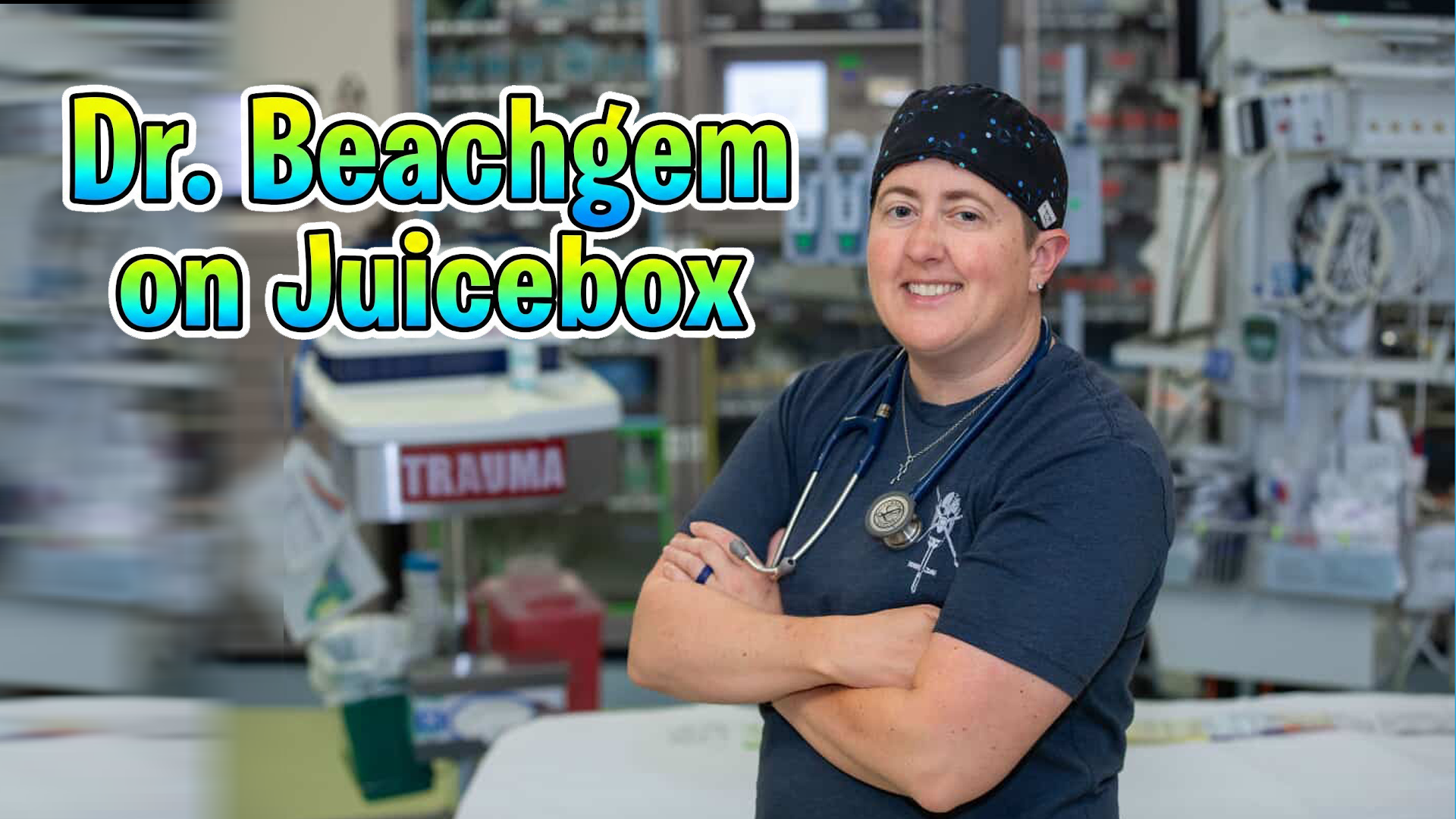




Please support the sponsors


The Juicebox Podcast is a free show, but if you'd like to support the podcast directly, you can make a gift here. Recent donations were used to pay for podcast hosting fees. Thank you to all who have sent 5, 10 and 20 dollars!

#396 Arbor Day
David has a blended family
David is a divorced father of a child with type 1 diabetes.
You can always listen to the Juicebox Podcast here but the cool kids use: Apple Podcasts/iOS - Spotify - Amazon Alexa - Google Play/Android - iHeart Radio - Radio Public or their favorite podcast app.
+ Click for EPISODE TRANSCRIPT
DISCLAIMER: This text is the output of AI based transcribing from an audio recording. Although the transcription is largely accurate, in some cases it is incomplete or inaccurate due to inaudible passages or transcription errors and should not be treated as an authoritative record. Nothing that you read here constitutes advice medical or otherwise. Always consult with a healthcare professional before making changes to a healthcare plan.
Scott Benner 0:00
Hello, everybody, and welcome to Episode 396 of the Juicebox Podcast. Today's show is with David. And David is the father of a little girl who has type one diabetes. His mom also has type one, and he's divorced from his daughter's mother. So this is a little bit about a blended family. It's a little bit about finding your way. And we tried to figure out how David could take the care that he's able to provide for his daughter and transfer to some of our caregivers. I'm going to tell you a little bit more about this episode in just a moment. But first, I'm genuinely excited to tell you that
this show is sponsored today by the glucagon that my daughter carries g Vogue hypo men Find out more at G Vogue glucagon.com forward slash juice box. The Juicebox Podcast is also sponsored by the Contour Next One blood glucose meter and touched by type one, you can find out more about touched by type one touched by type one.org, or on their Facebook and Instagram pages. And of course, to learn more about Arden's blood glucose meter Contour Next one.com forward slash juicebox.
I know I already explained most of this episode to you at the very beginning, but I want to make sure that you understand that David's daughter has one of the more interesting diagnosis stories I've ever heard. involves an airplane and intrigue, it's good. Please remember, while you're listening that nothing you hear on the Juicebox Podcast should be considered advice, medical or otherwise, please always consult a physician before making changes to your health care plan for becoming bold with insulin.
We referenced COVID-19 in this a little bit and the reason is, we recorded this in very early April 2020. So it was all very fresh. I didn't even have a mask at that point. So just to give you a little context.
Unknown Speaker 2:54
My name is David. I've got three kids, and my oldest is diabetic.
Scott Benner 3:00
Are we gonna say your oldest name? handle? Okay, how old is Hannah? She's eight, eight. What? How old was she when she was diagnosed? She was 770. So this has been very new then.
Unknown Speaker 3:16
Yeah, we're, we just hit our year. It was December of last year.
Unknown Speaker 3:21
Not recently last year, but the year before that. I think
Scott Benner 3:24
so she's she's Well, she's indoor second year by a few months, then. Yeah, she's got. Okay. How is she making out?
Unknown Speaker 3:31
She's done. All right. She's fine.
Scott Benner 3:34
Was it an emotional shift for that you could see or?
Unknown Speaker 3:38
Yes, there the first. There are a lot of things going on. Not just the diabetes. We had a we had a new baby. And we just switched custody from her mom to me, literally, within days of the diagnosis. So there was a lot of change for everyone. Yeah. So right at that same time,
Scott Benner 4:02
so let's get there. Oh, wait, wait, hold on. So we're around Christmas. First of all, she's changing custody. Her and her siblings are coming from living with your mom full time and to living with you full time. Yeah, gotcha. And you're remarried.
Unknown Speaker 4:20
Yes, I'm already married and have another daughter, a one year old.
Scott Benner 4:25
And when was that daughter born?
Unknown Speaker 4:30
About a week after
Unknown Speaker 4:33
December 27. Peace cific but about a week after Hannah's diagnosis.
Scott Benner 4:40
So Christmas, the birth of your daughter changing custody of your two other children. all in the same frame of time.
Unknown Speaker 4:50
Yes,
Scott Benner 4:51
yeah. So there were emotional things.
Unknown Speaker 4:54
Yeah. Yeah, it was a it was a tough ride
Unknown Speaker 4:58
everything smoothed out and Worked out just fine.
Unknown Speaker 5:02
And they they're used to being with me there are. I mean, they're here before the custody a lot,
Scott Benner 5:09
right? It's not like you were an absentee father and then all of a sudden, like in a bad movie, they'd somebody dropped them on your doorstep. It wasn't like that.
Unknown Speaker 5:16
Not right. Not Not at all. Gotcha.
Scott Benner 5:19
happen. How about for you? Do you remember how you felt in the moment?
Unknown Speaker 5:26
The moment I
Scott Benner 5:27
found out, I mean, yeah, I just yeah, finding out about a diabetes diagnosis for your daughter. At the same time, you're having more children, all this stuff is going on? Did you pick something to focus on? Or like, how did you handle that? Well, I,
Unknown Speaker 5:43
at the moment, I was scared, because I thought that my mom's my mom's also a diabetic. And I thought that it would be the same kind of journey that my mom has had, which has been really rough for her. So, you know, even before I got to the urgent care, you know, talk to my dad told him the symptoms, like what told him what's going on with Hannah? And he's like, oh, oh, crap. She's got she's got diabetes.
Unknown Speaker 6:16
I just, I was in shock. Yeah.
Scott Benner 6:19
Your mom has type one.
Unknown Speaker 6:21
Yes, she does.
Unknown Speaker 6:24
How long?
Scott Benner 6:25
Not that I want to dig farther into your mom's business because she's not here. But how long has she had type one?
Unknown Speaker 6:31
Since she was 15.
Scott Benner 6:33
Okay. And so she's Wow. So I'm gonna random guess at your mom's age and say your mom's had diabetes since the 50s. Or 60s instead about fair? Correct? Yeah. Okay. So management a little different than back then. But that's the world you got to grow up seeing diabetes. So what do you remember seeing in your house as a child?
Unknown Speaker 6:56
So and that's that, I guess that goes into my emotional journey and baggage with what I used to think diabetes? was back then I remember, you know, helping her she couldn't see colors very well. her eyesight was not the best. So I had to help her color match. Now, I don't know what timeframe this was, we had to figure out help her with her blood sugar. And when she put a little drop of blood on the test strip, it would change colors and color match it to something. That's probably my earliest, earliest memories.
Scott Benner 7:31
Yeah. So your mom basically come up to you saying go, but colors this and based on that answer, decides her treatment? Yes. Does that feel pressuring? Do you remember that as a kid, or was it just part of life?
Unknown Speaker 7:44
That was just part of life now?
Unknown Speaker 7:48
Oh, I'll share this. About my mom, she she would over manage her diabetes and and overdo the insulin quite often. And so it was, it was not uncommon to get off the school bus and see your past out on the floor. Wow.
Scott Benner 8:06
Would you have any idea how long she'd been there?
Unknown Speaker 8:09
No, no, I'd see her on the floor. Come on, come off the bus here on the floor and either call 911 when I was younger, and then later in elementary school, I had to learn how to give her shots.
Scott Benner 8:24
So is it fair to say that as your daughter's diagnosed, this is what you are thinking diabetes is?
Unknown Speaker 8:30
Yes. Do you got
Scott Benner 8:32
an extra unfair diagnosis story?
Unknown Speaker 8:36
At times, I wish I knew nothing about it.
Scott Benner 8:38
I'm thinking because what you knew is is so antiquated. It really didn't. didn't apply specifically. Wow. I'm sorry. I really am sorry. That's a that's that does not sound fun. Like I just didn't know anything. You know, you start piecing it together as they're talking. But the stuff that's scary. doesn't have a face in the moment. You don't I mean, it certainly doesn't have a child's memory of their of their mother on the floor. So you got stuck there, man. Jeez.
Unknown Speaker 9:07
Oh, by the way, my mom's doing great. Now she's, she's alive and well. And she figured
Scott Benner 9:14
so has there before we move on to Hana? Has there been any reciprocal goodness for your mom, like from the things you've learned over the last year? Okay, does it translate back there she ever like wow, you seem to be handling this Really? Well. Please tell me what you're doing David? Or does she just have it?
Unknown Speaker 9:33
I can't say there. There was no she my mom will go through years. Like cycles. I guess. She does better than better some monster years at a time and then she'll go through a rough patch.
Scott Benner 9:49
What does that look like a rough patch just like would you call that burnout what people call burnout or
Unknown Speaker 9:55
I would say be the opposite.
Scott Benner 9:58
Oh, she she's super great. She gets low.
Unknown Speaker 10:01
Yeah, she's hypo lysine, that kind of where she'll just get low pass out or argue with you and tell you I'm not alone.
Scott Benner 10:12
Well, it's not funny, but you know, I hear what you're saying. I guess I've, I've had arguments with people before when they're, you know, they're smaller than me. And they're telling me, I'm fine.
Unknown Speaker 10:22
Yeah, let's drink the juice. And we'll talk.
Scott Benner 10:25
You just just please just drink that. Oh, my gosh. So all right. Did Hannah have any preconceived notions? through your mother that you know of?
Unknown Speaker 10:37
You know, I don't? I don't think so. She's pretty honest. Yeah, she's pretty young. So it? Probably not. I guess they connect at some level, like, Hannah was like, Hey, I got diabetes, like you. And sometimes they're over there now actually get schools out.
Unknown Speaker 10:58
Sometimes they'll check their blood sugar together or whatever.
Scott Benner 11:01
What What is your daughter using to manage? As far as like technology goes?
Unknown Speaker 11:07
She's got the dexcom and Omni pod. Does your mom have any gear? She's got the new Medtronic. 670. Okay. She's wishing she had the ducks golf. I bet your shoes.
Scott Benner 11:21
Jenny and I are gonna record later this week about how to manage with that 670. And I'm interested to see how that goes. Because most of the information is going to come from Jenny, obviously. And, and I don't think Anyway, we'll find out how it goes. But I hope your mom gets what she wants eventually. So I just wanted to see the you know, I just wanted to be able to set the picture in my mind for what's going on and how everything is. So you reached out to be on the show. And David, I'm sorry. We met in in Atlanta.
Unknown Speaker 11:52
Very briefly, I didn't come up and say hi, because you had like two or three people around you. But you came to a jdrf. weekend in Atlanta, but about a month or two ago?
Scott Benner 12:04
Yeah. It's a good event. I just couldn't remember if we said hello directly or not, there was a few whirlwind moments where I was just making eye contact and chatting. And, you know, it's, it's sometimes it's difficult when they're when people are coming at you all at once.
Unknown Speaker 12:20
I didn't come up to you because you had other people around.
Scott Benner 12:24
Well, David, you're you're the first person I think that I've ever interviewed who's in their vehicle with a reflective vest on. So you're a real man, you weren't gonna bother me in this situation. I see that. Thank you. So you contacted me by email. And you were kind of responding to something I say on the podcast a lot, which is, I think if people get to this kind of information early enough in their diagnosis, they don't need to struggle as much for as long. And that ends up being your situation. So can you tell me how you how you found the podcast after Hannah's diagnosis.
Unknown Speaker 13:08
So yeah, I was determined.
Unknown Speaker 13:11
Pretty shortly after diagnosis, maybe a few weeks a month, I started reading anything I can get my hands on, read it listening to other podcasts and YouTube videos.
Unknown Speaker 13:22
About I stumbled across yours
Unknown Speaker 13:26
and started listening to it not a little opinionated. But you've got you got some good ideas and concepts here. And you just grew up in,
Scott Benner 13:39
like mold. You're saying sort of like mold or? I've grown on you? Yeah, excellent. I'll listen, I'll take that. You know, I don't want to give the secret away to the other podcasts that are all trying to make everyone happy. But an opinion is sort of important. If you're going to broadcast your voice or ideas towards people, you know that you can, yeah, people can agree or disagree or like you or not like you. That's all well and good.
Unknown Speaker 14:06
I appreciate the authenticity there. Thank you. Are there other podcasts that are some sunshine and rainbows? And I just I didn't really connect.
Scott Benner 14:18
I just listened I have a very specific idea of what it is to communicate with people. And I think that if I spend my entire time trying to make everyone who could possibly be listening, happy, keep them on offended or whatever I that's a fool's errand. It really is. I only I know what I know. I know how I feel. And if you connect with it, like right on and if not, I mean, you know, move, go somewhere else that's cool with me, you know, I'm not trying to keep you here. You know, against your will. So that's, that's excellent. So it was management ideas. I'm assuming management ideas allows you to stay long enough to be let's say wooed by my lovely and sparkling personal And then, because you weren't you were you weren't hanging for Scott. In the beginning, you were like, hey, he said something interesting about using insulin.
Unknown Speaker 15:07
Yeah. So you had a lot of concepts. I knew the basics even before this, because I've seen my mom do it. Count carbs give insulin. But there's a lot of concepts, you go over that
Unknown Speaker 15:20
in, like, in a in depth detail that
Unknown Speaker 15:24
they do teach at our children's hospital. But it's just hard for somebody brand new to absorb it all. Yeah, in a week. And you need
Scott Benner 15:32
what so what what's valuable there is that the repetition is it being able to go to it in your own time, what makes this format better?
Unknown Speaker 15:42
There's that where, you know, having a little bit of time from that initial shock is helpful. I've noticed with me, I can only digest a little bit of new information at a time apply it, try it out. And quite frankly, I think it's the entertainment. I mean, you had me laughing,
Unknown Speaker 16:03
countless pod podcast,
Unknown Speaker 16:06
I love that
Scott Benner 16:07
I will listen, you know, very privately, I said to my wife in the beginning, if this is going to work, it just can't be dry and medicine, right? You can't be on your reading lists and saying stuff like that to people, or, you know, this is this, this episode's gonna end up being a roadmap for other people trying to do this, which maybe is okay. And maybe I would like you guys to stay here and listen to me. But I've, I grew up and came through the blogging world around diabetes. And I have always thought that the biggest mistake people make with blogs is that they start out in a personal voice. The blog is very clearly made in someone's living room or bedroom, or, you know, they definitely did it in their underwear at two o'clock in the morning, when they had the time. And then the blog finds a little bit of success in you know, in the in the way of clicks. And then once they have somebody listening, they change the blog, they shine it up and make it look professional, which just then looks like you know, a PR company for a pharmaceutical firm, put it together. And now all of a sudden, you're everybody else. And so they abandon what got them there. And what people liked about it in some weird, I don't know, idea that they should now become a business. They're a real thing. I think it's money. I think they're like, well, I'm gonna make money with this. So I have to make it nicer. And then they drive away the people who were there to listen, it just be yourself. That's why they're there. You know. And I think the same thing about this, I put out a podcast that I can listen to. And that that's important to me. I've you know, there are other ones, I very, I'm being 100% honest, I don't listen to any of them. But at a time or two through the years, someone's come to me, sometimes it's business people or that I do business with or other people are like, Hey, did you hear someone say this and you know, I'll listen to a minute or two. And even as a minute or two is running, and I'm a little bit of a snob about you know, radio entertainment. So you know, somebody that you can hear that you can't see. And if I start getting bored, my I check out like there's a voice in my head Yellin, shut this off, you know, get get rid of this. And I hear that a lot. When people bring me those clips, I'm just like, oh, they're droning or they, you know, they're trying to sound like, you know, I don't know, like, you know, they're talking like a news anchor. It's like, Hi, how are you? And I'm like, Oh, my God, no one talks like that stop, you know? Yeah. So Well, I appreciate that it found you and and that you connected with it. Man is
Unknown Speaker 18:50
good. The reason I was reaching out reached out to you is also the is I don't hear a lot of blended families with diabetes, or single dads are not single anymore. But dads are who are their primary caretaker. So I thought I'd reach out and just share my experience. Well,
Scott Benner 19:10
how did you brought that up? Because that's exactly where I was going next. Because you have no idea how many people want a story to they want to hear a story about either a blended family or you know, somebody who's You know, there's a divorce situation where the child goes back and forth, and it's being done successfully. So let's ask first, do you share custody does Hannah go back to our mom, sometimes. g Volk, hypo Penn has no visible needle, and it's the first premixed auto injector of glucagon for very low blood sugar in adults and kids with diabetes ages two and above. Not only is Jeeva hypo pens simple to administer, but it's simple to learn more about. All you have to do is go to G Vogue glucagon.com forward slash juicebox g Vogue shouldn't be used inpatients with insulinoma or pheochromocytoma. Visit Jiva. glucagon comm slash risk. Now, let me tell you about touched by type one. There are an organization out of Florida that helps people living with Type One Diabetes. That's it. And they'd like for you to know more about them. So they're asking you, if you wouldn't mind, why don't you visit touched by type one.org. Take a look around. You can also see what they're doing on Instagram, or Facebook. So if you're more of a website, person, touch by type one.org, if you're more of an Instagram person, you know, search for that on there, and Facebook etc, you know how to handle it. After you filled yourself with the goodness that is touched by type one, do something nice for yourself. Get yourself one of the most accurate blood glucose meters available. meters are not that expensive at this point. In fact, the Contour Next One may cost you less if you paid cash than if you went through your insurance. That may or may not be true for you. But you know how you could find that out. You'd go to Contour Next one.com Ford slash juice box there you're going to see Arden's blood glucose meter, the Contour Next One, and you're going to see how absolutely small and manageable It is easy to read numbers, super bright light, and a test strip that allows you to go back for a second chance if you should miss her mess up getting the blood the first time like you know you don't quite get enough, you can go back with this meter. And it doesn't affect the efficacy of the test. You're gonna love this meter. absolutely the best one Arden has ever used. Contour Next one.com forward slash juice box and touch by type one.org get going.
Do you share custody? Does Hannah go back to her mom sometimes?
Unknown Speaker 22:00
legally. Yeah, they're shared custody, but her mom's has not picked them up since gotcha.
Unknown Speaker 22:06
Okay, well,
Scott Benner 22:08
then tell me how. How so I guess we'll stick with blended as far as like you've been remarried? And how do you guys talk about that? Is she? I don't understand the whole step. parent. vernacular, like how you talk about that is? Did you like Hannah, call your wife her step mom? How does she refer to her?
Unknown Speaker 22:28
Oh, they just? You mean? How do my kids refer to her? Yeah. Oh, Charlotte. Ah, they just call her by her name.
Scott Benner 22:35
It's kind of chill. I would like that.
Unknown Speaker 22:38
They love her. She's, she's, she's a better parent than I am.
Scott Benner 22:43
Yeah, well, you know, let's not tell my wife. But yeah, she's pretty much holding the whole thing together. I'm just doing my best over here. So is that difficult for Charlotte to be involved in? How involved is she in the manager of the diabetes?
Unknown Speaker 23:03
Not as much as I would like.
Unknown Speaker 23:06
From the start, I just jumped in immediately and started
Unknown Speaker 23:13
managing everything.
Unknown Speaker 23:16
And I would kind of dictate, you know, what, how much insulin when when I wasn't there, I'd call Charlotte and tell her she just has no background on it or just not as on top of it as I would be. Yeah. And then there's, she does fine. And she takes care of Hannah. But there's there's some differences there. For sure.
Scott Benner 23:38
I would wonder if it was me. How comfortable i'd feel being aggressive with insulin towards a person, like in your situation in a family situation. If it wasn't, I don't mean it this way. But like, not, like not my daughter by blood, like, you know, like that feeling of, you know, if I'm gonna like if someone's gonna hurt her, it's gonna be you. Not me like that. That kind of a feeling. I don't know if that has anything to do with it. Or maybe she just doesn't have the vibe for it. Does she not listen to the show? I would imagine. Yeah, yeah. So she lacks and she didn't have your mom to grow up, but there's a lot she doesn't have that you have. What do you um, what do you have for management goals? With Hana? What are you shooting for during the day? As far as like high and low numbers and how do you how do you make out with it?
Unknown Speaker 24:29
So we've got up to think 80 to 150. And recently, not recently, the last, I don't know six months have haven't only been diagnosed a year, last couple months, I guess. I've slacked off. I guess I had a little bit of burnout.
Scott Benner 24:49
So we're just that's our goal. That's your goal. Do you How, how well do you stay there away from food first, like not around meals.
Unknown Speaker 25:00
Pretty good. Yeah. The challenge is when I'm not taking care of her, the other caregivers aren't aren't as aggressive.
Unknown Speaker 25:10
Okay.
Scott Benner 25:12
And that and so do you think has she put on weight or gotten bigger since she's been diagnosed? Maybe Is it a bazel? issue?
Unknown Speaker 25:23
You're not sure about that. It's I don't think it's a bazel issue. It's a just other caregivers. That won't Pre-Bolus just don't have that. I guess intuitive. How much insulin does she need? Yeah. They'll wait until it's three or 400. You know, Ty,
Unknown Speaker 25:44
like, call me What do I do? I'm like, Well, she's 400.
Scott Benner 25:48
What do you do? Get the time machine and go back two hours and call me?
Unknown Speaker 25:53
Yeah, you could have prevented that, you know, you should have squashed it with a unit and a half. And been done with it. Now, we got to get three, maybe even four units. And it's dinnertime. You know what,
Unknown Speaker 26:04
so late now.
Scott Benner 26:07
You know, it's funny, I'm, um, I'm not gonna say anybody's name here. But uh, looking at another person's CGM at the moment for a child. And then a very similar situation where the father's more aggressive than the mother is. And I started looking at the graph over the weekend. And I was like, Oh, this is great. You know, like, it's really going well, and then Monday came, and then the kids blood sugar started going up and staying higher, longer. And at first I thought, like, what's happening? You know, but it is exactly what you're describing, the father went off to work. And, you know, now the kids behind with people who are just in their situation, it may be it's not as aggressive as maybe they're a little more scared, I guess, you know, to use too much insulin. And they're trying their Pre-Bolus thing, and they're doing the things, you know, the mother is doing all the things, the outcomes are just not as even, I think is the right word. So there's more rises, more rises that stay up longer. And then I was, you know, I watched it through the week, and I sent a text a couple of times, and was like, hey, let me see if I can help here. But I stayed out of it. Mostly, it was just sort of looking. And then Saturday came back around, and boom, the kids blood sugar was back down. I was like, Wow, it's fascinating. Because the same kid, the same food, the same house, it's, it's a different style. And it really did lead into AI for the very first time a couple weeks ago, I, I came to realize by watching like this, you know, these people, stacks coms, I have my daughter, my daughter's friend, and this, this other person. So three people at the same time. When, when the bull when the when the father is, is on the first kid that I was just talking about. These three people's blood sugar's almost look exactly the same. Their numbers are always similar. Their spikes are always similar, the times that their spikes Say hi are always similar. And I have to tell you, a huge moment of pride. Because what I realized is what you're seeing in these three different people's blood sugars, is my style. It's my style of management, it's it's the rules. But it's not just the rules. It's the rules with the I don't know, whatever that is, whatever I talk about on the podcast, however I feel about the Pre-Bolus saying and how to manage highs, like when you when somebody does that when somebody gets it and puts it together, it looks the same from person to person. And I'd be super interested to, I'm assuming you're seeing the same thing when you're managing less spikes, like that kind of stuff. And then when you hand it off to a different person, so it's not the rules as much as it is. Well, it is the rules. You have to have the you have to have the tenants down, right, but after you have them, it's more about when to use them. You know how hard it's, I don't know like a passer in football. You know, like what's the difference between a six six guy that can throw a ball 100 yards and Tom Brady who's 40 years old and broken down and why is Brady a better passer than the 25 year old kid who's clearly a you know a better athlete than he is. And I think it's the intangible stuff you can't measure right?
Unknown Speaker 29:41
And there's, there's a lot to it. That's I guess intuitive. Now. When I first started out, I was measuring everything and I had the measuring cup and we would count cards perfectly and still get it off because it doesn't hold that doesn't Monitor right now I just look at it. I just glanced at her plate. Yeah, two, three. I'm gonna try three. We mustn't we have ice cream.
Scott Benner 30:10
And if you miss the other way, you readdress. With more insulin.
Unknown Speaker 30:13
Oh, yeah.
Scott Benner 30:14
Yeah. It really is it man. It just, it's about like, just stay in, like, easy, right? Like, I don't know, keep your hips loose and move with it, you know? Which is funny, because I can't dance even a little bit. But this I can dance with. And it's cool that it hit you too. Is there any possibility that it was palatable to you because I'm a man? Was it easy? Or about this from a guy? Or do you not think it matters to
Unknown Speaker 30:47
I don't think it matters. I I've listened to tons of stuff. Before I've got this, I just I have a new job. I've been about six months before that I have my own business. And I would just listen to books, books, podcast.
Scott Benner 31:03
Doesn't matter where the information comes from. Okay. Yeah. It's interesting.
Unknown Speaker 31:08
Before before we get too far into the podcast, I did want to tell you that, I guess share my diagnosis story, because that was interesting way to to figure it out. I want to hear. So in the whole custody thing, I sent the kids back and it was supposed to be for a Thanksgiving break. But we still we were still waiting to get the final parenting plan from the courts are waiting to go to court. So it was just a verbal written, written agreement, but it wasn't legally bound. So I sent the kids they were living here already. And so I sent him to go see their mom. In St. Then it was St. Louis. supposed to be for just a week. Of course, her mom got her got both the kids and said, Oh, no, I decided to keep them here. And so I went back, went back to my lawyer and I had had them try to get an emergency hearing. And technically it didn't qualify but they were able to get a hearing very soon. within three weeks of that happening.
Unknown Speaker 32:25
So go to court on December
Unknown Speaker 32:28
21.
Unknown Speaker 32:31
Judges there and the lawyer and their mom is not this point we'd nobody knew Hannah was diabetic. Or how sick she was at that moment. Her mom had texted me a week earlier and asked me if I got their their eyes checked when they're here. And I was like now, but I didn't think anything of it. So anyway, we're, I'm in court and judge like okay, I'm on branch Cassidy. How do you plan to get the kids and say, Well, I looked at the judge. I said, I have plane tickets tomorrow morning. Pick them up.
Unknown Speaker 33:08
And that you know, I was ready.
Unknown Speaker 33:14
So that's the plan. I fly out there.
Unknown Speaker 33:18
St. Louis.
Unknown Speaker 33:21
Their mom brings me brings me the kids and first thing she said says Hannah's not feeling well, you might have to pick her up out of the car. And then understand I was like, okay, so I picked her up out of the car. And I look at her and she's obviously sick and doesn't feel well. buckler and to my car and we start driving back to the airport. And I look back in the in the backseat and I noticed just hurt her eyelids were starting to bottom of their eyes were sunken down away from our eyeballs.
Scott Benner 34:00
Oh, I understand you're saying like the bottoms of her eyes were like separating from it. They looked like they were there was like a gap between her and her eyes. Oh, geez. Okay. Yeah.
Unknown Speaker 34:12
And then I looked at her cheekbones are protruding.
Unknown Speaker 34:17
It was just, I mean, you've seen it before. I've heard you explain it. Yeah. And
Unknown Speaker 34:23
with Arden.
Unknown Speaker 34:25
That level of sickness just you look like death. And I was I didn't know what to do. And I've been hindsight I should have took it straight to the hospital there. But I didn't realize how how sick until we finally got to Atlanta I was drove home and she tried to put her pajamas on that she wore literally a month before and they literally just fell right off
Unknown Speaker 34:58
that point
Unknown Speaker 35:01
I was scared. Yeah, genuinely scared.
Unknown Speaker 35:06
The next morning, I'd take her straight to the urgent care and
Unknown Speaker 35:11
the next morning was even worse, she couldn't walk couldn't, couldn't really have no energy whatsoever.
Unknown Speaker 35:19
I took it to the Children's Healthcare of Atlanta,
Unknown Speaker 35:23
a satellite location there and powder in my arms and the whole office literally stopped what they're doing. pulled her back into the back. We I mean, within a minute, we had a doctor there.
Scott Benner 35:38
Well, they've seen something that horrible before they know what it looks like, you're you're still doing the that thing that everybody does, right? Like, it can't be that bad. Like my eight year olds not dying, you know, they need like, you just don't think it's, am I am I right? Where you just you knew it was bad. But you didn't think it was life and death? Or were you starting to believe that it might be?
Unknown Speaker 36:01
Well, that morning, I knew it was. I knew it could be life or death. That's why I went straight to the urgent care the Children's Healthcare of Atlanta, urgent care, not not just a hospital or
Scott Benner 36:12
guy on the corner. Yeah.
Unknown Speaker 36:17
And before I hit, I went there, I told my dad, what she looked like, and he immediately said, but she's diabetic. So we ran in there, and I told him me, you know,
Unknown Speaker 36:30
glucose test this
Scott Benner 36:35
is diabetes. You remember what it was? When they were?
Unknown Speaker 36:40
like four or 500.
Scott Benner 36:43
But it had been probably been going on for a while.
Unknown Speaker 36:46
Yeah, she lost significant weight.
Unknown Speaker 36:49
That's, I imagine shoes and DK for
Scott Benner 36:54
some time. How was she being? Did you ever go back to your accent and ask like how like, like, what that time was like, was she like that the entire time? Or did it degrade? Or are you not able to get that information?
Unknown Speaker 37:08
I never got a straight answer. I did ask them like, hey, how can you miss this? Right? This wasn't, this wasn't a stomach bug. Not even close.
Scott Benner 37:18
It occurs to me too, that if you weren't in the middle of trying to extract them and having to put them on a plane I because um, I you know, I'm thinking about myself in that situation. You're a couple of different issues here. Like you're not just picking them up at the mall, like you had to go to a judge to go get them back. So there's this feeling of like, I need to take them away. And then you've got to get them onto a plane and there's two kids, and you're probably focused on the things you were doing. And then the minute you got home and could really look at her. I'm assuming it would strike you so it does. I don't want to cast aspersions. But it does. It does make you wonder why a person who was with them, and not going through all that stuff wouldn't be able to look and think something's really wrong here. But you know, I stared at my daughter for a week, not knowing what the hell was wrong either. So I don't know. It's tough. You know?
Unknown Speaker 38:04
I don't know, either. It could be a rabbit hole to go down and say why didn't you take her to the doctor? Maybe she did. And the doctor didn't recognize the science hundred
Scott Benner 38:12
percent could be that right? Yeah. Well, so she's in there and diagnosed. I'm assuming in the they take her to ICU. Do you get to stay with her? Or how do they handle that? We never really talked about this.
Unknown Speaker 38:26
Yeah, I so they transferred her they called up a certain IV right there in the office with fluids. And then did ambulance ride to the ICU and at the Scottish Rite location. I ran home grab my cell phone charger, bag of clothes, ran straight to the hospital and four days straight that the only time I left her side was going to get some food or using the restaurant.
Scott Benner 38:55
Yeah. How involved were you in parenting? Prior to that? Were you like what was the division in your home? Are you just like you know what I'm saying like did you do go out and do the work and bring the money back and the kids were you know your ex or did you guys have a reasonable like co parents situation I'm trying to decide how much of a culture shock to your parenting it is to not only have the kids full time but then have this drop on top of it.
Unknown Speaker 39:25
Well, they the kids, my two kids would be here all summer long. And then during each school break, they're here at that point they were here since late May of that that summer, all the way up until Thanksgiving when I flew them back to go see their their mom. And then when I picked him up again
Scott Benner 39:50
to your full time father before this happened, it wasn't like a it didn't all get dropped on you at one time. Now cool. Okay.
Unknown Speaker 40:01
All right.
Scott Benner 40:03
Did she leave the hospital with a pump and a CGM? or How did they start off originally? Did they do that? Sometimes if you push hard, like and so I didn't know, I'm trying to figure out the timeline of when you decided what you want to do.
Unknown Speaker 40:17
Now that we did, did some education, which
Unknown Speaker 40:24
was probably a little basic.
Unknown Speaker 40:29
That makes sense, which is good. Yeah. Which is good.
Unknown Speaker 40:32
But they're trying to teach us about low blood sugars, high blood sugar.
Unknown Speaker 40:37
I know more than I ever wanted to know.
Scott Benner 40:41
I've got this throw on the floor maker unconscious. I know what to do.
Unknown Speaker 40:45
Yeah. Like I've given too many shots. Anyway, we left with just MBI and finger sticks. And then within a couple weeks we got on the Dexcom. It's quick.
Unknown Speaker 41:00
Yeah, yeah. That's
Scott Benner 41:02
that. Did somebody show it to you? or How did you know to ask for it? Or where do they offer?
Unknown Speaker 41:09
I think I heard it in your podcast. That's pretty nice. Oh, so
Scott Benner 41:14
you did find the podcast in like the first week?
Unknown Speaker 41:18
Was it wasn't the first week? I think it might have been, it might have been four weeks where I got the Dexcom. Okay.
Scott Benner 41:24
It was still very real pretty soon. Yeah, no, that's very fast. I've heard from people who are listening to the podcast in the hospital, while the kids are sleeping in the bed and getting well. Not always like that's usually comes through another person. Usually, that's a person who, you know, is reaches out to friends and says, you know, my God, my kids has been diagnosed, and that person has type one or something. They say, oh, listen, this podcast right now like that, to me is fascinating. But even inside of a month is I think that's very quick. It just really is. So Has she ever, like, hover? Wherever anyone sees been? Do you mind share? If you mind sharing? Don't tell me but
Unknown Speaker 42:07
Oh, sure. It's just, it's just a number. I think diagnosis, she was 13. And she went down to eight, a month or two later. And then I think that summer in July, I got her down to in the sixes, mid six 6.5 or something that's gone up a little bit. I think it's last on 7.2.
Scott Benner 42:33
But you guys are happy with it. You're good with where she is.
Unknown Speaker 42:37
There's room for improvement. I'd like to keep it under seven and the mid sixes. Okay. 6.5 to seven rounds.
Scott Benner 42:45
And we and your and your sticking point is the time that you're not with her to kind of add the whatever the magic is to the management. Yeah, yeah. So what's the plan for teaching that to somebody else?
Unknown Speaker 43:02
I can't say I have a plan.
Scott Benner 43:05
It was like, Listen, man, we're in the middle of a pandemic. My plan is not to touch anything and then forget to watch my. No, I asked because I didn't think there was an answer. Because I don't know. I'm still at a loss for how you transfer the see the pitch of the line right there. That's how I knew to give more insulin after the meal. But and I'm assuming that's the kind of stuff you're seeing. Like it's just, it's not. It's not seeing numbers and knowing math. It's being in a situation and just just intrinsically knowing, like what to do next. If you don't think about it, right? It just happens. Is that true for you?
Unknown Speaker 43:46
Yeah, and it's, I see it going up but with a straight one straight up arrow. I can't even say I think too much about it. Yeah. All right. I didn't give enough to originally so another half unit or one unit whatever.
Scott Benner 44:02
Right. Just more. I listen, I did it last night Arden was I mean, I don't know how your kids are but in this whole not going to school situation. My children have adjusted their, their 24 hour schedule to fit their needs and desires. So they're basically up really late, sleeping in on the morning getting up doing their schoolwork, you know, through the afternoon into the evening. like they've just, I don't know they've adjusted the clock around the fit to where they want to be. And so last night, I was working on a podcast that's going to go up tonight. And Arden was just cruising along in the 80s with her blood sugar. And she asked me for popcorn. And it was weird because it was too late for her to be hungry. So I thought as soon as she asked for popcorn, I thought Ooh, she's gonna get low. And because, you know she's still confused as hunger with low or the feeling that lows coming. I don't know if it's confused as much as it's, you know, right before an 85 turns into a 60. She feels hungry, which I'm sure everybody who has type one was like, yeah, that's how it feels. So it was the time of day that made me think it. So I hustled the popcorn tour, I didn't get it to work as quickly as I hope to. And she's like, 75, diagonal down. So I held on bolusing because I knew what was happening. And I knew she was going to try to keep getting low, and the popcorn doesn't hit her very quickly. So I'm trying to make that timing right. And right, as I'm like, Oh, this worked, here's how much insulin we're gonna put in, put the insulin in. She's like, Can I get an ice cream cone too. And I thought, Oh, if I knew the ice cream was coming after the popcorn, I would have bought sooner for the popcorn. And yeah, like the whole kind of, like the math of it hit me. And then she kind of rises up to 170 and gets really sticky there for a while. And I was just like, I'm not putting up with us, you know. So we jacked her bazel up and drove it back down again. But I wasn't going to sit and stare at a 170. So, you know, and I don't know that it was there, there would it would have been easy for me to over treat that 170 caused another low and then put her into a situation where she's got to find food again. I didn't want to do that. Yeah.
Unknown Speaker 46:23
You're, you're on the roller coaster. From there. Right. And it takes it takes something else to jump off that roller coaster and smooth it out.
Scott Benner 46:31
Yes. Yes. It really does is that to come in for that real? That that real fine landing and just, you know, pull up at the right exact second is, uh, it takes time. But we did it. You know, I woke up this morning, and her blood sugar was like, 87 when I woke up, and she's still sleeping now. And it's 78. So, you know, it's a, it's all good. But yeah, there's so many opportunities within that moment, those moments going all the way back to what is now 12 hours ago, there's so many opportunities to I don't react wrong, you know what I mean? And, and just to send you in a different area, it's that whole, it's the larger idea around bumping and nudging that is hard to put into words, like you're not just bumping the insulin, you're not just pumping the food. It's it's the entirety of the diabetes, you're trying to keep inside of that. That space between, you know, for us for 70 and 120. I'm just, you know, it's a it's a it's a bit of a balancing act when you're first starting, but it sounds like you do a really good job of it.
Unknown Speaker 47:39
Some days, some days,
Scott Benner 47:41
you know, some days I don't do a very good job. But then the real question for you really does seem like how like, what's the first step? Like, what could you pick one thing that would help the people she's with when she's not with you? Like, what if? What one thing do you think you should reinforce more?
Unknown Speaker 48:00
I'm not sure. I'm just, I call my dad when? When she's there and like, Hey, Dad, what are you doing? Give her more insulin than just manage micromanaging the phone?
Scott Benner 48:11
Yeah, I would say Pre-Bolus thing. That should be the first step. You have to make a few made Pre-Bolus thing a law of the land. I think a lot of what's happening would change for you. It seems to me through our conversation, which I've never seen a graph or I'm not there. But I bet you that's the first step because that's a hard thing for people to want to wrap their heads around. Plus, I'm assuming your mom probably doesn't for herself. I'm guessing she does. But she she does.
Unknown Speaker 48:44
It's just it's harder to Pre-Bolus for for a kid I mean, in some people's minds it's not hard because at our house I just give up two units and I have no idea what she's going to eat but after experience I know she's gonna hurt carb ratios of 2020 to one so I know she's gonna at least eat 40 carbs two units will get her started through two thirds of the meal for coverage but
Scott Benner 49:17
but yeah, by the way, David You have no idea how just cool it feels to hear somebody like mimic your words back to you in a in a way that's helping them like that idea of like just put some in get it moving. We know she's going to eat at least this much always eat this much so we can get this much for Pre-Bolus and then address the rest later. That's like I felt like I was listening. When you were talking. I felt like I was listening to myself. And yeah, that's very
Unknown Speaker 49:46
well i i used to make the meal count the carbs measured and then sit there and look at it for 20 minutes.
Unknown Speaker 49:55
I got tired of that. We all did
Scott Benner 49:57
staring at it as thinking like you got it wrong. or waiting for the Pre-Bolus Pre-Bolus.
Unknown Speaker 50:02
Yeah, cuz we didn't know how much to Pre-Bolus do we measure the food? That I hear you?
Scott Benner 50:07
Yeah, that's maddening. So everybody was like, looking at dinner like, waiting on when we can all started. Did you make the family wait for?
Unknown Speaker 50:17
Yes, yeah.
Scott Benner 50:20
Listen, wait the beginning man when you're scared, you do what you got to do?
Unknown Speaker 50:25
Yeah. Well that smoothed out we just
Unknown Speaker 50:29
20 minutes for him.
Scott Benner 50:31
Throw in some two units, just Bolus I have I have uttered the words across my house Bolus. How much? I don't know. Just get some going three. Let's call it three. Let's do this much. Let's you know, I hope my daughter's picking up on that. You know, that idea of how we do it. Like I my goal is to sit her down and really explain everything to her in more detail, and I'm trying to get her to do that on the podcast. We'll see if we can make that happen. Hopefully this this Coronavirus thing will go on long enough that she'll get so bored that she'll be like, Alright, fine. Let's do that thing we were talking about. Because that's what's left for her is the conversation. You know, she does it. I think she knows what happens. She's a kid. She's not great at paying attention to it that sometimes, you know, I'm sure your daughter's the same way.
Unknown Speaker 51:31
No, no, she doesn't get
Scott Benner 51:34
right. They're just like, wow, I'm rolling. They weren't paying it. It's funny. I hear people say I'm not see your daughter's not paying attention because you're managing it for. Okay. Well, 20 years ago, were those kids paying attention when they're a onesies were eight and a half. And you know, they didn't have any of this technology. Yeah, they were paying attention to their kids back then we call it let them be kids. I'm letting my daughter be a kid. And everybody's like butts because you're doing it for him like, well, at least someone's doing it. You know, I'll find a way to get it to her the information. But I I like how some people think of Jenny and I just talked about this the other day, which is what's got it in my head. I don't know why some people think of healthy as extreme. It's not extreme management to want to have healthy outcomes. Do you know what I mean? No, yes. So that's very cool. any concern about your other daughter? Does that worry you? Do you find yourself thinking about it?
Unknown Speaker 52:35
Yeah, I've worried about it. And she's too young for the child. Matt, I think you gotta be two years old or something. Okay. Cuz when you have it run on the family, I think statistically, the odds are higher.
Scott Benner 52:51
By a little bit not not enough to buy a lottery ticket, but by a little bit. I think it might be 10%. I'm not certain anymore. But you do you think you'll do trial on that when the time comes? or How are you leaning?
Unknown Speaker 53:04
Oh, if I start seeing some signs, but I you know, I don't? I don't know how good would that? How effective that'll be. I could just check your blood sugar.
Scott Benner 53:17
Yeah, I was gonna say we'll see. It's interesting. Isn't it once it's happened to you once? The idea of it happening again? It's, it's not as scary. It's not something you want. But it's not as, like, overly frightening, I would imagine. Yeah. Cuz you're like, Oh, we do it. Now. We could just do it again.
Unknown Speaker 53:34
Yeah, I just don't wanna mess up. Right? Yeah, I'm not gonna miss it again. Because I didn't have opportunity to Miss Hannah, because I wasn't
Scott Benner 53:41
with her. Yeah, I don't think I don't, dude, I don't think you'll miss that again. I think you could probably spot a kid from across the mall. I mean, if malls are still a thing we do in the future. At this point, that's probably seared into your memory, you know?
Unknown Speaker 53:55
Yeah, it is. Yeah.
Scott Benner 53:57
Okay. How old are you? 32 Do you ever think about for yourself?
Unknown Speaker 54:04
trauma? Yeah, I've already done it. No.
Unknown Speaker 54:08
No songs. No.
Scott Benner 54:11
You don't have a marker. So no kidding. Yeah, I would. I'd be interested in your dad. I'll tell your father. How old's your father?
Unknown Speaker 54:17
65.
Scott Benner 54:18
Yeah, he sounds like he he's been through it a couple of times with this. He might be interesting to talk to. He's sounds like he's been through a couple of diabetes wars. And still talking about it.
Unknown Speaker 54:31
Yeah. our whole lives have been my whole life has been with a diabetic at one point or another.
Scott Benner 54:38
Yeah, no kidding. give any siblings?
Unknown Speaker 54:40
I had a brother he passed away years and years ago. I'm sorry. 2004.
Scott Benner 54:46
I gotcha. Oh, my gosh. Well, cheese. David, I I have a question that's completely unrelated to to all of this. I'm just going to ask it on the recording because I think Solid, your signature line that you're an arborist. So why is it so expensive is just because you guys know how to do it nobody else does. So Nana that's how much it cost. Where's the interest? Or the machinery? Is the work actually? Don't I mean?
Unknown Speaker 55:17
So yes, there's it's high risk work, it's very dangerous. So everything associated with it is more expensive. The workers comp insurance, the equipment to do Tree Removal or Tree Service, whatever you're doing, it's expensive.
Scott Benner 55:34
It's the worst adult thing I've ever done in my life, is to pay someone to make a tree disappear. Because prior to it happening, you have money and a tree. And when it's over you neither have money nor a tree. And it's just like, I don't know, it's the least satisfying thing I've ever done as a as an adult.
Unknown Speaker 55:56
Yeah, money's got
Scott Benner 55:57
money's gone, trees gone. Three years from now the roots of that tree are going to rot and my, my, my, my lawns gonna collapse on itself, but that fill it up with dirt and replant grass. No, seriously, it's but it's amazing work if no one's ever watched somebody up in a tree with just roping and you know, a small, you know, chainsaw, it's fascinating to see somebody either just just to clean a tree for health, or to or to to actually take one down how they drop it and bring the branches out of it. It feels like there's an art How do you learn something like that?
Unknown Speaker 56:33
through a lot of years, I don't do any of the climbing. Okay. I got into it. Through through the landscaping side. I owned a business and decided to sell that this company recruited me in as one of their sales guys. Okay.
Scott Benner 56:50
That sounds like better tree.
Unknown Speaker 56:53
Yeah. The climates not actually climbing is dangerous. But statistically the ground people are more danger
Scott Benner 57:01
from falling. branches and things like that
Unknown Speaker 57:04
falling branches, and the chipper.
Scott Benner 57:07
Oh, I never thought of that. Do people really get caught in the chipper? Yes. Oh my god. All right.
Unknown Speaker 57:14
Hold on. Not often, but if you got some time YouTube the video, they have a test dummy where they the rope gets is hung on a log and the log gets fed into the chipper. Right. And that test dummy goes from like, like creeping a couple feet along and then just shoots right into the chipper. It's
Scott Benner 57:37
the Amy a chill up my spine. That's terrible. Terrible. I had a guy one time tell me we can drill holes into the tree and put medication in it and save it. I was like You better stop man. Like just just cut the tree down. All right.
Unknown Speaker 57:54
The best time to cut down the tree is core Falls is a year before false is better than one day. After.
Scott Benner 58:04
There's, we have a huge oak tree on the corner of our house. And I mean it really is probably like 20 feet in diameter. And it's art inside and in a windstorm. She'll be like that trees. Okay, right. I'm like I yeah. My son's like, isn't I'm like, I don't know. That's like what he want me to tell her. Don't sleep in your room as like, she'll be in the hallway every time the wind blows?
Unknown Speaker 58:27
Yes. Like,
Scott Benner 58:28
it's like that tree has been there for 50 years. So it's like it'll be there after we're dead. Don't you worry. And I do have to because of the positioning I do have someone come out periodically and clean it and take out any you know, branches that are you know, making their way over the house or looking kind of rickety. And people don't realize when you clean your trees out your grass grows better underneath of them. So yeah, that's it. I it's an it's an absolutely fascinating job. So when we bought our property, I have an acre, which I don't think in most of the country is a lot of land. And in some places, it probably seems like a farm. But it's you know, when we bought it, it was lined in the back with these very thin pencil like pine trees. And they would like, drop all these horrible, you know, needles and they'd fall over and they were just rickety trees, there must have been 30 of them. And I hired a small company to remove them. And it was so much work that we we scheduled it for vacation. So we left our house and two sides of our property were lined with these pine trees. And when we came back, they were gone. And the work was done. And it was in your money. And my boy my money was gone before I left for vacation. But when I got back, the trees were gone. And it was it was bizarre. Like it felt like we came back to a different place. It was it was really interesting. I think it's amazing work like and there. I've hired people who are good at it and I've hired people who aren't and it's an obvious difference. So Yep. Really interesting. Is there anything we didn't talk about that you were hoping to talk about?
Unknown Speaker 1:00:06
Now just sharing my experience. I appreciate your doing the podcast, it's helped me a lot. No, it's my pleasure. I'm sure it helps. Sure, it helps other people as well.
Scott Benner 1:00:16
Thank you. Now, I really do enjoy it. I enjoy very much talking to people and the podcast, in general. It just, uh, I didn't imagine it was gonna be. I don't know, I've said this before. But if you, you know, if you jump back 20 years ago, and tell me, you know, 28 year old Scott is gonna have a podcast one day about diabetes that helps people. I think you probably have the wrong guy. That doesn't seem like something I would do. But I just, I get so much back from it. That, that you, you'd have no way of knowing how much you're helping me by listening to it. So I appreciate that very much. XRP So listen, wash your hands. Don't touch anybody house the house. How, um, this will be interesting, because this isn't going to go up for a while and it's April now. How are you handling? I'll let you go after this. How are you? How are you handling this? Coronavirus thing? Are you? Are you locked down when you're not working? Or are you how do you how do you manage the whole thing? What are your kids doing? How's your family handling this? Uh, pretty much.
Unknown Speaker 1:01:26
Obviously, I work every day, well, five days a week, kids got to go to my parents. I pick them up or they drop them off. Outside of work, there's nothing, nothing's open hearts, or you can go to the park trail with all the playgrounds are closed.
Scott Benner 1:01:46
A lot to do. So your parents are living their lives you and you're still using them as daycare for the lack of a better term here. And and so are you going to the store like less frequently? Are you trying to limit that? Or how do you handle the shopping and stuff?
Unknown Speaker 1:02:02
shopping? Yeah, I mean, I got to get food got to eat? Yeah. Store. Is it weird or people masked up and everything or? It's weird. It's I you know, I guess it's the CDC says that's the guidelines. Now, everybody wears masks, but it looks ridiculous.
Scott Benner 1:02:20
It does make you feel weird. That's for certain. I don't have a mask. So I went out the other day, I had to grab food. And I'm leaving the house. I look at Kelly and I'm like, What do I do here? Like we don't have masks. And she's like, we have that. There's that scarf, that neck scarf. And I was like what? So it's just this scarf that you know, it's one piece. It's elastic. And it's it's like a it's like a tire tube that goes around your neck, and you pull it up over your nose and your mouth and you're like, Alright, so now I'm in the store and I go to walk in I'm like, okay, like, is this even gonna do anything? And I pull it up, dude. 45 minutes later, as I'm checking out, I'm on fire. Just as odd as I've ever been in my life. I was like, I'm gonna die from from the scarf covering my face before I get this damn Coronavirus. I think. But, and I felt odd the whole time. So, you know,
Unknown Speaker 1:03:13
I will say the grossest, the grossest part of my day that I've tried to change is what's going on the gas stations. I'm on the road all day. Yeah.
Scott Benner 1:03:23
And thinking about it a little more. Right. Like, you know, it's interesting. I used to have a job where I was 30 all the time, I worked in a sheetmetal shop. And so when you're filthy, you don't think about anything else. Like you're just like, I'm dirty. Doesn't matter if something else is dirty. But now you're like, looking for the invisible dirt. Right? You're like well, what can I not see here? Oh, he has. Those are kind of your those your office's places to stop to get coffees bathroom stuff like that, right? Yeah,
Unknown Speaker 1:03:53
I watched this one guy. He literally cough sneeze picked his buggers wipe the snot and went straight into the gas station.
Unknown Speaker 1:04:03
Just like I would have right, that would have made my brain scream at me I would have.
Scott Benner 1:04:09
Because he started thinking everyone does that when no one's looking at I thought, don't they? Oh my god.
Unknown Speaker 1:04:13
Yeah, how many people do that more than I want to know. Yeah.
Scott Benner 1:04:17
And that's not something you would have paid attention to before this.
Unknown Speaker 1:04:21
Gotcha.
Scott Benner 1:04:22
All right. David, thank you very much. I I wish you a lot of luck. It sounds like you're on a great path. And it seems like you've done a lot of hard work to build your family and keep it safe and together which is a is very laudable, it really is. It's um, I come from a family of divorce and I know what it was like to watch one of my parents not really seem to care so much about being a parent. And, and what it was like to watch the other one has to work about five times as hard to keep everything together. So I I'm a big fan of what you're doing. And I don't think a lot of people know how hard it is so good for you really is cool. You know, hundred percent man you should be, should be applauded. It's a not not everybody knows how to bet everybody knows how to see the responsibility in front of them and even though it looks heavy picking up and run with it, so and then you got diabetes on top of that with Hannah. So a lot of work man, I, you know, we're we're not in a position where I can be proud of you but if I was I would be so it's really it's really something there's too many people that shirk their responsibilities and, and we don't talk enough about the people who don't. So I appreciate you coming on and sharing the story.
Unknown Speaker 1:05:36
All right, thanks for having me.
Scott Benner 1:05:37
Yep, have a great day.
Unknown Speaker 1:05:38
See ya picker.
Scott Benner 1:05:41
A huge thank you to one of today's sponsors, g Vogue, glucagon, find out more about chivo chi Bo pen at G Vogue glucagon.com forward slash juice box, you spell that g v o ke GLUC AG o n.com. forward slash juice box. Thanks also to the Contour Next One blood glucose meter, please check it out at Contour Next one.com, forward slash juicebox. And of course, you're going to want to find out more about touched by type one, you can do that by going to touched by type one dot board or finding them on Instagram, and Facebook.
Add your data to the other wonderful people who have already done so at T one d exchange.org. forward slash juicebox. We're trying to get 6000 participants. And so far about 400 of you listeners have gone gone over and filled out the information. I want to thank all of you who have done so already. And I want to ask the rest of you to please consider joining in. They're very excited over T one D exchange. But they'd like to hear from many, many more of you T one d exchange.org Ford slash juice box. The information they're looking for is some very basic stuff about living with Type One Diabetes, it is not in any way personal. I filled it out for Arden and did not have any trouble with what was being asked. And you also have the complete ability to just at any time contact them and say you know I don't want to be involved in this, they'll just take your answers out. But like I said it's 100% anonymous 100% HIPAA compliant, and it's 1,000,000% a nice thing to do. If you want to know more, let your podcast player run for about another minute. And if you don't, now be a good time to hit stop. When you add your voice to the T one D exchange, they use your data to make good decisions. In the world of type one diabetes, you may have heard in past episodes, that things like Medicare for CGM users came from their data, lower a one c goals from the ADA came from the T one D exchanges data. But they need
Unknown Speaker 1:08:13
data to come
Scott Benner 1:08:15
to conclusions to help move life forward for people to type on. And the truth is the way science works. The more data they have, the more conclusive they can be. They're looking for up to 6000 participants, and it only took me about seven minutes to fill it out. This is a super easy way for you to support type one, diabetes research and advancements, T one d exchange.org. forward slash juicebox. There are links in the show notes and links at Juicebox podcast.com. I really hope you throw in with these people. And they're a good group. Alright, that's it. We welcome the new sponsor had a really interesting conversation. Talked about the T one D exchange. And now I'm just going to remind you that if you've enjoyed the Juicebox Podcast, please leave a beautiful five star rating and review on Apple podcasts or wherever you listen. And of course, if you're listening in an app right now, please hit subscribe. tell a friend about the show. And if you're listening online, it might be time, you know, to catch up with the rest of the world. Get yourself a podcast app. They're free. They're easy. And they're handy as heck. If you don't know how to do that, right there at the top of Juicebox podcast.com. You just kind of look like oh, I use Spotify. I'll click on this. I have an Apple iPhone. I'll click on this. I have an Android. You know, I'm saying there are links to help you get going. podcast apps should always be free. Please don't pay for one unless you have like some super special one that you love and all that but for most of you, there's no reason to pay for a podcast app. Thanks very much for listening. I'll see you soon.
Please support the sponsors
The Juicebox Podcast is a free show, but if you'd like to support the podcast directly, you can make a gift here. Recent donations were used to pay for podcast hosting fees. Thank you to all who have sent 5, 10 and 20 dollars!

#395 Conversation with Cameron J. H.
Cameron has type 1 diabetes and a terrific perspective. Find him on IG with this link. He's @young_giftedandblack
You can always listen to the Juicebox Podcast here but the cool kids use: Apple Podcasts/iOS - Spotify - Amazon Alexa - Google Play/Android - iHeart Radio - Radio Public or their favorite podcast app.
+ Click for EPISODE TRANSCRIPT
DISCLAIMER: This text is the output of AI based transcribing from an audio recording. Although the transcription is largely accurate, in some cases it is incomplete or inaccurate due to inaudible passages or transcription errors and should not be treated as an authoritative record. Nothing that you read here constitutes advice medical or otherwise. Always consult with a healthcare professional before making changes to a healthcare plan.
Scott Benner 0:09
Hello, everybody, and welcome to Episode 395 of the Juicebox Podcast. I met Cameron on Instagram, and by met him I mean, I watched him interact with a number of different topics for a while. And I kept having this same thought every time I saw him. This person is clear headed, thoughtful, I can see kind of all sides of issues. And I liked the way he thought. Eventually I saw Cameron interacting with a topic and I felt like he and I agreed about it. It was how he saw some people using their power, their advocacy. And how maybe, I don't know, it could have been better focused. I felt like it missed the mark just a little bit. You know, it's something I saw online, I didn't really think twice about just noted it and moved on. But then when I saw Cameron discussing it, I thought this would be an interesting conversation we got together and chatted about this. I think I was right. So this goes in a number of different directions. We talk about insulin pricing and how to advocate better for it. We talked about the impact of social media, how some people sometimes seem to misuse it. Really, I just find this to be a very interesting conversation. I hope you do as well. For those of you who enjoy when I get very passionate, you're going to love this episode. If you'd like to find Cameron on Instagram, he is young, underscore gifted and black, young, underscore gifted and black on Instagram. Please remember while you're listening that nothing you hear on the Juicebox Podcast should be considered advice, medical or otherwise, please always consult a physician before making any changes to your health care plan. or becoming bold with insulin. Alright, oh, a first couple minutes of the show are a little crackly but we fix it. So get through like the first four minutes you'll be okay. I'm Cameron, known as young underscore gifted and black on Instagram. That's primarily where I spend most of my time in the diabetes online community. I have lived with Type One Diabetes for 21 years, quickly approaching 22 years now and you're 30 years old. So you've been at it since you're a little kid. And we had a little technical problem and I asked you once but I'll ask you again, any type one or other endocrine issues in your immediate family or slightly extended family?
Unknown Speaker 2:40
I'm not talking one we do have a few pre diabetics and type two diabetics in my family and and also some hyperthyroidism that runs in my family. But I was the first one to be diagnosed with Type One Diabetes. First one to get the type one well,
Scott Benner 2:57
the the thyroids, a, obviously another endocrine issue. So let's see. 21 years ago, what are we talking right around the turn of the right around? 2000? Right.
Unknown Speaker 3:09
Exactly.
Scott Benner 3:10
Yeah, no kidding. What was it like growing up with type one.
Unknown Speaker 3:15
It was all over the place. To be honest, I think I
Unknown Speaker 3:21
was diagnosed about a week prior to my sister's birthday. Um, so she got bummed out and had to miss her her birthday that year, unfortunately. But when I was diagnosed, I don't remember much other than the last meal that I ate prior to being diagnosed is this fat fast food restaurant called Captain D's. And so we had had Captain D's in the south and, and the next thing I remember is being rushed to the doctor's office being told back in half candy. And my parents telling me that I playfully passed out probably from being told I couldn't eat candy anymore. And
Unknown Speaker 4:07
and so that sort of
Unknown Speaker 4:09
started at all. And so we learned as much as we could in the hospital as they tried to teach you sort of the ins and outs and don't send you home until you can give yourself a shot and I was someone at the time who was very much in needle folk had an phobia of needles and so I struggled with giving myself shots for the longest time. And even when I got on an insulin pump, a couple of years later that that was a struggle for me just because I was not a big needle person. But for most of my childhood, I pretty much had my diabetes or not necessarily hit it but so much as ignored it as though it weren't a thing because I really wanted to fit in with all the other kids. Although every time someone fell and scraped a knee or something they would rent the camera to say can we check their blood on your on your meter sensor uses blood. Of course, the answer was always No. But that was that was pretty much the youth. I think. For me, pump management became really what helped me a lot through through childhood, when I was first diagnosed my first pediatrician, actually, we found out later she she would not give me access to things like an insulin pump or and insulin pins even. So we were using manual injections, even when it's when things were just coming to the market and starting to be more popular. But we later found out that it was only for her patients of color that she wasn't giving that access to. And so we switch quickly switched into chronologist, and one of the best from Children's Hospital. And he quickly got me on to insulin pump therapy, and it helped my management so much, and so so much more and being able to do that. And he also put me in contact with this diabetes camp in Alabama called Camp seal Harris. And so we went there a couple times as a family where I was able to meet other kids with T one D and sort of reshaped my script my the way I live with diabetes for a little while. And it was also the first time I met a juvenile type two diabetic. I was at that camp to okay.
Scott Benner 6:27
Cameron, I want to stop you for a second for two reasons. One, I want to dig into what you said more. But the other is that I still am getting like an electrical sound from me. And I was wondering if we could disconnect for a second and just reconnect and see if that helps. Okay, can I connect on my phone and see if that works? And that was gonna be my my, my next suggestion. Oh, that's so much better. I'm so happy. Perfect, perfect. Perfect. All right. So if you're settled, camera, my question was gonna be I feel like so Cameron, listen to you, I asked you about you. And I told you who I am. And you may not know me, because most people who come on the show, have heard about it, listen to it, or help by it and they reach out or even when I'm looking for people to be on I'll put the word out. But you I went and found you. You're an uncommon guest on the show. Because Let me see if I can make sense of this for you. I'm almost 50 years old. I'm old. Okay. I'm only aware of social media. Because I have a popular podcast. And this is one of the things you do when you have a podcast. I had a blog before that and still do for over a decade. It was popular. And so I was on you know, Facebook and Twitter, we had Twitter used to be huge for diabetes, it isn't really anymore. It seems like that's kind of been taken over by Instagram. So I'm on the cusp of understanding but you still understand that I'm an old man, when I'm talking. Always keep that in the back of your head while we're speaking. Okay. But I saw you on Instagram, and I thought this kid has about three people's worth of common sense. You just really seemed like a level headed thoughtful person to me. And and it's why I reached out to you. So I think you're talking about in the health care of black and brown people. Implicit bias, right? Like, there are some physicians that just look at you see your skin and say, oh, that person won't be able to figure this out, or they won't try hard enough. So it's not worth giving it to them, or they have some sort of a preconceived notion that would stop them from giving you better care. Is that was that what you were getting out when you said you couldn't get like pens or, or a pump?
Unknown Speaker 8:48
I definitely believe that's a part of it. We, we just noticed that that. For some reason, most of the you know, when you are diagnosed with diabetes, as a diabetic, you spend a lot of time in waiting rooms with other patients and you as a kid, and as back then social media wasn't as prevalent, and so parents were speaking with each other and talking to each other. And it just it quickly became apparent to us that all of the patients that were seeing that particular endocrinologist, or that were of color, were still using manual injections. Even though we had all basically asked for insulin pumps that we could discuss what an insulin pump therapy is. Or even if we could use Batman pins were not a huge technology. But it wasn't it was just it was an improvement to using regular injections. And so even when asking those type of things, we noticed that that particular endocrinologist was almost systematically denying her patients of color access to what are now viewed as basic diabetes tech. Everyone we know now has a pump or an insulin or an insulin pen and for some reason that that particular person. And keep in mind this was in the south in an Alabama but overall there's a there are health disparities among the people of color in the system for certain. No, I mean, it's I, it's obvious I have to again, I only can have on who I can have on. But I've spoken to enough enough people now who, you know,
Scott Benner 10:22
who have said the same thing, enough to make it feel like it's, you know what I mean? Like one person says something you go really, maybe, maybe you saw it differently. But then, you know, I don't know how many times you have to hear something before you think yeah, that's, that's what's going on there. It's obvious, and you saw it, and your parents saw it, obviously sit in that doctor's office. And so it just it's, it's unacceptable. Now, in that scenario, you move on, you go to somewhere else, you do better, you're not staying behind the fight. But you do, you are taking your ability to use social media now and, and making, I wouldn't call you a combative person, you're just again, like just a very common sense person. How much of what you're doing online, do you think's informed by that experience that you had when you were a little?
Unknown Speaker 11:12
I think quite a lot of it is informed by that experience. I'm someone who, and I know several people who have had to use access to insulin programs who have had to petition an advocate on behalf of their themselves to their, their doctors. And so a lot of that is really informed by my experience in navigating the healthcare system as a patient of 21 years who just happens to be a person of color, right? And so it's in my advocacy, my online advocacy, because I do partner with a few other nonprofits on the side. But my online advocacy is really drawing attention to some of that. I think, a lot of times we in the online community forget that there's a whole community of diabetics that aren't in that online space that don't meet the same criteria that we meet. While we're busy playing games and for giveaways on social media. There's a person who doesn't even have access to basic things like test strips, and insulin who has no idea that we're on here playing for whatever the new cool sticker to go over your CGM is, you know, yeah,
Scott Benner 12:26
well, I so Cameron, I have, um, the first time I ever spoke in public, I was approached by an organization in the Dominican Republic. And they asked me to come down and give this talk about, you know, how to manage better when you didn't have as much technology, right? Like how to take good care of yourself when you didn't have technology. And I thought, Oh, sure. So I prepared myself and you can imagine was the first time I ever spoke in public, I was over prepared, I'd written things out and I don't read when I'm speaking, I just written things out so that I could read it over and over again, so I could feel comfortable saying it when I got there. And I don't think I was in the Dominican Republic for an hour and a half before, I recognize that my understanding of not having money didn't include their understanding of not having money. I like if there was a scale that went from, in my mind that went from flat broke, to wealthy. They were somewhere so far below my idea of flat broke, I didn't even know to consider. And they and when I got there, I said them, I need to go back to my room. And I have to revamp everything I was going to say because your situation is more dire than I could have possibly imagined. And that was the first time it became really clear to me around diabetes, specifically, that I live in a bubble and I don't even mean that in a bad way. I don't mean like I'm walled off from the rest of the world, I just mean that I only have a certain number of experiences and they inform my reality. And, and I mean, in in full, you know, clarity. The reason I found you is because while i don't know i Cameron, I know that some people worry about being very politically incorrect and, and I don't know if I have it in me to speak clearly and worry about it at the same time. But what I felt like I was seeing was a small band of what I'll call social justice warriors, but in the bad connotation. It's interesting, isn't it? how all these sayings have now a good and bad, like you could be woke in a good way or woken up? ironic way or, but you know, so. So people are out there and they're they're railing against the system. And they and as I see them doing it, I think, you know, some well meaning kids like how it feels to me, you know, they mean like trying to yell at the man a little bit and this isn't fair. And this isn't right. But in my heart, I thought these programs that they're denigrating are helping way more people than they May No. And those people don't have the luxury of sitting around waiting for a perfect handout to come to them. Right. And I felt like you really had a firm grasp of that. I was wondering if you couldn't tell me more about it.
Unknown Speaker 15:17
Exactly. And so I think the program that you are referring to, that I made comment to was the new program that that's been introduced in as a collaboration between several nonprofits and sponsored by some of the big insulin manufacturers that get insulin.org program, that's the one. And what me and several other diabetics of color in lots of color all notices, there was a an outward wave of people putting down this program before even really understanding what it was. And it became almost a bashing of the organizations that put it together. But even more so attacking one individual in particular, who, um, I don't even know how he got pulled into the fight of a celebrity who has type one diabetes, and what his stance is there, but to me, it just seemed as though we weren't focusing on the right thing. And I don't know that that's the right form of advocacy, always, I and the case was pointed out to me that, yes, we as diabetics should hold organizations like jdrf, the American Diabetes Association, beyond type one T one International, we should hold them all accountable for the programs that they do since they're representing us. But the other part of this is yes, but there are people who actually could benefit from the services that are being provided right now. Right. Um, I can speak to my own experience when I was transitioning from my job in Illinois and Iowa to come move to Texas last year, I switched to Cobra for my health insurance, Cobra playing for my health insurance. Well, we know Cobra is expensive insurance in and of itself. And so on top of having to pay for your health insurance, then you're also responsible for paying, if you haven't met your deductible, you're the bulk of your costs for your insulin and for your trips. Well, so I had to locate one of those planes through I think it was Eli Lilly at the time that I was using, just to be able to get a discount on insulin that I was. So I can still maintain my health insurance, for my doctor's office visits and things like that while also maintaining prescriptions. And that's me, someone who has a full time job working 40 plus hours a week, and doing fairly well for myself, as a young man. Yeah. But imagine someone who is working two or three jobs to sustain their family, who does not have the time to Google all sorts of resources, let alone having to parse through Google, what is real information versus what is a scam. And what that means they have everything located in one place for them. So that they can go in and determine for themselves really quickly. If this even applies to me if I can use any of it and then move on without having to spend hours that they don't have searching Google. Or even if we take it to the next step, right? If we thought about someone who is a caregiver, to to a diabetic, say, you have a parent who has just been diagnosed with with Lada and you are all of a sudden the caregiver you have an older child who may be less less capable than someone else who's just been diagnosed with with diabetes. Imagine what it means to have one place where you can go and gain all of this information in one fell swoop, instead of having to spend hours on hours of research trying to figure out how you're going to make ends meet for a disease that, quite frankly, is really expensive to manage, right. And I think that that's what we that's what got missed in the midst of that problem that there are people who there are diabetics who have other disabilities and diabetics with ADHD, diabetics who, with things like multiple sclerosis who can't sit up for a long period of time to function or concentrate for a long period of time to navigate all of these resources and look through all of the things that you can find on Google Where's for this particular program that came out. It's all in one source. And so when I saw that people were attacking organizations and attacking the celebrity diabetic, it sort of rubbed me the wrong way. And it was almost as if this is not the type of advocacy that we need. And it actually reminded me of to draw a parallel It reminded me of what's known as convergence theory, which was popularized, and and that was the other post that I put out on this topic. It was it was this theory that was put out, if I remember correctly back in the 80s. But it's been tied to
Unknown Speaker 20:18
race theory has been tied to a number of other
Unknown Speaker 20:22
theories. But basically, it says that, at its core, it says that the, the white people won't necessarily join in the fight for the needs of black people until they are affected by the same things, right. And so if we both are experiencing a loss of cash flow, then we are more likely to rally together, right. And so when we, when I was thinking about this, it was basically the same thing they were arguing at the celebrity, but this celebrity is not navigating the needs of having to find diabetes supplies, not navigating the needs of trying to afford insulin neither or the big companies that they were arguing with. And so they're looking for our interests to converge when quite frankly, they aren't, yeah, they're not going to converge, at least not right now. And so, that was the other thing that came to mind that you're arguing that at a group of people who have no reason to join your fight. And we can be doing something to actually help those people who need access to insulin, get informed.
Scott Benner 21:31
And Cameron, what it made me and listen, not just in this scenario, to be clear, but in general, when this happens, and the reason you don't hear this spoken about more, is because if someone brings it up and wants to talk about it in what I think is a fairly centrist way with what we're doing right now is we don't really have a dog in this fight. We're just sort of talking about the topic. When you talk about it like that, if you miss speak, speak a word or even if you don't, someone will take a couple of words that you say, make it seem like you're horrible. And then we we fall down the rabbit hole of canceled culture, you know, I mean, this, which I think they used to call cyber bullying until you decided you were doing it for a good reason. And now all of a sudden, it's okay. But, but what but I think about when I see this camera, you're gonna get me all lit up. When I think about what I see this is I think about what Barack Obama said recently about woke culture. And I actually pulled out the the quote here,
Unknown Speaker 22:27
you know, this, this idea of purity, and you're never compromised, and you're always politically broke and all that stuff, you should get over that quickly. The world, the world is messy. There are ambiguities.
Unknown Speaker 22:43
People who do really good stuff,
Unknown Speaker 22:48
have flaws.
Unknown Speaker 22:51
People who you are fighting,
Unknown Speaker 22:55
may love their kids.
Unknown Speaker 22:59
And, you know, share certain things with you. And I think that one danger I see among young people, particularly on college campuses, Molly and I talk about this. Yeah, it goes to school with my daughter. But I do get a sense sometimes now, among certain young people, and this is accelerated by social media. There is this sense sometimes of the way of me making change is to be as judgmental as possible about other people. And that's enough, like if I tweet or hashtag about how you didn't do something, right, or use the word wrong verb, or then I can sit back and feel pretty good about myself because man, you see how woke I was, I called you out.
Unknown Speaker 23:50
I get on TV.
Unknown Speaker 23:52
watch my show, watch grown ish.
Unknown Speaker 23:58
You know, that's not that's not activism. That's not bringing about change. You know?
Unknown Speaker 24:07
if all you're doing is casting stones,
Unknown Speaker 24:12
you know, you're probably not gonna get that far. That's easy to do.
Scott Benner 24:19
I can't agree with that enough. And, you know, I see. Like, like, think about it. You're a person who has the time you have the energy, you have the desire for something good to come from your effort. And you don't recognize that you're trying hard like I get with those people are yelling about right. On one level. They're upset that organizations take money from companies that make insulin. They're upset about that because they believe that insulin is overpriced. I get that I see the through line there. That all makes sense to me. Easily in a real conversation I could say to you if my organization is helping people with Type One Diabetes. Does it matter where the money is coming from 100%. Because if the money doesn't come from the insulin manufacturers, you know, it's not coming from somewhere else right? Now, there's problems with that, obviously, and the world's not perfect. But what you forget while you're trying to make the world a perfect place, is that there are still people who can't get insulin. And that's a big problem. So is fixing one problem at the cost of another problem? How is that the right answer? And I think the problem that we run into here is that there are no finite definite answers to big issues. There's nuance, and social media does not allow for nuance. It allows for short declarative statements and and get people riled up. So they like your stuff. And I don't even want to talk about what that probably does to the person's psyche, they're probably cool. I'm doing a good thing. I'm doing a good thing. Someone else like this, someone else agreed with Meanwhile, you're like a terrorist, nobody could disagree with you if they wanted to, you know, so big, because, again, social media, what are we going to get into a deep conversation in a Facebook post, that's not gonna work, you know. But again, what gets lost, people who literally need the services, who don't have access to them who by the way, might not have a phone or a laptop like you do, who might not have the luxury of time in the middle of the day to look through things, you have any idea how many people no camera, you probably don't listen to the show, but but this show helps people in a massive way, learn how to use their insulin in ways that decrease their variability. And their a one c improves their time and range, it makes their life better, it gives them more sleep, it gives you all the things that come with really understanding how to use insulin, right? And, and that's, to me a big deal. Now, I can't do that if I don't take ads, right, because I'm a person and I have bills, and I have responsibilities. And if you want me to put this much effort into this podcast, well, then I have to be able to pay my bills. Still, I can't, I would be nice. I'd love to live in a society where I could just do a nice thing for people. And food would fall on my table and my house would stay warm. But that's not how that works. So I built up a, I built up a listenership, I put some of my own free time into it in the beginning, right? Like I had to build something up. And then I had to have something valuable enough to go out to an advertiser and say, hey, these are how many people I can reach. If you'd like to give me some money to reach them with your message, I can do that for you. That lets me make the podcast bigger, lets me find you and have this conversation, lets me have the conversation yesterday, with a mother whose child has type one diabetes, and Down syndrome, you get in a lot of that conversation, the diabetes community, you're not you get it from me, because I have the time to treat this podcast, like a business. And if you want a place like I don't know, it doesn't matter, any one of those organizations to exist to help people with diabetes, they need funding. And they need bright, smart, motivated people to work there. And those people need insurance. And those people need to get paid. And they have heating bills. And this is how things work. That's all it's not. So it's not so difficult to understand. And and I don't have a lot of time for people who run around and want everything to be perfect, and are willing for nothing to be good until everything is perfect. That doesn't make any sense thing.
Unknown Speaker 28:31
Exactly. And that's a really good point too, because it they really only two business models for a nonprofit, they can either be supported by these, these larger organizations who can who actually want to support them, or they can be funded by the donation of private support, right. And surely, we're not coming down in waves, to be able to find the whole organization that is beyond type one beyond type two and all of their other subsidiaries across the sea, in order to do that, and so that there is that that there's also this bottom line that they have to need to even be able to keep their own doors open to support the mission that they need that they need to do. And that means that they had to take a pivot and step back and their board had to say, you know what, this was our original founding decision, but we're realizing that we need to make a change to our own practice into our own code, then fine, that's what they had to do to do that. And there's just like you said, they're still providing those resources to diabetics who, who often get lost in the background because we don't even think about them who needed these resources. And I think the other piece of this that rubbed me a little bit the wrong way as well as where the missile pandemic. Tons of people have lost jobs throughout this pandemic and loved ones and so that's a whole heck of a Another cost to, or barrier to the excess of insulin for a lot of people. And, again, those diabetics were lost because they're not in the diabetes online community, they don't really have time or the knowledge that it even exists. I mean, even those of us who are there already, we will tell you how many of us who are in the diabetes online community right now will tell you, we didn't even know this was a thing until just about six or 12 months ago, right? So imagine someone who doesn't have access,
Unknown Speaker 30:31
trying to figure these things out.
Scott Benner 30:33
It's been a private thing. I'm sorry, it's been a problem forever. I met a woman named Sheree Shockley 15 years ago, I don't know if you know her, but she has diabetes. And she's been in this space for a ton of time. And she would beat into my head and anybody that would listen, there are so many more people offline than online, that we're not reaching them. You have to reach them. It's why I go out and speak at jdrf events. Because I reach people who wouldn't find this podcast, it is not Cameron, because I enjoy flying to Oklahoma in an airplane from New Jersey. That is not why it's because I get there. And there are four or 500 people who would never hear this podcast before I can tell them what I think about using insulin, they could take that or leave it. But if they take it, they might end up being better off. Those are people who were never going to get reached otherwise. And I really, I really again, I'd have to thank sharees because she was from the middle of the country, she was from a part of the country I'm not from when I again, my bubble. I'm from the east coast, where I live, everyone has a computer, everyone has the internet camera, and I could probably pump up I could probably get a an HD movie, do you with my internet connection in about three minutes, right? I am using lightning fast internet speed, I have a computer that I'm recording on and a television I'm looking at my notes on that's not everyone's life. And and bless her for saying that to me, because I never would have thought that before. And I'm doing my best to reach them this new technology is a little more accessible for people you know, being able to, to to podcast to somebody is, is definitely different. But then you have to have you have to have stability over time. And and and what am I and why? And what do I mean by that? And why what I mean by that is, and Cameron you're young man, okay, but they're there. It's too easy to be famous now. And and I mean that because there's no vetting process. So anybody who can put an account together, or buy a microphone can suddenly broadcast their voice out into the world, right. And I think that's amazing. And I think it's it's wonderful. But what you lose is the vetting process, you lose. Young Cameron, 17 years old in high school says, I think I want to be on the radio one day, then young Cameron has to get into a college to go to broadcasting school to learn about communications. And then he's got to see if he's got a vibe for it. If he's good at it. Does he speak and people listen, can you put a coherent sentence together, see, I'm I'm in all the time that he's got to get out of college, he's got to get a job, it's going to be in a little market where nobody's listening. He's gonna have to do a good job, people are gonna have to vibe with him, he'll move up, he'll move up, he gets vetted every step of the way until he can broadcast his voice out to the whole state, or the whole region, or the whole country of the whole world. takes you 20 years to do that. Right. But now I can just go huh? Instagram. Cool. And now I'm talking to people. All right. And and so you're not vetted in any way not to say that you need to be to speak your mind. I think that's fine. But from the other person's perspective, the person on looking everything looks legitimate. Now, you know what I mean? You get a nice logo, he some good graphics, you're good at picking out fonts, you take some well lit photographs, and you could be Kim Kardashian as easily as Kim Kardashian could be Kim Kardashian, or my podcast looks just as legitimate as another podcast that no one listens to. And you can't tell it's a it's a storefront. It got a nice sign good lighting and there's a nice mannequin in the window with a good handbag on it. This must be a ladies clothing store. That's that. And and but you don't know what's inside. You don't know what it took to get there. You don't know the intention of the people inside. And nobody gets weeded out anymore. And so everybody's voice is bouncing around. And, and and here's the thing about people, and everyone believes in themselves. They believe in their thoughts. And that's good. I talked about this on the podcast a lot. If everybody was always second guessing each other, we'd all just be a neurotic bundle of like goo on the floor, right? Like you have to believe in yourself. But think about that away from this idea.
When we see people in the streets fighting over race, there isn't one side of the street who thinks I'm doing the wrong thing and one side of this things I'm doing the right thing, everyone thinks they're doing the right thing. Now, obviously, reasonable people can step back and see the difference. Right. But the people who are being unreasonable, they don't know they're being unreasonable. they genuinely believe they're fighting for something very important. And that in such big ideas as race, or you know, or, you know, what, why would anyone stand up and say, after George Floyd is, is, is dead? Why would anybody stand up? Like, oh, I don't know, I think it's reasonable, you put his knee on his neck like that. But who would do that? It's a person who has a stake in some other thing. Doesn't matter what that steak is, but they start defending it. And you don't realize until you really step back, that everybody wants to be on the team. It just, it's we're just wired that way. He can't be an Eagles fan of the Giants fan, that's unreasonable. Why not? I don't know. You just can't be Well, sure. You could be, you know, like, why can't I see something horrible happened in the world? And see the nuance in it, instead of just picking some headline side? You know, what I mean? Like, why can't we all just think a little bit and be clear. And and notice that our words, and and, and this fight that we're putting up, it's probably hurting more people than it's helping? I don't know, man. It's just the world can't be what everyone wants it to be. There's how many there's 8 billion people on the planet, almost we all can't make it the way we want it to be. But now suddenly, we can all tell everybody it's not right. And it's never gonna very quick, Scott. Yeah, I'm sorry, can you get to me? I'm sorry.
Unknown Speaker 36:40
No problem. I was gonna say really quickly. And that's the whole point of it, I think. We tend to treat everything as though it's so black and white. But my significant other is, um, is a psychologist at a federal prison. And one of the things that she constantly reminds me of is, there's no you did this crime where you didn't do this crime. And so you get here, there's a whole slew of gray that leads to whether a person gets convicted and, and what that means for for their sentencing and their mental health and everything else down the line. And that's that that is the same case here. Like there's no black or white. Right or wrong answer. There's a whole slew of gray in the middle of this and that gray is unfortunately, the people who get passed over a lot of the time. Yeah. And it's unfortunate,
Scott Benner 37:28
we're not actually fixing anything. We're just picking a side that people can agree with. That's all or that you can't you know, that somebody on my side can argue with, right? Like, you know, listen, I go back to the insulin thing again, you don't think I couldn't sit here for an hour and make an impassionate speech about why insulin is overpriced? Of course I could. I could 100%. And I and I may even feel that way. But it doesn't matter how I feel. Because there are companies on the other side that need to employ people and keep lights on and keep making insulin. And I could easily argue the other side, like what do you what do you think's gonna happen? Cameron, listen, let's pick a place you love to eat. Okay, not that place that gave you diabetes, but the other place. And so you're so you go in there and you buy a nice sandwich and a drink and they give you some chips with it. They went $23. Will you sit down? And you go, Oh, no, there's $4 worth of meat here and 50 cents worth of bread and 20 this is only worth six bucks. What's your play here? You're gonna go explain to them how they should only charge you $6 for it. And you think they're going to go? Oh, okay. Yeah, sure. Yeah, no problem. I don't need money. I'm fine. That's great. Or you're making too much profit? Well, who's to say? And then I could, then you can make the argument. Well, what's insulin, right? That's different. It keeps people alive. And then when people tell you shouldn't be able to make a profit off of insulin, then there are other people who might say to you, well, then how do you expect the company to stay open to continue making your insulin for you? Or what other things shouldn't cost any money? Like if insulin shouldn't cost any money, Cameron should heart medication costs money. Right? Where do we draw the line on that list? And then you could say, well, none of it should. And again, maybe i'd agree with you. But that's not how the country works. So go fix that. Don't, you can't yell at the guy making the sandwiches for charging 22 bucks for a sandwich in a hipster neighborhood because people are dumb enough to pay for it. Do you know what I mean? Like he's just playing the handi was dealt and, and he's gonna keep raising those prices on that sandwich until you stop paying for them. And then you go, Oh, well, I can't stop using my insulin. Again. hundred percent right. But you got to go at government about that. And industry at the same time. You can't just yell at the industry because because why not because it's right or wrong, because they're not going to stop. Did you see them saying like, like, no one's just gonna give money back. That's not how money works. It just it doesn't work that way. And so you're getting these companies to pour some money back into help People, that's the thing you want to yell about. Like that none of that makes any sense to me. And, and, and again, let me be clear for everyone listening, I think insulin costs way too much money. And I'm certain that it could be cheaper. I am also certain if you said that to a pharmaceutical company, what they would tell you is they'd spout a number off that they have, it's in the mid 80. Somewhere, Cameron, I don't know exactly the number, this amount of people get insulin through their insurance and have no financial burden getting to their insulin, it's cost them $20, every time they ordered or something like that, that's what they'll tell you. And they'll say, and we have programs to get insulin cheaper or free to those people who fall through those cracks who don't have private health care aren't covered by the government, somehow those people in there, and I believe that number of people is mathematically a smaller, a pretty small number. Of course, again, I could stand here and say if one person dies because of not having insulin, then the numbers too big. And I mean that I genuinely mean that. But but the company, from a company perspective is doing all it can. So you're coming from a social perspective, they're coming from, you know, a profit and loss perspective, you're not having the same argument. And and to act like you are is silly. I just think that I think that change happens from within. And I don't understand thinking that standing outside yelling is going to do much more than raise awareness, and it will. But even at that, what kind of awareness is that? If you have 1000 followers on Instagram, how many people do you think actually see your picture?
Unknown Speaker 41:41
Definitely not all 1000? No, hundred percent not.
Scott Benner 41:44
So. And even if you have a little echo chamber of people who agree with you, and this one's got 600, and this one's got 1000. And this one's got a podcast at five people it's doing this one's got a podcast of 50 people listen to you're not reaching enough people to impact anything. And the thing you're not recognizing that the rest of the world thinks, is there's still only a small percentage of people paying attention. Do you have any idea how many people who are going to listen to this episode don't know what the hell we're talking about? Most of them, and,
Unknown Speaker 42:15
and I mean, to even go off of that I what what also made me think about was we weren't advocating in the right way. What made the civil rights movement of the 60s, so successful. And if you really study Dr. King, you'll realize that he was a master strategist of realizing that you have to really hype up the media in order to draw attention. And so there were plenty of cities that called him in to do a march. And if there was no press there, he would turn right back around and leave that city. And go to a place where they could get the news and have one of the biggest showcases of this is actually my hometown, Birmingham, Alabama. A lot of people don't know this about Birmingham. But Birmingham was supposed to be the Atlanta of the South, the original Atlanta airport, airports, they're always at the heart, Jackson field, airport. Airport was supposed to be built in Birmingham, the investors who were going to build it in Birmingham, pulled out of Birmingham because of what they saw in the media about the Birmingham bus boycotts in the Birmingham riots. And so what made that successful was a number of things. They brought in the media, he utilized the media. And he also realized that he needed to advocate to the government. And I don't think that we've made that connection yet, we need to get a better showcase of what insulin means out there in the media. I mean, we've had a few documentaries here, like diabetes rising and things like that. But that was on public broadcasting station. Not many people watch that if their daily television in the era of Netflix and Hulu, and everything else, right. Yeah. And then the other part of this is our government officials. I've been working with a nonprofit here in in Texas to really plan out what our game plan will be to advocate to our legislators here in Texas in Texas, our legislators meet for five months, every two years. So for only five months, every two years, we have a really short window to get in front of them and say this is what we need. This is what we need you all to pass. This is what we this is our game plan. This is why insulin is important for every diabetic, and why you all need to allow others to be able to get into this space to actually make insulin to diversify the field because right now they're their insulin is basically a monopoly. Yeah, we talked about you're hearing the news, the conversation about Facebook and Google and and some of the other Their digital companies, Amazon and how they are operating in a monopoly. Insulin is in the same category. I mean, it's operating at a monopoly, there are only 433 to four manufacturers who make all the different brands of insulin. While there's no diversity in the market, we'll Imagine if we petition all of our government officials to see this as an issue, if we got media behind us to show that people are actually dying from access to insulin, and that a lot people don't even know that they that there are different types of insulin. And I think that's what struck me. I'm a, I'm a part of a group on Instagram called the diet crew. And one of the things that we tried to do is provide information and advice as we can about our own personal diabetes, to people who may need it. And one of our members actually does a lot to know all of the resources in his region. And so he was contacted by someone who was still using the old our insulin that you know, back in the day, when you got insulin, you actually had to roll it up to mix it and get the right mix of insulin with cloudy insulin irregularities when she was still using that type of insulin, and did not know that there were other types like novolog, in human locked up 200 and all of these other things, and she could even get access, she was worried because she couldn't get access to her normal insulin anymore. And didn't even know that these other things, these new forms of insulin were were available to her. And so, like you said, there's so many nuances to this conversation, there is the white coat syndrome, where we know that people who are less educated are less likely to ask their doctors questions. And so if you're under educated or less educated, you're less likely to actually advocate for yourself to your doctor, or even a question with they're telling you so huge. So those things were
Scott Benner 46:56
I'm sorry, I'm sorry, it's a huge problem. And it's not easily fixable. And I didn't mean to cut you off. I just was trying to kind of chime in for a second. But since I cut you off, it's a big thing that we talked about on the podcast all the time. I'm always like, I'm always telling people like I know you were raised right to listen to cops, and teachers and doctors and just believe that they intrinsically know something that you don't know about the world. But you have to ask why when they say no. And that's almost impossible for a large segment of the population. And and whether they're well educated or not. Some people just can't brusque it authority at all. They have no ability to do it. And it's not a it's not an even a shortcoming. They're wired that way. You know, I'm sorry. Yeah.
Unknown Speaker 47:41
Well, and that becomes another barrier in and of itself to insulin. So many diabetics don't even see an endocrinologist. And so they struggle with getting the prescriptions filled.
Unknown Speaker 47:51
Yes.
Unknown Speaker 47:53
And so I think that we, we just what I saw on Instagram, and I looked on to I tried to stay away from the diabetes online community on Twitter, because sometimes it just becomes too much to me, but I looked on Twitter. And what I saw just, it did not rub me in the right way. When I think about all of these people who are affected in many different ways across the spectrum, that is diabetes,
Scott Benner 48:17
I don't understand. It's my way or the highway in any situation. So like, you know, I see people will advocate for specific ways of eating. And you're like, Okay, well, thanks for letting me know about the way you eat. And I appreciate you showing me how well it goes. And thanks. I know now, that's all you can do is educate a person, right? When they start badgering and yelling and making these like like, you know, scary statements that people like, you're gonna kill yourself. I'm like, all right, you said it already, man, like calm down. You know, like, like, freedom is important, by the way, and I don't know if everyone understands freedom. But once you make one, tiny, one tiny, slice off of freedom, it's not freedom anymore. It stops being freedom, the minute you limit one person, that's it, it stops being freedom that and so you have the freedom to stand up and say, Hey, I use this device and it works great for me and I want other people to know about it. That's lovely. I eat like this. And look how great my one C has been. And I feel terrific. That's a giving thing from one person to another. When you start badgering people, and when you start scaring them, and when you start making them feel like if they should deign to disagree with you out loud, you will gather up five or 10 of your friends to attack them back so hard that they that that you cancel them right that you you shut them down keep them from from speaking their words. You just did the same damn thing to them that you didn't want them to do to you. And I don't understand how we all don't see that. And and I don't understand how people want to even be involved in it. And it just, it fries my mind these people that you're talking about. And and by extension, you know the people that are they're nice people like I don't know everybody Dude, I got like 10,000 people follow me on Instagram, I don't know them. There are men, there are hundreds of thousands of people listen to this podcast. I don't know them. But but they keep coming back and they share the show with other people. And I appreciate that right. And I wish I could know them all. I wish I could. But I can tell. While I don't know them, I can tell that most of them are just good hearted inside, they want well for themselves. And they want well for other people. And it's just, it's a psychosis almost wanting someone wanting so badly for someone to understand what you understand that you're willing to strip away someone else's freedom, someone else's ability to speak, so that you can have yours be the only one left. I mean, it reminds me very much of I don't know how much people paid attention. But during the during the aftermath, when George Floyd was killed, there was a group of people and I don't know the the political background of it. I don't I really don't know who did what. But a small band of people over took a number of blocks, I think of Portland, Oregon, do you do you? Does that ring true with you? Like that makes sense that I might be right about that?
Unknown Speaker 51:34
Yeah, I think I heard something about, okay.
Scott Benner 51:36
Yeah, so they maybe I'm wrong about the place, but a small a small band of people took over a few blocks, they basically just took it for themselves and drove everyone else out. And they're banging the gong for this is what we're gonna show you what freedom supposed to look like, this is gonna be a free place, blah, blah, blah. Inside a two and a half weeks, there was one of them splintered off of the group started, you know, talking about the leadership, somehow, they hunted the person down with a gun and killed them. So these people are telling you, oh, here's how the world should be. It should be free. And we should do whatever we want. And then some guy tried to do whatever he wanted. And they're like, no, not if it doesn't agree with me, you can't do whatever you want. It's the nature of people. Cameron, you're 30. And you might not agree with me here. Everything's power. Some people have it, and everybody else wants it. And that's life. It's life in the animal kingdom, it's life with people. People do not like to feel powerless. Sometimes in the middle, you get very kind people who don't care about power. And they are, they are the most lovely people you'll ever meet in your life. But most people are either have it and trying to hold on to it, or don't have it and are trying to take it from somebody else. And it is again, it's a false narrative. Everyone has power. You don't have to go take someone else's. I can have a popular podcast. And so can you. It's not all or nothing. It doesn't have to be me or you. That's a misnomer. But it's how people's minds work. And I think it drives a lot of this because there are a lot of lovely people who I think could do what you said ban together, make good thoughtful inroads into changing minds and lower the price of insulin. Maybe could because let me ask you a question. If the price of insulin seemed fair, would they have a problem with the words taking the money for the from the companies that make the insolence though? Where would they find something? Or do they just want to be upset? Would they or would they be okay, cool. That seems fair. I think, you know, somewhere in there is the answer. And yet, you made this earlier point that everybody doesn't have access, even like you can't just make somebody jump through 7000 hoops to get their free insulin right? It has to be super simple and easy. And you have to reach them with that information. And I don't know that even that's possible all the time. Don't I mean, like maybe it's maybe everyone's not saveable is is is a bigger problem.
Unknown Speaker 54:12
It definitely could be a problem. And I think, to your point earlier, too, that amongst the a lot of the people that were doing this form of advocacy, I actually had some conversations with some of the men they are genuinely nice people because I didn't one of the things that I try not to do is to put myself in a position where I am just going to be berated and become a target. I like to hold discord have a conversation to understand both sides of the the aisle so to speak. And so in speaking with with many of them, I think we all understood that our end goal is the same we all want people to have access to this liquid that is vital to our lives. Yes. All right. And that that was The unifying effort I just we were just not reaching each other on how and why it's also important to sometimes, I guess the best way to put this is sometimes you have to partner with your enemy in order to to do what to do is right. I think sometimes, it may be viewed as good trouble or Robert McNamara, a former Secretary of State, he was former Secretary of State, if I remember correctly, from my policy days, but he wouldn't say that sometimes you have to do evil in order to do good.
Scott Benner 55:37
I, I know a person who has been in the diabetes space for many decades, who told me once, I will take as much pharma money as I can, if it helps people. If I can take that money and turn it around and help somebody else with it, I'll take it every time, I'll go speak at their thing. If it does this, like they're going to get something and I'm going to get something but the thing I get, I couldn't get without them. The thing they're getting from me they could get from anywhere. So if someone's going to benefit from it, let it be me a person who's going to pass that benefit on to other people with diabetes? And I don't know, I listen, man, I could not afford to do this podcast if I didn't have that. And I don't understand how that doesn't make sense to people. I really don't. And, and you can think of it as partnering with an enemy or not. Listen, how about this, there's three companies that make insulin. You want them to stop making insulin? Because I don't I got a kid with diabetes, I'd very much like her to have insulin. And I wish there were more to your point. I wish it wasn't such a closely held thing where you know, it's a monopoly obviously, although I don't know the legal definition of Monopoly to cover myself, but it seems like one to me. And and I wish that there was more access. Because I think when there's no I think it's I think it's pretty obvious, right? When there's more companies doing the same thing, it creates it, it fixes the price, sometimes it brings the price down, because people are like, well, I can't charge as much for it. But this guy over here is charging less for it. And and that can be helpful. I I just don't understand. I don't understand where you think you're going to get lighting, pitchforks and torches, lighting torches and standing outside with pitchforks. It's a walled garden, you can't get inside of it. And there, there is a way inside. But I feel like it's been. I feel like it's been squandered already. Because, again, you're younger than me. But when using Twitter as an example, in Twitter got really popular, and it and people saw the power of it at first, if you had a customer service problem with any company in the world, and you had enough followers and tweeted that they were a problem, they would literally dm you a phone number and fix it for you. It took it was fascinating how fast that happened. And they'd say, look, we'll fix this for you, will you take that tweet down? That was that was always the agreement. And people knew it. And they pushed like that. And people still think that's how it works, except companies caught on that your tweet doesn't really reach anybody. And that they could ignore 999 of them for the one that was going to go viral. And now it's you're just you're you're yelling into the wind again, because they know they don't have to be scared. To be able to be perfectly honest, all of this pressure only has the power of how the person on the other side feels it. And so it's a little like, What's that? What's that fable about? It's the The Boy Who Cried Wolf, right? Like, like you can't just keep screaming and expect that you're going to get the same return every time. It's you know, exactly. And white noise at some point.
Unknown Speaker 59:03
It is just white noise. And even so even in the screaming, there's not clarity to the screaming either. We say access to insulin. Well, I mean, you could argue that there is access to insulin, everyone who can squander up the money to go by his link and have access to insulin. I think that that's what also gets lost in the overarching conversation too. It's not just access to insulin, it's what if there were an equitable price for every country for insulin, right? What if the price for insulin in America went down, but the price for insulin in Canada and in Europe went up by a small increase to sort of level the playing ground for everyone? That would be huge for a lot of people in this country. So I think sometimes too, and in our aplicaci, specifically for diabetes supplies and access to diabetes supplies, we don't often think about the big picture and what those things mean and we don't have a connection. message and one that's easily understood excess can mean anything. Yeah. Um, but affordability is a completely different conversation and a tiered
Scott Benner 1:00:10
conversation because everyone's level of affordability is different. I actually think of one of the things that I see insulin advocates do that I think is counterproductive to what they want it to be, is they'll they'll, they have insurance, right. And they have their bill in front of them. And I don't know making up a number. Look, I bought three months worth of insulin, it was $11,943. And they take a picture of it, put it online, except that right under that it says, you know, minus, you know, plan or whatever $20 and 15 cents. So you're telling me that you paid $20 and 15 cents for the insulin, but you're really upset because it cost $11,000 if you didn't have insurance, but you have insurance, because that's where that argument falls apart to the people you're trying to make the point to? Because I'm not saying it's I'm not saying it's not a reasonable thing to understand, or that it's crazy, that the you know, pharma company Jacks the price up at the insolence of $11,000, because of some thing that they've got going on with the insurance company that you and I don't understand completely, you know, all that bullshit aside, like, I'm not saying any of that makes sense. But I'm saying is that when you go out side of the diabetes community, or even out, you know, or even how you're going outside, trying to go outside of the community of people who don't understand that your stuff costs more than you end up paying for it, when you have insurance, your argument to those people falls apart immediately, because they look at it, and they say, Oh, well, I guess it's good, you have insurance. And then and then it stops being impactful to them. Now, if you really had to pay $11,000 a month for an insulin, oh, now you got an argument. You know what I mean? But but it's it's a false, it's a false narrative. And, and, to your point earlier, if you're not saying the right things, you're not going to make any headway. You have to say things that actually are meaningful that resonate, you can't just say things that look shocking, or look good in a tweet or something like that, it actually has to be meaningful, because when someone else takes it in, they go, that then that doesn't make any sense to me. You know, it's, it's, you see it in politics all the time, right? They set up this narrative about a person, and you hear him you hear about it for weeks and months, like, Oh, this guy's an idiot, he can't talk or whatever. And then one day you flip the television on, and there is no like, well, he seems to be pretty bright. He's speaking fine. Huh. I guess that wasn't true. And then your brain, lets go of it. And all that point that was trying to be made you about this person being inarticulate, or whatever, you know, whatever. It um, your brain, lets go of it right away. And that wasn't true. And now not only do you not believe that this person is not a good choice. But you now believe that everybody who told you that they weren't, maybe is suspect. And I just think that that's another thing that doesn't make sense to me pretending that you, you know, saying, Look what I would have paid if I didn't have insurance, but you do have insurance. So I don't understand the argument. Find a person who doesn't have insurance show me what they had to pay, or that they didn't have insulin because they couldn't afford it. That's your argument. Right? They're not this this is this is show, you know, I don't know if you agree with that. But it's always struck me as very strange.
Unknown Speaker 1:03:27
I definitely agree with that. And I mean, and to be honest, that they the insurance companies are more so part of the problem than the actual manufacturers to me. Yeah, I can cat I mean, I can give you countless stories of people who have spoken with who you probably have some of your own who have spent time crying on the phone with insulation insurance companies trying to figure out why am I benefits? Move this to pharmacy and this durable, durable medical equipment? And so yeah, I'm that insurance piece is definitely important. I think that's showing the a lot of people try to show the retail price of insulin, but that's not what you actually pay you you're paying what is paid after your insurance contributes? And based on the deal that your insurance has with those companies, then that's what you're paying? Yes. And so yeah, there was some some false narrative going around in that as well. And I think again, that was just another instance of how the person who can't afford insulin got lost in the store. Um, yeah.
Scott Benner 1:04:35
I'm sorry. I didn't mean to cut you off. Go ahead, please.
Unknown Speaker 1:04:39
No, I was finished. That person who can't afford insulin is nowhere to be found in that store. Because they are overshadowed by this one post about the retail price of insulin when you're actually paying a couple hundred dollars a month.
Scott Benner 1:04:53
Yeah. And so I'm gonna make a point that's gonna sound a little defeatist for a second, but I might just not be smart enough to figure out the right rest of it, but there is the government, and the government makes the rules, right? And then there's the insurance company who takes advantage of those rules. And then there's the pharma company who takes advantage of the rules, everybody's trying to do the best they can with the rules that are in place, then there's you at the bottom, you just trying to get insulin, test strips, whatever you need. So the problem is the rules. Okay, well, then you think, Okay, well, that's simple, we'll change the rules, except the politicians make the rules. And the insurance company and the pharma company are very likely impacting what the politicians are doing. Right. So they're making donations to campaigns or they're supporting people. It keeps everybody keeping the rules in a way where everybody can make money off of it. And you are left the only person in this country who's supposed to have power in this scenario. And you are the only person who does not have power in this scenario. And you can say, well, oh, just vote them out. But the next guy is going to come in, the next girl is going to come in, and then they're going to get a nice donation to their reelection campaign. And then you can say, Well, okay, well, obviously, what's the real problem, then Cameron term limits is the real problem, right? If people were only going to go in and do their do their job for a couple of years, and then could never run again, well, then they'd go in and do good work. You think until all the sudden somebody leans on somebody a little bit, you know what I mean? And, and people, there's all levels of people, man, like, you don't think a politician is never walked down a hallway and heard a whisper come out of a corner, you better vote this way. And then there's a little, you know, I know where your parents is live, that kind of a thing, you don't think the world works. And that's how the world works, my friend. And so you know, not everybody's out there, not everybody's out there with their Instagram account, trying to do the right damn thing. There are a lot of people who see money and want to keep money power, and they're not going to give your money back, because you're going to die. They don't care that much. And and I'm not saying that any of these entities together doesn't care. But I'm saying that when you mix this whole process together like this, there are enough opportunities for a few bad actors to soil the entire thing. And just put you in a conundrum that you can never break free of. And we think we're going to fix that by stopping some people who need insulin support from getting it because we're going to shut down beyond type one, or the jdrf. or whoever else. Like that's the way you're going to fix this problem. It doesn't fix anything, it makes more problems. That's all and maybe this problem is not fixable, my friend, and a very well may not be this this country been spinning for a long time. And I think the ironic thing is, I like to now that I'm older, I can see this, it's a funny thing you can't see when you're younger, is that when I see somebody 30 years old yelling about what's wrong with the world, I think to myself, yeah, I already knew that. In every generation figures that out as they come up, it's almost like you ever ever meet a guy 27 goes, I had a baby. Everything changed. I understand better now. Like, yeah, happens to everybody. But I'm glad today's your awakening day, my friend, but the rest of the world has known about this already. And in and that's what this problem is. And yet, you could make a tiered argument that this might be one of the best governments that's ever existed on the face of the planet. And look at all the problems it has.
Unknown Speaker 1:08:31
Exactly, and I definitely wouldn't. I definitely agree with most of that. And, to me, the real heroes, and the real advocates are those who are finding ways to get insulin to people who need it. And there are several people out there who are doing that I just so happen to come across one guy who lives in Canada and is willing if you know anyone who needs insulin, he's willing to try to ship them excellent from Canada where it's much cheaper to to get it I'm not gonna call his name on here, but those those people, people who are doing that, to me, those are the real heroes, and the real advocates because they're, they're making the change and impacting real people who need real help. And so,
Scott Benner 1:09:16
I believe in that so thoroughly, man, I really do. It's when I started this podcast podcast is almost it's gonna it's gonna start at seventh year in January. And I don't mean seventh season like I put 10 out a year like I put two out a week this thing's been up for it's going on seven years. And my entire goal when I started was that I felt like I had a process in place where if you followed it and it was very easy to understand and kind of implement, if you followed it, you're a one season two sixes. It just is and if you really understand the things that I talked about here with how I handle my daughter, no no diet restrictions, by the way, you can get my daughter's a onesies been in the fives for like six and a half years. It just and it just stays there, I just know how to put her a one c there. And I think other people can learn how to do it too. So that was my goal, right is to is to explain how I manage my daughter in a way that people could hear, take or leave if they wanted to, but at least they knew and that that, that resolved my guilt, you know what I mean, for having this information? And I wanted to share it, I still feel that way. I don't understand knowing something like this and not telling somebody else about it seems wrong to me. And so I think the idea is, is that somebody, then I have people come along go, you can't you can't do that. You don't you can't tell people how to Pre-Bolus That's dangerous. And I'm like, Well, what, you know, like what you mean, they just shouldn't know how, and I'm not telling them what to do? I'm telling them? Look, I bet you didn't know when you put in something doesn't start working right away. And you know, if you use a certain amount of time, and not to go into it all, but my point is, is that the that the machine that was the diabetes community disagrees. Overall, that I talk about stuff like this. And I have my hundreds of millions of downloads that tell you that this is what people want to hear about. Right? And and I just watched this space for so long, say safe, banal things to each other. Like, oh, you know, it's, you know, just just basic baseline stuff, stuff that anybody would notice a do each other like, hey, it's just a number going. That's great. doesn't help me, like it helps me in the moment doesn't help me big picture. You know what I mean? Like, you're not alone, great. I'm not alone. I'm still on the floor, my blood sugar's 35. And I'm scraping to get to a juice box, I feel pretty alone. What I'd like to know is how do I not get my blood sugar 35 happens to me four times a month, like that, to me isn't helping people, and you can pretend to help people. Or you can actually put your ass out there and do it. And I see these people on social media, they're motivated. I think they want good things for each other. I don't understand why they pick a team and act like that teams, the only team, it just, we could talk about this for 10 years, I can't understand that. And I mean, we can make the leap and say they want to be the captain of the team. And so they can't come onto my team and be the captain, they can't come onto your team to be the captain. So they have to start their own to be the captain. And the truth is, we're running out of teams, because pretty much everybody's got everything covered already. You know what I mean? And, and I think that it's just, um, I don't know what it is, if there's some sort of a human failing in there, and I don't think it's on purpose. I don't think it's as willful.
Unknown Speaker 1:12:46
It's this big view of diabetes, even though you hear some people say that diabetes isn't one size fits all. But a lot of people want to view diabetes, as a one size fits all thing. But that's that's not true. That's not true. on an individual level, it's not true on a cultural level, and on a race level, because there are different things that affect different race groups differently. I mean, I was not until my 20s. And finally had my first my second endocrinologist of color before I realized that for me, as an African American male, a one C is not the biggest number that I should be focusing on, I needed to put more attention in my time and range. Because a one C can be affected by my stress, and I operate at a very, I work in a very high stress job right now, the the retention factor for employees in the field that I work in about three years ago, was eight months before they quit. And I've been doing it for 10 years. And so I operate at a very high stress field. And so she recognized that and realize that, okay, for a for you, your agency is going to be on a slightly mild, moderate range. But if you're spending 85% to 95% of your time in range, that's where we want to get you to manage and I and that was my personal diabetes treatment. Right. And I have another friend who her diabetes educator looks at a completely different set of numbers that I hadn't even heard of until just six months ago. So manage her diabetes, and we view this diabetes as one size fits all and think that everyone gets the same amount of training but I think it was one of your podcasts a couple of weeks ago that was talking about glycemic index and a lot of people don't even in the diabetes community doesn't even understand that certain foods require you to give insulin at certain at different times and different ranges right in the mouth. Yeah. And how to account for things like fiber and protein and and caffeine. And so yes,
Scott Benner 1:14:49
you Yeah, getting injured and having sex and not having sex and being upset playing PlayStation you know, many kids bunched up into the 250s playing PlayStation. It's crazy. Exactly. And and no One, no one talks about it that way. And they should and and what works for you is not going to work. Listen, here's what what I feel like I've done here is I have a basic set of tenants that I follow that I think if most people follow them, they'll have better success than they were having. It'll be more consistent, less variable. What you do from there with it isn't up to me. I'm not telling everybody to do exactly what I do. I don't think that's even reasonable. I think there's some people listen to the show. And they hear like, Oh, that makes sense. And I think he's full of these two things. Great. If it helps you, I'm happy for you. That that's it. But at least the conversations being had at a man I had a man on the other day, a 20 year old guy is bipolar. And to hear his story about having diabetes and bipolar disorder, who you think's helping him? You know, I mean, there's, there's no, there's no bipolar disorder, slash Type One Diabetes helper, and you know, how he found the show, cuz some lovely woman came on and talked about her anxiety and that she was hurting herself. And this is what you do, you let people talk. And some people take great things from it. Some people don't, that's it, but you don't, you don't hear someone say something you disagree with. And then dedicate every ounce of your free time into destroying them, because they don't agree with you. And and I'm telling you, if you think you're doing something like that for an altruistic reason, you are fooling yourself. That is not how resolve happens. It just isn't it just makes people more upset. And listen, you want me to bring it into like today and and try to make it clear for you
Unknown Speaker 1:16:43
write down really quickly and just say, dumb it down a bit more than even though we treat diabetes, like it's a shirt size, small, medium, large. But you but we need to treat it like a shoe size. Right? You might be a 10 I might be a 12 or 11. And john doe might be a 13. Right? Yep.
Scott Benner 1:17:02
So it might be a little wider. Hey, what happens when you're left with a 12. And you're right, once an 11 and a half? Exactly which happens. But what I'm saying too, is that when you when you are so forceful with this is the right thing. You turn off people who don't exactly believe you, or agree with you, who are also really decent, nice people. And it, it just blows up from there. Listen, I know, a police officer, who has been a police officer for three decades, and is about one of the most lovely people I've ever met in my entire life. And he attaches his worth in this world to how he helps other people. And so if he flips on the news, and hears people say something like he shouldn't have money to do his job with. He doesn't hear the nuance of their conversation. He hears I gave my whole life to this. What are you doing? I've never been anything but a good person. I've helped so many people, I can't remember them all. I've lost so much time with my own family. My wife worries about me when I'm gone. My children worry about me when I'm gone. I worry about myself. I've heard stories of his life that are that are absolutely frightening. He's done heroic things that I would have run the other way from Cameron. And you may have to, you know what I mean? And and yet the person saying that other thing is making a really valuable point, a point that should be considered greatly. But it's the way you say it, and the way he hears it. That's important, because you're making sense. And he's making sense. And somehow we've all come to the conclusion that he either he's a racist, tall, or those other people don't appreciate his work. None of that's true. None of that is true. It just you can't come at something so harshly. That it's its intention is almost the cause a rift. It's like it's what they want sometimes. And, man, Listen, I've been online for a long time. And over the years, low carb people have come after me a timer to call me like a car pusher because I tell you about a bolus and I say eat whatever you want. I'm not in charge. I'm not your mother. Right? And I have and then you try to you start to learn how to talk to people to de escalate while you're talking. You know, and I think that is a skill that is not only hard for people to attain, it's not something a lot of people can do. And it's damn near impossible on social media. So yeah, man. Yeah. All right. Listen. First of all, you are really delightful. I have to say that right off the bat. I I'm so thrilled that I saw you and then I brought you on here. Because I've been holding this in for like three years. I really have because I thought I just thought what's the point? I'll say this out. out loud, and then somebody is going to try to, you know, make something of it. That's not here. Because for clarity, again, hundred percent, I think insulin cost too much money. I don't think anybody who needs insulin shouldn't have it. I just think that there are a lot of variables. And it is not as simple as make insulin cheaper. Like, it's not that simple it is, and it's not. And you've got all this, you've got the truth on your side, it should be cheaper. And you have to move it in the right direction. But I've even seen people organize well, Cameron, do we talk about this ever, people organize well have great intentions. And as they start rising up the ladder and getting more influence, they dirty up a little bit, and then they lose their way you ever see that?
Unknown Speaker 1:20:48
Definitely, I mean, and it's once you get enough influence, other people start to realize that you have some influence, and then try to buy into that. I think we talked a little bit about it in that when we were talking about politics, and politicians, and that's a piece of it, that we there's really no way to really navigate that. Because of course, the same companies that are funding these nonprofit organizations likely also have lobbyists, who are lobbying to politicians. And so I don't want to I don't want to come on to your podcast and make it seem as though it's a never ending circle, and that there's no way to win because I truly believe that there is a way to achieve in a way for everyone to have access to the insulin that they need to to live. But but on some levels, there are like we keep saying there's so many nuances and so many gray areas, so many different calculations, that we can't just we can't and we won't accomplish just by going and attacking things on our social media. And that's that's just not going to be the way that we win this war. And quite honestly, it's not even a way that we're winning the battles.
Scott Benner 1:22:02
Well, I think the thing that gets lost, if you could see behind that wall, right, of where those people are, who you're trying to impact that, and I don't, it's funny, because I don't agree with this. I just understand that it exists. So let me say that before I start, but, you know, what do they say? If you're, what's that thing, if you're, if you're not a Democrat, when you're younger, you're not something and if you're not a Republican, by the time you're something age, you're not paying attention or something like that. There's some saying about that. And, and what I think is that younger people have the grace that comes with having not had to get a mortgage on a home yet, or, you know, coming, it is impossible to describe what it feels like to get up on a Wednesday morning, when it's raining outside, when you're 43 years old, you've been doing this thing for 25 years, and you're just tired. And you don't want to do it today. But you'd do it anyway. You know, I mean, like there's, there's, there's something that comes with that. And it does make you more fiscally conservative in your head a little bit. It just does, it moves you in that direction, I happen to hold very tightly to my my social liberal ideas. I think they're very important. I don't imagine me changing throughout my entire life. And but at the same time, there are things about freedom and money, that I might feel a little more conservative to people about. In the end, I just think I'm a very kind of centrist person, I think I have views that kind of swing in different directions. I think of them as common sense views, the best I can do, right? But you need young people who are full of ideology to fight these fights. Because they're the ones who can really swing it in another way. And I think they can I think they will. But you have to pay attention to history. What do I mean by that? If the people who grew up in the 60s, the hippies of the 60s, right, they didn't change the world, the way they thought they were going to I actually think I'm not sure Donald Trump might be one of those people from that, from that era who grew up in that space, right? He certainly doesn't strike me as a hippie. So you have to understand that you have a finite amount of time to get out there and be young and make change. But the young people think older people are going to do it. And older people know. They're not going to do it. And they also know that younger people aren't going to follow through. And that's how you get caught in that quagmire. And it just so when you're out there, and you're banging your pots and pans and you're yelling and screaming, everything you're saying is 100% right and 100% legitimate, and absolutely the world would be a better place if you did it. The people behind the wall They're laughing like a idealists. They'll grow out of that.
Unknown Speaker 1:25:07
That's what the social media has done to the young generation. Because not to tie this back, keep tying this back to civil rights. But I see so many parallels between social justice and insulin and diabetes, justice, right. I agree. But we know the civil rights movement of the 60s was carried out mostly by teenagers and college students. Right, within reason their parents were working, trying to make sure that they can still maintain their homes, make make the rent? Yeah. Um, and and, quite honestly, in many cases, afford the bail for their suit for their children or being in prison over protesting. And so it was up to these younger people to carry the torch and to really make make the change. Now, were there some some older people who were sort of enabling them? Yes. But we know most of the groundwork was done by the Student Nonviolent Coordinating Committee. Right, all people in their in the early 20s. And that's going to be the same case here. But I think what has triggered now, it's, we think that we can accomplish the same groundwork that was accomplished in those movements in the 60s and in the 70s. through social media posting. And like you mentioned earlier, the algorithms aren't going to I'm sorry, which says
Scott Benner 1:26:22
it's not the same hard work that's not walking over the bridge and Selma, yeah, you know what I mean, it's not Yeah,
Unknown Speaker 1:26:29
exactly, it's not going to accomplish the same thing. There has to be some groundwork, there have to be some people who are actually on the ground, helping helping the communities after the after the fact too, because what one thing that we know is, I mean, as much as the media helped a lot of the civil rights movement, members of the Student Nonviolent Coordinating Committee, which stay in those communities to make sure that everyone did get registered to vote, that everyone made it to the polls, you know, and so there's this this thing that's that we've fallen into where we think that we just hop on Instagram and, and yell at these organizations and epi celebrities, and they will change that, eventually change will come but we keep forgetting that there has to be actual groundwork, helping the people who need the help. At the same time, there has to be us on the ground, making an actual voice and movement that is actually seen and not hidden by these algorithms to a certain small percentage of our population, who may be able to view this thing and neglecting the entire audience who can't see them. And I, I even to take that to a step further, I was having a conversation. I know we're over time. So stop,
Unknown Speaker 1:27:45
stop talking.
Unknown Speaker 1:27:48
Well, I was just having a conversation with some friends in the day. And I don't even know how we got here. But we all asked each other, have we ever met an indigenous person, a Native American person with Type One Diabetes? And it dawned on all of us that we don't, not only do we not follow any on any of the social media channels, but we've never met one in person to be able to talk about it. Well, then that sparked the conversation. Well, why is that? Well, we know increasingly now that there are more adults being while we know that indigenous people, I think the CDC 2019. report said that indigenous people make up a huge chunk of the diabetes count. But we also know that a lot of them get misdiagnosed, a lot of people get mis diagnosed with Type two, right? And so that was driving some of this narrative. And so even in that, like who we have access to, and who we see on a day to day basis, is indicative of this, this whole system of things that are intertwined and tied together that we just don't think about when we're thinking of when we're putting those posts out there about trying to make things cheaper, when there's so many other pieces to this puzzle.
Scott Benner 1:29:00
Yeah, there's, there's Listen, there's macro and micro, right? So there's change that needs to happen. And there's a need that exists right now. And they both need to be addressed. It not one, not one or the other. You can't You can't ignore all of those people who are struggling. And trust me they struggle in ways the one thing I try very hard to remember about this podcast is that I talk to people who you know, either are newly diagnosed and don't know what they're doing and I help them get back together or people who are like, you know, nice white ladies from Ohio, whose kids a one C's are in the low 70s and they wish they were in the low sixes those people right I talked to I talked to people who have insurance most of the time. And and fair enough. That's most people honestly. But there's the other people. their struggles are so much different than you know. I wish I wish I didn't have so many alarms overnight for my CGM. Can you tell me how to keep my my you know, can you help me with my Basal to keep my blood sugar more table. Like, that's very important. I'm not mocking that. But I met a woman in the Dominican Republic whose 13 year old son died of complications of type one diabetes. And the doctor said, you would have thought he was 75 years old. Because he just got diabetes when he was like six, and they just never did anything. That was it was his lot in life to die early. And that was that because that's the best they could do. I guarantee you, and I don't I guarantee you growing up, how many people in your family said Oh, Cameron has the sugars? How many times you hear that in your life?
Unknown Speaker 1:30:34
Right? I've heard it a couple times. Yeah.
Scott Benner 1:30:36
But you did. And that even is, like, we can say like, Oh, it's you know, it's cultural. But that's a nice way of saying that people, that black people get diabetes and expect their lives to be shorter. That's not okay. Hey, how's that? Okay. I don't know if you've I don't know how much of this show you've heard. But Anthony Anderson was on here a couple bit. It's probably been years ago. Now I don't remember. And he talked about his father growing up in the south with type type two, and how his expectation was, he just wasn't going to get the live as long as everybody else. And that was that. I don't understand that we don't feel like that's something that could be addressed right now, today, instead of tackling these big sexy problems that score you social media points and make you feel good about yourself that don't really change anything. You know what I mean? Like actually do something that could help mail somebody some Damn, it's probably illegal. But the guy from Canada like mail on the insulin, like, there's a guy who sees a problem and helps I listen, I'll give myself the credit. I see people struggle. They shouldn't struggle. I'm not fixing everything that's wrong with diabetes, but I can I am fixing the thing that's within my control to help with. I'm not I'm not grandiose about it. I'm not I don't think this podcast is gonna turn into something that it isn't. It does exactly what it does. It does it well. And it's really important. And I don't want or need to do any more or less than this. And and maybe you just got to find your lane sometimes, you know. I don't know. Was that racist? Cameron? I don't understand. I'm so old. Like I said sugar sound okay, right.
Unknown Speaker 1:32:15
Now, I mean, I've heard both black and white people use that term in the south. I don't know that if it affects I've definitely heard a lot of Southern white people use the word sugar's back in Alabama, right?
Scott Benner 1:32:28
I was fascinated to hear that Alabama could have been Atlanta. It was absolutely, that's astonishing how how little turns of the screws change things so so dramatically, you know, and maybe that's a good point here, like just trying to help somebody. And by the way, all the people are listening. And trust me, our people listen to the show camera, all the people are listening, there's nothing for you to do. Like, like, I can't point you to a place that's going to go magically help these people that we're talking about. So you're gonna have to have your own idea about how to help. You know what I mean? Like, if somebody needs to hear this today, and it's why I'm doing it. Somebody needs to hear this today and say, You know what, I have a friend in a state house, I bet you I could get them interested in this idea. You don't mean like, it's gonna start like that little spot, you got to start little fires all over the country. And, and that's how that's how you're going to get it to take off, you're not going to like the whole thing in on day one. And I do think, and I really don't mean to come down so hard on people who are of the social media generation, because I actually, I think it's a great generation of people. And I love the way they think and how free they are, in a lot of ways. But I think there's this idea that I can have an idea at noon, starting to count at three, by six o'clock, I should probably be famous or have this whole thing fixed. And if by nine o'clock it isn't all the way I want it to be, Well, that didn't work and I'll move on. Like there's such a feeling of like I talked about it earlier, right? Like you gotta you gotta do something, prove yourself level up, prove yourself level up it takes years not not hours, doesn't take days and take weeks. It takes years to you think this podcast was just popular when I started it. I killed myself to get it to where it is now. It's seriously in and so you got to get out there and do little things that are hard. And hopefully you can build them into something else and help another person and maybe that person will get on their feet and help somebody else. That's the listen you want to hear how liberals think that's how I that's what I believe. You don't mean start little build, give help people up so they can help somebody else up. So the only way it's gonna work. I don't know how you I don't know. I don't understand. People think they're gonna show up and talk a pharma company into losing a billion dollars next year. You're not thinking, you know, the difference between right and what's going to happen.
Unknown Speaker 1:34:55
Cameron,
Scott Benner 1:34:57
what do we not said here? It feels like a lot has been said.
Unknown Speaker 1:35:02
No, I think we've covered a slew of things, we definitely got into the gray, which I appreciate. And I just, I just don't want to leave the conversation with about remembering all of those people who are not seen and unseen and who actually are the ones who don't have access to insulin. Because those of us who cry, we want insulin for all, we're likely the ones who also have our insulin in our hands. And so just remembering all of those other voices that are not on social media who don't have time to do countless Google searches and to sit down or maybe have access to the internet, I think that's something that we didn't even really understand until just recently in the pandemic, where schools had to start parking buses, around their neighborhoods with Wi Fi hotspots, just so kids could have access to their insulin to their own access, instant access to the internet, to be able to do their schoolwork. And, and so we just remembering all of those people who don't have access to the things that we call basic diabetes care, who got left out and all of this messaging and all of this so called advocacy that we just didn't even think about, and it breaks my heart because there are people who are who are literally actually dying, while we are trying to yell on social media when we could have just given someone a spear violence. And and that's that's the fact of the matter.
Scott Benner 1:36:32
What do you think you have? Maybe you don't have a thought about it. But what do you think people could do right now immediately, to help.
Unknown Speaker 1:36:42
I think one thing that we we could do to help is to start partnering with some of our local community nonprofits, that there are tons of local diabetes, nonprofits that need assistance in helping with their, their populations and the populations that they serve. I think that's one thing that I see a lot on a lot of the Facebook groups is I have these old sensors, or these old tech strips, what can I do with them? Take them to some of those nonprofits, take them to your doctor's office, take them to free clinics in your area, because those are all places that can give those supplies out legally to other diabetics and people who actually need them and people who need access to those supplies, right? Yeah. Or even if you're changing insulin from say, humor log to another to no vlogging, you know, you're not going to use that extra fuel. Or think about that when you when you are giving that away. I think when we think about the online and the social media space, think about who's actually in the crowd that you're speaking to, and who's on the panels, these Instagram lives, these zoom panels, these Facebook Live and YouTube Live meetings, or even like you're doing now with this podcast. Who are you bringing on as the guests bring on more people of color, more low income people and more people who are just underrepresented in this diabete, in what has become this diabetes online community, so that they can talk more about the problems that affected them, particularly black women are a voice that is trying to forge their way right now in the diabetes space, because they have a much higher rate of being misdiagnosed and mistreated by by doctors. And so think about bringing them in because they can speak more to those to those stories. I think you mentioned Cerise, earlier, she's she's an excellent one, to think about in that space. And those are just some some quick ideas. But I think ultimately, we're gonna have to start thinking about the bigger picture and not just these snapshots of insulin is high, in cost less to yell to try to bring it down, we need to think about an actual strategy of how we can mobilize and how we can tell the story of Jane Doe and john doe who actually don't have access to this life saving liquid that they need to survive. And who don't even understand that there are differences in the types of influence available. Yeah, I would
Scott Benner 1:39:14
say to not let your voice be squelched. I think that, I think that, listen, you're not a you know, the person listening doesn't have a multibillion dollar acting career, right? You can you can say what you think. And if and if three or four people come at you on social media scrolling, there, you know what I mean? Like, just don't worry about it. It's it's it doesn't exist, it only exists. They're just talking to each other. Cameron started to say something earlier and I cut him off. But the algorithms that that feed you your information on Instagram and Twitter and or not Twitter, but even on Facebook. They these algorithms are made to keep you upset. So it just feeds you stuff that makes you upset and So if someone if you come out and say something completely reasonable, Cameron has said 15 reasonable things here today, I think I may have as well. And I think that if you listen to it in context, and straight through, you'll hear people who just, you know, would like people to put their efforts into good, good positive things that help other people don't lose sight of the forest for the trees, you know, that kind of stuff. But someone's gonna be mad about this. And we're gonna just have to let them be mad. And and you can't, you can't stop saying what you think is right. And by the way, maybe they shouldn't either. Maybe they have to keep saying what they think is right. But I can't, I can't keep watching it happen and not say anything, because it's normalizing it. Right? Is that fear that no one wants to speak up because they don't want to get yelled at or canceled is is normalizing the people who are skipping over societal norms to beat their point into, and I don't know whose head they think they're beating it into. Because, you know, I have round numbers here, Cameron, just round numbers. But I think there are about I think the world population is like 7.8 billion or something like that. Do you know, like 6.3 billion of those people are not on any form of social media at all. Only four and a half billion people have internet access. You know, there's like 100 and I forget what it is like it's over 100 million or something. 300 million Twitter users 100. And some million Instagram users, it grows all the time. But there's like 800 million people on tik tok like 2 billion people on Facebook, it's still only a small percentage. So when you're out there saying that this is what you think is right, you have to understand that most of the people living on this planet, not only probably don't agree with you, they don't even know you're saying it, and they kind of don't care. And so it's they have their own things that they're worried about. They're trying to find their insulin, you're busy off yelling about they need it, they're actually trying to find it. They're trying to pay their bills and clothed the children. And they live in places where there's no internet in their schools. My my brother, when COVID hit happened to be in between jobs, he was leaving one job and going to another one, he had a little gap of time. And so he took a job at the beginning of COVID. Just to kind of busy himself, in between, in between moving jobs, very common. And he takes this nice job at his local school district driving meals around. So even though the schools were closed, kids still had to show up at school to eat. And my brother would show up in the morning, pick up this food, take it to one school, he'd leave drive to another one Dre spent his whole day driving from school to school to school where people would walk through the town to get to their food. And he said that by the time it was time for him to quit that job and go back to you know, his real line of work. He said he wished he could afford to keep taking those kids those lunches, he wanted to keep doing that. He did not have any meaningful idea that he lived near so many people couldn't give their kids breakfast. You know, and and I just think that, I think that we lose track that social media has a way of making it feel like this is the whole world. And when three people tweet at you, it feels like the whole world hates you. But it's three people. And if I told you that three people didn't agree with you, or forget three people, Cameron, if I told you there were 1000 people in the world who didn't agree with you, you believe that right?
Unknown Speaker 1:43:31
I definitely believe what you
Scott Benner 1:43:32
damn right? You it wouldn't stop you from saying what you think though, would it?
Unknown Speaker 1:43:36
No, no. But
Scott Benner 1:43:37
online it does. 10 people tweet at us and we're like, oh my god, I'm a pariah. I have to stop and that's it. And then they're just, it's, it's a, it's a socially acceptable form of bullying for some reason. So well, I say screw that. Let's just do this camera. I'll blow up my podcast right here. How's that sound? And the truth is, I don't think I have I think that all we've said is common. I think what we said is common sense things. I think we're brought to it because of what we saw. But I think that this is a group of people who are not I don't think the people listen to this podcast or on Instagram or Tiktok or something. Overall I think there are a lot of people who are but I don't think most of them are and I'm doing this hoping that you people listening have some real inroads to places that have changed that need you know they can make change whether it's a congressman, a senator, you know something like that. You know, if you have that kind of power I I implore you to use it. I don't have that kind of power. All I have is the power to bring you something I saw on on online. And someone like Cameron who's just very well spoken about it and really understands it from what I think is a is a well earned perspective. Okay, man, exactly. talk too much.
Unknown Speaker 1:45:01
No, I just
Unknown Speaker 1:45:03
I agree with so much of what you just said and I but I don't even know that we don't all have that power as much as we don't realize how much of it we could be utilizing in different ways. One of the first things I did when I do when I'm moved to another state is I call my representatives call me a nerd, call me whatever you want. I have a degree in political science, but I call I called right when I moved to Texas, I called my state and local.
Scott Benner 1:45:31
apologize about that. You were just saying that as you move to Texas, you called your representatives.
Unknown Speaker 1:45:37
Yeah, I think that was something that I do when I move. And I don't know that everyone can kind of can take time out of their day to do that. But those who can, and who actually want to be involved in this fight. One of the first things I did when when I moved to a different state, I've now lived in Alabama, North Carolina, Illinois, Iowa, coincidentally, at the same time, and now Texas, and I called my representatives, as soon as I got here, I just introduced myself to their offices, to let them know who I was, what type of constituent I am, and what my issues are, and just to even just get my foot in the door so that they know that throughout the course of the year, I'm going to be hounding them to hold them accountable for these things. And I think, going back to your question, what could we be doing even small things like that? I'm just letting letting your your local speak, particularly your local officials and your federal officials know who you are. And that you have a cause that that is important to you. And that's one small thing that takes maybe five minutes for those of us who are privileged enough to have a phone to call our representatives to get in and just introduce yourself to their office, so they know their constituents. And so even even the small things like we're, who has the power, many of us who have a cell phone, and are privileged enough to do that, and make that small step, if you're looking to get into the space of becoming a true advocate for diabetes,
Scott Benner 1:47:10
I think that the people who need that help the most are the least paid attention to by the people who can help them. And so they need an advocate, they need someone to stand up and say, you're not paying attention to this problem. And it's a huge problem. You can't, you can't just ignore this over and over again. You have to do something here. And it takes not just one or two but everyone everyone listening to call and say, you know that to make those kind of overtures, and to realize that you're not as much going to be fighting for yourself as you are going to be fighting for someone else. But don't fight for that person in a way they don't need you to do it. That's a that's that's always you don't I mean, you ever, you know, yeah, guy needs to get out of the rain, don't offer him a sandwich. He's, yeah, yeah. This is what I think you need, and is very different from what what really has to happen. And understanding all the intricacies of a number of the things that we spoke about here today is helpful so that your effort doesn't just get, you know, pushed into a, you know, you're banging your head into a brick wall. And maybe just maybe some of these larger organizations have an infrastructure that allows them to understand these things. Maybe they're making decisions, you don't understand as an outsider, that might be the way things are done. And you can argue that the way things are done aren't right. And I probably would agree with that. But they are still the way things are done. And you have to, I think you're you have to, I just think change comes from within. It really does. I don't think you can impact things this big from the outside, unless you have a massive amount of money. And then that money really just buys you access. And then technically you're inside once you make the change. You know, so, you know you're sticking up for people who can't afford things. There's not going to be an outpouring of cash to do it with and it just I think it's the I I do agree with you. I don't want to feel cynical about it. I don't want to give people the idea they shouldn't try. Because I don't believe that's true. But you do have to understand the reality of what it is you're trying to do. You can't show up at a you know, and I don't know I don't I wouldn't run cameras because that seems sad. But I know people do run for fun like they go to like marathons right? You can't show up at your first marathon have it be 25 miles and you know, expect that it's going to take 15 minutes and then when it doesn't take 15 minutes go I guess I don't run a marathon anymore. Like this is a marathon. This is something that takes effort and it takes time. You're not going to fix it right away. That's for certain I I appreciate you doing this very much. I know that I reached out to And I'd had no idea who I was, I don't believe and that I was as shot out of a cannon in my message to you as I may have been today while I was talking, which I imagined could have probably probably did scare the hell out of you and make you not want to do it. But I just feel very passionately about about a number of these topics. So I thank you.
Unknown Speaker 1:50:24
Thank you so much for having me on, Scott, I really appreciate it.
Scott Benner 1:50:26
No, I loved it. I'm putting it up this weekend, so people can listen to it over the weekend. I want to make sure about your handle again, and it is young, underscore gifted and black and as a nd. And your names right on their camera. And so people will, people will know that you I just again, I think you are one of the few people that I've seen talk about things that most people don't do directly. And I just thought you did it with a lot of grace. And, and from a common sense approach that I really I very much appreciate. So I appreciate you being there to see honestly, because I don't usually do this. I don't know, I usually don't ask out people who I just met camera. But I'd like to be married to you. You're good people. Know, you're welcome. Can I can I take a couple more minutes from you and ask you like a serious question. You talked a little bit about your about your, your college experience. And is that like, but that's not enough to like, What makes you so clear headed? To just accept that you're clear headed for me take that as a compliment? And then let that go? Because I hear you being kind of like, Oh, no, but but you are. How does that happened? Like, what's your makeup? What happened to you in your life that puts you so like firmly down the middle and understanding?
Unknown Speaker 1:51:56
I honestly I don't know, I guess I would attribute it to my parents, I grew up in a home where I was taught to understand more than just my own opinion and that you can't get anywhere just understanding your own opinion, you need to seek out and learn from other people. My father is a my father and mother are very huge people, person, people, people, I guess would be the way to say much more than I am. But that's just how I was raised. And I think they would call me an old soul, someone who has always been sort of someone who identifies as older than he really is. And I think my friends would even attribute it to the same because in college my nickname was uncle cam.
Unknown Speaker 1:52:48
Five years old on your friends.
Unknown Speaker 1:52:51
Exactly.
Unknown Speaker 1:52:53
And so there's just the upbringing that I brought in, or that I was raised in and then I not to tell too much about myself because I do like to pump up you can hear telling me that my blood sugar's dropping? I did hear it. Um,
Unknown Speaker 1:53:09
you tried to keep a little nut butter?
Unknown Speaker 1:53:14
Yes, yeah. Um, but um, even in my upbringing in and I was brought up in the church and for a long time, I was a young preacher and a junior Deacon. And so I was very much tied to seeing the needs that people in the church needed and, and that also tied to who I am and sort of my beliefs and how I believe that we can help people.
Scott Benner 1:53:37
I well, however, you came to it, I'm, I'm happy you're at it, you should be running for congress one day. And, and I just listened. My opinion is mine. And people listening might disagree with me, and that's fine. But I, you know, I don't I genuinely brusque at calling myself, like an elder statesman of this space. But I've been around a really long time. And I'm accustomed to watching people make a little sense. And then not, and then, you know, all of a sudden, there's somebody I'm thinking of in my head, just 95% of what he says, I'm like, Man, that guy is right on and then the other 5% of is just batshit crazy. And you know, and you're just like, haha, so close, you know, like, he's almost the one and that's just again, my opinion. But, man, I just I felt so good about how you spoke about this stuff. And that I could feel that you were seeing so many different perspectives at one time, and I'll tell you that that's, you know, there's a few things I'm proud of. One of them is that I think I can see things from different perspectives and and give all of those different perspectives my best that I can equal weight, because I genuinely don't believe that everything I think is everything. I just think this is the stuff that I've been exposed to so far. I love this podcast because I talked to so many people People who have experiences that are just so incredibly different than mine. And it's my favorite part of the show, like, I bet you if you asked other people, what's the best part of this podcast, they'd be like, Oh, they talk about management stuff. And it's great not like I love hearing from people. I just, I would never in a million years get to know. And there's so many names that are running through my head right now of people that I've spoken to, and I'm excited about the people I'm going to speak to in the future. I, I love that feeling of growing my understanding of things, because I don't I don't understand nearly enough about anything. The only thing I can tell you about this thing specifically is you need good hearted people with good intentions, who are not waylaid by the trappings of social media, or the desire to be in charge of something or whatever else those you know, it's very, very popular right now to talk about dopamine hits, you know, through social media and phones, but that whatever that is that you get when when your phone tells you someone agrees with me. I've been liked again, you know, like, whatever that is, I shouldn't even make fun of it. Because it's probably a an addiction, to be perfectly honest. But we can't have people motivated by that. While we're talking about serious things all the time, you know, and, and, and I think those people could do good things. And I hope they do, honestly. And I listen, I could be 100% wrong. Screw me. Right. But, but this is how I say it. So I appreciate you coming on talking about it. I really do.
Unknown Speaker 1:56:28
Thank you again, Scott. I really appreciate it our conversation today. It's been awesome. Just a two, one here some validation that me and my small group of friends aren't the only ones who are who are thinking this the same way but but to just to be able to share a glimpse into some of the voices that all often go unheard with was huge. So thank you for that opportunity.
Scott Benner 1:56:51
No, it's my pleasure. It really is. Hey, huge thanks to Cameron for coming on the show. Don't forget to find him on Instagram, young underscore, gifted and black. Give him a follow check him out. Thoughtful guy. His ideas are clear. I love his focus. I love his attention to perspective detail, you know, not just thinking about things from his perspective. And I don't know how much this means to you. But it means a ton to me. Being able to set aside your the things that trigger you in a conversation, you know what I mean? And stay focused on big picture. I think that's an uncommon trait. I think Cameron has it. Plus, he's really good at making food and he puts up really great pictures of it. Oh,
Unknown Speaker 1:57:44
my gosh.
Unknown Speaker 1:57:46
Is that a sourdough bread?
Scott Benner 1:57:49
Cameron, you made a sourdough bread from scratch. It's beautiful. All right now you definitely have to follow him. Young underscore gifted and black. Go find Cameron. Thanks so much for listening to the Juicebox Podcast. We'll be back soon with more episodes. I'll be back soon. Who's we? I'll be back soon with more episodes. Literally just me making this podcast. I'm like, Hey, we're coming back.
Unknown Speaker 1:58:14
We're
Scott Benner 1:58:15
Alright, listen, go live your lives. I'll talk to you soon. One last thing, if anything you heard here today kind of lit a fire under you. And you have access. I know I said it in the podcast episode. But if you have access to people, that can make change around anything that helps people with diabetes, test strips, insulin access insulin pricing, meters, things that people need if you know a congressman or a state senator, anyone with that kind of power, or if you know people who can shine a light on this stuff, that act of explaining this to them could be your advocacy. You could help like that certainly better than ranting and raving about it on Facebook. Small meaningful acts, not huge, splashy things that you think are exciting or, you know, hashtags. I'm gonna, I'm gonna rant and rave about somebody I'm gonna I'm gonna cut somebody down here prove to everybody how, how much they're not doing that. That's not how these things work. That's how it's how people make a name for themselves online. It's It's not how change occurs. change occurs from within. And you know what, even if it is a viable solution, that process of denigrating people to make your point? I don't know. It doesn't seem like a valid long term solution. I think it just makes more enemies. And I think it's incredibly odd to want to create combat between people who are all trying to help us people with type one diabetes. How did that happen? How was their civil war? Everyone wants the same thing. Work together. Are you busy fighting with each other? It's meaningless to waste the time. It's not going to get anybody anywhere. there's a there's a civil way to do things. And it's important to do things civilly. Again, that is really just my opinion.
Unknown Speaker 2:00:24
I guess you could do whatever you want.
Please support the sponsors
The Juicebox Podcast is a free show, but if you'd like to support the podcast directly, you can make a gift here. Recent donations were used to pay for podcast hosting fees. Thank you to all who have sent 5, 10 and 20 dollars!