#1814 Par for the Course
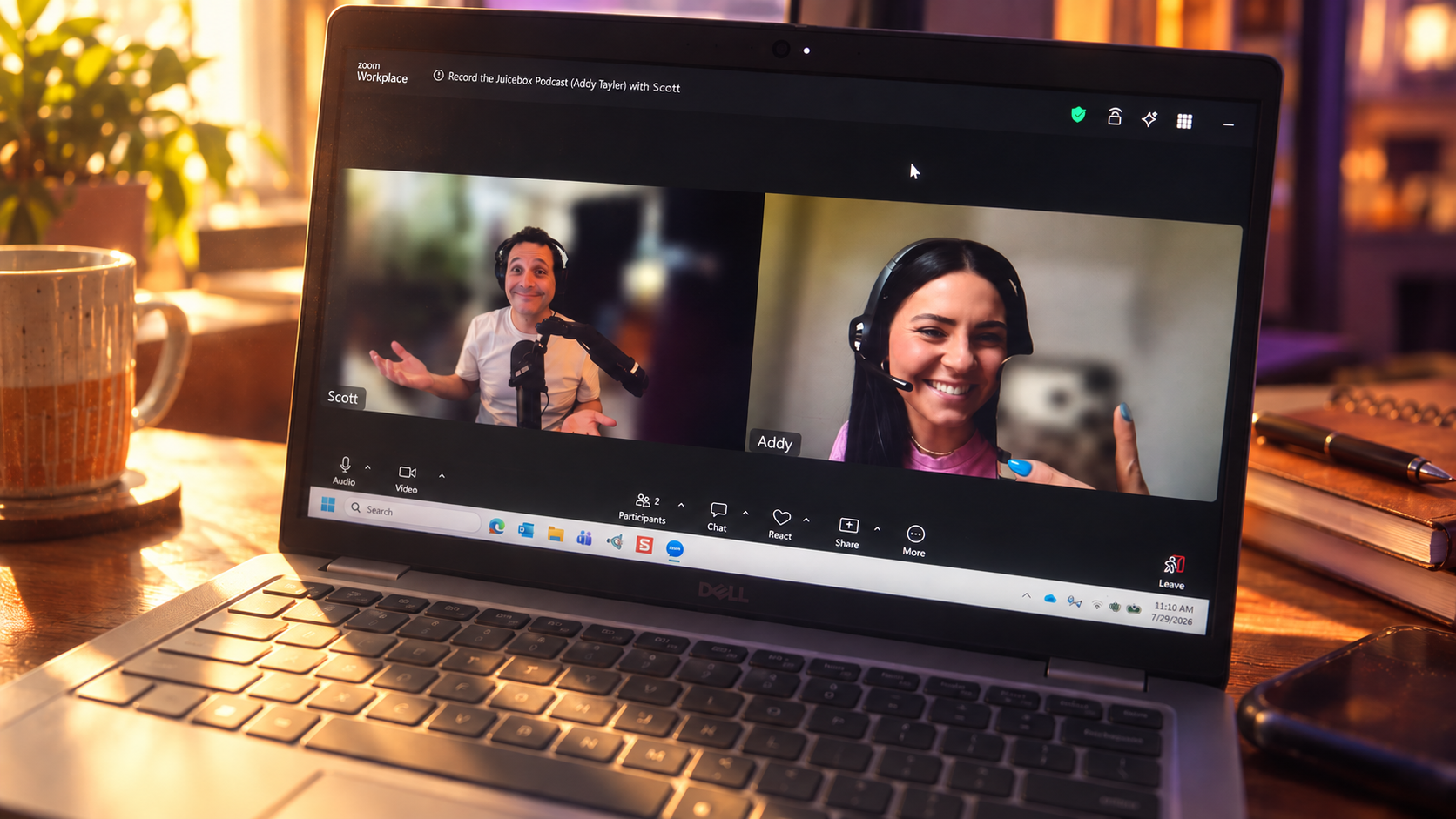
Dr. Hannah Parr, a physician with Type 1 diabetes , joins Scott to discuss overcoming diagnosis shame , the power of mindset , and holistic, direct primary care.






















Companies that Support Juicebox





Key Takeaways
- Mindset Over Management: Shifting the narrative from shame to confidence is crucial for living a fulfilling life with Type 1 Diabetes; community support (like diabetes camps) plays a massive role in this psychological transition.
- Holistic Healthcare: Treating the whole person—including sleep, nutrition, stress levels, and lifestyle—often yields better long-term health outcomes than merely adjusting medication in quick, twelve-minute clinic visits.
- The Power of Fundamentals: The foundational strategy of understanding insulin timing, grasping the impacts of different foods, and pre-bolusing meals remains one of the most effective tools for maintaining in-range blood sugars.
- Direct Primary Care Benefits: Alternative clinic models like Direct Primary Care (membership-based) can allow for longer, more personalized doctor visits, effectively breaking down the barriers and burnout commonly found in traditional insurance billing systems.
- Education Drives Action: Patients are significantly more likely to follow through with lifestyle changes or supplement routines (like Vitamin D) when they truly understand the "why" and the underlying science behind the medical recommendations.
Resources Mentioned
- Eversense 365: eversensecgm.com/juicebox
- Tandem Diabetes Care (Tandem Mobi): tandemdiabetes.com/juicebox
- US Med: usmed.com/juicebox or call (888) 721-1514
- Dr. Hannah Parr (Instagram & YouTube): @drhannahparr
- Texas Lions Camp (Diabetes Camp mentioned by Hannah)
Introduction and Diagnosis
Hannah ParrHi. I'm doctor Hannah Parr. And, more importantly, I am a patient with type one diabetes. I was diagnosed at 13. And now twenty years later, just had my my diversity, I am working as a clinician and a diabetes educator. And I like to focus on lifestyle medicine. So not just what our blood sugars are and how we're counting carbs, but how we can feel great in our body, what other things we can do to improve our health overall. And most importantly, I I think the the mindset piece is the part I'm most passionate about. So how we let die diabetes define who we are and how we feel about ourselves. And that's my favorite part to talk to people about with diabetes is is really the the mindset of of how we let it define us Cool. And what we can do about shifting it. Yeah. We're
Scott Bennergonna dig into all of that. But first, I wanna find out about you being 13 and getting diabetes. So do you have other family members with type one? Do you have family members or extended family members with other autoimmune issues? Do you have any other autoimmune issues?
Hannah ParrYeah. So I am the first one in my family with type one diabetes. I do have quite a few autoimmune diseases on my mother's side. And so Crohn's disease, sarcoidosis, hypothyroidism. So we're not not new to autoimmune.
Scott BennerWell, you actually get so, you know, I know I probably say this every time, but sarcoidosis was the throwaway diagnosis on House MD, the television show.
Hannah ParrLike Oh, we love that show.
Scott BennerWhen they didn't know what to say, someone would go, it's probably sarcoidosis. And then I and then and then it never was, but then I had somebody on the podcast. I said that to them. They were like, I actually have it. I was like, wow. We finally found one. So there's a a history of autoimmune in your family.
Hannah ParrYes.
Scott BennerDo you have anything beyond type one?
Hannah ParrNo. No. There was a point in my life where I had subclinical hypothyroidism, and I needed thyroid medication for about a year, but that resolved, and I no longer need that. So it wasn't autoimmune in nature. Yeah.
Scott BennerResolved meaning your levels went back to where you wanted to be or your symptoms went away?
Hannah ParrMy levels went back up, and I no longer needed it.
Scott BennerOh, and you don't have symptoms? No. Awesome.
Hannah ParrNo. And I I kinda get my thyroid screened yearly with my annual diabetes labs, and things are doing good.
Scott BennerHow often do you think that happens for people?
Hannah ParrSubclinical hypothyroidism we see in people now this isn't kind of full blown Hashimoto's where we've got high antibodies against our thyroid and we're at very, very low levels of thyroid. I was borderline low with symptoms. And so they decided to put me on medication. This was right before I started medical school, and I was just kind of they were worried about me going into med school and and kind of being borderline with the fatigue I was having. And I took the medication for about a year and then noticed I started having symptoms of too much thyroid. So we tested, and and I didn't need it anymore. And it's kind of been been the same since.
Scott BennerSo it fought off your fatigue pretty well, but then you started getting hyper?
Hannah ParrRight. Because I was supplementing it. So I just didn't need it anymore. Wow. So I just kinda went back to baseline. And that's not unusual for for subclinical hypothyroidism. Okay. We see that not commonly in kind of full blown Hashimoto's where we've got the antibodies that are positive.
Scott BennerGot you. What do you recall about being diagnosed with type one?
Hannah ParrYou know, I I think that I was pretty deer in the headlights. I was not diagnosed in a hospital setting. I was 13, and we had just moved. I I grew up overseas in Europe, and we had just moved to The US about six months before my diagnosis. And everything was new and everything felt scary. We were kind of in a smaller town in Scotland for most of my life, and then I started a very large junior high Texas. And so I'd never even seen that many kids my age. I was so worried about being the new kid. There was a lot going on. And then my mom noticed I was urinating frequently, and she took me to primary care to to see if I had a UTI. And they did a urinalysis, found the glucose and ketones, and kinda said, we need to get you to endocrinology emergently. So they made a kind of a last minute appointment before the endocrinology clinic in in town closed. Mhmm. And we drove over there in Houston traffic, and I remember my mom crying on the way. I just had no idea what was going on. You know, I I had no concept of understanding what diabetes was. Yeah. And that day, they made me do my injection, my very first injection on my own in the office before they let me leave. And they sent us home with, right, a little pamphlet and a CD back twenty years ago, and they accidentally had given us the Spanish one. So I I have this memory of my mom sitting in front of the TV trying to read the, you know, diabetes education with a, like, a Spanish English dictionary.
Scott BennerReally?
Hannah ParrAnd yeah. And it was just an accident, but that's all we had. And then I I went to school the next day, and we just kinda figured it out as we went. You know? It was really no downtime with my diagnosis.
Scott BennerYou're a Scottish mom in Texas trying to figure out Spanish?
Hannah ParrWell, my mom was American. Yeah. We we were there for ten years before. So, you know, US Okay. Stuff felt new, but it was. It was just it just kinda felt wild, you know, and and surreal when I think back to it.
Scott BennerNo kidding. Wow. And then do do you have brothers and sisters?
Hannah ParrI have one little sister.
Scott BennerOkay. Your parents married at that point?
Hannah ParrMhmm.
Scott BennerOkay.
Hannah ParrYeah.
Scott BennerDo they jump in and help? Is it them taking care of it completely? Is it do they try to give it to you? Do you split the duties? How does that all work? And twenty years ago so my daughter was diagnosed, I think, in I think '20 I do know this. 2006. So what were you? 2005, maybe?
Hannah ParrThat was 2006.
Scott BennerYou were 2006.
Hannah ParrThousand six.
Scott BennerOkay. So she was August. So back then, we got, they gave us syringes and insulin and a meter. Did you get anything different than that?
Hannah ParrWe we I got insulin pens.
Scott BennerLook at you.
Hannah ParrSo I was started on pens Mhmm. And a meter, and then some carb counting flashcards, which I remember.
Scott BennerCarb counting five.
Hannah ParrYeah. Trying to go through all the cards to figure out, you know, where the apple was.
Scott BennerYeah. I realize now more contextually that Arden was two, and she weighed, like, eighteen. Well, she weighed seventeen pounds when she was diagnosed.
Hannah ParrAnd Oh, yeah.
Scott BennerSo we got syringes so so that we could use little bits of insulin without the pens. And then no one do you know no one ever switched her to pens? It it never came up until she went right from just, syringes to insulin pump.
Hannah ParrAnd Interesting.
Scott BennerI didn't even know to ask for pens. But anyway, so you get pens and a meter, you're on your way. But your car and you're carb counting because it's it's right there. Like, obviously, in the in the time frame of diabetes, they're gonna teach you to carb count. Were you having success, or what did your life look like in the first couple years?
The Shame of Diabetes and Finding Community
Hannah ParrFirst couple years, I think I believe I had success maybe compared to the average child in my endocrinology practice. My a one c was low sevens, high sixes, kind of for most of my teenage years in high school after that. But I I had a lot of lows. I was the frequent kinda having lows. I I was active on the dance team. And my parents really did, over time, give most of my care over to me. I mean, when I was at school, right, there was no Dexcom follow, so it was all on me and and the school nurse. And I felt like that gave me confidence. So we didn't have trouble, you know, with sleepovers or going to, you know, different camps or friends or things like that. You know, I think that that piece worked out well. But where I really struggled, Scott, was the the the mindset. I was so ashamed of my diabetes in the beginning. I didn't understand what it meant for me. I think I had a big knowledge gap on what life with diabetes could actually look like. And as this kinda scared 13 year old that already felt like the new kid after diagnosis, I was just terrified to tell people in my life. I didn't want my friends to know because I was afraid that they would think less of me and and think I was even more different. You know? And and friends are so important at that age. And so I really I really struggled with the mindset piece. You know? I I had my diabetes for a long time until my parents pushed me to go to a camp for kids with diabetes, and then everything changed after that.
Scott BennerHow old were you when you went to camp?
Hannah ParrI was right at 14. So it was about, six months to a year after diagnosis. And and the camp, Texas Lions camp, it really changed my life. It was kind of a week long, not a day camp, but an overnight camp. And I remember everybody cried at drop off, and then I didn't wanna leave. I was so happy, you know, crying at pickup. It was kind of that that full one eighty.
Scott BennerWhen you said you were I I think the word you used, right, you were ashamed of it?
Hannah ParrYeah. Yeah.
Scott BennerThat you were different, that you had a medical issue. Like, do you remember where the shame, like, showed itself?
Hannah ParrI think the shame was understanding. I I didn't understand if diabetes was my fault. I didn't understand if there was anything I did wrong to get it. I didn't understand if it would mean that I had to live a different life or I wouldn't live as long or as I couldn't do the things that my friends could do.
Scott BennerMhmm.
Hannah ParrI I just felt so ashamed for being different.
Scott BennerOkay. And do you remember anybody treating you differently?
Hannah ParrNo. I mean, I have the most supportive family. They were incredible, jumping in and learning and, you know, helping me with nights and figuring it out. And and I had great friends. You know? I I still don't feel that I get treated differently. I don't know if I can think of many instances in my whole twenty years that I have. I think it was just that, you know, fear of kinda self induced fear of of being different.
Scott BennerOkay. Alright. I appreciate that. It's interesting to look into the idea that at your age, you got all these worries. They were kind of unsubstantiated, and then meeting new people, branching out a little bit helped you get rid of them. So once you get back from diabetes camp, is it like a whole new you where you're like, hey, everybody. Look at this. Watch me watch me jam this pen into my leg. Or or, I mean, how far do you swing the other way?
Hannah ParrI remember so right before camp, having to give, the way that they kind of introduced the the diabetes to school was we met with the school nurse, and then I had to hand deliver a letter my mom wrote to each of my teachers in each of my kind of periods through school. And I just I did not wanna give these teachers this letter. I was terrified. I remember shaking, handing it over, just being so scared, you know, that that they would know this about me, and it would, you know, make them think less of me. I I wouldn't talk about it with anyone. And then after camp, my parents picked me up, and I have this vivid memory of, you know, saying goodbye to my friends, learning through camp how other kids were confident with their diabetes, how they didn't mind talking about it, how they could live. They seemed like they were having fun and living normal kid lives with it. My parents picked me up, and we were wearing the camp shirt that said diabetes on it. I mean, it was very obvious. And we went to a Cracker Barrel on the way home, and I walked into that Cracker Barrel wearing this diabetes shirt. And my mom just started crying. And I I was confused. Right? That'd be so in the moment when you're a kid but she said, you know, this is the first time you've ever been okay showing something about your diabetes in public. You know? And and it was that. And it was after that camp I was okay talking to my friends about it because I saw how the other kids at camp could explain it to their friends and talk about, you know, their insulin pump in a way that didn't seem so diminishing.
Scott BennerYeah.
Hannah ParrAnd and it really just helped. And I I really think after that, it was a one eighty, and I still had so much to learn years later about confidence and what I was capable of, but it was it it took the shame out of it.
Scott BennerRight. When did you decide to try to go into medicine?
Sponsor: Eversense & Tandem
Scott BennerWhen you think of a CGM and all the good that it brings in your life, is the first thing you think about, I love that I have to change it all the time? I love the warm up period every time I have to change it. I love that when I bump into a door frame, sometimes it gets ripped off. I love that the adhesive kinda gets mushy sometimes when I sweat and falls off. No. These are not the things that you love about a CGM. Today's episode of the Juice Box podcast is sponsored by the Eversense three sixty five, the only CGM that you only have to put on once a year and the only CGM that won't give you any of those problems. The Eversense three sixty five is the only one year CGM designed to minimize device frustration. It has exceptional accuracy for one year with almost no false alarms from compression lows while you're sleeping. You can manage your diabetes instead of your CGM with the Eversense three sixty five. Learn more and get started today at eversensecgm.com/juicebox. One year, one CGM. This episode is sponsored by Tandem Diabetes Care. And today, I'm gonna tell you about Tandem's newest pumping algorithm. The Tandem Mobi system with Control IQ Plus technology features auto bolus, which can cover missed meal boluses and help prevent hyperglycemia. It has a dedicated sleep activity setting and is controlled from your personal iPhone. Tandem will help you to check your benefits today through my link, tandemdiabetes.com/juicebox. This is going to help you to get started with Tandem's smallest pump yet that's powered by its best algorithm ever. Control IQ Plus technology helps to keep blood sugars in range by predicting glucose levels thirty minutes ahead, and it adjusts insulin accordingly. You can wear the Tandem Mobi in a number of ways. Wear it on body with a patch like adhesive sleeve that is sold separately, clip it discreetly to your clothing, or slip it into your pocket. Head now to my link, tandemdiabetes.com/juicebox, to check out your benefits and get started today.
The Path to Integrative Medicine
Hannah ParrOh, this is a great question. So I really didn't know what I wanted to do at the end of high school. Kinda like my family was set on going to college, and so I was trying to pick, you know, what I wanted to study. And that year, I had been going to my endocrinology just office and asking, how can I feel better with my diabetes? Like, my blood sugars are pretty good, you know, for where I am with with shots and and finger prick, but but how can I feel better? What types of foods are gonna help me be healthier? What type of exercise can I do where I'm not so low? You know, just kind of more health questions.
Scott BennerMhmm.
Hannah ParrAnd I just couldn't get answers. It was kind of like the, you know, just exercise less if you're low, and you can eat whatever you want. You know, don't worry about other chronic diseases in the future. And and that was good. I mean, I get that they were trying to protect, you know, my childhood. But I I wanted to know. I was so curious. And so I decided to study nutritional sciences, and I went to Texas a and m for undergrad. Finally, I took a class where we learned about how to understand scientific literature that was published, like, on PubMed and through different journals. And it was like it opened this world for me of answers to the questions that I had that I couldn't find other places. Mhmm. And it was so empowering. I learned a lot about health and started implementing what I was learning, and I felt so much better. And then that's when I kinda got this this kick of, oh, I wanna help other people find answers to these questions. And I thought about becoming a registered dietitian. That's what most of the people in my major did. But I realized that there was some limitations there on kind of the what the MyPlay guidelines were at the time, what you could say, what you couldn't. And I really wanted to be able to help people kind of with a bigger picture of their health. And that's when I decided to go to DO school. I'm an osteopathic physician. And I like the DO philosophy at the time kind of reading about the difference between DO and MD. DOs are a little bit more holistic in looking at kind of the whole person.
Scott BennerUh-huh.
Hannah ParrAnd so that was the that was the path I went on. So I decided my junior year of college and, took six months off and then got into a school in Mississippi, which is close to where my grandparents were in New Orleans. And that's that's kinda how it started.
Scott BennerAwesome. So you end up with I mean, you get your undergrad. Right? And then you move on to med school. Is that how it works after that? Mhmm. Yeah. And then when you're done there, do you do anything else? Or, like, do you specialize, or how does it work when you get out of medical school?
Hannah ParrYeah. So, typically, the traditional path is you would do four years of medical school, and then you will go to residency in a different there are many different residencies for different types of medicine. So there is residency for pediatrics where you just learn about children or residencies for family medicine where you do more primary care, residencies for surgery, internal medicine where you're doing more hospital work. And I really was torn choosing my residency because there are you can choose pediatrics and then go into endocrinology, or you can choose adult medicine and then go into endocrinology. Mhmm. But there was no choice to do or for at least what I could see at that time, there was no choice to do kids and adults with diabetes, you know, and then move forward onto endocrinology. So I was really torn, and and I felt that if I kind of pigeonholed myself into endocrinology, I would miss that whole person approach that I'm so passionate about. So I chose to go to family medicine because that is the the type of residency program where you get to learn how to treat kids, women in pregnancy, and adults. And I did one year of my internship in family medicine and decided that primary care was not gonna be the right choice for me. There there's so much beauty in family medicine and primary care and how people are helped in that setting, but it is typically very quick appointments, you know, where you're kinda back to back all day with appointments, and there's not a lot of room for the lifestyle education piece. And so I left after my intern year of family medicine, and then I got my Texas medical license, finished my boards out, and I went on to do training in integrative functional medicine and which is more lifestyle oriented, prevention oriented. And then I did, my diabetes educator and board certified in advanced diabetes management, which is not a traditional American board certification for physicians, but it's the kind of diabetes educator curriculum for prescribers. And so that's where I am now.
Scott BennerWhat is it about you that you think let you see, well, this is how the process usually works. I don't wanna be involved in this. Like, is there something in your, like, personal ethos, or was it something that you functionally saw with how the machine worked? Like, what turned you off and and made you choose this other path?
Sponsor: US Med
Scott BennerI have always disliked ordering diabetes supplies. I'm guessing you have as well. It hasn't been a problem for us for the last few years though because we began using US Med. You can too. Usmed.com/juicebox or call (888) 721-1514 to get your free benefits check. US Med has served over one million people living with diabetes since 1996. They carry everything you need from CGMs to insulin pumps and diabetes testing supplies and more. I'm talking about all the good ones, all your favorites. Libre three, Dexcom g seven, and pumps like Omnipod five, Omnipod dash, Tandem, and most recently, the Islet pump from Beta Bionics. The stuff you're looking for, they have it at US Med. (888) 721-1514, or go to usmed.com/juicebox to get started now. Use my link to support the podcast. That's usmed.com/juicebox, or call (888) 721-1514.
Fixing the Medical System & Direct Primary Care
Hannah ParrOh, I love this question. I would say both to answer directly, but it was that going my journey in medicine started from wanting to be a change, wanting to fill the gap of the questions that I had that I couldn't get answered as a kid
Scott BennerMhmm.
Hannah ParrAnd and growing up and still, you know, had struggled to get answered when I'm in these appointments. And it and it was wanting to really focus on the health education piece for people. And I realized that and you know this, Scott. I mean, we go to our endocrinology appointment, and we see our diabetes educator after diagnosis. And then we go on to live the rest of our life with short follow-up appointments, right, to check-in on things.
Scott BennerYeah.
Hannah ParrAnd there's so much more to learn. Right? There's so much more to learn that can impact the way that we feel about ourselves, the way that we take care of our body, how we can reduce our risk of chronic disease and complications in the future. There's so much, and that's what I absolutely love about your platform. And I was so I so needed to be the change in medicine to fill the gap. That was where my heart was going through this journey. And as I saw myself going into full primary care and seeing, you know, 30 patients a day for twelve minute appointments and doing all this billing, I could see that there wasn't gonna be room for the education that I wanted. And it really was I I was in my intern year of family residency, and and I had had a patient that had type two diabetes. And she came to me, and she had been seeing a different resident prior, and she we had an appointment and kinda filled her diabetes medications and scheduled a follow-up. She came back with a follow-up. Her a one c had gone up. And I asked her, you know, kinda what was going on, if she'd made any changes. And she was so motivated to try and help her type two diabetes that she she watched YouTube and found somebody talking about a grapefruit diet where you just eat grapefruits and grapefruit juice for two weeks. And that's what she had done trying to help herself. She was so motivated to try and do something to make her life better that I mean, that sounds incredibly hard to do, and it was just heartbreaking. I mean, kinda hurt herself in the process, and it was just the lack of, you know, being able to find information that was evidence based that could work for her, and I didn't provide that. You know? And I felt I really wanna put myself in a space where I can share information that is more likely to work for people that is safe, you know, that that we can have more education out there that's evidence based that that people are looking for. And so that's long long answer to your question, but that's kinda how it happened, and and and that's how I'm a little bit different than other physicians.
Scott BennerAs a person who tried the baked potato diet once for two weeks, I appreciate that.
Hannah ParrYeah. Well, thanks.
Scott BennerBy the way, it did work. Although, I only ate baked potatoes without salt, pepper, or butter for two weeks. I think I lost, like, 15 pounds.
Hannah ParrWow. Interesting. Yeah. Okay.
Scott BennerBut to your point, the GLP worked a lot better.
Hannah ParrYeah.
Scott BennerI understand what you're saying, and I wanna just take one more second to ask kind of a backward looking question for you. Whatever the hell the system is, you can call it whatever you want. Right? But why can't it do that? I think I ask every physician this question. Like, everyone seems to know what the problem is, and they either acquiesce to it or they go off into private practice and charge people cash and hope that their insurance covers it afterwards. No one stays and says, you know what? I could probably help these people while they're being covered by their insurance and do a better job of it. Like, what's stopping you? Is it just that the rules are written down somewhere? Like, if the test says this, then you do that. You see what I'm saying? It doesn't seem like it should be that big of a deal.
Hannah ParrThis is such an important question. Yeah. So there are many, I think, variables that that play into why this is so challenging. And and it's from my impression and the physicians that I I know, it's not because doctors don't wanna help in this way. It it's definitely because there's a lack of education for physicians. I mean, we get very little health training. We kind of learn about how the body works, what the diseases are, and then what the medicines and surgery are to treat them, and we don't learn about what's optimal for exercise or what's an optimal nutrition plan or, you know, those types of things as much as we could. So there's a lack of education on the physician side. But if a physician goes on to learn that and wants to implement it, there can be big barriers in the hospital based clinic setting. So if we think most clinics are not owned by physicians anymore. Most clinics are owned by hospital systems, and hospital systems are more numbers based. And even though it's very intuitive, I think, to you and I that if we have someone with diabetes type one or type two and we give them more diabetes education, that they will have less ER visits, which will ultimately cost the system less. Right? I I think that's kinda pretty clear. But the it it has a lot to do, I think, with insurance reimbursement. We don't get the same reimbursement for the time that we spend doing education as we do seeing more patients faster.
Scott BennerMhmm.
Hannah ParrAnd as the CEO or CFO of a hospital system, the numbers game is important for covering the overhead and profiting hospital system. And so I think what I saw is that as a physician working for a hospital system, it would have been very challenging for me to carve out time to do things like a support group or extra education. And we have the referrals to the diabetes educators. But outside of that, the you're working so much and the hours are so intense and the documentation is wild and I think growing with all the requirements. And and I think it's just hard to fill your own cup up as a physician and do extra on top of a full time clinic job. And so if a physician does go private practice, then they can they're the owner of the practice. They manage the overhead versus what they're allowed to spend their time doing, and and it it makes it a lot more tangible to be able to do that. But if you take insurance, then it's harder to cover your overhead with the insurance kickbacks that you get.
Scott BennerOkay. So where does that leave a person who finds themselves in an office with an uncommon problem being delivered a common answer, getting any real clarity, not getting better, whatever? Are they just left to think, well, I guess this is how it all works. I'll have to go figure this out on my own if I expect to figure it out at all?
Hannah ParrI think that's how a lot of people feel.
Scott BennerYeah.
Hannah ParrI think that's how a lot of people feel. I know I felt that way, and I think that's why we see so many people turning to things like the juice box podcast, right, and YouTube and and different things because they want to learn. You know? It's just that that they're having trouble finding answers.
Scott BennerI think the podcast achieves a number of different things. Right? And I don't wanna sit around and philosophize about it, but if we just sat down and talked about just managing of diabetes. I honestly think the only thing I do is tell people to pre bolus, understand their food, understand how insulin works, and that's pop I don't think I say much, to be perfectly honest with you. Like, I don't know how it's possible to have built something this large. It's so well regarded, generally speaking, off of such a small amount of information that's that's available anywhere. Like, that should like and no one wants this isn't what they want. Like, Hannah, no one says, you know what I really want? I wanna get diabetes, then I wanna go to a doctor, then I wanna be left completely unhelped, and then have to go, you know, fart around in the world till I can figure out is even talking about this, then decide which one of them I can maybe trust, hopefully, then listen to them, then try to understand it, then put it into practice. Like, no one wants that. Like, the thing I'm giving people, it's not a thing they want. It's a thing they find themselves in need of. And then when you get there and actually crack open the walnut and see what's inside of it, all that's inside of it is timing and amount, pre bullish your meals, understand the impacts of your foods. And you know what? Your settings are gonna change due to variables. You should keep up with changing them. There there you go. Like, there's the big secret. Like, you know, you guys don't have to listen anymore. You you want an a one c in the sixes? Just do those things.
Hannah ParrRight. Right. I agree.
Scott BennerYeah. But that's insane. That's fundamentally insane. Like, it's not like they got to me and they're like, alright. This guy heard all about this. You know what I mean? And they sit down and they listen. They got a pen and then they go, oh, yeah. Yeah. It's a very difficult thing. No wonder my doctor can't tell me about it. So, I mean, how would they tell me about this? I had to jump over three golden diamonds, go to the Amazon Forest, get a snake, milk it, drink the venom. When you get to the end of it and you go, wait, it's timing and amount and I just pre bolus your meals and don't watch a high blood sugar. Like, that's nuts, Anna. Okay. So, like, if there are days when I get up and I look at this thing and I think this shouldn't be like like, if anyone was doing their job, I wouldn't have a podcast. That I believe for sure.
Hannah ParrI see it.
Scott BennerOkay. That's about the management stuff. Go say something nice about the community park.
Hannah ParrGo I get what you're saying. Yeah. You feel like you're repeating the same things. And that message is strong, and it's important for everybody to hear. I mean, what you just said, I think, is so crucial. But I see your work as something that helps people in a in a bigger way. I mean, the voices that you bring onto this podcast and the amount of episodes that you publish to me are a constant reminder that you we're not alone in this, that there are other people figuring it out too. Sometimes I need to be remind myself to pre bolus twenty years in. I mean, you know, it's not like we don't need reminders or you get off track on something and, you know, you come back and your constant presence of different voices who, I think, remind people that they're not alone in this. And and I I think that there's a lot more to it than just the advice that you give. I think it's this sense of feeling not alone and feeling like it's possible, you know, to live this life because of the thousands of examples they've brought on.
Scott BennerYou're very kind, and I and I completely agree with you. I was really trying to cleave it down to this one idea. Right? Like, I mean, at the very least, if my endocrinologist can't tell me that the timing of how the insulin works is really important to the outcomes I have with my blood sugar. That's nuts. Wow. What a low bar. So how do you handle like, I I'm assuming I don't know anything about you. I don't check into people. So by the way, everybody, Hannah could be out of her mind. You'll have to figure it out on your own. But you went into private practice too? Are you one of those nice ladies who takes my insurance? No. And you can turn in your bill later, and hopefully, your insurance will cover it for you, or how do you manage?
Hannah ParrSo I am in a practice that is it is not an insurance based practice. It's called direct primary care. Mhmm. And it's a newer model of practice. It's membership based. And the majority of our patients are families of business owners that have very high deductible plans. And so they pay a certain amount a month to have access to the practice. They can see any of the clinicians unlimited, amount of times that month, and then they're not, you know, paying co pays. And and our monthly fee is less than a a co pay would be without a deductible that's been met. So I think it's a good a good fit for
Scott Bennersome You're like a, a large language model. I buy tokens, and I use them. Is that about right? I I I right. I have, like I have credits, basically?
Hannah ParrNo. It's just like a gym membership.
Scott BennerIt's like a gym membership.
Hannah ParrYeah. That's the that's how I describe it. It's like a gym membership.
Scott BennerSo do some people overuse? Like, are some people sweating on the on the machines constantly, and some people don't show up, and that's how you're able to keep the thing going? I imagine, like, what if you get a, a hypochondriac? You're losing money on them. Right?
Hannah ParrYeah. But you're also helping them. Yeah. I would say, yeah, it it evens out. I I get this question a lot when I tell people about the model, and they say, how could that work? I mean, would people abuse the system? And we really don't have that. I mean, I think I get to spend a lot more time with my patients. Our appointments could be up to an hour if we need it, and that's wonderful. And I think because of that, I get to answer all their questions during the appointments. You know? It's they don't leave with a list half answered, and so we get less questions, you know, between appointments, which I like. But but I also think that it does. It just evens out. So there are certainly people who who come in for more follow ups because they're worried about things and others who, you know, don't check-in as often, but they like the peace of mind that if they get the flu tomorrow, they can meet with us, you know, and not have to wait four days to be seen at a a different practice and pay more.
Scott BennerYeah.
Hannah ParrYeah. It just kinda evens out. The model works really well, and it's it's they're popping up all over the country. It's kind of a new wave of medicine.
Scott BennerNo. For certain. So the business works for the business, and the business works for the people?
Hannah ParrYes.
Scott BennerAnd you can pay your bills? Yes. Awesome. You're And
Hannah ParrI am incentivized to keep my patients healthier because the healthier they are, right, the less they come back to the practice, the more people I can help. No. That's better for me and it's better for them, and and that's the best.
Scott BennerIs this only gonna benefit people who have that kind of money, or do do some people see you have pay out of pocket and then turn that into their insurance and get some sort of coverage on the back end?
Hannah ParrSo we do yes. So we can do a SuperBell where people can pay out of pocket. We also can they can use FSA and HSA. We have some people choose to do that. Most people don't, but our monthly fee is $90 a month. So it's prohibitive definitely for some, but but it's not, I think, at a place where it's out of reach.
Scott BennerWait. So, like, a thousand dollars a year, that's my membership, but then is there billing on top of that?
Hannah ParrSo billing for labs, we have cash based labs for our patients with high deductible plans, and those are discounted at the practice, and they're honestly incredibly cheap. It's amazing how sometimes the cash based labs are actually cheaper than what you'd pay with your insurance.
Scott BennerYeah.
Hannah ParrBut we do have patients that wanna use labs use their insurance for for our labs, so we'll code. And they can use their labs through their insurance so they get those covered. And then prescriptions are obviously through their insurance as well.
Managing Burnout & Creating Boundaries
Scott BennerFor a number of years now, I've been taking my family to just a a cash doctor. You know? So it's very simple. You visit her, and you it's $250. You see her a couple of times a year to check-in, make sure everything's going well. But other than that, access through text messages, emails, portal system. She's very responsive. When you go into, like, check-in with her, it's an you sit there for an hour. You know, you're in a a soft chair with a a lamp and a desk next to you. There's a pad of paper if you wanna take notes. It's a completely different experience. My health has never been better. Yeah. I've never felt better supported when there is an actual emergent issue. It is not crazy for me to tell you that there was a time when we had a problem. We couldn't get a medication, and I sent her a text. And she said, oh, I have samples. You can come to my house and grab them. And, like, I know that's that's not what you not I'm sure that's not the the norm, but, you know, I said, oh, okay. She gave me an address and I went to her house. She handed it to me. She said, we'll get it all worked out. Use the sample for now. And I was like, okay. Thank you. And I left. And maybe two years later, something similar came up where I texted her and I was like, you know, there's a problem. And she was like, can come to my house. And I texted back and I said, I don't know where you live. And she said, you've been here before. And I said, oh, yes. But out of an abundance of respect, I deleted that because I didn't think I didn't think I should have your address. And she was like, oh, that's so nice. We've been doing this now for three, four years and it might sound expensive to people, but honestly, my you know, we maybe see her twice a year. And so, you know, for three, four people, it's, you know, it's $2,000 a year to see the doctor. It's and then we take those bills and give them to our insurance company who I think they cover us at, like, 80%. So That's great. Yeah. So I think we're paying, like, nothing, really, like, you know, and getting way better care. She retired.
Hannah ParrOh, no.
Scott BennerWe're all really sad right now. Her husband got some great job in France, and she's moving. I tried I tried my hardest, Anna, when she contacted us to say she was retiring. I said, you know, you've been married for such a long time. You must be sick of him. Why don't you just let him go? Stay here and be our doctor. She said, I think I'm just gonna go to France and bop her around. And I was like, okay. Fine. Whatever.
Hannah ParrLittle life. That's scary.
Scott BennerHere's an older woman. She's, you know, getting towards her time, you know, to retire anyway. But the experience, I don't think I'm ever going to be able to to remake somewhere else. She was a unique person in that I don't believe that most of the money in her family came from her. I think it came from her husband. I don't think she needed to be, you know, grabbing at every dollar, and therefore, she was incredibly valuable. But I also don't know that it didn't burn her out. And I tell you that whole story to ask you, like, is there a system set up in here to keep you separated from having to give so much of yourself that you run out of stuff to give. Because I actually experienced that with what I do, and I had to set up boundaries for myself. And I was wondering if you have similar.
Hannah ParrYes. Well, I love that story about about your doctor, and I think that's just amazing that that that's the kind of thing that I think that does change lives, and and there's so many physicians that want to be able to practice that way. But, yes, to the boundaries question. I and I've worked really hard on this. And there was a time when I was in each step of my medical training. I I would wonder, can I do this with diabetes and not sacrifice my health? You know? Like, going into the night shifts, I remember my kinda the end of my training, it was fourteen days in a row of sixteen hour night shifts, and I was alone. There there was no team. So it's just me and all the pagers. And it was just like, oh, can I do this with my diabetes? Like, this is it seems so hard. Just not knowing how my ratios would change with all that. And so I had to learn that. You know, I really had to say, how can I set up my life so that I can fill up my cup first and then pour to my patients in my career? And that's hard to do, in medicine because a lot of people think of these crazy hours that doctors work. And I don't. I'm not full time right now, and it's for that reason because I I like to take care of my health. And so I I like to have a a more balanced life, and I I'm it's giving me more time to do the online education, that I'm working on, which has been wonderful. But it is I I really had to learn, you know, how how many days can I see patients, and how many hours in a row can I see patients where at the end, I'm I'm losing a little bit of empathy or my focus on details are isn't as as guide? And for me, it really is is figuring out what are those things I need to do to keep my cup full and making sure I schedule those and then working on scheduling my clinic days and my other work around it. And and it took me a really long time to get there, and it's certainly not always possible. But that that's where I feel like I'm finally able to have a routine where I'm no longer worried that I'll burn out because I feel like my job fills my cup, doesn't empty it.
Scott BennerYou know what I found is that it's a never ending line of questions and people. And the and they don't understand, like, when like, what I would notice for myself is when they would see that I was online, it would start and it if I kept going, it would never stop. It almost felt like a science fiction movie where you were you had kidnapped somebody and you were like a a demon. And you were gonna suck out some of their essence to keep you alive, but you got crazy and sucked it all out and they dried up and blew away. Like, I felt like if I if I keep if I keep facing the Internet, they'll absorb everything I have to give until I I can't anymore. Like, the because they don't see they don't see my side of it. They see that they just oh, they're just having a quick ten minute interaction with you. Mhmm. And I'm like, yeah, that's that ten minutes, then the next ten minutes, then the next one's twenty minutes, the next one's ten. And it never it kind of ends I almost couldn't equate it to in the Facebook group, which I I really adore my Facebook group, and and I think it's incredibly valuable. I'll never stop supporting it, but I had to figure out better ways to support it. Mhmm. Because if you get involved in a conversation, like, you as the reader might jump in and be like, I have a thought about this. And then, you know, and direct it at me, and then I'm like, well, then I'm responding to that. Well, you go away. You go live the rest of your life and come back six, eight hours later, maybe a day later to see if there's a response. People don't stop asking me and I get stuck there forever. And I'm just wondering, like, I guess what I was getting to, you already kind of alluded to, which is you build this this model that really helps people, but then it it's also opening you up to being pingable. And I don't know how long that can go. So then you what do you do? Do you move to a different model where you you're doing, like, on what was that next part you were talking about? Like, are you basically coaching people on specific ideas?
Creating Content and Building Community
Hannah ParrWell, I've been doing I have a YouTube channel where I do type one diabetes education mindset.
Scott BennerMhmm.
Hannah ParrThat's kind of what I've just been focusing on, you know, with with the reduced clinic hours.
Scott BennerI don't wanna speak for you. Maybe there's somebody, like, paying your way somewhere. But, like, you're trying to make a living too. Does that make a living?
Hannah ParrNo. Not at all. No. Yeah. No. It's a passion project.
Scott BennerI was gonna say what's what's the yeah. And it's like, no. No. I don't have money. I guess I have to ask, are you married?
Hannah ParrYes. I just got married on October.
Scott BennerOh, look at you. Congratulations. Very nice.
Hannah ParrYou. Yeah.
Scott BennerVery nice. This is a good boy where everyone's happy. Mom and dad are okay with us?
Hannah ParrYeah. Yeah. We got lucky. Both sides were on board.
Scott BennerSo Both sides were on board. Yeah. Trust me.
Hannah ParrYou don't always get that. I've seen
Scott Bennerit go the other way. Yeah. Yeah. So I've lived through it, by the way, in case you're wondering. Oh. So you're just you're cutting back a little bit. Are you thinking of having kids?
Hannah ParrMhmm.
Scott BennerOh, okay. Very nice. Does he have any autoimmune on his side? Let's hope no.
Hannah ParrNo. Okay. Yeah.
Scott BennerIs that part of your thought process during dating by any chance?
Hannah ParrIf the person I'm dating has autoimmune?
Scott BennerYeah. Did you ever think, like, if I get somebody else to throw into this stew, we might end up with a kid with a carrot that has diabetes? Like, you know what I mean? Like, is it Yeah. Do you think about that?
Hannah ParrI've never you know, I think in my decision to want to have children, I this kind of the science brain had to look at this idea of, okay. What is the risk if I have a baby and they have autoimmune disease or they have type one diabetes? Will that crush me? I'm so grateful for my life with diabetes. I mean, I I'm so glad I'm alive, and diabetes isn't stopping that. You know, I feel like if I were to pass it on, that would be okay. It would still be a life worth living. You know? And and so I I guess I didn't think about that.
Scott BennerSuper interesting. But that's a that's an interesting question to ask yourself. Like, if this were to happen, would this derail who I am or my life? And you thought no, so it's okay. We'll try.
Hannah ParrYeah.
Scott BennerYeah. Yeah. Listen. I've heard all kinds of different answers. My favorite one has always been, well, I have diabetes and I'm okay.
Hannah ParrRight.
Scott BennerThat was the I'd mow maybe the most simplistic and my my kind of favorite answer from somebody who had type one.
Hannah ParrOkay. I love that.
Scott BennerYeah. So let's pivot a little bit here. Like, I think YouTube seems impossible to get involved in and have success with. Is it working or what is your level of desire for it?
Hannah ParrYeah. I don't know. I don't even know how you define working. I feel like I'm helping people, and that that's the point. Right? It is to put evidence based information out there, information that comes from my personal experience combined with, you know, working in practice. And and I get comments from people who say that it's done something that's helped them or they've learned something or had a different perspective on something. Yeah. And that's what makes me wanna keep doing it. I mean, slow slow growth. I'm posting about one video a week and and about maybe 2,000 subscribers right now, and it's monetized. So I get paid for the ads that come up, in the middle of the the videos now, but it it's not making much.
Scott BennerI was gonna say, tell the people you're making untold tens of dollars. Is that right?
Hannah ParrYeah. Got a 100 a month, I think. That's where I am.
Scott BennerAlmost 10 tens, Scott. Let me just tell you.
Hannah ParrSo worth the time? Probably not. But I it makes me feel good. And I think if I can grow if I can grow it, it it could be a good
Scott Bennerthing for more people. I have to tell you Yeah. When I talked to Jenny, do you from like, you've heard probably heard on the podcast.
Hannah ParrIntegrative diabetes, Jenny? Yeah. Yeah. Of course.
Scott BennerWhen I talked to Jenny privately, because I always wonder, like, I don't like, she's not an employee. I don't pay her to be on the podcast. Like, I mean, you guys listen. Like, there's no ads for her on it, like, back to where she works or anything like that. She's just Jenny there. And I one day was like, why do you keep saying yes when I ask you to do this? You know? And she just told me one day, she's like, I just don't feel like I help enough people. Mhmm. That was it. Like, she's like, I work with people all day long. I mean, there's an argument to be made that Jenny's helping more people with diabetes than most people are. And yet, she said very similarly to, I guess, how I feel about it, like, it's such simple information. Really, what you just need is time to give it to people. And I just like that she's like, I like that your podcast reaches a lot of people at once, and I feel like I'm helping a lot of people. And I'm like Mhmm. Awesome. So we've been doing it together for such a long time now. But I guess that's kinda what you're looking for too because, I mean, if you're working part time, then you are making a living. You're keeping your hand in, you know, you're keeping your license going and all that stuff. You can decide what you're gonna do about building your family, but you're trying to reach more people too. So you're telling me you are not, like you don't have, like, visions of grandeur. You don't imagine that one day, there'll be, you know, a 100,000 people following your YouTube channel, and it'll be cranking down $50 a month and but that's not your goal. Your goal is find people, help them.
Hannah ParrYeah. I think my goal is just to create a space where people can find the answers that they're looking for. Yeah. And I think my thing is really the mindset piece. You know, that that was hardest part for me with diabetes is that how do you not let it define you? How do you imagine your life with it and not hold yourself back? How do you know that you can do the things that you wanna do and bring diabetes with you? And and I think I spent a lot of time feeling broken. You know? Even after I kinda dropped to shame, I still felt broken for a long time. And that was something my doctor's office could never help me with. And so I'm starting a support group next month that's on Zoom that'll it'll just be a place to have those types of conversations with people. So, yeah, I I would love to help more people. And I think I I feel Jenny in in that is waking up every day thinking, am I helping as many people as I could help? You know, with the the knowledge and the education I've taken the time to get, is there more that I could be doing that would be helping more people? That I I don't know how to answer what enough is. And and I think that's probably something I need to work on is is feeling content with that. But I think it is. It's just it's touching lives for for people who are looking for the answers that they can't find other places. And and then the more I can grow that, the better. But but yeah.
Scott BennerDo you think of it more as, like, therapy, like, group therapy or, you know, getting a bunch of people together to have a similar I mean, the way I I kind of big picture think about it is is that if you understand in general terms and maybe a little more specifically how to manage insulin, that alleviates a lot of the other stuff. It doesn't get rid of all of it, but at least it lifts it lifts a lot of the weight. And that, in my mind, if I could lift that weight for people, then they'd maybe have more, you know, brain power, time, space to think about the other stuff and, you know, maybe more about the, you know, the mental impact of of having type one. But it sounds to me like I mean, you had such an impact of this in your own personal life that this is your am I right about this? Like, this is where you trip the most, so you're trying to you feel like you're trying to help people with it. Is it because you feel like you have an answer or because you feel like the answer is getting a bunch of people together and just, you know, saying this is a problem. We should all be paying attention to it.
Hannah ParrThis is a great question. Yeah. I I think a little bit of both. I I think I remember when I was starting college, and I didn't know I still had no idea what my life could look like with diabetes. I didn't know if anybody would wanna marry me. I didn't know if I could have kids or if that was possible. I just had so so many knowledge gaps. And I remember just wishing that if I could see somebody, you know, five years ahead of me living their life with type one diabetes in a way that it worked, that would really help. You know, if I if I could just see how this could work in people's lives Mhmm. You know, what's available in in the camps that I went to and then now volunteer at really helped me with those examples of people, you know, a couple steps ahead of me that that had figured out that next chapter. But I went to a conference. It was called students with diabetes. It's not around anymore, but it was Nicole Johnson who was miss America in 1999. She has type one diabetes, and she ran the conference, but she would talk a lot about her life, and and she brought her daughter. And that was the first time that I realized that people with type one diabetes could have kids in my twenties. You know? I just didn't know. And I just felt like, wow. If I if I could just learning about how she lived her life really helped me figure out that I could live mine in more options than I thought before. And so it's that. You know? It's a little bit of wanting to pass on what I've learned, my trials and errors, and also knowing that when we bring people together and we feel like we're not the only one having the stress about diabetes, that it sent brings a sense of community that helps us grow. So I think it's both.
Scott BennerCan I dig into the I didn't know, like, that phrasing?
Hannah ParrYeah. Yeah.
Scott BennerYou didn't know people could have babies, but you knew, but you just never thought about it. Right? Like, it just seemed like an impossibility or a thing you hadn't dreamt of yet, and then you saw some because you didn't, maybe I'm wrong, but you didn't fundamentally not understand that a person with type one couldn't have a baby. You just thought, like, how would that possibly work? Am I following that correctly?
Hannah ParrNo. I really didn't know if it was, like, if it would be something that would be healthy to do.
Scott BennerOh, I see. Okay.
Hannah ParrYeah. I didn't know I didn't know if it wasn't advised or if it wasn't possible. I really didn't know. Yeah. No one ever told me.
Scott BennerI think we're both saying the same thing just slightly differently. So okay. You didn't think that if I met a boy and we had sex, a baby wouldn't come out. That's not what you were saying.
Hannah ParrRight. Yeah. Right. Okay. Right. Yeah. I didn't think I couldn't get pregnant. I just didn't think it could work. Right?
Scott BennerRight.
Hannah ParrSo there's yeah.
Scott BennerI understand. I'm I just wanna make sure I understood it. I was like, is she the doctor? I was like, I don't I don't.
Hannah ParrWell, this was early twenties. Right? This is like right after high school when you're trying to figure out what you wanna do for your life. And I just I just didn't have a lot of women in my life with type one diabetes, and I didn't know it was possible to have a family.
Scott BennerI know exactly what you're saying. I I don't mean to joke my way through it.
Hannah ParrJust yeah. Yeah. Right.
The Value of Supplementation and Education
Scott BennerAwesome. And what are you seeing? Like, with your effort, like, twofold. With your effort with, you know, working in, you know, private practice the way you are, are you seeing better outcomes for people? Let's start there at work. Like, do you are you seeing better outcomes for people? Are they happier? Are there real measurables that, you know, you can point to and say, look, this is really working for them, or are they still struggling and you're like, oh, this isn't helping either?
Hannah ParrYeah. That's a good question. So there are always, I think, patients that you feel like you're doing your best to help and they're not getting the improvement that you would want. But I think in the model I'm in, the direct primary care model, I have a lot of patients with prediabetes that we reverse. A lot of people with type two diabetes that we can help lose weight and get off medications. Have a lot of patients who I teach about nutrition, and they find a food plan that works for them. And we have a monoglucose monitor. We do a nutrition log, and we can make tweaks. We find a lot more nutrient deficiencies because I look for them. You know, I feel like the amount of care that we can provide is a little bit more holistic because we have more time to talk to them about their lives. And with the type of training that I I got, I I really do. I ask all my patients about their nutrition, their sleep, their movement, their stress level, their relationships, their family history, what their current symptoms are. Yeah. We have a lot more time to talk about those things, and and so I think we find more answers in in patients who at least seek this type of care are often the ones that are motivated to change. And so I think it works for that way. It's not that I'm necessarily better, but I do think that that it is not uncommon for me to help patients move the health trajectory in a right direction, not just put them on more medications.
Scott BennerIf there's a person who's interested in asking, then you find that if you're able to deliver the answer to them, these are the same people who are more willing to follow through and try to make it work.
Hannah ParrMhmm.
Scott BennerYeah.
Hannah ParrYeah. Yeah. Absolutely.
Scott BennerIf in a regular practice, somebody came in and you were just like, hey. You don't have enough vitamin d. And they might be like, I don't care what you think, doctor person, and then not take their vitamin d. But if somebody came to you and said, hey. I am having a problem. I wanna understand in any way that you can maybe make sense to me. I'm motivated to be here. I wanna do something. Say, well, your vitamin d is low. Take some more vitamin d. That person might be like, god. Awesome. Give it to me. I'm glad I found out about this. How does that feel when it goes the other way? Like, how does it feel to have somebody come into your office only because they have to? Because they know if they don't come to see you, they don't get their insulin prescription, for example. And then you get there and highlight a bunch of things for them to do, and then three months later come back and recognize that none of those things happen. Is it difficult for you not to just feel like, oh, they don't care? Are you able to see all the other life things that might be possibly in the way?
Hannah ParrThis is such a struggle, I think, in medicine for people. On this side, you know, is that there are two ways. I think it's it's hard when you you wanna help someone, and you go give them the tools that you think are going to help them and they come back and they didn't apply them. That's hard. And and it's easy, I think, especially if a physician or clinician is is going through burnout to just say, well, it's know, they weren't gonna do it anyway. It wasn't on me.
Scott BennerNoncompliant. Not my fault. Let's keep moving. Right.
Hannah ParrBut but I can't do that because I feel like, I don't know. Maybe that's my personality.
Scott BennerWell, maybe it's because you have diabetes, and you know that there's more to it than it.
Hannah ParrThere's so much more. Yeah. And so I think, okay. Well, it I think, what did I miss? You know? What am I not am I explaining it in a way where they're not understanding the importance of it? Am I missing that there's a big social emotional barrier in the way of doing this? You know, is it that I'm not you know, I I really I I think I'm hard on myself in that setting because I want to help people who come to me regardless of their motivation to change. You know? I mean, they're coming to the doctor's office in order to get what they need. And as much as I can say things in the right way, describe the importance, highlight, you know, how it's gonna be aligned with the things that are connected to their goals. You know, whatever it is, I I I think I'm constantly changing the way I present things or the way I ask questions to people because because that's the goal. You know? It's it's it's really hard to see people you can't. You feel like you didn't help. Right? It it doesn't feel good, Scott. It's it's hard and it's constantly helping me grow and become better at listening and better at explaining and learning, you know, what types of things are better to explain than others. And and it's been interesting. I've I've got some patients that are engineers, and I know they're data driven. These are the people that want the before and after lab. They want the study with the percentage risk. Right? Like, they're data driven. And there'll be other people who they they don't care about the numbers. They don't wanna know the prevalence of the thing or the risk. They just wanna know how they can feel better. Right? And they wanna talk about their emotions about it. And it's it's so interesting trying to learn personality types as you you are in medicine because
Scott BennerYeah.
Hannah ParrThe way you describe something matters so much.
Scott BennerYeah. For sure. I'm gonna share something with you. Try very hard not to, imagine it in your mind, but I was in the shower this morning. Uh-oh. Okay. And I was using my water pick because my dentist told me so. Mhmm. And it occurred to me that if I had my old job working in a sheet metal shop that I had when I was 20, if I was still raising two little kids, if I was doing any other number of things in any other portions of my life, I would not have the time to stand in my shower water picking my gums. The only reason I'm able to do it is because I actually have the time to do it because of how my life is set up because I make a, I almost cursed, I make a podcast. And, like, so if I take five more minutes in the shower, the whole world's not gonna burn down or I'm not gonna miss a bus or be late to something and somebody's gonna fire me over, you know, like that kind of stuff. And then I started to think, how many people has this dentist told, use a water pick who went, wait, I can't afford a water pick. Or they bought the damn thing and now it sits on the counter because they don't have any time to do the thing. You know? And then they get back to him and he goes, oh, these people, they just don't care about their teeth. And I'm like, that's not the case at all. And I'm coupling that with this feeling, this idea, something I've been doing with my daughter recently is I've been waiting for when we have quiet moments and I hug her, but don't look her in the face and tell her quietly that I know she has to do more than most people. That's all. I don't follow it up with if you need something from me, let me know or I don't I just say, I just want you to know, I know you have to do more than most people. That's it. I've just I see you and that's all I give her when I do that. Because any mourn she gets uncomfortable, if you give her too much yeah. I think if she looks at me, I think she I think she feels like she's letting herself or me down. Do you know what I mean? Like, so it's just kind of a quiet voice that says, I see your life and there's a lot of decisions you're making and a lot of things that are happening to you that don't happen to other people and you're still you're still doing it. Like, it it's really quite something. And I just don't think that in a regular day to day, she has time to think that like, to give herself that positive feedback. And that if I give it in the wrong way, even though it feels right to me because I've tried it so many different ways, but this is the way I found. Like, just a hug from behind. I see you. I know what's happening. I'm on your side if you need something. That's it. Done. I'm seeing a real shift in our attitude over it too.
Hannah ParrSo That's beautiful.
Scott BennerI don't know how many people you have to talk to you before you realize. Like, I'll I'll tell you right now. I'll say this over and over again. I don't think people are noncompliant. I think people are in just different situations where they don't have the time, the money, the expertise, the idea, whatever. All these different things that could help them to do this thing. Maybe they don't even realize how important it is. I've never met a person who doesn't wanna feel well.
Hannah ParrRight.
Scott BennerThat's my point, I guess.
Hannah ParrYeah.
Scott BennerYeah. And then I used to be very angry at doctors for not just pushing through it till I interviewed 50 or a 100 of them. And I realized they're just people too. And they have Mhmm. Sometimes very limited education. The education, you know, look at all the stuff you're trying to jam into someone's head before you put them out into the world. It's still not enough. They might not have a health issue, so they don't even understand. They're just giving you a, b, and c. You come there. It's I can see how easy it would be to be a physician sit in a room and go, my god. You made all this effort to come here, and then you didn't do the thing. You're an idiot. And then why am I gonna put my time in you because I barely have any time and I have kids at home and a wife at home too, and I've gotta go home and live my own life. I don't have enough bandwidth for you not to not to pull your own weight in this situation. And I can see how I would feel that way as a doctor and maybe lose sight of the fact that they also have those issues at home as well. The whole thing's just very delicate. So Yes. Yeah. Yeah. I don't think there's a fix. I just think that if we put enough options out there that maybe enough options will cover enough needs, like, in the way people need. You said something earlier about how everyone's different. You have to talk to them differently. Like, maybe if there are enough options and they're lucky enough to find the one that, fits them better, they'll have a better outcome.
Hannah ParrYeah. Yeah. Yeah. I I love that. And I think you're right. It's priorities. I mean, that person that didn't take their vitamin d, you know, I don't know. Maybe they have a family member in the ICU, and that just wasn't the most urgent thing that month. Right?
Scott BennerYeah.
Hannah ParrYou just don't know. And and I think that's part of medicine is when we have more time with people and we can learn where they are and meet them where they are, that's you know, that that helps. You know? It's it's it's like your dentist. Maybe if back when you had your kids and they were young, you said, you know, just try water picking twice a week Yeah. You know, for thirty seconds. Awesome. Not even two minutes. Right?
Scott BennerLike I'm Maybe that's what you needed. I'm ex my kid has diabetes. I can't water pick my teeth, but thank you.
Hannah ParrGreat.
Scott BennerNo. I you know, you just said something. You used the vitamin d as an example. So let's, like, kinda focus on this at the end because I'm I am very focused on this in my in my own life and on the podcast too. Supplementation in many different ways. Like, I think if you say that out loud, people think you're talking about vitamins, you know, zinc, d, stuff like that. Yes. That. But other stuff too, like, I now see my GLP medication as supplementation. My body doesn't have enough of something to do something optimally, and so I put it in artificially and it makes up the gap. Right? So the GLP to me feels like a supplement. Mhmm. I look at, you know, simple things, vitamin d, not getting sick as often, like that kind of stuff. I supplement myself with vitamin d every day. I think the problem with supplementation is that it doesn't flip a switch. So when you say to a 25 year old, hey. Your vitamin d is low. Just take this, and a few months from now, you're gonna feel better. By the time they feel better, they don't even remember it was from the vitamin d, and then they probably stop taking it. That's a huge problem in medicine. It's a huge problem with humans is that, you know, this has been proven over and over again. I think that it was it really got a light shown on it twenty years ago around, like, depression medications. People would come in depressed. They'd give them a medication. They'd stop feeling depressed. The very first thing they would do when they stop feeling depressed, stop taking the depression medication. Because they were like, well, I'm not depressed anymore. I don't need depression medication. That's a very human thing. I just don't know how supplementing how you're gonna get it through to most people when the masses hear, oh, you took a GLP to lose weight, you're cheating. Like, when that's somebody's like, you know what mean? I don't know. Like, I I feel like maybe there's always just gonna be a segment of the population who's just not gonna buy in. But how do you get people to, I don't know, take their vitamins on a on a basic level, especially with autoimmune?
Hannah ParrYeah. I think you I think people are motivated to do something when they truly understand the impact that it can make on their lives. And and like you said, that instant feedback is more helpful. Right? Like, if you take insulin, we see it work immediately. Like, okay. I know that works. You know? I don't have to wait three months for the vitamin d to make a change. Mhmm. But but I think that it I think there's a knowledge gap. And when people understand the why, they're often more likely to. I I I have a lot of people who don't understand why things. You know? And it's it's that's harder. I think it's human nature to not do something if you don't really believe that it's gonna do something positive. Yeah. But but if you're bought into the science behind it, you understand it enough to know that it could be something good in the future, We do things that don't have instant gratification even though it is, you know, not as likely. In society, it's still possible. And as humans, we do that. Right? We, like, go to school forever so we can finally get the job we want, or we push gratification off, and it's often just a knowledge gap. So so I think education is is the answer for that if people are are concerned or or or struggling there.
Podcast Reflections and Final Thoughts
Scott BennerYeah. Well, I'll share this with you. I think that a portion of my job, shouldn't say it that way, but a part of what I do is I think I'm a cheerleader.
Hannah ParrYeah. Yeah.
Scott BennerI think I'm a I'm the person that stands behind you and goes, you could definitely do this. Like, you should go out there and start swinging your hands. I think you're gonna win. And did you get beat up a little bit? That's okay. We'll do it again. Learn from your mistakes. Try out, you know, and we'll go back at it a little better prepared the next time. I think that somewhere between information, community, not feeling alone, understanding that failure might be part of success, those things really are like, theyre all paramount, oddly enough, mixed together, then delivered to you in the way that hopefully you can pick it up. But also, you said there's so many voices on the podcast that part of the reasoning behind having so many regular people on the podcast all the time is that no one out there listening is gonna hear themselves in a diabetes influencer. You know what I mean? No one's gonna hear themselves in the shiny mom that donates all of her time to the JDRF. I know they changed their name, but they shouldn't have because I'm not on
Hannah Parrthe phone. I know. I keep saying JDRF too.
Scott BennerThose voices are good to hear sometimes, but not every day. Like, daily, it just needs to be people who have never once been asked to talk into a microphone and share and share their story. Like, that's my idea behind the way I do the the interview stuff in the podcast. Like, I just want people who have no story to tell, they think, when they start, and then let them begin to talk. You know, hopefully, they'll get out a little something that somebody listening will go, oh, okay. You know what? I, you know, that makes sense to me. I I've seen that before in my own life. What did they say fix it for him? You know, and maybe move people in the other direction. I mean, do you do stuff like this often? Do you get interviewed with any frequency?
Hannah ParrOff and on. Yeah. Yeah. I have. Yeah.
Scott BennerSo you have a way that that kinda goes for you sometimes. Did it go that way today with me?
Hannah ParrAs far as the question and answers and kind of the flow of things? Yeah. Yeah. I would say
Scott BennerIt felt good? Definitely. Okay.
Hannah ParrYeah. Good. Yeah. No. No. I'd say it it definitely I think it's that that question and answer, but I love that when we scheduled this, we didn't have any topics. And I walked in today just wanting to connect with you and maybe share something that could help somebody out there. And I love that we just let our conversation go where it took us. Yeah. To me, that's that's more authentic, and it I think it gets us further. You know, it's sharing things.
Scott BennerI listen. I'll tell people listening right now. I mean, we're, you know, we're we're at the end here. We're done. But I'll tell people right now that when you said, like, how the practice you you work in and what you do and when you said I have a YouTube channel, I want you to know and I don't mean this disrespectfully. I had no idea about any of that. I was like, oh, that's interesting. Part of my preparation is not understanding what it is I'm about to talk about because I just think it lends to me, I don't know, saying stuff that anybody would say in that situation. I try really hard for that not to happen. Like, a couple of times during this conversation, you said, oh, that's a good question. And I thought she's either very well born and knows how to make me feel good, or I actually asked her a good question.
Hannah ParrNo. You definitely I think you asked me questions I really care about, you know, and things that we talked about are so important to me, and it wasn't, you know, just like, what are the rates of this, or what's the prevalence of that, or what do you do in this situation medically? You know, it's it's the real kinda truth behind my life, and and so I appreciate your your perspective there.
Scott BennerOh, I'm glad. I appreciate that. I I, you know, the truth is is that if somebody thinks, oh, I'm gonna go on that podcast and I'll and it'll make my YouTube channel bigger. Like, stuff doesn't work that way.
Hannah ParrRight.
Scott BennerI can't do anything today that's gonna help you. You're gonna go make that thing. I'll tell you right now, here's how it's gonna work. You're gonna go make that thing, and if it helps people, they'll tell somebody else about
Hannah Parrit. Right.
Scott BennerYou know, I got approached recently about going and, like, doing an interview somewhere, and a person was very nice, and I have absolutely no like, nothing against, like, the idea of doing it. But I was like, I don't really wanna do that. I don't see the point in it. And, you you know, like, what am I gonna go talk people into liking me and then they'll they're gonna come try what they'll grab the wrong episode once they'll be like, that guy's asshole. And I'll be like, oh, great. There we go. All that work to get somebody to listen once in the in the one episode they pop onto, they, you know, they didn't like a thing I said. Or, you know, you know, a person told me recently, it took him a while to get started with the podcast. The parent of a child with type one, imagine this if you can, Hannah.
Hannah ParrOkay.
Scott BennerFirst episode that comes on for her is a woman telling the story of the of the school nurse giving her daughter two hundred units of insulin by mistake.
Hannah ParrOh, no.
Scott BennerYeah. Can you imagine if that was your first episode of the podcast? Oh my god. Right? Somebody's like, well, you come and you'll tell your story. And I'm like, I don't I don't want to. Please leave me alone. I was
Hannah Parrlike Right. It's like you've got the people, Skye. You found
Scott Bennerthem. I'm like, leave me alone, please. I just don't know, like, what the point is. And that person was like, well, you'll expose yourself to a different audience. And I was like, I don't care. But I didn't mean I don't care like that. I meant, like, if this what I really come to believe is that if this doesn't grow organically through helped people telling someone else, then the then the growth is sort of meaningless.
Hannah ParrRight.
Scott BennerYeah. Yeah. So anyway, like, you know, I hope your thing does great, but because Thanks. Yeah. Because if it does, it'll mean you're helping people.
Hannah ParrRight.
Scott BennerYou know? Yeah. And I want that. That's the thing I want.
Hannah ParrWell, you're doing great there. I was I was telling my husband last night. I was like, oh, the juice box podcast. I don't know anybody with type one diabetes that doesn't know about this podcast that heard it from somebody else with type one diabetes. I mean, that's that's it. I mean, that's it it's really amazing how well you spread yourself, yourself, but but it's it's amazing amazing that it's all through word-of-mouth. Well, I think a lot of people can see themselves in you. You know, you're a parent that cares deeply about their child with type one diabetes, and you're trying to figure it out. You know? And and then you're interviewing other people doing the same. And I I think that it's it's kind of a calming voice just to know that, hey. Somebody did it. I can do it too.
Scott BennerI appreciate that. Thank you. And I have a nice deep voice. Really, that's really all that matters. So, you have a nice speaking voice, Hannah, that must people must be, like, listening to you. Do you work
Hannah ParrThank you.
Scott BennerDo you use a lot of lighting and all that stuff, or are you just, like, holding your phone up in front of your face, or what are you doing?
Hannah ParrI live in an apartment, pretty close to Downtown Austin, and they actually have a, like, a they call it a podcast room, but it's basically like a little kinda WeWork space. Yeah. And it's never and it's never used. So I just go in there with my phone and balance it in front of the window, and it's like a little bookshelf background. It's all pretty.
Scott BennerNice.
Hannah ParrThat works out pretty good.
Scott BennerThat's awesome. Good for you. I'm I'm glad you're enjoying it. I I really hope it does what you hope for it to do. You can tell people where how do they find that, please?
Hannah ParrI am on I'm doctor Hannah Parr on Instagram and on YouTube, and that's probably the best place to get started.
Scott BennerP a r r? Mhmm. Hannah. Hannah classic spelling?
Hannah ParrYes. H a n n a h. Yeah. Awesome. It sounds funny to say that because I just changed my name just this past month. So I feel like I'm I'm introducing myself newly with the the new last name.
Scott BennerOh, yeah. You got married and you had to change did did you want to change your name or did the was it a sticking point?
Hannah ParrNo. I really wanted to. I like that we had a unified family name growing up, and so that was important to me. Nice. But I kept my maiden name as my middle name now, so it's still a part of me.
Scott BennerQuestion you don't have to answer, but I'll Okay. I'll end on this because I find the people your age and like, younger people have real opinions on this. Do you combine your money? Did you get one bank account, are you keeping your money separate?
Hannah ParrOh, you know, this is such a good question. When we started talking about this, we're like, what what do people do? We don't even know. We have trashy p t. We were lost. I mean, really, it was like, what's a what are ways to strategize this? So we combined our finances, but we are keeping our own, like, our personal savings that we have up until now in our four zero one k retirement stuff. We're gonna keep that all in our own name and then have a combined checking account where our paychecks go and we, like, live out of that.
Scott BennerLook at you. Very old fashioned. Very nice. Yeah. I like it.
Hannah ParrYeah. It's it was interesting. It's kinda it's something I hadn't thought about a lot before it got time to figure it out.
Scott BennerI'm pretty old. I'm from the world where my money is her money and her money is her money. And that's how that works. And then they just let me eat. So I think it's fantastic.
Hannah ParrIt's like the one pot strategy. That's what my dad's like right now. It's like we just have one pot and we figure it out from there and I like that.
Scott BennerWe're either in this or we're not. It's kinda how I figured it. Well, good for you. I I I wish you a ton of success. Sounds like you're gonna build a family soon. I hope you have a lot of good luck with that too.
Hannah ParrThanks.
Scott BennerThanks for coming on and doing this with me.
Hannah ParrYeah. Thank you so much for the opportunity. It was great to talk to you more, and, and I just I'm so impressed with what you're doing and just so glad that you're a voice for people.
Scott BennerOh, you're very
Hannah Parrhelped me and countless people, and it really I think you're very humble in in how you talk about how people wouldn't like you, but it really does change lives. And I know you know that, but it doesn't hurt to hear it again, I'm sure.
Scott BennerThank you. I like I find if I mix my humility with my sarcasm, it's hard to understand what I'm saying. And then it's pretty much that's the only level of comfort I can find in all this. The truth is that, like, Hannah, seriously, I I won't I won't bore you any longer. But I I am not completely comfortable being the person who's helped all these people. It's hard to be comfortable with that. And it's hard and it's hard it's difficult to say out loud what you've done because then it just sounds it's garish. You know what I mean? Like, I mean, I could sit here and lay out for you what I think I've done for people and I think it's all I'd be accurate about it and it would sound like I was bragging. But I don't feel braggadocious about it at all. And so when somebody says something nice, just kinda go like, oh, thank you because you because either I'm gonna say, oh, no. You're being too kind or I'm gonna go, no. You're actually you're right, but you haven't said enough. Let me explain to you.
Hannah ParrRight.
Scott BennerI don't wanna be that person because I'm not. And the other person that just kinda feels uncomfortable, I'm trying hard not to feel uncomfortable. So I just use sarcasm and bad humor to try to skirt my way through it, which I think I'm doing pretty well so far. Thank you. I really do appreciate it. Hold on one second for me. I'll let you get back to your life.
Hannah ParrOkay.
