#1790 Gold Coast
You can always listen to the Juicebox Podcast here but the cool kids use: Apple Podcasts/iOS - Spotify - Amazon Music - Google Play/Android - iHeart Radio - Radio Public, Amazon Alexa or wherever they get audio.
Ava’s mom Agatha shares how she spotted type 1 early, manages school-day diabetes on Australia’s Gold Coast, and navigates parenting, pumps, and the mental load of care.
Key Takeaways
- Early Detection is Key: Trusting maternal intuition and recognizing sudden symptoms, like frequent urination at a party, can lead to an early diagnosis and avoid the trauma of DKA.
- School Management Friction: There is often a disconnect between a parent’s goal of proactive health management and a school's goal of "emergency-only" intervention; building leverage through documentation of system failures can help shift this dynamic.
- Algorithm Nuances: Even with advanced automated systems like the Ypsomed/mylife Loop, management requires understanding insulin timing and curves to prevent post-bolus drops or algorithm-driven highs.
- Impact on Relationships: Chronic management can shift the parent-child dynamic toward a "totalitarian" or "clinical" feel; conscious effort and management confidence are needed to see the child before seeing the diabetes.
- The Power of Texting: Texting is an unsung management tool for caregivers, allowing for immediate, granular adjustments that prevent the "too little, too late" cycle of high and low blood sugars.
Resources Mentioned
- Omnipod 5, Loop, Medtronic 780g, Tandem Control IQ: Algorithm Pumping Series
- Cozy Earth: cozyearth.com (Use code: JUICEBOX)
- Medtronic Diabetes MiniMed 780g: medtronicdiabetes.com/juicebox
- Contour Next Gen Meter: contournext.com/juicebox
- Ypsomed (mylife YpsoPump): ypsomed.com
- Juice Cruise 2026: juiceboxpodcast.com/juicecruise
- Wrong Way Recording: wrongwayrecording.com
Introduction and Sponsors
Scott BennerFriends, we're all back together for the next episode of the Juice Box podcast. Welcome.
AgathaWell, hi, Scott. My name is Agatha. I live in Australia on the East Coast in a place called the Gold Coast, and I'm the mom to Ava who has type one.
Scott BennerCheck out my algorithm pumping series to help you make sense of automated insulin delivery systems like Omnipod five, Loop, Medtronic seven eighty g, Twist, Tandem Control IQ, and much more. Each episode will dive into the setup, features, and real world usage tips that can transform your daily type one diabetes management. We cut through the jargon, share personal experiences, and show you how these algorithms can simplify and streamline your care. If you're curious about automated insulin pumping, go find the algorithm pumping series in the Juice Box podcast. Easiest way, juiceboxpodcast.com, and go up into the menu. Click on series, and it'll be right there.
Nothing you hear on the Juice Box podcast should be considered advice, medical or otherwise. Always consult a physician before making any changes to your health care plan. This episode is sponsored by Cozy Earth. You can use my offer code juice box at checkout to save 20% off of your entire order at cozyearth.com. Everything from the joggers that I'm actually wearing right now to the sheets I sleep on, the towels I use to dry myself with, and whatever else is available at cozy earth dot com. Just use the offer code JUICEBOX at checkout.
Today's episode is also sponsored by Medtronic Diabetes, who is making life with diabetes easier with the MiniMed seven eighty g system and their new sensor options, which include the Instinct sensor made by Abbott. Would you like to unleash the full potential of the mini med seven eighty g system? You can do that at my link, medtronicdiabetes.com/juicebox.
The podcast is also sponsored today by the Contour Next Gen Blood Glucose Meter. This is the meter that my daughter has on her person right now. It is incredibly accurate and waiting for you at kontoornext.com/juicebox.
Diagnosis in the Gold Coast
AgathaWell, hi, Scott. My name is Agatha. I live in Australia on the East Coast in a place called the Gold Coast, and I'm the mom to Ava who has type one.
Scott BennerI really appreciate you doing this. Thank you. We do have to tell people what time it is for you.
AgathaI thought we could avoid this. It's early. It's 03:35 in the morning.
Scott BennerThree why did you wanna avoid—don't want people to think you're crazy?
AgathaYeah. Kind of. Even I think that this is a bit early. I'm an early riser, I'm so not the type of person that would wanna talk to you at midnight my time. But even 04:30 would have been slightly better.
Scott BennerI hate to say it, but we could have done it later if you wanted to.
AgathaOh god. Don't.
Scott BennerSorry.
AgathaI don't wanna hear that.
Scott BennerOkay. Okay. This was the only time I had available. There. Does that make you feel better?
AgathaOh, good. Yeah. Yeah. Yeah. Yeah.
Scott BennerYou have, how many kids?
AgathaI've got two daughters. Ava, she's five. She's my daughter with type one, and then I have another daughter, Isla, who is three.
Scott BennerOh, pretty names. Very nice. Well, of course, when people hear Gold Coast, do they immediately—if they're not from there—start asking about sharks and things like that? I'm not gonna do that. I just wanna know if that's what happens.
AgathaI think when people hear that you're Australian, you get asked about sharks and scary insects and spiders and things things like that. But the Gold Coast is beautiful. It's kind of our, I guess, version of Miami. Lots of beaches and warm, and people come here for vacations. So, a lovely part of the country.
The Birthday Party and Google
Scott BennerVery nice. Awesome. Okay. So these two little girls of yours. When was—you said Ava has type one? How old was she when she was diagnosed?
AgathaShe was two, nearly three. So April 2023. So we'll be coming up onto three years soon.
Scott BennerOkay. How did you find out? Did someone tell you, or did you figure it out?
AgathaI figured it out. I'm pretty proud of that part. We had that day being at a birthday party. One of Ava's friends, we'd just been at a park, and it was one of those places where there were no restrooms about, and she just kept needing to use—needing to use the bathroom. And so we kept finding a tree that she could go and do a wee behind, and it just struck me as really unusual that we were there for two hours, and she just kept needing to go to the bathroom. So we came home from that, and I immediately jumped onto Google and started asking questions and put in there that she'd been drinking more water and using the bathroom more, and it popped up with Type 1.
Scott BennerWow. That—so one day? Just one day's events got you right to Google? Was it just that one event? Like, did you literally figure it out from one day peeing on trees, or was there stuff before that that culminated?
AgathaI think that's kind of when it all crystallized for me. She wasn't terribly—like, I listened to your podcast, listened to stories—she wasn't, like, obviously unwell in any other way. You know, I think I had noticed that she'd been drinking more water. She just started daycare. You know, it's one of those things where you rationalize behavior. Lots of kids are drinking more water. She's drinking more water. There wasn't a huge amount that I can point to that kind of felt like there was something wrong. It was really just that day. I just thought, okay. I gotta sort this out. Like, whatever's happening here, let's work it out.
Resistance at the Doctor's Office
AgathaAnd so I took her to the doctor, and the doctor looked at her and said—I said, you know, I hope this isn't type one, but, you know, I just wanted to get it checked out. The doctor said that if she had type one, she would be much sicker. Didn't wanna finger prick her or do anything like—and sort of gave me the choice as to whether we do that. And I said, well, we're here. Let's do it. Now when I think about it, it feels odd, but she finger pricked her heel even though she was... I don't know. Anyway, I just now I think about it and just think I'm not sure if she had many people come in with this, but, you know, checked her blood glucose, and it was high. And then yeah. That was it. Sent us to the ER and emergency room, and and it kind of all unraveled from there.
Scott BennerIs there, like, more to that part of the story? The doctor didn't wanna do it, but left it up to you. I always find that interesting when they say, like, well, I wouldn't do it. I don't think it's right. But if you want me to, okay. Like, what is that all about? You know what I mean?
AgathaYeah. I don't know. I mean, she'd done a test. Like, we had some of her wee in a cup, and she tested it. And I don't know why it didn't show up with sugar or why she couldn't get an answer from that and then didn't wanna do the finger prick. But I don't know. I mean, she she really didn't look unwell, and I think we caught it quite early. I can't remember what her A1c was on diagnosis, but, you know, it it that was kind of one of the things that was hard about the whole whole situation is she she seemed pretty okay. Like, you I went from having a kid that was at a birthday party that was healthy and well to having a kid, you know, who wasn't, like, pretty quickly and not with, like, a lot of a lot of significant physical symptoms that showed me that something was wrong.
Scott BennerHow did that impact you and her, actually? I mean, she's not even, like, complaining about anything. She just peed a couple of times at a party. So, yeah, was that difficult for you to accept?
AgathaI mean, I think it was—yeah, I think so. I'm grateful we didn't have the trauma of, you know, DKA and all this that I hear that can go wrong and how far down it can go, but it was a real... yeah. It was difficult. It was definitely difficult to just get my head around everything is different now, and we have to adjust to doing all these things we didn't have to do before and think about all these things and just kinda complicate life a little bit more. And my other daughter at the time was, I think, 10 months old. So I was still kind of in that haze of looking after a newborn and trying to work out, you know, how to adjust to life with two small children. So then kind of throwing that in felt like a lot of the time.
Maternity Leave in Australia
Scott BennerYeah. But do you work full time, part time, or not at all?
AgathaI do work—at the time, I was on maternity leave with my second, but I'm a lawyer. So usually, work. And since having both girls and going back to work, I just work part time.
Scott BennerOkay. Okay. So you had been—you had the baby and you were still—how long did they give you in Australia after you have a baby?
AgathaWe're we're pretty lucky here. I mean, I had—I took a year off with her and—but I think I can't remember exactly how much you get paid. You you can either get paid by the government or you can get paid by your employer. Mean, the employer might give you a, you know, a better a better amount. But I think I had, like, three or six months paid off, and then the rest was just, you know, self-funded time off with the baby. Yeah.
Scott BennerThey were happy for that? Like, is that—I know it's not what you're here for, but do you feel any weirdness when you come back? And you're like, hey. Look who's back after a year. Awesome. Or did they not treat you that way?
AgathaNo. It's really very normal. Like, most people take a year. Some—I mean, I took with my first with Ava—I took nearly two years off. And and then with Isla I ended up taking eighteen months off. So I had a bit of a gap between stopping work and then going back to work. And I think it depends where you work and who you work for, but I'm, yeah, lucky that I've I've got a good—I work at a good place, and they value me and and other other people that work there, and they're happy for you to go and and work, sort out that part of your life and then come back when you're ready.
Scott BennerIt's nice. Here, we say that, but then treat you very poorly for doing it.
AgathaYeah. Yeah. No. No. I mean, I I don't know if it's like that for everyone, but that was my experience. And it was good to have that time and ended up having some time to kind of work out how to look after Ava as well, like, pulled her out of daycare, you know, tried to work out how we do the insulin thing and how it all works, and it kinda gave us six months before she sort of went into back into care.
The "Diabetes Goggles"
Scott BennerWhen you said that everything's different now, did you mean just, you know, the nuts and bolts of diabetes is in your life, or did you mean that it's fundamentally changed other parts too?
AgathaI mean, yeah, it it's changed a lot. And, like, I don't know if that's a bad thing to admit, but it's changed the simplicity of doing things, you know, with the family. Going to a birthday party is really different now to how it was back then. All those all those little changes, and it—I don't want to say this, but it it also kind of changes your relationship with your child in a way and not always in a positive way. And that's hard, I think, to adjust to as well, looking after her and sometimes having her do things she doesn't wanna do, that she needs to do to to look after herself or make sure that she's well, it does feel like a completely different life.
Scott BennerChanges your relationship with her because you are in more of a, like, a—I'm gonna use the wrong word here, but—a totalitarian, like, you know, regime change kind of thing, like, where you're, like, you're telling her what to do now and it's not something you're happy about or something she's happy about? Or are you saying, like, how you see her interact with her or even feel?
Scott BennerThe Contour Next Gen blood glucose meter is sponsoring this episode of the Juice Box podcast, and it's entirely possible that it is less expensive in cash than you're paying right now for your meter through your insurance company. If you go to my link, contournext.com/juicebox, you're gonna find links to Walmart, Amazon, Walgreens, CVS, Rite Aid, Kroger, and Meijer. You could be paying more right now through your insurance for your test strips and meter than you would pay through MyLink for the Contour Next Gen and Contour Next test strips in cash. The Contour Next Gen meter is accurate. It is reliable, and it is the meter that we've been using for years. Kontoornext.com/juicebox.
Scott BennerFriends, I just placed my order at cozyearth.com. They're today's sponsor. Use my offer code juice box at checkout when you buy, and you'll save 20% off of your entire order. I just ordered the cozy earth viscose bamboo blanket. It looks comfy as can be. I'm sitting here in my joggers, I slept on my sheets last night. Cozyearth.com. They pretty much have everything you want. Use the offer code juice box to save 20% at checkout on skin care, women's and men's clothing, bath, and sleeping accessories.
AgathaI mean, I think kind of both, to be honest. It's definitely the "okay, you need to come off the playground" or "I need to change the site, it's not working." I'm gonna pop in and do that, and then you can go back to the thing you're doing. And, you know, there's resistance to that, but she's—I think, like, all these kids, I hear people use the word resilient, but they just put up with it. They accept at this age at least that you're the parent and you're telling them what to do, and they do it, and they might protest to it. But then, yeah, I think it's also changed the relationship with her because, you know, when I'm reading her bedtime story, I'm also just having a look at her numbers and kind of thinking, should I be bolusing now? Because when she falls asleep, she's going to start to rise, so I need to get something going now, or should I wait a bit longer, or did she nap today? So is she going to fall asleep? It just sort of is in the back of my head all the time, and it does, I think, impact then how you are with your child or at least it does for me. And that's something that I'm trying to work on because I don't wanna put any of that on her or affect how she relates to me or relates to diabetes in a a negative way as well.
Scott BennerYeah. I'd like to share with you that I I had that moment too. Arden came home from school one day, walked through the door, and I realized that I didn't even see her. I just saw diabetes and the things that I was gonna—and I realized that every day she'd come home and I'd say, what's your blood sugar? Because there was no sharing of CGM data. And so I had this, like, background fear... I'm not even seeing her. I'm seeing diabetes when she walks in the door. I gotta stop that.
AgathaYeah. And how do you stop that? Like, that's hard.
Scott BennerYeah. I mean, I don't know. It's just time and being aware of it and putting effort into shifting your feeling. But I honestly think moreover, it's about experience with the management and getting more comfortable that what you know is going to happen or what you hope is going to happen is actually happening. That was kind of how I tempered myself with it—I started doing this thing where I thought, like, what do I think her blood sugar is right now based on everything I did? And the more I was correct about that when I looked, the more comfort it gave me that when I wasn't looking, what I expected was happening was happening.
The Ypsomed Loop and Early Pumping
Scott BennerSo what kind of technology did you get at diagnosis, and has any of that changed?
Scott BennerUnlike other systems that will wait until your blood sugar is a 180 before delivering corrections, the MiniMed seven eighty g system is the only system with meal detection technology that automatically detects rising sugar levels and delivers more insulin as needed. The MiniMed seven eighty g system works with the Instinct sensor made by Avid, as well as the Simplera Sync and Guardian four sensors, giving you options. Learn more at medtronicdiabetes.com/juicebox.
AgathaWe left the hospital with the pump. We have a Dexcom G6, and we have a Ypsopump, which I don't think is available in America, but I know people have it. That's the one. So we left with that. It's sort of interesting listening to you, and you hear how lots of people have to be on shots for a period of time before they're allowed to graduate to a pump—we were never even really given the option to do shots. It was like, "this is the way to manage," and it was more, "here are the three pumps that we suggest you consider." This was the one that was recommended to us as has the best algorithm and is cutting edge. So, I mean, it was a really uninformed decision because we didn't really know anything about what we were doing and just trusted the educator when she said pick this one. I remember at the time being a little bit—I really hated the part of her being connected to the tube. It took me a while for me to get over that because it feels really medical to have the tube, but it's been a good pump, I think. She's fine with it. It doesn't bother her, and I think it's helped us get to where we are quicker, although I feel like I've had to learn a lot about what is it doing? How is this algorithm working? When to give more or take away? I have to work out more about how insulin works because I haven't really had to do that manual part.
Scott BennerBecause the pump's been doing it the whole time for you. Does the government pay for it? How does that work there?
AgathaOh, well, we have private health insurance, so I think that that helps us get the pump. So we didn't pay for it as far as I'm aware. That part was easy. I know that if we had gone to a different hospital, we would have had a different experience. It's just that we happen to go to one that has this particular educator, and this is the way she operates.
Scott BennerOkay. We all aspire to be Agatha when she said, "I didn't pay for it, I don't think."
AgathaOh, I know. I've looked at how much these things are, and they're expensive. But honestly, I remember just filling forms out during that time. You know, she would send me a form, I'd fill it out, and we'd send it back, and then we somehow got the stuff we got. So it's all a bit of a blur.
Scott BennerSo here's the rest of the question around the getting the pump on day one. If I just, like, came into the house all Grinch-style tonight and snatched up all that pump and left, would you have the first foggy idea about what to do tomorrow?
AgathaI would panic. I have pens. I would probably YouTube it and work out how to do it. It's such a good point because I feel like if you're gonna give the pump, you do need to still educate on how to do it without it. And while I have given a shot to my daughter at an appointment—like one time—I have a good friend whose daughter has type one, and she did shots for a long time. I would probably be calling her. I've got the Levemir in the fridge, and I'd work it out, I guess. You just sometimes have to work it out, not get caught up in the panic.
Scott BennerAnd do you know how much basal she gets a day? About?
AgathaTotal between fifteen and eighteen units a day. Basal, maybe seven or eight. I'd have to check. I do know her carb ratios. They're in the phone. I would pull them out.
School Challenges and Texting
Scott BennerAre you the main caregiver for the diabetes?
AgathaI would say so. Yes. My husband works full time. Ava starts school this year—our school year starts in a few weeks. I'm the one that will go to the school if something's happening, and I'm the one that communicates with the teachers, answers their questions, or asks them to do things. My husband is obviously very capable of looking after Ava if I'm away, but mostly, it does sit with me.
Scott BennerIn your note, you talk about challenges of raising a young child navigating school and friendships. Has that been a thing that was actually going wrong and difficult?
AgathaIt's been difficult. When she's with someone else, the way that they wanna manage at school is having as little involvement with type one as possible so that they can focus on the teaching. Whereas when she's with me, there's a lot more happening. Because she's so little, I have to text the teachers. We had a couple instances last year where they were like, "only text us in an emergency." I found that hard because I'm like, well, it's not an emergency now, but it will be an emergency in fifteen minutes potentially. I just don't want her day to be interrupted where she has to sit down and not participate in gym class because she has to wait out a hypo rather than you just getting ahead of it now. So that's been a bit of a challenge. We do better when she's home than when she's at school because I'm more proactive.
Scott BennerBecause you're more proactive?
AgathaYeah. I engage with them more. I don't know what a typical experience is, but we can't go a day where I'm not having to catch a low at some point. In an ideal world, you bolus for the food, they eat it, the basal's right... it's just not that simple. If we wanna have numbers that are mostly in range, then it almost feels like we have to be in that situation where we're catching lows a little bit, and that's annoying at school. We always have a drop off the back of breakfast. If I don't bolus enough, she goes high, the algorithm kicks in, it pushes a ton of basal on her, it drops her low. If I bolus too much, she goes low. So we always seem to have a low in and around when she's about to have morning tea at school.
Scott BennerI take your point, though. You've been being aggressive to keep a spike away at breakfast, but the insulin's lasting longer than the food is. Is there a way to add a small snack after breakfast to stop—to almost pre-bolus the drop with food?
AgathaIt's timing. If I give her something to eat at the wrong time, it's just pushing her up before it starts to drop. And she's not with me at that time. It would be great if the teacher would give it to her, but she's at school, and that's not the way it works, right?
Scott BennerI don't know how many people could hear through Agatha's accent where she was like, "it'd be nice if these motherfuckers would just listen to me."
AgathaYeah. Totally. When she's been home over these holidays, I might do a stronger bolus for breakfast, and then that sort of a pre-bolus snack. But I have trouble sending her away—it doesn't fit in their day necessarily to be eating at the time when she needs to have that little snack.
Leverage and Building Trust
Scott BennerI misunderstood for a second. I thought you could make a heavier bolus that would keep the food down, would stop the algorithm from running again. But what you were saying is you can do that, but then you have to feed it before the drop. I mean, that sucks. How much does she weigh?
AgathaShe's nineteen kilos. (Approx. 41 lbs).
Scott BennerDo you think she has any kind of a honeymoon going on still?
AgathaI don't think so. It all felt like it was easier when she was in honeymoon. One day, it just felt harder, and we were getting more spikes. What I'm really waiting for is for her to get old enough where I can converse with her directly and start managing things between the two of us. It would be so much easier if I could just tell her, which is what I do when she's with her grandparents. I don't really trust these people at school. It changes every year who she has. I don't think the nurse looks after these kids here. I've never even met the nurse. If anything happens to her—like she pulls out her site—I go do that.
Scott BennerI'm telling you right now that I believe that texting is the unsung part of the diabetes technology for caregivers. The sooner you act, the fewer times you get low. The sooner you can bolus, the fewer times you get high. That is a difficult thing to explain to a person who's just worried about you falling over and not about the rest of it. But I had an experience where when I explained the rest of it—that this is about her life in ten, twenty, thirty years—I found some humanity. In the end, they just decided to stop breaking my balls and backed up.
AgathaWe've had a bit of that. We have had a couple instances where double the amount of insulin was bolused for something. I've not made a huge fuss about it, but it has helped me get leverage with the teacher. Then they're like, "okay, I'm listening to you. I'm glad you're watching this." But you don't wanna put people offside. I don't want people to be like, "oh god, here comes this difficult woman." But equally, I want people to do what I say. Where do you find that balance?
Scott BennerI do it with the realization that everything is a long negotiation. I'm in a slow chess game with somebody. It has to go slowly. There's a give and a take and you can't out yourself as a lunatic while any of it's happening.
Closing Thoughts and Future Series
AgathaI just wanted to mention—the pump Ava's on, the Ypsomed pump, isn't as represented in the US. I wanted to ask if you'd ever think about putting something together about how to use that and set that up? I know there's huge uptake of it in Europe and the UK, and it's pretty popular here in Australia.
Scott BennerWell, it's not not possible. I would just have to reach somebody at the company. I'll see if I can find somebody. I'll find an email address and reach out to somebody. Let's see how far this thing works.
AgathaI'm a big fan. I've been listening since a couple months after Ava was diagnosed. I asked on a Facebook page for a good podcast, and yours came up. It's been hugely helpful to us and supplemented what we've learned with our educators. Learning about how insulin works, how food hits, how it all interacts... I got that from your podcast.
Scott BennerOh, that's lovely. I can't tell you how warm that makes me feel. I've been going back and forth about putting a calculator on my website that breaks down what your starting settings might be based on weight. It still gives me pause. I just feel like I'm drawing the conversations in and you guys are the ones helping everybody. I've just got the bullhorn at this point.
You said everybody calls the kids resilient, but you don't like that. I have the same feeling. I think bravery is the thing you're thrust into when you do or you die. Telling people kids are resilient ignores the idea that you're being put through something that you would never in a million years choose to do. I appreciate that you like the podcast. Thank you.
AgathaThank you. It's been a pleasure. Thanks, Scott.
Scott BennerI'd like to remind you again about the MiniMed seven eighty g automated insulin delivery system. Visit my link, medtronicdiabetes.com/juicebox. I'd like to thank the Kontoor Next Gen blood glucose meter at contournext.com/juicebox. And Cozy Earth—use the offer code juice box at checkout for 20% off. Join the Juice Box Podcast private Facebook group. And join me on Juice Cruise 2026 sailing out of Miami on the Celebrity Beyond. Learn more at juiceboxpodcast.com/juicecruise. Wrongwayrecording.com.



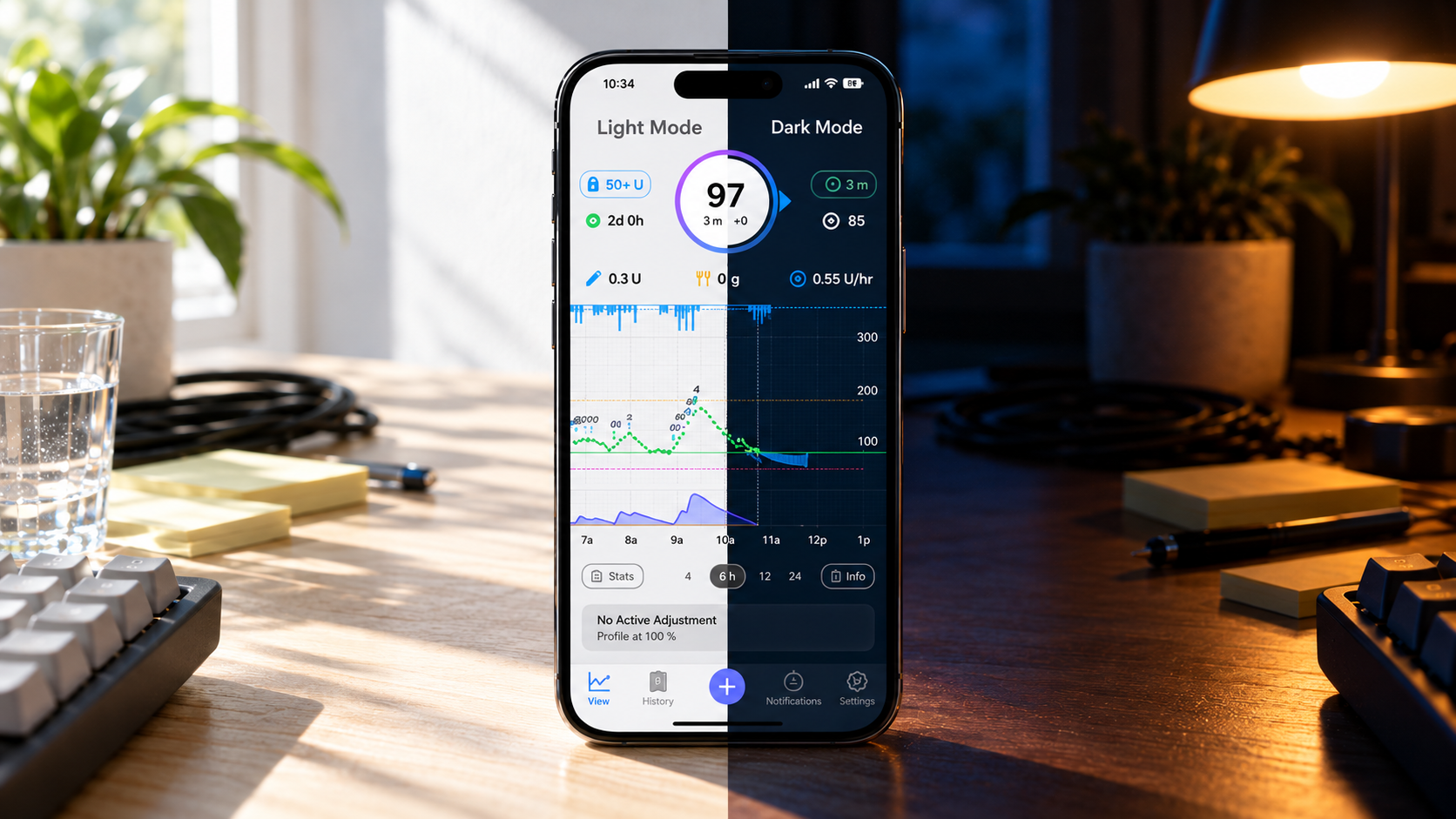























Please support the sponsors





The Juicebox Podcast is a free show, but if you'd like to support the podcast directly, you can make a gift here. Recent donations were used to pay for podcast hosting fees. Thank you to all who have sent 5, 10 and 20 dollars!
