#1747 Tandem Kids: Adelaine
You can always listen to the Juicebox Podcast here but the cool kids use: Apple Podcasts/iOS - Spotify - Amazon Music - Google Play/Android - iHeart Radio - Radio Public, Amazon Alexa or wherever they get audio.
LIVE At Friends for Life, Scott talks with Adeline, a confident 10-year-old with type 1 diabetes, about diagnosis, pumps, school, friendships, and learning to manage diabetes with pride.
+ Click for EPISODE TRANSCRIPT
DISCLAIMER: This text is the output of AI based transcribing from an audio recording. Although the transcription is largely accurate, in some cases it is incomplete or inaccurate due to inaudible passages or transcription errors and should not be treated as an authoritative record. Nothing that you read here constitutes advice medical or otherwise. Always consult with a healthcare professional before making changes to a healthcare plan.
ScScott Benner (0:00) I attended my first ever Friends for Life conference in July 2025. (0:05) And while I was there, I interviewed eight children of various ages, all who wear a Tandem pump. (0:10) I wanna thank Tandem Diabetes for sponsoring this short episode of the Juice Box podcast. (0:16) Check them out at tandemdiabetes.com/juicebox. (0:22) Nothing you hear on the Juice Box podcast should be considered advice, medical or otherwise.
Scott Benner (0:28) Always consult a physician before making any changes to your health care plan. (0:35) The episode you're about to listen to is sponsored by Tandem Moby, the impressively small insulin pump. (0:41) Tandem Mobi features Tandem's newest algorithm, Control IQ Plus technology. (0:46) It's designed for greater discretion, more freedom, and improved time and range. (0:50) Learn more and get started today at tandemdiabetes.com/juicebox.
Scott Benner (1:06) So we are here in Orlando, Florida at Friends four Life. (1:09) Why don't you tell me your name?
Adeline (1:11) Adeline.
Scott Benner (1:12) Adeline. (1:12) How old
Adeline (1:12) are you? (1:13) 10.
Scott Benner (1:13) 10. (1:14) Okay. (1:14) You have type one diabetes? (1:16) Yes. (1:16) Yeah.
Scott Benner (1:17) When were you diagnosed?
Adeline (1:19) Last year, 2020 January 2024.
Scott Benner (1:21) 2024. (1:22) Okay. (1:23) Can you tell me what happened? (1:24) Like, how did you figure out you had diabetes?
Adeline (1:27) Well, I got into DKA and I was, like, really sick, and then at, like, 1AM in the morning, I went to hospital, the ambulance, and, and then right away, the the paramedics knew that what I had, but they couldn't say it for sure.
Scott Benner (1:45) Yeah.
Adeline (1:45) And then the ER, they made it for sure. (1:48) And then
Scott Benner (1:49) Were you sick for a long time before that day?
Adeline (1:52) It had been a little bit off and on, but from, like, that week that week where, like, I did go to the hospital, it was more
Scott Benner (2:02) You started to feel sick? (2:03) Yeah. (2:04) Were you just, like, laying around and felt yucky?
Adeline (2:06) Yeah. (2:06) And then I couldn't keep anything down, and I just wanted to keep drinking water.
Scott Benner (2:10) You were super thirsty? (2:11) Mhmm. (2:11) Yeah. (2:11) Can I tell you a story? (2:13) One time, a lady came on.
Scott Benner (2:15) She was, like, an adult with type one. (2:17) She was, like, 30 years old. (2:18) And she told me that her mom told her that the way they diagnosed her with type one diabetes, she was a toddler, like, know, like, crawled and could stand up a little bit but didn't walk well. (2:26) They found her drinking out of the toilet. (2:29) That's how thirsty the little baby was.
Scott Benner (2:31) Like, and then you couldn't ask for drinks or anything like Did you feel that thirsty?
Adeline (2:35) Yeah.
Scott Benner (2:36) Yeah. (2:36) Yeah. (2:37) So what were you just constantly drinking?
Adeline (2:38) Yeah. (2:39) And then I had to go to the bathroom a lot, and then I was like, I was full of water, but then I keep I was wanting to drink more.
Scott Benner (2:45) Did your parents notice? (2:46) Did somebody say, why are you drinking so much water?
Adeline (2:49) Well, not really with water but I couldn't eat anything. (2:52) Mhmm. (2:52) And it was like, I had been losing weight and stuff like that. (2:56) Yeah. (2:56) So they figured that out.
Scott Benner (2:58) Figured it out pretty quickly. (2:59) And then how long were you in the hospital for?
Adeline (3:01) I think it was five days.
Scott Benner (3:03) Okay. (3:03) Alright. (3:04) How old are you now?
Adeline (3:05) 10.
Scott Benner (3:05) 10 years old. (3:06) Do you play sports? (3:08) No. (3:08) No. (3:09) So being in the play is is your activity.
Scott Benner (3:11) Right?
Adeline (3:11) Yeah. (3:12) I also do palm at my school, but that's kinda that ends, like, near December.
Scott Benner (3:19) So, like, in What is it?
Adeline (3:20) Palm. (3:20) It's like cheer but with but with dancing.
Scott Benner (3:23) Oh, okay.
Adeline (3:24) And but that ends in around December to make room for the play.
Scott Benner (3:28) Okay. (3:28) So So when you leave the hospital, did they give you, like, needles?
Adeline (3:32) Yeah. (3:32) Yeah. (3:33) I'm pretty sure.
Scott Benner (3:33) Yeah. (3:34) And did you get a CGM?
Adeline (3:36) Not right away, but, like, I think it was, like, a couple weeks later maybe. (3:41) Okay.
Scott Benner (3:42) And then who brings up getting an insulin pump? (3:44) Is that something your parents thought about or is it a thing you thought about?
Adeline (3:47) I feel like I it was more a thing that I thought about for a little longer.
Scott Benner (3:51) How did you did you learn about them?
Adeline (3:53) Well, knowing like, there's other people in my school that are that are in my grade that have pumps.
Scott Benner (4:00) Oh, okay.
Adeline (4:00) Somebody that have diabetes, and so it kinda came up, and then I was just thinking about it because it would be easier than having to take shots all the time.
Scott Benner (4:08) So you have close friends that have type one?
Adeline (4:10) Not close friends, but people in my great town.
Scott Benner (4:13) People who you've seen Yeah. (4:14) With them. (4:15) And that made you feel comfortable enough to, like, ask them if it was something they liked or just to think about maybe this is something
Adeline (4:21) I think should about.
Scott Benner (4:22) To think about it. (4:23) How does it feel walking around here this week and seeing so many people wearing pumps and CGMs?
Adeline (4:28) It feels like I don't know. (4:30) Like, it feels like that, like, there's so many. (4:35) So, like, it feels like that not that I'm not normal anyways, but it feels like that I'm more, like, kinda, like,
Scott Benner (4:41) you know. (4:42) Less last night I know
Adeline (4:44) what you mean.
Scott Benner (4:44) Last night, I went to dinner and there were three girls sitting next to me. (4:48) They were probably, like, in their early twenties, and they were pretty clearly not related, but they all knew each other really well. (4:54) And I didn't notice anything else about them except for that when we sat down. (4:58) And then when they got done and stood up, each of them had a CGM on their arm and I got very emotional thinking about my daughter and how she has a few friends who have type one and it means a lot to me that she knows those people. (5:10) So, okay, so you meet these, you know, you see these people at school, you think, alright, they've got this stuff, let me ask about it too.
Scott Benner (5:16) You go to your parents, say, wanna get a pump, how do you end up getting well, what pump do you have?
Adeline (5:20) The Tandem Moby.
Scott Benner (5:21) You have the Moby? (5:22) Mhmm. (5:22) How did you decide to get that one?
Adeline (5:24) I think once we, like, once we knew more about, like, how to handle type one diabetes and everything, I think we were all more ready to actually get the pump.
Scott Benner (5:36) Yeah.
Adeline (5:36) Because, like, to know instead of getting it straight away when you don't know
Scott Benner (5:40) as Is there something about the Mobi that made you think that's the one I should have?
Adeline (5:44) I think because I think the main reason was because, like, the tubing I can put on my pants and stuff like that, and it's one of the more newer ones. (5:52) Yeah. (5:53) So yeah.
Scott Benner (5:54) Think How are you liking it?
Adeline (5:55) I like it a lot.
Scott Benner (5:57) Cool. (5:57) That's awesome. (5:58) Do any of your friends at school have it or they all wearing different ones?
Adeline (6:02) One one person at school has the tantal Do
Scott Benner (6:05) you guys kinda have, like, a little do you, like, fist bump or stuff when you see each other? (6:09) No. (6:10) Not really? (6:10) It's not
Scott Benner (6:11) that cool?
Scott Benner (6:12) I gotcha. (6:14) So tell me this. (6:17) Like, you you're at school. (6:19) You're seeing kids. (6:21) A lot of some of them have type one, most of them don't.
Scott Benner (6:24) Do other kids ask you about diabetes?
Adeline (6:26) A lot.
Scott Benner (6:26) Yeah? (6:27) What do they end up asking you the most?
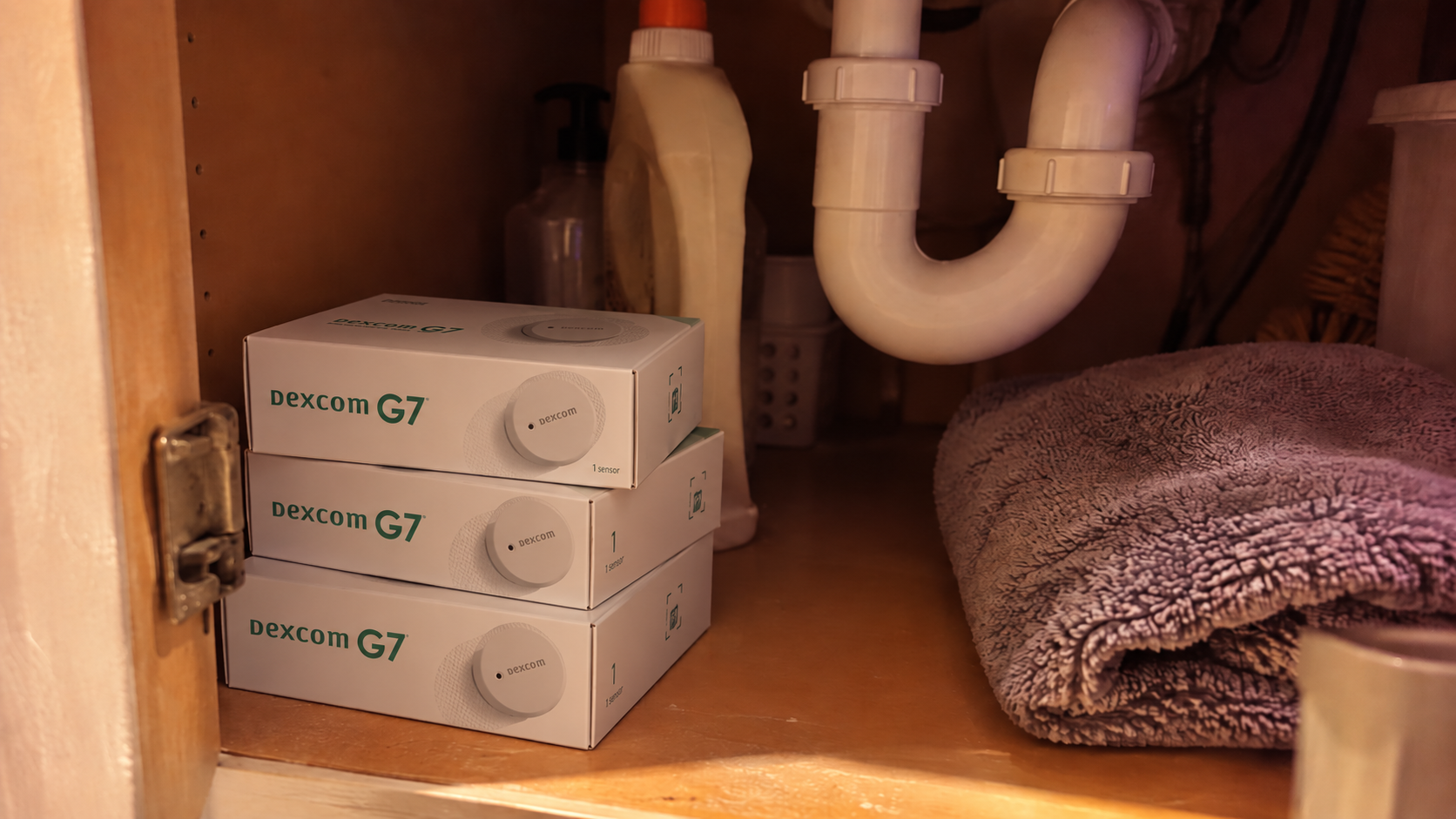
Adeline (6:28) They end up asking me because they see it on my arm, my Dexcom, and I'm like, oh, what's on your arm?
Scott Benner (6:33) Yeah.
Adeline (6:34) And I'll try to explain it kinda explain it to them and then they just basically say, okay, and they walk away Yeah. (6:39) Not knowing anything.
Scott Benner (6:39) Are you are you like, is it a thing you try to hide or are you proud about it?
Adeline (6:44) No. (6:44) I'm proud of it.
Scott Benner (6:45) Yeah. (6:45) That's awesome. (6:46) That's really cool. (6:47) Do your friends and you ever talk about diabetes? (6:51) What do you know?
Adeline (6:52) Mostly my closest ones know more about it because I've told them more about it.
Scott Benner (6:57) Mhmm.
Adeline (6:58) But sometimes my other friends, they kinda they ask questions and I try to explain it to them, but they probably don't understand a thing I'm saying. (7:06) Yeah.
Scott Benner (7:07) How do you decide who to share it with and who not to?
Adeline (7:12) I feel like more, like, of my closer friends, like, ones that I feel like would actually understand it more and would actually, like
Scott Benner (7:19) Yeah. (7:20) So when you're hanging out with friends, if you needed something, would they know how to help you?
Adeline (7:25) Some of them.
Scott Benner (7:25) Yeah. (7:26) Some of them would? (7:26) You know, you can you picture the ones in your head right now that you would trust?
Adeline (7:30) Mhmm.
Scott Benner (7:30) Yeah. (7:31) Have you been on a sleepover yet?
Adeline (7:33) Not yet. (7:35) No. (7:35) Yeah. (7:36) No.
Scott Benner (7:36) How do you think you'll how do you think you'll handle a sleepover?
Adeline (7:39) I don't know exactly yet, but I feel like when I'm older, especially, like, I will be able to handle on my own a little bit more better than I can now.
Scott Benner (7:51) I think so too. (7:52) Has having diabetes taught you anything? (7:56) Like, do you have any big revelations, like things you've figured out about the world or yourself or anything? (8:02) Have you been proud of yourself?
Adeline (8:04) Yeah. (8:04) To be able to do I was in a play this year too and I this summer, I went to a music camp. (8:11) Mhmm. (8:11) There wasn't really, like, anybody there that really had type one diabetes, and so to be able to do that, I feel like
Scott Benner (8:19) Felt like you were really accomplishing something. (8:21) Right? (8:21) Because all those other kids, they just showed up and did their thing. (8:24) Mhmm. (8:24) And and what are the what are the things that you had to do for yourself while you were at camp that you were proud of?
Adeline (8:29) That I had, like, I had to, like, keep a check on my blood sugar, and then it was like it was I was like well, just basically, like because it was more it wasn't it was a music camp, so it wasn't like that too exercising, but it kinda was. (8:49) And so to be able to handle my blood sugars while having to do a lot of other things too.
Scott Benner (8:54) Were your parents nervous when you went to camp?
Adeline (8:58) I I think a little bit Yeah. (9:00) But I don't think too much.
Scott Benner (9:02) Gotcha. (9:03) Do you think anything has changed in your relationship with your parents since you've had type one? (9:06) Are they bothering you a whole bunch about stuff?
Adeline (9:08) No. (9:09) Not really. (9:09) That's good.
Scott Benner (9:10) What's your favorite loaf snack?
Adeline (9:13) Probably Smarties or just like fruit snacks.
Scott Benner (9:17) Smarties or fruit snacks. (9:19) Do you have a favorite color of the Smarties?
Adeline (9:21) Probably the more pinkish, reddish
Scott Benner (9:24) Yeah. (9:24) One. (9:24) Do you ever mix the two colors together to get a different flavor?
Adeline (9:27) No. (9:27) I've never done that.
Scott Benner (9:28) No. (9:28) You should try it. (9:29) Then go back and forth. (9:30) I don't wanna say it, but could give you some good mixtures later. (9:34) And and gummies.
Adeline (9:35) Mhmm.
Scott Benner (9:35) Right? (9:36) Okay. (9:37) During the day? (9:38) Gummies at night, when do you
Adeline (9:39) use them? (9:39) Just whenever because I normally use Smarties more because it works faster, but gummies, like, they help, like like, if it's, you're almost gonna go low, but you haven't yet to have a little something. (9:54) Yeah. (9:54) But yeah. (9:55) Daughter uses
Scott Benner (9:56) gummy bears. (9:57) Like, they're good. (9:58) Do you know why that works so well? (10:02) Wanna hear something boring?
Adeline (10:03) Yeah. (10:03) It's really weird.
Scott Benner (10:04) When you're chewing up the gummy bears
Adeline (10:06) Mhmm.
Scott Benner (10:07) The insides of your cheeks are absorbing the glucose, and it acts faster than if you swallowed it and it goes in your stomach. (10:15) So actually, the longer you chew it, the quicker it will impact your blood sugar. (10:18) It's a little tip that you can use while you're eating gummy bears in the middle of the night. (10:24) Do you have any pets?
Adeline (10:25) No. (10:25) Actually, no.
Scott Benner (10:26) Do you want a pet?
Adeline (10:27) Yeah. (10:28) Kind of. (10:28) Yeah.
Scott Benner (10:29) Awesome. (10:29) Let's get it worked out now because your parents are here. (10:31) Like, what what kind of pet would you like? (10:33) I'm I can probably make this happen for you.
Adeline (10:34) Probably, like, a Cordy, like a dog.
Scott Benner (10:38) A dog? (10:38) Mhmm. (10:39) Mom, dad, can we get a dog?
Scott Benner (10:41) Look at you. (10:42) You're getting a dog. (10:43) Can you name it Scott? (10:45) Dog. (10:46) Please.
Scott Benner (10:46) Because I want your parents to remember when they're looking at that dog and they're thinking, like, I did not want a dog and then a guy told the kid he could have a dog and now we got a dog. (10:54) You know what I mean? (10:54) Like and then you're like, here's Scott, and they'll be reminded of it the whole time. (10:57) It's not a good name, is it, for a dog. (10:59) What would you call your dog?
Adeline (11:01) I don't know. (11:02) It depends if it's a boy or a girl, but if it's a girl, I like the name Mirabel.
Scott Benner (11:07) Mirabel? (11:08) Nice.
Adeline (11:08) Then if it's a boy, I do like Biscuit, like that type type of name.
Scott Benner (11:12) Yeah. (11:13) Like a doggy name? (11:14) Mhmm. (11:14) Yeah. (11:14) So it seems like you've been thinking about this for a while.
Adeline (11:17) Yeah. (11:17) Kind of.
Scott Benner (11:18) Have you mentioned it to your parents before?
Adeline (11:20) I mean, kind of, but not really.
Scott Benner (11:22) Mhmm. (11:23) How's the time? (11:24) You know what I'm saying? (11:25) Like, they're gonna be on a big, oh, we just got back from from Florida. (11:28) We went to Disney.
Scott Benner (11:29) Oh, we had such a good time. (11:30) Right? (11:31) Yeah. (11:31) Awesome. (11:32) What color?
Scott Benner (11:32) Do they only come in one color? (11:34) Do they come in one color? (11:36) Do corgis have a lot of different colors? (11:38) Do know?
Adeline (11:39) They're normally, like, orange and white, but I think they can have a little bit more of, a brown black color too.
Scott Benner (11:46) Yeah. (11:46) Do you think you're ready to take care of a dog?
Adeline (11:48) I think yeah. (11:49) So
Scott Benner (11:49) Yeah. (11:50) My daughter is 21. (11:51) She's not ready to do it yet. (11:53) She has a little puppy, sick of French bulldog. (11:56) And yesterday evening, I called her.
Scott Benner (11:59) I was like, how are doing? (12:00) She's like, I'm so tired. (12:01) I like, was what are you tired from? (12:02) She's like, taking care of this dog all day. (12:04) And I was like, yeah.
Scott Benner (12:04) It's a lot of work. (12:06) So anyway, do you have, I know you've only had type one for a little while, but is there, like, somebody out in the world that has type one who you kinda look at and think, not maybe, like, I don't know, a hero, but, like, something to look up to?
Adeline (12:20) I don't know. (12:23) I do like, we watch Dancing With The Stars, and I do, like, Riley Arnold.
Scott Benner (12:29) Yeah.
Adeline (12:29) Boys liked her.
Scott Benner (12:31) Yeah.
Adeline (12:31) She just seems like a good person too. (12:33) So make That's type one.
Scott Benner (12:34) Does it make you feel like that's another example of something I could easily do if I wanted to?
Adeline (12:38) Mhmm.
Scott Benner (12:39) Right? (12:39) Yeah. (12:39) It's awesome. (12:40) There have been gosh. (12:41) I I know a guy named Chris.
Scott Benner (12:44) Right? (12:44) And he is an Olympic skier, and he does, like, that cross country skiing. (12:49) He's retired now, but he's been in the Olympics four times with diabetes. (12:52) Like, just skiing across, like, I don't know how he does what he's doing. (12:57) Also, you're from the South, so you've probably never even seen snow, but snow do you know what it is?
Adeline (13:01) Yeah.
Scott Benner (13:01) You do know what snow is?
Adeline (13:02) Yeah.
Scott Benner (13:03) Have you ever seen it in person?
Adeline (13:04) Yeah. (13:04) A couple times, but it's rare.
Scott Benner (13:07) Yeah. (13:07) But can you imagine racing across it on sticks on your feet? (13:10) No. (13:10) That's ridiculous, right? (13:11) No.
Scott Benner (13:12) Yeah. (13:12) And he just does it like it's nothing. (13:14) These are some yeah. (13:16) He's in such good shape. (13:17) It's crazy.
Scott Benner (13:18) The beast anyway, this is neither here nor there. (13:21) I think that most people who have success with diabetes know how to handle their settings and make changes when they need them because things change all the time, right? (13:29) Yeah. (13:30) Like some days, what? (13:31) Some days it all works out really well.
Scott Benner (13:33) The next day you're like, what's happening? (13:35) And then you look back and you think, oh, maybe I was more active today or I didn't sleep as much last night. (13:40) There's a lot of different things that can impact it. (13:42) It's smart to be able to, like, make your adjustments. (13:44) You've learned that already?
Scott Benner (13:45) Mhmm. (13:45) Yeah? (13:46) Do you know what your a one c is?
Adeline (13:48) Last time, I think it was 6.2.
Scott Benner (13:50) That's awesome. (13:51) Good for you. (13:52) Who who's who helps you more with your type one, your mom or your dad?
Adeline (13:55) I don't know because I feel like it's pretty equal.
Scott Benner (13:58) Yeah? (13:58) That's awesome.
Adeline (13:59) I don't know.
Scott Benner (14:00) Yeah? (14:00) So you don't know which one you're gonna see at nighttime?
Adeline (14:03) Normally, it's my dad
Scott Benner (14:05) Yeah.
Adeline (14:06) At nighttime, but I don't know. (14:09) No? (14:10) I feel like it's pretty equal.
Scott Benner (14:10) It's pretty equal. (14:11) And now did how does it work? (14:13) Do you know a bunch about it and they know a bunch about it, or do they know a lot? (14:17) They're teaching you? (14:18) Are you guys all learning together?
Adeline (14:19) Well, we all know a lot.
Scott Benner (14:22) What you're supposed to be doing. (14:23) Yeah. (14:23) That's awesome. (14:24) How did you learn?
Adeline (14:26) When we went I mean, we're going to the endocrinologist and, like like, diabetes trainers, especially at first, and then with the pump, with, like, a special person that does that.
Scott Benner (14:37) Nice. (14:37) So you just listen to the doctor and you're putting it into play and it's working?
Adeline (14:41) Mhmm.
Scott Benner (14:41) I didn't ask you what what what instrument do you play?
Adeline (14:45) Oh, well, this year, fifth grade does strings up to high school, and so I'm gonna play the violin. (14:52) And then at camp, we played, like, the African drums
Scott Benner (14:56) Really?
Adeline (14:57) And the ukuleles.
Scott Benner (14:58) Nice. (14:58) Have you ever played the violin before?
Adeline (15:00) No.
Scott Benner (15:00) No? (15:01) You excited to do it?
Adeline (15:02) Mhmm.
Scott Benner (15:02) Yeah. (15:03) I wanted to play the cello when I was little, but they didn't have a cello, so I got a saxophone, and I didn't like that. (15:11) So I never got a chance, but I love the cello. (15:13) Do you like listening to violin music?
Adeline (15:15) Yeah.
Scott Benner (15:16) Yeah? (15:16) Does it make you relaxed?
Adeline (15:18) Yeah.
Scott Benner (15:18) Do you notice does your blood sugar change if you're relaxed or excited or scared?
Adeline (15:23) Yeah. (15:23) I feel like it goes higher if I'm excited or scared, but when I'm more, like, calm and stuff like that, I feel like it can say more in
Scott Benner (15:30) the same range. (15:31) You're gonna learn all kinds of stuff like that as you get older, and it's gonna help you while you're taking care of everything. (15:35) Is there anything you wanna ask me?
Adeline (15:38) I don't think so.
Scott Benner (15:39) Is there anything I forgot to ask you that you wanna tell me?
Adeline (15:44) I don't think so.
Scott Benner (15:46) No? (15:46) I hope you have a great time today. (15:47) I really appreciate you talking to me. (15:49) Thank you so much.
Adeline (15:50) You're welcome.
Scott Benner (15:51) Thank you.
Scott Benner (15:52) The podcast you just enjoyed was sponsored by Tandem Diabetes Care. (15:57) Learn more about Tandem's newest automated insulin delivery system, Tandem Mobi with Control IQ plus technology at tandemdiabetes.com/juicebox. (16:07) There are links in the show notes and links at juiceboxpodcast.com. (16:11) If you'd like to hear about diabetes management in easy to take in bits, check out the small sips. (16:17) That's the series on the juice box podcast that listeners are talking about like it's a cheat code.
Scott Benner (16:23) These are perfect little bursts of clarity, one person said. (16:25) I finally understood things I've heard a 100 times. (16:29) Short, simple, and somehow exactly what I needed. (16:32) People say small sips feels like someone pulling up a chair, sliding a cup across the table, and giving you one clean idea at a time. (16:40) Nothing overwhelming.
Scott Benner (16:41) No fire hose of information. (16:43) Just steady helpful nudges that actually stick. (16:46) People listen in their car, on walks, or rather actually bolus ing anytime that they need a quick shot of perspective. (16:53) And the reviews, they all say the same thing. (16:55) Small sips makes diabetes make sense.
Scott Benner (16:59) Search for the Juice Box podcast, small sips, wherever you get audio.
















Please support the sponsors

The Juicebox Podcast is a free show, but if you'd like to support the podcast directly, you can make a gift here. Recent donations were used to pay for podcast hosting fees. Thank you to all who have sent 5, 10 and 20 dollars!
