#1008 Diabetes Pro Tip: The Perfect Bolus
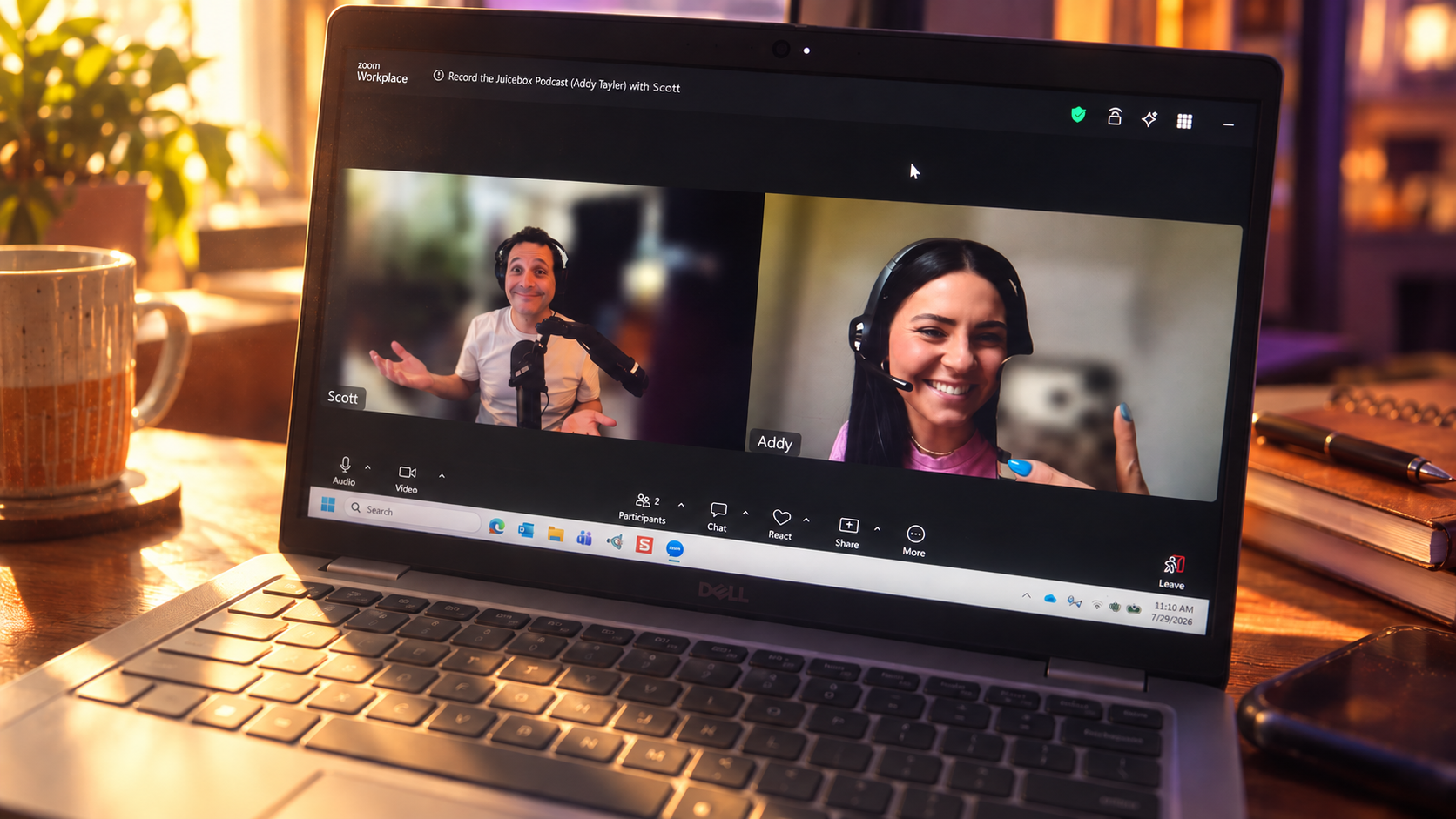
Scott and CDE Jennifer Smith discuss the topic of "The Perfect Bollus." They explore how boluses can differ depending on various situations such as high or low blood sugar, exercise, illness.
You can listen online to the entire series at DiabetesProTip.com or in your fav audio app.

You can always listen to the Juicebox Podcast here but the cool kids use: Apple Podcasts/iOS - Spotify - Amazon Music - Google Play/Android - Radio Public, Amazon Alexa or wherever they get audio.
Key Takeaways
- A Pre-Bolus is Non-Negotiable: A "perfect bolus" almost always requires a pre-bolus to ensure the insulin action matches the impact of the carbohydrates.
- Combine Basal and Bolus for Complex Meals: For meals with a high glycemic load or significant fat/protein (like pizza or Chinese food), using a temporary basal increase alongside an extended bolus is highly effective in managing prolonged blood sugar spikes.
- Over Bolusing/Super Bolusing: When you don't have time to pre-bolus, you can over bolus upfront (sometimes adding your future basal insulin into the bolus) to stop an impending spike, then set a temporary basal decrease to prevent a later low.
- Reverse Engineering: When faced with a stubborn high blood sugar shortly before a meal, bolus for both the correction and the upcoming food upfront to drive the blood sugar down, allowing the food to "catch" the drop.
- Always Get Something Moving: If your blood sugar is drifting lower before a meal, you shouldn't skip the pre-bolus entirely. Give a partial bolus upfront to start the insulin action, and extend the rest.
- Stacking is Different with a CGM: With a CGM, adding more insulin to correct a rising trend is not blindly "stacking." It is a calculated response to visible data.
Resources Mentioned
- Wrong Way Recording: wrongwayrecording.com
- Diabetes Pro Tip Series: diabetesprotip.com
- Juicebox Podcast: juiceboxpodcast.com
- Integrated Diabetes Services: integrateddiabetes.com
- Juicebox Podcast Type One Diabetes (Private Facebook Group): Join on Facebook
- "Pumping Insulin" by John Walsh
Introduction and Podcast Overview
Scott BennerHello friends, and welcome to the diabetes Pro Tip series from the Juicebox Podcast. These episodes have been remastered for better sound quality by Rob at wrong way recording. When you need it done right, you choose wrong way, wrong way recording.com initially imagined by me as a 10 part series, the diabetes Pro Tip series has grown to 26 episodes. These episodes now exist in your audio player between Episode 1000 and episode 1025. They are also available online at diabetes pro tip.com, and juicebox podcast.com. This series features myself and Jennifer Smith. Jenny is a CDE and a type one for over 35 years. This series was my attempt to bring together the management ideas found within the podcast in a way that would make it digestible and revisitable. It has been so incredibly popular that these 26 episodes are responsible for well over a half of a million downloads within the Juicebox Podcast. While you're listening please remember that nothing you hear on the Juicebox Podcast should be considered advice, medical or otherwise, always consult a physician before making any changes to your healthcare plan or becoming bold with insulin. Hey everyone, Jennifer's back and we're here today to talk about the perfect Bolus. So that already sounds like a topic that everyone's gonna get upset about when they hear but I think but there's a lot of different ideas here. So Jennifer, what I was thinking was Bolus is differ depending on situation right? You might have a high blood sugar a low you might be falling, you might be rising, you might have a new site. There's a lot of exercise do you might Yes, keep going right? You may have just exercised, you might have your right
Jennifer Smith, CDEbe ill you might have your period, you may be coming in to having your period that you know your dog might have eaten the other dog next door and like you're dealing
Scott Bennera little bit of anxiety going and there's different things your dog may have eaten your next door neighbor's dog Jennifer, Has that ever happened in your life? No, thankfully. Psychologists say that if you make up something like that, it comes from something I don't believe that because my view. My humor is so bizarre that I look back sometimes. And I think, but it was something really strange. I just said Does that have any real connection to my thoughts? And I've really looked closely because I've been worried in the past. But I don't think that's true for everybody.
Jennifer Smith, CDENow I've got a chocolate lab and I don't think that that's even in there. Totally not in their nature. So anyway, no, it's never happened, thankfully.
Scott BennerSo you people have already learned that chocolate labs are not carnivorous. At least towards other dogs.
Jennifer Smith, CDEWhat dogs know.
Scott BennerOh my gosh, okay, yeah. So anyway, so I want to start with I mean, we're just gonna pick one right let's say your blood sugar's were you mean for debate, your basal are in check. They work? Well, you haven't eaten in a while. It's the perfect scenario, the one that they described you in the doctor's office, the first time you're diagnosed, right? Is your blood sugar's 95. And you're hungry. And you're thinking, what am I going to do? So ideally, we know at this point now from listening to the episodes, we have to figure out what our length of time for our Pre-Bolus is. Right? But how do we know how much to Pre-Bolus? And I think the answer always has to be, I can't tell you Jennifer can't tell you it's situational, but that you'll learn through trial and error. So but let's make this one general. Right. It's, it's a nice balanced meal. You've got some vegetables, some carbs. There's protein. It looks like it looks like a plate from a Superfriends episode that the government told you how to eat in the 70s. The food triangle let's call it a triangle. So So if you're a nice steady blood sugar if if my daughter was at 95, and I thought this was a pretty, you know, average meal, as far as what I expect, as far as impact back from it, I might put in all of the insulin, you know, in the beginning, but I also might look and say, Hey, there's bread in there a potato that might stretch out the action of the impact of the carbs over more time. So maybe I'll put in, I don't know, 50% or 60%, and stretch out over half hour an hour just to create, like we've talked about in the past that kind of blanket of insulin to cover the entire impact timeline of the carbs, I think that the thing to remember is, is that there can't be really a set idea for what that means, like maybe you'll figure out a meal eventually, and say it's 70% and 30%. Over an hour, you might get to that point at some point. And many people do
Variables and Glycemic Index
Jennifer Smith, CDEmany people who have pretty consistent intake, or like the same things over and over. But the variables could be around that will sometimes change even near more standard figured out meal.
Scott BennerYeah. And so I think so my first my first step, I'm telling you, any good Bolus, that one that has any chance of working, I think it's a nice simple way of saying it has to have a Pre-Bolus. Like you have to start Yes, you have to start getting the momentum of your blood sugar moving down, so that when the carbs start acting, they move up. So So that's to me, that's step one. Now, do you talk about or do you in your own life use combination of Bolus and basal in situations like this?
Jennifer Smith, CDEIn some situations like this, perhaps more often, more often what I do and more often, what I teach is Pre-Bolus, based on some of the meal content, because some of that does, it does work together things like glycemic index. And also, as you brought in to begin with the where the blood sugar is starting, is it coming in standard at your target? Are you coming in, but it's already dipping down? Are you coming in and target but it's already drifting high. All of that is where you can also look at Bolus timing, and how much Pre-Bolus you may need. So you know, coming in at a blood sugar of 95 with a straight horizontal line the past hour, awesome, that looks great. But the minute you put food in that, that blood sugar line is going to start to change pretty quick after that, if there's not time for that insulin to talk first
Scott Bennerto begin with, right, and I hear what you're saying too, about like understanding the glycemic load of different like foods, if you have something like you know, using Chinese foods, such a great example because it normally incorporates rice, which stays for a long time and hits you hard and usually some sugar that'll hit you fast. So if there's something sugary in there, you may need a real, you know, push of insulin in the beginning to combat that initial rise. But that initial rise could get beat up by that insulin very quickly. And now what's left over is the, you know, the rice that continues to work right. And so
Jennifer Smith, CDEgood. So yeah, yeah, I was just gonna follow with yes, you could in that instance, then have the potential for meeting both Bolus and a basal. potential change. And that's also where we talk about basal. Most actors are like, whoa, basal shouldn't ever be used for food or covering anything. Well, we've learned very differently, especially with fat. Fat requires a huge amount of, of Basal change in the aftermath of eating your typical pizza or, you know, burger and french fries, or mac and cheese that's homemade, or whatever it might be. Oftentimes, you need 40 50 60% of an increase in Basal for many hours after that meal, or you're gonna stay stuck high,
Scott Bennerright? Or you could end up hitting it with so much insulin up front that you think you've avoided that and then three or four hours later, you start rising, and you think it's for no reason. Right? And it's still that fat is. So I like a in what I call carby situations, which is not a word, but in higher carbs in
Jennifer Smith, CDEour, in our world, carby is absolutely a word.
Scott BennerSo with the carby foods, there's a couple different ways I use a Temp Basal and we talked about it before, but in this situation, if I thought a meal was 10 units for sure, but I wanted it to be spread out more Arden's basal rate being 1.4 I might double Arden's basal for an hour and a half and catch two and a quarter units that way and then take some of that out of the of the Bolus. All right,
Jennifer Smith, CDEabsolutely. Because you get a lingering effect from the basal and you get less upfront but you're still getting the whole Bolus you determined you need it.
Over Bolusing and Super Bolusing
Scott BennerOkay, same meal. Jenny, you rapidfire same meal, but I walk in the door from work, and my spouse says dinner's ready and it hits the table. I can't Pre-Bolus I didn't know this was going to happen, what do you do, and that's where I'd like you to lay out the idea of over bolusing for people here.
Jennifer Smith, CDEYeah, and that's over bolusing. Essentially, that's a good super Bolus, as kind of we talked a little bit about before, that's a situation where 100% Unless that meal is like a plate of broccoli, right, in which you would never need a Super Bowl Pre-Bolus Maybe Pre-Bolus right, in your typical meal that we're saying we're having 100% of super Bolus would be beneficial, where you actually do take a load of insulin, that would be your Basal behind you added on to the suggested Bolus for what you're going to eat. And then you may actually knock off the Basal behind, so you don't go low later. But you've gotten the load of insulin, the push up front, right. The other option that many people do in that situation, too is they take the Bolus, and they may actually turn their basal up 100% for an hour.
Scott BennerOkay to also try to
Jennifer Smith, CDEspike, right, exactly, so that they're getting a Bolus there maybe not quite sure if the food in the Bolus, even though it happening at the same time is going to cause as much of a rise. But they're definitely saying I know I need a lot more because I wasn't able to give that 20 30 minutes before this. Yeah.
Scott BennerAnd I think of over bolusing in two situations. So the one I don't have time to Pre-Bolus. So in my mind, the way it strikes me is I now need the insulin for the food for the high number I know is going to come because I didn't Pre-Bolus and some to stop the momentum or stop the arrow right? And so if I thought the meal was definitely six units, but I thought wow, there's no way this doesn't go to 250. I Bolus the six units. And I Bolus like I'm trying to bring down a 250 at the same time, right? That's like again, Listen, we're calling these you know, we're calling these this series diabetes protests. So this is like ninja level stuff. Like don't don't try this on day one. But at some point, right. On day one, don't go I didn't Pre-Bolus I'm gonna double my bolt, please. Right. Yeah, right. Yeah, please don't. But as you're figuring things out, that's a great place to do, as you've heard in past episodes, is a very famous book called is it pumping insulin.
Jennifer Smith, CDEPumping insulin is John Walsh. And he's the one who talks about sugar
Scott BennerBolus and
Jennifer Smith, CDEBolus. Yeah. Yeah, the other good you got you know, you call it something else. Yeah, right.
Scott BennerCall it. I call it over bolusing. But I don't know why.
Jennifer Smith, CDENo, I was gonna say the other. You know, the other concept that kind of comes in here that you'd sort of just alluded to is, where is the blood sugar going to likely be and that trajectory, you know, assuming that okay, I might be 95 right now, but if I haven't Pre-Bolus, I could easily be 250 In the next 30 to 60 minutes. Okay, you're taking that value. It's looking at the trajectory of where it will probably be and using that glucose value to add on to the current Bolus. So you're avoiding that really high blood sugar.
Scott BennerAnd what I say on the podcast, which people might remember is I just say you have to trust that what you know is going to happen is going to happen. Right. So you can't just pretend this will be the time this doesn't happen. You know, oh, I'll get away with not Pre-Bolus thing today there's that doesn't make any sense. It might happen once in a while. But that's some random reason from something earlier. That's not you know, that's not
Jennifer Smith, CDEthat's the I ran 10 miles and don't usually ever do that. And now look at that my blood sugar doesn't spike.
Reverse Engineering High Blood Sugars
Scott BennerSo now another place to use an over Bolus as a Pre-Bolus is a is a place where this the concept in my mind is the same the situation is different. What if I've been fighting with my blood sugar all day, and I just can't get it down. It's 200. But I know I'm going to eat an hour like it's dinnertime and an hour and I've been, you know pushing and pushing little Boluses little Basal rates, I can't make this 200 move for whatever it may be. It's a sight not working well, whatever it is, in my mind, I Bolus the meal. I Bolus the number I over Bolus upfront and create a fall that I then catch with the food. So I reverse. We're going to talk about this in the next episode. But I reversed the way I think about I think most of the time we consider how does the food impact my blood sugar? How does the insulin impact my blood sugar? We don't often enough think about how does the food impact the insulin? Right. And that's, and we've talked, we talked about that in an earlier episode too where we put a little, you know, we put a little boy's blood sugar into a freefall and caught it by eating at the right time. So really, all we're talking about any of these situations is timing, right? It's the right amount. It's the right amount of insulin at the right time. And if your blood sugar's 300, and you have to eat an hour from now, well, the right amount of insulin is now and you know is now and you can't you can't just wait into your 15 Minute Pre-Bolus on the 300 blood sugar because you've lost already.
Jennifer Smith, CDERight? Right. And you know something that that kind of goes along too with the concept that catching catching the potential drop while also sort of avoiding or taking care of a higher blood sugar. In pregnancy with the women that I work with. It's kind of similar, we actually at some point get to bolusing. That's like a split a split meal where you actually load the front of that meal time with the whole Bolus. Yeah, but you only actually eat about 70% of the food now. And you catch the drop about an hour later with the rest of the meal. Interesting. So what you get is not a spike, not going above those post meal ranges for pregnancy. But you also catch the drop on the back end and you never go low. Yeah,
Scott Bennerthat's very similar to how I handle days like Christmas or Thanksgiving, the idea that there's always going to be eating. So I Oh, I'm always Pre-Bolusing the next grazing opportunity, right like absolutely, boy that's interesting.
Jennifer Smith, CDEDo for holidays is I actually knowing and coming into a grazing time period, that's going to be a lot less than precise, a lot less. And a lot of little nibbles along the way behind any holiday where I know I'm going to be up the hours of nibbling and eating 25% increase in basal. And then again, I Bolus along the way. And depending on where glucose is. I might nudge that along the way too. Yep.
Bolusing with Low or Drifting Blood Sugars
Scott BennerOkay, so now what happens if dinner is taking a little too long to make and my perfect 95 has turned into a 90 that turned into an 80 that turned out 85 And now it's 75. And now, now someone's showing dinner's gonna be ready in five minutes. I know that for most people that makes them feel like well, I'm too low to Pre-Bolus. But no, you're not. And so you have to get some insulin moving. And you'll learn how much you can do over time. But in the in the interim, it's got to be some something right? You're just you're drifting low. I'm not even talking about for Dexcom years, I'm not even talking about diagnol down, I'm just this this blood sugar that just is kind of drifting down. Your Pre-Bolus still takes as long as it takes to eat to excuse me as long as it takes to work. So if you're 75 and drifting down, Pre-Bolusing right now is not going to make you start crashing down. If that does happen, that was a coincidence. That's not you. Again, the insulin didn't just start magically working like that, right? science, the science didn't change. So you still need a Pre-Bolus. Now I get if it's a, it's a big meal, and you're like, Well, I can't put in eight units while I'm 75. diagonally down. You're right, you probably can't. But you could put in some 20 20% of it even. And we do this a lot while Arden's at school because we Pre-Bolus 20 minutes ahead of Arden's meal at school while she's still in a class. And I'm still Pre-Bolus If she's 85. So if I give an ardent gets a big Bolus at lunchtime, that while she's at school, much larger than most any other times in our life, 12 sometimes 13 units right for 145 pound kid. And so I might do a 0% upfront, and the balance over a half an hour. So it's all kind of getting squeezed in. But it's not all going to come on line and be active right away. It might be 20% up front, but you have to get some sort of that momentum happening again, on the on the action of your insulin, your insulin to be pulling down when the food goes in. Right. Okay.
Jennifer Smith, CDEAnd that's important. Even for kids, I think in what you're doing that is important, especially for little kids, where you're not quite sure. I know a lot of the people I parents I work with, but I don't know how much Billy is going to eat or Susie is a really slow eater or, you know, today, she might love spaghetti and she'll love it for the next three days. But then she hates it and I prepared it and I Bolus for it. And now what's going to happen, right? Yeah, for the most part, kids and teens will always eat as you said a percent. Let's say that you always know they're going to eat 10 grams of something, even if you have to change what it is they're going to eat something for you. Yes. So if you can Bolus for that little bit upfront, it's giving insulin again, more action before you put food
Scott Bennerin. And one of the many, many reasons that Jenny is on the show is because if Jenny wasn't here, that would have been the next thing I would have said it's it's perfect. You, your parents have little kids, it's a perfect idea. Get something moving, even if it's a little bit, just get something moving, give yourself a fighting chance. And to Jenny's point, there is an amount of food if you look back at your kids meals, they always eat at least a little bit. And by the way, if they really flake out and don't or if, as in the case of the interview I did yesterday with a mother who said she was so excited. She put the insulin in, grab some like fast food and drove away and the kid fell asleep while they were driving away. Right? You know, okay, that might happen. It's happened to me, but still a little bit of juice, right? You only put a little bit in all you've done is Pre-Bolus a couple of sips of juice. You don't have to worry about the food. But the point is, is that the Pre-Bolus is always important. It's it's listen, if you're crashing down as the food's hitting the table and you're literally 50 and your blood sugar's falling. Okay? That's your Pre-Bolus. Right? Right. Okay, you're now pretty good.
Jennifer Smith, CDEBecause there's already insulin that's causing the crash. Yes.
Scott BennerSomething whether you meant for it or not, you have been Pre-Bolus by something, right? So good. So see that put the food in. And as soon as that stops, right, as soon as that down arrow goes away, it is time to get your insulin in. You absolutely cannot then say well, I don't know. I'm 60. And that seems dangerous. Now, what's dangerous is that you've put all that food in your body and it's going to start hitting you the other direction happened to us last night. And I had to Bolus I had to make a significant Bolus at a 75 Diagonal up blood sugar because I was like, Well, this is I know what's going to happen. Let me get let me stay ahead of it right.
Jennifer Smith, CDEAnd the hard thing about using CGM is now as wonderful 100% as they are the hard thing is that CGMs do lag in times of quick change. Right, right. And so if you have been diagonally down you're waiting for you know, you want to Pre-Bolus But you're not quite sure, sure, go ahead and eat as, but as soon as you see that horizontal or a bit of a trend up. I guarantee your fingerstick is higher than the sij than the CGM is showing you you're already at a deficit of insulin. Yes,
Scott Benneryes, the deficits an important way to think of it and you end this says against something you'll learn over time. Like,
Jennifer Smith, CDEit says it like the first month of,
Scott Benneragain, not on your first day, right? Yeah, I listened to all the episodes of the podcast really absorb everything, go through the pro tip stuff, and then say to yourself, I and then you have to see it right you have to recognize it. There is a way for CGM users, you have to be able to look, there's like a bend in the line. It's hard to put into words, right. But on the three hour graph on the Dexcom, the last three dots on the right side, tell a story about what's happening. And you will get to be able to glance at that at some point and say, Oh, this is heading down. This is heading up I can tell I know. And so it's not day one, and it might not be the first month. But if what most of you report back in your emails is anywhere close to true for most, somewhere in the three to six month range. This all just starts making sense in a way you put no imagine. Yeah. Early on in the podcast, I used to talk about it like in the matrix when Neo stopped the bullets. But that has become such an old reference at this point. I'm afraid right now there's like a 19 year old going the what what are we talking about? Now?
Jennifer Smith, CDEI'm old enough. I totally know at some point. At some
Speaker 1point, diabetes makes so much sense to you, the bullets aren't even moving, you can just walk in between them. And so you get there at some point, right? Okay. So I'm low, I'm high, I'm falling like in the end, I think you're hearing.
Scott BennerIt's all about the right amount of insulin at the right time. Just like we've been saying over and over again, a new site is a good example of, I'm going to put this in here even though it doesn't sort of fit, but it does fit. And so if you put a new site on, and you find that your sites don't work as well, immediately, once you put them on, or you know, you just have a site that doesn't seem to be as reactive as you're accustomed to. You still have to do what you have to do. You might have to do it sooner, you might have to do it more aggressively. And I know you're gonna say but what happens when that site starts working suddenly? Well, then it does. But you can't not be aggressive when something like that is going on? Because then you that's how you end up at 300 all day long, staring at it wondering what to do next. Right. Right. Okay.
Jennifer Smith, CDEI think the biggest the biggest piece of that Pre-Bolus message is unfortunately, relearning. And it's a daily relearn in the beginning of starting to Pre-Bolus Rapid insulin is not rapid. Rapid is a bad word for it. It's a better word than our regular insulin used to be, which they called short acting. And I'd actually call that longer than short. I mean, rapid is not instantaneous rapid, as they tell you it is it takes a minimum of 15 to 20 minutes to really get moving.
Scott BennerYes. If you don't leave this episode, and in general, this series, believing that understanding how insulin works in your body is the core of this entire thing. You were not paying attention. So go back and start again.
Jennifer Smith, CDESo you get a slap on the hand. Well,
Scott BennerI didn't go to Catholic school. But I mean, if I did, yeah. Jenny's like I know what happens when I don't listen, someone hits me with a ruler. So now I guess the last piece of this right about this perfect Bolus thing, right is in my heart, it's about remaining fluid. Now, you know, a lot of people are going to tell you, you really have to count your carbs correctly, right, which is true. You can't use the wrong amount of insulin like you know, you can't have a 50 carb meal in front of you and only put in 30 carbs and then act like oh, I don't know why this didn't work. But you know, from listening for me and for a lot of people have been around type one for a while, like you just I don't think about it as much as carbs. I think about it as units. I look at a plate and I think that looks like eight units to me. But if I'm wrong, and I am frequently, for reasons that I don't care why, right? Like maybe it's a bad site, maybe I missed on my Pre-Bolus Maybe Arden sick, I don't care why but I miss, then I readdress immediately, right, based on my historical knowledge of how Arden acts, I know that if I see a double arrow up after a meal Bolus, I screwed something up pretty big. And I go more insulin. That's where you guys are starting to hear this. I'm starting to see you on online like talking to other people that people are just getting more insulin. I'm like, Yes, I know that's from the podcast. And so, but is she diagonal up well, then maybe I missed by a lot less so a little more insulin, or I'll try to bump it back down again or try to just try to stop the arrow but staying fluid is the rest of it. 100% staying fluid is our estimate. And I know that I heard someone say this the other day and I liked the way they put it that the idea of stacking insulin in a glucose monitor world is not quite accurate anymore. Like you this person kind of went a little farther and said you can't you can't really stack insulin. When you have a glucose monitor on, because you seeing that you need more insulin. And I thought, Boy, that's a big idea. I agree with it, it totally in theory. But most of you are going to be taught when you're diagnosed don't stack insulin. And what they mean when they say that is don't put insulin in at one o'clock, and then put more in it, you know, 1:30, because you're gonna get low eventually. And if you're not using a glucose monitor, that very well may be true,
Jennifer Smith, CDEbut Right, you can't follow it. But if
Scott Benneryou can see your blood sugar, the direction and the speed it's moving in, you'd have to be incredibly insane to stack to the point where you'd cause some sort of a low that would make you capable of responding to it.
Jennifer Smith, CDERight, that's where even you know, in the CGM, one that we talked about, I had mentioned using those event markers. And the event markers can be hugely beneficial now that they also show up right on your screen. So you can actually see, where did I put the insulin and you don't even have to go back to your pump to look at that. Or remember, when you took your injection, if you just mark it, you will know when those injections went in, you can follow the trend line and you see, okay, do I need more? I don't need very much more. I need a little bit more, a lot more. Right?
Scott BennerYep, I've been this is gonna get away from this. And we'll stop in a second go to the next idea. But I've been talking to college students a lot through Instagram messaging. And if you just heard that and think, Oh, my God, that's me. You're adorable. It could be any number of you. But But, but but but this one person just had a long, protracted high blood sugar that wasn't coming down. So finally, I just said, Look, you you have to like, crush this number, and crank up your Basal, like do a Temp Basal rate for hours, like six hours, let's do 30% more and put in however much insulin you think is going to bring this down. And it took most of the afternoon, but they got there. And then just with that idea of oh my gosh, I don't have enough Basal insulin. The next day, here comes the 24 hour graph 130 blood sugar, because they're trying to live with not enough basal. So as much as as much as we're talking about the perfect Bolus here. Remember, you can't make the perfect Bolus if your Basal insulin is wrong. Correct, right, you'll never be able to. Because you'll always be replacing basal that doesn't exist. Or if your basal is too high, you'll be causing lows and thinking, Oh, this is the Bolus when actually
Jennifer Smith, CDEit might not end or if you are trying to really be aggressive with your bolusing than your bolusing and bolusing. And then finally, bolusing too much and that actually brings you back down, in which case then you might be eating, you're sending yourself back up, the Basal isn't enough in the background. So it becomes a roller coaster. As
Conclusion and Episode Outline
Scott Bennerinfuriating as this is going to be and then we'll we'll end up this episode. But if your basals right and you haven't had insulin or food for a few hours, your blood sugar is like at it's sitting right there. That's how you know you have your basal, right? And so when the stable right stable, and so and so if you stability at 140 a little more might have stability at 120 a little more you that's how you can learn to play with it, but I'm just telling you that if it was you know, as intended, you know, by the heavens, then your blood sugar would be around 85 without food or insulin. It's not always going to be like that. I'm not saying that. But I'm saying if you're that far away from that number, you've got work to do on your Basal rates, right. Okay, so we're gonna wrap this one up, and then record the next one right away. Hold on a second. I hope you enjoyed this episode. Now listen, there's 26 episodes in this series. You might not know what each of them are. I'm going to tell you now. Episode 1000 is called newly diagnosed are starting over episode 1001. All about MDI 1002 all about insulin 1003 is called Pre-Bolus Episode 1004 Temp Basal 1005 Insulin pumping 1006 mastering a CGM 1007 Bumping nudge 1008 The perfect Bolus 1009 variables 1010 setting Basal insulin 1011 Exercise 1012 fat and protein 1013 Insulin injury and surgery 1014 glucagon and low BGs. In Episode 1015, Jenny and I talked about emergency room protocols in 1016 long term health 1017 Bumping nudge part two, in Episode 1018 pregnancy 1019 explaining type 1020 glycemic index and load 1021 postpartum 1022, weight loss 1023 Honeymoon 1024 female hormones and in Episode 1025, we talk about transitioning from MDI to pumping.
Before I go, I'd like to share two reviews with you of the diabetes Pro Tip series, one from an adult and one from a caregiver. I learned so much from the Pro Tip series when our son was diagnosed last summer. It really helped get me through those first few very tough weeks. It wasn't just your explanations of how it all works, which were way better than anything our diabetes educator told us. But something about the way you and Jenny presented everything, even the scary stuff. That reassured me that we could figure out how to deal with us and to teach our son how to deal with it too. Thank you for sharing your knowledge and experience with us.
This podcast is a game changer 25 years as a type one diabetic, and only now am I learning some of the basics, Scott brings useful information and presents it in digestible ways. Learning the Pre-Bolus doesn't just mean Bolus before you eat but means timing your insulin so that is active as the carbs become active took me already from a decent 6.5 A1C down to a 5.6. In the past eight months. I've never met Scott But after listening to hundreds of episodes and joining him in his Facebook group, I consider him a friend. listening to this podcast and applying it has been the best thing I have done for my health since diagnosis.
I genuinely hope that the diabetes Pro Tip series is valuable for you and your family. If it is find me in the private Facebook group and say hello. If you're enjoying the Juicebox Podcast, please share it with a friend, a neighbor, your physician or someone else who you know that might also benefit from the podcast. Thank you so much for listening. I'll be back very soon with another episode of The Juicebox Podcast.
Jennifer Smith, CDEJenny Smith holds a bachelor's degree in Human Nutrition and biology from the University of Wisconsin. She is a registered and licensed dietitian, a certified diabetes educator and a certified trainer on most makes and models of insulin pumps and continuous glucose monitoring systems. She's also had type one diabetes for over 35 years, and she works at integrated diabetes.com. If you're interested in hiring Jenny, you can learn more about her at that link.
Scott BennerIf you're living with diabetes, or the caregiver of someone who is and you're looking for an online community of supportive people who understand, check out the Juicebox Podcast private Facebook group Juicebox Podcast type one diabetes, there are over 41,000 active members and we add 300 new members every week. There is a conversation happening right now that would interest you, inform you or give you the opportunity to share something that you've learned Juicebox Podcast, type one diabetes on Facebook, and it's not just for type ones, any kind of diabetes, any way you're connected to it. You are invited to join this absolutely free and welcoming community


























Please support the sponsors


The Juicebox Podcast is a free show, but if you'd like to support the podcast directly, you can make a gift here. Recent donations were used to pay for podcast hosting fees. Thank you to all who have sent 5, 10 and 20 dollars!
