
#940 After Dark: Space Musician
Síle has type 1 diabetes and a number of complications. Warning: This episode discusses a suicide attempt.

You can always listen to the Juicebox Podcast here but the cool kids use: Apple Podcasts/iOS - Spotify - Amazon Music - Google Play/Android - iHeart Radio - Radio Public, Amazon Alexa or wherever they get audio.
+ Click for EPISODE TRANSCRIPT
DISCLAIMER: This text is the output of AI based transcribing from an audio recording. Although the transcription is largely accurate, in some cases it is incomplete or inaccurate due to inaudible passages or transcription errors and should not be treated as an authoritative record. Nothing that you read here constitutes advice medical or otherwise. Always consult with a healthcare professional before making changes to a healthcare plan.
Scott Benner 0:00
Hello friends, and welcome to episode 940 of the Juicebox Podcast.
Today's episode has a little bit of everything. First of all tell you right up front. It's an after dark episode because at some point, Sheila will mention a suicide attempt from her teen years. But we're also going to talk about her life. She's incredibly funny and a great conversationalist. She's got some type one diabetes complications that we're going to talk about, and she experienced some bullying from a rather unique place. While you're listening, please remember that nothing you hear on the Juicebox Podcast should be considered advice, medical or otherwise, always consult a physician before making any changes to your health care plan, or becoming bold with insulin. If you're interested in getting therapy, you can get 10% off your first month@betterhelp.com forward slash juicebox. To start using ag one from athletic greens, go to athletic greens.com forward slash juicebox. And when you use that link, you'll get our free year's supply of vitamin D and five free travel packs with your first order.
This episode of The Juicebox Podcast is sponsored by Dexcom, makers of the Dexcom G seven, N G six continuous glucose monitoring systems. Learn more and get started today at my link decks comm forward slash Juicebox Podcast is also sponsored today by touched by type one, head over now to touched by type one.org. And check out all the great stuff they've got going on for people with type one. And don't forget their big events coming up in September. I'll be speaking there, don't miss it. Touched by type one.org and find them on Facebook and Instagram. Yeah, we're talking we're not recording. That's stupid. We're recording now.
Síle 2:19
I was like what podcast.
Scott Benner 2:21
I'll tell people who you are. I'm just here to I'm just here to talk about Bruce Springsteen. Tell people who I am. Use your last name. But yeah, you can tell people who Yeah,
Síle 2:31
I'm not going to. My name is Sheila, I am from Ireland. And I have had type one diabetes since 1998. When I was four and a half. I mean, I don't know. Do you want me to tell you how old I am now? Or do you want to like count on your fingers? Or
Scott Benner 2:51
hey, listen, you got a snarky, we just started. Okay. Sorry. You don't know how to do this. Wow, of people just about there's probably a formula that I don't care about it. 98 2008 2018 That's 20 Then 2019 2021 20 233. That's 25. And then you were four and a half when it happened. So you're 29 and a half?
Síle 3:18
Yeah, that's a great.
Scott Benner 3:21
It's not a great method. It's a ridiculous method should
Síle 3:24
know, like, should know. It's I mean, it reminds me of like in primary school when I was like, getting my three kinds tables and I you just you got to figure out your own way to do it.
Scott Benner 3:35
I figure the right way is 2023 minus 1998 plus four and a half.
Síle 3:40
That sounds more complicated,
Unknown Speaker 3:41
does it?
Scott Benner 3:44
All right. Oh, healthcare cares. Anyway, Bruce Springsteen, 73 you're going to see him in concert and you're worried he's going to kick before you get there. Is that what we were talking about before?
Síle 3:54
It was what we were talking about, but I'm less worried now.
Scott Benner 3:58
Because I told you he was 73. Yeah, well,
Síle 4:03
I don't know. And he's in good shape. You know,
Scott Benner 4:05
that's a young person's perspective of 73 years old.
Síle 4:09
Well, it's it My grandparents are in their 80s and they're still
Scott Benner 4:14
can they plow Thunder Road? No, well, there's my point.
Síle 4:23
Can they play a five hour set with no support? I'm not sure.
Scott Benner 4:27
Right. While while looking over their shoulder, John, this Patti woman has really wormed her way into my thing. Meanwhile, I was going to tell you that I love boy, here I go. This is this is like me saying I don't like soccer. I think I don't like Bruce Springsteen. And not not in like, I hate Bruce Springsteen. I actually like all of his music just fine. I just when I was growing up, he was so popular. I mean, it was just I remember being at a middle school dance. I can After school dance, you know what I mean? When people were like 12 and 1314 years old, and we would just stay after school and they would take the lights down in the cafeteria, and DJ, you know, whoever from town would play records. I remember a kid coming in with Born in the USA, like on vinyl. And like taking it to the DJ and be like, you don't have this, but you shouldn't we should be listening to this. And I don't know why it never struck me. But as I got older, I thought, okay, it's musics good. It doesn't hit me like religion like it does for some people. But then recently, Bruce Springsteen did a sit down interview with Howard Stern. And I sat and watched the whole thing, I think on HBO max. And it was really interesting listening to him talk about his life.
Síle 5:49
I agree. I think he's a, I think he's a great dude. And I also listened to his I'm not really a podcast person. I think that first podcast I ever listened to, was the Juicebox Podcast because I went into an endocrinologist appointment, or as I called here, a diabetologist. Appointment. And I said, I want an insulin pump. And he said, Sure, which one and I said, What I don't, what do you? I don't know. I wasn't expecting you to say yes. So I guess I'll go think about that now. And I left and I Googled diabetes podcast or something. And that's when I started. I'm not into podcasts. But I did listen to the Bruce Springsteen and Obama podcast.
Scott Benner 6:31
You know what the problem with that was, is it was boring.
Síle 6:36
It was It wasn't like, groundbreaking, like it was like, it was like listening to like, my dad and his friends chat about, you know, it's like listening to you talk about school dances when you were a kid, you know?
Scott Benner 6:49
Yeah, no, I That's insulting. And now we have to go. I found I found Obama's podcast to be. And Bruce Springsteen being wanted to be reminiscent of two people who have too much to lose to share too much. Does that make sense? Yeah. Yeah. So you got to be willing to say stupid things and, and honest, stuff like that. But I can
Síle 7:14
also understand why.
Scott Benner 7:16
Oh, please, I keep. Spotify has given me this money. So I took it. And how about school dances? Like storytelling,
Síle 7:25
and they have things in common? And they're two people I had never really pictured together. And that's nice for them. No, of course, very sweet. And I wouldn't I don't think I would listen to it again, but was very calming.
Scott Benner 7:41
Yeah, no, I mean, I would sooner listen to Obama speech on father's day while he was running for president was very good. Then I would listen to the podcast.
Síle 7:50
I have to admit, I'm not familiar with. Obviously, I'm familiar with Obama, but I have not paid as much attention to US politics as Americans.
Scott Benner 8:01
I don't even think of his I don't know. He. I like I like his ability to deliver the speech.
Síle 8:12
Oh, yeah. I think everyone agrees. He was like, a good man for the speeches. Very, really amazing. Some man for one, man.
Scott Benner 8:20
No kidding. I also met Bill Clinton once and I understand why people would have sex with him.
Síle 8:25
He's very mad dad had dinner with him once. And he's magnetic,
Scott Benner 8:28
right?
Síle 8:30
I mean, my dad didn't tell me that he wanted to have sex with Bill Clinton, but I believe you
Scott Benner 8:34
he didn't even like say he was considering throwing them out or something like that.
Síle 8:38
I think I was about five when this Oh, yeah,
Scott Benner 8:41
probably not the right place. So let's just assume your dad was willing to do that for Bill Clinton, but didn't share it with you. I'm sorry.
Síle 8:52
I was about to say, let's just assume that and I was like, I don't know if I want to want to go.
Scott Benner 8:58
Alright, so you've had diabetes for quite some time. You are the second person who has a delightful Irish accent that I've heard this week because I just put an act an episode up last week, which by the way, will be six months ago. By the time someone hears this. And it's called haitch ba one C, because that's how she said HBA once every time she said
Síle 9:19
I saw that episode title and I was like, Is that about weed? And I don't know why I thought it was about weed.
Scott Benner 9:28
Just about a lady's accent and and how just delightful it was. Yeah, the first the first time I thought I you have to listen to it. Like she says hey, HBA ones. I can't do an accent.
Síle 9:39
Oh, I like
Scott Benner 9:40
HBA one seat. Yeah, there you go. I should have just
Síle 9:43
I believe you. But so I have lived in in Berlin, Germany for the last five years. So I've developed what we call in Ireland a transatlantic accent, which is because no one can just done when Irish people speak, it's where we put on kind of an American accent so people can understand us. And since I haven't worked in, like native English speaking work environment for the last five years, I do have this like twine.
Scott Benner 10:14
So you're putting on your dialect right now?
Síle 10:18
No, I mean, I'm making a conscious effort to sound less American. But I'm not. I'm trying to tone it down a little, but I'm not. I'm not putting on the Irish. In fact, I don't think I sound Irish at all right?
Scott Benner 10:32
I mean, I can hear the Irish in your voice.
Síle 10:34
During Yeah, during COVID. There was a an American. Who was he? No, he was an English guy. And he was like, so how do you lock it in then? And I was like, what? And he was like, Oh, I thought there was a travel ban. And I was like, Ireland's in the EU. And he was like, Oh, I thought you was American. Please leave me alone. on a train,
Scott Benner 10:57
on a train. Who says with an F? And
Síle 11:02
possibly, I'm exaggerating, but perhaps not. I was like, if anything, you shouldn't be here.
Scott Benner 11:10
So I, I know your name, although in honesty, until you said your name. I was never sure how you pronounce your first name.
Síle 11:19
I get that a lot.
Scott Benner 11:21
I would imagine. Yeah. Because honestly, looking back at it now, I I still don't know how to say it. Like you said your name at the beginning. And I went, Oh my God, that's what this collection of letters means. And then then now I look back at the letters and I my brain won't remember what you said eight minutes ago.
Síle 11:40
So on my first date with my boyfriend, we had like a seven our first date. And about five hours in I was telling a story in which someone said my name so I was saying and then they said hey Sheila, and he goes oh my god okay, thank god that's how you say your name. Was like you can just you can just ask so same applies to you Scott. If you forget how to say my name you can just
Scott Benner 12:07
had Izod found a delightful way to bring it up just now. I would have spent the next hour just avoiding thing or avoiding Yeah, and I would have been masterful at it.
Síle 12:15
It's like It's like Australian like get a Shayla like, you know, she likes it's just, it's just spelled. And
Scott Benner 12:26
unlike the word Sheila. Yeah, yeah. Yeah, your parents a little high when they were younger.
Síle 12:34
No, they just they wanted us all to have Irish names. And my oldest sister was actually born in the UK. And they didn't have anyone to check the spelling with of her name. So she hers is spelled like the, the anglicized way. And then my next sister has like a silent G and her name and it's really long. And she used to cry when she was like learning to write her name because she was like, it's too long. I can't do it. I don't understand. So then they got to me and they were like, Okay, here's a nice simple, short one.
Scott Benner 13:08
Four letters done. Yeah, we pick the artists name out of a book, but I think it's vaguely British somehow. I don't know UK ish.
Síle 13:18
To me. It's like distinct Well, I guess Yeah. Good. Be British. To me. It's like, distinctly a US sounding. But me. Just because I don't
Scott Benner 13:30
know Arden is a unisex given name and an English surname of locational origin is derived from three places thus called in the United Kingdom in York Shire, North riding Shire or the Forest of Arden in Warwickshire. I don't know what any of that means.
Síle 13:48
Cool. I just think of Elizabeth Arden.
Scott Benner 13:51
Yeah, she's passed because everybody's, like, there's a couple of Arden's in the world. And one of them like, I think one of them branded their name Arden II, which is her middle initial. And she was like, oh, there's gonna start a business one day and call it ardente. But now there's now that that exists. So she's like, anyway, so Okay, so you are. Let's say you've had diabetes a very long time you went to your diabetes ologists a diabetologist. I have apologist. That's a really cool word. And, and you didn't know what you wanted? You wanted a pump? What made you after all that time decide on a pump.
Síle 14:34
So I actually had a pump. On my 13th birthday. I started on an insulin pump. And I was so excited because I got to eat. Before that I wasn't carb counting. So from the age of 4x,
Speaker 3 14:48
rapid
Síle 14:53
or Nova rapid or whatever it was back then.
Scott Benner 14:58
You loosen me up Was your signal once in a while I think it's because we're doing the way we're doing it but I hear you now like once you were four then you can go from there.
Síle 15:07
Okay, just let me know I might I can change over to a hotspot or something if
Scott Benner 15:11
it's only happened twice so far not good.
Síle 15:13
Okay. So yeah, when I was diagnosed obviously started on like noval mix 6040 or whatever, you know, I was four I don't remember after that they were like, here's a long acting insulin here is Nova rapid. Take six units for breakfast, six units for lunch, five units for dinner. could not get the concept. It came back to the
Scott Benner 15:42
and you're gone. And you're back. I'm gonna guess right about here seems to be of how long it takes Sheila?
Síle 15:52
Here. I mean, I can
Scott Benner 15:53
hear you. Yeah, you could I couldn't hear you at all. All right, then.
Síle 15:57
I'm going to switch to my phone's hotspot because I lose something of that works.
Unknown Speaker 16:00
Okay. Whereas, yeah,
Scott Benner 16:04
Berlin, internet good. You can manage your diabetes confidently with a powerfully simple Dexcom G seven. Head now to dexcom.com forward slash juicebox. To get your free benefits check and learn more about the new Dexcom G seven continuous glucose monitor. If you prefer the Dexcom G six, you can get it as well. Right at my link dexcom.com forward slash juicebox Dexcom is an easier way to manage diabetes without finger sticks. The g7 is a simple CGM system it delivers real time glucose numbers to your smartphone, your smartwatch with no finger sticks required. Effortlessly see your glucose levels and where they're headed, so you can make smarter decisions about food and activity in the moment. When you go to my link, you can see videos and pictures, find out how to get your free benefits check everything is there everything you need to get started with Dexcom is@dexcom.com Ford slash juicebox. How about the new g7 warms up twice as fast as any other CGM system so you'll have more time with your numbers. It also has a new 12 hour grace period so you can swap your sensor when it's convenient for you. Are you looking for a little backup you can share your data with up to 10 followers. My daughter shares hers with me and her mom and some of her roommates at college. You can do this to dexcom.com forward slash juicebox get some peace of mind with Dexcom there are links in the show notes of the podcast player you're listening in now. And links at juicebox podcast.com to Dexcom and all of the sponsors you got to see this new Dexcom G seven it's so small and easy to use. My daughter's been wearing it now for a couple of months. And I'm telling you it is fantastic. The G seven is super easy to put on to wear Arden can't even tell she's wearing it smaller doesn't stick out as much from her clothing as the G six did and I mean the G six didn't stick out much but the G seven is boys that flat. Just go head to the link to check it out. dexcom.com forward slash juicebox Don't forget about touched by type one.org while you're on the internet, check them out. Fine, I'm gonna get you back to Sheila this episode has a ways to go and a long and very interesting story to tell. Also, Bon Jovi is only 60. But hey, oh, Bon Jovi is only six here. Yeah, you can hear me what the heck yeah, I can hear. Joe Bon Jovi. 60. But he looks like he's 10 years older than Springsteen or 73. Yeah. Interesting.
Síle 18:56
Well, Bruce Springsteen gets organic. So you think
Scott Benner 18:59
that's it? Because they both like, aren't they both like, Italian guys from Jersey from Jersey?
Síle 19:07
I don't know that much about Bon Jovi if I'm honest,
Scott Benner 19:10
to be honest. Wow, Patti Smith looks terrible. Okay, nevermind.
Síle 19:14
Yeah, I saw her a few years ago, but she was still great. She just Yeah.
Scott Benner 19:17
Oh, she's 76. And then I take that back. She looks amazing.
Síle 19:24
So anyway, my diabetes educators could not beat carb counting into us because for six years, we've just been like, No, we take this much insulin. That's what we do. Yeah. They were like, Yeah, but if you go out for Chinese food, you can take more, and they never really said like, you should take this amount. They were just like more. So we were obviously like, what does that mean? No, just take six units. It's fine. So when I was starting the pump, I had to actually learn carb counting. This meant that I could have like chocolatey cereal for breakfast. That was the theory. That was the idea. It was like If you have the insulin pump, you can eat whatever you want. You don't have to have these like 30 gram carb meals and a 10 gram snack at 11 and two and whatever. Those the idea of this flexibility, which these days you can totally have NDI, but at the time was not really what was done. And basically, my a one C was so bad that they were like, maybe we'll just give her a pump and see what happens.
Scott Benner 20:26
What hurt, it could hurt. And
Síle 20:30
they were like, usually we only give the pumps to like the people who show us that they'll be able to make the most of it because it's so in Ireland, the state pays for it. But you have to kind of justify that your that their money is being well spent. But with me, they were just like, No, what are we got left to lose? Let's just give her a pump, and we'll see what happens. So I think my agency around that time was maybe 12 or 13%.
Unknown Speaker 20:55
How old are you at that point?
Síle 20:56
- So at the age where I'm old enough to leave the house by myself and go hang out with my friends, but not I guess mentally mature enough that I like, don't eat a piece of cake. Because I know that I shouldn't. Because I haven't taken insulin for it, you know? So I'm just kind of, you know, DNA jour Well, pre pre teen, whatever hormones, rebelling. Listening to emo music and eating. I don't know, whatever I want. And even Honestly, even outside of that, even with like mealtimes and stuff, it just never. It's too it's too long ago for me to now think, you know, was I doing it wrong? Were my parents doing it wrong? Were the nurses doing it wrong? Who you know,
Scott Benner 21:50
you don't know. And there's no way to figure it out.
Síle 21:53
Yeah, I at the time, it was too. I didn't have the analytical skills for that. And it was too I was too, you know, deep in the middle of it. And looking back now, I don't really know. I just know that it wasn't good. And I also I hated checking my blood sugar. And I didn't mind the injections. I didn't mind doing insulin because I was like I made the insulin, it will make me feel better. It means I can eat but the finger pricking I was like, this doesn't do anything. This doesn't make me better. It just gives a number that's probably bad. And then someone will yell at me in. So it was Yeah, I was very excited about this insulin pump. And I'd say for two or three years. My agency was down it was it was the first time I've added a onesie in single digits since a while. And it wasn't like amazing. It wasn't like it was like six or seven, it was probably eight or nine. And after a few years, the novelty wore off. The doctors were saying like, at one point, they were like, are you withholding insulin because you want to lose weight and like sort of screaming it at me in this really scary angry way. And I laughed because that I didn't know that was a thing. I in hindsight, they I don't know. I didn't know that was a thing. But after they told me I sure knew it was a thing. So I don't know if that was the best idea. But I just laughed because I was like the idea that I was putting effort into having a body would see or having bad control, as opposed to just being so depressed that I didn't care what my control was like, and they were all like, you must feel horrible. You must feel terrible. You must feel so sick all the time. And I was like, this is just how I feel like I don't like this is normal. And yes, it I don't feel good. Like I'm severely depressed for 16 year old or whatever. But this is just how it is, you know,
Scott Benner 23:53
were you do you think you were like clinically depressed? Do you think that they were right that some of it was just your elevated blood sugar? Had you feeling terrible? And or do you? What do you think we look back?
Síle 24:07
I think I mean, the fact that now I still definitely suffer with depression, but I can manage it better. And like in healthier ways. I do think I was depressed. And I think a lot of that was coming from things like I guess the isolation, like I didn't really have I didn't know other people with diabetes. I knew one other kid. He was my friend's brother. And he was like, my mom was like, Oh, here's a one C is seven. And now the doctors are like, Oh, you're so good. You should try to get it down to six. And that's all I knew about this other kid with diabetes was that he had an amazing agency. But I didn't know other people with diabetes. So I was kind of like and you know, every teenager feels like no one understands me the world is against me and I think no teenagers more so than those with type one diabetes. So, yeah, I think it was kind of a no one thing but everything all at once fights with my parents about why my blood sugar was high. Was I lying? Was a sneaking food. Why didn't I check my blood sugar? Things like being punished for having a high blood sugar when I was looking at my two older sisters. And they didn't. They didn't have to have good blood sugar. You know, they just their body did that for them. So I was like, hang on a second, you're grading me against something that no one else is being graded on here?
Scott Benner 25:45
Yeah, so So when your blood sugar's were elevated, your parents didn't really know what to do. They saw a person who did better numbers than yours and thought, well, I guess it's possible. She's not trying not for she's lying or something like that. And you're just like, I just don't like, I have no tools over here at all. I have no idea what to do. Yeah. And I'm resistance. I think
Síle 26:04
for them as well, though. Like, I think they they didn't know what else to do. Or they didn't know what else was in their control. So they were like, well, these things that we have in our control. We've done. So the only thing left is her she must be doing something or not doing something right. You know, so I get it. I also get it. From their perspective. I don't think they were maybe as well equipped as parents are these days?
Scott Benner 26:33
Were they were they better at parenting away from diabetes? Or was this the norm for them?
Síle 26:40
Um, I mean, since I moved out of home, we get along great. Since I left the country, we get along even better. But yeah, I mean, like, I don't, you know, they're not perfect. I don't think anyone is, but I don't. I don't really I don't hold it against them. And I don't think that they I think maybe outside of these circumstances if this hadn't been an issue. I don't think there would have been many problems.
Scott Benner 27:23
Your older siblings, but your older siblings have a closer relationship with them.
Síle 27:30
I wouldn't say closer, I think me and my parents are very close. But it's sort of because we were forced to be if you know what I mean. sort of forced to be close through pain. If that's the thing, you know, you and you struggle together you. You just have a you do have a close bond. And then I think also my sisters felt like my parents focused a lot of attention on me as a child. And they were like, ah, Sheila gets everything she wants, because she has diabetes, and they only pay attention to her. And I was sitting there being like, oh my god, can they stop looking at me for five minutes? Yeah. So yeah, it was sort of this like perfect storm of just teenage hormones, chronic illness. Parents, either not having the tools at their disposal or just not being just not being equipped to deal with it. And
Scott Benner 28:26
why does everyone always think that everything's better that someone else has? Why is that? Why is that it's such a fascinating like, human reaction. It is. Yeah, grass is always greener. Like that's better.
Síle 28:38
I mean, at the same time, like at the same time, I try my hardest not to show other people how hard stuff is so I totally understand what they think.
Scott Benner 28:49
Because you think other people are putting their best foot forward all the time. Like you know, it's funny you said data girl, the front of their house looked immaculate in the backyard with like a junkyard. That's hilarious. Yeah. And they and they ran their lives that way too.
Síle 29:02
Like, my sister lives near lives down the street from an influencer? I don't know. Some maybe Instagram. I don't know. And she said that the they're like, their house is an absolute mess, except when they're filming something. So ever notice that? I don't think she knows them that well. She just like she walks past and she's like, Oh, they're filming yoga video today. So they're living room was clean type thing?
Scott Benner 29:31
No, I really is interesting. I used to about that girl. I used to think of it as being very Catholic. They just wanted everyone to know, everything was great. They didn't care if it or you know, they couldn't impact if it was great. They just want everybody to think it was
Síle 29:48
I didn't think of that ever as a Catholic thing. But that's extremely my family's mentality and obviously we are surely a Catholic people.
Scott Benner 29:59
They don't Let's get out of the country if you're not Catholic, right? Like you gotta, I don't think they let you out of the hospital. Don't they baptize you as you're coming through
Síle 30:06
the Well, the thing is, like you joke but actually to go to school, if you want, like, if you want to be placed higher up on the list to get into school, you need to be baptized. Sure, no, I wasn't sure if we'll ever everyone is baptized. There was one kid in my hair who was Jewish, and he was just left out of kinds of, really, yeah, because we do all kinds of activities during school time. Which I find
Scott Benner 30:33
appalling, joke's on you, Ireland, because everyone's so pale that in a war, they're going to be able to see everybody now you're not gonna be able to sneak up on anyone. He's glowing, translucent, white people are going to be coming at everybody. And we're gonna be like, there they are. I see them over there. And the Irish, the Irish, and they're depressed and they're drunk, so we can beat them.
Síle 30:53
They haven't seen the sunlight and 400 days. So
Scott Benner 30:57
do you buy into that at all, by the way, about the depression from Irish backgrounds?
Síle 31:03
Um,
depression in Ireland? Definitely. I don't know if you're familiar with seasonal affective disorder. Sure. Yeah. So that's a thing, like this time of year, in Ireland, and also in Berlin. But it's worse in Ireland. It's like, you're so far north that the sun rises at like, maybe 930 in the morning and sets at like, 330 in the afternoon. So you go to work in the morning, and you leave, and it's just dark all the time. And you never see the sun. And yeah, it definitely, definitely has an effect.
Scott Benner 31:40
Yeah. The whole part of the world, like, so many people that come on here have some sort of background from that part of Europe. And they have autoimmune issues. And I'm always like, what is that about? You don't I mean, like, I don't want to be a thing. It's anecdotal at best for me. But as I approach 1000, people interviewed, it hasn't like, it hasn't slowed my thought down at all. You know, even like, I think,
Síle 32:06
I think as we go along, we're just going to discover suddenly that everything is auto immune.
Scott Benner 32:11
You know, like, I have a large group of people, you know, enough that I'm like, where are you from? And I'm from Minnesota, and then you ask about their background and their backgrounds, kind of like whatever Vikings are. And, and you go and then you start going, Oh, okay, so people emigrated from this one place to here. Also, Minnesota Vikings now I'm getting it. Okay. Like it's all coming together. And I don't know what that means. It's a football team. The real foot. Okay. The one word you kick the round ball, but when you throw
Síle 32:42
with your foot, yeah, you kicked the ball with the foot. Yeah, soccer.
Scott Benner 32:45
You're talking about.
Síle 32:51
But when you were like someone from Minnesota, I was like, I hope he explains what this means. Yes. I don't know where that is. Right.
Scott Benner 32:58
So not the football where they kick the ball with the foot but football where they throw the ball with their hands
Síle 33:02
that like the rugby but less so.
Scott Benner 33:06
More aerial. Okay. We're throwing of the ball, anyway. Yeah, doesn't matter. Point is. I think there's something to it. I just really do possibly. Yeah, Vitamin D deficiency and the anemia and the whole thing. Oh, no.
Síle 33:23
I have a friend from Finland who has Addison's disease. And that is also one of those Nordic Viking countries. Yeah.
Scott Benner 33:35
I mean, I don't think about that. Oh, there's another person. Well, you said Finland, my mind conjured up an image of someone living on an ice float. So I was like, Oh,
Síle 33:43
that's a little bit. Yeah, basically.
Scott Benner 33:46
I don't know. But anyway, so yeah,
Síle 33:50
no, sorry. I'm just drinking the milk carton because I'm wearing another glass of T shirt.
Scott Benner 33:55
As far as it's shook. It's shocking.
Síle 34:01
You can Yeah, I mean,
Scott Benner 34:02
good. Oh, what I was gonna ask you if we can you have the coolest job and I want to understand it, but it's so specific. If you don't want to talk about it. It's okay. Wait, what's your? I don't know, like the thing you say on Facebook.
Síle 34:15
Oh, on Facebook. I mean, I definitely. I don't use Facebook. I only use Facebook for diabetes groups. That's fine. So I mean, just are you looking at NASA, right?
Scott Benner 34:28
Yeah. Is that not true?
Síle 34:30
So I wrote that when I guess when I was in university. I specialized in music technology. And one of my one of my projects in my final year was it was a project based on a specific type of sampler and we had to use either create our own samples or use like free. What royalty free or like you Yeah, license free type stuff. Nothing copyrightable. And NASA has this massive sound library of sounds that you can just use royalty free. So I made a piece of music out of NASA sounds. And yeah, I'm thinking that's what I that's when I, this is dated that so, like over 10 years ago,
Scott Benner 35:24
this is the saddest moment of my my adult life. I'm
Síle 35:27
so sorry. I do actually work in music though I work in music rights.
Scott Benner 35:30
How do I trust that statement? So I have for as long as I've been aware of who you are, can I say what's written here? Sure. Okay. I have thought to myself, This person whose name is spelled in the way that I don't know what it says, is the space musician at NASA. And in my mind, I wish that was true. My mind you sit it like an Oregon, and you play music for people while they work at NASA. And you're telling me that is true. You mother.
Síle 36:04
I'm gonna send you I'm gonna send you the piece of music that I made back then.
Scott Benner 36:10
Can I use it on the pocket?
Síle 36:12
I mean, if you want to do it's all royalty free music anyways,
Scott Benner 36:15
I want to You said that it's gonna be it's gonna be in this. You have discharged me in a way that I didn't think it was possible. So
Síle 36:23
sorry, I didn't realize that you thought that was real.
Scott Benner 36:28
Everything about this is a lie.
Síle 36:31
I'm sorry. So sorry.
Scott Benner 36:36
I have been warmed so many times by the words space musician at NASA. I can't even begin to tell you it's changed my life. I'm sweating now.
Síle 36:48
From the news. You can still you can still hold on to those more memories. No,
Scott Benner 36:52
no, no, no, I can't lie to myself like that. What do you do for a living?
Síle 36:58
I work in music rights. So helping helping like independent musicians, composers, labels, that kind of stuff. collect their money internationally, basically because it's overcomplicated, and I'm gonna. It's not. It's not really designed to help creators get their money. It's more designed to help big labels like
Scott Benner 37:22
ours. Yeah, we've all heard that story. Right? Like you. Nobody gets paid for what they make. Right? You have to go Yeah. So that's my whole. That's your job. How does that be? Yeah, first of all, I'm gonna let it go. That you're big, fat liar. I swear to you, my body temperature has risen like four degrees. I'm like, waving. I look like Scarlett O'Hara right now. I'm like waving air in my face. I'm so disappointed.
Síle 37:54
I'm so sorry.
Scott Benner 37:56
Is that not a job?
Síle 37:58
I don't think Mother I'm sorry to see when you said it. I'm picturing like someone like flying around the universe in a little ship that's powered by playing the Oregon when you were like I pictured you behind an Oregon I was like, yes, in a tiny spaceship. zooming around like that. But no,
Scott Benner 38:16
it says space musician at NASA, National Aeronautics and Space Administration. That it says you're live in Germany. And I'm like, Oh my god. does NASA have a?
Síle 38:28
I'm on? I'm on a. I don't know how to say that in English.
Like, a displacement. What is
Scott Benner 38:37
displacement? My happiness? I can tell you that much. But replacement. I'm not sure what you're saying. But are you looking up English words now?
Síle 38:46
Yeah, displacement, I guess. So I, specifically within music rights, I work in French music rights. Because at University I studied music and French. Neither of which helped me to actually get into this industry. But now that I'm here, I like to tie them together, sort of accidentally fell into French music rights jobs, because I already worked in music rights. And I also speak French. So there's certain terms that I have never used in English, so I don't know what they are. But yeah, displacement. That's the word.
Scott Benner 39:21
Okay. All right. Well, listen, let's get past this. I mean, if we were married, I'd think of leaving you right now. I'd be like, I would understand
Síle 39:29
if I lied to you for our whole marriage about what I do for a living. And you were going around like at family barbecues being like, yeah, my wife, bass musician,
Scott Benner 39:39
idiot, this feeling that I'm learning. I'm a moron. I think that's why I'm upset. I looked at something and my brain was like, That's not real. But I'm like now, a lady on the internet says it is so it must be. Is the other things on the internet that aren't true?
Síle 39:56
I don't know. I feel like we would know. Yeah, you're
Scott Benner 39:59
right. Everything's got it. Be sure we would know. Yeah. So tell me a little Jesus, this is really a letdown. I gotta be honest. I'm so sorry. We'll get past that. I mean, as I keep saying, we'll get past that, and I can't.
Síle 40:13
And we're still talking.
Scott Benner 40:15
The problem is, is that I'm going to shift into some of the things that you that you put in your intake form. So like, you've worked out some complications, and I, it's just, it's hard to go from, like fun to see you have diabetes complications. So what are they?
Síle 40:30
So I think it's actually I don't remember what I said my email to you. But I think it's actually gone beyond that at this stage. So I guess the first thing to come was my eyes. For years and years, the doctors were saying there are changes in your eyes, you know, the beginning of retinopathy, you have to change your get better control, or, you know, you'll regret it. And I was like, Yeah, whatever, I'm fine. So in 2019, I started to notice some black specks and my vision. I was like, I don't know what that is. It doesn't seem great. But my vision hasn't ever been that amazing. Anyway, so it's fine. And one day, I'm in work, and I'm looking at the computer screen, and there's this big black spot on my vision. And I'm like, that doesn't seem good. But I'll you know, I'll see you better at my next appointment. And suddenly, the black spot sort of starts to not expand, but sort of looks like for one have a better way of explaining it looks like there's little worms creeping out of it. And I was like, holy, my eyes bleeding. Sorry, I just swore. Okay.
Scott Benner 41:48
I was just you missed use the term, it's for want of a better term. What did I say for one of a better term?
Síle 41:56
No, I definitely said for one.
Scott Benner 41:58
We'll go back later. And I'll check the whole point. Okay. Probably gonna be the name of the episode now.
Síle 42:03
It's just my accent. Scott, you just can't understand what I'm saying.
Scott Benner 42:06
Like, get to Irish in it up to try to get out of this. That's fine.
Síle 42:11
No, I definitely said the right thing. I don't even know what that would mean, for whatever. No. I went to the hospital. They said, We don't have an eye doctor. They spoken German. I didn't really speak German at the time. They told me to go to a different hospital eventually. And I did. And they were like, Oh, your eyes bleeding. And I was like, Oh, my God, it's been five hours. Yes, I know, my eyes bleeding. And they said, you need some laser colorization, which, I'm sure many, many long term diabetics are familiar with. It's pretty it's, I think, a pretty normal thing to go through. If you have diabetes for a long, long, long time, many decades. But they said you need a lot of it. So I had to go into the hospital every day for about two weeks to have them. Basically, it's like an eye exam where they shoot where they shine a bright light in your eye. Except then there's also like this green light that they shoot more sporadically, and which sometimes hurts. Yeah, I mean, it doesn't hurt all the time. But just sometimes
Scott Benner 43:24
any concern that you're lie about being a space musician is brought these lasers into your life.
Síle 43:30
I think, you know, it was a certain amount of wish fulfillment. Wanted to work with laser ism. Here we are.
Scott Benner 43:38
So these treatments are two weeks you did it for
Síle 43:44
Yeah, every day for two weeks. So usually, I think most people are like, Oh, I had one of those three years ago and now everything's fine. Had it every day for two weeks. Was it was really a hard it's just it's hard to sit there. Like keeping your eye open when you know they're gonna shoot the bright light and everything. And then they did my left eye. My left eye was not so bad, but they were like there's still some we should do it. I went away. Saw my outpatient ophthalmologist who was like, yeah, it all looks okay. But you know, you have cataracts, right? And I was like, What? What do you cataract that's what happens to old people. So anyway, I have cataracts, and that's fine. And I go back to the hospital for my checkup and they do a different type of scan. And they say, oh, yeah, The bleeding has mostly stopped, but you have a bunch of fluid at the back of your eyes. So you're going to need injections. You need eye injections. And I was like and I'm gonna need it Xanax to vodka. And then I show up on the day for my first eye injection and they're like, oh, wait, actually, yeah, your other eye has it too. So you're going to need eye injections in both eyes. Anyway, I do that for six months. I have 12 Eye injections every two weeks. There's one like they alternate the eyes. And I'm like, okay, all my stuff is fine. It's all done. It's great. And they're like, okay, but next we're going to talk about your cataract. And I'm like, yes, people keep saying this to me. So we scheduled a cataract surgery by now it's February 2022. I have my cataract surgery, it goes fine. I guess at this stage, I can't really see much out of my right eye anyway, it's just very blurry. And afterwards, I'm like, my vision is not worse, but it's just kind of whatever. A month later, I get another bleed. I recognize that this time, I go to the hospital. And they kind of say like, it'll probably clear up. And it does. And about a month later, it's cleared up, and then it happens again. So I go back and I'm like, this, this keeps happening. And they're like, Yeah, we think the healing from the cataract surgery is causing your eye to pull on your retina, which is causing it to bleed. And we're very scared that your retina is going to detach, but also we did so much laser a few years ago, that that's unlikely, because it's kind of just welded on there, all that laser, it's probably not going to come off, but it probably will keep bleeding. You need another surgery called a vitrectomy. I'm not going to explain what attracted me is because I don't want any one listening to this to be overcome with nausea. But I'll let you look it up if you want to. So I had that in November. And I'm all healed up. Wow. And I'm having I'm having my next cataract surgery in the middle of this February 2023. So
Scott Benner 46:51
Oh, my gosh, that's so much.
Síle 46:54
It is it's a lot. So that's just my eyes. I recently saw a nephrologist, because my GP had noticed some decreased kidney function. And he just sent me a letter with blood test results. And like, here you have you have these like referral slips and it just for your health insurance to show like, yes, my doctor said I needed this. So you have to pay for it. And he just sent this referral slip with like a lot of exclamation marks and like kidney Reduce function, level three, a kidney disease, whatever. And I'm here google translating everything. Like he didn't send a letter. You didn't say like tiramisu. We found this. He just sent test results on this piece of paper. So I was freaking out. I saw the nephrologist. And she was like, Well, yeah, there is the signs of the beginning, like the beginning stages of kidney disease. But it looks stable from 2018. Like, nothing has changed since then. And I was like, Are you telling me I had kidney disease in 2018? And she was like, Yeah, I mean, your results haven't changed since it's like nobody,
Scott Benner 48:07
how do they mail? This to me?
Síle 48:11
Yeah, so I mean, I, about once a year, I have pretty bad kidney infections. These don't help with the whole kidney function thing. I was in hospital for about six weeks, between hospital and bed rest for about six weeks and 2018, which I guess is when they did those tests. So she basically said to me that stage three A is like the very beginning means everything's still working fine. I don't need a special diet or medication. But I should keep good control of my blood sugar. And I can probably stay at that stage forever if I'm careful. And even even if I go to stage B three B, I can it's still kind of fine, you know? So I'm not supposed to take ibuprofen, but aside from that, it's okay. But it's still it's a lot. She was like, even once you get to stage three B you could stay there for 20 years, and I was like, doctor in 20 years. I'm only 49. And she was like, Yeah, but you're not there yet. So you know, you'll be fine.
Scott Benner 49:23
Great. Yeah, I remember thinking when somebody told me diabetes, complications don't start for 30 years. I thought, Well, my kids too. How was that comforting? Yeah. Not even to say that anything's gonna happen. I just like, why we I don't know. It's a weird thing to say. But
Síle 49:41
what's weird is that these days and I see so many people worrying about the complications that their child like they're saying, like my, my child is three they've been diagnosed we have, we have an omni pod and a Dexcom. And I'm just so worried that like, my child is going to have these complications. And I'm like, we actually We don't know what the complications are like 30 or 40 years down the road for kids with Omnipod sundecks comps, because we're not we're not that far yet. Like, the people who have complications now. 30 years down the road. They were diagnosed in the previous century. Like it's not Yeah, they
Scott Benner 50:16
came up with like, mph and regular and stuff like that. Exactly. Yeah. Three times a day. Yeah. Can I ask you a question without? I'm not. I'm not saying like, tell people what you did wrong. Because I think that your point from earlier as well taken like, I think things just happen the way they happen. But in hindsight, do you see where you were, if something would have happened differently, you might not be in this situation.
Síle 50:49
And I think, I mean, when I listened to, like, honestly, the thing that got me to take control, because obviously when my eyes started bleeding and all that, I took it more seriously, but my a Wednesday, a Wednesday was still maybe seven or eight. It was a bit better, but like it wasn't, wasn't where I wanted it. What actually made me take it really seriously, I did not even take it seriously, but just get better at managing it was hearing the way that you speak. And I mean, I went right back to the start like episode one. airing the way you spoke about Arden's diabetes was so like, I know she's your daughter and everything. But it was so separate from you, you know, you were like, it's this objective thing. And one plus one is two, and I do this and I give the insulin and I do the Pre-Bolus. And it wasn't this personal thing. It wasn't like, oh, life was unfair, and I have to take insulin. And it was just like, an equation almost. It was like, you know, this is how we do the thing. Yeah, step by step. And it was very, whereas for me as a kid, it was like this personal attack on me, like every time I checked my blood sugar, and it was high, which was almost every time which you can understand why I didn't want to check my blood sugar. It just felt like this, like, moral judgment of me like I've done something wrong. Like I'm a bad person. But at the same time feeling like this isn't fair, because I didn't mean to do anything wrong. Like I didn't want to do anything bad. So I think the more hands on, parents approach hands off child approach. I think maybe they tried to involve me in decision making a little too young.
Scott Benner 52:47
I've heard that from people like their,
Síle 52:50
I know a lot of people are like, oh, I want them to understand their care and whatever. And if that's working, that's great. But if it's not working, I would say something needs to change. But I mean, also my my care team in Dublin, I have this like one one nurse who really stands out in my mind. And it's funny, because I think back to things that she said, and I'm like, Oh, she was right. I just didn't listen to her. But she's probably the only one that I want to think about it. I'm like, I should have listened to her. The rest of them were just kind of like, you're not doing good enough. And you need to change these things and
Unknown Speaker 53:29
like, not helpful. Yeah. And
Síle 53:32
they were kind of just looking at readings and being like, you need to increase your insulin here. And I was like, You don't know me? You don't know what I did that day. You don't you're asking me what I ate on July 18 2019. And I don't I don't know. So I always kind of just felt like, these doctors don't know what they're talking about. So I'm not going to listen to them. Which was partly, you know, my own childish arguments, and also the fact that they like even looking back now and like where those doctors didn't know what they were talking about.
Scott Benner 54:06
Don't you think it's obvious to even do a kid? Like when somebody doesn't know what they're saying? Anybody with a half tuned both detectors, like you made that up? You know, like you knew what to do? You would tell me? Like, why are you just telling me I'm doing it wrong, and not finishing the sentence and telling me how to do it. Right.
Síle 54:27
Yeah, and it's like, there were so many times and I can remember it now so many times. When I was a kid where I was like, I wish someone would just take over my diabetes for me, like, just do all my do my finger pricks do my injections, just that like I don't have to think about it. I'm gonna think about it. Now. I'm like, That's what parents these days are doing.
Scott Benner 54:47
Yeah, it's funny. You know, Arden's at an age now where she's basically like, I have it. Leave me alone. I got it. I know what I'm doing. Like that kind of stuff. Right? And I'm like, okay, good. You know, like, that's fine. But every once in a while She'll come back from college. And we'll just be I don't know, in a restaurant, for example. And she just kind of looks at me and just slides across the table. Why don't you Bolus get it meal? Yeah, keep me out of this for this one. And so yeah, I mean, it's good. It's all? I don't know, I have a lot of questions. For one. Here's my biggest question. Do you think that for the want of a space musician is too long of a title for an episode? Because I'm afraid it's gonna get cut off in the player.
Síle 55:36
I don't think I mean, because most of them do the scroller thing, and
Scott Benner 55:39
I'm thinking hard about it. I really think that's the way to go. Being honest. I mean, the one.
Síle 55:45
I mean, you could also I was gonna say you could you could say, for the what of a space musician? Yes.
Scott Benner 55:51
I don't know if people would get that.
Síle 55:54
They just think like, oh, because that's not what I said. So
Scott Benner 55:57
people would just assume it was a typo, don't you think? Yeah, that's maybe Hey, also real quick. So I know about like, 10 minutes ago, you said your last name. You'll may take it out when I'm editing. Oh, yeah. All right. Well, don't worry.
Síle 56:10
I mean, I don't think anyone I know listens to this. But we haven't said anything. I don't. Well, I mean, I wouldn't want my parents to hear this.
Scott Benner 56:20
Okay, that's interesting. Why?
Síle 56:23
Just because I, we don't you know, we're Irish and Catholic and repressed. And we don't talk about things like that. So
Scott Benner 56:30
yeah, I was crying the other day, because my son left. And I watched my wife look right through me. I was like her Irish won't even let her talk to me right now.
Unknown Speaker 56:42
Yeah, no, we don't do that.
Scott Benner 56:45
I tell you what I cried about,
Unknown Speaker 56:46
what did you cry
Scott Benner 56:48
about. So I like cooking for my family. And interesting. And I like to every once in a while, like, when I have a little free time, the way I usually unwind is to make cookies for the kids. And they don't even as they get older, if I'm being honest, they barely them. Like sometimes they just sit there and get thrown away later. But I get an immense amount of happiness out of making the cookies. And so my daughter's way at school right now. And my son just moved away really far for a job. And we have some things that every time, every time somebody leaves the house, they leave something behind. So we have these boxes of like little things that have been left behind that I'm getting ready to mail to
Síle 57:34
me, I've been abroad for five years, and I still have stuff in my parents house, right? Well, your
Scott Benner 57:38
parents are lazy, or they would have sent it to you by now. So I have these boxes of little things that are gonna get sent to the kids. And I thought, Oh, I'll bake cookies and put them in the box. So I'm making the cookies. And it doesn't feel the same. And I'm mixing them and putting them on the pan. And it just doesn't feel right. Like the whole thing feels wrong. Like I'm not getting any of the I don't even know what it is like I can't ask that. Now I'm standing there at the oven thinking what is it? I even enjoyed about this? Like, right, like, it's like, I'm not enjoying making them. I am not going to eat them. i Why did I like cooking for them when they were here in the house? The kids? And why is the fact that they're not here, robbing this experience of every bit of joy that it used to have. And I start to cry. And then my Irish Catholic wife looked at me and pretended she didn't say it
Síle 58:45
I'm not gonna lie when you were saying like, Oh, and Something didn't feel right. I thought you were gonna say like, and then I realized that I switched the sugar and the salt or you know, something that you had just like,
Scott Benner 58:57
No, I meant or metaphysic No, you just emotionally wasn't like it just in my heart. The task was empty. Yeah, and it used to feel so wonderful. And that wasn't the point the story the point of the story was watching Irish Kelly look at me like oh, he's crying. Just look away so I'll have to deal with this.
Síle 59:20
Yeah, no, we don't we don't do that. I mean, I cry all the time. It's like one of my big pastimes is having a good cry but I'm on your own. Oh liquid whatever on my own with people like I you know, and I will I will cry in front of my parents no problem, but I would not do so or I wouldn't. I wouldn't want to do so well bringing up something that they did or didn't do. Well, you know, like them being the reason that's more the part I mean, the talking than ever, or saying like, Oh, hey mom and dad if maybe you had done things differently. I wouldn't have kidney damage now or, you know, I'm like, they don't need that, either, if I want it like that you
Scott Benner 1:00:06
also don't blame them, right?
Síle 1:00:09
No. Yeah, exactly. It's just, it's just different. Like it was different. And I think I mean, during the pandemic, I think a lot of a lot of couples separated. And I think those couples, maybe if it weren't for locked down, and whatever, I think they never would have separated, and they may have gone on to have very whatever happy normal lives, if they had never gone through that period of like, extreme stress and pressure and confinement, which is not to say that, like it was meant to be, or it wasn't meant to be or whatever, I just think that sometimes you can't take the pressure and you don't stand up to whatever it is, that's thrown at you and doesn't make you a bad person or whatever, just
Scott Benner 1:01:02
right. I think just anyone what it is during lockdown, who didn't think I wonder if we're gonna make it out as wasn't being honest with themselves. If you didn't think that I mean, you're married and you didn't think that you want to be honest with yourself?
Síle 1:01:14
I mean, do you want to hear something horrifying? On October 2 2021, I was supposed to get married. But six months before that, my ex was like, I can't do it anymore. And I was like, What are you talking about? Like, we just came out of winter, obviously, everything's terrible. His sister and her friend moved into our two room apartment for four months. Just over the winter, like when there was locked down, couldn't go outside. Berlin is super dark. In the winter, everything. Everyone was depressed, don't get out of bed in the morning. And after the kind of winter was done, he had a thesis deadline coming up all this kind of stuff. And he was just like, oh, I can't take it. And I was like, you're just letting like, you're depressed. That's the pressure talking, you know, summers coming, it'll be you know, you'll feel better. You'll submit your thesis, like you'll the pressure will be off your sister has moved out of our apartment. It'll all be fine. Just like, let's just talk about it if you want to take some space and like, I don't know, maybe go back to Ireland for a while or whatever. And he was like, No, I'm done. I'm gone. And he's still done and gone. And that's, you know, I was kind of like, oh, he'll be back. I'm super angry. But he'll be back and know that chapter is closed. But I'm like, if that pandemic never happened, I'm pretty sure I wouldn't be married right now. And it's okay, that I'm not and I'm, you know, I'm happy with my life now. And I am with someone new, and it's all good. But
Scott Benner 1:02:53
yeah, cuz he might have just divorced you in the middle of it, then. Six months, and he might have been like, that might have been more pressure. Wow. See, that's
Síle 1:03:04
the weird thing is that I do think the whole concept of marriage or whatever was the catalyst that like, Oh, God, I can't do this. But the thing is that, like, six months before this fortnam, not even six months, let me think. Yeah, six months before this, we adopted a puppy. And I'm like a puppy is way more commitment than marriage. A puppy is gonna live for like 10 or 15 years. Yeah. Exactly. So I mean, he was just like, you, you keep the dog, whatever. She's yours. So
Scott Benner 1:03:43
you keep what a war. Was he also Irish sort of warm conversation you had? Yes, exactly. Seriously, I'm leaving. Okay. That's it.
Síle 1:03:55
I'm just like, it's I sometimes I think about if it weren't for this weird moment in everyone's lives, I would probably be living a very different life right now. But that's okay. Yeah. Who's to say whether that is good or bad. So, I mean, to bring that back to the diabetes, it's like, you know, it is it is what it is. We love to say that in Ireland is what it is. And Sherlock, there you are. It is what it is.
Scott Benner 1:04:25
Where do you stand on? We're very
Síle 1:04:27
resigned. We like to just, we like to just say like, yeah,
Scott Benner 1:04:31
I don't I don't know how to explain it. I've had so many interesting moments. Like I have my my wife's father, who you know, I think is a comes from a pretty strictly kind of British background. And the mother's Irish I mean, they're just mixed right in there. And the mother, my mother in law is like the mother I just said it like I was pairing up puppies. Like I was like, You're gonna love this one, the mother's Irish and just Though I've seen them have conversations where one of them has said something emotional, and then everyone gets upset. And then then I get blamed for having a conversation that let somebody say what they thought out loud. They're like, it's
Síle 1:05:14
like you, you Americans, you just say your feelings all the time.
Scott Benner 1:05:18
It's his fault. I'm like, Well, you said it. Not me. Also, I'm not involved in this. But it is really my son has it from my wife. But Arden's Arden's quiet right up until she's me. And then she's emotional. And my son's quiet right up until he's me and then he's goofy. No, it's interesting. So but where do we stand on this? Source? See? Ronin girl we okay with her.
Síle 1:05:49
See her Sharona? Yeah,
Scott Benner 1:05:52
I like her. But I don't know how you feel if like you're from the place.
Síle 1:05:56
Um, I think she's grant. I don't I'm not like a big fan. I don't I'm ambivalent.
Scott Benner 1:06:04
Whatever. Have you. I hope yours. Good news. Shun hate you. Unlike Yeah, I don't really know anything.
Síle 1:06:17
Yeah, it's more like who am I to judge? You know,
Scott Benner 1:06:19
oh, that's a lovely, your generation statement. Young people want to attack anybody.
Síle 1:06:28
I mean, I love judging people that I know. But people I don't know. I don't feel generalization
Scott Benner 1:06:33
is the basis of all that is good and fun. And I don't know why. Why young people want to good podcast, by the way. He can't. You have to be able to just randomly say something and go. I don't know. But I don't like that girl in that movie.
Unknown Speaker 1:06:50
Yeah, yeah.
Síle 1:06:52
I just I feel like every time in my life when I've sort of taken a stance on not liking something a few years later, I've turned around and or has, you know, I've met someone who I like I admire or I agree with on lots of things. And they're like, oh, no, that thing actually, I really liked that. And I'm like, Why do I hate this thing? And then I give it a second chance. And I'm like, actually, this is good. So I just, you know,
Scott Benner 1:07:12
I think that's good, though. Because it lets you see that you had a strong feeling about something for no reason. And then, but if everyone walks around being milquetoast all the time, then you're never going to have a you're never going to take a stance on anything. So you won't be able to look back later and go, Oh, I was wrong about that, like me with.
Síle 1:07:30
I'm very pro being like, I'm very pro having very strong pro stances. So I'm strongly Pro.
Unknown Speaker 1:07:39
You're pro Pro.
Síle 1:07:40
I'm pro Pro. Yeah, I think I just think it used to be cool not to like things and I think it should be cool to like things again, you know?
Scott Benner 1:07:48
Yeah, no, I think that's a great idea. I but I mean, a good example of like, I told you, I listened to that Bruce Springsteen interview. And then after that, I listened to more Bruce Springsteen music in two weeks, and I'd heard my entire life. And so he got me, he had a good story, and he got me and I wasn't mad at myself for having spent my whole life not listening to Bruce Springsteen. And I, you know, I was just like, alright, well, I guess this is the thing. I don't love it still. But I mean, I don't understand why people go to every Bruce Springsteen concert they can.
Síle 1:08:22
Because you never know if he's going to make it to the next one.
Scott Benner 1:08:25
This is just you being funny. Yeah.
Síle 1:08:29
I mean, he did. You did a he was on who said guy? Jimmy Fallon, the guy who likes Ariana Grande.
Scott Benner 1:08:40
Jimmy Fallon, here's this to this person. You're the guy who likes Ariana Grande. Well, it's just
Síle 1:08:46
so I really love Ariana Grande. And so that's kind of I think the most Jimmy Fallon content I've ever watched is when he has Ariana Grande on which is, weirdly frequently. So
Scott Benner 1:08:58
I just imagine that Jimmy Fallon believes that whether you love him or not, people know who he is. And that if he heard that he think this person has no idea who I am other than to say I'm the guy who likes Ariana Grande. I love that idea. Oh, I hope or else
Síle 1:09:14
you'd be like, Who's that weird German girl. She doesn't know what she's talking about.
Scott Benner 1:09:18
You're not even German. Stop it. No, I'm
Síle 1:09:20
not. But you know. Ya know, Bruce Springsteen was on Jimmy Fallon. And he's talking about the lyrics to find a road and the argument over whether the lyrics are the screen door slams, Mary's dress sways or waves because apparently the crowd is divided on this. And he said he's talking about like, how meticulously he went over everything at the time and how he was like a real. He was really neurotic about every detail, and how he went back to settle the argument and he opens a sleeve and he's looking at the lyrics. And it says, Mary's dress waves. Eddie turns around to Jimmy Fallon and he's like, the book is wrong. It's waves. Just I love him. He's just I don't know, he's like,
Scott Benner 1:10:07
can I ask a question? That's weird. Sure. All right. Do you find yourself in your generation looking at things like music, for example, where a song is super catchy? And then because of generations of people being more sensitive to certain things, the thing becomes persona non grata all the sudden, like, what was that Christmas song that we can't sing anymore? Baby, it's cold outside.
Síle 1:10:38
Because I thought you were gonna say fairy tale of New York. I think all the Christmas songs are just canceled now at this point.
Scott Benner 1:10:43
Right. But like, I can't, we can't sing baby. It's cold outside because some people say that it seems like this guy's getting this girl liquored up and keeping her in his house.
Síle 1:10:51
Right. And I think people got over that one. But I know what you mean. Yeah.
Scott Benner 1:10:55
Or like, there's some, like, there's some songs, right? Like, was she's 16 she's beautiful. And she's mind being sung by a guy who's way older than that. Like that. Yeah, but you don't care.
Síle 1:11:06
I mean, the big one, I guess for my generation was probably Blurred Lines. The Robin Thicke one, it's got some
Scott Benner 1:11:16
isn't even on I think, because of how he treated people on the set. While they were making the video though.
Síle 1:11:22
I think it was the lyrics. I remember at the time, I was kind of like, I don't really get this, but student unions are trying to have a ban on campuses, so I'll just go with it. I mean, I thought it was a cool song, but I wasn't not enough to defend it. You know?
Scott Benner 1:11:40
Yeah. I, I would not defend Robin Thicke as I don't know about him. But I would tell you this, he doesn't seem smart enough to write something thoughtful.
Síle 1:11:51
No, I mean, there was there was just there was apparently in the lyrics. There was a lot of stuff about like, Oh, that was I mean, it's all in the title of the song, but Blurred Lines, kind of the idea that, you know, like consent, and so I think you realize, I think, yeah, all right. That was the whole thing. Can I tell you something wasn't?
Scott Benner 1:12:09
I've heard that song a billion times. I never, I didn't even listen to it close enough to know that.
Síle 1:12:15
I've talked about this. I mean, I feel like at least three or four times in my life, and that's the first time that I made the connection.
Scott Benner 1:12:21
Yeah, I'm not. But this is back to the Jimmy Fallon thing. That is Robin Thicke somewhere thinking that everything he says out loud is consumed by his fans and understood completely I listen to on a smaller level. I do that sometimes. How am I go? I already said that on the podcast as if that means everyone's heard it. Yeah, I mean, it's a weird thing. Anyway, this isn't the
Síle 1:12:44
I don't have fans or listeners. So I don't think about this. You have
Scott Benner 1:12:47
me I was a huge fan of yours. Seriously, it's really depressing. But I'm sorry. But I will send you my
Síle 1:12:57
space music. I actually have it I have a second, I have a second track of space music that I can send you.
Scott Benner 1:13:02
I want this. It's literally going to be on this episode. Give it so that I get it goes right on this episode. we've skipped over one big thing in your notes. Are we going to talk about as we can. So it's, you know, I don't know, I guess people say trigger warning and stuff like that. But I can never remember to do that. I apologize. But
Síle 1:13:24
I mean, I think you brought it up already, during the conversation, my trigger
Scott Benner 1:13:27
this week, because I have interviewed a lot of people this week who have had suicidal thoughts or attempts. And I don't know what happened that they all got clustered together in one recording week. But did you have thoughts? Or did you try?
Síle 1:13:46
So I realized I never finished the bed about the insulin pump was that I had it till I was 17 or 18. Basically, the doctor said, this is costing the state more money than we can justify with your results. I said, I don't care. I don't give a shit. I'm depressed, whatever, take it away from me. I can use pens to do the same thing they did that was that for 10 years till I went to my German doctor and I said, Hey, I want an insulin pump and was expecting to be fought on it saying like, Oh, we reserve those for the best diabetics. And he instead said, Well, what do you want? And I wasn't expecting that. Anyway. I know, on Omnipod and everything and close looping and everything and it's all great HBO and CS 5.6. But back then, back in the days when I had my old wired insulin tubes, I guess they're not wired tubes. insulin pump. Yeah, I'm trying to remember now. So when I was 14, so I guess I had the insulin pump for about a year and a half.
Unknown Speaker 1:15:00
Like as I was a kid, it was
Síle 1:15:03
it's weird to think about it now because it doesn't happen anymore. But anytime we had a family dinner, so anytime we went to a restaurant or like sat down on a Sunday or whatever, there would always be some point in the, in the conversation where my family would like, try to wind me up because they knew that I mean, in hindsight, again, being a child with a high HBO and see high blood sugars, it's pretty normal. I think that I was moody is not the word, but like, I, you know, I was easy to anger I, I didn't have tantrums. But I just I would get angry, like, you know, deep in my bones like red flaming, angry. Yeah, quite easily. Which is not something that happens now. So again, I think I don't think that's all, you know, maturity. I think that's there's definitely a very chemical element of, Oh, I agree, my blood sugars are in control. So anyway, it sort of became the game of like, who can make Sheila angry during dinner. And I being a child, was not. Like, I was not aware enough to stop myself playing into this, you know, I think as an adult, you go to dinner with your racist uncle, and you sort of just sit quiet, or you know, you don't, you don't play into it. But as child of like, this kind of happened for as long as I can remember. So as a child of seven years old, you're not going to sit there and be like, Oh, I'm gonna be the bigger person that not, not given when my dad is teasing me, you know. So this every single meal, every time we went to a restaurant or tried to have like a nice family evening, every single time there would be something. And someone in the family would say, like, oh, Sheila, relax, they're just trying to wind you up. And this doesn't really, I don't think that's a reason. That's like saying, like, oh, he was only joking, don't you know. So I would play into it, every time I would get angry, I would storm off crying to the bathrooms or whatever. Or else, either either I would get angry and storm off crying, and someone would come and get me and be like, oh, you know, they're sorry, and whatever. Or I would end up like yelling or something, I would get in trouble. Like, my parents would yell at me. And I would go off crying and whatever, sort of same result anyway, not good feelings. So I'm 14 ish. insulin pump for about a year and a half at this point, I guess. And I've just finished I did this sort of, like science exhibition competition thing, which ended? Well, it involves, like, you know, you prepare a project, and then it's judged and whatever. But it basically involves like a week of activities, socializing with the other competitors, like that kind of stuff. Very little parental supervision, whatever. At this point, in my life, I have already started drinking, because in Ireland, it's not so much that everyone does it. But it's very easy to do. I was at this point, like raiding my parents alcohol, I realized that it was not a not a good feeling. But you know, I mean, the way that people these days who are addicted to alcohol, they like it, because it's a form of like, it's a way it's an escape. It's a form of escapism. As a 13, and a 14 year old, I was drinking to escape my day to day life. So as a 14 year old, I met my science competition. I I'm with all my friends, I've made loads of new friends, we're drinking at this, like, you know, discover whatever. And when that week comes to an end, and I'm suddenly thrust back into like, Oh, I'm with my family every day, I'm with my parents all the time, parental supervision. And it just like something kind of snaps, we're having dinner, it's a Sunday evening. And like, we have whatever the fight is at the dinner table. I've run out of the house. I don't I don't take anything. I don't take my phone. I don't take anything with me. I just run out I go for a long walk. I'm very upset. I'm like sitting on a pet bench in a park. It's like 9pm not really a time that any 14 year old should be out in the park. I'm just sort of sitting there being like, I'll show them you know, like, I'll show them like I'll teach them a lesson like Oh, I'll teach them to be so mean to me, and to upset me. And I just, I don't even know how much it was. But I think I took like 120 units of insulin, oh, my God just sitting there. And I had done a site change that day. So it's like fresh cartridge, fresh everything. And I don't know what it is that I don't have any pain with the Omni pod, but back then, if I did more than like five or six units, it was it was painful. I think it also injected much faster than the Omnipod does. That's possibly why. So I think it wasn't, wasn't fun to inject. And there was I mean, there was a, whatever a Bolus limit or whatever. So I think I had to do like several. I have to input like several rounds of I don't know how many units Yeah. And then I just kind of start walking again. And, and obviously, I'm starting to feel the effects now of the low. And as anyone will tell you, with, if you wake up in the middle of the night with a low blood sugar, you eat the whole kitchen, and it was sort of like that. In that I stopped thinking about like, you know, my, my brain went into like survival mode, it was like, okay, stop, stop, stop with those depressed, whatever. Metaphysical, depressed intellectual thinking and just get some sugar, you know, get some food. Stop thinking about your feelings, just get food now. So I'm walking past a supermarket, I go in, I buy a bunch of stuff, I don't even know what it was. I eat it. And I don't like the math doesn't work at because 120 units of insulin I didn't even know. But as we know, insulin sensitivity is not linear. For me, when my blood sugar gets low, I become extremely insulin resistant. Which is great for me. Because once I hit about like, I'm trying to think in American figures here, once I hit about 50 It kind of just plateaus there. It's very rare that I go below that because my body just is like no, no insulin no more. So I guess that helped. I guess my liver helped out? I don't know. So I go home, I sit in the garden for a while. I think I also set a temporary Basal, right, like I don't, I haven't thought about this and so long that it's like, it's, it's not the kind of thing I like to think about all the time. So the details are gory. But I think I also set a temporary Basal rate of like 200% or something, and then you know, I get in trouble with my parents for running out and telling them where I was going, taking my phone, whatever. And I go to bed. And I get up the next morning and I still obviously feel like crap because yeah, but obviously when you your body like it was like a hangover, you know? And it makes with everything else.
Scott Benner 1:23:30
Plus, how you felt that led up to
Síle 1:23:32
Yeah, yeah, and it's like my brain you know, my blood sugar had stabilized enough that my brain was back to like, Okay, we've sorted out the emergency we can go back to thinking about our like, non What's that the Hierarchy of Needs thingy? It's it was it was that basically it was like okay that this this thing is gone. So now we can think about this thing. So I'm I go to school and I'm still like, Jesus, like I just do not want to be alive like I can't deal with this. And I'm I was very like, what's the word like? I don't know, like high achieving like a school student. I always put a lot of pressure on myself in school so school was generally a stressful place. So again, I am I'm in school and again I just take like masses and masses of insulin and and I get home I don't even know like thinking back on it now with the these events don't make sense because I like I would have had to eat so much and I don't think I did. But I get home somehow. in one piece. My mom is at work. and I go to my room to see, I go to my room to see all the vodka bottles lined up on the bed. And I'm like, gosh, she's, she was cleaning my room or something, you know, which is not something in our house, it was you clean your own room, there was none of this. You know, mom did not do our lawn, but I'm sure she did her laundry at some point. But at age 14, I was doing my own laundry, I was cleaning my own room. And I'm there going, like, I don't know what she was in here, but I'm in it. Now. There's no getting out of this. And I was like, still feeling the way I felt the last two days. Plus, somehow hanging on with having taken like 300 units of insulin in the last 24 hours. And then faced with this, and I was like, oh my god, like I just want. There's all that plus, now, I'm also going to get in trouble. And I was like, screw this. And just so I go into the medicine cabinet, my sister. I know, you're gonna want to ask questions about this, my sister has rheumatoid arthritis since she was like nine years old. So there's more autoimmune stuff in the family. She has these giant boxes of paracetamol like big tubs that you can't buy, normally over the counter, because they just won't sell you that many. I just take one of the tubs and I go into my room, and then I hear the front door open. So I stashed it in a drawer. And I'm like, okay, I can take care of that. Now, I can't take care of killing myself. Now I've got to do it later. And I go downstairs, and my mom is there. And she's like, looking at me, you know, and there's there's no one else at home at this point. I don't know where everyone was. But it's just the two of us sit down in the kitchen. And she just wants to have the talk of like, you know, my teenage daughter is drinking. And now we're going to talk about the dangers of alcohol. But for me, it feels so much bigger, because it's piled on top of everything else, I feel like my life is over. And also, when considering the ways my parents would would say like your blood sugar is high. So like your granddad or we're taking your phone away that kind of stuff. I was like, Well, if that's what they do for a high blood sugar, what the hell are they gonna do for this? So I'm sitting there and my pump is beeping, because the insulin reservoir is low, right? Or is empty or whatever. And we're talking for a while. And she's like, so like, what are we going to do? And why did you do this? And then she's like, and why the hell is your pump beeping? We just changed the reservoir yesterday. And at this point, I'm like, oh, whatever, it's all out in the open, I might as well just tell her so a, like, I don't I don't have loads of other ways of explaining how else I got through 300 units of insulin in 24 hours. So I just, I launched into it.
Unknown Speaker 1:28:13
And
Síle 1:28:15
it's hard to remember what her reaction was. I mean, obviously, she was upset and I was upset. But it was I think she just was sort of like, okay, obviously, things are really hard for her right now. So we're not going to freak out about it. We're just going to try to I think she was like, I'm just going to try be bit more understanding with her. And I think she didn't say anything to my dad or to anyone else in the family at that point. But, you know, just kind of had dinner went to bed. That's fine.
Scott Benner 1:28:56
And was it just a big relief to tell somebody?
Síle 1:29:01
I think so. Because I think I mean, you hear this so often about a lot of suicide attempts being these kind of cries for help. And I do I mean, that was what it was. And even if the cry for help was to the people who were also making me feel bad. It was like a, you know, cry for help in the sense of look at what you're doing, like look at what your actions like look at the pain your actions are causing me. And yeah, it was kind of like okay, well, maybe. Maybe we might take this seriously. And so the next morning she comes in and she's like she's like, so I called the hospital and God I'm really struggling to remember like orders of events now that she was like, I called the hospital and we're gonna we're gonna go in and see Yeah, the girls like, that's what we used to call the, like, the diabetes nurses switch the girls. It's like, we're gonna go in and see the girls later. And you know, I can stay home from school. And, as I mentioned, previously, we were, we were in charge of cleaning our own rooms, which meant that my room was never tidy. It was constantly looked like a, I don't know, just explosion. So she's like, What if you know, until then what if we just like go through your we're just going to pick up your clothes and tidy stuff put stuff away? I think she, at the time, it didn't seem. It didn't seem weird to me. But thank you back now. I'm like, I think she wanted to go through and see what else was there. Yeah. And at one point, she opens this drawer and she finds this handful of paracetamol that I had just stuffed in a drawer, the previous evening that I had totally forgotten about. Because so much other stuff that happened. And I think that's when she kind of flipped because she was like, she was like insulin is something that she understands. And Sheila knows that, you know, and she obviously ate the sugar and she didn't die and she's still here and like it all worked out. Whereas the paracetamol she was like what she said to me after and I don't know if this is true about paracetamol. I've never looked into it. I feel like maybe she was confusing it with better drugs. But she was like the problem with you know, taking overdosing on paracetamol is that at first you feel really, you feel like everything's better and you feel really good. And then you get really, really violently ill. In hindsight, I feel like maybe paracetamol is not a good enough drug to make you feel really good ever. But that's what she said to me, the 14 year old at the time. And she did she seemed really scared by that because it was something that I think she wasn't expecting. And she, she also she seemed angry, or like, it was like before that she wasn't so angry. But then it felt like she was she sort of thought I was like just doing it to mess with her or to you know, it didn't feel like it was about me anymore. It felt like it was something I was doing to her. Which was never, like if I wasn't doing this for fun, I wasn't doing this. Just because I was like, you know, what will be hilarious is to mess with people by trying to kill myself. It was like, no one will listen to me. And I need to find a way of either making them listen to me or else just escaping all of it. So for me, it was like deeply I mean, deeply selfish, you know, deeply only concerning myself. But for her it, she sort of she started acting like it was this targeted attack on her. And I was like, come on, lady. That's not don't make this about yourself, even though I mean, I realized everything I'm saying is kind of contradicting itself, because I'm saying I was doing it because I wanted to affect them. But that was because of the pain I was in not because I just wanted to cause them pain. So anyway, we got to the hospital. They checked me in they are basically like we don't trust you to be at home right now. And I start to see this very nice, calming, psychologist. We go through events, all that stuff. And I think all I can. All I can remember is that I think that must have been the Tuesday. Yeah, it was the Tuesday I was admitted to hospital. And when we got to the Friday, I was like, please don't discharge me. I don't want to go home. Because if I went home it meant I would have to like face, my parents and face like, I just I knew they were so angry at me. Because to them, it was like, I wasn't doing this because I was in pain. I was just doing this because I wanted to be a little shit and cause problems for them. Which is not like it's not an amazing way to be received. And I think when my parents I don't know, I you know, I don't know what was communicated between doctors and parents or whatever. But I think when my parents realized that I wasn't coming home that weekend, they were like okay, well we have to tell her sister something. So before that it was just she lives in hospice. Little for her diabetes, which, to be honest, was not a rare occurrence. For me, it happened probably once a year, where the doctors were just like, we don't understand how your agency is so bad coming into the hospital, so we can just observe you for a while. So I think by the Friday, my parents were like, Okay, we have to tell them something. And again, I don't know, if the doctors told them, I didn't want to come home, or if they just said they weren't discharging me. But my parents were sort of like, had the attitude of, you know, again, she's just doing this to make our lives more difficult. Like, you know, it's pretty expensive hotel. Not that it costs. I mean, in Ireland, healthcare is free, like they weren't, you know, paying this, but you still get a bill. It's just, it's paid by the state. So I'm released on the Monday morning. And we are told that we're going to start like group therapy group counseling as a family, which I think is a great idea, because obviously, there's something not working there. But I think and this comes back to our fun, Catholic repression, my parents took it as now people are going to know that we're not like, you know, the perfect happy Catholic family. As the Catholicism doesn't come into it, they never would have thought Catholic family. But, you know, that's,
I think that's,
they were like, you know, we don't want people to know our business, like, we're a family, this should be between family. And also the idea that they had, you know, this group therapy wasn't just to enable us to talk as a family. It was also the fact that a child had tried to kill herself. So obviously, I guess in the US social services would be called, but in Ireland, honestly, I don't know what the structure is like, because it's not something I've engaged with a lot. But basically, just to keep an eye on things to see what was going on. And we had these very nice, these two very nice ladies would come to our house, I think, once a week. And the whole family would sit down, and we'd all talk. And I mean, I think there was a lot of anger there. From my part, I got to hear from my sisters, how they felt stuff like that, they felt that I got more attention than them because I was the problem child or whatever. stuff from my parents about like me, not looking after myself and stuff like that. So it definitely helped get things out in the open the way they should be. I'm a I'm a huge proponent of therapy, I think everyone should do therapy, no matter what their life circumstances are. Even if it's not all the time, I think at some point in their life, everyone needs therapy. And I had, I had been seeing psychologists since I was a little kid like when you're diagnosed. In Ireland, they they organise like annual visits with the psychologist just to check that you're developing normally, and all that stuff. So those obviously those visits increased after this. They asked if they needed to take away my insulin pump, but I think they kind of were like this. I don't, I don't, I don't think the insulin pump is the danger in this scenario. You know, I think she's a resourceful child. And she, if she wants to do something, she'll do it. I kept the insulin pump until Yeah, till I was 17 or 18. And things changed. The family dynamic changed. We didn't have more of those episodes, like the picking on are not even picking on but like trying to get a rise out of me because I was easy to get a rise out of. But what I did notice was that it shifted to instead of doing that to my mom, so instead of going to a nice restaurant and sitting down as a family, instead of the dinner ending with one of the kids, you know, to an outsider, one of the kids throwing a tantrum and running off in tears. It would end with my mom dissolving into tears. And I was like, wow, our family is so wrapped up. And I don't think our family is, you know, outside of the ordinary. I think every family has their problems are, you know, especially around communication. But you know, I don't think we're special in this, but I just was like, Oh, wow, we obviously have some like thing here we need to work on. If we have this, like, weird need to make someone cry at every meal. beyond just having that observation,
Scott Benner 1:40:22
yeah, beyond just like, what the way it was described to you, which is just like, Oh, I'm just trying to get a rise out of your I'm just kidding or something. It just kept going and going and going until somebody broke.
Síle 1:40:34
Yeah. And it's like, it's like, I don't care if you're just trying to get a rise out of me. Like, why is that something that's fun for
Unknown Speaker 1:40:40
you? Yeah. No, I didn't want to do
Síle 1:40:43
Yeah, no, no, I know. It's just like, why is that something that you as like, a normal, nice, fun loving person? Like, why is that? Your way of expressing that? So yeah, I think I don't I feel like the others probably noticed that as well, that it was like, oh, wait a second. Suddenly, all of our meals are ending in tears, but it's a different member of the family. Maybe we need to address this, but I guess. Yeah, I mean, slowly over time. We got better. We don't. We don't talk about that time. And it kind of, like for several years was not talked about. Except, like, there was one time, there was one time my mom brought it up in an argument. But she had totally like rewritten events in her mind. So that instead of me running out of the house, because I was upset with them. It was because I was upset with something one of my friends had said, and she was like, Oh, I don't want you hanging out with those friends anymore. Because like, they upset you so much. Last time, I was like, What are you talking about? And I understand being in denial about that kind of thing. And especially being part of the reason, I totally understand not being able to deal with that as a concept. But yeah, it was very much just like, we don't talk about this. And when we do talk about it, it's totally warped. What's crazy, so yeah, totally crazy. But yeah, I mean, I continued, like, even after that, I continued, like very much, not wanting to be a life. Like I just everything was too hard. diabetes was too hard. I've, you know, felt bad all the time. But I also like, after this, I don't know didn't have the courage, which feels like a weird way to phrase it. But you know, I wasn't brave enough to like, actually do anything about it. You know?
Scott Benner 1:43:07
Like, how long have you feel like you wanted to?
Síle 1:43:11
Oh, God, like, probably 10 years after your early 20s. Yeah, in a in a sort of way that I was like, I'm not going to do anything about this. But if, like, if God struck me down in the night, I would be happy about it.
Scott Benner 1:43:28
When did you move out of your parents house? How old were you then?
Unknown Speaker 1:43:32
Oh, about that age.
Síle 1:43:34
Yeah. I live. I lived on campus for my last year of college. And it was better, but I think the mixture of final year pressure and still, like still very much, you know, I'd still go home for the weekends. I was still in Dublin. I was still you know, it's still in that environment was not an amazing year, mental health wise or physical health wise. And once I finished once I graduated, I moved home for about six months where I was working. I was working with my dad. So in the company he worked for. And I was also still working in the bar that I had been working working in in college. So I was working two jobs and living at home with my parents and it was just hell. And I started seeing I remember seeing my, my Endo. And he was like, I think before he even spoke, I was like, Hey, I know my numbers are really bad, but I just I don't have it in me to care about it. You know, I don't I don't have the strength to look after myself because I don't care enough about myself to do that. And he was just like, Okay, we'll make you an appointment with a psychologist. Which was, you know, he was like, there's no point giving you advice about insulin right now when that's Obviously not the problem. So I see the psychologist and I'm seeing her for a while and I finished my my contract. My dad's company, I go off and get my first real big girl job. And a few weeks later, I move out into a tiny, teeny tiny apartment with a bedroom the size of a single bed with like, maybe a foot between the bed and a wall, so you could get and about a month later, my psychologist, yeah, about a month after I move out, the psychologist is like, you know, I think our work here is done. You seem fine now.
Unknown Speaker 1:45:43
So it's,
Síle 1:45:46
it's definitely a thing. And it's not that, you know, I don't I don't hate my parents or even dislike my parents. And like I said, we get along great, but it was not. It just wasn't an environment that I could be in at that time.
Scott Benner 1:46:00
So are they different parentally than they are? Like when you think of them? Like if I just asked you to describe your parents as people. How would you think of them? Oh, um, are you okay? By the way, your breathing? Yeah,
Síle 1:46:18
I'm okay. Yeah, I'm, I'm having a good cry here.
Scott Benner 1:46:22
Expect this when you asked to come on? Oh, yeah. I
Síle 1:46:25
knew I was gonna cry.
Scott Benner 1:46:26
Okay, all right. Okay, oh, it's okay. Yeah, but if you don't mind, like, can you describe them as people like trying to forget about your parental child relationship?
Síle 1:46:37
Yeah. Um, so my mom is like, very chatty. And she's really involved in, like, social stuff. And she loves, she loves organizing stuff. She loves you know? Kind of like no, no. She's like, very good at organizing other people and very bad at organizing herself. So like, sort of person who she can, like, go into a room and like, rearrange it and I don't know, do amazing stuff. But then you look at her office and it's like, just stacks of papers and empty boxes and like Christmas decorations. And, you know, so I don't know. She's like, she's a little bit scatterbrained. But also, very I don't know she's, she's got this like you. She's got all this spatial awareness and logic e brain mathematicae type stuff. But then got this sort of like crazy.
What's that, like crazy
scientist kind of stuff going on where like, everything around her is a mess. But the things she's working on is perfect types of, but very outgoing, bubbly, social. Friendly, whatever. My dad
Scott Benner 1:48:03
was. Let me ask you about your mom. Was she one of the people who picked on you with the restaurants?
Unknown Speaker 1:48:09
I would say less so.
Scott Benner 1:48:11
Okay.
Síle 1:48:13
But at the same time?
Scott Benner 1:48:17
She didn't stop doing it either. Right?
Síle 1:48:20
Yeah. And also like, she was probably the person closest to my diabetes care. And that that aspect of like, me feeling bad about like, having high numbers and whatever. Yeah. So it kind of yeah, she's also definitely much more like, she cares what other people think. So like, if I was going out of the house wearing something she didn't like, she'd be worried about what the neighbors would think of her because her child looks like that, or that kind of thing. So she would definitely put that on me. Like, she'd be like, you know, why did you do this? What are people gonna think of me? And I was like, I don't know what people are gonna think of you. It's my life. Like, do you
Scott Benner 1:49:09
think I thought you look bad? Or do you think she worried about what people would think? Because I see those two different things.
Síle 1:49:18
Like, I mean, I don't think she thought I looked good.
Scott Benner 1:49:21
But was she judging you? Like, if there was no one else in the world would she have looked and said, I'm not comfortable with what you're wearing? Where was it? I
Síle 1:49:29
think it was, it was definitely more about other people. Outside people. Okay. Yeah. Yeah, I mean, I
Scott Benner 1:49:37
yeah, I wonder why she cared.
Síle 1:49:41
I think again, it's just like, to me that feels very Irish. It feels very like small town. Everyone is going to talk about everyone. Which all of Ireland is Ireland. It's just all small towns like there's no big, no big towns, even Dublin. Like what is the capital city It's only a million people. Yeah,
Scott Benner 1:50:04
yeah. It's something about how she grew up. Is that Yeah, got her head about that, then. Yeah. So now describe your dad as a person.
Síle 1:50:14
My dad, I think, to his friends would seem like, laid back. Funny.
Unknown Speaker 1:50:25
He likes,
Síle 1:50:27
He likes kind of leisure stuff. He likes playing golf and sailing and going for walks, and you know, taking it easy. And he got a rotary saw, and he likes to do stuff with, I don't know, trees and stuff. Now. He's retired now since about two years. So he's like, he's like, I'm gonna take up a hobby, and let's start carpentry? And I don't know, he just he likes to
enjoy life. And
Scott Benner 1:50:59
but he was the one that would take the piss out of you. Right?
Síle 1:51:02
Yeah. And he also,
like, grew up.
He's a very smart man. He grew up working very hard. But he also was kind of came out of university, you know, worked as an engineer, a chemical engineer for a few years. And then someone basically headhunted him to run a company. And that's where he stayed for the next like, 40 years in his career. So he was sort of like, I worked really hard in my life. And that's where it got me and he is a little bit, one of those people who is like, I don't know what these people are all complaining about. If they just knuckle down and got a job, they'd have a house and a nice garden and a boat. And,
Scott Benner 1:51:48
you know, we have an engineer. Is he a little not socially a little socially awkward.
Síle 1:51:55
But we know it's we're all everyone in the family has the engineers brain, like we're all problem solve the logic, geeky type people
Scott Benner 1:52:04
think? I think he was trying to toughen you up because of the diabetes. Like, if you ever thought like, I mean, obviously not the right thing to do not saying that. I'm wondering like, what was his because you're not describing a mean person?
Síle 1:52:19
Yeah, no, it's I mean, this is obviously my perspective. Now, as I know them differently. I think if you'd asked me 15 years ago to describe them. I would have said like, my mom is a nosy Busybody who's always telling me what to do. And she's so annoying. But it I think, honestly, I think for the family, it was just that. It was it was funny. They were like, Oh, look, if I if I push this button, she's going to explode. And Haha, I think they weren't thinking about it. Like, oh, this actually affects a person
Scott Benner 1:52:57
or you like them. I let me tell you why I'm asking. I'll never forget in second grade, second grade, I had a teacher Her name was Mrs. Nelson. And she and I hated each other. And, I mean, imagine how old I was in second grade. I mean, I don't know how old that is. Hold on a second. Now you're gonna make me think five and kindergarten. I was seven. Okay, okay. I'm seven. She's a grown ass lady. Okay. And we went at each other, like, I don't know, like, like, we were Russia in the US during the Cold War. Like, like, every day, we beat the hell out of each other. Like it just back and forth, and back and forth. And I will never forget that on the last day of school. She took me out in the hall, I spent a lot of time in the hall. So she put me in the hall on the last day of school when everybody was having a party and having fun. I just sanded off for seven and a half hours by myself. Oh my god. She's just she just seems just gonna get me one more time. Right? I think these days they call that child abuse. Oh, trust me, look at me, made me almost tough. And so at the end of the day, she comes out and she says something to the effect of in the end, Scott, you and I were just too much alike. And I was like, Yeah, I see that. And then I went in the room grabbed up my stuff looked at everybody who I would never see again probably all summer felt like forever. And I left and and I'll never forget her saying that. Like I really I do think there was something to that, like we were so similar, that we just just attacked each other constantly. And I don't know why that happens.
Síle 1:54:49
I would say I'm I'm similar to both my parents like there's definitely aspects of both of them that I embody or whatever
Scott Benner 1:55:00
Also, by the way, I don't think you should treat a seven year old like that she obviously had the Oh, absolutely. By the way, if she was still alive, which she's not, she's got to be dead forever. But if she was alive now,
Síle 1:55:10
I love it. You know that? Oh, well, I
Scott Benner 1:55:11
mean, she was she had to be in her late 50s then. I mean, that was 43 years ago. She's not alive. Now. She's on She's no Bruce Springsteen. And, and so I just want to tell her her her dead self. I could, I could have got the best of you as an adult. If we would have been a fair fight, and I was heard her 50s that made her 50s I could have drove her out of her mind if I wanted to. But at a seven year, as the seven year old, I was limited
Síle 1:55:38
still. Yeah, no. Yeah. But also Yeah, it's like you were seven. What were you supposed to do? She was a grown woman.
Scott Benner 1:55:45
It's a ridiculous story that absolutely is true that I just kind of remembered because of your conversation, honestly. And I was like, wow, they're just torturing each other.
Síle 1:55:56
Yeah, I mean, I had teachers over the years who, you know, were extra hard on me because they wanted to get the you know, they thought I was the class was too easy for me. I was taking it I was resting on my laurels and they wanted to push me so I would get better results. I had teachers we had sort of like we do these like fake exams before our real exams to prepare and you send them out for to like external examiner's from other schools to who mark them because they don't know you. So they can't you know, there's no favoritism or whatever. I had teachers who marked down my independent examiner's because they were like, no, no, no, we I don't want you slacking before the exam. So I had teachers who were super hard on me, but I never felt like they were picking on me. I just felt like, you know, I understand what this is. They're clear in what they're doing. I need to keep up the hard work. Whatever. I don't think that's what this was. Your dad was just yeah, there's Yeah, this felt like you know, she's the she's the the clown today that we're gonna pick on and laugh at. And
Scott Benner 1:57:03
that's well that's up is what that is.
Síle 1:57:08
But I mean, in the end everyone I think learned a lesson of compassion and empathy and whatever.
Scott Benner 1:57:14
on your on your ass. They learned it but yeah, I guess. And did you in so now as an adult, like almost 30 years old, day to day? How often do you think about this? Not? It seems like you struggled to remember the story a little bit. So
Síle 1:57:32
yeah, I would say I don't think about it. Like, I think the only time that I've thought about it in the last year are when I thought about the podcasts like when I felt like oh god, what if Scott asks me this? Or I
Scott Benner 1:57:53
wrote it down. She'll I would have never been. You could have you could have just been the fun girl with the accent who lived in Germany. But no,
Síle 1:58:01
no, but it's like, like a few nights ago. I think on what day? Is it? Tuesday? Monday? Yes. Okay. Yeah, a few nights ago. Maybe it was last night? I don't know. I was like, oh, that's soon. And then of course, I couldn't go to sleep because I was like, what if you know, what things do I need to remember? What do I need to say? What if I forget to say this? Like, those are the only times I thought about this in the last year?
Scott Benner 1:58:28
Okay, so Alright. Well, that's I mean, that I'm trying to give good news to the people who are listening. Yeah, you're not tortured by it. You live? Would you consider that you live a fairly normal life now?
Síle 1:58:40
Yeah, totally. I mean, asides from the it's kind of a joke. Now when I meet new people, that I'm like, oh, excuse me, like I'm a little bit blind or like, Oh, I forgot my reading glasses or, Oh, no, I can't take you ibuprofen because of my kidney disease. And oh, I just have to do my vitamin B 12 shot because I have Pernicious anemia. Because of my I was I was diagnosed last year by my endo with poly glandular autoimmune disease. which basically just means you have a bunch of autoimmune diseases. I have Hashimotos as well. And yeah, they they monitor me for all the stuff Addison's and stuff like that. So I think technically once you have three, so Pernicious anemia, Hashimotos and the type one diabetes, um, technically, poly glandular autoimmune disease, which is classified as a rare disease,
Scott Benner 1:59:41
a rare and complex recessively inherited disorder of immune cell dysfunction with Matobo auto immunities. I think that what I just heard was we all got to stop getting Irish ladies pregnant for a couple of decades to try to get rid of these autoimmune diseases.
Síle 1:59:54
It's too late. There's more Irish people outside Ireland than there is in Ireland. Like we're just Yeah, we've been emigrating for too long. We're everywhere. We're among all of you.
Scott Benner 2:00:05
All of you. Like your aliens you like, we're, we're even in your government.
Unknown Speaker 2:00:12
You can't find us.
Scott Benner 2:00:15
That was funny. Oh my god,
Síle 2:00:17
I think I think it's too late for that. I mean, like, yeah, like I said, my, my eldest sister has arthritis. My other sister doesn't have anything wrong with her. And I think she's also the child. But she's the middle child. And she has that like, middle child syndrome of you know, that plus, while the other two have things wrong with them, and they go to the doctor all the time, and I don't have anything wrong with me, and no doctors would have seen me.
Scott Benner 2:00:48
So what I'm telling you, everybody thinks everything's better all the time. Well, yeah, well, this episode is, it's gonna do great things for the people who say that I talked too much, because I really didn't talk very much at all. And
Síle 2:01:00
there were times when I was talking. And I was like, I was like, Am I still online? Did I disconnect? You were
Scott Benner 2:01:07
telling some deepest story I wasn't getting involved in I wanted to hear what you were gonna say. I don't even actually good.
Síle 2:01:14
I just thought, when I was saying, I never think about my, my juvenile suicide attempt. It's actually another thing that causes me to think about it is when I see parents worrying about their kids. And I'm kind of like, you know, guys, I've been through it. I'm still here. It'll be okay. Oh, I
Scott Benner 2:01:35
thought you were gonna say I wish someone would have worried about me.
Síle 2:01:39
No, I mean, I mean, people were worried about me, they just didn't express it in the best way, I guess. But um, no. I mean, when I see people kind of saying, like, you know, my, my kid is sneaking food, or my kid doesn't care about his diabetes, or my kid, whatever. I'm like, I feel like you need to zero in on the mental health here. And once those problems are better, everything else will follow. Sure. But it's like the first thing to because I mean, regular people, when they're depressed, they find it hard to shower and brush their teeth. And I was when I'm talking to people about this. I'm like, shower and brush my teeth. Like I can't even do my insulin I like what do you
Scott Benner 2:02:24
do you think, though you do you think you have depression because of diabetes? Or do you think it's something you would have had without diabetes?
Síle 2:02:32
I don't know if there is much point in speculating on that, because there's no way to know. But I also at the same time think it's the cause of diabetes. But that's only because the two are so linked, like so many people with type one, are also depressed. So I think if you ask me from like a scientific point of view, I would say probably yes,
Scott Benner 2:03:04
I feel as a non scientist, and as a person who spent the entire last day of second grade in the Hall of inflammation has something to do with depression.
Síle 2:03:14
Oh, that's Yeah,
Scott Benner 2:03:15
I think I think the inflammation is. It's a lot of a lot. So
Síle 2:03:20
yeah, I mean, and also just this idea of isolation of like, no one around me knows what I'm going through, I think it it's like when you put the two things together, it's like the magic recipe for being super depressed. So I also have extreme anxiety. Like, I've been shaking the whole time, we're on the call. And I'm just talking normally, but I'm, like, very shaky. My heart rate is 100. Right now,
Scott Benner 2:03:46
do you think how do you think this conversation will impact the rest of your day? Because it's 630? Where you are right? In the afternoon? Yes. Yeah. It's all in the afternoon in the evening, the evening, it's 1230 here. Well, I
Síle 2:03:55
mean, it's been dark for like three hours already.
Scott Benner 2:03:58
Like, do you think you'll just like get down and be like, Alright, I'm okay. Or do you think that this will weigh on you for a while? Or how do you think sharing this? Is it been good for you? Or is it upsetting?
Síle 2:04:10
No, it's good. I mean, after I do anything, even after just like a morning of, if I have like two meetings in a row, I need to like sit down for a while, you know, so I'll probably just like, drink a cup of tea and
go for a walk, take my dog outside. And I think tonight we're making Chinese hot but for dinner. So we're gonna go to the Asian market.
Scott Benner 2:04:37
That is lovely. That's gonna be it. My wife just did a five day fast. Oh, she last night, laid out the entirety of what she's going to eat today. She's like, for breakfast. I'm going to have this at lunch. I'm gonna have a say she's like, I'm gonna have a tuna sandwich at lunch with a tomato. And she talked about it like it was heaven and sex and money. He wrapped all in one. She was just, she's just like, it's going to be wonderful. And I was like, Okay,
Síle 2:05:06
I believe you. I mean, I spent Christmas in France, because I mean, with the vitrectomy that I had in November, I wasn't able to, I'm not gonna explain why, because if you Google it, you'll know why I wasn't able to fly afterwards. And to get to Ireland from Germany, you need to fly. Otherwise, it's like a 50 hour drive plus a ferry, plus more driving, so And also, I can't drive so that all those things. So instead, we took the train me and my boyfriend who was French, and my dog, we took the train to his family for Christmas, in France. And for the like, four months before we went, we just talked about all the food we were going to eat. And it's not like you can't get French food and other places. And we have this amazing cheese shop here. Run by French people, where we get all their cheese. So it's even like we couldn't get it. We were just like, it's just, it's gonna be so good. She
Scott Benner 2:06:06
said different slice of tomato. Like she said, we're going to get into a time machine and go back to when we were young. Like she was just like, so taken by the whole thing. Well,
Síle 2:06:19
I'm happy for her. That makes me happy.
Scott Benner 2:06:21
Oh my god, she's gonna have the best tuna sandwich in the world today.
Síle 2:06:25
But you know what I mean? It's like, it's cool to like things. I'm happy that she was so happy about that. Oh,
Scott Benner 2:06:29
it's the it's the fast. She's just Yeah, yeah, she's definitely was a five day fast.
Síle 2:06:36
So honestly, if fasting makes you even happier to eat food, maybe it's worth it.
Scott Benner 2:06:41
There are some people that fast once a month. I don't know if I'm that person. But I for health purposes. So yeah, I think they do it. Because they think it's good for their vitality somehow.
Síle 2:06:53
Okay, it's just once a month seems,
Scott Benner 2:06:56
I think, I don't know, it seems frequent. But maybe I think the intermittent fasting allows your body to do the other things. Like almost Yeah, you don't I mean, like it gives it a chance to like do the digestion do this kind of stuff, like work on other things, because you're not constantly asking it to digest food.
Síle 2:07:14
Yes. And I think I mean, I think with
Unknown Speaker 2:07:18
with
Síle 2:07:20
when you have a CGM, I think you've see that I think you're, you when you're on like a level flatline, you're like, Okay, here we go time for normal life when I'm not constantly, even even just on a metaphorical level, like where I'm not constantly monitoring my blood sugar to make sure it doesn't go below a book belove above this level, or below this level. It's like, Oh, I haven't eaten in five hours. And I'm, you know, on a flatline, and nothing's happening, and I can concentrate on the other things in my life without worrying about everything else. Like that's what your body's doing.
Scott Benner 2:07:54
I'm not certain, but this might be the longest episode I've ever recorded.
Síle 2:07:58
I was just thinking it's been a very long time. Now,
Scott Benner 2:08:01
how about that? I actually just got a message. A person, a new review has been sent to the podcast, and it is not good. It's so it's so like, just now I'm like, What is this? And I clicked and like, oh, goodness, and didn't say you talk too much. So this is a person who never heard the podcast before. They Googled a term wanted to learn more about it. They don't have diabetes, nor does anyone else in their family. And they really don't like me. Do you want me to? Do you want to hear? Yes. I don't know if I've ever done this before, because this makes me I feel like I don't care. And I feel uncomfortable at the same time.
Síle 2:08:45
I know what you mean, hold on a second.
Scott Benner 2:08:48
Because honestly, I know what the podcast does for people. It's okay if one person Oh, yeah, you know, misunderstood me and this person definitely misunderstands me. Oh, it sounds so harsh. I searched out glycemic index on podcast on podcasts in an effort to educate myself. First of all, I mean, get a hobby, but let me say I'm not diabetic nor thankfully aren't any of my family. I do however, like to be informed. Okay, you're great. I get the setup. Let's get the kick in the ass now where I'm not great, Rachel. Here we go. I have to say that I found Scott irritating and very self centered. As he spoke over Jenny, you misspelled Jenny. While she was trying to port Jenny tried to make a point I spoke over top of her. And this person is from Great Britain. By the way. I don't know if that has anything to do with that
Síle 2:09:39
makes sense. It makes sense that they're obnoxious. I didn't think I don't know if he I don't know if you don't know that Irish people have a thing about English people
Scott Benner 2:09:48
don't but I'm glad I'm saying this in front of you.
Síle 2:09:52
They occupied our country for 800 years and caused a genocide and all this kind of stuff. Sorry, I'm sorry. I don't hate all English people. It's just like when we're When we're talking about generalizing, I'm like, you know.
Scott Benner 2:10:02
So now now the next sentence is going to indicate how Ashley completely. I'm so sorry I said she, it could be a guy. I don't know by the name that there's no like they didn't leave their real name, which by the way, both of you not to leave your real name while you're trashing me. Furthermore, he seemed to boast how when wearing a glucose monitor, he couldn't get his sugar to spike, even though he gorged himself eating two slices of cake. Now see, that's a complete misunderstanding of that, like I was talking about how a person with type one will fight with the glycemic index and glycemic load of foods because they don't have any insulin to resist them. Whereas a person like myself who doesn't have diabetes was literally had to gorge myself to get myself up to like 160 blood sugar. I wasn't I wasn't, she wasn't
Síle 2:10:58
believe you would boast like that about how good your pancreas
Scott Benner 2:11:01
my pancreas works so good. You guys shouldn't be jealous. Like like this. This is an obvious like misunderstanding of the context of the conversation plus probably of sarcasm because I guarantee I made some stupid joke in there like that. Right?
Síle 2:11:14
And probably just the whole concept of the podcast itself.
Scott Benner 2:11:18
She left the podcast early and won't be back again to listen. Which Oh, yeah, I, I so thought she was going to try one more episode. And, again, could be a guy 45 minutes of my life, I will never get back. So
Síle 2:11:35
they are long episodes. Well. I say after two hours,
Scott Benner 2:11:42
you might want to shut up. But so like, but, but I loved it. Somebody listened to something that has 830 episodes, and 11 105 star reviews. And after 45 minutes thought they were like, Oh, I know the real thing that's going on here. I'm fascinated by
Síle 2:11:58
Well, yeah, because they like to be informed so well. And they came to this with an open mind. And they have
Scott Benner 2:12:03
to take the time to tell someone else about it. Yeah, yeah. You other.
Síle 2:12:08
I've never reviewed the podcast, but I think after this, I'll go and I'll do it.
Scott Benner 2:12:13
Well, I need a couple of people now to push hers down a little bit to get it you know, what's gonna happen is like, I'm gonna get a new advertising to go let me go check out the reviews of this thing before I decide if I want to advertise on this podcast or not. And it'll be this blast. She really didn't like it. She had a bad time. By the way, she still I'm gonna
Síle 2:12:31
I'm gonna go on and be like, I love how long the podcast episodes are. They really allow me to experience the depth of detail and everyone's stories. Would you
Scott Benner 2:12:40
consider writing a review that said, I searched out glycemic index on podcast and in Africa did you make myself let me say I am a diabetic. And there are people in my family who have autoimmune diseases. And I love to be informed. I have to say that I found Scott amazing. And it was wonderful how he and Jenny went back and forth on the topic.
Síle 2:13:01
In verse every sentence that's in there,
Scott Benner 2:13:04
put it right next in this one. Furthermore, I loved how we joked about his pancreas stopping the cake, and blah. Yeah.
Síle 2:13:13
I love to hear about cake and pancreas.
Scott Benner 2:13:18
Do you know what a glutton I am for? For conversations like that? I'd love to talk to this person. Absolutely, I would. I would talk to them forever about this. So interesting.
Síle 2:13:29
I mean, what I what I will, honestly, I will go on and I will write that review. What I would have written if it weren't for this person is about how I never heard of, like all this open source close looping community stuff before. I mean, before the episodes. Yeah, I guess I remember I started on Episode One. And I went chronologically through so Wow. It's like in the two hundreds or something where we first encounter looping or the concept so and I just started looping. Probably close the loop two months ago, good for you. And in Germany, we have the we have the Libra three for like, year and a half here now. So I'm on that and I have my own mi pod and I'm like the the wireless woman and and yeah, I mean, honestly the whole thing. I just, it's like even on a bad day. I still don't have high blood sugar even on the days where I don't Pre-Bolus I eat food and I don't carb count correctly. I still don't have bad blood sugar and
Scott Benner 2:14:38
I'm horrible person and that review helped you get to that.
Síle 2:14:41
Yeah. Yeah, no, it's like I never would have known about any of that. If if I didn't listen to the
Scott Benner 2:14:49
pop up. If I'd stopped talking over Jenny so much, you would have been able to figure it out earlier.
Síle 2:14:54
Like 150 episodes earlier. I don't even think Jenny was in the picture. Back then. She
Scott Benner 2:14:59
wasn't chatting had been On the show one time and the first caller,
Síle 2:15:03
because I kept seeing the posts about like Scott and Jenny and I was like, is that that Jenny who was on one time because I don't, I don't understand what's happening.
Scott Benner 2:15:10
Why would this? Why would this be the person? Well, anyway I listened to anyway, this person is well, you know, welcome to their opinion.
Síle 2:15:19
And that's absolutely fine. And I'm gonna go on and mock them mercilessly. Now,
Scott Benner 2:15:24
please leave, I would pray if you're gonna take the time to leave a review, leave your review of the podcast because only you and I only you and I will understand that everyone else will be like, plus, you're gonna go through the German podcast app, and she went to the UK podcast that I don't know how any of this works. Yeah, so So joke's on her. Nobody's really gonna say it because she lives in the UK. It's a tiny little place where hardly anybody is. And I don't know how many people live in the UK. Don't start bad mouthing them again, by the way.
Did you Did I lose you, Sheila? Hello. I know. You can hear me. What a great way to end the show. Alright, thanks a lot, everybody for coming. Two hours and 11 minutes. You're back.
Síle 2:16:20
I'm back. I don't know what the hell just happened. Sorry.
Scott Benner 2:16:23
There's 67 million people in the UK.
Síle 2:16:27
That's too many.
Yeah, I don't know. It's Ireland. Only has 5 million pupils though.
Scott Benner 2:16:38
Well, you better raise up a bigger army if you're gonna go over there. And
Síle 2:16:41
I mean, people left Germany is way bigger. I don't know how many people there are in Germany. I don't
Scott Benner 2:16:45
want I don't want Germany raising up another army. I'm good with that.
Síle 2:16:49
Maybe not? Yeah,
Scott Benner 2:16:50
let's leave that word. Where it is.
Síle 2:16:53
I think we could get the Scottish on our side, though. I don't think the Scottish people like English people, probably about as much as Irish people like English people
Scott Benner 2:17:00
not believe how far down this rabbit hole you went.
Síle 2:17:06
I stand by I want
Scott Benner 2:17:08
to just say, I don't know anything about any of this. This is just the person talking who I've allowed to come on the podcast. And I love all the listeners in the UK. Except for this one lady who clearly doesn't. And I still like her to or him. But I come off really poorly thinking that was a woman who left that review.
Síle 2:17:23
I mean, I think sometimes you just have to pick a you know, in order to personify a review or you just have to pick
Scott Benner 2:17:33
trouble and project even a guy could care enough to leave a review about anything to be perfectly honest. You know,
Unknown Speaker 2:17:38
oh, I don't know. You think?
Scott Benner 2:17:42
I don't think men care about crap.
Síle 2:17:44
I know there's loads of I mean, men on the internet, especially someone who goes to the trouble of searching glycemic index on podcast. Could be
Unknown Speaker 2:17:53
could be either. You know, you
Scott Benner 2:17:55
mentioned something at the very beginning of this that I thought to say something and then I just I didn't want to cut you off. But you were talking about I forget what you were talking about. Nice. I was thinking that. Oh, you were talking about how I manage Arden's blood sugar's kind of matter of factly. And I thought at that point to say that there have been a number of times in my life where I have thought that being a stay at home dad was beneficial to my kids. Because of the matter of fact, way that I approach things. And I do wonder if in those very same circumstances if my my wife would have handled them differently. And I wonder how much impact that's had both for probably good and for bad? Because I wonder what I don't do that my wife would have done. And I wonder when that's been beneficial and what it hasn't been? So, but I didn't say that. Yes, you were
Síle 2:18:52
on a roll. So I'm sorry. I mean, what's worth saying?
Scott Benner 2:18:56
Your Chatty is, is all good. Yeah.
Síle 2:19:00
But it's, I mean, what what is also cool is as a stay at home, dad, I mean, you were able to dedicate time and energy to that kind of stuff, which I mean, both my parents worked. You know, I'm not surprised my mom wasn't micromanaging my insulin dosing from work while I was at school and all this. And also, I mean, yeah, it just wasn't. It's a different time. Yeah.
Scott Benner 2:19:29
Technology was different. And the ideas about managing diabetes were different. And the insulin was Yeah, and a lot was different. Yeah. So yeah, I can't I can't thank you enough for doing this. I really do appreciate you being so forthright with everything.
Síle 2:19:45
No, I mean, thank you for having me on. I mean, the thing is, I don't think that my experience or story or whatever is especially unique, especially the more that I hear from people who've lived with diabetes for a long time. So I mean, I Guess as time went on, I was like, do I actually have anything to say that's interesting here, but, um, I mean, we met a shock for a long time anyway,
Scott Benner 2:20:08
I think you said planning, I think it was very valuable. I do think that even if it is something that a lot of people go through hearing the steps and I mean, just imagine if this is the thing that happened to you and you're listening, just maybe hearing you say something about a realization you had about your parents or something that might be a realization that another person hasn't had yet and it might help them move forward. I also think it's incredibly valuable for them to hear that you are a successful stable adult. And you know, because that gives people I would think a lot of hope. Plus, you're a musician. So everybody has to aspire you know what I mean? You know, raise for the rest of your life becoming a space musician for me if you care to me about me at all.
Síle 2:20:57
I'd need to figure out go back to playing music, but I will endeavor
Scott Benner 2:21:03
now you won't stop it. Okay. Hold on one second for me. Sure, thank you.
Unknown Speaker 2:21:36
I believe that this nation should commit itself
Scott Benner 2:21:50
thanks so much to Sheila for coming on the show and for lending us this music for our altro today. I also want to thank touched by type one, and remind you to go to touched by type one.org and find out all about their programs and offerings. The podcast was also sponsored today by Dexcom. And of course if you use my link dexcom.com forward slash juice box you can learn all about the g7 hear from real users and get your free benefits check dexcom.com forward slash Juicebox Podcast The other thing, the other thing
if you're looking for community around your diabetes, check out Juicebox Podcast type one diabetes on Facebook. It's a private group with 40,000 members it's absolutely free. And there's something there for everyone type ones type twos, Lada parents of children with type one adults, everybody's represented. The conversations are amazing. Check it out Juicebox Podcast type one diabetes on Facebook. And if you're looking for the diabetes Pro Tip series that begins at Episode 210, but you can find all the series at juicebox podcast.com Right at the top in the menu, check them out




















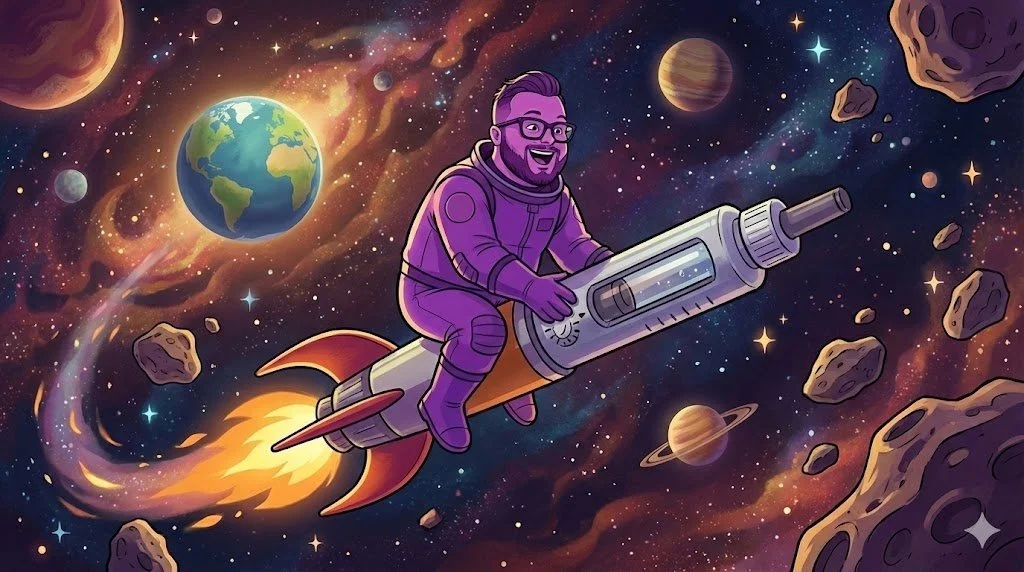
Please support the sponsors




The Juicebox Podcast is a free show, but if you'd like to support the podcast directly, you can make a gift here. Recent donations were used to pay for podcast hosting fees. Thank you to all who have sent 5, 10 and 20 dollars!

#939 When A Stranger Calls
Brittany has type 1 diabetes and is 6 months pregnant.
You can always listen to the Juicebox Podcast here but the cool kids use: Apple Podcasts/iOS - Spotify - Amazon Music - Google Play/Android - iHeart Radio - Radio Public, Amazon Alexa or wherever they get audio.
+ Click for EPISODE TRANSCRIPT
DISCLAIMER: This text is the output of AI based transcribing from an audio recording. Although the transcription is largely accurate, in some cases it is incomplete or inaccurate due to inaudible passages or transcription errors and should not be treated as an authoritative record. Nothing that you read here constitutes advice medical or otherwise. Always consult with a healthcare professional before making changes to a healthcare plan.
Scott Benner 0:00
Hello friends, and welcome to episode 939 of the Juicebox Podcast
Brittany is an adult living with type one diabetes who was six months pregnant when we made this recording. My note at the end tells me this episode is very funny. And that's what I'm going to tell you about it. Britney's cool. She's a special education teacher. And she's funny. She recorded this in our car, I think, Oh, actually, she definitely did. She recorded this episode in her car on her lunch break. I hope you enjoy it. While you're listening today, please remember that nothing you hear on the Juicebox Podcast should be considered advice, medical or otherwise, always consult a physician before making any changes to your health care plan, or becoming bold with insulin. Let's see 10% off your first month of therapy@betterhelp.com forward slash juice box 35% off your entire order at cozy earth.com with the offer code juice box at checkout. And a free one year supply of vitamin D and five free travel packs is what you get with your first order at athletic greens.com forward slash Juicebox. Podcast. today's podcast is sponsored by me. And I choose to tell you about the private Facebook group Juicebox Podcast, type one diabetes on Facebook 40,000 members, over 110 new posts every day. There's a conversation happening right now in the private group for this podcast that you would be interested in. So head over right now to facebook and join that group is absolutely free. I know you're gonna like it Juicebox Podcast, type one diabetes on Facebook. For those of you looking for the series, like bold beginnings or defining thyroid, they're all in the featured tab of that private Facebook group. But if you're not on Facebook, check them out at juicebox podcast.com. Go to the top click on the menu, you'll see all the different series within the podcast.
Brittany 2:27
I'm Brittany, I am 28 years old. And I was diagnosed with type one diabetes when I was 12. So I have had it for more than half my life now. And I am a special education teacher. I am six months pregnant. And so this pregnancy has opened up a whole new journey of my type one diabetes that I never really came to terms with I guess I say now that I used to kind of live with my diabetes, side by side and now I feel like I'm living with it. head on. But
Scott Benner 3:13
tell me one more time how old you are
Brittany 3:15
28 Okay.
Scott Benner 3:18
I know everything I need to know, to make a podcast that is interesting, entertaining, and informative, and much more popular than other podcasts. Here we go. Do you think that other people listen and think, but I do pre work and I ask people a bunch of questions and I I know what they're going to say and I have questions set up and nobody listens to my pod.
Brittany 3:39
No. I don't think when I listened to it. I don't think you do. But I'm always really impressed at how natural you are asking people questions.
Scott Benner 3:47
Oh, yeah, I'm not like you know, now we're into it. I am not prepared at all.
Brittany 3:54
Particularly like Arden's episode really opened my eyes. And like when she was talking about how she had a wedgie and stuff, I'm like, Am I cool enough to be on this podcast? Just so effortlessly at ease.
Scott Benner 4:08
Well, listen, Brittany, if I told you what I was doing 10 minutes ago, you'd be like, that's your prep for this. So all right, well, we'll let everybody wonder what that is. And we'll get going. So 12 years old, you were diagnosed that is 16 years ago. I don't want to throw you off with how quickly I was able to subtract two from eight and one from two but it's pretty impressive. Yeah 16 years ago makes it
Speaker 3 4:35
2006 2007
Brittany 4:40
March 2007. March 13 Okay, so we make it was a Friday the 13th I think it
Scott Benner 4:45
was Friday the 13th
Unknown Speaker 4:48
Oh, wow.
Scott Benner 4:50
I like the way you're trying to name the episode in the first few minutes.
Brittany 4:54
Spooky vibes.
Scott Benner 4:56
Also everyone should appreciate that Brittany is recording this from Her car outside of her place of employment. Yes. Six months pregnant. Yeah. Is there any chance you'll have to pee during this?
Brittany 5:09
No, I ranted every minute that you're teaching is so sacred. So I ran to the bathroom before cut to the skull.
Scott Benner 5:17
What are the children doing right now? Did you lock them in a big like closet?
Brittany 5:22
They're in specials. So either te R or dance.
Scott Benner 5:28
You lock them in a closet. I appreciate that. Yeah. Just as some of them are they in your trunk? That's lovely. You were right. Diagnosed right, sort of at the beginning of CGM. So I'm interested in how you left the hospital with technology or not.
Brittany 5:49
Yeah, I didn't get a CGM until I don't know maybe 2010 or 11. I was in one of the studies because I live outside of Boston. So I was in one of the studies for Jocelyn diabetes, and they basically paid me to wear like, the huge I don't know which one it was. It's like a big black circle. That was the most obnoxious loud alarms. And it was very inaccurate. First. I think like $1,000 and they paid for my parking so my parents are really excited.
Scott Benner 6:30
And parking. Why thank you. And this thing? Yeah. That alarm forever and never be right. Oh, I can't wait. So exciting. Well, yeah, it was nice to be part of a trial.
Brittany 6:41
It wasn't it wasn't a part of my life or even on my radar. When I left the hospital. I was totally like finger picking and doing injections. I didn't even know CGM existed yet.
Scott Benner 6:53
Okay. All right. Interesting. So, injections meter. How long did you go like that for with just this? Were you doing syringes or a pen?
Brittany 7:03
I did syringes for probably a year. I think I upgraded the pen in eighth grade. I think I got a pump halfway through freshman year at high school.
Scott Benner 7:13
Okay. Alright. So Alright, that'll make sense. What was your first pump?
Brittany 7:20
The Delta Cosmo. The best pump ever
Speaker 3 7:23
had the Cosmo? I had the Cosmo. I loved it so much as those
Scott Benner 7:28
everyone else who was ever stoked about it. What about it was
Brittany 7:34
I don't know. Like I think it was the all the time because now I wear a T slim of control IQ. And I think if I had the Cosmo as an option today, I would take it. Really? Yeah. I don't know if it was an emotional connection.
Scott Benner 7:47
It's kind of it has to be sentimental. It couldn't be better than the control IQ, could it?
Brittany 7:54
No, no, no. It's totally a sentimental thing. Yeah, I just think it was like, I don't know, I also went to diabetes camp shortly after getting diagnosed. And that was like a huge foundational part of my type one diabetes life. And I just remember like, I never wanted a pump. I didn't want anything on me to do with diabetes, and then I show up to camp and so all these people with these delta Kosmos on and I was like, I want one
Scott Benner 8:22
of those. Oh, I so Okay, so right now, so salesmen and women right now for pumps and CGM are like Oh, okay. Give them to the kids at the camp.
Brittany 8:36
That's, that's what hook so that's all you need for advertising camp.
Scott Benner 8:39
diabetes camp was your free taste.
Brittany 8:43
died because it was what? Oh,
Scott Benner 8:46
look at you. Not a drug person. Britney, I said your free taste.
Brittany 8:54
Camp was everything to me. How come? Um, well, getting diagnosed at that age and middle school was really difficult. I feel like I was like, trying to figure out who I was. And then I get this disease in seventh grade. And the kids are mean, that's what I teach. Now. I teach middle school. And kids are just brutal at that age. And so you know, I had this it was went to a smaller school. So everyone knew that was in the hospital, when I came back in the hospital was like, the girl with diabetes is now here. And some of the boys there was a specific group of boys that really bullied me. And I just struggled so much with that. And I tried, I think to use humor as a coping mechanism a lot of the time, but inside it did really bother me. And I did have a period of trying to hide my diabetes like I would not go to the nurse or my injections. I would just like sit in class and You know, pretend like it wasn't time to go take my insulin and go to lunch and eat without insulin.
Scott Benner 10:05
Because of the pressure from other people.
Brittany 10:09
Oh, yeah. Yeah. Like I would stand up in class and these kids would make like little snickering seventh grade comments.
Scott Benner 10:16
Was this. Was this a seventh grade thing? Or a Boston thing? Or a mix? Not for nothing, but you people are mean.
Brittany 10:23
Yeah, probably a mix.
Unknown Speaker 10:25
Is it the cold probably mix?
Scott Benner 10:29
Was the cold it was like, I don't know. Seven winter here in March. I don't know. Yeah, right. Is it? month seven of winters? That is how bad the Red Sox were for house. How long are like what? It's the is it the wind that comes off the water? Because it's, it's I've only been there a handful of times. And I make fun of Canada, but hellscape okay. It just terrible cold, wind. And it rains. If it rains, you're like, Oh, my God. Oh, my God. Oh, my God. Yeah. No,
Brittany 10:59
it was season seasonal bullying.
Scott Benner 11:03
Yeah, this would mean, were they any nicer in the summertime.
Brittany 11:09
I avoid them at all. I was at diabetes camp,
Scott Benner 11:12
where I want to go back at a time machine and find out if those kids were pleasant in the spring and summer and just nasty in the wintertime. Because they're their little pre pubescent balls were cold. That's what I'm thinking. Yeah. Well, this is terrible. You know, we're laughing through it. But you see, this prep
Brittany 11:32
that I did, you know, I think I started to use it as like, Oh, haha, I do. Like, if you're gonna laugh at me, I'm going to laugh too. So I did I make a lot of jokes at my diabetes. And you know, and then that diabetes, Caitlin made a lot of jokes, too. So but at least it was with people that understood where I was
Scott Benner 11:51
coming from. That's understood that's, that's acceptable for all. If you're all together in it, then then That's right. So they joke, and snicker and bully, and you go along with it, to avoid the friction. And probably figured, well, I'll make fun of diabetes as well. But then that leads you to not taking care of yourself as well. Yes, you ever tell your parents?
Brittany 12:18
No, I don't think I did. I think I, I used it so much as humor that I convinced myself that it was funny. And I never would have went to them thinking or saying, Yeah, you know, I'm getting bullied. I don't think I even thought of it in my head is bullying.
Scott Benner 12:35
Do you think they knew what was happening?
Brittany 12:39
No, I think that's a whole part of like, my diagnosis age, it was like, right at time when people are still, you know, kids were becoming dependent, you kind of like, are on this learning curve of like, I don't know, all we could do in that in Boston was kind of them all by ourselves, but like, you know, going home all by yourself or going to your first sleepover. And I really wanted to do those things. So I think I constantly had to prove to my parents that I can still do these things in my diabetes. It doesn't bother me. No, it makes fun of me. I got this. So I would say my parents really only were actively involved in my care. like day to day for the first like six months. And then I really, like took it and ran.
Scott Benner 13:28
Wow. Okay, my, here this is how pregnant are you? Six months? Six months? Oh, actually, yeah. Because when you asked to be on the podcast, you're like, maybe I'll have a baby. Hopefully, I was like,
Brittany 13:41
I thought I thought I thought maybe I will be trying or like be very recently pregnant. I got pregnant, like three weeks before my wedding, which was a surprise. So
Scott Benner 13:53
way to go. Yeah. That's not how you're supposed to do it.
Brittany 14:02
No, no, it's not. I guess, as long as you don't recommend, I guess
Scott Benner 14:05
as long as the dress doesn't need to be fitted again. Who cares one way or the other?
Brittany 14:10
Yeah, I feed a lot of people.
Scott Benner 14:13
So yeah, you trick your eggs, that's for sure. So Brittany, I'm gonna share something with you. The reason I asked about how pregnant you were is because I don't know how emotional you'll be when I say to you that one of my biggest fears as a parent is that what I think is happening isn't actually happening. So you're managing your kids, I guess they call that parenting, or loving them or doing whatever it is you're doing based on the information you have. And when they live with you. And they're young. That's the easiest time because all of the influences and variables that impact them you're aware of, and then the minute they leave the house the first time. You don't know what they're doing. And it's hard. Yeah, really, really horrifying. Like, right now I don't know what Arden's doing. And if I stopped and thought about it too much, I'd spin the circle, get my car drive to where she is, which I think I'm supposed to say Chicago. And so, if you heard her episode, I guess she'll get that. If not, I don't know. And so, so I drive, that's what I would do right now, just to see that she was okay. And yeah, and I often
Brittany 15:29
wonder, like how my parents were able to give me that independence. And I think it's just the way that I carried myself and also not having Dexcom. Well, not having the fallout,
Scott Benner 15:42
because they didn't know what was happening. And so but what I was gonna say is, the way you do that is, you either cling to just blind ignorance and look away and go, it's fine, everything's fine. Or you are steeped in it so much that it makes you mental. And hopefully, you can find them.
Brittany 16:01
I argue now that diabetes is like, you know, more accessible with all the technology, but mentally a lot more challenging. I think for caregivers and people living with
Scott Benner 16:12
it. It's interesting, though, but what's the next sentence? However? Right, man, I can I feel pretty freaking just tell me, what is this? What are we, in the middle of a game? Shouldn't I gotta I gotta fill in the blank. I take your point, right? Like there was a time previously where you didn't have the data. And you could go, well, it must be okay. Except for some people, it works out. Okay. And for some people, they end up with serious health conditions. Exactly. So,
Brittany 16:45
and I feel extremely grateful that I'm not one of them. And I sometimes I'll look back on my life. And it's not like I was like, super out of control or had these like, you know, 1213 a one C's I really never got there. I was always in like the sevens and eights, which my husband does left now because he thinks I was just in the sevens because I was either 350 40. And so I was just somewhere in the middle.
Scott Benner 17:12
Man, I say, Brittany, that that is how that happens. Yeah,
Brittany 17:15
I know. And your podcast taught me that. And I was listening today. And I was like, shoot, I've been called out.
Scott Benner 17:23
Now, here's an interesting situation being called out. Did you know that you were coming to that number dishonestly? Or? And you were ignoring it? Or did you not?
Brittany 17:34
Ah, that's a good question. I think I might have known in the back of my head, but similar to like denying my bullying. I was like, Well, you know, it says the average is 150. So I must be doing pretty good. Like I I don't think I let numbers get in my head too much.
Scott Benner 17:57
Okay, do you know every time someone says that's a good question in my head, my voice goes, I know.
Brittany 18:07
That reflecting back on it, I think a lot about how, Wow, I did all that. And I had diabetes. Like I just I really was letting live. By my side. I was controlling it enough to survive, but not really thrive.
Unknown Speaker 18:24
Okay, if that makes sense.
Scott Benner 18:25
It makes total sense. I mean, I'm not trying to change the world in this moment. But I am trying to put into people's heads that ignoring something doesn't mean it's not happening.
Brittany 18:37
Yes, I think that yeah. You know,
Scott Benner 18:39
you have to, you're making your trade. You know, that's it. I'm not saying that. It doesn't happen constantly in life for all sorts of things. You know, everybody who, at the end of the night walks through the kitchen and grabs a piece of candy after they brush their teeth, you're making a trade. You know what I mean? You're gonna be sugar on your teeth while you're sleeping. So you're probably gonna get a cavity, and it's probably not gonna happen for a year or two. And then you're gonna get it and look at the dentist like, oh, I can't believe this. And the dentist. That's a great analogy. Yeah. And you know, when the lady that cleans your teeth, asks you if you're flossing, you lie to her and say yes.
Brittany 19:19
Every time yeah,
Scott Benner 19:20
she knows you're lying.
Brittany 19:23
endocrinologist. Yeah, where's your meter? I'm not sure.
Scott Benner 19:27
Oh, meter. Goodness sakes alive and I need to bring that with me. I forgot. Yeah, so the lady cleaning your teeth knows you're lying. You know you're lying. Then the dentist comes in to see you. He knows you're lying. Or she ladies can be dentists to Brittany. And oh, and then you know, I just said that because my dentist is the man right? Brittany, I would never go to a female dentist. No, I'm just kidding. I'm upset that I have to say I'm just kidding because I would like the joke to just lie there but you know I don't need people. Yes. Understanding.
Brittany 20:02
Okay, you're in a public platform, right?
Scott Benner 20:04
So this is one of the things about life that I disliked the most. I've brought this up before, I hate being in a space with another person. And they're lying. And I know they're lying. And they know they're lying, because everything feels like a huge waste of time when that happens to me. So I don't want to waste your time. I don't want the people listening to waste their time, like either, you know, I don't know, either either dive headfirst into the pool without water or take the time to fill it up and splash around it the way you're supposed to. I don't know. Like you don't you mean? Like so? Yeah, do or do not? I don't care. Yeah. I can't save all of you. You're gonna listen to you're not going to I don't know what to say. So okay, so you're. So you're coming up through that time? Did you go to college?
Brittany 20:55
I did. Did. I went to.
I started at a college right in the middle of the city, and absolutely hated it. And then ended up going to the State College that my parents had been asking you to go to for five years anyway. But I decided to go for that one semester just to prove myself and then I was like, Okay, I'll go to State College.
Scott Benner 21:19
Yes, this sucks. Just like everybody said it was going to.
Brittany 21:22
It's exactly what I thought it would not be. But yeah, so then I went to a school that was 20 minutes away from home. Which is why I didn't want to go to it in the first place. But I actually ended up having a great experience there. So yeah, no regrets.
Scott Benner 21:37
The idea of moving away from home for college is just so that it feels like you're doing something right. Yeah, yeah,
Brittany 21:44
exactly. It feels like it had to be, you know, in the city,
Scott Benner 21:47
cosmopolitan maybe?
How did you take care of yourself in college?
Brittany 22:01
I think I was, you know, lying to myself, like I just did enough to get by, I don't think I Well, first, I should preface this with like, I did not Pre-Bolus until two years ago, when I started listening to your podcast. So that I think was the majority of my, my lack of care, I guess I just, I would take insulin way after eating. So I'd be covering high. And I would take a lot, you know, be arranged Bolus or not would come shooting back down. And I would treat my low with a lot more carbs, I needed to come back up. And sometimes I'd be somewhere in the middle. But looking back, I don't know if I would change that. Like, I still was able to do a lot of amazing things in college or that like diabetes stop me. And I think that was just like, that was the care that I needed to be having. And the time in my life.
Scott Benner 23:04
I want to understand that better, because it feels like you're arguing with yourself. But then at the end, I think you're making a point, but I want to make sure I understand all of it. Does that make sense? What I just said, okay, yeah, so because it feels it felt like in the first two thirds of what you said it felt like what you said was, well, I didn't know to Pre-Bolus I didn't know I was gonna get super high. And then I would need a whole bunch of insulin just to kill that high. But then I came tumbling down again and had to catch it with a bunch of food, which all sounds like a lot of work to me. But then you said but I don't think I would change it even though you know better now. So can you not put yourself in that position? With what you know now and say, Oh, that would have been better if I would have done it like that. Like why do you think it would have been Why do you think the trade off was okay?
Brittany 23:55
I have the trade off was okay, because I really think I truly believe that it has led me to where I need to be now. Like, especially being pregnant and going through all this with my diabetes. Like, this is the care that I'm you know, my agency is in the low fives right now being pregnant. And it's been extremely challenging, but also really rewarding. And this is the care that I need right now. After I am not pregnant anymore, I will try to always have an agency in the sixes that I just I look at it as like certain times in my life. That was the care that I was I was using to get by with what I did. And I'm okay with that.
Scott Benner 24:45
What do you gain by not having a five five a one C after the baby?
Brittany 24:54
I think again, for me personally, a little more men dole stability or flexibility and the ability to just, you know, prioritize some other things. Like, if I don't get every Pre-Bolus, or I don't get every overnight in the 191 100 range, I'm going to be okay with that. I just think that and that's how I kind of got through my life in college was like, I had some other priorities, and sometimes my diabetes was on the backburner. And either not I might sound crazy, but I was okay with that. No,
Scott Benner 25:36
Brittany, I'm asking, and I appreciate you being so honest about it. Because this is one of, to me, one of the most fascinating conversations that I see adult type ones have with each other, this idea of, I trade a little bit of this for a little bit of that. And I don't not understand it. I'm just trying to just try to dig into it more so that I can get it because you look at maybe it's just personality, right? Like, I'll just use Jenny as an example, since you listen to the podcast, like Jenny eats a certain way, she manages her blood sugar a certain way she gets, you know, she's not ultra low carb or anything like that. And still has fairly tight tolerances that she maintains most of the time. And she still has two kids and a house and a husband and a job and she goes running and plays with her children. And she seems happy. So I'm not certain. I'm not gonna I mean, like, I don't Yeah,
Brittany 26:32
no, I, I think it's interesting too. And I have friends with diabetes. And just a few months ago, I was at an event with them. And, you know, I was managing diabetes, again, was at the forefront of my mind during this event. And I noticed and heard like, a lot of their like, alarms going off or, you know, they their blood sugar's were not nearly in the range that mine were. And that kind of took me by surprise, because I hadn't been around them in a while. And I've been managing an agency and the low fives and I was like, wow, you know, I would hate to be that number. Or, I would hate to hear that alarm right now at this event, but it didn't appear to be bothering them. And I've been in their shoes. So you know, in that moment, the event was the priority and their blood sugar's are just doing what they were doing. So they weren't completely ignoring it.
Scott Benner 27:27
Yeah. So is that a lack of bandwidth?
Unknown Speaker 27:32
I don't What do you mean, I don't
Scott Benner 27:34
understand why you can't Bolus at the event.
Brittany 27:37
Like it see where Bolus thing but they weren't. It was like an event where we were eating the whole time, it was a wedding. So I was like, you know, going into the wedding, okay, I'm gonna take some insulin here, I'm gonna do this. I'm not gonna be dancing later. Let me do this Temp Basal. Like I had all these things running through my mind, I was actively doing it. And I kind of saw that they were more, you know, taking their Bolus, I saw them taking insulin. But at the same time, I heard a lot of alarms going off. And this and that happening. Yeah. And it took me by surprise, but then I was like, you know, if I wasn't like, if I wasn't pregnant, or these weren't my goals, I guess at the time would I be? I don't know, it's made me reflect a lot on different I guess, seasons, or chapters or goals that I've had at the time, what they were, and how my control has been. And that might completely change after my pregnancy. I don't know. But I'm just saying now that I've been a person that managed in the seven eighths of England see, and the habits that caused me to get there versus now. I think for my mental health, I will, I will try to be somewhere in the sixes.
Scott Benner 28:55
Yeah. Okay. I mean, I think that's completely reasonable. By the way, I'm not judging the the target. I'm just trying to understand the process. Those other people you were with, can I ask you? Do they have children?
Unknown Speaker 29:08
They don't do where they
Brittany 29:10
know. And one of the first in the group of my close friends of diabetes, to have children and, and I know that they've been asking me a lot of questions and just kind of amazed at what I've been able to do because I think we all have had similar management being diagnosed around, you know, the early 2000s. And
Scott Benner 29:33
so you know, the thing the thing you know, that they don't know is what? Maybe it's not a thing, you know, maybe it's a feeling you have
Brittany 29:44
I guess it's just the deeper understanding of insulin. All the variables that can affect you.
Scott Benner 29:52
So were you managing this way prior to being pregnant?
Brittany 29:57
I had an appointment with mine chronologist in November of 2021, and that was my first appointment with an adult endocrinologist and they asked me, you know, do you plan on having a family in the next year? And I was getting married in June? And I said, Yeah, I would like to, you know, it's something I've started to think about. But, you know, even though I wasn't always managing the way that I am today, I still like, I never let diabetes stop me from doing what I would consider some pretty impressive things. But pregnancy was always one that I was really, really intimidated by, like, I knew my agency was not where it needed to be. And I wondered, how am I going to get it there? So at this appointment, she completely discouraged me. And she essentially just told me the agency that I would need, you know, ideally under 6.5, before conceiving, and then under six during the pregnancy, but gave me no like, and by the way, you did XYZ. Yeah. And I had had the lowest aylen See, at that appointment, I got money once you know the 6.7. And that's entirely because of control IQ. So control IQ, which I had in April of 2020 really did change my life. And I think it opened the door for me seeing a different lens of management. So yeah, I left that appointment in tears. I was like, totally distraught.
Scott Benner 31:34
Because you couldn't have a baby is what it felt like,
Brittany 31:37
essentially. Yeah, it's Yeah. I just thought, you know, this is the lowest state and with control, like he was a little more motivated, you know, and I was kind of curious, like, Oh, I see it's giving me an automatic correction, or it shutting off my Basal here. Like, let me take a closer look at this, like, why is it doing that? And so I felt like I had the best control, I felt like I, you know, was just giving it my all, and I still had the 6.7. And that was something I previously would have been so proud of. But at this appointment, I was like, if this is my best, and I need to get even lower and have a baby, I'm never gonna have a baby.
Scott Benner 32:16
Did that eventually become motivating to you that interaction? Or was it always an impediment?
Brittany 32:24
I think for a month, I kind of wallowed in self pity. Just, you know, still kind of like hovering at that 6.7. I started using Dexcom, clarity and really looking and just being like, you know, I'm trying, I'm trying, but I just wasn't trying new strategies that helped me get to where I am today. So probably in like, the after the New Year, I said to myself, you know, well, let me just try a small goal. Let me see if I can get to 6.5. And that's how I stumbled on to your podcast, and I don't want to get emotional. But I truly don't know if I would be pregnant today, if I hadn't learned some of the skills that I've learned on here.
Scott Benner 33:05
Brittany, is this the moment?
Brittany 33:08
Where I start crying? No, were
Scott Benner 33:09
you telling me you're gonna name the baby Scott? Is this? Is this sick? Because I don't have any fanfare, music or anything to play? But if this is it, let's take a break. And I'll get to like trumpets or something. Now, is it a girl? It's a girl, isn't it? Brittany?
Brittany 33:25
I actually don't know. I'm not finding out what
Scott Benner 33:28
I would say to a guy. A freaking podcast is haranguing me about naming my baby after I'm heated. I mean, I can't break your heart after that. No, it's okay. So the control IQ is not as valuable as the podcast. Is that what you're saying? Because I would like that on a t shirt.
Brittany 33:45
No, I think that you need to still know how No, of course, yeah. Insulin works to use it. Like like bricks. I got my ANC notice 6.7 with Ctrl Q, which is fantastic. And I'll be happy to be using Ctrl Q after my pregnancy. Oh,
Scott Benner 34:02
I think the beauty of that is that you started seeing it do stuff and you're like, I wouldn't have given myself insulin just now. What the heck's going on? And you exactly you look at it, you've heard me say it, right, like watching loop work. Like it leveled me up. Like, I was already doing really good. And I knew what I was doing. And then I watched the algorithm work. And I was like, Oh, I do that. Is that why I'm doing that? You know what I mean? Like, like, oh, like it gave me context for some of the things I had figured out to do. But maybe 100% didn't know why I was doing it all the time. It's incredible. Yeah, I have a couple of questions if you don't mind. Did you see how I stopped you from crying? People will think that I gave myself credit for something but really what I did was I saved you from crying. You're welcome. Because your union your freaking car. And I don't get people looking over going. Hey, hey, 911 Yeah, I don't know what's going on. Right. But there's a pregnant lady in the car. She bought her eyes out and she's on the phone. I think you Need to go helper? Although that would be great podcast if the cops came. Unless they, unless they take. That'd be terrible. So terrible but I mean, if you were okay, in the base you
Brittany 35:15
just apply to us.
Scott Benner 35:17
Maybe it's just a good thing to for social media when I'm like, Hey, on this episode of the podcast Brittany gets tased in her car. She's pregnant by the way. Make sure you listen. So you said you said a couple of things. One of them I'm most focused on. You said the thing that everyone says that I don't understand. I didn't let diabetes stop me. What that sounds like to me, and I know there's more context to it. Because this is why I like people to understand it. It's like saying to me, I knew if I walked into the reactor, I was going to get radiation poisoning and quickly die. But I didn't let that stop me. I did it anyway. That's how it feels to me. Like, like, like, when I think of it didn't stop me. I think of Jenny. I think of my one C is in the low isn't the fives and I went running. I didn't let diabetes stop me. That phrase makes total sense to me. I was running around with an eight a one C, but I still went to Bonnaroo. I didn't let diabetes stop me. Sounds to me, like I ignored diabetes to go to Bonnaroo. And so but, but there's a there's a I don't I'm not judging it. There's a kernel of a reason in there. There's gotta be a reason why so many people say it the way they say it. And I'm gonna keep asking this question until someone satisfies me with an answer. And you might be that person today, Brittany, so no pressure. But what does that mean to you that you had health outcomes that you knew? Well, excuse me, health outcomes that I think you knew weren't great, but you were ignoring so that you could go do a thing? So you could say diabetes? were stopping? What does that all mean? Tell me, please.
Brittany 37:05
I think that means to me. So I think this also loops back to the question we were talking about earlier. I didn't know what I didn't know, you know, 10 years ago. So to me, living with diabetes was a lot of roller coaster blood sugars, severe lows, that would scare me sometimes. You know, hours of stubborn highs, not having my pump supplies. I needed them. You know, that's what it was to me.
Scott Benner 37:36
And even though those things happened, you didn't give up? Exactly. Okay. That makes complete sense to me. I wish people would just rephrase the sentence that makes that I completely understand.
Brittany 37:49
Yeah, and and now that I know, and that's what I kind of meant earlier, like I and I'm still proud of myself from those times, where like, I had these like, terrible blood sugars or just inconsistencies that my management and I just kept pushing through. And it didn't, it really didn't stop me like I did. You know, 100 mile bike rides for junior. In college, I traveled to an island off of Africa, I went to Portugal, I went to Belize on all these service trips. And my parents were just like, Yeah, you got this like, and I, you know, would just bring I needed to bring and I got through each of these huge things without really thinking too much of it. Like I just let diabetes left to the side. And I just kept on pushing through.
Scott Benner 38:44
Well, thank you for explaining it to me that way. Because that's beautiful, and almost made me cry. Like that. I understand. I yeah, I the intent of the phrase is lost on me sometimes, like I didn't let it stop me. I think that's because I don't have diabetes, honestly. So I think if I had it, I would understand that better. You know what I mean? Yeah, just just the,
Brittany 39:06
there's definitely an understanding of when you actually have it. Yeah.
Scott Benner 39:09
Because I just interviewed somebody the other day who's had five different transplants and they said, diabetes never stopped me. And I was like, it sounds like it's stopping you. You don't I mean, like, it's so. But I take it it's more of a it's more of an intellectual exercise. The idea of it's not stopping me.
Brittany 39:29
Yeah. And I think because of like the age I was diagnosed, how like soon I took diabetes into my own independence. Yeah. And still what I was able to do throughout my life, and I think when I think back on those times, like, wow, I had diabetes, then like, just doesn't seem like I did.
Scott Benner 39:50
You were running drugs off an island in Africa. What you were doing, right?
Brittany 39:56
No, I was doing service and teaching students
Scott Benner 39:59
exactly. code for slavery. Were you were you transporting people? I don't know what you were doing. You were really you were helping people? Yes. Oh, wait a minute, but you're from Boston. You're not it. I have to get this contradictory. I'm not You're not a Mormon. Oh my God. Are you Catholic?
Brittany 40:20
was raised Catholic. Ah, a mission?
Scott Benner 40:23
Sounds like you Oh, yeah. Okay. You want to make sure Jesus would let you? Is he gonna let you in? Did you? Did you get them? Do you get the nod? Fingers crossed.
My mother in law, my what my wife said all growing up. My mother in law would do something that she clearly didn't want to do. But that was a good thing. And that she was like, clearly, like, trying to, like get points on the ledger. Like, like, I'm gonna get into heaven for this one. Anyway, Catholicism is great at making people do things they don't want to do. They're nice, which I think is terrific. And so did you want to do this thing? Why are you so nice? She's dead. We knew it was gonna happen. Brittany, did they taze you? Brittany? Brittany, tell them tell them you've done nothing wrong. Obviously we've lost the connection Hold on one second.
Unknown Speaker 41:28
Well
Scott Benner 41:34
when she pops back on I really want her to go It's Britney bitch. But I don't think she's going to
Unknown Speaker 41:42
she's not coming back.
Scott Benner 41:45
Do you think do you think her phone went dead? I'm gonna texter.
Unknown Speaker 41:55
Did your water break?
Scott Benner 41:58
Did you have to pay? That's better
Unknown Speaker 42:05
She's not answering Hmm.
Unknown Speaker 42:22
My best guess is that her phone died as she was just gone. And now she's not answering. super interesting.
Scott Benner 42:36
Maybe one of those kids get out of the trunk
Unknown Speaker 42:39
accosted her.
Scott Benner 42:42
Like I'd have happened. That's probably what happened. Now that we're thinking about it. One of the children that she stuffed into her trunk so that she could be on a podcast, very irresponsible. escaped from the trunk. Probably that little hatch they give you in the back. Also, there's a like a latch that you can get out of. I don't know if you guys ever heard there was Oh my god. There was a girl named Brittany that was on the podcast one time who was kidnapped in the back and put in a trunk of her own car.
Unknown Speaker 43:13
That this is something Hold on a second.
Scott Benner 43:19
I'm looking that up right now. While we wait for Brittany? Hoopoe. I'm not gonna lie, it could be that I'm googling juicebox kidnapping. Episode 102 Brittany Diggs was abducted and escaped. I can't believe oh, here comes Brittany.
Unknown Speaker 43:46
Hold on. Hey. Hi.
Scott Benner 43:50
So did one of those kids get out of the trunk and jump? You know, that was
Brittany 43:55
actually your fault? Because my phone overheated? Being on the dashboard?
Unknown Speaker 44:00
How was that possible? Aren't you in Boston? Oh, no,
Brittany 44:02
I just lost you in temperature. The phone is too hot. It needs to re boot. Wait, are you terrible? First
Scott Benner 44:09
of all, saying my fault seems I mean, in this day and age, we don't blame people for things. Okay, Brittany. All right. Try to be a little more woke than that if you could. And but what happened? What state are you in?
Unknown Speaker 44:23
I'm in Massachusetts, isn't it?
Scott Benner 44:25
12 degrees there?
Brittany 44:26
Well, it's the fall. So it starts off as 30 in the morning and then it gets to like ad for like two hours a day. And that comes back to
Scott Benner 44:35
Brittany sweetheart, do you need a new phone? Is this do you want to do one of those things where people send money? What is this called? I can't think of what they're called. But I'm glad you're okay. I at first. I was worried you were tased by the police. And then I realized was much less exciting than that. Yeah, I realized you were Irish Catholic and in Boston, so you're probably safe. So yeah, Okay, well, I'm glad you're back. I don't know where we were because I did so much talking while you were gone trying to imagine what happened to you by the way. During my, my imagination period, I realized that a woman named Brittany was on the podcast years ago. She, she had been kidnapped, put in her the trunk of her own vehicle. And she used the light from the screen from her insulin pump to get out of the trunk.
Brittany 45:30
Oh, my that's my worst nightmare. And her
Scott Benner 45:33
name was Britney. Yeah, Brittany, that's right. People with diabetes get kidnapped. And I'm just kidding. You're so literally my worst. How was that your worst nightmare? It's not freezing to death. Because that would be mine. If I lived there. No. Well, wait, you seriously have a concern about this?
Brittany 45:52
I do. I don't know if it's like my, my past life or something. But I like always been afraid of getting kidnapped. And then I watched that movie, like when a stranger calls. Right at the peak of like my early babysitting years. And every time I babysat I was just like paranoid like,
Scott Benner 46:10
maybe this is karma. Because you traffic those people and outside of Africa. Exactly. Could be that too. You know what you were doing? What comes around goes around? Exactly. It's exactly what comes around goes around. Oh my god. There's no way to know if people understand my sarcasm. You understand Brittany? Perhaps because you're from Boston. That, um, my personality, I have dialed down to like, 30%. So I can make this podcast.
Brittany 46:38
Yeah, I get the vibe that listening to you ultimate days. Yeah.
Scott Benner 46:42
Yeah, I'm literally chaining myself down just to give enough humor so that the normal person can be amused, because yeah, if I were to give the whole thing, I think three people that listen to this. Like, this horrible man seems to know how to Bolus but I don't I can't make it through the joking about about human trafficking. So anyway, all right. So by the way, which is on the rise and not a joke, did you know that?
Brittany 47:11
I did. My husband's actually a pilot, so
Scott Benner 47:13
Oh, so he traffics people to like you.
Brittany 47:17
Yeah, it's a team. It's a team.
Scott Benner 47:20
So you lower the man with the big Irish smile. And then he sells them to people for transformers that he was playing. Oh, what a family business printing and we call this teaching. I see what you're saying.
Unknown Speaker 47:30
Okay, special education. Sixth grade.
Scott Benner 47:33
Yeah. Well, I mean, it's a good cover for what you're doing. You wouldn't want to put it on your business card. I don't imagine. So, alright, anyway, it's horrifying that this happens in the world. And I don't mean to make light of it. Just you said an island. And I was like, oh, people must go to islands to take people. That's where my stupid.
Brittany 47:52
I was gonna say Cape Verde, which is where I went, but I don't know if people would know that.
Scott Benner 47:56
Oh, that's a lovely place. Yeah, had you said that I would have gone in a completely different direction, I would have been like, Oh, you're just there lounging around pretending to help people in the sun. I see what you're doing, Brittany. So let me go back to my train of thought here, which is, I'm going back to the wedding you were at recently, and how your, your your other diabetes friends were maybe had alarms that were going off and things were happening that weren't happening to you. I just think it's responsibility. I, you got married. So now you don't want to let another person down. Then you had a baby. And now you realize that baby's going to be alive forever, and you're gonna have to take care of it. Yeah, so you take care of yourself, so that you can take care of others?
Brittany 48:48
Yeah, you're talking about me in particular?
Scott Benner 48:50
Yeah. Brittany's like, Yeah, well, are we still talking about my husband? I don't. Or is this the real conversation again? I'm sorry, God.
Brittany 49:00
Sam is my husband. I don't mind saying his name. And he was, you know, we, we met in college. So there were many times where he saw me having terrible lows. And the middle of the night after drinking, or whatever we were doing. And I don't know, like, he's seen me through all these different phases to with my diabetes. And I have felt his support and every different one, but I guess I do feel a responsibility now.
Scott Benner 49:34
Yeah, I mean, it's one of those things that as you get, I can't believe I'm saying this. I sound like somebody's dad. I am somebody's that. But as you get as you get older, you start to get more perspective. And you recognize like my wife has COVID right now. It's, it's French COVID Because she went to Paris for work and then came home and had COVID So I'm calling I'm calling it French COVID Though I don't imagine there's much difference and And she's pretty sick. And she's like, as soon as we realize she was sick, my son and I were like, Get upstairs, get away from us get away. She's like, but we're like, shut up, walk away from us. Go go, we'll bring you things. Then we brought her cleaning supplies so she could clean the bedroom. We're like, hey, while you're up here, why don't you put these clothes away? But when she needs something, like, I just go right in there. Like, she's like, don't come in. And I'm like, No, you need this. I'll come in. It's, it's that. It's a weird thing that happens if she and I were dating. I'd be like, Why don't you call me when you feel better?
I'm sorry, in college drinking or whatever we were doing. That's a quote. What? What else were we doing in college?
Brittany 50:49
I don't know. Staying up till 4am Eating crappy pizza.
Scott Benner 50:55
getting low.
Brittany 50:58
Yeah, just I don't even want to. I mean, I guess I did have duck Scott. I don't know if I had that big. The first one in college. Still the oval like I don't want to know what my blood sugar's were then.
Scott Benner 51:12
Okay, so you weren't paying attention that I got it. Because you were trying to hang out with this boy. Yeah,
Brittany 51:17
I was paying. I was paying attention enough. And I don't want to sound dark. But I was paying attention enough to survive to wake up the next day.
Scott Benner 51:26
And that was on purpose.
Brittany 51:30
I guess so I guess I prioritize like being with my friends and having a social life and having quote unquote, fun. Over because, you know, I'm pregnant right now. But like, I think it takes a certain amount of effort. Even if you are like an insulin mastermind. To get an A one C in the fives. I think you have to be trying and I definitely did not want to be trying at that. At that time in my life. Yeah.
Scott Benner 51:57
No, I'm glad you said that. That's kind of one of the things I was hoping you would get to I think you're 100%. Right. Like there's a there is a lot of effort that goes into keeping a one save that low, without being low all the time are high.
Brittany 52:10
Exactly. And mentally, too. And like, I just was living my life. I was doing my thing. Like, I didn't want to be having diabetes in my mind more than okay, just a I'll take insulin, okay, I'm low. I'll eat something.
Scott Benner 52:26
Okay. All right. Well, that's helpful. Also, you're scaring the hell out of countless 10s of 1000s of people right now whose children are gonna go to college one day. They're like, wait,
Brittany 52:38
I know. I feel terrible about that. Because I'm part of your Facebook group that I see the anxious parents.
Scott Benner 52:44
No, you should not feel the truth. Don't don't feel terrible about that. Listen, Arden's been in college for a month, Brittany. And I know there's been gaps of time where I'm like, Hey, you should Bolus, hey, change your pump. The pumps shot, change it now. It's fine. It's not changed it. I'll do it later. Yeah. Three hours later, our new blood sugar has been 200 for three hours. I know I'm about to change my pump. I'm really busy. I'm like, okay, but it really only takes three minutes to change pump, we could have done it three hours ago. And what I've realized is that this is one of these things that I'm not gonna get, I'm not gonna get accomplished with a crowbar like, right, like, I'm not gonna beat her over the head and get her to do this. I have to, I just have to be there at the right moments to be like, Hey, this is what a bad pod site looks like, change your pump. And then at the end of the day, say, I'm glad you changed it. See how quickly your blood sugar came back down? I think we could have found these five minutes three hours ago. Yeah, next time and try to do that. I'm just trying to nudge
Brittany 53:48
I'm glad that you said that. Like it's three minutes, your time. And I so relate to that, like in the big picture. It really is three minutes of your time. But mentally I think living with diabetes, it takes up more space on that. Yeah. And I think that's what I always tried to find a balance of,
Scott Benner 54:06
is it because it takes you out of what you're doing and then makes you think I have diabetes? And I have to put this thing on now. And like is that
Brittany 54:12
probably I don't even know if I think I think it's so deep in my whatever my like core that I don't think I'm actually thinking that but it must be that. It's like, oh, I have this thing where I need to change this to stay alive.
Scott Benner 54:29
It's like my dogs. This morning. I wanted to get into the shower. And I woke up and I thought, Oh, I'm going to sneak into the shower, and then I'll go take the dogs out. And then I'll go interview Brittany. And I was in the breast room bathroom. I guess in your own house you call the bathroom, but when you're somewhere else, it's a restaurant. That doesn't make any sense does it? Oh, I guess you can't play Eve in a restroom.
Speaker 3 54:52
All right. No, hopefully not. Well,
Scott Benner 54:55
I mean, I guess unless you're a truck driver or a lady of the evening or a man of the evening. because sometimes you gotta wash your junk off, I would imagine between, don't you think? Yeah. Okay. So anyway, I was in the bathroom, and the dog barks. And the bark is like, I have to go outside. And I'm old. And if you don't come down here, I will pee on something. And I'm like, okay, so I redress myself, go downstairs, let the dogs out, look at them and go, alright, I'll be back when I get done talking to Brittany. And I go back upstairs and take a shower. I don't imagine that that took more than five minutes. But I was irritated by the time I got back upstairs. Yeah, and I'm wondering if that's not a similar situation, where you're just like, it's only gonna take me five minutes to do this. But I just don't want to not right now. It doesn't fit here. Maybe.
Brittany 55:40
Exactly. And then those five minutes are happening every what? If you change your site every three days? I arguably don't. But that's all these minutes of your life are adding up. Right? You know, but now you've been taking insulin,
Scott Benner 55:54
but you're doing those things. Now, while you're pregnant. And you're still working. It's not like you're sitting at home. So. So now, is there a difference?
Brittany 56:06
Um, I think it has been an adjustment because I took the whole summer off. I actually babysit for a girl that has type one diabetes, She's five years old, and her family is the family that introduced me to your podcast hi to them. Yes, they listen, they will be listening. And
Scott Benner 56:29
you know, they're gonna be up separately to learn. Brittany, do you think they're gonna be upset to learn that you're involved in human trafficking? Very much, probably going to lose your job. Yeah, for sure. Okay, I'm sorry, I cut you off. Because I was so delighted by my thought you're you go ahead.
Brittany 56:46
So most of the summer was either being off, like really focusing on my diabetes every day, like it was a full time job. Or babysitting her, which was, I'm also focusing on her diabetes. So coming back to work and doing what I have been doing now for my seventh year teaching. I don't know it might be. And it is harder, I had to adjust. It's not impossible, when it's totally doable. And that will be my big message to anyone that wants to have a type one pregnancy or just to get their agency lower. But it is an adjustment, especially when you've been living your life in a certain way for so many years. And it hasn't really bothered you. It's it's hard to make that transition from living side by side to really prioritizing it.
Scott Benner 57:38
So there was a lot of value in you making time for yourself to figure out how you were going to do this.
Brittany 57:44
Yes. Okay. 100 worth.
Unknown Speaker 57:47
Interesting, very interesting, actually.
Scott Benner 57:49
Well, Brittany, I'm so sorry to tell you we're up on an hour, and I'm worried that you have to go back to work.
Brittany 57:54
Yeah, it's it's coming up in that time. So sorry.
Scott Benner 57:56
And we wasted all that time with your overheating phone. No, I'm sorry. Oh, that's my fault, as you pointed out. And just real quickly, there's no way that baby's going to be named Scott. Right. I don't think so. Yeah, it's okay. Because, because it's a name. Is that right?
Brittany 58:14
I mean, I think naming a child is arguably one of the hardest things we'll ever do. I feel like people do it. So like, I don't know, effortlessly. But to my husband nights seems like the biggest deal ever, right? Why? There's no name picked out for either boy or girl. So we might be naming them in the hospital as we exit.
Scott Benner 58:33
That'll be fun, too. Don't worry. I wish I wish you a ton of luck. Congratulations on the baby and your and your new family and, and I really appreciate Thank you, sir. I know we messed around a lot. But your your core message is really strong. And, and I appreciate you sharing it here. Thank you. Thank you so much for having me. Oh, it's my pleasure. It really is.
A huge thanks to Brittany for coming on the show and sharing her story. And of course, I want to thank you all for listening. I haven't said this in a while but you support the show in a way that is just magical. Today was the first day of summer and the fifth most popular day in the history of the podcast. It is completely because of the way you all listen, subscribe, follow and share. Thank you so much. I don't really have anything else to say tonight. I'll be back soon with another episode of The Juicebox Podcast. Thanks again for listening
Please support the sponsors
The Juicebox Podcast is a free show, but if you'd like to support the podcast directly, you can make a gift here. Recent donations were used to pay for podcast hosting fees. Thank you to all who have sent 5, 10 and 20 dollars!

#938 Thick As A Brick
Heather has type 1 diabetes. She upped her management game after finding a lump in her breast.
You can always listen to the Juicebox Podcast here but the cool kids use: Apple Podcasts/iOS - Spotify - Amazon Music - Google Play/Android - iHeart Radio - Radio Public, Amazon Alexa or wherever they get audio.
+ Click for EPISODE TRANSCRIPT
DISCLAIMER: This text is the output of AI based transcribing from an audio recording. Although the transcription is largely accurate, in some cases it is incomplete or inaccurate due to inaudible passages or transcription errors and should not be treated as an authoritative record. Nothing that you read here constitutes advice medical or otherwise. Always consult with a healthcare professional before making changes to a healthcare plan.
Scott Benner 0:00
Hello friends and welcome to episode 938 of the Juicebox Podcast.
On this episode of The Juicebox Podcast I'll be speaking with Heather. She's an adult living with type one diabetes, who made a major change in her management after finding a lump in her breast. While you're listening, please remember that nothing you hear on the Juicebox Podcast should be considered advice, medical or otherwise, always consult a physician before making any changes to your health care plan. Were becoming bold with insulin. If you'd like to save 10% off your first month of therapy, use my link betterhelp.com forward slash juice box and to get five free travel packs and a year's supply of vitamin D. Make your first order for ag one from athletic greens at athletic greens.com forward slash juicebox if you're looking for the diabetes Pro Tip series, you can find it at diabetes pro tip.com juicebox podcast.com. We're beginning at episode 210 In your podcast player, and of course, don't miss the private Facebook group Juicebox Podcast type one diabetes absolutely free 40,000 members something for everyone. Check it out Juicebox Podcast type one diabetes on Facebook, but you don't have to have type one. We let everybody in this episode of The Juicebox Podcast is sponsored by us med us med is the place where my daughter gets her on the pod and Dexcom supplies but they have much more than that. Head now to us med.com forward slash juice box to get your free benefits check or call 888-721-1514 The podcast is also sponsored today by cozy earth. Now longtime listeners will know I'm sleeping on cozy Earth sheets. I love my cozy Earth joggers and sweatshirts, but I just made an addition. The towels we have the waffle towels now and they're fantastic cozy earth.com Go there load up your card. use the offer code juicebox at checkout and you will save 35% off your entire order. I'm gonna tell you about those towels later. Magnificent you have no way to say
Heather 2:30
my name is Heather. I live in Yellowknife northwest territories in Canada. I am a type one diabetic and I've been diabetic for 17 years.
Scott Benner 2:41
You know when you said Yellowknife I thought a minute ago before we started recording I told Heather you don't want to tell people where you live and now she's making something up that that's nonsensical. But it's a real place Yellowknife
Heather 2:56
it is a real place yeah in the Northwest like the far the northern most territory. Is that the Yukon? It's beside the Yukon. It's Yukon adjacent.
Scott Benner 3:06
You trying to name your episode? Maybe I don't know. We already have a butthole adjacent.
Heather 3:13
Do I know I listened to that one yesterday and I died. Did you really? Yeah actually did.
Scott Benner 3:17
Oh, what a coincidence.
Heather 3:19
It is a coincidence.
Scott Benner 3:21
Let me see if I remember that one. The guest a lady had abscess. Yeah, somewhere between I don't even know what to say. Yeah. Okay. popped into my head. Man I share. I'll just bleep it out. I thought to say between the end and instead I went children listen to this if they don't need to know that. Yeah, so so near her butthole and her lady bits sort of in between she had an abscess that's sort of how she was diagnosed. Am I right about that?
Heather 4:00
Yeah, you're 100% right about that. And she was a nurse.
Scott Benner 4:02
Everyone should check out that episode.
Heather 4:04
It's a great episode. Yeah. Okay.
Scott Benner 4:06
Anyway, you live Why do you live where you live? What happened? Did you get lost in there and just decided to stay
Heather 4:12
or I had just wandered off too far. And here we are. Where you born? My sister actually lives here so she got me a job at I worked at a dental clinic so she got me a job at a dental clinic I was
Scott Benner 4:24
like oh god you're not a can can dancer Are you because there was another episode was also a Canadian.
Heather 4:28
Yeah, Canadian can can do so I listened to that one a couple of weeks ago.
Scott Benner 4:34
I was like, oh my god, is this all gonna come full circle. So are you guys are you American? No, I'm
Heather 4:39
Canadian. Okay,
Scott Benner 4:41
so you guys born in the Canada somewhere your sister migrates to the North Pole for some reason. And you decided to go because there's a job in a dental office?
Heather 4:50
Because there's a job at a dental office. Yeah. And I don't like teeth. So why not?
Scott Benner 4:54
At least you're not following a boy around. No, no, no, he
Heather 4:58
followed me. Oh, well. That's acceptable
Scott Benner 5:00
that I have no trouble with. Yeah. By the way, does it sound like I have trouble with women following men places? I don't think I do. No, no.
Heather 5:08
But you know, you're you have a daughter. I get it.
Scott Benner 5:10
I also have to fill an hour this conversation. I need to have an opinion on almost everything you say or I'm interested. Absolutely. As you ship. Yeah, well, okay, so you how long did you move there?
Heather 5:21
Um, I've been here for nine years.
Scott Benner 5:24
You really don't like teeth?
Heather 5:28
Yeah, no teeth are gross. I hate the dentist. Like I have bad dental anxiety.
Scott Benner 5:32
What do you do in the office?
Heather 5:34
I do like administrative stuff with like insurance companies and stuff. So you're not the person like out of the picture. I'm like, in an office away.
Scott Benner 5:41
Okay, you're not the person who's texting me three days from my appointment reminding me of cleaning? No, no, that's been the worst thing to happen to dental care. 15 years is there.
Heather 5:53
By the way, you have a dental appointment text one to apply.
Scott Benner 5:57
I'm gonna hold on a second. This is this is how much I hate this. I'm gonna read you the text. I want to respond back and say you're making me not care about my dental health. But hey, Scott, it's Cynthia from Dr. BLANKS office. I'm reaching out to remind you of your hygiene appointment with us for Monday at 2pm. Please call or text to confirm. Thanks. I want to respond. Leave me alone. Yeah.
Heather 6:23
Where's the opt out?
Scott Benner 6:25
I have a calendar. I know when my dental appointment is, yeah, please leave me alone. And I ignore it. And then you get like a follow up. Then you're like, Oh, God. Now I have to respond. So I just type. I'll be there without punctuation. She's like, great. We'll see you then. Have a great weekend. Leave me alone. So excited about this. Yeah. Please leave me alone. Okay, so you don't like teeth, but you work in a dentist's office, but you're in the back. You've been in the Canada for like nine years, right? Yeah, yeah.
Heather 7:00
I'm in northern Canada for nine years. I've been here my whole life. But
Scott Benner 7:02
yeah, yeah. And okay. In that part of the Canada and And how old are you now?
Heather 7:07
I'm 33. Okay.
Scott Benner 7:10
And when did you get type one?
Heather 7:12
A month before my 15th birthday?
Scott Benner 7:15
Oh, yeah. Like 18 years ago? Yeah. Gotcha. Does your sister have any of the autoimmune stuff?
Heather 7:22
No, I am the only auto immune thing. My dad has a thyroid issue. So there's that.
Scott Benner 7:32
Do you know if it's autoimmune or if it's not?
Heather 7:34
Um, I don't know. But his like his mom had it. Her mom, you know, like, it's a long line of thyroid problems. They
Scott Benner 7:42
call it hypothyroidism or, yes, he thinks
Heather 7:45
Yeah, he's on that drug that your son takes? Really? Yeah,
Scott Benner 7:51
he's on to accent.
Heather 7:53
Yeah, I think so. Yeah.
Scott Benner 7:53
I asked him about it the other day. You can get that in Canada. I think so amazing. Yeah, it's amazing. It really is. I don't understand. You don't even have roads? Right? How do you get? Oh, you imagined it as dirt? No, not even that ice. Not even Oh, yes. Just Rossi snow, and a hill. And then just the thing standing off in the distance. It's an animal I've never seen before that looks vaguely menacing, but leaves me alone. That's how I see Canada. Absolutely. We have lots of those. And then a Mountie, and then three people in a bar stabbing each other. That's pretty much how I see this whole thing
Heather 8:28
that you just described.
Scott Benner 8:31
I imagined I did by the way, but I don't know. Okay, so right before your 50th birthday. So no family history. It's not like you were looking for it. How did it happen?
Heather 8:41
Um, so I used to play competitive soccer. And this was the first year that we decided not to practice their Christmas break. And I was living my best life so I was drinking lots the typical things drinking lots. My vision when my gums were bleeding, I lost close to 30 pounds. My mom was a nurse. So she kind of recognized it but you know, denial. So we went and got my blood sugar tested and I came out at 28 which is like in the five hundreds
Scott Benner 9:28
Hi there. We're going to have a good time today. And the reason I say that is because you thought back on being 15 and just for like, you know, so I did what 15 year olds do I drank to excess and my gums were bleeding
Heather 9:40
100% Yeah, that was it. I like I remember my my one of my girlfriends tells me like I remember we went to the movies and you drank like three large pops in an hour and I was like
Scott Benner 9:54
that but okay. There's that great wish you remember she's like that's important when you're Yeah, yeah. Why the latent alcoholism? It's such a young age Heather were you just bored? Sad what was happening?
Heather 10:10
Just like chugging all the time just needed the booze.
Scott Benner 10:16
I want to say is this a Canadian thing? But I think I'm the outlier when it comes to drinking. So I'm not sure how to
Heather 10:23
know. I mean, I wasn't a drinker really high. didn't drink until I was 19. I waited until the illegal appropriate age.
Scott Benner 10:29
All this chugging was just like pop. Yeah, like my answer. I
Heather 10:35
thought you were Oh, god. No, no.
Scott Benner 10:39
What did I misunderstand? I thought you were like,
Heather 10:44
I said, I was living my best life and you thought, oh, yeah, here we go.
Scott Benner 10:46
I just thought these Canadians, all they do is stab people and drink. This must be the story. So here we go. Here's another here's another Canadian girl. Tell me about her boozing. Yeah. But okay. Alright, so you are just consuming a lot of liquids.
Heather 11:05
Yeah, just a lot of liquid in non alcoholic form. Gotcha.
Scott Benner 11:08
Okay. All right. This all makes more sense to me now. Yeah. So So do you see your you think your mom notices? But she doesn't say anything, do you?
Heather 11:19
Well, I think it was just like a, I think it was a build up, like my vision went first. And then we went, got new glasses. And that was like the whole thing. And then like, I happened to go to the dentist, and they were like, Wow, your gums are bleeding a lot. And that's abnormal, but like, carry on with your life. And then, and then the weight loss, I think was what my mom really noticed. And like in such a short period of time, they figure that because I was so active that was kind of keeping my blood sugar in range. And then because I had like, two and a half weeks of no activity.
Scott Benner 11:57
You notice that all of a sudden? Yeah, I'll because of the lack of soccer. Wow, what a different story. I had you with a fifth of vodka in your hand, just bleeding from the corner of your mouth drunk in a movie theater, and really mean we can we could say that. That's what I don't want to say anything. It's not true. But, but instead you're just an athletic girl who gets a couple of months off and all of a sudden, this is how you see the diabetes come up. Yeah. Okay. And then because you're in Canada, you made an appointment, and they saw you in 14 months. Is that right?
Heather 12:27
They saw me no, they saw me like within like, three like this all happened in a course of three weeks.
Scott Benner 12:34
Okay. All right. So 18 years ago, that's pretty long gone. You're not what was the management style back then?
Heather 12:43
I was MDI, so I was on Novo rapid and Liv Amir. And then I changed to Lantis at some point after that, and then I was on trustee but at the end of my MDI adventure,
Scott Benner 12:58
but you're in a province where they didn't try to give you a sliding scale they gave you Oh,
Heather 13:02
they gave me a sliding scale they did.
Scott Benner 13:06
And how long did you stick with that? And did that mess with you?
Heather 13:09
Um, I think I only did that for a couple months. And then I got to carb ratio. And then everything was kind of golden from there. I basically like I never really honeymooned, I basically was like out of insulin. my pancreas was like, Yeah, I'm done with this. Gotcha.
Scott Benner 13:24
How long did you pay play professional soccer.
Heather 13:28
I love that. You said that. I'm a professional soccer player. So let's go with that.
Scott Benner 13:33
I was making fun of parents who are spending money on their children in sports.
Heather 13:37
Oh, God, no, no, I wasn't going anywhere. I didn't like to run. So and I was the goalie, so you know, good enough. That's like, that's the spot where you stay if you don't want to run, so. I played soccer until I was 18. Okay.
Scott Benner 13:53
Did you go to what would they call that? University? Would you call it University? And when
Heather 13:58
I did go, I went to Yeah, I went to university, but I didn't play soccer. I wasn't that good?
Scott Benner 14:04
Yeah. It's not gonna work out for most of you. That's all No,
Heather 14:08
no, I was not getting a professional career in soccer.
Scott Benner 14:12
I've come to understand that the money that my son got for playing sports in college was is almost a tip of the iceberg. For what most people get. You know, it's yeah, I never I guess I we were he was so focused on continuing to play. You had these expectations. This was going to happen as it kept happening. We're like, well, of course, the next thing happened like we expected it to. But now you look back with hindsight and you're like, because for so many people, it just doesn't work out that way. And yeah, almost random sometimes. But okay, so soccer. I mean, I don't know how you play soccer and snow but whatever.
Heather 14:50
Well, where I lived at the time there was no snow. There's no snow there. You're a liar. How could that be when you live in a small area of Vancouver, BC It typically doesn't get very much. No.
Scott Benner 15:02
West Coast. I see.
Heather 15:04
Yeah, yeah, that's where I grew up.
Scott Benner 15:06
Big TV filming area. Yeah, huge.
Heather 15:09
Yeah, it's funny. I can pick out things in movies. I'm like, oh, that's filmed in BC. I recognize those streets
Scott Benner 15:15
crazy when I interviewed Victor Garber. He was in Vancouver. Okay, they were on like a holiday break from the TV show he was doing at the time. Yeah, anyway, okay, that's not that's neither here nor there. So Heather, I feel like I should just jump in and ask you why you want to come on the podcast because your notes let me read them to people.
Heather 15:32
Oh my god. I bet they're super invigorating. Like they're just say why
Scott Benner 15:36
do you want to come? Here are the questions that are asked if I asked you to come on the podcast send you the link your relationship to diabetes. You said type one. Have you ever been in guest or have you been a guest on another type one podcast the past six months? You said no. What are some of the themes you hope to cover on your episode? Other complications from type one looping? How awesome Scott is?
Heather 15:58
Right see,
Scott Benner 16:00
there we go. I don't know if we can make an hour out of it. But let's talk about you for let's start on making August getting I wanted to talk about I guess I want to start with looping because you just went over your progress from the insulins you were using. When did you start using a pump
let me tell you about us med they have a dedicated 800 number just for Juicebox Podcast listeners 888-721-1514 use that number to get your free benefits check. You can also do it online at my link us med.com forward slash juicebox but that's not what you care about. Here's what you care about. US med carries everything from insulin pumps and diabetes testing supplies to the latest and CGM like the libre three and the Dexcom G seven. They also have the libre to the G six they've got what else on the pod dash Omni pod five tandem T slim x two What am I saying here T slim x two My goodness they got what you're looking for baby. US med accepts Medicare nationwide and over 800 private insurers us med.com forward slash juicebox go check them out there the number one specialty distributor for Omni pod dash the number one fastest growing tandem distributor nationwide and so much more. They've served over 1 million people living with diabetes since 1996. And they're gonna give you better service and better care. On top of all that, US med always provides 90 days worth of supplies and fast and free shipping. Head over to the link now us med.com forward slash juice box get your supplies the same way Arden does from us med now let's talk about some comfort. Cozy earth.com I got cozy Earth sheets on my bed. I've got cozy Earth joggers on my butt. I wear a cozy Earth sweatshirt the other day kept me warm without making me hot. wasn't cold wasn't on was just comfortable. And it fit me nice and it felt good. Comfy, comfy, comfy, comfy cozy, just like the sheets just like the name cozy earth. Now what have I done recently added cozy Earth towels to the lineup here at the house. I'm getting out of the shower every day. And I got the waffle towels from cozy Earth you'll find them at cozy earth.com Go up to have bath. Click on you'll see. Anyway, the Waffle House. One side has this like Wofully I don't know what you would call it. And I use that for my first towel down a little bit of Zoom Zooms in like get off the big stuff, you know what I mean? And then flip it around to this super, super soft side. Take care of the rest. I love the cozy Earth towels, my bits and pieces love them. And I think you might love them too. Cozy earth.com Now here's the best part 35% off of your entire order at checkout, not just the first time you go buy some towels today. You go to the checkout, you put the word juice box in a checkout you save 35% You come back a week later you want some sheets, use the offer code juicebox 35 Doesn't matter no limit you use that offer code as much as you want it cozy earth.com Use that offer code juice box at checkout. Save yourself 35% Make your bits and pieces happy. There are links in the show notes of the podcast player you're listening in now. Links at juicebox podcast.com to us med cozy earth. All the sponsors when you click on my links for use my offer codes, you are keeping the podcasts free and plentiful. And I very much appreciate it. Now I'm going to get you back to Heather and we're going to continue on our journey
Heather 20:04
I started using a pump in 2019 I think 28 My life 2018
Scott Benner 20:12
Four years ago,
Heather 20:12
four years. Yeah.
Scott Benner 20:13
Okay. Did you make the leap because you weren't happy with your care, or were you just trying to make a change or what?
Heather 20:20
Um, so I actually started wearing a pump pretty quick after I was diagnosed. I was very fortunate that one of my best friends was diabetic. So he was really big on me getting a pump because he had a pump and it made so much everything was so much easier if you just got a pump and my mom wanted me to wear a pump. So I was like, alright, I'll do it. I wasn't thrilled, but I did it. But it was a Medtronic, something I don't know. I can't even remember. I understand real old and I hated being like, tubed. I hated it. I worked for a couple years. And I wore it. They labeled me as non compliant because I didn't really care.
Scott Benner 21:14
So how does that work? It sure you're wearing the pump. You don't like the pump? Do you not put it on? Do you not Bolus? Like what?
Heather 21:21
Um, I think I just wasn't. I wasn't bolusing properly. So like, basically, I was running on Basal for most of it.
Scott Benner 21:33
Okay, because you were you when you weren't on a pump? Were you injecting it your meals? Yep. What the hell changed? Heather?
Heather 21:42
I don't know. I just like I was fine for the first little while. Like I probably got it when I was 17. I want to say and then by the time I was 19. I was like, Yeah, I'm done with this. But I didn't know that. I could just say that I was done with it. So instead of telling my doctor that I didn't want to do it, I just self sabotage.
Scott Benner 22:10
Oh, they call that quiet quitting now? Yeah. It's not what they call it nowadays. Yeah, yeah. Yeah, I keep up with what the kids are saying.
Heather 22:22
So she's so in tune.
Scott Benner 22:27
So you thought you would you would break up with your pump by ignoring it?
Heather 22:32
Yeah. 100%. Yeah.
Scott Benner 22:33
It didn't take to him.
Heather 22:35
It did not. No, it didn't. It didn't. It didn't end well for me.
Scott Benner 22:38
Pump kept coming over on Friday nights expecting dinner and snacks.
Heather 22:42
Yeah, and I didn't deliver.
Scott Benner 22:45
So what an odd analogy, but what So what happened then? Did your health start trending the wrong way? I would imagine.
Heather 22:53
Yeah. So I always had trouble getting my blood sugar's down to begin with. I was insulin resistant for a while. Like I took Metformin. And just to try to help and that was horrible. I hated it. But I like I want I DK like, I don't know, I want to say like, six times.
Scott Benner 23:23
Oh my god. Okay, so were you tired of diabetes? And you were taking it out? Like you were blaming the pump? A little bit of both, I think Yeah. Okay. And that went on for how long?
Heather 23:35
Probably three, two or three years, maybe? Wow,
Scott Benner 23:39
I'm gonna get back to that in just a second. But it turns out quiet quitting is an application of work to rule in which employees work with defined work hours, and engaged solely in activities within those hours. The philosophy of quiet quitting despite the name is not necessarily connected to quitting the job outright, but rather doing exactly what the job requires. Why the hell would they call it quiet quitting?
Heather 24:02
That seems like quietly doing your job
Scott Benner 24:04
quiet working? Yeah, we're focused on really completing your tasks. And just to show you how quickly these like, like monitors can fly through the internet in the last under the News tab on the Google machine, yeah, quiet quitting has 12 articles in the last 18 hours. Jesus like what why did people our obsession with quiet quitting? Doesn't seem to be going away management's answered with quiet quitting Minnesota among top five states for quiet quitting it quiet quitting as a fake trend. Why does it feel real? says
Heather 24:43
well, doing your job is what that's called.
Scott Benner 24:45
So I just assumed quiet quitting was like you just don't do your job until somebody walks up to you one day and goes alright man, fine, leave, and then you can then you can go I don't know what happened. They just fired me. But It turns out that this has to do with what you were doing with your Yeah,
Heather 25:04
nothing to do with it. So I definitely wasn't like you were not quite quitting, but staying within
Speaker 1 25:10
you. So do people know you're in your late teens or early 20s? While this is happening, is that right? Yeah. Okay. Does anyone notice it? The doctor a family member somebody?
Heather 25:21
Yeah, my doctor did she, she like I went to go see her. I was still seeing a pediatric Endo. And she, like, Oh, let me see your pump. And I'm like, you know, I've written out all of my blood sugar's to give her and then she like, looks into the cab, but I want to see your pump. And I'm like, okay, an answer. And she's like, why are there no boluses and I'm like,
Scott Benner 25:46
it's more of a Basal machine. It
Heather 25:49
just like all I can see is Basil. Like, it never even occurred to me that that's something that she could look at. Like, I don't know, I just was like, oh, like she's just gonna want to see what my blood sugar's have been. Here's a piece of paper with it all.
Scott Benner 26:00
This is more of a niche pump. It only does this. Yeah, yeah. So when that happens, like this, the person the doctor looking at you horrified and go, Heather, you're killing yourself, or what did they do?
Heather 26:14
She was like, really angry. And she labeled me non compliant and then I never went back. I'll show you. That was my problem to that. I was like, fine. I don't need to see her.
Scott Benner 26:27
She's gonna be so. So honest about what's happening. Did you know I am completely compliant. I'm just not paying attention to it. I know. I'm supposed to be
Heather 26:40
willingly not doing what I want to do.
Scott Benner 26:43
What was your What was your diet like? During that time?
Heather 26:46
I ate whatever. It didn't matter. I you know drink slushies Ay,
Scott Benner 26:52
ay, one C and the elevens twelves.
Heather 26:54
Oh, yeah, easily. I have. I don't know what my agency was when I was diagnosed. But it was only like, just in the last like, four years since I've changed back onto a pot. It's only like, come down from the tents in the last four years. So
Scott Benner 27:14
other being serious from it. Do you have any, any hindsight idea about what was happening?
Heather 27:23
Probably I just was not happy that I was diabetic. Like it not that it was difficult, but I just, I just want it to be normal. Okay, I didn't have to think about it. And I know my friend too was diabetic. He like he was diagnosed when he was four. So like, everything was like second nature to him. But you know, he never known anything different. But I think because I was like, I was almost 16. So I had 16 years of just not having to worry about anything like that. And then to kind of have it piled on really sucked.
Scott Benner 28:00
But you said doing it wasn't difficult. So then this was no,
Heather 28:03
no, it was oh, no, it wasn't difficult. It just was like an extra step that I just didn't want to have to do. And I didn't think that I thought that if I ignored it nothing. Like what could go wrong?
Scott Benner 28:15
Yeah. So it's it's a psychological? Oh, yeah, for sure. In nature, okay. Yeah. Do you find help for that? Does it run its course. Do you have a scare?
Heather 28:29
Uh, no, I, I think I just kind of, I found an endo pretty quick after not being allowed to or not going to see the other one. And she was really great. I think she kind of talked some sense into me. Where at least and then I like she just was like, Get off your pump. You don't want to be on a pump, get off the pump. Like, that's fine. You can go back to MDI. And I was doing that. And my blood sugar's weren't good. But I had always in my mind, like, oh, well, my blood sugars are always high. That's just the type of like, that's just how my diabetes is.
Scott Benner 29:08
Okay. And so her idea was, you don't want to use the pump. So get off the pump. We'll go back to this, but that changed anything immediately. I can't. Or
Heather 29:18
I think I was well then I was bolting obviously. That I would.
Scott Benner 29:22
So there's that. So when it was pushing a button, you were like, bridge too far. But when it was to draw up a needle or using pen, you're like, Yeah, this is fine. I'll do this. Yeah, yeah, there you're gonna make some guy very unhappy one day
Are you well, that was the wrong word. Hold on. I'm going through a list of synonyms in my mind. I'm just gonna go back to my original word. Are you difficult in other ways?
Heather 29:54
I mean, I don't think so. Probably.
Scott Benner 29:57
Because like this is either like I don't have diabetes, right? But this is either a kind of deep rooted psychological, you know, Wall you've built around yourself. Yeah. Or it's you doing the like, like you're getting to hear art in a couple of weeks be on the podcast where she tells you that, like, she has no trouble taking her thyroid medication, for example. Sure, I'll take it every day, I'll take exactly what I'm supposed to I have no trouble with it. If somebody reminds me to do it, the first thing I want to do is not take it. And yeah, is it just that? Is it, um, call it self sabotage earlier? But do you mean that like, in the strict definition of it, were you trying to hurt yourself? I
Heather 30:38
just think that like I didn't think like, I didn't think that anything. Like it was like, Oh, I have diabetes, but like, I could see that my friend was fine. And he was doing what he was doing. And I I think I just didn't understand why. Why I was struggling so much, and why my blood sugar's were so high and why I couldn't do all the things like, you know, he could go and chug a Slurpee, or slushy or whatever, and he would be fine. But that's because he's boasting properly. Whereas like, I just didn't understand it. I don't think and I think I was just, I just didn't think that like, it didn't matter. Like, oh, I've diabetes, no big deal. What's the worst that could happen?
Scott Benner 31:20
Were you angry about it or depressed about it?
Heather 31:23
I think I was angry about it. I wouldn't say that I was depressed about it. Now,
Scott Benner 31:29
what's interesting, because you're thoughtful, and articulate and bright. And you're all the things that I would associate with, you know, wanting to push through it and help yourself. Yeah, I think there's no rhyme or reason for why it strikes people. Yeah, you know what I mean? It's interesting. Do you see any of these personality traits in your mom or your dad or other people in your extended family? Nope, nothing? Nope. No, like, kind of? Like, I don't mean these words. By the way, when I say, say stuff like, difficult, I don't mean in the 1950 sense. Like, Oh, yeah. Give her a second to sit down. She's difficult. I don't mean like, I just mean like, you're brusque against things. You're pushing back. You're, you know,
Heather 32:14
yeah. And like, this is like, I want to say that, like diabetes is the only thing that I've ever really pushed back against. I'm usually like, pretty like, chill.
Scott Benner 32:22
This is the thing you pick.
Heather 32:23
Yeah, this was it. I was like, Alright, this is the hill. I'm gonna die on Yeah.
Scott Benner 32:27
Literally, literally, literally. You know, normally, I just do what I have to do. But on this one thing I was, yeah, maybe I'd give myself a mountain of health problems. So did you give yourself a mountain of health problems? Or what happened?
Heather 32:42
Um, well, I have kind of, I have a lot of autoimmune stuff going on to begin with. So I had I think it's like, any, like, this might be part of it, too. Like, I was diagnosed with scoliosis, when I was 13. So I had to wear a brace for a year and a half. Okay. So like, wasn't thrilled about that. So then it was like, then the next I got it's called Kyary. One for me malformation. It's where your cerebellum space is too small. So the little tail on your brain can fuse to your spine.
Scott Benner 33:24
What now called Wait a second. What's that called again?
Heather 33:27
Chiari one malformation.
Scott Benner 33:35
Holy glare thing. Typing. Is, is it serious? But that's, that's the sad. No, that's the first that's the first question. Yeah. Which means that everybody who gets told this, the doctor is like goes to their phone. They're like, Oh, yeah. The severity of it. malformations can vary from person to person, but generally are not considered life threatening.
Heather 34:03
Well, yeah, no, yeah. So like, as long as I think because they caught like, so the the way they caught it is because my spine curved to the left instead of to the right first, and that's not typical of scoliosis. So that led them to do like an a, an MRI, and then, you know, they focused in on the old, the old brain and they're like, Hey, what's going on there?
Scott Benner 34:29
Carry malfunction. Type one occurs when everything you get as type one occurs when the section of the skull containing a part of the brain is too small or deformed, thus putting pressure on and crowding the brain. Does your brain feel crowded right now?
Heather 34:44
With knowledge,
Scott Benner 34:47
the lower part of the cerebellum at the tonsils is displaced into the upper spinal canal to problems with your tonsils.
Heather 34:57
I used to get tonsillitis all the time. Thanks All right.
Scott Benner 35:00
So what did they do for this?
Heather 35:04
Nothing, they just watched it. Um, but I feel like it was just like, so I had those two things. And then like, a year later, I get diabetes. And it was like, really,
Scott Benner 35:13
as a young person, the scoliosis is tough. And then because the brace couldn't have been fun, everybody probably saw it, but all that. And then this thing, which involves your brain, so even if you're not worried about it, you're a young kid that doctor's office, and they're like, hey, her brain is crowded. Really great. And then the diabetes. Yeah. All right. Heather, you had had enough?
Heather 35:37
Yeah, yeah, I think so. That's why diabetes kind of was like, Yep,
Scott Benner 35:40
I'm done with this. You kind of can't throw the other two things away. Yeah. Interesting. Well, you guess you could have took that back brace off, but it's probably too late. By then they probably held they probably actually.
Heather 35:51
I mean, aside from like it being a back brace and like I had to wear it in high school and like, traumatizing not really traumatized. I didn't really care but like, I loved it. It was so comfortable. Really, like when I just stopped wearing it. I still wore it because it was just like cozy. Like, at night. I'd like sleep in it. Do you like
Scott Benner 36:09
to wear like a tight shirt? Like an Under Armour or spin? spandex? Oh, I
Heather 36:13
don't know. I don't but I guess then maybe I do. Like,
Scott Benner 36:16
interesting. I'll tell you my back is sore. Sometimes. Maybe I'd wear a brace.
Heather 36:20
Like I sometimes wish that I still had it because like sometimes my back hurts. And I'm like, man,
Scott Benner 36:24
it was comforting. No kidding. Okay. All right. So let's, again, with very little education, and absolutely no training. Let's track. Let's chalk this part up to just getting a lot of stuff lumped on you at the end of your teens. And then when you went out on your own, you were like, you know, I'm going to just cut something out of my life. With all this, and but you never thought in that time be honest with me. Did you ever think I know I'm hurting myself? Or did you not even think of it that deeply?
Heather 36:57
Um, I knew like of complications that could happen, but I just was like, yeah, that's not gonna happen to me. It's fine.
Scott Benner 37:03
Gotcha. That'll happen to other people. Yeah,
Heather 37:07
and I was wrong. You were
Scott Benner 37:09
wrong. So what's the first so what snaps you back in? Like, what makes you put the pump back on and pull things together? Four years ago?
Heather 37:16
Um, I found a lump in my breast.
Scott Benner 37:21
Oh, I thought you're gonna say Jesus. I did not find I found Oh, she found God. That's like know, something worse was this lump? Yeah.
Heather 37:34
Yeah, so I found a lump in my breast. In like 2017, like in December, right before Christmas, perfect time to find a lump in your breast.
Scott Benner 37:47
It's Easter. Christmas, but I see what you're saying. So what were you self checking?
Heather 37:53
No. So as you know, I live in Yellowknife. It gets really, really, really cold here. And I was outside, like coming inside from my car into my house. And for whatever reason, my arm brushed against the side of my boob. And I was like, That, like, that's not right. Like, that's really hard. Like, my nipple shouldn't be that hard. I was on the outside for a second. And I'm wearing a jacket
Scott Benner 38:22
for context. And normally, I have to be honest with you, 700 some episodes. I've never asked this question. But are you like chesty? No, no. So through a jet. Oh, okay. I'm actually asking for a reason, because I'm first trying to figure out how you bump against the side of your boob. If you're not like,
Heather 38:42
Okay, well, like, I don't know, I'm not like a double D. But like, you know,
Scott Benner 38:46
there's some. If I was looking at you from the back, I might see some curves on the sides. Okay. I can't believe this is what we're doing. So, so you're wearing a jacket, and you live in wherever the hell it is. You live. So it's, um, you're probably wearing a thick jacket, and my point of like, dragging this all out is like that. It was obvious through the jacket.
Heather 39:06
Yeah. Yeah. Like it was like, rock solid. And I was like,
Scott Benner 39:10
is that wow, that's scary, huh? Yeah, we're at that point where you just like, oh, yeah, sure.
Heather 39:19
Like, oh, like it's cold outside. Yeah. It's like, okay, that's cool. And then like, you know, a week later, I'm like, okay, that's still there. And then I'm gonna go to a doctor. And then yeah, and so then I made a doctor's appointment, and they didn't exam and then they were worried. So that made me more worried. And then I got in for a mammogram pretty quick. Which is a terrible experience.
Scott Benner 39:51
I've never done it, but I've heard stories.
Heather 39:52
Yeah, well, especially when you have a lump, like
Scott Benner 39:55
and they're smashing it in that glass plate, right? Yeah. Like a glass vise
Heather 39:59
like who Well, thanks, I feels really great. And then they do a biopsy. But it was inconclusive. And we, because of where I live, we're not really like a we're not a big city. No, really? Yeah, no shocking. It a lot of our medical treatment gets sent down to Edmonton. So I had to fly down to Edmonton to get a biopsy done. And of course, the guy that's doing my biopsy is like, fresh out of school, doing a rotation. It's his, like, first day there. He's gonna biopsy me and like, it was horrible. It was brutal. Like, it took him like, eight tries to get like, a quality piece. Or like really, really like I'm all for like edgy. Like, I'm all for it like, but like, can we put a limit on the amount of times he's trying to butcher me? So
Scott Benner 41:06
he's, he's botched this three times, right? Why don't we get the other guy in here? Right? Yeah, I flew here for this, by the way. Yeah, you know, what I'm imagining is one of those planes with pontoons on the bottom right where you can land in a lake.
Heather 41:22
They do have those things, but that wasn't
Scott Benner 41:23
that wasn't the point you're on. Okay. So what was the lump?
Heather 41:27
So it came back as they called it, diabetic mess. Stop with it, which is something that I had never heard of.
Scott Benner 41:34
That's new Heather way to bring something new to the podcast.
Heather 41:38
Right? No one there's like no real like, I obviously, like looked it up right away, because I was like, that's that. Um, and there's no real cause for it. I would imagine it had something to do with my high blood
Scott Benner 41:58
sugars. Yeah, you might imagine. Hey, when you hear something funny while we're talking about lumps in your boobs, which there's nothing funny about you said you said diabetic neuropathy, or whatever you call it. You said it so quickly. I didn't catch the second word. So I googled diabetic boob lump and it came up. So anyone who ever gives Google crap like I mean, maybe they're stealing our information or taking over our lives, but it new diabetic boobless That's insane. Way to go. diabetic neuropathy is an uncommon complication of diabetes characterized by tough masses that develop in the breast. Yeah, okay. They can be mistaken for tumors. These lesions which are painless and mainly consists of primary fibrotic and inflammatory elements can be misdiagnosed as breast cancer. Do you have them removed?
Heather 42:50
Yeah. So I had one I had that one removed pretty quick after that, like, probably within a month, and then a year later, I got another one in my other breast. So I got that one removed.
Scott Benner 43:01
Wow. And then since Okay, did that and since then, nothing but did that put what pushed you into taking care of yourself? That was like, I gotta have was it? Was it the lumps are the guy just man handling you for eight tries? A little bit of? Like, I don't want this. This doesn't have to happen anymore. I don't want this to happen. Oh, my God, that's insane. You know, there'd be nothing. Okay, about calling this episode diabetic boob lump. But, I mean, right. You know, I know you would be because I've known talking for 40 minutes, and I feel like there's very little you wouldn't be okay with. Actually, you seem like a fun date. Heather. Like a time? I don't think there's a lot of questions and Heather immediately goes, No, today. Yeah. How we're gonna do that. Yeah. Okay, well, that's horrifying. Yeah, I only know how to joke through these things. If we talked about this seriously, I'd be crying by now. I'd be like, Oh my god, like, like I would I would picture you as a young child and being overwhelmed by your health issues and not having enough support or fortitude or emotional maturity to take care of yourself and then all this comes after that. And you're you're still kind of fighting through it. It's amazing. I am thrilled that something happened. That wasn't life altering that got you back to taking care of yourself. Yeah, that's, that's really good news. So let's talk about that a little bit. You have your second fibrotic and inflammatory element mass taken out of your boob you're like, Okay, this is probably got something to do with the fact that I don't Bolus from my meals and and your agency is like really high. that points though, right? Yeah, it was probably still in the tents. And still doctors don't try to help you. Well,
Heather 45:07
so. So up here there again, there's not a lot of like, there's no endos up here. I see a diabetic team. And that consists of like a regular GP, a diabetes educator, and a nutritionist, and I fired the GP pretty quick. She told me that if I took tumeric, everything would be fine.
Scott Benner 45:36
Tumeric Yeah, so that was like a thing you cook with?
Heather 45:40
Yep. Yeah. If you take a she's like a very, like nap. She does like all that, like natural stuff. So like, she was like, Oh, just take tumeric and you won't have to take as much insulin. And I was like,
Scott Benner 45:54
Yeah, listen, I don't think that's right. And if anybody's listening.
Heather 45:57
Yeah. So I was like, Yeah, I don't want to see her anymore. So I saw the diabetic educator, for I've been seeing her for six years. And she's amazing. And like, I mean, she's been trying to get she's I mean, she's done. She's done an amazing job with my diabetes. So yeah.
Scott Benner 46:21
Listen, I don't think there's anything wrong if you want to take Tumeric but I don't think I should assume that it's gonna take the place of your insulin if your pancreas doesn't work, right. Yeah, yeah. Okay. Yeah,
Heather 46:31
it's not a one stop. Thanks all.
Scott Benner 46:33
I mean, if that was working on your food, it's fine. To imagine if that was true, right? That we wouldn't be talking about a type two epidemic and there wouldn't be so many people with type one because we'd all just be I, by the way, couldn't if you put Tumeric on my tongue, I wouldn't know what it was. Yeah,
Heather 46:49
I was like, why am I like, what? Why is that gonna fix? Okay, sure, lady. You're
Scott Benner 46:54
crazy. Again. I'm not against it, if you
Heather 46:55
think Oh, absolutely. I mean, tumeric works for you. Good for you. Yeah.
Scott Benner 47:00
What your need for insulin if you have type one diabetes.
Heather 47:02
You still gonna need to take that insulin with it, though. Yeah. Okay. Well, it's
Scott Benner 47:05
good to get rid of her cheeses. Heather, somehow we're doing happy and sad at the same time. I know. It's so exciting. It's overheating me a little bit. I'm wearing a sweatshirt. I didn't realize. What's your story? I think it might just be hold on a second. Yeah.
Well, maybe there's a malformation on my skull. It's squeezing my brain. literally sitting here thinking, wow, this is very emotional.
Heather 47:46
Really hot. It's just so emotional.
Scott Benner 47:49
It got cold here this morning. I put my sweatshirt on to take the dogs out. I didn't. I didn't take it back off. Okay. Really, if at this point anybody listening is thinking why am I listening to this guy about my diabetes, you might have a point. Although I love the story, although although Heather, I got a review on the podcast yesterday, it was a very good review. But the person said that the newer episodes are more talking and less management. I was like, okay, that might be fair, but there's all the management like sprint like there's all the series now like I put them together for you in different places. So we could have these conversations. And I think the person was being like saying I really liked the podcast, just know if you're looking for management stuff. You might have to go find the series or go back earlier into the conversations where he talked more about no like management stuff. And I would have been fine with all that except she used the word banter, which for some reason made me feel like we don't like her. Well, I did I did like the review actually. I thought it was a good review. I just wish you wouldn't have said banter, banter. I don't know I wanted to banter seems frivolous to me. And I our conversation about I don't find oddly enough if you want to look into my mind I don't find our conversations today frivolous No Yeah, I think we we we had a serious conversation so far in a frivolous manner but I don't think the contents for it was but anyway, neither here nor there. I'm a bit of a word snob I didn't enjoy banter in that exact city. Didn't like the use literally it was a terrific it was a terrific review five star she loves the podcast the whole thing.
Heather 49:27
I just wish she doesn't like your banter.
Scott Benner 49:29
I could have taken a couple of minutes on Google found a different word than banter. I think I would have been better with it. But that's neither here nor there. And I appreciate the reviews. So Alright, so let's get to before we figure out how you I just decided we're gonna take a bit of a left turn here. I love it before we before we talked about what you did to bring things together for yourself. Talk a little bit about how amazing I am.
Heather 49:54
Where to begin? You know you just you you I have the same personality that I have, which is why I feel like this is going so great. At least I think it
Scott Benner 50:04
is. We probably wouldn't do well married Heather, we'd be both think I Right?
Heather 50:07
Like we have the same humor. You say you say funny that man. I laugh a lot when I'm listening to your podcast, like a lot. What's wonder, Am I supposed to? I don't know. But I do.
Scott Benner 50:19
I don't. I don't know. I appreciate very much. I also think it's like, like you were doing like a low key brag when you talked about that. You could see your boobs for the back. Like I even though we were talking about health issues. Like she is still telling people I have a nice full breast. Like maracas formidable. And just like in the middle of telling a story, which by the way, at that moment, I wasn't sure that wasn't going to end with breast cancer. And so I was a little freaked out. And, and you're you still were like, no, no, no. Yeah, you can see them from the back their fault. Yeah, yeah, he's decent. Anyway, all boobs are terrific. I just want to say that right away. I've seen them. Yeah, from the teeniest tiniest, to the ones where you're just like, I don't understand how you're standing. And does your back not hurt? They all have a place in the world. And that place is equal. Yeah. So anyway, not the point. The point is, is that I'm terrific. But yeah, but it's, I'm more seriously asking you like, like, what about the podcast works for you?
Heather 51:25
Um, I think like, odd, like, I mean, like, a lot of the things that you've talked about aren't things that I've like, never heard before. But the way that you deliver them, I'm like, huh, I should try that. And like, you know, like, a Pre-Bolus. Scott, I've only just started doing that in the last like, year. So we were, I've been told to Pre-Bolus my whole life, but like, what's the difference? What's the, what's 15 minutes gonna make? Well, a big difference.
Scott Benner 51:58
Yeah. Well, person sent me a graph the other day, and they were like, what do we do about this? And I'm looking at it, there's been a big spike in a meal and it comes out gets crashy low. And I said, Is there a Pre-Bolus in this? No, he doesn't do that. I said, Well, you could try Pre-Bolus thing. And a person says, I mean, he's 16. He's not going to do that. I was like, I don't know. Like, what do you want me? What do you want from me? Like, it's like, it's like, she drove into a wall. And she goes, What should I do about this? And I say, step on the brake. And she went, I don't want to, I was like, Well, what else could I do not to crash into this wall? I'm still gonna go with stuff on the brake, because it seems the most, like reasonable here. I mean, I guess you could swerve or drive slower? Or I don't know, but just step on the brake, you know? And yeah, it's just it's super interesting. How resistant people are to doing the little things that make the biggest difference for themselves. Pre-Bolus thing just doesn't stop you from spiking, it stops you from getting a low later. Yeah. Oh, yeah. And it levels your whole day out. It makes everything easier. You literally put 10 minutes worth of thought into something to save yourself eight hours. Yep. And yet, and the person knows that, because they're literally saying Help me. I don't want this to happen. I was like, Oh, you have to do the right thing. I can't do that. Okay, yeah. I mean, I don't know where to go with that. But it's interesting that you brought this up. And I was, you know, didn't know what you're gonna say. But I was at dinner last night. With I don't want my life to sound too amazing. Because this is the first is maybe the fourth dinner in eight years that anybody's ever taken me to because of the podcast. But I was having dinner with some people from the tea one day exchange. And we were just talking about the exchange and and how I've been able to put, you know, get people to take the survey and they were so thank you dinner, if I'm being perfectly honest. That's what it was. Right? And so we were just talking about bigger ideas. And I said during the course of the conversation, I was like, you know, there's a couple of things I'm proud of around the podcast, I said, one of them is just the longevity of it. And then I've been able to keep it going in a way that it's not just helping people, but it's growing. I said, I think that's a big deal. I think you don't see a lot of a lot of content. Because I guess technically I'm a content provider, right? Like so it's hard to keep something like this going for for eight years, especially at the volume that I put out stuff. And I'm and I sit but the other thing is, I think I'm most proud of taking. I'm like if you're being honest, I'm not saying anything that people don't know. I'm just saying something that people don't say, or when they say it, they say it in a way that when it's heard, the people who need it most are just like, Oh, I'm not doing that. Or I'm not yes, it's just you know, like, I always in my mind, go to glycemic load glycemic index. It's such an important concept. It's so incredibly easy to understand. But it has a big weird name. And it sounds like it's gonna be more trouble than it is. So doctors don't talk about it. And when they do, people don't listen. Yeah, and that's it. And there's simple. Again, over and over again, I'll tell you, the podcast should be five minutes long. It should be one episode, it should be five minutes long. It should say get your settings right. Pre-Bolus your meals, understand the impacts of your foods. Don't stare at a high blood sugar don't over treat a low go color of your life. Like it really is. It's that you know, and, and anyway, I'm proud of being able to deliver it in a way that gets to people, especially hearing your story. Because your your, um, your heads. It's thick, like a rock, Heather. So I'm well aware. It took a lot to get through there, I imagine.
Heather 55:55
Yeah. And it's like, it's so funny. Like, it's just like the simplest things like I think the first, the first episode I listened to was the one with I think his name is Kenny Fox. Is that right?
Scott Benner 56:08
Kenny? Yeah. Fox in the loop house.
Heather 56:10
Yeah. So I was following I wanted to loop. I don't even know how I stumbled upon looping. But I did. And I was like, creeping on their Facebook page for probably a solid year. And then somebody had posted that Kenny was on your podcast, and I had seen your podcast, probably a year before that. And I had like, bookmarked it on my phone. And then I just hadn't ever listened to it. It was there. And I just like never, I just forgot about it carried on with my life.
Scott Benner 56:41
Sorry, buddy. No. That's how it works, by the way. And then
Heather 56:45
and then they were like, oh, Kenny's on this doing this podcast, you should listen to it. And so it was like the second one. And I was like, well, there's got to be a first one. So then I wanted to find the first one first. So I listened to it. And I think he said something like, it was like, you guys were talking about Basal rates. And it was like, Basal insulin, like the insulin. You take now is for later and Lola insulin you took before us for now. And I just was like, light bulb, like, Oh, like that never even occurred to me. Like, I just assumed insulin goes into me. And it's now like, boom, that's it. So like, all these times, I was like, my blood sugar's high. And instead of bolusing, I'm increasing. I'm doing a Temp Basal, like a Temp Basal increase by 50%. And it's like, why isn't my blood sugar coming down? I don't understand why my blood sugar will come down. And like, just wait. And then just like hearing that sentence. It was like,
Scott Benner 57:41
okay, so important. I just, I was on stage a week ago for touched by type one. And they put an amazing event in, in Florida. And it's one of the things I stopped and made sure people were hearing. It was like, you know, I'm like, insulin does not work. Immediately, I went through a whole discussion. So they would understand that it doesn't work. Immediately, I talked about how you can Bolus for a meal and where insulin hits along the way. And then I just said, look, the truth is that insulin use now doesn't work until later. But that's not the way to think about it. The way to think about it is that the insulin that's working for me right now, was used earlier, like what came before is what's happening now is the way if you think of it that way. For some reason, it's simpler.
Heather 58:26
Yeah, it just like honestly, like unlocked, like, I don't even know, a next level in my brain. And I was like, oh, okay, all right.
Scott Benner 58:35
I just I told those people last night, I said, I said, if I've done anything I've turned, I think I've turned complicated diabetes ideas into t shirt slogans for the lack of a better phrase. Yeah, and it really, it makes things easier, because life's hard and you're busy. And if you can just remember something simple, like, trust that what I know is going to happen, it's going to happen, then you can just have that 12 Second thought and move on instead of you know, instead of sitting down and trying to dissect exactly what's been going on with your blood sugar for the past 18 hours and making yourself crazy trying to do computations, that the truth is, like, even our best algorithms at this point, don't completely understand. Yeah, you know, and now you're trying to figure it out while you're working in a dentist's office trying to avoid people's teeth. 100% was a lot of work. A lot of work. What Yeah, do you guys ever, it's not fair to ask you what you do in the dentist's office, but I always imagine that sometimes something's really disgusting. And you guys have to get together in a room and you're like, Oh, my God, look at this.
Heather 59:43
They do I don't I can't look at tool. Teeth are gross. Like I don't want to see. I don't want to see I don't want to see it. I don't want to see it.
Scott Benner 59:51
Well, how how far does this two thing go with you say you and a person were kissing and your tongue hit their tooth. With that So that's
Heather 1:00:01
fine. It's just like, Yeah, I just don't want to see like, because like, the dentist isn't taking picture of nice teeth. You know, sure enough, he's taking pictures of like teeth that are rotting out of somebody's mouth. And I'm like, Yeah, I'm interested in saying that that
Scott Benner 1:00:12
bothers you. Okay. Yeah, but you can lick a tooth. If it's clear. Yeah. Like, it's you, Heather.
Heather 1:00:18
I don't like go out and like, like people's teeth for fun, but like, yeah, cut
Scott Benner 1:00:22
Heather. What I like about your line is that it's very squiggly. You're like, dirty tooth can't see it. I don't overcome it. You know, like, would be happy to lick your tooth though. If your tooth is 30. I do want to be healthy, but not enough to take my insulin. Yeah. Although, if something bumps through my jacket at me that might get me to do this. might really Yeah. What about your mom? Who's your mom said a nurse. She said, right. Yes. Were you just diagnosed at a time in your life where her interaction with you and diabetes was short lived?
Heather 1:00:59
Ah, yes. She I mean, she was pretty involved. She, you know, she understood it. I feel like more than I did. You know, I like she would tell me when to take my insulin when I was first diagnosed and stuff like that. And I would do it and like I was taking insulin at school. Like, that wasn't an issue. It was just like, it was like, I hit 19. And I was like, Yeah, I'm done with this. I don't, I don't care anymore. It can't control me. I'm going to control it. And I was wrong
Scott Benner 1:01:28
by stuffing it down this little box and never look. Yeah, I'm
Heather 1:01:31
gonna Yeah, no diabetes, complications are ever gonna happen to me.
Scott Benner 1:01:35
You think that was just immaturity? Yeah, for sure. All right. Okay, so you figure out all this and you get back on a pump. And you're not listening to the podcast at that point. That's four years ago. So what did you do? Was it was it as simple as you just started bolusing for your meals again.
Heather 1:01:56
Um, I think it's, um, I also started wearing a CGM at the same time. Okay, how quick Oh, I thought that CGM is we're still well, so I had that. When I was on that first insulin pump. I had the like, paradigm one that comes with Medtronic. That thing it was like, It was horrific. I hated it to go in. It was not pleasant. So I thought that they were done. And then I got a libre first. And I liked it. It was okay. I like I like seeing the information. So like, that was exciting for me. And like I was somebody that would check my blood sugar all the time. Like I wasn't just like not checking.
Scott Benner 1:02:41
Wait a minute. You weren't Bolus thing, but you were checking. Oh, yeah. So you just be like, Yep, my blood sugar's 358. Cool.
Heather 1:02:48
Yeah. Cool. Sick moving on. Yep. That's just like, it was like, oh, that's where I'm always like, I'm never like, I sat in like, the three to 400 range comfortably for probably 12 years.
Scott Benner 1:03:04
Wow. What's the first thing you notice? When your blood sugar started coming down? It felt like, you didn't like it when it was coming down?
Heather 1:03:12
No, it was really bad.
Scott Benner 1:03:13
How long did that last?
Heather 1:03:14
Um, probably a couple months. There was like a slow progression, like they didn't want because I had ran so high for so long. They knew that, like, I would go and see them. And I'd be like, I don't feel good. And she'd be like, Yep, we're just gonna, like, you know, we'll increase your Lantis a little bit, we'll increase your, your carb ratio a little bit like that was a very slow progression. To get it to where I like, didn't feel like I was low at, like, 200.
Scott Benner 1:03:42
Yeah, so a nice slow process, especially with a high blood sugar for that long. You really could cause like, damage if you came down quickly. Yeah,
Heather 1:03:51
so like, it was probably a couple months before it came down. And even then, like, I still was like, My target was, like, 180. Okay.
Scott Benner 1:04:04
So once you get past that part, can you reflectively look back at how you felt and how you feel now? Oh,
Heather 1:04:09
yeah, yeah. Oh, yeah. Yeah. Yeah, I didn't feel good at 200 ever, or whatever, like, at 400 or whatever. But I just like, I don't know, I just had it in my mind that because that's how it had been forever. That's just the that's just the type of diabetes I had. I just had a hard case people didn't. We just didn't know how to do it. Well, like they didn't know how to do it. I just wasn't listening.
Scott Benner 1:04:32
Yeah, that's so fascinating. I, I'm sorry, this happened to you. But I appreciate you sharing the story. Yeah, because I think it's common, and it's something that we could all be looking out for with our loved ones as they're growing through this, you know, certain stages of their life, I guess. And that, you know, you can't just I don't know like, Yeah, I think you have to understand it. Tell me if I'm wrong about this either. I'm stopping and starting so much, but you needed help. And if someone would have tried to help you, do you think you would have listened? Like if your mom showed up on your door and said, Heather, I just talked to your doctor, I didn't realize about your agencies, I want to help you. Do you think you would be receptive to that?
Heather 1:05:17
I'm probably but I don't think that it was. I don't think that like, really it took like, it took a lot. I don't even know what it was that like made me click that like, yeah, I really need I really need to get this together, like because I mean, I started even coming down from like, the four hundreds, even before I found those lumps. But I still wasn't like, you know, with my agency at 10. I don't think that anybody even really explained to me how an agency works. Like I realized that it was like a three month picture of like, what your average is, but like a 10 in my mind is like Oh, like that means that my average blood sugar's 10. That's, that's good. That's okay. But like, that's not the case. That's like an average blood sugar of 14 or whatever it is. So I think that that was a little bit confusing. For me, that took a really long time for me to understand that like, oh, 10 is not good. Like, what should I be aiming for? Then? Where do I Where should I be sitting? So I think like, and my mom was very involved. She, you know, as as a nurse, she wanted to help me as much as she could. And I think I don't think that she could have done anything that would have pushed me to where I am sort of thing.
Scott Benner 1:06:45
You understand why I'm asking, right? Like I'm trying, trying to figure out if this is a thing that happens to some people, and they either trip their way to a resolution or they don't. And they're again there Mike from like, the diabetes complications after dark episode, where he just lives his whole life that way. Like, is it is it just as is it just as random? Is that Is that something doesn't happen that I
Heather 1:07:11
shocked? I honestly think it was like a random like, oh, like, just one day. It was like, Yeah, I really need to get this together. Wow.
Scott Benner 1:07:20
Yeah, it's super interesting. I'll tell you that much. Okay, so you brought it down slowly. And then, I mean, just got it down. And we're like, good. I can do this now. And you just, you've been doing Yeah.
Heather 1:07:32
Um, so then I, because I'm 33. I, me and my boyfriend have obviously been talking about children. And so like, I know that an agency of nine isn't great for having kids. So I went in to see a guy No, and she was horrible. Sorry,
Scott Benner 1:08:01
cold hands. Trying to figure out what makes a guy No horrible. It's the first thing I thought, oh, no, she
Heather 1:08:08
was like, I mean, she she was just like, because I mean, I was only like I was there for information. Like I just wanted to know like, where do I need to be? What am I blood sugar's need to be at like, and she was very, like doom and gloom. You can't have children, you your blood sugar is out of control. And like, at this point, I think my blood sugar was like, or my agency was 8.2, which was like the best it had been. And I was like, okay, lady.
Scott Benner 1:08:39
Got this down from an 11. But thank you, right, like,
Heather 1:08:41
you're looking at like, one one picture here. And she, she, yeah, she was just like, like, I realized that there's obviously like, a lot of things that could go horribly wrong. But like, there was no like, 00 sunshine. Like she just was basically like, you shouldn't have children. And you shouldn't live where you live. If you want to have children. She's not from here. So she was like, you can't have children in this town.
Scott Benner 1:09:10
Where did she want you to live? Oh, she
Heather 1:09:12
didn't. She told me that I needed it because I was diabetic. I should be. If I was going to have a kid I should be like, somewhere down south. So because of health care. Yeah. Because like they're not equipped to deal with it, but like they are, to a degree obviously, like there is a chance that if I get pregnant, and things aren't looking good that I would have to go down to Edmonton and have my baby there. But that doesn't mean that they wouldn't be able to do it here. There's just no like there's no NICU here.
Scott Benner 1:09:41
I wonder. Wonder if she partially also meant please don't have a problem around here. I can't handle it.
Heather 1:09:46
Yeah. I don't want to deal with this. Yeah. Seemed like
Scott Benner 1:09:50
a problem. Heather. Why don't you fly somewhere else and make a baby? Yeah. Leave me alone. Yeah. So so on paper, even Though you were doing better to a new doctor, you still look like a dumpster fire.
Heather 1:10:05
Yeah, she wrote in with my so I, at the time, I was like talking to my diabetes educator almost like weekly, or she would like send me a text or whatever. And she, she was like, Oh, I just got your report from the guy. No. And she said that I'm doing the best that I can with the tools that I have. And I was like, wow, wait, she's like, I'm, like, offended by that. And I was like, You should be the
Scott Benner 1:10:31
second. The doctor is talking to another doctor. Yeah. And her report. Yeah. was saying, Listen, don't put this girl's health on me. I'm doing my best.
Heather 1:10:45
Yeah, no, yeah, she No, she said that, that my diabetes educator was doing the best that she could with the tools that she had. Is that is that regarding my health?
Scott Benner 1:10:57
Yeah, but are the tools quote unquote? Are they you? Were they what
Heather 1:11:02
I think like, yeah, like me and like our area, because like, we don't have an endo here. And like, that sort of thing. Like basically saying that, like, yeah.
Scott Benner 1:11:15
Between where we live, and this girl's effort, I'm we're getting don't don't look at this poorly. This is actually pretty good. Yeah. Oh, did you find that insulting?
Heather 1:11:25
I yeah, I felt that like, because I mean, like, like, the A one C before that was like 9.5. So like, in a three month range. I've dropped it, like a whole point, like so like, okay, like, you're looking at one day, but you're not looking at the big picture. And so like, I was offended by that, and like my diabetes educator was to
Scott Benner 1:11:49
was the doctor aware that you were at zero effort at one point? Yeah, I told her. Okay. And then I don't know why the I don't know why the the, the notes wouldn't reflect a change of heart and a change of enthusiasm. And that thinks we're going in the right direction. Yeah, that would be that would seem to be how you would talk about that.
Heather 1:12:12
Yeah, yeah. So diabetes educator, like we should get shirts that say, doing the best we can with the tools that we have
Scott Benner 1:12:22
an arrow pointing to your head? Yeah. Dummy doing best can thank you. Yeah. Oh my gosh, that's crazy. That really is not. Alright, so is there any big secret to taking good care of yourself?
Heather 1:12:37
Um, I mean, listening to you. And yeah, and then I started looping. So like, that was like, huge that like, game change? Everything.
Scott Benner 1:12:48
So you just so you were doing okay. And being serious. You found the Podcast, the podcast was helpful for you? Oh, 100%. Helpful. Yeah, get some ideas together and some big concepts, and then say, Alright, I'm going to employ more technology. And now what's your agency now?
Heather 1:13:03
Um, I got it done in June, and it was 6.5.
Scott Benner 1:13:11
Down from 6.6. In February, right. Yeah. Is it weird that I know what your agency is?
Heather 1:13:16
No, because I'm pretty sure I posted it.
Scott Benner 1:13:21
Okay, so that's Well, first of all, congratulations. That's wonderful. Yes. Yeah. Really good for you. Someone should tell you that the tools you have seem like they're perfectly acceptable. Yeah. And maybe even better than that. Yeah, I
Heather 1:13:35
think that it's amazing. And like, it's like, little things like even like, even in the last like two weeks. I don't know, I feel like you were talking to somebody and you were telling them. You're asking them what their Dexcom High was. And they were telling you and you're like, Oh, you need to lower that. And I was like, oh, I want to remain is so then I like look in mind. It's like, set it to 50 Yeah, that's and I'm like, oh, I should lower that. So like now I haven't set at 180. But like, in a couple weeks. I'm gonna lower that I
Scott Benner 1:14:11
had a you broke up. Hold on a second. Finally, the cannula call like Heather, the candidate? Caller. Sorry, you cut out? Yeah, it's kind of a problem. So. But you, you just said I'm going to lower it to and then you're
Heather 1:14:29
sorry, I lowered it to 180.
Scott Benner 1:14:32
Right. And then after that.
Heather 1:14:35
And then like so that way like I am at least stopping the high before it gets high. Right.
Scott Benner 1:14:40
Are you thinking of a lower number in the future? Oh, yeah.
Heather 1:14:42
I mean, I want it lower than that to cool. I want it I'd like to get it down to like 150 Yeah, that's a good high.
Scott Benner 1:14:48
Yeah. 150 is terrific. Yeah, that's a great spot.
Heather 1:14:52
Is that what you have Arden set at 120 for your phone, right? Yeah, it's
Scott Benner 1:14:55
120 on my phone. It's 130 on her phone. Yeah, and And but 150 is very Listen, you're a person who had like a 12, a one C five years ago, you're doing Yeah, you know. And if you need to take smaller steps to it, I actually don't think those are small steps 180 to 150, you know, what I generally find is you kind of get what you expect. And you get what you're paying attention to. So it doesn't matter. It's a two step process, right? If you're alerted at 180, then you'll keep your blood sugar's under 200. If you're alerted at 150, you'll probably keep your blood sugar's under 170. The amount of effort the same, although with a lower number use, you know, less insulin, and less insulin should cause fewer lows. And on top of that, if you're paying attention, big picture, you should start seeing, hey, I'm reaching 130 and having to correct this is only happening after meals, maybe I'll make my insulin to carb ratio a little stronger. Or this is drifting up on me overnight. Maybe I'll make my basil stronger here, like and then eventually you'll make those little tweaks and then all of a sudden, you kind of don't see 130 Yeah, it's just the process. Yeah, no, you don't? Yeah, like
Heather 1:16:11
even just like, so I've lowered it. It's been like a week and a half. And like, I've been like, 90% in target. Since I did that. Yeah, like, just like, because it's just like, oh, it's gonna start doing something,
Scott Benner 1:16:24
I fully expect that that's exactly what I expect you, you get what you expect, you know, you the tighter the tolerances are, the lower your agency should be, the less variability you should have if your settings are pretty good, and you're understanding the timing of the insulin pretty well. And then after that, excuse me, it just sort of becomes second nature at some point, and you almost don't find yourself thinking about it anymore. to the same degree. Oh, yeah. That's really cool. I'm glad I could help. Yeah, you're killing it. Yeah, well, please, wait, no.
Heather 1:16:54
I don't want to your horn. But like, we
Scott Benner 1:16:55
shouldn't say it too loudly. But podcast is at 8 million downloads the other day, killing it. 8 million. Do you know how many it had at the beginning of the year?
Heather 1:17:06
Ah, um, no, like to 2 million.
Scott Benner 1:17:10
I think it had like four at the beginning. And I think it might end the year with nine. That's insane. So that was crazy. I didn't expect that. I had a month, my biggest month ever, like last month over a half 1,000,030 days, which was just insane. The first month of the podcast have 1300 downloads for perspective. This is crazy. Yeah. And it's and it's still it's still striking people the way I hoped. Yeah, I mean, like, like, that's, it's not easy. If you not anybody gives up. We've cursed a lot in this. So anyway, but not that any of you really give up. But it's not as easy as you might think, to start a thing. And then to scale it and to grow it. And to not lose at its core. What it is. Yeah, absolutely. A bit of a balancing act. Yeah, for sure. And it's a it's just, it's pretty. It's pretty terrific. The other day, Heather, by the time this comes out, we'll know if this happened or not. But a major media company contacted me the other day. And they were like we're launching a podcast. I was like, Okay, what is this about? And it's a podcast being made by a pharmaceutical company who only deals with difficult disease states. And it sounds like they're going to make a limited run series, where they're going to talk about each disease state and an episode. I was like, okay, and they said, you know, we don't know how to grow the podcast. So we're going to, we were wondering if we could drop our diabetes episode, or type one diabetes episode into your feed. I was like, really? And they said, Yeah, I said, I don't know about this. They said, Well, we would pay you and I was like, well, then it seems completely reasonable to me. Yeah. How much? Yeah. And I said, well, first of all, just so you all know, the first thing I said was, I need to hear the episode first. Like, I'm not just not going to just say yes to you, like delivering blindly, whatever you want to my the people who listen to the podcast. And they said, Well, plus, you can put an opening on it, you can let them know upfront what it is. And that way if they don't want to listen, they can. They can just shut it off. And I'm like, alright, and I got off the phone. I don't know if it's gonna happen or not, you know, and I thought, it's my podcast that big. That Bloomberg media is contacting me about how to get a podcast off the ground. I was like, is that really happening? Cuz it's just me. Like you don't have there's no one else here. I mean, I don't want to say Isabel is very, very helpful online with the stuff on the Facebook group and we've actually started we kind of deputized a couple of you people to answer questions because the Facebook group is getting out of control. It's so freakin it's so big, it's just so big. It gets to the point now where if I put up a post people ignore me and I'm like, Hey, I used to be the one that was like, if I listen, people, people were like, Hey, that guy's here, you know. And now it's like, listen, there's, you know, there's a lot of posts every day. And so they can kind of get, we don't want people's questions to get missed. So now we have people who are watching and saying, look, here's your question. I think these episodes that are leaving you links like, these episodes are good for your question. Which is really cool. So, so I'm not doing it completely by myself. But I'm making the podcast by myself. And it was just strange to have like, you know, a PR person from a third party company hired by Bloomberg calling me saying we need, we need help from you to get this massive thing off the ground. And I was like, wow, okay. That's crazy. Cool. Yeah. And then I told him how much and I don't know what's gonna happen or not. But I can tell you, I was telling somebody the other day, they're like, Would you do that? I said, would I do that? I said, I would punch my mom in the face. For a certain amount of money, the amount of money. I said, I'd let her know when I'd split it with her and everything. You know what I mean? I'd still be like, Mom, listen, bear down. Because rules of engagement million bucks. Come on, Mom, I gotta give you I gotta give you a couple knuckles that are far heavier. By the way, if it was a million dollars, I wouldn't even tell her. Yeah. I just I just punch her. And when she woke up, I'd be like, hey, we'll go we got a million dollars. But it was not a million dollars in case you're wondering.
Heather 1:21:43
But it was shoot I got you gotta shoot was enough
Scott Benner 1:21:45
money that I thought, well, this helps support the podcast. Yeah, you know, and that's the goal. Like the goal is just funny. I put it up online. I said, Would you guys mind if I did this, like just trying to get some feedback from people and everybody was lovely. And mostly they were like, did go for it. One person said, I wouldn't mind if you did it if you donated the money. And I was like, do this my job. Like I said, Do I come to your work and say, Hey, let me see your paycheck. give that away? Which
Heather 1:22:15
you don't know, I earn a living. Yeah,
Scott Benner 1:22:17
yeah. And I get the inference. Like you're making money off of diabetes, which, I mean, I guess you could say that, but I feel like I'm helping people with diabetes and giving them information for free, but whatever. And, um, but But I saw the point. And I just thought like, well, who does it? Like, who does he work for? Because he worked for a sneaker company. Like, should I say, hey, once you get paid should give all the money? Those kids, it's those sneakers together? Yeah, we're like, What? Are we all gonna just start giving our money away? Heather, what do you do? Go find people who need teeth and give your money away to them? Because you're making money off of dentistry? I'm like, kind of thinking is that?
Heather 1:22:56
Yeah, that's a ask backwards if you
Scott Benner 1:22:58
give it away. If I give it away. I'm not doing it. I got a limited amount of time, man. Yeah. I started thinking like, is everyone not out there trying to make money every day like to feed themselves? Am I the only one is yeah, you are?
Heather 1:23:12
You are Scott, the rest of us are just out here for free. And
Scott Benner 1:23:17
I'm just like, Oh, what am I the bad person? Everybody else is just out there. Like, oh, I'll just give away my time for everybody for free. And you have any idea how hard it is to make this podcast? You? Yeah, that's I was really. I let it go pretty quickly. Because I was like, I understand that. I understand. Like the I mean, the idea. But yeah, but my gut reaction was like, you're trying to work in here.
Heather 1:23:46
Listen to like, it's that episode, like what does it what does it do to you, man? I
Scott Benner 1:23:51
just was like, I was unbelievable. I don't know not unbelievable. With Do you understand what I mean? Like it was yes, it was off putting for a second not the idea of giving money to charity. But the idea that my money that I earn shouldn't be mine. But the money you earn is yours. And I'm like, Okay, I don't know. It's Listen, for people who might not believe this, because this sounds like I'm just dicking around with Heather for an hour and a half. But my entire day, every day. Like like the way you go to work at eight in the morning and come home at five in the afternoon, my entire day, every day and often on the weekends and in the evenings is spent in one way or another making this podcast. Yeah, absolutely. Yeah. So if I can find a way to make money off of it, maybe just say, good for you. Yeah, yeah. And let's be done with it. Anyway, this sends the part of the story where Scott pitches about nothing. Heather, is there anything we have not talked about that you wanted to?
Heather 1:24:53
Um, I think I just wanted to tell you a really great story I had recently with our local hospital
Scott Benner 1:24:59
It's gonna be better than you bumping into your own boobs and finding a medical problem. I
Heather 1:25:04
don't know if it's gonna be better, but I don't know. Anyway, so a couple months ago, I foolishly forgot to pick up insulin from the pharmacy. And of course, it was a pod changing day. And of course, it's 1030 at night. So we don't have 24 hour pharmacies here. They all close at 10 o'clock. So I was like, like, my pods already been beeping at me for like, two, like, I already got the two hour notification two hours ago, like, you know, so I'm like, Okay, so like, I got six hours before this thing starts screaming, and then I don't have any insulin, and I don't know what I'm gonna do. So I'm like, oh, I'll just like, I'll just call the ER and see if they'll give me insulin because, like, if they don't, then I need to figure out how I'm gonna get hold my pharmacist. Right, right, right. Um, so I call and I get put through to this nurse. And he was very nice. I was like, Listen, I'm a type one diabetic. I were an insulin pump. I'm out of insulin, and I need to replace my pump. And he was like, Oh, okay. What is what does that entail? And I was like, entails me getting insulin, and I don't have any. So if I come down to the hospital, like, I'll wait in the waiting room, I don't care. I realized that there could be people dying. Like, I realized I'm not priority one. But like, I'll wait. And then like, Would you guys give me 80 units? Because I just need 80 units to fill the pod. Yeah. Can
Scott Benner 1:26:37
you hear me? Yeah, yeah.
Heather 1:26:39
He was like, Oh, I don't know. Let me I don't really understand diabetes. Let me just go ask another coworker, Kevin. And I was like, great, Kevin, Kevin's gonna know what's up. He goes, and he asks Kevin, and I can hear it. Like, he's clearly holding the phone away. And he's talking to Kevin from a distance, and I can hear the conversation. And Kevin's like, we'll just tell her not to drink a juice. And I was like, Oh, Sweet Jesus. So he comes back on the phone, and he's like, listen, me, I've talked to Kevin, and we think that you're going to be okay. And I was like, okay, but like, you realize that, like, in six hours, I'm not going to have any insulin in my body. And I am diabetic. And they were like, Yeah, we just think if you just don't have a snack or anything, and you just like, wait until the pharmacy opens, they all open at 9am. And I was like, again, so you just Just so we're clear. You want me to go eight hours without any insulin like you think that that's a good idea. And he was like, Yeah, I mean, if you really feel like you need to come. I was like, Yeah, I'll be there in five.
Scott Benner 1:27:45
What position did Kevin and his friend hold on when you got there? They were orderlies. They were cleaning the floor. What was going on? Oh,
Heather 1:27:52
they were nurses in the nursing station in the back. Gotcha.
Scott Benner 1:27:56
Yeah, type one diabetes. Do you think they were clear about that?
Heather 1:27:59
I don't know. I just don't think that they thought. Like, I was like really clear about how like, I would have zero insulin and they were just like, well just don't eat and I was like, yeah, it doesn't matter if I eat or not like,
Scott Benner 1:28:13
you're gonna see me one way or the other tonight. By the way, either. You're gonna give me insulin now or give it to me later when I'm in the Yeah. So
Heather 1:28:19
I like I get to the hospital. And I go to like, check on it in and triage. And I get this lovely lady. And she's like, What can I help you with? And I'm like, I just called and heard from Kevin. And I told her the situation. She was like, so wait, all you're asking me for is insulin. And I was like, yeah, and she's like, I don't really understand how insulin pumps work. Could you explain it to me? So I explained it to her. And she was like, I'll be back. So she like goes to the back. She talks to whatever doctors on staff. And he also doesn't want to give me insulin. He's like, No, oh, and they also weren't sure that they would have enough insulin. And I was like, first of all.
Scott Benner 1:28:56
They weren't sure if they had enough for just for you. Or they're saying if you took 80 Everyone said
Heather 1:29:01
that if I took 80 units of insulin, there wouldn't be they didn't think that they even had 80 units. And I was like, believe me you have 80 units and they were like no I don't think and I was like yeah, do you do I know you do
Scott Benner 1:29:12
this this message is provided to you by the travel Council of Yellowknife.
Heather 1:29:19
Someone come on, they want
Scott Benner 1:29:21
you to know that if you go there, you're going to get at best dubious health care.
Heather 1:29:26
Yeah, so she anyways, she was great. She went back there. He didn't want to give me any insulin and she was like, listen, either we give this woman insulin now or she's gonna be back here in three hours when her pod dies, and in an ambulance and we have to give her insulin then so why don't we just you know, take this one. Like, this is easy enough. She can do it herself. Let me grab a vial of insulin. And he like begrudgingly gave it to her, like annoyed about it and like gave it to her.
Scott Benner 1:29:51
The mayor of yellows knife looks like she's like 15 years old, by the way. Oh yeah. Rebecca AlTi you know? Yeah,
Heather 1:29:59
this is how small All y'all know,
Scott Benner 1:30:01
the place you are. There aren't less there are fewer than 20,000 people living there. Yeah. Wow. Do you like go to you like you might? Like no Rebecca from like the grocery store kind of Oh yes. No, no kidding. Oh yeah. Interesting. 57 degrees there right now by the way, and humid. Yeah. Cold, humid, small. nurses don't understand what insulin does. Yeah, it's great place great place. What's the house cost? $35 What are we doing?
Heather 1:30:35
Stupid expensive. Really?
Scott Benner 1:30:37
I have to overpay.
Heather 1:30:38
There. We just bought our house that we live in and we paid $400,000 And it's a two bed two bathroom and it's a modular home. So most houses up here are like trailers but they're not trailers. Yep. Love to hear your series serious. Yeah, I'm 100% serious. Don't think like trailer trash like a trailer.
Scott Benner 1:31:00
I know what you mean. Yeah. I gotta pay $4,000 No offense to live in Yellowknife?
Heather 1:31:06
I know. Are you serious? No.
Scott Benner 1:31:10
How close am I to where Santa Claus lives at that point.
Heather 1:31:13
I mean, he's about four, four hour flight, I'd say.
Scott Benner 1:31:18
Uh huh. Uh huh. I'm not even kidding. By the way. Neither.
Heather 1:31:25
I think it's like a to get to the Arctic Circle from here. It's like
Scott Benner 1:31:28
700 miles. Take surprise. Yes, the this is driving it would take me 47 hours to drive from Yellowknife to the North Pole. Oh, yeah.
Heather 1:31:37
Because you gotta go like back into like B you have to drive down into like BC and then like, go back up through the Yukon and come it's a weird. There's a lot of like, direct route that goes straight through.
Scott Benner 1:31:48
There's a lot of origin never going to hear me say on my map. My Google Maps. The Yukon, by the way. All right. This is insane. Heather, can I ask you a question? Yes, please. Why don't you move?
Heather 1:32:02
The money is really good up here. Really? Yeah, you're paid really unpaid. Really? Well, my my. The owner of my dental clinic is like, he's the most amazing man. And he pays us all very well.
Scott Benner 1:32:16
I don't understand anything you're saying. Yeah, it's amazing. It's the
Heather 1:32:20
money Scott the money. He's keeping
Scott Benner 1:32:21
you in Yellowknife? Yeah, yeah. Because I don't mean this pejoratively, but you're doing like billing and paperwork in a dentist office. Yep. And you own a $400,000 home? Yeah. That doesn't sound right. I don't know why. But it is there a movie theater?
Heather 1:32:44
Yeah, but like it's no Cineplex or whatever you guys have done there. It's pretty sad.
Scott Benner 1:32:52
Do I get to see the lights if I live there? Yes. Yes. That sounds nice. Yeah, so
Heather 1:32:59
like we have we get the 24 hour daylight in the summer. But we don't get full darkness luckily and Yellowknife so we do get like a four hour window usually in the winter where the sun is up.
Scott Benner 1:33:15
Wait is that maddening? After a while?
Heather 1:33:18
Um, I don't find it. I find it like a you get tired in the winter. My boyfriend really struggles with the, with the darkness and the light he like has a hard time adjusting every time. Is he from there? No, he's all he's from the he's from BC to British
Unknown Speaker 1:33:36
Columbia. Yeah, he followed you there.
Heather 1:33:39
Yeah, well, we met here in Yellowknife. He was working up here. And then he went back and then I convinced him
Scott Benner 1:33:44
convinced him How did you not want it? No, nevermind. I have a short list of things you'd have to do to get me to move. And none of them are something I can repeat here on the podcast. Yeah. All right. Well, I think we're done Heather. That was terrific. Thank you.
I want to thank Heather for coming on the show. And I'd like to thank us med for sponsoring this episode us med.com forward slash juice box, or call 888-721-1514 and of course cozy earth.com use the offer code juice box at checkout to save 35% There's more I wanted to say here but in complete honesty, this file got corrupted and I just spent the last three and a half hours of my life getting it fixed. So I'm fried. Thank you so much for listening. I'll be back again very soon. If this doesn't kill me with another episode of The Juicebox Podcast.
Please support the sponsors
The Juicebox Podcast is a free show, but if you'd like to support the podcast directly, you can make a gift here. Recent donations were used to pay for podcast hosting fees. Thank you to all who have sent 5, 10 and 20 dollars!