
#1009 Diabetes Pro Tip: Variables
In this episode of the Diabetes Pro Tip series, CDE Jenny Smith and the host discuss the various variables that can affect blood sugar levels. They cover topics like medications, allergies, weather changes, and even road rage.
You can listen online to the entire series at DiabetesProTip.com or in your fav audio app.

You can always listen to the Juicebox Podcast here but the cool kids use: Apple Podcasts/iOS - Spotify - Amazon Music - Google Play/Android - Radio Public, Amazon Alexa or wherever they get audio.
+ Click for EPISODE TRANSCRIPT
DISCLAIMER: This text is the output of AI based transcribing from an audio recording. Although the transcription is largely accurate, in some cases it is incomplete or inaccurate due to inaudible passages or transcription errors and should not be treated as an authoritative record. Nothing that you read here constitutes advice medical or otherwise. Always consult with a healthcare professional before making changes to a healthcare plan.
Scott Benner 0:04
Hello friends, and welcome to the diabetes Pro Tip series from the Juicebox Podcast. These episodes have been remastered for better sound quality by Rob at wrong way recording. When you need it done right, you choose wrong way, wrong way recording.com initially imagined by me as a 10 part series, the diabetes Pro Tip series has grown to 26 episodes. These episodes now exist in your audio player between Episode 1000 and episode 1025. They are also available online at diabetes pro tip.com, and juicebox podcast.com. This series features myself and Jennifer Smith. Jenny is a CD and a type one for over 35 years. This series was my attempt to bring together the management ideas found within the podcast in a way that would make it digestible and revisit double. It has been so incredibly popular that these 26 episodes are responsible for well over a half of a million downloads within the Juicebox Podcast. While you're listening please remember that nothing you hear on the Juicebox Podcast should be considered advice, medical or otherwise, always consult a physician before making any changes to your healthcare plan or becoming bold with insulin. This episode of The Juicebox Podcast is sponsored by assenza diabetes makers of the contour next gen blood glucose meter and they have an amazing offer for you. Right now at my link only contour next one.com forward slash juice box free meter you can get an absolutely free contour next gen starter kit that's contour next.com forward slash juice box free meter. while supplies last US residents only. The remastered diabetes Pro Tip series from the Juicebox Podcast is sponsored by touched by type one. See all of the good work they're doing for people living with type one diabetes at touched by type one.org. And on their Instagram and Facebook pages. This show is sponsored today by the glucagon that my daughter carries G voc hypo pen. Find out more at G voc glucagon.com. Forward slash juicebox. Hey everybody, this is Jenny from Integrated diabetes services. I understand a lot of you have been contacting Jenny privately, which I think is a fantastic idea for any and all of you who are interested. Jenny, of course has been doing the diabetes Pro Tip series with me. This was supposed to be the last episode. But I think unless Jenny has changed her mind, we are going to continue to add to this series throughout the year. Yes, excellent. Jenny. I'm very excited about that. And today's topic is. So you guys don't really understand how all this happened. I wrote down what I thought were the tenants of the podcast. And I sent them to Jenny. And she put them in a different order and made changes to them. And she's like, I think this is how that this will work. And I was like that's great. And then we were supposed to Oh, well. You know what I was thinking Jenny's? We were supposed to record? Basically a like a menstruation episode. But I think I but I think it fits really well into your idea for today, which is variable. So I think we're going to combine the two of them if that makes sense. You
Jennifer Smith, CDE 3:24
agreed?
Scott Benner 3:25
Excellent. Okay.
Unknown Speaker 3:28
Why don't you tell people what
Scott Benner 3:29
made you reach to me and, and suggest this
Jennifer Smith, CDE 3:34
just the word variable brings in the whole topic of discussion, right? I mean, we're taught from the get go there are three main factors that really you know, you get educated about is impact on your overall blood sugar control, we've got an I kind of call them like the triangle of management of what you're told about to look for a fact. Exercise. The medicine you take in type one, of course, insulin Sometimes though, with the changes in some of the medicine now for type one use could be other medicines. And then you know, the third one is food. So we've got exercise, medicine and food and you know, if you contain all of those, you're going to have diabetes success, right? If you just learned about all those little pieces, when there are only three, so you're gonna do awesome. Well, that's like baloney. I mean, there's so many more factors to consider so many more variables or like icebergs, right? That can kind of come through the course of your day. I mean, some of them, you can sort of head off, you may know that they're coming if you know to look for them and that they could have impact on blood sugar. Again, the shortlist that I kind of came up with just to talk about today cuz I know we don't have like four hours to discuss everything. I think I came up with like 10 or 12 You know, variables that I could really think affect Most people, and that you really should consider. So, you know, I'm sure that you probably have some variables that you know, just with what you've seen with your own daughters management, right? Absolutely.
Scott Benner 5:12
And, and to kind of tag on to what you were saying, I found myself this past Saturday at the dancing for diabetes touched by type one event standing in front of people telling them that insulin timing is the seed of the tree that is your management. And as long as you know, we can always go back to that as the base is the root, right? But then eventually, you know, that seed grows a trunk and the trunk grows, branches, and the branches grow leaves. And all of these different parts of the tree can affect your blood sugar and will sometimes, but you can't get caught in a problem. And staring at the leaf on the 77 branch and wondering what is that leaf doing to me right now, even though it is doing something to you, it's, I like to look back afterwards and say what happened there and try to figure it out. But in the moment, as we say, here on the podcast in the moment, it just means you need, you need to change just adjust, right, maybe that means more insulin maybe means less. The idea that Basal insulin is insulin to and we always forget about it, everyone wants to set their basil and then think about Bolus, which just doesn't work, you have to think about the timing of all of the insulin. And when one of these bazillions of variables comes into play, some of them being more constant in your life than others. They have requirements, and they require of you to, to resist, right? Like you can't just, you can't walk through a day when your premenstrual may be the same way you walk through a day when you're not. Right. And so go ahead, give me your first one, what's your first good one off your list?
Jennifer Smith, CDE 6:51
So my first good one actually takes into account the three that I mentioned, right? Exercise, medicine, and food. Each of those seems like a simple like one topic blurb word, right? It's if I figure out the medicine, but you brought in a good factor, it's the dosing the timing, the consideration of the medication itself. And again, with more medications being added to the list of potential use, especially with type one, you bring in more variable there. And so with the dosing and the timing, it takes evaluation, so that that variable can be I guess, better known for you. Again, you know, we all have your diabetes may vary, right, we all have our n of one life with our insulin that we use, and we learn how to dose it, learn how to time it. So that's, you know, one and then the other two, exercise has a lot of variables to it. You know, you get the blanket statement from a doctor who says, Just take your pump off or just, you know, do a zero Basal if you're gonna go in exercise. The world of exercise is not that simple with diabetes, but if anything, there are a million variables within just the topic of exercise, if you consider you know, slow movement, like when I take my dog out for a 20 minute walk and he stops me pees in sniffs everything, my blood sugar could drop 50 points from just a dog sniffing, walk.
Scott Benner 8:19
Sniffing walk not to be confused with the brisk walk.
Jennifer Smith, CDE 8:23
Exactly. So I mean, you know, things like that, or, you know, going to like Disney World. To walk around all day, that slow, consistent movement, you wouldn't count as exercise not like going to the gym and huffing and puffing and sweating to death. But it's a variable that in my experience, I've found I need to reduce my Basal about 20% for the full extent of the time that I expect to be at like a Disney park or someplace similar.
Scott Benner 8:51
Can I ask you a question about that? Yeah, we always say that and then we never sort of not not you and I just people in general, I always say like, you know, exercise can bring my blood sugar down. In I don't want to go too deep into it. But why? Well, I My question is, when my body starts moving, what does it do that makes my blood sugar fall? Is it using the insulin more effectively? Is it speeding up the like, that's what I want understand real quick. Those of you looking for a diabetes organization to support should check out dancing for diabetes. That's it, no big sell. I just think you should. Dancing for diabetes.com That's dancing the number four diabetes.com I was at their event. A couple of weekends ago. I heard Elizabeth talk about how she started the organization. Her words just made me so proud to be there and to be supporting what she was doing. And I think you would feel the same. Just check them out dancing for diabetes.com That's dancing the number four diabetes.com
Jennifer Smith, CDE 9:54
Yeah, so the exercise piece, if you consider I like to refer to it exercises like Free insulin really, is some types of exercise again, you know, the low slow to moderate intense exercise, you're really looking those fuel cells, doors on them have, you know, little locks, right for the most part, we used to use insulin to unlock the door to get the glucose to enter, when we exercise, the body is sensitized to insulin, and those doors open freely, because your body wants to incorporate the glucose into the cells to get used and to energize the body to keep performing. So if you've got, and this comes into the first, you know, topic of medication and the timing, when you're looking at exercise, the timing of insulin is very, very important. And the dose and what you're coming into that active phase with on board, that's just it's huge. You know, so if you're looking at going into a five mile slow tempo run with five units of insulin on board from the Bolus that you just took, think again, yeah.
Scott Benner 11:06
I just spoke to an adult woman this weekend, who still play soccer, and she said, you know, the advice she got from her doctor was to take her pump off, and she said, But then my blood sugar goes sky high, and I can't play. And I don't want to do that. And I didn't have much time to talk to her. But what I said was, I said in a very basic way, that everything I say on the podcast, works for activity, you have to wrap your brain around it. But in the end, if using the right amount of insulin at the right time and taking into account that this exercise is going to happen, that's it. And it's simple to say, well, you just turn your Basal back an hour before and during or something like that. And that may be the answer in there. But there's an answer in there. And that is, you have insulin needs. During the soccer game, you have less insulin needs. So don't give yourself the dog sniffing insulin when you're playing soccer. Right.
Jennifer Smith, CDE 12:01
Exactly. Exactly. So yeah. And you know, so then we, you know, take into consideration the adjustment for exercise, but there is also exercise on the opposite side that may require more insulin. Yes, because of adrenaline, yes, things like you know, those who lift or do a lot of resistance training, or do HIIT workouts, you know, the high intensity interval training, where you've got a little cardio, but these really like short bursts of intense exercise in some of my first, I guess, personal informative about intense burst exercise for my blood sugar control was when I was starting to train for my first half Ironman and my training routine had some of the running as sprint Hill sprint, where I'd literally like fly up the hill and then sort of jog back down and fly up the hill. Well, you know, I adjusted, assuming that I'd have the similar response as other exercise where I would adjust the insulin and whatever, man I was high, like, you know, but adrenaline, you know, research adrenaline is kind of a component there to consider. The weight lifters that I work with, tend to find that they need to dose insulin before a heavy lifting session, they might need to take a unit of Bolus insulin, they may need to do a temporary Basal increase those kinds of things. So exercise isn't as simple take your pump off and go and exercise. That's,
Scott Benner 13:22
that's the Do Not that's do not die advice. That's advice that won't kill you. It's definitely not going to help you. Right, right. Exactly. And the example that I use over and over again, in my talks in here is the idea of art and showing up for basketball at a great blood sugar and then running around which makes you think blood sugar would fall but then it would go up. And then we figured out that she was competitive and she wanted to win the basketball game. So her adrenaline spiked up.
Jennifer Smith, CDE 13:50
And difference there you probably found from her game to her practices, yes. Which is very common for any athlete who is in a competitive anything. I mean, I found that with my running races, I could go out for my nice runs and for my training and have great management knew what I was doing some of my first five K's man, I was astounded at the rise in blood sugar as soon as I got in the car to head out.
Scott Benner 14:17
Yeah, it
Jennifer Smith, CDE 14:18
was like a drift off. It was like, for people who
Scott Benner 14:22
play competitive sports or have been around it this, this might make sense to you. My son always echoes this back to me that is true. He said it's kind of impossible. They always tell you to practice like you play. And he said it's kind of impossible to do because when you're practicing, the game's not there. Like right like there's these the same intensity is not there. The same desire is not there. You can't you can't duplicate the feeling of feeling like you're going to lose or let someone down or lose your spot on the field or some something like that. He's like you can't you can't make that up in your head while you're practicing. So your your insulin needs will be different because your brain is thinking differently about what you're doing. Very, it's very interesting. Yeah, yeah.
Jennifer Smith, CDE 15:06
So those are, you know, all even the time of day for exercise could make a very big difference for how you strategize adjustment. I know my morning adjustment for exercise is very different than my mid to late afternoon or evening exercise, very different just based on again, the sensitivity and all of that kind of stuff. So,
Scott Benner 15:25
and Arden, as an example, closes her eyes to go to sleep and her blood sugar goes down. It happens almost instantaneously. So it's not a huge drop. But that girl goes to sleep and the I don't know what you would call it the day life. Right? The anxiety and knowing the use of Yeah, she relaxes. And when she relaxes, her body's not forcing her blood sugar up in the same way. And it starts to drift down. Yeah. Okay. All right, Jenny, let's on that list now.
Jennifer Smith, CDE 15:56
So next one, again, of the three, the third one was the food, right? And we think okay, and we talked about this in one of our other, you know, just master carb counting, and you've got it like figured out, you've got it totally nailed, you'll be clear and beautiful post meal blood sugars, right? Well, again, I kind of it kind of takes into consideration, type, amount, combination of food, what went into the meal, you know, if you sit down and you eat, like, you know, a three cup jar of peanut, versus a three cup plate of white rice. Carbs are there in both pictures. The coverage of them, however, is very different. So those variables that kind of come in with food, we know now, thankfully, in the past, I would say five d, maybe even 10 years, we've become much more aware. And educating people a little bit better about it's not just carbs, it is the fat it is the potential protein. And with some of the I say newer, they're not technically new, they just have gotten a lot more media is things like the Paleo kind of diet or the keto diet, those kinds of past plans or, you know, eating habits, they require you to figure out the impact of the food in a different way than just carbohydrate.
Scott Benner 17:17
I know I think I've said here before, but I was with person eating no carb at a meal. And we went into a restaurant sat down. Hi, Vicki, Vicki ate food. I feel like we sat there for a half an hour and talked, we got in the car, we're driving away. And she pulled out her PDM for her mommy blog and gave herself insulin. And I was like, What was that for it? She was the protein is gonna hit me soon. Let's look, that's amazing. I don't think she ate one car while we were where we were. So different ways to wrap your head around different things. And I haven't, you know, again, I just this is fresh in my head because I just got back from a talk. But there's a slide that goes up that says all carbs are not created equal. But you have to you have to fly, right? You have to believe that 10 unit, you know, 10 units away, I cannot talk about grams, 10 grams of rice and 10 grams of watermelon or grapes are not going to impact you in the same way or for the same amount of time. And if you don't know that, then you'll struggle. You know, you can't, you can't just you can't just count your cars, put your insulin and eat your food and go away. If it worked like that. Well, then diabetes would be easier. And this pocket probably wouldn't eat this podcast.
Jennifer Smith, CDE 18:33
Oh, that's exactly right. Well, and then the other factors, you know, that will kind of, I'll touch on as we sort of go on here. But factors of food impact, you may get many of your common things figured out, as I think I said in one of the previous ones, you know, if you figure out the 2025 most common foods, meals, things that you eat, that's like 80% of your management, if you kind of nail those, figure them out from the protein, carb fat impact, awesome. But then we bring in all of these other potential variables, like you mentioned, initially, you know, the menstrual cycle for women, well, you may have all those wonderful things figured out. And then in comes the three to seven days before your period is supposed to start. And if you haven't been told that there is an impact on blood sugar, and you just think that, gosh, it must be my insulin or it's a bad site or something crazy is going on. You get really annoyed and confused. And for women that could happen every single month that you're getting annoyed and confused. And unless you start to track things. You'll remain annoyed and I
Scott Benner 19:43
try so hard to tell people I don't want you to. I don't want you to completely forget about the possibility that your insulin went bad or that your infusion site suddenly stopped working. But if your blood sugar was at all day, and then all of a sudden it jumps to 150 and it won't move. It's probably not your insulin, you know, but you see so many people that hyper focus on the physical things, they think they can see that they that they can they can believe might be the reason, right? And you have to be able to kind of look back a little bit and say, okay, it doesn't make any sense that my blood sugar was doing doing what I expected it to do. Suddenly didn't, why am I thinking the pumps at fault? Like, why am I thinking the insulin is at fault that insulin has been working for a day and a half, you know, or that vial has been working for two weeks, or whatever it ends up being? You really sometimes just have to think it's probably the stuff I can't see. And then I think, and then I always think too, and then don't spend too much time on it, to bring it down. Yeah. And here's a great variable, say your cannulas loose and you're leaking. And you're not getting as much insulin as you believe when you push the button. Still, in the end? The answer is, you're not getting enough insulin. The reason is mechanical. But the idea is still the same. If you were getting enough insulin, your blood sugar wouldn't be that high. Correct, right?
Jennifer Smith, CDE 21:07
Absolutely. And when we take into consideration, you know, cycle changes, if you start to track things as a woman, and you do have a cycle, and you're not on birth control that completely, you know, cuts your cycle off entirely, and you just don't have it anymore. If you're having a cycle, start to track things, because that's a good way to figure out some of that variability that a woman will have has nothing to do with the male at all diabetes management strategy. So if you're a woman listening, and you're within the time period of potentially having a cycle, and you're not postmenopausal, or anything, start to track your cycles and evaluate usually, for most people, they see a rise prior to their cycle starting, as soon as their cycle starts usually needs dip back down, up until about ovulation for women can be anywhere between day 11. And day, like 18, give or take. That could be another rise in hormones, it's usually shorter, it's only about two or three days. And then things kind of drift back down again, typically before that three to, let's say, five days before your period starts again. So we have this continual roller coaster of hormones through the course of a month. And if nobody's kind of queued you in to pay attention to it. You may just feel like there are variables that you just don't know what's happening,
Scott Benner 22:28
right? It just seems random. If you don't, it seems random if you're not aware that that's an impact. And by the way, they're fantastic. I happen to know, trackers like different apps you can get for your phone to track your period with it's it was only uncomfortable period tracker, there you go. And it was only uncomfortable for me like the third time I asked her and can I see the app that tracks your period real quick. You know, she said she was like, Okay, take it. But it really is spectacular. And in the end again. You need more insulin, you need less insulin, do you need the regular amount of insulin, you know, once you recognize that it's happening, and you don't spend a day and a half wringing your hands wondering what's going on and you just stay fluid and do what it asks, then then then it's not a burden anymore. It's just I need more insulin, but our brains get stuck. You know, you and I talked about this before we started recording. But Arden's looping now and I'm seeing with her basil, that how much more Basal insulin the loop can use. And I thought back to when I used you know, I had Ardens Basal before the loop set up at like 1.4 An hour and to double it to 2.8 to me seem like all the insulin in the world. And now I'm seeing the loop do it too, sometimes four or five, six units, and not for a full hour. But it's still it's, I realized I was stuck in the number the idea of the number and that can happen to you too, when you're when your period pushes up your insulin needs. And you think that's crazy. Let you know on most days, I use 20 units all day between basil and Bolus 40 is gonna kill me. Well, it's not that day, because your needs are
Jennifer Smith, CDE 24:03
different. She needed it. Right. Right. Okay. Absolutely. Absolutely. And that I think you bring into, you know, you lightly touched on, like the site or the pump or you know, those as being variables, but they certainly are, I mean, you have to know when to definitely address it as a potential site issue. You know, if you're in the time period of, let's say, your month or you're a man and you shouldn't have hormone issues, and you've got you've been floating along beautiful for, you know, weeks and weeks and weeks. And now all of a sudden, you've got this like, high blood sugar, you know, you're usually up to like 140 Maybe after your breakfast and now you're at like, 300 Clearly that's not normal if another variable isn't there, right. So you know, you address things you say I'm high let's address the high but why is it happening as well? Could it be the site check your site, you know, those kinds of things? Could it be the insulin think about, you know, if it's a brand new vial, probably not. But if it's a vial, that's good And close to that like, end of life like it's almost empty or you've, you know, you don't use very much insulin, so you're getting to kind of that 30 ish days, especially this time of the year and through like fall, where if you keep your open vial of insulin out of the refrigerator, temperature changes will effect insulin. So it's really an important piece to consider, maybe you just need to change the insulin out. So those as you know, potential site issues, the other side issues would be the site itself, have you used this site over and over and over and over and finally, it's gotten to the point of just you can't use me anymore?
Scott Benner 25:43
When you switch to a new site, expect that it's possible that you need less insulin than you needed prior on the old site? Because maybe that sites working better and and for all my talk about don't beat yourself up about it's probably the pump it's probably the pump once you decide it's your it's your site, it's you know, it's the pump. And nobody bails on a pump site faster than me once I believe it's the site, you know, I'm like, Okay, off gone. And that's that, you know, and you if you're newer to this, by the way, this all seems I try to bring this up once a while talking about things on the podcast is an exploded view, right? Like you're really stretching things out to see in your regular life. It's not going to take the last five minutes at Jenny and I talked about this for you to make that decision. You know, you've heard me say before, like about CGM people, like how do you know how you can trust your CGM? Like you can tell. They're like, What do you mean? Like sometimes it's 30 Points off, which by the way, you know, 30 Points off a 10 year old meter. I don't know why we're believed in the meter before we believe in the CGM, but neither here nor there. My point is, is that if you have some experience with this for a while, you know what's real, and what's a ghost, you know, and you can you can look and say to yourself, alright, this is clearly the site. This is going, you can look at your CGM and say, I don't think it's possible my blood sugar has been at three for six hours, maybe I ought to use my meter to see if that's right. And those decisions become very easy over time. The remastered diabetes Pro Tip series is sponsored by assenza diabetes makers of the contour next gen blood glucose meter, and they have a unique offer just for listeners of the Juicebox Podcast. If you're new to contour, you can get a free contour next gen starter kit by visiting this special link contour next one.com forward slash juice box free meter. When you use my link, you're going to get the same accurate meter that my daughter carries contour next one.com forward slash juice box free meter head there right now and get yourself the starter kit. This free kit includes the contour next gen meter 10 test strips, 10 lancets, a lancing device control solution and a carry case. But most importantly, it includes an incredibly accurate and easy to use blood glucose meter. This contour meter has a bright light for nighttime viewing and easy to read screen, it fits well in your hand and features Second Chance sampling, which can help you to avoid wasting strips. Every one of you has a blood glucose meter, you deserve an accurate one contour next one.com forward slash juice box free meter to get your absolutely free contour next gen starter kit sent right to your door. When it's time to get more strips you can use my link and save time and money buying your contour next products from the convenience of your home. It's completely possible that you will pay less out of pocket in cash for your contour strips than you're paying now through your insurance. Contour next one.com forward slash juice box free meet her go get yourself a free starter kit. while supplies last US residents only touched by type one has the back of people living with type one diabetes. Take for instance, their D box program touched by type one knows firsthand the intricacies of living with type one diabetes, and so their team has created a D box which is a starter kit that provides important resources and supportive materials to individuals with diabetes. They want you to thrive. The D box is completely free and available to newly diagnosed people. All you have to do is go to touched by type one.org. Go to the Programs tab and click on the box. While you're there. Check out all the other resources and programs available at touched by type one.org. Speaking of support, touched by type one.org is available in English and Spanish. Don't forget to find them on Facebook and Instagram too. You do not want to miss what touched by type one is doing. When you have diabetes and use insulin, low blood sugar can happen when you don't expect it Je voc hypo pan is a ready to use glucagon option that can treat very low blood sugar in adults and kids with diabetes ages two and above. Find out more go to G voc glucagon.com forward slash juicebox G voc shouldn't be used in patients with pheochromocytoma or insulinoma visit je voc glucagon.com/risk.
Jennifer Smith, CDE 30:24
You know another one that this time of the year in consideration of like insulin and viability and all that stuff. Another one that a lot of people don't realize, is this time of the year could for many people bring in the variable of allergy.
Speaker 3 30:42
Okay, how so? Right? Just because because that's almost an infection. It's
Jennifer Smith, CDE 30:48
caused it Yeah, cause it's kind of like that histamine reaction in the body, which causes an inflammatory response. You know, that's the reason you get all Flemmi and, you know, bergerie eyed and like, whatever is coming out and
Scott Benner 31:00
trying desperately to push out that dust
Jennifer Smith, CDE 31:02
push out the nastiness, right. I mean, unfortunately, my husband has nasty allergies in this time of the year. He's just like, full of sneezing and like runny eyes, and you know, that kind of stuff. And it stinks. But when you consider diabetes, insulin needs with this as a stressor on the body, we talk about stress as a variable to allergies could be a stress variable. And so your insulin needs may very well go up in this time of the year. Because of that type of you know, setting. Now, if you use some medications to help deal with the allergies, it's always important as a medication kind of component or variable, check the label or ask the doctor, make sure any of those medications that you may take for, you know, an allergy won't necessarily have impact on blood sugar, some of them have a steroid base to them. And steroids, as we know, will usually raise blood sugars as well. So you could have kind of double impact and medication impacting as well as the allergy itself impacting
Scott Benner 32:07
Do you have pain on your list?
Jennifer Smith, CDE 32:10
Pain would be another stressor within that like, kind of body sort of Yeah, I think it's something that
Scott Benner 32:16
people don't think about. But I've seen it happen so many times that you can't not trust I saw Arden get hit in the knee with a softball once. And her blood sugar immediately started going up and stayed up. State her insulin needs remained high for days while the pain in her knee subsided, and it was a significant pain. And so let me ask if I have a headache, would that push up my blood sugar?
Jennifer Smith, CDE 32:39
It could if it's a it's a bad enough headache, especially those who may have like migraine issues absolutely could be a variable. Sometimes too, you know with that as as effect. Sometimes if you notice the rise in blood sugar, you take medication to offset the pain itself. If the pain isn't felt anymore, blood sugar's should or could very well come down. And so you do have to be kind of cautious with the adjustment in insulin. If you're doing something to cover the pain, you may find that correcting the high blood sugar drives it down more than you expected, because you're not feeling the pain anymore. So
Scott Benner 33:17
funny. My next question was going to be to you say I'm in a road rage situation. And because I'm all dialed into my diabetes, and I've got a Dexcom I see my blood sugar goes from 80 to 140. I don't want to Bolus right away right because my Basal because that that burst of adrenaline is going to go away quickly and then my Basal is going to my basil is going to crush that number again, most likely,
Jennifer Smith, CDE 33:39
most likely I mean in Basil is never meant to essentially bring blood sugar down. But once the stressor is gone like that a quick impact kind of thing. Typically, your blood sugar should start kind of coming back down. And if it doesn't, it just means obviously that you are thinking about it and continuing to like dwell on the problem.
Scott Benner 33:58
Right you have extra road rage is extra road rage
Jennifer Smith, CDE 34:01
Exactly. Go home and you tell every neighbor about what happened on the way home and you know, you continue to perpetuate the issue
Scott Benner 34:08
and go ahead and Bolus Ford
Unknown Speaker 34:10
Bolus. Exactly. Yes, exactly is
Scott Benner 34:12
a quick burst of adrenaline the same as a lollipop. In that it does it does hit you but that it can't sustain the rise.
Unknown Speaker 34:20
Is that a similar idea?
Jennifer Smith, CDE 34:22
It kind of similar idea of kind of a good way to
Scott Benner 34:25
you know, something, you know, doctors used to and I I'm sort of against the idea of talking about free foods. I don't I don't really think there's free foods in general. But But I have seen it with Arden and I've always wondered is the fact that like she put a lollipop in her mouth and her blood sugar went up a little bit and came down is that because a lollipop is a quick hit that goes away? Is it a free food or is it because I've got the balance of her insulin so wrong that it's able to handle carbs I haven't. Like I used to think about that when she was younger. Like am I really like did that really not have an impact or are, you know how we talked about if, you know, I was explaining to people this week and I said, Look, you have to Pre-Bolus You can't be scared of it like insulin works the way it works, it does not work the minute you put it into your body, if you Pre-Bolus and two minutes later, your blood sugar starts falling. The Pre-Bolus did not magically start working. You probably already Yes, you were falling already or you did something hours ago that is impacting now that you're unaware of. And I always wondered about that. Like when we'd give art and like little bits of candy Mia jet, was I just premature? Like, was I just holding up a low that was coming anyway,
Jennifer Smith, CDE 35:36
could be the factor. And that's also it kind of brings up a good point. Well, it's not really a variable, but it might be if you consider it lows, when you treat a low we recommend treating with simple sugar, right? When you treat with simple sugar, that simple sugar is really its potential impact should last an hour to 90 minutes. And thus the age old recommendation. If you have a low blood sugar, treat it it comes back up if you're not going to be eating a meal or a snack within the next two hours. Treat or follow up that carb sugar with a snack that includes protein. And the reason was to sustain the blood sugar then because that quick glucose like you just said it goes in it does its job it gets things up, but eventually the Basal that's there that's supposed to be right. overpower sugar, it will overpay there's not enough laughs really, if it's working the way that it's supposed to. So yeah, absolutely adrenaline and a lollipop.
Scott Benner 36:40
So the numbers not really the power without the when it's just a simple sugar. You have to give it a protein or a fat to actually add the, the weight to that number that so that
Jennifer Smith, CDE 36:53
something slower digesting you know, if you consider something like you know, quinoa or like a piece of sprouted grain bread or you know something longer sustaining. It's got the carbs, probably more than the lollipop does. But you're gonna get the rise. It's going to be a lot slower, but it's also going to be a lot more sustained. Jenna, you're
Scott Benner 37:11
not from where you live. Are you? Like Were you born where you live? Like Jenny's like a Midwest girl. Are you from the Midwest? And still you said instill you said quinoa as an example of that was really interesting. That took me by surprise. I was like, Oh, look at fancy Jenny must have been born somewhere else then moves where she lives.
Jennifer Smith, CDE 37:34
I'm just you know, I am a dietitian.
Scott Benner 37:36
Oh, okay. See?
Jennifer Smith, CDE 37:38
I know the fatty foods I guess I should know about right.
Scott Benner 37:42
I haven't I haven't read your bio in a while. Don't worry. I just I usually do it before the episodes when I'm putting the episodes together. You keen? Well, I got me by surprise. If this was a regular episode, I would totally title this episode. Kenalog. Just so you know. It's funny, so many people. So many people came up to me this weekend and said, Can you put any more effort into making the titles match what the episodes are about? That was like No, probably not just listen, you'll figure
Jennifer Smith, CDE 38:07
you can title it the variable of Qianlong that.
Scott Benner 38:13
I'm sorry, yeah, get you off track what's next on your list?
Jennifer Smith, CDE 38:16
The weather. As we consider temperature changes. I've got you know, so many people. And I noticed myself I've got a really good friend who notices as soon as March hits. And you know, here in the Midwest, March may or may not be warmer than the winter has been. But she's like, as soon as markets, it's like a switch in her body goes off. And it's like, it's spring, hey, let's dial down the insulin needs. And she literally has about a 20% decrease in her Basal needs. From March all the way through, like, you know, October ish, when it starts getting a little bit cooler out
Scott Benner 38:51
is that an across the board rule. For the most part, the
Jennifer Smith, CDE 38:54
warmer the weather, the more and the more time you might spend in the actual warmth of the warm weather. You know what, what does warm weather do, it increases the like, your body needs to cool itself off. And so your vessels come closer to the surface of the skin so you can cool yourself by sweating a little bit more that like increase in in the vascular nature of the underlying tissue brings vessels closer to insulin and you absorb faster
Scott Benner 39:25
plus and this isn't physical but physical in in terms of inside of your body but you probably become more active when it gets warmer to write.
Jennifer Smith, CDE 39:33
Absolutely do more things I know myself I you know here and my husband talks about it all the time. He hates the winter weather and everything and he's like let's just move someplace much warmer all the time. So we can always be outside and quite honestly, if that was the case, I probably would have lower insulin needs throughout the whole year because warm weather comes I'm consistently at the park with my boys and go and doing my normal exercise. I mean, I don't even consider that exercise. That's just part of our normal daily when it's nice outside. So yes, we become more active when it's nice enough to be active more often outside. So I
Scott Benner 40:10
think what Jenny saying is if you're thinking of relocating to a warmer place, and you feel like you can't afford it, don't forget to deduct your savings, insulin, right? There you go. You might be able to afford more rent, because if you just move somewhere warmer, all the diabetics are gonna live in California now.
Jennifer Smith, CDE 40:27
Right, right. And the opposite of that, you know, the cold weather, you stay inside more oftentimes, cold weather means you're eating a little bit harder your food, you know, to kind of sustain and backup or kind of plump up almost, you eat more like stews and things that might be a little bit more protein and fat laden, just heavier meals in general. I mean, nobody eats well, maybe some people do. But nobody eats like a rockin hot chili, dinner in the middle of July summer.
Scott Benner 40:58
Food certain times, now I get that you're more sedentary in the in the wintertime and
Jennifer Smith, CDE 41:02
more sedentary. Exactly. You may get your exercise, but you may be shorter, you know, the, though it's not as light outside anymore in the wintertime. So all of those kinds of things as far as a time of the year allergies, whether cold, warm, they can all be a variable. So I have
Scott Benner 41:20
a variable for you. Is it possible? It's more of a question that you may be able to tell me to shut up. But do some of our bodies react differently to cannulas than others? Like like this? This gives it possible that because you're because that cannula goes in, right. And it's seen as a foreign body immediately. Do some people see a third day on an insulin pump less effective, but some people can make it longer or shorter because of that?
Jennifer Smith, CDE 41:49
Okay. Yes, absolutely. And I think that's part of the reason, you know, knee pod, especially did their 72 hour or up to 80 hours of you know, exploration, essentially three days on the pod because the studies have actually shown that longer than three days with a sight, it starts to impact the absorption at the site. So if you think of the consistent drip, drip, drip, drip, drip, and then these big boluses I mean, if you don't use a lot of insulin might be two units for every Bolus. If you are some of the team guys that I work with who are eating, you know, 100 plus grams of carbs per meal and the ratio is a one to three. You've got huge 20 unit Bolus going into a site and that site gets it gets saturated. It can only absorb for so long, so some of it may not necessarily be cannula. Some of it may be how long and how much is going in at the site. For the people that are sensitive to different cannulas though. It could be the angle some people do much much better with the angled type of cannula. Other people do much better with the 90 degree cannula. I myself found no issue with Omni pod at all. I mean, I was a longtime user before I started looping about a year and a half ago. But once I started looping with my Medtronic pump, I actually found the angle cannulas were horrible for my skin. They did not work. And I found the 90 degree plastic cannula also wasn't something that my system seemed to really like. Whereas the steel cannula that goes in in a 90 degree angle, it's kind of like a thumb tap. You just pop it right in. That's awesome. It is like my go to set now. Fabulous.
Speaker 3 43:32
He just t slim have steel and plastic. They do because I see people a lot talk about the
Scott Benner 43:41
people who struggle on the T slim move to the steel cannula that sometimes helps.
Jennifer Smith, CDE 43:46
Yep. The one for T Slim is called True steel and the one for Medtronic is called the shore T. Okay. They're both steel. They both they work. Lovely. I would say for most people that I've encountered who have that cannula kind of issue. Yes. And you know, as a variable, those may be things to evaluate and say, I know it's not the darn insulin, I can give an injection with the same bottle of insulin and my blood sugar moves the way that it's supposed to. Let's change the site. It's not necessarily the site. It could be the cannula, we changed the cannula. Magically, things look better. Sometimes we even need to go down in the insulin needs because you're responding better. So
Scott Benner 44:26
I would like to say at this point that when you buy a pump, you're going to get instructions from the pump company about approved sites to use. Keep in mind that the pump company had to get the pump through the FDA process. And every site they wanted to test took more time. And that took away time from them getting it to market for you. So had they decide had they had the luxury of more time they may have tested more sites and the FDA may have said hey this data Use that you can use it here to. I'm now not saying anything else about that. Other than you should consider that. Correct. That's all.
Jennifer Smith, CDE 45:09
Yes. And even some of those approved FDA sites. Don't work for some people
Scott Benner 45:14
at all. Yes. Just because they're approved doesn't make them good for you. Doesn't make them good for you, because they're not approved doesn't make them not good for you always, always take into account the photograph on my blog that Chris Freeman, the Olympic skier allowed me to use of him wearing his pump on his pectoral. And I believe the man has the same body fat makeup of this metal microphone that's in front of me. So yeah, I think
Jennifer Smith, CDE 45:43
as well, even though they don't technically have, they've got pectoral muscles, they're just hidden underneath a breast
Scott Benner 45:48
I love when someone shares like a cleavage picture with their pump on them. And I show it to my daughter and she's like, Never, never. And I'm like, Okay, I'm just saying this lady says works really great. Get away from me.
Jennifer Smith, CDE 46:01
Again, all those variables to definitely consider. I mean, we're talking about location here, I clearly had location for a different reason being a variable. Go ahead location, being like travel. Travel is a variable. If you notice, changes in your blood sugar. When you are flying or traveling long distance, we usually find that over two hours of sedentary travel will usually require more insulin because of the sedentary nature and the potential bit of stress that travel brings in
Scott Benner 46:42
weight. On a three hour flight. We always have to Bolus art and two hours into a three hour flight. I never thought of it before, but it's constantly that
Jennifer Smith, CDE 46:49
yep, yep. So I personally have found that I use about a 20% Basal increase. When I fly I get to the airport, I turn the Temp Basal on so that by the time we get on the plane, it's already like circulating at a higher level. I continuing until we get the notice of dissent. And then I cancel it. And that works really well. For me I do the same thing on long travel I'm when we lived in DC, and we would drive back to the Midwest to visit family. That's a long drive lots of sedentary sitting in a car, the stress of driving on the road and everything I would need a Temp Basal increase for that. So travel in and of itself can be a variable for those on tube pump. The variable could be the pressurization in flight. Many people find and there's actually some really good I guess, blogs on what people found with a tube pump in flight. So the recommendation now is to disconnect before ascent. Check the tubing once you're at cruising altitude check if there are any bubbles, purge them out with a priming Bolus and then reconnect. Same thing for descent disconnect once you land look at the tube and clear the bubbles if there are any, some people have noticed that they get a bit of insulin Bolus that won't show up in the pump. Because of pressurization of the pump and the reservoir and everything. Some people find that they've got this huge air bubble in their tubing. And so if they didn't look at it, they would get a huge missed amount of potential basil or Bolus the next time they're pump pumps out.
Scott Benner 48:22
And that's something with the change of level elevation.
Jennifer Smith, CDE 48:26
Yeah, it has to do with the pressure pressurization within, you know, the cabin and unfortunately, there's not a lot of it. In fact, there's nothing that I've seen in any of the tube pump companies that they talk about doing that, but it's something that we know is common to happen. So on Omni pod, obviously there is no tubing, I've had a random couple of people who've noticed that in flight, they have these lows, having not bolused having not done anything different having sat at the airport for like an hour or two before their flight took off. Again, no Bolus, is there anything and they are low through the course of the flight. So potentially, I guess it could happen even without the tubing component there. I mean, the pods still have a reservoir. But I've really primarily heard it with tube pumps.
Scott Benner 49:15
I always wonder about you. Some people get like, like, we all most people have the same reaction, right? Nervous upset adrenaline, blood sugar goes up, but you do see sometimes, like people have the complete opposite reaction that you expect from them. And it's that's their norm, right? Or, like, here's one, how come when Arden has a head cold, it's like she doesn't have diabetes anymore. And other people say when I'm sick, my blood sugar goes through the roof aren't get sick or blood sugar goes to 80 and sits there for days. It's faster, right? And it's just so the other variability that we haven't spoken about yet is you? Right, right. So yeah, your response to all of these things. So You know, the variables may treat you differently than other things.
Jennifer Smith, CDE 50:04
Similarly, I have my friend, who I have done races with in the past not recently, but she actually has a considerable drop in her blood sugar once she gets to the race day, okay, that's it. She doesn't have that adrenaline spike, she has the opposite. I mean, there's adrenaline there, but whatever reason it's causing her to drop.
Scott Benner 50:22
And so for Jenny's friend, the the point here is, don't say, Well, I heard on a podcast that you know, when adrenaline hits your blood sugar goes up, and everybody online says it, but mind goes down. Don't Don't bang your head against the wall. Just accept that. That's what happens to you and address it accordingly. Correct.
Jennifer Smith, CDE 50:39
Exactly. Yes, exactly. The other travel one was altitude. Many people don't consider altitude. And if you are someone who goes to Colorado skiing or somewhere fancy in Europe, and you go skiing, or whatever you do, you could notice that going to altitude, I noticed that when my husband and I took a trip to Peru, and we hiked the Inca Trail, which is we got to Cusco and we were like, oh my god, can we just sleep the like the altitude was like crazy, we felt like we had never exercised before. And my insulin needs go up about 30% for about 24 to 36 hours, once I get to altitude, and then they come back down. It's like my body just needs this like adjustment period. And then it kind of comes back, you know, to my normal. But that's a pretty common one to consider.
Scott Benner 51:31
And that is incredibly common. And even though it is incredibly common. There are three people that I know of right now listening to this that are thinking AI it's the complete opposite of what happens to them. I correspond with people who live in Colorado and are afraid they're going to die because their insulin just crushes them they use the tiniest bit and their blood sugar's falling constantly they don't know why pumps injected doesn't matter. They just the the elevation that altitude just it Wrexham So yeah, that's their that's their normal, you know,
Jennifer Smith, CDE 52:02
that's their normal, right? Absolutely. So, you know, all those, I guess, all those things to consider. You know, they're all there are lots and lots and lots of variables. What else is on my list? I have
Scott Benner 52:14
Jamie prepared for you people, I hope you appreciate that I
Jennifer Smith, CDE 52:19
did just because I was like, gosh, there's so many of them, I need to like make sure I get the primary ones that I appreciate to people about considering, you know, a variable I know we've talked about previously, when we're talking about like being bold with insulin is high blood sugar itself, like extreme high blood sugar can be a variable in how you expect your body to respond to insulin. Typically, when blood sugars are higher than about like that 250 mark, which, huh? You know, they recommend testing ketones anytime you're higher than 252. Right. So along with that comes the consideration. So you've got it all like squared away, you know, your Basal, you know, your sensitivity to boluses to correct blood sugars, or carb ratio is all dialed in, and you feel like things are working and, wham, you're high now. And you take your correction, and you're like, Well, that looks like I put water in my body. And it did literally nothing. Sugar. So we've got this like, like this toxic state, almost like they actually call it glucose toxicity that comes into play when you've got extreme high blood sugars, where you'll need more insulin than your sensitivity factor would normally
Scott Benner 53:35
cover. And that's what people commonly say, I'm insulin resistant, when I'm high. That's the That's the common way that people talk about it. So if you have that feeling in your head, this is what Jenny's talking about. Now, from my very non scientific perspective. I learned years ago, and we've been talking about here forever, that bringing a high blood sugar down and coming in for that landing that you're hoping for and not a crash, right? You have to in my opinion, it's a mix of basil and Bolus. Jack, you don't just if you're thinking in my mind, if you're thinking it's two units to get this 300 back to 100. I like to find a good portion of that insulin from basil and I don't know why that makes more of a difference, but it certainly does. So
Jennifer Smith, CDE 54:24
it's also a I call it as let's say a safer way to also manage potentially because if you've got a Temp Basal increase going along with a part of a Bolus that you've used to address that higher blood sugar, the Basal can be canceled, right you can always bail on Okay, once you see the movement that you want, you can bail on the Temp Basal whereas if you've taken your rage Bolus in your like, it's telling me all you need to units man I'm gonna nail it. I'm gonna get it down with like eight units and you like nail Well, once it's there, you can't get rid of that eight units. It's
Scott Benner 54:58
you know, whereas you just Pre-Bolus For your next meal, you better eat it at the right time.
Jennifer Smith, CDE 55:03
That's exactly right. So, you know, if you do some of it as Bolus, like you said, and some of it is this Temp Basal insulin, you can cancel that term, you may need to cover a little bit, but at least you're going to drift down better without a huge crash. And
Scott Benner 55:17
also, you can also cancel it and go back to it, which I found myself doing before, right? You're, you know, 300, it's now it's 280 is 250. And then you're like, oh, my gosh, is two hours down, I'm shutting the basil off, then all of a sudden to 20 levels out and like, Oh, should left the basil on, and you put it back on again. But at least you're in control of it to a degree, right. And you didn't just put in this giant like, you know, mallet full of insulin that you can't stop. It's already hit you. It's hit you and you're done with it. Yeah, I want to say too, and this maybe doesn't fit here. But when you find yourself in those situations, I think it's incredibly valuable that when you cause that fall that that the sent in blood sugar, and you have to eat some food to stop it at some point. I know everybody thinks of that as like some failure. But there's so much to learn from watching the food going and watching how it affects your blood sugar on the CGM, that that that experience of stopping a drop like that will inform a lot of what you do in the future. Because just like you can see, oh, wow, I was 152 hours down. So I ate this. And I came in at at that knowledge. And I can't really explain to you how in the moment right now, how in this example, but it will inform your understanding your greater understanding in a way that will help you in the future. It's absolutely very neat to see how the food affects the insulin.
Jennifer Smith, CDE 56:40
Actually. So awesome. Yesterday, I talked to somebody who she works very hard, you know, with strategy management, we knew something was kind of going on in the evening for her. So we said, well, let's do like an evening basil test, let's see what's happening truly behind dinner without the dinner, you know, being there. So she did this awesome basil test, we saw the drift happen that we kind of assumed was from basil, we, you know, could counter it, but she ended up having to treat the drift down. And she didn't want to eat at 10 o'clock at night. So she just treated the low. She had three glucose tablets to treat it. And she thought, you know, all we're getting out of this is the Basal testes. So we know where to change things. Yeah, you know what? So we could actually get the evaluation of what the Caribbean takes she did right? How much of a rise did she get with it from it, because there was no other food, there was nothing I mean, the only other food she had in our system was from lunchtime at noon, at 10 o'clock at night, there is no impact of that whatsoever. She had no exercise, we treated the low it came up, we saw how much she could use it pointed out, she's like, Wow, we got like more done than I thought we got done, she was so excited that she could actually see. And it was simple sugar, right. So she didn't treat with something that had the fat or the protein that would have later potential impact that you couldn't figure out, it was just glucose tablet.
Scott Benner 58:05
Not so there's so much to learn. If you just step back a little, and widen your vision, and you know, and you have to get rid of that I failed or this is a mistake or a problem feeling. It's just data coming back, like look at it and really accept what it is instead of being upset with yourself. Because you can't because I said it this you know, I say it a lot. But this weekend, I was really pointed with a pretty large group I said, every time something goes the way you don't want it to go. And you don't use that as a as a moment to collect the data and make decisions and, and and further your understanding. You wasted that moment. And you're going to have to have it again now because you didn't pay attention to what happened. It's just like I mean, what's the saying Right? Something about history doomed to repeat it right? I don't know the exact thing. Right? All of you who know it now are repeating it in your head in your car. But that's the idea. The idea is it's happening. Learn from it. Don't just wring your hands and go I can't believe that happen. That sucks. I bet at this you know, right? This isn't fair at all. That's true, but isn't gonna help you the next time. So right cool. Jenny keep got anything else. I mean, we're right. Yeah, I
Jennifer Smith, CDE 59:13
had two other one was something that I think is not addressed. Usually not addressed at all. Unfortunately, health factors, I guess, that we don't really want people you know, doing really, it's things like smoking. Okay, if you're a smoker, I'm sorry. But you know what smoking can have impact on on on blood sugar and some of the research that's out there that can actually show that smoking can impact by causing some insulin, because King is it's suggesting an inflammatory response in the lungs might make sense. So could have impact blood sugar wise. The other one would be drugs. Drugs can have impact potentially on your diabetes management. To, you know, depending on the kind of drug that you're using,
Scott Benner 1:00:03
you're telling me that if I'm sitting at home really trying to figure out my insulin problems, and I'm not taking into account my heroin addiction, I make I'm leaving something out that's important to think about. Absolutely. Which which might be, which might be reasonable. Like, I think that people compartmentalize their thoughts sometimes. And you really sometimes don't see where the impact is actually coming.
Jennifer Smith, CDE 1:00:24
Yeah. And as a variable, you may not be considering all of the things you could be doing for your diabetes management. If you are utilizing a drug, and it's, it's really your main like focus, right? Because diabetes isn't going to be a focus.
Scott Benner 1:00:38
Are you gonna say drinking next, because I have one I want to ask about, okay, I'd say drinking.
Jennifer Smith, CDE 1:00:42
Yep, alcohol itself, drinking, it's big one that I discussed with, you know, my teens and my college. Because it comes into the picture it does. Learning how to do it safely, is an important thing, because the impact of the alcohol itself, you may have your fantasies, sugar, you know, juice sweetened beverage, the alcohol in it, however, is going to have impact later on your blood sugar. So what we find is that hours later, if you've had enough alcohol, it could cause a drop in your blood sugar.
Scott Benner 1:01:17
And and not for nothing. But when you're really loaded, you're probably not doing your diabetes, math as well as you probably could be. So is it fair to say maybe have a buddy with you explain to them, like, you don't just need a sober driver, you might need a sober basil tester to somebody. These things just made me think of her because I just did an interview with somebody who's like clinically depressed and has type one. And to watch the cycle of how it hit this person over and over again, was just like, it's crushing, you know, to see, but for them to have to live with. So now I'm thinking, if I'm on a depression medication, is that affecting my blood sugar? Is it making my blood sugar higher? Giving me anxiety more, that it's higher and making me feel more anxious about you having to use extra insulin in What about just the, the, the physiological, and maybe you don't know, but experience of being depressed? Like Does that have an impact on you?
Jennifer Smith, CDE 1:02:20
It's, well, depression is a stress, right? So it could be it could go various ways. If the depression isn't being managed with, you know, assistance, whether it's counseling, or use counseling, and medication or whatever it might be, you know, that in effect could be enough of a stress that it is bringing your blood sugar levels up. It depression can also mean that you're just, you're just not eating. So it could very well maybe bring insulin needs down, because you're just literally not taking in anything through the course of the day. Now, some of the some of the medications, some of the oral medications, will make you feel so much better, which is purpose, right? That's the purpose. But some of them also increase appetite. If it increases appetite enough, and you're not cognizant that that's what's kind of happening and kind of rein that in, you could have weight gain that could impact your insulin sensitivity.
Scott Benner 1:03:18
I'm going to add a thought to this, because I had a conversation with somebody online, who told me something I never considered. So this person was overweight. And so their eating was more than they wanted it to be. And so when they counted their carbs, and when to give themselves insulin, they wouldn't give themselves all the insulin they needed, because it reminded them that they were eating more than they wanted to be eating. And I know that's a real interest, you have to wrap your head around it for a second, but they were disappointed in themselves for eating that much. And one of the ways they pretended that it wasn't going on was to use an amount of insulin that a more normal meal would have. Yeah. So there's a lot of things I wrote, you know, as we started this conversation today, I wrote down life because the variable really is life. Right? Like it's your living, and there are different things happening to you. And whether you're, you know, addicted to drugs, or you're depressed, or you just don't have your basil, right? Or what are all the things that Jenny's brought up here today. Really, it's just it's you're alive, and you have diabetes. And so they're going to be variables. Are there any more on your list if you're looking over? The other one
Jennifer Smith, CDE 1:04:28
was kids growth cycles,
Scott Benner 1:04:34
oh, growth hormone.
Jennifer Smith, CDE 1:04:36
And I think you know, I mean, that is a it's a broad topic. So I bring it up as a variable. It may need full nother discussion potentially, but it is it's and people act. You know, we're the last kid. Lots of ages. I mean, little younger than two is my youngest person, and kind of up until like seven days is my oldest and but the key Kids have these variables of growth that just drive parents crazy. Because become, you know, we've got things smoothed out and beautiful and one of the biggest things I tell people is the needs will change. We'll get them figured out, they'll probably look like they're going along pretty nice and that oh, you know, little Johnny is going to burn up, you know, a half an inch. And so for the next couple of nights, they may get these like, like you said, Arden goes to bed and her blood sugar, kind of like drops off in a growth spurt. Many kids go to bed, as soon as their head hits the pillow pillow and they're snoozing, man, it's like a rocket ship to the moon blast off blood sugar. That
Scott Benner 1:05:43
is the worst part about growth hormone and children is that it happens while you're trying to sleep. That really I have to give Arden her Bolus really quickly. This one's gonna be easy, though. Because Arden's doing the loop right now at carbs. Taco. That's it. Wait, wait, hold on, hold on. Time, 10 minutes from now.
At carbs Taco Time, change time to 10 minutes from now, that isn't going to make sense to you guys yet. But it will one day when Jenny and I talked about that and and Katie De Simone comes back on and tells me all the things I did wrong while I was setting up my art and sleep. And how I could have been how I could have avoided them.
Jennifer Smith, CDE 1:06:35
Yes, I can. That's great. Because that was like my last little tidbit of a variable, which is a total different discussion. I'm glad you're gonna have it with Katie, but you should discuss with her the looping variable. Because these all have different if you are using a looping pump.
Scott Benner 1:06:55
Oh, Jenny, this is going to come out before I talked to Katie. And so I'll just tell you now and then you guys can all hear it now and then hear me talk about later with Katie. Every every thought I had trying to set up the loop was wrong. Like, like, like you don't I mean, up, down left, right. Like everything. If you asked me, you know, yes, though, I'd say yes. And you'd like oh, no, you know, I sent Jenny attacks. I'm like, I'm seeing this. Should I move this up? She go, no, no doubt, I'm gonna How do I get that wrong? It's just it's so all of us. Right now, everybody who's listening. If you're being bold, if you're following along with this podcast, obviously, it works fantastic. And there's no you don't need to change. But if you go to looping at any point in your life, or into a closed loop system, the variables, the settings that allow the loop to think are counter intuitive to what we're all doing, when we're not looping. But I am putting myself through this so that I can explain it to you all better. Because if you guys want to move to a closed loop in this future, I think that's not a bad idea. And I want to make sure you understand how to transition from being bold with insulin to being I don't know, bold with
Jennifer Smith, CDE 1:08:07
blue, or how to maybe let loop Be bold with itself.
Scott Benner 1:08:11
Yeah, there's a way but trust me, I still only understand that about 65%. But by the time I'm done talking to Katie, and by the way, now that Jenny has been kind enough to say that she's going to continue coming on like this. I don't think we'll be putting them out like three at a time, but maybe once a month, or as often as Jenny can do it. And trust me, we're gonna get to talking about that as well. So thank you so much for doing this. Thank you, wherever you are right now, I imagine you applauding for Jenny, just a slow, deliberate and lovely clapping. That's how I feel every time she's on. Hey, how about that great news. Jenny is going to keep coming back on the show. The diabetes Pro Tip series is going to go on into the future non stop pro tips just for you guys for listening to the Juicebox Podcast. I want to thank assenza diabetes for sponsoring the remastered diabetes Pro Tip series. Don't forget you can get a free contour next gen starter kit at contour next one.com forward slash juice box free meter while supplies last US residents only. If you're enjoying the remastered episodes of the diabetes Pro Tip series from the Juicebox Podcast you have touched by type one to thank touched by type one.org is a proud sponsor of the remastering of the diabetes Pro Tip series. Learn more about them at touched by type one.org. A huge thank you to one of today's sponsors G voc glucagon find out more about Chivo Capo pen at G Vogue glucagon.com Ford slash juicebox you spell that GVOKEGLUC AG o n.com. Forward slash juicebox I hope you enjoyed this episode. Now listen, there's 26 episodes in this series, you might not know what each of them are. I'm going to tell you now. Episode 1000 is called newly diagnosed are starting over episode 1001 all about MDI 1002 all about insulin 1003 is called Pre-Bolus Episode 1004 Temp Basal 1005 Insulin pumping 1006 mastering a CGM 1007 Bump and nudge 1008 The perfect Bolus 1009 variables 1010 setting Basal insulin 1011 Exercise 1012 fat and protein 1013 Insulin injury and surgery 1014 glucagon and low Beegees in Episode 1015, Jenny and I talked about emergency room protocols in 1016 long term health 1017 Bumping nudge part two in Episode 1008 teen pregnancy 1019 explaining type one 1020 glycemic index and load 1021 postpartum 1022 weight loss 1023 Honeymoon 1024 female hormones and an episode 1025 We talked about transitioning from MDI to pumping. Before I go I'd like to share two reviews with you of the diabetes Pro Tip series, one from an adult and one from a caregiver. I learned so much from the Pro Tip series when our son was diagnosed last summer. It really helped get me through those first few very tough weeks. It wasn't just your explanations of how it all works, which were way better than anything our diabetes educator told us. But something about the way you and Jenny presented everything, even the scary stuff. That reassured me that we could figure out how to deal with us and to teach our son how to deal with it too. Thank you for sharing your knowledge and experience with us. This podcast is a game changer 25 years as a type one diabetic, and only now am I learning some of the basics. Scott brings useful information and presents it in digestible ways. Learning that Pre-Bolus doesn't just mean Bolus before you eat but means timing your insulin so that is active as the carbs become active. Took me already from a decent 6.5 A one C down to a 5.6. In the past eight months. I've never met Scott But after listening to hundreds of episodes and joining him in his Facebook group, I consider him a friend. listening to this podcast and applying it has been the best thing I have done for my health since diagnosis. I genuinely hope that the diabetes Pro Tip series is valuable for you and your family. If it is find me in the private Facebook group and say hello. If you're enjoying the Juicebox Podcast, please share it with a friend, a neighbor, your physician or someone else who you know that might also benefit from the podcast. Thank you so much for listening. I'll be back very soon with another episode of The Juicebox Podcast. Jennie Smith holds a bachelor's degree in Human Nutrition and biology from the University of Wisconsin. She is a registered and licensed dietitian, a certified diabetes educator and a certified trainer on most makes and models of insulin pumps and continuous glucose monitoring systems. She's also had type one diabetes for over 35 years and she works at integrated diabetes.com. If you're interested in hiring Jenny, you can learn more about her at that link.






















Please support the sponsors


The Juicebox Podcast is a free show, but if you'd like to support the podcast directly, you can make a gift here. Recent donations were used to pay for podcast hosting fees. Thank you to all who have sent 5, 10 and 20 dollars!
#1008 Diabetes Pro Tip: The Perfect Bolus
Scott and CDE Jennifer Smith discuss the topic of "The Perfect Bollus." They explore how boluses can differ depending on various situations such as high or low blood sugar, exercise, illness.
You can listen online to the entire series at DiabetesProTip.com or in your fav audio app.
You can always listen to the Juicebox Podcast here but the cool kids use: Apple Podcasts/iOS - Spotify - Amazon Music - Google Play/Android - Radio Public, Amazon Alexa or wherever they get audio.
+ Click for EPISODE TRANSCRIPT
DISCLAIMER: This text is the output of AI based transcribing from an audio recording. Although the transcription is largely accurate, in some cases it is incomplete or inaccurate due to inaudible passages or transcription errors and should not be treated as an authoritative record. Nothing that you read here constitutes advice medical or otherwise. Always consult with a healthcare professional before making changes to a healthcare plan.
Scott Benner 0:04
Hello friends, and welcome to the diabetes Pro Tip series from the Juicebox Podcast. These episodes have been remastered for better sound quality by Rob at wrong way recording. When you need it done right, you choose wrong way, wrong way recording.com initially imagined by me as a 10 part series, the diabetes Pro Tip series has grown to 26 episodes. These episodes now exist in your audio player between Episode 1000 and episode 1025. They are also available online at diabetes pro tip.com, and juicebox podcast.com. This series features myself and Jennifer Smith. Jenny is a CD and a type one for over 35 years. This series was my attempt to bring together the management ideas found within the podcast in a way that would make it digestible and revisit double. It has been so incredibly popular that these 26 episodes are responsible for well over a half of a million downloads within the Juicebox Podcast. While you're listening please remember that nothing you hear on the Juicebox Podcast should be considered advice, medical or otherwise, always consult a physician before making any changes to your healthcare plan or becoming bold with insulin. This episode of The Juicebox Podcast is sponsored by assenza diabetes makers of the contour next gen blood glucose meter and they have an amazing offer for you. Right now at my link only contour next one.com forward slash juicebox free meter you can get an absolutely free contour next gen starter kit that's contour next.com forward slash juice box free meter. while supplies last US residents only. The remastered diabetes Pro Tip series from the Juicebox Podcast is sponsored by touched by type one. See all of the good work they're doing for people living with type one diabetes at touched by type one.org and on their Instagram and Facebook pages. This show is sponsored today by the glucagon that my daughter carries G voc hypo pen. Find out more at G voc glucagon.com. Forward slash juicebox Hey everyone, Jennifer's back and we're here today to talk about the perfect Bolus. So that already sounds like a topic that everyone's gonna get upset about when they hear but I think but there's a lot of different ideas here. So Jennifer, what I was thinking was Bolus is differ depending on situation right? You might have a high blood sugar a low you might be falling, you might be rising, you might have a new site. There's a lot of exercise do you might Yes, keep going right? You may have just exercised, you might have your right
Jennifer Smith, CDE 2:55
be ill you might have your period, you may be coming in to having your period that you know your dog might have eaten the other dog next door and like you're dealing
Scott Benner 3:05
a little bit of anxiety going and there's different things your dog may have eaten your next door neighbor's dog Jennifer, Has that ever happened in your life? No, thankfully. Psychologists say that if you make up something like that, it comes from something I don't believe that because my view. My humor is so bizarre that I look back sometimes. And I think, but it was something really strange. I just said Does that have any real connection to my thoughts? And I've really looked closely because I've been worried in the past. But I don't think that's true for everybody.
Jennifer Smith, CDE 3:33
Now I've got a chocolate lab and I don't think that that's even in there. Totally not in their nature. So anyway, no, it's never happened, thankfully.
Scott Benner 3:42
So you people have already learned that chocolate labs are not carnivorous. At least towards other dogs.
Jennifer Smith, CDE 3:50
What dogs know.
Scott Benner 3:52
Oh my gosh, okay, yeah. So anyway, so I want to start with I mean, we're just gonna pick one right let's say your blood sugar's were you mean for debate, your basil are in check. They work? Well, you haven't eaten in a while. It's the perfect scenario, the one that they described you in the doctor's office, the first time you're diagnosed, right? Is your blood sugar's 95. And you're hungry. And you're thinking, what am I going to do? So ideally, we know at this point now from listening to the episodes, we have to figure out what our length of time for our Pre-Bolus is. Right? But how do we know how much to Pre-Bolus? And I think the answer always has to be, I can't tell you Jennifer can't tell you it's situational, but that you'll learn through trial and error. So but let's make this one general. Right. It's, it's a nice balanced meal. You've got some vegetables, some carbs. There's protein. It looks like it looks like a plate from a Superfriends episode that the government told you how to eat in the 70s. The food triangle let's call it a triangle. So So if you're a nice steady blood sugar if if my daughter was at 95, and I thought this was a pretty, you know, average meal, as far as what I expect, as far as impact back from it, I might put in all of the insulin, you know, in the beginning, but I also might look and say, Hey, there's bread in there a potato that might stretch out the action of the impact of the carbs over more time. So maybe I'll put in, I don't know, 50% or 60%, and stretch out over half hour an hour just to create, like we've talked about in the past that kind of blanket of insulin to cover the entire impact timeline of the carbs, I think that the thing to remember is, is that there can't be really a set idea for what that means, like maybe you'll figure out a meal eventually, and say it's 70% and 30%. Over an hour, you might get to that point at some point. And many people do
Jennifer Smith, CDE 5:51
many people who have pretty consistent intake, or like the same things over and over. But the variables could be around that will sometimes change even near more standard figured out meal.
Scott Benner 6:05
Yeah. And so I think so my first my first step, I'm telling you, any good Bolus, that one that has any chance of working, I think it's a nice simple way of saying it has to have a Pre-Bolus. Like you have to start Yes, you have to start getting the momentum of your blood sugar moving down, so that when the carbs start acting, they move up. So So that's to me, that's step one. Now, do you talk about or do you in your own life use combination of Bolus and basil in situations like this?
Jennifer Smith, CDE 6:41
In some situations like this, perhaps more often, more often what I do and more often, what I teach is Pre-Bolus, based on some of the meal content, because some of that does, it does work together things like glycemic index. And also, as you brought in to begin with the where the blood sugar is starting, is it coming in standard at your target? Are you coming in, but it's already dipping down? Are you coming in and target but it's already drifting high. All of that is where you can also look at Bolus timing, and how much Pre-Bolus you may need. So you know, coming in at a blood sugar of 95 with a straight horizontal line the past hour, awesome, that looks great. But the minute you put food in that, that blood sugar line is going to start to change pretty quick after that, if there's not time for that insulin to talk first
Scott Benner 7:43
to begin with, right, and I hear what you're saying too, about like understanding the glycemic load of different like foods, if you have something like you know, using Chinese foods, such a great example because it normally incorporates rice, which stays for a long time and hits you hard and usually some sugar that'll hit you fast. So if there's something sugary in there, you may need a real, you know, push of insulin in the beginning to combat that initial rise. But that initial rise could get beat up by that insulin very quickly. And now what's left over is the, you know, the rice that continues to work right. And so
Jennifer Smith, CDE 8:18
good. So yeah, yeah, I was just gonna follow with yes, you could in that instance, then have the potential for meeting both Bolus and a basil. potential change. And that's also where we talk about basil. Most actors are like, whoa, Basil shouldn't ever be used for food or covering anything. Well, we've learned very differently, especially with fat. Fat requires a huge amount of, of Basal change in the aftermath of eating your typical pizza or, you know, burger and french fries, or mac and cheese that's homemade, or whatever it might be. Oftentimes, you need 4050 60% of an increase in Basal for many hours after that meal, or you're gonna stay stuck high,
Scott Benner 9:01
right? Or you could end up hitting it with so much insulin up front that you think you've avoided that and then three or four hours later, you start rising, and you think it's for no reason. Right? And it's still that fat is. So I like a in what I call car B situations, which is not a word, but in higher cars in
Jennifer Smith, CDE 9:20
our, in our world, car B is absolutely a word.
Scott Benner 9:24
So with the car be foods, there's a couple different ways I use a Temp Basal and we talked about it before, but in this situation, if I thought a meal was 10 units for sure, but I wanted it to be spread out more Arden's basil rate being 1.4 I might double Arden's basil for an hour and a half and catch two and a quarter units that way and then take some of that out of the of the Bolus. All right,
Jennifer Smith, CDE 9:48
absolutely. Because you get a lingering effect from the basil and you get less upfront but you're still getting the whole Bolus you determined you need it.
Scott Benner 9:57
Okay, same meal. Jenny, you rapidfire same meal, but I walk in the door from work, and my spouse says dinner's ready and it hits the table. I can't Pre-Bolus I didn't know this was going to happen, what do you do, and that's where I'd like you to lay out the idea of over bolusing for people here.
Jennifer Smith, CDE 10:19
Yeah, and that's over bolusing. Essentially, that's a good super Bolus, as kind of we talked a little bit about before, that's a situation where 100% Unless that meal is like a plate of broccoli, right, in which you would never need a Super Bowl Pre-Bolus Maybe Pre-Bolus right, in your typical meal that we're saying we're having 100% of super Bolus would be beneficial, where you actually do take a load of insulin, that would be your Basal behind you added on to the suggested Bolus for what you're going to eat. And then you may actually knock off the Basal behind, so you don't go low later. But you've gotten the load of insulin, the push up front, right. The other option that many people do in that situation, too is they take the Bolus, and they may actually turn their basil up 100% for an hour.
Scott Benner 11:07
Okay to also try to
Jennifer Smith, CDE 11:09
spike, right, exactly, so that they're getting a Bolus there maybe not quite sure if the food in the Bolus, even though it happening at the same time is going to cause as much of a rise. But they're definitely saying I know I need a lot more because I wasn't able to give that 2030 minutes before this. Yeah.
Scott Benner 11:25
And I think of over bolusing in two situations. So the one I don't have time to Pre-Bolus. So in my mind, the way it strikes me is I now need the insulin for the food for the high number I know is going to come because I didn't Pre-Bolus and some to stop the momentum or stop the arrow right? And so if I thought the meal was definitely six units, but I thought wow, there's no way this doesn't go to 250. I Bolus the six units. And I Bolus like I'm trying to bring down a 250 at the same time, right? That's like again, listen, we're calling these you know, we're calling these this series diabetes protests. So this is like ninja level stuff. Like don't don't try this on day one. But at some point, right. On day one, don't go I didn't Pre-Bolus I'm gonna double my bolt, please. Right. Yeah, right. Yeah, please don't. But as you're figuring things out, that's a great place to do, as you've heard in past episodes, is a very famous book called is it pumping insulin.
Jennifer Smith, CDE 12:24
Pumping insulin is John Walsh. And he's the one who talks about sugar
Scott Benner 12:27
Bolus and
Jennifer Smith, CDE 12:28
Bolus. Yeah. Yeah, the other good you got you know, you call it something else. Yeah, right.
Scott Benner 12:33
Call it. I call it over bolusing. But I don't know why.
Jennifer Smith, CDE 12:38
No, I was gonna say the other. You know, the other concept that kind of comes in here that you'd sort of just alluded to is, where is the blood sugar going to likely be and that trajectory, you know, assuming that okay, I might be 95 right now, but if I haven't Pre-Bolus, I could easily be 250 In the next 30 to 60 minutes. Okay, you're taking that value. It's looking at the trajectory of where it will probably be and using that glucose value to add on to the current Bolus. So you're avoiding that really high blood sugar.
Scott Benner 13:11
And what I say on the podcast, which people might remember is I just say you have to trust that what you know is going to happen is going to happen. That remastered diabetes Pro Tip series is sponsored by assenza diabetes, makers of the contour next gen blood glucose meter, and they have a unique offer just for listeners of the Juicebox Podcast. If you're new to contour, you can get a free contour next gen starter kit by visiting this special link contour next one.com forward slash juice box free meter. When you use my link, you're going to get the same accurate meter that my daughter carries contour next one.com forward slash juice box free meter head there right now and get yourself the starter kit. This free kit includes the contour next gen meter 10 test strips, 10 lancets, a lancing device control solution and a carry case. But most importantly, it includes an incredibly accurate and easy to use blood glucose meter. This contour meter has a bright light for nighttime viewing and easy to read screen. It fits well in your hand and features Second Chance sampling which can help you to avoid wasting strips. Every one of you has a blood glucose meter, you deserve an accurate one. Contour next one.com forward slash juice box free meter to get your absolutely free contour next gen starter kit sent right to your door. When it's time to get more strips. You can use my link and save time and money buying your contour next products from the convenience of your home. It's completely possible that you will pay less out of pocket in cash for your contour strips than you're paying now through your insurance. Con toradex.com forward slash juice box for E meter go get yourself a free starter kit. while supplies last US residents only touched by type one has a wide array of resources and programs for people living with type one diabetes. When you visit touched by type one.org Go up to the top of the page where it says programs there you're going to see all of the terrific things that touched by type one is doing and I mean, it's a lot type one it's school, the D box program, golfing for diabetes, dancing for diabetes, which is a terrific program just click on that to check that out ball for a cause their awareness campaigns and the annual conference that I've spoken at a number of years in a row. It's just amazing, just like touched by type one touched by type one.org or find them on Facebook and Instagram. links in the show notes links at juicebox podcast.com. To touch by type one and the other great sponsors that are supporting the remastering of the diabetes Pro Tip series touched by type one.org. When you have diabetes and use insulin, low blood sugar can happen when you don't expect it. G voc hypo pen is a ready to use glucagon option that can treat very low blood sugar in adults and kids with diabetes ages two and above. Find out more go to G voc glucagon.com forward slash juicebox G voc shouldn't be used in patients with pheochromocytoma or insulinoma. Visit G voc glucagon.com/risk. Right. So you can't just pretend this will be the time this doesn't happen. You know, oh, I'll get away with not Pre-Bolus thing today there's that doesn't make any sense. It might happen once in a while. But that's some random reason from something earlier. That's not you know, that's not
Jennifer Smith, CDE 16:46
that's the I ran 10 miles and don't usually ever do that. And now look at that my blood sugar doesn't spike.
Scott Benner 16:53
So now another place to use an over Bolus as a Pre-Bolus is a is a place where this the concept in my mind is the same the situation is different. What if I've been fighting with my blood sugar all day, and I just can't get it down. It's 200. But I know I'm going to eat an hour like it's dinnertime and an hour and I've been, you know pushing and pushing little Bolus as little Basal rates, I can't make this 200 move for whatever it may be. It's a sight not working well, whatever it is, in my mind, I Bolus the meal. I Bolus the number I over Bolus upfront and create a fall that I then catch with the food. So I reverse. We're going to talk about this in the next episode. But I reversed the way I think about I think most of the time we consider how does the food impact my blood sugar? How does the insulin impact my blood sugar? We don't often enough think about how does the food impact the insulin? Right. And that's, and we've talked, we talked about that in an earlier episode to where we put a little, you know, we put a little boy's blood sugar into a freefall and caught it by eating at the right time. So really, all we're talking about any of these situations is timing, right? It's the right amount. It's the right amount of insulin at the right time. And if your blood sugar's 300, and you have to eat an hour from now, well, the right amount of insulin is now and you know is now and you can't you can't just wait into your 15 Minute Pre-Bolus on the 300 blood sugar because you've lost already.
Jennifer Smith, CDE 18:22
Right? Right. And you know something that that kind of goes along to with the concept that catching catching the potential drop while also sort of avoiding or taking care of a higher blood sugar. In pregnancy with the women that I work with. It's kind of similar, we actually at some point get to bolusing. That's like a split a split meal where you actually load the front of that meal time with the whole Bolus. Yeah, but you only actually eat about 70% of the food now. And you catch the drop about an hour later with the rest of the meal. Interesting. So what you get is not a spike, not going above those post meal ranges for pregnancy. But you also catch the drop on the back end and you never go low. Yeah,
Scott Benner 19:07
that's very similar to how I handle days like Christmas or Thanksgiving, the idea that there's always going to be eating. So I Oh, I'm always Pre-Bolus in the next grazing opportunity, right like absolutely, boy that's interesting.
Jennifer Smith, CDE 19:22
Do for holidays is I actually knowing and coming into a grazing time period, that's going to be a lot less than precise, a lot less. And a lot of little nibbles along the way behind any holiday where I know I'm going to be up the hours of nibbling and eating 25% increase in basil. And then again, I Bolus along the way. And depending on where glucose is. I might nudge that along the way too. Yep.
Scott Benner 19:50
Okay, so now what happens if dinner is taking a little too long to make and my perfect 95 has turned into a 90 that turned into an ad that turned out 85 And now it's 75. And now, now someone's showing dinner's gonna be ready in five minutes. I know that for most people that makes them feel like well, I'm too low to Pre-Bolus. But no, you're not. And so you have to get some insulin moving. And you'll learn how much you can do over time. But in the in the interim, it's got to be some something right? You're just you're drifting low. I'm not even talking about for Dexcom years, I'm not even talking about diagnol down, I'm just this this blood sugar that just is kind of drifting down. Your Pre-Bolus still takes as long as it takes to eat to excuse me as long as it takes to work. So if you're 75 and drifting down, Pre-Bolus thing right now is not going to make you start crashing down. If that does happen, that was a coincidence. That's not you. Again, the insulin didn't just start magically working like that, right? science, the science didn't change. So you still need a Pre-Bolus. Now I get if it's a, it's a big meal, and you're like, Well, I can't put in eight units while I'm 75. diagonally down. You're right, you probably can't. But you could put in some 20 20% of it even. And we do this a lot while Arden's at school because we Pre-Bolus 20 minutes ahead of Arden's meal at school while she's still in a class. And I'm still Pre-Bolus If she's 85. So if I give an ardent gets a big Bolus at lunchtime, that while she's at school, much larger than most any other times in our life, 12 sometimes 13 units right for 145 pound kid. And so I might do a 0% upfront, and the balance over a half an hour. So it's all kind of getting squeezed in. But it's not all going to come on line and be active right away. It might be 20% up front, but you have to get some sort of that momentum happening again, on the on the action of your insulin, your insulin to be pulling down when the food goes in. Right. Okay.
Jennifer Smith, CDE 21:49
And that's important. Even for kids, I think in what you're doing that is important, especially for little kids, where you're not quite sure. I know a lot of the people I parents I work with, but I don't know how much Billy is going to eat or Susie is a really slow eater or, you know, today, she might love spaghetti and she'll love it for the next three days. But then she hates it and I prepared it and I Bolus for it. And now what's going to happen, right? Yeah, for the most part, kids and teens will always eat as you said a percent. Let's say that you always know they're going to eat 10 grams of something, even if you have to change what it is they're going to eat something for you. Yes. So if you can Bolus for that little bit upfront, it's giving insulin again, more action before you put food
Scott Benner 22:35
in. And one of the many, many reasons that Jenny is on the show is because if Jenny wasn't here, that would have been the next thing I would have said it's it's perfect. You, your parents have little kids, it's a perfect idea. Get something moving, even if it's a little bit, just get something moving, give yourself a fighting chance. And to Jenny's point, there is an amount of food if you look back at your kids meals, they always eat at least a little bit. And by the way, if they really flake out and don't or if, as in the case of the interview I did yesterday with a mother who said she was so excited. She put the insulin in, grab some like fast food and drove away and the kid fell asleep while they were driving away. Right? You know, okay, that might happen. It's happened to me, but still a little bit of juice, right? You only put a little bit in all you've done is Pre-Bolus a couple of sips of juice. You don't have to worry about the food. But the point is, is that the Pre-Bolus is always important. It's it's listen, if you're crashing down as the food's hitting the table and you're literally 50 and your blood sugar's falling. Okay? That's your Pre-Bolus. Right? Right. Okay, you're now pretty good.
Jennifer Smith, CDE 23:40
Because there's already insulin that's causing the crash. Yes.
Scott Benner 23:44
Something whether you meant for it or not, you have been Pre-Bolus by something, right? So good. So see that put the food in. And as soon as that stops, right, as soon as that down arrow goes away, it is time to get your insulin in. You absolutely cannot then say well, I don't know. I'm 60. And that seems dangerous. Now, what's dangerous is that you've put all that food in your body and it's going to start hitting you the other direction happened to us last night. And I had to Bolus I had to make a significant Bolus at a 75 Diagonal up blood sugar because I was like, Well, this is I know what's going to happen. Let me get let me stay ahead of it right.
Jennifer Smith, CDE 24:25
And the hard thing about using CGM is now as wonderful 100% as they are the hard thing is that CGM do lag in times of quick change. Right, right. And so if you have been diagonally down you're waiting for you know, you want to Pre-Bolus But you're not quite sure, sure, go ahead and eat as, but as soon as you see that horizontal or a bit of a trend up. I guarantee your fingerstick is higher than the sij than the CGM is showing you you're already at a deficit of insulin. Yes,
Scott Benner 24:56
yes, the deficits an important way to think of it and you end this says against something you'll learn over time. Like,
Jennifer Smith, CDE 25:03
it says it like the first month of,
Scott Benner 25:05
again, not on your first day, right? Yeah, I listened to all the episodes of the podcast really absorb everything, go through the pro tip stuff, and then say to yourself, I and then you have to see it right you have to recognize it. There is a way for CGM users, you have to be able to look, there's like a bend in the line. It's hard to put into words, right. But on the three hour graph on the Dexcom, the last three dots on the right side, tell a story about what's happening. And you will get to be able to glance at that at some point and say, Oh, this is heading down. This is heading up I can tell I know. And so it's not day one, and it might not be the first month. But if what most of you report back in your emails is anywhere close to true for most, somewhere in the three to six month range. This all just starts making sense in a way you put no imagine. Yeah. Early on in the podcast, I used to talk about it like in the matrix when Neo stopped the bullets. But that has become such an old reference at this point. I'm afraid right now there's like a 19 year old going the what what are we talking about? Now?
Jennifer Smith, CDE 26:06
I'm old enough. I totally know at some point. At some
Speaker 1 26:09
point, diabetes makes so much sense to you, the bullets aren't even moving, you can just walk in between them. And so you get there at some point, right? Okay. So I'm low, I'm high, I'm falling like in the end, I think you're hearing.
Scott Benner 26:24
It's all about the right amount of insulin at the right time. Just like we've been saying over and over again, a new site is a good example of, I'm going to put this in here even though it doesn't sort of fit, but it does fit. And so if you put a new site on, and you find that your sites don't work as well, immediately, once you put them on, or you know, you just have a site that doesn't seem to be as reactive as you're accustomed to. You still have to do what you have to do. You might have to do it sooner, you might have to do it more aggressively. And I know you're gonna say but what happens when that site starts working suddenly? Well, then it does. But you can't not be aggressive when something like that is going on? Because then you that's how you end up at 300 all day long, staring at it wondering what to do next. Right. Right. Okay.
Jennifer Smith, CDE 27:11
I think the biggest the biggest piece of that Pre-Bolus message is unfortunately, relearning. And it's a daily relearn in the beginning of starting to Pre-Bolus Wrap it in insulin is not rapid. Rapid is a bad word for it. It's a better word than our regular insulin used to be, which they called short acting. And I'd actually call that longer than short. I mean, rapid is not instantaneous rapid, as they tell you it is it takes a minimum of 15 to 20 minutes to really get moving.
Scott Benner 27:50
Yes. If you don't leave this episode, and in general, this series, believing that understanding how insulin works in your body is the core of this entire thing. You were not paying attention. So go back and start again.
Jennifer Smith, CDE 28:03
So you get a slap on the hand. Well,
Scott Benner 28:05
I didn't go to Catholic school. But I mean, if I did, yeah. jellies, like I know what happens when I don't listen, someone hits me with a ruler. So now I guess the last piece of this right about this perfect Bolus thing, right is in my heart, it's about remaining fluid. Now, you know, a lot of people are going to tell you, you really have to count your carbs correctly, right, which is true. You can't use the wrong amount of insulin like you know, you can't have a 50 carb meal in front of you and only put in 30 carbs and then act like oh, I don't know why this didn't work. But you know, from listening for me and for a lot of people have been around type one for a while, like you just I don't think about it as much as carbs. I think about it as units. I look at a plate and I think that looks like eight units to me. But if I'm wrong, and I am frequently, for reasons that I don't care why, right? Like maybe it's a bad site, maybe I missed on my Pre-Bolus Maybe Arden sick, I don't care why but I miss, then I readdress immediately, right, based on my historical knowledge of how Arden acts, I know that if I see a double arrow up after a meal Bolus, I screwed something up pretty big. And I go more insulin. That's where you guys are starting to hear this. I'm starting to see you on online like talking to other people that people are just getting more insulin. I'm like, Yes, I know that's from the podcast. And so, but is she diagonal up well, then maybe I missed by a lot less so a little more insulin, or I'll try to bump it back down again or try to just try to stop the arrow but staying fluid is the rest of it. 100% staying fluid is our estimate. And I know that I heard someone say this the other day and I liked the way they put it that the idea of stacking insulin in a glucose monitor world is not quite accurate anymore. Like you this person kind of went a little farther and said you can't you can't really stack insulin. When you have a glucose ma Ron, because you seeing that you need more insulin. And I thought, Boy, that's a big idea. I agree with it, it totally in theory. But most of you are going to be taught when you're diagnosed don't stack and so on. And what they mean when they say that is don't put insulin in at one o'clock, and then put more in it, you know, 130, because you're gonna get low eventually. And if you're not using a glucose monitor, that very well may be true,
Jennifer Smith, CDE 30:24
but Right, you can't follow it. But if
Scott Benner 30:27
you can see your blood sugar, the direction and the speed it's moving in, you'd have to be incredibly insane to stack to the point where you'd cause some sort of a low that would make you capable of responding to it.
Jennifer Smith, CDE 30:40
Right, that's where even you know, in the CGM, one that we talked about, I had mentioned using those event markers. And the event markers can be hugely beneficial now that they also show up right on your screen. So you can actually see, where did I put the insulin and you don't even have to go back to your pump to look at that. Or remember, when you took your injection, if you just mark it, you will know when those injections went in, you can follow the trend line and you see, okay, do I need more? I don't need very much more. I need a little bit more, a lot more. Right?
Scott Benner 31:11
Yep, I've been this is gonna get away from this. And we'll stop in a second go to the next idea. But I've been talking to college students a lot through Instagram messaging. And if you just heard that and think, Oh, my God, that's me. You're adorable. It could be any number of you. But But, but but but this one person just had a long, protracted high blood sugar that wasn't coming down. So finally, I just said, Look, you you have to like, crush this number, and crank up your Basal, like do a Temp Basal rate for hours, like six hours, let's do 30% more and put in however much insulin you think is going to bring this down. And it took most of the afternoon, but they got there. And then just with that idea of oh my gosh, I don't have enough Basal insulin. The next day, here comes the 24 hour graph 130 blood sugar, because they're trying to live with not enough basil. So as much as as much as we're talking about the perfect Bolus here. Remember, you can't make the perfect Bolus if your Basal insulin is wrong. Correct, right, you'll never be able to. Because you'll always be replacing basil that doesn't exist. Or if your basil is too high, you'll be causing lows and thinking, Oh, this is the Bolus when actually
Jennifer Smith, CDE 32:26
it might not end or if you are trying to really be aggressive with your bolusing than your bolusing and bolusing. And then finally, bolusing too much and that actually brings you back down, in which case then you might be eating, you're sending yourself back up, the Basal isn't enough in the background. So it becomes a roller coaster. As
Scott Benner 32:43
infuriating as this is going to be and then we'll we'll end up this episode. But if you're Bezos right and you haven't had insulin or food for a few hours, your blood sugar is like at it's sitting right there. That's how you know you have your basil, right? And so when the stable right stable, and so and so if you stability at 140 a little more might have stability at 120 a little more you that's how you can learn to play with it, but I'm just telling you that if it's if it was you know, as intended, you know, by the heavens, then your blood sugar would be around 85 without food or insulin. It's not always going to be like that. I'm not saying that. But I'm saying if you're that far away from that number, you've got work to do on your Basal rates, right. Okay, so we're gonna wrap this one up, and then record the next one right away. Hold on a second. I want to thank assenza diabetes for sponsoring the remastered diabetes Pro Tip series. Don't forget you can get a free contour next gen starter kit at contour next one.com forward slash juicebox free meter while supplies last US residents only. If you're enjoying the remastered episodes of the diabetes Pro Tip series from the Juicebox Podcast you have touched by type one to thank touched by type one.org is a proud sponsor of the remastering of the diabetes Pro Tip series. Learn more about them at touched by type one.org. A huge thank you to one of today's sponsors G voc glucagon find out more about Chivo Capo pen at G Vogue glucagon.com forward slash juicebox you spell that GVOKEGL You see a g o n.com? Ford slash juice box. I hope you enjoyed this episode. Now listen, there's 26 episodes in this series. You might not know what each of them are. I'm going to tell you now. Episode 1000 is called newly diagnosed are starting over episode 1001. All about MDI 1002 all about insulin 1000 And then three is called Pre-Bolus Episode 1004 Temp Basal 1005 Insulin pumping 1006 mastering a CGM 1007 Bumping nudge 1008 The perfect Bolus 1009 variables 1010 setting Basal insulin 1011 Exercise 1012 fat and protein 1013 Insulin injury and surgery 1014 glucagon and low Beegees. In Episode 1015, Jenny and I talked about emergency room protocols in 1016 long term health 1017 Bumping nudge part two, in Episode 1008 teen pregnancy 1019 explaining type 1020 glycemic index and load 1021 postpartum 1022, weight loss 1023 Honeymoon 1024 female hormones and in Episode 1025, we talk about transitioning from MDI to pumping. Before I go, I'd like to share two reviews with you of the diabetes Pro Tip series, one from an adult and one from a caregiver. I learned so much from the Pro Tip series when our son was diagnosed last summer. It really helped get me through those first few very tough weeks. It wasn't just your explanations of how it all works, which were way better than anything our diabetes educator told us. But something about the way you and Jenny presented everything, even the scary stuff. That reassured me that we could figure out how to deal with us and to teach our son how to deal with it too. Thank you for sharing your knowledge and experience with us. This podcast is a game changer 25 years as a type one diabetic, and only now am I learning some of the basics, Scott brings useful information and presents it in digestible ways. Learning the Pre-Bolus doesn't just mean Bolus before you eat but means timing your insulin so that is active as the carbs become active took me already from a decent 6.5 A one C down to a 5.6. In the past eight months. I've never met Scott But after listening to hundreds of episodes and joining him in his Facebook group, I consider him a friend. listening to this podcast and applying it has been the best thing I have done for my health since diagnosis. I genuinely hope that the diabetes Pro Tip series is valuable for you and your family. If it is find me in the private Facebook group and say hello. If you're enjoying the Juicebox Podcast, please share it with a friend, a neighbor, your physician or someone else who you know that might also benefit from the podcast. Thank you so much for listening. I'll be back very soon with another episode of The Juicebox Podcast. Jenny Smith holds a bachelor's degree in Human Nutrition and biology from the University of Wisconsin. She is a registered and licensed dietitian, a certified diabetes educator and a certified trainer on most makes and models of insulin pumps and continuous glucose monitoring systems. She's also had type one diabetes for over 35 years, and she works at integrated diabetes.com. If you're interested in hiring Jenny, you can learn more about her at that link. If you're living with diabetes, or the caregiver of someone who is and you're looking for an online community of supportive people who understand, check out the Juicebox Podcast private Facebook group Juicebox Podcast type one diabetes, there are over 41,000 active members and we add 300 new members every week. There is a conversation happening right now that would interest you, inform you or give you the opportunity to share something that you've learned Juicebox Podcast, type one diabetes on Facebook, and it's not just for type ones, any kind of diabetes, any way you're connected to it. You are invited to join this absolutely free and welcoming community
Please support the sponsors
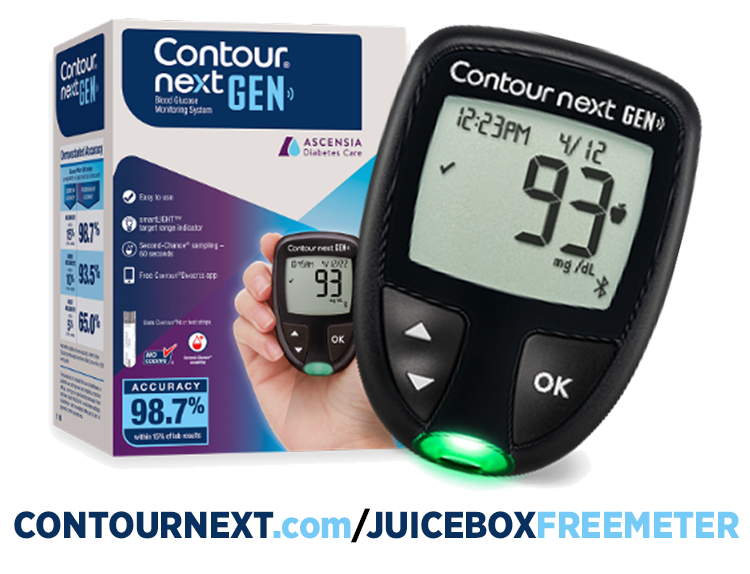
The Juicebox Podcast is a free show, but if you'd like to support the podcast directly, you can make a gift here. Recent donations were used to pay for podcast hosting fees. Thank you to all who have sent 5, 10 and 20 dollars!
#1007 Diabetes Pro Tip: Bump and Nudge
In this episode of the Juice Box podcast, Scott is joined by CDE Jenny Smith for the eighth installment of the Diabetes Pro Tip series, titled "Bump and Nudge." They discuss the concept of bumping and nudging blood sugars and its importance in managing type one diabetes. Scott emphasizes the statement that avoiding high blood sugars is key to maintaining good control.
You can listen online to the entire series at DiabetesProTip.com or in your fav audio app.
You can always listen to the Juicebox Podcast here but the cool kids use: Apple Podcasts/iOS - Spotify - Amazon Music - Google Play/Android - Radio Public, Amazon Alexa or wherever they get audio.
+ Click for EPISODE TRANSCRIPT
DISCLAIMER: This text is the output of AI based transcribing from an audio recording. Although the transcription is largely accurate, in some cases it is incomplete or inaccurate due to inaudible passages or transcription errors and should not be treated as an authoritative record. Nothing that you read here constitutes advice medical or otherwise. Always consult with a healthcare professional before making changes to a healthcare plan.
Scott Benner 0:04
Hello friends, and welcome to the diabetes Pro Tip series from the Juicebox Podcast. These episodes have been remastered for better sound quality by Rob at wrong way recording. When you need it done right, you choose wrong way, wrong way recording.com initially imagined by me as a 10 part series, the diabetes Pro Tip series has grown to 26 episodes. These episodes now exist in your audio player between Episode 1000 and episode 1025. They are also available online at diabetes pro tip.com, and juicebox podcast.com. This series features myself and Jennifer Smith. Jenny is a CD and a type one for over 35 years. This series was my attempt to bring together the management ideas found within the podcast in a way that would make it digestible and revisit double. It has been so incredibly popular that these 26 episodes are responsible for well over a half of a million downloads within the Juicebox Podcast. While you're listening please remember that nothing you hear on the Juicebox Podcast should be considered advice medical or otherwise, always consult a physician before making any changes to your healthcare plan or becoming bold with insulin. This episode of The Juicebox Podcast is sponsored by assenza diabetes makers of the contour next gen blood glucose meter and they have an amazing offer for you right now at my link only contour next one.com forward slash juice box free meter you can get an absolutely free contour next gen starter kit that's contour next.com forward slash juice box free meter while supplies last US residents only. The remastered diabetes Pro Tip series from the Juicebox Podcast is sponsored by touched by type one. See all of the good work they're doing for people living with type one diabetes at touched by type one.org and on their Instagram and Facebook pages. This show is sponsored today by the glucagon that my daughter carries G voc hypo pen. Find out more at G voc glucagon.com. Forward slash juicebox. Jenny Hello how are you? I'm good. How are you? Scott so good. Yeah. short episode going over the idea of bumping and nudging blood sugars, which is something we talk about on the podcast all the time. I'm a huge believer in the in the infuriating statement that you won't get high if you never get high. Sure, that's not as easy as it sounds. But that's how I think about it in my head. Right? So I want you to fight with a high blood sugar if I don't experience a high ledger. Of course, that's not always going to work. I'm not saying that. But I am saying that it's avoidable a lot of the time.
Speaker 1 3:05
I think of it as bumping and nudging just bumping and nudging it could be bumping that term. I love that. But I love it right? Yeah, you can do it with insulin can also do it with food. You can also do it with a deficit of insulin, which you can create with a Temp Basal. We're going to talk about it all right now.
Jennifer Smith, CDE 3:24
You can also do it with exercise.
Scott Benner 3:27
Do you know I just I just interviewed somebody who you won't hear for six months. But a girl who has had type one diabetes since she was a little kid and she's like she was so compliant, like with whatever her mom asked. So she needed like celery all there for blood sugar was high. But if she wanted, but if she wanted a cookie, she would go exercise and then come back and say to her mother, I just ran around the house this many times. So went up and down the steps this many times I would like my cookie now. And this is back. This was back when she was doing oh gosh, the words just slipped out of my head. What was the old timey insulin, regular insulin regular and mph? That's what she was talking pH. So back then she would do a little exercise to get her cookie. But you know this by the way, this girl is delightful. You have to find the episode with her.
Jennifer Smith, CDE 4:17
My, my mom would do the same thing with me. We're at my grandparents house, usually in the summertime for a couple of weeks. Usually at that time of the year. It was rainy, at least several days out of that time and I couldn't do anything outside. She would have me run around my grandmother's kitchen table and they had a pretty big dining room because it was a farmhouse. And I would literally my mom would be you need to run around. You need to move you need to move and I was like, okay, at that point. That's all move. You know, there'll
Scott Benner 4:47
be a snack after this. I guess it's all right. So yeah, yes. Okay, so, so basically, we'll start with this if you have a glucose monitor. You can't think about the alarms. The way you're thinking about them right now you have to your low alarm, you should put wherever you think you need to know like, whatever it gives you enough time to react, I don't care what that is, that's up to you completely ours is at 70. Some people put theirs at 60. You know, at whatever, I don't care, it's the high alarm that I care about. Because you need to be able to react to a rising blood sugar quickly, you react to it quickly, you're able often to react to it with less insulin, under percent, right, it takes less insulin to stop a 120 Diagonal up than it does to stop a 150 or a 180, straight up or 202 hours out. You could have avoided the problem that you're having now 45 minutes ago, if you knew it was coming, right, right, right now people will say, but Scott, I don't want this thing to alarm all the time. And it's gonna bother me and my kids at school, and I hear all your complaints, put them away. And here's why. Eventually, if you listen to these podcasts long enough, these concepts will lead to a world where you don't really ever leave your 120 blood sugar. So you won't get a ton of alarms. And on the days when that happens, I don't know mute your phone, but don't make a bad decision to avoid a problem that I think is avoidable. And so I know I've said this a million times, but it belongs in this episode. And I know I talked about driving a lot. But when you're driving, and you find yourself just kind of drifting off of the road, you don't turn the wheel 90 degrees to the left to avoid the curb. It's this almost imperceivable turn of the wheel, you're just nudging it back the tiniest bit. Yeah, that's how you avoid swerving into the oncoming traffic, because you've only turned it a little bit. This is how you stay off the diabetes rollercoaster. It is that simple, right? So you stop a rise before it can happen. And you use such a small amount of insulin that the likelihood of being low after you've done that is mostly imperceivable. Right? How much? Does that make sense to me? Where should this be on the Mount Rushmore of diabetes thoughts?
Jennifer Smith, CDE 7:10
I think it should be right there taught along with the early the early information of insulin use, it really should be, it should be it should be right there with when you're prescribed insulin. This is our target for high blood sugar should really in my professional opinion, it should be ratcheted down, we should not be being told that post meal blood sugars of 200 or 220 for kids is appropriate only because it's safe.
Scott Benner 7:47
Right and safe. And as much as you're not going to have a seizure.
Jennifer Smith, CDE 7:51
Correct? Correct. I mean, am I saying that you're aiming for you know, no rise at all? No, am I saying that you're aiming to to stay, you know, if you've been consistently rising to 250, and your alarm isn't set to 250, or 300, maybe you bring it down to 200 for a little bit, and then maybe you bring your high alarm down to 180, or you bring it down to 160. But as you do that, like you said, you're gonna see, it takes a lot less to address arise, then it does to correct a blood sugar that's already too high.
Scott Benner 8:24
And in the beginning, this will take more of your effort. But as time goes on, it takes nothing. It really does. I know sometimes I'll explode a Bolus out on screen when I'm doing a talk, right? And when you blow it up like that, and show all the decisions that were made you think, Wow, this does look like a ton of effort, right? So I always have to start by telling people what you're viewing up here encompassed about three seconds of my thoughts spread out over five minutes. Right, right. You'll spend more time in initially then, then you will one day. And so it's the same with this idea. I know it feels like if you set it at 120 it's always going to be beeping, but one day it won't be and And wouldn't you rather be bothered even on a on a bad day on a quote unquote bad day wouldn't shouldn't be bothered? Wouldn't you like to be bothered five times to bump a 120 back down? That might take up 20 minutes of your overall day than to be stuck in a 300 blood sugar and everything that comes with it all day long, right? All right, little bits of effort. Little bits of insulin, way better way, way, way, way better to avoid the highs because you can't get high if you never get high. You can stop it from happening. Does it always work? It doesn't always work. But mainly, I will say this, Arden spikes about twice a day. And it's timing stuff where we don't have the ability to do what we're doing. But when I tell you aren't in spikes, I'm talking about 150 170 You know, and we get it right back again. So imagine if you had to 180s or to 160s in a day and the rest was between 120 and 70. That's where you get an A one. See it's in the fives, right?
Jennifer Smith, CDE 10:15
Well for clarification to even about art and spikes, if not that you've waited until she's 170, to address it, but you've gotten the alert, the rise is happening, you've addressed it, you've probably taken a correction at like 120 or 130. Because you see the trend happening, she may still get to 151 70 before that insulin starts to working. But the curve down is probably more like an up down almost like a roller coaster. Right? But you're addressing it so that that ride down then is nice and smooth into the end versus staying way too high. And crashing from Bolus, Bolus, Bolus, Bolus, oh, no, I'm like 50.
Scott Benner 10:55
And because I reacted sooner, I still am keeping mainly the balance of the insulin action, carb impact. I'm still keeping them pretty well balanced. I obviously missed a little bit in the carbs. Got ahead. But I got back in the game soon enough that I'm not going to create a crazy low later. And then you come in for like a nice landing afterwards, which I somebody just texted me the other day and says, Can you please like, tell me what that means. And I always like I think, just put your hand up high, and then dip it down and then bring it flat again. And like that's sort of like this. That's what you're trying to make happen. Right? You're trying to come in the end
Jennifer Smith, CDE 11:27
of a roller coaster is what I explained. Yeah, kind of where you're the rush of that ride down and then you like roll into the station. Yeah, that's it exists nice and flat and smooth and perfectly
Scott Benner 11:37
bringing in for a nice landing. Right? So okay, so, so sure you can bump in nudge that way, right. But what if I'm at the tail end, for example of meal Bolus, and I'm noticing I'm 110 151 100, I'm starting to drift down. But I'm so far past this Bolus that I'm now in that space where people do the thing, they can just go, I hope this stops. Right, right? Wouldn't that be nice of this that what I like in that situation is a Temp Basal decrease, decrease, right, take away some of the Basal rates. So now Jenny can see me which is a little unfair, but I'm holding both of my hands together palm the palm, and I'm pushing it them. Basil is so important to think about like this on one side is the impact of your body and carbs. And on the other side is the impact of the insulin. And when you push at the same rate, no side wins, like I'm not going wildly one way or the other. Right. But all of a sudden, we get to a situation like I just described where, okay, the insulin is winning a little bit, right, the carbs that were there can't hold up the insulin that's left behind. So we start drifting towards a lower blood sugar, we'll just use your pump to tell it to use less insulin, take away a little bit of the force of that insulin has now maybe you'll catch it with a Temp Basal, and maybe you won't. But in certain situations, it's the best way to start. You know, I forever see people who are like, Oh, I'm heartbroken. I had to give my kid juice overnight. And you look and you see this 90 blood sugar that was just drifting down, that later, by the way, turned into a 180 because they put all this juice in. So you could have in that situation, if you really felt like you needed the juice bump with the juice, you don't have to drink the whole thing, drink enough to bring it back in for a nice landing. Or if you're far enough ahead of insulin impact. Try dialing back your your Basal and see if that doesn't catch it in your natural body functions don't kind of pull you back up again.
Jennifer Smith, CDE 13:38
And if you're in evaluation time period as just a kind of an aside in the overnight, if you give that little nudge with juice comes up a little bit and it drifts down and you give a nudge again and it comes up and it drifts back down. That's basil, you're in basil only unless you have a correction from earlier that brought you down so much. That's still working. Basal only that's a good you've got too much Basal. There's too much there, up, down, up, down, up down and it never stays stable. You got too much.
Scott Benner 14:11
The remastered diabetes Pro Tip series is sponsored by assenza diabetes makers of the contour next gen blood glucose meter and they have a unique offer just for listeners of the Juicebox Podcast. If you're new to contour you can get a free contour next gen starter kit by visiting this special link contour next one.com forward slash juice box free meter. When you use my link you're going to get the same accurate meter that my daughter carries contour next one.com forward slash juice box free meter head there right now and get yourself the starter kit. This free kit includes the contour next gen meter 10 test strips 10 lancets, a lancing device control solution. And to carry case but most importantly, it includes an incredibly accurate and easy to use blood glucose meter. This contour meter has a bright light for nighttime viewing and easy to read screen it fits well in your hand and features Second Chance sampling which can help you to avoid wasting strips. Every one of you has a blood glucose meter, you deserve an accurate one contour next one.com forward slash juice box free meter to get your absolutely free contour next gen starter kit sent right to your door. When it's time to get more strips you can use my link and save time and money buying your contour next products from the convenience of your home. It's completely possible that you will pay less out of pocket in cash for your contour strips than you're paying now through your insurance. Contour next one.com forward slash juice box for E meter go get yourself a free starter kit. while supplies last US residents only touched by type one has the back of people living with type one diabetes. Take for instance, their D box program touched by type one knows firsthand the intricacies of living with type one diabetes, and so their team has created a D box which is a starter kit that provides important resources and supportive materials to individuals with diabetes. They want you to thrive. The D box is completely free and available to newly diagnosed people. All you have to do is go to touched by type one.org. Go to the Programs tab and click on the box. While you're there. Check out all the other resources and programs available at touched by type one.org. Speaking of support, touched by type one.org is available in English and Spanish. Don't forget to find them on Facebook and Instagram too. You do not want to miss what touched by type one is doing. When you have diabetes and use insulin, low blood sugar can happen when you don't expect it. G voc hypo pan is a ready to use glucagon option that can treat very low blood sugar in adults and kids with diabetes ages two and above. Find out more go to G voc glucagon.com forward slash juicebox G voc shouldn't be used in patients with pheochromocytoma or insulinoma. Visit G voc glucagon.com/risk. I say a lot that if you find yourself when you find yourself boasting too often, your Basal is probably too low. If you find yourself out and doing to address in that situation too often with food, your Basal is likely too high. Right?
Jennifer Smith, CDE 17:41
Right. And you want to stop nudging as much as you can.
Scott Benner 17:45
We all want to go to sleep and nobody wants to drink juice in the middle of the night. And we're trying that's all the things we're trying to avoid right here. And I know a lot of it still sounds like oh, yeah, buddy, that. That sounds nice. But how do I accomplish this? I think that by now you're getting towards the end of this series. I think Jenny and I have laid it out pretty well, a couple of different ways here. So an important to remember. Because if you've ever spoken to me privately, if you've listened long enough, I will beat into your head over and over again. It's about timing and amount. It's about timing about even with basil. Even though you don't think of it the same way. Because basil doesn't all go in at the same time. If your Basal rate is too high, you have too much insulin and at the wrong time. So we've I've simplified diabetes down to like a handful of ideas that are sometimes so distilled, that even when I say them out loud, I go, does it just sound ridiculous to people when they hear it. But please trust me. At the end of this series, I'm going to go over all these ideas in simple sentences. It'll be a very short episode, you remember those sentences, apply what you've heard here. You're going to be on your way I you know, I can't promise but I swear I've seen it happen enough that I believe
Jennifer Smith, CDE 18:56
a little print off sheets got,
Scott Benner 18:59
oh, I don't want to give it away. Come back. I know.
Jennifer Smith, CDE 19:05
Well, the full full ideas are really behind all of those little simple statements. So if you had just a little simple statement, you're like, I don't even know what that means.
Scott Benner 19:12
And those reminders, I actually I use them too. So I've had times where I'm like what is happening? Because it's life, right? Like stuffs going on. You don't know like, why am I bolusing all the time. And I actually stopped myself one time and I remember standing in my kitchen thinking what would I tell someone if they asked me this? And I know that's ridiculous, but I was like, oh my god are basil needs to be increased. Boom. And there I was. I was like, Oh, that was so I should have listened to me. But like for days, I was like what's the problem here? So you're gonna you'll get those like simple ideas broken down into sentences that you can kind of repeat and keep in your head, you know that that'll should reignite the ideas that you heard in the podcast. Okay. So, to go over this again because in a different episode Do you need to think about how food affects your blood sugar? Sure, you need to think about how in some affects your blood sugar. Sure. But always to remember that you need to understand how the food affects the insulin so you can reverse engineer ideas. You're so used to thinking, I have this high blood sugar and I'm trying to force it down with insulin. Well, what if you have a low blood sugar and you're trying to force it up with food? I don't want to use too much. That starts us off on that roller coaster right we forget to believe that what we know is going to happen is going to happen we put in this food for low blood sugar, we shoot up now our insolence miss time, we eventually put in enough insulin it gets miss time with the food, the food now digest to your system. All the insolence left, you fly back down again, oh, my God, what do I do, I throw in more food than I wait and I get high. And then and then you start looking at the garage and thinking I just gonna pull the door down, start the car, put on my favorite album and go to sleep. But we don't need to do that. What we need to do is to bump and nudge with the food as well. And so this is crashing and nudging
Jennifer Smith, CDE 21:03
with the food might actually be a little different. If you know and pay attention to in those, let's say the drops where you're going to nudge with some food. Why is it declining? Is it truly basil, like we talked about overnight, right? Where you meet need a lot less nudge, little incremental nudge versus you've got three units of iob. And you're dropping? Yeah. And the drop is actually happening a lot more precipitously, right? You're really like coming down? Well, that little nudge of three sips of juice. If that's not the time to like nudge, you need a little bit more aggressive nudge than that.
Scott Benner 21:44
Yeah, I tell people all the time, if you see a 65 and it's really stable, and you want to try to check your basil law for half an hour to see if it comes back up right on. But if it's a 65 and dropping like a stone for the love of God drink a juice, eat a banana, shut your basil off, like like, you know, like you've really messed up somewhere so, but it's just not quite right. But the opposite idea that is not I'm gonna quote a mom that I spoke to. She said, Why did I always give the whole package of gummy bears? Why did I just automatically think because I opened the package. He had to eat all of the gummy bears. Why not two bears or three? Because 15 carbs? 15 minutes?
Jennifer Smith, CDE 22:21
15 carbs? 15 minutes. Right?
Scott Benner 22:23
Right. Bad advice you got from a doctor one time.
Jennifer Smith, CDE 22:27
And it was again, it comes to the safety. Right? It comes to the safety piece of this is an easy rip off. Non in the moment. This is just please do this because it will at least alleviate the law. Right? You'll be safe.
Scott Benner 22:42
It's jamming on the brakes 100 yards before you have to stop because you can't be 100% Certain you're gonna be able to stop but before you get 100 yards away because the doctor is not with you because they don't know the situation. Because they don't want you calling them on the phone every five minutes. Now I Bolus because I'm going to tell you when some people start explaining to me their bosses. I'm like, Look, I'm good at this. But that is hard to get straight in your head when someone's and you know, they're keeping something they're forgetting something. And so you're like, I can't make sense of this. Like show me a graph. Like when did you eat and sometimes they don't even know.
Jennifer Smith, CDE 23:15
Right? I like that's the reason I like little tiny like the Jelly Belly jelly beans, they're a gram of carb a piece. Skittles are a gram of carb apiece, they're an easy way to nudge with food in a accounted way. Rather than like sips of juice where you're like, I don't know, I might have had a bigger SIP or a little or SIP or a whatever my SIP might be the whole container. I don't know.
Scott Benner 23:41
I'm telling you again, Ninja like level of understanding, I can sometimes stick a straw on Arden's mouth from a juice box as she's drinking it. I just go and that's enough. And that's just something that comes with time, right? Like you're not going to figure that on day one. But the idea that it might not be all of it. And this and I alluded to earlier, it's gonna sound a little crass, but there are times when you just have to have the balls to wait. Like you can't just, you can't just over treat an 85 You know, what do you mean? Like I said it before, I've saw a woman online who told who once said that. That's a mom, and I'm sure she was scared out of her mind. I don't mean to make light of her. But she's like, I saved my kid's life last night with a juice box. And a kid was like 110 Diagonal down. I was like, wait a minute, you may very well have been on your way to the greatest night's sleep ever. You're never going to know right? And because this wasn't like what you were talking about. It wasn't like a big Bolus that was gone wrong. This was just like a drifting blood sugar. And I was like, Oh, you gotta wait the you know, you have to. And so let's talk about here like because we're gonna try to bump an agent in and out of an area. What is that area? And so, I mean, I'm sure to define your target. Yes. What is it you're going for? Right, like, I don't need Arden's blood sugar to be 85 constantly. I don't feel that way. But I don't like her blood sugar to be under 70. But I gotta tell you that if she drifts under 70 for a couple of minutes, I'm not running around looking for the glucagon, you don't even I'm like, let me see how I can just get this to kind of gradually come back up again. Same thing if she gets the 114. It said, Senegal, I really missed this. But you know what, now I'm only an hour and a half past this Bolus, I really do have to wait a second to see what's going on her or I have to decide I'm not going to look at this 140. And I may need to redress with food later. Right.
Jennifer Smith, CDE 25:35
Right. Right. So absolutely. And you know, that also speaks then to the benefit of now we've got the CGM, right, because with a CGM, you can see more often what's happening that 140 hour and a half after eating, it might be a stable 140 You don't know whether the next three blips are going to start a downtrend or they're going to start an uptrend or they're just going to kind of stay stable. So you have to really have that same thing with your 70 before if she's laying on the couch watching a TV program at 70. Okay, yes, she's not out running a marathon. She's not gonna go to the amusement park and walk around for four hours. She's sitting on the couch. Yeah.
Scott Benner 26:15
Even even when Arden is like incredibly active on a hot day playing softball, I still like a blood sugar right around 90. And so if I see 90 trying to get away from me, it's it could be just you know, you have a Gatorade with you take two splashes of Gatorade, then go back to the water, or, you know, have half of this juice box or are you hungry? You know, sometimes people are hungry. You don't think about it like that. Because you have diabetes, you always think about food as being this like surgical strike. But if you're playing you know, a sport, maybe it would be nice to take a bite of a banana every time you sat on the bench or something like that, right? Performance
Jennifer Smith, CDE 26:49
energy is different than blood sugar, strategy energy. For athletes,
Scott Benner 26:53
there's about 1000 different ways to think about bumping and nudging your blood sugar around so I want you to open your mind to it think differently. Try to really make sense of it. Jenny's got to go she's got a life. Okay, she's got she's got to work. And so I'm gonna let her go and say thank you. Absolutely. Always, always nice to me. I'll talk to you soon. I want to thank assenza diabetes for sponsoring the remastered diabetes Pro Tip series. Don't forget you can get a free contour next gen starter kit at contour next one.com forward slash juice box for E meter while supplies last US residents only. If you're enjoying the remastered episodes of the diabetes Pro Tip series from the Juicebox Podcast you have touched by type one to thank touched by type one.org is a proud sponsor of the remastering of the diabetes Pro Tip series. Learn more about them at touched by type one.org. A huge thank you to one of today's sponsors G voc glucagon find out more about Chivo Capo pen at G voc glucagon.com. Forward slash juicebox. you spell that GVOKEGLUC AG o n.com. Forward slash juicebox. Jenny Smith holds a bachelor's degree in Human Nutrition and biology from the University of Wisconsin. She is a registered and licensed dietitian, a certified diabetes educator and a certified trainer on most makes and models of insulin pumps and continuous glucose monitoring systems. She's also had type one diabetes for over 35 years and she works at integrated diabetes.com If you're interested in hiring Jenny, you can learn more about her at that link. I hope you enjoyed this episode. Now listen, there's 26 episodes in this series. You might not know what each of them are. I'm going to tell you now. Episode 1000 is called newly diagnosed are starting over episode 1001. All about MDI 1002 all about insulin 1003 is called Pre-Bolus Episode 1004 Temp Basal 1005 Insulin pumping 1006 mastering a CGM 1007 Bumping naj 1008 The perfect Bolus 1009 variables 1010 setting Basal insulin 1011 Exercise 1012 fat and protein 1013 Insulin injury and surgery 1014 glucagon and low Beegees in Episode 1015 Jenny and I talked about emergency room protocols in 1016 long term health 1017 Bumping nudge part two in Episode 1008 teen pregnancy 1019 explaining type one 1020 glycemic index and load 1021 postpartum 1022 Weight Loss one 1023 Honeymoon 1024 female hormones and in Episode 1025, we talked about transitioning from MDI, to pumping. Before I go, I'd like to share two reviews with you of the diabetes Pro Tip series, one from an adult, and one from a caregiver. I learned so much from the Pro Tip series when our son was diagnosed last summer. It really helped get me through those first few very tough weeks. It wasn't just your explanations of how it all works, which were way better than anything our diabetes educator told us. But something about the way you and Jenny presented everything, even the scary stuff. That reassured me that we could figure out how to deal with us and to teach our son how to deal with it too. Thank you for sharing your knowledge and experience with us. This podcast is a game changer 25 years as a type one diabetic, and only now am I learning some of the basics, Scott brings useful information and presents it in digestible ways. Learning that Pre-Bolus doesn't just mean Bolus before you eat but means timing your insulin, so that is active as the carbs become active, took me already from a decent 6.5 A one C down to a 5.6. In the past eight months, I've never met Scott. But after listening to hundreds of episodes and joining him in his Facebook group, I consider him a friend. listening to this podcast and applying it has been the best thing I have done for my health since diagnosis. I genuinely hope that the diabetes Pro Tip series is valuable for you and your family. If it is find me in the private Facebook group and say hello. If you're enjoying the Juicebox Podcast, please share it with a friend, a neighbor, your physician or someone else who you know that might also benefit from the podcast. Thank you so much for listening. I'll be back very soon with another episode of The Juicebox Podcast. If you're living with diabetes, or the caregiver of someone who is and you're looking for an online community of supportive people who understand, check out the Juicebox Podcast private Facebook group Juicebox Podcast type one diabetes, there are over 41,000 active members and we add 300 new members every week. There is a conversation happening right now that would interest you, inform you or give you the opportunity to share something that you've learned Juicebox Podcast, type one diabetes on Facebook, and it's not just for type ones, any kind of diabetes, any way you're connected to it. You are invited to join this absolutely free and welcoming community.
Please support the sponsors

The Juicebox Podcast is a free show, but if you'd like to support the podcast directly, you can make a gift here. Recent donations were used to pay for podcast hosting fees. Thank you to all who have sent 5, 10 and 20 dollars!