
#1223 Trust Issues
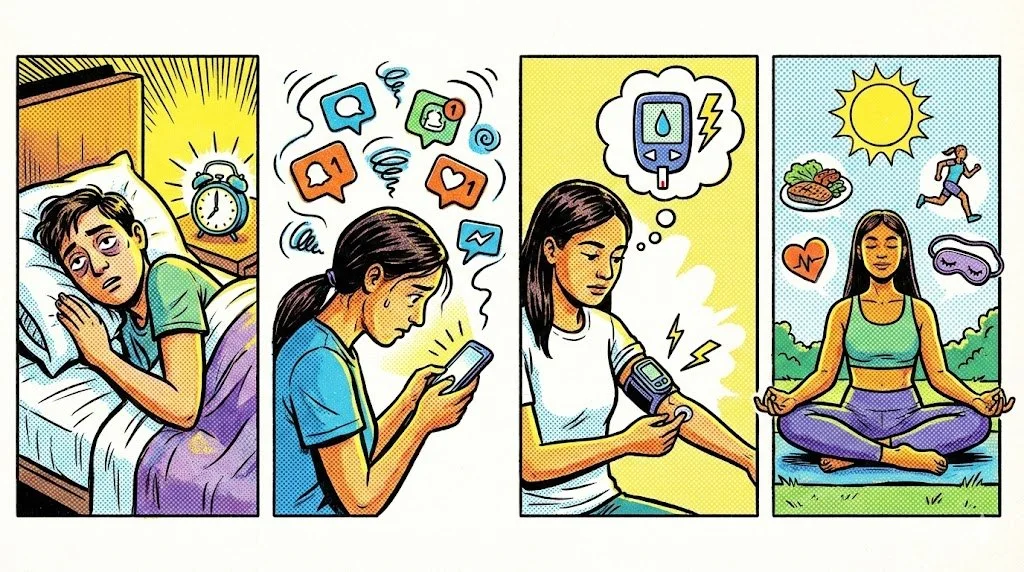
Laurie talks about mistrust, pressure and stress. She is the mother of a child with type 1.

You can always listen to the Juicebox Podcast here but the cool kids use: Apple Podcasts/iOS - Spotify - Amazon Music - Google Play/Android - iHeart Radio - Radio Public, Amazon Alexa or wherever they get audio.
+ Click for EPISODE TRANSCRIPT
DISCLAIMER: This text is the output of AI based transcribing from an audio recording. Although the transcription is largely accurate, in some cases it is incomplete or inaccurate due to inaudible passages or transcription errors and should not be treated as an authoritative record. Nothing that you read here constitutes advice medical or otherwise. Always consult with a healthcare professional before making changes to a healthcare plan.
COMING SOON













Please support the sponsors





The Juicebox Podcast is a free show, but if you'd like to support the podcast directly, you can make a gift here. Recent donations were used to pay for podcast hosting fees. Thank you to all who have sent 5, 10 and 20 dollars!
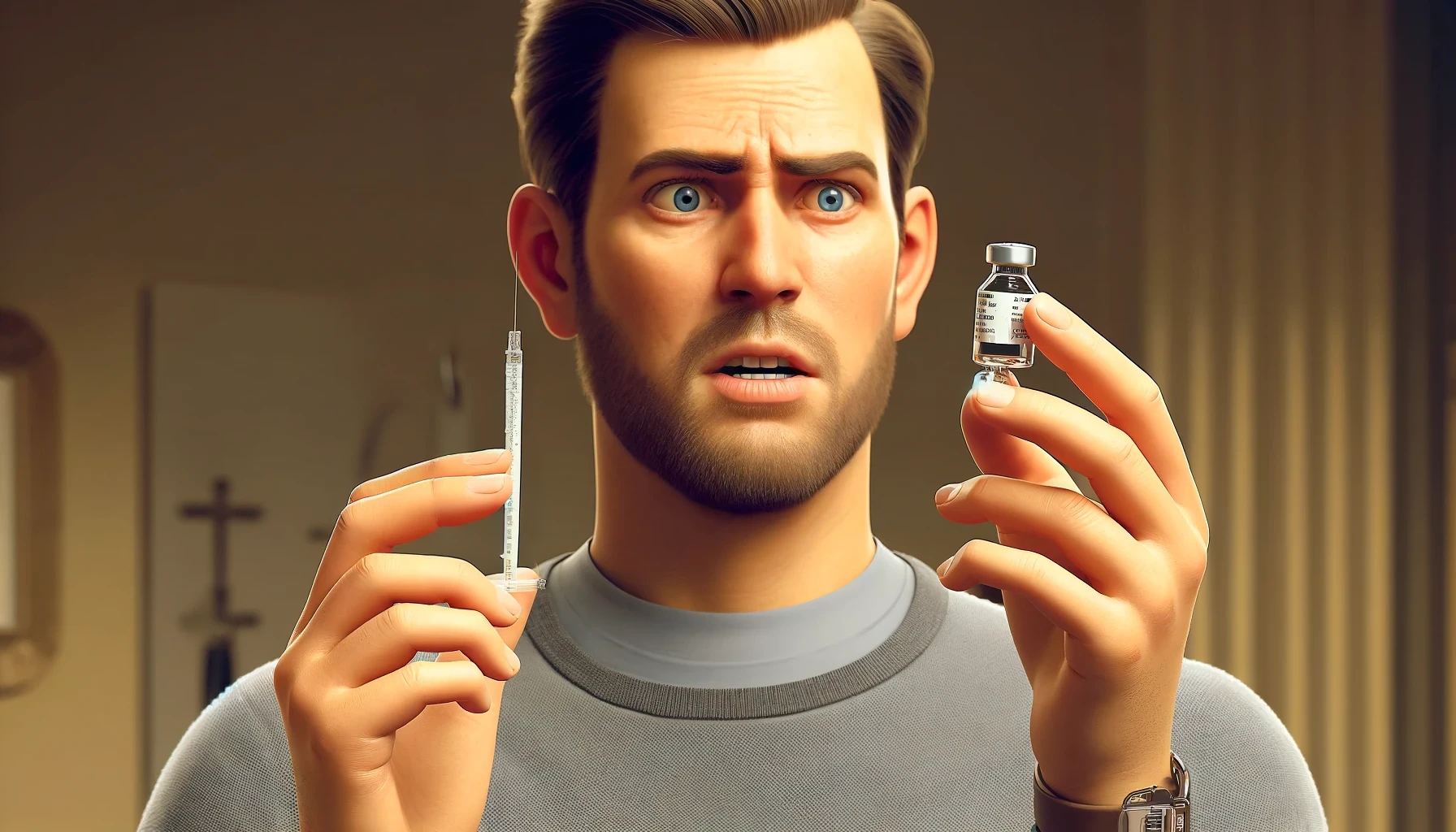
#1222 Bold Beginnings: Injected Wrong Insulin
Bold Beginnings will answer the questions that most people have after a type 1 diabetes diagnosis.
You can always listen to the Juicebox Podcast here but the cool kids use: Apple Podcasts/iOS - Spotify - Amazon Music - Google Play/Android - iHeart Radio - Radio Public, Amazon Alexa or wherever they get audio.
+ Click for EPISODE TRANSCRIPT
DISCLAIMER: This text is the output of AI based transcribing from an audio recording. Although the transcription is largely accurate, in some cases it is incomplete or inaccurate due to inaudible passages or transcription errors and should not be treated as an authoritative record. Nothing that you read here constitutes advice medical or otherwise. Always consult with a healthcare professional before making changes to a healthcare plan.
Scott Benner 0:00
Hello friends and welcome to episode 1222 of the Juicebox Podcast.
Today, Jenny Smith and I are going to talk about one topic. That topic is What do I do if I inject the wrong insulin? Now basically what that means is you're about to inject your Basal insulin and you do it you know, what do you get like 2030 units of basil a day, whatever your number is, and you won't put it in and whoopsie daisies I put in my mealtime insulin. What do you do? Nothing you hear on the Juicebox Podcast should be considered advice, medical or otherwise, always consult a physician before making any changes to your health care plan. If you or a loved one was just diagnosed with type one diabetes, and you're looking for some fresh perspective, the bowl beginning series from the Juicebox Podcast is a terrific place to start. That series is with myself and Jenny Smith. Jenny is a CDC as a registered dietician, and a type one for over 35 years. And in the bowl beginning series, Jenny and I are going to answer the questions that most people have after a type one diabetes diagnosis. This series begins at episode 698 In your podcast player, or you can go to juicebox podcast.com. And click on bold beginnings in the menu. This episode of The Juicebox Podcast is sponsored by the Dexcom G seven dexcom.com/juice box. And by the way, Dexcom now pairs with your Apple Watch. Check it out dexcom.com/juice Box. Today's episode of The Juicebox Podcast is sponsored by the contour next gen blood glucose meter. This is the meter that my daughter has on her person right now. It is incredibly accurate and waiting for you at contour next one.com/juice box. This show is sponsored today by the glucagon that my daughter carries. G voc hypo Penn. Find out more at G voc glucagon.com. Forward slash juicebox. Jenny I thought today we could talk about what to do. Like I want to have a nice, small, all in one episode about what do I do if I inject the wrong insulin? Oh, that's a good one. Yeah, it happens to people and the time to start thinking about it isn't when it's happening. So I'd like people to know ahead of time what to do. So good. I was gonna say
Jennifer Smith, CDE 2:41
I think something else that goes along with it too. Although most, most pumps now have a protection feature to dosing too much even have the right insulin right one unit versus oh my gosh, I took 10 units because I didn't realize what buttons I was pushing. Right? Yeah, but I think it's part of the same,
Scott Benner 2:58
it's still happening. Also, I have a story that I'll tell during this that will. I didn't know what I was gonna say there. I always think of every time I think of saying something that will shock somebody I think of the line from the Julia Roberts movie, where she's famous. And Hugh Grant owns a bookstore. What is that movie? Do you know what I mean? I know they fall in love. And there's a crazy roommate of Hugh Grant. Anyway, he says, I'm going to tell you a story that will shrink your balls to the size of raisins. And I think of that every time I think of this and I have a story like that about somebody getting too much insulin, which I will tell awesome later, let
Jennifer Smith, CDE 3:34
me just say no, the roommate is always in his underwear. Yeah, I don't know the name of the movie. But he's like a crazy and he's British, and he's got the most horrible t
Scott Benner 3:43
this is ridiculous at the end are on the park bench. She's pregnant, it's happy. I'm an art. If that doesn't come to us, we'll look it up at the end for all the people who are yelling at their headphones right now and already know the answer. Okay, so here's what could happen. And now listen, if you're not MDI, like Jenny just said, Hold tight, this applies to you as well. But moreover, what ends up happening normally is that people at the end of the day or in the early morning, when they're tired, grab their fast acting insulin or mealtime insulin instead of their basil or their slow acting insulin and inject a lot of fast acting insulin instead of basil. So yes, yeah.
Jennifer Smith, CDE 4:20
And I would say that's correct in terms of the majority of MIS used insulin type. That's it is somebody meant to take their basil, and instead they took their rapid acting, it's not common that I find the other way around. Yeah,
Scott Benner 4:37
and if that happened, you just be like, Oh, well, whatever.
Jennifer Smith, CDE 4:41
Maybe I don't have to inject you know, rapid today because I've got so much basil in the background, right, but it could just eat all day,
Scott Benner 4:48
but it doesn't feel as like immediate Yeah, like it has to happen right now because it does because, listen, even if you're a if you're a kid, even you know and you inject for Five units of Novolog, let's say when you meant for it to be, I don't know, 11 meter or transceiver or something like that that's a significant thing because most people know for their kids, five units is a ton. And then when you get into adults, they could be using 2025 30 units of Basal insulin. And now all of a sudden, you've got 25 units of fast acting insulin, but let's pick round numbers. So we can do this well, okay. Okay. Let's say you meant to inject, I don't know 10 units of basil. And instead you injected 10 units of fast acting. And your insulin to carb ratio is one unit covers 10 carbs. This is a nice way to conversationally, very easy math, right? So I've seen people panic. I've seen people call 911. I've seen them drive to the emergency room. I very frequently wonder why people don't just think, Well, I wonder what my carb ratio is here. How much would I have to eat to counteract this?
Jennifer Smith, CDE 6:00
Right. And that should be a it should be a first thought. But I also think, as you said, it's a Oh, my goodness, what did I just do and panic sets in. And you think that was a lot of insulin and especially for? I think from a clarification, as you said, already, kiddos, many little kids are very sensitive to insulin. So a whopping 10 units of rapid insulin, when it shouldn't have been, could have been a lot of extra insulin versus an adult who maybe could actually cover that pretty easily with some simple food,
Scott Benner 6:37
right? And maybe wouldn't be a crazy amount for them to begin with as a meal Bolus. But just to keep your head about you. If one unit is 10 carbs for you, and you put in 10 units, you need to eat 100 carbs. Yes, not that much. But
Jennifer Smith, CDE 6:57
But I think the timing there of putting it in. Thankfully, we have CGM where you not only took the amount of insulin now you've got it? You're okay. Okay, I've got this. I know how much I took. Let's put all the pieces together. Where is my blood sugar? Where is it heading? Is it stable? Is it rising? Is it already falling and lower to begin with? So those are all parts in the decision of starting to put food in to cover this excess?
Scott Benner 7:26
Right? What kind of food is that? Because of digestion absorption? Am I going to cover the 10 units in time? So if you panicked, for example, and said, I don't know, see, I guess this is the problem. Like I like doing this in real time. Because what food would I go grab? And like? Do you start thinking a hundreds of big numbers, so I have to get something that's like a lot or like instead of thinking like, let me put in some fast acting sugar and then go get something that digests a little slower.
Jennifer Smith, CDE 7:59
You're right. And that's where you're now thinking as someone should be thinking, Okay, where's my blood sugar? Is it in target? Is it dropping? If it is you're looking at that 10 units now, probably a little bit more simple carb upfront, to really stabilize out whatever drop was happening already before the 10 units right. And then once you've got stability, then again, action of rapid insulin is about let's call it four hours, it's three to five hours, but on average about three to four hours so you still have you still have a timeline of its action to cover that 100 grams doesn't need to be eaten in 15 minutes. If
Scott Benner 8:42
you take insulin or sulfonylureas you are at risk for your blood sugar going too low. You need a safety net when it matters most. Be ready with G voc hypo pen. My daughter carries G voc hypo pen everywhere she goes because it's a ready to use rescue pen for treating very low blood sugar and people with diabetes ages two and above that I trust. Low blood sugar emergencies can happen unexpectedly and they demand quick action. Luckily Jeeva Capo pen can be administered in two simple steps even by yourself and certain situations. Show those around you where you storage evoke hypo pen and how to use it. They need to know how to use Tchibo Capo pen before an emergency situation happens. Learn more about YG vo Capo pen is in Ardens diabetes toolkit at G voc glucagon.com/juicebox. G voc shouldn't be used if you have a tumor in the gland on the top of your kidneys called a pheochromocytoma. Or if you have a tumor in your pancreas called an insulinoma. Visit GE voc glucagon.com/risk First, right? You get out of it. Right? So stop the initial drop from crashing you with Some food buoy and a little bit, if you will, like you know, hold it up a little and then go a little slower eating forward, watch the clock, watch your CGM or test if you start drifting in the wrong, like drifting up, you think maybe, oh, maybe I got this now. Right,
Jennifer Smith, CDE 10:15
and then you let the drift happen at that point, you definitely still have insulin Now let the drift happen. Yeah, I mean, you don't like high blood sugars. But this is a different scenario of a high you were trying to prevent what you didn't plan to do to begin.
Scott Benner 10:28
We're also trying to go without saying it. And maybe we should just say it here like you're trying to prevent, like dying is what you're trying to prevent? Yeah. Yeah, let's run the risk of having a high blood sugar for a few hours until we're sure that insulin is gone. Right? I do see people at times, they run to juice. And they start panicking and trying to get all the carbs and the juice, but I want to I want to tell you, you can get what I call juice sick. If you do that, like you're like your stomach, and then you're in trouble. Because if you vomit, or you can't eat anymore, and you still need more, you're going to be in trouble there as well. If you're trying just to cover with correct with
Jennifer Smith, CDE 11:05
food, right? Which is again, the reason for some of the timing of intake, right? If your timing that out giving a portion upfront watching the CGM, you know, watch it every 15 to 20 minutes digestive Lee you have to get get some time going for that food to move in, really get absorbed. If you want to speed some absorption because you were dropping already, you may do some warm liquid along with the simple carbs, because that does speed up absorption and the rate of kind of digestion. So it gets things moving a little faster to stabilize things out. And then eventually with stability, you know, okay, well, I covered this much already, there's still this much, let's say five units was still uncovered. As long as you've got stability, you may start putting in the rest of the food to cover that five extra units in a little bit more complex food. So that, you know, so that it doesn't really cause a big spike and then drop you off yet again,
Scott Benner 12:02
because of digestion. So I'll say this, if you haven't listened to the Pro Tip series, I think if you listen to the Pro Tip series, when this happened, you would just do what Jenny and I are saying kind of naturally, right? Because you you'd have a concept of timing, and amount, right? And so but if you haven't fair enough, what did you just say about the warm liquid? What does that do that helps your body pull up the sugar?
Jennifer Smith, CDE 12:28
Yeah, so warm liquid actually speeds the rate of digestive to a degree and so that it increases the ability for your body to digestive ly absorb that food or that carbohydrate, especially faster, so that you're you know, you get a little bit quicker response. You know, again, if you were dropping honey in warm water is lovely. It five grams per teaspoon, it works pretty quickly. You're getting it into your system, it's also not volume, you're talking about juice sickness. There's only so much liquid you can put in before you start feeling yuck right to teeny tiny amounts, maple syrup or honey, even a teaspoon of like regular sugar can be easy to get in and it's not this large volume of
Scott Benner 13:14
food. That's a good point. Like even the juice boxes that aren't and still carries to this day for Lowe's are very tiny. But we I mean, I guess I did a lot of juice box research at one point in my life, right? Like, how can I get her the least volume of liquid that she still is okay with the taste of that will get her the most carbs because we're not using them for pleasure. You know, we're not using them to drink we're using them to combat a low blood sugar. You know, I have to say, I sent her off to college six months ago with juice boxes. And I was like, Look, when you run out of them, you'll have to buy more. And she hasn't had to buy more. That's awesome. So exciting. Yeah, it's such a little thing. But like I love throwing juice boxes away when I pick her up at college. I'm like, Oh my God, you didn't use these like, it's fantastic. Yay. Let us go into digestion just Just a minute. So you can't just grab anything. The amount of people I see are like I have a little blood sugar in there. Like they have chocolate. I'm like that is not not an option. Not chocolate. Yeah, like I know because they think sweet or sugary, which is nice, but it's fatty and not absorbable being slow. Yeah. So simple sugars to stop the, I guess the way you have to think of it as you've just put in way too much insulin. And reasonably speaking, insulin does not work faster or slower. Because you've used more of it like inlet until you start getting into really bigger numbers. Yeah, value like if you start I mean if you put in, let's say 150 units instead of one and a half units, which by the way, hint hint is the story I'm going to tell you in a minute. So it let's say that happened, then yes, it's going to start dropping more quickly. But if you put in 10 And, and you know your normal Bolus is like for usually the, it's not like your blood sugar is going to drop 12 seconds later. Correct. So you have a little time. Now we're going to put in some fast acting easily absorbed stuff like juice like honey and warm water, that kind of stuff to basically start shooting your blood sugar up so that when that insulin starts to hit, it's fighting against the rise already. Yeah, kind of the opposite of Pre-Bolus for a meal, instead of causing a drop, that your food just kind of hold steady, you're gonna put in enough food that even if the drops happening, it can't overwhelm, right? Yes, right? Yep. Now you've got yourself saved for a minute, I'll take a breath. Right? And now do the do the math. How many more carbs do I have to cover here. But we're not going to do that with pizza, for example, because now your digestion slows way down. And the insulin has time to overpower the simple sugar that you took to initially. And now the pizzas not digesting. So now the insulin is there. And nothing's combating it. If you explain how to Bolus for pizza right now, that will solidify my example. Would you do that for me?
Unknown Speaker 16:12
How to Bolus for pizza? How
Scott Benner 16:15
do you Bolus for pizza? Sure,
Jennifer Smith, CDE 16:17
so pizza has a lot of carb, right. But it also has a lot of fat and potentially a lot of protein, which is going to draw out an impact. So you're going to do is you're going to give some upfront with Pre-Bolus, maybe 50%, let's call it. And then if you're doing multiple daily injections, you may do a split Bolus technique, a Bolus some up front you Bolus some maybe right after the meal or some maybe 30 to 60 minutes after the meal to catch the end effect. If you have a pump that does something like an extended Bolus can do some upfront and extend from that point the rest of it over a period of one to three hours, for example. So essentially, you're getting some, and then you're ticking in the rest as the food digests more slowly on the back end.
Scott Benner 16:59
So for those of you who have ever Bolus for pizza and thinking like, oh, there's 30 carbs, and every one of these slices, I'm gonna have three slices, here's 90 carbs. And the next thing you know, you're super low. It's because the insulin is working, the food hasn't started digesting enough for your body to pick it up. And to combat it. Understanding how to Bolus for pizza explains why you wouldn't use something like pizza in this example, like so I thought maybe that would be a good thing to
Jennifer Smith, CDE 17:25
absolutely make sense. I you know, and I think in terms of the technology we have today, I think another piece that should really help to decrease the panic in that scenario is you don't have to do a finger stick every single five minutes, right, you've got to CGM to be able to follow. The other really awesome thing is that in today's world, we have multiple options for glucagon. And if you really were worried, and you really didn't see movement on that glucose graph, and you did finger sticks, and they were verifying that the CGM is correct and your blood sugar is not rising, and you're worried. You have glucagon. Yeah, you could use it. Absolutely.
Scott Benner 18:05
And I just want people to understand how to manage it without it. But I'm not saying don't use it. If you get sick to your stomach, if you panic, if you like just better off alive with a high blood sugar. And we'll start over again, then that not I don't want to see a passing out. I also don't want to see what I hear happen sometimes. Once the panic goes through. People will put themselves in the car sometimes to go to the hospital. And I'm like, No, I don't want you driving. Your blood sugar's falling rapidly. You don't know when it's gonna tank out like putting, but I've seen it happen, like, yeah, there's a panic, then there's a froze, they freeze. Some people will go to the internet helped me I just did this, all I can think is there's five minutes there to open your phone to put up the posts or somebody sees it like, time is wasted. And then they're like, I don't have anything in the house, or I don't have this right. I can't make up that much. I don't feel well. I'm gonna go to the hospital. And I'm like, by yourself. Call my
Unknown Speaker 19:07
purpose of 911. Yeah,
Scott Benner 19:08
we don't want you to driving during the situation. But I think what happens is, is that any reasonable person who would not do something like that, in a normal situation, when the panic hits them, and they run out of options, they just go to what's left. And you know, if you really thought if you really thought you were about to pass out in your home, and you had enough insulin in you that it was going to do you in then trying to drive to the emergency room doesn't seem crazy. All of a sudden, you don't I mean, right? Anyway, I've just seen so many people have these experiences that I'm aware of where they go upside down at times. With all that said, you have to have this stuff in your house, obviously like if you have type one diabetes, and you don't have this stuff in your house. There's got to be an emergency stash somewhere of stuff Correct? Yes, you need to understand that simple sugar absorbs well through your cheeks, like inside of your cheeks. You You can rub like glucose gel in there. You can try tablets, you know, but yeah, use your use your glucagon if, if if you can't figure the rest of it out or if you're panicking because we don't want anything bad to happen. Oh,
Speaker 1 20:11
you know what? Good thought of the movie name.
Scott Benner 20:15
Wait. Oh now I feel weird. So, wait, we wait. So she's a very famous like in
Jennifer Smith, CDE 20:22
the back of my brain thinking while we've been talking about like, I know that
Scott Benner 20:26
she's super famous She's an American actress she comes to England to make a movie falls in love with a guy from a bookstore. They have a bit of a romance they break up again, Alec Baldwin shows up at some point. I know the entire goddamn movie. But what is it called?
Unknown Speaker 20:42
Can I give you a letter?
Unknown Speaker 20:44
I guess so go
Unknown Speaker 20:45
ahead. Ah, in this is in the second word. Second word. It's a two word name.
Scott Benner 20:55
I'm gonna be so embarrassed. I also let me tell you this. I've seen this movie like five times because my wife watches it all the time.
Jennifer Smith, CDE 21:02
Oh, really? I don't think I've only seen it like watched Oh, no,
Scott Benner 21:05
I could pretty much walk you through the script right now if I needed to at one point, she's making kind of like a bridgerton type show. And he shows up there and puts a headset on here's her talking to another actor about him. I know the whole thing. What? Don't tell me. Just okay. Okay. Let's keep talking. Okay. Okay, so be good.
Jennifer Smith, CDE 21:26
I was gonna say another component that I do think of it for those who are on pumps, this wouldn't apply for MDI. But it would apply for pumps, you do have the opportunity to subtract some of your Basal over the next couple of hours. Right, you could technically replace knowing again, insulin action is going to be a couple of hours of this bigger dose than you expected to take. And if you've got an insulin, you know, Basal rate that's like one unit an hour, you could technically for the next two hours just set us a zero Basal or a suspend, which could prevent that Basal from building behind this large dose, allowing some of that Bolus to just be replaced.
Scott Benner 22:08
Yeah, I would say that, like if your blood sugar was 130, and it was super stable for hours, you never any act of insulin at all. That contour next gen blood glucose meter is the meter that we use here. Arden has one with her at all times. I have one downstairs in the kitchen, just in case I want to check my blood sugar. And Arden has been at school, they're everywhere that she is contour next one.com/juice box test strips. And the meters themselves may be less expensive for you in cash out of your pocket than you're paying currently through your insurance for another meter. You can find out about that and much more at my link contour next one.com/juice box contour makes a number of fantastic inaccurate meters. And their second chance test strips are absolutely my favorite part. What does that mean? If you go to get some blood and maybe you touch it and I don't know stumble with your hand and like slip off and go back. It doesn't impact the quality or accuracy of the test so you can hit the blood not good enough, come back get the rest without impacting the accuracy of the test. That's right, you can touch the blood come back and get the rest and you're gonna get an absolutely accurate test. I think that's important because we all stumble and fumble at times. That's not a good reason to have to waste a test trip and with a contour next gen. You won't have to contour next one.com forward slash juicebox you're gonna get a great reading without having to be perfect. Today's episode of the podcast is sponsored by Dexcom and I'd like to take this opportunity to tell you a little bit about the continuous glucose monitor that my daughter wears the Dexcom G seven the Dexcom G seven is small. It is accurate and it is easy to use. And where Arden has been wearing a Dexcom G seven since almost day one of when they came out and she's having a fantastic experience with it. We love the G six but man is the G seven small the profile so much closer to your body the weight, you can't really feel it and that's coming from me and I've worn one I've worn a G six I've worn a G seven I found both of the experiences to be lovely. But my gosh is that g7 Tiny and the accuracy has been fantastic Arden's Awan C's are right where we expect them to be. And we actually use the Dexcom clarity app to keep track of those things. That app is built right in to Arden's Dexcom G seven app on her iPhone. Oh, did you not know about that? You can use an iPhone or an Android device to see your Dexcom data. If you have a compatible phone, your Dexcom goes right to the Dexcom app. You don't have to carry the receiver but if you don't want to use the phone, that's fine. Use the Dexcom receiver it's up to you. Choice Is yours with Dexcom dexcom.com/juicebox. Like if your blood sugar was 130, and it was super stable for hours, you never any active insulin at all, and your Basal rate was one unit per hour. If you just Bolus two units, and then shut your basil off for two hours, you'd be very possible you wouldn't notice anything happened. Right? Right, like so those are those kinds of ideas that you need to apply in this situation for certain. Okay, so we've injected the wrong insulin or pump in more than we've meant to, these are ways to handle that. What if I do the wrong dose of? So here, these are actually questions from people. So what do I do when folks inject the wrong insulin? Like their fast acting versus their long acting? What do I do be aware of what's the next few hours? Like? What's the math behind it? I feel like we've covered all that, what to do if you take a double dose of long acting by accident, so that so I shoot my Basal insulin, and an hour later, I can't believe this does happen. Like I do it again. I go, Oh, my God, I Oh, my God. Now I have 20 units of my long acting going. It's almost, I mean, it's a completely different game now. Right? Like, because it's not, yeah, it would be
Jennifer Smith, CDE 26:17
a completely different. And again, depending on the time of day, if you're a Basal dose, at night, or, you know, in the evening, it's very, very likely, the best recommendation would be to have an uncovered snack before you go to bed, because you now have twice the amount of Basal insulin. And while we do you know, the newer insulins like true Siba, they tend to be much more flat. In effect, they don't really have a rise and then kind of a dip down at the end. Lantus is fairly flat, but it still does have a little bit of a surge in action and kind of like a petering out at the end. But in all, the best option there is again, to aim for a little bit higher blood sugar, especially overnight than what you would typically aim for, let's see for the overnight and uncovered snack, some good protein content to it, so that it has some sort of stability behind everything. The next day, though, and this is for those who might do their Basal insulin in the morning, now you've got double coverage. And as I sort of said earlier, it's very likely your doses for meals are probably going to need a downplayed dose, because now you have a lot of basil. The other potential is that you have to have a meal. And you may have to have some uncovered snacks between because again, there's a much higher amount of Basal insulin there than you wanted to have.
Scott Benner 27:43
So if your Basal is dialed in perfectly, and you're one unit an hour, you know, it's let's say it's 24, you should 24 units a day, because you're about one unit an hour. Now suddenly, you've put it in twice, now you have 48, if your stability is at 90 on the 24 units, with 48, your blood sugar is just going to constantly want to be low. So you're basically going to have to feed that insulin until it's out or until it starts to wane. And the newer ones don't wane the way the older ones though. So you might be 24 hours if you did this with the receiver, for example. Correct. Versus if you did it with Lantus or levemir, which would probably start to change around like 1820 hours, I'll tell you, yeah, okay. super interesting. Now, here's your story. So this is an interview that won't be out for a number of months here on the podcast. But this seven year old girl leaves in the morning, she's an omni pod user, but leaves her phone behind in her car when she goes to school. So the mother calls the school and says, Hey, you know, you're gonna have to go to the backup plan, let's we'll use MDI until I can get back to the school and drop off the phone, which I'll be able to do pretty soon. But you know, there's a thing coming up, you know, whatever it comes up, you know, go to the MDI, 504 plan, etc, has us covered for that. So the mom does some stuff, she gets to the school. And just as she gets to the school, she comes to the nurse's office, because that's where the kid is, the kid just got insulin for something. And the moms think so I'll go to the nurse's office and drop off the controller, the phone, whatever, and I'll be on my way and she sees the little girl who for some reason has two syringe marks inner instead of one like it just interesting, too, that she could see the syringe and she could see these two little syringe marks on a kid and she goes, Wow, how can we have like two little like, you know, how can we get poked twice? And the nurse says all the insulin didn't fit in just one syringe. Yep. And here you go. Johnny, take a minute to take it in. You'll want to catch this when it comes out because it's just me cursing a lot for for an hour.
Jennifer Smith, CDE 29:55
So the woman thought that literally all the insulin in the vial was a dose and had to go in.
Scott Benner 30:01
She wanted to give her a unit and a half and gave her 150 units of insulin. A seven year old. So the mom, as you'll hear in the Yeah, Yeah, no kidding, like really absorb it for a second. So when we talked about the if you put in enough insulin and a smaller about you know, in a body, it'll it started acting pretty sure on the kid right? So
Jennifer Smith, CDE 30:22
well and is going to last for quite a while because when you talk about volume, that volume of let's call it a unit and a half may take a little time to get moving like normal are Pre-Bolus. But then it's gone in a normal amount of time because that pocket of insulin into the skin is it's almost like a styrofoam ball instead of a Super Bowl ball. Right, that compact turning on rubbery. That's a large dose of insulin. And now despite having a three to five hour active insulin window, now you've got a tightly packed insulin that's inside of that ball of injected and that's going to take
Scott Benner 30:59
forever. Yeah, well, what it took was eight hours on a on a dexterous drip in the ER, yeah. So anyway, I won't ruin the whole story. Or the things I said I would do to the school nurse. But my God, but anyway, the mom, she first just she just tries to find a way that it didn't happen. Are you sure that's what you did like? So there's a couple of minutes spent in the office doing that. They live very close to the house where they live. And so she's fixed the kid in the car is at the house in two minutes. leaves the kid in the car runs the house grabs glucagon I'm not sure why glucagon wasn't at the school. But anyway, I bet she does. Now she hits the kid with the glucagon. But the kids already depan like I'm sure yeah, like she's she's her lights are going out. Right like so the she hits her with the glucagon, which pushes her blood sugar to like 74 long enough for her to drive her to the emergency room. Anyway, I she told me that story. I couldn't decide if I was gonna cry or scream when she was saying it. It was insane. Like, wait, did you hear her tell the story? That's
Unknown Speaker 32:08
like, I don't usually I have words for most things.
Jennifer Smith, CDE 32:14
But I don't have words like I don't even I wouldn't even have words in the moment. I wouldn't have wasted words on the nurse I would have, I would have moved with my child. And the words would have come later. Oh,
Scott Benner 32:26
I told her I said I said if that was me, I would have been shooting glucagon with one hand at choking that lady with my other one. And for clarity, because you definitely go find the story somewhere, wherever it isn't a podcast and good luck. I probably ended up naming it something stupid. You'll never find it. But a nurse in her 60s She was a nurse for 40 years and
Jennifer Smith, CDE 32:43
should have no mean insulin has been around that long drying up insulin. You can't tell me this wasn't the first child she's given.
Scott Benner 32:52
Right? But it goes to prove like what we were talking about a little like to come down on the side of the nurse for a second, right? Like what we talked about before, like, I don't know, how do you shoot 24 units of basil and then do it again. An hour later. He's because sometimes you just you get flummoxed and you just don't think of things. My real like sticking point was? Why would a needle manufacturer make a needle that doesn't hold enough insulin for an average seven year old to Bolus for a sticky snack? Like Like, right? Like, do you really think people are hitting themselves with multiple needles every time they eat? And that's where no common sense got involved at all. It didn't stop her. She just she gave the kid 150 units of fast acting insulin. Even like holding the vial. Wouldn't you say to yourself, oh my god, I wonder how many of these she must use hundreds of these vials of insulin every month. Like right? Like none of that kind of like common sense stuff. God tour, the kid knew. The kid threw up a flag when the nurse said oh, it just doesn't fit. I mean, she was seven. She was like, Oh, right on like, and she just sort of went with it.
Jennifer Smith, CDE 33:54
Right. You know what my my inclination would be in terms of how the mom could see that? There were two. I bet the nurse put band aids. Oh, I bet there were two band aids that I mean, because those injection spots. You can't rip. That would be my thing is that there were two little band aids and mom was like, Why do you have to bandys It's going
Scott Benner 34:16
on right now. Yeah. What's going on right now? Just the timing of it, Jenny? Yeah. If the mom gets held up for 10 minutes and doesn't show up at that moment, they send that kid back to class and she just dies in a room. You know what I mean? Isn't that terrible? Like anyway, so I'm sorry, I was just it was so upsetting, you should see. But anyway, if you hear the episode, I just at any point in the episode, start cursing and I get upset.
Unknown Speaker 34:42
It does happen, oh my god. But
Scott Benner 34:44
nevertheless, you are at some point in this game, you're going to end up with the wrong amount of insulin one way or the other. And knowing how to like deal with those situations is I mean, it's probably not going to Be 150 units when you meant to do a unit and a half, but you are going to make a Bolus one day and get sick in the middle of it not want to eat, or the the restaurant is going to come back 20 minutes later and go, Oh, we didn't have what you ordered? Would you like to order something else? And you're going to be like, Oh, wait, what now? Right? So this is gonna happen at some point. Yeah.
Jennifer Smith, CDE 35:21
And even in terms of, you know, sometimes get more emergent emails that are, you know, Susie just throw up threw up and we just gave her her dose for her dinner. Now, what do we do? It's kind of the same, it really is. Same idea. Really just covering it a little bit different way, obviously, if there's a stomach bug or something else in the picture, right. But yeah, it is. I mean, everybody makes mistakes. I have done this, that between basil and rapid, but I've done it because I was not. I was not paying as close attention to what I was dosing. And I took more than I was supposed to take because I was busy doing other things with my kids. And I went and I entered. And then I looked at my iob. And I was like, Ha, I shouldn't have this much. I'll be there.
Scott Benner 36:08
You know what I know that's happening with a pump what I see happen to people more frequently than anything else. It's not like saying to yourself, like, Oh, I'm gonna give myself five and giving yourself 10. It's saying to yourself, I'm having 30 carbs. And you're a one to three, you're a one to 10 for example, right? And instead of giving yourself three units, giving yourself 30 units because the the number 30 sticks in your head while you're dialing it up and you're paying attention to something else that is literally that's the way I see it happened with pumps more often than not correct
Jennifer Smith, CDE 36:40
absolutely or distraction. Again, mine was I mean, this is honestly in my memory is the only time that I've ever done it in terms of like that absent minded and I was supposed to take a unit and I took 10 units. And that's a lot of insulin for me, but I just enjoyed the attitude. Like I know how to take care of the cane
Scott Benner 37:04
while we were eating for real today.
Jennifer Smith, CDE 37:08
We are not taking a bike ride today.
Scott Benner 37:11
Listen, listen, have a meal or snack consume fast I think carbs monitor your blood sugar. Stay with someone avoid activity, contact your healthcare provider carry glucagon adjust your Basal insulin. These are things you can do. Yep, I never did it. But I almost did it. I drew it up. And I had it my hand. And I don't know what happened. But my brain was like that vial was the wrong color. That made you second thing thought me just long enough. And then when I went back, because they're both in the refrigerator. I don't know what I did. So I just I threw the syringe away. And I just started over again. Yep, I don't know. I get never I never made it all the way to the injection. But I've I've done that. I mean, I've also miscalculated carbs given too much insulin like that. I mean, it's gonna happen a lot of different ways. But listen, again, I just want to say at the end, if all else fails, glucagon, 911. Yes, absolutely. No, like, let's not have what what did my son's outfield coach tell him when he was when he was in Little League? Don't turn a mistake into a disaster. That's a yeah, yes. He cursed a lot while he said it. So it wasn't that nice. But that's what he meant. What he meant was just a bit. Yeah, you're gonna make a mistake. It's cool. Don't keep making them after that. And anyway, I hope this is helpful for people. I hope you hear it before you need it. That's my goal and making this one because like I said, the Facebook group. I'm gonna say monthly. Oh, my God, guys, what do I do? Yeah, I mean, so. And
Jennifer Smith, CDE 38:47
I think it goes along with just kind of in my circumstance, too. It's like the busyness of life, right? It is and you think you've gotten into such a routine that you're not going to make that mistake. It's a mistake. We are human. We will make a mistake at some point. And beating yourself up about it in that moment is not going to be helpful. So you just move forward. Okay, what do I have to do now?
Scott Benner 39:11
Try to keep your head about you the best you can. Yeah. All right now, Jenny, let's do something. I'll just embarrass my I'm you know what? I'm married. I'm not embarrassed by this. Okay. I've seen a lot of Julia Roberts movies. I don't think I've seen one of them on purpose. Or because I wanted to, but I have let's go through all the Julia Roberts movies. I know. She was in Mystic Pizza.
Unknown Speaker 39:31
Oh, that's one of my favorites. Okay.
Scott Benner 39:33
There's the one where she's the hooker. That one's called. Pretty, pretty woman. Okay, let's see if I can come up with them. There's that one where she's helps the lawyer. Erin Brockovich.
Jennifer Smith, CDE 39:45
Err. Oh, that's another thing I didn't like I like I have to say that. I really
Scott Benner 39:48
like can I tell you something. Erin Brockovich, the first movie we ever took call to Kelly, breastfed Cole in Erin Brockovich because we were so we had to get out of the house like so badly. had to get out of the house. Julia Roberts has been in those movies now she's been in a ton of movies. She was in that movie, where she had type one diabetes. And that one's called she
Speaker 1 40:12
the Southern 100 Steel Magnolia magnolia. That's an old Shelby.
Scott Benner 40:19
Remember that one? That one by the way, my wife's favorite movie till Arden got type one diabetes, and now we don't watch it anymore. And then, of course, there's what other movies has Aaron Brock. I just called her Erin Brockovich been in. Julia Roberts.
Jennifer Smith, CDE 40:36
Oh my gosh, well, and I know the one that you're trying to think of, but I'm not gonna say it until you can think about it.
Scott Benner 40:41
I literally could tell you that entire movie front to back. Why can I not?
Jennifer Smith, CDE 40:46
It's a she's also in my best friend's wedding. My best friend's wedding. There you go. Which is not this one.
Scott Benner 40:54
She's been in seven movies where her and George Clooney are almost dating. So there's all those I don't know the names of them.
Jennifer Smith, CDE 41:01
Oh, she's also I used to be a really big, a really big John Grisham. I used to love his novels. In Pelican Brief.
Scott Benner 41:09
Thank you. Right we're like they're on the house and it's raining and the crazy guy once the killer or something like that, right? Yeah. Hold on. Oh,
Jennifer Smith, CDE 41:18
you know the one that I really like it was a book is Eat Pray Love.
Scott Benner 41:22
Okay. I've never seen that. Really? That's a flex for my part. But okay.
Jennifer Smith, CDE 41:28
Yes, I'm I am. I'd be surprised if your wife Oh, I
Scott Benner 41:31
somehow got out of it is what I'm thinking right now. But the movie, by the way, here's the crazy thing about the movie I can't think of at the end of the movie. There's a montage where they like have their life together. And the and the song sheet is sung. Like I even know that. But I don't know what in the hell the movies called. And when you tell me I'm gonna bang my head on the desk. I'm gonna be so frustrated. I'm gonna go Of course. That's what it's called. It's called.
Unknown Speaker 41:58
Alright, tell me. Sure.
Scott Benner 42:02
I'm so upset with myself. All right, we have to go just told me.
Unknown Speaker 42:07
Notting Hill
Scott Benner 42:13
I'm so pissed.
Jennifer Smith, CDE 42:14
I love you. We won't tell we won't tell your wife.
Scott Benner 42:18
My wife has two rainy day movies. Notting Hill was one of them. Oh, the other ones Twister. Loves Twister. When like when the weather's bad. She puts Twister on the remaking Twister. She seems very excited.
Jennifer Smith, CDE 42:32
I don't like remakes. I'll tell you I think remakes are I
Scott Benner 42:36
might be an update. I don't know when it's gonna be but I saw Kelly. She's like, Oh, more twisters. She seemed pretty excited. Yeah. All right. Notting Hill. God dammit. That's really upsetting. You
Jennifer Smith, CDE 42:48
know, something I like about her as an actress too. For the most part. She does a lot of different like she doesn't get typecast. I guess. She's got a lot of variety in what she does. Like I really liked her in that they're kind of I consider them sort of gangster II The ocean's movies. Ocean's
Scott Benner 43:05
1111 Yeah, yeah, I
Jennifer Smith, CDE 43:09
think she was into two of them at George
Scott Benner 43:11
was there she's there. You understand? Yeah, they they seem to come off. Yeah. Hey, I can't call this episode drink your juice Shelby can i because people will get upset but that would be a really perfect title for this episode. It's I think it's great talk to you. Okay. All right. I'm gonna pull people in the Facebook group before I do that because I don't want Alright, thank you. Hold on. Yeah.
A huge thank you to one of today's sponsors, G voc glucagon. Find out more about Chivo Capo pen at G Vogue glucagon.com forward slash juicebox. You spell that? GV o ke GLUC AG o n.com. Forward slash juicebox. Having an easy to use and accurate blood glucose meter is just one click away. Contour next one.com/juicebox That's right. Today's episode is sponsored by the contour next gen blood glucose meter. A huge thanks to Dexcom for supporting the podcast and for sponsoring this episode dexcom.com/juicebox Go get yourself a Dexcom g7 right now using my link. The diabetes variables series from the Juicebox Podcast goes over all the little things that affect your diabetes that you might not think about travel and exercise to hydration and even trampolines. juicebox podcast.com Go up in the menu and click on diabetes variables. If you're not already subscribed or following in your favorite audio app, please take the time now to do that. It really helps the show and get those automatic downloads set up so you never miss an episode. Thank you You so much for listening I'll be back very soon with another episode of The Juicebox Podcast the episode you just heard was professionally edited by wrong way recording wrong way recording.com
Please support the sponsors
The Juicebox Podcast is a free show, but if you'd like to support the podcast directly, you can make a gift here. Recent donations were used to pay for podcast hosting fees. Thank you to all who have sent 5, 10 and 20 dollars!

#1221 Condo Shopping
Mike from episode 531, After Dark: Diabetes Complications is back to update us on the last three years. He brought a guest.
You can always listen to the Juicebox Podcast here but the cool kids use: Apple Podcasts/iOS - Spotify - Amazon Music - Google Play/Android - iHeart Radio - Radio Public, Amazon Alexa or wherever they get audio.
+ Click for EPISODE TRANSCRIPT
DISCLAIMER: This text is the output of AI based transcribing from an audio recording. Although the transcription is largely accurate, in some cases it is incomplete or inaccurate due to inaudible passages or transcription errors and should not be treated as an authoritative record. Nothing that you read here constitutes advice medical or otherwise. Always consult with a healthcare professional before making changes to a healthcare plan.
Scott Benner 0:00
Hello friends and welcome to episode 1221 of the Juicebox Podcast.
In August of 2021, I put up an episode called after dark diabetes complications. It's episode 531. And it's with today's returning guest, Mike, you do not want to miss it. Honestly, go listen to 531 If you haven't heard it, and then come back and check out Mike and his wife Karen in this episode, as we get an update on Mike's life, and how things have been going for the past three years. Please don't forget that nothing you hear on the Juicebox Podcast should be considered advice, medical or otherwise, always consult a physician before making any changes to your health care plan, or becoming bold with insulin. If you're living with type one diabetes, the afterdark collection from the Juicebox Podcast is the only place to hear the stories that no one else talks about. From drugs to depression, self harm, trauma, addiction, and so much more. Go to juicebox podcast.com up in the menu and click on after dark. There you'll see a full list of all the after dark episodes. If you're looking for community around type one diabetes, check out the Juicebox Podcast private Facebook group Juicebox Podcast type one diabetes. Guys, this episode of The Juicebox Podcast is sponsored by touch by type one and they have an absolutely free conference coming up in Orlando, Florida very, very soon that I will be speaking at touched by type ones free conferences on September 14th. It's an absolutely free all day event. I will be there speaking and registration is open now. Absolutely free registration. Don't forget touched by type one.org Go to the Programs tab. I'll see you in Orlando. This episode of The Juicebox Podcast is sponsored by the ever since CGM. Ever since it's gonna let you break away from some of the CGM norms you may be accustomed to no more weekly or bi weekly hassles of sensor changes. Never again, will you be able to accidentally bump your sensor off. You won't have to carry around CGM supplies and worrying about your adhesive lasting. Well that's the thing of the past. Ever since cgm.com/juicebox. US med is sponsoring this episode of The Juicebox Podcast and we've been getting our diabetes supplies from us med for years. You can as well. Us med.com/juice box or call 888-721-1514 Use the link or the number get your free benefits. Check it get started today with us med.
Mike Green 2:54
My name is Mike Green. Live in San Diego. And this is Karen my trophy wife.
Scott Benner 3:00
Karen, how are you? Nice to meet you.
Karen 3:02
I'm good. Nice to meet you.
Scott Benner 3:03
Although Haven't we spoken once on the phone maybe while you guys were in the car one time maybe or something like that. If I'm maybe I'm remembering it wrong. I talked to a lot of people probably Yeah. Mike is a past guest he was on episode 531. It was an after dark called. No wait. That's not right. It's episode 151. Is that right Mike? No.
Mike Green 3:26
Was the complicate after that complication for
Scott Benner 3:28
dark complications. Okay, I'm sorry, I'm looking at I also have another episode called complications or complicated. Who named that one a genius.
Mike Green 3:37
I did a nether on how we eat episode. Theta of which I am. Well, we'll get into it. But I am not as keto as I have been in the past for reasons that will unfold here. Okay.
Scott Benner 3:50
So you were in 531, after dark diabetes complications and how we eat keto, which is 496. Sounds about right. All right. Cool. You're back. Now, listen, I don't have a lot of return guests. But I like Mike a lot. And beyond that his story resonated throughout the podcast, a lot of people became very interested in what you shared. And I think if I'm being honest, I think you're maybe the first time that I really just let people talk about complications. And just let like you just unfolded us a lifetime story of how you got where you were and what was happening with you. And I think it was a growth moment for the podcast, too. You know, not that I was hiding things from people before that, but I just never really found the right person to dig into it. And you certainly were the right person at the right time. So I'm always very appreciative of that. Thank you, Miriam. Tell me why you wanted to come back on because you you approached me
Mike Green 4:50
well, in the complications episode. At that point, we were working at going out on disability Basically just, you know, I was diagnosed in 1976. Back then there was no, no good answers, no meters, no nothing basically given a 30 year lifespan, as a kid told by a doctor, and, you know, everything caught up to me but getting ready to go out and disability because things aren't working like they should, I can't do what I did. The preparation for going out on disability COVID hit, kind of not working, get ready to go out on disability. We thought it was going to be three or four year battle, you know, bunch of denials and having to really fight for us getting the spit ball lawyer at the end to try to help us through it. And Karen had always said, Okay, you need to prepare yourself mentally for this as well. And
Scott Benner 5:53
he did not he did not prepare himself. Well, Mike,
Mike Green 5:56
I did not know I we we did all the proper work. Got the right doctors got the right paperwork. And it went through quick like just six months and then it went too quick.
Scott Benner 6:08
You see you went from like, Let's remind people a little bit about like, what kind of work you did.
Mike Green 6:13
Oh, I was I was a piano and instrument repair technician for the school district at the time. So it's pretty physical tune pianos is physical, your shoulders, your arms, your hands repairing instruments. You got bent trumpets, flutes. It's it was really physical. Yeah, the neuropathy in my hands. I basically can't open a Gatorade bottle anymore. I can do like Costco water bottles.
Scott Benner 6:42
So for people who didn't hear you the first time you had but I guess what they like colloquially colloquially call trigger finger but it's do pinchers. Is that right?
Mike Green 6:51
SuperTrend? contractures. Yeah, I had a bunch of those surgeries, especially on my right hand. Yeah. My left hand the doctor submiss in both my pinkies at the first little nub. He did a surgery, bad surgery, which made me have to amputate my left finger. My right finger it had so my right pinky had had so many duper chin, contracture removals that the blood flow was compromised on the outside of my finger. And basically the neck surgery was it wasn't going to live so I had to have it. It amputated as well.
Scott Benner 7:33
Yeah. So for people who can't see you like I can both of your hands at the first knuckle on your pinky from the first knuckle up. Gone.
Mike Green 7:40
Yep. Yeah, double knob double, not.
Scott Benner 7:45
least you have a good except a good sense of humor about it. But so this work becomes more and more difficult. You have other other complications that you're, you know, before you found the podcast, your eyesight was a problem. I'll let you talk about how that's going now later. But the other thing that I really one of the key takeaways for me is you have to understand I talked to a lot of people like every day, but the way you explain to me that brain fog was one of your complications from diabetes. Like I remember that striking me so solidly. I've never forgotten like that one. Like I swear to you right now, if you would have like, held your hands up, I would have thought Oh, that's right. Mike doesn't have his pinkies. But I think that didn't stick with me it was the brain fog thing that stuck with me the most. And how much did that impact your ability to work?
Mike Green 8:33
It affects it is, you know, try to remember things to do in tasks and keep it on focus. I mean, I, I listened back to my complications episode recently to kind of refresh my memory. And I was so brain foggy that day, I was answering questions you weren't even asking. Anyway. Yeah, it was just you. You have this inability to, I don't know, how would you explain it?
Karen 9:00
Just completing a task from A to B, A, you get to a and then forget what B is?
Mike Green 9:07
Yeah, I walked in the house to he was literally
Karen 9:11
to go to the bathroom. And he'll walk into the house and stand in the kitchen with kind of a blank look. And I'll say, did you have to pee? Oh, yeah.
Scott Benner 9:19
No kidding. Mike, how old are you?
Mike Green 9:22
I am 58 757. This joy.
Scott Benner 9:27
How old were you when you're diagnosed?
Mike Green 9:28
I was around eight or nine. Oh, 7619 76. Yeah, I finally went back and figured out the exact it was 76. Okay, so I was misdiagnosed right around age 10. Yeah, misdiagnosed with an ulcer from the stomach cramps from a GP for about a year. And then finally properly diagnosed as I was almost done, you know? Yeah. Just emaciated. And the likes. Karen,
Scott Benner 9:58
how long have you guys been together?
Karen 9:59
It will be well married 19 years and one week from today. Oh,
Scott Benner 10:06
congratulations.
Karen 10:06
Are you guys similarly aged? I'm younger, by 12 years.
Scott Benner 10:10
Oh, good job like.
Mike Green 10:12
That's why she's a trophy wife.
Scott Benner 10:14
How'd you do that? Might you trick her?
Karen 10:16
We kind of joke because I actually had a medical condition going on at the time. I literally had a hole in my skull that we didn't know about. So we joke that he tricked me because I had a hole in my head.
Scott Benner 10:27
You weren't able to keep up with the flash of Mike. I see which,
Karen 10:31
by the time I got fixed, we were already married. So I don't want
Scott Benner 10:36
to go too far down this road. But you had a hole a hole in your skull. I
Karen 10:39
did. I did. I had something called a cholesteatoma. It's usually grows on the eardrum, and I actually had one in my ear canal. It's not like a cancer or anything. It's just a growth that's very destructive. And I've had eaten up the bone from the top of my ear canal up to my brain, does that repair itself? Or what did they do for that? No, you do a surgery, you get like a plate. I do. Now, the first surgery, took out the cyst itself and put everything back together. But it did get infected. And so they had to do a second surgery to take out the bone that they had put back in because it didn't have a blood flow. And there were some there were some metal plates and screws in there that didn't have blood flow. So the infection kept going. So then they had to do a second surgery to take all of that back out. And I was on IV antibiotics for a while I bet three months. Yeah. And then they did a third surgery. I do have now have a plastic plate and my son's
Scott Benner 11:39
gonna say to they use like acrylic now or some sort of like medical grade plastic methyl in the factory late I believe is what it was methyl methacrylate. Yeah, I don't I don't know what that plastic that rolled right off your tongue. That was fantastic. I feel like you've been in a lot of doctors offices while they said that to you. And you're okay. Oh, good. Yeah. That's crazy. That really is crazy. That's why That's amazing. Mike took advantage of your medical situation he lured you in, you guys have been together for like 19 years now. Married you together longer than that. But like for your company here? Just about a year. Yeah,
Karen 12:13
we dated for what, like eight months, I think before we got engaged and got married about six months later, so I had to work
Scott Benner 12:19
quick. Yeah. Okay. Right. Before she figured it out, Mike. Thank you get this all taken care of before she I don't know, opens her eyes or something. So I take that I've, I've, there's a woman that somewhere in this house that I tricked. So it's too late. Now, you know what I mean? What's she going to do? So going back to what you started in the beginning. I wanted to give people a little background about where you are, but you're getting ready to go on disability, I'm assuming in your mind said okay, I'm not going to work anymore. I know now incapable of it. But I'm worried about the timing, but then bang, it just happens very quickly for you. Yeah,
Mike Green 12:55
like I said, we figured it was gonna be about a three year battle of denials, denials, denials, and going back and forth so it didn't go through in but it it went through quick. We we assumed it was going to take a long time. So I never mentally prepared and we go out on disability.
Scott Benner 13:18
I used to hate ordering my daughter's diabetes supplies. I never had a good experience and it was frustrating. But it hasn't been that way for a while actually for about three years now. Because that's how long we've been using us med us med.com/juice box or call 888721151 for us med is the number one distributor for FreeStyle Libre systems nationwide. They are the number one specialty distributor for Omni pod dash. The number one fastest growing tandem distributor nationwide, the number one rated distributor index com customer satisfaction surveys. They have served over 1 million people with diabetes since 1996. And they always provide 90 days worth of supplies and fast and free shipping. US med carries everything from insulin pumps, and diabetes testing supplies for the latest CGM like the libre three and Dexcom G seven. They accepted Medicare nationwide and over 800 private insurers. Find out why us med has an A plus rating with the Better Business Bureau at us med.com/juice box or just call them at 888-721-1514 This episode of The Juicebox Podcast is sponsored by the ever since CGM ever since cgm.com/juice box. The ever sent CGM is the only long term CGM was six months of real time glucose readings giving you more convenience, confidence and flexibility. And you didn't hear me wrong. I didn't say 14 days I said six months So if you're tired of changing your CGM sensor every week, you're tired of it falling off or the adhesive not lasting as long as it showed or the sensor failing before the time is up. If you're tired of all that, you really owe it to yourself to try the ever since CGM. Ever since cgm.com/juice box, I'm here to tell you that if the hassle of changing your sensors multiple times a month is just more than you want to deal with, if you're tired of things falling off and not sticking or sticking too much, or having to carry around a whole bunch of extra supplies in case something does fall off, then taking a few minutes to check out ever since cgm.com/juice box might be the right thing for you. When you use my link, you're supporting the production of the podcast and helping to keep it free and plentiful ever since cgm.com/juicebox.
Karen 16:00
So I had said to Mike, as we went into this process, I said, you know, we know this is going to be stressful. We're going to have to go without paychecks, stuff like that. Money is going to be come tighter. It's gonna be stressful. So I said, you know, let's let's try and keep that in mind and try and stay positive about it for the process itself.
Scott Benner 16:20
Karen, I know why we're together today. So I don't feel weird asking you this. Why did you feel like you had to tell him like that? Because
Karen 16:27
I know that he internalizes a lot, you know, and if he doesn't, if he doesn't prepare for it, if he doesn't express it, if he doesn't talk about it, as it's happening, it can get on top of them pile
Scott Benner 16:42
up on him. Yeah, yeah. And so you guys are raring for this fight of we're not gonna be able to pay for things. So you're not really thinking this is going to happen, but instead it happens quickly. And then Mike, you're very quickly met with the stark reality that you are not a working member of society anymore. And that your health caused you to have to stop working. Is that about right? Yeah, that
Mike Green 17:03
is correct. And I, I was the guy. I mean, there was nothing I couldn't do. I mean, I you know, fix things I build things built a house did was heavy in the off roading and, you know, activities that when you rolled your Jeep or went off a cliff, I was the guy that winch you up or fixed your rig, or I was that guy.
Scott Benner 17:28
And now you can't open a Gatorade bottle. Yeah, yes.
Mike Green 17:31
So going out on disability and then trying to live life and be, you know, figure out who I am. I hadn't really. It hadn't reared its ugly head yet.
Karen 17:44
So, and I hadn't tried to encourage him to to consider what life was going to be like when it was approved. Yeah, because that was really the only end result was we would get it approved. That was kind of the only option. Right? Right. And it just happened. You know, when it was approved. I took that as a great thing. Like, holy crap, we did it. We did it right. We did all our work. We got all our ducks in a row. We did everything we needed to so that it kind of flew through. And I think he took it as a kick to the balls that like I am so bad off that this notoriously difficult process.
Scott Benner 18:19
Yeah, they were like, oh, no, this guy right through. Let's go get a stamp. Oh, Jesus, what did you just see his finger like that? Yeah, like and so you feel like you feel more broken than broken at that point. I
Mike Green 18:33
want to say I didn't feel that broken at that time. But I knew I had restrictions. I knew I couldn't do things.
Karen 18:40
I think looking back, like the hindsight of it, is it kind of triggered like a, like a low grade depression. You know, he was still basically functional throughout the day. But I could tell like, he wasn't really as happy and like, you shouldn't necessarily be happy that you're now on disability. But you know, this big stressful thing was now over. I was relieved. And I could tell he wasn't exactly relieved by
Scott Benner 19:08
it. Right? So you were worried about the money part that didn't become an issue. So you're like, Oh, this is great. But he feels depressed. Because now all this reality has fallen on top of him for whatever.
Karen 19:18
It's reality. Yeah, it's on paper. Now. It's
Scott Benner 19:23
it's a new chapter. Yeah, you're not going to work and struggling anymore. You were told, like don't come back here because you can't handle this even if you just yourself telling you that. And then does the depression build on itself?
Mike Green 19:36
Yeah, it built slowly. Okay, you know, so my disability basically just pays for the mortgage, but I like to travel. I like to do things you know, go out but that costs money, so I can bring food home to us. So I ended up door dashing to try to make some spare cash. I can bring tacos and hamburgers to people. So I'm doing that, you know, that made me feel good. I'm productive. Again, I'm not the type that I'm man I need to provide I need to, you know, well,
Karen 20:11
I like Mike
Scott Benner 20:13
Mike's like, I'm not the kind of person who needs to provide because I'm the man and Karen's nodding, like, Yes, he is. So
Mike Green 20:19
you still have that I want to, I want to contribute as much as I can. And I want to, I want to travel, I want to, you know, there's things I want to do still, but obviously, it costs money. So I gotta make money. So I'm doing that. And that made me feel a little better. I'm doing something. I could do it during the daytime. I can't drive at night anymore. I don't. That was helping. And I guess the biggest kick in the balls was, I took us i i I've got a three wheeled motorcycle, I can't do work the clutch anymore with my hand my handle lock up or my it'll dump the clutch. So I got the three of motorcycle that's pretty much automatic.
Karen 20:58
Can I just interject? Okay, please. I bought that motorcycle as like a congratulations on your disability. And the I didn't I financed it. And I didn't want to put him on the application because I didn't know if they would need his Hummer, whatever it was brand new. And I bought that with my perfect credit score. Thank you.
Scott Benner 21:17
So you want to say Karen's your credit scores? Very good. Yes, I
Mike Green 21:21
have a perfect credit score. And sugar mama. Appreciate.
Scott Benner 21:25
But but when you're buying it for him? Do you know he's not going to be able to like operate it? No, no, this is when he can't be on the automatic when he can operate. Okay
Karen 21:33
and operate. And that's and we had talked about getting something like this before I see something that he actually can operate. Yeah, it was. It was like, Okay, this new chapter is starting. We're excited. I'm excited anyway, now we have this fun new toy. And he takes a trip on it. Yeah,
Mike Green 21:51
but what when I was had my piano service, I had Goldwing that was my service vehicle. I drove 150 Miles average day, six days a week. But in 2016, I had to sell it because I couldn't operate the clutch anymore and run trying to hold it up. It was sometimes difficult with my problems, neuropathy and my legs. So this, it's, it's black and go.
Scott Benner 22:15
But like I'm remiss if I don't ask you so soon after you not being able to make money anymore. Karen's like here's a motorcycle I paid for, like, do you think oh, I couldn't have bought this myself at this. Like, do you start because I listen, I used to stay at home dad for a really long time. I didn't have an income. And as much as I genuinely mean that it did not bother me. The one place it would get me is I couldn't. It was terrible to buy my wife a gift with money she made like because if I ended up getting or something she's like, ooh, like that. That's the one you picked or something like that. Then I'm like, oh my god, I wasted her money on something for her. She doesn't want like it's how it felt. That didn't feel
Mike Green 22:55
bad because we really enjoy riding out here in Southern California. The mountains, the hills, so it was something we enjoy together. You guys do it together. That wasn't bad.
Karen 23:03
I mean, we went into it together. I say it's my bike because my name is on it. But it's not mine. It's his he bought it and yeah, we do those things together. Yeah.
Mike Green 23:13
Okay, that's fair. Oh, yeah. So that didn't feel bad what what got me was I have a bought a tent because I want to travel I want to do it as economically as can. So I bought a tent trailer that you tow behind the motorcycle so small, I think oh, you know, this thing gets 40 miles a gallon. I can travel pretty efficiently sleep in a tent. You got to set it up. It's got a nice bed, and I took a trip to my buddies. It was my buddy's birthday. T windy. Firefighter Kyle. Shout out to Kyle. Hey. So he's in Texas. I wanted to take a trip so I've I'll go to Texas.
Karen 23:51
I wanted him to test it out a little bit more locally,
Scott Benner 23:53
not halfway across the country. So I get to go into Los Angeles wants to see how that goes. Yeah.
Mike Green 24:02
I I'm the all or nothing. So make it down to Tucson the first night. Set up the tent and you got to unhook it to maneuver it. It's not that heavy but but bad shoulders and all the other that's going on. I got it set up pretty quick. And it shouldn't be about five minutes to put it away. It took me four hours to pack it up. I was just I was just struggling miserably. That was the proverbial kick in the balls that man you're not who you were. You were not the person you were you're not capable. You're not it just it just killed me. I ended up getting hotel night hotels every night after that took me four days to get there and six days to get back. And from when I got back and I can I will tell you that I collapsed. I went into such good I went into such a deep depression that I did. didn't realize how bad that affected me. Right? When he got home,
Karen 25:05
you know, I knew that he was upset by this that that was playing right. And so I thought he needs a couple of days to grieve this and to and to He's exhausted, he's, you know, upset. So he needs a couple of days to just be upset. And that was fine. I had I had no, you know, no issue giving him that space. But those Days turned into weeks. And those weeks turned into months. And yeah,
Mike Green 25:34
it got pretty bad. I've been literally I would I abused alcohol so bad to try to escape from the mental part of it. Some of it was the physical but I just, I got in such a hole. That from not dealing with what life is now. I mean, I would I wouldn't wake up to one or two in the afternoon. Some days I'd sleep for two or three days. I didn't realize that was even depressed. I just, I just turned in. Yeah,
Scott Benner 26:10
do I was drinking problem before the pain? Yeah,
Mike Green 26:14
I used alcohol a lot for for pain relief. You know, between my shoulders, I have a hard time sleeping. So I would, I would probably lean on the bottle heavier than I should. And I just I met Scott, I could drink a whole a whole handle of Bacardi a night. And I would just, it wasn't good.
Karen 26:36
It got to the point where he literally was like a zombie. He would he would be asleep all day. And up at least part of the night. I don't know, I was sleeping. And I think he was just in a YouTube hole and drinking and drinking. And that was that was the whole this whole
Scott Benner 26:56
can how long did that go for?
Karen 26:59
It was a couple of months. Okay. And then there was another kind of breaking point in that. And I happened to be one of my mother was visiting because of course, why not add that in? So she was seeing how miserable he was doing. And I think because my mother was here, he was trying to pick up a little bit and trying because he's usually the one that says does the cooking and
Scott Benner 27:23
let's have a very gregarious guy like, yeah, like a warm, happy, like, like, good to be around person is how it seems
Karen 27:32
you know, he loves to entertain, and he loves to cook for people. And I think he was really trying to do that for her even just one meal. And literally, he made one dinner for us. And later that night, he said, I'm having chest pains. I think I'm having a heart attack. I need you to take me to the ER. Yeah.
Scott Benner 27:53
So trying to pull yourself together for a day might put you in that situation you think? Yeah,
Mike Green 27:58
yeah, I just Yeah,
Karen 28:00
I in my head was going, Okay, you're not having a heart attack. I know exactly what this is. But you're not gonna listen to me. So let's go to the ER.
Scott Benner 28:09
So he's having a panic attack. And yeah, because for months prior to that, he's basically cocooning up in a way that he does not have to think about life or anything, because the minute he stops and tries to function the way he used to, then I'm useless. I couldn't get that camper set up. Like that whole thing hits him again. Yeah, yeah. You feel like your life was over like, yeah,
Mike Green 28:33
yeah, I did it. But I didn't realize it. And I didn't know what I was doing to Karen, and how that affected her. But I said we go in the emergency room. They mainly put me on the EKG and guys like it's not your day. Yeah. But we'll figure out what's going on.
Scott Benner 28:51
I wouldn't say something though. Mike, you said you didn't know how it was affecting Karen. But at the same time, you tried to just be cognizant of dinner and it almost ruined you like I think if you would have tried to stop and say this is how I'm acting. I wonder what's happening to her. I think you'd have had a panic attack there, too. Oh, yeah, absolutely. I don't think you could have handled anything at that point. Is that about right?
Karen 29:11
I knew that in that time. What I was struggling with was after that ER visit because the doctors are coming in and out. That's when he was finally cognizant enough for me to have a conversation with him to say, do you recognize that you're depressed? As the answer was? No. And I thought, it's so obvious, like, how do you not know? So I didn't have an expectation that he would be thinking about me in that time. Sure. But once he did kind of start to wake up and go, you're right. I have been really depressed. I do need to work on this. I need to figure this out. He still hadn't put that puzzle piece together of what I was going through during that time. Yeah, because I lost my partner, right? Yeah, I lost my support system. Yeah. Jeez,
Scott Benner 30:00
while he was probably thinking with a motorcycles got three wheels, she doesn't really need me anyway. But I hear what you're saying. Like it's, you're having an experience, and he's having an experience. He's incapable of thinking about the, the whole nature of your relationship. You're probably worried about him and at the same time, able to look and go, This is a show, like like, yeah, right, like holy crap like this is it like, I'm, what I'm 40 some years old. I'm married to this guy for 1718 years. And this is this is the last days of this, like, holy, that
Karen 30:35
I was thinking because I thought he knew he was depressed. I thought he knew. And I thought he had chosen to give up.
Scott Benner 30:45
But when he didn't know it was harder on you than if you thought he gave up.
Karen 30:49
Know, the fact that he didn't know that that we can work on you actually felt better about that. I did because now Okay, now he knows now he's actually making a choice. I thought he had already made a choice. I say, to give
Scott Benner 31:00
up. Okay, so happy day.
Karen 31:04
It got better from there.
Mike Green 31:05
It did. Yeah. She was ready to leave. I didn't I didn't even realize that. Do you have a backpack?
Scott Benner 31:10
Karen? Well, how far were we into that?
Karen 31:12
I was on Zillow looking for condos. No kidding. Well,
Scott Benner 31:18
I would have been a hell of a condo, right?
Karen 31:24
Because again, I thought he had made a choice. I thought he had made a choice to give up. And now I had to make a choice. Right? You know, do I save myself and get out of this for myself? Or is this the rest of my life? Do I let this happen?
Scott Benner 31:39
It felt like not only was he drowning, but he wasn't kicking anymore. And if you jumped in and grabbed him, you were both going down? Exactly. Oh, Mike, you had no idea. She was like looking for condos. I
Mike Green 31:49
had no idea. When I was depressed. I had no idea of what I was doing to her. I had no I didn't I didn't know until an emergency room that when she said, Do you realize you're depressed? I'm like, No. Yeah. And then it kind of?
Karen 32:06
Yeah, that's what opened the door. Because we weren't even we weren't able to communicate anything during that time at all.
Scott Benner 32:12
Like, did you know you were drinking too much?
Mike Green 32:15
I probably Yeah, I knew I was drinking too aware of it. I didn't care. I didn't I just I guess I did give up on knowingly. And I just, I just didn't care. I didn't want to, I didn't want to realize what I had become or what I was or what I was incapable of, or I missed who I was, I missed what I could do that I couldn't do anymore. As I think about it, that was the only thing I could reach for at the time.
Scott Benner 32:47
I'm sorry, can I ask you a question? Karen? Like, you know, Mike story, right. So, you know, he was diagnosed at a time where people didn't get good care. And that probably every one of the physical problems he has today is the little random bad luck of being diagnosed with diabetes at a time when they didn't have that those ideas, right. So how long are you able to hold on to the idea like, this isn't his fault? before it becomes I can't care if this is his fault? I
Karen 33:18
knew obviously going into the relationship going into the marriage that diabetes was going to be a stressful thing. Right? It just is. You know, I knew there was going to be extra expense, extra stress that that kind of stuff. And that didn't bother me. You know, it didn't deter me, I guess. I don't think I was prepared for how mentally impactful it is for both of us. Yeah, you know, how depressing it can it can be? Or? I don't know if I'm answering your question.
Scott Benner 33:48
But how it gets up on you kind of a you don't see it coming? Right. And then all of a sudden, there's thing but but my real question was if it's a great explanation of something, but not as my question. So I'll try again, right? You're aware that he didn't have good care and that he had complications, right? Correct. But do you really know what that means? In the moment, when you meet? Like, do you like, do you know, like, one day, he's gonna lose his pinkie, and he's not gonna be able to, like, fix a piano and like that, you don't really have context for that. So you learn that along the way. Like, at some point, now, you're aware of what happened to Mike, you're aware that if Mike was born in 2006, to me, that he'd be my daughter off somewhere with like, a great a one C and not no problems. Right. And so I assume that that brings a lot of compassion out. Yeah, but how far into his problems before that compassion is not enough for you to go I gotta get a condo. Like, do you know? You mean, does that make sense?
Karen 34:44
Yeah. So you know, we've gone through bouts of depression before his and subsequently kind of mind. Sort of because of it, not your fault. But you know, it's a struggle for me too.
Scott Benner 34:56
You can ping pong back and forth, too. Yeah, yeah. So
Karen 34:59
You know, we'd gone through it before and would always work towards it and worked our way out of it. For this round once he finally realized that it was too much for me, I told him that I said, you know, I've been giving you a lot of support. Yeah, and I need it back.
Scott Benner 35:15
Yeah, no kidding. So, especially
Karen 35:19
you know, as a woman in her 40s, discovering the joys of perimenopause.
Scott Benner 35:26
Listen, Mike pull together because I'm about to go nuts. Okay.
Karen 35:32
I've given you everything I've had for the last couple years, and I have nothing left and I'm gonna need it back. And you're gonna need to get your together because I'm gonna lose my mind. No,
Scott Benner 35:41
I hear you when you pointed it out to him. He accepted it right away. Were there any excuses? Not my fault. I know. And Mike, that's commendable like that? Because you easily could have said what I just said, you could have been like, I was diagnosed the 70s. I didn't know any of this was happening. Like, this isn't my fault. But you don't do that. It's one of the things about you that I find genuinely heartwarming. Is that No, a lot of bad stuff happened to you. None of it's your fault. I've never once heard you say why me? wasn't my fault. Not my fault. Can't blame me. Okay, I've never heard any of that from you. So. So when you said there was work to do, like, did you know what the work was? You have to go to talk to somebody June, Karen figured out together, like, how to take steps to get you through that.
Mike Green 36:26
I thankfully have a wonderful therapist. Okay. That I had to get back to see and who, me But Karen goes to my most of my appointments had worked with over the years for some other issues. So she knew my story. So literally, within five minutes of starting to the appointment, you're in session, and was able to get down and figure out what was going on in my head. And yeah, I once once Karen mentioned that in the hospital, it's like, I
Scott Benner 37:00
saw the light bulb. Yeah. Like he's like, I didn't mean to be doing this.
Mike Green 37:04
No, no, I felt it. I felt horrible for what I put her through. Sure. You know, to know what you did your spouse is the person you love. Your partner is just it just tore me up. Still tears me up. But to, to hear that and figure it out and realize what I did? unknowingly. It Yeah, it's
Karen 37:24
not your fault. Like, Oh, listen, I'm
Scott Benner 37:26
married. And everybody who's married knows what you're talking about. Yeah. So yeah, I mean, at some point, just Yeah.
Mike Green 37:31
You know, that was part of it had to work. I had to figure it out. I had to, I had to get help. Yeah. And
Karen 37:37
what I told him through all of this is, you know, I'm always gonna support you, through whatever you need supporting through. But only if you're helping yourself first. You know, I can't help you. If you're not willing to try. You know what I mean?
Scott Benner 37:55
Yeah. Do you think you would have left and stayed left? Or do you think you would have left to try to jumpstart him?
Karen 38:01
Probably more of a jumpstart? Yeah. Because I actually did. I did go away for a weekend right after that hospital visit. As his light bulb had gone off. He was starting to come around. He was gonna get back with his therapist, but he still hadn't seen how hurt I was. And it was like he was just trying to flip the switch back to normal. And I wasn't reading space.
Scott Benner 38:23
Yeah, you gotta give him a little space. Plus, just because he figured it out. Doesn't mean you're suddenly like, free of all that has happened. Exactly.
Karen 38:29
So I took off. I took off for a weekend. Yeah, he was, I think a little surprised by that. I have a friend that has a cabin in the mountains. And I texted her on a Friday morning. And I said, is your cabin available? I need to get out of this house. And I packed up a few things. I took the dog and I told him I said, I'll be back on Sunday. But I need a break. And we'll talk about it when I get back.
Scott Benner 38:53
Mike, were you 100% sure she'd be back on Sunday?
Mike Green 38:55
I was hoping. Yeah.
Scott Benner 38:57
I remember when my mom went to visit a friend. I'm going for a pack of cigarettes. Yeah, that we didn't all live together after that. Yeah, no, I
Mike Green 39:07
I was hoping. Yeah, no, I
Scott Benner 39:09
imagined it was probably so did that. Did that help her leaving? Did it give you some clarity? Or do you did you have an already? Well, I
Mike Green 39:16
think I was already on the track. I knew she needed a break. I knew she needed to get out. I knew it. Just it. It was more impactful of Oh, what did I do? It? I don't want to say it. It made me want to get better faster. But as I gotta fix this,
Scott Benner 39:32
I gotta fix this. Yeah, maybe along a little bit. I bet. Yeah. Yeah. And so Mike, it's interesting, because if people who have heard you on the podcast priority, if you haven't, I swear go listen to Mike's episode, or you haven't heard it before, but But you had a number of significant problems. So we're not going to like, like belabor the point and go list and list all of them. But one of the things that you tell me privately when we talk all the time, is that your vision has returned. Yeah, since Finding this podcast is that right? That
Mike Green 40:02
is correct. Since I started listening during COVID, I knew of the podcast or listening during COVID Got my Awan C's down to a five, five, and I've got my 2020 vision back from not going high, low, high, low, high low and your eyes shrink, swell string swells shrink swell. Well, most of the members in my family, grandfather, father, don't wear glasses. But as of brown 18, I've had to wear glasses to read street signs and distance and I'm having good solid blood sugar's keeping a low number. Pilar is 120, you know, keeping things in check. From the tools from the podcast, I'm having a hard time seeing with my glasses on my sunglasses, or prescription. Yeah, that's good. So I quit wearing them and go to the eye doctor. And Jake, you've got 2020 vision. So that that was a and I
Scott Benner 40:57
didn't ask you to point out how fantastic I am. I just think that's obvious, Karen, but I was I asked because I want people to see that you were, you know, long time in trouble. You still found your way through it. But just because you popped your head up doesn't mean something else can't come along, right. Because your your ebb and flow in here, like you had a long stretch of, you know, not even understanding what you're doing with your diabetes, perfectly honest. Right? And then you figure it out, you get the return of dysfunction, and you know, in stability and your blood sugars and all that comes with it. And then now the complications come back for you again, you lose your ability to work. And then something else happens, like, do you know, I mean, like, it's, I want people to understand that it's not a television show. It's not like, here's our characters, they had a trouble, they figured it out. And we're all good forever, like this could you know, stuff like this happens? It ebbs and it flows, and you've got to keep moving to conquer the next hill. Or, you know, or because, honestly, what happens caring, you move out, he drinks more. He's dead in a couple of years. Right? And, and you're by yourself, and instead look at the tour, you're here. Explain to other people with look out for it for themselves. Yeah, yeah. Yeah. I mean, it's, it's wonderous, that you're it is that you're here. But it's also not by mistake. It's a testament to who you are and how you like you react to these things. You don't I mean,
Mike Green 42:23
you, you have to, and it's you know, we all know, diabetes sucks. You hear a lot of people that you know, diabetes, depression, this at the other, but you really have to seek the help get to help reach out, you know, it's gonna be depressing, but even
Karen 42:41
just working on the awareness of being depressed, you know, because that's something that Mike has had to work on with this therapist, like, hey, when, you know, certain trigger happens, and it kind of puts you in a mood for a couple of days, you know, you need to recognize those you need to realize,
Scott Benner 42:58
like, what do I do when I'm heading down that path that I don't recognize is the first step of that path when it's happening. Right, right. Because then, by the time you're jogging down the path, it's too late to turn back and you're, you're like, oh, Bacardi. And like, you know, like, yeah, and now all the sudden, this is normal, like now, my sleeping and drinking and not talking to you. Like, if I asked you to look back in hindsight, it's the one thing you could have done when you got back from that trip that would have avoided all this probably
Mike Green 43:28
realized I needed to figure out what my, my life is now, my life with diabetes, my life, being on disability, who I am, as a person, as a husband, as you know, day to day and what that means. And that was, that was a lot of the therapy was to to Okay, now what is what are you like I said, before I was, I was a guy that did everything. I was the guy that, you know, you were in trouble. I came and rescued and now I'm not that guy. I know. We were watching a stupid movie last night, The Poseidon Adventure and the chips upside down. I'm thinking it was the
Karen 44:11
9110 Yeah, we heard The Poseidon Adventure. I could,
Mike Green 44:15
I couldn't be the guy that, you know, I couldn't run out of the way, you know, if you
Scott Benner 44:21
would you just get hit by the dining room table. You'd be like, Oh,
Mike Green 44:26
it's just those moments. I mean, even yesterday, I was trying to work on my motorhome. You know, I was ready to call 911 He helped me off the roof. And then I was like, I can't get out. So it's just those moments that it's like, yeah,
Scott Benner 44:39
so recognize who you are now. Yeah. And be happy with what that is. And, and the other thing too, I mean, I'm gleaning from all this. If I had to say where you made your mistake when you came back from your trip, it would be not telling Karen how you felt.
Mike Green 44:55
I didn't know
Karen 44:56
how I felt well, I knew how he felt but he didn't And so
Scott Benner 45:00
you assumed he was going to get through it, because in the past, he would have gotten through it. Yeah,
Karen 45:04
I assumed he knew how he felt, and just needed a couple of days to process.
Scott Benner 45:08
Yeah, we're boys, we don't really know anything. In case you're wondering, I
Karen 45:12
really don't. It's surprising. You can be
Scott Benner 45:17
head down, hit the next thing, see what you can get accomplished. Yeah, give up give up at the end. I don't think men spend a lot of time thinking about how they feel like, generally speaking, especially a guy Mike's age. You don't I mean,
Karen 45:31
I think if he had gone back from that trip, and we had even just gone out to dinner, or like, had a conversation, you know, I don't think we even had a full conversation when he got back, he literally crashed.
Scott Benner 45:43
Can I tell you why it doesn't matter? Because if he would have because I would have done that. Right. Like, I would have come back completely examined myself and over shared and my wife would be like, shut up, like so. Like, so. It all depends on who you're saying it to as well, like you were, again, you have some hindsight going on to Karen, you're like, Well, if this would have happened, I would have responded this way. But you might not have you might have been like golf man like get leave me alone. You're a grown man, figure it out. Like you don't know what you would have really done. This is all hindsight. And I think that mental health, man, I have so many conversations with people where you just think it's unfair, like how quickly it hits you. And you don't even get the courtesy of what a physical health problem gives you. Right? You know what I mean? You don't even get the like, Oh, my head hurts. I have a hole in my skull. You don't get you know what I mean? You don't get you get the like, the slow, unseeable matriculation into this like, pool of nothingness. And you don't you did not see that you were heading there. And by the time you get there, you don't know the way out. If you even know you're there. Yeah, you know, it's just a description. It's unfair. But I mean, you had each other and you worked it out. And luckily, he tried to make dinner for your mom and everything got fixed. Yeah, so yeah, but yeah, but no kidding to like Mike, like, at your core. You were like, even in the middle of all that. You're like, I love to get up and make a meal for everybody. And she couldn't handle it. But because of who you are not maybe unknowingly, but you were looking for a way to get back to who you are. Just when you got there. You couldn't manage it. That's all. Yeah, yeah. It's really interesting. I'm fascinated endlessly by people. I'm so glad I have a podcast. I used to just be the guy at your job who like asked you a bunch of inappropriate questions if people didn't ask each other at work.
This is a much better use of my time, actually. Wow, it's really something so. Mike, where are you at right now with your different complications? Like where are things at? or is anything progressing? You haven't locked keeping anything away? What's going on?
Mike Green 47:55
Well, yeah, I know. I'll never get better just trying to maintain to not have things get worse. I'm not saying my neuropathy and my legs or feet are getting better, but I don't use my walking stick as much anymore. I've got so that I believe is progressing a little better. There's, I have different aches and pains that I think things are trying to connect, like, misfire or fire sometimes it's just kind of weird. You know, obviously, my eyesight. Brain fog. I don't have as many bad brain foggy days as I was having by maintaining better blood sugars. Okay, I believe, but I still in brain foggy.
Karen 48:40
I'm nodding. Yeah,
Scott Benner 48:41
yeah. But enough that you'd have to ask Karen because you're not sure. Yes.
Mike Green 48:45
Right. Yeah, cuz I would all this is going like, I'll get triggered by things that people say or my family or you know, stuff. That's a big trigger. Yeah, that just it's like, wow. And I question myself, Am I safe? Am I Am I hole Am I real? Is this real? Should I be doing this? And then I just it just spirals me for a day or two sometimes. Karen?
Scott Benner 49:14
I feel weird asking this in front of Mike. But do you ever wonder who he'd be if his blood sugar's weren't all over the place for a lot of his life? Because he's such a kind person already. Do you know what he mean? Yeah, I
Karen 49:29
think he'd still be that 18 year old kid out in the desert. Honestly, I think he'd still be that. I mean, you look at pictures from when he was younger and like the smile plastered across his face. I remember one time when we first got together, and we went out on what your dad's boat or something and we were tubing. It was when my brother was visiting. That was your your coworkers. My coworkers felt That's right. My coworkers. We were tubing and he was laughing. I mean On a motorboat, you know, he was laughing so loud in the tube that we can hear him in the boat. Yeah. And he was just having a blast
Mike Green 50:08
the guy the boat was trying to whip me to make me crash.
Karen 50:11
I was laughing. As
Scott Benner 50:14
Mike told me stories from his life. And the first episode he did with me, I had that feeling of like, he's like the Forrest Gump of people. Like, he'd go from like one thing to the next to the next. And I'm like, how did you get to that as you get that you're on a boat? Now you're doing this, like, I'm like, you know, like, that kind of thing? Like, that's how I that's how I think of him. Like, do you have any means like in that, and I obviously my interaction with you, Mike is limited, much more so than Karen's, obviously. But I wonder that because I try to get through to people all the time. You know, I have a weird job. So there's a lot about diabetes that you're not going to know on the first day. And you might not know it in the first week or the first year, right. And it's my job to very slowly try to keep you entertained enough that you'll stick through these conversations and hear little bits and pieces. So you can put it all together so that you don't end up a guy in your 50s Wondering what your personality would be like, if you didn't not take care of your diabetes, or if somebody didn't tell you what to do, because it's oftentimes no one's fault. You know, like, it wasn't Mike's fault. Like, it's not like my god, like rock solid direction, he was like that I'm not doing that. Like, that's not what happened. You know what I mean? And you think that however, many years later, this wouldn't be what's going on. But it happens all day long to people like newly diagnosed people. And so I want them to understand that vacillating blood sugar up and down, it changes how you react to things. And that is changing who you are, what your personality is like, and the experiences that you'll have throughout your life, you know, not just at the end, I don't want to lose half my pinky, or I don't want to not be able to hold up a Goldwing because my legs have neuropathy. Like that's the stuff that's easy to talk about. But I mean, I just want people to, to understand the totality of what it is they're trying to accomplish. And if it's too much for them, then they need to take it in bits and pieces, that's fine. But for the people who really can handle the truth, and and they deserve to know. And without Mike and people like him, no one's telling those stories, your doctor doesn't tell you that you're not get you know, you get like, you get like you don't want to lose a leg one day, like maybe if somebody's trying to scare you into taking care of yourself, they don't tell you. Here's how you'll stop that from happening. You know, Pre-Bolus your meals like fat might make your blood sugar drop 90 minutes after you eat. Like, these are the things that no one says this to anybody. And they'll listen, no one someone does, but not enough. You know, there's far too many people who don't get the information. I just like I'm trying to make it my mission in life to make sure as many people as possible now, like, that's really just what I'm doing. So
Mike Green 53:00
you are and it's scary to medical practice. These days, the, you know, I had a, my GP sees my five, five and tells me I'm taking too much insulin. Okay, what should I do just take less insulin, okay. And then I had a type one diabetic doctor that was mad at me and wanted me to be up at seven. Like, why, you know, they don't teach you how to use. So I have a wonderful endocrinologist now, that asked me, how did you obtain that? And I explained her and she says, wonderful, you look at my time and range, you'll look at my percentage of highs and lows, but it's so scary. The lack of knowledge that is out there, they don't teach you how to use them. So they don't teach you all of these tools and things. You know, they don't they don't tell you, you can do better if you want. You know, and here's how they, they just don't do that. It's just, it's so frustrating to think. If somebody told me that 20 years ago or whatever, you know, what, what my life would be now? Or like, the like carrots is, you know, just seeing those pictures of me younger and seeing
Scott Benner 54:16
so what the promise might, what could happen like and the reason I asked you about it isn't to make you upset and I do apologize for that. I asked you about it because because right now there's a doctor listening and what I'm trying to say to him like or her not so slickly you know is you have the opportunity to stop somebody 25 or 30 years from now from having this experience. Yes, Mike's life is now about like, let's try to hold it off as long as we can. Like, that's just the sad truth. There's stuff that can't go backwards for him. But everyone moving forward from here has an opportunity not to be in your situation. Yes, if someone helps them, and yes, I can't find everybody. You know what I mean? Like I I'm not going to find everybody. I take a lot of solace from when people come into the Facebook group. It asks you that one question, how'd you find out about this? And more and more people say my doctor told me about it. Yeah. And I think that's terrific. Like, you know, but also you just said something that I've heard 100 times I have, I had a type one, Endo, who told me, my a one C was too high, or too low. And you're like, Oh, well, if I can't count on the type one endo to understand like, what am I? What am I hoping for? Exactly? You know what I mean? Like, your GP didn't know, you had a type one, Endo? Who was like, Oh, you're you're a one sees too low. Like, I don't know what that means. Because if you didn't have diabetes, your one C would be like, 4.8 4.9. Yeah. And, you know, I know what the ADA says, like, you know, under seven, you'll be okay. But they used to say under eight, you'll be okay. Like, so? Did they, like suited the song? Did they say it? Because that's what the technology can support at the time? Or do they say it? Because that's true. You don't I mean, part
Karen 55:59
of that, too, that I find so frustrating because I have friends that are type one is she wanted to get pregnant, and her endo said, Okay, well, we need to bring your agency down first. And it's like, if you can expect a pregnant person to maintain this lower number EP, why can't you expect a non pregnant person to do that? Why
Scott Benner 56:17
is my agency not okay, when I'm not pregnant? But it's okay. When I when I'm not pregnant, but when I am, it's not okay. Like, wait, is it not? Okay? Or it's like saying, Yeah, you can have a little sip of arsenic every day, just a little bit? Oh, not when you're pregnant. Don't do it that, oh, what can I do when I'm pregnant? What the hell? Like I don't even like it. And I get it like, I I'm not an idiot, I understand the big picture. Some people aren't going to understand they're going to be low all the time. They're going to bounce around everything. But I still maintain. You tell everybody, and you'll save some of them? Yes. You know what he mean? Like, we're not going to get everybody. But is that an excuse to not get anybody? It doesn't make any sense to me. It
Mike Green 57:00
doesn't. And that's that that's also what's so frustrating. It's like, Here are the tools, timing and amounts, and, you know, get your settings tight and not having one low. One day at 1am. And your doctors mess with all your settings and like listening. Yeah, listen to your grand rounds, I your podcasts, doing a great job getting the information out there. And I just want people to really, really, really focus on that is, you know, don't live 20 years, 30 years, with bad a one sees with bad control. You can do it there is better. Yeah. It took me a while to figure it out. But, you know, like you said, I know I'm not gonna get better. Hopefully, I won't get worse, right? I just want that message out there. And
Scott Benner 57:50
yeah, and you do a really good job of that by sharing what is a very difficult listen, I'm looking at you today. It's a very difficult thing to say out loud. I can't imagine like, you know, it's but I'm very grateful. Karen, did you listen to his first episode? You did. Okay. So you know, then like, it was hard for me to talk to Mike. Yeah. Because his name is Mike. Like that mess that messed me up. Like, right. Yeah, yeah. And so I don't say it very often on the podcast. But you know, a lot of the motivation I have to talk. The way I talk about this, is because my friend Mike was diagnosed when we were 19. And he's gone. You know, yeah, he's just gone. And a more lovely person you're never gonna meet. And, you know, he was in his living room one day talking about dinner and stood up to go make it and fell over face first. And then he was gone. Yeah. He started off on regular and mph, his doctor never moved him along to faster acting insulin. As time went on. He thought he was doing the right thing. I look back now with all the knowledge I have today. And I can't believe none of us knew. Like, like, it's so sad that we didn't know the things that we knew. Like, like, very simply, you'd stop at a urinal. And you, you thought Mike was going to piss through the wall, the through the porcelain and the plaster, and it was going to end up outside, right. And it's and he'd always be like, Oh, he pee so much. And it was so much force behind it. But you know, none of us ever thought, Oh, he's forcing all that glucose through his kidneys. And I bet he's gonna be on dialysis one day, but there it was, you know, and now he's on dialysis. Then he has a heart attack. And now I'm in my I'm in my mid to late 40s. Standing in a hospital room, play in my buddy's best friend's my buddy's favorite songs to him before I leave, because he's gonna be dead. I'm not gonna get back here again. You know, and why did that happen? Because he's born at the wrong time. And then he didn't bump into a guy who said to him, Hey, have you heard about Novolog Atlantis? You don't mean like, and by the time that someone finally said to him, upgrade your care is just it was too late already? Yeah, yeah. And that's it. So Though I don't know, man, I just appreciate you sharing this because I don't think it's easy to say things like in the abstract about stuff like this, but until somebody comes on and says, Hey, I only got half my pinkies and I can't do my job and I'm cloudy and you know, my feet, you know, I have neuropathy. And I mean, you've had other stuff, too, like, we didn't even list everything, because no one is trying for this not to be a bummer. But like, you know, until somebody is willing to say that out loud. I don't know how you expect a person to really understand it. You can't just say, Hey, you don't want your finger cut off one day, do you? Because that's, that's too nebulous. You know what I mean? Like that. Nobody, nobody's gonna think that's gonna happen. You know, people
Mike Green 1:00:40
don't talk about it. And you know, we, we have friends that are type ones that I'm like, I'm not like you, I don't care what you eat, I don't care how you eat, I don't care. If you take care yourself, don't take care of yourself. But if you want some help, I'm here. I can give you some tools. And we have several friends that are type one. And I just think oh, my gosh, you know? Well,
Karen 1:01:01
and that's Scott, why he reached out to you. Because, you know, he did that complications episode. And he's gotten feedback from people that said, that really helped that, you know, was a light bulb moment for me that that put some things together. And so we felt he felt that it was important to come back and kind of follow up on that and say, hey, yeah, there's certainly a huge physical side of this disease. But there's a huge mental load that can pile up on Yeah, yeah.
Scott Benner 1:01:34
Well, Mike, you're not the only one that heard from somebody that had helped you. Like, I hear about it all the time from people. So and, you know, like Willie was on here, he mentioned, you know, a lot of people will tell me that, like yours is one of their favorite episodes of the podcast, which is this in an interesting to how much people desire, like to know the rest of it, because it's not an upbeat conference. I think you cry, I cry. Like, it's terrible. You know what I mean? And, and yet people are like, Oh, it was a really valuable for me to hear that. Now, listen, would I hand that episode to somebody whose kid was diagnosed six days ago, I would not, you know what I mean? Like, it's not where I would have you start, I'd want you to listen to bold beginnings, listen to defining stuff, understand what you're doing, have some successes, so you can feel like he can build on them. But I'm telling you, what, a year or two down the line, I think you need to know, part of
Mike Green 1:02:26
that also is obviously when I was diagnosed the 70s no tools, no technology. And that's part of my message is, you know, we have the tools and technology today. Use it, this doesn't have to happen to you. And that's, that's, that's my any message, that's my biggest message, I just want to get across to people and let them know that you know, this, you don't have to have this happen. This doesn't have to be heard here in dollar future, or whatever you want to call it. So you know, utilize it. And if you don't think you're getting good care question. And then it's, you know, don't
Scott Benner 1:03:06
give up to be well, but give me a second mic. Because, in fairness, we don't know what if we would have met 18 year old Mike in the tube with a Miller Light and told him all this, you might have been like, that ain't gonna happen to me. I don't know. You know what I mean? Like, there's no way to know who so you can't give up like I very much don't want to call somebody out. But I think there'll be enough distance between these episodes where we won't know what I'm talking about. But I interviewed someone recently, about like a person they were caring for, and they're not doing what they need to do. And it's pretty scary what they're not doing. And the person was like, Well, you know, I told him, I'm like, That's it. We give up? Like, what? Like, tell him again? Tell him 50 I don't I don't want her to be mad at me. You prefer she can't feel her feet, like 30 years. So now like, I don't know, like, I know, it's difficult. And that psychologically, everybody doesn't just fall into line like everyone's not Jenny. You know what I mean? Whose mom like, cooked really well for her and she's like, I eat good. And it's fine. Like, you know, that's, I've said that the journey we were on like, it's maybe just dumb luck of your personality and who your mom was, you don't you mean that that worked out for you. But so it's not going to work out for everybody right away, but I don't understand that the very quick, just dismissal of it. Like oh, well, I said something didn't happen. I
Mike Green 1:04:24
think it's easy to live obviously. Take your insulin eight. All right, you got high blood sugar, you know, if it hits 300 You know, it'll come down and just kind of go day by day because you're not feeling the repercussions right then. Yeah. And then when they creep up on you, obviously, it's usually too late but they just they dismiss it because they don't want to be bothered. Oh, that's a hassle. I hate diabetes. Oh, this that the other it's no people like that. And it's like, What the hell are you doing? And I want to scream and shake their heads. But maybe
Scott Benner 1:04:56
honestly, perspective only comes away it comes like maybe I only know this but because of what happened to my friend, Mike, like, right, because maybe, you know, maybe I just had an experience that informed me differently than it was going to inform them. Well, I
Karen 1:05:08
mean, that's what it comes down to. Right? Everybody's lived experiences different. And, you know, Mike was surprised that I was willing to marry him, because my own experience with diabetes prior to being with him was a relative of mine. And it wasn't infrequent to have to call 911 Because she was having a low blood sugar. And so I kind of went into it thinking, Okay, well, this is going to be part of my life, I'm gonna have to call 911, you know, couple times a year, whatever it is. And he was really surprised that I was still willing to, you know, move forward. But that was my experience. And thankfully, so far, I'm gonna knock wood here.
Scott Benner 1:05:49
on the wrong side, don't knock on the wrong side of your head. Isn't there like a thing in there?
Mike Green 1:05:57
Better than a peg leg?
Scott Benner 1:05:58
I don't know. But Oh. My gosh, all right. Is there anything that we haven't talked about that we should have? I
Mike Green 1:06:06
don't think so. I forgot my notepad, I couldn't remember where I put it. But I guess, just realize that this is the long game of it, you know, take the best care you can of yourself, utilize the tools we have today, continually re educate yourself as new insulins new technologies, you know, if you got a doctor that graduated in 1984, and he's still teaching 1984, medicine, for God's sake, get a better doctor, you know, don't rely on not great care, you know, do everything you can to take the best care, you can have your diabetes. And even that type one diabetic doctor I had, you know, he, you know, told me, he says isn't that you know, having a, you know, great agency, isn't that more stressful for you? And like, no, actually, I think so much less about diabetes. Now, once learning how insulin works, learning how that works. So educate, educate, and take care
Karen 1:07:08
of your mental health to Yeah,
Scott Benner 1:07:10
but Mike, was that sent to you by a doctor after you had complications? Isn't it a lot of stress? They have a five five a one C?
Mike Green 1:07:17
Yeah, yeah, that was a type one diabetic doctor that was just upset. And you know, you need to be up at seven. And I want to
Scott Benner 1:07:23
be clear, you're in an office missing two pinkies. You can't work. You have all these problems from uncontrolled unmanaged blood sugars through your years. And their advice was, you don't want to be stressed out by all this. Do you?
Mike Green 1:07:36
Yeah. Yeah. That was his his direct quote, is that too stressful? I don't know what to say, before you launch your 250 300 You'd say, Ah, man, I gotta cover you know, so you're dealing with that all day long, that was more stressful. I realized afterwards, then having my alarm go off at 120. And, you know, taking a peek at Sugar mate looking at the Delta and deciding you know, a 10th or two insulin versus I think so much less about it. Now. It's just, it's, it's really in the background, not in the forefront.
Scott Benner 1:08:10
When your electric bill comes and you think you can't afford it not opening, it is worse than opening it knowing it says like, That's just you just deal upfront, and keep going. And I mean, listen, it's easy to say Pre-Bolus Your meals the day will go better, don't like let your blood sugar get too high, get ahead of it before that happens. You'd probably rather stop, like a quick load and be fighting with the high all day, like all the things that you'll hear me say somewhere, they all lead to like, I think less activity during the day with diabetes, not more. And, and you start to like, you start to get what you expect. So then it lightens the load, you know, you're like, Oh, I'm gonna do this. And this is gonna happen. And, you know, eight out of 10 times it does happen like great. So eight times I don't have to think about the other two times I fixed it, but like, just let everything go to hell. Because you can ignore it. While it's on its way to hell is bizarre to me. When I was growing up. My little my little brother, I don't think he'd mind as he's a grown man. Now. Rob was either in trouble and you were aware of it. Or he was about to be in trouble and you hadn't found out about it yet. Oh, God, I hope he hears that one day, I think I think you'll laugh is I don't want to hear that. I want somebody to tell me troubles coming. Yeah, I don't I don't want to I don't want to pretend live and then the cops show up. You know what I mean? Like, I just I wouldn't like is there something we can maybe get right this ship now like before it gets to the to the end problem? I don't know why that's not common sense. So I don't know. I
Mike Green 1:09:39
don't know either. I can't answer that. I don't know. But I just I know what, like you said, you know, open the electric bill. Look at it, take care of it. And that's where I use the delta so much. That's my that's my biggest tool. You know, what, what is it doing? You know, is it 120 plus zero? The timer 15 minutes, so I can remember to look at it again. And it's typically going back down to around 100. If it's 120 plus three, all right, you know, address it before it gets up to the 150s, two hundreds I had a yesterday, I had a site went bad. I was eating some ice cream. I've got some lot of scar tissue in my stomach area. So sites don't last long there. And I'm feeling like just absolute crap. And I look down. I'm, I'm 300 That's the first time I've been 300 years, since, you know, listening to the podcast and just, Oh, okay. You know, hit it hard on got right back down, but it wasn't gonna sit there and stare at it. And from having normal blood sugars for so long. I didn't realize how bad I felt at that high level, right? It's just, you know, address it, take care of it. It wasn't like, I will stare at it for awhile. I'll give some more. And so I got another day on the pod no changing.
Scott Benner 1:10:57
I think knowing is better than wandering. Absolutely. That's all like I would much rather to go back to the the electric bill, you know, example. Like, even if you can't pay it, I think it's less stressful to know that it's $400 than to wonder if it's $400. You know, like, I just
Mike Green 1:11:15
think so. Yeah. That's a great analogy. Yeah. And if
Scott Benner 1:11:19
it's $400, like, get rid of that hot tub, you know, you never end anyway. You know, I like it. Yeah. All right, Mike, I really do appreciate this. Man. This is great for you to give your time. And Karen, for bringing Karen along. And for being willing to talk about all this too. I really appreciate it. Thank you. Yeah, no,
Mike Green 1:11:39
thank you for doing the podcast. You know, what you're doing out there. It's a lot of great information, a lot of great stories. Listen to all the episodes, man, I've learned so much more about the world, listening to people's stories, and, you know, hearing all the different episodes and just the diversity that's, that's out there. And yeah, it's still diabetes. But it's, you know, what, what's your twist? What's your story? What happened? And you know, putting those messages out there, I think is just so important. And the tools, it's just, you know, thanks.
Scott Benner 1:12:16
Oh, you're very welcome. I agree. I think I think listening to people's stories is, is maybe the best way to learn anything.
Mike Green 1:12:23
When I do you travel, I, I'll put your pocket I'll listen for four or five, six hours. I've I've listened to probably every episode, if not twice, three times, you know, I'll start from 100 to 200 200 304. Back to you know, it's like you hear new things.
Scott Benner 1:12:38
Everyone should do that. And you're letting me down if you're not listening at least three times every episode. But I listen, I will tell you something. I'm not embarrassed tell you. I listened to the podcast this morning. I got up in the morning, and there was a cold wind episode. And I thought I remember recording this. I don't remember enough about it. And I listened to it this morning while I was getting ready and doing stuff. And I mean, it's not it's gonna sound strange. So I'm the ones saying it's a good podcast. It's not a thing you just have to listen to because you have diabetes and dammit, I need to figure this out. And and I think that I think that's also part of why it's helping people is because it actually entertaining. Yeah, you know, so and thoughtful and, and I love learning about the world and not knowing, like I was telling Mike recently, that was interviewing somebody who, oh, we just talked about it before we came on. It guy said, you know, the passing of my father, I used one of the episodes where you talked about like the 54321 grounding technique. And he's like, and that was really valuable for me when my father died. And when he told me, I thought, Oh, that's so weird. That's like a thing I thought of in the shower. And I then sent a text to Erica, who does like the kind of therapy like basic conversations with me. And I was like, Do you know anything about the 54321 method? And she goes, Yeah, I'm like, could you talk about on the pocket? Because sure. I was like, let's do that. And then like a year and a half later to hear a grown man say like, again, I mean, that thing you thought of in the shower, like it's very strange for me still. I know it works at this point. So yeah,
Mike Green 1:14:07
it was great, great episode. I love all the series episodes, you're doing the cold when the rounds, just all of them don't matter. They're valuable. I get. There's tools I take from everything, all the all the different tiny little nuggets you hear. And that's why listening back again, sometimes you re hear something. Oh, I forgot about that. I'm
Scott Benner 1:14:26
glad. Well, like that is a six by four whiteboard behind me and everything. You can't read on that because it's too far away or my ideas for the podcast. So we'll see what comes next. Hopefully you can keep it going for a long time to come
Mike Green 1:14:39
out almost 2000 now, so I think you got a good streak going.
Scott Benner 1:14:42
I'm not going to stop. That's all I'm not going to stop until somebody makes me stop. And I don't think I don't think they can do that. So I guess I'm okay. All right, Matt, thank you very much. Hold on one second for me. Sure. Thanks, Karen.
Unknown Speaker 1:14:54
Thank you
Scott Benner 1:15:00
I want to thank the ever since CGM for sponsoring this episode of The Juicebox Podcast and invite you to go to ever since cgm.com/juicebox. To learn more about this terrific device, you can head over now and just absorb everything that the website has to offer. And that way you'll know if ever sense feels right for you. Ever since cgm.com/juice box. A huge thanks to us med for sponsoring this episode of The Juicebox Podcast. Don't forget us med.com/juice box this is where we get our diabetes supplies from you can as well use the link or call 888-721-1514 Use the link or call the number get your free benefits check so that you can start getting your diabetes supplies the way we do from us med. And don't forget right now go check out touched by type one.org Whether you're interested in their upcoming event, or you just want to see a fantastic organization helping people with type one diabetes, it's touched by type one.org. You can also find them on Instagram and Facebook. I know that Facebook has a bad reputation. But please give the private Facebook group for the Juicebox Podcast. A healthy once over Juicebox Podcast, type one diabetes. The group now has 47,000 members in it. Sorry, it's 50,000. Now they just keeps growing. It gets 150 new members a day, it is completely free. And at the very least you can watch other people talk about diabetes, and everybody is welcome type one type two gestational loved ones, everyone is welcome. Go up into the feature tab of the private Facebook group. And there you'll see lists upon lists of all of the management series that are available to you for free in the Juicebox Podcast, becoming a member of that group. I really think it will help you it will at least give you a community. You'll be able to kind of lurk around see what people are talking about. Pick up some tips and tricks. Maybe you can ask a question or offer some help Juicebox Podcast type one diabetes on Facebook. The episode you just heard was professionally edited by wrong way recording. Wrong way recording.com If you're not already subscribed or following in your favorite audio app, please take the time now to do that. It really helps the show and get those automatic downloads set up so you never miss an episode. Thank you so much for listening. I'll be back very soon with another episode of The Juicebox Podcast.
Please support the sponsors
The Juicebox Podcast is a free show, but if you'd like to support the podcast directly, you can make a gift here. Recent donations were used to pay for podcast hosting fees. Thank you to all who have sent 5, 10 and 20 dollars!