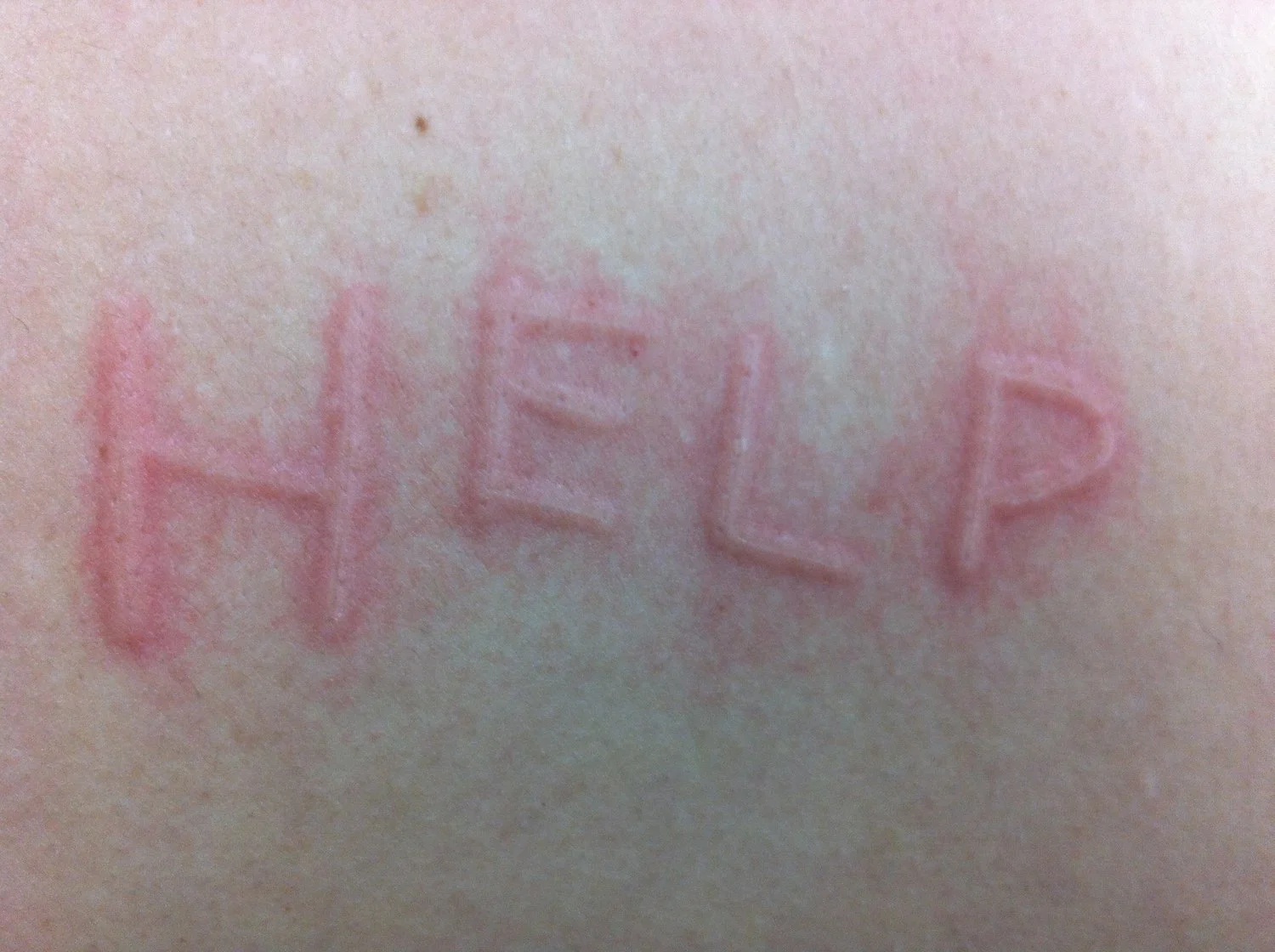
#695 Allergic to Insulin Part III
Morgan has type 1 diabetes and is allergic to insulin.

You can always listen to the Juicebox Podcast here but the cool kids use: Apple Podcasts/iOS - Spotify - Amazon Music - Google Play/Android - iHeart Radio - Radio Public, Amazon Alexa or wherever they get audio.
+ Click for EPISODE TRANSCRIPT
DISCLAIMER: This text is the output of AI based transcribing from an audio recording. Although the transcription is largely accurate, in some cases it is incomplete or inaccurate due to inaudible passages or transcription errors and should not be treated as an authoritative record. Nothing that you read here constitutes advice medical or otherwise. Always consult with a healthcare professional before making changes to a healthcare plan.
Scott Benner 0:00
Hello friends, and welcome to episode 695 of the Juicebox Podcast.
Today we're going to be speaking with 17 year old Morgan and her family. Morgan has type one diabetes, and she is allergic to insulin. Please remember, while you're listening today that nothing you hear on the Juicebox Podcast should be considered advice, medical or otherwise, always consult a physician before making any changes to your healthcare plan, or becoming bold with insulin. This is a standalone episode, but if you really want the full context, you should also listen to episode 504. Allergic to insulin with Sasha and episode 578. Allergic to insulin part two, with Dr. McCann, Who is today's guest, Morgan's doctor. Hey, if you're at type one who is a US resident or a US resident who is the caregiver of someone with type one, please go to T one D exchange.org. Forward slash juicebox. Join the survey take during the survey. Join the registry, take the survey. support people with type one while you support the Juicebox Podcast T one D exchange.org. Forward slash juicebox. This episode of The Juicebox Podcast is sponsored by the Contour Next One blood glucose meter. Learn more and get started today at contour next one.com forward slash juice box, you can use the meter that my daughter uses. It's small and convenient, and very, very accurate. Contour next one.com. Forward slash Juicebox. Podcast is also sponsored by touched by type one. They're an organization helping people living with type one diabetes. They're touched by type one.org. They would love for you to check them out and find them on Facebook and Instagram. All right, I'm gonna hit record. And then I just need to test everybody. So just Morgan just say hello.
Morgan 2:18
Hello.
Scott Benner 2:19
Perfect. Go ahead doing Kyoto. Hello. Excellent. And then of course, Jennifer. Hello. We are all being recorded. Just lovely. All right. Okay. Let me wrap my head around how we're going to do this. Usually I just tell somebody to introduce themselves. But why don't I do that a little bit. Oh, hold on a second. Before we get going. Whoever's computer's making the sounds is that a PC or a Mac? PC PC? Do you know how to stop it? Because I only know how to stop it on the Mac.
Dwayne 2:56
I was just adjusting the volume, so I won't be doing that again.
Scott Benner 2:59
Okay, all right. Oh, I thought it was like you got an email or something like that. All right. You know what? Let's just do it the way I usually do it. So let me tell you this. You don't need to use your last name. As a matter of fact, unless you really want people to know who you are. Don't. That's up to you guys, though. I don't care. Honestly. Why don't we just sort of go around the horn like Jennifer, go ahead, introduce yourself.
Jennifer 3:26
My name is Jennifer. We are living in Texas. We've lived here for three and a half years before that. We lived in Utah. We have a daughter that's type one diabetic and she's allergic to insulin.
Scott Benner 3:42
Okay. And that's you right, Morgan? Yeah. How old are you?
Morgan 3:48
I'll be 18 on September. Oh,
Scott Benner 3:50
my daughter's gonna be 18 in July. Are you going away to college?
Morgan 3:54
No, I still have senior year. Oh, no
Scott Benner 3:57
kidding. Oh, well, then you're gonna have a good time. And Dad's here, right? Yeah. Go ahead. Introduce yourself.
Dwayne 4:05
Hi, I'm Dwayne. originally born in Texas. I had moved to Utah for several years. Before I met Jen and the kids and we ended up getting married. And when my kids are here, we have, you know, six kids all together. And then we move back here for work and close with my family. Oh, that's
Scott Benner 4:26
amazing. So, Jen, you have how many kids of your own? I have four for Morgan the only type one? Yes. Is there any other auto immune among your children or your side of the family? Celiac? hypothyroidism, anything like that? Nope. Just the type one. Okay. And Morgan, how old were you when you were diagnosed?
Morgan 4:51
I was seven. Oh, okay. Well, this
Scott Benner 4:54
is gonna be interesting, isn't it? I'm gonna give a little backstory now. So I did an episode with Sasha who was right, allergic to insulin. And not long after I put the episode up. I got this email from a doctor who has since been on the show, so you can share her name Morgan, what's her name?
Morgan 5:15
I'm Bonnie McCann,
Scott Benner 5:20
you call her body?
Morgan 5:22
Occasionally. Nice.
Scott Benner 5:25
She's very nice. I had the opportunity to talk to her a number of times. She was on Episode 578, which is called allergic to insulin part two. And Sasha was on 504 allergic to insulin. So I did not know until I heard about Sasha, that this happened to people just absolutely crazy. She came on, she explained what was happening to her. And I just I don't know, I was stunned by it. So Morgan, I want to start with you a little bit. Can you tell me when this began? And how it impacted you? Do you know how old you are when it started?
Morgan 6:00
Yeah, um, probably a year or so after I got diagnosed, it started starting to get painful and getting really large lumps and swelling where shots were done. It was just getting bad for it and got progressively worse.
Scott Benner 6:21
So you would say that almost 10 years ago this began. Yeah. And it was only with your fast acting insulin.
Morgan 6:29
Um, no. It was also my long acting.
Scott Benner 6:32
Really. Okay. So whether it was basil or or your meal and your Bolus insulin, you were getting painful sites. Bumps, was there itching or burning or anything like that?
Morgan 6:45
Definitely burning. Yeah. Okay,
Scott Benner 6:47
so Wow. And there was never a break. You never once gave yourself like an injection. You were like, Oh, it didn't happen. This time. It was consistent. Okay. What's the level? You must be like the toughest girl in Texas, right? Like you? Do you like fall over and bump yourself and be like, it's nothing. I just keep going. How do you go? Yeah, right. I mean, how do you? I guess it happened to you when you were little. Right. So So Jennifer, can you can you tell me a little bit about the first time this started to happen, it must have been a panic. Um,
Jennifer 7:24
well, the thing is, is that was kind of progressive. So at the very beginning, you know, of diagnosis, it was injections, but she was so little, she was getting small amounts of insulin. And a year after we got her on the pump, and started doing the pump, but as she, you know, got older, needed more insulin, it started to have reactions of pump sites being read red, inflamed, painful, itchy. And so, of course, we went to the mode of it must be, you know, the adhesive. So then we are trying barrier wipes and different methods, you know, MSB adhesives, then, you know, she wasn't having issues with other things like the Dexcom, she was having issues with the adhesives and stuff like that. So then we thought, well, it must be the catheter, you know, a plastic, so we went to metal, or vice versa. And either way it it still was having reactions. And we thought, Well, maybe it's the how Gauahar wipes because, you know, it's kind of, you know, abrasive. So, we were cleaning sites with, you know, water and soap before putting a site on just to see with that, and that wasn't working. And I remember talking to a nurse on the phone and asking her, you know, could it be the insulin? And she's like, That can't be. And I said, Okay, well, all of these reactions that she's having, is this normal. And she's like, No, how long? Oh, okay, what else?
Scott Benner 9:42
Thanks for your input. Jen. How long do you think from when it began the just the reading and the soreness to when you said to a nurse, hey, could this be the insulin How long did it take you to get from point A to point B on that?
Jennifer 9:55
It was probably a year and a half. Try different things, and it it, you know, not changing. It wasn't changing. And so I remember them deciding to do a different insulin, just to see if it, you know, would be. So different reactions
Scott Benner 10:20
and we're not throwing anyone under the bus here because Morgan's not just allergic to one insulin and not the others or something like that. So, so what what insulin did you start with? What was the first experience?
Jennifer 10:30
The first, the first insulin that she had was Novolog.
Scott Benner 10:34
Okay, then what you go to?
Jennifer 10:35
Yeah, you know, regular. And then we tried? Sorry. It's like, are these insulin?
Scott Benner 10:50
Sorry? Do you try Humalog? Okay, yes. And then when that didn't work? Did you keep switching? Or did you say to somebody I'm telling you to think and so on.
Jennifer 10:59
So we switched again. And we went to we saw an insulin called the P drug pager hadn't heard it before.
Scott Benner 11:07
It's the one my daughter used this, by the way for years. Yeah, my daughter's been using the future forever. And then then when that didn't work for you, just so being really serious once you get into this situation, and I sort of want to hear about this, from everybody's perspective, you're basically being told the oxygen your breathing is burning your lungs, but you can't stop breathing? I mean, is that incredibly difficult to make peace with?
Jennifer 11:36
It? It was it was difficult. Because, you know, I was, I was willing to try anything, anything, you know. So, pump sites were horrible after three days. So then they switched it every two days. Every one day of you know, having to change her sights and hopes that, you know, she wouldn't have a reaction. Yeah. And after 24 hours, you know, the doctor that she was seeing at the time, he's like, I've never seen a pump site like that before.
Scott Benner 12:10
Okay. And that was like, Well, great. Yeah. It's almost like taking your car to the mechanic. And you know, they don't know how to fix it. And they just start saying, like, well, we're just gonna swap this part and see what happens. And, and so do you get hopeless? Oh, yes. Yeah. Yes. Morgan, can I ask you like, did you ever skip insulin or anything like that to avoid the pain?
Morgan 12:35
Um, I would try to a lot. Yeah.
Scott Benner 12:38
Is this I mean, did you did you go to therapy for this Morgan?
Morgan 12:43
Um, not to have recently have we tried it?
Scott Benner 12:49
Yeah, I mean, it just, I'm, I don't know like, I know you're on the spot here. But can you put it into words what it's like to use something when you know it's going to hurt.
Contour Next One blood glucose meter. It's tiny, it fits well on your hand. It has a bright light when you're using it at night. The screen is easy to use, and the accuracy is out of this world. The Contour Next One blood glucose meter features Second Chance test strips. So if you should head into that blood drop and get some blood but not quite enough, and you go back in again, go get yourself some more blood, it does not hurt in any way the accuracy of the test, you're not going to waste test trips with the Contour Next One, like you may with other blood glucose meters. Contour next one.com forward slash juice box. That's where you go to find out more about it, where to buy the meter. There's little Linky link there for online purchases. Or you can learn about the meter and then go ask your doctor. Buy it right there on the website. There's so many different ways to get an accurate meter for yourself. You don't have to just use the meter someone gave you. I know it's easy to believe that they're all the same, but they're just not the Contour. Next One is super accurate. It's easy to use, easy to carry in your diabetes bag, your purse or your pocket. Check it out. That's all I'm saying to do contour next one.com forward slash juice box. If you want to get really fancy the Contour Next One pairs with an app on your phone so you can keep track of your blood sugar tests and other such information. Don't forget to head over to touched by type one.org right now and check out what they're doing. They've actually got a little thing coming up this summer I'm going to be speaking at so go pick around their website and see if you can't get yourself some tickets. Last little bit here T one D exchange.org. Forward slash Use box, go take that survey, please. And if you're looking for the diabetes Pro Tip series from the Juicebox Podcast, they begin at episode 210. In your podcast player, you can also find all the information you need to listen on the Facebook page for the podcast Juicebox Podcast type one diabetes, we're at juicebox podcast.com. Let's get back to Morgan and her family now.
Can you put it into words what it's like to use something when you know it's going to hurt?
Morgan 15:42
Very difficult, and a lot of trying to convince yourself that it's worth it.
Scott Benner 15:50
What are you convincing? I don't mean to be morbid, but are you convincing yourself that being alive is worth it.
Morgan 15:56
Um, at times, the pain would get very extreme to where I didn't want anything to be touching me. Not even like air going on me. So it was a lot to just be there. But then also, hey, you got to do more because your blood sugar's high or a need to do more, because you want to eat, right?
Scott Benner 16:21
And I'm imagining, tell me if I'm wrong. But when they started saying like, move your pump every 24 hours, all it did was make more sore spots on you, right?
Morgan 16:29
Yeah. Okay. The sore spots also lasted for like days. So you'd move it? And then it would be trying to find another spot in between parts that already hurt, because they hadn't held yet.
Scott Benner 16:43
Did you have the extra burden? Were you trying to hide them from other people? So they couldn't see them as well?
Morgan 16:48
Um, occasionally, yeah, I would, because I didn't want my friends and other people to see how red and ugly it would look. So I tried to focus the shots in the sights, where people would have it covered by their clothing.
Scott Benner 17:14
Yeah. Did you ever try change? I mean, did you ever go to the extreme of changing your diet significantly?
Morgan 17:20
Um, I try to eat a lot the US or avoid snacks? What?
Scott Benner 17:25
Were you able to avoid this turning into an eating disorder?
Morgan 17:30
Um, yeah, for the most part.
Scott Benner 17:33
Good. Okay, that's very cool. It's just, it's already difficult, as you know, you know, I mean, this. It's funny, funny, in an awkward and odd way. But this description of like, every injection is a hill to climb. And you know, something to get over. It's it really is how diabetes is anyway, even without the you don't I mean, even without the pain and the the allergic reaction. So you're adding, I mean, you're just multiplying it, right? It's just, yeah, that's insane. And you were so young for a while. I imagine it got more difficult as you got older and became kind of more self aware. Yeah. 100%. Okay. So when you were younger, you were just doing what you were told. And it hurts. Yeah. Did you ever? Like Jennifer, did she ever tell you? No, she ever just say I'm not doing this?
Jennifer 18:30
Actually, Morgan has been an amazing, you know, diabetic, you know, if you could be one like she, she never complained. Do you know? I mean? Yes, she would tell me, Mom, it hurts. It hurts. I don't want anything to touch it. But yet, she never told me. I don't want to do this anymore. Like, you know, I don't want to have you give me an injection. She was just, you know, okay, this is what we have to do. And I, I've always been one to try and be positive that, you know, I am all for, we're gonna find an answer. We're gonna, you know, we're gonna do this. And then it was also, you know, she, she would ask, you know, why me? And it would be, we're going to have an answer. And we're going to be able to help somebody else. This is, you know, we're going to do this. And so I hope that I was one that never gave up hope for her. You know, if she didn't have it, that I could give it to her.
Scott Benner 19:44
Okay, that's amazing. Can I ask you to be a little more honest? Did you believe it when you were saying it?
Jennifer 19:51
Um, at times, it was difficult. I can't tell you how many times I was crying for her. Um, which, if anybody knows me, I cry over everything I can cry when I'm happy, mad, sad, you know, but it's just one of those things of seeing your child go through something which, you know, you see that with diabetics, you know, I wish I could take this away from my child, but then to see them in constant pain and have no answer. It's, it's very, it's very hard to be positive. But, you know, I've always been determined that I'm going to help her I'm going to find something we're going to do this. So,
Scott Benner 20:43
Morgan, were you aware that this is how your mom felt? Yeah. Did that make you feel bad? Like guilt?
Morgan 20:50
Um, yeah, occasionally. always felt sad or upset with myself, even though I knew I wasn't the one causing her to be hurt.
Scott Benner 21:05
Are you allergic to anything else? Morgan? No, not that we know of even like, you don't get bad hay fever, anything like that at all? I don't think so. No kidding. Wow. Morgan, that's just some I was gonna curse. I'm sorry. We all don't know each other that well, but just some really bad luck. How terrible. Can I ask Dwayne, you have an interesting perspective, because you're not Morgan's natural father, but what's it like to sit back and watch this happen?
Dwayne 21:39
Well, I did work as a pharmacy technician for a long time. So the concept of somebody becoming allergic to something wasn't really new to me. Because everyone's body reacts differently. You know, this person is allergic to penicillin. These people are not, you know, so, you know, I just went into automatic mode and like, Okay, let's try different syringes, different manufacturers, you know, just went through the whole process of what I was trained on when I was a tech, and it's been rough. You know, I, last summer, I went to wake her up, and she's lying on her floor. And you know, that's the first time and she was unresponsive to and so that was really nerve racking. And it's like, I want to help her to make her feel better. And, you know, I keep coming up with ideas. Well, to me, let's try some lidocaine on that spot. We'll see if that helps with with this. You know, try some ibuprofen. Right, so Benadryl, you know, just went through all those steps and just trying to find a way to help ease her discomfort with all this was just, you know, disheartening, because? Nothing. Until recently, have we been able to find that solution?
Scott Benner 23:02
Yeah. Morgan, what were you on? Why are we on the floor? Were you in DK? Um, yeah. Were you not taking your insulin?
Morgan 23:10
Um, no, we had been my blood sugar just got to the point of it not absorbing any of the insulin and getting so high.
Scott Benner 23:19
Oh, from the inflammation at the site, you weren't getting good. Oh, I see. Oh, that's scary.
Dwayne 23:25
That's why she had to move the pump site every day, is because you get that tissue swelling, and just heard your absorption at that spot. So you have to move it to another spot, but then that that slow moving insulin finally hits her system. And so she would go into Ultra lows sometimes after being high, because she gets like a Bolus along with her. The other shot at new site.
Scott Benner 23:50
It's just like a cruel joke. We're gonna I wanted to ask, Oh, God, I had a question for you. I think it might have just fell out of my head. Because that was upsetting. And I'm still recovering from Jen, you almost made me cry about five minutes ago. So I had your voice broke once I'm like, I'm gonna cry. So Oh, my question for you, Morgan is is kind of simple. Maybe you will know the answer. And maybe you won't. But did you? While everybody's working so hard to try to figure this out for you? At what point? I'm guessing you gave up at what point did you just go along passively because they were trying like When did you stop believing anything was ever going to help?
Morgan 24:32
I'm probably after our first time with testing out to see the different area actions to all the different insulins that we had. We had gone to this one allergists and I remember just going to get it tested. And just giving up because the reactions didn't show from how a little mountain diluted They were. And I just remember, quitting I was done
Scott Benner 25:03
just didn't matter. Like, no matter what insulin it was, or how much or how diluted you were having the same reaction at every spot. Yeah. Wow, I'm so sorry. How long ago was that?
Morgan 25:15
Um, two years ago or
Scott Benner 25:19
eight years after this started? Yeah. Well, Morgan, you've got a hell of a college essay. And you, I'll tell you, you're gonna, you're gonna get accepted anywhere you are anywhere you want to go. That's really, it's crazy. So. Okay, so you're seeing a doctor in Dallas, and she hears Sasha on my podcast, and then contacts me and asks me if I can set her up with Sasha. And that all happens. You get a phone call, like an excited phone call from a doctor
Morgan 25:56
or no, like, we go into my appointment, and she's ecstatic. And I have no reason or clue why.
Scott Benner 26:06
Okay, yeah. And she's just like, you're probably like, Listen, lady, this is I hate this place. So why are you? She just told you what, what did she tell you?
Morgan 26:17
Um, that she had listened to your podcast, and gotten in contact with you to get in contact with Sasha. And learned about all this information about what she was going through what they've done and all that stuff.
Scott Benner 26:34
Okay, and were you like,
Morgan 26:38
I was very shocked. Didn't know what to say? Or how to react mainly. Right? I was just surprised to hear that there was someone else having reactions like I was.
Scott Benner 26:50
Yeah. And then did you? Did that make you feel hopeful? Or were you still like, this probably isn't going to work for me.
Morgan 26:57
I was a bit hopeful. Yeah.
Scott Benner 27:00
So So Sasha was doing? Gosh, she was doing that whole, like, getting that insulin from she had like, like a device she had to get from overseas. And it was like a big insurance problem, like this whole thing. Is that what you thought you were going to be doing at that point?
Morgan 27:17
Um, I didn't know what we're going to do. But I knew that there was other opportunities now.
Scott Benner 27:24
Yeah. Okay. I gotcha. So in the end, you're using so I guess, your your Basal insulin, or use your your you still you're still using a Basal insulin? Yes. And, and are you having an allergic reaction to
Morgan 27:40
it? Um, to this one. Now, right now, I'm using what's called receiver. And it's seeming to work pretty well. And I don't seem to react to it.
Scott Benner 27:50
Excellent. And for your meals, what are you doing? I use a Frezza for instance, you are using an inhaled insulin. Okay. Do you like it?
Morgan 28:01
Um, yeah, I mean, it's not painful. Super easy to do. So
Scott Benner 28:06
as soon as I asked if you liked it, Morgan, I was like, that's the worst question I've ever asked on this podcast ever. Obviously, you like it, but I meant, like, was, I guess what I mean, was, was it a big shift from injecting for meals? Like what was the learning curve? Like,
Morgan 28:22
I'm more so learning of when I need to take it, because it reacts a whole lot quicker. But it also gets out of your system a whole lot quicker. Okay. Are you just adjusting to that is?
Scott Benner 28:39
Yeah, well, what about the process of like, how do you I've never had anybody really explained it to me before. I don't think like he just kind of isn't like an inhaler. Like you see people use
Morgan 28:50
Yeah, it's practically just a little inhaler. It comes in set capsules of units. So there's 12 unit, eight unit and four unit. And based on how much you're eating, you'll put in one of the units and then you'll just inhale like you would for asthma,
Scott Benner 29:09
right? Are you experiencing much more stability? I mean, I would imagine you are like a you have more stable blood sugars now? Um, yeah.
Morgan 29:18
For my blood sugars which like always around in like three hundreds and up but from since starting this my blood sugar's normally are a lot lower than that. So
Scott Benner 29:32
can you tell me if you you don't have to share if you don't want to, but like, what was your a one see a year ago and what what is it now?
Morgan 29:40
A year ago, it was like 13. And our latest appointment was like 9.1 or something like that. Wow.
Scott Benner 29:50
You're kind of just learning how to have diabetes, aren't you? Yeah. It just It occurred to me like this whole thing has been it It stopped the process that everybody else goes through of, of, you know, getting over the sadness and learning how to use insulin and you know, that kind of stuff like Pre-Bolus in your meals and all the things that you need to learn to have find stability, and Laurie one sees, and you'd never had you were always in a in a firefight, basically, you never got, you never got to the part where you got to sit down and like think about it.
Morgan 30:24
Not really, yeah, that's amazing.
Scott Benner 30:26
Do you feel better that your agency is lower? 100%? Yeah. Jen, do you see a difference in her personality?
Jennifer 30:35
Yes. You know, first of all, with her agencies, she hated hated going to appointments, because every time we'd go, they'd be like, Okay, we got to work on the same one, see, we got to, you know, do better. And it you know, because of that, they would add more insulin, more insulin. And her ratio used to be where she would get one unit for every three carbs. And, of course, excuse me, her insulin, or her agency just wasn't coming down. She she had, I think, the highest that she had, you know, after diagnosis, her agency was 14. And, you know, it just couldn't have hated that all our work that we were doing was not shown on paper. And all they could see was a onesie 14. You're not doing it here. We
Scott Benner 31:44
no one ever said no one ever said, Hey, there's inflammation here. There's reasons why the insulins not working.
Jennifer 31:50
No, no, no, it wasn't until it wasn't until we, you know, found. Dr. Bonnie McCann Crosby is before that. Nobody, you know, I took dozens of pictures, we'd show them, you know, her injection sites pump site, then it'd be like, Oh, that's bad, okay, but they didn't ever say anything like, oh, this could affect your body, you know, you know, absorbing the insulin. And she'd go, like, at least once a year, she'd be in DKA and had to go to the hospital. And it'd be like, You got to work on your emergency, you got to do more insulin. And it wasn't until we were in the hospital for DKA. And Dr. McCann was the attending physician, and she came in. And of course, I'm like, these are the pictures. This is what's going on. This is you know, and she was one that was okay. Okay. And she had left and Morgan's. Like, I like her. And I was like, Okay, we'll go to her. So we switched over to Dr. McCann. And she was the one that actually looked at these sites. She took pictures she, you know, was genuinely interested in helping us find an answer. And so when we having her a Wednesday be at 9.1 we're ecstatic and I do see a difference in her person every
Dwayne 33:33
time we would go to a doctor or she was in the hospital, you know, they have rotations for rotating shifts and everything we just have any doctor that we were in the room when they came in, say, Oh, by the way, can you look at this, you know, maybe you have a wound care specialist allergist come by take a look at this and try to tell us what's going on here.
Scott Benner 33:50
Yeah, just hoping if you sent it to enough people, someone would recognize it. Right?
Dwayne 33:54
Yeah, someone would come in and go right away. Oh, yeah. It's because of this. It's a little
Scott Benner 33:59
demoralizing that it never happened, isn't it? You know, it's just it's crazy. That Well, I mean, it's rare and all but somebody should have been able to make the leap. You know what I mean?
Dwayne 34:13
And the last time that she was in is when we started for SEMA she tried Lantus lever mirror basil guard and then finally the in the hospital they put her on recibo we're like okay, this one works.
Scott Benner 34:27
So that one so why would imagine just getting on on a Basal insulin that wasn't causing you a problem probably started to bring her a onesie down and and create some stability. You were a CGM Morgan. Yeah, I do. Actually, is that like, before? This was that CGM just basically like depression on a screen for you.
Morgan 34:49
Um, yeah, I wouldn't like looking at it at all. constant reminder that my blood sugar was never worked supposed to be
Scott Benner 34:58
told me if Even though I mean, it's obvious to everybody, and I'm assuming to you as well. And you've said already that this is not your fault, right, but it doesn't stop it from feeling like that, does it?
Morgan 35:11
No, not at all. Okay.
Scott Benner 35:16
You actually, so how long have you been using the is it by the way? I'm sorry? Is it a Frezza? Or is that how they say it? Freeze? Okay, how long have you been using our
Morgan 35:26
Frezza? Um, it will be a year in September
Scott Benner 35:29
year in September. So now you can look at your CGM and start making more thoughtful decisions about using insulin. Yeah, yeah. And a nine. Let me ask you a quick. Do you mind if we talk about management for a second? Do you guys should? Yeah, Jen, you don't actually listen to this podcast, right? No, I do. Okay. All right. So let me ask you a couple of questions about your basil. How much do you take a day?
Morgan 35:55
Um, I take 32 units in the morning and then 56 At night
Scott Benner 36:01
of Joseba. Wow. So you are still pretty? Is that a resistance to the insulin? Have they ever checked you for insulin resistance?
Morgan 36:13
I'm not sure. No,
Scott Benner 36:16
they haven't, they haven't. So 30 to 56. Really. So eight onto I'm I'm mapping over here, which is not my strong suit. Sorry.
Dwayne 36:28
So we just went through around of having her text me whenever she did a Frezza how many units and I would put in the text messages and the time and date. And I built a spreadsheet on that and sent it to document cans office, they looked at her Dexcom stuff from their size, so they can see where she was at, at that time and date and make some adjustments based off of that. Yeah.
Scott Benner 36:55
Hey, overnight. Morgan, do you? Do you sit stable somewhere? Does your blood sugar sit stable? Overnight?
Morgan 37:05
Sometimes
Unknown Speaker 37:07
Do you this morning,
Morgan 37:10
this morning.
Scott Benner 37:12
So the way I talked about using insulin here and basil still Basil is that basil is kind of the most important part, it's the foundation and the building block of your of your management, right. And that away from meals, like you know, so away from meal insulin, which would be a present in your example, and away from active food in your stomach. So once your food is empty, your stomach is empty. If your Basal is doing its job, well, you are stable at the number you mean to be at, which means if you want to be at 100, you should be stable at 100. If you want to be at 90, there's an amount of basil that should hold you stable at 9120, etc. And so it's just very interesting to me. I mean, that's I don't think of insulin as a lot of insulin or a little bit of insulin I think of insulin is you use the amount you need. But performer perspective. I'll just do it. My daughter I think weighs like 135 pounds right now. And she's eight, eight teen, and she gets about a unit of basil through a pump an hour. So she's using about 24 units of basil a day. And it's an hour away from, you know, away from meals and active insulin. Her blood sugar sits pretty stable between 90 and 110. But yours isn't doing that. Is that right? No. So I would listen. I'm not a doctor. I'm actually maybe the farthest thing from one. But I would I would wonder if there isn't. If something's not happening, where you're, you're, you're seeing some resistance to the Joseba Yeah, and I don't know, I don't know what they would do about it, obviously. Because I wouldn't know if it's inflammation from you know, from the other stuff that we've been talking about. Or if you actually have I don't know, like, I mean, I know you're definitely type one. I'm not saying that but I wonder if you have insulin resistance on top of it or what's your diet like for the course of the day?
Morgan 39:13
I don't normally eat breakfast right now, um, lunch? Normally it kind of varies not very much than either and then dinner it's kind of a lot more
Scott Benner 39:30
Yeah, but nothing like you're not eating like like I don't know you're not having potatoes with rice and a cheeseburger like like you know like you're not taking in like like a like a ton of carbs a day. No no okay, but super interesting. Wow, okay. He caught me by surprise when you said when you gave me this receiver number it caught me by surprise. It's not that not bad. You understand what I mean? Like it just Yeah, it was more it was just more than I expect you to say. I think maybe Are you embody in conversations about this?
Morgan 40:07
Yeah. We're constantly going back and forth, or emails changing and tweaking intake for it and stuff.
Scott Benner 40:15
So let me ask you a question. If your blood sugar was sitting at like, let's just say 200. Right? And you haven't eaten in a couple of hours, you're just looking at a higher blood sugar. If you take the A Frieza a Frezza. Oh my God, why can I say it? If, if you do that, and say you drive that 200? Down to 100? Right? You correct that number? Yeah. Does it float back up again? Or does it stay down there?
Morgan 40:40
Um, normally floats back up.
Scott Benner 40:42
Yeah, that's basil. That so that's, that's, that's a weakness in the basil. Yeah, that's interesting. I don't know. I'm sorry. I don't obviously know how you're gonna get that accomplished and worked on but that I think that's your goal. I think if you figure that piece out, I think that nine a one C turns into a six a one say? Yeah, you know, oh, are you excited that that might happen?
Morgan 41:06
Um, yeah. We're always excited when it gets down.
Scott Benner 41:11
This is such a, this is a such a, an amazingly uncommonly happy story at the end. I mean, it took forever for you to get to it. But I mean, you really were in a position where you didn't think this was going to work out. And it just did. Do you ever have sadness that it took, like that, that a freeze have existed before this? And you didn't know?
Morgan 41:34
Occasionally? Yeah, it's hard. Not this gets you down thinking how many years you've dealt with this? And it could have been fixed. You're known?
Scott Benner 41:43
No, I hear you.
Dwayne 41:45
is expensive. It's, you know, FDA approved for 18 years of age and higher. So the manufacturer card because the doctor really prescribing this off label doesn't offer doesn't the savings card doesn't work at the pharmacy for her. So, you know, it's one month supply for her. It's a couple of grand Wow, during the ductable season, so as that's not not going to be for everyone.
Scott Benner 42:11
Right? Yeah. Hey, Morgan, hurry up and get to be 18. Yeah, did you ever try contacting the company directly?
Dwayne 42:22
And tell I know Dr. McCann contacted them talk to I think their medical director and stuff and because she was under 18. She wanted to talk with him about any risks associated with it but haven't talked with. We haven't reached out to them and talk to him about getting any assistance yet.
Scott Benner 42:41
Well, Morgan, I would think you would be a perfect candidate to be a sponsor of of that insulin. For sure. Your your your story is a is. I mean, your story is that that insulin was your only saving grace. Yeah, you know, like that one simple thing. You know, that company almost stopped making it a few years ago. Isn't that crazy? Like they had not imagined? Yeah, wow. Oh, I just thought of that. Give me chills. Okay. All right. So, okay, more than other questions. What do you enjoy doing? What do you think about going to college for that kind of stuff.
Morgan 43:17
Um, I like working with kids. That's what I do. Mainly a lot. I work at a daycare, actually, and work with preschoolers at school for one of my classes. I'm really good at math. And I'm dance to that and probably will go into mathematics for college.
Scott Benner 43:36
Do you think you'll do education? Or do you think you'll go? Possibly? You don't want to be a math teacher? Is that what you're thinking?
Morgan 43:45
It depends on the grade.
Scott Benner 43:49
What how, what age of child do you imagine would be the best to teach math though?
Morgan 43:56
Um, probably third grade. Yeah, cuz that's when they're learning multiplication. And it's still like it's honest.
Scott Benner 44:04
Yeah, it's a good age for kids. So they're kind of I don't know like you don't realize it till you see it but they're like they're they have enough like common sense that not be complete lunatics and they haven't been hit with all those hormones yet, so they're kind of nice. Yeah, right. Jen. Remember when the kids were nice? Well, this is amazing. Is there anything I'm not asking you that I should be like if I miss something about this story?
Morgan 44:31
Oh, not put a No I did. Okay.
Scott Benner 44:35
Jen, how about you? Can I Can I ask a year after this happened now? Is there been a an increase in your in your mental health like has this been a relief? That's hard to put into words? Yeah. Yeah,
Morgan 44:51
definitely. Definitely have a whole lot more motivation to do things. Before you. It was hard. Hard to do things because they felt like there wasn't a point because at some point, you know that your body is just gonna give out. But now with having more energy and my body actually accepting the insulin, I feel like I'm able to do a whole lot more.
Scott Benner 45:16
Yeah, Jim was there ever in your head that this high a one C was going to, like, hurt her and other ways, at some point. Excuse me.
Jennifer 45:28
So, you know, it just frustrating that you kept seeing it going up. And but, you know, she'd go into DKA. And, and every time that she was in DKA, you know, she was responsive, she wasn't feeling good. She went in, you know, but last year was, was the scariest. And, you know, seeing your child lay on the floor unresponsive and having the paramedics come in to get her and having to do a CT scan to make sure that her brain is okay. And going into the hospital room. And she is completely out of it does not know where she's at, and is trying to take off her, you know, her IV 's and stuff because she's wanting to get out of bed. And it just is, you know, a moment that I will never forget. And hopefully we'll never have to go through again,
Scott Benner 46:41
doesn't sound like you're going to have to, and it's good.
Dwayne 46:45
And in the last year, you know, when she started at Frezza. She went into clinic, we have the allergies there in Dr. McCain's office as well. They get a chest X ray just so they have a baseline in case of presence starts having any impact in their lungs. We go to Texas Children's Hospital, which is great as five minutes up the road. She's seen a cardiologist and kidney doctor just get a baseline on some of her systems to make sure that you know, diabetes doesn't start to impact those.
Scott Benner 47:22
Yeah, it's really interesting actually turn the way you answered my question. Because I and I'm not trust me, I'm not being critical. I was trying to lead you into thinking about long term complications about diabetes, but you're so mired down in this fight, I think that you can, you don't have the bandwidth to look deeper than what's happening right in this moment. And and that became really evident when you were answering the question, I thought, wow, like, there's this poor family, their situation is so immediate and constant, you guys, you don't have the luxury of thinking a month away. And, and now you do all of a sudden, is that, that that that must be a pretty nice change, I would imagine
Jennifer 48:06
that it is a nice change. And also like, so I'm in the middle of getting my master's program, or getting my master's in social work. And, you know, just this last semester, I had some amazing things, you know, even happened just recently because I was looking for research, and came across an article about a boy who was allergic to insulin. And I reached out to the author and asked him to, you know, forward the email on to the mom in hopes that she would contact me. And she did. And they they have a Facebook group is called insulin allergy and hypersensitivity awareness. And in there, there is a group of seven moms, all with kids who have allergic reactions to insulin. And it was just another thing of Oh, my goodness, okay. She's not alone. She's not alone.
Scott Benner 49:25
Right? Whether it's, I'm sorry, whether it's seven people or 7000 people, it's such a big deal to know you're not by yourself.
Jennifer 49:33
Right? Yeah. And that's what I kept telling them. I'm like, Oh my gosh, we're not alone. We're not alone. You know, you wouldn't wish it on anybody. But I am so thankful that we have now come into a community that completely understand. And so you know, that is one of my main goals with getting my master's degree is I just want to be able to help Morgan you know, the best way I can. But then to be able to help others who, you know, come into this life of feeling alone.
Dwayne 50:16
Yeah, I The reactions are the same across the board. I mean, Sasha, who was on your other podcast, she said that I believe that the insulin was eating away at the tissue of her skin Morgan gets bruised and redness and pain. Another one Jen was telling me about from this new Facebook group that she found was as like a BS thing where it gets raised and read and painful. So these reactions are carbon copy, right? You need to these fake these patients, these kids yeah,
Scott Benner 50:48
it's insane. Like Jen have those other people tried a Frezza.
Jennifer 50:54
So other ones they have not. I know that one of the patients. She was, you know, whenever she tried a Piedra, she would stop breathing. And so they have not tried a Frezza. You know, so and I think that they're all younger patients. They are now all younger than more than the oldest one turns 18 in March. So Morgan is now the oldest of this group. And so, you know, with FDA, you know, not having a friend approved for under 18. I don't think any of them have tried. I
Scott Benner 51:37
say well, okay. Hey, Morgan, are you do you know, Sasha? zyk? You guys hook up online and meet?
Morgan 51:43
Um, no, not personally.
Scott Benner 51:47
So, listen, as we wrap up here, I just want to tell you more than I know, my name is not great, Scott. It's kind of like it's not a great name. I've lived with it my whole life. But I do feel like if you have a baby ever one day, like I should get some fairly strong consideration for baby names. Do not think big. But I wanted to, I wanted to seriously tell you just kind of like to put some perspective in this for you. You're almost 18. And eight years ago, when you were 10. I started this podcast. But back in 2007, I started writing a blog a year after my daughter was diagnosed. I wrote that blog for years, I eventually started a podcast. And my idea was much like what your mom is talking about with with what she's working on, as I just really wanted to help people. And at some point, it became very obvious that I really understood how to use insulin, and that my daughter's outcomes were very repeatable, and that I could explain it to other people, and then they could have those outcomes. And then the podcast sort of just grew from there. Like, I'm just sitting in an extra room in my house right now. And, and I made a thing. I don't know, in 2007, that turned into a different thing in 2015, that in 2021, led you to find somebody who helped you with your thing, like it's, it's kind of magical and almost hard to believe, you know what I mean? Like, it's, it's crazy. What year were you diagnosed?
Morgan 53:20
Um, 2012 2012
Scott Benner 53:23
Wow. So six years after my daughter was diagnosed, you got diabetes. And I started a blog because I was trying to raise money for the JDRF. And I could I was having no trouble raise. I was having no luck raising money. So I started writing to people, and in like, this kind of email thing. And then I realized that was bothering them. And I found Morgan, this is gonna sound particularly odd to you because you're young. But I found a program that let me put my words on the internet and make a make a blog, which was not a thing back in 2007. Really? And all these years later, you don't have sores on your body anymore. is very cool. I don't know. I'm very excited. I'm I'm proud of you. And if I'm being honest, Morgan, I'm a tiny bit proud of myself right now. And I'm looking for just even if you buy a dog, and you name it, Scott, I think that would be appropriate.
Morgan 54:17
Okay, totally. I got you. Thank you audit. My pets. Yeah, you
Scott Benner 54:21
know what I'm saying? Like nothing big and you take a picture of it, you send it to me go look at Scott. Even if it's ugly, it's fine with me. I don't care. Really. You guys are terrific. I really can't thank you enough for taking the time to do this. Especially coming up on a holiday weekend. But your story is amazing. I do want to just make sure one more time. Like I didn't miss anything, right? No, you feel good about this. Yeah, I feel really great about I'm super excited for you, Morgan. I can't. I mean, as you're talking, as all of you are talking, I am sitting here thinking like this poor girl's life must have been drudgery. Like just wake up have every morning and just drag your ass through another bad day. And now I just, I just feel like you, the last year of your life has probably felt like, like heavenly, you know, you have a lot of perspective for a person your age, it's gonna serve you well as you as you become an adult. Do you ever feel like that around the other kids? Do you ever look at them and think I know more about the world than they do?
Morgan 55:25
Um, occasionally, especially my peers, you can just tell if some of them
Scott Benner 55:30
haven't been through anything, right? Yeah. Do you have that feeling? Like there's nothing you can't do?
Morgan 55:37
I'm sometimes
Scott Benner 55:40
may I say something, we don't know each other. But you should feel like that. You've been through a lot more than most people go through in their entire life. And, and you're on the other side of it now. So you have this, you have this perspective, like you know about before, and you know about now and now's better. So, you know, you don't need my advice, but anything's possible. You can just dream it and do it. And it'll happen. You know what I mean? Yeah, that's so cool. All right. Well, thank you guys so much, Jen. I really appreciate you doing this. You sounded so nervous in the beginning. Are you okay? Now, Jim?
Jennifer 56:16
You know, I was nervous. And, you know, it's the whole thing of Oh, my goodness, we're actually getting our story out there. You know, we haven't been able to have, you know, major platform to do that. It's always just been in the moment, whoever doctor is in front of us. Look at this, please help us. You know, so it. Yeah, nervous, but I'm so grateful that we were able to come
Scott Benner 56:46
on. No, I appreciate it very much. I mean, in my mind, Sasha story, reach Morgan Morgan story could reach somebody else. And at the very least, if it can't find another person who's going through what Morgan was going through, I think it should serve very well to let let the other people listening, reset their level of gratitude. You know what I mean? Because this is, because Morgan, you got way more than your fair share of both. So, you know, everybody else, I think, will listen to your story and feel pretty lucky today. And I'm just super happy for your kid. Like, I am so excited that this worked out for you. Congratulations. Seriously, go learn some math and maths. Good. Morgan. That's a good thing. Yeah.
Morgan 57:30
I'm excited for you taking calculus. So, Dwayne, you
Scott Benner 57:34
sound like a good dude. Man. That's a that's a lot of kids over there.
Dwayne 57:39
Yeah. Scott, if you're if you're curious, we did look up a Frezza on YouTube. And the company does have video on there and how it's used and everything else and what the equivalents are between the inhaled and versus the liquid insulin. So, you know, check that out.
Scott Benner 57:56
Yeah, let other people find it and take a look. That's amazing. All right. All right, everybody, thank you so much.
Well, I'd like to thank Morgan and her mom and her dad for coming on the show today and sharing her story. I'd also like to thank our Frezza for existing and help him Morgan out. You guys want to help her, contact me, and I'll put you in touch with her. And if you guys want to buy some ads, I've got a podcast all about diabetes, you should give me a call. Speaking of ads, thanks so much to touched by type one for sponsoring this episode of The Juicebox Podcast touch by type one.org. And of course the Contour Next One blood glucose meter. Go check it out right now at contour next one.com forward slash juicebox links to the sponsors. And all the sponsors are in the show notes of your podcast player, and at juicebox podcast.com. If you're looking for community around your diabetes, look no farther than the Juicebox Podcast type one diabetes Facebook group. It has people with all kinds of the diabetes in there. Don't worry, not just type one, but lotta type two gestational 25,000 members. All in they're talking about something that you'd be interested in getting involved in, checking on or maybe just lurking around. I mean, just be like, see what people are saying about how they adjust their Basal insulin or Bolus for pizza, that kind of stuff. Juicebox Podcast, type one diabetes on Facebook. It's a terrific group. It's a private group. So you have to answer a couple of questions to get in. But after you do that, I think you're gonna like it there. Thank you so much for listening. I'll be back very soon with another episode of The Juicebox Podcast.




















Please support the sponsors


The Juicebox Podcast is a free show, but if you'd like to support the podcast directly, you can make a gift here. Recent donations were used to pay for podcast hosting fees. Thank you to all who have sent 5, 10 and 20 dollars!

#694 Dexcom CEO chats from ADA 2022
Kevin Sayer chats about all things Dexcom with Scott.
You can always listen to the Juicebox Podcast here but the cool kids use: Apple Podcasts/iOS - Spotify - Amazon Music - Google Play/Android - iHeart Radio - Radio Public, Amazon Alexa or wherever they get audio.
+ Click for EPISODE TRANSCRIPT
DISCLAIMER: This text is the output of AI based transcribing from an audio recording. Although the transcription is largely accurate, in some cases it is incomplete or inaccurate due to inaudible passages or transcription errors and should not be treated as an authoritative record. Nothing that you read here constitutes advice medical or otherwise. Always consult with a healthcare professional before making changes to a healthcare plan.
Scott Benner 0:00
Hello friends and welcome to episode 694 of the Juicebox Podcast
well this won't happen very often on the podcast but this episode is as close as you may get to being live. Kevin Sayer who is the Dexcom CEO is on today. He is currently in New Orleans at the ADA meeting. Today is June 4, and this episode was just recorded. Please remember, while you're listening that nothing you hear on the Juicebox Podcast should be considered advice, medical or otherwise, always consult a physician before making any changes to your health care plan or becoming bold with insulin. If you're a US resident who has type one diabetes, or is the caregiver of someone with type one, please head over to t one D exchange.org. Forward slash juicebox. Join the registry. Take the survey, the whole thing takes fewer than 10 minutes. When you fill out that survey finish the survey. Your answers will have helped people living with type one diabetes, and at the same time you're supporting the Juicebox Podcast. If you want to try the diabetes pro tip episodes from the podcasts they begin at episode 210 In your podcast player, where you can find them at diabetes pro tip.com.
This show is sponsored today by the glucagon that my daughter carries G voc hypo Penn Find out more at G voc glucagon.com. Forward slash Juicebox. Podcast is also sponsored today by us med you can get your diabetes supplies easier and in a more convenient way than you're probably doing it right now by going to us med.com forward slash juice box or calling 888-721-1514 Hit that link or call that number and get yourself a free benefits check right now. See if you can't get started with us, Matt. I just like to jump right in. I know that you have things going on and things you'd like to share. I'd like to hear them. And then I have two questions at the end if you don't mind.
Kevin Sayer, Dexcom CEO 2:23
You know what? Fire away? You can ask me anything you want.
Scott Benner 2:26
Really? Do you want to do it? Now? My questions want
Kevin Sayer, Dexcom CEO 2:28
to answer everything you asked. But you can ask me anything you want.
Scott Benner 2:31
So my questions are? I mean, did you try to buy on the pod last week?
Kevin Sayer, Dexcom CEO 2:38
We issued a very public statement on Tuesday, after all the speculation that went on the week before that we're not acquiring or merging with anyone. We're here. We have our next comp plan sensing around the world. And and that's our plan. So okay, that's our answer.
Scott Benner 2:57
That's fine. I just I mean, I woke up one morning, everybody send me messages. What do you think of this? What do you do? I'm like, I don't know. What are you asking me for?
Kevin Sayer, Dexcom CEO 3:05
I got a few emails myself,
Scott Benner 3:07
I would imagine. I guess my other question is with libre three coming out? How do you see the two products? Do you see them as competitors now? Or do you? Because in the past, we've talked about that, that you don't see you didn't see the libre and the Dexcom as competitors. But are they getting closer?
Kevin Sayer, Dexcom CEO 3:26
Well, I think we are competitors. And I think that has really changed over time, particularly as both products have become more reimbursed and more mainstream. We're very comfortable with g7 is the premium product in the CGM category. As time goes on, we'll have an ICG designation upon approval will be integrated with the our partner systems as rapidly as we possibly can. We know our system performs spectacularly and we'll give our patients our customers they continue to experience they've had in the past. You know, the question everybody asked us way back in the day is could you make it smaller? Could you make it smaller? Could you make it smaller, we've reduced 60% of the size. From the G six this thing is a little bigger than a nickel and smaller than a quarter. And it is very, very easy to wear. And the performance of the system will speak for itself. It is incredibly well engineered. The manufacturing processes are very well baked out. You know for us operationally, one of the things about G seven that is different than anything we've done before, as we thought about how to build it before we designed it. This is a fully automated process. We couldn't build it manually if we had to, but this really is a fully automated process going from station to station. To the point where literally if, if there were a problem with the sensor, we can trace it all the way back to to all the manufacturing operations one by one with computer chip not with not with Uh, you know, warranty cards or something like that. So we have built a an incredible product with G seven and will compete with anybody. Again, we will have any ID designation, when we start our product, we'll have a 30 minute warmup not an hour warm up with 12 hours when you can't rely on the data. Okay, with a blood drop. So as far as system performance and features, we're very comfortable where
Scott Benner 5:23
we are, this is going to be a leap, is that a word you would use? A lot is seven, a leap from six?
Kevin Sayer, Dexcom CEO 5:29
Yeah, I think seven is a bigger leap from six than six was from five. Okay. All right. And if your users went from five to six, and I'm telling you seven is a bigger leap than six, you can understand why we're being rather cautious and, and planning as much as we can, because I think this is going to make a huge difference. Okay, lives of our users
Scott Benner 5:50
will, um, I don't want to ask you a bunch of g7 questions that you're telling me, I just wanted to just struck me will, will be covered by Medicaid, Medicare.
Kevin Sayer, Dexcom CEO 6:00
So the way there's a process for all these things got, and once we get approval, we'll go to every one of these agencies, we can and get approval as quickly as we possibly can. And the Medicare CMS process is typically 90 days, it may be longer just because of the government, but 90 days from approval, and then we have to go through all the Medicaid state by state as well. And their approval process varies depending upon where they distribute the product, is it through pharmacies or through DME? Suffice to say we have a great big map as to where we're gonna go and how quickly we're gonna go to get reimbursement for this as fast as we can for for our customers. Okay, so yeah, we're gonna go full on, let's get this thing approved everywhere, as quick as we can, once we get it approved at the FDA. So while
Scott Benner 6:50
we're talking about that, let me ask you, is there a roadmap to and how much are you involved in the idea that one day type twos might be prescribed CGM, as a matter of course, instead of something they have to fight about? Or pay out of pocket? Or Are we anywhere near that?
Kevin Sayer, Dexcom CEO 7:09
No, I love your question. And involved. It's an understatement. I think it is an obsession at this point in time. Every time we put our G six product on it, somebody on a group with type two diabetes in a study, we get incredible results. You saw the mobile trial with respect to Basal insulin, we had the same results with our Basal patients, as we get with the intensive insulin users in the diamond study, it was significant anyone see drops, because people change their lifestyle with proper information. We see the same with all the drugs. And as you look at the diabetes pie in the pie of diabetes costs in the future, there can be nothing more important than giving the health care providers and most of these type to patients see PCPs they're not endocrinologist yet. We're giving their health care providers simple, easy, easily accessible information to help dial in the proper drug for these patients to take and proper therapy for them to be on and enable to enable the lifestyle recommendations that come with that. So I think there's a day when it comes. I'd also tell you since I you know, we're just chatting about I also think that's a different problem than automated insulin delivery. And I think while the technology for measuring glucose the same, I think the patient experience will be much different. The app should be different, the software should be different, the pricing should be different, right? It's again, it's not solving serious a problem. Because that patient doesn't have the high and low, you know, danger zones that somebody like you and your family deal with.
Scott Benner 8:48
Or you're talking when you say you see a improvement for people, you're talking about type twos that don't use insulin seeing him Oh, absolutely. Okay. The reason the reason it got into my head was because very recently, my I have a Facebook group for the podcast, it has grown to over 25,000 people and it's starting to attract. Thank you. It's a wonderful tool for people and I love I love how well it helps them. But it's starting to attract insulin using type twos. And I'm beginning to have them on the podcast because they are having similar outcomes to the type ones who listened to the podcast. Oh, they do. Yeah, it's fascinating, actually. Yeah,
Kevin Sayer, Dexcom CEO 9:25
they do and and their outcomes are greatly enhanced if they could have got CGM earlier in the process as well. Yeah,
Scott Benner 9:34
no, I'm thinking of a couple of people specifically, just how it changed their life. Learning how to use insulin and how having Dexcom makes that so much.
Kevin Sayer, Dexcom CEO 9:44
I was in a I have. I have family up in Utah. And about a year and a half ago to Yeah, but year and half ago, we celebrated my dad's 86th birthday. And I had a cousin there I hadn't seen for a while. was 50 years, but she lived there. Obviously, we're not that close. But she came up to me at the party and she goes, she punched me in the arm. She goes, Hey, I need to talk to you. And here's what about she goes, You know, I have type two diabetes, I'm on insulin, and I got in a study with your sensor. I said, Well, how'd that go? And she said, Well, the study went me wearing one a month because they thought I can learn enough. With one a month, I could figure out how to change things. She goes, need to tell these people, that's a stupid idea. I need this all the time. I need it back. I need it all the time. Because she goes I I could make so many changes and do so much better. With this sensor on with this information, she goes, I have to have this full time. Right. And so that's, you know, and type two intensive insulin years are covered by Medicare, and covered by most of the commercial insurance plans. Now we've we've won a lot of those, those battles. And we have terrific coverage. Now for type two intensive, it's insulin users. You know, it's now our mission to continue down the chain and go to Basal insulin and get that approved and reimbursed for people and ultimately, some type of product offering an experience for those with type two diabetes who aren't on insulin because they can learn a tremendous amount and have a much healthier, longer life. Yeah,
Scott Benner 11:12
that's amazing. I, I somehow Imagine your whiteboard with your roadmap on it goes right off the board onto the wall
Kevin Sayer, Dexcom CEO 11:18
after a race and on a regular basis. That's because it's no i It's an obsession in our company. It really is.
Scott Benner 11:26
I appreciate it very much. All right. So you're down at Ada right now. And what are you there to tell people?
Kevin Sayer, Dexcom CEO 11:33
I am here to listen as much as I am to tell, I enjoy coming here to listen to what everybody perceives and what everybody has to say you learn much about your company and quite frankly, a CEO, I learn a lot about my people. I can do them because I don't I haven't we haven't been to a show in over two years. So I'm going to see people that I haven't met that worked that worked for us for two years. And that will be very fun. And a mess.
Scott Benner 12:02
Kevin, you're frozen
Kevin Sayer, Dexcom CEO 12:04
RG SIX sensor has never performed better. Our you know, our customer service. Our customer satisfaction data, both internal and external has never been higher. Our customer satisfaction data rivals, the biggest blue chip companies in the world. And and so we know we've done a lot of things, right. And we'll continue to do that. And I can occasionally get feedback on the end of things we can do better as well. So that that's why I'm here to hear and I'll meet with several physicians, many people I meet with our partners. I have a smattering of meetings across the board with a very, a great variety of people that affect our company. In the meantime, I spent some time with the folks that work for us too. So that's what I'll do here.
Scott Benner 12:52
That's excellent. I always people always asked me if I go and I'm like, I don't know what I would do there. But you made it sound like something I should do. You know
Kevin Sayer, Dexcom CEO 12:59
what? It's worth coming at least once. The other thing that's really fun is, for example, to walk the hall where the scientific posters are for somebody like us has been in this for so long. The Dexcom publications here are nothing short of remarkable. With respect to our product does. There's a study in Belgium, for example, that's been carried on for several years of patients who had a competitive CGM who switched over to Dexcom. And how much better they did after switching and how that improvement has been sustained. Supporting the true value of real time CGM vs. vs. other technologies. That poster is really fun for us. We've seen there's a lot of pediatric posters because people caring too much about pediatric some of the camps. For example, look, we put everybody in a camp on a sensor. And here's what we learned. All these posters are extremely good reading. And there's been a lot of thought going into them. And then the Scientific Sessions, the presentations, even the ones by the companies, there's a lot to learn from it, because we, obviously are going to put our best foot forward thing like this. And so you'll learn from those two, you'd enjoy going one Sunday, it'll be in your backyard. Again, you can go there.
Scott Benner 14:12
Yeah, I guess a little closer to me. I'll try it out. I just did you just the way he talks about I thought, oh, it's the first time I thought that sounds like something I'd want to do. I just didn't think I had a place at it prior. But it makes sense to me. Well, so are you there when you present? Do you talk about g7? I mean, is that the goal?
Kevin Sayer, Dexcom CEO 14:30
We're going to have a little bit of G seven but right now since g six is the commercially available product, most all the presentations are G six focused, you know we've we've published our g7 study data already. The g7 performance is much better than G six was in a very rigorous clear clinical trial setting. We have some talks about you know about some of the features and things but we're still all in with the technology that we have on the market. So a lot of the presentation Sims will refer to our automated insulin delivery partners as well. You know, Omni pod five is rolling out right now we're very excited about that launch. 10 continues to grow tremendously with with their product and the type zero algorithm that our team developed and licensed to them many years ago. So, you know, those will be a lot of our presentations, where a lot of that is this year, it's
Scott Benner 15:24
interesting. Arden's wearing of the Omnipod five right now, it's just put a lot a few days ago for the first time, so we're getting to know it. And it's been really interesting. So far, it's, it's what I what I took most from it, and I'm kind of excited about g7 to you sounds like g7 is going to be less user intensive, there's going to be less for you to do if that's even possible. But putting on on the pod five, coming off a loop. It just was, you know, it felt like you were just clicking screens, and and then you were there. So it was a that that to me, it was like the biggest you know, what
Kevin Sayer, Dexcom CEO 15:58
we've learned Scout over the years as complex, as long as complex is in the background. And it's great science that gives you a better experience. And that's a good thing complex for the users isn't good, right? And we've worked very hard to make g7 much more simple for somebody who start up and use you know, the half hour warm up. I I've had many people tell me those two hours without CGM data are the worst two hours of their of their weeks. Because you just sit there and you don't know that half hour is a big deal. And in fact it when you put one on it, usually it usually doesn't even take a half hour, it'll show up and say you got 25 or 26 minutes more that simplification and, you know, again, we've we've learned a lot. One other simplification, for example, we we've, if you've gone online with GTX, you've seen a whole bunch of overtype solutions people have invented or you call us and get RT we just put it over tape just gonna be some tape in the box
Scott Benner 17:00
I imagined to with the size and weight difference that's got to help to with just would just stay pinned. Yeah, right. So it how much smaller I know that that's not I mean, listen, I'm not complaining the G six is amazing and g7 is obviously smaller and form factor is there room to make these things smaller still.
You all know shorter episodes get shorter add. So get ready. These are going to be quick. US med here's what they have for you an A plus rating with the Better Business Bureau. They always provide 90 days worth of supplies, and they give you fast and free shipping. They carry everything from insulin pumps to diabetes testing supplies, and all the latest CGM like FreeStyle Libre two and the Dexcom G six, better service and better care if that's what you want. You go to us med.com forward slash juice box and get your free benefits check right now. You could also do it by phone at 888721151 for us med is the number one specialty distributor for Omnipod dash fastest growing tandem distributor nationwide. They're the number one distributor for FreeStyle Libre systems, the number one rated distributor index com customer satisfaction surveys and so much more. Check out us med right now us med.com forward slash juice box links in the show notes links at juicebox podcast.com. Or call 888-721-1514. When you have diabetes and use insulin, low blood sugar can happen when you don't expect it. GE voc hypo pen is a ready to use glucagon option that can treat very low blood sugar in adults and kids with diabetes ages two and above. Find out more go to G voc glucagon.com forward slash juicebox G voc shouldn't be used in patients with pheochromocytoma or insulinoma. Visit G voc glucagon.com/risk.
Kevin Sayer, Dexcom CEO 19:12
It's a very good question. And it's something we experiment with a lot when we went down to the g7 size it's 60% Smaller than G six. It's like I said it's smaller than a quarter. It's bigger than a nickel. We consider going smaller than that. But as you get into electronics and radio antennas and and how those things perform, there's a certain amount of size that optimize performance and that's why we settle on the size that we have. Okay, we have designs looking forward to it. Do we want smaller do we want thinner do we want more flexible? So in our advanced engineering group, we look at all sorts of answers for customers in the future. And on top of all that it has to be can can you build it too? Right? You know another interesting thing about G seven is just it It just all the manufacturing processes. It's the plastic the way it's put around the transmitter stuff, very complex for us to do leading to a great outcome. For.
Scott Benner 20:16
Kevin, you froze up there for a second. I'm
Kevin Sayer, Dexcom CEO 20:17
sorry, you say I'm sorry, great
Scott Benner 20:18
outcome. I
Kevin Sayer, Dexcom CEO 20:19
just got a message from my hotel that my internet was unstable. But we've not had a good internet, stay here at our at our hotel. But we'll get that figured out.
Scott Benner 20:31
I'll tell you what, the one thing you can do that I know from doing this so much is that take people who are around you while you're talking and get them off the Wi Fi? Because they pull from the signal. So anyway. Okay. Well, you, you don't have to I just know it works. But I'm sorry, you were saying leading to?
Kevin Sayer, Dexcom CEO 20:51
No, we were talking about size, and how small can you make these things, there also gets to be a size where their dexterity issues putting it on and off, you could almost go too small, I think. So we look at size, we look at features, we look at height versus diameter, because in all reality, the one of the other advantages of g7 is how much thinner it is. As far as not getting caught on things. I think, again, the experience will be and the work factor will be wonderful. But the simplicity of putting it on is literally I've got a box here in front of me. I mean, this is the box, size in my head and it you unscrew a cap at the bottom, put it on your body push, and then you're done. And then you pair it, it's you know, one of our one of our biggest opportunities, and some of you got much better at over the years of G six is explaining the transmitter and the transmitter. As you said, it's not that complicated. Not it's not that hard to use. But I also can't tell you how many people with their first sensor have peeled the transmitter off and thrown it away. Because they don't understand it. They have to use it again. We've eliminated that concern,
Scott Benner 22:02
right? No, I know that happens. I do know that people have the icy don't come online and they're in a panic, we throw out our G six transmitter, we don't know what to do bah bah bah. Now, just I mean, it's disposable, right? Yeah, fully disposable. You got it to 10 days right now.
Kevin Sayer, Dexcom CEO 22:20
We actually have 10 days with the 12 hour grace period. Okay.
Scott Benner 22:23
And do you think? Do you think that expands through software? Or do you think through the life of g7, it stays at 10.
Kevin Sayer, Dexcom CEO 22:30
I think over the life of g7, we're working on getting to 15. The issues with there are three ways we can make the sensor last longer we explore all three, one is the patch. And I'm sure you've had multiple patch postings on your, on your website and patch questions, we test all sorts of materials for patches. And if you make a patch, not sticky enough, that obviously falls off. But you also don't don't get allergic reaction. If you make it too sick, sticky, it may not fall off, but it may stay on too long. And so we've we evaluate patches for all those things, we believe we have a very good patch. In our current g7, we've got two or three more we're looking at to make patches last longer. The second piece of that is just sensor life in general, you know, when you put a sensor and you do create a wound, and eventually there's a wind response, and sometimes antibodies go around that. And that's why sometimes sensors failure, so fail. So what can we do to manage that. The third thing that we focus on is the algorithm and the data and the processing of the signal. So we have programs going in all three areas to make it last longer overriding all that, though, is again, the customer experience. Would you rather have something that last 15 days that 25% of them don't make it to the end, but it lasts 15 days? Or would you rather have something the last 10 days where 90 plus percent of them make it all the way through, we've learned that the the least satisfactory experience for one of our users is to have their last sensor of the month fail. And they haven't been able to come to the drugstore and get more because it failed early. So we really take that useful life seriously. To make that customer experience as best as we can. That's why we stayed at 10. Right now, that makes a lot of sense. But we look at ways to make it last longer.
Scott Benner 24:22
I'm going to ask you a question, if you don't mind about you come up with a product and then you have to test it on people and then I assume you you know, you have to get involved with the FDA. Show them what you've learned. What's the what's the life of that process? How long does that take from the day you start? No. Yeah,
Kevin Sayer, Dexcom CEO 24:41
we started g7 in 2017. Wow. Okay. And so that development process took a long time. Everything we do we do differently with G seven. We as a company and I don't think this is appreciated enough by the outside world. So I guess I'll stand on my soapbox for a minute. When we went to G six We had to write off all the equipment to produce G five, because we changed our manufacturing process entirely. We launched G six and G, we lost G six in 2018. And we were already developing another product that we knew would cause us to have to build all new manufacturing equipment and do it different. And we've made that investment, or we're making it, we, you know, all G six is manufactured on automated lines, we have some manual lines, if we need to up capacity, that equipment won't be applicable for g7. So we'll be phasing it out. And we'll be phasing it out. Because we have geographies where we still use G six, we have an organized, thoughtful manner for that. But we're making $100 billion over the next three years to get automated factories up and running for G seven G six processes, and getting ready to take these sensors everywhere. Our users will experience great satisfaction with this because we we've invested in taking that much time. So the FDA process and getting ready, I A doesn't take the whole five years. But the whole the time frame I'm telling you about for g7. So that's what it takes. And the other thing that has really changed from when I started in this business years ago, is that commitment to scale and spending for manufacturing. Before all these things were put together manually in our plant in San Diego, to get in this this business in to really serve customers is going to require a lot of money. And and I think we've been very thoughtful in doing that. But our commitment to the industry and to our customers is shown by our our investments.
Scott Benner 26:42
Yeah, no, I agree. Is does that mean that right now you're working on something that we'll see three, four or five years from now? Always, I guess that's the plan, right?
Kevin Sayer, Dexcom CEO 26:54
It's just and I think, as I look at our research efforts, I can break them down into really three buckets. One of them is software experiences, not only for our current users, but for also for our partners, and our partners, potentially, in the type two space or other entities, I think you're gonna see a number of software experiences from Dexcom over the years. And we just launched a version of G six in some international markets called Dexcom. One that is literally a G six, but a much less rigorous experience with respect to connectivity, being able to connect other devices, there's no share. And we are creating a two tiered product structure in these markets, where that is how it's reimbursed. So you'll see us create software experiences. So that's the first area the second is, you know, is sensors and modifying and enhancing the current product through better performance, new electronics, qualifying new suppliers, things of that nature. And then we have a third area where we go well, what is the future? Again, the wearable the what does it need to look like? How much smaller does it have to get how much smaller could you make it and still have the electronics performance that we need, but also future sensing capabilities, making it last longer things like that over in another group. So we spend our research dollars on all those things.
Scott Benner 28:17
It's funny, you said earlier about not making something so small that you can't handle it. And it popped into my head that I do an ad for a meter. That's a tiny meter that I like. And part of what I say while I'm talking about it is it's small, but not too small. And it never had never occurred to me the other way about about the sensor, but it does make sense, right? Your pupils dexterity comes into play at some point being able to handle the device, put it on, take it off. I don't know why that just popped back into my head. But that was a it was really something that I don't know, it just struck me at the time. So I mean, I always have to ask because if I don't, I'll get yelled at. But g7 will arrive just say the date out loud. I'm just kidding.
Kevin Sayer, Dexcom CEO 28:58
One of our policies is to never give a date. We'll update every bit and our progress. It has been submitted to the FDA, we're coming forth with the FDA right now. It's been a rigorous and a good process. We don't see anything that will prevent a launch of this product. And we're going to be as ready as we can I don't have a date for you now. We'll talk more about it publicly on our earnings call. But for today, G six is still the best option for everybody available.
Scott Benner 29:25
Do you produce products ahead of the the FDA saying go to make backlog or? Yeah, we do. Yeah.
Kevin Sayer, Dexcom CEO 29:33
But we're very careful about not producing too much in case we have to, for example, change some wording in the User Guide or something along those lines. So it's a it's it's definitely a balancing act. Yeah. For us. g7 is now approved for Europe. So we're building product for our launches in geographies in Europe over the second half of the year. Excuse me, and the fact is we build a number of this stuff as practice runs and And oftentimes throw away just to make sure everything is working build and test because we need to be ready to go. That's really
Scott Benner 30:07
amazing. Well, I appreciate all your efforts. Something happened recently where your your product was really, really important in my family's life so I appreciate it very much. Well,
Kevin Sayer, Dexcom CEO 30:19
Scott, we appreciate your commitment to Thanks for having me on the show again
Scott Benner 30:22
course enjoy the idea. Take care of by
a huge thank you to one of today's sponsors, GE voc glucagon, find out more about Chivo Capo pen at G Vogue glucagon.com forward slash juicebox you spell that GVOKEGLUC AG o n.com. Forward slash Juicebox. Podcast also going to thank us med for sponsoring this episode, and remind you to go to us med.com Ford slash juice box or call 888-721-1514. To get your free benefits check. Start getting your diabetes supplies in a way that doesn't make you want to run your head through a brick wall. There that's the tagline. If you're enjoying the Juicebox Podcast, please subscribe and follow in a podcast app. There are plenty of them. They are free. Apple podcast comes to mind Spotify, Amazon music, there's a whole bunch of them. If you don't know how to get to one, there's a whole bunch of them on my website juicebox podcast.com. I'd also like to suggest that you check out the private Facebook group for the podcast that was mentioned earlier. 25,000 members strong people just like you listening, learning, sharing commiserating hugging, it's everything you need it to be Juicebox Podcast, type one diabetes on Facebook, it's a private group, you'll have to answer a couple of questions to get in. But then you know you're around friends after that. I did mention the diabetes protests earlier. You can find them at juicebox podcast.com, or diabetes pro tip.com. And there's a ton of different series within the podcast not just the Pro Tip series. The easiest way to see them is probably to go to the Facebook page, the private one and go up to the feature tab. And in there there are these beautiful curated lists that show you all kinds of series with inside the podcast. I will go look at them for you right now. If you like Juicebox Podcast type one diabetes, featured tab at the top. So there's a list there about the Pro Tip series. There's a list there for the variable series different variables that impact your life with diabetes Quickstart episodes. What are some of the episodes people enjoy listening to? When they first get going with the podcast like episode 411 2937 There's a list of them there. I feel like I should have said hike after those numbers. Sorry, how we eat series. Some people eat vegan carnivore plant based gluten free low carb Bernstein FODMAP keto flexitarian intermittent fasting, we have episodes about all of that. There's the list of the most popular requested shows like talking about it. He's have allergies, Dexcom calibration practices. What do you have in your go bag? Advice for type one parents from type one adults? How could you help a newly diagnosed friend switching to an insulin pump? How do you split your long acting Basal insulin bolusing, insulin for fat, and all different kinds of stuff. These lists are right there in the feature tab. There's also a big series called ask Scott and Jenny. Jenny is a three decade long type one diabetic who's also a CTE. And she comes on the show all the time. So there's ask Scott and Jenny episodes where listeners send in questions and Jenny and I, we talk about them a whole list of how to Bolus for fat and protein. Oh, great couple of series about being pregnant with type one diabetes, defining thyroid so there's also a defining diabetes series. These are the terms that you'll use with diabetes, but there's also defining thyroid talking about things like hypo hyperthyroidism, Hashimotos pituitary glands, TSH, t 43, autoimmune goiter thyroiditis Graves disease, things you don't think about. But you might need to know about, about your thyroid care.
There's also a ton of episodes about algorithm pumping, looping on the pod five, control IQ and there are more and more of those coming every day. I really think you should subscribe. Go into your podcast app right now and hit subscribe or follow. That way you'll get all the new episodes right there for you. You get to pick through them and see what interests you. And don't forget the after dark series, drinking weed smoking, trauma and addiction. People having sex with type one diabetes, depression and self harm divorce and co parenting bipolar diet bulimia, heroin addiction. psychedelics. Oh my gosh, there's stuff here about I being the child of divorce, complications with diabetes, other eating disorders, other life struggles having diabetes for 50 years. There's one person on here talking about having ADHD, cocaine abuse. And very recently, a mother came on to talk about her son who she lost to addiction. These are all to do with type one diabetes and all available in the Juicebox Podcast, and the newest series. I love this new series. It's called type two stories. People with type two diabetes, come on to talk about their diabetes. Absolutely enlightening. Don't Don't miss it. I said that like there was no more but there's a mental wellness, a ton of mental wellness stuff with licensed marriage and family therapist, Erica Forsythe. She's also had type one diabetes for 30 years. We talked about all kinds of stuff about type one. Alright, I think that's all the series. I'm clicking through. It is that's it anyway, so you might see there is a ton of content inside of the Juicebox Podcast. It's all there for you. It's all free. Take it as you want. Use it as you will. I hope you enjoy it. I'll be back very soon with another episode of The Juicebox Podcast Subscribe and follow telephoned about the show
Please support the sponsors
The Juicebox Podcast is a free show, but if you'd like to support the podcast directly, you can make a gift here. Recent donations were used to pay for podcast hosting fees. Thank you to all who have sent 5, 10 and 20 dollars!

#693 Ask Scott And Jenny: Chapter Seventeen
Scott and Jenny Smith, CDE answer your diabetes questions.
What number do you correct at during the night?
When you do the thing that you know it’s going to happen, and it does not happen over and over again, how do you adjust? How long until I assume I need more insulin?
How do I manage pre bolusing when I have gastroparesis?
How do I find a great healthcare professional in my area who is open to all these ideas?
Let’s talk about stomach bug and diabetes management.
Do type 1 get sick easier?
Let’s talk about insulin needs during and after an illness.
You can always listen to the Juicebox Podcast here but the cool kids use: Apple Podcasts/iOS - Spotify - Amazon Music - Google Play/Android - iHeart Radio - Radio Public, Amazon Alexa or wherever they get audio.
+ Click for EPISODE TRANSCRIPT
DISCLAIMER: This text is the output of AI based transcribing from an audio recording. Although the transcription is largely accurate, in some cases it is incomplete or inaccurate due to inaudible passages or transcription errors and should not be treated as an authoritative record. Nothing that you read here constitutes advice medical or otherwise. Always consult with a healthcare professional before making changes to a healthcare plan.
Scott Benner 0:00
At the beginning of every episode, I tried to record a different opening. And I always just end up back at Hello friends, and welcome to episode 693 of the Juicebox Podcast. It's classic.
Today, Jenny's back for chapter 17 of ask Scott and Jenny and I think this is the last ask Scott and Jenny for a little while. So dig in and enjoy. Please remember, while you're listening to Jenny and I, that nothing you hear on the Juicebox Podcast should be considered advice, medical or otherwise. Please Always consult a physician before making any changes to your healthcare plan, or becoming bold with insulin. If you're interested in hiring Jennifer, she works at integrated diabetes.com. Also, if you have type one diabetes, and are a US resident, or are the caregiver of a US resident who has type one diabetes, you can go to T one D exchange.org. Forward slash juicebox. Join the registry, take the survey help people living with type one diabetes, it's completely HIPAA compliant, absolutely anonymous, and supports not only people living with type one, but the Juicebox Podcast. And I'm Juicebox Podcast so you'd be helping me out. T one D exchange.org. Forward slash juicebox takes fewer than 10 minutes. This episode of The Juicebox Podcast is sponsored by us Med, go to U S med.com. Forward slash juicebox. Or, or call 888-721-1514. Whether you go to the link or call the number, you're going to be chatting with us mid and finding out about your benefits. That's right, you get our free benefits, check out that phone number, or at the link. The podcast is also sponsored today by Ian pen from Medtronic diabetes in pen is an insulin pen that does a lot of stuff that a pump does when you pair it with the app that comes with it. And it's pretty darn nice. Check it out at in pen today.com I'll be talking more about in pen and US med a little later in the show. You don't want to miss it because it's late at night here where I'm recording and I'm probably gonna say something stupid. That's the thing that happens when I'm tired. Hey, Jenny, how are you?
Unknown Speaker 2:41
I'm fine. How are you? Scott?
Scott Benner 2:42
Good. We're gonna do more ask Scott and Jenny today. Oh, yay. Yeah, people tell me we seem very relaxed and happy while we're doing these.
Jennifer Smith, CDE 2:52
I hear you can see our faces. We are pretty happy people don't really frown too much.
Scott Benner 2:58
I just somebody told me that we seem like it's fun. And I said it is fun. And then I thought Oh God, are we like diabetes? dorks like we're just having fun like, going like, hey, it's an interesting question. Let's think about it for a second. So apparently, that's what that's what we are. Alright, let's just start a Start Here. There were a lot of questions. Questions, right? Um, which one do I like to start with? Alright, here's a very simple one. What number do you correct at during the night?
Unknown Speaker 3:29
Ah,
Scott Benner 3:31
so do you think this question comes from people who were pretty much told not to correct their high blood sugars at all?
Jennifer Smith, CDE 3:39
I would say maybe it started there. Yes. Because that is certainly something that's still taught not to correct. I think sometimes it's in the beginning stages, maybe after diagnosis, because they're still trying to sort of figure out how much insulin works. And in a time period where you're supposed to be sleeping, it's kind of a worrisome thing to have to sit up and wait to see what happens when you take extra insulin. But honestly, it kind of boils down to knowing that your settings are right, it's knowing how insulin works for you, how much does it take for this amount of insulin to do the job, and overnight, I mean, unless you talked about a lot of the variables. We've already talked about things like pizza and fat and do bla bla bla, or exercise overnight. If you've got your insulin sensitivity factor pretty dialed in, you should be able to correct a value and take the doses if you're using a pump. First, you should be able to take the correction offered and it should get you to the target that you've got set in your pump or pretty close to it right. So I I think in terms of defining a number, it also starts with the Finding what's the target you're aiming to sit at? If you are comfortable at 110, then you're probably not going to be correcting a 115. Right? But if you really want to sit at 85, then you're probably going to correct the 110 to be able to get down to that.
Scott Benner 5:21
So I see this question like coming from two different perspectives. So if you were to ask me, where would you correct? A blood sugar? I would tell you, it wouldn't matter if it was overnight or during the day, or if we were in a car ride or at the top of, you know, a mountain. Although the top of the mountain, maybe it would, because there would be some difference. Yeah, there'll be differences there. So there's a bad example. But, you know, Jenny makes the point already. If you trust your settings, then you can correct a 95 blood sugar without making yourself low. Right? Correct. And Arden's using DIY loop. So I mean, her loop is correcting at 90, you know, like, so there's the answer. If your settings are super tight, and you know what's going to happen, is gonna happen, then you can correct anything. But I tend to think that this question comes from people who are maybe more new to the podcast, maybe or, or have are seen, like wildly out of control blood sugars. I read this question as what number is high enough that I put in insulin? I'm not going to make a low blood sugar later? And I have to tell you, I think the answer to that question is go listen to the protests. So that that stuff doesn't happen to you.
Jennifer Smith, CDE 6:37
Agreed, at least not all the time, or Yeah, often, right. I mean, those random i, we talked not long ago, and like I had this horrible high blood sugar overnight, they didn't hear my alarms, and you know what I mean, things like that they can and and will happen. But overall, as I've said, and as the pro tips different definitely cover, it's if you know that your settings work well. And you're not happy with the number that you see, when you wake up to go to the bathroom at night or your alarm goes off or something, you shouldn't be able to correct that number and get to the one that you really want to sit at. So I don't I don't think it's necessarily defining what number to correct above. It starts with Where do you want to be? And if you're not there, do you know that taking extra insulin to get you there, we'll do it without causing alone.
Scott Benner 7:28
Now, some practical thoughts from me on this would be if you see a 200 blood sugar, and you aren't sure how to safely bring it back to 90, if that's your goal, at least wax something out of it, like throw in something like if you could make a 191 50 doll better than 190, right? You know, take something out of it put in put in some sort of a Bolus. And actually these moments are where you really learn, because I can't tell you what number to correct that or how much to correct. But if you do it over and over again, you know, you can look at that 190 a stable 190 At two o'clock in the morning, put a half a you in London as an example. And it ends up being 170. And you think, Okay, well, I wonder what would happen if I put a unit on it, maybe it would end up being 140. You know, you're gonna learn from trial and error. So that's it. It's a roundabout way of answering that question. But I think there's more. Like there's more good, good, good, usable thoughts in there than there is? I mean, I can't tell you what number to correct that that just, that seems like something that seems like something a newer diagnosed person would ask an endo, and then the endo would pick some huge number that they thought there's no way they can make a low out of you know, correct. Yeah. So anyway, all right. It's an interesting question. It says, when you do the thing that you know is going to happen, and it doesn't happen over and over again. How do you adjust to the new normal? And the question ends with is it just time? So I think the question here is, you know, I've been using a unit to make a 150 100 for a year and now all the sudden it's not working, how long until I? I assume it needs more insulin in that example.
Jennifer Smith, CDE 9:17
I mean, I would go about it the same way, a dress a lot of adjustments that I work on with women in pregnancy. Three days, we have a trend, let's make a change because something clearly has. It's not working the same way any longer, right. I think a lot of times if you have been stable for a really long time, it can seem almost like something else must be the problem, right? Maybe my insulin went bad or it's got to be a bad site or something else was the issue. It's it can't be that my setting has all of a sudden just needed a change, right? But it could be Yeah, I mean, we know that diabetes is not this, you get to a point and everything just sits there. Right? If it was man that would be easier to test things and be like, great. I'm done for life. Now I just have to count my carbs.
Scott Benner 10:14
That's it whole podcast would be about how to get to that point. Right,
Jennifer Smith, CDE 10:17
exactly. So. So yeah, I mean, a couple of days of a trend, as long as you have considered variables, you know, even illness in the picture or a change in your schedule, a change in your sleep schedule could certainly mean and we talked about sleep a little bit before, that interrupts your sensitivity to insulin, more to the case of being a little less sensitive than more sensitive. So if there aren't any known variables in the picture, nothing that you've really changed, then I expect that you probably need to retest and say, okay, one unit doesn't drop me 100 points anymore. I guess I'm going to have to use a little bit more, I'm going to change my ratio, or my normal sandwich at lunchtime, or salad used to take two units of insulin. And now I'm getting higher, or lower, maybe after and it's been a couple of days.
Unknown Speaker 11:13
Yeah, I injure ratio
Scott Benner 11:15
in my mind I, I'd look at so the first thing I always do is I go to gaps of time, where there are no active meals or active boluses. And I look for stability. Because that's how I think about base. Yep, like basil should. Basil should be pretty easy to check in those moments, especially if you have a CGM is I guess what I'm saying? So if I find stability in those moments, and that's the ability existed a number I'm happy with, I think, okay, then Basil is good. Maybe this is just carb ratio. You know, maybe I'm not Pre-Bolus thing enough all the sudden, like, who knows? Like, that's great. Why would end up looking after that? Yeah, I think so. And as far as time goes? I don't know. I mean, if three days seems to be the standard for people, you know, I and then the question is specifically about once it's set in stone that this is new. So yeah, I mean, three days is reasonable to me.
Jennifer Smith, CDE 12:14
Yeah. And I would say within that defined time period that you're analyzing, it's not like when I notice things that change, it's not that I'm just letting things sit higher or lower. To actually see, I am adjusting within that time period, so that I'm not left consistently high or consistently too low. And sometimes enough of those changes within the analysis time period. Gives you a good vision then for how to change the rate or the ratio by day three,
Scott Benner 12:48
let's say and I say Just don't forget what you changed it from because if magically a day or so later turns out you are sick and or something like that you didn't know it. You don't want to forget what your ratios were. So you can go back to them because that has happened to me before. Mike. Wait, it worked before what was it?
Jennifer Smith, CDE 13:07
Change it from? I was it's funny. I'm, I'm, I am getting a new phone. And I was going back through all of my pictures and I'm amazed how many of my like screenshot photos all right, like diabetes stuff. Like I changed this to this or look at this super awesome, like completely just flat day or whatever. I was
Scott Benner 13:31
awake. I was away for a few days, and we had to change Arden's insulin sensitivity. And I said screenshot those, send them to me and then change them because yeah, I'm not gonna remember either you. Oh, here's an interesting one.
Well, here's one thing that I know for sure, if you have diabetes, you need to get supplies and a lot of the places where you get supplies are a lot of fun to get supplies from. But at US med they take their A plus rating with the Better Business Bureau very seriously. They want you to get better service and better care. You estimate has been serving people with diabetes since 1996. And they've helped over 1 million people. Ardennes on the pod five just arrived the other day from us med it was very very very, very smooth and effortless process. I really I gotta say I didn't miss that other place where we used to get the stuff from anyway. I'm not gonna say anything more about other places. Let's tell you about us med number one fastest growing tandem distributor nationwide. Number one distributor for FreeStyle Libre systems nationwide, the number one specialty distributor for Omni pod dash, the number one rated distributor index com customer satisfaction surveys. What do you think of that? All Always, always, always do get 90 days worth of supplies from us med. And they offer you fast and free shipping. They're going to have everything from your insulin pumps, your diabetes testing supplies and CGM, like the libre two and Dexcom G six, I don't know what you're waiting for us med.com forward slash juice box, or give them a call at 888-721-1514. Next up, another great sponsor for we're going to talk about the ink pen from Medtronic. diabetes, I'm going to type into my browser in pen today.com. I'm going to hit Enter. I'm just going to read the Internet to people. That's all you need to know is what you're gonna see when you get to in pen today.com. Right away. Beautiful photography. I know you don't care about that. Listen, take the right insulin dose at the right time. The right pen is a reusable smart insulin pen that uses Bluetooth technology to send dose information to a mobile app. Mobile App. I wonder what they do there? Well, that mobile app offers support with those calculations and tracking impact helps take some of the mental math out of your diabetes management. You're going to be finding a dosing calculator dose reminders, carb counting support digital log books over there on that app. There's no what I'm saying to you right now. It's an application that goes on your phone, Android or iPhone shows you everything right on one screen, correct glucose dose calculator, active insulin remaining active insulin or meeting that sounds like a insulin pump kind of a thing, doesn't it? Oh, look at you getting extra functionality out of your insulin pen. And it's a great pen. I don't need to tell you more, you're gonna see it when you get there. In pen today.com You go there, and then you make the cookie. Okay, good to keep getting lucky. I'm going to read you something from the bottom of page. Now this is an offer that it says is only available to people with commercial insurance, it says offers available to people with commercial insurance terms and conditions of life. But how about this pay as little as $35 for the pen? What it says it right here they do not want cost to be a roadblock to you getting the therapy you need. And with the implant access program, you could pay as little as 35 out you gotta go take a look. Go see the thing. They the pictures. They're really nice pictures, very colorful. In pen today.com. I am now contractually obligated to say the following in pen requires a prescription and settings from your healthcare provider, you must use proper settings and follow the instructions as directed where you can experience higher low glucose levels for safety information visit in Penn today.com. If you knew how late it was here, you'd be impressed by that. It's gonna sound very specific, but I think it's a bigger conversation. So how do I manage Pre-Bolus sing when I have gastroparesis, sometimes it works great. Other times I stay low for over an hour. And by the time the food hits, I have no act of insulin and I skyrocket. I never know when it's going to hit. So
this is a question that I've actually been asked a handful of times over the years. And the first couple times somebody asked me I thought I don't know anything about gastroparesis. I can't answer this question. I have no idea. And then I spent some time talking to people who have it. And my understanding loosely ended up being that sometimes I eat and my body starts to digest food. And so I get the impact that I expected. I know how to line up the insulin. And sometimes that food just sits in my stomach doesn't get digested. And like the question says, I have all this act of insulin. How do I know which is going to be which and one time I said to somebody, oh, maybe you could try bolusing the way that I think of bolusing for infants and smaller people, like get a little bit going. And then when you see the impact, quick Hurry up, throw the rest in. And I've never heard back from anybody that that didn't end up being valuable for them. But I am wondering what use help people
Jennifer Smith, CDE 19:10
know that it is similar because it's like a small child where you don't know exactly like they love their favorite plate of food and you put it down today and they eat three nibbles and they're kind of done right. So it's a question of how much and when is it actually going to completely get digested in this case? Or absorbed I should really say and a timeframe that may help as I've worked with a number of people with gastroparesis is that on a more empty stomach, which for most people is first thing in the morning, you're going to get more more consistent, absorption, digestion because there's nothing there's nothing left over in the stomach. by them, right? By the morning time, we have, for the most part this like clear route system, if you will, right. And the body is more likely to also, as everybody with diabetes experiences want to get that food in to get your body some energy to get going for the day. So if there is a time period of the day, if you expect a need for a real Pre-Bolus, because of sooner, quicker absorption of the food, it seems to be morning time. And then as the day rolls on, and as you put more food, whether it's meals or meals and small snacks or whatever, through the course of the day, it tends to be the end to be all of the night, that is often the hardest to gauge when to dose the insulin, because by that point, with a with a slowed down digestion and absorption of the foods earlier, you've already still got stuff sitting there. So that may be in a timeline through the day may give some visual as to or a structure, I guess, to looking at what this person might be seeing happen, saying sometimes I seem to need the Pre-Bolus and it works just fine. And other times maybe it's a time of the day. Okay, so begin with first
Scott Benner 21:12
kind of track that to see if you're seeing it more at one time a day than the other. Possibly most likely, at the end of the day, I guess as the body is having more and more food added and more and more trouble dealing, right. Okay. Right.
Jennifer Smith, CDE 21:28
I mean, the other thing would be the case of also just trying to figure out your more typical foods. And if they are more causative to immediate need for Pre-Bolus. Or I just have to follow this kind of a meal out. And as you said, Put the insulin in in a slow duration. You know, an extended Bolus, for example, often works fairly well, if you've tracked enough around particular meals to know what their action seems to be like most often for you.
Scott Benner 22:04
Is this a mimicking of like pizza? In a person who doesn't have guests? Or is that a similar or not?
Jennifer Smith, CDE 22:10
It's that's a similar thought. Yes, I mean, not for the reason of fat in this. It's just a slowdown in the body's ability to digest the right way and absorb the food the right way to give the glycemic effect that you would expect from that particular food.
Scott Benner 22:29
I'm always kind of in the back of my mind when we're talking about timing. I always think I always wonder how many people are listening thinking I never considered that before. I just thought I just thought it was just you know, I count the carbs. This is the insulin for it all goes in all works out doctor told me to do it, it'll be fine. You know, in considering this. I mean, it's, I mean, for the people I've spoken to it's a terrible thing to be afflicted with it. Really, it really sounds difficult.
Jennifer Smith, CDE 22:57
Another consideration that I know people have tried to as you know, today's rapid acting insulins, while I don't love the name of them, because they're not really rapid. Right? A rapid is like, Okay, right now, it's done, it's working. But they are certainly more rapid than the AR that I was on when I was first diagnosed, right. But in the case of potentially needing that lingering effect of an insulin, some people actually do better with a regular insulin. So that it's it's creep out in action is longer in taking effect. And again, timed right with meals that are well planned or, or well evaluated. Almost like the same thing for breakfast, lunch and dinner. That type of insulin could meet the food better than a rapid insulin could.
Scott Benner 23:52
So back to the old timey insulin.
Jennifer Smith, CDE 23:54
Sometimes that can work better.
Unknown Speaker 23:57
Yeah, great. Well, good question.
Scott Benner 24:00
Yeah. Here's one. How do I find a great CDE in my area who is open to all of these ideas and works well with teens? I have. I'm gonna I'm gonna ask you first. What do you think people should be looking at when they're looking at doctors?
Jennifer Smith, CDE 24:19
From I'll give my adult perspective, first, adult perspective when I call to get into a new endo office. Some of my first questions include things like how many type ones does your practice see? Oh, okay. Yeah, comparative to type twos or other types of diabetes or other types of endocrine disorders, right. I mean, you have may have an endocrine office, but they may be more heavily thyroid based. I mean, they made you know, I would say dabble may be the word in diabetes only be because that's in their realm that they don't necessarily do that most. So that's a question I ask is, what's your population of people with type one? And then what goes right along with that is? How much technology do you do you use in your office? Do you use one pump? Or you recommend recommending only one type of device? What type of data like evaluation software do you have? How can I send my information to you? How often are you going to get back to me? I have a lot of questions. I'm trying to really do better. I need somebody to answer questions weekly for me. Is there somebody in your office that can do that? Do you have another question about just the endocrine office? Do you have a CDE? In your office? Do you have an educator who works physically in your office with your practice? Because again, then there's a little bit more collaboration in terms of the endo and that educator, they know each other, they're going to be more on the same page, if you will, you're not going to get information from one that's kind of contradicted by the other, which can make your decisions hard then because then you sort of feel like you're stepping on somebody's toes. If you're going outside of what one recommended.
Scott Benner 26:25
It's a terrific response. Because I, because Arden still goes to a, you know, to a children's Endo, I never I it's as you were saying, and I'm like, Gee, Scott, that's so obvious. Like, how did you not think that but it shocked me, I thought, oh, an endocrinologist might not be well versed. And they in even in diabetes, right? Like it's they could be doing Oh, anyway, I was like, wow, that's such a great answer. I never thought any of that
Jennifer Smith, CDE 26:49
know, when we lived when we moved to Northern Virginia, or the DC area. And I was on the search for an endo there. I went through three endos, before finding an endo who actually met my need. Because
Scott Benner 27:06
what were the reasons you didn't like the ones you found?
Jennifer Smith, CDE 27:11
The initial the initial person just was not up to date, that's the best way to say it. They were just not up to date with keeping up with how people were managing today. They were very much to old school. And the second office was, it was not enough. They had technology, but they were very much toward one type of technology. Gotcha. And just really were not keen on the others. Not that they wouldn't allow prescribing, but they just didn't know enough about them. And that wasn't cool to me. So
Scott Benner 27:54
one of the one of the one of the companies sent really great bagels and pens that wrote really well. And so that was the pump they talked about. I got Yes, I got pretty much. Yeah.
Jennifer Smith, CDE 28:05
So yeah. And then the office that I eventually ended up going with was, it was a small private practice. Actually, it wasn't affiliated with any, like, hospital system or anything. And he just he really, what got me with my first visit was that he took the time to sit down and ask about my life, and how I manage specific things. It wasn't just a generalized visit
Scott Benner 28:34
the the things that you know, that they need to know to actually answer your questions, right. Okay. Yeah, not just you have, what's your carb ratio?
Jennifer Smith, CDE 28:43
Right? What's your a onesie? What's your carb ratio? Let me take your pump from you and physically touch your device and change everything and handed back to you. Hey, go run, run, run from those offices,
Scott Benner 28:54
eat healthy and exercise. I'll see you in three months. Thank you. Well, I will just throw in here, that if you go to juice box docs.com There is a growing list of doctors that people who listen to the podcasts and an end if you have a doctor who fits the bill, please send it to me so I can add it to the list. I would say for Arden, you know, we went with a big institution that was near to our house. And I don't know like I I don't I can't I'm such a bad person to ask about this because I'm me. So I don't know how valuable it is or it isn't. I really couldn't tell you. I can tell you that I've been in situations where I've been asked to go talk to other patients, which is weird. And I often there are times I get asked more questions than I get to get ask in a visit. So sometimes my answer is if you know what you're doing. Good doctors are the ones that stay out of your way and write you the scripts when you need them.
Jennifer Smith, CDE 30:00
and can support and discuss, especially if you've come prepared to a visit, to talk about, I've made these changes, these are these are the reasons that I figured out how and why to make these changes. Do you see anything else? Do you think I'm on the right track? And if you've got a good doctor who can sit down with you and go back and forth and discuss, then you've got somebody who, you know, is good, right? If not, and all they really just want to do is look at data without any explanation to it, then,
Scott Benner 30:34
hey, I find value in the fact that Ardens doctor can do her a one C, and it goes through my insurance, okay, and we don't have to go to another lab to do it. Like, to me that's like a bonus. Yeah. But I would say, I mean, I would say we've covered it here. But how do you find a doctor, that's going to work well, with teens, it's you're going to talk to them and see if it works well. And if it doesn't, you're going to need to have the nerve to move on. That's all.
Jennifer Smith, CDE 31:00
And honestly, in today's world, like I had none of as a growing up child teen. The online community is quite a good resource. And people give their honest opinion. And I think in especially in in our diabetes community. If somebody's had a good experience with a doctor fourteens or a doctor for kiddos or a doctor for real little littles or college kind of connection doctors. It can that's one thing that I think it can help to ask, because people are very happy to share when they've had a good experience.
Scott Benner 31:37
Yeah, listen, feel free to go into my Facebook group and ask specifically about certain doctors. I don't mind if you do that and be surprised that that group has gotten big enough now where you might actually get a couple of answers I we're starting to get to the point where people are bumping into each other in like cascos and wearing shirts from the podcast going, Oh my God, listen, that podcast too. So you might actually find more people than you think. I mean, unless you're in a very rural place, but you know, okay, well, thank you. So here's the question, I have no idea how to answer. There's a stomach bug going around. This person asks me directly have I ever had to take art into the ER for not being able to manage blood sugars and ketones when she was vomiting? Seems like it's a common thing to have happened with illnesses that cause vomiting. I will tell you that when I see this time of year comes up and people start posting about my kids throwing up what do I do? I'm thrilled that I made that Facebook page because people who know what to do come pouring in. I don't think Arden has ever vomited in her life. Wow. Yeah, she doesn't get Yeah, that's amazing. She doesn't get sick. I don't know when here throws up like it's we're not a throwing up family. So Arden's never vomited. She gets sick incredibly infrequently, which I think is just obviously hurt her stellar auto immune system is very strong. Kill nearly anything, Jenny. One way your thyroid, your pancreas an illness, it runs roughshod over everything. Let's get rid of, but she um, she just doesn't get sick like this. She's never had a stomach virus. And Arden's also, she's a bit of a warrior at me, she she would choke something down if she had to, she wouldn't like it, but she would do it. Having said that, she has had the flu as a small child. And I do remember that week of my life, very unfriendly, which I don't think it's a word, but it was not. I also had the flu. So she had the flu, I had the flu, and she was only a couple of years the diabetes, we were still using needles in a meter. And I remember giving her like small sips of Gatorade to try to keep him. Basically what I did was like flip the whole process around in my head. And I started thinking of instead of how does insulin bring blood sugar down, I started thinking about how does how to carbs bring blood sugar up, like how do I bump the bump nudge the other way, basically. And that is what we ended up doing. There was a time I actually gave her a lollipop to suck on. Because I thought this is it. Like she gonna she's going like like her blood sugar was falling during this flu. She wouldn't eat anything. And I pulled out a lollipop and I was like you're stuck on this. And that worked. I don't know, though. Like I saw a lot of people talking about it recently. So has it been going around?
Jennifer Smith, CDE 34:34
It has honestly I would say in the past month. I've had so many kiddos who have had some stomach bug of some kind and I think defining to I would hope that these days most people realize that the flu is not a stomach bug, right. Two different things. They're very much two different things. Which is why when you said she had the flu she did not have a stomach bug.
Scott Benner 34:59
No she He just was he how sick she couldn't eat anything? Yeah, that's correct. Yeah, that's a similar problem, you know, correct. Yeah.
Jennifer Smith, CDE 35:06
But it's a true stomach bug usually runs its course pretty quickly. For the most part, it's usually about 48 to maybe 72 ish hours. One, the two of those days being the real, like vomiting and possibly like diarrhea, not being able to take very much in, if that's the case, insulin adjustment, for the most part usually needs to be taken down. If you're thinking about digestion, you don't get as much absorption, even with the things that you are able to possibly take in. It just gets passed through. So which brings in the concept of well, what do I do about dropping blood sugars, right? Overall with a stomach bug where food intake has really taken a nosedive, taking insulin doses down by 2025 30%, and a base Basal amount. And then for any food that is able to be taken in whether it's Gatorade, or popsicles, or jello or you know, some type of electrolyte beverage with some carbohydrate in it. Don't dose unless you know that it's going to stay in.
Scott Benner 36:18
Yeah. Yeah, really? No, I that was the one that those are the that was the moment where I thought, I mean, if our blood sugar goes to 150, or 180, or 200, I'll bring it down slowly from there. But I'm not going to try to get ahead of it when I don't know what's going to happen. Right. Yeah,
Jennifer Smith, CDE 36:35
exactly. So it's, it's cautionary and kind of the question of, well, when do we end up going to the emergency department, right? I mean, the sooner that you start, not that you're not paying attention already to blood sugar, especially with the technology we have today, it's kind of hard to ignore what a CGM is showing you. But in the case that you've been paying attention, and you can start to see things happening one way or another, make adjustments sooner than later. Is is really it right? fluid status is also really important with a stomach bug. Because if food or anything is coming out either way, you're really losing hydration, you're so you have to make sure to replace that. Hydration often is more of the reason that I see people end up going in, because they literally can't keep anything down. Okay? Which then with diabetes, water or anything, they just can't
Scott Benner 37:34
keep that up, we're looking at DKA, right?
Jennifer Smith, CDE 37:37
We're looking at even DKA at a much lower value based on the fact of ketones, right? I mean, you could be in DKA at a lower glucose value. Because ketones have climbed so much, because you're dehydrated, you're not putting any food in your right. So they're, they're bigger things in the picture there that do need to be managed. I always also recommend that if with diabetes, you go to the emergency. As soon as you get there, and you know that you're going to be at least admitted to the emergency department, ask for an endocrine consult.
Scott Benner 38:13
Okay, right away. Yeah,
Jennifer Smith, CDE 38:15
right away. Because, I mean, emergency doctors, they see everything, they're really good team of people, but diabetes is not their specialty. It's, it's just not, don't let them take your insulin pump off. Don't let them disconnect your insulin or not give you your insulin if you've got a Basal injected insulin, you know, bring it along with you. For the safety of knowing that you you could give it if you needed to. But I think that's the big reason that I always say let's get an endocrine Council going there because you need somebody on your team who really does understand
Scott Benner 38:52
because a bit better, right? Because you can't, you can't even though you're in this fairly dire situation. You can't stop taking insulin because you're you're going to go into DKA and it could be a person who sees a low blood sugar their first thought might be we'll take the insulin away but your thoughts got to be IV glucose drip will fight this that way. Right? Yeah. Okay. You know, it's funny as you were talking about this, I swear to you all of my anxiety from the first time someone explained this to me when Arden was first like diagnosed came like rushing back into my chest because I remember thinking so there's going to be a time when this process and her body that we have to keep going artificially with this insulin becomes impossible to keep going and if we stop the insulin, she's going to just die a different way. Like you like that is how it how it felt when she was little, you know? Yeah, you really made me I got flushed while you were talking. Sorry. I don't know why I wanted to ask the ask the question because I know how scary it is, especially in the beginning, and especially if you're prone to this sort of thing. And I do see that sometimes kids get this illness sometimes. Some of them get it every year. Yeah. And so.
Jennifer Smith, CDE 40:13
And I think another one too, depending on as you just said, Your child is one who you know, is going to get this at some point. Make sure that that's a discussion within your endo visit at least once a year to revise or revisit what your plan of action has been. How has it worked? Yeah. Because then if you can see what didn't work, you can improve upon that for next time. We did this and we did this. We still ended up having to go to the emergency department. We still couldn't get around it at home. What can we do better or more aggressively next time? To avoid going to emergency?
Scott Benner 40:51
Yeah, I'm gonna, I'm gonna go right into another question that's similar, but I'm gonna say first, that the first time someone, you know, through the emergency line told me, I had to inject a unit a half of insulin to clear Arden's ketones. When I couldn't get her to eat anything. I was like, no, no, no, no. I think you're wrong. Lady on the phone, I'm not doing that. And then I just I said to Kellyanne like, they told me I have to give her insulin she's like, but she can't eat anything. Oh, my God, I'm gonna do it. And I did it. And it worked. And, you know, so knowing? Yeah, it really is. So your to your point about constantly being aware of what you're going to do your steps, that ratio is a good thing to know about as well. You know, how absolutely how much insulin we're going to use to clear ketones. Next question is, I feel like my son has been sick more in the last year since diagnosis than any other time in his life. Is this in my head? Or do type ones get common colds easier? When do you feel like you can trust that the other important adults in your life to care for you? This is a two part question how long? Alright, let's go with the first part first. Okay. Two people with type one gets sick easier, Jenny?
Jennifer Smith, CDE 42:09
I'm going to say no. But with a little added note there, okay. Right. So people with diabetes in general, that is well managed, with lower variance would be less likely to get sick frequently, only because the stress factor of variable blood sugar, and or numbers that are higher, which leaves your body stressed already, those aren't in the picture, right? So the more variable and the higher your blood sugars are, the more likely that that stress on your body is allowing an illness to actually also make its entrance and that your body can't fight it effectively. That's the easiest that I can kind of describe
Scott Benner 43:10
that. So because we're slightly post COVID Right now, post COVID, or post COVID ish. Let's say that. I'll use this as an example. When COVID first happened, everybody was yelling, why someone calling me Do not call me. But you're so important to talk to, you know, stop it. Everybody was like, you know, remember it was you know, it's like, well, we want to vaccinate the people who are at risk. And then there's that big argument that you hear people say, Well, I have type one diabetes, I'm at risk. And then someone says, I have type one diabetes, that doesn't put me at any more risk than anybody else, you know, like, okay, great. That's gonna be fun online. Anyway, to your point, that someone, I'm going to just use you as an example, who you know, eats a pretty clean diet and whose blood sugar is very stable and managed and lower. almost normal. We've never asked her anyone say that interesting. You know, we've never once said that, wouldn't it be great if it was a great if you're like, I'm pretty steady. 788 right around there usually get everybody be like, Why have I been listening to stupid podcasts?
Unknown Speaker 44:21
Like, oh, my God.
Scott Benner 44:24
You're not coming on anymore. What? But I'm not gonna ask anyone. But, but somebody who's just cracked me up. I never thought of that before. Isn't that funny? We've been doing this for years. It is never occurred to me to ask you. Yes.
Jennifer Smith, CDE 44:41
Well, I'm happy. I mean, I don't care. I've talked about it all the time. My patients asked me and I tell them all the time. So my last one was 5.5. By
Scott Benner 44:48
God, I mean for me, not for you. That's very nice. But so but so somebody in your situation. I would think that for reasons you just stated your They're healthier to begin with, right? And that I don't know that other people see one ad all day as cuz it might be the best they've ever been able to accomplish, you know, but to give an example, last night so Arden's working on this big project for school and she got all like, hunkered down with it, I wasn't home, and she has been doing more on her own. And I think her site went a little funky, where she was too sedentary or something happened. And Arden had like a 175 blood sugar for like six hours. And, and by the end of the night, she's like, my back hurts and my ankles sore. And she did not feel good from her blood sugar just being 170 for like six hours. So you know, if you can think about what that could do to somebody over six hours. What if you're always living like that, you know, like, what else is happening to your body? So So just getting type one diabetes does not make you automatically have more cigarettes, right? No, it does not if you're not maintaining your your blood sugar's that could be difficult on you could be difficult, correct? Yes, I we have so many questions here that are right around this. And we have a couple of minutes left. So why does blood sugar either go low in sick or high? And then after illness? Sometimes you need a higher Basal. Is that higher Basal temporary. So isn't this different for everybody how illness that impacts you or not really,
Jennifer Smith, CDE 46:25
I've found that it's definitely different for everybody, I would say the grand majority of people it is if you have something like a respiratory bug, sinus infection, some type of bronchial something or another, you will usually experience a rise in insulin need during the illness. In fact, after having had diabetes long enough, you might even find that going back in your records, before you even had symptoms. You had higher blood sugars for a couple of days. And they may have seemed odd. And then finally, one morning, you wake up with stuffy head kind of sore throat, you know, not feeling the greatest, those climbing blood sugars even before you were symptomatic. Or often because your body was fighting something off, it was trying to manage and deal with something right. But most people have a higher insulin need during an illness, especially the height of the illness really where you're not feeling well at all. And then sort of a slide back down to where you were before, a baseline of need. Stomach bugs can be a little different stomach bugs could reduce your insulin need during and because it takes some time for your digestive system to recoup. In the aftermath, your insulin needs could actually stay low for a week, give or take. And then they start to go back up to more normal. If you're the kind of person who is found that an illness really drops your insulin needs, and then after your insulin needs climb up, I mean, do they climb back up to where you were before you were sick? Then they're not necessarily higher. They look higher than they were while you were sick, but they're just kind of going back to where they were
Scott Benner 48:18
right. This is an offbeat question. But do you take probiotics?
Jennifer Smith, CDE 48:23
Where do you I do take a probiotic you
Scott Benner 48:25
do? Like every day?
Jennifer Smith, CDE 48:28
In the morning in the morning? Okay.
Unknown Speaker 48:31
A refrigerated one.
Scott Benner 48:32
Do you take
Jennifer Smith, CDE 48:34
there you take refrigerated ones.
Scott Benner 48:36
You're always told to take refrigerator ones? Yes. Okay.
Jennifer Smith, CDE 48:39
Oh, that was for my naturopathic doctor. That's not like, you know, just Googling information or whatever. But that was my naturopath had said, if you're gonna get a really good probiotic, get one that's been refrigerated that you keep refrigerated.
Unknown Speaker 48:52
So you take vitamin D, do take vitamin D, zinc, every day, I take sync.
Scott Benner 48:59
Okay, we're gonna talk about that one time. It just popped into my head just now. And I was like, we're gonna talk about this. Not now, but but
Jennifer Smith, CDE 49:08
I've taken them a long time. It's not just been the past two weird years or anything. Right. And those have been things that I've taken for a while.
Unknown Speaker 49:19
So yeah,
Scott Benner 49:20
I I even notice if I don't take iron. It takes a couple of weeks of me forgetting iron for my nails to start breaking. Breaking. Yeah, like it just out of nowhere. Like I'll touch something and they'll just split. And then when it happens, I think oh, why have I not been taken that iron? And then I go right back to it. It's that's very interesting. Okay, we're gonna have to do supplement conversations at some point. Okay, well, Jenny for now. Thank you very much for doing this with me.
Unknown Speaker 49:47
Absolutely. It's always fun.
Scott Benner 49:53
Candy Smith is on the show. And everybody loves Jenny. Thank you, Jennifer. Integrated diabetes.com That's where you can go higher Jenny. Thanks also to in pen from Medtronic diabetes. Don't forget to go to in pen today.com I did that great ad read in the middle. Don't make it a waste okay, like let's let's not make me look silly here I did a good job you go do your part. I also want to thank us men remind you to go to us med.com forward slash juice box or call 888-721-1514 Get your free benefits check today. Getting your diabetes supplies does not have to be a hassle links to the advertisers or the show notes of your podcast player and at juicebox podcast.com. If you can't remember the links that I have said ad nauseam in this hour. Before I go, I'm gonna remind you that the Facebook group is poppin Juicebox Podcast type one diabetes on Facebook, it's a private group. So you're gonna have to answer a few questions to prove to the Facebook overlords that you're a real person. But then after that, you're right it Did you hear that I gave you a it's like a sound effect really, but it's just my hands rubbing together. But right in what else I want to tell you diabetes pro tips are available at juicebox podcast.com In your podcast app at diabetes pro tip.com. But if you're gonna use your app, just go back to Episode 210. That's where it begins with an episode called newly diagnosed starting over can't remember that join the Facebook group. Go up to the featured section. There's beautiful lists right there of all the series, not just the protip series, but defining diabetes defining thyroid, the variable series, how we eat, there are so many to choose from. Actually, I can't remember them all now, which is why I just said there's so many to choose from. What else do I need you to do? Well have a good day. I mean, I definitely want you to do that. Have a good day. I had a good day today. Drink plenty of water. You don't I mean like stay hydrated. They say it's good for the skin, your eyes, clarity of your views, and insulin keeps that insulin moving around your body. Very nice. So you do not want to be using manmade insulin without being hydrated. It's gonna get Funkytown on you drink a glass of water. And then I have another one. What else? Have you said hello to a stranger recently, I always find that to be uplifting. Maybe some eye contact you know hey, how are you are good day, that kind of thing. That works. Let somebody in in traffic. That's a good thing to do till somebody wants to get over just guy. Yeah, come on over. Makes you feel good. Makes you feel relaxed inside. Like I did a good thing. You know, and it doesn't hurt you it really you can just pass them later. Anything else? What do you do to to kind of give back to the world and yourself to yourself personally inside your deepest, darkest self? How do you light Matt load? Right? You go for a walk? You sing in the shower? Do you sing in the shower? You crazy kid you do, don't you? I don't have watch YouTube videos in the shower. That nobody else does that and my being mocked silently through the either. I don't appreciate it. Yeah, like throw up a YouTube video. Throw it up on the side of the shower. You know, check it out. Learn something new. Sometimes I'm learning about like computer stuff I need for the podcast or cars or I don't know. Comedy. A lot of times it's comedy. Yeah, I just found a guy the other day I really liked his name. Sadiq Ali Ali Sadiq. I think it's Elise Sadiq. I found him I found him interesting. Totally good story. Let me see what his name is. I'm really sure it's Ali Sadiq. It is really funny guy. Actually just put up his last special on the YouTube. I really enjoyed it. This is it's not usually what we talked about here. But at least Siddiq. I thought you were funny man and tell other people about it. You told a great story. good storytellers are hard to find. What else do I want to say to you? It's very late here. My eyes are bugging out of my head. You know when your eyes get like, hot because they're dry. I'm up to that part right now. I should go to sleep right? This is the last thing I have to do tonight. So I'm going to do that. I'm going to say this. Thank you so much for listening. I really appreciate it when you leave ratings and reviews for the podcast especially when they're good ratings and reviews like five stars and you're like oh my god I love this podcast like stuff like that. That's stuff I love. I love it when you join the Facebook group Facebook group very proud of
you catch me on the Instagram if you want to please go to the T one D exchange and take that survey for me. He one the exchange.org forward slash juicebox are really honestly can I speak the like people for a second? Like I know in the beginning I want to kind of time limit on like T one D exchange. But it really is easy to do. And your answers, which are also simple answers to simple questions genuinely help people with type one diabetes. It really genuinely helps people and I get money And then I take that money and I, I buy computers and I pay for my electricity, I get food, I send my kids to college, I buy gas for my car in I mean, I keep myself going and then like me, I'm like all like kind of like, you know, financially okay. And then that allows me to make the party. Yes, you understand commerce, I imagine. But this is why that's important. I get money for the ads, I get money when you fill out the survey, the survey actually helps people. It's not like I'm doing some crap thing where it's taken advantage of you or something like that. It's meaningless, or you're gonna get like, you know, emails from like, I don't know, people bugging you about buying solar panels or something like that. I mean, it's about diabetes. It helps people diabetes, it helps me it helps everybody. In 10 minutes, T one B exchange.org. Forward slash Juicebox. Podcast a bit of a tangent. Are you still listening? Since usually, I haven't done this in a while or I've just rambled on at the end of the show. I mean, if you're still listening, you're a fan and I appreciate you extra that people stop listening. They're great, but you're better
Please support the sponsors
-
Please support the sponsors -
Please support the sponsors
The Juicebox Podcast is a free show, but if you'd like to support the podcast directly, you can make a gift here. Recent donations were used to pay for podcast hosting fees. Thank you to all who have sent 5, 10 and 20 dollars!