
#337 Over the Moon Pie
Kayla has made a few changes!
Kayla has taken quite a journey with type 1 diabetes.

App is free & already on your iPhone ⤴
You can always listen to the Juicebox Podcast here but the cool kids use: Apple Podcasts/iOS - Pandora - Spotify - Amazon Alexa - Google Podcasts - iHeart Radio - Radio Public or their favorite podcast app.
Check out the Diabetes Pro Tip episodes and Juicebox Docs
+ Click for EPISODE TRANSCRIPT
DISCLAIMER: This text is the output of AI based transcribing from an audio recording. Although the transcription is largely accurate, in some cases it is incomplete or inaccurate due to inaudible passages or transcription errors and should not be treated as an authoritative record. Nothing that you read here constitutes advice medical or otherwise. Always consult with a healthcare professional before making changes to a healthcare plan.
Scott Benner 0:00
Hello friends welcome to episode. Oh, I don't know what episode this is. Yeah, I know already. Hello friends welcome to Episode 337 of the Juicebox Podcast. Today's show is sponsored by the Contour Next One blood glucose meter and touched by type one. Please take a moment to go to the links right here in your podcast players notes, or I've made them available at Juicebox Podcast comm for this episode anyway, go to those links check out the sponsors touched by type one is a wonderful organization supporting people with type one diabetes. And the Contour Next One blood glucose meter is absolutely without a doubt, no BS the best, easiest to carry easiest to use, most accurate blood glucose meter Arden has ever had. And if you go to Contour Next one.com there's a little thing at the top, I think it's yellow, you click on it to see if you're eligible for an absolutely free meter right now. Contour Next one.com touched by type one.org. If I tell you that today's episode is about one woman's journey through type one diabetes, it's too simple of a statement. And if I tell you more on that I'm gonna have to explain the whole episode to you. So I'm stuck. What do I say to get you to listen to this? Huh? No, no, it's good. tell you that much. Kayla has come a long way in a relatively short amount of time. Well, that's not true. It's been a long time. But the journey we're, you know what? I got Corona, brain and Corona hair, you should see it. It's like a football. But I don't want to discount this episode because it really is a wonderful story. So I'm going to leave it to you. And of course, I'll remind you that nothing you hear on the Juicebox Podcast should be considered advice, medical or otherwise, please always consult a physician before making changes to your medical plan for becoming bold with insulin. And now the end of the tune.
Kayla McBride 2:36
Hello, I'm Kayla McBride.
Scott Benner 2:40
Why don't you jump right in with your whole name. They're excellent. Okay. So Kayla's has not gone into some long drawn out like I'm Kayla McBride. And this is my story because Kayla and I have a history and email history that goes back into 2017. And it is Kayla, is it July still? Yes, right? Yes, it is July 2019. Right now. So many of you write me. I don't know if you understand how it goes or not. But you write me I see your emails piling up and piling up. And then one day I just put aside hours and I sit down and I answer everyone's emails. It's the best way I've come up with so far, which it's not good. It's just the best I can do. And a lot of us have correspondents that go back and forth. I am normally the I'm not usually the long part of the conversation. I'm usually like, that's great. Good job. This is cool. Keep writing like that kind of person because it's just a lot of writing for me. But we thought for this episode, we do something a little different. So I'm actually going to read Kayla's first note. And then we're going to start talking and then we're going to kind of go through the emails together and and see where Kayla has ended up because it's such a long kind of process. Okay, he'll ready.
Kayla McBride 3:57
Yeah, ready.
Scott Benner 3:59
So you you wrote in early December 2017. And you subject your email your subject line for email was I finally have hope with T one day. He said First of all, I want to thank you for all that you do for the diabetes community, which was very nice. You didn't have to do that. This month is my 10th anniversary with type one was amazing, right? Most, right. I mean, 10 years at anything. Pretty impressive. But then you told me that most of the journey has not been a smooth one. This is when I started settling into my chair ago Okay, here we go kill to have a sad story like Pull yourself together and writer back right. I was diagnosed at 17 junior high school family decided to take a vacation. And then you had felt ill for a while. You'd recently had a small surgery. So you figured it was that and then it wasn't. And you know, you started blaming jetlag and anything you could but you're on this trip with your family. Start getting worse frequent urination, you say intense muscle cramps, shortness of breath, all this bad stuff. up in dkw in the hospital for six days.
Kayla McBride 5:02
Yep. in La Jolla, California.
Scott Benner 5:06
I mean, there's worse places, right?
Kayla McBride 5:08
I know. We were actually pulling away from that hospital and there was a huge banner out front that said number one and diabetes care and I was like, Well, okay.
Scott Benner 5:20
least I've made it to the number. Can you imagine if you pulled away and said number three and diabetes care, you'd be like, Huh, all right, I guess still not bad. Since then, I have struggled with finding a good endocrinologist that lasted longer than a couple of years. My first endo I love this one would offer advice like eating a sandwich every night before going to bed to keep your blood sugar from plummeting. Yeah, he, that's a great one, how much? I'm trying to imagine how much weight I'd put on if I ate a sandwich every night before I went to bed. I'm I'm thinking probably more than I would want. And then you say, I didn't know anything about pumps, I couldn't recommend them. You did some research about pumps while you were in college. Got an omni pod. You said that helped keep better control throughout the craziness of college. And they said unfortunately, I was like, oh, there was like two sentences of upbeat as like here, we're gonna make it here comes the good part of Kayla's story. She beats the bad guy. And Nope. Unfortunately, a couple of years back, I had to switch back to MDI because I could no longer afford pumping. You're a college kid working in nonprofit and your MD, you went back to MDI and you said, You're a one CS, we're sitting at nine and that you were very frustrated by that. Now, here comes the good part. I started listening to the podcast a couple of months ago, and I immediately learned so much about how best to treat diabetes, but preventative action. Just obviously what we're talking about here, stay fluid, be ahead of the problem, that kind of thing. I learned the importance of the diabetes community. It's excellent, and that I'm not alone. Most importantly, I've gained so much more confidence in my treatment plan. A month ago, I decided to give the dexcom CGM a try. It's been such a lifesaver. I went to my endocrinologist appointment today and found out that my agency after a month of this Dexcom thing 7.1 I can't wait to see what maybe once he's gonna be at my next appointment. After I have months of data, being able to direct my blood sugar's where I want, etc. Blah, blah, blah. I could go on for days, Kayla. I write Kayla back in true form with tiny bullet points saying well, your diagnosis suck. People who ever written me are like, yeah, this is how this guy gets back. There we go. What you've done with your perspective, not to mention your agency is amazing. gratulations I hope we can keep in touch. And I would kind of like to know what your next day one says. So let's kind of start there. Tell me a little bit more about the diagnosis and then meeting this first anchor ologists endocrinologist. Excuse me, that wasn't so great.
Kayla McBride 7:45
Well, um, as the letter kind of said, I'd had a tonsillectomy earlier in 2007. And so going into not feeling well and everything. I just thought I was still recovering from that. As you get older, it takes longer to heal from the tonsillectomy. So I was like, okay, maybe this is gonna take a few months. Um, but it was about six months of just not feeling great. And then we just, we had this huge trip planned to San Diego, where we were going to see SeaWorld and go to the zoo and, you know, actually eat with shampoo at SeaWorld and all this stuff. And I just always wanted to go. And so we catch a flight, and I knew on the flight there that something wasn't right. And I told my mom even before then I said, you know, I'm not feeling too great. And she's like, well, as soon as we get home, we're gonna get everything tested. So let's just get through this trip. And so on the fly like I get up five or six times ago, there were extra, my feet were tingling the entire time. And I was like, What is going on? And so we're tingling? Yeah. Okay, yeah.
Scott Benner 8:55
I figured if I did this long enough, somebody would say my feet were dangling and you were the one good.
Kayla McBride 9:00
Um, and so we get to California and the whole trip was just, it was great, but it was also miserable. Like, we went to the zoo, and I had to ride the bus around the zoo, we couldn't walk because I was thought of breath the whole time. We went to the dinner with shampoo and I couldn't eat anything because I was so nauseous so I just ate fruit you know, because you're like, Oh, that's the more natural thing to eat. But is that just that didn't stay down very long and I remember we went to one like Mexican restaurant while we were there and I had seven glasses of sprite because you're like, when my when I'm nauseous. You have sprite like that's how I was raised. Like you have sprite and crackers and that's easy on the stomach. But you know, now that I know it was type one diabetes, but I was trying to fight that was probably the worst I could do. So we even get went to the ghiradelli Chocolate Factory the day before I was diagnosed. We were like, let's just split a big thing, so we get a big treat. And so the day before we were supposed to drive cross country back to Tennessee from California, and I basically fell out in the bathroom. And my stepdad pulled me out of the bathroom and made, you know, next thing I know, there's like 10 paramedics in the room, of course, I'm unconscious, lightly. In all of this, I ended up. I was in a coma for half a day after this, but, um, they said that even when he would try and like my stepdad would try and pull down my shirt that I would like fight him. Even though I was pretty much out of it. Um, but ended up in DK and I was in the ICU at lokoja. Hospital
Scott Benner 10:52
for six days.
Kayla McBride 10:54
And, yeah, it's a really exciting vacation.
Scott Benner 10:58
They tell you what your blood sugar was when you were in DK because it's I mean, your description at the very end is, I think indicative of you were probably pretty much at the end of being alive there.
Kayla McBride 11:10
Yeah, they said my organs were shutting down and you know, my whole family said you were just cold and clammy, we didn't know what was going to happen. And they said I was a 12 which I I know I've heard a lot higher, but you know, by anyone see what the 12 is all that? I know. I don't know an actual butcher.
Scott Benner 11:30
Yeah, that's really scary. And probably when you look at the story, you probably really needed to go to the hospital back at the Tingley feet Park. And you powered through you must have really wanted to go on that vacation. Hey, you know what, I have to ask you what shampoo a good cook or do you not remember?
It was like a buffet style. Oh, you
went to shampoos house and they cook. She cooked for you? That's not what happened. I see. I got you. Alright, fine. Well, that's terrible. Hey, Kayla, congratulations on being alive. Being sounds like you were right there. No knocking on Heaven's Door. As they say. I'm happy that you did not drop dead. Congratulations. But that was really just the beginning for you. Right, like so now you're you're diagnosed. And you're still a high school student. Right. Not fun. When you're back in Tennessee now. No longer in the number one type Ed center in the hallway. Right. And you meet. So you meet? I guess let me let me just ask a little bit. Was this during the summer?
Kayla McBride 12:41
No, it was during the school year. So I was it was actually December 2007. When I was diagnosed. I was in the hospital during like New Year's. This is like a Christmas trip for you guys.
Unknown Speaker 12:51
Yeah, yeah. Oh my gosh.
Scott Benner 12:53
Now I feel bad. Because I know how hard it is to take a family on a vacation. It just it really seriously. Did you notice by the way, everyone's diagnosed on vacations, fat, it's fast. Yeah. Okay. So you're back in Tennessee. And you're going going to school? So 10 years ago? Is that a meme? Assuming they just gave you like, was it pins or needles? or What did you get to start with?
Kayla McBride 13:19
Yeah, it's just syringes and the glass file. And so, you know, of course, in high school, I was like, Oh, she's going to shoot up before lunch. And my English teacher at the time was, had this little side room that was kind of his office. He was like, you can just step in there before lunch every day. And you know, do your thing. So it was, it was really nice. Yeah,
Scott Benner 13:43
yeah. Assuming about like the 13th. Time for the shutup comments. You're like, I gotta move away from here one day. So did you not find? Did you not find high school to troubling with diabetes? or How did you find it?
Kayla McBride 14:00
Well, it was kind of towards my end of my high school journey. But I think in that letter, I said junior year, but it's actually my senior year. December my senior year, so I mean, I had six months and then I was having to go to college. So
Scott Benner 14:16
our whole relationships based on a lie that's in the second sentence first. I'm sorry, I have to call this short, but by no. So okay, that was actually your senior year. Just went back finished up your senior year and then jumped into into college. Doesn't sound any now that sounds worse to me. I thought at least you had a nice a year to get sort of accustomed to things. But you just finished up the last half of your senior year. And we're right away. How far away was college? Did you have to was it far from home?
Kayla McBride 14:47
I stayed in town and I'm so glad that I did choose that. Because I had already decided on Lipscomb University as my college which is in Nashville. I already decided that in My junior year so, um, so yeah, stayed in town I was close. So even though I'm sure wrecked my whole family to be like, you know, hope she stays alive hope she knows what she's doing. At least I was close.
Unknown Speaker 15:15
I know
Unknown Speaker 15:18
what did you know what you were doing?
Kayla McBride 15:21
So I, I really credit the Omni pod a lot for keeping me alive in college. So many times I was just like, Okay, I'm setting these alarms, and I'm not gonna worry about it until I hear one. And but I didn't have them in good parameters. I didn't. You know, like, it's just all the time, your time to check and see Oh, no,
Scott Benner 15:47
no, no, no, don't. So you're describing something that I think is, is probably now still and was more so years ago, just a common way of dealing with your diabetes. I've you know, they've given me these, I don't know, mathematical equations that tells me how much insulin and I get up in the morning I test my blood sugar. I give myself insulin I eat I wait a certain number of hours. I do it again. It's usually another mealtime by then this keeps happening. My blood sugar is never where I want it to be. But that's okay. I'll try again. And that's pretty much it. But I think what you were saying a moment ago was that by putting on an on the pod or having an insulin pump at all, at least you didn't have to draw a needle Are you skipping when you were doing MVI? Were there times? You're just like, I'm not giving myself insulin? like did you skip it?
Kayla McBride 16:37
Oh, yeah. And I would even do that with zombies. I would just I would skip meal doses and be like, Well, I have a drip going in, you know. So that's it won't be too bad.
Scott Benner 16:48
Okay, so Kayla, first of all, your story is fairly common. And I really appreciate you sharing it with everybody. So even with a pump on even when you hear me like, I'm doing my ads, and I'm like, you just push the button. It's so easy. You're like, Yeah, I just looked at that button. I was like, No thanks. Now, what stops you when you're wearing a pump? And it is just honestly as easy as pushing a button saying I would like you to give me insulin for 35, carbs and button. When it's that simple? What stops you from doing it? The Contour Next One blood glucose meter? Let's talk about it. How about it's tiny, but still easy to hold? How about it's got a little light on it. But that light is plenty bright enough. In the middle of the night, when you can't find your blood drop, just push the light look. But that's it just like that. It's very simple. Other things about that light that you might not know, is you sort of set you're not sort of that would be silly. How would you sort of set your Let's start over again, one of the other things about those lights that you don't know. But you could know if you went to Contour Next one.com and read about it is that you can set them for ranges. Right. So when you get a test, say like BB right and it's like 93 and 93 is in your range, the light will turn green. Oh, see what I'm saying? You don't yet. So it's just sort of this visual cue. This is where I mean to be this is above where I mean to be below where I mean to be a little something, but adds a lot of panache, and value. pump that panache is not valuable. Another thing you're going to love about the Contour. Next One is the app that goes along with it that you can use or not use totally up to you. Nobody's forcing you to use the app. But you can if you want and it's available for Android and iPhone, it'll help you plot those data points and make sense your blood sugars. And just from personal experience, I find the meter to be incredibly easy to handle. It's got a beautiful bright light for nighttime and the test strips beyond being accurate. super accurate. In fact, they're just easy to use, meaning I can touch the blood drop, knock it as much as I need and go back in and get more without wasting a test trip. So that's amazing. For certain I can tell you this little all the blood glucose meters pardon has ever had. This is my personal favorite. And hers is simple to use. It is handy. sleek, right? Hmm. Like a ski boat almost. You know when you look at I'm not into boats, but I've seen people look at both books. That's how I feel about the Contour Next One blog. Anyway, we've gotten off track. I think we all realize that now, Contour Next one.com top of the page, get a free Contour. Next One meter, click on that to see if you're eligible. And if you're not, it's a blood glucose meter. You have insurance and not really that expensive. So ask your doctor about it today. Get started with the meter that are done I really adore with that little bit of time you've now made for yourself in your life, right by not fumbling With your old meter or being like Angry attic because this thing's never right. Go to touched by type one.org. Take that new free time at New lightness in your soul. Go share it with other people. Or at least let them share their lightheartedness with you. Touched by type one.org is the place to go to watch people be lifted up, supported, and and watch them raise money. help find a cure for type one diabetes, touched by type one.org. Contour Next one.com links in your show notes, links at Juicebox podcast.com, Bada bing bada boom, let's find the answer out to the question I just asked Caleb, before the very end really roll into our story. This is an interesting episode. I'll tell you why at the end of this little like the way it is right here. Right? It just trickles out to the end. I guess if I didn't talk, are you able to hear about it? Anyway, what I liked about this interview most is that I was doing a lot of reading in the very beginning reading the email, which I didn't realize at the time made me feel uncomfortable. I really do like the podcast to be free flowing. But kailyn I get through the emails and a little bit. And the conversation kind of sinks in a little more, she's more comfortable. I'm back into my groove. And this this episode is interesting. It takes on two kind of life's lives, definitely lives not life's, life's would be completely incorrect. This episode takes on kind of two different lives. What I say kind of this episode takes on two different lives. And you're about to see the transition. Well, hopefully you'll see it. Anyway, I've now talked meaninglessly for a minute and probably skip through this. But back to the show. I love you guys, thanks for listening. When it's that simple, what stops you from doing it?
Kayla McBride 21:51
At the time, I was still with that first endocrinologist. And I honestly did not feel knowledgeable about type one D at all. And I did not really know how to accurately dose and I was really scared of the insulin, honestly. So I said, Well, at least I know, I know, I have a little bit in me. And if it gets too high, I can just bump it down with a whole lot and be ready to catch it at the bottom.
Scott Benner 22:18
Did you? Did your doctor ever say something to Ben, you don't? You've never said this in your emails. But I'm just wondering, has anyone ever said to you back then better high than low?
Kayla McBride 22:30
I think they were always really scared of the lows, but they weren't even, they would just say you just need to do better. Like that's what I kept hearing was, you need to take care of yourself better. And I was like, I don't know what that means.
Scott Benner 22:42
Of course, by the way, too, when you're just introduced into diabetes when you're in your senior year of high school, not your junior year of high school, but in your senior year of high school, right when this is your introduction, and then you know you're graduating and then boom off to college. You need to do better from a person who is not telling you what that means. Or, or how to get to that spot. In a world where I mean, let's be honest, if like you need an Advil for something and it says every six hours, How frequently do you really take your Advil every six hours? Right? Like you take it and you feel a little better and then you forget again, it's um it's actually one of the biggest problems that prescribing physicians have with medications is that it's just human nature you start to feel better or you don't feel badly whichever, you know, whichever it is and that just doesn't make you think to take the medication again. A huge problem in the world of people with antidepressants, ironically is they begin out you know, sometimes depressed, they take they are anti depressant, they stop feeling depressed and the minute they stop feeling depressed they go I leave that medicine anymore. I'm not depressed never connecting the line between I'm not depressed anymore maybe because I took the medication and it's just it's very common. So I don't want you and you know you don't need me telling you but you shouldn't feel bad about this like this is no different than if I put a six year old in the car and told him to drive across the country you know and then they ran into a tree at the end of my driveway me yelling up going What are you doing? You gotta do better. I mean think of how ridiculous that is. You know? So you're going along in in this kind of loop of just you know, a test when I can I test when I think about it I don't want to be low I'm scared of being low. What happened? Did you have a bad low that that threw you off? Or was it just the fear someone put into you I
Kayla McBride 24:39
honestly didn't have too many bad lows.
And even in like I've been able to catch them all there was one incident as the day after Thanksgiving one year. I want to say it was like 2013 or something. And that I I fell out in the hallway with a low blood sugar and they had to do Like the jail and I ended up going to the hospital, but I didn't remember any of that. But
Scott Benner 25:08
that's the good thing about it. Yeah, you don't really remember any of it. And by the way, I took me two usages of the phrase fell out to realize that you were saying passed out, but I'm a local colloquialism I imagined
Unknown Speaker 25:20
I guess
Scott Benner 25:22
that's so if I told you I passed out, would you know that I meant fell out? Yeah. Yeah. I say you people got your own little like country down there something I hear what's that? So that so even that's more interesting, right? Not a lot of bad lows, still afraid. And that's just the message, right? That people get so often, like, be afraid be afraid the insulins gonna kill you. I'm like, Yeah, the insolent not having it's gonna kill me to like, what is the it's it's just a strange, you know, I feel like I repeat myself sometimes, but such a strange idea to decide, well, I'd rather die tomorrow than today. You're still dead? Like, what's the difference? And so you know, like, why not take a shot at living healthy here? Like, why is that not the message coming from the doctor? Like, look, this insulin can be dangerous if you use it incorrectly. Let's learn together how but it sounds like your doctor really didn't even know how to tell you to use it correctly and given them credit, where it's due 10 years ago, in those CGM, right, like it's not like, you know, not like anybody had ever seen anybody's buzzers. Everybody was really just working on this, like test weight test again, theory. The problem is, is that standing here today in 2019, that's still the advice a lot of people get. Hmm, that sucks. So you find the podcast, what's the first thing that strikes you? That makes you think, oh, wow, maybe there's a different way?
Kayla McBride 26:43
Well, when I found it, I was on MDI, I was off the Omni pod just because I couldn't afford it anymore. And I heard you talk a lot about the Dexcom, which I actually tried for a week in college, I tried the Dexcom out. But because I was so out of control, I was just overwhelmed. And it was one of those, you know, my that first endocrinologist was kind of if he didn't understand it, he didn't really want me to do it. So if you didn't understand the Omni pod, he didn't understand the Dexcom.
Scott Benner 27:16
I want to stop you for one second. I hope people understand that when another human being tells you, you need to figure this out. What they're really saying to you is I don't understand this either. I can't help you with it. So like, don't let don't let that pressure feel like that. Like understand that. If you had a better teacher, a better teacher wouldn't tell you. Hey, there's algebra, you go figure it out. And they would actually explain it to you. So yeah. So you tried it once saw your blood sugar's and thought to yourself, hey, this guy's right. I do need to take better care of myself. But I don't know how. So I'm gonna stop seeing my blood sugar now, and kind of got away from it.
Kayla McBride 27:51
Yeah. So when I started listening to your podcast, in 2017, it got me interested in the Dexcom again, and I knew that I needed a stronger control in my blood sugars, that I was only capturing that one window that I tested my sugars in. And so when I got the dex calm after I've listened to some of your episodes, I wasn't as intimidated. I was like, Okay, I know enough about myself. I've gotten myself through diabetes this far in life. You know, let's figure this out. So
Scott Benner 28:26
good for you. Yeah, that just that idea of like, I'm still alive. Now. Let me try to be alive. Better? If right,
Kayla McBride 28:32
let's feel better every day.
Scott Benner 28:34
And that really is not to be overlooked. Right, is that you did not feel well, most of your life. And in that in those years? Is that pretty accurate?
Kayla McBride 28:44
Right? Yeah. I just felt like there was, you know, not a whole lot of energy going on. And I kind of wonder if, if my whole college experience would be different. If I'd had better blood sugars in that time?
Scott Benner 28:56
I'm sure it would have been. Yeah, I'm sorry for you that's definitely can feel like something that's lost that you can't get back. But I don't think that's true. I just think that, you know, I mean, there's plenty of good things I've done in my life. I don't remember either. So don't worry about what happened past like, just, you know, move forward and keep doing what you're doing, I think. Okay, so, basically, that was a beautiful email that you sent me. I responded back, like I said, with bullet points. And, and even though I wonder, and so let me ask you, just very quickly, not to get too far away from your story. But when you send such a beautiful and thoughtful and well written letter, and you get back 53 words, do you on your end, do you think that guy must be busy? Or do you think Jeez, you could have given a little more to me here, buddy.
Kayla McBride 29:39
Well, I definitely know that you get a ton of emails. So I was just excited to get any response and the fact that you did take the time to, you know, talk to different parts of the letter like, Oh, that's really sweet. And you know, you're doing a whole lot
Scott Benner 29:53
to read them all. I just I hope everybody understands. It's just it becomes overwhelming at some point, but I really do read every one of them and Thank you. I was hoping that you didn't feel like you got, you know, shortchanged because I know so you did what we talked about and you wrote back again and now it's like, you know the end of June, early July in 2018. You're like, hey, Scott, I want to send you an update on my last six months. I was like excellent. Kayla's back. Kayla, who has a perfect name to be in country music is writing me again positive stuff first she says that see finally now she's everyone's starting to understand like, hey, let me just I'll throw the good stuff out and then ready the guy for the bad stuff. My ANC has continued to improve 6.4 in March of 2018. And now this month 6.1. I mean, that's stunning. You started at nine. These are numbers I never thought were possible. My thyroid medication is also decreasing. All this is amazing. I'm still having issues with dawn phenomenon. Nurse Practitioner said we might look into adding Metformin. I wonder if you talk to any type ones that have tried Metformin, and that you said not now, now that not so shiny points, I was like, it's funny, because even the positive stuff you were like, I might have to take that form. And that was positive, too. You said the diabetes, the diabetic dream is real. We should all receive free counseling for the mental and physical strain we have to endure. Today I went to my endo and got those even better results. But sometimes a break would be nice, a break from the planning ahead. The constant financial stress, the lack of sleep, etc. I've been in a slow Oh, excuse me, I've been in a slump of low energy tiredness, anxiety, wanting food conference then feeling guilty for them. I'm always a person to say snap out of it. I just having a little bit of a hard time this time around. So you know, I just thought I'd share the physical and mental stuff while buying continue. Baba, thank you. scaler. Right. And so Okay, let's see, that was June 28. I promptly responded back to Kayla five weeks later, because this is such a bad idea. Now I feel bad about this. And I said this a once the news is amazing. Congratulations. And then I said, Are you having any luck coming out of the burnout, which is basically because five weeks it passed? And I didn't know if you'd throw yourself out a window yet or not. And and then we don't talk again, really? In September, October, November, December. And so you know, okay. You. So let's talk about that point right there that spot in time. Diabetes, burnout, that's what people call it. Right? Well, but it's it's just, it's anything burnout, like, right, everything's like that anything you have to do frequently have to do daily becomes monotonous. And when you're doing it and doing it the best you can and it's not going your way. It's even more difficult, right? Because you're just, you're like, wait, I'm killing myself for this. It's not even working out. And But still, when it works out, it's still a lot of work. So I wondered if you couldn't talk about that a little bit like what it's like to do something day after day after day?
Kayla McBride 33:09
Well, I'll tell you, what's really helped me get through is sharing what I'm going through with others. And you talk about that all the time on here is the importance of community and knowing that you have support, but it's people realizing what exactly you have to go through. And you know, it's not just me asking, what are we going to have for lunch? But it's me asking, you know, what do I need to plan for? And so, that's really helped me a lot in turning my mindset around is having, you know, my family and friends that are closest to me at the time to ask, you know, how are you doing? How you're, how's everything going with your diabetes? How's your health? And then when I do explain to them, they kind of get it instead of kind of just going okay, okay, but not really understanding what all diabetes is, which I know it's a complicated topic. But
Scott Benner 34:05
do you think I should record an episode where I just speak to you like you're there, but you're not there. And then I leave long pauses of silence where you can answer out loud while you're driving in your car. Like, like if the podcast just started and I was like, Hey, how are you? It's so good to see you, then I don't talk for like 30 seconds while you're like I'm good. Scott, how have you been like, Oh, I'm great. And then there's a long pause. Because I could do that. For people who are, you know, not around others that understand their diabetes, or don't have a place to talk to other people. I have to tell you. One of the things about this show that initially surprised me was feedback like that, like the idea that I don't know another person with type one. There are no conversations about diabetes in my life, and listening to other people talk about is is really helpful to me. I did not I mean, I guess I expected a little bit but not to the level that you and other people have described. So you did you how did you engage those people? Did you actually go to somebody like your mom and say, Look, I need to talk about this sometimes, or I need you to be interested in it? Or did you just start doing it? How did you get that rolling?
Kayla McBride 35:09
Well, dexcom helps a lot, because I tend to wear my my arms. And so people ask that question, what is that? And then you can go into what type one diabetes. And you know, they may say, Well, I have a friend that has type one, or type two or whatever. But then you can kind of roll from there and say, you know, this test my blood sugar every five minutes, it helps me kind of see what's going on throughout the day, and how to plan for what's coming next. And so it is really more of a preventative fare than I had before. You know,
Scott Benner 35:43
so your gears acting as an icebreaker? Yeah. Okay. That's interesting, because there are as many people I've heard from as many people who think I hate when somebody sees my pomp or my CGM, and they start talking to me about what is this? And now you're giving me the exact opposite, like so that even that is just perspective and the way you react? Because you could take an opportunity when somebody's like, Hey, what's that to say? This is what it is. And and then maybe you'd find the sort of connection that Kayla found as well, just the ability to meet a person and talk about diabetes for a second, like it's a normal thing, because it really is a normal thing. But not to everyone. And so, you're left on your end feeling like, well, geez, it's not normal to them, so I won't bring it up, or, or this makes me different. But they have stuff that is normal for them that you don't have, but they don't think of it as making them different. Isn't it weird? Like, you know, if I was a, I don't know, like, if I liked photography, and you didn't, I wouldn't think oh, gosh, I should hide my photography, because it makes me different. It's just you should celebrate your differences, right? Like, it's, I mean, that's got to be a T shirt that that already exists. And so there's a good reason for it. Because it's important to do, it is important to look at yourself and say, This is me. There's nothing wrong with any of this. And no reason not to tell somebody about it. That's right. That's really excellent. Are your is your family more involved than they were in the past?
Kayla McBride 37:14
Yes, they are. And I think a lot of it was, you know, I had six months, kind of under the roof, and then I was gone to college. And so they didn't really see that struggle, and me trying to learn how to function and with this disease, and so I think it took me getting to Dexcom and sharing my better a one sees with them. And then they would ask questions. And then last year, my mom and sister went to the jdrf conference with me. And it just like, ramp them up. They were so excited.
Scott Benner 37:52
Excellent. That's so cool. Because then they see all those other people who were, you know, living your central your life. And and it's I don't know what, I don't know what that does. But it certainly does something because I felt it as well. I've been to big conferences, and there is an energy that's, you know, unmistakable. is very cool that they did that with you. Okay, so, six months after my that's an amazing Good job, though. Sorry. You're right back again. And now it's January of 2019. Hello, Scott, I hope you're doing well. It took some tough talks with my doctor, but I finally had some luck figuring out what's self care, I need to stay positively motivated. In the midst of my daily health. I have started Weight Watchers to help with my accountability in what I'm eating, and to encourage me to keep moving. That's excellent. And that's also just another look at planning, right? Like I was thinking about when you're saying it earlier, like you have to plan for your insulin plan for when you're going to put on your pump, that sort of thing. In eating is the same thing. Like I people say it all the time. Like if I know what I'm going to have I'm okay. It's when I roll into the kitchen hungry, that I get into trouble. You know, so little planning ahead. You switched up, let's say would you do you heard in the mornings, I switched it up with either yoga or Tai Chi along with walks throughout the day. Due to my dawn phenomenon, I found that less intense workouts are best for me. So I'm not battling an even more intense spike in the morning. So you were getting up in the morning seeing higher blood sugars than doing a tough workout which was probably spiking up your adrenaline other things your blood sugar was going up. Right? Which I'm assuming felt like a mixed message to you because you were doing something healthy and having an unhealthy response.
Kayla McBride 39:38
Yes, and it would help my blood sugars the rest of the part of the day but that morning was such a struggle.
Scott Benner 39:45
Cool. So you just step back it sounds like to me thought about it and said okay, obviously the the exercise is helping me throughout the day but what could I do right now to stop this one spike? Geez Kayla, you have in the in the In the span of about a year and a half gone from like, a everything sucks to like figuring out like to figuring out all these things. It's an amazing turnaround for you like that you must be jacked up like you have to be walking on Sundays like, Kayla is killing it. And and I don't know if you talk to yourself in the mirror or not. But if you do that, that's what I would say. Okay, so hold on, I found out less tense workouts. Oh, a new a one seagull. You've reached a new agency back in January 2019 5.7. Wow, you said it was unreal to you. I think it's unreal to me too. Stunning. Like, I mean, you started at a nine. And you were and you were like, just looking at the button on your on your on the pocket? Yeah, yeah, I'll just eat. And and now you're looking at you. You went from and now I'll just eat yoga, tai chi, you know, five, seven. You're there like a success story, unlike anything else, except that it's not unlike anything else. Because this is one I hope everyone's listening. One of many, many, many, many emails that follow this path that I have. So the point is, it's really possible for anybody, you know, what genuinely is? Well, congratulations, first of all, that's amazing. What did it feel like? Like, what's it feel like to wake up 18 months later and feel like you're having a completely different life?
Kayla McBride 41:27
It's, it's still surreal that, you know, I'm able to get this control. Because for so long, I just felt like, Oh, you know, some people were able to do that, but not me. But the more I see, the better blood sugar is and the better I feel and the more energy I have. And it just makes me want to do more. So actually, a week ago, I got the intent. So no longer a mile note, just MDX flex pins. And now I'm in pin. And that's been even more of a change and more helpful. So
Scott Benner 42:00
that's amazing. Because yesterday, companion medical, who makes the MSN contacted me about maybe becoming an advertiser on the podcast. That's crazy. I hadn't really heard from them much at all, since they were on, like a long time ago. But did you hear about them on the podcast?
Kayla McBride 42:16
Yes, I did.
Scott Benner 42:18
Okay. All right. I think I think we're finding a tone to our conversation here. This is this is very cool. So now you have you're in you're using a pen. Now that's talking to your Dexcom Data Explorer a little bit to me how it works,
Kayla McBride 42:35
though it doesn't do
on the actual internet itself. It only shows you your blood sugar from blood sugar from three hours ago. So it's not like you can look at your impairment and see your current blood sugars. But whenever you go and enter in, if you're about to eat, or if you need to do correction or anything, then that's when you can go in and do the calculator. And it compares your current blood sugar to what you're about to eat to the carbs you're about to intake. So that's
Scott Benner 43:07
pretty that's pretty out. And it has been really awesome so far. Yeah, it's it's when I you know, it's funny. I had, I had them on originally. Because the gentlemen one of the creators of the pen was a person who started I started knowing them through Dexcom. They were they work at Dexcom. And so I felt comfortable when they wanted to come on because I thought okay, it's a person who knows what they're talking about, like their goal for this for the product. You know, I think it's worth talking to them about it, even though we don't use it. So because it you know, it's a little weird for me if I don't if I haven't used it to talk about it. It's hard for me sometimes. But with that connection, and I knew where it was coming from it made sense to me. It's just so cool to know that it's working for you. And I'm sure others too, but that's just uh, that's really cool. Good for you. Look at this. It's fine. Yeah, it's really been good for you. And tell him what you pay for the podcast. Tell everybody. That's right. It's absolutely 100% Okay, so I went to the jdrf conference last week told as many people as I could about the podcast, thank you. It's helping so many people tackle confidence difficulties. My friend's mom's actually just decided to get a dexcom she was diagnosed type one later in life. She's got a severe fear of lows. told her to listen to the podcast and start target range. Oh, yeah. Like that's excellent. I mean, is there really no better advice but the next column then where to set your range? You know, like, how much it helps you with you want a little bit about other stuff. Very cool. Now, this is about the time I say to you, Kayla, I love getting your emails. And by the way, I emailed you back the same day that time, which just means that somehow Kayla emailed me on the day that I was answering you So just really congratulatory about your path, and stuff like that. Because, you know, honestly, it's, it's phenomenal. I went back and I read through those emails, and I was like, This is absolutely astonishing. And it's why I want to talk about this on the podcast today, at some point in there, over the next couple of days, I forced you to come on the show. I said, would you would you want to come on the podcast? And you said yes. Which is terrific. So now we're sort of through our emails and to, to present day, so to put my email away, because I hate reading long delay this. I'm bad at it, first of all. And I and I just need to ask you, if you were going to, you know, it's so simple to say go find yourself two years ago, or 10 years ago or whatever. But if you if you found somebody today who was in your situation, what do you think you would tell them, like, take the podcast out of it, take everything else out of if I put you in charge of helping that other person, you become me, and somebody else becomes you? What do you what do you say to them?
Kayla McBride 46:10
First of all, I tell them to make sure that everyone around you knows what you're going through, and they can help you in the good times and the bad times that support is going to be everything that I think that would be the cop thing, whether it's you know, joining jdrf
doing, you know, the different breakout groups with that, or
there is an awesome one here in town party like a diabetic and she helps out you know, people that are kind of the middle age he Wendy's and how they can manage the carbs and you know, still go out and have some fun every now and again, but still manage their blood sugars and be smart with their diabetes. So it's the support groups are everything.
Scott Benner 47:00
The idea that it's not all or nothing right, that you don't have to be perfect. Or just give everything away and forget it. Right. Right. There is a there's absolutely a balance. And you might not always I mean, listen, you just your ANC is stunning right now, right? Do you know what it is? Right now? Because you've probably had it done again, since you wrote me last?
Kayla McBride 47:20
And 6.1 was the last one.
Scott Benner 47:22
See, that's great to hear that you were five, seven years? six, one, did you feel any difference between five, seven and six? One?
Kayla McBride 47:28
Not really? No,
Scott Benner 47:29
you shouldn't. Because it's the same thing. And you know what I mean? Like, it's just it's a really great eight one seat. And that's another thing I see people do that I feel badly about. If you if you know, if you have a whatever point seven this time, and next time, it's a point four, you're like, Oh, great, I'm, you know, did better. But if it goes to the point eight next time, I mean, honestly, 6.8 6.4 6.7? What is there really that much of a difference? You know, like, to me what that says is, what I'm doing is working. But there's probably something in there, if I really want to tighten it down, there's probably something in there. I'm missing because I'm moving around a little bit, because I can tell you that Arden say once he just basically doesn't move anymore. You know, it's I tell people it's been between five, two and six, two for the past five years. And it has, but even the five two, I don't know, like what happened there. You know, I mean, like, That was amazing. But she's just generally right at 5556 like it since and the reasoning for that is the tools and using the same tools every day. And so it stands to reason that the outcomes would be the same. You know what I mean? Don't change the tools, the outcomes don't change too much. That's the place you're looking for, like this spot where you just do what you do. And you're okay. And you don't even have to worry about your agency. I don't even think if it wasn't for this podcast. I don't even know if I would even ask anymore. Because I'm that confident it's gonna be right where it is. You know what I mean? Like, it's just if you do the things you're supposed to do, it works. And and there's a there's a great relief in that because then you don't always think like, oh, gosh, am I doing the right thing? You just know, you just this repetitive action? And in my mind, that's planning. Do you know what I mean by that? Yeah. Yeah, for sure. Cool. So okay, so support, right? Hundred percent for you. That was the most important thing, some sort of support somebody even and what does that mean, in real life? It doesn't always mean I'm imagining like that. You can go to your mom and be like, hey, everything's terrible. Is it? Is it just enough sometimes to be around a person who you know, understands?
Kayla McBride 49:35
Yes, for sure. My boyfriend RC we've been together for six years. And he is he's the one that I have my dexcom tethered to. And he is just really quick to say, Hey, are you snacking? Hey, are you filling the day? You know, anytime that he sees my blood sugar's being a little crazy. Or when we get home He's like, what happened this morning? You know, just things that He knows that there are other factors that go into it. And he doesn't do the freakout method. But he, you know, he's just really supportive about it. And my sister has been more in tune, and she just became a physical trainer. So she's been learning all the nutrition side of things, and she'll call me with random tips about, have you tried this? You know what, you should do this and see what your blood sugar does. And you know, so she's been really fascinated to learn more as well. So
Scott Benner 50:27
that's excellent. I think that it's it's important that to say to people that when that support you're looking at, like, really listen to what she's saying, like, it's not like they came along, and they were like, Hey, you should change your basal insulin. Like, it's not that specific. It's just like, how are things I saw blah, blah, blah? And then and you don't get defensive about it. You're just like, No, you know, I wasn't, or do you do ever? Like, do you ever hear back from them and think, alright, not today. Shut up.
Unknown Speaker 50:55
So,
Kayla McBride 50:56
before I tethered my Dexcom, to our C's phone and his technology, I had to have a talk with them, like, Look, you're gonna see some crazy blood sugars every now and again. And I kind of said, You can't freak out every time you have to trust me that I know what I'm doing. I mean, I'd like for you to still check in and say, Hey, how's it going, but don't immediately call 911? If, um, you know, have a high for a little bit of time, give me give me a little bit of faith that, give it down? You know?
Scott Benner 51:27
Yeah. That's excellent. Let's see. So you set some parameters and some expectations? Yeah, for sure. Do you follow them? Yeah, sounds like a good guy.
Kayla McBride 51:37
So now every time I get a good a one, say, my parents are like, good job, and RC Good job, too.
Scott Benner 51:44
I don't like RC getting prefer thing. But I mean, it's, that's, that's amazing. It really is a spectacular story, just you know, find one person now what do I do? What do I do if I can't find a person? What do I do if my life does not include people who I'm close to or that understand not to freak out? And that kind of thing? is online another way to go?
Kayla McBride 52:10
Yeah, or I mean, this podcast is a huge connection to Hey, I'm not the only one dealing with this struggle. And here's how other people are overcoming it. And it's been a big outlet for me as well.
Scott Benner 52:24
And you understand, I hope that I asked, because I don't have diabetes. So I don't know what you're talking about right now. What do you mean, like, I don't understand the thing that you're explaining. I mean, I understand that because you're explaining it really well. But I don't, I can't internalize it. Like I can talk more about the management stuff, because I understand it better. The rest of this podcast is just me wondering out loud trying to figure out what to tell my daughter one day. So I mean, seriously, you guys are helping me way more than I'm helping you. But I mean, you're not charging me either. So we're all good. We're just here for free doing a thing together. But it really is different from me. Like, I don't know, your account the conversation you and I are having right now. Besides, it's besides the fact that it's going to be incredibly helpful for the people who are listening. It's going to help me, but not today. It'll help me when my daughter goes to college or you know, when she's an adult, and she needs somebody to talk to but how much do I talk to her like, these conversations are going to be what rings in my head when I'm trying to help her. So I fooled you guys, this is all for me. And you're just it's just lucky that it's working out for you too. Okay, so RC, not named after the soda. I imagine.
Kayla McBride 53:38
We tell people that are like boxy like the cola. I would
Scott Benner 53:40
absolutely tell people that he's part of the RC cola family. And that, you know, he said he's a soda magnate. Maybe, you know, that sort of thing. All right. Well,
Kayla McBride 53:52
of course then they call me moon pie.
Scott Benner 53:54
Hey, wait a minute why Sadia?
Kayla McBride 53:57
If you go to any like, you know, small town here in Tennessee, or just I think in the south, you'll see there's these little country stores and they have RC cola and moon pie. stuff everywhere. So moon pies come Have you ever had a moon pie? Heard of one?
Scott Benner 54:12
I know what it is. I've not had one. Okay.
Kayla McBride 54:13
Okay. So yeah, so they apparently they go good together. I haven't tried it myself. But.
Scott Benner 54:19
So you NRC go well together. So you are moving by? Yeah. I like it. Okay. You guys should steal one of the signs out of one of the stores one time. stealing things isn't good. Nevermind. I shouldn't say that. Are you using the podcast mostly as community at this point, or are we still saying things at times that you're like, ooh, good idea. I'll try that. Yeah.
Kayla McBride 54:45
I really enjoyed it. I think the shade the shade episode you put up recently.
Unknown Speaker 54:53
I loved
Scott Benner 54:55
under the shade bus with Maddie.
Kayla McBride 54:57
Yes, it was awesome. And I love this app. thiness against Medtronic and
Scott Benner 55:04
should be nicer to people and caramel. And stop trying to take everybody's money and give them back stuff that only works. And
Kayla McBride 55:11
I was like, oh, get it
Scott Benner 55:12
much harder. Would you have to try just to do a good job? Think of it that
Unknown Speaker 55:15
Oh, right. True. Very true.
Scott Benner 55:19
Yeah, Maddie was terrific. I really enjoyed her a lot. And you guys are? Yeah, you're not similar in age. Really? I mean, you're, you're a decade out of almost a decade out of college. Right. And she's in college right now. So
Kayla McBride 55:31
yeah, but I still see myself as a lot younger.
Scott Benner 55:35
Do you know? So I want to ask you, we're about 10 minutes left. And so I want to ask you a couple other questions. So you alluded a couple of times in your notes, that your weight was a struggle for you. Yeah, and has, the improvements you've made with your blood sugar's led to any difference or change there that you can see,
Kayla McBride 55:57
I'm not really but I think the confidence that I can do different activities now, now that my blood sugar's are under control. And I can, you know, do harder workouts, and I have a lot more confidence in what my body is able to do. And that helped me feel stronger. So I think my main focus is just to be healthier, and not to focus so much on that number, which is, it's hard. But
Scott Benner 56:23
we can I ask you back when you were diagnosed? Would you have considered your weight? Not where you wanted it, then?
Kayla McBride 56:32
Well, not when I was diagnosed, because I'd lost 40 pounds. But prior to that, I guess.
Um, yeah, my weight has always been an issue.
And I've always felt a little heavier than everybody. But
I figure as long as you're focusing on your health and doing the best you can. And that's, you know, that's still a good thing, for sure.
Scott Benner 56:57
So I'm wondering if any of the sort of, I don't wanna say lessons, but the things that you've learned over the last year or so with your type one, Does any of it translate to that? Or have you not considered it that way yet? Because it's interesting, like, you know, I said before, that the planning aspect of dieting is very similar to the planning aspect of keeping your blood sugar where you want it. And I was wondering if like now that you have found, like, sort of this rhythm with your diabetes, if there was a way to translate some of those ideas, to, you know, your other goals, I guess?
Kayla McBride 57:35
Yeah, I think it made me more confident to try different things. And because I have found that rhythm with my diabetes, it's not as big a struggle to add on other things, like trying a different diet or trying, you know, a different routine is not as complicated or overwhelming, because I know that I can do my diabetes. Well, now,
Scott Benner 58:02
see, that's really interesting, isn't it to that, when you're having multiple struggles on multiple fronts, the, it really just feels hopeless. You know, and so now you found hope in one spot, and it makes you feel like, okay, that doesn't need as much focus, I can shift some of the energy I have left and some of the focus I have left to this other place. Right. And it's huge, because you're an adult, you're going to work, you know, you mean, like you get up and like thinking about your life, you go to work, you have diabetes, but you'd like to, you know, exercise and do things like that. Rc is taking up your time I can hear it. And, and and you know, you've got a relationship with your sister relationship with your parents, you know, all these different things. And they're only 24 hours a day, and you're asleep rate of them. So you know what I mean? I've 16 hours to accomplish all those things. Eight of them, I'm working now I'm down to eight left. I'm tired, I have to make myself dinner. And they're like, Where is the time to tackle a new thing? Because you can't ignore the diabetes completely. Right? You're always with that.
Unknown Speaker 59:05
Right?
Scott Benner 59:07
It's very, it's it's important to get the diabetes thing, that piece in check. So that it it creates more space for you in other places.
Kayla McBride 59:17
Yeah, it's so much less of a burden when you actually feel like you know what you're handling
Scott Benner 59:23
and it is completely completely understandable when you don't have those tools. So you know, when you take yourself back 10 years ago to two it's completely understandable that you wouldn't have anything left for anything else that just the the struggling with diabetes, and then feeling bad about it. And then like you said to being tired, worn down. I'm sure you were probably foggy and didn't realize that you said you know, I wish I wonder what it would have been like to go to college, you know, with blood sugar's that were more stable. You really there's nothing left. And then and then and then every three months you go to a doctor, you're like you have to help me and they're like, Yeah, do better. Huh, Wow, thank you. Appreciate it. I didn't, I didn't think of that. Well, thank God, you're here. Oh my gosh, what a horrible merry go round. If you easily could get caught on it. Yeah, that's terrible. It really is. I'm very happy to say
Kayla McBride 1:00:20
that I have a much better endocrinologist now, and I got them midway through college, and it's at Vanderbilt. So they're, you know, one of the top diabetes places around here. And they're very encouraging anything new that I throw at them? They say, yeah, let's try it. And, you know, so that made a huge difference.
Scott Benner 1:00:43
That's excellent. And so what you're saying is you you at some point said to them, Hey, I found a podcast, I'm gonna try some other stuff now. And they were supportive of it. Yeah. What was the try to think the question here? What kind of reaction did you get in the office? When you had such a drastic decrease? In a one say, like, do they just act like? I like I'm interested now, like, what happens to a person with a nine who comes in suddenly with a seven? Do you remember?
Kayla McBride 1:01:17
The nurse practitioner? She immediately was like, Are you having a lot of lows? You know, what's going on? How are you feeling? And I was like, Well, let me give you my, my dexcom data through the clarity app. And you can see how I've been doing. She was like, Oh, you know, just seeing how much more of a control that did have. And it wasn't just roller coaster.
Scott Benner 1:01:42
So that was it like that? It's the first thought, because how could someone go from a nine to a seven and three months, they must have had a bunch of lows. And now this number is just not accurate. And in their variability is off now once they look at the data and the data is proves to them? Hey, you really have like a legit seven? Like, what's that moment? Do you remember that moment? Because it's, I would think I'd be incredulous if I was a doctor, I just be like, What do I say? Like? Like, do I start thinking? Did I say something in the last appointment that made a two point change? Or a one see, like, Where did the conversation go? Do you recall?
Kayla McBride 1:02:17
Well, um, I told them that really, the big difference was having the decks calm and knowing what's going to happen and be able to prevent if anything goes is going to go crazy, up or down.
And
I think that was really just the the big point where they said, Okay, well, I guess we need to, I think they didn't know as much about the Dexcom as they wanted to. And so it kind of gave them an opportunity to learn as well. I did mention, you know, I listened to the Juicebox Podcast, and he really teaches us to be bold with our insulin. And so I kind of took that and ran with it. And you could tell they were a little hesitant. Just because I had been running higher, and now I'm running, you know, where I'm supposed to. They're just, again, it's that fear of, you know, let's make sure she's doing this in a healthy way.
Scott Benner 1:03:15
And so now you roll in later, with your five your fancy five day onesies, whatever. Do you just like, do you just float through the office now? Like, are you like the star person? Do you just like Hello, everyone, it's me. I am here again. So you can test my blood sugar. I will show you my five whatever a one c you'll send me your prescriptions and we'll leave like is it more of like a parade of Kayleigh going through the halls? Like Hello, everybody. Like, have you become famous there? What what what happens? Like what happens when you make that next leap? like are they just like, Okay, well, you don't need us anymore? Or what's the vibe?
Kayla McBride 1:03:50
They just are really encouraging. Thank you. No, this is incredible. You're doing an amazing job. And actually, my endocrinologist said, if you don't want to come back for six months, we can do that. And so that really felt good that he trusts me more with my care. And so I went back the next three months, and it was 6.2 or 6.1. Um, and then. And after that I made the call to go back every six months just because
Unknown Speaker 1:04:21
it's Well, yeah, yeah.
Kayla McBride 1:04:23
So that's the first one. Um, I didn't even know that was an option.
Scott Benner 1:04:27
How much is your copay? Do you know? I'm 5050. So yeah, we've cut out two visits a year at $50 apiece. Not only is this podcast free, it has made you $100 more. That's going to be the new thing. I tell people the podcast can make you money, right? It's a pyramid scheme with your copay something I'll figure out the details later. Now seriously, I can't tell you really. I always shudder to say that I'm proud of somebody because we don't know each other and it's reductive for me to tell you I'm proud of you. Cuz you don't need me to be proud of you. And it's not my place to be proud of you. But I'm incredibly proud of you. So I'm saying it anyway. I just really, oh my God, you're so well, it's, it's just, it's everything that I tried to tell people on the podcast, it just came true for you, you're in a me like, it's so doable with these little ideas. And and they really aren't. I mean, honestly, today, the amount of effort or worry that goes into your diabetes today versus two years ago. Describe the difference between those two.
Kayla McBride 1:05:38
I, I worry about it a lot less, and I have more of a routine with it. And I don't know, it just makes every day a lot simpler. It's not like this cloud looming over. It's more of like a Okay, let's do it. Let's tackle it.
Scott Benner 1:05:53
And what do you do on the days when it seems like too much? How do you Where do you go back to like, like, to start over again.
Kayla McBride 1:06:01
So there are still those days, and I have to, you know, take time for myself. So I'm RC leaves for work really early. So I use that time in the morning to work out and do my yoga and kind of had that time to reset for the day. And, um, you know, make sure I'm going to make good food choices during the day. And it's just kind of my mindset moment.
Scott Benner 1:06:23
Nice. That's excellent. Um, yoga, did you teach it to yourself? Did you go to a class? How did you figure it out?
Kayla McBride 1:06:28
No. So, um, when I worked at a music venue, back in the day, I did events for them. They had free yoga classes every Saturday. And so I did a few of those and found out that I really loved it. And I was a lot more flexible than I thought I was and, and so when I kind of got out on my own, I found that there was yoga with Adrian. It's like a free youtube channel. And it is awesome. And I mean, she puts up videos every week. And so you can follow along with that. And so I've kind of been doing that. And I've got her, she has her own app now. So you can follow videos on there, too. So
Scott Benner 1:07:10
that's so cool. And so I think what we're all learning right now, listening to you, is that you're proactive, right? Like you, you're just you. I mean, somebody offered a free yoga class on a Saturday, you're like, I'll try that. And yeah, like that. Sometimes that's all it takes is just a little like, oh, let me say, you know, like, me throw myself into that and see what happens. And if the yoga doesn't end up being it, then it's something else you keep moving. I mean, honestly, it really is like the the overarching theme of your story is that you just tried things like you try that Dexcom all the way back then. And just you said you were out of control, then it was overwhelming. But you tried it. You don't I mean, you easily could have just ignored it and thought no, not I won't you tried, you know, giving your boyfriend access to your data. And if it didn't work out, you could have just taken it back again. But at least you tried. Right? You know, it's excellent. I'm so excited for you. I really am over at the end here. And it feels like I should just tell you how excited I am for you. But yeah, I think that would be unnecessary. So I just want to ask you if there's anything that we didn't talk about that you were hoping to?
Kayla McBride 1:08:18
Well, I guess I was um, with Arden if she if she had junior or still sophomore what you're actually going to be up
Scott Benner 1:08:27
so she's a rising sophomore. So when she goes back when she goes back to school a month or social, she'll be in her second year of high school.
Kayla McBride 1:08:33
Okay, are you preparing her for what college is? how you handle it with college? And have you thought about that yet?
Scott Benner 1:08:41
I think Thank you get you Kayla bringing the table here for the podcast. Okay, hold on a second, Kayla, we're not done yet. Um, I think about this a lot. And, you know, I find that it's situational. And that there are these little incremental movements, like you know, how I thought about getting art in from elementary school to middle school, middle school to high school and all these little steps, right? Right now is a super interesting time. Because by the time Arden is in college or leaving for college, there will be multiple options for closed loop systems. Right? multiple, multiple options. And how much is that going to change things? Is, is what she needs to know going to be wildly different than than it is now? And I think the truth is, I think yes. And I also believe that closed loop systems are not as perfect as we're all hoping, you know, they mean like, they're not just going to it's not going to be this magical thing that you slap on your blood sugar just goes to 85 and stays there forever. It's not that right. But so I think that understanding how to manipulate the algorithm to Do what you want it to do, and to know when to leave it alone so that it can do what it wants to do. I think that's going to be the way of thinking about diabetes. For people who are using those systems. So much like the podcast is full of these like little like tools or you know, that that lead to your a one se and Arden's agency now, and everyone else listening, I believe there are going to be tools to, to that space, too. And I am currently trying very hard to figure out that so that I can talk about it with you guys. And so that I can pass it on to Arden, the things that artists are really going to need help with are the responsibility factors, you know, because right now we're doing this thing together. And so what do you do when someone's not with you all the time? You know, like when one thing we've really accomplished for art, and I think is that she doesn't really, like you talked about diabetes being like a smaller part of your day. It is such an incredibly small part of Arden's life, that it's possible, not that it's too small, but that it's that she just doesn't really understand the full impact of it some days, you know, I mean, because there's times that people step in and say something to her, or we get together and think oh, you know, look what happened here. I think that's the part like that's going to be the most difficult part is the transition from, I'm doing it with somebody to I'm doing it on my own. And I also wonder if it's really necessary, if it won't just find its way naturally, because it's not like what she and I are doing right now. can't continue to some degree or whatever degree she's comfortable with in college. Yeah, you know, like I would, this is not a brag, but I am at the point now, where if you just gave me your data, I could probably manage your diabetes, and I don't know you, it would take me a couple of hours to figure it out. And we'd be okay. And so I've done it remotely with other people, there are people listening right now who are like, oh, Scott followed my kids blood sugars for weeks. It's not something that I talked about a lot, because I don't have the bandwidth to do it for everybody who I imagined would want to do it. There have been some people who have had very significant cases. And I've been like, Okay, let me take a look. And I help them bump things around a little bit. But I can I can Bolus remotely like I have this thing. I don't know, at this point, I can kind of close my eyes and imagine what's going on. Like I sort of know what to do. And so I could keep doing that with her. I don't imagine she would want that. To me, like I'm trying to put myself in the space of a 19 year old art in the off at school. Like I don't know that she would want that. Maybe she would or maybe she'd want some version of it. So I don't know, I think we adjust as we go. We that's what we've been doing this whole time just making any small adjustments to how we handle things. And we course correct a lot. So I don't think it's going to be any different than that. But you might know better than me, you know, what would you? What would you want? If you if you had the opportunity for me to help you in college? Would you want that? Or would you not?
Kayla McBride 1:13:05
Um, to an extent, but I also want to know that I can handle it. And that, I mean, when I was in college, I didn't really share with anyone that I had type one. And I would hide my Omni pod. And so it was kind of a different mindset for me at the time. But I think for at an extent I do wish I've had some help. But I also wanted to know that I can handle it. And you know, what, if I decide to take a weekend trip with some girlfriends, then I can
know that I can handle myself and you know,
Scott Benner 1:13:42
yeah, it's it's so I have the perspective of a lot of different people. Because of this podcast again, it helps me way more than it helps you guys. I hope everybody knows that. But you know, there's a, I don't know, I don't know, I'm not I don't wanna give people's details away. But there's a junior in college somewhere in this country who I speak with on the regular. And they're having trouble right now with their basal rates. And they're waiting to talk about them with a parent. But this person's now going through a lot of lows. And a part of me wants to say to them, like you know what to do, like, you should just do it, you know, like, you don't need to go talk to your mom or dad first. But I know they know. And I know they'll get to that point at some at some point, but that they're on their path. You know what I mean? Like their process is taking the time that it's taking. Right? And so I get to see that person's experience. And I get to talk to a person who's 35 who has the luxury of looking back and saying I wish my parents were more involved. One of the things that sticks with me from one of the shows is that someone said I constantly was pushing my parents away, but I wish they would have stayed more involved. Like so that's like a parenting thing to me, right like what what happens when they Kid tells you, I don't need you. But you know they do.
Kayla McBride 1:15:02
Right when I was back to an extent as well,
Scott Benner 1:15:05
you know, so I see that part of it from those stories. And, you know, you see the stories of the people who are, you know, as you know, as having small problems with their eyes, or retinopathy or trigger finger and all the way up to people who have needed kidneys. And, and when I listen to their stories over and over again, if they started with diabetes at a younger age, they all have similar backgrounds of parents who were like, you'll be fine. Like, you know what you're doing, and they didn't, they all know that, like, in the back of their mind, they didn't know what they were doing. But to tell their parents No, no, I don't know what I'm doing felt like a letdown to the parents. So they sort of didn't say anything. So there's a balance between positivity and reality. Right? Like, like, it's nice to say you go get them killer, you can do it. But if they can't really do it, that's not a great message. Right? Right. So then, then the message needs to shift to I believe in you, I can help you. So I'll support you here. And I think you can put it into practice. And to be honest, I don't know who of all those people aren't going to be. So I just have to sort of stay fluid and wait for it to show itself and then keep adjusting. I don't really see parenting much differently than I see blood sugar's honestly, if that makes any sense at all. No. Now if I dropped that, she's she's screwed. I'm just kidding. No, but but I think I honestly there are times that I think like, what if I just like, you know, what if I did die, like, what would she do? And my, it's funny, the best thing that I can find myself hoping for is that she goes back to Episode One of this podcast and listened through it more because it works for other people. I think it would work for her too. So that's my backup plan. In the my backup plan is that if I don't find a way to be a decent parent through the transition, that maybe everyone else's stories will help her. I don't know. I feel like I've got my bases covered here. But maybe I don't
Kayla McBride 1:17:08
know. I hope she knows how lucky she is to have you and have you so in tune with her, you know, everyday struggle and whether it's good or bad, you know, you're very in tune and that's really awesome to have.
Scott Benner 1:17:22
She's my moon pie. Is that what you're saying?
Unknown Speaker 1:17:24
Yeah.
Scott Benner 1:17:26
What? What do you think about naming this episode? shambu can't cook.
Kayla McBride 1:17:32
Hey, you know that that works.
Scott Benner 1:17:36
All I thought in the back of my head for 35 minutes. Can I get away with calling this episode shambu? can't cook or am I the only person who thinks that's funny? I can't tell. I don't know. But what's something about Tennessee that I that I like Tennessee. What do we call this one? Can I call it the Great Smoky Mountains? Like what's the what's the thing? Hello, you don't have any idea? See?
Kayla McBride 1:18:03
Listen Music City.
Scott Benner 1:18:04
For all you people who give me trouble about what the podcast but it's not easy to come up with a title of a podcast episode. See, just like Kayla was like I asked her something about the place where she grew up and she's like, uh, see, I when I get the call whenever I want it shambu can't cook that's enough.
Kayla McBride 1:18:20
Well, Tennessee such a long state. It's almost like it's three different regions in three different states in one so like you have the Great Smoky Mountains to the east. And then you the middle is kind of known for Nashville Music City and then the West is Memphis and you know, it's a long flat state.
Unknown Speaker 1:18:38
Yeah. A lot going on. And that's
Scott Benner 1:18:40
not a good episode title long. That's not gonna work. All right, Kayla, I'm gonna say goodbye. Okay. Thank you so much for doing this.
Unknown Speaker 1:18:49
Thank you.
Scott Benner 1:18:52
I want to thank Kayla for coming on the show and sharing her story with all of us. And while I'm at it, I want to thank the Contour Next One blood glucose meter and touched by type one. It's possible you'll be eligible for a free meter, go to Contour Next one.com to find out and of course, support or witness what touched by type one is doing at touched by type one.org.
The tools that Kayla spoke about in the show are part of the Juicebox Podcast. There's a series actually called diabetes pro tip. It begins at Episode 210. And they run not concurrently throughout the show, so some people have trouble finding them. Because of that, I launched a website, diabetes pro tip.com no s at the end, diabetes pro tip.com. If you're interested in seeing them all collected in one place, go there and check them out. But then of course you can listen right through your podcast player. You don't have to listen online, but you can. And if you're somebody who's been helped by those tips in the past, feel free as a matter of I feel more than free to share diabetes pro tip.com with a friend
support the sponsors
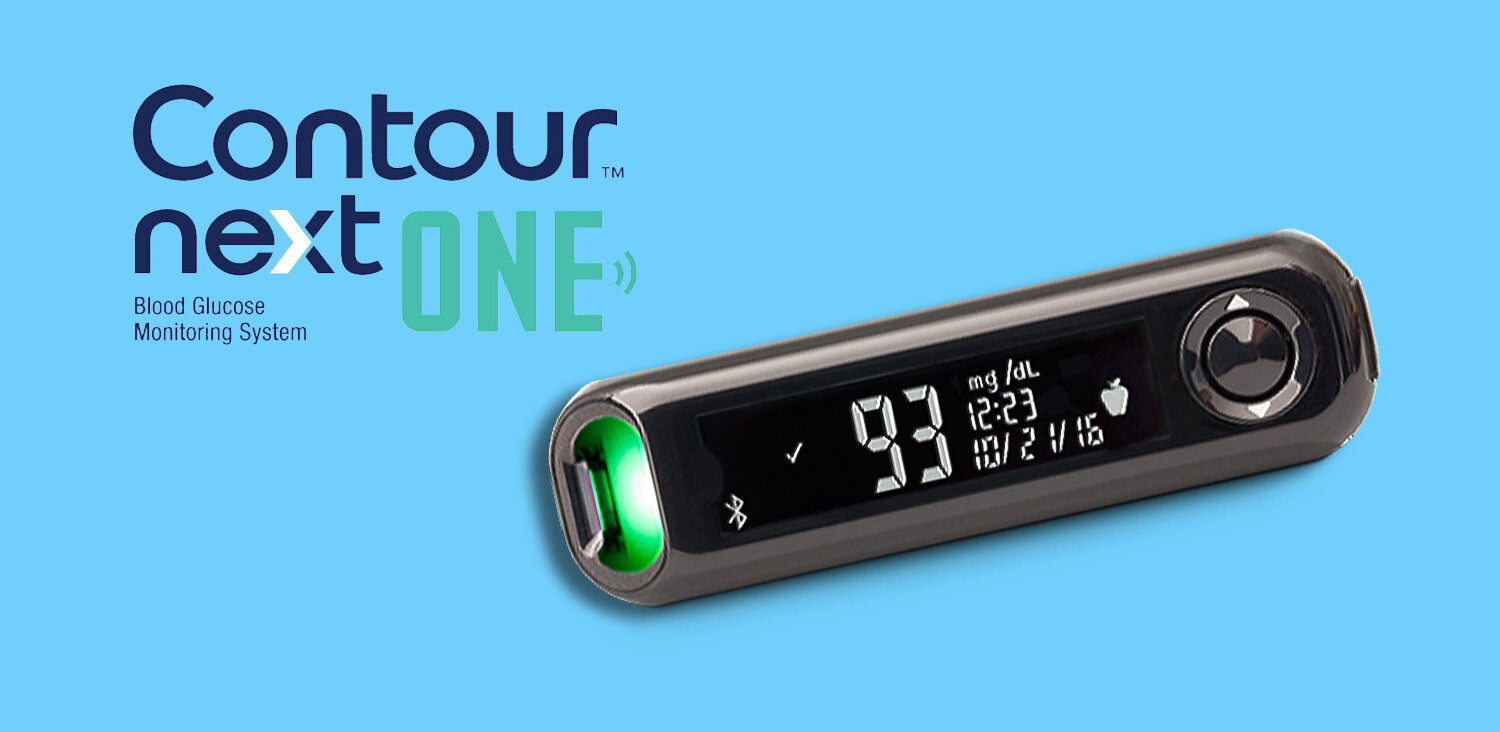














The Juicebox Podcast is a free show, but if you'd like to support the podcast directly, you can make a gift here. Recent donations were used to pay for podcast hosting fees. Thank you to all who have sent 5, 10 and 20 dollars!

#336 After Dark: Depression and Self-Harm
ADULT TOPIC WARNING
A 24 year old female type 1 discusses (with clear and frank language) her depression and cutting.
Not for children.
National Suicide Prevention Hotline: Speak with a counselor - 800-273-8255
You can always listen to the Juicebox Podcast here but the cool kids use: Apple Podcasts/iOS - Spotify - Amazon Alexa - Google Play/Android - iHeart Radio - Radio Public or their favorite podcast app.


+ Click for EPISODE TRANSCRIPT
DISCLAIMER: This text is the output of AI based transcribing from an audio recording. Although the transcription is largely accurate, in some cases it is incomplete or inaccurate due to inaudible passages or transcription errors and should not be treated as an authoritative record. Nothing that you read here constitutes advice medical or otherwise. Always consult with a healthcare professional before making changes to a healthcare plan.
Scott Benner 0:01
clinical depression is defined as a mental health disorder characterized by persistently depressed mood or loss of interest in activities, causing significant impairment in daily life. possible causes include a combination of biological, psychological, and social sources of distress. Increasingly, research suggests these factors may cause changes in brain function, including altered activity of certain neural circuits in the brain. The persistent feeling of sadness or loss of interest that characterizes major depression can lead to a range of behavioral and physical symptoms. These may include changes in sleep, appetite, energy level, concentration, daily behavior or self esteem. depression can also be associated with thoughts of suicide. The mainstay of treatment is usually medication, talk therapy, or combination of the two. Increasingly, research suggests these treatments may normalize brain changes associated with depression. If you are struggling with depression, please see a physician immediately. Call them right now. Tell them I'm depressed, and I need help. If you can't do that, ask a family member to help you. If you can't do that, go to Google and type in I am depressed. If you are having suicidal thoughts, call the National Suicide Prevention Lifeline. The number is 1-800-273-8255 and then you'll get to speak with a counselor that will help you the National Suicide Prevention again is at 1-800-273-8255. Crisis Text line.org describes self harm as follows. For some people, when depression and anxiety lead to a tornado of emotions, they turn to self harm looking for release, self harm and self injury are any forms of hurting oneself on purpose. Usually when people self harm, they do not do so as a suicide attempt. Rather, they self harm as a way to release painful emotions. Crisis Text line.org has more information or you can contact them right now. by texting home H o m e to 741741 that will connect you with a crisis counselor text home to 741741 in the United States and Canada, in the United Kingdom, text 85258 and in Ireland 0861800 to eight zero.
Welcome to the Juicebox Podcast. This is Episode 336 another in my afterdark series. Today's episode is called after dark, depression and self harm. When I originally decided to make these after dark episodes, I tried to think about the topics that no one discusses around type one diabetes, and I tell you I had no idea where this was going to go. But back in Episode 274 This all began with a drinking edition. And then in Episode 283 talked about smoking weed with type one diabetes, and Episode 305. We discussed trauma and addiction. Episode 319 was a frank discussion from a female perspective about having sex with Type One Diabetes. And today's show is with an anonymous 24 year old type one female who's going to discuss her depression and self harm. Please remember that nothing you hear on the Juicebox Podcast should be considered advice, medical or otherwise. Please always consult a physician before making any changes to your healthcare plan. You can of course do whatever you want, but I wouldn't suggest this episode for children. This episode of The Juicebox Podcast is sponsored by Dexcom Omni pod the Contour Next One blood glucose meter and touched by type one, you can go to touch by type one.org Contour Next one.com My Omni pod.com forward slash juice box or dexcom.com forward slash juice box to learn more about the good people who support this podcast. Today's episode does not lend itself to breaking in the middle for an advertisement. But the ads will be at the end. If you're interested in a tubeless insulin pump an amazing continuous glucose monitor A blood sugar meter that I find to be second to none. We're a wonderful organization helping people with type one diabetes. There'll be more information about them at the end of the show. And I'm going to start off by telling everybody that we are not using your name. So at no point during this conversation, am I going to refer to you by your name? Okay, and everyone will figure out why. As we're talking, okay. Okay, that seems fair. Now. I do want to know some stuff about you to get some background. So for instance, how old are you?
Anonymous Speaker 5:32
I'm 2424.
Scott Benner 5:34
And how old were you when you were diagnosed with type? 112 12
Unknown Speaker 5:36
years old?
Unknown Speaker 5:38
All right.
Scott Benner 5:40
Hold on one second. Why are people messaging me? While I'm trying to do this? Hold on one second.
Anonymous Speaker 5:46
No problem.
Scott Benner 5:50
It's gonna turn this off. All right. So you've had diabetes for the same amount of time. That you were alive before you had diabetes? You're at your midway point.
Anonymous Speaker 6:06
Yes. And I thought about that. Because it was June of when I got diagnosed. And I just started bawling. Because I don't like it's hard for me to remember before I was diagnosed.
Scott Benner 6:25
Interesting, even though it was 12 years old. Yeah, yeah. Okay. So now, that's it. Not as a strange thing, as you probably think I don't have a ton of like, really strong young memories. To be perfectly honest, I don't have a lot of really strong 20 year old memories, 30 year old memories, or 40 year old memories. I remember, you know, today and a couple weeks ago, maybe. But, but I think some people remember things differently, or do you think that there's a reason that that's the case?
Unknown Speaker 6:55
Um,
Anonymous Speaker 6:58
well, I think I'm really good at shutting things out that I don't want to remember. Because I remember things about like my kindergarten experience, and things like all through elementary school,
Scott Benner 7:12
okay. Remember this stuff? That's pleasant to remember? Yeah. Okay. So let's go into this slowly. So a lot of people will email me and asked me questions about diabetes and things like that. Every once in a while someone says something to me that I'm thinking, Oh, wow. I might not be the right person to ask this question to, but you asked it to me. So okay. And one one that comes to mind is, you know, somebody messaged me and said, I love the podcast, my children passed away in a car accident, but I still listen to the podcast to remember my one son. And that's an email for me that I'm just like, I don't know what to do with this. But I've learned in the past that just sort of being honest, is the best. And, you know, saying whatever it is that occurs to say, and then giving the person the option to talk more if they want to. And sort of how you and I met very recently. So how long ago? Were we messaging? Only about a week?
Anonymous Speaker 8:13
Yeah. A week and a half? Maybe?
Scott Benner 8:16
Do you remember what made you send the message initially?
Anonymous Speaker 8:20
I think just because it was that like, very first initial zoom.
Conference thing.
Scott Benner 8:29
Okay. So we all got together and talked over zoom, like cuz, yeah. Okay, so many people might not know, but there were 70 of you who got together, and we just sort of hung out and chatted for an hour and a half. And people held up their like graphs. And we talked about how to, you know, how to bolus differently and and
Anonymous Speaker 8:46
so I wasn't part of that one.
Scott Benner 8:49
Oh, you were the one where I was? Whoa, no kidding. So you were in the initial one where I jumped on and said, hey, let's do a Facebook Live. I want to try to find a way for us all to talk better. I wish we could all talk and someone said zoom. And I started going yeah, I've been thinking about that. But I don't know what to do. And then I just sort of just threw together a zoom account right then and there and we all jumped over to it. That's the one you were in. Yes. Ah, okay. What did we talk about that one?
Anonymous Speaker 9:16
I think you were like, just randomly choosing, like looking at people and unmuting them and talking to them. Oh, Was that fun? It was it was I just felt not completely alone.
Scott Benner 9:31
Gotcha. Okay. Did you speak during that? I did. You did. Okay. Do you remember what we talked about?
Anonymous Speaker 9:39
Well, because when you were doing your Facebook Live, you were like, how's everybody doing? And I was like, how's everybody doing with, like, COVID-19? And then I said, Oh, I'm like, super worried. And I remember you go, why are you worried? And I'm a student teacher. And just like the fact that Some of my kids don't necessarily get meals when they're not at school. And so you were just like kind of having me elaborate more.
Scott Benner 10:08
Gotcha. And so we're gonna be honest with each other here today. Is that right? Yes. Okay, good. So first of all, you just used your name, but I'll bleep it out. Don't worry about that. And if it happens again, I'll bleep it out. It's fine. Don't don't I don't want you to think about that. So I, from my perspective, when I hear someone, especially a younger person first say, you know, I'm worried about my kids. I'm a teacher. I thought, Oh, that's nice. You know what I mean? Like, that's lovely. And then you expound that a little more. And as you were talking, I thought that you are more closely tied to this feeling than felt healthy to me. Does that make sense? Yes. So that's what I kind of intuitively felt from you while you were talking. I thought, ooh, she's being impacted by this more than, like, if if my kids felt the way you felt, I would feel like I needed to intervene somehow or help them. But I didn't as much as I just was like, oh, tell me about a little bit. But then you sent a note afterwards. And in that note, I don't know how much of the note you want to share, I guess.
Anonymous Speaker 11:19
Um, well, I guess I'll start out, um, I started cutting myself as a freshman in high school, okay. And I've battled with depression for years now. Being able to really like mask it and have this shell, but I'm quote, normal, like mentally normal.
has been really hard for me. And
Scott Benner 11:51
oh, go ahead. Oh, no, I'm so sorry. I was reaching for something.
Anonymous Speaker 11:54
Um, so I cut myself all through high school all four years. Probably three months into it. Me cutting every single day. My mom found out and I told her I'd stop. And I just moved at the placement.
Scott Benner 12:17
Okay, just moved into somewhere she couldn't see as easily.
Anonymous Speaker 12:21
Yes. Okay.
Scott Benner 12:22
So I'm gonna have to ask you a couple of questions. Because I don't understand. They'll probably don't know, please. So first of all, when you talk about depression, can you put words to what it feels like to be depressed?
Unknown Speaker 12:35
Um,
Anonymous Speaker 12:37
I think now, my depression is a lot different than what it was in high school. Um, in high school, I felt
I guess I just felt like,
there was no point, there was no reason to get out of bed. There. Like the only reason I went to school, talk to my siblings talk to my mom. And played sports was
to try to feel something. Okay.
And I think the cutting just went hand in hand because I was in control of it. And I could determine how deep it went, and how much I wanted to feel. Even though after
a week,
that feeling went away, like the pain went away.
Scott Benner 13:45
So if I'm understanding correctly, all the things that most of us think about is you know, average life, going to school, having relationships with people playing a sport as a child, you didn't get any feedback from those things at all. Is that right? Like Like any, like emotional feedback from it?
Anonymous Speaker 14:08
On the inside? No. But on the outside, I mean, I would laugh and smile and have emotion. So I was like completely emotionless but I mean, nothing.
Scott Benner 14:24
So there's like, the impact of it the idea of like euphoria, or just you know, anything that kind of lights you up inside for a second you just don't feel that way. So when you hear people say I feel dead inside or empty or all the different ways I've heard it explained. Like there's just a void and nothing fills it or nothing turns it on.
Anonymous Speaker 14:47
At that point, cutting like cutting is what my whole life evolved around, right. And that's what like, made me feel something inside?
Scott Benner 15:01
Right? So if so you couldn't, you weren't getting feelings from the what they quote unquote normal avenues. So you went to something like obvious like your body can't ignore that you're in pain, so and so is that feeling like, like, do you know what it is you're trying to accomplish by putting yourself in pain?
Anonymous Speaker 15:27
No, no, um, I think it was just something I could control.
Scott Benner 15:31
Okay. And you felt it? For real?
Anonymous Speaker 15:35
Yes. Yeah.
Scott Benner 15:37
Is that does that lead to? Like, I'm thinking it's not a it's not a feeling you want? Like, I guess in the absence of any feeling some feeling is positive. But also it was painful to you. So was that a double edged sword too?
Anonymous Speaker 15:56
Yeah, yeah, for sure. And then, um, my junior year of high school. I started dating this kid. Well, guy. And he was a freshman. And we're three years age difference. We're now engaged. Hopefully, we're gonna get married this summer.
Oh, thank you. You
Scott Benner 16:22
mean Fingers crossed? Like if they let us all outside again to do something.
Anonymous Speaker 16:26
Yeah, exactly.
Um, but I was very open, and upfront and honest with him about my cutting. And then I realized, like, he doesn't know what to do with it. Right? Cuz, I mean, he's a freshman in high school doesn't like, this is his first exposure to it. And that scared me. And so I began to bottle it up again. I went the whole trying to see somebody, a doctor. And that did not turn out well. And so I felt like there was no way of getting how I felt out. Are
Scott Benner 17:15
you comfortable with telling me why the experience with a doctor didn't go? Well?
Anonymous Speaker 17:22
Yeah, I'm so
I'm from a very rural town. Okay. There's there's one stoplight in the whole county. And the county is the fifth largest county in the state. I'll
Scott Benner 17:35
tell you, that would depress me Just so you know.
Anonymous Speaker 17:37
Yeah. If you, if you're, if you're not an outdoorsy person,
Scott Benner 17:44
you're kind of screwed.
Unknown Speaker 17:45
Yeah.
Anonymous Speaker 17:49
So really, there was really like, only one doctor you could see. And even when I got diagnosed, I had to travel three hours away, because that was the nearest endocrinologist. Okay. But I'll talk. So when I first went in, saw the doctor, I was beginning to open up and find ways to cope that were better. Mm hmm. And then right after the meeting with him, because it would just be him and I, after the meeting, my mom would be like, what did you guys talk about? What's going on? and scare me? Because she's not the best person that handles delicate things.
Scott Benner 18:42
And also, if I can, you know, assume for a minute, she's probably super worried that whatever troubles you're having are her fault. Oh, yeah. And she either doesn't want that to be true, or doesn't or knows it's true and doesn't want anybody to say it. Anybody else. It's, you know, there's her humanity is, isn't on his playing defense at that moment. It was this doctor, by the way, a therapist or a psychologist or a psychiatrist, you know,
Anonymous Speaker 19:09
I think he was a children's psychiatrist, specifically. Um, and so I probably saw him for two months, multiple times a week. And then all of a sudden, I learned that he committed suicide.
Scott Benner 19:28
Yeah, that just sounds like the end of a bad joke doesn't. And, and so I'm trying to figure out how old were you at this point?
Unknown Speaker 19:38
Oh, boy.
Anonymous Speaker 19:41
Probably
almost 16.
Scott Benner 19:44
Okay. Now, let me ask you when he committed suicide after talking to you for two months, what's the feeling? Or what's the interpretation from you? Do you feel at fault or are you just like, I can't believe I was finally getting help. And now that person Gone. Like, what was that? experience?
Anonymous Speaker 20:04
I felt that
my only outlet was gone. Yeah.
I knew it wasn't my fault. Good.
And I now like, looking back on this whole experience, I realized, like, Wow, that is something that I was right about.
Scott Benner 20:25
Well, you know, what you're really proving is that living in a place that rural with one stoplight is not just depressing to one person. It's apparently depressing to a lot of people. Oh, yeah, I'm certain we don't know his Was it a male or a female doctor? I'm sorry. A male man. We don't know his his issues. But, you know, you know, he was obviously having trouble. No differently than a lot of other people. Exactly. You know, and, but the biggest concern is, is that you had found a place to learn coping skills. But they weren't ingrained in you yet. I'm assuming, and then your sounding board was gone, and your teacher was gone? And then there was just no one else to go to? Is that right?
Anonymous Speaker 21:04
Exactly. So then I just sunk back in to what I knew what to do. And what I, at this point, quote, unquote, enjoyed doing.
Scott Benner 21:13
What? What were some of the changes that you were seeing? While you were speaking with the, the psychiatrist, like, what was? What were some of the improvements you were getting?
Anonymous Speaker 21:24
I remember my mom making a comment. Like, one Sunday morning at breakfast.
She said,
you have a twinkle in your eye. And I was like, wow, I want like issue dress. Trying to tell me what I want to hear? Or do I have like, light again? Yeah. And that was really hard to accept, because I had felt this way for so long. And then I realized, like, this is what she wants to see from me. This is how I can be normal again. And so I was able to just take that timestamp of how I looked how I felt, well, not necessarily inside, but on the outside. And that was what I looked like, at all times.
Scott Benner 22:30
Now, did you feel like that? Or were you pretending
Anonymous Speaker 22:34
I was pretending?
Scott Benner 22:35
Yeah. And so so this is really interesting for people who don't have these feelings. You were probably progressing. And you saw a little bit of like, you know, you might not even have noticed that at that point. You know, sort of like the beginning of a diet. When you're three pounds down, you don't really know it, but you're so you're on your way to something, but you're not even aware of it, somebody else looks at you and goes, Oh, wow, you look good. And that reminds you, I'm heavy, and light. And here's what I don't like about myself. And here's all the things that are wrong, like and so this very kind, you know, statement from your mother, which is, you know, if it's a sparkle in your eye, it sends you down a rabbit hole of her concerns and feelings like you don't think about yourself in that moment. Like, I think a person who's not struggling, might think, oh, wow, I'm working on myself, and I'm making an improvement and other people can see it. That's fantastic. I'll keep going. But you transferred yourself right into her head and said, she sad that I'm not happy. She wants me to look like this. This is what I should be doing. This is what normal looks like. And instead of continuing that thought with, so I'll continue to do what I'm doing because it's working you thought I'll This is where I'll put myself out. This is the picture I'm gonna paint on my face because it makes my mom happy and probably makes other people happy. And it makes me look quote unquote normal. Am I understanding that correctly?
Anonymous Speaker 23:55
Yes.
Scott Benner 23:56
Wow. That's stop I'm sorry. I've seriously, I am sorry that you feel that way. Any tragedies in your life as a young person? Any? Any? I were you abused at all? Like, is there anything that we can point to? Or is that you have a family history of depression? Is there anything you can look back to and say this is where this came from?
Anonymous Speaker 24:24
I don't think so. Um, I mean,
before I was 10, my, when I was three, my parents divorced. My dad is on his third wife, and my mom, married and divorced. Before I was 10, so or so. And so I've been I've been through three divorces as a kid and I'm with my father's current wife. You He has clearly chosen her. And that has been a struggle. Um, but that was also Well, I started cutting before because I lived with them for a shorter period of time. Okay? And
Scott Benner 25:21
so does it make this seeing your dad happy? Instead of making you feel like you're happy for your dad make you feel like, he wasn't happy with me or my mom, but he's happy with this person? Does it always shift back to you like that?
Anonymous Speaker 25:35
No, I, cuz she was she was always very nice to my brother and I, um, and then I just, I moved in with them. On my birth day, I don't remember which one. But one of my uncle's got me this like really cool. Like Swiss Army knife. And none of them knew that I was going through this whole phase.
And then I remember,
like, just getting the urge to cut myself.
Unknown Speaker 26:15
And
Anonymous Speaker 26:17
I remember going into my room, closing the door, getting out this brand new Swiss Army knife, opening it and just slashing my thigh.
And then I realized
it's not stopping. And so I just grabbed a T shirt and like, tied it around my leg and went to sleep. Because I felt better. But I was worried like, Oh my gosh,
Scott Benner 26:46
now you're wearing a wound. You feel better. You feel better from cutting, but now you're worried about the actual wound?
Anonymous Speaker 26:52
Yeah, right. And so the next morning, I wake up, and it's still bleeding.
Scott Benner 27:00
How deep? It was.
Anonymous Speaker 27:03
Um, I didn't see bone. But I'd like this is one thing that I haven't thought about in years, because
it's painful at times to think about.
Unknown Speaker 27:20
Um,
Anonymous Speaker 27:24
but I don't really know if
Scott Benner 27:26
it was, but it was a bad enough wound that overnight it didn't it didn't heal over or clot. Yeah, what do you do then? Because it can't be mistaken for something else. Right? You can't say I walked past that table. It's it's
Anonymous Speaker 27:40
no than that. Right? Like, at that point, I took off that like bloodsoaked t shirt, and just went told my dad like,
Unknown Speaker 27:50
I have a problem.
Scott Benner 27:53
And then how did he handle that? I mean, beyond the wound, I'm assuming you got that dressed and taken care of. But did he? Try Like what? I guess my question is, what's that reaction like from a person who I'm assuming up until that moment, had never thought about something like that in their life? And then all of a sudden, you know, his daughter standing there saying, Hey, I cut myself to feel something. And I don't know that I would know what to say is is what I'm getting at. What did he say? Yeah. Can you understand that? Like from an academic point of view?
Anonymous Speaker 28:30
Now I can
Scott Benner 28:32
write I'm not at the time. No, I wouldn't have met your kid. You're looking for your parents that have the answer?
Anonymous Speaker 28:41
Yeah, yeah. Um, but I've like we sat down and talked. And he instantly took it as like, my hobbies. were causing me to do this. Ah, so he he whatever he could see he thought was, Do you listen to the podcast a lot? I, it's hard for me to get through a lot of episodes because I just, well, I commute to college. And it's a 30 minute commute. And I can't get all the way through. Well, that and I just, like 10 minutes into it. Whatever were you guys are talking about I just ball and cry.
Scott Benner 29:27
So no matter what someone's talking about, you take on their pain.
Anonymous Speaker 29:32
For the most part, like your first
two episodes that you put out were the hardest for me.
Scott Benner 29:42
Because I was being really honest about how I felt about raising Arden.
Anonymous Speaker 29:47
Yeah, yeah. And
it took me two weeks to get through. Like those two episodes. Why did you keep trying
Unknown Speaker 30:02
Because
Anonymous Speaker 30:05
I think it's interesting to hear a point of view of somebody that doesn't have diabetes, but wants what's best for their child. Like my parents wanted for me, but, and this isn't really like diabetes related, but they want what's best for me.
Scott Benner 30:28
Right? So it's nice to know that there are other people in the world who are trying to do their best for other people and for their kids. Yeah, but the content is really hard for you to absorb. So yeah, you're getting some good from it, and some and bad. So. So like, try to like, Listen, I record all these podcasts. And I know, they're emotional. And I'm an emotional person. And so when I'm hearing them, you know, I'm doing my best to shut them off. But feel them enough that I can have the conversation. For instance, if you and I were just talking on the phone, I'd probably be crying by now talking to you about the things you're saying. But I'm trying to be academic and thoughtful, and listen to you, and tell you how it makes me feel. Hoping that you're going to find your way to some sort of a thought, like we're recording right now. Because your note made me respond to you and say, you should really, you know, I can't tell you what to do. But I think you should find help in the form of, you know, a doctor, and you said, Yeah, I tried that at my doctor killed himself. And then I was like, I looked at my wife, I'm like, What am I gonna do? I was like, I can't just tell this poor girl. Oh, sorry, goodbye. And so I said, Well, maybe if we talked a little bit, we could find our way through to some sort of an answer for you. Maybe just saying it to somebody else who's you know, you know, there, but not there. You can't see me, right? You're not reading my face, you don't know, if I'm upset for you while you're talking. Maybe that'll help. And, you know, we're gonna try it here and do it. And at the very least, you're going to help a lot of other people. And so you get to have that feeling. You know, when when this is over. There are a lot of people who feel like you who are hiding it just the way you were hiding it. And they're gonna know they're not alone. I imagine that's going to be helpful for them. So I appreciate you doing this. I hope it helps you. I definitely expect it to help somebody else.
Anonymous Speaker 32:27
All I can do right now is just sit and cry. Because for the most part, I haven't thought about these thoughts for a long time. And so it's just kind of opening old wounds up
Scott Benner 32:38
course. But you when you say you haven't thought about them? You mean you don't give voice to them, but they still impact your day. Is that right?
Anonymous Speaker 32:46
Yes. Well, I think about cutting myself
at least half a dozen times a day.
Scott Benner 32:54
Is there anything else that you found so far, that can take the place of that need?
Anonymous Speaker 33:02
I cry, and I sleep?
Scott Benner 33:06
I have to tell you, I like doing both of those things. I really do. I love a good cry, but not the way you're describing. And sleeping is terrific. And I definitely don't do enough of it. So you're either letting it out. Or shutting it off by being a voice. Gotcha.
Anonymous Speaker 33:21
And I just well, growing up, I I was never the kid that took a 10 minute nap. I took a three hour nap. And so now that I'm a quote, adult, and I can decide when I want to take a nap. I usually like in a 24 hour period, I will sleep for 20 hours. Wow. And that includes like two naps, and sleeping for eight to 10 hours.
Scott Benner 33:53
And then in the four hours you're awake, you're crying.
Anonymous Speaker 33:59
Usually I'm well. I'm working on schoolwork usually.
So it at least takes my mind off of it.
Scott Benner 34:08
So when you're busy, it's better.
Anonymous Speaker 34:12
For the most part, um, now that I have chosen a field that I'm dealing with children, um, because I'm student teaching in a kindergarten classroom, so I hang out with five year olds all day. Yeah. And I know that none of them some of them do have like, like not the best lives but they are not developmentally where I started cutting myself, which, thank goodness.
Unknown Speaker 34:44
But
Anonymous Speaker 34:46
it just
takes a toll on like my empathy has grown so much that it is so hard for me To come home on a bad day, and not like, act on my urges.
Scott Benner 35:08
Gotcha. Is I'm trying to understand the idea of choosing to be around small children is it is, is there comfort in their innocence? Is there comfort in the fact that they haven't had problems yet. And so when you see them have that problem of not having a meal, now you realize that there, they might have problems too. I'm trying to figure out why you were drawn to this line of work.
Anonymous Speaker 35:36
In the beginning, um, like when I could decide if I wanted to teach primary or secondary. I chose primary because I'm taller than kindergarteners. But I'm a short person. And I didn't want to deal with high schoolers.
Because I thought I'd have to be a bitch.
Scott Benner 36:00
So you thought Oh, so you thought if you were physically smaller than someone, you'd have to assert yourself in a different way? And do you think, did you not? Or are you a bitch, and you didn't want to be one? Or that's aside? Like what? I mean?
Unknown Speaker 36:14
I
Anonymous Speaker 36:17
thought, I still think this, but high schoolers know better. And kindergarten will like primary for little people. They're so innocent, and they are they don't understand. And I have a lot more patience for a five year old than a 16 year old. Because kindergarteners, they don't know how to do school. And so it's a learning curve for everyone.
Scott Benner 36:48
Yeah. Have you ever thought about your location, being part of this I this, I might be 100% off on this. But I think of this sometimes. In Ireland, the potato famine was so terrible for so long, that it created a lot of depression, alcoholism, schizophrenia, mental illness, like all kinds of stuff in the Irish population, that some people believe still sticks to them to this day. And, and you really you live nowhere, like as you're talking, I think you should save up a couple of thousand dollars, get on an airplane, fly to some great Island and get a job carrying drinks to people on the beach. And just, you know, go somewhere interesting and, and relaxing, and do something that doesn't require you to be around people long enough to start taking on their pain. Because I mean, you're doing that. And listen, I am nowhere near where you are. But I am at my core. You know, I am a person who's a caregiver at heart. I think I'm happiest when the people around me are taken care of. I don't like to see people upset. And I will put a lot of myself into helping them feel better. It's probably why I understand Arden's diabetes so well. And just other people, you know, they can be big problems or little problems. The people I love, I want to be I want for them to be okay. But you know, if you dig into that a little bit, I'm adopted. So I've been abandoned once. I don't think of it as abandonment but it's true, right? Like, there were people who had me who were just like, Scott, yeah, somebody else can take care of them. And then I find out later that that is not what my birth mother wanted. She was forced by your family to give me away. And that gave me some comfort. But, you know, it doesn't fix whatever it happens to you that you're not aware of. And then my adopted parents split up when I'm 13 on my birthday, by the way. Wow. So and you were shipped from one house to another on your birthday. So there's little things about that that are hard to ignore. Even so, you know, subconsciously. You know, my father went to work on my birthday took me with him in the morning dropped me at my grandmother's house. I had a lovely day. He picked me up in the afternoon said what do you want for your birthday? I wanted this cartridge and floppy disk that went into your Commodore 64 that made your Commodore able to copy a floppy disk. These are probably a lot of words you don't know. Okay. And I and my friends had a mass mafia like setup where we were copying video games on on flop By the way, when I say floppy disk, I mean the big ones that were five and a quarter inches square. Like do you even know the ones? I mean? Yes. Okay, so you put this cartridge in the side of your Commodore 64 head like it literally on a toggle switch on it. Then you'd put this floppy disk in run this program. At a certain point, you had to yank the floppy disk out, flip the switch on the cartridge stuff in the game, let it run, pop it out stuff in a blank one, and it would actually make a copy of the disk. And I wanted that. So I asked for it. It was $100 $100 in 1983, for my dad that worked in a rubber molding plant, and my mom who didn't have a job, and we were broke. $100 was all the money in the world. And my dad just goes, Yeah, sure, where do we get it. And we drove home stop the dislike CD computer store, bought this thing, he bought it for me a big smile on his face, he was as happy as he could be to give me this thing. I'd never actually seen him that happy before in my life. We got home, we had dinner that I got to choose. My dad got up, took a shower, came back downstairs, said he was going out and never came home on my 13th birthday.
And I gotta tell you, hard not to feel like that's kind of your fault. When you're 13. You know what I mean? Now, when I look back on it, now, I see it differently. My dad was cheating on my mom for a long time. He obviously wasn't happy, he didn't like being broke, he had more responsibility than he knew what to do with. And for a split second buying me something that wasn't going to hurt him because he knew he was probably going to file for bankruptcy after he got divorced. He was like, Oh, this is what it feels like to give my son something he wants. This is nice, he was so happy. This had nothing to do with me. But for a long time, it felt like I was the reason they got divorced. I didn't know any of the other myriad of like, you know, reasons behind any of it. And as an adult now, I know it's not my fault. And I don't have any, like lingering impact from it as I talk to you today. But there's no doubt in my mind that I try really hard to keep my family together because I know what it feels like when it falls apart. Right. So I have this extra empathy that I have for their problems. Because when they're upset, I know there's a path out of being upset. And I have also seen people give up before they get to the end of the path. So I just take on the book comes with it and disperse it so that they have time to get through it. So that whatever they're feeling in that moment doesn't bounce around inside of my home, the way I saw it bounce around inside of my parents home, like had my parents just gone to neutral corners, do you know they mean or relaxed a little bit or had better communication skills or whatever it ended up being that they needed? They could possibly have worked out their their issues. And so I think a lot of people can work out their issues, if they have enough time. And don't blow things up in the middle of the argument. And so yeah, and so that ends up being who I am. And I don't know if the people around me know that about me. I don't know if they appreciate it or would want it not to be the case. I have no idea. But I just know that that's how I feel. I feel like we're a good group, the four of us, we'd love each other and something that's both should not derail us. So I think we should have every option and opportunity to not let that happen. Now don't get me wrong. You know, if I came home tomorrow, and I found out my wife had been cheating on me for 30 years, I'd be like, Oh, you know what, this didn't work out everybody out, you know. But but but I'm saying for the little day to day things. And so I know what it feels like to look at somebody see them sad and then feel sad. But I probably have 3% of what you have. You know what I mean? Yeah, yeah. So listen, a good, it's a pleasure, sir.
Anonymous Speaker 43:55
Oh, just you telling your story.
Reminds me because even though I was three, I remember like my dad leaving. And it's the most vivid memory that I have.
Scott Benner 44:14
Yeah, I used to go downstairs in the middle of the night. And I found in the back of a coat closet, our family portrait, which was probably in a frame that was maybe, I don't know, a couple feet wide and three feet tall, you know, used to have to go out and have a picture taken and it was melted and all this stuff in my mom didn't get rid of it. She put it all the way back at this long, narrow closet. like you'd never and I found it one day and I used to come down in the middle of the night. First I would go into the bathroom on the second floor and look out the back of the house where the driveway was. And I would sit there and every time car lights would come up. I would allow myself to be excited that my dad was coming home until the car passed by my house. So So probably not for nothing. Not exactly the Same, but that's cutting a little bit. You know, they mean like I'm opening, like, I'm opening myself up to this excitement that I know, intellectually is not real. But it felt so good for 20 seconds while the car drove by to think my dad was coming home. Yeah, right. And then I would get horribly upset. And then go downstairs, dig the picture out, sit on the sofa, hold the picture, cry, get tired, put the picture away and go to sleep. Yeah, that sound familiar with different words?
Anonymous Speaker 45:32
For the most part, yes, yeah.
Scott Benner 45:34
So I think we need to find a way to get you from all of this to some of it. Because those feelings that I describe in small doses are really valuable part of being alive. You know, like that empathy. I love that you're empathetic. I think that's terrific. You know, but how do you get from there to there? Is it a rewiring of your brain chemistry that's going to help? is it changing locations, like other people you need to get away from? Is there a place you need to get away from? Like, I don't know what the answer is. But you can't just keep doing the same thing over and over again. And hiding it because at some point, that's gonna, it's gonna short circuit you, you know what I mean?
Anonymous Speaker 46:20
Yeah, yeah, well, and because I lived in rural, for 18 years. And then I moved six hours away to the state capitol.
Unknown Speaker 46:40
And
Anonymous Speaker 46:42
just like, it's a culture, shock, Holy moly. Going from, like, 2000 people in a town or less, to your state capitol, and then trying to figure it all out. And finally finding a place like, student teaching, being with the same 25 kids and having great support, in that sense, has been very positive and negative with me.
Scott Benner 47:15
How's it been negative.
Anonymous Speaker 47:19
I, my mom works in the school district where I grew up. And she was the librarian at the middle school when I passed out and got diagnosed. So she was with me from day one, in the school system. And I knew just from knowing some of my peers that kids didn't have, some kids didn't have the best home life. But now being an adult, and being
a co teacher in a classroom.
Scott Benner 48:04
You can really say
Anonymous Speaker 48:07
yes, and seen making those hard calls to the parents and making, like having a little kid come up and say that, like they slept in the car all night. And then have but they don't tell me that even because I'm a mandatory reporter. They don't tell me that they tell the aide. So it's not up to me. Like I with mandatory reporting. It's who that the first person that the child says it too.
Scott Benner 48:39
Yeah. Well, I have a couple of questions. So first, I want to ask you a little bit about does all of this impact your type one diabetes care?
Anonymous Speaker 48:53
I think the mental part of it does. Because I usually go days without eating. Or like in high school, when I was at the height of it. I would just because I had for the first from 12 to 16. I had a pump with tubing, I can't remember. And then I've been on the Omni pot ever since. Okay. And at the height of my cutting, I would just like slap on the Omni pod with no insulin in it. And I would just go like I would just have a show of like, yeah, I have my insulin on my my pot is on so I must be taking insulin. So I would call my mom down because on top of it all, you know, me having these struggling issues mentally I'm also diabetic, it's not something you can't take lightly. And so, um, I did a lot of things that I look back now. And I'm like, I hope to live like, till I'm 70 because I really thought my body up. Okay.
Scott Benner 50:26
Well, how are you doing now though? Are you? Are you in a better space with it?
Anonymous Speaker 50:32
Yes, um, I've been, I still have my Omni pod. And I actually give, like, have insulin in it? Um, I've been on the Dexcom. Since August.
Scott Benner 50:47
Cool. is it helping? And? Yeah.
Anonymous Speaker 50:51
Pretty all through high school and into Well, up until last last August, my a one C was over 11. Wow. Like, consistently, between 11 and 13. And I haven't, I think the last time I went to my endocrinologist was in January or February, and I was down to 7.8. Very good for you. That's really cool. And so I feel like
I can.
I mean, it's a big step. But now that I'm gonna get married, and like we've talked about, like wanting kids, someday. Now, I feel like I can't think about me anymore. Since I'm the one that has the child. And like, now, I'm like, well, 7.8. I can't do anything with 7.8. So I feel like it's just like, maybe not 12. Again, well, it's not
Scott Benner 51:56
it's a it's an amazing leap. It's this, that's the sparkle in your eye that somebody notices. It's not it's not a reason to, to go backwards. It's a reason to be hopeful and keep moving forward. Also, it's interesting, where you place your hope and where you don't place your hope you want to be 70 you want to have kids. And those things seem reasonable to you. You don't you don't imagine yourself 70 cutting yourself Do you know, and you don't imagine yourself with children and being in the situation you're currently in or worse as it's been in the past. So you are hopeful. So there's a feeling you have that you're in complete control of that's working for you the way it's supposed to? Yeah, I think that's really, you know, encouraging. You got your agency down significantly. You're paying, you know, obviously much better attention. Are you eating more now that your blood sugars are better? Were you not eating because you were trying to keep your blood sugar's lower?
Anonymous Speaker 52:55
Well, pre covid 19 quarantining myself, ask, um, I, well, I've never been a breakfast eater. I don't. Well, I take thyroid medication and other medications in the morning. And that's pretty much my breakfast.
Scott Benner 53:19
Is your breakfast?
Anonymous Speaker 53:20
Yep. I don't
Scott Benner 53:21
think that has any nutritional value. No. So I hear what you're saying. So he throws off your timing because you're supposed to take that medicine on an empty stomach because being there for like, a half an hour or something like that before you eat and that throws off your morning. Yeah, and take it before bed. You can do that.
Anonymous Speaker 53:44
Yes, I've just never ate like even
when I was younger, I don't remember eating breakfast. So
Scott Benner 53:52
you don't have to apologize to me. I'm not a big breakfast eater. At all. Like when I'm trying to eat more, I kind of forced myself to have an egg in the morning or something like that. But I don't wake up and think the eat right away.
Anonymous Speaker 54:04
Yeah, and I'm an extremely picky eater. Mm hmm. And so it's very hard for me to find breakfast type food that I will eat.
Scott Benner 54:16
Which ones do you do you like?
Anonymous Speaker 54:20
Well, I'm a big potato person. And I've pretty much stopped eating potatoes.
Because it's just
it's not too hard for me with my diabetes, but to me it's just not worth it. Um, but I don't eat eggs. I don't like there's the list that I don't eat, or I don't like outweighs what I do like
Scott Benner 54:47
Well, I mean, I don't think there's anything wrong with sticking to a simple diet. I there are a lot of people who do that but find the one thing or the three things you do really like and you know have them around the house. See if that helps you eat breakfast like Imagine if you just move your Synthroid to the night and get up in the morning. And there were always three things in your refrigerator that you liked for breakfast. Like, I wonder if that would make a positive step for you.
Anonymous Speaker 55:11
Yeah, and we've
since moved into the valley.
There's so many more you pick berry farms. And so we spend pretty much all summer picking gallons of different berries. And so now that we don't, I don't really go outside, well, I don't go public places, we've been doing a lot more smoothies. And that has been something that I have really started putting into my diet, which has helped. I feel like that has helped me.
Scott Benner 55:53
Let me ask you a question. Do you have the empathy you have for those kids? Do you have it for yourself?
Anonymous Speaker 56:05
My initial responses No.
Scott Benner 56:11
I get that. I think that, um, it does worry about yourself seem selfish.
Anonymous Speaker 56:21
Yeah, and I feel that
in high school, I was consumed with myself that like, when I needed to do things when I needed to act on my urges. And so since then, I, I don't really like, stop and reflect on my happiness or my feelings as much as I probably should.
Scott Benner 56:53
So if I asked you how you, like, if you if you allow yourself to go into your hope for a second, how, how do you think you would like your day to go? Like, what what would you want your life to be like, if I gave you a magic wand that I was like, just turn yourself into exactly the picture of what you're looking for? Like, what are your days look like?
Anonymous Speaker 57:21
Me being a stay at home mom, and not having to worry about like this whole, getting an education and getting a job and being able to like love my kids and or my future kids. And
Scott Benner 57:39
so why are you doing? Why are you doing the things that you don't want to do?
Anonymous Speaker 57:44
x because it's not financially.
It won't work financially.
Scott Benner 57:52
Okay, well, but you've got this guy, right. And he loves she's thinking about marrying you guys thinking about getting married? Right? So? I mean, would there be anything wrong with him working and you at home in a small place? And you had I don't know, a pet instead of a person? Or do you mean like, Why? Why? I'm being serious for a second, like, Why? Why are we all trying to put ourselves into the mold that we think is right, like, I don't think there's anything wrong with you being the, you know, the wife of your husband, who, you know, takes care of their house, people did it for generations and decades, you know, and and it's also cool if you don't want to be that, but it doesn't sound like that's what you want. I don't think you want the job. I definitely think that being around people who your empathy is so strong for that it's it's causing you trouble is it's problematic for you, at the very least. I don't know why. I don't think it's wrong to put yourself in a situation that's good for you is what I'm saying. But
Anonymous Speaker 59:02
yeah, and I do think that my bad days are really bad. But I mean, three out of the five days of the week, I come home. And I'm like, Oh my gosh, guess what one of my kids did today. And I'm so excited. Like I feel like deep down. Like, you won't believe the shit that happened in my classroom today.
Scott Benner 59:31
So how come when I gave you the magic wand? You didn't want that to be your life where you just feel good every day doing what you like doing? It seem scarier that it might not happen.
Anonymous Speaker 59:50
I just I don't know.
Scott Benner 59:52
Yeah, no, I don't imagine you do. Um, so I have questions about what you've tried to help this You tried this, like, the psychiatric route, and it does sound like you're in a different location now, like maybe a psychiatrist would be a good thing for you to do again, and you might have better access now. But aside from that, I mean, have you ever been on medication? Ever smoke weed? Like, is there anything you do to alter yourself to try to make this different? And have you had any success with it?
Anonymous Speaker 1:00:23
I, well, since moving away, I haven't tried any antidepressants or anything like that. Um, I've tried, like, drinking, till I'm numb, or just drinking to the point of passing out.
And I don't really like myself.
Really, I don't like the hangover. And I would
Scott Benner 1:00:54
like to say that I want for you not to do that. Okay. So I think that's, I get that you tried it? It's not a viable long term solution. So So, and it did any of them. And I'm not saying the medications are either, did you? But did you have any benefit from them? Or not? Particularly?
Anonymous Speaker 1:01:14
Not that I remember. Okay.
I've tried, like edibles. And those just make me cry. Like, I don't get the munchies or anything. You don't
Scott Benner 1:01:28
get the fun stuff that people talk about?
Anonymous Speaker 1:01:30
No, I just get, like, so emotional, that I could do that. I can cry when I'm completely sober and clean.
Scott Benner 1:01:40
Yeah. Is it a sad emotion? Or is it just like, do you cry over? Like, would you look at a wooden tabletop and think about the dead tree? Like, isn't that ridiculous? Or? Like, it doesn't take you into your thoughts?
Anonymous Speaker 1:01:53
it? My thoughts? Okay, especially right? So
Scott Benner 1:01:56
no, let's put a line through that. That's a no. All right. And the medication you didn't listen, if I'm, if, if, if you put me in the situation where I'm your father for a second, I and I've listened to this last hour talking to you. And we're not done talking yet. But I would say you have to find a competent, skilled, licensed, well reviewed and thought of psychiatry psychiatrist, an accredited psychiatrist, not a psychologist, not a therapist, you need to go talk to a psychiatrist who can really diagnose what, you know, these things you're saying, and make sense of them. Because if you think you're going to wall off this part of you forever, that seems highly unlikely to me. And I think you deserve whatever it is, you want. You know, being 70 having a great day one, see, having a baby, if that's the way you want to go, being married, not being whatever it is you want, you deserve that. And I think that you should find the best option out there to try to get to that, you know what I mean? Because I just don't think that I don't think hiding, it's gonna work. And, and you're, you're just and try to, you know, I don't even want to say try to imagine but if you had a baby, and the cutting kept going, the guilt you'd feel would be immense. Because you're going to, you're going to, you're going to feel this, this connection to this baby and this desire to do good things for it and appointment in the right direction, you're going to feel like you're not doing that for it. And then that's going to be a huge problem. So you don't want to do things that are going to create new problems, you want to do things that are going to alleviate existing issues. Yeah, you know what I mean? And I know you know that and that's also the strange thing about depression or these feelings you're having it's, you're not unaware. Like, right, you don't have that knife in your hand going, this is a great idea. Birthday Cake time, like you're not thinking that you're thinking, this is my last best option. This is cutting is jumping out of the window of the World Trade Center, right? Like, I'm gonna jump so I don't burn to death to by myself five more seconds. But get right.
Do you have any luck looking at the world or yourself or anything in more of a macro way, because everything you're talking about occurs to me. And I've been thinking a lot about macro and micro thinking lately. So this is maybe why my mind's going there. But everything you're talking about is very micro like you are right down on top of every little thing, seeing the granular issue, like these kids. You know, there's a kid who sleeps in his car. Well, if you pull yourself back 100 miles, you know, the world's full of people who don't have a home to live in. And it's incredibly terrible and horribly unfair. But in reality, and I don't mean to sound harsh. doesn't have any real, today impact on you. Right? Like I can see if you want to help that child or do something to curb, you know, homelessness. That's all really cool to work on a macro or a world level, but you can't feel it on a micro level. Like that's just not sustainable. And so, you know, sometimes I get notes from people were like, I don't know how you talk to I got a note from Sony. I was like, I can't believe you talk to Donnie about his problems like that. And you weren't all broken up the whole time. I was all broken up the whole time. A lot of the things that he was saying was horrible. You don't even know what I'm saying right now. And trust me, don't listen to Johnny's episode, it'll kill you. Okay, but you know, but like, when I was talking to him, I had to pull myself back. I couldn't be in the, in the granules with him. I had to be back, looking at him through binoculars. Does that make sense? Yeah, yeah. And, and it just you're so into everything. Like, on that level, it's hitting you too hard, you just don't have enough of a force field. And I don't know that I don't know how to create that force field, I don't even want to sit here and guess about it. I don't even know that we should be talking about it. Like it's a force field, I mean, distance, like enough distance, where you can make the statement, you know, there are children starving in, you know, XYZ place. I know, that's bad. I wish that wasn't that way. But in reality, I have no sway over that I can't really affect that I can send a couple dollars to an organization is trying to help. You know, I can, you know, there's all kinds of things you can do that are big picture things. But I mean, but if I get into a plane to fly to, you know, the middle of some country where everybody's starving thinking, I'm going to hand them out food, that's not gonna work, I'm just gonna be in no time flat, I'll be in their hell to. And now I can't help them anymore. I'm, I'm involved in it. Like the people who help are a little distance. And I wonder if there's not a way to apply that idea to your everyday life to the things you say? And I don't know. But I think there's probably somebody who could help you figure it out. I'm probably not that person. But I think there probably is somebody. And and by, I mean, you sent the note to me. So at some point in that day, you felt enough of a connection with me that you were like, maybe this person can help me. Right? Because that's the only reason you would send an email like that.
Anonymous Speaker 1:07:39
Don't Yeah, right. Yeah.
Scott Benner 1:07:42
Yeah. So here we are doing it. Now we got to do the next part, which is, you know, find somebody way smarter than me who understands this a lot better than I do. And get you involved with them. Because Do you feel any better now than you did when we started talking?
Anonymous Speaker 1:08:00
Good tears have steadily rolled down my face. But yes, good. See? Short answer. Yes.
Scott Benner 1:08:12
Great. So that's really cool. So you know, you need another person to talk to, that you can have these conversations with over and over and over again, even if it's just a pressure release. And maybe, maybe for years, it'll be that for you. Maybe you'll just go a couple of times a week, and talk to somebody and let off enough that you know, you can keep moving until the next time you get to let off a little more. And then find some, you know, plateau at some point, ascent. And and, and keep yourself in a situation where as you make small improvements, you can hold on to them. Right, I want to see you get a twinkle in your eye, and stay at that level, and then get a brighter twinkle and then stay at that level and get a brighter one and a brighter one and a brighter one not get a brighter one, feel the pressure and then backslide. Because that's you're just caught in this like, slippery slope. And then once you realize that's your loop, you're shutting down and pretending it doesn't exist. And that's not fair to you. You know what I mean? Like you should get to make those improvements and keep moving unfortunate. I don't think that that's not possible. You're a bright person, you're thoughtful you understand what's happening to yourself. You know, maybe you can get past that and you know, maybe there is depression that you need to you know, address with something. I mean, obviously, listen, I don't want to get you something's wrong. You know what I mean? Like, you're not you're not you're not in the same situation that the person next to you is in, but that doesn't make your situation not controllable. You know what I mean? Like, like, there's, it's probably the wrong word. But I think that there's you're not alone. lost cause? Do you know what I'm saying?
Anonymous Speaker 1:10:02
Yeah, yeah. And I feel that like, this whole COVID-19 thing has just, like, amplified it. Because I don't like, we go outside we have a bocce ball court and basketball and things to do outside. But I choose not to, like, it's easier for me to stay inside and dwell and and what could happen just? Yeah, well just like,
like not
removing myself from the whole situation.
Scott Benner 1:10:48
Let me tell you how I think about this, this specific idea. And we're gonna add a date to this, which I don't usually do, but it's April 1 2020, just because we're talking about the Coronavirus so that people can keep up. So listen to what I'm going to tell you here. And I'm trusting you because I think you are, I think you're you're a smart person. And I think you're gonna understand what I'm saying. This is going to be okay. And if it's not, it'll just kill us all. So one way or the other. You know, it's all right. Do you see what i'm saying by that like, like, this is a, this is a virus. These things have happened over time and space, multiple, multiple, multiple times, you know, you can point to the Spanish flu, or any other number of things that have happened over history, there are going to be a certain amount of people who get sick, and then get better. There are going to be a certain amount of people who get sick, and they're going to die. If you want to sequester yourself so that you're not a person who gets sick. While hospitals are overtaxed. I don't think that's an unreasonable thing at all. And you should absolutely do that. But in a month or two, this is going to be passed. And you still might get the coronavirus, you know, six months from now. Or maybe you know, I'm here and j&j might have a inoculation brewing, maybe you you know, because your diabetes, you'll be at the top of the list to get an inoculated, maybe it'll never happen, but you're not afraid to die of the flu, right? Have you ever? No, of course not, you don't think the common cold is going to be the thing that knocks you over and doesn't let you get back up? again. The problem with this virus isn't that it exists, it's that we don't have any natural immunity to it. And that it's overwhelming the healthcare system. It's not the law. It's it's that's your concern. And so sorry, for texting me, don't text me. And so. So that's the real concern. So when you look at that, realistically, you're either going to get it now later, or never, it's very likely not going to hurt you significantly or a young person. Right. And this one doesn't seem to be getting young people there's been, you know, there have been outbreaks throughout history that have targeted population centers, you'd never believe I don't know what one of the flus you know, hundreds of years ago, mainly killed young men who were really healthy. Like, who knows why that happened? I don't know why, you know, but the truth is, is the world kept spinning, we're all still here. And the ones that are behind are, you know, going to move on. You have to think of it that way, in my opinion, my opinion is is is no different than riding in a car, or walking down stairs, people dying all kinds of weird ways. Every single day, there are people who are going to die reaching into a soda machine. I know that sounds ridiculous, but it happens, they get their hand stuck, and then they panic and the damn machine falls on them and kills them. It only happens to one person a year, but still, five minutes before it happens. That guy wasn't like, you know, what's gonna take me out? Probably a falling soda machine, you know? And so and so. In the in the, in the short term, dude, stay inside, if that makes you comfortable? Do it. You know what I mean? But you gotta understand it's gonna end. And yeah, I gotta be honest with you. I'm lucky. First of all, I can do my business from my home. My wife can work from home. I've got my children with me. You know what I mean? Like I'm in that position. I don't have an essential job that I although By the way, podcasting has been deemed an essential job. I don't know if because of like, I guess because of media. But anyway, I don't have an essential job. I'm not going out and collecting someone's garbage or making sure you have food or anything like that, you know, so I'm lucky. But I'm kind of treating this like a vacation. You know, what they used to call this a staycation? Like there's no expectations, right? You don't have like there's, you know, all the doors aren't being knocked on. You know, every mortgage company in the world is not going to take somebody's house like this is a pause. Like it's not set up like that yet, but it is the world is paused like it Enjoy it. Like, just be like, whoo, this is nice. There's not a lot to do. I just cleaned my bathroom. What a beautiful, deep clean, I just put on that bathroom. Because I was like, I'm not even a rush. If I don't do the other bathroom today, whatever, I got nothing but time. And so, you know, in this time, what are you gonna do with this time? But I think you could be finding a really competent clinical psychologist or a psychiatrist that could that could maybe start talking to you on the phone or by zoom or I don't know how they're gonna do it. You could be a different person by the time you know Coronavirus is over, make make another ascension. You know, I mean, like I get a little brighter sparkle for yourself. Yeah, any of that seem reasonable? Where am I?
Anonymous Speaker 1:15:50
I feel that, like, Yeah, sounds great. But then my, like, underlying thoughts creep in. And I'm like, I have trust issues with like, I'm not saying you're gonna go and kill yourself now that you've talked to me, right? But it scares the hell out of me. Like I people commit suicide all the time, for whatever reason. Yeah. But that, like, I had seen him that day. Okay. And it was just like this out of nowhere. thing that happened. And so I just have like this very underlying trust issue.
Scott Benner 1:16:35
Alright, so listen, I promise you first of all, I'm not going to kill myself. Okay. There are plenty of people listening to me right now. Like, that guy's a narcissist. Because that's what they think. And they're gonna be like, he never could hurt himself. Well, a You're right, I could never hurt myself be I don't believe I'm a narcissist. But that's exactly the kind of thing a narcissist would say. Talking about narcissism is so funny. But let me say this to you. Until you can find a person. Right? That you feel good with. I could absolutely committed to talking to you on the phone privately every week. I could be your friend through this. And, or it could be someone else. It doesn't need to be me. Okay, but I would 100% do that. You're lovely. And I'd like to get to know you better. And if, if we, if we could have a conversation that would continue to get to your to get you to a point where you'd be comfortable enough to reach out into the world and look for a competent person to help you. Because let's be clear, I am not a competent person that should be helping you with this. Okay. But But if if if you need to see me not dead for a month, or a couple of, you know, months or whatever, if that's what makes you comfortable. I'd be thrilled to be a little part of why you're, I guess the sparkle. You know what I mean? Yeah, yeah, you let me know, I'm down with that. But if it's the voices coming in and telling you it's all going to go wrong, blah, blah, blah. To me, not knowing much about anything. That seems like that seems like something chemical. That's, you know, they mean happening because I think I'm right about this, like you're there's depression, where the chemicals in your brain are just mixed, Miss balanced and, and giving, you know, have it letting you have these feelings or thoughts? And then there'd be actual insanity. And you're not insane. Right? Do you know that about yourself?
Anonymous Speaker 1:18:30
I feel like I'm not insane. Good.
Scott Benner 1:18:32
Well, listen, you know what insane people don't do? They don't consider they don't consider their sanity. Now. They couldn't admit it. There's just no way they could even consider it. Listen, crazy. Don't know. They're crazy. You understand what I'm saying? So you're aware that this is weird, which means you're not crazy. You're not insane. Alright, so you're probably depressed. You haven't said anything? Like bipolar ish? You know, you're not you don't see manic to me. Unless you're not. You get manic at all. No, yeah. All right. You're probably just the pressed SOS like a bazillion other people. And it's I'm telling you, you put me in place. It was a one stop sign. I'd grown up depressed to parents get divorced. And then I get the diabetes. How much of this do you think the diabetes pushed you? Like Did you feel any depression from that? You haven't mentioned it once as being part of this.
Anonymous Speaker 1:19:27
Um, I was well, for the longest time I was just in denial about my diabetes. Yeah. I'm
probably for
eight or 10 years.
Scott Benner 1:19:43
Yeah, that's a long time and plus then your your blood sugar is all out of whack which does not help how you feel how you think? Serious now? Yeah, high blood pressures are tough. Look, I got something here. National Institute of Mental Health. Estimated 16 point 2 million US adults had at least one major A depressive episode in 2016. This represents 6.7% of the US adult population. This is four years ago. Depression is most common in ages 18 to 25. Listen, you're 24 you're almost out of it. I'm just kidding.
Anonymous Speaker 1:20:17
I wish it was that easy.
Scott Benner 1:20:19
Just got to make it a 25. But But you know, how much of getting through stuff like this is setting short term goals? Right? Like, like, I just got to make it to Tuesday, you know, I'm gonna, I'm gonna have a conversation with somebody, because that's really what psychiatry is, right? It's somebody who has a conversation with you on a regular schedule, who, if they're a psychiatrist, understands the, the reason why what you're saying is happening, like, you know that when you're talking, you don't understand why it's happening to you, but really good psychiatrist. They know right away when you're talking, like they can, I'm not that person, but they can, they can pick through it in two seconds, they will say something or relate a story. And they'll know, this applies to, you know, this theory about mental health. And then they'll know how to direct you into a better place. Yeah, you know, I just put, I don't know, like, it's up to you, obviously. But let's be honest, we can't put you in charge of this decision. You'll get depressed in the middle of having a thought, and you'll stop doing it. So you have to listen to me and go, go find that person. And until then, it can be made, we can chat whenever you want. It doesn't have to be recorded. I don't want it to be, we'll just talk privately. Okay, am I empathy will be all sorts of happy about that. Right? And let me tell you something else, too. I really do want you to think more about having a pulled back. Like view of things I don't want you to like get so far away from things you don't feel them at all. I'm not saying that. But you need to feel far enough away to realize that that kid that can't find a place to sleep, that's not your fault. You don't have you don't hold sway over that. It's not your responsibility. It's sad. But you have to be sad about it intellectually. Do you know what I mean? Like I'm sad about hunger, intellectually about homelessness, about the border problems, like that stuff is. To me, it's real. It needs impacting. I help with things like that when I'm able to. But I also recognize my limitations in a global problem. You know what I mean?
Anonymous Speaker 1:22:41
Yeah,
Scott Benner 1:22:42
yeah. It's just It's not your fault. Let's go over things. Your parents divorce isn't your fault. Your diabetes isn't your fault, that kid not being having a place to sleep isn't your fault. When you listen to this podcast, other people's problems are not yours. They're not your fault. You didn't do it. Everyone's got problems. You know, if we felt bad for everybody, we'd be, we'd all be in one level of swimming in a puddle of our own tears or another, you know, like, it's just not reasonable. Now, if that's happening to you for a chemical reason, then that you got to find a way to change that, like anything you can do to change that. And not drinking, by the way, it's not what we're talking about. Right? If it's conversations with people, it maybe it'll end up being medication. I have no idea. But yeah, no, you. That's not none of us could handle that. So that's what I'm trying to say to you is that if you gave me your feelings, I'd be in your exact situation. Did I mean? Like, if you gave me your feelings or gave them to anybody, we'd all be right where you are. So yeah, yeah. So it's like it would be like blaming a person with a broken leg for not being able to run a race. Right? You're, you're struggling with the things you're struggling with. Because, you know, there's a part of you that's not doing what it's supposed to do or it sounds like it's doing it too much to be perfectly honest. Like you're getting way more than you need of like concern for other people and and the idea of like drilling down on problems and thinking about things like I've never once I've spoken to my mom a million times in my life and and not once in one of those conversations have I ever thought like oh, here her her needs in this I'm gonna blow up my life because of it like I see my mom's needs but I see it at a at what I would consider to be a healthy level. And there struggles My mom has in her life that I can't help her with. And they don't make me feel bad about myself.
Anonymous Speaker 1:24:46
Oh, hold on me.
Scott Benner 1:24:48
I know you're there. Okay.
Yes. Don't go anywhere. I know why I can't hear you. I just I'm having trouble getting it back. Okay, one second. I'm gonna, Okay, I'm gonna hang up and call you right back.
Anonymous Speaker 1:25:08
It was for an art education class. And we created like, we painted individual feathers and created that wings. It's
Scott Benner 1:25:17
really pretty. I'm sorry, we're recording again, we're just a small glitch for a second. But I was talking to the person you're hearing about something in their, in their profile picture. It's really pretty. No, people never get to know what it is. that's their problem. Okay, so it was a weird place for there to be a technical problem. But I need to know, I, you know, I'd like to know where you're at before we say goodbye. So what do you think you're like? What do you think? Because I think if you go start thinking about it, your your beer, unpleasant thoughts are going to overwhelm the clarity you have right now. Is that right?
Anonymous Speaker 1:25:57
Yeah, I'm extremely anxious right now.
Scott Benner 1:26:01
Okay. Because of the idea of doing something. Yes, yeah. So listen, do
Anonymous Speaker 1:26:09
one, if it's talking to you,
Scott Benner 1:26:11
again. You know, I'm not gonna force you to do anything you can do absolutely. Whatever you want. No one's gonna make you do anything. So I'm just telling you, it's an option. And if you want to take that option, it's there. And I'm happy to help you. And any way I can. And if you don't want that option, then that's cool, too. You know, I just think I think it's important to know that there's probably a good path out there for you. And, you know, I think you need somebody to help you find it, because you're having trouble finding it on your own. That's all. Okay, anything you want to say? Are you good?
Anonymous Speaker 1:26:54
I am okay.
Scott Benner 1:26:58
With this boy, you're talking about? He? Do you guys live together? Yes. How much of what you just told me this he know.
Anonymous Speaker 1:27:10
He everything but how I feel currently? Like all the thoughts, probably in the last
year.
Scott Benner 1:27:25
So does he think you're in a good place right now that you're not in?
Anonymous Speaker 1:27:29
And I think he knows I'm not
where I should be. But not how deep it goes.
Scott Benner 1:27:38
Gotcha. Do you think he could be the person you talk to? No, you don't want to is that a part of you, you don't want him to see because of your, your relationship.
Anonymous Speaker 1:27:53
He is completely opposite of me in the sense that I am very outgoing, and opinionated. And I wear my heart on my sleeve. And I like, with him, he knows my feelings every moment of the day. And I can he's completely opposite, he won't talk about his feelings to me. Or if I open up, he just kind of like, gives me a hug, because he doesn't know what to do.
Scott Benner 1:28:34
Yeah, well, your situation is unique. It's hard to know what to do. That's for certain. But I don't think that you need somebody to do something, I think you need to keep talking it through. I think that's sort of like the, the key is for you to continue to like, let the pressure out. Do you know what I mean? Like, like, so that you you don't turn into a, you know, a steam pot that just pops its lid, you got to just keep letting it out. And if it's not him, like, I don't know, like, you know, if this is the odd psychological parallel to not wanting to poop with the door open in front of your, you know, your boyfriend, is just some stuff about yourself that you would be hard to share, I would get that I would 100% understand that. But that then again, makes it even more important for you to, you know, to find another person to talk to because right now, what you're describing, is, you just, you know, you're standing on thin ice and it's going to get warm at some point. So, you know, you can't, you're not going to be able to keep the ball up in the air of pretending you're okay. And painting a picture for him that he wants this that you think he wants to see which by the way, I don't know that he wants to see that picture. Like maybe he really wants to know what's happening to you. And you know, that's up to you about whether or not you can show it to him. But maybe if you spoke to someone else you could get to a point Where you wouldn't be able to share to them? Like, how cool would it be to come to them and say, Listen, I had trouble sharing this with you. But I spoke to a doctor, I've been talking to them for, you know, six months, I am in a different place right now. And I want you to know that, you know, I'm good. And in the past when you thought I was, I might not have been as good as you thought. Like there's, you know, a lot of ways to traverse this. But listen, not on this level, but I've been married a really long time. And what I can tell you is that not saying something never ends? Well. Yeah, you know,
Anonymous Speaker 1:30:32
yeah. And from, like, my diabetes standpoint, he takes better care of me, than I take care of myself. I mean, he, because
Scott Benner 1:30:47
he understands that,
Anonymous Speaker 1:30:48
yes, and he, like, he wants to go to my doctor's appointments with me, and understand as much as he can. And I mean, there are more times than I can count, when I've been passed out from drinking or whatever. And he changes my pump knows how, like, gives me a shot, because, or whatever.
Scott Benner 1:31:16
So then Aren't you describing a person who would be willing to help you with an issue? Like the one you have?
That feel different? Because it's in your it's, it's your brain? Is that white? feels different? Yeah, yeah. It's not it's there's no difference. There really isn't. There's, there's no difference between what you're going through. And, like I said, a person with a broken leg not being able to run a race or a person who has a pancreas that doesn't work, not being able to, you know, make their food go through their system properly. There's, there's no different. It's a part of your body that's not doing what it's supposed to do. It's creating a deficit that needs attention. And when you give it that attention, look what happens. Look, what happened, your one seat when you gave your diabetes, that attention? You know what I mean? Like, like, I think you just need to do that for this. I mean, he sounds like a really decent guy. You know, I'd hate to see you hide something from him for so long that he felt like he was being kept in the dark. Like, I think it sounds like he wants to be in this with you. That's hard to find, you should lean into that if you can.
Anonymous Speaker 1:32:33
Hi, I'm trying. I know you are,
Scott Benner 1:32:35
I think you're doing a really good job. By the way, you also have to give yourself credit for reaching out to anybody, you really did reach out to me. Like that's a thing you did. And it worked out great for you.
Anonymous Speaker 1:32:48
Well, since we have talked,
every Well, my life is full of just me thinking or like lately, just me thinking. And I don't know, several times a day, I'd be like, just think to myself, like, this is a mistake. I have nothing to say. I don't know it, like, just all of these negative things. Yeah. And then I was like, Oh, my gosh,
Scott Benner 1:33:16
I just need to cancel it. You but you, are you happy You didn't?
Anonymous Speaker 1:33:23
In tomorrow, when I think back, I'll be happy that I didn't. But right now I'm very like, on edge.
Scott Benner 1:33:34
You have to you have to believe that you're being lied to by your brain sometimes. And I don't know if that's something that you can cognitively do or not. But, you know, that the the the thoughts you're getting are not matching what's happening. You know what I mean? Like, it's, you're, you're, you're kind of being lied to by your feelings sometimes. And, and it sucks because you, you know, they're not coming from, you know, they're not coming from Amazon. You can't just refuse the package. Like it's coming right through and you're you're feeling it no matter what. And I, I think that what I just said is probably completely unreasonable to expect for you to stop. But I think you I think you just owe it to yourself to look beyond a guy who does a podcast or a 24 year old girl who's you know, been struggling with it. Like you don't know, you know, you don't have the answer. If you had the answer. you'd actually be a psychiatrist. yet. I mean, if I had the answer, I could be charging like $400 an hour to have this conversation. So it's not me either. But the one thing I can be 100% certain about is that your feelings are lying to you. And you need to go talk to somebody who can help you stay clear about that and move you in a better direction. When you're not able to help yourself. I think that's like flat out. The only thing But we've really talked about it that that, that makes sense to me. 100%. And I think you agree with me. Yes. Right. So before your thoughts lie to you involve another person in your life in this decision and get them to help you find someone so that when you want to stop looking, it doesn't happen. Like that. You know what I mean? Like, you gotta you gotta you never, ever heard like, the idea of like, you got to tell people, you're on a diet. So you can't like quit, like, you need to like, take this clarity you have right now find a person. And whether it's your, it's your boyfriend, or it's somebody else and tell them look, I want to I want to go take this step. I need you to help me get to it, because I might, I might sabotage myself before I get to this appointment. And in the meantime, I will hold up my end of the bargain by not ending my own life. Okay, I promise. Hundred percent. Okay, you can trust me. Definitely not doing that. Okay. Yeah, I mean, listen, I bet there's too many bathrooms to cleans. I got laundry to do, I gotta put this podcast up, I sold ads to the end of the year. I have to put the podcast up. I already spent money. You know, so I already sent that money to my son's college. And I and and that's it, like, I think small digestible steps, short goals. You know, lean into this guy who sounds terrific. And, and and let them know, let them know that they're going to be times where you're going to be clear. And they're going to be times where, you know, what you think is depression is going to stop you from, you know, falling what you intellectually know to be right. And that you need to get past that. I think there's a way for you, I really do. Blow is if you can't pull Time will tell. See, right away, you're negative there. There's and see. And so now being serious. There's nothing lost with just, you know, hoping for hope sake right there. But, you know, enough has happened to you that you're thinking Oh, it's, it's more likely This is gonna go wrong. And it's gonna go right, buddy, you know, you can try to be upbeat if you want. But, uh, you know, little kids don't have a place to sleep. And I'm depressed. And you might be right. But that doesn't make me wrong.
Unknown Speaker 1:37:32
Yeah, you know,
Scott Benner 1:37:36
I gotta tell you something. I have never spoken to somebody for 90 minutes before and wanted to tell them that I love them. But I, I, I feel like I would like to say that to you. I love you. I am sure there are other people in your life who love you a lot more than I do. And, and so I think that I think you got to go find those people. You know what I mean? And stay around them. Okay, so now you've told somebody else empathic about your life. So now I'm gonna, I'm gonna, I'm gonna keep you in my heart while we're talking. All right, okay. I don't think stop recording.
I want you all to know that I did keep in touch with this young lady. And we've been talking now for a couple of months. And she's doing much, much better. She'll be back on the show at some point to tell you how. But I think it would be unfair for you to leave here not knowing that she talked to her doctor is seeing a therapist has found medication that is helping her. And honestly, when I spoke to her yesterday, I double check to make sure that it was okay to share this with you. She felt like a completely different person today. She'll come back on at some point and tell you how that'll happen. But for now, I didn't want you to leave without knowing that. I know we've been here for a while but I appreciate the sponsors. They bring this kind of content trust me when I tell you that not every organization and company would put their name on an episode about depression and self harm. If you're looking for an insulin pump, a glucose monitor an organization to stand up for or new blood glucose meter. You can check out touched by type one at touched by type one.org. It's an organization dedicated to helping people living with type one to live better, healthier, happier lives, touched by type one.org. And if you'd love to see the data that we see through Arden's Dexcom g six continuous glucose monitor dexcom.com forward slash juice box. Find out what direction and speed your blood sugar is moving. Share your information with a loved one or friend through the cloud. Get back to the Information about how foods impacting you, that will allow you to make a better decision with insulin next time. Those of you who are looking for a new insulin pump, or want to start using one today, you just have to check out the Omni pod tubeless insulin pump tubeless is the really amazing part. But equally cool is that on the pod, we'll send you a free, no obligation demo of the Omni pod directly to your door. This way you can try it on, decide for yourself what you think you don't have to take my word for it or anyone else's, my Omni pod.com forward slash juicebox. And if you go to Contour Next one.com. Today, you may be eligible for an absolutely free blood glucose meter. The blood glucose meter that Arden uses right now, the blood glucose meter that I find to be more usable, friendly, and accurate than any pardon has ever used in our entire time with Type One Diabetes. You can find these links right here in your podcast player, or at Juicebox podcast.com. When I say links, I mean of course, on the pod Dexcom touched by type one, the Contour Next One blood glucose meter, as well as the phone number for the National Suicide Prevention Lifeline and the self harm Crisis Text Line. When the person you heard today on the podcast sent me an email, I didn't know them. I didn't know what I was about to find. All I knew is that she seemed like she needed help. And I did not have the heart to ignore her. There will be somebody in your life that will help you to a friend, a neighbor, coworker, family member, somebody. And if none of those people are available to you. That's cool. Crisis Text Line can help the Suicide Prevention hotline can help. There is someone out there who not only understands what you're going through, but can show you the path back. It happened for her. Hi, I'm sorry, I can't use her name, but it happened for her. It could happen for you. You're never as alone as you think you are. Thanks so much to everyone who listens and supports the show shares it online. And of course, the sponsors for making all this possible. My family for allowing me to do this. I am very emotional today. Having listened back to this episode during editing just reminded myself how far that today's guest has come in such a short amount of time. halfway into this episode, I thought I made a mistake. I don't know what I'm doing. I shouldn't be involved in this. But then I realized just just need somebody to talk to who can help her get to where she needs to go. That's all I did. She was just a little lost and needed to find our way back. And she's doing that. It's very exciting. I'm gonna go now want to remind y'all to be kind to each other. Wash your hands and take care
Please support the sponsors



The Juicebox Podcast is a free show, but if you'd like to support the podcast directly, you can make a gift here. Recent donations were used to pay for podcast hosting fees. Thank you to all who have sent 5, 10 and 20 dollars!

#335 From Isolated to Out
Sarah has a story to tell!
Sarah has been living with type 1 diabetes for a long time. Her's is a story worth knowing.
App is free & already on your iPhone ⤴
You can always listen to the Juicebox Podcast here but the cool kids use: Apple Podcasts/iOS - Pandora - Spotify - Amazon Alexa - Google Podcasts - iHeart Radio - Radio Public or their favorite podcast app.
Check out diabetesprotip.com
+ Click for EPISODE TRANSCRIPT
DISCLAIMER: This text is the output of AI based transcribing from an audio recording. Although the transcription is largely accurate, in some cases it is incomplete or inaccurate due to inaudible passages or transcription errors and should not be treated as an authoritative record. Nothing that you read here constitutes advice medical or otherwise. Always consult with a healthcare professional before making changes to a healthcare plan.
Scott Benner 0:00
Hello, everyone, welcome to Episode 335 of the Juicebox Podcast. Today's show is with Sarah, Sarah wrote me a long time ago, this one's been a long time in the making back in 2018. She was talking about feeling burned out in isolation, and how she'd gotten through it. Sarah wanted to come on the show and share that story. And I thought that sounded terrific. So here she is. We're gonna get right to it. But before we do, please let me remind you that nothing you hear on the Juicebox Podcast should be considered advice, medical or otherwise, please always consult a physician, before making any changes to your health care plan, or becoming bold with insulin. And know that this episode of the podcast is sponsored by touched by type one. And the Contour Next One blood glucose meter. You can find out more about the meter, including whether or not you're eligible for a free meter, right? At Contour Next one.com. And of course, everything happening with touch by type one starts at touched by type one.org. Please give them a look. All right. Here we go. This is Sarah.
Sarah 1:26
My name is Sarah and I live in the metro Atlanta area, Atlanta, Georgia in the United States. And I've had Type One Diabetes for 22 years since I was 12 years old. So I'm I'm 34. Now I'm married. I don't have any children. But I work with children and families. And so I'm a helper, I'm in a helping profession.
Scott Benner 1:51
Yeah. Okay, that's very cool. Listen, I want to say right off the bat, you were the first person I've recorded about 300 of these now, who is respected the fact that this is a global podcast and said, I live in the United States. And all the other people who are listening around the world are now like, finally, one person came on and didn't act like the United States was the only place in the world. I was very niphas supported by that. It was like, that's nice. Thank you, please, um, let's see, you. She, you didn't want to be on the podcast. Like there's some people who reach out to me and they're like, I want to come on the podcast, they feel very passionately about wanting to say something, some people reach out to say thank you or want to tell a story or something like that. But you reached out, I felt like you were just connecting and saying, you know, the podcast has been valuable to me. And thank you. And I turned it back to you. And I was like, You should come on. And I'm so sorry about that. First of all, no, no. And then you would written me a fairly lengthy but not long and heartfelt note. And then I responded back to you. And you responded back to me again, with more. And I was like, This woman's gonna be fantastic on the pocket. She is not at a loss for what to say. And you're so I was like, This is great. I guess I want to dig in a little bit because you have a long life with diabetes. And a lot kind of happened to you throughout that time. All stuff that I think people are gonna really resonate with. Why don't you tell me a little bit about the time you were diagnosed, although I always wonder that at this point, 20 some years later, do you remember much of it at all?
Sarah 3:23
I remember that. It was, it was an April. So my birthday was on the 14th. I got braces, the 17th and 23rd. I was in the hospital. I remember that the previous fall my mom had been. She was cautious. For some reason. I don't remember what it was about what she was observing about me that made her cautious. My grandmother, her mother had type two diabetes. And I remember that she had my mother had gotten my Granny's glucometer and checked my blood sugar. And and there was nothing to be alarmed about. But then that whole school year, there was this awareness sent her that something was off. She would often ask me, I mean, losing weight, and historically had been an overweight child. And I was in sixth grade that year. She was asking me, she could see what I was eating at the dinner table. So she'd asked me several times if I was going to the bathroom and throwing up after a meal.
And I you know, I wasn't
and I mean, I was excited to be thinner for the first time in my memory. And so I didn't see anything wrong with it. And she noticed one morning that we were in the bathroom before school, we were all kind of in you know in the bathroom together. I'd gone to the bathroom and she noticed that my urine smelled really strong. And so she called and made a doctor's appointment for that afternoon. And it I think it was a Wednesday. And I went, we went to the doctor, and they came back in the room and said, you have to go straight to the hospital. And so I had type one, I think I was in the hospital three days, they, I remember that my parents were anxious that this was going to be a really big problem, because I had always hated shots. This is 97 started with with insulin injections and syringes. They told my parents, they told me in the hospital, you have to learn how to do this by yourself. We won't let you leave the hospital until you know how to do this by yourself. what they meant was you have to learn to give the injections by yourself. And you need to know the basics of how to calculate dosages by yourself, right. And I I did you know i? i? They said I took to it. Like Okay, this is what I have to do. And that I did it. And I remember people being very affirming about that and just kind of this. Oh, wow, you're so young, and you're doing so well. And you can do it. You know, you can do it all by yourself. Wow. The only incident in the hospital that was kind of infuriating was that I had a nurse that got frustrated at the slowness at which I was injecting. And he took it he took the syringe out of my hand and just kind of stabbed my thigh and it hurt. And and my mom said, what do you do it and they told her she's got to learn how to by herself. And you did it exactly the way they told her not to do it.
Scott Benner 7:03
Right? You just need one bad apple right? Like in any in any walk of life and only takes one person to come through having a bad day or the job they shouldn't have or something like that. And you're
Sarah 7:15
having a bad day, you know? No. Well,
Scott Benner 7:17
you were to I don't know if you realize that. Sarah See, isn't it nice of you to think of him but you were having a bad day who you are a young child who had just been diagnosed with diabetes in the hospital trying to learn how to like give herself injection. So yeah, you know, I think as an adult, maybe he could have put his bad day aside and, and let you have yours, you know? Yeah, that's, that's, um, you know, it's interesting, as I realize your mom is like the Sherlock Holmes of diabetes, she just like literally sniffed it out. She's like, peas. Weird. We got to go. And but she was on you for a while, huh? She saw something. She wasn't sure quite what it was. But she was paying attention figuring out what was going on, which is beautiful. Did she have prior experience with diabetes that made her think? What was the weight loss? Just so drastic? It was hard not to wonder, do you think she was just hoping to get your diet from it? What do you think was?
Sarah 8:09
I think it's kind of a combination of variables in that she was familiar with type two through her mother. And her first cousin was diagnosed with type one, at about 12 years old. And the cousin is older than my mother. She remembers observing things and hearing stories about Sandra's diagnosis when she was growing up. I think then, in my mother's a very determined, inquisitive person, like even now, it you know, you say something to her about any number of topics. And she's gonna go look it up on the internet. Like, it's just that kind of person. And then she's going to come back and probably tell you a lot more stuff that you don't care to know. Like,
Unknown Speaker 9:05
it's a little overwhelming at times. Did you know she's like, did you
Scott Benner 9:09
know that? Yeah, I read that. Sarah, did you know? Yes, mom. I see we have a good thing we got to that computer.
Sarah 9:18
It's Yeah. So I think she's always had that kind of personality. And, you know, there are instances where that really pays off. Like, I have to know what this is. Yeah, by that point. My sister was born with some heart defects, and had already had open heart surgery at six. And then Jane was later diagnosed with dyslexia, and my mother's an educator. And so I mean, there were already instances where I think she had learned how to be attentive and persistent and finding any answer
Scott Benner 10:00
She's got other things going on their life too. First of all, let's take a minute for your mom, we should pour one out for her. She's got a kid with diabetes, a kid born with a heart defect, she was probably like, oh, my goodness, what if I just took these kids? You know, I don't know, to the mall, and then I left them there, then I'm back. I'll start over again. It's just very you. I mean, listen, it's tough. And I was just gonna say it, you said you don't have children. But there's this thing that happens when you're building a family. And I'm sure you've had thoughts about this on your own too, but you picture what it's going to be like, and it's not just limited to building a family, it's your life and things and jobs and everything love and you think about this is what it's gonna be. And then when it's not that it's, it really hits you hard. Sometimes, you know, you look across the street. And there's two kids running around in the yard and they don't seem to have a care in the world. You think, how did I, you know, how did this happen to us? It's overwhelming. And a person who pushes through that then is to be lauded, I think like you know it, because there are plenty of people who run into roadblocks like that and run away your mom just double down. She's like, okay, we'll take care of it. And she did her best with it, which I think is all any of us can ask to be perfectly honest. 12 years ago, or excuse me, 20 some years ago, 12 years old, you're 90, you said it was like 97? Did anyone talk to you about technology back then? And if they did, what did that conversation sound like?
Sarah 11:30
Um, no, I don't recall any conversation about technology, I think, at the time. And granted, we were we were living in a town of about 20,000 people four hours south of Atlanta. So there wasn't an endocrinologist in our town. Probably the first couple years of my life with diabetes. I just saw my family practitioner. Okay. And so technology was, you know, graduating to insulin pens, and shorter needle.
Scott Benner 12:08
Isn't that funny? That was a big deal at some point, right?
Sarah 12:11
Yeah. Um, and I don't.
Even once we started going to an endocrinologist in Atlanta, I don't really remember, a pump. Being part of the conversation, I don't remember, there being the qualifier of you have to meet certain goals in order to earn this pump. But at the same time, I don't remember. It'd be unnamed as a possibility, either. I don't remember asking questions about it too much. I knew they existed. Um, I knew that I thought that would be great if I could have one one day. But I, you know, I we
Scott Benner 12:57
just not. But it wasn't something like, like nowadays, where people are just like, I've had diabetes for six minutes. I need one of these and one of these and you know, and they're running around trying to find out about it online. That whole world just didn't exist, I guess.
Sarah 13:09
Yeah, that whole mentality of an empowered patient is really new, and still developing a lot of ways. And so it was very much like, these people have, you know, been educated and they've earned the status. They know, they know more about this, and they'll tell us what we need when we need to know it kind of thing. I think, too, for both diabetes and parents. Sometimes it's also overwhelming, and you're just trying to make it through each day and, you know, have relatively good blood sugars that it's easy to say, Well, okay, if I don't have to think about something else, like advocating for myself.
Unknown Speaker 13:57
That's great. You
Scott Benner 13:59
said in your note that, um, your mom had told you more recently that the doctor told her like, not to nag or push too hard, and that she kind of she followed that advice. I was wondering, because you describe what I think of is a very like, like, what's the word I'm looking for? I've just lost an incredibly common word, sir. Give me a sec. Anyway, it's funny in me explain to you that I lost the common word, I realized the word I was looking for is common. So your mom, your mom used the very common parenting techniques. She just told you. You're a great, you know, Princess is good. She's doing wonderful. Oh, my god, you're young and you're doing that she said all these uplifting things to you. But that doesn't necessarily make those things true. And if you're having feelings that don't match with what's being mirrored back to you by your parents, it's confusing because you even mentioned earlier like she's telling you there's something wrong, you know, really asking you weird questions probably for a 12 year like are you vomiting after You eat and think like, I'm sure it's well, you would never consider that you're probably like, Wait, what? And so you're over here on one side of the dinner table, thinking, hey, it's finally, you know, it's finally my time I'm eating the way I want, I'm getting the body I was hoping to have, she seems like there's something wrong. So you're in a happy place, she's in a concerned place. And now you switch roles after your diagnosis, and you're in a concerned place, and she's pretending we're all happy. And so I was wondering how that ends up impacting you over the years? Like, is it better to be starkly honest with children? And that's my parenting style. I mean, it's not like I don't say, you know, horrible things to my kids, you know, if I don't look at them and think, Oh, God, you know, you're not very good at math, that's gonna be a problem. You know, I don't say stuff like to my daughter, like you should marry up, or we're gonna have a problem here with you like, again, I don't think that but if I did think that I'm saying I wouldn't be that honest. But I do. I am honest with them. Like, if we sit and talk about diabetes, or Arden's thyroid, or something like that, she has a firm understanding of what's actually happening, I can still be supportive and positive, without like blowing rainbows where they don't belong. So I was wondering how that all ended up working out for you?
Sarah 16:15
Well, I don't think that she was all happy, or that there were rainbows or that I was being overly affirmed in some way. I think her tendency, and what actually what I felt like happened in a lot of ways was that she she was checking in and net, in an overwhelming way that to a teenager felt like nagging. Like, are you doing what you're supposed to do? And I was not always that engaged. I mean, I hated those log books, I was notorious for not keeping a log book, and then like scurrying around to kind of, you know, go back through the glucometer. And plug in the last, however many weeks worth of readings and kind of try to remember what I'd eaten and what I dosed and, you know, redo the math. I think the the encouragement from the doctor was, you know, don't kind of step back and let her do it by herself. And yet that felt, I don't think I had the words. I don't, I don't think I had the ability to really process to kind of step back and look at it. But I think in hindsight, it, it felt more isolating, like, Oh, I really have to do this all by myself, and nobody's going to help me.
Scott Benner 17:36
Yeah, I think that's why this conversation is really important, sir. Because I pretty truly believe that a lot of the intentions that people have had in the past around diabetes had the exact opposite impact that they were hoping and or they thought so firmly about, like, What's about these numbers, that's the important part. And they didn't think about you as a person. And I mean, from like the doctor's point of view, because really think of what we're talking about here. Hey, you have diabetes, hey, jab yourself with this. By the way, you might get dizzy sometimes, by the way, you know, this might happen, these things are gonna happen. This all this stuff's going on. And here's a book to write your numbers down it. Can you be like, more confused in your mind, and to believe that a 12 year old is going to be like, oh, a book to write my diabetes numbers? Not in Thank you so much. Like, who's gonna care about that? That's why why me one of the driving forces behind the podcast is me thinking, I don't want to do all this. I don't want to ask my daughter to do all this not because I don't want to do something that will help her. But because it doesn't seem reasonable. Like, I, you expect me to do this for the rest of my life, I think the same way about carb counting. Like, when I see people with a scale, I'm like, What are you doing? Like, you have to figure this out. Like, if the scale helps you figure it out. That's alright, we'll walk around with a scale for the rest of your life like you, you need to find a liveable way to live, you know, to manage diabetes, not just did you didn't lose the other parts of who you are, because you have type one, but they make it seem like it.
Sarah 19:08
Yeah, so I think that the doctors encouragement was, you know, this was mine, I had to learn how to live with it on my own terms. And she had to kind of remove herself from it in order to let me learn what I needed to learn. And if that meant failing, she had to learn to be okay with that. And I think there is some truth in that in parenting.
But at the same time, you know,
a minor still a minor.
Scott Benner 19:39
Yeah, you weren't learning how to ride a bike, sir. Right. It's not like, yeah,
Sarah 19:44
it's easy for us in you know, 2019 to look back at, you know, 97 2000 and say, What flawed systems and people these were, and yet, even the doctor, I go into him with my logbook. He's not seeing a graph like I can see on my phone, I don't know how you make a graph like that in your head looking at individual numbers,
Scott Benner 20:07
right? It's impossible. So
Sarah 20:10
there's been an evolution of data and systems and equipment that everybody's had to adapt to. Every everybody was working with the best that they could.
Scott Benner 20:20
And I'm, I bring it up, I listen to I agree with you, I think I think whether we're talking about politics or diabetes, our history is our history. We can't we can't whitewash it, we have to be aware of what it is. And at the same time, we can't let it continue to repeat itself moving forward. There are plenty of people right now in 2019, who
Unknown Speaker 20:41
are living in 97, for living back in
Scott Benner 20:43
- So you're here to help everybody who's at home right now thinking, Oh, my God, that's how the doctor is talking to me. Am I being Am I being managed? Like it was? Like, it's 1997, while other people are doing these things that, by the way, I believe are easier once you grasp them. Yeah, you know what I mean? And and take up so much less of your time, give you so much more freedom and, and a feeling of confidence and all the things that they were hoping to do. I'm just saying. It's interesting how, at some points, people say these, I don't know, it's a way of thinking about things. That baffles me. situations are multifaceted. And yet the first thing that pops into someone's mind is what they believe the entirety of the answer is, it's like, this kid has diabetes. Now, what should they do? And it's like, somebody thought, Oh, they should write their numbers down so they can track them. And then they stopped talking about it. Like that was the entirety of the answer. It's, you know, it's funny, if you think about the way politics are in my head, so much, say but if you think about political arguments, if you ever have one with like, a neighbor, who's on the other side of you, if you really stop and listen, they're making as much sense as you are most of the time. And, and you just have two different perspectives. So these are valid concerns about a central idea. And you're hearing from other places. That's what makes the community around diabetes and even the podcast, I think, really valuable because I have a perspective, right? And it's, and it helps some people, but there are some people who listen to it and are like, I don't like the guy from the podcast, but I tell you what I like he had Sarah on and she told a story that resonated with me. And and so those are more perspectives on a central issue. doctors need that parents need that people living with diabetes need that? You absolutely can't just go on your gut reaction all the time, because you're just one person seeing one side. You know, there's a there's a dark side of the moon, you need somebody standing over there looking at that part. That scene now we're getting to it. I'm feeling warmed up. You feeling good? We get into it, sir. Yeah. All right. I like it. So yeah, I'm not attacking your mom, I and but I do appreciate how you defended her. You must love her. That's very nice.
Sarah 22:54
Some of this is growing. And, you know, there are some things that I, when I realized that for the first time I feel angry about it. And then I have to step back and continue to process and say, Well, no, I can't totally blame, you know, this person is a part of a system and we were all in it together.
Scott Benner 23:14
Right? It was that time it was that place. It there's a lot of truth to that to that statement. You know what I mean? Like it's it back then. That was excellent care. And so and so you were being given the most excellent care somebody could think to give you important though, to realize 20 some years into it, that you had effects of that moving forward, and that you had to fight your way through it to get to where you are now. I'm interested in when you see nowadays, because I know you talked a lot in your writing about community and how valuable you found it to be and how you were trying to be a part of it too. But what is it feel like? When you're 22 years through slogging through 1997 advice, and you log on to some social media and see some some like person with their like six year old who's got like a five to a one say, and they're like, Oh my God, look how easy this is. I'm killing it. Are you like, I want to come find you and throw you in the water? Do you want to find out what they learn? So you can figure it out to like, Is there like, what's that knee jerk reaction you have when you see someone else doing that?
Sarah 24:25
I'll admit like that. The
written forms of social media, Facebook, the beyond type one, or whatever the name is community. I read it sometimes and they're helpful bits here and there. But the the thing that's been most helpful to me has been the podcasts and just kind of listening to different stories and piecing things together over time. Because what works for one person may not work for me. I mean, especially, you know, the example of a parent managing their child's day. Diabetes a lot bigger than their child is, you know, there are a lot of things about my life that are very different variables. And so to think that their success would translate to much, I don't know that that's, that's the right way to think about it. Although, you know, hearing somebody say, well, we tried, you know, Pre-Bolus thing or, you know, whatever this smaller piece of puzzle is that could work for anybody that that helps a lot. So I don't necessarily necessarily dive too deep on the on others other forms of social media, in terms of trying to apply what people have learned. And plus, just social media in that regard is exhausting so many times because you, you've got so many people who think they have the answers, and are telling everybody else what to do. And they're not necessarily right, or just, quite honestly, that the tone that they're writing is annoying and frustrating. And you're like, I don't want to listen to this person.
Scott Benner 26:06
It's not easy to communicate with others. Yeah. I think people who do it well make it seem easy. And I think that when you when you're not doing it, well, it's it's it pushes people away. Yeah. And so you said something a moment ago, it just warms my heart. Like, if I had wings, I would have flown up off the ground. I was so excited. You said that you listen to the podcast, and sometimes you pick bits and pieces from episodes, and people stories. So I had somebody asked me the other day, like they're like the pro tip series. Like we really like that because it was so focused. I was like, Yeah, it's great. I was like, but that's not how everybody's brain works. Everybody doesn't. Everybody can't just plug in and have ideas downloaded into their head, right? And these aren't, these aren't ideas that are concrete all the time, then it's not like two plus two is always four. And once you learn that rule, you can move on, you know, the idea of like setting up an Excel I always love when people ask me like, how do you set up an extended Bolus, I'm like, oh, it takes practice, like if and what that means is trial and error. You know, practice means trial and error. And I might say it in a way that sparks your imagination, but doesn't get you there. And then someone else will tell a story. And you'll be like, Oh, that's what makes sense. And so when people ask me, where do I start listening to the podcast? I feel weird giving my real answer because my real answer is start at the beginning. And listen through. And I realized that the longer the podcast is up, the more difficult that becomes. But the truth is, as you're listening to me, learn what I'm doing, and figure out different ways to talk about it. And get better at asking people questions that kind of bring out answers that are valuable and get on, you know, guests that are now listeners who understand like, what the bigger picture is, it all builds on itself. And it sounds to me like you had that experience where like, you got a little more, a little more, a little more. And then one day, you were just like, Oh my gosh, I like filled my tank up the way I that I have. I've heard the things now I need to hear. How did that change your actual management? Like, how is your management, like your success or your failures or anything around using insulin? How has that progressed while you've been listening?
Sarah 28:23
So when I first started listening, it was just a matter of, but honestly, like, checking more often. And you know, going from maybe four times a day to closer to 1015, injecting more often because I'd gone I had a two pump for probably 10 or 12 years. And I'd gone back to MDI for a little while. I knew I wanted to get back to a pump, but I wasn't there yet. And I just needed to start somewhere. And I think that's part of the value of the podcast, too, is that sometimes we get in our heads, we think, gosh, I've got to make all these changes. And tomorrow, I'm going to be a better person with diabetes. And I'm going to be drastically different. And that that's, that's part of how we set ourselves up for a fall is that you can't you can't change it overnight. You can't change yourself overnight. And so with the podcast, you can hear one thing and say, Okay, I'm going to work on this. One day, I'm going to work on checking more often or I'm going to work on the bolusing wherever you are. But it's also that it's not just the management that I think the podcast helps with. It's the way I understand my story with diabetes myself with diabetes. It's the emotional component to that. I think the podcast is more holistic in terms of not just how do you manage blood sugar, but how do you live
with diabetes in a way that
I don't get from other places. And that's really what was transformational for me was the thinking. Because it went from this idea that I'm never have to do this all by myself, I'm never going to get a handle on this, I'm always going to be this person that struggles. And you know, is really not taking care of herself. And gradually, I realized I could do this, I could reset, I could drastically change and be this person that I never thought was attainable. And so started listening probably April or May of 2018. By the end of July, my agency was down to like 7.5, I don't even know what it was before. Then I September of 2018, I was on a dex column and Omni pod. And my last agency, I think, was I didn't look it up this morning, I should have it was a couple months ago, but I think it was like 5.6. And I am more comfortable talking about my diabetes. I never, I didn't tell anybody I worked with I and I work in a community of people. It's not just my colleagues. But like, there's lots of people that we serve. I nobody knew, I didn't tell anybody that I had diabetes until about a year ago.
Scott Benner 31:35
Since everyone has a blood glucose meter, they might as well have the best one. And in my opinion, the Contour Next One is that meter. If you go to Contour Next one.com, you're going to see the meter that my daughter has been using for about a year and a half now. And it is far and away the most accurate and easy to use blood glucose meter that she's ever had. I mean that when you get to Contour Next one.com. There's a yellow button at the top where you can check to see if you can get a free meter. That's at least worth clicking on to say. But you're also going to find out about the Contour Next One app that goes with that meter. That helps you make sense of your blood sugar's A lot of you might be using Dexcom or another CGM. But if you're not, these data points you're getting back from your meter. They can be made sense of and the free app that's available for iPhone and Android. It will help you there's really nothing to lose either you're going to get a great meter that's going to supplement your care with spot on blood sugar checks, which by the way, always match ardens Dexcom g sex, it's fascinating how right on they are or you don't have a CGM and you need a great meter. And this is that one. Contour Next one.com F, you're basking in the glow, right? You've got your meter and you're like, Huh, I'm feeling good about myself. Roll on over to touched by type one.org. Check out what they're doing. For people living with Type One Diabetes, you're going to take your good feeling about your new meter, and add it to your good feeling. The touch by type one will bring two good feelings are better than one. So that's Contour Next one.com touched by type one.org. And if you're not able to remember, you can always click on the links right there in the show notes to your podcast player, or the ones that will be found at Juicebox podcast.com. Thank you for supporting the sponsors.
Sarah 33:39
I didn't tell anybody that I had diabetes until about a year ago.
Scott Benner 33:44
Did that make you feel like like you were lying to them?
Unknown Speaker 33:48
In some ways, I wasn't sure.
Sarah 33:50
But it was also that I just couldn't handle what I thought I would get from them. And this I thought I would get judgment I thought I would get people looking at my plate all the time. People checking up on me all the time, meaning well, but just in a way that I couldn't handle. And and so all those things have changed to where I mean, I have part of my job occasionally includes some public speaking. And I have said publicly in some of those opportunities, I've talked about my diabetes and now I never would have happened before. And I mean, I even my mom has said I'm really surprised that you chose these devices that you have because for so long you didn't want anybody to know and now you just wear them on your arm and it's so visible and like you're just out there and I said yeah, I I don't. This is just it's different. Now. I I see myself differently. And I think unless part of my struggle with diabetes, I think is is connected with my personality and this desire to be perfect. Even outside my diabetes, I have a hard time asking for help. I have this sometimes, you know, my, my worst, I get myself into a hole because I think I have to do something by myself. So I'm always learning in different ways in different areas of my life, how untrue that is.
Scott Benner 35:33
It happens to so many people, right? Like the what it what is that saying the enemy of good is great or something like that, like the idea that if it can't be perfect, I don't do it. And therefore, you know, and on top of that you have I can't I can't help. I can't ask anybody for help. You've come a really long way. I want you to know, Sarah, genuinely, because you're from the south. I almost cried just now. And there's a connection there that you won't get for a second. But okay, beak so quickly. And people from the south sometimes speak really measured Lee, so there's nowhere for me to jump in. Because if I jump in with a small thought I throw you off. So I've learned. So I've learned when I'm interviewing people from this out, I just, I hold all my questions till the end. And some people are probably like, yes, idiot. That's right, do that. And some people are like, no, I like the back and forth of the podcast. So anyway, the point is, is that I was sort of forced to just let you talk and not interject what I, I had thoughts that I was trying to, that I wanted to bring up. The reason I do that, by the way for people listening is because I have like the memory of a flea. And so now all the things that I was thinking while Sarah was talking are gone out of my head, so you're never gonna know any of them. But But the point is, is that sitting and listening to you, you came the closest of anybody ever, to making me cry just now. So but just in happiness for you. You described an amazing transformation in an incredibly short amount of time. It must have been mind blowing to you that any of these changes happen in your life. And did they come with great work? Or did they just for the lack of a better term? Did they just happen over time?
Sarah 37:16
I think they really I won't say it's not without great work. But it feels more gradual over time. And I think the greater work.
Unknown Speaker 37:30
I mean, there was this
Sarah 37:34
effort in the end more committed and taking the time just to do the daily stuff. But I think once I had in my mind, this is what I'm going to do, I'm going to reset that was not so hard as just in, in every facet of my life, reminding myself that it's okay to I think because I'm in a helping profession, it is there is this temptation sometimes to think that I have to wait until other people have gotten what they need. And or that I don't have time to take care of myself. And that's a lie like that. That is just the worst thing you could tell yourself. And so it is different opportunities come up or thinking through things and not saying I can't, I'm not, I'm not saying I can't do this. Because I have diabetes, I'm saying learning to tell myself and even tell other people, even if I don't mention diabetes, I can't do this. Because I deserve to be put first.
Scott Benner 38:44
And I refuse to backtrack. If I refuse to go back to where I was for you. It's incredibly important to be able to say no with confidence, and not and not apologize for it. You don't have to apologize for saying I can't do that. Or I don't want to you can't take on the perceived bad feelings of another person, which by the way you might be wrong about to begin with, you know, right, you're now you're now defending their feelings that you don't even know if they have or not. And in the process making yourself feel terrible. Which by the way, I assume if those people knew they wouldn't want for you, and now you've made them and you feel bad.
Sarah 39:25
It's I think, I think what I found is that people are much more. They're much less judgmental than I give them credit for oftentimes,
Scott Benner 39:35
yeah, you know how I put it to my children when they were growing up, and no one cares about you. But I meant it in a nice way. Like what I what I meant was like, so I don't know if I've ever told this. It's a very simple story about my sons, I don't know. 12 1314 years old, and we're often some town, you know, an hour away and he's playing baseball. And it's over. And he's like, I'm hungry. And I was like, Well, you're in luck. Because we're one town away from where Kevin Smith's comic book store is a place that I had visited a lot when I was younger. And I knew of this diner right up the street. So we drove into the next town, I took him to this diner, now it's this older diner, and it had some tables right in the middle. So if you can try to imagine a small space, with tables all out on the perimeter of three walls, and then one table in the middle of them. And that one table in the middle was what was open, we came in, and we sat down. And he was on one side of the table, and I was on the other. And he couldn't focus on the menu, or I said, Are you are right, you feel okay. Like he seemed really wrong. And I was like, No, and I finally figured it out. He did not like that we were the center of attention in his mind that everyone could see him there was no wall to hide against. Did you know what I mean? Like you couldn't put your back to something, you'd be facing people to see what they were thinking of you. And that's the day I told them call these people are here eating. They don't care about you. I was like, and if they're judging you for some reason. That's meaningless to you. First of all, you'll never see them again. Secondly, their opinion doesn't affect you. It doesn't impact you. They can't change your life. And the only power they have is if you let them have it right now. And the oddity of course, is if you let them have that power, they'll never know, it's not like you're gonna stand up and walk over to them go, Hey, I just want you to know, your judgmental looks are hurting me. It's you're not, you know, you're not, you're not going to tell them that. So this is all pretend none of this exists. Everything you feel isn't real right now. Now, that doesn't stop the fact that you're feeling it. And how do we get past that? But I think the first step for him was understanding that like, nobody cares. Nobody's here at this diner to look at you. You know, and, and maybe that's hard sometimes for people who are people watchers, to imagine that other people are not looking at you, and they don't care. So it's very cool that you made such I mean, like, your mom makes a great point, like wearing it on the pot on your arm. That's like, um, that's an arm out situation right there. You know what I mean? Like, that should be on pride day, to be perfectly honest. Hey, that's a good idea. If you're anybody's looking to support pride, people where you're pleased. I can't that's a great idea. Well, think of that next year on Friday. Anyway, um, and in in, I don't want to overuse the term weight lifted. Yeah, yeah. That's amazing. affecting other parts of your life, not if not touching diabetes, yet, has it like, like, rewired your personality in other ways?
Sarah 42:39
And I would say probably, so although I may be less able to articulate it. Maybe I'm not fully aware, haven't totally recognized everything yet. I think it it has given me a different, I always knew diabetes had this capacity to help me be more sympathetic or empathetic to the people that I work with, even if they didn't live with diabetes. But I think that's probably grown. Just as I change in my thinking about some things. I feel like I've changed a lot and how I think about healing and cure. I think there's a difference. And I think our culture largely wants yours. Whether or not we realize it, I think a lot of what we say when we want a cure for something, is that we want it to go away. And we want it to be like it never existed. like it never happened. And I think cures, especially for diseases are attainable. But the reality is that a cure in the sense that I'm thinking about it. And we also want quick fixes and American goals, or you know, we want something right now. But a cure really only works for those people where it's preventing the disease. Because if a cure comes about for diabetes, and you know, something's able to make my pancreas start working and producing insulin again, it's not going to change the fact that I once had diabetes, and that's part of my story. And that experience, changed who I was, and I learned something from it. And I don't know that I want that story to go away. Um, so, yeah, that I would say I've experienced healing, and even something pretty miraculous, with, you know, all of all the things that have happened over the last year to 18 months with dex comment on the pod and those tools that are available to us now. And if I'm sure they're waiting, In which my life with diabetes will improve? in ways I can't yet imagine. But if it doesn't, this is enough. Like, the healing I've experienced in the last year is enough.
Scott Benner 45:15
That's wonderful. Yeah, that's so nice. And it makes my job seem like a little time now, because I was gonna say,
Unknown Speaker 45:21
you can say whatever
Scott Benner 45:22
you want to say like, you know, anybody who's seen the Avengers movies, but what Sarah is talking about is like, she's, you know, it's a snap, like she's talking about, like, people are looking for Thanos to like, show up and be like, no more diabetes, it's over, you know, and if you didn't see those movies, just not along with me, Sarah, and I'll keep going. I'll pull it all together for you right now. Don't worry. But But yeah, you, you just said something that was incredibly impactful, which is, this process is who I am. If you take this all away, then I'm Michelle, but like, you can't take these these experiences, right? And it's important to embrace them as much as you possibly can to because, you know, I said it in, you know, simpler terms. But having diabetes makes you more aware of your health. Yeah, some of the healthiest people I know, have type one diabetes, because they're so incredibly aware of their bodies. And, you know, and some of the most thoughtful people I know, have been through struggles. Not just diabetes, but other things that gives you perspective, it's all perspective. Your, your goal at the end of life should be to have gathered up as much perspective as you possibly can get. Because otherwise, I mean, what are you like, you know, like, you're this just like, you know, one dimensional thinking thing that, you know, is wandering around saying the stuff your parents told you when you were 15. Like, that's not life, you have to, you have to run forward and see what it is you can find out about other people and the world and culture and, and heartache and pain, like all that has to be a part of your tapestry, I guess, you know, like you, you want to, you know, you want to get as far as you can get taking in as much as you can take in. And then that's that because we're all going to go at the end. I mean, and if you're looking to just like, put blinders on and pretend nothing else exists. I don't think that's particularly healthy. You just, it's it's so funny, like, you're describing a metamorphosis, for finding a podcast, which is throwing me a little bit if I'm being you know, if you stop your working miracle, Scott, well, Sara took me 47 minutes to get you to say it. I mean, next day, quicker, please, I, I saved you're just joking. What I'm talking about here is that insincerity is I wrote a blog for a really long time. And when I saw that blogging was sort of going away, and people weren't really thrilled about, you know, reading as much as they had been, I was concerned because I used to think, Hey, this blog, it helps people like I get a note once in a while, you know, Hey, thanks for sharing your blah, blah, blah, helped me. But they were very, like, still surfacey notes like that, I'm sure it was important in their life, but it was, you know, it was like, Oh, I didn't know about this thing for the, you know, for my pump or something like that, or I appreciate knowing about the, you know, the insulin pricing thing. And as I saw it going away, I panicked. I went to my wife, and I was like, this thing that I know is helping people I think nobody's gonna read anymore. I'm like, I think BuzzFeed is going to literally kill my ability to help people with diabetes. And then of all the weird, ironic stuff. Something Katie Couric said to me, because I got to be on her show, because I wrote a book about parenting, because I wrote an inset for a person's diabetes book The year before, because all those things happen. And I got to go do an interview. And when that interview was over, all she did was grabbed me and say, hey, you're very good at this. And I didn't know what she was talking about. I genuinely had no idea what she was saying. I was walking off stage. I'm a regular person from a suburb, who's you know, at CBS studios recording a television show thinking like, How did this happen? You know, and I asked her, I don't know what you're saying, like, what am I good at? And she just said, talking. She said, Not everybody's good at talking. You're good at it. Thanks for coming. And I walked away. And in the moment when I thought my blog was gonna die. Because people just want to click through pictures to see if like Leo DiCaprio got fat, you know, and nobody wants to read anymore. I thought maybe I could talk to people. That woman said to me, I was good at it. You know, like Katie Couric said, hey, you're good at this. And then I took about a week wandering around my house, thinking about what that would look like. And I thought, huh, I listened to a couple podcasts that I like, I should try that. And then four years later, you're telling me, all of this, I hope you understand, has been very transformative for me too. And it's incredibly strange.
It's incredibly strange for me, because I didn't. Because four years ago, five years ago, I didn't say, you know what I'm gonna do. I'm gonna take my brilliance to the podcasting medium, and find Sarah and save her. You know, like, like, I didn't have any lofty goals, I guess, is really cool to hear how this is affecting you. I'm humbled by it, even though because I was trying to sound fun and funny. Just now, I seem the opposite of human humble. But uh, but trust me, I am. Sarah, are you okay? Because I just talked so quickly. And I worry about I sometimes anybody below like Virginia, I start to worry about a little bit of a lovely email somewhere for a gentleman from a gentleman in Texas. And he said it took him months of listening to the show at a slower speed to be able to catch up with how quickly I speak and he said he was so proud of himself. He's like, I haven't now I can listen at normal speed.
Sarah 51:20
Now, I haven't experienced that problem and listening to you. And you know, today or, or other days, thank you.
Scott Benner 51:29
It's a Texas thing. Let's put it on them. By the way, it's possible. By the time anybody hears this, I will be booked to speak in Houston. I've been trying to get to Texas, I've never been there. So I'm pretty excited about that. But, but Sara, like, I just I realized, you sent me the email to say thank you. And a lot of what you just said was similar. And I'm just trying to thank you back. I'm just trying to be, you know, entertaining about it. But I'm trying to thank you back. Because you don't know, as much as you as much as I don't know, your life and how you feel I can listen to you describe it, I can try to like take it in. But I don't really understand. You know, I never could I don't have diabetes. In that same way. I can never truly get across to you how flabbergasted I am that the things you just said you were saying to me? Like, that doesn't make any sense to me. So it's just very nice. I don't know another way to say it. I'm completely touched by it. And so happy for you that I don't know. I could never tell you how happy I am for if people will follow me on social media. When you guys put something nice up, I just throw a blue heart on it for diabetes, because if I start responding to you, I'm going to be all like, Oh my god, this is amazing. You did so well. Like I get like, I get like too much, you know, and so I just I throw those blue hearts on one because you guys are nice enough to share the show. And these things are happening more frequently. And I am genuinely managing all this by myself. And I'm starting to run out of time but but because I know I would just start to just be like, wow, how did you get your a one see that loan though? Like the podcasts? I'm like, That can't be right. Like Like that's because I know me getting a mean, and it's hard for me to imagine. I wanted to ask you a little bit. You've referenced a number of times like you have a clear like caregivers mentality. But not that you can't and not have children but you don't have children. Do you think that you I says so personal but you've said so many personal things here? Screw it, I'm just gonna ask you do Did you want children but you can't have them?
Sarah 53:46
Or, I'm not aware of if that's the case, but we'll put it that way. Um, I never felt like I just never felt like I had to have children. Like there were things in my life that I felt like I could not live without doing and my work is one of those things being married to my husband is one of those things. giving birth to a child is not one of those things. And there was always this back of my mind thing in the back of my mind, especially when I was not the the when I didn't take care of myself in the way that I am now that like I knew, like I can't even take care of me. How am I going to take care of another person? I just I wasn't sure that I could ever get there now. I mean, today I know that if I needed if I were to get pregnant, I could manage my diabetes or pregnancy and everything would be okay. But I didn't always know that about myself. But in this sense, the decision we've made is really more out of a sense of calling. I my work I worked on to church, my children's minister. And I really feel called to help families be their best and to help parents be their best with their children. And don't feel called to give birth to my own.
And my husband has his own
variation on that, that calling but we've reached this decision together, you know, that he doesn't feel called to, to have biological children, there may come a day when we choose to foster that won't be right now. But I think if if, if we parent we would be Foster, if we parented with children in the home, we would be foster parents, and I think I see what I do as a type of parenting that we really all, you know, I'm not taking on as much of the responsibility as a birth parent does as someone who has children in the home. But I am a influential adult and these children's lives, and that matters. And I take that seriously.
Scott Benner 56:01
Such an incredibly responsible thought, you know, let me like because it's so easy to be pressured by other people into feeling like I have to, you know, I'm supposed to grow up and meet somebody and get married to make a baby like that feeling that, that that's what people expect of you. And it's interesting, because you are you were in so many other ways in your life pressured by what other people thought, but not in this one, which is a bit which is a big one.
Sarah 56:30
And I still want I still struggle sometimes with like, how will somebody see me or think that? Like, will appearance I work with, take me seriously and think that I have something meaningful to contribute to them? Since I don't have children or my own?
Scott Benner 56:48
Well, I'll say this to Sarah, I don't know, there is some self doubt
Unknown Speaker 56:51
there. I don't have type
Scott Benner 56:53
one diabetes, do I have something meaningful to contribute to it? Yeah, you do, too, you know. So again, that's a different perspective. I tell people all the time here like it's, I can be dispassionate about it, because I don't have it because all the things that you've described today don't affect me, because I don't have diabetes. So I get to think about the, the more I can think about the nuts and bolts idea without being clouded by, you know, things as serious as worrying about making my blood sugar low. Or if somebody will see me in jacked in public, I was able to, at some point, look at my daughter and say, I think it makes most sense for her psychological well being if we give her insulin wherever we are, and don't run to a bathroom and hide or feel like hiding is what's necessary. Now, she might not have felt like that at the time. But I did. And I got to decide. And so you know, sometimes you need someone who can step back from things and say, Look, I know how you're feeling. But this is the way to go. And I think you probably can do that for people too. I mean, honestly, not being pressured into having a baby is like the most responsible thing I've ever heard in my life. If you don't want to be a parent, you shouldn't be here. Many people are walking around or parents who don't want to be parents. It's hard. Yeah, you know. So that's really beautiful. Like, it's such a kindness, like to a baby, to you, to your husband like to you know, the things you're going to do together. I'm now excited about the things you're going to do together. I have a picture in my head of, you know, you're feeling better. And your blood sugar's are where you want them and you're moving in this new direction. I feel like you're gonna, like go forward, like a million miles an hour and just do things you didn't ever expect it.
Sarah 58:31
Yeah, we're excited
Scott Benner 58:32
that you are how did you not tell me you were a youth minister, before we started, I'm sure there was like 10 things I said, I wouldn't have said if he told me that. No, you're totally fine. So I did. I didn't
Unknown Speaker 58:41
know I think sometimes.
Unknown Speaker 58:46
Sometimes we don't tell because it's good. When we don't tell you.
Scott Benner 58:52
Yeah. Yeah. I like that. It's so funny. I run the podcast the same way people are like, do you want to know about like that? Not really, let's just go. Because if I know something, then I'll start. Like, then I'm just reading your email, you know what I mean? Like, then we don't need the podcast. So and then it's a blog, which by the way, people won't read. So blah, blah, blah, blah, blah. And, you know, this is what we need to do. So Sarah, you've helped a lot of people today, you don't realize that and it wasn't really today, because this will come out, like, you know, four months from now. And you'll, you'll be like, I don't even remember doing this anymore. But it's just incredibly kind of you. Because you this was not your intention. And you did it anyway. And then you were just insanely honest. So this is really nice. I have had a couple of interviews where we've stopped the recording and then people say something and I think why did you not say that while we were recording? Like you're like that was the truth right there. How did you not get to the truth by recording but I think you let the truth out pretty well. Okay. No, I thank you very much. I have to tell you as a person who I believe is a caregiver at heart to, it's not easy all the time. And that feeling that you know, other people come before you is, is lovely. And it's kind, but it's dangerous for you, you know, sometimes so you absolutely just have to go with any number of those silly thoughts, but you know, they are masks fall out of the airplane, you got to put yours on first is sort of the one that that always rings in people's heads. You can't take care of other people, if you're in need as well. So I love that you're taking great care of yourself. I thrilled that it came from this podcast, like that's just insane. I'm just really, I don't know, this is like the nicest. I'm gonna have the greatest day now. Yeah, I'm so happy. I'll probably get hit by a car later. And so I'm sorry, that's an inappropriate. I want to just ask you if there's anything that you pressingly wanted to say that we didn't get to.
Unknown Speaker 1:01:04
And we don't think so.
Scott Benner 1:01:05
Good. That's amazing. In that case, Sarah, I'm gonna say goodbye. And then I'm gonna stop the recording and say goodbye to you like a person. And their I imagine you'll study something incredibly impactful that will change the world while we're not recording. So yeah, actually, if you have an impactful thought, just keep it yourself, because it'll just make me upset. Okay. So huge thanks to Sarah for coming on the show and sharing her story. And thank you to touch by type one.org. And the Contour Next One blood glucose meter, a blood glucose meter where you can touch the the blood with the test trip, and it doesn't get it quite right. And that doesn't waste the ship, you can go back and do it again. Hmm. I like that idea, right. Plus, this little form factor fits in anywhere you want to keep it your pocket your bag, big enough to hold on to small enough not to be in your way. Let me take a moment to thank you for continuing to listen during the covid 19 crisis. very appreciative hear stories from other podcasts, and it's not going quite so well for them. And I really appreciate that you guys are sticking with the show and listening at the same pace. It's a it's heartwarming, actually. I'm glad to be there. I get a lot of nice notes from people are like this podcast is like the constant for me bomb, you know, stuck in my house or not working. And I'm glad that it can be that for some of you. It's really wonderful. That's pretty much it. I mean, unless you want to leave a glowing review on iTunes on Apple podcast. I mean, I'm not gonna say no to that. guy's got anything else. This is not much of a two way street on conversation. So I feel like I can hear you saying no, Scott, we're done. Thanks. You want to know what the next couple of episodes are gonna be? I don't do that very often. Should I? I think there's an afterdark coming up that you're really going to enjoy. I'll say that much. And Dr. Edelman is going to be back soon to give a Coronavirus update and we're going to talk about integration back into life. That should be really interesting. And there's a lot of other good stuff. I'm going to hit this psychological bend a little more around the way diabetes makes you feel in the next couple of episodes. I like this make a little theme week. But that would be weird. If I made a theme week that does not seem like something I would do. I wish you would just forget I even said that. Thanks so much for listening. Hey, guys, there's new merch at Juicebox podcast.com. If you want to check it out, there's these neck Gators. I just got one I've been wearing to the grocery store. It's very cool. And a couple of new t shirts. And you know what I'm saying? Otherwise, share the show with a friend. Oh, and don't forget diabetes pro tip.com is available now. It's completely free. It just calls together all the diabetes pro tip episodes from the podcast into one place. So I was hearing from people like I'm trying to share the pro tips but this person doesn't understand podcasts. How do we give it to them? diabetes pro tip.com. Have a good day. I'll see you soon.
support the sponsors
The Juicebox Podcast is a free show, but if you'd like to support the podcast directly, you can make a gift here. Recent donations were used to pay for podcast hosting fees. Thank you to all who have sent 5, 10 and 20 dollars!