#1684 What Are You Running From?
You can always listen to the Juicebox Podcast here but the cool kids use: Apple Podcasts/iOS - Spotify - Amazon Music - Google Play/Android - iHeart Radio - Radio Public, Amazon Alexa or wherever they get audio.
Natalie, 47, shares her decades with type 1 diabetes—from ketone strips to pumps and GLP-1s—pregnancy pressure, endless hunger, exercise obsession, and finally learning to truly thrive.
+ Click for EPISODE TRANSCRIPT
DISCLAIMER: This text is the output of AI based transcribing from an audio recording. Although the transcription is largely accurate, in some cases it is incomplete or inaccurate due to inaudible passages or transcription errors and should not be treated as an authoritative record. Nothing that you read here constitutes advice medical or otherwise. Always consult with a healthcare professional before making changes to a healthcare plan.
Scott Benner 0:00
Welcome back, friends. You are listening to the Juicebox podcast.
Natalie 0:13
Hi, Scott. My name is Natalie. I'm so excited to talk to you today, I feel like I'm talking to a celebrity, actually. So I'm 47 I live in Canada. I'm a type one diabetic. I have been since I was 10 years old, and I like to think of myself as somebody that's learned to really kind of thrive with diabetes as much as I can, because I don't see there being any other way. But it didn't, didn't always start like that, and I think that that's kind of what I want to talk about
Scott Benner 0:42
today, just in time for the holidays. Cozy Earth is back with a great offer for Juicebox podcast listeners. That's right. Black Friday has come early at cozy earth.com and right now you can stack my code Juicebox on top of their site wide sale, giving you up to 40% off in savings. These deals will not last, so start your holiday shopping today by going to cozy earth.com and using the offer code Juicebox at checkout while you're listening, please remember that nothing you hear on the Juicebox podcast should be considered advice medical or otherwise, always consult a physician before making any changes to your health care plan or becoming bold with insulin. This episode of The Juicebox podcast is sponsored by us Med, US med.com/juicebox, or call 888-721-1514, us, med is where my daughter gets her diabetes supplies from, and you could too use the link or number to get your free benefit check and get started today with us. Med, this episode of The Juicebox podcast is sponsored by the Omnipod five, and at my link, omnipod.com/juicebox you can get yourself a free, what'd I just say? A free Omnipod five starter kit, free. Get out of here. Go click on that link. Omnipod.com/juicebox check it out. Terms and Conditions apply. Eligibility may vary. Full terms and conditions can be found at omnipod.com/juicebox links in the show notes. Links at Juicebox podcast.com
Natalie 2:27
Hi Scott. My name is Natalie. I'm so excited to talk to you today. I feel like I'm talking to a celebrity, actually, and from our little conversation we just had, though, I have to say one thing, it feels weird to hear your voice norm, like normal, and not sped up because I listened to so many podcasts, and I want to get all the information in, so I listened to them on like 2.5 sometimes. So talking to you right now was so weird for me.
Scott Benner 2:50
I hope it gets more normal as we're going
Natalie 2:54
right exactly. So I'm 47 I live in Canada. I'm a type one diabetic. I have been since I was 10 years old, and I like to think of myself as somebody that's learned to really kind of thrive with diabetes as much as I can, because I don't see there being any other way. But it didn't, didn't always start like that, and I think that that's kind of what I
Scott Benner 3:15
want to talk about today. No, that'll be exciting. I'd love that you listen to a lot of podcasts. I
Natalie 3:19
listened to a lot of podcasts, and I really got into yours about two years ago, and then I got very obsessed. And anytime I could listen, I listened in the car. I listened while I'm cleaning. I'm listening at work. I'm listening on my walks all the time. And like I said to you earlier today, too, I learned something new every time that I listened to your podcast. So it's been really inspiring for me. It's been really helpful for other people as well, people in my life, people that I'm trying to get to listen to your podcast as well. And just this chronic thing that we have, and we'll have for the rest of our lives is never ending. Like as far as learning goes, there's something to learn all the time, and I found the best way in my 36 years of doing this is finding you guys, finding your podcast. Oh,
Scott Benner 4:06
I'm so happy. Aside of my show, what other kinds like you don't have to give me the titles, but what other kinds of topics do you like to listen to? Oh, lots of
Natalie 4:15
other fitness and nutrition kind of things. Lots of wellness podcasts I also listen to, like Joe Rogan, like, I feel like you're like the Joe Rogan of the diabetes space. I listen to a lot of political things. I listen to a lot of parenting things, just a lot of everything. If I want to learn about something, that's where I go, is to podcasts first, because I know that's where I'm going to find anything out that I want to find. Natalie, I'm going to
Scott Benner 4:38
ask you a question. Okay. Yeah, I've heard that said about me, and people have meant it nicely, and people have meant it terribly. How do you mean it?
Natalie 4:46
Well, I mean it like, I feel like for you, you're a truth speaker as well. You're not afraid to say things that people don't want to hear. You talk about things that are what's the word like you're gonna get you? Mail about, and you're going to be like, I can't believe you're pushing this and stuff like that, kind of like the GLP one space, which I'm thankful you started talking about, because I've been doing it now for over a year, and you're the first place I heard it from. So, you know, just things like that, I guess. And I really like that. You're also very sweet, you know, like, you just come across as really empathetic to people, and it's just a good podcast. Even if you're not diabetic or know anybody, it's a good podcast.
Scott Benner 5:25
Oh, I appreciate you saying that, especially from a person who who listens to a lot of different kinds of podcasts. I really, I take that as a big compliment. Yeah, it's funny, like, I don't have a, I wouldn't care about, you know, somebody's politics or anything like that. But I think there are a couple of people who do it really well, yeah. And by, I just mean by storytelling and, you know, yeah, being interested in things that maybe sometimes people aren't really always interested in, and actually not pretending, but deeply being interested in even just, just, what was it this morning? Oh, quarterback, it's just probably going to not be on your radar. But this guy named Mark Sanchez, I think, drafted by the Jets originally, never really did. Well, bounced around a little bit in the NFL, you know, I get this, this alert on my phone the other day, he's been stabbed. I'm like, Oh my gosh, it's crazy, you know. And then I then, you know, a day later it comes out. It's like, he attacks somebody, apparently, and they stabbed him, apparently, self defense, or, who knows why? And hear the story, and it's building, and I figure eventually we'll get more and more of it. But what I'm most captured by is like, I'm like, I wonder why that happened. Yeah, sucks, that somebody had to stab somebody to defend themselves, or that somebody got into all that aside. Like, how does that happen? How does a guy who extensively, has enough money to live his life and seems to be gainfully employed and, like, does he end up in that situation? Like that, like, deep down, interests me, right? That kind of level of interest I try to apply to everybody I'm talking to, yeah, you know, and even when it's sort of small things that I think most people wouldn't even see that there's a conversation there. I sometimes even listen back to my own conversations that I'm having with people, and I think, oh, there was a sentence spoke right there, and that would have been a good 10 Minute U turn week. We should have split off there and talked about that more. And I'm just generally and genuinely, both very interested in people, so I appreciate you saying that, yeah, and I love getting information that way too, from podcasts. I'm a fan of you know, some people's YouTube content, and you're doing the same thing you're trying to just what I want to ask you here is, when you take in all this information, yeah, how do you parse out what's valuable to hold on to, what doesn't apply to you, and what's bullshit? How do you figure that
Natalie 7:42
all out? Yeah, well, I guess if it, if it really sticks, or if it's something that I'm like, oh my god, that was amazing. Sometimes I even write it down, just like I'm reading an article, and might highlight something, you know what I mean? So just little things like that, that really trigger something in me, yeah, you know. And also interesting when, when you talk to people, your podcasts are for me. Anyways, it's interesting, but light and easy to understand. You're not talking so medically, that somebody that doesn't know wouldn't know. You know what I mean, I don't. That's
Scott Benner 8:14
only because I don't know enough about it to talk about it. But I appreciate that too, because you know where I imagine some people would see that as a negative. I see that as as more of a positive. I think it makes ideas more accessible to people. It allows them to hear something that they maybe would be interested in, then they can go look into it on our own. Like, I It's can't be my job to sit here for 27 hours and explain everything, even if I did understand it, no one would listen to that, right? Like, that's the thing that I'm I'm 100% sure of, right? So, you know, you have an idea or a thought or a wonderment, you say it out loud and you just, you know, I don't, I'm sure I've said stuff on here that's bullshit. Like, I'm sure I've said stuff that if we go back and look at it, you'd be like, Oh, I wasn't right at all. Right? I also know that I've said things that have helped people. You know, I think Apparently you're going to get to it at some point too with the GLP conversation. But I had a man come up to me and hug me recently, yeah, I didn't know who he was. And he says, You don't recognize me. We met last year. And I said, I'm sorry. I don't know who you are. And he said, Oh, it's possible you don't know me because I'm 80 pounds lighter than I was last time you saw they started telling me about that, you know. So, yeah, nevertheless, I really appreciate that, that you're a connoisseur of audio and that you'd like this. So thank you very much. Yeah, you're welcome. Appreciate that. So tell me a little bit about this diabetes thing you're diagnosed. Would you say, like, when you were, like,
Natalie 9:36
I was 1010, okay, yeah, so, and luckily for me, because I did listen to the podcast the other day that broke my heart. Yeah, the man from England, sorry, I can't remember,
Scott Benner 9:47
John's story, came on and yeah, talked about his unbelievable Yeah.
Natalie 9:51
So I feel like I was lucky at the time, because in 1989 my uncle, who was 30 at the time, in the Navy. Got diagnosed, so he had to leave the Navy, and then he had this new life. And you know, when my symptoms started creeping up and stuff, maybe about six months later, my parents knew right away, and I was, fortunately not in DKA. Or, you know, I was sick, but I wasn't so sick that it couldn't be helped. Or I was only in the hospital for about a week, and I remember that first shot of insulin making me feel better, like I remember at 10 years old, how bad I felt and how good I felt after that first shot of insulin, really.
Scott Benner 10:34
Do you know what your E 1c was when you were diagnosed? No,
Natalie 10:38
you know, I don't remember. And I actually kind of went on a deep dive to try to get all my records and stuff, but it's a huge process here, and I just didn't want to bother after but I'm assuming it was probably like 12 or 13, and my blood sugar was probably reading off the Actually, no, back then, we didn't even have the machines. We put our blood on these little strips. They were called precision strips. We wiped the blood off after an hour, and compared the color to the color on the strip, wow, on the container. And I remember mine was very, very, very dark blue, and I had ketones that were very dark red.
Scott Benner 11:09
So, and as soon as that insulin hit you and started to bring your blood sugar down, a relief came over you. It
Natalie 11:15
was like a relief. I just remember, I just felt better. You know? I remember about a week before this happened, I was on a ski trip, and I was skiing, and I went maybe once or twice down the mountain, and I was with school, so I wasn't, you know, my parents weren't there to come and take me home right away, and I kind of laid in the launch most of the time and just drank water because I was so sick.
Scott Benner 11:41
Yeah, so it really is interesting, yeah. Really the most interesting thing you've said so far, and it has actually shocked me, is that you're trying to tell me that Canada has a navy. Yeah, I didn't know that. Yeah.
Natalie 11:53
So my uncle, you know, he had his whole life, like, 12 years or so, in the Navy, and then he got let go, so he had to take his pension and stuff and
Scott Benner 12:03
start a whole new career. Yeah, they was diagnosed, and they booed him out.
Natalie 12:07
Yeah, and that was in 1989 so, and I don't know if that's still a thing that they do, but they definitely did it. Then it's a
Scott Benner 12:13
thing here, for sure. Yeah, 89 the year I graduated from high school, yeah, oh my gosh. So, wow. So how is your uncle doing today? Well, my
Natalie 12:23
Uncle's not here with us anymore. I think he took that really hard, and he was a closet drinker, like we didn't actually know about his drinking problem until he died. So yeah, and he was very, very, very overweight and obviously didn't take care of himself. And that's what happened. That's what happened to my
Scott Benner 12:41
uncle. So sorry, yeah, but he had type one his whole life. He had,
Natalie 12:45
well, he had type one since about 30 and he died at 68
Scott Benner 12:49
Yeah, I don't know why I was confused by that. Yeah, okay, so, so he lived with it for 38 years,
Natalie 12:54
yeah, yeah, yeah. And as far as I remember, the only complication he had was that he was obese, but he didn't have eye problems, he didn't have kidney problems, he didn't have all the things that we were so scared of happening
Scott Benner 13:08
back then, right? Did the two of you ever talk about your diabetes together? Oh,
Natalie 13:12
a lot. And he always used to give me, Natalie, you can't be eating that. You can't be eating that. And then I find out later that he was a closet drinker, and, you know, but I think he was just trying to protect me, yeah?
Scott Benner 13:23
So, I mean, just because he maybe wasn't doing it doesn't mean he didn't know, right? Yeah, exactly, exactly. Yeah. I appreciate you sharing that with me. Thank you, yeah. So you start off with wiping your blood on strips, and look at where we are
Natalie 13:36
today, right? It's incredible, yep, and I'm thankful for these things, like, I can't believe how we used to do it and how we can do it now, you know, and we're still far behind. Like, living in Canada, I am still using, uh, the original Omnipod. We just got the approval for Omnipod five here in Canada, and I can't even get access to it yet because it's not approved in Alberta for the government program that covers our medical stuff. All that stuff is bullshit, all the bureaucracy and where we in Canada are probably the slowest to get all the things. We just got, the FreeStyle Libre, free plus, which I'm really thankful for. I love it,
Scott Benner 14:17
yeah. Well, yeah. So tell me, have you always used the libre, or have you used other CGM? Well,
Natalie 14:23
I've used the libre only because that's the one my insurance covers 100%
Unknown Speaker 14:27
okay. How do you like it?
Scott Benner 14:31
Today's episode is brought to you by Omnipod. Did you know that the majority of Omnipod five users pay less than $30 per month at the pharmacy? That's less than $1 a day for tube free automated insulin delivery, and a third of Omnipod five users pay $0 per month. You heard that right? Zero, that's less than your daily coffee for all of the benefits of tubeless, waterproof, automated insulin delivery. My daughter has been wearing an Omnipod every day since she was four. Years old, and she's about to be 21 my family relies on Omnipod, and I think you'll love it, and you can try it for free right now by requesting your free Starter Kit today at my link, omnipod.com/juicebox Omnipod has been an advertiser for a decade, but even if they weren't, I would tell you proudly, my daughter wears an Omnipod. Omnipod.com/juicebox Terms and Conditions apply. Eligibility may vary. Why don't you get yourself that free starter kit, full terms and conditions can be found at omnipod.com/juicebox diabetes comes with a lot of things to remember, so it's nice when someone takes something off of your plate. Us. Med has done that for us. When it's time for Arden supplies to be refreshed, we get an email rolls up and in your inbox says, Hi, Arden, this is your friendly reorder email from us. Med. You open up the email, it's a big button that says, Click here to reorder, and you're done. Finally, somebody taking away a responsibility instead of adding one us, med has done that for us. An email arrives, we click on a link, and the next thing you know, your products are at the front door. That simple, us, med.com/juicebox, or call 888-721-1514, I never have to wonder if Arden has enough supply. Enough supplies. I click on one link, I open up a box, I put the stuff in the drawer, and we're done. Us. Med carries everything from insulin pumps and diabetes testing supplies to the latest CGM like the libre three and the Dexcom g7 they accept Medicare nationwide over 800 private insurers, and all you have to do to get started is call 888-721-1514, or go to my link, us, med.com/juicebox, using that number or my link helps to support the production of the Juicebox podcast. Well,
Natalie 16:57
I like it because, like I said, we went from strips wiping our blood to, you know, blood glucose machines, and this, I mean, sure, it would be nice to have it all integrated into one, and hopefully, eventually I'll get that. But I love it, yeah, I have, I have no complaints, really.
Scott Benner 17:12
Perspective is decades long, yeah, yeah, that thing could, every three of them could fail, and you'd be like, This is the greatest thing that's ever
Natalie 17:21
happened, right? And you know what? I don't ever really get failures with those, like, I don't remember the last time I called them to replace one for me. So I've been either really lucky or just, you know, yeah, works well for me one
Scott Benner 17:32
way or the other. It's a hell lot better than wiping your blood on something and waiting to see what color it turns. Right? How did you even like I guess the management back then really was just about, I mean, were you like, regular and mph or something?
Natalie 17:45
Yeah, yeah, regular and NPH and then just counting our starches. And we didn't even really understand that, because I was thinking about it today, and I was like, you know, I remember we had like, three starch choices, and then we had our protein, and then we had our milk. But back then, nobody knew that protein contributed to glucose as well. And nobody knew that having a glass of milk with your supper contributed to your glucose outcome as well. You know, back then, things just were just not a lot of knowledge, and that my parents did the best that they could, but I don't think they really understood it. And I don't my mom is still with me here today. She's 78 years old, which I don't think she's still she doesn't understand, you know what I mean.
Scott Benner 18:22
So you think to this day she doesn't really get the whole thing. No, she
Natalie 18:26
doesn't. And she'll be like, Oh, I brought you a bag of cookies, Nat and I made the diabetic friendly ones. I'm like, Yeah, but Mom, there's still a ton of carbohydrates in these cookies. They're friendly. No, don't worry. Like, you should have just made them that not diabetic friendly ones, because then I probably know how to count for
Scott Benner 18:42
them better. Yeah, well, I mean that ship sales, she's not going to pick this
Natalie 18:47
up at that point. No, she means, well, you know what I mean, it does occur to
Scott Benner 18:50
me, as you're talking to the concept of, oh, I don't know what's happening with diabetes, like it's all just happening. Like, you know, back then, right? You were, would you say counting starches? Yeah, you didn't have good testing, and so you probably didn't even understand outcomes day to day, right? Like, what did you Oh, never, no, just this thing's the wrong color and what? Yeah, yeah.
Natalie 19:13
And I just knew how I felt if my blood sugar was low, or how I felt if my blood sugar was high, okay? And I also went through a period where I completely lied to my parents about everything I they'd be like, Did you test your blood? Because they kind of left it for me. So I was giving myself shots at 10 years old. I was doing this all on my own, and I'd be like, oh, yeah, I did. I checked my blood and it looked like it was about eight or nine, right? Because those colors had numbers too. So there was times that I didn't even do it for months and months and months and just lied for
Scott Benner 19:44
months. Yeah, yeah. But tell me something, if you got back a certain say you did test it and you got a reading back, did that mean that you bolused again? It didn't mean anything, right? It just
Natalie 19:54
meant that, right? We didn't, no, maybe it meant that I didn't eat one less or one starch, or maybe I went for a quick. Walk around the block and did some jumping jacks at home, like, okay, you know, because I understood enough about that that exercise is going to drop your blood. So if my blood sugar was a bit high, I'd go, you know, put on some Bon Jovi in my bedroom and dance.
Scott Benner 20:15
Bon Jovi. That's
Natalie 20:16
crazy. Yeah, maybe some poison White Snake Skid Row. I don't know I was really into that kind of music back in the day. So, so yeah,
Scott Benner 20:23
I want to tell you Arden met Bon Jovi's son somewhere recently. Perhaps the best gift that you can give to yourself or to a loved one is that of comfort. And this holiday season, if you use the offer code Juicebox at checkout at cozy earth.com, you won't just be getting something that's comfortable. You'll also be doing it at quite a discount. We can talk about that in just a moment. Right now, I want to tell you that I use cozy Earth towels every day when I get out of the shower, I sleep on cozy Earth sheets every night, when I get into bed, I'm recording right now in a pair of cozy Earth sweatpants. I love their joggers, their hoodies, their shirts, my wife has their pajamas. And I know you're thinking, oh yeah, Scott. Well, because they sent you a bunch of it for free, they did send me some for free, but I've also bought a lot on my own. So like I said earlier, Black Friday has come early at cozy Earth, and right now you can stack my code Juicebox on top of their site wide sale giving you up to 40% off in savings. These deals are definitely not going to last. Get your shopping done now or get yourself something terrific at cozy earth.com Do not forget to use that offer code. Juicebox at checkout, you will not be sorry, like a couple years ago before he's he's married to the Stranger Things girl now, isn't he? Yeah, but, but she, she, she met him somewhere. And I was like, and she's like, I almost had a shot with Bon Jovi's son. And I was like, Oh, what happened? She was, I don't know. It didn't work out. Were
Natalie 21:51
you a little bit disappointed? Could you imagine being like, sharing a father in law to Bon Jovi's son? How cool would that? I
Scott Benner 21:58
mean, either that or doesn't it's like, a lot of work on my part to, like, pretend, you know what I mean? Like, I gotta show up and pretend to be fancy, and then I don't know, or maybe not. Maybe it's cool. Who wouldn't know, right? That's interesting. His music is interesting, as it didn't leave the time that it was popular in, right? You know what I mean by that? Like, if you enjoyed it, then I'm sure you still enjoy it now,
Natalie 22:20
well, it's still played on the radio now, you know, it's one of those timeless things, I guess. Yeah,
Scott Benner 22:25
I just don't think that any 20 year old's gonna, like, decide to pick up like a Bon Jovi obsession at this point. Yeah, it's very specific. Anyway, good for them. I think they're having a baby or rented one or adopted. I'm not sure exactly what they did. Yeah. Okay, so you are growing up through that kind of like that thing. You're Yeah, you're saying, there's times for months you don't test your parents. Don't know, yeah, when you look up and technology shifts and all of a sudden you can test your blood sugar, and you're a little more day to day involved. Where were you at that point?
Natalie 22:58
That was about 2000 the year. 2000 that's when I remember using a Bolus for the first time. That's when I remember going to rapid insulin so, and that's also, I think, when I got my first like insulin pen, instead of using just needles. So that kind of started changing then. And also the blood glucose meters, they would be like a five second meter instead of a 32nd meter. So things like that. And then I had my son in 2010 so I went through my whole pregnancy in 2010 still like that. I didn't have a pump, I didn't have a CGM. I don't even know if they existed in 2010 like I was still using long acting and short acting and checking my blood sugar with a glucose meter, and probably about 20 times a day, because I was completely obsessed with having perfect blood sugars when I was pregnant, which I did. I almost wish now I could go back and have those good blood sugars again. My a 1c was 5.5 my whole pregnancy. It was
Scott Benner 24:01
amazing. So when there's the first shift happens in care, yep. Is that a moment to look back and say, Okay, well, here's what, what's been happening to me. Like, do you know what your a 1c was as care shifted right before it shifted, and what happened to it after you went to daily injections?
Natalie 24:16
No, you know what? The only thing I remember was before I was pregnant, because I knew that I wanted to become pregnant, I really started seeing my endocrinologist and the team that worked with her, and that's when I remember really being obsessed with my a 1c and trying to lower and lower and lower it. And I think when I got pregnant, I started off at an eight, and then, you know, within a month or two, it was right down to the fives, and stayed that way.
Scott Benner 24:43
Are you telling me that you know as regular and mphns, the shift to what I assume was maybe like Humalog in Atlantis? Yeah, it really didn't change a lot about how you thought about your health. It wasn't until the idea of a pregnancy that you drilled down so you had. The ability to drill down for that 10 year period, but you just didn't do it.
Natalie 25:03
And maybe because that's when I really started to understand things, yeah, and also that really put the fear in me about, you know, I'm going to be this mother now. I need to be here for at least the next 4050, years for my son. So I really started like, Okay, I I don't want any complications, you know, I want to be around and I want to be healthy. So that's when I really started shifting. And then a 2014 is when I finally got coverage for a pump, because in Canada, we have government programs that covers it 100% so that's when I finally decided, Okay, I'm going to go on to this pump, and I'm going to start using to start using the FreeStyle Libre too, and that's what I did. And that's when things got even better for me.
Scott Benner 25:47
Would you tell me how old you were when you got pregnant? 32
Natalie 25:51
so I wasn't a full grown adult. You know what I
Scott Benner 25:55
mean? Were you married at that point?
Natalie 25:56
I was married. Yeah, I'm married again now, but I was married.
Scott Benner 26:00
How long were you married before you got pregnant?
Natalie 26:03
A year like we wanted to have a son or a child. We do have, I have a son, but we wanted to right away, because the clock was ticking. And, you know, I was always kind of scared of being pregnant, because there were so many things that could go wrong with being
Scott Benner 26:19
pregnant. Yeah, this is what I wanted to ask you. How much of your fear of all that do you think impacted getting married later, etc?
Natalie 26:27
No, I think that was just timing. I didn't meet this man till I was 26 and then we got married at 30 and then I got pregnant at 32
Scott Benner 26:35
so and then you got rid of him. What six weeks later? How long I wish it was
Natalie 26:39
six weeks? No, it was two and a half years, but I married again to a wonderful man, and our lives, me and my husband and my sons, couldn't be better right now. So
Scott Benner 26:47
that's lovely. Okay, so when you get pregnant, you're able to, magically, you knew everything to do. You just how much does your effort have to shift to go from an A 1c in the eights to an A 1c in the fives, right?
Natalie 27:00
Well, it did. It shifted in I don't even know. I don't even know how to explain it. I know, I think just something in my mind was like, you have to do this. And you know, like I said, I was checking my blood sugar 10 or 15 times a day. I seen my care team all the time. I had the most fantastic OBGYN that I saw every two weeks throughout my pregnancy, and it was more of, I think, a mental thing for me to make sure that I was doing all the right things. And he said to me at one time, Natalie, you're doing better than most of my patients that aren't type one diabetic, so just calm down a little bit, you know, like he was so, so, so supportive of me during that time. But
Scott Benner 27:41
what's the difference in your effort from the higher a 1c to the pregnancy, a 1c like, did you like functionally do more, or do you think you were just same effort different, like, you're putting it in different places.
Natalie 27:53
More effort, more help. For sure, help and yeah, I think that
Scott Benner 28:01
help from help
Natalie 28:03
from the team, help from my endocrinologist, help from this amazing OBGYN that I
Scott Benner 28:07
saw. So the two week check ins, the two week check ins, were key to you, yeah,
Natalie 28:11
and he, himself has a son that was diagnosed a few years before he started seeing me as a patient. So he really invested in me. He really took interest in me, and you know, I think that that helped by having him as such a good doctor for me during that time. So when you're
Scott Benner 28:27
going through that process in that time, are you constantly learning new stuff? Are you like, are you looking up every two weeks, going, I didn't know that before. I didn't know that
Natalie 28:35
before. I didn't know that before, not really, but I just really paid attention and really made sure that my blood sugars weren't going any higher than, say, nine, because here in Canada, we do it differently. I don't know what a nine would compare to in the states, like 180 maybe.
Scott Benner 28:48
Are you telling me it's focused, then you're you shifted your focus to something,
Natalie 28:51
maybe my focus? Yeah, well, it probably was. It probably was like I was just really, really, really obsessed with doing it and doing it.
Scott Benner 29:00
Well, okay, so it was your focus, it was your desire. It was, is there anything you seem like you're a rather in touch with who you are person? Yeah, I'm making a leap. I think that's true. So so sorry to ask you, like, is there a reason that for like, self esteem, that you didn't care to do it for yourself earlier,
Natalie 29:18
before that well, and I think knowledge, and I think I just got used to just living, but not really, not that. I didn't care, but I didn't, I don't know how to explain it. Like, I remember, I've always been into the gym. I've always been the obsessive exerciser, and I still am. But I would go to the gym and my blood sugar would be 20. Like, that's probably what, 300 for you guys,
Scott Benner 29:41
nine is 162 20 is 360 there's a calculator at Juicebox podcast.com if you want to use it.
Natalie 29:48
Yeah. So I would go to the gym at 360 because I was scared to go to the gym any less than that, because I was scared of dropping low. So I'd go work out, and then my blood sugar would. Be half of that when I was done. And I lived that way for a long time. And I'm really shocked now that I don't have complications because of the way I lived. And I think I just got so used to what my blood sugar's being so high that I felt good. Because I remember during pregnancy when they did start to normal out and become, you know, normal in range, I felt like, Oh, I feel hungry. I feel low. I feel, you know, like my blood sugars felt low at a normal number, because I was so used to it running high all the time. It was easy to run high all the time. Maybe that's why I didn't really do anything. It's a lot of work to make it normal.
Scott Benner 30:36
Is it your expectation that if you were diagnosed now, that you would not have gone through the trouble you went through prior. I don't know You follow what I'm trying to get to Natalie like I'm trying, I'm trying to understand, once we figure out that that the how is not that difficult, right? It's, it's almost the the focus and the and the, I don't know, the specificity you apply to taking care of diabetes, like I'm always, I guess, enamored with type one has so much effort that goes into it. Whether you have a 10, a, 1c, A, five, a, 13, an eight, you're all putting a lot of effort into it. I'm hoping that we can put the effort in a place that ends up with the A, 1c, that you want, right, that you're looking for that the variability that you know you deserve and the stability of the number that you decide is good for you. Like, I'm not here to tell you what your blood sugar should be all day. Like, I have my own opinions, and you can do whatever you want, but I'm trying to get across to people that it's not harder to do better, right? This thing's as hard. It's always hard. It's just it's hard at every it's hard at every level, but it isn't harder if you have a 13 than it is if you have a five or vice versa, right? And I keep thinking that eventually someone's gonna say something that gets that across to somebody, right? You know what I mean, like, because, and then I started thinking about, like, the kind of person you are, like, maybe you're just like, you know, sometimes I It sounds like you listen a fair amount, right? So, like, sometimes I'll, I'll, I'll interview those I don't know, 1819, year old kids, and they're just, like, on it, right, on the ball, they've got it together, and you realize it's just who they are, right? Like, it's not, like, Yeah, but you try to pick out of them. Like, what is it about you that that makes this your outcome? Yeah, and that's what I'm wondering about you. Like, would a Natalie diagnosis 10 years ago with a CGM have just been a five, five, a, 1c, or is it something about the age you are now, coupled with your experience, coupled with the pressure of having a baby? Like, is it all the process? Maybe,
Natalie 32:37
right? Well, and yeah, I think who I am now. I'm a completely different person than I was then. Yeah, you know what I mean. And I was never academic. So maybe that has to do with it, too. I know the ones that you've had on the show that do really well, they're academic, like those. I remember the one little girl, she is gonna go far to do something with her life. I never went to university. I never did those things, you know, but I kind of figured it out on my own, I guess. And just some light bulbs went off and I thought, okay, like, I really have to do this, because I want to keep functioning as you know. I want
Scott Benner 33:15
to be healthy. So when you and that care team are thinking about your pregnancy, do you remember what they modeled to you to do. What did they tell you was important that led to that five? Five?
Natalie 33:24
Well, I guess just the changing insulin needs during that time, right? Like I remember I'm now, I use about, say, 20 units ish a day, and I probably did back then, even though I didn't really record anything or or whatever. But my insulin needs went to 100 units a day for a while in my pregnancy. So I just, I just remember how, you know how much it changed, and then it went right back down. And then, you know, and maybe that's kind of how I figured it out, yeah,
Scott Benner 33:54
you get the expectation of, Hey, your insulin needs are really going to go up, and they give you this low target that feels like it's not negotiable. So you use more insulin because your needs go up. You keep using that insulin till you get the target that you want. And then once the baby comes, now you have this new understanding of how varied insulin needs can be. And you continue to adjust as you go. Yeah.
Natalie 34:15
And I remember the day that I had my son, he was cesarean section. I was kind of fighting with the nurses, because they were like, No, you need to take this much insulin, because this is what it says here. And I'm like, Are you kidding me? Like I realized how quick my body went back to not having those pregnancy hormones, and I knew that I needed so much
Scott Benner 34:34
less. Would have crushed you if you took all that. Oh, it wouldn't be 100% it would have just the day after the baby boom, almost that
Natalie 34:42
day, just like starting the GLP one for me. Okay, I swear. I swear, eight hours later or the next day. Because I remember, it was an evening I took it. I was like, wow, I need a fraction of my insulin and I'm not hungry. For the first time in my life. It was amazing. Let me share
Scott Benner 34:59
something funny with you. I went out yesterday. I think I'm the grocery store bitch at my house. I went to the girl. Everybody gets stuck with the job in a family, it's me. I run to the grocery store with the goal of getting back before, I mean, if I'm being honest, I want to get back before the football game started. Football game with my son. Yeah. So I didn't eat before I left. And I ran out with the stores. Come back. I was driving home and I thought, oh, no, am I getting sick? My stomach hurts. And I'm like, I feel nauseous, like this is crazy. I hate the way I feel right now. I'm gonna be sick, like I'm driving and then it hit me out of nowhere. It was Sunday. You gave your shot. My shot was over seven days old at that point. And I was like, Oh, okay. I'm like, Oh, I'm just hungry, right? And I don't recognize what hungry feels like, yeah, and it really was that I was just hungry.
Natalie 35:50
And you know what, speaking of hunger, I think coming back to that question you asked me, what changed so much when I was a kid, from 10 years old until I started taking the ozempic. I was hungry all the time. And I grew up with a family that my mom was is Polish. She cooked good food. We had a lot of protein, we had a lot of variety. We had all the vegetables. But I was always hungry, and I'm lucky that I never ended up really overweight. So for me, taking that GLP one stop that hunger, and it still works for me, for that and I have relief that I never knew would be this good. You know what I mean? Like, I feel like I'm a normal person now, my hunger is normal, like a normal human being. I'm not just starving all the time.
Scott Benner 36:35
Yeah, there's, there's a lot of different reasons for hunger with type ones, yeah, and, you know, I don't, I can't just, like, rattle them all off, off the top of my head, but I even just, like, fluctuations of blood sugar, as simple as, like, 90 to 150 Yeah, that if you drop it, I'm sorry, vice versa, 50 to 90, you're dropping, like, your brain can interpret that as like, Oh, I'm like, hunger hormones will kick in, right? So if you're bouncing around all the time, there's a situation where that could, you know, could do the same thing. You got a bunch of, oh, I got, there's something about Lepine, like, there's a lot, I
Natalie 37:07
don't, yeah, five other hormones, I guess that play into that. And we, as a type one diabetes, as type one diabetics, we don't make insulin, but we also don't make those other hormones, as far as I understand. And once I started that, I just that is the main reason that I'll stick to it forever. Like, yes, I needed to lose 10 pounds. It was great. It helped out. Because I, like I said, I've always been in the gym. I've always been, you know, as an adult, a fairly good eater. And I perimenopause came, and that 10 pounds came, and so I got rid of that and the hunger, and I just won the I don't want to ever go back to that feeling again. I
Scott Benner 37:44
agree with you. Do you have anything else going on, like a hypothyroidism? PCOS, I'm trying to figure out.
Natalie 37:48
I don't think so. I mean, here we only get the basic thyroid test. We don't get, like, the full panel, like you could probably get in the States. My What's that other one?
Scott Benner 38:01
The iron, the Yeah, you're you're on, like, ferritin level, yeah,
Natalie 38:05
my ferritin, I think it's not high, but it's not low. So sometimes I'll just take iron for a couple weeks just to see if it helps any. But I think I'm okay, like my thyroid is on the lower end, okay. As far as I know, this, this for me will stay forever. And I almost wish that I had this option as a teenager, because when I was a teenager, say, from like, 16 to 19, I was quite overweight. Oh, okay, if I would have had that option, then I think it would have helped my blood sugars, and I think it would have helped the weight, you know, I remember, I look at pictures now of when I was young, and I'm like, How the hell did that happen,
Scott Benner 38:42
right? You know, but as an adult, you're only about 10 pounds overweight, yeah,
Natalie 38:46
but it bothered me because I'm, like, I said I'm, I'm an obsessive exerciser. I like to stay in shape, I like to look fit, I like to be that person. It's
Scott Benner 38:55
just who I am. Yeah, that's all cool. I was asking because I was trying to figure out, is it the exercise that kept the weight off you. So you gained weight as a child, you knocked it off with exercise. Is that right? Right?
Natalie 39:04
Yeah. And then it probably, that's probably what helped me, you know, till the perimenopause age, where I did gain a little bit of weight. But, yeah, because I exercise so much, how
Scott Benner 39:13
do you end up on a GLP? Then if, I mean, I don't want to say only I know if you only had 10 pounds lose it, and what was the pathway to it?
Natalie 39:19
So I went to my endocrinologist and I said to her, like, I'm listening to this podcast. I've heard other people's stories about how just taking a small amount of the GLP one for type ones could be super helpful with the hunger. That's what I set it for with the hunger. And sure, I want to lose a little bit of weight. My endocrinologist prescribed it for me at the starting dose, but I told her, I'm not going to take the starting dose, so I'm going to click that pen 16 times, which gives me half of the starting dose. And I did that, and like I said, it was immediate results. And I did that for about a year, until I started noticing the hunger come back a tiny bit, and then. Then I decided to go to the full point two, five. So the starting dose, wow. So now that's what I've been doing for about a year, and have no plans to go higher or no plans to go lower. You know what I mean?
Scott Benner 40:11
So initially, speaking, it quelled your hunger. You lost the 10 pounds. How quickly
Natalie 40:15
two months. I remember waking up one day in bed, and I was like, getting ready for work. I'm like, wait, clothes don't fit me anymore, right? Like, and it's not like, I'm super small now. It's just that that little 10 pounds of fluff that I got from perimenopause is gone, yeah. And I just feel better, because maybe if I wouldn't have done that, I would have had 30 pounds by now,
Scott Benner 40:38
yeah, very possibly, and your and your insulin needs have reduced by how much? What do you think
Natalie 40:43
I would say? I don't know percent wise, but I would say at least six or seven units per day.
Scott Benner 40:48
What's your total a day now?
Natalie 40:50
So about 20 to 22 ish, and you're
Scott Benner 40:52
thinking before it was more like 30, yeah, and
Natalie 40:56
the week before my period, because we all know that that week is horrible for us as women with type one diabetes, women or children even, because I was super young when I got mine that week before, my insulin was always like, tripled. Now, is a little bit more every the week before, but it's not quite as much as it was.
Scott Benner 41:16
So you didn't lose a ton of weight. That's not what we can lean on. Is it just hunger? Are you just eating less? Are you using less insulin? Or do you think you have insulin
Natalie 41:23
resistance, so I'm using less insulin? Yes, so I think I had a little bit of insulin resistance, even though I didn't need a lot of insulin, and the hunger, and I just feel like I spike a little bit less after meals.
Scott Benner 41:37
Yeah, correct? Then, no, you kind of got like a catch all effect from it, because you sounds like you lost a little weight, which helps with your insulin use. Sounds like you're eating less, which helps with your insulin use, and it sounds like you maybe had some insulin resistance, probably from the perimenopause, like time of your life, yeah. And it just helped you in those three different areas, and it made a big difference for you. Oh,
Natalie 41:57
I have one more thing to add to that before I forget, because it's very important. I had some shoulder problems, which is very common in type one diabetes, frozen shoulder. Yeah, I think I was heading there. It wasn't quite there yet, but I swear, a week after I started taking that, my shoulder pain went away, and it's still gone. And I had this shoulder pain for about a year.
Scott Benner 42:18
I love that. I don't know how to attribute it, but I could also tell you that I feel much better in a lot of ways that I don't know how to quantify.
Natalie 42:26
Yeah, exactly, because it's supposed to help with inflammation and stuff, right? So yeah, maybe there was some inflammation. Maybe my Yeah, frozen shoulder is a scary thing, so I'm glad that that helped with that.
Scott Benner 42:37
I had another person say to me the other day like, well, I don't want to use this forever. I was like, you think you're thinking about it wrong? Yeah, I think you're still thinking about it like it's a weight loss drug, right? Yeah, you gotta, yeah. You get to see the bigger picture a little bit. Well,
Natalie 42:52
in my my endo told me that day, if you start this, you're gonna have to use it forever. She said that because she's told me, if you stop taking it, you might gain that 10 pounds back, and then you might gain 10 more right away. So you're gonna have to use this forever. And I was like, Well, I don't care. I'm using insulin forever. Anyways, yeah,
Scott Benner 43:09
I was gonna say, was that said to you? Like, it was supposed to be scary or pejorative or
Natalie 43:12
No, I think she was just Woman to Woman, because we're about the same age. We were pregnant at the same time we you know? Yeah, she was saying, like, if you start this Natalie, like, just know that you can't just stop and expect that your body's going to be exactly the same, even though, like, I said I wasn't going to her saying I need to lose weight. I need to, you know what I mean? I really don't think that these GLP ones are just for people that need to lose weight.
Scott Benner 43:37
No, no, I don't either. I fantasize the other day. I want to make sure everyone understands this is a fantasy of mine, that they could put a tiny, tiny bit of it in insulin. You see, you didn't even have to microdose, that they just got a tiny little judge of it every once in a while, like, I don't, obviously, I'm just saying something that's probably never going to happen. Mostly, I don't imagine you could even mix them together. But I look at my daughter and I hear your story, yeah. And I think, like, like, look at you. You started with half of a beginning dose. And people should know that that beginning dose of, you know, we go V Witchers or ozempic. You out ozempic, it sounds like, yeah, right, yeah. The beginning dose of that is almost like, nominal, yeah, you took half of it,
Natalie 44:17
half of it. And I even had side effects, like, for the first few weeks, I didn't feel great, yes, I was not hungry, and that was great. But I was like, I don't know if I can do this for a long time, because I felt nauseous. I kept having a lot of low blood sugars and stuff, but I stuck it out. And after about that three month mark, I had no more nausea, nausea, I had no more, you know, of those side effects. And I was like, Yep, I'm glad that I did that, because maybe my body just needed to get used to it. Somebody
Scott Benner 44:47
in my personal life, so not somebody I spoke to through the podcast was telling me like that. They're like, Well, I've lost 25 pounds already, but like, I don't know, like I feel. And I was like, you will shut up and just keep doing it, yeah, because you're gonna come through the other side. Very likely and acquaintance of mine, somebody I knew a lot better when I was younger, probably three years older than me, went home the other night from dinner, ate dinner, stood up and died, yeah, okay. And you know, last time I saw that person, I did think like, oh, he's looking a little like pale, little heavy, little like something, and I'm sitting there all, like, thin and looking 10 years younger and everything, and he's like, Oh, you look terrific. And I said, I'm just using a GLP medication, yeah. And somebody at the table said, Oh, but aren't you gonna have to take that for the rest of your life? And I remember saying, there, well, it's better than the alternative, which is me probably having a heart attack right exactly now, six months later, he's gone like he was there while we were having that conversation, yeah? Such a hard thing to talk about, because I think we're not gonna have a full grasp of what it's doing for a really long time. And I think the full grasp is only going to come from conversations like this, where people are just telling you, hey, look, I'm seeing my shoulder stopped hurting, yeah? Or the people you want to tell you what the drug does, they're only going to do studies on it if they think it's, it's a valuable thing like and by that, I mean if they can get a lot of prescriptions out of it. So they're never going to do a study as to whether or not that major shoulder stop hurting, right, right? Yeah, that's not going to be a study if there were 80 billion people whose shoulders hurt, then they do a study on it and find out right away, because then they, then they could prescribe it for it, yeah. So a lot of this is going to be just, you know, people telling their stories, and that's what you're going to have to, that's how you're going to have to figure out what this does. But my point is, is that the dosing of it, that's frustrating to me, because Arden doesn't need a whole pen full of it. No, right? And so awesome. We can, you know, we figured out how to micro dose it for but even at that, like, I'd love to know is, like, there is there value in this being like, even less, but every day, like, I'm not asking her to take right seven, yeah, yeah, you know what I mean. But haven't you wondered? Like, yeah, how many are you? What do you shoot a week?
Natalie 46:59
Well, now I'm doing the point two five, which is the starting dose, the
Scott Benner 47:03
point two five. But imagine if it was in a vial and you took out, like, I don't know, a small percentage of that every other day. And what if it lessened some of your side effects, or whatever, I don't know. Like, yeah, I think there's so much ceiling there, and we're not going to get to it, because you can't study it that way, because then it's too variable, and if it's variable, then you can't prescribe it like that. Then they can't make right? They can't
Natalie 47:26
make any money. I look at it kind of like it's it's not insulin, but we as diabetics, we don't all have just one dose of insulin, right? That's prescribed to us. We're all so different with our metabolisms and with our needs, and you know what I mean? So I kind of look at it the same. Yeah,
Scott Benner 47:43
I agree. I think that it maybe is uniquely the people with diabetes are uniquely qualified to think about it, because they're one of the few people in the world who's accustomed to taking their medication, opening it up, and deciding for themselves how much of it to take.
Natalie 47:55
Well, exam that we know we're going to take it for the rest of our lives. So that's not a problem like that's not even a thought in my brain. It
Scott Benner 48:02
does really show you the difference between people who have to live with diabetes, or, know somebody living with it, versus somebody who doesn't because that, like, oh, but you'll have to take it forever. And I'm like, What do you care? First of all, yeah. Like, you can see where their consternation comes from. They're not accustomed to that at
Natalie 48:18
all. Right, yep. And for us, also in Canada, we're just, we're lucky, because it's not expensive here. I mean, I have to do it. I don't get it covered through my insurance, because it's, you know, I'm a type one, and that's not a thing yet. But I spend $270 for two months of two months of it. And I guess in January, they're going to start something here where they're allowed make it generically because of some sort of contract that went wrong. Yep. So they're going to be selling it for like 40 to $80
Scott Benner 48:46
a pen. You are going to start getting a lot of biosimilars in Canada. I think, I can't tell you why I know that, but there are going to be more biosimilar GLP medications in Canada in the coming couple of years. Yeah, yeah. I think it's going to become incredibly affordable. Yep, yeah, so that makes me happy. Yeah, no kidding. But even at this moment, what are you paying, like, 20 bucks a week for
Natalie 49:10
it, basically, yeah? Well, maybe a little more, yeah, because what's eight weeks divided by 270
Scott Benner 49:15
I don't know, but in today's economy, that sounds like a bag of Doritos. Like, what is things are so damn expensive now, like three gallons of gas or you Were you
Natalie 49:26
there when we still were allowed to have it compounded. I was getting it compounded, and it was a fraction of that price. So, but then they stopped that here too.
Scott Benner 49:34
So my real hope is that it could be a daily pill at some point and work as well as the injectable. I don't know if that can happen or not, but I hope for that, because I do think you're also missing out a lot of people who are just like, wow, that's a needle, right? Exactly, even last night, I took mine last night and I got it out during the day. I usually let it come to room temperature before I put it in. And I don't even know if that makes a difference. I just think it's just the thing I do. And. I forgot about it, like, I didn't do it for a couple hours, and then yesterday I was kind of like, rushing around the end of the day and the pen sit, and I was like, Oh, let me just do this while I'm thinking about it, I didn't even have time to come up and record and do the whole thing I usually do for the weight loss diary, because also my journey through all this is, like, really changing now, like, I don't want to talk about it here, but you'll hear it at some point in that weight loss diary, like I've lost the weight now. Yeah, it's weird to be where I'm at right now. Yeah, I know I need the thing. And so I grab it, and there's like, a half a second where I hold it up and I'm like, I hope this doesn't hit, like a, like a blood vessel or something, or hurt, or something like that, you know what I mean, like, and I had that pause. I was like, Oh, don't hurt. Then I put it in. I thought, I wonder how many people are stopped by that who would take a pill? If, for sure? Yeah, if it existed, there's got to be a lot of them. Yeah, no kidding. I appreciate you talking about that. It's still a lot of people give people crap about it. So there's still people not wanting to talk about it all the time. So I appreciate that. So yeah, you talked about, in your note about, like, a constant learning and growth with type one diabetes. And I just, I mean, you've had it for so long, and you know, you're, like you said, Now, using a CGM and a pump and using a GLP, like, you're obviously on the cutting edge of this here. You're one algorithm away from being, you know, as cutting edge as possible. Yeah, tell me about the journey. Like, what sticks out in your mind when you think about it? About It? Well,
Natalie 51:23
I just remember so much about being a young adult and a teenager and how differently I lived to now, and I really am proud of myself. Where I, you know, where I've come like, and a lot of people that have issues, I, you know, they're complaining about it all the time, but I just choose to, like, Okay, if this is my life, this is how I have to live, and that's
Scott Benner 51:46
it. Yeah, was there a time in your life where you were complaining about all the time, 100 of
Natalie 51:50
course, I remember being a kid and telling my parents, I wish you guys didn't have me, because this happened to me. It's your fault. You know what? I mean?
Scott Benner 51:59
Awesome. Yeah, I bet you, they're thrilled
Natalie 52:01
well, and I'm sure that that happens with others. Like as a kid, you feel sorry for yourself and you feel you should because, well, not you should. I don't know how to explain it, but it's just, it's it's hard. It's a hard thing for kids. And I guess I'm kind of glad I was in the era of scare tactics. My mom used to tell me, if you don't take care of yourself, I'm going to be walking you down that aisle in a wheelchair. You know, I remember doctors telling me you're going to be blind by the time you're 30, you're going to lose your fingers and toes, like there was a lot of scare tactics. So I think that that's always played in the back of my mind too sticks.
Scott Benner 52:34
Did you ever develop any kind of eating disorders or anything along the way?
Natalie 52:37
No, not eating disorders, just that constant hunger. I think I maybe a disordered exercise. I think that I kind of am, but that's okay. There could be worse things to be addicted to. I guess I would eat and then go exercise as much as I could to try to try to make up for it. But I'm in the gym doing a lot of weight training now, because that's super important at this age. And also using a GLP one, you want to make sure to get as much muscle on your body as you can. But I went through the whole, you know, being addicted to running, being addicted to spin classes, being addicted to yoga, like just everything, and I couldn't really feel good about myself in a day unless I did that. And now it's more of a okay, I'm doing it because it makes me feel good, but also because I want to live long and and I don't have to worry about weight because that's taken care of. Yeah, you know,
Scott Benner 53:26
it's a beautiful thing to be lifted off your shoulders, too. Yeah, I can't tell you how much more freeing it is. I'm doing a talk in a couple weeks somewhere. It might be sooner than I think I haven't thought once about like, what I'll look like while I'm doing it, and that's such a great thing to not have to think about. Well,
Natalie 53:44
exactly that was like me. I was in Greece for five weeks this summer, and, you know, I'm 47 years old, and I didn't, at one time, ever think, oh, I don't want to put my bikini on and go to the beach like I was ready, you know, yeah. And that's a nice feeling to have at my age.
Scott Benner 54:01
I sat on the beach in a chase lounge this year, and Arden took my picture. And I didn't like, go, Oh no, don't do that. Yeah. It just happened. And I was like, okay with it, yeah. And I know that sounds like such a small thing, but you know, I think there are things that live in your head. I'll share this here. This happened this morning, yep. And I think people know that. You know, generally speaking, I don't count myself as a very like anxious person or anything like that, right, right? Oh, I see problems. I try to take care of them before that kind of stuff. I have two brothers, and one's five years younger than me, one's five years younger than him, okay? And the middle brother text this morning. We have a chain. We talk together and all the time, and he says he's been using the JLP. Now my brother had pre diabetes, right? As did my mom, my dad, so his mom, his dad, his grandfather, great grandmother. Like a lot of type two diabetes are in my family side. I'm adopted, but yeah, and so he was gaining weight. His a 1c was going up. She. Playing all this stuff. They got him on Metformin. It's making him miserable. You know, he's not his a one. CDE is not going down. It's not helping anything. They finally get him to start a GLP over maybe two years ago now, a year ago, he's talking this morning about, My God, my weights here. It's never been this low before. I feel terrific. Blah, blah, blah. I was finally able to get it for his wife. She's already lost 25 pounds, helping her with some other stuff. I'm just happy to see him texting that he's doing well. Our little brother pops in, congratulates him, etc. Two hours later, I'm doing the dishes and I'm wearing my headphones. I'm listening to a podcast. I don't know how the rest of you have your text set up, but my texts get like, announced and read to me while I'm wearing my headphones, right? And my brother, my youngest brother, has been in the middle of a reorganization of this job for a couple years now. His company bought another company, but somehow the company they bought, that's the leadership they were using, not his like. So his company bought it, but the leadership came from the place that was bought. So he was in a lot of flux. He didn't know where he didn't know where he was going to be with his job, and he texts that he got a job offer today, you know, which was a big deal, because they're going to move him into another position, but moreover, they're planning on keeping him. He was very worried that he wasn't going to get to stay. The text gets right into my ear, and I burst into tears. I don't mean like, a little bit like, I didn't have a tear come out. I got uncontrollably, started crying, huh? I realized, you know, in the in the half an hour afterwards, first of all, Arden walked in the room. Eventually, she's like, Were you crying? And I was like, I wasn't. I did tell her why. And I said, I think I've been worried about my brothers for 40 years, like, you know what I mean, and then in the last year, in the last two years, you know, the youngest ones, like, really worried. He's like, I think I might lose my job here, not even because I'm bad at it or nothing, but because, you know, there's going to be an overlapping and what if I'm not the guy they choose to stay and blah, blah, blah. And I've been worried about him, but I but if you would have asked me yesterday, are you worried about your brother, I would have said, No, right, you know what I mean, like, but I obviously in the background somewhere. I
Natalie 57:02
was, yeah, you weren't consciously aware. And then,
Scott Benner 57:05
I mean, honestly, like, my eyes popped open and water came flying out, and I was like, I had to, like, I was so grateful he was okay, yeah. And then I started thinking, like, how much other stuff in my life is it in there? You know what I mean? Then I started thinking about, God, imagine how much I care about these kids compared to my brother's like, yeah, background stuff that's pressuring you all the time that you never know about, like, what am I gonna look like when I get to this talk and I have to stand up on the stage in front of these right? I think you don't realize that that's probably with you all the time, and just that one thing being lift is really awesome,
Natalie 57:38
well, and it's okay to have those thoughts, you know what I mean, like, it's okay to want to look good and feel good.
Scott Benner 57:45
I do think we probably went through a social time where you weren't allowed to say that. You know, right exactly, but I do think that might be gone now too. Yeah, and I'm not embarrassed to tell you that this is better, Yep, yeah, for sure, for sure. I feel better now. So
Natalie 58:01
I have a girlfriend at work, same age, about the same age as me. She's not a diabetic, but she's wanting to help herself and stuff. And I convinced her to do what I did to start because she tried a GLP one before, and it made her really sick. So I'm like, why don't you try to do it like I did, stick to it. Just take a small dose for a few months, and I bet you, you're going to feel better a week later, she's already like, Yep, I can tell that I've, I've been using it, but I don't have that same sickness. So thank you.
Scott Benner 58:28
Yeah, to my sister in law, 2020, some pounds in like, three weeks. And yeah, and she had to really fight for it too, by the way, I still bumped into somebody the other day. Was like, Oh, are you taking that drug? Because you don't have willpower. And I was like, Wow, awesome. Yeah, just in this conversation, you the person you just told me about that you helped my brother, my sister in law, me, my wife, my daughter's insulin resistance, all the other little things. And trying to keep in mind the idea of, like, all the stuff that you're shouldering mentally that you don't realize from stuff like this, yeah, I don't think anybody could hear those stories and then be pretty about it later. Oh, right, of course. I just think they don't know when they're saying, oh, that's you took that drug because you don't have any willpower. Like, awesome, yeah, yeah, no kidding. Tell me a little more about your mental illness. You were saying about the running. I always think of people who run, oh yeah, yeah, as as hiding something or covering something.
Natalie 59:27
Maybe I was, and maybe it was just, I really do find that exercise gives me that drug that people talk about you get addicted to. It really does okay so, and I really got it with running, yeah, long distances or anything, but I would go push myself for, you know, five, seven kilometers, and be hitting really good times.
Scott Benner 59:47
You know, I like that. You think seven kilometers isn't a long distance, right?
Natalie 59:51
Yeah, but, you know, it for me, it wasn't, and it was great and, and I just find that now in a different way, that's not so so much. Cardio. I need that drug, and that's where I get
Scott Benner 1:00:02
it. Yeah, I'm not saying it's a bad I think exercise is terrific, and I do think it's a great way to, like, relieve stress and anxiety, and I think it does help people with their mental health to a certain degree as well. Yeah, there's a lady I can picture right now running around my neighborhood, and when she's running, I keep thinking, like, what's she running from?
Yeah, yeah. It seems like something.
Natalie 1:00:22
Maybe she's just happy she's not in jail. I don't know
Scott Benner 1:00:26
that'd be great if what she's thinking is, if I wasn't running like this, I'd be killing people. Yeah, my gosh. What else have we not talked about? Like, like, I really want you to, because you're a podcast person, you're gonna know if this sucks. No, I think we did really good. Oh, well, no. I mean, I did terrific, but I know you, you were excellent too. Like you could tell you really pivoted. Well, through this conversation, there's some people who, when I zig and zag, I can hear the pause like they're almost like, Oh, we're not talking about that thing anymore. But you did not do that once. You just kept well, that was awesome, but I don't want to cut you short, though, like, I want to make sure, like, you know, I understand why you came on. I understand your story, understand the value found in different things. Is there anything else to be if a diabetes a long time? Like, I don't want to say something cliche, like, you have a message.
Natalie 1:01:15
I want to kind of give a shout out to to the parents out there, like, this is crazy, and I want all the parents to know that eventually, if you're going through a rough time, it gets better. Like I went through all of that stuff as a teenager, and I kind of needed to figure it out on my own, and I did, you know, like you can't say anything. Like my mom told me, If you don't take care of yourself, I'm going to be pushing you down a down the aisle in a wheelchair? Well, that never happened, and I just had to figure those things out on my own. Yeah, yeah, the key
Scott Benner 1:01:50
to that, because I believe that's completely true. How do you give away the idea that, what if they don't get to it fast enough, or they have a real problem in between, like, how do I how do I keep them healthy now and let them have these experiences so that they can be healthy later as adults? That's like the it's at the million dollar question, right in there?
Natalie 1:02:08
Well, 100% because some of us maybe just had better or had good DNA, right? Like, yeah, maybe if I was somebody else, because I do know of a lot of people that have had things go sideways, maybe just my body let me live through all of that and still be okay. You know what? I mean?
Scott Benner 1:02:26
Yeah, it's funny, because this comes up a lot, and I'm always caught at the crossroads of this idea, like it worked out for you. So that's an easy thing for you to say. Right now, if I found another 47 year old person who said, Oh, you know, it took me 20 years to get to it, I had to it, I had to get to it on my own, but I got to take care of myself. I do have trigger finger now, neuropathy, and I'm starting to have a little trouble feeling my feet right. Yeah. Then all of a sudden, the how you receive that message is, is awfully different.
Natalie 1:02:53
Well, now that you bring that up, I will mention I have, I do have du Pre syndrome, and I've had many trigger fingers. I've had to have surgery on those, but it's been about six years now, and my hands feel great, and I attribute that to taking better care of myself and stuff too. So I think that some of the things that can that come up can be reversed or not made any worse. You know what I mean?
Scott Benner 1:03:19
Yeah, no, I appreciate so by the time you get to me, what do you need me for? Like, I know you enjoy it, but like, didn't you already have the information from the doctors and the pregnancy? Like, what do you take out of this? Then what do
Natalie 1:03:32
I have you for? Well, like I said, just those little tidbits of learning every day. Like, I'm inspired when I listen to the podcast, even if it's, you know, not relevant to my life, or just, I just really like it, and this is where I found most of the information that I enjoy getting. From a young age. I didn't like to go sit with a doctor, because doctors can be very, you know, gaslighting. They can be very demeaning. They can be very I'm sure there's some good ones out there, but I haven't really experienced any, even the one I have now, she's great, but she's very militant, and sometimes I feel like when I'm talking to her, I'm a child, and I don't really like that, you know what I mean? So that's important, and I just really hope that anybody that's struggling finds you and can help, that it can help them as well, you
Scott Benner 1:04:21
know. Thank you. So are you telling me that, like, it keeps you connected? Yeah, yeah. I guess, like, the pregnancy made you focus, and maybe this is keeping you focused. I guess, yeah. Isn't that interesting that you don't really I find that that's so fascinating because I don't know either like, I want to be, I want to be 1,000,000% clear to anybody listening, or to you, Natalie, that I am aware of how valuable the podcast is because of all the feedback that comes from it. Yeah, but if you told me to sit down right now and, like, write out a master plan of why the podcast is valuable, like, I don't know that I even understand that exactly right. You know what I mean? Like, so, like, I almost asked you guys the question, thinking one of you is going to explain to me what it is. I do well, because
Natalie 1:05:01
sometimes you're very hard on yourself and you don't think you do enough, but I don't think you really realize how much you've done for even the old school, you know, old school people like me, honestly,
Scott Benner 1:05:13
that's nice. I appreciate you saying that. You know, yeah, so I'm happy that the podcast I was thinking the other day, actually, you know what? It's super interesting that you're that you said that the way you just said it, because I just put up a post on Instagram, which, by the way, nobody will see because I'm old and nobody follows me on Instagram. But I put up a post. It's a review for the podcast from March of 2015 right along with a review for the podcast from like, two days ago, right? And the truth is, they're the same review, uh huh. And I was super proud of the consistency that I think I've brought to this, yeah, because it's 10 years later, 11 seasons of the podcast. So it's, it's, you know, 10 on the calendar, 11 for my life, making the show. And somebody had an experience two weeks ago that was incredibly positive and rooted in the same things that somebody had that same experience in March of 2015 and I thought, like, that's so cool, but I'm different now. Like, I don't do the podcast the same way as I used to. I'm I'm, I think I'm a better listener. I don't try as hard to be funny. Like, I think there's things I've done over the years that have changed this. But still, there's something at the core of it, and the reason it bothers me so much
Speaker 1 1:06:25
is because I do think we could bottle it right. Like I
Scott Benner 1:06:30
do think there's a way for other people who aren't podcast listeners or are never going to find this or whatever. Like I do think there's got to be like, you know, not your militant doctor, not your mom's trying to scare you like I think there's a mix of the whole thing, a potion that could be brought up, and I think that could be sprinkled over a lot of people, and they could have a lot of great outcomes. And I do think the answer exists inside of this podcast. I just don't know what it is. Yeah, that makes sense. Yeah. And I think that when you hear me being hard on me, it's me trying to figure out what it is before it's too late. And too late can mean anything. Too late could be me getting too old to do it. Too late could mean podcasts stop being a thing. Too Late could mean the advertisers tell me to go to hell and I can't afford to keep making it like there's a lot of things that could bring this to an end that aren't my decision
Natalie 1:07:24
could maybe okay, but it's on the internet, so it's there forever.
Scott Benner 1:07:29
Yeah, I know, but that doesn't work that way. Because if it worked that way, we'd also be watching mash every night, because that show was pretty perfect, I guess. Yeah, if it worked, seriously, go right now and go watch mash. You'll love it. It's awesome,
Natalie 1:07:41
but nobody, no, I hated it as a kid when my dad would always put it on, but
Scott Benner 1:07:45
that's fine. I loved it. Okay, you go find another show that you loved 40 years ago, and I'm telling you, you could still watch it now, right? Yeah, yeah. We keep changing. So one day, this podcast will dry up and blow away like it just will, and there's going to be another person named Natalie who could really benefit from it, and they'll never even know it existed, and that that vexes me. So when you're hearing me be hard on myself, like some version of that story is what's in the back of my head, right? Yeah, okay, yeah. Don't think I'm magical or perfect or I am really trying to tell you that I don't know what the blend is, but the blend works. Yeah, yeah, but I can't remake it. It's almost like, you know, it's like me trying to remake my grandmother's stuffing, right? I don't think I'm doing it. I'm just, I'm just getting close to it, and I and I'm worried that, like, that's what's gonna happen to the podcast one day, is that other people will just be out there going, like, I think this was about what he meant, and we won't know. I don't know. It's a very weird position to be in to create something that's been this impactful for so many people, and that I can't really functionally explain to you what it is. Yeah, it's interesting. So well it it
Natalie 1:08:53
took a strong person like you to make it happen, so that we're all thankful
Scott Benner 1:08:58
you're you're like, Thank you. You're the celebrity of type one, Natalie, I would like it if you walked behind me and said something like that about every 45 minutes. That was nothing. Be Awesome. I'm gonna give you my phone number. You just text me inspirational stuff. That's only for me, right? Exactly, but that'd be a nice business.
Natalie 1:09:17
Well, I need to start my own business at some point, because I have a lot of things on my mind all the time. You know what I mean? I just need to learn how to, how to get it out there.
Scott Benner 1:09:26
I just, can I tell you what my first business idea was, that I'm so always going to be absolutely just distraught that I didn't try. What's that? Dirty greeting cards. Dirty greeting cards, yes, like, really filthy, explicitly not what you expect on a greeting card. Greeting Cards, right?
Natalie 1:09:48
Well, that you could probably still do
Scott Benner 1:09:50
that. Does anybody use a greeting card now? Well, maybe they can start. Can you really shock people at this point?
Natalie 1:09:55
Well, that's, that's, that would be the hard part. You're right. Yeah.
Scott Benner 1:09:59
I. I don't know my best I can't even tell you it's so disgusting. Natalie, never mind. But anyway, I thought they would sell. Like, great,
Natalie 1:10:06
yeah, yeah. Well, everybody, there's a niche for everything, right?
Scott Benner 1:10:11
Can you imagine that I just said I had an idea and I thought it was so disgusting I couldn't tell you, and I'm not telling you, and that the people who really listen to the podcast, like, usually he says that, then he says it anyway, but he's not gonna say,
Natalie 1:10:22
like, what is he? What is really underneath all of this? Let me just
Scott Benner 1:10:26
tell you what it was. It was, um, I can't, no, it was about Santa Claus and the frequency in which he comes to see you. Oh, anyway, yeah, that's funny. I made one by hand once and gave it to my friend for Christmas. Yeah, and we were pretty young, and his Mom hung it on the refrigerator because she thought it was hilarious, yeah, well, but when I came to the house and it was on the refrigerator, I was mortified.
Natalie 1:10:56
Yeah, that's funny. But did you know Santa only comes once a year?
Scott Benner 1:11:02
Yeah, that was the crux of the joke. There was more setup. The joke was in the setup. I don't really need to explain it all to you, but nevertheless, it was, I think, the greatest Christmas card ever, yeah, and although one year, I did take a classic manger scene and painstakingly photoshopped the faces of my family into the manger scene and sent it out, and it was a beautiful image, like, really, like a gorgeous, rich, lush image, and never told anybody that our faces were in it, right? And so some people noticed, and some people didn't, and it was absolutely fantastic. But my son was the, oh no, our dog was one of the, I don't know, burrows in the or something. There was an animal in the image, and one of them was our dog, and his face was on the animal. I think Arden was like the baby G it was the whole thing. But I really enjoyed the hell out of it. Some people, you're creative outlet. Some people were offended. I just want to say, all right, you're really awesome. I appreciate you doing this. Oh, thank you. I don't know what to call this episode. We didn't even make a name. Yeah, at one point I said, it's a million dollar question. I wondered how much that was in loonies. And then I thought maybe we could call it the whatever loonies question, or we
Natalie 1:12:20
could call it like Did my daughter almost Mary Bon Jovi son, I don't know.
Scott Benner 1:12:24
It gets very wordy. Yeah, Natalie, we can't do it. But hold on a second. How many loonies in 1 million US dollars? Let's see if this maybe it'll be
Natalie 1:12:38
not enough. And let me tell you I was like I said, just in Greece, and our Canadian money compared to the euro is terrible.
Scott Benner 1:12:47
But I could call this episode, apparently, the 1.390 Looney dollar question. You could here's where we do this. Natalie, watch this. This is what would usually happen after we pause the show and I say goodbye to you. But instead, I'll do it before I say goodbye. Okay, watch this. Hey, Rob. We cursed a number of times this. I said for sure. I said a couple of. I might have said bull. You'll decide if it flows or not. And I can't find a title for this one, so if you hear it, can you please pull it out and put it in the notes for me. That's what I would just said after I got done recording so Rob could hear it. Awesome. Yeah. All right. Thank you so much. Natalie. Hold on one second for me. Okay.
This episode of The Juicebox podcast is sponsored by the Omnipod five and at my link, omnipod.com/juicebox you can get yourself a free What'd I just say a free Omnipod five starter kit, free. Get out of here. Go click on that link, omnipod.com/juicebox check it out. Terms and Conditions apply. Eligibility may vary. Full terms and conditions can be found at omnipod.com/juicebox links in the show notes, links at Juicebox podcast.com the converse. Conversation you just enjoyed was brought to you by us. Med, us. Med.com/juicebox, or call 888-721-1514, get started today and get your supplies from us. Med, a huge thanks to cozy Earth for sponsoring this episode, don't forget, Black Friday has come early at cozy earth.com right now you can stack my code Juicebox on top of their site wide sale. This is going to give you up to 40% off in savings. And these deals are definitely not going to last. I'm talking about sheets, towels, clothing, everything they have. Get that holiday shopping going right now today. Do it. Do it. Do it cozy earth.com. Use the offer code Juicebox. Thank you so much for listening. I'll be back very soon with another episode of The Juicebox podcast. If you're not already subscribed or following the podcast in your favorite audio app, like Spotify or Apple podcasts, please do that now. Seriously, just to hit follow or subscribe will really. Help the show. If you go a little further in Apple podcasts and set it up so that it downloads all new episodes, I'll be your best friend. If you're looking for community around type one diabetes, check out the Juicebox podcast. Private Facebook group Juicebox podcast type one diabetes, but everybody is welcome type one, type two, gestational loved ones. It doesn't matter to me, if you're impacted by diabetes and you're looking for support, comfort or community, check out Juicebox podcast. Type one diabetes on Facebook. I created the diabetes variables series because I know that in type one diabetes management, the little things aren't that little, and they really add up. In this series, we'll break down everyday factors like stress, sleep, exercise and those other variables that impact your day more than you might think. Jenny Smith and I are going to get straight to the point with practical advice that you can trust. So check out the diabetes variable series in your podcast player or at Juicebox podcast.com the episode you just heard was professionally edited by wrong way, recording, wrong way, recording.com











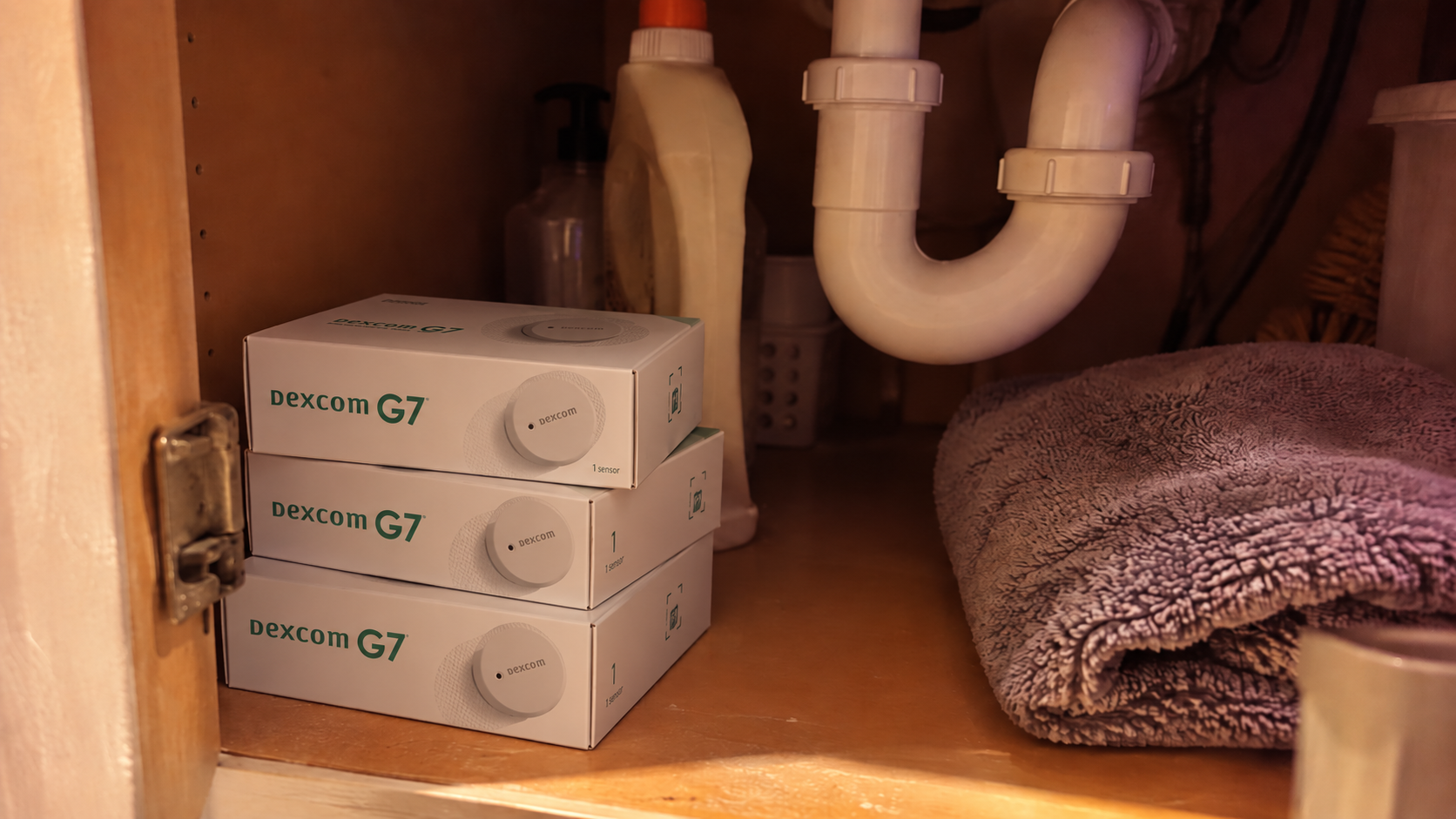






Please support the sponsors



The Juicebox Podcast is a free show, but if you'd like to support the podcast directly, you can make a gift here. Recent donations were used to pay for podcast hosting fees. Thank you to all who have sent 5, 10 and 20 dollars!
