#1136 Fifteen Year Old Type 1 Using a GLP
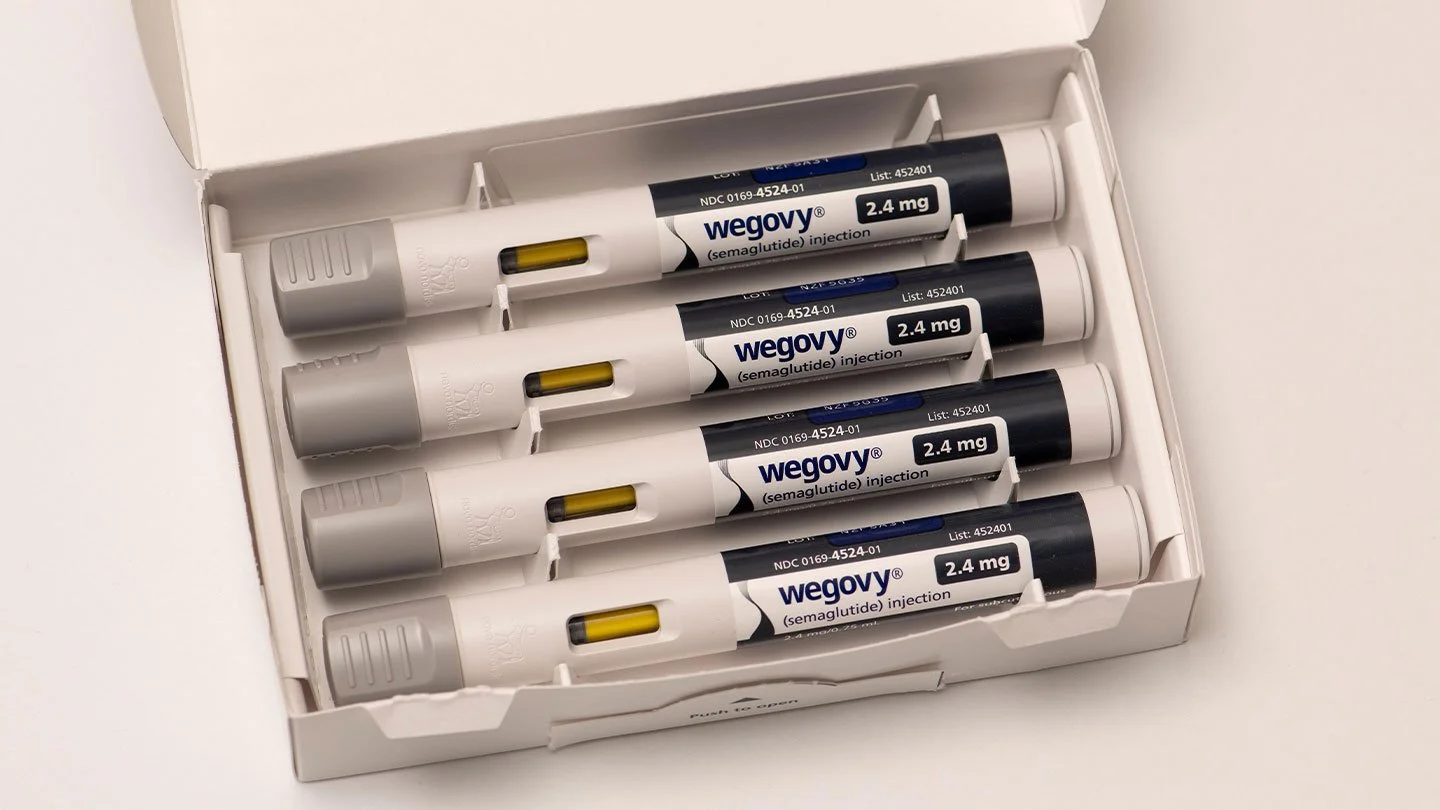
My anonymous guest is the mother of a 15 year old type 1 who uses Wegovy. We discuss the impact GLP meds have made to her insulin use. Crazy results!

You can always listen to the Juicebox Podcast here but the cool kids use: Apple Podcasts/iOS - Spotify - Amazon Music - Google Play/Android - Radio Public, Amazon Alexa or wherever they get audio.
+ Click for EPISODE TRANSCRIPT
DISCLAIMER: This text is the output of AI based transcribing from an audio recording. Although the transcription is largely accurate, in some cases it is incomplete or inaccurate due to inaudible passages or transcription errors and should not be treated as an authoritative record. Nothing that you read here constitutes advice medical or otherwise. Always consult with a healthcare professional before making changes to a healthcare plan.
Scott Benner 0:00
Hello friends, welcome to episode 1136 of the Juicebox Podcast.
Today's guest is going to remain anonymous. She is the mother of a daughter who was diagnosed with type one diabetes at 13 years old. Today her daughter is 15 still has type one, but began using a GLP medication six months before this recording. When you hear what happened to her daughter's insulin needs on the GLP medication, your head is going to explode. Please don't forget that nothing you hear on the Juicebox Podcast should be considered advice, medical or otherwise, always consult a physician before making any changes to your health care plan are becoming bold with insulin. When you place your first order for ag one with my link, you'll get five free travel packs and a free year supply of vitamin D. Drink ag one.com/juice box. If you're not already subscribed or following in your favorite audio app, please take the time now to do that. It really helps the show and get those automatic downloads set up so you never miss an episode.
This episode of The Juicebox Podcast is sponsored by cozy earth.com Cozy Earth is where I get my clothing, linens and towels from they are incredibly comfortable and temperate. I love them. I really do love them. And I love that I can give you an offer code that will save you 40% off of your entire order. Just use the offer code juice box at checkout and you will save 40% at cosy earth.com This episode of The Juicebox Podcast is sponsored by us med U S med.com/juice box or call 888721151 for us med is where my daughter gets her diabetes supplies from and you could to use the link or number to get your free benefit check and get started today with us met. This episode of The Juicebox Podcast is sponsored by touched by type one touched by type one.org. And find them on Facebook and Instagram touched by type one is an organization dedicated to helping people living with type one diabetes. And they have so many different programs that are doing just that. Check them out at touched by type one.org. Okay, you're being recorded, you can introduce yourself when you're ready.
Anonymous Female Speaker 2:52
Okay. I'm the mom of a type one teenager, she is currently 15 years old.
Scott Benner 3:00
Okay, so you're gonna stay anonymous, and therefore, just gonna get everybody ready for that idea. So they're not like Why won't they say her name? She want to get from you people online. That's why. So your daughter is 15. Now how old was she? When she was diagnosed?
Anonymous Female Speaker 3:21
She was had just turned 13 when she was diagnosed.
Scott Benner 3:25
How long ago? Did she start using weego V. She
Anonymous Female Speaker 3:28
started using the Gobi in August of 2023. So it's been what is September, October, five, six months down through let's
Scott Benner 3:36
call it six months on the go v. And she's been using insulin the whole time. She's had diabetes the whole two years. Correct?
Anonymous Female Speaker 3:45
Yeah, she started right out the gate with insulin she was when she was diagnosed her fasting blood sugar was 319. And our agency was over 14.
Scott Benner 3:54
Do you think she went through a honeymoon?
Anonymous Female Speaker 3:57
I do not think she went through a honeymoon. I mean, they started as right out of the gate on like 1819 units of basil, you know, so there was no, no easing into it. And there was never a day where she didn't need insulin for food. We didn't even get the free snacks right out of the gate. We tried the 15 gram carb snacks that were supposed to be free and they would spike her every time. And so I think it was after about the first week that we literally were doing insulin for everything that went into
Scott Benner 4:24
her mouth. How did she manage in the beginning with an MDI. She was
Anonymous Female Speaker 4:29
MDI for the first six months because that's the endos preference. So yeah, she did MDI for six months and then transitioned to Omni pod. She did the arrows for a couple of months and then we got coverage for dash and upgraded and then hopped right on Omni pod five as soon as it was released, and lasted a few months there and ultimately transitioned to DIY loop. And that's how she she managed primarily at that point.
Scott Benner 4:56
Okay, don't tell me what she's doing right now. We're gonna get to that in our story. Okay, I'm gonna jump over to you. medical concerns for you anything auto immune? Yeah,
Anonymous Female Speaker 5:05
so I have Hashimotos and PCOS P
Scott Benner 5:09
ce o. 's. Now we're getting to it right away. How about your daughter anything besides the type one?
Anonymous Female Speaker 5:17
At the moment just type one we are watching for potential PCOS diagnosis. There's a couple of things that lead us to believe that she's probably going to end up there. But not not quite ready to make that call yet. Tell
Scott Benner 5:32
people about your PCOS. How does it when did it start? What's it like etc.
Anonymous Female Speaker 5:37
is horrible. I've had it ever since I can remember it. I just remember having really, really really horrific periods, horrific period pain, but also in between period pain was never regular and periods were always just ridiculously heavy from early on. And so I also had endometriosis which kind of played into it a little bit too. But finally found a empathetic OB GYN here a couple years ago and was very blessed with a full hysterectomy. And so life has been wonderful. Post hysterectomy for me but yeah PCOS was was everything that everybody says that it is right horrible periods, horrible period pain, weight issues. Just everything that comes with crazy hormones, right and the acting. I did have pretty terrible acne. Yeah.
Scott Benner 6:33
Terrible periods in length in a mouth. Oh,
Anonymous Female Speaker 6:38
all of the above. All of the above, they would last 567 days super heavy flow to the point that I was anemic. My iron levels were dangerously low. And so then I was blessed to get iron infusions fairly frequently to try to get me pumped back up again. Guys
Scott Benner 6:58
cozy Earth just sent me a new shirt and pajama pants. I got the bamboo Raglan T is it Raglin What's it matter? That thing is so comfortable. I don't care what you call it. Cozy earth.com. Now, the pajama pants. Again, fantastic. They're so comfortable. I don't even know how to describe this material other than to say heavenly, not too hot. Not too cold. Incredibly. My gosh, what's the word? It's comfortable, very comfortable and it feels premium to the touch. That's whether I'm touching it with my hands or wearing it. It just feels like I'm wearing quality clothing cozy earth.com Now if you use the offer code juice box at checkout, you will save 40% off of your entire order. But if you want a shortcut to that, the link in the show notes of your podcast player will take you right to my page at cozier a.com And that automatically gives you the 40% off of whatever you select. We also got my wife's and cozy Earth pajamas. She hasn't worn them yet, but they're right at the side of the bed ready to go into action. I can't I just can't tell you enough how much I enjoy all everything that I've bought from cozy Earth towels, sheets, joggers, T shirts. Now pajamas. Nothing has been a letdown cosy earth.com. use the offer code juice box at checkout to save 40% or click on the link in the show notes. diabetes comes with a lot of things to remember. So it's nice when someone takes something off of your plate. US med has done that for us. When it's time for art and supplies to be refreshed. We get an email rolls up in your inbox says hi Arden. This is your friendly reorder email from us med. You open up the email. It's a big button that says click here to reorder and you're done. Finally, somebody's taking away a responsibility instead of adding one. US med has done that for us. An email arrives we click on a link and the next thing you know your products are at the front door. That simple. Us med.com/juice box or call 888-721-1514 I never have to wonder if Arden has enough supplies. I click on one link. I open up a box. I put the stuff in the drawer and we're done. US med carries everything from insulin pumps, and diabetes testing supplies to the latest CGM like the libre three and the Dexcom G seven. They accept Medicare nationwide, over 800 private insurers and all you have to do to get started is called 888-721-1514 or go to my link us med.com/juicebox using that number or my link helps to support the production of the Juicebox Podcast. How old were you when you when you had to get your first iron infusion?
Anonymous Female Speaker 9:53
I was in my 20s
Scott Benner 9:57
and just for reference now you're
Anonymous Female Speaker 9:59
44
Scott Benner 9:59
gratulations somebody made fun of me for being old and I was like, I'm alive. That's the only measurement. I
Anonymous Female Speaker 10:08
know every day is waking up on the right side of the dirt. So if I was
Scott Benner 10:11
younger, I wouldn't be here to hear your crap. Because I'd be dead already. Now anemic volatile How has your daughter ever shown anemia problems?
Anonymous Female Speaker 10:20
She has not all of her labs have been beautiful minus the sugar. glucose.
Scott Benner 10:27
When did her lady time start? What age
Anonymous Female Speaker 10:30
four teen. So she's a little bit late.
Scott Benner 10:34
And you think she might have PCOS? Do
Anonymous Female Speaker 10:37
just in that, you know, she's been cycling long enough that we should be seeing some regularity. And we're not and her periods are superduper heavy. And she gets the wonderful you know, horrible terrible cramps and, and all of that. So yeah, so I think we may be headed in that direction, but just not quite ready to to go there yet.
Scott Benner 10:57
When you speak to a gynecologist about it. What do they say? We've
Anonymous Female Speaker 11:01
not gone to gynecologist for her yet. So we've been talking about it just her endo and with her primary care. And they've given us some options of things to try right. The obvious birth control, which she's not interested in, and I don't blame her. But really, we're just trying to give it just a little bit more time not necessarily because I'm expecting it to change. But more giving her more time just to be comfortable with the next step of going to the gynecologist
Scott Benner 11:25
did the gynecologist ever suggest to you to go on the pill to help? Yes.
Anonymous Female Speaker 11:30
Oh yeah, I tried all the different birth control methods, pills, rings, IUDs all of them. And they just made everything so much worse for me. I just had terrible reactions to them. Okay, and so so I was better off on nothing.
Scott Benner 11:45
Did you have I'm so sorry to ask you this. But you're you're anonymous. Okay. Any unwanted thick or unpleasant or fast growing hair for you? Oh,
Anonymous Female Speaker 11:55
yeah. Okay, I started having to shave everything very early age. So and laser hair removal y'all it's a wonderful thing
Scott Benner 12:06
that that took it away and kept away it didn't necessarily
Anonymous Female Speaker 12:09
take it away completely but it made it much less noticeable. No
Scott Benner 12:14
kidding. All right. Interesting. Your daughter have any of their little
Anonymous Female Speaker 12:19
bit she does? She does.
Scott Benner 12:22
How was your weight through your life though?
Anonymous Female Speaker 12:24
You know, I was super duper active and so my weight was really great until about 30 and and then I really started to struggle where it it seemed like no matter how well I ate no matter how clean I ate no matter how low of a calorie diet I took in and how much I exercised. I was just turning into a human puffer fish
Scott Benner 12:48
what is PCOS belly? Common symptoms include insulin resistance, diabetes, reproductive hormone imbalance, missed periods and fertility overweight and obesity. PCOS belly is one symptom of the widespread syndrome. Yes.
Anonymous Female Speaker 13:01
And insulin resistance is real. And so all of my labs always showed really high insulin levels, really, really high off the chart C peptide, which just tells me that my body was trying really hard to keep things in check and was failing miserably, fighting an uphill battle, right? Yeah, fighting an uphill battle. And so that, you know, that explains why no matter how good I was, and how much I exercise, there was just nothing I was going to be able to do on my own. So GLP ones have been wonderful for me.
Scott Benner 13:33
So let's start. Who used it first, you or your daughter?
Anonymous Female Speaker 13:39
Me, actually, I jumped on the ozempic train early on,
Scott Benner 13:44
how long have you been using it?
Anonymous Female Speaker 13:46
So I was on ozempic for about two years before my insurance decided that I didn't need it anymore because I wasn't diabetic. And it wasn't wonderful. I got my weight down was able to maintain it was no longer what I call the human puffer fish. You know, it used to be anything that I ate, I would just bloat like nobody's business. But it was epic. That didn't happen anymore. So I was on it for about two years. And then insurance said, Wait, wait, wait, you're not type two diabetic. We're not going to cover this for you anymore. So I had to go off of it. And I had to let nature take its course right, I had to let my weight get back up high enough that I could get approved for Wigo v. And so now I am on Wigo V and have only been on it for about five weeks at this point. But I'm starting to notice it reversing the bloating and the scale is no longer moving up every time I jump on it. So that's great. And I look forward to you know, as I increase my dosages, getting my weight back under control and feeling as great as I feel
Scott Benner 14:50
all the time. Would you tell me what your weight was prior to us? Empik prior to ozempic
Anonymous Female Speaker 14:54
Oh, I was pushing like 160 And for reference I'm four foot 11 In,
Scott Benner 15:00
okay, four foot 11 You can't even you can't even say five. You can't get away with telling people your
Anonymous Female Speaker 15:05
driver's license says five feet. So I feel like I can get away with it. But technically, I'm four foot 11 my calculation purposes 160
Scott Benner 15:14
pounds on your frame was was a lot. Yeah, it was a lot. Yeah. And how long did it take for you to get down to the weight? That you were like, Oh, I'm, I'm good here.
Anonymous Female Speaker 15:24
I know them back. I would say it was probably a good nine months, nine months. And
Scott Benner 15:29
then what did you get to?
Anonymous Female Speaker 15:30
I got down to 119 did not not all in that nine months. But in that nine months, I was I was making very steady progress where I felt like I was finally moving in the right direction.
Scott Benner 15:44
Two years 41 pounds. Yeah. Okay.
Anonymous Female Speaker 15:47
And then in the in the I was off of it about five a month and got back up to 150. Before I started going in,
Scott Benner 15:57
okay, in two years, it was fast. It took you two years to get the 119. And then five months to get back up, get 150 in those five months here dispel the rumors for people and those five months. Were you double fisting cheeseburgers because the ozempic wasn't telling you you weren't hungry anymore? Or no, I
Anonymous Female Speaker 16:14
absolutely changed nothing. And I feel like it was even more diligent about what I ate and how much I exercised, because I knew I didn't have the ozempic to help me. Right. And I needed to prove that this wasn't because I wasn't making the right choices, right. Like I needed to prove to the doctor that this was this was not me. I had zero control over my body packing the pounds on. And so I maintained a diet of no more than 1200 calories a day. I protein, low carb, low fat, and tons of exercise
Scott Benner 16:50
and you gained 30 pounds in five months in five
Anonymous Female Speaker 16:53
months. Yeah. Okay. It was beautiful. And so right then my doctor was like, Yeah, okay, I get it. You know, I mean, I heard what you were saying. It's not that I didn't believe you, but
Scott Benner 17:02
I didn't believe you. And that's not what the label says. And bla bla, actually.
Anonymous Female Speaker 17:05
And so it was not and honestly, when I started the ozempic and when I started the Wigo v, because I had been so strict with my eating habits, it didn't really change my eating habits for me. I didn't experience the you know, I mean, yeah, I do have to think a little bit more about like, Okay, it's time to eat. Like, I don't get hungry. But in terms of the amount of food that I could eat in a setting, that didn't really change. I've never been a big eater.
Scott Benner 17:33
Okay. Yeah. So you weren't, you weren't shoveling it in to begin with? And so now, so what were the impacts of ozempic for you? Like, I think of them as physical. And we know about the weight loss, but physical and mental. What did you learn from it?
Anonymous Female Speaker 17:47
I mean, physically obvious impacts, I was losing weight, I was not bloating with every bite of food. So that was huge. I mean, I felt like I walked around looking like I was pregnant for 30 years, you know? Yeah. And that wasn't happening anymore. And what that did, from the mental health perspective for me, was I finally felt good, right, a lot of the PCOS symptoms were relieved. And I just felt better. And so that snowballed into being more fun to be around and enjoying life in general. And then obviously, notice to the reverse of that when I went off of it, and my body started taking control and I was no longer in the driver's seat. It has a huge mental health impact on you. So
Scott Benner 18:36
I started using weego V in March of 2023. It's January 2024. Now and about three weeks ago, I switched from weego V where I had plateaued onto Zep bound, which is, you know, for people who are not keeping up we go V is ozempic. Zep bound is Manjaro. And it's not just, like, similar. It's the exact same thing, same thing. Yeah. Like the dosing strategy is different, and that's only so they can build it through insurance differently. I know it's weird, but it's the delivery system that they patent. So the way you deliver we go V start at point two, five, do it for four weeks go 2.5 like that, that's all like kind of proprietary I guess. And that's what makes it for weight loss. With ozempic. You and your doctor decide how much was Empik you need there's a ramp up but after that you have a pen and you can dial it up to what you need. And anyway same molecule, same drug is that bound is Manjaro. We go V is ozempic. So I start we go V for weight loss. And I should probably like I only usually talk about this in my weight in my go V diary, but I'll talk about it here. Let me get my phone out. To give people a little bit of context. I just weighed myself this morning. I am the lowest I've been since I started today. Today I weighed 188.6 pounds. Now I'm four foot four Nah, I'm fine. I'm five, nine, I weighed 188.6 pounds. When I started we go V in March, I weighed 233.4 pounds. I have lost 44.8 pounds. Yeah, it's amazing. Yeah, my body fat, my BMI, that free. Everything is better. My subcutaneous fat is better. My visceral fat is better my muscle mass is going up, my body water index goes up, my protein goes up, like my bone mass is going up. My, my metabolic age isn't moving. But so here's the thing. When you discuss what PCOS was to you, I find myself sitting here thinking, men can't get PCOS. I know that's not there's no way because they don't have all those bits and pieces inside them. But you're describing my life. Doesn't matter what I eat, or what I do, or how much I exercise or how much I don't exercise. I eat food again. Wait. That's it. I'm always bloated. If I ate like a normal person, I've been restricting my food my entire adult life. If I eat like a normal person, I swell up like I'm nine months pregnant, and I've been wearing tennis shoes in the summer. Like miserable.
Anonymous Female Speaker 21:14
You're just you feel like junk, unpleasant
Scott Benner 21:18
to begin with. And more so with this, and so people are like, you seem so nice. I'm not that nice. And so I you know, so this is my whole life. I couldn't if I ate a piece of bread. I was gonna wake up two pounds heavier. I'm not kidding. Right. Like, I'm not joking. My bathroom habits were tenuous at best. You know, the amount of times that I need something. I'd be like, I gotta get to the bathroom. Like that happened a lot, right? Oh, yeah. Oh, yeah. Yeah. So that's you
Anonymous Female Speaker 21:47
knew certain things. If you were gonna go eat a certain meal. You knew that you had to come home right after Oh, or at least for me. That's how I was like, I knew if I was gonna go eat at this particular restaurant and eat this particular meal that I love. I was going to have to come immediately. Dallas table prompt with the bill. You know, like, I will have to get home from milk on the way home. Yeah, no, no, stop it. Like if the server doesn't have the bill turned around the minute I put my fork down on my plate. You know, we're gonna have a problem.
Scott Benner 22:19
I've had the thought, oh my god, I'm done with it already. The credit card company doesn't even know I bought it yet.
Anonymous Female Speaker 22:26
Exactly. point point
Scott Benner 22:28
being also poor for my nutrition. Right? Like I'm not I have had low ferritin and anemia and had to have iron infusions, too, because my body not absorbing nutrients. Because what it does now seem to absorb nutrients. Fine. I haven't had an iron infusion in a year.
Anonymous Female Speaker 22:45
And don't you feel so good? Oh, unbelievable.
Scott Benner 22:49
I think most people here we go the ozempic Manjaro No, GLP one, they go, Oh, you just can't control yourself. And
Anonymous Female Speaker 22:58
I mean, I wish and I had that bad fight with my doctor, right for a very long time before she agreed to put me on ozempic Even in the first place. You know, she's like, you just need to not ever splurge. And you just need to cut your calories and you need to focus on high protein. And so I finally started journaling. Everything that I put in my mouth, like to the point that I was weighing everything on the scale, right? So you can hand it to the doctor. Yeah. And then I put it in front of her and I'm like, Okay, here we are. Another month has passed. I've gained 11 more pounds. Here's everything that I've eaten the last month. You look at this and tell me where I went wrong. Yeah. And she looked at it. And she was like, Oh my God. You're not kidding. When you say you've been trying? I'm like, Yeah, I eat chicken and green beans every day for breakfast, lunch and dinner, chicken and green beans.
Scott Benner 23:50
Chicken to save time. That's
Anonymous Female Speaker 23:53
I mean, it's like,
Scott Benner 23:54
what do you want me to do your Hashimotos as well like controlled, what's your TSH? So
Anonymous Female Speaker 23:58
my last few years, TSH was 1.9. That was just a couple months ago. It was not well controlled for a very long time. And then I finally got medicated, and then got over medicated and actually went extreme hyperthyroid where my TSH was 0.001. It was really, really, really bad. Or whatever it was, it was, it was super wrong. It was not supposed to be what it was. And I actually started having heart issues because of it. And so that was about three years ago, three and a half years ago now. And so I went off of all of my thyroid medication, and I'm still not on any thyroid medication. So we're just kind of riding the wave for however long it lasts. My
Scott Benner 24:47
point is, you weren't gaining weight because your TSH was four six or something like yeah, no. So okay, so now we have a good background about that. And this obviously what it did for you also your story now uncommon, I see a lot of people online say, they took this medication from me because my, listen, there's a couple reasons it's happening. One, the insurance companies like cheese, a lot of people are using this, it's costing us money. So you know, they were willing to give it to anybody with a doctor's order, right? You know, at one point, like, it's, you know, we made it for type two diabetes, but here, go ahead, we don't care. Then when everybody wanted it, they were like, Oh, if you don't have really good insurance, then you weren't gonna get it, then all of a sudden, if you didn't have type two, you weren't getting those epic. And I've had people go in and say, Look, you know, my BMI is this, you know, I want you know, I want to get my a one C is right on the verge of being type two. And that and I've heard people be told by their insurance company, well, when you're a one C goes up a little more, we'll give it to you. Or, you know, the other one, you lost weight, you don't need it anymore. And then they have your story. And I've over and over again. There's a one woman my wife found online, I don't know where I apologize. But she said, I lost it. My my insurance, I lost my week over because of insurance. But I thought it's okay, I know how to eat now. Like, you know, she was a person who wasn't eating well. But she but she went back to, you know, she didn't change, same exercise. Same food as when she was on we go, he put all the way back on in six months. Just just all of it like didn't matter what she did just started ballooning up. I'm telling you, I'm not a doctor, I barely got out of high school. Some people have GLP deficiencies or something to that effect, because my body just works better now. Yeah, like, it's easy to say, oh, Scott lost weight. It's not that my body works better. Now, I don't run to the bathroom anymore. Right doesn't happen to me anymore. My energy is much better. I'm absorbing all of my nutrients. I used to take fistfuls of vitamins. I was like, this is not doing anything. Now I take a reasonable amount of vitamins. And guess what? I'm okay. My skin looks better. Like my face looks better. The dark circles under my eyes are going away. Like it's insane. From from GLP. Now, my weight leveled out. And I got to the point where I just I said to my doctor, I'm like, this was epic. Like, it only goes to like it's 2.4. Or we go V I'm sorry, I think we go The only goes up to 2.4 when you're on it for weight loss. And I said this isn't enough. And because I'm shooting it, and for four days starting to lose weight. And then the last three days of the week, my weights going back up again back on. So I was losing no like gaining and losing the same two and a half pounds. For months. I was like, Oh my god. So I went to my doctor and I was like, What are we gonna do? She goes, we'll put you on zap bound. I was like, let's do that. So now I've injected zap down three times. I'm using five milligrams because the measurement systems different from one to the other. And I've lost. I just told somebody today, but I forget already. I've lost seven pounds this month, in 2026 days. I haven't done anything different than I was doing the month before On we go V an end I've lost seven more pounds. Yeah, like and by the way, I want to I want to be very clear, I am still fat. Like I there's fat on my body that is not healthy. It is not just a visual thing. I'm not just like, oh, I want to look perfect or something like that. I'm still in heart attack range for my belly,
Anonymous Female Speaker 28:34
right? And that's it. Like I'm not I'm not in this to like get skinny. I just want to be alive. You know, I need to be in that healthy range
Scott Benner 28:41
and be one of those fancy people who finishes up dinner at a restaurant and then goes for a stroll.
Anonymous Female Speaker 28:47
That too would be nice, right? Yeah.
Scott Benner 28:51
But anyway, I'm a proponent. Obviously. Now I hear the arguments. Oh, it gives some people I guess your presets they were in the last budget. Okay, it wasn't right for them. Like parent Fair enough. I don't think it's going to work for every person on the planet. But absolutely turn your TV on. There ain't one fat famous person anymore. Okay. There's not one famous person has eight extra ounces in their face anymore. It works for a lot of people not gonna work for everybody. If it doesn't work for you, you certainly shouldn't use it. I'm not saying that. I'm saying it's
Anonymous Female Speaker 29:24
not gonna work for everybody and not everybody is good at following directions.
Scott Benner 29:29
Well, I do wonder that sometimes they know maybe
Anonymous Female Speaker 29:33
the way that you're told to and you have problems you know, like it just maybe everybody follows instructions well,
Scott Benner 29:42
so how do I know who's who when I'm getting feedback? That's my point to like, I think there are plenty of people who follow the instructions perfectly well and it made them sick or they you know, they got an intestinal blockage even right on it wasn't good for you. And I'm sorry that happened to you. But how many people thought oh, the magic juices me now I can eat whatever I want, and started eating a bunch of fatty foods or really slow digesting stuff, and it just got them really sick,
Anonymous Female Speaker 30:07
right? Or who decided they didn't want to do that point two, five dose for a whole month before they moved up, right? Yeah, I'll just jump right on ozempic When you can dial up the pen to whatever dosage you want, right? People
Scott Benner 30:19
are like, more is better, right, which is not gotta be patient.
Anonymous Female Speaker 30:23
Yeah, you want to use as little as you have to, to get the result that you're looking for, you know,
Scott Benner 30:29
patience is a key. And it's taught me to be patient, etc. But all of this is incredibly interesting. And I'm having a very good time talking to you. But it is not why you're on the podcast, right? Why you're on the podcast and why you're on a diabetes podcast is this. Your daughter, who was diagnosed with type one diabetes at 13, who we established did not experience a honeymoon period and was using insulin starts using we go V and tell people what happened.
Anonymous Female Speaker 30:57
Yeah, so it's been crazy. So I felt like it's important to discuss why she started using will go v. And, and it was to help her get to a healthy weight. You know, she was experiencing a lot of the similar things that I was experiencing that it didn't matter how good we were with our meals, she was putting the weight on and especially, you know, she had lost a fair amount prior to diagnosis, which was not a red flag to me. Because we were trying to lose weight, right? We were working with a pediatrician to get her, you know, at a healthier out a healthier way not to be skinny, but to be healthy. So I thought we were doing a great job, right. And then she got diagnosed with type one. And I was like, oh, and so once we got her, her insulin, you know, worked out and figured out and started controlling her blood sugar better the weight just came back with a vengeance. And so we had to do jump through the same hoops, you know, that I had to jump through, we had to talk to the doctor and the doctor would say, you know, we'll high protein, low carb, you know, no sweets, try to eat better get more exercise. And we did as well as you can do with a teenager. You know, it's hard. You can't monitor every bite they put in their mouth. But she's a really good kid. She's a really obedient kid. And so it's not like she was going off the rails, you know, like, she was really trying. She wasn't super successful with the exercise. But what teenager is honestly, and so finally, you know, the doctor realized after several months that yeah, okay, you know, they're really trying, but she's still gaining. So let's give this a shot and see if insurance will approve it. And so insurance approved the Wigo v. And she started on that back in August, about six months ago. And when she started the would go V prior to go the her average total daily insulin was now 4045 units. We were dry looping at that time. So it fluctuated but 4045 units, her carb ratio was 10 ish. Her correction factor was like 30. But she was doing great, you know, but when she started with go V, I started noticing,
Scott Benner 33:05
hey, stop for a second. Let's let it absorb in because it's gonna hit everybody right in the face. And you say this total daily insulin 45 units?
Anonymous Female Speaker 33:14
Yeah. 4045. Somewhere in there. Depending on the correction factor.
Scott Benner 33:17
One unit moves her 30 points. Ish. Yeah, yep. Carb ratio, one unit covers 10 carbs. Okay, go ahead.
Anonymous Female Speaker 33:28
So we she started the Wigo V, and I started noticing we were having a whole lot more lows than we usually had, you know, we I felt like we had it pretty dialed in where we didn't have to treat Lowe's very often. But we were treating Lowe's, you know, daily, if not multiple times a day. And so I started obviously reducing her insulin intake, which is super easy to do on DIY loop, you just throw on an override and say only give her 80% of what you think she needs, you know, so thank God for loop through this process. But in August get this at the end of the month, I pulled her numbers. Her average total daily insulin for the month of August. Our first month on movie was 27.7 Yuan
Scott Benner 34:14
month on me, which means she was using point two five a week. Correct or what they consider to not be a therapeutic dose of it. Correct. Point two, five,
Speaker 1 34:24
tell me the total daily insulin again. 27.7
Scott Benner 34:28
can I do math with everybody hold on a second, I'll do it with you. 27 they count up to 15. So that's eight and you carry along? You move out over there to make that 15 Then that makes this a three two. That's eight teen fewer units a day. 18 Does anybody know what 18 times here? Hold on a second. Yeah, I love this. Wait. I knew I was right. So every once in a while I'm right about something. A how many days are in a year? 365? Yes, that's 6500 and 70 fewer units of insulin in a calendar year. Yeah, keep talking. And so
Anonymous Female Speaker 35:05
her carb ratios we had to you know, start doing breakfast lunch and dinner a little bit differently, but her carb ratio is is now you know 2025 depending on the time of day
Scott Benner 35:17
one unit covers 20 to 25 not 10 Right.
Anonymous Female Speaker 35:21
This is where the fun is really fine is her correction factor now is no longer 30 Her correction factor during the day now let's do night first because nights funner because she needs more at night, her correction factor for nighttime is now 85. And her correction for daytime is 110.
Scott Benner 35:46
I was gonna guess 110 Okay, I should have guessed it would have been more fun if I guess. Okay, next time follow my heart. Yeah. And how long has she been on it now? a month. This is her first this is the first month still.
Anonymous Female Speaker 35:57
This is our first met her time in range, using you know the the standard 70 to 180. Her time and range is 97.9%. Her average? blood sugar's 99, or standard deviation is 20.8.
Scott Benner 36:13
Hello. What's your a one C?
Anonymous Female Speaker 36:15
I don't know. Because our endo only does a one C once a year. That's okay. So I don't have an updated a one C for August that comes what
Scott Benner 36:23
was there for the the govi before we
Anonymous Female Speaker 36:27
go, so her entire time of diagnosis. Once we got things, once we figured out how to use insulin, once we got things figured out. Our agency has fluctuated between 4.9 and five.
Scott Benner 36:40
Point 2.5 Yeah, I was gonna say a 99. And average 99 blood sugar is a five one a one say? Yeah.
Anonymous Female Speaker 36:47
And so our agency has always been great. And I credit that fully too. So I got introduced to the Juicebox Podcast, the very first night that we were in the hospital at diagnosis, I posted on a local mom's Facebook page and said, you know, hey, we're at the hospital, my daughter just got diagnosed with type one. I have no idea what I'm walking into anybody else in the hood, familiar with this? And this one very, very kind mom sent me the longest Facebook message ever. And I typically don't open messages from people that I don't know. But I opened hers. And she said, Hey, sorry to hear about this. My daughter's same thing. This is what you need to ask for before you leave. She's like, make sure you get a Dexcom you know, make sure you get all of your ratios and correction factors and start listening to the Juicebox Podcast.
Scott Benner 37:40
Okay, she didn't like pictures of your feet. So you thought I could trust this? Yeah,
Anonymous Female Speaker 37:45
like you know, okay, and so here I am, you know, awake at 3am at the hospital, and just reeling in. I am a data nerd. And so I just needed to start doing some research right about this type one diabetes thing, and found the podcast in and listened to defining diabetes the entire thing, like without stopping. And so we got a handle on the diabetes thing. Pretty quick. I felt like her by her three month appointment. Her agency was down in the sixes so so her agency has always been pretty good.
Scott Benner 38:22
Yeah, things were in bonkers. You were doing Whoa, just her. We were doing well.
Anonymous Female Speaker 38:27
Yeah. So like go back to December before she started, you know, six months before she started would go V O or even the month before she started would go V her time and range was 98%. Her average blood sugar was 108. And her standard deviation was 22. So it's not like we all of the sudden figured out
Scott Benner 38:44
you were doing a great job with but you were using a lot more insulin to do it. We
Anonymous Female Speaker 38:49
were doing a great job using a whole lot more insulin. Yeah. So yeah, so I was like, Okay, this is crazy. And so I texted the endocrinologist because we have a direct care endocrinologist, like a concierge endocrinologist. And so I have their cell phone number and can call and text and whatever. 24/7. And so I texted the endo and I was like, Hey, I'm noticing this, is this just random? Or is this a thing? Right? Like, she needs a whole lot less insulin? And she's like, oh, yeah, it's gonna impact her insulin resistance and all of that. And yeah, she's gonna need less insulin. And I was like, ah, yeah, the data nerd that I am like, I would have loved it have a little warning, but it's fine. I can handle it. I pay attention to her numbers. 24/7. So like, I got this. I know how to make adjustments. I'm good. But I got on Dr. Google. Right. And I was like, some magnitude impacts or semaglutide. however you say it, whatever the long word is for the drug impacts on type one diabetes. And an article popped up about an endocrinologist up in Buffalo that had done a very small All study with 10 newly diagnosed adult type ones. And he put them on ozempic Right out of the gate. And and as I read along, you know, I'm like, oh, yeah, it impacted their insulin needs to. And some of those folks even came off of insulin altogether as long as they stayed on their ozempic. And I was like, wow, that's really impressive. And what I read that it does is that it preserves beta cell function. So, you know, when you're newly diagnosed, and you're experiencing that honeymoon, it's because your beta cells are still, some of them are still working, right, your body is still producing some insulin. And so I was very curious. I was like, But wait a second. Here we are, you know, two and a half years into diagnosis, never had a honeymoon, I was like, so how is how is this possible? You know, how is this possible is impacting my daughter the way that it is? Yeah. And so then I jumped into her lab tests, right. And I just wanted to see and I was like, oh, okay, well, at diagnosis, her C peptide was still in the normal range. And a year after diagnosis, her C peptide was still the exact same. And two years after diagnosis, or C peptide was still the exact same. And so I was like, oh, we should have had a honeymoon. We never did. Apparently, insulin resistance is a thing, right? But I was like, so that's how this would go V is making this much of an impact. But I was like, but surely, you know, this is as good as it's gonna get right. Which was great. I was happy to be using, you know, almost half the amount of insulin in
Scott Benner 41:40
the first month, but you have these reductions in insulin, how much weight how much weight was reduced? You
Anonymous Female Speaker 41:45
know, I wish I had kept track of that. But we don't, with my daughter, I'm very careful about putting her on the scale. Because they don't want this to turn into an obsessive disorder to a number with her weight. Number. We really have been focusing all this time on being healthy, good and feeling good in our body. I can tell you that as of about two weeks ago, she's down about 20 pounds from
Scott Benner 42:18
for how long? She started. And that's how long ago? Six months, six months? So 20 pounds? And yeah, would you mind telling me you know, she's going to be your anonymous, so nobody will know what was her starting weight?
Anonymous Female Speaker 42:30
You know, that's a super fantastic question that I would have to look at her medical records to tell you because I honestly don't even know. I want to say that it was up around 150 ish. Okay. And she's like, 5354 She's growing. So.
Scott Benner 42:48
Okay. And so, but she's lost 20 pounds. Is it? Beyond noticeable or just noticed?
Anonymous Female Speaker 42:54
Oh, my, it is beyond notice the ball. She's so excited. So she does performing arts and they have uniforms that they wear for their performances. And she's gone down just the school year, right? So we're not far into it. She's now on her third dress. For Performing Arts. That's a smaller size. Like she's gone down three dress sizes.
Scott Benner 43:18
I started in a 2x T shirt. Right?
Anonymous Female Speaker 43:21
Oh, I started in like, she started in like a 14. And then she went to a 12. And then she went to a 10. And now she's in an eight. So she's like, over the moon excited and people I laugh because my parents will come down, you know, for performances and whatever. And my mom is like, I can't find her. Where is she? And I'm like, she's right there. She's like, that's not her. Like yeah, yeah, it is. And so it's like my parents didn't even recognize her in a crowd after not seeing her for like a month. You know, I
Scott Benner 43:52
walk past Kelly in the store recently. Yeah, she didn't even notice. You know, I didn't notice her. She's using weego V as well. Oh, exciting. My wife is probably elicit my daughter probably has PCOS. Yeah, my wife has Hashimotos or, you know, hypothyroidism. I don't think she's ever gotten tested for antibodies. And, you know, went through a significant weight gain after she had a heart and when her thyroid blew up, right. So she's lost so much weight. And like, I literally I walked right past her. I took two more steps. I was like, Oh, that was her. And I turned around and went back. I didn't tell her but that is amazing, though. I
Anonymous Female Speaker 44:27
mean, it's just, I've
Scott Benner 44:28
known her by the way. I've been married for 27 years.
Anonymous Female Speaker 44:33
I'm telling you, these medications are so beneficial for so many different types of situations that I think that we've only scratched the surface right? Like I really feel like I mean, like with my daughter's story. I mean, it just gets better. I mean, obviously that first month I was like holy cow this is amazing. Right? And so then you know upper dosage go to the next month. Get this September so now she's she's still on what I call Baby dose right the point five, her average total daily insulin for September 14 units. Yeah, her carb ratio 35 or daytime correction factor 180 Oh my god, it's getting it's getting to the point where it's really hard. Like, I've never struggled so much with diabetes management in the whole process like not even at first month when she was diagnosed, that was a walk in the park compared to what this is right. And I'm so so so, so thankful for DIY loop, because I'm, you know, throwing overrides on of like, only give her 40% of the insulin that you gave her last week or whatever, you know what I have programmed in
Scott Benner 45:46
your moving settings and still having to tell it do less? Yeah, because it's
Anonymous Female Speaker 45:51
like, you know, the whole time three will go the managing diabetes was like you you moved things, but you didn't move them? Quickly. Right, right. Like you're talking you Okay, let's raise Basal by a unit a day, you know, or 10%. You know, this is like, if you compare August to September, she's using 50% less insulin in September than she was in August. That's
Scott Benner 46:14
huge. What happened in October, in
Anonymous Female Speaker 46:17
October, again, is just lows after lows after lows after lows. And I didn't even write October down because I was so frustrated of like, you know, things were just crazy. And so I finally in November, I was like, alright, Doc, here's what I'm thinking. I'm thinking, we're just going to cut all of her fast acting and just do basil. Like, let's just forget bolusing for food. And let's just forget correcting a high blood sugar. Like, let's just let's just try this and see what happens. And our endo was like, if it were anybody other than you, I would say absolutely not. She said, but I know that you're paying attention. And I know that you know how to react appropriately. She said, so go for it. And I was like, Okay, so we're DIY looping. And I go in and I open the loop, meaning like, people will understand that as being manual mode, right? I'm turning off the algorithm and I'm just letting it run basil. Still through, you know, still through her pod. So it's still technically fast acting, but it's her Basal delivery. So we're not Bolus paying for food or meals, or anything. And I'm still treating lows. I'm like, okay, so clearly, her Basil is too much, right? If I'm not bolusing for food, and I'm still catching lows, especially in the nighttime, right? Her Basil is too high. So I'm dropping her basil. And, and I get her basil down like things are great, right? And we're rockin and rollin. No mealtime Bolus is no corrections. You know, kid can eat whatever, whenever, however, don't have to tell me just have fun. And she even said to me, she's like, Mom, it's like, I don't even have diabetes anymore. And that just like, hit my heart. You know, it was like, she did so great with diagnosis, and overcoming her fear of needles, because that was huge. And she did great embracing technology and learning how to use it and learning how to carb count and make good choices. Like she did fabulously with all of that. But then when she said to me, it feels like I don't even have diabetes anymore. I was like, this really did impact her. You know, like she she played it very well. And so, so then she was sitting on the couch, and she was like, it was hot change night. They were still using our pods because we're still running basil through loop. She's like, mom, she's like, we have any long acting. And I was like, yeah, we've got some pens in the fridge. And she's like, Can I take a pod break? And I was like, Are you sure? Like, you know, really, you really want to? I love the flexibility of the Basal being delivered through loop, right? Because I could adjust it at any time. Right? And so I was terrified that going back MDI and doing that Basal injection meant a I had to figure out how much to give her and that once it was in, it was in right there was no pausing basil or suspending basil for a couple hours to help us overcome, right, a mistake. You know, I was terrified. And so I texted the Endo. You know, it's eight o'clock at night, whatever. And I'm like, so she wants to take a pod break. We've got, you know, some basil in the fridge. What do I do? And she she asked me, you know, well, what's her Average basil on the pod right now in loop. And at that point, our average basil was like nine units a day.
Scott Benner 50:07
Okay, down from
Anonymous Female Speaker 50:08
down from I mean, that's total daily insulin at this point not just based Oh, he's not all wishing
Scott Benner 50:13
yes sir total daily insulin started at 49
Anonymous Female Speaker 50:21
Nine, how long ago was this now? Um, this was in November. So it was what, August, September, October, so four months in the end of that fourth month, you know, she's right in about nine. And so the endo was like, Okay, well then give her nine of, you know, of whatever we're using, I think it's receba give her nine and give it a few days, you know, she's like, that one's a little bit longer than a 24 hour deal. So don't go changing everything the next night, you know, give it a few days and, and see what happens and, and the endo was following along, right, she had access to our Nightscout. So she was seeing, you know, numbers and everything in real time and was real good about checking in. And, you know, the perks of paying out of pocket for a direct care, endocrinologist. So we did it and she took up a pump break upon break and started just doing that one Basal injection every day or every night. And then just her one will go via injection. She did it on Saturdays, you know, every Saturday. And I thought, you know, this is this is like early November, actually, it's like the week before Thanksgiving. So mid November, and I'm like, There's no way we're gonna get through Thanksgiving without needing some fast acting insulin, right? Because like, we're not eating clean for Thanksgiving. We're eating. We love Thanksgiving. We love the Thanksgiving foods. We're not cutting back. We don't I mean, that was from day one. We holidays were holidays, you know, and we didn't do anything differently. And so I was very skeptical that we were going to survive Thanksgiving. But she survived Thanksgiving without bolusing for food, and without needing to do corrections. And I was like, holy cow. This is bananas. And not only did she survive, we ended up having to kind of cut back a little bit on her basil.
Scott Benner 52:05
Thanksgiving, turkey stuffing, gravy, stuffing mashed potatoes, gravy,
Anonymous Female Speaker 52:10
pies, cakes, cookies, like, and did she spike it all? I mean, she did. But they came right back down. You know, like it was it was literal. Like, I know, the goal is those gentle rolling hills, right? That she had mountain peaks. But they came to a point and then came just as fast back down as they went back up. Oh, hi. Not anything crazy. She might have hit 200 A little bit here and there. But for the most part, her spikes were 180 or under. And the endo told me that that was okay. And I went with it. You know, I was like, okay, because I'm like hyperventilating, you know, like, Oh, my God, she's at, you know, 190 Aren't you
Scott Benner 52:50
imagining her blood sugar is gonna be 400 in a minute. But yeah, like,
Anonymous Female Speaker 52:54
as fast as it was going up. I was like, you know, because my alarm starts going off at 120, you know, and I'm like, Okay, let's just watch. And then it hits 140. And then it hits 160. And I'm like, drink water. They'll walk around the block, you know, like, I'm panicking. And she's like, Mom, relax, you know, and I'm like, but I can't.
Scott Benner 53:14
How long do you think from this? The start of the spike till the end of it. And when it was back down, how long do you think that was?
Anonymous Female Speaker 53:20
Like an hour? Oh, yeah. Like it was stupid fast. And so then it's like when I would see it turn at the top and start to come back down. And then she would be straight arrow down, which like, we never were right. Before. You know, like the the goal was always diagonals. I didn't like straight arrows up or down. And so then I would panic, and then she would be double arrows down and I'm like, holy lip. You know, what, what do I do? Because I can't take insulin away. She's MTI. Right. And we've not put any fast acting in. So I'm like, How do I fix this? Because I'm not bolusing for food anymore. So the thought of using food or juice to bring up a blood sugar doesn't make sense because I'm not Bolus thing for it. Right? Yeah. So throwing extra carbs at her is not fixing this issue. You know, and so I would panic and it took me time to get past that of it took me time to get past feeling like I needed to take care of the high as it was going up. And it took me even longer to get past the feeling of needing to catch the low. Yeah,
Scott Benner 54:28
I want to say two things. I think that there are going to be some people listening to this like, Well, yeah, well, she lost 20 pounds. So obviously she needs less insulin, but that's not what this is.
Anonymous Female Speaker 54:37
No, I mean, she needs like I don't want to say no insulin because she's still on basil. Very little. But very little. Yeah,
Scott Benner 54:46
I was gonna say now it's two months since Thanksgiving. Yeah.
Anonymous Female Speaker 54:50
Two months since Thanksgiving. She's still MDI, right. She's still on basil. Currently, she's on I mean, it fluctuates based on time. Mobile payments, you know, we still do see those fluctuations. She's anywhere between seven and nine units of basil right now just kind of depending. She did get sick a couple of weeks ago, and I did give her some fast acting corrections. Because her highs were not coming down back. She would go high and stay there. But those corrections were terrifying because I'm using pens. And they're one unit pens and I'm like, holy, you know, do I really need to give her this unit? But I would and it was okay. Her body. Her body catches the lows for her. But she had to be high enough, you know, like like she had to be right 181 80 Before I was willing to you know do a fast living
Scott Benner 55:47
like a type two. Yeah, well on with Basal and then right. Yeah, and then some injections for higher things are anomalies. Yeah, but
Anonymous Female Speaker 55:56
it's those those injections for for fast acting are few and far between now
Scott Benner 56:03
to come for people. She definitely has type one diabetes.
Anonymous Female Speaker 56:06
She definitely has type one diabetes. She tested positive for Islip cell and God autoantibodies just trying to think of all the things. You type one. Yeah, that was my question, too. I was like, are we sure? And so the endo even repeated her antibodies. And she did test positive for to
Scott Benner 56:24
not listen these the GLP is they're not brand new, by the way. They're just in the last year. You've heard about them or they've been around a little longer than than that. Yeah. But the doctors are still probably just like it's a medication like, oh, that's for type two diabetes. You can't you hear it all the time type ones can't take that. It's for type twos. It's labeled for type twos, like you know what I mean? Meanwhile, people write me all the time. Hey, I went on we go V for weight loss, and I'm using a lot less insulin balaban like this, by the way, have her periods become more stable on it or not? That hasn't changed that at
Anonymous Female Speaker 56:58
all. That hasn't changed that. It has helped her appetite. Okay. You know, because she she likes to eat she loves food. She's a foodie, and loves to eat and loves to eat in large quantities. And we'll go via has impacted that.
Scott Benner 57:11
How about any does she have acne prior? Did it help that
Anonymous Female Speaker 57:15
she did have acne prior she still does have acne. I've not really noticed a difference here.
Scott Benner 57:21
Now I'm asking because my daughter has been shooting point two five of the week OB for about seven or eight weeks now. And I don't know her weight loss. But it is. I mean, on her frame significant. She looks different. And her Arden's correction factor was one unit moves her 42 points. And now it's one unit moves or 83 points. Yeah, exactly. Yeah. And her insulin to carb ratio was was at one unit for for carbs. And now I think we have it at one to eight now.
Anonymous Female Speaker 58:00
Yeah, see, suppose there's half and a half the amount of insulin but
Scott Benner 58:04
it also put a big dent in her acne. And I haven't talked to her about her periods yet because she's off at school. Right? But I'll tell you what, it's having enough of an impact on her who she's actually a person with a fairly terrible needle phobia. She's overcome it enough to give herself the injections of ozempic.
Anonymous Female Speaker 58:24
That was huge for for my daughter. Initially, those injections were, for whatever reason, extremely intimidating. Yeah. You know, at that point, she had been on the pod for, you know, two years, and said, been a really long time since you've done an injection of any kind. And that was really, I mean, it would take her a couple of hours to work up the courage to do those injections for like the first load. Yeah. I mean, it was it. There were tears there were, you know, pinner in a corner. I hate to say it, but like, I mean, I would sit on her, you know, like to get her to overcome that fear, right? Or
Scott Benner 59:04
didn't had the Kung Fu hands as you came at her. She'd be like, no, no, no, no. And she'd be like swatting at you with both hands. Yes, yeah. Yeah.
Anonymous Female Speaker 59:10
And and it wasn't a fair fight. Because you know, I'm for 11
Scott Benner 59:15
holding the needle, I'm like, I'm like, be careful. Yes.
Anonymous Female Speaker 59:18
I don't want like she was bigger than me and taller than me and like, could do some serious damage. You know, it wasn't a fair fight. She'll complain about it when she gets it out of the fridge, you know, does your injection or do I have to and I'm like, no, like, you want to quit and she's she looks at me. No, mom. Okay, well then do it, you know?
Scott Benner 59:36
Oh, no, please. I once watched Arden as she was defending herself from the needle. She's laughing and crying at the same time. She's hysterical laughing because she knows how ridiculous it is that she is almost unconsciously swatting at me. Yeah. And at the same time she's crying from the fear about the needle like literally to say Fanta it's passing she's getting better and better.
Anonymous Female Speaker 59:57
It was horrible to witness but but Now she's you know, like because I, I very much want her to feel like she has some control over these choices right even though she's, you know, getting ready to be 16. She's still a kid by all rights and purposes, but I want I didn't ever want her to feel like I was forcing something on her. Like the the pump was her choice, you know? Which one do you want? When do you want to start it? That was her choice. The CGM was never her choice and will never be her choice. But the Wigo V was like, you know, we, I had a conversation with her about it before she started it and was like, you know, here's what it could potentially do for you. That's good. Here's what it could potentially do for you. That might not be so pleasant. Do you want to try? Yeah. And she made the choice, you know, yeah, I want to try. And I felt like that's so so important, you know, not giving her full control. You know, she ever made a decision that I disagreed with her. Yeah, it's gonna hurt her, then, you know, mom, mom would make the call. But I just feel like I get further with her if she feels like it's her choice right now. And especially as a teenager, you know, and so we'll go, he's always been her choice. And it was really, really hard that first month, like I laid it down, and I was like, you know, she wanted to quit by like, week two. And I was like, No, you got to three months, you got to give it three months, and then three months. If you still hate it, then you know, we'll have another conversation. And so now I do still ask, Are you sure you still want to do this? Oh, mom? Yes, mom, you know, it was like, I can't believe you even asked me that. Because she sees the benefit, that it's given her both from the you know, being able to eat as she pleases without having to do an injection or count carbs, which has been really nice. But also from the just being healthier perspective, she can see the changes in her body. And she recognizes that that's good in the long run. Yeah. And so I think that's important. And it's not, it's not this miracle drug. Right. Like you said, it doesn't work for everybody. It definitely has its place, and it definitely has its purpose. But I mean, we're living it and I feel like there's a whole lot of untapped potential. There. Oh, yeah. And I really hope that we start hearing more about it being a an option for treatment. type one or type while it's
Scott Benner 1:02:26
chi Beatty. Yeah, you gotta get past the insurance thing and everything but they're, they're doing the studies.
Anonymous Female Speaker 1:02:30
You know, there's case studies out there are endo intends to write a case study on my daughter, you know, once once she's been doing this for about a year, you know, just kind of see, because, you know, we're at the point where things are still changing with her basil. And so there may potentially be more reductions in insulin use for her. I mean, she's been down as low as four units on basil. She popped back up when she was sick, and we just haven't seen the need to cut it back again. But, you know, is there the potential that that she goes off of insulin altogether? I mean, yeah. Could happen. I guess it just kind of all depends on on, you know, her weight loss and and how her body holds up, you know, we want to repeat lab work in about six more months and see what her see peptide is, right. Has it remained stable? Has it increased as it decreased? You know, like, like, what is her body doing in response to this medication?
Scott Benner 1:03:32
There's a lot of uncharted territory here, too. Yeah. I mean, I don't think you were saying and I don't think anyone is saying that, you know, we go V. shores type one diabetes, you don't
Anonymous Female Speaker 1:03:44
know very much a type one diabetic. Yeah, but her
Scott Benner 1:03:46
insulin needs are just significantly lower. Right?
Anonymous Female Speaker 1:03:50
Insulin needs are significantly lower. Her body's playing nice.
Scott Benner 1:03:54
Yeah, this isn't everybody, by the way, either. I know. Jenny's told me about, like, people she works with privately who are like, you know, their insulin needs are down like 20%. And that's great. You know, like, it's, it's been a real benefit for them. They're losing weight, or they're right.
Anonymous Female Speaker 1:04:08
And I think it has to do too, with like, where you're at in your journey. You know, is your body still helping a little bit? Or is your body done? Right, right. You know, I think that's a big factor too. In, in what you see from from results. Yeah. Well, your daughter
Scott Benner 1:04:24
absolutely could go into a situation where you're back to 20 or 30 units a day. They absolutely,
Anonymous Female Speaker 1:04:30
absolutely like I mean, if her C peptide dives, then she's gonna need more insulin. You know, I'm not in the camp that thinks that this is fixing her right. It's this is just part of our journey. It's where we're at at the moment. It's very encouraging. I mean, she's not had any undesirable side effects from it, even when you're new to even when she started she the very first injection She was remarkably tired that week. But the second one did not impact her in that way. And she she recovered, Arden
Scott Benner 1:05:09
had some nausea. She couldn't eat the first week very much. And she's
Anonymous Female Speaker 1:05:14
not we've not had any, any of that she does get to the point. And it's really funny when we're eating because you can see it on her face, where she gets to the oh my god, if I take one more bite, I'm going to vomit, you know, like, and it just hits her like a like a break. He had no and you can see it all over her face. And like, all right, she's just hit her full point. That's new for her. You know, she she never really had experienced that before. But that that's really been the only I don't want to even call it an undesirable side effect. She doesn't like it when she feels that way. But it also is giving her the signal that she needs to quit eating. I
Scott Benner 1:05:51
opened up a little Mango Sorbet the other day. I took two teaspoons full, but I went oh, that is sweet. And that tastes nice. And I look back down and I was like, that's good. And I put the lid back on. I put it back. Yeah. Like okay, I'm telling you right now, I could have eaten a pint of that a year ago. Yeah. Oh, yeah. I think of it as I mean, I guess it's going to be somewhat different for everybody. But I have my brain does not tell me I'm hungry any longer. Yeah. And my stomach does not get that like rally feeling right? It gets empty, but not in a way. Like I actually that's not true. On we go via didn't get empty on zap bound. I can feel my stomach empty. Oh, wow. But it's not but it's not a weird or bad feeling. And it's not a hunger pain. Yeah, it's just I'm just like, I know, there's like nothing in here. Like, I can hear it.
Anonymous Female Speaker 1:06:37
I don't get hungry anymore. doesn't really get hungry anymore. But I we both still think about food a lot. I didn't realize that we liked food. Yeah, I've like if we're if we're getting ready to go somewhere, you know, and we know, the different foods that are going to be available. Wherever we're going. Let's say we're going into town because we need to pick up toilet paper at Costco, you know, then we'll be like, oh, there's a Cheesecake Factory right there. You know, like, let's go there for lunch. You know, we still do think about food. But we also have had to reframe how we enjoy food because we know that I take as much of it and that we can't Yeah, we can't get as much as we would have before before we hit that point. So we make sure when we're eating our meal, you know, at the Cheesecake Factory and I get that barbecue ranch chicken salad thing that's the size of your head. But I know that I want the pineapple upside down cheesecake. I have to pace myself with that salad and be like, you know, could I continue eating this salad? Yes, but if I do, I might only get to enjoy one bite of that cheesecake. You know,
Scott Benner 1:07:45
we took my wife out for her 50th the other day and went to a steak place. I had a steak. I had I have steak. I had shrimp. I had other sides. Had a little bit of this a little bit of that. I got it all in. And at the end they brought out. I don't know, like I guess we made a reservation online. So they said is there any special occasion? My wife's like, it's my birthday week. I don't think she thought it was any they brought this giant Sunday out there were four of us at the table. So everybody kind of went after it. And I was like, Oh, I eat some ice cream. And I had a little bit of like a cone in the cones good. And like, um, and then that was it. But I swear to you, I know I could have eaten the whole thing a year ago. Yeah, like by myself. I could have like fended off the other three of them with one hand and eaten the entire Sunday with my other hand if I needed to. And so you could say oh, yeah, see, Scott, you're eating less. That's why you're losing weight. I could have done that. I wouldn't have found that. Like yeah, yeah, but I could you
Anonymous Female Speaker 1:08:42
didn't you didn't stop because you you couldn't eat anymore. You stopped because you knew better than to continue. Yeah,
Scott Benner 1:08:48
but now my flavor for food is a little different. I don't I don't mind it. Honestly, like I like the steaks still tasted great and everything. But it does cut a little bit of the highs out for me the the real sweet taste is kind of going out of things. Yep. And like savory is still there, but it's not as much you know, I decided yesterday I was like oh, I want to like try to lose a little more. I'm going to kick this little weight thing at the end of the week here because I'm my injections tomorrow. And so I'm like yesterday I'm like I'm just going to eat like completely like no carbs yesterday had like chicken wings and like all kinds of like low carb stuff yesterday Right? I never ran to the bathroom even though I had like wings sauce on the wings and everything and that stuff. I was all fine. I got up this morning I did what I did and I got on the scale and I lost like a pound since yesterday. Nice like it's just it's insane it's insane. Yeah, like you know, like it really is crazy.
Anonymous Female Speaker 1:09:39
I mean it's a helpful tool it will I feel like it's more helpful if we play smart yeah for sure easily if we're there's ways to help all the time. It's not going to be you know, yeah as as good of a result but
Scott Benner 1:09:51
I don't think I could like greasy is really was hard for me before but it's much harder for me now. Oh
Anonymous Female Speaker 1:09:57
yeah, for sure. Yeah. And I do find myself, if I'm not being smart with what I'm eating, I find myself needing Tums.
Unknown Speaker 1:10:06
Okay, so now Hey, funny thing
Anonymous Female Speaker 1:10:07
like things are giving me heartburn a little bit easier than they were before.
Scott Benner 1:10:11
I had pretty bad heartburn prior to this. And then it got better on Weibo V but never completely went away. And that's one of the reasons my doctor switch me because she's like I hear the doctor was like I hear like Manjaro no like southbound. You don't? Yeah, the heartburn, it helps with heartburn too, so I don't have any heartburn now. Nice. It's crazy how well it's working for I would literally, I wouldn't kill a stranger to get this F mount. But I dig in with my car a little bit if you like if you said like, you can't have it unless you ding this guy with your drive. Like, he's not gonna die. Right? Let's try.
Anonymous Female Speaker 1:10:47
We tried to get that bound for me. And my insurance didn't play nice. Okay, but I was just happy to get whatever they would give me really at that point. It was like, you know, not having anything is not an option. Yeah, obviously for the kiddo that will go v is the only thing that's approved for
Scott Benner 1:11:03
for the weight kids, or do you think they're gonna yank it away from her when she loses gets to a certain way?
Anonymous Female Speaker 1:11:07
Yeah, so that was a concern that I had. Because when she initially went on it, the insurance, the pre authorization was for three months. And I was like, Okay, well, I understood it, right. If it doesn't work, then no big deal. But we went back for that three month, you know, to renew their pre authorization. And by that point, I had seen the impact on her insulin needs. And realize that this was something that we we wanted to continue Very much so. And I was really super concerned about it. And so I dove into the research, right, jumped on the bulgogi website to look at like the dosing guidelines and everything. And everything that I read talked about a maintenance dose, right, like once your goals have been achieved, and you'll continue a maintenance dose. And so I was like, okay, it doesn't sound like this is something that's intended to be just for like a short period of time. Sounds like this is something that's like long term. And then I talked to her endo about it. And she was like, it's all in how I submit the paperwork, right of like, it was initially approved for obesity, BMI was, you know, XYZ, and BMI is, you know, this or whatever. And so we're seeing success. But to continue, she, she gave me this whole spiel about like, it's all in how you submit the paperwork. And so when she submitted for the renewal insurance, renewed it for a full year. And so I feel fairly confident, you know, that was just in December that it was renewed. And so I feel fairly confident that come next December, the pre authorization may not even be a thing anymore. I'm hopeful. I'm hopeful. I'm optimistic, in general about life. But I'm very optimistic that over the course of this year, the industry is going to see,
Scott Benner 1:12:53
I'm gonna assume because the pharma companies are making money too. So they're gonna they're gonna pressure insurance to cover it too. Right? I always laugh when people are like, well, what if you have to take it forever? I'm like, I don't care.
Anonymous Female Speaker 1:13:04
I mean, I feel bound by me. Yeah, I
Scott Benner 1:13:05
think I mean, it's, it's a, you know, it's a peptide like it's not. And now I'm getting GMP and GLP. With was that bound, which is obviously helping me with, you know, the stomach acid too. So when people are like, what do you have taken forever? My, what a weird thing. It's worked out.
Anonymous Female Speaker 1:13:22
And it's, I mean, at this point, it's a little bit like, I'm still a little bit weary of having to be on anything like this long term. Because there's just not a lot that you can find about people that have been on it.
Scott Benner 1:13:36
You want some data, I'm sitting at a 90 degree angle on a chair, and I can see the hinge of my hip. When I look down. I didn't even know that was there.
Anonymous Female Speaker 1:13:47
So like, I don't know that I'm ready to say that I'm, I'm okay. With the thought that this is a forever kind of thing, based on what I know today about how I feel off of it versus on it. And the same thing for my daughter. It's a risk I'm willing to take. Yeah, at this point in time, like pending more information, right. I'm always open to changing my mind. If something comes up, right. Sure. something pops up and like, oh, I need to, you know, need to not do that anymore, then we won't do that anymore. And we'll figure it out. But yeah, but based on what I know, today, I'm okay with that.
Scott Benner 1:14:26
I agree. Yeah. If somebody comes along and says, Hey, here's data, you're gonna get foot cancer, I'd be like, Oh, God, I gotta get fat again. Okay. Like Like, yeah, like or
Anonymous Female Speaker 1:14:33
it's like, do I want to feel good every day and not have a foot just one I know that sounds crazy. I don't know. Honestly. I would probably choose to lose the foot at that point. You don't
Scott Benner 1:14:50
know what it's like to feel bloated like that. And it's
Anonymous Female Speaker 1:14:55
and what it did mentally to me, right? Like it's not just about the food As a goal, but but it impacted my happiness and my well being. And it impacted my family because I wasn't fun to be around impacted my co workers because I just wasn't nice. You know. And so I would have to think long and hard about that if it came down to, you know, stay on the GLP one or lose a foot like I probably could do okay, without the foot like, as long as it was just one of them. You don't want to talk on both of them.
Scott Benner 1:15:26
If you want to hear me be emotional about losing weight, go listen to that we go V Dyer I've been making because I've, yeah, I've had a couple of journeys. Yeah, well, yeah. But nevertheless, listen, I want to be clear about this to our insurance does not cover ozempic. For Arden, I am buying it through a Canadian pharmacy, I'm paying cash for it. And it's not a thing we could afford. If she had to shoot it the way it's the way it's the way it is for a type two, like like, like, you know, bunch of units or whatever. However, it's, she's taking the point two, five, that's all she's taking. So we can get a pen through Canada, one
Anonymous Female Speaker 1:16:06
of those one ml pens, and it lasts for freaking ever. Yeah.
Scott Benner 1:16:09
We're getting like months out of it. So like, it's, you know, it's it's still it's, it's an expense, right. But it's an expense that, you know, I'm going to tell you if it was if it was just an acne medication, I'd pay it for Yeah, if it was just helping her with her periods, I'd pay it for if it was just helping with her insulin needs, I'd pay it for like, we're getting, she's getting all of these things out of it. Yeah, yeah.
Anonymous Female Speaker 1:16:37
I mean, I would I, I'm a single parent, I don't know that I even threw that in there. You know, initially, I'm a single parent, she is my only child. So finances are not, you know, we don't have a lot to spare. But if it came down to it, and insurance quit covering it, I would absolutely get a second job if I had to.
Scott Benner 1:16:54
No, I feel I feel the same way that I do. Also, you know, and I'll let you go. But like your to your point about we don't really know what this is doing yet. Go ahead and Google things like ozempic babies, like women who have not been able to get pregnant, their whole lives are on ozempic and getting pregnant. Right? Like, and I'm not saying it like boosts your fertility. It's I don't think it has anything to do with that. No,
Anonymous Female Speaker 1:17:18
but if it's helping to regulate your body, like if you're a PCOS sufferer, and it's helping to regulate your your system, then absolutely, that's going to contribute to Oh, you're
Scott Benner 1:17:27
gonna see this die. This is going to be like they're already studying it about things like impulse control, right? Like for like gambling and drinking and like, I don't know what they're gonna find there. But I'm telling you, if women who like have been infertile for so long that they just don't even bother using birth control anymore. And then they get on a start on us and then boom, baby time. Like that's getting, by the way that's already being looked into. So it's Wait, it's it's impulse control. It's insulin resistance. It might be the ability to have a baby it might be the ability to like fend off these horrible things that women go through with their their uterus isn't like this PCOS and like Jesus Christ, it's terrible. If it makes a dent in that for somebody, like, let's go, you don't I mean, like, what else is it going to do?
Anonymous Female Speaker 1:18:16
Right?
Scott Benner 1:18:16
I haven't gotten taller. But you know,
Anonymous Female Speaker 1:18:18
I wish I would pay good money for something that really hit me. Smart.
Scott Benner 1:18:23
Yeah, you wouldn't. You would definitely I would.
Anonymous Female Speaker 1:18:26
Yeah, I feel like it. We're just at the tip of the iceberg. With this. Yeah. It's gonna be really exciting to see what, what this does for people, you know, I mean, it just, I feel like it's given my kid her life back in a sense, you know, of being able to just eat the pizza, you know, or just haphazardly decide to go be active without having to remember that she's got insulin onboard from dinner. Yeah, or even even taking showers. Right, like pre would go V. She couldn't shower with insulin onboard because she would crash and burn. And so we would have to be like, Oh, you need to shower today. Do that before dinner. You know,
Scott Benner 1:19:11
and health both just health like I I'll share this here, then I'll let you go. Right. I think we've covered everything, don't you?
Anonymous Female Speaker 1:19:19
I feel confident.
Scott Benner 1:19:22
Yeah. You know, people tell me all the time, like, oh, Scott, you gotta make social media videos to support your podcast, and he's like, Oh, I don't want to or that's silly, but I what I was thinking is I don't look good. And I don't mean just like I look fat. I mean, like, I don't look good. I look unhealthy, you know, and like, I'm not like when I wasn't one of those people who was like carrying around 40 extra pounds. I looked like Ashley Graham. Like you know, do you mean like, like, I wasn't like all beautiful and smooth skinned and just happened to way more like I didn't look healthy, right? Like I was definitely not taking in nutrients that I am now taking in like now I like I jump in front of that camera. I'm like, Hey, there's an episode of the podcast coming up. I don't even look at myself. Like before that I would have had that thing at a certain angle, it would have been up on the ceiling pointing down from my head. Like the only mean like, I would have only done it certain times a day. I couldn't have done it if I wasn't shaving because I would have looked like I was on a bender. But I
Anonymous Female Speaker 1:20:13
wasn't. And I feel like I can say this to you because we've all got no, but it just it. Do you looked like you might be coming down with something. Yeah. Yeah. You look like you might not feel super fantastic. Right? And it wasn't I never thought of it as anything more than that. But I was like, Oh, he's got a cold coming on or something.
Scott Benner 1:20:36
Oh, my dentist once told me he's like, you gotta have type two diabetes. Look at yourself. And I went I don't I wasn't even anywhere near to Mike my one seat. It wasn't up at all. Like, you know what I mean? He's like, you don't look good, man. Check into type two. And like, and I was good, wasn't that and it just, and you're so used to it after years? You don't even fight against anymore? You just like I guess this is how I'm supposed to feel. But right now turns out no. I know.
Anonymous Female Speaker 1:21:01
Right? It is possible to feel good about things and to feel good in general. And
Scott Benner 1:21:07
skinny Scott loves fashion. We learned by the way. I don't know if you know that. Scott likes to dress nicely. I didn't know I did. I thought I was like I'm happy and sweatpants. I happy and sweatpants. I was dying. It was in a puddle. Anyway,
Anonymous Female Speaker 1:21:20
I'm still in my happy and sweat pants phase. But I'm very much looking forward to being able to expand my wardrobe.
Scott Benner 1:21:27
Actually, though, my sweatpants are much nicer now. I get them at cozy Arthur. Very
Anonymous Female Speaker 1:21:30
nice. Yes, I you know, I've got a pair coming that I am very, very, very excited about.
Scott Benner 1:21:35
I just want to say, Save 40% with the juice box at checkout. But that's not even a joke. They're really nice. Do
Anonymous Female Speaker 1:21:41
they? I'm so excited. I've heard you talk about them so much that I'm like, Okay, I'm splurging one beer,
Scott Benner 1:21:47
I hope you like them, I really do. I really do appreciate you doing this. Again, no one is saying like GLP medications are not a cure for type one diabetes, like, but you're gonna hear more and more stories from people with type one who are using less insulin, and maybe getting other benefits to my
Anonymous Female Speaker 1:22:04
disclaimer that I had kind of thought of was like, you know, please, please, please, if you find yourself blessed enough, to be able to try one of these medications, please do it. Only if you feel like you're really good at making adjustments to your insulin and to your settings. And that you have that kind of relationship with your prescribing physician that they will be an asset to you in the journey. Because I just I think about how quick the impacts were. And if I wasn't at the comfort level that I was at, with making adjustments to run overload sensitivity factors, it could have been very, very bad.
Scott Benner 1:22:51
Yeah. Because you had to make you had to make some big adjustments taking insulin away, and people would have thought to do
Anonymous Female Speaker 1:22:59
huge, huge adjustments. And in reaction of like, you know, we've all caught a low, right, we've all had a scary low, but it was happening three, four or five times a day. And in you just have to have the capacity to deal with that. Right? Don't start on it, and then send the kiddo off to camp for the week, you know, or if you don't have that great relationship with the school nurse, where they'll listen to you make adjustments on the fly, you know, like, I just feel like we can't overstate the importance of being knowledgeable and comfortable. in caring for yourself, if you're the type one and going on this journey, or caring for your child or your spouse.
Scott Benner 1:23:52
Well, that's in the lives, it's in the labor, don't ya jump
Anonymous Female Speaker 1:23:57
into this without any thought preparedness and preparation and a game plan. Because, you know, we jumped into it not knowing that these impacts were going to happen. It was profound. And we were in a really good place. And I feel like, I don't want to brag, I want to be humble, but I knew what I was doing with my daughter's insulin and diabetes care. And I panicked, you know, and so, I just want people to hear that if nothing else, you know, don't don't hear this and think that it's a miracle fix and I'm just gonna do it. Please. Make sure you have the support that you need. You're gonna listen to it's gonna be a lot I don't want to hear a very, very, very sad story because somebody jumped into it without those resources.
Scott Benner 1:24:55
I actually think the the label for about type one is on these medications says like, you know, we go we, you know are one of those GRPs will cause low blood sugar, but you have to think of it the right way. It's not causing low blood sugar, it's causing your insulin needs to be significantly less. And you're, now you're suddenly using too much insulin, and that's causing low blood sugar. But yes, the mechanism is you had a certain amount of insulin in there, you put in this GLP, and then boom, you know, you're and
Anonymous Female Speaker 1:25:23
now all of a sudden, what you use to to take care of that low blood sugar is not going to take care of that low blood sugar anymore, right? That that four gram glucose tab is no longer going to cut it, you know, you're not gonna see that make a dent in that low that's resulting. And so just that that's my one thing is, this is a very happy story. We're very happy with our journey. But I don't want somebody story to be the opposite, because they didn't have the support or the knowledge going into it. That this, this is a big thing. And it changes things. It has the potential to change things in a big way. Yeah. And just just know that right, just to be smart about it, use your head. You know,
Scott Benner 1:26:10
we're also early on in this right now. Like, you'll look back on this episode a year or two from now. And you'll be like, oh, yeah, we all know that now now everybody's getting this you know, like that. That kind of a thing. And like, wait, wait, do you see because I've, I mean, you you mentioned the University of Buffalo right? at Buffalo. Yeah, they
Anonymous Female Speaker 1:26:28
got their dandona up there doing doing fun studies. Yeah,
Scott Benner 1:26:32
yeah, you should check it out. So okay, well, thank you so much for doing this. I got to ask you a couple of questions before I let you go, but I'm gonna stop the recording right now. Thank you great.
Arden has been getting her diabetes supplies from us med for three years, you can as well, US med.com/juice box or call 888-721-1514. My thanks to us med for sponsoring this episode. And for being longtime sponsors of the Juicebox Podcast. There are links in the show notes and links at juicebox podcast.com. To us Med and all of the sponsors. I'd like to thank cozy Earth for sponsoring this episode of The Juicebox Podcast and remind you that using my offer code juice box at checkout will save you 40% off of your entire order at cozy earth.com where you can just click on the link in the show notes. A huge thanks to touched by type one for sponsoring this episode of The Juicebox Podcast. Check them out on their website touched by type one.org or on Facebook and Instagram. If you're looking for community around type one diabetes, check out the Juicebox Podcast private Facebook group Juicebox Podcast type one diabetes, but everybody is welcome type one type two gestational loved ones. It doesn't matter to me. If you're impacted by diabetes, and you're looking for support, comfort or community check out Juicebox Podcast type one diabetes on Facebook. If you're not already subscribed or following in your favorite audio app, please take the time now to do that. It really helps the show and get those automatic downloads set up so you never miss an episode. Thank you so much for listening. I'll be back very soon with another episode of The Juicebox Podcast. The episode you just heard was professionally edited by wrong way recording. Wrong way recording.com















Please support the sponsors



The Juicebox Podcast is a free show, but if you'd like to support the podcast directly, you can make a gift here. Recent donations were used to pay for podcast hosting fees. Thank you to all who have sent 5, 10 and 20 dollars!

#1135 Cold Wind: Healthcare Whistleblower Adult NP, GLPs and more
"Kat" is an anonymous Nurse Practitioner who provides insight on working at an adult endocrinologist office. Discussion of GLP meds and more. Her voice and name have been changed to protect her identity.
You can always listen to the Juicebox Podcast here but the cool kids use: Apple Podcasts/iOS - Spotify - Amazon Music - Google Play/Android - Radio Public, Amazon Alexa or wherever they get audio.
+ Click for EPISODE TRANSCRIPT
DISCLAIMER: This text is the output of AI based transcribing from an audio recording. Although the transcription is largely accurate, in some cases it is incomplete or inaccurate due to inaudible passages or transcription errors and should not be treated as an authoritative record. Nothing that you read here constitutes advice medical or otherwise. Always consult with a healthcare professional before making changes to a healthcare plan.
Scott Benner 0:00
Hello friends, and welcome to episode 1135 of the Juicebox Podcast
welcome back to another episode of cold wind. Today we're going to be speaking with a person we're calling Cat. Cat is a nurse practitioner in adult endos office, and she also trains people in nursing. Today we talk about type two GLP is type one. And in the end of the episode, we go over what you might expect in an ER. If you have type one diabetes. Hint, it's you shouldn't expect much. While you're listening today, please remember that nothing you hear on the Juicebox Podcast should be considered advice, medical or otherwise, always consult a physician before making any changes to your health care plan or becoming bold with insulin. The cold wind series is looking for more guests. Do you work in healthcare? Does your job let you see what's happening in healthcare? Do you want to tell us all about it? While you're staying anonymous. Go to juicebox podcast.com and send me an email and we'll start to talk and see if we can't get your chilling story on cold wind
a huge thanks to Omni pod not just my longest sponsor, but my first one Omni pod.com/juice box if you love the podcast, and you love tubeless insulin pumps, this link is for you omnipod.com/juice box. This show is sponsored today by the glucagon that my daughter carries. G voc hypo Penn. Find out more at G voc glucagon.com. Forward slash juicebox Hello and welcome to the cold wind series from the Juicebox Podcast. These episodes will feature physicians, nurses and other professionals who agreed to come on the show anonymously to share what they see in the healthcare profession. I've altered the voices of each guest so that they can remain anonymous and feel comfortable telling us what really goes on at their job. Just listen to how well the voice altering works.
Speaker 1 2:19
My name is Beth and my oldest child has type one diabetes diagnosed in October 2020. My name is Beth and my oldest child has type one diabetes diagnosed in October 2020.
Scott Benner 2:32
If you work in health care and have a chilling story to tell about your experiences in the healthcare field, contact me today. I'll get you right on the show. Your story does not need to be specific to diabetes. So today we're speaking with someone anonymously. And before this person introduces themselves, they get to pick their own anonymous name. So go ahead. What do you want to be called?
"Kat" 2:58
Okay, I'm gonna go with Cat, Cat. Cat KT cat,
Scott Benner 3:03
as unreasonable as it sounds, I'm just gonna say do you prefer that with the C or Okay?
"Kat" 3:07
Actually, okay,
Scott Benner 3:09
okay, we're doing it with a K Cat, cat with a K. Cat. Tell me what you do for a living.
"Kat" 3:15
I'm a nurse practitioner. I work at a hospital system, one hospital system. Full time as a nurse practitioner and endocrinology practice. And then for my side hustle. I go to a different hospital system in a different in a different role as a nursing instructor. Okay.
Scott Benner 3:35
Oh, that's interesting. All right. So you're in a, an NP for an endo for an adult, endo or adult. Okay. How long have you been doing that?
Unknown Speaker 3:47
10 years.
Scott Benner 3:49
Do you have any personal attachment to diabetes? Do you have it or know somebody who does?
"Kat" 3:54
I do not have diabetes. I do not have type one diabetes, okay. 100% of my patients in my practice have diabetes. And it's kind of typical for nurse practitioners in an intercalary practice to focus on diabetes. Okay, I'm going to nurse nurse for 30 years nurse practitioner for 10. And I fell in love with diabetes. When someone said, Hey, we're starting a diabetes program. What do you know about diabetes? I said absolutely nothing. I worked in ICU for 20 years. So I learned from the ground up.
Scott Benner 4:27
How long ago was that? About 20? About 20 years into your career, I guess. Yes, yes. So does the practice do mostly type one or type two? Mostly type two, type two. Okay. And the practice does other endocrine things, but you're specific to the diabetes side.
"Kat" 4:44
Yeah, I like to say chronologist do all the fun stuff that thyroid, parathyroid, thyroid cancers, you know, everything else. endocrinology related,
Scott Benner 4:54
right? Just vaguely what's the percentage split type twos, the type ones that you see
"Kat" 4:59
Probably at 515. Okay.
Scott Benner 5:04
All right. So let's start with my question about type twos. What's the biggest roadblock for you in helping people with type two diabetes? Well,
"Kat" 5:17
I work. I do, too. I unfortunate in my early career in diabetes was in a in a clinic. And when I people use the word clinic two different ways. When I say clinic, I mean, uninsured, not documenting, meaning people who will never have a chance to have insurance. So I was dealing with a lot of, you know, no access to health care, well, we were the access to health care in a truly clinic setting, they had no money. A lot of, you know, it's kind of a buzzword now. But social determinants of health, or social drivers of health where they truly didn't know where their next meal was coming from, didn't have stable housing, English was not their first language. So I felt truly blessed that I worked in an inner city place. And I still do, so that, you know, type two diabetes, along with access to medications was because I had I could use metformin and you know, stuff on arrays, and, you know, Walmart from insulin, insulin from Walmart for about three years in my career. And then I go into a private practice, where about 35% of my patients have Medicaid, which, you know, I love Medicaid, getting Medicaid, you have no co pays. So I know, you can afford your medicine, and you come to see me for free, it just the barrier would be transportation, but now we do zoom calls. So a lot of that barriers be taken away. But you do have some access to food issues and health issues and housing issues I still deal with. But now I have, you know, the other 70% of the population who have commercial insurance, which we all know co pays suck, but every say, those are the people who coupons on me for so please go online and get coupons for your medication. So the barriers to type two diabetes are kind of betting on which population I think I think of my truly, you know, office patients has more to do with, I'm not beating around the bush and tried to
Scott Benner 7:13
say, oh, no, you're doing you're doing a good job. Yeah, no, but
"Kat" 7:18
you know, it's, it's what we eat. And a lot of the patients and you know, including myself, you know, deal with depression and things like that, who gain weight. I just may feel when I talk to someone, it's never, not never a lot of the times and yes, I know we have stressors in our life, and we don't make eating a priority and exercising priority. And I still say it's at 28% weight to understand exercise. When someone says and I see people every three, four months, and I see and you have to change something, you can't do the same thing and expect to see a change. So I think we tell like I hear a lot that we're we made a change. But you know, when you really get down to it, they didn't. And again, I'm doing a little self reflecting here myself. Right think of people, but I didn't put people on Adobe or ozempic or Manjaro, the news found that's coming out next week or in two weeks whenever they're not magic bullets. Yes, they do help. But you really see people get results when they make the lifestyle changes. So I think if you're really honest with yourself, we we aren't doing what we're saving a lot of times we're not doing what we say we're doing and we have the best intentions.
Scott Benner 8:35
So what would you say that the biggest? So there's two populations that you've dealt with professionally. There are people who are don't even like you said to have a place to live. They have a they have a completely different roadblock. Right, right. But yeah, yeah, but in a professional see those patients? Yeah, but in a professional setting where people are insured, and come in, you know, they're almost trying to be proactive, or they've been sent there by their general practitioner for a problem. You think the biggest problem that you see is follow through? Is that you you give people information, and they go home and don't do it?
"Kat" 9:13
Yeah, yeah. I'm not labeling because because I, I know, you know, there's so much more than their life and diabetes and with everything else that goes on with life, and it's not, okay, I just, I can't call the biggest barrier. I'll just say one of the
Scott Benner 9:33
Well, we'll find the rest of it. But let's, let's go through that thought a little more though. So they go home with marching orders of some kind, but they're probably immediately met with the fact that their house is full of food that might not be beneficial to them or their lifestyle is set up in a way where they can't they don't have time to get moving or they don't even know how to exercise or how to begin to exercise or maybe they're already in firm some way and it makes it feel difficult. The first time to get a pay You go while wait for this to stop hurting my knee before I keep going. But you know, like that sort of stuff. So the food that's there, I'll tell you right now I think the first thing that happens to people is they get home and they're like, look, I already paid for this food. I'm not throwing all this, thrown all this out. So let me eat through all this. And then next month, I'll start, except you go to the grocery store and you don't buy things differently. You don't suddenly go, Oh, I'll have a carrot. And you know, like, you're like, Oh, I love I love to read us. And so like, that's the problem is the shift plus, the bigger problem might be that the processed foods, and really kind of like high carb, high sugar foods. I think they have a hold on people. You know,
"Kat" 10:44
120% agree with that. They're super addicting. Absolutely, they do. They truly, truly do.
Scott Benner 10:51
My wife bought these little candies last year, right. And she can eat them, like once every light blue moon. But if I see them and have one on my, oh, I'm gonna have three of those. And I don't even think and I just reach out and I take three. I'm like, these are tasty. And then I'll have three today and then three tomorrow. And then the next day, I'll be like, Oh, I might have six of those. I got three in the morning and three in the and I don't think about it. It's just it's in like what she sees as a decorative jar, that she might take four years to go through. And I'm like, if you leave that where I can see it, I guarantee I'm gonna eat all of those in a month.
"Kat" 11:28
And it's funny. Yeah. And I and I in the same way, it just can't be in the house. I struggle with telling someone Oh, in moderation versus nothing at all. Because then people say, Oh, I'm going to just crave it and go get it. You know, you hear I guess my, my own practice of doing this for 10 years, I'm not sure what way works the best, you know, totally eliminate from your diet and just have it as a treat. Or some people say, I wonder I teach in my love. She says get a shot glass and put your chocolate chips in there that you treat for the night. So you're not depriving yourself. So yeah, I get it. People are one way or the other there. And I find that there's, there's little gray on that with people that I know myself. I can't do the moderation thing. It's got to be out of sight. So
Scott Benner 12:19
yeah. So the people you meet, you feel like they they lean one way or the other either just throw it all away, settle on fire, get it away from me, or, you know, I can do moderation, but but some people can.
"Kat" 12:33
Yeah, and I truly you're fighting I? I can't I can't say that. Well,
Scott Benner 12:40
I can't say that. Nobody knows who you are. Okay,
"Kat" 12:43
no. So this is not the first time you when I met. You actually you actually said to me when I said I'm a nurse practitioner practices in the cloud, blah, blah, blah. You said, Are you good at what you do? Do you remember saying I
Scott Benner 12:57
don't know I'm I'm always making a podcast, even if we're by ourselves. I'm just probably just asking questions. So you, so we met in person somewhere. And and you identified yourself and I said, Are you good at was that what I said? I'm an asshole, aren't I? That's terrible.
"Kat" 13:16
I said I should yeah, I'm absolutely I said I'm very good at what I do. And you can judge that by, you know, different avenues, you know, but one of the ways that the organization where I work encourages that is those patient comments that, you know, you're graded by those and Press Ganey scores, and, you know, you get rated by your patients. So I, you know, we get a lot of patient feedback, you know, with the patient, all I hear you get when you leave the doctor, you get a survey, you can fill out the five stars, but then there are those people that take a little bit further and they actually write comments. So, what's consistent about the comments that I get is that I listen, and I make sure that they participate in their care and I explain things, they know that they know the why behind what they do. And it's something like that. So I, I do pride myself on that, like, I don't just say I'm, you're going on with OB and this is why, you know, I make sure they understand how Ruby works or why the SPLC to me, you know, why recommends protect your heart and your kidneys. Oh, by the way helps diabetes to so
Scott Benner 14:26
like a full explanation. So it's not just take take this Yeah, they get to know why they're doing, what they're doing, how they're going to do it and what the expectation is from it. Today's episode of The Juicebox Podcast is sponsored by Omni pod. And before I tell you about Omni pod, the device, I'd like to tell you about Omni pod, the company I approached Omni pod in 2015 and asked them to buy an ad on a podcast that I hadn't even begun to make yet because the podcast didn't have any listeners on All I could promise them was that I was going to try to help people living with type one diabetes. And that was enough for Omni pod. They bought their first ad. And I use that money to support myself while I was growing the Juicebox Podcast. You might even say that Omni pod is the firm foundation of the Juicebox Podcast and it's actually the firm foundation of how my daughter manages her type one diabetes every day. Omni pod.com/juicebox whether you want the Omni pod five, or the Omni pod dash using my link, lets Omni pod know what a good decision they made in 2015 and continue to make to this day. Omni pod is easy to use, easy to fill, easy to wear. And I know that because my daughter has been wearing one every day since she was four years old and she will be 20 this year. There is not enough time in an ad for me to tell you everything that I know about Omni pod but please take a look. Omni pod.com/juice box I think Omni pod could be a good friend to you. Just like it has been to my daughter and my family. If you take insulin or sulfonylureas you are at risk for your blood sugar going too low. You need a safety net when it matters most. Be ready with G voc hypo pen. My daughter carries G voc hypo pen everywhere she goes because it's a ready to use rescue pen for treating very low blood sugar and people with diabetes ages two and above that I trust. Low blood sugar emergencies can happen unexpectedly and they demand quick action. Luckily jeuveau Capo pen can be administered in two simple steps even by yourself in certain situations. Show those around you where you storage evoke hypo pen and how to use it. They need to know how to use Chivo Capo pen before an emergency situation happens. Learn more about why G voc hypo pen is in Ardens diabetes toolkit at G voc glucagon.com/juicebox. G voc shouldn't be used if you have a tumor in the gland on the top of your kidneys called a pheochromocytoma. Or if you have a tumor in your pancreas called an insulinoma. Visit G voc glucagon.com/risk For safety information.
"Kat" 17:21
I do yeah. Or they'll come to me their primary care doctor put him on you know the shuttle to just you know Tuesday Jordans for Sega don't want to be out of sugar. But your agency was telling you that he's infection after UTI of yeast infection. Like he I wouldn't have done that with the reader servers in the 250s. Yeah, I can tell you why that he's infection takes me two seconds. Well, now they're like, Well, I don't want to take any more time. But we'll stop it for now. But let's try something else. And I will put you back on it later. Yeah, we'll talk about it. But so yeah, getting back to that roundabout question is Yeah, I do try to explain, you know, things and right. Yeah. And listen, bla bla bla. So
Scott Benner 17:59
sticking with type two is a little longer here. If I since you're going to be anonymous, you can just say what you think, okay, if if people who came in with type two diabetes, whether it was genetic or lifestyle, or mixture, any any number of ways that they've made it to having type two diabetes, if you could literally control their intake and their exercise? Could you help everyone? Or are there some people who even if they ate well and exercise, they'd still have type two diabetes?
"Kat" 18:29
small percentage, I wouldn't say yes, we still have type two diabetes, but you
Scott Benner 18:33
think it's mostly those ideas? It's movement and food. Okay. Food, food first. And people you find is true, that some people think they're eating well, when they're not. Absolutely.
"Kat" 18:47
Okay. So here's the best example. We check them out, you're gonna come through the door, and it will be high. And also, you know, during the intake process, that nursing assistant will say, you know, when's the last time you ate? What did you eat? I had blah, blah, blah. I stopped at McDonald's on my way. And, you know, but I don't normally eat that. Well, you don't normally eat that. But you had it you just happened to have the day you came to. I just find that funny.
Scott Benner 19:14
Beyond funny beyond funny cat, you find it a lie. Is that correct? Yes, yes. You think they're lying? Like Like, like your your thought is? Why would you go to McDonald's only once this year, and it'd be the day before the the hour before somebody's checking your blood sugar in a medical situation?
"Kat" 19:34
Correct? Yeah. And here's the deal. I live with a man who takes hasn't lost any weight and I can tell you why. It's not the
Scott Benner 19:44
drug. So So okay, so you have personal experience with a person on Weibo V. Are they how far into the process are they? What's their? What's the dose they're getting right now?
"Kat" 19:55
2.40 that's
Scott Benner 19:57
the full dose. They've been on it for a while. Yep. And he's eating through it. Is that your contention? Absolutely. type of food he's eating through? It is is it's still not good. It wasn't good food before. It's still not good food now, or is it is the bulk of food? Both. Okay, now I can tell you when you met me in person I probably had. Do you remember what month that was my experience? August? Was it really though? Okay, so I've lost 40 pounds, probably 30 of them since I saw you. March, April, May, June. Actually, that's not fair, maybe 20 More since I've seen you. So I've lost 40 pounds on Weibo v. And I was not a poor eater to begin with. Like, I didn't take in a ton of calories. Even though I you know, talking about candy, like I don't eat candy every day all day long. My intake is pretty reasonable. I just have always maintained there's something wrong with my body, it just doesn't work. Well. I believe that to be true, even more. So after beginning to take we go V because even on a non therapeutic dose, I was losing weight. Like right away, I lost weight in the first week. On we go. Yeah, you know, now that I'm down 40 pounds, the weight loss is slower, I don't have a lot more to go, I don't think maybe 15, maybe 20 pounds, I don't know exactly. But it's very mean and see, like at this point now fully dressed standing in front of you, you would not go that person needs to lose weight, I look significantly different. I think that I have a deficiency of some sort that the GLP medication is covering for but you think there are some people who don't have that deficiency, they just have the they eat a lot. And that medical.
"Kat" 21:48
They don't have the deficiency. There's lots of reasons why the IDI binge eating disorder, you know, there's reasons why people continue to eat. But the flip side of that is yes, so I do have patients who come in not losing weight on these medications. But that I do see the people like you who are doing phenomenal, absolutely phenomenal on these medications. And I just I just praise them when they come in. It's just a life changing. You know, it's just so life changing for them. And they change the way everyone in their house eats they're so they're making future generations healthier. They're they're teenagers are now eating healthy. It's just amazing. It's just so inspiring to see that.
Scott Benner 22:34
Yeah, no, I believe I believe what you're saying I actually think that the GLP is might change an entire generation of the country and how it needs but
"Kat" 22:41
did GRPs. And now you've got release coming out with the third one, the GRP GLP. One. And I forget what the third hormone is going to be. Yeah, it's helped me out much. But
Scott Benner 22:53
I don't want to skip over the binge eating thing, because I have input on this. I know what you're talking about. Because for me, we go, we can make your stomach feel fuller, right being that does that by slowing digestion. But it also tells your brain you're not hungry. Right? So like, I have to remind myself to eat. But when I when I remind myself like is this a good example, it's 1030 in the morning, I haven't eaten yet. And I had a long weekend. So I decided to sleep in a little bit, get up, record the podcast and I'll eat after, when I'm done talking to you, I still won't be hungry, my brain won't be hungry, and my stomach won't be hungry. But I will eat because I know I need to eat. But I could over eat. If I wanted to. I could I could absolutely make a conscious decision to eat food and just eat it. Which is which is fascinating because it sounds like it can sound like to the person on the outside or the medication stopping and breathing. It's telling him his brain. He's not hungry. It's telling his stomach. He's not hungry. It's all true for me. But if I just said to you right now I'm gonna go downstairs and eat as much as I can. I could do it. I wouldn't feel good when it was over, etc. But if I had that psychological component of it about the eating, which really does, I think go to prove that that somebody in that situation is not being ruled by anything except psychology in that situation. Do you agree with that?
"Kat" 24:21
I agree. I agree. Yeah.
Scott Benner 24:23
So there is that there is a person that could be in that scenario too. So the person you know, they should be seeing a therapist, you think they're not going to know it's you. So go ahead. You can say whatever you want.
"Kat" 24:36
Yeah, yes, yes. Yeah. And there's better medications. That's why, you know, people can take, you know, wiggly and beyond phentermine, I mean, not to phentermine treats, binging disorder, right and stars, but there are people who do need both. So it's not uncommon for me to prescribe some local tribal phentermine or other medications that also help
Scott Benner 24:59
Did you Just say that Vyvanse helps for binge eating disorder. Yeah,
"Kat" 25:04
it's FDA approved for that. That's also
Scott Benner 25:07
that's that. I just wanted to make sure I heard you because you spoke kind of quickly, and I wasn't certain you said that. Oh,
"Kat" 25:12
yeah. It's also it's the only medication for ADHD.
Scott Benner 25:20
Okay. And that helps with that, too. That's crazy or can help with it. And that's something Well, yeah, so Okay, so, Alright, so now we've, we've kind of learned a lot, but we learned about one of the ideas that stops people from being helped with type two, it's not as easy as information, you can inform them, but they're not necessarily going to follow through for a number of different reasons could be financial, could be what they think of is good food could be that they're being pushed by psychology, it could be that they're being pushed by physiology, like all kinds of different possibilities. Yes. And then what happens to them if they don't see gains, if they don't see improvement, it becomes like, I guess demoralizing, and then they stop. When they
"Kat" 26:07
say the medication doesn't work. It's, you know, that's basically it's the medication squat.
Scott Benner 26:14
Okay, I can tell you this, I have an incredibly long view now of my health, more so than I ever have in my entire life. My wife and I were talking about this yesterday in the car, and I said, I, I now don't care if it's a half a pound a week, like, it's fine. It's fine with me, if I reach my goal weight two years from now, like that, like, but in the past without the weego V, because I wasn't seeing any improvement. If I didn't see like a drop in weight constantly. And it didn't seem significant. It was hard to keep going. And you know, don't I mean, you're like, I'm never gonna get there. This isn't gonna work. I one thing yesterday shouldn't happen again, two pounds, like this is like this is just where I'm at. But because I'm seeing improvement, I can afford to be patient, if that makes sense.
"Kat" 27:02
I absolutely. And you should be any pound. Anytime that enemy. You know, also, there's non scale victories, like you know, about I don't, I just don't really look at a scale, there's so many things wrong with the scale. But anyway, time that scale goes down, and I can show a patient Well, I saw you three months ago, or six, you know, six months ago, you've lost 10 pounds in center, like that's 10 pounds. Before we started, you know, talking, that scale was going up and up and up. So it is progress and maybe some progress. I think people see, you know, I can't stand saying this. But you know, celebrities, whoever losing tons of weight on this, I'm like, No, really, your scale is going in the right direction. But let's see what we can do to, you know, make make the document a little faster.
Scott Benner 27:49
Another reason not to compare yourself to somebody online, is that they show you their first picture, when they're when they're at one weight. And then that's not even if they're showing that you're used to seeing them like that. Correct. And next time you see them, they've lost 40 pounds. And you're like, Oh my God, look how quickly that happened. Like didn't have probably didn't happen quickly at all. It probably took them a year. But they were hiding for a year while they were they weren't taking any new pictures during that time. Right. So you didn't see the process of it happen. Yeah, I started making videos online when I started doing weego V. Because after I lost the first 10 or 15 pounds, I was actually comfortable pointing the camera at myself. And then I realized that this will be a good, like visual diary of over time. So I kept doing it. Because even I was like, the first time I made a video. I'm like, oh my god, I look better than I've feel like I've ever looked. And then a month later, I was like, Oh, I looked terrible a month ago. Like look at me, you know? And so I thought, well, I'll keep doing that. Because then people can see the progress instead of just showing them like the finished product and being like oh look, because then it feels magical. And it's not magical. It's it's I mean, I've been doing this since March. It's November now, March, April, May, June, July, August, September, October, it's I'm nine months into this. And there are weeks where I lose a half a pound. And I just have learned to say that's amazing. And I keep going. It's
"Kat" 29:07
yeah, that's exactly. That's amazing. And that's slow. You know, it's, you know, all the cliches that you can think of, it's not a marathon, it's a marathon. You want that to be slow. And I just feel my one of my favorites is when the tide rises, all boats rise, like you feel better and just when people say, Oh, you recruit and just to keep it going keep the momentum going to keep you motivated to put in the effort. So I'll tell you right now, you know, patients come in and say oh, so sick on it. i Since I've been around, you know these medications as young people that have been in the market since don't quote me 2005 With Victoza and I remember when I first started I'm like yeah, let me try that. I don't have any weight to lose with the drug but it was fine. The drug reps like, Hey, you want to try this? And like I said, I was new to new to diabetes. So I had to learn how Metformin worked. Yeah. So I'm like, Yeah, sure. Let me try that. I throw up left and right. Even on the lowest dose. Well, the first week I tried it, I lost four pounds. I was like, Oh, my God, I am not hungry. I feel great. Yeah, we to still on the point six through.
Scott Benner 30:27
Were you eating through it? I know. That's a weird term. But were you just pushing? No,
"Kat" 30:32
no, I just, I had it partially if I drive,
Scott Benner 30:36
so not good for you? Yeah.
"Kat" 30:39
I say sick if the wind changes directions, but then like, Tanzeem came on the market, then you had by Dorian, it was on again, we tried to answer him the weakest one ever tire on the market anymore. Threw up. So then like I would try low dose Manjaro. The 2.5 People say they tolerate a lot better than people do. In my, in my anecdotal evidence, people tend to tolerate low dose Manjaro better than it was epic. So again, you know, I got access to all this crap. I'm again to try Manjaro threw up on it. So not
Scott Benner 31:14
for you. Yeah, I mean, does that make sense? For me? Yeah. No, it makes sense. Um, look, I I've had people ask me like, Are there side effects. And I'm like, I'm like, I don't know that I've had like a bowel movement that I've been super excited about, you know, in a while, but I, but here's, here's my response to that I have a flippant response and a serious response, my flippant response is, I don't dislike a loose stool. More than I dislike being heavy. So like that, that to me is like, Okay, this is what this is, I also think that I have a perspective of my body is reshaping itself. And I think there's a lot of like, this is a very non technical way to say this, but I think there's a lot of badness inside of me, and it's coming out. And I don't think that that's going to be a smooth process. So like, I mean, I'm losing a lot of fat, a lot of fat. And I don't like and you know, if you eat a high fat, if you ate a low carb, high fat diet, you'd have loose stool, like that would be a thing that would happen. Right? Right. So I'm expelling a lot of fat. And that makes sense to me that my body is not perfectly balanced at the moment, but so many other things that have been unbalanced, our balance. So my expectation is, is that at some point, I'm going to have to get on a medication where I can vary the dose a little more. And that perhaps what I'm taking right now is maybe too much or not enough for like I won't know, but like that, I haven't found the answer yet. I also think there are likely other things unbalanced in my body that I'm not aware of. I'm also trying to look into those things as I go along. Great, yeah, but it's just it's to me, it's just, it's a science experiment. It's time you get to keep going. But then that's the problem, right is that I'm a person who a had access to the medication, it was paid for by my insurance, I have the access to food, I have a job where I can actually say to myself, like, alright, well, here's how I'll eat because I don't I'm not up at 6am. And running out the door. I you know, I don't get 30 minutes in the middle of the day to eat, like I have, like, my life is different. You know, and I think those things all impact them. And I think that those same stressors, impact people trying to change their diabetes as well. Absolutely, you know, so I think that our lifestyles, and I don't mean, like around food, I mean, our lifestyles, the way Americans lives work, and the food, the food that we have access to, and the time that we have to prepare it, I think those are the three issues.
"Kat" 33:49
That makes sense. Actually, your patients, you know, leave of absence from work. And they come back and you know, it was just wonderful. And, you know, I'm thinking of one of my patients type one on a pump. He's like, I ate well, I exercise, I didn't have the stress of my job. And, you know, I feel amazing, and my blood work shows it. He's like, Well, I gotta go back to work now. You know? Yeah,
Scott Benner 34:13
like she's all over maybe. Yeah. Yeah. You know, it's funny. I was wondering if you've seen this, before we move on. Let me ask you this question. My wife had an interaction with a person who's on ozempic or we go probably we go via I think it was just for weight loss. So we go v, right. And this person said that they lost like all this weight over like year and a half. And they were almost like down to a maintenance weight. Like they were at that back close to their goal. And they had also made changes she said, you know, that being on the medication had taught taught her how to eat better and like kinds of foods, amounts of foods, etc, exercise. And then suddenly, one day woom insurance calls and says, we're not covering this for you anymore. And so the person said, Well, I'm not going to panic. I am going to keep eating the way I eat, exercising the way I exercise I'm gonna keep doing the things that I've been doing, you know, all the lifestyle stuff. And she said that no lie, absolutely no lie. She started to gain weight slowly. And she's like, I did not eat anything different. I didn't do anything differently. My exercise my intake, everything was exactly the same. And my body just started to put weight on again. And that's how I feel like I am. That's who I feel like I am in this scenario, like this medication is doing something for me. I don't exactly know what it is. But it is filling a gap that I have that my body can't do by itself. That's what I see happening for me. So you see that with others is what was going to be my question.
"Kat" 35:42
I see it, I do. One thing about these medications is you people say I'm on this rest of my life. I'm like, yeah, it's some way shape or form, whether we lower the dose or maintenance dose, take it every 10 days instead of every seven days. Some people take it every two weeks, I have one of my co workers who lost weight on one Coby and she was happy about her weight, and she just stopped it. And then lo and behold, she comes work the other day, really throwing up all over the place. So what did you do? So I took a movie, I said, how she changed. She said, Oh, my, you know, 2.4? I said, What was last time you told me? She said June? I said, Oh God, you can't do that. You literally have to start back over from zero. If you give your body that much of a break. It's your girl. Yeah, so you should be told your practitioner, you know, should we telling you that these are considered lifelong medications even
Scott Benner 36:38
working there, she didn't know that, that you have to because you titrate Up we go visit example, you titrate up when you start taking you it's it's like a quarter of a was it point two, five milligrams to start, right. And then and then you it's four weeks of that and four weeks a point, five 4.7 5.6 Or one one to fight like it goes on forever to get to 2.4 is like a six month like March really to get to it. And so now 2.4 is the highest I will tell you, I don't think 2.4 is enough for me. Because I lose weight in the first four and a half days of the week. And then I put some of it back on in day 567. That's why I'm so all I lose three pounds every week. But my net loss is only point five. I'm
"Kat" 37:26
sure there will be worse clinical trials go with higher doses. It's just it just makes sense.
Scott Benner 37:32
Yeah. So it's just it's all of it's incredibly interesting. Also, I think it points to first of all, I don't mind talking about the GLP is I think it's a good conversation. But at the same time, I think that the plight of a person with a GLP deficiency if there is one, you know, pointing nine out? I don't think yeah, I don't think it's much different than a person who has type two diabetes, the struggle is my point. I think the struggle is very similar. Yeah, absolutely. My gosh, so then what's it like managing a type? Like? So this is a great example, because Jenny says all the time on the podcast, like she's like, you know, most adult endos don't see many type ones. So you said maybe at 515? Is your is your breakdown? So do you know a lot more about type two than you know about type one? Of course, yeah. Are type ones in the same sort of boat as type twos, meaning that they might lack education, access and or desire or ability to follow through?
"Kat" 38:31
Yeah, absolutely. I just in a funny story. You know, the reason what you put out the, the the reason I came was to talk about what happened, she come to the hospital with type one diabetes. I
Scott Benner 38:48
have two thoughts. And then I do want to go over to talking about hospital intake for type ones. Do you think type ones and type twos at a basic level are kind of suffering with the same problems like access, desire, ability, education, that kind of stuff?
"Kat" 39:05
So yes, but, and I talk, I don't want this to come out wrong, but my heart actually breaks for the type ones living where I live with for many, many years, there wasn't an endocrinologist in the city. So now I have people who are in their early 20s who have type one diabetes and did not have good care. So the long term complications, they have the blindness, luckily, and actually blindness, and the neuropathy, the gastric creases, and diabetes distress, the depression is which still there, it's there aren't great therapists or people who are trained to deal with diabetes distress. So that just breaks my heart. So to me It's just to a whole nother, to a whole nother level cat. Do
Scott Benner 40:03
you see those things with frequency at at younger ages where you're at?
"Kat" 40:08
All the time? Okay. potations through the roof through the roof people
Scott Benner 40:12
in their 20s who are blinded by their type one? Yes. And this is because they, so they have insulin. Is that right? Yeah. Okay. They don't know how to use it? No,
"Kat" 40:26
they don't know, I've had, you know, someone diagnosed at age five and just doesn't know the basics of diabetes rate basically hanging on by a thread that they don't, they aren't in DKA because they'll take full, full take for Basal insulin, but they haven't taken human log in a long time. Or they'll take it once every three, four days. You know, so just, you know, we live in an area we live in, in between Philly, New York. Yes, there's children's chop in Philly and New Brunswick and hospitals all we were back, you know, not having the parental support they may need not just, it's it was rough growing up in the city, and not having an endocrinologist not having someone to go to but yeah,
Scott Benner 41:12
yeah. So in that setting, the setting that you're that you're local to, there's not a lot of parental support, which leads to people growing up not knowing what they're doing, which leads to a really advanced diabetes Complications early in life. Yes, yeah, absolutely. How do you, if I gave you a magic wand and said, go ahead and help these people? What do you think would help them? Now they're in their 20s? They have all these problems? I know, they're in a different situation. But what would have stopped them from being in this situation? Should have been my question?
"Kat" 41:45
Well, I mean, it goes back to all the social determinants of health, you know, with the food, you know, access to food, just the education piece not being local and not being able to follow up. And again, unit technology, so much better now. But just not having just not knowing how important it is to know what your blood sugar is. Or they just don't know the complications, diabetes, erectile dysfunction, and somebody who's 26 years old, you know, is something I see is I talked about erectile dysfunction all day long, basically.
Scott Benner 42:21
To try to scare them into thinking if I take care of myself, I can keep having sex. Sure, yeah. That makes sense to me. But okay, yeah.
"Kat" 42:30
They're going to urologist and each one exists. But anyway, it's just the complications. Let's
Scott Benner 42:33
think deeper. I get what stops them. Right. I get their problems. I know, I heard what their problems are, I understand what they are. Let's say they still have those problems, is there a way to help them like it because you can't fix their problems, right? You can't pull them out of poverty, you can't give them a you can't give them a smarter brain. You can't give them a parent that cares about them. You can't give them all those things. You're talking around some stuff, but I hear what you're saying. Like, so you can't do those things for those people. Are they lost causes? Or is there something we could do for them? Like, is there something they could be told? Is there something they could be shown? That would like alright, yeah, they're gonna go to McDonald's before they go to the doctor. We can't stop them from doing that. But could we teach them how to Bolus for the McDonald's? Oh, absolutely.
"Kat" 43:19
Absolutely. And that's where I'm just gonna get at the CGM. Knowing what their shares I know, I just think, yes, I work with a team of people. I work with wonderful diabetes educators. We had to have tons of resources in our office, I love where I work. I love what we do. Just the education. And once you, you know, once they're engaged, they come and once they see progress, you know it, they're excited. So yeah, I don't think they're nervous because I just, I'm just so I just love the fact that that part of my job where I get to help and if they take one thing away from an appointment, hey, you're on a pump. Now, you know, I have aggressive the other day she was diagnosed at age five. She's never been on pumps. You know, I did what she knew even when a pump was how they worked. And she's been on one for a couple months now. And I just pulled up her CGM and her pump report and like, well, look what happens when you Bolus before you eat. Wow, I didn't have spikes and she doesn't have blood sugar in the 400 you know that she may peak to 250. But that's pretty freakin amazing when you lived in the 402 50s
Scott Benner 44:26
not great, but you're not going to be blind when you're 26 to 50 either like so you know, maybe it buys them more time to have an epiphany or to mature or to meet another person that can help them with their like it buys your time to do better. Well, it changed your
"Kat" 44:43
life because her stomach your gastric resists, like she couldn't eat she spent the first six hours she was awake, try not to throw up but now that her blood sugars are coming down and do much more steady. For some it feels better. So she sees it. It's that instant gratification that instant instant, but you know, she feels it now. Already, she feels better.
Scott Benner 45:06
Can I ask you a question? And this was not my intention when you came on. But is there a world where the hospital you work at would let me come give a talk to people in that situation to help them understand how to use insulin? Where would they never let a person in? Who doesn't have credentials? No, I
"Kat" 45:22
think you're open to it. I think they would be. Do you
Scott Benner 45:25
think that would help? Like, if we just did that like high level, this is insulin, this is how it works thing, here's why it's important. Like, give them an hour and a half of late and then let them ask questions and then send them back on their way is that is that because there's a part of me inside that thinks that the podcast is successful about management stuff, because it is very clear about when and how to use insulin, and why changes need to be made. Sometimes, depending on food, I'm saying this thing. I think one, if you're going to be amazed by how the podcast helps people, it's that I'm not having a two way conversation with the people are listening. So I'm able to like dispense the information in a way that they can pick and choose from and help themselves without being able to re ask a question. And without me knowing their specific situation. And I think that having figured out a way to do that, maybe that would translate to people who are in the situation that you've spoken about, like maybe that makes sense. I don't know if that made sense or not. But I mean, I'm I'm also not, I don't know, I'm sure that I'm sure you could do it, I'm sure there are plenty people that could do it. But I think that what they might need is for someone to like, instead of doing an a, you know, an appointment, if you did a large group, collection of people, if you just if you just said look like, you know, come out on Saturday at one o'clock, you know, there's going to be this there'll be food, like, you know, like make it enticing, like make it a thing. And you know, while you're here, someone's going to explain, you know, Pre-Bolus and your meals to you, or getting your carb ratio set or stuff like that, like real simple, basic stuff that they could maybe and then maybe have nurses and doctors there to actually help them get their settings, right, like on site and stuff like that. Like, it seems to me that if you did a health care, like a three hour health fair like that, you could make a pretty big impact. And then maybe you could start that process that I've started hear on the podcast, which is if you can get a core group of people to buy into the thing that's happening, they actually go tell other people about it. Because they're they're super excited because their life has changed. And then they meet another person with diabetes. They go you know what, I used to have this this, this is my problems, but I don't anymore, because I learned how to do this. It wasn't that hard. You know, like that. That kind of stuff? I don't know. Like maybe I'm being Pollyanna. Maybe there are some people who are just never going to be okay. I don't know, but it seems there are some
"Kat" 47:52
people are never gonna be okay. That is that is a yes, that is an accurate statement. Like,
Scott Benner 47:57
it's a harsh truth, right? You're just you're not reaching every little. Right? Like, they got a bad roll, and they're not gonna be able to rebound from it. Oh, yeah. And there's some people get a bad roll. And they find their way through it. There are some people who like stand up immediately and say, I'm not letting this happen to me. There's different versions of responses when somebody gets diabetes, for example. And a lot of that is contingent on things that outside people can't help. Is that fair?
"Kat" 48:22
Yeah. And it's also learned responses. Yeah.
Scott Benner 48:26
meaning they've, they've grown up with the idea that their life sucks, and that it's gonna go poorly, and so that when it does they just go okay, well, here's more of that. Yeah. Right. Now, that's upsetting, but I understand what you're saying. And I appreciate you being so direct about it, too. Thank you. Let's take the last little bit of this time and go over this, this piece here, right. So people type ones. I guess we should do both right. Type ones are type twos, they come into the hospital for something emergent. They should not expect anyone to really understand their diabetes. Let's start with type ones. They shouldn't really expect anybody to understand that their type one diabetes in the ER, is that right?
"Kat" 49:07
Absolutely correct. Okay. You are giving staff members way too much credit. I read all the posts in the comments. And no, please don't expect that you have to be your own advocate as a lot of people have mentioned. Do not take your pump off. Beg plead. Stand up for yourself, do not take your pump off. Unless there's an you are in DKA or have a severe hypoglycemic event. Or you know, obviously test some tests. But there is really, very few reasons why you would need to take your pump off. That is I when I were I'd work with a very so the two hospitals where I work. The one hospital is very robust. We have a diabetes test for force we meet once a month. We have inpatient diabetes educators. Who are amazing, which you do not find that in hospitals anymore when budget cuts happen, that is the one of the first positions that go it's a full RN salary. You know, asked around how many hospitals have inpatient diabetes educators and I will tell you, not many. I can think of 10 hospitals in the area. And where I work is the only hospital that has inpatient IVs educators. So nurses who will who will go see with the bedside, you have a CGM, when you have a form bond that you meet with you, they mature everything is, you know, per hospital policy, which means we know you're wearing it and everything's okay. Very, very few places have that tooting our horn a little bit further. When our nurses get oriented our dogs educators do in servicing to everyone that walks through the door. We do quarterly in services to our residents and interns. Having said all that, it's like whenever I have to say the nurses have a little bit more knowledge than nurses who don't receive our, our education, but there's so much more to be done. From the time that Scott that you posted about this topic. I could list so many stories to doing yesterday between that time and today. A week. You know, someone was under our care in the hospital like DKA How does that happen? It happens. Someone was in the ER came in by ambulance with a blood sugar 600 from a doctor's office seen by the doctor but the nurse didn't get to the patient patient didn't feel like waiting. Went home three hours later came came back the next morning and full blown DKA backup less than five super super sick. What happened someone the patient comes in on some pump hounds that ER staff come on insulin pump. Okay. Communication gets lost. The first provider on the hospitalist sees the patient document in the chart, insulin pump was removed. They gave the patient you know 3040 units Lantus. I remember the dose. A couple hours later, they're hypoglycemic. The nurse says oh look, no, they're they've got their insulin pump on it wasn't a pump. It was a CGM. Remember it's not disturbed. But anyway, the patient had the pump on gotta dosa Lantus. And the staff had no clue what that piece of technology was. This. This isn't a week.
Scott Benner 52:34
This isn't a week art. It was in the ER for something not diabetes related. And she had to go back once it was while she was at school people are going to hear me say this a lot because it's so crazy, but I'm gonna keep saying it here. So she was in the ER 12 hours one day, one day off 12 hours the next day, and in 24 hours of care over two visits. You should guess how many times they checked her blood sugar? Just pick a number how many things in 212 hour visits? How many times do you think they would have checked her blood sugar? Never. They never once checked her blood? No. Oh, Jesus, never. They never paid attention to the fact that she had type one diabetes the whole time she was there. And they put her on morphine when she got there. So she was not able to handle herself. Didn't check on her blood sugar. Trust me, they didn't know she was on an algorithm that's like fine tuned with an inch of its life or that I was managing it remotely through one of her roommates who was in the room. They didn't know any of that. They just never checked on her again. That was it was all just left up to chance. So and she came in, I have type one diabetes. This is my insulin pump. This is my continuous glucose monitor. These are my things. You would think that that would put her on a protocol where they would check on her but never they never even came in and said Hey, what's that CGM say your blood sugar is? Well never ever give those people that education but it doesn't stick to them. No.
"Kat" 53:56
Some. So when you get oriented to hospital, you're bombarded with speaker after speaker after speaker presentation presentation. That's what I'm talking it up to because the information was you know, was reviewed. It's simple. It's this is this the pump. This is a CGM. Please know what it looks like. We're here to help call us. So I'm losing. It's not better. But it's not great. It's not great at all. And again, we have these resources. I can tell you, there's other hospitals that don't even address this stuff. And we review every hypoglycemic event that happens in the hospital. We review every DKA event, you know, we review this stuff, we talk about it so we have root cause analysis. We haven't, you know, updated and improved and provided education. We know these things happen and they continue to happen.
Scott Benner 54:56
Can I ask a scary question and maybe we can As you do you do Nurse Education. So you're gonna have the, you might have the pulse on this one, put diabetes out of the out of the picture for a second. How many other things did the nurses not understand? Just so many. So our expectations of nurses is is incorrect. Correct? Yeah, yes. And then when you get to the doctor level, the doctor doesn't really see the patient that much. And is it also not true that the nurses can sometimes depending on the doctors, be afraid to go back and speak to the doctors?
"Kat" 55:32
Oh, absolutely. That mean that I have to admit, over 30 years of doing this, that culture has changed. I still say I do get a practitioner. I'm a provider. But I do get up if I see a doctor comment if there's no seat. And if somewhere else I can go I mean, yes, I get I still do that. It's I know That's old school have made but now the culture is you're not penalized for making an error. So it's we want you to know you're encouraged to speak up, they call them good catches. One hospital boy, where is you know, you report a good catch maybe the patient's date of birth, when the name brand name band didn't match up with what it should have been, like, you actually get recognized for that. They'll say, Hey, good job, your name gets put in a raffle, you get chosen, you get eight hours PTO time, like it's that culture is changed. And it's a whole read back and verify type thing. If I say to you get eight units. We're not allowed to give verbal orders anymore. By the way, it's got to go into the computer. But the nurse is supposed to dismiss a question everything and I, we do want to texting, you know, secure message. Hey, you said to give 14 to human world sounds like a really high dose. Is that? Is that what you want? I'm like, yes, thank you for clarifying. You know, so the nurses, it's a different culture these days, they are supposed to ask questions and not just accept something they think is wrong.
Scott Benner 57:03
I'm following up, though, on something another person said to me on one of these episodes, so is it not possible that some doctors are terrific, but some of them are kind of ego driven? And if I'm the patient, I'm like, Look, I need insulin. And the nurses wife talk to the doctor about it. And I said, well go talk to the doctor about it that the nurse may not be in the situation with like, I don't want to go talk to that guy. Because he is he's an asshole. And like, this isn't going to go well. And he doesn't want to be told what to do by the patient, let alone by me. And I know that's not going to happen. So I'll slow walk through this and try to forget about it. That's that stuff not happened to
"Kat" 57:35
us. But that's how nurse like look at your, you gotta look at yourself, okay, in that situation? And I'm saying, yeah, there's there's lots of nurses out there, there's nurse residency programs, where brand new nurses are hooked up with a mentor, and they have a nice year long orientation. But you know, at our hospital, there's 80 nurses in that residency program right now. And you combine that with 100. medical interns, you tell me, you know, who's leaving who here
Scott Benner 58:05
and people come through so quickly, so eat. So even if we like, even if we choose type one diabetes as an example, and say, Look, we're going to teach them, we're gonna give them a crash course on type one, it doesn't stick to them. It also leaves open about 1000 Other things that they don't understand that they you don't have time to give them a crash course on. So then emergency medicine really is just, we're going to ignore everything else about you. And the thing that's got you here trying to die we're going to try to get in front of Sure. Yeah, that's it. But is there a better way, honestly, or is that what it has to be? I
"Kat" 58:36
don't know if there's a better way, it's what it has to be right now. They will tell you it's because they're short staffed, you know, there's the throughput is slow, meaning patients are hanging out longer in the ER than they should. It's called they're holding in the ER er hold, we got 20 year holds. So now the ER nurses are taking care of the ER holder and they really should be taking care of the ER, true ER patients who have been triaged yet the patient's just aren't moving. Yeah,
Scott Benner 59:03
why are the holds not taken upstairs?
"Kat" 59:05
There's no room for him upstairs. Therefore, there's no nurses to care for him upstairs more. So it's because there's no, not room upstairs. There's just no beds available
Scott Benner 59:15
to space and staffing is a problem as well.
"Kat" 59:17
Absolutely. And it will, it will continue to grow. Yeah.
Scott Benner 59:21
Because there's more sick people than there is hospitals. Yeah, it's
"Kat" 59:25
seasonal. You know, we're, you know, it's that time of year where things are ramping up again, but yeah, better
Scott Benner 59:32
to get sick in the spring than in the winter.
"Kat" 59:36
Yeah, yeah. And some hospitals because of the staffing shortages. It may be a 200 bed hospital, but they're only staffed for 125 beds. So you can hold 125 patients, despite the fact you know, the hospitals went broke paying for agency nurses spent, you know, I can't even tell you the numbers the amount of money per month that they spent there. recouping from that. So they, they do what they had to do like close units to using the staff, they have staff beds that they can.
Scott Benner 1:00:08
So no different than when I go to a restaurant and there's tables, but they don't see me because they don't have waitstaff. Perfect.
"Kat" 1:00:15
Perfect. Yeah. Yeah.
Scott Benner 1:00:17
I say, Well, you've painted a lovely picture for us. Thank you so much. I'm so sorry. Sorry, no, this is what these what these episodes are gonna be the people in the medical field coming on telling the honest truth about what they say at work. So I appreciate you doing this very much. I really do.
"Kat" 1:00:34
You're welcome. I have wasted wasted.
Scott Benner 1:00:37
Oh, we did. We did fantastic. You were great. I liked the mix of of talking about, you know, in the hospital talking about, you know, in the office, talking about significantly underserved people at the same time. And you were really honest about a lot of stuff. I'll tell you the one thing that bothers me is that when we talk to people, we say like, well, what would fix this? And you say, Well, the problem is that they don't have this and they don't have that, and this isn't the way they grew up. And I'm like, Okay, what then? Then there's no answer after that, like you, people are incredibly good at pointing out why things are going wrong. Not very good at stopping them from going wrong. Or, or saying, Look, we can't stop them from going wrong. But here's what we could do next. We seem very good as a society at saying, Well, you know, that person, they this is what happened to them. So but nothing we can do. You know, like and that is where we get to we get to nothing we can do. And maybe that's true. And maybe it's not. That's kind of what I'm trying to get at. I'm trying to find out if there's something more that can be done. Or if really it is just sometimes life is just luck of the draw. Yeah, so anyway, this is a bummer. I'm gonna go hold on for me once. Sure.
If you'd like to wear the same insulin pump that Arden does, all you have to do is go to Omni pod.com/juice box. That's it. Head over now and get started today. And you'll be wearing the same tubeless insulin pump that Arden has been wearing since she was four years old. A huge thank you to one of today's sponsors, G voc glucagon, find out more about Tchibo Capo pen at G Vogue glucagon.com Ford slash juicebox. you spell that GVOKEGLUC AG o n.com Ford slash Juicebox. Podcast. Once there was a time when I just told people if you want a low and stable a one C, just listen to the Juicebox Podcast. But as the years went on, and the podcast episodes grew, it became more and more difficult for people to listen to everyone. So I made the diabetes Pro Tip series. This series is with me and Jenny Smith. Jenny is a Certified diabetes Care and Education Specialist. She's also a registered and licensed dietitian and a type one herself for over 30 years and I of course, am the father of a child who was diagnosed at age two in 2006. The Pro Tip series begins at episode 210 with an episode called newly diagnosed are starting over and from there all about MDI Pre-Bolus Singh insulin pumping, pumping and nudging variables exercise illness, injury surgeries glucagon long term health bumping and nudging how to explain type one to your family. Postpartum honeymoon transitioning all about insulin Temp, Basal. These are all different episodes, setting your Basal insulin, fat and protein pregnancy, the glycemic index and load and so much more like female hormones and weight loss. Head now to juicebox podcast.com. Go up in the menu at the top and click on diabetes pro tip. Or if you're in the private Facebook group, there's a list of these episodes right in the feature tab. Find out how I help keep my daughter's a one C between five two and six two for the last 10 years without diet restrictions juicebox podcast.com Start listening today. It's absolutely free. If you're not already subscribed or following in your favorite audio app, please take the time now to do that. It really helps the show and get those automatic downloads set up so you never miss an episode. Thank you so much for listening. I'll be back very soon with another episode of The Juicebox Podcast. The episode you just heard was professionally edited by wrong way recording. Wrong way recording.com
Please support the sponsors
The Juicebox Podcast is a free show, but if you'd like to support the podcast directly, you can make a gift here. Recent donations were used to pay for podcast hosting fees. Thank you to all who have sent 5, 10 and 20 dollars!
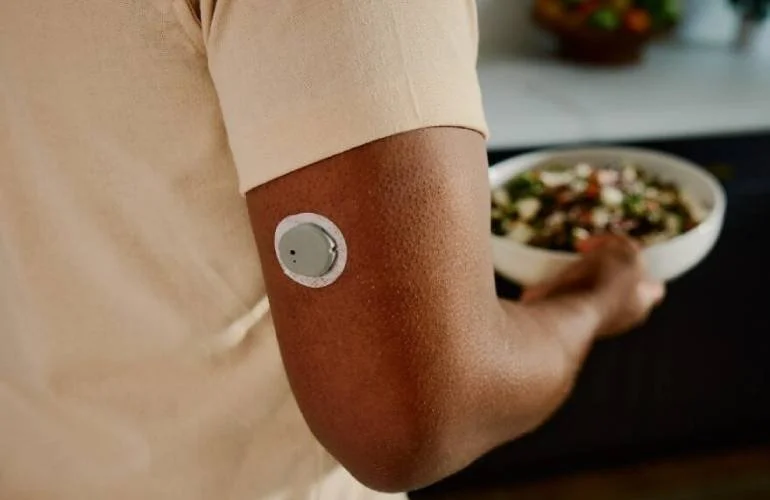
#1134 Jake Leach from Dexcom talks G7 and Stelo
Dexcom EVP Jake Leach returns to answer listener questions about G7 and fill us in on the new Stelo.
You can always listen to the Juicebox Podcast here but the cool kids use: Apple Podcasts/iOS - Spotify - Amazon Music - Google Play/Android - Radio Public, Amazon Alexa or wherever they get audio.
+ Click for EPISODE TRANSCRIPT
DISCLAIMER: This text is the output of AI based transcribing from an audio recording. Although the transcription is largely accurate, in some cases it is incomplete or inaccurate due to inaudible passages or transcription errors and should not be treated as an authoritative record. Nothing that you read here constitutes advice medical or otherwise. Always consult with a healthcare professional before making changes to a healthcare plan.
Scott Benner 0:00
Hello friends, welcome to episode 1134 of the Juicebox Podcast.
On today's podcast Jake leeches back from Dexcom. He's going to talk about Dexcom G seven, you guys asked a bunch of questions I asked him of Jake, and he's here to tell us about a new product called the Dexcom stello. I said hello stello But he said that was not the marketing campaign. I thought it was amazing. Whatever. While you're listening, please remember that nothing you hear on the Juicebox Podcast should be considered advice, medical or otherwise, always consult a physician before making any changes to your health care plan, or becoming bold with insulin. When you place your first order for ag one with my link, you'll get five free travel packs and a free year supply of vitamin D. Drink ag one.com/juice box. Don't forget to save 40% off of your entire order at cozy earth.com All you have to do is use the offer code juice box at checkout. That's juice box at checkout to save 40% at cozy earth.com. If you're looking for community around type one diabetes, check out the Juicebox Podcast private Facebook group Juicebox Podcast type one diabetes, but everybody is welcome type one type two gestational loved ones. It doesn't matter to me. US med is sponsoring this episode of The Juicebox Podcast and we've been getting our diabetes supplies from us med for years. You can as well us med.com/juice box or call 888721151 for use the link or the number get your free benefits check it get started today with us med today's episode of The Juicebox Podcast is sponsored by the contour next gen blood glucose meter. This is the meter that my daughter has on her person right now. It is incredibly accurate and waiting for you at contour next one.com/juicebox. And no Dexcom is not sponsoring this episode. You can use my link in the show notes to find out more about Dexcom what no Hell, alarms are going off. Everybody run dexcom.com forward slash juicebox. The alarm was just to remind me to make a phone call. Jake, I appreciate you coming on. I know we're short on time. I have a lot of questions here. Do you mind if I jump right in?
Jake Leach 2:36
Let's do it, Scott.
Scott Benner 2:37
Okay. Is it pronounced stello? Like hello?
Jake Leach 2:40
It is Hello. You got it.
Scott Benner 2:42
Okay, is it just for type twos? Can people with pre diabetes get it? What about other biohacking stuff? Like where's it going to fall in the market? Yeah, so
Jake Leach 2:51
we're super excited about the stellar product. It's specifically designed for people with type two diabetes that are not taking insulin. And there's some very specific reasons for that. It's really around the product features and the needs that it's trying to address for users. We can go into those. But you know, it's there's that 25 million people out there in the US that have type two that do not treat their diabetes with insulin. And so it's really targeted. There's not great availability of CGM for that population. And so that's really what we're going after it's specifically designed for their needs, is built on the same performance and accuracy reliability of Dexcom CGM, but has a new mobile app that is completely redesigned for that user group.
Scott Benner 3:37
Why do people in this category need something different than what you already make? why did why? What was the necessity for a different product? Yeah, so
Jake Leach 3:45
there's a couple of ways to look at but one of the most important ones is that this is this population is not at risk of hypoglycemia. There's, you know, the really important components of our G seven product, and G six and previous generations of that G series that has the predictive low glucose alerts, the low glucose alerts, the urgent low, the 55, all of that technology was developed about keeping people safe from hypoglycemia. This group of people with type two that aren't using insulin, and also don't have a risk of hypoglycemia. That's what this product is designed for. So it doesn't have those alerts. The way we think about it is it has all the information and insights without the interruptions of alerts, they don't need those. And so it's a much simpler product. When I know someone who is using G seven and isn't taking insulin, it doesn't have hyperglycemia challenges. I basically say turn off all those alerts, get all the turmoil in your urgent low, you can't turn off but all the rest of them, you can just turn them off because you don't want you don't want those, you know, nuisance alarms happening.
Scott Benner 4:49
So if there's a person who's typed to right now wearing g7, for example, and they do get low, for whatever reason, maybe they're I don't know, who cares. Why will they be forced To be to go on to stello buy insurance needs, now they'll be able to stay with what they have.
Jake Leach 5:05
Yeah, if you're if you're covered, if you're, you know, g7, if you have coverage for g7, that's not going to change. Coverage for g7 is really strong across all multiple daily injections, insulin pump therapies, Basal insulin, and then there is some coverage. For people who are in this category that, you know, they don't have hypoglycemic challenges. They're not an insulin, but they're using CGM. And so we actually did a published a study of 7200 of our users that went on to G six, and used it to really increase the GERD increase their time and range, but they were all people with type two diabetes, that were not treating it with insulin, they happen to be able to get access to the device, and so they're using it. And so but you know, they're basically using g7. They've got the real time data, but stello is going to be a much better product for that group.
Scott Benner 5:54
So is there a accuracy difference between stello and G seven? No, it's
Jake Leach 5:59
exactly the same level of performance, accuracy, reliability, it is the first 15 Day sensor, okay, that we're launching. And so it has 15 day where it's on the g7 platform in terms of hardware, but it's branded different, and it has a completely different mobile app, the way we think about it is accuracy is extremely important to anyone who's monetary glucose, whether they're, you know, they're treating their diabetes with insulin. Maybe they're not. Or even you know, when you think about health and wellness, it's so important for CGM to be accurate, you can easily be misled to think you have a metabolic disorder if the CGM is off by even a little bit. Sure.
Scott Benner 6:38
So does this mean we're going to get a 15 day where G seven,
Jake Leach 6:41
that's the goal? Yeah, we're working on a 15 day where G seven as well, we're actually doing clinical trials right now, on some enhanced technology on the sensor probe, in particular, to ensure we get the low level of reliability, we want out to 15 days, we have a very high bar for performance and reliability out to the total sensor wear time. And so we take that very seriously, because we know that our customer satisfaction has a lot to do with the performance and reliability of our sensors. And knowing that we want to make sure that the duration is truly the full 15 days and not something, you know, less than that plus
Scott Benner 7:23
what you just talked about, about being safe in lower numbers and and having that accuracy down there is really important. All right, well, they need a prescription. It sounds like yes,
Jake Leach 7:32
yeah, right now, you know all CGM is in the United States, FDA has declared their prescription devices. And so the idea is, you know, you need the performance need accurate accuracy, reliability, but the other their prescription devices until the FDA decides they're not
Scott Benner 7:48
the is the biohacking market big enough for you guys to be interested in? And does this product put you closer to that
Jake Leach 7:55
ease? Great question I do that we've definitely feel that there is, you know, a really large opportunity outside of diabetes for CGM and metabolic health, and generally healthy living thing about pre diabetes. The stello product is specifically designed for this group of type two users that don't have great access to CGM, and we really want to build a product for them. And you know, it's a large group of people that could significantly benefit from having real time CGM data. And so that's what we're focused on. Yeah, it puts us closer towards towards the group. And you know, as we go down that acuity curve, but we felt like, this is a group that doesn't have a product designed for them today. And that's why we basically focused on on that, oh, my
Scott Benner 8:38
brother, I'm gonna call him as soon as this is over, I've been able to give him a sensor once in a while. And the difference it makes in his life with type two is insane. And but his insurance won't help him get a CGM at this moment, with type two because he doesn't use insulin. Our
Jake Leach 8:54
goal is to basically generate whatever evidence is required so that we can ultimately get coverage for this population. Because there you're right, the benefits are so clear, yeah, many folks, you know, that aren't taking insulin are, you know, haven't ever really monitored their blood glucose. And so they have no idea how it changes throughout the day I was talking to someone recently, who had started using CGM is in this category has type two recently diagnosed type two, and didn't really, you know, just was told over time that their agency numbers were creeping up, but he was told to eat healthier exercise more and more activity, but it's not particularly helpful information. But when you know, he got access to a CGM and start using it. He learned so much about how his diet was impacting his glucose and he just started making all kinds of not that dramatic, he didn't like go you know, keto or anything. He just made some some subtle changes that was really impactful to his average glucose, you know, is average glucose was around 150. And he's you know, been working it down to the point where, you know, hopefully he's gonna lower it's able to see you know, below six and a half and get get out of the diet. So,
Scott Benner 10:00
do you see this as a constant wear item? Or do you think it could be educational for them? And then they might not need it after that?
Jake Leach 10:06
I think everyone's gonna be different. I think it's gonna be a lot of different use cases, as we go to this, this broader population. I think, you know, for me, when I think about stello, and the importance of the product, one of the things is really important is to make it extremely engaging, so that people engage with the data. Basically, there's a component of it significant upfront, that's going to be around education, and continuing to understand how different foods do impacts, you know, particular individual. But then there's also the component about reinforcing positive behavior, right? I mean, you can basically when you see your data, you see your average glucose is really in line. It's a constant reminder of boy, you're really doing well, let's keep doing that. I think a lot of people are going to work continuously, we see like when we've used the product in these populations, where we've seen users that are having access to CGM today that are in this group of users that don't take insulin, they do want to keep using it, the were times are very consistent even with what we see in our insulin users. So I do think there's a significant demand out there for this type of product. And the benefits are pretty clear. And CGM is a very cost effective tool for managing the overall cost of somebody that has diabetes. And so we really feel there's an opportunity here to overtime, get get this product reimbursed, but at first it's going to be cash pay at a very affordable competitive price out there in the market.
Scott Benner 11:28
So the pricing will be different than like if I tried to cash by g7
Jake Leach 11:32
Yeah, it's gonna it's gonna be different. It's a different product. It'll be different. We haven't we're not releasing any details exactly around it until we launch but the the goal of this product is to make it accessible to as many people as
Scott Benner 11:45
possible. Launch you're hoping for mid year 2012.
Jake Leach 11:49
Yeah, summertime. Yeah. Summertime. So it's under review by the FDA right now. We submitted it last year. Review is going great. Soon as we get an approval We'll start you know we're we're already working through the stages of getting ready for launch. Yeah, we plan to launch it this summer
Scott Benner 12:00
is that review mostly aimed at the app and the BME because if the device is the same as G seven What's there to review. Far too often we accept the blood glucose meter that someone hands to us, the doctor reaches into a drawer and goes here, take this one. That is that is the one you want. Is that accurate, you have no way of knowing. But if you want accuracy, and you want to be confident in the blood glucose readings that you're getting from your meter, you want that contour next gen. It's incredibly easy to get the same meter that Arden uses, just go to contour next one.com/juicebox That's all you have to do. The contour next gen is easy to use and highly accurate. It features a smart light that provides a simple understanding of your blood glucose levels. And of course, Second Chance sampling technology that can help you to save money with fewer wasted strips, contour next one.com/juicebox I used to hate ordering my daughter's diabetes supplies. I never had a good experience. And it was frustrating. But it hasn't been that way for a while actually for about three years now. Because that's how long we've been using us med us med.com/juicebox or call 888721151 for us med is the number one distributor for FreeStyle Libre systems nationwide. They are the number one specialty distributor for Omni pod dash, the number one fastest growing tandem distributor nationwide, the number one rated distributor index comm customer satisfaction surveys. They have served over 1 million people with diabetes since 1996. And they always provide 90 days worth of supplies and fast and free shipping. US med carries everything from insulin pumps, and diabetes testing supplies to the latest CGM like the libre three and Dexcom G seven. They accept Medicare nationwide and over 800 private insurers find out why us med has an A plus rating with a better business bureau at us med.com/juicebox Or just call them at 888-721-1514. Get started right now. And you'll be getting your supplies the same way we
Jake Leach 14:21
do. You're right it's a it's a simpler review. Because there isn't as much g7 was a massive review for us because we changed so much of the product. It is extending out to 15 days. So we did a clinical study to show I CGM level performance all the way out to 15 days. So there's clinical data review. And then there is a lot of it is the user interface and the human factors. I mean, one of the important things here is for people who get access to this product, understand that they're on insulin, they should have g7 They shouldn't have this product, this product is really for those that don't aren't at risk for hypoglycemia. That's one of the important factors. But yeah, they're basically doing that review. So We're hoping for swift approval and being able to launch this summer. Do you have any concern that if it's so much cheaper in cash, and people can't get covered for g7, that type ones will use it and then not have the safety net of that LOW Alert? is a great question, Scott, something we kind of discussed and organized around eternally saves coverage for g7, when you think about out of pocket costs is really good in the United States if you have coverage, right. So if you have coverage, when it's the lowest out of pocket costs CGM available, on average, you know, a third of our users pay nothing. And then you know, the average copay is less than $40. If someone does get access to it, it is very accurate and reliable from a glucose reading perspective. So I think in that case, you know, you've got a safety safety factor there. But if anyone is using insulin, G seven is really the right, right product for them, because it has those, those safety features. But I think in general, having access to glucose readings is better than nothing. Yeah. So in general, you know, that's one of the reasons why the performance and accuracy is so important, even for this type of product is you really, people need accurate, reliable data. Yeah, it
Scott Benner 16:09
feels like to me the difference between what obviously the FDA has set up as you know, guardrails for keeping people using insulin safe. And that's great for the population. But for one on one people who are stuck, I agree with some things better than nothing. So it's interesting, does this gonna cover for pre diabetes? Do you think
Jake Leach 16:27
that when I think about products, I think about the user groups and designing it for their intended needs, I think there's quite a bit of overlap between people who have pre diabetes and those that have been diagnosed with diabetes, there's a lot of overlap there. But I do feel like our main focus right now is all about this group of type two twos. But you know, we're going to, we're going to continue to evolve. I mean, we're planning a pretty rapid pipeline of enhancements to this product, based on, you know, things that we already have in the hopper in terms of release training that we want to get out features for stello. But also, based on what we learned, once we launched it, right, getting this product out in a large number of people's hands, getting the customer feedback, we've always, you know, we strive to make sure that all the user feedback gets filtered back into the team. And then we develop, we make feature enhancements based on user feedback. That's primarily that's what primarily drives both the features we implement and the timeframes for which we do it. That's going to be exciting kind of release train. And so you know, as overtime, we do feel like there's lots of opportunities to help people, you know, live healthier, lower their average glucose, better mouth, metabolic health,
Scott Benner 17:32
it's all good. I just think that I just had an experience with a family member who wanted to get a GLP. And they're a one C was point one off of being technically having diabetes, saw the doctor literally told her just get your a one C A little higher and come back and I can get it for you.
Jake Leach 17:48
I was like, Well, is this what we're doing know that some of the the way the healthcare systems work and things? Sometimes that is unfortunate that you end up in a situation having to make decisions like that? Yeah, it's crazy.
Scott Benner 18:03
Besides the feedback that comes from the audience all the time about how grateful they are and stuff like that. There was just one person who said, Could you please do more advocating with insurance for other people who would need CGM, they use this as an example, adrenal insufficiency. That's the thing that's not covered. And I guess what they're saying is, if you're ever in a meeting, could you just yell out that too, for other people who experienced low blood sugars but don't fall into these categories?
Jake Leach 18:27
I couldn't. Yeah, I completely agree. I think you know, one of the things when we advocated around Basal coverage with Medicare, we did push very hard for that hypoglycemic people who have hypoglycemia incidents are at risk that aren't on insulin, right? That group is covered under Medicare. And we're working to try and get better coverage by private payers, for anybody who has risk of hypoglycemia, okay? Because we fully understand that it's g7 is a great tool for that group. Getting better insurance coverage is really important.
Scott Benner 19:01
So Jake, as you may imagine, when I reached out to the audience for questions about stello, I also got g7 questions. Of course, is there anything else about stello? Or before I hit you with these, these questions?
Jake Leach 19:14
The only thing I'd say is, you know, people often ask, why do we Why do we name it stello. And so that that word, in Italian, it means stem, and it really stands for growth and resilience, and progress. And that's the way we think about how this, our hopes for it is that it provides that type of support and benefit to people with type two. So it's a it's exciting name, you ended up naming a product that always there's a lot of things that go into that, but it was a really fun journey to land on it.
Scott Benner 19:42
I just assumed you wanted to have commercials that said hello, say hello. And so I didn't think there was much more than that to it, but it's nice to know there's something else to it. That's what I was saying. All right, ready? I'm just gonna start I'm going to start big and then go lower. Usually I would do it the other way, but no reason to tease that out. There's only 10 more minutes in the episode. So Omnipod, five and g7. Yeah, timeframe that you know about anything you're willing to say, hey, net cough twice?
Jake Leach 20:07
Yeah, it's the same, basically is what insolate has said they're tracking? Well, you know, we've done all the validation work. And so we're excited for it to come as quick as possible. So,
Scott Benner 20:18
okay. When people asked me, I tell them, I'm like, that's a Omnipod question. It's not a Dexcom question. But if I don't ask you, I'll get. There'll be pitchforks. So g7 has been out for a little while now. Yeah. Has there been any? Or are there any plan changes or improvements that have happened or happening?
Jake Leach 20:37
Yeah, there's there's quite a bit actually, we've behind the scenes, with any new product, when you launch it, you've got things that were in the pipeline that you wanted to implement, and you launch it, and you continue to implement those enhancements, and also, based on user feedback, and as we see the product performing, we're really happy with how g7 launch has gone globally. And we've made quite a few enhancements, some of the examples would be as we enhance, we put a feature in the Bluetooth called Rapid reconnect. And so what now your g7 does, and we're basically shipping this in all channels. Now, this enhanced Bluetooth, there may be a little bit inventory out there in different channels where they're still with the older version. But this new version is basically it advertises every minute, or reconnection to the phone. So if you ever do lose connection over Bluetooth, it will advertise every five minutes. So it catches back up very quickly, we also enhanced the Bluetooth performance of the radio on the antenna. And so that antenna performance produces a longer range. Really excited about that. So those two kind of went together into the g7. We also have an updated adhesive patch that we're putting in, it's the same patch, it's on stello. And so that is cutting its way into g7, we'll be getting shipping in different channels over time here quickly. And so that that gives it enhanced, where time, in terms of just a little bit stickier, get you out to those that have challenges getting out to 10 and a half days with a patch this this should really help them just call
Scott Benner 22:09
the supplier and yell stickier. Is that how that works.
Jake Leach 22:15
So much that goes into adhesives, particularly around, you know, the durability of them, but also breathability and your potential irritations and irritants and things in there. There's a whole lot that we do before we make a change. And it's a project,
Scott Benner 22:31
is there a world where you'll get to a more sensitivity friendly adhesive that still holds on or does that technology just not exist? No, it
Jake Leach 22:40
does. I mean, we've we've overtime made quite a bit of enhancements, we did it on G six, where we actually had a patch that lasted longer, but also had less irritation than we did with the previous and G seven made another step where irritation was lower with G seven than it was with G six. And the studies we ran, particularly we actually ran studies in people that are you had known sensitivities to medical adhesive, just to better understand how much better g7 was. And so this new patch is even better than that. So it's it's a, you know, the technology continues to evolve. And so I think we're going to continue to see, you know, better technology, better adhesives, we're always, you know, trying to look for the best that's out there and develop it ourselves as well. And we're not stopping and we got to keep making these products, the best we can possibly produce. So
Scott Benner 23:30
I know you guys work hard, and I don't think you just mindlessly forget something.
Jake Leach 23:34
So when I asked you, how come I don't see direct to watch, or Where's delta change and stuff like that? How does that, like how do things get prioritized? I guess? Yeah, it's a great question. We can cover direct to watch too, because that's exciting news. Their main thing is we prioritize it based on user feedback and what we feel, you know, based on the product development team, what we're capable of producing and a certain amount of time, like how we spend our time, and what the prioritization based on user feedback is. And so, Director Watch has been a great example of something that has been highly desirable for a very long time. And we've been working on it at a very strong, dedicated team focused on developing that. And we finally got to the point where we're comfortable with that Apple ecosystem that when you switch to direct to watch mode, your sensor communicating directly to the Apple Watch, without the phone in the communication loop. We're very comfortable that you get all the glucose alerts you need to get because that has now taken over as your number, your main display device where you're getting those critical alerts. That has been what a big part of the journey over multiple years is getting the point where we are confident that that system will always produce those alerts when needed. I work closely with apple on it. They were really helpful in making changes to the Apple Watch operating system to be able to make this happen and We did submit that to the FDA last year. And we do plan to launch it here as soon as it's approved. So that should be coming very soon, based on what you just said, is
Scott Benner 25:07
it possible? I'll see it for stello? Before I see it for g7? Because they don't have the work? You know what I mean? Good. Good. Good
Jake Leach 25:15
question there, Scott. We're not given all the specifics out of bed stello At this point in time, but you'll see it on G seven very soon.
Scott Benner 25:21
If you say good question, I think I'm onto something, hey, this is directly from me and other people too. But nightstand mode now that Apple added that to the phone, like please, that would be amazing. What about delta ready to change and seeing the the last reading for followers like a lot of my stuff here is for for like caregivers, they want to know more about customizable alarms for like school nurses or people who only part time take care of other people with type one, you know, the delta is a big one for them. Basically, what they're saying is that the follow up when you're a caregiver, it shouldn't be different than the user app, because there's a lot of things you have to do and you're blind to those. In that situation, there's a pretty significant portfolio of updates we're going to make to follow. We you know, we've made some over time, but we have been primarily focused on G seven Dexcom, one and stello, getting the user apps updated, but an in built out. But follow is such an important part of our ecosystem for our users. And so I want to I've been pushing the team for more innovation in that area. And we are we have a portfolio of updates we're going to make, it includes a lot of the features that that had been asked for over time. And we'll put them out in order as fast as we can. But it is it is an area where I want us to innovate more. We have a couple of minutes left, and I have a couple of questions that I just know how you're going to answer them already. So I want to ask a bigger question. Is there an inflection point coming with CGM? Or is it just going to continue? Is it like an iPhone? Is it just gonna get a little better every time I get one? Or is there is there a leap to be had? In terms of like, features, performance?
Jake Leach 26:59
All of that? Yeah, I
Scott Benner 27:01
mean, more performance, like stuff, like, you know, listen, I love g7, my daughter, let me be clear, my daughter is at college right now with a 5.6 a one C, like, that's pretty cool. If you asked me to come over there and wash the windows, I'd be happy to do it. So like I'm happy. But first day couple of urgent lows that are fakes, you know, compression lows, you know, that kind of stuff? Like, is there a world where it's just one day? You know what I mean, when they sit around and talk about AI to ever watch a guy sit and talk who really understands it? And he's trying to tell you that 10 years from now, you are not going to understand the world anymore? Like, is there a Is that happening for CGM, in your mind, like in the future? Or is it more of a study as we go?
Jake Leach 27:42
I think so from a performance perspective, just on the accuracy and reliability of the products. There's still plenty of mileage to go. And you mentioned some of the variability on the first day, compression lows, you know, sensor, longevity, all of those things. It's interesting over the evolution of CGM, there's been, you know, big tech problems that we've tackled and solved, right. And those are some of the problems that you mentioned some challenges. That is something that we're very focused on. And you had a lot of very passionate excited team members about continuing to make the most accurate, the best CGM ever right. And so there's going to be more progression there. I think where you're going to see the most though like large step change function type of innovation in CGM is what we start doing with the CGM information, and how we start interacting with both physicians, caregivers and the users. I think that is where the user interface what you're looking at with G seven today is going to be extremely different. You know, as the years go on, and we you know, we're going to continue to launch new platforms, we've got G seven just recently launched, but you know, obviously, GA is well underway. And so those are some of the innovations we're gonna see. It's just, it's, it's really exciting what we can do now that we have, you know, mobile platforms, mobile phones are pretty ubiquitous, and the computing power, and then you got aI starting to come in and you start to think about how one of the things I talked about CES was just the conversational nature of the data presentation to say a physician, helping them get down to the most important thing to discuss with a particular patient could be easily short circuited if you could just rapid fire answer their questions in a conversational format for a particular user based on their real that users data. Yeah, I think it's pretty exciting.
Scott Benner 29:32
Check two things are we talking about? Like I was at this pizza joint last week, you remember last week and when eat the same thing again? Let's go like that kind of stuff. That kind of stuff. Yeah. And I don't think I've ever said this out loud on the podcast, but I've been logging the podcast into an an AI bot, and 1000 hours worth of conversations about diabetes. You would be stunned at how accurately li it answers. So, like granular questions about diabetes, it's really I can't wait like, and I know you guys have been at this for a long time. Like, I know, I have the the honor of kind of seeing the big picture. Like, I remember the first time Kevin said to me, I don't have diabetes, but I were CGM, and I don't eat potatoes anymore. And now look where we are. You know what I mean? Like, like, really like now people with type two diabetes. My brother's a great example. He's already told me, I wear that thing. And I thought, I thought that was good for me. I didn't realize what it was doing to me in the background. And that's, man, that's gotta be eight years ago that he said that to me. You know, so I know people need to be patient. But I remember when you guys started looking at data, and I thought they're gonna do something with that one day. So like, I mean, like, you know, you're not gonna retire soon. Are you Jake? How are you? Good. Okay, all right. Yeah, no,
Jake Leach 30:48
thank you. So this is my 20th year at Dexcom. But I'm not going anywhere. We
Scott Benner 30:51
got a good succession plan that the guy under you knows what he's doing. Yeah. Oh,
Jake Leach 30:55
yeah. Oh, great team. Yeah, absolutely.
Scott Benner 30:57
I don't want the ball getting dropped here. You know, when you decide it's time, you know, I'm sorry. I really appreciate this. I should have you back on more frequently. We haven't done this nearly enough. This we should have. So thank you very much.
Jake Leach 31:09
It was great. Scott really enjoyed your time take care.
Scott Benner 31:20
Huge thanks to us med for sponsoring this episode of The Juicebox Podcast. Don't forget us med.com/juice box. This is where we get our diabetes supplies from you can as well use the link or call 888-721-1514 Use the link or call the number get your free benefits check so that you can start getting your diabetes supplies the way we do from us med. Having an easy to use and accurate blood glucose meter is just one click away. Contour next one.com/juicebox That's right. Today's episode is sponsored by the contour next gen blood glucose meter.
Once there was a time when I just told people if you want a low and stable a one C, just listen to the Juicebox Podcast. But as the years went on, and the podcast episodes grew, it became more and more difficult for people to listen to everyone. So I made the diabetes Pro Tip series. This series is with me and Jenny Smith. Jenny is a Certified diabetes Care and Education Specialist. She's also a registered and licensed dietitian and a type one herself for over 30 years and I of course, am the father of a child who was diagnosed at age two in 2006. The Pro Tip series begins at episode 210 with an episode called newly diagnosed are starting over and from there all about MDI Pre-Bolus Singh insulin pumping, pumping and nudging variables exercise illness, injury surgeries glucagon long term health bumping and nudging how to explain type one to your family. Postpartum honeymoon transitioning all about insulin Temp, Basal. These are all different episodes, setting your Basal insulin, fat and protein pregnancy, the glycemic index and load and so much more like female hormones and weight loss. Head now to juicebox podcast.com. Go up in the menu at the top and click on diabetes pro tip. Or if you're in the private Facebook group, there's a list of these episodes right in the feature tab. Find out how I helped keep my daughter's a one C between five two and six two for the last 10 years without diet restrictions juicebox podcast.com Start listening today. It's absolutely free. You can use the same continuous glucose monitor that Arden uses. All you have to do is go to dexcom.com/juice box and get started today. If you're not already subscribed or following in your favorite audio app, please take the time now to do that. It really helps the show and get those automatic downloads set up so you never miss an episode. Thank you so much for listening. I'll be back very soon with another episode of The Juicebox Podcast. The episode you just heard was professionally edited by wrong way recording. Wrong way recording.com
Please support the sponsors
The Juicebox Podcast is a free show, but if you'd like to support the podcast directly, you can make a gift here. Recent donations were used to pay for podcast hosting fees. Thank you to all who have sent 5, 10 and 20 dollars!