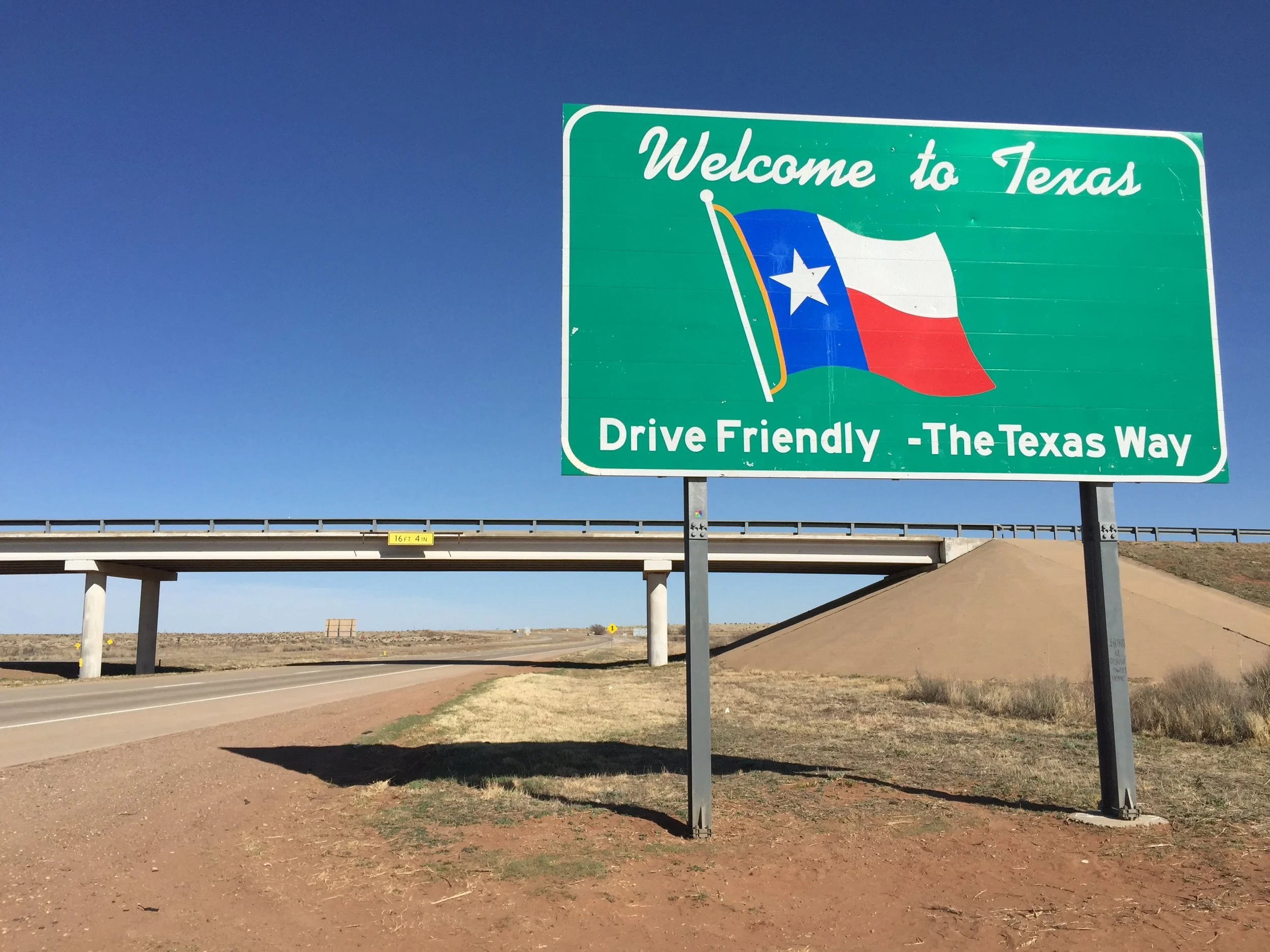
#1115 Lone Star
Nick's son was diagnosed 3 years ago in the middle of the pandemic.

You can always listen to the Juicebox Podcast here but the cool kids use: Apple Podcasts/iOS - Spotify - Amazon Music - Google Play/Android - Radio Public, Amazon Alexa or wherever they get audio.
+ Click for EPISODE TRANSCRIPT
DISCLAIMER: This text is the output of AI based transcribing from an audio recording. Although the transcription is largely accurate, in some cases it is incomplete or inaccurate due to inaudible passages or transcription errors and should not be treated as an authoritative record. Nothing that you read here constitutes advice medical or otherwise. Always consult with a healthcare professional before making changes to a healthcare plan.
Scott Benner 0:00
Hello friends, welcome to episode 1115 of the Juicebox Podcast.
Next son was diagnosed with type one diabetes in the middle of the pandemic. found during lunchtime at school shaking uncontrollably. He was rushed to the PICU where he was later diagnosed. Nothing you hear on the Juicebox Podcast should be considered advice, medical or otherwise, always consult a physician before making any changes to your health care plan. Don't forget to save 40% off of your entire order at cozy earth.com. All you have to do is use the offer code juice box at checkout that's juice box at checkout to save 40% at cosy earth.com. When you place your first order for ag one with my link, you'll get five free travel packs and a free year supply of vitamin D. Drink ag one.com/juice box. If you're not already subscribed or following your favorite audio app, please take the time now to do that it really helps the show and get those automatic downloads set up so you never miss an episode.
This episode of The Juicebox Podcast is sponsored by the Dexcom G seven made for all types of diabetes Dexcom G seven can be used to manage type one, type two, and gestational diabetes, you're going to see the speed, direction and number of your blood sugar right on your receiver or smartphone device. dexcom.com/juice box. This episode of The Juicebox Podcast is sponsored by the continuous glucose monitor that my daughter wears the Dexcom G seven dexcom.com/juice box Get started today using this link. And you'll not only be doing something great for yourself, you'll be supporting the Juicebox Podcast.
Nick 2:16
My name is Nick and I am the father of a type one diabetic son. I also have a 16 year old daughter and a wife.
Scott Benner 2:25
How old is your son?
Nick 2:27
He is 13. He'll be 14 in August. When
Scott Benner 2:31
was he diagnosed?
Nick 2:33
may have three years ago may. Okay. 2019. Right in the pandemic,
Scott Benner 2:39
any other autoimmune in your family?
Nick 2:42
No, none that we're aware of? Like nothing. It's strange. I hear you ask that question a lot. And I'm like, I don't have anything. We get a couple brain tumors and my wife's family lives had there were 100. So I
Scott Benner 2:58
know nothing. Celiac thyroid, uneasy stomach after dinner like nothing. You can think of
Nick 3:05
ah, you know, I may have a touch in the last six months, like gluten sensitivity. I don't know if it just been almost 45 Or what it is. But I've kind of watched my Gluten seems to help. But as far as any diagnosis, family members or any other type one or thyroid or anything like that, there's nothing yet. So
Scott Benner 3:25
how did you end up finding out that your son had diabetes, what clued you into it?
Nick 3:31
We came home they were in home school at that time, or online school. And my wife and I have a small business with her family here in town and came home for lunch to get their lunch going because they were you know, each on their computers and our son had been you know, shows showed all the normal signs before looking back. But my wife came home about 15 minutes for I did got his lunch ready brought it upstairs as I was coming home to you know, make a quick sandwich. We're going back to the office and I just hear a scream and my wife come downstairs like there's something wrong. There's something really wrong. That's like, okay, she's gonna call him the doctor now go up there. And he was just kind of shaking and couldn't really talk and to sit I did. Something's wrong. Ended up you know, even though it's lunchtime, our doctor answered the phone, we ran over to his office. And it was only one like only one parent could go in at a time. So my wife ran him into the office and I'm course you know, in my car, googling what the heck this could be and coming up with some pretty bad stuff. And about 10 minutes later, she calls to get the car there have a room for him at the emergency room and I was like, Okay, that's great. But what is wrong? Like, why? What's going on? I know nothing right now. She just said they said something about diabetes. And I was like, What are you talking about? Like there's no way and she's like Nick it just, we gotta go there's already a room so we run across the street to the hospital and I Uh, sure enough, he was in DKA. And in not doing real well.
Scott Benner 5:05
Wow. So he was convulsing, not quite convulsing,
Nick 5:09
but he was shaking, he gets really shaky. And he was pale white, and couldn't really communicate well, I don't remember what his blood sugar is, it was pretty high. And they got IVs. And, um, you know, started bringing them down. And then he got transferred. They told us there's another child in the ER also with the same thing going on. And whichever one is worse, is going to go to the Children's Hospital about 30 minutes south first on an ambulance. And so I'm just kind of sitting in my car and I see the ambulance leave, and I call my wife. She's like, Nope, we're still here. So about an hour later, they take him and we're not allowed to go in the ambulance with him. And follow him there, dropped my wife off again. And then my son, and he was admitted and spent about three nights in the PICU. Wow.
Scott Benner 5:59
Yeah, that's, uh, that sounds like both of those kids weren't doing well.
Nick 6:04
No kidding. You know, but we managed to get through it. My wife would spend the days there and I'd spend the nights or vice versa, whatever we needed to do and got out of there and just started this new journey.
Scott Benner 6:18
When you said that can't be the her, is it because he was 11. And they said, diabetes. I
Nick 6:24
just, it never crossed my mind. It's a possibility. My dad's best friend was a type one. So I grew up around it. I knew a little bit. And he's actually been a huge resource and help the last three years, and I just it just never crossed my mind that that's what was going on that this could cause what was happening to him. I mean, obviously, uncontrolled blood sugars have great effects in your body. I had no clue. Yeah. And I just, you know, the first thing, honestly, there's no way like, there's something else, he's got a bad infection, there's something else going on, there's no way. Again, no family history at all. So it just kind of came out of the blue. You know, obviously, he picked up some bug. We think, early December, we were on a trip to DC. So when we first started noticing some signs, looking back, my wife, remember smelling his breath, and it was sweet. And he's a really good kid. And he would have to move the outbreaks and was looking just thin, you know, wetting the bed, all the common signs looking back that we just missed, and probably would have taken him to the doctor, at some point, but doctors weren't even seeing patients unless they were super sick that time. So that, you know, it kind of makes you question. You know, could we have caught this earlier? Probably could have. But in the current climate that time, there's no way I don't think we could have,
Scott Benner 7:45
how did they manage manage the education piece when you guys couldn't be in the hospital at the same time, we
Nick 7:53
were allowed. We did have a class at that hospital before we left. In all honesty, it wasn't very good and probably set his back years of trying to get this under control. Like we left the hospital and never even I never even gave him a shot. Never practice a shot. Nothing. They just kept saying here's all the gear you need. Here's all this, you know, pins. And we walked out with two suitcases with the supplies that I didn't need. With very little knowledge. In my opinion, I was not happy. We ended up changing doctors, that the first year after about six months of putting up with it. It just we were not a good fit. Or they weren't a good fit with us. And you know, we've walked out had no idea what we were doing basically, he was starving, hadn't eaten anything really in three days. You know, grabbing the hamburger across the parking lot. And like, Thank you need 10 units of insulin. I don't know what this kind of what the math turns out. I don't know how we do this. So I stuck him. And that's how we started and then I had to figure it out from there.
Scott Benner 8:56
Well, your wife, also she didn't get direction either. It wasn't just you. Oh, we
Nick 9:01
were together the whole time. Oh, God, like we didn't have to. We didn't feel like we had good education at all. We Yes, we count carbs. And our carb ratio was like 20 to one or something crazy like that, that time just didn't know anything. Like we kind of left in a in a fog. And there we go. Here's a number to call if you have any questions. Well, you know, we're checking blood sugar on his finger and it's going crazy. And we're calling and having to wait, you know, an hour and a half for an answer. Oh, you know, for them to call back. Like, why are you even calling because we don't feel comfortable giving him his insulin. We don't know what we're doing. Yeah, we'll just give it to him. Well, I mean, that's the right thing to do. I mean, we were scared. literally scared at this point.
Scott Benner 9:45
Also, so it was all the stuff that led me to call you is 90 minutes old now. So exactly.
Nick 9:51
Yes. Totally different. Pretty, pretty hot conversation with a doctor or PA few times before we decided we gotta find looking better? This isn't gonna work for us. It
Scott Benner 10:02
was was this, I don't want you to tell me where but was it an institution that otherwise you would have been trusting of?
Nick 10:08
I think so. Yeah. Yeah, I mean, they had, I've never dealt with them directly. But I can guarantee you with anybody, I've had three or four other families in our immediate area that we know that whose kids have also been diagnosed type one about the same time as my son within a year or two and all the same age, and we tell them, here's our experience there. I don't know, you know, just be careful. And here's kind of what we like now. And it's worked a whole lot better for us. So we ended up driving an hour and a half north now to see our endocrinologist and then they have a satellite office that will meet with a physician's assistant two or three times a year also. Just so we don't have to drive as far.
Scott Benner 10:51
Alright, so he's diagnosed now you guys don't have a ton of direction they give you pens. What kind of insulin
Nick 11:01
human log and whatever the longest. Lantus. Okay.
Scott Benner 11:06
Lantis de novo and Huber log novella. Yeah, one of the sorry, no, vlog, I apologize. And you don't know what you're doing? You're counting carbs. One unit covers 20 grams,
Nick 11:17
something like that? It was it was ridiculous. Yeah, it was it was on a.
Scott Benner 11:22
That doesn't sound right. For an 11 year old? Yeah, it's all?
Nick 11:27
No. So we obviously struggled for a while until we we ended up. Like I said, part of it too, was our insurance. Like I said, we have a small family company. So we didn't have the correct insurance to deal with an auto immune disease of a child at the time, we basically had catastrophic insurance and something happened to my wife or I, because you know, your kids are supposed to be healthy all the way through life. So we ended up just calling and saying, what's the cash price? We'll take it. I mean, until we get our insurance fixed, because we can't change it to the first year. Right. So we had, you know, that's the other side that we have to deal with all the time that just makes you want to pull your hair out. That's actually harder sometimes in trying to be your kids pancreas, dealing with
Scott Benner 12:10
the insurance company. Oh, absolutely. Yes. Yeah, no kidding. I, my sister all just called me this morning, that she got something from her doctor was no trouble. They gave it to her. A month later, she calls back and says, Hey, you know, I need to refill and the insurance company says now you can't have that. She gave it gave it to me 30 days ago, like Well, now, you know, yeah. Now you need this. It's like what what? Okay, she's trying to work today, you know, and instead she's on the phone with an insurance company. Like, you know, begging people, people who don't know what she's talking about, like, you know, just phone jockeys. And and it's just a, it's a never ending hellscape of and then once it's diabetes, it's insulin meters and pens, and you know, insulin pumps and CGM and you're having like a different argument over and over again. It's, it's maddening. It really is. Today's episode of the podcast is sponsored by Dexcom. And I'd like to take this opportunity to tell you a little bit about the continuous glucose monitor that my daughter wears the Dexcom G seven, the Dexcom G seven is small, it is accurate and it is easy to use and wear. Arden has been wearing a Dexcom g7 Since almost day one of when they came out, and she's having a fantastic experience with it. We love the G six but man is the g7 small, the profile so much closer to your body, the weight, you can't really feel it and that's coming from me. And I've worn one I've worn a G six I've worn a g7 I found both of the experiences to be lovely. But my gosh is that g7 Tiny and the accuracy has been fantastic Arden's Awan C's are right where we expect them to be. And we actually use the Dexcom clarity app to keep track of those things. That app is built right in to Arden's Dexcom G seven app on her iPhone. Oh, did you not know about that? You can use an iPhone or an Android device to see your Dexcom data. If you have a compatible phone, your Dexcom goes right to the Dexcom app. You don't have to carry the receiver. But if you don't want to use the phone, that's fine. Use the Dexcom. Receiver. It's up to you. Choice is yours with Dexcom dexcom.com/juicebox.
Nick 14:27
Yes, I mean, we had to read our one year for Omnipod. Five now. So got the new prescription. It got kicked back something along the lines of it also had the intro kit on it and then need it prior authorization. And so they wouldn't even give us the pods because that was part of it.
Scott Benner 14:44
Yeah. And that was in the very first the very beginning of Omnipod. Five there was like an insurance. I don't remember exactly how it went anymore. But yeah, they would give you the intro kit but then you could but not the pods or something like that afterwards. And
Nick 14:57
yeah, so a year later, we're still having some issues with what's getting coated and it's been a fight and my wife just, I just say, Oh, it's six o'clock, it's time to here's a glass of wine, Go, just go try to relax. You're
Scott Benner 15:11
gonna say, here's a glass of wine, drink it, then we'll call the insurance company. Well,
Nick 15:16
I don't have to bail her out of jail.
Scott Benner 15:20
Well, how long does your son use injections for? And what was his experience like being diagnosed? Was it something that he went with? Or did he kind of fight against it how to all work?
Nick 15:32
I will say this, he has been awesome. Never really any downtimes he has learned to speak up and say, Hey, I don't need any more juice, or I don't need any more insulin, like y'all are wrong. I don't care what the number says, Just trust me. We learned pretty quick to communicate with him. And then let him kind of take charge of what he thinks he needs. Because we weren't doing it right. But we're still not doing it. Right. My opinion, we're still learning to this day, we have some room for improvement. I think the initial doctors that we had, they scared the heck out of my wife and me and my wife still gun shy on insulin sometimes. And just because, you know, they're sitting there telling you, there's 100 units of insulin in this thing, and it could kill your kid if you give him too much. You know, there's still that thought in the back of our minds that I think has hampered us early on. And we're just now coming over that bridge to like, okay, we can we can do better. Okay. My son Drew is been a rockstar doesn't let them bother it. He doesn't go where on it. Like, he doesn't go to school. He goes to a small school here in town. And the administration was like, Do you want to give a presentation on your first day? And he's like, No, I just want to be a kid. Like, I don't want anything special. I don't you know, he could, you know, he gets to have this phone at school and no one else does. And his sister does. This gets she gets an alarm. Outside of that. He's like, I don't want anything else. Like, I just want to be a kid and his friends don't care. He just goes and has a good time. They were lucky. They're real lucky. But yeah, he's had, he'll let us know. Because we were holding him back in certain areas, just because we didn't know what was going on. He was like, hey, you know, it's okay. I can have a friend over like, we can, you know, we can do things. Like oh, yeah, okay, you're ready for that? We may not be but you're ready for that. That's fine. Tell
Scott Benner 17:28
me a little bit about how everything gets so confused. Like the I don't really know what I'm doing. We don't feel like we're on firm footing. You know, you're down to listening to the kid tell you I don't need more juice right now. Like, so it starts off rocky at the hospital, I get that the end up with a doctor. That's not real great for you. And but now how long have you been with a better physician?
Nick 17:50
We're coming up on I guess two years now.
Scott Benner 17:53
Okay, that's fair, a fair amount of time that so yes. What? What happens? Is it just the fear? Do you think it was just someone saying to your wife, hey, this insulin, you gotta be careful. And then so she sort of can't use it the way it needs to be used? Or is it Poor direction?
Nick 18:10
No, I think, a combination, but the fear, I think is what's limited us the most. And like I said, we're overcoming that now. We lived in fear of insulin for too long, I found your podcast started listening about a year ago, and kind of started injecting some of the information you give out throughout the year, you know, just to see if some of this will work. And you know, and of course, the one time I say let's Pre-Bolus, early, whatever we did, we screwed it up. And it was you know, he shot down like, it just hit the floor. So we're doing better now. But it you know, it was a lot of trial and error trying to get get him down. I will say the the Omnipod five has helped make things better, because when he was just on the regular one, I was up all night, his Basal rates obviously weren't right. I didn't know what I was doing. And when I say I, if I slept through the night, once during a week, for two years, it was a miracle. I mean, I was up all night with him. So I think part of it was just pure exhaustion to distress. You know, you're in a pandemic, you don't know what to believe, trying to make sure. You know, he doesn't get it because at that time, we were afraid that you know, he'd end up in the ER, and you know, or worse. So we were locked down actually took him out of school for two years, hired a teacher to homeschool and basically, you know, online, his last two years of elementary school Wow. Which worked out great for him because he's very diligent. He got his work done by noon and was playing video games after lunch the rest of the day, so he's happy that
Scott Benner 19:47
I can maximize this time. I know what to do. Like Absolutely.
Nick 19:51
Like homeworks done Dad, let's get lunch and I get some video games to play. And we always know who was sick because they're like who you're playing with. Oh, so and so. Okay, even She said, because he's done that at school right now.
Scott Benner 20:01
Isn't it fascinating that the message is insulin is dangerous, but then there's no effort from them to make sure your settings are correct. Correct.
Nick 20:10
Every setting change was very incremental. We finally get to the point, I guess, about a year ago, we started. And my wife and I manage this together, we manage everything together and slowly have been trying to get, like I said, his had the competence to change the setting away from what a doctor said. And we're doing a lot better job.
Scott Benner 20:32
I just mean, I don't know, like, I don't know what I mean. I mean, it'd be like, if you bought a car for the first time, and someone said, listen, cars are great, but gasoline is very flammable. And then they just started pouring it in the glove box for you to store it there. They're like here, just, we can get two gallons. And here, maybe we could fill the seats like, well, like this insulin, it's so scary. If it's so damn scary. Why don't you make sure that the kid's Basal rates, right so that he's not low all night long? Or that his insulin to carb ratio is somewhere near? Correct. So you're not bouncing all around during the day? It's just, I don't know, I find that fascinating that someone in a position of power could say that I know enough to say that this is dangerous. I don't know enough to tell you how to use it. Like that's like, how is that the person in charge telling you? You know what I mean?
Nick 21:22
No, I know. And then we know we're with the head guy, or whatever. And go, Sure you're just too busy. Too busy talking to my son like he was for like in cartoon voices the whole time. And we just were like, this isn't right for us like that. My son's like, really, he's a doctor. So once we changed, it kind of changed the direction but it took it took a year or more for us to start trusting the process like okay, here's what we need to do. And understanding we were set back a year, easily
Scott Benner 21:51
they of course, contour next one.com/juice box, that's the link you'll use. To find out more about the contour next gen blood glucose meter, when you get there, there's a little bit at the top, you can click right on blood glucose monitoring, I'll do it with you go to meters, click on any of the meters or click on the Next Gen and you're gonna get more information. It's easy to use, and highly accurate. smartlight provides a simple understanding of your blood glucose levels. And of course, with Second Chance sampling technology, you can save money with fewer wasted test strips. As if all that wasn't enough, the contour next gen also has a compatible app for an easy way to share and see your blood glucose results. Contour next one.com/juicebox. And if you scroll down at that link, you're gonna see things like a Buy Now button, you could register your meter after you purchase it, or what is this? Download a coupon? Oh, receive a free contour next gen blood glucose meter, do tell contour next.com/juicebox head over there now get the same accurate and reliable meter that we use.
Nick 23:01
And you know, and also, you've said this a million times you trust the doctors like doctor said, it's this many carbs. And this is supposed to work and then his blood sugar sits at 300 for the rest of the day. What the heck are we doing wrong? Like why? Why can't we get this right? You start questioning every decision you do right now, you just want what's right for your kid, especially
Scott Benner 23:21
when the variables are unknown. Or you could be could have eaten something where you counted the carbs correctly, but the impact was greater than the carb count. And so now you're like, you roll past that in your head. You go now we count the carbs, right? That's not it. And then you move on to what else could it be? You don't even know what else it could be. And you're missing you know, you end up missing the the actual problem and also men who don't have children shouldn't be allowed to talk to kids.
Nick 23:48
Or know if you have kids or not. That's a good golden rule. I can I can stand behind that one for sure.
Scott Benner 23:54
It before guys have their own kids. They're not like, they're not terrific at it. You know, I just I just love that your son's sitting there. 1112 years old. You know, somebody's talking to him like Donald Duck and he's like, Oh my god, what is happening?
Nick 24:10
He's gonna wicked little sense of humor very dry. It's like, it's real funny. He'll be like, thirsty dead. This guy, Julian kind of quiet this guy like this as best we can do like, Okay, you're right.
Scott Benner 24:20
I've walked through a number of parking lots of my life with art and goes, Why do we come here? Like, they have the they have the prescription pad. I don't know what to tell you. I don't know where to get one of those. So
Nick 24:34
we kind of need this guy for a little bit at least a little bit longer.
Scott Benner 24:37
So in your, in your note to me. You said that you you kind of found the podcast first. So how did that happen? How did you find it and what did you start taking from it?
Nick 24:46
I was probably just desperately searching online for answers. Got a couple books, kind of skim through them. Nothing jumped out at me is making sense. I don't No, I can't remember exactly how I found your podcast. But when I came across it, I started listening. I drive a lot, usually hour and a half to project. So put a podcast on. And so once I found yours, it just a lot of what you were saying was making sense. I just liked the stories that people tell, you know, everyone has very similar stories in a lot of ways, same struggles, and it just felt like, okay, I can connect with this, I can see what's going on this little nugget here may help me out down the road. And it just, you know, and then I got on the Facebook group, and my wife does not listen to the podcast, but she's on the Facebook group as well, as long as another one. And in the north Texas area, that she knows a couple moms or is referred to that got her into a little private group up there. And it's just, it's just a good community for information because he's 13 he's getting ready 14, we're dealing with growth hormones, and you know, trying to do sports and have a normal life with him and that whole Beckham or a sister or anybody else, and just having as much information, or someone at least to call and say what the heck did we do wrong? Or what do we do here? Who do you call we're not happy with this or that? And it's just it's just a nice feeling of community that gives you a little bit of confidence that you're not the only one living this life of being your kids pancreas. Yeah,
Scott Benner 26:19
no kidding. So okay, what started to make sense when you were listening? Like what was the first thing that struck you is like, oh, that's inconsistent with what I'm doing, but makes more sense than what I'm doing.
Nick 26:31
First thing I remember is that our Basal rates were not right. I was trying to Okay, he's going down at two o'clock in the morning. So at two o'clock in the morning, I was adjusting his Basal rate. All that did was when I gave him juice, or whatever he was, you know, sugar tabs, whatever we were doing at the time. You know, an hour and a half later, he was skyrocketing up and I'm sitting there up all night long, you know, popping him with insulin trying to get him to come back down. You know, I learned like, okay, insulin takes more time. Basal rates, what happened 45 minutes or an hour ago with his Basal it's affecting him now. Yeah, I mean, that's the first thing that opened my eyes like, okay, we're trying way too hard to manage this. It'd be five minutes with basil when that was the wrong technique.
Scott Benner 27:14
Yeah, I in my head pictured as two different clock faces. And there's the impact, like what your blood sugar's doing, and there's what the insulin is doing. And I always wish there was a way to say it, like without pictures, but you can just, if you just turn that clock face back, the insulin clock face back so that it shows you, Hey, I know all everything is happening at two o'clock feels like this is where you should make the adjustment. But let's just move the clock face back for the insulin, and then say, oh, okay, one o'clock, one o'clock is when I should be trying or even 1230? Who knows? Right? However long it takes that insulin to work for you. I don't know, I tried a number of different ways to say that say it. But I think what I've come up with is that, you know, what's happening now is from what you did before, you know that that kind of thing is, is so important to understand, right? Because it's a, I don't know, again, if it was a shield and somebody was shooting at you. And the shield was really heavy. It took an hour and a half to pick up. You wouldn't know that you know, the first time you somebody pointed gun at you and you go home and pick up the shield and you couldn't get it done. But if I told you at noon, hey, someone's gonna come here at 130 and shoot it you start picking up the shield now. And then you know, you'd be okay. No one like a doctor's never going to tell you that again. Like oh, insolence very dangerous, but you don't want to bother to let me know how it works. It's fascinating, right? Like it? No, it's not right.
Nick 28:40
It's frustrating that you've kind of feel like that should be insulin 101.
Scott Benner 28:43
Yeah, the first day. Hi, this is how this works.
Nick 28:47
And how this works. Not you're gonna kill your kid with this. If you give them too much.
Scott Benner 28:50
Most of them are just so busy going like, well, let's inject into a banana or an orange. You didn't even get that, by the way. But But all that does is take visually the scariest part of it and make it more scary. Because by the way, like, you know, I get wanting to practice and all that's fine. But that's not the same as doing it to somebody. I gave Arden an injection last night. She hasn't had an injection like, I don't know, a year and a half. And I'm holding that needle going. I don't know what I'm doing. I haven't done this in forever. You know? Yeah. And at the same time, it's the insulin like the actual scary part is how the insulin works and that I don't even think forget, they don't teach it to you. I don't think they know either. Especially in a hospital setting, by the way.
Nick 29:32
Yeah. And you're already stressed out and you're just trying to, you know, learn as much as you can, and you have no idea what's going on and what what the future is going to look like. Right? Yeah. And then you throw in other factors. I mean, his first week back at real school, you know, it's hot. It's in Texas, it's August. And you know, first week went fine. I think it was like the Monday after that. They're school they can they the kids eat altogether. Like from seventh grade all the way to 12th grade. And I'm in about an hour and a half away, and I'm checking his Dexcom. And everything's looking good. And my wife said, Okay, we gave him five units for lunch. And I'm checking out at lunch. And between getting my check and getting to my car, his blood sugar was just falling off a cliff like double arrows straight down. My wife calls that I'm running a preschool now, because they don't have a nurse at our school or too small. And just like just call him so he's walking to the office. So I call them to Hey, buddy, what do you do? And he's like, Oh, I was playing football with all the juniors. Like, it's 104 degrees outside and it's I just ate real quick took all my insulin and now I'm playing. I was playing football. I was like, okay, that's why your blood sugar is dropping like a rock acid. Alright, drink some Gatorade, you know, stay on the phone with me to get their moms in the way. Yeah, and you know, they have a whole refrigerator, just a shell for him. He gets it. It's like, Alright, I need to check your finger. And you know, the administration's their wife's there, there's a lady to help to take care of them whose husband is type one as well. And because at this point, I think it's like 55 double arrows down. He's already had two or three Gatorades and juices just trying to stop this drop. And, you know, I'm in the car by myself. Just listening cannot be there to help. And, you know, he checks his finger and the five seconds go by and I hear like this. gasp I said, What number is it? He said it. But I'm like, There's no way he'd be you know, there's no way he's thick. So they get to glucagon. He goes, Oh, wait, I'm holding upside down, isn't it? Oh, good child. Now the room when he said six, like I was like, he shouldn't be standing. How's he at six?
Scott Benner 31:42
That's the story of how I had a small seizure and stroke of my own sitting in my car. Wow. Like
Nick 31:49
your number for sports from now on is now six. You realize that don't you?
Scott Benner 31:53
Wait, it goes six? Oh my God, that's six. No, and that helpless feeling? Nobody can? No one can describe it. Probably. I know it. You know it. A lot of people listening know that feeling. And it's in your wife's, you know, mad dashing across town. Try not to, you know, take out somebody's dog in a crosswalk. And. And that kid's just sitting there. You know, doesn't know what he's he just tried to play football. That's it? Yeah. He's trying
Nick 32:24
to hang out and be cool with the older kids. Yeah. So we're like, hey, well, then then that started that downward spiral of how you I want to play? Are you gonna play with your friends after? You know, during lunch? Yes. Okay, so we're gonna try to dose after lunch. We spent a year trying to figure out how to, we never got that right, we still still haven't got that right. Trying to dose him right, depending on his activity, then try to catch it up when he's in study hall afterwards. That if you have any tips on that, because it's eat, play hard for 30 minutes, and then go sit in or, you know, sit in a room for the rest of the day. We never got that right. Very rarely get that one. Right, what's happening
Scott Benner 33:04
is he's falling during the activity or after it, usually
Nick 33:07
pretty quickly, during he fall pretty fast. I mean, there were times when he has 90 carbs. And he's like, Hey, I'm gonna go play football or soccer. And we're like, just don't even dose we'll figure it out afterwards. Like I don't, it's 100 degrees, you don't need to go have a bunch of insulin ahead of time, at least in our opinion. And then you know, he'll go play and then text my wife for me afterwards, I got done playing like, All right, well, let's start guessing how much you need now, because you stayed kind of level for 1520 minutes, but you're getting ready to shoot back up? Yeah. That's that's been the one thing that we have not figured out the math yet
Scott Benner 33:44
on how to put just a small amount on for the activity and then get the rest going before the spike.
Nick 33:50
Yeah, absolutely. We get hit with the spike almost every day. So, you know, two hours later, we finally get them back down. And then it's time for basketball practice or golf or something else. Is
Scott Benner 34:03
it not? Is it not just as I mean, I guess, as I'm getting ready to say that, I guess it's not but I was gonna say is it not just as easy as bolusing during the, you know, towards the end of the activity, but he's doing something so you're he's not going to stop to remember to do that. I guess. No,
Nick 34:19
he's not going to stop honestly. Yeah. No, he's just not. Yeah. I mean, I guess if we point blank asked him to Yes, he would. But let him play this is that's 15 or 20 minutes of freedom throughout the day. Yeah, yeah. No, I
Scott Benner 34:34
hear what you're saying. And that's a 90 carbs for a lunch. Is it if that's a fair amount of insulin for him to I would imagine. Yes,
Nick 34:42
it is. I mean, he'll go anywhere from 60 to 9090. is probably pretty high that one day, you know he wanted we do not limit him on what he wants to eat and let him he needs to put on weight he needs to grow. honestly think that first year that we really didn't have control. All His blood sugars are way too high all the time. I don't think he got as much nutrition. That's what we've been told as he needed to, just because his blood sugars are too high, and he's a little bit behind in height. He's gonna be he's a late bloomer. Anyways, I was a late bloomer, my wife was my daughter, you know, very late. So, and he should be going into his freshman year. And because of his late birthday, he's just going into eighth grade. Now, we held him back a year. He's still one of the shorter kids, even though I'm fairly tall, both his grandfather's are very tall. But I was 99 pounds. five foot one my freshman year in high school, my junior year, I was six foot one, so I ended up growing late.
Scott Benner 35:44
Do they check his thyroid for you during the bloodwork?
Nick 35:48
Oh, yeah. Thyroid, they actually started scanning his hands to see his growth plates, I think, growth factor. They're a little worried about that. But I think he's slowly catching back up. But now his downloads have been fine. Okay. And then any issues everything in the correct range. We like his new doctor. He's very analytical look me. He spends a lot of time with you going over all the test results explaining everything where he is. He's he's kind of the mad scientist type. And we just kind of like, the way he addresses everything very point blank and goes throughout the entire chart. So we kind of know, why is this number this and this number is this. And then his PA is really good here in town. It really helps more with the car ratios. Okay, I think you can kick this up a bit more, try working on this.
Scott Benner 36:41
Do me one favor, go check the last lab work when you get a chance. And just make sure that it's T sh isn't just in range? Make sure it's below two below two right now? No, because if it's like three or four, they'll say it's in range. But that's very indicative of him needing a thyroid replacement. And that could be a reason for like slow growth. Meanwhile, this could all be wrong, but it's just worth looking at. Because they'll call like a three TSH in range. And optimal and range are two different things.
Nick 37:20
Absolutely, we'll do it. Yeah. Cool. So I appreciate it. Yeah, of course.
Scott Benner 37:25
I mean, the other thing about the activities, it's just sucks, like you could you know, you're using a pod FiVER, I would say you could use a, you know, maybe an extended Bolus, where it didn't, he didn't get anything upfront, but it started to go in, I don't know, over an hour. And that way as he's eating you, like, you know, thinking about an old extended Bolus, like you so many algorithms now. But, you know, if you ate at noon, and you said, Oh, this is 60 carbs, I'm going to extend the Bolus, give it to me over an hour. And I want 0% upfront. So basically, it would like you know, whatever that say you were one for 10. So you're gonna get six units, it would slowly give you six units over the hour. And that might get him past the, the activity. And that has already you know what I mean? Then have enough going so that it's it's active and starting to work as the spike comes around. That's just one of the ways I would think about it.
Nick 38:21
Yeah, not found going to manual during the day. If he's got a sticky Hi, and bumping up as basil pretty good. Gets him down better than just keep hitting him with boluses it just for whatever reason. Maybe I'm not hitting him hard enough. But without crashing him. I can usually get him down better. If we don't give him his insulin fast enough, or he just has a sticky high, which still happens too frequently. But that's on the five it seems to work best for us to get him down without just you know, the crash and catch situation all the time. Yeah,
Scott Benner 38:55
yeah. You don't want to be doing that if you don't have to for sure. No,
Nick 38:58
absolutely not.
Scott Benner 39:01
So but um, we've had five overnight. It's been great for you. You're sleeping again. Yes,
Nick 39:05
I'm sleeping again. Absolutely. I don't think we would not be sleeping without it. I mean, from almost the first week. It has been great. As far as the nighttimes go. And it took you know, a month or two for things to kind of settle out but we weren't that great before. So my expectation you didn't take much to impress me like I said, we were coming out of you know,
Scott Benner 39:33
shooting pretty low. Like my bar is not Hi, Scott. I would like to just sleep a couple of times a week. Oh my gosh. Oh, yeah.
Nick 39:43
Now we joke. If if I'm up all night is because I screwed something up with his meal for dinner or we just we screwed it up. It wasn't anything else. It wasn't a pot. It was something we did messed it up.
Scott Benner 39:56
Arden had Chinese food last night and for Get the first hour or so I was like, wow, her, her Bolus was really great. And then I kind of started working in the evening. And I just like, silence my phone, I was making the podcast. And when I when I was done, I looked up like what the hell happened to your blood sugar and she was downstairs like cooking, she was baking. And she's like, I don't know, I've been baking and like, it's not going well. And I'm like, Well, I'm like, you're way off here on your blood sugar, like your blood sugar is like almost 300 like 280 or something like that. I was like you did not. Then I looked, I'm like, this is the amount of carbs you did for that food? Because yeah, I'm like, that's not enough. So she's like, Well, I've been trying to push it back down. I'm like, I'm like, screw that. And we just injected a bunch like of insulin. So like, I did a quick calculation in my head. And I was like, Look, you're gonna have to inject some, like, let's get ahead of this. You know, and so she did. And she came back down really nicely. But I think she missed. She missed those carbs by my gosh, a lot, maybe 20. And that was enough to really cause a problem. And that funny, like just just missing it by 20 carbs. And it feels like you didn't even give yourself insulin. So it
Nick 41:10
looks sure it's like looks like it. Yeah. On the graph, right. Yeah. And then, you know, the other thing is, don't look at the arrows. Look at the graph. We've learned that from your podcasts as well. The arrows will scare you. But if you look at the graph and see the numbers, you can you can kind of tell he's leveling out. We don't need to panic right now. Yeah. Because I mean, we'd be panicking. It'd be you know, whatever. 122 straight down and giving him juice and then literally the next reading the minute laters, like 121, straight down like the arrows dead straight down, but he only went down to one and we just, you know, now we're giving corrections. So we've learned to look at the graph, trust our son, he says he needs it or he doesn't need it. Right now. He's just struggling with a very active 13 year old boy, right? Even last last night, just you know, he was invited by a friend of mine to go play in a golf tournament. So his son and I drew this son, and him and Drew and I went and played golf and got back afterwards and a meal that we've nailed. When the few that we hit every time. He was tanking afterwards, I'd be just four units. Like what is going on? Yeah, the walking and I, yeah, we're in a cart now. I don't walk into it was 101 at seven o'clock last night.
Scott Benner 42:31
Scott, why am I working so hard if I have to walk during golf?
Nick 42:36
Absolutely. You know, and we took the best golfer in town with those invited us and so, you know, us sounds like we got second place. It's like, you realize we use like we have to use one of each of our shots and we only use one of each of our shots and he he shot the other ones. And that's what we got second place. If there was any other person on this team, he would have got first place but he had to use our three shots. That's why we lost. Do
Scott Benner 43:00
you do you notice like there's your son drop with golf usually
Nick 43:05
drop out when he played for school. He did great in they have to walk actually, they can use a push cart. So he has to walk nine holes that was easy to manage like it he was freed as an arrow. He'd start dropping a little bit, drink a little Gatorade or some goldfish and he'd come right back level. Never had any issues. Basketball was a whole nother story. Luckily, I was able to coach him and we'll be able to coach him next year. practices you know, it'd be five or six minutes I'm cheering him up some more. It's funny the first game and every game honestly. His adrenaline's just spikes him like to the through the roof. Yeah. Like the head coach would be like, hey, you know, how's your doing in the game? Don't you take them out? Like this blood sugar's 350? Leave a man like he's just he's so amped up. We can't I'm giving him insulin during games.
Scott Benner 43:58
Yeah, now it's interesting. How you that does the adrenaline hit him every time.
Nick 44:04
Every game? Yeah, I mean, second he goes in. He's going straight up.
Scott Benner 44:08
Have you tried to give him a little bit for the adrenaline before before he plays?
Nick 44:13
Ah, no. Because second is done. It comes straight back down.
Scott Benner 44:18
Yeah, you gotta eat you gotta eat at the end. But you can mitigate the adrenaline a little bit if you if you Bolus for it. We actually learned that during basketball. So yeah, we figured it out. When Arden was little she played in like a little rec league. And and we were very early on with diabetes still, like, by the way, in my mind early on meant like five or six years into it. I still didn't really know what I was doing completely. And one day, my wife and I were like sitting in the stands and I'm like, Man, some days we come to this game and our blood sugar is super stable. And other games we, you know, come to shoots way up and it took us a while to figure out that Arden was pretty competitive. But then, but that she didn't see all the other girls as a threat, just some of them. So when she got to a game where she thought, like, wow, we're really gonna have to play if we want to win, she'd get the adrenaline bump. And if she saw like a bunch of cream puffs when she got there, she was like all she coasted through it. It's very interesting to figure out. So we started. It's actually kind of one of the tenants of the podcast came from this, which is people always ask, well, you know how to like when I'm first trying to learn about how much insulin I can use, and I'm trying to use extra, I don't, I never know how much extra I can safely use. And I used to say, well Bolus for a juice box. And if you need it, then great. And if you don't, then the juice boxes, basically just Pre-Bolus. And so we started doing that with the with the basketball. If we thought this was a game where she might jump up, we gave her an insulin and amount of insulin that a juice box could cover. And then if the adrenaline came, then great, then the adrenaline and the insulin fought with each other. And if the adrenaline didn't come, then she would drink the juice. And we basically just Pre-Bolus for a juice. And then we learned that after basketball that was bolused for you did have to get the food pretty quickly afterwards. You didn't have you didn't have a long time before the adrenaline went away. And a little too much of that insulin was still leftover, if that all makes sense.
Nick 46:20
That makes total sense. Yeah. Your daughter sounds like my daughter when it comes to sports. She hates the practice, only stepped up for the big games or when it matters, and then just kind of lollygag around the other times, like maddening sometimes.
Scott Benner 46:37
Yeah, yeah, Arden played pretty competitively. For softball she was when she was 12. They were two wins away from going literally to the Little League World Series. And they were in they were in Connecticut playing in like a regional championship and, and you could tell it like, it hit her heart and you had to hit back. And there was no, there's no perfect answer for some of these things. Adrenaline is one of them. Like if you're going to fight it off so that you don't have a high blood sugar. So you can perform. You just have to be ready on the backside to catch it. Like that's yeah, that's what we found. I wish there was a better answer than that. But there just isn't
Nick 47:15
really. Yeah, that's just part of you having to manage it day by day. Yeah. 100%. Yeah. But I think he he's had a good attitude. I'm praying that it stays. I know you asked it earlier, but he's had a really good attitude throughout this whole thing. And I think that's important. He's probably had a better attitude. My wife and I had, you know, you want him to have a good attitude. I'm glad he does. So he just wants to be a normal kid. He does what he has to do. We're thankful that my daughter was not the one type one because we'd be you know, she'd forget or not care or not want to do it. And he's a great kid, but she just a free spirit and a lot of ways, right? He's our diligent when like, Hey, Dad, it's school nights. 1030 I'm gonna go to bed now. You've got to tell me. She'd stay up to one the morning.
Scott Benner 48:04
How come no one's mentioned sleep. It's too. I'm getting tired.
Nick 48:08
Well, you still have to wake up and go to school, honey. I'm fine.
Scott Benner 48:12
Tell Tell me this. You find the podcast, you find it valuable. You said but your wife doesn't listen to it. Does she? Like what's that? Like? Because you use the phrase in your intake letter that is a it's something that goes through my head constantly. Like what did you say? You said? I'm finding it here. Oh, hold on a second. am I struggling found the podcast. It made sense to me. However, it took me time to convince my wife Oh, to trust that I learned something from some guy on the internet. Yeah, like that's exactly. By the way. That's my level of common sense, too. I wouldn't listen to me if I was in a reverse situation. I'd be like, I am not making a decision about this. Based on some story a guy told on a podcast. How do you get that to her? How do you say look, I heard this thing I did it. It worked. Like how do you make her kind of believe it? Especially if she doesn't listen to it?
Nick 49:03
Slowly over time, okay. And then something I'll say and then maybe one of the doctors or somebody else we know will mention the same thing. I think it just has to be reinforced by another source. Other than other than media or you know, or voting you. Please don't take it personal. Please. I just she wants everything verified and doesn't want to make a mistake. And it just that's why it's gonna go a little slower. I think in the last three or four months, it's we just realized okay, it's time we really got to get on top of this. You know, he's at school now. No more excuses. We really got to make sure he has the best care we can give them and what we were doing is not working. You know? He still has a once he's under seven and sometimes I don't know how. I just don't he sits right about 697 all the time. Our goal is to get him down closer to the lower sixes by the end of this year,
Scott Benner 50:04
did you find that you were just hoping, like, maybe this will just get better?
Nick 50:09
Did you ever have no, I knew it wouldn't get better, okay? My only thinking along those lines is that I keep hearing once he gets in this early 20s, it'll be easier to I keep getting told that, you know, his body's not changing all the times, hormones aren't quite as crazy. So that's the only knowledge I've heard. Other than that, I just hear, hey, the next three to six years are going to be hell, like, you know, once you get something going for a week or two, it's going to change. So just hang on.
Scott Benner 50:35
I don't know, it's, it's a, I get the sentiment, I understand the messaging, I wonder if people can take it a little farther and realize that if you wait seven years for something to regulate, which is a word that is meaningless, but what you're gonna do is you're gonna build bad habits in the seven years, it's not going to matter once you get there anyway, because you're going to start accepting it, like just oh, this is what it does. And, you know, you just keep accepting failure and accepting things you don't want to go it, but it'll be better in the future in the future. And I think he gets to the future, and you don't even know how to manage it anymore. I it just sucks. But it's a, it's a thing you have to dive into, you have to understand it. And once you get the basics down, like the real understanding of how insulin works, and what the different variables are, with the situations are, I think it translates to everything age, you know, hormones, weight, the whole thing, it just takes time. And it's hard to, it's hard to, to give that much time and attention to something that it doesn't feel like you're really understanding or getting any better at and it's so hard to explain to people but really like, time and effort is that's all it is. You just keep putting in the effort and the time and eventually it starts to make sense to you. And before you know it, you don't really remember that part anymore. It's just, you know, hard to hard to believe that in the in the moment, I think.
Nick 52:03
Yeah, definitely. When you're living in the moment, it's hard to see the big picture sometimes. Yeah, you got to step back and just okay, hey, we need to reevaluate. Let's just kind of put it on the table and pick one or two things that we can try and see if we can do better and get better results. I think we got his Basal rates a lot better now. Definitely use like his weight as a factors and how we calculated it. I know it's not supposed to change what's going on with the Omnipod five, but when he goes to manual mode, you know, it's definitely way higher than it was before. And he's at point seven, five an hour now. And he weighs about 80 pounds. I think it was at point five before for the last year. So
Scott Benner 52:43
yeah, that seems that seems like it might have been too low. Yeah,
Nick 52:46
I think it was definitely low. So we've adjusted that it's made an improvement. And just I'm not waiting as long to give corrections. We used to wait to the alarm went off the alarm was way too high. And so now I look down like hey, you're 180 Now let's do a correction. And it's not wait to 250 or whenever the alarm is supposed to go off. Yeah. And that's helped me too. So I think it's just going to be incremental. Okay, let's see what we can get away with. Alright, 180 was fine. Let's try out 160. Let's see then. Yeah, and use the rest of the summer to really kind of get it nailed down. That's where he gets back to school.
Scott Benner 53:19
That's the key. If you move that low alarm to 140 his day once, he'll be more like six. Now
Nick 53:24
I think the problem is right now. If he's eating he's over 140 all the time. Like he's never not over 140
Scott Benner 53:33
Is that are you Pre-Bolus eating the meals?
Nick 53:36
doing a better job now than it was even two months ago? Okay, yes. So we're still probably not quite enough. I've heard on the pod five, you don't Pre-Bolus quite as much before this, but a lot of people I think I've heard that once or twice before? I'm not sure.
Scott Benner 53:51
You know, I've heard people say that too. And I have to be honest with you. I don't understand why that would matter. I'm not I'm not I'm not I'm not sure about the I honestly, that I'm out of my depth on that right there. But it doesn't make a lot of sense to me. We're getting
Nick 54:06
a slightly more aggressive on Pre-Bolus thing. We're now probably about 10 minutes before, sometimes a little bit more than that. I've noticed sometimes that when we Pre-Bolus that we don't have to give them quite as much insulin either. Yeah.
Scott Benner 54:21
Because well, when you're when you don't allow the blood sugar to jump up, then you don't need extra insulin to fight the high. So yeah, I mean, listen, rule of thumb, I don't know, but 10 minutes seems short to me. So you're looking for a Pre-Bolus that, that if it's some sort of a regular food, meaning you're not like I don't know, having like a giant glass of like a Slurpee or something like that, like something reasonable, you know? Yep. I would say that your Pre-Bolus should hold you wherever you are. For at least the first 45 minutes. I you know, a good a good Pre-Bolus You're not going to see us bike in the first 45 minutes or an hour, and and then if you see one after that, and it goes up and never comes back, then I think you didn't have enough insulin. If, you know, if you Pre-Bolus 10 minutes you go up and crash back down, then that sounds more like the Pre-Bolus wasn't long enough. Like there's actually there's a person, some person on line who made a list of things I've said about Pre-Bolus. And I should find it because I read it. I was like, This is great. What is this? And and I asked, I said, Where'd you get this from? She goes, it's all things you've said, I just put it like, in this little like, you know, graphic and I was like, oh, I should quote myself more often. I'm like, I think this is right. But it's, there's, there's a place, right? I mean, I don't think I talked about this nearly enough in the podcast anymore. But, uh, Pre-Bolus is, if you've heard me say this, I guess you could stop me. But it's like a tug of war. And so like, if you think of a classic, like schoolyard tug of war, there's a rope. And there's a team on the left and him on the right. And we all go and both teams pull the you know, the goal is for one of the teams to yank the rope to the other side. But a Pre-Bolus is very similar. You have insulin on one side, you have the food on the other side of the rope. And, but the goal is different, we don't want one side to win, we want the flag in the middle of the rope to stay in the center. So if you think about that flag in the middle of that rope as a steady line, and then instead of thinking of them pulling left and right, kind of turn it in your head so that you know, in the insolence pulling down and the foods pulling up. Like when you see a stable line that has active food and insulin in it, that's what you're seeing, you're seeing the insulin is pulling, you're seeing that the food is pulling, but that neither can overpower one another. So as you move forward in that timeline, that middle, that rope just stays on the same plane as it began on. And then eventually, the insulin wears off as the food impact is wearing off, and everybody drops the rope and we just keep going into the future. So no one can win. Like, that's what you're trying to do with a Pre-Bolus you're trying to set up a fight that no one can win. And that kind of ends at the same time, meaning the insulin surge starts to, you know, go away, as the impact of the carbs goes away. That's a stable line during food. That's all that is. If you don't have that, then you're gonna get all the things that you've described.
Nick 57:35
Does that make sense? Absolutely. 100% Yeah,
Scott Benner 57:38
that's it. It's it's a, it's a tug of war that you don't want anybody to win. But you still have to fight it, you still have to play it out. So instead of yelling, Go, and everyone starts pulling, you tell the insulin, it's allowed to pull first, because it doesn't pull it full power. As soon as you yell go. So you say insulin start pulling, and it pulls the little bit on the rope and doesn't really move it, then the rope starts to move a little bit, a little more. And then just as it starts to get its power up, and it's really starting to yank that rope and you think, Oh, if they're gonna win, they're gonna yank it over to the side. That's when the food comes in and starts pulling back again, the food doesn't usually need some foods don't need as much time to start pulling. So you let the insulin start pulling first. And then you say, okay, carbs. It's about to get, you know, off balance here, you start pulling now. And that's sort of it. I mean, to me, that's what a good Pre-Bolus is. No,
Nick 58:34
it makes 100%. And I appreciate you saying again, I've heard you say that before, but I think especially the way our talk is going today, it's been more technical and less storytelling. And I think that's important, too. I think it just a good reminder. Here's what we need to do.
Scott Benner 58:50
Yeah, well, for me, for me that good. It's funny, I've heard you say things throughout the episode. And I can have like, if I'm not paying attention, my tendency will be well, that's there already. I did an episode about the math of your Basal insulin. Except everyone doesn't hear that. You don't I mean, so like as as you kind of keep the podcast alive. If the thirst stuff back in once in a while, remind people like go check, like, in the end, like, you know, if I kept saying the same thing over and over again every day, nobody would listen. Oddly, but if I forget to say it every once in a while, then it doesn't help anybody. So, like a weird balance. No,
Nick 59:27
no, I appreciate both sides, your podcast. I mean, especially when you try to make someone's mom blush with some crude joke. I laugh every time it's not gonna work that into my conversation.
Scott Benner 59:41
Yeah, you can't do that at your job. But I'm allowed to know.
Nick 59:46
I can't my wife was slapped me upside the head.
Scott Benner 59:51
Things need to stay light. Nikkor I don't I don't understand how you keep listening. Like, seriously, like,
Nick 59:57
I know you're 100% Correct. It needs to Have? Yes, it can't just be technical all the time, like no one would listen, you need to have some some humanity behind it.
Scott Benner 1:00:06
There's a massive diabetes organization who has had a podcast for ever before they knew they were called podcasts. Do you know what I mean? Like they were putting audio on the internet, right? Yeah. And it took them. I think my, I think what I heard recently, if I'm right, it took them like 12 or 15 years to reach a million downloads. I don't I've never listened to it. But I'm gonna guess they know what they're talking about. Right? They must send on doctors and all that stuff. 12 or 15 years to get to a million downloads. And at the moment, I'm doing a million downloads every 60 days. That's incredible. Right? And so what's the difference? I don't know. Because I haven't heard their content. But what I'm gonna guess is they're things not fun to listen to. No, it's boring. Yeah, I'm gonna guess. And so again, you could have the secret to life, but nobody listens to it on is it? If a tree falls in the woods, and nobody hears it? Did you know Did it make a sound? You know, so that's the thing, like, and that's what, that's what happens a lot in this space. To people's like, well, this is good information, like great, I put it down somewhere Great. Nobody heard it. Nobody's drawn to it, the person that somebody did hear it, they weren't, they didn't think to tell somebody else about it. You might as well not have done it. And I mean, I'm happy for anybody that's trying to help anybody. But if you make something for 15 years, and it takes, it takes that long to get a million extensively, no one's listening to it. Like you should be able to reach that number much more quickly. And
Nick 1:01:51
and I think that they're probably spending 1000s 10s of $1,000 a month on marketing or more than a dime. Yeah, I'm,
Scott Benner 1:01:58
you know, quite certain that that's a thing like that. There may be getting, if I use 12 years, they're getting at three, they're getting at 3000 a month, if I use 15 years, because I can't remember what the number is, I heard they're getting 66,000 a month. So now you're talking about a month to reach what this show does in a day. And it's just you're not going to anyway, I bring that up. Because if you gotta say stupid shit, and be funny and have fun, or no one's gonna listen. And then nobody gets helped. And then a bunch of academics just sit around and go, I don't know what's wrong with these people. We told them, You told them nobody listened. You're in a doctor's office saying something in a way that is completely impossible for people to pick up or put into practice. Like, just because you said it out loud doesn't mean you help them. Like that's not. You don't I mean? Like, because that's the case, Nick, you're a parent, it would just, uh, why don't you just carve out six hours today? Sit down, tell your kids all the rules of life and then give up because that thing you told them? They got it now? Anyway, I don't know why I get upset about that. I think it's because of the beginning of your conversation and how poorly you were. Were led in the beginning made me upset for you. Well,
Nick 1:03:16
in the funny thing is they have a million downloads, and probably most people turned it off after five minutes.
Scott Benner 1:03:22
Very possibly. It mean, yeah, that counts.
Nick 1:03:26
I don't know how y'all industry count downloads. But if you just click on it, listen to it for five minutes. Does that count? I mean, I can't tell you how many I clicked on. And like not as this guy is not for me, or this girl is not gonna work, or just this isn't the right message I'm looking for and never went back. I'm
Scott Benner 1:03:41
saying downloads, they're not that you're 100%. Right. They're not the full measure. The full measure is, is engagement. You know, the full the full measure is that your wife doesn't want to listen to the podcast, but she's still in the Facebook group. That
Nick 1:03:56
Oh, yes. You're telling me stories in the Facebook. Hey, you know, you know, whatever story is that catches her eye. And, you know, we'll have a conversation about that, that helps in our management of our son. It just she doesn't like to sit down and listen to podcast when she ever has her free time. It's not her thing. Yeah, totally fine. But I think this has helped get us on the right track. Without it. We'd still be stuck. You know, same thing we were doing two or three years ago even with a good doctor. Yeah, because we were scared like I didn't you know, I had no idea. And there was no no one explained it and I think getting past that barrier was the first step or realizing there was a barrier there and then going okay, we got to get past this barrier. This isn't gonna work. I you know, I kind of get tongue tied on it, but it's just you look back and you just can't even why did I do that? Right I could have done so much better. Yeah, yeah, second guess a bunch.
Scott Benner 1:04:54
100% I'm gonna finish up what you said here because i Something popped into my head but I Um, as far as reaching people with your ability to help them, whether it's you know, a person making a podcast or a doctor or something like that, it's engagement. Like if you want to really measure if you're helping people see how engaged they are, right, so I put a post up yesterday, I have an idea for a new series, Jenny and I are going to do it together. And you know, Jenny and I are going to kind of build a syllabus on one side. And then we wanted to have listeners input on the other side, and we were going to use those things to feed each other while we're recording. It's all kind of boring right now, don't worry about it. But I put a post up online. And I asked a simple question, with three examples of my question. And today, it is not quite 24 hours later, and that post has 189 responses. And they're not just one word, they're well thought out. paragraphs from people like Like, like, really, like well thought out responses. And if you can't, if you can't elicit that kind of response, no one's really listening. Like, that's just how that works. Like you can get, like you said, you can count your download. But if that person isn't willing to speak up and help, or if I mean, even advertising, if you put up an ad and nobody clicks on it, no, then I don't care how many downloads you have, what you don't have is engagement, you haven't really, I don't want to say the same word again. But you have not found a way to engage those listeners in a way that makes this meaning for the for them. And to translate that to doctors, it's the same thing, you ask a question, and you don't get a response. If you're not having a real dialogue during the the, you know, the meeting that you're having with your patient, you're not really connecting with them. And therefore I don't care if you have a download, which is a doctor's visit, you know, in this case, you're not really going to make a dent in their life, like, and that's just the truth, like, the problem is communication, whether it's at your doctor's office, or somebody trying to make a thing online, if you're not a good communicator, you don't know how to keep people's attention, you don't know how to give them value for their time, you're not really helping them. And then those numbers are meaningless here. It's just wasted time, in my opinion. Well,
Nick 1:07:15
I think what helps you out too, is you come across as having good energy, even though it's on a audio platform, you can just feel it when you listen to you. When you talk to somebody, you're engaged you, you're listening to what we're saying, you have good energy, I don't know how to describe it. That's nice. I'm interested in people and people feed off of energy. I mean, you'll watch one news cast over another because that newscaster has gotten better energy, they you just oh, that's got personality. They're not just sitting there reading from a script that oh, you know, got Marcus down today, and there's a fire on Elm Street. It's, they have a personality, there's some energy there.
Scott Benner 1:07:50
I really love listening to people, I like hear what they have to say, I have a very big interest in this space moving in the right direction, because there's going to be a day I can't help my daughter. And I know for sure she's going to like at the moment, she's going to end up with a doctor who if she's lucky, has a you know, a 10 Gentle understanding of diabetes. And so I'm trying to build a world where that's not true anymore. And you know, it's, and it's my job on top of that, like I'm a I'm a I grew up a blue collar person, like, this is my job, I do my job. You know, like, I happen to like it and actually be interested in it. But even on the days when I like, sit here and like I just edited myself the other day when I was sick, like when I had COVID and I was listening to an episode where I had COVID. And you can't tell like, I still love my job. And I still wanted to have that conversation with that person that day. I don't know. That's the kind of energy we need from doctors, not them doing Donald Duck voices for your kid, for Christ's sake. shake my head every time. Like I gotta tell you, it makes me want to curse. It's infuriating.
Nick 1:08:58
It's insulting to some extent. I mean, it just really is like, yeah, I just don't know. Don't do that. I mean, he was old enough. I know it was a children's hospital. But yeah, I just said we we were done. We should have been done on day one with with that group actually ran into a guy now who's on the board of that hospital and he's okay. How's your experience? Go? You got 10 minutes. And he's just staring at me. I was like, his eyes got real big. I said, Let me tell you about my experience. That's I don't I don't know if it went anywhere. Not but I said, here's here's our experience and why we're not at your hospital anymore. Not even doing won't come back. Oh, that's interesting.
Scott Benner 1:09:35
I mean, good. Good for you. Good for you, by the way for telling them. It
Nick 1:09:40
can't get any better if you don't know. I mean, it's one of my employees. You know, hey, we can do this better. If I had no clue. Yeah, I can't make it better.
Scott Benner 1:09:49
million percent. Good for you, man. That's excellent. All right. Is there anything we haven't talked about that we should have?
Nick 1:09:53
I think we're doing good. I just said I know I'm not the most interesting stories, but I really think you helped me out thinking through some of the issues we were having with Drew, and his blood sugar, and I really appreciate your time. I really do. I know you got a lot going on.
Scott Benner 1:10:09
I gotta make this podcast man. I don't have a lot going on until trust me recording a podcast every day is one of the most important things I do. The whole thing falls apart. So don't thank me for Don't thank me for doing it. I appreciate it. And don't knock yourself like you. You were very engaging did a great job telling your story like it's Yeah, I know. You're but you're thinking like I didn't tell a story of like doing heroin and being like,
Nick 1:10:32
Man, I'm sorry. I'm pretty, pretty lame when it comes to that.
Scott Benner 1:10:36
story. Yeah, his DKA didn't happen on a speedboat. Is that what you're worried about? Don't worry. They all good
Nick 1:10:42
one. No, no, it didn't. The only thing that he was eating a hot dog when this happened, and he will never eat a hot dog again, as far as he concerned like he would I don't want a hot dog. It just makes me think that day. And I
Scott Benner 1:10:55
had KFC, like a chicken tender the day my appendix burst. And I for years if I smelled it, like I was scared. Like, I believe it was weird. The way my brain put that together was like, I think the chicken tender tried to kill us, which is obviously not what happened. But it scares the hell out of me. I was just I was out one day doing a bunch of stuff. You know, I was a young, my heavyset young father. I wasn't that young. But my kid was young. And we were out running around trying to get ready to go on this trip. And he's like, I'm hungry. And I'm like, Oh, we pulled into a drive thru. And I got him like these little chicken tenders. I gave them to him. And I had one. And like, six hours later, I'm in a hospital. And I don't know, man, that that smell of that chicken scares the crap out of me for years after that. So I understand your kid doesn't want a hot dog? That's for sure. No, it
Nick 1:11:46
does not at all. Yeah,
Scott Benner 1:11:48
the only thing I'm upset with you about is you did not say anything that it's going to make it easy for me to find a title. That's, that's on you. I
Nick 1:11:56
know, I thought about that. And I'm sorry. I'm just you know, I'm trying to stick up for a couple of the debt. You know, you have like, 90% Mom's on here. And every once awhile, we'll get a dad on here. So
Scott Benner 1:12:08
I appreciate that very much. I wish more men would come on to be perfectly honest with you. They're all in they always seem to lean more emotionally available, I think as probably like a polite way of saying it. But, but um, every once in a while, like you get a guy on. He's like a real like, man's man. I'm like, This is excellent. They just like, they're not worried about what people think. And you know, they're just like saying, what they what they're getting at, I love that I can't think of the guy's name. Did out glass replacement on vehicles. I know he's gonna you'll be upset if he hears this. And I can't remember his name. But I love that episode, like so. You know, that's the kind of stuff um, I hope I hope more guys like you reach out. So I appreciate it very much.
Nick 1:12:48
No, and I know they listen. And I encourage them to reach out and it's for the betterment their own kids for themselves. And without listening to you. I don't know where we'd be right now. I really appreciate it.
Scott Benner 1:13:01
I hear what you're saying, Nick. I'm terrific. Well, we'll leave it at that. Yeah, absolutely,
Nick 1:13:05
my friend. All right, hold
Scott Benner 1:13:06
on one second for me. Sure, thanks.
A huge thanks to Dexcom for being longtime sponsors of the Juicebox Podcast. dexcom.com/juice box head over there now get started today. Arden started using a contour meter because of its accuracy, but she continues to use it because it's adorable and trustworthy. If you have diabetes, you want the contour next gen blood glucose meter, there's already so many decisions. Let me take this one off your plate contour next one.com/juicebox If you're looking for community around type one diabetes, check out the Juicebox Podcast private Facebook group Juicebox Podcast type one diabetes
if you're not already subscribed or following in your favorite audio app, please take the time now to do that. It really helps the show and get those automatic downloads set up so you never miss an episode. Thank you so much for listening. I'll be back very soon with another episode of The Juicebox Podcast. The episode you just heard was professionally edited by wrong way recording. Wrong way recording.com


















Please support the sponsors



The Juicebox Podcast is a free show, but if you'd like to support the podcast directly, you can make a gift here. Recent donations were used to pay for podcast hosting fees. Thank you to all who have sent 5, 10 and 20 dollars!

#1114 Future Nurse
Kayla's daughter was diagnosed with type 1 diabtes just before her tenth birthday.
You can always listen to the Juicebox Podcast here but the cool kids use: Apple Podcasts/iOS - Spotify - Amazon Music - Google Play/Android - Radio Public, Amazon Alexa or wherever they get audio.
+ Click for EPISODE TRANSCRIPT
DISCLAIMER: This text is the output of AI based transcribing from an audio recording. Although the transcription is largely accurate, in some cases it is incomplete or inaccurate due to inaudible passages or transcription errors and should not be treated as an authoritative record. Nothing that you read here constitutes advice medical or otherwise. Always consult with a healthcare professional before making changes to a healthcare plan.
Scott Benner 0:00
Hello friends, welcome to episode 1114 of the Juicebox Podcast
Kayla's daughter had an A one C of over 13 and a blood glucose over 1000 when she was diagnosed with type one diabetes, now Zoey is home and inquisitive about what happened to her at the hospital and dreaming of being a nurse and her mom is on the Juicebox Podcast. Please don't forget that nothing you hear on the Juicebox Podcast should be considered advice, medical or otherwise, always consult a physician before making any changes to your health care plan or becoming bold with insulin. Don't forget to save 40% off of your entire order at cozy earth.com All you have to do is use the offer code juice box at checkout that's juice box at checkout to save 40% at cozy earth.com When you place your first order for ag one with my link you'll get five free travel packs and a free year supply of vitamin D. Drink ag one.com/juice box
this episode of The Juicebox Podcast is sponsored by the insulin pump that my daughter wears Omni pod learn more and get started today with the Omni pod dash or the Omni pod five at my link Omni pod.com/juice box. This show is sponsored today by the glucagon that my daughter carries. G voc hypo Penn. Find out more at G voc glucagon.com. Forward slash juicebox
Kayla 2:02
I am Kayla I am from the Midwest. I don't know what else you want to know and how you want me to introduce myself.
Scott Benner 2:08
Oh, that you're Kayla's? Good. That's a good start. Do you have type one diabetes? Or are you the parent of someone with type one?
Kayla 2:16
I am the parent of someone with type one drew me to go over her diagnosis or Kayla
Scott Benner 2:21
you don't have to ask me every time before you talk. It's okay. So how old is your daughter?
Kayla 2:30
It is my daughter My middle child actually. She was diagnosed January 10 of last year that was 20 days before her 10th birthday,
Scott Benner 2:40
Jen 10 I'm sorry. 2022. Right.
Kayla 2:44
2022 Yep.
Scott Benner 2:45
Okay, I'm sorry, right before her birthday. Right before her 10th birthday. Okay. And she's your middle. So you have older younger, how much older? How much younger? Um,
Kayla 2:54
yep, her brother is 12 going on? 13. And then the youngest, it will be nine this fall. Okay. So she's literally right there in
Scott Benner 3:03
the middle. Neither of those kids have diabetes? No, they
Kayla 3:07
know they do not. Thank goodness. That's been a paranor of mine ever since she got diagnosed. And I bet.
Scott Benner 3:14
Yeah. How about other autoimmune issues in your family?
Kayla 3:18
Not with my kids. And my husband has an autoimmune disorder. He has psoriasis and distant family on his side. Come to find out there is a couple of type one diabetics, which we did not know about until after our daughter got diagnosed.
Scott Benner 3:33
Wow. Do you know like how far back in his family? I
Kayla 3:36
would say they probably fourth cousins were kids. Gotcha. Then we're in there so well,
Scott Benner 3:43
okay. And how did you find out afterwards, you start asking around with the family? Yes,
Kayla 3:48
we started asking around and stuff with the family and whatnot. And one of them actually reached out to me while she was in the hospital and to offer support and stuff. And if we had any questions and things like that her daughter had got diagnosed, I think a couple years before ours. She's 16 or so now. So she would have been diagnosed as a teenager.
Scott Benner 4:07
No one ever comes up to you prior and says, Hey, before you make a bunch. We just wanted to let you know that. Yeah, no, no, everybody's like, it'll be fine. It'll be fine. It'll be fine. I don't know what that means. But okay, so Well, that's interesting. So you had somebody reached out who I'm assuming you're not like, very close to right?
Kayla 4:26
Um, no, it's, you know, the ones that reached out we see him at you know, that twice a year of family dinners type of thing. So
Scott Benner 4:33
Was that helpful hearing from someone?
Kayla 4:37
It was she she offered a lot of support, and I actually did reach out to her when I was setting up my daughter's Dexcom for the first time she helped me over the phone with that and whatnot. She's been pretty helpful.
Scott Benner 4:48
Nice. That's great. Okay, so how did your wife because this was obviously surprise to your family? Yes. How did it present? You
Kayla 4:57
know, looking back part of her diagnosis, there were signs that, you know, you just don't really correlate with, you never really think your kid's gonna have type one diabetes, but right before she got diagnosed so that Saturday, she played point in a basketball tournament, she had a couple games, and I helped coach and she kept coming up to me and say, Hey, I'm like, I seem extra thirsty. And I'm like, Oh, you're just playing hard game, just drink some more water, you'll be fine. And that sounds terrible, but and then I remember her hair being staticky. And I'm not sure if that has anything to do with it. But I just remember her hair being she staticky. And then that Sunday, she started vomiting and stuff. And then I was like, Oh, it's just the stomach flu at that point, you know, you still don't register the type of diabetes aspect.
Scott Benner 5:39
Sure. Yeah. No reason to.
Kayla 5:42
Yeah. And then that night, she got the bomb, and it got progressively worse and more like, forceful. And so we did the whole, like woods and all of that she's wasn't keeping anything down. And I told myself in the morning, if she still wasn't getting any better, I would take her in. Well, we ended up falling asleep for a little bit and woke up about I guess about six in the morning. She felt going to the bathroom and her face just she woke up her face was sunken in. And I was like, Well, this is not a normal. Flu. Yeah. And then she asked me, so she felt going to the bathroom. And my son was going over to school. So that was fine. I think my youngest was home, my youngest was home sick, and I can't for the life of me remember why it was a cold or something at that point you there's some details that you just don't remember. So I remember calling my mom to come get my youngest. And my daughter looked at me and asked me and she must have felt different. She looked at me and she asked me she goes, am I going to live? And I was like, Oh, crap that gets you you know. Wow, really? And she did. Like it must have felt different to her to kill like not
Scott Benner 6:49
ironically, or she wasn't trying to be funny or anything. She had a real concern for herself.
Kayla 6:54
No, yeah. Cuz she usually all of my kids can usually handle sicknesses like champs Wow. And so it just, I've always wanted it to feel different to her somehow. And so we took her into the emergency room, and within five minutes that nurses like, has she ever had any blood sugar issues? And I said, No, he took her blood sugar on she, she max out their thing. I mean, he couldn't even get a number. He said she has diabetes. My husband was at work. And of course, I call him and he came. And so her actual stats at diagnosis, she had an agency of 13.2. And her blood sugar was 1121. Holy Hell, her ketones were slightly above six, but she got transported via ambulance down to Children's Mercy in Kansas City. She was in the PICU for overnight there and stuff, they still they brought her blood sugar's down. And you know, we got to go home Thursday evening. So she went there in there Monday, we got to come Thursday evening, it was just a whirlwind. After that, you know, that four days are learning, they throw these binders at you and say, here's a four hour Crash Course crash course on type one diabetes, you know, and it was just crazy. No, I
Scott Benner 7:59
just talk today to a doctor. I'm gonna do a speaking event later this year. And I was speaking to a doctor at a hospital where it's going to be at. And we talked about that very thing about how impossible it really is to hear what's being said to you in a moment like that. And like, maybe you even hear it and you're nodding along with it, but you can't recall it later. You know, you don't mean like, it's just, it's the worst. It's the worst situation because they have to tell you something. And at the same time, you're gonna have very little ability to recollect it when you need it later, when she was right, hmm. like to ask, Am I going to live? She
Kayla 8:37
was and you know, when she woke up the next morning, I just looked at her I knew something was different than her to ask me that that just kind of verified what I was feeling in that moment, too. And it was just, it was not good. But and then of course, you know, at that point, we went down to Casey with her and stayed there. And my mom kept my other two kids and they were worried and you know, see, I've everybody worried. And yeah, it's just and then, you know, before we leave the hospital, you know, we're like, how do we know if we're doing this? Right? They're like, Oh, well, if you're not doing it, right, you'll be back here and it'll be IndieCade. And that's comforting. That's Thank you.
Scott Benner 9:17
Which Kansas City was this? Isn't there to Kansas
Kayla 9:20
City, Missouri. Okay. But you know, honestly, they were great. The nutritionist? Well, the diabetes nutritionist or whatever, the one that gave us the for our course, she was great. And my daughter even my daughter wants to be a nurse when she gets older. She's always been adamant about that. So she was even asking them questions and things like that. No, what are you doing and all of that. So I'm not I'm a note taker, even though when I listen to your podcast, I have a notebook. I'm a note taker. And so luckily, we've never been back in the hospital yet. But, you know, you leave the hospital with his information and stuff and then you start listening to your podcast and And, you know, you leave the hospital at the target blood sugar 150. And then you listen to these podcasts and stuff and you're like, 150 is not okay. And so I've been, I've been more strict with things like that after I started listening to your podcast and stuff, and it's just, yeah, cuz I remember, she got released Thursday, I used Friday to kind of get everything gathered and whatnot. And then I was dealing with some things on the family side, you know, back home that I probably can't discuss. But then she went back to school that following Monday, because she's very adamant about school and sports and her extracurriculars. And so, that Friday, I already have already set up a fiber for meeting and everything with the school. But that Monday, you know, you're still clueless because she's had diabetes for that, you know, about for a week. Yeah. And so I dropped her off at school and her blood sugar's in at 383. I'm like, This can't be okay. I'm like, do I get more insulin? Or what do I do? You know, I just, and But thankfully, we got everything ironed out and stuff. And I've learned a lot listening to these podcasts. And, and honestly, I've probably managed it off of more of this than what the doctors even told me. I go into endo quaintness. And he's like, Do you have any questions? And I'm like, No. And he's like, Well, I'm looking at our charts and everything, because I have nothing, because I really have nothing to say to you.
Scott Benner 11:25
Okay, can I buy $40? Back then, please? Yeah,
Kayla 11:29
yes, exactly. I'm just like, why am I here that every format, but you're
Scott Benner 11:34
not going to offer anything. I would like to suggest you just send me the prescriptions, and I'll take care of the rest. That's Yes. No, that's I mean, it's great that you found a rhythm already in a year, did she adjust well to it, or what was the first couple of months like for her, she
Kayla 11:50
jumped right back into things. So like I said, she went back to school that following Monday, and then she went back to basketball two weeks after diagnosis. And then we were already on the Dexcom, like, a weekend. So that made me feel more comfortable with things like that. She already went back to math team for StuCo meetings, she was super secretary at that time, she went back to attending the youth group every other Wednesday night. We also had her birthday party, January 30. And she was gathered under table with her friends, you know, letting them practice taking her blood sugar. And, um, just as she gives herself her shots and stuff, and so I think she adjusted? Well. I mean, I noticed towards the end of this school year, she got significantly more stressed out with having to leave the classroom to take corrections when needed, because she doesn't like to do her shots in front of anybody. Okay, so we did have kind of an issue with that she's so afraid of missing out on something. And so that's kind of an issue that I think we're still gonna be working into on the next school year, to be honest. Because she won't do a pump. I don't she tried the Omnipod doesn't like the bulkiness of it. And we haven't tried the T slim. But if she doesn't like the bulkiness of the Omnipod. She's not gonna like the T splines. So
Scott Benner 13:05
yeah, well, I mean, if she's willing to do all the injections, I don't see what the problem is. What's the thing that happens in school, you say she doesn't want to miss out or she doesn't like doing it around people.
Kayla 13:14
She doesn't. Both of them, she doesn't like taking the shots in front of other students. And she doesn't like leaving the classroom, she's afraid she's gonna miss out on instruction or something. So that's when she has to take a correction. That's almost kind of an issue. So I noticed she'll kind of ignore my text for a little while because we we text in school and stuff. I've got the nurse on her message thread. And so we all kind of are on the same thread. You know, it's we're all on communication and stuff. And and so I've
Scott Benner 13:44
how does that how does that manifest as an issue? Does she ignore texts that she just slow walk going to the nurse or how does that happen? She
Kayla 13:53
doesn't ignore them essentially, she'll eventually message me back if it's I know she doesn't ever ignore low. But when she starts to run a little bit high, and see I've got my Dexcom, I've got our Dexcom alert set from 75 to 140. And if she starts to run a little bit high on Messenger, you need to take your correction, and I'll let it go for a little while, depending on how high she's getting. But there's been a couple of times where I've had to call the school and say Hey, can you go pulls away? And but then she'll typically message me if she's in the middle of a test or something. I'll kind of let it slide for a little bit. But usually she tries to finish what she's doing before she leaves the classroom to correct Yeah. And I've told her I said, That's okay. Sometimes I said, but sometimes it's, it's not. And she's going into the middle school next year, which is our elementary, middle school is separated. And so I don't know if it's gonna be more of an issue or less of an issue going into next year. It's gonna be a whole new ballgame, essentially.
Scott Benner 14:50
And in that scenario, like she wasn't comforted by the idea of pushing a button on her pump and not having to leave the room.
Kayla 14:58
She was and we've talked to about it. And I had almost got her convinced to try the Omnipod again this summer simply because she wouldn't feel like she had to leave the classroom and stuff. Right. She just I don't know what it is. She just doesn't. Doesn't want that other thing on her body. I don't know.
Scott Benner 15:16
I mean, fair enough, you know? I'm sure she will, if she, you know, decides differently. I'm sure she'll let you know.
Kayla 15:26
Yeah, but see when she's at friend's houses or grandparents or something. I mean, she does it. She does it all without complaining. It's just school. She did not like to leave the classroom. Yeah,
Scott Benner 15:35
both interesting. I would have like given anything to leave my classroom.
Kayla 15:42
She is very particular about trying to get those straight A's and
Scott Benner 15:47
Yeah, well, very nice. Good for her. All right. Well, then, I mean, it's not that big of an issue. I would imagine her it sounds like her management is going well, right. Yeah,
Kayla 15:54
it's going it's gone. Well, so a month after her diagnosis. So by her first appointment, we went to her appointment there endo three months after diagnosis. He was like, you know, he goes I'm sure because I don't think you've probably experienced illness and stuff yet. And I was like, Oh, heck one month after diagnosis. I said all three of our kids went through influenza A the stomach flu and upper respiratory. All within a month. So I was like, we've got that down pat. I know influenza A and upper respiratory ease for ketones tend to run higher. She needs more insulin, stomach flu. She needs less. And I'm like, we've got it. We've got it down.
Scott Benner 16:30
Yeah. Little trial by fire. You got a little bit of everything there in the beginning. Yes, we did. How about how about a honeymoon? Was there any honeymoon to speak of? I mean, doesn't sound like it with what our blood sugar was when you found out but
Kayla 16:43
you know, I? I still don't know. And I've asked myself that, you know, a few times like she honeymooning, or I honestly still can't tell you if she ever honeymoon because I don't ever feel like there's been a flipping point where she's required more or we're not right, because she's still just on. She left the hospital on nine units of insulin a day for her basic bar. And she's still only on 14 units. And it's fluctuated a little bit. Yeah, but but not a lot.
Scott Benner 17:13
She's 10. She doesn't get her period yet. I imagine. No,
Kayla 17:16
no. Nope. And I'm not not looking forward to that. No,
Scott Benner 17:20
trust me. There's a number of reasons you wouldn't want to look forward to that. Some of them you've lived through and are aware of how she looks just like you by the way. I'm sorry to stalk you online. But you and she looks so similar. It's it's really something do you Yes. You see that?
Kayla 17:39
Yeah, I get I get to I see. I personally think she looks more like her dad. But I do get told a lot that she looks like me. So
Scott Benner 17:45
your son looks like your husband. And, and the little ones a mix.
Kayla 17:50
Like him too. But we will stay out of
Scott Benner 17:55
the little one seems like a mix. But the daughter that we're talking, she's got your nose and your eyes and your mouth and like everything. So yeah, that's crazy. Yeah. Very cool. Is that your husband's hair color that they have. So,
Kayla 18:09
so No, his is more of like a dirty blonde. And so, back when I was pregnant with my son, he got reconnected with his biological father and we walked into that family reunion and there were redheads everywhere. And I looked at him I was like, oh, no, and not that there's anything wrong with redheads. But I never suspected that we would have a redheaded child. And I know, there's redheads on my side of the family. But I ended up with two redheads so
Scott Benner 18:36
adorable. Don't worry about that. Yeah, so Okay, so what makes you want to come on the podcast? What? What made you reach out? So
Kayla 18:43
basically, the podcast is just helped me a lot and whatnot. And I just, I just wanted to reach out and let you guys know that and stuff. And it's really honestly like even her illnesses in her first month after diagnosis. I mean, I specifically look for episodes on illness in your podcast and listen to them. And I just
Scott Benner 19:02
Well, you're a good person to ask, Hey, I didn't mean to cut you off. But no, you're fine. Yeah, we do this thing in the Facebook group, right? People ask questions. And there's a group of experts in the Facebook group, which means these are people who are interested in helping and have an understanding of like, what's inside of the podcast when there's so many episodes. It's kind of hard to keep all straight. And they come in and they answer questions like people say like, I have a question about this. They'll say there's an episode about that right here. And so you were doing that you're using the podcast when you have questions. I'm very interested in how that worked for you like you just did you go online, dig them up? Did you ask it and Facebook then how do you find them and then how did you put them into practice? In 2015, I needed support to start making this podcast and Omni pod was there. They bought my first ad in a year when the entire podcast got as many downloads as it probably got today, um, the pod was there to support the show. And they have been every year for nine seasons, I want to thank them very much. And I want to ask you to check them out at Omni pod.com/juice box. If you'd like to wear the same insulin pump that Arden does, all you have to do is go to Omni pod.com/juice box. That's it, head over now and get started today. And you'll be wearing the same tubeless insulin pump that Arden has been wearing since she was four years old.
Kayla 20:32
So I would just go on the Juicebox Podcast, Facebook group, the Facebook group, and hit search and I would type in like a keynote of what I wanted to search, I would just go and start going through the threads and finding an episode. And that would go to the episode and listen to it. So even so I knew there was one day a birthday party was coming up with like a bounce house and cake and all of that as like I'm gonna go find an episode on like jumping and things like that. So I actually listened to like the trampoline episode, the variable. And I applied that to the bounce house. And we've been and I've just I've listened to all the variable kind of episodes and because we do a lot of like hiking and stuff on vacations, and I've noticed even with sunburns, she spikes a little bit. When we vacation. I've got family back in Wyoming when we went out that way, and it's a little bit high of a higher altitude. I noticed her diabetes actually did supremely wonderful on vacation. And I don't know what it was, I can't tell you. But it was the best time that her diabetes acted was when we were up in the mountains at my uncle's cabin, She even ate full fledged spaghetti and I was like she is gonna spike. You know, and she she was wonderful. So I don't know if that's got anything to do with anything. But yeah,
Scott Benner 21:43
at elevations people report needing less insulin. So if you had great outcomes, my guess would be that she was getting more efficacy out of the insulin she had going, which might indicate that what she has when you're home might not be quite enough. So that makes sense. Do you think she ever thought of it that way? But yeah, that's why I'm here kill. You tell the story. And then I think of it a different way. You understand? I never thought of it that way. Yeah. So that that would be my
Kayla 22:15
She did great on vacation. So yeah, that that makes sense, actually,
Scott Benner 22:20
was she and I don't because I My first guest would have been had you not mentioned the elevation. My first guest would have been well, maybe she was more active on vacation. But she plays basketball. So she already is pretty active. So that's what made me go past that and think about the elevation instead.
Kayla 22:33
Yeah, cuz she plays basketball, soccer and, and all of that. So yeah,
Scott Benner 22:38
so it's not it's not a lack of, it's not lack of hydration. It's not a lack of running around. She's doing those things. Yeah. So my thought would be if at elevations, you get more bang for your buck from your insulin, because what you usually hear is the people who live at elevation use less insulin. But in that case, then what you learned was your insulin was more powerful, but you weren't having lows, you were having better outcomes. So then I think well, maybe, maybe then maybe some of your settings need to be adjusted. I never thought of that. That's how my brain works on that one. Anyway, let's get back to how great the podcast is. My gosh, bing, bing. I'm gonna get incredibly serious here for a second. I apologize up front, because you just got done working right. You worked like a full day. And now you're doing this in your car. Yes, I
Kayla 23:29
work Monday through Friday, eight to five. Oh,
Scott Benner 23:31
well, thank you. I appreciate you very much. sitting in your car for work and making a podcast with me. I am not having a great week, my mom has passed away. And, and please, it's not why I'm telling you that I'm telling you that because I've not had a great week. And I didn't record a whole lot this week. Only when I needed to. And just to hear somebody talk about this thing that I made and how it was like accessible and valuable, made me feel good. And I haven't felt good in a couple of days. So I appreciate that very much.
Kayla 24:02
Well, that's that's good because they're, you know, I've I've even reached out. So I used to work with this guy and their kid was diagnosed with type one diabetes actually a couple months before Zoey. And I reached out to her and I was like hey, there's this wonder I don't know if she listens or not sickbay there's just wonderful podcasts and stuff and you know, I went into not my first endo appointment but my second endo appointment and I did have some issues with the school, which I can get into that a little bit later. But I went into that endo appointment and I said hey, I'm like this is what I need on my papers to give the school I said I want corrections above so I think that point they were still saying don't correct until you're oh my gosh, I want to say I was like 175 or something like that. I was like I want corrections on the paper I want to stay stayed above 140 And I said I want it to stay this and this you know because according to this papers it was like give 15 grams of sugar for are low. Well, obviously 15 grams is way too much, in most cases, to be honest. Right? And so the school is wanting to give her so many like 1015 Skittles, and that would shoot her to the stratosphere. And so I mean, I, I literally probably about every concept I apply, I have learned from the podcast versus the doctor's office. Oh, so thank
Scott Benner 25:23
you. That's really great. Yes. I mean, I'm not gonna lie to you. I needed that. That's good. Thank you. I appreciate that very much. So I felt weird about oh, I'm sorry, you have something else to say? No, you're
Kayla 25:35
fine. I was even going to say she ended up towards the end of last year. She ended up having to go to KU. It's in Kansas City as well, to gets she had a camera boys called he, he may angioma. Might have to correct me if I'm wrong, but she had a tumor of blood vessels in our hand. And so when we went to the doctor here, where I'm from versus a smaller town, he's like, I don't, because I can't tell you what that mess in her hand is because I'm gonna send you on those specialists. Well, that's when we got transferred to ku bazille. He was sitting there and he said, The wants to make sure it's not, you know, double check and see if it's cancerous and stuff like that while we're walking out. And my Dexcom starts beeping and she's angled up. And I could tell she was stressed about what the doctor said. We get in the van and she starts crying. I'm like, he should not have said cancerous in front of her. I just but it turned out she just got sclerotherapy. It wasn't cancerous or anything like that. And she's all good now. But so that was my first they kind of put her to sleep for it and everything. And Katie was great about it too. But she's not the only type one diabetic they've dealt with, obviously. So that's, that's clear and good. But I actually you got an episode on something about emergency room visits and kind of things like that. I listened to that before specifically went into that appointment.
Scott Benner 26:55
I love you, you're the best. Thank you. By the way, everyone listening should listen to the podcast the week here with us. It's a by the way also, I thought you said Chuck man, Joan a minute ago and I was like, That can't be right.
Kayla 27:06
He managed him angioma it's like a tumor of blood vessels. Okay, so what they did was they just went and they injected her with this huge needle of stuff to basically kill off the shrink the blood vessels and her tumor. sounds really weird and kind of gross. No, that's
Scott Benner 27:22
amazing that she She did great
Kayla 27:25
and KU gave me updates every so often ever blood sugar why she was put this you know, put asleep and things like that. So and then actually while I was sitting in the waiting room for that, because I switched jobs to I worked in insurance before this, what I do now and so I'm sitting there in the waiting room, you know, still paranoid about her, but so comfortable. And my new boss is like, you know, he goes I need a picture of your driver's license and stuff like that to get you started. And I'm like, okay, cred you know, I just had a lot going on and I started a new job and all of that as well. So
Scott Benner 28:00
I'm just fascinated that I know who Chuck man God is but I don't know any of his music. How is that possible? How would I know a person's name but not their work? Is that a name? You know? It's not it's not you live in the military. I don't know what gets you people you get you can eat seafood there Right? Like it has we do have safe. Well, where would you get it from? It doesn't make any sense to me. It's too far from the coasts at
Kayla 28:26
the restaurant or the store. I'm sure it's not fresh. I don't eat seafood. I can't stand seafood. My husband loves it.
Scott Benner 28:31
I'm gonna guess it's because you've been buying it in the middle of the country. You really should just go west or east and then get some for yourself anyway. I'm just not sure what makes it to you as well. Um,
Kayla 28:40
so the only seafood I've ever tried is dishing out a farm pond and you know, skin and crop in for I ended up.
Scott Benner 28:45
I don't mean like fish out of a pond. No, no. What is this? What
Kayla 28:50
is this? Oh, yeah, no, my husband likes crab and all of that. And
Scott Benner 28:53
we gotta get we gotta get you guys to a coast. Okay. Is there? I know how everybody works. All we need is a basketball tournament in Maryland, and you'll be all set. And I said go to Maryland have some seafood, you'd say I can't do I can't afford it. And if I said oh, those there's a basketball term for your daughter. Yeah. Oh, yeah, we should definitely go. I've been to some places because of baseball. And I get there and I'm just like, Where the hell are we? Like, where are we? Why are we here? Why are we doing this? Oh my gosh,
Kayla 29:26
I I feel that we live in a small town. And so we have to travel a lot for you know, my son's in football, basketball and track. My daughter this upcoming year, she'll have more sports opportunities. So she's done. She's already had basketball and volleyball camp this summer. She'll be in soccer and all of that so we actually have to travel quite a ways I remember leaving work at five o'clock and making it to his track me like right as he's running his last event or something. Yeah, and I mean, they're over an hour away just to go to the sports events. Like how me crazy I'm gonna
Scott Benner 29:57
give I'm gonna give everybody a great piece of advice. Give me two minutes. Okay. If you take insulin or sulfonylureas you are at risk for your blood sugar going too low. You need a safety net when it matters most be ready with G voc hypo pen. My daughter carries G voc hypo pen everywhere she goes because it's a ready to use rescue pen for treating very low blood sugar and people with diabetes ages two and above that I trust. Low blood sugar emergencies can happen unexpectedly and they demand quick action. Luckily jeuveau Capo pen can be administered in two simple steps even by yourself in certain situations. Show those around you where you storage EVO Capo pen and how to use it. They need to know how to use Chivo Capo pen before an emergency situation happens. Learn more about why G vo Capo pen is in Ardens diabetes toolkit at G voc glucagon.com/juicebox. G voc shouldn't be used if you have a tumor in the gland on the top of your kidneys called a pheochromocytoma. Or if you have a tumor in your pancreas called an insulinoma. Visit G voc glucagon.com/risk For safety information. And if you if your kids already older, you probably got ripped off like this and you don't know it. So one year we're told we have to go to Atlanta, Atlanta, yes. And there's a baseball tournament there you have to go there because all the college scouts are going to be there and bla bla bla bla bla, and you have to use this specific hotel. So we all go to the hotel, which I'm going to tell you seemed really overpriced for what it was. And it was dirty like to the point where when Colin I got there, the first thing we did before we unpacked was went back out and bought cleaning supplies and came back and we cleaned the bathroom ourself before we even unpacked our clothes, like that was the condition of the room. And these are the two boys, you know what I mean? Like, we're like, I'm not getting in that tub. So that's the level the room. And then the next year, we head back and they tell us again, we have to go to this hotel. It's for team unity that I said, and I was like, this is both. So I looked into it more. And what I learned was that the baseball team was getting a cut of the hotel rooms. So they forced us to go to the same place so that they could get a cut. And then they would say if you don't use that hotel, your kids might not play like they literally strong armed you like that. So we went down there and Cole and I went to this much nicer hotel for less money. Cole played by the way that wasn't a problem. It was all all BS. And I'm going to count on my fingers. I apologize. 1718 1920 27 years later, my son ends up moving to Atlanta for a job. And we go to visit him. I randomly pick a hotel online, and I walk in and I go, Oh, this is the hotel that Coleman I went to the second year when we refuse to go to the crappy hotel. It was just such a weird moment. Like I walked into the lobby and I was like, I've been here before. And then I had this whole like baseball memory thing. And then it made me think of how they ripped us off of the hotel room, which is why you're now getting told that story. So anyway, they're always photograph. Don't worry, and I'll go over it again. You're either a player or a check. If you don't know which one you are, you're check. That's it. 100% Don't ever like Go with your gut constantly. If you think we're being taken advantage of you are being taken advantage of. So yeah, I agree. That's it anyway, basketball. Hmm, is she going to be tall enough? Can we get some college money out of this? Or is this just a fun thing?
Kayla 33:49
Now, you know, I think this is just a fun thing. She she's always had her. Her heart set on becoming a nurse and then she wants to do like selling and stuff on the side. She's She's it sounds really odd, but she loves painting and stuff too. She's actually a really good artist. Which I've got a picture obviously I can't show you right now. Maybe I can send it to you or something. But she's got this picture. She's painted. That looks really good. But yeah, she's she's always been adamant out. She wants to be a nurse and she's sticking to her guns on that so far. So I guess we'll see what happens in the future. But
Scott Benner 34:26
I was pretty sure my daughter was going to be a pre law student and in stead she's an art school. So you never know what happens, I guess. Yeah, you don't? Yeah, no, it's still I felt good for her. Yeah, and by the way, doesn't mean she couldn't play a little softball in college. And even like, Don't disregard like a nice d3. Whereas we're a shorter white girl could get on the court a little bit and still make a little money. A little money for school. Nothing wrong with that. Nothing wrong with that. Tell her get out there make some money. I
Kayla 34:57
keep I keep telling her you know she just played elementary Basketball. She's just going into middle school. I keep telling him like you need to be more aggressive. Don't be afraid to you know, get in there and just get at it. You know, I remember playing basketball back in eighth grade, I have a girl pulling my hair. I'm not telling you to pull anybody's hair, but definitely
Scott Benner 35:12
a girl. Yeah, definitely give her a little bit aside when she goes for the ball a little slower.
Kayla 35:17
She's too nice. And I just think that's where she's not gonna succeed in, in sports.
Scott Benner 35:23
I honestly, it takes us like two more years. And then that all goes away. Like I know, like, the girls were still worried about each other back then, like I watched it too with Arden played a lot of softballs a young person. And when they were younger, if somebody was like, I don't know, like, not get hurt badly. But you know, something would happen. All the girls would almost stop like a bunch of little moms. They're like, are you alright? And then they hit a certain age. And when that happened, they were like, keep going. She's hurt. So it goes away pretty quickly. That nice thing, although I'm waiting for it to come back with Kelly, I think it will. She's almost 50 But I think she's got a nice back up anytime now. What do you think? Are you Yeah.
Kayla 36:11
I don't know. Now my youngest, she's, I wouldn't have to worry about her. You know, being aggressive in sports. She's, she's like a mixture of it all. I don't even know what she is yet.
Scott Benner 36:23
So, so tell me, tell me a little bit about your goals. So I know where you're, I know what your your range is, which is terrific that you're keeping on CGM, by the way using a Dexcom or a libre Dexcom
Kayla 36:33
G six, she actually tried the g7. But she kept losing data signal. She's got a habit of leaving her phone in like one room and trying to go throughout the house, while her range isn't as far with the g7. Right. So she went back to the G six for the moment. I mean, I told her I said eventually, I'm pretty sure they're probably going to stop producing the G six. So you're gonna have to do the g7. At some
Scott Benner 36:54
point, I would imagine I don't think right away. I mean, obviously, they have their business arrangements with a lot of these like tandem and Omnipod. But tandem and Omni pod are like, this will be a little little incongruous with actual time, but you're starting to see them talk about G seven for Omni pod five G seven for control IQ, like they're obviously working on it and getting pretty close to bring it out. I have to tell you Arden's been using G seven for a couple of months now. And I haven't seen any disconnects, like so I don't know if that just means that Arden is like tied to her phone differently. But I haven't had a problem with it. Like she's been at college and home ball. She's using it so far. And I haven't seen anything like that. So I don't know, like how it goes. I also don't know that they don't find too in the them a little bit after they're out in the world. Like this is my supposition. I don't know anything. But I think sometimes, once they get out in the world devices, not just saying CGM and they see they get the return date on what's happening. They do have the ability to adjust them a little bit. So I always think that to maybe, you know,
Kayla 38:06
it's common. Yeah. And, and she actually mentioned that she goes, I think I might want to wait a few months to try it again and see if they make any changes. It's like, okay,
Scott Benner 38:14
I mean, it's much smaller, super easy to put on, like the warmup period thing is, what 30 minutes, and sometimes it doesn't even last 30 minutes. You can I don't know if you got to use it enough to do the overlapping. But that's amazing. You know, I told Arden about that upfront. And she's like, I'm not doing that everything I tell her. She said she's not doing by the way case, you're wondering what you're in for the last 10 years. But now that she's home, I'm like, Look, just try it. I'm like you're on like the g7 is going to run out in like six hours, like put the other one on now. And just leave it on for a couple of hours. And then whenever you think about it, just go in the app and switch it over, and then tear the old one off and throw it away. A there's no warm up because the warm up happened while you were still getting data from the old, the old one. And it's also soaked in a little bit. So it's more accurate when you turn it on. It's fantastic. Like what a what a what a great little improvement, you know, really cool, actually. So you shall get there. She thought a pump was too bulky or she didn't want to wear two things.
Kayla 39:14
She thought the Omnipod was too bulky. Okay, and she's had a couple of instances where the Dexcom has ripped off. So one time her and her brother were actually wrestling around in the front yard and he accidentally ripped it off, which it hasn't hurt her when it's ripped off, I guess. But she read houses a lot. So and I don't know if that's part of it. Maybe.
Scott Benner 39:34
And she it's new to her as well. I mean, honestly, at some point when you show her, if you put this on and this on, it's going to make decisions about your insulin for you and we're not going to like we won't that when your blood sugar starts going up the pump will bring it back down again. But that might change your mind a little bit. So and
Kayla 39:52
I predict, you know, going into this school year where she's had a lot more sporting events, you know, without me and things like that. I'm pretty that she'll eventually come to a point where she's gonna come to me and say, hey, I want to do the pump. Yeah, cuz she's gonna realize it's a lot easier when she's out of those games and things like that and practices and stuff to manage with the pump versus, you know, the shots still
Scott Benner 40:13
nothing wrong with it happening in her time. You know, let her let her come to it on her own. I think it'll be easier in general, if it's a decision she makes herself.
Kayla 40:23
She's taught her friends how to give her shots. Her brother and sister she taught how to give her a shot. Yeah, well, it's like you're more brave than I am.
Scott Benner 40:32
Oh, you just don't think you'd there's some people you wouldn't let stick you with the needle? I
Kayla 40:37
would. There's no way. No way in. Heck, I would let my eight year old child shoved me with needles. So she's a lot more brave than I am.
Scott Benner 40:47
Where she just hasn't been through enough to know not to trust those kids yet. That's very cool. So I got them, sir. Nope,
Kayla 40:56
you're fine. I was gonna say I remember the first time she stayed the night anywhere because she's usually the kid where her and her friends. I mean, during the summer, they're always at each other's houses. And so the first time she ever stayed the night, so that actually that summer, she really didn't stay the night, much of anywhere, which I think probably got to her a little bit. So the first time she actually did say that I was at her friend's house who doesn't go to our school anymore. She's goes to a different school now with her with a family that they live with. She stayed the night there. And I trust this couple. I mean, they've got a ton of kids. Plus, they're raising these other three kids now. Both their parents died in car crashes a year apart. My daughter was really close to that family and so that those were terrible funerals. And that was just a terrible time. Yeah. Her friend was in the accidents as well. And there was one point all we knew was that she had a brain bleed and they ended up messaging and FaceTiming every day while she was in the hospital and that friend did the same for her when Zoey was in the hospital and it's just been a lot. I remember I went to pick up Zoey the next morning and she actually called me Zoey started beeping lo about it was about three in the morning. And I waited. I told myself I was like I'm gonna wait five minutes and then see, well, she ended up she texted me she goes I'm on my way to her. Now she goes, I've got this. It's like okay, perfect, you know, and she straightens out and everything and the next morning I go to pick Zoey up and and she had corrected it with an applesauce pouch because Zoey is a very hard sleeper. I mean, I tell her to open her mouth and all I do is pour some stuff in our mouth and she swallows. It sounds terrible. And I'm like you need to learn how to wake up when you move out which is gonna be a while but she's like, I went to take Zoe's blood sugar just see what she actually was. And she goes I couldn't get any blood to come out. She goes some squeezing on her finger then she's like I finally just said screw it and just went to go open the applesauce Pasha but some of them out. But she goes, then some squirted all over her arm. She goes, then I think she because at that point, so we just shut up and woke up. And she goes, I had to do it all around, because I don't know how you do it.
Scott Benner 43:06
Well, to alleviate one of your possible concerns. i The only thing I was worried about when Arden left for college was that she wouldn't get up in the middle of the night if she had to. And I mean, I was like really concerned. And it was never a problem is really Yeah, absolutely fantastic one she knew it was her job to do. She just did it. And to show that it's a semi conscious decision that she made. When she can't, when she comes home for a break, she gets home and the first thing she says to me is like, you know, you're gonna have to like wake up in the middle of the night, if I get low. Like, like, I'm here, I'm home to rest, like I'm here to sleep. I'm not here to like, I'm not taking care of myself in the middle of the night. So it's, and I'm not going to tell you there weren't a handful of times where I didn't have to wake her up, like there were. But there were more times where I was I would text and say like, Hey, I you know, I don't know if you see your low and because I took care of it already. Like and it was like three, four o'clock in the morning a couple of times. So she was getting up and taking care of herself. And it was really kind of heartwarming. And at the same time, if I'm being completely honest, I'm telling the full picture. I also felt bad, because what it feels like to me is that she made that the same decision that we all make, you know, his parents, like I'm not going to I'm not going to sleep as well because of this and I'm just going to be okay with that. So I feel bad that that she had to do that and that obviously that's going to be her life. But I mean, I don't want to say it is what it is but there's no getting around it and so yeah,
Kayla 44:48
and that's that's one of my worries when she gets older and obviously it's inevitable she's gonna move about that's always been in the back of my mind. And there's you know, there's other things when your kids get older too that are in the back of your mind on how gonna affect their future and all of that, but I try not dwell on it anymore.
Scott Benner 45:04
It's good advice. But
Kayla 45:07
I'm like, you know, we're just learning to live with it. And honestly, it hasn't held her back at all, except there was one instance after volleyball camp just a few weeks ago, all of the girls up and decided to go to one of the grandparents house to have a pool party. Well, I was at work. And so my mom, the kids, my mom was supposed to go get her from volleyball camp and stuff. And so I didn't find out anything about this. And so I went to pick her up from my parents house, you know, after work and everything and, and then she seemingly breaks down and starts crying. And I was like, what, what's the matter? Then she comes out and tells me that all the girls decided to do is swim party at her grandparents house. And she? Well, for one, she's like, I didn't have my swimsuit with me. And I was like, well, we would have figured that out. Like, I'm sure grandma's got some, you know, and then she goes, I didn't think you'd let me go. Said what? And she goes, I didn't think you'd let me go. And at that point, I was like, I'm like, we would have Grimm. And I would have figured it out for you to go on it. You know, like, I don't want you to ever feel like you can't go participate in those things. Just, you know, because of your diabetes. I said, that's not the case. And that's the first time she was ever approached with a situation like that, where it's been a spur of the moment type of thing. Yeah. So she was actually really upset about that. She was the only volleyball girl that didn't go and I said that stuff comes up in the future. I said, message me your grandma. I said, we will figure it out. I said, I really I said, diabetes should not hold you back from that
Scott Benner 46:40
it has that happened again, as she handled it differently. Nothing has
Kayla 46:44
happened again since and I think after I told her that she she was better and everything. But part of me has that mom guilt to like, what have I done to make my daughter feel like I would say no. Oh,
Scott Benner 46:55
no, I was gonna say that's where I was headed next, Kayla, like, but it's not that not that you should feel like, Oh, what have I done that made her think that? I just thought, but that is in the back of her mind. Like when that came up. And everybody else is like, oh, yeah, she's thinking, Oh, I have diabetes. We're not ready for that. We're not prepared. I probably can't do it. And I know that it's it's an unbearable thing. Like as a parent to watch happen. I listened the other night. Arden had her period and her blood sugar's were, like, difficult. And somebody got food. And I know she was hungry. And somebody said, Hey, I'm gonna order I forgot what they were ordering something and Arden's like, No, I'm okay. But I knew she was hungry. And so I said, are you just not eating because your blood sugar? And she's like, Yeah, like, she's like, my blood sugar is too high. I can't eat right now. And I was like, Okay, I said, Well, we could push it really hard, and, you know, order some food and just, you know, bring it in. And then she was just like, now it's okay. But that's not what she meant. She didn't mean it was okay. She meant now this is socks, and I just don't want to think about it. So it was I know what you mean. sucks.
Kayla 48:01
Yeah. And I've ran into that situation with her a few times, too. And one was actually she wasn't high or anything. She's actually running really great numbers. Is that a birthday party yesterday? And I mean, they're obviously there was cupcakes and whatnot. And I said, I asked her, I said, Are we destined for a cupcake? And she goes, No, she goes, I don't, I don't want one. About 10 minutes pass. And I was like, I'm not trying to pressure you as a diabetic to eat a cupcake. I said that I see the look, you're given these cupcakes. I said, Are we dosing for a cupcake? She's like, No, I'll be fine. As like, that's like, that's not you know, like, I can tell that's not the answer you're wanting to give me and I said what about half of it? I said again, I'm not pressuring you. And she goes, I said, if you want I said we can just do I was like I told her I said, if you want we can just do a crap ton of insulin right now instead, and as you start to go down, you can nibble on your cupcake. She's like, Yeah, we'll do that. So I push I think it was like three and a half units of insulin with what her ratios are. And as she started to go look she's playing outside to I mean, they live kind of they've got like a ditch with some woods on the back of their property that my kids go plan and so she's down there playing everything and then I messaged her and like alright your angle Danna come up and have a few bites you come up have a few bites and she level out and then she'd go play again and I mean, it took maybe it taken you know, 45 minutes an hour to eat her whole cupcake but eventually she did and her numbers ran perfectly but so I could tell she wanted that cupcake. She just didn't want to end up going high or anything. I'm like there's ways we can do this. So you don't go high. You just may not be able to shove it on your mouth like these other kids.
Scott Benner 49:49
These monsters that are just like and then running away. You don't and better to eat it. Honestly better to eat it a little more slowly to begin with. Right like yeah, We all should probably be doing that. So Oh, good. I'm glad. I'm glad she didn't just keep saying no, it's it's good to know that she did. She's like, Oh, I work with us. And it was nice of you to stick with it too, and to notice how she felt, and not to just go, okay, she doesn't want it, then never think about it again. Look at you, you're good mom, Kayla. I,
Kayla 50:20
I try sometimes the kids try my patients. But I do try.
Scott Benner 50:24
Oh, there's a ditch behind your friend's house, you can push them into if there's a problem.
Kayla 50:30
You know, there's, if I would have seen this board to begin with, I think there was like an old flimsy two by four that was laying across the ditch to connect to properties. And the kids would cross out all the time. And my husband's for anyone that lives on the property. He's like, I built them an actual bridge, you know, so they wouldn't have to cross that two by four. And then I saw the board. I'm like, if I would have known they were crossing that, like, they wouldn't ever been allowed to cross that to begin with them. Like they're lucky, nobody ended up hurt.
Scott Benner 50:59
There is a creek that ran behind where I lived when I was younger. And we had to, like get over it to basically avoid a 15 minute walk to somewhere. And you know, in my mind's eye, this creek was running like, it was a lot of water. And it was deep. And we would like jump from logs to rocks. And like, you know, this whole thing. And I went back as an adult. And I looked down there and I was like, I is this even like a trickle, like what's going through here. But in my mind's eye, it was just a river that ran through there. So anyway, it's a it's fun when you're a little doing stuff like that I'd rather run across the board tooth, and then the bridge probably, you know, like, gosh, well, do you you said earlier, you were concerned about your other kids? Have you done trial net or anything like that, to look into whether they have markers,
Kayla 51:50
you know, I I get paranoid about them. And maybe it's I've never had anxiety before, but I think I have anxiety now. And so if I noticed the kids drink in, like an extra amount of water or something or like, one day, I'm picking Connor from basketball practice, and it was actually a football practice. And he's like, he's like, I was super thirsty today at practice. He goes, I drink more than usual. I was like, let me see the bottom of your feet, make sure his feet weren't dry and stuff like that. And he's like, mom. And so some of the signs. And I've got the trial that actually for both of my kids sitting at home, and I've had them sitting at home for about six months, and I can't bring myself to do it. And I don't know. It's like, you know, if I don't know, is that better than if I do know if they have it? You know, I don't? I don't know what to do in that instance. I don't know what I want to do yet. So I have these kids sitting at home that I've done nothing with yet. Because I don't know what decision to make, I guess. I
Scott Benner 52:50
think that's a fairly reasonable response. And it's only you're only a year into it as well. So yeah.
Kayla 52:57
And then part of me is like, you know, if the kids know what those tests are for, and if they asked for the results, and if I'm like, Yeah, you know, you tested negative for all the markers, but if I don't tell them, then they're gonna know like, well, oh, my gosh, I'm worrying. I tested positive for markers. And I don't want to lie. So I mean, there's that other aspect. And maybe I'm overthinking the trial on that. And all of that I have no idea
Scott Benner 53:18
does sound like you're thinking of a little bit, but I understand why I understand what you are. I mean, what I would say is, if your kids have markers for type one diabetes, then they're going to get type one diabetes at some point? Very likely. Yes. And that doesn't change anything, does it? What does it tell? I?
Kayla 53:42
I don't know. Because on one hand, you know, you worry about if your kid's gonna end up with it or not. But yet on the other hand, if you know your kid's gonna end up with it, maybe you worry a little bit more about when it's gonna happen. I don't know, oh, you're worried no idea. You're
Scott Benner 53:54
worried worry that would come with an actual confirmation would be worse than the worry you have worrying about what may or may not happen. Yeah, maybe
Kayla 54:03
I don't know. And there's been there's been times where, like, I'm telling you, I'm so paranoid with the other kids getting it that the other kids like they started vomiting or I think something's happening. I have taken my other kids blood sugars. Sure. And there was yeah, it's been crazy because, you know, looking back on Zoey, before her diagnosis, and honestly, probably at least a couple months before I noticed she had been getting more more moody than what she normally issues normally not my movie child and I was attributing it to you know, a girl getting older or starting to go through puberty and things like that. Then I noticed her start drinking more. She has never been my kid to wet the bed and there was a couple times where she went to bed at night and she is probably going to be so mad at me for saying that. But and then I noticed she I thought she just wasn't gaining weight. And I'm like, Well, maybe she's just getting taller and stuff. And then there was, oh, gosh, it was a few days before her actual DKA. She'd come up to me and she goes, Mom, because my feet are really dry and I'm looking, I'm like, they're starting to crack. I'm like, What the heck, you know, and, and you still don't put two and two together at that point. Or maybe I just didn't, because I never thought, you know, your people who don't experience type one diabetes are very uneducated on the signs and symptoms, and just educated and uneducated in general, as type one diabetes. And so just putting all of those together, you know, you feel really, I feel the mom guilt very badly. Oh, boy. And I mean,
Scott Benner 55:45
you know, you did get her to the hospital, and she was okay. Right? Like, how would you like know, to look for something like that? I don't know. I understand. You feel that way? I would hope that in time you wouldn't anymore. So I mean, I'm not trying to talk you out of the way you feel I felt the same way you did. But it does go away if you let it, I guess is the is the point. Yeah. And Kayla episode 156 is called worry is a waste of imagination. Did you not hear that one?
Kayla 56:17
No, I listened to your episode on mom yelled, but not that one. Maybe I need to listen to that one. Because?
Scott Benner 56:23
Because the truth is, if there's something to worry about, or not, just worrying about it without knowing is. It really is you're just imagining something bad. It's not. It's not based on anything, at least if you're going to worry, let it be about something real. Because then you're sure Yeah, because then maybe a you've got a good chance that you won't have to worry about anything. And if you do have to worry, at least your worry will be targeted and maybe valuable. Like maybe you would go to T sealed and ask them about you know, that medication that stretches out the onset of type one. Like maybe your kids would do that. And put it off for a while. Like, that would be pretty cool. You know, like, I don't know. Yeah. I get what you're saying. Don't get me wrong. But Don't torture yourself. It's a short life. Okay.
Kayla 57:14
Yeah, yeah. Oh, I think I'll get over the mom kill eventually. But I'm, it's been about a year and a half since diagnosis. Maybe I should be over it already. I have no idea. But it's there. And I think the hardest part of her diagnosis, honestly, as far as getting everything up and going and not necessarily squared away, but just trying to adapt to our new lifestyle, essentially was with school because she wanted to go. I mean, she was right back in school that following Monday, and, and the only other type one diabetic in our school. She was in high school, she just graduated this year, and she was on an insulin pump. And I think she made sure diabetes differently then, then we manage my daughter, my daughter were more strict and things like that. So in the elementary, they really had no experience and and I'm not going to say names and go into situation entirely because I think if they heard this certain administration would just go off the deep end. But but it was really rough in the beginning. There was one point I had, I had someone I said, we changed those lunch ratios for lunch and actually the endocrinologist day because that was still the point where within a month of her diagnosis, we're still going to the endo for guidance and stuff. After a month i i haven't asked the endo for guidance on any of her dosages after a month and for diagnosis, because they just they played it too safe, I guess you could say. But um, I mean, I had one of the staff yelling at me, like why are you changing this? And I mean, they're not educated in type one diabetes whatsoever. And I mean, yelling at me in front of Zoey, I'm just like, how is this okay? And I finally got it somewhere. And then the whole texting diabetes saying and and see the nurse man so we were all in it and, and this and I had to fight to get that I had to fight to get basically Zoey to be able to kind of self manage at school and stuff. Because they they were not okay with it. And I finally had to just gather an email together to everybody involved in the superintendent and stuff and I had to attach like a copy of the Missouri statute that says she has a right to dose and carry anywhere anytime in a school setting. And I had to resume at one point I had contacted the Children's Mercy social worker and I explained everything that was going on to her and she goes honestly, she goes if you have any further issues, she goes I would. She goes I would take it. Take it farther up the line. Yeah, she's like, I would contact the ADA and all of that. And so it got pretty hairy for a while. But ever since ever since that email I sent them. I was professional in it and stuff. Ever since that email I sent them. Things have been pretty good. Good. So we'll see how next year goes, but But yeah, it was very, very rough in the beginning with the school. But
Scott Benner 1:00:21
it was a big deal. When Arden was younger, one of our outgoing governors signed this bill, like literally on like, the last day, you know, when they just, you know, when they do all this stuff on the last day, they think wasn't going to be good for them getting reelected. But once they're done, they're just like, they sit through everything. So they made it okay for kids to give themselves insulin in New Jersey in their classroom. That was a long time ago already. But it was amazing how resistant they were the school was like, no, no, it has to be in the nurse's office and they talk to you about it. Like it was like, there was like a real reason. And I couldn't wrap my head around it. I then that that governor, he signed that bill. And then I found out about it. And I was like Orton to the software and some of the room now and they were like, okay, it was just like that, like, okay, so there was no real reason not to do it. Other than we were just doing what we were told, like, I gotcha, and
Kayla 1:01:11
see the reasons I was told why they didn't want her to carry her own supplies, and not even her own emergency pen. And was what if other kids getting her stuff?
Scott Benner 1:01:21
Oh, I would say those kids should keep their hands off. It's not theirs. But
Kayla 1:01:26
that's exactly what I said. And and I had to fight to get, you know, for the way to be able to text me for guidance and things like that. And I said, Look, I said none of you are experiencing type one diabetes. I said Zoey, and I have it pretty fine soon to what works for her. I said, I'm not asking for you to allow us to be on our phones to message every I said, you know, Tom, Dick and Harry. I'm like, it's literally strictly for diabetes, LA. And then they had come back with well, you know, what, if another student sees on a film, they're gonna think they can get on theirs or have special treatment? I said, Wait a minute. Yeah. I said, I don't care about the other kids. And I said, I know for a fact there's other kids in that classroom that get special treatment. So you don't even go down that road with me.
Scott Benner 1:02:10
I actually told a person one time I said, you tell those kids, if they'd like to get an incurable disease, they can have their phone to. Yeah, they think it's worth all that or otherwise, you'd be an adult and manage the situation. Like I yeah, my daughter is going to be unwell or less well, because you're worried that a kid in her class is going to look at Instagram. And that's not something you can deal with. Like, try harder. You know? I actually that reminds me one time when Arden was in middle school, she came home like very earnestly, and she goes, Dad, at the end of the day today, we were having this conversation about something. And I'm like, right, and she was it was the end of the day. And I'm like, okay, and she goes, so I looked at Instagram on my phone. And she's like, I'm so sorry. I was like, because we told her the phone is just for diabetes. It was sorry. It was like it was the end of the day. Right? And Susie, I said don't worry about it's fine. She was but it was on their Wi Fi. I'm like so okay, don't oh my god, don't worry about it's gonna be alright. So she took it seriously. We told her like the phone is for this. It's not for that other stuff. And you know, the other kids are going to be complaining and she's she said she heard it a couple of times. Like what's not fair. Norton was like, fair, nothing about this this fair? Yes, exactly. Gosh. Well, it sounds like you work through it. Okay, though. Yeah,
Kayla 1:03:35
we've we've worked through the school issues. I think for the most part, it was really rough in the beginning. And I say I had a lot of a lot of issues with them and stuff, but I think we've ironed them out and whatnot. And I know one of the arguments about Zoey self managing was She's a kid and they don't think she should have to take on that kind of responsibility. And I I told them I said, you know, she is a kid but she's a kid with type one diabetes is it in this is, um, like, it does suck if I could take it from her, I would have said but this is her life. Now this is our life. And if she doesn't learn how to manage it now, so she's never like, I want her to manage it. So she grows up to be healthy and doesn't have all these complications and, and things like that. I'm like, I like I can't help that you feel that she didn't have to have that responsibility. I'm like that. She does. I mean, point blank. I can't take it from her
Scott Benner 1:04:24
right. Also in a world where the truth is that really well, like educated people only are able to about halfway give you good information when they're helping you with your diabetes like no offense to anyone. It's a great it's a great job. And I think it's a it's wonderful that people do it. But you know, somebody who's a nurse at a school is not prepared to take care of like diabetes beyond you know that there are medical people and you can give them a checklist and they can follow it and everything which is terrific. I mean, it's amazing. But if you're looking for them for like deeper understanding, it's likely not going to come from them. And now you're, you're saying they're the end all be all. And I don't know how that goes, you know? And
Kayla 1:05:05
you know, I remember what one of the comments that really got me the most what kind of reached that crescendo of me emailing and finally getting what I want, you know, the texting, texting diabetes and then her being able to self manage kind of anywhere, anytime, which I wasn't asking for anything. I don't feel like crazy That was crazy. You know, I was I had got a phone call from when the administration that just that said, you know I just with the school nurse and everything she gets like, I think she just feels like you know, you're kind of taking that control away from her. I said what control she's my kid. I'm like I get you guys are early get really responsible for why she's in school and stuff. I said, but I'm not asking to keep anybody out of the loop. I said, I'm not saying she can't go to you guys at all. I'm like, I literally just want to be able to manage this in the best way possible for her. So she doesn't have the higher blood sugars and things like that. And there's there's been so much other stuff with this at the beginning, but way too much to get into. But yeah, and I think it's all good now. And we've kind of reached that crescendo. And you
Scott Benner 1:06:13
may, you may have had a very similar situation than I did when Arden went into high school. And I sat in a little conference room and the nurses like, well, this isn't how we do it. And I was like, oh, that's something I'm like, it's how we do it. So am I worried about you? Meeting? So is this meeting about how you feel? I'm like, we're not worried about you.
Kayla 1:06:37
Yeah, fantastic. And then, you know, it got to the point where is that we come home and she's like, I'm not comfortable making decisions at school on my own. And because I feel like I'm gonna be judged for it. And I was like, Well, great. I mean, I didn't really know how to respond to her at that point or handle that. But I mean, we finally talked it out.
Scott Benner 1:06:54
She thought she'd be judged by the school and the nurses, the school
Kayla 1:06:58
just she thought that she would make a decision that they thought was wrong. And I guess essentially hold it against her or something. I don't know, you should
Scott Benner 1:07:07
always hang out with Audra for a couple hours. She wouldn't think I got any more.
Kayla 1:07:14
I've always told her I'm like, Look, if you end up getting yourself too much in Flint, I said you have sugar. If you end up giving yourself not enough insulin. I said you have insulin to give. I'm like, Well, you know what? Episode is gonna go wrong.
Scott Benner 1:07:26
Episode Three clearly says texting is. I still think like, if you're parenting a child with diabetes, texting is the absolute wrong son Aang song on song, where did that word go? It got caught my throat unsung. There we go. I'm not going to try to say the fourth time because I got it the last time and I'm good with it. But it's technology that you can't ignore. It's very valuable. It takes away the waiting in between it allows the immediacy for treatment. It allows for a kid to say hey, I'm not sure about this, or for you to say hey, what are you doing? And like just, you can have a 32nd Texting conversation that eliminates so many problems and really doesn't interfere with their day. And yeah, I think it's just the way to go, honestly. So
Kayla 1:08:15
yep. And I listened to your episodes on that. And I listened to probably about every single episode I can find on on people's issues with school and five, a four and all of that. And I've kind of implemented all that from the juice box plus the research I've done with you know, like the ATA and you know, Missouri statutes and I just threw all that at the school. And I was like, Here you go. I'm like, I am not asking for anything nobody has asked for before. Yeah, I said, so.
Scott Benner 1:08:41
We're not doing anything crazy here. I mean, you've said it a couple of times. We're not doing anything crazy here. Just try to think outside of the box for half us I hate that term, because it sounds douchey. But, but like just try just just try to think outside of the box for two seconds here. And like, we have a thing it's going to work. Like it's going to work so much better than the thing you want to do. And isn't her health like in general, like not just her health by the way day to day, but her expectations for her health and our expectations for autonomy and all those other things that you don't realize you're building as you're going like you if you teach her? It's not on me it's on somebody else. That's how she grows up thinking and if you teach her well I'm busy at school today so with 200 blood sugars, okay, well then that's how she's going to manage her health moving forward like it that'd be a hard a hard thing to break later as a bad habit. Yep.
Kayla 1:09:38
And and that's, you know, what I told the school to I said, I'm trying to create good healthy habits now and her to manage it now. Yeah, I said, and honestly, she is my most strong willed child. But she's she's done pretty fabulous with this. I mean, we don't sounds terrific. We don't let it hold us back and we're about to go in a couple of weeks on on the river float down south for about six to seven hours. And last summer, we went to Michael's cabin in the mountains, it's completely off the grid, no cell phone service for anything, we were up there for three days. And I mean, it's, we don't let it hold us back. But I mean, we do have some things to work there still and stuff. I mean, I'm sure there's things that haven't come up yet and just the major a year and a half that we've been dealing with this, but they will,
Scott Benner 1:10:23
they'll come up and then you apply this, this way of thinking to those things. And you'll be surprised how well they work out. You know, just be got common sense. Put yourself in your health first, that that really is the way to get to it, honestly, and this thing, you know, I want to cut, we're kind of we have to wrap up here in a second. But like, the way you pass, you probably have to pay or go home or something. But
Kayla 1:10:48
I'm still staring at all of I work at a agricultural equipment company, a John Deere dealership, essentially, and some ended. So you're saying all of these combined for the last.
Scott Benner 1:10:58
But um, you talked earlier about like, you didn't think you were a person who had anxiety, but now you feel like that. And I don't know, like anxiety to me, I'm not discounting anyone's anxiety for certain, but it feels like a word that gets thrown out around a lot lately. And you know, I mean, if there's something you're worried about, then I think you should try to eliminate that worry and see if that feeling doesn't change for you as well. I just I didn't want to get off without mentioning that. So I mean, if there's a thing you're worried about, stop worrying about it. I don't mean just like magically stop worrying about like, find a way not to worry about it, like prove it to your site. You
Kayla 1:11:36
know, my husband's pretty much told me the same thing. It was like what's gonna happen is gonna happen. And I think I'm most honestly worried about my other two kids getting it. And I know, there's families out there with multiple type ones. And I don't know how they do
Scott Benner 1:11:47
it. Yeah, that they do it, because that's what they got to do. And you would too if Yeah, yeah, same thing. Same way. Everybody does everything. You know, just get up in the morning and don't give up. It's pretty much it. Yeah, like you and I are married, so I can tell you just to calm them down. But your husband can say that. And if I went downstairs and said that to the lady downstairs, you wouldn't get the podcast anymore, because I'd be dead. But yeah, here we are. And it's good advice. Yeah, I could use that advice given to me sometimes, too. By the way, I thought I wasn't saying because you're a lady. Sometimes you just, you know, you get a little wound up in something. And it's hard to, it's hard to get away from and then the one person you count on to help you is the one person who you push back on when they when they try to help you. So life's weird. I don't want to, I don't want to get too deep. It
Kayla 1:12:37
is and I probably do just need to calm down and stop worrying about you know, what could happen in the future. And I've never been that tight. But I mean, it's, I'm working on it. Let's just say that.
Scott Benner 1:12:49
Honestly, being serious, like you're aware of it. I think that's a big deal. Yeah, yeah. You don't I mean, you're not just telling like you're not telling me like I'm upset. I don't I like it's not unfocused, your your response to it, you know what's happening. So anyway, I say, here's what I do. I'd give the kids a trial, nothing. It's very likely going to come back that they don't have markers, and then you'll be okay. And if it comes back that doesn't have markers light on for a while. That's fine. You can do whatever you want. You're an adult.
Kayla 1:13:21
That is sure. I mean, as a parent, I guess we can't say that we've never lied to our kids. And
Scott Benner 1:13:26
it's not really lying. Is it? Like I'm being silly. I know, I brought this up earlier and I bumped everybody out. I'm gonna do it one more time. Okay. So people are gonna hear this some six months after this happened. So try while you're listening not to feel bad, please, please. But my mom like you've, if you listen to this podcast, like my mom got cancer, she had a significant surgery that removed it. She did chemo and rehab for a year, she was pronounced cancer free. She moved out to Wisconsin to live with my brother. And maybe about six months later, her cancer markers started to creep up again. And we did exactly what we were supposed to do. But there's no doubt like, you know, going through chemo like slowed her down a little bit. So you know, her memory wasn't as good. She's tired a little more often, like those sorts of things. And we could get her to the doctor and be like, Oh, it's a heart doctor appointment mom, she'd like a heart doctor appointment. And you know, like, and even if the doctor said right in front of her, like, you know, it's not like she's listening with the same year. She was 30 years before that. So when we took her back and the markers went up, we asked the doctor Well, what what are you going to do? And he goes, Well, right now we can't do anything except check the markers again in 30 days. And they did they went up again. So they gave her a CT scan. And the scan came back clean. So we there was nothing for us to really do in the moment. And anyway, we never told my mom that they were checking on her cancer. We never did and for the last six months for life, she got blood tests where they track the markers. And the CT scan that showed that my mom's cancer return pretty significantly arrived a couple of days after she had a stroke, and just a day or two before she passed away. And I have to tell you, I'm not just happy that she didn't know, I'm proud that she didn't know. Like, I'm happy that my mom lived the last year of her life thinking she beat cancer, and it never came back. And I'm not saying don't lie to your kids for 20 years about they have markers for type one. But if they do that, on your time, when you're able to articulate it well, in a setting that is controlled, that is right for them, you'd be able to tell them that you don't I mean, like, yeah, it's not lying. It's just good management of relationships, I think. I don't know. I'm sure people
Kayla 1:15:55
think I think my son could handle the news. But I know my youngest one 100% would not not be able to handle it yet. There's around the time of her diagnosis. Within that year or two, there was just so much death within the community. I just, she's still right. She was still worried over her sister's diabetes. And I just have to reassure her, like, you know, everything is handled. I mean, you know,
Scott Benner 1:16:20
it's She's little, like seven, right?
Kayla 1:16:23
So she's a, she'll be nine, okay, in August.
Scott Benner 1:16:26
Listen, if my if I had your situation, and my eight year old's numbers came back, and she had a marker for type one diabetes, and he told me Look, it's possible that she could get it and it's possible she won't get it. I would not pull her aside and tell her that. I just wouldn't. I'd be like, Alright, listen, we know now to pay attention a little more. I'm not gonna burden a nine year old with this an eight year old with it, right? If it came back, she had four markers, and they were like, Look, she's gonna get diabetes the next time she sneezes, then I'm like, You know what, then I might start talking to her about a little bit and even not even talking directly right away, but just prepping her in ways that she might not even see coming. I don't know, there's a way to do it as but I'm saying you can do it. Yeah, I've been talking to you for an hour, you're a bright lady, you'll figure it out. It's better than you wander around worried all the time about something that probably isn't going to happen. makes me upset. Plus, I imagine you're not able to tell you.
Kayla 1:17:23
I can only imagine what goes through his head.
Scott Benner 1:17:25
You don't have to imagine we would tell you if you asked like we were not smart enough to keep it to ourselves. So
Kayla 1:17:30
it kills us women want the truth or what you guys are thinking or not. I
Scott Benner 1:17:35
don't imagine you do if you could hear inside of my head, Kayla, I still sound like I'm like 16 years old. Like, where do you the other day here? Let we're gonna end here, right? I've been married for like 26 years, like a really, really long time. And my wife comes upstairs, and we're gonna go out like she's been working all day. And I guess if I'm being honest, she was wearing like a sports bra. And we're gonna go out so she comes out to put a real bra on. And she does it in my office while we're talking but under her shirt, and all I could think was Would it kill her to take that off while she's putting that bra on? Like, why is she wearing the shirt? While this is happening? Like I was 15 is what I was thinking. I've seen my wife's boobs so many times, Kayla. And I swear to you, we're sitting there talking about where to go to dinner, all I could think was like, I wonder why she's like, why wouldn't she just take that shirt off to do that? Anyway, so we're thinking something along those lines, in case you're wondering.
Kayla 1:18:35
Yeah, my husband the same way we've actually I'll be 30 for July 2, but we've been together since I was 16. So it's been quite some time for us to and there's moments where I'm like just to see have to you know do that every time I do the dishes or just pushes the buttons on purpose and I think you probably know what I'm talking about.
Scott Benner 1:18:56
I actually my wife came out of the shower one day and I could hear the little voice in my head Goobies I don't know what to tell you. It's how it works. I'm sorry. I get act like it doesn't you give tell people like oh, I listen to this guy. He's really good at diabetes seems really smart. But I sort of got like, that's a she. I was like, Oh, this is it? This is it. I don't I'm sorry. I apologize. I feel dumb saying it. I'm not gonna lie to you. But it's the absolute truth.
Kayla 1:19:24
So no, I'm my husband's the same way. So yeah, that's something kids.
Scott Benner 1:19:30
Yeah. Don't ask us what we're thinking if that's not what you want to hear. Yeah,
Kayla 1:19:34
I've learned that already. I think. And
Scott Benner 1:19:37
by the way, the minute it's not like that, the minute it's not like that, she'll be like, Why don't you Why don't you're interested in seeing this and I'm like, oh, okay, like I can't possibly win. So, you know, I just know you guys can't I just I'm playing the game till she decides to smother me with a pillow. That's all which I'm assuming this the decision has been made. She just doesn't have the nerve to do it yet. But it's It's one day I fully expect that's how I go out just
Kayla 1:20:02
expecting it right now. That's why she hasn't done it yet.
Scott Benner 1:20:05
I guess I should have recorded here. If anybody hears I died my sleep call a cop. That's not what happened. It's not what happened. It needs to be investigated. Okay. Thank you. All right, Kelly, you were delightful. I appreciate you doing this very much. Thank you. I really do appreciate you taking the time. Yep,
Kayla 1:20:21
not a problem. Thank you. Oh, hold
Scott Benner 1:20:23
on one second.
If you'd like to wear the same insulin pump that Arden does, all you have to do is go to Omni pod.com/juice box. That's it. Head over now and get started today. And you'll be wearing the same tubeless insulin pump that Arden has been wearing since she was four years old. A huge thank you to one of today's sponsors, G voc glucagon. Find out more about Chivo Capo pen at G Vogue glucagon.com forward slash juice box. you spell that GVOKEGL You see ag o n.com forward slash juice box
if you're looking for community around type one diabetes, check out the Juicebox Podcast private Facebook group Juicebox Podcast type one diabetes, but everybody is welcome. Type one type two gestational loved ones. It doesn't matter to me. If you're impacted by diabetes, and you're looking for support, comfort or community check out Juicebox Podcast type one diabetes on Facebook. Thank you so much for listening. I'll be back soon with another episode of The Juicebox Podcast. The episode you just heard was professionally edited by wrong way recording. Wrong way recording.com
Please support the sponsors
The Juicebox Podcast is a free show, but if you'd like to support the podcast directly, you can make a gift here. Recent donations were used to pay for podcast hosting fees. Thank you to all who have sent 5, 10 and 20 dollars!

#1113 Cold Wind Healthcare Whistleblower Bedside Nurse
"George" is an anonymous bedside nurse and CDE who provides insight on working with everything from egotistical doctors to his personal frustrations with the healthcare system. His voice and name have been changed to protect his identity.
You can always listen to the Juicebox Podcast here but the cool kids use: Apple Podcasts/iOS - Spotify - Amazon Music - Google Play/Android - Radio Public, Amazon Alexa or wherever they get audio.
+ Click for EPISODE TRANSCRIPT
DISCLAIMER: This text is the output of AI based transcribing from an audio recording. Although the transcription is largely accurate, in some cases it is incomplete or inaccurate due to inaudible passages or transcription errors and should not be treated as an authoritative record. Nothing that you read here constitutes advice medical or otherwise. Always consult with a healthcare professional before making changes to a healthcare plan.
Scott Benner 0:00
Hello friends, and welcome to episode 1113 of the Juicebox Podcast.
We are already four episodes into the new cold wind series. I hope you're enjoying it. Today. George has had type one diabetes for 25 years. He grew up going to diabetes camps and being involved with the diabetes community. One day he decided that he wanted to become a nurse. After graduating, he did four years of bedside nursing and a diabetic bedside renal unit. And that led George to become a diabetes educator. Currently, he does diabetes education full time in a large inpatient facility. Hello, and welcome to the cold wind series from the Juicebox Podcast. These episodes will feature physicians, nurses and other professionals who agreed to come on the show anonymously to share what they see in the healthcare profession. I've altered the voices of each guest so that they can remain anonymous and feel comfortable telling us what really goes on at their job. Just listen to how well the voice altering works.
George 1:12
My name is Beth and my oldest child has type one diabetes diagnosed in October 2020. My name is Beth and my oldest child has type one diabetes diagnosed in October 2020.
Scott Benner 1:24
If you work in health care, and have a chilling story to tell about your experiences in the healthcare field, contact me today. I'll get you right on the show. Your story does not need to be specific to diabetes. Nothing you hear on the Juicebox Podcast should be considered advice medical or otherwise, always consult a physician before making any changes to your health care plan. When you place your first order for ag one with my link, you'll get five free travel packs and a free year supply of vitamin D. Drink ag one.com/juicebox Don't forget to save 40% off of your entire order at cozy earth.com. All you have to do is use the offer code juice box at checkout that's juice box at checkout to save 40% at cozy earth.com.
This episode of The Juicebox Podcast is sponsored by touched by type one touched by type one.org. And find them on Facebook and Instagram touched by type one is an organization dedicated to helping people living with type one diabetes. And they have so many different programs that are doing just that. Check them out at touched by type one.org. This episode of The Juicebox Podcast is sponsored by the contour next gen blood glucose meter. Learn more and get started today at contour next one.com/juicebox. Okay, George, what's your background?
Speaker 2 3:03
Yeah, so my background? Well, first off, I've had type one diabetes myself for 25 years, I grew up going to different diabetes camps being involved in the diabetes community. And once I was getting ready to graduate high school, trying to figure out what I was going to do, I decided I wanted to become a nurse. And so that led me to nursing school. And after nursing school I did about four years or so of bedside nursing on diabetic renal units. So I saw a lot of interesting things there. And that was ultimately to get me to a place where I felt like I could be in a good spot to be a diabetes educator. So I went on and got certified as a diabetes educator. And now that's what I do full time on it an inpatient, large hospital. Okay, so that's kind of what to do. All right.
Scott Benner 3:53
Maybe these educator now. You see you've had type one for 25 years. 25 years? Yep. Okay. How old are you? You might be asking, yeah, I'm
Speaker 2 4:01
- So I was diagnosed when I was just turned five. Really? Well. In fact, I missed my fifth birthday party.
Scott Benner 4:09
As so many do.
Speaker 2 4:11
Yeah, right. I got I got sick. It was like the flu or something. And my parents had already you know, put a bunch of money down on a big like fun entertainment center place. So they're like, well, let's all your friends go to this and Oh, my God do it. Seriously. Yes. So they went to it. And it was fine. I opened my gifts at home but and sure enough, like for four to six months later, I'm diagnosed with diabetes.
Scott Benner 4:36
I think I like your parents on that. I think I like you know what, buddy, it sucks. But everyone else is gonna go you hang. Yeah,
Speaker 2 4:43
I mean, honestly, like if I think I'd probably do that. Now. You want to other people that you invited to have a good time that kind of your Red Sox, but it kind of is what it is. In that situation. There
Scott Benner 4:51
are three kids already. Wow, congratulations.
Unknown Speaker 4:55
Thank you.
Scott Benner 4:57
So we're gonna dig Again, and the these episodes are usually a little more direct than some of the other ones. So let me start first with being in the renal unit, what did you see there.
Speaker 2 5:11
So in the renal unit, it's a lot of really uncontrolled diabetes, that has led to like dialysis and kidney failure. So within that setting there, we saw a lot of people who were, you know, being started on hemodialysis or peritoneal dialysis. And when that happens, your insulin needs drastically change, you know, you could have been quite resistant to insulin for a while. And all of a sudden, because your kidneys don't function, you're ultra sensitive to insulin. Not to mention, it also stays around in your body for so much longer. So, one of the biggest issues I saw in regards to insulin and the kidney patients is that a lot of the doctors didn't know how to properly dose the insulin. It's just like when you go into a hospital, for the vast majority people, it's very generic. You know, you look at someone's bodyweight and go, Okay, they're low resistance, sliding scale. Oh, he's got a high eight, once he let's give him an aggressive resistance, sliding scale. And I'm sure for for some doctors, it might be more detailed than that, but especially with like, say, a resident, a new a new doctor, you're gonna get that a lot, right? So you might have a guy who's had horrible controllers, diabetes has a really high a one seat, maybe like, 14 15%. He's on dialysis, that changes everything. Right? You can't you can't just go in with the aggressive scales. And what would happen is we get these patients having these horribly critical low blood sugars when they're below 20. You know, I saw one time there was a lady that she had been my patient that day before and I happened to walk by her room, she was foaming at the mouth. And it was from low blood sugar. And we got her to come back. But it was that exact scenario there. Yeah, that just way too aggressive.
Scott Benner 6:58
I interviewed somebody more recently, who had to have, you know, didn't have diabetes, when they went into the hospital, had their pancreas removed, had diabetes when they woke up, and you know, needed insulin when they woke up, and they just didn't give her any. And the conversations between the nurses, she's, she looks back on now. And she's like, we're baffling. Like they didn't even like it didn't occur to the nurses that we just took their pancreas out. They need insulin now. Like it was on the level of, hey, we remove their heart, how come we're not pushing blood through her anymore? Like they just didn't even know it. And I thought to myself, like, I may have said out loud at the time. This can't be the first time they've removed somebody's pancreas. Like, how can this be a surprise? You know, but there it was, and it was so
Speaker 2 7:48
yeah, and we see stuff like that a lot. You know, honestly, with everything that's gone on in healthcare in the last couple years, like the pandemic, there's been such high turnover with nurses and doctors that, you know, you're you might have a charge nurse on the unit who's only been a nurse for like six months now. You know, and so there's your people, I think you're kind of getting into scarier situations. Okay. Because of potentially lack of experience, I think there's higher demands on doctors than ever before. Like, is that because of what why do you think I honestly think it comes down to profit, a lot of the times, you know, each individual doctor might not be thinking that way. But if you're a part of a big system, the system wants to make a lot of money. And I think that is pressure that's put on the doctors to be like, hey, you know, you got to see this many patients every single day. And when you start rushing care, you there's inevitably going to be mistakes. I don't think that every doctor is devious or wants to, you know, do something bad. Right? I just think a lot of them are so rushed, that they don't have time to sit down. They don't have time to educate themselves. And it leads to these horrible situations. And it scars these patients, you know, so
Scott Benner 9:05
you're saying that because they're pressured to see so many people, because the hospital is a private institution, it's trying to make money and it makes money by helping people with their health. And so to see this many people, you don't get the very natural experience of being able to stop once in a while or ruminate over something or go let me go find out about this before I you don't have those options anymore. You have to go go go go. No. And in fact, like I said, it's almost feels like a zombie apocalypse when you're walking through the hospital because nobody makes eye contact. People quite literally like we're almost running into each other because everyone's on their phone.
Speaker 2 9:41
Texting another doctor, another nurse about a patient. And it's like it there's just so much I think that pressure it's like go go go keep seeing patients that
Scott Benner 9:52
are they texting each other because they don't know and they think maybe this person will know over here. It's possible. I don't know for every case then that kind of funny though, like we get yelled at for using the internet to find out stuff like to do like, you know, sourced information, but now they're forced to source information to, oh, that happens all the time. Please tell me my doctors not googling my problem. Sometimes. I can't speak for your doctor. But I have definitely worked with doctors who are Oh, great. So, so we really are down to now like, you just have a prescription pad. And I don't,
Speaker 2 10:23
to an extent, yeah. And let me tell you this other story, too. Like, I had a patient where this was in the diabetes educator role. And he had a transplant rejection problem to an Oregon. They put him on high doses of steroids for a while. And so naturally, that raised his blood sugar's, he didn't have diabetes, he was in like the pre diabetes category. Yeah. But he'd never used insulin. So that's why they consulted me to teach him how to do insulin. The plan was for him to be on steroids for like two to three weeks. So he didn't need a long term prescription for insulin. Well, the doctor prescribed the Medtronic in pen. Okay, that's that smart insulin pen. Yeah, great pen, if, if you have diabetes, and you're gonna need it long term, but that's also not covered by insurance very well, especially in someone who doesn't have diabetes. So the family is kind of freaking out, they get their like, our insulin prescription is gonna be $1,000. And this is already after they're discharged. By the way, they're calling me and telling me this on the phone. So they ended up getting the prescription. And then the NPN doesn't come with insulin. It's cartridges that you load into it. And so then they have this $1,000 device that doesn't even have insulin. So I ended up calling the doctor that discharged, I'm getting the impression that she was in there a huge in a huge hurry. So she went back and ordered the intent again. So instead of I think kind of slowing down and being like, Okay, that was incorrect, I need to order something differently, ordered the infant again. And so the family gets stuck with this device they can't even use there's no insulin, they ended up going to an urgent care to get a prescription from another doctor for the insulin. And when they filed a complaint with the hospital, the hospital told them what it looks like the doctor wrote in her notes that she was ordering the correct device. And so the hospital basically told them, we're not giving you $1,000 Yeah, yeah, yeah, we're not gonna pay for the you know if that's on you guys.
Scott Benner 12:21
I have to say, too, and I think your point earlier, if you had diabetes, and got a prescription for an implant, I think it would be like a nominal amount of money. It would Yeah. And so they gave him a pen that didn't have insulin in it. That doctor meant to give him like a Novolog pen or something like that.
Speaker 2 12:38
Yeah. So the our standard is that the human log quick pen, okay. And so like, in my notes, someone's gonna need it. All right, please prescribe to a lot of quick pen with pen needles, right. And so if they just look at the bottom of the note, you could pretty much copy and paste what I wrote and turn it into a prescription.
Scott Benner 12:57
And then after having made the mistake, and you bring it to their attention, they do the same exact thing again,
Speaker 2 13:03
do the same thing. And I'm telling you, it's still happening. This particular doctor, it still happens. And so every time, you know, I tried to be polite, I'm like, Listen, this is not correct. And yet it still happened.
Scott Benner 13:16
Do you know the doctor aside of like, have these interactions? Do you know more about them?
Unknown Speaker 13:20
I do. Yeah. Yeah. I'm
Scott Benner 13:22
just gonna ask you like big dummy, like somebody you wouldn't? Where we at? I would
Speaker 2 13:27
say, I would not trust this doctor with my family's health.
Scott Benner 13:30
Okay. That's all trust me, that making this series has really enlightened me. I have not, I've not heard so many people say, I would not go to the place where I work to get health care. Yeah. And I don't know that. That means the next place is any better. And by the way, how many people now are just using urgent care to be the prescription pad? Well,
Speaker 2 13:53
and that's a problem too. That's another problem. Like, I'll see patients I'm like, Alright, so you're in with DKA? Do you have insulin at home? And like, well, I've got like, half a bio left like, Okay, well, who do you go to you for your, your normal prescription? I go, Well, I usually just, I come to the IDI like once a month. And then I got a new prescription for insulin. You have stuff like that happening, too.
Scott Benner 14:15
Yeah. I mean, there's a difference between having a report with a doctor going in and saying, Look, here are all my symptoms. What do you think? And they say, I think you need this and you go, I came to the same conclusion. I would like that if you could. But that's not what most people's situations are, their understanding around their medical needs, you could come in with a completely skewed idea of what's going on, especially in autoimmune, where so many things mimic each other to begin with. Right? And if we start getting into the point where like, any one with Google can come say, I think I need this. The doctor just goes Yeah, it sounds right to me. What the hell, you know, like, Oh, my God, we could stop now. George, we could just stop right now and I'd go this has been horrifying. And but there's more right? Well, then There's more. Yeah, the contour next gen blood glucose meter is sponsoring this episode of The Juicebox Podcast. And it's entirely possible that it is less expensive in cash than you're paying right now for your meter through your insurance company. That's right. If you go to my link contour next one.com/juicebox, you're going to find links to Walmart, Amazon, Walgreens, CVS, Rite Aid, Kroger, and Meijer. You could be paying more right now through your insurance for your test strips and meter than you would pay through my link for the contour next gen and Contour. Next One, test trips in cash, what am I saying, my link may be cheaper out of your pocket than you're paying right now, even with your insurance. And I don't know what meter you have right now, I can't say that. But what I can say for sure is that the contour next gen meter is accurate. It is reliable. And it is the meter that we've been using for years contour next one.com/juicebox. And if you already have a contour meter, and you're buying test strips doing so through the Juicebox Podcast link will help to support the show.
Speaker 2 16:12
A lot of the examples I've seen have revolved around finances and money. Okay. And so here's an example. Now, I don't think this doctor in particular was trying to make money. I think he had a pride issue, this patient, I see that for diabetes education in the conversation that comes up, but they don't have insurance. You know, a once he was like a 13 or 14, clearly they needed insulin, the doctor had prescribed homologue Atlantis, and that was going to cost them like 700 something dollars, and there's no way they could afford that. And so I suggested to the patient, hey, you know, Walmart has rely on brand insulin, we could do a similar version of this, and it's gonna cost you like 50 bucks for the month or so. And so they're they're like, that's awesome. That's we can afford that we can't afford the 700. Right? Well, I called the doctor. He was very frustrated. I called him. And prior to calling him I had paged and just giving some recommendations because that's, that's like my job. It's not to tell them necessarily what to do. But it's to give some guidelines and recommendations like, here's what I would recommend. And so I said to him, I would recommend that this patient is put on rely on brand insulin so that they can afford it. And he on the phone, he told me he's like, it is not your job to tell me how to dose and Sony hung up on me. And so I ended up calling him back. He listened to what I had to say. And he told me he's like, I spoke to the patient's daughter who's a pharmacist. And there's no issues with finances, it'll be fine. So he ended up discharging the patient. I gave the patient my my hospital business card and said if there's any issues, give me a call. Well, sure enough, the next day, I get a phone call. And they're like, we're panicking. We don't have insulin. We can't afford it. So I ended up talking to the doctor again. He told me to direct them to the hospital on call Doctor line to the Vic and tell him how to dose the rely on Brandon sloughed.
Scott Benner 18:07
That's all ego.
Speaker 2 18:09
I'm that's my impression. Like, if you knew this doctor, he is like, I'd say more of a he's he looks stylish. He is more popular among the nurses. That's why I got the impression that it is more ego.
Scott Benner 18:24
George handsome guy. You're saying to me? He's He's He's handsome. Yeah, he's in shape. To be in the gym. Maybe everything's going his way. Yeah, yeah. Exact better car than you.
Unknown Speaker 18:35
Oh, that's for sure.
Scott Benner 18:36
I say okay, so it's, uh, oh, wow. Is that a common thing?
Speaker 2 18:41
I do see the ego kind of getting away a handful times. Yeah.
Scott Benner 18:45
So basically, all the things we see in regular society. People don't know how to leave that at the door to go be a doctor Sometimes. Sometimes. That's correct. Yeah. So this person has a financial issue. You've taken the time to understand it. Yes. Founder a fix for them. Which I hope by the way people know that rely on insulin is just Novolog. repackaged, is that correct? They
Speaker 2 19:07
do have Novolog Novolog rely on brand to be 72 bucks for that overlong. What I was doing with this patient was NPH and regular
Scott Benner 19:15
you were going that far. I'm sorry. So you were doing the the original T that's such a confusion, rely on Novolog. And there's there
Speaker 2 19:23
and it gets really confusing because they're all called no Overland. So Novolin are no violent and no violence. 7030 You know,
Scott Benner 19:30
I spend most of my life thinking who names this stuff? Right? You know how you can't confuse red and blue? Because they don't sound different. They're like, you know, I mean, like conventional blue and blah, like and I'd be like, Oh, which one is that? It's like, it's fascinating that nobody can figure this out. It's like when they build web pages and then they don't use them like Did no one try this website before they put it out as terrible. Right, right. Yeah, like think a little bit but anyway, okay. So there's dickheads that are doctors to you're saying Oh, yeah. Okay, well, there we go, then you
Speaker 2 20:03
have to highlight, I gotta highlight some really good doctors real fast, like, yeah, I've got, I got a friend and he's like the sweetest guy alive. And he'll, he'll actually be like, You know what I'm gonna spend, I'll see if less few less patients, but I'm gonna spend 2030 minutes with the patient and actually figure out what's going on, figure out if I need to call on specialists. And you know, I talked to the patients, and they're like, We absolutely love this doctor. And so you can see that that is what, on a personal level, that's what works. It's not this corporate this, see a bunch of people will be having an arrogant doctor. That's not what works. But that's that's kind of the way I feel like our society has pushed it a little bit.
Scott Benner 20:43
Is it possible that some of that arrogance is just maybe it's self loathing? Maybe they're like, I know, I'm doing the wrong thing. But this is what I got to do.
Speaker 2 20:51
It could be and I think there's also a part that if you are confronted with saying, like, Hey, you might be doing the wrong thing. What if you have done that 1000 times with someone else, right? You have to admit to yourself, I could have potentially harmed 1000 people to get to the realization that I was doing this wrong. I see. Oh, so you could be that pride of like, it's better for me just to bury my head. Put up that that wall, then for me to have to confront the reality, potentially. Have you ever heard
Scott Benner 21:21
my episode called listen to the doctor, where the endo comes on? And just flat out admits that the podcast changed how they help people? Oh, I did hear that. Yeah. I've never been prouder of a person I've never met in my entire life. You know, so cool. Yeah, just just she just said, like, I listen to the podcast, and I, I started doing things differently. And it's helping. And then she told me, she basically told her staff, they had to listen to the Pro Tip series. That's great. And some of the other podcasts, but then some of the re the rebounds she got from some of them was that guy on that podcast is Doctor bashing. And she said, he's not bashing you. You're just not doing the right thing? And he's saying? Absolutely, yeah. And I was like, wow, like, what a what a great person. Like, that's, yeah, that's the doctor you're looking for I made a mistake, you know, or I could have done something differently even, it doesn't even need to be a mistake could have just been best practice at this at a time. And now it's not any longer.
Speaker 2 22:16
You know, I had a diabetes educator, and this person does not have diabetes, just I'll preface it like that. Not saying that you have to have babies to be a good database educator at all. But I think in this case, that would have helped this person's perspective. She told me that I needed to be careful listening to this podcast, because it wasn't coming from. Like for you as an example. You're not a doctor, right? Doctor, I'm not anything. As you guys like, you should be really listening to like peer reviewed, you know, episodes and podcasts and stuff like,
Scott Benner 22:52
go right to sleep. Listen on that app, but go ahead. Yeah. So I thought that was hilarious. Well, one of the nicest things anybody's ever said to me is I do so for people who are listening who don't know, I do an episode I do management episodes. I guess I'll say it here. Like I'm the father of a child with type one. That's really all I am. My daughter's had type one diabetes, since she was two. And she's got she's going to be 20. This year. Her a one sees between five two and six to for like a decade now. And she doesn't have any diet restrictions. And a long time ago, writing a blog, I realized that I had a system that it wasn't confusing, and it was easy. And if I did these repeatable things, that I got repeatable results, and I used to write about them online, and I got, you know, feedback from people say, hey, this stuff really helps me. Thank you. Great. And then at some point, people stopped reading. And it was a weird shift in society. But people were like, why? If they can say it to my ear? Why am I using my eyes to read it? I'm like, Okay, fair enough. So I started making a podcast, which became incredibly popular. Yeah, if I had to guess, I think it's popular because it's entertaining. It's real. I don't have the ability to talk down to you. So I can't do it to begin with. And I fundamentally understand insulin and how to use it in almost a complete way. You know, but moreover, I have a way of explaining it, that is very digestible. And, and a lot of people a wide berth of people have shown that they understand the podcast and that it works for them. Yeah. And I'll just a second that. I
Speaker 2 24:29
mean, it does work. Oftentimes, in the inpatient setting, I only get to see someone for like a day, when I would like to really see them probably first three or four days in a row to make sure they're understanding everything. The way it is, I get consulted, typically, one to two days before they're getting discharged. Yeah. And so you have to pack everything and as much as possible, they're overwhelmed. That's why I always tell them about this podcast, especially at the beginning series. It's like, it really has changed people's lives. I've had emails from people saying like, Hey, I listen to that podcast and I feel like I really understand it though. It's, it's cool. So you're doing a good thing or without a doubt,
Scott Benner 25:03
you're very kind. And I appreciate that very much. But the thing here is like this podcast now has over 15 million downloads. Yeah, okay. And we interview people have diabetes, talk to doctors, you know, talk to people in industries, make pumps and that kind of stuff. But moreover, it's popular, because the information doesn't exist anywhere else. Like, if you're a physician listening now, and you're pissed, because there's a guy with a podcast, who's helping people, and you're not, you made the world that I succeeded. Like, if it wasn't for you, I'd have a different job. Yeah, I'm filling a void, you know, and so yeah, you know, that's the funny thing. Like sometimes when I get like that, oh, your doctor bashing, I'm like, You did this. Like, I didn't do this. I figured something out for my daughter. And then I saw that other people needed it. And then I figured out a way to talk to them to they could pick it up, because I'm not blowing my own horn here. But I don't get to sit in a room with people. I don't know their background. I haven't heard their story. And yet, I figured out a way to speak to them, that still helps them. And if I could do it, you have a nice car and you're handsome, and abs, like why can't you figure it out? Like you don't I mean, you went to medical school and all. So you'd think you could figure it out? If I could figure it out. I barely got through high school, George. And I'm not even kidding. The day I graduated, I was like, get the fuck out here. Really? All right. Yeah.
Speaker 2 26:28
But yeah, I mean, just real fast along those lines. I think so many people, especially our society, we put such a high level on academic intelligence. And that's just one level. I mean, you're a people person. Right? So you've got a high, I think, a social and emotional intelligence. And that's why this is helpful,
Scott Benner 26:48
right? It's not hard to help people, right. And by the way, let me say this, you're there anyway, you got up, you got dressed, you went to work, you're doing something wants to do the right thing. How would that be? You know, like, I mean, what a crazy fucking idea. Like, like, I'd be. You're already there. You're, you're functioning. But that's not specific to medicine, by the way, right? I know people who work in big industries, where people are being paid crazy money, and they'll spend more time trying to look like they're working than it would take to actually do their job.
Speaker 2 27:20
I know, I know. It's just it's just said that money is a lot of the time the big motivator, and I had a doctor, he wasn't an endocrine fellow. And he had prior been a pharmaceutical sales rep. And one day in passing, we were just talking briefly. And he thought this was funny. And I thought this was horrifying. He said, You know, when I was doing the pharmaceutical sales, I will just tell the patient whatever I needed to, to make sure that they'd get on that drug. But I don't believe that at all. Yeah. And I'm like, Are you kidding me? I
Scott Benner 27:53
can't wait. By the way, if you've used to sell pharmaceutical stuff, and you're a scumbag, and you want to come on the show, and talk anonymously, go ahead and contact me because I'd love to talk to you, too. I had a people will find an episode in this series with human resources professional. And the things that she told me she had to do in 25 years, all wrapped around finding ways to fire people who used up too much money because of their medical conditions. That was pretty horrifying. So Wow. Yeah. So let's hear more stories like this. And by the way, you've said this a couple of times, and I'd like to echo it. I don't think all doctors are are what these examples that you're giving? I probably overwhelmingly, that's not the case. Right? But if enough of them don't care, and enough of them don't know. And enough of them are busy being scored by their hospital need to keep their score up in order to get a bonus or not get fired or whatever is happening. Then your chances of walking into an institution and getting somebody who's on your side and knowledgeable. Go down. Right? And it doesn't mean that everybody's getting poor care. But a lot of people are right, you know, it this is this model that we've kind of created. It's driving good doctors away. Oh, sure. Like, one of my my friends at the hospital, he was, you know, I'm not gonna say his name. But he was actually listed as one of the top endocrinologist on your website. He just he left the hospital
Speaker 2 29:28
and went to a private practice in it in a different state. Yeah. And I was asking, like, where are you heading out? And he goes, Well, one family but you, I just need to get out of this place. And it's like, the pressure they were putting on him. He had essentially no life. Outside of the hospital. He told me that he was still doing patient prescriptions and all that stuff up to like 10 o'clock at night. Yeah, after working probably 10 hours on top of that, right. Yeah, right. Well, yeah,
Scott Benner 29:56
I mean, it's just obvious. Let me ask you a question. I I came under the impression my mom who's now passed, but a couple of years ago, was diagnosed with cancer. And the initial surgeon that diagnosed or would not do her surgery, which by the way, somebody else later did and gave her two more years of life. By and good years, bye bye. But the doctor wouldn't give her the surgery, the initial one. And I came under the impression that if she died, he would get nicked somehow in a scoring system that hurts him at work. Is that a real thing?
Speaker 2 30:35
I don't know. Personally, I wouldn't doubt it. I can't speak to that personally, though.
Scott Benner 30:39
But I got if a doctor knows about that, come on, and tell me about it. Yeah, I mean, I
Speaker 2 30:44
do know we have markers for everything. Right. I mean, everything's exam tracked everything like, like, are we washing our hands enough? Like there's there's people who are secretly watching everyone at the hospital? Keeping tally? It's like, oh, you know, he didn't wash his hands when he went in. And that's a tally. So there's there's things for literally everything. There's markers for everything. Hospitals have secret shoppers. Oh, without a doubt. Yeah. Oh, my gosh, about that. Yeah. And I know that because they signed me up to be one of them for the handwashing things.
Scott Benner 31:14
You're in charge. Now. George, go ratchet. And
Speaker 2 31:18
like, I don't I don't like I don't have to do this. Alright. Well, if you want to get the if you want to get the exceeds expectation on your performance, you need to be doing extra things. Oh, yeah. Yeah.
Scott Benner 31:27
So exceed, don't just be a nurse do something more. And by the way, rat on Patty over there, and let's get her out of here.
Speaker 2 31:34
Right. So stuff like that, you know, and listen, I did. When I was a floor nurse, I noticed that we had these snacks that were labeled as diabetic snacks, and it sounds like 12 grams of carbs. So I'm like, okay, cool. Well, then I'm looking inside the pack. And it says there's like, there's like, three packs of crackers. There's like a small apple. There was cheese. There was like, cashews like, those are mini bagel. And then I'm looking at the label from this company. It says 12 grams of carbs. I'm like that is so far.
Scott Benner 32:03
That can't be possible. Yeah, the apple off the apple is 12 grams of carbs. Right. Exactly, exactly.
Speaker 2 32:08
So I contacted the company. And I was like, and they're like, Oh, we noticed that this was inaccurate. But we'd already shipped out like 1000s to the hospital. So we're probably going to change it for the next one. So I got the got that all squared away. We had labels that fix the card count on it. And for that year, I just gotten meets expectations on the review. And I was like what I thought this was kind of bumped me up a little bit. And they said, No, you have to do something that's going to significantly save the hospital money to be able to get there exceeds expectations. Yeah,
Scott Benner 32:43
why don't you go run the parking during your break? Yeah, right. Yeah, go go park people's cars, do a little bit of that, you know, valet yourself a little, maybe you'll make some tips be fantastic. Right? When
Speaker 2 32:53
I was at this other hospital, it was the time where I wanted to make that transition into diabetes education. And so I put a proposal together, like pretty much what it would pay that kind of stuff. And they told me that they wouldn't go for it at the hospital, because it's not a significant return of investment for the investors of the hospital. So they have they elected to get new MRI machines that year, instead of hiring a diabetes educator, which I suppose in a sense, you're losing business, he talked to me because I tried to make sure that you're not going to have to come back to the hospital, right?
Scott Benner 33:28
But they said, Well, I'll buy a machine that we can build more we can build that that machine builds better than George does. That's basically the message
Speaker 2 33:35
Yes, well, that's the thing too, because I'm paying on a salary. So if I see one patient, I pay the same. And I if I see 11 patients on pay the same, I can't build because I'm an RN. They said that I basically a dying breed this role is a dying breed. Because we can bill you can hire a nurse practitioner or a physician assistant who can kind of do similar things, but then Bill, the patient for more money, essentially. Oh,
Scott Benner 34:00
so the idea is that they'll make nursing irrelevant because they can't bill for because the way the system is set up.
Speaker 2 34:07
Yeah. So the Florida is though they'll they'll still be there no problem. But like a specialty roles. So like, diabetes educator, so because I'm an RN, BSN RN, CDC, yes, that role is probably going to not be as popular to be hired at least because I can't bill. Okay.
Scott Benner 34:26
Yeah. Okay, well, alright, let's take a breath. Fine, everything's fine. Don't worry. It's all going to be okay. Good luck with your AI app is going to be your doctor in 10 more years.
Speaker 2 34:42
I wouldn't be surprised. You know, it's aI kind of freaks me out in some ways. In some ways. It's kind of cool. But I my brother in law, he's really big into it. And he's like, watch this. He's like, he highlighted an article that he read about diabetes meal plans. And then he put it into one of those aiops and said, Give me a diabetes. his meal plan that's easy for me to follow. And it's like, a minute spit them out before meal plan. And I'm like, I'm looking over it. I'm like, wow, that was that was kind of accurate. Oh,
Scott Benner 35:09
you want to hear something crazy? I have episodes that are called the math of Basal insulin math of this math of like insulin carb ratio and blah, blah, where we just have a conversation about how to do it, but in nope, at no part during the episode to somebody say, step one, take your weight step to do this. Like it's not like that, right? It's just a flowing conversation. And I've fed my own audio into my AI and said, How do you figure out somebody's Basal insulin? And it tells you? Oh, that's crazy. Yeah, from the conversation. So, but my point is, is that at some point, you're gonna sit down and tell something, this is how I feel. And it's gonna give you some possibilities, and then put you on the phone with a virtual doctor. Yeah. And you're gonna get an answer like that. And, you know, whether that ends up working or not, who knows? Right? What I'm hearing from you. Is that any conversation about how do we help the patient? How do we keep them healthier? is met with that doesn't make money. And so, you know, there's no answer here. Because money rules, money. Let me say something for people who may have some hope left. Everything's about money, or power. That's life. I'm sorry. You know,
Unknown Speaker 36:23
it's like the big three, I
Scott Benner 36:24
will say sex, money, power get perfect. The handsome doctor, if you don't need your nursing asked to tell him what to do. George like, he's a doctor. Yeah, ladies love me. I'm just here for the I almost said something I shouldn't say. But I feel like, that's it. Like, if you want to know why something's happening, it's a power move. It's a money move. Something to that degree. Now, not your personal life. I'm sure your mom is not making power, although some people are probably I don't know, my mom's doing. But like, you know, like, I'm sure the people you love are not doing that to you. But when you get out into the world, and you hear anything, if the first question you're not asking yourself is why are they saying that? I don't understand you as an adult? Yeah, yeah.
Speaker 2 37:07
So you know, yeah, and that's a big thing I tell my patients too, is, you know, you have to be able to take what I'm telling you process it and look it up for yourself to, I don't want people to take me 100% At my word, we're not giving them the information. It's, it's reliable information. But I want them to get in the habit of Hey, you look into this kind of stuff for yourself, too. You know, don't don't just necessarily take somebody's specifically straight up their word for that, that Yeah. And that's how you get like informed decision making. You
Scott Benner 37:39
have to, that leads into a completely different problem, which is that most people don't want to do that. Or they're not conditioned to do it, or they don't have the bandwidth to do it. They don't have the intellect to do it. There's a lot of reasons why people can't just pick up that baton and keep running with it. And making this podcast has taught me that. I'm not judging anybody. But there are countless reasons why people don't do well with their health. It's not the simple stuff that a bro podcast would tell you, like, you just ain't trying hard enough. Like you don't need like, it's not. It's not like, stop eating. Like, it's not like that, you know what I mean? Like most people are not just, I don't think that there's an overweight person in the world who's got a fistful of food, that's not good for them, that just is going I don't care about me. That's not how people think they're making decisions for a myriad of reasons that you don't know. And when it comes down to this diabetes stuff, you start them off with bad information, they have a bad situation, they either get incredibly scared of insulin, or, or something else happens and they do this throw, throw it up to God thing. They're like, Oh, I guess this is my life now, and, and whatever is gonna happen is gonna happen. You're ruining those people's lives. And it's needless, because if you just explain to them how to use insulin, and make sure they understand, they're going to have a better situation. But that's not what's going to happen ever. What's going to happen is that people are going to continue to make bad decisions that don't help people, because of, you know, preconceived human stuff. And this just keeps happening. I guarantee all those people in that renal unit that you were talking about at the beginning. Yeah. If I take most doctors to that unit and point to them and go look at all these poor people are gonna go out it's their own fault should eat better and exercise. You know what I mean? Yeah,
Speaker 2 39:29
that's, that's, that's the attitude. You know, I'm just blown away. Like, when I see patients, I try to see a blank slate every single time. And I'm not perfect. I mean, I'm a human. Obviously, I'm not perfect, but like, everyone is so different. Like yesterday, I saw a guy and he'd been dealing with high blood sugars and really bad low blood sugars. And so I just, I took some time, I was like, Hey, so what's going on? Tell me about your regimen at home. And he goes, Well, I take Lantis in the evening time, and I take insulin for my meals. And I said, okay, but tell me what insulin you take for your meals. And he goes, it's called 7030. And so he was taking 7030 mix to try to cover his carbohydrates. And that's like 70% of it is an intermediate acting like 12 to 14 hour insulin. Yeah. So it's no wonder that he's doing that. And then four to six hours later, a blood sugar of 20. Yeah, but I think, and he told me he's had diabetes for 15 years, and no one's ever told him. That is what he told me. It's 2023. How can that be possible? If you have someone who comes in the room very quickly, and the guy goes, Yeah, I mean, I take my long acting Lantis and then I take my insulin for my meals, if that's all they hear, and they'll take the extra second to go, okay, but clarify for me, what insulin Are you taking at the meal, right? Then you get into a situation, they're gonna say in the notes, okay, patients taking, you know, insulin with meals, consult endocrine, to figure out why he's having the lows. Yeah.
Scott Benner 40:57
It's funny. You were just told the problem. But you've went by it so quickly, that now you're going to start looking at 1000 other things. This happens all the time, by the way. Yeah, with diabetes. I've learned from making the podcast you say to somebody, Hey, how's your agency? And they go, it's good. Yep. And in the beginning, I went okay. And I just would move on from my interpretation of good, right. But it didn't take me long to say what is good mean? Yep. Because once they say that, you go, Oh, well, that's not good. Like, Greg, we're not going to call that good. Are we like your spiking in the 250s? And I'll say, but it comes back down. And I go, Yeah, but that's, that's doesn't have to go like that.
Unknown Speaker 41:35
Yeah, sure. Exactly. Yeah.
Scott Benner 41:39
Yeah, well, so when you're problem solving, the way I always think is, you need people to say the rest of the sentence, absolutely. Be clear, use all the words explained to me what's happening so that I can look at that and go, No, you know, what turns out, you're using the wrong hands on, hey, 15 years ago, you fix this guy's problem? Yeah,
Speaker 2 41:57
you know, and another thing I wanted to highlight real fast. So I do insulin pump trainings. Also, in the last year been noticing that there's been a trend of patients who should not be on pumps are being assigned pumps or given pumps. And what I mean by that is that that, obviously, there is a level of understanding that has to go into using an insulin pump. And if someone barely understands the concept of insulin, is not able to handle the technology, it's probably a good indicator that they shouldn't be started on a pump in that moment. And so that I'll get to the insulin pump trainings, it gets into really kind of scary situations, because then I'm expected to have this person start on the insulin pump. And then I'm, I'm worrying that they're, they don't even know what insulin really even does, you know, it gets these horrible situations like I've had, recently, there was a couple guys that were hospitalized because they didn't understand how to use it even after training and follow up. And I do have to say, I pin that one down on the doctor, because that was a poor assessment on their part to even say, Hey, you're you should be on an insulin pump.
Scott Benner 43:07
So it's back down to the core of why the podcast is popular because I explain to people how insulin works. Right? That's it. Yep. I had somebody telling me the other day, that my explanation of a tug of war for a meal Bolus is like the greatest thing that's ever happened to them.
Unknown Speaker 43:25
Oh, it's phenomenal. Yeah, that's a great example.
Scott Benner 43:28
Again, you know, I came up with that in my living room right. Now. I'm not reading a medical book, or you know, and I'm not, I'm not giving myself a ton of credit. I always just put you know what it is, I'm realizing talking to you. I was put into a situation where I was asked to help a person. I think I've been clear about this. In the past, I was talking to a very young mother. And it was clear to me that she had dropped out of high school because she found herself pregnant. And she was literally waitressing. And her young kid gets diabetes. She's struggling. And she's online looking for help. And no one knows how to help her. And someone points her to me and says that guy, I'll explain it to you like this is before the podcast, right? Like, it's probably just writing a blog back then. And I take my time. And I let her call me on the phone. And I let her tell me her whole story. And which, by the way, for doctors, interestingly enough, I've learned their whole story is not that important. Like, like, the details are important so that you know what they're doing, so that you can guide them well. But people have this desire to tell a bigger story. And I understand that on a personal level, but I get where doctors could be standing in a room going as part doesn't matter. Like, you know, you like I get that that happens because I've had it happen. But she explains your story. I assess who she is, as best I can. And I give her my best explanation about how to set this kid's insulin up. And she has the bravery to say I did not understand what you just said to me. And I had a moment where I thought I've just explained this to her are the best way I know how. And I was at a crossroads. I was either going to tell her I'm sorry, I can't help you. Or I had to figure something else out. You know? And in that moment, I said to her, I don't even know where it came from George, I really don't. I said, you know, have you ever been in a tug of war, like at school, you know, with a rope, and there's a flag in the middle? And she said, Yeah. And I said, Okay. Well imagine on one side of the rope is insulin, and on the other side of the rope is like food and carbs. And like all the things that make blood sugars go up. And she goes, Okay, and then I just restyled it. And she said, I get it. Thank you. That was it. I get it. Yeah. And then I spent time in my personal time, I have stood in this room, when no one's in my house, and said that out loud to nobody 25 times. Until it until it's a story, I can tell them. You could come up to me on the subway smack me in the side of the head point a gun at me and say, Tell the tug of war thing? And I'd be like, Okay, have you ever had a tug of war? Like, I would boom, go right through it. I wouldn't miss anything. A doctor can do that, too.
Speaker 2 46:06
Absolutely. Yeah. And you know, that's, I once I heard you explain that in another podcast. That's a common example. I use that with my patients to tug of war. It you're right, it makes people understand it. That a lot. A lot of people need those analogies to to understand these more complex topics, pictures.
Scott Benner 46:21
That's it. At the end of that, that story, as I'm standing in front of you like pulling on my own hands left and right to try to make the point about a Bolus. I go now imagine this, and I flip my arms from east to west and north south. And I think and I say, Now look, the insolence pulling down, and and the carbs. They're pulling up, and they're in a fight. And when neither side wins, that's a flatline on a CGM graph, and you should see people's faces go, Oh, my God, I got it. All right, just like that. Scott, who barely got out of high school, not that I wasn't smart enough. I was lazy. Let me be clear. Also, I was poor. And I was at work. Most of the time, I wasn't really working on high school. You know, I used to leave school in the middle of the day to go to a job at a sheetmetal shop to make $15. Like, I'd sneak out and not come back. And my boss would be like, aren't you supposed to be it's called like, as short a time clock need money?
Unknown Speaker 47:15
Right.
Scott Benner 47:16
Anyway? I'm sorry, we got a little off track there, but not really like so what exactly? Is there are effects that people on the ground? Can do? Or is it too stacked against them? A fix as in like for the providers or for the patient? So already it's too it's too confusing of a question, right? Because it's not it's not that simple. Right? Like, well, it's
Speaker 2 47:39
not it's not as simple. Yeah, I think I think if you want to just a straight answer the fix is you have to remove the straight business model of healthcare, it needs to be about actually helping people. And I think if we can get back to that, and get back to not having to force doctors to see X amount of patients a day to be getting good marks, rather, it's more of the the quality versus the quantity, I think. But the the issue is, and this is a huge, it's a deeper topic, but the way our our culture is, and I'm coming from the the US, we don't have a healthy culture. Yeah. And everything we do is like disrupting our endocrine system. And so that's fundamental. And we need to start the the foundations, the building blocks, and re teach people what is actual health and nutrition. And that will keep people healthier, out of situations where they're having to be in the hospital all the time, which would then mean that the doctors aren't having to see crazy amounts of patients in a day. So to answer your question, it's it's complex. I don't think there's just a straightforward way to fix this.
Scott Benner 48:53
So all we really have to do is take the money out of food and medicine and everything will be fine. Why don't we do politics at the same time while we're fixing the world? Right, exactly. Yeah, yeah.
Speaker 2 49:03
But if I could, if I could leave people with one thing I'd say, not necessarily rely as much on the sounds bad relying on the system. So if you can do things at your home, like making some of your own foods, maybe have a little garden, you know, things like that. That's going to be a starting block to getting you into a healthier lifestyle. Wow.
Scott Benner 49:25
Yeah. So no one's coming to help. I think so. Yeah. I listen, here's the other side of it. I wouldn't want people to be sitting in their easy chair tomorrow. Gone, ma'am. My shoulder stiff, My chest hurts, right? I just listen to that podcast. They said doctors aren't going to go to the hospital. Running yelling scream, My chest hurts. My arm hurts. So I think it does take it down to what I have noticed. Is that the bread and butter stuff, the stuff that happens all the time. hospitals aren't credibly good at managing?
Speaker 2 50:01
Absolutely. Yeah, you break your arm, absolutely run to the hospital, they're gonna fix you up really nicely, right? Yeah,
Scott Benner 50:07
I've seen that for sure. Like, as soon as you start adding variables, then then it gets a little dicey sometimes. And then all these other little things that we're talking about come into play, like when my daughter was in the emergency room, you know, a few months ago. And I watched them, I said to the nurse, I'm like, well, we want to do this. And they were like, Well, the doctor won't like that. And I said, I don't care. I was like, go, go, let's do it. I can't without asking the doctor. And I said, well ask the doctor, you know, I saw a fear on her face.
Speaker 2 50:35
Right, right. Because yeah, you know, you get I've been on the other end of that I've been a nurse talking to the patient where the patient is like, can we just do this, go ask the doctor, you know, and I ended up asking the doctor, and he's like, why are you calling me this is not an important thing. Just use the order set. And you're like, well, there's no order set. And as a as a as a nurse, you are taught that like, you follow the doctor's orders, you don't you don't do you don't become a rogue nurse, and just be like, Well, I'm gonna do this and this on my own, you got to get the doctor to sign off on it. Right? And maybe that means for a type one, it's like, Hey, can we do insulin to carb ratio? And maybe the doctor doesn't know how to even do that. Right? And the doctor is like, no, he's type one, he'll he needs six units with his meals. That's what he needs. Yeah,
Scott Benner 51:19
you don't realize how much of how people answer you is only based on what they understand, not what you're saying. Yeah, and,
Speaker 2 51:27
guys, I was gonna say, in that specific scenario there. Because I always tell my patient, I'm like, Listen, this is what the doctors recommended to you, it's your body, you can make the choice if you're going to choose to take the medication or not. Right. So you could, in theory, say I'm going to refuse six units, and I'm only going to accept four units. That's not me, that's not the nurse going over the order set, like you couldn't be like, I'm gonna take eight units. Well, the order is only calling for six, the nurse could not do that, that will get you in trouble. But if the patient says I only want four units, you're not breaking the order, because you're not going over the order. You could give the four units and then call the doctor and say, Hey, listen, this is what the patient wants, I
Scott Benner 52:13
wanted you to be aware that he didn't want the full six units. That's how you could handle situation. We know how difficult that is for people, though, right? Like, of course, the entire doesn't happen. It doesn't happen. Yeah, the entirety of the problem I see with people who have had diabetes for decades. And then. So what happens is that a long time ago, there was, you know, managing diabetes was not some exact science. And then that gets taught to people who have diabetes, and that colors, their personal life with it. But it also gets taught from doctor to doctor, and then that colors how care goes. And so like, and so nobody has a good answer. A lot of people are having problems. But they can't break the cycle, because nobody has the nerve to look at their doctor and say what you just said, like, I don't really want to do that. That doesn't sound right to me. And the real unintended consequence of that is that you kind of damned people to live an entire life, with their guts on fire, because they know they're doing the wrong thing. But you told them to do it. So they're doing it, like they're actually screwing themselves or hurting themselves on purpose. But they won't stop because you the person in the white coat with a fancy card, told them not to do that. And so they're just listening to you blindly. Right? Yeah.
Speaker 2 53:39
And that gets back to the whole? Well, if I've told them the wrong thing, 1000 times, I have to admit to myself that, yeah, I've potentially harmed 1000 people. And that's, that's a really hard thing to come to a realization to as a doctor, but I do think that some of my, the best doctors, I'd recommend, have looked at their practice and said, there's things I didn't know in the beginning and unfortunately, may have led to harm to some people. But now I do know this. And so I'm not going to go back to the way it was I'm going to go to the way that I learned to help and how to help people. Here's a difficult question maybe, that you may not know the answer to but sure, maybe you also might know the answer and not want to answer it. I'm not sure. But how much of not wanting to pivot has to do with liability. If I admit if I admit I doing it wrong, that I am admitting I heard, I heard somebody before then I think as long as you were practicing within the policy guidelines, you'd be okay. You're covered. You're covered. So, right. You know, you see a patient with type one diabetes, it's not going to the policy is not going to say specifics like okay, they need this much insulin. It's going to say a type one diabetic needs a long acting insulin and a short acting or rapid acting insulin with their meals. So if that's what you've been prescribing, maybe it's not the right way to prescribe it, but that's what you have been prescribing, you would be okay to then transitioning back. You know what, no, no, no, I need to go to a place where they should be. They should be like counting their carbs. Yeah. And being being aware of that, that I don't think they would get in trouble for that. Now, if they were if they were practicing with something completely outside of a policy, and then they admitted that to themselves, you would be potentially liable, right? Yeah.
Scott Benner 55:24
Here's the question. How pissed Do you think that organizations that exist now doctors, organizations, nurses, organizations, diabetes educators, like there's, there's big organizations that represent people they have? You know, you can go to conferences, and etc? Like, how pissed Do you think they're going to be that people like you were speaking up about this? Or do you think that quietly, they're gonna be like, thank God?
Speaker 2 55:48
I think there's gonna be some people who are thankful. I do think that some will be upset, though, for sure. Because I think if someone's not in the mindset of willing to change, and they're stuck in the old way of profit, profit business, well, some of the things that I'm saying, would lead to better diabetes care, which had been less interactions with the hospital. So less profit,
Scott Benner 56:10
even though that your work is in diabetes, like the things we're talking about apply across the board to other disease. Yeah, yeah. And, and issues, right, like, you're not saying anything that's like, this is super specific to diabetes, like, there's probably a lot of different care ideas that are following broken models and, and things of that sort. Right. And
Speaker 2 56:30
that's why I think you get some people who end up doing like a private practice, and say they, they won't accept insurance, you get into that situation, because a lot of times, the insurance companies dictate things about your appointments, right. As an example, we know some some midwives that do home visits. And if they were to accept insurance, the insurance told them that they could only have 15 to 20 minute appointments, but their whole practice is built around the fact that they're having hour, hour and a half appointments with their patients. Yeah, you know, and it's the same thing for other practices, other health areas, it just kind of sucks, it does, because the cost of everything is so high. So we need our insurance, to do things. But I think oftentimes, for people who really want to take back their health, they almost have to go outside of that. And that's, that comes at a cost.
Scott Benner 57:19
When Arden was my daughter was done being a child and had to move on to an adult endocrinologist, we looked around, but in the end, we went with basically a concierge doctor, and then we, you know, put some money aside to pay, you know, the, the bills, and then we have to submit it to our insurance. And then the insurance does reimburse us to be perfectly honest in a way that it's it's very affordable to do. It's not it's not actually a problem. And I know that wouldn't be everybody's situation pulling the money together to begin with, and we're having insurance that would reimburse, but, you know, the first time that I took her there, I said to her, and I'm like, You want me to go with you for the first appointment? She's like, okay, yeah, that'd be good. And because we, you know, three months earlier, we were sitting in a room with, like, you know, apple trees on the walls and stuff, and we're together anyway. So we go in, now you're in an adult situation, we're seated at some comfortable chairs with a, you know, a table in between. And there's a pad of paper there. And Arden just says, what is that? And the doctor says, oh, it's in case you want to write something down while you're here. And I thought, Oh, brilliant. Yeah. How many times you walk out of a doctor's office going? What do you say? What do you say, you know, and even that, like how was that because you know, those pronounce that the system gives you are mind boggling. And yeah, they're bad. That not helpful. Yeah. So she's like, Yeah, so I'm sorry. Just little little stuff that that takes time. And then from there, there was a point during the conversation, which is really what it was, Arden was having a conversation with a doctor as her first meeting with her. And, you know, like, there was a moment when I thought, are we taking up too much time? Like, oh, gosh, like, does she have to go? And I said, I'm sorry, are we here too long? Because no, no, you have an hour. And I was like, oh, okay, well, thanks. And then we got through a lot of other stuff that you wouldn't normally get to, and she got to hear more stories, and you know, anecdotal stuff about art and that she could she was taking away notes about and now when you talk to her, she's like, Oh, I remember that. Or didn't we talked about this a while ago. Let me go look, and then boom, I listened to what happened in real time on the phone. My doctor calls us, I don't know how to say this. Like, I want to be a little obtuse. It's so out of the ordinary. But Arden needed a medication recently. And it was a Friday evening. And the doctor, we were on the phone on a Friday evening at like 730 And she's going she's just chatting it through. You can hear there's people in our house like she's just you know, she's chatting it through with us. And she goes, Oh, you know what, I have a sample and And she goes, you can come to the office on Monday and she goes, Oh, you know what, though? It would be great to start it on the weekend. And I said, Yeah. And the next thing I know, I swear to you, I'm on the phone in the car, and I get a text. And it's from my doctor. It's her home address. And she says, we'll be up to about 11. That was that. I drove to her house, and she handed it to us on our front step. Wow. And I was like, This is what it must have been like a 1950. Without the texting, right. So you know, that's a person who cares about you. And it's not being rushed around? And you know, I mean, anybody listening to this, you're not getting that anywhere else. So no, that sucks. And I'm not saying that a hospital doctor, the hospital should be texting you their home address. Like it's obviously. Right. Yeah, right. But a tiny bit of that concern might go a long way. I'll leave this here with you. And then I'll let you wrap up, you know, this podcast doesn't just help people. It's actually a successful business. Okay, so all I did was say to myself, I'm going to help people. And if it makes money, that's great. And if it doesn't, I don't care. I never once focused on it being monetarily successful. But now it is. Because it actually helps people. And it's Yeah, I don't know that you can't do that. Do you know what I mean? Like, like, I want to help people. And like, I don't know, a Maserati. I'm not trying to say that, George, you don't eat meat, like, but like, we pay our bills. And you know, my wife works too. It's just not a single family, like, like structure, like for finances. But I am not in a pressure situation where I have to go find another job. I can actually help people and, and buy food. So it looks great. Yeah. But maybe that's not everybody's goal, I guess. Sure. Sure. Yeah. And you have to evaluate your goals and whatnot, too. But can I ask you, nurses? Yeah, just ethically? How many of them? Do you think we're like, I want to help people. And how many of them? Do you think we're like,
Speaker 2 1:02:06
I heard that pays. Well, I think the vast majority of nurses went into it saying I want to help people. Excellent. Because quite honestly, I knew it paid. Well. But there are so many other things that I could do to make a lot more money than what I'm doing right now. I mean, for goodness sakes, like you could recently I was like driving down the road. And there was like a fast food restaurant saying, hiring at like 21 bucks an hour. You were like, I can like fries. And I was like, when I got hired as a nurse. And this was not even, like 10 years ago. Yeah, it was, I got paid 27 bucks an hour. That was after going to college for four years getting passing the NCLEX. And so like, I think nurses, honestly aren't probably paid as well as they deserve. Okay. And so I think if you're a nurse, you're generally going into it because you want to help people.
Scott Benner 1:03:01
You don't think it's a thing that like, kids coming out of high school kind of blind blindly believe like, oh, it's it pays well,
Speaker 2 1:03:08
I'm sure there are some people like that. And hey, you know, if there's roles in the nursing field that pay insanely well, like, I know, I've got some people, some friends that are like single not married, they do travel nursing, and they make a ton of money doing that, right? For the standard nurse, she wants to maybe have a family and be in one location, you're not paid as highly as you think you would be. Nice. I'll just leave
Scott Benner 1:03:33
it at the icing. Okay. Does it attract people who don't belong in it?
Speaker 2 1:03:37
I think there are some people who definitely don't belong. Yeah, but I think the vast majority of nurses I work with, they probably do belong. But what I also say is the way everything is set up, it's almost inevitable that you're going to be jaded a little bit, whether that's to people's humanity, you know, that there's just things that happen that you kind of feel jaded. You know, I know after four years of doing bedside, I did x, I wanted to get diabetes experience across the spectrum, I wanted to see the worst of the worst before I started doing the education role. I remember I would come home and tell my wife, I'm like, Man, I just felt like a drug dealer today. You know, I feel like I'm feeding people's addictions, really? And so there. Yeah. Because, you know, and then it gets back into some of the patient satisfaction stuff, which is hospital profit. You know, pain is what the patient says it is. So I could be having a conversation like this with a patient and then he goes, Oh, yeah, you know, I got my morphine, you know, four hours ago. You know, I mean, 10 out of 10 pain now. And it's like, whoa, 10 out of 10 pain means you're not even having a conversation. You're basically in tears, but we're having we're joking around. Now, it's because the patient said that. He has that I have to give him the medication. Wow. People are going to be jaded, I think and you have to be pretty strong to be a nurse. I'd say. Yeah,
Scott Benner 1:04:55
I'd like to point out I guess this is a good time to point out that I know you're dealing with Apple two, and they're all the foibles that come with humanity as well. And it's not like, you know, it's not Mr. Rogers coming into the, into the ER, every five seconds, and everyone doesn't have best intentions and maybe they, you know, anywhere from seeking drugs to, you know, having treated their body terribly for 30 years, and now they're here and they're like, Yo, fix it. Like, that's not how this works. Right? Yeah, I take that point as well. I'm not saying that your actions are gonna fix humanity. I'm just saying, like, you have, like, you're, you're in control of the thing you do. Right, right. And speaking specifically about diabetes, but really thinking more holistically about about all kinds of disease sets, like, the path you put someone on, is the path they stay on, generally speaking. And so I've been making this point a lot. But if you're seeing somebody on the back end, in an ER, just remember that this is the end of a long path that also started with a doctor. Yeah, you know, and that person had a great opportunity to put them on a path that would not have ended them up in your ER, however, many years later, you know, so somebody's got to start doing the right thing if we expect anything to change.
Speaker 2 1:06:16
Absolutely. Yeah. You know, I, you said something in other podcasts where it was more or less like something that a doctor's says, Could haunt someone like the rest of their life. And even if it's just a little backhanded comment, and I see that too, you hear patients, you know, saying, like, I was diagnosed, and the doctor told me that I because I'm so overweight. That was the only reason I got diabetes, eight out, and then of course, they lose the weight, and maybe they still have it. And so they're just thinking the rest of their life that they're a failure because they were overweight. George,
Scott Benner 1:06:49
listen, most problems are because people don't communicate well. So that's so true. Yeah, sure. Just it's because you go find that person one day, and I bet you they're like, I just meant like, eat better. Like you don't mean like, yeah, exactly. I wasn't trying to shame you into feeling that way. But it done now. Like, you know, where are you going? I do a diary. About like, I use we go V I've been using we go V since March. It's December now I've lost 4040 pounds is like fundamentally changed my life. Every week, I sit down at this microphone for about five minutes. And I talk about the previous week, I shoot my week over and I shut the thing off. And about every 35 minutes, I put it out as an episode, right? Yeah, so I sit down last week to do what's going to be the last one of this episode, episode eight or nine, I forget. And I started talking about my week, which was I went shopping because I needed new clothing. Because I've lost weight. And before I know it, I'm crying in front of this microphone, remembering how terrible it felt to be a little fat kid shopping for clothes with my mom, and how much I hated going shopping and how I used to take it out on my mom. And now my mom's dead. And I can't even can apologize to her. You know, like, and I'm like, so that's that 45 years later, okay. And like, if you don't think as a doctor, you can't say something to somebody that if they were being honest with themselves, 45 years now would break them down into tears, like you're out of your mind, you know, like, like everything. And it doesn't mean that you're responsible for every way everyone feels. But there are big ideas that you could you could hit that would give people a better chance. And I'm not saying my mom did anything wrong. I'm just saying stuff sticks to you. And in ways that you just don't, you might not even recognize but that's colored my life in little ways. I only wear dark clothing. Like from my waist up. I'm very cognizant to just wear dark clothing from my waist up. My daughter took me out. And she's like, Here, put this on us. Like, I won't look good in that. And she's like, No, you will put it on. And I was like, okay, like so I was stuck having to be a good dad. So I put the shirt on. And then she pushed me in front of a mirror and I thought oh, this does look good on me. Like hot like she helped me like immensely, but I lived my whole life thinking oh, that's the wrong color all look fat in that. Oh, man. Yeah, you know, and so like, anyway, you say something to somebody. And you don't even mean anything by it. And there it is. But I'll tell you right now if I thought deeply enough, this has got something to do with elastic band of jeans that my mom made me buy. Because she was like, we can't keep buying you new clothes. It's too expensive. So here get these that stretch. Wow. And it just stuck with me. Like really? Really? And she What was she she was getting broke and she couldn't be buying jeans all the time. Right? Right. What was the real answer? Stop giving me a gallon of lemonade every day to drink and a bag of chips and like macaroni for Dinner and a giant pot like that. Yeah, but she didn't know. Right? That right. But here we are all these years later. So I don't know, George, you were really great. I appreciate this. Is there anything we haven't said that you you want to make sure we cover? No,
Speaker 2 1:10:14
I mean, I made I had a little list of things I want to send them we hit them all so good. That's
Scott Benner 1:10:18
excellent. I really appreciate you doing this. You know, we're gonna keep you anonymous, and do our best to change your voice so that nobody can even tell it to you. And I think you you really help people today and I appreciate you doing this. Yeah,
Unknown Speaker 1:10:33
I'm happy to have been here. Absolutely. Thank you. Yeah.
Scott Benner 1:10:45
A huge thanks to touched by type one for sponsoring this episode of The Juicebox Podcast. Check them out on their website touched by type one.org or on Facebook and Instagram. Aren't started using a contour meter because of its accuracy. But she continues to use it because it's adorable and trustworthy. If you have diabetes, you want the contour next gen blood glucose meter. There's already so many decisions. Let me take this one off your plate. Contour next one.com/juicebox The episode you just heard was professionally edited by wrong way recording. Wrong way recording.com.
If you're not already subscribed or following in your favorite audio app, please take the time now to do that. It really helps the show and get those automatic downloads set up so you never miss an episode. Thank you so much for listening. I'll be back very soon with another episode of The Juicebox Podcast.
Please support the sponsors
The Juicebox Podcast is a free show, but if you'd like to support the podcast directly, you can make a gift here. Recent donations were used to pay for podcast hosting fees. Thank you to all who have sent 5, 10 and 20 dollars!