
#1042 Type Two Storie: Abbie
Abbie has type 2 diabetes and is in alcohol and drug recovery.

You can always listen to the Juicebox Podcast here but the cool kids use: Apple Podcasts/iOS - Spotify - Amazon Music - Google Play/Android - Radio Public, Amazon Alexa or wherever they get audio.
+ Click for EPISODE TRANSCRIPT
DISCLAIMER: This text is the output of AI based transcribing from an audio recording. Although the transcription is largely accurate, in some cases it is incomplete or inaccurate due to inaudible passages or transcription errors and should not be treated as an authoritative record. Nothing that you read here constitutes advice medical or otherwise. Always consult with a healthcare professional before making changes to a healthcare plan.
Scott Benner 0:00
Hello friends, and welcome to episode 1042 of the Juicebox Podcast.
Today I'm talking to Abby, she's 27 years old, has had type two diabetes for 16 years, and has quite the story. Abby comes from a family that has problems, and she is a recovering alcoholic and drug addict. Her parents were married and divorced three separate times, and she has an estranged relationship with both of them. While you're listening today, please remember that nothing you hear on the Juicebox Podcast should be considered advice, medical or otherwise, always consult a physician before making any changes to your health care plan, or becoming bold with insulin. If you'd like to, you could go to cozy earth.com You could buy a bunch of stuff like sheets or towels or clothing all very comfortable and high end. And then you could use the offer code juice box at checkout to save 40% off of your entire order. That's cozy earth.com. use the offer code juice box to save 40% And if you want to start with ag one you can with my link drink ag one.com forward slash juice box. Using that link will get you five free travel packs in a year supply of vitamin D with your first order. This episode of The Juicebox Podcast is sponsored by Dexcom dexcom.com. Forward slash juicebox. Get yourself a Dexcom G seven or Dexcom G six right now today, this minute this instant, maybe an hour from now when you're done listening to the podcast@dexcom.com forward slash juice box. This show is sponsored today by the glucagon that my daughter carries. G voc hypo pen. Find out more at G voc glucagon.com. Forward slash juice box.
Abbie 2:04
The name is Abby and I'm from Texas.
Scott Benner 2:07
Abby, you are on the show today because you have a wicked case a lumbago No,
Abbie 2:14
no, I have type two diabetes. I've had type two since I was 15. I was diagnosed in 2011 or 2012.
Scott Benner 2:25
You woke me right up with that. How old are you?
Abbie 2:29
I'm 27. Snap
Scott Benner 2:31
as the kids say 15 years ago? Sorry. 15. Is it in your family?
Abbie 2:40
Oh, yeah. Ramping. Really? Yeah, side, sides. Both sides. Both sides. And it's tough to on both sides.
Scott Benner 2:49
We'll start here. Your mom has it. My mom and my dad and your dad, their parents. At least one of both of their parents, siblings of your parents.
Abbie 3:00
Siblings on my dad's side. Nobody confirmed on my mom's side.
Scott Benner 3:04
Look how easily you can rattle this off. Do you have siblings?
Abbie 3:08
I have one brother. He does not have diabetes. We
Scott Benner 3:10
call him lucky. Okay. How about the dog? No dogs, the diabetes? Cats? No, I asked because one time I was talking to a person and their pets had diabetes too. And I was like, what is happening? I was like, get out of the house you live in. But wow. So is it fair to say that if we sat here and kept doing this, you could keep counting cousins? Like that kind of thing? Oh, yeah. Wow. Okay. Can I ask your background?
Abbie 3:41
Um, yeah, so my family's Hispanic. My mom's side is Caucasian and Salvadorian. And then my dad's side is Mexican. And that played a huge factor.
Scott Benner 3:56
The Mexican side, both because my
Abbie 4:00
mom would cook very traditional, like Hispanic food. And when I got diagnosed, she was primarily faulted for me having diabetes
Scott Benner 4:11
by the physician. Yeah. Oh, at 15. Like, I'm looking at you today. And you look like a regular person. Like, like an average person is what I'm saying. Obviously, I mean, size wise, you're delightful and beautiful and all that stuff. But you look like an average sized person. Was your mom or dad Well, overweight.
Abbie 4:30
So my mom got gestational diabetes with my brother and she was I believe around 300 pounds when she delivered him. Okay, and she's, I think five one or five two. So she was pretty big.
Scott Benner 4:44
never really got past it, or did she lose the weight?
Abbie 4:47
So she lost some of the weight and then I think like maybe three years later, she was diagnosed with type two.
Scott Benner 4:55
Okay. Wow, is your father shorter?
Abbie 5:00
No, he Well, he's fine. He was five, seven. And he, when he was younger was pretty big. And then when he was 27, I think was when he was diagnosed, and he lost a bunch of weight just out of nowhere.
Scott Benner 5:15
Okay, so before he was diagnosed, the weight came off. Yeah. Probably from high blood sugars. Oh, yeah. Yeah. What kind of work did he do?
Abbie 5:24
He was working in warehouses. He was manager kind of stuff.
Scott Benner 5:30
Yeah. But he was moving in a warm place to Yeah, okay. I don't know why that matter to me. But it's it. It's fun to ask questions when you don't exactly know what you're talking about. It really does. Like, it's like the thing that pops in your head. You're like, is this something? Wow. Okay, so can I ask what you waited? 15
Abbie 5:50
I believe it was around 130 pounds. And you are how tall? I am 14. Okay.
Scott Benner 6:02
I don't know how long since
Abbie 6:03
I was like 12. Remember,
Speaker 1 6:06
it's also a curse of some Italian men. Shoot, right? Shoot right up to a height that like at when you're young. You're like a giant around everybody. And then everybody grows past you and you never get any taller. Yep. So I don't know another way to ask this. So I'm just gonna come ask it the way that it occurs to me that 130 pounds. Does it look right on your frame? Or how did you feel about it?
Abbie 6:32
Yeah, um, 120 to 130 is a very comfortable weight for me. I currently weigh 145 250. I fluctuate a lot. But I am a little chunky.
Scott Benner 6:48
Do you say that with love or do you want to lose some weight?
Abbie 6:51
I'm uncomfortable. Like, it's not a huge deal to me. But yeah, I would like to lose some weight. Okay.
Scott Benner 6:56
i The reason I asked is just because I'm trying to, I'm trying to paint a picture in my head of you at 15 years old. You know, and so, at 15 years old, you're like, I felt like I looked the way I want it to look like my body composition was there. Oh, yeah, absolutely. How did it with hindsight? I mean, you're, you're eight years older now. How did you eat when you were 15? And up until you were 15? Was it? Like, did you think of it as like, a nutritious eating style? Where did you know? You know, you knew?
Abbie 7:28
I knew, Okay. All right.
Scott Benner 7:31
Go over it a little bit. Like, like, shut your eyes. Make yourself 15. And like Monday night, what do we have for dinner?
Abbie 7:37
Oh, I can tell you. So we, my parents, they were divorced and married three times to each other. And so we went through, sometimes the poverty and there were a lot of nights that we would eat email, which is like noodles and sauce. It's a Mexican. Like really cheap meal. One cheetahs, which are just like macaroni noodles, with meat and sauce and other Mexican meal, a lot of spaghetti, a lot of sandwiches. Tuna, sandwiches kind of stuff. My favorite snack if I had money, because I've worked since I was 14. If I had money was like gas station chips and an Arizona Tea.
Scott Benner 8:25
You were living then? You're like looking at us. Big night. Yeah, I don't know if I want the ruffles or the regular. Stand there for 10 minutes. Go on like, Oh, I was broke, by the way. Abby, so I'm commiserating with you. I would have if people have heard me talk about working at my uncle's sheetmetal shop when I was a young person. And I would go to a 711 at lunch. And I only had a few dollars to spend. So I would buy like a 99 cent cinnamon roll, which was mostly sugar, a drink of some sort that definitely had sugar in it. And then something else like whatever else the money could shake out, like trying to get out there for like $3 was kind of the idea because I was only going to make Gosh, this dates me more than anything else. I thought it was going to make me sound sad and broke. But I think it just makes me sound old. I was making $4.50 an hour. So you know, eight hours 35 bucks, taxes off? Why would they tax me by the way? Child labor, we need his $3 So the whole thing's gonna fall apart. So they take the three bucks off my day or so I can only spend about $4 on lunch. Then I gotta buy gas. I make like $27 That day, like for eight hours in a were in a in a sheetmetal shop. It's just insane. Like see there was never a thought of like I'll buy something like forget like Knowing what healthy was, if I knew what it was, I couldn't have afforded it. Right. Like, that's kind of where I was. Sounds like,
Abbie 10:07
oh, that's even a thing for me now.
Scott Benner 10:09
Yeah, did it stick with you?
Abbie 10:12
I have huge food insecurity, like, with I live with my partner and my brother, my brother works on the road as a welder. And my partner and I, we split groceries and he, you know, will shell out whatever kind of money I need to go grocery shopping. But I have such a problem feeling like, there's just not enough food in the house. Yeah, we're gonna run out of food. And so, and even with the food that we do, buy, it's so expensive to eat healthy consistently. And so, in our town, there's a place where you can go get produce, once a week, and, or once every couple of weeks, I think, and I go pick up produce, because it's free. Yeah. And it's a ridiculous amount of produce, but I store it and I freeze it, and I can it so that we have it
Scott Benner 11:10
good for you. That's great. I was walking through I gotcha. I realized I was gonna say something. And then I realized it was going to be talking about the end of my mom's life, which I didn't mean to do, Abby, but I was walking through a hospital the other day, and there was a table with brown bags on them. And it just said, like, free food, take one. And I would walk in in the morning and the table was full. And when I left in the afternoon, it wasn't. And I was like, Oh, wow, like it really struck me. I was like, that's something like I thought, Oh, that's nice. Maybe someone will walk by and need this. But that wasn't it. It was it was needed and absorbed every day. And I I don't want to lie to you like I can afford to eat now. You know, but I still watch my wife and I. The last place we still look poor, is at the grocery store. We still sometimes like if we don't stop ourselves when we shop like to rubes who found $200 on the ground. Like Does that make sense to you? Yeah, exactly. Oh, wow. All this resonates with me so much. Okay, so she's like, people seem to like these. I'm like, do we want that? She's like, I don't know. But they're selling and we can afford it. I'm like,
Abbie 12:30
and my brother he is a brand whore he he you know it has to be hidden valley. It has to be craft. It has to be the brand name and I buy generic everything. Yeah, the generic it's going to my basket.
Scott Benner 12:46
I think if we took your brother to Nobu. He'd be like, I don't want this garbage.
Abbie 12:52
would tell him he got all the good jeans. And that's what he's like that.
Scott Benner 12:55
That's something so he's more Wow. Does it affect your palate? like growing up like that? Do you have like a taste for sugary or pasta? Like that kind of stuff? Bread. Do you lean that direction when you're eating?
Abbie 13:10
Oh, yeah. My my boyfriend makes fun of me. Because between like lunch and dinner or dinner in bed, I'll tell him like I need to sweet. Just like to go find something. Yeah,
Scott Benner 13:22
a little treasure hunt.
Abbie 13:23
Yeah.
Scott Benner 13:25
All right. Okay, so when you're 15 you know, let me just say this, Abby, before we move forward. You're shorter on time today, or I would spent Wani solid minutes asking about your parents three marriages and divorces to each other because I know someone they were not. I know somebody who did that. And they were crazy. So I was like, like these like, like whirlwind kind of romantic things, these horrible fights, and then I can't believe we're not together and then it happens again. And then you're like, oh, and then they do it again. It's like, I don't know. I don't know what it's like. It's like watching an animal step in a trap. Getting out of it finally and running right back over it, like stepping on.
Abbie 14:07
Yeah, that's exactly how it went. And by the time I was in high school and then divorced the last time I was just like, I'm done with both of you.
Scott Benner 14:17
Do you have I hate to ask this, like a like a parental respect for them? Or did you lose that? When you have diabetes and use insulin, low blood sugar can happen when you don't expect it? G voc hypo pan is a ready to use glucagon option that can treat very low blood sugar in adults and kids with diabetes ages two and above. Find out more go to G voc glucagon.com forward slash juicebox G voc shouldn't be used in patients with pheochromocytoma or insulinoma visit G voc glucagon.com/risk. Now let's talk about the Dexcom g7 The Dexcom g7 Is this Small and wearable continuous glucose monitoring system. It sends real time glucose readings, to your Dexcom g7 app or the Dexcom receiver, use my link dexcom.com forward slash juicebox. To learn more and get started today, you will be able to effortlessly see your glucose levels and where they're headed. This way, you'll be able to make better decisions about food, insulin and activity. Once you're able to see the impact that those variables have on blood sugar, you'll begin to make more purposeful decisions and have better outcomes. My daughter has been wearing a Dexcom product for so many years, I don't even remember when she started. But today she wears the Dexcom G seven. And it is small and easy. And oh my goodness, are you going to love it dexcom.com forward slash juice box, you can head there now and click on the button that will get you your free benefits check or just hit that other button that says Get Started. When you use my links, you're supporting the production of the podcast dexcom.com forward slash juicebox.
Abbie 16:07
I'm sorry, I've lost it for a while. For both of them actually had they know this, but I had genuine hate for both of them for the way that we'd grown up and the way that things had turned out. I I didn't want anything to do with my family in general. And my mom and I have worked really, really hard on our relationship. We're in a really good place now. A lot of what transpired in our relationship had a lot to do with my addictions. I was I'm an alcoholic and a drug addict. And I'm in recovery. I am right. About to be must be 16 months sober.
Scott Benner 16:54
Oh, good for you. Congratulations. That's excellent. All right. Well, we've
Abbie 16:58
done family therapy and just worked on a lot of things. So her and I are in a really good place. My dad actually passed when I was 20 years old. I'm so sorry. Thank you. Um, so we didn't never get to that place. Um, I did what I could for him when he was sick. But we just, it was never,
Scott Benner 17:19
that's hard. No, I that happened to me too. So you're not in a healthy relationship with a parent as they're dying. But you're not going to ignore their health. But you're in a room. It feels like you're helping a stranger almost, doesn't it? Oh, yeah. Yeah. That's something. How did your dad pass?
Abbie 17:38
So he passed from complications of diabetes and alcoholism? How old was he? He was 40s. Sir 47.
Scott Benner 17:51
I don't know your dad, are you and that almost made me cry. Oh, God, I'm sorry. That's because my mom just died. Sorry. I'm not laughing. I'm still. I'm surprised the things that are making me sad over the last couple of weeks. And they come out of weird places. Like I did not connect my mom to your statement. It was just that when you said it, my eyes filled up. When I got in the car the other day. Arden wanted to go pick up groceries. Oddly. She got in her head to bake something. She's like, I'm gonna make shortbread cookies. We're like, okay. And she's like, but I gotta go to the store. Come with me. She says, and I'm like gay. Yeah. Which I now realize is code for come pay for the groceries. I never like followed that before. But we get in the car. And she's driving. And she says to me, which grocery store should I go to? Because we're sort of in the middle of like two of them. You can kind of make a left and go to one or a right and go the other one what she was really asking us which one is closer? I start crying. What grocery store? Should we go to my eyes burst open waterfalls out of them. I'm upset. And I don't know why right away. Then it hits me. I call my mom every time I get the store and go shopping. Like and because I'm like I work in the house. Like, you know if we need a thing for tonight. I bet go I'll run to the grocery store. I drive back and forth to the grocery store. Three or four times a week. You also all know me pretty well. Like I could probably go fewer times if I took a list but ruins the fun. I am now crying and she goes What's wrong? Like she knows my mom passed away like two days before that. But she's still like, where did this even come from? And I had to sit there for a minute to figure it out. Like I pulled myself together very quickly. And then I was like, Why am I crying? Why and I makes me sound unstable, by the way. And I'm like, Why am I crying? Why am I crying? I'm like, oh, it's the I would I would have gotten in this car and first thing I would have done was call my mom and then we would have chatted I might have put my earbuds in and kept talking to her when I was in the grocery store and then come home cuz I'm always working. And it was it was always a good free time to call her. Anyway. I'm sorry for your loss. That's terrible. I do want to pick through a couple things quickly though. Complications to type two diabetes. Yes. What did it like? What was it on paper? What got him heart.
Abbie 20:21
So, really, they didn't clarify. It was a bunch of things that had kind of spiraled he first had Mersa and then had gangrene and one of his toes. And they had to amputate the toe and he decided he did not want to go through physical therapy. And he quit walking just gave up.
Scott Benner 20:44
Or your dad gave up at 46 years old. Yeah. What was this drink of choice?
Abbie 20:51
Um, mostly beer.
Scott Benner 20:53
Okay. And when did you start drinking?
Abbie 20:58
I started drinking. I had my first drink when I was like, 11 or 12 years old
Scott Benner 21:03
through your parents or other media? No, not through your parents. What drugs did you start with?
Abbie 21:11
I started with marijuana when I was 11. It didn't my drinking didn't get really serious until I was 16. And I tried cocaine while I was in high school wasn't really for me. And then when I was in my 20s it just my drinking was at an all time peak. And I was hooked on cocaine.
Scott Benner 21:35
Wow. So you didn't like the Coke, but you liked what it did? Or yeah, so were you drinking?
Abbie 21:43
I was bouncing against drinking. Okay. So
Scott Benner 21:47
I've had this explained to me before and make sure I have it right. You drink you get so drunk, you start to shut off the coke wakes you back up so you can drink more.
Abbie 21:57
That's how it's supposed to work. Okay, how to work for you. Um, I would usually get so drunk that the cocaine wouldn't do anything. And I would just be wide awake drunk.
Scott Benner 22:09
Oh. Oh, so you didn't get the you didn't get the zoom. But you're now awake. Yeah. Oh, is that a really strange feeling? People say that
Abbie 22:18
the cocaine is supposed to sober you up. And it never really sobered me up. But just yeah, it just gave me the high but the wide awake drunk. It started affecting my life because I I would go home and I would go lay in bed and I would just lay there until I had to get up the next day.
Scott Benner 22:43
Oh my God, just staring. Sleep. And then you know, you're awake for like, my eyelids. You're awake for like, 48 hours in a row kind of stuff. Yeah. She's dying to make you crazy to tell people because I don't think people believe it. Cocaine everywhere. Right? It's everywhere.
Abbie 23:01
Oh, absolutely. It's so accessible. I hardly ever paid for cocaine because it was just there. Wow. People will just hand it out to you.
Scott Benner 23:10
Not funny. No, gatekeeper. No. in other walks of life. That's a lovely thing. Not here. What happens? Well, I guess let me first ask while you're drinking and everything. You know what? I'm sorry. How the hell do you start drinking when you're 11
Abbie 23:27
my parents had alcohol in the house. And I had friends that would sneak it with me. Okay. And I did the water refill to keep it at the line that they had it that
Scott Benner 23:37
nobody know. Yeah. Interesting. Your mom drank too?
Abbie 23:41
Um, no, not really interesting. Okay. My mom's never been a big drinker.
Scott Benner 23:45
So you started with just the like, kid play stuff. Like, people would come over and be like, Hey, we could drink some of that. And then we'll refill the thing. And it'll be fun. But then you start. You escape with it. I mean, you did paint a picture. It would have been fun to make fun of your parents for being kooky. But you weren't in like a super stable situation, either.
Abbie 24:03
So when I was 16, my parents started letting me drink with them.
Scott Benner 24:07
Hey, special occasions or every day?
Abbie 24:10
Yeah, special occasions.
Scott Benner 24:12
I don't know why. Writing on the white meats, beef. Like it mattered to me. Where did they look at you? Was it like when I got my driver's license? I started driving when I was 13. So when I took my driver's test when I was 16. All I remember the guy saying yes, I exited the course and park and waited for him to tell me if I got my license or not. Because it feels like you've been driving for years. And I went, huh? Did your parents not noticed that you were like hanging and like it wasn't hitting you the same way or it's just part of life.
Abbie 24:44
Both of my parents were so I would I like to explain about my parents is that they were so wrapped up in each other. Okay, that we had everything we needed and most of what we wanted. We were just Hello, Anna there. Yeah, we had each other my brother and I, but emotionally my parents were just not available to us then. Wow.
Scott Benner 25:09
Okay. All right, I appreciate you going through all this with me. I really do. Because somehow to me it paints a larger picture. What are you doing for your type to at 15? What do they say to you? Like? Do you get the like, you gotta go for a walk? Or is it meant for men? Or what do they
Abbie 25:29
put me on that plan? And they gave me a meter. That gives me the Calorie King book. I don't remember what it was called. But it's that book where it's got all the calories from all the fast food places. It's like, compact.
Scott Benner 25:44
I know it. Yes.
Abbie 25:47
I think I just got rid of it actually recently. And then they Yeah, talk about some nutrition stuff. And that's really it.
Scott Benner 25:57
15 You're not being parented? Well. And now you're in a doctor's office being told this? Do you have that? Like, oh, I got the sugars like everybody else feeling? Or are you like, oh, I can fix this or beat this? Or like, what's your, like marching orders when you leave there?
Abbie 26:14
No, I kind of slept and was like, it's whatever.
Scott Benner 26:17
Wow. So I'm just gonna pop this pillow on my mouth. And not sometimes if I feel like it. Yeah, but not always. And you're not making any adjustments. It's still Arizona Tea and chips. If you've got a couple of bucks. Yep. I gotcha. Mom doesn't say, hey, we'll start making pasta every day. No, nothing like that. You just keep going. Do you know Do you know what your Awan sees where
Abbie 26:39
I belong. I don't know what they were back then. But it wasn't until my dad passed when I was 20. That I was like, I really need to do something about this. And I was living with a boyfriend at the time. And I took my blood sugar one morning, and it was almost 600. Wow. And I thought, Do I need to go to the hospital? Like, what do I do about this? I don't, I don't know what I'm supposed to do. And I called my mom and I said, What do I do? And she said, Do you feel okay, and I said, Yeah, but I'm pretty sure my sugar's probably been like this for a while. And she said, then you need to schedule an appointment with an endocrinologist and get it under control. But don't go to the hospital.
Scott Benner 27:29
So she knew enough to tell you to go to a doctor as a very Yeah. Do you do the math? Do you go 46 minus 26 equals I got 20 more years when you test your blood sugar that day, like what kicks you into gear, like your dad's passing like something got you to go right row. So you know what
Abbie 27:51
I think it was something in my grief was just like pushing me. So like how you talked about just like little things that you don't recognize or little things that you're not sure why they set you off. That's how my grip was at the time. And I didn't know why things were happening the way that they were happening, or why I was acting the way that I was acting. And I want to tell you, I'm also sorry for your loss. And thank you, you're you don't have to apologize for anything. Because I understand.
Scott Benner 28:25
You're trying to make me cry over you. It's gonna be pretty easy to do. It's only been a week. And I'll tell you so far, one of the blessings in the last week. And that's not a word I throw around lightly is making the podcast. Because generally speaking for an hour or so every day, I just like I get to go away in my head and just have like a very kind of intimate conversation with somebody and my mom does not come up usually. And so it's been Believe it or not, I don't know that it might be people may be able to figure it out. But there'll be an episode that will have gone up months before this one does. Maybe not months, where you'll if you listen hard enough. I'm recording that episode, because I know my mom's dying that day. And I am just trying to like be somewhere else in my head. So I did not cancel my recording the day my mom was in hospice and my poor brother was pumping morphine into her trying to help her. So
Abbie 29:27
I did the same thing. I went to work, the day that I knew my dad was going to die. And I actually was his next of kin. Because my parents were separated and or they were divorced. And hey, if they
Scott Benner 29:41
had more time they would have got back together. Yeah.
Abbie 29:45
He was on a ventilator. And they told me that I had to decide if he was going to stay on or if we're going to turn the ventilator off but he I had already known that he was gone and they told me he was brain dead and So they had put cooling blankets on his body. And then when they were trying to warm them back up, and it just nothing was working. So that Tuesday, I decided we weren't going to just stop. But everybody said their goodbyes and turn off the ventilator. So I went to work that morning, and I said, I need to leave by noon, and go to the hospital. And I did. I went to work, and just acted like it was a normal day.
Scott Benner 30:27
Yeah, I thank the woman at the end of the episode. I was like, You really helped me today. I say we had some, I don't know, conversation about something that I'm not going to remember till I listen back to it. And all I'm trying to do is like, keep my mind off of what's happening. So yeah. Anyway, I don't know how weird that'll sound in retrospect, hopefully, I pulled it off.
Abbie 30:49
And thanks. So yeah, we'll see. Yeah, the something you might grief was just messing with me about my own health. And my brother was 16. At the time, he had no health issues, so I wasn't worried about him. My mom, you know, her own diabetes was her own responsibility. And so I took my sugar that morning realized, we have a problem. My parents, they were both diagnosed in their late 20s. I was diagnosed 10 years earlier than them. Yeah. So yeah, it's gone through my head a lot. How long I have. And my partner and I have a lot of conversations about what happens when I go because I my life expectancy is much shorter than his.
Scott Benner 31:39
Do you think that or do you think there are things you could do? Like that would give you like, normalcy? Like, I see you wearing a CGM. Right, like, is that what I see on your arm? Okay, yeah, I wear a Dexcom Oh, cool. And you know how to eat now? Can you afford to eat better now? Not Yeah, better? Yes. Right. But not all the way. Not all the way. You have healthcare? That's excellent. What are you taking any medications?
Abbie 32:07
Yeah, so I'm still on Metformin, and then I take to jail. Okay. And I was taking ozempic I'll tell you a funny story about this. Um, I was having stomach problems for nine months. And it was debilitating. I was, I mean, glued to the toilet sometimes. And my stomach hurt so bad that I couldn't get out of bed. Or if I did go to work, I would be right back in bed after work. Couldn't get household stuff done. It was ridiculous. And I went to my primary, three different times and they said, We can't do anything for you. What's the bacterial infection? And they gave me antibiotics and told me to take them if it didn't get better, but like, no clearer instructions. And then I got with a gastro. I had to call for almost two months to get an appointment with a gastro. And then when I went to go see the gastro, they, I was really scared that this was colon cancer. Okay, or gastroparesis. And when I went, they said, it's likely a mix of gastroparesis and part of your bowels, and then severe IBS and the other part of your boss.
Scott Benner 33:29
did none of this exist for you earlier? No. But it was was it just the ozempic.
Abbie 33:36
So while I stopped taking, they told me at that, that appointment, they said, Well, your ozempic causes these symptoms and your Metformin causes these symptoms. I said, I've been on Metformin for 10 years. I've been on ozempic for three years. I've been on these medications for years, and these symptoms have been present for months. There's no way Okay, Okay, interesting. And there was epic, everybody, you know, there's that hype about ozempic and weight loss and insulin resistance. And I do you know, it helps with some of that for me, but it's not a huge, I don't see a huge difference. And my my personal body, I called and told my medical team that I was going to stop taking it because I needed the doctor to believe me. And so I stopped taking DSM pick and the symptoms didn't go away. And they tested me for a bunch of different stuff. I ended up having SIBO small intestinal bacterial overgrowth.
Scott Benner 34:39
Interesting.
Abbie 34:41
And I'm still pushing to have a follow up done for testing with a colonoscopy and endoscopy to find out if there is anything with to validate if there's gastroparesis or IBS
Scott Benner 35:00
Is your food digesting slowly so
Abbie 35:03
that because there's symptoms of slow digestion and accelerated digestion? It, you know, alternates on the days or like the times when I eat they're anticipating that it could be built.
Scott Benner 35:20
What are your blood sugar's look like?
Abbie 35:23
Right now? Not great. I did not wear index calm for about 10 days and my current blood, my current blood sugar is 245
Scott Benner 35:36
And have you eaten today? It's like you're in a different timezone. What's about 10 o'clock in the morning?
Abbie 35:41
15 right now. Yeah. I have not eaten. No, that's my fasting.
Scott Benner 35:46
Okay, all right. So you're on Metformin, your fasting blood sugar's 250. You were in a CGM. You have overgrowth in your intestines, which is probably from the higher blood sugars. Maybe you just have slow digestion, maybe it doesn't have to be gastroparesis. Okay,
Abbie 36:07
but I haven't always had these high blood sugars. So for a long time, especially. This is like, just currently my last a one C was 6.1.
Scott Benner 36:20
Okay. All right. Maybe it's an under Help underlying health issue that's pushing your blood sugar up. You get an exercise? Oh, no, I don't work out. No, I mean, go for a walk.
Abbie 36:34
I walked the dog. But I don't go for extended periods of time. I live in Texas. And it's like 110
Scott Benner 36:41
I've heard many new records in Texas the other day. Yeah. So I will not be going outside. Let me say this to just for timestamping. It's June 30. Today, and Canada. The smoke is back. I don't know what you people are doing. But it can't be that you have all that snow melted and put out the fire. Please help me. That's all now I cursed because of Canada. Let me write that down. It cannot possibly take this long to put out a fire camera. This is This doesn't look good for you. I'm outside. I'm outside again today. Like headaches, smoke floating through the air. It feels like somebody 20 feet from me put out a garbage fire with a bucket of water and the smoke is just sitting around my house. And I live in New Jersey. So come on Canada, please. Kevin's killing me. But you guys are working on your own hellscape down there with the heat. Yeah. So no outside it. You live in an apartment? Yeah. Okay. Isn't that interesting how these little things, these little things, you wouldn't even think of social economic. The way you grow up, like all that stuff. Like, kind of pushes you in a direction. You don't even know it. Like you don't I mean, you end up living a life that is more of the making of your influences and less of the making of your desires. So yeah, it's terrible.
Abbie 38:11
With I will tell you, I was doing a wellness program for a while and I was using my apartment gym. And I had to stop because with the so I only got the SIBO resolved. About two weeks ago, I went on antibiotics, and it cleared up and things are great. And I can move around and I can live my life. But right when that was going on, I was not eating. i If I could eat it was like very bland. Like minimal foods. And I had been put at one point on an elimination diet to see what foods are triggering these fits. Yeah. And then after that was eating FODMAP low FODMAP
Scott Benner 39:04
foods. Fine. Yeah.
Abbie 39:08
And in that time period, it was probably a span of two months. And my blood sugar was going low.
Scott Benner 39:18
Oh, really? Yeah. On this diet, so you can diet your way out of these blood sugars. If you eat cardboard. Yeah, yeah, that's what I think when I hear low FODMAP diet. Well, here's a question from just an outsider's perspective. If the SIBO is gone, why don't you go back on the ozempic
Abbie 39:39
so now I am going back on this epic but I have so I was originally on a two milligram
Scott Benner 39:48
we got a ramp to it prescription. Yeah, I
Abbie 39:50
have to start slowly because I'm I'll throw up on them.
Scott Benner 39:53
Yeah, no, it's uh, do they do point two 5.51. I think it started out at point five Point five then one, then two, then one, two. Okay. So and you have to do four weeks of each, right? Yes. Okay, so you're getting back, because maybe that's just why your blood sugars are higher because you're not getting the help from those epic deals. Right? Yeah. But you don't lose weight. So this is interesting. Abby, you listen to this podcast, right? Yes. Basically, I use ozempic Mines called V govi. I keep my head, I keep all my pens here to remind me that I shouldn't be eating a bunch of that's not good for me. And so I'm up to 1.7. I've done two injections of 1.7. I have noticed something. I'm at the point now, where I think I could overeat if I wanted to. Like if I made the conscious decision to do that. I almost I'm starting to think of it like when you heard about people getting like a gastric sleeves. And then you hear sometimes, like they figure like sometimes people get gastric sleeves and figure out a way they'll like liquefy their sugar or something like that. Like they like to, you know, get around this. I mean, went all that trouble, but I you know, like so. And I'm starting to get that feeling like we go V i don't have hunger, like I don't get hungry. My brain never tells me I'm hungry. And I very infrequently get any rumbling in my stomach that's like, oh, I can't believe I've eaten like, I don't know, it's magical when it comes to that stuff. And in the first few months, if I ate too much, I'd get like, like, like, oh, I should not eat that much. But I have noticed like, there are some foods I can eat more of than others. Like I could willfully eat around the window of you if I wanted to. And I wouldn't lose weight. But I am laser focused on doing this correctly. Like you see me I'm wearing a sweatshirt today. That doesn't fit me but it used to. And I'm almost wearing it to like remind myself of like, Yo used to fill up this sweatshirt, man. So keep going. You know? Do you have that with ozempic? Have you learned how to eat around it?
Abbie 42:02
I don't think I eat around it. I think with those Olympic I do have the repressed appetite. But I don't eat a lot in general.
Scott Benner 42:11
Okay. All right. So that's not your the it's the kind of foods that are available to you that are the bigger issue. Yeah. And how much? I mean, you said it earlier, but it's cultural. Right? And then are you is that it's difficult to get away from like you said, you're dating somebody? Is he have like a similar background as you? Oh, no. Okay. Would you do you get what would you pull? He's a white man. What kind of guy did you get? So your, your little Caucasian boyfriend? Is he? Is he dragging you in another direction? Like with food?
Abbie 42:50
Um, no. So he tries to be he's a power lifter. Okay. And so he tries to be but he eats so much more than I do. Okay. And so the types of meals that we make, like, he needs carb, I'm trying to stay away from a bunch of carbs. He needs very, like a lot of protein. And like, we have to divvy up like what we're eating. And the house that I grew up in. I could cook for, you know, 10 people, because my mom did that kind of stuff. And I've learned how to cook for one person. Now I'm cooking for two people. He's learning how to cook for both of us. I think we're just set a learning curve of what how to meet both of our knees in like a sustainable way.
Scott Benner 43:40
Yeah, it was interesting when my son graduated from college, and then he decided not to go to grad school and play more baseball. He got a job and he moved away. And he's teaching himself how to feed himself. And he says to me, one day, he goes, I don't I don't need all this size anymore. He's like, it's weird, but I don't need to weigh this much. Like I'm not trying to hit a baseball 400 feet anymore. Like I could, like I could lose weight. And he did like he lost. He dropped 10 pounds. Just by I don't think people realize like, in the the situation for your, for your boyfriend and eating to gain mass. Like it's a lot of food. He's like, it's so much better. He's like that I was eating food. Like I didn't even want it. I just like, you know, working out so hard and I'm playing so much. He's just forcing yourself to eat to keep your size up and he went from he was like 201 He's down to 190 and he's like six A's like six feet tall. But it was my point of bringing it up was it was interesting to watch him go I don't even need all this food. Like but he had been doing it for so long that it was just like you know, get up in the morning eggs rice. You know, put bread on it. Do this like give me more of something like he was so active like he couldn't be in bad shape, but it's you know, health wise So I don't know if it's still great for you or not, but he couldn't take in enough calories basically. Okay. Is your boyfriend ever like dead lifted you?
Abbie 45:11
He's never dead lifted me. He does pick me up. But
Scott Benner 45:15
it's all it's all I could think when you said he was a power lifter and that you're you're forefeet 11 Is that right? We're 10 for 10, not even for 11. And he's 640. That's what I was hoping. Yeah.
Abbie 45:29
And right when like the NK, like, problem was going on with inflation. Yeah, he was putting eggs on our grocery list and said, I need six eggs every morning for this meal and this protein. And I said, No, you're dating
Scott Benner 45:47
the wrong girl for that.
Abbie 45:48
Yeah. I said, you don't get eggs. We were buying egg whites, the liquid ones.
Scott Benner 45:54
Tell the chickens to make cheaper eggs? And then you can absolutely have them again. Yeah. So your management is a little up in the air right now. Because you're off. I'm glad that this CBOs cleared up for you. Do you do things like probiotics to try to keep your gut bacteria in a better direction?
Abbie 46:11
So I was directed not to worry, all of this was going on? Yes, the overgrowth?
Scott Benner 46:15
Right. What do they have you doing now that they think it's cleared up?
Abbie 46:20
Um, this doctor's office is not very communicative? So I have an advocate, nurse, and we're gonna figure out what we're gonna do.
Scott Benner 46:29
Was it not until your father's passing that you understood the impact of type two diabetes? Or did you know, and you didn't pay off in general, in general, you just thought like, I'm gonna live forever, because I'm young. And this is life. And that's how it works. Yeah. And that's something you never thought about the drinking or the drugs having a poor effect on you.
Abbie 46:50
Know, I knew they weren't good for me, but I didn't think that they would really be a big deal. I just thought, you know, it was everybody does it? Because that's who I was hanging around.
Scott Benner 46:59
Did you start paying attention to your diabetes, or your sobriety first, or did they happen at the same time? My diabetes, okay, so you're like, Well, I'm
Abbie 47:10
being a drunk diabetic, you don't take your medicine. So
Scott Benner 47:14
I love the idea of you're like, I'm gonna go get some of those good vegetables and candidum who's got the coke? I'm just imagining there was a day in your life that you went vegetable shopping, and got high on the same day? And probably Yeah. And you're like, Oh, I'm doing better. I'm being healthy. I'm having a salad. I mean, what is wrong with people? Not you, us in general? What is wrong? Yeah, what's been going on? I'd be on a health kick.
Abbie 47:49
Exactly.
Scott Benner 47:50
Oh, my God. I just, I see you over a coffee table explaining to people how you're getting your life together with your type two. And it's just it's really not like, I get him laughing. Because it's ridiculous. You know? Yeah. So what makes you go, I should not drink or get high anymore.
Abbie 48:08
I wrecked my car, and almost killed myself.
Scott Benner 48:11
And that'll get you. If you're lucky. I've heard people have done that and been like, God wants me to be alive.
Abbie 48:18
Yeah, no, um, I, I don't even remember this night, I went to a bar. And I was with people that I'd been hanging around for months and got into it with a guy that I'd been talking to got really upset. The bartender had lost my card. And so she'd been serving me free drinks all night. And I was ordering doubles at this
Scott Benner 48:42
point. If they're free. Yeah.
Abbie 48:46
So the last thing I remember is like storming out of this bar. Apparently, some people had tried to get me to get into an Uber and I screamed at them, stumbled to my car, got in my car and drove off. When I woke up the next morning, so this was March 4 of last year, I woke up the next morning, and I didn't know how I'd gotten in my bed. I was still in the clothes from the same night the night before. And my front door was unlocked. And I went to go look for my car, but I couldn't find it. And so I tracked it on my phone with my Bluetooth. And it was double parked, like diagonal in my apartment complex. And one of the, the, the axle in the front was broken in half. And one of the wheels was kind of angled like Lightning McQueen,
Scott Benner 49:47
ya know, to me.
Abbie 49:49
And then the tire on that wheel had a big huge bubble in it.
Scott Benner 49:55
Can I say I'm super impressed. You got it back to your apartment. Thank you. Yeah, you're welcome. Because I
Abbie 50:00
don't know what I hit or where I hit it, but I didn't get arrested as far as I know, it didn't hurt anyone else. Anywhere. No good for you. I didn't hurt myself. And I called into work that morning, obviously, because I couldn't get there.
Scott Benner 50:19
I don't feel well, it's just it's probably a head cold. I'll see you tomorrow.
Abbie 50:22
I told my boss that I was having car trouble. You are in line.
Scott Benner 50:29
I'd say it's absolutely that's that's the most honest thing. You probably said that day. I'm having car trouble. I'm also cocaine trouble and alcohol. And yeah. So do you just sit there all day and think like, oh, God, I gotta fix this.
Abbie 50:43
No. So I came upstairs. My brother and I lived here. And I told my brother, I need you to come look at my car. And my family knew the kind of things I was doing and had already been on my sabbatical. And I came and got my brother. I told him what I had found, and I needed him to look at it. And he just ripped me anyone. Yeah.
Scott Benner 51:07
Word food. You can't afford a car. Oh, yeah. Yeah.
Abbie 51:11
So I actually ended up selling that car to a mechanic. And that helped me get
Scott Benner 51:15
another one. Oh, wow. For parts.
Abbie 51:19
Yeah, no, we actually fixed it. We fixed it. And somebody drives it around my town. I see it all
Scott Benner 51:23
the time for people amazing. Wonderful. I gotta tell you, you describe the car to me that I would have gone man, we should take that to a junkyard. That thing is done. But somebody knows how to fix that. That's pretty cool. And that
Abbie 51:36
car was so just wouldn't die.
Scott Benner 51:40
Oh, apparently you're not going to either. You seem like you might have nine lives going. Yeah. Is it a great reminder to see the car bang around town? Like, yeah, I think it might be like almost like a little guardian angel that once in a while rolls by and goes don't forget not to use cocaine. You're like, no problem. I won't. Thank you, dad. No, that's interesting. So what are you gonna do? You gotta go to AAA you gotta go. Like,
Abbie 52:03
so I actually called My, my mental health physicians had been telling me that I needed to get clean. And then I said, Nope, I'm not going to. And I called my psychiatrist and I said, Hey, I need to get clean, but I'm not going to go to rehab. I don't have time or money to do that. So what's my next option, and she put me on naltrexone. And so I took naltrexone and I detoxed at home by myself,
Scott Benner 52:29
Oh, tell me about that.
Abbie 52:32
I didn't think I was gonna go through withdrawals. I didn't think it was going to be that bad. And because I didn't think I was an alcoholic, or an addict. I thought I'd do a little coke here and there, and I drink. But I don't drink like an alcoholic. And when I stopped, I had my friends come and get all the alcohol out of my house, and I started taking the naltrexone and I would go to work and I would have to walk out of my office, because I would start shaking so bad. And then at home at night is when it got really bad. I would toss and turn in my sleep, I would get cold sweats. My bed would be soaked.
Scott Benner 53:15
It was awful. How long did it go on for?
Abbie 53:19
I think my detox was probably right around two weeks.
Scott Benner 53:23
Wow. If I said to you right now, top of your head, the most important thing people have is what would you say? Their life? Yeah, exactly. It's, it's out. Great. Excellent. My son called me. He had only been out for a couple of months. And we were having this conversation about what's important. And he's like that stick up for me here. This is what's important. And I said call, it's just health. I was like, it's health. Health is the only thing and it relates to everything. Your health could be that it's 110 degrees outside, you can't go outside and go for a walk. Your health could be, you know, how you eat, how you, you know, feel in your mind. In the end, it's all health. Like, it's so easy to say, oh, yeah, sure, let's, you know, Triton. Anybody can say that. But I mean, my experience in my life tells me that if you don't have your health, you don't have anything. And your whole life is then focused on slowing this decline that is happening faster than it should be. And that's about being alive. So while you learned it early, that's great. Now what do we got to do? Do you need insulin?
Abbie 54:36
I take insulin Yeah, let's do is insulin. Yeah, but
Scott Benner 54:39
I mean, like meal insulin. No, I know you're taking a background but you said you've gotten low before too. So the Basal is enough for you mostly. Okay, how much do you take?
Abbie 54:51
Typically 20 units? If so, that's like my standard. And then if I am riding high like I am right now I can go up to 40. And then if I'm having lows are where I need to be the know kind of talk to my doctor in the portal about adjusting. Do you
Scott Benner 55:13
see a lot of spikes? Or is it just do you just ride higher?
Abbie 55:17
So no, not typically my, I would say my average blood sugar. My average fasting is probably like 110 120. Okay. And then like My average day like daily, like during the day is between 150 and 170.
Scott Benner 55:38
Okay, but I'm gonna do it when you're 250 There's no fast acting insulin they gave you like, if you have to get it down, like that kind of thing. Would you? Call on me? Yeah. Would you even be comfortable doing that?
Abbie 55:49
Probably. I think so. Okay,
Scott Benner 55:53
a lot of pump companies are coming out with type two pumps now that they're, and I've been
Abbie 55:58
offered a pump? Yeah. From my Endo. Yeah.
Scott Benner 56:01
What was your thought about it?
Abbie 56:04
I'm just not ready.
Scott Benner 56:05
Okay. Okay. So what is your plan? I mean, you've now you've proven to me that you can do a hard thing you've done a number of I mean, your whole story is you're doing hard things. So what's the hard thing you need to do for the diabetes? Because I want to say this, Abby, I don't think you're damned to dying early. Like, I don't think that's your, I don't think that's true. So like, what are the hard things you need to do that would get you to a better place?
Abbie 56:35
I think the hard thing for me with my diabetes, I know that. So I have a fatty liver. And with the extra weight that I carry on my body, I know that if I lost that weight, things would be easier. But like when we were talking about earlier, the extra 1520 pounds that I carry, I am very comfortable with that weight. Because the weight that I carry now has taken me through hard things. So I'm attached to this body. I'm gonna cry. I'm attached.
Scott Benner 57:16
I'm gonna cry. Abby, just let's be clear about that.
Abbie 57:20
And like my stomach, just in general, like, it's a comfort for me to like, be able to touch my stuff that's on hold my stomach. Do you know, hard?
Scott Benner 57:32
Do you know what happens? Look how it is like a teddy bear? Or like,
Abbie 57:37
I don't know, it's like, I don't know why it is. But like our Yeah, I will hold my own stomach or like, lift up my shirt if I'm home. And just like, let it be there. And I know that sounds so weird. But it like that's just how I've been for the past 10 years probably
Scott Benner 58:00
remind you of somebody. Something,
Abbie 58:04
I want to say that it's connected to like when I was little, I would take off my shirt as a kid and say like, I want to be like my dad. And then when I got older, my mom was like, Hey, you can't take up shirt anymore.
Scott Benner 58:16
Honey. It's over now. Might not be fair, but it's how we live this so? Well. Yeah. So you're working with a mental health person?
Abbie 58:28
Yes, I go to two different therapists, and then I see a psychiatrist as well.
Scott Benner 58:33
And this is not in my business. So you can this is not my business. Everything I've asked you is none of my business. So it's a weird thing for me to say. But I often find myself going this is not my business. A couple of therapists. So is some of it for the addiction stuff. Is some of it about how you grew up? Or do you have other like, mental health concerns that we haven't talked about?
Abbie 58:59
So one of them is talk therapy. And that's just like, whatever I need to catch up on whatever I need to work on. We also with that specific therapists, we do Dialectical Behavioral Therapy, or Dialectical Behavioral Therapy. And I have BPD. So we do that for my BPD. What is that
Scott Benner 59:20
bipolar disorder?
Abbie 59:22
I have bipolar disorder, and I have borderline personality disorder. Okay.
Scott Benner 59:27
How long do you feel like you've had those whole life? Like,
Abbie 59:33
I mean, I'm sure I've had bipolar my whole life. I just didn't know until I was probably a teenager, that it was an issue.
Scott Benner 59:41
Okay. Do you think? Do you think your parents have had it?
Abbie 59:47
I think my dad did. And then my neither one of my parents had been diagnosed with any mental health disorders. Okay, and so you There's not really a way to pin down where it came from. But bipolar is genetic. So how does
Scott Benner 1:00:04
it had to come? How does that impact your life? Like, what are the like real repercussions of it? Honestly, it takes over my life like it. It controls my life. Okay, for swaths of time, and then it doesn't or is it constant?
Abbie 1:00:22
I feel like it's constant. But there will be times where people will tell me that I'm doing well. And they can tell and they're proud of me. And like, right now, in my life for the past couple of weeks, like I've been trying to keep my together for other people, and just be there for my friends and be there for my family and do things for our household. And I was folding laundry the other day, and I looked at my boyfriend and I started crying. And I said, I need you to hold me because I'm about to have MTV. The bipolar has, because of the switching and the splitting. With my emotions on different people. It's affected a lot of my relationships. Yeah. And I, before the boyfriend I have now I could never sit in a committed relationship. I was always running. And then the borderline personality disorder, I I believe that it is a symptom of being raised in the household with someone who was a narcissist,
Scott Benner 1:01:32
and everything's so unstable, and moving around constantly, yeah, stability is so important for people. Wow. Okay, all right, Abby, this is a good time for us to take a breath. We've learned a lot. We've only been speaking for an hour. And we've gotten a lot out. Holy crap. You really stuck me for a second there. I didn't see that part coming. Isn't that crazy? I should have, by the way with the drugs and alcohol at the young age and your dad was drinking, I guess should have like, I'm almost disappointed in myself. I've been doing this for a long time. Yeah. Wow, you're very nice to come on this show and share this. Why the hell are you doing this?
Abbie 1:02:11
Because I want people to know that there's, you know, there's other people like them. And there's other people that go through these things. And my my road has been a hard road. But I feel like I have a purpose. And I want to share my story so that people know.
Scott Benner 1:02:28
Yeah, no, it's excellent. It's really lovely. It seriously, it's not lost on me that the podcast is like it's, it's, I mean, I could have made a podcast about management. It could be me and Jenny or me talking about diabetes a little bit, but it wouldn't be this robust if it was that it's people coming on. And I mean, this is the ninth year of this podcast, nine solid years, and pretty close to 1000 episodes. And I can tell you right now that on June 30 2023, if you said, Scott, I want to be on the podcast, I think I'd have to book you in February next year, like eight. So it's those people who I don't, I don't go find like they come find me. And we have these amazing conversations about things that generally speaking people do not talk about, but definitely live with. And I don't know, it just feels it's it just feels like I feel grateful that you're willing to do this is really cool. Do you use the show for management at all with your diabetes?
Abbie 1:03:35
I listen to some of the management podcasts and try to implement some of the like advice. It's just so hard to make it a habit.
Scott Benner 1:03:48
You see, I find that that's what the weego V is doing for me, by the way is Oh, first and foremost, it's helping me form a healthy habit that I was prior to this not I don't even want to say able to make. I don't even know that I was aware that I should make it like I didn't know anything. You know, I think in fairness, I didn't know anything was wrong. Like I knew my body didn't seem to work, right. And that I carried weight that like didn't make sense for what I was eating. Like I thought, you know, but I've just had an experience recently where I mean, I've lost 25 pounds in I don't know 16 pens. however long that is right. And in the beginning while the weights falling off, and in fairness, I'm a boy, we seem to lose weight easier. So you know, I don't think everybody's going to lose 25 pounds in the first couple of months. But I was so I adjusted how I was eating both, you know, because the medication helped me and because I wanted to and the weights come in and the numbers falling, right like so you're celebrating the number you're like, hey, A like, I don't care to tell you like I was like 233 that first day. And I'm like to, I don't even know what I am to haven't weighed myself yet. But I was to 10 yesterday. So I'm like, are 209 So I'm like 25 pounds down, and the numbers falling, its falling, its falling. You're like, I'm winning, I'm winning the numbers going down, I'm winning. And then I hit this, like, 25 number. And I like stood in the mirror. And I was like, Oh, damn, I'm still not in great shape. Like, and I used to tell myself forever, like, I just need to lose 20 pounds. Like, like, it's fine. Like, if I lost 20 pounds, I'd look like, you know, your boyfriend and his bodybuilding guy. And then I lost 20 pounds. I'm like, I'm just a smaller version of the mess I was before. Isn't that interesting? You know. And so for me, I thought, well, it felt like motivation, like, I'll keep going. But you know, yesterday, I or two days ago, I said to Arden, oh, we're waking up tomorrow before I record the podcast and going for a walk. And then we're going to do it again the next day. And we're going to keep doing that. Because this is not enough. Like just losing the weight. It's nice and close, like enclosed. Like, stand up, and I look so much better. And like the like, under my chin is going away, which was the thing that I've hated about my face for like my whole life. So but it's not the whole thing. Like that was like that was the crazy part. Like I looked in the mirror. And I was like, this is not nearly over. Right? I thought it was I thought 25 pounds. I'm good. Like, yeah, I want I want we go V like a bell was gonna go off or something. I got it, everybody, don't worry.
Abbie 1:06:40
I think the other piece too, is when I found a podcast, it was recommended by someone. And when I found the podcast, I found the Facebook group too. And I joined the Facebook group, Facebook group. And when I see people's posts, if I'm like, Oh, I've wondered about that, too. I'll go look in the comments. And though there are comments that I find helpful.
Scott Benner 1:07:02
Yeah. Oh, please, that Facebook group, like, I hope someone brings that up at my funeral. Like, I'm not kidding. You know, like, when people are like, Oh, he was good to the poor, I hope people I hope people go like he started a Facebook group. And I'll tell you what, it really helped people. That thing is crazy. Like, like, yes, the conversations are helpful unless the stories are helpful and blah, blah, blah. But you can be in the Facebook group and not listen to the podcast. And as a matter of fact, it happens, and vice vice versa. But there's nothing like it's not. It's not groupthink in a bad way, where everybody just gets together and agrees. And now we're all just believing each other's lies. Like it's a really interesting place where people come in and add their perspectives. And then you end up in every post having enough flavor from different perspectives where you can go, I'm going to that part seems valuable. And that part seems valuable. I'm going to take it over here and make my own thing out of it. Yeah, it's amazing. Like I really and I want to say again, I did not do that on purpose. Like once I started seeing what it was like, I put my effort into it. But in the beginning, I was just like, people were like, can you make a Facebook group? And I was like, Oh, like that, that Facebook group used to have one rule, it was like, I think it actually said in the rules. Don't be an asshole. I'll close this thing down. I don't want to be involved in this. But I'll do it for you guys if you want. But if anybody turns into a problem, like I'm shutting this off, and it's turned into, like a thing that I'm actually proud of. So yeah, more and more type twos are coming in every day, too. So that's really great. And it's it's the ecosystem is friendly. like nobody's like you have tight to get out of here. You know,
Abbie 1:08:51
the thing is, you've created a space and you've held space for people with type two.
Scott Benner 1:08:55
Yeah, no, it's crazy. And it's called Juicebox Podcast type one diabetes because and you know why honestly, because I've learned it doesn't matter what it's called. Yeah, like it's the way the word spreads is that thing could be called like, you know, Spearmint Rhino. Oh no, it that's a strip club and why is that in my head? Oh, I know why that's in my head. Not important and not not a dirty story. Just I just anyway, it could be called anything and the word would get around and people and people would find it and that's that to me the sign of something that's that's working Yeah 100% I mean, yeah.
Abbie 1:09:41
We won't go too much into this but um, somebody recommended this to the podcast to me on a
Scott Benner 1:09:48
work call. on a on a work call. Nice. I love where people get like from from doctors. I met a lady at Costco like I love reading the intake forms. I Read one, the essay that said, My child was just diagnosed with type one diabetes. My neighbor's kid has type one. She told me this is the only Facebook group worth being a part of. And I was like, Oh, that's really lovely. Yeah, I mean, 40,000 people grows by 300 people every seven days. So if the words out because you don't like you don't publicize the Facebook group? I mean, I guess I could, but seems like that's, you know, seems greedy. I mean, I'm already winning. How much do I want to win by? Well, you know, now there's a voice in my head saying that you want to win by more? Maybe I need a therapist. Is there anything we haven't talked about that we should have?
Abbie 1:10:46
Okay, so my other therapist, so I have the one for the talk therapy. And my second therapist is for EMDR.
Scott Benner 1:10:55
Oh, I was wondering if you do the rapid eye movement. Does that help?
Abbie 1:11:00
Yes. Yeah. For me, it does.
Scott Benner 1:11:02
I don't even think I need it. And I'd like to do it after hearing people talk about it.
Abbie 1:11:06
I actually don't do it for you would think I would do it for my childhood. But I actually do it for an abusive relationship I was in for four years.
Scott Benner 1:11:16
Wow. Okay. Is that a drinking relationship? So we were
Abbie 1:11:21
both drinkers. And I didn't stop drinking, but I minimized my drinking while I was in that relationship, because I felt like somebody had to be sober, or somewhat responsible.
Scott Benner 1:11:37
Well, that's how you know you're in trouble when you're like, I'm gonna be the responsible one in this situation. Well, holy hell, Abby. Thank you. For very much. I have to go to work. Right.
Abbie 1:11:53
I have about 45 minutes. I
Scott Benner 1:11:55
have a little time. Okay. All right. Then if you have a little more time, let me ask this question. I forgot about the timezone when I said that. What's it like trying to find a good doctor? Any kind, mental health endocrinologist general practitioner? How many of them varies.
Abbie 1:12:17
But like my endocrinologist, I went in, scheduled the appointment, I've been with him for seven years, I have not had any problems. They're literal angels. And I will never go anywhere else. They didn't, I said, they offered me a pump that they'll do whatever I need to manage my diabetes. At one point, I wanted children and they said, your diabetes will not hinder your ability to have children. So they are so helpful. My primary. I'm not going back there. So I will need to find a new one. I imagine that will probably be a pretty big task, the gastro that was not hard to find it was hard to schedule, because they don't answer their phone. And if they do, they don't have anything for six weeks. Yeah. And now it's just these follow ups that I need to get done are gonna take forever, but that one's graph of mental health. That's a show. Yeah. Because, and my, my, my boyfriend works in mental health. So I can I see what it's like, you know, firsthand because I live with someone who does that for a job. But when I was going to a certain clinic, I was not getting great care. They didn't really care what was going on with me. I ended up in the mental hospital. And when I was in the mental hospital, they asked me if I wanted to go back to the same physicians or if I wanted to have them schedule new appointments with new physicians. And that, you know, they didn't do anything right at the mental hospital. That was one thing they did, right. Okay. So they scheduled me with my talk therapist that I see now. The psychiatrist that I previously had I stopped seeing her though, because she recommended that I do ketamine treatments for depression. And I'm a recovering addict. I don't feel comfortable with that. Yeah. All of my mental health physicians are in the same office now. And they are all of them are pretty great. So I like how things are going right now. But that has been a journey of its own and mental health is finding people that know what I need to know how to do what I need.
Scott Benner 1:14:52
Yeah. So competency, not just talk therapy, but like real like dig down stuff and not that talk therapy is easy to do, but You know, you could
Abbie 1:15:01
taste it. Even the talk therapist, like can provide guidance and, and we do the DBT. In addition to but with a talk therapy, he can talk me down from things that I'm spiraling from, or things that somebody else has triggered. And they're not for me to hold on to.
Scott Benner 1:15:21
Yeah, go, that's excellent. But it's, I mean, I'm starting to even see, like, there's one doctor that helps my kids. And they're there. I mean, we, we give it to our insurance afterwards, and it's reimbursed, but it's a cash pay, like, and it's starting to turn into six, eight weeks to see that person. You know, and me used to be a few are paying in cash and happen faster. And now? No, you know, and it's worth the extra, it's worth the extra step. Because you do have to put the money out. You do. But we get, I mean, honestly, just about 90% of it back. So it's not really a problem. But, man, I just used to be that used to be like, fast track. You don't I mean, like, yeah, that's not even right anymore. Like, there are not enough doctors. And then you find them and they don't know what they're doing half the time or they're not valuable for you, and, and then you still have all these problems. And I think that's the thing that when people seem like they give up, it takes you two months to get an appointment to find out the doctor is not going to be valuable. And now you're back to like, I gotta go try to find a different doctor. I already thought this one was the right one. I'm wasn't right about that. I have to find another one. I have to wait two more months, then what if I get there and they're like, I don't know. I'm six months into this now. And that's a terrible, I've seen it happen to people along all kinds of disease states. And it's a real problem. Like the way the system is set up is monkeyed up somehow. It's worse than Canada, by the way. Where like, if you're not dying, you dropped to the bottom of the list. And then by the time they get to you, you're dying. You know what I mean? And so is something worse is happening. It's really sucks. You want to have kids. So with all you have going on, and you're just gonna say to get a cat
Abbie 1:17:22
I have a dog she's enough. Good enough.
Scott Benner 1:17:27
Yeah, but, but there is that drive? Right? Like, you don't? What made you change your mind about having a baby? Male? Yeah. You don't think you really don't think talk about it for a second, but I can tell on your face. You don't think you're gonna live forever? Like you you think your life is shortened? Yeah. What do you think is gonna get you?
Abbie 1:17:49
Honestly, that's not the diabetes. I think it's going to be cancer from like the food I eat or, you know, something I've put in my body that I shouldn't have.
Scott Benner 1:18:01
Well, I think the I think your body can rebound from the drugs and the alcohol you're still pretty young. I've seen people do worse themselves and and be okay. The food is financial. Or I completely think
Abbie 1:18:14
it's a I think it's a mix of financial and like knowledge. Okay.
Scott Benner 1:18:22
You because you don't know what to buy. Right? All right. cookies, crackers, white flour, No. seed oil. No. We're halfway there now. Okay. Okay, if you need oil, cold pressed olive oil, don't cook with anything else. butters better than canola vegetable, blah, blah, blah. Please don't cook with those oils. Go to coconut oil if you have to. Like for little things. That's the only oil that's in my house cold pressed olive oil that barely gets touched. Maybe just the wet a pan and coconut oil to make popcorn with those are the two things we haven't asked no oil. Did you listen to the episode with Jessie glucose goddess about the order to eat your food and to lower lessen glycemic impacts of food? No, I haven't heard listen to that one. I had her on because she was people are asking about her. She's like very popular. Online. I get a lot of feedback from people that said they've just reordered their meals type ones. They reorder their meals and they're seeing less impacts in places. So maybe just that might be easy to do. But white flour, noodles, bread. You know it's not really good for you. You wait you are you ate once and brought your agency into the fives. Yeah, Was there nothing in that diet you liked?
Abbie 1:19:52
I mean, is there so I think the thing about the knowledge now is I'm I I have the knowledge of what I am supposed to be eating for me. Okay, but then I have this six, four man who's 267 pounds, who is telling me what he needs to eat. And I'm like, maybe
Scott Benner 1:20:18
the girls again, if he's like, that's all. That's how I'd handle it. You guys, if I was a girl, I'd get a lot accomplished with my boobs. I'm just saying. I know why you guys aren't doing that more. I would say yeah.
Abbie 1:20:34
I think it's just the now it's the transition of what meals are we eating together? Because the all the meals that I can make myself, right, I know what I'm supposed to eat. But then we're eating together. And I'm like, he left those noodles in there. And I don't really want those to go to waste. So I'm going to eat them.
Scott Benner 1:20:52
So when it's in front of you, you'll eat it. If you don't have it, you'll avoid it. Right? I relate to that statement. If I if I live by myself, this house would have like some eggs in it. Like a couple of maybe like a head of romaine lettuce and some like, I don't know, rice crackers if I wanted to get crazy.
Abbie 1:21:11
You John salad. Yeah, I love salads and salads that are like, full of like, all the topping. Yeah. I love salad.
Scott Benner 1:21:22
So it would be malpractice for me as a podcaster. Not to bring this up. You are saying there's no way you can live longer because the way you eat, but then also saying that you are knowingly eating that way. Right? Yeah, yeah. Okay. I think you can do it. I think if you can stay straight for 16 months, and you can hammer your way through the relationship you had with your parents and are talking to your mom again. And it's and it's good. And you could make it through breaking the axle on your car and coming back getting yourself back together again. I don't see why you can't skip pasta.
Abbie 1:22:06
I'm going to tell you the other big thing. Okay. I am huge on helping other people taking care of other people. I have a really big family. As far as like, how close we are. There's 13 of us. We're super close, super tight knit. I have younger cousins who I'm very involved with. But if I'm taking care of other people and helping with other things, I'm not going to take care of myself. I'm going to put that on the backburner. Yes,
Scott Benner 1:22:39
that happens to people.
Abbie 1:22:42
But it's all I'm working on that you're working on.
Scott Benner 1:22:44
I know it's also a comfortable excuse, right? Oh, yeah, yeah. Because it's not like I don't do it because I don't care or I don't do it. Because I'm crazy. It's I don't do it. But it's because I'm doing something very important. Otherwise, yeah, like, That's the excuse. You know, when I
Abbie 1:23:02
was folding the laundry and crying the other night, I told my boyfriend, like, it's just so hard to have all of these moving parts. And to still, you know, take care of things at home and take care of me and take care of the dog and take care of you and take care of everybody else.
Scott Benner 1:23:21
I use a sliding priority schedule, which is not a thing that I'm going to generalize here. Now the thing I see ladies doing very often, I see ladies making lists in my life, and whatever got to be number one. always stays number one, even if number five suddenly became more important, when number five becomes very important. Instead of moving five to one, they go well now I gotta get done. 123 and four, so I can get to five. Does that sound? Like how your brain works?
Abbie 1:23:48
I do that. Yeah, don't
Scott Benner 1:23:49
do that. You want to know why boys look so carefree? is one of the reasons okay? If one was very important on Monday, but five is more important today. Five is one. That's it. I know that sounds ultra simple. But it you're you're, you have too much to do. We all we all have too much to do, right? In a modern society. We're all doing way too much. And that's not going to change. Like it's easy to sit around and go we should do less work. Okay, great. That's not going to happen. So like so when that's not gonna happen. Sliding priorities. That's it. My priority and for me for you, my health is first. Right? And then I think you know, eating is one in one A, one B. So the foods I choose my overall health, mental and physical, your relationships because I think you need strong relationships. If you're going to be able to keep up with your sobriety. Your sobriety is up in there. And then the rest is nice. Nice to have. Right? And you said it so casually earlier, like we had what we needed and most of what We wanted, I thought that was a very healthy like, state and I grew up broke. I know what you mean, like. And so yeah, to me, it's all about, it's about reprioritizing. Like, instead of looking and going, oh my god, number five just became really important, but I already wasn't getting done the laundry, like, I got to take the laundry and push it up, push it in the corner, and then do it tomorrow. That's it. That's what I got for you.
Abbie 1:25:27
The The other thing is, I've never I've never been one to ask for help. And with, like, trying to be, you know, taking care of myself and trying to be healthier and trying to be in healthier relationships. I was talking to my mom the other day, and I told her about all this stuff that was going on. And she said, she doesn't have a job right now. And she said, Well, I have time. And she offered to come over. And so she's coming over tonight, and she's going to help me clean.
Scott Benner 1:26:00
Nice. Don't let her cook. No, I'm just kidding. We saw what you did in the kitchen, you're good, clean something. Give me some more of that free lettuce. But stay out of the kitchen, please. Well, that see, that's terrific. Like, that's really great. Like, just do that. Like don't take advantage your mom, but like, you know, as like, continue to do that. Ask your boyfriend for help. At work, you know, there's so much of people taking on. They just keep taking a lot more work. And and now work just feels like it never ends. Do you work out of your home? Yeah, yeah, that's taken from somebody who's been doing that for longer than COVID. You know what I mean? It's tough. Because there are times the end of the day, you're like, well, it's nine o'clock. I'm not tired, but I couldn't go edit a podcast. And now I'm like just making this podcast constantly. I got to look a little right yesterday, you know, Isabel from the Facebook group. I texted her yesterday. And I said, I need someone to edit this show. For me. I was like, I am stuck in a loop. I want an editor, I desperately don't want to work with an editor. And I can't pay an editor. But I like like I just thought about if I can move this one thing off of my plate, how it would expand my life personally, and how I'd be able to put more effort into a lot of stuff for the podcast and grow other ideas that I have for people. And it's this one thing, it's the editing that's holding me back. Like it just is because like you and I are talking for an hour and a half, right? I'm gonna have to edit this. It's an hour and a half. So now your conversation is a three hour conversation. And then it has to be prepared. And I have to like, I have to do the thing where I sit down, I go I go. This episode of The Juicebox Podcast is sponsored. And I got to do all that right? And like so I do that stuff and then the editing together and that happens every day. So like I never stopped doing that. And then she's like, get an editor and I was like I don't want somebody to screw my podcast up. Something's gotta give you know what I mean? So I love that you had your mom over to help you out. That's really nice. Well, maybe you could make something good for her to eat. And you guys could both feel better. Yeah, Abby, I really appreciate you doing this with me. Thank you very much. Absolutely. I had a lovely time. And I over and above appreciate that you came on as a type two. So it's hard to hard to get more tattoos. I try really hard. I get them sometimes. But your story is going to fit right in with the other one. So I appreciate it very much.
Abbie 1:28:46
Thank you no shame in my game. I was actually told at one point that I was like one and a half
Scott Benner 1:28:54
at 15.
Abbie 1:28:55
Probably I think I was 20 when they said this okay. They thought Yeah, because because of my diagnosis being when I was 15 Did you get nobody?
Scott Benner 1:29:05
Did you the testing the C peptide testing? No. No. They just use common sense when you didn't die without insulin. Eventually Yeah, gotcha. And your father I'd like to and everybody you've ever looked at as type two and it's it's not it's not wrong for me to say that like in a from your background type two stronger as well. Right? Yeah, it's food. It really is ABBY Yeah. Indian culture to a lot of tight to the it's just it's the food you're eating. Alright, well don't get chips in an Arizona iced tea but go get something different
Well, first, a huge thank you to Abby for coming on the show and sharing such a personal story. I also want to thank Dexcom makers of the day Dexcom G six and G seven continuous glucose monitoring systems. Get yours right now@dexcom.com forward slash juicebox. A huge thank you to one of today's sponsors G voc glucagon, find out more about Chivo Capo pen at G Vogue glucagon.com forward slash juicebox you spell that GVOKEGL You see ag o n.com. Forward slash juicebox
thank you so much for listening. I'll be back soon with another episode of The Juicebox Podcast. If you have typed to or pre diabetes, that type two diabetes Pro Tip series from the Juicebox Podcast is exactly what you're looking for. Do you have a friend or a family member who is struggling to understand their type two and how to manage it? This series is for them. seven episodes to get you on track and up to speed. Episode 860 series intro 864 guilt and shame episode 869 medical team 874 fueling plan episode 880 diabetes technology episode 85 GLP ones metformin and insulin and an episode 889. We talk about movement. This episode is with me and Jenny Smith. Of course you know Jenny is a Certified diabetes Care and Education Specialist. She's a registered and licensed dietitian and Jenny has had type one diabetes for over 30 years. Too many people don't understand their type two diabetes, and this series aims to fix that. Share it with a friend or get started today.






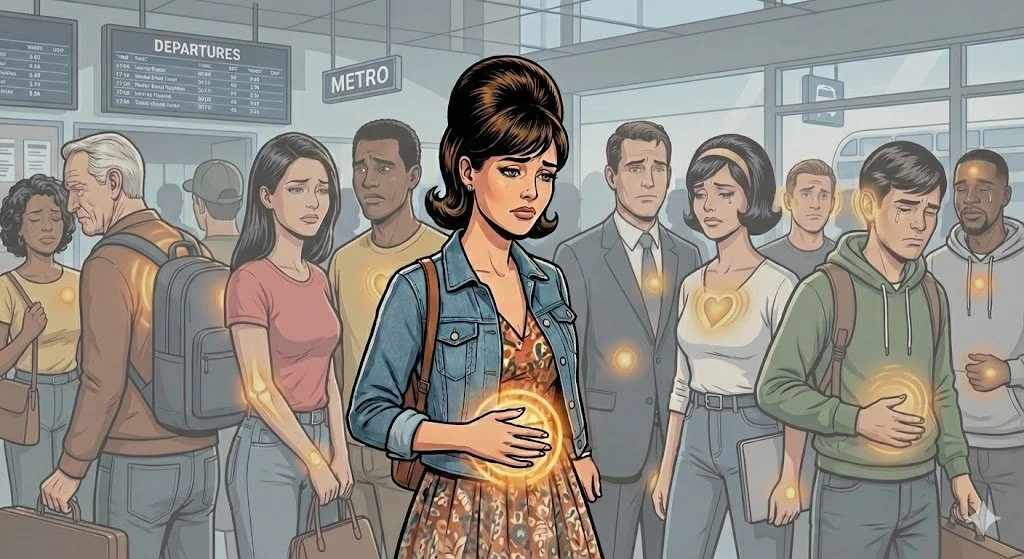
Please support the sponsors




The Juicebox Podcast is a free show, but if you'd like to support the podcast directly, you can make a gift here. Recent donations were used to pay for podcast hosting fees. Thank you to all who have sent 5, 10 and 20 dollars!

#1041 Making Hay
Honey has six year old type 1 and they live on a farm.
You can always listen to the Juicebox Podcast here but the cool kids use: Apple Podcasts/iOS - Spotify - Amazon Music - Google Play/Android - Radio Public, Amazon Alexa or wherever they get audio.
+ Click for EPISODE TRANSCRIPT
DISCLAIMER: This text is the output of AI based transcribing from an audio recording. Although the transcription is largely accurate, in some cases it is incomplete or inaccurate due to inaudible passages or transcription errors and should not be treated as an authoritative record. Nothing that you read here constitutes advice medical or otherwise. Always consult with a healthcare professional before making changes to a healthcare plan.
Scott Benner 0:00
Hello friends, and welcome to episode 1041 of the Juicebox Podcast.
Today I'll be speaking with honey. She is the mother of two children, her youngest has type one diabetes. Honey and her husband live on a family farm in Washington State. And we talk a lot about what it's like to live there, work there and raise animals. Her son Vinnie is using a T slim and Dexcom. While you're listening today, please remember that nothing you hear on the Juicebox Podcast should be considered advice, medical or otherwise, always consult a physician before making any changes to your healthcare plan or becoming bold with insulin. How would you like to save 40% on everything that's available at cozy earth.com You can you go there you put your stuff in the cart, and use the offer code juicebox at checkout to save 40% off of your entire order. Save 10% off your first month of therapy@betterhelp.com forward slash juice box. And of course the diabetes Pro Tip series has been remastered and is available in your audio app right now. Between episode 1001 1026 Do not miss it. diabetes pro tip.com If you don't want to listen in an app this episode of The Juicebox Podcast is sponsored by a G one. That's right. I drink ag one every morning and you could as well drink ag one.com forward slash juice box when you use my link. You will get five free travel packs and a year supply of vitamin D with your first order at drink a G one.com. Forward slash Juicebox Podcast is also sponsored today by Omni pod Omni pod.com forward slash juice box. Are you looking for an omni pod five are the Omni pod dash. They're both there at that link Omni pod.com forward slash juicebox Get started today. Learn more and check into that free test drive. Links to Omni pod ag one and all of the sponsors are in the show notes of the audio app you're listening in now. They're also available at juicebox podcast.com.
Honey 2:30
Hi, Scott. Thanks so much for having us on today. My name is Honey and I own a farm up in northeastern Washington and I am the mom of a type one who is a six year old little kindergartener. And we are just thrilled to be on your show today talking about diabetes and being bold with insulin. Cool.
Scott Benner 2:52
All right. So six year old daughter, son, son, yeah. How old was he when he was diagnosed?
Honey 2:58
So he was almost five, he was four at the time. And a little background on me. I'm actually a school nurse. And so I had this inkling in the back of my head that something was wrong, something was going on. And he, you know, had all the classic signs and symptoms. And my husband's also a fireman. So we have this kind of medical background. But it was kind of fluky. The year that he was diagnosed, we had this incredible drought happening, the weather was the hottest, we've seen it, we had no rain for months. And which is not typical of Washington, if you're familiar with the Northwest, and we just thought something's wrong. And anyways, we got him in and it was actually the first day of school. So my first day back at work, and the docs here in our local little clinic said, let's, let's do some blood work. I think you're onto something, I think you're right. And I said just do me a solid and let's poke his finger in the clinic here. And he was 512. And, and that was pretty much the you know, it tell tell we're going to the hospital and we know what our life is gonna look like moving forward from here. And, you know, as a mom, that's scary as a nurse, that's, you know, like, Okay, this is doable. This isn't curable, but there's tools and things out there that we can handle, but I still always revert back to I'm a mom first. And, you know, I was like, my baby is now it's gonna be life changer. So that was in September of 2021. And he turned five and 25 in that year and then he just turned six. And you know, it hasn't slowed him down one bit. I would say actually, he's done. Pretty darn amazing. Yeah,
Scott Benner 4:54
well, let's find out about but before we do, have you ever been concerned or worried? That life is the matrix, and that your life was designed by the same guy that wrote the penthouse letters in the 80s. Because here's what I've heard so far. Hi, my name is Honey. I'm a nurse, my husband's a fireman, and we live on a farm. This sounds like the next sentence is gonna be on a Friday night. My husband came home after putting out a big fire with his big hose. And it's just like, seriously, like, are you serious? Honey?
Honey 5:31
We are serious. I know. I know. It's this our whole story to how we got here is it's kind of interesting, you know, because my husband and I met through work. And it's not like, oh, the nurse and the firemen that met in the ER or anything. We we just met through our jobs. I was working in an adult ICU and, and he was working for the local fire station. And we met through coworkers. And we've done a lot of cool things together. You know, we've remodeled a couple homes. We've gone from a five acre farm to now 115 acre farm. So you know, but it's something that drives and fuels us outside of, you know, our jobs as a nurse and a fireman. So,
Scott Benner 6:18
have you ever bought him cookies at the fire station that he took you for a ride in his Camaro?
Honey 6:25
No, but I would. I mean, that would have been so fun.
Scott Benner 6:30
Where do you Who do you? How old are you?
Honey 6:32
I am 36.
Scott Benner 6:33
I use no context for what I said when I said penthouse letters, then
Honey 6:37
you know what the funny thing is, though, is my husband who listened to this and told me like I know exactly what he is talking about. Because
Scott Benner 6:46
I'll give you the tiniest overview. There used to. There used to be nudie magazines that were old. I don't think they exist anymore. And one of them. They would purport to be printing letters from readers. But they were clearly written by never she horny guys, do you know what I mean? And anyway, like, it totally would have started out like this. Present now.
Honey 7:11
I mean, yeah, you can take it for what you want. I mean, let your listeners have their own imagination. And if their 80s babies and my husband like I said, He will listen and he will say I know exactly what Scott is talking to you about. Not even a big deal.
Scott Benner 7:28
If I wasn't so lazy, I'd get some like cheesy like Cinemax music and play it behind the entire episode. And while we're while you're telling me about things, I would just be like chicken bow. Anyway, sorry. As you were going through it, I was like, this isn't real. Okay, so, so you. So once this is only like a year or so ago?
Honey 7:52
Yeah. Yeah, we're, we're very new to the type one world I guess you could say. Yeah. So but I do feel like, thankfully, with our background, you know, the needles and the insulin and, you know, the poking or dealing with, you know, pumps and stuff like that, that didn't really intimidate my husband and I, I think the most intimidating thing, when we were diagnosed was like, you know, oh, my gosh, this is this is obviously it's life changing. Like, no matter what you say, or do, it's life changing, and being able to, you know, kind of flip the script. And we always tell Vinny, that's our son, you know, like, do not let it define you. I know you're six and there's days that you wake up, but it's rough for you know, there's days that you woke up and you know, your, your site's gone bad. And then we have to do this all before school or you have a bad day at school because you had a low and then you had the mess recess or whatever it ended up being, you know, we don't we really try and empower him to not let diabetes define him. And, you know, we also have a daughter who's his big sister. And so there's also that fine line of keeping the balance and the family peace. When you're dealing with really a family disease that affects everybody. It just doesn't affect him and affects everybody in the family,
Unknown Speaker 9:14
for sure. How old's your daughter?
Honey 9:15
She's nine. So and you know, I will say she has done incredibly well. You know, she was obviously super worried when he was diagnosed. And there, there's a lot of times where he is. He's like the second mom, just really helpful. I mean, but there also are times where she's like, this is unfair, because Vinnie had so much more attention, you know, in certain moments, and I'm like, I get it. It's not fair.
Scott Benner 9:41
Does she actually come to you with that? Yeah, she'll
Honey 9:43
say, you know, like, it's not fair like Vinnie got this or that or got to do had an extra piece of candy because he was going low. And so we try and bounce that pretty well. And you know, if he gets something to treat a low and then we try I'd give her something to treat a low. But again, we're at the same time pretty health conscious about things as well. And she'll, she will even say to us, No, I'm okay. I don't need a piece of candy because I want to try and be on the healthier, healthier side of things today. So, you know, it's just one of those things I think you deal with as a family managing type one. Yeah.
Scott Benner 10:22
So when this happens, obviously, you were able to see it quickly. But did you expect it? Is there like, Do you Do you have any autoimmune issues your husband or your family? Drink a G one.com. Forward slash juice box? I heard words very similar to that on a different podcast a couple of years ago, and then I started drinking age one. Today you're hearing about it on my podcast. It's what do they call that meta circle life. Who knows? Today, I get my foundational nutritional supplements from drinking age one. I feel better when I drink a G one. And I do it every day. I can remember back to before I had ag one, and things just weren't the same. Ag one is a science driven formulation of vitamins, probiotics and Whole Foods sourced nutrients. Ag one is raising the standard for quality in the supplement category and helping you to build a healthy foundation. Drink ag one.com forward slash juice box when you use my link, you're also going to get five free travel packs, and a year's supply of vitamin D with your first order of ag one. Ag one helps to provide sustainable energy, improved digestion and mental clarity. It's easy to mix. Great to drink. Easy to clean up, it will take you just a couple of moments at the beginning of your day. I mix mine with some cool water, knock it right back, and I'm on my way. Drink ag one.com forward slash juicebox links in the show notes links at juicebox podcast.com. When you click on those links, you're supporting the production of the podcast.
Honey 12:05
No, we neither of us do. And no we didn't expect it. I said to my husband, I can remember vividly texting him because he was diagnosed like the end of August. So it was August 31. And I think I remember looking back at my text messages, and I had texted him like the very beginning of August and said I think Vinny has diabetes. And he was like, Okay, well, you know, we'll get him in and we'll get him looked at which of course we did. And then of course being a nurse and, and in my background. You know, I went from adult ICU to working as a peds nurse on a cardiac and transplant for I would float to the cancer care unit. And so I had seen those kids with different leukemias and stuff. And so in the back of my mind, I thought, well, it's diabetes, or it's cancer. And I was like, neither one is anything that we would choose, you know, for anybody, but we, we ended up with him being a type one. And I was just glad that we had answers. Like, you know, at that point, I was like, Okay, we have answers. Now we know what's going going on because he just wasn't our boy. He was irritable. You know, he always felt like he had a stomachache. And he had, he had lost weight. And that was like, my big trigger was like, Man, he's just he's not putting on weight for a little like four year old he should be like, thriving, and he's doing the opposite.
Scott Benner 13:29
Was it difficult to because he was for like communicating with him, like very clearly about how he felt?
Honey 13:35
Yeah, yes. Yeah, it was he would sit at the dinner table. And I remember to like there'd be times where we cook salmon. And he'd be like, uh, you know, having a fit over salmon, which I'm like, okay, I get it. You're for like, that's not everybody's favorite meal. And then he would just cry and cry and cry and cry. And we couldn't console him and, and he would just seem so overly tired. I thought this is really weird. You're not like this. Normally you like fish or salmon or whatever we put on the table. He's not our picky eater. Our nine year old is actually our picky eater.
Scott Benner 14:09
Yeah, I figured that out when she was complaining about not getting an extra piece of candy.
Honey 14:12
Yes, yes. So it was just really eye opening. And, you know, at four, it just took a lot. It took a lot more time getting down on his level, explaining to him, you know, there's nothing that you did wrong. There's nothing mom or dad did wrong. This just happened. And we tell him this still now. We tell him there is some reason I'm that firm believer of like, everything happens for a reason. But I'm like, there's some reason that this happened. There's some reason that you were diagnosed whether you end up being a doctor or you end up going into a medical profession or you know, you end up running a podcast like Scott, you do something like that. There's a there's a reason, you know, that this has happened, and we don't know why yet, but we will in the future. And so we try and kind of, you know, home that into him on a daily basis, like,
Scott Benner 15:05
do you think it's comforting for him?
Honey 15:08
I think so, you know, and he's so good about, like, he's at school. And granted, I'm one of his school nurses. So I actually don't work in the elementary school, I work in the middle school. And so I don't get to see him on a daily basis. But he will tell his, his friends, you know, like, why am diabetes so this is why I have to have this and we've gone into the classrooms and said, you know, this is why then he carries a phone on him. And this is why he will have sugar when you guys don't get to have sugar. And, you know, try and make it really, versus something that he's hiding and ashamed of, we try and be pretty open about it, because it's not something that you can really avoid, you know, based on the pump that he wears, and the fact that he carries like a little fanny pack around with like snacks for Lowe's and his phone in it because he's a kindergartener. I'm like, I can't imagine a kindergartener carrying a phone around or other kindergarteners care, understanding why have another kindergarteners carrying a phone around well, and we chose to go that route just because we wanted to be able to either talk to somebody quickly while we weren't there. Sure, you know, or when he's able to he can, you know, text us he's not quite there yet. But he'll get there eventually. Hey, Arden
Scott Benner 16:24
had an iPhone in kindergarten, back when iPhone just came out, and we were the scourge of the town for doing that.
Honey 16:34
I still feel like that I feel like when people see us out, I'm like, do I need to explain myself? No, I'm not gonna explain myself. They can make a presorted judgment on me if they want. But at the end of the day, this is what he means. And if somebody wants to, you know, be a kind human and ask versus just judge, I'm open. I'm serving our story.
Scott Benner 16:57
I'm certain that people looked at us. And we're like, oh, there's castles that bought their kid on iPhone. And that's how I feel. Yeah. causing us to be bothered by our children because they want an iPhone. And exactly. Listen, whatever I we one time we were in a 504 meeting. And a nurse said like a teacher. She goes boy art and camping or iPhone into the room, because then all the kids will want one. I was like, tell them just to get an incurable disease and they can have one. Yeah, sure. Perfect. I mean, if they needed that bed, I don't know how to make diabetes happen, but they should go concentrate on it and see what they can do. Yep, yep. Yeah. So anyway, you know, right now I need you to either make a reference about driving or slapping Chris Rock so I can call this episode Honey, honey, come right. Can you work one of those things in while we're talking?
Honey 17:50
Sure. I'll try and work it well. You know, speaking of the farm, the kids I mean, that was kind of our biggest thing when when he was diagnosed, my husband looked at me in the hospital and he said,
Scott Benner 18:00
pickles. I bet you that's not what he said. But we'll find out in a second. My daughter has been wearing an omni pod every day since she was four years old. Today. She is 19 years old, and a sophomore in college. She's wearing an omni pod right now. She wore one last week and she'll wear one tomorrow. It is the complete and utter friend in this trip with diabetes Omni pod.com forward slash juicebox. You can get the Omni pod dash or the Omni pod five at my link. Omni pod dash is a regular pod to Bliss and lovely you can swim with it bathe with a jump in a lake, go play soccer doesn't matter. No tubing never have to take it off to do your activities. And it's all what you would consider like an OG insulin pump, right? You set your Basal insulin up, you make your own decisions. It's a beautiful delivery system for insulin. Now the Omni pod five is an algorithm based pod and it works with the Dexcom G six Omni pod five is going to make insulin decisions for you. You still put in your carbs and tell it what you're eating. But if it sees your blood sugar going up, it tries to stop it. If it sees your blood sugar going down, it takes insulin away and tries to stop that as well. It doesn't matter if you choose the Omni pod five of the Omni pod dash Omni pod is going to simplify your life with its tubeless insulin pump. On the pod five has the smarter just technology. Go to my link and read more about it. Omni pod.com forward slash juice box. You don't have to take the Omni pod offer anything I mentioned earlier, but anything involving water, bathing, swimming, anything involving activity where you most likely would take off a tube pump. You don't have to do that without the pot and I'll tell you what, that's really important because your blood sugar can rise up to like one point per minute. If you take your pump off. You don't want that you want good consistent insulin delivery. Head over now. Check out your coverage. Find out your S to meet a copay, or check that other button out, I'd like a free trial of Omni pod please. It's all there on my link, Omni pod.com forward slash juice box, you can wear the same exact insulin pump that my daughter has been wearing for 15 years, links in the show notes links at juicebox podcast.com.
Honey 20:21
Do we need to give up the farm? You know, we've been doing this for two years plus already. We have, you know, draft horses and we have Scottish Highland cattle. So we have those big fluffy horned cows, we have goats, we have chickens. We have Barn Cats, we have all the things. And that's a lot to manage on top of, you know, just being a mom being a dad having a full time job outside of the home. Yeah. And I'm like, No, this is, you know what, again, coming back to Everything happens for a reason. I'm like, Absolutely not everything that we're doing here will help Vinny in the future because guess what you don't have to dose for you don't have to dose for protein. And I'm like, there is you know, I get that some people aren't protein fans, we are a protein a kind of every meal, fam. And we, you know, sat down in the hospital and said, No, this is super duper important. This is what we need to be doing. This is how we need to raise the kids, and kind of sharing our story in a different light for hopefully, you know, people who don't have the knowledge of type one, because that's a whole nother story of, you know, oh, you have type one hill Hill grow out of it. And then or you have diabetes. They don't know, the difference between type one or type two
Scott Benner 21:45
or, or they think juvenile means that it only exists while you're a child.
Honey 21:49
Exactly. It's so popular. Exactly. Yeah. You know, he'll grow out of it or whatever. But no, this is this is something that we're really trying to work on and build so that the kids can potentially take the farm over one day. And for us, you know, knowing exactly kind of where our food comes from we, on top of, you know, raising all these animals, we also have three ginormous gardens, we have a 24 by 40 hoop house where we raise all of our tomatoes and peppers. And, and thankfully, he's not our picky eater. And he is super helpful on the farm, he and his sister will drive out in our little RTV and go get eggs for us. And they'll go check on the cows. And, you know, I think that we had some reservations initially when, you know, when he was diagnosed thinking, how are we going to do this? Like, how are we gonna do this? Thankfully, my knowledge is a as a school nurse and my background as a school nurse to that point, because I've only been a school nurse for three years now. I was like, well, there's really great tools out there that we can use and, and that will help us monitor him, especially when he's away from us. And, and we just make sure when the kids are out, you know, rolling around on the farm, whether they're, you know, running up the hill to check on the pigs or they're out in our UTV driving around that they are set, you know that we've got stuff for Lowe's with him pretty much all the time, and that he's got some sort of communicated device, whether it's a phone or something on him so that when they're when they're helping us on the farm, that we can still make sure that he's safe to see though.
Scott Benner 23:29
Do you have like glucagon with him when he's out on the farm? Does your daughter know how to help him? Things like that?
Honey 23:34
No, you know what, we don't keep a glucagon in our, our little farm rig. And the only reason why is because of the temperature, like the temperature control. So we keep stuff like fruit snacks and juice in there. And I had, he knows when he's getting low, it took a while, you know that first like six months honeymoon phase that he was in? He would be like 34 and talking to us. And I'm like, Vinny, like, let's see right now. And he was fine. Now when he goes low, he can tell us before he's getting below 60. And so that's super helpful. He'll say, I don't feel good. I'm starting to feel low. And so we keep snacks on him so that way he can dose himself while he's, you know, still being outside and living the life as a kid should on a farm. You know, we still want him to be a true rugged farm kid.
Scott Benner 24:28
Yeah, we refer to that is feeling the fall. Yeah, like Yeah, so Okay, so I guess I want to talk about that for a second. Um, so I'm assuming you you're building this big thing, right? By the way your life sounds are you also an astronaut? Like on the weekends or something like do you guys have so much energy? Are you doing a lot of coke or something? How do you have all this energy? Seriously? I'm a nurse. I did this he's a fireman. We have a farm. There's a pig there's a goat. I'm like What? No, hell
Honey 24:58
no, I know my husband. As my husband's famous quote is like, I'll sleep when I'm dead. And I'm like, yeah, that's pretty much. That's pretty much how it goes, we, we are really trying to bite off as much as we can right now, while we are young, I'm 36, my husband is going to be 42 this year. And, you know, we really are trying to get a lot of things done, not only to set ourselves up for success, but like I said, the kids, you know, we hope to pass this
Scott Benner 25:25
on. That's where my question is. Because I'm, I tell Arden, I'm like, you know, you could probably keep the podcast going after, like, old and she's like, I don't know. And I'm like, you're good at it. And she's like, Yeah, maybe. And then it's just so I mean, I can't wait to I won't be around the day. You're like, you guys. Wait, don't want the farm. I killed myself the build.
Honey 25:47
Yeah, hey, no. All right.
Scott Benner 25:50
Tell me again, what you want? Yes. So him working on the farm, doing the things he does? He doesn't get low, he doesn't get low.
Honey 26:00
You know, no, for the most part, he actually, like, stays pretty even killed. I will say, he's out. Especially when we're out in the garden, he'll like, be snacking on some strawberries, or those pull a carrot and snack on a carrot. So he's still, especially when we're outside. So that is kind of a hard, bounce. Like, okay, how many strawberries have you eaten from the garden? Because now I don't know what you've had. And yeah, let's make a really good guess on what you've had as far as dosing goes. But he's, he is pretty good about that. He can, you know, tell us when he's feel in the fall. And he'll go back inside, if he's not feeling good. And he'll just go have a snack himself. And thankfully, we do this with a lot of our family, we have a ton of family close by. And so if we have to step away from a project or, you know, finish doing something early, then we can come back inside and make sure that you know, he's doing okay, he's got what he needs. And then He usually comes back out on the, on the farm with us.
Scott Benner 27:05
Do you employ people do you employ people?
Honey 27:08
We don't, we we're still small enough that we don't need to have like full time employees or anybody working for us. But it does help that we have our family here as well, because we all kind of like reap the benefits from the farm, right, like so we, you know, with our meat. And then as far as the vegetables go, my mother in law, and I do a lot of canning, freeze a lot of our berries and you can freeze a lot of your vegetables too. It just depends on what you're going to use them for, for future use. But we try and freeze a lot of that stuff. And the kids get involved in help to you know, like when we can green beans. They're like the best green bean cutters ever. So I guess I employ my children's sense.
Speaker 1 27:50
I assumed you had them working. I just wasn't sure about like, you know if there were other people that it just seems like Yeah, can I look the farm up online or something? Or yeah, so cuz I don't understand. You understand that I don't understand. Like, my, my dog had to go out before we recorded this. And I was pissed that I had to take him out.
Honey 28:08
I hear ya. I hear ya. Yeah. So And with that, like our farm, so we follow regenerative agriculture. So I don't know if you've heard that term. It's being thrown around a lot lately. But basically, when we bought our land, it was pretty, like used and abused. You know, it was sprayed for pesticides, sprayed for weeds. And so with herbicides and stuff, and we when we bought the farm, we've not sprayed or done anything. So we're totally chemical free here. And we actually use our cows and our animals to help regenerate the soil and you know, grow healthier grass, we joke around and say, Well, we're soil farmers and grass farmers first versus us being, you know, a rancher or, you know, people that sell eggs or stuff like that, you know, we we really try and focus on healing the land. So basically our cows, they're on winter pasture right now and they get hay every day. And when they come back out onto pasture, we move them once a day. So think of them in a little square. And then the next day, they move to a new square and they don't get to go back to the old little patch of grass that they were on. And it goes like that all year long until they come back to winter pasture. So our cows are on fresh grass every single day. And it is a lot of work. And we've in the years that we've been doing this, we've learned a lot of things and the kids are right there by our side. So if you go look us up on social media, you know, they're in videos where they're helping us pull fences or pull the stakes that hold their fences up or helping us you know, they'll drive our UTV and help us move the water or move the minerals. You know, they get our eggs for us. We'll ask them when we're cooking them. Hey, can you guys run out to the garden and get a pepper and a head of broccoli, and they'll run out and get what we need for four things. And so they're a big help. And we really try and incorporate them into pretty much everything we do. And Vinny is right there along side of us, just, you know, plugging away.
Scott Benner 30:18
So you're not, I mean,
Honey 30:19
testing things.
Scott Benner 30:20
Yeah, test my knowledge of this, right. So yeah, the the, the cows being in one place, and then taking off the grass, then deprecating, and then moving on, like, you're kind of regenerating the ground that way. So you keep moving them so that they are doing the work to, to bring the soil back to where it needs to be is there there are I have, I mean, obviously, you are right, like it's become fashionable to talk about regenerative farming in some places. So I've heard things like some soils only have 60 seasons left and things like that, because, and then you have to bring in outside, like manmade fertilizers just so things will grow in some places, because the soil is so dead. And you're Yep. Okay, and you're trying to stop that from or you're trying to bring bring that back from the you bought?
Honey 31:08
I see. Yeah, yeah, we are trying to stop all of that, you know. So there are definitely farmlands, I think that are, you know, this is what their grandpa's grandpa's did. And this is just the way they farmed, and we are trying to step away from that and really heal the soil, like you said, with the use of the animals. So them grazing them, you know, actually eating the grass and pulling out the grass seeds helps to regenerate the soil down in the roots that that helps, like you said, the deprecating getting their nutrients back into the ground, it's all natural fertilizer, and then we have our chickens follow behind them. And then they spread their manure and eat the worms that are in the manure. And it's this whole kind of, like circle of life.
Scott Benner 31:57
Are you trying not to say circle of life? Because yes, I
Honey 32:00
am, then I'm like, it's gonna happen. It happened.
Scott Benner 32:04
I was. So I'm like she's trying not to say circle of life right now. But there are no other words for it.
Honey 32:09
No, it's not. And to put that into like perspective, for somebody who's not on a farm and doesn't understand, you know, what we talk about when we're talking about replacing the carbon and the nitrogen in the ground, that's effectively what we're trying to do is basically make healthier soil. And we want to see the microorganisms that we know are in the soil, come back to life, and turn, you know, like on a drought season, if there isn't anything for the, you know, when there's no soil and there isn't anything for the water to be absorbed into, well, then you don't have grass that grows and then you're stuck, either, you know, irrigating or fertilizing or praying that you're going to have some sort of harvest for hay or, you know, whatever your crop is that you're that you can feed your animals through winter. And so, it you know, I say it a lot. It's a lot of work, but we absolutely love it, and we wouldn't be farming really any other way.
Scott Benner 33:09
So where does the money come from? Like, okay, it seems like we've got we've can things we've grown things we've raised things, then I mean, do you like for example, like let's go through it like you can the the vegetables, you sell them online, you sell them locally?
Honey 33:26
We don't that's super hard to do. Because just have state laws and regulations, especially when you're canning things, you people do it. So let me sit let me preface that people do do it. We do not have to go to a special kitchen to do that. And there isn't one close to our house. And for us.
Scott Benner 33:44
Would you need to employ a food Packer? Right, basically? Yeah. And what about the beef? Then? How do you do that? The
Honey 33:51
the beef, so basically kind of like where you probably buy your beef or your pork from our beef goes to what's a USDA butcher. So that's a federal federally inspected Butcher. And because it's been inspected, we can sell that across state lines, we can sell that throughout the state. There's a lot of different ways if you're purchasing like a full animal, you can either buy a whole or a half or a quarter. Or you can just buy cuts, you know, like, hey, I want to have a ribeye with my valentine kind of thing. You can go to local farms and say do you have cuts available and if they are more than likely being processed at a USDA butcher, then they can have cuts available for you to purchase. So that's what we do is we have our animals go to butcher we get cuts back and then we sell those cuts to people because not everybody's interested in having a whole cow stashed in their freezer. And so we kind of appeal to those customers that say well I want just some bacon and I want just a couple steaks and maybe some roasts and XYZ to get us through the week of dinners Okay, perfect. So that's, that's where the money comes from there. Obviously, if you've seen all the egg memes and all of the egg jokes going around, you know, you know how, how expensive and crazy it is to get eggs right now. Um, so eggs are another big thing. But what people don't realize is that eggs are chickens decrease their output in the winter because of daylight hours, and it's just colder, in general. And they also molt, so they shed all of their feathers to bring in new feathers for the next year. And so there are a lot of different factors that affect why chickens lay, and why they don't lay. And so like right now, we do not advertise that we have eggs, and we sell only to a couple, like very loyal customers, because we don't have enough to supply everybody, like we usually do in the summer. So that will change. You know, but yeah, so that's, that's basically where the money you know, comes from. And then we also, we sell our live animals as well, to people that you know, either want goats to do the same thing like us to help clear brush or to manage their weeds, or people that just want cows because Highland cows are really popular. And some people just want them as like a backyard pet thing. Seriously. Yep, there are people that have Highland cows as just backyard pets. And we don't do that. But there are people out there that that definitely want them just to have a cute fluffy cow in their yard. And you know, you can have a cow on three acres and, and they do fine.
Scott Benner 36:38
What what, how much does a cow cost me if I want one?
Honey 36:41
Oh, man, I think it depends on there's you know, there's a fluctuating price you could get them in this is throughout the country, but I've seen them as low as $2,000. And then we have seen them go at auction for up to $40,000.
Scott Benner 36:56
Okay, so how much would it cost me if I had it butchered? And I bought it as as the beef.
Honey 37:01
Yeah. So if you did that you pay. You pay your farmer, you're hanging weight. And so basically, whatever the farmer sets is their hanging weight price. So national standards right now is about $5 a pound. And then you would also pay your cut and wrap fees, which can depending on how you cut and wrap your animal is typically 300 To 50 to $300 is what you're, you're paying. So if you were going to buy a whole cow, you could guesstimate that you're going to spend about $1,500, but that's in beef.
Scott Benner 37:34
Okay, and then maybe another three 400 for the cutting in the wrapping. Yep. So the animals basically worth about two grand, have seen a better life. But I'm getting into an entire cowboy theme because we're speak.
Honey 37:49
Also learning so much.
Scott Benner 37:51
I've watched Yellowstone recently. So you know,
Honey 37:53
oh, yes, I know. We're, we're we're big Yellowstone fans. That's funny.
Scott Benner 37:57
I'm fascinated by this. Because if I'm so Nick who puts a cow on their property, just to have fun, because that's how that's how, by the way, if you own a cow as a pet, that's how I see you as an adult. But anyway, like, so what is what, what does it cost me to feed the thing? And
Honey 38:14
so yeah, I mean, you have to think about that. That's an that's one of the biggest questions we get, you know, you have to factor in the cost of hay if you live somewhere like us where we had, you know, 13 inches of snow before Christmas, which is not normal. So you have to factor in your cost of hay. And granted, we're buying hay and create, we make our own hay. So we're making it on very, very large scales. So we have about 70 tons that we store for the winter. So that's quite a bit we have a whole building that's dedicated on our property to just storing hay. And, and that's another place where the kids love to go play. They love to play in the hay bale. Because we have a big beautiful barn too, and, and they love to go play in that. But that is something that you have to factor in. So you're Yes, I'll never be per month is probably going to spend 100 bucks, 100 bucks on hay a month. If you have like one cow.
Scott Benner 39:11
And there's gonna be couched everywhere. Everywhere. Yeah.
Honey 39:15
So you could, you could, you could compost that and you could put that back into your garden to help
Scott Benner 39:26
me that well, but I don't think I can.
Honey 39:30
I mean, yeah, wait a minute, you were annoyed about your dad. I
Scott Benner 39:32
was so irritated. He's like, I have to pay and I'm like you mother, okay. I gotta go make a podcast, but we'll go outside and pee now. Then he then he did. And I'm like, Dude, get back in the house. And it's my mom's 14 years old. And he knows and he's looking at me like I was thinking of walking around and I'm like, You need to go back in the house. And he starts wandering away from me and ignoring me and I had to like run and jump in front of him like what are you doing? And he's like, Oh my god, I could get away with it and then he walks in the house. This cow will not like attack me like if I go oh, three acres to legally keep a cow on my property.
Honey 40:09
Well, I mean that depends if you're in a neighborhood you know it just depends on kind of what your what your guys's I guess laws and stuff are depending on where you are because there's some places where you couldn't do this
Scott Benner 40:25
one acre in Jersey in a residential place I'm thinking I'm gonna throw a cow back there to screw was the people.
Honey 40:32
Oh, that would be so fun. I'm you know what? I know that there's some breeders in that area that we should get to one. We're going to find one. Yeah, we can now
Scott Benner 40:42
Yeah, we should definitely get me a cow. That's a great idea. I'm not sure I could take care of the stuffed animal that I saw. When I Googled Highland cattle.
Honey 40:53
You could you could do it.
Scott Benner 40:55
I do. You did something in the beginning, which I understand like being in your like line of work in your life where you were like, I know, some people don't like beef, which was like protein, which is a nice way of saying, I'm trying to be respectful. Some people think that we're murdering, but I'm gonna have a steak later today, just so everyone knows. But um, I'm trying to decide like that fluffy thing is edible?
Honey 41:20
A sure are I mean, and that's, I guess my my thought is, you know, what's the difference between my my fluffy cow versus, you know, a Black Angus or a reading?
Scott Benner 41:29
And that's what I'm trying to figure out. What am I eating exactly right,
Honey 41:33
you're still leaving, you're still you could be eating a highland, you just might not know it. You know, if you don't have that connection to your farmer, then you won't know what you're getting essentially at the end of the day. And that's why
Scott Benner 41:47
my farmer honey is Costco. So you know.
Honey 41:51
And I love and I love me some Costco. And they do a great job. But yeah, you know, that's, that's kind of the thing for us is, when my husband like, well, we got to, we've got to figure out what we're going to do with the farm. When Vinnie was diagnosed, it was like, Well, no, this is like, very important. And he is he loves our products. You know, his one of his favorite thing. And what he requests for dinner is bones. And that is code for pork chops. Oh, because he loves to just knock on the bone of a pork chop. So for us, it's, you know, it's one of those important things where I feel like, yes, there is this amazing life saving hormone that we have to give our kid multiple times a day and that we think about all the time, but then there's moments where, okay, you're just eating protein. And I don't have to think about that for a minute. Because I don't have to
Scott Benner 42:44
dose you. You don't see any rise later from protein because protein can be stored as glucose after Yeah,
Honey 42:50
you know what? Yeah, we actually with him have not, he'll have, he'll have just, you know, like, one of his favorite lunches is actually just like salami. And he's kind of getting away from cheese right now. But that was one of his favorite kind of lunches. And he will say, pretty much like right at 110 or 108. You know, you know what, I wonder? He has, yeah,
Scott Benner 43:15
he's so active, isn't he?
Honey 43:17
He is very active. I mean, not to
Scott Benner 43:21
also part of it, not to ignore diabetes for 39 minutes, and then come back to it now, but I'm trying to decide like, do you do is he kind of like gone? I mean, he's using a pump, right?
Honey 43:33
He's in a pump. So he's, I don't know if I can say what pump is.
Scott Benner 43:37
Why would you not be able to say that we just said, Oh, I don't know. I think we just like talked about like cutting a cow up and a little pieces. You can talk about that. Yeah.
Honey 43:43
Yeah, so he's on the T slim. And and we went with that just because of the age the Omnipod wasn't out at the time or the Omnipod. Five wasn't out, obviously at the time where we wanted to have him how critical IQ. Yeah, so what's so what's his Basal set? Is basals. Point three.
Scott Benner 44:06
That's what he's he's not using and what's the way?
Honey 44:10
He's almost 60 pounds? Yeah,
Scott Benner 44:13
okay. Yeah, he's not using as much. I think he's not his settings aren't as strong as I would expect them to be. I think it's probably because of all the activity.
Honey 44:21
Yeah. And he is very active. So like, he's always on a sport. So my daughter does gymnastics, and he does soccer and he just finished basketball, and then we'll go back into soccer. And then he's also that kid, when he gets home from school. He's like, I need a snack. And then it's like, Okay, how's this not going to be but I'm going outside, even when it's snowing and garbage out. He's going outside. And it's like, okay, well,
Scott Benner 44:44
honey, I have to be honest with you. I don't get all the action and the movement around and adding extra things to it. So you get up in the morning, go to a job. And then come home and work a farm. Yeah. And then you Why don't you you have to cook and eat and do all those things. You go to the bathroom at some point, I imagine.
Honey 45:07
We're really busy. Yeah, no, it's actually on the mornings where my husband is gone is he you know, he's a fireman. So he'll work those 24 hour 48 hour shifts. I have to get up, get the kids ready for school. So you know. And of course, these are the mornings where it's like, oh, the site went bad or it's decks failed, or it's like, Are you kidding me? So got to deal with all of that. And then get them fed, get them pack lunches, go outside, feed everybody, because I can't leave for the day and not feed the cows. And then go to work and do it.
Scott Benner 45:40
In the morning, um,
Honey 45:42
you know what? I actually don't get up superduper early, like I was up at five today. 530.
Scott Benner 45:49
Your kids don't get up earlier than say 530
Honey 45:53
Yes. I mean, that's not that bad. Hey, you know what, Scott, there's people that wake up at four to work out. And I used to be one of those people that I'm like, I I've given up on
Scott Benner 46:03
trying to live forever. What time do you go to bed?
Honey 46:07
Last night I went to bed at like, 930 I was tired. Last night.
Scott Benner 46:11
I mocked them. I'm making fun of myself, but I shouldn't be so yeah, my life's on a different schedule than yours. Because, yeah, eight o'clock this morning when my alarm went off. And I thought I've got to get a shower and go make the podcast. I was like, it felt early to me. But I didn't go to bed. I didn't go to bed till like two o'clock in the morning. Oh,
Honey 46:31
holy moly. Yeah. So it affects me all day.
Scott Benner 46:35
Oh, okay. I see. So you're sleeping from nine to five. You're getting more sleep than I am.
Honey 46:42
I am. It's good for you to
Scott Benner 46:45
eat that's for also I woke up very angry from a dream at 330 You ever get pissed off at a dream?
Honey 46:51
Oh, all the time. My husband's like, what am I in trouble for now that I didn't my dream. I'm like, well, just wait. I can tell you.
Scott Benner 46:58
Here. This is gonna be really stupid. Wait till I tell you this. Okay, three years from the time I was 16 till I was 19. I was a volunteer fireman. Oh, yeah. And at the end, I decided I wasn't going to do it any longer. But I was still in the middle of deciding. And yeah, I think I had made it fairly clear. And then one day I decided to like, there was a call and I was like, you know, I'm gonna go and maybe I'll decide to keep doing this. And I got there and my gear had been pulled already. And it pissed me off. And I dreamt last night that that happened again. And I woke up incredibly angry. Oh, how bizarre. Yeah, and that was like 29 this like 33 years ago that happened. Interest. I jumped about something that happened when I was 19. And I was just as pissed in the middle of the night last night as I was when it happened to me when I was 19.
Honey 47:54
Well, maybe it's because you knew you were going to talk to a fire away today. And I
Scott Benner 47:58
can't be true because I don't read the notes first. Like when you came on, and I was pulling all my stuff up. I thought this is the lady that has the farm. And and because of the bizarre way that I don't know that I set the show up like I talked to you so long ago. Like, you know, I mean, what did you book this like six months ago or something like that? Yeah, yeah. So I'm like, I've been living for the last six months they can eventually I'm gonna turn my thing on one day and talk about farming with somebody.
Honey 48:29
Yeah, that's right here. You know, I
Scott Benner 48:31
am here I am today. Yeah. Okay, so, here's a couple of things I've learned so far. Yeah, I'm not gonna lie. I do want a cow. Now that I've seen this thing. I think we should make that happen. This specific photo on Google, I think, maybe I'll just get this picture and hang it up. That might be easier. And also, I blame Taylor Sheridan for making me feel way too because I think I've now watched Yellowstone 1883 And I'm caught up on what's the other 119 2919 2323? Yes. I'm caught up on that now. And, and I was I was again irritated when I got to the end of it. I was like, Wait, there's no more episodes?
Honey 49:13
Yeah, I know. I we feel the same way. I have a very well, it's a known thing, but I love rip. I love rip and my husband has like almost he doesn't have a handlebar mustache, but he's got a very aggressive and impressive mustache right now. And I'm like, Yeah, I was meant to live on a farm and, and be married to a cowboy.
Scott Benner 49:35
Well, okay, I've requested first let me say this. If you're enjoying all the Yellowstone TV shows, may I suggest a movie from 2016 Hell or High Water, which was actually written directed by the guy that made the Yellowstone. Oh, okay. We'll have to go watch that. And I remembered liking it back then. And then I put two and two together eventually. Here's another thing. I've never I've never been on a horse. Okay. I feel badly about that.
Honey 50:02
You should do that. I bet there's somebody close by to you that would offer you something like that. And maybe your daughter would get a kick out of it too. Who knows, but
Speaker 1 50:16
I have a short checklist of things. It's the weirdest checklist of things that I've never done that I think I'd like to do that I'm fairly certain I'm never going to do.
Honey 50:29
Well, is riding a horse on there.
Scott Benner 50:32
My list so far is horse. This is so stupid when a cow. No, I wouldn't. I've never had. I've never had a cup of coffee. What? Yes. So I think I want to do that once. Yes, I've never. I've never smoked weed. Okay, and I've never, I've never shot a gun, you should just
Unknown Speaker 50:51
come over.
Scott Benner 50:53
Can I handle all this in a day and a half a year?
Honey 50:58
We could get you on the back of a horse. You could pick a cow. We could drink copious amounts of coffee. Yeah, we could we could take a lot of the things off that
Scott Benner 51:09
list. Like do you skip the weed but you're in Washington. So I mean,
Honey 51:12
we are in Washington. So that is clearly a thing that could happen very legally for you.
Scott Benner 51:21
Also, you've almost named the episode number of times you actually said I can't believe this, you actually said bought the farm at 1.0. And you said making hay. So there's all kinds of euphemisms that have come out through your conversation so far. Oh, by the way, I also want to say that it's super interesting to me that a woman named honey named her son Vinny.
Honey 51:44
Oh, you know what it's from. There is no family ties or anything. But we actually after we decided we were going to name him Vincent realized that there was family ties, but that wasn't what influenced our name. It's from entourage. Oh,
Scott Benner 51:58
I had my fingers crossed for Pulp Fiction, actually.
Honey 52:01
Oh, I mean, that would have been a good one, too. But no, it was from entourage. So I had knee surgery and my husband and I have binged the whole, the whole everything of entourage. And I was like, no, if we have a boy, I want to name him Vincent. And he was like, Okay, I love it. And so that's, that's what he ended up as.
Scott Benner 52:22
So I thought it was one of those situations like when you know, your real Republican, your kids turn out Democrat or vice versa. Like you're like, like some hippie named me. I'm gonna go with something a little more traditional, is what I
Honey 52:33
Yeah, no, yeah. No. And my mom, I mean, my mom. Yes, I would say she was a hippie. But my name wasn't even from like that. It was my mom's a hygenist. And she was like, How to a client and she said, if I have a girl, I'm going to name her honey, because I love that name. I was going to be named a Petra, Petra, because we're Norwegian. But I ended up honey, which is much more suiting and definitely fits my personality. So not a Petra,
Scott Benner 53:01
Petra, it's tough. I think you have to be like an Instagram model with ABS. Petra. That's a tough one. There's a look there, you got to pull off. You got to be like six feet tall. And have, like, I'm thinking blonde hair slicked back. Yeah, yeah. And you I think you get to be a, I think you get to be the bad guy and Eddie Murphy movie, if I'm remember, Oh, that'd be fun. No, Sylvester Stallone, maybe I'll figure it out. Yeah. Okay. So the diabetes thing is not that big of a part of your day, huh?
Honey 53:32
You know, well, it is a big part of our day. I mean, you know, I think about when we were first diagnosed, and how overwhelming that feels, and then, you know, being, you know, new to that, so not new, because I had I deal with kids at school, right all day with diabetes, or other life threatening allergies, or seizures, etc. And so, I had a little bit of background, but didn't have enough. And so, you know, I think my biggest thing is finding those groups or those resources that are going to work for you. And, and, like we say, to Vinnie, every day, like, you know, you're not defined by your diabetes, this does not define you. This is nothing, you know, to stop you in life. This is just maybe a little roadblock, but there is a rhyme and a reason as to why he was diagnosed and, and, you know, we think about it every day, obviously, when he eats, we're thinking about it, and when he's having lows or when we can tell if he's, you know, going high, but for the most part, you know, we'd really try and keep our, our management, really well rounded, and we try and stay on top of it as best as we can, especially while we're running a farm like this. I do think that the tools that he has to help, you know, like being on T slim, and having decks are wonderful, amazing things and I you know, we'd be lost without them. You know, when we were doing MDI, it was like, how do people do this like cuz we need to get on a pump, you know, and I think there's a beautiful part of MDI, because his pump failed this summer. And so I was like, well, that sucks. My husband, my husband was, of course on and I'm like, well, we can't let us stop us. So pack up, the important off we go, and you're gonna have to, you know, go back to getting injections here for a little bit. And he handled it great as a five year old, because he's, you know, he just turned six. So this was in the summer, because a five year old, he can do his own shots, and he can handle it, doing his own shots. He wants to be involved. And I think that just, you know, being proactive, and, you know, saying, You have to help us, like, there are things that you have to help us with, and I know that you don't want to do this, and it is unfair that this happened to you, but you have to help us, he has realized, okay, I have to do it. Otherwise, the consequences, you know, result in DKA, or ending up back in the hospital or losing, you know, if this was long term things losing limbs or losing vision, or you know, things that you get scared about and worry about. And that's what makes me lose sleep at night sometimes. But then I'm like, I can't focus on all that. Otherwise, I would drowned in in fear. And so we really tried to not not let that take over our life on a daily basis, you know, and he does great with it at school, too. That was my biggest fear was sending a kindergartener to school, even though I work at the school, but I'm right there. I'm like, I'm still worried. Inside. Yeah, I
Scott Benner 56:33
we worked so hard to get Arden on to Omni pod before she started school. Yeah, I had that same. My thought back then was just like, I don't want like a stranger sticking my kid with a needle so many times, that is actually Oh, what I thought, you know, it just occurs to me that you're managing having diabetes, you know, your son having diabetes. Like, it sounds like you just do it the way you do everything else. And it's full out like, like, I mean, what's the what's the other option? Really, right? I mean, like, seriously, you wouldn't see it this way, because it's your life. But if you got caught into a situation where three or four or five hours a day was lost to like, either woe is me, or like, you know, confusion or, you know, whatever. There are, like legitimate live things, that would not be okay, because of that. Like, it's almost like you can't, I'm trying to figure out what I'm trying to say here. It's almost like you can't afford not to do it this way. And because of that, this is the way you do it. It makes me wonder if I couldn't have just taken the dog out without complaining about it.
Honey 57:39
Yes, you can. Yeah. And I you know, what's interesting, and I will say this is when we were in the hospital, that and, you know, diabetes has been around for how long and, and especially in the northwest and whatnot. And the day that we were diagnosed, so a year and a half ago, I said something to the doc, like, kind of like, well are there, you know, because like, I felt like I needed a counselor or somebody to talk to you at that point. And then I was like, Well, are there resources available for the kids expecting, you know, I work with a counselor every day in the school. So I have a counselor at my fingertips if somebody's having an issue. But are there counselors for some of these kids who maybe don't have like a stable home situation, or they're gonna have to navigate a lot of this by themselves, especially if they're in their teens or whatnot. And they had just started their program for kind of more on the mental health behavioral side of things or counseling, like that week, and I was flabbergasted because I thought they're just, there's so many resources out there, but there still isn't enough. Sometimes it seems like, you know, I rely heavily like on Facebook groups, like your Facebook group. There's not like there's type one diabetic mom groups, there's, you know, tandem groups that are specific to tandem, I rely heavily on those groups to, you know, bring more knowledge to the table for us to use with Vincent. Because, you know, at the end of the day, we're all learning, we're all learning. We're all learning from each other. You know, I saw somebody yesterday in your group post about, like, helped me swag this and it was, you know, like a yogurt and a string cheese and oh my god, did you see that? I was like, holy moly. I'm, I'm well over 100 carbs.
Scott Benner 59:25
- And it was, it was like a, it was a kid at a Valentine's party at school. Yes. There was so much stuff on that plate. And I thought like, wow, like, I could not eat any of that. But okay, I Yeah, exactly. And so it was really actually heartening to me to watch it because so many people got close enough. Like there was my best guesses there was about is just gonna sound crazy. There's about 110 carbs on this plate. Yep. But people like in that group. Word. ere they were between 80 and 105, and they were talking about like, well, that's so much insulin. So I would probably do like this much, and then wait to see if there was a rise and put there, they all had like a plan around it and everything and, and only, it was really interesting, because it got a ton of traffic. And right, everyone was so very supportive about it. Like nobody was like, your kid should need that. Because I think we all know nobody should eat there was like a cookie and a doughnut and potato chips. And like, I was like, Oh my God. But yeah, one, it was one person who said I would not eat any of that. And it was an older person. And I and I removed their comment and sent them a note that said, we don't tell people how to eat here. And that was the end of it. And so, but I mean, 100 other people were like, Oh, I would try it was very supportive, very interesting, was
Honey 1:00:51
very supportive. And I thought it was interesting. And I was like, that's like a perfect example of diabetes and how everybody will manage it differently. You know, like you said, there were people that said, Well, when I dose half or what I give an extended Bolus, or would we see if they ate at all? For one? That would be my question when my kids eat?
Scott Benner 1:01:09
Yeah, I was sure they're gonna eat all that. Yeah.
Honey 1:01:13
And then, you know, dose base off of that my husband went to Vincent Valentine's party yesterday, because of that reason, I was like, there'll be treats, and I'm at work, and I can't, you know, leave to go over there and help, you know, dose and stuff. And I don't want to leave that in the hands of the teacher, and then have them be 400 by the time he comes home. And so I think it's cool that there are so many tools and resources available out there. And I wish more people knew about that I feel blessed, because our endocrinologist, they're amazing. And they tell you, here's Facebook groups that you could follow, here's, you know, helpful resources that you can go to, Here's a helpful group of moms or parents or whomever that you can talk with, that, you know, may have a tip or trick, you know, when we first started with Dexcom, Vinnie broke out in a rash every time and I was like, Oh, my God, I can't, how are we going to do this, this poor little skin, and then it was someone, I was scrolling through something and somebody said, Flonase, and I was like, touching, then take my money. And we haven't had skin issues since then. And so, you know, I think there's so many great resources and whatnot out there. And, and, you know, tying back to our lifestyle, like you said, we don't have an option to not just kind of, this is the path we're going. And we're gonna, you know, we're just gonna do what we have to do, essentially,
Scott Benner 1:02:37
what made you want to come on the podcast,
Honey 1:02:39
you know, I wanted to come on, because I feel like, like, in my realm of when he was diagnosed was like, that people should know that they're not alone, because I felt very alone. And, you know, I don't know, if you battled insurance. Well, I had to battle insurance. And my first month and, and I think I want people to know that. And this comes from also my nursing background. And my husband probably say the same thing, too, because he's a fireman and deals with people in some of their worst moments as well. But having somebody to advocate for you, for you, or advocating for your child, if they're diabetic, is beyond important. You know, and I know that most of us are the big mama bears, and Papa bears that are like, we're going to do whatever we need to do for our kid. But then there are some people I think that need that little nudge, like, No, it's okay. You can ask for things that you want or think that your child needs, and not take no for an answer. To fight
Scott Benner 1:03:36
back a little bit. It's, yeah, and you know, it doesn't come naturally to everybody.
Honey 1:03:41
No, and it doesn't, I would like, you know, I want to encourage people to think about that, and, and, you know, to, to not let, because like I said, when I remember in the hospital, people think this is going to stop in life. You know, like you said, you can spend three to four hours a day, having a woe is me pity party, we could have done that. We could have said we're going to sell the farm, we're going to sell all the cows, we're going to stop everything our focus is just going to be Vinnie, giving him the best life we can. And then it clicked, like in that moment where I was like, well, doing what we're doing is going to give him the best life that we can. Not doing this and not building this farm up, would probably be detrimental to him, you know, in the future. And so for us, it's really just about empowering people knowing that you're not alone. lean heavily on the community that we have here, because it's pretty incredible.
Scott Benner 1:04:36
You ever imagined that you'll be able to farm like full time.
Honey 1:04:40
That's our goal. We'd love to get there. You know, I do. I love my job. And you know, in Washington, I have to work so many hours to keep my license up. So I will probably always have something part time as far as a nurse goes, but we would love to see this the full time you know, operation and right now we're good you know where we're at. We're growing small, and, but we're growing steadily. And we love doing this. We're doing this alongside our kids. So, you know, at the end of the day, I'm like, even if it became nothing, I did it with my family. And so that's the cool part, what's the name of the farm. So the name of our farm is called del Kenna Highlands, and that this is based off of the area that we live in. But it's D ALKE. n, a, and then Highlands. So just like it sounds high, and then land, and that's based off of us being tucked up a little bit in a valley, kind of up in the higher area. And then delta is the area that we're at, in Washington. So that's where we're from. And
Scott Benner 1:05:44
so I'm here I can buy like a pork chop, or something.
Honey 1:05:49
You could so we aren't. Yeah, so yeah. When when we are shipping, I will ship us some steak, Scott. But we aren't shipping yet. So right now we just delivered to like, Inland Northwest. So yeah, so we're on the border of Idaho, actually. So we can touch on, you know, the Idaho kind of Western Idaho border. And then my husband actually commutes and works south of Seattle. And so we can deliver all the way over to you know, we're inland to Pacific Northwest, basically is where our our area is right now. But we're hoping to be shipping here soon. And I'll send you some steaks.
Scott Benner 1:06:26
Thank you. Can I ask a silly question? Sure. Grass fed grass finished. I understand that. Yeah, I don't understand finished.
Honey 1:06:37
So a lot of cows, like your lovely yummy Costco cows, they are finished on green. So they just they basically, most cows spend their life on on pasture eating grass. And that's how they grow and mature and get to their, their standard size. And then a lot of cows are brought in to basically a barn or like a feedlot. And then they're finished with grain. So that basically pumps them up at the end before BUTCHER So that can help with making them more tender. People think that has has more flavor. But then there's my husband, this is his quote is, think about it this way. You've eaten really healthy, let's say you've done like a whole 30 year entire life. You've been super, super great. You're super lean, you're walking around, you're getting all the nutrients we need. And then somebody says, Here's ice cream and you get to eat ice cream until the end of your day. How do you think that would feel? And that's basically kind of what happens is your lean your lean mean machine until the end and where you get screen finished?
Scott Benner 1:07:43
Which fattens them up and then they and people like the fat for plate. Yep. Gotcha. Exactly. And finish with grass. You get a leaner cut,
Honey 1:07:53
you get a leaner cut and like so for Highlands, for instance, why we raise Highlands is they are they've got all that long, hairy coat on them. So they actually don't have to put on as much fat to keep them insulated. But they still have great marbling. And they still taste just as delicious. And they're not gay me like some of that grass fed protein candy. They're really, I mean, they are quite delicious. And I think it's just your preference. You know, we we hunt, and we fish and we do all this stuff, too. And so, you know, you think about like a deer and elk. You're like, well, they're not getting finished within a grain. And so we haven't known really any different and so that's why we chose to go grass fed grass finished. It's cheaper to if I don't have to buy grain at sea saves me in the long run. Sure.
Scott Benner 1:08:39
Okay, I just you know, the word finished. I was just like finished like what does that mean? Yeah. So
Honey 1:08:45
they the the last day that they spent here before they're loaded up into a trailer. They are still on grass.
Scott Benner 1:08:52
Nice. Okay, yeah, that makes sense. Yeah. Well, yeah. Did I not ask you anything I should have? No, I
Honey 1:08:59
think you asked everything. Yeah, I think we're good. And then I have a pug barking sorry. Why do
Scott Benner 1:09:04
you have what's wrong with you? Honey? Why do you have a dog?
Honey 1:09:07
I have three have
Scott Benner 1:09:08
to have a cow or something? What are you doing?
Honey 1:09:13
So funny. I know. I have. I have two Labradors and a pug. So you know, that keeps me busy too.
Scott Benner 1:09:25
Can I ask a question? I can't believe I have a question about chickens. But I actually do. Yeah. I don't understand that. There's an animal that like, I guess free range. If you didn't own those chickens, there'd be a way they'd live and they'd lay eggs. But when you bring them into a coop, like stuff happens right? Like they they can go crazy. Don't the moms go crazy after they lay the eggs and you have to separate them or what am I not?
Honey 1:09:49
Oh no. So we have actually our coop is built on an old hay wagon. And if you go on like our social media or website you'll see a pic sure of it, and that coop, we built it that way so that it could move behind the cows, you know, part of that regenerative agriculture so they pick the poop and eat the worms and all that, but they have nesting boxes along the side of it. And so they go in and they lay their eggs and and then they go back to you know, pecking and scratching in the grass and in the pasture and acting as a chicken shed and then they come back in the coop at night to roost. But if there is a mom, that is what the term is broody, so she wants to sit on those eggs and hatch those, those moms, we just, we still take their eggs every day. And because we're a licensed egg dealer in Washington, we candle our eggs. So that means we look at them with a flashlight every day. And make sure that there isn't a baby chicken there that we're selling to somebody, you know that somebody's sat on an egg too long, and we missed it or something so we can handle all of our eggs. And we've had chicks naturally born here. But usually those moms go and hide their eggs somewhere. They don't do it in the coop. So go. We last year. In fact, we found four chicks, and a mom in the field just randomly. Like, she had hatched her chicken, her chicks in a long pile of grass, close to the coop so she could go get food and stuff, but would come back to her little clutch of eggs every day and just sit there. And then she hatched out four little chicks and it was beautiful.
Scott Benner 1:11:32
She's gonna make a break for it. Do you think she had like a whole plan? Like in a Disney movie? Oh, yeah.
Honey 1:11:37
It's a legit thing. Their animal instinct is very, very real.
Scott Benner 1:11:42
Like I'm gonna hatch these eggs and we're gonna get the hell out of here.
Honey 1:11:45
That's right. And she did. Great. It was cool. Kind of Wonderful stuff like that.
Scott Benner 1:11:51
Yeah. Oh, that's so interesting. It really is. Yeah. I'm looking at. I'm looking at your Instagram. It's dark Kanna Highlands at Dhaka. It's the ALKENAHI Gh la nds. Yeah, so people want to see pictures. Oh, look, there you are. The internet's amazing. I can see you.
Honey 1:12:12
Yeah. Don't you love that? Also, I
Scott Benner 1:12:15
don't know. You play down his mustache a little bit. It's pretty impressive.
Honey 1:12:18
I told him. I told you. It's impressive. And it's aggressive. It's, it's it's a good stash. I I love the stash. I have. There's this weird thing that I have for Redfin. And I'm like, Well, I can't have the real thing.
Scott Benner 1:12:33
I get this one for have my own version. No, that's not that's not his real hair color. He dies it for the show.
Honey 1:12:39
I know. I know. Which mean, yeah, he's basically he's a redhead.
Scott Benner 1:12:45
I think what do you like about him that he's quiet? You know?
Honey 1:12:49
I don't know. I think I just like that. You know? He's, like a manly man. Like, he just is. He's just fierce. If there's like one word that I'd be like about ribs.
Scott Benner 1:13:01
Yeah, he would not pitch about taking the dog out. I would listen. I I've said it before. I'm not embarrassed. I love complaining. I feel like it's a sport.
Honey 1:13:11
That feels good to complain. I'll call my mom and do that. Sometimes. I'm like, can I complain?
Scott Benner 1:13:16
Fairness, I'm not even upset. I just love the complaining part. Yeah. This is really cool. I appreciate you doing this. I do have one last question. But I don't know if it's gonna make people sad or not. I mean, what's it like to raise an animal? to butcher it? Is it hard?
Honey 1:13:37
It is hard. Yeah. There's, there's moments where I'm like, Oh, my gosh, this is really hard. And our, our, our, basically, our way of our train of thought is that we give them a really, really an amazing life here. You know, there's, they're on pasture, they're getting grass, they're getting all the things that they need, and they have one bad day. And so that's how we look at it. And you know, I think if I didn't have that connection to my animals, I feel like I should be out of the business. You know, because it isn't easy. And I'm not heartless, you know, there's a lot of time and effort and energy that goes into each and every animal. So it's just a matter of, you know, yeah, knowing at the end of the day, though, that I'm not just providing for my family, I'm providing for other families as well. And we gave that animal the best life that that it deserved. Really.
Scott Benner 1:14:25
Yeah. I mean, I to be clear, like, I don't have a problem with it. I just, I just, I mean, I'm looking at them. Like, they're kind of adorable. And yeah, and then, I mean, you have to have some sort of connection with them. You're seeing them constantly, they're seeing you they must recognize you at some point. And you know, like, they do all that goes along with that. And I don't I just figured that personally, it might be hard.
Honey 1:14:48
It is hard. There is no doubt about it. It's hard. And yeah, I guess I just try not to like let that sway me, you know, I'm like yes, they're adorable and cute and I Trying to remind people of this to. I'm like, they're adorable and cute, but then they're adorable and cute. And they end up being 2000 pounds and they have horns, and they are an animal. And so you have to remember that. I mean, I'm like, dogs are adorable and cute until you remember, they're an animal and they have animal instincts. I mean, I would trust my labs with anybody, but they're still animals. You know?
Scott Benner 1:15:22
No, listen, I don't want there are a lot of people on this planet. I don't I certainly don't know how to feed them without without animal meat. So anyway, this is really cool. I thought, Yeah, terrific. I appreciate you doing this very much.
Honey 1:15:38
No, thank you. I love it. And when we're shipping steaks all should be a steak. Oh,
Scott Benner 1:15:43
see, I really do appreciate that. I will smoke your steak just so you know. Oh, I
Speaker 1 1:15:47
love it. I will. I will slice it down. And then I will pick at it for days. Good. Like just is that weird? Like I what I basically Well, first of all, I can't believe I'm saying this. At least around here. Costco is the best steak I can find. Like I believe that. Yeah, it's just without going to a butcher. Like you can't get the steaks in grocery stores around here a terrible I don't even know if people realize it or not. I don't know why I couldn't begin to tell you why. But anyway,
Scott Benner 1:16:18
I go to Costco. I don't do prime. I do choice. So I get a little fattier bike. And then I like to do a I smoke them just a little like salt, pepper, you know, like smoke them up. And then I sliced them down with after they're cold. And I just picked.
Honey 1:16:37
Oh, that sounds delicious. Kind of how I
Scott Benner 1:16:39
go through my week in the afternoon. I do a little steak. So
Honey 1:16:43
yeah, that sounds delicious. To me. I'm in. Yeah. And
Scott Benner 1:16:45
people are like, isn't that expensive? It's like, I don't know what you're talking about. Like I eat all week for $40. So I was like, I you know, I don't know what you're spending to stay alive for a week. I really do. i It's so bizarre how I anyway, thank you. Hold on one second for me. Okay. Yeah. Okay.
I love talking to honey. I hope you enjoyed listening. You can check her format. I'll give you the link in a second. But first, let's thank Omni pod Omni pod.com forward slash juice box on the pod has been supporting this podcast with ads for nine years. Go say thank you at Omni pod.com forward slash juice box. And you know who else had our back today? Drink ag one.com forward slash juice box they supported the show where their ads and we get honey story in return. Go check out my links Omni pod.com forward slash juice box drink ag one.com forward slash juice box links in the show notes links juicebox podcast.com. And I have honeys. farm here for you hold on a second. Here it is. Let's spell it. D ALKENHIGH la nd s.com Delkin Dakka Dakka Tao Kana. Right. Tao Kana definitely Delkin D eight Yep, I got it. Huh? Did you enjoy hearing me say Dalkon a 15 times in a row. You didn't do bad I'm not saying it out. Loud. Gonna highlands.com Really cool little video it tells you a little bit about their life and pictures of adorable cows that I think people eat, but you don't know how adorable they are when you're eating them. They just taste delicious at that point. Go check them out. Would you please that what a great little family and a wonderful farm. If you are a loved one has been diagnosed with type one diabetes. The bold beginnings series from the Juicebox Podcast is a terrific place to begin listening. In this series, Jenny Smith and I will go over the questions most often asked at the beginning of type one. Jenny is a certified diabetes care and education specialist who is also a registered and licensed dietitian and Jenny has had type one diabetes for 35 years. My name is Scott Benner and I am the father of a child who has type one diabetes. Our daughter Arden was diagnosed in 2006 at the age of two. I believe that at the core of diabetes management, understanding how insulin works, and how food and other variables impact your system is of the utmost importance. The bowl beginning series will lead you down the path of understanding. This series is made up of 24 episodes. And it begins that episode 698 In your podcast, or audio player. I'll list those episodes at the end of this to listen you can go to juicebox podcast.com. Go up to the menu at the top and choose bold beginnings or or go into any audio app like Apple podcasts, or Spotify, and then find the episodes that correspond with the series. Those lists again, are at Juicebox Podcast up in the menu or if you're in the private Facebook group in the featured tab, the private Facebook group has over 40,000 members. There are conversations happening right now and 24 hours a day that you'd be incredibly interested in. So don't wait. So don't wait. Check out the bold beginning series today and get started on your journey. Episode 698 defines the ball beginning series 702, honeymooning 706 adult diagnosis 711 and 712 go over diabetes terminologies in Episode 715 We talked about fear of insulin in 719 the 1515 rule, Episode 723 long acting insulin 727 target range 731 food choices 735 Pre-Bolus 739 carbs 743 stacking 747 flexibility in Episode 751 We discussed school in Episode 755 Exercise 759 guilt, fears hope and expectations. In episode 763 of the bowl beginning series. We talk about community 772 journaling 776 technology and medical supplies. Episode 780 Treating low blood glucose episode 784 dealing with insurance 788 talking to your family and episode 805 illness and ketone management. Check it out. It will change your life
Please support the sponsors
The Juicebox Podcast is a free show, but if you'd like to support the podcast directly, you can make a gift here. Recent donations were used to pay for podcast hosting fees. Thank you to all who have sent 5, 10 and 20 dollars!

#1040 Not Cleopatra
Elizabeth is a 36 year old type 1 who was diagnosed at 18 months old.
You can always listen to the Juicebox Podcast here but the cool kids use: Apple Podcasts/iOS - Spotify - Amazon Music - Google Play/Android - Radio Public, Amazon Alexa or wherever they get audio.
+ Click for EPISODE TRANSCRIPT
DISCLAIMER: This text is the output of AI based transcribing from an audio recording. Although the transcription is largely accurate, in some cases it is incomplete or inaccurate due to inaudible passages or transcription errors and should not be treated as an authoritative record. Nothing that you read here constitutes advice medical or otherwise. Always consult with a healthcare professional before making changes to a healthcare plan.
Scott Benner 0:00
Hello friends, and welcome to episode 1040 of the Juicebox Podcast
this is Elizabeth. She's had type one diabetes since she was 18 months old. And she has a number of other things like she's got it. It's interesting. I don't want to tell you, you know, I hate doing this. This is such a good story. I'm not going to tell you anything. You just you have to listen. As a matter of fact, the title of the episode will not make sense through the entire thing. You have to listen to like an outtake at the end to find out why the episodes called this and you still might not figure it out. I don't know what kind of a detective you are. Anyway, while you're listening, please remember that nothing you hear on the Juicebox Podcast should be considered advice, medical or otherwise, always consult a physician before making any changes to your health care plan or becoming bold with insulin. Real quick 40% off your entire order cozier.com with the offer code juice box, free year's supply of vitamin D and five free travel packs with your first order at drink ag one.com forward slash juice box and you get 10% off when you use my link better help.com forward slash juicebox that 10% is off the first month don't forget that diabetes Pro Tip series has been remastered it goes from Episode 1000 to 1026. And there's a contour add in them and there's really something special going on in that you should check it out. If you are a loved one has been diagnosed with type one diabetes, the bold beginnings series from the Juicebox Podcast is a terrific place to begin listening. In this series Jenny Smith and I will go over the questions most often asked at the beginning of type one. Jenny is a certified diabetes care and education specialist who is also a registered and licensed dietitian and Jenny has had type one diabetes for 35 years. My name is Scott Benner and I am the father of a child who has type one diabetes. Our daughter Arden was diagnosed in 2006 at the age of two. I believe that at the core of diabetes management, understanding how insulin works, and how food and other variables impact your system is of the utmost importance. The bold beginning series will lead you down the path of understanding. This series is made up of 24 episodes, and it begins at episode 698. In your podcast, or audio player. I'll list those episodes at the end of this to listen, you can go to juicebox podcast.com. Go up to the menu at the top and choose bold beginnings. Or go into any audio app like Apple podcasts, or Spotify. And then find the episodes that correspond with the series. Those lists again are at Juicebox Podcast up in the menu or if you're in the private Facebook group. In the featured tab. The private Facebook group has over 40,000 members. There are conversations happening right now and 24 hours a day that you'd be incredibly interested in. So don't wait. So don't wait. Check out the bowl beginning series today and get started on your journey. Episode 698 defines the bowl beginning series 702, honeymooning 706 adult diagnosis 711 and 712 go over diabetes terminologies hit episode 715 We talked about fear of insulin in 719 the 1515 rule episode 723 long acting insulin 727 target range 731 food choices 735 Pre-Bolus 739 carbs 743 stacking 747 flexibility in Episode 751 We discussed school in Episode 755 Exercise 759 guilt, fears hope and expectations. In episode 763 of the bowl beginning series. We talk about community 772 journaling 776 technology and medical supplies. Episode Seven at treating low blood glucose episode 784 dealing with insurance 788 talking to your family and episode 805 illness and ketone management. Check it out. It will change your life
Elizabeth 4:36
My name is Elizabeth. I am a type one diabetic who has familial hyper cholesterol EMIA as well
Scott Benner 4:47
as start off right out of the gate. We're gonna talk about that. Trying to make me look stuff up on the internet. Hold on a second.
Elizabeth 4:55
If I can spell it for you if you'd like oh,
Scott Benner 4:58
don't let me take a shot first. Okay, okay, familial, I know, Oh, watch this. It's one word to hypercholesterolaemia or whatever.
Elizabeth 5:08
familia, strong anemia.
Scott Benner 5:11
Okay. Familial than that word you said is the genetic disorder that affects about one and 250 people and increases the likelihood of having coronary heart disease at a younger age. Oh, throwing must have been a fun day. Oh, it was great. How old are you now?
Elizabeth 5:27
I am 36. Now,
Scott Benner 5:29
when were you diagnosed with type one?
Elizabeth 5:32
When I was 18 months old.
Scott Benner 5:35
Okay. In the beginning, yep. Yep. And when what? You want to say I'm sorry?
Elizabeth 5:44
Okay. No, I just I feel super grateful that I don't know life without it. I've just always, this is life.
Scott Benner 5:53
Can you go into why that makes you feel grateful? Yes, yes.
Elizabeth 5:57
So I hear from, you know, people I know students of mine who talk about how they have this child who's eight years old and was just diagnosed, I don't know that I don't know, my world being turned upside down. It's always been this way. I've always had to pay attention to carbs. I've always had to, you know, be on a sliding scale and think, okay, my blood sugars, this one, you just take this much insulin, I just ate this many carbohydrates. So I need to take this much insulin. I was never a kid who just was able to eat and do whatever I wanted. And then all of a sudden, my world was turned upside down. And I'm super grateful for that.
Scott Benner 6:46
So this, this feeling of feeling grateful is from watching other people who got to know a life without diabetes before. Correct. Okay. And do you feel like what does it? Do you see their experience and think I'm very glad not to have that experience?
Elizabeth 7:08
Yeah. Yeah. I'm very glad to not know the before.
Scott Benner 7:15
And what if I made the argument to be like, what if you just got it this year? And you would have had 35 years without it? Would you have been okay with that? Is it because you were diagnosed as a child that you imagine that in your scenario, you would also be diagnosed as a child, but more like an eight year old or 10? year old? Yeah, yeah. So you see my point? Like, what if you got it when you were 50? Do you think you'd still say I'm, I'm, I wish I would have got it when I was 18 months old?
Elizabeth 7:39
Well, if I got it when I was 50, it'd be type two. And so it'd be
Scott Benner 7:45
No, well, I don't mean to interrupt you. But I have a countless number of adults who have gotten type one diabetes at every, like, literally every age up into like, 70 years old, like 6550 45, it could happen to anybody at anytime.
Elizabeth 8:01
Oh, that's interesting. I did not know that. Yeah.
Scott Benner 8:05
So it's, I'm glad to be the one to tell you actually, because it's, um, it's been very enlightening to, to have this conversation. So I don't I mean, I don't have the exact numbers. But there's part of me that wishes I would have made a list from one to 100 and put a checkmark next to each. And everybody's names, you know, as they came along, but ya know, I've spoken to somebody in every, you know, in every generation of their life. So anyway, but So okay, so then that's why you were having trouble answering my question, because you didn't think that was a thing?
Elizabeth 8:38
Yeah. No, I had no idea. I had no idea. My again, my like, my whole life. I've had like this thought, this thought of, oh, I'm super grateful that I got it when I was 18 months old. I hear these super sad stories about these young kids who have this great life and then all of a sudden, type one diabetes just turns everything upside down. I can't even imagine being 50 years old.
Scott Benner 9:07
And knowing a whole life about it, right? If I'm Fried, fried your mind early on in the episode, and you've kind of fried mind because it just occurred to me, you're only 36 years old, but you've had diabetes for 36 years. So you're you have like an old perspective of type one in a younger person's Yeah. Experience. It's interesting because so if you were diagnosed around the 80s Am I right about 8787? Correct. And so you were right at the time where your parents would have been given you regular an MPH Right?
Elizabeth 9:45
Exactly. You got it. That's what I grew up taking.
Scott Benner 9:49
How long how long did you do that for?
Elizabeth 9:51
Ah, how long did I like take just take shots are regular and MPA
Scott Benner 9:56
regular mph. I'm assuming you use a faster acting insulin now but how long Until, until that happened.
Elizabeth 10:02
Oh, gosh, good question. I think I started taking human log um, was it around
Scott Benner 10:13
the pump? Did you get a pump? And it happened or?
Elizabeth 10:16
No, no, I started Can you mock? Ah See, like when I was like 15? Probably. Oh, wow, okay. Yeah, I think I was late to the party.
Scott Benner 10:26
That's, that's 2002. I did that with my fingers. I added 87 and 15. Together, I got 2000. So that is later. So So was it a situation? Well, first of all, you might not know because you were a kid. But I guess let me ask this first. Were your parents managing your diabetes? Your whole life? Or was it a thing that fell to you? And if so, when?
Elizabeth 10:52
So it fell mostly to me. Yeah. So when I was young, I was primarily with my dad. But with my dad, and him actually being around are two different things.
Scott Benner 11:13
So you live at the same address? Correct? Yes.
Elizabeth 11:15
Uh huh. I had to sibling Well, now, let's be honest. I had one sibling who helped me with my diabetes, the majority of the time, and also I'll say his name, my brother, Wade. He helped me test my blood sugar. He helped me take my insulin. So my brother Wade helped me a lot. Yeah, when I was 15, I went to live with my mom. Okay. And my mom basically was like, What the hell? I know. It's, it's, we're in the 2000s. Now, we're not using this. Let's go see an endocrinologist and get with the times.
Scott Benner 12:05
Can I ask a question? Sure. Did you not have a lot of contact with your mom for the first 15 years?
Elizabeth 12:10
No, I had a lot. I say no. Dammit. Elizabeth's thought that. Yes, I did. I did. I had a good amount of contact with my mom, but she
Scott Benner 12:20
didn't feel like making input about the diabetes until you lived with her.
Elizabeth 12:24
So she tried. As far as I know. She tried to make input about the diabetes. Do you have do you have another podcast about like, putting the fun in dysfunctional? Let's talk about drama. I got Mmm hmm.
Scott Benner 12:42
Yeah. I was just trying to discern if like she, you know, kind of the way you put it made me feel like it was like something she noticed for the first time, but it was something she had sway over for the first time. Correct. Gotcha. Yes. And then I have one last difficult question.
Elizabeth 12:58
Oh, I? Oh, yeah.
Scott Benner 12:59
Are you okay with
Elizabeth 13:00
that? Nothing's nothing's that difficult before it.
Scott Benner 13:03
How do you end up with your dad having custody? In the in that time? Like? Yeah, what? Right? Yeah. Like, my point is a lady has to try not to get custody of their kids. So how did that happen?
Elizabeth 13:20
Yeah, I right.
Scott Benner 13:24
Okay, you're sure you don't want to say it doesn't matter to me. But is there?
Elizabeth 13:28
No, yeah. So honestly, I truly believe I truly believe that, that my dad like paid people off and like that, oh.
Scott Benner 13:42
That's not what I expected you to say. But okay. You because like his you. It's interesting, like you suggest you suggest that your dad's not around very much that you're kind of raising yourself along with your siblings. But yet somebody thought he was the better choice for you to live with that. That's the part that confused me.
Elizabeth 14:00
Yeah, yeah, I know. I know. So, when I was older, I, I got the court documentation. My mom gave it to me. Um, so I was able to read through it. And it still to this day, it does not make sense to me. How he got custody of me. It doesn't. Okay, I've read through so much. And I'm like, what, how did this happen are to
Scott Benner 14:31
figure out okay, well, we're not going to understand that that's fine. So it's okay, so I'm sorry, I waylaid but you're 15 you're with your mom now. And she's like, Hey, this is this is not how people do this. Let's make a change. What and then what did you do? What was that change that happened?
Elizabeth 14:47
I started taking human log. And I was I was still taking NPH but I started taking something called What was it called? Love. When Wente um, it was just a night. Le en te I'm pretty sure that's how
Scott Benner 15:09
it was spelled. That's how people say it when I hear them say it to lenti. Yeah. How is it supposed to be said? No, I think that's right. I think you got it. Yeah. Yeah.
Elizabeth 15:19
So I, I did that I can, you know, took that those insulins until I was see, when did I start pump therapy? Well, it was the same year that my mom died. So it was 2006 2006 is when I started pomp therapy.
Scott Benner 15:47
Holy. It was with you were only with your mom for years before she passed away. Yeah. Oh, my God. You in here? Are you trying to bum me out? No. So how, Oh, God. So you're 19 your mom passes? Unexpectedly or expectedly? Well,
Elizabeth 16:08
I was I was 21. Okay, sorry. I'm barely 20 when she passed away, yeah. Sorry. What was your question?
Scott Benner 16:17
Was it expected or unexpected?
Elizabeth 16:20
Um, a little bit of both. So she died from cirrhosis of the liver. She, as far as we knew, had been sober for two years. And at some point, she secretly began drinking again. Gosh, you know, alcoholics, they, they hide it very well. And so yeah, that day. My lived 10 minutes for my mom left me a voicemail. She had come down and put a post it note on my front door. And she wanted my husband at the time and I to come up and have dinner with her. And so I you know, I returned her call. I'm calling her back. I'm calling the house. I'm calling the camp phone. She was she was the like, groundskeeper at a kid's camp. Actually a kid's camp when I went to diabetes camp as a kid. Dude, I just knew. I knew. I'm like,
Scott Benner 17:33
okay, when she didn't answer the phone. You thought something was wrong? Yeah,
Elizabeth 17:37
I'm like, She's not answering the house phone. She's not answering the camp phone. I could have taken a 10 minute drive, but I just knew what I was going to find. So anyway, my stepdad went home. And I get a call from my little sister's dad. And I didn't get calls from him. So I answered the phone. He's like, Hey, I'm like, hey, my mom's dead, isn't she? And he was like, Yeah, she is. So I mean, like, right away. I knew that she she had begun drinking and my mom and I were really close. She was my best friend. So it it all came out. That she was like by the pool. There were there were no kids there for camp. And so yeah, she was she was like, come up have dinner. Let's go swimming. You know, Camp doesn't start for a few days or something like that. Yeah, there was a there was a cocktail. Right next to her. And she was lying by the side of the pool.
Scott Benner 18:46
I'm sorry. Do Do you have any impacts from her drinking in on your life? I do you have like, are you? Are you a drinker? Or do you like, like, stay away from it on purpose? Or can you can you connect any of that stuff?
Elizabeth 19:03
Oh, absolutely. So for say like, three years after she died? I would not. I just wouldn't touch it would not touch this stuff. I party in high school. And like, I thought my mom was so cool. You know, like my mom would like, buy us alcohol like oh my gosh, my mom so cool. And then after the fact, I was like, No, Your Mom's an alcoholic. And yeah, I there's been times in my life where I've thought
Scott Benner 19:47
Do you have a problem? What made you what made you question yourself?
Elizabeth 19:54
It's it's the amount that I It was drinking in in one day. It just in that particular day, okay. Yeah, yeah. But then, like the day before that and the day after. I was like, not at all. Drinking. Yeah. So yeah, I've always in the back of my head. I've just been like concerned about that.
Scott Benner 20:31
No, I would I would understand. You are at a point your life you don't assume you don't think you have trouble like a problem with alcoholic? Your mom did? Right? Nope. Okay. Okay. How did drinking at an earlier age in school impact your diabetes? Or did it not? Because you were just because of the management style?
Elizabeth 20:51
Yeah. I didn't really manage my diabetes. Like for a long time? I didn't. I know, I didn't pay attention to it. I didn't care about it.
Scott Benner 21:09
Nobody was tracking it. Now, like from a parental aspect.
Elizabeth 21:15
Not real. Yeah. Yeah. My mom was Yeah. Like, you know, back in the day, you've got this logbook. And yeah, you write down what your blood sugar was, you know, every, you know, like, bolusing has been around for ever. And, but, but me personally, I didn't. Okay, you remember how I said that? My mom was my best friend. Yeah. My mom was more my friend than my parent. Okay. So, so now when I went to live with my mom, I really didn't have a whole lot of like, parental. I didn't have parental guidance anywhere.
Scott Benner 22:12
Yeah, I'm getting that okay. So and you have a doctor that was helping you or was there were you just kind of on your own and you and not caring about it?
Elizabeth 22:22
So when I I did I had this doctor who gave me the heebie jeebies. This doctor freaked me out. But, but my dad was just always like, he's the best. He's the best. He's the best pediatric. Okay, fine. And so I saw him or, I mean, years from he's not the doctor who diagnosed me. But I saw him. Yeah, for years. Like, even when I went to live with my mom, I continue to see him. You my a one C's were. Hi. Okay. My my whole life. Right. And until I like, took it seriously, and we can, you know, we'll probably get to that. But yeah, I'm a Rambler. You're off track
Scott Benner 23:21
doing fine. I have a question. I have a question though. Your agencies were high. What does that mean? Can you put a number to it? Were they being tested? Or you just assume they were I?
Elizabeth 23:31
Oh, no, they were being tested because I was going and seeing this this endocrinologist who gave me the heebie jeebies my whole life, but was the best so I continued to see him. He was like, what, like, smack my butt because he would be like, you know, you can you can give you can give shots right here in the you know, in the tushy. And he would like grab my butt. And like, say, like, you can right here, like in the tissue. Oh, are
Scott Benner 24:00
you in that I was happening?
Elizabeth 24:02
I was my whole life. He did that my whole life. Um, I'm like, this just creeps me out. Y'all want me to freak out your dad
Scott Benner 24:12
in the room when that was happening? Yeah. Yeah. No one never said. Don't slap my daughter on the butt. No,
Elizabeth 24:20
no, no, never. No, he's the best we keep going to him. He's the best. He's the best. One Okay, maximum pinches my butt. Anyway, okay, so I'm like in the teens, man.
Scott Benner 24:38
Like when you were you were older and younger. And you're a once he was in the teens the whole time?
Elizabeth 24:43
Yeah. Yeah. Yeah. Like, it was bad. No kidding. It was bad. It's real bad. Which is Which again, is why I'm like, why does this guy have custody of me?
Scott Benner 25:00
Yeah, well yeah, it's possibly just pimping you out to the doctor is very strange thing is really bizarre. You Yeah, you are a half an hour into this. And if you told me right now I'm making all this up. I'd be like, Oh, that makes me feel better. No. I'm not okay. I'm not horrible. I mean really hard to put into words. And, and, and then when you're you're actually on your own when your mom passes you were married at 20 Ah, okay, so, Elizabeth. Okay, go ahead.
Elizabeth 25:35
Hi. Um, I was married
Scott Benner 25:38
twice. By the time you were 20.
Elizabeth 25:41
That was my second marriage.
Scott Benner 25:44
How old were you when you got married the first time? 18 How long did that last? I guess I should ask. No longer long months. Now. Can we measure it months or a year? Second one didn't last long. I don't know. I don't imagine. No. Why were you marrying guys?
Elizabeth 26:00
So? You know?
Scott Benner 26:03
I mean, I do know, but I'm waiting to hear if you know, yeah. Yeah, no,
Elizabeth 26:06
I know. I know. Now. Yeah. I know. Now. I wanted a man to love me.
Scott Benner 26:17
No kidding. That's, I'm sorry. You found yourself in that situation? Yeah, it's suck. When did you figure out not to do that? How old were you? Are you gonna say 37? And you're 36? Right?
Elizabeth 26:32
No, no. Okay. Because my husband now and I have been married for almost two years. Oh, good for you. Yeah, finally,
Scott Benner 26:42
is your seventh husband? No, sir. I'm just using her
Elizabeth 26:46
time's a charm.
Scott Benner 26:48
I was just teasing you. So you were married at 18? Married at 20. And then not married again? Till 34? Correct. Did you feel unloved in between those times?
Elizabeth 27:00
Oh, yeah. Yeah. Yeah, I thought I was just like, the defective. I thought like, I'm never gonna find someone. I can't. I can't do this relationship thing. Like, I'm just I'm not. Yeah, I just was like, No, it's never gonna happen. I'm just going to be, I'm just going to be single forever.
Scott Benner 27:27
But that leave. Was there a hole there? Like, I'm assuming you felt? I mean, I'm assuming you felt abandoned by your mom's death. And by your dad's lack of desire to be valuable to you. So do you feel like do you feel like that hold that entire time? Or do you find other ways to to make that go away?
Elizabeth 27:51
So I filled that hole with music. Really?
Scott Benner 27:56
No kidding. How so? Playing it listening to it?
Elizabeth 27:59
listening, listening? Yeah, I have a guitar, but I need to play it more. I I'm not great at it. My actually my husband got me it for Christmas last year. Yeah, I shouldn't play it more. If you ever
Scott Benner 28:17
try a therapist or talking to someone outside of your life?
Elizabeth 28:20
Yeah. Yeah. I've gone through a lot of therapy actually. Actually, my mom, like when I went live with my mom, she had, like this checklist of things. Because she like knew that I had not been taken care of. Like, went to the podiatrist, we went to the ophthalmologist, we got me in therapy. So yeah, she had this whole entire list. But she did it in little bits. Because she didn't want to overwhelm me. She just knew that I had not been taken care of. So she she did what she could in the little amount that that she had to try to
Scott Benner 29:13
you getting into a better situation. Yeah. Yeah. It sounds like she was dealing with her own stuff, too. So yes, that's difficult. Do you have any kids? By any chance?
Elizabeth 29:24
I do. Yeah. I have a 12 year old child, Addison. And the reason I say child is Addison is non binary. And I'm like, we're pretty open about it.
Scott Benner 29:44
Did you did you have did you have Addison with your second marriage? After that, all right. I gotcha. Yeah. Oh, Elizabeth, you were you were a party there for a while, huh?
Elizabeth 30:00
Actually, you know why? In high school, there were two lenses and we we were really good friends. And my nickname was Liz party. Actually.
Scott Benner 30:16
I was trying to be jovial but I didn't know I would hit on it on a fact. Sorry. No.
Elizabeth 30:23
Yeah, I just I was searching. I was searching for just I just wanted to be loved. And I was searching for it. And finally, when went, you know, in my 30s Finally, I found it. Yeah. No, I was. I was not married to Addison's biological father. Thank God, because He is just a POS.
Scott Benner 30:51
Do you find that you were? I mean, I guess this is probably just something people say at this point. But I want to see if it was true for you think did you look for men that inevitably were going to hurt you? not intentional. I don't imagine it was intentional. But do you think it was? Do you think it was happening? Oh, yeah.
Elizabeth 31:11
Oh, absolutely.
Scott Benner 31:13
Okay. How do you break that cycle?
Elizabeth 31:17
I didn't. I didn't break that cycle. I met my husband. And he was just so freakin sweet. And good to me. Yes, he broke the cycle. You got lucky. Yeah, I did. I got really
Scott Benner 31:39
lucky. Let me ask you. Like, think of the I don't know the guy before your husband is still still a bad like still not good for you? Yeah, yeah. So you really did trip on this guy by mistake? Yeah. Uh huh. How did that happen? How did that happen? Did you change the people you were hanging out with? Did you find yourself somewhere? You usually weren't? Do you know? Can you think back to how you met him?
Elizabeth 32:01
Oh, yeah, I know how we met. It's, it's very interesting. So myself and three other ladies. We created the singles group on Facebook, okay, years ago. And each of us eventually left it. But the way that it would work is when when you would leave, you would pass your baton, you would pass your administrator baton to someone that you thought could continue to run it well. And so I rejoined it years later, and I was super happy to see it, like still going strong. And I wasn't looking for anything really. I just was, like, bored. And that's that's where we met was in this Facebook singles group that myself and three other women had created years ago, it was still going strong. And that's, yeah, that's, that's where we met.
Scott Benner 33:12
before. Yeah, that's right. Yeah, that's right. That's a lovely thing. Was you did make it for yourself. Really. You made the group and you have found some more conquers. But then you found your husband, and now you're happy? Yeah, good for you. Yeah. And you're young, too. Because it's a long story. And it feels like like, I mean, honestly, if you told me this story, and then told me you were 55 I'd be like, Oh, this makes sense. Like, you don't I mean, like, a lot tap in here, right? It could fill a full life, but you're not really. I mean, you're not really started yet. You know, it's hard to think of when you're 36 I'm sure you're like, you know, I'm old. Trust me. But, but you're not here. You know, I mean, you're not you have a lot of life left. You met somebody you've got a child, you know, I'm assuming you love and and I guess see, there we go. They have a child you love. And you have a lot of time left with them with a new family and you'll be young when your your child moves on down to college as well or into the world wherever they end up. I mean, that's only six years from now. You'll only be 42. When that happens. You get the chance, you know, it's really cool. That's really cool. Yeah, it really is. Do you feel that? Do you feel like there's been a big shift in your life?
Elizabeth 34:27
Oh, absolutely. Yeah.
Scott Benner 34:29
Do you wonder Do you ever wonder who you'd be if you didn't get saddled with I don't want to speak ill of your parents. But I mean, I don't see how I couldn't like if you didn't get if you didn't get saddled with two people who were the on that level parenting. Do you ever wonder what would have happened to you?
Elizabeth 34:46
Oh my gosh. I don't. I don't because with without all of it without all of the Bad. I would not be who I am. Oh,
Scott Benner 35:05
that's a really great answer. You are happy with who you are.
Elizabeth 35:08
I am good. Yes. Very, very good. All right. So
Scott Benner 35:11
when did you figure out to take care of your diabetes?
Elizabeth 35:15
When I found out that I was going to be a parent? Oh, the
Scott Benner 35:18
old pregnant thing made you do? Yeah. Huh. Pregnancy made me do it.
Elizabeth 35:23
Exactly. Yep. I was 23. And I was like, Okay. Well, we have got to make some serious changes. No, no more of this party and crap. We need to get it together, dude. So yeah, I see you taking it seriously. Yeah,
Scott Benner 35:44
you shut down the party and you paid attention to your diabetes as well. The party I'm sorry, was the party drinking? Or was it drugs to
Elizabeth 35:53
drinking and marijuana? And then
Scott Benner 35:57
the diabetes thing though, you're 23 You've had diabetes your whole life that you're not managing in any way. So how do you begin to learn what to do? Like, did you always know when you just weren't doing it? Or did you have to learn from scratch?
Elizabeth 36:10
Yeah, no, I always knew and I just wasn't doing it. Okay.
Scott Benner 36:14
Can I ask what you thought was gonna happen? When you weren't when you weren't taking care of yourself? Did you just think it was gonna magically be okay, or did you think it'll be bad, but that's in the future?
Elizabeth 36:24
I didn't. I didn't care. I just was like, Addison. gave me something to live for. I understand. I was just surviving.
Scott Benner 36:41
Yeah. No, I understand. Well, that's lovely. Do you ever. I mean, Addison is a little young for you to put that on. Do you think you'll ever share that with them at some point or have you?
Elizabeth 36:54
I'm Addison and I have a pretty honest relationship. So, I mean, I haven't said those words. To Addison.
Scott Benner 37:04
Maybe it's an adult, you know, like, once it's not a burden. And that it doesn't feel like a responsibility. It might be nice to it might be nice to know that as an adult. Like, yeah, I don't mean. Yeah. I mean, I can see why you wouldn't say now, but, yeah, 10 years from now, something like that. Might be a nice thing to know. Anyway, it's up to you, obviously. But, but So okay, so baby's coming. I gotta do something. You just start taking your insulin the way you're supposed to. I mean, are you supposed to be carb counting by then? 2000. Right. You shouldn't be right. Yeah, you're not right. You're still doing the regular mph since you're 15. So so what were you doing just shooting your basil and not bolusing for meals? Or how were you handling food before you've pulled it together?
Elizabeth 37:53
Yeah, so yeah, I would you know, Bolus, and then I would I, basil, and then I'd Bolus when my blood sugar got high. Okay, I'd be like, Oh, my blood sugar is high. I'm gonna take insulin to bring this down and
Scott Benner 38:12
you're high because you feel high or you're high because you're testing and you know, you're high.
Elizabeth 38:17
I would feel high and then I would test and confirm that I was high and take the proper amount of insulin for it. And when we I ran a high alarm
Scott Benner 38:25
when we say high high enough for you to go okay, I guess I'll give myself some insulin 300 Yeah,
Elizabeth 38:31
three, yeah, three hundreds. Yeah.
Scott Benner 38:33
So you started feeling sluggish and nauseous or however it made you feel and that made you think alright, I'll pay attention to this. So then how do you I mean, I assume that you go to an OB I'm assuming the OB gives you the big talk right? You have type one diabetes, this baby's not going to come to term if you don't like you probably got the full court press from them right? No, because anyone tried to help you
Elizabeth 38:58
know, they don't disguise the OB I went to which this is something I regret. I wish I had done more research and chosen a better OB. The OB I went to I was his first high risk patient.
Scott Benner 39:15
Well, listen, your bar is set pretty low. If he doesn't grab your ass. You're pretty much like this guy's All right.
Elizabeth 39:20
Yeah, exactly. Exactly. Yeah, I mean, he's not he's not been to my but
Scott Benner 39:26
yeah, look, I've really upgraded I don't even mean that. I mean, obviously that's horrible. I'm not laughing. I'm laughing if you're that you're finding yourself in these situations, you know? But yeah, I get but but serious. Being serious. Like you. You had a fairly low bar. Like it might not have been a conscious thought. But I'll tell you what, when you go in there and you don't get manhandled, I bet you're like this is better. Yeah, you know, yeah. Sad, but I bet you it was true. So yeah. So you get a doctor who's never handled a high risk pregnancy before. Yeah. And so you're on your own to figure this out. So how do I how am I? How do you figure it out?
Elizabeth 40:04
A lot, a lot of reading, you know, a lot on the internet and a lot of just remembering what I already knew. I knew it. I knew how to do this. I just had to put it into practice.
Scott Benner 40:20
That's great. And you got it done a healthy pregnancy.
Elizabeth 40:24
Yes, Addison is, is very healthy. Actually, this kind of leads into the familial hypercholesterolemia. There are a couple of genes that I have passed on to Addison. We've done genetic testing to find this out. I have passed down this gene. And they also have this familial hypercholesterolemia. It comes from my dad's side, it came from my grandma, to my dad, for my dad to myself, and then three more of his children. There's one of his children that does not have this did not get the gene. Also, another gene that I didn't even know I had until last week actually causes basically epilepsy. Addison was diagnosed with epilepsy last January. So, so Addison is, you know, has their own struggles, epilepsy and familial hypercholesterolemia.
Scott Benner 41:39
I swear to God, what a word hypercholesterolemia. What what are the impacts of that on your seriously gluten, you have even gotten like a, like an easy to pronounce thing. But what's the implication take a medication to have to eat a certain way? Like what what's the management of it? Like?
Elizabeth 41:57
Right, right? Yeah. So I have been taking statins since I was 11. Statins are the kind of that's what they've used for years to lower cholesterol. And then I began taking something called Ezetimibe. That's the generic the brand name was called Zebadiah. Like a year and a half ago. And then last year, I'm going to ask my husband, was it last year, I tried to start taking Repatha? Was it here in Colorado? Or was it in Utah? Okay. Last year, I started taking Repatha. Okay, it's it's injectable, is it's called a K nine inhibitor. Okay. And the canine is a well, P canine, I think is what it's called, actually, that is what my gene, this gene that's mutated, is not stopping. And so this PKI inhibitor that I inject that was a game changer, no kidding.
Scott Benner 43:11
It impacted your your cholesterol, the way you were hoping.
Elizabeth 43:15
Oh, my gosh, so much about that so much. Yeah.
Scott Benner 43:19
So this is like, is this like a monoclonal antibody kind of a situation? What is this? I tried to figure it out. And because listen, I mean, was I don't want to be a bummer, right. But you didn't manage your diabetes for 20 years, and you have a thing that gives people heart attacks before they're 50. That's a bad combination.
Elizabeth 43:38
It's a very bad combination. Yeah,
Scott Benner 43:40
yes. So this is exciting for you to find something that works.
Elizabeth 43:46
Yes. Yeah. It was so exciting. When I went and got a lipid panel done after taking Repatha. And my LDL cholesterol was 48. I was shocked and delighted. People without FH. That's what that's easier than whatever. Familial Hypercholesterolemia just FH. People without this. They don't even have LDL cholesterol of 48. Wow. I was like, Oh my gosh,
Scott Benner 44:26
this is amazing. Listen, a little googling. Repatha is A human monoclonal antibody against the PC, SK nine protein as potent cholesterol lowering therapy. I'm just impressed that I knew it was a monoclonal antibody. Yeah. I'm learning stuff while I make the podcast. Very cool. I'm hoping everyone else's too, but well, so that's super exciting. And is is Addison using it as well.
Elizabeth 44:54
No, Madison, right. Yeah. Addison is taking us statin and Is that am I not taking any injectable? Right now Addison's terrified of needles and yeah, only 12. Oh, but you
Scott Benner 45:09
would prefer using the injectable, but it's the needle phobia that's stopping you.
Elizabeth 45:16
It's the so Addison's just not old enough for it. Yeah.
Scott Benner 45:19
Do you think that eventually?
Elizabeth 45:22
Oh, for sure. Yeah. I really don't care that much that, like you're afraid of needles? No, I'm going to inject you with this. To your heart.
Scott Benner 45:35
Do you have? Have you ever had Addison checked for type one? diabetes markers?
Elizabeth 45:42
Yes. Anywhere? There are? Oh,
Scott Benner 45:45
that's good news. I'm glad. Yeah, me too. That's great. I'll tell you what another thing I'm proud of is I have been talking around using a pronoun for the last 10 minutes. I'm doing an amazing job at it. You're doing great. It's really, it's a muscle like you have to work it a little bit. But I really did. I can find my path through the sentence without it being choppy or awkward. Or, like, you have to listen back if you want proof of it. But yeah, like because I don't know what the right thing to do. And instead of confusing myself by like fumbling over the right thing to do. I'm finding a way to talk without the without he him she her. Yeah, and I'm doing it. Oh, that's all. How, how was that for you? Like, when does that as they come to you and say, I'm non binary?
Elizabeth 46:33
Well, Adam, actually Addison came out to my husband first. Okay. My husband and Addison have a really awesome relationship. Um, yeah, that's, that was like number one for me. My kid has to like you, if my kid doesn't like you get out. Yeah. They sent Brad like a meme saying that they were a lesbian at first. Okay. And it's it's changed a couple times. But Addison has finally found their identity. And I have told Addison, before they could even understand what it meant. That, who ever they were, whoever they loved, as long as Addison, and whoever they were with. treated each other. Well, yeah. I, I loved him.
Scott Benner 47:32
Well, I just had to imagine. Yeah, I just had to imagine after the upbringing, you had in your experience, you're going to be the last person to judge somebody? Uh, huh. Yeah, exactly. That just seemed obvious to me. Okay, so I want to make sure that we've talked about everything that you want to because I have kind of a heart out at one hour today, and I apologize. I have a meeting coming up from my mom's health, I have to get on a phone call. So I let me just ask you like, is there anything we haven't talked about that you wanted to?
Elizabeth 48:03
Well, last thing is my my dad. I'll make this quick.
Scott Benner 48:09
Don't make it quick. But just I just want to make sure we're moving in the direction of wrapping up. That's
Elizabeth 48:14
all got it. Got it. Yeah. My dad. When I was a kid, I remember seeing my dad with these big scars up his arms, up the back of his legs up on his chest. He had a quadruple bypass surgery. He had two heart attacks that I know of. He passed away. Let's see. Seven. No, I was 24. But four years after my mom passed away, and he died of a heart attack. And like, I had already started managing my diabetes. And I was like, That is not going to be me. I am not going to be a statistic. This is not going to get me. And so I started talking to my cardiologist about like, Okay, this thing has haunted and taken members of my family for decades. Yeah. What I want to know, I want to know the root. I want to know where it comes from. Yeah. And so when this genetic testing started, he was like, hey, I want to I want to talk to you about something. And I was like, Heck yeah, let's do that for you. It seems, and that is how we found out this little tiny gene that chills on the end of the liver is what has caused this
Scott Benner 50:00
and it got your dad the FH got your father? Yes, yeah. Wow, look at you, you you, I have to say, in a number of ways, you know, people always talked about like breaking a cycle, but in a number of different ways you've accomplished that with very little help from other people. It's very cool. Now it's very, very cool. A lot of people would have given up, you know, like, honestly, Yeah, I bet you did. You know, What stopped you from giving up,
Elizabeth 50:30
seeing my mom not give up.
Scott Benner 50:33
Just want light. Because you know, your notes. It's funny. Your story is not captured in the notes that you sent me. But oh, yeah. Yeah, but but which is fine. But my wife asked me last night. She's like, Who are you interviewing tomorrow? I said, a woman named Elizabeth. She said, what does she want to talk about? And I opened up your note, and I thought, and I read it. And I said, I think she just wants to tell me, she's a survivor. And that's what I took from what you wrote, like I not that you said that. Now I understand. But when I read what you wrote, I thought, this is a person who's been through a lot. I'm going to learn about what they've been through. And I think they want to leave me with the idea that they that they fought, fought a big foe, and they won. And that's all I said, so does that resonate with you at all? Or was that just
Elizabeth 51:18
Oh, yeah, yeah. Yeah. I agree. Yeah.
Scott Benner 51:23
I mean, it's hard not to after hearing the story, honestly. I mean, jeez, you could have like, I mean, there had to have been a moment you just you must have gone to a bathroom once inside the door and been like, what is happening?
Elizabeth 51:35
Yeah, yeah, pretty much. What did I do
Scott Benner 51:39
holy? Is no one gonna step up. Like, I'm gonna do this myself, I guess. Like, oh, my God. I mean, you're like really? Like because of your, like you said earlier? Like, you feel like you're a little all over the place. Do you have ADHD? Are you just a little all over the place? I'm a little all over the place. Fine. It's not a big deal, by the way, but because that's your style of talking. Your your story comes out in like chunks. And, and in, like, some people's stories come out very smoothly. And they almost feel like, I don't know, like you're spreading warm butter. You know, but but yours came out more like the butter was out of the refrigerator. And we were having to get it soft to put it on, which is fine. Like, which is absolutely fine. But because of that it sticks in my head. Now an hour later in chunks like, My my, my parents split up, I ended up with my dad, which right away made me think something's wrong. Like moms don't lose their kids like that. You know? And then you're like, I don't really know why we're not together, which then told me you're not judging your mom's situation. And then you because it would be easy to say I wasn't with my mom because she was an alcoholic. And that's how my dad was able to get me get but you didn't see it that way. And then you start telling her story, but you tell her story without judging her. And then she dies. And I'm like, Holy hell, like I already thought you had enough. Like I thought, Alright, she'll grow up with an alcoholic mom. That'll be tough. No, no, mom's dead. Mom's not just dead. I'm married already. I'm not just married. I'm married for a second time already. And as you kept laying it on, I was like, where's the part where she walks into traffic or tries heroin, Blake like, and yet that part never came up in the story. You just kept going. And then you get pregnant, and you're like, god dammit, I'm gonna fix this. And then you did. It's insane. And I'm just saying Good for you. I'm at a loss for words for what to say. Like, they should put a statue of you up in front of something. Seriously, no, like, like, I'm from Philly, they should take that rocky statue down and put one of you up there. Like this is just like you have more than your fair share. And now I'm really left as I go back over it again. Wanting to say again, how cool it is that you're only 36 Like it feels to me, Elizabeth, I've interviewed really older, like people who are older, like I told you 60s 70s I think I interviewed a woman or under 100th birthday once. And but, but one thing I want to share with you. And then I'll let you say whatever you want to say before we go but I want to share this thing with you. I've learned a thing I think is going to help you. When you talk to people in their 60s. And they refer back to times in their life. It feels like they're talking about someone else. Or like they've had three lives. And so right now this probably all feels still very like, part of like your current story, but there'll be a day where you'll sit down and tell somebody you know, I got married when I was 18 and when I was 20. And it will seem like it was someone else. And it won't be a part of your current narrative. It'll just be like what made you you but it won't but it won't be this fresh. Not that you've seen burdened by it because you by the way, oddly, Elizabeth do not seem burdened by any of this. I'm assuming you're smoking a lot of weed. But but uh But if you live in Colorado, I heard that part I was like, there's definitely like a mighty x in Elizabeth's house is what I was thinking. Or a vaporizer of any kind. I didn't mean to just pick one. So, um, but, but I mean, I really think I found myself thinking that so many times while like, a 65 year old woman tells me a story of she lived an entire life with a man, like, like a 20 year life, they raise children. And then he passed, and she met someone else, and lived an entire another life. Like, it's just, that's gonna happen to you one day, like, you're gonna look back on that and not, it's not going to feel the way it feels now. And I'm excited, like, I will be dead by then Elizabeth, because I'm much older than you. If by some chance I have a podcast 20 years from now, I want you to find me because I'll interview you. For sure. Sirius okay, really? What a wonderful story. Do you have anything you want to end with?
Elizabeth 55:59
So last thing, the reason that my dad was so set on me being there is I was literally money in the bank. He went on medical retirement. And so he got a Social Security check for himself a spouse. Have you had one? And any child under the age of 18?
Scott Benner 56:19
Oh, touching it back. Exactly. Yeah.
Elizabeth 56:23
So I I think that's, I feel that's a big reason why he fought so hard for me to live there. Literally. Money in the Bank.
Scott Benner 56:33
Yeah. Well, listen, he joke's on him because he ends up giving you the best gift of all by dying.
Elizabeth 56:38
Yes, yeah. Yes. Yeah. You very much.
Scott Benner 56:41
You looked at that situation? You thought I gotta get out of this. Yeah. And if he lives on forever, you don't get pressured like that about your heart? Yeah. Wow. Um, I mean, listen, it sounds callous. But you know, it just it just kind of is what it is. And you don't see like the person who cares. Don't I have one last question out of left field? Maybe a little but do you have any? I mean, you're married. Right? Your husband walks through the kitchen slaps you on the butt? Does it make you feel weird? No, not at all. You're okay. Yeah. Yep. That's all I was just wondering. Like not by the way, if I had for $50, and you made me bet on the answer to that question. I would have said Elizabeth okay with us. But I was just wondering if it was something that lingered with you? No, not the worst thing that's ever happened to you. So it didn't really stick with you? No, it's not. Yeah.
Elizabeth 57:34
It's just a weird thing that doctors so frickin weird.
Scott Benner 57:39
There's, there's, there's another odd thing you'd never say your life was so messed up that a Hanzi doctor as a child, you're like, no big deal. I can handle that. Whatever. Yeah, we're gonna just have to let that go. Because I got bigger problems. Hopefully, Elizabeth, you somehow have my favorite interview I've done in like a month. Like, you know, really, really, really wonderful. Oh, my God. All right. Well, I wish I spoke to eat because I could ask you if there's little vaporizers are really the way to go. But I would have no context for it. So I'm just gonna say goodbye and ask you to hold on for a second. Okay. All right.
Hey, a big thank you to Elizabeth for coming on the show and sharing that story with us really incredible. That's pretty much it. There's no ads. But there's a little bit at the end here with me and Elizabeth that will explain. Sorry, I needed a drink. That will explain the title. I think we'll see what happens. We'll see if you get it. Don't forget the diabetes Pro Tip series has been remastered or runs between Episode 1001 1026. And there's a very special offer in one of the ads that you'll find within the series. You should check it out. Don't forget to check out the private Facebook group Juicebox Podcast type one diabetes, there are now over 42,000 active members. And there's a conversation happening right now that I guarantee you would enjoy. Thank you so much for listening. I'll be back soon with another episode of The Juicebox Podcast. You introduce yourself keep it kind of brief and then we'll start talking. Alright. Excuse me. I apologize. I'm gonna turn my head alright. In fairness to me, you burped in my ear before your microphone came on. Oh, where there was a really weird sound that happened. One of the other I was like,
Elizabeth 59:39
I may have Cough. Cough. I'm sorry.
Scott Benner 59:44
Sorry. It was hilarious because it can't because here's what happened before we start recording. It came on. And I have I mean I've done this close to 1000 times. This is the first time I've thought this one could be like someone Fine with me. Because your name is Elizabeth. Oh, so I thought maybe, maybe this is going to be the time you know. And so I started the recording right away because I was like, well, if somebody definitely want to record it, and so, um, so I can let people hear it. And then the the audio comes up and I hear and I'm like that said, this is the time like someone's gonna belch for an hour into the microphone, under the guise of them being Liz Taylor and I'm like, I'm in I'm up for this. Like, I'm gonna sit here for an hour and let them do it, you know? Oh my gosh, so that when you said hello, I was almost disappointed. Oh, it was almost like it's a real person. Damn it. Anyway, sorry, no
Elizabeth 1:00:49
person anyway, I don't have purple eyes. And I do have a bunch of diamonds either. I'm really gonna burst your bubble.
Scott Benner 1:00:58
Okay, go ahead, introduce yourself.
Elizabeth 1:01:01
Okay, so yeah.
Scott Benner 1:01:05
When you support the Juicebox Podcast by clicking on the advertisers links, you are helping to keep the show free and plentiful. I am certainly not asking you to buy something that you don't want. But if you're going to buy something, or use a device from one of the advertisers, getting your purchases set up through my links is incredibly helpful. So if you have the desire or the need, please consider using Juicebox Podcast links to make your purchases
Please support the sponsors
The Juicebox Podcast is a free show, but if you'd like to support the podcast directly, you can make a gift here. Recent donations were used to pay for podcast hosting fees. Thank you to all who have sent 5, 10 and 20 dollars!