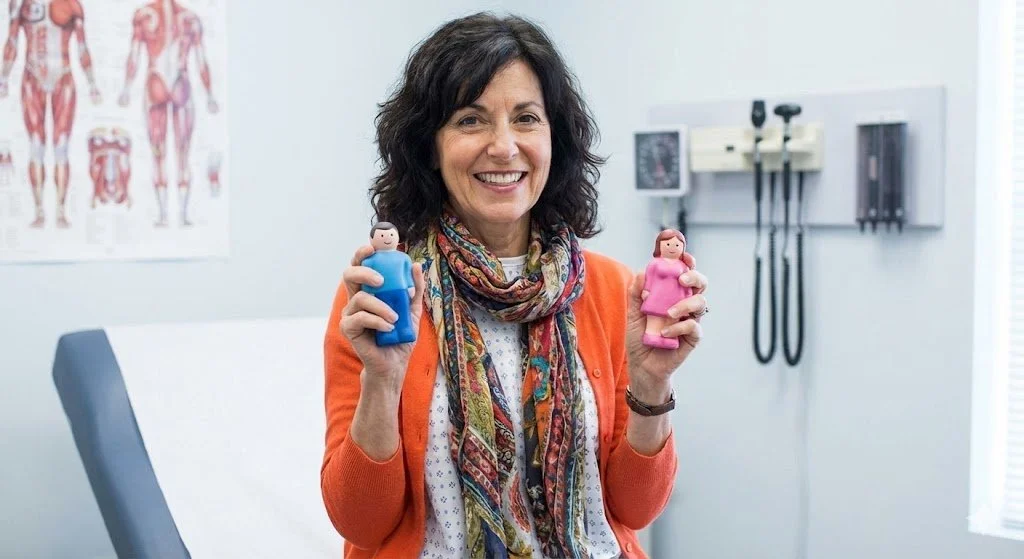
Dexcom CEO talks Servers, Control IQ and more
Bonus episode with Kevin Sayer
Kevin Sayer makes his sixth appearance on the show to discuss what's going on at Dexcom. Scott and Kevin talk about a new Dexcom relationship in the type 1 diabetes world, the FDA approval of Control IQ from Tandem and the recent Dexcom server outage.

You can always listen to the Juicebox Podcast here but the cool kids use: Apple Podcasts/iOS - Pandora - Spotify - Amazon Alexa - Google Play/Android - iHeart Radio - Radio Public or their favorite podcast app.


The Juicebox Podcast is a free show, but if you'd like to support the podcast directly, you can make a gift here. Recent donations were used to pay for podcast hosting fees. Thank you to all who have sent 5, 10 and 20 dollars!

#290 Theoretical Ninja
Honeymooning with Walter's Mom .…
Veronica is on the show to discuss her son Walter's type 1 diabetes diagnosis and his prolonged honeymoon. Plus, bears, Canada, The Band, Elton John and more!

You can always listen to the Juicebox Podcast here but the cool kids use: Apple Podcasts/iOS - Pandora - Spotify - Amazon Alexa - Google Play/Android - iHeart Radio - Radio Public or their favorite podcast app.

+ Click for EPISODE TRANSCRIPT
DISCLAIMER: This text is the output of AI based transcribing from an audio recording. Although the transcription is largely accurate, in some cases it is incomplete or inaccurate due to inaudible passages or transcription errors and should not be treated as an authoritative record. Nothing that you read here constitutes advice medical or otherwise. Always consult with a healthcare professional before making changes to a healthcare plan.
Scott Benner 0:00
Hello everyone and welcome to Episode 290 of the Juicebox Podcast. Today's show is sponsored by Omni pod Dexcom and dancing for diabetes. And I've entitled it theoretical Ninja, I want you to keep in mind that I could have called this episode. Where's Walter? hunting honeymoon on the ski slopes Canadian Grizzly leave on once the go to Venus. There were just too many options. But in the end, this episode is with a mother of a child who's been diagnosed for a year who is still heavily in the honeymoon period. Remind yourself as you're listening, this episode is probably really called one long Canadian honeymoon on the ski slopes. But I loved the idea of theoretical ninja while I was listening. Remember this as well. This episode of The Juicebox Podcast is sponsored by Omni pod and that you can get a free, no obligation demo of the Omni pod by going to my Omni pod.com forward slash juice box or clicking on the links in your show notes. Or Juicebox podcast.com. Remember to that the episode is sponsored by Dexcom and go to dexcom.com forward slash juice box to get your G six continuous glucose monitor right away today. There's probably enough time to get it for you. My New Year, Christmas. I don't know get started as fast as you can. After all that's done. And you've listened to the goodness that is the Juicebox Podcast. Roll back around to dancing the number four diabetes.com check out what they're doing. That's dancing the number four diabetes.com isn't a bad time. We could reschedule if you need to.
Unknown Speaker 1:42
Pardon me, you need to
Scott Benner 1:44
reschedule or am I just a minute early for you?
Veronica 1:47
No, no, I'm gonna I'm just walking. I work at a ski area. So I'm walking over to the main lodge where it's a bit quieter. Oh cool.
Scott Benner 1:55
Why don't you go? Do you wanna? I can give you a couple minutes and you got to get a headset on and everything. I'll call you back.
Veronica 2:01
Yeah, that would be great. Actually, you want to give me maybe 15 minutes and I'll go get my I just have earphones? Is that gonna work on my iPhone?
Scott Benner 2:08
Are they wired with a mic in the wire? Yeah, yeah, it should be good. Okay.
Unknown Speaker 2:15
Tell me how long it's like
Unknown Speaker 2:18
15 minutes. 15. Okay, I'll be back.
Scott Benner 2:30
Quick reminder here. If you're looking for Juicebox Podcast merchandise, for the holidays, you're probably right up on when you need to order. So don't delay or just resolve yourself to the fact that it's not coming for Christmas. But remember that the prices are significantly lower, because of some improvements that the company I use has made. So shirts are the same prices are lower. Also, if I could just get you to remember that nothing you hear on the Juicebox Podcast should be considered advice, medical or otherwise. And always consult a physician before making any changes to your health care plan. I'd really appreciate it
Veronica 3:22
just because I listen to you on the way to work every morning. So I'm like Oh no.
Unknown Speaker 3:26
You're like a little a celebrity.
Scott Benner 3:29
That happens around here a lot. And so it gives my wife a lot of opportunity to laugh at me.
Unknown Speaker 3:36
That's great. How are you?
Scott Benner 3:37
I'm good. Thanks. How are you?
Veronica 3:40
I'm good. Good. I wasn't sure. Yeah, I can hear you. Can you hear me?
Scott Benner 3:44
Yeah, you're crystal clear.
Veronica 3:46
My name is Veronica Whitney Crosland. And I live in canmore, Alberta, Canada. And I am a mother of Walter Crowson, who has type one diabetes.
Scott Benner 4:00
Nice. Are you a native you born in Canada?
Veronica 4:04
Yes, I'm born in Canada.
Unknown Speaker 4:07
Okay, so Walter and I don't live in an igloo. You don't it? Why not?
Veronica 4:14
Although it was minus 30 here above three weeks ago, so it felt like I was living in English.
Scott Benner 4:18
Yeah. So so you can try to make fun of me if you want. But you know, minus 30 is not where people live. Just so you know.
Unknown Speaker 4:26
That's not a real pleasure.
Veronica 4:28
It's much warmer now. Like there was only minus five coming to work this morning. And we'll probably be plus five this afternoon.
Scott Benner 4:37
You really should move you could get a whole different perspective on what life is like. The other day, I was outside it was 50 degrees. But there was a breeze and around here that's very cold. So So everyone's outside, my fingers are cold. I can't get warm. What are we gonna do and I'm like, I know this is a disaster. But you know big jackets, I'm assuming at 50 degrees. With a breeze you might be in shorts by that.
Veronica 5:02
Oh yeah, we were use shirts off and in shorts. The kids had shirts off and in shorts at the cabin this weekend canoeing in about two and a half three meters of water that was like the lake was frozen. But there was an old the shores open about three meters and they all had their, you know, shirts off me or canoeing around
Scott Benner 5:22
in my life and many people listening, you're certifiably insane. It could be locked. But, but I understand different situation. A couple more questions. Have you ever run from a bear? Yes. All right. Well, tell me about that before we get started.
Veronica 5:41
A mother grizzly bear with her cubs actually.
Unknown Speaker 5:45
So
Unknown Speaker 5:46
do you? Do you take stock in the the old joke, you don't have to be faster than the bear just one of your friends. It's so true. I was with a cup. I was with a couple other people. And I was Yeah, they I would have gotten I would push them in front of me.
Veronica 6:03
No, I wouldn't know I work at a ski area at a ski resort. So in Lake Louise, Alberta, which is in the Rocky Mountains. And we have a we've got a big percentage of grizzly bears that come and graze on the ski hill in the summertime because it's just prime habitat. And so we have a resident female that comes back every year with her cubs, typically every year. She didn't come back last year, but she was here the year before. And we are hoping she comes back again this year. But she's really curious. So if you're not within the bear fence, which is to keep people in its electrified bear fence, if we're working outside the bear fence, you've got to be really careful. And we did come across her one day where she didn't chase us. But she she was following us. And so out of curiosity, so we had to get a vehicle to come up and actually drive on to the hill and come and pick us up.
Scott Benner 6:55
Yeah, everything you just said is absolutely insane. I instead of being thrown under the bus, you can throw your friends under a bear. And if you imagine that moment, you just turn back you're like Billy, I'm so sorry. just shove him over. Anyway, bear attacks are probably really horrible and something we don't want to talk about.
Unknown Speaker 7:17
And they're pretty rare. Yeah, of course they are.
Scott Benner 7:20
It's you know, it's sort of like, you know, shark attacks, right? Like they don't they happen once and everybody's like, see sharks evil.
Unknown Speaker 7:28
Yeah,
Scott Benner 7:29
I hear you. It's just it's the the outcome of the bear attack that makes it horrible. It's not like the bear gets bored in the middle of, you know, hobbling you and it's like, right, you don't look like your risk anymore. I can walk
Unknown Speaker 7:40
away now. No, that doesn't have
Unknown Speaker 7:45
a finish you off.
Scott Benner 7:46
Yeah, there we go. Everything is just this is so different. I like this so much. I you know what? I'm wondering how many people in America heard you say that you were in Canada and in the Rocky Mountains and thought no, the Rocky Mountains are in America. That doesn't.
Veronica 8:01
I mean, better Banff National Park.
Scott Benner 8:03
No kidding. That's so cool. How long have you worked at them in like that kind of work?
Veronica 8:08
I've actually worked here for about two years. We moved from Calgary, which is the city to the east of us. It's a large city. I was doing environmental consulting there for about nine years. And then this job came up about two years ago to work for the ski area doing their environmental work.
Scott Benner 8:27
I know the Olympics were in Calgary in my lifetime. So yes, that's my Can you believe that's my entire understanding of Calgary and plus the flames that's all I know.
Veronica 8:37
And oh, you know this Well, I'm pretty impressed. You know, the flames. Come on. Yeah, that's good. That's good.
Scott Benner 8:45
So okay, so let's let's figure this out. You are married, I assume?
Veronica 8:50
Yes, I'm married. And I have two kids. I've got Walter who's sick. And leave on who's for after my husband's name is Ford.
Scott Benner 8:59
What's your husband's name? Ward? w AR D Okay, so we've got word like Ward cleaver from Leave it to Beaver that I have. Yeah, sir. Makes me think of Walter O'Reilly from mash. Now leave leave on from the song from the elton john song.
Veronica 9:12
Well, we didn't know there was actually a mountain song that was livan it was from so the band and the drummer of the band is named leave on helm.
Unknown Speaker 9:24
I know that yes. I know a lot of my husband
Veronica 9:26
really like the band. I didn't even really know about them. And so but then after we named leave on words, parents and everybody was like, Oh, the elton john song and you know,
Scott Benner 9:40
whatever. My favorite elton john song. It's absolutely my favorite elton john song anyway. livan it is Yeah, it really is.
Veronica 9:48
Oh, yeah, it's pretty. I mean, when you listen to the words we were, you know, it's quite religious but it Yeah, it's a great song. So either elton john song or leave on hell. Let me
Scott Benner 10:00
tell you something, the joy of being me is that I don't know the words to any of the songs that I listened to. were driving somewhere the other day, and my wife and I were kind of like singing along with the radio and the song stop. And I was like, I love that song. And she goes, You don't know one of the words, not one. She's like, you just mumble through it. I'm like, I know. But isn't it great? She's like, how can you not know what sort of classic rock song? It's been around our whole life? And I don't know, my brain does not retain stuff like that. So I don't know what levens about. It's just my favorite.
Unknown Speaker 10:32
Isn't it? Yeah, it's I liked it, too.
Scott Benner 10:35
So okay, so alright, so Walter is born six years ago. When is he diagnosed with type one?
Veronica 10:41
He was diagnosed in February 2018. February 13. So just over a year ago,
Scott Benner 10:47
wow. Okay, so you're, you're you're just right up on a year now. Wow. What can I ask? When you give a slightly different health system? was a pump made? Like Did someone say here's an insulin pump? Or do they say here's a pen? or How did they start with insulin with you? Dancing for diabetes has been spreading awareness about Type One Diabetes through the art of dance since 2000. They create and participate in a variety of events, and initiatives to educate the community about the realities of living with type one. They also raise funds to assist in finding a cure. Those of you living with the daily reality of type one diabetes, they also offer a supportive community and many interactive programs. They're just such a creative resource designed to empower the people living with Type One Diabetes to live healthy, active lifestyles, check them out, dancing, the number four diabetes.com.
Veronica 11:45
They said, Here are the pen in the hospital. So we got diagnosed, we went in and they said, Here are the pens. I didn't know anything about Type One Diabetes at all. And so yeah, they just said, Here are the pens. I didn't know there were pumps. I didn't know there was anything such as the Dexcom. So we started with pumps in the hospital and finger pokes. Wow.
Scott Benner 12:13
And and how long are you still doing that that way now?
Veronica 12:17
No, no. And so I started listening to a podcast and I can't I can't remember what it was. It doesn't
Scott Benner 12:25
matter. This is really only podcasts. I don't. Exactly
Veronica 12:28
well, and he meant so I listened to him. He was an Australian man. And he had about 10 podcasts and he recommended your podcast.
Scott Benner 12:40
Oh, well then in that case, his podcast is fantastic. Then I didn't see what I was doing there. But now I misunderstood best podcast Australia.
Veronica 12:50
And so then I went straight to your podcast and this was within a couple of like within about a month or two beendet but being diagnosed and started listening to your podcast right away and then within a couple of months ordered the Dexcom Okay.
Scott Benner 13:05
Oh, that's great. So you got going right away? I have to give our nothing here on Temp Basal. Okay, increase Temp Basal increase.
Veronica 13:17
I'm going to try to find his podcast because I do want to Kathleen, I can't. Yeah, where's my library? Here we go.
Scott Benner 13:27
Arden would love it if I told you all that. I think our periods coming in a week so her blood sugar is giving
Unknown Speaker 13:35
her lady time which everybody gave you trouble that much trouble? Honestly, I didn't deserve it. When you when you say that I would laugh so
Unknown Speaker 13:46
tada Matic pod
Scott Benner 13:47
automatic
Unknown Speaker 13:48
pod o Matic guys, a diabetic
Scott Benner 13:51
diabetes podcast.
Veronica 13:53
Yeah, his name is Guy. Anyway, podomatic. He doesn't do them anymore. It looks like you know, the end of 2016 or something but podomatic. Anyway, he recommended listening. Well,
Scott Benner 14:03
since his podcast is not available any longer than I would recommend. That guy knows what he's talking about. I just don't want to lose that. I don't want to lose downloads. It's just such a
Unknown Speaker 14:14
no. is terminated.
Scott Benner 14:18
So we can talk about his because it doesn't exist anymore.
Veronica 14:20
I think I think I mean, I can't find anymore, but for
Scott Benner 14:23
all of you listening, I would prefer it if this was your only diabetes pod. That's all I'm saying. Anyway, okay, so that's so it's amazing. So you find a podcast that leads you to another podcast that teaches you about a glucose monitor.
Unknown Speaker 14:37
Yeah, that's crazy. Yeah. Yeah, it's crazy. Because like, what, what's the glucose monitor? Exactly.
Scott Benner 14:43
And so a year ago, what was that in Canada, your G five still right.
Veronica 14:48
Ah, we're still g five. Yeah. And we're still cheap g five today, even though it's been approved through the FDA. We're still waiting for them to get the product
Scott Benner 14:59
out. takes a while.
Unknown Speaker 15:01
Yeah. Okay,
Scott Benner 15:02
so you'll make the switch to G sex when you can.
Veronica 15:04
Right away as soon as we can. There you go. And it's been, it's been amazing.
Scott Benner 15:11
Tell me a little, it'll tell me a little bit more. How long did you have without a glucose monitor? Before you had one?
Veronica 15:17
Um, I don't know exactly. But probably. So February, March, maybe four months. Okay.
Scott Benner 15:25
And what's
Veronica 15:26
it looks like? It looks like we went on in June, maybe I've kept I've kept note. So I'm thinking we went on to it in June
Scott Benner 15:32
who kept notes that's the light for you don't need the notes. Throw them away. This thing moves too fast for notes. So So what do you notice the biggest shift between having one and not having one? Where do you Where do you think the benefit really lies?
Veronica 15:47
Oh, just in being able to continuously watch him at school. And at home. And at night. I mean, just having that real time data for me is so key. I mean, when we take the Dexcom off, sometimes if we haven't ordered it in time, we have a day lag or something before it arrives. And it's it's a little bit nerve wracking to just not know what's happening with him at school. Some of the teeth The teachers are doing finger pokes, but it's still not real time.
Scott Benner 16:19
Yeah, so your your biggest concern right now still is it's more like safety and security. The idea of like you want to know before he falls the first budget or start shopping.
Veronica 16:30
Yes. And part of that is because we he's only on 1.5 units of web Vermeer a day.
Scott Benner 16:38
Oh, no kidding. So how much does he weigh? That we can I guess? 60
Veronica 16:42
Yeah, if I take him to the doctor every three months like he weighs like a normal six year old. I think he weighs over 50 pounds. 50 sit like almost 60 pounds. Yeah. Yeah, that's crazy. Well, yes. And we were when we were diagnosed, he was on a cumulation. And he logs so long lasting In fact, fast acting, he started at like nine units of human and like 3.5 or something if he log in then. So over, over a course of five months, we went down and down and down and down and down to two by the time in July. I think we're at one unit of leavener
Scott Benner 17:21
he saw his needs have really dropped.
Unknown Speaker 17:24
He still
Veronica 17:26
imagine he they think he's still honeymooning, but it's but it's been over a year now. And so it's a bit of a third there that happens at the Children's Hospital. They say it does happen. It's just they don't see it very often. honeymooning as long.
Scott Benner 17:41
Yeah, I've been watching a little girl some blood sugar on my Dexcom for a while helping her mom. And she's honeymooning and doesn't have doesn't even use a background insulin. And when she's not eating her blood sugar's perfect. And then, then,
Unknown Speaker 17:58
on the weekend, yeah,
Scott Benner 17:59
the minute she eats, it shoots up. And they're actually good. They're getting a pump today, actually, wow, today. And they're going to get on the pod today. And she's going to just do like, the tiniest bazel rates are basals off and then back on a little bit. To try to micro dosing just really turn it down all the way and use it just for bolusing. And then I think what I think the plan might be, we're gonna kind of do this together. But I think the plan might be that prior to a meal, she gonna put the basal insulin on, so that she's got bazel and bolus through kind of the life of the meal. And then once the meal is over the bazel go away until the honeymoon ends, but it's very unpredictable. And it makes using the insulin difficult and scarier, you know?
Veronica 18:43
Yeah. Well, so I've applied through the hospital. For the Omni pod, I did get an omni pod trial, which was great. We got the little pump we got ordered. So in Canada, we, if we go through the hospital, and just go through the hoops, then the government pays for the Omni pod. So we'll get it in May. And that's what I'd like to do. I'd like to get them on the pump so that we can do those tiny little I mean, I think it would be 0.5 units that would drip throughout the day. And then if he did have a high carb meal we could put in the
Unknown Speaker 19:23
fast acting.
Scott Benner 19:24
Oh, no, there's a way to use a pump effectively through Yeah, honeymoon period.
Veronica 19:28
I contacted I contacted Jenny Smith
consulting company in the States. Oh, no kidding. Yeah. And so I think I'll, I'd like to work with her when we get the pump or you know, you're, you're free.
Scott Benner 19:44
Just email me questions and tell me to answer them on the podcast and it'll be very similar situation. yet. Yeah, Jenny. Jenny's been helping me with the diabetes pro tip series, and she's really terrific. So you couldn't go wrong. She said integrated diabetes services. So it's I think it's Integrated diabetes.com You can find our app. Cool. I would love to know, if you end up doing that and how it works out. That'd be great. Because she's, she's really spectacular.
Veronica 20:09
Yeah, cuz like, I think we'll be able to manage it better. I mean, this weekend, he was a little bit he hasn't been sick for this whole time. And but he got a little bit of a stomach bug on Saturday. So he wasn't eating all morning, Saturday into late Saturday evening. So we actually didn't give him any insulin because he was just sort of riding it out. It's like 4.3. In Canada, not sure what that is in the States, and
Scott Benner 20:34
you figure it out. But it's more fun to make people do it while they're driving. So you guys know, somebody asked me the other day, if I could make a conversion chart that I could download. All right, well, there's one
Veronica 20:45
there online.
Scott Benner 20:46
Yeah, but wouldn't you want one with the podcast? Like, logo? Yeah. Yeah. So
Veronica 20:52
I keep feeling it should print it out and laminate it when I can. I'm listening to your show. When I'm driving, I can just look at it.
Scott Benner 20:58
Wouldn't that be just the end of I mean, you could write it on your note somewhere to when Walter Walter was diagnosed and you know, kind of assuming it came out of the blue. Do you have any other family members who have type one or in hindsight now?
Veronica 21:12
My cousin's son, and she is she's in the UK. He has type one. So that's all that we know of right now. Okay. So my cousin son on my mom's side, so, you know, a bit removed, but, but I do have hypothyroidism. And so that's an autoimmune. So maybe there's a correlation there? I don't know. But in terms of type one, it's just my cousin's son.
Scott Benner 21:36
No, I think that autoimmune diseases definitely run in family lines. And you can see them I've mentioned this here before, but on my wife's side of the family, the females all seem to have a different autoimmune disease. Nope, it doesn't. It doesn't repeat ever with anybody except I guess now for Arden because my wife has hypothyroidism and sodas are now so I guess the Arden got to so she was she's catching up with the other ones. But yeah, but but the mother had a great grandmother, let me think grandmother had, I guess, celiac. And you know, and then some of them have like a an immune thing where they just kind of get sick a lot and like so everybody's got a little touch of something. Arden just got the diabetes.
Veronica 22:20
And celiac I think, I think I had Walter I because I was not convinced that he didn't have diabetes, but just was wondering why this sort of honeymoon stage was going on for so long. I asked the hospital to run more bloodwork. So they and so they ran all those like C peptide and Gad. 65. And I think they did the check for celiac, but they all did come back. positive. So
Scott Benner 22:50
yeah, I listened I had that moment when Yeah, you know, Arden like didn't need insulin for three solid days. And I and I thought, oh, somebody just made a mistake. She doesn't have diabetes. Yeah. It's been a big mistake. And then of course it wasn't. And but but it's easy to feel that way in that moment, especially in the very beginning. Because you don't really don't understand any of it. Then all of a sudden, all this insulin, they told you you needed you don't need any more. And you're like, Oh, yeah, I hear you. How is he? How is baltra dealing with it? Like is he i mean is obviously bare bare breasted in the in the river riding riding a grizzly bear something like that. So I guess he's okay. A little bit. But is it has it been an adjustment for him that he's handled? Well, so far, do you think?
Veronica 23:37
Yeah, I mean, he, he has ups and downs. But overall, he is really, yeah, he's dealing with it really well, and he's got lots of support at the school. And at home. He went from using the numbing cream to now he doesn't use the numbing cream at all. You know, he does go through days where he says, Oh, I hate diabetes, but then other days, he just doesn't talk about it, you know, for days and days. So I do kind of worry sometimes about the psychological, long term effect of it, but I had him assessed at the Children's Hospital and they said there's nothing wrong, he's fine. It's so I mean, overall, he is dealing with it really well.
Scott Benner 24:20
He'll probably be kidnapped by a beaver long before he has any psychological problems from diabetes.
Veronica 24:26
You know, he he gets a lot of Nerf guns and scooters as gifts.
Unknown Speaker 24:34
I spoil him
Unknown Speaker 24:37
keeps him happy.
Unknown Speaker 24:40
so bad. Yeah, listen,
Scott Benner 24:41
I mean, you're in Canada. That kid needs to know how to shoot something I would imagine. Right? I mean, how's he gonna learn something eventually he's gonna try to take him and he's gonna need to be able to defend himself. I'm thinking it's a beaver. But I you know, I just
Unknown Speaker 24:57
I don't really know why likely
Scott Benner 25:00
Just right away no matter what I do, and I think of Canada, I think of this, like, amazing Twitter handle, and I've talked about it here before, but it's called like scan BC. And it runs the most delightful crime. Like, it's like, you know, it's always like, intoxicated man shows up at his ex girlfriend's house with flowers and says he still loves her. And I'm like, and like, that's the crime, you know. And you're like, wait, that's crime. You know? It's really wonderful. I talked about
Unknown Speaker 25:31
this in BC and Canada.
Scott Benner 25:33
Yeah, I believe so. Yeah, I think it's I think it's from the British Columbia, kind of like police force. It's just it's absolutely wonderful. Anyway, so. Hmm. Well, let me think so. So you see, you're doing an MDI and you're doing Dexcom. And so you're a little bit like, you got a little bit of a foot in the old and a little bit of foot in the new you're looking forward to getting a pump? You know, obviously, you're really early on. Yeah, what is? Good? Sorry, go ahead. No, no good. You say?
Veronica 26:02
Well, I was just gonna say and, you know, in credit to you, though, that's why we're on this Dexcom. So early, it wouldn't have been. It's not, they're not telling you at the hospital, anything about this right away. So the more people that listen to your podcast, the sooner they get a hold of this podcast, the better. It's, it's full of so much great information. I mean, my husband, he listens to it a little bit here and there, but he, I have the I have to drive to work, it takes about 40 minutes each way. So I have learned so much from these podcasts. I mean, I didn't, I didn't even know what, you know, phase Bolus bazel all the terms. I didn't I learned that all from this podcast, not from the hospital,
Scott Benner 26:53
and you don't have any trouble hearing it over the motor of the snowmobile at all. Great. That's really cool. I mean, I'm always worried if I have the levels, right. So that's, that's fantastic. Now what does not listen a lot? Why is this? Why is he doing this to me. I know this is the time of the year where you feel like there's just not enough hours in the day to do the other things that you want to do. But allow me to say that this is the perfect time of year to make the next step in your health and wellness. So don't put off going to my on the pod.com forward slash juice box. Because the holidays are here. Because it's winter, where you really just want to wait until I don't know the kids are out of school. Because if you're waiting for the perfect time to make this move, I don't know that a perfect time exists. For someone who's scared, right? You're like, Oh, I'm going to do something different. And it's going to be frightening. But it's not going to be it's going to be amazing. So instead of thinking about, oh, there's this thing I have to do that I don't understand. And then I need to wait for the exact right moment. Try thinking of it differently, flip it on its head, I think the sooner I do this, the sooner I'm going to get to this world that I want to be in. So what am I saying, don't put off till tomorrow, what you can do today. And right now today, all you need to do to get a free, no obligation on the pod sent to your house a demo that you can actually try on and wear. See for yourself, all you have to do is go to my Omni pod.com forward slash juice box, you fill in a tiny bit of information about yourself. And on the pod with great Glee in their heart sends you the demo right to your home. That's not so hard. That's not a commitment to change. That's just taking the steps. You can do it. I promise. Miami pod.com forward slash juicebox. With links in your show notes. Were the ones that you'll find at Juicebox podcast.com.
Veronica 28:57
I think it's time he's a stay at home dad like you right now. He's been a stay at home dad for about three years. And so he'd rather listen to tunes. You know, he's he's listening. He's listening to tunes or listening to the news. And he's really managing Walter all the time. So he's in contact with the school all day back and forth texting because Walter has his iPhone and a little backpack in his on him. And he's, you know, making all the lunches and we're still waiting. We're still looking at carb count. Like we still weigh the carbs out. So really, word is the sole manager and I think that's just he just eats it off. Yeah. And I've and I tell him he's, he understands it. And I tell him a lot, but at some point, I hope he gets into listening to them. It's It's so I've learned so much from this podcast. Well, I
Scott Benner 29:55
appreciate that. But it's interesting that you're the one listening but he's the one managing more. That's just to a different dynamic than I've heard in the past, which is still really cool. I think however it works for you is is the best way. Yeah. And
Veronica 30:06
then I mean, I relay things to hit my micromanage. Oh, I see.
Unknown Speaker 30:11
So this is
Scott Benner 30:12
just a classic married situation here. We're just being remote controlled by you is what you're saying. He's just, he's just a robot in the house with a pulse. I gotcha. Then I just like it.
Veronica 30:26
Like, it's three o'clock this morning. I'm like, did you get the yogurt? Are you getting a yogurt?
Unknown Speaker 30:33
Like, yeah, going down to get a yogurt. There are
Scott Benner 30:37
times that I sit still in my house. And Kelly's like, Well, what do you think? And I'm like, I'm waiting for you to tell me what I think. Because I don't want to I don't want to be wrong about this, you know, ruin a whole afternoon. So.
Unknown Speaker 30:51
So a yogurt, you'll do a yogurt in the middle of the night for low blood sugar.
Veronica 30:56
Yeah, and that's the I mean, so this is, this is the thing. So he like he'll typically go down at night at a classic like three o'clock or four o'clock in the morning, and it'll go to 3.8. So, but then he'll keep talking. Okay, good. Yeah. If he didn't have the dex calm on, we would have done a finger poke probably at midnight or one o'clock, and then we would sleep through the night.
Unknown Speaker 31:25
Okay.
Veronica 31:26
But when the dex calm is on, obviously, we have it set so that it alarms. And I just like to know, cuz he's only getting 1.5 units of lemon mirror. It's such a low amount that for him to be going low at four in the morning. It's almost, you know, over 12 hours later or whatever.
Scott Benner 31:43
Yeah. So 3.8 is just under 70. For everybody out there.
Veronica 31:48
Yeah, so he kind of leveled out at that at night. But sometimes I just if he goes to 3.6, and I just don't want to go any lower. And so we'll give him a little bit of vanilla yogurt, or a little bit of banana just to bring him back up a bit.
Scott Benner 32:03
From from around 65 or 3.6. To just a little higher.
Unknown Speaker 32:08
Yeah, I like that. How do you good?
Unknown Speaker 32:13
What's that?
Scott Benner 32:14
I was gonna say, Do you ever have to put insulin in for those? Or do you have it worked out where you just use a little bit just enough to bring him up?
Veronica 32:23
Put insulin in for the food?
Scott Benner 32:24
Yeah. Do you ever have to know nothing like that? It's always just kind of maintenance.
Veronica 32:30
Yeah, we met we we we actually, although maybe about a month or two ago, he was going a bit higher than normal, which was about so i 15.
Unknown Speaker 32:43
Okay, your chart there are seven
Veronica 32:46
e to 15 years. So he would stay there and level out maybe for a couple of hours. And then he'd go down. And so at that point, we actually did start using a bit of the quick acting insulin. I think we started with like point five units. But it only lasted for a few days. Because
he started to have lows.
Scott Benner 33:10
Wow, I can't believe you guys are a year into this. And you're still kind of fighting with I mean, I can't believe it. Don't get me wrong, I know what happens. But I just can't imagine it doesn't get a little exhausting. Like, as crazy as it sounds. He'd kind of like his pancreas to stop making insulin the rest of the way so that things could be stable, right or more stable.
Veronica 33:30
I said it this week, and he was like, just go into full blown diabetes, we can do
Scott Benner 33:38
some messing around here. Because you know, a little bit of food that takes you to 270 is that's you know, 15 that's a big number. And you would love to know, well, let me just use some insulin here to keep that from happening. But one day, you'll use the insulin and you won't need it one day, you'll use it in something you do need. So how do you make that decision?
Veronica 33:56
Yeah. And so that's why I'm really excited to get onto the pump. Because Walter definitely, at this point, doesn't want any more injections throughout the day. He He now is at the point where we'll say, Okay, well. Why don't you have you could have this he might go a little bit high, you'll be like, No, no, I'm not going to have it. So I don't want that to happen. I want him to eat whatever he wants. So as soon as, and he's not going high right now, like for breakfast this morning. You know, he might have gone up to eight, maybe 10 at the most but probably just ate for half an hour and then he goes back down and levels out.
Scott Benner 34:34
Okay. Yeah, I mean, there's a lot in there. You don't want to cause a a bad relationship with food First of all, because you can easily end up with an eating disorder. And he needs to eat he needs to grow and he needs to be healthy. So yeah, you definitely want him hungry and eating and and you bolusing and you'll get to it.
Veronica 34:54
Yeah, we get on this pump and we can bolus right that's what you're doing. bolusing for this Yeah, short acting, well, you know,
Scott Benner 35:02
so yeah, what you'll do, you know, once your pumps on, as you'll, you know, you'll have your basal insulin that you need will be coming from the pump and you can make, you know, obviously smaller adjustments so if you gave a little bit of food that you thought was just going to go from, you know, slightly low to a little higher and all of a sudden you started going up you can just give him some insulin and grab it and bring it back down again, bring it
Veronica 35:25
back down. Yeah, I'm really I'm actually really excited to get on the pump so that we can do that and just keep him
you know, coasting along
Scott Benner 35:34
right okay, let's take a break here while I read the lyrics to leave on leave on Where's his war wound like a crown. He calls this child Jesus because He likes the name and he sent him to the finest schools and towns He said it was religious and I don't know that I see more God near livan livan likes his money he makes a lot they say spends his days counting in a garage by the motorway. Now hold on. He was born a pauper to upon on the Christmas day, when the New York Times said God is dead and the worst begun Alvin tostig has a son today. Do you wonder like me who Alvin tastic is the UK is that? Let's figure that out real quick. You know, I got a message last night. And it was it was from a person who said I listen to your ads. I don't listen to the ads on anything but I listened to ads on your show and please sing more than I promised her I'd sing more so hold on one second. I don't know that that's gonna happen now live with you here but I well, so there's no like real I don't think Alvin tosic is a real alright. I don't think he's a real person if he is okay he's made up all right and he shall be livan he shall be a good man he shall be leave on in a tradition with the family plan Shall we leave on and he bothers a lot of repetition here I guess that's what music is he shall be a good man livan livan sells cartoon balloons in town. His family business thrives Jesus blows up balloons all day. But who's Jesus wait a minute we
Unknown Speaker 37:00
he calls his choice I
Scott Benner 37:02
leave on child as Jesus yes all right. So we got the kid blowing up the balloons that's that's child labor there's issues on a porch swings watching them fly this song goes on forever. It is elton john yeah Jesus wants to go to Venus that's sexual I'm so mean hold on when livan livan slowly guys just but I can't do the rest of anyway leave on the lyrics don't make you feel good about it. But I'm gonna tell you right now my favorite elton john song you love to tune
Unknown Speaker 37:34
I really do.
Unknown Speaker 37:36
My when people played that for us after we had named our son livan you thought quite a shot.
Unknown Speaker 37:45
We like
Scott Benner 37:48
leave on home is a still a you know, that's a that's a reach. I'm gonna say he's such an old man. Now. I know he died in 2012. That's why it looks so old. Nevermind.
Veronica 38:00
I think you and I think Levon Helm might have been the only was he the only American or was he the only Canadian? I can't remember in the band? The band? I'm not sure. I don't know. I'm not really into music. My husband is more in tune
Unknown Speaker 38:14
with American music. He is the
Unknown Speaker 38:17
only American one American one. What do you think that? Do you have a band song that is your favorite? No, I could not name a band song, the band any of their songs? And like if I heard it, I might recognize it. But I doubt it.
Scott Benner 38:33
Alright, I'm looking and I have to be honest. I feel like I know the band the same time. I don't know. Oh, up on Cripple Creek. I guess that's the one I was thinking of. All right. I'm not saying that either.
Unknown Speaker 38:48
letting down the person that contacted me about this.
Scott Benner 38:52
I so I have a couple serious questions for you. Okay. I get a lot of questions from people about skiing with diabetes. Like seriously a lot of them so okay. Yeah. How do you manage all the kind of remoteness, the cold and the, you know, the the fact that you're at rest, and then all of a sudden, you know, vigorously your body's working and then you're at rest. There's adrenaline, like how do you? How are you finding that so far? Hey, let's talk about the dexcom g six by talking about Arden's last 12 hours of blood sugar's so all the way back before she went to bed last night, her blood sugar kind of got down to 70 and she was hungry. So she had this protein bar thing with like nuts in it and I don't exactly know what was in there, just peanut butter or something. So she eats this bar. And I think to myself, maybe she's not gonna need as much insulin as I think. So we wait a little bit, but then we see a rise right? All of a sudden this 70 turns 88 turns into 97 1050 we put in some insulin. Now. I'm not gonna lie. I should have put the insulin in sooner. Everybody It goes all the way to 170. before it comes right back down again to 130 blah, blah, and an hour and a half later, blood sugar's 121. By the time our insulin finishes up, her blood sugar's 82. And then all overnight 80 to 8590 509. Back to 9586. hear what I'm saying? 100. And how do we get to sleep like that? How does Arden's blood sugar get to be like that? Because, well, a number of reasons. Think about it, she's got the dexcom g six continuous glucose monitor, we start with a lower blood sugar at bedtime, that a lot of you might think, well, I'm gonna feed that. And that's it. You know, I'll test hours later, maybe, but I was able to give her the food, see the rise, put in the insulin, bring the rise back down, not bring it down too far. And then let Arden stay stable all night long. Because of the information that I get back from the Dexcom g sex. And you can find out more about it@dexcom.com Ford slash juicebox. The tools that make all this possible are within your grasp.
Veronica 41:11
So we ski every weekend and sometimes twice on the weekends. And then Walter skis during spring break. So he's got the decks calm, we're always with him. He doesn't go. We haven't put him he's been he was in ski lessons last year before he had diabetes. But this year, we've just kept him with us. Because I can't really drop him off with a 20 year old ski instructor for the day and just be like, okay, yeah, manage the diabetes. So we don't do that. But he skis with us. He's got his Dexcom he has an iPhone that we keep inside his coat. So it stays warm. We had some issues at the beginning of this season where we were keeping it on an outside pocket, and it would just die because it's, it's cold. So it's on the inside pocket. And then we really just monitor him throughout the day and top him up with food. He goes low, he'll go low skiing any kind of activity like scootering, or especially skiing, he will ride pretty low. So we always just have a backpack with sandwiches and crackers. And we have some juice with us. We have gummy bears with us. And we just kind of taught him up through the day, we he can have french fries at the ski hill on a ski day because he won't go high from the fries. And so right now, that's, you know, that's how we're managing it. And then what happens I find is a day or two after skiing. He'll he's low. He doesn't go low, but he rides he his levels are much lower. That's
Scott Benner 42:52
interesting, because I wish I could have I may have guessed that. And at the same time, it doesn't. It doesn't make me feel like Like, if that makes any sense. Like days later, it's just such an odd thing. But I definitely hear what you're saying, Arden you know, if she's really active One day, the next day, you're pretty confident it's gonna be like a lower like blood sugar diet and exercise does help keep your blood sugar down. So,
Veronica 43:17
you know, yeah, if he's on a trampoline
Scott Benner 43:20
on the trampoline. It's within minutes, they ought to make insulin out of trampolines. Because that's how well it works. It's so fast acting, it's amazing, you know, for
Veronica 43:34
and I'm expecting this is all going to change when he goes into full blown diabetes. So
Scott Benner 43:40
yeah, yeah. Had you not mentioned the trampoline? what I was gonna say next is that that's all gonna shift as soon as, as soon as you know, his pancreas gives up the rest of the way, I guess. Yeah, but there is some good there, you know. So your experience with skiing is still pretty, it's minimal, to be perfectly honest. Like you're innocent. Yeah, you can like feed, you can feed the lows that come from the activity and not really even have to worry about the insulin, which I'm assuming will not be the same for most people. But you did say some things that are definitely worth remembering that these some of these some of this technology can't be out in the freezing freezing cold forever. And so you said the dexcom receiver just or his phone, which which was it that gave up in the cold. It's the phone the phone, so it has to go more in the inner pocket closer to you so it can stay warm somewhere where you're not gonna fall on it, obviously and you still have access to it.
Veronica 44:34
Yeah, yeah. And we've got it in the case and it's in his pocket inside closer to his body. We sometimes my husband will have the phone on himself, but I find that we just even if Walter gets a little too far away, then it doesn't transmit. So we we've got an on an inside pocket in his coat now
Scott Benner 44:53
it's only just Bluetooth distance without whatever your phone can you know, wherever you'd lose your headphones, walking away from them. If you have bluetooth headphones, that's as far as you
Unknown Speaker 45:03
can go. Okay, yeah. Um,
Veronica 45:09
so I think I think for us right now, they the doctors just keep saying that we've, it's easier right now it's going to get much harder.
Scott Benner 45:18
Yeah. I mean, and so let me talk about that for a second. If it doesn't get harder, it gets more involved. And, and, and you'll swap because I think what you're doing sounds hard. Like, so maybe that'll make you feel better like the, the unpredictability of what's happening to you, being in a honeymoon situation still, to me, sounds harder. At least I know, with Arden, you know, this happens, then that happens if this is going to happen that I need to do this. There's there's no moment when you know, she doesn't need insulin, or, you know, there's no moment where Arden could just eat french fries, because she's being active that way that wouldn't that doesn't exist anymore. So there's a consistency that's going to come after, after this part for you. And, and I do prefer, I like to say this about diabetes. I don't think it ever gets easier. But I think you get so much better at it that it sort of starts feeling easy.
Veronica 46:21
Yeah, you know, I that's how I feel listening to this podcast and actually going through this honeymoon at a slower pace. I've been able to learn a lot. And I don't know, I just I feel like I'm learning so much. Now before we get to a year from now. And maybe I'll maybe I'll know. I mean, I honestly didn't even know it Bolus men, or bazel.
Scott Benner 46:49
Right? No, I please, I didn't either. Oh, you know, when it all started for me, I didn't. But you know, what you're making me think is that what you're basically describing is I you know, the ability for someone to come along and say, Hey, listen, here's some information about type one diabetes. You don't have it, but you will next year. So yeah, take your time, learn about it. And about the time you know, you need it, that information is going to be all locked up in your head. You're gonna be you'll be like a pro before you've even had to do it. You don't mean like, you're your biggest? Yeah, you're like, I hope so. But but but I think I mean, you know, always be you're not really you. The one thing I'll say to you is be careful in the very beginning because you're you'll be just a theoretical ninja at that point. Yeah, you haven't actually been in a fight yet. So So don't like go running. Like don't decide to pick a fight with bursley first, you know, like, on day one don't go we're having pizza and pasta because I listened to a podcast, you know, but but but you will be able to trust some of the things that you've heard and and that should be very helpful to you. I'm kind of excited for you like it's
Veronica 47:56
excited to to learn about different influence, which is something that I don't we're using 11 here.
Unknown Speaker 48:06
And so that's the long Yeah, the slow acting right. The slow acting,
Scott Benner 48:10
right? Yeah. basal insulin and then you're injecting human lager. What did you say it was? I'm sorry.
Veronica 48:19
Yeah, humor log is the clear. Ah,
Scott Benner 48:23
yes. Okay. So when you when he so he when he eats a meal, you give him humalog? No, no.
Veronica 48:32
Are you only get one he gets 1.5 unit of mirror in the morning at breakfast. And that lasts him until the next day at breakfast.
Scott Benner 48:43
So there's no mealtime insulin happening yet?
Veronica 48:46
No, not yet. We were doing it. Like maybe six weeks ago, we were at a point five. But then he started to have lows and he hasn't gone up again to make like he'll go maybe to 10 months, you know, and then 10 is he's but he's and then he comes down after about half an hour. No kidding. Have you? Have you looked into any of the trials like the trial is trial that exists in Canada? I believe it does. I think I just called them actually last week. So we're gonna get into Yeah, I phone trial and that I had a pamphlet in our binder about it. But this is why I had them do all of this blood work. And I'm going back actually next week to review the bloodwork with them and get a really good understanding and just really confirm that it is a honeymoon and the endocrinologist is great. He ran all the tests and, and was very open to it. And then I went back in and he said that he is and he went through all of it with me. It's just a long. Yeah, they're saying it's just a long honeymoon. But that's why I'd like to get involved with john Smith and maybe get some information from her too.
Scott Benner 50:05
This is gonna sound crazy for a second but what's your postal code?
Veronica 50:10
T one w three feet five p one w three c five canmore. Alberta?
igloo lane.
Scott Benner 50:27
So there is okay, so there's just looks like one trial net. It's in. Is it in Toronto? Is that in Ontario?
Veronica 50:35
Okay. That's an Ontario. Yeah,
Unknown Speaker 50:36
that's on the other side of the country, right?
Veronica 50:38
Yes. Yeah, nothing in Vancouver, hey.
Maybe it wasn't trial net that I found it was a different it was a trial. Actually, you know, it wasn't really a trial, what it was, was to get my son and my husband and I tested? Mm hmm.
Scott Benner 50:59
Yeah, it's just it's sometimes you know, I know very little about this. But sometimes there are some trials going on that when you still have when you're still making insulin, the way your son is that, you know, sometimes they can give you like a course of medication to help it continue longer. And to extend that time, then I don't know if that's something you'd be interested in finding out about, but Oh, definitely, it might be. It might be it might definitely be worth looking into for you. Because a year later, he doesn't need fast acting insulin for food. That's kind of insane.
Unknown Speaker 51:33
I know. And
Veronica 51:36
I think it's a bit insane. The hospital themselves, they definitely have seen it. They have said, but I'm just I mean, we go back every three months. And I really I push the and I do my own research. And I'm of course I'm totally open to it. I and he would be a great case to look at, I think for for the hospital.
Scott Benner 51:58
Yeah. Has anyone mentioned like Lada to you like latent autoimmune diabetes? Yeah.
Veronica 52:04
Only, I only know about it from your podcast. Okay. And I have asked, I think that was part of why I had all of these. This bloodwork done was because I wanted to make sure that he didn't have Lada. I remember one of the women on your podcast, she did diagnose through type one. And then it actually turned out she was Lada. And then she was just on an oral medication, I think.
Scott Benner 52:27
Yeah, yeah. And then Moody, which I don't know,
Veronica 52:30
a ton of I know. That's the one Modi that's the one I had it tested for. Yeah, that's it. Not a lot. But Modi, I was Yeah. So I'm just gonna keep pushing these. This, he gets his blood done every three months. Anyway, I'm just gonna keep pushing for more tests.
Scott Benner 52:45
Yeah, no, I think you're smart to do that, for sure. Because this is, I mean, I guess it's not unheard of to go for a year, but it really is a little is a little crazy. Like I said, I'm trying, I'm following a kid who's you know, in a similar situation, but they're only six months in, basically. And when she eats her blood sugar shoots up, like what
Unknown Speaker 53:07
is your blood sugar shoot up to? Oh,
Scott Benner 53:10
it would that mean? It would it would, it would go all the way without without insulin. So they're okay, they're using insulin at meals. And. And it's, I mean, I've seen it go, like, sometimes they can get ahead of it. But the longer the longer the time passes, the harder it is to get ahead of it.
Unknown Speaker 53:31
Okay, so
Scott Benner 53:32
you can see it 200 to 250. Which to you would be Geez, you know, like 1314 in that space. You know, okay, yeah. And so,
Veronica 53:42
yeah, like in the last 24 hours, Walter hasn't gone above.
Unknown Speaker 53:47
He went. He went to 11. Which is 200.
Scott Benner 53:54
ish. Yeah. Right around 200.
Veronica 53:57
Add about that must have been around breakfast time. And you see here. Well, if he's jumped over to me, but then but he comes back down within 20 minutes. that quick.
Scott Benner 54:08
Yeah. What did he eat for breakfast when that when it jumped up like that?
Veronica 54:11
Um, so for breakfast he has this morning he had two eggs and potatoes. Loves potatoes and bacon. And he probably had a one or two small mandarin oranges. Yeah, so he had carbs and it Oh, yeah. And it jumped in the oranges. I mean, oranges are pretty high.
Scott Benner 54:32
Well, there's simple sugars. And if they don't get them pretty quickly, how long was he at 11?
Unknown Speaker 54:37
Um,
Veronica 54:40
well, the 11 was I'm looking at his 24 hour right. The 11 actually happened this morning at about 6am. And so that was probably from the yogurt. And I can't because I'm on the follow I can't. So looks like it was maybe 1520 minutes and then went back and then he went back down to six. Shut up.
Scott Benner 54:59
All right back down again.
Veronica 55:01
Yeah. So and then so for breakfast, I can tell you right so 7am this morning, we were up for breakfast, he had potatoes to eggs with cheese on it. He probably had one or two small mandarin oranges. And he had some bacon. And he didn't go at, at about 715 he was at six. And then he went back down to about 5.5. The highest he's been is at around 830 when he went to school and Ward probably gave him a little bit of banana before he got into school just because he seems to give him 11 year it starts to work. And then by 830 Sorry, go low. Yeah. And so he was at about seven for maybe.
Scott Benner 55:44
Not even, that's only like 125 like you're talking about like 100 blood sugar back down at 90 around 120.
Veronica 55:51
I mean, my blood sugar probably goes to 120 when I eat a banana, I would imagine Oh, yeah, I think I do finger pokes on myself a lot. And sometimes I'm at 10 for 1015 minutes, and then I go back down like right now he's at, he must have just had snack. And he is at eight and now she's gone back down to seven.
Scott Benner 56:13
So he jumped to 145 but then went back to 126 pretty quickly
Unknown Speaker 56:17
within from eight to seven within about
Veronica 56:21
less than half an hour about half an hour.
Scott Benner 56:23
And but if you didn't give him the level mirror, this wouldn't be the case he
Veronica 56:27
get hard. No, he would get higher with without the 11 year yeah, for 11 years just keeping him it's giving him that they're they're describing it as him wearing a backpack and that we're just like holding the backpack up a little bit for him.
Scott Benner 56:40
Yeah, that's like that analogy, but that's okay.
Veronica 56:46
We're in Canada, they had Jesus backpack.
Scott Benner 56:49
Have a snow and moose and backpacks. And I mean, you know, that's it really and beer. That's it. There's nothing left.
Veronica 56:58
Yeah. So if anybody out there who is listening to your podcast is going through the same experience. It would be interesting to hear about it.
Scott Benner 57:08
Yeah, no, I mean, it's, uh, you're describing it the way most people describe it, to be perfectly honest. Like I had conversations with people privately and on here and this is what honeymooning is, it's a giant pain in the butt. But it usually doesn't last for a year. Did you when you died when he was diagnosed? When when? When Walter was diagnosed, what was his blood sugar then?
Unknown Speaker 57:30
It was 23 when I took him into the hospital for 34 to 14 for 14 like 23. Okay, so high.
Unknown Speaker 57:39
What were his symptoms
Veronica 57:42
really similar to everybody. So we actually I had gone to London to the UK with him for a week. So before we left, he had flu like symptoms or he was sick, like you have an ear a can so and so I went back to the doctor twice. They were like, No, it's just the flu, it'll go away. Or then they gave me an antibiotic to take with me. So I took that with me. And then the week that I was there, he was tired. I had to push them around in the stroller in London. And he's, you know, he's, he doesn't ever want a stroke. And then he peed the bed a couple of times. And so at that point, I was like, oh, gosh, and but I still wasn't like it was in my head. It was in the back of my head. But I didn't really know enough about diabetes. So then we flew home on the flight home from the UK. So eight hour flight, he had to go to the bathroom probably every 20 minutes every half an hour, and he slept. And then he'd wake up and have to go to the bathroom. So then we got home. And I went to work the next day and he stayed home from school. And I phoned my mom and I said my might think he has type one diabetes. No, that's crazy. That's crazy. And I only know about it because of my cousin's son. Right. Then that next morning, he woke up and was just like, he, he couldn't even I mean, he was standing but it was so yeah, he was abnormal. you're headed
Scott Benner 59:12
to DK probably.
Veronica 59:14
He went Yeah. And so I got him in the car, and we went straight to the hospital and they diagnosed him right away. That's, you know, the same same symptoms that most of most of the people who have on
Unknown Speaker 59:25
right, yeah, I care about.
Scott Benner 59:26
Yeah, I hate to say it, but I just think you're in the middle of one long honeymoon. This. Yeah.
Unknown Speaker 59:30
I know. That's what they've said. Yeah. That's awesome. So we'll just we'll see how long it lasts.
Scott Benner 59:36
Yeah, I mean, yeah, I guess the longer the better to be perfectly honest. For his, you know, for his long term health. Yeah, long term health.
Unknown Speaker 59:43
Yeah, but at the same
Scott Benner 59:44
time for your sanity.
Veronica 59:48
For my sleep pattern,
Scott Benner 59:50
when he was sick, the doctor didn't say maybe don't let him in a river without a shirt on. That wasn't anything. They didn't bring that up. In different life just being a little farther away from the equator has really just it just changed everything about who you are everything you've said about outdoors even like skiing twice a week, I thought, Oh, wow. I've never been skiing in my life.
Veronica 1:00:16
Well, I've always thought it was like, oh, garden gardens come to canmore and meanwhile during come hang out with us to go skiing. So you're more than welcome, anytime ever.
Scott Benner 1:00:26
Skiing to me is an invitation to die crashing into a tree. And that is not how I want to go out I you know, I sometimes joke about like, I don't want to die falling off a roof. Like one of the things I pay for around my house is that my gutters clean because I don't want the shortfall of the ground being me going, you know, I could have afforded to pay somebody to do this. And I got a great email from a guy who I has fallen off a roof in his life. And he's pretty much like, Look, there's not that much time to think on your way down. It was like But yeah, I avoid a couple of things. skiing is one of them because I am very fearful of going very fast not being able to stop and then the last thing I think is Oh, that tree is gonna hurt my face and then that'll be the end of it. So I realized that's probably not skiing. But
Veronica 1:01:12
Kevin this summer that you can ride the gondola and see the grizzly bear. I was
Scott Benner 1:01:15
just gonna say you're just trying to get me out there so the bears can eat me. I know what's happening. Don't Don't act like you don't know. I know what's going on here. All right, listen, you guys are terrific. Just the names of your family members are you have more different names in one family then?
Veronica 1:01:33
Oh, well wait till I tell you my Do you want to hear my name? My full name do it. Why not? Veronica? winner Fred Carmichael with me. We
Unknown Speaker 1:01:47
were to have a winner forget in there. That's my name his name because that's a that's a family name. You don't give that to a kid by mistake. Any friends? Amazing. Give other brothers and sisters. Yeah, I have an older sister. Did they get
Scott Benner 1:02:01
saddled with anything or no?
Veronica 1:02:04
Well, my brother was born in Peru. So he got got lost Jorge. And my sister now she just got Michelle. Michelle Mary.
Scott Benner 1:02:13
So hold on. Were you born in Canada?
Veronica 1:02:17
I was born in Canada but grew up in Peru and Colombia my whole life
Scott Benner 1:02:21
because your father is a drug runner?
Unknown Speaker 1:02:23
Yes. Yes.
Scott Benner 1:02:25
Look Okay. Is that what you're telling me?
Veronica 1:02:29
He works in mine. He did work in mining.
Scott Benner 1:02:31
Yeah, no kidding. Oh, that's so and so you guys were there for so you've lived in warm weather and Which is better?
Unknown Speaker 1:02:38
Yeah, I have them didn't really warm weather Colombia. So what's
Scott Benner 1:02:42
what's better what do you think is better?
Veronica 1:02:44
Pick one I need the I need the cool temperatures. I have fair skin with freckles and I the heat is just 60 SPF with big hats and the heat. I mean, I love the heat but I have to be under shelter
Scott Benner 1:02:58
to shelter. It wouldn't you take for your hypothyroidism you taking Synthroid. Yeah, I take Synthroid, do you take anything for the T three? site a mill or anything like that? Ah, no, no. How is your energy and you know, do you feel rested? And? Yeah, it's,
Veronica 1:03:16
it's, um, it ebbs and flows. I mean, I've had up this Synthroid. Like in the morning, I'm tired, but I'm just don't know. I'm like is that because I've just been up with Walter at three o'clock and lost an hour or two in there or? Yeah, I do get my I get my blood test regularly.
Scott Benner 1:03:34
Yeah, my girls. Watch them. I watched them struggle with the thyroid thing. Like right now we're trying to get Ardennes together. She had a problem. Once for her Synthroid. She obviously she went through a big growth spurt out of nowhere. And then that so she didn't have enough Synthroid. I'll talk about this in a regular episode somewhere, like in the middle of an episode about about I actually should do an episode about thyroidism I guess.
Veronica 1:03:58
Yeah, that would be interesting. It's interesting that she got it at a young age. I didn't realize you could get hypothyroid isn't like most of my friends who get it are get it after pregnancy.
Scott Benner 1:04:08
Yeah, that's how it happened to my wife.
Veronica 1:04:10
Yeah. So do you think art in men got it? As part of the autoimmune?
Scott Benner 1:04:16
I thought you're gonna ask me if I thought Arden had a baby that I wasn't aware. I don't think it was 13. She had a child and hid it from you. So no, I think she's just she's rolling the autoimmune dice and coming up craps a lot is what is what's happening, but she got but so anyway, when she grew, she needed more more Synthroid took us a couple of days to figure that out. And in those days, she could barely lift her head up. She was exhausted. The doctors, cardiologists, I was like No, like, because their blood pressure was so low. I'm like, I think she just needs more Synthroid. So while they're all like arguing and sending her to doctors one day, I just was like, Here, take more.
Unknown Speaker 1:04:55
Oh, devil.
Scott Benner 1:04:56
Yeah. And she's like, you know, a couple days later, she like she's like, I feel better. I was like, yeah, so then I told the doctor what happened, Doctor has been great, by the way. And um, but recently, her Synthroid levels are good. And she's just been tired. She's like that I'm always tired like she's got always got muscle aches and she's tired and you know, she had to stop playing softball because her shoulders and our neck like are so tight, that she can't kind of do it anymore. And so so we just got her t three replacement, a couple,
Unknown Speaker 1:05:29
three replacement, so
Scott Benner 1:05:32
I'll save that for the for the other episode, but there's there's there's different hormone that your thyroids responsible for that Synthroid is replacing t four but there's a T three, two and so right that's
Unknown Speaker 1:05:44
right. So yes,
Scott Benner 1:05:46
we're crossing our fingers and seeing if that helps her but we don't know yet. It's only been a few days, so.
Veronica 1:05:52
Oh, poor girl, because she's been softball.
Scott Benner 1:05:54
Yeah, well, she hasn't done it for a while now since October, probably about, she missed a fall season and she had to go tell her coach at school that she can't play in high school right now. So she just can't she can't get her neck loose. She can't get her shoulders loose. It's really kind of crazy. So anyway, hopefully I'll do a off to do one about I don't know enough about it to carry the episode is my prominence. Somebody that really understands it
Unknown Speaker 1:06:22
should go to acupuncture or anything. You know
Scott Benner 1:06:24
what we're getting up to trying anything. That's one of the things that's gone through my head. You know, I think we might try a chiropractor. acupuncturist might be next, um, you know,
Veronica 1:06:34
I like acupuncture works really well for me, does it for any sort of muscle and anything actually anything even in flat inflammation?
Scott Benner 1:06:44
Yeah, but we're definitely gonna, we're gonna start heading out on a limb and trying a bunch of different stuff. So yeah, anything that works, I'm anything where I fall, I'll fall short of letting her smoke weed, i think but I, I wanted to be able to her body can't relax, you know, like, she just her muscles won't just relax and you can like, massage them out and get them completely like soft tissue. They feel like jelly under our skin. And five minutes later, they're stiff again.
Unknown Speaker 1:07:12
To me. It's really Oh my god. Yeah.
Scott Benner 1:07:14
So we'll figure it out, I guess. But anyway, we're past an hour and you need to go back to work. Okay, tell everybody real quick. Where did you do this interview from? Are you in the ski lodge?
Veronica 1:07:24
And in the ski lodge at the Lake Louise ski area in Lake Louise, Alberta.
Unknown Speaker 1:07:29
Nice. All right. Thank you so much outside.
Scott Benner 1:07:33
I really appreciate you doing this. Hey, listen, if you have a if you can take a picture of what you're looking at right now and email it to me. I'll include it in the podcast.
Veronica 1:07:41
Okay, well, I'll do that. I'll definitely do that. It's really dry. Here. We're coming. We're coming to the end of our ski season we close may 5, but we've had a lot of warm temperatures though. We've lost a lot of snow. We may close early, but we're one of the last ski areas that closes around here, because we're at a higher elevation. But I will send you a picture.
Scott Benner 1:08:00
That is so cool. All right. You avoid the
Unknown Speaker 1:08:02
bears and I will talk to you soon. Okay, thank you, Scott. Have a good day. Bye. Bye,
Scott Benner 1:08:07
Whitney. Thanks so much for coming on the podcast and sharing Walter story for making me think of my favorite elton john song for sharing with everyone what the podcast has done for you and talking about the difficulties of a long honeymoon. Thank you all so to Dexcom on the pod and dancing for diabetes, you can go to dexcom.com forward slash juice box, my omnipod.com forward slash juice box or dancing the number four diabetes.com To find out more about the wonderful sponsors. It is this time of year to be festive and charitable. Who check out the sponsors. If you cannot remember what I just said there are links in your show notes of your podcast player and at Juicebox podcast.com. Also Juicebox podcast.com a photo of Whitney in a chairlift pretty beautiful I'm not gonna sing livan I want to because in my mind in my heart when I hear the song, it's so beautiful. And if I turn it up loud enough, I can't hear it. And by it I mean me singing and so I feel like I'm singing it you know the feeling of singing along with loud music where you just you believe that you're harmonizing along with it and that the depth of your feeling and that that soul fullness is matching Elton John's as if right but it's just terrible. But I will tell you my favorite parts of the song lyrically so that when you go check it out and you're gonna check it out right you're gonna go listen to leave on if you haven't right so it starts slow leave on Where's his war wound like a crown I don't even know exactly but make some money. By the time we get to the motorway starts picking up. But then when he when he when he hits to the I think it's the Alvin tostig has a son today kind of goes into a different gear. And then it's a little bit of repetition talks about naming the boys But then my goodness, I'm going to just tell you when with the next two thirds of the song, Mm hmm. While livan slowly dies, breaks my heart, right? Because I'm figuring in my mind, leave on to the Father, watching the son grow and want to move away. As leave ons, life comes to an end. Oh, it's heartbreaking. All right. So if you don't know leave on by elton john, go check it out. Find me on Instagram or Facebook or something and tell me what the heck the song's about. And if you do the song, go enjoy it one more time. I think about that sometimes. How many more times Am I going to hear a song before? I'm dead? I know that seems morbid. But I do think that sometimes I hear a song that I really love and I go I wonder how many more times I'm going to hear that. So check out leave on any of the other music that really makes you happy. Leave on is on Elton John's madman across the water. It's a masterpiece.


Support the podcast, buy some swag!

The Juicebox Podcast is a free show, but if you'd like to support the podcast directly, you can make a gift here. Recent donations were used to pay for podcast hosting fees. Thank you to all who have sent 5, 10 and 20 dollars!
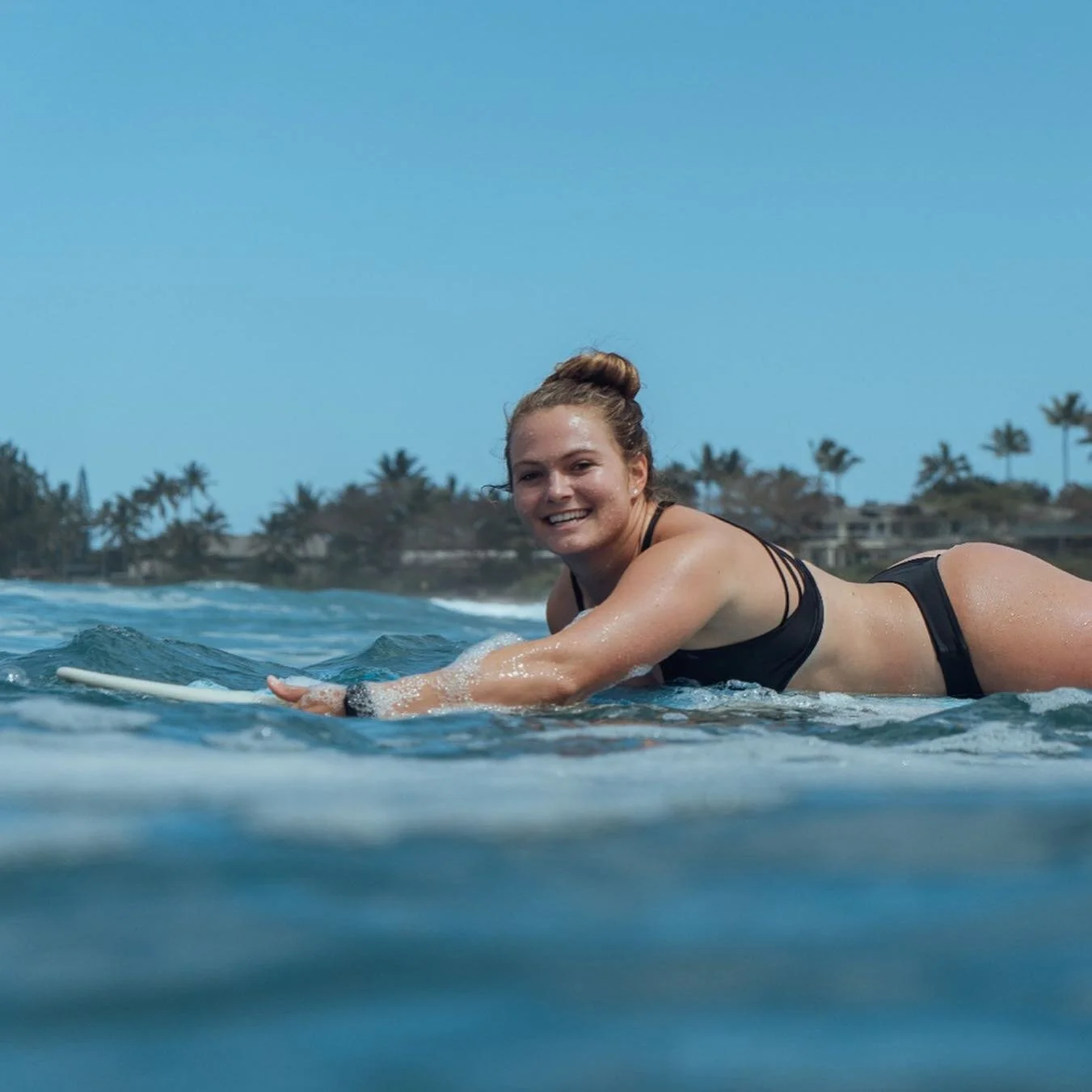
#289 Wylde and Super Cruisey
Fiona Wylde will amaze you!
Fiona Wylde is a competitive windsurfer, surfer, stand up paddler and type 1 diabetic who use the InPen insulin pen.
You can always listen to the Juicebox Podcast here but the cool kids use: Apple Podcasts/iOS - Pandora - Spotify - Amazon Alexa - Google Play/Android - iHeart Radio - Radio Public or their favorite podcast app.
Fiona Wylde on Instagram
+ Click for EPISODE TRANSCRIPT
DISCLAIMER: This text is the output of AI based transcribing from an audio recording. Although the transcription is largely accurate, in some cases it is incomplete or inaccurate due to inaudible passages or transcription errors and should not be treated as an authoritative record. Nothing that you read here constitutes advice medical or otherwise. Always consult with a healthcare professional before making changes to a healthcare plan.
Scott Benner 0:00
Welcome friends to Episode 289 of the Juicebox Podcast. On today's show, Fiona Wylde will tell us all about her professional paddleboarding and surfing life, and her really weird graduation day diagnosis. This episode of The Juicebox Podcast is sponsored by companion medical makers of the in pen. To learn more about the pen, go to companion medical.com. When you get to companion medical.com, you're going to learn all about the in pen. It's America's only FDA cleared smart insulin plan, plus an app system. It's going to help your CGM talk to your insulin pen, talk to a wonderful app on your phone that's going to tell you about things like insulin onboard the temperature of your insulin, and a lot more you'll hear more about it in the show. But if you're on MDI or you're thinking of moving them di I think you want the companion medical comm
I'd be lying if I told you I knew a lot about competitive paddleboarding and surfing. But feeling a while does and I talked to her about it, along with her Type One Diabetes diagnosis and how she manages or type one while she's doing this sort of on that sort of, but there's really intensive activity, always in the water to you know, so kind of seems like it doesn't match up. But field a really makes it work. Please remember that nothing you hear on the Juicebox Podcast should be considered advice, medical or otherwise. And always consult a physician before making any changes to your health care plan for becoming bold with insulin.
Fiona Wylde 2:19
My name is Fiona while I am 22 years old, I live in a really cool place called Hood River, Oregon. And I was diagnosed with Type One Diabetes when I was 18.
Unknown Speaker 2:29
On my high school graduation day.
Unknown Speaker 2:32
Oh my god.
Unknown Speaker 2:35
Yeah,
Fiona Wylde 2:36
yeah, it was a very exciting morning and a very terrifying afternoon. But um, you know, sometimes those things just kind of come together like that, I guess?
Unknown Speaker 2:45
Well, I don't know about that.
Unknown Speaker 2:48
That's the way I tend to look
Scott Benner 2:50
that But anyway, my graduation day, I was just like, I see my dad's not gonna come. That's about it. Wow, they were divorced. And I didn't think he was going to come. But then I kind of thought he was going to and then I didn't and then I gave up on it. But the good news for me is that I did not have an incurable disease when that was over. Like, like happened to you. So I want to hear about this for a second. Um, so you're only 22 and you're dying. you're diagnosed for about four years ago? Like Actually, yeah. I was gonna say a little more. Right. So prior to your high school graduation day, was there any indication that something was amiss with your health?
Fiona Wylde 3:27
Yeah, for about the six weeks leading up to that I did Online High School the last three years, because I was already competing and traveling and need to define it a way where I could get my education while still, you know, traveling to all these different strange places all over the world. So I found online program that worked for me. So my version of a high school graduation day isn't necessarily like everybody else's, because pretty much for me, it was like, okay, completed all the coursework that, you know, was titled, and getting a high school diploma. And then it was like, you know, I'm done kind of thing. And, you know, my parents were awesome. They wanted to make, like, you know, a little deal out of it, because I hadn't worked hard to get there. So I just remember, like, running downstairs. So I was like, as long as I'm like, I finished I don't have any more work I can do. Like, you know, I guess this means that I, I'm done. And she was like, wow, you know, super excited, really happy for me, you know, I've been feeling off the last few weeks, I had gotten my first contract and signed my first contract the following or the previous fall.
Unknown Speaker 4:30
So when I was 17,
Fiona Wylde 4:32
I got my first contract from Star Wars standard powerboating, which they're pretty much the largest company that creates wind and water sports equipment in the world. So for me, it was huge. And then, you know, my mom was really pushing me to go to college, but I wanted to try and do this and just see where I could take it and why not and kind of when I signed a contract, it was only a year long contract, but at the same time, it was going to allow me to financially support myself through university Competition. So I was like, Okay, I'm gonna do it. So, you know, I had obviously had to finish my senior year. And then I was gonna have a year to dedicate it to the sport. So I had a couple races, I had a race in April. And I was like, out in front doing amazing. This is like my first big race, kind of, you know, to show ourselves that, you know, deserving of the sponsorship and wanting to push it. And I was in second, like, all the race, it was a 13 mile race. And on mile 12, I went from second to sixth. I just hit a wall, something happened. And I was like, what, you know, I was so frustrated because I had it, you know, I had the podium doing super good. And you couldn't figure it out. And so I was like, Alright, well, you know, that really sucks. But okay, I need to train I need to, you know, figure out more things. And so I came back. Actually, no, I didn't come back home. I did two more races. I did a race the following weekend. And the follow up after that. And each week, and I was just feeling worse and worse. And I was like, what is going on with this? Like, you know, okay, instead of joining like in between the races, I'm going to rest now and see if that makes it better. Yeah, that that went on for about six weeks. And then it was my school graduation day.
Scott Benner 6:11
Oh, my fairy. You've said I have so many questions. There's not enough time. Okay, so I need everybody to slow down take a big deep breath. Okay. And and let me pick through what just No, no, no, because none of what you said was my expectation. Right? So So, okay. When did you start? Okay, I don't even know how to ask this question. So you are a competitive paddleboard? Or is that what you would call yourself if if, like, okay,
Fiona Wylde 6:39
you professionally and stand up paddling. I used to compete professionally and windsurfing as well. But now I pretty much focus on standard paddling. But I don't just compete in the one aspect I compete and stand up paddle surfing and stand up paddle racing. So there's two different world tours for that, and I compete on both sides, and
kind of one of the only few that competes some
Scott Benner 7:02
bolts that like an actor who's in a Marvel and DC movie. I see what you're saying. Yeah, so and and I done a little bit of my homework to try to figure this out. Right. So what is happening here there's a phone that's not supposed to ring. That's right. Here's how I want to begin. Most people listening who think about sports with younger kids are imagining like travel soccer, or travel baseball or softball or something like that. But obviously, you know, unlike most of us who can travel to a field, you need a body of water or, or surf I would imagine so what what how old were you when you started doing this and how did it begin?
Fiona Wylde 7:38
It all started with wind surfing for me. My parents were wind surfers and I grew up when surfing with them didn't have river we have amazing conditions here where we can go windsurfing, and surprisingly I don't actually live on the ocean. I live about three hours inland. Okay, the cool thing is I live on the Columbia River which is about a mile wide and some places and you know it's the headlands are up in the headwaters are up in Canada. And then they flow down through Idaho and then through the Oregon Washington border where the river enters the Pacific Ocean.
Scott Benner 8:13
Is this river where you do most of your practice.
Fiona Wylde 8:16
Yes, so this river is where I do pretty much everything and from windsurfing, stand up paddling. The only thing you can't do here is you can't surf. So for that I have to get a bit creative and just drive or fly or go some other places for some training.
Scott Benner 8:32
Okay, everybody, just I feel very overwhelmed by all the new things I know you don't need to be sorry, this is me. I'm not prepared.
Fiona Wylde 8:41
But no, no, but to answer your question. So I started with windsurfing. And I started competing in windsurfing, when I was like 11 I did the local races here in town. And then when I was about 13, I got some experience in the waves. And I was like whoa, this is so cool. I did a trip with my dad. And I was just like, this is absolutely amazing. I want to you know, learn how to win surf wave sail more. And so at the time, there was kind of this revamp of the wind surfing tour is called the American wind surfing tour. And it went all up and down or all North America and then eventually ended up going to South America as well. And so then I pretty much started doing that from when I was like 13 until I was about 19 and that experience of you know, learning a new sport in a competitive environment. got me into I don't know it just got me into all sorts of situations that I've had experience from that have taken me you know, to where I am today. Like I went to go to different countries. I got to travel with friends. You know when I I think I did my first trip without my parents when I was 14
Scott Benner 9:59
what the necessitates you going on a competitive trip without your parents? Is it just they're working? Or actually before I asked you that, so what would you kind of relate what you're saying to me to somebody out there who's listening who's like, Oh, my kid played like little league baseball. And then they got really good at it. So they started traveling to play it. And then they know somebody was interested. So they ended up going to college and playing is that like, it's so there's no college for windsurfing. I assume there's no maybe. Why not, by the way, but okay.
Fiona Wylde 10:34
There are some college. Yeah. For windsurfing, navasana, paddling, really? Okay. Yeah. So, so yes, in a way it is, it would be similar to that, you know, you kind of start at the beginning, you have a couple results, you kind of want to push yourself a little bit further and see kind of what that next challenge is, you know, and then I quickly got into the part where I like, Okay, I'm competing for, you know, the title of the tour. And so that is what made me travel more, because then it's like each event, you get certain points. And honestly, like, my parents have been awesome. They're never like, it's not about the result. It's about having fun and learning things. And kind of with that mindset, and that they've taught me since I was so little, it's been easy for me to just go and be like, okay, like, even if you completely bombed something, you're still going to be able to learn something from it. And actually, you're probably going to learn more than just from winning it. So, you know, the first few years, I didn't really win. You know, I want some events, but not consistently, or this and that, whatever. But the cool thing about the whole Windsor tour is, well, it's wind related, and there would be many mornings, because places typically the wind picks up in the afternoon, where we would have waves. Or we would have wind, and a few of the people there had stand upon awards, and that is one that's the side that I got in choose to stand up paddle surfing, was through this wind surf tour.
Scott Benner 12:00
Yeah, you made your own wind with the paddle.
Unknown Speaker 12:02
Yeah. But like when there wasn't the
Fiona Wylde 12:04
wind for windsurfing, I still wanted to go in waves because I live, you know, three hours from any kind of surf. So it was like, Okay, this is my chance to take advantage of it.
Scott Benner 12:14
Gotcha. All right. Okay, that'll make sense I'm doing. I really feel like I'm starting to catch up. Now. It's funny. I don't know if you heard me. I talked to Kate Hall a few weeks ago. And she's, you know, trying to, you know, to jump in the Olympics. And it's funny, because like she started talking about, like, some of the steps she had taken was like, Oh, this is where this sport sort of ends up differing from other sports. And when you say there's a tour for like windsurfing, for instance. It's not it's not you and six other windsurfing, kids who are all like always at the same thing. There's a lot of people at these events, right? Like how, like, how big are the Yeah,
Fiona Wylde 12:47
um, well, that's also a good point, too. There weren't really that many other kids, I was kind of one of the only kids within the windsurfing side there, you know, there may be like, you know, three of four of us kids or something like that. And then there's, you know, over 200 people in an event. So that was also cool, maybe grew up kind of quick. You know, being the only one there like my best friends are 1012 years older than me.
Unknown Speaker 13:12
And the same thing with stand up paddling.
Fiona Wylde 13:14
Most of the women that I am competing against and the races at the elite races, I think the girl who is closest in age is six years older than me, on the international stage, so I'm definitely one of the youngest racers at the moment, which you know, is changing, which is good, because we're having some more girls coming up. But within the standard panel events, it's pretty awesome. Because it's done upon events, we can get like 500 people to the race on a weekend, the elite field might only have like, you know, 50 but with the open competitors, then you have you know, mass quantity, which is spectacular.
Scott Benner 13:50
What do you what are you competing for, like when I say that? I mean, like I realized like when, when Mike, I've used my son as an example, right, like, so when he was really young, he just was playing like you said baseball to get better, right? And when you're playing High School, and you're trying to get better and then but at that point, now you're trying to prove to somebody that they should take you on a collegiate team, like it's trying to prove yourself like, and then when you while you're playing in college, you're hoping that you continue to grow and maybe somebody will draft you like that's the pathway when you're when you're competing. Are you competing for a trophy? Are you competing to turn to those people and be like, hey, how high one? Or like, what's the next step? Is it personal fulfillment, or is there something beyond that that you're shooting for?
Fiona Wylde 14:33
For me, it's definitely you know, pushing myself I'm in a comfort zone but then also outside of comfort zone and the see kind of how far my skills and fitness will be able to take me as well as controlling my diabetes along the way. But the reality is there's three tours that I ended up competing in the near the ATP World Tour for surfing, ATP World Tour for racing, and the European Championship tour. The start of my year basically starts in Europe. The spring, I ended up racing in five, six different races in Europe. And that is pretty much the best of the European centripetal racers in the world, plus many international riders. So there's people like myself from the United States that come over from Brazil, from Canada from Australia, pretty much everybody the sport focuses on the racing in Europe during the spring. And so that was about six weeks of racing and touring. And I ended up winning that this year. So pretty exciting. So yeah, to win the Euro tour, you have to have five really good results in order to go towards your final tally. And I won five races. Congratulations. Thank you. Yeah, for me, it was quite a quite an exciting thing, something I didn't really think that I could win, but I was able to do that. And then on the other side with the surfing and the ATP World Tour, you're competing for a world title. So within surfing and racing, they're two separate competitions. But I won the racing world title in 2016. And I have not won a surfing round title. I've been second a few years, but I haven't won yet.
Scott Benner 16:14
So basically, it's it's it's sort of broken up into two areas, like it's your competition, and just trying to be good and test yourself. And then the other side of it is I'm assuming if you're having good results, you'll start getting sponsored by companies, those companies will pay you to use their boards or something like that. And then that's how you can kind of finance your ability to exactly I see.
Fiona Wylde 16:35
Going back to kind of what I was saying at the beginning. I'm the year before I graduated, as I graduate in 2015. So fall of 2014. I got sponsored by star board, which is that big company, so they pretty much were like, okay, you're young, you're getting really good results. We want to support you to paddle our boards to go all over the world to continue to get good results and promote a good image for our brand, right? Because when because when Fiona comes cruising across the finish line on a star board, people there are a lot of people there and you stand up and hold the board and they're like, hey, Star board, that makes sense.
Unknown Speaker 17:12
Yeah, we get on the
Fiona Wylde 17:14
podium, they get all the accolades, everything like that, that helps them and it helps me as well.
Scott Benner 17:18
You're the you're the paddling equivalent of like a YouTuber or like, or a guy who plays video games and makes a living at it. We all like go. Did you hear about the guy who makes a million dollars a year to play a video game? And
Unknown Speaker 17:31
don't quite make a million dollars a year? Oh, no,
Unknown Speaker 17:33
no, no, I didn't mean I didn't mean to say that. A lot of questions like Oh, that's cool.
Unknown Speaker 17:37
I didn't even know you could compete in those things.
Scott Benner 17:40
It's it's a it's a very uniquely American economy story. it you know, it really is your 14 years. Now, when it was first happening when you were younger, was it just sort of like you, you know, you would imagine like hey, my dad played soccer in high school so I play soccer was just my parents when surf and so we wind surf together and then there was a place for me to do it competitively. So I went and did it.
Fiona Wylde 18:04
Yes, um, that was for the windsurfing side, but not for this on the public side because that is relatively new for you know, it's been around now more than she's blowing around like 15 years or so. And I got into it with one of the local shops here in town and they wanted to create a kid's team and so I was one of four journal
Unknown Speaker 18:25
kids and that was
Fiona Wylde 18:28
nine years ago and that was how I got introduced to standard pedal racing. And that program is still going on my dad then learn how to stand up paddle after I was doing it because I was having so much fun and he wanted to do with me and the cool thing is about that kids program is it's still going on and this last summer I got to coach the whole program so that was pretty cool returning
Scott Benner 18:51
starter coach the theme absolutely I it's it's crazy in my mind I imagine like a bunch of wind surfers standing around on a day when the wind doesn't blow and one of them going well do we go home or what are we doing somebody like if we had a paddle and we're just like oh my god a paddle changes. So now I have to tell you that I hope you understand that most people listening when you describing either surfing on a much bigger because it's a bigger board right when you write or your paddleboarding like I if you told me right now, Scott go out into the river, the one feeding from Canada and stand stand up on a paddleboard and say standing on it for let's say 10 seconds and I'll buy you a house. I would not have a house when the day was over. Right? Like I would just be like, I can't I can't accomplish that.
Fiona Wylde 19:46
I would be nice. I mean, maybe if I had to buy your house, I'd put you on like the most narrow board I could find.
Unknown Speaker 19:51
Yeah, right, right. Cuz you're
Fiona Wylde 19:53
like, Okay, let's go out you know, for an ice cream or whatever be like excellent. I'll put you on the biggest board. You know, you Start, it's just like anything. When you're learning to ride a bike, you have a different kind of bike than, you know, a professional cyclist.
Scott Benner 20:07
You're telling me if I had the right tools, I could stand up on a paddleboard?
Fiona Wylde 20:10
Absolutely, that's the cool thing about it, anybody can do it, you know, you can, all you have to do is you just get a bigger board. So I race on a board that's 14 feet long, 21 and a half inches wide, and you most likely wouldn't be able to stand on that. But if you were to go paddling for your first time, I would give you a board that, you know, is maybe 12 and a half feet long and 30 inches wide.
Scott Benner 20:37
Either you're gonna say 12 and a half feet wide, because it's got we're gonna throw up a picnic table out on the end, you'll be now Be honest with me, I'm 48 years old, How far would I paddle before I had a stroke or an aneurysm? A couple of feet? A couple minutes? How far do you think I'd make it.
Fiona Wylde 20:54
So you can go as far as you want to go? That's a good thing is that you know it, it doesn't really matter. You don't you know me, okay, if you were to, you know, jump off the start line and try and go sprinting, you'd probably be out of breath kind of soon. But you can jump on a board, you can go with your friends, your family, if you have a dog and put your dog on the board go cruising around, like,
Unknown Speaker 21:16
there's all sorts of different things you can do.
Fiona Wylde 21:18
It's like, it's like a bicycle, you know, you have your people who go out and ride 100 miles, you know, in the weekend, and that's what they do for fun. And then you have some people who have cruiser bikes, or even ebikes that you know, put a picnic basket on the front and go, you know, cruising around, paddling is the same in that sense. Like you can, you know, have top line race equipment, go, you know, for speed, or distance or whatever. Or you can just grab more of a cruisee board and go have fun, go exploring, maybe you know, paddle into a different place that you've never seen before. Or, you know, it's cool to paddle out and look back at what you're looking at every day, see and just get a different.
Scott Benner 21:58
No, see, you're saying this is where people like you who are super athletic, don't understand that other people don't have brains like yours. You're saying I would paddle out to get a different perspective, which does sound neat, except I would paddle out and then have a panic attack that there's no way I can make it back again. And then I would start imagining what giant Canadian fissure in the river that will eat my body when I sink to the bottom. Like that's, that's how it would occur to me.
Unknown Speaker 22:22
Yeah, that just crossed my mind.
Scott Benner 22:25
Wouldn't it be great if if Fiona's entire career was killed today as she can't get over the anxiety of thinking about whether or not salmon could eater? And she's like, I never thought of it before? I can't go back and
Unknown Speaker 22:40
yeah, I'm okay. All right. Yeah. Okay.
Scott Benner 22:42
All right. So So, so first of all, it's amazing. And you said something a while ago already that I jotted down and I don't make a lot of notes when I do this. But did you say that there was a paddleboard race? That was 13 miles? Yeah. Okay, so when when they say go, first of all my I have questions. Does everyone finish? You start?
Fiona Wylde 23:06
Um, pretty much in the elite field? Yeah. Okay. In the open field, there might be a couple that pull out. But, um, it's just, it'd be more like a marathon in that sense. You know, it takes a while. Some people, some people, you know, don't, maybe some people just get tired or fatigued. And then yeah, you have to pull out for that. But for the most
Scott Benner 23:28
part, especially within the elite field, pretty much everybody finishes how, how long does it take to go? Like, like, the person who wins? How long does it take them to go 13 miles.
Fiona Wylde 23:40
With that particular race, too. That's the other thing with water, it all depends on the conditions. If you have 13 miles with wind at your back, and you're going what we call downwind, which you can kind of surf little bumps that the wind is generating the whole time, you're gonna go a lot faster than if you have a headwind or completely flat water. So it depends, but in that specific race that was in North Carolina, around Wrightsville Beach, and that was about a two and a half hour race.
Scott Benner 24:10
So I'm going to tell you that I'm not 100% certain I could stand on the board for two and a half hours. Like take all the retrace Where's a
Unknown Speaker 24:17
lot of training? I'm not kidding. Like,
Unknown Speaker 24:20
aren't you legs like super tired?
Fiona Wylde 24:22
Your legs are exhausted? Yeah, most people think that all paddling comes through, you know, your arms and your shoulders and all that, but there's so much balancing involved. And your legs are your bigger muscles. So you might as well use them more. So by the end of it, my legs are shot.
Scott Benner 24:34
Yeah. And you're not strapped into the board, right? Like you're free balanced on the board. So when you when you drive with that paddle into the water, you really are anchored by just the grip of your feet on that board. Yeah, exactly. Yeah. See, I'm starting to really think about this now. And as bad of an idea as I thought of this. At the beginning, I'm thinking it's even worse idea now that I'm really thinking it through but because at least if you were anchored to it, you don't mean like you You didn't have Like a fulcrum point that was like fixed and now you're but you're basically like digging in, like while you're doing that to do you lean forward while you're paddling, do you stand straight up? How does that how did you
Fiona Wylde 25:10
lean forward, you lean forward and you have a lot of bend in your knees. So you can have that drive. And kind of what you're thinking about would be more similar to like paddling a canoe or rowing in the sense because then you would have a fulcrum, you know, coming from your hips because you're seated, but because we're standing up, you really do have to use your legs and it actually is beneficial to be able to move your feet around the board.
Scott Benner 25:35
Okay, so you can kind of reposition, so you can stability, and I'm imagining drive from different angles for steering purposes and things like Yeah, exactly. Yeah, look at me. You got it. Intellectually. I understand what is getting narrower. Now we can give you like a 28 inch wide board out of your mind. I saw jaws when I was five. I'm not getting in any water on a board. Okay, so and I know there's no shark in that river and I don't care
Unknown Speaker 25:59
why it's fresh
Scott Benner 26:00
water. doesn't listen, if someone would have taken you to jaws in the 70s when you were five years old. By the way my parents a huge mistake. I you would you would have the same concern I have right now. You'd be like no, but that mechanical shark will eat me. It's so okay. I'm seriously there's people my age right now who got drugged into that movie are like yeah, damn right, man. There's no reason to go into the water. Okay, so 1313 miles over two and a half hours. And do you know for that specific race, the person who finished dead last how long it took them? It
Unknown Speaker 26:34
took them about three and a half, four
Scott Benner 26:36
hours, another hour and a half for me. Oh my goodness. If you want to quit someone comes gets you just raise your hand and start crying. What happens? What do you do?
Fiona Wylde 26:45
There are support boats that are you know, all up and down the course and jet skis and all that. So that's, that's good. That's important. Safety is huge, you know, being on the water. Yeah, so there's all sorts of different watercraft that are kind of patrolling the area. So you know, the best thing to do in any situation on the water, if you're in trouble is to sit down on your board and stay with your equipment. She is the thing to float on. And then you can wave your hands over your head.
Scott Benner 27:10
I have a good friend who lives on the water in North Carolina and she paddled. I think she paddleboard is pretty much constantly. And I know she heard this, she'd be like, you could do it like that. I don't think I can. Okay, so now,
Fiona Wylde 27:22
all races are that long. Um, we compete in all sorts of different types of things. There's different races, like surf races, where you go in and out of the surf, there are distance races, which are pretty much anywhere from like, nine to 13 miles. There are flatwater, bumpy ocean, pretty much everything. There's some races that are more like 4k races. And then there's even races that are like 200 meters. So right now I'm training actually for a 200 meter race, a 4k race and an 18 k race, what's training
Scott Benner 27:57
look like? How do you train.
Fiona Wylde 28:00
So for me, I'm actually really lucky right now to have three weeks at home, this doesn't happen very often.
Unknown Speaker 28:08
So
Fiona Wylde 28:09
I've basically broken down the three weeks I have into different training days for a specific goal. So if there's something I'm going to China for the ICF World Championships at the end of this month, and so the first day, I will be competing in 200 meter sprints. The second day, I'll be competing in the, like a 4k technical race. And the third day I'll be competing in an 18 kilometer distance.
Unknown Speaker 28:35
So
Fiona Wylde 28:36
when I take a look at that I look at Okay, what are my strong suits and what are my weaknesses. And the weaknesses are what I focus on in the training leading up to it. So I've broken down each week into basically, six out of the seven days, I'm on the water, doing different drills and intervals and workouts that are building up on certain weaknesses. And then I have Monday, which is today, which is my like, complete off day. So today I will be on the water. I won't go wrong or anything like that. And it's been fun. It's been fun too. Because it's it's hard. It's hard to focus on something that you're not really that great at or you know, even if I'm decent at it, it's definitely, you know, I'm not as strong as my strong suit. So and I'm learning a lot, that's the thing that's crazy. It's like, okay, even if I'm, you know, leading the tour at the moment, or in the top three or whatever, like, you know, some people would be like, Oh, well, you got it. And it's like, No, you can constantly be learning new things.
Scott Benner 29:32
It's fascinating. I journey dry land training, like, Is there anything you do in a gym that's specific for this? Or is it really yeah.
Fiona Wylde 29:41
I mean, you have to be on the water. That's pretty much where it comes from, because like you can do all sorts of different fitness to get your base up, but it's also so much technique involved, that you really have to spend the time on the water to focus on that. But I'm I'm going to spend I last week, two days and then this week, two days in the following week. Two days as well in the gym, and that's going over a lot of like plyometric stuff. agility, balance, trying to get fast twitch muscles going faster. And then normally walk out of those days so personally, but yeah, beyond that I liked I love running. So any chance I get to go for a run? I go for a run or bike rider. It's just such a beautiful place that I live that if I can be outdoors, I want to be
Scott Benner 30:25
here. I that's I mean, listen, I'm not. I'm not judging you. I know that I'm just got this guy.
Do you think she just ran outside?
Unknown Speaker 30:43
Oh, you were like, I
Scott Benner 30:44
don't know. You're like I if I can be outdoors, I'd love to be outdoors. Then it hung up and I thought maybe she just probably went outside
Unknown Speaker 30:53
my computer just on black.
Scott Benner 30:55
So sorry about that. No, no, no, no, it's it's, you know, it's absolutely fine. Don't don't think anything of it. I okay, so I think I understand. I mean, listen, I understand academically, all that what you've explained to me and even though I'm still in my mind thinking, am I gonna ask her about like doing this to the ocean? Like, do you just paddle out and then ride and like you're surfing but you have a paddle with you? Yeah, pretty much. Okay. So what's the difference between surfing and paddleboarding in the ocean?
Fiona Wylde 31:25
When I go and I compete and surfing, you know, the big difference is when your traditional surfing, and you are, you know, land down on your stomach, you don't have a paddle in your hands, and you're prone paddling, so you're on your belly before you pop up. My board looks a lot like a surfboard. And most people would say that is not a stand up paddleboard because it's really small. So my standard puddle surfboard is very small, because it just has to be thick enough just have to have enough volume. So I can stand on it without falling over. So then I basically I'm paddling in already standing up when I catch waves. But like, for example, most people you know, a shortboard on like a five, eight or 510 or something like that. My standard paddleboard is seven oh, and when I stand on it, it pretty much thinks
Scott Benner 32:18
underwater. Okay. I would like you to do something for me if you ever can teach yourself to do it. While you're surfing, I'd like you to reach up with one hand and spin the paddle with one hand over your head like
Unknown Speaker 32:30
you would be surprised.
Scott Benner 32:32
You can do that I now I understand why you have sponsors? Because can you get to that? Do you think or do you think it's not? I think I
Unknown Speaker 32:41
might have done that a few times.
Scott Benner 32:42
No kidding. See? That's excellent. And that that I would just be like, that girl wins. And like, no, she's actually in fourth place effect. No, it doesn't matter. Look what she's doing with this file. Yeah, there are no points on this.
Fiona Wylde 32:57
Okay. Well, I mean, it's I think it's more about the surfing at that point. But we actually have some inside jokes and some other competitors, where it's a lot of people think that Oh, just pushing the paddle around is what gets you points when in reality, you have to surf. So it's kind of funny that you mentioned that.
Scott Benner 33:14
You've been involved in water sports, so long that you went to high school online, and you came out and now what's your life span like in this? And it sounds like with the people you're competing with? You could do this for a really long time. Is that how you think about it?
Fiona Wylde 33:29
Absolutely. Yeah, so I did Online High School. And then I got sponsored. And my mom was like, you know, you have to go to college, like, you know, and then I got this sponsorship that came with a contract. And she was like, okay, like, one year, you know, let's see where it goes. So that was the year that I got diagnosed with diabetes. And then I was like, Oh, great. Here's my first year of being a professional athlete, somebody or something I really wanted to do and be since I was, you know, super small. And just,
Scott Benner 33:59
yeah, I understand it from a parenting perspective, right? Like the idea of like, Hey, everybody needs to go to college. So once you get a job, and I'm not gonna, I'm not gonna be alive forever. And I need you to know, I need to know you're going to be able to take care of yourself when I'm old and gone. Like I think about that with my kids. So now, now, though, you have a little success. I imagine you must have walked in the house with the first contract held up over your head and said, Oh, who has to go to college? Not me. Because I'm making money. Like, did you run around? Like was it like a rap? It wasn't so
Fiona Wylde 34:28
much like no, so much like that. It was more of like, Look, I got this chance to do it. I will go to college. But for right now, let me just try and focus on this
Scott Benner 34:39
right. I can't argue with it. I can't argue with it. I don't listen, very few people get drafted to play professional baseball and I don't imagine my son will be one of them. But if it but if it if it happened, I would not know how to stop him. Like, yeah, you know,
Fiona Wylde 34:54
it would be something slightly similar to that. Um, so then I was like, Okay, great. Now I have type one diabetes and a professional contract. But I kind of wanted to keep racing and type one just came at the wrong time. I don't think there ever is a right time for it. But it was like, Okay, I'm just going to keep doing this. I'm going to figure out some systems and how to, you know, get sugar with me out in the water, and you know, learn all the feelings. Yeah, it took a little bit. But that year, I basically finished the season. And the next year, I won the racing world title. It's amazing. So then it was kind of like, Okay, this is going well, I
Scott Benner 35:33
can do this. Right. So let me let me pick through that a little bit. So when you're first diagnosed, I'm assuming you leave the hospital with like, like pens or syringes and insulin and a meter. Right. That's about it.
Fiona Wylde 35:47
Primarily, because I didn't really think that anything was, you know, that wrong? I knew I wasn't feeling great. But basically, I just went into my family care doctor. And, you know, I explained that, you know, I hadn't, you know, had dry mouth, I've been losing some weight, you know, I had the infection and this and that, whatever. And he looked at me, and he's like, has anybody ever tested your blood sugar? I was like, no, what, what is that? You know? And I was like, you know, thinking, Okay, all sorts of tests, you know, what's involved? And he just pulled out a meter. And he said, let me prick your finger. I was like, No,
Unknown Speaker 36:21
thank you.
Fiona Wylde 36:23
Okay, and then he pricked my finger. And the number that popped up on the screen was 586. And I was all happy, because I just graduated high school that morning. So I'm like, great. What's that out of like? 1000? Yeah.
Unknown Speaker 36:35
And he goes, No.
Fiona Wylde 36:39
Yeah, I'm really sorry. But you pretty much have type one diabetes. And I was like, you know, tears, and I didn't know what that meant. And, you know, I had no idea what diabetes let alone type one was. But I live in a small town. And he pretty much said, Go home, because I just went to the doctor's office on my own. He was like, go home and talk with your parents. And he gave me his personal cell phone number and was like, have them give me a call. And I can talk and you know, help you guys out if you need anything. So then, that night, pretty much I didn't get any insulin didn't do anything. I actually never went to the hospital. Because I was 18. So I wasn't an adolescent, I guess. More just kind of strange. But, um, yeah. So then I went, and the next day got connected with a diabetes educator. And she went through absolutely everything and you know, explained how insulin works, what diabetes is, and she was spectacular. And she's the one, you know, who showed me how to prick my finger and how to, you know, calculate carbs and give myself insulin for that. And that's when it all started. But the problem was that I was supposed to go to Europe to race for the first time. Five days later, that was like, oh, my goodness, you know, like, the first go diagnosis, I was bummed because I was like, okay, like, obviously, I'm not going to go like, this is not my priority, right? Now. My priority is my health. But then after getting insulin started, and like, you know, immediately coming out of the 500, so it's just good.
Unknown Speaker 38:12
To range.
Fiona Wylde 38:14
We went and spoke with my doctor. And, you know, I was sitting there with my parents, and I was like, Okay, so, here's the thing, like, I was supposed to go to England to race. My dad was already planning on coming with me. But you know, if it's going to be any problem for my health, like, you know, please tell me and I absolutely will not go you know, that's, I don't want to put myself in any harm. And he looked at me and he goes, that is not a decision for me to make a it's not gonna hurt you. So I think you can make that decision as a family. And I was like, okay, we're going to England. And then we got on a plane two days later.
Scott Benner 38:51
And what did you have with you just the Beatles and like a meter. And yeah,
Unknown Speaker 38:54
so I had
Fiona Wylde 38:56
when I went on that first trip, I had lantis. I had cumilla and quick fence, and I had a box full of needles, a box full of test strips. I had a sharps container, I had an extra meter. And I have a lot of gummy bears. All sorts of I found these goo jobs that I could bring with me on the water and my mom sent us on the plane with like, the biggest cooler full of food and snacks and everything it was it was amazing. I'm surprised they even let it on and carry on. It was so big, but she was like you're not going anywhere without food.
Scott Benner 39:36
Probably probably thought you were like trying to start a grocery store in Europe.
Unknown Speaker 39:39
Probably.
Scott Benner 39:41
Well, that's so now looking back. Was that incredibly brave or incredibly stupid? Like when you look at it now do you think knowing what you know now would you have still gone?
Fiona Wylde 39:51
Absolutely. Okay. For me, it was exactly the thing that I needed to do, and needed to hear from my doctor. He knew me he's been my family doctor for ages. And, you know, he's seen what I've done competitively and could also see how, you know, a diagnosis of type one can, you know change your life in many ways. And so for him to say, you got to do what you want to do, and you will figure this out. As you go, doesn't have to hold you back. It was the they were the best words that I could, you know, ever ask to hear without even knowing that's what I needed to hear. Because that just kind of gave me a little bit of confidence to go and do what I actually want to do, which was go to Europe and go race. So do what I love
Scott Benner 40:34
the water joking around aside, I think that's amazing. I I'm a big proponent on the podcast of giving people giving people what they need as far as tools up front, so they can make good decisions. I don't like the idea of slow walking people into the information, let them learn it slowly. Because eventually, inevitably, excuse me, something happens, then you need some information, you don't have it, then the fear starts building up. Yeah. And then before you know it, you're kind of overwhelmed by the fear. And then even when you get good information, it's hard to take it. So I think that's Yeah, really amazing. I mean, for me, my life
Fiona Wylde 41:06
didn't really stop when I got diagnosed with Type One Diabetes.
Unknown Speaker 41:10
I like was up and running, and it
Fiona Wylde 41:12
was just gonna be something that I, you know, have to figure out and continue. You know, I'm sure today, there's gonna be something that
Unknown Speaker 41:17
I'm gonna learn from it. Well,
Scott Benner 41:19
yeah, I'm gonna say something. I'm gonna say something I told Kate Hall. And, and I think it applies to you as well. And I don't know that all the time that people who have that competitive athletic nature, like you do understand that it doesn't exist and everybody else but you know, I use I always use Chris Freeman as my example, like Chris sees like snow and these two tiny skis and thinks to himself, oh, I will ski a long distance with only these two poles to propel me. And you and you look at water and a small board and think you know what I should do go on a 13 mile race on that water standing. There's What I'm saying is, and it's probably not like life threatening, but you have a mental illness and you don't realize it.
Unknown Speaker 42:02
But, but seriously, but seriously,
Unknown Speaker 42:05
don't deny it.
Scott Benner 42:06
Seriously, it's a way of thinking that lends itself to the challenge of diabetes. Like, you know, like, right, you're just you look at the diabetes, you're like, well, I've got I've got these needles and this insulin, how do I get to the other side? And and that's, that's really cool. It's amazing. And it's why you're a great role model for it. So, so tell me when. So now, nowadays, you are a Dexcom user using the G six. And when did that start? When did you get your CGM?
Fiona Wylde 42:35
I got my CGM about eight months after I was diagnosed. Um, and it was the Dexcom for the beginning. And when that thing came out, I was like, Oh my gosh, this thing is the coolest thing ever. Like, are you kidding me? I don't have to prick my fingers. And I actually know my blood sugar is. Yeah, and pretty much I have not not worn a dexcom since then. Um, so yeah, about four years. Yeah, my daughter index common.
Scott Benner 43:04
My daughter's had daily wear to like, wait, she doesn't take breaks from her stuff like that?
Fiona Wylde 43:08
No, no, for me, it's just a safety thing. You know, I'm just being able to constantly monitor and know where my blood sugar is. Helps me and everything. I mean, it sucks, you know, if you go super high, or if you're going really low, it affects everything else you're trying to do during the day. So yeah, just to be able to have a monitor on it and, you know, catch crashes or catch cut highs, you know, before they get to the point where, you know, you get tired or you get exhausted or you have to take time, you know, out of your day to manage your diabetes, rather than focusing on what you're doing. If you know, things like that can be monitored better and alleviated, then there? I don't see any reason why I wouldn't wear one.
Scott Benner 43:46
Yeah, I agree. I have. So I want to I want to use up the rest of our not use up but I want to use the rest of our time to talk about your management because you are in such a significantly different situation than most people as far as like the intensity and the load and the work on your body. Right. And so everyone Yeah, everyone listening, you know, as well, the people listen to this podcast, probably don't think of it the same way. But a lot of people with diabetes would think I can't paddleboard because I'll exert myself, and then my blood sugar is gonna drop and I'm gonna, you know, it's gonna be up and down. I can't possibly do it. So my expectation is, and I don't know this before I asked you that you don't have a lot of variability in your blood sugar. I'm assuming you're not going from 40 to 600 and jumping around like that?
Fiona Wylde 44:29
No, I'm not 40 to 600. But you know, I could have 80 to 200 you know, occasionally 250 or something like that. Sure. Um, I think the you know, before we go into specifics of what I do on the water, for me, exercise helps in every way. You know, even if I am high and you know, I've just been giving myself insulin and haven't been able to go down or whatever, if even if I just go for a walk around the block or like 10 minutes, you know, cruzi or something like that, I will be able to drop my insulin and it just makes me feel or my blood sugar and it just makes me feel better.
Unknown Speaker 45:08
But for being on the water,
Unknown Speaker 45:11
I've been using
Fiona Wylde 45:12
the in pen from companion medical Yep, for the last year, just about. And that has helped me a ton. Because you can actually see how much insulin is still in your system. And you can remember what, how much was in your last dose and when your last dose was, because sometimes, you know, if you're, you know, running around and Okay, it's time for dinner and you give yourself insulin you keep, you know, you're cooking the rest of it, and I'm like, Oh my god, did I give myself insulin. So in fact, is really helped me because I, um, you know, can see how much insulin is in my system. And that also helps me plan for going out in the water. So if I, okay, if I have extra insulin in my system before I hit the water? Maybe I should eat a little bit of something before I go out and paddle.
Scott Benner 45:56
So you got when? Good? Yeah, no, I apologize. No,
Fiona Wylde 46:00
no, no noise. So when I'm on the water, I, this is for racing, or you know, even just for going running, or, you know, anything like that, I pretty much always wear a hydration pack, which has water in it. Because, you know, it's just good to stay hydrated out there. And it has a couple pockets as well. So my impact can go on the back, I take it with me just you know, in case for whatever, I have one pocket that has my phone, and the other pocket that has some type of sugar, like I use a lot of time like Clif Bar good jobs, because they're individual squares, and I know how many carbs are in each square, and how much each square will raise the amount of
Unknown Speaker 46:43
raise my blood sugar. Okay,
Fiona Wylde 46:45
that being said, when I'm paddling, yeah, blood sugar typically does drop. So I try and aim to get my blood sugar up, you know, around 181 65, somewhere in there, before I get out in the water. And then I'm monitoring it pretty much during the whole panel, I have an Apple Watch. So I can see my blood sugar there. And you know, just keeping an eye on where things are, I have sugar if I need it. But at the same time, you know, I I'm focusing on the paddle, I put some electrolytes in my hydration pack so I can stay more hydrated, and keep everything kind of, you know, flowing a little better. But it's pretty much those two things, having water having my gu chomp there and having my phone connecting my Dexcom. So while I'm on the water, I can actually see what I'm doing. And if I need to eat, I figured out a system where I just open the little pocket before I even start a race. And if I have to eat during the race, it's just like a one second motion of grabbing a good job and eating it. And continuing to bottle.
Scott Benner 47:49
I'm dying to know, have you ever had to pull out your head and give yourself insulin while you're on the board.
Fiona Wylde 47:54
I have not had to do that during a race. But a lot of times after a race, I find that even if I was going down during after the race, I'll end up spiking, you know, whether it's excitement because I've won or just because I was going through a lot of the carbs that were in my system. And now I've stopped and I'm stationary and all those carbs are now sitting there and I start going back up. So I keep it with me. Because sometimes you finish your race and your you know, your bag or whatever is a little ways away. And so then yes, then I have given myself insulin on my board at the finish line to you know, prepare for that spike that I know is going to be coming after
Unknown Speaker 48:37
right you would
Scott Benner 48:38
I think you would really enjoy a couple of episodes that I've done with us CD named Jenny, who comes on the show a lot. And we've we did a lot about exercise and that kind of stuff. Cool taught you. I think I'll give it to you personally afterwards. And I think that'd be great. Thank you. I can't please. So okay, so. Okay, that's crazy. First of all, what you just said all of it is absolutely cool. But so, so the pen keeps track of when you've used your insulin, which is helpful. It also keeps track of insulin on board, right. So like, yeah, it's telling you, so I'm assuming you're just a person who didn't want an insulin pump. Is that right? You just weren't looking for an insulin pump.
Fiona Wylde 49:19
I like the fact that with the impact, I can always have insulin with me and I'd have to travel with extra cartridges. So for the ease of that I'm not a big fan of having multiple devices on me just because I typically have wetsuits or, you know, like hydration packs that are kind of squishing around my midsection and then up on my back and all that and for me, this is the system that I've come up with that works for me. You know, it doesn't mean that I you know, don't try an omni pod every now and again to try and Okay, Lena, let's see if this helps me study. Yeah, just to try the different things that are out there. There, but for right now, this is the system that I like that's working with me that I've figured out how to manage with my training and sports and all that. And for that, yeah.
Unknown Speaker 50:13
It works.
Scott Benner 50:14
It's excellent. No, it's amazing. So, obviously, everyone's their own person. And, and you're saying to yourself, look, this is a fear for me, if I lose my infusion set from a pump, I'm really afraid. Now all of a sudden, there's no slow acting insulin happening. And I don't I don't want that fear. And so what's the next best thing? And I think we're, a lot of people are just like, well, I'll just inject and I'll do this, that's fine. You actually found a piece of equipment that helps you even more, and yes, spectacular.
Fiona Wylde 50:43
That was the only thing that I was bummed about is it's like, okay, you know, if the qumulo quick, Ben's like, great, it's easy. But I don't have any of the data that I would have from a pump. And I mean, daily, it is so much about numbers and changing and trying to adjust to all these different things. And so when I found in pen that was like, Okay, well, this is a pen that I can just inject. It's simple. But it has all the data of a pump. I was like, Mind blown. Yeah,
this is a this is a win win. Like Where can I
Unknown Speaker 51:13
get this thing?
Scott Benner 51:14
Should you actually whip out like your in pen app and look at your data and make decisions about your next race and things like that? Oh, all the time.
Fiona Wylde 51:21
Yeah, it sits right next to my Dexcom app on my home screen. And I just kind of flip back and forth between the two. I'm like, Okay, this is how much insulin I have on board right now. This is where my blood sugar is, this is the activity I want to go do. Or maybe this is the homework that I have to do. You know, so I'm going to be sitting here for the next, you know, four hours, and I'm not going to be doing exercise. How do I plan all those things? Yeah. And that is where the in pen has really helped me take all of that into consideration,
Scott Benner 51:51
like so I'm trying to imagine you're getting ready to go on a, you know, a race, and your blood sugar is lower than you want it to be. You didn't then you check the pen app, it tells you how much insulin you have on board. Do you ever then just say, Well, I'm going to take a little bit of this these carbs right now because I think I'm gonna fall no matter what. Absolutely, yeah, this month? Yeah.
Fiona Wylde 52:10
Yeah, absolutely. Like if I am, you know, below, a certain number, or even if I am dropping, I'm saying I say I'm at like, you know, 165, but I'm dropping, and kind of quickly, you know, I'd love to start a race at 165. But if I'm dropping, then I'm not going to be at 165 for very long. So I will definitely eat a bit not, you know, if the reasons in an hour, I won't eat that much. If the race is in five minutes, and I'm paddling out to the start line in my deck spam shows an arrow starting to go down. That's when I start. Okay, it's time to lunch. It's time to have some food, because the worst thing is going into a race with arrows going down.
Scott Benner 52:52
Yeah, and I'm, so I'm assuming you can see, you look on the next con is, hey, look, I'm going down. But not only do I know I'm going down, but this pen is telling me I still have two units left in me, right? So I have to I have I have to feed that insulin right now before I get on this board, because I'm gonna have exactly I'm gonna have like the, the the impact from the paddling. And the impact from the insolence out there. And if you had a regular pen or needles, you would not know how much is left over, you would just think, oh, maybe this is the end of the Bolus or whatever. And you would write that same information. Yeah, I, you know, I always say to people that the difference between pumping and and injecting is just you know, with injecting you lose the ability to manipulate your basal insulin. And that's, that's sort of it. But the truth is, if you have an impact, that's not sort of it, you don't, there's a lot more you get within pen that you wouldn't get with a regular pen. If your insulin gets too warm in the pen, does the pen tell you?
Fiona Wylde 53:46
Yeah, it does, which for me is awesome, because I've have a lot of races in Asia, and you know, they're super hot and humid. And that's difficult. You know, it tells you if your pen is too warm or too cold.
Scott Benner 53:58
So for the people listening, I think we now need to know your dog's name. So sorry, don't be sad. Don't be Don't be sorry. I wouldn't want to know what her name is. Some people get her name is Sharky. Sharky, because I have to tell you, you have used the word twice. While we've been talking that I thought I wish I was cool enough to say cruzi but I'm not. And you've said it twice now and twice I've thought that is such an amazing word. And I don't want to spell it and I'm fascinated by your use of it. It's so perfect. I just like oh cruzi should be someone's nickname
Unknown Speaker 54:33
to get one shot he's not
Fiona Wylde 54:34
so much of a cruiser but she
Scott Benner 54:38
can I say something here and I only want 2% if this works out but I think you should start your own like wet gear line called crazy.
Unknown Speaker 54:45
Crazy.
Scott Benner 54:46
Crazy by wild. I'm telling you right now or wild cruzi or so there's something in there. I think it's it's fascinating, anyway and your dog sounds like a wolf by the way. Is that a giant animal
Fiona Wylde 55:00
She's actually quite a medium sized Husky mix. But see weren't too far off with that one was really about 40 pounds. I thought
Scott Benner 55:08
she was chasing a bear away from your log cabin or something like that what it felt like?
Fiona Wylde 55:12
Yeah, I mean, I'm in Oregon. I'm not that far out.
Scott Benner 55:16
Right now people on the East Coast are like, how come he makes fun of places like Maine, but he hasn't made fun of Oregon yet? And the truth is, I don't know. Because I've thought of it a couple of times, but I just haven't done it. So I there's something about Oregon. No, no, I like I like, Oregon seems like a place I would want to be. So
Unknown Speaker 55:34
it's definitely a place I like to be. So tell
Scott Benner 55:36
me a little bit about using in pen while you're traveling like airplanes, hotels, that kind of stuff.
Fiona Wylde 55:42
The nice thing is, you know, traveling with time zones, and all that stuff is really difficult with you know, diabetes and insulin management because, you know, especially if you are going to be doing, you know, you're giving yourself long acting insulin in addition to, you know, your short term insulin for meals. That gets a little bit tricky. Okay, being able to keep track. I mean, my favorite thing about the infant is probably its most simplest function of just being able to see how much insulin is on board and being able to have a device that helps me calculate. Sorry, don't be
Scott Benner 56:17
sorry. Don't be sorry, people miss people actually miss my dog on the podcast, I moved to a different part of the house to set up a more permanent place to do the podcast from and because of that our dog bazel does not snort and, and snore in the background anymore. And I get notes sometimes, like, I miss bass on I was like, Yeah, I don't because all I would do is sit there listening and think God the dog so loud, it would make me nervous the whole I'd like to understand what the circle of life is there between the pen and the Dexcom and the app. Like so. If you want to take care of him first Sharky first and don't feel don't feel any pressure.
Fiona Wylde 56:59
We had the doorbell go off. So it's an exciting morning over here. How can
Scott Benner 57:03
there be visitors so you don't live in the middle of like,
Unknown Speaker 57:07
like, I don't live in the middle of the woods. I actually I
Fiona Wylde 57:09
have a bunch of neighbors that live all around me
Scott Benner 57:11
people. Alright, so you're like the doorbell? I'm like, Oh my god, the doorbell that was probably Sasquatch. She's gonna be dead in a sec.
Fiona Wylde 57:19
Yeah, and if it's okay, if you don't mind giving me one minute, I can just put you on mute and come right
Unknown Speaker 57:23
back. I'll do a chat.
Scott Benner 57:26
Hello. Hey, she's back. How are you?
Fiona Wylde 57:29
We're back. Sorry about the interruption.
Scott Benner 57:33
Please, please don't be sorry, you sound terrific. explained to me how in Penn integrates with the Dexcom CGM and the app on your phone.
Unknown Speaker 57:41
The two apps are
Fiona Wylde 57:42
separated, they're next to each other on my phone.
But the companion medical app that shows me all of my in pen data, that app has also my dexcom data on it. So it helps. Like basically when I give myself insulin that will come into, you know, show up as a little.on my screen. And on top of that, it'll also show me my Dexcom data as well. So I now I can see like, okay, I just gave myself three units at 130. And then as the information goes across the screen that.of my Dexcom Okay, where my you know, current blood sugar was when I gave myself that insulin also moves with it. So then you can have an idea of like, Okay, how much insulin you gave yourself? At what time? And, you know, okay, did I get myself the right amount of insulin? Or do I give myself the wrong amount of insulin?
Scott Benner 58:38
Does? Does the pen have a dose calculator?
Unknown Speaker 58:42
Yes. I use it all. Yeah,
Scott Benner 58:45
so it does that. So it so you're, you're in pen app has information from your Dexcom on it. So you open up your pen app, it knows what your blood sugar is, because of your Dexcom do you then just tell it This is how many carbs I'm thinking of having and it tells you it's suggested amount of insulin?
Fiona Wylde 59:02
Yeah, so I've set prerequisites of Okay, you know, this is my carb ratio, and this is what I'm planning on doing. And it'll Yeah, you pretty much put in, you know, how many carbs that you want to do and, or want to eat? And then you give yourself, okay, you know, it's suggesting this amount of insulin, you're like, Alright, I think that's about right. Or, you know, maybe I'm gonna have a little bit more food than that. So I'm gonna give myself a little bit more. Um, but it's nice because you can, you know, you can think of, Okay, what, what do I want to eat? Um, you know, how many carbs are in it roughly. And then it's nice, because I would normally just be like, okay, that for me, that's this amount of units, whereas we using that it definitely gives you more precise,
you know, just gives you a more precise number, like, no,
if you're not, you actually need more insulin than that you're going to go high. And so that's been a that helps me kind of alleviate a lot more of the like, big swings of up and down.
Scott Benner 59:56
That's excellent. Um, but yeah, that's one of the Major things that's missing when you're injecting, right? Yeah, that whole piece of it plus now. So now the pen app knows how much insulin is on board. So in the similar situation in the same situation, except, say you've had a, I don't know, say you had a snack at 11 o'clock and you gave yourself some insulin, now, it's just an hour and a half later, and you're going to have a meal. When you put in your, you know, I'm going to eat 40 carbs, it takes into account the insulin still left from the snack and it gives it gives you a different dose. If that insulin still active, yeah. Oh, my gosh, and and how valuable Do you find that information?
Fiona Wylde 1:00:37
Well, for me, it's huge. Because, you know, a lot of times I, you know, it's easy to just look at a meal and be like, okay, that's, I know how many carbs are in here. And that's how much insulin I'm gonna eat. But it's harder when it's like, okay, I already gave myself some insulin for food a little while ago. And I don't necessarily know how much you know, insulin is left or how much has been absorbed. And so then you end up stacking insulin and for me, well, for anybody really, I think stacking insulin is one of the things you want to try and avoid the most.
Scott Benner 1:01:09
Yeah. Now, you do not want to have more insulin than you need in your body, that's for sure. No. Have you had any experiences with the M pen app telling you, Hey, your insolence getting too hot or too cold?
Fiona Wylde 1:01:20
I haven't had it where it's too cold. A lot of the times I'm traveling to warmer places, which is kind of nice. But I definitely have it where it's been like, Hey, you have
Unknown Speaker 1:01:28
an alert, you
Fiona Wylde 1:01:30
definitely need to, you know, cool your insulin down, or pretty much like, Hey, your insulin is too hot, you know, replace it.
Scott Benner 1:01:36
That's, that's excellent. And that's probably incredibly handy for people who are traveling or I mean, your sport thing is so like, different than most people's. But in a similar vein, people go to the beach all the time with their insulin. Yeah. And so if you think, you know, maybe I guess it's just so simple that you're like, oh, I'll put it here in this bag, and it'll be okay. And then it ends up not being you would never know that. And this thing just sends an alert to your phone is like, hey, the pens too warm, and you move it somewhere cooler.
Fiona Wylde 1:02:03
Yeah, it's cool. And you know, the, the great thing about that, too, is it'll, it'll give you reminders of like, hey, you've used your pen for 28 days, it's time to replace it. You know, even if you still have insulin remaining. Stuff like that, you know, I used to write and Sharpies on my pens like, Okay, I need to, you know,
Unknown Speaker 1:02:19
go ahead. And,
Fiona Wylde 1:02:21
yeah, I can only use it, you know, until the 21st, or whatever, and then I'd have to toss it out. But now it was all, you know, reminded, I know how Sharpie marks all over my pens.
Scott Benner 1:02:29
How does that work? When you pop in a new cartridge? Does it reset on its own? Or do you have to tell it like I put a new cartridge? Oh,
Fiona Wylde 1:02:36
no, when you put a new cartridge into it pretty much knows that you put new cartridge you have to, you have to say that you're putting a new cartridge in just like kind of how you would with a Dexcom where you're like, Okay, I'm you know, bearing a new Dexcom. You don't have to take a picture of it or anything like that, like you would with the G six. But you do have to just, you know, put a new cartridge in. And you have to prime it a couple times. Just so you know that. Okay, your meal isn't blocked or anything like that. Yeah. And then it starts recording, and you're good to go.
Scott Benner 1:03:06
That's amazing. What do you use the information? You said earlier in the interview that you use the information to make decisions about like what to do next and stuff like that from the internet. But does the app also lend itself to you talking to your endocrinologist with the information? Oh
Unknown Speaker 1:03:22
my goodness,
Fiona Wylde 1:03:23
yes, that is the best part actually. Because it prints out massive charts. Like I can print out like four page charts from months and months and months of data of using the input pretty much as long as you're using the input and you can print out a chart that shows your Okay, average time and range. The average insulin that you're giving yourself the most amount of insulin you're giving yourself what to expect in terms of like targets and all that stuff. And it has helped my endocrinologist night a lot trying to figure out okay, hey, look, you look you have this pattern here. Let's try and figure out how to solve this pattern that helps me alleviate some of the highs and lows.
Scott Benner 1:04:07
So you and the doctor find the the charts and the graphs that the pen app gives you like relatable and easy to understand. It's not.
Fiona Wylde 1:04:15
Yeah, they're all color coordinated. And all that which is really nice.
Scott Benner 1:04:19
I like pretty colors. Colors are cruzi
Unknown Speaker 1:04:24
definitely crazy.
Scott Benner 1:04:26
Is there anything about the pen that I haven't asked you that you really think, wow, this is what people should know about it.
Fiona Wylde 1:04:33
They also give you your long acting reminders. So I take lantis. So it'll give me a reminder of like, Hey, you need to take your lantis and then you can record that in the pen or sorry, in the app as well. So it says okay, I just gave myself X amount of units of lantis. Like it's all recorded in there. And that's good too, because that kind of goes back to my thing of Oh, oops, yeah, I forgot to, you know, give myself this or give myself that
Unknown Speaker 1:04:58
and it basically Because with
Fiona Wylde 1:05:00
pens, it is kind of easy to forget. Or it's easy to just like give yourself insulin and then walk away from it is you don't have something attached to your body for the constant reminder to, in a way, like, I definitely feel a bit more free, which is really nice. But it's easier to skip some things too. And that's where the in pen, make sure that you don't skip steps that, you know, maybe are easy to forget, but helps you plan for the steps that you didn't forget. And then it helps you plan for the future as well, which is good. Hey, everybody
Scott Benner 1:05:29
can use somebody on their side to go Hey, don't forget to take your insulin right now. Or, you know, this is happening like it's diabetes has a lot to remember. And I think
Unknown Speaker 1:05:39
so many moving parts. Yeah.
Scott Benner 1:05:40
Right. And so if there's an app, that's, you know, listen, it's it's really kind of fascinating when you stop and think about like, you're young. So you think the whole world works like this. But for most of us, an insulin pen that attaches to my an app on my cell phone that's talking to my continuous glucose monitor that's reading the interstitial fluid and telling me what my blood sugar is or how fast it's going. And then tells me Hey, you know, I know you probably think that this lunch is four units, but you forgot that you gave yourself insulin an hour and a half ago, so we're just gonna do three and a half instead. That's a lot of cool. All in one place. Yeah, it was more
Fiona Wylde 1:06:13
than cruzi. Yeah, no, that's just like, super cool. Exactly.
Scott Benner 1:06:17
Yeah, it's really it's mind blowing. And I'll tell you right now, for people who've had diabetes for 10 years. They're like, Wow, that's really great. People have had it for 20 years are just blown away by this idea that this is this is an entirely different world for them. And you know, it's just it's very cool that you came on talked about it, I really appreciate it. Well, Fiona is just a another in a long line of people living with Type One Diabetes doing what seems like amazing things to me. I'm sure those of you who have ever served or stood up on a paddleboard or like, Scott, it's not that amazing. But first of all, she's competing at a very high level at this, you're just doing it for fun on vacation. And B, I don't want to do that. So it all seems very scary to me when people are like, I got up on a big wave and came flying down to the earth. Hmm, no, I don't want that. But I love that she likes it. And I love how well she does with her diabetes. While she's competing. I hope you enjoyed listening to Fiona. And I hope you enjoyed these last number of episodes, or I think the last three months on Fridays that have been sponsored by companion medical, I want to thank them very much for their support of the Juicebox Podcast and say that I think there'll be back in 2020. You can check Fiona out at Fiona wild calm. She's also got a really great Instagram account, because she's doing like cool stuff on it. So let me see if I can find it for you real quick. It's just Fiona underscore wild. And she's always standing on something that looks like it shouldn't really float or laying on something that looks like it shouldn't float or standing and laying where she's got it. Anyway, she's just always balancing on something in the water, which is really cool, you should check her out. And if you're thinking of taking a pump break, or you're using MDI right now, you really need to take a moment to check out the pen. Not only does it do amazing things and give you a lot of the functionality that a pump can give you. But the cost of it will surprise you. So check out the in pen go to companion medical.com right now. There are links in your show notes and at Juicebox podcast.com. If you can't remember companion medical.com but I feel like you can
Unknown Speaker 1:08:27
bet Juicebox Podcast is super crazy. Thanks for having me on the show today.
Scott Benner 1:08:32
The first person to leave a review of the podcast that indicates that the show is supercruise he gets a shout out on the show. Just make the review somewhere send me a link to it so I can see it. I just want to see it in print somewhere. Make sure you spell cruzi correctly.

The Juicebox Podcast is a free show, but if you'd like to support the podcast directly, you can make a gift here. Recent donations were used to pay for podcast hosting fees. Thank you to all who have sent 5, 10 and 20 dollars!