#715 Bold Beginnings: Fear of Insulin
Bold Beginnings will answer the questions that most people have after a type 1 diabetes diagnosis.

You can always listen to the Juicebox Podcast here but the cool kids use: Apple Podcasts/iOS - Spotify - Amazon Music - Google Play/Android - iHeart Radio - Radio Public, Amazon Alexa or wherever they get audio.
+ Click for EPISODE TRANSCRIPT
DISCLAIMER: This text is the output of AI based transcribing from an audio recording. Although the transcription is largely accurate, in some cases it is incomplete or inaccurate due to inaudible passages or transcription errors and should not be treated as an authoritative record. Nothing that you read here constitutes advice medical or otherwise. Always consult with a healthcare professional before making changes to a healthcare plan.
Scott Benner 0:00
Hello friends, and welcome to episode 715 of the Juicebox Podcast
Hello again and welcome back to the bulb beginning series today is actually the fifth episode but third installment. The way that happened was that episode 702 was about honeymooning 706 was about adult diagnosis. And then 711 was supposed to be terminology, but it got a little long. So that ended up being terminology part one at 711 and terminology Part Two at 712 which makes today's episode 715 bold beginnings fear of insulin. Please remember while you're listening that nothing you hear on the Juicebox Podcast should be considered advice, medical or otherwise, always consult a physician before making any changes to your health care plan, or becoming bold with insulin. If you're a US resident who has type one diabetes, or is the caregiver of someone with type one, you can complete the survey AT T one D exchange.org. Forward slash juice box. Your answers to these simple questions will help people living with type one diabetes T one D exchange.org. Forward slash juice box this episode of bold Beginnings is sponsored by Ian pen from Medtronic diabetes. You can get started today with the M pen at in pen today.com. The podcast is also sponsored by the Contour Next One blood glucose meter. Learn more about Ardens blood glucose meter at contour next one.com forward slash juicebox jetting so far we have I think three episodes of the bull beginning series are out or today actually, as we record this the dolt diagnosis one went up. And today we are going to record fear of insulin lows and highs. And there were a ton of a ton of feedback that came from people again, these are statements from people in my private Facebook group, when asked what do you wish you would have known at diagnosis and surrounding the fear of insulin, low blood sugars, high blood sugars, we got this back. So just a couple of them here in the beginning, it's going to set the stage that don't really need a response, I was scared of insulin. The next one says seriously, the fear of insulin was real. We were scared of insulin as the next one, we had to wake up twice a night for finger sticks. And it felt like we were chasing a blind number. I'm really glad they did have me practice with glucagon. Because when I had to use it, even having to think about it. You know, the person said they wanted to understand glucagon so badly because when they actually had to use it, they were having an experience that was so surreal that there was no time to think my daughter's had a couple of seizures. And I know what that feels like you're like, you just you look at that package. And you just hope your your body remembers what to do, you know, right? The first thing I really want to talk about here is this statement from a person who said, I was handed a bunch of pamphlets and they said read these and oh, by the way, this insulin stuff, it can kill your kid. So don't do it wrong. But don't worry, because we've given you all the tools you need. And this person said they were freaked out instantly, rightly
Jennifer Smith, CDE 3:43
so with that type of explanation. Because I'm really you're given pamphlets to explain something that for the most part, a lot of people who are using insulin, are completely using it like off the Standard label of prescription that their doctor told them. Right? I mean, eventually you get to the point of or many people do have, there is no fear and you understand the action of insulin, you understand how to manage around it. And that takes fear out of the picture. Because you you get it but initially to just be given these pamphlet that's like here. Oh, and be careful because this could kill you. But clearly, exactly. There's no fear here.
Scott Benner 4:27
Everything's Don't worry. We taught you everything you need to know. And you're sitting there thinking, I don't know anything. So how could that be true? It isn't really weird situations like hey, here's a car don't worry, they're super safe, but wear the seatbelt and drive 45 And don't hit anything for God's sakes because you're gonna fly through the windshield and die. But don't worry, we thought you were the brake was so it's going to be okay. And it just a lot of this does end up boiling down to the person that you luckily or unluckily bump into when you're diagnosed to you know, just their ability to explain some because that's statement, you could just say it in reverse. You could say, Hey, listen, we've set you up with all the tools that you need. I know you don't feel comfortable with them right now. But trust me experiences are going to make them feel more and more just just real to you things you don't have to think about. But until you get to that point, it's important to remember that too much insulin could make you low, could give you a put you in a seizure. I mean, if you gave yourself way too much he could kill, you just have to say it backwards. Yeah.
Jennifer Smith, CDE 5:30
And also bring in and these are the preventative things that we're doing from the start. So that that doesn't happen sooner, eventually, you will have low blood sugars, eventually your child will have a low blood sugar, it will happen. I mean, they put out this, like insulin will, can can cause a low blood sugar, insulin will cause a low blood sugar. At some point in your life with diabetes, you will have a low blood sugar you will, right? So just tell somebody that right? That takes it out of the picture of Well, is it going to happen? Yes, yes, it's going to happen. But this is what to do. These are the tools you have, you've got simple carbohydrate, this is what you can expect it to do. You've got glucagon, this is what you can expect that it's going to do for you. You've got these pieces to manage. When that happens, right, which should help somebody feel less fear in using it right. It's not like they're dropping you off in the middle of the desert with nothing around and up. Here you go. But you got to take your insulin.
Scott Benner 6:33
It's like when you do send your kids out driving the first time you're like, listen, drive very safely be aware of people around you. When you have an accident, which is going to happen one day, here's what you do next. You know, do you don't say if because it gives you that feeling of like, well, maybe I'm gonna be one of the people who never happens to. And then you spend your whole life kind of paranoid, paranoid. Aliy that's good. Can't be a word, but you're paranoid, and is now I'll make up words. But you get in this situation where you're constantly trying to stop a thing. It's like trying to stop the sun from coming up. Like one day your blood sugar's and look, the next person says, I wish the doctors would have explained to us the likelihood of lows and how to treat them. No one told us about that. And my son had a bad low first time we came home sounds like the kid was gonna libre to wanders into their bedroom at 1130 going, hey, something's making noise in my room, because you remember that the poor kids only had diabetes for two minutes, you know, right? His blood sugar's 45. And then this poor lady sleeps in his bedroom for the next month. And then she gets a Dexcom that gives her like, you know, alarms that are a little more in the moment, and but a month, she's on the floor or on a bed or something, because now she doesn't know the kid doesn't know. They're all in a panic. Why? Because somebody didn't just say what you just said, you know, the first day my daughter went to kindergarten, I went to the nurse and I said, let me explain all this stuff to you. I explained it all to her. And she goes, Don't worry, we won't let that happen. I said, No, you misunderstand. I'm not telling you this stuff. So you can stop it from happening. I'm telling you this stuff so that when it happens, you know what to do. Right? It's like it's diabetes. We're not going to stop diabetes from being diabetes. You know, right. This lion is going to bite your face one day. Yeah. I don't care how many times you go into the cage within. It's fun. And you're in Las Vegas me like, is that a Siegfried and Roy reference? It is? Yeah, one day the lions going to kill you. Okay? It's at least gonna come at you. At least bite your arm. You need to know how to hold up the whip in the chair when it happens, you know, right? Well,
Jennifer Smith, CDE 8:36
there is actually what I was gonna say, you know, you need to know what to do. But in some cases, I think people get really good tools, and really good explanation. And in other cases, people do not they get these rip off pages that say, well, here you go. This is all the information that you need. Just make sure you read through it. Oh, and here's your medicine. It's called insulin. You have to take it here, here. And here. Oh, and you know, you might have low blood sugar. But then again, what can you do about it? Or what are even some of the tools? Or I guess what are some of the variables that could cause a low blood sugar? So you're ready, right? You can say okay, well activity will cause your insulin that you have to take to work better. So be careful for low blood sugars. If your child eats a meal and then goes and plays soccer for three hours, right? All these things that they should know are sometimes the definite causes of low blood sugar because then at least people are aware of where they might see a low
Scott Benner 9:40
well and everything you're saying supports this next statement, the person said there was so much anxiety my child had a fear that the ambulance was going to come take him away constantly. Your took months to wear away she said so. You know, everything you just said would have given this person, a little bit of calm or even something to say to the kid because that gets Like what's gonna happen? And when you're when your answer is, I don't know, you know, like, that's not supportive in any way for people. One person is this great excuse. We're gonna kind of segue here a little bit. Before we do, though, I want to say, I think it's, it can be worse for adults that are diagnosed, because I think they get sometimes even less. And we talked about this the adult diagnosis episode, and it's fresh in my head, because I just put an edit on the show, and I just heard it again. But that when you're an adult, sometimes you're like, here's the insulin, go to the store, get this prescription filled for needles, and then go see your Endo. And then you call the Endo. And then it was not available for 45 days,
Jennifer Smith, CDE 10:38
or worse, like six months. And in the meantime, they have you visit with, like, a nurse or somebody in between who, you know, there's, there's a definite disconnect for adults. Absolutely. And I think the other piece for adults is a lack of enough initial good information, but also, many times that adult is on their own. Right, they may not have a spouse or a significant other, or a family member who they're close enough with, that they could share this with and get someone to look in on them if you will, right. And that makes it harder, because kids who have a parent or a caregiver, there's somebody that's got their back, right consistently paying attention for them. Adults don't have that it is it is on you.
Scott Benner 11:30
And you can slide into a depression, you can just slide into a complacency. Listen, completely disconnected from from diabetes, my son just graduated from college, it's got a really good degree. It's a bright kid. And we told him, like come home from school, like, you know, just take a little time decompress, and everything, but now he's been home for about three weeks. And I had to go into him the other day and be like, Hey, let's get going now, right? Like, you know, he's he hasn't had your break. Like he doesn't, it's just as simple as situation where he doesn't know the next thing to do. And you kind of turtle up sometimes. And then this is about and then on top of that you're scared of low blood sugars are hot, you know, whatever. Anyway, this next person says, I wish someone would have just told me that you can drink water when you're high. And that will help you know. So that's an example. They don't even understand how hydration affects the way the insulin works. Right? Absolutely. So okay, I wish I had known that it would take some time to decrease a blood sugar, the initial one from the diagnosis number. And I really wish someone would have told me that my daughter might feel low in the hundreds. And and that even though the number was normal, she would feel like she was low, like that was never explained. Do you think people even understand that for the most part? I don't
Jennifer Smith, CDE 12:45
think so. And it's a it's a very good point that this person brings up absolutely, you know, when you when your body has grown accustomed to a glucose level, right. And at initial diagnosis, your body has gotten used to feeling nasty, and it just thinks that that's the norm add a blood sugar of let's say, 300 Plus, potentially. And with that being the case, once your blood sugar starts to come down, now that you're taking insulin, even drifts in blood sugar, not drastic drops, but just a drift under where your body's kind of been residing for a time can start to feel like a low blood sugar. Do you need to treat that? No, but it can be scary. Because it feels like all these symptoms you've been told to watch out for which indicate, oh, my goodness, my blood sugar is too low. But you look at your numbers, whether you're already on a CGM, or you're just doing a fingertip finger stick because you're curious what is going on, then the number doesn't look like it's in the low range. It can be very hard to know, well, what do I do about this? Yeah,
Scott Benner 13:53
and the idea that you will get your body will get accustomed to it after a while but you can't forget while you're explaining all this to people, the feeling is still real. Yeah, you you feel like your blood sugar's 35 and your blood sugar's 110. And it's it can take sometimes days and weeks depending on how long you've been high for your body to get regular. And feel that feel that way when you're in a regular number, I should say.
Jennifer Smith, CDE 14:18
In fact, when I was when I was diagnosed eons ago, things are very different. But there's no fancy stuff.
Scott Benner 14:27
My mom had to go outside and wind up the car to take her to the
Jennifer Smith, CDE 14:32
me sound like I'm like 90 No. But you know, I was in the hospital for a week, a full week. And they wanted me to have a low blood sugar while I was in the hospital, so that I could experience lows or a low symptom and know what to do about it with I'm assuming the idea that there was somebody there with me, and that they could help me see Yeah, how quickly it could be treated? how it would feel different once my blood sugar was normalized again. So I mean, that was part of my week long hospital stay
Scott Benner 15:12
was, did they announce? Or is it just like? Did they tell you? We're gonna make you low while you're here? Do you remember? No, no. Okay, just know. And then you realize
Jennifer Smith, CDE 15:20
I do? Well, they did say that I remember the discussion, you know, with my parents, we would like for there to be an excursion to a lower level, so that Jenny can get an idea of how that feels that you can hopefully be here at that same time. So that you can see how we treated and everything. And I did have a lower blood sugar. I mean, it was by no means low, low, but it was certainly low or dropping. I do remember how I felt. And but the good thing was that I got explanation. Yeah,
Scott Benner 15:52
right. And for the little things, you end up figuring out on your own like sub first, a lot of people you can feel a fall. So yeah, so you feel the fall before the numbers an issue and correct, you know, just stuff like that. It's great to learn these next two statements are interesting. They're made by two different people. And it's a great perspective in into what someone thinks before they've heard the podcast and what somebody thinks after they've heard the podcast. Oh, awesome. So this first person says, I wish they had taught us to use insulin without being afraid of lows. So that's a person who's now been listening for the pot to the podcast was like, I know now, how important using insulin is correctly. You know, the fear of loads is what was stopping me from using etc, etc. But then here's a person who is giving you a perspective from before they heard the podcast, I had way too much fear of insulin, they pretty much had me feeling like I was going to kill my son, probably within the first week. So so there you go, right. Like there, there's got to be a better way to. And I think we've gone over a lot of it already. But there's got to be a better way to let people understand how insulin works, other than just to say to them, don't do it feels like it's 1950. And they're like, if you smile at a boy, you're going to be pregnant. Yeah, exactly. Right. So there's the so if you're getting if you're listening to this, and you got that kind of information, I think you have to, you have to make the leap into the Pro Tip series and and listen through, so you can get an idea for how insulin works. So you can be use it in a more targeted way or a more meaningful way, you know, any way you you kind of want to think about it.
Jennifer Smith, CDE 17:29
Because then it does, it does for many people. And I would say, you know, with this topic of fear of insulin. I think I've seen more adults who have had a fear of insulin, tied with a fear to things being too low, then kids, and many times parents are very, I would say parents are very good about not projecting their fears onto their children write for them. For the most part. I mean, there are some that that's not the case for but I think parents are, they try very hard to internalize worries and fears so that their child doesn't see that as well, in terms of how to feel about something they're going to be living with right. Adults, however, again, are the ones managing their own health there, there may not be a secondary assistive person there for them. So the fear of insulin can be very real, when you're the only one who's got your back. Yeah. So you know, in that I think it does, it's learning about how does insulin work? And how does it work for you. And sometimes, as I've worked with people, sometimes it's getting used to even just knowing what small doses do. And then you can build on that, especially if you really just don't want to eat lettuce salads your entire life and who want to gravitate into other things that may require more insulin. Learning how to use more insulin should start in smaller doses then so that you can get a comfort level with what that does. And with less need to over treat, because there's not as much insulin left laying around. Yeah, right.
Scott Benner 19:21
Well, so here's the other side of it. Here's a comment one piece of well meaning but bad advice that I got from another type one was that a high blood sugar will not send you to the hospital, but a low blood sugar can so it's best to leave yourself high. So it's now it's better high than low, which you know, and then
Jennifer Smith, CDE 19:41
has very bad advice. Yes, very bad advice. Do not listen to that piece of advice.
Scott Benner 19:47
But But it's an interesting way of showing how when you get bad information at first it leads to fear and then you go out into the world. Because you think oh I know this thing that's going to save someone analogy. I have to go tell them. And now you the internet's interesting because when you're listening to someone talk, you have no idea if they've had diabetes for three minutes longer than you were three years longer than you. And when you don't know what you're talking about the first thing that said, you often you go, Okay, well, this person must know better than I do. You know, and that is the one. That's one spot where I'm proud of my Facebook group where people do speak up. And so you know, if someone comes in with a kind of a new idea, someone else will nicely say, hey, look, you know, we all get told that in the beginning, but here's the reason why you don't want your blood sugar to be high, you know, highs, cause lows, and etc. and stuff, you'll find out listen to the podcast.
Jennifer Smith, CDE 20:41
Though I do like in the group, too, that a lot of people are very able to point to either some of the episodes that you've done about specific topics and said, Hey, for a lot more in depth information. And really to clarify this question, listen, here, go here. Try this, right.
Scott Benner 21:00
There's a lot of I tell you, there was a moment where I realized I can't keep up with this, because it used to be me. Like during the day, I'd pop in and out and be like, Hey, look at episode this to do that. Or this? Have you listened to the protests? And one day, I was like, I can't, I can't, I don't I don't have the bandwidth for this, you know, and now, it's 24/7. Isabel helps me with it now, which is terrific. But at one point, I just said to the people in the group, I was like, if you see a question that can be answered by an episode, share the episode. And that's been very helpful for people. Okay, so then you see, the next person knows this and says, Don't accept high blood sugars as a norm, because you'll start looking at numbers and just going out 200, it's not that bad, you know, and that turns into 210, which turns into 250. And on the way, here's an interesting one, I was just told to take my insulin 15 minutes before my food to Pre-Bolus. So I injected 10 units of Novolog. On a 15 minute drive to get my food. I had a low on the highway. And and here's the kicker, I didn't even know insulin could cause a low, I wish someone would have mentioned that. So, obviously, obviously Pre-Bolus thing is very important, right, and to get your insulin timed well, and you'll hear that in other episodes. But this person, the information they got was almost good, like you need to Pre-Bolus. But the person never in their mind thought that the insulin could take them lower than they want it to be like imagine that like, it's right. Jenny, there's an app on my wall hold, I was gonna say it looks like you're looking at like this has to die give me a second.
If you're using insulin and not ready for a pump, or just don't want one, you should consider the in pen from Medtronic diabetes. Now you can imagine an insulin pen is a great way to deliver insulin. But it doesn't give you have a lot of the functionality that you'll get with an insulin pump. But the Impend from Medtronic diabetes does offer a lot of functionality. It does that by hooking to an app on your cell phone. This app is going to give you a dosing calculator dosing reminders, carb counting support, a digital logbook, it will show you your current glucose values, your meal history, your dose history, and activity log reports glucose history, active insulin remaining all in an attractive and easy to read application that goes right on your iPhone or your Android. You can learn more about it at in pen today.com. And if you're ready to try it and just fill in a little bit of information and hit submit. Medtronic has an offer on the pen that is available to people with commercial insurance of course Terms and Conditions apply but you may pay as little as $35 for the in pen, the ink pen that you can get at in pen today.com links in the show notes of your podcast player and at juicebox podcast.com for the ink pen. And for the Contour Next One blood glucose meter contour neck next one.com Ford slash juicebox. I just typed it in right now. When you get to the site, you're going to be met with something that says what do your test strips really cost you? It may be cheaper to buy contour next test strips over the counter without a prescription. Can you imagine that? Can you imagine if you're paying more through your insurance than you would in cash? That'd be nuts, right? Maybe not contour next one.com forward slash juice box. Learn more about the Contour Next One blood glucose meter and all the products that contour offers. You know this website's really something if you go to coverage and savings and then click on copay savings. There's a whole little thing here contour choice copay savings card eligible privately insured patients can save every month on test trips, you should go find out if you're eligible for that. That's pretty crazy. And it tells you more about the meter. The meter is terrific. By the way, I use it every day. daughter loves it fits easy in your purse or your diabetes bag. Bright light for nighttime viewing test strips, of course have Second Chance testing, and the screen is easy to read. Go check out the Contour Next One blood glucose meter. And everything that's available on this website is kind of very comprehensive, not kind of very comprehensive, it's actually very comprehensive. Anyway, contour next.com forward slash juice box. It's the best blood glucose meter I've ever used. And it might be the best one you've ever used as well. And there's one way to find out, you click on the links in pen requires a prescription and settings from your healthcare provider, you must use proper settings and follow the instructions as directed where you could experience high or low blood glucose levels for more safety information visit in Penn today.com.
Jennifer Smith, CDE 26:17
I thought perhaps you had like water leaking from your ceiling or maybe ghosts on your ceiling or something.
Scott Benner 26:24
I'll tell you I might prefer to ghosts because I don't believe in those. And I would have just thought I just like dizzy. But I kept thinking like that thing's gonna crawl over my head and fall. Sorry. So you're big black and I've never had a plant in this room. I'm gonna have to sell this house. Okay.
Jennifer Smith, CDE 26:40
Now in the house. It is stinkbugs I don't know. I don't know where they have decided that their home is outside that they don't like but they come in our house and I don't care. I just take them outside. I boys who love bugs and love stuff. They hate stink bugs, they will come flying in and be like, ah, there's a stink bug on the ceiling in my bedroom. And I'm like, okay, who's bigger? You bigger?
Scott Benner 27:07
Think bigger? You know, they're an import. Right? They came here. Are they really i This is not what this is about? Okay, I want to say China maybe. But anyway, look it up. Have fun finding out. Okay. So the expert says safe numbers are not high. Even if doctors tell you that. I wish someone would have been, you know, clear earlier. Another person says I wish someone would have started in terms of telling me where to bring those numbers down. How do I do it with basil? Like, where to carbs fit in? Like they didn't have any? You don't? I mean, like the stuff that seems kind of obvious after you had diabetes for a while in the beginning. None of that's going to feel obvious, right? None of it like you know, when you
Jennifer Smith, CDE 27:49
because it's brand new. This is a concept that nobody has taught about at all you may learn in I mean, I remember learning about the tiny little I think it was two paragraphs in my human biology course in high school. And I myself having diabetes at that point, I was like, What is this bunch of like silliness? I was like this dude, no way describes, but I'm supposed to learn something from it.
Scott Benner 28:17
Yeah, in a way, it mirrors how little we tell people about nutrition even and like crap fueling their body. Everybody just is like, Look, I get up, I washed my butt. I get hungry, I put something in my face. And then 10 years from now, when I'm 40 pounds heavier. I go what happened? Right, you know, like, they get it. Yeah, nobody really understands how things work. And listen, I grew up really poorly. I grew up broke, like, my mom had $60 to buy food for three people, right for a week. And we ate, whatever, whatever we could. And it was Yeah, crappy food. And by the time I was an adult, as I was heavy, like I was just like, Mike Kelly and I were together and like, we didn't know what we were doing, we started over again. And you know, we were able to take care of it. But it's amazing how through your life. It's pervasive. You know, like we, how hard how easy it is to have a feeling of hunger and want to grab something that's easy in a bag or something like that, versus like, I'll let me have this orange or something to that effect. It just it gets burned into and you don't know it. And that happens with people with diabetes all the time. Because as we're talking about these newly diagnosed problems, I can tell you that if you don't figure them out early, you're going to be one of any number of people in their 20s or 30s or 40s or 50s who come on the show. Hold on.
Jennifer Smith, CDE 29:39
Jenny, somebody somebody was very importantly wanting to get in, you know, in touch with you.
Scott Benner 29:48
Walgreens again. So, so I've talked to too many people who have had diabetes for decades, who are still making the same. I don't want to call them mistakes but decisions over and over again. And when you then present them with this information. It's sad, because they think well, why couldn't someone have told me this five or 10 or 20 years ago? Like, I can't get this time back now, you know,
Jennifer Smith, CDE 30:14
and I, I think, and this is kind of a, it's a slippery slope to kind of, to walk on, honestly, because I truly believe that it starts when someone is diagnosed. And they are told if we're just talking nutrition, right? They're essentially told, you can eat anything you want, right? And just take insulin, when you're supposed to
Scott Benner 30:39
take it. I mean, that powering statement, correct, it's supposed
Jennifer Smith, CDE 30:43
to be empowering in that. You don't have to worry as long as you just take this thing called insulin. Well, I mean, it brings in a whole nother rabbit hole of discussion, though, of, well, you want your child or you want yourself to be eating and doing what do you see every other child doing? But is every other child eating the way that they should be eating? Right, whether they have diabetes or not, or as an adult? Are you eating the way that your colleagues are eating? Because that's what they're doing? And you're only following suit? Is that really? Do they look healthy? You know?
Scott Benner 31:21
Do you know? I don't know, do you know that there are three aisles in my grocery store that I don't go down, just based on the physical appearance of the people I see in the aisles. I just think I just look at them. And I think I don't want my life to be like that. I clearly don't need this is something in those aisles, is because because then they're I know, I'm I know, this is probably a weird thing to say. But then I look at other aisles where people see more fit. And I don't see them, I don't see these two people in these different aisles. And I'm like, I'm gonna go follow the guy around with the nice calves and see what he buys. You don't I mean?
Jennifer Smith, CDE 31:58
Sure. I mean, if you look at pictures, I mean, honestly, in the ages of development, since I would say, maybe the 1950s or 60s, potentially, when more like processed packaged convenience, stuff probably started to become more than the norm. If you look at pictures like beach photos from like, the shore or something, it is very difficult to see a body that isn't somewhat fit. Most of the bodies look like healthy bodies. Today's pictures would look very, very different. I mean, there's there's got to be something in the food, and how we are packaging what we are eating. That's creating a lot of issue within diabetes. Yeah,
Scott Benner 32:50
and how does it fit into this subject? It fits into this subject, because when you first have diabetes bolusing for real food is easier than bolusing for processed food. And no one's gonna mention that to you. No one. No, you this person says not knowing how fast or slow insulin could hit or not knowing that, hey, this could kill you. At first I was under the impression this is the part that's important. I was under the impression that okay, my kids going to eat and I got this robotic insulin dosing strategy and everything is just going to be fine. And so they were you know, they were told count the carbs, give the insulin, do it like this all just gonna work out. And it doesn't go the same way. And that leads people to say things like, Oh, it's just diabetes, or, you know, one day I eat the same thing. And then the next day I eat and it's all different. No one tells you that the next day your insulin site is a is a is a day older. No one says, you know, you had a, you know, you don't know, right? Nobody gives you enough the details. I had a burrito one day, and I did well with it. But I had a burrito the next day and it didn't work. Well. What did you make the burrito? The first thing was the next day was it from Taco Bell? Because, you know, that's but in people's mind, it's burrito burrito. And, you know, it's just anyway, it's important. This person says, and I'm proud of this, I wish I would have known what Scott says that trust. What you know is going to happen is going to happen for Lowe's. When I treat Lowe's i You need to trust that it's going to work the way you know it's going to work. Otherwise, you're going to create a rebound high afterwards, right? Which can ruin a day. Safe numbers aren't high numbers. My first big concern was hypose. It's what they really hammered home in the hospital she needs to eat this exact amount of food has to be weighed or she's going to have a Hypo. And the person says But what I learned is this hypose are actually pretty straightforward. And they're only a massive pain when my daughter's asleep. High blood sugars produce far more fear me now. I assume there was only an issue with high blood sugars with the out she assumed that high blood sugars were only a problem if there were a presence of ketones and now she He realized that that's not right. So they didn't think a high number was a problem in less ketones were present. Right?
Jennifer Smith, CDE 35:08
Which is often when I mean, there are two angles, right, really low blood sugar fear that really high blood sugar, ketones fear the potential of DKA. But you may have high blood sugars that are just within the realm of high enough without producing ketones, that now you're leading into, if there's enough consistency to it, you're leading into continued damage, right? Long term,
Scott Benner 35:38
this next person says, I wish I would have known that every time the blood sugar shot up, I didn't have to check for ketones every single time like every time this kid gets a blood sugar for like 200. There, they're testing ketones, and there's episodes on ketones and how to understand them. This person's quoting the podcast says instead of beating yourself up When blood sugar shoot up or down, figure out why and try to prevent it next time take this as a learning experience. But you have to know it's not going to be perfect. You know, maybe never, and definitely not in the beginning. You know, and just to speak about that for a second. These things are going to happen right there, you're not going to stop them from happening. There's two, in my mind, there's two responses, you can panic and beat yourself up and be like, Oh, I did it wrong. This sucks. I'm never gonna figure this out. Or you can just realize there's a learning experience happening in front of you, when you step back, take yourself out of it for a second and look at it, I put the food in here, I put the insulin in here, this is what happened next. I bet you if I would have done the insulin a little sooner or a little later, the food, you know, etc. If I would have just slid these things around in the timeline of my eating. I wonder how that would have impacted these bell curves that I'm seeing all my CGM? Are these numbers I'm seeing right here. Right?
Jennifer Smith, CDE 36:51
It is I mean, diabetes, I've I've thought for a really long time how diabetes is it is like a daily science experiment, if you will, right. And sometimes those days, you're given the same little petri dish with, you know, like orange growing spots. And because your day is similar enough to the days before, the dots keep growing purple, because you got it, you've kind of figured it out, you know, your timing, you know what ends up happening if you do it this way, or that way, and then comes in a day where the dots turn orange and purple for free, and whatever, by the end of the day. And usually there's a variable in the picture that you've not encountered before, or was something completely different that you've just, you know, you've never had that burrito from Johnny's corner spot. You know, so
Scott Benner 37:44
it's pretty learn as the person says, I wish someone would have told me to always carry snacks, supplies and emergency treatment with you. I am frequently thrown by how many people don't travel with at least a juice box extra or their meter. Sometimes there's stuff like that, like, I've talked to people, like I don't need my meter. I'm like, How do you know that? Like, if you know that, then this whole thing is easy. Like, like, because you can predict there. It freaks me out a little bit like, you know, yeah, if we drive. If we drive more than 30 minutes from my home, or we're doing something like you're going to go somewhere 2030 minutes away, but you plan on being there for three or four hours. I always say to my dorm, I take a pump with you a little bit of insulin to pump up like you don't want this whole day to be ruined. If something you bang into a door and your pump pops off or things stops working. You don't want to have to stop what you're doing all the way back here. That's big picture stuff. Little easy picture stuff is you need your meter with you all the time. You need your like, I'm fascinated by people who travel without the controller for their insulin pump. Like Well, what if you need insulin? I'll do it when I get back. When you get back. What are we talking about? Like, like, but no, like, and but for lows? You have to have a way to stop a low with you. Yeah, and not just one way. Like, like, many maybe yeah, because what if you drink the juice and it keeps going? Is you know, like, I mean, there's a difference between being paranoid and being prepared? Correct. You need to be you know, in a modern society. You know, somebody in America, who's living in a house where foods readily available, I get, you know, go into your neighbor's house or something like that. Not feeling scared, but you don't start getting into cars and driving to locations where, like, yes, there's a Wawa on every corner. I mean, you know, we're some sort of a convenience store but you're not in there if your blood sugar starts dropping and you're driving your car,
Jennifer Smith, CDE 39:40
correct. So absolutely. I know at the in the turn of a season usually like from from winter into like spring summer. I have different persons, if you will, that I might use and I always end up having to like dig in the pockets of the purses, and fish out like the really old glucosuria cuz they're like, you know, the sugar sort of starts to get harder and whatever. And I'm like, yeah, it's time to change those out. I would eat them if I had to, but they probably aren't gonna taste very good.
Scott Benner 40:12
juice boxes in the pockets, the door pockets of our cars, right? Yeah. And one time we got down to the one where you, you're looking at you think I can't believe this is holding the liquid anymore like this should have been thrown away and replaced. It's like the squishy. Yeah. And we had to give it to Arden. And even when she took the box, she went, Oh, this is gonna be horrible. And I was like, sorry. And you know, and it'll work. It'll work. But it was like syrup. It wasn't even like it was bad. And she's she was looking at us like, You got to be kidding me. I was like, I tell you to replace these things. No one listens to me. So there you go. Here's an interesting one. I felt like I was bringing home a newborn baby. We talked about how diabetes can feel like a newborn baby. But she said that the first low that that she saw was a 74. And they were running around their house like a lunatic. Like we have to stop this. 70 for every minute, which
Jennifer Smith, CDE 41:06
can be scary if it was falling fast. Or if you'd never seen that valley that's absolutely contextually.
Scott Benner 41:11
Absolutely, but in a situation where you're looking at a fairly stable 74. And you're thinking like, life is just about to end. You know, like, you know, it's when I say this sometimes because it's the one thing that I feel sad for people, but it does make me like laugh a little having been in this game for so long. It's when you see somebody like show a graph. And this kid's you know, blood sugar super stable, and then it dipped down to 80. And then the caption says, like, I saved their life with a cookie and like, what
Jennifer Smith, CDE 41:44
it could have, how much it was gonna dip out?
Scott Benner 41:48
Yeah, but but like that idea. But it really what it outlines is that people just are not given accurate depictions of what a good blood sugar is. And, you know, right, I have an email that I've been going back and forth with this gentleman about that. I think this is a great place to put this. He said, I've been trying to keep my kids a one C as low as I can blood sugars as low as I can. But then I ran into this person in the diabetes community who said, No, you can't do that. Because, you know, a blood sugar under 55 causes brain damage. And I always hear those conversations. And I'm like, I'm like, I don't think anybody really knows. But it's a hard thing to respond to. Because I don't want to be the person who says I don't think a 55 blood sugar is gonna give you a brain damage. But I don't want to say that out loud. In case I'm wrong, you know what I mean? But I mean, I don't want my daughter's I don't want your blood sugar to be 55 Jenny, right. No, no, I don't want it to be 55. Doesn't feel nice. But should it sit there for a couple of minutes?
Jennifer Smith, CDE 42:46
That is the couple of minutes. It's kind of in theory, the idea of cumulative time is just like highs, right? So the idea of deprivation to the brain, over long periods of time are consistent over days and days and days of consistently having hours worth of low blood sugars. There is research about brain health, especially in kids. Absolutely. But if your blood sugar dips to 55, and I've certainly had 55 blood sugars, and I don't think that I am brain damage, do I sound brain damage?
Scott Benner 43:21
No kidding. No, you don't set yourself okay. Well, the way I ended up responding was I said, Look, you know, as we went back and forth, and I got contextually better what they were saying. I said, Listen, no one is saying that your blood sugar should be 55 for hours or right. You know, like I said, low and stable. A one sees not not like a life where you're like, oh my god, I'm 40 Oh my god, I'm 400 Oh, my God. Like, that's not good for you. I said you want stability? But if you can't, if you can't achieve an 80 blood sugar without it becoming a 55 you're not using your insulin correctly.
Jennifer Smith, CDE 43:58
Right. Right. And something needs adjustment. Absolutely.
Scott Benner 44:01
Right. So anyway, I mean, I don't know about I agree with what you said, I would not want any, I would not want any measurement in my body to be way off for a long time, right, your thyroid, your thyroid hormones too high for a long time. It messes you up as a human being right? If it's too low, it messes you up as a human being your blood sugar the same way. But you know, we talked about it earlier, you have diabetes, you're gonna get low at some point, like, it's just you're gonna get you're gonna, you're gonna do something, and your blood sugar is gonna be 401 day and it's just gonna happen and your blood sugar is gonna be 55 one day and it's just gonna happen and you are going to be in a situation more times and you care to count your life where you actually think you saved your life with a cookie. Right? Like it is. It is gonna happen. And yeah, you know,
Jennifer Smith, CDE 44:48
I think that's a value to these days of definitely having the technology specifically the CGM technology that we have, because you do have a little bit more visual in terms of that line of sight, right? Where are you? Where are you? Are you stable? Are you stable and sitting at home doing not very much, okay, then great. If you're sitting at, you know, 82, you're probably not going to treat that. Because you're stable. What's wrong with that? If you're 82, and you're going to head out on a 10 mile bike ride, you probably don't want an ad to blood sugar unless you've done something that you know, is now going to hold that sable at that level, right?
Scott Benner 45:29
Here's a couple of other things that are interesting to look at people's brains and how they work back and forth, like people are different, right? This one person says, I wish someone would have told me what happens when you go low, how low is gonna make me pass out what's going to happen in my body, then I wanted that information. But the next person says, here's the thing that messed me up, I thought the smallest mistake was going to kill me. And it created panic attacks. And so they go to different people in a similar situation, they want different things, different things. And that is, in the end, why you have to go out and advocate for yourself and look for information because the doctor doesn't know if you're the the person who's gonna have a panic attack. Or if you're the person who says, Hey, what's gonna happen to me after I pass out? When's that gonna happen? And those numbers are different for everybody. I've seen Arden have a seizure at at, I think 20 was a blood sugar. And I've seen her talking to me when she's 28. Like, there's nothing wrong. So I don't know what to tell you, you know what I mean? It's, it's, there's a it's a theater line, like it's, it's like you're, you're dimming a light. And there's a moment where you still have plenty of room left on the dimmer, but the thing just goes off you go, Oh, that was weird. And, you know, so here's what I would tell people is, I don't want my daughter's blood sugar under 70. If I can help it, I treat it when it looks like it's gonna go to 65. I treat it more urgently when it's under that number 6065 55. I think we've messed up pretty good here. And you know, lower than that, she's going to start becoming incapable of helping herself like it's going to start to get worse and worse. So Right. You know, to me, 70 is, I
Jennifer Smith, CDE 47:09
think another thing that goes along with this too, especially for kids is I've had a lot of parents tell me. I asked my child how they're feeling. And they say I'm fine, Mommy, I feel just fine. The kids, kids don't really I don't know that there's necessarily an age of awareness of symptoms, that they're, you know, that it starts to be like age eight, they'll definitely know what a lo feels like, right? thing for every child or teen, it's probably going to be a little bit different. But a lot of parents worried because their children just have no self awareness of symptoms. And that's hard. Because, you know, I know myself when my little kids get really busy with their Legos or whatever like they are, sometimes I have to call to them like three or four times and get their attendees are so into what they're doing that that awareness of other things is completely not there.
Scott Benner 48:08
And your kids don't have diabetes on top of No, so no. Do you have a little time or you have to go? Get a little time? Okay. The other person's I guess we need an episode on this the research about blood sugar numbers, what is actually less likely to cause long term health highs or lows. I mean, I, I don't know how scientific it is. But I I'm more worried about highs than lows. You know, for a long term health especially, I mean, short term, a low blood sugar gets right now, but you know, long term, I think it's I this is interesting, I focused so long on this, and I don't think I should have the perfect math. She says we were seriously so scared to give a little too much insulin like even by a tiny bit. And then quickly, they realized that everything was sort of a best guess to begin with. I used to on the old Omnipod PDM, you had to hold this arrow up to make the carb count go up. And yeah, and it would like get to, you know, I didn't really count carbs at that point at all. So I was like, Oh, I'm gonna do four years for this. And I'd hold the button. And if it's not there, four and a half hours I can that's fine. It's close enough. Now for little little kids a half a unit. It's a big deal. Actually, a woman made up point in an earlier statement that I never brought up. She said I once took a unit of insulin out, put it in a spoon and then I took 10 units of insulin out put it in the spoon she goes and it freaked me out at how similar those two amounts look. And I thought Yeah, it's it is interesting, isn't it? But in the you know, obviously in a syringe, you can see it better, but Right. That's just an interesting one, right? Like it is. I see people all the time, like, well, I made a Bolus that was 4.1 and I think it was too much and I'm like, but I guess all right, you know, as your as you get bigger and you require more and more insulin, those times
Jennifer Smith, CDE 49:58
one isn't going to make Hello. Which is the reason that many people, you know, especially pumpers get frustrated when they're trying to correct higher blood sugars. And their pump is recommending something like point two units. And they think well point to like, 1.2. What's the purpose of that? It's not going to do anything to help me at this point, right? Yeah. And that's when they get more aggressive. And then you're like, Oh, well, I clearly should have taken the point too. Instead,
Scott Benner 50:26
this person says, I wish someone had told me that my eyesight was changing when I got low, and that it would come back. Like I guess, from dizzy. And also, she said, conversely, I had been high for so long, that my eyesight had gotten bad. And that as I brought my blood sugar down, that change, that was scary. A person here says, I remember thinking that if she's still low, like, do I still do insulin, like when I feed, you know, like, like, okay, she's 60. But she 20 carbs. And we talked about pipettes all the time, you need to cover the amount, there's an amount of carbs to fix the low, and then there's amount of carbs, you don't need some of that needs insulin correct. And, and this one's interesting. I was told there was a three hour rule that we couldn't give any insulin unless it had been three hours since the last dose, this caused many high blood sugars for us, was not explained well. And and it seems like a big one for newly diagnosed people. And I think you should bring it up. She said, so. Yeah.
Jennifer Smith, CDE 51:26
And I think I mean, we talked about stalking, I think recently in an episode, but that kind of goes along with initially, the idea that once insulin, it upon diagnosis, once insulin is starting to be injected, they're very cautious, assuming the potential for honeymoon. So what they're looking for is, let's give a timeline of what we're expecting this rapid insulin dose to work over. And let's be careful about not adding extra within this. But as you know, you always say if you've done it enough that you know that, oh, yesterday and the day before I didn't do anything, except after three hours. And her blood sugar just sat high. Yeah, clearly, there was more insulin that was needed there. So more insulin,
Scott Benner 52:19
you're gonna get into that in the next episode of this, because the next thing we're going to do is the 1515 rule. So we'll get to talk a lot about that. But we're done. We made it through there were a lot of questions in this one. And we chit chatted in the beginning about personal stuff. So I'm pretty before we started recording. So I'm very happy with what we got today. Thank you very much. Yeah, absolutely.
A huge thanks to Ian pen from Medtronic diabetes, and the contour and the Contour Next One blood glucose meter, head over to Ian pen today.com. And contour next one.com forward slash juice box to learn more about the ink pen and the Contour Next One. Just check them out. They're both terrific. Thanks to Jenny. Don't forget Jenny works at integrated diabetes.com. If you'd like to hire her, I hope you're enjoying the bold beginnings series. There's much more to come. Thank you so much for listening. I'll be back very soon with another episode of The Juicebox Podcast.
Hey, if you're still here, don't forget that juicebox podcast.com. diabetes protip.com is a place where you can learn more about the podcast in general find all the different series. There's a Facebook group for the podcast that has I think 27,000 people in it. Now we're getting close to that at least Juicebox Podcast, type one diabetes on Facebook. It's a private group. So you'll have to answer a couple of questions before you're led in. Oh, oh, you know what else in that Facebook group at the feature tab at the top, there are complete lists of all of the series that exist for the podcast. And I guess I gotta find a way to get those lists on juicebox podcast.com to I'll work on that. All right. That's enough Chitty chatty right. I hope you're enjoying the podcast. If you are tell a friend. And don't forget to subscribe and a podcast that don't just listen, subscribe or follow in like Apple podcasts, Spotify, Amazon music, something like that. You should be able to find a great free app that you can listen to the podcast in. Alright, I've said it before. I'll say it again. Thank you so much for listening. I'll be back very soon with another episode of The Juicebox Podcast.
Test your knowledge of episode 715
1. What is the main topic discussed in Episode 715?
2. What is the honeymoon phase in type 1 diabetes?
3. Why is frequent blood sugar monitoring important?
4. What are the roles of different types of insulin?
5. How can diet and exercise impact diabetes management?
6. What factors can affect blood sugar levels and insulin dosing?
7. Why is building a support network important for managing diabetes?
8. How can staying informed about new diabetes technologies and treatments help?





















Please support the sponsors


The Juicebox Podcast is a free show, but if you'd like to support the podcast directly, you can make a gift here. Recent donations were used to pay for podcast hosting fees. Thank you to all who have sent 5, 10 and 20 dollars!

#714 Scott Messed Up
Stacey has type 1 diabetes and was diagnosed at age 46. This episode will be unlike the others because of a clerical mistake that Scott made.
You can always listen to the Juicebox Podcast here but the cool kids use: Apple Podcasts/iOS - Spotify - Amazon Music - Google Play/Android - iHeart Radio - Radio Public, Amazon Alexa or wherever they get audio.
+ Click for EPISODE TRANSCRIPT
DISCLAIMER: This text is the output of AI based transcribing from an audio recording. Although the transcription is largely accurate, in some cases it is incomplete or inaccurate due to inaudible passages or transcription errors and should not be treated as an authoritative record. Nothing that you read here constitutes advice medical or otherwise. Always consult with a healthcare professional before making changes to a healthcare plan.
COMING SOON
Please support the sponsors

The Juicebox Podcast is a free show, but if you'd like to support the podcast directly, you can make a gift here. Recent donations were used to pay for podcast hosting fees. Thank you to all who have sent 5, 10 and 20 dollars!
#713 Rage Rucking
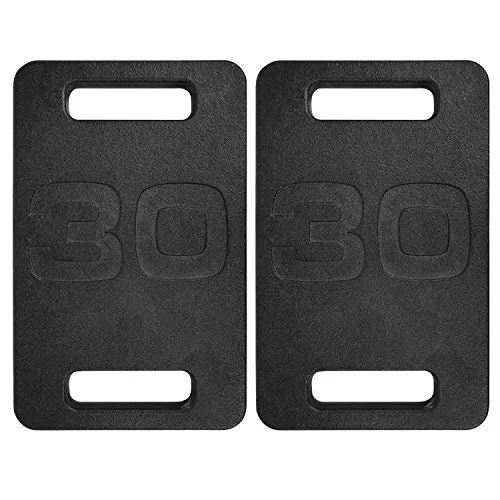
Adam has type 1 diabetes and loves a a good ruck.
You can always listen to the Juicebox Podcast here but the cool kids use: Apple Podcasts/iOS - Spotify - Amazon Music - Google Play/Android - iHeart Radio - Radio Public, Amazon Alexa or wherever they get audio.
+ Click for EPISODE TRANSCRIPT
DISCLAIMER: This text is the output of AI based transcribing from an audio recording. Although the transcription is largely accurate, in some cases it is incomplete or inaccurate due to inaudible passages or transcription errors and should not be treated as an authoritative record. Nothing that you read here constitutes advice medical or otherwise. Always consult with a healthcare professional before making changes to a healthcare plan.
Scott Benner 0:00
Hello friends, and welcome to episode 713 of the Juicebox Podcast.
On today's episode, yeah, today's episode we'll try that again. On today's episode, I'll be speaking with Adam. He is an adult living with type one diabetes, and he likes to carry heavy things on his back. I think that about covers it. While you're listening today, please remember that nothing you hear on the Juicebox Podcast should be considered advice, medical or otherwise, always consult a physician before making any changes to your health care plan, or becoming bold with insulin. If you're an adult living with type one diabetes who is a US resident or the caregiver of someone with type one, please go to T one D exchange.org. Forward slash juicebox. Join the registry. Take the survey help people living with type one diabetes support the podcast, this entire effort to take you fewer than 10 minutes. That's 10 minutes to help podcast that you like people that you have a lot in common with and might find out some stuff for yourself. T one D exchange.org forward slash juicebox
this show is sponsored today by the glucagon that my daughter carries G voc hypo Penn Find out more at G voc glucagon.com forward slash juicebox. today's podcast is also sponsored by touched by type one and their big event is coming up on August 27 in Orlando, Florida. So check it out at touched by type one.org and The podcast is also sponsored today by us med get your diabetes supplies from us med all you have to do to get started is go to us med.com forward slash juice box or call 888-721-1514 When you do that, you'll be able to get your free benefits check and get going us med.com forward slash juice box.
Adam 2:21
My name is Adam Rucker, which is just interesting to say out loud to people for the first time when I meet them. But yeah, my name is Adam and I live in Cleveland and I like carrying heavy.
Scott Benner 2:36
So it is not that you went to Rutgers University to get your degree.
Adam 2:40
No. So that's Rutgers that has a T in it. Yes.
Scott Benner 2:43
So this is rucking basically you like to walk places, but carry heavy stuff on your back while you're doing it.
Adam 2:50
That's correct. Yeah. I mean, in the whole evolution of that whole hobby sport pastime, it's the same concept is jogging, or going for a run the differences I think running sucks. So I want to get the same cardio workout without the added oh my god I've got to run because I don't want to run. So rucking it is where you just use strap on some heavy weight on your back and you go for a walk, which is easy to do. And you can do a bunch of friends, which is what I typically do.
Scott Benner 3:18
What is the word like what's the etymology of the word?
Adam 3:23
Also think about military jargon. When they're humping a rock, meaning they're carrying their rock, Scott ammunition, rations, Mr. E's, that kind of stuff. And they've got to go over distance to cover some ground either infiltrate or exfiltrate from a situation. A lot of times you do it on foot. And you know, the Special Forces are known for this type of thing, especially the army Green Berets. Because that's that's how they get there. They got to be as stealthy as possible sometimes. So if you can carry everything on your back, get in, get out. That's what the that is. And you know, a lot of times those guys to get to a place, you've got to go 2030 miles, get there, then go to work, and then get the hell out of there. So that's that's where it comes from is just a military background humping a rock in UK that kind of stuff. rucking or carrying a ruck is what kids carry to school. They're just backpacks. United States we call them backpacks, but over there, they call them rocks, you know, German word, God's rucksack, that kind of thing.
Scott Benner 4:29
I only think of the actor Alan Rock who played Cameron in Ferris Bueller's Day Off when I hear the word.
Adam 4:35
Well, he's also a great rock. I mean, I mean in in if you want to put that in context of rucking, but Ellen rock would do is put it back back on then carry the Jaguar back instead of just running it backwards.
Scott Benner 4:52
Do you think we're now in Rock has sex he calls it?
Adam 4:56
No. Oh, he's definitely rocking for sure. Hey, he
Scott Benner 4:58
thinks he calls it rocking.
Adam 5:00
He probably does. He's probably got a style and everything. And yeah.
Scott Benner 5:05
Terrible pickup line in the bar?
Adam 5:08
Or is it a family reunion? I'm going rucking. It's
Scott Benner 5:10
great. Hi, how are you? Would you like to go rocking? Alright, so you're on the podcast? Because I did I actually asked for people who have like, interesting and odd hobbies at some point.
Adam 5:23
Yeah, oh, yeah, you're looking for type one diabetics that have interesting hobbies. And so I sent you an email. With a picture. I think it was a picture of my back carrying a rock and an added weight of something. And I said, I kind of do this. You're like, let's do it.
Scott Benner 5:39
Cool. Yeah, that counts for sure. I mean, it's so it's just an intense workout that sort of been turned into? I mean, do you do it? I guess my question is, like, Do you have a bunch of friends that you get together with and do it? Or is it if you belong to a group that does it? Do you do it by yourself?
Adam 5:58
Yeah, I mean, all of the above. So I got into it, trying to make like a lifestyle change. I needed to lose some weight. So I decided I was going to try and like I was going to train to do the Murph because I saw John Krasinski post on his Instagram that he did it, I'm like, the dude from the office did that, why can't I do it. And at the time, I was extremely heavy, really overweight. So I'm like, I'm gonna train for that. So I started training that training for that kind of honor a friend of mines brother who'd passed away. So I was gonna do that. And during that time of training for it, I became, I was diagnosed as type one diabetic few years ago. So I'm like, I got to, I can't do the Murph right now, because I was so weak from being sugar, so high, your muscle density goes, and I need to do something. So I'm like, I'm gonna go, I looked up other kinds of crazy stuff. And I saw someone posted, they're doing a wrecking event in Pittsburgh. So I'm like, I'm gonna go do that. It was just the concept was get a rock or a backpack, put weight in it, have the list of things we want you to bring, and we're gonna, you know, walk you through some workouts, which I'm like, Okay, that sounds like fun. And you got to train for that. So I just threw some weight in a backpack, at the time was just like a laptop bag. And I just started walking around the block. And that was just by myself just trying to figure out, I'm going to show up to this event. And I got to kind of be ready for that. So I'm like, I just gotta at least be able to put some miles on with weight on my back, because my legs are weak, my back's weak, my arms are weak. So you started slow, work your way up. And now I'm part of a whole community of people. Like every city kind of has like a wrecking Club, which is kind of fostered by a company called go rock that kind of makes specialized equipment for these types of things, their military style. Events, were either led by someone from the Special Forces, a Special Forces veteran. And they kind of build that bridge from a civilian, who thought, Oh, I wonder what was like to be in the military, but didn't want to actually go to the military, you can kind of get a taste of it. And what it is, is there there are veterans, Special Forces, veterans, kind of giving back some of their knowledge about pushing through, you know, adversity, a lot of times that adversity is going to be just physical limitations, pain, things like that. So you just kind of learn how to push through it. And it kind of grows, you kind of dip your toe in the water, and either you get all the way in, or you get all the way up, and I happen to get all the way in.
Scott Benner 8:33
Gotcha. Hey, so All right, let's go. Let's move like this. Then. How old are you now?
Adam 8:39
I'm 41. All right,
Scott Benner 8:41
you cut out for a second, but 41 is the answer. Right? Yeah. I'm 41. Yes. Diagnosed how long ago?
Adam 8:47
I was 37. And I was diagnosed 2018
Scott Benner 8:53
At that point, are you married? You have children? Are you single?
Adam 8:56
I've gotten married with four kids. Oh, yeah. Okay.
Scott Benner 8:58
She's easy. Yeah. No problem. Yeah. Sounds like you're pretty good at rocking. You don't I mean,
Adam 9:07
just time away from the kids. It's great.
Scott Benner 9:09
So any other autoimmune your life prior to that, or since?
Adam 9:15
I mean, part of that, at the time, vitiligo was not being called an autoimmune disease, but I've had that since I was a small child. Now, it's kind of considered an autoimmune disease with at least they figured out how it causes it more now. So I guess that was my first autoimmune disease, and then type one diabetes, obviously then, since I've developed Hashimotos disease, which really threw a wrench in kind of this whole energy thing. So okay, now I'm still still kind of getting under the umbrella of that right now.
Scott Benner 9:44
We'll get to that. So you're you're at 37 You said you were you consider yourself overweight? Like had you been? Yeah, I
Adam 9:51
was. I was three. I was 300 pounds. Oh, wow.
Scott Benner 9:54
Were you like nine feet? I was big. How tall are you? No, I'm about six foot why? Wow, okay, that's still probably looks significant on you then.
Adam 10:04
Yeah, it was pretty significant. I saw a picture of myself sitting next to my childhood best friend when I sold them a car and I go, man, that's big. So now that's kind of what's, what's that?
Scott Benner 10:16
I'm sorry, you cut out a little bit so confused me. But did you start out as a bigger person? Or did you kind of I was gonna say grow into it, but this, but did it happen?
Adam 10:27
If you looked at pictures of me through high school in my early 20s, I was a skinny tall guy, okay. And then, you know, circumstances happen mental health happens. fell into a depression the year 2012 was a pretty significant bad year for me. So it was like that year kind of started growing and growing and growing. And then fast forward, you know, four or five years later, you will look down go to the doctor for the first time in a few years. So like, yeah, the first number on your way to three. Right? That's you that's wakes you up a little bit. And that's kind of what happened with me as it
Scott Benner 11:01
was happening. Were you aware unaware unable to care? Like what was your mind?
Adam 11:07
I just I just didn't care. I mean, I was just in a severely dark the depression because I had lost a job dealing with fat money was tight. I mean, my wife had you know, we're newlyweds at that point with just one one child and a second one just was brought into the picture. So it was just one of those things where, you know, personal life was in turmoil outside of my marriage then it just was it was a crazy 2012 And then as I started kind of like getting my mojo back, I started a job that was significantly not good for the waistline because you worked in office you ate when you could you ate as much crap as you could because that's the only thing you could find. So it was just a blossoming of of circumstances that put you up there in our was only thing I noticed was I kept having to buy bigger pants, but not a ton bigger like oh, this year I'm gonna be wearing a one size bigger than I was last year. No big deal.
Scott Benner 12:07
Okay. All right. So at some point does does your diabetes come before you're like kind of awakening about your weight? Or does the weight do you start working on your weight before you get diabetes? Adam, you're gone aren't you? Sorry. Are you there? No. Hey, you were gone for a second. Are you back? Can you hear me? He does not hear me. If I hear you now, that's not the song. This is definitely where the ads gonna end up.
G voc hypo pan has no visible needle, and is a premixed auto injector of glucagon for treatment of very low blood sugar. In adults and kids with diabetes ages two and above. Find out more go to Jeeva glucagon.com forward slash juicebox. G voc shouldn't be used in patients with insulinoma or pheochromocytoma. Visit Jivaro glucagon.com/risk us med is the place where I think you might want to get your diabetes supplies from us med.com forward slash juicebox call 888-721-1514 Either way you want to do that is a great way to get your free benefits check from us med here's what you're gonna get from us med they are the number one distributor for FreeStyle Libre systems nationwide. The number one specialty distributor from the pot dash, the number one fastest growing tandem distributor nationwide. They're where we got our hands on the pod five from they're also the number one rated distributor index com customer satisfaction surveys. And they've served over 1 million people living with diabetes since 1996. US med has an A plus rating with the Better Business Bureau. They accept Medicare nationwide and over 800 private insurers. US med always provides 90 days worth of supplies and fast and free shipping. So if you're looking for a place to get your diabetes supplies, including the libre two and the Dexcom, G six, you're looking for us med 88087211514 or online at us med.com forward slash juicebox.
Okay, what was my question? My question was, did you start thinking about weight loss prior to diabetes or to diabetes happened prior to weight loss thinking?
Adam 14:57
So I started losing weight before Were diabetes, because like I said, I was 300 pounds, high blood pressure, the whole gamut. A lot of things are happening. So I knew I need to lose weight. And my brother, my younger brother also was kind of a bigger person. And he kind of hit a mark where he's like, changing my whole life. And I kind of hit that point as well. It just started, you know, finding ways to work out it was first passively just changing up diet a little bit.
Scott Benner 15:24
Yeah, Adam. Hey, you're from your noisy. Sorry, man. No, don't be sorry. We gotta move your phone somewhere.
Adam 15:33
myself back down in my closet downstairs. My office. I thought it was just a Wi Fi issue. So I went next to my Wi Fi. How's that?
Scott Benner 15:40
I don't know. When you're talking. I'm getting a tapping behind your voice. It's electronic tapping, so I don't know what it is. And if you got probably too close to something.
Adam 15:50
Yeah, probably. How's it now?
Scott Benner 15:58
To wait to get settled. Try it again. How's it now? It's still there. Let me think so many people use their iPhone so successfully for this. Oh, it's not like, intrinsically that as a problem is what I mean. So I don't know. It was a new noise. I didn't hear it before.
Adam 16:26
Oh, sorry, man. I think I just I want them to close to my router. For Wi Fi signal. Just in case that was the issue, but it's all good.
Scott Benner 16:35
Okay, now you are somewhere pretty hollow. This is you're gonna kill me in a second. So
Adam 16:42
audio guy too, so it's gonna drive me nuts too.
Scott Benner 16:44
Did you move into a room where there's no carpeting or something like that?
Adam 16:49
Alright, you go. I just took off my Bluetooth that was echoing in my ears too. Okay, perfect. And turn off my speakerphone.
Scott Benner 16:55
All right, here we go. Let's stand perfectly still Adam and do this podcast. I'm sorry. I know. I interrupted you. You were in the middle of it. That's okay. How you how you started getting on top of? Yeah,
Adam 17:09
I mean, so the whole process of losing weight for me started with just changing up what I was eating, just volume of calories was going down. And I was losing significant amount of weight. I went from 300 pounds to 250. I would say in six months, wow, give or take. Just kind of changing that up. I worked at a job where I was moving around a lot. Like I would go you know, work at a car lot. So I was walking miles a day, just moving cars around things like that. So it was easy, because the physical activity was there. But it's mostly like just passively knowing I needed to eat better. Just pay attention to it.
Scott Benner 17:51
Yeah. Give me Give me an example of a meal before and a meal after.
Adam 17:58
Sure. So a meal before didn't care. I would go to Wendy's. For instance, for lunch at work. I would get a Baconator with a supersize, biggest rather head and a coke. And that was my lunch every day. That's probably a significant amount of days. Yes, not necessarily every day, but more days than not. In and then after it was, you know, I would still go out to eat because it's hard to bring your lunch to work when you're not sure where to eat. But I would physically leave the building for lunch go somewhere, like eat on my own time. And there was a new, like a farmers market down the street that opened up, they had a great salad bar. So I just went over there and ate salads for lunch.
Scott Benner 18:39
And you didn't have any difficulty making the adjustment.
Adam 18:43
No, that's what's really weird for me, is when I decide to do something, I Don't dabble. I just do it. Like, oh, I'm going to do this. This is what I'm doing now. Cool. And it just make it a new habit. You know, they say what 21 days create a new habit. I try and do that like 10.
Scott Benner 19:00
So is it fair to say that prior to all this when you started when you hit your your dark spot that you almost were like diving into eating poorly, even though you probably weren't thinking about it that way. So you were kind of all in on that as well. Oh, yeah. Yeah, exactly. Yeah. You don't like when it's Wednesday and then grab a salad. go for a jog on Thursday. It's like, one or the other?
Adam 19:24
For sure. Yeah. And that's definitely the
Scott Benner 19:26
case. I that makes sense. So So you knock off 50 pounds pretty quickly. But yeah, stunning. Does your wife mentioned it? Either way, well, well,
Adam 19:39
she got she would get really angry because my wife at this point, has given birth to kids. And the kids were not kind on her body. So she's been trying to in weight. You know, she developed a thyroid condition after the first one. So she had been trying to lose weight. She's having some difficulty and she sees me just Like, no problem, I decided to do it today. And no worries. You know, I just started doing it. And that probably frustrated her a little bit. Because she said that out loud.
Scott Benner 20:11
What thyroid condition did she get after the birth?
Adam 20:15
She got a hypo, hypo thyroid. Yeah. So she's having, you know, Synthroid and all that stuff. And, you know, and that plays with whole other issues, you know, iodine imbalances and vitamin stuff. And she's, she was just trying to at that time trying to get a grip on that. Yeah, she was having some difficulty. She seems to be eating out a bit now. But still having trouble with the whole weight loss thing. And that kind of goes along with it, too. You know?
Scott Benner 20:41
No, I hear that. Okay. So you're things are going your way. You're losing weight. You have a couple of kids. You got to pull it out of your darkness. And then Yep, diabetes.
Adam 20:53
Yeah, well, I hit gone in because I started seeing an endocrinologist for low testosterone. That was what my PCP identified as something that was a problem. Okay. So I started seeing an endocrinologist. As I started losing weight. I told her, Hey, this is my plan. So we can kind of do some tests, she wanted to figure out, why did I have such low testosterone? Besides the weight? You know, is there a physical problem? As CAT scans, MRIs, the whole nine yards at the brain? And she's like, well, let's, let's get together in February. And this is February of 2018. Sure, let's get together just for a checkup. And we'll kind of take a look at everything and see how it's going. And so, you know, six months goes by from that last appointment with her to my following appointment. And during that time, I started developing an insatiable thirst, like I was drinking a lot of water. But now I'm drinking 10x that amount, right? I was maybe drinking two or three bottles of water at work, because we give out bottles to our customers to drinking like 10 a day, like just a lot. And my PCP changed my blood pressure meds to include hydrochloric thiazides and he goes, this is gonna make your pee a little bit more like, Okay, well, I started taking it, I started paying more, and then it got more, and they got more. Let's start getting dehydrated, and then start waking up in the middle of night, having to pee so bad, but not being able to walk because your legs are so dehydrated. So I'm crawling to the bathroom. And this went on for months before I went and saw the endo again, to follow up on my a testosterone stuff. And she's like, we're gonna start testosterone because you're really low. She goes, there's anything else going on? I said, Yeah. I think my blood pressure meds are a little out of whack because they lost 70 pounds now. And she's like, Yeah, you've lost a considerable amount of weight. Good job. And, you know, I said, Yeah, but this is kind of happening to me. Now. She goes, Oh, tell me more. And I just started telling her how often I was getting up to pee how much water was drinking? And she's like, there's something going on. We don't know what. But there's something going on. Yeah. So she goes, I'm gonna order all this bloodwork. Go get it done. Well, the following week, I had my annual with my PCP with also at bloodwork so I decided I'm gonna let it wait a couple of weeks and then go do it all at once. So yeah, and when did blood work? They did like 1213 vials because they had all my annual stuff then a full panel for her. And then the next day, my my turret starts going off about all the blood tests I'm like completely failing from you know blood glucose a onesies to everything's just blown out of whack and, you know, they know calls you and says, you have an appointment today at one o'clock I go, No, my PCP appointments at seven tonight. She goes, Oh, this is the endocrinology office. You have an appoint with us today at one o'clock. Yeah. I just can't leave work. She goes, Well, your where your employer not let you go can working with Carly's ship, I get to work. They go. Do we need to call you an ambulance? They go. Oh, it's serious.
Scott Benner 23:56
I mean, an ambulance will get me out of here. Yes.
Adam 23:59
So I mean, I just went to my boss and said, Hey, I got I got these blood tests. They gotta go. I don't know what any of this means. But I'll be back. I think later. He's like, whatever. Yeah, so he went, they said she'd only go well, you're definitely diabetic. So they do the whole here's how to take your blood sugar, here's insulin. Here's a you know a ticket to go down to the bloodwork to see what type of you are because we don't know. You know, so that's when they figured out Oh, you're a type one. That was the next day. So
Scott Benner 24:28
question that might seem weird after all that but did you end up getting the testosterone replacement ever?
Adam 24:34
No. So once I got my E onesies in check in, got my blood control blood sugar and control everything even though everything my thyroid levels evened out. My testosterone evened out my lipids evened out like everything was fine once they figured that out. It was weird. Yeah, how long
Scott Benner 24:52
after the diagnosis did you get Hashimotos
Adam 24:56
so that was this past winter, like March of 2020 is when I went in for my annual they go, what's going on? She goes, you're kind of gaining weight pretty quick again. What do you is there anything going on like? Well, I work in health care in the middle of a pandemic, where I sell the number one treatment for COVID. So I'm a little stressed out. It's a little depressing working with old people who are literally passing away. So I'm like, I'm probably in a little bit of a depression. So that always makes you know, me gain weight. She goes, Yeah, but you know, that's not going to count for all of it. So let's, let's take a look. And I gave her some other symptoms, you know, just lethargy in general. So she looked it up, and my antibodies were through the roof. And she's like, You clearly have Hashimotos This is No, no ifs, ands or buts about it. So I have a Synthroid.
Scott Benner 25:47
Yeah. Okay, back in the first time, when you hit a kind of dark place. Can you look back before that and see any Hashimotos type symptoms back then?
Adam 25:58
Yeah, I mean, probably, probably a little bit. If I go back and look at my blood tests, my, my thyroid levels are always on the higher side of normal in general. I mean, for hypothyroid disease runs in my family, generations, you know, for as long as they could just like, my grandmother had it. My mom's got it, I've got it. And then my dad's side, probably the same. I don't know much about my dad's family medical history. But I'm sure we've got one or two people that had that same issue there, too.
Scott Benner 26:30
Yeah. Cuz it really made me wonder, as you started kind of building the story, if the first time this happened to you wasn't maybe a thyroid issue as well. And then perhaps it quieted down a little bit for a while. Yeah. Which I know, it's not a super technical term. But you know, I always wonder when you see people have wild swings in their, I don't know, just, you know, their personalities, energy weight, stuff like that. If if it isn't an imbalance, maybe an internal imbalance, and not just, you know, because we tend to think of it as like, I don't know how we think of it, you know, you see somebody who just starts acting differently, like he's having a bad day or a bad month, or something's going on. Right. But you know, there are delicate balances inside of your body. And when they move around, stuff goes wrong.
Adam 27:21
Yeah. I mean, in a lot of the times, like, I've always found my health issues in times of personal prices, right? Because the symptoms that I'm matching for physical symptoms, like lethargy, that kind of thing was always masked by, oh, I'm also in a really dark place otherwise, so is this depression? Or is this a physical problem? And having grown up with a with a mom and healthcare, you only went to the doctors if you're a die, right? You know, you, you got a bone sticking, like, I got hit in the head with a baseball bat crack my head wide open. And the neighbors called the ambulance. My mom's like, why would you call the ambulance just drive them to the hospital? But they didn't, she wasn't there. But you know, and then we wait, you know, that kind of thing. So it's, it's all of these things, your symptoms can be masked by external factors. Yeah. So a lot of times this could have gone unchecked for a lot longer. Had I not been in a bad mental place, I probably would have picked up on these a little fast, right.
Scott Benner 28:18
And stressful moments can also throw things into motion. You know, for sure. I think, actually, motors is a good example of that. Yeah. And so it's type one, to be perfectly honest. You know, you get into a bad you get into a bad spot and you start taxing your body. stress and stress and, and things that are on the verge of just holding together sometimes just kind of can't anymore.
Adam 28:44
Oh, for sure. I there's definitely some truth to that right definitely has to be some truth to that.
Scott Benner 28:49
So how did you find how to how did you find having diabetes had him was it? I asked that question, like you bought a new sofa? And I was like, how did you find it?
Adam 29:03
Yeah, well, I mean, it threw me through the gamut. Because now I'm like, What is this mean? I've had a good close friend of ours has been type one diabetic for a long time. So I've been exposed to it. I was there during a pretty horrific hypo that he was having where we had to call an ambulance. So I've seen the dark sides, and I've seen the good sides, right? My cousin's been living with it since he was two months old. So I've seen I've been exposed to it, but I've never paid much attention to it a few years ago. Someone that grew up with my mom, her son passed away from type one diabetes. So it was a big, like, I get it, I'm exposed. I see. It's out there. Now it affects me. So now I'm like hyper focused on okay. What do I do? So, I took it upon myself to start learning about what it is before I went to my diabetes education. I was given some pretty conservative treatment plans to start because As I lived my whole life without it, so they didn't want to throw me in deep. So I would get so overwhelmed. So they kind of eased me into this is Lantis This is how it works. This is human log, this is how it works. If your sugars here give you this and they kind of walk you through that first meeting. So I decided to look up. Okay, what does this mean? And I gamified everything, like, Okay, I'm gonna get my blood sugar's down, this is gonna be the thing. And I just focused on it. It gave me something to focus on. They gave me a little bit more of a better purpose. Because when you're reading about the side effects of having type one diabetes, neuropathy, that kind of thing scares the crap out of you. It really does. And I didn't want anything, just those things to happen. I've got friends with neuropathy, don't want to deal with it. Don't want to have it. So yeah, I just want to dive into it and learn as much as I could.
Scott Benner 30:52
Okay. Just a real quick question, cousin on whose side your mom's your dad's.
Adam 30:58
Mom's. Okay.
Scott Benner 31:01
So that cousin had type one for quite some time.
Adam 31:04
And you're almost dead. He was born and then all of a sudden, he was in hospital with in diabetic coma. Like it was a pretty big serious thing. So he was a baby when he was diagnosed. Gotcha. Okay, so yeah. Okay.
Scott Benner 31:19
How did you start off with technology? Did you mean four years ago? Did you have a CGM pretty quickly a pump? How did you do it?
Adam 31:26
So my insurance was kind of a pain in the butt. When it came to that I had a one touch write off of the doctor's office and some quick pens. Within six months of me pricking my finger. I'm like, I need to get a Dexcom. But my first agency back after being you know, diagnosed diabetic was like 6.1. And for whatever threshold my insurance needed to get me one, I was below that. So my doctor was instrumental of doing all the, the appeals to get it all approved. And within within eight to 10 months, I was on CGM. Okay, which was awesome. And I denied the pump for at that point, because, for me, my problem with weight was, I was eating a lot. If I made it easier to eat, I would eat whatever I want. And I would get bigger yet. And that was my fear.
Scott Benner 32:20
So you thought Excel had a pump? You'd be like, Oh, snacking, it'll be easier. And that'll be good for me. Yeah.
Adam 32:26
Well, I knew that would be easier because I've got friends on pumps. I'd listen to the podcast at this point. Yeah. And life gets easier with a pump. I'm like, I need to make it still a little difficult for myself. And it was a wrecking event that changed my whole opinion on that. But that's another, we'll get to that,
Scott Benner 32:43
I'm sure. Yeah, we're definitely gonna get that. I just want to ask one follow up question around that. So do you consider a side of diabetes? Like, I don't know how to talk about stuff like this, but like, true, do you have an eating disorder?
Adam 32:57
I mean, maybe I'm going through, I'm talking with a nutritionist now about some of my things with food. And I grew up I grew up in a time in the 80s, where my mom had probably did, probably either anorexia or bulimia or both, whatever. And I've watched her deal with these yo yo diets. And I'm like, I'm not gonna deal with that. That is. So there's probably a little bit of that going on some body dysmorphia things because even when I lost I lost 100 pounds at this point, from just starting to lose weight to I'm a type one diabetic. I've lost 100 pounds. And I'm like, I still feel like I'm 300 pounds. You still feel big? So there's probably a little bit of that going on? For sure. Yeah.
Scott Benner 33:42
Cuz six feet, 200 pounds. I mean, if it's on your right, this, I mean, you're a bigger person at that point. But it's not big in a crazy way.
Adam 33:50
No, not. Not at all. And now, the whole the whole option now from back then it was losing weight. So it looked better, right? If I looked better, I think I'd feel better. And now it's more or less. I don't care what it looked like, I just want to be really strong. Like I want to be really strong.
Scott Benner 34:05
Gotcha. All right. So I'm trying to imagine the first time you rock anything. So how much weight do you start with?
Adam 34:17
So I say it's easy to start with any weight was start with five pounds if you need to. I started with 20 Okay, because all the sites that I was going to about this kind of stuff was training plans or start with 20 It's pretty easy. You can handle 20 pounds on your back with no problem. And then I weighed my daughter's book bag. And it was like 25 I'm like, yeah, no problem. 20 is good.
Scott Benner 34:39
Your bag for school was 25 pounds. Yeah, with all
Adam 34:43
the books she had to carry home for studying and that kind of stuff. So I just threw some bricks in a bag and put it on my back and started walking
Scott Benner 34:51
some bricks in a bag you put on your back and went for a walk. How far do you walk?
Adam 34:56
First time three miles
Scott Benner 34:59
any Time considerations, you just tried to do the distance,
Adam 35:02
just doing the distance, like, I had a route. And I turned when I went on my house, I turned right. And I had a big square in the neighborhood. And so I just come back the square and, you know, at one point, the distance home in the distance out, you know, to and from is the same. So I just go to a point turn around, come back. Wilson,
Scott Benner 35:21
how long do you think it takes you to feel stronger? After you start doing it?
Adam 35:26
You feel stronger immediately, not because you're probably growing muscle that fast is because wow, I thought that would be really hard. And I kind of did that no problem. So then you start playing challenges. I wonder if I can do it faster. I wonder if I can do it heavier. And you kind of like push yourself and play that game in your head over and over. And significant muscles not going to be built overnight. But you feel after the first week if you make a plan of it. You feel stronger by the end of the week? It's great.
Scott Benner 35:54
Well, I mean, I guess really, you know, modern society, you've described a number of your jobs, they weren't physically demanding jobs. And you got to think, you know, a number of years ago, most of our jobs were more physically demanding. So you're really just, yeah, you're creating, you're creating that in your leisure time, basically, because your work time is easier.
Adam 36:17
Yeah. And you could do with the kids, you want to walk instead of riding your bike to the park, let's walk. And so they'll walk or ride or scooter and I'm going to put on a rock and I'm going to walk behind them. And the job is try and keep up. Because a you're gonna get a cardio workout. And two, you know, that's just gonna push you along. They're gonna be you're spending time with your kids. What's better than that? Well,
Scott Benner 36:40
there's a couple. There's a lot
Adam 36:41
of things better than that. But better. Different. Yeah, I mean, but think about it. Like, when you're when I was working the jobs, I was working a lot, a lot, a lot of hours. And so this gave me time to spend time work out, do all those things I made time for but also involve them as well. So I think modeling good behavior to them, is just important as disciplining them for doing something bad.
Scott Benner 37:04
Did the strength sort of created self body wide? Or was it more like core and back and legs? Yeah, it
Adam 37:13
was, I started noticing significant changes just my legs, because the first time I felt like like my twig like my knees, were gonna snap. Because you're like, Well, you put a lot of weight you're not used to it. So you feel it in your knees first. And that first thing it does is build some strength because you're not running, you're just walking a natural gait. But because it's heavier, you know, you're working those those muscles first. And then your core starts tightening up because you to hold that up. You've kind of kind of lean into it. So you're tightening your core, and you're walking through it. So that becomes better because my core is stronger. My background is I've had for years, I've kind of disappeared. Yeah, because my core is a lot stronger.
Scott Benner 37:51
That makes sense. How long it takes you up the weight?
Adam 37:55
Well, I stuck around 20 pounds for a good bit, probably six months. And then I did my first rocky event. Right? It was it was 20 pounds minimum. And then three liters of water is hot on top of that. So even right there, you're looking at 30 pounds ish. Okay, so that was six months into it. And now, you know, when I feel like I've kind of like, done my 3k route or 5k route in a beat my time over and over again, is I know, it's time to add more weight to kind of push through that.
Scott Benner 38:30
I say, you drink a lot of that water on the walk.
Adam 38:33
Oh, yeah. Yeah. More than most.
Scott Benner 38:38
Because you just like to stay hydrated or
Adam 38:40
you like to stay hydrated. You know, Dexcom works better when you're hydrated. But also, when I get like dry mouth, it reminds me of when I was uncontrolled diabetic. And that, that, that dryness in the back of your mouth. That was like a trigger for me. Like, I can't ever let that happen again, because it's so bad. Because if I'm that dehydrated, it means you know, my legs are gonna hurt and all this stuff. So I like to stay really hydrated that way. That
Scott Benner 39:08
makes sense. I I don't eat at the restaurant that I ate out right before my appendix burst. And the two things had nothing to do with each other. So, right? Don't want that. Right. I don't even want the feeling anymore. Right? Hey. Okay, so how do you manage your insulin for all this walking?
Adam 39:26
So I was just a Lantus human log MDI kid cuz I didn't when I first started to have zero visibility or my blood sugar's, so my first event, I did it as a fingerprick MDI situation, but it wasn't a big, taxing event. It was something called a light event. It was six hours long. You go you cover two or three miles. So if it's six hours long, and I'm covering two or three miles, I know I'm not going to have this long distance my blood sugar is going to drop thing, because I'm not walking long or hard enough right now sure there'll be a little bit more working out than I normally do. But I wasn't too worried about it. And then I started, get up in the ante and just some of the events space. And I realized that MDI and pricking my finger in a 12 hour event is just impractical. It's just not practical to do that. You need to have a bit more technology. And that's when I'm like, Okay, I need to get a CGM. So it's just I get visibility over that.
Scott Benner 40:26
I gotta ask you a 12 hour event. What do you what do you walk into Minnesota? What are you doing?
Adam 40:33
So they have this company go rock has three levels way of more than three. But the three basic core events that they offer, are a go rock, heavy LIGO rock tough in the go rock light, and the biggest duration is activity. And time. So a light is going to be your entry level, type event, six hours long ish, sometimes four, sometimes six, distance between two to five miles. Lighter weight, it's like if someone is just trying to get into it, they don't want to scare you away. And then once you get into it, and you get the bug, you go, I want to do more. So now you do a tough event, which is the same thing as the light, except it's a little heavier, it's a bit longer in their standards a little tighter. So you know, hey, you have so long as an entire team, because the people you show up to these events with you create one team. And that's kind of a team building exercise. So you've got to move all this stuff, whether it's sandbags, random, you find along the way, like a tree trunk, you got to get from point A to point B in a certain time. By the way, you're not looking at a watch. So hurry it up. So you kind of do that kind of stuff. And it's a fun, it's a lot of fun to do that because you're working with people switching weight back and forth. And that's just fun to do. So that's a 12 hour. And then the heavy is just that. It's just longer and heavier. Which is a 24 hour Rockfest Gee, it's awful.
Scott Benner 42:01
Do you eat during it?
Adam 42:04
Well, as a diabetic, because you tell him you're diabetic, you are smart, they don't take your food away from you. Because food is now a lifesaver to you. Everybody else that has functioning pancreas is Yeah, they'll they'll limit your food, you take what you're going to eat with you. So in in some events, they take your food away and tell you when you can eat. But usually, between waypoints you get from point A to point B, you'll have a chance to stop, reset yourself, eat something if you need it, and then keep going. But it's all endurance. It's all about endurance.
Scott Benner 42:35
It costs money to be involved. Yeah, yeah, these events
Adam 42:39
aren't cheap. They can be pretty expensive. But the reward is worth in my opinion, the worth the cost.
Scott Benner 42:47
Yeah. Well, I mean, you're making paying somebody to carry sand for no real reason. I get what it's about, but it's just it's a funny idea.
Adam 42:57
Yeah, it's a it's a really, really funny idea. And I don't really care about carrying the weight. I mean, that's that that's the suck fest part of it. But it's between those movements, where you get to talk to the guy running it, who like one of my favorite cadre, his name's Kadri I adore. And he was in Delta Force during the Battle of Mogadishu. And listening him tell that story, or tell you what it was like, is just worth all the pain you go through seeking to hear that story in a way where now he put you through a movement that they had to do, and you kind of understand it better. That's what it's about.
Scott Benner 43:33
Do you prep it all for these things? I mean, do you cut your basil back? How far before you get to v have to eat certain things prior to it? Do you not eat certain things prior to it?
Adam 43:43
Yeah, well, I didn't find your podcast until after I was medically dropped from a 24 hour event because of low blood sugar. And at that point, I didn't cut Basal because I didn't know what that was. Like, I didn't know that concept. I was just told I gotta get myself this. So it didn't have CGM when I started it. So it was a that, that failure. In that 24 hour event, I was nine hours into the event. And that was dropped because my blood sugar was low enough where I was completely coherent. But my blood sugar wouldn't read on the one touch at all. So one of the guys in the stack with us was an ER doc in I'm sitting there tears running down my face because I trained, you know, six months to a year to be there. And I'm nine hours in it and I was gonna do what the heavy tough light I was going to do the heavy followed by the tough followed by the light on a row. That's what I was training for. And, you know, nine hours into the first event I'm getting dropped because they can't i can't manage my blood sugar. And at this point, I've had three lows already. So like yeah, you're out man.
Scott Benner 44:48
It's just gonna keep happening. So the rocking events are the reason you found the podcast.
Adam 44:53
Yeah, yeah, I need to find a better way to. I was looking for information, better ways to manage because what I was doing was ain't working for what I wanted to do right at all. So I needed to find different ways to do it. So I just looked up, I had commutes to work that were about 20 minutes. So I love podcasts. So I just started looking for type one podcasts. In years, it was like the first one that pop up. I'm like, okay, and then it just start listening. And then when you would reference an older episode about something, that go back and listen to the older episode, it all came down to you get a CGM, and ultimately get a pump. Because that's how you do it. That's what I did.
Scott Benner 45:32
Do you find that in the end? It's timing and amount.
Adam 45:37
Oh, 100%. Yeah, timing amount and, and also confidence that you know what you're doing, right? A lot of a lot of it is just lack of confidence, knowing is it going to work through that way? Is it not going to work the right way? You know, and that fear of insulin is a real thing, right? Of course, especially when you're working out?
Scott Benner 45:53
No, of course, and the chasing becomes, you don't, you don't realize you're chasing it first. And then you don't realize how far you've run away from the path. And you can't find your way back anymore. You know, you just write days and days of you like stopping lows and then eating and making it high again, and then you know, crash. Yeah, you're just like I don't understand like, because you can't i It's such an overused idea. But you can't see the forest for the trees at some point. You just
Adam 46:20
know you can't You don't you don't know how bad the fight is until you're not in it anymore. And you can you look back and like kind of the debrief what you did well, and what you did.
Scott Benner 46:28
Yeah. Oh, sorry. I'm sorry. Arden's bothering me. That's all good. I just had to text her and let her know what I was doing. Where are you? Is code for I'm hungry. You should come make me lunch. And
Adam 46:43
that's exactly what my kids do, except they come downstairs with a bag of bread and go make me a sandwich.
Scott Benner 46:48
We say at least they have an idea art. And it's like, I don't know what I want, but I'm hungry. And they're listing all the things you have in the house. And she goes, there's nothing here. Like, well, there must be, you know, it cost me $300 I don't see how there can't be anything here. Right. I want to go get a cheeseburger. Okay. Well, sounds great. But if I made you a cheeseburger, nah, not the same. Okay, I just You just eat kale.
Adam 47:16
No, yeah, it really cheeseburgers are my thing. I love them.
Scott Benner 47:20
I gotta be honest with the eating is a problem. In our, in our lifestyle, it really is a problem because you feel like you have two options, make a good meal, and lose a bunch of time that you think that you can't get back, or grab something quick so that you can do the things you're trying to do. And when you're a working age person. Like one of the most exciting things I think about being retired one day is going to be that I can make myself a meal without feeling badly about it. Exactly. Hi, mom.
Adam 47:52
My wife can tell when she gets home from work. Because, you know, during the pandemic, we started working from home. And she still had to go to the office. So I was watching you know, trying to do my job, make sure the kids are fed. And she could tell how stressful of a day it was by what I mean. She was stressful day, huh? He up
Scott Benner 48:11
really is enjoy this fried egg children
Adam 48:15
tend to be because me like my therapy or my focus. And meditation is just making a really robust meal. The me some floss of putting everything together kids and like my meditation. So if it's an extravagant meal, I probably had a stressful day. Because when she gets home, the meal looks great. The house is in complete disarray, because I haven't paid zero attention to the children. And a lot of times, if I'm having fun with the kids, she'll get home. He goes, What's for dinner? I'm like, I don't know. Didn't think about it. I'm having fun.
Scott Benner 48:46
I'm not upset right now. So I'm trying to enjoy my life. Right? It's it's a struggle man. Like, I mean, it's not a real struggle, like, you know, like you said, like storming a beach with a backpack on or something like that. But for sure, it really is. It's a difficult thing to balance. And you can see how people even get into those like, well, we'll grab something like we'll grab takeout and then the next thing you know you love but it's three months later, you're like I don't even know that the last time we've cooked something was
Adam 49:14
Yeah, quickly. I think everyone goes through those like stretches. You're like, Oh crap. It's usually when you go how can we don't have as big of a savings account as we did like a month and a half ago. Then you go back go?
Scott Benner 49:24
r&b. So that's why, you know, that's, that's no kidding, either, because that was one of the COVID locked down things that I noticed. I was like, why do we have more money than we usually do? Yeah. And then we thought, oh, yeah, we're not going out to buy food anywhere. Like we're just cooking every meal here.
Adam 49:40
Yeah, you know, yeah, we stopped eating out. It stopped paying for daycare. For us. That was huge. That was like a 900 RP raise per month for us. Like, that's awesome.
Scott Benner 49:49
Yeah. She teaches kids how to take care of themselves. However.
Adam 49:54
My oldest is 20. She's off in college doing her thing. Then I got 12 year old, a six year old Almost seven, and then a five year old,
Scott Benner 50:02
and a six and fives and all that they're, they're probably illegal to leave them by themselves.
Adam 50:07
But you should check all that. So I have a 12 year old and like, Hey, I'm going out, make sure no one dies. And that usually what it is
Scott Benner 50:13
check your local laws about how to leave them in their house by yourself. Right? It's interesting, we're gonna test those limits. It's very cultural to like, like place the place when you talk to people about it. There, there are parts of the country where people are much more like, Oh, they're old enough. And like, I don't know if nine is old enough, like, you know, they're fine. Okay, yeah. So, usually I
Adam 50:37
think my benchmarks personally are, can they wipe their own butt? And can they make themselves some toast? If you can do those two things and not burn the place down? I think they're cool.
Scott Benner 50:45
I don't know. I want my kids to be able to defend the homestead. That's all under man. Okay, I want somebody to fight back
Adam 50:52
a little. I mean, my dog will probably welcome them in and show him where all the good. So
Scott Benner 50:56
I'm afraid of that. So I'm afraid to just take whatever you want. It's fine. We didn't pay for it.
Adam 51:01
And yeah, well, that's the pandemic of like, we stopped cleaning the house as often as we work because we're in it all the time. So it gets pretty messy pretty quick. And I looked at my wife, I'm like, I think we should leave it like this. Because if someone breaks in they're like, oh, so whatever you got here. We'll go go to the next one. Does nothing
Scott Benner 51:15
worth taking? I cleaned COVID It was the the extra time is what it was for me.
Adam 51:22
Yeah. Well, the first six months of COVID My kids were with my in laws they kind of got trapped down there on spring break. My in laws loved it me my work for like, we've never spent this much significant time without kids. This is weird, man. We loved
Scott Benner 51:34
it. My favorite part of it is very, very specific and odd. But that I hated that aren't enough to go to school anymore. But I love not having to get up to take her to school anymore. Oh, gosh. Yeah, like an extra hour of sleep for me. And yeah, I was like, I'm a huge fan. Now. Even today. She's a teacher. She drives now. Like by the time it was all back to school. She'll say stuff like, you guys were sound asleep when I left for school this morning. Like, yeah, it's right. So awesome. Yeah. If you want to sleep at 715, all you have to do is grow up. And that's it. Because I can I start my job pretty easily here. And Kelly's been working at home. So it's, yeah, just kind of get up and take a shower and get going. And
Adam 52:16
yeah, since COVID, no alarms in my house for me. I wake up at seven o'clock every day, no alarm, boom, done thing.
Scott Benner 52:24
There's some things that have been I've learned from it that were good. And there's some things I learned that as soon as it went back the other way. I was like, Oh, wow, we fell right back into this, like trap. It was interesting to see how quickly lessons that I felt were learned or lost. Anyway, quickly. Yeah. So Adam, is there anything that we haven't talked about that we should have that I missed?
Adam 52:49
Well, yeah, I mean, the first event that I did was rocking post, CGM and post pod so that's gonna be September 2020. I was in Shanksville, Pennsylvania. And I did my first event with an insulin pump with a CGM went a whole lot smoother. And that's when I learned I need to get to loop because there's another guy named AJ there, who is also type one, but he was wearing a tandem control IQ. So I'm looking at his graph going, yours is a flat line, and you're doing more work than I am. And I'm going up and down quite a bit. Because I'm having, you know, as many carbs as I can between movements to keep the sugar up, I have my Basal cut back to almost nothing. So like, I'm writing a little bit more of a rollercoaster than he was like, I need that. So that's what I've been working on trying to figure out how to get the loop. But I love Omnipod so I'm just waiting for the Omnipod five at this point
Scott Benner 53:49
right now. That's interesting. Oh, also, why do I know? Is that where one of the planes went down on? 911? Yeah, it's like 93 That's why I know that word. Shanksville. Yeah, yes. Had that and I was like, why don't I know that name of that town? Yeah,
Adam 54:04
I mean, go go rock does these events that are kind of honorary in 911 is a big one for them. They have these huge events in New York, big ones in Washington, DC. But everyone tends to forget about Shanksville. So they've been putting these events on in Shanksville in the community there loves it when when these groups show up because it's interesting going through the country walking on a country road, you see a stack of like 25 to 50 people carrying heavy stuff up the hill, to the memorial, right? It's a big deal for their local communities, bringing awareness and it's I swear to God when my grandparents and our parents used to say, Hey, I had to walk uphill both ways. They reference Shanksville because that's Everywhere you go it's uphill there. No matter what. Okay, you go back the same exact way and you're still going up.
Scott Benner 54:54
How are we going back and it still feels like we're
Adam 54:57
right. So but yeah, it was that was Have fun. It's a fun event. It's a real ballbuster of an event. But it's a fun event.
Scott Benner 55:04
No kidding. How long do you think your body will hold up doing this? Like you said, you're 41? Right?
Adam 55:09
Yeah, I mean, last year during the pandemic, I cut back after that event, mainly because, you know, lockdowns got a little bit tighter, here in Cleveland. And I did a lot more just walking around the block, but I didn't have a lot of events on the horizon. Because I wasn't gonna go out in public with a bunch of strangers as easily as I was before. Because I've got little kids because as this kind of like, kids getting younger and younger, I worked in health care. So I see the, the patients that were calling me for oxygen, getting younger and younger. I'm like, I don't want to risk it. So I've kind of backed off a bit. And I'm starting to feel a little bit like my feet. He's to be able to walk 12 miles, my feet would be fine. Now walk three and a half miles and it felt like a walk 12. So I think it's just a matter of repetition, getting the reps back up, we'll probably get there. But it's really low impact as far as joints are concerned, if you build into it. Okay, a lot, a lot, a lot less stressful on your knees than running. Because I imagine running. It's no problem you could do with friends. So you could walk miles and miles with friends and not realize it. So which is what I like to do.
Scott Benner 56:17
Okay, yeah, that makes a lot of sense to me. This the slow build part of it is attractive. Yeah, that idea of not like jumping into something just crazy. And, and maybe hurting yourself because you're, you're not prepared for it. Yeah.
Adam 56:31
And what's crazy about when you're trying to do this stuff, and you're type one diabetic, when I go did my friend Chris into doing this with me the first time his mom called, he goes, Don't kill him, but you're gonna kill yourself. You're diabetic. And I'm like, Yeah, but I'm not fragile. I mean, like, let's let me do my thing. You know, and now it's a big thing he and I share together. It's a lot of fun. We plan weekend's around it. It's fun.
Scott Benner 56:55
Did your wife ever get into it?
Adam 56:57
No, I mean, she does walking, but she I tried to get her during the pandemic to put a rocket on and go and she did it. Think her blessing harder for four miles and she got home took it off. She goes, Don't ever make me do that. Stupid, not for
Scott Benner 57:09
me. Well, listen, that for her. I just realized that you flew from Ohio to Pennsylvania to go for a walk. So it was I drove drive. Okay.
Adam 57:18
Yeah. So I drove from Cleveland to Pittsburgh picked up my friend that lives in Pittsburgh, and we drove out. Okay, all right. Yeah. But there are people that fly all over the country for this stuff. And it's crazy.
Scott Benner 57:27
That's it? No, it isn't. It really does sound interesting. And it makes sense. It makes a lot of sense to me. I mean, in the end, you know, if you don't want to get into the lifestyle, like you could probably just do this with a weighted vest, right?
Adam 57:41
Yeah, you can do with the investment. CrossFit has kind of done that whole thing with the Murph and the weighted vests in the hero awards that they do. Same concept, you know, even the obstacle course racing circuit is kind of in that same vein. But what I like about rucking is that when you go to some of these events, there's it's literally unknown, you don't know what you're gonna do and for how long? That's cool thing.
Scott Benner 58:03
But if you like it, I think it's good.
Adam 58:07
Yeah, I mean, in that kind of like that functional fitness movement is still a thing like, as a result of rucking, we went to the Kentucky State Fair, we had a mile back to the car. And the kids, the little ones didn't want to walk. No one could carry on for that long. So I picked them both up and carried on the one mile to the car. And they both fell asleep. And it's like, had I not been rocking and doing all this other stuff. I would never have been able to do that. Yeah, it would have been more miserable. So
Scott Benner 58:32
it kind of gives you What's that? I think you would have had to drag him. We would
Adam 58:36
have had to get all my wife's tchotchkes that she picks up from all that free stuff out of the wagon, put them in it.
Scott Benner 58:43
How are we gonna get the business card? So I was thinking you would just strap something to their feet, just pull them through the lawn. But there you go. Maybe
Adam 58:54
it's concrete eventually. Oh, that's never
Scott Benner 58:55
fun. Do you ever think about the kids and diabetes? Yeah, so
Adam 58:59
actually, this just this week, we got a trial net. Like kit for my oldest, not my oldest, my second oldest second daughter oldest at home. And we're going to do see what genetic markers she might have. Anytime they say that their legs hurt, or they're really thirsty, and they're paying a lot. I'm paying closer attention now than I was before. But I'm not letting it rule. I don't see every symptom they have is the must be diabetic. You know. I've just kind of paying closer attention to it though.
Scott Benner 59:29
Is there any chance you got that trauma kit at trial? net.org forward slash juicebox.
Adam 59:34
That's exactly where I got it. Thank you. And when they asked me where I found out about it, I don't click the down arrow in selected Juicebox
Scott Benner 59:40
Podcast. Appreciate that. That's very nice.
Adam 59:46
Actually, I don't know the link. I clicked it was in the show notes. So if you didn't put it in correctly, that's on you.
Scott Benner 59:53
If I didn't put it in correctly, I deserve it. Don't worry. Now they're just an interesting it's an interesting situation there because I'm a big fan of what trauma does. But they're, you know, it doesn't cost anything for you to do trial net. So I think they're funded. I think they're government funded. And they wanted to get the word out more, but like, you know, I don't they don't have a ton of money for advertising. So they tried it with me. And to be honest, by the time somebody hears this, they might not be advertisers anymore. I have no idea. But they did a limited run to see how it would work. And, sure, now we're going to find out, so I appreciate you doing that very much.
Adam 1:00:30
No worries. I mean, anything I can do to kind of bring that awareness up, even for my kids, like, they'll hear my Dexcom go off up, Dad's gonna explode again. You know, that kind of thing. It's kind of a joke around here. About, you know, the stuff going off. And since I took your advice and lowered all my Dexcom alerts, they're hearing it more often. Which they tell you Okay, no, I'm fine. Don't worry about it.
Scott Benner 1:00:52
Yeah. How did that? How does that work out for you? Like, what is your agency now?
Adam 1:00:57
Well, that's a problem. I have gotten my agency in the last six months. Last time I did. It was 5.4. Yeah, five, four.
Scott Benner 1:01:05
Well, what are the apps tell you? The the apps was
Adam 1:01:09
Dexcom? Because the last 90 days have been a struggle for me. Stress at Work, that kind of stuff. My my sugar's were high, but somewhere around six 6.7, I think, okay. So what a lot better than I was when I was first diagnosed. But six, seven is the highest. I've been since since being diagnosed. So I have fell backwards. But going forward, I mean, lowering those Dexcom alerts, I'm not chasing those highs anymore. I'm kind of preventing them with less insulin than it was before. So I mean, my, my carb ratio is one to eight. So if I have a pretty carb heavy meal, that's a lot of insulin pushing, which is weird. So
Scott Benner 1:01:48
no less than Ardens is like one to four and a half. So Oh, geez. Yeah. What's your Basal? Your Basal must be? Two.
Adam 1:01:56
Yeah, yeah, two to two and a half, depending on time of day, I crank it up at night, because I tend to like shoot up at night. So I have it cranked like two and a half when I sleep. When I wake up. It's, you know, to something like that.
Scott Benner 1:02:07
Interesting. Before I let you go tell me something about when life stresses and things become, you know, intensified? How does that impact you? Managing your blood sugar? Like, what? Why did it translate to a higher day? One say? I guess that's my question.
Adam 1:02:25
Well, again, you you stop paying attention to that kind of stuff. You think everything else that's going around you is more important than that at the moment. So in this case, was working at a health care facility, well, not not health care company that sells oxygen during a pandemic, and they're having sales problems in your sales guy, you're like, how long to find a sale and that kind of thing. So you're stressed about that, right? You're not paying attention. Because you're not paying attention. You go upstairs looking for a snack, while you're, you know, doing something just to grab, and you happen to grab something that's probably not the healthiest eat, it's probably pretty sugar heavy. And you Bolus late, that kind of stuff. So now you're chasing. So when I did, when I, beginning in November, you know, a lot of people are getting fired from our company, I happen to be one of them. I just went back to the basics, I stopped looking at the horizon focused on that, and said, This is what I'm gonna make sure I'm paying attention to because obviously, it's gonna go out of whack. And every time you put up a new podcast, you're learning something new from somebody else about their thing, something will stick with you that they said that I'm feeling that too, but they're overcoming it. So I don't feel alone so much. So he just gives you another way to focus on it in just like, that was a girl from Switzerland. She was just saying she stopped weekly checking in with in that kind of was messing her up a bit. And that's probably exactly what's happening with me, because I wasn't checking in with any podcasts. Right? So just kind of paying attention to the Facebook groups and stuff. And that's not everything. You got to have those constant educational reminders over and over again, Laura, that were from Switzerland. Yes. Yeah. Yeah. Her accent was awesome. By the way, I went to Switzerland. And I just literally felt like I was sitting in Vermont with another Swiss guy. listening to them talk. It was great.
Scott Benner 1:04:15
Excellent. So okay, sorry, I take your point that there's, there's something about an economy of time, and having to stay focused on the things that are important and it being easy for other life things to pull you away. And then you don't have that time and then that's then we're on that slippery slope of we'll just grab something. And then three months later, we don't know what happened like that.
Adam 1:04:38
Yeah. Again, you need debrief and quarters is what I always do. Look back at all the variables with my my health plan going. I really screwed that up and I own it. And then I'm going to fix it in the cool thing about rucking is it doesn't take much to get that those numbers back down. You know, like, if I do happen to be chasing one day It's easy to throw a rock on and go around the block to help that insulin take off faster before you hit high before you go outside of your 180 range in my wife called it rage, rucking, because, like, I'll eat dinner. I missed the Bolus somehow. So now I'm like shooting up past 200. And I just she sees me just get up, throw some shoes on throw a rock kind of just rage out the door. I come back she goes, how you feeling like, back at 1:50am? Cool.
Scott Benner 1:05:23
Adam, it took you the entire recording, but you did it. Yeah, you named your episode. What is it? I got to be honest with you. 30 seconds ago, I was like, I wonder what I'll call this. And I've been trying to I've been trying to do wordplay in my head, like the whole time you were talking with, you know, replacing the F and the R. And I couldn't find and now all of a sudden you were just like rage rocking. I was like, oh, there we go. There
Adam 1:05:51
it is. You can rage Bolus and then redirect at the same time because that's exactly what I've done. I've done in the past. So
Scott Benner 1:05:58
if somebody was it, you I, on the Facebook page, I kind of had to remind everybody to be like human beings recently, around around arguing about COVID vaccines when I just basically I ended up saying, Look, if you're gonna use the word COVID or COVID vaccine, and it's not to help somebody with their blood sugar, like we're done like I'm not doing anymore. Somebody called my post a rage. Bolus or rage like posters. Probably. So yeah. They just made me think of that just now which I by the way was not enraged. When I wrote it. I was just a lot more direct.
Adam 1:06:32
Yeah, unless I mean, right. And sometimes you need directness to snap people out of it, you know. And it's, I happen to find those COVID posts are kind of comical in the comments. So I love it like, like anyone have a fact I'm like, I'm going to get it now. I have not grown a tail, so I feel good about it. Or I'm kind of mad. I don't have a tail. It just depends on how I feel that
Scott Benner 1:06:53
day was in jest from the perspective of someone running a Facebook group. There's 18,000 people in there. And I'm not going to allow the good work that the Facebook page does to be waylaid by 35 people who have a strong opinion about something like I'm glad you have a strong kotel someone else who cares. That's not what we're talking about here. You know,
Adam 1:07:12
for sure, yeah, it's the same. There's other Facebook groups and part of you in the rocking community. If you're a new guy and ask a question, I feel sorry for them because their posts are gonna get hijacked, and they're gonna get made fun. It's just I stay away from a lot of these Facebook groups anymore, because it's just like really guys,
Scott Benner 1:07:28
I realized my group runs incredibly smoothly. It's this one does the one thing that it just I'm like, Look guys, like, that's not what this space is for. Like, I I'm excited for you that you have some very hard, like, held theories about things and you want to share them, share them somewhere where someone's asking about it, like this is not I think sometimes people don't understand the power of their social media. And right and that they want to I mean, listen, Adam i i have a fairly large following of people, you know, whether it's social media or this podcast, and I don't have the amount of power to move people in a direction that you might imagine so you know, you and your 400 Twitter followers are probably not the power block that you imagine you are yeah like it's just It doesn't work that way but
Adam 1:08:19
yeah, people are drawn to that negativity sometimes to when they post something negative about something people are drawn to it and I hear it's it's just fire anyway just blows up.
Scott Benner 1:08:28
Apparently my rage post took care of it. Alright, man, I gotta jump but I appreciate you doing this very much.
Adam 1:08:35
Oh, no worries, man. Thank you so much.
Scott Benner 1:08:37
Yeah, have a great day.
A huge thank you to one of today's sponsors, G voc glucagon. Find out more about Chivo Capo pen at G Vogue glucagon.com Ford slash juicebox you spell that GVOKEGL You see ag o n.com. Forward slash juicebox. I'd also like to thank us, Matt and remind you to go to us med.com forward slash juicebox or call 888-721-1514 To get your free benefits check. And if you're in the Orlando area, and you'd like to hear me speak at an upcoming event, you should check out touched by type one.org.
I hope you enjoy this episode of The Juicebox Podcast don't forget to check out the private Facebook group Juicebox Podcast type one diabetes. And of course if you're looking for the diabetes pro tip episodes, they begin at episode 210 In your podcast player, or are available at juicebox podcast.com and diabetes pro tip.com. If you've already heard the Pro Tip series and are looking for more management content, well guess what we have for you There are currently 26 episodes in the after dark series everything from an interview with a sex worker with type one to someone with bipolar, and everything in between. After Dark Knight your speed, how about an entire grouping of episodes all about algorithm pumping 14 episodes about looping on the pod five control IQ and the mini med Medtronic 670 G. There are also a ton of episodes where Jenny Smith and I have answered questions asked by listeners those episodes are called ask Scott and Jenny. And there are 18 of them at this point. There are lists available at Facebook, right you know, the Facebook machine Juicebox Podcast, type one diabetes on Facebook, it's a private group at the top of the page, you click on Featured and in there all of these lists, like the after dark and the Ascot and Jenny stuff. In that same place, you'll find lists of the new and growing bold beginning series. This series is where Jenny and I take feedback from the listeners we asked them, What do you wish you knew at diagnosis, and channeling I have broken up into a series and it's going along very well. I think we're five or six episodes into it. Go find the bolt beginning series list in the Facebook group. Under the featured tab. That's the private Facebook group Juicebox Podcast type one diabetes. Are you interested in celiac There are nine episodes just about celiac. Again, head over to Facebook, look in that featured tab. When you get there you'll also find 19 episodes grouped together called Talking with children. These are interviews that I've done with kids as you can tell by the title talking with children. The defining diabetes series is 44 episodes long. This is a really great breakdown where Jenny Smith and I go through all of the terms that you use with diabetes and really explain them to you in an easy to understand digestible way. In short episodes, the finding diabetes 44 episodes long please listen. Everything from Bolus feet on the floor rage Bolus bumping nudge hydration pump brake antibodies, things you need to understand if you're using insulin. There's a series all about thyroid defining thyroid series again, Jenny Smith and I define the things you need to understand for living with thyroid disease. And there's a bonus episode with that with Dr. Addy Benito where she thoroughly explains thyroid disease in Episode 413. We also have 10 episodes grouped together about this ordered eating. And there is a ton of information about how to Bolus for fat and protein. And if that doesn't make sense to you go find that list. bolusing for fat and protein seven episodes that will change the way you think about using your insulin. And if you're looking for mental wellness episodes. Currently there are 13 on the list many with Erica Forsythe. She's a licensed marriage and family therapist who also has had type one diabetes for three decades. Eric and I frequently talk about things that fit right into her professional profile. Two great grouping of episodes. So there's something for everybody. They're all right there in your podcast player. But if you can't find them, you go to into Juicebox Podcast, type on diabetes on Facebook, go up to the feature tab. And that's where all those lists exist. Thank you so much for listening. I'll be back very soon with another episode of The Juicebox Podcast.
Scott Benner 0:00
Hello friends, and welcome to episode 713 of the Juicebox Podcast.
On today's episode, yeah, today's episode we'll try that again. On today's episode, I'll be speaking with Adam. He is an adult living with type one diabetes, and he likes to carry heavy things on his back. I think that about covers it. While you're listening today, please remember that nothing you hear on the Juicebox Podcast should be considered advice, medical or otherwise, always consult a physician before making any changes to your health care plan, or becoming bold with insulin. If you're an adult living with type one diabetes who is a US resident or the caregiver of someone with type one, please go to T one D exchange.org. Forward slash juicebox. Join the registry. Take the survey help people living with type one diabetes support the podcast, this entire effort to take you fewer than 10 minutes. That's 10 minutes to help podcast that you like people that you have a lot in common with and might find out some stuff for yourself. T one D exchange.org forward slash juicebox
this show is sponsored today by the glucagon that my daughter carries G voc hypo Penn Find out more at G voc glucagon.com forward slash juicebox. today's podcast is also sponsored by touched by type one and their big event is coming up on August 27 in Orlando, Florida. So check it out at touched by type one.org and The podcast is also sponsored today by us med get your diabetes supplies from us med all you have to do to get started is go to us med.com forward slash juice box or call 888-721-1514 When you do that, you'll be able to get your free benefits check and get going us med.com forward slash juice box.
Adam 2:21
My name is Adam Rucker, which is just interesting to say out loud to people for the first time when I meet them. But yeah, my name is Adam and I live in Cleveland and I like carrying heavy.
Scott Benner 2:36
So it is not that you went to Rutgers University to get your degree.
Adam 2:40
No. So that's Rutgers that has a T in it. Yes.
Scott Benner 2:43
So this is rucking basically you like to walk places, but carry heavy stuff on your back while you're doing it.
Adam 2:50
That's correct. Yeah. I mean, in the whole evolution of that whole hobby sport pastime, it's the same concept is jogging, or going for a run the differences I think running sucks. So I want to get the same cardio workout without the added oh my god I've got to run because I don't want to run. So rucking it is where you just use strap on some heavy weight on your back and you go for a walk, which is easy to do. And you can do a bunch of friends, which is what I typically do.
Scott Benner 3:18
What is the word like what's the etymology of the word?
Adam 3:23
Also think about military jargon. When they're humping a rock, meaning they're carrying their rock, Scott ammunition, rations, Mr. E's, that kind of stuff. And they've got to go over distance to cover some ground either infiltrate or exfiltrate from a situation. A lot of times you do it on foot. And you know, the Special Forces are known for this type of thing, especially the army Green Berets. Because that's that's how they get there. They got to be as stealthy as possible sometimes. So if you can carry everything on your back, get in, get out. That's what the that is. And you know, a lot of times those guys to get to a place, you've got to go 2030 miles, get there, then go to work, and then get the hell out of there. So that's that's where it comes from is just a military background humping a rock in UK that kind of stuff. rucking or carrying a ruck is what kids carry to school. They're just backpacks. United States we call them backpacks, but over there, they call them rocks, you know, German word, God's rucksack, that kind of thing.
Scott Benner 4:29
I only think of the actor Alan Rock who played Cameron in Ferris Bueller's Day Off when I hear the word.
Adam 4:35
Well, he's also a great rock. I mean, I mean in in if you want to put that in context of rucking, but Ellen rock would do is put it back back on then carry the Jaguar back instead of just running it backwards.
Scott Benner 4:52
Do you think we're now in Rock has sex he calls it?
Adam 4:56
No. Oh, he's definitely rocking for sure. Hey, he
Scott Benner 4:58
thinks he calls it rocking.
Adam 5:00
He probably does. He's probably got a style and everything. And yeah.
Scott Benner 5:05
Terrible pickup line in the bar?
Adam 5:08
Or is it a family reunion? I'm going rucking. It's
Scott Benner 5:10
great. Hi, how are you? Would you like to go rocking? Alright, so you're on the podcast? Because I did I actually asked for people who have like, interesting and odd hobbies at some point.
Adam 5:23
Yeah, oh, yeah, you're looking for type one diabetics that have interesting hobbies. And so I sent you an email. With a picture. I think it was a picture of my back carrying a rock and an added weight of something. And I said, I kind of do this. You're like, let's do it.
Scott Benner 5:39
Cool. Yeah, that counts for sure. I mean, it's so it's just an intense workout that sort of been turned into? I mean, do you do it? I guess my question is, like, Do you have a bunch of friends that you get together with and do it? Or is it if you belong to a group that does it? Do you do it by yourself?
Adam 5:58
Yeah, I mean, all of the above. So I got into it, trying to make like a lifestyle change. I needed to lose some weight. So I decided I was going to try and like I was going to train to do the Murph because I saw John Krasinski post on his Instagram that he did it, I'm like, the dude from the office did that, why can't I do it. And at the time, I was extremely heavy, really overweight. So I'm like, I'm gonna train for that. So I started training that training for that kind of honor a friend of mines brother who'd passed away. So I was gonna do that. And during that time of training for it, I became, I was diagnosed as type one diabetic few years ago. So I'm like, I got to, I can't do the Murph right now, because I was so weak from being sugar, so high, your muscle density goes, and I need to do something. So I'm like, I'm gonna go, I looked up other kinds of crazy stuff. And I saw someone posted, they're doing a wrecking event in Pittsburgh. So I'm like, I'm gonna go do that. It was just the concept was get a rock or a backpack, put weight in it, have the list of things we want you to bring, and we're gonna, you know, walk you through some workouts, which I'm like, Okay, that sounds like fun. And you got to train for that. So I just threw some weight in a backpack, at the time was just like a laptop bag. And I just started walking around the block. And that was just by myself just trying to figure out, I'm going to show up to this event. And I got to kind of be ready for that. So I'm like, I just gotta at least be able to put some miles on with weight on my back, because my legs are weak, my back's weak, my arms are weak. So you started slow, work your way up. And now I'm part of a whole community of people. Like every city kind of has like a wrecking Club, which is kind of fostered by a company called go rock that kind of makes specialized equipment for these types of things, their military style. Events, were either led by someone from the Special Forces, a Special Forces veteran. And they kind of build that bridge from a civilian, who thought, Oh, I wonder what was like to be in the military, but didn't want to actually go to the military, you can kind of get a taste of it. And what it is, is there there are veterans, Special Forces, veterans, kind of giving back some of their knowledge about pushing through, you know, adversity, a lot of times that adversity is going to be just physical limitations, pain, things like that. So you just kind of learn how to push through it. And it kind of grows, you kind of dip your toe in the water, and either you get all the way in, or you get all the way up, and I happen to get all the way in.
Scott Benner 8:33
Gotcha. Hey, so All right, let's go. Let's move like this. Then. How old are you now?
Adam 8:39
I'm 41. All right,
Scott Benner 8:41
you cut out for a second, but 41 is the answer. Right? Yeah. I'm 41. Yes. Diagnosed how long ago?
Adam 8:47
I was 37. And I was diagnosed 2018
Scott Benner 8:53
At that point, are you married? You have children? Are you single?
Adam 8:56
I've gotten married with four kids. Oh, yeah. Okay.
Scott Benner 8:58
She's easy. Yeah. No problem. Yeah. Sounds like you're pretty good at rocking. You don't I mean,
Adam 9:07
just time away from the kids. It's great.
Scott Benner 9:09
So any other autoimmune your life prior to that, or since?
Adam 9:15
I mean, part of that, at the time, vitiligo was not being called an autoimmune disease, but I've had that since I was a small child. Now, it's kind of considered an autoimmune disease with at least they figured out how it causes it more now. So I guess that was my first autoimmune disease, and then type one diabetes, obviously then, since I've developed Hashimotos disease, which really threw a wrench in kind of this whole energy thing. So okay, now I'm still still kind of getting under the umbrella of that right now.
Scott Benner 9:44
We'll get to that. So you're you're at 37 You said you were you consider yourself overweight? Like had you been? Yeah, I
Adam 9:51
was. I was three. I was 300 pounds. Oh, wow.
Scott Benner 9:54
Were you like nine feet? I was big. How tall are you? No, I'm about six foot why? Wow, okay, that's still probably looks significant on you then.
Adam 10:04
Yeah, it was pretty significant. I saw a picture of myself sitting next to my childhood best friend when I sold them a car and I go, man, that's big. So now that's kind of what's, what's that?
Scott Benner 10:16
I'm sorry, you cut out a little bit so confused me. But did you start out as a bigger person? Or did you kind of I was gonna say grow into it, but this, but did it happen?
Adam 10:27
If you looked at pictures of me through high school in my early 20s, I was a skinny tall guy, okay. And then, you know, circumstances happen mental health happens. fell into a depression the year 2012 was a pretty significant bad year for me. So it was like that year kind of started growing and growing and growing. And then fast forward, you know, four or five years later, you will look down go to the doctor for the first time in a few years. So like, yeah, the first number on your way to three. Right? That's you that's wakes you up a little bit. And that's kind of what happened with me as it
Scott Benner 11:01
was happening. Were you aware unaware unable to care? Like what was your mind?
Adam 11:07
I just I just didn't care. I mean, I was just in a severely dark the depression because I had lost a job dealing with fat money was tight. I mean, my wife had you know, we're newlyweds at that point with just one one child and a second one just was brought into the picture. So it was just one of those things where, you know, personal life was in turmoil outside of my marriage then it just was it was a crazy 2012 And then as I started kind of like getting my mojo back, I started a job that was significantly not good for the waistline because you worked in office you ate when you could you ate as much crap as you could because that's the only thing you could find. So it was just a blossoming of of circumstances that put you up there in our was only thing I noticed was I kept having to buy bigger pants, but not a ton bigger like oh, this year I'm gonna be wearing a one size bigger than I was last year. No big deal.
Scott Benner 12:07
Okay. All right. So at some point does does your diabetes come before you're like kind of awakening about your weight? Or does the weight do you start working on your weight before you get diabetes? Adam, you're gone aren't you? Sorry. Are you there? No. Hey, you were gone for a second. Are you back? Can you hear me? He does not hear me. If I hear you now, that's not the song. This is definitely where the ads gonna end up.
G voc hypo pan has no visible needle, and is a premixed auto injector of glucagon for treatment of very low blood sugar. In adults and kids with diabetes ages two and above. Find out more go to Jeeva glucagon.com forward slash juicebox. G voc shouldn't be used in patients with insulinoma or pheochromocytoma. Visit Jivaro glucagon.com/risk us med is the place where I think you might want to get your diabetes supplies from us med.com forward slash juicebox call 888-721-1514 Either way you want to do that is a great way to get your free benefits check from us med here's what you're gonna get from us med they are the number one distributor for FreeStyle Libre systems nationwide. The number one specialty distributor from the pot dash, the number one fastest growing tandem distributor nationwide. They're where we got our hands on the pod five from they're also the number one rated distributor index com customer satisfaction surveys. And they've served over 1 million people living with diabetes since 1996. US med has an A plus rating with the Better Business Bureau. They accept Medicare nationwide and over 800 private insurers. US med always provides 90 days worth of supplies and fast and free shipping. So if you're looking for a place to get your diabetes supplies, including the libre two and the Dexcom, G six, you're looking for us med 88087211514 or online at us med.com forward slash juicebox.
Okay, what was my question? My question was, did you start thinking about weight loss prior to diabetes or to diabetes happened prior to weight loss thinking?
Adam 14:57
So I started losing weight before Were diabetes, because like I said, I was 300 pounds, high blood pressure, the whole gamut. A lot of things are happening. So I knew I need to lose weight. And my brother, my younger brother also was kind of a bigger person. And he kind of hit a mark where he's like, changing my whole life. And I kind of hit that point as well. It just started, you know, finding ways to work out it was first passively just changing up diet a little bit.
Scott Benner 15:24
Yeah, Adam. Hey, you're from your noisy. Sorry, man. No, don't be sorry. We gotta move your phone somewhere.
Adam 15:33
myself back down in my closet downstairs. My office. I thought it was just a Wi Fi issue. So I went next to my Wi Fi. How's that?
Scott Benner 15:40
I don't know. When you're talking. I'm getting a tapping behind your voice. It's electronic tapping, so I don't know what it is. And if you got probably too close to something.
Adam 15:50
Yeah, probably. How's it now?
Scott Benner 15:58
To wait to get settled. Try it again. How's it now? It's still there. Let me think so many people use their iPhone so successfully for this. Oh, it's not like, intrinsically that as a problem is what I mean. So I don't know. It was a new noise. I didn't hear it before.
Adam 16:26
Oh, sorry, man. I think I just I want them to close to my router. For Wi Fi signal. Just in case that was the issue, but it's all good.
Scott Benner 16:35
Okay, now you are somewhere pretty hollow. This is you're gonna kill me in a second. So
Adam 16:42
audio guy too, so it's gonna drive me nuts too.
Scott Benner 16:44
Did you move into a room where there's no carpeting or something like that?
Adam 16:49
Alright, you go. I just took off my Bluetooth that was echoing in my ears too. Okay, perfect. And turn off my speakerphone.
Scott Benner 16:55
All right, here we go. Let's stand perfectly still Adam and do this podcast. I'm sorry. I know. I interrupted you. You were in the middle of it. That's okay. How you how you started getting on top of? Yeah,
Adam 17:09
I mean, so the whole process of losing weight for me started with just changing up what I was eating, just volume of calories was going down. And I was losing significant amount of weight. I went from 300 pounds to 250. I would say in six months, wow, give or take. Just kind of changing that up. I worked at a job where I was moving around a lot. Like I would go you know, work at a car lot. So I was walking miles a day, just moving cars around things like that. So it was easy, because the physical activity was there. But it's mostly like just passively knowing I needed to eat better. Just pay attention to it.
Scott Benner 17:51
Yeah. Give me Give me an example of a meal before and a meal after.
Adam 17:58
Sure. So a meal before didn't care. I would go to Wendy's. For instance, for lunch at work. I would get a Baconator with a supersize, biggest rather head and a coke. And that was my lunch every day. That's probably a significant amount of days. Yes, not necessarily every day, but more days than not. In and then after it was, you know, I would still go out to eat because it's hard to bring your lunch to work when you're not sure where to eat. But I would physically leave the building for lunch go somewhere, like eat on my own time. And there was a new, like a farmers market down the street that opened up, they had a great salad bar. So I just went over there and ate salads for lunch.
Scott Benner 18:39
And you didn't have any difficulty making the adjustment.
Adam 18:43
No, that's what's really weird for me, is when I decide to do something, I Don't dabble. I just do it. Like, oh, I'm going to do this. This is what I'm doing now. Cool. And it just make it a new habit. You know, they say what 21 days create a new habit. I try and do that like 10.
Scott Benner 19:00
So is it fair to say that prior to all this when you started when you hit your your dark spot that you almost were like diving into eating poorly, even though you probably weren't thinking about it that way. So you were kind of all in on that as well. Oh, yeah. Yeah, exactly. Yeah. You don't like when it's Wednesday and then grab a salad. go for a jog on Thursday. It's like, one or the other?
Adam 19:24
For sure. Yeah. And that's definitely the
Scott Benner 19:26
case. I that makes sense. So So you knock off 50 pounds pretty quickly. But yeah, stunning. Does your wife mentioned it? Either way, well, well,
Adam 19:39
she got she would get really angry because my wife at this point, has given birth to kids. And the kids were not kind on her body. So she's been trying to in weight. You know, she developed a thyroid condition after the first one. So she had been trying to lose weight. She's having some difficulty and she sees me just Like, no problem, I decided to do it today. And no worries. You know, I just started doing it. And that probably frustrated her a little bit. Because she said that out loud.
Scott Benner 20:11
What thyroid condition did she get after the birth?
Adam 20:15
She got a hypo, hypo thyroid. Yeah. So she's having, you know, Synthroid and all that stuff. And, you know, and that plays with whole other issues, you know, iodine imbalances and vitamin stuff. And she's, she was just trying to at that time trying to get a grip on that. Yeah, she was having some difficulty. She seems to be eating out a bit now. But still having trouble with the whole weight loss thing. And that kind of goes along with it, too. You know?
Scott Benner 20:41
No, I hear that. Okay. So you're things are going your way. You're losing weight. You have a couple of kids. You got to pull it out of your darkness. And then Yep, diabetes.
Adam 20:53
Yeah, well, I hit gone in because I started seeing an endocrinologist for low testosterone. That was what my PCP identified as something that was a problem. Okay. So I started seeing an endocrinologist. As I started losing weight. I told her, Hey, this is my plan. So we can kind of do some tests, she wanted to figure out, why did I have such low testosterone? Besides the weight? You know, is there a physical problem? As CAT scans, MRIs, the whole nine yards at the brain? And she's like, well, let's, let's get together in February. And this is February of 2018. Sure, let's get together just for a checkup. And we'll kind of take a look at everything and see how it's going. And so, you know, six months goes by from that last appointment with her to my following appointment. And during that time, I started developing an insatiable thirst, like I was drinking a lot of water. But now I'm drinking 10x that amount, right? I was maybe drinking two or three bottles of water at work, because we give out bottles to our customers to drinking like 10 a day, like just a lot. And my PCP changed my blood pressure meds to include hydrochloric thiazides and he goes, this is gonna make your pee a little bit more like, Okay, well, I started taking it, I started paying more, and then it got more, and they got more. Let's start getting dehydrated, and then start waking up in the middle of night, having to pee so bad, but not being able to walk because your legs are so dehydrated. So I'm crawling to the bathroom. And this went on for months before I went and saw the endo again, to follow up on my a testosterone stuff. And she's like, we're gonna start testosterone because you're really low. She goes, there's anything else going on? I said, Yeah. I think my blood pressure meds are a little out of whack because they lost 70 pounds now. And she's like, Yeah, you've lost a considerable amount of weight. Good job. And, you know, I said, Yeah, but this is kind of happening to me. Now. She goes, Oh, tell me more. And I just started telling her how often I was getting up to pee how much water was drinking? And she's like, there's something going on. We don't know what. But there's something going on. Yeah. So she goes, I'm gonna order all this bloodwork. Go get it done. Well, the following week, I had my annual with my PCP with also at bloodwork so I decided I'm gonna let it wait a couple of weeks and then go do it all at once. So yeah, and when did blood work? They did like 1213 vials because they had all my annual stuff then a full panel for her. And then the next day, my my turret starts going off about all the blood tests I'm like completely failing from you know blood glucose a onesies to everything's just blown out of whack and, you know, they know calls you and says, you have an appointment today at one o'clock I go, No, my PCP appointments at seven tonight. She goes, Oh, this is the endocrinology office. You have an appoint with us today at one o'clock. Yeah. I just can't leave work. She goes, Well, your where your employer not let you go can working with Carly's ship, I get to work. They go. Do we need to call you an ambulance? They go. Oh, it's serious.
Scott Benner 23:56
I mean, an ambulance will get me out of here. Yes.
Adam 23:59
So I mean, I just went to my boss and said, Hey, I got I got these blood tests. They gotta go. I don't know what any of this means. But I'll be back. I think later. He's like, whatever. Yeah, so he went, they said she'd only go well, you're definitely diabetic. So they do the whole here's how to take your blood sugar, here's insulin. Here's a you know a ticket to go down to the bloodwork to see what type of you are because we don't know. You know, so that's when they figured out Oh, you're a type one. That was the next day. So
Scott Benner 24:28
question that might seem weird after all that but did you end up getting the testosterone replacement ever?
Adam 24:34
No. So once I got my E onesies in check in, got my blood control blood sugar and control everything even though everything my thyroid levels evened out. My testosterone evened out my lipids evened out like everything was fine once they figured that out. It was weird. Yeah, how long
Scott Benner 24:52
after the diagnosis did you get Hashimotos
Adam 24:56
so that was this past winter, like March of 2020 is when I went in for my annual they go, what's going on? She goes, you're kind of gaining weight pretty quick again. What do you is there anything going on like? Well, I work in health care in the middle of a pandemic, where I sell the number one treatment for COVID. So I'm a little stressed out. It's a little depressing working with old people who are literally passing away. So I'm like, I'm probably in a little bit of a depression. So that always makes you know, me gain weight. She goes, Yeah, but you know, that's not going to count for all of it. So let's, let's take a look. And I gave her some other symptoms, you know, just lethargy in general. So she looked it up, and my antibodies were through the roof. And she's like, You clearly have Hashimotos This is No, no ifs, ands or buts about it. So I have a Synthroid.
Scott Benner 25:47
Yeah. Okay, back in the first time, when you hit a kind of dark place. Can you look back before that and see any Hashimotos type symptoms back then?
Adam 25:58
Yeah, I mean, probably, probably a little bit. If I go back and look at my blood tests, my, my thyroid levels are always on the higher side of normal in general. I mean, for hypothyroid disease runs in my family, generations, you know, for as long as they could just like, my grandmother had it. My mom's got it, I've got it. And then my dad's side, probably the same. I don't know much about my dad's family medical history. But I'm sure we've got one or two people that had that same issue there, too.
Scott Benner 26:30
Yeah. Cuz it really made me wonder, as you started kind of building the story, if the first time this happened to you wasn't maybe a thyroid issue as well. And then perhaps it quieted down a little bit for a while. Yeah. Which I know, it's not a super technical term. But you know, I always wonder when you see people have wild swings in their, I don't know, just, you know, their personalities, energy weight, stuff like that. If if it isn't an imbalance, maybe an internal imbalance, and not just, you know, because we tend to think of it as like, I don't know how we think of it, you know, you see somebody who just starts acting differently, like he's having a bad day or a bad month, or something's going on. Right. But you know, there are delicate balances inside of your body. And when they move around, stuff goes wrong.
Adam 27:21
Yeah. I mean, in a lot of the times, like, I've always found my health issues in times of personal prices, right? Because the symptoms that I'm matching for physical symptoms, like lethargy, that kind of thing was always masked by, oh, I'm also in a really dark place otherwise, so is this depression? Or is this a physical problem? And having grown up with a with a mom and healthcare, you only went to the doctors if you're a die, right? You know, you, you got a bone sticking, like, I got hit in the head with a baseball bat crack my head wide open. And the neighbors called the ambulance. My mom's like, why would you call the ambulance just drive them to the hospital? But they didn't, she wasn't there. But you know, and then we wait, you know, that kind of thing. So it's, it's all of these things, your symptoms can be masked by external factors. Yeah. So a lot of times this could have gone unchecked for a lot longer. Had I not been in a bad mental place, I probably would have picked up on these a little fast, right.
Scott Benner 28:18
And stressful moments can also throw things into motion. You know, for sure. I think, actually, motors is a good example of that. Yeah. And so it's type one, to be perfectly honest. You know, you get into a bad you get into a bad spot and you start taxing your body. stress and stress and, and things that are on the verge of just holding together sometimes just kind of can't anymore.
Adam 28:44
Oh, for sure. I there's definitely some truth to that right definitely has to be some truth to that.
Scott Benner 28:49
So how did you find how to how did you find having diabetes had him was it? I asked that question, like you bought a new sofa? And I was like, how did you find it?
Adam 29:03
Yeah, well, I mean, it threw me through the gamut. Because now I'm like, What is this mean? I've had a good close friend of ours has been type one diabetic for a long time. So I've been exposed to it. I was there during a pretty horrific hypo that he was having where we had to call an ambulance. So I've seen the dark sides, and I've seen the good sides, right? My cousin's been living with it since he was two months old. So I've seen I've been exposed to it, but I've never paid much attention to it a few years ago. Someone that grew up with my mom, her son passed away from type one diabetes. So it was a big, like, I get it, I'm exposed. I see. It's out there. Now it affects me. So now I'm like hyper focused on okay. What do I do? So, I took it upon myself to start learning about what it is before I went to my diabetes education. I was given some pretty conservative treatment plans to start because As I lived my whole life without it, so they didn't want to throw me in deep. So I would get so overwhelmed. So they kind of eased me into this is Lantis This is how it works. This is human log, this is how it works. If your sugars here give you this and they kind of walk you through that first meeting. So I decided to look up. Okay, what does this mean? And I gamified everything, like, Okay, I'm gonna get my blood sugar's down, this is gonna be the thing. And I just focused on it. It gave me something to focus on. They gave me a little bit more of a better purpose. Because when you're reading about the side effects of having type one diabetes, neuropathy, that kind of thing scares the crap out of you. It really does. And I didn't want anything, just those things to happen. I've got friends with neuropathy, don't want to deal with it. Don't want to have it. So yeah, I just want to dive into it and learn as much as I could.
Scott Benner 30:52
Okay. Just a real quick question, cousin on whose side your mom's your dad's.
Adam 30:58
Mom's. Okay.
Scott Benner 31:01
So that cousin had type one for quite some time.
Adam 31:04
And you're almost dead. He was born and then all of a sudden, he was in hospital with in diabetic coma. Like it was a pretty big serious thing. So he was a baby when he was diagnosed. Gotcha. Okay, so yeah. Okay.
Scott Benner 31:19
How did you start off with technology? Did you mean four years ago? Did you have a CGM pretty quickly a pump? How did you do it?
Adam 31:26
So my insurance was kind of a pain in the butt. When it came to that I had a one touch write off of the doctor's office and some quick pens. Within six months of me pricking my finger. I'm like, I need to get a Dexcom. But my first agency back after being you know, diagnosed diabetic was like 6.1. And for whatever threshold my insurance needed to get me one, I was below that. So my doctor was instrumental of doing all the, the appeals to get it all approved. And within within eight to 10 months, I was on CGM. Okay, which was awesome. And I denied the pump for at that point, because, for me, my problem with weight was, I was eating a lot. If I made it easier to eat, I would eat whatever I want. And I would get bigger yet. And that was my fear.
Scott Benner 32:20
So you thought Excel had a pump? You'd be like, Oh, snacking, it'll be easier. And that'll be good for me. Yeah.
Adam 32:26
Well, I knew that would be easier because I've got friends on pumps. I'd listen to the podcast at this point. Yeah. And life gets easier with a pump. I'm like, I need to make it still a little difficult for myself. And it was a wrecking event that changed my whole opinion on that. But that's another, we'll get to that,
Scott Benner 32:43
I'm sure. Yeah, we're definitely gonna get that. I just want to ask one follow up question around that. So do you consider a side of diabetes? Like, I don't know how to talk about stuff like this, but like, true, do you have an eating disorder?
Adam 32:57
I mean, maybe I'm going through, I'm talking with a nutritionist now about some of my things with food. And I grew up I grew up in a time in the 80s, where my mom had probably did, probably either anorexia or bulimia or both, whatever. And I've watched her deal with these yo yo diets. And I'm like, I'm not gonna deal with that. That is. So there's probably a little bit of that going on some body dysmorphia things because even when I lost I lost 100 pounds at this point, from just starting to lose weight to I'm a type one diabetic. I've lost 100 pounds. And I'm like, I still feel like I'm 300 pounds. You still feel big? So there's probably a little bit of that going on? For sure. Yeah.
Scott Benner 33:42
Cuz six feet, 200 pounds. I mean, if it's on your right, this, I mean, you're a bigger person at that point. But it's not big in a crazy way.
Adam 33:50
No, not. Not at all. And now, the whole the whole option now from back then it was losing weight. So it looked better, right? If I looked better, I think I'd feel better. And now it's more or less. I don't care what it looked like, I just want to be really strong. Like I want to be really strong.
Scott Benner 34:05
Gotcha. All right. So I'm trying to imagine the first time you rock anything. So how much weight do you start with?
Adam 34:17
So I say it's easy to start with any weight was start with five pounds if you need to. I started with 20 Okay, because all the sites that I was going to about this kind of stuff was training plans or start with 20 It's pretty easy. You can handle 20 pounds on your back with no problem. And then I weighed my daughter's book bag. And it was like 25 I'm like, yeah, no problem. 20 is good.
Scott Benner 34:39
Your bag for school was 25 pounds. Yeah, with all
Adam 34:43
the books she had to carry home for studying and that kind of stuff. So I just threw some bricks in a bag and put it on my back and started walking
Scott Benner 34:51
some bricks in a bag you put on your back and went for a walk. How far do you walk?
Adam 34:56
First time three miles
Scott Benner 34:59
any Time considerations, you just tried to do the distance,
Adam 35:02
just doing the distance, like, I had a route. And I turned when I went on my house, I turned right. And I had a big square in the neighborhood. And so I just come back the square and, you know, at one point, the distance home in the distance out, you know, to and from is the same. So I just go to a point turn around, come back. Wilson,
Scott Benner 35:21
how long do you think it takes you to feel stronger? After you start doing it?
Adam 35:26
You feel stronger immediately, not because you're probably growing muscle that fast is because wow, I thought that would be really hard. And I kind of did that no problem. So then you start playing challenges. I wonder if I can do it faster. I wonder if I can do it heavier. And you kind of like push yourself and play that game in your head over and over. And significant muscles not going to be built overnight. But you feel after the first week if you make a plan of it. You feel stronger by the end of the week? It's great.
Scott Benner 35:54
Well, I mean, I guess really, you know, modern society, you've described a number of your jobs, they weren't physically demanding jobs. And you got to think, you know, a number of years ago, most of our jobs were more physically demanding. So you're really just, yeah, you're creating, you're creating that in your leisure time, basically, because your work time is easier.
Adam 36:17
Yeah. And you could do with the kids, you want to walk instead of riding your bike to the park, let's walk. And so they'll walk or ride or scooter and I'm going to put on a rock and I'm going to walk behind them. And the job is try and keep up. Because a you're gonna get a cardio workout. And two, you know, that's just gonna push you along. They're gonna be you're spending time with your kids. What's better than that? Well,
Scott Benner 36:40
there's a couple. There's a lot
Adam 36:41
of things better than that. But better. Different. Yeah, I mean, but think about it. Like, when you're when I was working the jobs, I was working a lot, a lot, a lot of hours. And so this gave me time to spend time work out, do all those things I made time for but also involve them as well. So I think modeling good behavior to them, is just important as disciplining them for doing something bad.
Scott Benner 37:04
Did the strength sort of created self body wide? Or was it more like core and back and legs? Yeah, it
Adam 37:13
was, I started noticing significant changes just my legs, because the first time I felt like like my twig like my knees, were gonna snap. Because you're like, Well, you put a lot of weight you're not used to it. So you feel it in your knees first. And that first thing it does is build some strength because you're not running, you're just walking a natural gait. But because it's heavier, you know, you're working those those muscles first. And then your core starts tightening up because you to hold that up. You've kind of kind of lean into it. So you're tightening your core, and you're walking through it. So that becomes better because my core is stronger. My background is I've had for years, I've kind of disappeared. Yeah, because my core is a lot stronger.
Scott Benner 37:51
That makes sense. How long it takes you up the weight?
Adam 37:55
Well, I stuck around 20 pounds for a good bit, probably six months. And then I did my first rocky event. Right? It was it was 20 pounds minimum. And then three liters of water is hot on top of that. So even right there, you're looking at 30 pounds ish. Okay, so that was six months into it. And now, you know, when I feel like I've kind of like, done my 3k route or 5k route in a beat my time over and over again, is I know, it's time to add more weight to kind of push through that.
Scott Benner 38:30
I say, you drink a lot of that water on the walk.
Adam 38:33
Oh, yeah. Yeah. More than most.
Scott Benner 38:38
Because you just like to stay hydrated or
Adam 38:40
you like to stay hydrated. You know, Dexcom works better when you're hydrated. But also, when I get like dry mouth, it reminds me of when I was uncontrolled diabetic. And that, that, that dryness in the back of your mouth. That was like a trigger for me. Like, I can't ever let that happen again, because it's so bad. Because if I'm that dehydrated, it means you know, my legs are gonna hurt and all this stuff. So I like to stay really hydrated that way. That
Scott Benner 39:08
makes sense. I I don't eat at the restaurant that I ate out right before my appendix burst. And the two things had nothing to do with each other. So, right? Don't want that. Right. I don't even want the feeling anymore. Right? Hey. Okay, so how do you manage your insulin for all this walking?
Adam 39:26
So I was just a Lantus human log MDI kid cuz I didn't when I first started to have zero visibility or my blood sugar's, so my first event, I did it as a fingerprick MDI situation, but it wasn't a big, taxing event. It was something called a light event. It was six hours long. You go you cover two or three miles. So if it's six hours long, and I'm covering two or three miles, I know I'm not going to have this long distance my blood sugar is going to drop thing, because I'm not walking long or hard enough right now sure there'll be a little bit more working out than I normally do. But I wasn't too worried about it. And then I started, get up in the ante and just some of the events space. And I realized that MDI and pricking my finger in a 12 hour event is just impractical. It's just not practical to do that. You need to have a bit more technology. And that's when I'm like, Okay, I need to get a CGM. So it's just I get visibility over that.
Scott Benner 40:26
I gotta ask you a 12 hour event. What do you what do you walk into Minnesota? What are you doing?
Adam 40:33
So they have this company go rock has three levels way of more than three. But the three basic core events that they offer, are a go rock, heavy LIGO rock tough in the go rock light, and the biggest duration is activity. And time. So a light is going to be your entry level, type event, six hours long ish, sometimes four, sometimes six, distance between two to five miles. Lighter weight, it's like if someone is just trying to get into it, they don't want to scare you away. And then once you get into it, and you get the bug, you go, I want to do more. So now you do a tough event, which is the same thing as the light, except it's a little heavier, it's a bit longer in their standards a little tighter. So you know, hey, you have so long as an entire team, because the people you show up to these events with you create one team. And that's kind of a team building exercise. So you've got to move all this stuff, whether it's sandbags, random, you find along the way, like a tree trunk, you got to get from point A to point B in a certain time. By the way, you're not looking at a watch. So hurry it up. So you kind of do that kind of stuff. And it's a fun, it's a lot of fun to do that because you're working with people switching weight back and forth. And that's just fun to do. So that's a 12 hour. And then the heavy is just that. It's just longer and heavier. Which is a 24 hour Rockfest Gee, it's awful.
Scott Benner 42:01
Do you eat during it?
Adam 42:04
Well, as a diabetic, because you tell him you're diabetic, you are smart, they don't take your food away from you. Because food is now a lifesaver to you. Everybody else that has functioning pancreas is Yeah, they'll they'll limit your food, you take what you're going to eat with you. So in in some events, they take your food away and tell you when you can eat. But usually, between waypoints you get from point A to point B, you'll have a chance to stop, reset yourself, eat something if you need it, and then keep going. But it's all endurance. It's all about endurance.
Scott Benner 42:35
It costs money to be involved. Yeah, yeah, these events
Adam 42:39
aren't cheap. They can be pretty expensive. But the reward is worth in my opinion, the worth the cost.
Scott Benner 42:47
Yeah. Well, I mean, you're making paying somebody to carry sand for no real reason. I get what it's about, but it's just it's a funny idea.
Adam 42:57
Yeah, it's a it's a really, really funny idea. And I don't really care about carrying the weight. I mean, that's that that's the suck fest part of it. But it's between those movements, where you get to talk to the guy running it, who like one of my favorite cadre, his name's Kadri I adore. And he was in Delta Force during the Battle of Mogadishu. And listening him tell that story, or tell you what it was like, is just worth all the pain you go through seeking to hear that story in a way where now he put you through a movement that they had to do, and you kind of understand it better. That's what it's about.
Scott Benner 43:33
Do you prep it all for these things? I mean, do you cut your basil back? How far before you get to v have to eat certain things prior to it? Do you not eat certain things prior to it?
Adam 43:43
Yeah, well, I didn't find your podcast until after I was medically dropped from a 24 hour event because of low blood sugar. And at that point, I didn't cut Basal because I didn't know what that was. Like, I didn't know that concept. I was just told I gotta get myself this. So it didn't have CGM when I started it. So it was a that, that failure. In that 24 hour event, I was nine hours into the event. And that was dropped because my blood sugar was low enough where I was completely coherent. But my blood sugar wouldn't read on the one touch at all. So one of the guys in the stack with us was an ER doc in I'm sitting there tears running down my face because I trained, you know, six months to a year to be there. And I'm nine hours in it and I was gonna do what the heavy tough light I was going to do the heavy followed by the tough followed by the light on a row. That's what I was training for. And, you know, nine hours into the first event I'm getting dropped because they can't i can't manage my blood sugar. And at this point, I've had three lows already. So like yeah, you're out man.
Scott Benner 44:48
It's just gonna keep happening. So the rocking events are the reason you found the podcast.
Adam 44:53
Yeah, yeah, I need to find a better way to. I was looking for information, better ways to manage because what I was doing was ain't working for what I wanted to do right at all. So I needed to find different ways to do it. So I just looked up, I had commutes to work that were about 20 minutes. So I love podcasts. So I just started looking for type one podcasts. In years, it was like the first one that pop up. I'm like, okay, and then it just start listening. And then when you would reference an older episode about something, that go back and listen to the older episode, it all came down to you get a CGM, and ultimately get a pump. Because that's how you do it. That's what I did.
Scott Benner 45:32
Do you find that in the end? It's timing and amount.
Adam 45:37
Oh, 100%. Yeah, timing amount and, and also confidence that you know what you're doing, right? A lot of a lot of it is just lack of confidence, knowing is it going to work through that way? Is it not going to work the right way? You know, and that fear of insulin is a real thing, right? Of course, especially when you're working out?
Scott Benner 45:53
No, of course, and the chasing becomes, you don't, you don't realize you're chasing it first. And then you don't realize how far you've run away from the path. And you can't find your way back anymore. You know, you just write days and days of you like stopping lows and then eating and making it high again, and then you know, crash. Yeah, you're just like I don't understand like, because you can't i It's such an overused idea. But you can't see the forest for the trees at some point. You just
Adam 46:20
know you can't You don't you don't know how bad the fight is until you're not in it anymore. And you can you look back and like kind of the debrief what you did well, and what you did.
Scott Benner 46:28
Yeah. Oh, sorry. I'm sorry. Arden's bothering me. That's all good. I just had to text her and let her know what I was doing. Where are you? Is code for I'm hungry. You should come make me lunch. And
Adam 46:43
that's exactly what my kids do, except they come downstairs with a bag of bread and go make me a sandwich.
Scott Benner 46:48
We say at least they have an idea art. And it's like, I don't know what I want, but I'm hungry. And they're listing all the things you have in the house. And she goes, there's nothing here. Like, well, there must be, you know, it cost me $300 I don't see how there can't be anything here. Right. I want to go get a cheeseburger. Okay. Well, sounds great. But if I made you a cheeseburger, nah, not the same. Okay, I just You just eat kale.
Adam 47:16
No, yeah, it really cheeseburgers are my thing. I love them.
Scott Benner 47:20
I gotta be honest with the eating is a problem. In our, in our lifestyle, it really is a problem because you feel like you have two options, make a good meal, and lose a bunch of time that you think that you can't get back, or grab something quick so that you can do the things you're trying to do. And when you're a working age person. Like one of the most exciting things I think about being retired one day is going to be that I can make myself a meal without feeling badly about it. Exactly. Hi, mom.
Adam 47:52
My wife can tell when she gets home from work. Because, you know, during the pandemic, we started working from home. And she still had to go to the office. So I was watching you know, trying to do my job, make sure the kids are fed. And she could tell how stressful of a day it was by what I mean. She was stressful day, huh? He up
Scott Benner 48:11
really is enjoy this fried egg children
Adam 48:15
tend to be because me like my therapy or my focus. And meditation is just making a really robust meal. The me some floss of putting everything together kids and like my meditation. So if it's an extravagant meal, I probably had a stressful day. Because when she gets home, the meal looks great. The house is in complete disarray, because I haven't paid zero attention to the children. And a lot of times, if I'm having fun with the kids, she'll get home. He goes, What's for dinner? I'm like, I don't know. Didn't think about it. I'm having fun.
Scott Benner 48:46
I'm not upset right now. So I'm trying to enjoy my life. Right? It's it's a struggle man. Like, I mean, it's not a real struggle, like, you know, like you said, like storming a beach with a backpack on or something like that. But for sure, it really is. It's a difficult thing to balance. And you can see how people even get into those like, well, we'll grab something like we'll grab takeout and then the next thing you know you love but it's three months later, you're like I don't even know that the last time we've cooked something was
Adam 49:14
Yeah, quickly. I think everyone goes through those like stretches. You're like, Oh crap. It's usually when you go how can we don't have as big of a savings account as we did like a month and a half ago. Then you go back go?
Scott Benner 49:24
r&b. So that's why, you know, that's, that's no kidding, either, because that was one of the COVID locked down things that I noticed. I was like, why do we have more money than we usually do? Yeah. And then we thought, oh, yeah, we're not going out to buy food anywhere. Like we're just cooking every meal here.
Adam 49:40
Yeah, you know, yeah, we stopped eating out. It stopped paying for daycare. For us. That was huge. That was like a 900 RP raise per month for us. Like, that's awesome.
Scott Benner 49:49
Yeah. She teaches kids how to take care of themselves. However.
Adam 49:54
My oldest is 20. She's off in college doing her thing. Then I got 12 year old, a six year old Almost seven, and then a five year old,
Scott Benner 50:02
and a six and fives and all that they're, they're probably illegal to leave them by themselves.
Adam 50:07
But you should check all that. So I have a 12 year old and like, Hey, I'm going out, make sure no one dies. And that usually what it is
Scott Benner 50:13
check your local laws about how to leave them in their house by yourself. Right? It's interesting, we're gonna test those limits. It's very cultural to like, like place the place when you talk to people about it. There, there are parts of the country where people are much more like, Oh, they're old enough. And like, I don't know if nine is old enough, like, you know, they're fine. Okay, yeah. So, usually I
Adam 50:37
think my benchmarks personally are, can they wipe their own butt? And can they make themselves some toast? If you can do those two things and not burn the place down? I think they're cool.
Scott Benner 50:45
I don't know. I want my kids to be able to defend the homestead. That's all under man. Okay, I want somebody to fight back
Adam 50:52
a little. I mean, my dog will probably welcome them in and show him where all the good. So
Scott Benner 50:56
I'm afraid of that. So I'm afraid to just take whatever you want. It's fine. We didn't pay for it.
Adam 51:01
And yeah, well, that's the pandemic of like, we stopped cleaning the house as often as we work because we're in it all the time. So it gets pretty messy pretty quick. And I looked at my wife, I'm like, I think we should leave it like this. Because if someone breaks in they're like, oh, so whatever you got here. We'll go go to the next one. Does nothing
Scott Benner 51:15
worth taking? I cleaned COVID It was the the extra time is what it was for me.
Adam 51:22
Yeah. Well, the first six months of COVID My kids were with my in laws they kind of got trapped down there on spring break. My in laws loved it me my work for like, we've never spent this much significant time without kids. This is weird, man. We loved
Scott Benner 51:34
it. My favorite part of it is very, very specific and odd. But that I hated that aren't enough to go to school anymore. But I love not having to get up to take her to school anymore. Oh, gosh. Yeah, like an extra hour of sleep for me. And yeah, I was like, I'm a huge fan. Now. Even today. She's a teacher. She drives now. Like by the time it was all back to school. She'll say stuff like, you guys were sound asleep when I left for school this morning. Like, yeah, it's right. So awesome. Yeah. If you want to sleep at 715, all you have to do is grow up. And that's it. Because I can I start my job pretty easily here. And Kelly's been working at home. So it's, yeah, just kind of get up and take a shower and get going. And
Adam 52:16
yeah, since COVID, no alarms in my house for me. I wake up at seven o'clock every day, no alarm, boom, done thing.
Scott Benner 52:24
There's some things that have been I've learned from it that were good. And there's some things I learned that as soon as it went back the other way. I was like, Oh, wow, we fell right back into this, like trap. It was interesting to see how quickly lessons that I felt were learned or lost. Anyway, quickly. Yeah. So Adam, is there anything that we haven't talked about that we should have that I missed?
Adam 52:49
Well, yeah, I mean, the first event that I did was rocking post, CGM and post pod so that's gonna be September 2020. I was in Shanksville, Pennsylvania. And I did my first event with an insulin pump with a CGM went a whole lot smoother. And that's when I learned I need to get to loop because there's another guy named AJ there, who is also type one, but he was wearing a tandem control IQ. So I'm looking at his graph going, yours is a flat line, and you're doing more work than I am. And I'm going up and down quite a bit. Because I'm having, you know, as many carbs as I can between movements to keep the sugar up, I have my Basal cut back to almost nothing. So like, I'm writing a little bit more of a rollercoaster than he was like, I need that. So that's what I've been working on trying to figure out how to get the loop. But I love Omnipod so I'm just waiting for the Omnipod five at this point
Scott Benner 53:49
right now. That's interesting. Oh, also, why do I know? Is that where one of the planes went down on? 911? Yeah, it's like 93 That's why I know that word. Shanksville. Yeah, yes. Had that and I was like, why don't I know that name of that town? Yeah,
Adam 54:04
I mean, go go rock does these events that are kind of honorary in 911 is a big one for them. They have these huge events in New York, big ones in Washington, DC. But everyone tends to forget about Shanksville. So they've been putting these events on in Shanksville in the community there loves it when when these groups show up because it's interesting going through the country walking on a country road, you see a stack of like 25 to 50 people carrying heavy stuff up the hill, to the memorial, right? It's a big deal for their local communities, bringing awareness and it's I swear to God when my grandparents and our parents used to say, Hey, I had to walk uphill both ways. They reference Shanksville because that's Everywhere you go it's uphill there. No matter what. Okay, you go back the same exact way and you're still going up.
Scott Benner 54:54
How are we going back and it still feels like we're
Adam 54:57
right. So but yeah, it was that was Have fun. It's a fun event. It's a real ballbuster of an event. But it's a fun event.
Scott Benner 55:04
No kidding. How long do you think your body will hold up doing this? Like you said, you're 41? Right?
Adam 55:09
Yeah, I mean, last year during the pandemic, I cut back after that event, mainly because, you know, lockdowns got a little bit tighter, here in Cleveland. And I did a lot more just walking around the block, but I didn't have a lot of events on the horizon. Because I wasn't gonna go out in public with a bunch of strangers as easily as I was before. Because I've got little kids because as this kind of like, kids getting younger and younger, I worked in health care. So I see the, the patients that were calling me for oxygen, getting younger and younger. I'm like, I don't want to risk it. So I've kind of backed off a bit. And I'm starting to feel a little bit like my feet. He's to be able to walk 12 miles, my feet would be fine. Now walk three and a half miles and it felt like a walk 12. So I think it's just a matter of repetition, getting the reps back up, we'll probably get there. But it's really low impact as far as joints are concerned, if you build into it. Okay, a lot, a lot, a lot less stressful on your knees than running. Because I imagine running. It's no problem you could do with friends. So you could walk miles and miles with friends and not realize it. So which is what I like to do.
Scott Benner 56:17
Okay, yeah, that makes a lot of sense to me. This the slow build part of it is attractive. Yeah, that idea of not like jumping into something just crazy. And, and maybe hurting yourself because you're, you're not prepared for it. Yeah.
Adam 56:31
And what's crazy about when you're trying to do this stuff, and you're type one diabetic, when I go did my friend Chris into doing this with me the first time his mom called, he goes, Don't kill him, but you're gonna kill yourself. You're diabetic. And I'm like, Yeah, but I'm not fragile. I mean, like, let's let me do my thing. You know, and now it's a big thing he and I share together. It's a lot of fun. We plan weekend's around it. It's fun.
Scott Benner 56:55
Did your wife ever get into it?
Adam 56:57
No, I mean, she does walking, but she I tried to get her during the pandemic to put a rocket on and go and she did it. Think her blessing harder for four miles and she got home took it off. She goes, Don't ever make me do that. Stupid, not for
Scott Benner 57:09
me. Well, listen, that for her. I just realized that you flew from Ohio to Pennsylvania to go for a walk. So it was I drove drive. Okay.
Adam 57:18
Yeah. So I drove from Cleveland to Pittsburgh picked up my friend that lives in Pittsburgh, and we drove out. Okay, all right. Yeah. But there are people that fly all over the country for this stuff. And it's crazy.
Scott Benner 57:27
That's it? No, it isn't. It really does sound interesting. And it makes sense. It makes a lot of sense to me. I mean, in the end, you know, if you don't want to get into the lifestyle, like you could probably just do this with a weighted vest, right?
Adam 57:41
Yeah, you can do with the investment. CrossFit has kind of done that whole thing with the Murph and the weighted vests in the hero awards that they do. Same concept, you know, even the obstacle course racing circuit is kind of in that same vein. But what I like about rucking is that when you go to some of these events, there's it's literally unknown, you don't know what you're gonna do and for how long? That's cool thing.
Scott Benner 58:03
But if you like it, I think it's good.
Adam 58:07
Yeah, I mean, in that kind of like that functional fitness movement is still a thing like, as a result of rucking, we went to the Kentucky State Fair, we had a mile back to the car. And the kids, the little ones didn't want to walk. No one could carry on for that long. So I picked them both up and carried on the one mile to the car. And they both fell asleep. And it's like, had I not been rocking and doing all this other stuff. I would never have been able to do that. Yeah, it would have been more miserable. So
Scott Benner 58:32
it kind of gives you What's that? I think you would have had to drag him. We would
Adam 58:36
have had to get all my wife's tchotchkes that she picks up from all that free stuff out of the wagon, put them in it.
Scott Benner 58:43
How are we gonna get the business card? So I was thinking you would just strap something to their feet, just pull them through the lawn. But there you go. Maybe
Adam 58:54
it's concrete eventually. Oh, that's never
Scott Benner 58:55
fun. Do you ever think about the kids and diabetes? Yeah, so
Adam 58:59
actually, this just this week, we got a trial net. Like kit for my oldest, not my oldest, my second oldest second daughter oldest at home. And we're going to do see what genetic markers she might have. Anytime they say that their legs hurt, or they're really thirsty, and they're paying a lot. I'm paying closer attention now than I was before. But I'm not letting it rule. I don't see every symptom they have is the must be diabetic. You know. I've just kind of paying closer attention to it though.
Scott Benner 59:29
Is there any chance you got that trauma kit at trial? net.org forward slash juicebox.
Adam 59:34
That's exactly where I got it. Thank you. And when they asked me where I found out about it, I don't click the down arrow in selected Juicebox
Scott Benner 59:40
Podcast. Appreciate that. That's very nice.
Adam 59:46
Actually, I don't know the link. I clicked it was in the show notes. So if you didn't put it in correctly, that's on you.
Scott Benner 59:53
If I didn't put it in correctly, I deserve it. Don't worry. Now they're just an interesting it's an interesting situation there because I'm a big fan of what trauma does. But they're, you know, it doesn't cost anything for you to do trial net. So I think they're funded. I think they're government funded. And they wanted to get the word out more, but like, you know, I don't they don't have a ton of money for advertising. So they tried it with me. And to be honest, by the time somebody hears this, they might not be advertisers anymore. I have no idea. But they did a limited run to see how it would work. And, sure, now we're going to find out, so I appreciate you doing that very much.
Adam 1:00:30
No worries. I mean, anything I can do to kind of bring that awareness up, even for my kids, like, they'll hear my Dexcom go off up, Dad's gonna explode again. You know, that kind of thing. It's kind of a joke around here. About, you know, the stuff going off. And since I took your advice and lowered all my Dexcom alerts, they're hearing it more often. Which they tell you Okay, no, I'm fine. Don't worry about it.
Scott Benner 1:00:52
Yeah. How did that? How does that work out for you? Like, what is your agency now?
Adam 1:00:57
Well, that's a problem. I have gotten my agency in the last six months. Last time I did. It was 5.4. Yeah, five, four.
Scott Benner 1:01:05
Well, what are the apps tell you? The the apps was
Adam 1:01:09
Dexcom? Because the last 90 days have been a struggle for me. Stress at Work, that kind of stuff. My my sugar's were high, but somewhere around six 6.7, I think, okay. So what a lot better than I was when I was first diagnosed. But six, seven is the highest. I've been since since being diagnosed. So I have fell backwards. But going forward, I mean, lowering those Dexcom alerts, I'm not chasing those highs anymore. I'm kind of preventing them with less insulin than it was before. So I mean, my, my carb ratio is one to eight. So if I have a pretty carb heavy meal, that's a lot of insulin pushing, which is weird. So
Scott Benner 1:01:48
no less than Ardens is like one to four and a half. So Oh, geez. Yeah. What's your Basal? Your Basal must be? Two.
Adam 1:01:56
Yeah, yeah, two to two and a half, depending on time of day, I crank it up at night, because I tend to like shoot up at night. So I have it cranked like two and a half when I sleep. When I wake up. It's, you know, to something like that.
Scott Benner 1:02:07
Interesting. Before I let you go tell me something about when life stresses and things become, you know, intensified? How does that impact you? Managing your blood sugar? Like, what? Why did it translate to a higher day? One say? I guess that's my question.
Adam 1:02:25
Well, again, you you stop paying attention to that kind of stuff. You think everything else that's going around you is more important than that at the moment. So in this case, was working at a health care facility, well, not not health care company that sells oxygen during a pandemic, and they're having sales problems in your sales guy, you're like, how long to find a sale and that kind of thing. So you're stressed about that, right? You're not paying attention. Because you're not paying attention. You go upstairs looking for a snack, while you're, you know, doing something just to grab, and you happen to grab something that's probably not the healthiest eat, it's probably pretty sugar heavy. And you Bolus late, that kind of stuff. So now you're chasing. So when I did, when I, beginning in November, you know, a lot of people are getting fired from our company, I happen to be one of them. I just went back to the basics, I stopped looking at the horizon focused on that, and said, This is what I'm gonna make sure I'm paying attention to because obviously, it's gonna go out of whack. And every time you put up a new podcast, you're learning something new from somebody else about their thing, something will stick with you that they said that I'm feeling that too, but they're overcoming it. So I don't feel alone so much. So he just gives you another way to focus on it in just like, that was a girl from Switzerland. She was just saying she stopped weekly checking in with in that kind of was messing her up a bit. And that's probably exactly what's happening with me, because I wasn't checking in with any podcasts. Right? So just kind of paying attention to the Facebook groups and stuff. And that's not everything. You got to have those constant educational reminders over and over again, Laura, that were from Switzerland. Yes. Yeah. Yeah. Her accent was awesome. By the way, I went to Switzerland. And I just literally felt like I was sitting in Vermont with another Swiss guy. listening to them talk. It was great.
Scott Benner 1:04:15
Excellent. So okay, sorry, I take your point that there's, there's something about an economy of time, and having to stay focused on the things that are important and it being easy for other life things to pull you away. And then you don't have that time and then that's then we're on that slippery slope of we'll just grab something. And then three months later, we don't know what happened like that.
Adam 1:04:38
Yeah. Again, you need debrief and quarters is what I always do. Look back at all the variables with my my health plan going. I really screwed that up and I own it. And then I'm going to fix it in the cool thing about rucking is it doesn't take much to get that those numbers back down. You know, like, if I do happen to be chasing one day It's easy to throw a rock on and go around the block to help that insulin take off faster before you hit high before you go outside of your 180 range in my wife called it rage, rucking, because, like, I'll eat dinner. I missed the Bolus somehow. So now I'm like shooting up past 200. And I just she sees me just get up, throw some shoes on throw a rock kind of just rage out the door. I come back she goes, how you feeling like, back at 1:50am? Cool.
Scott Benner 1:05:23
Adam, it took you the entire recording, but you did it. Yeah, you named your episode. What is it? I got to be honest with you. 30 seconds ago, I was like, I wonder what I'll call this. And I've been trying to I've been trying to do wordplay in my head, like the whole time you were talking with, you know, replacing the F and the R. And I couldn't find and now all of a sudden you were just like rage rocking. I was like, oh, there we go. There
Adam 1:05:51
it is. You can rage Bolus and then redirect at the same time because that's exactly what I've done. I've done in the past. So
Scott Benner 1:05:58
if somebody was it, you I, on the Facebook page, I kind of had to remind everybody to be like human beings recently, around around arguing about COVID vaccines when I just basically I ended up saying, Look, if you're gonna use the word COVID or COVID vaccine, and it's not to help somebody with their blood sugar, like we're done like I'm not doing anymore. Somebody called my post a rage. Bolus or rage like posters. Probably. So yeah. They just made me think of that just now which I by the way was not enraged. When I wrote it. I was just a lot more direct.
Adam 1:06:32
Yeah, unless I mean, right. And sometimes you need directness to snap people out of it, you know. And it's, I happen to find those COVID posts are kind of comical in the comments. So I love it like, like anyone have a fact I'm like, I'm going to get it now. I have not grown a tail, so I feel good about it. Or I'm kind of mad. I don't have a tail. It just depends on how I feel that
Scott Benner 1:06:53
day was in jest from the perspective of someone running a Facebook group. There's 18,000 people in there. And I'm not going to allow the good work that the Facebook page does to be waylaid by 35 people who have a strong opinion about something like I'm glad you have a strong kotel someone else who cares. That's not what we're talking about here. You know,
Adam 1:07:12
for sure, yeah, it's the same. There's other Facebook groups and part of you in the rocking community. If you're a new guy and ask a question, I feel sorry for them because their posts are gonna get hijacked, and they're gonna get made fun. It's just I stay away from a lot of these Facebook groups anymore, because it's just like really guys,
Scott Benner 1:07:28
I realized my group runs incredibly smoothly. It's this one does the one thing that it just I'm like, Look guys, like, that's not what this space is for. Like, I I'm excited for you that you have some very hard, like, held theories about things and you want to share them, share them somewhere where someone's asking about it, like this is not I think sometimes people don't understand the power of their social media. And right and that they want to I mean, listen, Adam i i have a fairly large following of people, you know, whether it's social media or this podcast, and I don't have the amount of power to move people in a direction that you might imagine so you know, you and your 400 Twitter followers are probably not the power block that you imagine you are yeah like it's just It doesn't work that way but
Adam 1:08:19
yeah, people are drawn to that negativity sometimes to when they post something negative about something people are drawn to it and I hear it's it's just fire anyway just blows up.
Scott Benner 1:08:28
Apparently my rage post took care of it. Alright, man, I gotta jump but I appreciate you doing this very much.
Adam 1:08:35
Oh, no worries, man. Thank you so much.
Scott Benner 1:08:37
Yeah, have a great day.
A huge thank you to one of today's sponsors, G voc glucagon. Find out more about Chivo Capo pen at G Vogue glucagon.com Ford slash juicebox you spell that GVOKEGL You see ag o n.com. Forward slash juicebox. I'd also like to thank us, Matt and remind you to go to us med.com forward slash juicebox or call 888-721-1514 To get your free benefits check. And if you're in the Orlando area, and you'd like to hear me speak at an upcoming event, you should check out touched by type one.org.
I hope you enjoy this episode of The Juicebox Podcast don't forget to check out the private Facebook group Juicebox Podcast type one diabetes. And of course if you're looking for the diabetes pro tip episodes, they begin at episode 210 In your podcast player, or are available at juicebox podcast.com and diabetes pro tip.com. If you've already heard the Pro Tip series and are looking for more management content, well guess what we have for you There are currently 26 episodes in the after dark series everything from an interview with a sex worker with type one to someone with bipolar, and everything in between. After Dark Knight your speed, how about an entire grouping of episodes all about algorithm pumping 14 episodes about looping on the pod five control IQ and the mini med Medtronic 670 G. There are also a ton of episodes where Jenny Smith and I have answered questions asked by listeners those episodes are called ask Scott and Jenny. And there are 18 of them at this point. There are lists available at Facebook, right you know, the Facebook machine Juicebox Podcast, type one diabetes on Facebook, it's a private group at the top of the page, you click on Featured and in there all of these lists, like the after dark and the Ascot and Jenny stuff. In that same place, you'll find lists of the new and growing bold beginning series. This series is where Jenny and I take feedback from the listeners we asked them, What do you wish you knew at diagnosis, and channeling I have broken up into a series and it's going along very well. I think we're five or six episodes into it. Go find the bolt beginning series list in the Facebook group. Under the featured tab. That's the private Facebook group Juicebox Podcast type one diabetes. Are you interested in celiac There are nine episodes just about celiac. Again, head over to Facebook, look in that featured tab. When you get there you'll also find 19 episodes grouped together called Talking with children. These are interviews that I've done with kids as you can tell by the title talking with children. The defining diabetes series is 44 episodes long. This is a really great breakdown where Jenny Smith and I go through all of the terms that you use with diabetes and really explain them to you in an easy to understand digestible way. In short episodes, the finding diabetes 44 episodes long please listen. Everything from Bolus feet on the floor rage Bolus bumping nudge hydration pump brake antibodies, things you need to understand if you're using insulin. There's a series all about thyroid defining thyroid series again, Jenny Smith and I define the things you need to understand for living with thyroid disease. And there's a bonus episode with that with Dr. Addy Benito where she thoroughly explains thyroid disease in Episode 413. We also have 10 episodes grouped together about this ordered eating. And there is a ton of information about how to Bolus for fat and protein. And if that doesn't make sense to you go find that list. bolusing for fat and protein seven episodes that will change the way you think about using your insulin. And if you're looking for mental wellness episodes. Currently there are 13 on the list many with Erica Forsythe. She's a licensed marriage and family therapist who also has had type one diabetes for three decades. Eric and I frequently talk about things that fit right into her professional profile. Two great grouping of episodes. So there's something for everybody. They're all right there in your podcast player. But if you can't find them, you go to into Juicebox Podcast, type on diabetes on Facebook, go up to the feature tab. And that's where all those lists exist. Thank you so much for listening. I'll be back very soon with another episode of The Juicebox Podcast.
Please support the sponsors

The Juicebox Podcast is a free show, but if you'd like to support the podcast directly, you can make a gift here. Recent donations were used to pay for podcast hosting fees. Thank you to all who have sent 5, 10 and 20 dollars!