
#700 Bone Daddy
Chad is the father of a type 1 and an orthopedic surgeon.

You can always listen to the Juicebox Podcast here but the cool kids use: Apple Podcasts/iOS - Spotify - Amazon Music - Google Play/Android - iHeart Radio - Radio Public, Amazon Alexa or wherever they get audio.
+ Click for EPISODE TRANSCRIPT
DISCLAIMER: This text is the output of AI based transcribing from an audio recording. Although the transcription is largely accurate, in some cases it is incomplete or inaccurate due to inaudible passages or transcription errors and should not be treated as an authoritative record. Nothing that you read here constitutes advice medical or otherwise. Always consult with a healthcare professional before making changes to a healthcare plan.
Scott Benner 0:00
Hello Friends, I want to welcome you to Episode 700 of the Juicebox Podcast that is more talking than even I thought I could do.
On today's show, I'll be speaking with Chad, he is the father of a child with type one diabetes. He's also an orthopedic surgeon. It's completely possible that this is the longest episode that I've ever published. I'm not sure I probably should have looked into it before I recorded this. But anyway, it feels like it's the longest one. I'm getting into that into that territory. And like you think we could do a three hour podcast maybe one day, we'll see. While you're listening, don't forget to take breaks so you can rest. I'm just kidding. Don't forget while you're listening, that nothing you hear on the Juicebox Podcast should be considered advice, medical or otherwise, always consult a physician before making any changes to your healthcare plan or becoming bold with insulin. You know, if you're a US resident who has type one diabetes, or is the caregiver of someone with type one in just a few minutes, you can help people with type one by taking a short survey AT T one D exchange.org. Forward slash juice box. You can do it right there from your sofa. It will not take long. This show is sponsored today by the glucagon that my daughter carries. G voc hypo Penn Find out more at G voc glucagon.com. Forward slash juice box. Today's extravaganza is also brought to you by Omni pod makers of the Omni pod dash and the Omni pod five, you may be eligible for a free 30 day trial, the dash and so much more that I have yet to tell you about. You'll find out of course at Omni pod.com forward slash juicebox or by listening to the ACT later in the episode.
Chad Zooker, M.D. 2:14
My name is Chad Zooker. I am a board certified orthopedic surgeon in Baltimore. And I specialize in sports medicine. And for surgical purposes, that means I do a lot of knee and shoulder arthroscopy. So think of ACL reconstructions, meniscus surgery, rotator cuff surgery. And in my non surgical, professional world, I see a lot of everything. So treating all manner of orthopedic injuries from broken bones to strains and sprains of joints and muscles. knees, shoulders, some backs, ankles, elbows, hands and fingers. Pretty much. If you can jam it, sprain it, tear it, break it, I can at least get you started. And if it's a little bit out of my typical expertise for treatment, I work in a larger practice that has several specialists that love the non knees and non shoulders that I like to treat.
Scott Benner 3:15
Right? Well, here's the real secret. I have a question about origins arrest. That's the only reason I let you on the show. Sure.
Chad Zooker, M.D. 3:23
You just treat me like everybody else. I know Scott, don't worry.
Scott Benner 3:26
Oh, Chad, hey, it's good to see you at the grocery store. How are you? The kids are good they are my knee is how often how many times a week.
Chad Zooker, M.D. 3:35
It's it's funny that so it's three, four times a week easy. And I'll usually on the weekend, you'll collect a few texts, a few messages. And Monday morning, I email my secretary I say hey, you know, here's so and so friend, can we get them in to see me today? Such insights needs an x ray. And if Monday morning comes and I'm not sending that email, I start to wonder like, Am I losing my touch here? Like nobody reached out to me in the last few days?
Scott Benner 3:59
I don't have my friend. So it's interesting, you bring this up, because I don't know if you've ever heard Adam on the show. He's a pediatrician, but he's also a very good friend of mine. And when I have questions about my kids, I shudder to say i i text them. And as I'm doing it, I'm horrified with myself. You don't I mean, like because I know he's a person. He has a life. You know, and you're like, hey, just real quick, is there a stomach bug going around right now? You know,
Chad Zooker, M.D. 4:29
it's uh, you gotta if you especially in a town like we call it small tomorrow, because a lot of us are born here raised here and never leave. And if you are not comfortable with that idea that you're just going to be intermingled with one degree of separation for the rest of your professional career then you can't you gotta leave you can't practice you have to be there. And honestly, I really don't mind I think very few people are have a problem with kind of boundaries or when they should text or call and instead of like You know, if you had sent me that message two hours ago, during the office day, I could have taken care of this easy. But now you're turning to me at nine o'clock at night when I'll help you with it. But I really there's not much I can do, you know, remotely right
Scott Benner 5:12
now. Yeah, I have to tell you, I love there's is there's nothing not to love about the office calling you to schedule an appointment, instead of you having to call the office scheduling, Dr. Needleman said that I should call you and get your son in like, and it feels like, ah, whatever leaf, you know,
Chad Zooker, M.D. 5:30
it's, you know, for me, I get a text, I'd say no problem, you know, let me have someone call you, I cut and paste it to the email. And it's 10 seconds of my effort, and then they get a call directly. And then they feel like they're getting the VIP treatment. So you know, why not? It's good for business, it's good for patient care, it helps direct where people need to get to quicker. So it's really, it's not as much a bother as you think. And usually, if it's somebody I'm close to, there's a handful of friends that I consider really good friends. They never take advantage of it. And they know that it doesn't matter. They could text me too in the morning, I'm never gonna get upset, but there's, you know, not the 98% that could probably use a little bit of thought before they, you know, send a non urgent text at like 10 o'clock at night when there's not much we can do about it. And I'm an orthopod, you know, we're not dealing with life and death. So
Scott Benner 6:21
Chad, do you know that happens to me in a different way,
Chad Zooker, M.D. 6:25
I believe in knowing what you do. And I just gotta, I gotta say, it's amazing what you've created here. Oh, thank you. And I can tell you as a, you know, I look at your podcast and the Facebook group. And just the way that you are willing to give up your time and look at people's curves and say, talk to me about your bagels, and it still feels like it's not a medical professional, it's not a somebody running a business, it still feels like you're a dad who you know, happens to know a little bit more about this than the newbie in the cloud. And you just want to help and I just, you know, as a doctor, I appreciate it. As a dad, I appreciate it. And I can't get through an interview with you and not give you some major credit for what you've created here. And I imagine the trade off is you get these, you know, urgent, quote unquote, messages about a blood sugar about a Dexcom curve, like what do I do with this?
Scott Benner 7:23
I don't mind the messages when they come at 230 in the morning, and I sent in that style of like, one line, one question, new text, next question. And it's, you know, it comes to the messenger, and it's like, boom, boom, my wife's like, what is that? I'm like, a lady in the Philippines does not understand her blood sugar. And like, I guess she didn't understand the timezones, either. And you know, but that's pretty much it. Although, while we were getting ready this morning, and you were getting your microphone together, I was talking to a woman named Julia and Canada about her kids blood sugar through a text at the same time. But yeah, I don't mind. It's funny, I don't mind. But there's a moment where it gets overwhelming and I just can't answer and then that actually feels that that gives me a guilty feeling. Like if like to leave something on answer, it makes me feel it's not a good feeling. Let's just say, I relate to that very well. Yeah. Well, at the end of this episode, I'm gonna ask you a question about each of my children, and I'm gonna get some, I'm gonna get some free advice from you, what do you think
Chad Zooker, M.D. 8:27
I am, you are on the spot, you get bumped right up to the VIP list. And you can always whether it's for you, your kids, any orthopedic questions, you get the special VIP treatment?
Scott Benner 8:38
Well, we'll save that for the end. What made you want to come on the show?
Chad Zooker, M.D. 8:42
So I was flooding through the Facebook group one night, and you put a post, I think I just good timing. And you had put up this post saying, I'm looking for some medical folks in different specialties and trying to put together a series of episodes that tie in where type one, you know, spills into things that aren't just directly endocrine related. And I as a, as a super fan of the show, my wife and I are just, you know, huge fans of what you're doing. And I was like, oh my god, this is like, I've been trying to find an angle where I could be useful and helpful to get on juicebox. Here it is. And, and I think I soon as you posted that message, I had put together an email within 510 minutes, threw my CV in there and fired it off. And I was surprised at how quickly you responded that you know, the sound great. Yeah. I'll send you a link and we'll schedule is like wow, that was that was too easy. Yeah.
Scott Benner 9:38
Well, Chad, it's because you send an email that was like you were trying to get a job with me. So I this guy really wants to be on the podcast. See I whether it's wanting to be on the podcast or wanting to take care of diabetes, I find desire to be really important. Yeah, you know, so Yeah, I ended up telling people when I talked to them a lot, you can tell that they're going to be okay one day with diabetes, because they want to be. And I know that's like a, it's a weird thing to parse out. Because you could just sit there and think, you know, I really want this to go well, but there's a difference between just wanting it to go well, and being willing to put in effort in places where you have no comfort, and to hear information that you have no relation to, and to force yourself like you're in school to sit down and make sense of it and to give it time. You know, maybe not completely connected to that idea. But one of the one of the things I hear back from people so much that breaks my heart, and kind of two different ways, is I know the answers are in the podcast, I don't have time to listen to the podcast. And it makes me feel like, well, you don't have time not to listen to the podcast, because the reason you feel like you don't have time right now, is because you're overwhelmed. Partially, partially because you're overwhelmed by diabetes. Like, what if we just carved out time ignored some other things, learned more about how insulin works made your life easier and see if that wouldn't free up some of your your headspace, you know, but it's a weird leap for people to make when they're like, I got three kids like, When am I gonna listen to a podcast? I was like, Well,
Chad Zooker, M.D. 11:21
I don't know, when you figure it out. Yeah. It's funny that you mentioned that because so my wife and I were, you know, we're coming up to the morning of the interview. And I said, you know, let's just get our like, I want to get all the facts straight. I'm thinking like, how did we hear about the podcast? And we're talking about and I think, literally, so when, when our son was diagnosed, we were in the hospital, in that initial admission, and, you know, she was sifting through everything she could find online. And I think she came across the maybe some old posts from Arden's day. And she connected that to the podcast. And she's not a podcast person, but she knows I am. And so like, probably within two days of diagnosis, she's telling me about this Juicebox Podcast, and me being a big dummy and not listening, because I'm so sort of focused in on trying to figure out diabetes. Because as a doctor, we're not really trained to treat diabetes, believe it or not, that I'm saying, Yeah, it sounds interesting, I don't know, like, great, and just kept putting it in the back of my head until maybe, you know, three, four, or five months later, I listen to some episodes, I'm like, wow, this is perfect. This is like exactly what anybody needs explained in very direct and easy to understand terms. And if you pay attention to the pro tips, and if you start digging in on some of the episodes that are more technical, you'll get it and you got to practice and it takes time. But you know, she was listening from probably the first night of diagnosis, figuring out how to use you even how to use a podcast app. And she's already got it figured out within 24 hours. And, and I'm just sort of, like, I got this, I got this, and I don't got this until I started to listen and really, you know, put the effort in to learn it. Because it's like any other skill, you can, you know, can't really perfect diabetes, but you can get better at it. If you practice.
Scott Benner 13:11
Well, there's also a there's quite a leap to make in your head too. I mean, all this has just happened to your child, it's happening to you in a different way. And I mean, what you're supposed to expect that podcast is gonna help you like, I mean, really, when you think about a cast, you think a True Crime, Comedy, you know, actors talking to their friends. It's not like you're like, oh, yeah, that must be where the secret to my problem is.
Chad Zooker, M.D. 13:35
Right? Yeah. But you know, sometimes if you pay attention, and if you have say, wow, look at how many people are getting really good results. It's not just they love it, because it's relatable. They're, they're actually changing their outcomes. There's a value here. And that's why, you know, this, your podcasts in particular is one that stands out as being entertaining, and it's pointing at times, and sometimes you just want to listen to someone's story, because then you don't feel like you're the only one. And then you tune into you and Jenny, and you're like, oh, so fat and protein do have an effect. And I actually could maybe try to quantify that if I start looking at the data right in front of my face, from the Dexcom. And from what I know, in terms of the nutritional content of whatever they're eating, and, you know, playing around with some of these things like the Warsaw method and some of the other trips, tricks, tips and techniques that that we can do.
Scott Benner 14:31
So no, I agree. It's, I mean, I'm, I'm incredibly proud of the podcast and I think it's a great blend of a lot of different things. And I'm happy when anybody finds something in it, that it's valuable to them. I think the whole thing is valuable. Like I genuinely believe if you just listen to this show, like just either started now and you know, listened forward or went back and dug through the pro tips and that kind of stuff and then continue to listen or some people Well, bless them go back to the beginning and just listen straight through. I think it's an A once in the fives.
Chad Zooker, M.D. 15:06
I think it's Yeah, everything you need is there. The toolbox is right there. You just got to get familiar with all the tools in it and start using them.
Scott Benner 15:13
Yeah, no kidding. All right. Well, how about I'm sorry, are we saying was your son or daughter,
Chad Zooker, M.D. 15:18
so as my son, so you know, the origin story of so our son and so Zach is he just turned 12. He's literally, you know, even a week at the age of 12. Right now, seven years old, and first grade, oddly enough, is,
Scott Benner 15:35
was he on a school trip to a science lab, and he was bitten by a radioactive packet of sugar is that when
Chad Zooker, M.D. 15:40
he wishes he wishes, I wish those origin stories are more fun. So so but there's, you know, everybody has their little quirks to their story. So we were in first grade, and we had moved schools completely no reason related to type one, to start first grade, his, within a week or two, he made a good new friend who turns out that his friend has type one, the teacher has type one. And we put together an assembly and they're teaching the whole school about type one diabetes and how it's not contagious and what the Dexcom does. And two weeks after the assembly, we're at the movies. And for anyone who doesn't know our son, he is like, he's the he's the kid that won't share anything, because he doesn't want to, like, you know, your mouth to touch his water. You know, we're not sharing snacks or barely sharing popcorn, so we smuggle in our water bottles. And he finishes his water, he finishes my water, he finishes my wastewater, he actually started drinking his sister's water. And he said to us, I think I have type one, you know, just matter of factly just because it was fresh in his mind, and I'm completely blowing this off, like, you just had this assembly like, you know, I don't think so. And my wife was like, you know, had much better intuition and said, Well, you know, this was Sunday night. So Monday morning, we call the pediatrician, she makes an appointment. It's just mostly we love our pediatrician. He's, he's great. Why not go see the doc and see. And so Tuesday morning, they're at the pediatrician, I'm at work and I get a call from him from the from the pediatrician saying, Zachary has diabetes. Three words. And, like in that moment, it's, it's like the time standstill and stops for a second. And you, you get that gut punch where you've like, you know, no clue what's up and down. And I think within it seemed like 10 minutes, but it was probably three seconds, I replied back. Okay, what do we do next? And flipping like, you know, into my surgeon mode, here's a problem, how do we fix it? What's torn? How do we fix it? What's broken? How do we fix it? And, and so he said, you know, you know, I'm gonna send you, I'm gonna send him to the hospital to this hospital. And, and then, you know, my wife called me and it's all a blur. And we go to the hospital, and his, his diet, buddy from his class, with the family, whole family shows up at the end of the school day. So this was, maybe mid morning, we're in the hospital. And I'm over there by three, four o'clock, and his buddy walks in with their family, we call them our died, our diabetes Sherpas. And you know, so they're, they've already become pretty close friends, but they're best friends at this point now. And we're, that's it, you know, he's his little buddy is up in the hospital bed with him. And they're showing each other how to check finger six. And I think because of the fact that we actually here, we got to give him the credit to be kind of proactive and say, I think I have this, we diagnosed pretty early, we were out of the hospital and 24 hours, I think, and he was back in school by the end of the week, where we have a very supportive nursing staff and he was the seventh type one in the school between the upper middle and lower school at that time.
Scott Benner 19:05
Well, I've it's a really touching and lovely story. And what I took from it is that your wife trust the kids more than you. But
Chad Zooker, M.D. 19:12
I think I think that goes without saying that in all things. And it's funny that, you know, my medical degree, stops at the door in our house. Even for orthopedic issues, nobody's listening to me and any good sound medical advice once I'm in the house, but, but she knew and she, she's amazing. And she's gonna hear this episode, and she knows how amazing she is. But she pretty much runs the daytime affairs, and she's managing all of the decision making remotely with the, you know, between texts. And we love our school system or our school and our school nurse, but COVID gave us an opportunity to go completely solo on this and we we haven't been in the nurse's suite for two years, two and a half years now. And she manages most of it data That
Scott Benner 20:00
feedback at school now.
Chad Zooker, M.D. 20:02
Yeah, so we're very lucky that the school we're at here has been in person almost entirely since the beginning of the pandemic, and they've made some, their testing once a week, everybody in the school, they've been very, it's just a good sense of community. So there was no question that everybody's going to wear a mask in school. And they had very little remote only time during the initial pandemic. And then for the last two school years, they've been in person the whole time, and my wife that happens to be a physician assistant, which you'd also think might prepare us for handling, you know, managing a medical diagnosis. But you know, she has been amazing and taking the reins of doing most of the day to day management and working with me, but spending more time working with with our son now instead of in the office, but I'm looking forward to having her back in the office more frequently and in the operating room. Because I'm always looking for more help.
Scott Benner 21:02
Can I Can I ask you to expand on that a little bit? Like, what's it like? So I would imagine being a doctor and your wife, your wife, being a physician's assistant, you have that? I'm kind of going through this right now. My mom is ill, she's older and she's ill, and somebody gave me some great advice to not look too far ahead. Just kind of tackle the problem in front of you keep going. And I was surprised in the first weeks of in the first weeks of my mom's illness, she's I guess I'm going to talk about this here chat. Okay, hold on a second. That's, that's okay. Let me set her
Chad Zooker, M.D. 21:39
but I'm sorry. I'm sorry to hear that. She's not doing well. Yeah,
Scott Benner 21:42
she's she's doing actually oddly, well, hold on a sec. Okay, the whole thing. So, going back about six months, my mom is fine. I'm, she's 79 years old. She lives by herself. She uses a walker to help her get around. But, you know, two or three days a week gets on a community bus goes to the gym, you know what I mean? Like, you know, this whole thing. I go and drive her to a cardiac appointment one day, it's just a regular appointment, where they look at her pacemaker, which he's had for, you know, 20 years maybe. And I didn't notice anything different about her. You don't I mean, I picked her up, I took her down, she got out of the car, she walked into the building the whole day, when as I expected it to 12 hours later, my brother calls me in the middle of the night and says, I'm taking mom to the emergency room. Alright, and I was like, why? What's wrong because she's has incredible stomach pain. And she can't go to the bathroom and something's wrong. So it's COVID. And my brother has to sit in the parking lot for seven hours while my mom sits in pain in her nightgown, in the emergency room by herself. And my brother, finally, I wake up in the morning, and I say to him, how's it going? He goes, she's not in yet. And I said, You got to get her somewhere else, man. So he scooped her up, took her to a different hospital. There. She waited a couple more hours but got in. And they quickly diagnosed my mom with a UTI kept her for a couple of days gave her some antibiotics sent her home. Well, she continued to struggle. And a week or so later, we had our back at the emergency room, where this time they did some imaging again, as they did the first time. And you know said oh, well, this is just you know, the, the residual the, the UTI will drain her bladder and send her home, she'll be fine. They do that. And a week later, my mom is still in trouble. But now she's declining. And I'm going to tell you that I've never really experienced anything like this. But it was like watching someone turn a light dimmer down kind of quickly. Like my mom went from that lady who I described at the beginning to sitting in a chair and not being able to stand up being weak, having a hard time keeping your eyes open like this whole thing. So I get her back to another er, and this time in the ER, I pressed them. I was like, Look, if you're gonna make her wait, you have to give her a Foley catheter and drain her bladder. They drained her bladder and took out 2000 cc's of urine. Wow, even I know that's a lot. It's a soda bottle full of liquid. Yeah. And luckily, I got them to drain her first because this time they scanned her when her bladder wasn't full so they could see the cancer. All right. And so my mom had a large mass the size of a large grapefruit near her ovary. She was you know, still with that news took two days to get her out of the ER into the hospital. And they started you know, working on ROP for a plan. And I felt like the oncology OB that she was you know that she But was assigned. I felt like he wasn't really interested in doing surgery on my mom. He said he was. But then everything he did kind of indicated that he wasn't like he. I can't say for sure. But I feel like he was going to slow walk her into the ground, if that makes sense. Yeah, I understand. Okay. And so we're watching it happen over weeks. And one day, I'm just in my car driving back and forth from the hospital to sere. And I had this realization.
It's not NGOs that don't understand diabetes. I've gone on this thought for so many years that how could it be possible that we create all these endocrinologist that don't understand how to help people with type one diabetes? How do they not understand this thing? How do they not know how to talk to people how to and then I went, Oh, God, it might just be doctors. Like, and I was. And then I thought, How is it possible I get on this podcast and tell people all the time, take control of your health. Don't listen to that's good enough, or you're in range or whatever. Like, I literally fell into the same trap that I watched people do because it was now suddenly cancer and not diabetes. Like I felt like all the things I knew I didn't know. And then when I just took the things that I know about type one and how to how to go through the healthcare system and manage things and understand things and just apply them to my mom. Boom. Since then, my mom has had surgery. They cleared away all the cancer. They gave her a full hysterectomy. They found a little more cancer that was kind of intertwined in a hernia that she had they fixed her hernia. She's in rehab now. And getting ready to see the doctor two weeks post post op, but not the doctor that saw her at the hospital. Right? My neighbor's son grew up to be this is crazy. I guess this is why I'm telling you this. My neighbor son grew up to be an orthopedic surgeon. And I know he's a good one because at a pretty prestigious hospital on the East Coast. When there was one opening, he got it. Right. And I texted him. And he said, Oh, when I was in medical school, I had a friend who became a an oncology OB, he texted her, she texted her as her mentor. And three days later, my mom was being seen by the mentor who said, I take this right out, you don't worry about it. There you go, just like that. And it wasn't until I started treating my mom's illness, the way I treat Ardens diabetes, that anything happened. I genuinely think my mom's dead today, if I didn't think why am I listening to them?
Chad Zooker, M.D. 27:47
All the things you say advocate for yourself. You got the toolbox. It's your toolbox. You built it and you just had to tweak the tools for a different, you know, a different project.
Scott Benner 27:57
Yeah, I felt stupid at first Chad, I felt like I was walking around with the toolbox in my hand going. I don't understand why I can't work this out. You know, that's
Chad Zooker, M.D. 28:05
deep. But yeah, but first of all, you shouldn't because, you know, you've said this many times. You're not a medical expert. And even if you were you could, I am I'm a doctor I got it, I got a diploma somewhere buried in my basement. That proves it. But I wasn't prepared to treat the type one diabetes, either as a doctor, let alone as a parent. So you're different when you're the family when you're the patient. It's it's it's different. It's okay to that's not have clear thought and mind when you tackle, you know, in that first few hours of learning a diagnosis.
Scott Benner 28:42
Yeah. Well, Chad, you're very good at this because I told that story just to get you to this spot. So
Chad Zooker, M.D. 28:48
you're good at something in medical school, when you know so you go through two years of learning everything in the books and you're you just buried in exams. And then after two years, alright, let's go see some patients. Let's go to the wards. And one of our doctors, one of the mentors came in and he, you know, he basically had this. He came in dressed as an old man, he was a makeup, he really looked like we couldn't tell who he was. And the whole, some of his little spiel that day was talk to patients like they're regular people who have no understanding of anything medical. Even if that patient is a doctor, always talk in the most simplest basic terms, not because people are stupid and don't understand you. But at that moment, they can't process everything. And if you don't keep it simple, and explain it in a concise and clear way that that you know, they understand. There's no chance that any of that information is going to get through and even if you are very simple and concise and explaining things when someone's been hit with a ton of bricks over their head like your mom diagnosis like a cancer diagnosis like a type one diagnosis, maybe 10% 24 St gets through, you know, it's like the goalie is pretty good that first day and not letting much through into your brain to process so, it I've always taken that to heart and you know, I, I never speak in and I can you know act like I'm a dumb bone doctor that's our little joke we like to say that we're strong as an ox and half as smart in orthopedics, but I always try and explain things on a very basic level to patients to make sure they get it because you know, even though I'm not dealing in life and death in my practice, it's still a big deal to talk about surgery to somebody and recommend something like that or trying to encourage of physical therapy program or something that may take six months to recover and you need a patient on board to believe you. Will they got to put the work in to actually get there.
Scott Benner 30:50
Yeah, it doesn't matter what the ailment is, and you shouldn't you know, I know you're joking, but you know your art your art is as valuable as anyone else's.
G vo Capo pen has no visible needle, and it's a premixed autoinjector of glucagon for treatment of very low blood sugar. In adults and kids with diabetes ages two and above. Find out more go to Jeeva glucagon.com forward slash juicebox G voc shouldn't be used in patients with insulinoma or pheochromocytoma. Visit G voc glucagon.com/risk. If you've heard about the diabetes pro tips, and you'd like to find them here in the podcast, they begin at Episode 210, where they're available at juicebox podcast.com. And at diabetes pro tip.com. I'd also like to remind you to take the survey AT T one D exchange.org. Forward slash juicebox. Before we get back Chad, I'd like to tell you about the Omni pod. Here's what it is. It's a tubeless insulin pump. Actually, my daughter has been wearing it on the pod every day since she was four years old, and she's about to turn 18 I think you might enjoy it as well. Here are your options, you go to Omni pod.com forward slash juicebox. When you get there, you can see if you're eligible for a free 30 day trial of the Omni pod dash. You can also find out more about on the pods algorithm based offering the Omni pod five. If you have a Dexcom G six, and the Omni pod five, they talk to each other and make insulin decisions. Let's say you're interested in the Omni pod five, but it's not covered by your insurance yet. And you think well I'll just wait then you don't have to, you could actually get started with the Omni pod Dash. And then when it's covered by your insurance switch effortlessly to the on the pod five. That's something that on the pod calls the Omni pod promise, they promise that you can I forget how they say it. Maybe I should know this while making me. Don't you think? I have it right here. Let me just read it. I'll pretend like I'm, I'm just gonna read it ready. There's no need to wait for the next big thing. Because with the Omni pod promise, you can upgrade to Omni pods latest technologies for no additional cost as soon as they're available to you and covered by insurance terms and conditions apply of course, and you can find out more details@omnipod.com forward slash juicebox which just means if you're not eligible for the five yet, but you want it you can get the dash now and just switch when your eligibility happens. The Omni pod is a terrific device it is to Bliss and you can wear it to bathe or shower or swim. You don't have to take it off for sports or other activities. If you know what I mean adults, you'll always be getting your insulin just the way you're supposed to on the pod.com forward slash juice box for full safety risk and information and Omni pod promises terms and conditions. You can also visit omnipod.com forward slash juice box. Now let's get back to Chad. We have a lot more to talk about.
I want you to talk a little bit about to medical professionals or parents and the diagnosis comes. I mean everybody feels completely unprepared but I would think most lay people would assume you'd be alright. But it's no different for you is it?
Chad Zooker, M.D. 34:46
No, it's I mean it's it's so easy to answer that question. There's not even a qualifier or we were halfway ready. Now. It's you're not ready in medical school. I didn't learn much more helix there either, you know, so this is a lot on the job training for how we manage his type one and just trying to understand the nuances of his body. The changes with now that he's 12 And he's, you know, he is taller than me now, I'm not a small person. He's almost six feet tall at age 12. And he's playing lacrosse at the club level, and he's playing basketball. And it's awesome to watch him because he is intense when he plays. He's the kid who wants to run sprints at the end. And he wants to beat everybody at the sprints and the coaches yelling at the team saying how is this defenseman beating you guys at sprints? So, trying to manage, you know, shifts in blood sugar when he's going 110% in a practice, let alone a game. And trying to figure out, you know, where we're going to put the Dexcom where we're gonna put, you know, we had a tournament this weekend, I took a kitchen Tupperware and I hid his phone in the back of the goal. So I could pick up a reading while he's on the field. You know, so yeah, so you're just not prepared for any of
Scott Benner 36:05
it? Well, what would you say? I'm sorry to cut you off. I mean,
Chad Zooker, M.D. 36:09
now, just so you just yeah, it, you know, I, my last treatment of diabetes as a doctor was as a resident writing a sliding scale for inpatients with NPH insulin on a sliding scale that none of us would use today.
Scott Benner 36:23
Well, as you say, that the woman I was talking to when we started this episode is in Canada, and she showed me some stuff. And like I said, I answered, I said, You comma, Canada, question mark. And she goes, Yes, I'm in Canada. So she's not using, you know, regular and mph, but they still have her on us using a sliding scale. She's like, I can't figure out what's going on. I'm like, Well, you're not using enough insulin for the meals. And I mean, I think your basil is too weak, but I can't tell because of what's happening. Like you have to you have to get a carb ratio, you know, to try to get this closer. But nobody's even talking to her about it. So it still does happen in place. It's not I mean, it's not maybe the whole of Canada. But there's there's some provinces that that are just like, there's some states, I'm talking to a woman, man, a young mom in Arizona right now, too. And they got her kid on a sliding scale to right, just jumps up and down all day long, but was so what did you What was the first thing? I mean, what were the first couple of things like how did the building blocks go together? So it started to make sense.
Chad Zooker, M.D. 37:28
So I mean, I'm, I'm a, I'm a surgeon, I think concretely, I'm a fixer. I also like to think of the give me a problem, don't tell me how to fix it, give me a problem. And let me figure it out. So we start figuring out, you know, cart counts and start realizing quickly, hey, it's a lot easier to weigh stuff than to try and count anything. So we get in that mindset of, we're going to use a kitchen scale for everything. And starting to figure out how we respond to certain foods and listening to the podcast was super helpful, talking to our, our Sherpa, or diabetes Sherpas that from his diabetes family that were helping us. Really, my wife was amazing. Like, you know, from day one, we knew we wanted x calm, and we wanted a pump. And it wasn't like, you know, maybe in a little bit. She had the rep was in the hospital, meeting us from Dexcom. And we had a Dexcom on him in less than a month. And we had a pump by three months. And that was mostly her pushing, because she knew that those tools, were going to make it easier for us to manage. And we're going to give us more peace of mind to not keep doing the 2am finger sticks, sending him to school and not having to worry that he's going to drop low during a gym class because we could watch it remotely. So understanding and getting those tools to work for us. And then you know, when I see people complaining about Dexcom and I can tell you 80% of our sensors fail early. We bought stock index com simply on the fact that we kept replacing 80% of our sensors and they were still making such such margins and revenues. I said if they're making a profit replacing so much of their stock, you know so much of their product. I got to own that company before before they you know they get any more expensive. So that's
Scott Benner 39:15
that's funny, but let me tell you that might have been flawed thinking because I don't think Well, I don't know the last time art and sensor didn't last 10 days. I can't think of whatever happening once like hers goes right up till it shuts off works perfectly.
Chad Zooker, M.D. 39:29
It's we get seven to eight. I think what I mean, I mean our son is really lean. He's he's stretched out lean. So I think a lot of it has to do with that. But understanding hydration that is like the Top 10 Top 10 troubleshooting steps you take before anything else makes a huge difference. Just understanding how it works. So when people are so befuddled by the difference between their finger stick and their Dexcom and sometimes if I have the time I'll maybe type out a nice explanation to try and help out but you know Understanding how the technology the trends learning that you follow the trends, not the absolute number. So piece by piece. That's that's how you put it together. And then it's the way I looked at it is every opportunity to Bolus basil change its data, it's an experiment. He eats a pizza, and you know, his sugars go too high, we go too low, you learn from the data. And you adapt. So, you know, it's, we're changing Bezos, probably every two to three days, just because he goes through a growth spurt. And just when you get it locked in, it changes on you. And rather than getting frustrated and saying, Well, maybe it's pumps not working, maybe you know, the insulin went bad. We say, well, probably all those things that are pretty consistently reliable, they're fine. And it's the fact that he's going through a growth spurt again, that we need to make some adjustments and not be afraid to not just change his basil by a little bit. But by, I'd like to go by a percentage. So we'll dial it in by 10% or 20% shift at a time, rather than just going up point oh, five or point one, like we used to do in the early days of being really, really slow and careful about it.
Scott Benner 41:09
I have to tell you, like hearing you say all that, it just warms my whole chest up. I'm so happy. It should
Chad Zooker, M.D. 41:15
Yeah, well, it's your fault. It's your fault completely in a good way.
Scott Benner 41:19
I just and it makes me Well, it used to make me sad. I used to think, Oh, well, some people are gonna get it and some people aren't. Right. And even when you're listening, you might think well, okay, great. Chad understands Chad went to medical school, he's obviously has an ability to understand this. I don't have that ability. But I don't think that's the case. I don't think that I've put it, it's in this podcast, in terms that I feel like are accessible to everybody. And yes, and your desire to do it. I really don't want that to come off as like insulting, but you have to want to do it, you have to like it's it's like anything else. It's like, it's how my son learned how to like deadlift, 525 pounds, he didn't just start at 525. You know, he, he started at a lower number. He dedicated himself to it. And he kept going until he accomplished step by step by step, diabetes, the same thing. It's, it's no different than any other thing. That's, that's difficult. You start you take small bites, you figure it out, you keep you keep goals, attainable, you don't look too far down the road, like I was talking about with my with my mom, like, you know, like you just do what needs to be done today. And you don't worry too much about tomorrow. Sometimes you don't worry too much about this afternoon, you know, you just you do what needs to be done right now. And eventually, through experience, both good and bad, positive and negative, you just sort of come out the other end. It's just like your rebirth and you're like, Oh, I understand diabetes. Now. Like I know how to use this sense on I know not to stare at this blood sugar all day and go this is the pumps fault. Like I have a note waiting for me right now that says I switched to an insulin pump. And this was a huge mistake. And and I was like, alright, Mike, you know, and it's my my, my kids a one C rolling daily a one C was like seven now it's seven and a half. And so I see that. And I realized what the person saying is, look, I moved to a pump and my kids average a one C daily is gone up what I what I saw was your average a one C was already too high by point and a half in my estimation. And so which indicates to me that your your settings were already not close enough. They were just you were okay with them. For some reason, maybe the doctor told you who cares why, like you were okay with a 781 C. And which means you're not using enough basil, in my estimation just blindly. And you know, you probably don't understand how to bolster your meals correctly. And now suddenly you move to a pump where they were probably the doctor probably gave you even even weaker Basal rates because they were like, We don't want you to get low with I mean, I don't know how low you're getting if you're a one C seven, right? Like so. I mean, unless you're bouncing around like crazy. And I am going to answer that person at some point. And I'm going to tell them look, your basil is probably wrong. Show me your graph, they're going to show me a graph where I'm going to imagine I'm gonna see stability around the 150 160 range. And we're going to talk about getting their basil right, making sure they're, you know, don't check your Bolus. It's the same thing over and over again. And I used to get frustrated by it, because I would think it's in the podcast. And then I realized that it's, there's going to need to be a community aspect to this too. I can't just expect everybody to do what you and your wife did pick up the stupid podcast and listen through it like it was the tour of looking for answers, you know, so So
Chad Zooker, M.D. 44:51
I was terrified about the pump. You know, my wife was pushing like, we got approval and I'm thinking like, it's only two three months and I got this I know how to use a pen. I know I need as a dose shots, why do we need a pump? And I couldn't imagine going back, we had to go back on MDI for a couple of days, because we had a failed PDM. And we're waiting for the new one to be shipped out. And we were fine. We calculated we reverse calculated what the long acting was going to be. And we were we were great for a day. But there's no way I'd want to go back to MDI after living in the pump world and being able to change basals, you know, every couple of hours, if I feel like it, it's just having that control over the, you know, the outcomes. But I absolutely understand that hesitancy and it absolutely took us time to figure out how to make those settings work for us. And not just blindly trust the our endo who be loved, but, you know, they're doing their best in the moment. But that moment in a child is going to change in two days. So having the tools to make those adjustments is critical. Rather than railing on the endo for not, you know, making adjustments for you every two or three days. Just do it yourself. Yeah,
Scott Benner 46:07
no, I I. So I'm, Jenny and I are getting ready to in to two out 2022 Actually, I've dated this episode so much. You're you're not gonna have to wait for yours. So you're just gonna have to go up soon. I'm talking about my mom and all kinds of like time related stuff. I don't want to mess people up on too much. Perfect. Yeah, you tricked me into getting your your episode off center. But, but right now Jenny and I are, it's the end of the year 2021. Yep. And in 2021, we did variables, like we leaned pretty heavily into into talking about variables with Jenny this year. And next year, we're going to readdress the Pro Tip series, like we're going to do a deeper dive on the Pro Tip series itself. And that started out by me going online and asking people like, here's an episode, what questions do you have now still, after listening to this episode, like, let's make this episode better? You know, I love it. I love that idea of basically building a, you know, a compendium to it. And and so I'm looking, I'm watching people answer. And there's part of me that's like, Oh, God, like, there are more, there's more to say, which I knew, but it still broke my heart a little bit. Like I didn't get it all completely right the first time, but it is all off the top of my head. I know, do you find that hard to believe that the protests are off the top of my head and the top of hers?
Chad Zooker, M.D. 47:25
You know, understanding? I think if I didn't have some sense of how long you've been doing this, and Jenny has been doing this and the fact that you know that, that it is what Jenny lives and you live, you know, I can I could get that. But and I will say when I listened to the pro tips, I often get to the end of the episode, and I'm like, that was really good. But I wanted more. I wanted, you know, a little deeper dive because I feel like, as you start to understand it better, like as a newbie, I would, I would have to listen to the pro tip, you know, episode five times to get it. But now I'm like, I understood everything they just said. Give me chapter two of that same topic. Now I'm ready for, you know, protein 201. And for you know, basil, 305. Class,
Scott Benner 48:10
we're gonna try. So yeah, but my point was, is that as people are answering back, it helped me realize like, it's not that I didn't know. But I was like, well, there's so much more to talk about, for some people, for the people who want it. You know what I mean? Like, it's not going to be for everybody. I think there are some people who are happy with a seven, which I don't. I mean, listen, it's, it's not for me to judge, you know, I don't I don't care what you do. And, and maybe they're in a different situation. I even understand when people say I'm too busy to listen to it, like I get it, you know, but I was a little like, like, because I think those pro tip episodes are maybe, in my estimation, the most helpful thing that I've seen, it's available freely online for people about diabetes, right? And it's the
Chad Zooker, M.D. 48:57
best advice I could give any when people ask me when sometimes, you know, a new family is diagnosed and somebody connects us with them. It's not even like the first thing out of our mouth is do you know about the Juicebox Podcast now? Go, go sign up for it. Go find the episodes, start listening to the protests. It's not even the dump, don't pass, go don't collect $200 Start that first. And we could figure out the Dexcom and everything else later,
Scott Benner 49:20
you're gonna hear something crazy. I don't normally I listened. I'm not going to now or in the future to tell you guys how much the podcast is downloaded. But you know, I'm not gonna put a real number on it because it's kind of I know, that's weird. But that in the podcast world that's pretty proprietary information that I need for sure advertising and stuff like that. But the first episode of the Pro Tip series, that to 10 its newly diagnosed or starting over has been downloaded about 50,000 times. Wow. So
Chad Zooker, M.D. 49:53
that's, I mean, it's huge. But look, we got close to 5 million type one diabetics in the US and a lot more 10 times that type two, we need to get that downloaded, you know? Oh, no, no 50 million times.
Scott Benner 50:06
First of all, I agree. Yeah. And at the same time, I can tell you that I saw a, there's another diabetes podcast that last year celebrated. And I felt really good for the person, please don't get me wrong. Like, I'm not, I'm not holding one up against the other. But for the purposes of perspective, this person said, I had a really great first year with my diabetes podcast, I had over 4000 downloads, right in the year. And, I mean, it's like 1030 in the morning, and I haven't looked at my downloads. But if I don't have 4000 downloads today, something's going really wrong chat. I gotta get on it. You know what I mean? Like, it's, it's a, it's a scope thing. And I agree with you like, once you, once you have something that's going to help people your next job is to, is to scale it, you know, and yeah, and try to reach more people. But absolutely, and hopefully a percentage of them come away with something valuable. But you really did like, what's your kids? I want to say, can you say,
Chad Zooker, M.D. 51:01
We don't like to talk numbers. But I will, I will say that our best improvement came after, you know, as we were listening to everything we're learning in the podcast. And then the other thing is, is it really we're hitting a moving target with this kid and his growth, it's I don't know where he gets it from, because he's outpaced anyone in the family. And he's, and he's got more room to go from what I can tell. But, but we're happy with where he's at. And you know, and we try to focus in, I'd like to see time and range kind of become more of a standard, but even I use a onesie, when I screen my patients, and we're talking about how diabetes may or may not affect issues with their cup regarding surgery and bone healing and everything else. My first question is, you know, what was your last day one? See? Yeah. And type ones are spot on. They know the number, you know, they're, they're not my worry, my problem children, it's my type two patients who say, what's an A one C or, you know, they're coming back with some double digit number. And having, you know, far less of an insight into why that matters, or how that matters. My type one patients are on point almost universally with, with their management with their agency and understanding how it affects them. And, and it really doesn't get in the way of our treatment. Usually.
Scott Benner 52:27
Yeah, I agree with you about time and range for certain and I didn't mean to make you upset, or uncomfortable. But you did. You started to allude to a leap, but you didn't tell me what it was.
Chad Zooker, M.D. 52:37
To sorry, to you a leap,
Scott Benner 52:39
there was some leap where you moved up a percentage or a number just you just didn't say the number, that's all?
Chad Zooker, M.D. 52:45
Well, yeah, so without saying the number, I will say, but it was when we we started doing our own adjustments. It wasn't. I know when you saw it every three months. Yeah, that was the difference when we were making adjustments every week. Not every three months. Gotcha.
Scott Benner 52:59
Excellent. No, that's a I mean, to be honest, like most of this game is being comfortable enough with the insulin to make decisions on your own. It's pretty big.
Chad Zooker, M.D. 53:09
It's huge. And I always say and I met probably stole it from you, but I don't know. Insulin works low sugar works fast. So you know, what, what are you worried about? You can you can always you can always add a little more sugar to the to the recipe if you overdo it. But it's forever trying to drag down a stubborn high. Yeah, if you're not being aggressive.
Scott Benner 53:29
It's interesting, isn't it in so many aspects where people take the physical body out of the equation for some reason, they look at the, the insulin, but they don't think about the body. Like like you said earlier, like, you know, your son's needs, you know, they they greatly change fairly consistently and, and instead of saying, oh, you know, what was the thing somebody I saw somebody say the other day, it was something about like, Oh, what happened to my blood sugar? Is it because I put a red shirt on today. And I'm like, I mean, I get that's funny. And it is fun to be light hearted about it. But you also run the risk of telling new people that this thing is unknowable. And it's, it's not an unknowable, you know, you just have to know what to look for and, and staying flexible. Like that is such a big deal. Like it just is. I mean, listen, if you have a daughter, especially one who's of menstruating age, and you don't understand the be flexible part of diabetes, you're gonna have weeks that they go poorly.
Chad Zooker, M.D. 54:27
Yeah, I read what you know what you've done in how you've finally tried to figure out the changes with menstrual cycles and other people in the in the podcast group. And on the one hand, where, you know, we don't love being in this club that we're all in for type one, but we do sometimes say wow, managing his changes with growth and puberty are one thing but at least we're not trying to manage, you know, a monthly change and doubling a Basal with a menstrual cycle, which seems so hard to keep in range and to stay consistent and And hats off to the to the parents of women type one women and type one women out there who are, you know, at that, that extra burden of trying to keep that with a week to week, you know little doubling of Basal needs is just hard to fathom.
Scott Benner 55:21
It's like you're going for a walk and someone's like you should take a bag with 50 pounds or oxen it right? Wait, I wasn't walking up the mountain enough, you should definitely carry a bag or 50 pounds or oxidant that'll that'll really, you know, let's test you a little bit. You know, chat chat, I'm having a wonderful time talking to you. I've realized now I've taken you over the time. And I haven't asked you if you're okay with that. And
Chad Zooker, M.D. 55:43
I am and I blocked off. This is a rare treat for me because my Wednesdays are usually a really hectic office day. And I actually blocked off the whole morning, I don't have patients till the afternoon. So I'm happy to stay on longer. Or if you want to dig in on some orthopedic specific stuff, I'm more than happy to stay on.
Scott Benner 56:01
I'm completely touched. And what I was gonna say is, we have not yet covered any of the reasons why you asked to be on the podcast, and I'm looking at, I'm looking at my counter up here and we're like cresting an hour. And I was like when I've done it again, I just so specifically to your to your practice. I did find myself wondering when you're talking about type twos? I mean, is it just general health, that keeps people from healing or from not being injured? Or, you know, can you point specifically to diabetes impacts on joints and muscles and ligaments.
Chad Zooker, M.D. 56:38
So, you know, as I was doing a little prep work last night, I was looking at some research just to kind of freshen up things and numbers. There's some studies out there, they actually show a one C doesn't have an effect, if you just look at that single number as a risk factor for an infection after a knee replacement or a wound infection after a surgery. If I look as a whole, if I just take my gestalt of taking care of people now that I've been in practice 10 years. Type Two diabetics are a wide wide range of patients, because you have some that are barely type two that are have an elevated agency and are diet controlled, and you have some that are just poorly managed. They're on insulin already. And it's a slippery slope. In my mind, when you have type two diabetes and insulin, I feel like sometimes you're almost feeding the the resistance, because you're just pumping, your body's already pumped more insulin into the system. And that wasn't enough. So now we're adding extra outside insulin. And there's a lot of lifestyle issues related to activity, how much exercise we're getting, how active people's lifestyles are from work and nonwork. Diets are huge. I think as doctors, we are awful. Just god awful at understanding nutrition. And we don't teach we meaning we are not teaching any doctors, but nobody really gave me a great instruction on nutrition. And I've had an interest in it for my own personal health reasons and absolutely double down on it now that I'm trying to understand nutrition better for our son. So there's a whole host of things that I think make treating a type one and type two diabetic, really a different patient when you stratify risk, and you talk about you know, how was my diabetes going to affect my outcome, whether it's a fracture, a surgery, a sprain. And just to circle back because we've talked about spraying tear when we talk about the grade of tear so so when you sprain something, you stretch and or tear it. So a grade one sprain is a little stretch. But as we start to tear that structure that ligament, then you get into higher grade grade two, grade three. So also, you know, discussing terminology with patients and but yeah, so So diabetes affects things, but it doesn't have to, and I think it's greater than just your a one C or greater than just your, your, you know, fasting blood sugar. It's what are the factors in your life that have led to that point in time? And how are you managing your overall general health in terms of diet and exercise? That absolutely has got to be part of our discussion. When we talk about orthopedic injuries, it's not enough for me to fix you, and put the broken thing back together when you gotta get the function back into the system somehow, and that's going to take effort from you know, from the patient and from physical therapy and attitude and effort are the two things I can't give you. But I can actually put, you know, emphasize they're important. I have to
Scott Benner 59:46
say that I've been surprised through COVID that in a in a worldwide scenario where it became pretty obvious that your general health had a lot to do with you being able to fight COVID that, yeah, we didn't talk about it at all, like as a country or through medicine or social media, it just in general did not get spoken about very much. And to go back to what you said a minute ago, about you were specifically talking about type twos. And you said, you feel like sometimes it's a slippery slope using insulin, I felt like what you were saying was that sometimes people skip over the lifestyle factors that they have, that they could try to change and jump right to the insulin is and right. So you're skipping problem A and just addressing what problem a is a is, is adding to is that? Am I understanding? Yeah, yeah,
Chad Zooker, M.D. 1:00:41
it's, you know, insulin resistance your body, your body doesn't respond to insulin anymore. And we deal with this with type one. Also, sometimes when you've had sometimes long standing type one or maybe other lifestyle issues that are giving you some resistance, in addition to the fact that you don't make any to begin with. But yeah, the how do we improve our insulin resistance, and once again, I'm not a medical doctor, I'd say all the time to my patients, I'm a, I'm a glorified mechanic. But if I had a minor in any part of medicine, now it's diabetes. And now I understand type one and type 220 times better than I ever did. So insulin resistance, we can change that. So when somebody has type two, and we say, you know, you can, you can get rid of your type two, there's truth to that if we make modifications to our diet, and have less of a need for insulin in the foods we eat. And we also need to increase the sensitivity of our tissue, and what's one of the biggest tissue that's going to drive glucose out of your blood, it's our muscle. So if we make more and bigger muscles, now all of a sudden, our body is helping us to need that glucose to get out of the blood. And the if you look now, and you get a little nerdy on the science, there are regulated, there are receptors on our muscles for glucose, and insulin, helps to unlock that receptor key and the lock opens up glucose goes on the muscle. How do we get that? How do we get that door to open up more frequently and more doors to open? Well, you're gonna have to use that muscle and going for a walk is good. That's a good start. But what if we added some weightlifting to it also, then we start to really make some shifts here in the metabolism side of things. And if we also change, and I always talk to patients about weight loss, because it affects knee pain and arthritis, and, and I always say, we're going to work on our weight loss in the kitchen that's not in the gym, we're not going to chase a bad diet. So what are the dietary changes we're going to make that are going to help us and it's not a one size fits all. I mean, I mean, there's so many diets out there, and there's probably a diet that's perfect for every person on the planet, but it's not the same one. And I encourage a lot of trial and error. And we talk about low carb diets, and I've talked about Paleo diets with patients, and they get all hyped about keto and SR, let's talk about keto. And let's understand what that really means in terms of what your intake is going to be and how sustainable is that going to be for more than a few weeks or a month. And I spend a lot more time than I thought I ever would as a orthopod, who just likes to do surgery, talking about diet modifications, lifestyle changes, getting a proper exercise, I get patients that say, show me your squat, and let's squat down here and start making some form corrections. When people say it hurts when I squat, and I don't accept that if it hurts when you squat, you shouldn't squat. I say well, let's let's see why it hurts. And that's actually teach you how to do that better and get some physical therapy involved or a trainer involved. Yeah, it's huge. The lifestyle piece is is far better than I can do surgery wise for a lot of my patients.
Scott Benner 1:03:47
Well, I appreciate you bringing it up, because a lot of people don't want to talk about it, it's it now. Well, and you you you run the risk of offending people too. I think that I think it's important to say that, that you know, when you specifically talking about type twos, and insulin resistance, I'm not even talking about your your body makeup, you know, you could look thin, you could look heavy, and have type two diabetes, it, it doesn't matter, it's how your body's dealing with it. I think that what you said about just lifting heavier things. I mean, I'm I'm as far from a doctor as there could possibly be but it seems to me that we are basically like organisms that are machines, right? Like your your lifecycle is you you're born you grow to a to a size where you can be valuable to the clan, right. And that and that used to mean walking around lifting things carrying things and now it means making a podcast and sitting in this chair. And so your body very well may see your lifestyle as Oh, you know, I guess it's okay if we start aging out now because he's not helping the clan. You know, and so you have to go We'll make that somewhere else. Yeah,
Chad Zooker, M.D. 1:05:02
I mean, all the time, we talked about that the evolution of the human form the human body, we're living in a body that evolved 1000s of years ago to hunter gatherer. And there's really nothing, you know, our, our lifestyles changed. And now you don't have to go out and hunt, you know, a buffalo to survive off the meat, you can go to the corner of convenience store and Hunter bag of chips. So it's a problem with that we have this, you know, this calories all around us, and a lot less effort required to achieve them. And we earn our key by sitting in front of computer screens now. So, which I think is great. I mean, I am not lifting heavy boxes in a warehouse, I'd sit in on a stool and I stand up and walk around, and I stand still for hours, at a time doing surgery. But I have to fill my other time with lifting heavy things. And, you know, doing extra exercise and activity that takes advantage of the fact that my joints do move, and the muscles do move. And that's absolutely, it's a hard sell a little bit, even though it makes perfect sense if you explain it the right way. But it's hard, you got to do the work,
Scott Benner 1:06:13
he used the example of a person working in a warehouse person working in a warehouse that they're living, you know, working day is that they have to supplement it in their personal time with rest, you know, because they can't just go and they're normally you see, those people are in incredible shape, you know, because they're, they're basically exercising all day as part of their job. You just flip that around, if you're a person like me who sits around all day working, then when in your personal time, I need to move. But it's I mean, it's not rocket science, right? Like, we not really need a certain amount of, of movement, we need a certain amount of, of heavy weightlifting, whatever heavy is to you. Like you don't need to, you need to yank up 525 pounds, my kids trying to throw a baseball through a brick wall, you mean like you're just trying for your muscles to stay taut, active, little larger, so that you burn off your insulin, you're well and you manage your insulin well through your gen, he talks about all the time how people with good muscular skeletons, you know, man that they have lower insulin needs, usually, you know, and
Chad Zooker, M.D. 1:07:21
if you it makes sense if you understand the physiology involved, if you. So always, I always like to use these kind of make it simple analogies. But when we talk about I talked to people about exercise, and all they're doing is maybe running on a treadmill, or they're riding a bike, but they're not doing any weight training or stretching or yoga. So if you get on the bike today, and you ride the bike for 30 minutes, you burn calories for 30 minutes, your muscles work for 30 minutes, and that's good work. But as soon as you stop that ride, the factory is closed, the lights go off, the workers go home, and there's no more work being done. If I go lift weights for 30 minutes, I'm actually creating not in a bad way. But I'm creating some little micro tears, a little bit of damage going on. To use resistance, if I'm using, you know, a heavyweight and the muscle responds, by getting stronger by getting larger in terms of the muscle units by recruiting more muscle units to do work, that magic happens after I put the weight down and I walk away, and I go to sleep that night. And that, that that factory is still burning that third shift overnight when I lifted weights, so they're both important, but but they do different things. And you can keep your metabolism running, you know paths passively when you're not doing anything if you've done some resistance exercise as part of your overall you know, weekly repertoire of activity.
Scott Benner 1:08:46
Your your I just did a variable on I think exercise. Got I think I did I gotta be honest with you, Chad, this podcast is a blur to me sometimes, but where I remember Jenny talking about those exact things about the difference between resistance. And you know, and anaerobic. My son was just telling me about a teammate of his who's doing this thing now where he just puts his feet he stands up with his feet apart. And then he basically tries to rip the ground open with his legs, like interested in you know, he's pushing out with his feet. And my son's like, I watch him and he he's working harder than people who are throwing around 400 pounds. And yeah, and he's like, it's just he and the kid thinks he's getting stronger from it. You know, like, it's just,
Chad Zooker, M.D. 1:09:32
he's doing an isometric exercise. He's he's firing his, you know, his glutes, the muscles on the side of our hips, which don't get nearly enough love as they should. He's got to fire those muscles to spread the earth apart between between his feet, right? So there's something happening there even though if you're watching him, you know, you're like, wow, I was just filming like a weird tick tock or what's happening.
Scott Benner 1:09:55
My kids my kids like my God, he's like, he's sweating and like it's hard. You Am I making this up? And maybe you don't know isometric exercise developed by a man who got caught in a cabin in a, you know, lands like snow? What is it called when snow goes over a mountain? Avalanche, avalanche, and he stuck in there for like months, and he kept himself in amazing shape pushing on doorframes and things like that. Am I making that up?
Chad Zooker, M.D. 1:10:21
I don't know. But I like I mean, it sounds plausible. So
Scott Benner 1:10:25
like, let's pretend it's fact. And yeah,
Chad Zooker, M.D. 1:10:27
it's a that's exactly what I learned in an isometric muscle school. That sounds right. Yeah, that's crazy.
Scott Benner 1:10:31
Yeah, you can Google it on your own time, if you want. It's just how I heard it. That's really something I appreciate you talking about all this? Is there more? Is there anything else you want to talk about?
Chad Zooker, M.D. 1:10:42
Well, I mean, so I mean, I could talk about this topic for for days, because that's just I'm, I'm a geek when it comes to movement and the importance of it. And that's what I spend most of my day talking to patients about, you got to move more, you know, whether we're talking about your rotator cuff tendinitis that's shorter is achy from sitting in front of the computer too much, or we're trying to understand why sitting is bad for us and how we have to counterbalance it. But I think as a surgeon, one thing I also want to bring up because I see it come up not infrequently now is with surgery, and having surgery and our devices and our pumps and our index coms. And libre, and what have you, I think I'm always an advocate for that being part of your you know, that all stays on. And my or I almost, I don't usually lose my cool, but I got hot last week when I got an email about a type one patient coming up for a shoulder scope. And it was even like brought up like, are they going to be allowed to have their devices and it wasn't coming from. I'm not sure kind of who had put that idea in the patient's head, it might have been like a pre op exam. But I think that is such an easy tool for it to help us. So I was I always want patients to know, your doctor number one should be on your team. If you're certainly not advocating for you to keep all that stuff on and the O R, then you got to you got to be a little pushy. The anesthesia doctors I work with absolutely loved the technology because it makes their job way easier to have the ability to watch your blood sugar and not have to worry about it during surgery. And I think that that's something that, you know, I see a lot of people when they're having a procedure or surgery, they're always worried about that, but it seems like they're afraid to ask and that should absolutely be something you asked your your physician, your your surgeon, your anesthesia doctor, if you're in a hospital, if you're admitted to the hospital for whatever reason. Don't ever let anyone tell you you can't have your devices. And make us think and ask for a charge nurse and ask for a patient advocate. And if your doctor isn't, you know, writing an order to say patient may use their own pump or may use their own CGM, you know, then then be a little bit more pushy about it or wanting to say get another doctor. But
Scott Benner 1:13:06
yeah, what happens when the doctors keep pushing back like this is not apples to apples, but I'm speaking with three different people right now who have a TSH level. That indicates to me and anybody who really understands thyroid that they need a thyroid replacement hormone, right? But their doctors subscribe to the idea that if your TSH isn't over 10 then you don't get a thyroid replacement hormone. This one one is a kid who's falling asleep basically hair's falling out. We can't, like you know, doctors like oh no, TSH isn't high. It's not that another one's a woman I just started talking to this morning in Australia who's like, and she and she brought up this great point like the doctor shopping is expensive. Like, like, how many doctors do I need to go to before I hit one of those? Yeah, here it takes some Synthroid. You know what I mean? And what happens when you're advocating for yourself, but in the midst of advocating someone standing in front of you, who's holding the key going now, you can't come in? Like, like, what do you do?
Chad Zooker, M.D. 1:14:08
Yeah. Well, this is tough because you know, it's not fair or right, that you have sort of that mentality and you see this with what you mentioned with the TSH and treating thyroid, you see it with the loopers. When we get into those folks who have chosen to do a DIY DIY looping and their endos aren't supportive or sometimes when you know you're stuck maybe between geographically between a rough location or long distance between any providers and a direction and you're just trying to get supplies. So the number one you got to advocate for yourself and if you feel strongly enough that maybe your doctor is not pursuing the right avenues, it's always okay to go to another doctor. And I never discourage second opinions. I offer patients I say Let me you know, you won't offend me. Have you seen one of my partners in my group, I'll send you to someone else in town I trust at least let me help you find someone I know is, understands this problem well, so that you're not getting the opinion of someone that's not qualified. Any doctor who's afraid of a second opinion or fights back on it, that's, to me, that's a red flag. And it's sticky. When we deal with something like diabetes management where you know, you may not be able to just, you know, disconnect your doctor, and then worry about who's going to write your prescriptions when you need insulin, but it's okay to shop around or, or not so much going to 10 Different doctors, but, you know, you've put up the section of the website where you track kind of that kind of the good doctors, people like, the Facebook groups are great, you know, find the group in your area geographically, and who do you like and who's sympathetic to this problem, or, you know, who's got thyroid issues that's got an endo, that's really proactive. So you got to do a little bit of work here and be willing to maybe leave a doctor you really like for 99% of it, but the 1% is driving you crazy that they won't get behind.
Scott Benner 1:16:09
I worry, I worry about the problem associated with well thyroid and diabetes, where if your health is so far out of whack, that you can you can be there just a fraction of who you are physically and mentally. You know what I mean? And you're in you're like, you're like, Well, you got to fight you got to ask you how to go on, you're like, I can't lift my head up I, when my when my iron got really low. There was a moment where I was just there going, like, Look, if someone doesn't help me, I'm going to die. Like I can't get up and help myself now. And I think when your blood sugars are super low or super high or bouncing around, where you're, you know where your thyroid so whacked out of your skull that you can barely breathe walking upstairs or keep your eyes open. Like how do you fight in that situation? Like at what point do we expect somebody to know their job and not just look at the finger? Oh, it's in range. It's I know,
Chad Zooker, M.D. 1:16:59
it's it's tough. And I'm, you know, I am, I love my specialty. And I'm blessed to deal with. I love the musculoskeletal system and I can I'm comfortable fixing things. If something's broke, I fix it. It's torn, I reconstructed. You tear your ACL, I'll make you a new one. And that's such an easier kind of treatment tree to go through. And that's why I chose orthopedics because I didn't like medicine where all right, you got something wrong. Let's give you a pill. And let's wait a month and see if it works. And then it worked a little bit. Let's give you a double the dose. Well, let's try another pill. So I don't I like that concreteness of something's broke, I fix it.
Scott Benner 1:17:36
Don't get me wrong. I know there was there was no answer your question, but it I know, it needs to be asked. So the people listening can hear that? There's no answer to the question. Yeah,
Chad Zooker, M.D. 1:17:45
I think just just like this podcast emboldened you to take care of your diabetes and your day to day management. Use that set that same mindset of okay, so I think I'm doing okay, on the insulin and the diabetes in the blood sugar, the thyroid is where I'm not. So what am I going to have to do? I can't prescribe myself Synthroid. But I know that whomever is is taking care of this problem now is not the right guy for the job of the right guy for the job. So you're gonna have to do a little legwork, maybe, and maybe not physical, like get up and go to places but start asking people talk to your primary care physician and say, you know, who do you like not for diabetes? Just say, say, what do you do with your patients with hyperthyroid? Where are you sending them? Are you treating them yourself? A lot of primary care doctors take care of thyroid dysfunction, because it's so common. We talk about it in the context of diabetes all the time, because of the autoimmune issue, but there's a lot more people with thyroid issues that are not diabetic than our Yeah. So it doesn't just fall into the to the endos bucket, it falls into most primary care doctors and you know, and so being willing to just expand your thought process a little bit and maybe not, you know, filter everything through your Endo, because you trust them so much for type one, but maybe you need your endo for type one, and maybe you trust your PCP to manage your thyroid,
Scott Benner 1:19:14
I'm gonna tell you something. And then I'm gonna ask your questions I'm gonna let you out of here. So I just had this private conversation with somebody the other day, it's not important who it was or why it came up. And this is what I said, after watching diabetes for so long with my my daughter, after watching thyroid for so long with my wife, then with my daughter, and now my son who has Hashimotos and then watching my mom, go through her diagnosis and figure out that she has cancer and needs to have it removed and everything that comes along with it. What I've come to the conclusion is, yes, the system doesn't work properly. A lot of the times for people in these situations, but if you think the answer It is we'll fix the system, you're out of your mind. And you're about to waste your like, I'm not saying you shouldn't try to fix the system, go ahead, if you've got free time, go ahead and rail against the wind and try to make the world work a different way and etc. But just remember that people are the failing of the system, and the system is built on people. And so you can't fundamentally, like just look at how we're talking about diabetes, you can't, that's just one little idea. You can't fundamentally fix the world, you have to get in there and fight for yourself, there's no, you, you're still going to have your health problems. If the system's broke, you understanding the system's broke, isn't going to make your health problems go away. It's just an excuse. It's, it's well, I can't do this the system I live in Canada, they give us a sliding scale. My doctor, my doctor doesn't understand that my TSH might be four and I have symptoms. And if they gave me Synthroid, the symptoms would go away, my life would be better. It doesn't matter. Like I mean, it does. And in a perfect world, if I had a magic wand, I'd fix it for you. But that's not going to happen. And that's where you got to set your mind right and get to work. You either want to have success in your health, and you're willing to work on it by yourself, or you're going to have what I consider to be at this point. Now now that I've gone through it a bit of a childish attitude that there are magic people in the world who fix problems. It's just it's not how it goes, Man, there are there are regular people, and there are some people who help you with your health. But some of them are great. And some of them don't have all the information they need. And some of them were just really good at the book learning and wanted to make a bunch of money. Like you don't I mean, like you're gonna get a mixture of all these people, you spending time banging your head against the wall going, This isn't fair, or this isn't right, or it shouldn't be better. It that isn't going to help anything.
Chad Zooker, M.D. 1:21:57
I early in practice, I came to the realization, and I'm a doctor, I took an oath to do no harm. I am in this for helping people primarily and I'm blessed, I can make a nice living because I'm in a specialty that does well. But I'm not I'm not here, you know, just to cash out. And if you are medicines, the wrong the wrong place to be anyway. But you learn early on, you can't help everybody. But you can help those people who want to help themselves. And you start to really see the difference between somebody who really needs help wants help. And someone that is not going to do anything to help themselves. And it doesn't matter what you tell them what you prescribe them. And what you need to focus 80% of your effort is into that, you know, into those patients that you can help and not into the 20% that are never going to help themselves. Don't put 80% of your effort into the 20% that can't do anything for themselves or won't. And that's I'm not I don't want to sound harsh or callous, because I'm the doctor and I can just you know, either take my advice or leave it but I don't give people advice and spend my schedule is a wreck, I never stay on time. And it's because I spend time with each patient for what they need. And when I start to realize that someone isn't going to help themselves, I don't say Well, look, this isn't working, you can't come back, I'm not going to see anymore. I'll keep giving them the same set of recommendations, we'll have that talk again and again. But I'm going to bend over backwards for that patient that I really think needs, needs the extra help, and we'll take it and we'll run with it. You know, and you see it on the podcast, we still in the Facebook, when somebody puts a post up as a piece of cake blood sugar is 400 Ugh, diabetes sucks, help versus, you know, ate a piece of cake. Here's what I bolused. Here's my curve, you know, and gives you all this information is like you could tell they really want to understand where they could have been better, way more easier way more helpful for that person. And also for anyone else who comes after and sees that post. Wow, I have a similar situation. I can understand all the variables in this equation, versus I just want to complain about it but not do anything about it and said
Scott Benner 1:24:09
you don't need me to but I'll stand with your statement. Because very recently someone asked me, What are some of the leaps that I've made doing this thing that I do? Like where are some of my my learnings and you know, how did I kind of Vault forward and I said, I said one of them was the day that I recognized that I can't help everybody. You know that that was a big deal for me. Because you you get chained to I don't even know how to put it like, there. It's um, I think I've learned to talk about it like this, like in a class of 20 people. You might have four brilliant kids, you know, the kids in the middle might be pretty average there might be three or four at the end who are really struggling. And we seem to teach to the three struggling kids and It feels kind. But we don't talk about how that eliminates real success for the other 17, who could take more and jump forward with it. And I think it's the same thing as what you just said. And I just, I recognize that at some point like I can, I can put this information out there. Hopefully people can take it up on their own and use it if they can't, I'm willing to try everything. I mean, I've built a fairly fantastic Facebook group for you to go talk to each other. And it is unlike most Facebook groups, and that there's really very little bickering people aren't mean to each other. You know, like, it's, it's, it's, it's not censored. You know what I mean? Like people's posts don't get deleted, because you say something I don't like I don't give a crap. If you know, I don't agree with you, if it's your truth, it's good with me. But that I can't stand back with those three people, and die with them and not help the other 17. And that's what I figured out I was doing at one point as I was going down with the ship, instead of taking the life raft that was offered. And you know, there were other people who could have gotten the boat. And they chose not to. And there are times, and I know this doesn't sound great, but there are times that some of those people can't get into the boat, and I can't physically get them in either. And that's when you have to say, This is sad, but I don't think I can help that person. Like the thing I have to offer is not valuable to them at all. I've done my best to boil down and simplify everything I'm saying I think it is accessible to most people. You know, intellectually assessable is what I mean. And, and if it's not, this is the best I can do. Like I've offered you the best options that that are running out of my head and keeping in mind that I am not a structured person. Like if you've if you've ever listened to those protests, like just keep in mind, I get Jenny when I can get Jenny. She pops on in front of me. And I said to her, Hey, can we talk about insulin today? Hey, can we talk about MDI today? Let's talk about CGM. Today, I want to make it a prototype. Let's drill down on it. She's not prepared when I start talking. And I'm not either and you might think, well, you should be except I'm a guy. Like I'm one literally one person. I was looking at the charts yesterday for Apple podcasts in medicine. And I consistently chart at the top of medicine in the top 20 to 30. With podcasts that are actual businesses that have like, you know, business partners and marketing departments and producers and audio technicians and you know, money coming in like, right, I'm hanging with them. It's me, man. Like, like, it's the editing the setting up of the the interviews, how the interviews go, like, it's, it's, it's all on me, and I don't have like, I mean, listen, if you're listening, and you'd like to infuse a million dollars into the podcast, I'll hire people right away, trust me, and I think I could grow it and probably get your money back. But I otherwise I don't have that. You know. So
Chad Zooker, M.D. 1:28:03
that's why we that's why we like it, it is Jen, it's still genuinely, it's a dad talking about, you know, his experience. And I think that comes that comes across your intention is still pretty, pretty honest. And I don't think any of us begrudge you in this community. Any, you know, sponsorship, and any financial gains that may come as you grow this out, but it's still it's still, it's not coming from that place. It's coming from, I've learned some stuff, I think it'll help you, hey, if you want to dial in, it can help you to if you don't want it to now. That's okay. There's you know, 10s of 1000s of other people that are really digging this right now,
Scott Benner 1:28:43
I appreciate that. I don't feel badly about the about having advertisers. I mean, genuinely, I have, I have bills and children, and also my wife, I don't think, like try to imagine if my wife was married to a guy sitting in a room talking to a microphone and it didn't earn any money, don't you think she'd be like, oh, and but but the other side of it is I just couldn't do it. Like, I know, it's not for you guys to worry about. But I mean, I, I sat up here yesterday for the better part of 13 hours working on this podcast, you know, like I didn't like their leaves on my yard that need to be picked up. Other such things that I ignored to make sure that next week those episodes come out for you and that they're entertaining and provide quality for you. In different aspects of your life. It's a full time job. It really is. If I had help, it would still be a full time job. But anyway, the point is, is you don't leave people behind on purpose. It becomes circumstantial at some point. It's just there's nothing left for you to do. And hopefully and by the way, I it's not a hopeless situation. Because I have you know for the better for lack of a better term left people behind who six months later, come back and say, I wasn't in the right frame of mind back then. But I am now and I'm getting it. And so maybe just exposing them to it is a is a kindness, you know, in itself. So it's all you can cross my fingers.
Chad Zooker, M.D. 1:30:14
You help the ones you can help. And it's not. There's good doctors, as bad doctors as better doctors. Most of us get into this path with the willingness to want the burn to help people on on whatever level we can. And it's hard, the system is broken. It's frustrating, it's dealing with insurance companies, there's so many distractions in my day that have very little to do with helping patients that keep trying to edge in and you keep pushing out. But if I can get that spark, that patient clicks in the room, our eyes meet, I said something that made sense. And they actually come back a few months later, and they did it. And they're feeling better. They've lost weight, whatever it was, you know, that's it. That's That's what keeps you going. Because you realize that you're reaching somebody. So you're reaching lots of lots of somebody's but you get that feedback. And that just wants you to help another one help another one it you know, somebody's listening out there. Even if it's sifting through, you know, lots of people who aren't ready to help themselves to find the one that is, yeah,
Scott Benner 1:31:24
I listen, I wish there are times I wish I had a call yesterday for an hour with a new, an old sponsor that's coming back, right. And I'll be able to explain it better later. But I said to them in the meeting, like you have to understand the podcast exists because I want to help people. I'm taking your ad because I need your money to help those people. And I think that you have a genuinely valuable quality product here. Like I said, there are other people I could have taken this ad from and there are plenty of people have asked, but yours is I'm specifically comfortable taking your money. I said, but just keep in mind, like I will do my best to let people know about your product. And I hope they click to learn more. And if they want it, that's terrific. But don't make any mistake, I just need your money. So I can talk to these people and pay my bills. Like you'd never had a more honest business meeting than you'll have with me. And so and I said, you know, if you were just some like low carb, like, Bs, like thing of the month or something, and I get those emails all day long, I don't even answer them. I just delete them. Like I'm not gonna get involved in your, you know, your fly by night thing where you're trying to get rich real quick off of people like I don't, you should see the people that I that I gate from getting to you. It's trust me it's a it's a thing. But um, that's it to me, like I'm trying to help people and if I can I can I need money to do it. I mean, again, my my daughter said to me other day, she's like, don't you think one rich person listens? I was like, What do you think? You think someone's just gonna send a couple mil over here, so I don't have to take ads anymore. And she goes, maybe and I was like, Oh, all right. Well, I guess I would be okay.
Chad Zooker, M.D. 1:33:10
It just takes one. Yeah.
Scott Benner 1:33:12
She and I were laughing about it. But I was like, I don't think that's how it's gonna work. Sweetie. I was like, and I don't mind the ads. I'm an American, um, I'm down with, you know, consumerism and, and how this place works like I'm okay with with how this goes. I don't have any bad feelings about at all. So here's my next question. Arden we'll talk about my ankles hurt when she you know, my knees hurt my wrists hurt. You know, we've we've optimized Arden's health in every way that we can think of her her thyroid is amazingly maintained her blood sugar's are very well maintained. She takes you know, we even did a poop sample God she is going to one day listen to this and just be like you. My both of my kids did it to measure their gut biome, the other taking, you know, some pretty like strong probiotic stuff to like, balance their gut biome, like I've done everything I can do. Okay, right. And, and she'll still come up and be like, my wrist hurts. And she wants me to put my thumb in the top of her wrist like what feels like the joint between your hand and your your arm and my finger on the other side squeeze so that it's hard so that it almost creates a separation in the joint and then wiggle her hand back and forth. And when I do that, to me, my hand goes back and forth. When you do it to her, it clicks and pops and snaps in her wrist.
Chad Zooker, M.D. 1:34:35
Okay? But it hurts or it doesn't hurt. She
Scott Benner 1:34:39
She does not like it. And she's been by the way to a rheumatory specialist and she doesn't have arthritis.
Chad Zooker, M.D. 1:34:47
And she's had X rays of arrest at some point.
Scott Benner 1:34:49
I mean, I've chatted too long life. I don't I don't think of a risk no like I don't think he's ever had X rays like Could it just be like a, like a physical
Chad Zooker, M.D. 1:35:00
It can be has you ever heard of a wrist and she'd do any gymnastics or anything really wrist heavy in her past sports lives? No,
Scott Benner 1:35:07
but I can tell you as weird as that sounds, my wife has a similar thing in her wrist. It's not nearly as bad though.
Chad Zooker, M.D. 1:35:13
Okay. I mean, there's some there are some less common things congenital differences and how we're built and things will definitely get passed on from parent to child. The wrist is complicated I, I treat wrist basic stuff, I have two hands specialists in my group, anything weird that goes right to either of those two, because they are so honed in on all the little joints. And there's there's a joint between your two forearm bones right at the wrist, there's eight little bones in there, we call the carpals. And then you get into the base of the hand and every place two bones meet as a joint and an opportunity for something weird and unique to happen. So I generally tell patients to ignore clicking, I say we're mechanical animals, we move to like our car engine, so we should make noise. But when it's painful, and it's reproducible, so you can you can make that happen the same way every time. And if it's not happening on the other side, it's probably worth seeing, at least you know, somebody that's a hand and wrist specialist in your area, minimum gets some X rays, let them do some of the other special little exams that we do around the hand and wrist and dig in there. And if you know, if you're like us that deductible is met, you know, within two months into the new year. So getting an MRI or if there's any process to this club we're in getting an MRI is not can be a great way to look at some of those tiny little joints. And there are some there's a little thing called the TFCC. That's a like a little meniscus and part of your wrist. The diu J is the distal radioulnar joint, it's where those two forearm bones meet. There's some weird and unique things. And it's probably worth looking at if for no other reason than just to cross off a mechanical problem.
Scott Benner 1:36:56
She told me the other day they were playing volleyball in school and she bumped the ball with that, like that top of her forearm and she said a pain shot from her wrist right upper arm indoor, indoor neck.
Chad Zooker, M.D. 1:37:09
So it's Yes, I believe the pain went that far that way. But we don't have like a nerve that goes up uphill. Yeah, you could get a pinched nerve in your neck coming all the way down to that part of the risk for sure. But it sounds like whatever's going on here is right in that joint. So I don't think it's necessarily dangerous to keep playing, I think she can put weight on her hand and do push ups, planks and other things. Sometimes that's helpful. If she's not doing some forearm and wrist stretches or not doing any yoga, we could maybe use that as a way to pull her in to do some plank positions down dog some of those things that forced the wrist into a couple of different stretches than we get from regular activity. But it would probably be I would recommend seeing, you know, a hand doc in your area. And if we want to talk offline or email me, you know, location wise, I can see who I might know or what places I might like in a given region of the country where there's good hand,
Scott Benner 1:38:12
a FedEx box and senator to Baltimore. So it doesn't matter. We got
Chad Zooker, M.D. 1:38:15
to we got to, I've got two great partners in my group that are awesome. And we also have the Curtis National Hand Center in Baltimore. So we've got great hand hand care in Baltimore.
Scott Benner 1:38:24
My muscles like I'm not flexible, Arden's not like she's, you know, Arden likes incredibly hard rubs, like incredibly hard massage, like to the point where if you did to somebody else, they'd be like, my god, that's insane. You know, like, she's, she and I are both the kind of people who will lay on the floor and be like, can someone just walk on my back for a while, you know, please. But it's hard. That kind of stuff is difficult to pick through. So I appreciate your input on it. I really do. Anytime, anytime. Is there anything we didn't talk about yet? I can't believe there is. But
Chad Zooker, M.D. 1:38:55
I don't think because I did and I didn't work her in earlier, but I got to give a little shout out to to my daughter, who is she's 15. So we have two children. Our type one is 12. His sister is just absolutely amazing. And is a super advocate for all things type one and all things related to her brother, and they are incessantly teasing one another out of good natured ribbing that we all do in this house, but luckily, not any fist fighting. So I gotta I gotta throw a little little shout out to her because I didn't get a chance to work her in. Excellent.
Scott Benner 1:39:30
Well, I think everybody appreciates getting support. So that's really cool over to do. My kids are very similar with each other. So my wife's like, what are they doing? I'm like, they're just being brother and sister leave them alone.
Chad Zooker, M.D. 1:39:43
I told her early on, you know, because because we saw that our son was on a trajectory to be larger than average. I said, Be nice to him now, because I have a feeling he's going to be the biggest person in this house by the time he's done growing. And so now he's the tallest I still have at least 50 Plus pounds on him. But I think, you know, once I get him in the weight room, when he's a little older, he'll he'll easily surpass that me too.
Scott Benner 1:40:06
My son sent me a video of him doing a deadlift that was like five, like over 525. And I sent it to my friend. And he goes, Well, I guess you've told him the last thing you're ever gonna tell him? And I was like, yeah, so I think I think my kid could just grab me by the shoulders and toss me aside if he wanted to. So
Chad Zooker, M.D. 1:40:23
that's a little that's a legitimate, we talked about how much someone should lift if we're talking about a division one college level athlete, a multiplier of body weight is how we talk about those things. So he's deadlifting, more than twice his body weight. So, you know, that's, that's a very good you know, threshold that we want to be at or above when you when you talk about what it takes to be at a certain level of play.
Scott Benner 1:40:48
Yeah, he actually said to me that he's really thoughtful. Personally, he called me the other day he FaceTime that, by the way, kids don't call they always FaceTime doesn't matter if they're driving or walking. I'm like, you know, that other button if you just touched the picture, the anyway. So he's like, I don't need to lift more weight than I'm lifting. And I'm like, why he goes, it's stupid. He goes, what he's like, where's this going to end? And I was like, right? He goes, I'm gonna work more on flexibility to I mean, he's like, I'm gonna keep lifting where I'm lifting, but I want to work more on flexibility. I'm gonna look at that ISO stuff that my friends doing. And I was like, okay, he goes, I mean, he's, like, what's the point? If I deadlift 600 pounds, he's like, you know, at some point, that's not going to help he gets
Chad Zooker, M.D. 1:41:27
it gets into goal setting. So I also talk to patients, what do you like, why are you doing this, when we talk about what you're doing for exercise, his goal is to be a better baseball player to be better at his position at hitting and running. So he's not trying to deadlift, you know, in powerlifting competition, so he's kind of right. And he should work on his flexibility, because that's, that's the third piece of the puzzle, its movement, its strength and flexibility is that third leg that needs to be there, but um, so, so not not only, you know, reframing that discussion and say, Alright, so what are the what are the goals, we're going to set and then lifting accordingly with proper schemes and maybe resetting some of his rep schemes to be, you know, maintained, but also not reaching for higher and higher and risking injury or just deadlifting? You know, 600 to deadlift. 600. Yeah,
Scott Benner 1:42:18
that's it. He came to it on his own. I was like, I think you're right. And he's like, Alright, I gotta go. Okay.
Chad Zooker, M.D. 1:42:24
It almost sounds like he's becoming a mature young man. Yeah,
Scott Benner 1:42:26
he's just, he's just running it past me real quick. And I was happy. He had a good idea. He was looking for a little backup. And, and that was it. I will. I'm gonna let you get an idea. Yeah, give me one second. Hold on. I really appreciate you doing this. Thank you. You're welcome. A huge thank you to one of today's sponsors, G voc glucagon. Find out more about Chivo Capo pen at G voc glucagon.com. Ford slash juice box. You spell that? G v o KEGLUC. Ag o n.com. Forward slash juicebox. I'd also like to thank Omni pod makers of the Omni pod dash, the Omni pod promise and the Omni pod five. Learn more at Omni pod.com forward slash juice box. Don't forget to take that survey AT T one D exchange.org. Forward slash juice box.
Thank you so much for listening. I'll be back very soon with another episode of The Juicebox Podcast.




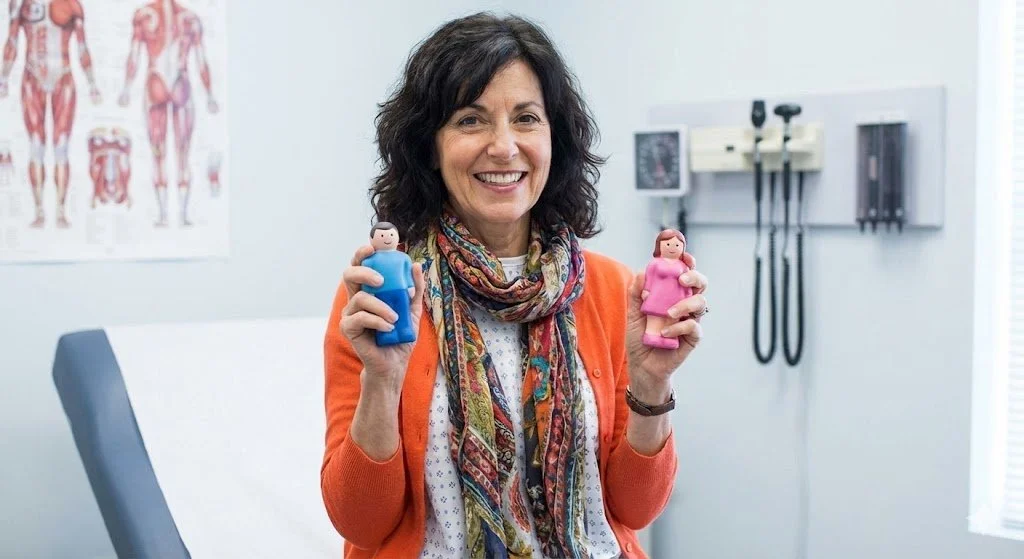
















Please support the sponsors


The Juicebox Podcast is a free show, but if you'd like to support the podcast directly, you can make a gift here. Recent donations were used to pay for podcast hosting fees. Thank you to all who have sent 5, 10 and 20 dollars!

#699 Don't Feed the Fear
Carlie has type 1 diabetes and talks about life.
You can always listen to the Juicebox Podcast here but the cool kids use: Apple Podcasts/iOS - Spotify - Amazon Music - Google Play/Android - iHeart Radio - Radio Public, Amazon Alexa or wherever they get audio.
+ Click for EPISODE TRANSCRIPT
DISCLAIMER: This text is the output of AI based transcribing from an audio recording. Although the transcription is largely accurate, in some cases it is incomplete or inaccurate due to inaudible passages or transcription errors and should not be treated as an authoritative record. Nothing that you read here constitutes advice medical or otherwise. Always consult with a healthcare professional before making changes to a healthcare plan.
Scott Benner 0:00
Hello friends, and welcome to episode 699 of the Juicebox Podcast
I recorded this episode many months ago and enjoy the conversation thoroughly. Just recently, I put an edit on the show taken out the noises and stuff like that putting in the ads, etc. Enjoyed it again. And yet I have no idea how to explain it to you. So I'm just going to tell you that this is Carly, she has type one diabetes, and I think you're gonna love this episode. While you're listening, please remember that nothing you hear on the Juicebox Podcast should be considered advice, medical or otherwise, always consult a physician before making any changes to your health care plan, or becoming bold with insulin. If you're a US resident who has type one diabetes, or is the caregiver of someone with type one, I really hope you'll go to T one D exchange.org. Ford slash juicebox. Join the registry. Take the survey the survey is very short. It will be easy to do. And your answers help people living with type one diabetes. It's absolutely anonymous and completely HIPAA compliant. T one D exchange.org. Forward slash Juicebox.
Podcast this episode of The Juicebox Podcast is sponsored by touched by Type One had to touch by type one.org. Find them on Facebook and Instagram and see what they're up to touched by type one.org. The podcast is also sponsored by Dexcom, makers of the Dexcom G six continuous glucose monitor. You can find out more about Dexcom. And perhaps get a free 10 day trial of the Dexcom G six by going to dexcom.com Ford slash Juicebox. Podcast is also sponsored today by the Contour Next One blood glucose meter. This is the meter my daughter carries. It's astounding. I love it. It really is the best meter I've ever used. Contour next one.com forward slash juice box. It fits nicely in your hand and in your pocket. And it's super accurate. That's pretty much all you need to know. And I'll probably tell you more later anyway.
Carlie 2:31
Hi, my name is Carly. I'm 25 years old and I'm from Ontario, Canada. And I've been a type one diabetic since 2003. I was six years old and I was diagnosed. So I've been a diabetic for over 18 years now.
Scott Benner 2:44
Wow. It's like 1617 years ago.
Carlie 2:48
Yeah, I'm I'm bad at math too. Every time I listen to you talk about math on the podcast. I'm like, you know, I can relate.
Scott Benner 2:54
We can do it together. Hold on 2003 I would add 10 to that to make it 2013 If you had another 10 you go past where you are now. So maybe yeah, it's 18 years.
Carlie 3:05
Yeah, I think it is 18 years ago.
Scott Benner 3:08
Yeah. Math is easy.
Carlie 3:11
I'm so bad at math.
Scott Benner 3:13
There are some things that pop into my head immediately and others that don't. And I've long since stopped wondering why that is not slowing me down anymore. Okay, so you're only 25? That seems young. Yeah. That's yeah. You don't feel young do.
Carlie 3:31
So I joke around with my friends a lot. I always go until old and I like you're not old. You're 25 And I'm like, But why did my back hurt already? You know, like I am achy.
Scott Benner 3:41
Who are your friends? How old are your friends?
Carlie 3:43
Oh, my friends are the same age as me. I have some friends that are older. My my now husband I got married last month. He's older than me. He's He's 32. So I guess I can't complain that I'm old when he's seven years older than me.
Scott Benner 3:57
Where did you meet him in the pharmacy looking for something to rub on your back?
Carlie 4:02
No, not even kind of weird. I we both worked at a movie theater. And he was actually my manager. So I met him to the movie theater and yeah, we've been together.
Scott Benner 4:16
Your movie theater people.
Carlie 4:18
Yeah. Popping the popcorn, watching the movies.
Scott Benner 4:23
My wife is a movie theater person.
Carlie 4:26
Oh, really? I didn't know that. That's cool. Oh, no. Hey,
Scott Benner 4:29
friends. I had friends that worked at a movie theater. I got my brother, a job at the movie theater. And then the summers you'd kind of hang out there in the lobby when they weren't working. And then one day one of the managers came back from some like Island vacation with their hair braided and very tan and I made a clear decision in my mind to have sex with that person and now she is downstairs in my dining room working on stuff
Carlie 5:00
But I love that too. Because it's funny that you say that you're friends with the people that work in the theater. Because, like, all of my close, like most of my very close friends now are all people that I worked with, or people that I worked with, and their friends. Like, it's like a big circle of friends. And we're all super close, even though the majority of us don't even work at the movie theater anymore. So
Scott Benner 5:24
from when I'm young, from when I was that young that I still see socially, are all people who worked at that movie theater.
Carlie 5:31
I think I think like cool people were that movie did. And that might be just saying that because I work there. But
Scott Benner 5:37
I'm not certain that my friends are cool, but I think one listens to this. And I mean, I think oh, no, I think he knows he's not cool, you know?
Carlie 5:48
Yeah, that's true. I should I shouldn't be boasting that I'm cool. I'm really not cool. Yeah.
Scott Benner 5:52
Well, okay, so now all this fun talk about movie theaters. And my little trip down memory lane just now with my wife. Leaves me forgetting how old you were when you were diagnosed? Wait, hold on, let's 18 years ago. I don't know how old
Carlie 6:08
I was six. Around six, I think Yeah. Six. All right.
Scott Benner 6:11
Fair enough. Ontario, is that does that experience differ greatly or not differ from what you hear people talk about from American other places?
Carlie 6:25
What do you mean, sorry,
Scott Benner 6:26
but like, like your experience being diagnosed, was it Oh,
Carlie 6:32
it is similar. Because I kind of went through the same kind of I hear like, commonly where it's like, it's very misdiagnosed. And I kind of went through that to where I had all these symptoms. And my parents, like, took me to the pediatrician. And, like, even at one point, my parents would say, like, we did some research, we think it might be diabetes, and they're like, No, it's probably strep throat, let's do a throat culture. And they flogged my throat. And they're like, well, she probably just has a virus. And so it got to the point where I was very sick at the end of it before my diagnosis. So I don't know, I think I think they're definitely I'm hoping like nowadays, it's a lot more known. But yeah, I kind of went through that with my diagnosis where it was, it took a lot for a long time to get to to, oh, this is what it is.
Scott Benner 7:18
20 years ago doing research in Ontario, which is your mom pulled together a consortium of a moose a beaver and like an otter, and they talk to them over on a snowmobile trying to find I.
Carlie 7:29
That's funny. I actually think about that a lot. Because I just wonder, like, I looked up stuff. I'm like, What did you use? Like, was Google a thing in 2003? I don't, I don't even know because I was sick. But I know at one point like before my diagnosis, they actually called, like a diet like a like a, like a nurse hotline. Like, like the weekend that I went to the clinic to get like a blood test. And like they call the hotline when nurse on the hotline told my dad like, oh, you can figure in tomorrow, like there's a snowstorm. So don't go today. Go tomorrow. My mom was like, sorry,
Scott Benner 8:03
did your mom like push back?
Carlie 8:05
Oh, yeah. My mom was like, No, I'm taking her today. Because the thing that drove her to take me in was that I was six and my brother was like a baby at the time. So she lifted me over his baby gate. And like, I was so weak that like, my eyes kind of rolled back into my head. And she was like, Okay, no, we're not waiting till tomorrow. I'm going right now. No, we're not.
Scott Benner 8:24
Did she yell at your father? Oh, this one's gonna die.
Carlie 8:31
Yeah, that's exactly what we sound like. I wouldn't be surprised if I say that at some point.
Scott Benner 8:36
By the way, I got Google as officially launching in 1998.
Carlie 8:40
Okay, okay, so Google has been around, but I wonder you gotta wonder like, how, what kind of how many search options are there back then? Like, definitely not as many as
Scott Benner 8:50
I think to search for. And that's exactly what I ran into the same problem in 2000. Oh, gosh. 2006 When Arden was diagnosed, like we googled like signs and symptoms of type one diabetes and barely got a return. So you know, by the way up, we're gonna get off this right now. But um, Google Incorporated was officially launched in 1998 by Larry Page and Sergey Brin to market Google Search, which has become the most used blah, blah, blah. Hold on Larry Page and Sergey Brin students at Stanford University developed a search algorithm first known as back rub in 1996, with the help of Scott Hassan and Alan Sternberg, back row,
Carlie 9:31
you imagine it sounds like you imagine No, man, could you imagine if it was so called background? I'm gonna backroad that.
Scott Benner 9:40
I'm thinking they're just for creepy. Lonely guys at Stanford are like, Oh, what do I want most in the world? I was like a girl to touch my back. Excellent. Thank you thinking.
Carlie 9:50
I think you're probably right.
Scott Benner 9:53
Whatever happens to us call it that. Okay, so you don't do it. I remember much from your diagnosis, because you have Ireland. But I want to hear about this a little.
Carlie 10:05
Yeah, I actually do have quite like I have like pieces that I remember I was I ended up staying in the hospital, I think for like five days. So I was there for a while. And I remember like bits and pieces of it. I remember I have a weird memory of like, like, right after I got diagnosed, like in the clinic, it was like an urgent care my, my mom was like, Okay, let's go to the dollar store and get some stuff to bring to the hospital. And she like took me to the dollar store that was next door and bought some like coloring books and crayons and all that stuff. And then my dad on the way to the hospital, he drove me and he looked at me and he said something along the lines of I don't think you're gonna be able to eat any sugar anymore. And I was like, what? Like, what, like, what does that mean? Like, I don't want to? Yeah, he was like, this is where diabetes is, you're not gonna be able to eat sugar anymore. And, you know, thank God, that's not true, but. And yeah, just some other like pieces along the way. I remember one moment, I actually wrote a story when I was in high school creative writing class about it. And I got it published on beyond type one, two, which is cool, because I submitted it to them. But it was a story about the moment my mom gave me my first like insulin injection in the hospital. And it was like a really emotional moment for both my mom and I. But I think the funniest part about it, because I titled it when I was in writers craft, our creative writing class, I titled it, I need a cigarette because the nurse who like witnessed it all, like it was a very, like, emotional moment between her and I, the nurse, like, had to walk away and she was like, I need a cigarette. And she took her cigarette after this moment that my mom had to give me my first injection. So that's a moment that stands out. But yeah, like, overall, I remember like, feeling really, really sick up until my diagnosis. I had some like random viruses that happened before like the week before, too. So like, I had a really bad ear infection. And then I had a random full body rash. And then like I just remember feeling so sick, but I didn't want to tell my parents that I felt sick. Because I was petrified of doctors and needles and all that stuff. So I like kept it to myself. And I remember like hearing my parents being super concerned and still not bringing it up to them.
Scott Benner 12:19
I thought you were gonna say that you were afraid they would feed you to the sled dogs if they knew you.
Carlie 12:25
Yeah, that's true. They live in our backyard and we're hungry.
Scott Benner 12:28
Mommy, your father's just worried you can't like she can't suck on the tap and the maple tree anymore. You know like it's just you're painting a picture of a place that I don't know how anyone lives there is it is frozen tundra. Just be honest with frost No, can't find the
Carlie 12:43
roads. You know what is funny is that I live in the southernmost part of Ontario. So it's like, like people thought like the armpit of Canada because it's really humid here.
Scott Benner 12:54
I have to be honest with you under perjury of death. I couldn't point out Ontario on a map.
Carlie 12:59
That's so funny. Oh my gosh, we like like, I don't know, like I we border the states. I live on a border city. So like, we're very Americanized, I feel to because of that. So like I go to a lot of like concerts and not recently, obviously. But
Scott Benner 13:15
yeah, here's what I know. Vancouver, Seattle, Toronto. Like New York ish. Yukon top, middle. Everything else? I have no idea about. Yeah, come on. Tell me what you know about America. Where's Montana? Quick? You have no idea?
Carlie 13:36
Yeah, somewhere in the middle somewhere. Right, by the way? No, I don't think it is either. Maybe from the west on the left. I don't know.
Scott Benner 13:46
What do you cartographer All right. I don't know. So your note to me is is specific. And I don't know where to start. So I'm gonna start with let's see. It really is kind of thorough. I'm reading which is of course, yeah, very exciting for everybody. But I think that I want to start with the first time you felt burned out? And what that felt like, Oh,
Carlie 14:17
yeah. Um, I kind of like I kind of like, the way I think about burnout for me is that it's almost like cyclic or cyclical, like I have gone through moments in time. Where, like, I get really motivated to take care of myself. And then I then I like, get into it for like, a month or two. And then I had stopped and then like, year, a year or two passed, and I'm like, Oh, I gotta I gotta get on this again. And then I get back into it. But for burn over me, I think, Oh, I think the moment that let it really like I started to notice like a change in my care was, I guess I should start with when I was in grade eight. I didn't do my own insulin injections until I was in eighth grade. I had a lot of anxiety around that. So my parents did it. So like, I'm talking like, my dad would like, come at night when I went to a sleepover to do my long lasting, and then he'd be back there in the morning at my friend's house to do my breakfast info. And then like, I went home for lunch every day at school, so I didn't do my own insulin injections. So when I finally got that independence, where I was able to do it on my own, just before I went to high school, I think my parents kind of were like, she's got this, like, we don't need to do anything anymore. And I don't blame them for that at all. Because I did need that independence. But I think I took it on a little too quickly, like, not as prepared as I thought I was. So when I got into high school, like diabetes kind of went on the on the back burner for me, so that I would say high school was one of the burnout kind of started where I just stopped paying as close attention to it as I used to. And then I don't know, like,
Scott Benner 15:54
let me understand. So. Yeah, you you didn't give yourself any injections from the time you were six until you were like 14.
Carlie 16:02
No, I was Yeah, I think I was like 13 When I did my first injection, and I didn't do any of them by myself. Because I when I tell you I had thought I had some bad anxiety like I was on. I was like diagnosed with an anxiety disorder. I was on medication and stuff like that throughout grade school. But I had like very severe anxiety about not even just about like, me not doing it but like nobody, except for my mom and dad could ever do it like so like we didn't have I didn't have a nurse in my grade school. So that's why I went home for lunch every day. I live close to my grade school. My mom was a stay at home mom. All right,
Scott Benner 16:32
tell me what tell me what that felt like, if the idea of someone other than your mom or dad giving you a an injection. Like, you can just say I had anxiety, but tell me what that meant. Like, yeah, if I was coming at you, and you were 11 years old, and I was like, Hey, I'm Scott, I'm gonna give you your shot right now. Would you? Like would you shoot me? Would you rather fight me? Like what was your level of? Would you just cry fall on the floor? What would happen?
Carlie 16:59
I'm probably like, panic would set in anybody like any of my close family members. Now there's two. So like, when I ever had to get like a flu shot, or like any kind of vaccination or stuff like that, when I was younger, too. It wasn't a big ordeal. Like I my parents would have to, like, drag me to the doctor, like I would crawl onto the walls. But I think I just had a lot of anxiety about I don't know, like about like, it was just like so much fear. Like it was gonna go wrong if somebody else did it or like if if it wasn't somebody that I knew, very, like, if it wasn't my mom, or my dad, who I knew had been there for me, like since day one and knew everything about it. And who knew me who I was like, it was just going to be horrible. Even though I knew like, I know that now. That's not true. But it was like, such a real feel for me. Did you?
Scott Benner 17:47
I'm sorry. Did you have any anxiety around anything else?
Carlie 17:54
Yeah, a lot. Um, yeah. Like I, when I was in the fifth grade was one at all the anxiety kind of like, started. And I think this is really strange. I don't know what it's called. When someone has a fear of getting sick. I can't really name for it. Like, um, I don't know how to, I don't want to say it. But okay, I kid got sick in my grade school and, and I suddenly became, it became like, a real fear to get sick at school, like just throw up at school, and then not Tailspin into a whole bunch of other stuff. And then I just became afraid of going to school in general. So my anxiety like took over at that point, and like, I missed, like a month of school. Because of this fear. If I then I wouldn't wasn't eating in the morning, and my parents were like, you kind of have to eat you have diabetes. And I was like, Well, I don't want it because what if I get sick? And yeah, it was just like a, that was another point of anxiety in my life, I guess that I had. I don't know why I'm sharing all of this. I'm like, why am I talking about this?
Scott Benner 18:52
People told me they told me things that they don't mean to so. Is it as it knows a phobia? NASA phobia?
Carlie 19:02
Oh, maybe? I don't know. Maybe I'm getting the the name wrong. That could be it. But yeah, I just Yeah, I don't know why that became like a fear of mine. And then. Yeah, which is? Are you an anxious child? Maybe? Is it firstborn syndrome? Aren't firstborn children? The most anxious?
Scott Benner 19:18
I don't know. Are you still anxious?
Carlie 19:22
Yeah, but I have more control right now. Like I've learned. I'm not on medication or anything like that. If that's what you're if that was you mean, but no, like, I mean, in general, I am an interest.
Scott Benner 19:36
Do you think you're only 25? So you don't really know any? Yeah. So asking you this question is going to be maybe not helpful, but let's ask it anyway. Yeah, I think there's something where your parents young parents.
Unknown Speaker 19:48
Well, that's the one no, okay.
Scott Benner 19:51
But they were interested in in helping, but the minute that you were like, I can do this and Jack And myself, were they just out? Like, did you never talk to them again about diabetes at the beginning of high school when they were like, oh my god, Carly gave herself an injection. Thank God, we can go back to doing the things we like, Was it like that? Or were they were they still involved?
Carlie 20:14
Um, like, my dad was the one that kind of took me to like, endocrinologist appointments and things like that. So he was involved in that way. But then when I became old enough to take myself with a doctor, yeah, I kind of just overall didn't really involve them much in it anymore. Like, occasionally they'd be like, they'd check in on me and be like, like, how's it like, how are you doing? And again, like, I don't place any blame on them for that, because I never once vocalized that I was struggling at any point either. Like, I like, I don't know, I, yeah, it's just, I feel like I got that independence. And I was excited about it too, at the time, and they obviously were excited for me, because you're like, Oh, my God, she's gonna be able to do so much now. On her own, like, she can go places, you can go on trips with her friend and do things now. We don't need to be by her side anymore. But then it was just like, Oh, God, like now I have to like, I don't even know why. But doing my own injection puts so much more like stress onto me. But like, yeah, it eventually just became like, Okay, I don't have to, with my parents not there beside me doing it anymore. I don't have to pay as close attention, I guess, as I did in the
Scott Benner 21:18
past. Okay. So we're not denigrating your parents. I'm just asking questions. Oh, no. Yeah. But um, let me be clear, like you went to doctor's appointments for your type one, right? How frequently Yeah.
Carlie 21:30
Oh, yeah. Like when I was in high school, I guess I would go like the like, the, I don't know what they recommended that every three months, every six months, I was doing that. And then like, when I went to my center going on my own, I would be so anxious that I didn't want to go because I knew I wasn't taking good care of myself as I was in the past. Yeah. So when I was a kid, though, like my, like, my dad went to all the appointments, and my agencies were like, right on target. And like, everything was great. And then it went, it was left into my hands more. So I was just kind of like, Oh, God, I'm slipping up. And I don't want them to know that I'm slipping up. And so I didn't go as often.
Scott Benner 22:04
And you didn't tell them. But they didn't. They didn't ask either.
Carlie 22:08
No, I think it was I think it was kind of like, don't ask, and I don't have to worry about it, even if you like it was almost like that kind of relationship or was like I didn't want to worry them with my personal struggles with diabetes, because they had taken care of me for so long. And I didn't want to put more on to them. And they didn't ask because I think like my mom is a very anxious person too. So I didn't want to make her more anxious about my health, even though I was struggling, so it was kind of like a, like, you know, plug your ears and we'll just pretend.
Scott Benner 22:38
How do you imagine now? Like, do you just talk yourself out of it? Are you smoking a lot of weed? What are you doing? Exactly.
Carlie 22:45
Um, this year has been life changing for me. I, I think I mentioned it in my email to you. But like, in January of this year, I finally was like, I need to get a new endocrinologist because I didn't have a great relationship with my last one. And then I need to, like, get my onesie done. It's been like a year and a half since I had had my previous agency. And I just want to like, get my life in check. Because, you know, I got married last month, and I wanted to, like, get my life together before I like even thought about ever, you know, like starting a family. And now I have a husband and I want to be there for him and that sort of thing. So my ANC in January was 10.6. And that was like the highest recorded one I can think of, I can think back on anyways. And I was like, Okay, I need to make serious changes now. And so I started I had had an Instagram account, but I really reactivated my Instagram account became more active in the community in that way. And then I like for the first time because like, up until January of this year, I had never even I had been doing injections and regular finger picking like I didn't have any technology never had tried a CGM or a pump, nothing like that. So yeah, like I'm now like my last Awan fee was in September, and it was 6.9%. So like, I really turned myself around, and I'm still trying my best to, you know, make changes because I want to be healthy. And
Scott Benner 24:06
what was the what's the difference between a 10 and a SIX? I mean, at a 10? Are you just like counting cars, giving yourself some insulin and never checking again?
Carlie 24:16
Oh, yeah, yeah. Yeah. So like when I was at 10 Point, like, like, like, up until I got that anyone to talk? I have no to like kind of describing like, I would basically. I remember, I knew it was really bad when I had like, when to check my finger. And then I looked back on the last time I had checked my finger and it was like two weeks prior. And I was like, wow, I haven't checked in a long time. Why did I just stop checking? Because the thought of checking my finger and seeing like bad results was so daunting to me that I was like, I'm just not gonna check and I'll just go off how I'm feeling. So I had gotten so used to feeling like absolute trash that it became normal. Yeah, that was just living and Like when I didn't really carb count either. I feel like whenever I ate something, it was like, this is probably worth seven units worth of insulin and then I would just do it and then the only thing I did make sure I do I would do is before bed. I would if I was feeling off in any way I would, I would check. And then I would do my long lasting because I had this fear. Like if I go so high, I may be able to die in my sleep and then my parents would find me and then they would never know that I was struggling this badly. Or you know what I mean? Like I was pretty dark thoughts.
Scott Benner 25:31
Currently Hold on? Yes, yes. Yes. Stop for a second. Okay. We're gonna we're gonna stop talking about diabetes for a second. Okay. Are you okay?
Carlie 25:45
I swear, like, I'm so much better than I was years prior to this. Like this has been the best year for me.
Scott Benner 25:52
I'm glad about that. Oh, that's personally, I'm saying. Can you tell me are there other things you worry about? That aren't reasonable to worry about?
Carlie 26:04
Oh, yeah. But But
Scott Benner 26:08
yeah, what are some of them?
Carlie 26:12
I want to get into it. It's just like I have I have a rational fears.
Scott Benner 26:15
Okay, I want to hear
Carlie 26:19
like and then dark got like I've never really like disposes to people like except for my close friends and Curtis but okay, Curtis is my husband by the way. What I have a couple of irrational fears. And I have like reoccurring nightmares about them. Sometimes. I think I should get a therapist got
Scott Benner 26:37
top three irrational fears. And I'll tell you my three top irrational fears. Okay. Okay. Okay. No, back and forth. You do one and I'll do okay.
Carlie 26:46
Okay. Number one, my biggest fear is somehow being involved in a mass shooting, like finding myself in a situation where I'm someone just shooting up the place. I Yeah,
Scott Benner 27:00
hold on. Just relax. Are you okay? Relax. Just take a big deep breath and hold it for five seconds. No, no. Oh, I'll do it with you. We're ready. All right. Relax. I'm gonna do that a couple times a day. Now my here's one of my irrational fears. Okay. Okay. I don't want to be eaten by a shark.
Carlie 27:23
That's, that's a valid
Scott Benner 27:25
No, no. Here's the funny thing. I don't go in the ocean. Do you know why I have an irrational fear about this? No, I'm gonna tell you, my parents who were terrible parents, okay. And I don't care if they hear this or not. Watch jaws in a movie theater when I was five.
Carlie 27:47
Right? That's a little right.
Scott Benner 27:49
So now I'm and if you said to me, Scott, what are you really worried about? I'd say to you, I'm being eaten by a shark. And you'd say, do you go in the ocean frequently? And I go? No, I don't. So now, let me say to you that that despite how it feels when there's media coverage, there are not a great deal of mass shootings in Canada.
Carlie 28:14
There's literally not.
Scott Benner 28:17
Don't shoot each other. As a matter of course. You know that right? Yeah. Yeah. What they do? They're very stabby.
Carlie 28:26
Oh, yeah, we do. Yeah. There's a bit of that going on.
Scott Benner 28:29
I know. I know. But you don't have any fears about being stabbed? I don't. Scarier than nice to me. I don't know why you tell me why I shouldn't be afraid of shark death.
Carlie 28:42
Why you shouldn't be afraid of sharks.
Scott Benner 28:44
Yeah. Tell me I want you to talk me out of being concerned about being eaten by a shark.
Carlie 28:49
Okay. I don't think you should be afraid of being eaten by a shark because you don't put yourself in a place where sharks live. And the only other place for sharks are or maybe aquarium and you don't go to aquariums either. And you just never run into a shark. So you're going to be totally fine.
Scott Benner 29:07
Let me tell you something I know about those sharks in the aquarium. They're fed so well. That if I jumped in there and rub my ass on their face, they wouldn't bite me. Because they let them swim with other animals and they don't want the shark getting peckish and eaten a bluefin tuna. You understand? So the end you can't get to the top of where you can get into the tanks when you're at the aquarium anyway, now you've done a good job for me. Thank you. I am going to try harder not to worry about being eaten by a shark. Now, okay. Have you ever witnessed that mass shooting?
Carlie 29:41
No, I haven't. And I don't know where the fear came from. But it's Yeah.
Scott Benner 29:48
The Don't Don't worry about where it came from. I want to know how we're going to get rid of it. Because you seem to me like you were worried about so many things that you can You focus on the things you actually should be worried about.
Carlie 30:03
Right? Okay. That's very true.
Scott Benner 30:06
Trust me now. Good. You go tell me your next one.
Carlie 30:10
Okay, what's another one? Um, I think like just people. I love dying at any point in time. Like, an any phone call. Like if my dad calls me while I'm at work. I'm like, someone's dead. Someone's dead. I pick it up. I'm like, who's dead? That's that's my, into my brain goes.
Scott Benner 30:29
I'm gonna ask you a question. Did anyone around you when you were growing up? act that way?
Carlie 30:37
What do you mean? Like anxious?
Scott Benner 30:38
Like, after nine was your mom like, Oh my God, my mom's dead and jump up and grab the phone.
Carlie 30:47
Yeah, my I will. You know, it sounds like I am anxious because of my mom. My mom is is a ball of anxiety. So I know that I get it from her. Like she was the one that like when I was a kid. Like if we went we walked to school, she would be like, have a great day at school. If someone tries to pick you up in the trunk. This is what you're going to do. And like so then all the time organist was like who's going to help you prepare to at any given moment to fight off a stranger who's going to put me in their car?
Scott Benner 31:14
I don't want to laugh at you. So I'm gonna stop laughing. But every day.
Carlie 31:20
Not every day, but like she would she would make me like to like a scared of okay, I'll tell you another one. I have a very irrational fear of bees, Scott. I love insects and animals I have. I am so afraid of bees, like wasps and things like that. When I was a kid, my mom is afraid of them, too. She acts the same way as I do. If one comes near her, like where you're like,
Scott Benner 31:41
stop you. Yeah, I think you act the way she acts.
Carlie 31:45
I do. Implemented I am the way I am because of her. Okay, how cool?
Scott Benner 31:50
No, she probably owes you reparations. But we'll get to that in a second. We'll take them as co pays for your therapy that I'm pretty sure we're gonna send you to so because I think a lot of your issues aren't aren't necessary, Lee. I don't think you're necessarily stuck with them. Because as crazy as this sounds, I don't think you're actually a very anxious person. I just think you have a lot of rules in your head that you're following. Oh, do you see what I'm saying? Because, well, because earlier you said I have it under control better. Which to me means I married a guy who's not Looney skip Rooney. And because he's not constantly worried about things, I'm able to relax and quiet the voices in my head that tells me that everyone's going to drag me into a car and kill me.
Carlie 32:43
This is a podcast or a therapy session because it feels like a therapy session and I'm not not about it.
Scott Benner 32:49
Well partly Listen, at some point when we're 25 minutes into it. And I'm thinking this poor girl, I've got the next 45 minutes to save her life and then she's headed back up to Saskatchewan or wherever the hell she's from. Okay, and and then she's gonna just die in a ball of anxiety. There's like a you there was a moment 15 minutes into this where I thought someone just needs to give you a good bracing slap across the head. And then grab you by the shoulders and shaking go currently currently calling stop. Oh my God, I know, we don't legally do that to people anymore. Although in the 50s it happened all the time. Man, women would just slap each other to stop themselves. I don't know if that was just in the movies I saw or what? But I liked the idea. But we're gonna do it this way through conversation. Is that because you're not allowed to hit people anymore, Carly, it's 2021. Okay, so, so since we can't hit you, which I don't think would work anyway, I'm teasing. I just want to I want you to ask me my next irrational fear.
Carlie 33:53
Scott, what's your next irrational fear?
Scott Benner 33:55
I don't have any more. Oh, just a shark. Yeah, that's the only thing that my parents did to me that I have an irrational fear about.
Carlie 34:04
Like you're doing pretty well. Now. I'll
Scott Benner 34:06
give you another irrational fear that I have. That doesn't come from my parents. Okay. I think no, I don't think I used to think I don't think that's wrong. I used to feel when I was younger, that if we're if there was conflict in a family, it meant that the family was going to fall apart. And I don't think I had it in me to start over again, because I'm adopted. And then my adopted family got divorced when I was 13. And so what I knew was that people, when they find conflict in their life, give people away. And then I knew that when people had conflict, some they didn't work it out. They just ran in different directions. And so if people had conflict, it didn't matter what level of conflict I, when I was younger, I felt like that was going to be the dissolution of our knowing of each other. And it panicked me. And then I would work very, very hard, usually in ways that weren't valuable to try to calm everybody down and keep them together. And you know what I've learned since then? That my adoption, and my parents divorce, have literally nothing to do with what may or may not happen in my life. It's meaningless. Yeah, it's the way my wife and I handle conflict isn't the way my parents did. So I was literally worried about nothing. And all I had to do was let go of it. You give it voice. This is gonna sound very Hocus Pocus, he Okay, Carly. But I have a lot of, okay, you give it voice, which means you say it out loud. And then you stop worrying about it. And that's it. Right. By the way. Do you know what else? I'm gonna sound crazy for a second? You ever read a book called? Mind Over back pain? No, okay. Well, I think it's possible that if you four or five times a day, quietly in your mind, not out loud, told yourself. I'm a young healthy person. And there is nothing wrong with my back. It would stop hurting.
Carlie 36:30
Okay, like the power of your brain? can control
Scott Benner 36:33
that? Yes. Here's what if you go to work, you have a job, right? Yeah, you go to work and you do whatever, you're skinning something or I don't know, extracting oil from something or whatever you do. And, and you have a terrible day, bad day. And you come home at the end of the day with a headache, right? Do you think your brain is broken? No. Okay, when you have a terrible day and you come home and your back hurts? Do you think you're old and your back hurts and you have problems? Maybe now, now we'll move on to your next and third and last irrational fear. What does it mean told you my adoption thing?
Carlie 37:18
Right. What I had to think about the first thing I think most of my irrational fears are just like things that I know are not going to happen. But they seem so real. I think I think just like, do like I'm afraid that like, there's gonna be a terrorist attack where I live in the hole. It's just Bob. That's what I fear do like I fear, like, really traumatic events happening. And like I can, like, visualize it in my head happening. Like a terrorist attack. I live in a place. That's like, without giving away my location. I guess I live in a place that's like, a major trading area, I guess for both countries. So it's like a pretty I don't know, I don't know what I'm saying. Anyway, I just upgraded here.
Scott Benner 38:04
Okay, no, no, no, no, I understand. So you think that whatever the worst thing that could happen is is the thing you're worried about?
Carlie 38:12
Exactly. Yeah. The worst thing?
Scott Benner 38:15
I'm sorry. I mean, to cut you off. Do you watch or consume the news regularly?
Carlie 38:19
I did. Especially I try not to No, no, that's a lie. I still do. I'm always looking at me.
Scott Benner 38:26
Listen to me. Yeah. Do you listen to this podcast? Oh, yeah. Have I been helpful to you in any part of your life? Absolutely. Okay. I'm going to be helpful to you again. Okay. Never watched the news. Or read the news again in your life. Okay, man, I tell you why. Yes, you can handle it. I think it's not for you. No, it's okay. Not a judgment. Okay. Yeah. Not a judgment. It's not for you. Now. Also, we could dig into it if you want to, but the news is stilted to make you feel the exact way you feel so that you will what? Watch More news.
Carlie 39:04
Oh, watch more. Yeah, that's true. It's addicting. Makes you want to read more?
Scott Benner 39:08
Because you're why you're worried. So you want to get the information you need to stop yourself from being blown up by a terrorist. I understand you like a book does. It's like a book I've read 1000 times. Now. You're not allowed to watch the news anymore. I don't want you reading the news. If you have a news app on your phone, I want you to delete it. Okay, okay. Never listened to CNN, MSNBC, Fox News. Any of those. Please avoid those like the plague. You are allowed to read? NPR? Once a week. Okay, but only two stories. And then you're done and one of them has to be about music. Okay, okay. I want you to Okay, that's it. No more news. It's not good for you. It's okay. No shame.
Carlie 39:53
I'm just, I'm realizing like how toxic like I got when I go to work. Like I log in my computer and I'm like news.google.com What the horrible things are happening in the world right now? I want to read about him.
Scott Benner 40:05
You're feeding your own. You're, it's like you it's fear porn. Yeah. Oh my god. You want to be upset? It's your natural. It's your natural state. You're trying to keep this level of a that you have going like that. Like I bet you vibrate in person. I bet if I got near you, I'd be like, God damn, that girl is vibrating. Do you vibrate? Do you
Carlie 40:34
feel it? I feel like I've been thinking about how to like God. When I listen back on this I'm gonna sound like a nutcase
Scott Benner 40:41
like a nutcase. You're gonna sound like a person who grew up with an anxious mother, who went into a world with a ton of information that you keep hearing. And let me tell you, and it reinforces it for you. I'm going to tell you something right now. The world is a safer place right now than it was 50 years ago. It is a safer place than it was 200 years ago. It is a safer place than it was 1000 years ago. Okay, gang, this con is not going to come through Ontario, and kill every man and rape every woman and kill every child. He's not going to do that again. It's not going to happen. Okay, it is safer now than it was then. Yeah, your house has locks, right? Yep. Got her police departments that deter people from doing things. You're married to a guy I'm sure he's a big strapping Canadian man. He could probably pick up an otter with one hand and beat a man to death with it. Right. Do you feel safe when you're with him? Yes. Great. Yeah, fine. Unless something crazy to you. If you're walking down the street one day, and someone grabs you and pulls you into a truck and kills you. There's not a ton that you can do about that. No, yep. Right. Bad luck, okay. But we don't give away every day of our life, on the off chance that someone's going to snatch you up. Okay, we don't we don't do that. We don't give away our life like that. Another thing here, if I can make a parallel for you, we don't give away days of our blood sugar. Out of fear either. Okay, so you check your blood sugar, because knowing is better than not knowing. Yeah, about your diabetes, knowing is better than not knowing about the news. Not knowing is better than knowing. Especially for you right now. Yep. Because you told me in your note, I'm going to I better get my s together. For my I'm so lazy. I didn't want to edit that out. So I said as I I better get my act together for myself. My future husband, my future unborn children. Okay. You do not want 25 years from now, for your kid to be on whatever the equivalent is of a podcast and say, my mom is the reason I feel like this.
Carlie 43:08
Oh, god. Yeah, I gotta end it right now.
Scott Benner 43:11
Cut the string right now break the circle. You can do it. I don't act like my dad acted. But I did when I was younger. And I stopped myself. Okay, you could do this. This is not a problem. I would, I would say therapy. But you're in Canada. And I don't know what like a shaman you're gonna meet? You know what I mean? Like, you gotta get a real Yeah, yeah. Somebody who really understands the business over here, Erica, on this podcast. She's a family therapist, you should listen to her. By the way. I don't know if I've come to that episode yet. She's, she's in California. So you, I just think California, she's encountered. What the hell, she's in California. So you can't use her. But you got to find a good person to talk to. And to get rid of all this, like, pretend you have a lot of pretend in your life that doesn't exist and you keep feeding it. All right. And I've caught you just the time 25 I've saved your life just now. I can't thank you enough for taking a victory lap right now with my hand waving to the people. And I'm in a room by myself. And I actually am waving my hand. Like in victory. That's awesome. Yeah. Because we met today, and I'm happy about that. Oh, thank you. Now tell me why you shouldn't be worried about a mass shooting.
Carlie 44:30
Because the odds of that happening are slim to none. Because I live in Canada where guns aren't accessible. Either accessible, I should say. You know, and if it does happen, then it does happen and there's nothing I can do about it.
Scott Benner 44:44
So here's another thing for you. This might be controversial for some people. There aren't that many mass shootings. You hear about every one of them. They're terrible. So they sound horrible. And the media like you know, keeps feeding them to you. But did you know notice that during COVID, you didn't hear about one person shooting somebody. Yeah. Why was that? Come on? Why not? Because I don't know. COVID they had COVID to make you upset with. Right. Okay, not that COVID wasn't bad, not saying COVID wasn't bad. They already have a thing to get you ginned up to get you to come back the next day to get you to click on the Next link to keep you worried and concerned to paying attention. They didn't need to tell you about the shootings because they had COVID. Right, right. You understand what I'm saying?
Carlie 45:33
Yep. Just gotta stop watching the news. If you're bad at
Scott Benner 45:37
watching news, Carly. Yeah, most people are. Yeah, yeah. Because the last two. Yeah, of course, this was the worst time I watched my son told my wife for three months in a row. Please stop watching the news. Please stop watching this. So she finally stopped and she then I watched her thank him for telling you that. That's great. All right. Now, are you worried about dying in a car accident?
Carlie 46:04
Not so much. Like no.
Scott Benner 46:07
Isn't that fascinating?
Carlie 46:09
Yeah, it's, it's a crazy, crazy stuff. I'm
Scott Benner 46:13
scared of gonna come over here and edit this podcast for me now. I'm sorry. If you were going to curse I would have just cursed. Oh, I'm really sorry.
Carlie 46:21
I love where I started this. I was like, Don't swear. Do not worry. I know you can bleep it out. But I don't want to make your life difficult
Scott Benner 46:31
by now you first I curse we're gonna curse. Alright. Alright, let's go back to your list. Yes, kidney disease? Do you have kidney disease?
Go find your blood glucose meter? Did you choose it? Or Did somebody give it to you? Does it work really well? Or would you have no way of knowing? You just trust it? Because it's the one you have. And it's the one you are given? What do you trust it because you did some research and you found out this is a really accurate meter. And if you did, then good for you. I think that's great. But if you find yourself in that other category of someone who was just handed a meter, then I really believe that you owe it to yourself to check out the Contour Next One blood glucose meter, you can do that, of course, at contour next one.com forward slash juicebox. When you get to this webpage, it's the internet. You know what I'm talking about. You'll see pictures and words what you expect from a web page. But this one has more there's tabs at the top and everything you want to know about the Contour. Next One is there talks about the pricing, the accuracy, everything that's important that let's be honest, you should have checked into before you just took that other meter. But you didn't Fair's fair, but now you know, contour next one.com forward slash juicebox Second Chance test strips. You make a little blood drop, and it doesn't need a lot of blood. But say you make a little blood drops little to spell touched on the Strip. Oh, it's not enough. Get out a little more blood a little squeeze, you put on some more. And that's where I am BB but works now. Oh does not influence the accuracy the strip, you won't waste test strips. If you don't get it right the first time, it's got second chance testing. It's a big deal. The meter also fits well on your hand or your purse or the bag you carry your supplies and it's got a bright light for nighttime viewing. And the screen is simple and easy to look at. There's no complicated markings everywhere. Just the number. Boom, there it is nice and easy to read. And if you want, you can connect the meter to an app on your phone to get even more information and helpful little tidbits contour next one.com forward slash juice box. Go take a look. Now what if you're thinking about getting a Dexcom G six continuous glucose monitor? Well, that's a good idea. Because you're going to see the speed and direction of your blood sugar in real time. I will pull up my daughter's right now. I have an iPhone I have swiped up. The phone is open because it recognizes my face. It's like a little Scott. And what's your blood sugar 87 How's that sound? Just like that I know Arden's blood sugar is 87 dexcom.com forward slash juice box, you may be eligible for a free 10 day trial of the Dexcom G six head to my link to find out dexcom.com forward slash juice box. But all in all, if you want to see blood sugars in real time, this is if you're using insulin right doesn't matter. I mean, type one, type two, using insulin if you need to see your blood sugar, the speed and direction it's moving and the Dexcom will show you that not just 87 but my daughter's blood sugar is 87 and stable. If it was rising or falling, there'd be an arrow to indicate that and that arrow would tell me how fast she was. moving. This is the bestest. It's what you need. Not only is it great for safety and health, helps you make good decisions about bolusing and food, but it also it also teaches you now these are my, my experiences and yours may vary. But I learned so much by watching what the blood sugar does, how the insulin impacts it, how the food impacts it. These things are, they're paramount to me, and how I manage insulin for my daughter. And I think you would find them incredibly valuable to dexcom.com forward slash juicebox links in the show notes. Links at juicebox podcast.com. To these and all the sponsors. Thank you so much for listening to the ads. Now let me get you back to Carly.
Carlie 50:49
Right, I'm gonna pull
Scott Benner 50:50
out oh, wait, hold on the wrong thing. That was the lady from yesterday. I don't laughing I'm not laughing about kidney disease. I'm working on the wrong thing. Sorry, Jesus Christ. Okay. Well, you said that switching from your pediatric endo to your adult endo caused you a lot of consternation. So that I hear that from a lot of people. I want to know more about that.
Carlie 51:17
Yeah, I I think I have a little note here. Yeah. Okay. I don't think it's talked about enough in general, like I have heard people talk about it, but not a lot. Because that experience for me was like, the worst. And I don't know if other people can relate to me, but like when I had to, like, obviously, I was six when I met with the care team there. And like, most of the same people were with me, like up until I turned 18. And like when I had to leave the pediatric care and go to the adult clinic, I felt like someone died. Like I felt like I lost a family member. And like, I was just mourning that like that. I didn't have that support anymore. Because yeah, like, like, I remember, like my last appointment at the pediatric clinic. Like my dad had come with me actually, cuz I think he wanted to come because it was my last. And there was this nurse there who like I love She's so nice. And she walked us down to the adult clinic. And like, I cried, she cried, like my dad got teary. Like, it felt like, she was like, passing me along to another part of like, my life. But then like, it just wasn't a very, like welcoming. I don't know, like, the endocrinologist that I was getting, like a sock like assigned to or became a patient of like, just very cold, like, didn't didn't seem to care in the way that like I had been cared for for so long. So
Scott Benner 52:35
I got it. Hold on. Now I'm gonna ask questions. Yeah, what was your agency while you were seeing your pediatric endocrinologist?
Carlie 52:42
I wish I had a list of 20. But like, most of the majority of the time when I was in pediatric care, my own fee was never any higher than like seven.
Scott Benner 52:51
Okay. And why did you? Did you live with this woman? Why did you care so much to me? We left my daughter's endo appointment the other day. And I got I hope they don't listen to this because I don't want this to feel bad. And she said to me, and I'm quoting now, why do we come here?
Carlie 53:09
Pardon? Yeah.
Scott Benner 53:15
And I said, Well, when we leave, we get waffles. So that's all right. You know? Yeah, we go for waffles after
Carlie 53:22
Endo. Oh, you guys do? They give you waffles.
Scott Benner 53:26
endocrinologists was giving.
Carlie 53:29
Maybe like sugar free, you
Scott Benner 53:31
know, we leave that place. And we roll up the street that disjoint and we get chicken and waffles. And we use real syrup and a ton of butter. And we eat wild rice together. And we don't let it spike. And then we laugh and we leave. And so she said Why do we Why do we come here? And so if you if you diagnose that, that idea, we know how to take care of her diabetes, right? We don't need a check in for someone to tell us to do a good job. I don't need a pep talk from somebody. I'm sure I'm sure some people do. I'm not denigrating that. I'm just saying we don't need that. I'm wondering why do you need it? Like why did you what was so important about that connection to you? And this person?
Carlie 54:16
I think it was like just more so like, I don't know if it was like emotional support. Or if it was more like, like, Oh, I just like they feel like family because I've been seeing them since I was six. So like I mean, I guess it's not that's not causation for everybody, you already know was like what, two or three when she was diagnosed
Scott Benner 54:34
or bossing these people for a very, very long time. Like I could write with my eyes closed.
Carlie 54:41
Yeah, I don't know what it was. Maybe it was just like that realization like, like after I left like I'm like, oh, like, Oh, crap. I'm an adult now and I have to take care of myself. And it's like, it just got more real. Like I didn't have them as a crutch.
Scott Benner 54:56
Did you do that? Or Did somebody tell that to you? Did your mom say to you? Now you're an adult? You're gonna have to take care of this. Was there ever? Did you ever get those conversations from her?
Carlie 55:08
No, I don't think so I think because she, my parents both kind of like, I don't know, they did they read the paper, like when they weren't as involved in my care, they would be like, are you taking care of yourself? Are you checking everything you are you go? And I'm like, Yes, I am. And I get like a noise.
Scott Benner 55:27
Sorry, were you lying when you said that? Yes, I
Carlie 55:30
was. Because if I talked about anytime, like anytime I was asked, How are you doing? Like or like, like, are you? I'm like, like, Oh, I'm great. Everything's fine. Because I didn't if I were to get into it, I would just cry. Like, I would cry. And I don't know how to like, but I'm telling you, like, if I had an I had a therapist, who specialized in like people with diabetes, I think I would have been okay. Like, anytime I went to an endocrinologist, like my adult one on one I would seem before I suppose. There was just a nurse there, who like, was really into the scare tactic method, which I am not a fan of. Personally, it doesn't work on me. It just makes me not want to come back to see you. Which then furthermore, makes me not take care of myself as well. I have cried so many times because of her. Like in the office. Well, last time I saw her, she was like, Oh, stop crying. She's gonna think I like made you upset. I'm like, Yeah, because we did. She was telling me a story about her sister who died from complications of diabetes. And like the feet, two feet had to be cut off, and the kidneys shut down and all this stuff. And I'm like, You're not helping me. You're just freaking me out. And I already know these things anyways. I mean, like,
Scott Benner 56:41
I have an idea for you. What if I made a fake news program that just told you to take care of yourself? Where you were somebody would shoot you while you're walking in history? That would probably make you do?
Carlie 56:56
Yeah, definitely. More, would it
Scott Benner 56:59
not? Or would it just make you more afraid?
Carlie 57:03
No, I think a complex one brain is complex.
Scott Benner 57:08
I don't think you're that complex. But I listen, you went from a 10 a one C to A six a one C in a short amount of time, which tells me you know how to take care of yourself. Yeah, okay. Yeah. So that's not the problem. The problem is, is that you just out of anxiety, which we call it now. But the truth is, you just don't want to hear bad news. Unless you feed it to yourself, then you're thrilled to have it. So which is odd? I don't know why you couldn't. Go ahead.
Carlie 57:38
That's exactly it sounds like you've literally just described who I am.
Scott Benner 57:42
Yeah, well, I've been talking to you for an hour. I got it figured out already. It's not that hard. No. Basically the same people. True. Yeah. It's very simple to figure people out. I don't want to like, you know, not putting down therapy. But like, all you gotta do is talk to people for a while to figure out how they think. And then say the things that don't make sense to them in a way that doesn't make them upset, and then they understand it, and then it's kind of over. So. Okay, so by the way, I'm not a therapist, I'm not trained at all. You recognize I didn't go to college, right? No, I did not be listening to me. This is a massive mistake on your part. But the but listen, that was a joke. You can tell the difference, right? Yeah, of course. I didn't go to college. I wasn't joking about that. That I don't think it's a mistake for you to come here. So isn't it interesting, though, that testing your blood sugar and getting bad news? made you feel like a failure? Is that right? Yeah. But listening to the news and getting scared about something. That's not you. So you don't feel like a failure. But you love that fear porn feedback is so if I guarantee you, if I made the management of your diabetes in your mind someone else's responsibility, you would actually enjoy seeing it go poorly. So tell me how we can make it so that when you see the result, the result feels like good information that you'll use to make a good decision next time and not like failure. And how we can stop desiring to feel scared. Tell me what we can do for you to do that. And when I say I'm clearly talking about you, so can you do to put yourself in that position? Feedback is good, right. You have a CGM. Now
Carlie 59:42
Yeah, I have the Dexcom and I have an omni pod now to mainly because of your like this podcast that influenced me to get both of them. So let
Scott Benner 59:50
me stop right here in this moment. Say hey, Dex comment on the pod when I tell you the price is going up for the ads. You just listened to Carly and you go okay, cool. I mean, how much do you send those people a fair amount? Right? They can give me a little Oh, thank Carly. Okay. All right, by the way, really great partners. And I'm just joking. Nobody fights with me about stuff like that. I'm teasing. But I
Carlie 1:00:15
think it's just funny. I think it's funny, like how many people that you interview on here or talking to you on here? I'd say like, oh, I'm, I'm on it on the pot in the Dexcom. And like, and then you're like, I swear to God, I didn't tell him to say that.
Scott Benner 1:00:27
I didn't tell you to say, No, I
Carlie 1:00:29
know. No, you didn't. But I just think it's funny because I'm like, Well, I mean, they're pretty great.
Scott Benner 1:00:35
Let's be clear, they're great devices. I'm just, I just, I read ads for them. I don't even read ads, I make them up on the spot, you know, that I do. The other night, I sat down with four episodes that were edited. So there I burped, I apologize. So they're all like, Oh, you didn't hear that I didn't bourbon. So they're all edited up for sound. And they're in chunks, right, there's a gap in the front for me to put the open in. Then there's the first part of the podcast, there's a small gap for me to put the ads, there's the rest of the podcast, there's a gap at the end, and I fill it in during editing. But I sit down and do like four episodes at a time. So I make up on the spot. The ads, I don't have anything written down specifically, once in a while there's reasons to read exact verbiage I make sure I do that. And in like an hour, I record all the opens. So the bumpers and the ads for four shows. And by the time it's over, my brain is spinning in a circle.
Carlie 1:01:36
I can imagine,
Scott Benner 1:01:37
sometimes you'll hear me say like, in the middle of the ad, I'll just like I'll lose it. And sometimes I just leave it in because it's like 11 o'clock at night and I'm like, whatever. I think that point is this. You're okay. But you don't know it for some reason.
Carlie 1:01:57
Probably because I'm so comfortable with not scared of something and not being okay that like now that I actually am okay with everything like yeah, okay, so just relax. Alright,
Scott Benner 1:02:12
I know other people like this. They love being upset. Now, they don't really love it, like, consciously. It's just their comfort zone yelling and angry and at odds with one of the people, they always there's always a person in the group that has to be doing something wrong. I'm making quotes with my fingers, right? So the group always needs to be mad at one person in the group. And then that'll shift. And then the person who was being mad at like people were mad at, they get to be part of the next group that gets mad at somebody else. This is their default happy place. This this group of it's how they love to live. The more upset they are, the more comfortable they are. I think you're comfortable when you're anxious. Not because you're not comfortable with the anxiety. It's just it's a it's a unknown quantity to you. It's a feeling that is familiar. It probably even makes you feel close to your mom in some weird way.
Carlie 1:03:15
Might What am I? Oh my god, this is so toxic. Like I'm like, I gotta I gotta like see her and I'm like, did you hear about what happened? Like this horrible thing happened and you hear about it? The guy saw it and when we talk about it, like, Oh, this is bad. Like this should not be happening.
Scott Benner 1:03:30
Are you worried? Because then cameras in your home and I can see your life?
Carlie 1:03:35
No wonder until you
Scott Benner 1:03:39
are you not worried about that?
Carlie 1:03:41
No, I have I have a little flighty things on my webcam.
Scott Benner 1:03:48
I'm not using your cameras. Carly. I've put my own cameras in.
Carlie 1:03:51
Oh, no, I'm not like paranoid. No, that's
Scott Benner 1:03:56
back just in case there are any real like severe, like mental illness. Listening to the show. I don't listen to people's I can't get cameras in your house. I was making a bigger point to Carly that I said something about her interpersonal relationship with her mother that I have no way of knowing about that. I was 1,000,000% right about so. You guys. You guys fear porn each other? Yeah. Oh, yeah. That sounds weird. But yeah, it's true. Carly Oh, hold on a second. Should I call this episode Carly fear porn or mom? Oh, definitely. I'm not gonna do. Oh my god. No, I might call this one. Scott was right. Again. There'll be a comma between right and again. We're three Oh, yeah. Who knows? Anyway? No, no, no. Is this helping you at all?
Carlie 1:04:44
It is. I know. I know. You're not a therapist, but I feel like I've like I've like, learned more about myself than I did before. I started to like things that I knew were like that is who I am in how I operate. But like I've never like actually like Have someone like, say it out loud to me? Or like I've never heard it be pulled. I just thought this is who I am.
Scott Benner 1:05:07
I don't think you have to be like this at all. As a matter of fact, you seem like a very nice happy person.
Carlie 1:05:13
I am and that's the funny part is that I don't think a lot of people who know me would think that I have all this like Doom in my brain, like, because I'm very, like, very bubbly and I'm happy and I'm nice. Like, oh, my friend. Like if I send this none of my friends are gonna believe like I don't think they're gonna know like these really dark dark years that I would meet any someone like my really close friends of all but like if I don't know, like, I want to destroy this like I'm on home. I like on Facebook and stuff after I'm gonna be like, what?
Scott Benner 1:05:46
And if you do, what are you gonna do if they come back? And they're like, oh, Carly, we know this about you?
Carlie 1:05:52
Then I'll be like, Wow, I guess I'm gonna fly.
Scott Benner 1:05:57
Is the bubbly to be sly. Are you trying to mask the anxiety?
Carlie 1:06:02
Yeah, probably. I think maybe that's my, my way of trying to make people around me think I'm good.
Scott Benner 1:06:09
So I'm worried that people will find out that you're an onset unsettled?
Carlie 1:06:15
Yeah, like they're gonna be like, Why? Why are you? Why are you letting that consume your brain? Like, that's crazy.
Scott Benner 1:06:22
Why would you tell me all this stuff and not your friends?
Carlie 1:06:26
I do tell my friend. Well, some of my friends know. Like, I've talked about it with some of my friend who I feel like I can like
Scott Benner 1:06:33
they weren't helpful because they're 25. Two, they don't know anything, right?
Carlie 1:06:38
Oh, yeah. I don't know.
Scott Benner 1:06:40
I trust me. I know. It's fine. I was 25. Wants to I knew for things. Right? Yeah. So it takes a while to learn things. That's why we got to keep old people alive.
Carlie 1:06:51
They know that they know the thing.
Scott Benner 1:06:53
They know that. Old people know things. Oh, people
Carlie 1:06:56
know. I was just thinking that. I was like that can be a good title.
Scott Benner 1:07:00
Old people know things that might be a good title. But that's not the point. The point is this. I don't even think you're anxious. I think you're just you're, you're like caught in a cycle. I think if you just jump out of the like, if you just jump off the merry go round. It'll keep going without you and you can walk away from it.
Carlie 1:07:20
I think you're right. Yeah.
Scott Benner 1:07:22
I don't honestly think this is a heavy lift for you. You're not? I don't I don't know that any of the technical terms I'm about to use, I might get these words wrong. But you're not clinically. Something, you're socially something.
Carlie 1:07:39
I've been influenced to be this way. But I'm not actually this way. I really
Scott Benner 1:07:43
think that might be true. of more people than just you, by the way, but about you specifically. Because you see it like Facebook's an interesting place, right? Where people like they want to be upset. And then they want to make other people upset. I expect they want everyone to feel upset. So everyone feels the same. You know, then they mask it with things like I know the right way to live and you don't know and you're ruining the world. Meanwhile, no one's ruining the world with their decisions. Like it just it's not working that way. But everybody feels that way. And then they have to attach this incredible certainty to, to what it is they're denigrating. Like if this person does x, then y will definitely happen. I have to stop them. They make themselves powerful. And they get this confusion that like social media means they have power. I want to tell you something, Carly, I'm be serious for a second. I have a certain amount of social media sway, okay. And I am powerless on social media. And I tell you that to say that if if you if you are a person with a Facebook page, and 90 or 300 friends, and you think that putting your thoughts on that page are going to change something in the world, you're so wrong. It's incredible. There's something in advertising called the rule of 10s. So you have to reach 1000 people to get 100 people to even consider doing something that so that 10 of them will click so that one of them will follow through. You're not influencing anybody. Okay. Now what you do is you make people upset. You make people think you're a problem. Then you make division. And then people love the division. They love to be on a team. Right? I'm Team vaccine your team not vaccine I'm Team Read your team blue I'm Team packers your team Vikings doesn't matter. Like people want to be on a team they want to like they want to fight for like just this and and they want to and they want to be on the winning side. That's what happens next. That's the real fear of being on a team is that you want your team to win no matter what. And for some reason you Your team is being upset. Right? You want to be upset? And you need to be upset because that's winning. Does that make sense?
Carlie 1:10:10
Yeah, it does. Yeah. Okay, absolutely.
Scott Benner 1:10:12
Now, what are we going to do now that we have all this free time? We don't have to. We don't have to sit around with mom yelling about did you hear what happened? And you don't have to be on the news going, oh my god, this is the next thing I need to be worried about. Like, like now that none of that's happening for you. What are you going to do with all your free time?
Carlie 1:10:31
I don't know. Like, I'm gonna be happy. Like, I'm going to be happy.
Scott Benner 1:10:35
I would be happy in a piece. Yeah, good thing, and you'll probably be able to take much better care of yourself without worrying about it. Yeah, right. Yeah, you're good at it already. There's nothing to worry about. Because you, you know, good. Sorry. Go ahead. No, no, I want you to go,
Carlie 1:10:51
Oh, okay. I wasn't gonna say it like what the best come to know like having, like, no choice, but to look at all this information. It makes it less scary, if that makes sense. Like, I see it all in front of me. And I'm like, oh, that's scary. Like, it's just like, information, it's gonna benefit me. You know?
Scott Benner 1:11:09
Yeah. Like you say, you ever struggle with over eating on low blood sugars?
Carlie 1:11:15
I've been working on since I've emailed you about it. Like, I think when I was listening to your podcast to like I was I remember, like, you would say, like, you know, like, you don't need to eat 15 grams of carbs to fix a low, like, you might only need like five carbs to bring you back up, you know? Like, because you told your whole life 15 grams of carbs when you're low. But like, not every low needs 15 cards. I've been kind of taking that into account, too.
Scott Benner 1:11:40
Oh, that's interesting. So you had a fear based on some bad input? And then it took one person to tell you, maybe don't worry about that. And then you went, alright, I won't worry about that. And now that's not a problem anymore.
Carlie 1:11:57
Yeah, like so instead of eating the whole fruit snack pack, I'll eat like, two or three little fruit. Things? Yeah.
Scott Benner 1:12:05
Yeah, there's a there's a certain if you're, if you're fighting a low, yeah, there's a certain amount of carbs that will fix the low and stop you from going higher. And there's a certain amount of carbs that won't fix the low and there's a certain amount of carbs that will fix the low and then all of a sudden, it's not, you're not managing a low anymore, you're now eating and eating needs insulin. And to be able to figure out the difference between the three of those takes a little bit of effort. But once you get it figured out, then you're good. It's not always 15 grams. 15 grams for 15 minutes and 15 minutes is something that was told to people back before there were CGM back before there was good. Even meat or technology. They were literally saying if you're getting low if you feel dizzy, oh my god, eat a bunch of foods so you don't die. Yeah, but that's not the world that most people live in anymore. And you don't live in that world. But you're still acting like you do.
Carlie 1:13:02
Yeah, because like anytime I felt like, like, I like I said, I've been working on it. But like when I would feel low, especially if it was like an overnight low. Oh, God, it was like a reason to like binge like, I would just like, I would eat so many carbs because I felt so crappy and just keep up. I'm laughing because how you started at you're like, I'm just gonna say s and then here I am. And I apologize. Um yeah, like I would, it would be like a reason to just, like eat a bunch of stuff at once. And then like, when I wasn't taking care of myself, and not like I would if I went low in the middle of the night, and whose season day and it wasn't real low because I never checked. I just felt low, which probably meant I was in range. I'm not lying. Like what like look like for a while like, I know you've talked about this in the podcast, too. But like, like when I started to like make a change in my health, like my diabetes like a low. So I started feeling low when I was completely enraged. Because my body was like coming off of that, like, oh, like, you're not high, but you're not low but you feel low. So that was hard to kind of push through. But it did go away after like a couple of weeks.
Scott Benner 1:14:13
Work. You mentioned earlier you said you managed on how you felt which I always Arden's like I feel fine. I was like garden if how you felt was important than Dexcom wouldn't exist. So why don't we test and make sure why don't we look at your CGM make sure that's right. And there are way too many people out there doing that. Like oh, I just I because in the beginning they probably feel crappy when they're high and then think they understand it or they feel dizzy when they're low and then by the way, then your body gets used to being high you don't feel it anymore. And some people some people have like a low on awareness too.
Carlie 1:14:49
Yeah, I'm glad that I don't have low in earnest but I still do feel lows and I'll wake up in the middle of the night from below but like, oh my god, like, I just think about like how when Like when I was doing that, like being like, I feel fine. I was probably high. And like I was, I would eat. Yeah. And I was like, I'm fine
Scott Benner 1:15:10
excuse to eat a bunch of food and not doing anything about it, which is what you which, which was really your happy place, which was not having to worry about your diabetes.
Carlie 1:15:19
Exactly like that just being like, yeah, just not caring in the moment.
Scott Benner 1:15:24
We're gonna walk you're happy place you being healthy. Okay. Okay. Let me ask you a question about this boy that you're married? Yeah. Do you tell him all this does he know about this?
Carlie 1:15:37
Trying to extend like, he's, he's, he was aware, like, we'd been dating like, three years before, like, we got married. And like, I think, like, for the majority of our, like, when I was dating him, like, I wasn't like, diabetes isn't important to me until this past year. And I think you've seen like, a change too. And like, you've watched me, like put a lot more effort into it. He's always been involved in it. Like, I like talking to him about it. And he actually kind of crazy he, he, he is the cleanest person. I'm not joking. Like, he's so clean and organized. So like his favorite thing to do, which is my least favorite thing to do is like making sure that all my supplies are like, organized. Like, my kit is stocked. And like everything is good, like, my prescriptions are filled. Everything's fine. I've never been good at that. But he loves doing that.
Scott Benner 1:16:28
You want me to ask him what his parents did to him.
Carlie 1:16:33
Already know what his parents did to him. His parents are very much the same, right? organized and clean and stuff. So I'm definitely how he would understand like, oh, no, no, that's fine. Oh, nothing at all. It works for us too. Because you laughing because like, now we have a house together. And he's like, you know, it's ever messy in here. It's great. Because no one will ever blame me. It'll, they'll know what to you. And I'm like, You're right. Because he knows he's clean. But yeah, he
Scott Benner 1:16:59
I don't want you living a lie with this boy. Okay, so and, and I think now if you go back to him and tell him about all this anxiety stuff, he's gonna feel like maybe he was sold what they call a bill of goods. So we don't want him to go. We don't want you to think they want him to feel like that. So we'll just we'll just make this stuff go away. And it's like it never happened.
Carlie 1:17:20
Yeah, you know what's funny, too, is that my dad always joked about that when he married my mom. He had no idea how until after they got married.
Scott Benner 1:17:30
That's, you understand that? Right? Oh, yeah, absolutely. And I'm sure your debt boy is lying to you about something right now too. So what that is, okay, I get him to fix it. But hopefully he's not outside like killing small animals with sticks or something weird like that. Right?
Carlie 1:17:48
Oh, God, I hope you're getting a dog too.
Scott Benner 1:17:53
Wouldn't it be being a mass murderer? You were killed shooting that I'm gonna look at him like just not he is not going to enact a mass shooting and make you one of the victims. I was just teasing you because of everything we talked about. He'll probably push you in the ocean where you'll be killed by a shark. So there we go. Your land. Right, like in the middle that that big ice?
Carlie 1:18:27
I got it. Yeah, we don't have any oceans near us. We have lost the
Scott Benner 1:18:31
weight. I received the ocean up in person.
Carlie 1:18:35
I have I've only I've only been in the ocean a couple of times. And one of the times is gonna be on a vacation to South Carolina with my mom was there and she was petrified of letting us go past our like, knees. Because I'm sure
Scott Benner 1:18:51
sounds like a big fun time to your mom. Gonna leave my wife right now. I'm gonna try to steal your mom away from your dad so I can have a big party. You're terrific, Carly. I hope you know anything that we talked about that you wish we would have?
Carlie 1:19:10
No, I just wanted to like thank you for the podcast. Because I I love what I'm so glad I discovered it when I did too. Because it was like obviously the email that I sent you I think was in January or February and that was like right at the beginning of when I started to kind of like really dedicate myself and know and like tell myself this is the last time I'm gonna like, you know what I mean? Like I'm not gonna fall out of this path again, and I haven't yet so it's been going good. But yeah, your podcast is great. I listened to it every morning on my way to work and at my desk sometimes and yeah, I'm I think I told you the email I started looking because I'm like from the newest going down but then I realized that's not really the best way to do it as long as I've been listening from the first on so I mean like the three hundreds no
Scott Benner 1:19:53
better as you're going
Carlie 1:19:56
to listen to, especially the audio quality like you do get that better at it like I'm like, wow, this is great. This sounds
Scott Benner 1:20:02
Yeah, I got it figured out the audio better and I think I'm better at it in general. But yeah, yeah, the audio bothers me. I wish I would have known. I wish I would have no know what to do with it. Not
Unknown Speaker 1:20:15
that bad.
Scott Benner 1:20:16
I know. It's not that bad. No, I understand. But it's so crystal clear now, right? Oh, yeah. That's great. So I wish I knew that back then. That's what am I?
Carlie 1:20:26
Oh, is it Yeah, but don't don't regret it. But
Scott Benner 1:20:28
do you know, Carly, I never think about it.
Carlie 1:20:32
You shouldn't. I love I love honestly, I don't know why I brought that up. I really wanted to tell you that. I love the podcast. And yeah, and you're great.
Scott Benner 1:20:42
Well, I'm glad that it's helped me. I really don't i i hope that everybody gets something out of it. Who tries it? I didn't ask you another question again that I've asked already in the past. No weed for you. Oh, I do. Yeah.
Carlie 1:21:00
Okay. I think I think maybe using it more often would be
Scott Benner 1:21:04
because you're going at like 200 miles an hour in your brain?
Carlie 1:21:08
Yeah. All the time.
Scott Benner 1:21:10
Do you slow down with the weed?
Carlie 1:21:12
Yes, I do. Okay.
Scott Benner 1:21:15
Well, I would like I don't think you should be doing drugs. Okay. But no, might try those breathing things more often. The big breath in, hold it blow it out. It's very helpful. It just, it's centering I do it. It's very centering kind of slowed. You're kind of slows your heart down a little bit. Because I thought when we started talking, that you were speaking this quickly, because you were nervous, but it never stopped. Oh, no. You speak like 1000. Like I'm I'm slowing myself down to balance you out.
Carlie 1:21:51
I like reading listening to my
Scott Benner 1:21:54
great. Oh, Carly, stop for a second. You don't misunderstand what a podcast is. Okay. Hopefully you got something out of this? Absolutely. If you didn't, it doesn't matter to me. Because everyone who hears it is going to get something out of you're going to have done a really nice thing for people. Because the problem is paramount right now in society. Yeah, yeah. You, this is probably the longest you've gone without looking at your phone in five years.
Carlie 1:22:28
I feel outed right now.
Scott Benner 1:22:31
Right? My wife asked me this morning about my job. She's like, do you ever, like dread making the podcast and I said, there are times when I have to edit the show that I think I don't want to do this. Because it's I have to go back and read Listen, on a different level. Like, I'm not really listening for what we're saying. I'm listening for noise and pauses and gaps. And I'm like, I'm cleaning it up, right. And I'm setting up the file to do what I told you about earlier to put the bumpers on the etc. It's the it's the background stuff to it. I don't I don't hate it. I just there are some times I'm like this, it's kind of tedious for me. And she said, What about interviewing people? And I said, Oh, no, that's the best part of my life. Like so. Like, like, what I so enjoyed our conversation. I really did.
Carlie 1:23:22
I am God, because I was anxious about that, too. Before we started, I'm like, I don't even know why I'm going on here. Like, what am I going to talk about? Like, I'm not interesting. I'm just another person.
Scott Benner 1:23:32
You're maybe interesting. Oh. You're very interesting. For two reasons. Here. I'm going to be honest with you, okay. People who feel like you, I hope are going to be helped by this. And people who don't feel like you are probably like, Oh, my God, this poor girl. Because you're because you're tortured and you don't even know it. Right? You know what I mean? And but I think now that you say it, like somebody's pointed it out to you? I think I think you could pretty easily walk away from it. I want to hear back from you. Would you email me? After a week of not listening to the news? Would you email me? Yes. I'm not saying you have to start today, although you should. But but after for seven days, you have not consumed any media news. Send me an email and tell me how you're feeling.
Carlie 1:24:23
I'm gonna go on Instagram and Twitter. And I'm going to unfollow all the news outlets. So I follow
Scott Benner 1:24:29
I think I think Twitter is probably very bad for you. I think you should consider the something that you cut out for a week as well. Yeah, Twitter's not good. I can't I can't even ask for you. That's just where people argue with each other. Yeah, that's news without the stories. Yeah,
Carlie 1:24:48
no, no, you know what I do? Like, I like tick tock. I hate to admit it, but I do want to cute dogs on their on my feed. Is
Scott Benner 1:24:56
that what your Tiktok looks like? Yeah, cute dogs. I do. Got the tick tock, because I have some content that I think for the podcast that is gonna go up on it soon. Yeah. And I don't like I don't consume the Tick Tock thing. Like, I don't go through the thing. I do notice though, when my kids are using it that tick tock just appears to be girls making their breasts and butt jump up and down. That's all the talk looks like to me. Right? Like my daughter even said to me, she goes, girls are just flat out not even wearing bras anymore. They're just putting on T. Bouncing. Like,
Carlie 1:25:35
sometimes we'll be on it and you're like, I can't believe this is allowed on. There no, like guidelines.
Scott Benner 1:25:40
Yeah, tick tock to me. Seems like porn where people leave their clothes on and don't quite get to the sex.
Carlie 1:25:46
Yeah, yeah. Yeah, definitely.
Scott Benner 1:25:49
It definitely is. I'm not getting it. Right.
Carlie 1:25:52
I think you are. You've got it. Gotcha.
Scott Benner 1:25:56
But anyway, I back to this was incredibly valuable. I think it was valuable for you, you'll let me know. But I definitely think it was valuable for other people. Now, some people might just think I'm a pompous like blowhard. But that's fine. They can not listen or listen and hate me. By the way, if you're listening and you hate me, as long as you're downloading it, I don't care.
Carlie 1:26:14
Exactly why you're listening. If you hate me,
Scott Benner 1:26:18
that's all good. But um, but I mean, I listen, I don't know everything. But this seems pretty obvious. You're you're caught in a in a in a fear spiral. You just need to step out of it. That's all. So good luck.
Carlie 1:26:33
I appreciate all your all your assistance. I don't try to listen back on this. So maybe I'll like, I'll listen to it. And I'll take notes.
Scott Benner 1:26:42
That way, I stopped taking notes, Carly, this doesn't know me to go over it. It's not hard, okay. You're putting yourself in situations where you're allowing yourself to consume things and see things that make you upset. Because you like being upset. Because that's how you grew up. It's that simple. And if you stop doing it, and go focus on your relationship with your husband, and build a new different life where people aren't upset all the time, then you'll start liking that. That's it. There's no more or less to it than that. Well, life is really easy. Harley,
Carlie 1:27:20
it it is it doesn't have to be so hard.
Scott Benner 1:27:24
Super easy. Now listen, if you're living in an alleyway, and you don't have a job. It's not easy. But you have a house or an igloo, whatever you live in. And you you know, there's some boy there that cares about you. You care about him. He cleaning the place for you. Probably cooking too, isn't it? More than cocaine. So you're cooking, he's cleaning, you're paying for the place, you're gonna get a dog, which by the way, huge mistake, but I don't want to get into it right now. And so you together, you try to build a life together. Try to find that motivating. Try to find try to find happiness and happiness, not happiness and craziness. That's all this is. Yeah, there's nothing more or less to it than that. Here here. Spend less money than you make. Okay, save some. All right, do your best to save 10% of what you make in the beginning when you're younger. If you're if your jobs are for your 401 K plans, put as much into them as you can never think about it again. Just do it. Okay. Try to buy things stay away from credit when you can. That's it. It's gonna be fine.
Carlie 1:28:41
Yeah, the way he just said that. I think I think my dad has said the same thing to me. So when he listens to this, you're gonna be like, This guy's great. He knows really,
Scott Benner 1:28:49
father. Oh my god. I haven't mentioned him once because I feel terribly for him. I imagine him just standing in a corner going like, holy crap, these two won't stop. And like and he's just like, Oh, my It's too late to leave. You know, they mean like, I've been doing it too long. And you have other brothers and sisters.
Carlie 1:29:11
I have a sister and a brother. Yeah, they
Scott Benner 1:29:14
they do they do this stuff too. Or no?
Carlie 1:29:18
Okay, well, the my brother He's younger. He's anxious like me, but he smokes a lot of weed. So he's got he's got a good my sister's anxious but she's not. She's got I think she's, you know, yeah, no, Rawlings.
Scott Benner 1:29:34
Not right.
Carlie 1:29:35
My dad is not anxious at all. Like when he talks about anxiety. Yeah, he's like, I don't even know what that feels like. And I'm like,
Scott Benner 1:29:41
No, I know that because he's the one that went to the endo appointments with you. Yes, exactly. thing figured out for like the last hour and 10 minutes now, but that's the point. So, so yeah, so I've literally if he's listening, sir. God bless you. I don't want out from Pakistan. okay to not come back here to get some milk I'll be right back some to tune or wherever those other places are that you live there is a Saskatchewan tune right?
Carlie 1:30:17
I think so thinks that's bad, but I don't know. I think there is terrible
Scott Benner 1:30:24
terrible Canadian. Have you ever even stabbed anyone? Never. Oh my god.
Carlie 1:30:29
I've never even like, what's something I've never even I've never seen or snowboard.
Scott Benner 1:30:34
I love the Okay. Do you love it when they they put the biscuit in the basket or do you not even care about that? What is that hockey? You do hockey? Oh,
Carlie 1:30:42
I don't know. I didn't know what you were saying. I know hockey. I don't play hockey. And I've never been to an NHL. I was an NFL.
Scott Benner 1:30:52
We're gonna call this episode. Carly's poor father.
Carlie 1:30:55
You that's a great title.
Scott Benner 1:30:57
I don't know what this is gonna be called. It's gonna take me a lot of fun. All right, Carly, I want you to get started on your new life. Start today. Okay. On the same two off your phone right now. Tell me two apps. You're taking off your phone. Two apps two whole app? Yeah, you're gonna just take them off your phone right now.
Carlie 1:31:14
I don't even know. Maybe. Say Twitter. I should I should take Twitter off.
Scott Benner 1:31:19
Okay, well. I don't know. It's apps on there.
Carlie 1:31:25
I don't think I haven't. No. Yeah, I do. I have the Apple news app.
Scott Benner 1:31:28
I'll get rid of that to get rid of Apple news app or just shut off the what's his name? send notifications to for that stuff? Yes. Oh, you're probably the notifications you probably love right. They probably light up. Oh, as your center.
Carlie 1:31:40
Yeah, my I got to go listen
Scott Benner 1:31:45
to what's happening. This is a bunch of people got killed. Let me look. Oh, Mom. Did you hear? Boy. All right, Carly, I can't fix you any more than this. I've done all I can do.
Unknown Speaker 1:31:59
So much. All right, hold on one second.
Scott Benner 1:32:06
A huge thanks to Carly for coming on the show and having this great conversation. I'd also like to thank Dexcom, makers of the Dexcom G six continuous glucose monitor. And remind you to go to dexcom.com forward slash juicebox inkind. Let me also thank the Contour Next One blood glucose meter. And again, remind you about the link contour next one.com forward slash fuse box. Now there are links right in your podcast player in the show notes where you can find them at juicebox podcast.com. When you click on my links for use them when you type them into the browser that really does support the show. And here's one more that you can use touched by type one.org. This was a pretty long one. So let me just say thank you. Appreciate you listening. I appreciate when you leave those great ratings and reviews in your podcast app and when you tell other people about the show. I'll be back very soon with another episode of The Juicebox Podcast.
Please support the sponsors
The Juicebox Podcast is a free show, but if you'd like to support the podcast directly, you can make a gift here. Recent donations were used to pay for podcast hosting fees. Thank you to all who have sent 5, 10 and 20 dollars!
#698 Defining Bold Beginnings
Jenny and Scott lay out the newest series on the podcast. Bold Beginnings will answer the questions that most people have after a type 1 diabetes diagnosis.
You can always listen to the Juicebox Podcast here but the cool kids use: Apple Podcasts/iOS - Spotify - Amazon Music - Google Play/Android - iHeart Radio - Radio Public, Amazon Alexa or wherever they get audio.
+ Click for EPISODE TRANSCRIPT
DISCLAIMER: This text is the output of AI based transcribing from an audio recording. Although the transcription is largely accurate, in some cases it is incomplete or inaccurate due to inaudible passages or transcription errors and should not be treated as an authoritative record. Nothing that you read here constitutes advice medical or otherwise. Always consult with a healthcare professional before making changes to a healthcare plan.
Scott Benner 0:00
Hello friends, and welcome to episode 698 of the Juicebox Podcast.
Today's show is going to be slightly different. Jenny and I are discussing the next series that's coming up on the podcast the series is going to be called Bold beginnings. And it's based on listener feedback. In this episode, you're going to hear me tell Jenny the idea that I had explained to her about the feedback that I got from the audience. And then we take the big ideas from the feedback, almost like bullet points, we go over them, put them in an order we want to record in and talk about them as we go. So basically, you're going to listen to a meeting that Jenny and I had about the next series of the podcasts, but think of it more like a trailer, and extended trailer for a new series. While you're listening, please remember that nothing you hear on the Juicebox Podcast should be considered advice, medical or otherwise, always consult a physician before making any changes to your health care plan, or becoming bold with insulin.
This episode of The Juicebox Podcast is sponsored by Ian pen from Medtronic diabetes, find out more and get started today with the M pen at in pen today.com. The podcast is also sponsored by us med us med is a place where you can get your diabetes supplies, and US med wants you to have better service and better care than you're accustomed to get yourself a free benefits check right now at us med.com forward slash juice box or by calling 888-721-1514. If you're a US resident who has type one diabetes, or is the caregiver of someone with type one, please go to T one D exchange.org. Forward slash juicebox. Join the registry, take the survey, it will take you fewer than 10 minutes. When you do this. When you complete the survey, you'll be helping people with type one diabetes and supporting the Juicebox Podcast. The survey is fast. It's easy. There's nothing on there. You don't know the answer to it's HIPAA compliant. And absolutely anonymous, T one D exchange.org. Ford slash juicebox. I have an idea for today. So, in you'll so we're recording already. So if you say no, it's fine. We'll just not do it. But okay, I don't think you're gonna say no,
Unknown Speaker 2:58
I usually don't. Well, you're
Scott Benner 2:59
Yes, you don't usually. So far, you haven't said no. I've said some weird things. But once or twice, you've been okay with it. So I had this idea a couple of months ago. And I kept thinking, again, the private Facebook group is just a font of information, because you can see what people are thinking. Right? Sure. And then eventually, if you see people think the same thing over and over and over again, you think to yourself, Well, this must be a question a lot of people have. So I, I put this question out. And I said, What do you wish you would have known at diagnosis. And what I got back, turned out to be an 80 page Word document full of information. Now, Isabel has gone through and she's taken out, like duplicate questions and things. I was gonna ask how much was duplicate? Not as much as you would think when you hear AVP. But but a fair amount was was duplicate stuff. And she broke and she broke it down into into sections, like put people's questions into, you know, under headers. And I was thinking that we should do individual episodes based on those headers. Sure, and then combine the episodes together in a series. You know, I don't know what I'll call it yet. But it'll be something about questions that newly diagnosed people have, like frequently asked questions of newly diagnosed type ones or something like that.
Jennifer Smith, CDE 4:27
Yeah, I'm curious how did since you've read through all 80 pages, or you're like, Oh, this is 80 pages. That's a lot.
Scott Benner 4:37
I've been making my way through section by section.
Jennifer Smith, CDE 4:41
And because I'm curious if some of the questions are. Gosh, I really would have liked to know this because definitely right up front. This would have been super, super duper beneficial. Whereas some questions may be, well, gosh, this would have been Nice to know upfront, but it's a little bit more. I know you say like ninja level, right? It's a little bit more down the road, definitely you would use this, but you're not going to use this two days from diagnosis
Scott Benner 5:13
and see the way you're thinking about it is the way I was thinking about it. And so what I what I thought was, if we take each header and almost handle it, like it's an ask Scott and Jenny episode. Sure, right. And then and then go through them have conversations, why does my voice break only with you? You don't might be because we're on Mondays.
Jennifer Smith, CDE 5:35
That could be I was actually gonna say if my voice today is very scratchy. I actually canceled clients like two days last week, because I had laryngitis
Scott Benner 5:44
No kidding. Oh, why don't want to talk?
Jennifer Smith, CDE 5:49
No, no, no, no, I think I'm definitely better. My voice is not like, weird, not there for five minutes. So yeah,
Scott Benner 5:56
so what I thought was, and this is good for your situation, is I just want to talk through the document with you. But we're gonna, we're gonna record it. So I sent you an email, which will open up into your apple notes.
Unknown Speaker 6:12
Okay. Let's see, we'll go to my email and see where your email is.
Scott Benner 6:21
I just think that conversationally is the only way to work through all this. Because otherwise, you know, what most people would do, who are creating content for diabetes, they read these, they choose a handful of questions. And they turn it into some bulleted point less than they put a, you know, two sentences after each one. But I think that, when we're talking about it, the length of time that we decide to talk about a question, usually is pretty accurate to answering the question. So some of the most part, I mean, I think we do a good, I think we do a good job of seeing the big picture when we hear people's questions, I guess, is what I'm saying. So do you have my email? I don't really know. Second,
Jennifer Smith, CDE 7:10
do you not talk a lot on weekends? Is that why you are saying that? Maybe it's because it's Mondays that your voice cracks a
Scott Benner 7:16
lot? I don't talk as much over the weekend. My wife would disagree with that, I imagine. But I don't think I do not nearly as much as I mean, I record this show. I mean, the last couple of months have been crazy. I've been recording like five times a week. So I talk a lot a lot. Yeah. And then I put ads on things. I probably I probably sit and talk directly for 10 hours a week. Just like constantly talking. There are times when my throat feels sore. It's not It's unpleasant. Okay, did the tag
Jennifer Smith, CDE 7:47
I'm right there with you. I talk all week as well. Sometimes at the end of my like, really long days, which are Mondays and Fridays. I get done. I have to like, take a couple breaths before I like walk out of my office space because two children like they just they want you know, they want like, Oh, now can I talk to you and you know, kids my age have no inner monologue whatsoever. And it just all comes out. And I'm like, Oh my gosh, Mommy needs quiet tie with a bubble bath.
Scott Benner 8:19
I'm in a mood right now. If you want to know how to Pre-Bolus a bagel, that's all I can tell you at this moment. Does your head does your head gets swimming. afterwards. Mine does. Yeah, the if I sit down and do a talk, like for hours, or even when I'm the one of the reasons I don't like people to look at me when I'm recording with them is because I stare at a spot on the desk bond accessing what I understand about diabetes like and I just I talk like
Jennifer Smith, CDE 8:43
plugging yourself into a file, right? Yeah, here's my file. I'm gonna connect to it. I download everything I needed for this circumstance. And then you unplug. Yeah, I do
Scott Benner 8:53
wonder if people don't understand, like people who don't do this would understand that. It's just, there's a there's a, uh, I don't know, a lake, a damned off lake full of information in my head. And if you get me to open it up, I can just let it out. But if you but if you ask me right off the cuff, I'd be like, Oh, hold on a second. So you're saying this happened. But once I started talking about it, it just if it just comes out smoothly, so know why that is?
Jennifer Smith, CDE 9:21
And that's kind of sometimes the reason that I get a little bit thrown off when people who are not in my diabetes world, whether it's friends with diabetes, or people I'm working with or colleagues like you or whatever, the general public without diabetes, when they ask you these very random questions. I have to be very careful about how I start talking about something because like you said, I will go off and then you get the glassy I look like deer in the headlights like this really, I didn't want and all this information. shin and I feel like you're speaking like alien language to me.
Scott Benner 10:05
I find in that scenario, my explanations are are so childish and simple, that if the next thing I said to them was, I have a very popular podcast about diabetes, they think I wonder why? Because I just I'm like, oh, yeah, she's fine. Right. Hasn't outgrown it yet. Right. Yeah. You know, that's not, hey, you know, what, forget it. Like, you know, so it's just, I don't know, I don't get too deep in it. Otherwise, and just like you're saying, I'll just start to talk. Right? And then
Jennifer Smith, CDE 10:40
I don't when I get going, yeah. It's, it's, it's hard to like find the end point, right?
Scott Benner 10:46
No, because there's because the explanation. And I think I mean, to bring it back around to this is the explanation is always conversational, I'm starting to believe that that's sort of why it's harder for doctors, because, because they're in that they fall in that same category as a person writing a blog about it, which is, I have about 350 words here. Before I lose people, and I run out of time, and or whatever the reason, I gotta get it out, I gotta get out succinctly. And this stuff's not generally speaking, not cut and dry. You know? No, you need the big conversation.
Jennifer Smith, CDE 11:24
So well. And I think that's why the conversational learning, as you do is very helpful to many people, because they're already in the realm of something that they are trying to understand, or they understand because they're living it, when you're trying to have a conversation with somebody who doesn't live in the diabetes world, and or has no connection from family or a friend or whatever. The conversation becomes very one sided, you become whether you wanted to or not, you become the educator, right? And then it's less of a conversation and more of a tutorial. And it's not a fun conversation.
Scott Benner 12:04
Right? No, no. and the Self Editing that happens, whether it's by the doctor, or someone writing a blog, is you know that you get to a point you Oh, I don't want to tell them that because they might misunderstand. Or, you know, I wouldn't want anybody's blood sugar to get to like, you know, to think I don't want anybody's blood sugar to get too low. The way I think of that specific thing is people's blood sugar's get too low, all over the world using insulin, but most of them don't know who I am, and will never hear this podcast, right. But if we give them enough information, they maybe could stop it from happening. And I would prefer for them to have a chance than then to not have a chance it it almost feels like a I don't know, it feels like an action movie to me. Like, you know, we've got to jump over this lava. If right, if we don't, the monsters gonna eat us, right? Well, we might as well jump and see what happens, right? Maybe we'll make it over the lava. And that's sort of how I think about this, like you should have the opportunity to succeed. It's not going to work out right for everyone. Or it might take longer or shorter for some people, but not telling everybody so that some people don't fall into the lava. Does that make sense to me because everyone's gonna get eaten by the monster. Correct. That's just
Jennifer Smith, CDE 13:23
and at some point, somebody's going to be ready enough to jump. Maybe they weren't when you first gave them the information. But if you gave it to them, at some point, they're likely going to try to use some tidbit that you provide it right. They'll
Scott Benner 13:38
have this recollection, they'll think oh, you know, I listened to that. Like, again, I I swear I didn't bring this up on purpose. But this idea of talking about these people's questions after being diagnosed, you can listen to these, and maybe maybe three months from now, you'll say to yourself, Oh, I remember someone said that in this thing. I could go back and look again, I could maybe just go with my recollection. But isn't that better than them being blindsided by it? Another great example, I think, is that this morning, in the Facebook page, someone someone's kid had a seizure, their their Dexcom was I don't know if it was in. If it was starting up, they didn't have access to their Dexcom data for a little while. kid had a seizure. She grabbed the G voc hypo pen, she stopped the seizure. She took the kid to the hospital. He's recuperating. Now, my point is, is that she did it like, like you should see her recollection of it. She had the information about what to do. It's not it's not this harried like, oh, it's not the Scarlett O'Hara post where she's like it. The world's happening to me again, you know, come pray. She's not asking for prayers. She's like saying, Look, this thing happened. It sucked. And we took care of it. And here he is. He's fine. And right and i thought i I was proud of that, like, I wish it wouldn't happen to the kid. But I mean, as a person whose child's had a seizure, it can happen, you know what can
Jennifer Smith, CDE 15:08
happen, right? And I think another another thing that you bring in there without really saying it is that, in this circumstance, the parent didn't get emotional, the parent was rational. They said, This is what's happening. This is what I have to do about it. And this is the next step. And that's what you have to do. I mean, if I had a t shirt that says, said, anything, it would be be calm and think like Spock, it would like seriously, if you just all of these things that you learn along the way, many of them are very just rational, do it decision, right? Don't emotion, don't put emotion into it. Because despite there being feelings about diabetes, and how cruddy it can be to manage things at times, and whatever. A lot of its decision that is, right now, this is what I have to do.
Scott Benner 16:02
And someone brought it up to me recently, and I'm gonna have to look into it more because it keeps popping back into my head. They talked about thinking like an astronaut, because everything that an astronaut comes up through is trying to kill them. Right? So when everything that you say you put it in order, like this one's gonna get me first we'll take care of this, then that one, then that one is the seventh thing, the 70 a thing on that list gonna kill me. It might.
Jennifer Smith, CDE 16:29
But but if I clear up one through 69, it might not it
Scott Benner 16:33
might not. And maybe it will something will change or whatever. And I just, I don't know. I think about life that way. Honestly, not just diabetes. So you know, whatever's our most emergent problem. It took me years to explain to my wife that my to do list was fluid. Like she would write it for she'd write it to do list she'd like you didn't do number one yet. I'd be like, well, number six is on fire. So I can't get one through five doc before six burns the house down. I'm gonna have to move the list around a little bit. It's, it's one of the reasons I enjoy making the podcast by myself. And not because people are like you, you could get an assistant or you should do this or what about an editor? And I was like, huh, I don't know. I like, I like the way I think about it. You know? So anyway, did you get my text? 20?
Jennifer Smith, CDE 17:21
Yes, that's right here. I thought I said yes, it came through perfectly fine, and was enjoying our conversation. It's, it's probably the longest text message that I have in. But I should say it's the longest texted note. As I have. No,
Scott Benner 17:38
did it open in your notes? Yes. Okay.
Unknown Speaker 17:40
It opened in my notes now.
Scott Benner 17:41
Yes. It's all good. Well, trust me, it's the longest one I've ever seen either. So scrolling through it, she's got it broken down to carb guidelines and impact of food. This is Isabel who took care of this she's, which is a pretty long list. It is then there's stalking, range, food choices Pre-Bolus Sing the 1515 rule. Fear of insulin highs and lows. Isabel, you did such a nice job of this honeymoon, terminology, flexibility, guilt, fears and hope expectations. And I'm still scrolling. Wow, that's that's a long one. About the podcast and the community around the podcast, medical team. Holy Hannah, technology and diabetes supplies Jenny, I'm gonna need you to quit your job. So we can do this. And insurance and insurance, long acting insulin exercise, journaling. That's interesting school being diagnosed as an adult, family, extra topics and then stuff that she's
Unknown Speaker 18:57
wasn't relevant to that that
Scott Benner 18:58
she didn't find would be relevant to this idea.
Jennifer Smith, CDE 19:02
Or maybe they didn't fit into a category. So I mean, they might be things that we can look through and see if there
Scott Benner 19:07
Yeah, and the rest will call that at some point if we get to it.
Jennifer Smith, CDE 19:12
So now my brain like I did when we first did the pro tips, like we need to rearrange this listing, right? I would probably go through this and list them out according to what I think would be really important first newly diagnosed really go here first and then next year and next year kinds of thing.
Scott Benner 19:36
I was hoping you would think about it. Honestly.
Jennifer Smith, CDE 19:39
I mean things like a medical team, and
Scott Benner 19:52
you ordered diabetes supplies. And if you're like me, you may have been using a place that made you want to reach up with your hands and Grab your hair and urine couldn't read out of your head because it was very frustrating. Or they say things like, well contact your doctor, you don't have to worry about it, then you had to worry about it because they never contacted your doctor. If this sounds familiar, and you're tired of that, I was almost like crap. But now I said it anyway. So if you're tired of that, I suggest you check out us med. US med accepts Medicare nationwide in over 800 private insurers. They carry everything from your insulin pumps to diabetes testing supplies, and the latest CGM. They always provide you with 90 days worth of supplies, and they have fast and free shipping. US med likes to say that they want you to have better service and better care than you're accustomed to today. Why not give us metta shot, they have an A plus rating with the Better Business Bureau. And they've served over 1 million diabetes customers since 1996. Us mad.com forward slash juicebox. That's the place you get your free benefits check. You could also do it at 888-721-1514. Get yourself some white glove treatment. Instead of that treatment that you're accustomed to. Oh, we'll call your doctor for you take care of the whole thing. There's nothing for you to think about bowls. You know what I mean? Us med.com forward slash Juicebox. Podcast is also sponsored today by Ian Penn from Medtronic diabetes, you might want to know more about it. And if you do want to know more, you're in luck, because Google's God is here to tell you about it. The in pen is a is a pen. It's a it's an insulin pen. I thought that was you know, it's an insulin pen. It's an insulin pen, but it's so much more because it connects to an app on your phone. This app gives you access to a dosing calculator, dosing reminders, card counting support a digital logbook, many of the features that people with insulin pumps get. So if you're looking for some of the features that you can get with an insulin pump, like you know how much insulin is active in your system. If that's something you want, you should look into the NPN. There's also an offer on the internet. Now you have to have, let me just say you have to here's I'll read it to you, instead of me just fumbling through the words, this offer is available to people with commercial insurance and Terms and Conditions apply, right? But you may be able to pay as little as $35 for an in pen, which is crazy. Medtronic diabetes does not want costs to be a roadblock to you getting access to the therapy you need. So go check out in pen today.com a great device, I think you're gonna really enjoy it. There's not much to lose here. So go ahead and check it out. There are links in the show notes of your podcast player, and links at juicebox podcast.com. To end Penn, US Med and all of the sponsors, including a link to where you can take the survey for the T 1d Exchange. Check it out, please support the sponsors. When you do you're supporting the show. I really appreciate it. I'm gonna get you back now to my conversation with Jenny, as we talked about bold beginnings. In Penn requires a prescription and settings from your health care provider, you must use proper settings and follow the instructions as directed. But you could experience high or low glucose levels for more safety information visit in Penn today.com.
Jennifer Smith, CDE 23:49
Maybe even food choices before like the carbs and the carb effect kind of thing. I think that the 1515 rule could definitely go along with the lows and the highs, I think can be kind of included together. Gosh, there's so much in here honeymoon definitely up at the top. I think that honeymoon is really poorly explained from the get go. And it's almost like a skirted over sort of comment. That's not explained very well. And so people get lost in whether it's going to happen or it's happening or how to know what's happening or what to do about it. You know what I mean?
Scott Benner 24:34
Yeah, okay, well, let's, let's do this together now. Okay. Okay. So I'm, you tell me and I'll put them up at the top.
Jennifer Smith, CDE 24:44
Well, I would definitely say honeymooning would be a good first, because that's going to mean for the most part. Within a very quick time post diagnosis. If honeymoon is going to happen, that's where it's going to end. happen. So that would be probably first. And then I'm kind of curious, you know, terminology is almost like the defining, yeah, diabetes. Right. So terminology, these are really good. Maybe just the ones pacifically post diagnosis that would be very important to have information about. So I would say, right along with honeymooning the terminology,
Scott Benner 25:30
okay. I have it there. I am putting him in your order.
Jennifer Smith, CDE 25:35
And then I don't know, I'm kind of like the medical team, I think could maybe be laughed before we move into like a little bit deeper. But I'm wondering like the highs and lows, especially, because there's a fair amount in the fears around highs and lows. And then specifically the 1515 rule. I don't know how many people post diagnosis I get to talk to who specifically asked about that. So clearly, this rule is still being taught. Yeah,
Scott Benner 26:09
exactly. And it's, and it's, and it becomes obvious to people pretty quickly that it doesn't make sense. And then they get stuck. Frustrated. Yeah.
Jennifer Smith, CDE 26:19
Yes. So I would definitely say that. Mmm hmm. I think right along with is there's one about insulin in here. And I think it might even be able to be included around fear of insulin is the Pre-Bolus thing. And I the reason I put it in there is I, I think because from the get go if people aren't taught about timing, you do start to fear insulin. Yeah. Because it seems because it's erratic. Exactly. So I would say, you know, within that 1515 rule, the fear of insulin lows and highs explanation of insulin, and then moving into Pre-Bolus Singh. And I think Pre-Bolus Singh could then move more so into wondering like curb impact, because they kind of go hand in hand.
Unknown Speaker 27:23
There are so many categories here.
Unknown Speaker 27:28
What about what about stalking?
Scott Benner 27:32
Well, stalking is going to be
Jennifer Smith, CDE 27:38
I mean, that kind of goes along with fear of insulin. It goes
Scott Benner 27:41
along with everything. It goes along with, right 1515 It goes along with fear of insulin Pre-Bolus thing you ever have somebody ever have somebody asked you. I had dinner, and I Pre-Bolus. And then I had seconds, what should I do? And it's fascinating. They don't, they're stuck. They're like, I've never had a meal inside of a meal before. What goes on? I can't just Bolus again. And it's funny, because in my mind, I'm like, well, you're taking in more carbs. Why not? You know, and then the I think that what they think is, well, that's so much insulin. And I just put in someone they might be thinking about stalking without ever having been told the word because because it seems like too much to them.
Jennifer Smith, CDE 28:27
And I think the real definition of stalking too in there, or a better definition of stalking, because what you're talking about, in a way it's stacking, but it's not stacking without purpose, right. You know, everything that you eat is going to require insulin, right. And it goes back to the timing of the insulin. And also now that we have wonderful technology, like a CGM. What's your CGM telling you? Yeah. Are you stable? Are you already rising? Are you falling? Are you low falling? Right.
Scott Benner 29:03
So this this lady posted a graph the other day, and it was a 12 hour graph was beautiful. And there was like, I don't know, she took the kid out for waffles and ice cream or something like that in there. And she said something like that her her child had like 250 carbs in this giant like, you know, food. Right?
Unknown Speaker 29:27
That's a lot of food. Holy cow, right?
Scott Benner 29:29
I was like, Wow, no kidding. But she you should have saw the line. And and it was it was so it was so flat. And then everybody comes in and their first thought is that's so many carbs. That's so much insulin. How much insulin was was a smaller kid right. And and she says it was like it was over time I think 17 units she used over out the kid didn't like horsepower. Yeah, this this happen, like stages over a couple of hours. hours. And I kind of chuckled to myself when I read it. Because if Arden has a carb heavy meal, she could use 17 units for a meal. And sure, it's a lot like, you know, I'm not saying it's not, but it's not a lot for that food. It's just it was interesting that people's, that their first thing isn't, Wow, you did that? How can I do that? It was, it was back to their preconceived notions about things. That seems like a lot of carbs, that seems like a lot of insulin. It seems like you know, and, and that's all relative to begin with 17 units. I mean, listen, if you if you had, you know, if you had type one, and you weighed 350 pounds, you might be used in 17 units to move a number, you know, like, like, there's all different reasons why the numbers should be. The numbers are what they are. You know, if Arden goes out has nachos with cheese steak on it, and french fries, you know, we're somewhere near 17 to 20 units. It's you know, because for the fat and everything, there's a lot you know,
Jennifer Smith, CDE 31:04
I don't think I've ever taken a 17 unit bowl. Oh, my
Scott Benner 31:08
like, yeah, well. You eat like a healthy bird.
Jennifer Smith, CDE 31:16
I don't know. I you know, even growing up though, I had definite high insulin needs as a teen. I all teens do. But yeah, I don't know, maybe it was more just from the standpoint that I also started in a very different school of thought and education than we have today. Yeah. I mean, I actually I went to my mom's on Saturday with my boys just for an early Mother's Day. And she's been trying to like do some cleaning and whatnot. And so you know, for my brother and I, she kept really organized files, like every report card we ever had. All of these things. Well, I found in there a scrapbook that I had, at some point put together after my diagnosis with all of my cards, all of my mylar balloons taped into this scrapbook and everything. And I found three of my hospital menus with my choices during that week. You kept all of
Unknown Speaker 32:14
that. I didn't my mother. This is my mom. Yes, this is what she does. But it was snowing.
Jennifer Smith, CDE 32:23
Yes. But it was amazing to me. And in terms of this, that I had a very structured plan that was based on portions and the insulin that went along with it. There wasn't as much variety or variability. And that's just not how my mom did it either. I'm sure other people probably at that time may have. It's just everything was very structured.
Scott Benner 32:50
It makes clear what the technology wasn't there to track anything you did. I mean, if you started if you try to eat 250 carbs back then you would have I mean, you would have been high. I don't see another way. Oh, yeah, your blood sugar would have been high forever. I think that's why some of the the old time he type ones in those group, see, see that? And it fries their mind? Yeah, you know, like you can't do that is always there. I wish the internet was audio. So that because I think you can't do that. In typing, you know, typed out doesn't mean the same thing is how it would sound like, you know, it sounds. It sounds like a direction typed out. You can't do that you're not allowed to do that. What I think they really mean is holy hell, you can't do that. Right. Yes, that's not gonna work. But, but I mean, it does it just, I mean, it does, you know, and again,
Jennifer Smith, CDE 33:44
it goes along with timing of insulin and when to put it in and what you're seeing again, our technology today allows you to do some of these types of things. As long as you're paying attention.
Scott Benner 33:57
Yeah, right. Right. So all right. So we got some stacking fits in there. So right now have honeymooning terminology highs lows 1515 Rule fear of insulin lows and highs Pre-Bolus thing carbon pack stacking
Unknown Speaker 34:14
and then I think I would put do we put food choices somewhere in there? Not yet.
Unknown Speaker 34:24
Um,
Scott Benner 34:26
sort of has to go before Pre-Bolus and doesn't Pre-Bolus
Jennifer Smith, CDE 34:29
thing? Yeah, I would put it in definitely before Pre-Bolus. And then I'm wondering if I was just reading range. I'm assuming we're talking about glucose ranges here.
Scott Benner 34:48
Let me look. Next, make sure I see it the way you said. What range to be out or shoot for. How being 200 for weeks is okay as the body adjusts. But to taper down to More realistic unhealthy range, that it may take a while to normalize blood sugars that have been happening. So it's kind of a broad it is. Yeah,
Jennifer Smith, CDE 35:10
I would probably break it down to range based on what's considered healthy range, what's considered a normal range outside of having diabetes, what is the human body typically aim for. And then I would move into range that might even include things like safe ranges for activity and safe ranges for illness and range that you might hear from your medical providers versus what you're really trying to aim for. Along with, where should your glucose be? What should your target be? Fasting first thing in the morning? What should it be? Or what should you expect after meals? All those things, I think, fit within range.
Scott Benner 36:01
Well, we could do it as as one episode, and just break it up within the episode, right?
Jennifer Smith, CDE 36:10
Yes. And I think I'd I'd move into then definitely, maybe even terminology. And there's one in here that's about I think, the medical care team, right? Because I think they they all in a way go together and medical care team in terms of ranges alone, or they're going to have a very similar range for everybody. They're just going to give you your their blanket statement. You should be here. That your alarms here. Yeah,
Scott Benner 36:44
they're gonna say whatever the ADA said last right. For the most part, 70 to 180 right now is that the numbers,
Jennifer Smith, CDE 36:51
that's the numbers right now, I mean, even even most of the CGM does have that set as their default in terms of data collection 70 to 180, unless you go into your own settings, and actually physically adjust them to see your cumulative information that's scaled to your target range. And again, a lot of people don't even realize that they can do that within their, you know, software, data analysis, like clarity or whatnot. But then even discussing within the medical kind of piece, how to pick a medical team how to ask questions within the medical team, I mean, I'm assuming some of these are the questions within that medical.
Scott Benner 37:32
So what if we didn't worry? What if we put these in order, which we're doing now? Then after we have it in order, then I will apply a topic to every one of our recording dates coming up? Perfect. And then we can be read ahead? And then just sit down when it's time to record and, and have the conversation? Were actually well planned? Jenny, what do you think of that?
Unknown Speaker 38:01
That's a great idea.
Scott Benner 38:04
Listen, I'm gonna tell you, we don't
Jennifer Smith, CDE 38:06
usually ever in fact, we never do. I never know what we're talking about until we click in together and I like gardening. And you're like, let's talk about this today.
Scott Benner 38:14
I'm gonna tell you right now that one of the things about the Pro Tip series that I'm most proud of is just that, that it really is. I mean, we made a bullet pointed list. And then we said the topic out loud and then did what we did. And it's been so valuable for people. I think this is going to do something similar. Now, here's a question for you. This is more of a pocket podcast question. But I'm interested in your opinion. Do we just make this part of the Pro Tip series? Like remember, I said, I wanted to go back and revisit the pro tip episodes. Right? Maybe this is going to do that?
Jennifer Smith, CDE 38:52
It may, it may do enough of that. I think the pro tips are I don't know what the longest pro tip episode was maybe an hour.
Scott Benner 39:01
Yeah, there might be one that's more like our 15 or something like that. But pretty, pretty close to that.
Jennifer Smith, CDE 39:06
Because I think those were very, very specific. And while we talk and veer off and whatever within our conversations, I think if I were to do it, I might actually put this as a pro tip, category, pro tips for newly diagnosed and then put these all up definitely as pro tips, but these are the things within here. If you are newly diagnosed, go here and if there are additional questions based on one specific topic, maybe go to the regular pro tips and look up that you know what I mean?
Scott Benner 39:51
Yeah, no, I do. That's a good idea. All right. So I'm still I'm still pulling topics and bringing I'm up top so that I can see them. So you know, there a lot of Yeah, hold on a second so Okay, so we have still flexibility, medical care team guilt, fears, and hope X and hope expectations, podcast community family journey school journaling, exercise, long acting insulin. I know that when, after the after the topics came back, so I eventually close the thread and I was like, Okay, this is enough. I'm good thanks. And it was very generous of people to come in and spend time but giving real clear explanations of the things that were confusing to them or that they found helpful, etc, right. And then I put it all into this Word document. And I was like, I don't know what to do with this, you know, so I didn't have time. And I thought this is such an asset. I don't want to lose it. But I was like, I don't know what to do with this. And Isabelle said, I'll go through it. And I said, thank you very much. And weeks, took her weeks to like, you know,
Unknown Speaker 41:15
I'm sure. A lot of information 80 pages is no joke.
Scott Benner 41:19
No. And so she went all through it. And I thought, it's a lot. And most people wouldn't put this effort into their content. And I think that's why it's gonna be good. You know? Yeah. So it's even why I'm not scared to discuss it here with you. I mean, honestly, this episode is going to serve as sort of like a primer to let people know what's coming. They probably, they probably won't hear this, too. We have a number of these recorded already, I'll probably put out first get them ready to that it's coming. But there was a there's a voice in my head that says, Don't let people hear you and Jenny talk about this, because they're gonna rip you off. Because that does happen. Jenny, I put up content. And then a week later, everybody's, somebody else has to talk about the same thing like, oh, wow, what a surprise. And but I don't care. Because I think, I think first of all, I think the effort we'll put into, it won't be matched by anyone else. And the information, you know, I would hold up against what anybody else could come up with. And, and the other thing is, I just don't think that this is how, I don't think people put this kind of effort into stuff. I just don't, you know, even going all the way back to the Pro Tip series, like the amount of hours that we spent recording that stuff. You know, a lot. Yeah, and you you know, we say this all the time, but you don't work for me, like you're not getting paid to do that, like, you know, where are you gonna get somebody with your knowledge, and your understanding of how to explain things, and an ability to talk to me because you and I, like, we get along really well. And we vibe off of each other, but we're not similar. Like, you know, it just it just works, you know? And you're not gonna get that so I think we can do this. I think this will be terrific. No, this is really great. Yeah. Okay. So does it repopulate when I move words, do you see it happen right away?
Unknown Speaker 43:08
I see it happen on my screen. Okay. Okay,
Scott Benner 43:11
so you saw me misspell a word. That's embarrassing. Nevermind.
Jennifer Smith, CDE 43:15
Actually, I was gonna ask you what? You had the word long after exercise. And I was like, what else goes along with that? I don't know what long means long time without insulin long time
Scott Benner 43:27
to scroll to make sure we have them all. So I mean, there it is. Right? It's, it's, I think that's everything. I'm gonna go back down and go through it when we're actually you stay up there where the list is. And I'll scroll through and tell you what's here. You can tell me if we have it up top or not. Extra topics. I'm not worried about that right now. Family is family up there. Family is up there. Yep. Being diagnosed as an adult. I don't remember typing
Unknown Speaker 43:57
that is not up there. No,
Scott Benner 43:59
can you add it and we can rename these topics because you know, Isabel's first language isn't English. Oh really? She's French.
Unknown Speaker 44:13
Oh, that's you did tell me Yeah.
Scott Benner 44:14
And I only said that so when she hears this she'll she'll be mad at me for saying that. school.
Unknown Speaker 44:23
School is in there
Scott Benner 44:24
journaling yep exercise. Yes long acting insulin. Yes. Technology and diabetes supplies that's out there. I can add that okay. And then insurance which I know I didn't put up there either. Insurance and the medical team Yes. Yes. Did someone add did I add podcast and community? Yes. While this topic so long I can't get the The header what is it going to be? I'm still scrolling.
Unknown Speaker 45:05
I think the long one.
Scott Benner 45:06
It's guilt fears, hope and expectations is incredibly long. That's here. Okay, there's probably the reason for that is likely going to be that there are a lot of personal anecdotes in here, which took people log in to type out. I'm gonna,
Jennifer Smith, CDE 45:19
I wouldn't expect so to and some of that, you know, we'll go through these obviously ahead of time, but I would expect some of the things within that, especially the fears may be addressed within the other topics,
Scott Benner 45:33
right? Yeah. Yeah, I don't think we're gonna I don't believe that we're gonna have to go through these, these and read everyone's thoughts and answer them. I think I think the way I see this happening is that we prepare by reading them make our own couple of notes, and then we can have a bigger conversation around that and interject people's thoughts when they when they build on everything. Flexibility is up there terminology is up there honeymoon is fear events on lows and highs 1515 Pre-Bolus. thing I'm getting close to the top. Food Choices, range stalking. Carb guidelines and impact of food. Carbon pack gifts,
Jennifer Smith, CDE 46:23
is current guidelines and actual
Scott Benner 46:27
I think that's a topic Yeah. All carbs isn't a topic, better education on how insulin works with specific food groups would have been beneficial.
Unknown Speaker 46:35
The hospitals there's there's curb impact is that the headaches?
Scott Benner 46:41
But hold on a second, you typed it in
Unknown Speaker 46:42
here already?
Scott Benner 46:45
I see what you're saying. You're saying it's possible that I, I shortened it. And I should have wrote that. So I'm gonna put that in there. And I'll change that. Yeah, because this is really interesting. The hospital made it seem very black and white. You eat X carbs, you take this much insulin and go on with your life. Another person said the impact of food nutrition component on blood sugars. Why isn't her blood sugar tracking the same for breakfast day after day, even with meticulous carb counting? You're right, a lot of these are going to be able to like we're going to be able to give an explanation and then point somebody to a different episode to wait where they'll be able to be helped counting carbs as a huge stressor for us easy ways to count carbs and how different things hit you differently would have been great. Yeah, so basically, these last three statements sort of say the same sort of say the same thing. So okay, great. But my point is, is that the luck of having such a large group of people, one of the things that's great about it, is that this is, um, this isn't just a random person saying something now, like we have consensus,
Jennifer Smith, CDE 47:56
this is a pool. This is a pool of you know, I mean, if you were doing like a research project, you would have a lot of participants. Yeah, right. Our research wouldn't be n of 10, which then the general information about like a study like that is like 10 people great, but the world has how many billion people in it right? And now many of them have diabetes. So how relevant is this, but this is a very good yeah, amount of people comments
Scott Benner 48:22
right now, I think this is so be good. And then some people go into more detail, my biggest frustration is that at first they send you home and tell you that your child can only eat carbs during the three main meals. They talk about free snacks outside of it. So you spend hours researching free snacks and loads of money buying them. And then two weeks later in class, they say oh, by the way, she can have carbs whenever she wants just those for it. Here's your new chart, even if they just said we want you to wait a couple of weeks, but at this point will teach tricks and I say okay, yeah, this is this is gonna be good. All right. I'm excited. This is cool. This is what I was hoping would happen. You're up for it. So yay. Do we want to try this last couple of minutes we have do you want to try to put the rest of them in order or?
Jennifer Smith, CDE 49:10
Sure let's see so we have order already for Honeywell and terminology highs lows kind of all the insolence sort of together. I think maybe within the insulin we should also put probably
Unknown Speaker 49:32
let's see highs and lows
Jennifer Smith, CDE 49:33
I think should also maybe be Where's range because the highs and lows kind of go along with range. Okay, so right. So maybe highs and lows and then range. Alright, that's all together.
Scott Benner 49:51
Got it. I feel like guilt fear, hope expectations, podcasts and community Isn't last, like, towards the end may be correct those things so I'm gonna chop those out and put them down lower. Make some space here. I think flexibility is a huge part of it. To be honest. I honestly think your medical team is towards the end newly diagnosed people are not going to break away from a from a new medical team. If it's a bad one, they're not going to even know. Right away. Right? So Correct. Maybe put that more towards the end as well. Oh, great. All right. And long acting insulin could just
Jennifer Smith, CDE 50:40
think long acting needs to be around the well EV around that fears of insulin lows and highs. Because you can also define rapid acting insulin within that even though it wasn't a question asked. I think it's going to be a piece of that fear of insulin.
Scott Benner 50:58
I put it before because I can see myself talking a lot about basil in there. And correct. I just think that basil gets ignored by everybody does. Yeah.
Jennifer Smith, CDE 51:08
It gets ignored by everybody. Except it's the first place that most clinical people adjust first. Yeah, they just don't. Some are Basal here. Yeah. Hi, here. Let's just put some more Basal insulin here. Yeah, probably not. But
Scott Benner 51:23
I put I'm starting to work backwards. I put journaling and family towards the end. Correct? Sure. And so I'm going to put towards the end, we can rejigger these as we need to technology and supplies. That one,
Unknown Speaker 51:38
I might put that with maybe before after insurance before or after insurance. Okay.
Scott Benner 51:43
Being diagnosed as an adult.
Jennifer Smith, CDE 51:50
Um, that might actually, I'm wondering if that wouldn't be too bad to put after honeymoon.
Scott Benner 51:56
Yeah, so that everybody can feel like they're a part of the of the series as it comes out. Right.
Jennifer Smith, CDE 52:02
Right. And because being diagnosed as an adult, you may actually have a more pronounced honeymoon, you may have more of a real honeymoon, depending on how you learn to manage things from the get go. So I think that's good there.
Scott Benner 52:19
And then we left flexibility school and exercising. So I, I would think, I'd like to put flexibility, at least in front of I think flexibility and stalking, right? Yeah, right before guilt and fears might be valuable. Correct. School and exercise. So now schools interesting, because I haven't read them yet. But I'm gonna guess that a lot of these questions were about, hey, how do I just send my kid to school five minutes after they have diabetes. So I don't know about that. And exercise is kind of the same thing. You see people get sedentary after they're diagnosed, because they don't know what to do.
Jennifer Smith, CDE 53:06
Well, I think school and exercise there's something some of these are as well, but they're more visible variables. School is a variable exercising is a variable. So
Unknown Speaker 53:25
choices, maybe,
Jennifer Smith, CDE 53:27
maybe right after school and exercise, or right after flexibility, put school and exercising. Because those both really do require some flexibility in what your typical management style would look like. So
Scott Benner 53:48
you see what I'm doing now? Um, yes, I'm gonna put them in an easier to look at. format. All right, well, this should keep us busy.
Jennifer Smith, CDE 54:03
Along with all the other things that you had us, like scheduled out for the rest of the year, right?
Scott Benner 54:09
I'm gonna, I'm going to, I'm going to put an end to ask Scott and Jenny because the thing about those are, that are great as they can just go somewhere. They're really valuable. They don't need to be attached to anything else. They're great standalone episodes. Right? So I'm going to so basically, at the moment I have I have about three ask Scott and Jenny episodes, a couple more defining episodes, so I'll put up the defining things till they're done. Then I'll put up I'll put up the ask Scott and Jenny's while we're recording these, and then when they ask Scott and Jenny's run out, we should have enough of these to get going. Okay, that makes sense. Fabulous. Right? Neither of us can get sick or get a life.
Jennifer Smith, CDE 54:56
I will promise to try not to get laryngitis again. Yes.
Scott Benner 55:00
Sometimes I look at I was, I was getting ready to go under for my, for my surgery. And I said to my wife, if something should happen, hire an editor. I have like 70 episodes of the podcast that need to go up. I was actually, like, concerned or worried no one would ever hear them, you know. So. Anyway, all right. Well, thank you. This was true. Yeah. I enjoyed listening to this kind of talk through the idea. We'll find I'll find out if I get notes like, could you guys not not record your meetings, please?
Jennifer Smith, CDE 55:37
Well, you know, but I think it's even if you put it up as a as the preliminary pro tip for honeymooning. This is what's coming. If you are newly diagnosed, we promise we are we are getting to some of these big questions that you really want to know sooner than later.
Scott Benner 55:59
910 I'm counting 1112 1314 2020. Okay, so yeah, even the way the podcast runs, usually your episodes go up like once a week on Friday. Okay, you're you're like you're the Friday girl. And but maybe I don't put episodes up on Thursdays maybe so that I can get them out more timely. Maybe I'll put them up Thursday, Friday for 10 weeks, and then we can get them up more quickly. Okay. Thank you so much.
Unknown Speaker 56:27
Yeah, absolutely.
Scott Benner 56:35
A huge thanks to Ian pen from Medtronic diabetes for sponsoring this episode of the podcast learn more about the impended in pen today.com forward slash juice box. Also like to thank us Med and remind you to go to us med.com forward slash juicebox. Or call 888-721-1514. To get your free benefits check. Take the T one D exchange survey AT T one D exchange.org. Forward slash juicebox. The very first episode of bold beginnings will begin in just one week on Friday. Thank you so much for listening. I'll be back very soon with another episode of The Juicebox Podcast.
If you'd like to be part of the Facebook group, where we got all the information for the bulb beginnings series, it's Juicebox Podcast type one diabetes on Facebook. It's a private group. So you'll need to fill out a little bit of information, just answer some questions to prove to the algorithm you're a real person. And just like that, you'll be in and talking with 25,000 people who use insulin Juicebox Podcast, type one diabetes on Facebook. And if you're enjoying the show, please leave a rating and review in the podcast app that you're listening in now. And if you're not listening in a podcast app, please think about doing that. Following the show in a podcast app or subscribing to a show and a podcast that really does help. It helps very much you have no idea it raises the ranking of the show and makes it more visible to other people. So you can tell somebody about it. subscribe or follow on a podcast app. And don't forget to follow the Facebook page. And that's pretty much it. I'll see you soon
Test your knowledge of episode 698
1. What is the main topic discussed in Episode 698?
2. What method did Scott use to gather information for the Bold Beginnings series?
3. How many pages of feedback did Scott receive from the community?
4. Who helped Scott organize the feedback document?
5. What format will the Bold Beginnings series take?
6. What is the goal of the Bold Beginnings series?
7. What did Jenny suggest about the structure of the series?
8. What did Scott compare the information provided in the feedback to?
Please support the sponsors

The Juicebox Podcast is a free show, but if you'd like to support the podcast directly, you can make a gift here. Recent donations were used to pay for podcast hosting fees. Thank you to all who have sent 5, 10 and 20 dollars!