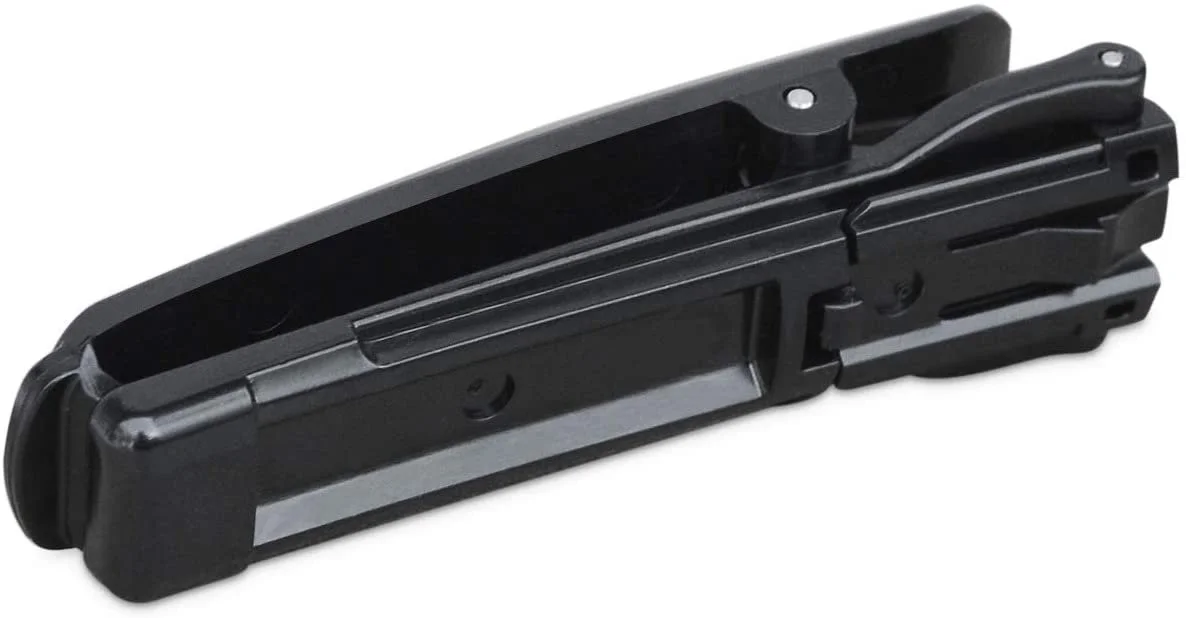
#634 The Quick Unclip
Spence and Victoria both have type 1 diabetes and they met in college.

You can always listen to the Juicebox Podcast here but the cool kids use: Apple Podcasts/iOS - Spotify - Amazon Music - Google Play/Android - iHeart Radio - Radio Public, Amazon Alexa or wherever they get audio.
+ Click for EPISODE TRANSCRIPT
DISCLAIMER: This text is the output of AI based transcribing from an audio recording. Although the transcription is largely accurate, in some cases it is incomplete or inaccurate due to inaudible passages or transcription errors and should not be treated as an authoritative record. Nothing that you read here constitutes advice medical or otherwise. Always consult with a healthcare professional before making changes to a healthcare plan.
Scott Benner 0:00
Hello friends, and welcome to episode 634 of the Juicebox Podcast.
Victoria, she snuck one in on me, as they say, Victoria has type one diabetes. She met Spence at school, they are fast friends and have been on adventures together. Spence also has type one diabetes. Victoria listens to the podcast, Spence doesn't, but today they're both here to talk about their type one and their experiences in grad school. Please remember while you're listening that nothing you hear on the Juicebox Podcast should be considered advice, medical or otherwise, always consult a physician before making any changes to your health care plan, or becoming bold with insulin. I particularly enjoyed this today because two people similar age, very close friends both have type one, but they both sort of do diabetes differently. And it was interesting to hear their different answers to similar questions. I hope you enjoy it as well. Don't forget, if you're a US citizen, and you have type one diabetes, or you're from the United States, and you're a caregiver of someone with type one, filling out the survey AT T one D exchange.org. Forward slash juicebox helps the podcast and it helps people living with type one.
This episode of The Juicebox Podcast is sponsored by the Contour Next One blood glucose meter, please head over to contour next one.com Ford slash juice box to learn more about the Contour. Next One, if you're interested in seeing which meter my daughter uses, that's the one and that website is full of great information about it. Contour next one.com forward slash juicebox.
Tori 2:01
Yeah, so I'm Tori and I met Spence last year when we started our MBA program. So we're grad students, and I was diagnosed with diabetes a little bit later in life. I was diagnosed when I was 23, living in New York City. And I thought it would be fun to come on for Cincinnati to talk about kind of grad school what we did during zoom school all year, traveling a ton. Just being super active. We live in a place that you can be you know, outdoors all year round, which is great. So yeah, I'm really excited to be here. Okay, so
Scott Benner 2:33
Victor, you were diagnosed at what age 2323. And how old are you now?
Tori 2:39
26.
Scott Benner 2:39
Six. And we're Spence. Yeah, is a friend.
Tori 2:46
Yes. So we met. Yeah, last last fall when we first came came to school. And I had never had like a friend with diabetes before. Oh, so excited.
Scott Benner 2:57
Tell me Tell me about yourself.
Spence 3:00
Yeah, hi, Spence. Originally from Minnesota, I was diagnosed quite a bit earlier at age six. So and I'm currently 29. So I've been dealing with the throes of type one diabetes for for quite some time now. I've done a lot in the way of traveling and sports just to try and stay active, regardless of the of the disease. But somebody Ettore came to our MBA program last fall, and was really excited to meet a fellow classmate who also had type one, and so was a great way to connect, and we stay close ever since.
Scott Benner 3:34
That's cool. So how did we you guys virtual? Were we together?
Spence 3:39
You were We were virtual last year? Yep.
Scott Benner 3:42
So how did you figure out one another? Like what beeped. I'm assuming, like, there's something beef and one of
Tori 3:48
you. Yeah, I went to brunch with one of Spencer's roommates, and I was wearing my Dexcom on my arm. And she was like, Oh, my roommate has one of those. And I was like, no, like, they probably don't. And she was like, Yeah,
Scott Benner 4:00
I think I'd rather talk to that person. I would like to hear about that. I'd like to hear about the lunch for they're like, how many of these people am I going to meet my life? That's excellent. So she goes back tells she he or she goes back tell Spence like, I met somebody today, who has a Dexcom to when you guys are in the same class together that kind of thing. And you just started talking from there.
Spence 4:22
Pretty much I think even before she got a chance to get home Toria just jumped in my direct messages and shoot me a note to meet up and start talking about beers and insulin and you know, all the things that MBA programs consist of related to diabetes. So
Scott Benner 4:41
three what made it so exciting like, seriously, like, what made you like, reach? I mean, I'm looking at Spence a handsome guy, but I mean other than that, like what? What What made you go?
Tori 4:51
Yeah, I hadn't even I hadn't met him in person yet, so I had no idea what he looked like. But I was just super excited to potentially have i Didn't think I'd have another classmate with type one. Our class size isn't that big. So I thought for sure I'd be the only one. But I again, I kind of couldn't, I didn't, I couldn't really believe it when she was talking about it and wanted to like meet someone and kind of be their friend. Was
Scott Benner 5:17
this the first time you realized you'd been in class like, as an adult with somebody? Or I mean, has this ever happened in the past?
Tori 5:24
Yeah, I mean, for me, I was out of school when I got diagnosed. So I was kind of just like in the workplace, and no one I really knew that type one. And then I had kind of tried to meet people in New York. But I didn't have any close friends with diabetes. So I thought it would be interesting to talk more about it with someone
Scott Benner 5:43
I spent you grew up with. And so you had to have known a few people growing up right or no?
Spence 5:48
Yeah, yeah. And I've actually had a couple friends along the way who have gotten diagnosed like later in life similar to Tori. So have been able to, you know, help them kind of manage the transition to being a type one diabetic and no, often in complicated scenarios, like junior year of undergrad, so obviously, a lot of changes that they come at you pretty quickly and so have had the chance to have a couple friends along the way.
Scott Benner 6:15
How many Spence is it possible you're giving people type one diabetes?
Spence 6:19
It can be affected doubt myself here. But yeah, I mean, I'd say probably five or so I've first cousin who had it prior to when I was diagnosed, and then maybe three in my high school class a fourth who got it senior year, and another close buddy junior of college as well.
Scott Benner 6:40
Tori, do you have any family members with any autoimmune issues?
Tori 6:45
I don't my mom has a little bit of thyroid stuff. So you know, all in the family, but um, was totally totally shocked.
Scott Benner 6:53
Yeah, no, but so you were shocked by Taiwan. But we're gonna call we're gonna is Do you know for thyroid is Hashimotos? Or if it's just hypothyroidism? Has she ever?
Tori 7:03
I don't know about that. It very well. Could be though.
Scott Benner 7:06
I love asking people your age about their parents health, because they're like, why? Don't know, we don't talk about that stuff. But even how about you spent? family line you said cousin anything else? Autoimmune?
Spence 7:20
Not? Not that I know. I've had no.
Scott Benner 7:24
Yeah, you don't have an aunt that runs to the bathroom for Thanksgiving dinner all the time or anything like that? Because that might be celiac. And they don't know.
Spence 7:32
Yeah, not not that I've drawn attention to
Scott Benner 7:34
I would love it right now you outed one of your aunts. And you're like, Oh, my God, actually. Yes. So so we have two different perspectives here. Spence, who's known people with type one and has really grown up with it. And Tory who's only had it for a couple of years and has never really met anybody else. I'm going to guess the Tory was the more excited person in this in this meetup. But Spence, you probably knew the value of reaching back to her right?
Spence 8:00
Yeah, absolutely. And I think it was, it was funny, because I've had it for so long. That, you know, I haven't been as involved as diabetes has come into the digital age and was surprised to hear Tory talk about podcasts and shows and things like that, that are out there that candidly I just hadn't been paying as much attention to. So while I think she was maybe hoping to get a wealth of knowledge and information, like I probably got more insight and more resources out of the interaction at the end of the day.
Scott Benner 8:33
That's interesting, Tori, that did that shock you.
Tori 8:37
I mean, I think, because I was diagnosed a little bit later, I, I wanted to dive into the education and I also kind of was diagnosed at an age where like, my parents wouldn't really have helped at all, they live or living across the country. And I was in New York by myself. And it was something that I kind of had to manage day to day and didn't have another person or anyone to kind of talk to about management. So I really dove into like the podcasts and going to like, like seeking all the new technology and just kind of being really up to date the Facebook group but so I didn't know a sense of would have the same kind of up to date stuff that I was interested in. So we I kind of shared a little bit more with him.
Scott Benner 9:22
spent 20 years you you probably started with the human log, right.
Spence 9:29
I actually I started with I don't even know what the technical words were, but they called it regular. Oh, you
Scott Benner 9:35
you that's far enough back for regular and mph. So you were just a couple of times a day as a kid.
Spence 9:40
Yeah, yeah. And testing a couple of times a day. And so I mean, it's really gone from, you know, having a couple of data points that you're just kind of correcting around throughout the day to where we are today and these continuous glucose monitors and just a more much more efficient and real time monitoring.
Scott Benner 9:57
We know you both are wearing a G six but towards Are you or do you have a pump?
Tori 10:02
I was inspired by you, Scott and I got to Omni pod a couple months ago.
Scott Benner 10:06
Oh, this is normally where I like to say, hey, the price is gonna go up next year. Yeah, it's been spent. Do you have a fun?
Spence 10:13
I do have the tandem T slim switchover from the Medtronic mini med last year.
Scott Benner 10:19
And you said you were from Wisconsin or Minnesota? Did you say that? Minnesota? Yeah, you definitely got that. The Medtronic is like, yeah, like it's the companies up there. And so the sales is really close. A lot of people come out of that part of the country of Medtronic or using control like, you know, we're no, yes, you are. And Tory are you waiting from the pot five? Are you excited? Or?
Tori 10:42
Yeah, I've been waiting for one. So
Scott Benner 10:46
we're all waiting. It's coming. Don't worry. Yes. Maybe we should write the FDA all together. I have no idea. But okay, so So Tories and Tory, you listen to the podcast fairly religiously?
Tori 10:57
Yeah. I mean, I feel like I've learned my entire management from the podcast. Oh, well,
Scott Benner 11:02
and since you've never heard it.
Spence 11:04
I haven't heard a couple episodes of copy, but not enough to get I can't say I've heard everyone
Scott Benner 11:09
though. No. Like, you were like, I can't keep listening to this is that was
Spence 11:14
after 20. Some years there's there's only so much diabetes. You can
Scott Benner 11:17
Yeah, no, no. And that makes a lot of sense to me, actually. So. Okay, which one of you has more stable control? Question. Do you guys know? Have you do you ever talk about this? Let's start with a once a we know a one C is not the end all but spent years is?
Spence 11:37
Oh, geez, I have to go back but I believe I believe it was high sixes
Scott Benner 11:43
okay. How about you? Sorry.
Tori 11:44
Yeah, I've I was in the fives last year, but I'm in the sixes this year.
Scott Benner 11:48
Okay. Is that lifestyle? Like what happened?
Tori 11:52
Wow, yeah, even just being in our program, even though we had everything school related, be virtual. A lot of our classmates were still in the area. And we would we did a lot of things a lot, including, like drinking and eating and, you know, going out to things and traveling. It was it was a little bit of a change of lifestyle.
Scott Benner 12:14
Can you describe to people, either of you, both of you? What this has been like, like, grad school, virtually? Is it a like, is it a bummer? Does it suck? Or like I my son's a senior in college, and he came home to me after you know, COVID hit. And then I think he did a finished a semester in his bedroom, did another full semester in his bedroom, and then came to us and said, We are wasting my time and your money. And I'm going to skip and go back and he just went back the other day. So he's a little behind now. But he just said like, I don't know what we're doing. You know, does it feel like that sometimes? I think Yeah.
Spence 13:04
Yeah. In my in my opinion. Yeah, it was a very different experience. But I think, you know, super grateful that we still came in at the chance to meet each other. A big part of our program is also the networking aspect. And, you know, for me, like building a network on the West Coast, having most of it located in the Midwest was was huge. And so we're still able to achieve that, which, you know, for me, it was the biggest value add, but yeah.
Scott Benner 13:33
Do you think that the information you left in your brain with is the same as it would have been if you were together in a room?
Spence 13:42
Probably not. But, again, I don't know that that necessarily is bad. Yeah, yeah. Well, that that was the the primary goal from from my point of view, okay.
Scott Benner 13:53
I gotcha. Yeah. I have a question here. What about just the sedentary nature of it right? Like now you don't have to get up in the morning and hustle and get out the door like, Do you think that's got something like is your is your activity level lower than it would be normally?
Tori 14:13
I think while we've been kind of were in like the Bay Area, then it is more sedentary. But what we kind of started to do last year was because we didn't have to be in the location the school was in we we ended up going on the road a little bit. So we did a ton of skiing. We did you know a week in Salt Lake taking classes we did a week in Colorado skiing and snowboarding. And then we went down to like Santa Barbara and spent a week there. We were in Hawaii for a week. So in that sense, we were not sedentary but when we were kind of just sitting in our own bedrooms taking classes, that was just a huge bummer.
Scott Benner 14:51
Yeah. Well, so you guys basically took advantage of this not having to be in a room and you're like, I guess wherever you have a laptop, you have a classroom so Let's go cool places. That's a pretty good idea. That's yeah, that worked out pretty well, I would imagine. And you guys, I know, this isn't my business. And it's not what this is about. You guys are like, not together. You just friends, right? Correct. Correct. All right. It's got awkward and weird for a second, but I wanted to just understand so. So you just you guys just became good friends through having tight bond, can you explain either of you what that attraction is, like, there's, you know, there are certain parts of the podcast that I can't fill in. And I don't have diabetes. So why it's so important, and why it feels, I don't know how it feels to you. Sometimes I mess with the open to the add music forever thinking like it's gonna make this like perfect mix to help get your attention. And then in the end, I think it was a waste of time. But anyway, today I'd like to talk to you about the Contour Next One blood glucose meter. Now, it doesn't matter if you have a Dexcom or libre, you still need an accurate meter. Yo, you please, you need a good meter. Okay, not a crappy meter, not an okay meter, a great meter. You want to know that when you're testing your blood sugar, you're getting accuracy. The Contour Next One offers just that. And many other things. For instance, the test strips for the Contour Next One, possess Second Chance testing capabilities. That's a lot of words that just mean, if you touch the blood don't get quite enough. And you go back to get more that does not interfere with the quality of the test or ruin the test trip. Second Chance test strips. See whoops, no. Okay. And yeah, beep perfect. The meter also has an incredibly easy to read screen. It's very handleable. That's a word, meaning that it's not too big, and it's not too small. It's easy to travel with carry in your bag or your pocket. And at the same time, not so small that you can't get a hold of it with your hand I got the big hands. You don't mean like the big I got big hands. And I can still handle that meter perfectly well. It has a bright light for what I'm trying to do Arden's blood sugar in the middle of the night. And now it's just nice, feels nice. It's got a good vibe about it. I don't know how to put it exactly. It's a great meter. It's actually my favorite meter that Arden has ever used. And I'm telling you, I if I had a stack of Bibles right now put one of my hands on it, but the other hand up in the air, and I would swear to that, absolutely my favorite meter contour next one.com forward slash juicebox. To great website has a ton of great information. I've now used the word great three times in a row. And didn't mean to. But it's too late at night for me to go back and edit this. So let's just say that the website is great. But it's also awesome, fantabulous and has a ton of really useful information. right at your fingertips. Contour next one.com forward slash juicebox. Get a good meter. Yeah, you could get an okay meter, I wouldn't get a fantastic meter. Why not? I mean, it may cost less than cash than you're paying right now for your current meter through insurance. What I know, I know it's crazy. Contour next one.com forward slash fuse box. links in the show notes. Links at juicebox podcast.com. When you click on the links, you're supporting the show. Go get yourself a one fantabulous meter extravaganza. Get a good meter, you deserve it. Just don't take whatever meter the doctor gives you. Do a tiny bit of research help yourself. And now I will read you synonyms for great accomplished ace adept, complete. consummate crack Cracker Jack, educated, experienced expert good master masterful Master Li practice. professed proficient skilled skillful versed veteran virtuoso words related to great adroit, clever, deft, dexterous, handy slick shorthanded, gifted talented polished refined the Contour Next One blood glucose meter is refined it is workman like knowledge of blood sugar testing. I mean it's great I'm just gonna stick with great
Tori 19:53
Yeah, I mean, I think it's just someone who is there who gets it. I mean I think when we are traveling as well It would be like, you know, one of our pods will stop working or kind of, you know, alarms would be going off. And it's like, you know, like, are you good? Like some other who always has, you know, sugar in case we're walking home and going low. But it's yeah, it's just, it's, it's really nice to have someone that you don't have to explain things to, like my roommates would would totally, you know, help me in anything and be willing to be there. But I don't necessarily want to, like, sit down with them every time something happens and explain everything that's happening.
Scott Benner 20:33
Is that a function of see, I feel like it's just a function of you don't want to have to do that. It would be like if I had to explain to somebody that I made dinner, like, right, like if I had to say, Oh, here's what happened around four o'clock, I realized it was getting late. So I went to the refrigerator, and I looked, and now you're explaining this money beam thing like, right, step by step. It's not embarrassment, right? You don't want to not tell them because you don't want them to know you have diabetes. You just this is not something you want to have to say out loud or revisit. Is that correct?
Tori 21:04
Yeah. And I think it's just it's such a hard thing to explain, because it could be the exact same situation on a Tuesday and Thursday and be completely different. Insulin needs are like, oh, like, I really want to go on a run. But I have so much insulin on board that like I just I'm not going to like there's there's there's so many nuances.
Scott Benner 21:24
Yeah, my daughter's on her placebos right now in her birth control, and she might as well be a different person with diabetes. Like just fascinate. And Spencer, I'm sure that happens to you on your birth control as well. So
Tori 21:38
yeah, I always tell my roommates, you know, when they
Scott Benner 21:42
look up, I'm gonna, I need it's interesting. Like, she needs more insulin during the pills. Because of, you know, because there's more hormones, and then suddenly you take the pills away, there's fewer hormones and bang, like, like, especially you don't have to, although I guess, you listen, I'm only looking at you guys from shoulders up. But you're a big guy. Right, Spencer?
Spence 22:01
I'm gonna Tory
Scott Benner 22:06
I was trying to get to you must have had similar situations when you went into puberty.
Spence 22:12
Yeah, yeah. I mean, it's, again, what a while ago. So, you know, I can't recall exactly how turbulent it was. But, but yeah, I didn't even know that about about birth control, though. Yeah. So
Scott Benner 22:27
I don't think it's going to come in real handy for you. But. So you guys are really interesting, because Spencer gets type one at a young age, pretty much young enough, I'm guessing where you don't? Like you don't have any weird feelings about having diabetes, right? Like, it just feels like you've always had it?
Spence 22:45
Yeah, yeah, it's interesting. And I think, you know, comparing our two experiences, like I, I've just, you know, grown up with diabetes and have, you know, evolved and grown physically and mentally and whatnot, like with the disease, and it's just been a part of my life for so long that I've never really had to, you know, make a material switch and lifestyle or anything like that. And so from my point of view, I think it would be more difficult to be diagnosed later in life and just have to do a total 180. So have, you know, a lot of respect for Torian and other friends that have just had to refigure out and recalibrate their life later on?
Scott Benner 23:24
So what is my question here? It was, it was really fascinating to watch you when I asked about it once he's earlier and you were like, I guess I could look somewhere, like, you know, like, like, I don't really know. But Tory was more specifically understood what hers was. And is that a function of time? You think? Or do you think that's a function of Tory came up in a world where, like, Tory, you're you you think about diabetes the way I do, right? But, but Spencer doesn't think about it the way you do right.
Tori 24:01
Now, yeah, I think we do have slightly different approaches to things.
Scott Benner 24:08
Okay, and what do you and what do you think that what do you think this is gonna be interesting? I'm gonna ask both of you please try to be honest. What do you think the difference is like, Tori, what do you think the differences between how you do it and how Spence does it and then I'm gonna ask the same back again?
Tori 24:25
Yeah, I suppose I don't use really talk specific numbers, because I feel like it's so personal. But, I mean, I like to stay. I do leave between like 80 and 110. And I think Spence one time was like, I spent so you can, you could tell if this read what you were like, oh, yeah, like 90 is kind of low.
Spence 24:45
I, yeah. Yeah. I mean, I think just to like, from from a high level, if, if I was to assess it, I think Tory is more particular about like, managing it. No, very My newly, whereas I like my emphasis is on ensuring that diabetes doesn't slow down the lifestyle that I want to live. And that, like, that's the macro factor that I'm trying to control for, rather than, like, you know, managing the the specific numbers knowing that like, it's obviously a benefit long term, you know, the better you can manage it day by day, but I think my my focus has always been on like, living a lifestyle and managing diabetes and not letting it get in the way of that lifestyle.
Scott Benner 25:34
Cool. Please understand going forward dispense because you don't listen as much that if I sound at any point in the next couple of minutes, like I'm judging anybody, I'm not okay. I'm just trying to dig into something. Tori, does diabetes get in the way of your lifestyle?
Tori 25:50
I don't think so. I think when I was first diagnosed, I was making choices that just would make it ease. You're like, I ate a lot of low carb. But now I kind of am at a point where I can, I can have pretty good control no matter what I'm kind of doing or eating.
Scott Benner 26:08
So would you say that the podcast has helped you to think less about diabetes, but have more specific management ideas?
Tori 26:17
Yeah, I think the podcast has been really good. And you're really good at kind of just like being intuitive about things, and less about, you know, just like carb counting. And so being like, oh, like, yeah, you're looking at like a banana versus a piece of cake. And even if they're the same carbs, you intuitively know kind of what the difference is gonna be.
Scott Benner 26:39
What's funny, because I think, from his explanation, I think Spencer and I are in the same place where we don't think about diabetes very frequently. But ah, I don't know, this is. So I find this incredibly interesting. I appreciate the by the way, people don't know. But I did not realize Spence was going to be on the program. So the two people popped up in front of me, and I was like, Oh, and by the way, this is probably the best I've ever done with two people. It's a it's a learned skill that I don't get to use very often. I have done some interviews with two people that when I'm done, I'm like, Oh, I was so bad at that. But I actually feel like this is going well, if it's not, please don't tell me because you'll ruin my confidence right now. But
Tori 27:19
no, I mean, Spence has done things that I feel like I would not be comfortable doing like he did, like this huge hike in Spain through like France and like lived in like, Australia, like just like without like, like insulin for a while or like, it's just done things that like I would not do.
Scott Benner 27:38
And, oh, okay, Spence, do you leave your blood sugar higher for stuff like that? Or what? How do you like what does? I guess what I want to understand is, let me say something that asked my question. I think that people who have had type one for a long time, very commonly say, I don't want diabetes, to impact my life, which I think is a great message. And I agree with, I want to be super clear about that. I also think that it's a little bit some people can use that statement as a crutch is not the right word. But I think excuse is the right word for not doing as well, because well, okay, sure. My blood sugar was 200 all day today, but I didn't let it get in my way. And I think that, that makes a ton of sense in that timeframe. Because the technology didn't exist, you couldn't see your blood sugar's anyway, like, I mean, who the hell would know, right? And now suddenly, things have shifted. And this technology exists for many people, where you can suddenly see your blood sugar and the difference between impacts and foods and things like that. And I would say that Tory probably lives and doesn't let diabetes get in our way, either. But I think the statement comes from two different places. Is that a fair statement from me? Spence?
Spence 28:50
I think so. Yeah. Yeah. And I think the big thing probably centers on, on your point around what, what you grew up with, or what, you know, what your baseline for learning about diabetes may have been, and the fact that, you know, that, that baseline and the ability to control it more minute, Li has changed a lot over the last 20 years. And it's definitely been a personal choice, you know, as to how much do you want to lean into that, that learning curve, and keep up with it? Candidly, I would say I got I still am, but for a while, was quite jaded, just on the lack of progression in the space and the fact that technology hadn't kept up with with diabetes in the same way that it had and other industries and so was, you know, just got kind of set up and just removed myself from the learning curve. You know, I would say, you know, as a result of meeting Tori and learning more about some of the resources out there and podcasts and whatnot have had an increased This is on, you know, trying to get better control or at least better technology. Not, I still wouldn't say to the same level that maybe both of you have, but definitely an improvement over before.
Scott Benner 30:11
So you said something I find really interesting. Because I, my daughter's had type one for 14. A God now I don't know, six. Oh, math, this is always fun. She's 17 she had when she was 215. Like, like, for 15 years. Okay. And mandatory expenses. 100%, right. Like, it would be like four years would go by and a company would come out with a new meter, it was no more accurate than the meter they made before it was in a different shape or something like that. And people were like, Oh, finally, it was like, it was like it rained from the heavens, you know, and it was a meaningless improvement. If it was an improvement at all. It wasn't until, I mean, for my money. It's not till Dexcom where people like, like, things start leaping. And, you know, you don't even realize, you know, the rate limiting factors is was always the FDA really, and that there was no money in this. Like, if you're already buying a meter, what's this company's onus to make a better meter, right? Like, so Dexcom comes into the space, and they make this thing and then they go, we can make it better. But then the FDA is in the way, because it takes so long Dexcom actually hires people to learn about that process so they can get through the FDA process more efficiently. Like that kind of innovation lacked for people with diabetes, like nobody was, nobody gave a crap and nobody was doing anything. And so that kind of beat you down, huh?
Spence 31:40
Oh, yeah, absolutely. I think he hit the nail on the head. I mean, when I was first diagnosed back in the mid 90s, the, you know, what they told me in the hospital was oh, like, they think we'll have a cure in five years. And then five years later was like, oh, yeah, next five years, like, we're gonna get there. And 20 years later. And to your point, you know, the first 15 years was really no development, no emphasis on development. And you'd have someone like Medtronic, who's just been the the big dog on campus and has cornered the market and has all these captive patients that are just cash cows for their business. And there really wasn't, you know, the motivation to develop better technologies. And candidly, it's really only now I think that we're seeing more of an emphasis from the general public on tracking blood sugars and whatnot, even for non diabetics that, I think, you know, will be the big catalyst that might push diabetes technology forward. Yeah, I'm, I'm,
Scott Benner 32:42
I'm sorry, I don't mean to cut you
Spence 32:43
off. No, no, I was just gonna say I'm, I'm all for the general public, paying closer attention to their blood sugar, because it's only going to help all of us
Scott Benner 32:51
Yeah, man. It's true. And it's where you got to give a lot of credit to new pump companies to because they actually, I mean, there's really two, right? There's Omni pod in tandem and then Medtronic. To your point about Medtronic being so big. You got to give those other two companies a lot of credit for wanting to be an insulin pump company. Right? Because that's a they could just easily go Medtronic, Scott this, like, what are we gonna do? We can't make any kind of debt in this. There's no business here. But they they are and it's a it's a it's to everyone's benefit, but it competitions really important, you know, for advancement. But, but Tory it's so good. Do you? Is it weird to hear him say that? Like, because you don't feel like that? Like there's just a cornucopia stuff for you to choose from?
Tori 33:38
No, I mean, I had issues that I've heard other people talk about as well, where I had to basically beg my endocrinologist to prescribe a CGM, for me. It was not really of interest to her. And I've since kind of found another endocrinologist. But no, I mean, I think it's when you're doing research, I mean, my, my, my main form of research initially was like Reddit, so it was kind of just hearing people's different experiences on Reddit, which, you know, can really be can throw you in a whole nother direction. But, no, that's kind of like how I, I was, I was deciding between the JSX and like, the FreeStyle Libre product,
Scott Benner 34:18
you know, I'm starting to get when people come into the private Facebook group, they there's like four questions they answer to make sure they're like living things. And one of them is like, Where'd you hear about the podcast, and I'm starting to hear Reddit more often, which I felt really good about, because I like you thought of Reddit as a place where people complained about diabetes, not about a plan, which by the way, I think there needs to be a place to complain about it, but I didn't think of them as like a group of people who were like, I wonder what I can, like do but it's nice to see that even in that space, like people and because that's also there are adults, which is important to me to like, you know, I don't want to I mean, I know the podcast is pretty much down the middle. It's tough. talking to parents and adults. But I always, I'm very careful and, and hopeful not to abandon adults because like, because Spence, you don't know this, and there's no reason for you to know, but I'm 50 years old. And when I was 18, my best friend was diagnosed with type one, and he's not with us anymore. And he fell into a rut of this is the way it goes, this is what I was told, yes, it's not going right. But it's not my fault. It's what the doctor said. He was taken regular and mph, he didn't transition to a faster acting insulin. When they became available. He kept doing what he was doing. And, you know, those kind of all those different influences impacted his health really significantly. And, like I look at you, and I don't know you, and you might find this weird for me to say, but like, I want you to, like, I want you to know what torinos I don't, I don't care if you do it. Like I'm not into telling people what to do. But I don't want you to get to a point where you're like, Oh, I didn't know. Like, that's like, you know what I mean? Like, as long as people are making informed decisions, to me that's comfortable, like for me, but I don't want people to be in the position my buddy was in where he just didn't realize any of this existed. And he was just living like it was 1986 the whole time. And I know that's a bummer. And I don't mean to be, but I like that the podcast is like it's really exciting to me to Tori found it and is doing so well. And it's exciting for me that you guys met each other because like I've now I'm dying to know like now Spencer has to come back on the show like three years from now. Like it's not even like he's not even allowed to say no to it. Because I because I want to know what happens next. Not that he's doing a poor job because he clearly isn't he's doing terrific, right. And he he adjusted you adjusted on your own like you went to a different pump you you got the CGM. So you're not in the same scenario where you're like unaware, it's just that you have you're going to always be colored by those first years, I think. And I don't I hope that doesn't. I'm not even talking about you. I'm talking about everybody. I hope that doesn't hold people back. That feeling of this isn't worth it. Because it's not. It's not going to be any better. When it obviously can be. So I don't even know you might have taken great offense to me just now. I don't I apologize if you did.
Spence 37:23
No, no, not at all. I think that was all. That was all very fair. Oh, I'll take you up on that offer to come back.
Scott Benner 37:30
Yeah, no, I would love my motivation. Yeah, I would love to know like, what your relationship? Plus you guys will be married by then you don't even realize that now. You have 16 Super diabetes babies probably. Is that that would be a lot. Trust me, one's a lot. I'm going to ask both of you. Similar question. Do you I realize this is not the part of your life. I realize you guys aren't together. I'm teasing you. But do you think about having kids? Do you worry about diabetes for children, as I run through it through your minds?
Spence 38:08
I can't say I've put significant thought into it now, but I don't think it would, again, hold me back from living a normal life or at least intending to live a normal life and start a normal family of whatever time that's appropriate.
Scott Benner 38:22
I don't think anyone listening is surprised that a guy your age hasn't thought about having a family and but worry, right?
Tori 38:31
I mean, I've definitely thought about it. And I see kind of parents in the Facebook group. And I feel like I might, I might feel this way as well. Even though I do not plan on having children anytime soon. But I feel like I might feel even more like passion and then maybe guilt if my children if my child's blood sugar isn't going that well. Like for me, it's like okay, like, you know, I have a bad day. I have a bad day like whatever. But I feel maybe like if my child has, you know, a day in the three hundreds all day or something, I'm gonna like, freak out. And I feel like it would be more of like a mental stress. Actually.
Scott Benner 39:07
Tell me how old you are again. I'm 26 You're the chemicals in your brain are about to like attack you. Got yours away. Tory have a baby. Have a baby and you're gonna be like, No, I don't want to I'm young. I just got my MBA, and they're gonna be like, no, no, no, no. Try to fight it. Because also you're gonna like guys, you don't even like when that starts happening. You're gonna be like, he seems okay. Look, it's gonna get real weird. And it's how I tricked my life.
Tori 39:36
But it'll be like Immaculate Conception setup.
Scott Benner 39:43
Right, right. I understand. I had a thought for Spencer and now it's out of my head. Hold on a second. Spencer, what would you say to parents who would who are right now raising kids with like, like legit Goldstar like a one sees their time and range? like crazy, and they know, one day their kids are going to go into high school and college and take over their own management, you know, and it's not going to probably be the same, like, Do you think there's any comfort that you could offer in there?
Spence 40:15
Yeah, I mean, candidly, I, I wish, you know, maybe my parents had been more like that, and more, I think they transitioned and were willing to pull back, you know, earlier than maybe they could have or should have, I don't know. But I think at the end of the day, like, you're gonna have to transition the knowledge and the ownership and everything over to your kid. And I think it's just gonna happen naturally, like, you're, you're gonna have to let your kid go out and play with other kids and be away from the house for a while. And that's gonna extend into school and college and living on their own and, you know, partying, and probably drinking and whatnot. And so, I think it's probably natural for any parent to be worried and any parent of a diabetic to be even more worried about those kind of things. But, again, I think that's, that's all part of life. And if you've instilled the knowledge and you know, the, the emphasis and the the learnings in your child for good management, and what that'll bring them later in life, I think that that's all you can do. And at some point, you know, you're gonna have to just let go a little bit.
Scott Benner 41:29
Where do you think your parents being more involved would have been beneficial?
Spence 41:35
Maybe, maybe just following up and keeping up to date with, with trends and new things coming out, and just a greater emphasis on the sugar management and kind of watching your diet and whatnot there? Yeah, St. Joe's?
Scott Benner 41:55
Am I Am I understanding that you get like a baseline understanding of how to keep your diabetes, you know, whatever it is, and check, we'll call it. And so you're doing, you're taking steps every day as a kid. And as long as at the end of the day, as long as you're not dead or passed out, then this was a good day, and you must be doing right, but there's so much more underneath of it that you can't possibly follow as a child, right?
Spence 42:17
Yeah, yeah. And, and again, I'm sure it's difficult from a parent's point of view as well, not having diabetes and trying to, you know, they're probably not sure how, how serious to take a high blood sugar or low blood sugar, and, and how, you know, minute, or how much to micromanage it. But I think, over over time, like, you just kind of naturally had to take more ownership. And now if my blood sugar went low in the middle of the night as a kid, like, I wasn't waking my parents up, you know, at some point pretty young to to deal with it if like, I would go downstairs and make a bowl of cereal and get my blood sugar's back up. And because I was doing it, and I was a, you know, seven, eight year old kid, like, maybe the blood sugar shoot too high and or maybe it's not a, like, perfectly calibrated redirection. So I think, you know, over time, it's just kind of more and more ownership that was transitioned over.
Scott Benner 43:18
You know, what's interesting is that I've spoken to, like, hundreds and hundreds and hundreds of people and adults whose parents weren't super involved when they were kids are always very careful to protect their parents when they talk about it. And, like, it'll, it borderlines on the defense, they want people to know, my parents did a good job, like, like, this was what and people whose parents are super involved, will say, like, my mom was up my butt the whole time. And I'm like, wow, people are so complex. Like, right, like, it's so it's so interesting. Like it like I feel like if if Spencer's parents were like, super involved, right now, I'd be like, I wish my parents would have just given me a little more space. And it's interesting how, no matter what, like, you guys don't have kids. But one day, you'll see like, no matter what you do, like, you can't win is how it feels sometimes like like, right, like, it's just like, when you do something people are always gonna have. It's not bad. Like, I'm not like, dude, like, I think your parents probably did a terrific job, especially the time you were diagnosed. And it sounds like you were a fairly responsible kid, which probably gave them a lot of confidence and, and, you know, solace. But it's just it's super interesting, like you you don't know because you haven't heard all the responses but there are studies that that indicate that people with type one do well with having parental or some sort of, you know, somebody to lean on into their mid 20s like it because it's such a difficult, like complex thing that sometimes you just need somebody to bounce it off of. Tori, do you have somebody or who do you cuz you don't it sounds like you, you in Spence have a really interesting relationship like it's not. It's because you guys have diabetes that you met each other but you don't speak about it very often. So who do you talk to when you're confused about what you're doing? Yeah, I
Tori 45:14
think we talk about things that like a high level, but we don't get super, super nitty gritty. But no, I mean, I. Yeah, I, I mean, I think a lot of people are diabetes, to work maybe like adults, and I don't know, I don't have a ton of people to bounce things off of. So I just kind of think about it myself.
Scott Benner 45:35
Yeah. Does the podcast substitute for humans? Like, do you just listen to people's conversations? And kind of, like, I'm not saying you pretend you're there. But you know what I mean? Like, is you like, Oh, here's another person talking about it, that I can't find in my real life.
Tori 45:49
Yeah, totally. And I love when you talk about specific situations, like with art in line, kind of like what you do or how you're doing things, or if someone else talks about specific situations as well. Yeah,
Scott Benner 46:01
I think if I did that, with Spencer, he punched me. I think if I was like, here's what I would do with this Pre-Bolus. He'd be like, dude, I'm alright. Thanks. Not that I would not that I would infer myself onto somebody. But I just I think there's a, I don't know, there's like a card you get when you've had diabetes for a while, like, you know what I mean? Like, it's just, I, you can see it on people. It's a it's sort of this quiet confidence of like, I have this. Does it feel expressor? Because you grew up taking care of it so much on your own? Like, does it feel would It feels strange if somebody tried to interject themselves? Like, what if we suddenly made you married? And your spouse was like, I'd like to help with this? Do you think you'd be like, I don't need your help with us? Or do you think you'd be? Where do you think you'd be with that?
Spence 46:49
Yeah, that's a good question. I think, you know, initial reaction might be, you know, a little averse or a little resistant to taking, you know, someone's help. But I think, in actuality, I probably would appreciate that and would welcome in at some point, especially if it was done just in a, you know, like a genuine, trying to help sort of way rather than, like, a forceful takeover of my management and I torinos like, I'm not a big fan of being micromanaged and whatnot. And I think that would translate into diabetes as well. But yeah, I do feel like I was, you know, maybe forced to be like, very independent with with that, and, as a result, just independent in life, you know, very early on and so, yeah, I can't say I've had that level of like hand holding in a long time. But yeah, I think would be something I'd welcome back in.
Scott Benner 47:48
Did you ever go through a bad spot, like the jury wants he's ever gets super high, and you stop taking care of yourself? Or?
Spence 47:55
No, no, I mean, I, I've never been in denial over it or anything. And I'm sure the height agencies are all all relative definitely had better periods of management and worse, you know, the, the worst probably being a big chunk of time, where I was working, like 7080 hours a week, you know, was on the, the old Medtronic pumps, which, you know, I could go on a rant about and just, you know, just trying to, like, keep up with life and diabetes was just the, you know, annoying distraction that was, if anything, just keeping me from like performing at the same level as everyone around me. So, yeah, I'd say that's probably the worst.
Scott Benner 48:37
This is normally a time where I say out loud, Medtronic, it's not my fault. People don't like your stuff. And then I move on gracefully. Sorry, I have a question. Please try to answer it. Honestly. I try not I'm not trying to break up your relationship together. But has he ever done something like with his insulin or something where you bet your lip and you were thinking like, dude, no, no, no, no, no, not like that. Or do more stuff like have you ever had that feeling? I'm gonna ask Spencer the same thing. So just, I'm just wondering if you've like, because it sounds like it sounds like you guys don't get involved but it still must be like you're aware of each other understands what you're doing right? Like so you're together and you're doing something like if you ever looked up and thought Dude, that's not 45 carbs that's 60 carbs or like like something like that or?
Tori 49:23
I mean, I think we we've shared our blood sugars when they're going really well. Because I mean, it's it's again it's it's so personal and I would never ever want to bake like or expense feel bad about something. I mean, I feel like sometimes he's like riding a little high and I would like give a correction at that spot. But like I I'm not I'm never gonna like say anything or judge
Scott Benner 49:47
or good I love your guys generation. You're so kind to each other. Like she did not answer my question until the very like, she's like, I guess I'm gonna have to answer he's gonna press me more so, but I really do love that you guys Just like everyone cares about each other's feelings, somebody did something, my daughter's 17. And somebody did something crappy and like their circle. Last night, I said, you know, if this was the 80s, you could just be really horrible back to them, and it would feel terrific. I was like, but you guys are not allowed to do that anymore. So I think you're supposed to just accept them for who they are and move on. But Spencer, really, what does she screw up that you want to talk about? And you just don't say anything?
Spence 50:24
Yeah, no, I, I definitely don't think it's anything to screw up. And as you know, we pointed out here, I think Tory is better at managing the the numbers themselves than I am. I think if anything, maybe I've, I've encouraged Tory or maybe tried to, like, open her eyes that there are like, like, you can still take risks with diabetes and go on adventures and things like that. And so, yeah, I think that that might be the only the only area that I'd say like it, you know, diabetes. Can can feel like it's holding you back. But but it doesn't have to, and I think maybe combining you know, both of our viewpoints would get to the ideal state where you can, you know, still live like a you know, the, the adventurous life that you want, while you know, closely managing your your diabetes and getting good numbers.
Scott Benner 51:19
I have a couple of things here. So have you ever like, Have you guys ever like split a sandwich and she's Bolus like 35 carbs? And you were thinking 20 You think? Oh, hell, I guess maybe it's 35? Or, like, is that ever happened?
Tori 51:32
You know, we've shared a lot of meals, but we've never talked about what we're dosing or the carbs we're dosing for. I don't think ever
Scott Benner 51:42
three don't listen to this next part. Because I don't want you to feel weird, but Spencer, I'm really pretty straight. I'm thinking of leaving my wife and pursuing you. Like you seem like a really solid guy. Like every one of your answers, it seems like genuine and well thought out and like that idea that together you guys are like a great bank of knowledge of like now and before and how valuable it is together and like you're seriously like you're dating right? Like somebody is trying to marry Spencer? Really? Like seriously like Tori, you're fine. But Spencer's amazing. Like, you're getting that right. And I don't mean just fine. Like, like, you're like you. Alright, let's pretend he's not here for a second. He's a super good guy, isn't he? No, look. Don't look at him. Like, look at me. It's just my picture. But look at me. He's a really good person. Is he? Am I wrong? Am I getting it wrong?
Tori 52:40
Yeah, he's, he's not perfect.
Scott Benner 52:45
Okay, all right. He's not like robbing banks, or like, Are there a trail of women who think they're about to call him but he's not really going to or like anything like that going on.
Tori 52:57
Now he's just, you know, riding his motorcycle away.
Scott Benner 53:01
Spencer, how long do you have to be with a person before you tell them? You have diabetes?
Spence 53:06
Um, I mean, it's the the beeping is usually give it away for me. Just yeah, very various insulin pump beeping. But I I mean, I'm very open about it. And don't don't conceal it at all.
Scott Benner 53:19
Yeah, Tori, how about you? Is it hard to date because of it?
Tori 53:23
Yeah, I feel a little bit weirder about it. I usually don't say anything on like a first date.
Scott Benner 53:29
Yeah. Have you heard the the after dark episode with a woman who talked about having sex with a pump and all that?
Tori 53:37
Don't know if I've heard that one. Specifically, I think I think I have. I think I have because you were saying something. She was like, oh, like, I don't know if I want to be like, like naked with my pump on. And you were like, oh, yeah, but like you're just naked. It's fine.
Scott Benner 53:53
I remember somebody saying something about them having their infusion set on their hip. And I wanted to, I guess I'll have to, like bleep this out. I don't know, like, Spencer, a lot of kids listen to this podcast. So. But my follow up question. Like where I thought she was going with it was that like, I'm just gonna say it, I'll bleep it out that I was out of the question. Because of that. And then she went in a completely different, like way. And I was like, Oh, that's interesting. Like, see there? I'm, I wasn't even trying to be funny. Like, I really felt like that was where she was headed with the statement. And then I was like, oh, it's something completely different. Like there's all these other things to think about. But what I found mostly was when I spoke to I cuz I spoke to an adult man, an adult woman who both had had type one for a while, and it was like they both were just like, initially the concern is embarrassment. Like like that's the initial concern which I felt terrible hearing. And then after that, when you're in a real relationship becomes more functional about your, the the equipment, I mean, the diabetes equipment, and then from there it becomes More of like, what happens if I get low or high during the event, which is what I ended up calling it because I didn't know what else to say. And it was just interesting to watch how it grew from where the initial concerns were to, you know how it went through the process. So is it not sexy Spence to throw your pump aside? Like, like, you do it when she's like, taking off her pants, so she can't say you're like, like, you're like, where does it happen? Just tell me one thing, because yours is tube. So there's more forward to you. Tory's got a Omnipod she's okay, but you you got you take your dude, you take it off, right?
Spence 55:40
Yeah, yeah has perfected the, the quick unclip at this point.
Scott Benner 55:47
See, that's the stuff parents don't want to know what's gonna happen. And I have to write down 5040 Where I said, oh, oh, no, I'm gonna write down this time because I suddenly got the quick unclip super seriously could end up being the title of this episode, just to go. I'm sure Tori's as a more of a listener. Tory's disappointed something she said hasn't become the title yet, but that was really cool. Tori, are you upset that you invited him on now? Because he's so nice?
Tori 56:19
No, I think it's great.
Scott Benner 56:21
This was really this is a great idea. I want to say to other people who are coming on, please don't spring other guests on me, although this worked really well. But that doesn't mean your stories just got an eye for it. Or you're like a, like a budding producer of audio content. But I appreciate that. Spence, what does she ever tell you about the podcast? Like, does she ever break down and go? Like, there's here's an idea, or a thing I heard?
Spence 56:45
Um, yes. Yes. I specific instances, like don't come to mind right now. But I know, she's like a very avid listener, and has definitely pushed me on the podcast and plugged it as the main source of information that I think she, she goes to, or just like, actively?
Scott Benner 57:04
How does that? How does that hit you? Like internally when, when she or somebody else says to you there's a thing about diabetes? I think you should check out? Is it like the abrasca against it? Or does it feel like something you might consider?
Spence 57:17
It's, it definitely feels like something I would consider. Again, I think the resistance is just, like, knowing how to incorporate something else into to life, I think my I think for the longest time, like my tendency has been to try and minimize diabetes, involvement or influence in my life as much as possible. And so, you know, the, the thought of like, converting all of my podcast consumption, or significant amount of it over to diabetes. And just like increasing that involvement is probably where the just like, subconsciously, the resistance comes from? Knowing that it's not the right answer, and that it would be beneficial to do so.
Scott Benner 58:04
That's really honest, I appreciate that. Do you have? Do you think you did it? The idea of like, cuz you've said a lot now, like, I don't want diabetes to encumber my life, like, does it not? Or does the pursuit of not letting it take up a lot of your time?
Spence 58:21
No. I, I would say I've been very happy with how little I've let it into my life. And and I mean, that's, that's been a big source of pride for me, in terms of like, what I've been able to do and what I hope to continue doing in the future. But that, that said, like, you know, as we've talked through here, can certainly do more and would hope to be able to like, increase accuracy and whatnot, while still minimizing any, any sort of influence negatively in like,
Scott Benner 58:55
is there a feeling like there's time? Like, I don't need to do it right now? I'm young, like I can, does that ever come into your head? Like, because you're talking about that there might be more out there fine tuning or whatever you want to call it? But does it feel like it's not important to do yet?
Spence 59:10
No, no. I mean, I, like I know the impact of doing it earlier, and that they're all positive. I think the thought was, it's been more that we, you know, you only have one life to live and there are a lot more experiences and things to do when you're young, whether for a diabetic or non diabetic and so prioritizing and emphasizing those experiences now, in my mind would ensure that I wouldn't look back in 40 years kind of regardless of my condition then and wish that I had done more.
Scott Benner 59:48
I'm totally in love with your sponsor. That's all I mean, in a very like, like, Bro way but you're my new favorite person. So Tori, I got to talk to you more because I feel like I'm I'm leaving you out. I have it apologize.
Tori 1:00:01
No, it's okay third wheeling.
Scott Benner 1:00:04
You guys like definitely like Do you have any other diabetes friends? Like, is this gonna be a cabal? Is it gonna turn into a thing or
Tori 1:00:12
so there is there's our program is two years and there were two other people last year for a year above us who had type one and I'm wondering if there's there's new incoming students who who are diabetic as well, but right now it's just the two of us,
Scott Benner 1:00:27
you guys. I mean, I know somebody saw like a mutual friend saw your Dexcom but are one of you more visibly? Diabetic? Diabetic? That was weird, like, does one of you not hide your stuff for like, Do you not care? Like where do you stand with that? A lot of people worry about that for their kids. Victoria, where do you where your paws mostly?
Tori 1:00:50
Yeah, I don't really care. But I actually don't love using the back of my arm because I feel like it catches on things, especially the Omni pod. I feel like it's a little bit big. So I really like wearing my pod on my legs, like my thighs. And then I almost always wear my Dexcom on my stomach.
Scott Benner 1:01:04
Okay, how about you Spencer? Where do you put your sets?
Spence 1:01:07
Um, yeah, usually pump on my legs just seems to be kind of the most out of the way. spot and then I have been wearing the Dexcom the back of my arm quite a lot. Just I actually find the opposite. And I think it's, it's pretty out of the way there. And yeah, I think I've grown to think like, appreciate it more as like, kind of a soft flex as well. When, like people people will ask about it or, like, you know, what, what's the thing on the back of your arm and it you know, people are usually like, surprised to hear if they didn't know already that that you were a diabetic. So it's been a good conversation starter too.
Scott Benner 1:01:44
I love that he said soft flex there was one time I started a conversation with somebody I said this is gonna seem like a weird flex but I have an incredibly popular diabetes pockets. Even as I was saying, and I was like I feel really douchey saying that out like for some reason. But you know, some some trying to jump into a conversation you need somebody going sometimes. Tell me in both your opinions you I'm assuming maybe both will have a different answer. But what's the best place you went? When you were doing you know, your your version of studying abroad? Where did you enjoy authority the most that you guys were at?
Tori 1:02:20
Oh, man. I mean, we I'm a big skier and Spence's big snowboarder, so we had some great I mean, I got it bar skiing days that I ever thought possible this past year. But Salt Lake was absolutely amazing. And then Aspen, Colorado was amazing. I mean, we did Kowai which is an island I've never been to in Hawaii earlier this spring. And it was absolutely breathtaking. Like it was stunning.
Scott Benner 1:02:43
How about you spent? You agree?
Spence 1:02:45
Yeah, yeah, I'd say big sky Montana and Aspen, Colorado were pretty spectacular. And then yeah, Mexico as well was was was just great.
Scott Benner 1:02:57
What's it? What did you learn about traveling with insolence stuff like that? Was there anything that you would tell people is an absolute must?
Tori 1:03:08
I actually I, one of my more recent trip, I got I got stopped and like patted down at the airport and like taken into a room for me to like, show them my pods and stuff. So I learned you got to bake in a little bit of extra time. But other than that, I've never really had an issue bringing stuff. I mean, I've learned to always been extras. And when I first started on the Omni pod we had we'd driven up to Bend Oregon. And there was a hot tub, and I thought it would be fine. But the Omnipod was not fine in the hot tub and I didn't bring enough extras.
Scott Benner 1:03:41
Did you cook the insulin? Or did it make the adhesive fall off?
Tori 1:03:44
No, the pod itself that the PDM wouldn't connect? It just stopped working?
Scott Benner 1:03:49
Oh, no kidding. That's fun. Yeah, you have to have a lot of I when we travel, I could probably take care of for people with diabetes for like a week. Because especially when you're just dealing like I have to say I guess if I'm in if we're in America, this is before COVID Like but if you're in America, I always feel like okay, we can get to supplies pretty easily if something goes wrong. And I don't feel like I have to have too many. But we have vacation a time or two in St. John. And so when we when we leave the contiguous then I'm like alright, like let's bring extra stuff with us. But Spencer, she said something earlier that you traveled once without insulin. Is that true? Or did I misunderstand her?
Spence 1:04:27
Um yeah, I don't I don't recall it. I I usually always travel with you.
Tori 1:04:34
When you are in like Australia or Southeast Asia years ago.
Spence 1:04:38
Yeah, yeah. So I I did a big nine month trip around the world after graduating undergrad, and one was on the Medtronic pump at one point in Bangkok, Thailand. Upon malfunction then all I had was fat fast and homologue and a few syringes and was a couple days before I was heading to Australia. And so I was basically just like giving my shot myself short acting shots, like very frequently of while waiting to go to Australia. So Medtronic could ship me a new pump to that international destination, because it's kind of a multi day lead time and wasn't sure where I would where I would be. So
Scott Benner 1:05:25
how few syringes did you have where you were using them? Yeah, yeah, I bet. Because that's the worst thing gonna happen to us. You run out of those, those, those syringes in that situation? So you didn't have any, you didn't have any? Well, obviously, you didn't have any Basal insulin. So you were just probably making small injections along the day. Did that? Did that mess up your plans? Like, did you end up hunkering down and doing that? Or did you just keep doing what you were doing?
Spence 1:05:52
Um, no. I mean, I certainly I don't think it was the smartest flight. But yeah, I I had an itinerary and a ticket booked and was traveling on a budget. And so I stuck with that and just kind of suffered through the 48 hours in Bangkok, in the hospital by myself, and then figured everything out when I got to Australia a few days later.
Scott Benner 1:06:14
Wow. I have to say that I understand you wanting to preface it and saying it wasn't the best thing to do. But I think it's great for people to hear that you got into a situation like that. And you You made your way through it. I'm assuming no CGM back then Right.
Spence 1:06:28
Oh, God, no. Yeah. I mean, it was. Yeah, checking a few times a day. And yeah, it this. This was only a couple years ago. So again, to the point of like, how quickly things have evolved for the better, at least in my personal management. It's just been kind of night and day traveling with CGM now versus backpacking with, you know, shots and a finger prick a couple years ago.
Scott Benner 1:06:55
Do you have? Do you have wanderlust? What they call wanderlust?
Spence 1:06:58
I think that would be an accurate diagnosis.
Scott Benner 1:07:01
Yeah. And Tori, how about you? Did you? Did you? were you diagnosed with it this year? Or did you always
Tori 1:07:07
know I'd love to travel I kind of did the the study abroad thing and undergrad, and then a little bit after college, but now it's great.
Scott Benner 1:07:14
That's really cool. It really is. I'm jealous of both of your travel schedules and and everything you've been able to accomplish and still good. What do you think you'll ever work toward? Or the school thing going to go on forever?
Tori 1:07:26
This school thing is working for me right now. But now we graduate next spring? So
Scott Benner 1:07:31
it'll be time to? Oh, boy, that'll be soul crushing for you guys. If you have to stay stable. Do you think that this COVID thing maybe is gonna make it possible for for you to have like tangible jobs without having to be tied to one area?
Tori 1:07:48
Yeah, I think especially in in the Bay Area. That's a that's been a thing that companies are really leaning into.
Scott Benner 1:07:56
It's interesting. Do you? Can I ask what do you guys like? What's your area of study?
Tori 1:08:04
Yeah, so we're getting our MBAs, which is kind of a more generalist degree, I guess. You don't have to really declare like a concentration or a major or anything. But I'm actually getting into healthcare. So kind of like health care companies,
Scott Benner 1:08:19
Spencer, your dating service teaching guys how to say the right thing. So what's going on here? Now? What do you do?
Spence 1:08:25
Not Not yet. I've actually been working in the cannabis space for the last couple years. So I'm currently doing a cannabis startup with with another classmate here. So very excited about that industry.
Scott Benner 1:08:36
That's a that's a great idea. The way things are going, what does smoking impact your blood sugar?
Spence 1:08:45
I don't really smoke, particularly in a lot. But the like cannabis ingestion in general, I don't, I haven't noticed a particular impact on blood sugars. But obviously the associated munchies and consumption of food that can go along with it. That that you have to be careful with.
Scott Benner 1:09:05
Are you saying you use edibles more often? Or?
Spence 1:09:09
Yeah, yeah, compared to smoking. Okay, Tori. I'm not a big consumer in general. But But yeah,
Scott Benner 1:09:15
but you're getting the space that says so you see the value. So do you see it as a business thing or a value thing are both
Spence 1:09:22
primarily a business thing, but but I'm also pretty passionate just about the social equity component of cannabis and where the industries come from. So that's definitely a component to this
Scott Benner 1:09:32
article. I'll tell you I would be interested in talking about the the political ramifications of trying to get into this space because I imagine it's fascinating. Yeah, yeah. A lot of big companies are trying to take the space, right.
Spence 1:09:47
Yeah, yeah. I mean, I, we could have a huge conversation about it, but there. It's definitely an example of if you have money and resources and can compile those quickly. You can enter the space and achieve success versus, you know, others trying to bootstrap it or mom and pop shops trying to get in. And the barriers to entry are much higher and more difficult. And so it's it varies state by state. But yeah, it's a good example of access to resources and what that can get you.
Scott Benner 1:10:20
Yeah. And Tory, you smoke a ton who you are nodding like crazy earlier. What are you doing?
Tori 1:10:25
Now? I mean, I think we've got we've had a lot of fun this year. But no, I mean, I think just in general, I don't notice an impact on my blood sugar's but it is, you know, I can kind of forget about them. And then I, you know, I won't be checking him for a while, then I'm like, Oh,
Scott Benner 1:10:41
I guess I should check that for a second. I thought I finally figured out why Tory wanted to be your friend. I was like, Oh, I see what's happening. On the ground floor of this. Do you have to know about growing? Or are you gonna hire a grower? Or how do you think about that?
Spence 1:10:57
Or for cannabis? Yeah. Um, I mean, there are many different business models, the the couple startups I was working for before did do all the growing in house themselves. You know, the the current business venture that I'm working on, where we're not growing anything ourselves, and in most most edible products are using some sort of distillate type based inputs. And there's a whole marketplace for that. And so you don't need to be vertically integrated and own the growing portion of the supply chain.
Scott Benner 1:11:30
I would imagine and I want to be sure that I say I'm more than a neophyte in this space. I only know what I hear from people. But I would assume like if you're going to be making edibles, if you could get them to be very consistent, that would be a big deal for people, right?
Spence 1:11:44
Absolutely. Yeah, that's huge. That's huge. And a big thing that we're we're going after with with an adventure,
Scott Benner 1:11:50
right? So that people don't end up like overdosing in an incredible amount of time. So I know you guys gotta go. And, and I want to thank you very much for doing this. Let me just ask, is there anything you want to say before you get out of here?
Tori 1:12:06
I don't think so. You can. I mean, you could find us on Instagram. We're starting like an Instagram together. I don't know if people want to follow us, but it's called an insulin influencers. So it's insulin and then influencers but they share the i n in the middle.
Scott Benner 1:12:21
Okay. All right, I will you send me the link, I'll put it in the show notes. These don't go up for a while. So I apologize. If it, it'll take a little bit of time. But thank you very much for doing this. Let me stop the recording. And thank you like real people, and I'll let you out of here. So
Spence 1:12:34
appreciate you know, it's been eye opening for me to see the know this podcast and what you know, parents like you and others are doing for us in the space. So thank you for what you're doing here.
Scott Benner 1:12:44
You're very kind. I appreciate you taking the time to do this I really do.
First, a huge thanks to Victorian Spence for coming on the program today and sharing their story with us. Thank you very much. I'd also like to thank the very capable and competent an all around bite. I'm gonna say great how Look at me. I'm trying not to say great for fun. Alright, let me try again. I'd also like to thank the very capable and incompetent blood glucose meter called the Contour Next One. Do you know it? It's clever, Deft and dexterous. And it's going to do for you. I mean, it's gonna do it's gonna give you good accurate blood sugar test. Contour next one.com forward slash juicebox. Man, I ran out of steam on that one. And now that I'm done, I'm seeing here ace, I could have been like the Contour. Next One blood glucose meter is an ace. It's aces. Oh, Aces. It's skilled and well versed in blood glucose meters in blood glucose. I really should write this down before I say it. Thank you so much for listening. I'll be back very soon with another episode of The Juicebox Podcast.



















Please support the sponsors


The Juicebox Podcast is a free show, but if you'd like to support the podcast directly, you can make a gift here. Recent donations were used to pay for podcast hosting fees. Thank you to all who have sent 5, 10 and 20 dollars!

#633 ViaCyte Trial Participant
Jana has type 1 diabetes and she was in a ViaCyte trial.
You can always listen to the Juicebox Podcast here but the cool kids use: Apple Podcasts/iOS - Spotify - Amazon Music - Google Play/Android - iHeart Radio - Radio Public, Amazon Alexa or wherever they get audio.
+ Click for EPISODE TRANSCRIPT
DISCLAIMER: This text is the output of AI based transcribing from an audio recording. Although the transcription is largely accurate, in some cases it is incomplete or inaccurate due to inaudible passages or transcription errors and should not be treated as an authoritative record. Nothing that you read here constitutes advice medical or otherwise. Always consult with a healthcare professional before making changes to a healthcare plan.
Scott Benner 0:00
Hello friends, and welcome to episode 633 of the Juicebox Podcast.
Today's show is with Jana, she's an adult living with type one diabetes who participated in a via site trial. So I don't want to get all technical but via site is a company and they take these cells and put them inside of these little like packets and insert them onto your skin and the cells are supposed to make insulin. If that's not exactly correct. I'm not a scientist, but that's the just the vibe. That's what they're going for. And Jana had that done to her. She's gonna tell you all about it now. Please remember while you're listening that nothing you hear on the Juicebox Podcast should be considered advice, medical or otherwise, always consult a physician before making any changes to your healthcare plan. We're becoming bold with insulin. Are you the kind of person that wants to help? Do you live in the United States and have type one diabetes? Do you live in the United States and care for someone who has type one diabetes? Well, if you do and you are T one D exchange.org. Forward slash juicebox take the survey help people living with type one super simple.
This show is sponsored today by the glucagon that my daughter carries G voc hypo penne Find out more at G voc glucagon.com. Forward slash Juicebox. Podcast is also sponsored by touched by type one, head over to touched by type one.org and find them on Instagram and Facebook. Touched by type one has a mission to elevate awareness of type one diabetes, raise funds to find a cure and inspire those with diabetes to thrive, touched by type one.org.
Jana 2:06
Hi, Scott. I am Jana. I am from Texas. And I am from Northeast Texas. Because when you do interviews you always want to know about accents. Well, people in the larger cities are going to be like she is not from Texas. She's from Arkansas. I am from Northeast Texas. So
Scott Benner 2:28
you're nice enough that it sounds like Arkansas.
Jana 2:31
Oh yeah. Oh, yeah. And but I currently live in Austin. I've lived in Austin for the last 15 years. And and you know, I heard that you wouldn't mind traveling to Austin once this COVID stuff is under wraps. So come on down, we got extra rooms brain garden, bring the whole family I
Scott Benner 2:48
would love to I would I don't I don't know that. Getting in a room and talking about diabetes is the thing that's gonna happen again for quite some time. So and I have to tell you that the other side of it is that you and I will reach more people than I could reach like with this recording than I could reach flying all over the country for months. So you start getting into that situation as well. But okay, so you're not from Arkansas, because is there a problem from being from Arkansas or?
Jana 3:18
No, no, it's just, I'm just saying that you know how you like to. I've noticed how you like to differentiate people's accents, especially when they're from certain states that say rough and rough at the same
Scott Benner 3:33
time like what are we doing?
Jana 3:36
So when people are like she does not sound like she's from Texas. Yes. I'm from Texas. I lived in Texas. Most of my life spent a very small amount of time in the Pacific Northwest. But um, yeah.
Scott Benner 3:49
That's how you got back to Austin. Yep. You went from you're from Northeast Texas then hippie yourself up a little bit in the upper northwest of the country. Then you came back and you're like, Why can't go back to not gonna go to Austin right.
Jana 4:04
Actually, a guy drew me to Austin if you want to be realized. My husband and I met in law school at Baylor in Waco and he graduated a year before me and he lived in Austin and so I came on down to Austin after
Scott Benner 4:22
waco making a comeback. I keep hearing Yeah, Waco was
Jana 4:25
not what it is now when I lived there. So um, yeah,
Scott Benner 4:30
I love that. I don't know if waco is making a comeback. I don't know if it needed a comeback, but I keep hearing it everywhere. So
Jana 4:36
it's not a comeback. Because you would have had to have been something at one point to have a comeback. waco is regenerating itself.
Scott Benner 4:45
Jenny, you're just swinging right away like all right. So what's your connection to diabetes before I get you in trouble with like people who live in Waco, which
Jana 4:55
I'm already in trouble. Sorry, Chip and Joanna? No. Um, I have Have you been diabetic type one for the past 19 years, I was diagnosed in 2002. I was 23 years old at the time. And
Scott Benner 5:10
so yeah, Jana listens to the podcast. She's like, I'll just answer all this stupid questions before he even asks them. What do you think? Alright, so 19 years ago, a fairly long time ago, but you're on the podcast for like a fairly specific reason. So I don't think I want to, I'm not sure where I want to head with this first. So are you? Are you part of the VITA site trial?
Jana 5:34
I am currently implanted with the via sigh Peck in cap devices.
Scott Benner 5:41
Okay, now, when did that happen? It's spring, recently. Spring 2021. Correct. Yeah, right, then
Jana 5:53
that none of the via site PAC incap surgeries happened before January of this year. So the actual implanting of this phase two of this trial didn't start before January of this year.
Scott Benner 6:09
Okay, so you're in a trial, it's not. Alright. So my understanding of, of all this, and you'll stop me and fill in the gaps where I'm wrong. This goes back a long time ago, I interviewed a doctor who I think was working for the JDRF back then it was a really long time ago. And he was telling me about, we're gonna put cells inside of this membrane pouch and then put the membrane pouch inside of people and the membranes gonna stop your immune system from killing the cells inside the cells inside are going to make insulin. Is that about right?
Jana 6:42
That's about right for their, for their encapsulated device.
Scott Benner 6:46
Yeah. encapsulated device. And which is that what you have? That's what I have? Yes. They have other stuff. You're saying to?
Jana 6:53
Yes, they have other clinical trials going on with one other product, and they have another product in the making. But yes, it goes back a really long time. And they last night, I decided to pull up a video just to kind of see what some of their first talking about it was. And it was a video that I pulled up from 2014 talking about how they would, you know, plan out this trial and do and whatnot. And it's, it's interesting to go back and watch them talk about that now that you've participated.
Scott Benner 7:25
Did it not go the way they thought it was gonna go?
Jana 7:29
Nothing ever goes the way you think it's going to go especially in speed. You know, things always take longer than you think they're gonna take. And I mean, the last year and a half of our lives, everything has slowed
Scott Benner 7:43
down. Yeah. I just went back to my, my website and, and search for via site. And no kidding. I wrote that article in December of 2014. About encapsulation. Advice. How about that? Wow, that's a long time ago. I, when I was interviewing him, and I remember asking the question, if you had everything you needed right now, like, the science was where it needed to be and materials and blah, blah, like, how long does somebody could get this? And he said, 10 years? And I was like, oh, which is a little deflating. You don't I mean, you're like, oh, that's that seems like a long time from now. But here we are. 2021. And you're, you're you're doing it, so does it? I don't know if I want to ask you if it works yet. Let me know. I'm not gonna Okay. Let me
Jana 8:30
tell you what, what I can and cannot
Scott Benner 8:34
talk about, oh, okay, there's parameters. This is like a date. Go ahead. Tell me, right? Because,
Jana 8:39
I mean, I'm in the middle of a trial. So I can't reveal any test results, or confidential or proprietary information. So I can't sit here and tell you, Hey, this is working, or, Hey, this isn't working. And I can tell you my experiences with the clinical trial and what it's like to, you know, decide to sign up for this and to be cut open and, you know, to decide, Hey, are you going to really be okay, if this does not work, and you've just volunteered your body to science as a guinea pigs. Okay.
Scott Benner 9:14
We'll get through that. And when we get to the end, I'll ask you some slick question about your insulin usage and we'll be fine. So um, alright, what made you want to do this?
Jana 9:25
Okay, so um, I am a little bit of a control freak. And I think that God purposely gives people that are a little bit of control freak type one diabetes, so they have something they have to control all the time. It's not completely true. But yeah, I am one of those people that once to be part of something if I think that my involvement might give me a different perspective on it than if someone else was telling me their experience with it. So this came about through my local endocrinologist office, putting out a Facebook message saying, Hey, we're going to be involved in this, anybody interested? And so they got a ton of response. This was in October of 2020, they got a ton of response and started screening people and whatnot. And I had to go do a lot of research on the ways that the cells within the bio site in cap device are created in order to see if I really wanted to participate just from my own personal perspective. And once I came to the point that I was like, Yeah, I'm okay with this. I want to participate. How am I going to feel about the cat open? I had never had surgery before other than two C sections. So I had never been under general anesthesia. And participating in a clinical trial like this. It's one of the most invasive clinical trials out there, because you're going through several surgeries. And so it, it's a thing to wrap your head around,
Scott Benner 11:20
hold on. But don't let that get too far. Before I asked you, you wanted to know where the cells came from, like for your like, personal belief system? Is that right? Okay. Yep. And so you found out where they came from? Can you tell me where they come from? Or is that
Jana 11:33
yeah, and they're embryonic stem cells that via site has differentiated into pancreatic precursor cells. So they have, they have the ability to generate an unlimited amount of pancreatic precursor cells from this one donated embryonic stem cell line that they purchased. So yeah, so they put the precursor pancreatic cells into this pouch. And they let them grow and do as they're supposed to, inside there. And there are three types of cells that can be grown with inside the pouch, which would be your alpha, your delta and your beta cells. And so what what part of the trial is, is seeing what does actually grow, you know, seeing what nutrients and proteins are able to pass through the barrier of the encapsulated pouch, and still keep our immune systems from having a response because they don't let things out of the pouch, they don't let the cells out of the pouch.
Scott Benner 12:52
So it's interesting, your immune system doesn't mind the pouch, it would just mind the cells inside of it.
Jana 12:57
Oh, well, your immune system does mine the pouch there, that's what they're testing to because it's a combination clinical trial. So they're actually testing the pouch, which was created by WL gore. And you, anytime you put anything foreign in your body, you can have a foreign body response. So they're testing for that they're seeing how much of a foreign body response you have to that. And if fibrosis occurs, and totally nig gates, the ability of the cells within the pouch, because too much ribose this happens around the pouch itself. So yeah, it's a it's a combination clinical trial in the fact that they're testing the device, and the cells inside the device, how large is the pouch? Okay, so I had 12 devices put inside of me. And they say that the larger ones, which are the dose finding units are about the size of half of a credit card cut length wise. And then the smaller units, which are known as signal units, and are about the size of your thumbnail, and the signal units are the ones during this clinical trial that they would go in and take out in order to do their continuing research throughout the trial to see how your body was responding to those and you know, cells inside of them stayed alive and and that type of thing. And, and, and so yeah, I had nine of the larger dose finding pouches, and originally had three of the Citadel devices. So they
Scott Benner 14:39
put these in, they stay in for an amount of time, then they go retrieve them so they can do tests on the cells that are inside. Do they look at the surrounding area to see how your body reacts?
Jana 14:50
I mean, of course they do. They're cutting away some of the surrounding area because your body has to grow around the pouches in order for them to vascular rate and perform, you know, so you can't just put something inside your body and expect it to start well, you cannot put this product inside your body and expect it to start working immediately. It has to grow blood vessels around it and, you know, has to get nutrients to those pancreatic precursor cells inside of it so that they will start growing and producing and whatnot. So, yeah, the process that ViaSat chose to do, and in this trial was to implant the three different signal devices and take them out at stages along the way. Interesting.
Scott Benner 15:41
Okay. This just started this spring, but you've had 12 surgeries already?
Jana 15:47
No, no, no, no, I'm implanted with 12 devices. So they put everything in at once.
Scott Benner 15:51
Okay, all right. That's I was like, Yeah, I started wondering, like, did you have to quit your job? Like how much of your life did you?
Jana 16:00
So giving up your life is not something that a clinical trial ever needs to be anything that you have to do for it? Like, this is an extremely invasive clinical trial and you and like, yeah, the first, the first surgery where they put all 12 devices in me. At day three, which, you know, after the car wreck, I always say Day Three is the worst. So I kind of equate that with surgery. Day three, I was like, Why in the world? Did I do this? What was I thinking? This is stupid. This is worse than my C sections. Like just, yeah, just you know, at least when you'd had babies, you got something cute to play with it day three. But, um, but that that was the hardest day, and then getting past it. It only took about a week for me to really get over that initial surgery and be like, Okay, this is fine. The second surgery that I had where they took out and Sentinel devices. Scott, I was practically back to normal the next day, like it was it was kind of knock on wood, nothing, because I don't want to say that and it Jinx everything else in the future. But um, yeah, it was fairly easy to recover from. So my whole point of doing this podcast with you is to be out there giving the perspective of the patient that has gone through at least part of this clinical trial and being like you guys, the only way we're ever going to find a practical functional cure is if you sign up to do this stuff, and it's really not that bad.
Scott Benner 17:54
Okay. So, so the, the, there is a pouch inside of you. Now, that is the thing, they're testing their theoretical theoretical product, and you're waiting for blood vessels to grow around it to see if it works. takes hold. I don't know which words to use here. But I'm right about that. Right. That's still in there.
Jana 18:18
Yes, there are. There are several pouches still inside me. And all of the dose finding units are still inside me some of the ones that were the smaller ones that they planned, you know, to take out along the way so that they could study how those had reacted. Some of those have been removed. But all of the dose finding units are currently still inside me. Gotcha.
Scott Benner 18:39
So some of them have been retrieved for testing, some of them are still inside is the plan for you to keep them? Like, is there a world where weeks months from now or already, you don't need insulin because of this pouch, and they have to take it out of you.
Jana 18:54
So the way that they are hoping to market this product in the future is that these would be devices that are implanted and used for a couple of years at a time. And so you will never be able to produce insulin without the devices being inside you. You know, it's a clinical trial. So they're trying to find that timeline of how long can this really go on still producing and still achieving a goal? Or, or is it a lot shorter than we thought Is it a lot longer than we thought and the the procedure for the portion of the trial, the phase of the trial that I signed up for was for the devices to be inside me for a year.
Scott Benner 19:48
So there's a real world that a year from now, you don't need manmade insulin, and they're gonna call you and be like, Hey, give it back. And I'm assuming at that point you pack up a car bug out and pretend you don't exist anymore and keep it.
Jana 20:04
They'll come find me Scott.
Scott Benner 20:08
Virus like Stormtroopers.
Jana 20:11
Yeah, yeah. So yeah, like, some of my friends were like, so you just go back to well managed diabetes, like, like you were before. And I'm like, I like and you're willing to do this? And I'm like, Yeah, because a cure is, it's what the goal is you guys, and it takes people will be willing to take the proceed to do the procedures in order to get there. Um,
Scott Benner 20:44
well, okay, I'm trying to wrap my head around that right now. Because I feel like I'm a fairly decent person. And I wouldn't give it back. I feel like you would go to Mexico. Out of here, man. I don't know which way I'd go. Catala kind of it's kind of weird right now, I'm not sure where I would go exactly. But I don't I don't know. Like my self preservation would kick in at some point. I'd be like, No, thank you. I, but it would stop working at some point. I mean, that's their expectation about it.
Jana 21:20
That's their expectation. Yeah. And one of the other reasons that I also jumped in this trial. And this is just a me personal reason. I've always thought that, yes, you have diabetes. And yes, it's treated with insulin. But if these actual functioning pancreatic cells got inside you, how much better would your quality of life actually be? Versus just dosing with insulin and keeping your blood sugar at a good level? You know, like, it can't, can you fight that weight gain a little bit easier when you have functioning pancreatic cells? And you're not having to? dose for low? Yeah, no. So yeah, there were some things like that, that made me highly interested in it, that aren't even talked about in this study, you know, and when you participate in a clinical trial, one of the things that I have found the most frustrating is, and they have all their questions, and they interview you at every appointment. But there's not just a general session where you feed back all of your input.
Scott Benner 22:37
Yeah. Does that mean? No, it does, because they're tracking certain things. And if you start saying stuff that they're not tracking, then they got to start tracking that too. And that becomes, and it might confuse them, I guess they're probably laser focused on the stuff they're trying to, to figure out. Can I ask you, I don't really matter, but I'm just interested, are you getting paid for this? Is there some chatter that comes your way,
Jana 23:00
so in most clinical trials, and especially trials that you'll find on like, clinical trials.gov People do get compensated in some fashion? So, um, I am getting compensated a little like, I mean, it's not much at all. And especially considering what all you're putting your body through for this. And my mom, I had previously had participate in some clinical trials that were ran by universities, and she was never compensated at all. So, um, it depends upon where the funding is coming from for the clinical trial. And they, they tell you up front, if you will be compensated and how the compensation schedule is going to work and that type of thing. And
Scott Benner 23:55
is it like, is it like you got a new sofa compensation or just doesn't cost you anything to drive there and the time you miss from work and stuff like that?
Jana 24:04
Okay, so I'll give it to you this way. I really want to have LASIK. I might be able to afford LASIK at the end of this.
Scott Benner 24:13
Nice. Bad.
Jana 24:18
But, I mean, there's a lot of surgery, Scott.
Scott Benner 24:22
Like I see what you're saying a few $1,000 to a handful of 1000s of dollars ish in there somewhere. And, okay.
Jana 24:35
And, yeah, like, um, each little office visit, and I'm compensated an amount less way less than the doctor would bill for that office visit.
Scott Benner 24:49
Do you like steal, steal office supplies while you're there? Like pads of paper pencils staplers?
Jana 24:55
No. Do you know how many times I've walked past the tegaderm and gone man, I just take that off.
Scott Benner 25:03
You got all like nasty in there. You're like give me this and give me this paper towels. I think that lady took our paper towel she said she was owed Well, how long has it been in there now.
Jana 25:17
And since the spring, my devices were implanted whereas they're exactly. Mine are all in the admin everyone that has participated in in this face to a biocide trial, they're all in the abdomen, okay, and so basically, I'm short. So from right underneath my chest all the way to aside my belly button, there are three slits on each side that are about an inch long, top to bottom each. And then they basically fillet you, so they kind of butterfly you, they stick this like scaffold thing down inside that cuts you each direction from that incision, and slide their little credit card like thing in there and
Scott Benner 26:06
so you back up gently. You're not selling it right now. I'll tell you that much. That's really cool that you did that. So it's alright, so they're down your abdomen, number of different incisions that you have scars I imagined that are and they have to be reopened. So you're you were okay with having scars from this is over.
Jana 26:29
I mean, I wouldn't have done it. Yeah, I, um, you know, every scar has a story. This story's kind of unique. Yeah. And I am not a bikini where to begin with. So you know.
Scott Benner 26:47
Like, don't worry, it wasn't ruining my beach, where everything's look at you. How long have you been married? 12 years? Oh, yeah. You don't care if he cares. I see what's going on. It's fine. Yeah, a couple of kids.
Jana 27:02
Probably. I do have a couple of kids. I have a nine year old daughter and a five year old son.
Scott Benner 27:06
People don't understand that 12 year thing that's like your like four years past when you thought about getting divorced and decided not to
Jana 27:15
you know what I have not thought about getting? I did not think about getting divorced four years ago. We were good.
Scott Benner 27:21
Very smart. You to say that out loud. In case he hears this, I get a good job. There you go. No, no, I'm just joking. I'm just saying like, that's, that's one of those moments. Like, if you're if you're married 12 years, you're gonna be married 20 years. You know what I mean? Like, it's that like, not for everybody. But you know, I mean, you hit like a rhythm. How old are your kids?
Jana 27:38
My daughter is nine and my son is five.
Scott Benner 27:42
Do does anyone else in the family have any autoimmune stuff? Oh, they
Jana 27:46
have autoimmune stuff, but not type one diabetes. Gotcha.
Scott Benner 27:49
More garden variety. Celiac, maybe
Jana 27:53
my daughter has a ton of allergies. And she is allergic to dairy, all forms of dairy. She's allergic to nuts, all forms of nuts and seeds. And she has horrible eczema so much so that we are on biologics for it. And so yeah, um, and then extended family. My grandmother had lupus. I have an aunt and a cousin with lupus ton of ants with thyroid problems. I have huge extended families on both sides and I am the only type one diabetic
Scott Benner 28:33
biologics for the eggs method helping.
Jana 28:36
It's been fantastic. What's a call? She's on dupixent We did a year of Xolair kind of off label with Xolair but related so much to her allergies, her food allergies, that they really thought Xolair might be the answer. And Xolair did nothing for her. And then we started dupixent last August and dupixent had only been approved in like May or June for children under the age of 12. So I was really hesitant about putting her on dupixent and it has changed our lives for the better so much Scott like this is the first summer that we have been able to do like the beach in the summer because usually she can't handle the heat because it makes her eczema flare so horribly. You know, we live in Texas, it's hot nine months out of the year. So our lives have really changed a lot in the past year. And I'm very thankful for those biologics that are out
Scott Benner 29:39
there she have hives or anything like that.
Jana 29:41
She has hives regularly. She most recently had an anaphylactic Episode Two what we think was eggs which she's not allergic to cooked in butter at our restaurants a restaurant we go to all the time. It's a restaurant that we have to You know, no dairy. Well, we guess she got cross contaminated somehow. So we had the most scary anaphylactic episode we've ever had. She wound up fainting and yeah, it was pretty bad.
Scott Benner 30:13
Oh my god, that sucks. Okay, I tell you the dupixent PR people are on top of things because when you google Xolair do pics and comes up first well done ninjas as really very well. And by the way, whoever makes Xolair better get on top of that your your SEO game is weak. But yes, so she What is she gets it every month, an injection?
Jana 30:39
Yes, she gets an injection every month. And her allergist has already talked about starting to wane her off of it. And I just begged to keep it for as long as we can like it, which is funny because a year ago, I was so skeptical of it. And now I'm like, You're gonna have to really present me with some studies that say that there are some bad long term side effects if we labor.
Scott Benner 31:01
Yeah. It's it's fairly new technology to Mm hmm. Yeah. Yeah. Well, I'm glad you found something that helps her. Okay. So prior to you doing this study, how were your blood sugar's?
G voc hypo pan has no visible needle, and it's the first premixed autoinjector have glucagon for very low blood sugar in adults and kids with diabetes ages two and above. Not only is G voc hypo pen simple to administer, but it's simple to learn more about. All you have to do is go to G voc glucagon.com. Ford slash juicebox. G voc shouldn't be used in patients with insulinoma or pheochromocytoma. Visit G voc glucagon.com/risk.
Like to remind you again that if you're a US resident who has type one diabetes, or you are a US resident who cares for someone with type one, you can do a lot for people living with type one diabetes by taking a short survey AT T one D exchange.org. Forward slash juicebox. This survey is completely HIPAA compliant, it is absolutely anonymous, and it will take you fewer than 10 minutes, you can do it right now. From your phone or your iPad or your computer. I mean, you could probably be laying on the floor while you do it or standing on your head or even probably using the bathroom. These are not hard questions, and you'll be able to answer them. Absolutely easily. It's not going to be like some stumper where they ask you something like I don't know the answer. That's like you're going to know the answers to these questions. It's going to take you fewer than 10 minutes, you're going to help people with type one diabetes, you're going to help research for type one, t one D exchange.org forward slash juicebox. After the episodes that I please go take the survey. If you don't think you can remember, pause the episode, take the survey, come back, listen to the rest of the episode. Anyway, you have to do it. However, you can make it work T one D exchange.org. Forward slash juice box. I appreciate you considering it.
Jana 33:26
I also started looping in November. So this and loop kind of go hand in hand with me at the moment and I will say that the five years of my life between 2016 and now I was not as great of a type one diabetic as I should be. I was on the Omnipod I've been on Omni pod since the summer of oh nine. And but my agencies were in this sevens range, you know 7.1 To I think I got up to a 7.5 at some point. I was dedicating my life at that point to helping my parents my mother had a form of dementia known as primary progressive aphasia. And she was diagnosed with that the year my daughter was born and then I went ahead and had a second child. You know, you start to caring for other people instead of yourself in the way you should. So um, I was in the sevens. And I started looping. I wasn't even on my Dexcom for five years because as I told my husband, I was like, I can't handle it telling me that I'm wrong all the time.
Scott Benner 34:50
Is that how it felt? Yep. Okay. You're in that interesting space where you've had diabetes for 20 years you have come through a different versions of how to manage it. So I'm assuming at some point, your regular an MPH at some point, right?
Jana 35:06
No, I wasn't I have always been. I was like, I was Lantis and human log or no blog to begin with. Okay, so um, yeah. And yeah, actually,
Scott Benner 35:17
I'm sorry. Yeah, I'm sorry.
Jana 35:20
Yeah. 2002 was when I was diagnosed. So I did MD eyes for a couple of years. And back then, and then started on an omni pod. I mean, not on the pod, I'm sorry, a mini med pump. Um, and was on a Medtronic pump for several years and then went on the Omnipod. In the summer of Oh, nine.
Scott Benner 35:40
Okay. What What about your management do you think was off that? created? It made it more difficult for you?
Jana 35:54
I am horrible at Pre-Bolus thing. I am horrible at I'm worrying too much about it. Like, either, either. I'm completely on my game, or I'm like, Yeah, it'll handle itself. Does that make sense?
Scott Benner 36:18
It will, it will handle itself just.
Jana 36:23
Oh, yeah. So and I know this about myself. And that's one of the reasons that I'm glad I'm looping now. And I am still on the master branch of lib. So I'm not even on auto Bolus. You'll you'll cringe when I tell you this. I don't even have a Nightscout account.
Scott Benner 36:39
Yeah, I don't know the Nightscout thing I'm okay with. But the I would go to the auto Bolus if I was you.
Jana 36:45
Yeah. Okay. So you know, when they give you directions, and they say he really needs to have all of this completely figured out before you do that. I'm one of those people that overtakes completely figured out. And so for a long time, I did not think that I had my Basal rates tuned in well enough to flip to the auto Bolus. And then once I figured out that I did, I had started this clinical trial, I didn't really know if I had approval to change things up in that fashion. And then I have been given that approval to change things up in that fashion. So now I need to find the time to remember how to how to write loop.
Scott Benner 37:32
You need a stranger to tell you that you it's okay. If you take some time to take care of yourself. Yeah. I can say that if you need me to,
Jana 37:41
can I just hire you are kidding to be my dad for a few days.
Scott Benner 37:46
For that loop on there, we'll, we'll move the settings around things are working, and that'll be out of here by Monday. I think well, first of all, you should take care of yourself, obviously. And it's nice that you're worried about other people in your life. But you know, you're gonna, you're gonna get through that part and then look up and it's gonna be too late for you. And then you know what I mean? That's then somebody. Somebody's gonna be looking out for you then.
Jana 38:10
And I don't feel like that. I totally don't take care of myself.
Scott Benner 38:16
Like, No, you're a one sees pretty good. You know? Well,
Jana 38:19
I mean, I'm down to a 5.9. So yeah, we're pretty good.
Scott Benner 38:24
I mean, I thought I was talking to somebody in the sevens. And I was like, well, you're doing you're doing pretty well. Yeah.
Jana 38:29
Yeah, I was in the sevens. But what I'm saying is, I started looping last November, and yeah, I'm a 5.9 to a 6.1 for the last, you know, eight months. So
Scott Benner 38:41
I am confused. If you're, if your brain tortures you the way you've described about, like having everything thought through completely before you do it, like how did you make the loop to go into a trial? The Leap I said loop I might have, what is it called? primary progressive aphasia?
Jana 38:59
Just you must have googled that one to
Scott Benner 39:03
pay attention while we're talking. So um, I didn't mean to loop the leap. How did you make the leap to do the trial, if you have that controlling aspect here, nature?
Jana 39:13
Well, okay, so I don't think that there's any product out there right at the moment that they're going to stick inside you and they're going to it's going to make you not have diabetes overnight. So you're always going to have a little bit of control with it, you know. And I trust myself to know what I'm doing as far as dosing that and I trusted them to not overdose you with the cells. So that, you know, if your body's working right, with pancreatic cells inside of it, you're not going to go too low because of the product. The inside you. Um, so my control limit would be controlling the highs. So yeah, I can do that.
Scott Benner 40:10
But the other parts didn't bother you the surgeries and testing and stuff like that, that all seemed okay. Yep. Do you have like kind of an explorer nature to you in general?
Jana 40:23
Yeah, probably. I never would have labeled it that way. I am a heavy researcher. So, you know, one of the things that I really want to encourage people to do if you're interested in any clinical trial at all is, yeah, you're going to find out a little bit about it from the people conducting the trial. But you need to go out there and research everything you can. That is a term that pops up within that information they give you like, when they told me that they're putting a device inside of me, well, it's like, well, what happens when you implant something in your body that's made out of plastic or whatever it's made out of, you know, so you go when you find out about foreign body responses, and I mean, the only surgeries I've ever had were C sections. So I knew that was my first C section, I developed a lot of scar tissue and you're like, Okay, well, is this something that I want to take on? Considering that but I knew with my second C section, somehow the surgeon did it differently? Or my body responded differently? Because I developed no scar tissue. Okay.
Scott Benner 41:31
Responses each time different surgeons show. Yeah.
Jana 41:35
So there's, there's a lot to consider when you think, Hey, I might want to be one of these people that's willing to go out there and do this. But if, if there aren't enough people willing to go out there and do this, you guys, we're not going to ever find this practical or functional cure. Because there's 14 People implanted with the product that I have in me right now in the US for biocide. sernova Corp has a different product going on. And they have people implanted. And biocides other product has people implanted with the direct ones and they have to take immunosuppressant drugs with Synovus cell pouch, they have to take immunosuppressant drugs, that was not a route that I was willing to go down. But both of those also required you to be a diabetic that couldn't tell when you were hypo, you know, you had to be higher risk. So if those people are willing to go out there and do that, we may find a cure for them quicker than you do for the ones that aren't willing to take immunosuppressive
Scott Benner 42:44
drugs. Let me tell you something that I'm talking to everybody listening just not you. But it is incredibly difficult to find people to participate in anything, really. So you're really listening to this podcast, and you're paying attention online, everything you'll see me or hear me say, I need you to go to T one D exchange.org. Forward slash juicebox on like, if you're a US citizen or caregiver of a US citizen, that's type one diabetes, and I'm like, you go to the thing and you click on it and complete the survey, like I'm talking you through it like, you're like I'm trying to get a like a five year old to put their dishes in the sink the right way, right? Because it is so hard just to do research and to end exchanges. An example isn't doing research where you even have to go to a doctor, it's just a survey, like it's questions, they're not even difficult questions. And it is in damn near impossible to get people to do it. And the and the information that comes from the survey is really helpful for people with type one, it literally doesn't take any time. It's so difficult that they came to me to try to reach people. And right I was an out of the box idea for them. Like when when the first time they came to me they're like, look, we've never done anything like this before. And this isn't how we usually try to reach people, but it's that difficult to reach people. And you know, you have the
Jana 44:07
target audience, like, if you're going to care for your diabetes this much, then you're gonna you're going to go fill out a 10 question survey or whatnot, you know, but yeah, it's people that have found the juice box that are the target audience for clinical trial type stuff. It's this invasive. And
Scott Benner 44:29
yeah, no, I'm glad you're here it really because even when you find the people, it's not like if I get a if not like if I get 100 people to go to that link as this as an example. It's not like 100 people even answer the questions. You still don't get all of them don't. And there's nothing in there. Like it's not even like you're not getting a surgery. You know what I mean? Like it's, and so I'm just making this the point of is, it's really difficult to scale this thing. Like there are people out there that want to do it, but you have to read 100 of them to get 25 of them to do it, or you ever reach 1000 to get 250 people to do it. And listen, there's I mean, I I'm going to tell you that I don't think that anything in the zeitgeist reaches people with type one diabetes, like this podcast does. And but still, like, think about it like, you know, T Wendy exchanged with me like we can sign up for like 6000 People like we can, you know, do that right now. I'm having trouble getting them to 6000. And that's, that, that that's crazy to me. But also it's not it would mean that, you know, I'd have to reach hundreds and hundreds of 1000s of people just to get back to this 6000 people, it's that hard. So if you're a person who's interested in doing stuff like this, like don't stop yourself, because you're a very small percentage of people. And, and they do need this the they need the people or like Jenna said, this stuff's not going anywhere. Without the testing, I'll tell you, as I'm saying this, I'm in an email conversation that's about to become an agreement, I think I'm going to be doing ads for T one D for trial net. Good. But that shouldn't be difficult. You don't even know. But there it is that they have trouble reaching people as well.
Jana 46:17
So even like last night, I listened to your to lism AB interview, and decided to share it on Facebook and stuck a trial net link on there too. And I was like, Look, if anyone in your family has type one diabetes, you'll need to listen to this podcast because it just talks about so much that's not talked about often. And then you also need to need to register for trial net. And Scott, even with the small amount of friends that I have on Facebook, it has been liked what but if I throw up a new profile picture, it gets 100 likes in a few hours. Yeah,
Scott Benner 46:57
social media doesn't work the way people think it does. That's for sure. Yeah, if I mean, Jenna, listen, if you're if you'd show your scars, and be like, Look what I did. Oh my god, everybody like oh my god, Jana is such a superhero. Hmm. Like, like, like, like, like, you don't mean like, it's interesting, what like, gets people to go and so like, think of that, like it, um, it just, it's not as easy as you think. And so even when you see, like, you know, Instagram papered like, you know, with all those influencers, get these deals with people, like, you know, if you sign somebody up, you get money. That's how it works for me for two of the exchange, every time somebody finishes the survey, I get an amount of money that even those influencers don't touch it, like they don't get anybody. It's just, it's, it's hard to find the people. And well, you know,
Jana 47:46
and what, okay, so now that I have been implanted with stem cells, they can I don't qualify for another similar type of study. Like, you've been implanted with precursor pancreatic cells. You can't go try the other companies. precursor pancreatic,
Scott Benner 48:03
you're out. You're out of the you're out of the game now. Yeah. Yeah. By sites. Gotcha now, yeah, yeah. 14 people across the country.
Jana 48:15
How many the incat product, how many they wanted? So So I do think that they are doing this in stages. And I think that they're trying to find, you know, how we've talked about, I've got dose finding units inside me. I think that they are doing it in stages, because this is approved as a phase one, two clinical trial that studies. Oh, goodness, it studies, the efficacy, the safety and the engraftment of these devices. So I think they're probably enrolling people. And I think, though, they're still recruiting, so I think another set of people will have surgery. And this is just my own. My own. I don't know, this is how I would run it. I put a different amount of sales in the next set of people, you know, like, if that's what I need to study is how many sales going up, then, then I have to do different amounts. We were all promised that we would get sales inside of us. None of us know how many sales we have.
Scott Benner 49:20
Oh, I see. You could have four and somebody else could have 4 million. Yeah, okay. Well, that makes sense. I, it's those double blind studies. I mean, think about that. People who go into studies. And there's a placebo. Yeah, there's a placebo like you have cancer. Some of you are gonna get super medicine, we think it's gonna work and some of you're gonna get a sugar pill and you're like, Okay, you know, like, that's a, that's a tough run. So you don't know how many will you ever know?
Jana 49:48
I don't think I will ever know how many cells are inside me. I don't think that I would know what that really means. You know, like, I would, I would have to wait till it's over for them to publish results and And the results aren't gonna say hey, it took this many sales for it to work because that would be proprietary information. You know?
Scott Benner 50:08
It's such a, it's such a lovely and sad thing at the same time, you know, like the idea that you might not even get the full the full juice and somebody else will. But doesn't matter they're taking it all from year to year anyway.
Jana 50:25
That really gets you
Scott Benner 50:27
kidding. Terrible, terrible thing to do would be like, tall and handsome. And then they're like a year from now you're gonna go back to where you are, like, maybe I don't even want to do it, you know?
Jana 50:41
So, yeah, I guess I got over that hurdle really quickly, because I did think that it would point but now I hear you say it and I'm like, huh, yeah, they don't bother me.
Scott Benner 50:50
I'm just I'm, I love to complain. So I would just, I would call them every day. Like, you know, you guys like to consider just letting the heat
Jana 51:00
I will say that. Even participating in a clinical trial, you have to be flexible while you're going through it because they give you these guidelines and when you're going to do stuff and when stuffs gonna happen it did then it's like you're actually playing basketball once you're on the court. You don't know where the ball will
Scott Benner 51:23
ever came, Shawn you David tell you hey, it's gonna be Thursday. And all the sudden they're like, No, it's not Thursday anymore.
Jana 51:29
Yeah, they change times. They I mean, and then like, stupid stuff happened. Like, you know, the Texas snowstorm last January, February. Yeah, it like it booked back surgeries that week. So it bumps back everybody surgery, you know what I mean? The goods, they have one doctor that does the surgeries here. So there are four trial sites, not trial sites. But there are four offices across the country that are implanting people for this biocide trial. And so there's one in Atlanta, Georgia, and a couple in California, and then this one in Austin, Texas. And so if I had not lived in Austin, and this had not been my endocrinologist office, there's no way that I would travel to participate in this trial, because it's so invasive. And because there's so many visits, but like, with my mom and her primary progressive aphasia, there were clinical trials going on at various parts of the country. And we only did local ones here at the University of Texas, but I would have flown to Chicago. Now taking a person with dementia on a plane to Chicago is a bigger deal. But yeah, I and also, I mean, I guess, Scott, my sister in law works at NIH on brain cancer research, like clinical trials are just something that our family talks about on a regular basis. And,
Scott Benner 53:02
um, you understand the process and how right sorry, it is, and that it might not be as fruitful as you'd hope and things like that. But it's still important. Right? Yeah. Well, that's very kind of you. I appreciate you doing it. Thank you very much.
Jana 53:17
Well, you're very welcome. I don't feel like it's something kind of me, some of my friends are kind of like, just make sure you come off as sounding good. And like, you're not doing it selfishly. And unless
Scott Benner 53:29
there's this on the podcast.
Jana 53:34
They're like, you know, you really want this to work. And I'm like, Yeah, I want it to work. I mean, heck, it'll save my life. It may in the future, save. I mean, but both of my children have been through trial trial net, and don't have the antibodies, but you know, and like, it may say, the grandkids live, who knows? I do, it's gonna
Scott Benner 53:56
it at least make people's lives better. If it works. You know what I mean? Like in there, they're willing to, I mean, imagine like, every two years, you have a small surgery, like, you know, the surgeries, you explained, you were having a ton of stuff implant, but if you're just having one thing done, and then I don't know, you started noticing your blood sugar slipping two years later, and you went back in and they slipped another one in there. Like, I mean, I'd take that, that sounds pretty good to me. You know, it's not a cure, but it's a mean, if you don't have to manage insulin. You know, it's got to be the next best thing I would imagine.
Jana 54:30
Yeah, even even the amount of stuff inside me. I think if it was quick to start working and worked for a couple of years, I still think I would do it. And I think that I would do it again in two years. I don't know. If it took six months to ramp up how I would feel about it having to be replaced at two years and return all the time.
Scott Benner 55:04
Yeah, I wonder what they would do in that scenario? If there was a ramp up period, do that? Do you put one in it takes six months to work. And 18 months later, you put in the next one. And then six months later, you take out the first one, like, do you like overlap them? Or I'm assuming that's the kind of stuff they want to learn by doing these trials, too.
Jana 55:25
Yeah, and I mean, currently, their their game is saying that it would take, you know, eight or nine dose finding units inside of person. So eight or nine of these larger things inside of a person?
Scott Benner 55:39
Hmm, eight or nine of them? Yeah, this is still a ways off.
Jana 55:48
It's a ways off, but. And so you want to
Scott Benner 55:52
hear about what do I want to hear about God? And,
Jana 55:56
like, right now, can I fill the devices inside of me?
Scott Benner 55:59
Oh, my God, I was gonna ask you that I just been waiting. Okay.
Jana 56:03
So if you were to grab my love handles, you could feel three of them. And they, they're there, they feel like credit cards underneath the skin. And there's one side of me when you look in the mirror that you can kind of see I'm sticking out the other side, you can't and so that's kind of weird. Um, but it's only the ones that are implanted towards the back, the ones that are implanted towards the belly button, you can't tell it all and I have to press really hard to feel this. So um, you know, it's, it's odd, like, it's, it's way more odd than like wearing an omni pod. But it's also way less asked about than wearing an omni pod because nobody can see y'all.
Scott Benner 56:50
Does your husband feel them? That was 30 questions.
Jana 56:54
Yeah. So there are a lot of times that like, I'll be standing at the kitchen counter, and he'll walk by and like, grab me around the waist and I'll scream like, oh, sorry, I forget. Because he would press them in the wrong way. And it just kind of hurts or grabs a little. This has gotten better over the last few months. But at first it was actually sure. Yeah,
Scott Benner 57:14
yeah. It is actually improving as time goes on.
Jana 57:18
And the feel of them yet. Okay. Yeah.
Scott Benner 57:21
Okay. Um, wow, I would imagine. I would imagine that this is one of those things that people are going to listen to and think, Oh, my God, it's coming. It's coming. But I have to caution you like, just because this is happening doesn't mean something like this is a year away or two, this could still, you know,
Jana 57:41
this is still this is still those 10 years away, Scott, like, I know, when we did an info session with a group of people about this, one of the other people participating in the info session. And she asked, well, you know, when they come to market, will I get a discount for them? And I just kind of rolled my eyes because I was like, yeah, when they come to market 10 or 15 years from now, like, you know, this is not a fast process, you guys. But, like, the more participation out there, and the more it's known about the faster the process kind of gets, you know, I think personally, that it's going to take a long time, it's going to be hard to get people on board to try them out. But you're going to want those people's opinions that have that participated in the clinical trials when you go to actually market the stuff. You know.
Scott Benner 58:50
I get your point, though, I think you should have taken a piece of paper. I'm like, yeah, let me just make a coupon right now. Here you go. That's how you use that when it comes to market. Like you're, you're doing something for the future. It may not be for you. Right, yeah, you really do have to think about it that way. And it takes a special person to to have that thought and still want to follow through with it. You might not see yourself that way. But I mean, it's a big deal that you did this. And those other people as well. So I I loved it the beginning when you're like I can't tell you any proprietary stuff. I was like, you know, proprietary stuff, like Yeah, I'm just like, how would you know any of that? No.
Jana 59:34
I just I'm a lawyer, we like to throw around big words.
Scott Benner 59:38
So I'm gonna ask you now it's been in since the spring, are you using the same more or less insulin than before you had the procedure?
Jana 59:50
I have always fluctuated in the amounts of insulin that I use, and I still have fluctuations. There are some days that I'm like, Huh? I feel like I constantly need to have a pop tart in my hand.
Scott Benner 1:00:11
So sometimes said there's some days you feel like you're feeding your insulin. Yeah, gotcha. Well, that is that hope. Do you think that's anecdotal? I don't know. Yeah. Just hopeful. If you ever have like a hopeful feeling.
Jana 1:00:25
I mean, you can't do this and not have a hopeful feeling. You know,
Scott Benner 1:00:28
but has it happened to you one day where you woke up? And you're like, Oh, my God, I was low all night. This? Is it? Like, do you ever find yourself feeling that way? Oh, yeah.
Jana 1:00:34
I mean, especially, you know, there. And we have to turn in our total daily dose daily. And so it's on my iPhone, and it's, you know, a little chart and you can scroll back through and you can look at the mountains and the valleys of the total daily dose, and you're like, whew, it started going down a lot right here. And it's been going down for a number of days. And you're like, huh, like, Could this really like, get us there? And then you're like, I don't know.
Scott Benner 1:01:03
It goes back again. Like, maybe I just was like, my hormones or something changed for a week or something like that. i Is there anything? I'm not asking you that I should be asking you because I'm out of my depth here on this.
This may be the longest pause ever in the podcast?
Jana 1:01:25
Well, it's the longest pause today's podcast? No, um, I mean,
Scott, I, I don't think there's a ton of information that I can throw out there and be like, This is gonna convince people to do this or not convince people to do this. I will say this. If you have questions, and you want to participate, follow me on Facebook. Are you in the private message me? I am in your private group? Yeah,
Scott Benner 1:01:55
good. Well, when we put this episode up, I'll tag you in it. So that people, Okay, questions, if they'd like Juicebox Podcast, type one diabetes on Facebook, like that just went right into my little advice there. Yeah, that would be really cool. Actually, this will go up sooner than later, because it's timely. So I want to put it up. In that regard, I just, I really appreciate you coming on and talking about it. And being a proponent for, you know, trying to help I happen. You know, like I said earlier, because of some of the interactions I have with different entities, I'm aware of how difficult it is to get people to do these things. Right. And not even something to this degree, like, it's hard to get anybody to do anything. And, and there's answers and possibilities that exist out there that believe it or not, with your data will, will get us to things more quickly. And, you know, so if you can participate in anything like this, or you know, all the way down to, you know, anything from having something surgically implanted all the way down to T one D Exchange, or, you know, getting your information to trial that mate, which by the way helps you as well, you know, that it's it's got a bigger, more global value than you might anticipate. So that's
Jana 1:03:16
the things that you don't really think about are all those research offices that aren't on clinical trials.gov. You know, you've got the local race, endocrinologist research office that's constantly testing a new meter or a new product or whatnot. And, you know, I've been on the Omnipod for over 12 years, and I became allergic to the adhesive that they use on the Omni pod last summer, and joined all these Facebook groups that are like, allergic to the no one seems to be allergic to the Omni pod one, but people are allergic to the Dexcom one and two, the different ones. And Dexcom went out and had people test different adhesives for them. I'm like, Can Can only pot do that, please. Because right now I need stock in Johnson and Johnson hydrocele bandages to go under it as a barrier.
Scott Benner 1:04:06
For all that, have you ever tried just not cleaning it with alcohol too?
Jana 1:04:09
Oh, yeah. I've tried pretty much everything.
Scott Benner 1:04:14
I was gonna just say that. Pretty recently, a listener of the podcast sent me a picture and they were wearing like six Dexcom Dexcom G sevens up and down their arms. And they're like, look, I'm in an adhesive trial for Dexcom adhesive. And I was like, Oh, cool. Like, that's it. Why are you telling me? And she goes, she goes, I got the opportunity through the T one D exchange because I signed up because I filled out the survey. And then they reached out. They're like, do you want to do this too? And she's like, I could have just said no, but instead she's doing it. And another person sent me a picture at an airport. And I was like, What's this? And she's like, I'm going to participate in research. And I was like, again, I'm like, why are you telling me? And she said, I got this opportunity through T one day exchange and I was like, oh, cool, and I just heard from somebody the other day is like sitting on a mountain of like Amazon giftcards, because of T one exchange, so you can just fill out the survey, and be done with it. Or if there's other stuff and you're interested, that's how you find out about stuff like that. So that's, um, I don't know, by the way, you just got to keep going because people don't understand they don't realize how, how helpful they could be and how sometimes it's not a lot of effort to, to give a lot back so
Jana 1:05:27
well, and a lot of I mean, like clinical trials.gov Like yesterday, I went on there and typed out, you know, type one diabetes and put recruiting as the parameters. And there were 171 results of, of trials that are out there right now. And, like, the Juvenile diabetes Care Alliance claims that only 13 of those are, you know, for practical cures, and I'm like, well get people in whatever they're interested in being in right now. Would I sign up for an omni pod adhesive? Trial? Yes, it was your bed.
Scott Benner 1:06:01
Right? Yeah, it's something and then it's, it's even that much more focused for you. i Alright. Well, listen, you're very cool to do this. I appreciate you wanting to come on and talk about this. I'm going to I'm going to forever wonder what a person from Arkansas sounds like now like now I imagine it's just you and why is it not our Kansas? And I mean, don't you feel cheated if you're in Arkansas, they just took the word Kansas and put two letters in front of it.
Unknown Speaker 1:06:27
I'm sure you do. Like you know,
Scott Benner 1:06:29
what if you lived in Pennsylvania, would you be like what could like not come up with another one? You know what I mean? Like just one more word. That's all you had to do. Just sit there five more minutes and think of one
Jana 1:06:41
do you think it originally was? Oh, you are Kansas?
Scott Benner 1:06:45
Do you know Claire was first I have no clue. Kansas just take Arkansas and lop off the two letters in the beginning. And maybe and why would you name two places Kansas City that are so close to each other? What was wrong with people go fix it. Yeah.
Jana 1:07:10
Oh, okay. So just go flicks our blood sugar. That's all you got.
Scott Benner 1:07:14
Right now go figure out why people would make to Kansas cities and put them close to each other. I'll let you know when I get an answer.
Jana 1:07:21
It's been great to do this with you. You're a lot of fun. I appreciate you having me.
Scott Benner 1:07:26
Oh, that is nice. I am really amazing.
A huge thank you to one of today's sponsors, G voc glucagon, find out more about Chivo Kaipa pen at G Vogue glucagon.com Ford slash juicebox. you spell that GVOKEGL You see ag o n.com. Forward slash juicebox. Thanks also to touched by type one, find them on Facebook, Instagram, and it touched by type one.org. And don't forget t one D exchange.org. Forward slash juicebox. Go take that survey.
Thank you so much for listening. I'll be back very soon with another episode of The Juicebox Podcast.
Please support the sponsors
The Juicebox Podcast is a free show, but if you'd like to support the podcast directly, you can make a gift here. Recent donations were used to pay for podcast hosting fees. Thank you to all who have sent 5, 10 and 20 dollars!

#632 Defining Thyroid: Autoimmune
Scott and Jenny Smith define thyroid terms.
In this Defining Thyroid episode, Scott and Jenny explain Autoimmune.
You can always listen to the Juicebox Podcast here but the cool kids use: Apple Podcasts/iOS - Spotify - Amazon Music - Amazon Alexa - Google Play/Android - iHeart Radio - Radio Public or their favorite podcast app.
+ Click for EPISODE TRANSCRIPT
DISCLAIMER: This text is the output of AI based transcribing from an audio recording. Although the transcription is largely accurate, in some cases it is incomplete or inaccurate due to inaudible passages or transcription errors and should not be treated as an authoritative record. Nothing that you read here constitutes advice medical or otherwise. Always consult with a healthcare professional before making changes to a healthcare plan.
Scott Benner 0:00
Hello friends, and welcome to episode 632 of the Juicebox Podcast.
Welcome back for the fifth installment of the defining thyroid series. Today Jenny Smith and I are going to discuss autoimmune disease. So far in the defining thyroid series, we've tackled hypothyroidism, and Hashimotos thyroiditis. That's an episode 616. In Episode 619, we define pituitary and thyroid glands. In Episode 624, we defined P S H testing, and in Episode 628, we define T four and T three. Again, today we're going to talk about autoimmune and how it impacts your life with thyroid disease. Please remember, while you're listening that nothing you hear on the Juicebox Podcast should be considered advice, medical or otherwise, always consult a physician before making any changes to your healthcare plan, or becoming bold with insulin. If you have type one diabetes, or are the caregiver of someone with type one, and are a US resident, please go to T one D exchange.org. Ford slash juicebox. And take the survey
this episode of The Juicebox Podcast is sponsored by Omni pod makers of the Omni pod dash, the Omni pod promise and the upcoming Omni pod five. Learn more about that Omni pod dash and see if you're eligible for a free 30 day trial at Omni pod.com forward slash juicebox. Welcome back, Jenny.
Jennifer Smith, CDE 1:59
Hi, how are you today? Oh, you know how I am? You're always full of energy. So
Scott Benner 2:07
Oh, sure. Sure.
Jennifer Smith, CDE 2:10
I could never tell what happened in the night before. Does he always talk in the morning too, right. So
Scott Benner 2:15
I always do. So I overslept, and was a woken, luckily, by a text from my neighbor wondering if our power was out. It is not by the way, obviously. And then I looked at the clock and realize that it was four minutes before you were going to call.
Unknown Speaker 2:34
And it's time to get up and get going.
Scott Benner 2:36
So I'm just gonna leave it at that and tell you that I may or may not be wearing pants. So today we're going to
Jennifer Smith, CDE 2:45
say good, that's a good thing about you know, stuff like this, or you could have fuzzy
Scott Benner 2:50
slippers, I look perfect. And this these headphones are holding my hair down. So
Jennifer Smith, CDE 2:53
we're all good. Nobody cares.
Scott Benner 2:56
Alright, so we're gonna define, I mean, you know, it goes along with the thyroid terms, but autoimmune disease. I have it here as a disease caused by a defect in the body's immune system. Instead of protecting the body it attacks and destroys a healthy part of the body. Having an autoimmune disease is considered a risk factor for hypothyroidism. Correct? Okay. hypothyroidism, of course, is defined in another episode, but a condition in which the body's immune system mistakes its own healthy tissue as foreign and attacks them. Most autoimmune disease cause inflammation that can affect many parts of the body. Inflammation to the real, is the real bandit in all this, isn't it?
Jennifer Smith, CDE 3:40
For most of the autoimmune diseases, it really is. Yes. I mean, if you look at just the simple ones that are very inflammatory kinds of conditions, it's rheumatoid arthritis and lupus and even, you know, like, the fibromyalgia and all of those types of things, the inflammatory bowel diseases. I mean, it all relates to inflammation.
Scott Benner 4:05
Yeah, I'm gonna, you know, well, I guess the first let's tackle this here, right. So I'll tell you that I think Arden has type one diabetes, because obviously she was born with or developed markers for the first two years of her life. Antibodies, and then she got sick. So for Arden, in my you know, listen, I don't have a crystal ball. I think Arden got coxsackievirus she got coxsackievirus it was this thing that our pediatrician was like, oh, kids get this don't worry, it clears out. This is how long it takes a protracted amount of time passed, which I don't remember how long anymore because I was not a person who tracked the illness back then. And, and then suddenly, Arden had Coxsackie virus again. Hmm. So I took her to the doctor. And I remember him saying this This is weird. I was gonna say that's, that is weird. You're not supposed to get this more than once. It's like chickenpox. I remember saying you get it and you don't get it again. And when I look back now, I wonder if it ever really went away the first time. Like, maybe she got it, and her body just
Jennifer Smith, CDE 5:17
was like, what's what hibernated for a bit and
Scott Benner 5:21
ran her body ran right past the coxsackievirus right into our pancreas is what I'm thinking. And, and so that was kind of how it started. And you know, people who pay attention, you talk to them, they have any number of stories about an illness they had before they were diagnosed with type one or sometimes, right stress, stuff like that. Anyway, you know, in the, in the course of looking into this, if you Google auto immune disease, what is it, you'll get? Here's the top five, here's the top seven, here's the top 10. You know, there are so many lists of things that people like you blew through a couple, one that's more common than then you think once you get involved with people with the type one like I see vitiligo on a lot of Yes. Right? Celiac almost feels like sometimes it goes hand in hand with people with type one. Which one do you think you so you see most frequently?
Jennifer Smith, CDE 6:19
I would say, quite honestly, thyroid and celiac are the primary that I see. In fact, I would say that the majority of kiddos that I work with, or families that I work with, the celiac has already been, like tested at diagnosis. At this point, I'm quite certain that when I was diagnosed, I I would probably guess that when Arden was diagnosed, she probably wasn't tested for celiac. Was she at the same time? Yeah. But those are pretty common. And then it's like a retest, because many markers can actually be higher at a diagnosis where everything is out of order, right? And you've got this high blood sugar level, your body has been kind of attacked, so to speak, and is trying to do, okay. So in terms of celiac, oftentimes, even if there is a positive result, originally, those may, may or may not come back down into what they consider normal. And or they may also do like the biopsy, which is considered the most diagnostic in terms of true positive celiac condition. But thyroid is the other one, definitely. I mean, those three, very much go hand in hand, I would say, you know, along with it, but I don't, I don't see it as frequently is RA or rheumatoid arthritis. So, you know, I think a lot of times too, with rheumatoid arthritis, it takes it takes really digging into the symptoms that you've been having, and finding the right doctor to analyze things, and it helps you figure out what it is, you know, that could be causing some of those, like more telltale signs for RA, because it could certainly be something else to
Scott Benner 8:19
well, you know, I go back and forth on the show, hinting around that Arden has other issues, but I don't talk about them because we haven't figured them out yet. You know, it's years and years of, you know, looking and watching and writing things down and talking to doctors and then to oh, you know what, this all sounds like her thyroid and then we, I mean, Arden's thyroids now managed to with an inch of its life, and it didn't help her for some of the other problems, right. And we just did find a doctor very recently, actually, as I gone to her. So Arden has an endo that manages her thyroid, the woman who's on the thyroid episode, Dr. Benito. And then Dr. BENITO suggested another. Another doctor, which we saw recently actually Arden's getting bloodwork today to check into the things that that this doctor is is wondering about, and it's just important to know that we've gone to the Children's Hospital with these concerns. They do a fairly I don't know what I want to call it, uh, you know, gosh, it was, I'm trying to make a very in depth panel. Well, you would think it would have been in depth, but instead it was like it was blood work. And she they saw her for 20 minutes. They're like, Ah, she doesn't have that. And that was
Jennifer Smith, CDE 9:36
the Oh, yeah, that was the doctor that was not this new doctors do doctors
Scott Benner 9:41
talk we were in there for I think I told Jenny privately, almost three hours to two and a half, three hours in a doctor's appointment, where she was just talking to her and pulling things out that a regular doctor would not and you kind of have to do that because these things so clearly mimic each other all the time. In my heart, it's about the, it's about the inflammation. Yeah, you know, like this, this, the autoimmune diseases and inflammation give you a lot of feedback in your body that's similar. You know, joint pain could be any number of autoimmune, yes. As an example. So I just wanted to bring it up here because I think we've got people's attention on the thyroid thing. I'm getting a ton of nice feedback online, saying thank you for involving thyroid in the in the podcast. We'll definitely do this again. I mean, I imagine we're going to end up doing this with celiac in the future and give giving a little deeper look into that. But you know, I'm looking at a list here, pernicious anemia, alopecia that a Lago type one Graves disease, celiac, rheumatoid arthritis Hashimotos. These are what this one place calls the top 10.
Jennifer Smith, CDE 10:59
Ms. I mean, yeah, you know, I know, there are there is a bigger list than I think, the last time that I looked. So I think things have either been added or they've been clarified a little bit better, which is a good thing. Because sometimes you feel a little bit lost in terms of, well, what's wrong with my body that this is happening? You know, and I think that's the unknown thing about autoimmune disorder is that it really isn't, the trigger isn't really known. Why does one person's body react so well, and not have any problems to whatever this trigger is that then for somebody else, completely gets this ball rolling, of inflammation and immune attack, that's a completely incorrect immune attack on healthy cells that are supposed to be doing what they're, you know, meant to do?
Scott Benner 11:52
Well, what I Google just now, I never would have if I didn't make this podcast, but because of the after dark episodes, I've now been in contact with three and I have one more on the books, people with type one diabetes who want to come on and talk about their bipolar disorder. Ah, I never would have thought of that. But you know, a quick Google search bipolar disorder, autoimmune, just those three words. Bipolar disorder are strongly associated with immune dysfunction. You know, it goes on after that to say replicated. Epidemiologists, epidemiological studies have demonstrated that bipolar has high rates of inflammatory medical comorbidities, including autoimmune disorders, chronic infections, cardiovascular disease, and metabolic disorder.
Jennifer Smith, CDE 12:38
Well, then getting bipolar diagnosed the right way. Again, another whole topic because bipolar one, there's bipolar two, there's from the little that I know about, it's, it's another world of management.
Scott Benner 12:51
Yeah, people can get people can get medic medicated, completely wrong. Wrong, they get close to Okay. And then the doctors accept that as we want. So we can do, I've seen a couple of older adults that have been working with, you know, their bipolar disease for years, almost stand up one day and go, I don't think this is right, and then start over with another doctor, and they completely change their medications around it changes their life. So yeah, yeah, these are just things that I mean, listen, I think I mean,
Jennifer Smith, CDE 13:24
as a as to interrupt, it's kind of a hallmark of a lot of these autoimmune conditions. It's the reason that it's not a cut and dry, open up the textbook, Here's your medicine, take it and everything's going to be great. Autoimmune disorders, they really require individualized management. What works for one person may not be the quote, unquote, cocktail that works for the next person.
Scott Benner 13:53
Well, when I was sick a few years ago, and I had a problem with iron, you know, you know, anemia is on this list, too. And when I was tested, they told me I was celiac sensitive, not they didn't call me they didn't say I had celiac disease. They said, I said, I'm sensitive. You are gluten sensitive, it'll send a little sensitive to some glutens. Right? And, you know, I mean, listen, we've known each other a long time you see me, I'm not a thin or lean person, and I'm not an obese person. But I don't. Let's see how this sounds. My lifestyle doesn't reflect my body. Meaning, right, I don't, I don't eat a ton of food, and my body holds on to weight. And I do wonder sometimes too, if that's even, you know, some sort of inflammation somewhere, maybe I don't know, like, I have no idea but you know, it makes me wonder as I get older, so, you know, if it's all just bad luck, or, or why well
Jennifer Smith, CDE 14:59
I don't think so I think it also speaks somewhat to, I guess what's been hinted at in terms of inflammation, right? A good portion of our immune system lies in our gut, our gut, not like some fancy little gland somewhere like in our digestive system. If we keep our digestive system healthy, that goes a huge way in keeping us immune to our body reacting the incorrect way to something, right. And a lot of study has been done, especially in autoimmune disorder type one and celiac very specifically, in terms of like, the the term has been thrown around so much I hate using it, but like this leaky gut type of potential for somebody who has that type of body that may have the potential to let something sneak through, right, the digestive system, which then causes this reaction in the body, that allows the body to then go the wrong way with how it responds to that, right.
Scott Benner 16:08
Yeah, well, I'm hoping I'm gonna I should, I'm hoping that this. I'm hoping the rheumatologist that aren't seeing now is going to work out. And this is as hopeful as I've ever been after visiting somebody for art and right. Because I'm going to get that person on this podcast too. If this all works out. I'm going to get her because here's how they started with Arden's treatment. It wasn't you know, I mean, there's a blood panel, like, you know, three prescriptions long, like don't get me right there that route. But she looked at her and she's like, Honey, you're a very healthy person, we're going to figure out what's wrong here. And what they started her on was a quality multivitamin. Fish oil, you know, bumping up her vitamin D significantly by giving her oral drops to hold her mouth instead of tablets to take and a couple of probiotics and not like, you know, not like go to the pharmacy and get us a chewable probiotic. Like this stuff smells a little like poo when it comes out of the container here. And it's refrigerated I bet Oh, it's it's something else is what it is. And so, and she's like, for a month, take this cocktail. And then we'll do your blood work in the meantime, and we'll come back and talk again. Right? It's like, but she's like, what makes sense to me is that your gut is unbalanced. And now we were we had we were on to that already. So I've been I've been taking my diabetes brainon appointment at Arden for other reasons for a while. And I'm not a doctor. So it goes a little slow. But we had just gotten Arden about two months ago, a study of her gut, which by the way, comes from pooping in a box. Yes, and sending it away in the mail. Not easy to get a 17 year old girl to do, but we did it, my wife did it, I actually want to give her all the credit. Anyway, at some point, I'm gonna figure this out and then we're gonna add it into this podcast. So for all for today, I appreciate you helping me define autoimmune disease. Of course, if you're tired of injecting your insulin with a pen, or a syringe, or you have a pump with all kinds of crazy tubing attached to it, that you really don't like this next bit is for you.
The Omni pod tubeless insulin pump does not have any tubing. That's why they call it tubeless. I know you're thinking that's not possible Scott, but it is Omnipod doesn't have tubing. Other insulin pumps have a controller with a cartridge connected the tubing that kind of you know, goes all over the place to an infusion set. And then that's how you get your insulin through that long tube. But with Ali pod, there is no tubing, no tubing to get caught on door handles. And nothing to disconnect when you're bathing or swimming. Because the Omni pod is, you know, it's happy in the water. You can go in the bathtub, in the shower in the local lake. You can go wherever you want wearing your Omni pod tubeless insulin pump. That's pretty important because then you don't lose your insulin during those times. How many of you have disconnected for a shower only to forget to reconnect to your tube insulin pump? When do you find out an hour or two later when your blood sugar sky high because you haven't had any insulin for a while? Why? Because you had to disconnect for a shower. That shouldn't be the way and with Omni pod it isn't. Now if this all sounds magical or different to you, and you're not sure what to do, I understand that but you may be eligible for a free 30 day trial of the Omni pod dash. Now go to Omni pod.com forward slash juicebox to find out if you're out Trouble Omnipod we'll send you a free 30 day supply. You can check it out and see what you think. And even if you decide to stick with what you're doing after the trial, you still got our free 30 days. How often do you get a free month of anything? So the Omni pod dash is tubeless it's waterproof, you can shower with it, or you know, swimming the pool. Right? The pool the pool, are you thinking about summer, I just made me think about summer, it's not here yet kids slipped through this cold a little longer anyway, swim in the pool, don't get your tubing caught anything, don't have any tubing to be sneaking through your clothing. It's all pretty great. And no multiple daily injections. With the Omni pod, you just pull out the PDM that's the personal diabetes manager's little handheld device kind of looks like a cell phone. And you you just you say I'm gonna have 12 carbs, he talks a little thing 12 carbs and says I think you should have this much insulin, you know, based on your settings, and you go okay, push a button, and boom, boom, here comes the insulin. No injections. I love it. Now, you might be thinking, Alright, Scott, I want it on the pod. But I've been hearing about this on the pod five and I'm just gonna wait for that. Hmm, I would say in a normal circumstance, I understand. But with the Omni pod promise, you don't have to do that. Here's what the Omni pod promise says. You get the Omni pod dash today. And you start using it and you love it. And then I don't know, a month from now two months from now whenever on the pod five is available for you and covered by your insurance. You just move up to the Omni pod five. That's the Omni pod promise. The Omni pod promise says you can go to new technology that Omni pod has, when it's available to you and covered by your insurance. That's it, you want to change, you can change. That's a pretty good promise on the pod.com forward slash juice box. You might as well go pick around the website and figure it out a little bit. See if you're up for it. Check to see if you know you're eligible for that free trial and get started today. Omni pod.com forward slash juice box. There are links in the show notes of your podcast player and at Juicebox Podcast comm to Omnipod and all of the sponsors
if you're wondering what signs and symptoms to look for in hypothyroidism, hyperthyroidism, Graves' disease and Hashimotos I'm going to list them all for you right now. If you already know what they are. Well then thanks so much for listening. I'll be back very soon with another episode of The Juicebox Podcast. But if you're waiting for the signs and symptoms they're gonna happen like right now. symptoms of hypothyroidism Feri the Mayo Clinic list of possible symptoms as fatigue, increased sensitivity to cold constipation, dry skin weight gain, puffy face, hoarseness, muscle weakness, elevated blood cholesterol level, muscle aches, tenderness and stiffness, pain stiffness or swelling in your joints heavier than normal or irregular menstrual periods. thinning hair slow heart rate depression impaired memory enlarged thyroid gland, which could be known as a goiter. If you're looking for this in infants, you might also look for a large protruding tongue difficulty breathing hoarse, crying and umbilical hernia, or yellowing of the skin and whites of the eyes. As the disease progresses and infants You may also notice constipation, poor muscle tone and excessive sleepiness. In teens, you may notice poor growth resulting in short stature, delayed development of permanent teeth, delayed puberty or poor mental development. Let's move on to hyperthyroidism. Still on the Mayo Clinic's website, they say of course, that hyperthyroidism can mimic other health problems. We've been talking about this through all these episodes, you know that unintentional weight loss even when your appetite and food intake stay the same or increase, rapid heartbeat, irregular heartbeat, pounding of your heart, increased appetite, nervousness, anxiety, and irritability. Tremors usually a fine trembling in your hands or fingers, sweating changes in menstrual patterns. increased sensitivity, heat, changes in bowel patterns, especially more frequent bowel movements, and enlarged thyroid gland of course called a goiter, which may appear a swelling at the base of your neck, fatigue, muscle weakness, difficulty sleeping, skin thinning, fine embrittle hair. For Graves disease, you're looking for dry eyes, red or swollen eyes, excessive tearing or discomfort in one or both eyes, light sensitivity, blurred or double vision, inflammation or reduced eye movement, protruding eyeballs. Just quickly Hashimoto Disease, which as we know, is an autoimmune version of hypothyroidism. Hashimotos disease progresses slowly over the years you may not notice signs or symptoms of the disease eventually the decline in thyroid hormone production can result in any the following. There gonna be a lot of duplicates here from hypothyroidism, fatigue and sluggishness, increased sensitivity to cold, increased sleepiness, dry skin, constipation, muscle weakness, muscle aches, tenderness and stiffness, joint pain and stiffness, irregular or excessive menstrual bleeding, depression, problems with memory or concentration, swelling of the thyroid, the goiter of puffy face, brittle nails, hair loss, enlargement of the tongue. I'd like to just finish by saying that if you have any of these, please see a doctor get a simple blood test and get yourself some answers. Don't forget a TSH over two is enough reason to be concerned. Treat your symptoms, not the lab values. Thanks again for listening. I'll be back very soon with another episode of The Juicebox Podcast.





Please support the sponsors


The Juicebox Podcast is a free show, but if you'd like to support the podcast directly, you can make a gift here. Recent donations were used to pay for podcast hosting fees. Thank you to all who have sent 5, 10 and 20 dollars!