
#616 Defining Thyroid: Hypothyroidism and Hashimoto’s Thyroiditis
Scott and Jenny Smith, CDE share insights on thyroid disorder.

You can always listen to the Juicebox Podcast here but the cool kids use: Apple Podcasts/iOS - Spotify - Amazon Music - Amazon Alexa - Google Play/Android - iHeart Radio - Radio Public or their favorite podcast app.
+ Click for EPISODE TRANSCRIPT
DISCLAIMER: This text is the output of AI based transcribing from an audio recording. Although the transcription is largely accurate, in some cases it is incomplete or inaccurate due to inaudible passages or transcription errors and should not be treated as an authoritative record. Nothing that you read here constitutes advice medical or otherwise. Always consult with a healthcare professional before making changes to a healthcare plan.
Scott Benner 0:00
Hello friends, welcome to episode 616 of the Juicebox Podcast.
In 2019, The Endocrine Society said that thyroid dysfunction diabetes mellitus are closely linked. Several studies have documented the increased prevalence of thyroid disorder in patients with diabetes, and vice versa. It is with that in mind, and in the spirit of the defining diabetes episodes. This is the first in a series with Jenny Smith and I, where we will define the terms that you need to understand to deal with thyroid dysfunction. And please, if you're thinking right now, I don't have any problem with my thyroid. Just listen to them anyway, because some of the symptoms mask themselves as normal everyday maladies. Just please listen, they're just a couple of minutes long and you might need them down the road if you don't need them today. It's important. Please remember, while you're listening that nothing you hear on the Juicebox Podcast should be considered advice, medical or otherwise, always consult a physician before making any changes to your health care plan, or becoming bold with insulin.
If you're a US resident who has type one diabetes, or is the caregiver for someone who has type one, you could take the survey AT T one D exchange.org. Forward slash juice box in fewer than 10 minutes. When you do this, it will be completely anonymous. They will be HIPAA compliant, you will be helping people with type one diabetes, and you will be supporting the podcast T one D exchange.org. Forward slash juicebox. If you're looking for the defining diabetes series, they're available in your podcast player or at Juicebox Podcast calm. At that website, you'll also find the diabetes Pro Tip series. Ask Scott and Jenny. The diabetes variables episodes, after dark episodes, algorithm pumping based episodes, how we eat series. It's all right there. It's either in your podcast player, or at juicebox podcast.com. At the end of this episode, and at the end of every defining thyroid episode, I will list the symptoms of hypothyroidism, hyperthyroidism, and Graves disease. I think that one of the episodes of the podcast that I'm very proud of, besides the ones that we've done together is number 413. It's the talking about thyroid disease in general with Dr. But I think I'm proud of it because it's complete and thorough. It's easy to listen to. But moreover, I think this is something that might be happening to a number of people and they don't know, or they don't bother to look into it. Or in the case of a person I met more recently, it was in my private life. I forget we were together somewhere. And this person was like I'm always cold. Bla bla bla, like, you know, she just said it a couple of times next time I saw her. I said, Hey, you said the last time we were together, you said I'm always cold hands and feet. And she goes, Yeah, my whole body. Sometimes they said, Do you have trouble getting arrested? And she said, Yeah, and I'm like, no matter how much you're asleep, you just never feel rested. She goes right, right. And I said, Listen, you know, I don't want to be the bearer of bad news. But I think you have hypothyroidism. And a simple blood test would tell you if this is the case. And if it is, you would take this tiny little like hormone replacement, you know, and you'd feel significantly better. And the vibe I got from her was weird. It was there's nothing wrong with me. I'm not sick. I don't, I'm not gonna do this. Right. I thought I felt very sad. Because I mean, three of the four people in my house, take a thyroid medication in the morning, or in the evening, with the case of one of them. It's not a big deal. And it's significantly helps them and I thought I wonder how many people just think, like, I'm older now. That's why I or you know, my life is hard. That's why I can't get rested. And I mean, right, so many people with you know, autoimmune disease, listen to this podcast. I wanted to take a chunk out of the time that I have for people and make sure that they understand, you know, a thyroid condition so that maybe they'll think to take care of it for themselves. Well, and it's
Jennifer Smith, CDE 4:41
really applicable in terms of autoimmune thyroid disease, it's very applicable. If you live with any autoimmune disorder, you are more likely to potentially have another one. Right, right. So and thyroid disorder and type one are very common. commonly linked together. So, again, I think you're also right on the I don't know how many people are undiagnosed, that really depending on what their levels come back like, and or if they're even being tested, right. And you might glance sort of mentioned something in a visit with your doctor. And unless they catch that, or like this person who's talking to you, it says it a couple of times, it may be completely dismissed.
Scott Benner 5:30
If I wasn't me, and this wasn't my job, I wouldn't have, I would have just thought that girl's hands get cold. You know, you don't I mean, like, it never occurred to me. And I think to that. The other problem is that even if you have seen this happen, I was once helping a woman with her child who was in the hospital. So her kid was in the hospital, she had the kid had type one. And she was trying to figure out the insulin because the hospital just wasn't like helping and things were getting worse and worse. Sure. And while we were talking, it became clear to me that the mom, you know, something happened, it was about insulin usage. And I said, does she have Hashimotos? Or, or hypothyroidism? She's like, I'm gonna ask them to test. And they did. And then during the conversation, she said to me, you know, all that stuff you described to me, I feel that way, too. Ah, and I was like, okay, and then she tested and she sent me an email months later and said, I, you know, I have it too. And I'm taking thyroid replacement now. And I was like, you know, I just wonder, I don't know, it's such a simple thing, because then, you know, she got it sorted for herself. But you know, she had trouble with a child, when the child was in the hospital because of the whole, you're in range problem, where you when they they measure your TSH, and then you're like, some, some institutions, if you're not over 1010, they won't give you medication, they'll start me know, maybe around eight, but in this one to 10 testing, you know, zone. We found that my son had significant medical issues when his TSH was over two. And so interesting. Yeah. And so
Jennifer Smith, CDE 7:13
as the reference ranges, much wider, the reference ranges between like point four and like five, depending on what doctor you're talking to, and what you know, lab did the results and gave you the normal range and everything so
Scott Benner 7:27
well. Well, Dr. BENITO manages, but the people in my family to keep their TSH under two. And it's a and they're not hyper. And see now here's the thing, we've been talking for three minutes, we've used words like hyperthyroid, hypo thyroid, Hashimotos, you know, all this stuff, but you know, thyroid replacing hormones, I want people to understand what they are. Right. So my what my hope is that these episodes will be short, digestible, and either make people think, ooh, I might have that, or my kid might have that. Or if they know they have it. I hope it helps them believe. Maybe I'm not being medicated correctly, because I still have some of these symptoms. So I appreciate you doing this with me. Cool. Yeah. Well, where should we start? If you like?
Jennifer Smith, CDE 8:14
Ah, well, I think I mean, if we started with just the list and went down, did you you didn't. I was gonna say, I was gonna ask if you actually like alphabetize these
Scott Benner 8:26
I believe they were in alphabetical order, but I just moved them around. I started sorting them and putting them together. Like for instance, I put, you know, Hashimotos and hypothyroidism together. Right, I started putting TSH and thyroid storm THX testing and thyroid stimulating hormone I put together that kind of thing. So I mean, I'm just trying to think of it functionally for people listening, like what do they want to know? First, we just define Hashimotos. And hyperthyroidism may be in one episode. Sure. Does that make sense? Yeah. Okay, now, I'm going to leave this in so people can recognize.
Jennifer Smith, CDE 9:05
Recognize that we don't pre plan any discussions, right?
Scott Benner 9:08
It's pretty much like a road rally race, like we just got in the car, like we're supposed to go to California.
Unknown Speaker 9:14
Okay, where where's the map? Let's
Scott Benner 9:16
figure it out. So why don't we just start with, you know, the idea that Hashimotos thyroiditis and hypothyroidism while they will, are not necessarily the same thing, and we might even be hammering through some of my understanding. So let's start with hypothyroidism. Tell me what it is.
Jennifer Smith, CDE 9:36
Well, it's essentially a condition where the thyroid doesn't make enough thyroid hormone, right? I mean, that's the easiest definition of hypo thyroid. And so we need a certain level of thyroid hormone to essentially maintain sort of metabolic things in our body, right. They play important roles in weight. temperature management and how strong you are and how you feel energy levels and all of that. So
Scott Benner 10:06
it is hypothyroidism and Hashimotos two different things or does Hashimotos create hypothyroidism?
Jennifer Smith, CDE 10:18
It's kind of like a chicken in the egg right? Well, you know, antibodies tests can be done to determine the hypothyroid like definition. You know, the, the condition right? Hashimoto is is relative to an antibody or an autoimmune disorder. Okay. Whereas hypothyroidism without from what I understand without the antibodies present, hypo thyroid isn't Hashimoto.
Scott Benner 10:51
So a person can have hypothyroidism but not have an autoimmune disease. Yes. Okay. All right. But but if you have Hashimotos, well, let's let's define Hashimotos thyroiditis, then, like I have it as inflammation of the thyroid gland described by Dr. Hashimoto, it is the it is the most common cause of hyper hypothyroidism.
Jennifer Smith, CDE 11:14
Correct. And it's actually eight times more common in from what I remember eight times more common in women than in men.
Scott Benner 11:22
And it's one of those things that anecdotally, from talking to people. So I do this thing, I hope people don't get bored by it. But when I interview somebody, we're not talking about something specific. I always ask about auto immune in their family. And you'll be surprised how many people go no, no, no, there's no auto immune of my family. You go celiac hypothyroidism. And they go, Oh, yeah. And then the more you name, they're like, oh, wait, and then you find out there's 345 autoimmune diseases and their family happens a lot. Yes. You know, so I like to bring it up, because I'm trying to get a I'm trying to make the podcast a repository, you know, for for information. And I think that the one of them that comes up the most it's got to be it's a horse race between celiac and thyroid hypothyroid. Yeah, yes. You know, it's what I hear most from people. So hot. So Hashimotos. And again, go to Episode 413. To get a really deep dive on it. Dr. BENITO will explain it very, very thoroughly. But like, for instance, my wife has hypothyroidism. My son has Hashimotos. Okay, my daughter has type one diabetes, and hypothyroidism. My son has Hashimotos and no other issues, and no other issues. I mean, wow, I should knock on 19 pieces of wood. But, but
Jennifer Smith, CDE 12:51
my desk is made of wood on that guy.
Scott Benner 12:53
I appreciate it. And, and so my son's thyroid was immense imaged, I guess, MRI. And
Jennifer Smith, CDE 13:05
yeah, they do a kind of a scan and or a deeper imaging with dye and Yes, right.
Scott Benner 13:10
And she found some nodules on his, on his thyroid. At his age, I think we figured it out when he was about 21.
Jennifer Smith, CDE 13:19
Well, could she feel the nodules? Or could he feel them as well? Because often, I mean, from an endo standpoint, those with type one, which I know your son doesn't have, but from a standpoint of evaluation, they should be checking that low level in the throat and having you swallow. That's a first more visual sign that something is going on.
Scott Benner 13:41
And I'm just smiling because that happened, but it happened over zoom because of COVID.
Jennifer Smith, CDE 13:47
Oh, yeah. So there was no touching there.
Scott Benner 13:51
He was turning his head and doing weird things and jamming his face up to the camera and, you know, that kind of stuff. But yeah, so. Okay, so Hashimotos disease, when the immune system attacks the butterfly shaped gland of the neck, which is your thyroid, initially, inflammation of the thyroid causes a leak resulting in excess thyroid hormone, so you could get hyper thyroid ism for a little over time the inflammation prevents the thyroid from producing enough hormone hypothyroidism symptoms can include, I'll put all the symptoms I'm gonna put the symptoms in every episode, so we won't have to hear okay, so I I'm still, I'm very much more you know what, this is good news. I've always been a little like I'm not sure. And now I feel very clear. Hypothyroidism could come up in your life without you having an autoimmune disease. Correct. But you
Jennifer Smith, CDE 14:49
know, Hashimoto is is the most common form of hypo thyroid. Yes, but
Scott Benner 14:54
if you have Hashimotos thyroiditis, you're going to you you will then have hypo thyroid All right isn't at some point. Yes. Okay. We did that. That's good. Right? Cool. Yeah. See, see this disease. Jenny and I are just gonna jump right to the next thing. Maybe I won't even edit out all of our banter in the middle. I'll just when they pick up the next week, they'll hear us just go to the next thing.
Unknown Speaker 15:18
Be like those crazy people frequently
Scott Benner 15:26
for more episodes of The Juicebox Podcast and to continue with the defining thyroid series. If you like Jenny, she's for hire. You can find her at integrated diabetes.com She helps people with their type one diabetes, she really good at it. So if you're enjoying the Juicebox Podcast, and you're listening in an app, but you're not subscribed or following, please hit subscribe and follow on that app. And don't forget to tell a friend. Hey, if you find the podcast on YouTube, we started putting up animated versions of the defining diabetes series. They're really cute, great for kids. Very visual. Go find it. Alright, now let's go through the symptoms. We will start with hypothyroidism. Hypothyroidism signs and symptoms may include fatigue, increased sensitivity to cold, constipation, dry skin, weight gain, puffy face hoarseness, muscle weakness, elevated blood cholesterol level, muscle aches, tenderness and stiffness, pain stiffness or swelling and your joints heavier than normal or irregular menstrual periods. thinning hair slow heart rate depression impaired memory enlarged thyroid gland. In infants you're looking for a yellowing of the skin and whites of the eyes which is commonly called jaundice. In most cases this occurs when a baby's liver can't metabolize a substance called bilirubin, which normally forms in the body recycles old or damaged red blood cells. You also might see a larger protruding tongue, difficulty breathing, hoarse crying, or an umbilical hernia. As progression happens in infants, you may move on to constipation, poor muscle tone, or excessive sleepiness. Hypothyroidism in children and teens may indicate with por growth, resulting in a short stature, delayed development of permanent teeth, delayed puberty, poor mental development. That list is from the Mayo Clinic. Let's move on now to hyperthyroidism. This list is from the Cleveland Clinic. Hyperthyroidism may present with rapid heartbeat are palpitations, feeling shaky and or nervous weight loss, increased appetite, diarrhea and more frequent bowel movements, vision changes, thin warm and moist skin menstrual changes, intolerance to heat and excessive sweating, sleep issues, swelling and enlargement of the neck from an enlarged thyroid gland. Hair loss and change in hair texture. It would get brittle bulging of the eyes as seen with Graves disease and muscle weakness. Okay, back to the Mayo Clinic for Graves disease, you're looking for anxiety and irritability. A fine tremor of the hands or fingers heat sensitivity and an increase in perspiration where warm or moist skin weight loss despite normal eating habits, enlarged thyroid gland change in menstrual cycle erectile dysfunction or reduced libido. frequent bowel movements, bulging eyes, fatigue, thick red skin usually on the shins or tops of the feet. Rapid or irregular heartbeat palpitations, sleep disturbance. If you your child or someone you love has any of these symptoms, please seek medical attention. Thank you so much for listening. I'll be back very soon with another episode of The Juicebox Podcast.





Please support the sponsors


The Juicebox Podcast is a free show, but if you'd like to support the podcast directly, you can make a gift here. Recent donations were used to pay for podcast hosting fees. Thank you to all who have sent 5, 10 and 20 dollars!
#615 Parenting Type 1 with OCD
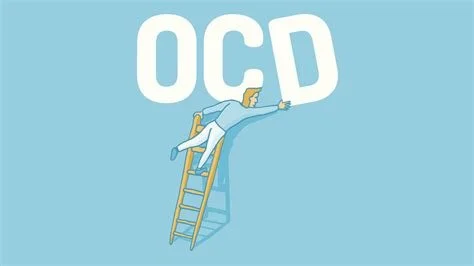
Jaime's child has type 1 diabetes and Jaime struggles with OCD, control and trauma.
You can always listen to the Juicebox Podcast here but the cool kids use: Apple Podcasts/iOS - Spotify - Amazon Music - Google Play/Android - iHeart Radio - Radio Public, Amazon Alexa or wherever they get audio.
+ Click for EPISODE TRANSCRIPT
DISCLAIMER: This text is the output of AI based transcribing from an audio recording. Although the transcription is largely accurate, in some cases it is incomplete or inaccurate due to inaudible passages or transcription errors and should not be treated as an authoritative record. Nothing that you read here constitutes advice medical or otherwise. Always consult with a healthcare professional before making changes to a healthcare plan.
Scott Benner 0:00
Hello friends, and welcome to episode 615 of the Juicebox Podcast.
On this episode, I'll be speaking with Jaime. She is the mother of a child with type one diabetes. Today we're going to talk about raising a child with type one when you have your own issues. We're also going to talk a little about Janie's child being on the Omni pod five trial and some conversations that she and I had privately some time ago. Please remember, while you're listening that nothing you hear on the Juicebox Podcast should be considered advice, medical or otherwise, always consult a physician before making any changes to your health care plan, or becoming bold with insulin. If you're looking for a fast and easy way to help people with type one diabetes, you have type one diabetes, and you're from the United States or you are the caregiver of a child with type one who also lives in the United States. All you have to do is go to T one D exchange.org. Forward slash juicebox. Take the quick survey support people with type one diabetes while you're supporting the podcast, P one D exchange.org. Forward slash juicebox.
This episode of The Juicebox Podcast is sponsored by the Contour Next One blood glucose meter. Find out more and get started today. At contour next one.com. Forward slash Juicebox. Podcast is also sponsored by touched by type one, learn everything you need to know about them at touched by type one.org or on their Facebook and Instagram pages. Know this before we start no pressure. I am having an incredibly bad day. So it is up to you to cheer
Jaime 2:03
me. Okay, I think I will
Scott Benner 2:06
be great. Go ahead whenever you're ready.
Jaime 2:10
Okay. My name is Jamie and I live about an hour north of Boston. And I have two sons and my oldest was diagnosed. Type one July 19 2019.
Scott Benner 2:26
Just two years ago. Oh, almost to the day. Yeah. almost to the day. Wow. So you are feeling it today? I would imagine right. Having just gone past the anniversary of it.
Jaime 2:37
You know, I've been feeling it for a few months coming up? I think. So yes. I've been feeling pretty deeply how was
Scott Benner 2:45
the arrival of the second anniversary compared to the first
Jaime 2:51
it was much harder. So part of the reason I think, I don't know, part of the reason I think I'm even talking to you today is to talk about like the PTSD that I went through, you know, after the diagnosis and what that looked like for me. And I think that the first year, I was sort of in survival mode and sort of I'm going to be this perfect, you know, caretaker, and he's going to have perfect numbers. And this is going to be okay. And then it was like the second year that I was like, this sucks. This is forever.
Scott Benner 3:28
We're still doing this thing.
Jaime 3:31
Yeah, exactly. Oh, this is still going on. So I think that you know, that's that is, you know, in the, you know, during the first year, it was like I had you like you were like a bright light that helped me and then also he was or he still is actually part of the the Omnipod horizons slash Omnipod five trials. So I thought, Okay, this is gonna make things so much better. And it did, both things helped so much, but like, it's still here.
Scott Benner 4:02
So, you're telling me that six months after Christmas, I'm sick of the tree? Like you just can't keep the joy? There's nothing, nothing you want for that long now? Well, exactly. What is your expectation? Do you feel like you're going to have this like feeling forever? Or do you believe it's going to go away?
Jaime 4:24
Um, I feel like I have to do I feel like when my son was first diagnosed at the age of two, so you have to remember like it was it fell on completely on myself and my husband he there you know, he, it was just us. And I feel like I never realized the impact that it would have. For me when he was first diagnosed. It was this is something he's going to have to deal with for the rest of his life. This happened to him. This is heartbreaking. And over the past year, I've realized that diabetes has entered every crevice Have my soul, you know what I mean? It is not just a disease, for my son, it is a disease for his brother, for myself for my husband, for his, for his grandparents, my parents, and I feel like, I feel like what I need to do is what I'm hoping is that I can come to terms with that and accept that and learn to maybe hold on more firmly to hope and less to control. If that makes sense.
Scott Benner 5:25
It does. So you're saying that you are at the moment in your mind trying to manipulate and manipulatable things that may or may not happen in the future? How do you get back home share with people a little bit some of the ways that you make yourself crazy trying to accomplish an on accomplishable task?
Jaime 5:45
Oh my gosh, like I am your typical control girl, like I was going to have you know, get met very chill wedding have a huge house in the hills. And you know, like my kids are going to be healthy, they are going to be good at sports because my husband was like a sports star growing up and you know, we were just gonna have this happy little life tied up in a bow and it feels like you know, with the diagnosis that shattered everything to my Kohler and it not only you know, worried me for my son, it worried me for his brother was a huge part of it, you know, knowing that his chances of being diagnosed increased and just like how it would affect his brother and you can't control those things. i For the longest time tried to control my youngest son from being diagnosed with diabetes. I mean, I did it all I did the vitamin D the kg the, the fish oil, you know what I mean? And it was like, I was not gonna let this happen. I tested his blood sugar 50 times a day. I had like, I was just living like a living on a thread by thread for so long. And it wasn't until I came to terms with the fact that I cannot control what happens and and said I need to just embrace hope.
Scott Benner 7:04
Well, at least a rough go. At least your other child has amazing vitamin levels.
Jaime 7:09
She actually was really funny because Max's endo had said to me the other day, she's like, you know, what are you doing for vitamin D? And I'm like, Oh, they get like 20,000 Whatever. IUD IDs or whatever, not IUDs they, you know, they get this much. And she's like, well, that could actually be dangerous. I think you need to back that off. And overdose.
Scott Benner 7:35
Yeah, you can get too much vitamin D it has it has poor effects, but how much we're using a day.
Jaime 7:41
I think 20,000 a day I was giving them weight and like these droppers. She was like, I want you to cut that back to like three times a week and see I even have a hard time doing that. Even with her telling me. You know, Jamie?
Scott Benner 7:55
Jamie, this is interesting. Does it feel like a ritual that you need to do?
Jaime 7:59
Oh, 100% this is what I didn't need to do to keep things back. Gotta keep the control.
Scott Benner 8:04
Do you have any obsessive compulsive things happening prior to diabetes? The count your steps? Click your teeth. anything odd?
Jaime 8:13
Yeah, so actually, I have been, you know, clinically diagnosed OCD way before diabetes. And I am, that has been like an added component to like the post traumatic stress of the diagnosis. I'm sorry that so? Absolutely. Yeah.
Scott Benner 8:31
So listen, I'm not a doctor. I think we've covered that a couple of times on here. Yes. But I I personally try to take 5000 I use a vitamin D every day. And if I miss, I don't think anything of it. I can tell you that. In the course of trying to raise my sons the doctor was giving that like kind of super pill. I think they're 20 or 50,000, maybe once a week. And that ended up being too much for him. So he had to go to every other week. It does raise I want to say, Oh, wow, here's me guessing phosphates or something. So anyway, when your body has too much vitamin D, it starts producing something else thinking something's wrong. So the right there's a bad side to have. You can't have too much. Yes. What do so boy this fell on you. And this is and so you kind of leaned on all of your what do we call it? But yeah, you're I don't have that. Right. And you were like, I will use my obsessive nature to help my daughter.
Jaime 9:37
I was the hero. I was gonna do it all
Scott Benner 9:42
and so two years into it. Let's start like with the what most people listening to her like I can't believe this is gonna be the easy stuff but I think in your case, it might be the How about just the the blood sugar stuff. How's that going?
Jaime 9:55
Amazing. He has. He has a one C is five point He's for now. And you know, we're slowly starting to teach him that, you know, there's certain things that we just I know, like, a big thing for you is, you know, you don't restrict Arden's diet at all. There's certain things for max that I cannot figure out some, like, you just don't get to eat these things. And he's a very, like, agreeable child. So he's just like, okay, like, he'll be like, I can't haven't been in it, because it's too hard for my mommy to dose for. So, I mean, we definitely, there are things that we definitely restrict in ways we try to do more low carb, you probably eats, you know, between 75 and 80 carbs a day. So not like crazy low carb. But I think as he gets older, we may swing that way. I don't know. But I'm with the Omnipod horizon or five, whatever you want to call it. His numbers overnight are magical. Like,
Scott Benner 10:54
yeah, they're gonna want you to call it beyond the pod five, I'm pretty sure. And yeah, I think they wish they wouldn't have like, been like, we're gonna call it horizon. And then later, they're like, what if we did this?
Jaime 11:05
Well, it's funny because all the supplies we get from his endo say, toddler horizon trial, so I'm like, I don't know, whatever it is, but yes, I think you're right. I think officially now it's Omni pod five.
Scott Benner 11:16
I think if I'm being 100% Honest, I believe it's Omni pod five with horizon or something? I know. Yeah. I'm sure we'll find out when it's launched. Right. But anyway, so how long? Okay, wait a minute. See? The image, Jamie, you have too much stuff to talk about my job. I just saw a fork in the road come up in my brain. I was like, ask this. And then a voice yelled, no, no, ask about this. Oh, gosh, somebody go a little farther into what you're doing for yourself? Because I mean, I don't know anybody personally, who has kind of obsessive thoughts, but I've heard people discuss it before. And it's obviously can be stifling to say the least. Yeah. And then you add this to it. So do you have them for yourself? And for your kids?
Jaime 12:07
Um, so it's interesting. I I started having, you know, obsessive compulsions in my 20s.
Scott Benner 12:17
Jimmy, Jimmy, give me a second. This will make sense in a second. Hold on one second.
Jaime 12:23
Oh, sure. Um, so I started having obsessive thoughts and compulsions in my 20s. And obviously, I didn't have kids at that time, but they were more focused on repeated behaviors, like checking to make sure the door was locked or tapping the wall a few times, before I left, I would have to try back and make sure I checked the garage door, those sorts of things. And they centered more around myself. And then once I had kids, they were lucky enough to be the receiver of some of the hosts. And it only manifested I mean, let me rephrase that it. It went a little out of control after the diagnosis, because the whole premise behind OCD is you're going to control your world with these thoughts and compulsions, right. So it's really like a control disorder. So you know, imagine someone that seriously struggles with needing to be in control of everything all the time, and then being told your child has this crazy disease where it's manageable, but not really, and you can never really be that much in control. And who knows, your other son could get it, too. That's, you know, it was a lot.
Scott Benner 13:48
Right? Well, so back in your 20s, did you address it at all?
Jaime 13:53
I, you know, I was, it was for me, I was living like that. So I went to different therapists and stuff and I was on medication. And they said, if it's not impacting your life more than like, an hour a day, like then you can be considered sort of in remission. So like, I flirted with treatment and things like that, but it wasn't like as big of an issue. It was like the diagnosis. Max's diagnosis was the catalyst that sort of blew the whole thing up when, you know, I didn't seek treatment for a while after he was diagnosed. I sort of lived in my obsessions and compulsions, until it got to the point where it was like, I couldn't live a normal life anymore. And it was, you know, it was to the point where my husband was like, I really think like, you know, like, you need to seek some sort of help. So,
Scott Benner 14:42
okay, and I guess before, how did it impact like, so I understand how it impacted you. How did it impact a marriage?
Jaime 14:53
Um, it it was hard because it wasn't, it wasn't just dealing with the This new discovery of a chronic illness. It was that plus trying to deal with my, you know, I don't want to call them crazy, because I want to do this so that other people that have the same feelings don't think they're crazy, because it's not, but it was these over exaggerated fears. And my husband could not bring me down. You know what I mean? It was like, I would get angry. I be, you know, I would step away from our children for a few hours, and I come home and I would be like, has gray been drinking a lot of water? Like in my husband be like, No. And I'm like, Well, how many? How many glasses of water has he had? He said, I don't know, Jamie, I didn't count his glasses of water. It'd be like, why wouldn't you have counted as glasses of water? And then it would turn to like anger. You know what I mean? So it was not just dealing with the stress of Max's diagnosis. It was dealing with this intense fear of the possibility of gray being diagnosed as well.
Scott Benner 15:57
Gotcha. Is there anything that impacts it for the positive?
Jaime 16:03
Um, is there any can sorry, can you put it?
Scott Benner 16:07
Yeah. Aside of medication, I guess, is there anything extra positively that stops? The thoughts are makes them easier?
Jaime 16:14
So yeah, so I'm in therapy. So that has helped a lot. And I'm actually just started EMDR. I did it once. And it wasn't with a therapist, I don't think that really knew what he was doing. And I started it with a new therapist. And it's been super helpful so
Scott Benner 16:34
far. So can you say more about what that is?
Jaime 16:37
Yeah, so EMDR is eye movement desensitization. Eye Movement, decent sight, desensitization, something I don't remember what the R stands for. But I don't know if maybe you can google it really quick. But
Scott Benner 16:55
you're not the third person to bring it up on the show is why I'm
Jaime 16:59
Oh, really? That's interesting. Yeah, it's, it's been very helpful for me. Um, and basically, it's, you know, you address these targets that you've had in your life that have been significant traumas. And obviously, my biggest one was Max's diagnosis. You address them, and then you go through these behaviors. And it helps to kind of reprocess your brain so that when you think of them, it's not the, you know, the same anxiety and doom and gloom as you retrain your brain to think of them in a less dramatic way.
Scott Benner 17:37
Yes, I've emdr.com. And there's a description here for a lay people. And I think that's me for certain EMDR eye movement, desensitization, desensitization and reprocessing. Glad you
Jaime 17:51
stumbled on that, too. Yeah,
Scott Benner 17:52
there's a lot of letters in the middle of that. Yeah. Right. And reprocessing is a psychotherapy that enables people to heal from the symptoms and emotional distress that are the results of disturbing life experiences. Okay, cool. Yeah. Listen, I've got a couple of things. I'd like to forget what help
Jaime 18:12
we'll see you don't forget, it's just that, you know, if you have something traumatic, that's happened, that's, you know, really like interrupting your life, it helps you to be able to think about it without having sort of the whole trauma come back to you and having to relive it every single time. Okay.
Scott Benner 18:30
Okay. Excellent. I understand. Alright, so that's helping. Yes, yes. Okay. Very much. You don't have as many conversations with your husband that sound like
Jaime 18:40
Yeah, yeah, I haven't finger I haven't done a finger stick on gray and probably two months, so
Scott Benner 18:45
Well, I bet he's grateful. How old is he? Yeah.
Unknown Speaker 18:48
He's three. Yeah. Okay,
Scott Benner 18:51
because that was probably impactful on him in ways that you didn't mean for it to be.
Jaime 18:55
Yeah. 100%. And I feel like very guilty looking back. But when you're in it, you know that saying, like, you do the best you can or you, you do the best you can and then when you know better you do better. Yeah, I I kind of feel like when I was in it, I really thought that I was doing the best I could you know what I mean? I don't think door. Well, and Max kind of had like a very dramatic diagnosis as well. So I think a part of the trauma centered around the day that he was diagnosed and people weren't believing me that something was wrong.
Scott Benner 19:31
So are you able to tell me about that without it making you upset?
Jaime 19:35
Yeah. It's not even like that. It's not like a big long story. I just I noticed that he had been drinking a lot of water and he was paying a lot. And I kind of like stash that in the back of my head, but didn't think too much of it. And then I just woke up one morning and my husband had already left for work and he started crying and I went into his room and he had like pee through his diaper, and he was like, very sad. And I was like something is wrong. So I called my husband and I was like, Mark, I really think he has diabetes. And because I, you know, I Googled it, Dr. Google, and and my husband was like, no, he's fine. It's the middle of July, he's drink a lot of water. Like, this is just you doing your obsessively crazy thoughts. You know,
Scott Benner 20:24
me, I have to tell you what you said that I thought if I was your husband only having spoken to you for 20 minutes right now, I'd be like, there goes Jamie again, and I gotta, I gotta get back to work, you know, like, so? Yeah. Okay, so I can see how this could be like, you're the boy that cried wolf all the sudden.
Jaime 20:43
Exactly. I nobody would believe me. And so I continue to watch him down, bottle after bottle of water. And I had to take my younger son in for some sort of an appointment somewhere else. And in that appointment, he was like, we had only been on the car, like 10 minutes. And he was like, Mama, I need some water. And that's when I was like, I told the receptionist like, I'm sorry, we have an emergency after go. I was like becoming unhinged. And so I called my mom and I was like, Mom, something's wrong. And she was like, Well, why don't you just call the pediatricians office? Tell them what's going on, you know, go talk to the nurse and see. So I called the nurse. She's like, you know, I'm sure nothing is wrong. And I was like, you know, it would make me it was a Friday. And I was like, you know, I'm thinking for yourself and my husband, like if we have to go through the whole weekend, like this was not good. So I was like, Would you mind if I just brought him in, like, just to be safe? And she said, Sure. So I made an appointment. I called my husband at work. And I was like, Mark, I was like, You need to come home right now. Like, he has diabetes like this is happening, like, you know, and so my husband, you know, begrudgingly came home in the hallway to the doctor's office. He was like, you know, this is fine. They he doesn't have diabetes, like, what do you want to do this weekend? Now? I have the rest of the day off. Friday. Yeah, right. And so we got to the pediatricians office, and the doctor came in, and he was like, you know, deaf, his weight and stuff. And he's like, Have you been sick? And I was like, no, he's totally normal, just like drinking lot peeing a lot. And he was like, okay, and he's like, yeah, so he doesn't have diabetes, you know, it's summer. It's hot. And, and he's like, so you guys are you're good to go. And I said, Well, isn't there a way to test because keep in mind, like, I knew nothing about diabetes. You know, I Googled for the signs. And they said, is there some way to test and he said, Well, he's not potty trained. And so we can't test his urine. So we would have to attach a bag to him under his diaper. And then when he goes to the bathroom, you would have to come in and give us the urine, and we'd have to test it, but that's really not necessary. And I said, Um, okay, well, is there any way to test his blood? Because I had a friend that the nurse and she said, You can test this blood sugar? Yeah, you know, you can test the sugar sync button. So he goes, you want to you want to pick his finger for this, like, I'm telling him, he doesn't have diabetes, and my husband's looking at me, like, I'm gonna freakin kill you. Because every I do this everywhere we go, you know,
Scott Benner 23:11
girls liked me in high school.
Jaime 23:15
We actually went to high school together. And so that, and I said, Yeah, I want to stick his finger like we're here. You know. So he, you know, the medical assistant comes in and sticks his finger in. And I knew because I heard her say, okay, so his blood sugar is and you know, now I know it was counting down. And she went, Oh, um, oh, okay. Let me so it's, you know, 786, she said, and I said, What does that mean? Is that bad? And she was like, well, it's probably nothing, but we might have you go to the hospital to just verify, and I'm like, quiet.
Scott Benner 23:53
Nobody ever wants to tell you anything. I'll let someone else say this to you. I gotta go.
Jaime 23:59
Yeah. And that's what she did. So then we're sitting in there waiting. And like, Mark, like, This is bad. So I did a quick Google search, like, what should your on my phone, like, what should your normal blood sugar be? And I saw that she'd be like, 100, like, nonfasting or something around that, like, Mark, I saw a number it was 786. Like, like, you know, like, he has diabetes. And my husband was still like, no, it's something else. Whatever. So the doctor comes back and he says, Well, he says, It looks like we were wrong. I was like, it looks like you are wrong.
Scott Benner 24:26
I would have been like, who's a mother?
Jaime 24:32
I did. I actually said it. I said, No, it looks like you're wrong. I was like, you know, I was like, in full like mama bear mode. And he says, you know, we're going to call an ambulance. He needs to go to the ER immediately. I said, You're not calling an ambulance. I said, I'm driving my son to because I I wanted to keep my family together like the four of us were there and I knew that I couldn't be away from my husband and I knew they wouldn't let us both go and we had gray and I said, I said you're not calling an ambulance. The hospital was like a mile from the pediatricians office. So I could probably get there faster. So, you know, we brought him to the ER and, and the ER doctor, my husband was still in the ER was like, you know, what else could this be in the finally that your doctor just looked at me he was like, this isn't any this can't be anything else. I said this is the he has your son has type one diabetes. And he said I'll never I'll never forget he said in your lies from here are changed forever.
Scott Benner 25:25
Oh, thanks. Great. Yeah. Excellent. I think those words get said to everybody for some reason. Yeah, I have a question. In the doctor's office, when your son has diabetes, and you're all of that, like, obsessive thought thinking was confirmed as being necessary. Was that was that bad for you?
Jaime 25:48
Scott, you are very intelligent man. You hit the nail on the head. That's exactly. So once my, my obsessive thoughts were confirmed, it was like it took off from there. It was like I have to, I have to be hyper. So I have what's called hyper vigilance. So I'm a whole bucket of fun. But I have this hyper vigilance of like, if I don't take care of my children, if I don't watch out for this, nobody else is going to
Scott Benner 26:16
write and you know, that's like, well, here's the interesting thing. Wow. Okay, I'm gonna feed into this for you. I think you're right. I just don't think it should make you
Jaime 26:28
tortured. Right? Because I can't control it.
Scott Benner 26:31
Yeah, there's a difference between understanding the reality of the statement and, and doing things that are not valuable in the pursuit of supporting the statement, I guess, is what I mean. So listen, when my son climbed on a school bus when he was five years old, for the first time, we went back into the house, Kelly took the day off to see him off for school the first time, we went back into the house and Kelly's like, he's going and I just started crying. Well, first of all, I'd been with him for five years, every minute of his life. That's the one thing. The second thing was this. I started doing like backwards math. I'm like, who gets a job driving a school bus? Like, it's like, it's only in the morning, in the afternoon? How much could that even pay? And, like, so who's doing that? My wife's like, retired people, or people who need part time work that I'm like, I don't know. Like, that doesn't make any sense. Like, why would they do that? Who are these teachers? You know what I mean? I was like, these are just people who want the summer off. And
Jaime 27:38
and, and while firing,
Scott Benner 27:40
right? I was just like, you've got to be kidding me. I said, I have just taken the thing I care most about in the world that I can't replace. And I've handed it off to strangers, literal strangers, and one of them's driving a tank with my son in it right now. Like, what are we doing? But, but the point, the point has to be, and I know this is this is a tough pill to swallow, especially if you're in your situation. Every once in a while, a school bus crashes into something and some kids die. And it's a horrible tragedy. But that cannot stop children from going to school. Right? And it can't make you sit at home thinking constantly. What if, you know my, the craziest example I've ever come up with on the show is that every once in a while frozen urine falls out of an airplane and like breaks somebody's roof of their house or something like you can't live your whole life wondering, a frozen urine is gonna fall on your head. It's exactly it because it's probably not going to. And if it does, you take the necessary steps and and if it gets out to the end of your control, that is what's gonna happen. You know, you know, and and, and it'll be incredibly sad. If something terrible happens. And it will be it will probably change you forever. But you can't allow yourself to ruin all the time that exists in your life worrying about what if frozen, urine falls on my head. And you know, like, just if it hits you be like, I be damned. That's just happened. I can't believe that happened. But at least you would not have wasted every minute leading up to that which is but you're so now the problem is, is that you're aware of that intellectually? Is
Jaime 29:37
that right? Absolutely aware? Absolutely. Yep. Got it.
Scott Benner 29:41
But it's hard to deal with. Okay. All right.
Jaime 29:44
It's very hard. Getting there.
Scott Benner 29:46
Well, good for you. That's it's very brave of you to tackle because it would be easy. I imagined, you just devolve into it and just rave at people like I can't believe you're not worried about the ant I saw in the backyard and what it could mean for earth sciences and Exactly right,
Jaime 30:02
right. And it could be anything. You know what I mean? It's just but my mind has chosen to place it on his diabetes, because it's the easiest thing. Obviously, it's the scariest. But really, it could be anything you know. And I don't know if you remember this, but I remember when you were helping me one day, I texted you like, frantic and I was like, I just decreased blood sugar. And it was, it was exactly 100 When he woke up this morning, and it supposed to be under 100? Does he have diabetes? Like Tell me? Does he have diabetes? And you're like, What are you talking about?
Scott Benner 30:30
Well, let's get into the rest of it. Now, let's I appreciate you going over all this. But let's move into the other stuff. Because I think we have some kind of fun stuff to talk about. It's gonna be a weird episode. And so let's just tell everybody, what do you think's gonna happen right now, if you were listening, Jamie, what would you expect to happen right now on the show?
Jaime 30:52
Um, talk about Omnipod horizon right after
Scott Benner 30:55
the ads
Well, I couldn't schedule it well enough for the on the pod had to come up on this episode. So don't be disappointed. Because I'm still gonna tell you about something amazing. The Contour Next One blood glucose meter. This is the blood glucose meter that my daughter uses. It is incredibly travel, liberal travel level, it's portable, portable, in and they're all portable. It's not really what I mean, this is off to a rousing start. It fits really well in your pocket, or your bag or your purse or wherever you carry your diabetes supplies. It's that whatever that word is, that's what the Contour Next One is. It's very. I'm not coming up with a word. It's fascinating. Let's do this together. portables, right. But it's not what I mean. It's Oh, my goodness, convenient. That sounds like such a trite thing to say in an ad. I mean, the thing just fits well, everywhere. It's big enough that you can hold it and small enough that it doesn't take up a lot of space. And yet, you can still see the screen got nice, bright numbers has a beautiful light for when you're testing at night. The test strips are second chance. So if you hit some blood don't get enough, you can go back and get the rest. without messing with the accuracy of the test. We're ruining the test strip. Actually, this is kind of remarkable. But you may find out that purchasing test strips for the Contour Next One over the counter to be less expensive than with your insurance copay. Not crazy. At the website, there's a little calculator here, like I'll show you this little drop down box, it says select amount of test trips. That's what you get with like your order. And then it says how much you pay for them. And then you enter the amount that you pay. It says how much you pay out of pocket. When you pick up the test strips, I'll say you say you pay $20. Then you just push calculate, and it tells you if you'd be better off buying them with your copay, or with cash. It's nice, Tandy, and there's all kinds of information here about the meters. And the test strips. I'm telling you right now, that contour next one.com forward slash juice box is one of the most valuable, easy to use websites that I've ever seen. And look, I know you're like Scott, we've been talking about blood glucose meter here for like a minute and a half. What are we doing here? Well, you need a good, accurate, reliable blood glucose meter that you can see in the dark. You need one that travels well with you, that isn't going to break the bank. But most of all, you need it to be accurate. And the meter you're using right now may not be that accurate. But the Contour Next One, it is contour next one.com forward slash juicebox. Spend a few minutes today doing something simple and valuable for your health. Last thing, don't forget to jump over to touched by type one dot board. They have a mission. It's to elevate awareness of type one diabetes, raise funds to find a cure and inspire those with diabetes to thrive. And a little birdie told me that their big imperson event is coming back in 2022. So might want to head over there now just find where the program's tab is so that when this thing starts being you know, a reality and tickets are made available, and you want to come see yours truly speak at it, you'll know where to go touched by type one.org That's right baby Scott back talking in public. I'm not afraid. I'm gonna fly with saran wrap wrapped around my face just so you know. And like one little air hole goes through like 63 Cigarette filters.
Why don't you remind everyone, and by everyone, I mean me how we met because I meet a lot of people and I want to make sure that what I'm thinking of is what I'm thinking of.
Jaime 35:11
Yeah. Um, so I was in a super dark place I could not control. Like, he had a decent a one C, just because like he was going low a lot. But I mean, he was up and down, up and down, up and down. And I was like, a crazy person trying to manage his blood sugar. Like, I mean, think of your worst nightmare. And that was me. And it was taking every every sense of my energy, my power, I was like, you know, it wasn't a life. And I had listened to one of your podcasts before. And I don't know, it was like, in the beginning, when I was first diagnosed, and there's so much and I kind of like, Yeah, I'll go back to that. You know what I mean? Like, I thought you were funny. Like, I was like, Yeah, I could listen to that. But there's just so much other things I need to do. And I was driving home one day from work, and I was just sobbing, you know, like, I don't know, if you've ever done this, but like, sometimes on the interstate, I'm just so like, turn off the radio, and I just cry. And I was sobbing, and I was like, What am I gonna do? And something in my head said to reach out to Scott Benner. Now, I know you're gonna think I'm crazy. But that is what something in my head said. It said, reach out to Scott Benner, he will help you. Now, I only listen to one of your podcasts. I follow juicebox on Facebook and stuff. But like I'm like, so then I started arguing with myself, and I'm like, he's not gonna help you. You are nobody. And like, you've listened to like, four of his podcasts, you know, like, and so, but they kept nagging at me. So I sent you a message on Facebook. And I said, Hey, I'm having a really hard time. And I think I have PTSD. Do you have any episodes? And you wrote me back? And you said, check out this episode. And it was like, okay, you know what brain I, I reached out to him and nothing happened. That's it. And then like, maybe two hours later, after I dismissed it, you messaged me back and you said, Don't worry, it gets easier. And that was probably your biggest mistake. Because then I unleashed. It's so hard. My son is two or no at the time he was yeah, no, he was still two, I think I was like, He's two and, and I don't know what I'm doing. And I just want the best life for him. And so of course, you being Scott, you were like, send me a graph. So I sent you a graph and you're immediately you're like, your Basal weak, you're not doing a long enough. Pre-Bolus. And, and then you said, you know, do you want me to follow him for a couple of weeks, I can help you. And I was just like, oh, the sky is opened. And I was like, yes, yes. I would like that.
Scott Benner 37:49
Don't make me sound too philanthropic. Because you also told me you're using Omnipod. Five and a trial, right?
Jaime 37:55
Yeah.
Scott Benner 37:57
So I was like, Oh, I would love to see how this works.
Jaime 38:00
Yeah, yeah, actually, you're right. Because you had said like, your Basal is too weak. And I had said something like, Well, I can't control Basal, because he's in the Omnipod trial. Right. And you said, Okay, well, let's give this a go. I can help you. And I can also learn about the trial. Right? I think that is Yeah, yeah. Yeah. Not
Scott Benner 38:17
Not that I wouldn't have done otherwise. Like, there's such an interesting thing for people listening, because please do not send me 1000 messages today. But, but so when, when messages come, there's a randomness to whether I can answer or not. So I'm a real person, right? Like, I'm not writing here. And I have children in the home and all that stuff. And I have a wife who sometimes says, Are you helping these people instead of me? Like, you know, like, stuff like that? So if I see the message, and it coincides with my ability to answer, then then I can answer I sometimes see messages that I don't answer for weeks, or you know, more. Right, Yours must have just randomly come at a time that I was able to answer because because you could see what could happen. Like once somebody has the feeling of like, oh, I have a connection now. Then then the tap opens. And now I'm like, ooh, like when you send that message back on like, oh, geez, I shouldn't have answered. Like daily. I made a mistake unread. But But no, but but it's not that you don't want to it's it there becomes a time and then suddenly, I can't I don't want to give somebody like I like half assed attention. Right, like so if I'm gonna talk to you, I'm really gonna talk to you and if I'm not if I can't, and I don't, I can't. So I was happy to do it. But I mean, honestly, the only part five part was really was intriguing to me. So
Jaime 39:47
yeah, so it worked for both of us, which was me It was chaotic relationship.
Scott Benner 39:51
I remember standing out front of my house at one point with headphones on like talking to you for a while like trying to get something straightened out. So so we made some small adjustments. I don't remember what they were anymore. And and I think just probably reinforced ideas about when to use insulin and stuff like that. Is that how you remember it?
Jaime 40:11
You gave me the power to give insulin when he needed it like you gave me, you let me know like you don't have to wait two hours. Like if your son is 150 double arrows up like you can give it you can Bolus him like that's okay. And I knew that that was okay from listening to the podcast, but like having you there watching his numbers like for the first few days, you literally would text me and say, let I remember you said like, let me know when you give it food. And I was like, this is a person. You're like, this is how my mind works. And you're like, let me know when you input food. And so you know, you just kind of like I copied what you did, basically, for the first two days, you know, like you gave it to you basically walked me through it. And then I just copied what you did. And it's worked ever since.
Scott Benner 41:01
Yeah, I'm glad it's the, the tools are really important. The steps are super important understanding why it's important, but the timing of it is hard to teach. And so what I've found is that if people watch it happen, they can mimic it later. And then eventually a percent. But yes, and then eventually it becomes like now you you're not doing things without understanding why anymore
Jaime 41:24
100% It's good. You know, what else is it gave me like it was it? You showed me how to do it so that it was less of a I have to think about this all the time. Like I just know what to do. And I do it. You know what I mean? Yeah. And it's no, it's no longer like, what am I going to do? Do I give it Do I not like, you know, so.
Scott Benner 41:40
So even on an algorithm people should understand, and I've never seen on the pod five work in person. I've never used it not so far. I think I will soon, but I haven't so far other than this interaction with you. But it's still Pre-Bolus thing is still a thing. When you're on
Jaime 41:59
100% Yeah, it doesn't work for food. It's, you know, it's not, you know, you're still using, you know, Novolog Humalog. You know, it's still, so it takes a while and it doesn't know when you're eating. Honestly, what I've told people in the diabetes community is, it is a lifesaver for sleeping at night. Like I mean, the only complaint I have about it at night is that the lowest they're letting us set it for the toddlers is 110. And I would really love my son to coast at 7580 at night. But I'm not complaining because you know, there were nights where we were up four or five times a night. We never have to get up at night anymore. I mean, he coast 110 the entire night.
Scott Benner 42:38
Yeah, that's amazing. And I'm assuming and I'm hoping that. So listen, I don't know about like, let's make sure we're not doing anything wrong here. Are you allowed to talk about this?
Jaime 42:49
I am allowed to talk about it. I'm not allowed to show pictures for some reason I specifically asked and they said just don't show any pictures. Really like the device?
Scott Benner 42:56
You said to them? I'm gonna go on a podcast and talk about this. No, no, no. Okay,
Jaime 43:00
first I get to trial. I said my allowed, like, what are the rules surrounding discussing it? And they said, you can tell people he's on it, you can tell them about it, but do not show any pictures? And I said, Okay, all right.
Scott Benner 43:10
Well, then if that's the direction you got, let's keep talking. So. So I have some questions about it. That I really don't know the answers to. Does it learn?
Unknown Speaker 43:23
It does?
Scott Benner 43:24
Yeah. How does that work? Yep.
Jaime 43:26
So, um, it? Once you Okay, where do I want to start with this. So when you first put like it on, it's, you know, it's just the, the, the dash. And when you first put it on, it starts to you have to input what you think the Basal rate shock for your child should be or yourself if you're diabetic. And then it makes adjustments based on the history of, you know, like, Okay, you're going low this time of day, we're going to back off on insulin a little bit. You're going high, we're going to up your Basal this. So every hour is a different Basal that it gives you based on its memory and the history of what your numbers have looked like,
Scott Benner 44:12
Wow. That's pretty amazing. And that works out. Yes.
Jaime 44:16
It works out at night during the day. I don't during the day. I mean, I hope I don't get in trouble for saying this. I don't I don't know that I see too much difference because food because there's so many factors. There's excitement, there's food, there's exercise, you know, it can't know about can't learn, right?
Scott Benner 44:33
It also can't know Right? Like if you're going to get super excited out of nowhere. It doesn't know that's right to happen exact time for that which is which is also illustrating why the Pre-Bolus thing still important. You have to you're basically telling it look, I'm gonna eat in 20 minutes. So you know, or whatever your Pre-Bolus is. And so if you could tell it, hey, look, I'm gonna get super excited in 20 minutes, my blood sugar's gonna jump up, then right? It might be able to help but that's always gonna be A limitation of these things is just the unpredictability of your life. So what do you do in that situation? If if like adrenaline hits or something you just Bolus?
Jaime 45:09
Yeah, you have to Bolus you have to Bolus or you know if adrenaline hits. And it's normally a time when he's higher, you have to in the system gives you much you have to juice or, you know, give a glucose tab.
Scott Benner 45:21
So you could you can still see lows sometimes during the day when you're being aggressive with other blood sugars.
Jaime 45:27
100%.
Unknown Speaker 45:28
Okay. All right. Yes.
Scott Benner 45:32
What's the what's the stability, the time and range like?
Jaime 45:38
So, I mean, I, so our timing ranges around like 90%. But you have to keep in mind that like, even before the development, our timing range was like, 80%. You know what I mean? What is your I think? What is our range of time right now?
Scott Benner 45:56
Yeah, what's the range? You're looking at? Like, what's the low and the high of the range? Oh,
Jaime 46:00
this is how they set it is 180. Okay, so if I say so 70 to 180. And we in the other thing, too, is we may let him set up if he's 68. coasting. I'm not giving him glucose. Counting that is low, you know?
Scott Benner 46:15
Yeah. And something like a 68. That kind of rises back up again. Does it? Does the the algorithm I assume in that situation takes away Basal together to come back out?
Jaime 46:25
It does. It's always trying to get it to 110?
Scott Benner 46:28
Does it make all of its decisions with Basal there's no Bolus thing? Like auto balls?
Jaime 46:34
No. So So if if the if it senses that you're going hot, you know, if your blood sugar is rising? If your blood sugar is rising, then it will give extra Basal.
Scott Benner 46:49
Is there a cap on how much Basal can give? Like, if, if, let me give you an example. So your son's Basal is point five an hour? Can it go to one an hour? Can it go to 1.5? Or does it only go a percentage of the point five.
Jaime 47:03
And you have to set the cap. So the endo sets the camp in this in the trial and
Scott Benner 47:08
the trial way too, I set the cap. I know, right? It's not gonna be
Jaime 47:12
well, and I already told my 30 till the end, no, I said, you know, adults are not gonna want that maybe toddlers will want this at 110. But like, if I was a diabetic, I would not be happy with 110 being like, the goal, you know what I mean? You gotta you gotta lower it.
Scott Benner 47:26
So my expectation is, and this is based on nothing that anyone has said to me, that you have to when you're trying to get something through the FDA, you have to pick a target that you'd know, for certain you can accomplish, or you're not going to get your product to market. So the hope is, and by the way, any opportunity I have behind the scenes to talk to people is that they should continue testing with lower targets and get those to us. Because Because I I believe what you're saying, you know, I'm I'm, I'm gonna end up saying this 1000 times this year, the year of the algorithm, this is gonna end up being. But the truth is, is that if I can't set a lower target, I might not want this thing, but exactly for countless, and I do mean countless hundreds of 1000s, if not over a million people living in the United States with diabetes, who are not listening to this podcast, who are not having great success, slapping an omni pod five on them, getting the settings right, teaching them to Pre-Bolus changes their life in an immeasurable way, you know, for the much better not just for the little bit better. And so there's a difference between people who want 7580 overnight and stable, and people who are just going to be like, do you know my a one see a 6.3? Do you know how amazing that is? To me, like, like, they'll live their whole life in a much better way because of that. So So you have to continue to see this stuff as progression. Like, it's not like the best version of this thing that's ever going to exist isn't arriving soon. It's the first version of it that's arriving soon. And you have to you have to be patient with that. And and, and that's I'm not saying that because they're their sponsor. I'm saying that because I think my daughter might end up using it. And that's how I'm gonna have to see it. So
Jaime 49:15
yeah, I mean, I totally agree. And like I said, like, I I wouldn't give it up. Like, you'd have to pry it out of my like, cold dead hands. Yeah. Because it has changed my life overnight.
Scott Benner 49:28
Wow. That's really cool. So what's the learning curve on it? Like if you didn't meet me, you? But you were in a tough situation, because you said tell people a little bit about that. You were in the trial, where you weren't supposed to be touching things. But you couldn't stop yourself. By the way, Jamie. I'm remembering our conversations more and more. I remember by the time we were done. It's funny. I didn't know about the OCD. But I thought if Jamie's husband goes in my wife goes, I'll call Jamie like, you were cool. You had like a nice vibe about you, you know what I mean? So and we could probably definitely make a baby with diabetes if we needed to. So but but no, I just I remember really enjoying talking to you. And and at the time, I recall saying like, Well, I think this needs to be more and you're like, I'm not allowed to touch this stuff. So tell people about what it's like being in a trial first.
Jaime 50:22
So you have very little control, like your that, you know, I mean, and for good reason, you know, they're trying to, you know, test out these devices or whatever you're in the trial for, and they need you to do what they tell you to do. But for me, I wanted, I don't want to say I want it better, but I wanted to, I wanted more in, you know, normal, normal blood glucose numbers for my son. And so they're telling me, You can't do this. And I'm saying, Well, yes, I am going to do this. And my husband was super worried, you know, again, gritting his teeth, like you're going to get us kicked out of this trial. And I'm like, Mark, I said, I don't honestly like if I have to choose between Scott Benner in the trial, I'm choosing Scott Benner. I said, I not, I have to, I have to learn what I need to do to get my son in the best place where he can be health wise. And as much as I love like this horizon, this will be available to us within a couple years, you know, we can get it that. And so there were a couple of like, knock down drag out fights that we had when they endos office, which I'm not going to name obviously, about, about going about what listing and changing the Basal rates because you can, you can go in and change it, and then the system thinks, Okay, we need more, you know, what I mean? And tightening carb ratios. And, and it was hard there, there was a lot of like, push and pull for a while. Since I think basically what happened is our endo just kind of gave up on us and said, Okay, well, yeah, they're like, alright, well, your last cause.
Scott Benner 52:04
They're just gonna do it. So that's interesting for people to know you're in a trial, but there's not some like, kingdom of Omnipod up on the hill, where you go, they run the trials through doctors offices. So the, the trial coordinator gives specific instructions to the offices and the offices need to follow them. And by the way, the offices are probably being compensated for being part of the trial. So they have a large reason why they want to do the right thing. But you stayed on the product, and started making adjustments?
Jaime 52:34
Yes, I did. And I think that they, I think a big draw for them with my family was they knew that my husband and I were very invested in our son's health. And they knew that we were like, on the ball, like, we were going to show up to the appointments, we were going to make sure we did the you know what I mean? Like, we were we were invested. And so, you know, I think that, that, you know, patients like that are are not always the case. So I think that that's what saved us.
Scott Benner 53:01
Well, well. So what happened, what happens after you make the adjustments? And I know if I'm remembering, right, like it was Basal, and where we did the insulin, a carb change to, or No.
Jaime 53:15
Um, so after I made the adjustments, we changed the Basal and we changed the insulin to carb. And they called me like, the next day, and they're like, whoa, whoa, whoa, what's going on? Like we hopped on today, and we saw and like he had had, like, a minor low, and they're like, this is why you can't do that. Like, he can't have these lows, you know, and, and I said, you know, we're figuring things out, like, give me a couple days, you know, and, you know, it's not going to be perfect right away. And, and they're like, No, we'd really rather you just stick to, to how we told you to do it. And I was like, Well, yeah, I'm really not gonna do that. But thank you for the suggestion.
Scott Benner 53:53
It's hard. I'm not a deity. I can't just look at it and go, like, make this that make this that okay, it's perfect. Like, you have to see it happen a little bit. And then you have to go, Okay, let's move this again. And, and like lengthen or shorten your Pre-Bolus 's, and things like that. Just kind of watch it happen a little bit before you can. I mean, there have been times where I've gotten it the first time. And people are like, you're amazing. I'm like, huh, hold on. That was lucky.
Unknown Speaker 54:18
Though, give me too much credit for that.
Jaime 54:20
Yeah, I mean, we, there were a couple of times you're like okay, yeah, we we messed that up. Like, I think we need to change this when he has peanut butter toast next time. Or know what I mean? Like you were figuring it out.
Scott Benner 54:30
Right. Well, so it so it comes together. i It wasn't too long, right? Maybe we spoke for a week or two.
Jaime 54:38
Yeah, we I think we talked for two weeks and you followed him one more week after that just to make sure I was doing like a good job. Okay. Okay. Like we didn't talk like I made the decisions and like every once in a while you text me and be like, What are you doing? And I be like, I'm right on top of that.
Scott Benner 54:58
Well, I really I Like I said, I found it easy to talk to you, which I guess no, I'm saying, nobody else does just me.
Jaime 55:07
I'm really good at hiding it.
Scott Benner 55:11
Well, that's interesting. Do you? Do you have to do that? Like, is there? Do you find that there's a part of your personality? You kind of have to keep yourself?
Jaime 55:18
Yeah, of course, like, I'm a functioning, you know, member of society, I have a job. And, you know, I have a family. And so, like, there's certain people that like, I feel like safe to like, unleash it on. And I think that that is what happened that day was like, we started to like, talk more. And that's when I unleashed it on you about gray being like, Oh, my God. And then you kind of were like, listen, I think he's fine. I think you're crazy. You were like, go have a glass of wine. Yeah. And I was like, Alright, he's not gonna support my OCD. I'm gonna have to go to
Scott Benner 55:51
Yeah, I don't usually recommend drinking to people. But you didn't come off a little like, like, totally well.
Jaime 56:00
Yeah, I mean, you said it in jest, obviously. But you basically were like, your son is fine. You know, like, move on with your day. I got stuff to do. Which is actually the best way the best way you could have dealt with it. You know, I do get a lot of into it.
Scott Benner 56:14
Yeah, I get a lot of messages thanking me for being matter of fact. Yeah, I don't know, I'm not about you. Listen, you have to understand, I'm not doing that on purpose. Like, it's just, it's just the way I guess whatever happened in your life that kind of pushed you in your direction. I mean, something obviously happened to mine, I always just felt like, there's a lot of things that could go wrong. I don't have time to dwell on any of them. Because we need to keep moving. I don't want to I don't want the ground to collapse under my feet. Like I want to keep moving forward. And, and I just, I grew up like that, like a lot of stuff went wrong in my life when I was growing up. And I read your book. Yeah. Right. And then thank you very much. And then that's so meaningful. I don't know why that feels meaningful. Like, people have listened to way more words come out of my mouth on this podcast, and I would ever be able to write down somewhere. But I think it's because I spent six months sitting at a desk. It makes it feel nice. And I also, when I started writing that book, I had no idea if I could actually do it or not. So
Jaime 57:16
Oh, yeah. I mean, your book was amazing. Like, I literally read it in like two nights. I couldn't put it down. Oh, if
Scott Benner 57:21
anyone's listening who's a publisher? I think my publisher went out of business, if you know how to get the rights to my book, so we can keep printing it. Scott
Jaime 57:29
actually did buy it from like, a used book site. Yeah, I was happy. I found it.
Scott Benner 57:33
Yeah. Email me if you know how to fix that. Because apparently, all I have to do is request the the manuscript be made given to me. That'll happen. And then But then I'd have to publish it. I don't know. Help me if you're out there. Anyway, it's a good book. I really appreciate it. You know, I I missed 53 days of my senior year of my high school, right? Yes, I
Jaime 57:57
read. I read it. The Old Republic, a very interesting life,
Scott Benner 58:01
and the only published author of that's ever come out of my eyes. Go to school kids. It's really important. Okay, now. Okay, so we're going over everything. It sounds like it's going really well right now, like, so. Are you still in the trial? Or is the trial over?
Jaime 58:20
It just keeps getting extended? I think that they're going to I'm hoping that they just extend it till it's released.
Scott Benner 58:28
More and more data to be over. Yeah. So they just need data. Yeah, you're using it for free basically, right?
Jaime 58:35
Yeah. Well, you know, everything is free except for the insulin. We stuffed it by your own insulin but all the pods all the what did they call the the transmitters, the sensors? Everything is free? Yeah.
Scott Benner 58:48
Oh, you get the Dexcom and the Omni pod for free for being in the trial.
Unknown Speaker 58:52
You do? Well, look at Yeah,
Jaime 58:55
except for well, except for the fact that we have like amazing insurance through my husband's work. It was free anyway. Like, we didn't pay anything. We had no deductible.
Scott Benner 59:04
No big win free. Yeah. You should have said, I'll keep using my insurance. Send me a couple G's.
Jaime 59:10
I know, right? But I've been what I don't know if I can say this and edit it out. If I can't. I've been giving supplies to people that can't afford them. Because I'm like, I'm not because they expire. So I'm like, you know, we have our little stock but I'm not letting these go to waste. You know,
Scott Benner 59:24
well, you're allowed to say whatever you want. I don't think the police are gonna come for you. But yeah, excuse me, I just made myself cough for some reason.
Jaime 59:33
I don't sell it. I just give it because it's like and I do the same with insulin, we get so much insulin and it's like, you know, it's sinful, how much you know, insulin we have that we would throw away and people are dying because they donate
Scott Benner 59:45
it, you know, to people. Yeah, that's very nice. I don't think that that is uncommon in the diabetes community. So I don't either if you end up in diabetes, if you end up in diabetes jail over this, I guess you have not really said your last name. So it doesn't matter. You to bail me out. Oh, yeah, I'll come and get you. But if you start talking about your problems I'm going to leave. Deal. You make so much more sense to me now that we've had this conversation.
Jaime 1:00:13
I'm sure you do.
Scott Benner 1:00:15
Well, your husband's with you and all he hasn't left.
Jaime 1:00:19
No, he's a trooper. My family. My mom and dad and my family call him his name is Mark, they call him St. Mark.
Scott Benner 1:00:26
Yeah, you probably just throw a lot of sex at him when he looks upset.
Jaime 1:00:30
Well, probably more than I probably should do more. It's funny that that's how the type one diabetes, I have a lot of stress.
Scott Benner 1:00:37
The only thing I can think of in that situation, I'm like, what would make me go? She's high strung, but the kids look like her. And I like her. So we're gonna stick? No, no, not that. Not that you should bail on somebody for having trouble, obviously. But yeah, I'm just teasing.
Jaime 1:00:56
No, I know. I understand. So day to
Scott Benner 1:00:59
day, do you find yourself still worrying about your other child?
Jaime 1:01:04
It creeps in, but it's nowhere near what it used to be cool. Certainly. That's really great. I mean, how could it not? I would love if there you have a listener that says I never worry about that, you know, like, I want to talk to them. Like how?
Scott Benner 1:01:17
Yeah, I mean, I worry about it. So I don't think I, you know, if my children have any kind of problems, like it impacts me in like a turtle. I would say a couple of weeks, a couple of weeks ago, my son was going through a thing. And I started losing weight.
Jaime 1:01:35
Because that's what I do to stop eating.
Scott Benner 1:01:37
I was worried I stopped eating, like, like, stuff like that. So I don't get listen, if you can, if you can get through life without that happening to you, like good for you, but I'm adulation. Yeah, I'm too attached to these people. Like, I really want them to be okay, you know, in a way, and, you know, there's, I won't bring it up like a name. Because I'm not gonna pack it with details. But there's someone that, you know, in the diabetes community who's who's having a real medical issue now, right? Like, a really like, life threatening medical issue, it has nothing to do with diabetes, the person you know about, and you see their life online. And it's a dire situation. And it just, I mean, beyond the compassion that you can feel for that person. And you have those thoughts, like, How could that happen? And, you know, like, like, all this stuff, to me, the end of it is, in my mind is, well, it could happen, I guess, like, it's, it's incredibly unlikely. But it could, but it could, and, and I need to live like it's not going to, but not be unprepared for if something goes wrong, because things are going to go wrong. And you know, when you're living with autoimmune diseases, I think your odds of things going wrong and start going up. And isn't it? You know what I mean? Like, is everyone going to have like a crazy autoimmune disease that peep, you hear people on here talking about like, no, but it's gonna happen to one of you like the one of you right now is listening, who's not having another problem is going to wake up with celiac or a thyroid problem or something like that one day, and you need to have the wherewithal to be like, Okay, well, let's learn about this, and figure this out, and then incorporate it and keep moving because there are no other options in my opinion, right. You know, sorry. But that's a if you've never struggled. The first struggle is tough. And if you pretend that's going to be the last struggle than the next one is going to be tough as well. Yeah. Is that make sense? Like, yes. You got to be like, prepared, vigilant, but not so much so that you're ruining your life. Right? You
Jaime 1:03:51
have to enjoy the life that you're living right now. And even after the next bad thing comes, you know, yeah, otherwise, what's the point? But you
Scott Benner 1:03:57
can't be so Pollyanna that if something does happen, that it just runs you over. Like there's a middle ground in there somewhere. Yeah. Yeah. I think I'm okay with it. And that's the wrong statement. I think I'm, what am I I think I'm able to be impacted by it. And then get up again, because I grew up in a way where things went wrong. Like, I used to worry about my kids like they they're growing up better than I did, like, there's times where you're like, Should I throw something in front of them so that like they have to climb over it, you know? But, but you know what, it turns out for most people, something's going to happen. So you'll get your speed bump, somewhere. Everybody gets something. Yeah, yeah, we were just talking about this on another episode recently. It's uh, it might not be health, it could be finances. It might not be finances. It might be bad family, like, you know,
Jaime 1:04:55
relationships. Yeah, writing a person, but I'm not gonna lie. I have thrown up that Hail Mary. to God like, please if there's gonna if somebody else in my family is gonna get it, please let it be me and not my second son, you know what I mean? Like, you know, you'll make those deals with like the universe like just give it to me.
Scott Benner 1:05:11
And and you're like I've done everything I can I'm gonna just say this out loud in
Jaime 1:05:17
after his like six vial of vitamin D oil, I'm like, Okay.
Scott Benner 1:05:22
Well, you also, you also open yourself up to things that aren't valuable when you start really reaching and being worried like, how do you know the difference between like when Dr. BENITO comes on it has I mean, I don't know if you've listed that thyroid episode, but it's it's a masterclass on thyroid. Again, right. And she's amazing. And she'll say things like, you could try this or, you know, if you're I forget like something about milk thistle if you're having a problem or something like that. And how do you know the difference between someone who knows what they're talking about saying something and a friend of yours on Facebook? who's like, if you take the strawberry essential oil and mix it with? You know what I mean? Your hair will grow better. Like, like, I like that. How do you know where the line is? And by the way, if you're getting some benefit from essential oils, if your life was better, because them I ain't judging you. I'm just saying, if if the mint and the strawberry made my hair grow, then we'd all have really great hair. Because, right, that would be a thing that would be unimpeachable. In the world. You just be like, Oh my God. Yeah. So like, how do you find the middle? Like, how do you stop yourself from going like, I'm gonna eat cinnamon today to keep my blood sugar? Like that kind of stuff?
Jaime 1:06:34
Yeah, I mean, I don't. I don't know the answer to that. You just have to do what feels right.
Scott Benner 1:06:40
And he's like, listen, when I hear stuff like that I sent him.
Jaime 1:06:44
No, actually, like, I feel really bad. Because like somebody on a website once posted, like, has anyone ever tried like living your life without insulin? And just like remaining on diet and herbs? And I just, like wrote a comment with like, an eye roll. I was having a particularly bad day. And I was like, Are you freaking kidding me? And then like, like, the next day, I felt bad, because then I was like, Why would you lie when I have just said, like, no, that doesn't work. You know what I mean? Like, those type of people really irritate me. Well, on certain days, they irritate you. Right? Other days, I could probably be a little more compassionate. I wonder
Scott Benner 1:07:16
if you were more centered? I think that's a nice way to say it. Do you think you would intersect with those people differently? Oh, 100%.
Jaime 1:07:25
Yeah, cuz there are days that I am really centered in on like, you know, like, you know, insulin is a hormone and, you know, herbs don't, you know, replace hormones, you know, but like that day, I was just like, really, really, really? Okay.
Scott Benner 1:07:40
I think that it's pretty obvious. When you're online, and you see people interacting. It's, it's people who aren't common side or centered, or I don't know what the word is exactly. Like, like, peaceful, maybe you can see it in their interactions.
Jaime 1:07:59
Yeah, it's more about them than anyone else.
Scott Benner 1:08:02
There's a lot of different ways. Like just there's a, there's, um, they're irritated, you can tell they're irritated, or they have a burning desire to make sure that the thing they know, becomes the thing, you know, or something like that. And I've seen people because, because the Facebook page for the for the podcast is is really uncommon online. Yeah. People are very nice. Yeah. And so I've seen people start off, great, say something kind of crappy to somebody wants, and, like, I don't block people and stuff like that, like, I listened. I thought, like four or five people in my life, but I'll send, like, I'll just answer like, I don't send messages like I answer in front of everybody. I'm like, yo, what are you doing? Like, right? Like, why would you say that? Like she's asking for help? You know, like, you're gonna come through with your snarky idea here. Like, do you think this is the time for that? You know, and then you'll get like, a thoughtful response. 1012 hours later, like, Yeah, I'm sorry, I don't know why I did that. And I just think you just got to treat each other like adults. But my greater point is, if you're that person, you, you might not see it while you're doing it, you know, and know, and how do you know unless you go back later, and Facebook doesn't. Social media in general doesn't allow for back scrolling. Like, it's just it's constantly rolling on, you know, so you don't even get to learn but you know, and then there's the other side of it. Like some people are just way too touchy. You say something that's completely reasonable. And they're like, I can't believe you said that. It hurts my sensibility about whatever and you're like, Oh, my God, like come on. Like like so there's got to be a balance in there of like kindness and, and thick skin at the same time. You're talking about difficult things like somebody might have an idea that's the best I can always see is that sometimes there's a there's an adult type one who's had a rough go and apparent they'll say something and they'll be like, I can't believe you're doing that to them or why just stick their finger that many times like, don't be people who hear you say how much you tested your son who doesn't have diabetes, and they'll be mortified by it.
Jaime 1:10:11
But, but I'm mortified by it. No, no, I
Scott Benner 1:10:14
understand. Yeah. Well, Jamie, you're terrific. Seriously.
Unknown Speaker 1:10:20
I am scratching you owe me about you.
Scott Benner 1:10:22
Thank you. I am scratching you off. If my wife dies and her husband dies list, but
Jaime 1:10:28
come on. Out the diabetic children we could make
Scott Benner 1:10:33
I know right now, I'm probably incredibly older than you so don't even worry about. Yeah, you'd be like, Ah, sorry, old man. I like the place on the blood sugar thing. But
Unknown Speaker 1:10:45
boy here, yeah. Yeah,
Scott Benner 1:10:47
I'm being funny. I assume if we met in person you'd like, huh? No, thank you.
Jaime 1:10:54
No way. Like I told my husband, I'm like, the next time Scott talks, we're going I don't care where it is, like, I need to give that man a hug. And I am not a huggy person. But like I've told you before, you have changed my family life. And it's huge. And I don't think you realize it, I don't think you realize, like the impact that you have. I know you. You have Yes, you have an impact on the diabetes community, like Sure. But like individually, like you have to recognize how many people's lives that you've changed. It's huge. Like what you're doing is amazing.
Scott Benner 1:11:23
I thank you very much for saying that. That is I do. So the understand academically I do understand. But I get your I take your point. And I believe you're right. It's it's yeah, it would probably be I think it would be overwhelming if I actually, it would be that like that.
Jaime 1:11:42
It would even could comprehend the amount you know that you've helped people. It would be
Scott Benner 1:11:47
um, I don't know what I would do. Like I'd probably I'd probably get in the car and on the highway and cry like you just said, which when you said I was like I've never done that before. I one time I've ever cried the car. I've had accidents where I haven't cried.
Jaime 1:12:00
Like, yeah, you know, that thing everyone does. You're like,
Scott Benner 1:12:04
it happened to me when I dropped my son off at college. Oh, yeah. But it wasn't even bawling. Like the water just ran out of my eyes. I wasn't like, you know, the part of the like, the, like that part. Yeah, nothing. I was completely stoic. And, and water just ran out of my eyes for 45 minutes.
Jaime 1:12:22
Well, if you need me to teach you about the gross, ugly cry, I'll teach you.
Scott Benner 1:12:27
I think I got there pretty close in the beginning of diabetes, but I'm doing better. And but don't worry if I need it. I'll be able to whip it out again. I
Unknown Speaker 1:12:36
think I Yeah. And you know who to call? Yeah. 100%.
Scott Benner 1:12:40
Is there anything that we didn't talk about that we should have?
Jaime 1:12:44
Um, I don't think so. I think when I came in, I wanted to make sure that if there's other, I haven't heard an episode that you've done about a mom or a dad that had the PTSD and like going through it, and I, so I wanted to like, I wanted that. And then like I knew the trial was probably going to be a point of interest. So you're good. Yeah, I think we're good. Scott.
Scott Benner 1:13:04
This was terrific. I really appreciate it. I know that when we get on at first I'm like, I'm not 100% sure what we're going to talk about, is that the fleeting
Unknown Speaker 1:13:12
I have no way I
Jaime 1:13:13
knew you were gonna do that, because I've heard you do it to people before. So you understand. I was like,
Scott Benner 1:13:18
yeah, yeah, you understand that? Once we start talking? I have a complete recollection of our interaction. Yeah. But yeah. If you just said to me, Hey, it's Jamie. I'd be like, Jamie, I think that's the, because that's how it goes through my it's funny that you said at one point I texted like, it's kind of like the way I talked about using the and some while we're texting is kind of cold. But I also don't want there to be confusion. Also, when you start talking to people, they start explaining, and I don't really need that, like, I don't need all
Jaime 1:13:45
right, like you can't have you can't have 8 million best friends. Yeah, right.
Scott Benner 1:13:48
Like, I just need to know the nuts and bolts of what's going on here. I actually helped a lady with a three year old this week. And in Kendall, I hope she's doing well. And. And at the end, I said to her, I was like I said, we were done. And I was like, Hey, you were very good at this. Thank you. And she said, Yeah, I've heard you talk about on the podcast, I did not want to overwhelm with details that you didn't need. Because there's a moment when we start right ask a lot of yes or no questions. And when and if we're texting or even on the phone, I'll ask the question. And if the answer comes back, bigger than yes or no, I'm like, No, shut up. Like, don't tell me your theories. Right now. I just I'm compiling data, like after I compile my data, then we'll chat you know.
Jaime 1:14:35
Yeah, and I got that sense for one part of my personality is I'm very good at reading people. And I got that sense from you. And I'm like, You know what, like, I'm going to do whatever this man needs me to do that he
Unknown Speaker 1:14:43
will help me so
Scott Benner 1:14:45
we're super kind afterwards like I've never I've never received so many kind notes and gestures. Like as I have from you like you tried to send me I had to stop you from saying things right?
Jaime 1:14:56
Yes, you did. You did it. My husband was on board to like You changed our lives and like, I don't take that's not a small thing for me. You know what I mean? Like, no, yeah, absolutely. And I tried, like, I'm not a big poster on social media, but I go into juice box and I post his graphs every so often. I don't want to be like a bragger. But I want people to understand like, this is life changing. You need to listen to this.
Scott Benner 1:15:16
I'm glad but I mean, you were physically going to send me like supplies like, yes. And I
Jaime 1:15:22
and then you were, and then you were like, You're crazy.
Scott Benner 1:15:25
Can I be honest with you? Yeah. So many people do that. That at this point, like sometimes I look around my house and I'm like, I don't I don't want I don't need this. Like, I don't know what except for
Jaime 1:15:37
you know, what his I looked up restaurants like, I'm like a huge creeper. And like, I went to your Facebook page and like, Okay, this is the town he lives in. I'm going to try to find like a restaurant gift certificate, because so he can take his family out to dinner. You know, because of how much time you spent with me that time you could have spent with your family. You know what I mean? And like, go out to dinner on me. And you were like, No, like really? Like, please do not.
Scott Benner 1:15:59
Because it's hard to get makes me i I swung through a pendant. I don't like Panera Bread, but somebody in my family wanted it and I rolled through the drive thru. And I said to my wife, I'm like, I have a gift card for this. And she goes, she goes what? I said, I have a digital gift card for this. And she said, You don't come here. And I was like, I was helping a lady on the phone one day. And we got done. And she's like, let me buy your lunch. I was like, please don't. The next thing I know I get this $25 gift card to Panera Bread, like through my email. And I was like, I Please don't I so I've had it for like a year. And then when I used it, I was like, You don't understand, like, it'll start making me feel bad. Like, like you said, Yeah, I'll get I'll have the $25 gift card and I won't use it and I'll start feeling badly about like sudden cash. You know? No, I'm just kidding. Like, Mike, Mike now heard his voice and knows I'm talking about him. Mike sends me barbecue supplies. That's that stuff I really like. But, but, but. But if he sends like a like a flavor, and I don't like it, then I feel I feel bad then. And I can't. I don't want you guys to send me stuff for the same reason I didn't want a dog. It's not because I don't want a dog. And it's not because I don't want to be responsible for a dog. It's because it everyday I don't live up to my responsibility. I feel bad about it. Right? Like, I don't know what's wrong with me. Maybe I need some eye movement therapy or, you know, a time machine to go back and find some people who would have been nicer to me or whatever. But, but I can't deal. I can't take too much of that. Like I but what
Jaime 1:17:33
I told you before was you need to understand and look at me lecturing you that people want to reciprocate. And it's not a friendship, but it's a it's a relationship. You know what I mean? And people want to feel like they're, they're showing their appreciation. So
Scott Benner 1:17:49
what I did, because you're not the only person who Badger's me is that there's one person in particular that was very helpful explaining that to me privately. And there's probably me No, just kidding. It actually wasn't. I know who it was. And she made the point to me that, that it's something people need to do, and that it's yeah, it's kind for you to let them do it.
Jaime 1:18:15
Yeah, I never gonna say you need to be more gracious about it. Yeah.
Scott Benner 1:18:19
Well, I feel like I am being gracious by telling you don't worry about it. But what I didn't realize was that then you are left with an incomplete feeling.
Jaime 1:18:26
Yes. And it's not so much about you as it is about your listeners.
Scott Benner 1:18:29
So I didn't know. So that's a weird leap to make in your head. Because the the extension of that is you're going to send me something or you're going to give me money. And, and it took me a long time to figure out that that meant, like closure for you. Like you felt like a loop was closed. And so I started a buy me a coffee site, so Oh, good. Yeah. And that's been really,
Jaime 1:18:56
why has that not been like advertised? What am I gonna do? I'll buy you a coffee every day.
Scott Benner 1:19:01
It's a hard thing to do like to say, hey, here's my buy me a coffee link. Why don't you send me some money? It's a very weird thing to say,
Jaime 1:19:08
why don't you text me or email me the link and I'm going to post it on juice box. Hey, everyone, we love Scott.
Scott Benner 1:19:14
So like, two weeks ago for my birthday. Someone made a post like that and said, Hey, let's everybody buy Scott a cup of coffee for his birthday. Oh, I missed and by the time it was over. Like we started having, like, I started seeing the money, like move up and I was like, What am I gonna do about now? Now I feel bad. Like, right and it's, it's moving up. And I said to people, like they're like, somebody asked what I was gonna do with it. And I said, You know what, I? I have a really crappy chair that I make the podcast and like I yeah, maybe I should buy a great chair. So I am sitting now in a really nice, super comfortable or supportive, very expensive chair that was completely paid for by people who had that feeling. And yeah, I am very comfortable with that like, and maybe because they're smaller amounts. Like, do you mean like people put in five bucks 10 bucks a couple, I have to be honest with you, I sometimes it would dig in front of me. And it would be like somebody bought you 10 cups of coffee or, you know, became a member of the site, and they're gonna send money every month. And I'm like, I really just, I never expected anyone would do that. I just thought I'd set it off. And then I'd make it like available and like here, you know, if you feel this, like I thought I would tell a couple people. And then somebody posted it on their own, and it just exploded. So I'm so
Jaime 1:20:27
glad that you finally like accepted that because that was my one bone I had with you is like really? Like, I need to show my appreciation. Like that's the way American society works.
Scott Benner 1:20:39
I mean, you're irritating at the end. I remember. I know. But in a really lovely way.
Jaime 1:20:46
I'm gonna go send you a million cups of coffee. So they're,
Scott Benner 1:20:49
well they're five bucks apiece, so be careful what you promised. And anyway, now that we've gone all through this thing. Yeah, now I feel like I'll be a douche. If I don't just say it. It's a I think it's it's so funny that I really don't know. Let me look real quick. Oh, that's hilarious. Of course. It's that it's buy me a coffee.com forward slash juice box. And I have started putting the link in the show notes. I figured people could just find it without asking me and that way I wouldn't have to feel badly every time somebody asks
Jaime 1:21:22
buy me a coffee.com forward slash juice box guy.
Scott Benner 1:21:25
That's it. So anyway, it's not the point of all this. The point of all this is that you have obsessive thoughts and Omnipod five looks like it's gonna work great for people. So yeah, so thank you very much for doing this.
Jaime 1:21:38
Yeah, absolutely. I had an amazing time
Scott Benner 1:21:50
just in case you thought I was kidding back there a second ago. I did not get that link right. It's actually buy me a coffee.com Ford slash Juicebox Podcast. I knew I didn't know it when I said I didn't know it. I want to thank the Contour Next One blood glucose meter for sponsoring this episode of The Juicebox Podcast get over there. Now at contour next one.com forward slash juicebox. Get yourself an accurate meter. It's simple to do and it's a it's a damn fine thing you can do for yourself there be healthy like Don't you want to make good decisions with your insulin and carbs? Step one is to know what your blood sugar actually is.
If you're enjoying the Juicebox Podcast, please share it with a friend or someone else who you think might enjoy it. Like for example, your endocrinologist, nurse practitioner, lady across the street person you see in traffic. Anybody really honestly, I'm just looking for you to share the show. But more specifically with people who have type one, type two use insulin, doctors, pharmacists, you know those types of people. Those people, those types. Thank you so much for listening. I'll be back very soon with another episode of The Juicebox Podcast.



















Please support the sponsors


The Juicebox Podcast is a free show, but if you'd like to support the podcast directly, you can make a gift here. Recent donations were used to pay for podcast hosting fees. Thank you to all who have sent 5, 10 and 20 dollars!

#614 Charlie Won't Bite
Megan's husband and child have type 1 diabetes.
You can always listen to the Juicebox Podcast here but the cool kids use: Apple Podcasts/iOS - Spotify - Amazon Music - Google Play/Android - iHeart Radio - Radio Public, Amazon Alexa or wherever they get audio.
+ Click for EPISODE TRANSCRIPT
DISCLAIMER: This text is the output of AI based transcribing from an audio recording. Although the transcription is largely accurate, in some cases it is incomplete or inaccurate due to inaudible passages or transcription errors and should not be treated as an authoritative record. Nothing that you read here constitutes advice medical or otherwise. Always consult with a healthcare professional before making changes to a healthcare plan.
Scott Benner 0:00
Hello friends, and welcome to episode 614 of the Juicebox Podcast.
On this episode of The Juicebox Podcast, I'll be speaking with Megan, who is the mother and wife of a person with type one diabetes. Today on the program, she and I make the chit chat for your amusement and pleasure. Please remember while you're listening, that nothing you hear on the Juicebox Podcast should be considered advice, medical or otherwise, always consult a physician before making any changes to your healthcare plan. Or becoming bold with insulin. US resident who has type one, or is the caregiver of someone with type one, please head over to t one D exchange.org. Forward slash juice box. Join the registry, take a quick survey, help the podcast help people living with type one diabetes. You can do it while you're on the toilet. Like, I mean, it's that easy. You could quite simply make a do do and help people with type one at the same time. Go test yourself. See if you're up to the challenge. Can you poop and take a survey? T Wendy exchange.org forward slash juice box. Don't forget to turn on the fame
this show is sponsored today by the glucagon that my daughter carries. G voc hypo Penn Find out more at G voc glucagon.com. Forward slash juicebox. This most exceptional episode of The Juicebox Podcast is also brought to you by touch by type one, head over to touched by type one.org. To find out more about my favorite diabetes organization. They're also on Facebook and Instagram. You're looking for touched by type one. You can do it type it another browser touched by type one.org. The one is a number. You must have bought this a while ago, huh?
Megan Kenney 2:15
It's been a very long time ago. Yes.
Scott Benner 2:18
The reason I say that is because it's an upgraded way I do it now that that includes, you know, a couple of sentences from the person about like, you know, the main overview of why I might want to come on the show. I can't find emails from you. I can't find anything like I
Megan Kenney 2:34
we talked on Instagram, but we never like yeah,
Scott Benner 2:39
when I do it through Instagram. I'm always like, I don't know. So. So I'm sure that's yeah,
Megan Kenney 2:46
I'm sure I think we chatted a bit like very, uh, I don't know, I mean, I think it was just like, I gave my, the synopsis of whatever. And then you were like, oh, okay, cool.
Scott Benner 2:58
I'm not changing my mind. I'm just saying that. Might see my boss for the first time.
Megan Kenney 3:03
I'm not that interesting. Would you?
Scott Benner 3:04
Imagine if, if five minutes into this, I was like, huh, we're done.
Megan Kenney 3:10
I was actually thinking about that. Before this. I was like, Oh, I'm actually not very interesting. I don't really know what I'm doing. And this could be a big flop.
Scott Benner 3:19
No, it's gonna be great. I, you are being recorded now. Just so you know. Okay. But no, I listen, I won't lie. Right? There's been a time or two where someone starts talking. And either their speech pattern rubs me the wrong way. Or they're Yeah, they're a little slow to their answers. And I just take it as a challenge. I'm like, I can still make this good. I know, I can make this good. I know, there's a good episode in here. I'm gonna find it.
Megan Kenney 3:46
Anyway, yeah, I'll find the nugget of, of goodness. It's all this garbage.
Scott Benner 3:50
In truth. It doesn't happen often. Like it's just there's once in a while where you're like, oh, boy, I don't know what to do about this. There's, like three times in my memory. I've thought maybe I should talk to people before I do this.
Megan Kenney 4:02
Right. Right. Let me vet this before it happens. But
Scott Benner 4:06
I find that people don't reach out if they're not fairly confident that they're good communicators and things like that. So
Megan Kenney 4:15
yeah, well, I could be the first who really, you know, drops the ball. So there's always perfect. Well,
Scott Benner 4:21
let's find out. Go ahead and introduce.
Megan Kenney 4:25
I'm Megan Kenny. I live in Baltimore with my husband Mike, my daughter, Charlotte. We call her Charlie and my son Jack. We, my daughter was diagnosed March of this year, last year 2020. And my husband was diagnosed when he turned 30, so seven years ago in January. Okay, okay. Okay, so I have two type ones.
Scott Benner 4:53
Wow. All right. Okay, give it to me one more time to type ones are Yeah.
Megan Kenney 4:59
So my husband might He is type one. He is 37. He was diagnosed at 30. And my daughter Charlotte, we call her Charlie was diagnosed at the age of five in March of 2020. So right before COVID
Scott Benner 5:13
Okay, so, Mike is 3037. Now that's seven years, Charlie. Just a couple of not even
Megan Kenney 5:23
like a year and a half. Yeah, a year and a half. Not even. Yeah.
Scott Benner 5:26
How old? Is she again? She's six, six. Wow. Okay. Well, I guess your husband, I guess your husband can't give you crap about anything ever again. Right? Like,
Unknown Speaker 5:38
I mean, he would think right. You think I have a free pass for life,
Scott Benner 5:42
but just staring? I got the I gave the kids blonde hair. What did you do?
Megan Kenney 5:49
Exactly. And you brought to the table. Autoimmune Disease.
Scott Benner 5:54
Isn't that interesting, too? Yeah, it really is. It is a crazy thing. Like can't blame anybody. Right? Like, did he know that it was in his family line.
Megan Kenney 6:03
So interestingly enough, his mother also had type one, diagnosed at 42. So obviously, a very strong genetic predisposition. Right. But before, so we had started trying to have kids, right, right around the time he was diagnosed, one of my good friends from college, also married a type one. And they had done like, talk to geneticist and done a bunch of research before they started trying to have kids. So I kind of like, you know, tailed off her information, we actually went to see a genetic counselor, I guess, before, just to sort of see what we were looking at. And basically, they were like, we can't give you any quantifiable information. That would say, your chances are this much higher, right, which I now believe to be absolute garbage. But, um, you know, that was what we were told not that that would have ever changed our decision to have kids. But I just kind of wanted to see what we were looking at. Because there's also autoimmune stuff in my family. My dad has MS. So, you know, we knew obviously, our risks were higher, but in my mind, because Mike was dying. His mom was diagnosed late. Mike was diagnosed so late. I was like, well, if our kids get it, at least they'll get through college. And
Scott Benner 7:21
I might be dead by the time it happens to get me out of this. Yeah. Right. I was
Megan Kenney 7:25
like, yeah, the odds are in my favor that you know, at least, it won't be a little kid situation. But
Scott Benner 7:31
wow. So how long? Yeah, so his mom was in her early 40s. How old? Was he at that point? Yeah, no.
Megan Kenney 7:40
Under 10 Math is not my strong
Scott Benner 7:42
suit. That's okay. But he was. Yeah,
Megan Kenney 7:45
yeah. Yeah. Like he remembers her diagnosis. He remembers her losing a bunch of weight. But she always dealt with, like, I knew nothing about diabetes, based on her treatment of her diabetes. Like, she up until she actually passed away six years ago. But like, I knew nothing like she did vials and syringes. She was very secretive about it. You know, it was very like hush hush. So I think Mike knew that it was something that was manageable, and that you could easily function and live with and, you know, have a normal life. But he didn't know the ins and outs because they kept it very quiet.
Scott Benner 8:28
Interesting. It's not uncommon.
Megan Kenney 8:32
Yeah, either. And I think it's generational. I mean, they were definitely like, older for their age group. They, you know, they seemed older, they acted older. So I just think that that was sort of the how they did things. And you know, it was more of like, a we'll deal with this. Don't worry about it. You know, we got this but um, then, you know, Mike, obviously had to deal with it on his own. And it was a totally different, a totally different story.
Scott Benner 8:57
Isn't that interesting? How so quickly through a couple of generations, it shifted to where? I mean, I turned 50 the other day. And I'm not happy birthday. No, no, I wasn't fishing, but thank you very much. That's lovely. Trying to give context for people who are listening, but I don't look 50 I don't write I don't look 30 But I don't look 50 and right. I just as I look back, I think my life is just easier than people's used to be. Like, you know what I mean? Like,
Megan Kenney 9:30
really? I mean, it's a totally different I even think about my dad who is 71 and then I think about my grandparents when they were 71 And it's like, not even in the same realm of you know, it's it's just so different. Yeah, age is so different
Scott Benner 9:49
now. It's, it's lovely. But yeah, that whole thing about, like a lady hiding her medical stuff and that kind of thing. I don't know if that's true. I don't know if that's gender, probably not. Like I think a lot of people hide their diabetes stuff. But yeah, I definitely
Megan Kenney 10:08
I mean, even my husband. Yeah, even my husband, he was, I mean, we're under 1437 or 37. He is still kind of quiet about it. You know, he wears a Dexcom he got when Charlie was diagnosed, but he does his MDI does injections in private, he, he's just not all about, like, you know, putting it out there. Like, I always, whenever he starts, he started a new job a couple years ago, and I was like, can you just make sure that someone in your office knows that you're diabetic? Like, just someone I you know, you don't need to like where have, you know, a cat on your shirt, but like, just, you know, just in case, whatever, but make me feel better. And he's just very close to himself about it. Which Yeah,
Scott Benner 10:53
Megan, I have to figure out where there's a little noise coming through your phone before we keep going. Are you doing this to a computer or a cell phone? Computer? I'm gonna switch. Can you move your phone away from the computer? Yes. That better? We'll find out when you start talking again. Okay. Well, listen, things are way different now. Because I've seen my daughter with her friends. And if one of them needs like a pad or something like that, they'll like walk through a restaurant and be like, hey, I need a pad and like 10 feet and walk back with it in their hand like that. You know what I mean? Like, I do think that's a newer, a newer kind of freedom, which is lovely. But oh, yeah, yeah, but I feel I feel like your husband's a good example. Like, of the being, it's not secretive, right? It's just private. Yeah. Is that the?
Megan Kenney 11:41
He doesn't? Yeah, he doesn't keep it like, you know, under lock and key, but he's definitely not. It he, I think, really what it is, and he doesn't want it to be his identity. He doesn't want it to be the forefront of people meeting and being like, oh, Mike, the type one diabetic, like, I think that he's worked really hard to just kind of make it a part of his life and not the entirety of his life. So the way he deals with it is just sort of, as you know, a lower level element to who he is and who his identity is. And we've worked really hard at, in a short time Charlie's been diagnosed, making that a similar situation for her like, I just, I want it to be Charlie first, and then you know, the other stuff that comes along with her.
Scott Benner 12:30
I think that's a good idea. Okay, we do have to figure out your noise, though. So when you're talking, it's getting
Megan Kenney 12:36
on air pods? Do you want me to take them off? Do
Scott Benner 12:39
you have a different kind of headphone? Or can you just take them off and see what happens? You sound terrific. But there's this electronic popping while you're talking. Like that disconnect. Okay, let's see if that's better. That's horrendous. Okay, so this is horrendous. This will. This will make me jump out of window. Can we try? What else can we try?
Megan Kenney 13:09
Oh, I can also go to my other computer. I'm on my laptop.
Scott Benner 13:15
Well, I don't know. I can't tell at the moment if it's the headphones or if it's the computer I'm not sure. Like sometimes when your cell phones nearby, your cell phone pings things and it creates interference. I thought it might be that but you move the phone and that didn't do it.
Megan Kenney 13:30
Okay, what farther away from my phone? I live in an actual shoe box. So being far away from my home is or my phone is not that far away. I go upstairs.
Scott Benner 13:39
Just throw your phone out the window.
Megan Kenney 13:43
I literally might have to go put it in my car. Wait,
Scott Benner 13:45
you're wearing your headphones again? Do you have the air pods back?
Megan Kenney 13:52
Yeah, is that good or bad?
Scott Benner 13:53
No. I mean, it sounds better now. So maybe your phone just wasn't quite far enough away? We'll find out.
Megan Kenney 13:59
Okay, I put it I put it even farther. And I moved my actual physical body to a chair.
Scott Benner 14:04
Okay, were you standing?
Megan Kenney 14:07
I was sitting at the table, but then I moved to the chair very, very close to the table. But, you know, maybe a change of scenery.
Scott Benner 14:15
Very nice. Well, I appreciate the effort. Okay. I seriously don't like there's, there's just a part of me that knows if I was listening to a podcast and there was popping while someone was talking. I'm like, I'm out of this. So you could start being like, I know how to be rich. I'm going to tell you where to find gold right now. And I'd be like, I can't listen. Not if it's gonna pop like that. But anyway, such a first world problem. I got a audio and it just wasn't perfect. But anyway, that's all I think about it. I had to turn it off. You're good. I think that right? Yeah. Yeah. So you I got an interview that just went up the other week with a guy who's like, you know, out in the in like a really cold state in the middle of winter. And I'm like, What's that? Noise nice like it's my furnace. And there was a split second or I thought to myself that okay, or should he after freeze to do this?
Megan Kenney 15:10
Yeah, I don't think we can handle you're not to be cold.
Scott Benner 15:13
Yeah, I need audio nice and clean. You go outside.
Megan Kenney 15:18
And yeah, exactly. Well, so it does make a difference.
Scott Benner 15:21
Yeah. Well, you see you're in an interesting situation, aren't you? How long have you been married?
Megan Kenney 15:28
10 years this year, I lived together for 17.
Scott Benner 15:32
Okay, I love the pause as like the shiana.
Megan Kenney 15:34
Together. Let me wrack my brain. No, you got we were we got together my junior year of college. So we've been together for a long time. But over time,
Scott Benner 15:47
what I like the roundness of the numbers. So you met him when he was like, 20. You've been with him for 17 years, 10 of those last 10 of those years you've been married. He gets he gets diagnosed when he's 30. And so you're with him for 10 solid years before he's diagnosed. So I want to know first what that's like. Because you were married for what? Three years then?
Megan Kenney 16:11
Yeah, so 30 points out. Yep. Exactly three years. So it was, it was shocking, honestly, it it was very. I mean, I think we kind of since you kind of grew up together, you know, we, before your college, you don't really know you are we're figuring it out. We we kind of, you know, started our careers together move, you know, bought our first house, it was all this stuff were his diagnosis as much as now looking back on it, it's just was just a blip. Really, it felt like a big deal. Like I and I think unless he hit it really well, I think I almost took it harder than he did. I think I did like a flash forward of like, but kids but you know, life but travel, but I didn't. I didn't realize sort of that it would just become part of day to day, I think it you know, it felt like such a bigger challenge in the moment, then it would eventually become okay. Not to discredit that it's no, no, no. Yeah, you know, it felt it felt massive in in the diagnosis, and then, you know, it sort of just becomes part of life.
Scott Benner 17:27
So if he is staying private about it, is it possible that you're not seeing the full impact of it?
Megan Kenney 17:35
It's funny, because I think before my daughter's diagnosis, I saw 25% of it, I did not understand the constant calculation, the constant planning the you know, what it really entailed. Because he did keep it to himself. And I honestly, it, he was not a great diabetic before Charlie was diagnosed, like, they once he was high. He, he just, he, it's almost like he didn't have time for it. He didn't want to bother with it. He wanted to just work on his career and have his friends and you know, do our own thing and not let that, you know, curtail his good time. And then I think Charlie's diagnosis really jolted him and his care for his own health.
Scott Benner 18:27
Well, here's why I really appreciate your answer, because it's honest, first of all, but also because it highlights a thing that I'm a little focused on. And that is people saying, No, it was great. It went fine. Or yeah, everything's good. How's everyone see? It's great. Did I just lose? You? May not hear you're there. I can't hear myself suddenly. Hold on a second. Oh, really? I'm freaking out. I'm having a stroke. This is it. This could be Oh, hold on a second.
Megan Kenney 18:58
I told you this is gonna be a real
Scott Benner 19:01
could just be this settings. No, that's right. Where did my headphones go? I'm still being Oh, I know what happened. Don't you worry. Hold on one second. Everybody cut me a break here. All right. Technical difficulties. I'm about to tell a story is gonna make you feel bad for me. So just chill out. All right. I use the wrong template for your episode. And it had weird volumes. I had weird volume, adjustments set up but that freaked me out. I just disappeared in my ears. Like my, my voice comes through my ears at just enough of a level that I'm subconsciously aware of it. But I can't. I wouldn't know that I'm hearing myself. But the minute it goes, right, it feels like I'm in a vacuum talking right? My mouth is moving and nothing's coming. So hey, really Sorry, what is happening? See if I can go back to my thought? Which is that I think that too often people say things are okay when they're not. Like they just do like I asked you like, how was it? You know, with your husband being diagnosed, married for three years been together with probably for a decade, you're like, I wasn't bad. And then we talked for three seconds, and I probably only knew about 25% of the impact. And if I'm being fair, it's possible he's hiding some of it. So you don't you don't know. But it is your default to answer. It's going good. And I think what that means is, it's going good, no one's dead. The house isn't on fire, like that. And we have to all stop measuring our health by the fact that we're not dead right now. Like, that's such an I generally mean like, well, it's yeah, it's a weird way to think about things. You know, if I, if I told you there was an Army coming from four miles away, and their goal was to decimate your town, and you couldn't see them, and I said, How are things right now you guys are fine. Instead of saying, Oh, no, we got a bug out of here. Like there's problems, you know it? So it's a very common answer that people give, which is why you have to really interview them. Because you have to get to like, How's everyone see, it's good, then you talk for a little longer? And it's like 7.9, or 8.5? And it's like, What do you mean, it's good? Well, it's better than it used to be. Okay, it's better than it used to be. It's not good. Like, that's the that's the context. I like to have these conversations. And so just to go to your husband for a second, and I obviously don't know him, I'm not speaking to him. But I can tell you that somebody close to me has been having a problem for a couple of weeks. And I am as close to devastated by it, as you can imagine. And I don't think anyone around me knows that.
Megan Kenney 21:51
Right? Right, because you put on a face and you deal with it. And you know, you got other stuff to deal with. And yeah, it's, it's, it's hard to I mean, it's hard. And it's easy to compartmentalize, you know, what's really going on. But I do agree with, you know, wholeheartedly with what you said about people hiding what's really going on, because, you know, it's, it also makes the people that you're speaking to when you say, Oh, it's fine, it's good, everything's great. It makes them feel like they're doing something wrong, because it's not good. And it's great. And it's not fine. You know, there are days and moments where, yeah, it really does feel okay. But there are plenty of moments where it does not feel like it's going how it should be going. So, I mean, I think in every person I've met and through diabetes, and they're, you know, both of their diagnosis, diagnosis, diagnosis. Oh, that's fun.
Scott Benner 22:45
Some other variations of the world diagnosis.
Megan Kenney 22:49
Diagnosis,
Scott Benner 22:51
I believe, diagnoses?
Megan Kenney 22:52
diagnoses? Yeah, I think so. You were I mean, I was a journalism major, and I can barely write a sentence anymore. Like, truly, it is
Scott Benner 23:00
horrifying. Would you like to shout out your college so people don't go there?
Megan Kenney 23:04
Yes, shout out University of Maryland do not get your degree will last in your brain for three years. Um, but yeah, I just think you're doing a disservice to the people around you by saying, you know, it's all good when, you know, a little bit of transparency might help them think, okay, you know, it can be a struggle. And yeah, I think that was just so important. And learning from experiencing it from such a different side. Like, I really do feel like I learned very, very little, when Mike was diagnosed, up until Charlie's diagnosis. And I think that I myself about about it now, even though it's, it's, it's truly not my responsibility. But I wish I would have known more, because I think there could have been several years in there where we were, you know, working as a team, if you will, to sort of figure it out and lowers agency and, and make him feel more in control of it. And, and, you know, it took Charlie's diagnosis to really get us there. As a family.
Scott Benner 24:14
Yeah. I always wonder, when people aren't candid with each other. If, if it isn't a little bit of like the fear of what's going to get mirrored back to you. When you tell somebody like when you look at your wife, and you're like, hey, I I don't feel in control right now. Or I'm scared. If you don't want your wife to know you're scared. Or if you if you don't want your husband to know you're scared, I guess like that kind of thing. If you don't want a stranger, right? It's an open a can of worms. Well, so in the context of a relationship. Yes. Like imagine if in a perfect scenario, life going pretty well. Nobody gets sick. You know, we've got a couple dollars to pay our bills. You live a whole life and it's very nice. But suddenly you get stressed, like put a stressor in there and you learn that one of you isn't as good of a person as you see. Think they were like, right, like all the sudden you're like, oh, under pressure. Megan's kind of not nice to me. Like, what if that's what your husband was worried about? Like, what if I tell her I'm weak? Basically, that's how it's gonna feel to him. And instead of you going, It's okay, honey, I'll help you. You go. I did want a stronger guy. Like, like, that's the fear, right? Like in your heart. Like when you're going to tell somebody something? So yeah, absolutely. Yeah. Yeah. So relationships are horrible mistake. Is that what you're saying? Because happen now just
Megan Kenney 25:28
what I'm saying is yes, never get married. And yeah,
Scott Benner 25:32
live alone in a hole by yourself. Yeah.
Megan Kenney 25:34
And live alone. You'll figure your own stuff out by yourself. You know, that's it.
Scott Benner 25:39
Well, that's it. That's why it's a two way street. Because everybody has to give a little bit so that everybody can feel comfortable giving the rest. But how do you make that happen? Yeah, I
Megan Kenney 25:55
mean, hard. It's it's a challenge. Definitely different. It is a challenge. Difficult. Yes.
Scott Benner 26:02
So you lifted this whole bit with your husband at this point now? You mean? Seemed like a bright lady. His mom's got it. He's got it. You're like, Oh, yeah.
Megan Kenney 26:17
I got you there. No, but yes, I in my head. I knew because of clearly there was a, you know, line of type one diabetics, I was not blind to the fact that it was a possibility. But I think I was totally in denial. That it was that it was a possibility.
Scott Benner 26:40
This is gonna be okay. Whistle happy to keep going. That's sort of right.
Megan Kenney 26:44
Yeah. Right. And I was like, you know, what, I did all the right things. I had a healthy pregnancy, I nursed my kid for a long time, all the things that they said to do to, you know, lower your risk of, you know, diabetes, or autoimmune or whatever it is. I was like, I'm doing the thing. So like, we're gonna be good at
Scott Benner 27:05
everything Kathleen, told you.
Megan Kenney 27:08
I mean, if no one else, Kathie Lee and Hoda. But yeah, I just thought that it was gonna be good. And little did I know, no, but it was definitely It surprised me, but it didn't shock me.
Scott Benner 27:25
Right? Well, this is where you have to start wrapping your head around more existential ideas, which is, if you really stop and think about all of the families that you know, just break it down into the families that you know, pick the one out where everything's perfect for everybody. I don't
Megan Kenney 27:43
know one, right. There's none. Yeah.
Scott Benner 27:46
And there are some people where you're like, oh, they have, you know, medical issues, or they have financial issues, or, Hey, that kid seems to set houses on fire, or, you know, like, like, whatever, like, you know, you know, you know, everyone's got like, just a little bit of arson Yeah, where you're like, my kid is definitely going to start killing birds soon, like, you have that feeling when you're like, right, right. So, but everyone's got something. The real tragedy is when they get all of them, when a financially disenfranchised person is also being abused by a spouse, and gets type one diabetes, and then thyroid disease and celiac and, like, that's, that those are the people who, who I think we need to have the most compassion for. And I think it's valuable to remember that no one's getting out of this alive. And very few people get through it unscathed. But totally
Megan Kenney 28:43
and that's honestly, that's one of the first things I thought about when when Charlie's diagnosed, I was like, we have the financial means to get the technology we need. We have great health insurance, we will be okay. In my head immediately went to what about all of these other people who face the same disease without the benefit of, you know, the things you need? The things you need? Yeah, it's it that that really, like crushed me a little bit.
Scott Benner 29:13
It's hard to resolve inside of you when you have insurance and you know about people who don't or when, you know, X, you know, on and on those things.
Megan Kenney 29:24
Yeah, I mean, I had a conversation with another type one mom who had recently been diagnosed and, and she said something like, she must have said it on a forum or something that well, why don't you just get a CGM? You know, if you're having all this trouble, just, you know, just get a CDN and the, you know, the person was like, well, we don't have insurance, our insurance isn't covered or whatever. And it's like, putting that in perspective of how easy and you know, quotation marks our life is in comparison to all these other people who have the same stuff we deal with but don't have all the added you know, benefits of All the things we have to make our lives easier. Yeah,
Scott Benner 30:02
no, it's, um, it's incredibly difficult to have perspective when you don't have perspective. You know, right, you know, yeah, there's plenty of other, it's a silly thing. It's not silly. It's it's trite because your mom said it to you, when you were literally like feed that they're poor people somewhere that are starving, you know, just eat finish your food, it's hard to recognize that, you know, for all the things you might hope for, for civilized society to get better at. Places that are in that situation, are hundreds of times better off than some other places that exist right now on the planet, like right now. Right? And it's, it's, listen, you getting diabetes, your son getting your daughter getting it, your husband getting it, that is a huge impact it is it should not be minimized. And when I say you need to find perspective, that perspective shouldn't come on day one, like you don't sit in the hospital. Well, you know, it takes time to see it. And if your blood sugar's constantly low, and then rising up, and you feel horrible and crashing down, and you're calling the ambulance all over the you know, because you're passing out and falling out of bed and all these other things are happening. Well, then, you know, what, you probably don't have a lot of time to search for perspective. And then it becomes it becomes irritating to hear from somebody. And so, you know, there's a lot of steps that have to get you to the point where you can find some clarity and try to step back and see a bigger picture. A lot of people don't even get to that point. And I think that's right,
Megan Kenney 31:34
I think 100% And I think that we had so many things on our side when Charlie was diagnosed, not only the experience of Mike's diabetes, so you know, we're in the hospital, and we were there for 24 hours, they let us leave because they knew we knew what we were doing.
Scott Benner 32:01
G voc hypo pan has no visible needle, and is the first premixed auto injector of glucagon for very low blood sugar in adults and kids with diabetes ages two and above. Not only is G voc hypo pen simple to administer, but it's simple to learn more about. All you have to do is go to G voc glucagon.com Ford slash juicebox. G voc shouldn't be used in patients with insulinoma or pheochromocytoma. Visit G Vogue glucagon.com/risk.
Let me just remind you, before we head back to Meghan, to check out T one D exchange.org. Forward slash juicebox. And take that survey. podcast is over 30 minutes old by now, you could have made your poopy and done the survey by now while you're listening to the podcast. If you haven't, there's still time do you have to go you feel any rumbles? Anything happening? Huh? Are you regular, you go every day, don't you, if you don't go every day, you might want to look into that. That's a sign of what I'm talking about, though. T one D exchange.org. Forward slash juicebox. I also want to remind you to head over to touched by type one, it's a great organization doing wonderful things for people with type one diabetes, and you should know more about them. And you can add touch by type one.org.
Megan Kenney 33:43
They knew we knew how to carb count, we knew what insulin was and how it worked. We knew you know, all these things that people come in out of the blue with no experience of this of diabetes. And they, you know, are basically starting a crash course from you know, page one. And we had that on our side. So I think that we had that and then we had immediately got connected with people who were incredible. And you know, I had this woman, Lauren, who I got connected with through a mutual friend from work and I think we went home from the hospital for 24 hours. She called me to check down on me every day she let me cry to her. She let me ask her every single question. She texted me like she was like, truly my guardian angel and all of this and was like there to support me and just help me figure it out. She gave us your podcast immediately. I started listening. I mean we weren't even a week diagnosed. i i truly credit the fact that we're a year and a half in and I have her a one C at a 6.2 and I sort of feel like some days I know what I'm doing because we had this kickstart. And I think that like, that's one thing that I just feel so strongly about pushing forward is like having that community of people around you and reaching out to the newly diagnosed family and putting yourself out there to really be that support person, if you have the capacity to just even share those little bits of information. Like, I mean, I think three families since Charlie's been diagnosed, I've, I've started, you know, speaking to the moms and helping them just with little things like that. You don't necessarily need a 15 carb correction, you know, for that low that, you know, you're freaking out that why are they spiking after, you know, a low correction, because the hospital tells you, you need to be 15 carbs, like little things that you would eventually figure out course, but to have that information up front is just, it just saved me so much angst,
Scott Benner 35:55
right? And I'm assuming it showed you a world where you thought, oh, maybe my husband needs help, too.
Megan Kenney 36:04
Yeah, and I think, I think that came on his own, like that realization came on his own. And I think it almost scared him straight, like, well, first of all, he got a little competitive. He was like, Charlie can have a better agency than me like, this is you know, this isn't fair of yours. I should I should know what I'm doing. But I think he also wanted to be a positive role model. He wanted to you know, they were their ducks comms and they have the matching pump heals. And it's like it, it made this like, scary, weird thing for a five year old to have so much less scary and weird, because she had a family member in her own house who was going through the same stuff, like when she started to figure out her low symptoms. And Mike was like, Oh, he's your belly feel really empty, like really hollow? Like, you're really sweaty? He's like, Oh, yeah, I have that, too. Like, they had that connection. And they were already super tight. But it just, like, super glued them together, which has been the bright light in this absolute, you know, garbage storm
Scott Benner 37:07
can ask you questions that it's possible, you won't want to answer? Yeah. Was he a good dad before diabetes?
Megan Kenney 37:15
Oh, amazing. Yeah. And this just upped his game? Yes. I mean, I think it also just put so much perspective in it. Like, I think, I don't want to put words in his mouth, but I think he partially felt responsible. I mean, I, you know, I wish I understand. And I would feel the same way. And, you know, I, I don't discredit that feeling. But I think that he just, he felt like he owed it to her to make it normal, you know, make it feel like, just, you know, we're, we're, we figure it out, like, you know, we're just not going to make it the end all and be all of our lives. And I think that the way that he came at diabetes is a little more, I don't wanna say lacks, because it's not the right word, but just not as it doesn't overwhelm his life in in a positive way. I think he's tried really hard to kind of show Charlie that, like, you can do everything you want to do, you can be totally normal, you can act however, you know, you can do the sports, you can, what literally whatever you want to do, it can still happen. So I think that that perspective, played a huge role in in just like how we sort of settled into it.
Scott Benner 38:36
The most interesting aspect of that to me, is that is that without this without Charlie, right? Without her diagnosis, your husband, I would assume likely goes on the path he was on until something else either knocks him off of it, or forever. And I'm, I'm in a man's scary thought. Yeah, man, I'm not that I'm endlessly interested by the idea that people have a hard time doing a thing that obviously he could do for himself, but a very easy time doing it for someone else. Absolutely. Never gonna not be fascinated by
Megan Kenney 39:15
that. It is amazing. Because he, I mean, I think any parent could say that about anything like, you know, I just, I think that he made it a bigger he put in perspective that if he doesn't take care of himself, and if he doesn't model positive diabetes behavior, he's he's doing a disservice to his daughter and to his his entire family. So I think that it scared him straight a
Scott Benner 39:43
little bit. Yeah. Which oddly means that he didn't see what he was doing as okay for his daughter. It was okay for him but not okay for her. Right. And I think to take that a step farther for people who are listening who are adults who have type one and don't have haven't bumped into the thing yet that shocked them or scared them straight how you put it like, whatever, you don't really need that that's a false thing, you don't really need a thing to shock you into, you could just quite literally just decide to do it. And, and do it. I mean, that's that. Did your husband use the podcast at all? How did that go?
Megan Kenney 40:21
No, I don't think my husband's ever listened to an episode ever. So he is so disconnected from the diabetes community intentionally, I think. Whereas I've taken the total opposite, you know, direction, I immediately jumped in and make connections and started listening. And you know, all of that. He's just done his own thing.
Scott Benner 40:45
I'm so interested in that. I, yeah, yeah. I, there's part of me that believes that sometimes, people want to think like, Listen, I have diabetes, I'm gonna keep it quiet, I'm not going to make a big deal out of it. He didn't get to get me to where it gets. Those other people are sick. I'm like, You don't mean like putting it on him for a second like or not taking it away from him? Just anyway, I am different than the rest of you. And if I don't go find the similarities between us, I can continue to pretend that I'm different. Like, that's the psychological thing. I feel like I see sometimes. I can completely wrong, of course, again, no. I'm the guy sitting here that doesn't have diabetes pontificating about what people with diabetes think it's, it's just from my perspective, from talking to so many people.
Megan Kenney 41:32
Exactly. And I do the same thing. And this is why I get on followed on Dexcom share about a husband because I don't shut my mouth. And I give little like, you know, what if we raised your Tracy Barb, you know, unit or two? And he's like, all right, um, follow up. Like, I just,
Scott Benner 41:51
that's interesting, though. What Why would he? Why would he? I mean, listen, are you managing your daughter?
Megan Kenney 41:59
98%.
Scott Benner 42:00
Sorry, you You disappeared for a second? Do you said 98% 98%? Yes. So and she's doing well? Does she have more stability than he does?
Megan Kenney 42:12
I, I would say she heard her her numbers are typically lower. But she's more up and down than he is. I think that has to maybe do with her age and her activity level. And, you know, I'm still trying to figure out like, how aggressive I can be, because sometimes I overdo it. And we're definitely still I mean, we're only a year and a half in. So I'm, I'm really still trying to find that sweet spot where, you know, like, she still rises at night. Like she still has those things where like, I think sometimes because of our experience in our family with having, you know, an adult diabetes, and then people expect me to know what I'm doing. A lot of the time are people like people that I've met have come to me asking for what would you do in this? How would you Bolus for this? Or did it I'm like, truly have no idea because I'm still trying to figure it out myself.
Scott Benner 43:10
Yeah. Um, my thought kind of danced away from me a little bit there. But I mean, he
Megan Kenney 43:16
is. He's not like, control.
Scott Benner 43:18
He has a desk job, right? Yeah, he works in an office. So he could probably handle a little more Basal, because he's not that active during the day.
Megan Kenney 43:27
Exactly. Yeah. So that's when I give little my little, you know, my podcast inspired suggestions. And I think, you know, he, his eyes just rolls so far back into his head that I wonder if they will stay there. But, um, it's, you know, I think I, it's all for the greater good. I'm not saying you know, I don't give suggestions and do these things to be annoying. I know, I,
Scott Benner 43:55
you're right. You're just
Megan Kenney 43:57
No, no, no, not at all. Not like, oh, did you Pre-Bolus For that bowl of pasta, you know, I'm not doing that. But I think I just have seen what little tricks and, you know, tips has done for Charlie, that I'm like, Well, you can parlay that into your own, you know, tear and you might be able to see a market difference in a lower agency and more time in range and all of that but I also need to learn when to just like, stop talking because I can under I can flip it and see from his perspective, like, alright, nondiabetic like you keep giving me all your all your advice. So it's definitely like a i, i got, yeah, it's,
Scott Benner 44:45
listen, I completely understand that sentiment you just outlined Okay, nondiabetic Thank you, and I completely I completely understand it. And at the same time, I don't understand that at all. Like, who cares who gives you good information? Like, why does that matter where it comes from? Exactly like, as long as it's good information it is. And that's that, like, I, I'm fascinated by that, that wanting like, it's, like Think, think about what you're saying, really. He doesn't want to talk to other people about their diabetes, but he won't listen to somebody who doesn't have it, who might have an idea about it. Like it's an it's an isolationist, like, he's taken an isolationist footing, he's gonna He's gonna stay unto himself about it.
Megan Kenney 45:29
And right, it's like, if it doesn't come from the endo it, it doesn't work. Like he was the person. And I think also because mom handled her diabetes, and it was very much the same way. I think that that's definitely taken some. It's he's unlearning a behavior that is not working in his favor. So you know, I think, no, he's not totally closed off to it. And I feel like I'm making him sound like he's like, you know, a hermit like, no. Those were
Scott Benner 46:03
Dicers. No, no, we are dissecting a very small conversation, like tell him first of all right? Never gonna hear this, that doesn't matter. And it's, I'm sure he's a lovely man. I've seen a picture of money or Instagram, I'd marry him. And, you know, like, he seems like a good dad. So I, you know, I'm not I'm not, he's clearly not a monster. I'm, we're just we're nitpicking through psychology right now. Not him, you know, I'm using him to talk to everybody, basically.
Megan Kenney 46:32
I totally agree. And, and, you know, it is just, it's, it's this very interesting place where, I think because I manage Charlie so closely, you know, I think that I've, I just want to share what I'm learning through that and say, this, this could help this could really help you or really, you know, change your situation. And I mean, like, he's not on a pump. But he has said, like, once, maybe like, once horizon comes out, or, or is out, it is
Scott Benner 47:05
gonna be on the part five, they started to call it horizon. Oh, five, Saamy? Pot five. Yeah.
Megan Kenney 47:09
Okay. Well, when that he's like, I would really consider that, you know, three is that closed off to, to furthering his, you know, management and his his knowledge, I think it circles back truly to the fact that he wants to be healthy, and he wants to be in control, and he wants to be in good shape. But he also doesn't want it to take over his life, which I can understand. Like, in a weird way, no, I
Scott Benner 47:38
do, too. I, I completely understand I'm having these conversations, so that we can find the balance for people listening, not because there's a right or wrong answer. But because there are so many people listening, they're all going to have different perspectives, they're all going to have different stressors, they're all going to have you know, different ideas of what success is. And through these conversations, I just want them to find the path of the best thing that's for them. Like, I do wonder sometimes begging if people listening understand that I'm not an app solutionist at all, like I'm not saying anything's the right thing to do. I'm saying here are all of your options here are things to consider that you may not have considered about how your brain works, your psychology, the interplay you're having with other people, and and hopefully those conversations, bring something out of someone like I'm not silly, I don't think I can just say something and it's going to happen, because if I did, right, if I thought that Megan, a couple of minutes ago, when you alluded to not Pre-Bolus thing for pasta, I would have gone on a seven minute rant about that.
Megan Kenney 48:39
I mean, that was just an example. And he does now Pre-Bolus for pasta, I will say that he's he's gotten a truly sense Charlie's diagnosis gotten, I mean, exponentially better. But like his mom never Pre-Bolus for anything ever. Like she I remember vividly going out to a restaurant with her and she would eat her meal. And then she would go to the bathroom. And she would Bolus and I was like, thinking back on it now I'm like, that is in FINITY insanity. Like, I just can't, I can't imagine. But you know, I think it's just I've taken such a different approach. And I I feel like there's so much more information out there that people without the help of an endocrinologist can with obviously, working also with the Endo, but you know, outside of that you can you can learn so much and it's just amazing how different things maybe could have been for her care than they are for my daughter.
Scott Benner 49:45
Yeah, no, I understand. All right. Listen, I I appreciate the conversation. I appreciate him. I mean, letting you talk about it, although I don't know if he's letting you talk. But one day he'll listen You should not tell me yeah, I'll just make the title. It'll be something where he won't although I really want to call it Charlie Bit something. I'm like dying for you to say that Charlie is bit something in the next 20 minutes or so.
Megan Kenney 50:10
Bit. All of our fingers. Yeah, but she Charlie's pancreas
Scott Benner 50:16
does
Megan Kenney 50:19
that. Oh, that so winner?
Scott Benner 50:22
I think I have it all right. I just don't, I don't want it to be too convoluted. Alright, so tell me tell me a little bit about like, let's go back. You know you get done your friend Lauren you said right? Yes, thank you Lauren. But yeah, of course I didn't know we were gonna start personal shout outs during the podcast, but whatever. Well, she did. And I appreciate it. She gives you the stuff, you kind of get fast forwarded a little bit. How does Charlie manage who's your husband's MDI with Dexcom? So how was how was Charlie doing it?
Megan Kenney 50:56
So she's on Omni pod from the hospital. I started not really like a week after I immediately I got you know, the what is it the trial Omnipod I was already talking to insurance about Dexcom the endocrinologist was pretty open to to pumping early. Because I think, again, the fact that we kind of had an idea of what we were doing helped, but I think within six weeks, she was on Dexcom at Omni pod. Oh, wow. Okay, those were some terrible six weeks, I'm not gonna lie. She hated injections. It was some meltdowns. Like I have a very even keeled like, go with the flow kid for the most part. And I mean, behavior came out of her that I had never seen before. And I don't I fully understand why her world was absolutely rocked. But it was as a parent. I mean, I'm sure every parent who has gone through holding, you know, holding down a kid for an injection or, you know, it's it is heartbreaking.
Scott Benner 52:02
Yeah, I did not enjoy that.
Megan Kenney 52:04
No, and, and you had a two year old. Yeah,
Scott Benner 52:07
I used to sometimes I have to run after like, I'd have the needle in my hand. Like, you know, I just, I just had a needle so the needle in my hand, it's got insulin, she'd said, she'd look at me, she usually a big smile, but she just you'd see or feet or feet would plant and then she'd take off. Like, my God. Yeah, yeah, get out some big I'm like Arden, it's not gonna be that bad. It'll be over in a second, blah, blah, blah, come over here sit down for a second. And then she'd sit down. And, you know, the only thing I can relate it to is I've recently seen a couple of videos on YouTube, where this guy's giving these deep tissue massages. And the people he's doing it to are like squirming off the table to get away from it. He's reaching out and grabbing their limbs and bringing them back. And, and that's I used to, I used to have to like in the very beginning until she got accustomed to it. And she never loved it. But until she got accustomed to it, like you'd have to kind of lay over her. And you know, while you're doing it. This is not a good idea, like long term psychologically. Yes. It's not a good idea. And I'm gonna be scarred from this. To this day. Arden hates getting an injection. Yeah, if it has to happen. She's like, wait, wait, wait,
Megan Kenney 53:17
wait, we're not fun. Yeah. And I remember, like speaking, you know, and you said, it's not that bad. It'll be over soon, which is exactly the mindset you have to take in order to not cry have a mental breakdown every time you give a kid. Yeah. But in the hospital, I remember. She was she was so upset to get her fingerprints. And I mean, I was like, how bad can it be? I was like, alright, mommy, I'll do it first. You know, I put my finger. That thing was like, like a bayonet, like,
Scott Benner 53:46
as much fun as you were hoping.
Megan Kenney 53:48
I was like, oh, it's not that bad. My finger was bruised for like, three days, I was like, was throbbing. I said, I was like, you know, and I'm telling my five year old, you'll be fine. It is okay. But yeah, I mean, you do what's best for your child, and no matter the circumstance, but it is definitely one of those situations where I'm like, you know, I'm not living in your body. So I'm just gonna tell you that it's not that bad. But you might miss might actually really hurt
Scott Benner 54:17
making lesser of evil decisions, when it's for your kids is difficult. Because you're always in your mind imagining perfection or what, what a quality decision is maybe, and every time you kind of go below it a little bit, you feel like I'm not doing them. This is a disservice like the trade off between I know I shouldn't have like, I know it was wrong to pin down a two year old and give him an injection. But those were my options in the moment. Like this thing
Megan Kenney 54:47
that you got to do. And you know, she gets a little she needed the insulin
Scott Benner 54:52
right now. Yeah, she's gonna still eat I still need to put this insulin in. And by the way, using you know, for other context, I didn't know what I was doing back then either. They're like, on your worst day, with 10 minutes worth of listening to this podcast, you were a million times better at that than I was back then.
Megan Kenney 55:09
So I go, Yeah, and I'm like fully aware of that. Like, I again, think the fact that I am not currently in like a mental institution would be because I had this kickstart like, I think that the ease in which we've sort of absorbed diabetes into our lives is truly because of the people I met the podcast, and I think probably just sheer will, that we would make it work. But it's, I cannot imagine a parent who is in an isolated situation where they don't know anyone where they don't have the information at their fingertips, like, you know, just, it can be an isolating scary thing where and you know, thinking, I don't know what I'm doing and it has to do with my child's you know, health and well being is pretty terrifying.
Scott Benner 56:01
No, I I agree with you that it would be very easy to just crumble. And that's why I've never once made a judgment about anybody who has in, in any of these situations, whether you're talking about an adult who just can't hack it or children, parents, like it's, it's not everybody wasn't meant to fight a fight like this, you know? Or maybe you you could have been if you had more time or more experience or more maturity or whatever, like, you know, you know, different experiences leading up to it. I just think that my life right, my life was just so difficult that I was like, Oh, wow, yeah, this makes sense. That more difficult. Thanks.
Megan Kenney 56:41
Right. Yeah, absolutely. Add this to the pile.
Scott Benner 56:45
I guess. That's why I yeah, I'm sorry. I was just gonna say like, when they when you hear me on the podcast, say like, if the zombies come Come find me because I'm gonna be alive, but it's over. I just mean, like, you can take it. Yeah, zombies are not the hardest, like, the worst thing I've thought of like, it just, I've seen some, I've seen some stuff, you know?
Megan Kenney 57:03
Yeah, absolutely. Yeah. And I mean, I think, yeah, it definitely hard to do quick, a little bit, you know, you have to be willing to be in some difficult, uncomfortable that you're not willing to, it's just the hand you're dealt, but, you know, there will be some difficult on, you know, uncomfortable situations. And, you know, I think so, my, my I have one sister, and she has a developmental disability, similar to Down syndrome. So, you know, we had a little adversity in our home growing up, and I remember my mom saying, you know, she still says it to this day, but people would like, give you advice and be like, Well, how do you handle this situation this way? Or why don't you just try this or, you know, and I never really understood, like, what that could do to you, and to like your brain, but then living with it and having people say stuff, you know, with, even just like when Charlie was diagnosed and being like, it's okay, like, she'll feel better soon. Or like, you guys will get through this. Like, you're, you know, you're really strong. People saying, Oh, I'm like, you're, you're, you're kidding. I guess are we not allowed to swear? Um, I just now that I've been in the situation. I'm like, How did? How could anybody ever say anything like that to anyone ever? They think they're helping you walk today. It's pressure. Yeah.
Scott Benner 58:24
You feel pressured to say something? Oh, what are you going to say? Hey, your kids got Down syndrome. That sucks. Like, you know what? I mean? Like, although I do think, yeah, perfectly honest. I think that would be better. Right? Like, wow, that sucks. I just think that
Megan Kenney 58:38
right? Yeah, a little bit of honesty and truth. Instead of like, you know, oh, my favorite is when people say like, oh, like, we're not religious people. So I don't know if whatever. But people, God only gives you what you can handle that kind of thing. And just say that to someone who is dealing with a situation. And not even diabetes, necessarily because you know, but any any life altering situation where you're struggling, and you're figuring it out, like I just don't, don't tell me that. Really hard.
Scott Benner 59:12
I love the opposite side. People never flip around what they say. So they can really feel the the intent of it. But so what you're telling me is that if I was a big dummy, my kid wouldn't get diabetes. Like that can't be true, can it? And exactly. I mean, if it can, are you trying to make me feel bad for the way my brain works? Like, I don't understand, like, I get the like, you can step back from it and see the idea. The idea is this. You can handle this. That's the idea. When it comes from a religious bend. It's Don't worry. God wouldn't give this to you if you couldn't handle it. Like I understand. I understand it. But in the moment, in the moment you're saying it, you've just told a mother whose child has been diagnosed with an incurable disease. Hey, you got this because you You were the right one for the job. It's like, Are you out of your mind?
Megan Kenney 1:00:03
I don't want the job. I want the job.
Scott Benner 1:00:05
Yeah. And yeah, yeah. Because the context of the rest of it is like, this isn't going to go away, you know, like the the pathway that I imagined that the possibilities that were held for my children feel at this moment, gone. Now, you'll learn later with diabetes, that that's not true. But you don't know that in the moment. You think it's over? You think the life you expected is on fire and you're watching it burn.
Megan Kenney 1:00:34
And that was the, in the hospital. We're sitting at Hopkins. You know, we have wonderful nurse and everybody's so great, and whatever. And Charlie goes to bed and I laid in her bed with her and wept the whole night. Like, inconsolable, just weeping, crying, and the nurse kept coming in and checking on me. Like, she was like, Charlie's fine, you know, like, she kept coming. All I could think I was like, Googling, like, when's the cure? Like what's happening? You know, I mean, this just pity party that I was, I was a mess. And, you know, I, I didn't know. I was thinking so far ahead that it was so not helpful in this situation. I was, you know, what I what I would have said to my former self was, let's just get through tomorrow. Let's just get through the next meal. Let's just get you know, but I'm like, she'll never have a sleepover. How will she you know, will she be able to Will you see her CGM in her wedding dress like, truly insane? Mind talk that I wish now in retrospect, like I could have had talked myself down from because it got me nowhere, except for just like a rash on my face, I'm crying. But I, I think that that is exactly what you just said, like, you know, if you think in the moment that life is over, that life is just there is what will you do next? And, you know, two weeks out three weeks out a month out, you know, six months out, you realize like, it'll be okay, she'll have a sleepover. Maybe it'll be at our house. But you know, she'll do all the things like, she went back to playing sports pretty much immediately. It wasn't. But in that moment, it is. It is gut wrenching.
Scott Benner 1:02:25
Well, we walked out of a carb counting class at the hospital, and my wife who's not an overtly emotional person outwardly looks at me, she's broken up inside and she goes, is Arden going to be able to have kids? And I'm like, My daughter, too. I wasn't ready to think about whether my daughter was gonna have kids or not. She's two. And I'm like, I and then you're in that moment, like, I don't know, what am I gonna say? Do I say something comforting? Or do I say something honest. And so I just went for comforting. I was like, Yeah, of course. But I was like, I don't know. Like, I have no idea about any of this.
Megan Kenney 1:03:02
But it's crazy how your mind goes there so quickly. Oh, yeah. It's like, this opposite defense mechanism where you know, you're, instead of taking one step in front of the other, your brain is just like, down this path of future situations that
Scott Benner 1:03:22
you've got her with retina. retinopathy already. In your mind. Listen, I had someone tell me, I think, again, something they thought was going to be comforting. I said, long term complications from diabetes don't come for like at least 30 years. Well, first of all, that's not true. Right. Right. And but but still, here's why it wasn't comforting, because my kid was two. And 30 is 32. Yeah, 30 plus two is 32. So what, like don't say anything like I get I get the I get the idea. I know what they were going for, they picked a number that seemed like it was so far in the future. And if you told me that when I was 50, I don't think that's good, either. Because what I might think is, oh, I won't really live to see bad complications. So I don't have to take care of this. But you know, like, there's, there's a lot of important about how you speak to people. And, and not only a lot of people think about it,
Megan Kenney 1:04:18
no, absolutely not, but I was on the Facebook group. Maybe yesterday, and which, by the way, the only reason I will go on Facebook, otherwise it is a cesspool. But, um, I was on the Facebook group and somebody had said something about, what do you sort of look forward to what do you what do you think about or research about to sort of look forward to for the future of diabetes and like, sometimes I'll let myself go there and be you know, sort of swept away by oh, maybe by the time Charlie's in college, you know, she'll be on an artificial pancreas or it'll be something where like, she you know, doesn't have Have the carb count and it's more of a a rote, you know, underlying Care Procedure and those kinds of things. I'll let myself go too sometimes. But other than that, it's just, it can just send you down a bad, bad hole.
Scott Benner 1:05:21
Yeah, no, no, it's not a good idea.
Megan Kenney 1:05:22
Thinking about the future. Yeah, thinking about the future in that way. It's like, it's not, it's not worth the time or,
Scott Benner 1:05:31
well, the baggage that I could create, yeah, because you could spend, you could be spending that time on learning real actionable ideas that would help you never reach that future. Instead of just worrying about it coming. The truth is, if you spend that much time worrying about it coming, and don't do very much about today, it might come like, look, exactly, let's be honest with everybody, you have type one diabetes, it's not great news. something bad could happen to you. Right? It could happen to you in a couple of years, it could happen to you in a couple of decades, it could happen to you never, I don't know, you don't know, there's physiology that's different between all of you different impacts that are different in your lives, you can choose to eat differently, you're gonna choose to exercise differently, there's some of you're going to smoke, some of you're going to drink, some of you aren't going to, you know, somebody right now has type one diabetes and doing heroin. Like there's everyone's making a bevy of different decisions. But but the best you can do is lower your time and range, increase your variability, get your a one C as low as you safely can Pre-Bolus your meals, stay on top of fluctuations, change your Basal when it needs to be changed, do those few little things, and then go live your life. And some of you are going to make it to 120. And some of you going to make it to 100. And somebody's going to make it to 80 and somebody is going to make it to 60. And there are people listening to this episode right now, who I personally know are listening, who were in their 50s and wondering how much longer they have, because they were diagnosed 30 and 40 years ago, before anybody paid attention, any of this stuff. So you can worry all you want. But if I was you I'd do something and and give yourself the best shot that you have. That's all I'm doing for my daughter, you know, I could jump on this podcast one day and tell you Something terrible's happened. But all I would have a solace is that we did the right things. We did them as soon as we could figure them out. And and this is this is it. This is the life roll dice. And this is how they come up. Maybe she makes it Oh, no, forever. And I don't know, you're not going to get a guarantee if that's what you're looking for. So Exactly, yeah, it's
Megan Kenney 1:07:46
just one. And I think that that's the biggest takeaway from you know, back to the podcast is being had getting those tools as quickly as possible to lower your chances of to lower your chances of bad things happening in the mean, it you know, sort of in the interim, is massively important just to, to jump right in, and I understand there's a, you know, a period that you're going to grieve and you're gonna be upset, and you know, have a time where you're figuring it out. But to be able to sort of take the information that is there and just do something about it, just take little steps, make little changes, and you know, do the best you can do every day. It's just It's I think that's been like, the truly the coolest part about this is there are obviously a lot of things that I don't have control of that we don't have control of with Charlie's health, Mike's help with everything, really. But the fact that we've been gifted these tools to help make it a little bit better every day is gives me a sense of peace.
Scott Benner 1:08:58
Good. That's excellent. That's really all you can do. You can't control the world, you can't control disease, you can't control your body, you can do the best things that you can do. You listen, if you've got the money, maybe you'll do some blood tests one day and think about it more deeply learn that your vitamin D is a little off that your iron is a little off that your b 12 could be here and make these little adjustments for yourself. There are ways to help yourself, but they're not magical. You're not going to take B 12 and live to 300. You know, like it's it's you can do small things and you know, you can get a little bit of exercise. That's a big deal. When Arden is exercising, she uses significantly less insulin. It's just that that's that's a big deal. It all it'll all add up if you're lucky. And most of you will end up being lucky. Like we people who are diagnosed right now. You know, who have access to this technology. You got a really great shot. You know, I mean a really, really solid honest shot at living Healthy Life. And to be perfectly honest, some of the healthiest people I know have type one diabetes because they're so freakin focused on themselves, that they're like aware of something the second it goes wrong, where other people get a pain and three years later, they're like, I should probably do something about this. So, yeah, listen, yeah,
Megan Kenney 1:10:17
it's being diagnosed in this in today's age with the technology and the, you know, at our fingertips is unbelievable. Like, you know, even this morning last night, we had a sensor failure, and we had to, so she totally slept all night without a Dexcom on and I kept waking up and panicking a little bit, and being like, it's okay, you know, it'll be okay. But the fact that we have the amount of information and sort of sense of, of comfort, knowing you know, I'm watching her she's a camp right now. And I'm watching her blood sugar all day. And it's just we're giving she's a better shot a good health. Exactly what you just said. It's just it's that is very comforting.
Scott Benner 1:11:06
Yeah. Why? I mean, listen, if you think you can control the universe, good luck. But I'd let it go. If I was you, you know, anybody who's who's out there, like, oh, I wanted it to be perfect. It's not perfect. So we give up, or we throw it away. Like that's, that's just ridiculous. Like, listen, I understand. I was a young person at 1.2. I was making plans to have a family. I never once while I was making this plan, I thought, Oh, I'll also have to consider what happens when this happens. Or this bad thing happens or a lady rear ends me one day, or I get up in my back really hurts. Or I get plantar fasciitis in my 40s and have a hard time moving
Megan Kenney 1:11:44
around. That hurts though. Yeah, plantar fasciitis is hard. It's
Scott Benner 1:11:47
terrible, right? Like and when it was very painful. I didn't know what to do you know it and you go to a doctor, and the doctors are, let's just say less than helpful. So I got rid of my plantar fasciitis with YouTube, and a $20 insole on Amazon. Like like it's not Oh, yeah, yeah. But I had been going to doctors for a while. And I was like, and I had resolved myself at one point. I thought, well, I guess I'm a person who doesn't get to move quickly anymore, or stand on their feet for very long, like, and then when you when that comes to you, if you're really thinking the next thing I thought was, I guess I'm going to die sooner, because I can't exercise as much. You know, like, I guess I guess I'm not gonna have the life I thought because my feet. And then I was like, This is ridiculous. It's like, I got to be able to get rid of this somehow.
Megan Kenney 1:12:34
There's got to be a Reddit sub page for this.
Scott Benner 1:12:36
Yeah, somebody must know, we've had some sort of success. And let me go find out. And honestly, that's the way I think about the podcast. If you listen to this podcast, and you think, screw you, it's not that easy. You know, I can't do it. Listen, everybody's welcome to their own thoughts. I prefer to see it as aspirational. I think if someone can do it, then someone else could do it. And that's it to me. That's
Megan Kenney 1:13:03
it. I couldn't agree more. Yeah. Well, I
Scott Benner 1:13:05
appreciate it. And if you did disagree, would you tell me, but that'd be great. If you're like, Scott, that was Yeah.
Megan Kenney 1:13:09
Actually, that's asinine. They're wrong. No, but it is. And I think that that paired with a sense of community and feeling that, you know, you're not added alone. And you know, it's just very important. It makes it makes a big difference. It's so important.
Scott Benner 1:13:28
Yes, it does. And so that's why I think people who find themselves in the situation that we discussed earlier, and I think a lot of people do about being isolated. I think that's a mistake. I think that if it, if you get online and see a person living with diabetes, and they make you uncomfortable, you probably should look hard and see if that isn't how you feel about yourself. You know, like, that's not um, it's, listen, therapy's not rocket science. I'm not saying I could do it. And I'm not denigrating the people who do but you are doing it a lot of common sense mechanism saying getting it
Megan Kenney 1:14:08
done is basically a form of therapy. Is it not?
Scott Benner 1:14:11
I believe everyone should have to pay me $40 A week like a copay? Yes. Way more than that. Well, hold on a second. Let me just do. I'm gonna do some math real quick. Already. times. I'm not gonna tell you how many people I think are listening. I'm just gonna do the math here real quickly. Oh, wow. If you guys could just do that. Do that for you? Uh, I gotta be honest. If you all did it one week, I might be gone. Yeah.
Megan Kenney 1:14:42
Yeah, you know can Kuhn in your in your new house.
Scott Benner 1:14:45
Oh, Megan. You're, you're not thinking big enough. I know how many people are listening? Yeah, no, no. Okay. Yeah. Hey, listen, everyone sent me $40. Done. I'm out of here. Though I would have to be honest with you, that was a big number. I just use my calculator if that amount of money magically showed up here tomorrow, be serious for a second. If
Megan Kenney 1:15:08
you left the podcast, then I would be to blame for bringing this idea up. And I would probably get some hate.
Scott Benner 1:15:14
I would probably get your ripped up on Instagram pretty good. But that's not what I mean. Yeah, well, here's what I was gonna say. If the amount of money I just saw, which, by the way was staggering, showed up at my home tomorrow, if you all just were like, alright, I'll give the guy $40. Like, if that happened? I would. I will first I would giggle for a few minutes, probably, then and then. And then when that was over, I would do very responsible things. And I would just double down on the podcast. I'd hire Oh, yeah, I hire animators to animate the episodes so that people who are visual learners could could understand them, I get lighting and start doing more stuff live, I would talk to more people, I'd go to more hospitals and talk like, I would just see that as is like, I can imagine the things where I could lighten my load right now. Like I could actually afford to hire a person who could edit the show with my sensibility. I love this. Right? Like so like all that would happen
Megan Kenney 1:16:12
wouldn't be that hard. And you know that the majority of people who listen to this podcast because of the invaluable valuable information that we've all gotten, they would be happy to do it. So the you should up at 250 all get 10% And
Scott Benner 1:16:26
why are you getting paid but it's got a pittance tax. Why gotta pay the tax burden. What are you talking about? I think when you think like I have a buy me a coffee page, where by the way people are, I should tell you this is the first time I can say this in a recording. I am sitting in a really expensive chair right now. That is so good on my spent a
Megan Kenney 1:16:50
little money for your birthday. I hope it I forgot to send a note though. Well, I
Scott Benner 1:16:54
appreciate that very much. But my back is 1000 times better over the last 24 hours from this chair. And it's it's it's Listen, it's expensive. I'm not gonna say it's not. And it's something because I grew up really broke. That even if I was looking at the money, and I was like I can afford to take this money and buy this chair, I never would have done it. Like I would have sat here in pain. Look at me, I chastise your husband for this 45 minutes ago and circle full circle. Damn it. And now I'm admitting to it. If the money was here, I wouldn't have I wouldn't have done it, I would have found something more important to do with it. Even if you would have said Hey, Scott, let me give you a couple dollars for the podcast. I'd help the podcast I'd help my pay my mortgage I'd send my kids to college I would me would be the last Holy crap. Look at that stop me would be the last thing I would do. Yeah. But because you guys all it happened on the Facebook page, some lovely person put up a post and said like, let's buy Scott a cup of coffee for his birthday. And then I think in the course of the post, when it really started doubling up. And I mean, if I'm being honest, like 1000s of dollars were coming. And I said, somebody asked me what I would do with the money. And I said maybe I would buy a chair. Because my back hurts. I sit I you know to make you guys this podcast, I sit here about seven hours, like about six days a week, like doing work you'll never see right? And once I said it out loud. And once the people who were putting the money in were like, Yes, get yourself a chair that would make me happy. That easily allowed me to buy the chair. And I'm a person who if I buy anything, it takes me two weeks to get to do it. Like I'll think I do need to Yeah, I'm the same way research it then I feel bad about it for a while. Then there's little self flagellation that I research it right. I'm horrible. Like I shop in a horrible way. I got this money. And now as crazy as it sounds, it felt to me. Like this is what people wanted. And it was okay then. And so I would make the people happy. click click click. And four days later, the chair showed up at my house. And it's amazing. Yeah, it has these tiny adjustments that you would never consider. If you just bought a regular office chair, like you know, Staples or something. And you just turn a knob and like, Oh, that's great on my back. This is amazing. And it's it's, I just I can't thank everybody enough. And now I've learned a valuable lesson from talking it through with you so pass on
Megan Kenney 1:19:28
taking care of yourself. Yep, I guess Mike's now scot free.
Scott Benner 1:19:32
Yeah. Whoo. Was that on purpose?
Megan Kenney 1:19:36
No, but now I heard it out loud and it made perfect sense lovely.
Scott Benner 1:19:42
For Charlie's name in this title. I can tell you that much.
Megan Kenney 1:19:45
I clearly unless she's like low man on the totem pole here.
Scott Benner 1:19:49
Does she love tuna? Because if she did, I would totally call it Charlie Tuna.
Megan Kenney 1:19:53
No, no, she doesn't. She is an excellent eater does not eat tuna though.
Scott Benner 1:19:58
Charlie doesn't need to and it's not a Exactly, uh,
Megan Kenney 1:20:00
no, that doesn't have that ring. That ring to it. All right? Yeah. Oh, but her pancreas did buy stuff. And that was very ready. Yeah. All
Scott Benner 1:20:09
right. Well listen, when I get back to editing this in a couple of months. That's what sticks out to me. I'll be like done. Is there anything we didn't talk about a lot we're hoping to talk about?
Megan Kenney 1:20:20
Um, I don't think so. Um, yeah, I think that was pretty much everything we did. It was lovely.
Unknown Speaker 1:20:31
Thank you out.
Megan Kenney 1:20:32
Sorry. If it was like, diverted? I think I, you know, my mic brought up a lot of
Scott Benner 1:20:40
you. Are you a type a Mac guy? Just a little? Yeah. Do you feel like their roles and we didn't follow them? Is that making you upset?
Megan Kenney 1:20:48
No, not say. Just go with the flow. Thanks for my $40 therapy session.
Scott Benner 1:20:54
Yeah, this. Listen. Here's, here's here's a free a free piece of advice for all of you trying to rip off my podcast out there. I see you. So anyway, you're doing it wrong. And you're doing it poorly, because you're adhering to this like, stringent idea of what you think the episodes are supposed to be. And I'm guessing when you try to divert, you just don't have the personality to hold it up. So oh, well for you. But yeah, for me, yeah. That part probably gets cut out and again. I don't know. Maybe not. I'm so bad.
Megan Kenney 1:21:32
I don't have a lot of like biters right now. I say stuff happening.
Scott Benner 1:21:36
You see a lot of what excuse me.
Megan Kenney 1:21:39
People like biting off your podcast.
Scott Benner 1:21:41
They try and but they're not good. I know. That's what makes it. Yeah, that's why I'm comfortable here. I'm not comfortable. I'm by the way, if you knew me, personally, I'm incredibly incredibly, incredibly competitive. So Well, there you go. Yeah. With myself, mostly. And the podcast being serious. The podcast means a lot to me, because of what it means to people. And I have, I've mentioned this before, but in the past I've seen I was gonna say Johnny come lately, but that made me sound like I was 1000 years old. So I stopped that he a bit. What, that's why I believe the truth of what's happening is twofold. I have ads, and people think, ooh, I can make money on this. I'll try it. How hard could it be to make a podcast? Well, joke's on you is really hard. And the second thing is, there are so many people trying to make money coaching people. And they're trying and then they they put it up on Instagram or online. They're like, I'm a coat. Usually, it's people who have type one diabetes and great abs. They're like, Yeah, I've got abs and I have diabetes, wouldn't you like to be me, and you know, and for $600, I'll talk to you for the next three months, or whatever it is they do to people, right? To tell them about Pre-Bolus thing, you know, or like, just, I don't know it, to me, it feels weird taking money from people like that. The guy who earlier said, if you just send me $40, I could I do see it differently. Like I I can go down that rabbit hole with you if you want to. But but I so what they do is they start these businesses, which I'm making air quotes with. And then those businesses don't do anything. Because I don't know if you're understanding this or not, but Instagrams not a business. So you, you know, if you have 1000 followers, you're going to be lucky to find 10 people. So while they do get people to coach, and they're probably making us I'd say a significant amount of money off of it. It's not what they expect it to be, they want it to be more. And a lot of them try to start a podcast. So they want to give you a tiny bit of information in the podcast and drive you back to
Megan Kenney 1:23:50
the coaching, right, get you to sign up for the next thing.
Scott Benner 1:23:53
It is a very common practice nowadays. And so I'm fundamentally against that idea for me, not for them, people could do whatever they want. I don't think it works. I don't think it's I don't like taking money from patients for information like patients or listeners in this situation. Like I'm very comfortable with advertisers paying so you can hear the show. But I'm
Megan Kenney 1:24:17
also incredibly expensive, like the little I've seen of coaching and all of that. I mean, pretty unattainable for most people.
Scott Benner 1:24:27
Yeah, they want a lot of money. And in the end, in the end, they're going to stretch out telling you this, get your Basal right Pre-Bolus Your Meals understand the difference of different foods stay flexible. You know, stop your blood sugar from going bah bah bah fuse and a Dexcom set your high alarms a little lower all the stuff I'm happy to tell you for free here. And right. I will tell you that sometimes I watched there's this one person I have in mind. My episodes come out and seven to 10 days later their content mimics what my episode was previously and I always laugh. I and sometimes people send me notes No, like, this person speaking, it appears to be Jenny's voice in a different voice. And I'm like, Oh, they use a lot of words, Jenny's did they? So, oh, my God, but it's just what it is. It's fine. Like, I mean, I think that's, honestly, it's, it's not nice, but I mean, it's flattering
Megan Kenney 1:25:25
and that people want to mimic what you're doing and what you've done and what you've been successful with. And the community you, you know, developed. But at the same time, it's like, if you have no original content, you're basically the selling like, you're pretty Instagram page, like, what? What's the point?
Scott Benner 1:25:41
Well, the point is, they're probably making probably making a few 1000 to 10s of 1000s of dollars a year doing it. So if you live in the right part of the country, I mean, listen, how much did you see that? Some of that going for? The coaching?
Megan Kenney 1:25:58
Oh, like, forgot, I mean, maybe like 12 to $1,500 kind of thing, maybe more, maybe 25?
Scott Benner 1:26:06
So so we'll say 1500 For fun, and put that on you getting 50 people a year to do it puts $75,000 Yeah, right. That's a living. That is a yeah, good living. And so, you know, I don't think you should have to pay $1,500 To find out how insulin works. And I'm happy to take money from companies so that I can spend all this time putting this content together. I also think in fairness, this podcast is a repository at this point, it's not just a couple of ideas, like, you know what I mean, like, there's a lot of information in here. And it mostly comes from people's experiences, which I don't pay for, and I'm grateful for, you know, like, you're, I'm not paying you to be on the podcast, and I will make money on this episode. But it, it's gonna allow me to buy computers, and it's, in the end, it's my time that allows the most because I'm a person and I have a family and bills. And if I am, I can't spend all day making you a podcast if it doesn't make money, because I have a family and I have bills, so I would have to go get a different Yeah. So it's pretty common sense, I think.
Megan Kenney 1:27:15
Yeah, I think that's yeah, common sense. But
Scott Benner 1:27:17
all of that will be moot when everyone's listening sends me $40 tomorrow. And I'm a millionaire.
Megan Kenney 1:27:25
Gonna have 75 chairs and
Scott Benner 1:27:29
chairs. I'm going to pay people to stand behind me and hold me up. Like with a sling, and they'll stand on either side. Yeah. Well, you podcast, I would imagine there should be somebody rubbing my back during that once this happens. It really is. Listen, there was a moment where a company came to me and said, Put your podcast behind a paywall. And we'll charge $1 An episode. That's very reasonable. They said people can afford that. They said, if everybody you know, it would have cost somebody $500 To listen to all the episodes. That's very reasonable. I was like, I don't think that's right. And the person says, how many downloads Do you have? And at that time, I had 3 million. And they go, Well, that's $3 million dollars, you know? And I was like, No, don't say that. I was like, but I don't say that, because I don't think it is. Because I think the minute you charged for it. A lot of people would say oh, I'd rather not. Or a lot of people might see an episode called Charlie's pancreas bit the dust and gum, they're not that. But, but then think of all the stuff they'd have lost in here. Like I mean, not this last 20 minutes, where you and I are basically just having a conversation on the phone together. But like, you know, like the, the beginning part about the psychological, psychological stuff and the interpersonal stuff. That's important. And if I call an episode, the psychological import of type one diabetes in family, Baba, ain't nobody gonna listen that either. So right, there's a way to get people to listen. And I think that any amount of money is a barrier. What I like to have $4 million. I would, but that's not how this work right? In my mind.
Megan Kenney 1:29:15
And yeah, and I mean, not that not obviously, you have to make a living and, you know, I understand monetizing it to some capacity. But you also are like, doing a service to this community that, I mean, is invaluable. You're like, it's like for the greater good of, you know, type one and for those who are struggling, and, you know, again, not to, not to say you shouldn't make a living doing it, because it's it's incredibly, you know, time consuming, and it's a full time job, I'm sure, but 100% It's an incredible service to all of us.
Scott Benner 1:29:53
I was happy. Thank you. I thank you very much. I was happy to tell an advertiser the other day well We were talking about 2022 already and, and I said, Listen, I feel really fortunate I have a job that I really like that I think it makes my life better. It helps people. And I make a living from it. I said, That's me, if you could have found me when I was 18, and told me one day, you'll do something you enjoy. That helps people. I would be like, Wow, that seems impossible. Really? Sign me up. Yeah, I'll do that. Right. So I think then, the numbers get weird. Like, is there a number in your head? Where you'd be uncomfortable? If I made that much money doing this? No, no. So you you find the podcast valuable enough that if if for some reason? I for some reason, everybody gave me $40? Tomorrow, you'd be like, good, good for him?
Megan Kenney 1:30:50
Absolutely, because you have the wherewithal to start it, you. It's just, it takes a certain, you know, personality and certain go getter enough to even put it together and make it make it make sense, and then make it accessible to all these people in the way that it's formatted. It's just, it's not, it's just done in a way that's so accessible. And why would I say, because you're having conversations with people who aren't getting paid, who are, you know, sharing their experiences with type of diabetes, that you shouldn't make, you know, an excessive amount of money, because you had the idea, and you created this wonderful platform, like, go ahead, I appreciate that, that I'd be thrilled.
Scott Benner 1:31:33
I'm pretty sure I'm never gonna make that much money off of it. But I want to be able to pay my bills. And I'd like to drive the car, I want to drive and stuff like that. It's not crazy, right? Nothing wrong with that. I will, I'll tell you this. You made a point a minute ago, that's so spot on. And people who don't have a podcast or aren't trying to build something would not know. But in the last 20 minutes, I don't know what made me do it, I reset my I reset the downloads in front of me there on another screen. And so I saw the number, and we spoke for about 20 minutes, and I reset them again. And in that 20 minutes more people have downloaded the podcast and downloaded it the first month it was out. That's amazing. No, but of course this that's not what I'm saying. I'm saying why I'm saying that is when you're busy. Getting 1000 downloads a month, you go ahead and try to find the enthusiasm to make more podcasts in 2015 to grow something so that it's at scale in 2021. That's a long term investment. I had plenty of times along the way. Where if all there, it didn't make any money, or if it made money, it wasn't nearly enough to sustain me. And so there were plenty of times along the way, where if I didn't care about how much the podcast appeared to be helping people, I would have abandoned it if it was just about money. Right. Right. It's just become. I mean, it's been popular for probably, I think it's been popular for ever, in context of what else was available, but it is overtly popular now, based on what else is available right now. And that's only been maybe for the last three and a half years. But oh yeah, I
Megan Kenney 1:33:22
mean, of all the newly diagnosed people that I've spoken to, in the last even say six months, before I even say and make sure you're listening to Juicebox Podcast like oh, yeah, our our endo told us in the hospital or, you know, blah, blah, blah. It's like, it's it's becoming? Yeah, common, like common place with a diagnosis, which I think I mean, I would think you would be incredibly proud of because it's, it's really Yeah, it's it's really amazing. And just the amount of content and information for people is it's overwhelming in a
Scott Benner 1:33:59
positive way, one of the one of the advertisers that I mean, it's the summer now and 2021. And I'm already having conversations about, like 2022 because the advertisers are excited to come back. And one of them said the other day, how did they put it that even though the show is seven years old, it really is in kind of its infancy still. And it's just starting to kind of blossom like right now. Like it's really like it's doubling over itself. Like it's just it's just jumping and jumping and jumping. And so, because it's easy for me to think, oh, seven years, how long could I possibly, like keep this alive? Not how long would I want to do it? I'd want to do it forever. But how long can I keep it alive? Used to be a big concern of mind? Like, right, I mean, like trying to anyone
Megan Kenney 1:34:52
like that now.
Scott Benner 1:34:54
Right? Yeah. Now it's about how long
Megan Kenney 1:34:57
are you going to be interested in it? Yeah, how long are you going to Want to continue this, you know, work and maybe once you can bring on, you know, somebody that did it or whatever, maybe it, you know, makes it the elongates the longevity of it. But yeah, I mean, I'm a small business owner and my business, I mean very different. I'm a graphic designer, but it's just growing a business no matter what it is, is incredibly hard work and non stop, you're never not thinking about it. It's, it's all on you. I mean, it's 100, you are the only person to look at when you fail. Like, it's it's a lot of pressure, especially when, you know, you're looking to make money.
Scott Benner 1:35:37
And it never leaves like like it growth is so steady. It's frustrating, like you just like, I've got to stop before. Like, I just want to wake up one day, one day and go, Why do I have so many more downloads today than I ever have before. Like, I've never, I have constant growth, which is great. But like it's never just made a big leap. And I mean, don't get me wrong. month over month, I've seen leaps of sometimes 20,000 25,000, which trust me is a lot. But still, like, I'd still rather have 5000 More this month than I had last month. 5000 next month, versus like that kind of thing. I'd like to see the steadiness of growth is important. But it's hard to be excited by it sometimes. Because you're putting so much effort into it. You know? Yeah, let's turn into a completely Yeah, podcast about
Megan Kenney 1:36:30
it's weird. The longevity of pocket?
Scott Benner 1:36:32
Well, you're and if you're a small business owner, what did you say you're making?
Megan Kenney 1:36:36
Well, I am a graphic designer, but I mostly do like custom wedding invitations. So it's like a very niche in the wedding industry is, you know, an absolute, just hard place to be. So and it's and I've had the business since 2011. I've grown it very slowly. But
you know, I made a name for myself and whatever. But it's like, the end the burnout is real, like, you work so hard all the time. And, you know, for sometimes it feels like for peanuts. And it's like, what's the point? You know, there come the days where it's like, what's the point? And I'm sure when you're seeing those small growth months that it's in the beginning when you were like, is this sustainable? But
Scott Benner 1:37:17
I'm sure you sit down, you're like, Oh, good. I'm gonna make another wedding invitation. Yay. Yeah. And then I find that taking breaks for too long is bad. Because if I like one time, I got myself way ahead. And I was like, I'm gonna give myself a week off. And so I didn't record for a week and I didn't edit for a week. And then I got back and I sat down. I was like, okay, like, how do I like so I just now I've learned if I take a break, when I come back from a break, it should go into an interview, because I love talking to people. It should not go into editing, because if it goes into editing, I saw like, Oh, dear God, you know,
Megan Kenney 1:37:56
so I did I do this myself. Yeah, I mean, I do. I feel like once you've like, seen, you know the light where you're like, oh, man, I don't have to, like Hustle so hard every day. I mean, then you go right back into it. And it's it can be jarring. But yeah, I agree. Agree.
Scott Benner 1:38:13
You were terrific. I really appreciate you doing this. And Thanks, Scott. I got some therapy. I was having me. I gotta go barely appreciate it. No, no, it's my pleasure. I have to go back and take out the place where you said, Can I set it? And then first I did I
Megan Kenney 1:38:31
first so then I was like, Oh, we can say because I had to actively clean up my language to for the for the families. And this is my, my language is not good. Like the other day, my son is four, four, yeah, four. And he hasn't got a new car. And he kind of like, he was in the back with us. And he kind of like gunned it, you know, like, seeing how fast you know, the acceleration was. And Jack my four year old in the backseat just looks at Mike and goes What the fuck dad? Like, perfectly. Like, on this. Like, it was so perfect that we looked at each other. We're like we can't can't be mad, because it was so well used.
Scott Benner 1:39:14
But, and I imagine you're modeling it pretty well around the house to
Megan Kenney 1:39:17
modeling it. Yes. I'm just seeing a bottle of behavior. Well, I got my journalism degree coming back in.
Scott Benner 1:39:26
Yeah, no, I am. I definitely. Listen. There's part of me that wants to curse on the podcast. And it's funny, I wouldn't do it that much. It would just happen like naturally if it was gonna happen, but then I get comments. Well, it would just it would, it would eliminate some people from being able to listen, so I don't want to do that. Right. You know, no, I totally agree. Maybe in the last year of the show, like the very last year when I'm like, This is it. This is the last year I'm taking the safe, just let it go. I'm just gonna I'll put an explicit tag on it and we'll just talk about diabetes with a lot of bad words. Anyway, alright. Thank you. much would you hold on one sec. Thank
Megan Kenney 1:40:01
you, Scott. Yeah
Scott Benner 1:40:14
A huge thank you to one of today's sponsors, GE voc glucagon, find out more about Chivo Kaipa pen at G Vogue glucagon.com Ford slash juicebox you spell that GVOKEGL You see ag o n.com forward slash juicebox. Thanks also to touch by type one for being a longtime sponsor of the Juicebox Podcast. By now you better have gone to the bathroom. And if not, I went in there right now. Do you need fiber
thanks very much for listening. I'll be back very soon with another episode of The Juicebox Podcast.
Please support the sponsors
The Juicebox Podcast is a free show, but if you'd like to support the podcast directly, you can make a gift here. Recent donations were used to pay for podcast hosting fees. Thank you to all who have sent 5, 10 and 20 dollars!