
#613 Beautiful Chaos
Bella Krueger comes from a family with eight kids, six of them have type 1 diabetes.

You can always listen to the Juicebox Podcast here but the cool kids use: Apple Podcasts/iOS - Spotify - Amazon Music - Google Play/Android - iHeart Radio - Radio Public, Amazon Alexa or wherever they get audio.
+ Click for EPISODE TRANSCRIPT
DISCLAIMER: This text is the output of AI based transcribing from an audio recording. Although the transcription is largely accurate, in some cases it is incomplete or inaccurate due to inaudible passages or transcription errors and should not be treated as an authoritative record. Nothing that you read here constitutes advice medical or otherwise. Always consult with a healthcare professional before making changes to a healthcare plan.
Scott Benner 0:00
Hello friends, and welcome to episode 613 of the Juicebox Podcast.
Hey everybody, welcome back. Today on the podcast, I'll be speaking with Bella. Now Bella has type one diabetes. She has eight brothers and sisters and including her. Six of them have type one. I know what you're thinking. I was thinking that too. Please remember while you're listening to Bella's story, that nothing you hear on the Juicebox Podcast should be considered advice, medical or otherwise, please Always consult a physician before making any changes to your health care plan. We're becoming bold with insulin. Are you from the United States have type one diabetes or care for someone who does? Would you like to help people living with type one? Would you like to do that in a way that takes fewer than 10 minutes? That is accomplishable from your phone, your iPad, and your sofa? If that sounds like something you're interested in, please go to T one D exchange.org. Forward slash juicebox and join the registry. Fill out the quick survey. It's completely HIPAA compliant and anonymous. Just like that. You've helped the podcast and people living with type one. I recorded that in one shot right up to the music I was pretty impressed with myself. That's why I told you. This episode of The Juicebox Podcast is sponsored by Omni pod makers of the Omni pod dash and the Omni pod promise, which I'll tell you about just a little later. To get started with the Omni pod. Where To learn more, just go to Omni pod.com forward slash juicebox. We'd like to say hello to Dexcom you can@dexcom.com forward slash juice box. Go find out about the Dexcom G six continuous glucose monitor. You will not be sorry. It is better beds. Fantastic. The lift ticket. Okay. OSHA's I made a board there.
Bella Krueger 2:13
Hello, my name is Bella. I'm a type one diabetic. I'm 20 years old. I've been a type one diabetic for five years now. And I'm fortunate enough to come from a family of eight big kiddos and six of us have type one. So we've had the opportunity of sharing our journey with diabetes. And it's just been an awesome experience sharing our story and hearing the responses from it.
Scott Benner 2:41
So Bella, you have seven other siblings. It's yes, there's eight your okay. So your mother made eight children with her uterus, other lady parts? Yes, she she wrecked right now. Like, is she just sitting in a chair? Like on a stand up? Or is she okay? That's hilarious.
Bella Krueger 3:01
Because when she tells people that she gets the response all the time like, wow, well, you look great. And she's like, I don't know if that's a compliment or not. Yeah.
Scott Benner 3:13
I'm like, How old are your parents? Are they both live?
Bella Krueger 3:16
Um, they're just they're just you're on 50? Whoa,
Scott Benner 3:19
okay, stop. Are you calling me from Utah?
Bella Krueger 3:25
No, I'm not. You're not Utah.
Scott Benner 3:27
Hold on a second. Can I let me guess? Close. Close ish. Super Catholic.
Bella Krueger 3:37
I mean, Christian, I'd say okay.
Scott Benner 3:40
I mean, you're trying to build an army for the Lord, what's going on?
Bella Krueger 3:44
I mean, that might be their intentions honestly.
Scott Benner 3:47
Didn't work out.
Bella Krueger 3:50
I think we still have some work to do for sure.
Scott Benner 3:52
Okay. Wow. Your parents are in. I'm 50. You saying that I'm a contemporary of your parents. It sounds like it and they've raised. Alright, let's be fair. Did they raise your did they just like, release you into the backyard after they made you? How did it?
Bella Krueger 4:09
I mean, I have to. I have to say it's got to be a mix of both. I mean, we all raised each other.
Scott Benner 4:14
Yeah. Where are you in the pecking order? Would you say where are you in the pecking order? You first last in the middle?
Bella Krueger 4:21
Oh, I'm dead middle number 555.
Scott Benner 4:26
And you're 20? Yeah.
Bella Krueger 4:27
How? So? I'm writing the ackward. Like, I can hang out with my older siblings, but I can hang out with my little siblings. And it's great.
Scott Benner 4:36
Oh my gosh, well, how youngest, the youngest?
Bella Krueger 4:39
The youngest. She just turned 11. And the oldest just turned 30.
Scott Benner 4:45
Hang on a second. You're frying my mind.
Unknown Speaker 4:47
So I know. Sweet.
Scott Benner 4:49
I think if I'm doing this right, I take 30 and I subtract 11 And that's the span of time your mom made eight children. Right Yes, in 19 years she made eight babies. Yes. I'm gonna curse Bella. Hold on. Oh, get out of here seriously?
Bella Krueger 5:11
Yes. And like two of them are Irish twins. Two so they're like the nine months apart. So literally one came out right against she was pregnant Joe does
Scott Benner 5:20
your mom never heard of like hand stuff? Right? Yeah, like every once in a while she could be like, it's okay, Bill. I'm just gonna You stay there. I'm gonna handle it. You know?
Bella Krueger 5:32
Right. Like, come on. We didn't I mean, I guess once the if the diabetes would have came a little sooner, maybe it would have slowed her down.
Scott Benner 5:39
You might have. I'd like to talk to her. I actually talk to your mom.
Bella Krueger 5:44
Yes, she is a super woman herself.
Scott Benner 5:47
I might I might. If your mom could take 20 minutes of crass questioning about her sex life. I'd like to get to the part where when kids started like making diabetes, like she was making babies if she was like, Oh, my God. So you said something important a second ago. This because I'm kind of tracking people's genealogy a little bit Irish.
Bella Krueger 6:07
A little bit. A little mostly German,
Scott Benner 6:09
German, German, mostly.
Bella Krueger 6:11
Alright, I got the Irish with the fractals. And there's a lot of us with the freckles. Mostly my dad's like all German.
Scott Benner 6:18
You have curly hair. Nope. No. Cuz you got the raspy voice.
Bella Krueger 6:23
Yes, yes. I always get that like I that's the one and Sophia starting to get it to have the little one. Use the
Scott Benner 6:29
thyroid issue.
Bella Krueger 6:32
No, it's just it's just the way like our voice like it's always been like that even as growing up as a kid people would always say like, oh my gosh, do you have strep throat? I am overcoming a cold. So it's usually not this drastic.
Scott Benner 6:44
Yeah. To generalize you sound like the friend that gets us to steal a car.
Bella Krueger 6:50
Well, that cannot be a compliment. No, it was hilarious though. We like we're recording these videos for a company and they wanted us to do a voice voiceover for it. And I did it just because I just was had the video on my phone and was like, it'd be quick. And I sent it over and she was like No offense. But could we have someone else? Voice on the video?
Scott Benner 7:15
I don't know what. I don't know what the video was for like vaguely what kind of company is it?
Bella Krueger 7:20
Oh, it was just for like one a like a diabetes app like ad for our Instagram.
Scott Benner 7:27
Hilarious. Hello. Do you have
Bella Krueger 7:31
to like cute little Sofia's face and then Hello, welcome. Let me get the vibe. They want
Scott Benner 7:38
sisters from the sentence. It's like Hey, Mom. Suck on the cigarette. Right? And it's yeah. Wow, that's funny. Okay, all right. Well, okay, who was diagnosed first.
Bella Krueger 7:52
So all started with the old like the second oldest, who's his name's Ben. He's 28. He got diagnosed when he was six. Okay. Yeah, and then from there, it's just I mean it his was just normal, you know, T one D symptoms like that. My mom just kind of said to the doctor, and the doctor was like, Well, that sounds like diabetes. And then from there on, you know, Maddie got diagnosed at three, Nick got diagnosed at four. And I got diagnosed at six Sophia got diagnosed at seven all kind of the same. You know, my mom was just like, Oh, they're peeing a lot there. Yep. Oh, this is it. Let's start checking their blood sugar's up there. Hi. Let's take them in
Scott Benner 8:34
to the eye. abetik How old are the two that don't have diabetes?
Bella Krueger 8:38
So Chris is the oldest he's 30 now and he does not have type one. So it's looking pretty good for him. And then Harrison is 15 and he as of right now does not have type one but my mom is not thinking that'll last very long.
Scott Benner 8:57
He just he just he just my questions are does the young one just cower in a corner like with a ticking clock behind?
Bella Krueger 9:04
Yes, he genuinely does and like my parents are so I think we're also at this point hyper like, sensitive hyperactive to this, we want to like we're always like, check your blood sugar's now like, let's just see. And he's no, he's no, no. Get that away from me. Like, he just wants no business in it. He's like, I want to wait until as long as I can. And that's kind of I was the same way I didn't get diagnosed until I was 15 years old. Which was super real
Scott Benner 9:33
make it like what was the feeling like when you were growing up? You like it's gonna be me. It's not gonna.
Bella Krueger 9:39
It was I mean, yeah, that was it was earth shattering to me. It was It honestly was because I was I was petrified of needles. Because growing up, I'd seen all my siblings being chased around with insulin needles. Like, you know, I was like, this is the one thing if I don't get diabetes, I will do anything like I will do it all. But if I do, like it'll be the end of Me, and then I got it.
Scott Benner 10:03
I have a question about your oldest that doesn't have it like this he Yeah. Um, I guess I'm kind of being serious for a second, I was gonna make a joke, but I want a serious answer. So I want it. Do you think that he feels like badly that he didn't get it? So far?
Bella Krueger 10:22
I think that those feelings have started to come out a lot more. Just because we have been like sharing our story on social media and getting sent stuff from diabetic companies and getting that sort of recognition all of a sudden. But before that, I think we kind of never really noticed. Yeah. But now I would say for sure. And even Harrison, I would say feels a little left out sometimes, too. It's crazy. It really is just because it's like the majority, you know, it's all of us, except for just them too.
Scott Benner 10:56
Do you? Do your parents have any autoimmune issues? Are there any my dad
Bella Krueger 11:00
has psoriatic arthritis, but that's it. Not anything with my mom.
Scott Benner 11:05
Gotcha. Anybody have Alzheimer's going back?
Unknown Speaker 11:10
No. Not that we know of. Okay.
Scott Benner 11:13
Interesting. Wow. Do so, this all started around the around the 2000s. Right. Yeah. Okay, so, management. That's that's still 20 Some years ago. That's yeah, that's not terrific. Like that's meters and needles. Right? For your? Uh huh. Yeah. Okay. But is everybody managed similarly? Or do that? Like, are there like, six different insulin pumps and six different meters?
Bella Krueger 11:47
Yeah, so Well, the three girls use the tandem. I use an omni pod. And then the boys use injections. Interesting. Yeah, so the reason the reasoning with that is like, sort of this weird, you know, the doctors suspected me and Nick had Moti for a long time. And we got tested. And it was I mean, it was false. It was negative or whatever. And we're just on a such a, we're a lot more insulin sensitive. So Rita, I don't need this constant. You know, I the only thing that motivated me to get a pump was just because I was too lazy to do injections. Okay, but even like, with a continuous Basal rating, it has to be so low because I'm still so insulin sensitive. My carb ratio. So one unit to 20 carbs today, and I've been Yeah. Which is? Yeah, like it's an compared to Anna who's like, I want to say one unit to every 11 carbs. 10 carbs.
Scott Benner 12:52
Are you super active?
Bella Krueger 12:54
I mean, I would not say any more than I would say my sisters are more active than I am.
Scott Benner 12:59
Okay. All right. I was just wondering if you were just very athletic or something like that.
Bella Krueger 13:03
Yeah. No, see, like, that's the weird part. I'm not like, I mean, Nick. It's Nick was very, like, he was a varsity track athlete went to state for track, like, very, very active all the time. So it kind of made sense for him. But me, I think it's more just being like, just this little girl and like just going to not getting eating right. Like, I think that played a role in it a lot in the beginning of college. Okay. And that's what they kind of suspected too. But here I am still with that one to 20 ratio.
Scott Benner 13:39
Oh, no kidding. You're still in school, I imagine, right? Yeah, yeah. Are you away? Yes, sir. Yeah. Are you? Do you go from home?
Bella Krueger 13:48
I'm away. I'm like three hours away from home right now.
Scott Benner 13:52
How did your parents afford that? Or did they just they look at all they don't? I would imagine. You just you pull them all together at one time. And you go, Hey, listen, I don't know if you guys have figured this out or not. But you're paying.
Bella Krueger 14:05
Right. See that? Yeah, that was the thing that you guys should probably do that. Yeah. Not realizing, you know,
Unknown Speaker 14:13
what are you doing? Yeah,
Bella Krueger 14:14
I mean, they they helped me out freshman year, my first year. But other than that, I'm just doing loans.
Scott Benner 14:20
Yeah, you and your you guys are all on your parent's insurance, but the older ones aren't. But, but most of
Bella Krueger 14:26
yeah, all of the oh, I guess the last diabetic or the first diabetic just got moved off, but the rest of us are
Scott Benner 14:32
interesting.
Bella Krueger 14:34
Yeah, he's had problems with that too. Which is frustrating.
Scott Benner 14:38
I have to ask you a question. I'm not joking about like, Are your parents like broke? Like this thing financially just the diabetes, like ruin them? Or do they have such a like, are they make a decent living and it's not like,
Bella Krueger 14:50
um, I would say they have very good they have good jobs. Okay. Alright, so it's Yeah, pretty good.
Scott Benner 14:57
I would say you're not fighting in the corner for the last cleaning needle or something like that?
Bella Krueger 15:01
Yeah. Oh, no, no, no. Okay. Well, yeah. Oh yeah, my dad that we're I'm so grateful for that too. That's another thing. They're both my mom works in the medical field and my dad is like a computer sciences engineer. But they're both so on top of like the insulin stuff like it's crazy like to think like I I made some tic tac one saying we ran, I had to restart my Dexcom because we were out of Dexcom. And the comments were like, Oh my gosh, how often do we have like, never run out of insulin or anything before, which is so crazy until COVID. Like, it had never been a problem until like, the first time we ever started to actually have to think about that was just when COVID started. And then we actually had been like, oh, okay, we're actually running low now before we get our next month supply but usually had been just, he's there. So on top
Scott Benner 15:54
of it, are you guys all in varying kinds of insolence?
Bella Krueger 15:59
No, we we just switched over now. We kind of had been but now we're all on no blog.
Scott Benner 16:04
Alright, so they're everywhere. Okay, how many vials of Nova lager in the refrigerator.
Bella Krueger 16:13
I wish I had like, I wish I could just display a picture right now. 100 probably, like, Well, we still we have I mean, we still have some insulin pens too. So we'll have like our great assortment of like, probably seven insulin pens and are opening up the fridge. And then we have these like 3d printed by my brother like places you can put the vials and we probably have like their six in those and we probably have like three of those lined in there. So that's
Scott Benner 16:43
are they separated by person? Are they just in a big pile and you just pick out of it?
Bella Krueger 16:47
Big pile? It doesn't matter,
Scott Benner 16:49
Bella that's what I would do big pile look like Yeah, yeah, seriously, if that many people were using no vlog, I would just like put it is it in like the deli drawer wherever you put it something like that.
Bella Krueger 17:01
It's in like though we have like it open, you press a button and it like separates and opens the like milk kind of compartments for your fridge. And we have a kind of just like taking over that side of our fridge. We used to have our own separate fridge for all of it in the basement when we were all on Lantis too. Yeah, because we'd have just like, double the whole normal fridge full of old and like it was insane. It's crazy. Yeah, but then now with some of us moving out, we were able to condense a little bit.
Scott Benner 17:29
How many children did your parents have when the first person was diagnosed?
Bella Krueger 17:37
So Ben was diagnosed at slummy do some math, but Ben was diagnosed at six, so they must have had
Unknown Speaker 17:47
four.
Scott Benner 17:47
Wow. And they still did four more. Yeah.
Unknown Speaker 17:54
Yeah. Wow.
Scott Benner 17:55
I almost said something really inappropriate. I really, like a sentence popped in my head. I was like, Well, I'm never gonna say that on the podcast, not even bleep out. in case somebody, like could even figure out what I was thinking. But no kidding. Alright. You've said a lot of crazy things already. I I need to absorb them for a second. So let me just ask about you for a little while. What was it? What was I can't think about the whole brood at the moment. It's overwhelming. I know. Right? But and somehow, you've it's like a rule of comedy somehow, like you've done something so many times. Like it's hard not to be amused by it even though it like you know what I mean? Like, I've lost the horrifying aspect of the idea that eight of six of your eight siblings have type one diabetes. It's it feels like, not comical. Do you know what I mean? Like it's ridiculous.
Bella Krueger 18:54
Yeah. And that was our whole idea was they were like, Why do people not know it was like, we need more people to know.
Scott Benner 19:01
Yeah, that's insane. Are you guys like turning it into like an influencer thing? Or like, how are you? Like, yeah, that's
Bella Krueger 19:07
kind of the direction we're planning on going with it. Yeah, right now we just have so we have like, just our Instagram page and our tic tock page. And we started it during COVID. And I mean, it's been going great. I'm really proud of the work we've done. We've we work for we contract. We're contracted and advertising work for three companies now. And it's just yeah, it's been a great experience. Just learning and being in the diabetic community socially is just, it's great.
Scott Benner 19:39
I have to see. Cuz I know you would think like Scott knows. I don't know, what's the Instagram account? I don't pay attention social media. So
Bella Krueger 19:47
Kriegers plus T one d.
Scott Benner 19:49
So it's okay. Or are
Bella Krueger 19:53
you EGRP s
Scott Benner 19:57
s? T one?
Bella Krueger 19:59
Yeah. yours and then plus P L u s t 1d.
Scott Benner 20:03
I typed it wrong. Hold on a second.
Unknown Speaker 20:07
I think we follow you,
Scott Benner 20:08
I'm sure. Listen, if you don't, first of all, and as I just said, I don't really use social media, then I'm like, I'm insulted if you don't. Wait, hold on. You spell it again. I'll type as you talk.
Bella Krueger 20:22
Okay, okay. Are you E G, E, R? S? PLUST. One D.
Scott Benner 20:33
Now I have it. Okay. All right. Hold up a second. All right. I have one here. It's well lit. You're in a park. There's a small girl flexing in front. Are you the girl on the right?
Bella Krueger 20:49
Way? Let me look.
Scott Benner 20:52
Give you a little red your hair.
Bella Krueger 20:54
Um, maybe if you call that right. Oh, no, I'm the left. I'm the littler one.
Scott Benner 20:58
You're all the way on the left and that one? Yeah. Oh, I see the Omnipod on your belly.
Bella Krueger 21:01
Okay. Yes. Yep. And then the middle one. So that's the youngest.
Scott Benner 21:06
Oh, it's so crazy. Bella, your voice? Won't. Let me think that that's you? Do you see what I'm saying? Yeah, yeah. Cuz you sound like you're 35. And you've been divorced twice.
Bella Krueger 21:21
And you know, that's what my life kind of feels like.
Scott Benner 21:24
Yeah, it feels like you know, things because of your voice. Do you? Let's be serious for a second. Do you find that people take you very seriously, like when you talk to people stop and listen. Is that something
Bella Krueger 21:38
they see in firms?
Scott Benner 21:39
Well, yeah, I have the same problem. Like you hear me here. I do as much business as I can over the phone. Because yeah, I have like a commanding, like, vocal presence. But in real life. I'm an average hated, reasonably attractive, not attractive guy who should lose 20 pounds. And when you get in person, there's no, the gravitas is gone. Does you know what I'm saying by that?
Bella Krueger 22:07
Yes, yeah. No, no, that's the same thing with me. I mean, you see me I'm this tiny little girl. Yeah. What does she have to say? If I
Scott Benner 22:15
saw you? I'd ask if you were lost. And we know Yeah. Are you okay? Your mom? Honey, where's your mother?
Bella Krueger 22:25
Oh, I get that all the time. Like when I'm working at the bar, where I work at?
Scott Benner 22:29
That's gonna be a mind shift for people. You work at a bar?
Bella Krueger 22:34
Yeah, I do. I'm a bartender in the summer and then at school. I'm just a server.
Scott Benner 22:40
No kidding. Okay, yeah, that all flips me out. That's crazy.
Bella Krueger 22:44
My favorite is you're allowed to serve alcohol.
Scott Benner 22:47
Yeah, I wouldn't let you in the building. What do you think? Like if you had a boyfriend, it would make me upset. Oh, I
Unknown Speaker 22:54
do. Yeah. No, I
Scott Benner 22:56
mean, unless he was like this little wirey kid, and then I'd be like, alright, that's her boyfriend. You know what I mean? Yeah, you know, they're not that, like, you know, they're less masculine. You know, how you like, young girls do it sometimes. Right? They pick like kids who are not threatening at all. They're almost like girls, but with a mustache. And you know what I'm saying? Right? Yeah, okay. Yeah, I'm not making that up. Oh, for sure. Oh, my gosh. All right. Why do you all have diabetes? Alright, so have you been like, have you guys done any, like testing? If you all done? Like, it'd be super interesting if you did, um, trial net, for instance. Yeah,
Bella Krueger 23:36
I know. That's what we want to get into. It's something that we really, I mean, just since, since COVID, is really when we've been talking about it. So it's like when have we had the time, but we do want to do more. But the only testing I know, we got a certain testing done when we were younger. I was trying to get ahold of my mom before this to ask her about it. But we did get testing done. We went to Chicago for something as kids. I don't know what that really entailed. But then, in addition to that, when I was when I was 15, but right before I got diagnosed, I got my antibodies tested for diabetes. And the doctors called me literally I kid you not as I'm sitting in like, third three months later, or whatever. I'm sitting in the doctor's office getting my diagnosis for diabetes, and they call me and they're like, oh my gosh, like we have the best news ever. We got your antibody results, like you have a 13% chance of getting diabetes. Like you're not gonna get it.
Scott Benner 24:36
Like you should try and live it in my house. Yeah, I
Bella Krueger 24:39
was like, Oh, that's funny. I'm here in the day. The doctor's office with my diagnosis literally in hand.
Scott Benner 24:45
Dude, if you guys got a hamster it would get diabetes. What do you think of that? Oh, do
Bella Krueger 24:49
you want to hear something crazy? You're not gonna believe this. Go ahead. Oh, our dog.
Scott Benner 24:54
Of course he does. A boy or girl I'm sorry. It's a boy. Of course he does. Yeah. It might be floating in the air I know it's not generally something we think of is communicable but maybe in your house it is. Wow, your furniture might have type one Have you ever tested yourself? Just yeah, we might have to poke it and see what's up. No kidding your dog has to Does your dog get insulin? Yeah, dude, tell me your
Bella Krueger 25:21
I think Lantis oh no insulin Lantus at night insulin in the morning. Okay,
Scott Benner 25:26
all right. Listen, tell me your when the dog when did the dog get into the dog get diabetes?
Bella Krueger 25:33
I want to say like, I think this is like an ongoing joke and I call my family like all the time and I'm like, so we actually diabetes like this isn't like any does like I watched my dad give him insulin shots all the time. But it just like happened like one day we just started checking his blood sugar's like when he was peeing a lot. And my dad was like, he has diabetes.
Scott Benner 25:55
Did your parents here's how I imagined this going down. We learned the dog has diabetes. Your parents walk into a private room. You hear screaming and banging and then they come out with a smile on their face is that I mean, I would be like there's no way I can't like why, like what would oh my god, do they feel cursed? Do you think?
Unknown Speaker 26:16
I would I? I would think they could like because I? I do. Do you? Interesting?
Bella Krueger 26:22
Yeah. Like even like, like our families joke would just sound like ongoing joke of all the baggage that happens to us. It's just like beautiful chaos. That's what we constantly call it. Yeah, that's what we are. Do you
Scott Benner 26:33
ever talk to your parents about how they feel? You're kind of young you probably don't?
Bella Krueger 26:39
I mean, I Yes. I think we're I'm very I'm very close with my mom. Okay, like, we're all super super close as a family. And I think it's just like, she always gets a little emotional, like, especially when we're struggling a lot. And it's like, even I remember like, cuz I got diagnosed the peak of teenage girl. So I was I was pissed. Yeah. And I think I took a lot of that out of my parents. And I think I didn't really think back to like, collect done that until like, one day when I was like a freshman in college. And I was kind of trying to figure out my iPod. And I was just so frustrated. I like called my mom one day and I was ranting about how like, you know, I couldn't my Omnipod died. And then the insulin, whatever, blah, blah, everything that goes wrong. And she just kind of like got really sad. And she was just like, you know, I could hear her crying on the other side of the line. And, and she's just like, if I could have it. And you know, if you did, I would if I could have diabetes, so bad, where and none of you had it, I would do that every day. Like, and I just, I mean, it makes me sad because it feels like I feel like she's in this point where she doesn't have it. She doesn't have any autoimmune diseases or any health problems. But here she is with six kids that she can't really do anything for except support.
Scott Benner 28:15
I think the unknown part of diabetes may be the thing that I dislike the most, when you can't be certain of what the blood sugar is or how fast it's moving, or if it's moving and what direction it's moving in. You know, when you just see that static number, and you don't know what else goes with it. Speed direction. Well, the Dexcom G six can help you with that. So why don't you say goodbye to that confusion, and hello to Dexcom. Without finger sticks, the Dexcom G six allows you to see your glucose readings right on your smart device, or the receiver that you can get with the Dexcom this is for Apple and iPhone. It offers completely customizable alerts and alarms. And you can share it with people up to 10 Actually, up to 10 people of your choosing if you like can also see your blood sugar. That means you could look at your sons or daughters or husbands or wives or just have a friend watching your back. You can get started today with dexcom@dexcom.com Ford slash juice box. When you have the Dexcom G six continuous glucose monitoring system. diabetes treatments and diabetes management decisions become much more. I don't know in the background maybe I didn't want to say easier but it's definitely better. With just a quick look at your device. You can find out what your blood sugar is. As I was saying that I opened up my iPhone to see that my daughter's blood sugar is at three. I can actually look back with a swipe of my finger and see what it's been for the last 24 hours. The last 12 hours last six hours like That's three hours in the last three hours Arden's blood sugar has not been over 123 and it hasn't been under. Looks like yeah, it looks like 83 is about it right now. Had she left the zone that we marked off, we would have gotten a little alert, which I did because I have Arden's high alert set at 120. So way back about three hours ago when she was 123, I saw that we made a slight adjustment to her insulin, and now three hours later, nice and smooth. She's 83 dexcom.com forward slash juicebox. Do not wait another second. Go say hello to Dexcom. You know, I'm going to stop being so obtuse Hello. Dexcom is a free sample program that Dexcom has, when you go to that website. If you leave that site without requesting a Dexcom this little pop ups gonna come up in front of you. And it's gonna ask you if you'd like to request a sample, they call that sample case, hello Dexcom. It comes with everything you need to try Dexcom for 10 days, Terms and Conditions apply. But if I was you I'd head right now to dexcom.com Ford slash juice box. The Omni pod tubeless insulin pump provides nonstop instant delivery through a tubeless waterproof insulin pump called a pod, all with no multiple daily injections. With the Omni pod, you're going to get three days up to 72 hours of continuous insulin delivery and freedom. With these innovative features. The Omni pod is wearable, meaning you can place the pod almost anywhere you'd normally inject on the pod is waterproof. So you can take that pod anywhere life takes you like the swimming pool, the shower or a bathtub. How about you want to go jump in a lake and go jump in a lake with and I'll leave on. And it's tangled proof. So you can forget about those tubes that traditional pumps have getting caught on doorknobs, kitchen cabinet drawers, everywhere that that tubing gets caught. If you're wondering if the only pot is right for you, if you have type one, type two diabetes, if you're a parent and a caregiver, or if you're a young adult or an adult using insulin, I think Alibaba might be right for you. And Omni pod has a promise they like to make you if you're one of those people was like I don't want to do it now because I'm waiting for that next big thing from Omni pod. I'm gonna wait a little longer. You don't have to wait. Because with the Omni pod promise, Omni pod promises you that you can upgrade to the latest technology that they have as soon as you want. And it's available as long as it's covered by your insurance. Upgrade away baby Terms and Conditions apply. Head over now to Omni pod.com forward slash juice box to make yourself you know, familiar with everything that I'm talking about. See what you think. And then you can get started today my link AMI pod comm forward slash juice box xcom.com forward slash juice box links in the show notes links at juicebox podcast.com. I've got a tiny bit more music here. So let me remind you t one D exchange.org. Forward slash jukebox go take the survey the music's coming after me
let's get back to Bella, shall we Bella, let's get back to
I don't need everybody's personal details. Okay, but are you all reasonably good at diabetes? Or do people are there's some of you that struggle and some of the you don't like I'm trying to like trying to find out if there's a dichotomy where you know, your sister has a five three, a one C and your brother has a seven nine a one C or like you don't I mean? Like is it? Or do you guys just have a system that you just use and it works for everybody?
Bella Krueger 33:54
I would say it's very, my parents approach to it all I'd say we range I say there's a very, there's a little bit of a range. And all of us we all are different. We all manage a kind of different I think my mom and my dad, like have kind of learned that we have to figure it out as much as they're gonna nag us and they're gonna watch our sugar and they're gonna do this and do that. They figured out that if they do that, that's just gonna make us not want to do it. And I think I think now we all have a lot better relationships with diabetes. But I think it was a very long journey with a lot of struggle for everyone.
Scott Benner 34:39
Well, I would imagine that it's easy to be listening to this. And then it seems like a sitcom. You don't I mean, like a poorly written sitcom, or like we'll give, we'll give everyone diabetes, even the dog. And you know, and it could, it could be easy for people listening to sort of build a narrative in their head where you guys just it's a harmonious thing and everybody's used to it. But the truth is, is it's the same for Everybody, there's just six of you. Like, and by the same I mean, just like for the people listening it, you know, there's hard times and good times and sad times and that's happening for six people. And then the other two who are probably just scared shitless that they're going to get diabetes at any second. Yeah. Do you have any other? Oh, yeah. There anything other pets besides the dog?
Bella Krueger 35:21
We have another dog too.
Scott Benner 35:23
You should let it go. I know just open the door and let it run. We
Bella Krueger 35:27
tried but he's crazy, too. He's got his own problems got diabetes for probably close
Scott Benner 35:32
and no one has any other autoimmune issues. I
Bella Krueger 35:42
I wouldn't even say that. Oh, well,
Scott Benner 35:44
would you say Bella?
Bella Krueger 35:47
Well, I've had a lot of health issues, I got diagnosed with UV itis, which is a very rare autoimmune disease.
Scott Benner 35:54
I mean, do what I have to Google it, you're always in trouble UV itis,
Bella Krueger 35:58
right? No one knows what it is. It's like I'll even Google it right now. So I can get a better definition. But this is just I got all these autoimmune diseases leading up to my diagnosis, basically. But um, UTIs is the most common type is an inflammation of the iris. So it was the weirdest thing like I just woke up and broke out and lesions on the left side of my face, and my pupils dilated. And I was super sick and I had a horrible headache. And then I started to not feel the left side of my face. So I went into the ER, and I had UV itis
Scott Benner 36:39
when I'm reading makes it feel like that it's something caused by something else though. Like, do you give Crohn's? No, no.
Bella Krueger 36:49
tested negative. There's not celiacs nothing like I was brought. I probably have been seen by seven doctors and in all different types of fields, like going through the diagnosis of like, tell me what's wrong with me and no one knew. No one told me anything. The
Scott Benner 37:06
causes listed here are so crazy. Like there are a number of things that I can't pronounce. No, like, right let alone words I haven't seen
Bella Krueger 37:16
and the craziest thing is I got it again. And people like when I got it again. The doctor by my ophthalmologist was so like this never have like, I've never seen this. Even get it in the beginning but to get it again.
Scott Benner 37:31
Yeah. Lyme disease. Nope. tested negative syphilis. That's like, isn't that something that happened in the 1800s? That people still get? Yeah, that's
Bella Krueger 37:40
like something I remember from like, a show. Like she's, like old show. Yeah, don't
Scott Benner 37:44
touch boys. Syphilis. Yeah. Have you ever eaten cat poop? toxo plus, oh. You're funny. you've ever had TB? Zika.
Bella Krueger 37:57
No, not at like, I mean, I guess I don't think I mean, I don't think so. But I got tested for most of the stuff.
Scott Benner 38:04
No kidding. And you don't have juvenile idiopathic arthritis? No, who hears the word I know from Grey's Anatomy, sarcoidosis. sarcoidosis. Sir, could I damn now I'm saying oh my gosh.
Bella Krueger 38:15
That's why new syphilis from because Alex gets it. Did he? Give it to all the nurses? Are you kidding
Scott Benner 38:22
me? Oh, sagen. Alex Karev. Anyone who's laughing at me right now for knowing the last name of the character on Grey's Anatomy. I mean, did you think I was kidding when I said I knew stuff. I am not seeing anything with a wait. Yeah. Yeah. I'll be damned.
Bella Krueger 38:43
One of the earlier episodes.
Scott Benner 38:45
All right. I think syphilis, okay, you know, it makes people go blind. I think now I'm just talking about things I know from television. Hold on. Oh, by the way, Syphilis is not funny if anybody listening has it. I feel very badly. Okay, Bella, so you have that going on? And it's happened to you twice, but been cleared up twice. Do you start getting that feeling when things reoccur? You're like, Oh, yeah. Like I'm a person without like, I'm gonna have autoimmune problems. Like I'm gonna get sick. That does it make you feel that way when you get something that crazy?
Bella Krueger 39:23
Oh, I mean, yeah, I think that was my life senior year of high school. I just, I mean, so sophomore, senior year ever since like, since it started. It just didn't end.
Scott Benner 39:33
Yeah, you just feel really sick. Yeah,
Bella Krueger 39:37
I mean, I think it ended when I went away to school and fun there was like, I'm done with all the tests in the broken on the product and you guys aren't doing anything and I'm just gonna figure myself out. Yeah. But I mean, because then I got the UV itis. I was fine, whatever. And then I got diabetes, and then I was fine and then got super, super depressed Got uveitis again, and then I broke out and bruises like all over my body. They could not find a cause for that. I saw so many different doctors. No one could tell me like I wasn't anemic wasn't. Celiac wasn't anything. Finally, the doctor told me that she thought I wasn't eating enough vegetables. So
Scott Benner 40:24
I've given up. Yeah, broccoli.
Bella Krueger 40:28
Yeah. Okay. Like, as I'm like waking up with bruises, like, up and down my neck. Yeah, but, um,
Scott Benner 40:36
yeah, brothers and sisters have other stuff.
Bella Krueger 40:40
Not really, not really, the only thing I can really think of is like, Nick, I know has a little bit of like a heart problem.
Scott Benner 40:48
Just a little touch of the heart.
Bella Krueger 40:50
Yeah, going on there.
Scott Benner 40:53
Um, thing going on. But that's how you know that everybody in the house has something going on? Because you just my brother might have a thing with his heart. It's hard to recall.
Bella Krueger 41:04
It's like very, very minor. No, it's
Scott Benner 41:06
a small hard thing. Yeah, yeah. Yeah. It's all fine. Don't worry about Well, I mean, I do think that goes to the what can happen to you when you're living in a situation like this all the time? Where Right? Like, I imagine your family's like one way or the other, either everyone panics every five seconds or the house is on fire. And you guys are just like water shows almost over? Like, why don't we stay in wants to till the end? Like, like, are you guys super chill? Or?
Bella Krueger 41:36
That was a perfect explanation. Yeah. We're just kind of I think we're all so used to this chaos that it doesn't even faze us anymore. Where but I wouldn't go as far to say as we're chill. We're all very, very opinionated, very strong personality. But I think we've kind of learned to handle it. Yeah. And I think a lot of it's coping with humor and like yeah, just taking it head on.
Scott Benner 42:12
Is anybody seeing Do you guys ever see like do talk therapy or psych psychiatrist or anything like that?
Bella Krueger 42:19
We saw a family therapist for a little while. But it didn't last very long. But others Yeah, I know
Scott Benner 42:31
because you didn't pay for it because you couldn't afford it with the charge.
Bella Krueger 42:36
We would go after we met our deductible obviously so you guys must meet it. We meet the deductible like February's
Scott Benner 42:43
I was gonna say you must meet your deductible on January 6.
Bella Krueger 42:47
No, yeah, I think we did one year, like I think one year we hit it before January was over.
Scott Benner 42:53
No. I would imagine I've Arden's Arden's go. There was a time before February she met her deductible one year.
Bella Krueger 43:01
Yeah. Yeah. So we must you guys.
Scott Benner 43:05
There must just be a bell that rings like after midnight that ball drops. And then around 1215 Your mom must have an app on her phone is like, Oh, we met our deductible or this lovely. You know, at least I'm drunk.
Bella Krueger 43:16
Yeah, we constantly have like, how stop though. Like, we're all like someone's always breaking an arm or something.
Scott Benner 43:24
I guess by the pure odds of it right? With eight, right? Yeah. But not your mom. Your mom's super healthy.
Bella Krueger 43:30
Yeah, she's gotten she's the lucky one.
Scott Benner 43:33
Interesting. Boy, it is super interesting. You know, your your story is so uncommon that I broke a rule to have you on the podcast, like I have a personal podcasting rule. And I, I broke it so that you can come on here like I don't usually like wow, it's um, you when you went through the questionnaire form you had been on another podcast already. And I don't know which one. I'm not asking you. It's not the point. But normally that's, that's a no for me. Like, just because I don't want to duplicate. So funny.
Bella Krueger 44:03
Because I thought that would like that you wanted people with experience? That was my mindset? No. Yeah. I don't know. I don't even know what I was hundreds of podcasts. To be honest.
Scott Benner 44:16
You don't know if what you were on was a podcast?
Bella Krueger 44:19
Yes. I don't know really what it was. It was like a talk but. And I was like, Well, what do I do? And I called my dad and my dad was like, well, it'll probably look good. I was like, okay, tell
Scott Benner 44:29
your dad. He got that backwards. Well, I will speaking of it, which if he got a couple of things backwards, he might have four kids. But that's not the point. Really. And if you got that joke, I love you. And I'd like to adopt you and I think I could help you. I will. I will raise you the rest of the one year until you're 20
Bella Krueger 44:50
Okay, you have the rest of it. You just take the credit.
Scott Benner 44:53
Yeah, that's all I'll be like, Look how well we did. It was really me at the end. I came in and and tidied everything up. But But no, seriously, I don't. I just don't want to duplicate conversations. And and generally speaking, if you listen to this podcast, you realize that the people who come on are not people who have Instagrams or tic TOCs. For the most part, they're just people like they're really regular people. And right, you can even tell, I think, in an endearing way, in the first 10 minutes of most episodes, most people are nervous, because this is not something that they're accustomed to doing. Oh, yeah, I actually don't like it when people are very practiced and show up. It's not, it's not as much fun and I don't think it's as listenable. Like for mine. Yeah, at least. But yeah, like I just didn't want, but I couldn't. I didn't know how to say no, like six out of eight of you. Like, yes, please come on the podcast and explain all the crazy things that happened in your life. How did you? Did you reach out to me? Or were you voted by the other five? To come on?
Bella Krueger 46:00
Oh, I reached out to you. Well, I guess bolts I reached out to you. Because I had her listen to one of your podcasts and or like I'd seen someone posted all about it. Listen, listen, listen, I forget which one it was I would have to look. But I just knew I was like, Wait, this is like the number one diabetes podcast guys. So then it was like during COVID. And me my dad, like went through and we're listening, listening. And I was like, how he saying would it be if we got on this? And my dad was like, Well, might as well just try. Yeah. And I was like, okay, like, Haha, like, thinking nothing would come of it. Right. Like, I didn't know how this all worked. It so then we just kind of set the email and then you responded, and I was like, guys, let's do it. Yeah, I mean, it's, it was kind of just between the girls right away, right? And then they just were like, Bella, you do it?
Scott Benner 47:01
Oh, no kidding. Well, listen, it's no less insane than the fact that your mom didn't start sleeping with a with a lacrosse stick after her third baby. Cuz I would have done that. I hadn't been like your dad even like, move towards me. After three kids. I would have like just punched him in the face. Right? How many kids were in your bedroom growing up?
Bella Krueger 47:25
We switched a lot. But, um, at one point I shared room there was three of us in a room. But that was the most I ever got to Okay. How was that I always shared a room until I had my own room. senior year of high school for like, a few months which was awesome. Fancy.
Scott Benner 47:43
Have you ever woken up in the middle of the night to your parents in a bedroom treating a low blood sugar for a sibling?
Bella Krueger 47:51
Oh, yeah. Every night.
Scott Benner 47:54
So do your parents like as your your kids are growing up? i My assumption is if you think about like one person who has type one, right, and you look at the ebbs and flows of a week or a month, going through, you know, just regular diabetes stuff or like hormonal stuff, that kind of thing. You know, growth hormones having high blood sugars overnight. So even if one of their kids was like, super stable, I mean, the odds of all all of them being stable at the same time. Like is your mom a vampire? How does she sleep?
Bella Krueger 48:27
She doesn't I swear. Like she really doesn't. Hmm. And your dad she worked third shift. Growing up like all when we were kids, she will always would work third shift and then, like, get home and be like, Okay, let's get ready for school. Like, I swear the woman. The woman doesn't sleep. It's possible.
Scott Benner 48:45
She's on party drugs of some kind. Yeah. I mean, like, just keep it rolling. I really do think I want to talk to your mom.
Bella Krueger 48:56
I'm sure she she she's a lot like me. I get my, my personality from her.
Scott Benner 49:02
Yeah, you tell her when we're done with this. If she's interested. She's on. Oh, I
Bella Krueger 49:06
will love to. She has lots of funny stories. Yeah, I
Scott Benner 49:10
don't want to talk to your dad. He's a sex addict. What you know what? That was sexist. Maybe it's your mom. Maybe? Yeah. Was your mom coming over that side of the bed? Your dad was like no, not
Bella Krueger 49:22
again. Funny dynamic.
Scott Benner 49:24
Oh, you might wait. Maybe I have it backwards.
Unknown Speaker 49:28
I don't know. I
Scott Benner 49:29
don't think about it. I can't wait to ask your mom that question. Like now I'm picturing your dad, like with his hands crossed over as you know, and he's like, I can't do it anymore. I'm not again. First of all, I'm still sore. And secondly, I can't afford this. You gotta stop. Oh my gosh. She says Do you think they had as many children as they wanted? Or do you think they stopped Because of the diabetes.
Bella Krueger 50:04
Um, no. Yeah, my mom we are actually my mom was pregnant with the ninth one. Oh, wow. But she actually had a miscarriage. Okay. I'm sorry. Yeah. No, I mean, yeah, but I think she had eight siblings too. I mean, she always says they never talked about how many kids they wanted ever. And never was. I was like, maybe you shut up.
Scott Benner 50:23
Yeah. Hey, how about being responsible?
Bella Krueger 50:27
Yeah, right. She always says that they never really talked about it. But she loved having a big family growing up. And it just happened. Yeah.
Scott Benner 50:36
I wonder if she loves it. Now. I know. That's a hard thing for you to think about. But I'm gonna ask her. Yeah, I there's part of me that thinks your mom's gonna get on here and just really get real quiet and go, I made a mistake.
Bella Krueger 50:51
I did the wrong thing.
Scott Benner 50:52
I love my children. But I clearly have made a mistake. Oh, my gosh, that is really crazy. Yeah. All right, seriously, it's your job now to get her on my podcast. I'm leaving. You admitted
Bella Krueger 51:05
to it. I'll make it happen. Okay, thank
Scott Benner 51:06
you. What, what about your life? Do I not understand? So I don't know to ask about? Like, what is there something like when you look at other people at diabetes, and you see them online, and you hear them talking about their lives, you hear people on here? Is there something that you guys have that we don't know about? That doesn't exist if you're not in this specific situation?
Bella Krueger 51:33
Oh, Mike, what do you mean, something just don't know. Right?
Scott Benner 51:36
Yeah. I mean, is there something you know about the world that I don't know? Because you live with six type ones? You don't I mean, like it might not be, but don't get me wrong. Like I just, I'm trying to decide you guys.
Bella Krueger 51:49
I mean, I would say that the biggest thing this is all taught me is that life isn't meant to go how its planned, because we don't know how it's planned. And there isn't a plan and there isn't a playbook and there. And I learned that it comes at you as fast as it's gone. And as much as it once and in life isn't really happening to you. You're just in life. And if you're gonna sit there and be like, well, this sucks. This happened. And then this happened. And then this happened. And then this happened to like, you know, it's just, that's not how we're done living life like that. Yeah, it sucks. We have eight kids, six of us have type one diabetes. But you know what that happened? And that's our life. And it's great. And I think that took us a very long time to learn is that life isn't against us. Life isn't doing this to us. Life isn't punishing us. Like, it was just our luck. And maybe it's not good, but it doesn't mean that our life is gonna forever be this battling of every bad thing that constantly happens to us. You know?
Scott Benner 52:57
Yeah, I, to me, it's just you the combination of your parents make babies with diabetes. It's just as right
Bella Krueger 53:04
as their genes. Yeah. Genetics?
Scott Benner 53:08
Well, I think I think that's really thoughtful because it does appear to me when I speak to people, and even in my own life and talking to people I know, personally, excuse me one second. I'm sorry, oh, wait, it might not be over. Dollar have fallen. The heat's on in here. It's wintertime, I'm dry. I'm sorry, it occurs to me that everyone sort of, you know, we lack the, like historical knowledge of the world. When we're born, which is reasonable, you wouldn't come out knowing that, you know, 400 years ago, something happened 2000 years ago, something happened, you know that people have been living lives billions of times over and over again, forever and ever. But when you come out, it all feels so possible. And and like you're going to, like there's no reason not to think you're not going to be the one. You know what I mean? Who just skate through life, and you're super handsome and money's falling out of the sky, and you can't decide which guy to go out with, because you're so terrific. And everyone that comes to you is so terrific. And life's gonna be wonderful. And you'll be super smart and probably be happy and probably own a home near a lake for the summertime. And like all that stuff that feels like it's gonna happen to you know, most people when they're born. And then when that doesn't happen, and it's around health. It's super shocking. Like, it's less shocking when you look in the mirror and you go, Well, I'm not the most handsome guy I've ever met in my life, like, alright, that's fine. And I guess I'm not going to get much taller than this. That's okay. And that guy's more athletic that may and that's fine. I'm good at this. Like you start like melting into yourself a little bit, which is how it goes but the health stuff is just, it just feels like it shouldn't happen. Right, you know what I mean? Like, it just, my daughter gets diabetes. And I think like, no way this doesn't. This doesn't make sense. Like, like, we, you know, my wife and I, we grew up pretty broke. And we were building the thing. And we had a little boy and he was, you know, cute and doing well. And he wasn't perfect. But, you know, like he was, he was pretty great. And we had a crappy house, and we were fixing it up and starting to make a little more money. And then you think, okay, we had another baby, and it was a grown up. Oh, wow, look, we have a boy and a girl, not like your parents. So I was pretty done. You know, I was a boy and a girl, we're good. You know. And then just, you know, she has a birthday party one year, and we're getting ready to go on vacation, which wasn't something we you didn't grow up doing. We didn't have, you know, we had finally made a little money. And we were going to take our little kids on vacation. And, and then the next thing you know, a week later, I'm sitting in a hospital somewhere. And there's like 1000 tubes coming out of Arden. And I was like, Wait, like what happened? Like I did all the things I was supposed to do. You know, I'm a good person, I worked hard. I pulled myself up by my bootstraps. And I made a family and now this and it's just It's unfathomable. You can't wrap your head around it. And
Bella Krueger 56:14
and I think that was just the perfect way to say it. Like, that's exactly where we have been for so long as a family in that mindset. Like, on top of diabetes, like diabetes is just the surface of everything. Like it is genuinely just the surface of our chaos, and having to deal with everything we dealt with every day. And then on top of that, get this chronic illness. We were just like, you know, we felt defeated for sure.
Scott Benner 56:44
Yeah. Did a doctor do anything fun for your mom, like create a little punch card? Like a sandwich shop? Oh, no, every time she comes in,
Bella Krueger 56:55
I think doctors think she's insane.
Scott Benner 56:58
Why?
Bella Krueger 57:00
Because she'll cut like, for me when I was going through everything right with my health conditions. She told every doctor, she has type one. I know. She got like, I know this is all gonna be type one. Yeah. And they were like, No, nope, nope, You're crazy. You're crazy. It's not genetic. Just because all your kids have it, ma'am. Doesn't mean she's going to get it to like. And I know I don't know if she didn't want me to share this. But
Scott Benner 57:26
that's definitely the stuff we should tell me good.
Bella Krueger 57:29
Um, she Nick and Maddy got diagnosed when they were three and four years old. And she gave them a little bit of insulin. And notice they started to not really need it anymore and stopped giving them insulin. And they tried to call social social services on her who did like the doctors or something like I haven't really gotten the whole story. But Nick and Maddie went into a honeymoon phase. So Maddie was diagnosed at three Nick was diagnosed at four. Maddie didn't need insulin again until 11 or 12 years old. And then Nick didn't need insulin again until he was 18 years old.
Scott Benner 58:02
Oh, wow. Geez. Yeah.
Bella Krueger 58:06
And they were like, calling my mom crazy telling her like that we they were like withholding care from them. But like, my mom was just like, I have diabetics. I know that. They they don't need this insulin right now. And if I were to just decrease it and they make big they could extend their honeymoon phase, you know? Um, but yeah, so I think my mom that's another thing that she's really had to deal with is like, doctors never think she's educated enough to say anything
Scott Benner 58:39
crazy. I would think she would know. Do you guys all word CGM? Yes. Are they? Libre or Dexcom? Which are you? Dexcom. Everyone has a Dexcom on? Yes. Your mom is calling six people on Dexcom.
Bella Krueger 58:56
Yeah, are well the oldest direct diagnosed got just got kicked off our parent's insurance so he's had a few problems getting Dexcom but I know he just got some so you should have them.
Scott Benner 59:07
That's weird. That Oh, wow. Is your mama drinker? Does she like I'm not even kidding. Like, does she Yeah, self medicate or she like, like,
Bella Krueger 59:18
she gay. Every day did you say?
Scott Benner 59:22
No? Is she okay? Every day? Oh, she okay.
Bella Krueger 59:25
Not every day ever.
Scott Benner 59:26
Look at your mom and think like, my mom needs a hug.
Unknown Speaker 59:31
Oh, yeah. Yeah, she does. Okay.
Scott Benner 59:34
I would. I'm just saying if I was a very strong woman. Yeah. I mean, she probably has all of your health in her head.
Bella Krueger 59:43
And yeah. Oh, and more. Yeah. And
Scott Benner 59:46
I'm saying I'm imagining she stares at all of you wondering what's gonna happen next constantly.
Bella Krueger 59:51
Yeah. And I think even just like, with all of us, too, with each of us individually, it's like, oh, yeah, here's our diet. But then oh, here's all this other stuff too, that we, you know, so it's like, yeah, here's like, half of her brain is like our diabetes and then half of her other brain is everything else she has to worry about about us. So it's just like, yeah, the woman ever thinks about herself.
Scott Benner 1:00:14
You're still people too, right? Like she is. Yeah, even just taking her out of the equation for a second. Like you wanted to go to a prom? Probably you probably dated. You probably played sports, you probably struggled in school. Like all that stuff still happened? Yeah. And on top of that, all these kids have type one diabetes. Right? No kidding. Yeah. Okay. Yeah, she has to come on the podcast. If she doesn't, I'm gonna be disappointed. Personally.
Bella Krueger 1:00:41
I will make her I'll make it happen. I'm
Scott Benner 1:00:43
holding you responsible, actually. Oh, my God. Okay. So well, is there anything we didn't talk about that we should have talked about?
Unknown Speaker 1:00:56
Trying to think
Bella Krueger 1:00:58
any last minute power? I wouldn't say unless you have any questions that might spite something? Yeah, I
Scott Benner 1:01:08
have to tell you. Like, I don't think this has been a whirlwind for me. So I don't even I guess this is just usually the point in the conversation where I'm like, Hey, Did we miss anything? You know, and make sure that make sure that we didn't, I'm not even saying we're done talking yet. I just want to make sure that I'm not like, like glossing over something that you think people should know? Ah, what would you let me ask it in a question. Hold on a second. Let my brain work for a second. Let let Okay, hold on a second. Let it turn turn back up again. I got lost your mom's thing? In my mind. Okay. Are any of your siblings talking about not having children?
Bella Krueger 1:02:00
Not that I know of,
Scott Benner 1:02:02
have you ever had that thought?
Unknown Speaker 1:02:05
Yeah. Okay.
Bella Krueger 1:02:08
Um, I definitely want to be a mom. And I think the hardest thing that with with the thought of not having my own children, the only thing that I struggle with is just the idea of seeing my face and someone else like I obviously, and someone I love, like, that's just something I've always wanted, since I was a kid. But the idea of giving, putting someone through what I've gone through willingly, is also another thing. I don't know if that will sit as well. Yeah. But then I think a whole nother thing. You know, my mom, always my mom always shoots down those thoughts. is, I mean, type one is known to skip generations as well. Which is true. So there is that chance that our kids won't have diabetes, but I guess that also puts in the thought that well done, are their kids gonna have diabetes? But I don't know. And I also think that another thing that we have to think about with that thought is the technology that we have right now for diabetes compared to the technology that we had, even 10 years ago, even five years ago. Yeah. So where are we going to be when I'm thinking about having kids like I am, you know, yeah, so there'll be a cure.
Scott Benner 1:03:26
Are you are you thinking of using Omnipod? Five when it's available? Yeah. Yeah. Yeah. For sure. Are any of your siblings looping? Or
Bella Krueger 1:03:40
they do though, they have all that on the tandem IQ? Cuz they have the tandem.
Scott Benner 1:03:45
Okay. So they are doing control? I don't want them.
Unknown Speaker 1:03:50
Yeah,
Scott Benner 1:03:50
okay. Hmm.
Bella Krueger 1:03:53
They love that setting.
Scott Benner 1:03:54
Yeah, no kidding. You might like it too. We'll say. I know. Yeah, that's really great. Do you date? Yes, I have a boyfriend is that is that hard to like, when you're dating? Like when do you say to somebody I have diabetes?
Bella Krueger 1:04:11
That's a question I get so often. And I've been in same guys since I was a senior in high school. Wow. And I didn't really have to deal with that. Because my when I got diagnosed, I was super open about it. Cuz like my whole family had it. So I was just like, Yeah, I've diabetes blue. Like, this is funny. This is cool. Like, I'm just gonna make a big cool joke about this and everybody's gonna now know that I've diabetes. So it was a lot different for me because like, I never really had to deal with that. But I think now in college, like I've had to, you know, like tell my roommates I have it and tell like new friends and stuff, which is kind of been an experience but even yesterday, I was talking to this at my work, who said he was talking to this girl, and she texts him and they've been talking for a while now. And she was like, I need to talk to you. Like, I need to tell you something serious. And the guy was freaking out thinking like, she had an STD or something. And he goes over there, and she tells him, she has died. She has diabetes. And I guess the girl was so worked up like crying, like so nervous, and telling them like, yeah, like, I'm like, I'm so embarrassed to say this, like, I have diabetes. And I was like, that just made me so sad. I was like, That poor girl should not feel any shame. Like, she should not feel like she's telling this guy, something that's earth shattering. You know? Which is like something. I mean, I haven't really had to deal with it and all honesty, but you don't feel I think? No, I think that it's something that people should just be like, it's just like, as if you. You know, like you I know. You want to say like, if you were allergic if you were gluten free, like, you know, yeah. It's just hey, by the way, if I'm seeing on the floor, I need sugar. You know, like, it's something you the people you surround yourself with should know. Right? And I don't think it's something that people should be embarrassed about.
Scott Benner 1:06:16
And if the person you're telling isn't up for it, I mean, that's good to know. Honestly. Yeah. You know,
Bella Krueger 1:06:23
Oh, for sure. And I mean, I think that speaks violently to their characters well, and no shame. If you don't want to date someone who has a chronic illness. That's your business. Yeah. But, you know, then that means okay, clearly that person isn't cut out for you, because you are this in humane person who can deal with all this stuff? And if they that's not their life, that's not their life, but you'll find someone who is
Scott Benner 1:06:44
I agree with you. Yeah, I really do. I just, I was just wondering, like, what's the perspective was?
Bella Krueger 1:06:50
Yeah, I think it's, I mean, I think that's a big struggle, though. I think that is a very big question in type one diet, like for diabetics, especially girls, you know, you know, a
Scott Benner 1:07:00
lot of your story makes me want to stay alive another 50 years and keep making the podcast because I want to come back and find like, like, what happens to all of you after you get married and have your own kids and stuff like that? Right, you know? Wow. Oh, my gosh. Do you think you'll stay close to home or do you think you'll move away?
Bella Krueger 1:07:21
I always thought I'd move away. Okay, but I'm thinking I'll be home. They can stay close.
Scott Benner 1:07:29
Can you tell me like what state you're in?
Bella Krueger 1:07:31
Wisconsin? Oh, okay.
Unknown Speaker 1:07:33
Yeah. All right.
Bella Krueger 1:07:35
And I love it. We love Wisconsin.
Scott Benner 1:07:38
No kidding. Is it you don't mind?
Bella Krueger 1:07:43
I hate it. But I love the four seasons.
Scott Benner 1:07:45
You hate the cold. They love the four season. Yeah, I gotcha. My brother moved there a long time ago. He never came back.
Bella Krueger 1:07:51
Really? Yeah. See? I'm having a great community here.
Scott Benner 1:07:55
Yeah, he does seem to really enjoy it, actually. All right. Well, I appreciate you coming on and doing this. I appreciate you kind of like being the mouthpiece to kind of encapsulate everybody's dig generalized story. It's, it's a lot, even just to understand, do you do you feel overwhelmed, or do you feel okay,
Bella Krueger 1:08:18
I feel okay. After. That seemed like, I got a good amount out. I hope it wasn't too overwhelming. No, I feel like I got a good summary for us.
Scott Benner 1:08:29
Yeah, no, I do too. Actually. I just wanted to make sure you're like, it's a lot to recant. You know, I mean, like, and you're not upset while you're talking about it? Did you generally Yeah.
Bella Krueger 1:08:39
No, I mean, I think I'll emphasize it again, like diabetes is just the surface. So it's so easy for me to talk about, because it's something that we've been able to handle and deal with, versus other things in our lives that we've just kind of had to, you know, let boil out itself and fix along the way, diabetes is something that we have control over.
Scott Benner 1:09:03
Do you almost not see it? Is it almost invisible? Because it's so present? Like what, you know, you know, how you don't walk into your living room and like, acknowledge that your sofa is there? Because it's there. And you don't mean like, it's not? Yeah, it's diabetes like that.
Bella Krueger 1:09:20
Oh, yeah. Yeah. And I think I mean, even with that, with you saying that, I think that's where the problem with me caring for my diabetes almost comes in, because it's like, it's so normal. It's so you know, so it's almost like, I forget sometimes like, oh, wait, I need to actually do this though. Yeah, I know. It's like, I'm constantly talking about it, constantly talking about it, seeing it, whatever. It's just all comes so normal to me, like, I don't see an insulin pen right away and think, Oh, I probably need to give myself insulin.
Scott Benner 1:09:57
Let me which
Bella Krueger 1:09:57
has been hard.
Scott Benner 1:09:59
Well Tell me about that. I'm sorry.
Bella Krueger 1:10:02
No, just I mean, just getting diagnosed later go. I say, you know, Yeah, cuz
Scott Benner 1:10:06
you had enough of a life before you really do remember not having type one. Right? Yeah. Okay. Do you? Do you have? Has it ever happened that you're kind of ignoring your care and a sibling kind of comes in and picks you up? Or has it ever happened in reverse where you look over and somebody's like blood sugar's 220? And you're like, wow, they're not doing anything about it. And you go, Oh, yes,
Bella Krueger 1:10:31
yeah. Most of us share our decks comes with each other. Okay. So Maddie, the oldest sister constantly like texts in our little group chat like Sophia your blood sugars. Hi, Sophia, this Sophia that like, you know, always correcting our sugars. And like, whenever we're eating meals together, people are always like, Oh, I didn't see you do this. I didn't. I didn't see you give yourself insulin like, do you? So that's really nice, I think.
Scott Benner 1:11:01
Yeah. Do you sit at a meal and like, announce out loud what you think the carbs are? Hmm.
Bella Krueger 1:11:07
Um, sometimes, yes. And no. I think a lot of us are really. Like, we used to not talk about it. Like, it used to be like, it used to almost be a screen. Like, you know, we saw insulin everywhere. We knew everyone had diabetes, but we didn't really know much about it. No one really said anything. They just took their blood sugar did their insulin. Now it's like, it's like, oh, like, we lets everybody like show your insulin pens. Let's take a picture for the Instagram story. Like everybody had dinner like, so then it's like, then that's promoted the conversation of Oh, like, actually, how much are you dosing for this? Or like, are you That's very nice.
Scott Benner 1:11:47
Are you saying that sharing it with other people through social media is actually forced you guys to share it with each other?
Bella Krueger 1:11:53
Oh my gosh, yes. Like, we used to, like I genuinely, we used to just kind of live with it and not really let it bother us. Like, it wasn't. I don't know. And we it just wasn't it was normal. It was so normal that we didn't want to talk about it every day. Like, we were like, This is stupid. Like, whatever. Just do it. Who cares? Have you ever said now it's like, God, I'm
Scott Benner 1:12:15
sorry. Now it's like,
Bella Krueger 1:12:17
yeah, no, I mean, we're just now it's like, oh, my gosh, your sugar is so good. Like, just like, it's just a lot more like a supportive and environment. Like we have just really take it like we just started talking about it. I mean, that's really all it is.
Scott Benner 1:12:32
Yeah. See, I imagined, like you're sitting at a meal, and you look over someone's shoulder, and they're like, they've dialed up like, 45 carbs in your head. You're like, that's not enough. You know? And then you kind of wait, like, is there any sibling rivalry? Like, after a meal? If you're 120? And your sisters? 170? Is there any part of you? It's I one?
Bella Krueger 1:12:51
Oh, yes. Are you constantly canceling all the time? Like, it'll be like, Oh, well, my sugar is better than yours, or well, and I Oh, and we oh, the worst is when we go get coffee together, because we all get different coffees. And then we have to like carb, count them or whatever, you know, and then it's like, oh, well, who got the most unhealthy coffee, and then whose blood sugar is going to be the worst from it. And who has given themselves the most insulin for it? Like, it's all these? I hate that. I hate that about every like, you know, like, that's what is toxic about diabetes. And it's not talked about enough.
Scott Benner 1:13:27
So the part of it that is a little like, I guess just naturally competitive. You don't like that part. Like it's not fun to you. It's, it's
Bella Krueger 1:13:37
I think it's fun with sugars, like with our blood sugars, kind of, to a certain point where it's like, we're just having fun with it. But then I think a lot of like, especially if you people in my family, like are a little bit more sensitive. So I think I see the different person, like the carb counting can get a little sticky. Okay.
Scott Benner 1:14:01
Oh, that's interesting. So different personalities in the same situation. Yeah, yeah, for sure.
Bella Krueger 1:14:06
That makes sense. And I think I mean, I think that's a whole I mean, problem with diabetes in general is like, especially with, like, eating disorders with girls who get type one, two, it's just like, the whole the whole carb County and I think brings in this bad connotation that needs just to be so positive. There's nothing bad about it. But
Scott Benner 1:14:33
if for some people it's that's just a whole nother thing. Yeah. All right. Well, I had a really good time talking to you. I hope you enjoyed this. I did good. Good, because it's it's kind of crazy. And I and I appreciate you sharing everything with me very much. Do you guys will you be able to get home for Thanksgiving?
Bella Krueger 1:14:53
Are you Yes, I'm actually I'm gonna head back today. Yes, this morning right after
Scott Benner 1:14:58
my son surprised this last night. We expected him today. And oh, and I walked downstairs last night. He was just standing in the foyer. I was like, Oh my God, oh, I cursed. I actually walked downstairs and it took me It shocked me. I was like I said, What are you doing here? And he's like, what? I was like, I thought you're coming home tomorrow. And I don't know, it just it was such a nice surprise. So that's so sweet. I bailed on all my plans last night and just sat in the living room with them and hung out with them. So Oh, yeah,
Bella Krueger 1:15:27
that's what I'm so excited for just like go home and sit and just talk for hours.
Scott Benner 1:15:32
But when you get home, tell everybody that I said, I think it's a it's really amazing story. And no kidding. Like, I tell your mom to email me.
Unknown Speaker 1:15:40
I will. I will.
Unknown Speaker 1:15:41
Yeah, that's, it's
Bella Krueger 1:15:42
really, this was a great opportunity. Thank you for letting me come on here.
Scott Benner 1:15:47
I really appreciate your time I really do.
First, let's thank Bella for coming on the show and sharing her family story. And then let's thank Dexcom, makers of the Dexcom G six continuous glucose monitor. And don't forget about that Hello Dexcom program where you can try the Dexcom G six. No, for like 10 days. Go check it out. And that Omnipod promise you don't I didn't tell you about throwing the Omni pod today, you may be eligible for a free 30 day trial of the Omni pod dash. Now you're going to go look alibaba.com forward slash juicebox. Don't forget to take that T one D exchange survey T one D exchange.org. Forward slash juicebox. I would like to thank you very much for listening and remind you that I'll be back very soon with another episode of The Juicebox Podcast, the Juicebox Podcast. Yes. Thanks so much for listening. Oh waka waka waka Goodbye. Hey, now, neither of our nerves then do b Do not forget to stay out of debt. I just thought I'd throw a tiny bit of Hamlet in there for you at the end. Hark. What light through yonder window breaks? Actually, I think that's Romeo and Juliet. Right? Yeah. How what's the one with the like? The guy that screws over the guy, right? But a stab, stab, stab, stab, somebody stab at everybody for all right, I gotta go. This has gotten off the trail. You don't mean like I'm pretty far from where we started. In other words, I think something's rotten in the state of Denmark. Before I go, let me just say if this is your first episode, please subscribe and follow the podcast app. And if the last couple of seconds didn't make you want to listen because you think I might be unstable. I understand.





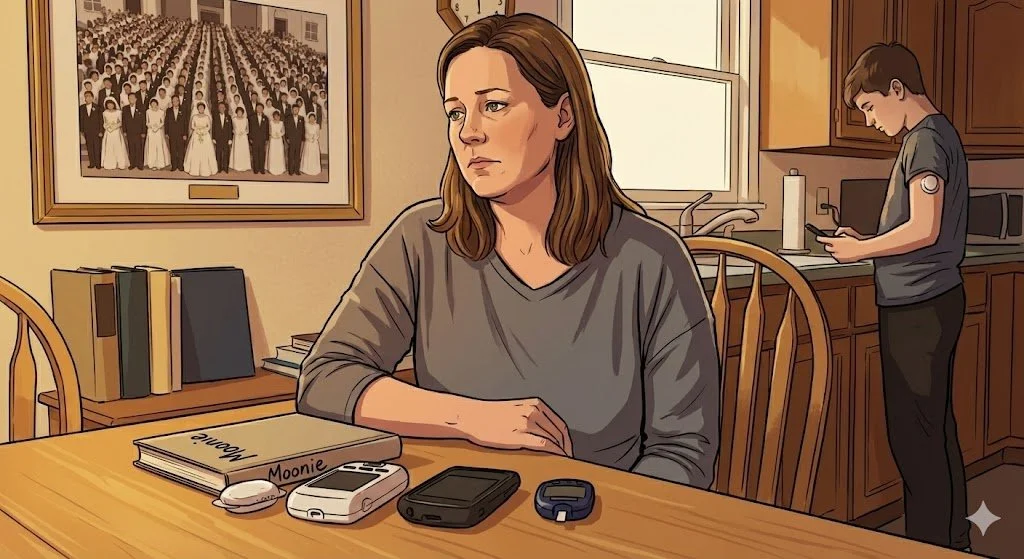
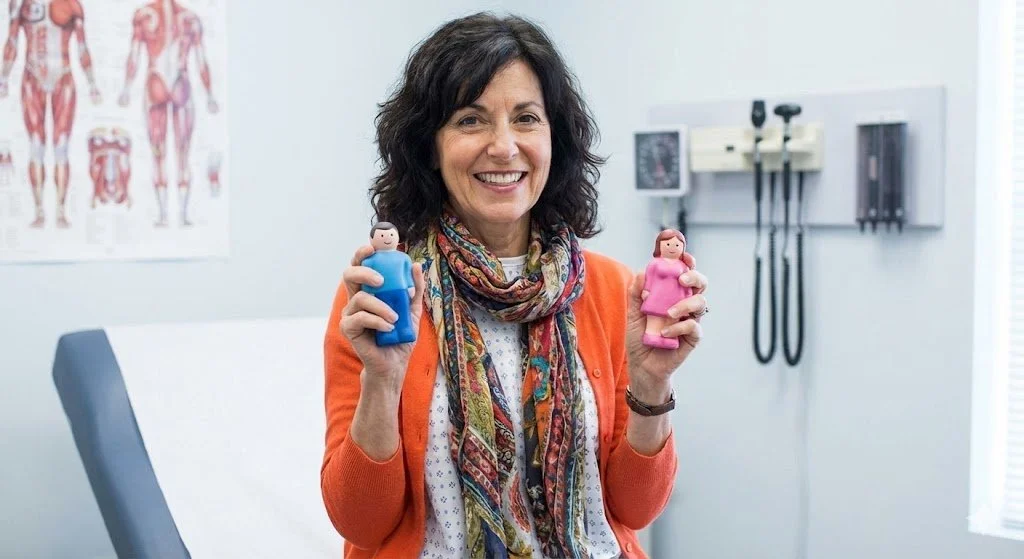













Please support the sponsors


The Juicebox Podcast is a free show, but if you'd like to support the podcast directly, you can make a gift here. Recent donations were used to pay for podcast hosting fees. Thank you to all who have sent 5, 10 and 20 dollars!

#612 Diabetes Pro Tip: Female Hormones
Scott and Jenny Smith, CDE share insights on type 1 diabetes care
You can always listen to the Juicebox Podcast here but the cool kids use: Apple Podcasts/iOS - Spotify - Amazon Music - Amazon Alexa - Google Play/Android - iHeart Radio - Radio Public or their favorite podcast app.
+ Click for EPISODE TRANSCRIPT
DISCLAIMER: This text is the output of AI based transcribing from an audio recording. Although the transcription is largely accurate, in some cases it is incomplete or inaccurate due to inaudible passages or transcription errors and should not be treated as an authoritative record. Nothing that you read here constitutes advice medical or otherwise. Always consult with a healthcare professional before making changes to a healthcare plan.
Scott Benner 0:00
Hello friends, and welcome to episode 612 of the Juicebox Podcast. This is also the next episode, the diabetes Pro Tip series.
On this episode of The Juicebox Podcast, Jenny Smith and I are going to be talking extensively about hormones, female hormones, about getting your period about riding the won't say that about shark week. You know that time of the month where your baby box is trying to kill you. And we're not going to just talk about your period, but we're going to talk about the lead up. And afterwards, the entire month really, and what you can expect as your hormones fluctuate and change. Please remember that nothing new here on the Juicebox Podcast should be considered advice, medical or otherwise, always consult a physician before making any changes to your health care plan. We're becoming bold with insulin. Right now I'm considering putting a ton of euphemisms for a period at the end of this episode. Not sure if I will or not. It's all kind of up in the air. Hey, if you'd like to help out the podcast, head over to t one D exchange.org. Forward slash juicebox. If you're a US resident who has type one, or is the caregiver of someone with type one, I'd love it if you'd fill out their survey. It'll help people with type one diabetes, and it supports the podcast. This episode of The Juicebox Podcast does not have a sponsor. Not that I don't have a sponsor I could put on the podcast that I certainly have. But I just wanted to take this opportunity to remind you about the other diabetes pro tip episodes and some of the other series within the podcast. Can I do that? Will you give me a second? Thank you. At this point, the diabetes Pro Tip series consists of 25 episodes. This one of course, is female hormones. But there's also honeymooning weight loss postpartum, glycemic index and load. Explaining type one diabetes, pregnancy bumping nudge one bump and nudge to long term health emergency room protocols glucagon and low Beegees. Illness injury and surgery fat and protein exercise setting your Basal insulin variables the perfect Bolus, mastering a CGM insulin pumping Temp Basal Pre-Bolus, all about insulin, all about MDI newly diagnosed starting over actually listed them in reverse there for you. But you can find them right now at diabetes pro tip.com. There are 1,000,000% free, they're not paywalled. You can get to them and start them and stop them or listen to them as you would like. I'm going to tell you that I think if you listen through those pro tips, they're a pathway to an A one C stably in the low sixes or even fives. Everything I know about type one diabetes management to be important is in those episodes. And along the way, I always have Jenny Smith, there with me having those conversations, I'm going to tell you at the end of the episode all about Jenny, but for now just know, she's had type one diabetes for a very long time. She's a CDE. And a lot more. So head on over to Juicebox Podcast comm or diabetes pro tip.com. Or you can just go back in your podcast player to Episode 210 and start right there. I really hope you do. There's a ton of information in these episodes. I think they're very easy to listen to and even easier to understand. I hope you take advantage of them. All right. Okay, give me a testing. Hello. Alright, you're there. I'm there. Okay. Yeah. All right. So I've spent, not my whole life, you know, but the last number of days and weeks looking into all of this, trying to get ready to make a pro tip episode about female hormones. And it's a very scary proposition. There's a lot going on. I'm not scared, scared, but I'm overwhelmed. And then the last kind of piece of it was that I went on to the Facebook page and you know, said to people look, you know, throw out your questions for this episode. I want to be clear, I almost didn't think I needed their questions so that we could talk. I wanted to see if there was repetitive need, like, what are people like same questions over and over. And my goodness, I mean, it's kind of obvious, right, like so. The questions ranged from like, just God, is there any rhyme or reason to this to what about menopause? What about Hurry menopause. What about the time where my kid isn't getting their period yet, but it's starting to exhibit, you know, symptoms and having hormone fluctuations, talking about puberty and then pregnancy and then and then
is your head spinning post pregnancy? It's it's listen nature. God, I don't care what you think this is there's got to be a better way to do this. Someone, someone, this was an afterthought, like like someone at the end was like, oh, you know, here's what we'll do, we'll throw some eggs in here and then you'll have to throw in some estrogen to get the eggs really roll and then one egg will come out. And if they don't get pregnant, the whole thing will just bleed out of their vagina. Perfect. Like, I don't know who what. Oh, my goodness, PCOS keeps coming up. Is that polycystic ovarian syndrome? PCOS? Yes. Now I know those words. So already, Jenny, I want you to tell me what you just said before we started recording about the inequities of diabetes management from men to men to women,
Jennifer Smith, CDE 6:11
or from an education standpoint to begin with. I mean, it was not something that was ever discussed in my presence, at least and I don't think my mom had outside of visit conversations with my peds and know at all about hormones. Right. So I learned all of this as I was having this like, typical cycle, you know, that should happen after a certain point in the sort of teen years. And education today. It focuses on diabetes, in general, right? Not on if you're a woman with diabetes, versus if you're a man with diabetes, these are the differences that you will definitely see. So you're a woman with diabetes, you've got all the female hormones pumping in your body. Let's discuss diabetes from the angle of being a woman. Right? I mean, especially for my like, I would even say, when I start working with somebody, if they're from about the age 1011, all the way into wellness, even the women they work with into the perimenopause and menopause age, that's something in an initial visit, I always ask about, because if even if it isn't yet visible, it will be at some point. And people need an idea that they need to like, see out into, if I see this and this and this, I'm clearly not a crazy person. This is body function.
Scott Benner 7:44
Well, I guess especially given that, you know, because we talk about things in general terms, like the cycles, 28 days, that's in general, it's not, it's not for everybody, and it might not be for you from month to month as well. So if you can imagine when you hear people talk about like diabetes, like just when I thought I had it, it changed or you know, those memes, there's meat is it memes? Oh, my God, I'm old, you know, where it's like Monday, two plus two is for Tuesday, two plus two is seven, you know, Wednesday, two plus two was zebra like that kind of stuff. If that's already how diabetes feels to people in general, and then you put this on top. I mean, you really are kind of creating two different spinning layers of confusion that can impact each other, or show up on their own. And I don't know how you're supposed to make sense that I actually after going through all this, I have an idea I'll share at the end about how to get a handle on this. But I just don't know. Well, I guess to give people some context, Arden 17. So this is the depth of my understanding of this. My understanding of this is I'm married, I've lived with a lady for a couple of decades, and, and my daughter has diabetes, and she's been getting her period for a while.
Jennifer Smith, CDE 9:06
And I bet you never paid as much attention as when it really was in reference to diabetes management.
Scott Benner 9:12
Only thing I used to pay attention to was there's this what I call the nice day, there's like this. There's this. There's this literally one day a month, where my wife is a 1950s. Like, I'm making quotes perfect mom wife, Glover. Like it's that day on that day. I feel taller, more handsome. Like, you know, like she is so incredibly
Jennifer Smith, CDE 9:41
kind of like Leave It to Beaver mom, sort of at that age have an idea of what a Mom was right? Yeah.
Scott Benner 9:46
100% and I and I, I bask in that day because the day that comes after it. I can't even look her in the eye. Because if I do something wrong, she's the different like and then I Know that the the event is coming in about five to seven days. Like that's how it works for us paid enough
Unknown Speaker 10:07
attention to actually like I can tell you many, many spouses or partners.
Scott Benner 10:13
I thought I was gonna die. I was defending my own life, you know. And so for years, that's the only way I've ever thought about it. And then Arden starts to get her, you know, and then we're kind of rocking along taking care of Arden's blood sugar. Like, it ain't nothing some days, you know, it's just like, I do really have this all figured out. And then one day, she started getting her period. And it was all fine at first. It actually almost it got more difficult at some junctures. But it was, it was very structured. So I didn't have any trouble with it really. Right. And then all the sudden her periods got heavy. And you know, people listening will know that, you know, Arden went through a year or two of like us not understanding what was going on. She got anemic a number of times, she had to have iron infusions. This was all ended up being because of her period. Right? Yeah. So Arden would get her period for like, 11 days, like she'd have like a 11 day long cycle, and then only a couple of day break before she started to bleed again. It was just ridiculous. Which led us to put her on birth control, hoping, like, you know that she wouldn't bleed to death. Because she was, I mean, the impact on our life was insane. Sure, you know, and so first go round with the birth control they gave her it wasn't strong enough, didn't really do anything. But they still ask you to be on it for 90 days before they consider changing it. So you, you struggled all this time you think you have an answer, and then 90 more days struggling. And then they moved her up to another, I guess strength and that has, you know, straightened out her. Excuse me also, the first indication of that problem was nosebleeds. Oh, really bad out of nowhere. nosebleeds, right? That only happened once a month. And it took us a while to figure it out. It was literally happening on a cycle. I never was able to connect it to her periods. But the minute she went on the birth control and the second round of birth control, and it straightened out her periods. The nosebleeds never happened again.
Jennifer Smith, CDE 12:34
That's really interesting. Well, and I mean, again, a symptom that if you're paying enough attention to your body, there are lots of things that your body is trying to tell you. Yeah, right, if we just pay attention to.
Scott Benner 12:47
And it's why I bring it up, honestly, because part of what I figured out, Jenny, part of what I figured out being a man who doesn't get a period, and a person who doesn't have diabetes, as I considered talking about this with you today was was that you kind of have to, you got to kind of have to Jane Goodall it a little bit, right, like you got to take notes and step back and see things and keep wondering what's happening until you can build some some idea of like, I keep seeing this thing over and over again. And where does that fit on the calendar? And how does it work in relationship to, you know, bleeding or pain or insulin resistance, and then sort of start making sense of it, you have to track your period, maybe for six months before you'll be able to wrap your head around it a little bit,
Jennifer Smith, CDE 13:37
especially if your cycle is not regular. I would say for women who especially women who are considering maybe you're starting to track things and pay attention because you are planning a pregnancy, or maybe you're really trying to prevent a pregnancy. So then tracking things becomes just as important, right. But then along with the lines of even planning a pregnancy, the goal in diabetes is to have pretty optimized management prior to conception. So yes, I mean, you really should be tracking things for a fair amount of time, if you don't have them already nailed down because you've paid attention, right. And there are a number of really good period apps out there. I mean, there's some that are free that do just as well as some of the ones that have all the 1000s of bells and whistles for tracking everything else. But I think the ones that are the best actually have a place where you can keep notes. Because the tracking app that I like to use, I actually track month to month, how my insulin changes have looked this month. So I can go back last month, the month before and actually see, has it been consistent enough? Is it going along with what is normal for me? And that helps.
Scott Benner 14:52
Well, even very recently, in the last couple of months, Apple added a period tracker to their health app, which So interesting, robust, and it's free, and a lot of people use Apple phone. So I wanted to throw that out there.
Jennifer Smith, CDE 15:06
I didn't even know that was an option. So thanks. Yeah. So
Scott Benner 15:09
because Arden uses one that's third party, I don't even know what it's called now. But as I looked at people's questions, and I thought about Hold on a second. The gods are coming after me for talking about periods when I'm not a lady. That's right. As I thought about how I figured, like, like, step back and look at what we had to go through to try to figure this out for Arden. And then I looked at people's questions. The real fear, when you see fear is around the unknown portion of it. And all I could think over and over again, when I saw their questions like, How do I know if it's gonna fluctuate? When do I turn up my Basal insulin, if I can't be sure when it's gonna start? I kept thinking, you're gonna have to track it, you're going to have to pay attention, you're going to have to put like, work in. And I know, that sucks, because it feels like diabetes has already worked. But it really made me think about like, kind of what we talked about another pro tips, which is, you know, some upfront effort can save a lot of heartache, right, over and over again,
Jennifer Smith, CDE 16:13
or a lot more micromanagement than you really should need to be doing?
Scott Benner 16:17
Yeah, yeah, you get stuck in that situation where you're constantly constantly constantly adjusting your blood sugar. In the moment, which I'm, listen, I'm a fan of if you're lost, to stay flexible. But in this situation, where what was the number I saw the average woman's going to have how many periods like 400, and something or I was like, oh, like,
Jennifer Smith, CDE 16:40
hold on a lifetime? Well, I guess if you expect an average age of a period starting at the age of 12. And there are 12 months in a year, right? So you would have, let's say one cycle a year. And then the average time period of a cycle, completing would be about, let's say, age 12, all the way to maybe 55, let's say maybe even 60. And that's a good amount of time that you would be having cycle.
Scott Benner 17:15
I'm using your math 55 minus 12, is 43 times 12 months, is 516. There you go. So I'm saying
Unknown Speaker 17:24
that's a lot of tracking.
Scott Benner 17:28
I'm saying put in put some like real, like, it's gonna be honest effort, because you're gonna have to track you know, your insulin use every day. And, you know, just giving yourself I think, what helped me was just simple words. Difficult, easy. You know what I mean? Like, referring to my management, you know, meals were, what I expected, easier than I expected, harder than I expected. Yes. You know, my Basal seemed to work. Well, not Well, today, like just kind of keep it keep it like that. You make a little note for yourself. And I'll tell you to tracking your period is going to help you get better at taking care of your blood sugar, too, because you're gonna see all kinds all around. Yeah, yes, yeah, all kinds of things that you didn't, didn't see before. To begin with. You're
Jennifer Smith, CDE 18:13
gonna learn a lot of things too, in that time tracking for all of those other variables that we have to adjust around, right? Because I for one, know that my sensitivity, once I've gotten to about day three of my period, after that point, and until about ovulation is a really sensitive time. But it's more sensitive from day three to about like day seven ish. And in exercise, I have to be more aggressive and adjusting my insulin for exercise. Or I will go low. Despite my other tools and tweaks working outside of that. I will go low if I don't adjust more than I normally would, is that
Scott Benner 19:02
a progesterone period in there.
Jennifer Smith, CDE 19:05
So you're essentially when you're looking at progesterone that is typically like peaking at certain points, right? And then there's also the luteinizing hormone, there's follicle stimulating hormone and there's estrogen and a lot of hormones that are coming into play. So progesterone kind of starts to really kind of like, fall off essentially, once your period is started. It has really climbed in the time of you coming into potentially having a period and part of the reason for that is in the anticipation that you in sort of that Avi LaTorre time period, have actually conceived right. progesterone levels will stay high and continue to climb in pregnant See, when you don't have conception happen, and you start to have your period, that level falls, because there's no reason to have that elevated. I mean, again, other hormones at play here as well progesterone being one of them, but it doesn't need to remain where it was because you're not pregnant. Okay. And so then it fluxes
Scott Benner 20:21
right. And do do we let's try to think about this. Do we count the the beginning of the cycle is considered when the period starts, right?
Jennifer Smith, CDE 20:32
Day one of your period is day one of your cycle.
Scott Benner 20:36
Okay. In that moment, estrogen at that point is lower. Is that right? And then it starts to,
Jennifer Smith, CDE 20:45
and then estrogen starts decline coming into ovulation. And then in that next phase around ovulation and potential like conception, again, progesterone is sort of like climbing into that time period. Right? So, you know, again, all these fun hormones doing different things. I mean, if you even looked up a simple like just Google, a graph of like, what your hormones should look like, you can tell why. One Basal for 30 days in a row, if you're a woman who has a monthly cycle, doesn't work. Yeah.
Unknown Speaker 21:27
It doesn't,
Scott Benner 21:28
you know, what else I learned by digging into all this is that not that I wouldn't expect this because it's a physiological thing. But it's incredibly complicated what's happening. It's not just like, you know, your your eighth grade health understanding of it, which, you know, in my mind was, an egg gets released, you use it or you don't use it, if you don't use it, you know, the uterine lining and the egg come out in a period, which I know is high level what it is. But the idea of like the ramp up, right, like the gosh, like you start talking about like follicles, and like, there's this process that's happening in there, where your body's trying to locate the strongest egg to be released. It's not just like the next one on the assembly line. It's like it literally anyway, it's mind boggling. Even the TED talks on it are confusing. Even when even when nice girls sit in front of cameras in front of YouTube and try to talk to you right in your eyes, you're like, I don't understand, there's so much happening. But I think for the case of but for type one for using insulin, is it is it as easy as saying that there's a time when you're bleeding, there's a time when you're ovulating. And there's a time when your body is trying to make your body a hospitable place for sperm to live. So that the process of fertilization can happen well, is that basically like there's I mean,
Jennifer Smith, CDE 22:52
that's basically the simplified and I think, sort of along the same line of what you're getting at is, if you, if you're having a cycle, whether you're on birth control with a cycle or you're not on birth control with a cycle, you can expect the times of your period to show similarities for you in insulin need, right? One person may experience during this phase of, you know, hormone release, or this phase of their cycle, that they always have higher blood sugar's now that they've been tracking things, they can say yes, I'm always getting higher here. One of the first places that that commonly starts is the fasting blood sugar, or the overnight blood sugar. For whatever reason, in the hormone dance of the human body, that's the first place that commonly women see things are running higher. And if you start to pay attention to your calendar, it will most likely coincide with that's going to be somewhere about like, three to maybe seven days prior to your period, starting. Some women experience really short lived higher insulin needs. And whether they may have missed a slight nudge up maybe a week sooner. Most of them notice, gosh, the first you know, day and maybe the two days before my period, I'm just high I can't take enough insulin, I dump it all in and I still sit high. Well, next month, you know, if that's the case, and you start seeing higher blood sugars, and you do and you are maybe somebody who doesn't have a regular enough cycle would probably expect that this is what's probably on its way as long as your site isn't bad and you know, all the other variables that it could possibly be
Scott Benner 24:42
Yeah, so it's going to be incredibly important for you not to throw your hands up to the diabetes ferry and go it's just did diabetes. It's happening to me again, like after it happens a couple of times. You gotta say like Jenny saying, like, this is what happens. Whether or not I can tell you that it absolutely happens on day. I don't know 30 Have my cycle or not? It becomes unimportant like you, you sort of see, you know, it's not any different than like, as you're talking about all this and about when people see higher blood sugars, like Arden has this too, but because my mindset is, like more insulin push back, don't let it happen. I can't see it. Sometimes I can tell you that we're bolusing more or that I'm running a higher Basal like profile. But I'm so accustomed to just being in the fight and fighting the fight. I sometimes don't think about why it's happening. I just, I just adjust
Jennifer Smith, CDE 25:35
to get it back to target. Yeah. And I and I think that's, that's okay, as long as you're okay, adjusting that way. And if that works for you, then great. I think that more women especially again, those who are planning a potential pregnancy, are really wanting to track well enough because they're also in ensuring that their blood sugar's are really optimally managed for possible conception and that thereafter, you know, so if you really do want more consistency, rather than saying, Well, I know how to do more insulin, I do it all the time. I just, you know, adjusted here and take more, they're adjusted back here or whatever. But if you have even those that have irregular enough cycle, it could take some of the like headache out of the arm Hi again. I know I need more, I'll take more. But gosh, is this happening regularly enough that I could actually figure out how much more do I need on an average monthly change time? That is less guesswork in the moment that
Scott Benner 26:38
and the reason I brought it up is because the process of getting ready to make this episode with you made me realize I'm gonna set up three different profiles for Arden because she's gonna go to college. Yeah, know what to do her blood sugar's gonna go up and she's gonna be like, this never used to happen before. You know, and and she's, you know, not gonna realize the thing she's missing is me. Texting, texting or going yo Bolus, what are you doing? Cuz because for people who don't like really understand, I know it sounds like micromanaging to some like newer people but for people listening the podcast I don't imagine it does. Like, I don't like to see a blood sugar over 140. And I act like like, you know how some people might act when your blood sugar's 300 is about how I start feeling at 140. I'm like, yo, what are we doing here? Because in my mind, I'm targeting back to 80 in my mind, 140 60 points too high. Like, get it get it, but the the amount of insulin that it takes to get it has climbed since Arden's been on a birth control pill. So while yes, the birth control pill has regulated Arden's period, and she's not bleeding to death anymore, her diabetes has gotten more difficult. Yeah. Because and now if you go look at graphs about how insulin like listen, what I know about birth control is probably not enough. But you're getting you're getting a pretty regulated amount of these hormones every day. And and that birth control is literally tricking your body into not releasing an egg. I didn't realize that. That the bleeding
Jennifer Smith, CDE 28:16
keeping you on a one cycle of hormone akin to not needing ovulation.
Scott Benner 28:22
Yeah, right. And so you're not nothing's happening and ovulate. Like the whole process isn't happening. Actually. I think what confuses people? Is that the bleeding that happens when you're off the hormones and you're on the the placebo? CBOs is not your period. It's got it's actually got a name. It's, uh, hold on a second. I have so many browser windows open. It's called withdrawal bleeding. Yeah, yeah. It's not your it's not the same thing
Jennifer Smith, CDE 28:51
I never heard. I've never heard it called that before. Okay. Well,
Scott Benner 28:55
I was schooled, I recorded an episode about this with a different podcast. I'm gonna be on a vagina podcast pretty soon. And that's funny. Oh, it was hilarious. And as I was being asked, I was like, why is this happening to me, but um, but people who really take birth control? I don't mean seriously is the wrong word. But but see it as stuff that maybe, you know, there are people who think you shouldn't do it. There are people who think you shouldn't tell people how to live their lives. There's a lot of consternation around birth control in some circles. And it's important for those people for you to know you're not actually getting your period when you're on birth control. So and I have to be honest, I don't want Arden to be on birth control not because it's birth control, but because I don't want her to take anything she doesn't have to take right but she's she was going down. You don't I mean, like Yeah, we were looking at a real like, I guess this is it. Like you know the money with the money we save for college. We could buy a house with now or something Well, and
Jennifer Smith, CDE 29:56
that's I mean, those there are I think really there really good reasons to utilize birth control all around, there are. But in a case like this, it's almost a necessity in order to get containment of something. Now, the other thing is, you know, is this something that's just, it's just the way that her body is going to continue to work even into like adulthood, where she continued to have to have this level of birth control, you know, management, so that she doesn't have this problem. That question, you know, I
Scott Benner 30:29
had constantly like, when do we just like, stop at once and see what happens? You know what I mean? Like, right, but I don't understand any cause and effect reasons why using birth control for a while, would you know, quote, unquote, regulate things? And then you would need it anymore? Were? Or was this just a cycle of her life, and it was going to pass on its own. And we're never going to know, as long as she's on the birth control pill, right. I keep praying, I keep thinking maybe, you know, a few months before college, maybe we like, would try Bella bail on at one time and see what happens, because you've
Jennifer Smith, CDE 31:06
done enough work already to know. I mean, she's used several different types of it. So you also have an idea of what works, what really did nothing good. And what does actually work because there are so many kinds of birth control that are available, and so many mixes of hormones that you could use, or some are single, single hormone and some are a mix of hormones at different levels. They're taken different ways. I mean, there are
Scott Benner 31:39
one point are our pharmacy benefits changed or over to a generic things were going great. And then they change the generic a went right back to where it was again. Oh, and then we had to swap her back to another one.
Jennifer Smith, CDE 31:53
So funny, right? I mean, if it was the same thing, only a generic what's different, right?
Scott Benner 32:00
I have no idea. This is the this. Jenny in one way or another vaginas are the bane of my existence. Just there. They're torturing me from different angles and different perspectives all the time. And, and on Arden's period has been, I mean, a roller coaster, it has not been fun for her for the, you know, people trying to help her.
Jennifer Smith, CDE 32:24
Well, and I think you see it from a perspective of, you want the best for her, you want her to be healthy and enjoy life and everything. So you see it really as a it's problematic, not from a physiologic standpoint is problematic and what it brings into the picture of her management, you know, you may have a very different look on it. If she didn't have diabetes.
Scott Benner 32:50
Yeah. Yeah, I guess I there's so much about I wouldn't even understand or pay attention to her. Right, sir. So I, I'm basically having this conversation to tell people that I'm going to start doing what I think you should do, like I'm gonna, I'm gonna set up my own tracking app. And I'm gonna track Arden's like insulin inputs, just Jenny's making a face because I don't do
Unknown Speaker 33:13
I'm pretty yummy. Yes. Like, you don't do things like that, because I don't
Scott Benner 33:17
She's gonna leave for college and either bleed to death, or have a one see in the aids like one of the other. Like, it's just one of the others gonna happen. So And typically, I
Jennifer Smith, CDE 33:27
mean, that is, it's also another piece in the mix, too, because you brought a lot of things in that could be happening in periods that are mismanaged, right? Someone who has excessive bleeding can bring in a lot of other health risk problems that can also make the diabetes management piece even harder to figure out and manage around. So it's really important. I mean, on average, you know, quote me, but I think I read at one point, like the average woman with a normal healthy cycle length, and not excessive bleeding, really only loses about a quarter cup of blood through the whole period, which is it's a tiny amount, right? I mean, if you know what a quarter cup measuring cup looks like. So I mean, if you're saying gosh, excessive, clearly excessive is like, lots and lots that shouldn't be happening.
Scott Benner 34:22
Here's the one measuring stick for you. Arden's ferritin gets down to like the teens. She gets an infusion. They tested again, it pushes it into like the 130s. It gets pretty high when you get the infusion. Yeah, within three months of not being on the period. She was back in the teens again, teens again, yeah. So and just I mean, for people who don't know an email, low blood, low iron, whatever, you know, however you get to it. I mean, just can't hardly pick your head up. Oh, freezing feels horrible. You feel like you're dying, the whole time, shortness of breath. You can have heart palpitations. Like it's not good, you know, you get pain in your, like muscles and joints and like it's it's terrible. So Arden's gonna stay on this as long as she needs to but, but it's funny while she was home, Arden's chill at home, like when she was going to school from home, she needed less insulin. As soon as she went back to in person I knew her needs, were going to go up again. And I did the thing, where I was bolusing too much and didn't adjust settings for a little while to like, it happens to everybody, it's sure doesn't not happen to me, because it's my podcast, like, you know, like, you're so used to managing one way, and then this big piece of your life changes. And you don't even realize it for some reason. And that just made me sadder when I realized that thinking about this, because basically, on your period, your life is changing. Like every couple of weeks, you know, like there's this impact and the end, it might not happen to everybody, there are some women who will listen to this to go, oh, that doesn't happen to me. Or if this is, you know, just like, Oh, my God, well, in
Jennifer Smith, CDE 36:07
fact, I've got, you know, some women that I've worked with, you know, even outside of like preconception planning, just in terms of diabetes management. And obviously, the cycle is a piece that we talk through and talk about, and some women who actually have the higher blood sugar levels during their period. Not before. It's more really an onset while they're actually having their period, which is not the typical of what I've seen. But again, I've heard it enough that it's also not odd or rare.
Scott Benner 36:38
Yeah, no, no, in the questions that I sent to you that that I found online, it was almost like people were like, hey, during these days here, my blood sugar is incredibly easy. And then somebody would come along and say, well, in those same exact days, my blood sugar's incredibly difficult. And yeah, I'm sure if we could, you know, Doctor House, every person in the world you might find, but I don't think that's gonna love that show. I mean, right. sarcoidosis usually. Right? And I don't even know what that means. But, but so did you see anything in these questions that you definitely wanted to go over?
Jennifer Smith, CDE 37:16
I was just gonna go back to because
Scott Benner 37:21
because at some point, too, there were a number of questions about menopause to, and some women are asking about what about when they take hormone replacement? Is it going to happen, then? And I don't know. But it seems like the same as taking birth control to me, right? You're, you're adding hormones to your daily intake.
For the longest time, I believe that one of the sticking points of getting people good information about managing insulin was that it was hard to put it in one place, or to hold people's attention or for them to realize it was there so they could keep coming back. You know, there might be an article here or there or a story that would be helpful to you. But how do you condense it all into one place. And it turns out that this podcast is the perfect way to accomplish that, I would notice that even if somebody understood Temp Basal was really well, they might not have thought about pregnancy, or if they understood, you know, extended boluses, they might not have talked about how to use your Basal well, and that you were going to be lost if you didn't have all of this information in one place. But most importantly, this information needs to be easy to digest and easy to understand and listen to. Right, like you have to want to listen. And I think that we I think we've done that with this podcast. Well, now in my eighth year, with over 600 episodes, there is a ton of information inside of this podcast. It's a it's a compendium, it really is of how to manage your your insulin and live well. So I need you to look for the defining diabetes series. It might seem overly simplistic, but it takes the terms that you're going to be using every day and boils them down into easy to understand explanations. They're not long, they're fun to listen to. And you'll leave with a real understanding of what the terms mean. The podcast also has these diabetes pro tips, which I think are absolutely I think there's they're amazing, honestly, like it's not just because I made them. I see feedback from people every day about them. And I'll actually leave some at the end of the podcast for you. But listen to the diabetes protests, but you need the tools, right? You can't just you can't just look at the instructions to build a bridge not understand what a wrench is. So listen to the defining diabetes and then move on to the pro tips. Now there's also things like how we eat where people come on and talk about all the different ways they V carnivore, gluten free Bernstein FODMAP keto intermittent fasting ton of them, because I think that everyone's eating style should be represented. I don't care how you eat, I care that you know how to use insulin. That's all it matters to me. Once you know how to use insulin, you go ahead and eat any way you want. I just want you to be able to do it doesn't matter what you do. It matters that you can. That's how I feel. There are special episodes, me and Jenny Smith answering questions from the, from the audience, you know, they're called ask Scott and Jenny. In those episodes, we talk oh my god, we talked about so much how to combat the morning rise. How does carb absorption work? How to handle a high blood sugar? What is standard deviation advice for using Basal IQ, just so many different things. There's entire episodes that are just about mental health and type one diabetes, I have afterdark episodes that handle everything from heroin addiction to being a sex worker and having type one diabetes to smoking weed and everything in between stuff that other people don't talk about. But we talk about it here on the Juicebox Podcast. I also have over 10 episodes about pregnancy, an entire series just about the variables that may pop up while you're managing your insulin. You want to learn about algorithm pumping, we've got that covered to the Juicebox Podcast is much more than the diabetes Pro Tip series. I hope you take time to check it out. There's something in there for everybody. And there is a path to the A one C and the stability that you want. So whether you're looking for community or answers, check out the Juicebox Podcast, subscribe now, in an audio app, it's always free.
Jennifer Smith, CDE 41:49
And hormone replacement therapy is usually for the most part centered around like the menopause kind of time perimenopause, menopause kind of time, it's supposed to help to ease much of the hormonal transition that's creating some of the symptoms, things like the hot flashes, and the energy swings and the insomnia and the, I guess, level of irritation one woman may experience versus another. Right? So that's supposed to technically, even things out more. And it's a good question to actually ask, if you haven't, and you're considering are already taking the hormone replacement therapy, you know, asking your physician if they know anything, really about that piece in terms of what they should expect. My expectation would be that with the replacement therapy, if it's going well, then dose is well managed. Technically, you should have actually more stability, then in how you're feeling, which should also bring more stability to your glucose management,
Scott Benner 43:01
right? Well, I guess while we're in this area, what about somebody who's had a hysterectomy? Do they lose all of those, that the cycle is just gone? Right? So that is, but is all the horror or all the hormones gone to?
Jennifer Smith, CDE 43:15
So although I mean, there's a good question, because quite honestly, you could have a partial or you could have a like a total hysterectomy, right? I mean, so there are hormonal imbalances that can definitely happen with partial hysterectomy. It does, for the most part, from what I know causes less dramatic change in hormone levels than a full hysterectomy does. So in terms of that, you know, your hormones definitely shift because obviously there's nothing there to cause that trend of hormones change, right, there's a period right disappears. So, you know, overall, while there may be some initial management that needs to be done, I wouldn't expect that there would be as much I haven't worked with many women who have had hysterectomy. But I wouldn't expect that there to be as much fluctuation as they probably usually had. I mean, when the menopause obviously is kind of similar in that when that happens, obviously your ovaries stop producing enough hormones to continue the menstrual cycle. Right? So if you've had a hysterectomy, which includes removing the ovaries, you would then be essentially moved into sort of like a premature menopause kind of time. Right. So
Scott Benner 44:45
all right. Well, you know what, there's one person that asked such as a detailed question that I think yeah, the way they broke it down might be valuable for us. So her first question was, why does the body become more insulin resistant during different phases of the mess? cycle just laid out for you. And not that I think we haven't. But is the answer just simply there's more hormones at different parts?
Jennifer Smith, CDE 45:09
Right? And so that's, you know, initially when we're talking like what is the surge of the different hormones through the course of pregnancy or through the course of a menstrual cycle, right? So in terms of that rise up in insulin need, you know, there are a couple points of time for different hormones, one of them progesterone, as its kind of rising, in terms of, are you going to find out you're pregnant? Or are you now you don't know that you're pregnant, or you're not going to be pregnant, so you end up having a cycle. So then that climb in progesterone is, again, that typical time period before your cycle starts, that you would have insulin resistance creep into the picture. It may creep slowly, like seven days before you start to notice you've got that rise in blood sugar, okay, maybe you change up your overnight settings, or, you know, whatever it might be, as you get closer to your expected first day of cycle, you're going to see a lot more resistance. I mean, many women find 20 to even 40% more insulin need in that time period of climb in hormone. And then that most women experienced the most significant and resistance the day before their cycle starts
Scott Benner 46:21
the day before the cycle starts, which is the day Yes, leading to
Jennifer Smith, CDE 46:25
day before there, yes, there before their period starts. There's they're bleeding the event here, but in the event, there you go. Um, so you know, that could be, you know, a visual point of saying, Well, I'm not crazy, I didn't need to change my pump site and change to new insulin or nothing was really wrong. I see that this is the pattern and this is what's always happening. So how high did my blood sugars go? How much more insulin did it look like I continually used in the past two or even three months, so that you can expect it now. And you can make a I guess, a wiser shift in your insulin rather than just sort of like completely guessing. Right? Oh, I'm gonna take three units today because clearly two and a half yesterday did work well. Okay. But if you have some back knowledge, you can say okay, this is definitely how much more I needed. And I can adjust better here. Now,
Scott Benner 47:19
do you know there are months that Ardennes period doesn't begin on the first day of the placebo, it happens sooner. Which doesn't make any sense at all. She's definitely kooky and her belly, like like something's, something's going like when that happens. So is yet two days ago. I saw as much resistance from her as I as I had in the month. And I said to her, like something, you're going to get your period. Soon. She goes, I have like four pills left. And I was like, okay, so then yesterday, do all day. Like we had to cut her insulin back. Crazy yesterday. So when she got home from school, I was like, did you get your period? Because No, I still have a couple of days left. But her body acted like her period started yesterday starting and I'm like, I wonder if the bleedings now adjusting back to where it's supposed to be. I also wonder sometimes like Kelly's, you know, still still match traits, my wife still fertile.
Jennifer Smith, CDE 48:19
That's a good thing. The longer you actually have your cycle, the healthier for you. It reduces a lot of the risk of female related cancers. The longer you have your cycle, and the length of the cycle matters to not that this is diabetes specific, but it's a piece in the mix of bad cycle regular cycle and the longer you have it in the life the better for you. Yeah,
Scott Benner 48:43
well, that's good news. But what I was wondering was is you know how you kind of sync up the people? Yeah, like I I've often wondered if Arden and Kelly even being near each other is messing with Arden.
Jennifer Smith, CDE 48:55
Very likely because in college I had three other roommates. And at that point, we we all within a week had our periods at the same time. Yeah, like it was not a house
Scott Benner 49:14
buying a bigger trashcan. Okay, so this person's next question was, do insulin needs change? Only when premenstrual or does it happen around ovulation as well? I think yes. We've pretty much gone over that right.
Jennifer Smith, CDE 49:29
Yeah. And ovulation for some just in clarification, some women notice more significant insulin resistance around ovulation than they do in the pre cycle or like period start time, and it's often much shorter lived have a is a swing up, more noticeable rise. Post meals often tend to be impacted more if you're going to notice a change around ovulation, but it's only going to be like 24% 72 ish hours around that ovulation that you're going to notice such significant resistance. So again, we've got this like roller coaster of hormones going on. Making people feel
Scott Benner 50:14
crazy. Also, I watched a video about how to know when you're ovulating getting ready for this. And there's a lot that you can watch. Oh, geez, I learned a lot about discharge and cervix ripening and feeling sexual, and that it sometimes happens. And sometimes, to some people doesn't happen to others. Some people get many of the symptoms, some people get fewer none. You know, it, I love it when something spelled out to you like this. Here's what could happen, unless it doesn't. Or maybe it won't. But it could and you're like, This is not helpful, like, say something concrete or stop making videos. But it was really, I don't know, it was interesting. Anyway,
Jennifer Smith, CDE 50:59
here's a really good book I got actually years ago, before we even plan to start trying. It's called taking charge of your fertility. And it goes through, it's really, I think, I think that it should be given to women in general. Because even if you never plan to have children, it gives you a really good idea of how the female body works. Yeah. And it can, from just that standpoint, make you feel less like. Like, I've always kind of hated when people are like, Ah, she's getting her period. Like, that's the reason for all of these mood swings and whatever. Well. I mean, that's, quite honestly, it could be true. I mean, it's somebody meaning it in kind of like, not a very nice way. Yeah, but it is true that hormones change and flux a lot. But for you to know that as the person living with it, you don't feel silly about that. That's your body. It's supposed to be doing that.
Scott Benner 52:00
I'm 20% more feminist than I was before I started paying attention to this. And I was already on the lady side. And so I mean, listen, I've never once been given medical direction that began with start with a clean finger. But I've heard those words a lot. Now since I've been paying attention to this. And I just thought like pork girls, like you don't even like cheeses and seeing it happen to my daughter, like firsthand. It really does. I mean, if you're if you're not moved by it. I mean, I don't tease my daughter or my wife about like, Oh, your periods come in, you're acting. But I tell you when I was younger, I probably said it. But now, now that I've lived around it, I'm like, it's not. I mean, they should just say you should you should be thanking them, not telling them. Yes, sir. You know,
Unknown Speaker 52:45
I know, to some degree, and I'm very happy that I have two boys. Like, you're gonna go to your dad. This is Dan's department.
Scott Benner 52:54
You go to your father, whatever he says it's not gonna start with begin with a clean finger. I can tell you, nobody asked Bobby about that. And you you're lucky too, because you're not gonna ever be in this situation that Arden and Kelly are in where your periods are like, No, it just jerking you back and forth. On timing. Right? You know what I mean? Right, right.
Jennifer Smith, CDE 53:12
Because I have like I said, I have experienced that like in college. But I don't think at that point, I was even while I did a really good job of management as well as I could. I that technology at that point was not I mean, there was no CGM. I was still doing, you know, a lot of darn finger sticks a day to see where things were going. But I don't think I was as a two and two even wanting to pay attention to why something I was just like, Oh, I didn't even at that point. I was like, oh, it looks like I just need a little bit more. I
Scott Benner 53:48
mean, maybe we're a decade into having the technology where you can break this stuff down. Versus next question. I really want to thank them for this and I don't have her name here, I apologize. Is you know, she brings up what are ways to track it. Um, you can track it on a paper calendar, you can track it in an app. It's my intention to just like I said earlier, to in a quick, easy way, maybe even colors would work. Honestly, you know, green, yellow red for insulin. I would track insulin needs I would track when the period starting I would try to figure out as much about ovulation as I could. So you can kind of find that window in there about where it is. And I'll tell you to like it sucks but you could track your mood. You could track your you know, your sexual desire, like you can make all those little like clicks there. It's like yeah, you don't I found thinking sucked for women the whole time, is that things that from an outsider's perspective seem like choice can be driven so harshly by hormones, which could make you feel like you're not doing things purposefully like it's your body. Doing it
Jennifer Smith, CDE 55:00
telling you to do you telling you to do
Scott Benner 55:03
Yeah. Like, like, I would hate the idea of, I'm on a date, and I'm open to having sex tonight. Not because I want to have sex or because I like this person, but because my hormones are in a state where it's telling me
Jennifer Smith, CDE 55:17
they're kind of telling you to feel this way. Yeah,
Scott Benner 55:20
do this now. Because sperm will live in you for five days, and then we can get you fertilized and give you a good chance to, you know, bring in this egg along. That's, I mean, it's kind of which brings
Jennifer Smith, CDE 55:33
in a lot of interesting fact, especially for the teenage. Right? Yeah, where I mean, the majority of teenagers, this point are not considering conception. They're not they're beyond that, you know, for many reasons, but those are some of the things that your body is supposed to be telling you to do. And, you know, what's the reason? Well, eons ago, people were getting married when they were 1415 years ago, old and having kids at that point, in fact, you know, if you weren't married by the time you were like, 25 was like, over four
Scott Benner 56:15
are window. Yeah, right. We're five years away from dying, probably it's. Well, I mean, I listen, it's beautiful, like, you know, in a nature kind of naturalistic way. Like, it's amazing. I just found myself feeling badly that you could be having feelings or thoughts that aren't the ones that you decided to have. But then I kind of brought it out larger. And I thought, when my iron was lower, I wasn't who I was. Right? I mean, we're all just, you know, some dialed up level of different chemicals and hormones and impacts and everything. And, and I yeah, I think that I hate to say that I think this episode could have been like, Hey, you should track your period, and then make better decisions about your insulin. Like, I really think that could have been the end of it. And it Well, I
Jennifer Smith, CDE 57:03
think there's other I checked, there were a couple other questions in here that I think that do go. I mean, they they kind of go into, yes, that's the base, track your insulin, see what you need, and then make the decision on how to make your insulin delivery system. Do what you want it to do for you, right, but there were a couple of questions. One of them was on MDI changed my Basal in a certain point of my cycle to deal with increased or decreased physician resistance. And I should I also focus on adjusting my boluses I can say that, absolutely, you'll need to adjust at least your Basal insulin, even on MDI. I mean, when I was MDI, and had caught on to the fact of needing more, based on what my blood sugar was doing, I knew that I needed a certain dose, that was three units, I still remember it was three units higher than my baseline dose for the time period of resistance that I needed. So you know, in terms of that, I could always adjust and unless something shifted and changed, you know, I would have maybe used a little bit more, or a little bit less. But overall, it was, it's funny that I still remember, three units, four was always what I used when I had my period. So yes, you could use more. And if your doctor isn't directing you to do that. Our doctors don't direct us to do many things that we end up doing. This is not advice or recommendation to do that, but discuss it with them. But it definitely and bring in maybe some of the logs that you've kept and say, Hey, I'm noticing this, would you agree? I'm thinking I need this much more insulin, right? I mean, always check with somebody, obviously, if you feel that you need to Bolus is could they need to adjust? Absolutely, they could.
Scott Benner 58:58
Well, you know, I just did the math real quick three units is only like point 125 an hour if you're on a on a Basal program for a pump, so right, but but, but it might have been significant for you. Do you remember what your Basal was back then?
Jennifer Smith, CDE 59:14
Yeah, I do my Basal and overall was sitting at 12. And I needed 15.
Scott Benner 59:22
Okay, yes. Okay. So it's a big jump, even though it doesn't look like a big jump per hour. It is a big jump percentage wise,
Jennifer Smith, CDE 59:29
it was a big jump percentage wise and it was a bit I mean, it looks like a big jump like Gosh, going from 12 all the way up to 15. Oh my gosh, like, that's a lot more insulin right, especially when you talk about like adjusting things. Okay, we're going to add one unit more of your Basal insulin and we'll see how this manages things over the course of that whole 24 hour time period. Right. Um, I the other one that I thought was good to focus on would be using algorithm driven pumping systems as a female, the algorithm was not it wasn't built for this to deal with hormones. It was not it wasn't built for hormones, it wasn't built for pregnancy, you can successfully use it. If you know how to manipulate settings, right? I, I personally find that it's better for me to just adjust my baseline profile in my system. And then on the months that I am more resistant on top of that, then a temporary adjustment up using a temporary Basal or an override or, you know, whatever your adjustment is for the algorithm that you're using. I adjust up using that. Yeah.
Scott Benner 1:00:48
Is this whole conversation really similar to what you would have if you were talking about like, a teenage boy who's going through a lot of growth and hormone changes and stuff like that, like just it's just not on a cycle that you can see as well? Right?
Jennifer Smith, CDE 1:01:05
It's not on a cycle. That's as I mean, it doesn't seem to be from the team guys that I've worked with, it doesn't seem to be as cyclic.
Scott Benner 1:01:13
Yeah, predictable, right? It Right, right. This really is predictable, though, within reason,
Jennifer Smith, CDE 1:01:19
within reason, yes. And I can even say, if you're the person with the irregular cycle, let's say 25 days, one month, 29 days, another month, back to 30 days, and then back down to 25 days. Despite that, the things that you're seeing happen to your blood sugar, in that time period, will continue to happen for you. Yeah. Right. So even if your cycle length isn't about the same, if you start to see those in a time period, that could be soon enough to be close enough to like an early cycle. Or maybe you're gone back beyond that. You haven't seen changes yet. And up now I see changes.
Scott Benner 1:02:03
Okay, right. Yeah. Well, I was just thinking that you're talking about like variables and inside of variables inside of variables. You can, you know, you know, food, food cravings are not uncommon, right around hormone changes. So you could you could have forever thought, why is it sometimes I'm really good at nachos. And other times, I'm not really good at nachos. And maybe it's because once in a while you have nachos when you want them? And sometimes you want nachos? Because your hormones want them. And you're already in a situation that's more difficult. And then you add in food, because what was the question here is like, should I eat differently or exercise differently through different phases of my cycle? Which is a great question. And it may be think, you know, I'm not into telling people how to eat. But there are definitely foods that are easier on you that take less insulin that you might want to try eating, while you're having an increased need for another reason, because now otherwise, you have to increase needs correct difficult food and your hormones at the same time.
Jennifer Smith, CDE 1:03:05
Right? And the hormones are driving a desire for things that otherwise you may have very, you may have very easy management around, right. You may love nachos, but your typical serving of nachos is appropriate and and find. And if it's a hormone driven time, you know, you might eat much more
Scott Benner 1:03:24
of your doctor. You know, while we were adjusting Arden's birth control pills and getting it right, she couldn't stomach meat. Hmm, she was not a vegetarian kind of person. And for a while she couldn't stomach meat, like just getting away from me. She couldn't smell it, she definitely couldn't even think about eating it. And then as her as the pill, we found the right pill. And it got kind of like set in stone. Now that's come back a little bit.
Jennifer Smith, CDE 1:03:51
It must be something to do with the hormone levels in the birth control she's using because it's actually not uncommon for just thinking about hormones in general. Many women have some aversion to meet during pregnancy. Yeah, many women can't stomach red meat specifically. So I wonder if it's something hormonally? Well, similar. That was weird happening for her before it got regulated.
Scott Benner 1:04:18
I'm running around the house pointing to that my wife's like, that's crazy. Arden's like you don't think Arden just thinks I paid too much attention to her. So she's like, stop paying, like caring I brought up to the OB the OB is like, I don't know, I'm like, god dammit, I'm right about this. Like, no one's watching these people more than me. You know what I mean? Like, um, they trust me they don't be dead without me, Jenny. Like, in one way or another? My wife like, you know, like with the thyroid stuff like I'm the one who's kind of like stepped back like you guys hear me talk about on the podcast like being micro and macro. Like on my family on macro. Like I step back, I look for big picture stuff. And I don't worry, but when I start seeing stuff over and over again, I don't know. It's just who I am the guy just don't know, I worry about people. So
Jennifer Smith, CDE 1:05:03
that's not a bad thing necessarily bad
Scott Benner 1:05:05
for me. It's great for them. You've ever noticed me worrying about myself? But
Jennifer Smith, CDE 1:05:12
was this I think this kind of me answers some of the question I see and hear about age. Do How old was Arden when she had her first cycle? Do you remember? Of course you remember?
Scott Benner 1:05:23
No, I don't know if I do. It was a little later than her friends. Okay, maybe,
Jennifer Smith, CDE 1:05:31
as was, as was I? And a couple of questions here, you know, just relative to, like, when should I expect this in my daughter? Honestly, could be as early as age 10. Wow. Honest. And it could be I mean, I was, I was definitely late. I was definitely late and getting my cycle comparative to all of my friends. But I also think, in terms of that, my, my management wasn't then what it could have been if I were diagnosed in today's age, right. So I think that the management style that I had at that point was not managing well enough to allow my body to actually be consistent enough to start my cycle at the time that it technically should have started. Yeah,
Scott Benner 1:06:24
this is Jenny's third attempt to let you all know to go back and listen to all of the pro tip episodes. You can do a really great job of getting your settings right understanding how to make changes for yourself, how to Bolus for meals, how to keep high blood sugars from happening, like she is very artfully telling you, that's the ability and understanding is the is the firm foundation of living with diabetes. She says she's so nice about it when she says I'll just say what Jenny's saying y'all aren't doing a good enough job. You got to get in there and try a little harder. You know, it's funny, I think Artem was 14 Having just turned 15. And I don't remember the date. I remember the situation we we, along with a number of her friends. Were on our way to go swimming. And this was Arden's first time swimming with a period. And a bunch of little girls disappeared upstairs in my house, and came back 20 minutes later, disheveled, sweaty, rocked, and the end, the one girl goes, we couldn't get it in. And apparently, this is apparently at one point like a mechanic
Unknown Speaker 1:07:34
and how funny that they actually like. I mean, well enough with you that they actually announced it to like a guy. Oh, my God, I would have been like mortified, telling my dad something Oh,
Scott Benner 1:07:45
no, no, no, he was described to me as Arden was a car on a lift, and the girls took turns trying to change your oil and couldn't figure out how to do it. So.
Jennifer Smith, CDE 1:07:56
Oh, that's interesting.
Scott Benner 1:07:58
So that's about what happens around here usually. And well. Actually, I gotta say that's not usual. But but it didn't work out. And so I'm thinking it was the end of her 14 right around her 15th birthday. If I'm okay, I'm guessing right? If I'm wrong about that, then it's end. It's not 1516 She's been at this for a while. I think it's 14 to 15. But yeah, like this could you could have kids getting their periods, all kinds of crazy ages. Like what what they used to hear like the hormones and cow's milk or making girls develop sooner or something like I don't know if any of that's true. But you know, there are girls walking around sometimes where you're like, are they 20 or 10? Or like what he can't tell? Yeah,
Jennifer Smith, CDE 1:08:36
I know. Yeah. The I mean, I think that that's like a rabbit hole of we could dive in there. But it would be a long, long discussion.
Scott Benner 1:08:45
We should make euphemisms about holes while we're talking about periods. So. So I mean, do you think, let's see, do you think there's anything else like I mean, I feel like this is a good conversation, I mean, perimenopause, people are asking about different kinds of birth controls, like there are non hormonal birth control, like, ways, right. So, I mean, there's, I'll tell you, more than two people asked about Plan B. Whether as an whether or not that would have an impact on blood sugar's and I wasn't able to find that out.
Jennifer Smith, CDE 1:09:21
You know, I that is a really good one. I can actually ask my, my or my, my MFM. I can actually ask them if they have any reference to that having worked with enough women with type one. I don't know. I mean, the goal of that, obviously, is to not conceive. So it has some level of hormone shift to prevent pregnancy.
Scott Benner 1:09:49
You would think it's an overwhelming of hormones to kind of stop
Jennifer Smith, CDE 1:09:53
whether it has an impact on blood sugar. I don't know that's it's a really good question.
Scott Benner 1:09:59
I don't know enough about how that works. works? How about IUDs? Do they impact blood sugar's that I'm sure you've seen in practice, right?
Jennifer Smith, CDE 1:10:06
Right, those more they seem smoother than other birth control methods from what I have seen. So do they have impact? They probably have an impact in terms of initially having one. And then the outcome of what now your sort of monthly cycle if there is still one remaining, what does that look like? Do you see any shifts? I've, I've seen women who don't actually have any visible cycle whatsoever, right? Who have noticed a minor shift that appears to be cyclic, but most of them tell me that they don't even adjust around it. They just end up taking like a little more corrective at the next mealtime the correction seems to work well enough, kind of gets them, you know, back to where they want to be. And they never make any shifts in their insulin at all.
Scott Benner 1:11:03
I have to say that Ardens OB was pushing, pushing, she was pushing, she was saying if we don't find some stability with blood with birth control pills, she wanted Arden to consider an IUD now Arden's like a little young, like we walked out, she's like, the first thing she said to me is like, I'm not doing that. And I was like, gotcha. But it was, you know, she's like, you know, in the future, we might have to keep this in mind. Yeah, I don't I you know, that is another thing I don't know much about. But you look like you have something you want to say. What did you find?
Jennifer Smith, CDE 1:11:32
No, I was actually just looking up a little bit about whether I could find anything on the plan B and blood sugar specific to type one, but I don't really see anything at all that documents that
Scott Benner 1:11:48
Okay, how about so is PCOS somehow related to diabetes? And or no? Like, why is it just because I only apparently at this point in my life, I only talk to people who have diabetes that I I start thinking things are more common or
Jennifer Smith, CDE 1:12:03
right PCOS is more common in those with other metabolic shifts that include insulin resistance and PCOS can bring more resistance into the picture, right? Other metabolic things being have more difficulty with weight management, they have higher cholesterol levels may already have higher blood pressure, despite potentially doing all of the healthy lifestyle things to manage those. But PCOS is more common with the type two. But interesting. In the past, I would say five years, I have had more women more normal, like healthy body weight and healthy lifestyle who have actually been diagnosed with PCOS. And part of the part of the reasoning in terms of like sending them to their back to their doctor to say, hey, I don't understand I am doing everything in the picture of management. And I need so much insulin to keep things where they are. Something else has to be in the picture. So a mine is always Why don't we look for PCOS, because if that is in the picture, one of the long term even in women without diabetes with PCOS is a medication that's very common and uses Metformin. Okay, it helps to dial down the resistance and from the PCOS level, it helps with some of that cystic nature in the ovaries and it helps with evening some of that out in terms of hormones and everything. So Metformin is definitely a heavily used additional medication that could be you know, beneficial.
Scott Benner 1:14:02
Yeah, somebody mentioned Metformin in in one of those I forget where it was. I didn't bring that question over for some reason, because they were like, because they were talking about like, can I could I just use Metformin during certain times of resistance around my you can't stop and start it right?
Jennifer Smith, CDE 1:14:22
That's no that's not the way that Metformin is meant you know, if you're going to use it, we started a low dose, evaluate tolerance I mean, it's one of the older oral medications it typically for most people is well tolerated after you get over some initial like first week or so of like some stomach upset and as long as you're tolerating it, it increases to like more of a therapeutic level. And then you continue use of it you
Scott Benner 1:14:48
don't stop at use Advil during one section of your Yeah, I only got I brought it up here because if somebody was thinking maybe somebody else was thinking, I did not think that was a good idea. So okay, I don't know, like, there's this moment where I go, Are we good Johnny that I do we do it or?
Jennifer Smith, CDE 1:15:08
Yeah, I think, you know, I was looking at more of the questions just to make sure that P A mean in terms of talking specific like cycle, I think yes. Um, I mean, I think discussion around things like menopause and that kind of stuff are it's such a transitory time in terms of
Scott Benner 1:15:37
that ever, right? Like menopause can go on for years.
Jennifer Smith, CDE 1:15:41
It can go on from very long time. Absolutely. I mean, and that's really perimenopause. Right. Once you're fully in menopause, you have no longer had a cycle for a year's time. Right, then are you are menopausal. perimenopause starts with many women notice a shift in their cycle. Let's say you have had a regular 30 day cycle consistently, you kind of getting into the age of and what age in general about 50 ish, but women with diabetes have from research sort of proven to start earlier than the typical like age of 50, let's say. So any shifts in your cycle, without any lifestyle changes or anything like that, you know, now you're having 25 day, the next month, it's 30. Day, this month, you have three days and a really light cycle next month. It's really, really heavy and painful. And it's just not your typical, it could be very likely that perimenopause is kind of in the picture and there aren't any many women would say, Well, can I you know, get hormone testing levels done to see in this point of perimenopause, it's not typically recommended. It really isn't until menopause, that they would recommend doing testing of hormones to actually sort of prove the case that they have come to a level without a cycle, you're no longer ovulating. And some women actually haven't done the testing to make sure that they're actually not ovulating. From just like a sexual standpoint, they're just ensuring that they can't get pregnant any longer.
Scott Benner 1:17:19
Yeah. Oh, god help you imagine having a baby when you're 50. I'd be so tired.
Jennifer Smith, CDE 1:17:24
I personally i can't i
Scott Benner 1:17:27
i would be so tired. That's all I can think of.
Jennifer Smith, CDE 1:17:31
Yes, I mean, from an age No, I can't.
Scott Benner 1:17:35
So no, my God. Last night, Kelly was like, can you imagine if we had had three kids? And one of them was just a couple years younger than Arden. Wouldn't that be nice? And I was like, No, I don't think so. It's it's 930 and I want to go to bed. How would that be a good thing? That child would end up being feral? I'd be like, just try not to die. And I don't know if I'd have the energy to take care of it. I really don't. I don't know. I mean, good for you. If you do. I don't think I could. That it. We're
Jennifer Smith, CDE 1:18:01
good. I think that's it. We should be good.
Scott Benner 1:18:04
Alright, so thanks. On the whole that's everything. I'm
Jennifer Smith, CDE 1:18:09
probably not everything but you know, it's
Scott Benner 1:18:12
alright, cool. Awesome, Jenny. I really appreciate this. Thank you so much. Thank you. Yeah, you're very welcome. My friend Jenny Smith has had type one diabetes for over 33 years. Jenny holds a bachelor's degree in Human Nutrition and biology from the University of Wisconsin. She is a registered and licensed dietitian and certified diabetes educator and certified trainer on most makes and models of insulin pumps and continuous glucose monitoring systems. She is also all over this podcast so if you like her check out the finding diabetes es has gotten Jenny the rest of the Pro Tips and so much more. Jenny does this for a living by the way you can hire her at Integrated diabetes calm Okay, I promise you euphemisms for periods so let's do it
Okay, some of these are going to be in delicate so stop listening now if you don't want to hear them. Alright, what do we got here? Strawberry week. Red and Red Army. Red wave. Red Ant is visiting men's which is short for menstruation. Riding the red wave code red. The red plague Aunt Rose is visiting red Castle entering the Red Sea tomato juice ketchup week. Ketchup week. That's not good. I don't I don't like that one. That makes me upset. What else we got here? Oh my god, that one's horrible. This is from in French. Fare do boo dime. I mean I don't think Big French but cooking black pudding. The hell's wrong with you people? The small little elves Niagara Falls. I have my things. The marquee red see? I feel sick red light red balloon. I have a flood lady days that time of the month, painters in the stairway what else we have here? special situation. These are Chinese special situation. Apple bread. Bloody Mary. That thing that comes in Japanese a Girl's Day. Blood festival once a month. Arrival of Matthew Perry. I do not understand that one at all. The Spanish say indisposed girl stuff. The frosting the steak. The frosting the steak. That's terrible. Little Red Riding Hood. Your devils the red cousin the vampire. I'm not even gonna say that one. What do you think of that? There's one I won't say that one's that one's terrible red tide. I prefer lady time. That's my favorite one. I'm also a fan of my baby box is trying to kill me. Here is another list. I painting the garage door. Moon time cranberry woman the Curse Girl flu. Girl flu is funny. Checking into the red roof in lady business Bloody Mary. Oh, i Ooh. I'll say it. Ready? Hold on. 123 the blob on the rag. I find that to be vile Crimson Tide. It's nice. I like that movie. Alright, I mean, listen, there's more than one of these obviously, you probably have a favorite. I just told you my favorites are girl time. My baby box is trying to kill me. And I did find girl flu very, very entertaining for some reason. Okay, if you're still listening, I really appreciate it. Thanks so much. I'll be back soon with another episode of The Juicebox Podcast. Make sure you check out those pro tips from the beginning. Listen through it'll be well worth your time.





Please support the sponsors


The Juicebox Podcast is a free show, but if you'd like to support the podcast directly, you can make a gift here. Recent donations were used to pay for podcast hosting fees. Thank you to all who have sent 5, 10 and 20 dollars!

#611 Diagnosed at 73
Nancy was diagnosed with type 1 diabetes at age 73.
You can always listen to the Juicebox Podcast here but the cool kids use: Apple Podcasts/iOS - Spotify - Amazon Music - Google Play/Android - iHeart Radio - Radio Public, Amazon Alexa or wherever they get audio.
+ Click for EPISODE TRANSCRIPT
DISCLAIMER: This text is the output of AI based transcribing from an audio recording. Although the transcription is largely accurate, in some cases it is incomplete or inaccurate due to inaudible passages or transcription errors and should not be treated as an authoritative record. Nothing that you read here constitutes advice medical or otherwise. Always consult with a healthcare professional before making changes to a healthcare plan.
Scott Benner 0:00
Hello friends, and welcome to episode 611 of the Juicebox Podcast.
Today on your favorite podcast, I will be speaking with Nancy, who was diagnosed with type one diabetes at the age of 73. Nancy is now 75. And she's coming on the show to tell us her story. While you're listening, please remember that nothing you hear on the Juicebox Podcast should be considered advice, medical or otherwise, always consult a physician before making any changes to your healthcare plan, or becoming bold with insulin. Are you looking for a simple and easy way to help people with type one diabetes? Well, if you are, you're in luck. By going to the T one D exchange and filling out their survey, you'll be helping people with type one. Now you have to be a US resident who is either a type one or the caregiver of a type one. But after that, go to T one D exchange.org. Forward slash juicebox fill out the survey does not take long at all. It's easy to do from your sofa, you know your cell phone, your tablet, very, very easy. And every time that someone completes the survey, not only does it help people with type one diabetes, but it helps the Juicebox Podcast T one D exchange.org forward slash juicebox
this episode of The Juicebox Podcast is sponsored by the Contour Next One blood glucose meter. Use the blood glucose meter that my daughter does. Contour Next One, find out more at contour next one.com forward slash juicebox
Nancy 1:47
My name is Nancy. And I'm uh I'm I know that the reason I contacted you was because I was diagnosed so late in life. I was 73 when I was diagnosed. So I'm Nancy, I'm a diabetic.
Scott Benner 2:03
This year you aging backwards because I'm fairly I can see Nancy and she can't see me but you're not over 73 Right. Oh, I'm
Nancy 2:10
almost 75 Good for you. But thank you and I you know, and that kind of works in my on my behalf. At this point in my life.
Scott Benner 2:21
You feel you feel younger? Or do you just are you just lucky and you look young?
Nancy 2:30
Interesting question. I think I've I feel fairly young. Just for background, my parents are both still living 101 and 102. So yeah. So, you know, I thought that was kind of that's kind of interesting. And I'm the first one, you know, like in my immediate family with with diabetes. So they're, you know, generally healthy, you know, heart problems, no chronic illnesses. Your brother's doing the same. I mean, there. We all excuse me, we've all had cancer except my sister. Okay, so that was kind of interesting. And there's a reason I brought that up. But that's kind of an interesting fact, which I never even considered, you know, I never even thought about it. But I was diagnosed with melanoma about about five years ago, and it metastasized. And I had immunotherapy treatments, which I never had a day of tiredness or anything. I mean, I felt good the whole time. And even actually thought, or wondered, you know, is this just a farce? What's going on with me, but I've had side effects from the immunotherapy. So that's where I got the diabetes.
Scott Benner 3:53
Oh, okay. Hold on a second. All right, this will be fun. There's plenty to pick through here. So you have a mother and a father who are like 1000 years old and they're still alive and how many brothers and sisters
Nancy 4:02
have a brother and a sister. Okay.
Scott Benner 4:04
So there's three of you. Each of the five of you have had cancer. Except my sister, your sister different kinds of cancer?
Nancy 4:13
Yes, yes. Breast cancer, prostate cancer, testicular cancer and metastatic. Melanoma.
Scott Benner 4:20
Wow. Which one? Did your father have? prostate, and he's doing well.
Nancy 4:27
And he's okay. I mean, you know, it's kind of like, I don't know what to say or not say, but it's kind of like he says, you know, there's a certain point when you wonder why you're still here. And that was probably about four years ago, four or five years ago. He
Scott Benner 4:43
said, how old he is. 102 Wow, no kidding. Yeah, I guess when you're I just turned 50 yesterday. And happy birthday. Thank you very much. And I was laying in bed at the end of my my 50th birthday. I'm feeling a little sad about being 50. And I said to my wife, the strangest thing is, is that here in the dark with my eyes closed, I can't tell how old I am. You know, like, I don't know, I said, I'll get up and look in a mirror. And I won't look the way I remembered. Or, you know, I'll, I'll my son in law asked me to throw with him and my shoulder won't handle it for more than, like, 20 minutes or so. And, you know, that kind of stuff, then, you know, gives you more of a perspective of where you're at. But you'll always think like, oh, I'm 50 I have so much time left. But I wonder what the difference is between time and really usable time, like any way you want to use it time. And that's probably probably how your dad feels a little bit like, Yeah, I'm here. But you know, there's stuff I want to do, and I can't do it anymore. That's crazy. Okay, so
Nancy 5:51
are you. Yeah. Can I Can I please Kevin off that for a second. Because when I when I was diagnosed with melanoma, and you know, I'm sure everybody goes through this. When you have a, you know, death threat, so to speak. I really did soul search, you know, some soul searching and looked at my life. And I had done a lot of things. In fact, at the end of the treatment and everything, I had done a lot of my bucket list, a lot of things that I had wanted to do, and I started thinking, Okay, now what, you know, now what, well, the now what was diabetes, but irregardless of that, it totally changed the way I look at life. And, and in a way, I mean, I'm old, I'm old, you know, in a way, I'm old. I mean, a lot of things that I didn't do as a younger person. I don't know that I could, would or should do them now. So yeah, kind of. I did a lot of reflecting on that and looking at it. And you know, you do at a certain point, you you go, oh, shoot, I can't go back to high school. Or, you know, whatever it might be. Yeah. How?
Scott Benner 7:06
I'm gonna get back to that later. But how old were you when you found out you had cancer?
Nancy 7:12
I think I was 69.
Scott Benner 7:18
Okay. And I think I
Nancy 7:20
was one month away from my 77/70 birthday.
Scott Benner 7:27
Yeah, at 70 years old. You just think I beat it? Like, nothing's gonna happen. Like, what the thing that happens next is, is how I die. Do you start having thoughts like that? I never had
Nancy 7:36
those thoughts. Actually, the crazy thing is, I never even had a thought that I would have cancer. I mean, the same thing with diabetes. I never, it never entered my mind.
Scott Benner 7:47
Yeah. Well, how long did the treatment for the cancer take?
Nancy 7:54
I had a supposedly preventative measure. At the end of the first, well, no. Let's see. At the end of the second year, so I didn't it didn't go anywhere after that, you know, for a while. And then five months later, it metastasized. And so those four treatments really didn't help. You know, apparently, or maybe they did, who knows. But anyway, and then I had, I didn't have a lot of treatments. I was trying to think that I think that through it's funny how I kind of forget things when when they're behind me. But I know I had four treatments of the same immunotherapy that I had before mixed with another one. And then after that, I had the other one. I think once a month for the rest of that year, so I think I think that treatment was about one year
Scott Benner 8:53
or use and how do you think of yourself now in relationship to cancer?
Nancy 9:02
I don't, I never I never saw it as a fight. Okay. I saw it as something that I you know, maybe maybe I didn't know, I don't know if I did something to do to do with it along with, you know, getting that or not, I don't know that. But I, you know, I'm not like the pink ribbon person that runs around and says, you know, I don't know. It's just something that happened. Yes. Just something that happened. I dealt, I dealt with it. And you know, my whole family is kind of that way. I mean, they never really talked about their cancer as much as I talked about my cancer.
Scott Benner 9:46
Well, okay, so are you in remission now? Like, how do they categorize it?
Nancy 9:52
I'm not sure if I am but I think this next appointment or shortly, he's gonna let me Go cuz I, I still see my doctor, the oncologist every three months. Now I only see the dermatologist every six months. Gotcha. You know, I stopped seeing the surgeon a year and a half ago. You know, so I think. Yeah, I think I don't know, you know, he said, if you get it again, the treatment will probably work again. And that's why they wanted to stop it as soon as they did, but yeah,
Scott Benner 10:27
so what about? So when do you get diabetes in this whole mess? Is it? Yeah, right.
Nancy 10:35
Exactly. So it was afterwards. I mean, I've been reading some articles just recently about it. And a lot of people get it right during their treatment. But my treatment was pretty short a year. And then I believe it was because I got it in 2019. At the October so it might have been three years after the melanoma, so maybe a year after the treatments were stopped.
Scott Benner 11:04
And then what was your first indication of diabetes?
Nancy 11:09
Oh, thank you cancer, right. I get was getting CT scans every three months. Okay. And so I went to get a CT scan. And my blood sugar because I always said to have to take your blood sugar, which I didn't even remember it being taken before. But apparently they always take it and she said, Are you diabetic? And I go, No, I don't think so. And she said, Well, your blood sugar is 298. And I just about dropped, because 15 years before actually 14 years before my son had been diagnosed with type one diabetes, at what age? He was 35. And his was not as easy as mine. You know, mine was just kind of like, okay, it's 298 I go home call my doctor. I have a I have Hashimotos Siberian Sienna endocrinologist every six months anyways, I go home color, tell her what's going on she, you know, suggest I go get a glucometer and start testing my blood sugar. And then I start watching videos and went back two days later, and my blood sugar was 202 I think she said I'm sorry, we can't do the test today. And I go, Well, gosh, you know, sunken in the seat? thinking oh, my gosh, do I really have diabetes? And then she said, you know, would you like me to take it again? And I said, Yeah, that's a good idea takes it didn't even entered my mind that she could take it again. Now it might be different. But she took it again. And it was 198. And so they did the test.
Scott Benner 13:06
They just didn't want to take it over. 200 Yes, Jesus, that's ridiculous. Those those meters can be off by as much as like 15% Some of them Oh, give me this real quick. Your son late in life, Baby Lips, baby. Second marriage, baby. We just waited till you had old till you were older to have kids? What was the thing?
Nancy 13:30
Yeah, I mean, we were young, when we had kids, my my daughter was, you know, I'm 21 years older than her and 24. Older, you know, 24 years older than my son. So it was just, you know, at in those years in my life, you just do what the next thing is to do. And now let's have kids. So,
Scott Benner 13:53
so you went to school, and then you found the guy and you're like, Well, it's time to make a baby and find a place to live.
Nancy 14:00
Well, like I went to school, I think the guy found me. And then I quit school so he could finish school. Yeah, boys took me a long, long time to go, you know, get back to school and did you go back? I eventually got a degree in accounting when I was like 38 And then we got divorced. And then I got my master's in social work. When I was 57. Worked. Yeah, worked for 10 years and then just retired, you know, a couple few years ago.
Scott Benner 14:43
That's pretty cool. Okay, so you're so your son has had type one diabetes for a while but as an adult, so what do you really know about it? Before you
Nancy 14:53
know what exactly that that was shocking to me because he was 30 Five at the time. And so he was an adult, and he happened to be living with me at the time. So I'm just going through the experience with him was just horrible. And then, you know, kind of watching him. I mean, he's amazing in a way because he never even gave himself a shot when he was in the hospital, and he was there for 29 days, 27 days, I think 27 days. I mean, in retrospect, I say, How did you get away with that? He said, Well, every time they'd come in and want to teach me I'd let him teach me but I wouldn't ever do it. Okay, whatever.
Scott Benner 15:41
Tell me a second. How many years ago was he diagnosed? 1515 years? Yes. And he got he was in the hospital for a month.
Nancy 15:49
He was in the hospital for a month. I mean, he was dead. Oh, I think he was yeah, he was dead. He was on life support. For about three days. He was on dialysis. He was on. What else? Do you know? He was on a breathing machine ventilator?
Scott Benner 16:06
Yeah. Wow. He really almost died from it, then they Yes. Is that how they caught it? Because he fell over?
Nancy 16:13
No, no, he No. I mean, it was like he went, he went to a doctor fine. I mean, he never he didn't have insurance or anything. So he he had told me for not very long, a little while short, while like a couple of days, you know, he had its downward stomach was bothering him. And it had been bothering him. And he was going to finally go to the doctor. So I go, okay. You know, so he goes to the doctor, I think it was on a Thursday, and calls me. And I'm at work. And he says, Mom, the doctor just gave me some insulin and I'm, I need to go to the hospital. And I'm thinking what, this is weird, you know, what's going on? So I, I said, just, I'll come and get you. And I'll drive you to the hospital. He said, I think I can make it. It's only you know, a couple blocks away. I don't know. Just wait. So I was like, 20 minutes away. I flew out of there, went over and picked him up. And, you know, couldn't find him. I didn't know where he was. But when I eventually found him, we drove to the hospital, which is further than I thought. And as he was walking in the hospital door, and I was parking the car, I saw him and he was just dragging. I mean, you've probably seen that before just dragging their foot one after the other, you know, skinny, I mean, he he was probably 175 and went down to 140 I think, okay, but we didn't notice it. You know, I remember telling him a few days before, gosh, you look so good. You know, cuz he was really thin. He looked really, really good. Yeah, so then he, you know, he went in the hospital, and I parked the car and went in with him. And then they took him back, almost, you know, pretty immediately, and I didn't know what to do. And he was 35. And he, you know, he'd never been in the hospital before. So I kind of stood around for a while and then thought, You know what, I don't, I can't go in with him at this point. And so I went home, and he never called me and I was like, normally he would call me, you know, and I was like, Oh my gosh, oh, well, my parents, you know, my family is no news is good news. So don't worry about it. He's probably fine. And then finally, the next day, he didn't call me yet. And I was like, what? So I finally called around noon. And the nurse answered the phone and she goes, you know, go house, my son and she goes, Oh, he's, you know, he's doing. He's very sick. She goes, he's very sick. But she's in good care. I go, Well, should I come home with her? You know, I mean, he's a 35 year old man, you know, why hadn't he called me? I didn't know. I was totally confused. And she goes, No, you don't know just finish your work and do what you need to do. And then you know, when he'll be fine. I'd be like, okay. But I, when we hung up, I was like, No, this is so I grabbed everything and ran over there to the hospital, and I ran in there. And he was just laying there by him by himself alone. You know, with this nurse that he told me she's so mean. You know, she whatever she does, you know, and she's just, you know, if I don't need some theme, she grabs it away from me and you know, she he said, I'm so glad you're here. I go. Oh my gosh, I'm so glad I
Scott Benner 20:00
Here's, that's insane. Oh my gosh, do you know what his blood sugar was? When they took him in?
Nancy 20:06
He was 500 and something. Wow. 545. And I don't know what his a one C was at that time, you know, we've never really looked at the records. But yeah, and then he was kind of hallucinating at night. You know, it was pretty horrible. And I'm
Scott Benner 20:24
sorry. Now, at what point do you do you start making the light connection? That is? Because you told me in your note that he had a cousin who was type one, since a little kid did that. take a while to put those two things together?
Nancy 20:38
A long while I never thought about it until probably maybe even years later. You know, or if I did, it wasn't prominent in my mind, you know, because I know when when they've gotten together and they they get together very seldom, because he lives. You know, she lives one place. We live somewhere else. So we don't really see him that often. But there's been a couple of times then yeah, they're like, sister, brother. You know, they're hooked into each other and talking, talking, talking. And I thought, Oh, that's good. You know, he has someone else to talk to about diabetes, too.
Scott Benner 21:11
Yeah. Well, now he's got you. So when you're when you're diagnosed at your age, and you're, uh, you know, you seem like you're in shape fit person, like, do they look at you? And what do they tell you when you when they realize your blood sugar's that high? What was the what was the call after they finally ran the test?
Nancy 21:34
When they ran the test and saw the C peptide and everything? She came in to me and she said, you know, and I'm trying to think exactly how it went. But you know, she said, Yep, you're type one. We're not sure if you're, you know, it could be what's in the fixed blank, what li da was and type 1.5? And I you know, of course I don't I still don't know that much about it. But I just figure it's type one. I'm insulin dependent out that way, explain it. And they did the test for the C peptide and the antibodies, you know, about a week later, and I had no antibodies. And she said, You know, I think you're I think this is from the immunotherapy. And so when I went to the doctor, the oncologist I, I asked him, you know, I said, you know, I now have diabetes. And I think it's, I mean, do you think it could possibly be from the immunotherapy? And he said, No, no way, it's genetic predisposition. I go, okay. I go back to my doctor. And she says, No, we're, you know, we think it's the immunotherapy, but don't argue about it. So that was like, what, almost two years ago, and I just recently have found a couple of articles connecting the two. Because I just, you know, that was another reason why I kind of wanted to be on the program was because it's so unique. And yet, I'm sure there's other people out there that are, you know, around my age that have had immunotherapy or are going to, and maybe they're going to fall into this very small percentage, maybe it's point oh, five, I mean, it could be really tiny, of people that could end up with diabetes.
Scott Benner 23:24
Well, so I wonder if, if both of those doctors aren't right. Meaning that I mean, if your son has type one, his cousin has type one. And your note says that once you were diagnosed, your mother started telling you that, that your grandmother had type one diabetes in the 20s. Is that right? Is that right?
Nancy 23:44
Yeah. Or maybe type two, maybe she has her her food. But I don't know how she could have lived that long. She was young. My mom was five years old. So her grandmother was probably at least close to 50. Right. And insulin was only discovered in 1919. The year my mom was born. Right? So I think it had to be type two, which the other crazy thing, since you brought that up was that I was type. Borderline, I've been borderline diabetic for at least 15 years. And I always managed it with exercise and diet. You know, I would go to the doctor and I you know, you're getting closer to 6.5 You know, and I go home and exercise or, you know, cut out the junk food that I was eating and it would always drop down. I mean, it was you know, I'd always go down in that range.
Scott Benner 24:42
That is interesting. So you're trending towards type two. But then you get this immunotherapy and then boom, type one. And your son has type one, his cousin has type one, we're not sure about the grandmother. So I mean Could you have been living your whole life with the markers for type one diabetes, and it took this therapy and cancer to kind of throw your immune system out of whack and kind of your body takes takes a shot of itself instead of the illness? Right? And you get diabetes? Like, that's completely possible. I don't know that you're ever gonna really No, I don't. I mean, listen, I'm not a scientist. But I don't think there's something that exists that we just give people and they magically get diabetes, I think you have the markers for it, and something pushes you over the edge. But it's fascinating that you made it this long without had you not been very sick throughout your entire life.
Nancy 25:42
Ah, you know, the one thing that when I go to these health, you know, especially naturopath or whatever, the one thing I had, which they always bring up is mononucleosis as a, you know, in high school, and I have the Epstein Barr. So I haven't pursued what that actually means. But I think that is more related to the cancer. But I'm also wondering if it might, might be related to auto immune? I don't know,
Scott Benner 26:15
does it? Does it fill your thoughts? Do you? Do you feel like you need to try to figure it out? Or do you not think about it too often?
Nancy 26:23
I don't think about it as much as I used to. But I, I did write to these two research guys this week about you know, are there what are the markers if the if it's genetic, because I don't have the antibodies? Well, at least three of them. I don't have so I'm not sure about the others, but I have Hashimotos you know, I have from the cancer treatments, I have something called vitiligo. So my skin is all different color, different colors. So I'm really concerned about anything to do with my immune system, because it obviously acts in a strange way.
Scott Benner 27:02
Well, I'm testing my memory here. But so first of all, the one I definitely know for certain is Hashimotos is an autoimmune disease. Type one type one's autoimmune. I think vitiligo is two. I'm looking right. Yes, it is. It is right. So you just have. So I guess, Nancy, there's two ways to think about this. How long? How long have you been fighting with the Hashimotos? Has that been lifelong? Or
Nancy 27:29
I at 50, I figured out that I had it or my doctor figured out that I had it when I was 1525 years.
Scott Benner 27:36
Did you struggle prior to that? Were you tired?
Nancy 27:40
Tired? Yeah, just tired? Yeah.
Scott Benner 27:42
Okay. So do you feel less tired now that you take your, I guess Synthroid or whatever you're taking?
Nancy 27:48
Probably, you know, if I skip it, I can sometimes, you know, two days later, I might notice Oh, shoot, I you know, I get that medication forgetting it. Yeah. So, but I've never had, you know, I mean, cuz I listened to your podcast a lot. And I listened, especially to the autoimmune stuff, and the dot, you know, your doctor and all that stuff. And, and I don't have any of the I've never had, or else I don't notice, you know, the typical symptoms of like, a really bad thyroid, right? Even though even though mine is a sponge now, you know, the last time they looked at it with a ultrasound, and he said, Oh, yeah, it's spongy. You know, I don't think it's doing any good for you at all.
Scott Benner 28:36
Probably not doing anything for you. Right, my pancreas isn't helping much either. So exactly what else can go wrong? Yeah, delightful. But but but the reason I bring it up is I guess there's different ways to look at this. Like when you're describing this, there's part of me that thinks you made it pretty far without all this stuff happening. It's kind of nice. I know. That's a weird way to think of it maybe. But you could have gotten diabetes when you were 20. Or you don't I mean, your your thyroid could be really screwing with you or something like that. Like, it's not that I'm saying that your life is less valuable in your 70s. I'm certainly not saying that. But I would. From the outsider's perspective perspective, I would think well Wow, at least it waited this long. Like now to you. It doesn't matter to your life and it sucks, I imagine.
Nancy 29:26
No, no, I agree with you. I taught Yeah, I totally agree with you. The only thing is that as an older person, you know, I'm 75 I mean, a lot of people don't even live to be 75 And I think about the poor people that whose mind isn't as alert as mine used to be before I got overwhelmed with all this stuff. But you know if to learn what there is to know about diabetes to manage it in a good manner. Takes a lot of F, you know, takes a lot of effort. Yeah. And I, you know, that was I really, you know, I was really grateful that it, you know, it seems like my brain is kind of losing it lately but whatever, you know, but yeah, so I agree with you, you know, I think I went this far but you know, have to learn so much. I mean, look at you have over 500 podcasts.
Scott Benner 30:23
I mean, it's a lot. And I listen, there's there can be no doubt, like my mom's 78. And, you know, the things that she can talk about quickly and sharply go away a little by little over the last Yeah, yeah. You know, the last number of years. Politics still, though, she's like rock solid. Her thoughts about politics are like, that's the one thing she's retained, and she can sit and BoomBoom will be sometimes you start talking about things. And she sort of doesn't see the through lines sometimes right away, or you have to explain something once or twice, then she's like, oh, yeah, I see what you're saying. Or she'll forget. And I don't know what she would do if she had a serious illness where she had to control a medication like insulin. And, you know, the other day I had someone ask, someone asked, my wife heard about that knew about the podcast, you know, what do you do? If your visions not so good? What do you do if your dexterity goes away? Like, you know, how do you use these, this technology? If you can't, can't manage it with your hands? And I would imagine all that stuff is right in the front of your mind. Now.
Nancy 31:33
You know, one of the things that I really love about you, but that I see sometimes slips away from me is common sense. You know, is just, but I'll tell you like your your mother loves politics. Well, guess what, I love diabetes, because it has changed my life. And I kind of mean it in a tongue in cheek kind of way, you know, but thank God for the COVID because everybody was home. And so was I, you know, and I learned a lot I learned a lot. So, yeah, it in some way, you know, it's given me a new step this somewhere, you know, it's given me a new focus on my life, one that I never thought I'd have. Sure, you know, but also one that I, you know, it's good, I'm eating so much better than I ever have before in my life. I, you know, I, the doc, you know, some of my doctors are seeing a change in, you know, my makeup. My, you know, and, and all that is because of diabetes. So, yeah, so
Scott Benner 32:48
this time, this COVID time gave you the kind of the the pause to be able to really think about this whole thing and try to put it into perspective and put ideas into practice. Right? Yeah. What did you just say that I want to follow up on? Oh, common sense. Can you give me some examples of how you feel that sometimes there, it's not there for you when you need it?
You know, speaking of common sense, common sense might tell you that when you get type one diabetes, or you start using insulin, that your doctor would give you the best blood glucose meter that was available. But that's not how that works at all. What happens is the doctor gives you the meter that they know about, or the one that the practice prescribes, or, or maybe they're in a rut, and they've just been prescribing the same meter for so long, that they haven't stopped to think that newer, better meters exist. I've thought about that. And I found one for my daughter. And then after that, I was able to talk them into becoming advertisers on the podcast. So I'd like to tell you today about the Contour Next One blood glucose meter, it is a very simple device. It is easy to carry. It has a super bright light and easy to read screen, and second chance test trips. But most importantly, what the Contour Next One blood glucose meter is, it's accurate. You're over there trying as hard as you can making decisions with insulin and carbs. And the very least that you could expect while you're making those decisions is an accurate response from your blood glucose meter. The Contour Next One is that meter, it is the most accurate and easy to use meter that I've ever held. And I know in a world where people have glucose monitors now and you know using Dexcom and libre or whatever you got there, you think I don't need a meter. But first of all, yes, you do. And secondly, you're going to use one once in a while even if you don't use it that often. And again, you should be expecting accurate results. The Contour Next One blood glucose meter is easy to carry fits in your pocket. The bag that you put your diabetes supplies in, and it has a super bright light. For nighttime viewing the screens, absolutely legible block letters, I can see it every I never once looked at it like what does that say nobody got fancy with the font or anything like that. It's simple to see and interpret. And the test strips if you get a little blood on but not enough, and you go back to get more, those test strips support, Second Chance testing. So no more error codes, or the strip just failing. Contour next one.com forward slash Juicebox. Podcast things not expensive, it actually could be less in cash than you're paying right now through your insurance company. For the meter you have now isn't that crazy? You may be paying more now for a substandard meter than you would with a Contour. Next One. Just take a few minutes to find out you deserve it. It's easy to accomplish Contour Next One comm forward slash juicebox.
Nancy 36:08
What I believe is that common sense is kind of a spiritual quality, you know, it kind of it kind of surfaces if we allow it. But I think sometimes when we get anxious or you know, wound up or have a low like I had last night that won't go away, and you're thinking what the heck, I only took three units, I had 105 carbs, this doesn't make sense. You know, I'm eating and eating and eating. And of course, then, you know, that was you know, when you're 40 and it's still sitting there. But you know, so you don't have you know, it's hard to sit there and wait, you know, common sense says just wait another few minutes and it looks circling up. But yeah,
Scott Benner 36:55
but she can't because it's for it's for is it? Are you do you live by yourself?
Nancy 36:59
I live by myself? Yes.
Scott Benner 37:01
Is it a fear? Is it just like, What? What drives that then?
Nancy 37:07
I mean, the 40? The 40 does that. But you know, the 60 doesn't do it so much. But when I it's 60 and going down and then 50 and going down? Yeah. And I think it's I mean, I don't think I would pass out. But I'm alone. Yeah. You know, I'm alone. I mean, my daughter lives not that far. But right now she's in New York. So she's not stuck downstream. Yeah, she's not across the street. And I you know, I'll take her off of my follow app, continually. Because she'll call me and I'm just sitting there eating, you know, so there's no reason for her to call. So if I can see her going down, you know, sometimes I'll take her, take her off of it. But
Scott Benner 37:53
Nancy, you're telling me that the exact thing this thing is made for when you need it the most you're taking it away so that you won't, so I want to know why to not bother her or to not feel like
Nancy 38:04
you're not bother her like 11 o'clock 12 o'clock at night, you know, she has to work the next day. And I know that I'm going to come back up at 40 No, I mean, then I'm okay if someone calls. But 65 No, I'm not okay, if someone calls. And I think hers is I think hers is set at 55. But I rarely, I rarely get to 55. But, you know, occasionally I don't know what happened last night where I only gave myself three units.
Scott Benner 38:37
So when it happens, let her get woken up. It's fine. She wants to do that. You I tell you, I It's funny. This has never happened before while making this podcast, but I just had a feeling like you just said something that mimics a conversation I have to have with my mother all the time. And it's frustrating. I almost found myself getting frustrated at human use, which is what people want to help. You're not taking advantage of them. They're you're not wasting their time or bothering them that your your daughter wants to do this. And so to take it from her is is I think it's kind of sucks because she's worried about you. And now suddenly she can't see it. So it's not like she's gonna let it go. She's gonna call you anyway so yeah, I don't I know what you're trying to do. And I appreciate it. Like not to be a burden. Like that's the vibe right? You don't want to
Nancy 39:32
be Oh, no, no, no, no, no, no, no, no, no, no, just don't want to bother. No, this is the thing. If if she if she caught if she ever asked me anything about my diabetes, not anything but you know if she ever asked me how I'm doing or, you know, how's it going or, or if I call if she called me and if she didn't Tell me that she didn't like the alarms going off in the middle of the night. It might be a different story. But she's told me, I don't like those alarms going off in the middle of the night. Why?
Scott Benner 40:09
See? She's not as altruistic as I was thinking. I gotcha.
Nancy 40:13
Yeah. All right. You know, it was my idea to have her follow me.
Scott Benner 40:18
You're like, listen, I saved my life. And she's like, not if it's gonna wake me up. Exactly. She's got everything she needs out of you, I guess by now. Wow, this is a file. How do you do? You know, you
Nancy 40:30
probably got, she probably got that out of me too, though.
Scott Benner 40:34
Raise this kid. And now she doesn't want to help save your life at the end. Goddamnit. Oh, that's something. Well, how do you find day to day management? I mean, I guess that's not my first question. Let my first question be. How do you find a podcast when you're in your 70s?
Nancy 40:52
So I was in the mastering diabetes Program. And I love that. And that might be another conversation. But there was a girl in there that I was texting back and forth. And we were talking about insulin and trying to get you know, less rise in our insulin, you know, and are in our bread, blood sugar levels. And she, she recommended I listened to you. Well, your name, you know, your podcast had popped up several times before, but I thought this is for kids. I don't, I don't really want. I'm not a kid. I don't really want to talk about kids anymore. You know, whatever. Although I, I have to say I enjoy your interviews with the kids as one of the best ones that I like. But anyway, so when she sent that to me, I listened to it. And my original thinking was this is this is this is this is a guy. This is a real guy. He's spontaneous. He's casual. He, he's goofy. Sometimes he's. Anyway, I felt like, you know, when you just kind of sit, You're finally home. I felt like I was home.
Scott Benner 42:13
That's really lovely. Thank you. You're catching me on me. You're catching me a day after so many people sent me well wishes for my birthday that any? Any nice thing you say to me, Nancy right now could make me cry. So please be gentle. Okay, that was really nice of you to say thank you.
Nancy 42:30
But I want you, you know, I want you to know that. And I. And I thought, you know, I think I said maybe even after the very first time I heard you I might that might have been when I sent the very first email because I thought you know what? I bet there's not that many people that are my age that just got diagnosed and are having to deal with it.
Scott Benner 42:47
Yeah. Now it's it's not completely uncommon, but it's fairly uncommon. If you're part of a handful of people, over 60 I think that I've that I've spoken to who's been diagnosed with type one. But that I mean, you just had a confluence of bad health events at the end. I bet you without the cancer, you might have made it without the diabetes. Hmm. Yeah, you feel I think so. Yeah. I'm trying to sell my question is, so you find the podcast, and it all makes sense to you? And you start doing it, like, how do you how do you manage right now?
Nancy 43:31
Well, I'm on MDI, but I have a pump, it's gonna get trained on in a couple of weeks. And that's another chaos but anyway,
Scott Benner 43:42
worried about it, or it's just hard to get it set up?
Nancy 43:45
I don't know. It's, it's gonna be hard to get set up. I, you know, because I haven't been trained on it yet. But I said the thing I'll tell you why I've wanted a pump for quite some time. Mastering diabetes really emphasizes MDI, because they think you have more control. For the, for the way that you eat, when you eat. It's whole food plant based low fat, you get very insulin sensitive. And so So anyway, I'm very insulin sensitive. So, when I was I was on to Seba and trying to get it to stay be keep me stable. But I could tell when it I called it kick in, I could tell when it kicks in, because then I would I would drop and I could tell when it's wearing off because then I could I was rising. So I, you know, I kept thinking I would like to get a pump, but then it kind of freaked me out because I know it's gonna be probably two weeks at least, of not knowing if things are working or not. And, you know, while I'm saying this, I want to there's one thing you said that that really stuck out To me, one of the early podcasts that I listened to, and I think this applies to a lot of things that I do, but it said, within, you know, with insulin, what you said was something to the effect that if things aren't working the way you think they should, then there's something else going on.
Scott Benner 45:22
Yeah, I understand. So the way I feel about it is that once you have your settings, right, you know what you're doing. If something randomly, the way I think of it is if if the insulin doesn't do what I expect it to do, I don't think that there's like a magic fairy that's come in and messed up my diabetes like situation with my daughter, I think something's wrong. Like it's wrong. Yeah, this do what it was supposed to do. I miscounted carbs. I didn't in take into account fat and protein the way I should have this sites old. Like that's the stuff you start, like, like, I roll through my head very quickly. And it's most of the time, I have to say, for me, most of the time, it's just not covering the food correctly.
Nancy 46:05
Yeah. Well, I flew to Miami. And when I got there, my insulin, the insulin wasn't working. It didn't seem like it was working. And I, you know, and my doctor had told me, Nancy, if it doesn't seem like it's working, just give yourself more. So I had those two things. You know, you said that, you said that if something if it doesn't seem like it's working, it's probably not you, it's probably something else, you know. And she said, just use more. So I kept using more and more and more and finally, stupid that I was I primed my pen. And there was nothing came out air and myself, but I was like, oh, so I think I probably did about, you know, six or seven times. And finally, I did eight units. And finally I got a trickle. So So then after that, I was fine. So incredibly
Scott Benner 47:01
stretch, you brought that up, because tomorrow, there's a variables episode going up with Jenny and I about travel. And she brings that up about how to prime things when you're going on off airplanes. So
Nancy 47:16
that kind of opened my mind up to Oh, a pump. I know that's going to happen with me, there's going to be air in there. And I'm going to think I'm giving getting insulin. So I'm just I'm preparing myself for all the all the things that could go wrong.
Scott Benner 47:29
I guess it depends on which pump you end up with, too. Because if you have tubing, then that's more of an issue on the pod, you won't see that problem with the same way.
Nancy 47:36
Right? Yeah, I, you know, when I first listened to you, I tried to get on the pod, but Medicare wouldn't cover it the way that they cover the T slim, really, with my insurance, because I don't have a, you know, a really good prescription plan. And at the time, you know, they, which was about a year and a half ago or so, at the time, they were a prescription, you know, you got it in your pharmacy, whereas the T Slim is DME. Yeah, medical equipment, and the insulin is included. So and that goes through the DME so I'm on Medicare Part,
Scott Benner 48:16
blue, you know, just out there. Remember to prime your tubing when you get off a plane and do this. Thanks, Jenny. It describes it all really well. And that it's like a really short episode, but she does such a good job with
Nancy 48:26
it. Yeah, yeah. Listen to it. Yeah,
Scott Benner 48:29
thank you. i I'm, I'm so thrilled that you love the show. It's, um, it just it tickles me that we're the show reaches people in all kinds of scales of, you know, spots in life. And I also enjoyed when you said that you thought originally it was for children. And I've always maintained that the podcast is for anybody who uses insulin, it doesn't matter how old you are. Was it the name that made it feel younger? Was it that I was the father of a child with diabetes with part three?
Nancy 49:04
I didn't even know who you were. And I mean, I should because I said before that I knew who you were, but I didn't I what I knew was that I'd seen juicebox come up, you know, on the look. I don't know what it looks like, because I but it looks like a little cartoon. Kind of thing. Or
Scott Benner 49:20
Oh, good. No, it used to be a picture of my daughter when she was young on the thing. And now it's just a logo. So it looked like there's a kid so you thought kid, whatever it
Nancy 49:31
was, whatever it was, yeah, I just thought, well, you know, and it was juice box and I thought I've never had a juice box. So you know that I didn't fit in that category. But
Scott Benner 49:41
now this you know, I'm amazing. And you should have started listening right away when you saw it. Is that right?
Nancy 49:47
I know. I agree. 100% Yeah, no, and I mean, if I could make you cry, I hope I do. Because I think that you you the other thing that I see you is that you just the best episodes are when you're just you, you know you have a real, you're really interested in people, you're really not critical at all, you're not judgmental, you really want to help you. You really, you're very supportive. You know, I go I can I get it, if you get pissed a little bit, and you try to contain it, you know, but I just I, and I think a lot of people can identify with that. And I think that's just something that you have tapped into, you know, you figured it out. And a lot of people don't ever figure that out.
Scott Benner 50:39
I very desperately for reasons that I don't completely understand. want people to be okay. Yes, I feel very responsible for things that I'm not responsible for sometimes. You know, so you make this thing and you put it out into the world and it find somebody, and then it proves out. And then somehow that makes it feel like my responsibility to find more people. And I know it's not, and I'm not tortured by it. I'm just driven by it. So, you know, I think you are such a great example, at your age to find a thing that really, I mean, it's a podcast, it shouldn't. It shouldn't be for you, you know what I mean? Like, like, common sense would tell you like, I'm probably not talking to a lot of people in their 70s. But then here it is, and it works. And it works for you, too. And that. And that makes me happy. And it's fulfilling. And then I can enjoy that for a split second before it makes me feel like well, then aren't there more people I should be finding with the podcast?
Nancy 51:46
Wow. You know, you know, when I, when I recommend your podcast, the phrase I use the most is he'll help, you know, if you listen, you'll learn how to use insulin. Okay, you know, so and a lot of times, I'll you know, there'll be a certain like, there was a researcher that you had on that would have some kind of treatment for diabetes, and I was thinking home, maybe I should contact him to find out if he knows about this genetic predisposition or whatever. But, you know, certain certain podcasts will just ring a bell for someone, you know, sometimes it's my sister who doesn't have diabetes, but that I think that she might be interested. I think you did a nurse you interviewed a nurse one time and, and how she was shocked that what she knew about diabetes wasn't enough to help him for her to Jen, was that. Was that? Remember you, Todd? Yeah. Yeah. What's your nurse? I didn't she
Scott Benner 52:48
was, yeah, I put up an episode today, I have to tell you is probably the proudest, I've been of the podcast in a while. It's with an endocrinologist, who, if you really stopped and listened to her whole conversation, the podcast changed the way she helps people. And as she's describing, becoming educated, and being enthusiastic, and then kind of settling into the way things work, and I forget the exact for, I don't want to put words in her mouth, but maybe not doing as well for her patients as she could have, and then finding the podcast and being revitalized by it. That's the most proud I felt in a while when I was talking to some guy. So yeah, you know,
Nancy 53:31
you know what I mean, one of the things that I look, look at sometimes is I'm 75 Can I start another career at this age? I mean, I did at 57. But can I do it at 75. Because what I've learned about diabetes, and, and even the way that I eat has been so helpful, that I would love to be able and I'm a social worker, you know, so I like to help people. You know, but I mean, this is such a, such a helpful, helpful thing for people to understand, because I think once they, once they, once they really understand that they have more control over their life, and they think they do they don't have to just give into it like a deep well, you know, just keep going deeper and deeper. For some people, you know, and I know all people aren't like that, but for some people, it would make a huge difference. And I'm sure it does make a huge difference.
Scott Benner 54:27
Yeah, it's um, I think it's lovely. And I I've known a lot of people over the years who have tried to help other people, and it's always valuable and always selfless, hopefully, and they do a great job in their own way. It's when it scales up that it becomes strange, like when you start really reaching people, and it's a lot of people, you become very aware of the other stuff that you don't think exists, like you have an interpretation of me. And so does everyone else who's listening. And it's based on things that you probably think I'm doing on purpose. And many times, it's I'm not doing anything on purpose. There are times when I, you know, I talked to a guy about his automotive engineer. And we, if you listen to it, you could be confused to thinking that we talked about cars for a while. But I was talking about diabetes in my head, like I was talking about staying abreast of new technology keeping up, not falling behind. And to me, I mean, I didn't Did I do it on purpose? I did a little, you know what I mean? Like, but it wasn't some Machiavellian thing where I thought, I'll have this guy on it. It just it's the way the conversation went. And we got towards the end of it. And he said something like, well, to bring it back to diabetes. And I laughed, and I was like, nah, this whole thing's been about diabetes. I've been talking about diabetes the whole time. And he's like, Oh, yeah. And I'm like, so there, there's little stuff like that, you know, once you realize you're talking to a large group of people, and that nobody's going to feel the same way. Like, there are things about me that you like that other people hate? And probably vice versa.
Nancy 56:16
Can I Can I say something about? There are things about you that I don't like, but because the core of you? I, I know what you're, I know what you're about. I know, you're about helping people to manage their insulin. Yeah, I love that. I love that. Because that's what you know that, you know that you're about that?
Scott Benner 56:43
I have to say anything, I think that when you're when you're broadcasting to a lot of people, you there's two decisions to make, you can either be yourself and know for certain that there are going to be some things about yourself that that are going to rub people wrong. Or you can sanitize yourself. And in my opinion, then just sound like you've I don't know the best way to put it, but it's not real anymore. If you know I'm holding something back then how could you possibly believe anything that I'm saying if I if I started talking in a big fake voice, and then oh, you know, like that all was happening constantly. Even when I like when I make the beginning of the podcast, like when I'm like, welcome to the juice box, I'm kind of messing around, you know, like, by doing a stupid voice in my head, it's a stupid voice for a couple of seconds. If I had my way, the podcast would just start with people talking. Like it wouldn't even you know, but I have to brand it, I have to say this is the episode, I gotta tell you who the sponsors are. But if it was up to me, if I didn't have to have sponsors, this, you and I would have started talking, I would have hit record and that'd be the first thing you'd hear when you turn the episode on. I really don't want to shine things up too much. Because I know people who put out content like that, and frankly, I don't know how anyone listens to it. So you know, so rather me curse once and that make you uncomfortable, or I tell a sex joke or something and that makes you uncomfortable or something like that. But it's better than me, swallowing my thought and you hearing through your headphones. He was gonna say something and he didn't say it. Because then I think it sounds disingenuous. So I don't know. You have to hate me a little like, you're a couple of generations ahead of me. I must do a number of things you don't like. And that's not why. Why? Tell me why. One of the things you really don't like about me, I'm gonna start asking people what they don't like about me. It'll be more fun. Good. Oh,
Nancy 58:30
my gosh. Nothing pops in my head.
Scott Benner 58:34
See, you just don't want to say it. But you do.
Nancy 58:39
Know, I want to I want to say whatever it is because I I agree with you. Yeah, I think if we're as honest as we can be, then we're more. Yeah, more listenable?
Scott Benner 58:52
I received a letter one time from a woman who she she went on to tell me everything about me that she didn't like, and it felt a little disconnected. Like at some point, maybe she was yelling at somebody that wasn't me. But she said a couple of things in the letter. I was like, she's right about this. So but I, but I wouldn't just stop it. I just took it into account. And I thought okay, she might be right about this. Let me let me make sure I now I have a way. Like for instance, she's like you talk too much. And there's part of me that's like, well, it's a podcast, like if I don't talk, you know, like that. She's like, well let the guest talking over some guests are chattier than others. You know, like, do you want to be interested? Or do you want to sit and listen for someone to come up with a thought like I have to make a decision. But what I do now is when I make the transcripts, the service I use tells me what percentage of time I spoke versus what percentage of time the guest speaks. And I do let my eyes run over that number at the end when I'm done every time and if I see it get farther than a 6040 split. I stopped To like, like, I pay attention to that, no, I had, but most of the time, I do not speak more than 10% more than the other person. So,
Nancy 1:00:08
you know what I? What's my thought on that? I was gonna say something about that. Oh, yeah, one of the things that I think is that you we don't know which people are chatting in which people aren't because you're the one that's having to interview them. But you know, you're the one that's having to talk to them. So you're the one that kind of sit there Oh, do I have to know, are they gonna say something if I went a little bit longer, or, you know, so you're the one that has to make that decision, whereas we have to do is just sit and listen to you.
Scott Benner 1:00:38
I guarantee you that I can think of three episodes right now that if I did not spice up and get talking, you would have considered jumping out of a window while you're listening to it. I can't take this. But they were still good interviews, those people just didn't have as much to offer. In in volume, they still had good content. It just they didn't. They weren't voluminous with their content. And but I'll tell you another thing that the podcast taught me was just to slow down. I mean, I think if you go back, I'm speaking more quickly. In older episodes, I had a real desire to not let there be any pauses I wanted, I wanted it to be, you know, I didn't want you to lose interest. So I think that's helping me too. And I genuinely believe I'm doing this two years from now, I should be better at it two years from now than I am now. And I'm thinking I'm doing pretty well now. So we'll see, I
Nancy 1:01:33
think you're doing well, you know, you're doing well. But I think that sometimes, not often, I haven't seen this very often. But there are some times you get someone on there that talks so fast. It's probably nerves. But they talk so fast, that it's, you know, that it's kind of hard to keep up sometimes. Yeah. And they'll kind of curl over their time, you know, roll over there. It's probably nerve, you know, nerves. And that probably just happens in the beginning. But because I've heard you say many times that you talk fast, or the East Coast talks fast. And you know, I'm California. So you know, I don't talk fast, I guess.
Scott Benner 1:02:10
Well, there are some people I've that your pauses are so long, some of you, I can just I can hear my brain is yelling at me. It's like, Oh, my God, say something, say something, I've taken pauses. I did it once for this one guy. I loved his content, but he spoke so slowly. So I spent like an extra hour, and I took all the I took the gaps out of his of his pauses. And that's not easy to do in like, trust me, it's, it's not easy. So like, I just was like, I like what he's saying I want people to hear it. But man, if he pauses like that, again, I'm gonna like lose my mind, you know? So, and I tried to think of what it's like for you guys to listen, I also am a fan of audio. And I know what I like to listen to. And if it if this podcast gets too far away from something I would listen to, then I wouldn't even know how to give it to you. I wouldn't feel comfortable putting it out. So
Nancy 1:03:07
the format of it is so is cool. Because you know, whatever you're talking about, it seems like there's always and I used to say this, I probably would still say there's always at least one takeaway, oh, Pre-Bolus a little bit sooner or, you know, whatever it might be, there's always some, you know, some little takeaway that makes it worth listening to. And it becomes, I think it and you and you say this, too, it kind of grows in you. And then all of a sudden you realize, oh, wow, yeah, wonder how, how did that?
Scott Benner 1:03:42
How do I learn all this?
Nancy 1:03:42
How do I get? Yeah, how did I get to where I am? You know,
Scott Benner 1:03:45
same way my kids yell at their yell about their math teacher at the beginning of the year. This lady doesn't know what she's talking about. She sucks. And at the end of the year, they have good grades, and they understand the math. I don't know how it happens, but it does. Yeah, I'll tell you that part of that for me. I won't say the name of it, obviously. But there's a website that has rock solid information about type one diabetes. And I don't read I don't read it all, if I'm being honest, but I don't read it. But I know it exists. And I've seen it enough times. And I know the person who runs the site. And if you back in the day would have said Who stuff is more popular Scott's or this site, you would have just assumed that site is very professionally done. It's well supported with money, like it's done really well. But that person came to me and said, How do you get so many people to read your blog? And I thought, Wait, they don't read yours. And then we dug into it. And wow, nobody reads that site. And I'm like, but that doesn't make sense. It's full of really great information. So then I started paying attention to the site for a little while, and they were putting out great stuff. But nobody cares. Nobody's gonna read your boring descriptions of whatever it's not if people have a finite amount of time to live and then And even if it's there to their benefit, they're going to have a hard time absorbing stuff that's so dry and it's boring, you know. So if you get to listen, if somebody gets to listen to you and I talked for an hour, and they take something from it, that's terrific. But if you and I had five points to make, and I went through them like a schoolmarm, and you answered, like you were reading from bullet points, I guarantee and no one's listening to this podcast. And so I'm not gonna do that, like, off the top of my head. You were diagnosed in your 70s. That's on? That's weird. You had cancer. Right? Right. You had cancer. That's amazing. You're doing well, you learned about your family members who have cancer, you know, you have parents who are older, you found a podcast that that helped you, you've, you've looked around, you're worried about yourself and looking into it, but you're not overwhelming yourself with what ifs and y's. You talked about not looking backwards, even though you don't think you said that you talked about staying forward moving forward. And you're going to make someone comfortable, somebody is going to have gotten this. Also, you said something that I'm always thinking and never say the episodes were little kids are good. And they're worth listening to, except, you know, those are the ones that don't get listened to as much. But I still put them out. Because I know they're important. And I think people are gonna figure out that they're important to listen to an 11 year olds opinion of what it's like to have diabetes, and not you just infer what you think it's like for him to have diabetes on to him, you know,
Nancy 1:06:31
you know, shocks me about those interviews, is they age of the kids and how kind of mature they are, you know, the understanding that they have about things? And I'm like, There's no way I was like that at that age. You know, I don't know if I had diabetes early, if it would have made a difference, because I've heard from some of them, and I think you've even asked that question sometimes do you think that diabetes has, you know, changed the way that you look at things? And yeah, I don't know if they're even old enough to understand that it does. But
Scott Benner 1:07:06
no one knows how it impacts them. It but that's why you ask the questions to hear them. Think about it. Like that's they're not going to anybody who thinks that you can just say today's episode is going to be about XY and Z. And that that's going to be interesting is wrong. Anyone who thinks that when you ask someone a question, they know the answer, you're wrong. I've asked a lot of people a lot of questions. And the people who know the answer in a split second suck, it's boring. And it's an it's, and it's it's pre rehearse, they've answered the question 1000 times, I get nothing out of hearing from that person. It's not it's not valuable. That's just not real. No, it's somebody's reading their life out loud. And they, for some reason, are in a position where they have to say that a lot, I want to hear you just dig into your brain for a second, or to come out of nowhere and say, You know what, I'm losing sometimes common sense. Like, that's not a thing people would admit to, you know, and you have to have a conversation like this, if you want to get to those things. And for people who understand that, they'll listen to these episodes. And for people who don't understand that this isn't going to be for them. So that's cool, you know, but I can't make something that's for everybody. I got to make what I think is interesting, and what I think is valuable.
Nancy 1:08:21
But I mean, I think the amount of people that you have following you and the amount of people that listen to the podcast and amount of downloads is, to me is an interesting reflection of how many people are really real or identify with realness, or even common sense. Like you said, you know, how many people because you, you know, that that isn't, as I don't know, if it's not as common, but uh, you know, I was a counselor. So I met, I talked to a lot of different people. And it's shocking, that you can trust your common sense. That's shocking. But I, you know, you talk about it all the time. And I think it's, it's like,
Scott Benner 1:09:05
you know, you just have to trust your gut and see what's happening. And listen, some of those people who tried to put out content that's inauthentic. I mean, I don't know if they're in authentic, but they might not know who they are enough to be authentic. And I've interviewed people before, who don't know themselves. It's clear when you're talking to them, they don't know how they feel. They don't know why they do things. And sometimes that's even interesting to listen to somebody not understand. i I'm probably forever going to use this as an example. But there's a young girl that came on to talk about psychedelic drugs. And she wanted to talk to you want to tell people about how to use drugs safe safely. And I was like, okay, come on and talk about that. And I really, we talked for a while, you know, we were maybe most of the way through the episode, and I had the feeling like she mostly probably smoked pot and took mushrooms once in a while, like recreationally and I said you don't really do any real hard drugs just now. And there's a pause because, well, cocaine. I was like, Well, you know, but I didn't say what in the moment in the moment I just said, Okay, this is how she feels. Let her say how she feels. And you know, and but in my mind, I was like, she's the Think of cocaine as a hard drug. Well, that's interesting. You know, like, and maybe, and then I started thinking like, is it? I mean, I've never done it, but is it not? Is it me? Does she not know? It just brings up all these like, these interesting questions that should make your brain think like, I think when you're done listening to the podcast, you should still be having a conversation with yourself when it's over, or I didn't do a very good job. That's all I'm not supposed to make everything right, or answer everybody's questions or scold some girl for saying cocaine's not a hard drug. You know, I mean, like, that's not my that's not my job. My job is to let her talk about it and let you hear it. And, and see, I can't I don't how did this turn out therapy for me, Nancy, what's going on?
Nancy 1:11:01
I don't know. But let me say something. Because I, you brought up something that really had, I've been thinking about this a lot lately. I'm kind of on that about, you know, how our thinking kind of creates our reality. And, you know, what, really is reality and all that kind of stuff. But anyway, one of the things that I've been wondering about because of my age, is am I sick? You know, am I considered sick? I mean, if, when I first got diabetes, I kept hearing, you know, you can do whatever you want to do, you know, you don't have to change your life, everything. Well. I tried that. And I would have lows in the middle of a counseling session to eat or I'd have a high and have to inject insulin, you know, and I thought, What does this mean? You can't you know, you can do everything that you could do before. So I thought like very black and white like, okay, yeah, very black and white, you know, that everything I was doing before, you know, the way I was eating, I could continue eating, I could have snacks I could have. I mean, I couldn't do any of that stuff if I wanted to have a good blood sugar.
Scott Benner 1:12:13
So I think that good. Go ahead. I was gonna say when they say that, I think that's them going. I think that's them saying, You don't have to go home and pull the car into the garage and close the door and let it run. Like, don't worry, your life's gonna be okay, you can do all the things they don't say the rest of it's always the rest of the sentence they live out, you know, hey, you can do everything that you used to do with diabetes, except you better make sure your Basal insulins, right and don't go Bolus in a big meal before you go for a run. And but like they don't say that they never say the rest. They say the upbeat part. They say the easy part. They don't say the stuff you need to know. And that's the fascinating thing.
Nancy 1:12:52
And that, you know, that was the shock. That was the I think the shock with because I had seen my son, but I never really got involved with his insulin or anything like that. So I saw my son and he just looked like he was doing the same thing. He's, he's always he'd always done. But once we started talking, you know, when I was diagnosed, I mean, I have a CGM. He doesn't, you know, he, you know, one time we went in, and you know, the thing I want to tell you that you said, but, you know, I went, I looked at my blood sugar, and it was like, 150 or something. And he went, I said, what's yours, Jeremy? He runs and takes his blood sugar. He goes, Oh, my gosh, I need insulin. It's 320. So every, you know, when I'm around him, he sees the benefit of having a CGM, but he didn't. I don't think he was even aware of it before.
Scott Benner 1:13:44
I told him, Do you think he'll get one?
Nancy 1:13:47
I think he will. You know, I think he will. Um, there was one other thing I wanted to say about, about what we were talking about how life I don't remember, I don't want to make it up.
Scott Benner 1:14:03
Well, what I was gonna say is, start by talking about a t shirt slogan, you saw one point? Well, this is the point where I asked you if we've talked about everything that you want to talk about. So have we?
Nancy 1:14:18
I mean, I think so I can't think of anything that I told you how great you are. And I love the podcast and like, talk talked about the common sense that you express and you know how I share that, you know, if you want to learn how to use insulin, listen to this podcast. And I mean, those things were important to me so that you know, oh, your picture is great. This This is
Scott Benner 1:14:43
the photo that you get that you're seeing on the Zoom. That's me that's me posing in front of Mount Rainier, except you can't see Mount Rainier anymore, just because I was happy with how I looked in the photo. I don't often take photos of myself where I'm like, huh, I don't look hideous. So I was like,
Nancy 1:15:02
you know, I feel like I'm really, you know, given to you. Yeah, like I'm talking to you. I mean, I know I turned my video off for a minute. And that was, but no, I, you know, we could probably talk all day if we wanted to, but everything good.
Scott Benner 1:15:17
I'm glad so and I think you're right I am. I agree we can keep talking. I'm going to go to Home Depot with Arden now and pick out a new ceiling fan for her bedroom because hers just stopped working. And she very adamantly told me it needed to be replaced quickly. So I was like, Okay, we will Arden's body doesn't regulate temperature as well as any of us would like. So she needs to have a couple of implements around her to help
Nancy 1:15:42
her out. Unfortunately, sometimes thyroid does that.
Scott Benner 1:15:45
Yeah, that's definitely part of that. And her medications really dialed in. So it just, I just think it's gonna be her her cross the bear. But actually, she's, uh, I just ordered today, I can tell you this, because this won't go up forever. I just ordered a microphone stand today, I have her microphone, I've got the stand now. And she's on my schedule twice in the next couple of weeks. So I'm gonna record a bunch together. And I'm basically going to interviewer and then we're going to trance kind of move into the stuff I want her to know when she goes to college, and have those conversations. So I have been trying for years to get her to do this. I think I finally got her. I know she doesn't want to do it. But I don't know why. I don't know if she'll know why exactly. But she needs the she needs hours, community service hours for school. She asked her, she asked her, her guidance counselor, if I did this with this kind of community service hours. So she's going to get hours for the time she's being interviewed. We're gonna show her how to edit the show. And so she's gonna get a bunch of different stuff. Wow. But anyway, so that's, that's hopefully it'll be of some service to people when they hear it. But yeah, I'm gonna,
Nancy 1:17:03
I'm sure, you know, because you talk about her all the time. And you know what you've learned? There's one other thing I wanted to say, Okay. One time you said something to the effect. I don't know, you were talking about something and interviewing someone. And maybe you were talking about? Well, you know, when I first when Arden was first diagnosed, and I was frustrated, didn't know what was going on, took probably three or four years and you know, gradually things started, you know, I started I think what's your 500 series, you know, started knowing more and everything. And you know, when I hear that, because I've only been diagnosed for a year and a half, or almost two years. But I'll tell you, when I was first diagnosed, I read so much I learned so much. I I saw it. And when I heard the first time you say that I thought, but I know a lot. I really know a lot, you know? And then I thought how much more can I know? I mean, I'm putting 24/7 into this diabetes, you know, and how to eat and how to manage insulin, and you know, what kind of insulin and all that kind of stuff. And when I hear you say that, that, you know, it could you know, wait till you've been a diabetic for three years. And I go what, right? But but it's, it's, it's very comforting, because now I'm going to get a pump. So I know it's gonna change, you know, but it's very comforting to know that there's always more over 500
Scott Benner 1:18:31
Yeah. No, I definitely thought I definitely thought there'd be an end to it when I first started doing it, but I was just taking advice from someone that it didn't end up being great advice. They said that you'll run out of stuff to talk about. And I should have known when they said it. Like, I can't imagine me running out of things to talk about, but I meant important things. I just think it's gonna keep growing, I think, you know, algorithms are gonna come and I mean, look at you, you're gonna, you're gonna probably be using an algorithm soon. You know. And that's really exciting. And I think if we really think of you specifically, you have this kind of, like amount of time here, too. And don't get me wrong, you're very, like, you know, you again, you do not come off like you're 73 When I'm looking at you and I'm talking to you, but you have an amount of time to get really good at that. And then because there might be a day where you're a little slower, and this thing still gonna work the same for you. And that'll be amazing. You know, like there won't be as many opportunities for things to go wrong. And I think that'll be a big deal for you, you know, in your life just the way it is when in anyone's honestly. So and I'm ready to talk about that stuff.
Nancy 1:19:44
Yeah, now fortunately, I have a son that's diabetic, so he understands. So my daughter I might be living with my son.
Scott Benner 1:19:52
Yeah, well, I hope he ends up with some, some upgraded technology. I think that would be really great for him. And I want to thank you so much for doing this and taking the time out of your day to do this. It was it was really fun. And I know you were excited to do it. I could tell by your notes, so I appreciate that very much.
Nancy 1:20:10
Okay. Wow, great talking with you.
Scott Benner 1:20:13
Yeah, you too. Hold on one second. Go. Go. What? got fat? Yeah, I get getting the fans not the problem. It's that I got to put it up. And I don't know the last time I did that, and I gotta remember how to put up a ceiling fan. But now I thank you hold on one second.
A huge thanks to Nancy for coming on the show today and telling us all her story. And I'd like to thank the Contour Next One blood glucose meter for being a longtime sponsor of the Juicebox Podcast. Find out more and get started today at contour next one.com forward slash juice box. It's actually a really good website. I mean, as far as websites for medical stuff goes, it's very complete and informative. I mean that sincerely. I'm a fan of well done websites. Contour next one.com forward slash juicebox even said it again. Don't forget to head over to the T one D exchange T one D exchange.org. Forward slash juice box. Take the survey help out people with diabetes in the podcast. Thank you so much for listening. I'll be back very soon with another episode of The Juicebox Podcast.
Please support the sponsors
The Juicebox Podcast is a free show, but if you'd like to support the podcast directly, you can make a gift here. Recent donations were used to pay for podcast hosting fees. Thank you to all who have sent 5, 10 and 20 dollars!