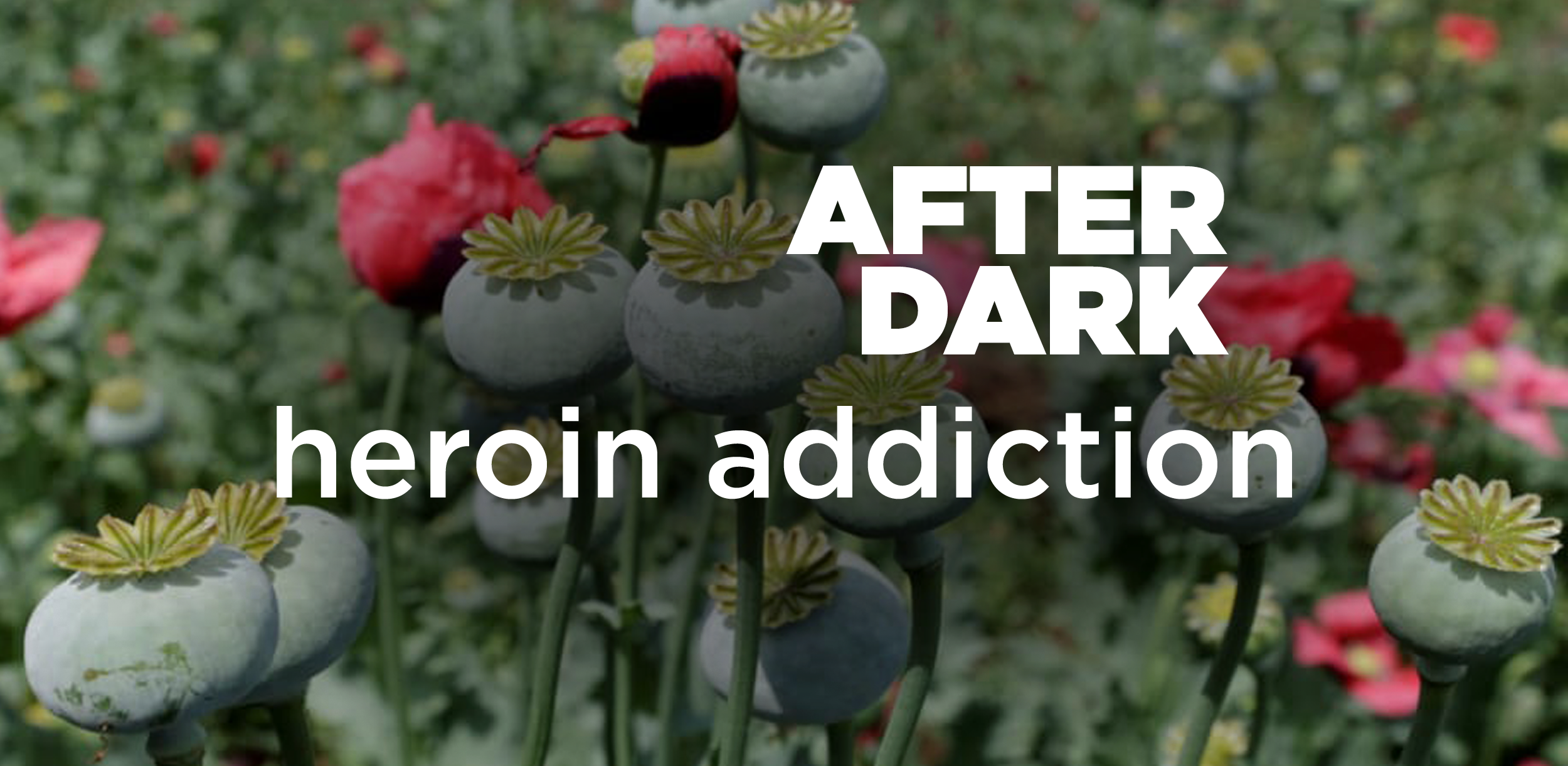
#399 After Dark: Heroin Addiction
ADULT TOPIC WARNING
Neva began her addiction with oxicotin at age 17. A decade later she is in recovery from opiates with the help of medically assisted treatment.

You can always listen to the Juicebox Podcast here but the cool kids use: Apple Podcasts/iOS - Spotify - Amazon Alexa - Google Play/Android - iHeart Radio - Radio Public or their favorite podcast app.
+ Click for EPISODE TRANSCRIPT
DISCLAIMER: This text is the output of AI based transcribing from an audio recording. Although the transcription is largely accurate, in some cases it is incomplete or inaccurate due to inaudible passages or transcription errors and should not be treated as an authoritative record. Nothing that you read here constitutes advice medical or otherwise. Always consult with a healthcare professional before making changes to a healthcare plan.
Scott Benner 0:10
Hello, everybody and welcome to Episode 399 of the Juicebox Podcast. This episode of the show is actually the 10th in the after dark series. If you've been listening to the after dark series we've talked so far about type one diabetes and drinking weed smoking trauma, addiction, sex from both a female and male perspective, depression and self harm divorce and co parenting bipolar disorder, bulimia, and today, we're going to be talking about heroin addiction. You can find all the episodes of the show as well as those other afterdark episodes in your podcast player, or at Juicebox podcast.com. Please remember, as you're listening that nothing you hear on the Juicebox Podcast should be considered advice, medical or otherwise, please always consult a physician before making any changes to your health care plan, or becoming bold with insulin. So this episode is with Niva. She's going to do an incredible job of explaining her addiction to you how it began, how it progressed, how she's tried to fight it, and during it how she was diagnosed with Type One Diabetes. She has, in fact the most unique diagnosis story that's ever been on the show. The Juicebox Podcast is sponsored by the Omni pod to boost insulin pump, the dexcom g six continuous glucose monitor the Contour Next One blood glucose meter, touched by type one.org and G Volk glucagon. Today's show is sponsored by touched by type one on the pod index calm, and I'll be telling you about them later in the show. For now, to get a free no obligation demo of the Omni pod. Just go to my on the pod.com forward slash juicebox to check out my favorite diabetes organization touched by type one.org. And of course you can learn all about the Dexcom G sex@dexcom.com. forward slash juice box.
Neva 2:12
My name is Neha and I live in Colorado.
Scott Benner 2:19
It's hard, isn't it? Neva? It's yourself, isn't it?
Neva 2:23
Yeah, so I'm 28 years old. I'll be 29 in December. And I am a type one diabetic. And I am also a recovering heroin addict.
Scott Benner 2:36
There you go. So now for everybody listening naevus email came? You probably were answered back in a split second. I would imagine it was it was pretty quick. Yeah. Well, I know a good story when I hear one.
Neva 2:49
Yeah. And I often say that to like, I feel like my life should be a movie sometimes. I knew it was a good one. So I thought I, you would like it. I thought you would like it. By the
Scott Benner 2:58
time I got to the fourth sentence and I read Suboxone. I just replied Yes, here use this link yourself the time and date that works for you. So and I know. Yeah. So you're you're doing a an interesting and very kind thing. And I want to tell you this before we started when we started, but I want to tell you this before we really started getting talking that you are the fourth former heroin addict who's wanted to come on the show, but only the first that had the nerve to go through with it.
Neva 3:29
Wow, really? Yes. So I knew that like, it's kind of a really niche persona, I guess, or I don't know what what you would call it like, so I know, there's not many of us out there. But I know they are out there. So that's why I figured you know, if I have a story that can maybe help somebody you know, like, because I would like to hear somebody in my situation on a podcast like that that's has diabetes and going through, like addiction is addiction. But heroin addiction is like a completely different ballgame. Yeah,
Scott Benner 4:01
we'll dig into it so that people can try to understand But no, yeah, I am. It's been over the last I'd say two and a half to three years. Every once in a while someone reaches out and they really want to tell the story. And then something gets in the way. Either they kind of change their mind. Sometimes it's legal issues that are still ongoing, right?
Unknown Speaker 4:22
Yeah. A
Scott Benner 4:24
lot of stuff that happens the behind the scenes part of this podcast is way better than the podcast just so you some of the the conversations I get to have like very privately, I'm like, wow, I wish people could hear these. Yeah. So so let's dig in a little bit. I guess we're gonna start by asking what leads So you see, you said you started with pills. You said that's pretty common for kids.
Neva 4:49
Right? Yeah. So basically, so I told you I was 28 I in high school. So my addiction started when I was about 17. It was like right at the end of high school, I got involved with a guy that I really liked in high school, he became my boyfriend and he used pills. And what he used was, I think it was like Vicodin, and like Xanax and stuff. And, you know, I was kind of at that age where our time in my life where I wanted to experiment, and I just kind of, I had the mindset, like, oh, try everything once you know. And so and I'm just a curious person, just in general. So I always want to just know what things are, like, just have the experience behind me. And so him being involved in those, and just using them made me want to try it was like, Oh, you're, you're using that. I want to use it too. And so I would try to vike it in and it would make me sick. I would throw up because I guess of the acetaminophen and like all the because I would take more than one like Viking
Scott Benner 5:55
anyone using the label?
Unknown Speaker 5:58
Um,
Neva 5:59
no, not not gonna not gonna go by the lake.
Scott Benner 6:03
You weren't like, let's see Billy's grandma's was take one of these were hip hurts. So I'll take
Neva 6:08
six. Exactly, yeah. So, so because the vikan made me so sick, we found other pet like he was like, Okay, well, if that makes you sick, try this one. And the one that he said to try was oxy cotton, and was the 30 milligram. And they had no Tylenol in them. So they, those were better. Those didn't make me sick. And so I, you know, started off, like, using a few on the weekends. And then it was a few every few days. And then it was like, one once a day. And then it was like, two every day and it just kept going on and on. And, um, so yeah, that was like 10 years ago. And I kind of knew right away that like, oh, like, I'm addicted to these things, because I'm using them every day. But I didn't. Like why it wasn't enough to make me like want to stop or just because like you would when you stop using, you know, and you're using that much and then you stop using them, you get so sick and you just do anything you can to not feel sick anymore. So I would just constantly try to keep feeling well, I guess.
Scott Benner 7:30
Yeah. Well, and so though, give me Just give me a second because we got to pace ourselves here, by the way, right? We have an hour scheduled but if this goes longer, that's okay. Right.
Unknown Speaker 7:42
Okay, right. That's okay. All right.
Scott Benner 7:44
Okay. So if you've just said 1000 things I have no first hand knowledge of I only have just kind of a tertiary understanding of so like, I remember about a dozen years ago, that what I heard people calling hillbilly heroin was was a huge problem. Right. Right. We didn't we didn't call it by its by its drug name until more recently, I think when there was some lawsuits, right? against like pharma. Yeah.
Neva 8:13
Purdue pharma, right. They, they would like, put out these commercials back in like the 90s saying, Oh, it's this breakthrough pain medication, it's non addictive, it's the best, you'll feel the best, and it'll take away your pain. And so they were just prescribing like crazy. Yeah. And that's exactly what happened is, people would doctor shop, you know, they would get multiple different doctors and get these prescriptions for oxy cotton. And these prescriptions would be like, for huge amounts like that you just bought, like, obviously, nobody that is just trying to take away you know, a little bit of chronic pain is even that is they're not going to take that much pain meds that these doctors are prescribing.
Scott Benner 9:01
You don't need 90 pills if your shoulder just feels like I don't know, when I roll my shoulder around. It seems to catch. Yeah, nothing like that. So right. Um, let's dig a little bit. Because I when you're 17 I mean, can you characterize your upbringing because people are going to think right away and even people are gonna think, well, she's brought up poorly she was always going to use drugs like so I want to I don't know that that to be true. And I want to understand what your what your launch into life was like, could 14 year old you have imagined what 17 year old you would be going through?
Neva 9:35
No, not in a million years. So that's the thing with me is it's so hard to imagine that I brought myself to such a place in got myself into what I did because I growing up I had like the best childhood I could have ever had. I have an older brother and an older sister, who are both quite a bit older than me. Brother is seven years older than me and my sister's nine years older than me. And we just always, are around family. I remember growing up and spending holidays at my grandpa's house with all my cousins, and we're just really close, big, happy family. Like, I always remember being happy. I was always happy as a kid. And
Scott Benner 10:26
then
Neva 10:27
it was in high school that I guess it just, I kind of wanted to. I think there was something in me that like, felt like, like, I wanted to rebel, because I felt like I was doing everything I should, you know, like, I was even like, in honors classes in high school, and I got good grades and all that. But there was something back there, like a kind of, like party animal that wanted to come out, I guess, you know, and there was like, no way for me to do that, I guess in like a
Scott Benner 11:06
in your own head
Neva 11:08
or a in a, like, not go big or go home kind of way, a moderate way. I couldn't do it in a moderate way. And I guess that's, I guess that's the addict part in me, you know, like, Yeah, because if I didn't have that addict gene, I could have been able to do you know, experiment with drugs when I was younger and put it down and not
Scott Benner 11:29
care on the pod? Yeah, it's just Yeah, you're gonna be okay. Through this.
Oh, yeah. All right. Cool. We're good. Um,
what was my question? On the pot threw me off. Sorry, no, no. Were you being rushed? Did you grow up with parents that were so restrictive? that were you like a be like a horse that somebody was pulling the reins back on? Like, were you like, had were? No. Do you know what I mean by that?
Neva 11:59
Yeah. Yeah. I do know what you mean. And I wouldn't say no, I, I wasn't but so when I was 10, my sister, so she would have been 19 at the time. And we were living in Colorado at the time. And she was going to college. And she was getting into some bad stuff. And she got in a really bad car accident that left her paralyzed from the waist down. And so I think kind of ever since that had happened. My parents kind of, I'm sorry, I'm just trying to make sure my stops beeping
Scott Benner 12:44
because we've hit on something here because my sister car accident, definitely a gateway to a problem. So
Neva 12:50
right, get into it. And so I think they kind of looked at me and thought like, Okay, well, we don't want her to get involved into that stuff. So we kind of need to shelter her a little bit more, but, but also, like, I looked up to my sister, you know, so it I always thought, Okay, well, she's in she's always been a party animal. She's always been crazy loved. being around people love partying. Still does to this day. So I think there was something about that, that made me want to experience that like, Oh, my older sister is doing that. Yeah. So I, so then this is like stuff I've never really quite gotten to the bottom of
Scott Benner 13:37
we're doing. Don't worry.
Neva 13:39
Yeah. Like to try to figure out why, you know, I'm an addict and all that. So. So this is interesting. All right.
Scott Benner 13:47
If you just as long as you feel like you're okay, we'll keep going. Oh, yeah. Yeah, no, I'm good. Your parents have any addiction issues at all? Is it in the extended family?
Neva 13:56
It is, so it is like, I can't even count that many alcoholics I have on my mom's side of the family. Um, all my uncles and aunts drink. Um, a lot. like not even just like social like, well, I guess it is mostly social.
Unknown Speaker 14:15
But
Neva 14:17
my, one of my aunts really likes her wine and she drinks a lot of wine. And, but then, so that's my mom's side of the family. But my dad said the family doesn't really have any. Well, it's so my mom said the family is really big. And my dad said a family's really small. But so his, my dad's dad was an alcoholic and he actually died. I guess it was from cirrhosis or something like that. When he was really young. I think he was only 50 when he passed away. I never got to meet him. Um, but other than that, there's not many Any addiction issues on that side, however, my dad all growing up, throughout my childhood was a really big pot smoker in there, and he tried to hide it, it was like a closet thing that he did, but he did it a lot. Okay, um, and so there would be times when I would like, walk in on him smoking or something, and he'd like, try to hide it. And so I think it's like little, little bits and pieces of like, stuff like that, that I got in my childhood that was kind of like, What is this, you know, like,
Scott Benner 15:31
it normalizing and it makes you feel a little like wonderment.
Neva 15:35
Right? Right.
Scott Benner 15:37
All right. Well, you have a You said you had like a third sibling?
Um, no, no, just the two of you.
Neva 15:45
No, no, there's three of us. But their older brother, an older sister.
Scott Benner 15:49
He's the brother like wrapped in, like bubble wrap somewhere? Is he just like, trying to hold on? He's like, don't let any of this happened to me, or is he?
Neva 15:56
Oh, he's I would say he's an alcoholic as well. He's got his, um, drinking issues, for sure. He drinks a lot.
Scott Benner 16:05
Let me ask you. I'm sorry, that may have nothing to do with anything. But I mean, any financial trouble growing up with your family pretty settled? Or where it was?
Neva 16:14
Yeah, growing up, we were all usually pretty, pretty good. I got pretty much almost anything I wanted growing up. We always had an I mean, we were I would say we were middle class. You know, we had a fairly nice house. Yeah. I wouldn't say it was like big or anything. But we were always like, clean people. And I would say we were pretty normal for the most part.
Scott Benner 16:37
Gotcha. You know, it's funny. I think the stuff was
Neva 16:40
a closet stuff. You know,
Scott Benner 16:42
I do imagine your father trying to hide in a small room smoking weed back before vaping or anything like that, you probably realize you're not hiding it. In case you're wondering.
Neva 16:51
Well, I remember one time. When I was really little, we went over to one of his friend's house and his friend had a daughter my age too. So we were upstairs playing and they were down in the living room. And I came down and I sat down on the couch. And I knocked over something, and it spilled. And I looked down there and he like tried to, you know, pick it up real quick and everything and wasn't a water bottle. So that was kind of weird, you know, was a bomb?
Scott Benner 17:23
Yeah. Well, so the so is the boy you met the gateway? Or is he the excuse? Do you know what I mean by
Unknown Speaker 17:32
Yeah.
Scott Benner 17:35
And why do we just want to have sex like, normal boy? Come on?
Neva 17:39
Well, we did that, too. But, um, yeah, so that is a good question. Like, I definitely think had I not met him? I don't think or, yeah, had I not met him? I don't think I would have gotten introduced into the stuff that I did. Um, so I don't think that I would have gone down the path I did. I think I would have experimented in the same way that I, you know, because we had like a raver thing that I did. And we like did ecstasy every weekend and stuff like that. But we always went back to the opiates. So I think I would experiment like with that stuff, but I don't think it would have got as like, deep and dark. Were you bored? Yeah, I think that is a big a big trigger for sure is, I think I was just kind of bored and wanting more something, you know, like, felt like my life was too normal or something. I don't know.
Scott Benner 18:45
I've long kind of held the idea that when you grow up around something like this, it does really just make it feel like, oh, everyone does this. Especially when you're younger, and you're answering your father's smoking and like, you know, this is going on, you're just like, oh, the whole world does this. This is what we do. Yeah. And it just makes you feel like I should start doing it at some point. Like, you know, if you're, I don't know that it would be any different if your family was just a bunch of like, you know, nose to the grindstone like way too hard workers 15 hours a day, if you wouldn't just grow up thinking like yeah, it's what I do. I get up and go to work and I work all day. It's too much. You know, no one ever dies saying they wish they went to the office too much, but I love it you like if you would just kind of be Yeah, you know, like, well, that
Neva 19:30
that is another thing about my family is they like my mom, I would say she's a workaholic for sure. Like she she's always like held down like three jobs at a time. It's constantly working and um
Scott Benner 19:46
well, someone's Yeah, everyone's addicted to something. Right?
Neva 19:48
Exactly. Yeah, I sign in. I'm sorry. You You did say something about like, Oh, this is what everybody does. So I do it too, or whatever. And that's the weird thing about me as I've never been much of a drinker. Um, so I wonder if that's because I've always had the drugs you know, so that's why I never really got into drinking is because I had the other
Scott Benner 20:10
vice were too busy
Neva 20:11
had I have you had I not had that maybe I would have become an alcoholic, I don't know,
Scott Benner 20:15
may ask you how you get drugs when you're 1718 years old.
Neva 20:21
So from other kids, it that's how it started was just through friends, you know that had it. And I don't know where they got it probably their parents medicine cabinet or something. And then they would give a number like, oh, we'll call this guy for this. And then that person would give a number and then you'd kind of eventually work up to like, the person that's actually like dealing the pills as their job, you know. And then so, like, a few years down the line after, like, I was 17 doing pills every day, you know, I was going to this drug dealer and getting pills every day.
Scott Benner 21:01
What do you get the money?
Neva 21:03
I had jobs I growing up. I Well, in high school, I worked at a sandwich shop. And I had that job for a while. And then I got into an office job and I've always had a job. So I've always had a way to um
did your to fund my habit?
Scott Benner 21:25
Did your entire existence was your entire existence about making money to buy drugs, buying drugs, using drugs making money to just go in a circle?
Neva 21:34
Yeah, yeah. And although I did it, like, I, it was a closet thing for me too. It was kind of like I did a double life, like I would go to work, go to school, do everything I needed to do. And then I would come home, do my drugs, wake up in the morning, do my drugs, go to work, go to school, come home, do it all over again, you know, so and I never did it like around people. It was always a thing. Or me. Like when I did when I was still with that guy. It was a thing we did together. And then we would go about her life. And then when I finally broke it off with him, I still had this addiction. So I still used um, and it was just a thing I did. Probably myself and then
Scott Benner 22:19
yeah, anybody in your family know, you were addicted?
Neva 22:23
It they do now. But did they then but they?
Sorry, my mom just peeked in the door.
Scott Benner 22:33
Tell you're busy telling the whole world about your addictions?
Unknown Speaker 22:35
Does she know? Okay.
Unknown Speaker 22:38
Hold on a sec.
Neva 22:41
Um, yes, they do know. But for a while they they didn't. Like, I would say, growing up, I'm like, or I keep saying growing growing up. But like when I was 17 1819, maybe to 20 they I think I held it secret for a while. But then things, you know, I I'd said I had a job to fund my habit for a long time. But the those funds only go so far when you have such a huge addiction. So I would do things you know that I'm not proud of to get money like I would steal from my family. And so when stuff like that starts happening, then they kind of start to look a little deeper and say, well, what's going on?
Scott Benner 23:38
wise money? Oh,
Neva 23:38
Perry. Right? Yeah. And then they were they would come out? It's funny.
Scott Benner 23:43
I would imagine that everybody who's listening had the same thing happened to me, to them. That just happened to me when you're like you said I did things I wasn't proud of my brain. Phil did what I thought you were going to say next. And oh, I wonder if everybody didn't think about 1000 different things like their their thing in their head? That would be too far, you know, right. I, when when they started noticing like things missing? Did they come to you?
Neva 24:13
Yeah. And they because and that is one thing that I have, you know, my family has always been very supportive of me, stuck by me through everything. So they just always wanted to help me, you know, so even though they were angry that I stole from them, they wanted to do what they could to help me so they, you know, they weren't, they didn't want to enable it. They wanted to, you know, get ahead of it and come to me face, you know, face me and say, Well, what do we need to do to fix this? And so that just kind of started a period of trying to get clean, relaxing, trying to get clean, relaxing, trying to get clean, relaxing. Like, I can't even count the many times and things I've tried.
Scott Benner 25:03
When you first tried, did you want to? Or were you doing it because you got caught?
Neva 25:08
I think I was doing it because I thought for sure, okay.
Scott Benner 25:12
How does it? I don't want to glamorize this, but I do want to understand. It's just is it addictive? Like an addictive property? Or is maybe my question stupid. But I'm sitting here as a guy who's like, you know, almost 50 whose back is hurt every day for the last 30 years in some way or another? And, you know, like, Is it just? Does it just make everything feel like you're floating on air? Or you gone? So what is what's the, what's the outcome of using?
Neva 25:44
It does, it does make your body feel really good. Like, I'm people. I've heard people describe it so many different ways. Like I know people say like, oh, it feels like Jesus has given you a warm hug. And yeah, it does feel good. I'm not gonna say it doesn't feel good. But there's so much other stuff that makes it feel so much worse, too. But, um, but what I was gonna say was it it does make your body feel good. But I think the appeal, especially for me, is what it did was it not only shut off my thoughts, and my racing mind, or whatever, but it it just made everything seem like it was good like it. Even though I had all these debts and these problems and these issues and this huge addiction. It just makes it makes your mind say, well, everything's fine. The world's fine, you're fine. You know, so it, I think that was a big appeal was to keep coming back to shut off the stops, right? Do you brain?
Scott Benner 26:55
Just for context, family background? What's your lineage?
Neva 27:02
Um, I am white. I, my dad is pretty much all German. And my mom is English, Polish and Irish. Okay.
Scott Benner 27:18
Are you mad at the guy? Or do you go through a time where you're mad at him?
Unknown Speaker 27:25
Yeah. I'm
Scott Benner 27:29
mad at yourself, which is,
Unknown Speaker 27:32
like,
Neva 27:36
I'm mad at him. Because, I mean, there's more to the story than just him introducing drugs to me, but he was also like, he had his own issues. So he would like, isolate me from my family, and all kinds of stuff like that. And so like, I'm mad at him for that stuff. But I think I am mostly mad at myself for just not being smart about it, I guess. Um, but also, I think, had somebody told me like, Oh, you have this addictive gene. Like, if there was a way to tell like, Oh, you have this addictive gene? Maybe I wouldn't have tried it in the first place, you know, or maybe somebody would have drawn it out for me how horrible. It can get, you know, like, not just
Unknown Speaker 28:33
like,
Neva 28:35
the stealing from family and stuff like that. But like the withdrawals, like not having it, how painful it is to go through the withdrawals. And
Scott Benner 28:45
yeah, I want to ask you about that. But I want to understand first. If that says really tough age for a girl at 17 So were you Was it a self confidence issue was just like, hey, this guy likes me. And that felt like good, or did you not have trouble with self confidence? And
Neva 29:02
so I always felt like I was pretty confident. But I think that now that you bring that up, that does make a lot of sense. Like, I think it was like okay, this guy does this, okay, he'll like, I want him to like me more so he'll like anymore if I do the same things he does. So yeah, I think that is it for and like just fitting in, you know, like, going to parties and trying to be the cool girl or whatever, you know, like smoking weed or taking ecstasy, trying to act all hard and stuff. And yeah,
Scott Benner 29:39
if I have to tell you, I do listen to the show.
Neva 29:42
Oh, yeah. I think I've heard every episode. Well, thank you and
Scott Benner 29:45
everyone else. But what are you saying you listen to every episode and so should everyone else. What are you doing?
Neva 29:53
Right That's learned a lot from it. So
Scott Benner 29:54
thank you. I'm a
Neva 29:56
podcast person. So I listened to works for you to begin
Scott Benner 30:00
Yeah, what I was gonna say is that everything you said to me, I mean, I'm grateful not to have an addictive personality around this. But none of it makes. It doesn't resonate with me at all. I don't want to be around a bunch of people, I don't want to go to a party. And people think about me, like, I don't have any of that if someone came up to me when I was 17 was like, Hey, I have pills. I'd be like, Okay, and then that would be the end of it. You know, I'd be like, well, I guess I could talk to you anymore. And then that would and I was not brought up with any. My mom won't hear this, right. Like, I was not really parentid as a, like, my, my father and mother split, when I was 13. And my mom went off to work full time, and I basically took care of my brothers. And no one was giving me any direction. As a matter of fact, I guess if I sit here and make a list of things I've done that I shouldn't have done. There won't be drugs and alcohol on it for any reason. And the only rules I ever broke were in the pursuit of helping my family like, I don't think I've ever said this on the podcast. But this is an after dark episode. And I think the years have passed by where it won't matter anymore. I have been a daily driver of a car since I was 13 years old. Yeah, because my mom didn't drive and we had to take in a boarder to offset some costs when my father left. And we needed to go to the grocery store. So I taught myself to drive a car so I could take my mom to the grocery store when I was 13. I drove every day picking epic. And it was, you know, that's incredibly illegal. It's not as illegal. Illegal as heroin. But I mean, it's, it's not a thing you would think of a 13 year old doing right. And yet I did not. I don't know. Maybe? I don't know. It's just addiction. Such a crazy thing. Yeah. And I think mothers
Neva 31:53
Yeah, that just goes to show you how different paths people can take depending on you know, what, how their life is shaped and stuff. And like you said, even not having that addictive gene. And yeah, maybe you don't have it. And so it just wasn't, there was no appeal for you in the first place. And
Scott Benner 32:15
it's just fascinating that everything you described to me that you were trying to get to sounded terrible to me. I was like, Oh my god, I'd have to go out and do drugs there then like I had done Oh, my god, it sounds terrible. I'd be around people see.
Neva 32:29
Now to me, that sounds terrible. Like I don't know if maybe like doing heroin made me a recluse and now I don't want to be around people. But that's been water. Sure. That's the
Scott Benner 32:41
next question then is when? A number. Yeah, hey, what's your Yeah, careful. You're on your clothes or your hair. Okay. Oh, okay. But yeah, how do you get from the pills to the heroin.
Neva 32:55
So I watched those pills go from like, $7 for one pill, to $30 a pill. And when you have like a five pill a day habit that gets really, really crazy expensive. You're telling me inflation drove
Scott Benner 33:14
you to heroin. This is a very long episode, so I'm going to get through the ads quickly. First things first, fantastic Type One Diabetes organization supporting children all over the world touched by type one. Check them out at touched by type one.org. The Omni pod tubeless insulin pump is the insulin pump that my daughter has been using since she was four years old. She is 16. Right now. She's been wearing it on the potty every day. from four till right now. It is absolutely been a great friend in this life with Type One Diabetes. Arden enjoys very much that she can keep the pump on while she's showering or bathing or swimming, or performing activities like exercise or sports. She loves that it doesn't have any tubing. Every other insulin pump does, but the Omni pod doesn't. So the Omni pod if you don't know what it is, it's this small thing that you you know you wear and it has everything inside of it that you need. You control it from this little controller kind of looks like a small Android phone. So I say wireless and of course tubeless because the insolence in the pump, it's not in the controller, like every other insulin pump that you're thinking of. And if none of this is making sense to you, because you're new to insulin pumps, go to my Omni pod.com Ford slash juice box and get yourself a free no obligation demo of the Omni pod sent directly to you on the pod would be thrilled to send you a pod experience kit. And like I said there's no cost and no obligation. So give it a try my Omni pod.com forward slash juice box there are links right there in the show notes of your podcast player and at Juicebox podcast.com. If you need to find them while you're there. You probably want to take a look at the Dexcom g six continuous glucose monitor right you're on the internet, you're thinking about improving your stuff. no better time than now to look into the Dexcom g six. What is it? Little sensor on your skin sends a signal to your iPhone, your Android or a dexcom receiver and shows you your blood sugar in real time constantly. And not just the number. But the speed and direction. I swiped up on my phone open the app Arden's blood sugar is a 100 it is steady, I can actually flip the phone sideways and look at like the last six hours and tell you that Arden's blood sugar has been 7781 90 290-710-4106. But I can just run my finger along the screen, she's gotten as high as 135, at one point brought her back down to 125. Half an hour later 196 97 105 when you see that, that's amazing. I'm just running my finger across the screen, seeing my daughter's blood sugar, every five minutes, it shows you a new reading. It's astonishing and a huge part and how I decide how to use insulin for Arden. And how she decides she told me today she was going to eat, and my wife was going to bring her hot cocoa. So my wife wasn't home, but she was home eating so she Pre-Bolus for her food, plus the cocoa. And then she waited, began to eat did not see a rise in her blood sugar and had enough insulin onboard when the hot chocolate came to the house. So somewhere in those numbers I was telling you is hot chocolate, and lunch. making decisions about insulin is much easier when you can see the speed and direction that your blood sugar is moving and the dexcom g six does that for you. dexcom.com forward slash juice box. It also has a share and follow feature, which is what I just kind of demonstrated to you, I can see my daughter's blood sugar on my phone. And we could share her information with up to 10 people if we wanted to. And you could to there are links to all of the sponsors, including the Contour Next One blood glucose meter, g Volk hypo pen, the Omni pod tubeless insulin pump the dexcom g six continuous glucose monitor and touched by type one right there in the shownotes of your podcast player, or again at Juicebox podcast.com. I appreciate when you support the sponsors. It keeps the show free and flowing. Let's get back to Niva because there is a metric ton more she's gonna tell you. You're telling me inflation drove you to heroin? That's really what happened. Who was President 12 years ago? Who can we blame for this? I'll look for you.
Neva 37:44
Yeah, um,
so when you're sick, and don't have enough money to feel good doing your five pill a day habit? And somebody says, Oh, well, I have this and it's much cheaper. It'll get you 10 times higher. And while you're sick, you think Well, yeah, give it to me. Oh, yeah. So I did kind of think at first, you know, I was like, Oh, this is heroin. I keep doing that. You know, like, the others was okay. Because it I knew exactly what I was getting where it was coming from how much was in it was from a doctor. So that's not bad. Even though I was crushing it up and snorting. It wasn't bad.
Scott Benner 38:32
He left him upside good.
Neva 38:35
So, um, yeah. So that first time when my boyfriend at the time brought back the heroin and said, Well, I have this so we're sick. Let's just do this. I remember thinking, Oh, well, what is this gonna open up? You know, like, Oh, my gosh, I'm gonna be a real junkie now. Yeah, you know, even though I already was clearly doing everything a junkie does. I just don't know why. I'm using pills. So I'm not a junkie, but I'm using heroin. So I am a junkie.
Scott Benner 39:11
Well, George W. Bush did this apparently to you. I just looked up on Google. He, uh, Oh, really? Whatever, though. Obviously, I'm kidding. But it's, it's interesting as hell that you could see the pills as not as bad because they were right. Somebody's got them legitimately even though they weren't yours. And like,
Neva 39:35
in a way, that's true. Because like with heroin, you don't know exactly what you're getting, or where it's coming from. Right. Whereas with the pills, I mean, it's I know they do make fake pills and stuff, but I'm pretty sure most of the ones I got were legit. You do you know, they're made in a lab. They have to be FDA approved and stuff. So like, in a way they are quote unquote, better, but I mean, you're it's the same thing. Really, it's, it's the same
Scott Benner 40:06
you literally cooking it a spoon and jacking it, how do you use it?
Neva 40:10
Uh, yeah. So at first, so the pills, I went from just taking them orally for probably about a year, maybe not even that much long, maybe like six months, and then I started snorting Um, and I probably snorted them all the way up until you started heroin. And I was living in California at the time. And so what they had out there was black tar heroin. And so I would smoke it on like tin foil. And so I used it like that for a few years. And then that wasn't getting the high anymore. And I knew some people around that, you know, just being in the circle of, like, I didn't, I didn't really have friends at the time. But from going to the dealer, I would see people you know, and we would kind of Converse or whatever, you know, you just know people that are in that circle, kind of, kind of thing. And so I knew some of them, use needles, and I knew that, okay, I'm smoking this stuff, just to get me well and feel normal. But I want to get high. So in order to get high, I'd have to shoot it. And I tried for the longest time to not use the needles, but you know, you get desperate enough you in addiction, you do things you would never thought you would do. And
so yeah, so I started shooting it up.
Scott Benner 41:45
So the draw, I want to try to understand, just make sure I got this right, smoking heroin to stay to keep from being sick. But that didn't make you high anymore.
Neva 41:54
Right, right. Yeah, you get to a point. When you use so much. And for so long, you get to a point where it doesn't make you high anymore. You it's just literally using to make you feel normal.
Scott Benner 42:05
Okay. And I guess it's probably difficult for people to understand that haven't done it. And I I'm gonna put myself in that category. But what is in that moment? This like, how, what does the sickness feel like? Like when you're when you're when you don't? You don't have them anymore? Because it because it makes you do? It makes you ignore things that you would normally Oh, yeah, right. So it may it
Neva 42:32
turns you into a completely different person, like you will do anything to not feel sick. And that just shows you how horrible the feeling it is. It is the worst feeling I've ever felt, although DK was pretty far up there. But um, I would say withdrawal is pretty
Scott Benner 42:55
physical pain.
Neva 42:56
Like it Yeah, so you, it starts with your so like maybe 24 hours after not having it, you, your nose gets runny, your eyes get runny and then your extremities like start to get cold and you start to sweat. So you're like hot, but you're cold at the same time, you get those cold sweats, and then maybe like 72 hours or 48 hours to 72 hours after you haven't had it, then you're you get restless legs and you can't sleep. And then you start vomiting and have diarrhea, you can't keep anything down, it's coming out both ends. You can't stay still your joints ache, your back aches, your bones just ache and your muscles ache. And then you can't sleep on top of it and you're throwing up and you're cold and you're hot and it is just a horrible horrible feeling. And then just to know that in that lasts for like probably about a week until you start feeling better. Um, and but just to know that the only thing that will take all of that horrible pain away is just one little shot or line or whatever, you know, just a little little bit of the drug and it'll just Oh, you'll feel completely fine again, and if
Scott Benner 44:18
you if you stayed medicated, like to a point where you wouldn't feel sick but wouldn't be high would you just be a useless person? Like if you had enough heroin and you had to just keep up like a steady like say you could you somebody could stop you from using more. Would you just be like a zombie? Or could you Yeah, you're spot in there.
Neva 44:43
So and that's what is a really hard thing about my addiction to is I did function for so long like that. And so I want you know, I definitely do say I was a functioning addict. But yeah, it was a zombie like life. Like, there would be times when I would go to work. And I would like not off at work, you know, and it just, and then when you're working to literally all your money is going to that it's like, there's more to life than just that. Yeah. So like, yeah, I think you could do it. But does anybody really want to do that? Like, what kind of life is that? You know,
Scott Benner 45:30
looking back, do you think that the people around you like at your job and stuff? Do you think they knew you were an addict? Like, do you think you thought you were hiding it? But you aren't?
Neva 45:39
Yeah, I think there, because there's no way you know, like, when I'm sitting there, like, not at all, like, there's no way nobody can not see that and think like, Oh, she's just tired. And that's what I would say, you know, like, I'm just tired, but
really, I'm just fooling myself.
Scott Benner 46:00
Well, okay. Give me a second. Let's pray. Okay, all right, here we go. I'm gonna take my sweatshirt off in a second. This never happened. Heating up as we're talking. So your see your parents kind of lead you to trying to get cleaned up, right. And the first try was, what what do they do first? Is it rehab? Or is it how do they
Neva 46:28
first try, I think, was when I was still using the pills. And I think I just tried to go cold turkey. And I think I lasted three days. And then I went back out using and then I think I I don't know if I was like, just a really good liar. Or if my parents just didn't want to like, um,
Scott Benner 47:00
know what to do.
Neva 47:01
Yeah, or, like, kind of
what is the word I'm looking for? Like, um, sweep it under the rug type of thing, like, wanted to not deal with it or something. So. So I would tell them, you know, I'm good. I'm good. I'm not using I'm good. Even though I was. Um, so that would go on, you know, like, Hey, I would tell him Oh, those three days, you know, okay, I'm good. Now. I got over it. Right.
Scott Benner 47:32
What but then I don't want to. I don't want to drag your sister's personal details in it. But at what part of her life is it while you're when they try to get like a she already had her accident by then?
Neva 47:44
Oh, yeah. Yeah. So she, I think her accident was in 2001. And we were still living in Colorado at the time. And I moved out to California with my family when I was 11. And that was in 2003. And she moved out there with us. And she she completely turned her life around after her accident. She started going to school, she got her. She went to school out there. Got her master's now she has a PhD. Um, and so she kind of had her own life off to the side where I was still living with my parents.
Scott Benner 48:30
So the reason I asked it was her accident, like, I don't need real details, but drug related.
Neva 48:37
Yeah, okay. Yeah, and alcohol, alcohol and drug. Okay.
Scott Benner 48:42
I'm trying to imagine your parents. They've got a their oldest girl is paralyzed from a drug related car accident. And now they found out their youngest is using oxy. Do you think they were just like, oh, we're good at this. Like, good. Like, what are we gonna do?
Neva 49:00
No. I I can't even imagine what I have put them through. Um, well, them. Yeah. Not even them just going through my sister nearly dying. But then. Yeah, what? I can't even imagine the stress that I've put them through,
Scott Benner 49:19
right. I just meant like, I'm trying to figure out like when you said you don't know, if they were trying to sweep it under the rug. I imagine they're in their bedroom with the door closed going. What do we do? Like, what do we do? I don't know what to do. I'm, you know, and
Neva 49:31
I yeah, they and they probably were like that, and they probably didn't know what to do. And I didn't know what to do. And so he was so
Scott Benner 49:45
Darden can pick out a new dresser for her room and my wife and I are like in the bedroom going oh my god, how long is this gonna go on? Yeah. So it's hard being like someone's parent and I'm not altered, which it sounds like your dad was and You know, it's just a lot of ending, you still gotta go to work. You don't mean like, try to imagine it's, you know, it's a Thursday, and your daughter comes downstairs, it's like, Hey, you know, I'm on pills, and you're like, I'm exhausted, and I just want to get high and then go to bed and go back to work, since I'm pretending to be your dad now. It's like, I was gonna go to bed and go back to work. And now this is just there's no time for it. And then, so the cold turkey thing. Did anyone try to help you? What was that? Like?
Neva 50:29
Yeah, they, um, they did for sure. And they tried to make me comfortable and all that in. But, you know, we said at the beginning, it was kind of like it was forced on me. You know, it wasn't that I really wanted it. So it was kind of gonna fail Anyway, you know, like, I didn't really want it. Yeah.
Scott Benner 50:52
So you've tried cold turkey you didn't want to you was you've tried Suboxone? Which I actually know what that is. Because this is gonna sound random to you. And something that the words may not mean anything to you. But a comedian that used to work on the Howard Stern Show was an addict, his name was already lying. And I remember
Neva 51:12
I know that is funny because I listened to another podcast that has to do with him.
Scott Benner 51:18
So rd, who, by the way, used to tell the greatest drugs stories on the radio, they were just and I feel bad, having been so thoroughly entertained by them, but he tells one, about being on the set of Mad TV, dressed as a pig in a full costume with like, teats and everything. And literally, like during a break and filming, racing across Los Angeles to get cocaine. And it's and it's I've never heard anyone tell a funnier story in my entire life. Of course, everything had happened to him after that. Very funny. But, but I remember Artie always saying, I'm using Suboxone, I'm okay, I'm using Suboxone, but I think he was I don't think he was I think he was using and telling people he was at different times. So but Suboxone is what tell people what it's supposed to be.
Neva 52:07
So Suboxone is a replacement therapy drunk. Or like, medically assisted treatment, I guess is what they would call it, which methadone also falls into that, which we'll get into that as well. But, um, so Suboxone it's the drug that it actually is is Naloxone, which bloods buprenorphine and Naloxone. And so buprenorphine is the drug that attaches to your opiate receptor. So it blocks it basically blocks the opiate receptor. So it makes your brain think that you're when you take it, it makes your brain think that you've got that you're high on the drugs, but you don't get high. And then if you were to try to use on top of using the Suboxone, you wouldn't get high, you would actually get sick. Um, which is kind of a weird thing with me. When I did start the Suboxone maintenance. I would still kind of use on the site too. And I actually didn't get that sick, like you're supposed to.
Scott Benner 53:13
Fully the system.
Neva 53:14
Yeah. And so I used it, like not in a therapeutical way. I would use it when I didn't have heroin basically, is how I would use this box.
Scott Benner 53:24
Gotcha. So you just you just use to make the sickness go away. But you still Yeah, at high. Right, right. And so and you said you've tried methadone, inpatient, outpatient, like everything what finally worked
Neva 53:39
well, so that kind of brings us into the diabetes? Um, yeah, nearly dying from DK i think is kind of what set it off. So I moved so my, when I moved out to California with my family, I went to high school there and everything started using drugs got into all those issues out there. And then in 2015, we thought okay, maybe you should move out to Cal to Colorado and be with like your because my whole extended family still lives out here like my grandpa aunts and uncles and stuff like that, um, maybe to move out there, you know, changing scenery and everything. Maybe that'll help you you know, since I had tried everything else. And so, I did that until I'm 15. And that didn't work I started using almost immediately after coming here, and I came out here and started living with my grandfather.
And
so then I
basically the same cycle started over again, here, as at the dare I would I say somehow found a dealer I think online somehow I found
Scott Benner 55:04
in dealer using, yeah. Almost anything, right? I'm trying to imagine your grandfather and his golden years, like, wait a minute, what's happening? My wife when I was coming to live with me
Neva 55:19
the whole time, you know, I'm telling everybody Oh, I'm good, I'm clean. I'm good. I'm clean. And I don't know if they believed me. They I guess they said they did. But there was always, you know that in the back of their mind, because everything else had failed and stuff that I maybe wasn't telling the truth. And then the same issues, you know, well, wasn't paying my bills and stuff like that. So then it would be like, Oh, well, are you really good Niva. And so then that's when I started, I had a job out here. I was working with my aunt in an office job. And I worked the front desk. I was like, a receptionist accounting person. And I dealt with the cash box. And so
Scott Benner 56:10
that's not a good fit for you. Right? Yeah. Even I know that.
Neva 56:16
But I'm good. Remember?
Scott Benner 56:20
To for you to for me one. Yeah.
Neva 56:23
And that is exactly what happened. So somebody there went and counted the cashbox, and, of course, it was short. And then they started investigating, and, you know, my ear, knowing my background comes to me and says, You know, I put my neck on the line for you to give you this job. You need to tell me, did you take this money? And so I told her, yes, I took it. And then my mom got involved. And she said, Well, we need to figure something out. Like, this still isn't working. What? What do we need to do to help you. And that's when I tried the inpatient. It was out here that I tried to inpatient for the first time, okay. And so I went to a detox out here. And, um, I was in detox for, I think, like, five days. And then from there.
Scott Benner 57:17
Sorry, I had to take a drink. Oh, you're fine. From there, don't apologize, you're great. I can tell you listen to a lot of podcasts. So you're doing terrific.
Neva 57:25
Thanks. And so from the detox, in order to get out of the detox facility, you had to have something set up for afterward, whether it be session like a appointment to meet with a therapist or a counselor, or to go into an inpatient program, or to go into an outpatient program, you have to have something set up. And so my deal like, they make you set it up while you're in there, you know, because you're in when you're in the detox facility, you're going to groups, you know, every few hours and conversing with the other people that are in there and stuff. And then you have some downtime. And during that downtime, you're supposed to be calling your insurance and setting up this aftercare stuff. And so I set up to go to this inpatient program, which was a two week program. And, of course, my family is telling me Oh, you need more than that you need at least 30 days, 90 days, something like six months, even some people were saying, I don't use that are down, I needed that.
But, you know, of course, I wanted to
get out in start living my life, you know, I didn't want to be stuck in there. And, and there was also a part of me that wanted to still, like, be an adult and take care of my, you know, go to work and I didn't want to be stuck in a rehab facility and somebody taking care of me, you know, like it just there was something in my head that well, I don't want to burden you with having to take care of me. So I guess I went for the two week program thinking I can like I I had it in my mind like, yeah, I can do it. I I think I got my head on straight now. But then, there was still something in my head that didn't want me to give up. I don't know if it was the, the comfort like knowing of that I have that that I can fall back on or there was something still in the back of my mind that kept me wanting to still use like not give it up completely. Like there was you know, they say okay, you never you can't ever use again. Yeah. And to me that just Like,
Scott Benner 1:00:00
you're like nah. Yeah. Like, I'll just start over, like when I was 17.
Neva 1:00:05
Tell us a little bit here and there. Fine.
Scott Benner 1:00:07
So the detox like when your Detox Detox, it doesn't take away. Whatever issue. I mean, do you buy into the idea that people using like hard drugs like this, or who are drinking a ton or are trying that they're covering some sort of emotional pain up?
Neva 1:00:26
I do, and I don't. And so that's still, you know, something that I'm still trying to figure out, you know, like, because like I said, in the beginning, like, I had a great childhood. Things, for the most part have been good in my life. And so what could it have been that I was covering up? But then like, thinking back, you know, okay, I had this boyfriend that I started using with, well, he would also, you know, be verbally abusive to me, and just, you know, stuff like that, that maybe I was trying to medicate, or something
Scott Benner 1:01:06
like, question around that. And I really, I don't know, the first thing about this. But my question around that just from listening to you is that some people like if you weren't being physically restrained, I don't understand that you ever saw him again? And and so I've been treated poorly by like, we've all been treated poorly by somebody at some point. And some people are just like, what is this noise? And they're gone. And some people are like, it's not that bad. He Yeah. So I mean, like that.
Neva 1:01:37
Yeah. And I do I totally know what you mean, because I've thought about this before, too, is, I think I was for a while addicted to him as much as I was the drugs, you know. And so I think he, from the beginning was like, a troubled Boy, you know, and so I had this idea in my mind, well, I can fix him. I can make him happy. And I'm, when he's with me, he's happy. And so
Scott Benner 1:02:05
it makes you feel good. Yeah,
Neva 1:02:06
it just Yeah.
Scott Benner 1:02:08
You're You're the you're his medicine. Not that much longer. Hey, I hope this doesn't seem out of left field. He's your first sexual experience or no? Yes. Okay. That seems important for me to know.
Neva 1:02:21
And and I think, yeah, and since you do say that there was this idea in the back of my head, like, oh, the high school sweetheart thing like, Oh, I have to have the high school sweetheart. Yeah, I have to have this guy that, you know, he was, you know, I lost my virginity to him. So, and I won't ever have to have sex with anybody else. Because he's my high school sweetheart. We're gonna live forever together, you know. And so I think that was definitely in the back of my mind that something I felt strongly about.
Scott Benner 1:02:54
I don't doubt that, you know, I don't doubt the idea of people having a tendency towards addiction. I don't at all, but I just, there's, it's hard not to feel like, you just got unlucky with the first person you bumped into as well. And
Neva 1:03:11
I think that is it, you know, and also unlucky that I had that addict gene, because maybe if I didn't have that added gene, I could have just put it down, you know, right. You could
Scott Benner 1:03:21
have like, like, no lie. If I'm, I don't mean this in a creepy way. But if if me at 17, and you at 17 met each other, we wouldn't have done drugs together. And and if you would have, I would have been like, hey, if you do that, I'm not gonna hang out. And I wonder if that wouldn't have been enough pressure for you to be like, well, I like this guy. And he doesn't want me to do drugs. So like, if that doesn't just sign a shirt. What a different path, you know? Yeah. You'd probably be a raging alcoholic by now. But I'm just saying at least we wouldn't have done pills together. Yes. I'm just saying with your family. I don't think you're getting away from this. Or are you read weigh 1000 pounds or something? You know, like, I think you'd just be like,
Neva 1:03:59
I'd have an addiction somewhere else. Yeah,
Scott Benner 1:04:00
I gotta be addicted to something. Damn it. And that does bring up a question. Now that you're and let me ask How long have you been clean?
Neva 1:04:10
Now it has been two years. Just over two years. That's excellent.
Scott Benner 1:04:14
Good for you. Thank you. Yeah. How do you not I'm like what do you do to fill that need to be addict? Like, did you did you overcome it? Or are you just doing it with something like, are you doing like, I'm needlepoint or something like what's going on?
Unknown Speaker 1:04:31
I'm still um, I make scarves
Scott Benner 1:04:33
Scott, would you like a scarf?
Neva 1:04:37
I do have hobbies. I definitely do have a lot of hobbies. Um, but I am still in aftercare. Yeah, so I'm still in the methadone program. So I do.
Unknown Speaker 1:04:51
So I don't
Neva 1:04:53
do you want to jump into the diabetes thing because it does kind of,
Scott Benner 1:04:56
hey, listen to your story way better than me all. I can tell everybody Listening is we're an hour in, and you still haven't heard what I'm going to tell you is the best goddamn diagnosis story you've ever heard in your home. So just hold on, it's coming.
Neva 1:05:10
Okay, so. So after I got out of the, the inpatient, I think I stayed clean, maybe like a week or something and started using again. And then I met a boy, and he did not use and he despised my using. And I liked this boy enough to try to stop, you know, because my, you know, I? Well, so I ended up losing that job that I was taking the cash from, you
Scott Benner 1:05:39
would think,
Neva 1:05:41
yeah, and, um, and so I was jobless for a little while, and I ended up finding another job. And you know, I started this relationship with this boy. And then so that's when I started the methadone program out here. And so methadone, it's a replacement drug also. But if you don't have it, you'll, you'll get sick as well. Okay. And so that's kind of controversial to some people, they think you're just replacing one for the other. But there's a lot to be said about, well, if you're truly working like, you know, like, you don't get high from it. Like, if you're, if you're at a right dose, and you're working on, you know, the other aspects of your life trying to put the pieces back together, and then I'm working on like, coming off of it, like they slowly slip very slowly wean you off of it. Um, I think it can be used therapeutically to where it's not like, Oh, just replacing one for the other. Like, I don't want to be on this for the rest of my life, you know, um, but right now, it's a lot better than sticking a needle in my arm.
Scott Benner 1:07:05
So this methadone is keeping your body from going bonkers, putting you through a pain, all these withdrawal problems. Right? But it's not feeding your addiction, though. Right? Okay, so So what do you do, you still feel the pole or just the methadone keep you from wanting to be high to
Neva 1:07:24
the methadone, it does do a really good job at keeping your brain from not thinking about it. Um, but you know, I, I'm an addict. So and I'm always going to be and so I'm always going to think about it. I'm not going to deny that. But so when I do think about it, you know, I have people I can call. And that's, you know, I've always had a really good support system, and for the most part have been pretty honest with people about my addiction, and how bad it's gotten and stuff. And so I do have people I can turn to in those times of need.
And so
back in 2018,
it was, I had just gotten this new job that I had told you about, I've been going to the methadone program for a couple months, and things were going pretty good. And then I kind of started to lose weight a little bit. But at the same time, I also found out I was pregnant. And I was drinking a lot. I was super thirsty. I was going bathroom a lot. And so the methadone program, they pee test you ever once a month, and I had so I told my boyfriend It was so how I found out I was pregnant was I I my boyfriend has weird superstitions like, oh, if I have a headache, and he has a headache, oh, that means you're pregnant, like weird stuff like that, like so one day. He goes, Oh, my stomach. My stomach's been hurting. I said, Oh, my son is hurting too. And he's like, oh, you're pregnant means you're pregnant. I was like, no, it's me. I'm pregnant. And so he said, well, let's just buy a test and find out and I was like, no. And then he said, well, let's just Just do it. And I was like, okay, because I really didn't think I was pregnant. I was like, Okay, I'll humor you all. Let's just get the test. And I'll take it. And it's going to be negative, so whatever, you know, and so, took the test. And it came back like it almost immediately came back positive. And like, right away, I'm thinking like, Oh my gosh, like, and so I'm, like, start googling, like, how accurate are these things like, it's got to be wrong, it's got to be wrong and so on. Hear, I'm still thinking, you know, like, I'm not pregnant, I can't be pregnant, you know, like, I don't even get a period because I'm on this methadone. So like, I can't, can't be pregnant. And so I, then, about a couple days after I took that test, I started waking up every morning throwing up. And that's when I knew, you know, this is morning sickness. I'm definitely pregnant. And so, about a week after that, I woke up one morning in excruciating pain. And, mind you, I'm still losing weight going to the bathroom constantly super thirsty. All that? Yeah. Um, and so I wake up in excruciating pain. And I'm, I go to the bathroom, and blood, lots of blood just coming out of me. And so I cleaned it up and all that stuff. And then I kind of start thinking, well, this, this is too much blood to be normal, like, Am I having a miscarriage?
Unknown Speaker 1:11:09
And,
Neva 1:11:11
um, so I
kind of toyed through the idea, like, should I go to the doctor, what should I do? I don't know, I was still living with my grandfather at this time. So I thought, well, I don't want to, you know, tell him what's going on. Because I, like I, I didn't want to be pregnant. But I wasn't going to have an abortion, either. So I was, I'm a spiritual person. So like, I prayed to God hoping, you know, asking him, like, I don't want to be pregnant, you know, like, I just wasn't ready for baby at this time in my life, you know, and I've never really wanted to be a parent really, anyway, but I knew that this time, like, just wasn't right. You know, I'm still trying to put the pieces back of my life together and all that from my addiction. And it Yeah, it was just a lot to bring in a baby, you know. Um, and so I, I had hoped that I wasn't pregnant, but I, you know, my spiritual beliefs and all that I just, I couldn't bring myself to get an abortion. So I didn't know what I was going to do. But, um, when I had prayed to God, asking that I wasn't pregnant. I didn't know that that what was gonna happen, you know, have a miscarriage like that. But, you know, thinking back to it, you know, God knew that it wasn't the right time in my life, either. So I guess it happened for the best. Um, but so yeah, so that morning, I ended up passing, you know, the tissue and the blood clots and all that. And then never did go to the doctor. I know, people have told me that I probably should have and all that, but I just, you know, went through it. And my boyfriend, of course, he knew, you know, my reservations of not wanting a kid or anything like that. So when I told him that I had had a miscarriage, I told him because I wanted support, you know, because he was going through this too, because he wants kids and all of that. And so, because he was a part of it. You know, I told him thinking that he would be supportive. But of course, the first thing that he said was, what did you do to our baby? He thought I had got an abortion. But I didn't. Sorry. Yeah.
Scott Benner 1:13:54
And so may I suggest something while we take a break here, because this got pretty soon, you should stay away from penises completely. That's my first thought for you. Okay. I don't know if you have any gay tendencies, but I'd follow them. And I would, I would, I would definitely if you get near a penis, I would wrap it up in like saran wrap and then put a condom over top of it, or saran wrap. That's the first thing. Second thing I and second thing. I hope you don't carry any guilt about the miscarriage because, I mean, I understand your faith and everything. But you know, I don't think Yeah, you didn't pick up the phone, make a direct call to God and be like, Hey, could you get rid of this pregnancy for him? Right? No, no problem. I wouldn't i
Neva 1:14:38
don't i think you know, carry a lot of guilt. Um, because looking back, you know, because I didn't know what had caused the miscarriage like now I do. But at the time, I felt I did. Yeah, I did think like, well, what did I do, you know, to? I had to have done something to like, was it the methadone What was it that was malnourished? What what, you know, it was something I did that made this baby die. Um, but that leads us into the next
Scott Benner 1:15:14
segment I was looking through while you were talking a little bit online and you definitely don't want to be on methadone and have a baby on purpose, that's for sure.
Neva 1:15:22
Right? Yeah, exactly. Cuz they, they could go through the withdrawals to when they're born because that methadone supply is completely taken away from them. So yeah, putting a baby see that just Yeah. But you
Scott Benner 1:15:33
haven't you had a miscarriage for a very simple reason, right? You were the Type One Diabetes and you weren't treating it? You had no idea? Right? Yeah. How long? And so scars? Did you figure that out?
Neva 1:15:46
Um, let's see, July, August. Two months, I guess. Um, so the miscarriage happened in July. And then I got diagnosed in September. And this was all in 2018. So like, 2018 was, like, the worst year of my life. Um,
Scott Benner 1:16:07
but that's saying something even. Sorry. I mean, really, that's a, that's really saying something because every year of your life seems like the worst year of your life. And, and, and it's just, it's terrible that it kept building on you. And also, by the way, fills you with perspective, doesn't it? Because because, really, you know, it could be worse, I guess, you know, and I guess I don't even know, I am so sorry that I left. I don't think it's funny. I just think it's, it's crazy. That Yeah, that you could after telling that entire story, we've been talking for an hour and 15 minutes, and you've been doing most of the talking which most people are going to be like, Oh my god, I can't believe Scott Shut up. So I need to tell her story. But I did. Okay. And so it um, that you, it just took me by surprise that you said that was the worst year of my life. I thought my God, like that's really saying something. So at this point, now, you fought through all this addiction. You're still I mean, you're using methadone to help yourself, but this isn't like, you know, for people who don't understand. It's not like you got the flu and it's gone now. Like you're still you know, you're you're fighting with if you didn't have that methadone, do you think you'd use? Yeah, yeah. Okay. And then you have a miscarriage. And I don't mean to tell you who to be with, but that whole thing your belly hurts. My belly hurts thing that makes me really question that guy. And so I'm,
Neva 1:17:41
and I'm still with the guy just so you know, I'm not gonna
Scott Benner 1:17:44
bad mouth and past that. I'm just saying, I want some more clear thinking. Then my belly hurts. Your belly hurts. You must be pregnant. I don't like that.
Neva 1:17:52
Yeah. Well, he, he, like I was saying he wants kids. He wants a family and stuff. So I think just any little excuse, you know, to
Scott Benner 1:18:01
you tell us. Okay, because we're not we're not new. It's not up to making babies yet. Okay. Yeah. Right. You You are, if you ever have a baby, you are going to look back on this moment right now. And the moments that came before this, and realize that you are 100% a different person. Because otherwise, you Listen, I've raised two kids so far. It's really, really hard. It's in sanely difficult. And you want to be at your best while you're doing it. Because the first because why? Because anything can, can knock you off course a little bit. And if you keep getting knocked off course over and over and over again, before you get before you know it, you're so lost. There's no way back. And somebody a child needs somebody to make the hard decisions. And the obvious decisions, when when they're not there. Like just imagine if your mom was in the room the first time you're like, I'm gonna take this pill, she would have been like, No, you're not. And you know what I mean? And, and, and there you go, and you're off on a, you know, a different path. So you need to be the best you possible to be a parent. And you know what I mean? And I feel like you know that I didn't feel like I was, like, scolding you right there. Like, I really feel like you understand that. But you tell this boy to calm down is what
Neva 1:19:28
gives if my boyfriend does listen to this then hey,
Scott Benner 1:19:30
yeah, listen to me, man. You're stopping. Yeah. Okay. It's enough. Seriously, get a hamster Jesus. Right. I mean, practice on a parrot first or something? I don't know. Wow. Okay. I'm so sorry. 2018 was the worst year of your life continue?
Neva 1:19:49
Yeah. So in September, I walk into the methadone clinic to get my dose and they tell me Oh, Your last ua came back positive for alcohol. And I look at them like, what? Like, I don't drink alcoholic? That's that must be a false positive or something. I don't drink. Do you
Scott Benner 1:20:11
think they got your aunt's pee by mistake? I'm just kidding, keep going.
Unknown Speaker 1:20:16
So
Neva 1:20:18
so they their protocol is to give you a breathalyzer before they when you test positive for alcohol, because if you come in drunk, they won't give you your methadone because there's like some negative reactions. Okay, with using both of them, I guess. So, you know, they give me the breathalyzer and I blow into it. And, well, I'm thinking, Okay, well, my, that test had to have been a false positive. So if I haven't drinking anything, so I'm gonna blow zeros, you know, no problem. So I blow into the thing. And, of course, I blow numbers. And I told the nurse there, I was, like, I haven't drinking any alcohol. And they're like, well try it again. So I try again. course I blow numbers again. And so I'm getting really frustrated. I'm like, Whoa, okay. I'm drinking orange juice. I'm drinking water, and I'm drinking coffee. Could any of those do it? And they're like, no, they're like, well, maybe it's the machine. And so the nurse, you know, tries it. She blows into she blows zeros. And then so that happened. They didn't give me my dose for that day. Okay,
Scott Benner 1:21:27
how long? Oh, that's a problem, by the way, not having the method.
Neva 1:21:32
Exactly.
So I come in, so I think, Okay, well, crap, that sucks. But what am I doing? You know, I can't they're, they obviously aren't going to believe me, you know, like, I'm an addict, believe me. Um, so I go through the that 24 hours, and then come back in the next morning. And the same thing, they give me the breathalyzer blow numbers. And I'm thinking like, well, what? I don't I don't understand. And so the nurse looks at me and he goes, Well, are you a diabetic? I said, No. And he goes, Well, we can't get it. I mean, that was it. Like he didn't elaborate on it or anything. And so he was like, well, we can't give you methadone. Sorry. And let me go out my way. And so by this time, I'm getting sick. And so I turned back to the heroin, because I don't want to be sick. And it had only been a couple of months by that point. So I wasn't, like, completely out of the game, or cured or anything like that. So, in fact,
Scott Benner 1:22:42
leave a real quick, that fast, you can get heroin again, just bang, like no big deal. Like, I'll just go get heroin. It's like, Did it take me an hour a day? Or?
Neva 1:22:50
Um, no, because I still had the person's number. So, um, that helps. Um, so yeah, I was just able to call them back up again. Because like I said, it was only a couple months. Like, now if I work to try again, I'm because these dealers that I deal with here, they like change their numbers quite often. So like, if I were to try to even call that number that I had before, I don't even think it would work.
Scott Benner 1:23:18
But it hadn't been long enough that you do any heavy lifting to, and I'm assuming you would have known people to talk to as well.
Neva 1:23:25
Yeah, I could have Yeah, it might it would have taken a bit longer, but I, you know, it's an addict wants something bad enough still, they'll find a way to get I'm
Scott Benner 1:23:34
just saying like, we bought a side table for Arden's room, and it took six weeks to get it. You're like I can have heroin in a week in a day? Yeah. I just really was I, I couldn't imagine. That's why I asked. I was like, oh, how long would it take to like get back in the game, but I guess not
Unknown Speaker 1:23:49
not long at all. So it
Scott Benner 1:23:51
took two days of not having methadone before you were like, I know how to handle this. And then what happens?
Neva 1:23:59
So that was on a Tuesday that I went back to using and this point I was, I didn't tell anybody, you know that I didn't get my methadone or anything. But I was rapidly losing weight at this point. Like my parents weren't, like sagging off of me and going to the bathroom 50 times a day and just drinking crazy amounts of liquid. And so at that point, I remembered what the nurse had said. He said, Do you have diabetes? And I thought, What are the symptoms of diabetes? So I googled the symptoms of diabetes. And of course, I had every single one of them. And so I called my grandmother who was a retired nurse, and I talked to her a little bit about, you know, my symptoms and stuff. And she said, Well, yeah, kind of sounds like you have diabetes. Um, but she didn't elaborate on the, like severity of DK or anything like that. So she said, we'll call your doctor make an appointment. And she didn't even say anything about type one or type two or anything like that. Yeah. She just said, Yeah, it sounds like you have diabetes, go to your doctor. And so that was on Wednesday that I called her and looked at the symptoms and all that. And so I called my doctor when I got off the phone with her and made an appointment with them. And I told them, You know, I think I might have diabetes. And here I am, I think I was 26 at the time, and they're on the phone with me, they can't visually see me or anything. So I'm sure they're probably thinking, type two diabetes, you know, since I'm 26. So they scheduled me an appointment for the following Tuesday to come in to get it checked. And so the next day rolls around, and my grandma sends me a message. And she says, How are you doing today? Also, one of the symptoms that I noticed on the on Google of type one diabetes, or DK was fatigue. And I didn't really have fatigue yet. At that point, I was just had thirstiness, the I'm going to the bathroom and the weight loss. And so you know, she asked me, she said, Well, how are you doing today? And I said, I'm doing okay, my fatigue is a little worse. But, you know, I have this appointment on Tuesday. So I'm good, you know. And so the next day rolls around, I think it was, so it's Friday, now, Friday morning, I get up and I go to work. And I am still maintaining, you know, my withdrawals from by using. And so I get up and I go to work. And by the time I get into work, I start throwing up. And so I go to my boss, and they say, Well, I, you know, just throw up in my trash can. So I'm gonna go home. And so I went home, and I, and I'm living with my grandfather. And so when I get home, I told him, You know, I came home early, because I wasn't feeling good. And he looked at me and he was like, yeah, you don't look very good. And I guess I was really pale. And so I go down to my room, and I tried to lay down. And I kept telling myself, Well, if I can just rest, you know, I'll feel better. And so I couldn't keep any, any food or liquids down at this point. And then my breathing started to get really, really heavy. And I forgot to say when my grandmother had messaged me the day before, when I told her my fatigue was worse, she had told me to go to the ER, at that point. Yeah. But I didn't listen to her because I didn't know the severity. You know, I thought,
Unknown Speaker 1:28:05
like, did this have
Neva 1:28:07
my appointment on Tuesday? I can make it till then, you know, I just need to rest did it it might
Scott Benner 1:28:12
be like sickness, like from the heroin. But no, I
Unknown Speaker 1:28:15
think
Neva 1:28:16
yeah, maybe because I had picked it up again after not using it for so long. I think that maybe I did think that maybe I was nauseous because of that. Because it can make you nauseous if you haven't used for a while,
Scott Benner 1:28:28
right. But you still were worried enough that you were gonna seek medical attention. It wasn't like you were because anything else about the drug use you just hidden. I mean, you hit like, you hit the miscarriage really. So like that you're thinking of going to a doctor's kind of a new thread to this conversation, actually. So I was just wondering if there's any overlapping symptoms, that's all?
Unknown Speaker 1:28:49
Well,
Neva 1:28:51
I was gonna like I had every intention to go to that doctor appointment on Tuesday. I just thought, like, I I'll make it to them. Like, because I keep saying like, I didn't know the severity, you know? I thought, Well, like I said, I thought that Yeah, maybe it could have been from the drug so it'll go away, you know? And then I'll go to my doctor's appointment figure this thing out. Yeah. So Friday night rolls around, and I ran out of drugs. So and I'm feeling really really crappy. And my breathing you know, was heavy. I had that like, the cold it panting you know, I was like, breathing in and out really, really hard. Yeah, happened. Yeah. So I am. I called up my guy met up in you know, we met up we picked a place to meet or whatever. And I went out to get some soup before meeting up with them. And my fatigue at that point was so bad I couldn't even walk 10 feet Without having to like, stop and take a break and catch my breath. And my vision was like blurry, and I should not have been driving. And I snuck out of the house to do this, by the way, because my grandpa thinks I'm sick, you know, if I tell him all, I'm gonna go get some soup. But really, that's not why I'm leaving the house, I gotta leave to go get drugs, you know, like, so I snuck out of the house to do that. And so at this point, my grandma's quite concerned. She can't get ahold of me. And so, my, and I think she called my parents, she had asked, you know, she said, Well, do you want me to tell your parents and I about the, you know, you might have diabetes thing? And I said, No, wait till I go to my appointment and figure out what's going on there. And then I'll tell them, because I felt like that was a big thing that I should be the one to tell them that, you know, okay. And so, um, my grandmother then calls my parents, and I'm out on the street, you know, driving around. And then my parents call my grandpa to ask to check on me. And he goes and checks on me, and I'm not there. And he, you know, tells them all well, she's not here. And nobody could get ahold of me or anything. And so what had happened was, I was driving, I was driving and shouldn't have been driving. I was delirious. I never did make it to meet up with my drug dealer. I had stopped to get gas. Well, no. So what happened was, I was trying to get to the gas station. And I turned down a freeway off ramp, so I was going the wrong direction. And there was cars coming at me and I saw the wrong way sign. I had enough coherence to see that and get turned around safely. But somebody must have seen me and called the cops because when I had finally made it, stop to get gas, I was ambushed by five cop cars. And they opened the door and asked me what's going on. And here I am, like delirious panting, throwing up. Probably, why does it ghost? And I tell them, I think I might have diabetes. And they start asking me questions like, what year it isn't stuff. And I know I got those ants. I answered those questions wrong.
Um, and
those cops
they must have seen in me that I really was not well, because they could have just thought I was drunk and taking me to jail. Yeah, but I credit those cops with saving my life that night, because they called an ambulance right away. They believed me. And they called the ambulance right away. And I got to a hospital. And they told me at the hospital that if I would have waited, if I would have fallen asleep that night at my house, I probably wouldn't have woken up.
Scott Benner 1:33:22
If I have to tell you I'm incredibly impressed that you got out that you thought you had diabetes.
Unknown Speaker 1:33:27
Yeah, you know, seriously, cuz
Scott Benner 1:33:29
you know, you easily could have said, Hey, I'm a heroin addict. That wouldn't have Right. Yeah.
Neva 1:33:36
You're right. And I never thought about that. But yeah,
Scott Benner 1:33:39
you said the right thing, because you could have been like, I'm just looking for soup and smack Can you guys help?
Neva 1:33:44
Yeah. Yeah, who knows what could have came out of my mouth holy.
Scott Benner 1:33:48
I'm sorry that this is an after dark because it's gonna have to be called like after dark, like heroin. That's what I wanted to call it after dark soup and smack just now.
Neva 1:34:00
That's a good, that's a good title.
Scott Benner 1:34:02
I'm getting close to it. Don't worry. I jotted it down on a piece of paper so I don't forget. Wow, that's insane. Okay, hold on. You got I've never not spoken so much on this podcast before in my entire life.
Neva 1:34:17
And I'm not a talkative person. So Oh,
Scott Benner 1:34:20
the art tonight. And it's and it's going your way because you're telling a really interesting and I think, to some people, foreign and to me kind of confounding story. It's just it's it's riveting. The entire we're an hour and a half into this and I don't think we're anywhere close to being done yet. So
Neva 1:34:39
might have to be a two parter.
Scott Benner 1:34:40
You know, it is a cheap way to get downloads, but I don't do that. The other podcasts that have trouble getting downloads, they try to steal a download from you by splitting stuff up. Me I give you more consent, don't you? So Wow. Wow, it was the worst year of your life. You're not wrong about that. I guess we get better at some point or just a story. Like you don't get to the hospital hospitals on fire or something like that, right? Nothing.
Neva 1:35:09
Definitely does get better. Good, good. Um,
so yeah, I got it, I made it to the ER, um, and, you know, I had been an addict for so long my veins were completely shot. So they had a hard time, you know, even getting an IV. I mean, I guess when I got to the hospital, they said my body temperature was 92 degrees. I weighed 90 pounds, and my blood sugar was 935. And I had abscesses on my arms, and my body was going septic.
So
yeah, if I didn't make it, if those turn of events did not happen the way they did that night, I probably wouldn't be here.
Scott Benner 1:36:03
It's ironic, isn't it? That the need for the drugs got you out of the house? house got you to the cop. Even the soup part, I think is kind of super you're going to get by the way. Chicken Noodle. Yeah. I mean, why not? Right, it seems
Neva 1:36:16
and I made maybe had like two bites of it. Like, I could not really eat it at all.
Scott Benner 1:36:21
Do you even get to have the soup? You know, I have to tell you, you know, by the you know, as we're speaking now, like I poked around the internet a little bit like, I feel like I found a picture of you. You're just like a very adorable, average looking person. And the story like, like, I was like, when I clicked on the photos, like, what is going to happen when this photo comes up, and you're just there you just do just that nice looking person. You know, like, I think that's a you're a ginger. So I mean, yeah. It was a couple points there, I think. Yeah, but but just kidding. By the way, everyone red hair, just calm down. I don't have anything against your red hair. It's just an easy joke.
Neva 1:37:02
That's funny. My a lot of my family calls me ginger. So
Scott Benner 1:37:05
yeah, well, you just tell them come down. ain't doing worse. I don't want to hear from them. Seriously, come on. Like, I'd be like I've been through enough. Leave me alone. Okay. But you said you're there in the hospital. Presenting like a junkie, right? But you're saying I have diabetes? They took you seriously? They checked your blood sugar. Yeah, you're moving along. But this but the lack of drugs is still a problem, or is this the decay? Is the decay so bad? It's overpowering the need for the drugs?
Neva 1:37:43
I think yes, the DK was so bad that it was over powering the need at that point. Well, and I don't believe at that point. I was in like full withdrawal yet. I just knew that I was out of drugs and needed more.
Unknown Speaker 1:38:00
But
Neva 1:38:02
I did tell them, you know that I was on methadone. So they, you know, got in contact with the methadone clinic and within a couple days or the next day, I was able to get my methadone dose. So if I did go through any withdrawal wasn't for very long.
Scott Benner 1:38:21
And the number on the when you tried to blow for for drinking that was ketones or what was the year for figure out what the breathalyzer so
Neva 1:38:31
the Yeah, the I did tell the doctor, you know that that happened and what they what he told me was my sugar and my blood was so high that it was basically fermenting and turning acidic. And yeah, so it was ketones.
Scott Benner 1:38:47
Wow. That's really crazy. I have to applaud you for a second. Let's take a second. Just to stop talking about all this for a minute. The ease in which you're telling this story is It's really impressive. And I don't, I don't know why. Because you just said you're not really a very talkative person. And we're obviously speaking about some things that you haven't really hammered through yet in your life. But you were just telling the story. Like you're like, you're telling the story with the confidence and calm as if I said to you, hey, Niva explained to us all how to paint a bedroom and you'd be like, oh, first you cover the carpet with plastic. And then you have to clean the walls and get paint brush. You're just I'm really impressed with how you're telling the story. Like it's you know, I've
Neva 1:39:30
told it a few times. So I've had practice you mean
Scott Benner 1:39:33
like in group?
Neva 1:39:35
Well, yeah, and like to family and just
Scott Benner 1:39:38
Yeah. Well, I mean, that's not the point though. The point is, is that it that you don't have any self I don't know that you're not embarrassed by it. Even I think is kind of fantastic. You know, you're making me think I'm, I'm way older than you. I can probably double your age basically. And I notice As I was coming out of high school, there were a few girls that I'm thinking of who were just headed in the wrong way, right. And we get separated and we don't see each other anymore. It's you know, some of them are just acquaintances, some of them are friends, you know, people go away, they start jobs, etc. And you don't understand this because you've been in a life where you can contact people easily with cell phones, and you know, online and things like that. But that didn't used to be a thing. And when Facebook got popular, and people, like old people started using it, to like, you know, set up their high school reunions and stuff like that we all sort of, like from our graduating class, and older people are gonna relate to this, we all just, you know, became Facebook friends. And it was interesting to see that every one of those girls that I can think of off the top of my head where attics like I thought they were, but I wasn't sure. And every one of them has a full life. Now. It's very interesting, they all found their way through, which I guess is just lucky. To some degree, but I wanted to tell you that just because I do think you could have kids and have a life and and like the way you want to. I'm thinking of this one girl in particular. She was just adorable when we were in high school and, and nice, but she just like, like you described like, she was just it was always looking for trouble. It felt like and always with guys that you were just like, oh, Why him? You know? And like, if you were friends, you'd pull her aside and go, I feel like you could do better than this. And and but now I can picture in my head a 50 year old woman who shares very openly about what she went through. And I don't know, it just feels like you're much younger than you think you are, I guess is what I want to tell you. Yeah, there's a lot ahead of you.
Neva 1:41:57
Yeah. And I've always kind of thought of myself as like an old soul. But also like my drug addiction has kind of left me at like a perpetual like 17 for
Scott Benner 1:42:12
10 years, you know, so not exactly chasing a stable job and health insurance and
Neva 1:42:17
yeah,
savings and all that. Yeah, having my own place. All that. Yeah.
Scott Benner 1:42:22
Yeah, I have to admit it both surprised me and didn't surprise me when you said my mom just came in. I was like,
Neva 1:42:28
yeah. And that's funny. You bring that up, because she's actually here visiting. So she's staying with us here. So she just happens to be visiting at
Scott Benner 1:42:36
your place. Okay, that's it. I was like, 28. I'm like, honey, yeah, pulled together a little bit. Still. And by the way, everyone listening who's 28 or older loses their parents. I'm not judging you just keep going. Let it happen. Just let it out.
Neva 1:42:49
You never know what's going on in their life.
Scott Benner 1:42:52
Listen, everybody needs help, you know? Yeah, at one point or another. So how do you usually I asked this question like 20 minutes in but we'll do it now. Instead, how do you manage your type one diabetes, how's it going? and How the hell did you find this podcast?
Neva 1:43:07
Um, I am using an ami pod right now. And I'm I've right now I'm just using a glucometer. Because I'm kind of lazy with changing my CGM. I've tried. I've tried all the CGM because of insurance and stuff. I couldn't afford the Dexcom. I did try it was able to use it for a couple months, but it was too expensive. So then I went to the Libra is using that for a while. And then my doctor, I was kind of having a lot of lows overnight and stuff. And so he he suggested the Medtronic CGM, The Guardian, okay. And so I started using that one. And it was way more accurate than the Libra was I noticed for me, okay, but the process of having to put on the Guardian, there's like 8000 steps to it. So I get when it's time to change that out. I just get really lazy and don't
Scott Benner 1:44:13
you lift it out. You listen so much, as you said that did you think wow, Medtronic really does take a lot of hits on this
Unknown Speaker 1:44:19
puck.
Neva 1:44:21
Yeah, I want
my like my doctor, I kind of feel like he's in Medtronic pocket a little bit because even from the beginning, he was like pushing the Medtronic pump on me and stuff. So, but when I told him I want it on the pod from listening to this podcast, he went with that. And so I found your podcast because after I got out of the hospital, I was in a hospital for about six days.
Unknown Speaker 1:44:50
And
Neva 1:44:52
I joined Facebook groups pretty much right away. And I think, no, that's not how I found it. I think I typed Diabetes on the podcast app. Okay, and yours popped up and I started listening and basically got caught up. I'm pretty much in
Scott Benner 1:45:13
here what I have to say not that this is a this is a ham fisted place to say this, but when I tell people like leave good ratings and reviews because it helps in searches. This is exactly what I'm talking about.
Neva 1:45:24
And I recommended your podcast to a lot of people because it I learned so much more from your podcast and the Facebook groups just by people sharing their experiences right then I have ever had from my doctors.
Scott Benner 1:45:41
I'm really glad that it's helpful to seriously I it makes me happy. Yeah, I think I think I can officially say now that I'm the official diabetes podcast of the Church of Jesus Christ of Latter Day Saints and attics, go with this, like, seriously, cuz I, I'm gonna put that on the sign outside of my building, I put that on the sign. I really I'm really overwhelmed. Honestly, as you're talking that, that in a story that was that long, that seemed that it lacked in a number of places, people, you know, helping you that the first thing that really helped you was this, but I don't I don't think it's a silly podcast. But if you know, I'm an older person to tell people I have a podcast is weird. You know what I mean? Like when people like what are you doing? I'm like, Oh, you know, I podcast. I'm gonna stay at home dad for like, 20 years, and I have this pretty popular podcast and like, Oh, do you? Do it's really popular? Like, is it like, it is like, are you guys making fun of me? And what's it about? And I'm like, it's about type one diabetes. They're like, fine. Just anyway, I have to have that conversation a lot in my life, in case you're wondering. It's not like saying, Oh, yeah, I'm a manager over at the place. You know, it's a it's a little weird. But to hear that it helps you like so how do you do with your blood sugar's like, Where's your agency right now.
Neva 1:47:13
I'm supposed to go in, in the beginning of November to get it checked again. But my last one was 6.0, which I was pretty happy with. I did not expect it to be that low. But I try to keep a pretty tight range. Just, you know, from what I've learned from you, and other people and stuff that, you know, I don't feel good when my blood sugars are high, and it's not good for my health for them to be high. So
just to try to do what I can to keep them low.
And I don't like I don't
limit myself, like I don't say, Oh, I can't eat that because I'm a diabetic, because I don't want to create like a weird relationship with food. You know, like, I don't want diabetes to like, create an eating disorder or anything for me.
Unknown Speaker 1:48:05
So I do,
Scott Benner 1:48:07
you do not need another problem, right? Seriously, no? Well, I want to ask you, Oh, um, fear, did you have any fear of insulin?
Neva 1:48:21
No. And
that's another another thing. Like,
the irony doesn't surpass me, I know that, you know, like, I have to completely refocus my view of, like, needles, you know, like, cuz, before I associated needles, like, I'm not using needles, like I'm not doing MDI. But I still use a regular needle to fill my pump and stuff. So I still have to use like, needles are a part of pretty much my everyday life force, just as they were before when I was an addict. Yeah. So I had to really like, because I before I would associate needles with using, and so for a long time, they were a trigger for me, like when I was in that detox that we were talking about earlier, behind the counter was a sharps container. And for whatever reason that sharps container was like the biggest trigger for me. And so coming out of the hospital, I really had to refocus my head to like, I'm going to be using like sharps containers and needles and all this. It's just going to be a part of my life. Like, it's either that or die. So just kind of I just kind of dove head in and
tried to make the best of it.
Scott Benner 1:49:55
It sounds like you're doing a really good job, actually. Do you feel like you're doing well right now?
Neva 1:50:00
Do Yeah, I, I definitely do.
Because I,
I mean, every once in a while I'll have like a fluke where I'll eat something and don't know why. But I'm like 270 or 300, you know, but I can count like on one hand the amount of times I've been 300 since I've been diagnosed. So I feel like that's pretty good.
I think in just anything to try to keep me
from going into DK again, because that was pretty pretty far up there with one of the worst feelings I've ever had. So
Scott Benner 1:50:39
it's kind of astonishing actually like to hear all the things that your body has been through and then distill here that DK was terrible. Have you heard the episode? with Jonathan, about it's a it's an episode about
Unknown Speaker 1:50:55
is that the bipolar? Yeah, yeah.
Neva 1:50:57
I actually just got done listening to that one, like this morning. And so that's as far up as I am. From there on is what I have to get caught up.
Scott Benner 1:51:06
Wow. Yeah, you made me think of him. Because the way he described me and in TK, I think he I've said this already a couple of times that stuck with me, but he said like, he felt like the devil was like ripping apart from the inside out. Like Yeah, damn.
Neva 1:51:19
So does feel like that.
Scott Benner 1:51:21
Yeah, I just I mean, to have withdrawal from something as strong as an as an opiate like that. And then you know, heroin and, and to still feel like DK is worse, I think is should be telling to people what it's like,
Unknown Speaker 1:51:35
Yeah,
Scott Benner 1:51:36
for sure. And what your body's going through. While it's happening. Right now, importantly,
Neva 1:51:43
yeah, and I especially like the like analogy that you've made about the sugar molecule, you know, like, when you look at like a sugar cube or a grain of sugar. It's all like sharpened stuff, and the sugar molecules the same way. And so when there's that much sugar is going through your veins, it's literally like ripping apart your inside. So it literally feels like that, because that's literally what's happening.
Scott Benner 1:52:06
You're being scraped very slowly. And I just I said that that time because I don't think people understand when they're like, Oh, you know, I have a bleed my I like what that it's from my diabetes, what they mean, when they're saying that, but you know, a little vessel just gets worn out. And, you know, the worst part about it is some of those vessels as they get worn out, your body tries to Jenny explained at one time how it tries to patch it, and then that's how arteries close off. So when you when you later are like, Oh, he had a heart attack from his diabetes, what what actually happened was that the artery became narrower and narrower, because it kept repairing itself and narrowing. And that's the kind of stuff I don't think anybody tells you, when they tell you you have diabetes. So yeah, it's really worth knowing. So Alright, I won't keep you much longer as I have you. 15 minutes already passed by soldier? I'm sorry, if I'm holding you up from something
Neva 1:52:58
Oh, no, no, nothing at all?
Scott Benner 1:53:02
What are steps forward for you? Like what is like, I'm assuming you're a very day by day person with some bigger long range plans? Like how do you? How do you stay in the right frame of mind? And what are the steps you have to take to do it? And do you have any advice for people who might be going through what you are,
Neva 1:53:19
I'm taking it day by day definitely is a big part of it. But I, for me, um, some of my goals, you know, are to eventually move out with my boyfriend, you know, move out from living with my grandfather, and, you know, buying a house together and starting a family getting off methadone. But the addiction piece is something that I will have to work on for the rest of my life. So
I think
in order to not
get ahead of myself, I have to just work on doing what I can today to stop like, to not use again, you know, and so for me that's going to work taking, you know, care of my debts and stuff, so that I can eventually slowly build my credit score back up so that I can save up money and move out.
And then
just kind of take it slowly, like baby steps, you know, and
Scott Benner 1:54:36
what about on the physical side? Like, what, what's the, like, how do you stop using methadone at some point?
Neva 1:54:43
They slow very slowly lean wean you off. It's like a milligram a week they'll so like, say you're at like 50 milligrams your dose every day is 50 milligrams. And then you'll finally it's up to you whenever you want to stop Are start to come down. So when you finally say, Okay, I think I'm at a good point in my life to start coming down. They'll say, okay, so we'll start weaning you off. You know, you'll talk to your counselor, because they do make you go to monthly counseling sessions, and they work with you, you know about relapse prevention and stuff like that. And so they'll, when you say you're ready, they'll you know, give their input, whether they agree or not, or whatever. And then they'll start, then they'll say, Okay, we'll bring you down to 4049 milligrams this week. And so for that week, you'll do 49 milligrams every day. And then the next week, you'll go down to 48 milligrams. And so that's like how slowly you'll so that your body will, it'll be slow enough to where your body doesn't feel those big jumps. So not having so much in body,
Scott Benner 1:55:56
I see the idea. Once a month therapy, like, if you were my kid, I'd be like, you gotta go more often than that. Yeah. You have health insurance?
Neva 1:56:06
I do. Yeah. And I am, when I did, when I was starting with the methadone program, I did go once every two weeks. So I did go more often, because I did feel I needed that.
Unknown Speaker 1:56:20
And
Neva 1:56:22
it's, they have helped me with, you know, finding other coping mechanisms, you know, more healthy coping mechanisms, and I'm putting myself first was a big one, you know, like, not in like, a selfish addict way, but like, just caring for yourself, you know, like,
Unknown Speaker 1:56:43
working that way. I that's back to what
Scott Benner 1:56:45
I was saying at the beginning. Like, like, if you had that piece. Back when you were 17. I think you would have felt like, this guy's weird. This isn't? Yeah, you know? Sure. Yeah. And when you want to have that moving forward, what are some of the coping mechanisms that they give you?
Neva 1:57:03
I'm kind of taking, like, so when you get a thought of using a big one for me was they had me fill out this card. So whenever, and it has like, eight different things on it, about what to do when you get a thought of using and like, one of them is like, let the thought past like, Don't dwell on it. Don't keep thinking about it, like, try to think about something else. Or say the Serenity Prayer. call somebody.
You know, you could
pick up like, a, I mean, for me, you know, wouldn't be very feasible, but like a piece of candy or something to like, kind of trigger that piece in your brain that's like, Oh, you know, like, this was nice. Yeah.
Scott Benner 1:57:52
Sugar? Yeah. Well, he, you do, I'm thinking of somebody specific. And I can't obviously, I wouldn't say names, but I do know, somebody who was a did was a drug seeker like you, but they, they, you know, stuck with emergency rooms to get, you know, pharmacy level narcotics the whole time. And when they finally, when, you know, when the system finally caught up to this person, it was like, Look, we all know what you're doing, we're gonna call the cops, if you ever come back here again, they went right to food after that. And it's just such a shame because this person that I'm thinking of went from an average size person to a person who's just, you know, unhealthily, and significantly overweight, but the eating really does I mean, from an outsider and a layman, but it just seems like they just traded one addiction for the other one. Yeah, you know, it's terrible. Like it just it really, I'm so sorry for you that that any of this happened, but I'm really amazed at how well you're, you're getting through it because it's just there were so many opportunities for you to not to not get to this place and you still did you know, it's really kind of cool.
Neva 1:59:06
And that's one thing that I'm grateful for is that I never have overdosed. And I don't know how I never have but I haven't had to be narkanda or anything like that. So I definitely have some kind of guardian angel looking over me and I'm extremely grateful for that.
Scott Benner 1:59:25
Do you ever laugh to yourself when you go to get more insulin from the farmers to you always, like, Are you ever like I'm such a square now?
Unknown Speaker 1:59:34
No,
Neva 1:59:36
but it is kind of weird because like there was one time when I went to pharmacy to get needles for using and I because out in California you could go to like a Walgreens you know, pick up needles and they would sell you a bag without any questions or anything. And so I walked into King soopers here in Colorado, and I had a wanted to buy a bag of syringes? And they said, Oh, well do. Do you buy your insulin here? I said no. And they're like, Oh, well, we need you. Like if Where do you buy your insulin or something like that, and I made up something and they're like, Oh, well, you can have them call. Like I said, Walgreens or something. They're like, Oh, you can have them, call us and we can verify you know that you get your insulin from them, and we'll give you this syringes. And
Unknown Speaker 2:00:27
so just, they
Scott Benner 2:00:31
Damn it. And so
Neva 2:00:32
now, you know, I'm like, Oh, yeah, I get my insulin from there.
Scott Benner 2:00:35
It's such a, it's such a, like, like I was saying earlier, like, your whole life revolves around it, because now you have the heroin, but you don't have the needles. And now that's and and everything about society is set up to block you from doing the heroin. And and so you're just like, it must have just been like a scavenger hunt all day.
Neva 2:00:54
And it's, it's exhausting. And that, you know, just your whole life kind of revolving around that is extremely exhausting.
Scott Benner 2:01:02
Are you happy? Yes. Have you been happy? Were you happy in the past using? Or is this a new thing for you?
Unknown Speaker 2:01:11
I was happy,
Neva 2:01:12
but obviously not as happy as I could be, you know, like I, I've always had, like, for a long time had the feeling of wanting to stop. Like, you know, of course, in the beginning, I didn't want to stop. But then it got to a point where it was so bad to where I did, but I couldn't no matter what I did, I just couldn't. So it was like, two different pieces, you know, pulling me in two different directions. Like, yeah, I want to stop. But something doesn't want me to stop too. So yeah, that was
Scott Benner 2:01:44
always a constant, physical piece of the addiction. You can't overwhelm that. Just with Yeah, but you just wanting to, Hey, did you ever try to hurt yourself while you were using? No, no. So it never got to the point where you're just like, I have to stop living. I can't keep doing this, which
Neva 2:02:02
there were times when I thought it like, we're like, I would think oh, I want I want this bag to be the one that'll you know, overdose me like, there were times when I did think that. Yeah. But I don't think I would ever. I don't think I didn't want to live that bad enough to where I would like, try that. You know.
Scott Benner 2:02:27
You just think I
Neva 2:02:28
still had happy moments in my life that were worth something.
Scott Benner 2:02:31
Gotcha. You just said you just said a bag. And I'm like, Ah, there's a barrier for entry to be right there. I feel bad. Every time I throw a sandwich baggie away. I would just be like, Oh, I can't keep doing this to the environment. I'm sure I wouldn't be thinking that if I got to that point. But yeah, it really does. Like
Neva 2:02:51
there's small small bags. Well, then
Scott Benner 2:02:53
that makes me feel a little that I can try. That's fine. Me if they're tiny bags, just a little snack size once you mean,
Neva 2:02:59
you know, like even small, even
Scott Benner 2:03:00
smaller than that. Oh, well, that. Yeah, I can do it like quarter size. Gotcha. I know nothing of what we're talking about. You know, you've listened you listen. So you're like, I don't drink? I've never, I have nothing against the idea of smoking weed. I've just never done it. There's just no part of me that.
Neva 2:03:20
That doesn't. So how would you know,
Scott Benner 2:03:22
I have no concept of any of this, which is why I'm so like, incredibly interested about it. And I just I can't thank you enough for doing this. It really was. I want to tell you it was brave. But you just seem kind of so ballsy about it. Maybe it wasn't that brave. I don't know.
Neva 2:03:40
Thanks. There's a couple of parts where it got a little emotionally but yeah, yeah. Well, thanks for having me on the show.
Scott Benner 2:03:48
I really appreciate that. I have to tell you the one thing that I really worry about, like in every one at first of all, I have to tell you, the first time I was like, I'm gonna do a drinking episode. I'm gonna call it after dark. I didn't think all this was going to happen just so everyone was like at this point now. I mean,
Neva 2:04:04
what was a good thing? I think, you know, it's stuff that needs to be talked about. No, it's,
Scott Benner 2:04:08
it's amazing. And I'm super happy I'm doing I'm just telling you like I am in a space I did not expect to be in. It just didn't, I didn't know where it would go. But where it's gone. I mean, to be serious. Where it's gone is that we're telling people stories that do not get told around diabetes. And I came to the realization like so I'll say this too, because this will this will probably come out after the ones we're talking about. But I'm starting to realize that every person that walks the earth, like every idea, like kind of person, religion, race, you know, job, a person that holds a certain job in every configuration that people can come in. Some of those people have diabetes, and like I'm getting ready this week to you Interview a world class cellist who has diabetes. And I realized if she didn't have type one, she wouldn't be coming on the show. But I don't feel like I'm interviewing a type one. I feel like I'm interviewing a cellist. Yeah. And I didn't feel like I was in like talking to a type one tonight, I feel like I'm talking to a person who has struggled with addiction, and is getting through it and has a really great story. And you happen to have type one diabetes, right, everybody? Like I said, there's, there's countless configurations of human beings on the planet, and at least one of them has type one somewhere. So I think there are a lot of stories to share. And none of them are so. And none of them are as uncommon as you would think. You know, what I mean? Like, when, when the person that came on and talked about, you know, being bipolar came on and the person came on talked about cutting? I was I thought to myself, like, is anyone going to be interested in this? Like, that was my first thought like, this doesn't happen to people like that frequently, but it does. All of it does, you know, what's happening to you? Like, you're not some random person. This happened to I don't know, the statistics, but this is a huge issue. Yeah, you know, is happens to a lot of people, not, not all of them have, you know, stories that go as well as yours. Did. You ever think about that? Like, Oh, yeah, yeah. Just feel lucky, I guess.
Neva 2:06:34
Yes. Extremely. And I think a lot, you know, I've mentioned about my, the support that I've had, I think that plays a big, big part in it, because had I not had the support that I have, and, um, you know, who knows where I would be, you know, I'd probably be on the streets somewhere dead, you know. So it, if anybody is going through the same thing? I think it starts there is having the support. Well, look at this 20 in 2018 data showed,
Scott Benner 2:07:07
sorry, data. Now all those data people that bugged me by email, or in my head, can I just say data? Ne Leave me alone. 2018? Well, data shows that every day 128 people in the United States die after overdosing on an opioid. that's a that's a pretty big number. Yeah,
Neva 2:07:29
that's to think that I have lived.
I don't even know how many days that computes to the last 10 years. It made me one out overdosing at all this miracle
Scott Benner 2:07:42
in that in a decade of using How many times have did you use every day?
Unknown Speaker 2:07:47
Yes. Wow.
Scott Benner 2:07:48
That's insane. It really is. I'm not judging you. It's just it's, it's the fries. My mind. It really does. Mm hmm. Well, listen, I was gonna do this after you got off, but we're gonna say goodbye anyway. So hold on for a second, the Substance Abuse and Mental Health Services Administration is a government agency, you can find it at sa MH sa.gov. Or you can call them at 1-800-662-4357. And it translates to one 806 six to help. It the helpline is free, confidential, 24, seven, 365 days a year. treatment referral and Information Services comes in English and Spanish for individuals and families facing mental and or substance abuse disorders. So if you're, if you're vibing, with what's being said here, and you'd like to help yourself, I think that's probably a pretty great place to start. And I've learned that you can just type in methadone clinic near me into Google, and it will give you on so try to help yourself if you can, especially if you're having a moment of clarity right now. And you're listening, like take advantage of that moment of clarity and run towards somebody that can help you right.
Unknown Speaker 2:08:57
Yeah, yeah, for
Scott Benner 2:08:58
sure. Is there? It doesn't matter really just somebody like tell somebody? Right?
Neva 2:09:04
Yeah. And don't hold like reservations. Like if people are telling you, oh, methadone doesn't mean you're clean. Or, you know, for the longest time, my family kept saying like, oh, when are you going to get off that stuff when you're going to get off that stuff? And I had reservations against it in the beginning and stuff, and then they finally realized how it was helping me. So as long as it's helping you stop using, then that's enough to help you get to where you need to be in between
Scott Benner 2:09:33
you're saying anything that isn't those pills or heroin is better,
Unknown Speaker 2:09:37
right? That? Yep, yes.
Scott Benner 2:09:39
Well, that sounds hard to disagree with. Okay. If I really appreciate doing this, I believe this is going to officially be the longest podcast I've ever done. I kind of feel like we can both go pee and come back and keep going if we have been thinking about that. But I really want to pay just so you know. And and I think I think there's nothing left to say really at the moment other than I appreciate this. I wish you a ton of success. I hope you keep in touch. You're very welcome.
I want to take this moment to thank Niva for her bravery and honesty, and a moment to remember all the people who have come on and told tough stories in the in the after dark episodes just can't be easy. And it's incredibly helpful. I hear from so many of you behind the scenes were helped by these very episodes. So for everyone who's willing to step up, everyone appreciates it, especially me. Thanks so much to touched by type one, the Omni pod tubeless insulin pump, and the dexcom g six continuous glucose monitor for sponsoring this episode of the Juicebox Podcast.
You can find out more about the dexcom@dexcom.com Ford slash juice box. Get that free, no obligation pod experience kit at my on the pod.com Ford slash juice box and of course, touched by type one.org or find them on Facebook or Instagram. Hey, you can follow this podcast on Instagram at Juicebox Podcast. You can find the blog at Juicebox podcast.com. And on Facebook we are bold with insulin that's the public group and Juicebox Podcast Type One Diabetes is the private group which I think is up to 7000 of you now in they're all talking about management of insolence. Very cool. One of the nicest places I've ever seen in Facebook and that is no over exaggeration.




Please support the sponsors


The Juicebox Podcast is a free show, but if you'd like to support the podcast directly, you can make a gift here. Recent donations were used to pay for podcast hosting fees. Thank you to all who have sent 5, 10 and 20 dollars!

#398 Arden tried Fiasp
Fiasp
Scott shares his and Arden's experience trying Fiasp insulin when she switched from Apidra. He discusses things to consider when deciding which insulin is right for you and explains how the insulin performed, as well as side effects Arden experienced and how those factors influenced the decision whether or not to continue using it.
You can always listen to the Juicebox Podcast here but the cool kids use: Apple Podcasts/iOS - Spotify - Amazon Alexa - Google Play/Android - iHeart Radio - Radio Public or their favorite podcast app.
+ Click for EPISODE TRANSCRIPT
DISCLAIMER: This text is the output of AI based transcribing from an audio recording. Although the transcription is largely accurate, in some cases it is incomplete or inaccurate due to inaudible passages or transcription errors and should not be treated as an authoritative record. Nothing that you read here constitutes advice medical or otherwise. Always consult with a healthcare professional before making changes to a healthcare plan.
Scott Benner 0:16
Please remember as you're listening that nothing you hear on the Juicebox Podcast should be considered advice, medical or otherwise please always consult a physician before making changes to your health care plan or becoming bold with insulin. If you have a great doctor that you use for your type one diabetes care or you're looking for one, check out my site juicebox Doc's calm. It is a ever growing list of doctors and practitioners sent to me by listeners like you. If you love the diabetes pro tip episodes and you want to share them with a friend or revisit the measly you can check them out at diabetes pro tip.com. All right. Arden tried fast. And this is what happened.
Hey, everybody, it's Scott. This is episode. I don't know what episode this is Give me a second 398 of the Juicebox Podcast It's Friday night. This will likely be the shortest episode of the podcast ever. which ironically, is happening right before Episode 399, which I believe will be the longest episode of the podcast ever. I also think this is the first time I've ever used the podcast like a blog. And this is definitely the first time I've ever recorded something and then put it right out. So we tried fiasco. Now Arden uses Apidra as her insulin. And we wanted to try fast. Because we heard that for some people, it worked quicker and had a shorter tail or lasted longer in the system. Online. Anecdotally, it has about three different basic stories, right. So first, I guess what is fast fast is I'm gonna go right to the website fiasco is designed to increase the speed of initial insulin absorption. fiasco is the formulation of insulin as part with two excipients added to the solution. acceptance, I think I said that right. The act of molecule and fast is identical to novolog. The Fast formulation contains the addition of vitamin v3 and amino acid to stabilize the formulation. Now, I know about the zero but what that means, okay. But what I've heard from other people who have tried the insulin varies, the general stories are either I use fast, it works much faster, and I love it. I use fast, I didn't notice any difference. I use fast, it works much faster. But it burns. Now some people that say they experienced injection site like burning or stinging, said that after a number of you know uses it passed and it didn't burn anymore. Some people also report that the speed that fiasco works stopped being as impressive over time. Now, again, these are all anecdotal things that I've heard on the internet. But we wanted to give it a try. Why? Because we didn't like Apidra. No, actually, we love Apidra harden switch from Nova log to Apidra so many years ago, and I find Apidra to work very smoothly. It's consistent is the best way I can put it. I know what it's going to do. It does what I expect. peaks kind of gradually doesn't have a big tail. You know, we like it a lot actually love Apidra. So why did we try fiasco? Well, because people said it worked faster. So we asked our doctor if she didn't could have a little bit to give it a try. And she said sure. So here's the great news about it. It worked really great. Quick onset really quelled art in spikes, nice flat graphs, a significant decrease in a tail of the insulin, fewer lows later, even fewer than we're having with a pager, which is to say none and I overall found that it worked better. Meaning I think Arden's graph was flatter and more stable. fast. So that's all great news. We didn't have any trouble using it for the full 80 hours and an omni pod. There weren't any inclusions or anything like that. And Arden used it for two full vials. Ah, two vials, you're thinking, Well, why not three or four or five? Scott? Good question. Here's the answer to that. Immediately after the bazel insulin began running after Arden zombie pod was on with the fiasco in it, she said it burned. It stung or burned during, you know, a bolus pretty consistently. As a matter of fact, she said she was constantly aware of it. After she would take a pot off. She said the site where the the candle was felt bruised, and remained that way for hours if not a full day, a sore spot. So obviously we're like, well, this isn't gonna work. Now, the shame boat was I immediately saw a flattening of our graph, which you know if you can imagine Arden's graph is pretty flat to begin with. But fiasco made the times away from food even more steady. And remember Arden's using the Do It Yourself loop system.
And spikes were easier to control highs were easier to bring down. And I didn't find us having to Pre-Bolus so far out. So everything's great except for the burning. Which by the way, I think is in I'll find the packaging, sir, I think it is one of the things they say could happen. Now, in any normal situation, stinging or burning, I said to Arden, look, it works great. But you know, I don't want you to keep doing this if it hurts. She says, Well, what do you want me to do is like, I don't want you to do anything. But I did hear online, that it's possible that this thing could go away, after a little bit, said, how much of this would you you know, be willing to go through to find out if it's going to just go away? Now I have no idea why it would go away for some people and not for other people. That could be you know, Bs, as far as I know, but it's something I heard online. So I was like, Alright, we could you know, what do you think she was? I'll try another one. So we did twofold full vials, you know, she worked for a while, every time the same thing, always stung. uncomfortable and left bruising behind. Now when I say bruising, I don't mean like brown bruising. She said it felt bruised, the site felt bruised, it didn't look bruised. But man, it worked great. But by the end of the second vile, this thinking did not change. It wasn't lessening. And in all honesty, I just, you know, we couldn't keep doing it. Arden was not for keeping going and I couldn't, you know, in good conscience do it. the shame of it is, is that it worked astonishingly well. It worked better than any insulin she's ever used. It worked better than a Piedra, it was certainly better than novolog. For Arden. And it's one of those things I guess if you can get some to try, it's worth it. Now, she didn't have it on long enough to find out if it was going to stop working more quickly, which some people say again, anecdotally online. After three months or so some people see the speedy effect of it kind of lesson. Again. I don't understand how that could possibly be definitely not a scientist. But this is just you know, the quick story of how it worked for Arden. So I'm happy we tried. Arden was not disappointed that we tried. I think that a lot about Type One Diabetes is staying fluid and understanding how new things come into the world the next faster insulin that pops up is already out. I think Lilly put one out. I don't think we're going to try that one. But I am crossing my fingers that you know scientifi tries to speed up the way a pager works, because maybe that would jive better with Arden's physiology. Overall, what I can tell you is that a faster acting insulin that does not stay in the system for as long a time is definitely beneficial. Not that that's any great secret, but I definitely saw the benefit in it. I do think if we could have kept Arden on fiasco I think we could have more consistently kept her a one C in the lower fives rather than mid two. You know, right now I think she's like 555657 for like the last year so I have no trouble believing based on how I saw the fiasco. come online and handle initial spike, I would have no trouble believing that she could be more like five to if we were able to keep using it, but didn't work out. For Arden. It's not the biggest deal in the world for certain. And it was definitely worth a try. So you know what I always say, don't look up 10 years from now and say, oh, gosh, does nobody do it this way anymore? Am I like the last person using this thing? You know, try the new stuff out when it makes sense. We didn't just switch to switch. And it didn't work out. And to be perfectly honest, I've got a couple vials of fiasco, if you live near me, drop me a line to prove our point out. A few days after Arne was back on a Piedra, she had a high blood sugar. And I said, hey, let's try to fix it with fast and see what happens like just with a needle. And we did. And it worked just as I expected it to. But she said almost immediately, even with the little needle the injection site burned and stung, and persisted for for a while. And then she showed me the next day it was red. So I don't know what it is about vitamin B. Or, you know, those other acceptance excipients but it didn't jive well with Arden.
Unknown Speaker 11:15
Anyway,
Scott Benner 11:16
I hope you have a much different experience with it. I hope it works great for you if you try it. And you know, no shade too fast. But it really did work. Right. It just it wasn't perfect with Arden's body. And so it goes things you know, not the biggest deal. The Internet says that common side effects FPS include, you know, there's some stuff they have to list with the insulin, low blood sugars, allergic reactions, hypersensitivity injection site reactions. You know, blah, blah, blah, but really the injection site reactions and I think allergic reactions are the things that Arden was having. So your mileage may vary, of course, check with your doctor, etc. But it was an interesting little test. And this was kind of the post mortem of our experience. And this was sort of the end this is the post mortem of ardens experience. Not even a review. I think that's kind of weird to say because you may use this in something that may work terrific for you. You may use it and it might not even work as it might not work at all for you but not burn like I don't know, but you could always try, you know. Alright, that's it. I'll talk to you guys soon. I appreciate you checking out this episode.
Arden got fast through her doctor with a prescription and we of course paid for it. Nothing you heard here today was in any way related to the company that manufactures the insulin. Don't forget juice box docs.com diabetes pro tip calm if you're looking to find out more about the podcast that Juicebox Podcast can be found at Juicebox podcast.com work any podcast that check it out.

















Please support the sponsors
The Juicebox Podcast is a free show, but if you'd like to support the podcast directly, you can make a gift here. Recent donations were used to pay for podcast hosting fees. Thank you to all who have sent 5, 10 and 20 dollars!

#397 The Lost Julia Tapes
Dr. Julia Blanchette, PhD
Scott interviews Julia, a CDCES who has been living with Type 1 diabetic for over 20 years and whose education has been focused on psychological factors of self-managing T1D. They discuss how COVID-19 has brought changes that have shifted lifestyles and diet and increased stress and anxiety—and how that can and does affect mindsets and especially approaches to glucose management.
You can always listen to the Juicebox Podcast here but the cool kids use: Apple Podcasts/iOS - Spotify - Amazon Alexa - Google Play/Android - iHeart Radio - Radio Public or their favorite podcast app.
+ Click for EPISODE TRANSCRIPT
DISCLAIMER: This text is the output of AI based transcribing from an audio recording. Although the transcription is largely accurate, in some cases it is incomplete or inaccurate due to inaudible passages or transcription errors and should not be treated as an authoritative record. Nothing that you read here constitutes advice medical or otherwise. Always consult with a healthcare professional before making changes to a healthcare plan.
Scott Benner 0:09
Hey, everybody, welcome to Episode 397 of the Juicebox Podcast. Today we're gonna get to see what a difference six months can make. And I have a short story here before we get going about the difference 24 hours can make. Before I get to all that, I want you to remember that nothing you hear on the Juicebox Podcast should be considered advice, medical or otherwise, please always consult a physician before making changes to your health care plan. We're becoming bold with insulin. Today's guest is a return guest it's Julia. And Julia is a I would tell you she's a CD but just call herself something different now. There's been a change, you know, I don't understand the whole thing. But there's some group of people who tells people what things are. CD E's are now googling it. Certified diabetes educators credentials are changing to the certified Diabetes Care and Education Specialist, the CDC s credential, right check this out.
This episode of The Juicebox Podcast is sponsored by the Dexcom g six continuous glucose monitor. The show is also sponsored today, by the Omni pod tubeless insulin pump, you can find out more about that g six@dexcom.com. forward slash juice box. And they get a free no obligation demo of the Omni pod sent directly to you. All you have to do is go to my Omni pod.com forward slash juice box now short story about 24 hours ago, the computer that I use to make this show just crashed. I mean, it took a you know what I mean? It was gone. At the time it crashed there were 63 unproduced already recorded episodes of this podcast living on it. But don't worry, they were also living on multiple backups online and physically here in my home. Anyway, it's been a stressful day, everything's working again, we're back up and running. But I almost threw up when I had to erase the computer to reinstall the backup because I knew I was functionally erasing 63 episodes of the show when I did it. And I was insanely scared that my backups weren't going to work. But gratefully they did. And here we are. Now. That's the difference 24 hours can make. Julia came on the show to talk about stress and anxiety, things like that, around COVID back in April, and I never got the episode out. So this is going to be interesting for you, especially in the very beginning, it's very heavy with conversation about living with COVID-19, just as it began to happen. So you're really getting an insight into how I felt about it and how Julia felt about it, how it was impacting people. It's a little time capsule episode that I think might be timely, because
Unknown Speaker 3:34
well, you know, I mean,
Scott Benner 3:36
hopefully things are getting better, but seeing a rise in infection a lot in a lot of the country. And so I thought maybe now's a good time to run this one as a reminder about how things seem in the moment, but maybe really aren't. Anyways, a little perspective here plus Julia and I talk a ton about living with Type One Diabetes, so really great conversation, but it's a little front loaded with COVID stuff. That's a real look into how people's minds worked in the first few weeks. It was even very eye opening for me when I edited to this when I edited this Why can't I say edited when I edited this. And I heard myself talking about certain ideas. You know, we back then we were very worried about transferring virus by touching things. And not so much about breathing at that point. Although masks were sort of a thing, but they they weren't really at the time. We were in that kind of flux moment. I want to be clear because I don't want to trigger anybody. I wear a mask in public all of the time now and I have since actually just you know not too long after a story you're going to hear me tell in the beginning. Anyway, I don't usually end up explaining myself in this podcast, but this is a very specific and touchy situation. So anyway, wants you to listen to it and you'll hear it for yourself.
Unknown Speaker 4:55
Alright, so I am Juliet. I've been on this podcast Previously, I think a few episodes ago or maybe longer based on when Scott decides to put this out, but I am a Diabetes Care and Education Specialist. I live in Ohio, and I have my PhD in nursing. And my PhD work is pretty focused on the psychological factors related to diabetes, self management.
Unknown Speaker 5:24
And I Oh, sorry.
Unknown Speaker 5:27
I was gonna say, and I've lived with type one for over 20 years,
Scott Benner 5:30
people say I've lived with type one for 20 years and my my first like, subconscious thought is always I wonder where they met, like, in high school or at a dance.
Unknown Speaker 5:40
You know, we met before a dance class in elementary school.
Scott Benner 5:46
Just out there in the parking lot hanging out. Yeah, see, that's exactly
Unknown Speaker 5:49
that's your story. I was on my way to dance class. And well, I thought and my mom brought me to the pediatrician said,
Scott Benner 5:57
was that that was at a smoke and mirrors, ducking cover situation. Was she telling you it was dance class? She did she make a in game decision, and change.
Unknown Speaker 6:06
She got me in the car. And then like, typically, we would have gone to dance class from the bus stop. And she was like, Hey, we're going to the pediatrician. And I flipped out. I was like, but dance class, but my friends. And she was like, we can go to dance class after but that never happened. Yeah.
Scott Benner 6:23
Your dance partner? Isn't dancing anymore. your pancreas? No, no,
Unknown Speaker 6:27
no.
Scott Benner 6:28
Well, okay, so Julia, I thought after interviewing you last time, there are forever questions rolling into the podcast about like psychological ramifications around diabetes. And I sometimes bring it up to Jenny privately. And I was like, you want to talk about this? I'm like, here's a question about you know, and I read the question, she goes, we can talk about it. She's like, but it's just gonna be my opinion. And I was like, right. She's like, I don't have any, like, you know, learning behind it. And I was like, gotcha. So one day when we were talking, I thought Julius, maybe we should try this with Julia. So you're, you're totally getting the gig here.
Unknown Speaker 7:06
All right. So we'll see how it goes.
Scott Benner 7:08
But if you're bad, you'll know you'll never be back on the podcast again. Don't take it personally. I Oh, hey, I can't feed these peoples rebel, they've come to expect something. Okay. But you know, where it's weird. I never timestamp the episodes. But for the for this. It's April 21 2020. And I don't know about you. But I have been pretty much in my home since March 13. So 2345 weeks. Yeah. So that's a while. And I've noticed a couple of things about the world. And I've noticed a couple of things about our life. And I've noticed some things about diabetes. So before we get into the diabetes thing, would you like to hear a story from me picking up takeout food?
Unknown Speaker 7:59
I'd love to
Scott Benner 8:00
it's a Corona Bay story. So first, I want to be clear, I've only been out of my house and gone somewhere public four times since this has happened. And each time has been to bring food back, usually from a grocery store. But this last weekend, we were like, Should we order something like we can order out. And that worked out really well. You know, like the pizza guy came and just abandoned the food on the, you know, on the front step. We sent out a strike team with Lysol, hit the boxes. The strike team then backed off, and then the movement team brought in the boxes, set it on a predetermined area, remove the food from the boxes, dispose of the boxes, wash their hands, cleanse the area presented the food. By the by the time you're all done, the food's cold. But hey, we shouldn't have to cook. Right? So so that went really well. And we're like, Huh, we could probably do that a little more frequently. So then another opportunity came up. And my son's like, hey, let's get that seafood from there's a seafood place in town that people it's funny we like but don't love. It's like one of those things where you're like, Who wants deep fried seafood that's going to take six months off our life. And when we all agree, like once every two years, we go to this place, no lie. So it's a little it's not shady. I don't want to say it's a shady place. But it's a place it's been there for a long time. Like you can see how it would have been quaint in the 60s. Okay,
Unknown Speaker 9:31
like a hole in the wall place
Scott Benner 9:32
a little bit. And you go up these steps and through these doors and you know, there's a little you know, you go through another door and now you're standing in a place a space that I'm going to call probably 20 feet wide but only about six feet deep. And and that's you know, we're in front of the counter.
Unknown Speaker 9:51
But no,
Scott Benner 9:52
no matter though, Julia because on the website, there's clear instructions about how to pick up the food. You call you pay in advance, you show up you tell them you know, when you pay what kind of car you have, and they, you know, bring it out to you. So it's like Oh, hell, all right. Like, you know, I'm gonna flip open the back of my car somebody's gonna set it in I'll push another button it'll go down. I won't even have to touch the food like we'll be able to eliminate an entire strike team from this you know, scenario. Well, I call an order the food and I said, you know, I'll pay you now and my car she was gonna just come in. And I said, What and she was Yeah, you can just come in. So my like before Coronavirus brain just thought, yeah, I mean, cuz nobody's ordering greasy. Seafood takeout I'm going to be the only one we're not going to go through this whole song and dance. I'm just going to show up and get my credit card. And I'll you know, I'll put the the schmutz on my credit card. When I'm done. It'll be nice and clean. And I'll be all set. So I roll in. And the important part of this is that Arden bolus, some insulin. So I roll in not a lot, just enough to get her moving. We've changed a pod recently. So I roll in and there are I don't want to over exaggerate. 123456 710 there are around 11 cars in the parking lot. So I'm just like, obviously, 11 people work here. Well, no. All right. So now I'm looking around better there are people sitting in cars that have just picked up food, there are people sitting in cars that that are like, you know, going through the whole thing you have you had this experience where you pull up somewhere and it's like you're gonna rob a bank in a Navy movie, you're like, you know, pulling on gloves and putting on a mask and everything. This is all you know, so everyone's doing that in the car. Yeah, well, Julia, here I am. I didn't bring a mask on. Because just the entire lead up to this whole thing was, you know, I'm just gonna, they're gonna bring it out to my car. So my whole planning was off. And then she kind of caught me by surprise. And the last thing that caught me by surprise is when I hung up the phone, she said, it'll be ready in 15 minutes. Well, it's a 10 minute ride. So I rushed out of the house. I didn't take this mask. So I get there. And my common sense tells me screw this food, go home, forget this. But my diabetes brain tells me Arden gave herself some insulin, you need this food. Alright, and so now Mike. Alright. So I removed my credit card from my wallet so that I'm only carrying my credit card. And I put my phone somewhere where I won't touch it. You know, while I'm in there. Like I've thought this through. And I've got my little I really should think of the right word for it. It's the aloe stuff with the alcohol and hand sanitizer. So I've got my got my hands on I've been calling it schmutz for so long that I don't really know what it is. So I got my hand sanitizer and I go in. Well, there are five other people in there. Now they are
Unknown Speaker 12:51
course
Scott Benner 12:52
they are as far away from each other as they could be in like, you know, corners of this space. But I opened the door. Julia, I have to believe this. I opened the door and people look at me, like my kids hanging out. That's just my you're not wearing them because I'm not wearing a mask. Right? They looked at me like, Oh my god, what is this insane person doing? And I had to fight off that feeling too. Because I was like, Yeah, like, be cool brother. You know, like, so I walked in and the guy looks at me goes yeah, what's your name? I go, Scott. And he goes, Oh, yeah, not done yet. So now I'm like, Oh, good thing I rushed, like, you know, right away. So now I find a place to stand. Now I want to be clear next. I don't touch a damn thing. Okay, I don't lean on a wall. I don't lean on a table. There are chairs to sit on. I don't sit on a chair. I am an island unto itself, not touching anything. Right. Now the four people that are in there, two of them are seated on chairs with armrests and their hands are on the armrest. They've got their masks on, but they're holding the sides of the chair. The third guy's leaning on the door. The thing, everyone who's been in there touches. And now I'm in this interesting social situation. And I think psychological experiment. These people have no trouble pulling a credit card from their wallet, handing it to a man who's wearing gloves and a mask. But he's not washing or cleansing his hands in between transactions, hands it back to them. They finger the card up, jam it back in their wallet, jam it back in their pants. They're touching their shirts again, all this is going on that I start really paying attention. They get their food. One guy goes out to his car. I swear to god reaches up with his hand, takes his mask off, runs his hand through his hair and begins to eat out of the package. He hasn't put anything on his hands he isn't cleaned himself off. Still the woman on the chair now people are coming in and out. They're all acting like if they don't get near each other. They're fine because they're Superman. They have this mask on Right. Meanwhile, most of them are just paper masks. There's nothing medical about them. I still am standing like the Statue of Liberty. Well, this goes on for quite some time. And eventually he, the gentleman at the counter turns to the woman off in the corner sitting in the chair who's you know, just just molesting this chair with her hands, probably, you know, out of anxiety. I'm really watching her. And she says, ma'am, let's have you pay now. And then you'll be ready when the food comes out. And she looks at me and she goes, I'm not coming over there until he leaves. He's not wearing a mask. And I was like, Oh, no. Okay, how do I handle this? So I turned to her and gave her a little wry smile, and a thumbs up.
Unknown Speaker 15:46
Kind of like going
Scott Benner 15:48
like, Hey, yo, you know, you're right, baby. Stay over there. Yeah, if your scalps get cold, it's on me. I don't know what to say. I'm apologize, right. So anyway, no lie. Four or five were five people come in and out. They do the same, the same rigmarole they leave, they touch their door handle, and they open their car door that now here's me. I hand the guy my credit card, he hands it back to me, the credit card goes right in the front pocket of my sweatshirt, right. And I take the food I go out to the car, the food goes on the floor of the car on a rubber mat where it is not going to touch anything else in the back. Now, I haven't touched the car yet. I've only touched the fob, right? Because I've opened it with a button. Now. I got the hand sanitizer, hand sanitizer myself a hand sanitizer my credit card, I hand sanitize the fopp. I'm now clean, as clean as I can be in the situation I get in my car, I drive home. I go through the process, I talked about the thing. It is my contention that I was the only safe person in that space. Privately safe. Now people will say Oh, yeah, but you're not protecting other people. And right on I hope you heard the lead up to the story. Like I was bamboozled into being there without a mask on. But I have worn a mask everywhere else I've gone. And I plan to as long as that's the law of the land. I'm happy to do it. But what really struck me was just how all of these other people were ignoring every bit of common sense that went around transmission. And I felt like and maybe I'm wrong, but I felt like it was because they were wearing a mask and they felt safe.
Unknown Speaker 17:24
Say that was a really interesting observation or insight that you have. And I'll tell you why when you're done.
Scott Benner 17:31
Oh, no, I'm done,
Unknown Speaker 17:32
please. It's really interesting. So I think these masks are giving people this like false sense of being invincible. So they think I'm wearing a mask, I'm safe. And then you still have to stand six feet apart, you still have to be cautious of surfaces. And I think I got I think we just think of it a different way. Because you know, I'm living with diabetes, and you have a kid who's living with diabetes. And I think our brains are kind of just wired differently when we're thinking about transmission. I don't think the general person understands everything that you went through in your head, like, and it's really interesting, because I've kind of had to get myself out of how you were thinking, because it was making me too anxious going to work every day.
Scott Benner 18:19
So and that's the next step is that it didn't bother me so much, because I did it one time. But I did begin to wonder, right? What if I was out every day, because you know, even little things like that prior to talking to you a package arrived, you know. And so with package, it gets Lysol, which is not something we would normally do, you know, pick it up, bring it in the house, and then I go to wash my hands. So I'm in a hurry to talk to you. So I soaked my hands, I'm washing my hands here I go and wash and Wash, wash, Wash, wash and I get done water all over my hands. common thing to do I flick my fingers towards the sink. Right? And I happen to notice when I did that, yeah, just where and everywhere What are ended up in my kitchen, it was eight feet to my left on the countertop. Now it was over here. And so if if I have something I forget anything, if I have something on my hands, the flu, the common cold, the blah, blah, blah, I don't wash my hands properly. I do this now eight feet to my left on the countertop. People are like, Oh, your kitchens eight feet wide fancy. And I'm just kidding, it was far away on the left is what I'm saying that water hits there. If someone else comes along and lays their cup on it and five minutes laters you know, resting their cup in their palm. That's it, whatever was on my hand is on their hand now too. And you can't think like that, because it would be debilitating. It really would like you know, we talked about it around diabetes too, right? That whole idea of like, if you really thought about what insulin was, if you really thought about it, it'd be hard to give it to yourself, you know, again, and some people really fall into that scenario. So anyway, this whole process and situation just opened me up to thinking about what's going to happen to people's anxiety, people who were paying attention to it, because I'll be able to ignore it again, I don't get sick that often, like, at some point, it's gonna roll out of my head. I'm, I'm too, you know, I'm too empty headed not to not to hold on to it forever. But in that moment, what does that anxiety do? And then how does that anxiety affect people's blood sugar's? And then we see that cascading effect where you know the norm whatever their norm used to be 100 150 whatever people are keeping their blood sugars that suddenly creeps up 20 and 30 points, they don't notice it because so much else is going on. And before you know it, it's gotten away from them. And for people who it's already away from Yeah, I imagine it becomes a hailstorm. So what have you been doing to sort of pay attention to your diabetes while you're in this new situation?
Unknown Speaker 20:58
Yeah, so I think what happened to me personally, I'll share my personal story, because I think it'll help others. Yeah. So you know, I'm an essential worker, so I have to go into work every day. And I would say for the first week, where, you know, the Coronavirus cases were really exploding here in the United States, I was so tense going into work like I, I wouldn't get in the elevator, I was taking the stairs, which when you park on, like the fifth floor of the parking garage, that's not my norm, like I will take the elevator typically, um, I am supposed to be advocating for using stairs, but whatever. So, so that was a thing. And then I was scared to touch everything. So I was trying to let other people go in front of me and like, open the door. Um, I was putting my hands or washing my hands. But every single time I even slightly touched a surface. So going into work, I have to open a door. First, I have to slide my ID badge, open a door, then I was sanitizing my ID badge. And then I was washing my hands. And then I was going to the clock to clock in. And then I was swiping my badge again, and putting my finger on the finger it to clock myself in. And then I was sanitizing my ID badge and sanitizing my hands. And then I was touching a doorknob, and then I was sanitizing my hands again. And then I was walking down the hallway. And if I touch anything in the hallway, I was sanitizing whatever part of me touched it. And then I was going up a staircase and through a door and then I was sanitizing again. And then Monday I dropped my iced coffee while I was doing all this. And I was like, wait, I was like, This is too much. It's like I
Unknown Speaker 22:45
I found myself drop my coffee
Unknown Speaker 22:47
sassing recently.
Unknown Speaker 22:51
I need to sanitize everything when I'm done with everything. Right? Right. Like when I get into my office, that's when I need to sanitize my badge, wash my hands. So I think all of the hype was getting to me like I do have generalized anxiety. But it's like I don't get panic attacks. I don't have OCD. So typically I'm pretty stable. Like I I'll get more about certain things, but this like exploded it for me. Yeah. Well, so yeah, I think I kind of just had to take a step back and look at everything I was doing and think about it, realistically. Um, so for essential workers, it's a much more difficult situation. But I kind of got to the point where I'm like, it is what it is. And I can only I know I'm following the guidelines and I can do my best. But if I, if I get it, it's kind of out of my control at this point. So I kind of had to get to a place where I accepted I can only do what I can do. And that took a few weeks like I was not in a good place a couple weeks ago.
Scott Benner 23:51
Okay. Um, all right. I want to talk about that first though. Are you in a room with the door closed? I think your Wi Fi is a little weak. It my doors open the doors open. No, no, I just I was I you're you're kind of fading a little bit and I don't think you're moving away from the microphone. And I think it's, it sounds like it. How does the signal look strong on your Wi Fi meter?
Unknown Speaker 24:20
Um
Scott Benner 24:23
Do you not know where that is? Julia?
Unknown Speaker 24:25
Let me know. Can we can we pause for a second?
Unknown Speaker 24:27
Yeah, hundred percent. I'll connect to my
Unknown Speaker 24:29
I'll connect to a hotspot back here because I think I'm too far away from the router.
Scott Benner 24:32
Alright, cool to get to the surface. So hold on. If I lose you, that's fine. All right, well, Julia is moving to a better location closer to her router. I'll tell you about the Dexcom g six continuous glucose monitor. The dexcom g six is going to allow you to see your blood sugar in real time or a loved one's blood sugar in real time. Here's how it will do that. This little sensor with a little transmitter in it, and the transmitter sends a signal to a receiver or to your Android or iPhone. Mm hmm. That's right. You can see your blood sugar on an app. Not just your blood sugar, not just my blood sugar is 146. Not like that. It's 146. And what direction it's moving, if it's moving in a direction. And if it's moving in a direction, how fast is it moving in that direction? I know what you're thinking, holy, Anna. That's some good stuff, Scott. And you're 100%. Right? All of you who struggled to get your basal insulin set correctly. Imagine if you could see your blood sugar completely overnight, to try to imagine a eight hour period of seeing exactly what your blood sugar's doing. You'd be able to say to yourself, I think I need more bazel at 2am. I see myself getting high around six. Oh, look at this. It's my daughter's blood sugar right now. That's how it works. You get a little beep on yourself. But her blood sugar's just gone over the alarm that we've set of 120. Did you know you can set alarms to tell you when your blood sugar leaves the range that you desire? Well, now you know, Arden has just gotten an alarm on her phone at beep beep. She knows now she probably needs some insulin. So she's going to look into it. And if she forgets or doesn't or, you know, get stuck, you know, in English class, I can send her a little text and a reminder, hey, probably half the bolus here is the tiniest little bit of what the Dexcom g six says you should definitely find out more about it. dexcom.com forward slash juice box the links in your show notes. Were the ones that are available at Juicebox podcast.com. You know, when you're looking for those links for Dexcom, you might also see a link for the Omni pod tubeless insulin pump. This is clicky clicky time for you if you're on MDI and you've thought about pumping, or if you're already pumping, and you wish your pump didn't have any tubing all over it because the Omni pod is tube less. That is less the tube, meaning a new tubing. The greatest thing that Omni pod does, perhaps perhaps although making a tubeless insulin pump pretty great. One of the great things I guess I should say is that they will send you a free and no obligation pump for you to wear and try. It's a non functioning pump. Don't get me wrong, but it's still the entire of device. You can put it on and wear it. You can go for a walk, you can go for a run, you can go for a swim, because yeah, on the pod. You can take that thing in the pool, you could take it in your shower, you could take it in your bathtub, you could take it on a trip to Illinois if you wanted to. And every place you take it, it won't have any tubing to get stuck in your bra or down your pants. And when you don't have tubing, it can't get caught on a doorknob and rip out your infusion set. You're gonna love it. And my daughter has been using the Omni pod since she was four years old. It's over 12 years now. Everyday she's had an omni pod on and it's always been a friend in this journey. My Omni pod.com forward slash juicebox decks Podcast comm.com forward slash juicebox. Links in your show notes. Links at Juicebox podcast.com. Click on the links support the sponsors support the show. Back to Julia. Let's see if she got any closer to that router.
Unknown Speaker 28:47
whacked my glasses with my headphones. Okay.
Scott Benner 28:50
Let me just trying to hold what you said my head because I have I want to say afterwards.
Unknown Speaker 28:57
Did you hear me well enough?
Scott Benner 28:58
Yeah, yeah. No, it was fine. I just wanted to I don't want it to happen again. Moreover, they'll be able to hear it. Okay. It'll be better this way. But it distracts me. I start I stopped listening to you and I start thinking about how it sounds not. Is this better? Because I'm connecting to my hotspot now so I shouldn't have loss of snap. Hmm, that was worse. You went out. That was worse. You try again say the rain in Spain falls mainly on the point. Okay, the rain in Spain falls mainly on the plains got
Unknown Speaker 29:29
the rain in Spain falls mainly on the plains
Scott Benner 29:31
if you've never heard that before.
Unknown Speaker 29:34
Now, oh my god,
Scott Benner 29:36
like four years old. Okay. Well, that either is no break in that so good. So okay, so you just explained you just explained walking into a building. And I want to play devil's advocate on both sides of this. I could easily say you don't need to do all that. And I can make a real real argument for what you just said. So here it is. As your card that you're swiping to get into a building, and a doorknob or a door handle or about the dirtiest places on the planet, right? And so it doesn't not make sense. You can clean your card before you leave the house. It doesn't mean I clean mine. Right? And you really start thinking about the history of my card, right? Like I took my card home Monday night, and I laid it on a table where everyone else in my house lays their keys. Now everyone in my house and everything they've touched is in a central location near my card, and I pick it back up, and I do what I do. I put it back in my wallet, I stick it in my pocket. I put it next to my phone, my phone, which they say is filthy, filthy dirty, right? And so dirty, dirty, dirty, dirty. So, you know, now I've done that dirty thing, right? I stopped I've stopped it at the drive thru at you know, I don't know Dunkin Donuts, they get a coffee on the way I handed them my dirty, filthy credit card. they hand it back to me that guy's touch 90,000 people's credit cards this morning for coffee. He's not washing his hands, blah, blah, blah. Yeah, that's the truth, then you get to the door. Now you've touched the door. Isn't it great? When you can push a door, you're like, ooh, a push door. I don't have to put my thumb on it excitement. But you know, when you turn a knob or grab a handle, I find myself reaching inside of my sweatshirt and grabbing with my sweatshirt. And then I think well, now it's just on my sweatshirt.
Unknown Speaker 31:35
Right? At least your sweater you can take off when you get home.
Unknown Speaker 31:38
But you don't have to
Unknown Speaker 31:40
keep wearing it. I know there's so many thoughts that go through my head with with that. And I think it did make me really start thinking like I was walking six feet away from everyone going into work. But not everyone was staying six feet away from me. Right. And that was one of the big moments where I realized Wait, so not everyone's thinking like I am right now. But I mean, so Moral of the story, though, is that it is still important to make sure that you're following the guidelines. But if you're not getting from one place to another, as long as you're not touching your face in between everything, or dirtying another surface that will stay with you, right? Don't sanitize between every single action or try to wash between every single action because it'll make you go crazy. And it made me it I was like not in a good place for a couple weeks because I was so hyper focused on not getting it but all these small actions. Yeah, the truth.
Scott Benner 32:37
The truth is in that scenario, what you really need to be focused on was not touching your face, and keeping track of things that you had touched until you had an ability to watch. That really is the game. It's alright, I like my keys, my my faab you know this that like, these are the things I've handled since I've been here. I get here, I'll do my hands. But at the same time, it's hard to just remember common courtesy, like I spoke to someone yesterday who was at a job interview. And they got there just thinking it was going to be a distance to interview with and they're like, no, come on into this room. Now she's in a room and talking to a person, right. And she's, you know, trying to be cool about it. But then a second person came in the room and just out of, you know, sheer repetition. And you know, geniality being a human being the person walked in and offered their handout. Oh, no. Right. And so now, now this person did a job interview and they're like, wow, do I shake their head in a split second, I don't want to offend them out of love. She just said maybe we shouldn't shake hands. And then the the person who tried to shake him was like, Oh my gosh, I'm so sorry. Like, clearly just forgotten, you know, in the course of whatever they were doing. I just think that we're gonna be we're all going to be in a different situation. No, listen, here's the other side of it. Right? There are I forget what the number is. But there are like a bazillion viruses in the world. And you know, it, you have not thought like this prior to six weeks ago. And if you had, maybe you wouldn't get one or two colds that you get a year. But it's still not going to avoid everything. And and so the answer has to be how do you keep your your sanity? Right? And, and take care of yourself and do the best you can, you know, it really is going to be what's gonna be and then hopefully from there, you know, inoculations may be our thing. You know, obviously, that's going to be some time from now. But I just think the most important thing is that the hospitals aren't overwhelmed so that if you do get sick, and it progresses to a serious place that somebody can, you know, thoughtfully take care of you.
Unknown Speaker 34:44
That's so important right now. And that's why social distancing so important.
Scott Benner 34:48
Hundred percent. I know it's weird because they always make up a marketing term like, you know, like flatten the curve. Like we're gonna flatten the curve, you know, because saying to people, look, we can't overwhelm the healthcare system, but and get that long. explanation doesn't fit, you know, in a tweet, so we're gonna flatten the curve. And it's important, like, it's, it's the, it's the crux of the entire thing. It really is why less people have suffered than the projections thought, and you know, so that's amazing. But we're gonna get out into that scenario later, everybody needs to be ready for it where the one I mean, that woman had no trouble looking me in the face and saying, I'm not walking over there across the room with people in it. He is not wearing a mask, and she was just a kind looking woman in her 60s, I don't feel like that's who she is at her core. Did you know they mean? Like I bet two months ago, she would have just walked over there and done it not fun, I think about it, but her brains in a different place now.
Unknown Speaker 35:47
I mean, everyone I'm noticing even with some of my patients, and then even some of my friends and family members, people are just in a much different place. And it about COVID. And I think people from what I've observed are adjusting to it. Since this has been going on for like five plus weeks now. But the first few weeks, I think were extremely rough for a lot of people. And I'm sure there's still some people that are still in a rough place. And I do think this whole situation with the masks like the master giving people a sense of power over COVID. But when you take everything else into account, like that woman touching all those surfaces, they're not really giving you power, unless you're unless you're actually following the rest of the guidelines
Scott Benner 36:33
as well. So now let's devil's advocate the other side of it. Okay. Everyone coming into that place is ultra paranoid. Right? The woman is touching the chair. But I don't know how many other people touch the chair. And if maybe it was just a bunch of other really like, you know, you know, prepper hand sanitizers who got there in their car, put their mask on sanitize their hands and went in that chair might be the cleanest thing on the planet right now. I don't I don't know. But if the mask is helping her not to have the anxiety about the virus, that's great, except her anxiety just shifted from thinking about the virus, to thinking about other people who aren't thinking about the virus like there's no way for people who are anxious to be free of it, because it's just going to shift perspective. Does that bring true with you
Unknown Speaker 37:24
know, that's really that's really insightful. And I agree with that. I think what I'm also hearing is a lot of people are being almost like bullied or judge for how they are responding to Coronavirus. And in a situation situation like yours, okay, you weren't wearing a mask, but you were in your head, you're following all the other guidelines, you're not doing anything. To put yourself at higher risk of it. Like you're not having people over, you're not having parties, right? Nothing so and you're being really cautious of everything. So I think you just don't know what someone else is doing. So I think just trying to focus on your what you can control in your own situation. Yeah, um, what you can't control what you can't control.
Scott Benner 38:08
We, you know, if if 25 year old me was in that scenario, I probably would have spoken back to her, I probably would have said, Hey, listen, I showed up here because these people said they were going to bring the food out of the car, and I didn't think I would need a mask. I just need you to know I haven't been out of the house more than four times in the last you know, five weeks. I'm probably the cleanest person in here. I'm not sick. I know you can't trust that blah, blah, blah. But all those that thought went through my head and I just thought How is she gonna believe that and I'm gonna sound like a lunatic explaining it to her. So I just smiled and gave her the thumbs up, like, you keep doing you, lady, keep on truckin. You know, you're doing great. But But imagine, imagine if I was like, you know, a hothead kid or I was, you know, somebody whose anxiety had boiled over around this, made an honest mistake not brought their mask, and now felt attacked. Like there was a real opportunity for that to go wrong there. And it didn't, obviously, but
Unknown Speaker 39:02
yeah, I mean, I have a colleague who she went to the grocery store yesterday, and she was texting me or maybe it was a couple days ago. And she was like, This is great. They're distancing everyone. But people are glaring at me and looking at me like I'm a criminal, because I don't have a mask on. But
Scott Benner 39:18
yeah, now it's gonna be a
Unknown Speaker 39:19
minus. For now. No swear mustard.
Scott Benner 39:24
You broke up. I'm sorry. You're what?
Unknown Speaker 39:26
Oh. So we're not in a state where they're mandating that we wear masks and is recommending it. Gotcha. Gotcha. Oh,
Scott Benner 39:33
no, I it's going to be a whole. Arden said they were talking about sending them back to school and having them wear masks. And she goes, those kids can't remember their lanyard. They're gonna remember their mask.
Unknown Speaker 39:44
Like, surgically I
Scott Benner 39:45
know. Right. And, you know, what about is that anybody been out in public and seeing somebody wearing their mask, but not over their nose? And
Unknown Speaker 39:53
I've seen that I mean, I've seen that in that in the hospital setting. And that's, to me as a health care provider. I'm like, oh, You're not really doing anything, you're not protecting anything,
Scott Benner 40:03
right? No 1,000,000% here's the other side of it. I've, I just posted on Facebook to share with the world so that I would probably shame myself into eating less. I'm now I now know that bank robber is not a reasonable job for me. Because I can't push a cart in Costco with my face covered without thinking like, Oh my God, is this the end? It's just there's something about breathing through the fabric. And like, I was like, I gotta I gotta go for a run or something.
Unknown Speaker 40:32
Yeah, it's not very pleasant to wear the mask the right way.
Scott Benner 40:35
No, it is what it is. There's no way I'm gonna have a bag of money in one hand, and I got in the other hand to be able to run away from the cops. It just isn't gonna happen with my face covered. So
Unknown Speaker 40:44
to focus on how your face feels.
Scott Benner 40:47
not breathing is what I'll be focused on.
Unknown Speaker 40:49
Yeah. Yeah.
Scott Benner 40:53
Just start dropping the money. You'll be like, Why even bother doing this? I knew I couldn't do it because of my experience at Costco. And yet, I didn't listen. So I just figured learn the lesson ahead of time, Julia, don't rob a bank until I'm at least in better shape? Because Oh, man, you know, it's so if anyone sees me, like when a real regimen of, you know, like cardio, I'm thinking Robin back.
Unknown Speaker 41:17
Because there's no other reason I can think of to run anyway.
Scott Benner 41:23
Well, so here's what I've been seeing with people that I interact with, virtually, I guess I got to make sure I say that. And with my daughter around diabetes. So I do think that all the extra things to think about for some people, give them an excuse. And I don't mean excuse, like, they were looking for an excuse. But I mean, there's now a reason why they're letting their blood sugars get away from them, and not being kind of as vigilant. And there's a lot of there. A lot of they're impacting stressors around diabetes are changing. And I don't think they realize it, I think it looks like I think it looks like I'm sitting in my house, or, you know, my very active job became a desk job, or whatever it ends up being. So there's a lot there. And I and I want to, I really do want to talk about that I am having fun and talking about other stuff. But I really do want to talk about that. And, and I think the first thing is that we talked about all the time on the podcast, but I don't think people who don't listen, no. And maybe even some people who do listen to miss the idea. stress and anxiety can and will raise your blood sugar. Yes. And and how do you handle that have you had to change anything about your management during this time.
Unknown Speaker 42:43
So I think for me, it was just finding ways to cope with the anxiety I was facing. So I do a lot of mindfulness, there's a lot of mindfulness apps that I um, that you can get for low cost or for free, and kind of just refocusing. But for others, it could be, you know, upping therapy sessions, which are available, virtually and online, a lot of therapists are offering that service. There's even like I have a service at work I can use which is like therapy sessions that are free for the employers. So like I've been doing that as well. So I think just figuring out ways to cope with my anxiety and stress so that it didn't impact my blood sugar any of my patients as well. So like, hearing out, first identifying that stress or anxiety that you're facing and recognizing it, and then figuring out how to kind of tackle it so that it doesn't continue impacting your blood sugars.
Scott Benner 43:40
So it's interesting, right? I thought immediately of your blood sugar goes up, how do you address it with insulin and you thought your blood sugar goes up, figure out why your blood sugar is going up and stop that from happening. Both very valid, I guess. Yeah. So I like that idea. Now, how do you how do you know you're stressed when you're a person who feels like so I don't know if this is, you know, overwhelmingly, abundantly. I don't know what the word is I'm looking for. I don't know how many people understand this. But truth is, the better you think you handle stress. Probably the worse you are at it. So those people who were like I'm unflappable, I those people just internalize their stress. Do you know what I mean? For the most part you were and the people who kind of freak out or are letting you out? So
Unknown Speaker 44:31
yeah, yeah. And I think everyone has different coping mechanisms up. I get worried Personally, I always ask my patients when I'm meeting with them, we have a question or we have to fill out when we're going through our Diabetes Education meetings. And one of the questions is, what are your stressors and then what do you do to handle stress? And whenever I have a patient that tells me I don't have stress, but like, based on the answers to the rest of their psychosocial questions, And I can tell they probably do have stress, right? That's like a, that's a red flag to me that, you know, they're not recognizing it. And, you know, everyone's at a different place. Um, if you're not recognizing it, it's going to be a lot harder to address it. Right? Yeah. So that's definitely the first step. If your coping mechanism, I also get concerned when
Scott Benner 45:23
I'm sorry, I was just gonna say if your coping mechanism is saying there's no stress when there's definitely stress,
Unknown Speaker 45:29
big, big red flag,
Unknown Speaker 45:31
huge red flag. And I mean, I used to have people, I think this is an answer, I get a lot, oh, I just don't get stressed. And I think, Wow, tell me your magic trick. Because I'd like to share them with everyone. Um, but yeah, and I think maybe some people do get stressed that they just don't even recognize it. So I think that's a big barrier there. But another thing that's concerning is when people do tell me all of the stressors they have, and then I asked them, How they cope with it. And they say, I just don't, like that's also concerning. Um, so I think figuring out ways, especially right now, with the current situation, you know, we're kind of limited, like, you can't go to the gym, necessarily, or you can't sign up for a yoga class in a yoga studio, right. Um, or you might be more prone to kind of binge eating when you're stuck in the house right now. And that can be something that's common for a lot of people with diabetes. Um, so I think just kind of figuring out what you can do is really important. So I've been a huge proponent of recommending going on walks, I think getting outside, and, you know, getting fresh air and then getting a little bit of exercise is a great thing that we can do right now. And then another thing I've been recommending is using the mindfulness apps that you can get on your phone, or your mobile device. And then I've also been recommending doing exercise classes online, because a lot of them are free now.
Scott Benner 47:03
Yeah, I think the, the, I'm gonna say the problem, but from the from the everyday man position, I think the problem is, is that I didn't get more time suddenly, because I'm working from home. And there are plenty of people who aren't working from home too. But also the little things that we think of is bad. That may be bad, macro, but we're good for the person. Like, what about the road rage people, like it sucks that they have road rage, but that's how they were letting out their stress. They were screaming and yelling and being angry at everybody on the road for you know, driving wrong. And and that was a way for them, it was an outlet for them. Now they're not now they're not in their cars, right? Like, now that whole outlet is gone. And it's super, it seems to me. I don't know how to say this, it seems to me, like something. I can't say what I want to say. But it seems to me like something that you a well educated, thoughtful person who has a reasonably nice life. And me a person who, you know, records podcasts for, you know, a living and then goes off is a stay at home dad the rest of the time. For people with lives like ours, it's easy to say, you know what I ought to do I would probably just pop onto YouTube and do like one of those 20 minute fitness challenges, except cracked. That's not everyone's life. And and, and so like, what, what do average people do, you know, average people. By that I mean, get up in the morning, go to a job, it's probably not a job that they just love the hell out of you. You know, they mean, and, and they've still got the anxiety that they've got money, and they've got all the other problems. And on top of that their kids are at home. You know, they're like that kids smoking weed. He's not going to science class on zoom. Like they're worried about things. You know, and then the and then all the other things like, Oh, I hear people all the time talking about like, my kid didn't get to go to prom. They're not getting to go on there. This like there's their little but they're not like I have an incredible amount of stress. Over my and off its stress. But it's I don't know what to call it, but that my son's baseball season got canceled. Like it and that seems to anyone else that would seem like, Dude, it's just baseball. But it's not like, you know, when he was nine, he started telling me he wanted to play baseball in college. Do you know what I mean? And yeah, it's now it's gone.
Unknown Speaker 49:31
There's another side of that too. I think so you're upset because you're thinking this. This was his dream. This was his aspiration. I was so proud of him for achieving this and for being able to do it. But I think something that I'm hearing a lot about too is, you know, getting rid of, or inability to do these sports and extracurriculars that really kept kids engaged and focused and in a good place and not having them anymore is also a problem. Um, And then from, you know, from my standpoint, like I don't get to walk in my doctoral magalia. Like my PhD graduation was completely canceled, and I'm bummed about it. But I think my parents are more bummed than me, right? Because I'm like, Well, I already achieved everything. It is what it is. But I think there's other people that were looking forward to kind of seeing that moment. So I think sometimes parents, you know, feel even more upset because they're proud of their kids.
Scott Benner 50:29
Oh, Julia. Julia, not sometimes. All the time. Yeah. It's, it's all I was leaning on the counter last night. And Kelly was leaning on the other side of it. And I said to her, Hey, this having kids thing was a huge mistake. Hmm. She, oh, and she goes, Yeah, no kidding. Right. And but not for the reasons you think, you know, right? Like that. People might joke about something like that. It's because you can't stop being concerned. For every aspect of what it is is happening to them. Your does, my wife will say to me, does this call seem okay to you? And I'm like, you know, yeah, but he's not. He's as upset about what happened to him and losing his he lost half of his sophomore year of college. You know, during the season, we went out and hit the other day, we found a nice open field where nobody was. And I'm not the greatest soft tosser, which might be a word you don't know, but I'm not great at it. I'm inconsistent, at best. Yeah. And normally, he just looks at me, he's like, Dude, what are you doing, but it frustrated them. And I realized he was as frustrated as me as he was the fact that we were out there soft pissing in a field, you know, in his hometown. When that weekend he was supposed to be in Baltimore playing baseball. And so you know, it there's a lot going on for everybody. Yeah, Arden stress is definitely up. Even though, even though she appears to be just banging through it, like she gets up, you know, gets herself together. She goes down, does her work. She's diligent about her schoolwork, getting it all done. She told me yesterday, she had a 94 and a French test and 97 and a math algebra test. I think it was, I tried to congratulate her said, Ah, algebra is easy. And I was like, Oh, okay. Okay. I was like, whatever she goes, why do you see my geometry test scores? That isn't gonna be as good. And I was like, all right. And she's double like, she's taking a double math. Yeah. And, you know, and but that there's tension, she gets her shoulders when she's, like, stressed out. that hadn't been there for months. And now it's back. Yeah. And, and so that's how it hits her, she just hurt her shoulders get really tight.
Unknown Speaker 52:42
And that's actually a big sign of stress for me too.
Scott Benner 52:45
And so massaging and it doesn't matter, you massage it out, it comes right back again, you know, get a massage your brain, not your shoulder,
Unknown Speaker 52:53
because you're just in a tense state with everything going on, it's hard to release it.
Scott Benner 52:57
So what's the what's the. So it's nice to say? All the things that you said, they're all reasonable things, you know, you can work out online for free, you can you know, blah, blah, blah. But the real things that people get their stress out with are not, you know, are not available to them right now, you starting to hear a little more about, you know, casual drinking is picking up, because there's just nothing to do you know, the time, the time feels endless. Have you lost track of what day it is like I have
Unknown Speaker 53:28
all your work because I have a work schedule. But otherwise, I definitely would have by now
Scott Benner 53:33
I don't even the weekends meaningless at this point.
Unknown Speaker 53:36
Yeah. And I can, I can totally see that. So I do have some tips. Um, I think one thing I've been telling a lot of my patients, I actually learned this from my boyfriend, he is really good. Because he's working from home right now. And he's working kind of on his own schedule. He sets himself on a schedule every day. And he follows that schedule. So he's in a routine. And I've seen how well he's done with it. And so I've actually used that as a suggestion to give my patients I'm like, you know, you have to adjust to your new normal, but part of that I think, is trying to set a routine and figuring out what your new routine is. And following it because I think that in itself help.
Scott Benner 54:18
I'm sorry, that in itself, what
Unknown Speaker 54:20
helps a lot of people having that routine to kind of keep you organized.
Scott Benner 54:24
Do you think that a pitfall that people fall into is the idea that this isn't going to be forever? And and and so I'll just ride this out like a long summer vacation and then I'll bounce back to it. I actually it's one of the reasons that that that feeling is one of the reasons that you don't hear me talk about cure cure science around type one diabetes, because I don't I don't think it's valuable for people to sit around thinking Oh, it's almost over. You know, because then there are things you're supposed to be doing in the moment for your health. That you start slacking on, because you think, please, you know, an algorithm will run my insulin pump in a year. So I don't have to worry about these next couple months, or they're gonna cure it in five years. So I mean, it's not gonna kill me just have high blood sugar for five years. Some people feel that way. And I wonder that around this too, if like, somebody's like, Look, this isn't gonna last forever, they're gonna let us go back to work. Everything's gonna go back to normal. So if I gain What are people calling it the COVID-19? Have you heard that?
Unknown Speaker 55:28
Yeah,
Unknown Speaker 55:29
so awful. Yeah,
Scott Benner 55:30
how'd it go? I gained the COVID-19. I mean, really, not even funny. People are dying. And at the same time, people are so creative online, is
Unknown Speaker 55:41
so creative with these new terms.
Scott Benner 55:44
But I don't want that, like I'm 50. If I gain 19 pounds, I'm getting rid of it. You know,
Unknown Speaker 55:51
right. Well, I think so. You know, I've had a lot of family members and friends asked me like, when do you think this is gonna end? And I just keep saying, like, you, you know, we don't know, like, and that's the truth, you don't really know how long this is going to go on. And the other part of the truth is that, even if this ends, what if we have another pandemic in the future? So I think, you know, kind of letting yourself go like, that definitely isn't a healthy coping mechanism, or one that'll help you long term. And I think it's helping a lot of my patients that I've been meeting with on the telephone or virtually to actually check in with me, and review all of their data, or their blood glucose readings, if they don't have a CGM, okay, and kind of just check back in with their new schedule. And think about different things that are now influencing their blood sugar's that might have been different before isolating, so I think I'm even meeting with your health care provider. Like we're all here, we're all doing virtual visits, like it is still so important to meet with us and to check in and to not just say, Well, I'm not doing right now, because of COVID. Like being honest with yourself and kind of reflecting on what is happening is such an important self management tool,
Scott Benner 57:10
how much of our checks, right, our quarterly no checks, or however we do it? How much of it is just about accountability? Do you think?
Unknown Speaker 57:21
From my standpoint, it's all about accountability, because you can show up right? and get your a one c checked. But what's happening in between? Okay,
Scott Benner 57:32
yeah, yeah, but I'm, what I'm saying too, is like, like, I don't know how I mean this for the patient coming in, like, I know that it's there, you're going to always hear from people who are pressured by it. And that seems like oh, my visits are so much pressure, I feel so much anxiety. But what about those people who just need to have to report to somebody to keep them honest, I guess is the is the is the phrase I'm looking for. And then if you start skipping that appointment, all those people get lost. See, I think the interesting, the interesting thing about having a conversation around this is it's easy to say, you know, everyone's different. But we all fall into reasonable buckets, right? Like, there are people who feel anxiety. And they, you know, they don't want to go to this appointment, they dread going to their endocrinologist plan, because they don't want to get that report back. But, you know, they still do it over and over and over again, it's somehow it's part of their, their thing now that their their pattern, you're hoping at some point, they figure some stuff out about management, and then those visits don't seem like that anymore, which I think does happen for a lot of people, eventually they get things figured out. And I heard somebody the other day, tell me that, um, they're missing their annual appointment, because they did a lot of good work to get their agency and their variability down. And they wanted to go tell something like they wanted a pat on the back. You know what I mean? They're like, I want my pat on the back. I worked hard for this.
Unknown Speaker 58:57
Yeah, so I think something that, um, that I didn't hear you bring up in that not everyone realizes if you do have a diabetes educator, or sorry, Diabetes Care and Education specialists available to you, we can meet with you in between your endo visits, and like I have patients who I'm meeting with every other week. And, like, I'll share a story about one in particular who I met with recently, and this patient told me, I like meeting with you because things are different right now. And it's helping me kind of keep myself in check. So that is part of what I do as a Diabetes Care and Education Specialist is I'm here to support you and help you reflect on your goals and if you're meeting them or not, and then kind of give you that support you need so that when you do go to your endo appointment, you don't feel guilty if you weren't able to meet your goals. Yeah.
Scott Benner 59:50
Hey, you you've heard Jenny on the podcast say look, I'm a CD. I'm calling myself a CD. I'm not changing but I know you're right. What do you call it? What it What did they change? too, is it CES?
Unknown Speaker 1:00:02
No, it's even more complicated. CDC, so certified Diabetes Care and Education specialists. So I am changing on. And part of that is because I have not been in this field for so long. So I became a certified diabetes educator in 2017. So I'm kind of new, right, so I'm not so established and calling myself a certified diabetes educator, I hear you. Um, I also believe that the name was chosen based, like the certified diabetes, current education specialist name was chosen based on what our profession has, um, does in real life. So we don't just provide education, but we also are specialists in diabetes care. So I think that name was chosen based on feedback from our profession. And I respect that.
Scott Benner 1:00:55
That was very nice of you to say my wife has, my wife has had titles in the past that are completely made up words. So
Unknown Speaker 1:01:02
I know it sounds like a made up word is it so long now. But if there was a lot of thought put into it, you know, I'm involved with I'm a DC s, which used to be a D. So the Association of Diabetes Care and Education specialists, which is formerly the American Association of diabetes educators, and I really saw what they put into, I'm deciding to change the name and why. So I thought I found meaning.
Scott Benner 1:01:30
I'm not taking it from me. I'm just saying I hope everyone's ready to be called my diabetes person, because the CDC s does not roll off the tee. You
Unknown Speaker 1:01:39
UMG or something? Right? Yeah. How do you spell tongue is what I'm getting? Yeah.
Scott Benner 1:01:44
It's just a, it's a little bit of a twister. But never. Listen, not in my lifetime. But
Unknown Speaker 1:01:50
yeah. And it's okay, that Jenny still wants to be called CDE. So like, that's the other thing. They're not forcing us to change our names yet. Um, and I think, if that's how Jenny identifies, and that's who she's been for her career, like, I have nothing against that. I wasn't trying to say no,
Scott Benner 1:02:06
no, apologize.
Unknown Speaker 1:02:10
I'm just sharing my reactions on why I choose to identify as CDC, Yes,
Scott Benner 1:02:15
I heard you don't back up, use this stand on your principal. Listen, I know a lot of doctors, I've never once looked at them and thought, there's my friend, Adam Edelman, MD. So you know, doesn't really, it doesn't really matter. But I was just as you were saying it, it struck me. So we have people who have different levels of anxiety, they're going to handle it in different ways. Some of them are going to yoga, on YouTube, some of them are going to go for walks, some of them are going to yell at their dog, I don't think you should do that. I'm just saying somebody's going to, you know, like, everyone's going to try to get their anxiety and their stress out there are people who are going to drink too much, they're going to be plenty, I'm assuming there are a lot of you out there smoking a massive amount of weed. You know, I think there's a lot of stuff going on. But you have to use, in my opinion, the information that's coming in. So if you're seeing your blood sugar, doing things that it doesn't normally do, you have to save yourself, whether it feels like it or not, my situation has changed my day to day has changed how my body you know, Acts, you know, I'm not walking around as much at work, or I'm working, I'm walking around more, or whatever it ends up being, and you need to adjust. And when that moment comes. Just remember that everything that we talked about in the diabetes protip episodes, it all just holds true still, like diabetes, diabetes hasn't gotten weird on you, just the little the influencers have changed. So go back to basics, look at your basal insulin, make sure it's right. You know, look at how long your Pre-Bolus saying how much insulin you're using? Are you eating the same amount of foods? Maybe you're like you said, maybe you're eating different foods all of a sudden.
Unknown Speaker 1:03:57
Yeah, and that's happening, I think, to a lot of people who are trying to eat foods that last longer to kind of, you know, they might be eating less vegetables or more of these, like processed foods. I've having a lot of patients tell me that. So that's just
Unknown Speaker 1:04:15
I'm sorry to say that, but I thought it wasn't no joy.
Scott Benner 1:04:17
You're 100% right. We're buying things now. You know, even you know, in bags, stuff that doesn't go bad. Yeah,
Unknown Speaker 1:04:24
you know, less fresh fruits and vegetables. That's what you ate before.
Scott Benner 1:04:27
Yeah, I mean, cuz how because how long can you really keep, you know, a head of lettuce? I had a romaine lettuce like fresh in your refrigerator. I mean, what's it right four days, and then it gets a little weird. And then you're just like, now you're down to like, well cut some of the green stuff off and you know, so you can't go out and buy three packs of lettuce and make it last three weeks. That's not going to happen. And right. There's a real there's a real blockade, both physically and mentally about running out to the store like nobody's
Unknown Speaker 1:04:56
running out really is Yeah. And even people who are trying to Use the like the delivery services, a lot of them are really delayed. Mm hmm.
Scott Benner 1:05:04
My mother used this one. My mom is an old old woman, she lived with Dinosaurs A long time ago. I say that just in case she ever hears this. But anyway, she uses one of those services. And she just told me, it's funny, you brought that up. She just told me two days ago, hey, Scott, I made my order, but only about half of it came. Yeah, Mom, essentially what they had, you know,
Unknown Speaker 1:05:26
yeah, that's a problem, too. So I think that's a huge factor. That's, um, you know, we A lot of us eat a lot of the same things over and over again. And so when you have to change up what you're eating based on the situation, that can be a huge factor. But everything you said about going back to the basics is so important right now, because you know, what things are going to change, our schedules are changing, the factors are all changing. And that means our blood sugars are going to be influenced a lot differently. So it's normal. And it is a really good time to reflect and take a look at everything, your patterns, again, many people may be finding out right now that they're not as good at bolusing for a meal as they thought they were, they've just gotten good at bolusing for the meals they eat all the time.
Scott Benner 1:06:13
Right, right. And that's an interesting thing. And that doesn't mean suddenly, like, you don't know what you're doing. It just means it just means you kind of you got into, you know, you were sort of on autopilot a little but you don't realize it, you know, it was meatloaf night, ate carbs is that 12 that 15 here, that's 11 units here I go. Like, you know, you just knew that and you did it, you probably don't even realize it, which is great. Until all the sudden, you're working from home and you stay on the call a little longer. So now instead of having lunch at noon, you're having it at two, but your basal rate changes at one and you didn't think about that. And you know, and then you get up and decide that a handful of potato chips is really how you're going to roll you're not having whatever you would have done, you know, at the cafeteria at work or what you might have packed for yourself, because you don't even listen. How many times have you packed a meal for yourself at home taking it, opened it up at lunch and thought to yourself? Oh my god, I don't want this. But you eat it? Because you bought it. Yeah, pack that you brought it, you do it right. But now now you're at home. And your brain goes hell, I'll get an apple and I'll have a lovely ham sandwich on some nice rye toast. And about No, you know what, I'm not gonna do that. I'm gonna have a rating.
Unknown Speaker 1:07:24
So like, for fun. I can be like, Oh, let me have some breakfast for lunch, like only make some eggs and something else for lunch that I usually wouldn't eat. Right, Joey, I
Scott Benner 1:07:32
appreciate you bringing that up because you got a kid who's now sleeping in, right and getting up at 11. And having french toast? Well, you know how to bolus french toast until 830. And I know that's different, right? But you don't think of it in the moment like, obviously, maybe more insulin resistance in the morning because of coming from a lower basal rate overnight or something like that, or whatever your situation is, four or five hours later, your insulin is different. And right. My point is always, you know, I receive a lot of notes that asked me about in this situation, how would you do this in this, you know, during a soccer game, at a recital when my kids dancing at school, my answers are always the same. The tools work everywhere. Great, you know it and so they work in lockdown, too. They work in quarantine. And and you just have to step back a little bit and see that you've been probably in a little bit like I said in like, you know, auto mode for a while. And you you might have to stand back and get a little manual for a little bit and really think about things again.
Unknown Speaker 1:08:38
Yeah, and it's pretty crazy. I mean, it's frustrating, right? For a lot of people on top of all of the other stress and frustration that's going on right now about being stuck in the house. So it's not fun. But if you kind of reflect and look at everything and break it down, things will get better.
Scott Benner 1:08:57
The other side of it that we're not talking about is that this Listen, I know this is you know firstworldproblems and everything. But yeah, it's starting to feel a little hopeless once in a while. Like not every day like I'm not telling you. I'm not sad. But if you stop and look back and you purge you project out from what you've seen so far, which I think is dangerous, because none of us know Listen, I've said it a million times here worry is a waste of imagination. Anything that I can imagine about the future and worry about very well may not come true. But it's difficult sometimes not the thing. I said this to my neighbor yesterday, just out of like we're yelling across our yards at each other two grown men, you know, like idiots and and I said to him I mean is it really worth living like this? Is this is this it? like am I gonna get up in the morning, hang out in sweat pants. do my work, get cover myself up, run to the store to get food. Bring it back. back. And then what I just sit here until I run out of chicken like is that and then I go back out and I feel like I'm risking my life again for a chicken breast is like like, that can't be it like, I'm a really social person. I love talking to people. I love talking to strangers. I'll talk to anybody. Yeah, and I have none of that now, I'm sure you know, I'm sure the introverts are probably thrilled.
Unknown Speaker 1:10:22
Well, I can tell you I live with an introvert I don't understand them so much, because I'm definitely extroverted like you. But I mean, it's not easy for introverts either, right? Because even though he doesn't get energized from talking to people, like we do see that he likes, it's, he's still stuck in the house, right? And he can't go to the gym anymore, and he can't, you know, he had his routine. And he now had to change everything. And he now has to find new outlets for, um, managing his stress. And I do have to give a PSA about introverts here, just because they're introverted. It doesn't mean they like hiding in holes I've learned, um, he does, like, you know, he doesn't like being stuck in the house all day,
Scott Benner 1:11:03
my what my wife is explained it to me because she's, my wife's introverted, too. And if you know her personally, you wouldn't think that because she seemed really gregarious, but it takes every ounce of energy that she has to be like that around other people. And so the way she describes it is that and you said it a second ago, is that she doesn't get anything back from it. She likes people. She likes talking to them. She likes all that. But she does. She's not charged up by it. Which is 100% true when I start talking to people, like I've never thought of it consciously, but you know, I'm sure there's a little stage with a spotlight on it. And I'm like, Oh, I'm performing people like this dinner to me, like, you say something to someone that they find interesting or amusing. And you get a facial response back from them. And yeah, it's valuable to me, like it charges my battery, even when they disagree with me, I'm like, Oh, they disagree. And then I get to go back into myself and wonder about like, I wonder what I mean, I may I like that person, that's a bright person over there. If they disagree with me, maybe I should be rethinking it all those like little interpersonal mechanisms are gone. You know, and you can say all you want, you can zoom with somebody or FaceTime that is not the same as talking to somebody face to face.
Unknown Speaker 1:12:15
It's not, and I think it, it gives you something right, but it's not the same. Um, and I think, yeah, it's really difficult. Like, I'm thinking about it, I haven't seen a friend outside of zoom for like five or six weeks, which is nuts. It's not really, um, and I honestly think part of the reason why I'm still as energized as I am, is because I am going into work. And I do see my colleagues. So I think that helps.
Scott Benner 1:12:47
Yeah, and I get to record the podcast, which is, is helpful for me, I get to still great people, and edit them and listen to other conversations and, you know, stuff like that. But there, there are moments where, you know, I just am in my house, like, I don't know what to do. Like, I know, I've edited the podcast weeks ahead. I've cleaned everything to within an inch of its life. I you know, I went out my brave the the Costco, I came back with the, you know, I killed the bison, I drove it home. My wife is working, my kids are doing their schoolwork, and I'm just standing there like, it's, it's really, I know, it's gonna sound goofy to a lot of people. But being a stay at home parent, if you really love it. It's a large portion of who you are, is in service to other people. And suddenly when those people don't need you, it's weird. It's very strange. It's like it's, you know, I don't know, it's like, I have no purpose in some moments. And you know, you can listen to that and go oh, Scott, you know, you have interest. Yeah, that's nice. I'm not talking about I don't feel like that for 24 hours. I'm telling you that for 20 minutes or half an hour. I'm standing there, like, Oh my gosh, I have nothing to do like I feel like an outdated tool. Like I just
Unknown Speaker 1:14:04
and I don't mean to like it's like part of your daily challenges aren't there anymore?
Scott Benner 1:14:09
Yeah. And I like that stuff. Like I'm not still a stay at home dad after 20 years, because I hate it. Like I like what it does for my kids and and how it shapes my family and those sorts of things. And obviously, I've supplemented a lot of my time with the podcast, too. It's not just, you know, I'm not doing it. 24 seven the way I used to being a being a stay at home dad, but there's still, there's still plenty of things to do. Even when your kids are in college. You don't realize there's still a lot to do. And just I don't know, like I don't know, what else do I refinanced our house because I was bored and the the rates went down. I was like, you know what I'll do I'll refinance the house.
Unknown Speaker 1:14:46
That's like, well, you were refinancing a house. I bought it. I bought a house. So there's that.
Scott Benner 1:14:51
Hey, by the way, everybody if you have the means good time right now money's cheap. You know what I mean? At the moment? Yeah.
Unknown Speaker 1:14:57
Well, and I mean, I think though, this room Me, um, one of the things that I've done to help myself too is I've kind of done some new hobbies. So for me, it's kind of taking on some, like DIY home projects and doing some home renovation, but I have friends that are doing like more art, like painting and that kind of stuff. Whereas they weren't doing that before as an outlet. So I think just thinking about what you can do, um, like, even trying something new from home, could be helpful, too.
Scott Benner 1:15:27
I almost bought a drone the other day
Unknown Speaker 1:15:29
challenge,
Scott Benner 1:15:30
and let me tell you, I would crash it in eight seconds, if I had a drone, I actually had to sit in front of the screen and say to myself, if you buy this, you're going to bring it home, watch a video about how to fly, it's going to go up into the air slam into the tree, and the money's going to be gone. Don't do this. Don't Don't do this. But that's how bored I was. I sent the Arden the other day. Have you ever wanted the chameleon as a pet? And she's like, what? I was like, I saw YouTube video, I'm sorry.
Unknown Speaker 1:15:58
You need to find a new hobby, too.
Scott Benner 1:16:00
I, I do I need to do something or, you know, it's funny, I there was part of me that thought maybe I'll just sit down and record the podcast every day and put it up daily for a while, like, you know, people who wanted to enjoy it and people who don't can, you know, skip it, except a large portion of the way people listen to podcast is during commuting. And I know now there's a portion of the community that's you know, of the people who just aren't commuting anymore. And I have to say for people listening, you guys are still you're still listening. It's very, it's uplifting, because I I've said this before, but I know other people with podcasts who are their way down, like nobody's listening to them all of a sudden, but you guys still are. But what I'm noticing is I'm missing is the second episode, like, you know, though, there's the one you'll listen to on the way to work and the one you'll listen to on the way home. And now that turns more into one. And you know, it's it's interesting how, how it goes. And there's not as much going back and listening to back catalogue episodes as there normally is. And it's just because and it's because people's lives are changed. So in that moment, you know, it's not gonna last for everybody's gonna get back in their car. I'm not worried about it. But what I'm saying is, in that moment, that's not the right time to start doing like a half an hour like Morning Show, you know, when people already don't have time for the other stuff that they're looking for. Right? You know, it's just very, I don't know, if there's a lot of like this happen. And then that happened. And these two things don't allow each other to work. stuff going on right now. So what do you think? Have you thought about I guess, is my question. Are you going to see problems with patients coming back after this layoff? Do you think do you think you're going to see a one cs go up? Or do you think people are going to take this time to really focus and you're gonna see them go down? Like, overall, generally speaking? And maybe you don't have a guess? But I'd be interested to know, after it's over what ended up happening?
Unknown Speaker 1:18:00
Well, I know I do. If I guess my guess is that we're going to see increase in a one C, just because when you think about the amount of stress everyone's experiencing as a whole, you know, stress increases your blood sugar. And yeah, I have these handful of patients I'm seeing that are kind of like reflecting and taking some time to review everything with me and to kind of reset their goals and refocus, but not everyone's doing that, um, because to begin with, you know, as a Diabetes Care and Education Specialist, I don't see every person with diabetes. So I think that's a huge problem. And then I also think that as a whole, there's a lot of primary care providers that see people with diabetes that I think are not seeing them as frequently right now due to the situation with COVID. So I am worried that um, in general, some patients will get lost to follow up during this time, but I'm also more worried that in general, people are just stressed and not checking in. Yeah, well, they're flat.
Scott Benner 1:19:12
Well, this is gonna it you know, listen, it's not promotion, because it's the people who listen already know about the podcast, but I just looked while you were talking, Arden's 90 day average is what it always is, for her agency, time and range. You know, average blood glucose, it's always the same. And I really do attribute that I know it sounds like, but again, you guys all know about it. So I'm not. I'm not trying to get it out there. That those protip episodes if you follow along with those if you live like that with your diabetes, I'm telling you right now, you could be running from a lion in the Serengeti up the side of a volcano while COVID-19 is around your blood sugar is going to stay where it's going to stay. Arden's a one C is estimated at 5.6, or average blood glucose is 115. And it's that's What it always is, like, yeah, I mean, but it's partly because of you guys aren't ignoring no blood sugars in her pattern 100%. But and that's and that's, I mean, listen, that's what it's going to be right? Like, there's the reality that some people are going to, and they're gonna see arise, and then there are going to be plenty of people who don't, you know, who hyper focus on it because they have the time what I'm trying to say is that we're in a rhythm. And that rhythm produces those results. Yeah, like, I'm not running around here wringing my hands thinking about like, Oh, God, everything's stressful Arden sitting more than she used to, what do I do? All those things happened to her. And then we just kind of gracefully adjusted to it as it happened. And there were a couple of days that were wonky. But I moved some settings around and boom, like, right back to it again. And that comes with time, obviously. Yeah.
Unknown Speaker 1:20:56
And I have to say, I mean, I'm kind of it comes with time. But I mean, that's kind of how I manage my own diabetes as well. And so for me, I noticed the anxiety. And that's kind of why before I focused more on the anxiety, the beginning of the episode, when you asked how I focused on making sure that my blood sugar's didn't go all out of whack from this, because for me, it was really more hunkering down on the anxiety because I knew that would impact them, and then just kind of going with the flow and making my adjustments as I typically do on a weekly or as needed basis, huh.
Scott Benner 1:21:31
Yeah. And it's funny because the reason I answered the way I answered was was like, hey, something's happening, use more insulin if you need it. It's because I, for the most part, ignore what the outside stressors are. And I just react to the graph. And and I'm so in the moment, it doesn't matter if it's soccer or stress or what it is. I just know what to do as it's happening. And then when I see that it's happening,
Unknown Speaker 1:21:58
plastic,
Scott Benner 1:21:58
yeah, well, but it's hard for some people don't have CGM, first of all, which makes it very grateful. But it's just I don't know that maybe Arden say once he wouldn't be five, six right now if she didn't have a CGM, but I still think at this point, I be able to see the I don't know what I want to call it, I'd be able to see the pattern behind what's happening. Right, just, you know, from being involved in it for so long.
Unknown Speaker 1:22:30
Right? Or what I might see on my end, too, is like, hold on one second. I need
Scott Benner 1:22:34
God I'm sorry, with you guys. Oh, no, I just I had a problem. on my end, I couldn't hear you. But it was me. I, you, you, whatever you were saying was being recorded, you're fine.
Unknown Speaker 1:22:43
I would say on my end. So if you came to me, and you were like just going with the flow and making the adjustments as needed, I'd be able to see the increase in insulin need. If Arden was feeling a lot of stress and anxiety. Yeah, I would say hey, look at this, you're using more insulin. Which is fine. But I'd say Hey, are you stressed? Hey, it's something going on?
Scott Benner 1:23:04
Yeah. It's a very strange thing. anxiety, stress, depression, that stuff is its own very specific monster that? I don't know. I don't know that there's an answer to it. Like, if you really stop and think about and I'll let you go in a second. But if you really stop and think about it, you know, if if that stuff was as easy as Have you tried yoga, then there'd be no depression? people be like, I'm depressed. And I'd say have you seen how much free yoga there is on YouTube? You know, like, it's their ways of coping. Now, right. And so I think a lot of people are now are seeing with this added anxiety, what other people who have anxiety and stress and, and depression every day, what they live with constantly, and probably a lot of the times at a much higher level than what you're experiencing by, you know, being locked in your house, which let's be honest, if you're lucky enough to have a house, it's not the worst thing that's ever happened to you, you know?
Unknown Speaker 1:24:01
Right. But I mean, being just being refined or restricted and itself is the perfect, you know, it's a perfect setting to be. So it's very anti people struggling right now.
Scott Benner 1:24:17
Yeah, I mean, people are very social, obviously, animals. And this is very anti how everything about you works, whether you're an introvert or an extrovert, or, you know, someone who's living at home or, you know, has to go into work or not. Otherwise, it's just a complete throw off. Like I'm not saying 100 years from now, like as a species, we couldn't adjust to it. I'm just saying that at the moment, the way we've progressed through, you know, evolution. This is not right for us. And it's Yeah, that's how it feels. You know,
Unknown Speaker 1:24:45
it's a really rough time.
Scott Benner 1:24:46
It is. Alright, Julia, I think we've done well here today. I appreciate you being here. Next time. So next time for people. Julia and I are going to get back together and talk about very specific questions that you've sent in. Some people send it asks Scott and Jenni questions that I've earmarked for Julia. So if you're still listening, we're going to hit this question. How about mental health for children diagnosed with chronic conditions when they face denial, depression, anxiety? How do I manage a kid with type one, so they don't also suffer from depression, anxiety, eating disorders specifically? And what else how to handle older kids who sneak food and then lie about it, how to build trust and compliance when kids are really, you know, just tired of being diabetic. Those are a couple of the things that Julie and I are going to talk about the next time we record. So I hope everybody comes back the next time they see Julia's name in the title. Yay. Yeah, cool. All right. You go do your thing. You young energetic CDC s. CDC.
Unknown Speaker 1:25:51
Good job. You got it. You got it done. It'll roll off your tongue eventually. Right,
Scott Benner 1:25:56
Julie? I wrote it down. There's no way I was gonna remember. Plus, by the way, you fooled me. So CDC is Center for Disease Control. So that's what I'm thinking by the time I get to ETS, which I believe was like a Nintendo at some point. So what I see is Center for Disease Control Nintendo. Yes. Which I'm sure was the Yes. What am I gonna do?
Unknown Speaker 1:26:20
I think it was DS not Yes.
Scott Benner 1:26:23
I think you're right. But again, I don't know. So it doesn't matter. CDE I know certified diabetes educator. Anyway, nobody asked me. Um, all right, live your life. Julie's gonna be back pretty soon, answering a bunch of questions from listeners about more kind of psychological things about type one diabetes. Imagine ask Scott. Imagine ask Scott and Jenny. If Jenny was Julia, that's what it'll be like. Thanks so much to Dexcom and Omni pod for sponsoring this episode of the Juicebox Podcast please again, consider getting a free, no obligation demo of the Omni pod tubeless insulin pump by going to my omnipod.com forward slash juice box. And I cannot stress enough the goodness that will come into your life. If you check out the Dexcom g six continuous glucose monitor dexcom.com forward slash juice box.
Let me remind you that if you're enjoying the Juicebox Podcast, the best way to say thank you is to share the show with someone who you think might enjoy it. The biggest thing you can do. How do you do that? That's up to you. But find some people who you think would love the podcast and tell them about it. And they might not know how to use a podcast app so you can show them. You can show them how to open up the app. Search for the podcast and hit subscribe. And my goodness, if you have an app and you are not subscribed, I'm gonna make me cry. Hit that subscribe button people's clicky clicky on this subscription. My son is texting me he's very upset that he is very upset. He's like, why would the Tampa Bay Rays run? They're on that ball? Is this guy stupid? My son does not like base running mistakes. All right. that's neither here nor there. I hope you're enjoying the show. I'll be back soon. If all goes well, meaning if my computer doesn't blow off. I'll have a small episode for you this weekend about how fiasco went for Arden. And then next week, how we eat addition, carnivore diet, and I think I might do an after dark about heroin addiction. I might do that. Might be how I set up next week. Alright, if I do everything I mean to do the next episode will be about it'll be a short episode explaining how fast point followed by how we eat episode on I just let the genie out of the bag here for a second. Wait, the genie is not in a bag right? The genies in a bottle. Well, how can I just let the genie out of the bottle here for the bag? I mean, it's bad enough they're in a bottle, right? But a bag. That didn't make any sense. I feel a little dumb about that right now. Anyway, tomorrow I'm getting up. I feel like I'm rambling like a lunatic. I'm not editing any of this out and I said editing correctly, so definitely not editing it out. Oh dammit. I screwed it up.
From the fundamental health podcast with Paul Saladino, MD. Paul Saladino will be here to talk about eating carnivore. And then I am going to do an after dark. Then I'm going to get you with the after dark episode that I just recorded with a lovely woman In her mid to late 20s, who has been addicted to opiates for a decade and is a has a hell of a story. So yeah, if you're not subscribed, subscribe because if you are subscribed, it'll pop right up on the screen your phone and be like, hey, the podcast just came out then you'll know what's there.
Please support the sponsors
The Juicebox Podcast is a free show, but if you'd like to support the podcast directly, you can make a gift here. Recent donations were used to pay for podcast hosting fees. Thank you to all who have sent 5, 10 and 20 dollars!