
#335 From Isolated to Out
Sarah has a story to tell!
Sarah has been living with type 1 diabetes for a long time. Her's is a story worth knowing.

App is free & already on your iPhone ⤴
You can always listen to the Juicebox Podcast here but the cool kids use: Apple Podcasts/iOS - Pandora - Spotify - Amazon Alexa - Google Podcasts - iHeart Radio - Radio Public or their favorite podcast app.
Check out diabetesprotip.com
+ Click for EPISODE TRANSCRIPT
DISCLAIMER: This text is the output of AI based transcribing from an audio recording. Although the transcription is largely accurate, in some cases it is incomplete or inaccurate due to inaudible passages or transcription errors and should not be treated as an authoritative record. Nothing that you read here constitutes advice medical or otherwise. Always consult with a healthcare professional before making changes to a healthcare plan.
Scott Benner 0:00
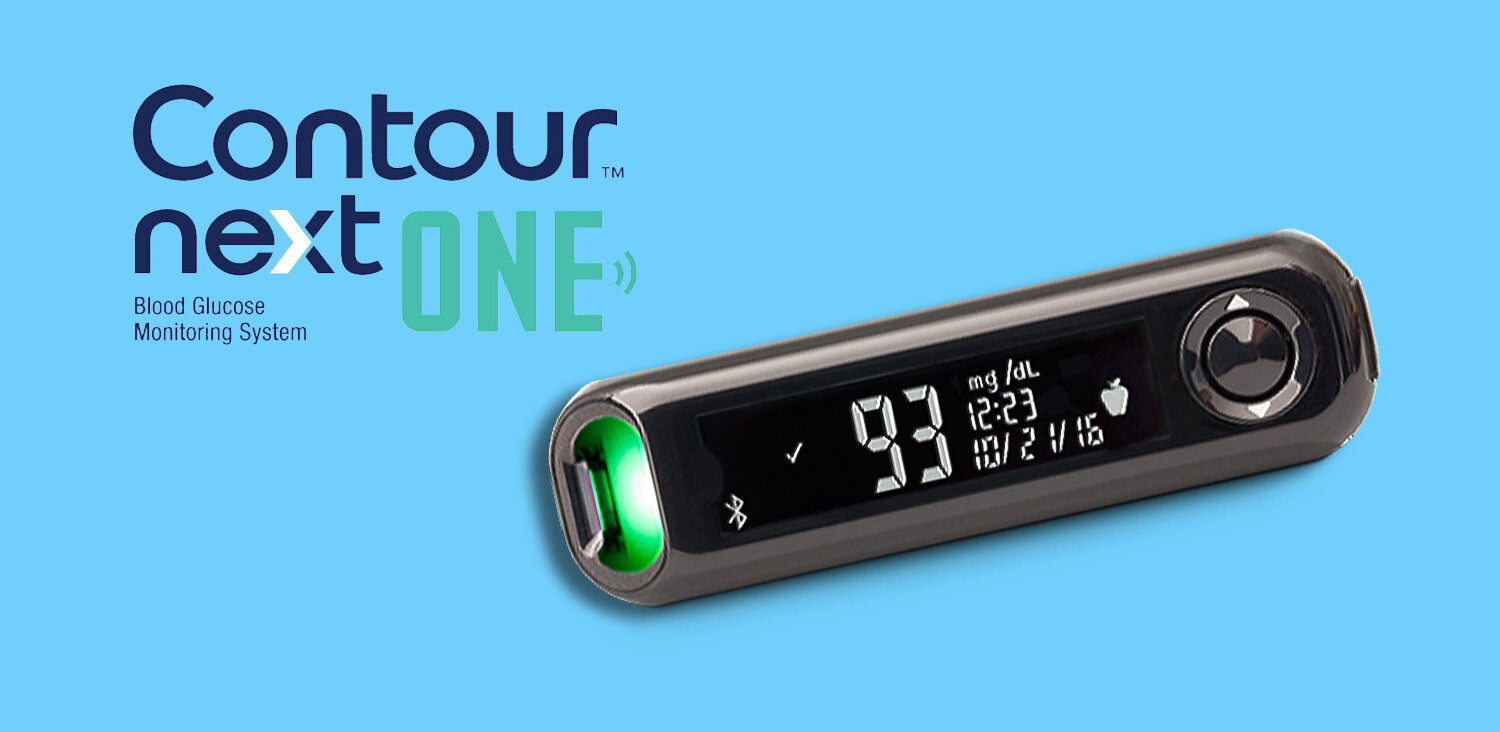
Hello, everyone, welcome to Episode 335 of the Juicebox Podcast. Today's show is with Sarah, Sarah wrote me a long time ago, this one's been a long time in the making back in 2018. She was talking about feeling burned out in isolation, and how she'd gotten through it. Sarah wanted to come on the show and share that story. And I thought that sounded terrific. So here she is. We're gonna get right to it. But before we do, please let me remind you that nothing you hear on the Juicebox Podcast should be considered advice, medical or otherwise, please always consult a physician, before making any changes to your health care plan, or becoming bold with insulin. And know that this episode of the podcast is sponsored by touched by type one. And the Contour Next One blood glucose meter. You can find out more about the meter, including whether or not you're eligible for a free meter, right? At Contour Next one.com. And of course, everything happening with touch by type one starts at touched by type one.org. Please give them a look. All right. Here we go. This is Sarah.
Sarah 1:26
My name is Sarah and I live in the metro Atlanta area, Atlanta, Georgia in the United States. And I've had Type One Diabetes for 22 years since I was 12 years old. So I'm I'm 34. Now I'm married. I don't have any children. But I work with children and families. And so I'm a helper, I'm in a helping profession.
Scott Benner 1:51
Yeah. Okay, that's very cool. Listen, I want to say right off the bat, you were the first person I've recorded about 300 of these now, who is respected the fact that this is a global podcast and said, I live in the United States. And all the other people who are listening around the world are now like, finally, one person came on and didn't act like the United States was the only place in the world. I was very niphas supported by that. It was like, that's nice. Thank you, please, um, let's see, you. She, you didn't want to be on the podcast. Like there's some people who reach out to me and they're like, I want to come on the podcast, they feel very passionately about wanting to say something, some people reach out to say thank you or want to tell a story or something like that. But you reached out, I felt like you were just connecting and saying, you know, the podcast has been valuable to me. And thank you. And I turned it back to you. And I was like, You should come on. And I'm so sorry about that. First of all, no, no. And then you would written me a fairly lengthy but not long and heartfelt note. And then I responded back to you. And you responded back to me again, with more. And I was like, This woman's gonna be fantastic on the pocket. She is not at a loss for what to say. And you're so I was like, This is great. I guess I want to dig in a little bit because you have a long life with diabetes. And a lot kind of happened to you throughout that time. All stuff that I think people are gonna really resonate with. Why don't you tell me a little bit about the time you were diagnosed, although I always wonder that at this point, 20 some years later, do you remember much of it at all?
Sarah 3:23
I remember that. It was, it was an April. So my birthday was on the 14th. I got braces, the 17th and 23rd. I was in the hospital. I remember that the previous fall my mom had been. She was cautious. For some reason. I don't remember what it was about what she was observing about me that made her cautious. My grandmother, her mother had type two diabetes. And I remember that she had my mother had gotten my Granny's glucometer and checked my blood sugar. And and there was nothing to be alarmed about. But then that whole school year, there was this awareness sent her that something was off. She would often ask me, I mean, losing weight, and historically had been an overweight child. And I was in sixth grade that year. She was asking me, she could see what I was eating at the dinner table. So she'd asked me several times if I was going to the bathroom and throwing up after a meal.
And I you know, I wasn't
and I mean, I was excited to be thinner for the first time in my memory. And so I didn't see anything wrong with it. And she noticed one morning that we were in the bathroom before school, we were all kind of in you know in the bathroom together. I'd gone to the bathroom and she noticed that my urine smelled really strong. And so she called and made a doctor's appointment for that afternoon. And it I think it was a Wednesday. And I went, we went to the doctor, and they came back in the room and said, you have to go straight to the hospital. And so I had type one, I think I was in the hospital three days, they, I remember that my parents were anxious that this was going to be a really big problem, because I had always hated shots. This is 97 started with with insulin injections and syringes. They told my parents, they told me in the hospital, you have to learn how to do this by yourself. We won't let you leave the hospital until you know how to do this by yourself. what they meant was you have to learn to give the injections by yourself. And you need to know the basics of how to calculate dosages by yourself, right. And I I did you know i? i? They said I took to it. Like Okay, this is what I have to do. And that I did it. And I remember people being very affirming about that and just kind of this. Oh, wow, you're so young, and you're doing so well. And you can do it. You know, you can do it all by yourself. Wow. The only incident in the hospital that was kind of infuriating was that I had a nurse that got frustrated at the slowness at which I was injecting. And he took it he took the syringe out of my hand and just kind of stabbed my thigh and it hurt. And and my mom said, what do you do it and they told her she's got to learn how to by herself. And you did it exactly the way they told her not to do it.
Scott Benner 7:03
Right? You just need one bad apple right? Like in any in any walk of life and only takes one person to come through having a bad day or the job they shouldn't have or something like that. And you're
Sarah 7:15
having a bad day, you know? No. Well,
Scott Benner 7:17
you were to I don't know if you realize that. Sarah See, isn't it nice of you to think of him but you were having a bad day who you are a young child who had just been diagnosed with diabetes in the hospital trying to learn how to like give herself injection. So yeah, you know, I think as an adult, maybe he could have put his bad day aside and, and let you have yours, you know? Yeah, that's, that's, um, you know, it's interesting, as I realize your mom is like the Sherlock Holmes of diabetes, she just like literally sniffed it out. She's like, peas. Weird. We got to go. And but she was on you for a while, huh? She saw something. She wasn't sure quite what it was. But she was paying attention figuring out what was going on, which is beautiful. Did she have prior experience with diabetes that made her think? What was the weight loss? Just so drastic? It was hard not to wonder, do you think she was just hoping to get your diet from it? What do you think was?
Sarah 8:09
I think it's kind of a combination of variables in that she was familiar with type two through her mother. And her first cousin was diagnosed with type one, at about 12 years old. And the cousin is older than my mother. She remembers observing things and hearing stories about Sandra's diagnosis when she was growing up. I think then, in my mother's a very determined, inquisitive person, like even now, it you know, you say something to her about any number of topics. And she's gonna go look it up on the internet. Like, it's just that kind of person. And then she's going to come back and probably tell you a lot more stuff that you don't care to know. Like,
Unknown Speaker 9:05
it's a little overwhelming at times. Did you know she's like, did you
Scott Benner 9:09
know that? Yeah, I read that. Sarah, did you know? Yes, mom. I see we have a good thing we got to that computer.
Sarah 9:18
It's Yeah. So I think she's always had that kind of personality. And, you know, there are instances where that really pays off. Like, I have to know what this is. Yeah, by that point. My sister was born with some heart defects, and had already had open heart surgery at six. And then Jane was later diagnosed with dyslexia, and my mother's an educator. And so I mean, there were already instances where I think she had learned how to be attentive and persistent and finding any answer
Scott Benner 10:00
She's got other things going on their life too. First of all, let's take a minute for your mom, we should pour one out for her. She's got a kid with diabetes, a kid born with a heart defect, she was probably like, oh, my goodness, what if I just took these kids? You know, I don't know, to the mall, and then I left them there, then I'm back. I'll start over again. It's just very you. I mean, listen, it's tough. And I was just gonna say it, you said you don't have children. But there's this thing that happens when you're building a family. And I'm sure you've had thoughts about this on your own too, but you picture what it's going to be like, and it's not just limited to building a family, it's your life and things and jobs and everything love and you think about this is what it's gonna be. And then when it's not that it's, it really hits you hard. Sometimes, you know, you look across the street. And there's two kids running around in the yard and they don't seem to have a care in the world. You think, how did I, you know, how did this happen to us? It's overwhelming. And a person who pushes through that then is to be lauded, I think like you know it, because there are plenty of people who run into roadblocks like that and run away your mom just double down. She's like, okay, we'll take care of it. And she did her best with it, which I think is all any of us can ask to be perfectly honest. 12 years ago, or excuse me, 20 some years ago, 12 years old, you're 90, you said it was like 97? Did anyone talk to you about technology back then? And if they did, what did that conversation sound like?
Sarah 11:30
Um, no, I don't recall any conversation about technology, I think, at the time. And granted, we were we were living in a town of about 20,000 people four hours south of Atlanta. So there wasn't an endocrinologist in our town. Probably the first couple years of my life with diabetes. I just saw my family practitioner. Okay. And so technology was, you know, graduating to insulin pens, and shorter needle.
Scott Benner 12:08
Isn't that funny? That was a big deal at some point, right?
Sarah 12:11
Yeah. Um, and I don't.
Even once we started going to an endocrinologist in Atlanta, I don't really remember, a pump. Being part of the conversation, I don't remember, there being the qualifier of you have to meet certain goals in order to earn this pump. But at the same time, I don't remember. It'd be unnamed as a possibility, either. I don't remember asking questions about it too much. I knew they existed. Um, I knew that I thought that would be great if I could have one one day. But I, you know, I we
Scott Benner 12:57
just not. But it wasn't something like, like nowadays, where people are just like, I've had diabetes for six minutes. I need one of these and one of these and you know, and they're running around trying to find out about it online. That whole world just didn't exist, I guess.
Sarah 13:09
Yeah, that whole mentality of an empowered patient is really new, and still developing a lot of ways. And so it was very much like, these people have, you know, been educated and they've earned the status. They know, they know more about this, and they'll tell us what we need when we need to know it kind of thing. I think, too, for both diabetes and parents. Sometimes it's also overwhelming, and you're just trying to make it through each day and, you know, have relatively good blood sugars that it's easy to say, Well, okay, if I don't have to think about something else, like advocating for myself.
Unknown Speaker 13:57
That's great. You
Scott Benner 13:59
said in your note that, um, your mom had told you more recently that the doctor told her like, not to nag or push too hard, and that she kind of she followed that advice. I was wondering, because you describe what I think of is a very like, like, what's the word I'm looking for? I've just lost an incredibly common word, sir. Give me a sec. Anyway, it's funny in me explain to you that I lost the common word, I realized the word I was looking for is common. So your mom, your mom used the very common parenting techniques. She just told you. You're a great, you know, Princess is good. She's doing wonderful. Oh, my god, you're young and you're doing that she said all these uplifting things to you. But that doesn't necessarily make those things true. And if you're having feelings that don't match with what's being mirrored back to you by your parents, it's confusing because you even mentioned earlier like she's telling you there's something wrong, you know, really asking you weird questions probably for a 12 year like are you vomiting after You eat and think like, I'm sure it's well, you would never consider that you're probably like, Wait, what? And so you're over here on one side of the dinner table, thinking, hey, it's finally, you know, it's finally my time I'm eating the way I want, I'm getting the body I was hoping to have, she seems like there's something wrong. So you're in a happy place, she's in a concerned place. And now you switch roles after your diagnosis, and you're in a concerned place, and she's pretending we're all happy. And so I was wondering how that ends up impacting you over the years? Like, is it better to be starkly honest with children? And that's my parenting style. I mean, it's not like I don't say, you know, horrible things to my kids, you know, if I don't look at them and think, Oh, God, you know, you're not very good at math, that's gonna be a problem. You know, I don't say stuff like to my daughter, like you should marry up, or we're gonna have a problem here with you like, again, I don't think that but if I did think that I'm saying I wouldn't be that honest. But I do. I am honest with them. Like, if we sit and talk about diabetes, or Arden's thyroid, or something like that, she has a firm understanding of what's actually happening, I can still be supportive and positive, without like blowing rainbows where they don't belong. So I was wondering how that all ended up working out for you?
Sarah 16:15
Well, I don't think that she was all happy, or that there were rainbows or that I was being overly affirmed in some way. I think her tendency, and what actually what I felt like happened in a lot of ways was that she she was checking in and net, in an overwhelming way that to a teenager felt like nagging. Like, are you doing what you're supposed to do? And I was not always that engaged. I mean, I hated those log books, I was notorious for not keeping a log book, and then like scurrying around to kind of, you know, go back through the glucometer. And plug in the last, however many weeks worth of readings and kind of try to remember what I'd eaten and what I dosed and, you know, redo the math. I think the the encouragement from the doctor was, you know, don't kind of step back and let her do it by herself. And yet that felt, I don't think I had the words. I don't, I don't think I had the ability to really process to kind of step back and look at it. But I think in hindsight, it, it felt more isolating, like, Oh, I really have to do this all by myself, and nobody's going to help me.
Scott Benner 17:36
Yeah, I think that's why this conversation is really important, sir. Because I pretty truly believe that a lot of the intentions that people have had in the past around diabetes had the exact opposite impact that they were hoping and or they thought so firmly about, like, What's about these numbers, that's the important part. And they didn't think about you as a person. And I mean, from like the doctor's point of view, because really think of what we're talking about here. Hey, you have diabetes, hey, jab yourself with this. By the way, you might get dizzy sometimes, by the way, you know, this might happen, these things are gonna happen. This all this stuff's going on. And here's a book to write your numbers down it. Can you be like, more confused in your mind, and to believe that a 12 year old is going to be like, oh, a book to write my diabetes numbers? Not in Thank you so much. Like, who's gonna care about that? That's why why me one of the driving forces behind the podcast is me thinking, I don't want to do all this. I don't want to ask my daughter to do all this not because I don't want to do something that will help her. But because it doesn't seem reasonable. Like, I, you expect me to do this for the rest of my life, I think the same way about carb counting. Like, when I see people with a scale, I'm like, What are you doing? Like, you have to figure this out. Like, if the scale helps you figure it out. That's alright, we'll walk around with a scale for the rest of your life like you, you need to find a liveable way to live, you know, to manage diabetes, not just did you didn't lose the other parts of who you are, because you have type one, but they make it seem like it.
Sarah 19:08
Yeah, so I think that the doctors encouragement was, you know, this was mine, I had to learn how to live with it on my own terms. And she had to kind of remove herself from it in order to let me learn what I needed to learn. And if that meant failing, she had to learn to be okay with that. And I think there is some truth in that in parenting.
But at the same time, you know,
a minor still a minor.
Scott Benner 19:39
Yeah, you weren't learning how to ride a bike, sir. Right. It's not like, yeah,
Sarah 19:44
it's easy for us in you know, 2019 to look back at, you know, 97 2000 and say, What flawed systems and people these were, and yet, even the doctor, I go into him with my logbook. He's not seeing a graph like I can see on my phone, I don't know how you make a graph like that in your head looking at individual numbers,
Scott Benner 20:07
right? It's impossible. So
Sarah 20:10
there's been an evolution of data and systems and equipment that everybody's had to adapt to. Every everybody was working with the best that they could.
Scott Benner 20:20
And I'm, I bring it up, I listen to I agree with you, I think I think whether we're talking about politics or diabetes, our history is our history. We can't we can't whitewash it, we have to be aware of what it is. And at the same time, we can't let it continue to repeat itself moving forward. There are plenty of people right now in 2019, who
Unknown Speaker 20:41
are living in 97, for living back in
Scott Benner 20:43
- So you're here to help everybody who's at home right now thinking, Oh, my God, that's how the doctor is talking to me. Am I being Am I being managed? Like it was? Like, it's 1997, while other people are doing these things that, by the way, I believe are easier once you grasp them. Yeah, you know what I mean? And and take up so much less of your time, give you so much more freedom and, and a feeling of confidence and all the things that they were hoping to do. I'm just saying. It's interesting how, at some points, people say these, I don't know, it's a way of thinking about things. That baffles me. situations are multifaceted. And yet the first thing that pops into someone's mind is what they believe the entirety of the answer is, it's like, this kid has diabetes. Now, what should they do? And it's like, somebody thought, Oh, they should write their numbers down so they can track them. And then they stopped talking about it. Like that was the entirety of the answer. It's, you know, it's funny, if you think about the way politics are in my head, so much, say but if you think about political arguments, if you ever have one with like, a neighbor, who's on the other side of you, if you really stop and listen, they're making as much sense as you are most of the time. And, and you just have two different perspectives. So these are valid concerns about a central idea. And you're hearing from other places. That's what makes the community around diabetes and even the podcast, I think, really valuable because I have a perspective, right? And it's, and it helps some people, but there are some people who listen to it and are like, I don't like the guy from the podcast, but I tell you what I like he had Sarah on and she told a story that resonated with me. And and so those are more perspectives on a central issue. doctors need that parents need that people living with diabetes need that? You absolutely can't just go on your gut reaction all the time, because you're just one person seeing one side. You know, there's a there's a dark side of the moon, you need somebody standing over there looking at that part. That scene now we're getting to it. I'm feeling warmed up. You feeling good? We get into it, sir. Yeah. All right. I like it. So yeah, I'm not attacking your mom, I and but I do appreciate how you defended her. You must love her. That's very nice.
Sarah 22:54
Some of this is growing. And, you know, there are some things that I, when I realized that for the first time I feel angry about it. And then I have to step back and continue to process and say, Well, no, I can't totally blame, you know, this person is a part of a system and we were all in it together.
Scott Benner 23:14
Right? It was that time it was that place. It there's a lot of truth to that to that statement. You know what I mean? Like it's it back then. That was excellent care. And so and so you were being given the most excellent care somebody could think to give you important though, to realize 20 some years into it, that you had effects of that moving forward, and that you had to fight your way through it to get to where you are now. I'm interested in when you see nowadays, because I know you talked a lot in your writing about community and how valuable you found it to be and how you were trying to be a part of it too. But what is it feel like? When you're 22 years through slogging through 1997 advice, and you log on to some social media and see some some like person with their like six year old who's got like a five to a one say, and they're like, Oh my God, look how easy this is. I'm killing it. Are you like, I want to come find you and throw you in the water? Do you want to find out what they learn? So you can figure it out to like, Is there like, what's that knee jerk reaction you have when you see someone else doing that?
Sarah 24:25
I'll admit like that. The
written forms of social media, Facebook, the beyond type one, or whatever the name is community. I read it sometimes and they're helpful bits here and there. But the the thing that's been most helpful to me has been the podcasts and just kind of listening to different stories and piecing things together over time. Because what works for one person may not work for me. I mean, especially, you know, the example of a parent managing their child's day. Diabetes a lot bigger than their child is, you know, there are a lot of things about my life that are very different variables. And so to think that their success would translate to much, I don't know that that's, that's the right way to think about it. Although, you know, hearing somebody say, well, we tried, you know, Pre-Bolus thing or, you know, whatever this smaller piece of puzzle is that could work for anybody that that helps a lot. So I don't necessarily necessarily dive too deep on the on others other forms of social media, in terms of trying to apply what people have learned. And plus, just social media in that regard is exhausting so many times because you, you've got so many people who think they have the answers, and are telling everybody else what to do. And they're not necessarily right, or just, quite honestly, that the tone that they're writing is annoying and frustrating. And you're like, I don't want to listen to this person.
Scott Benner 26:06
It's not easy to communicate with others. Yeah. I think people who do it well make it seem easy. And I think that when you when you're not doing it, well, it's it's it pushes people away. Yeah. And so you said something a moment ago, it just warms my heart. Like, if I had wings, I would have flown up off the ground. I was so excited. You said that you listen to the podcast, and sometimes you pick bits and pieces from episodes, and people stories. So I had somebody asked me the other day, like they're like the pro tip series. Like we really like that because it was so focused. I was like, Yeah, it's great. I was like, but that's not how everybody's brain works. Everybody doesn't. Everybody can't just plug in and have ideas downloaded into their head, right? And these aren't, these aren't ideas that are concrete all the time, then it's not like two plus two is always four. And once you learn that rule, you can move on, you know, the idea of like setting up an Excel I always love when people ask me like, how do you set up an extended Bolus, I'm like, oh, it takes practice, like if and what that means is trial and error. You know, practice means trial and error. And I might say it in a way that sparks your imagination, but doesn't get you there. And then someone else will tell a story. And you'll be like, Oh, that's what makes sense. And so when people ask me, where do I start listening to the podcast? I feel weird giving my real answer because my real answer is start at the beginning. And listen through. And I realized that the longer the podcast is up, the more difficult that becomes. But the truth is, as you're listening to me, learn what I'm doing, and figure out different ways to talk about it. And get better at asking people questions that kind of bring out answers that are valuable and get on, you know, guests that are now listeners who understand like, what the bigger picture is, it all builds on itself. And it sounds to me like you had that experience where like, you got a little more, a little more, a little more. And then one day, you were just like, Oh my gosh, I like filled my tank up the way I that I have. I've heard the things now I need to hear. How did that change your actual management? Like, how is your management, like your success or your failures or anything around using insulin? How has that progressed while you've been listening?
Sarah 28:23
So when I first started listening, it was just a matter of, but honestly, like, checking more often. And you know, going from maybe four times a day to closer to 1015, injecting more often because I'd gone I had a two pump for probably 10 or 12 years. And I'd gone back to MDI for a little while. I knew I wanted to get back to a pump, but I wasn't there yet. And I just needed to start somewhere. And I think that's part of the value of the podcast, too, is that sometimes we get in our heads, we think, gosh, I've got to make all these changes. And tomorrow, I'm going to be a better person with diabetes. And I'm going to be drastically different. And that that's, that's part of how we set ourselves up for a fall is that you can't you can't change it overnight. You can't change yourself overnight. And so with the podcast, you can hear one thing and say, Okay, I'm going to work on this. One day, I'm going to work on checking more often or I'm going to work on the bolusing wherever you are. But it's also that it's not just the management that I think the podcast helps with. It's the way I understand my story with diabetes myself with diabetes. It's the emotional component to that. I think the podcast is more holistic in terms of not just how do you manage blood sugar, but how do you live
with diabetes in a way that
I don't get from other places. And that's really what was transformational for me was the thinking. Because it went from this idea that I'm never have to do this all by myself, I'm never going to get a handle on this, I'm always going to be this person that struggles. And you know, is really not taking care of herself. And gradually, I realized I could do this, I could reset, I could drastically change and be this person that I never thought was attainable. And so started listening probably April or May of 2018. By the end of July, my agency was down to like 7.5, I don't even know what it was before. Then I September of 2018, I was on a dex column and Omni pod. And my last agency, I think, was I didn't look it up this morning, I should have it was a couple months ago, but I think it was like 5.6. And I am more comfortable talking about my diabetes. I never, I didn't tell anybody I worked with I and I work in a community of people. It's not just my colleagues. But like, there's lots of people that we serve. I nobody knew, I didn't tell anybody that I had diabetes until about a year ago.
Scott Benner 31:35
Since everyone has a blood glucose meter, they might as well have the best one. And in my opinion, the Contour Next One is that meter. If you go to Contour Next one.com, you're going to see the meter that my daughter has been using for about a year and a half now. And it is far and away the most accurate and easy to use blood glucose meter that she's ever had. I mean that when you get to Contour Next one.com. There's a yellow button at the top where you can check to see if you can get a free meter. That's at least worth clicking on to say. But you're also going to find out about the Contour Next One app that goes with that meter. That helps you make sense of your blood sugar's A lot of you might be using Dexcom or another CGM. But if you're not, these data points you're getting back from your meter. They can be made sense of and the free app that's available for iPhone and Android. It will help you there's really nothing to lose either you're going to get a great meter that's going to supplement your care with spot on blood sugar checks, which by the way, always match ardens Dexcom g sex, it's fascinating how right on they are or you don't have a CGM and you need a great meter. And this is that one. Contour Next one.com F, you're basking in the glow, right? You've got your meter and you're like, Huh, I'm feeling good about myself. Roll on over to touched by type one.org. Check out what they're doing. For people living with Type One Diabetes, you're going to take your good feeling about your new meter, and add it to your good feeling. The touch by type one will bring two good feelings are better than one. So that's Contour Next one.com touched by type one.org. And if you're not able to remember, you can always click on the links right there in the show notes to your podcast player, or the ones that will be found at Juicebox podcast.com. Thank you for supporting the sponsors.
Sarah 33:39
I didn't tell anybody that I had diabetes until about a year ago.
Scott Benner 33:44
Did that make you feel like like you were lying to them?
Unknown Speaker 33:48
In some ways, I wasn't sure.
Sarah 33:50
But it was also that I just couldn't handle what I thought I would get from them. And this I thought I would get judgment I thought I would get people looking at my plate all the time. People checking up on me all the time, meaning well, but just in a way that I couldn't handle. And and so all those things have changed to where I mean, I have part of my job occasionally includes some public speaking. And I have said publicly in some of those opportunities, I've talked about my diabetes and now I never would have happened before. And I mean, I even my mom has said I'm really surprised that you chose these devices that you have because for so long you didn't want anybody to know and now you just wear them on your arm and it's so visible and like you're just out there and I said yeah, I I don't. This is just it's different. Now. I I see myself differently. And I think unless part of my struggle with diabetes, I think is is connected with my personality and this desire to be perfect. Even outside my diabetes, I have a hard time asking for help. I have this sometimes, you know, my, my worst, I get myself into a hole because I think I have to do something by myself. So I'm always learning in different ways in different areas of my life, how untrue that is.
Scott Benner 35:33
It happens to so many people, right? Like the what it what is that saying the enemy of good is great or something like that, like the idea that if it can't be perfect, I don't do it. And therefore, you know, and on top of that you have I can't I can't help. I can't ask anybody for help. You've come a really long way. I want you to know, Sarah, genuinely, because you're from the south. I almost cried just now. And there's a connection there that you won't get for a second. But okay, beak so quickly. And people from the south sometimes speak really measured Lee, so there's nowhere for me to jump in. Because if I jump in with a small thought I throw you off. So I've learned. So I've learned when I'm interviewing people from this out, I just, I hold all my questions till the end. And some people are probably like, yes, idiot. That's right, do that. And some people are like, no, I like the back and forth of the podcast. So anyway, the point is, is that I was sort of forced to just let you talk and not interject what I, I had thoughts that I was trying to, that I wanted to bring up. The reason I do that, by the way for people listening is because I have like the memory of a flea. And so now all the things that I was thinking while Sarah was talking are gone out of my head, so you're never gonna know any of them. But But the point is, is that sitting and listening to you, you came the closest of anybody ever, to making me cry just now. So but just in happiness for you. You described an amazing transformation in an incredibly short amount of time. It must have been mind blowing to you that any of these changes happen in your life. And did they come with great work? Or did they just for the lack of a better term? Did they just happen over time?
Sarah 37:16
I think they really I won't say it's not without great work. But it feels more gradual over time. And I think the greater work.
Unknown Speaker 37:30
I mean, there was this
Sarah 37:34
effort in the end more committed and taking the time just to do the daily stuff. But I think once I had in my mind, this is what I'm going to do, I'm going to reset that was not so hard as just in, in every facet of my life, reminding myself that it's okay to I think because I'm in a helping profession, it is there is this temptation sometimes to think that I have to wait until other people have gotten what they need. And or that I don't have time to take care of myself. And that's a lie like that. That is just the worst thing you could tell yourself. And so it is different opportunities come up or thinking through things and not saying I can't, I'm not, I'm not saying I can't do this. Because I have diabetes, I'm saying learning to tell myself and even tell other people, even if I don't mention diabetes, I can't do this. Because I deserve to be put first.
Scott Benner 38:44
And I refuse to backtrack. If I refuse to go back to where I was for you. It's incredibly important to be able to say no with confidence, and not and not apologize for it. You don't have to apologize for saying I can't do that. Or I don't want to you can't take on the perceived bad feelings of another person, which by the way you might be wrong about to begin with, you know, right, you're now you're now defending their feelings that you don't even know if they have or not. And in the process making yourself feel terrible. Which by the way, I assume if those people knew they wouldn't want for you, and now you've made them and you feel bad.
Sarah 39:25
It's I think, I think what I found is that people are much more. They're much less judgmental than I give them credit for oftentimes,
Scott Benner 39:35
yeah, you know how I put it to my children when they were growing up, and no one cares about you. But I meant it in a nice way. Like what I what I meant was like, so I don't know if I've ever told this. It's a very simple story about my sons, I don't know. 12 1314 years old, and we're often some town, you know, an hour away and he's playing baseball. And it's over. And he's like, I'm hungry. And I was like, Well, you're in luck. Because we're one town away from where Kevin Smith's comic book store is a place that I had visited a lot when I was younger. And I knew of this diner right up the street. So we drove into the next town, I took him to this diner, now it's this older diner, and it had some tables right in the middle. So if you can try to imagine a small space, with tables all out on the perimeter of three walls, and then one table in the middle of them. And that one table in the middle was what was open, we came in, and we sat down. And he was on one side of the table, and I was on the other. And he couldn't focus on the menu, or I said, Are you are right, you feel okay. Like he seemed really wrong. And I was like, No, and I finally figured it out. He did not like that we were the center of attention in his mind that everyone could see him there was no wall to hide against. Did you know what I mean? Like you couldn't put your back to something, you'd be facing people to see what they were thinking of you. And that's the day I told them call these people are here eating. They don't care about you. I was like, and if they're judging you for some reason. That's meaningless to you. First of all, you'll never see them again. Secondly, their opinion doesn't affect you. It doesn't impact you. They can't change your life. And the only power they have is if you let them have it right now. And the oddity of course, is if you let them have that power, they'll never know, it's not like you're gonna stand up and walk over to them go, Hey, I just want you to know, your judgmental looks are hurting me. It's you're not, you know, you're not, you're not going to tell them that. So this is all pretend none of this exists. Everything you feel isn't real right now. Now, that doesn't stop the fact that you're feeling it. And how do we get past that? But I think the first step for him was understanding that like, nobody cares. Nobody's here at this diner to look at you. You know, and, and maybe that's hard sometimes for people who are people watchers, to imagine that other people are not looking at you, and they don't care. So it's very cool that you made such I mean, like, your mom makes a great point, like wearing it on the pot on your arm. That's like, um, that's an arm out situation right there. You know what I mean? Like, that should be on pride day, to be perfectly honest. Hey, that's a good idea. If you're anybody's looking to support pride, people where you're pleased. I can't that's a great idea. Well, think of that next year on Friday. Anyway, um, and in in, I don't want to overuse the term weight lifted. Yeah, yeah. That's amazing. affecting other parts of your life, not if not touching diabetes, yet, has it like, like, rewired your personality in other ways?
Sarah 42:39
And I would say probably, so although I may be less able to articulate it. Maybe I'm not fully aware, haven't totally recognized everything yet. I think it it has given me a different, I always knew diabetes had this capacity to help me be more sympathetic or empathetic to the people that I work with, even if they didn't live with diabetes. But I think that's probably grown. Just as I change in my thinking about some things. I feel like I've changed a lot and how I think about healing and cure. I think there's a difference. And I think our culture largely wants yours. Whether or not we realize it, I think a lot of what we say when we want a cure for something, is that we want it to go away. And we want it to be like it never existed. like it never happened. And I think cures, especially for diseases are attainable. But the reality is that a cure in the sense that I'm thinking about it. And we also want quick fixes and American goals, or you know, we want something right now. But a cure really only works for those people where it's preventing the disease. Because if a cure comes about for diabetes, and you know, something's able to make my pancreas start working and producing insulin again, it's not going to change the fact that I once had diabetes, and that's part of my story. And that experience, changed who I was, and I learned something from it. And I don't know that I want that story to go away. Um, so, yeah, that I would say I've experienced healing, and even something pretty miraculous, with, you know, all of all the things that have happened over the last year to 18 months with dex comment on the pod and those tools that are available to us now. And if I'm sure they're waiting, In which my life with diabetes will improve? in ways I can't yet imagine. But if it doesn't, this is enough. Like, the healing I've experienced in the last year is enough.
Scott Benner 45:15
That's wonderful. Yeah, that's so nice. And it makes my job seem like a little time now, because I was gonna say,
Unknown Speaker 45:21
you can say whatever
Scott Benner 45:22
you want to say like, you know, anybody who's seen the Avengers movies, but what Sarah is talking about is like, she's, you know, it's a snap, like she's talking about, like, people are looking for Thanos to like, show up and be like, no more diabetes, it's over, you know, and if you didn't see those movies, just not along with me, Sarah, and I'll keep going. I'll pull it all together for you right now. Don't worry. But But yeah, you, you just said something that was incredibly impactful, which is, this process is who I am. If you take this all away, then I'm Michelle, but like, you can't take these these experiences, right? And it's important to embrace them as much as you possibly can to because, you know, I said it in, you know, simpler terms. But having diabetes makes you more aware of your health. Yeah, some of the healthiest people I know, have type one diabetes, because they're so incredibly aware of their bodies. And, you know, and some of the most thoughtful people I know, have been through struggles. Not just diabetes, but other things that gives you perspective, it's all perspective. Your, your goal at the end of life should be to have gathered up as much perspective as you possibly can get. Because otherwise, I mean, what are you like, you know, like, you're this just like, you know, one dimensional thinking thing that, you know, is wandering around saying the stuff your parents told you when you were 15. Like, that's not life, you have to, you have to run forward and see what it is you can find out about other people and the world and culture and, and heartache and pain, like all that has to be a part of your tapestry, I guess, you know, like you, you want to, you know, you want to get as far as you can get taking in as much as you can take in. And then that's that because we're all going to go at the end. I mean, and if you're looking to just like, put blinders on and pretend nothing else exists. I don't think that's particularly healthy. You just, it's it's so funny, like, you're describing a metamorphosis, for finding a podcast, which is throwing me a little bit if I'm being you know, if you stop your working miracle, Scott, well, Sara took me 47 minutes to get you to say it. I mean, next day, quicker, please, I, I saved you're just joking. What I'm talking about here is that insincerity is I wrote a blog for a really long time. And when I saw that blogging was sort of going away, and people weren't really thrilled about, you know, reading as much as they had been, I was concerned because I used to think, Hey, this blog, it helps people like I get a note once in a while, you know, Hey, thanks for sharing your blah, blah, blah, helped me. But they were very, like, still surfacey notes like that, I'm sure it was important in their life, but it was, you know, it was like, Oh, I didn't know about this thing for the, you know, for my pump or something like that, or I appreciate knowing about the, you know, the insulin pricing thing. And as I saw it going away, I panicked. I went to my wife, and I was like, this thing that I know is helping people I think nobody's gonna read anymore. I'm like, I think BuzzFeed is going to literally kill my ability to help people with diabetes. And then of all the weird, ironic stuff. Something Katie Couric said to me, because I got to be on her show, because I wrote a book about parenting, because I wrote an inset for a person's diabetes book The year before, because all those things happen. And I got to go do an interview. And when that interview was over, all she did was grabbed me and say, hey, you're very good at this. And I didn't know what she was talking about. I genuinely had no idea what she was saying. I was walking off stage. I'm a regular person from a suburb, who's you know, at CBS studios recording a television show thinking like, How did this happen? You know, and I asked her, I don't know what you're saying, like, what am I good at? And she just said, talking. She said, Not everybody's good at talking. You're good at it. Thanks for coming. And I walked away. And in the moment when I thought my blog was gonna die. Because people just want to click through pictures to see if like Leo DiCaprio got fat, you know, and nobody wants to read anymore. I thought maybe I could talk to people. That woman said to me, I was good at it. You know, like Katie Couric said, hey, you're good at this. And then I took about a week wandering around my house, thinking about what that would look like. And I thought, huh, I listened to a couple podcasts that I like, I should try that. And then four years later, you're telling me, all of this, I hope you understand, has been very transformative for me too. And it's incredibly strange.
It's incredibly strange for me, because I didn't. Because four years ago, five years ago, I didn't say, you know what I'm gonna do. I'm gonna take my brilliance to the podcasting medium, and find Sarah and save her. You know, like, like, I didn't have any lofty goals, I guess, is really cool to hear how this is affecting you. I'm humbled by it, even though because I was trying to sound fun and funny. Just now, I seem the opposite of human humble. But uh, but trust me, I am. Sarah, are you okay? Because I just talked so quickly. And I worry about I sometimes anybody below like Virginia, I start to worry about a little bit of a lovely email somewhere for a gentleman from a gentleman in Texas. And he said it took him months of listening to the show at a slower speed to be able to catch up with how quickly I speak and he said he was so proud of himself. He's like, I haven't now I can listen at normal speed.
Sarah 51:20
Now, I haven't experienced that problem and listening to you. And you know, today or, or other days, thank you.
Scott Benner 51:29
It's a Texas thing. Let's put it on them. By the way, it's possible. By the time anybody hears this, I will be booked to speak in Houston. I've been trying to get to Texas, I've never been there. So I'm pretty excited about that. But, but Sara, like, I just I realized, you sent me the email to say thank you. And a lot of what you just said was similar. And I'm just trying to thank you back. I'm just trying to be, you know, entertaining about it. But I'm trying to thank you back. Because you don't know, as much as you as much as I don't know, your life and how you feel I can listen to you describe it, I can try to like take it in. But I don't really understand. You know, I never could I don't have diabetes. In that same way. I can never truly get across to you how flabbergasted I am that the things you just said you were saying to me? Like, that doesn't make any sense to me. So it's just very nice. I don't know another way to say it. I'm completely touched by it. And so happy for you that I don't know. I could never tell you how happy I am for if people will follow me on social media. When you guys put something nice up, I just throw a blue heart on it for diabetes, because if I start responding to you, I'm going to be all like, Oh my god, this is amazing. You did so well. Like I get like, I get like too much, you know, and so I just I throw those blue hearts on one because you guys are nice enough to share the show. And these things are happening more frequently. And I am genuinely managing all this by myself. And I'm starting to run out of time but but because I know I would just start to just be like, wow, how did you get your a one see that loan though? Like the podcasts? I'm like, That can't be right. Like Like that's because I know me getting a mean, and it's hard for me to imagine. I wanted to ask you a little bit. You've referenced a number of times like you have a clear like caregivers mentality. But not that you can't and not have children but you don't have children. Do you think that you I says so personal but you've said so many personal things here? Screw it, I'm just gonna ask you do Did you want children but you can't have them?
Sarah 53:46
Or, I'm not aware of if that's the case, but we'll put it that way. Um, I never felt like I just never felt like I had to have children. Like there were things in my life that I felt like I could not live without doing and my work is one of those things being married to my husband is one of those things. giving birth to a child is not one of those things. And there was always this back of my mind thing in the back of my mind, especially when I was not the the when I didn't take care of myself in the way that I am now that like I knew, like I can't even take care of me. How am I going to take care of another person? I just I wasn't sure that I could ever get there now. I mean, today I know that if I needed if I were to get pregnant, I could manage my diabetes or pregnancy and everything would be okay. But I didn't always know that about myself. But in this sense, the decision we've made is really more out of a sense of calling. I my work I worked on to church, my children's minister. And I really feel called to help families be their best and to help parents be their best with their children. And don't feel called to give birth to my own.
And my husband has his own
variation on that, that calling but we've reached this decision together, you know, that he doesn't feel called to, to have biological children, there may come a day when we choose to foster that won't be right now. But I think if if, if we parent we would be Foster, if we parented with children in the home, we would be foster parents, and I think I see what I do as a type of parenting that we really all, you know, I'm not taking on as much of the responsibility as a birth parent does as someone who has children in the home. But I am a influential adult and these children's lives, and that matters. And I take that seriously.
Scott Benner 56:01
Such an incredibly responsible thought, you know, let me like because it's so easy to be pressured by other people into feeling like I have to, you know, I'm supposed to grow up and meet somebody and get married to make a baby like that feeling that, that that's what people expect of you. And it's interesting, because you are you were in so many other ways in your life pressured by what other people thought, but not in this one, which is a bit which is a big one.
Sarah 56:30
And I still want I still struggle sometimes with like, how will somebody see me or think that? Like, will appearance I work with, take me seriously and think that I have something meaningful to contribute to them? Since I don't have children or my own?
Scott Benner 56:48
Well, I'll say this to Sarah, I don't know, there is some self doubt
Unknown Speaker 56:51
there. I don't have type
Scott Benner 56:53
one diabetes, do I have something meaningful to contribute to it? Yeah, you do, too, you know. So again, that's a different perspective. I tell people all the time here like it's, I can be dispassionate about it, because I don't have it because all the things that you've described today don't affect me, because I don't have diabetes. So I get to think about the, the more I can think about the nuts and bolts idea without being clouded by, you know, things as serious as worrying about making my blood sugar low. Or if somebody will see me in jacked in public, I was able to, at some point, look at my daughter and say, I think it makes most sense for her psychological well being if we give her insulin wherever we are, and don't run to a bathroom and hide or feel like hiding is what's necessary. Now, she might not have felt like that at the time. But I did. And I got to decide. And so you know, sometimes you need someone who can step back from things and say, Look, I know how you're feeling. But this is the way to go. And I think you probably can do that for people too. I mean, honestly, not being pressured into having a baby is like the most responsible thing I've ever heard in my life. If you don't want to be a parent, you shouldn't be here. Many people are walking around or parents who don't want to be parents. It's hard. Yeah, you know. So that's really beautiful. Like, it's such a kindness, like to a baby, to you, to your husband like to you know, the things you're going to do together. I'm now excited about the things you're going to do together. I have a picture in my head of, you know, you're feeling better. And your blood sugar's are where you want them and you're moving in this new direction. I feel like you're gonna, like go forward, like a million miles an hour and just do things you didn't ever expect it.
Sarah 58:31
Yeah, we're excited
Scott Benner 58:32
that you are how did you not tell me you were a youth minister, before we started, I'm sure there was like 10 things I said, I wouldn't have said if he told me that. No, you're totally fine. So I did. I didn't
Unknown Speaker 58:41
know I think sometimes.
Unknown Speaker 58:46
Sometimes we don't tell because it's good. When we don't tell you.
Scott Benner 58:52
Yeah. Yeah. I like that. It's so funny. I run the podcast the same way people are like, do you want to know about like that? Not really, let's just go. Because if I know something, then I'll start. Like, then I'm just reading your email, you know what I mean? Like, then we don't need the podcast. So and then it's a blog, which by the way, people won't read. So blah, blah, blah, blah, blah. And, you know, this is what we need to do. So Sarah, you've helped a lot of people today, you don't realize that and it wasn't really today, because this will come out, like, you know, four months from now. And you'll, you'll be like, I don't even remember doing this anymore. But it's just incredibly kind of you. Because you this was not your intention. And you did it anyway. And then you were just insanely honest. So this is really nice. I have had a couple of interviews where we've stopped the recording and then people say something and I think why did you not say that while we were recording? Like you're like that was the truth right there. How did you not get to the truth by recording but I think you let the truth out pretty well. Okay. No, I thank you very much. I have to tell you as a person who I believe is a caregiver at heart to, it's not easy all the time. And that feeling that you know, other people come before you is, is lovely. And it's kind, but it's dangerous for you, you know, sometimes so you absolutely just have to go with any number of those silly thoughts, but you know, they are masks fall out of the airplane, you got to put yours on first is sort of the one that that always rings in people's heads. You can't take care of other people, if you're in need as well. So I love that you're taking great care of yourself. I thrilled that it came from this podcast, like that's just insane. I'm just really, I don't know, this is like the nicest. I'm gonna have the greatest day now. Yeah, I'm so happy. I'll probably get hit by a car later. And so I'm sorry, that's an inappropriate. I want to just ask you if there's anything that you pressingly wanted to say that we didn't get to.
Unknown Speaker 1:01:04
And we don't think so.
Scott Benner 1:01:05
Good. That's amazing. In that case, Sarah, I'm gonna say goodbye. And then I'm gonna stop the recording and say goodbye to you like a person. And their I imagine you'll study something incredibly impactful that will change the world while we're not recording. So yeah, actually, if you have an impactful thought, just keep it yourself, because it'll just make me upset. Okay. So huge thanks to Sarah for coming on the show and sharing her story. And thank you to touch by type one.org. And the Contour Next One blood glucose meter, a blood glucose meter where you can touch the the blood with the test trip, and it doesn't get it quite right. And that doesn't waste the ship, you can go back and do it again. Hmm. I like that idea, right. Plus, this little form factor fits in anywhere you want to keep it your pocket your bag, big enough to hold on to small enough not to be in your way. Let me take a moment to thank you for continuing to listen during the covid 19 crisis. very appreciative hear stories from other podcasts, and it's not going quite so well for them. And I really appreciate that you guys are sticking with the show and listening at the same pace. It's a it's heartwarming, actually. I'm glad to be there. I get a lot of nice notes from people are like this podcast is like the constant for me bomb, you know, stuck in my house or not working. And I'm glad that it can be that for some of you. It's really wonderful. That's pretty much it. I mean, unless you want to leave a glowing review on iTunes on Apple podcast. I mean, I'm not gonna say no to that. guy's got anything else. This is not much of a two way street on conversation. So I feel like I can hear you saying no, Scott, we're done. Thanks. You want to know what the next couple of episodes are gonna be? I don't do that very often. Should I? I think there's an afterdark coming up that you're really going to enjoy. I'll say that much. And Dr. Edelman is going to be back soon to give a Coronavirus update and we're going to talk about integration back into life. That should be really interesting. And there's a lot of other good stuff. I'm going to hit this psychological bend a little more around the way diabetes makes you feel in the next couple of episodes. I like this make a little theme week. But that would be weird. If I made a theme week that does not seem like something I would do. I wish you would just forget I even said that. Thanks so much for listening. Hey, guys, there's new merch at Juicebox podcast.com. If you want to check it out, there's these neck Gators. I just got one I've been wearing to the grocery store. It's very cool. And a couple of new t shirts. And you know what I'm saying? Otherwise, share the show with a friend. Oh, and don't forget diabetes pro tip.com is available now. It's completely free. It just calls together all the diabetes pro tip episodes from the podcast into one place. So I was hearing from people like I'm trying to share the pro tips but this person doesn't understand podcasts. How do we give it to them? diabetes pro tip.com. Have a good day. I'll see you soon.
support the sponsors











The Juicebox Podcast is a free show, but if you'd like to support the podcast directly, you can make a gift here. Recent donations were used to pay for podcast hosting fees. Thank you to all who have sent 5, 10 and 20 dollars!

#334 Dexcom's Tomas Walker is Back
Companion show to episode 327
Dexcom's Director of Clinical Projects, Tomas Walker is back to talk about how Dexcom is being used in hospitals during the Covid-19 crisis. Companion show to episode 327.
App is free & already on your iPhone ⤴
You can always listen to the Juicebox Podcast here but the cool kids use: Apple Podcasts/iOS - Pandora - Spotify - Amazon Alexa - Google Podcasts - iHeart Radio - Radio Public or their favorite podcast app.
Check out diabetesprotip.com
+ Click for EPISODE TRANSCRIPT
DISCLAIMER: This text is the output of AI based transcribing from an audio recording. Although the transcription is largely accurate, in some cases it is incomplete or inaccurate due to inaudible passages or transcription errors and should not be treated as an authoritative record. Nothing that you read here constitutes advice medical or otherwise. Always consult with a healthcare professional before making changes to a healthcare plan.
Scott Benner 0:00
This is a recent review of the Juicebox Podcast. I am a dietitian working towards taking the diabetes educator exam hopefully at the end of this year. I don't have much experience with type one patients since I work with gestational diabetes, and type two patients most of the time, it has been great for me to hear real life experiences from people living with type one. I love hearing you and Jenny working together on the pro tip series. You guys are doing a great service. Thank you for your work. This episode of The Juicebox Podcast is sponsored by those pro tip episodes. You can find them at diabetes pro tip.com. And they are also available right here in the feed to your podcast. Just search diabetes pro tip. The pro tip episodes as well as the entire podcast are as always 100% free for you to enjoy and listen to
Hello, everyone and welcome to Episode 334 of the Juicebox Podcast. This is a good standalone or this episode can serve as a sidecar to Episode 327 where Dr. disalvo came on, and talked a little bit about how Dexcom is being used during the covid 19 crisis to limit the exposure of healthcare workers to people with type one diabetes, who are also dealing with COVID-19. While I was having that conversation with Dr. disalvo, I started having more nuts and bolts questions about how that was happening. And so Guess who's back? Tomas Walker, dex comms Director of Clinical projects. And he's here to talk a little more in depth about how the CGM is being used in the hospital environment to limit exposure. I thought it was a great little conversation about a half an hour, right? Just fill your mind a little info. And right back on your way. This is another one of the bonus episodes that I'm putting out over the weekend that are ad free. That's right, baby. You ain't gotta hear no ads. Not today. Wait, are you thinking what bonus episodes there was one yesterday with IndyCar driver Charlie Kimball. Please don't forget that nothing you hear on the Juicebox Podcast
should be considered advice, medical or otherwise, please always consult a physician before making changes to your healthcare plan, or becoming bold with insulin. Again, today, there are no advertisers. Why? Because I'm going to take a moment to tell you about diabetes pro tip.com. That's my website. It's absolutely free for anyone to use that calls together, every one of the diabetes pro tip episodes from the Juicebox Podcast all in one place. Now you can of course listen to the show in your podcast player, you can do that forever. But if you really want to get a feeling for how many episodes there are in the pro tip series, or if you'd like to share it with a friend, or countrymen and neighbor, or just some guy who you heard to say like I can't get my a one seater come down, man. And I'd like to have toast with breakfast. Send them to diabetes pro tip calm. Thank you very much. And now Tomas Walker. Honestly, we should just start calling them by one name like Madonna. Or what are some other one named people adult? Why don't keep thinking a women? Kanye? I don't know. Kanye West. Anyway, Tomas.
Tomas Walker 3:29
Thomas, it's nice to speak with you again. Thanks for coming back. I appreciate it. That's good to talk to you again, Scott, I always enjoy talking to you and you're on your podcast. Well, if you don't mean that, I still appreciate you saying and if you do mean, I thank you very much. That's very This is the third or fourth one I've done with you. If I didn't enjoy it, I wouldn't be here. Well, that sort of takes my feeling of of the power I have away you're like, Oh, I wouldn't do it. If it doesn't mean that much to us. Just so you know. Really, I know it takes time out of your day. I really appreciate it. So what happened was I was speaking recently with Dr. disalvo, about how decks coms were being used to help save PP during the COVID-19 problem. And I started having questions that I think were better asked of us. So I got you on the show. I'm glad to be here. Thank you. Happy, happy to help if I can. So I'm interested in I guess the first thing is who approach to about this? How did this begin? Okay, so by it You mean how did we get to the point where hospitals began requesting to use continuous glucose monitoring and an effort to better manage patients, reduce PP, and hopefully reduce this the burden on the health care staff at this time? Is that what we're talking about? Yeah, yeah, yeah, really like who's the person who had the bright idea and reached out? Oh, Dexcom had been in contact with the FDA. We had also been encouraged by some We'll have the healthcare companies we'd work with to make some contact and see if we could open this up. Going into the hospital has always been a long term goal, I think for everyone making continuous glucose monitoring, because there's such a clear need. You know, if a patient ends up on an insulin drip, you're trying to do a finger stick and manage their glucose every 30 to 60 minutes while you're titrating, the insulin drip following some sort of an algorithm. And what really, I think brought it to light was there was a small paper published out of China, I'm sorry, the author's first name, or the author's name eludes me. But it demonstrated that patients with diabetes had a four to 600% increase in mortality associated with COVID. And as we saw the COVID pandemic begin to get a foothold in the US. And back in your neck of the woods. We saw this incredible increase in the amount of people with DK people coming in with hypoglycemic states with no history of diabetes, we have new onset type ones, hyperosmolar crises, truly in numbers we'd never seen before. And I think that was a push on both sides, both us as a company and the FDA, and even on the side of the the frontline health care providers to say, we need to see what we can do to improve the options we have available to care for these patients. Well, it's it's a minute seems simple, right? It seems like such an easy fix. You don't want to go into the room with somebody and this helps not but how do you? How do you fix the problem of using the share and follow if What if the person who's in crisis doesn't have a phone? What How did you guys handle that? Yeah, so that actually, that actually took us a little bit to think about and what we ended up doing, and I think we've come up with a good solution that's helped a lot of people is we worked with a medical device company whose specialty was provisioning phones, for medical devices, which you know, the, the smartphone was not part of our life at all 10 years ago, and now you can't do anything without it. And it has been adapted and adopted into many clinical trial settings. So there are a few small companies whose entire program is built around creating phones as medical devices. So what Dexcom did was reach out to one of these companies, and request the provisioning of several thousand Android phones, which are preloaded with dexcom apps, including share and follow in Gen six, they already have Wi Fi on them. They're preloaded with a data plan. And we made those phones available to the self health systems that wanted to use them, to give them a data pathway to you share and follow to offer some remote access. And we're doing this for free. We're donating these phones on request to the hospital. It's lovely. How many hospitals is happening in Do you know, or how many patients? Right?
Unknown Speaker 7:55
Yeah, it's well over 100 hospitals right now. And the number of patients is in the dozens of patients not counting providing the hundreds of patients yet, but it's being adopted rapidly. And we're seeing hospitals using both the the Android phone devices, as well as the dexcom dedicated receivers to manage the data remotely. Because remember, that transmitter has got a Bluetooth radio, we've got a range of about six meters, about 20 feet there, where we can receive the data from a ways away. So can actually put the receiver outside the room or against the window of the room and be able to monitor that patient's glucose without having to have close contact with them. That's brilliant. How do you find out about new patients is, is there a red? Like, I don't know how that would happen. Like, how does the hospital even know that I have someone with type one I should contact ex con or vice versa? Yeah, yeah. So there, it's really helped if there's a champion inside the hospital. And as we've seen this rolled out, one of the things that I've really been able to see make a difference is when one of the intensivists, or one of the endocrinologist on staff says, You know what, we can use this technology, we can use it to help manage care. And we can make the difference with it. But it does take a champion. And what one of the hospitals has actually done is they've actually created a CGM referral service inside their COVID management team. So they're, they're actually putting their COVID patients with diabetes on separate units. And then they're creating this referral where they they send in the nurse practitioner, or the physician's assistant or the diabetes educator to start to CGM to get the system's going to keep the staff familiar with the data and to take advantage of that share and follow and be able to aggressively manage this patients without direct contact. Do you think this experience will serve as a pilot for the idea of getting the Dexcom into hospitals so that every time a person with Type One Diabetes is brought in for any reason that this can happen for them? I think it's probably too early. To say that because we're still, you know, we're still learning. And, you know, one of the guys who trained me a long time ago, like around 40 pounds ago, told me that there's a couple things you need to know in life, you need to really care about what you do, and you need to know what you don't know. And we don't know yet. I think that the initial impressions are really good that this is being well appreciated by clinicians and nursing staff. And CGM really can make a difference, you know, the kind of the parallel I like to drive when I was still in practice. And a few years ago, when CGM was much more novel to patients. And you first put a patient on a CGM, and they could see their glucose value, and they could see the trend. And they can see what the insulin they took did, and how much that bowl of mac and cheese really raised their sugar. And it was like, This light turned on. And we're seeing that exact same scenario with hospitalist, and intensivist. Realizing that it's not just about the glucose now, it's about how I got here and where I'm going. And once you cross that bridge, you know you're across the Rubicon there. But you don't want to go back, you see the value with Britain's I don't think it can be under valued, to be honest with you just for people in that situation. Because I've known people who have gone to the hospital with Type One Diabetes, my daughter's one of them. I've had close friends, and they get into a situation where, you know, they start worrying in the, you know, the hospitals keeping their blood sugar too high, they're worried about them getting a low, you know, they're not treating for meals until, you know, significantly after they've eaten. I've seen it slow people's recoveries down as a matter of fact, and I just I'm excited that they can see it all the sudden it seems like the beginning of something to me, at least. You know, and I think it's opened the door to a lot of discussions because there were a lot of hospitals that didn't have policies about patients showing up with their own CGM. You know, they probably had a hospital policy about an insulin pump, you know, if I show up with my pump, can I keep my pump looks like Well, yes, here's the policy. And now they're looking at this going, gosh, if the patient's coming in with this technology, if we're using this technology, we really need to think farther down the road. It's not just about now where's about where we're going? As we look at managing the COVID, the COVID issues and the hyperglycemia. And we know we'd all love to see this thing go away. But the reality is we're going to be dealing with it for many more months.
Scott Benner 12:29
Yeah, there's upticks, right now in places like think like Nebraska, and you know, just where you wouldn't expect, I think there's, you know, these places that were more rural more off the coasts. And now, there's, I was hearing about this one town that, you know, a large, I think 10% of the population of the town works inside of this one place. And now all of a sudden, 700 of the thousand people that work there are positive, that those people are going to go home to their families, and it's going to, it's going to start there, you know, these little wildfires are gonna are gonna keep popping up until, you know, and we don't know until when right like, is it? Are you looking for a vaccine? Are you hoping we're gonna get some sort of herd immunity? Eventually, you don't know what it's going to be? Exactly. So this, I guess, could go on for a while.
Unknown Speaker 13:15
Again, it's a list of things we don't know. And the answer is now or to try to provide the best options we can, and the best care available for patients that we can today, because we know their clients see their glycemic management in hospitals isn't always great. You pointed that out yourself. And if we can put one more tool on the table there to improve the outcome, to save a bad day and ICU to get that patient out the door alive and faster. We should do it. It's a big deal. It really is. So
Scott Benner 13:44
here's my question. Now, I come into the hospital, I have type one, I've got COVID-19. The hospital says, Well, you're in luck, because we're gonna put a glucose monitor on you. Now all the sudden, for the first time in my life, I see the impact of my food and how my insulin works. And then, you know, good luck comes my way. And five days, 10 days later, I'm leaving the hospital and I'm completely healthy. COVID is gone. But my Dexcom stays behind. Right. How does that happen? That That seems like those people would want to take that with them. Does that an issue?
Unknown Speaker 14:19
So it hasn't been an issue that's been discussed by patients that I've heard. But I've had discussions with clinicians who are looking at actively implementing these programs, because one of the things we have seen his, you know, new onset Type One Diabetes associated with COVID. And there have been a couple of small studies that have looked at this that we should start CGM at the time of diagnosis. And, you know, I would imagine looking looking at your own family. It's like, Can you imagine getting diagnosed today and not asking for a CGM. So I think we're going to see this driving an uptake in the outpatient world also, as more people become aware of this technology, still kind of shocking to me sometimes that when you Look across the large data sets. Looking at the population, like the Type One Diabetes exchange, the uptake of CGM is still somewhere in the 30 to 40% range.
Unknown Speaker 15:11
What do you think? What do you think the reasoning is behind that?
Unknown Speaker 15:16
You know, medicine is is a very slow beast to turn. And it, it is still some adoption on the part of clinicians. It's still some adoption on the part of patients. I don't think sometimes people realize all the benefits they can get from CGM. And it all boils down to what I was saying earlier, that aha moment when you can look at your glucose but understand that this is not a static system. Yeah. This is a system that is constantly changing.
Scott Benner 15:43
No, I, I think about it always pops into my head, because I've had a DVR for so long. If you try to explain to somebody years ago, there's this thing that will record television for you. They say, Yeah, I have it. You know, it's, it's, it's called a VCR. And you're like, No, no, no, trust me, that's not that it's this thing. And you can't explain to somebody in a minute why they need it. But once they have it, my goodness, they know forever, right? They know why. And they're and they don't want to give it back. And so it just it is one of those things, like once you have it, there's no way you would want to give it back again. I don't know I feel good that people are seeing it. I want them to be able to keep them afterwards. Because you start really feeling like I mean, you know, we've been making some little adjustments with Arden's insulin over the past three or four days. And I have to pull it up for you because it's it's there are adjustments that could not have been made without the dexcom data. last three days ardens estimated a one c five or standard deviation 25 or average blood sugar 97. wakes up at 102 goes to bed at 72 has been in range for the past 14 and a half hours. And for clarity amazing margins range is 70 to 120. So you know and and I'm telling you I've I've managed diabetes without a CGM, and I'm not that good at it.
Unknown Speaker 17:11
But with
Unknown Speaker 17:12
with one I am it's too hard to do it with just snapshots. I mean, when you get the full when you get the full High Definition movie, it changes the entire experience. Yeah. And we're see we're seeing that, with the anecdotal reports coming in from the hospital experience. people calling and saying just we never would have been able to do this without this. Yeah, there was one particularly great story I heard from a hospitalist in New York City, who had gotten a call on a woman who came in and DK with a history of type one diabetes. And they had not been on CGM, they got on CGM, and they were able to aggressively manage or DK and avoided having to intubate her, which, you know, in the hospital environment today, intubation is a necessity. And it's also a known risk. There's no there's no, no certainty you're going to get that to about again, ever.
Unknown Speaker 18:07
Sadly, true. Yeah.
Unknown Speaker 18:08
You said something earlier, I want to make sure I heard you correctly. There's people are being diagnosed with type one, as they have COVID. Yeah, this has been kind of one of the strange things we've seen. And there's a few people looking at this, that there seems to be a slight increase in new diagnosis of diabetes associated with covid. We've seen type people come in with no previous history of type two diabetes with horrible hyperglycemia people come in with no history of type one diabetes, clearly in decay. It's been kind of an interesting experience. And it wasn't really reported. And a lot of the Chinese data that's been reported on the early experience with COVID. So there's a lot of people looking at this right now, there have been a couple of small papers published on this already. And I expect we'll see quite a few more in the near term.
Scott Benner 18:58
Yeah, I mean, it. Listen, my daughter had, I forget her hand foot mouth, right before she was diagnosed. And I say that out loud. 100 people are going to come back and tell me, oh, my kid had that right before their diagnosis as well. And I think everyone knows that, you know, some sort of stressors on the body can take a person who's already got the markers and sort of push them over the edge a little bit. This would clearly qualify as, you know, a stressful on the body. So it didn't it didn't surprise me. I just was interested that people are looking at it already. So there, I guess that's another thing. It's in its infancy.
Tomas Walker 19:33
Yeah, there's been some interesting reports on this coming. All anecdotal still, but people are starting to try to gather the data and see if there's a pattern. You know, you're correct that that's the stressor of the illness on the body can unmask this? But the question is, is this virus specifically doing something that is causing this or is it just such an aggressive virus, that the overspeed stress simply becomes overwhelming?
Scott Benner 19:59
Yeah. That's it. That's a that's definitely worth looking into. I'm glad somebody is paying attention to it. I have to say that this is really cool. I think it is because I look, I'm working as hard as I can over here to tell people about what CGM is do. But I can't reach everybody and I talk all the time about, I would love it if the things that I know and the people listening to this understand about managing insulin, if that was coming from the top down, how much more quickly that that information would spread through the population of people with type one. I'm thinking about the amazing outcomes they'd have, and a lot of the struggles that they would avoid. Some of them lifelong, or, you know, feel lifelong after a few months, in a few years. So I think anything that gets the knowledge of what Dexcom does into medical people's brains, so that they can really ruminate on it and think about it. I'm sorry, this is the way it had to happen. But I am really pleased that it's happening. So it's very kind of you guys to do I know it's you said it's a few dozen people, maybe less than 100. It's still a I would think an expense.
Unknown Speaker 21:09
It's actually the number of patients who use CGM in the hospital under the under the current guidance. There's it's over 100 it's more than 100 facilities are actively involved with us. And more coming on all the time.
Unknown Speaker 21:21
Oh, I see.
Unknown Speaker 21:22
And it's growing. It's not it hasn't plateaued for you? Oh, gosh, no. Like, I know, every morning I get up, and I kind of cringe when I open my mailbox for the first time. My email
Scott Benner 21:36
is and this is a it's being used as the device no differently than if someone puts a pulse ox machine on someone. There's a company that makes that Pulse ox the cup and the hospital the body. In this scenario, you guys are donating the equipment. But it's being used like that, like you're not this isn't a study that's being done or anything like that at the moment.
Unknown Speaker 21:55
No, there are several studies that have started up, you know, under a time of challenges like this, many hospitals are in many picky academic hospitals are going to start up Institutional Review Board approved studies, to get this data to see what they can do to make an impact on the outcome. And the resource utilization, in large part knowing. So what we discussed earlier that there's going to be more waves of this coming, we are going to face this for a while and the country. And it is not been limited to just the larger institutions and just Institutional Review Board approved clinical trials. I am seeing this in 50 bed rural hospitals, they're coming to us looking to see how this technology can be used to major metropolitan medical centers on both coasts and across across the Midlands. It's growing very quickly. And people are recognizing the value. And there is a change in thinking that has to occur with this. And I mean, if you think back to your experience with Arden before CGM, and then you got introduced to this technology, with probably a small degree of apprehension at least is this really going to make it better is just going to be one more thing I have to manage every day. And then to the realization of how it can change. We're somewhere in the middle of there. And if people are still evolving their understanding of how best to use this technology, and I don't think we're gonna have that answer overnight, right? Hey, listen, I know we have a short amount of time and I wanted to be sure to ask you, when the device makes it to someone in a hospital? What's the training like for the staff? How do they How do they get brought up to speed to use the device? Yeah, so the Dexcom, we have a group of people, a group of trainers that have been stood up to assist with this process. And as they come in and request access to the systems to be used in their hospital, we make an effort to set up a training and follow up with the secondary training if needed, and then go back and touch base and make sure that they're, they're getting the results they need. Or if they have questions, we've tried to make a fairly comprehensive approach to this. So once someone comes to us, we have a pathway where we can put them into it and help them and stay in contact with them. Yeah. And I think there's too, I was wondering, is it is it a nuts and bolts training? Like this is how it goes on? This is how you, you know how it, you know, this is how you use it? Or is it how to interpret data as well? how deeply Do you go with them? Depends on the facility. If you have ability that's extremely comfortable with the CGM as, as some of them are, then it's really more about how do we deploy this and how do we get the data into the hands of the clinicians. And then you have others that are that are understand the technology but they need a little more a little more basic training and then step through the processes of of using the data. I haven't had anybody who didn't get it, it just took a little while sometimes for people to understand the the the potential of the data, right impacts the quality of care they're offering.
Scott Benner 24:58
Yeah, it's all very fascinating. You know the difference between being able to, you know, because at first glance, you know CGM to a lot of people, even consumer says, Oh, well, this thing will beep if I get low, you know, and then you start really seeing what you could be doing with the information, you think, Oh, well, there's more here I could, I could put my insulin in at a different time and really make an impact on a spike, or, you know, I could I could cut my bazel away, or maybe we could take some, you know, take some insulin away here to stop below. Like when those things start becoming apparent. It's it's very exciting. I wasn't sure if you were telling them about that idea in the beginning, or letting them sort of come to you with the ideas of Look what I'm seeing, and am I am I seeing what I think I'm saying?
Unknown Speaker 25:42
No, we make sure to touch on that early on that they understand that this data can be beneficial to understand how they're managing the patient. And, you know, it's kind of Telecom, like this got in a lot of hospitals. If you're not in ICU, you're on medical surgery or telemetry, your insulin dosing might be adjusted once a day. Yeah, based on the last 24 hours of finger sticks, though they got four finger six in the last 24 hours. The hospitalist comes around, makes rounds and adjustments and walks off. And now with the ability to look at the CGM tracings, they're able to make insulin adjustments are considerations of how to manage that diabetes 234 times a day. That's an exponential improvement in the ability to manage a patient by providing that much more information. That's me, I wonder, I wonder how long it'll be before. Hospitals think, well, when we have a person with type one in here, let's put a closed system on like, let's put you know, the horizon when it comes out, let's put the control IQ on them and let the machine do a lot of the work. I mean, there are machines doing tons of work for people in hospitals. I don't know why that wouldn't be one of them in the future. Maybe that's the beginning of this really. You know, there's a lot of things being kicked around. And I I had a great conversation with a young intensive as to said that now that I've seen this, I don't know how we're ever going to go back. Yeah, because it completely changes our ability to manage a patient with poorly controlled diabetes. It's the difference between sitting through a commercial and pushing one button and jumping through it, Tomas. That's what it is.
Unknown Speaker 27:19
You are that you are the TiVo of the diabetes world.
Unknown Speaker 27:24
I'm not sure that the comp plan, I don't think it's gonna fit on a T shirt.
Unknown Speaker 27:26
That was amazing. By the way, Tomas, if you've never used it, it is it is far and away better than any of the other DVRs on the planet. In my my humble opinion. I know where I know, we have to go. I really appreciate you doing this. Is there anything I didn't touch on that I should have? No, I appreciate the chance to come on and talk to you for a minute. You know, it's a time of incredible challenges to the health care system. And Dexcom is really trying to help improve patient care, reduce the use of personal protective exposure equipment, to improve the ability of a health care provider to manage a critically ill patient. And it's really an exciting time. And it's really a challenging time for all of us. And I think we just need to keep pushing forward to learn the lessons we can and try to improve everyone's care. I appreciate that very much. I really don't listen at some point in the future. I have questions about it. He's in G seven, all kinds of stuff. You'll come back on when when the time is more appropriate. If you if you if you would I'd really I'd love to. Excellent. All right. Well, thanks so much. Get back to work. You know, I need sensors to come by going anywhere. here that pyloric isn't going away.
Unknown Speaker 28:37
Thanks, taker.
Scott Benner 28:41
Huge thanks to Tomas for coming back and explaining to me how the dexcom g six is being used in a hospital setting to help keep people safe. And I'm gonna thank myself here, right. I mean, I made diabetes protip.com. And it's sponsoring the episode technically, like not really sponsoring because I it's not like I sent myself $1 and I was like, Hey, could you put an ad for my website on your podcast? Can you imagine if I started having a conversation like that with myself? I'd be strange. What I have to pay taxes on that. If I handed myself $1 and then I took the dollar Hmm. Diabetes pro tip.com. It's where you'll find every episode from my diabetes pro tip series. In one place. It's incredibly shareable and reusable right there at diabetes pro tips calm. Check out me and Jenny Smith, CDE and T one day discussing every one of the tools and ideas around insulin management that are talked about here in the podcast,
Unknown Speaker 29:43
telephone.
Unknown Speaker 29:46
And of course, while this episode was not sponsored by anyone, there are sponsors for the show Dexcom on the pod touched by type one and the Contour Next One blood glucose meter. I stand behind all four Have those entities and there are links in your show notes or Juicebox podcast.com. If you'd like to find out more
support the sponsors
The Juicebox Podcast is a free show, but if you'd like to support the podcast directly, you can make a gift here. Recent donations were used to pay for podcast hosting fees. Thank you to all who have sent 5, 10 and 20 dollars!

#333 Indy Car Driver Charlie Kimball Returns
IndyCar is back!
Charlie Kimball is back to talk about what he's doing during the Covid-19 crisis and how he's preparing for the upcoming Indy Car race season. You can do anything with type 1 diabetes!
App is free & already on your iPhone ⤴
You can always listen to the Juicebox Podcast here but the cool kids use: Apple Podcasts/iOS - Pandora - Spotify - Amazon Alexa - Google Podcasts - iHeart Radio - Radio Public or their favorite podcast app.
Check out diabetesprotip.com
+ Click for EPISODE TRANSCRIPT
DISCLAIMER: This text is the output of AI based transcribing from an audio recording. Although the transcription is largely accurate, in some cases it is incomplete or inaccurate due to inaudible passages or transcription errors and should not be treated as an authoritative record. Nothing that you read here constitutes advice medical or otherwise. Always consult with a healthcare professional before making changes to a healthcare plan.
Scott Benner 0:02
Hello and welcome to Episode 333 of the Juicebox Podcast. Today's show is with Charlie Kimball IndyCar driver and type one diabetic. Charlie was first on the show five years ago. Lately I've been finding myself thinking about some of the early guests from the show and wanting to catch back up with them. And in my imagination, I couldn't decide what an IndyCar driver does during Coronavirus. What's he doing right now. And the things Charlie told me about how he's prepping for the upcoming racing season didn't surprise me, this is a hard working guy. Okay, I have something to share with you before the show starts. But before I share that, I of course have to tell you that nothing you hear on the Juicebox Podcast should be considered advice, medical or otherwise, please always consult a physician before making any changes to your health care plan are becoming bold with insulin. This is about the time I usually tell you that this episode of The Juicebox Podcast is sponsored by and then I tell you about on the pod Dexcom touched by type one, and of course the Contour Next One blood glucose meter today. Today, they don't have ads on the show. Today, I want to take just a moment to tell you about something that I've been doing that I think will help you or maybe help someone you know.
longtime listeners know that the podcast is a mix of conversations with people living with Type One Diabetes. Sometimes they have on CEOs of big type one type. Sometimes I have on CEOs of large diabetes based companies, smaller upcoming companies, people come on sometimes and talk about pumps and glucose monitors, but they also talk about glucagon. And you know the type one diabetes exchange, I tried to give you a good mix of content. But at the core of this podcast, it's always sort of been about how I use insulin and how my daughter uses it and the results that she's had. So back in February of 2019, you know that Jenny Smith came on and started doing the diabetes pro tip series with me. And it really built into a quite a nice resource. So Episode 210 is for the newly diagnosed you're starting over then to 11 goes on about MDI. And then before you know it, there's discussions about insulin Pre-Bolus and Temp Basal insulin pumping using your CGM bumping and nudging. We talked about what the perfect bolus is and variables that could get in the way of your desired outcomes. There's a specific episode about setting up your basal insulin about exercising how fat and protein impacts your blood sugar, what to do when you're ill injured or having a surgery, how glucagon works, what to do if you end up in an emergency room. And the last one that was just put out in March of 2020, is about considering your long term health. The problem is because it's in a podcast, you know, it comes out once in a while this week, then not again for three weeks. And it's hard for some people to find. So I started diabetes pro tip.com. And it's just a place where you can go and listen to all of those episodes. And I still get credit for the downloads, just like if you were to listen to your app. But more importantly, if you've ever found yourself in a situation where you wanted to re examine one of those episodes, go back and listen again, or share it with a friend. It's now incredibly easy to do. So today's show is sponsored by me. And I'd like you to know about diabetes pro tip.com. Because I believe that it is a resource that everyone using insulin could benefit from. It's of course, absolutely free. Anyone can go use it. All the episodes are with me. And Jenny Smith, who of course is a CD, a registered dietician. She's a type one diabetic for over 30 years, and just a really incredibly smart person when it comes to managing diabetes. Now if you've never heard one of the diabetes pro tip episodes here on the Juicebox Podcast, you may be interested to hear some listener reviews. This one's from Marty and Marty says the pro tip series is filled with such great information. Thank you. For someone who has been living with Type One Diabetes for 30 years. I wish I had been more proactive in finding this information sooner. I'm going to recommend this to my endocrinologist in 1971 said my son was diagnosed with Type One Diabetes about five months ago. I have learned so much from just the protip shows and will be listening to all of the episodes. And type one Tara said this podcast has changed my life. I had a desire to lower my agency and manage my blood sugar's better, but was going at it blindly finding this podcast put everything into a tangible impractical management approach that has taken my agency from 8.3 to 6.3, in less than six months. And that's just right now, it's going to keep coming down. So whether you're the parent of a newly diagnosed child, or an adult who's been living with Type One Diabetes for decades, the diabetes pro tip episodes from the Juicebox Podcast, I think, can help you make a significant and lasting change to your health and your psychological well being. spend less time thinking about diabetes, more time eating the foods that you want, and understanding how to use the insulin that those foods require. That's it. Diabetes, pro tip.com. And now IndyCar driver. Charlie Kimball, we're recording I'm sorry, but I'm laughing because you're you were doing what last week instead of driving a race car.
Charlie Kimball 5:56
It's fairly a typical, but Saturday night, my buddy runs a local trivia company. And he's gone from hosting trivia in restaurants and local establishments to virtual. So he's been doing running games through a YouTube stream and an online form submission to do these trivia games and has gotten some local companies to sponsor Him and do prizes. And he and I came up with an idea to do an Indy 500 trivia game. Saturday night, he we co hosted it sorted out some really cool co streaming on his private YouTube page. And people paid for an entry and Part A large part of the proceeds went to support charity. That's an IU Health Foundation, which supports the the Medical Center at the racetrack. We were the original date for a fundraiser called rev that they call it igniting the month of May at the Indianapolis Motor Speedway was last Saturday night. And it supports that same foundation. So we were looking for a way to talk about end talk about the 500 in the month of May and still be able to do some good charity work as we went along.
Scott Benner 7:16
Yeah, right. Keep people busy too. Everybody needs something to do. Well tell me where would we be in this in the season right now if all this wasn't going on.
Charlie Kimball 7:25
So typically, starting the month of May, we would be four races into the the 17 race calendar. We would have started the season middle of March and St. Pete Florida, gone to the Long Beach Grand Prix race at Circuit of the Americas in Austin, as well as Barbara Motorsports Park in Alabama. And this coming weekend would be the Indianapolis Grand Prix, the same race you came to a couple years ago. Right and coming out of the Indy GP. Next week, we would start practice for the Indy 500 qualify attempt to qualify the following weekend. And then the weekend after that Memorial Day weekend. Sunday. I think it's may 24. This year would have been 100 and fourth running of the Indy 500. Well,
Scott Benner 8:14
is there are there any plans right now for how to move forward or is everything on hold.
Charlie Kimball 8:20
Now the IndyCar Series has plans the Indianapolis Motor Speedway has taken the largely unprecedented step in these unprecedented times to reschedule the Indianapolis 500 for August. So August 23 will be the current plan for the hundred and third running 100 and fourth running excuse me at 500. The same timeline leading up to the race weekend with qualifying the weekend before practice the week before that. The Indianapolis Grand Prix, again, unprecedented we are running a double header with the NASCAR Brickyard 400 weekend. That's July 4. So the plan is to have the Annapolis Grand Prix at the Indianapolis Motor Speedway on July 4. In collaboration with the NASCAR's Brickyard 400 event,
Scott Benner 9:13
does that quick succession change the? I'm not sure exactly. So for anybody listening, Oh, I got to watch Charlie drive a couple of years ago, and it was the first time I'd ever seen an IndyCar race at all. It's, it's amazing. It makes you walk away and wonder why anyone would do it. Because it's going very quickly. It's hard to put into words if you've only ever seen it on television, but there's these missiles that are constantly flying past you. But what I'm wondering is, are there rules in place about equipment, cars, tires? Do those rules relax or change? Or do they need to because the races are going to be more stacked up? Does anything like that change
Charlie Kimball 9:56
completely. They've had to re invent evaluate all of those situations. The I talked to somebody in IndyCar recently. And he said, we want to be spending our time, whatever race weekends we have available, going racing and putting on shows, however, that looks rather than going to test days and practice days. And because we have a few less races and some less miles, our amount of the amount of engines we're going to use this year are adjusting the amount of tires we're using are going to adjust. And I think the track time might actually reduce a little bit a similar amount of races, because they've added a couple of double headers. So we will have a full race Saturday, go to bed Saturday night, the mechanics will re prep the cars come back Sunday and have another full race on Sunday. Which means that it's kind of a twofer. The fans that get to come out to the racetrack for Laguna Seca in September, depending on what that looks like. We'll get to see a full race Saturday, and a full race Sunday as well.
Scott Benner 11:09
double feature. That's exactly uncommon. I was wondering, are you able to get into a car right now? Like do you have track time? I guess you could social distance and drive a car but or is that not happening at all.
Charlie Kimball 11:23
It's not happening at all the the way the rules and the way they've adjusted the season. Any testing any on track is not happening. The plan, we got a couple of practice days before the start of the season. But the plan is at the moment, for the first race of the schedule at Texas Motor Speedway to be the first time that any of us are back on track. I think the the way different states are working and in IndyCar teams are largely based in Indiana. But there are teams in Illinois, in Ohio, in North Carolina and in Florida and Texas. And so the way those teams are able to get back to work and start prepping the cars. It sounds like are going to start opening up this week, next week into the end of next week with different protocols as far as the amount of people allowed in the shop based on square footage, right? And who can work from home will continue to do that. But those that need to be in there touching the race car will be with some updated cleaning and sanitation.
Scott Benner 12:38
So how do you stay in practice them? There's no simulator for driving, right? Like a flight simulator. You can't put yourself into a that doesn't exist. Am I right? So how do you
Charlie Kimball 12:47
there are some very high end simulators. In fact, Chevrolet that powers my Indy car has a great simulator, we find it extremely effective, we I will go and drive my sit in the cockpit. It's the exact same chassis that I race on the track. And that cockpit moves like it does on the racetrack. And I get out of the car at the end of the day feeling like I've done a practice day at the racetrack. But we're able to get through a lot more engineering changes because it's quicker to change a computer than it is to say change a gearbox or a differential or suspension parts or wings, that sort of thing. So we're able to work through a lot and we find that validates what happens in the simulator to the real world. But with travel restrictions, I haven't been to the simulator yet this year, I think I will plan to before the first race but honestly most of the prep I've been doing has been my Sora normal training, working from home doing doing interviews and calls with my engineers with my healthcare team sort of tied up telemedicine, working with my trainer remotely and setting up a gym in my garage so I can continue my fitness work so that I'm ready to go physically when we get back to the racetrack.
Scott Benner 14:17
My son plays college baseball, he's missing his he missed his sophomore spring. They got about 10 games before this happened and he's taking his finals right now from home. And he said to me, because we don't have gym equipment here. He said when my finals are done, would you mind if I went out in the backyard and just took a sledgehammer and tried to dig a hole with it? And I said I guess if you do it behind the shed it's fine. Yeah. But um, but he's he's that last for you know, I mean we're on the field but I can only throw them so much soft toss. It's not playing baseball. You know, you only have so many catches and do long toss so many times it it doesn't really mimic it and what you're doing is so it's You know, it's just such an intense thing and it made me wonder in the simulator when you have been in it, does it impact your blood sugar for like anxiety and adrenaline like a race does or does your brain cognitively know you're not in a race?
Charlie Kimball 15:14
There is? It's a great question really interesting. I'm not sure that I see the same impact in my blood glucose numbers. I still wear, obviously wear my continuous glucose monitor when I'm in the simulator, just like I do when I'm in the race car. And being able to see that effect. There is definitely adrenaline. But there's also the physicality I think, both of those impacts the adrenaline bump and the physicality wear off or lower, so to speak, that I see in the racecar, I think get happens in the simulator at just a reduced intensity. Okay. So it really is very similar to as a good simulator should be it. It's a great simulation of what happens in the real world, blood glucose and health wise and on track and driving wise and you're still shooting insulin, right? You're MDI correct. I am injecting insulin. And I think some some of my friends might look at me sideways. If If I said that I was shooting everything. So
Unknown Speaker 16:23
you know, parents, I do
Charlie Kimball 16:25
inject insulin, multiple daily injections, right? And I've, over the years, I've sort of evolved which insulins I've been using. I think the nice thing for me, at least being partnered with Novo Nordisk for over 12 years now is the ability to keep up with those insulin developments. And I'm using tresiba and fiasco on multiple daily injections to keep up with my blood sugar's Yeah,
Scott Benner 16:54
I have to say that it within the community and the people I speak to who are MDI, when we talk about long acting insulin, TriCity, but appears to me to be the one that people talk about. Every time I don't I I so don't know what the other one is. Because I don't hear it mimic back to me and my daughter uses a pump. So we're not we're not using it, but I can't hear anything but great stuff about it, especially what they talk about is how it it has coverage for far greater than 24 hours how it kind of overlaps itself. People love that.
Charlie Kimball 17:27
And if I can, I think if I remember correctly, the the numbers that I remember reading and I think it may even be in the package insert. I'm not 100% sure on that. But if you've been taking it for eight days, it can last in your body up to 42 hours. And it's right because I actually ran the number 42 on my IndyCar at the Indy 500.
Scott Benner 17:53
Because of that,
Charlie Kimball 17:54
because of the the duration of action. Plus I got to borrow it from at that time I was driving for Chip Ganassi racing my Chip Ganassi racing teammate. The their NASCAR car number was 42, as well. So there was the there were these really cool parallels and we had 42 names of people, either the developers of the molecule of Trey Seba or, and family members of mine supporters, my health care team, other people within the diabetes community on the racecar that year, which was a lot of fun.
Scott Benner 18:28
I wonder if people know how rigorous it is to drive the car because, you know, you're saying something earlier, and I didn't quite finish my thought about it, but you're getting an adrenaline boost, but there's still activity, they're fighting with each other. And so, if you were just doing that physicality, without the adrenaline you might see a lower blood sugar. And if you had the adrenaline without the physicality, you'd see a higher one. It's just, it's an interesting balance, how those two things are both working against you. And yet they're, they're helping to balance each other out. It's a, I don't know how much people think about that when they talk about activity and diabetes.
Charlie Kimball 19:03
I'm the son of an engineer, my dad's mechanical engineering and design racecars. So that's how I got involved in and I have such a linear mind. I, I mean, diabetes sometimes frustrates me because in engineering and in math, one plus one always equals two. In diabetes, sometimes one plus one equals banana. It doesn't always make sense. But the perspective that I use the analogy is that there's this this old school balance scale, and on one side, there are certain things that raise blood sugar, dehydration, adrenalin, carbohydrates, illness, and on the other side, there are things that lower blood sugar, exercise, insulin, hydration, things, you know, things like that. And so, it to me, it's interesting that in the race car. I've got things on both sides of the balance scale in play.
Scott Benner 20:04
Yeah. No, you hear people talk about, especially a lot with their children. They don't understand why. For instance, baseball practice doesn't make their kids blood sugar up at a baseball game does until you realize that without the actual competition of the game, you don't have the adrenaline. It's just that and it wouldn't to the naked eye, make a difference? You're playing baseball, it makes sense that they, you know, both situations would be the same, but they're not. Have you made a baby since the last time I saw, by the way, before I asked you that? Do you know you were on the 25th episode of this podcast? And if this shakes out, right, this episode is going to be the 300 and 25th episode of the podcast. So I have to thank you for lending me some gravitas in the beginning when I didn't deserve any. Because I was just starting out when when you're on the first time and the podcast is blown up. It's going to hit 2 million downloads very soon. So
Charlie Kimball 20:54
I appreciate that. That's incredible. Congratulations. Thank you. A lot of hard work and amazing and I'm I feel honored to have been there early on. and honored to now be back on talking about how life has changed. And and you were I think you're gonna say life has changed, right? Yes, very much. So. And outside of this global pandemic, life has changed. My wife and I have actually welcomed two very healthy children into our lives. And ever since we spoke, we have a toddler, a little girl. And then two months ago, just about the time I was heading to St. Pete for the first race of the 2020 season, we welcomed a healthy baby boy into our lives. So while the work from home situation and not being at a racetrack isn't quite how I envisioned these last two months, it's been an unintended unexpected and much appreciated. Slight paternity leave, it's been chaos, because two kids under the age of two, with a newborn, and being stuck at home is extremely challenging sometimes. But at the same time, I would never give back this time with my family. And as far as silver linings go, it's pretty special.
Scott Benner 22:21
We have the same feeling here. And I'm sure a lot of people who are lucky enough to be able to do their job from their home or you know, or in your situation where your job just sort of been slid into a different time frame. But I as sad as I am for my son to have missed out on what he missed out on this year. It's so great that he's here. I try not even to tell him but you know, he's 20 he shouldn't be here right now. And instead he's walking through the house and we're having conversations about things we wouldn't normally have. It's been really wonderful. Hey, the good news for you is your your new son was born early enough that next year, you will not have to endure a ton of pandemic baby jokes, people will see that he's a little older, and they won't think that you made him out of boredom during this time.
Charlie Kimball 23:01
Very true. I mean, it's you. It's interesting because you obviously work from home, typically, right. And while I think a lot of people would see that my job at the racetrack is the only time I work as a racing driver. It's not actually the case, as a racing driver driving the race car being at the racetrack is only about 15 or 20% of my life as a racing driver. The rest, I'm working from home, or working at home, headed to the gym or working with my engineers, my mechanics, developing strategies with my partners doing media obligations, things like that. So while it it looks different, and not going to the racetrack is something that's been an adjustment for sure. working from home for me is kind of normal, setting up the garage in the gym and, and finding that if I filled a five gallon bucket with sand and water to the right level, I could have a heavy enough weight to do the work I needed. That's new instead of going into my gym. But being at my desk and working from home is kind of normal, managing my blood sugar while eating at home and figuring out what activities and exercise look like stuck at home is more normal for me then I think a lot of people would expect
Scott Benner 24:34
Well, you know what you might find? bizarre, but maybe you want my daughter's 15 she'll be 16 this summer. She's a sophomore in high school. And normally her overnight bazel rate is around a unit and her daytime basal rate is closer to two units. And when school ended, she got home and she became acclimated with working from home. Her 24 hour basal rate went down to a unit an hour. So what ever happens at school? I don't want to, you know, say it's anxiety or stress, because I don't honestly know what it is exactly. But something about being at school requires her bazel to be almost doubled. And really,
Charlie Kimball 25:13
it's, it's really interesting to me because my, I haven't seen a significant change in my dosage calculations. Because I've been, like I said, I've been trying to keep my workouts up and still working virtually and digitally with my trainer and my gym. And now that the weather's getting a little bit better, we're in May, we're taking my wife and I are taking our kids out for walks around the neighborhood, we put them in the the wagon and go for a walk and, and enjoy being outside as much as we can safely and socially distant.
Scott Benner 25:55
Do you find yourself walking in an oval? Or do you just go wherever the wind takes you?
Charlie Kimball 25:59
Well, that's the nice thing about the IndyCar Series is at different races, we turn both left and right. So I have the ability to create my own little street circuit through the neighborhood with
Scott Benner 26:10
the wagon chose the driver does not feel forced to just try to turn one way. I, I have to say I was it was really nice to meet you in person. And, you know, I, I wonder if I want to ask how tall you are? Would you share that with me?
Charlie Kimball 26:25
I am about 510, depending on the day and the weight of the world between 510 and 511.
Scott Benner 26:30
So that's incredibly interesting to me, because you're not much taller than me. But when I'm standing next to you, I feel like you're a different species. And I'm three feet tall. So you're just in incredible shape. I stand there and I go, how are we both men? That's bizarre. And but but my point was, is I was wondering, is there a height limit to being in that car? Like, could you be an amazing driver but be too tall Ford? or could they build a car to accommodate different heights?
Charlie Kimball 26:55
The answer is yes, there are height limits on both sides. Because if you're too small, if you're built like a jockey, wonderful for racing horses, not wonderful for holding on to 650 700 800 horses, and no power steering and an IndyCar if you're not big enough to hold on to the car and get in a force through the brake pedal, and through the steering wheel over the bumps and things like that. You won't be competitive. And if you're too tall, you when you're wedged into the cockpit, you never get comfortable. So you never get relaxed to feel all of the information and all the messages that the car is telling you more than what's happening in your hands and your feet. You get messages through your shoulders and your back and your legs. That if you're you're wedged in there if you you're shoehorned in there, you never get comfortable and are never very good at it. I there was there are really competitive drivers, as Graham Ray Hall, I think is the tallest at the moment. And he's six foot 364 maybe. And he's our he's pushing the the upper limit of the height required or height, height opportunity in the IndyCar. So,
Scott Benner 28:17
hey, you know, I know we went over this before, but it was five years ago. I'm wondering do you still manage your blood sugar's in race the same way? like can you see your blood sugar in front of you? How does it work with the pit crew? It just would be interesting if you could, I know we're up on our time. But I'd love to hear about that. Before we go.
Charlie Kimball 28:32
I've got a couple extra minutes especially to talk about this because I think over the last few years, I've continued to evolve how I interpret the data that I get. So my tip starting at the beginning my IndyCar is different than everyone else's, because obviously my body is different, my pancreas is different. I wear a continuous glucose monitor, my receiver plugs into the car's data system. So on my steering wheel, I have speed laptime oil pressure, blood glucose, water temperature, car and body data right there together. And the cool thing is not only can I see that number in that data, but it's transmitted back to the pit lane. So the engineers that are making sure the cars running right underneath me can make sure that my body's running right. If I get I have my hands full racing side by side for at 225 miles an hour. And the nice thing about that is I know where I am, I know where I am on within that lane of blood glucose I like to see during competition and most IndyCar drivers have a drink bottle to stay hydrated throughout the event. My car again is different in that I have to drink bottles, one full of water. And the second one we use a sports drink with extra glucose in it. So it's about it's pretty intense. I think it's about 30 grams of carbs. For six fluid ounces, so it's a, it packs a punch, so to speak. And those two bottles come together at a valve that my dad the engineer designed, we got 3d printed, and it mounts right on my seat belt. So while I'm racing, depending on what my body needs either water for hydration, or that drink mix for glucose, I can switch that Valve back and forth to to bring my blood sugar's up if needed. Because even though the adrenaline of racing is intense, I find the physicality, I'm more conscious of my blood sugar burning off during a race. And that's having said that, I'm sorry, I've never needed that drink mix to keep going during an event that comes down to the preparation I do before I get in the car.
Scott Benner 30:49
So even though you have that available to you, you've never had to hit that that drink while you're driving because of how well you've got your, I guess your pre meal rituals and your insulin, all that stuff set up?
Charlie Kimball 31:00
Yes, wow. That's what I'm saying. And I feel very fortunate that I have the tools and the routine and the discipline before I get in the cockpit to not need that backup plan. It's there as a backup plan. And if I needed it, I would be very grateful to have it. But I'm glad that the work that I do with my healthcare team. I work with Dr. Anne Peters at USC medical in California, and working with my race team to make sure that I've got the right meal that's weighed carb and protein counted before the race. So that just like the mechanics spend hours making sure every nut and bolt is tight, and every fluid water fuel oil is topped up, making sure the racecar is prepared. My job is to make sure that my body is prepared. One of the things in sports is we talk about the evolution of the athlete and in racing. And in IndyCar the cars have almost reached a limit. And I'm not going to say the limit of physics but the limit of the rules. And so one of the easy ways to find a competitive advantage is within the drivers in the athletes. So we as athletes have had to learn about our bodies, we've had to learn about how to train we've had to learn about cognitive function preparation and doing I hand coordination work in the gym. And that's part of why I've continued to evolve and learn from the data that I'm getting out of the race car, and learn about the insulins that are available, so that I'm continuing to progress as a patient. And as an athlete.
Scott Benner 32:45
It's funny you bring that up because as I was thinking about you this morning, before I did this, I was thinking about how seamless the race looks. And in my mind, it started thinking about how easy it looks to hit a you know, a fat Major League fastball when you're watching it on television, or, you know, a wide receiver drops the ball, I can't believe you didn't catch that. Meanwhile, he just ran 70 yards and three seconds. And you know, there's a man behind him smacking him in the head. And but you know, but the people who don't do it, it just looks like the way it's supposed to be if we could get in a time machine and go back, we'd watch Babe Ruth and think this is the pinnacle of what baseball is. But if but athletes continue to get better and better and stronger. If you look at what a baseball player looked like 20 years ago versus today. They don't even appear to be the same people. And and that's probably, you know, I you know, as you were saying, and I thought while I was right, I couldn't believe I was right as I guess why I brought it up. But it's just amazing to watch those cars, how close they are. They're moving, almost like they're attached to each other, you know, through turns and everything. And that's just it's astonishing to see in person. I don't know if I ever appreciated it on television.
Charlie Kimball 33:55
I find that I find that if we have friends or people come out to the racetrack for the first time. A lot of my friends actually said Oh, we'll come to a race and support you. And now their race fan. Yeah, I mean, they they tune in and are paying a lot of close attention. And I think one of the things actually going back a little bit that I missed about the the setup in my car that's different is all of that work was part of that evolution. You know, part every time I get in the car I learn. And those pieces were developed in combination with IndyCar, under IndyCar medical and safety. And with my health care team, and with my exercise physiologist, and with my trainer and being able to look back at the data of my performance and my my diabetes management performance and and start to develop ties and information about how that all plays together. Is it more than levels the playing field of the mental piece of managing my diabetes? I think in fact, I've said it before. And I'll say it again, I am a better racing driver, because of my diabetes rather than despite it.
Scott Benner 35:16
The preparation is for diabetes. It's all very similar. I was wondering, and I will let you go. But what range do you try to race? And like, when you look up at that Dexcom number? Where do you hope to be?
Charlie Kimball 35:27
My aim? Originally, years ago, 10 years ago, when I started in IndyCar, we used to Dr. Peters, and I would say, Oh, we just want to be above 190, to make sure I'm safe. Well, as I've learned, as I've gotten better, as I've gotten more confident in my control, Indy cars got more confident with me as a racing driver with diabetes, we've narrowed that window down based on performance as well as safety. And that that ideal range for me is in that 150 to 175. Number. Yeah, which is higher than I would be on a normal day, right. But it allows that blood sugar to climb before I see vision, focus concentration challenges, and allows it to fall. And I'm not worried about putting myself or the other drivers on the track at risk. It's a really healthy middle road, middle ground, middle of the road number
Scott Benner 36:27
low enough where your body can still perform the way you need it to. When you pit
Charlie Kimball 36:31
Have you ever taken insulin? Like Have you ever been like I need fast but I come in? Not during a pitstop in a race now. It's not something that's like I said, the one place where I noticed the adrenaline you were talking earlier about baseball between practice and races, right. And one of the comments I wanted to make quickly was that the Indy 500 is the largest one day attended sporting event in the world. I see a because it's so big. It's the biggest race in the world. In my mind, I see a bigger bump of adrenaline at the start of that race than any other event I go to Yeah. And 5060 miles into the 500 miles, that adrenaline settles in and my blood sugar, I have a 20 or 30 point bump. And I know that 50 or 60 miles in it's gonna settle back down to where it was.
Scott Benner 37:28
That's the interesting thing about paying about adrenaline is that while it's there, it's very impactful on your blood sugar with the minute it's gone. It doesn't hold the number it you it comes back again. Makes it indeed Yeah. That's very interesting. Charlie, I genuinely appreciate you coming back and doing this. And I hope you and your family are safe and washing your hands and congratulations on your new son. A lots going on for you except for racing. So let's get you back into those cars and and watch this happen as fast and safely as possible.
Charlie Kimball 37:59
Absolutely, I appreciate it, Scott. And I think if people I mean I've said it before, but I always appreciate now is it a two time dad a great dad joke, but if people want to keep up to speed with me, they can follow me on twitter at race with insulin as well. You know when you said earlier, one plus one equals banana with diabetes. I thought one plus one often equals
Scott Benner 38:19
I need to eat a banana with diabetes. But give it give that time where you add Instagram Twitter where you at?
Charlie Kimball 38:28
So on twitter at race with insulin on Instagram at Charlie Kimball. My Websites Charlie kimball.com. And for other information about the race with insulin program, there's race with insulin.com as well. I'll put that in the show notes too, so people can click on it if they'd like. Thanks again and have a great day. You too. Thanks, Scott. hicker.
Scott Benner 38:49
Huge thanks to Charlie for coming on the show. Hey, listen, Charlie is a paid spokesperson for Novo Nordisk I think you can figure that out because the words fiasco Pinterest CBRE all over his IndyCar. But this was not paid episode. They didn't sponsor this or anything. I just like Charlie and I wanted to have him back on. If you want to support the show today, go to diabetes pro tip COMM And check out the pro tip series that I did with the CDE Jenny Smith. If you've already checked out the pro tip series, and you know how valuable it is. share it with a friend. Thanks so much. I hope you enjoyed this bonus episode of the podcast. There'll be another one tomorrow with Tomas from Dexcom you guys I'm giving away so much this weekend. I'm crazy. It's like one of those a guy comes on he's like we're selling the furniture. It's like so cheap. It was so fucking and then the guy's like he got like plaid pants on and he starts talking about the prices are insane. So I'm just like, I don't know, I've got so much content like I hate sitting on it for so long. So this weekend, you getting free shows, no ads, the listen to good content, really. I'm benevolent when you stop and think about it. If this episode was sponsored, it would be sponsored by Omni pod Dexcom touched by type one, and the Contour Next One blood glucose meter. And I only mentioned that because they're right good people. And there are still links in the show notes, your podcast player, if you know you mean, what's it, it's, I don't wanna lose the opportunity to remind you that if you click on the links, it helps the podcast, not just you, I mean, it's gonna help you immensely, you're gonna get a first rate CGM, the only tubeless insulin pump that anybody with any sense would wear the best blood glucose meter I've ever used in my entire life and a link to possibly the most lovely Type One Diabetes organization on the face of the planet. So I mean, yes, it helps me when you click on the links, but by helps me. Here's what I really mean by that. It means that when the time comes again for us, they say, shake hands and say, Would you like to sponsor the podcast again for another year? And they say yes, that lets me keep making the podcast. You know, these people did not sponsor diabetes pro tip calm, but they're why it exists there. Why I have the time to do it. So I guess you can look at it anyway you want. Support the sponsors? support the show, where they used to say on that hero show, remember that the first like comic book TV show was a save the homeless. Heroes save. I can't remember. Save the cheerleader, save the world. So think about that. And then just take out the word cheerleader. Right, and the word save. And then what you say is support instead of save support the sponsors instead of cheerleader so instead of save the cheerleaders support the sponsors. And then instead of save the world, it's support the podcast. So save the cheerleader save the world. I think that's clear. And there's no way you can come to the conclusion that I've been locked in this house for too long.
support the sponsors
The Juicebox Podcast is a free show, but if you'd like to support the podcast directly, you can make a gift here. Recent donations were used to pay for podcast hosting fees. Thank you to all who have sent 5, 10 and 20 dollars!