#294 Megan Makes Peace
Anxiety and Type 1 Diabetes
Megan has been living with anxiety and type 1 diabetes.
+ Click for EPISODE TRANSCRIPT
DISCLAIMER: This text is the output of AI based transcribing from an audio recording. Although the transcription is largely accurate, in some cases it is incomplete or inaccurate due to inaudible passages or transcription errors and should not be treated as an authoritative record. Nothing that you read here constitutes advice medical or otherwise. Always consult with a healthcare professional before making changes to a healthcare plan.
Scott Benner 0:00
This episode of The Juicebox Podcast is sponsored by Dexcom. On the pod and dancing for diabetes, you can go to my omnipod.com Ford slash juicebox dexcom.com Ford slash juicebox, or dancing the number four diabetes.com. To find out more about the sponsors. There are also links in your show notes right there in your podcast app, and at Juicebox podcast.com.
In this week's episode of the podcast, I will be speaking with Megan, an adult who has had Type One Diabetes for quite some time. Megan and I are going to speak today about her life with type one, the anxiety that she experiences, how she's handling it, and how she's brought her a one C from a double digit number to where it is today. At the very end of the podcast, I have a note from Megan that I'll share with you a postscript to the episode. But I'd like to get right to it. So let me just remind you that nothing you hear on the Juicebox Podcast should be considered advice, medical or otherwise. And that you should always consult a physician before making any changes to your health care plan for becoming bold with insulin. Little programming note Megan and I talk about marijuana for like a couple of seconds towards the end of the episode. Nothing salacious. I just wanted to let you know.
Megan Carlson 1:53
My name is Megan Carlson. I live in Chicago, Illinois.
Scott Benner 1:58
I like it shortened to the point. Okay. So, I want to tell you that your email about wanting to be on the show was so sort of concise and well laid out that I think for the first time I might just follow the course of your email for this interview. Okay, so I need to know first and you don't have to tell me where you work. But what kind of work do you do? Because this is very well thought out and presented.
Megan Carlson 2:24
I do communications for a living. That makes sense then, doesn't it? Yeah, I work. I work in nonprofits. But I do communications in marketing.
Scott Benner 2:31
I work in working in the nonprofit doesn't mean you don't do you like I work in a nonprofit? What are you trying to tell me? You're poor? Is that the?
Megan Carlson 2:40
Yeah, well, I don't want them there. But I'm just more that I think like there's this like glossy marketing slick corporate image. And that's not my day to day know what you do?
Scott Benner 2:50
Well, I'm gonna listen, you made this one really easy. And I think it's incredibly interesting. So let me just sort of start with like, let's get the whole idea set up here for since you were diagnosed when you were four in 1992. How old are you now?
Megan Carlson 3:05
I'm 31. Okay,
Scott Benner 3:06
so 27 right. 27 years, you've had type one diabetes. That's a long, blank time. So okay, so I want you to tell me a little bit obviously, you don't remember being diagnosed at four or maybe you do.
Megan Carlson 3:22
Very little. I remember being in the hospital. I don't remember the lead up. I've heard the story. You know, it's kind of the traditional thing as very thick, very thirsty. And then being in the hospital and the rooms being yellow and not being able to eat when I wanted to.
Scott Benner 3:36
There's a strong possibility we start off calling this one very sick, very thirsty, yellow, yellow room, because I never heard anyone I like that. You can tell Hold on, let me start my thought over, you can tell that you've had diabetes for a long time because you're not that interested in telling the story of like the beginning. It's just like, Look, I was sick, and I was thirsty. And I went to the hospital. That's what happened. It happens to everybody. Bla bla bla. Great, very nice. I like that. But you described your family and their sort of aversion to doctors to me and I wonder if you couldn't put that into context. Don't forget check out dancing for diabetes.com that's dancing the number for diabetes.com
Megan Carlson 4:17
Yeah, sure. I think that um, so it's not if I just read Tara Westover is educated and I wouldn't say my family's anything like that. That's like a very like culture, a culture that doesn't appreciate the medical industry. I would say my family's issues with doctors and hospitals are really out of fear and a bit out of money. Like it's expensive to go and I think it's just it's passed down my grandma, we still can't get her to go to the doctor without a fight. So my dad I don't think has been to the doctor and like years and years and years, so it was just one of one of those things that it felt scary so nobody did it.
Scott Benner 4:54
Do they not go because they don't need a doctor or do they need a doctor and they don't go in spite of that.
Megan Carlson 4:59
Well I was I grew up with my grandparents and my dad, I would say, it varies by person, my grandma's just very like Well, my go if even if she needs to it's a constant battle among us all. My dad's been pretty healthy. I think that's kind of it. It's like, you know, that ain't broke, don't fix it, which is a bad way to look at your interactions with the healthcare system.
Scott Benner 5:19
So yeah, I for certain, let me ask, and you don't have to go too far and other people's details, but your grandmother, an older woman, I would imagine and she's alive, right. So she Yeah, so she just like in she like an old busted down car that every time you look at it, you think I can't believe that thing runs? Or is she doing okay?
Megan Carlson 5:36
She's, you know, when she had a couple, she has to go a little bit more. Now, we had some scares kind of five or six years ago, where she did have to go to the hospital. And so she's had to do you know, she has medication now. So it's, it's just a little bit of a back and forth with her all the time.
Scott Benner 5:52
Doesn't make it easy. But she's getting the care she needs. That's good. But for the but you know, but you grew up in a family who weren't going to doctors, not even just not running to them, but they weren't using them when they needed so much. And then all of a sudden you had a chronic illness. And you describe in your email that there, your visits were infrequent, and sort of just there for you to get yelled at and get your prescription. Yeah, can you remember? Do you have any thoughts or memories of that as you were growing up?
Megan Carlson 6:23
Oh, a lot. Um, it's going to the doctor was really, I don't think I'm overstating it by saying it was a traumatic experience, because we didn't go very much. And that was a child outside of my control. Like now I know. Like it wasn't, you know, I, there's nothing I could have done. But we didn't go and then we had one nurse practitioner at the Children's Hospital who just I can I can picture her face even now we'd go in and I'd get my a one C which I don't remember. So to present that question. And she would just it would just be so much judgment, and why aren't you doing this? And why are you doing this, and then we would just wait for it to be over. And then we could wait another whenever three months, one year, we hustled a lot to get prescriptions. But it was not a good experience. It was not helpful. I never felt like that was part of a team. And it's so funny. I think another thing with my family and the end, like the healthcare complex was just, they weren't able to advocate for themselves. And I think they didn't understand what was going on. I think a big component of this is ignorance. And so we didn't know we could see a different doctor, we don't have to go to the same judgy person all the time. Um, but yeah, that's kind of what the the whole interaction was, like, I always
Scott Benner 7:38
wonder if there's so you you described like a situation where your family wasn't it like, you weren't going in the door, like, Hey, we're here we want to learn tell us more. Plus, you've got type one, and it's, you know, largely invisible. And I wonder if it was largely invisible to your father. And and he just thought, like, Look, Megan gets up in the morning. She's going to school. She's you know, she's okay. I wonder how much of that I mean, 27 years ago is, you know, it's that it's what's it 1990 ish, like, Yeah, right. It's not exactly the Stone Age of you know, of diabetes. But if your dad didn't have any context for it, and you weren't, like falling on the floor, he probably was like, She's fine. Or do you think that he didn't think that? Do you have any idea what his perception was?
Megan Carlson 8:25
Yeah, so I think we've talked about it a lot now. So back then this is before carb counting really like carb exchanges. You still carb counted, but it was back when I've heard you have other guests who are a little older, we're, you have like a meal. And you have to have like your bread and your dairy and your you know, all these different things. And you eat very certain times. And so he was good about that. And we kept on it. I think the fear was him younger is always that you're going to go to bed and not wake up. So there were a lot of, I think fear with him around lows. And then, but what you're describing, I think was very much the case, as I got older and started to manage more on my own, especially my teenage years and definitely into my adulthood was that Oh, she's, she's obviously taking care of it. She's smart girl, I always did well on school, like so Oh, she must have it under control. Like, everything's fine. And I think there's some just not knowing and I definitely wasn't opening up at that time. Like the I know, the big theme of our talk right now is like the shame and anxiety. Like, I was not openly talking about my diabetes for a long, long time. So I'd be like, yeah, I'm okay. I'm okay. But I think another component of that is some willful ignorance. Like, Oh, she says she's fine. I'm not gonna probe further, even though, if you thought about it a little more, you might be able to tell I wasn't doing great.
Scott Benner 9:46
Megan. you've just described 96% of the marriages that I know. She I mean, she didn't say she was unhappy, but she's crying. Yeah, but she didn't say it.
Unknown Speaker 10:00
So
Scott Benner 10:02
I'm not characterizing my marriage that way. I was just saying that I there, it's very common for people to just look the other way. You know, I'll worry about it tomorrow. I'm too busy to think about it today, this isn't a pressing issue. And or I wouldn't know what to do if it was a pressing issue. So let's just not everybody be grateful that nobody's asking me for the quite the answer. And, and you know, what to? Do you have siblings?
Megan Carlson 10:30
I have. I'm an only child for, for all intensive, intensive purposes. I have three half siblings, but I didn't grow up with my mom.
Scott Benner 10:39
That's why we're in the house. Okay. Yeah. Because sometimes too, in a multiple, like, child situation, the one who appears to be getting the good grades and getting their homework done. You never asked them, hey, do you need to handle that? And you know, and then when they're adults, they're like, Hey, you never helped me, you helped everyone else. And I could have used help. And you know, it could but you're not in that situation. Exactly. Okay. So but you also weren't going to him and saying that I'm not doing well with this. Would you have gone to him about other things that weren't diabetes related?
Megan Carlson 11:11
Growing up, it's, you know, it's hard to remember, we've been pretty close, I'd say we've gotten even closer as an adult. So now I talk a lot about this. All the diabetes stuff with him back then I'm trying to think. I don't know if like as a teenage girl, you go to your dad for every single thing.
Scott Benner 11:29
In here is so much different than that. That's why I asked I don't like you in the box. At the very end of your note, you're like Don't forget, you know, around ardens period. And Bob like talking about that. We talked about that here constantly.
Megan Carlson 11:38
Oh, good. Yeah. Cuz it's no one doctor ever told me that and like, and if I can segue briefly, that's another thing that's come up a lot is that I didn't have any tools to help me like thank God for the internet now and the diabetes community on the internet, because, like, I would just get a lot of judgment and like, bring your a one c one out, bring your a one c down. But no one ever says how do you do that? So things like knowing that your your blood sugars are going to shift based on your menstrual cycle. No one told me. Like, I just figured that out, like
Scott Benner 12:12
what's going on? Even if someone told you like, Do you wonder if you would have just been like, That's weird. I'm like, I don't care about that. I just got a note from a person this morning, who's you know, talking about how great the Pre-Bolus episode was that we did? And then she's like, how could it be possible? That something someone's been saying to me my whole life I've been ignoring, and then some random guy says it on a podcast, and I'm like, Oh, yeah, that makes sense. Like, like, how did I ignore all that time? And but, hey, here's an aside. Why period? Like At what point? Did someone say menstrual cycle? Let's call it a period? Like, why not an ellipses? Or an asterick? Or I don't like why did they pick period? Do not? I mean, why isn't it called a comma? Or are you listening to me? Do you?
Megan Carlson 12:56
I love it. It's so vague and mysterious, because it's like that we don't want to talk about this thing. So it's very good that you talk about this with your daughter, because there's something shameful about like, your period, menstrual cycle, whatever, like you kill nature, that whole weird
Scott Benner 13:08
thing that happens to you ladies, it's making the whole world roll around. So no, it's very important. And but I still don't know who's I would love to know the first person who is like, I don't want to say menstrual cycle. I'm gonna say, period.
Megan Carlson 13:22
And my Grandma, I'm sorry to interrupt, but my grandma called it your sick time. So when I was growing up, like that's your sick time,
Scott Benner 13:31
time. Oh, I know someone who says Menzies and I don't know why. But I adore that word. I don't know what it means and makes you feel weird and unhappy and, and want to laugh all at the same time. Anyway, if it was named after punctuation, I mean, maybe maybe somebody said one time You know what, this sucks, period.
Megan Carlson 13:53
Oh, yeah, that I could get behind.
Scott Benner 13:56
Okay, so so you're coming up? This is your experience over and over again? What's your first recollection of a of an A one see that, that you remember having?
Unknown Speaker 14:07
Um,
Megan Carlson 14:11
I could give a range. Probably when I was young. I was definitely thinking double digits. And then I know my worst, which I don't really want to say but double digits. But that was that first one I remember is from when I was an adult. I would also do Oh, I also faint when I get my blood drawn. So I've done lots of sneaky things to get out of getting an A one seat taken.
Scott Benner 14:33
Do you think every time someone draws your blood?
Megan Carlson 14:36
It's getting better? It's getting better? 27 it's getting
Scott Benner 14:39
better. Hey, listen, by the time you're 65 I think you're gonna have it under control. Right?
Megan Carlson 14:43
All right. Yeah. Well, now they can tough day one see what the finger prick which like, I've been going to kind of like, a little like less professional hospitals, I guess. And so when I went in, and they did it on a finger prick, I was like, What is this magic? It's done immediately. That was cool.
Scott Benner 15:00
I would love to know what a less Professional Hospital looks like. But that's a that's another story. So okay, so you had double digits 10 we're above a one season even here, we're still hearing you have in your mind right now there is a high number a ones that you have a watermark that you've hit. And you really you still don't want to say it because you you feel ashamed of it. Is that right?
Megan Carlson 15:23
Yeah, yeah, actually, no, it's the way you phrase that I'm trying very hard not to be ashamed. I remember anyone see, I was like, 13, I think in my 20s. But there were lots of times where I just avoided taking the test all together, like I would do anything I could, because you thought it was higher than that even, um, or around there. And the number was very meaningless. To me, this is another thing I actually kind of wanted to talk about, too, is when so when I was starting to think about getting kind of my life in order and getting my health in order, so maybe like mid late 20s. I people would actually know this goes from earlier, this target of like, you know, you need a six or 6.581 c seems so impossible, especially like so thinking about the numbers, like being at 100 made me feel like it because I was Oh, crap. I knew I knew I was gonna swear.
Scott Benner 16:15
I'll be put out and I've said this before, and I'll say it again. If you all knew how amazing it was that I don't curse while I'm doing this podcast, it's really one of the great accomplishments of my life, because I love to curse and do it almost all day long. So don't worry about it. We'll bleep it out. Keep going. Okay.
Megan Carlson 16:33
Yeah, so I felt like crap. I felt like garbage all the time, because I was so used to being at higher numbers and the idea of being at 100 or 110 all the time. Like, I was, first of all, I had no idea how to do it. And then secondly, it just seems so out of range. The why even try?
Scott Benner 16:50
I understand I so everything you said makes sense, honestly. First of all, the not feeling well, part of it is so countered or counter intuitive to what you're being told someone's telling you like, yo, your blood sugar should be 100. Then one day gets to 100. And you're dizzy. Yeah, you think well, that's not right. I feel much better here. No one gives you the rest. Like it's always the rest of the sentence that doesn't get spoken. You want to have your blood sugar around 100. Because and by the way, because you've been so high recently, this is what it's going to feel like sir, for a while. So let's not just shoot for 100 right away, why don't we just get you to 200. And then we'll get you to 150. And then we'll keep moving you down. And you know, and that's going to be the process that we follow. And by the way, here's how we're going to do that. But you were with in a situation that I think most people find themselves in, they go into an endocrinologist office. And someone tells them this is your goal, but gives you no roadmap or tools to get to that goal. Just you have to accomplish this. Or you're going to you know what, whatever the scary stuff is that these people, you know, the ones who aren't good at it blurt it people trying to scare them. Like, how do you scare someone into doing something they don't know how to do it. I like, here's my example. Right? If someone burst into this room right now pointed a gun at me and told me to jump out the window and fly away, I'd be really scared. But I'd still fall and hit the ground when I jumped out the window because I don't know how to fly. And and they didn't say get wings or get into a plane or here's what you're going to do to fly. They just said, Do it right now. I'm going to scare you into doing it. And that just is is an incredibly stupid idea. And I think that, you know, sorry, no, it just doesn't work. It would never work.
Megan Carlson 18:32
I think it's so important because I have had a lot of doctors do the scare tactic thing with me, like many. And it is it has the opposite effect. I know some people that works and they get scared straight. Okay, but I doubt it works with most people. Because what happens, or what happened with me is that I get a doctor saying you're gonna lose your feet, you're gonna have this problem, you're gonna have this problem, like, you know, the consequences. And that would make me really not want to see the doctor again. Yeah, that's all made me avoid the doctor
Scott Benner 19:02
because you didn't know how to you didn't know how to stop, quote, unquote, from losing your feet. And you didn't want to be told it was gonna happen again. Now you're just trying to live in a blissful ignorance and get as far as you can before your feet fall off. Right? Right. You're not yet I don't know who does that and thinks this will work. Like, like, it just, it's got to be a tired person at their job, a person who just is either lacking in the real desire to get you to another place, or in the way to talk to you about it. And I you know, I just got done saying this to somebody recently, but because I record these so far away, it'll be six months ago, the last time you heard me say it, so there's no shame in me saying it again. But how is it possible that a podcast helps a person that I a person who has no training, I have no medical training, I don't know anything specific that you know anyone else can't figure out on their own. And yet I found a way to talk to people Where they don't feel like that? How is it a doctor can't feel find that? Like, how can you not figure out how to speak to someone to help them? And, and don't tell me everyone's different. Because I have almost a million downloads on this podcast, everyone's different. And most people can figure it out if you just give it to them in a digestible way and, and let them find their way to it. It's not difficult to communicate with people, if you have a skill to do it like and if you don't then get out of the business. You know what I mean? Like you're in a business where you're supposed to be communicating something confusing to people. You're making me upset, man, I'm getting upset?
Megan Carlson 20:35
No, well, I'm with you. I'm about as well. And that's kind of the thing that I wish, some more doctors knew. And I think that it's it's complicated, too, because it's not just how we trained doctors and like lack of empathy training, but it's also a doctor is not the bad guy. But it's like time like so when you mentioned before, the forget, you said something about like, the second part of the sentence is that, oh, you're going to feel like, you're not going to feel great for a while it's going to get better. Like all this time, you need time to explain the things and what happens when you're in the doctor's office is you're with a specialist, they have 20 minutes, and they just tell you the directions and I found out for my myself, just the way I learn. And I bet this is true for a lot of other people is that if you just tell me the thing, and don't tell me the mechanism by which it works, I'm not going to understand. So if you just say like, shoot for 100 that's, that's meaningless to me. If you say like, shoot for 100, you're going to take these steps, then it might feel bad for a while, but just understand that it's going to get better. And that's because your body's been used to this sugar. And now as you come down, it has to adjust to new normal, like little stuff. But that takes time and doctors don't have it. And so they just give the direction. And like there's so many things like think about like a non diabetic person going getting some medical direction they're gonna hear drink eight glasses of water. But if you don't understand why then it's like, well, yeah, sure. That sounds like a good thing to do. But why like,
Scott Benner 21:59
yeah, cuz it's not fun drinking eight glasses of water. So you have to give me a really good reason to do it.
Megan Carlson 22:03
I have to understand. Yeah,
Scott Benner 22:05
right. No, yeah. And, and that also keeps you from being surprised, as changes come, so that you're not like, everything that becomes different your life, you don't stop and go, I wonder if this is okay, or not just let somebody know, um, you might feel dizzy at 150 for a while. Yeah, you know, go somewhere safe and try to write it out, don't push your blood sugar back up again, to make it feel better. And just any number of I don't know, I just even as you say that, that makes sense to me. And I don't think that's an unfair defense of the situation that doctors find themselves in with the short visits, but still, in 15 minutes, I could explain to you the necessity for you to Pre-Bolus. And that alone would keep your blood sugar lower. So that the next time I saw you 15 minutes later, I can add another piece to it. Sure, it might take two years, but I still think I could build that house 15 minutes at a time. I don't think it's I don't think it's the best way. But I think that if that's the only way i had i do think I could drag somebody along slowly through that time. And you know, you're right, there's nothing ideal about it. To be perfectly honest. You know, a group Skype between all of your patients every day would probably be a more valuable use of 15 minutes. Oh, totally, you know, right. Like, you could just have like a little seminar every day. And people could pop in and out and get something out of it and move along. And I'm just I'm a huge fan of that. Like, you know, like when you're filling your toolbox, you don't always get to fill it right up the first time. Sometimes you're walking along, and you know, you're Dora the Explorer, and you're like, Look, I need that stick that my backpack. And you know, maybe I don't have a use for it now. But when I find the next thing, these two things are going to work great together. I think that you can, I do think that's why the podcast works. Because sometimes you and I have a conversation and somebody's gonna hear something in it. And then they'll listen to the next conversation, hear something different, and eventually their backpack will be full. And there'll be on their way. I know I started toolbox and with the backpack, but Dora popped into my head and I don't know why. So,
Megan Carlson 24:12
no, it's great. I'm with it. Um, no, I think that's totally useful. Because I would say all this stuff that I've learned about managing diabetes, and now I'm in pretty tight control, like it started listening to this podcast. And then and the thing is, you can take what applies to you and you can leave there's been some things that you've suggested that I've tried, they're not for me based on like my body and the things that I've gone through. So I don't do them, of course. And then the the online community is really great. I remember so in the early days of the internet going on the there was like the forums, right? So I go on diabetes forums occasionally. And I remember is again, these people who had these like beautiful anyone sees and they were just like, you know, if you are just a perfect Angel of humans behavior, you will have a great agency, and just feeling frustrated about that. But now it's so different because I think people are very honest. And the Instagram community specifically has been fantastic because they talk about their ups and downs. And a lot of people do include their downs. So you know, hey, I'm not alone in this. Oh, I'm not the only one experiencing this weird blood sugar that happens with this thing. Yeah, and it's just, it's more approachable. And then you can share kind of tips and tricks about what works. And that's the thing you never get in a doctor's office is like, here's little things you can do to manage better. Like, I wouldn't even when I tried to get my diabetes in order a cup, like probably in my, when I was starting to try to get it in order in my mid 20s. Like, the only thing endocrinologist would talk about was my insulin dose, and like, Hey, I can do basic math, like I don't really need that much help with insulin dosing. Like I need help with, like understanding digestion and hormones and all that stuff. And that's just not I'm not getting that from a traditional doctors.
Scott Benner 26:00
Yeah, I think. So I obviously have a lot of like, thoughts about how people share online, everything and but to go back to what you said about being there's things I say that you're like, yeah, that didn't work for me. And I leave that aside, but this piece did. If I could, or anybody could give you every Imagine if I was able to give every single one of you your entire perfect picture. I couldn't do that. Like, that's insane. You know what I mean? Like, I don't know all the little ins and outs about your life. But what I found is that there are sort of these basic tenants, and that they all hold basically true for most people. And so you can take the ones that work for you and help you and leave the ones that don't behind. And it's perfect, but I don't and I do agree to that people showing they're sort of like ebbs and flows is incredibly important, because you could follow somebody and say, Oh, my gosh, look how great they're doing. But then if they're not doing great, you know, quote, unquote, the next day or the next week, that's comforting to you know, Arden's blood sugar's higher right now, you don't hear me say that on the podcast a lot, because it honestly doesn't happen a lot. But it happens sometimes. And it happened today, she, you know, got something, and it really crushed her. So you know what I mean? Like, you're you just, it's a different situation. And we stopped it. And we Excuse me, I'm actually going to talk to her right now. And I'll tell you what, what's happening, we stopped it, and we fixed it, and we're gonna get it back again. But she says, she's at school, and she's like, I'm gonna go get something to eat. And I got really late notice on, I'm gonna get something to eat, right. And so there's no Pre-Bolus. And I thought I was aggressive enough, and I wasn't, and so then we had to come back around and be aggressive again. And now she's, you know, it's back. But it's not level, I didn't come in for the smooth landing. So we're gonna have to grab it with some juice right now. And, you know, I'm gonna get her level right around 90. And she's never having gone to been low, and wasn't over 170. But still, if, if we had a little more time and a little more notice, I wouldn't have, we wouldn't have hit the 170. But we did, because life and all that, you know, and so when people are willing to share that online, that's incredibly valuable, because you get to see everything doesn't have to be perfect. I try to remind myself every few weeks to put something up, that doesn't look good. so that people can see that work. That is, you know, my daughter has an eight, one c between five two and 64. Five years, but look, her blood sugar goes up and down, like your stuff. You know, like, like, but but there are also people who share and they're in a bad place, or they only show share the bad stuff, or they won't click Yeah, so they do the clicky stuff, which is like, isn't this hard? This is so hard. Isn't this hard? It's so hard, isn't it? And like yeah, it's hard. So I get a like or a click and they get to sell ads on their blog or whatever it is they're doing because they have a lot of clicks. That stuff I don't like like that. Yeah, that makes me upset.
Megan Carlson 28:59
Well, there's definitely the there's the influencers. I think there's a little bit of both. I think it's kind of fascinating and I do you know, marketing for a living I think about this, but um, the there's definitely the what is it fitspiration there's the people who are like on the tee Wendy community on Instagram, who are also kind of like the fitness instagramers and that's so like not, I'm you know, I'm in my 30s I don't care about that, like so it's like I have to kind of pick and choose among the people I follow. But it has been like kind of back to your point about like seeing the bad stuff and and the good stuff. It's helpful, especially if you're experiencing shame. Like the thing that destroys shame is talking about stuff. That's part of the reason I wanted to do this podcast because I'm trying to get over that stuff. And this was like a tool to help like, hey, if I go on as and can talk about my experiences to a lot of people I don't know, like I'm gonna do a lot to reduce the shame that I felt for years of not taking care of my But seeing someone else go through and and being able to reach out and just being like, I know there was someone posted the other day about having a bad week of blood sugars and nothing she could do to bring them down. And I was like, oh, I've been there. I know what that's like. And just that little bit of I don't know if it's like human connection or bringing the secret out of the shadow, but it's so helpful.
Scott Benner 30:20
Yeah, no, I, I'm excited to have you on because of that, because you are. So let's, let's kind of bring people back into your story a little bit. So you, you know, become an adult get into your 20s, you have the same sort of like Doctor avoidance stuff that that you grew up with, you're not going as much as you want to. And you say in your late 20s, you got a better job. And that how did that help you with your health? Was it insurance or money? or What what? Where did that move?
Megan Carlson 30:48
You? Yeah, me. I was definitely living. Like I said, I worked in nonprofits last of my life, so I was not making bank. And doctor appointments are expensive. And I'm already going to preempt the not your comeback to that. But like what someone might say is that like, Well, yeah, but you need to prioritize your health. Yes. And if you're 24, and only have a couple hundred in your bank, like, do I spend $40 on the copay? Or do I buy you know this thing? Or do I go to dinner? Like, you know, you just you make choices. And so I wouldn't say like, I probably could have managed money in a way that would have made diabetes, my number one priority, and it's still would have been hard. I'm not sure if I could have afforded Dexcom and Omni, I actually couldn't have afforded all these things that I'm using now. Because the upfront cost would have been too much. So not having money being such a stressor, when I got this better job was a huge, huge child, because I couldn't, I didn't feel like going to the doctor was another thing that was hurting me.
Scott Benner 31:56
Good. Yeah, that's, that's and so in that interesting, right. So you have some money now. And now it's not, oh, I have to go do this thing that's going to be unpleasant. Probably not end well, but I know I should be doing it and doing better. Not only that, but now I'm going to be broken, it's going to mess something else up. If I do that. Yeah. So you're taken out of that situation. Healthcare is not what we're talking about. But obviously very important, especially for chronic illnesses like this, where you have to go a lot to kind of manage and understand where you're at, you know, with the trends and your blood tests and all that stuff. It's really, it's it's imperative. And you're showing that because you went, and you started getting things back on track, and you're and you were moving in a better direction. You were moving in a better direction. How when did that start? Like when did your move in a better direction begin, like, in year around,
Megan Carlson 32:47
I think about three years ago, but it's been very slow. So like, I think three years ago, I started this job a little more money. So I was 28. I think I also started being in a more serious relationship around that time. So less social pressure to like, go out and do probably unhealthy things. Yeah, but it was still kind of slow going. I was working with one doctor. And the same thing. I wasn't really getting the tools, or the help to bring anything down. I was just kind of going more often and paying a little more attention. But all the things I couldn't have. There's only so much I could do. So I was getting it down slowly at a time, but almost like with zero guidance.
Scott Benner 33:34
Okay. And so what were your first steps to? Is that when you found the pockets back then?
Megan Carlson 33:40
No. So I'd say I started kind of getting things in order about three years ago, but not really, really getting them in order. I started like paying a little more attention. I remember when I finally had like an 881 See, probably two years ago I was thrilled and I know that's like insane high for some people but that was so exciting to me to feel like I could do it.
Scott Benner 34:00
That's amazing. I mean, you came from double digits to eight by just like paying more attention to what was going on not necessarily even making grand changes just what what did that mean? Yeah, like correcting a high or what what did what did starting to pay attention look like? And new year and a new decade has arrived. Why not add to the list of new things, a new way for you to think about managing your type one diabetes. That's right you or a loved one should be using, in my opinion, the Omni pod tubeless insulin pump and you'll be able to decide if that statement works for you by getting yourself an absolutely free zero obligation demo of the Omni pod sent directly to your home. That's right, if you go to my omnipod.com forward slash juice box on the pod we'll send you out an on the potty and insulin pump. It may be non working meaning it can't give you insulin it's not going to inject canula into you but You can wear it to feel the size and weight, how it looks, how it feels and how it adapts into your life. You can bathed with it, swim with it, do a jumping jack, I don't care, whatever you're doing cook dinner, tumble around on the floor with a friend. Whatever you got to do, and if it's on your kid, send them outside to play. I know it's cold, but they'll be alright. Anyway, check out the Omni pod, see how it fits into your life. And then if you want to continue just contact on the pod back and let them know, I want to do this. It's that simple. Miami pod.com forward slash juicebox. start something new for yourself today. Alright, so do you understand your day so far, you're gonna go to my omnipod.com Ford slash juice box, check out the Omni pod demo, then you'll probably bop over to dancing for diabetes.com just to see what's going on. And while you're full of the goodness in the life, you might as well go to dexcom.com Ford slash juice box and get started today with the dexcom continuous glucose monitor. Feel the comfort that comes with knowing the direction and speed that your blood sugar is moving? I need you to try to picture this. Your blood sugar is moving down? How quickly is it moving down? That's a big question right? It tests with a meter and you go Okay, my blood sugar's 90. test again, 20 minutes later, it's 85. I don't know what that tells you release it about the state 85, you're not going to know without the Dexcom. With the Dexcom. You can see my blood sugar is dropping at one point every couple of minutes, two points every couple of minutes. Or that's how fast it's rising. See when you've missed on a bolus, see when your adrenaline spiked up, and you're going to need in some of the time when you didn't realize it. Those are the things that the Dexcom does for you. My daughter has been using the Omni pod and the Dexcom for years and I'm a huge supporter of dancing for diabetes, I can think of no better way to spend a couple of moments and to look into these three things today. I very much appreciate that you listen to Juicebox Podcast and that you consider supporting the sponsors. Now let's get back to Megan and go straight through to the end. What did starting to pay attention look like?
Megan Carlson 37:07
I think actually a big thing was making sure that I insulin for like every little thing that I ate. So like I'm like a bit of a snack or grazer. And I always and I've had some eating issues in the past. So knowing that even if you eat a little bit, you need to like you need the insulin for it, even if it's a couple of grams of carbs. And then the flip side of that is, which I didn't know back then is that you're going to like stack your insulin a lot if you do that. So I think that was a big thing that changed. I started slowly. So I used to keep my numbers really high when I went to bed because I would be scared of going low overnight. I often did. And I think without any guidance, what I'd been doing was keeping my basal rate really, really high, just for the day. And that kind of kept me steady enough. But I would often go low at night. So I kind of like would go to bed pretty high. So that high number that I go to bed at I started kind of slowly bringing down but I don't think I really
Unknown Speaker 38:04
kind of
Megan Carlson 38:07
I guess I'll just kind of continue my story a little bit because then I can explain how I've gotten in control now you're doing great. I'm not stopping you. Good. Okay. Um, so I was slowly getting things in order and slowly bringing things down. And then last year in May, I had an eye hemorrhage. I have proliferative retinopathy. I had had retinopathy and the doctors were monitoring it. And I'd actually had an ophthalmologist appointment, I think only a month before, but it can happen that fast. So that kind of, I'd say a few months before, I'd also started having some really tricky blood sugar's where I was doing better in terms of managing, I think my agency was in the sevens. But things were just really unpredictable. And they're so unpredictable. And I think it's a combination of stress and hormones and some diet changes. And I'm kind of figuring it out. But at the time, I was just very stressed out and my blood sugar felt like it was all over. And then a couple months later, I had this eye hemorrhage. And that's when I kind of got really, really scared straight, almost too scared straight and straight to like, just absorb every piece of diabetes knowledge that I could get my hands on. So I think around that is when I started the podcast. So it's only been less than a year. And I learned really fast to the point where sometimes when I'm talking about there, you see Wendy's because I go to like a meetup or I go to a support group now. I realized like, I might know actually a little bit more because I've made this such a high priority. But that's when I really started learning all the ins and outs of like Pre-Bolus and what insulin can do and action times and digestion and like all them you know myriad factors that go into your daily blood sugar management.
Scott Benner 39:50
Do you find when you're in support groups that that a lot of people's like sticking point is that they just don't have that kind of basic information.
Megan Carlson 40:00
So I've only started the support group this year. So it's a newer one in Chicago. So I've only, we've only had a couple meetings, I don't know. And I think sometimes it's more support in terms of like, I'm not the only one going through this, like, it doesn't feel as much like therapy as much like a group dinner with people and being like, Oh, yeah, I have to do this too. And then we kind of can ask some questions about like, what do you do when this happens? What do you do when this happens? It's nice.
Scott Benner 40:29
It's a great, it's a really important piece of this that, again, doesn't get told you by anybody that you have to go find other people in some fashion and, and see connection? Yes, that's really important. Okay, yeah. So your, your eye your eye is, let's like, make sure people understand before we go forward. Where's the ayat right now.
Megan Carlson 40:52
Um, so I have the condition in both eyes, the right eyes a little worse, and I've had a hemorrhage in that eye, I'm getting treatments so you can do combinations of getting I'm on something called Avastin. So you get like Avastin shots in your eyes. That was formerly a drug for cancer. And they found that it has this unintended side effect of helping with diabetic retinopathy. But it basically stops the there's kind of miscreant blood vessel growth when you have this condition. And then those blood vessels are very weak because they're new, and they can break and bleed. And that's what happened with me. So Avastin kind of stops your brain from signaling to make those new blood vessels. So that's one part of it. And there's different drugs that do the same thing. And then laser is the other thing. So I've had I kind of get ongoing Avastin shots. And then, and they're on different cadences, because one is a little worse than the other. And then I've had laser in both eyes, and we'll probably need laser again in the future. But ophthalmologists, I think, differ a little bit on what your treatment approaches. And I think now the thought is to make it more individualized, which is good. So that might not be anyone who's listening like that might not be your experience with your ophthalmologists. They might have a different treatment plan for you.
Scott Benner 42:20
Well, that's I, I'm imagining the scariest thing that's ever happened to pretty close.
Unknown Speaker 42:26
Yeah, yeah, I would think so.
Scott Benner 42:29
Now, I don't want to make you feel bad. But I do want to ask, does that having something like that that's now tangible? Does every time your blood sugar start creeping up? Do you think oh my god, I have to get it back down my eyes? Or are you able to live a little more free than that?
Megan Carlson 42:46
Uh, it's definitely like that. And I'm working on it. Because this is the second part is that I definitely have out of control anxiety now because this thing happened. And it's, it's getting better day by day, because this is all in the last year. So it's getting better. And I'm getting to the point where I don't freak out every time like an aberrant blood sugar happens, but I'm saying that I'm realizing that's not even true. That happens. It happens all the time. I'm starting to rise, I kind of get a little worried. And then, like, if it's low, I'm worried because I'm pretty symptomatic with lows. So yeah, the anxiety is really tough. And it's it's tough, because anxiety causes your body to release all these hormones that cause your blood sugar to go up. So it's like this awful feedback loop where like high blood sugar, anxiety, higher blood sugar, insulin resistance, higher blood sugar, and then it's just this like, really hellish cycle. And then you feel like you're doing something wrong like, like, Oh, my stupid and anxious brain is the one causing all these issues. So it can it can be really tough to manage, but I think that the AI stuff can exasperate exacerbates that feeling of anxiety for sure.
Scott Benner 44:00
I can imagine I only have one thing to share with you about this. And this is something that I heard recently, another person said to me, so the conversation was around alarm anxiety on their CTO. And the idea that, you know, she said, Every time the alarm rang, she's like, Oh, great, I mess something up. And you know, or what's wrong now? Or you'd like that kind of feeling that always felt like that. But she said that she listened to the podcast, and she pushed her alarm way down. So her high alarm was now like 120 or 130. So now when the alarm goes off, instead of thinking, oh, gosh, I messed up what bad thing happened? She gets the think, Oh, I'm about to do something positive. That's going to keep my blood sugar from ever getting high.
Unknown Speaker 44:41
Yeah, and
Scott Benner 44:42
she said that tiny little change took that. That feeling away that her CGM was an alarm to tell her that things weren't going well. Instead, it was an alarm to tell her how she could do something really simple, really easy, very quick. That was good. It all was good based and At a bad based,
Megan Carlson 45:01
totally. And that makes that makes sense to me. And I'm trying lots of little like tips and tricks. And that's actually a big one is that I just got on Dexcom in the summer and it is a life changer. I think that's the other unspoken thing in this, like how I've gotten my blood sugar's in control is definitely Dexcom. But there's a flip side to that is that it, it makes my anxiety goes through the roof. And a big thing is the alarms, I turned off all the alarms, so they couldn't deal with it. I have them on at night, but not during the day. Because it would just give me like a panic attack, basically. And the weird trigger for me, like oh, my God, such a trigger, is seeing the little up and down arrows. And then I will without thinking do start correcting it in whichever direction but not taking the time to think like, Hey, is this the right thing to do. So I'll just like jump into action. And so if it's like going low, maybe eating too much, or like I do this frequently, if I'm going high, like the kids call it rage bolusing like, and so just things that aren't like the smart, wise decision to do in that moment, where if you just took a breath, but those arrows man they get me but I think that's my goal in terms of anxiety is that I want to get to a point where I'm calm enough where I can see the arrows and not feel so many feelings and just kind of take it in, it's a number treat if you need to, and then kind of move on. But I'm a little far from there right now. But I'm hoping that someday that happens. And we pick
Scott Benner 46:24
into that for a second because it's interesting to me because I experienced what you're talking about in the beginning. But I'm not an anxious person by nature. So I was quite literally able to stop myself, like you've heard me on the podcast, say like, you can't be dramatic around diabetes, right? stops you from making good decisions. And you spend so much time just, you know, being dramatic that you can't like and I don't mean that dramatic to be insensitive. I just mean to be, you know, communicative of the idea of like, Oh my god, like or Pac or whatever. So, I was actually able to say to myself, at some point, you can't do that anymore. Scott, like you can't look at this and be upset, you can't see the arrows and be upset, you can't see the number and be upset. It's all about to be just data to make better decisions with and I made that leap past that. Because I used to be like my wife. I know I've said to her before, but I my wife said the you know, sh it would come out of my mouth a lot. Like I would like see something on the CGM and say that, and just be like, oh, and she's like, you know, you say that like 1000 times a day. And I'm like, I don't mean it. Like, I'm not upset. I'm just like, well, I can't believe it got to that. I didn't think that was gonna happen. But just stopping myself from reacting that way. was a big step in me not thinking about it like that. Yeah, so but but I also don't have the problem you have. And so I was wondering if you if you can if you can't, that's fine. I just think it would be interesting for people to hear. Can you talk about when the mechanism hits? What this like what it feels like in your brain? When you see when you see an arrow up? Like what happens? Is it do you do hear voices telling you things? Do you have thought like? I don't know what I'd love to know if you can put it into words.
Megan Carlson 48:07
Oh, sure. I sure can.
Also, it's funny that you mentioned the like saying curses when you look at the CGM, because that's the thing that my boyfriend has definitely told me that's happens a lot. Like where he's like, you don't even hear yourself doing it so much. But I relate to that. Yeah. So if I'm having a high blood sugar, and I think knowing your triggers, I think is important for any kind of anxiety thing. So like, like, the up arrow for me is like a trigger. The I would say also, like a blood sugar I didn't expect is very triggering to me. So, you know, all of a sudden, I both I had the same meal, I did the same steps and like and all of a sudden I'm 180 which usually don't even get that high, but I'm
Unknown Speaker 48:51
looking at you right now.
Megan Carlson 48:52
So I was like, oh, roll it back. But it's because I'm like so glued to my Dexcom that I'm like watching so it's like see it before 180. But the Yeah, so I'll like start I am very physically symptomatic with stress. So like, I will start feeling like my chest get really tight. And then I know, so there's this whole, like, I'm anxious about the blood sugar. And I think if you kind of unpack the thinking around it, it's like oh, man, high blood sugar means like, my, my eyes are gonna get messed up. I'm gonna go blind. I'm gonna die. I'm gonna get kidney stuff. That's kind of a like train of thought that goes, but I don't even think I I don't consciously think those things that's like, that's several steps beyond I'm at the point where I'm just reacting. And if I want a ton packet, I could get to all those things, but I don't even it's not as logical as just being like, well, you're gonna be fine. It's okay. Yeah, it's really this like body reaction. So I have so I see the number. My chest gets tight. And then there's this whole anxiety on top of the anxiety which is like it's very common with people with panic attacks. They start getting afraid of having a panic attack and not the initial stressor that was causing the panic attack. So it's so I'm anxious, I know I'm anxious, my chest is tight, my brain started to go 3000 miles an hour. And then I'm like, Well don't get anxious, your blood sugar's are gonna be bad, like, don't get anxious don't get anxious and funny thing, that kind of thought is not very relaxing.
Kind of how it goes.
So some days are better than others and I can just chill on the like I treated, it's going to come down. And then some days, you know, you're it had the physical reaction happens so fast, you just can't do much to stop it. You got to kind of write it out.
Scott Benner 50:41
It is absolutely fascinating to hear you explain that because it's not my reality. And it's as you're talking, the first thing that pops into my head is the wrong answer for everything you said. Like, look, you don't I mean, like you said, you know, having a clear thought like, This isn't how I should be thinking doesn't stop it. There's no, there's no common sense that common sense is you out of anxiety. Yeah, right. And and so you're learning coping mechanisms and therapy and things like that. Do they help? Or? Or do you just need to become a weed person? Like, what what what exactly is, and I'm not a drug advocate. But I'm as you're talking, I'm like, Megan needs to relax. And
Megan Carlson 51:27
so funny because I was thinking about that in bed last night, I was like, I probably just need to wait. And I was like, Don't bring that up on the podcast.
Scott Benner 51:34
I've never said that out loud before. I will tell you something now that people find completely, most people find difficult to believe. But I don't believe I'm 47. In my lifetime, I don't believe that I have had the equivalent of a case of beer. And I've never been high. And it just it just doesn't occur to me to do it's it's not a moral judgment. It just it really just doesn't work. Like it just it never occurs to me. It doesn't occur to me to drink. It doesn't occur to me to get out of my head. Like none of that happens. But I know people that helps. And my goodness, you seem like maybe you're one of them. Yeah. Because the other thought is you need like some sort of medication. And that's not a great way to live either. Right? All right. Have you tried that?
Megan Carlson 52:16
It's tricky. I've been considering it too. I worry about like blood sugar management with all that. And I would say another thing too, like, I self medicate with alcohol quite a bit. And that's hard for me to talk about, but it is what I did. So now that I don't do that very much. I don't really have I had a great tool for managing anxiety. Really, really good one. Yeah, yeah. And it worked. Because I could see numbers. And I'd be like, Okay, well, that's happening, and treat if I needed to, but I didn't feel this like terror. But now that I don't do that I'm kind of trying, I'm in this process right now, or I need to find something to replace it to manage anxiety. So I had, I've used that coping mechanism for a long time. And now I need to, you can't just like not have a coping mechanism, you need to find something I do. But I'm gonna
Scott Benner 53:07
cut you off for a second because I think that it is most people's inclination to address alcohol use or drug use there for people who are definitely in situations like you, which by the way, most people who are doing that are trying to mask something. And for those of you who don't feel that way, or don't have those triggers, or that anxiety to judge that is It's horrible. You don't I mean, like you You don't know what it is to have the experience that Megan just described, that cycle that doesn't just, it's not just an A and B cycle, a C jumps in, and like makes it spin faster, and then everything she can think of to stop it makes it worse. And you can't live like that, you know, and then you add the diabetes to it. You know, my God, like I would have been drinking with both hands, probably. And and you know, I mean, like, so anyone who would hear that and judge that. I would say that's a situation where you just don't you don't know. And yeah, it really brave of Megan to come on and talk about it. And so keep that in mind as we keep going, please because she's really trying to share here and she's doing a great job. So okay, so you tried the drinking path, which was never. Right. And you're beyond that, which is good for you. That's amazing. I, you know, I've indicated maybe a medication would help you but then we're talking about like, you know, like the Zoloft, Paxil, you know, Wellbutrin road which has its own speed bumps that you might not be interested in. And and at the same time, you can't keep flipping into this cycle over and over again, because now you have real concerns about your health. And it's your right Something has to you have to do something somewhere. And so what is it that's occurring to you to do like, what direction do you think you're going in?
Megan Carlson 55:02
I'm trying everything, which like might be counterintuitive. Also, I had to take a step back. But um, so therapy is a big thing. But therapy's kind of a slower process. A lot of people recommend meditation and I'm giving that the college try. And I think it's really important, but it's a it's a habit that's a little hard to cultivate, I think for a lot of people.
Scott Benner 55:25
Meditation is that the way you're going
Megan Carlson 55:28
mindfulness that I kind of try everything, and I'm open to everything. And that's definitely when it when it's going well, that is very helpful. Because the few times I've been able to, like see an arrow on the CGM and kind of be relaxed about it, it's been usually because I've been like meditating a little bit more and can kind of take a step back from my feelings, like, not identify so strongly with my feelings and kind of have a good detachment. So that's, that's helpful. I can't see right now, but I have my Essential Oil Diffuser going. So got a little bit of that stuff to help your body relax. Have you tried this? oil? I actually should give that another college try. Because so finally, you mentioned weed, I actually don't get high, most of the time that I tried it, it happens down again. So that's another tricky, it might not be my thing. But
Unknown Speaker 56:20
I'm screwed, even we won't work for you.
Megan Carlson 56:24
And people have suggestions. Let me know. I think the some of it too, is just coming becoming comfortable with my new normal with taking care of my eyes. And knowing that not every, there's so much out of your control. And I think that's what it comes down to. So like anxiety is because you think that you can do something that's going to make it better. And that's true for a lot of stuff with diabetes. But there's some stuff that's just going to be random. And a lot of this stuff with my health is it's random. So just kind of being comfortable that Yeah, there's going to be ups and downs, and much easier said
Scott Benner 56:57
than done
Megan Carlson 56:58
to be like relaxed about it. And I'm like feeling really good right now sitting in my in my living room. But yeah, when you're actually in a crisis is when you want to know, yes, ah, it hits the fan. No, I know, listen.
Scott Benner 57:10
So I have one thought for you after talking to you for 55 minutes. And maybe you'll find this useful. And maybe you'll be like, Scott, that's stupid. That's not gonna work. But you mentioned earlier in the podcast that when you were diagnosed, and when you were younger, how helpful it would have been, if you heard the the drawn out disc description, like you're going to do this thing. And then this is going to happen, and it's going to make you feel like this. And that if you had that information, that forward looking information, that you would have found it really valuable and comic. And so the leap we make when you say that is that it's going to go somewhere good. And because it's going to go somewhere good. You're okay with it when you hear it. And I'm wondering if you can't just break up the my blood sugar is going to go up? I'm going to feel like this. It's not valuable for me to feel like that. Because this is going to happen. Can you think it through before you get to it so that when it happens, it's expected? And would it being expected stop it from being reactive?
Megan Carlson 58:17
Yeah, and I think that's a big component is kind of knowing ahead, like, and this is like, I think common with people with control issues, which is very closely related to anxiety is kind of being prepared for for those kinds of things. And I think that's been helpful to me, because actually, even though I'm still very anxious, and I have a lot of trouble with it, but if you'd see me in last May like when like I had my eye hemorrhage, that was like panic attack a day. So I'm like, I'm
doing much better
than a lot of that is kind of being able to know, hey, you're just going to treat it and it's going to come up or sometimes it doesn't come down. Sometimes you have insulin resistance, and that's okay, you'll do more insulin, you'll watch it kind of knowing that ahead is is helpful.
Unknown Speaker 59:04
It's like I think the
Megan Carlson 59:06
what I'm working on now is there's sometimes there's surprises like and that's kind of what I referred to before is like triggers, like you got to kind of know your triggers. So maybe the next thing I work on is like being a little more prepared for these triggering episodes that are a little more of surprises.
Scott Benner 59:21
I want you to know that in my mind, and I'm not being productive. I imagine you like curly from The Three Stooges, just like hitting yourself and wiping your face and running in circles. And to me is what it must have been like a year ago. Just you're just like, whoo. And
Unknown Speaker 59:37
yeah,
Scott Benner 59:38
because that's what, that's what, in my mind, that's the that's the sound effect that pops into my mind when too many things happen at once. I'm just like, wow, everything just got really wonky out of nowhere and and there's no and you have to reorder everything. But I have the ability to just stop and step back and then assess and move forward. And you, your brain works in a way where those things start happening and you just pick the worst one and run at it on fire.
Megan Carlson 1:00:07
I happen so fast, right? That's the thing is like, rationally I know all these things, but it can just happen so fast that it Yeah,
Scott Benner 1:00:14
well, I first I want to tell you that you have my I don't know what you know what the right thing but my empathy for sure because it cannot be easy. And, and it sounds like a tortured way to live some days. And no one deserves that for certain. I don't know if anything you and I spoke about today would help help you. But I hope it did. I definitely think it helped other people which may be in that would help you that knowledge might make you feel better, because you're going to reach you know, honestly, countless thousands and thousands of people who are now going to hear your story and maybe avoid that being their story someday. And and that's really a great kindness that you did by coming on and sharing all this. Is there anything we didn't talk about that you wanted to get to?
Megan Carlson 1:01:06
I think I would just make a final thank you for saying all those things. I think I'd make a final plug for being an advocate for yourself in the doctor's office that if you need to slow things down. And you need to ask more questions do that, like, I wish I'd gotten help a lot earlier. I wish I hadn't just tried to do this alone. So I guess it's it's two pronged, like, make sure that you're with a doctor you like try to find someone as hard and ask questions as you need to. And don't let anyone shame you. And then also reach out for emotional support. Because I think that would that would have helped me earlier on to so we could do the things reach out.
Scott Benner 1:01:48
Yeah, well, you said something that I hope people heard which is there was a point where somebody important came into your life. And you said it was a boyfriend and then you've started trying to do better if I've heard over and over again on this podcast when loving someone else can lead people to taking better hair themselves. And so being loved and being in a relationship like that it doesn't have to be romantic. It could be it could be a friend or a family member or somebody who just clearly cares for you. And doesn't it doesn't have to be set. Right? Like that person doesn't need to walk up to you every day and go Megan, I love you. And I want you to be healthier, and I'm here for you. It doesn't have to be like that. Sometimes it's just the knowledge that you're there. And you know, like, I'll tell you the silliest little like parable about that. So my son is away at college. And he liked this video on Twitter. And it was a video about a major league pitcher who had been working really hard, and really just honing his craft but wasn't having the success that he felt like his skill and work should have led him to. And so he just kept doing the things he was supposed to do the work, you know. But one day he realized that he had to step back. So he he just went and found something else that wasn't baseball to busy his time with and to give him some balance and perspective. Excuse me. And my son retweeted that or liked it. And I thought, well, that must be important to him. Right? But just calling him up and being like, Hey, I saw you like that video. Are you looking for balance in your life, buddy? Like you don't mean like that would be stilted and weird and not the right way to go and would chase him away. So as crazy as it sounds, now I have to find the guy's name before I let you go the pitcher. But so a week or two later, this guy's pitching. He's a Cleveland Indians pitcher. I want to say his name is Kay Hill. And I'm going to figure it out right now. Hold on so I can tell you the rest of the story. This is exciting on a podcast when people do nothing better.
Megan Carlson 1:04:06
Well, you have the sound effect though the typing. Oh, yeah,
Scott Benner 1:04:08
it really it really grabs your attention. Is this not popping right up? Oh, come on internet. Don't let me down now. I just the internet loves me. It loves other people. I see. It'd be nice to other people all that does not love other people who doesn't? You don't think so homeless? Was it not? Now I'm getting angry. Now mad at the Internet. Hold on a second, because I googled the wrong thing. I'm Trevor Bauer. Where did I come up with K? All right, let's not go there. Okay, so Trevor Bauer is the pitcher. And if anybody wants to, I'll have to put the video into it. So people can see it because it's just this mindful little video of a guy who just has been working his butt off his whole life at something and put himself in the right physical, you know, mindset. You know, his mechanics were right, but it's just his mind wasn't really there. So that this goes up. And you know, my son likes it. And a couple of weeks later, this Trevor Bauer guy at the beginning of the baseball season is throwing a no hitter going into like the sixth inning. This is pretty amazing. And so I'm at while this is happening, I'm at Home Depot, because I needed a larger desk for my podcast, which by the way I have now and I did not get it and I did not get it home depot I found somewhere else. But I was at Home Depot. And this pops up on my phone, Trevor Bowers taking his no hitter into the sixth inning. And I was like, Oh, that's cool. So what did I do? I texted my son. Hey, Trevor Bauer's got a no hitter going if you want to watch, I didn't say I saw the video. And I saw your retweet. And I know this, I just set it. Like, you know, here it is. And a few minutes later, he's facetiming. Me and I'm walking around Home Depot facetiming with my son. And he starts telling me about the video. I don't know if you saw it, he says but you know, this guy, just you know, it's bah, bah, bah, and all that stuff. I never said yeah, that's why I told you about it. I just let it go. I didn't need I didn't need credit graded any credit for it. Like that wasn't the point of it. The point of it was to let him know, like, I've got his back. Do you don't mean even even in a way that he's not 100%? Sure. That's what I'm saying to him. We just had sameness all of a sudden, and he didn't know why. So a month later, I'm at his school. And we are having he just got done playing and I took him out to dinner afterwards. And we were sitting there. And he said something about balance. And I said, Yeah, I saw that you liked that, that tweet that tweet about the Trevor Bauer video. And then he launched into talking about it. And when we were all done, and I thought that we had gotten pretty much everything out of you know, that, that that I was going to get out of that, you know, parentally I said, actually, you know, if you remember, I when I told you that he was pitching a no hitter. I did that because I knew you like that tweet. And I just, you know, I wanted you to know that I was thinking about you. You know, and, and that's what he got out of it. So you don't need to be right up someone's butt to tell you that they love that you love them right? Or that you've got their back or that they can feel comfortable around you. So as a really long way of saying there's a lot of ways to support people that aren't the ways you see on sitcoms, I guess.
Megan Carlson 1:07:37
Yeah, and actually, I think that's a really good way that you put it because I think at a certain time in my life, if people come up to me and said they wanted to help, I would have pushed them away. But I think like I think if it was my boyfriend now, so I'd agonized for a long time over getting a pump because it felt like I was constantly pressured and getting a pump. And I didn't want one. And now I have one. But something happened like two maybe a year. Yeah, I'm probably about a year ago, where he's like, Oh, you should just get the or he said something that was very accepting about getting the pump. It wasn't like, here's what you should do. He's not very involved in my diabetes like that. But he was like, Oh, yeah, it's like no big deal. And something about just the acceptance of that was like, Oh, it's no big deal. like wearing something on me all the time. My partner doesn't care. Like just little stuff. Like being there. Like that is so important.
Scott Benner 1:08:27
Yeah. No, it's just it. It's difficult to quantify, right? The idea that someone's there for you, or, you know, wouldn't care if they walked in and saw you in the shower with an insulin pump on it. Because I mean, we've heard from adults in the past who say there was somebody on recently who said, I didn't get an insulin pump for a long time, because I just didn't think it was sexy. So I didn't want to do it. And that was that she's like, I knew it was, you know, I knew it could have helped me and I was like, Well, I don't want I don't want men to see me that way. And that's, you know, what your girls don't know is you could be wearing 75 insulin pumps, we wouldn't care. Like, I mean, honestly, it wouldn't make any difference to us. I really mean that you could fall in a mud hole and stand up and I'd be like, yeah, I'm still good with it. It just really is. You don't understand how boys brains work, I guess. If you're worried about that, you're worried about the wrong thing.
Megan Carlson 1:09:22
But it is a worried like, cuz I think when I was younger, too, that was the thing like, Oh, this is gonna be it's gonna make me different. I'm not gonna be as cute. Yeah, that's silly stuff.
Scott Benner 1:09:31
Now I know. And it's, I mean, who would know? That's why I tell people all the time. I know that you don't want people to see your pump or your CGM. But honestly, for your long term health, and I don't mean your physical health, but for your long term mental health, just put it somewhere where people can see it and be done with it. Yeah, you know, and if somebody gives you, you know, a problem about it. I don't know what to say move. You know what I mean? Like, go to a more accepting part of the world, but don't let someone tell you That this is wrong. And then you take it off like it just you just got to keep going. I mean, listen, don't get me wrong if you're in a bullying situation or something like that, that's different. I'm talking about in general, you know, in general, you got to go be you. And whatever people think about it, they think about, I'll leave you with this thought wrapped around that. If you have a moment, I know you're Yeah. But they don't pay you. So what do you care? By the way, who would have thought that when you were going to work for a nonprofit, they meant you?
Unknown Speaker 1:10:28
Oh, yeah,
Scott Benner 1:10:29
you're not gonna make a profit is what they meant. But I was just on the phone with a person that I do business with yesterday. And they said that they said that they had heard from somebody that didn't like my podcast. And and they asked them why. And the person said, Well, you know, he just comes off, like, he knows everything. And everything he says is going to work for me. And, you know, in the end, what it turned out to be is that that person didn't really have a problem with what I was saying as much as a problem with how it made them feel. And it made them feel like they were failing. And I said, Well, I try really hard to present a possibility. And if you misread it in the beginning as me being like, boastful, I mean, there's not a ton I can do about that. I guess I i've scaled back personality enough, this thing still has to be interesting, or you're not going to listen to it. So I still, this still needs to be entertaining, right? And so that conversation led into the person saying, it was weird, because that person, like, got through it. And they do like the podcast now. It's like, interesting. But what's it like to hear that someone doesn't like you? And I was like, Oh, that's no problem. I've never had an issue with that. Even growing up. You know, when I was much younger, I met my wife. She said to me one day, that guy really doesn't like you. How does like does that bother you? And I was like, No, not at all. I said, to be perfectly honest, I don't think he's a great person. And I would wonder what it says about me if he did like me. And so my point is the three people who would bully you about wearing an insulin pump don't like you. It's good. They don't like you. Those are the people you don't want to agree with you. Yeah, right. You know, there's nothing about them. That should correlate to you, you're decent person. You don't want that guy. Like I mean, just I don't want to I don't know who to use as an example, right? But you don't want like the bad guy in the movie to be your best friend. Because why does he like you? What does that say about you? And and I and I just said to my wife, way back then when we were just dating. I was I told her that. I said, Look, everyone's not gonna like me, the best I can do is be myself. Some people like me, and that's got to be enough. Like, what am I trying to do? I can't make everyone happy. And I just think that that's important when you're when you're living with diabetes, like you just need to be you. And if some people don't like that, then too bad, then those are people you don't talk to.
Megan Carlson 1:12:58
Always now you know, and you can avoid them. You're not gonna waste your time with them. Yeah. Actually, I can leave us on a really positive note about this too, is that's
Scott Benner 1:13:05
gonna ask that because it got sad there in the middle.
Megan Carlson 1:13:11
Yeah, and it's, you know, that's the reality. And I don't think it's bad to talk about things. I'm on a positive note, I really kind of owned my diabetes. Now. Like, like I said, I'm going to the support group, and I'm going to these meetups, I'm talking to people on Instagram. And I'm like, I'm excited about my pump. Like, I've got an omni pod. And it's makes life so much easier. And I like kind of like showing it off. I feel like I showed off too much. I'm getting to be weird, but
it's a good thing.
Scott Benner 1:13:40
I don't think you're weird. And I think you need I think you should do whatever, whatever makes you happy. Let your let your diabetes flag fly. Seriously, just get out there. And Alright, so Megan luck. I want to wish you all the best. I would like it if you kept in touch. I would love to know how things are going for you. You know, especially with not just with your eyes, but with I think with the anxiety and everything because your agency is rocking. You're down. Would you say that when you sent this email? It was six, six.
Megan Carlson 1:14:08
Yeah, and I'm six, five now. That's really great. And I got through a sixth one, but it was actually probably not
Scott Benner 1:14:14
great for me. So six five is pretty good. That's not just pretty good. Really. Let's be honest. It's, it's amazing. And and you're talking about coming from Did you say a 13? At one point? Yep. Yeah. Okay. So let's just say you're doing great. And, and you really should just, I hope, I hope you can hear that. And, and just accept it as a well meaning well intended, honest compliment and not, not let your brain take you any further than that. When you hear it. You're doing great. I think that you just keep doing that and you're gonna be you're going to be great moving forward, you're not going to need you're not going to need all that. That other stuff that that that you know, kind of like I was holding it down before. I'd love to know how Don't i think i think it's possible that six months from now you tell me that you've really kind of broken free of a lot of this. And I think that'd be great.
Unknown Speaker 1:15:08
Thank you. I hope so. Oh, listen,
Scott Benner 1:15:11
I don't have anxiety. So it's easy for me to say, I can't even I can't even begin to imagine like, the number of times, let's just say goodbye. We'll stop recording but so goodbye, everybody. That's it, but I'm gonna keep talking to Megan for a second. The sixth season of the Juicebox Podcast has started off strong, powerful, even with two great guests, Jenny and now Megan, so much more to come in 2020. I really appreciate you listening. Don't forget to share the show with someone else. And thank you so much for supporting the sponsors. In this episode, they were Dexcom on the pod and dancing for diabetes. There are links at Juicebox podcast.com in the show notes of your podcast player. And of course, you can always type them out Miami pod.com forward slash juicebox dexcom.com forward slash juicebox dancing the number four diabetes.com. And starting later this month, I want to welcome Contour Next One Arden's blood glucose meter to the family of sponsors of the podcast. I look forward to telling you more about the Contour Next One in the coming days, weeks and months. But for now, let's just say this. It's little. It's pretty, it's easy. Works terrific. I've never had a meter matchup so closely with ardens g six, rd has been using the Contour Next One for it's gotta be a year now. And it's honestly been the absolutely best blood glucose meter experience that she's ever had. And now, I would like to give you a little something about Megan. So after I edited this episode, I found myself thinking maybe Megan should come back on one day. But I wish I knew how she was doing now because what you of course don't realize is that Megan's episode was recorded a long time ago. And so I reached out to Megan, I said, Is there anything I could put at the end of the episode to let people know how you're doing? She sent back a note. She said, Hi, Scott. That's awesome. Where am I now? Huh? Well, there haven't been any major changes. The anxiety for sure has gotten easier as time goes on. But it's still there. And something I work on daily on managing with my therapy, journaling and mindfulness. The biggest change and the best treatment for my anxiety has been getting a dog. We adopted our boy Nikita, in July, and I swear nothing chills you out like petting a giant fluffy wolf dog. And she gave me a picture. So I'm gonna put the picture of Juicebox podcast.com for you. Actually, I'll put it up on Instagram. So beautiful dog. Although weed is legal in Illinois, as of three days ago, so who knows what the future holds like it Megan thrown a little humor in there at the end. Oh, in my last day one C was 5.8. And I'm still loving my Omni pod. Anyway, use as much of this note or as little as you'd like. I can't wait to hear the episode, Megan. So that's it for today's show. Hey, if you're in Oklahoma, come see me this weekend. I will be speaking at the jdrf type one nation event on the 11th of January. Come one Come on. We're gonna be talking about being bold with insulin and a lot more at the jdrf in Oklahoma. If you come you may catch me try to sing from the musical Oklahoma. It's a strong possibility. I'm going to make that mistake.


You can always listen to the Juicebox Podcast here but the cool kids use: Apple Podcasts/iOS - Pandora - Spotify - Amazon Alexa - Google Play/Android - iHeart Radio - Radio Public or their favorite podcast app.


The Juicebox Podcast is a free show, but if you'd like to support the podcast directly, you can make a gift here. Recent donations were used to pay for podcast hosting fees. Thank you to all who have sent 5, 10 and 20 dollars!
#293 Jenny
Certified Diabetes Educator
In our season six opener a long-form conversation with your favorite CDE, Jenny Smith.
About Jenny Smith
Jennifer holds a Bachelor’s Degree in Human Nutrition and Biology from the University of Wisconsin. She is a Registered (and Licensed) Dietitian, Certified Diabetes Educator, and Certified Trainer on most makes/models of insulin pumps and continuous glucose monitoring systems. You can reach Jenny at jennifer@integrateddiabetes.com
You can always listen to the Juicebox Podcast here but the cool kids use: Apple Podcasts/iOS - Pandora - Spotify - Amazon Alexa - Google Play/Android - iHeart Radio - Radio Public or their favorite podcast app.
+ Click for EPISODE TRANSCRIPT
DISCLAIMER: This text is the output of AI based transcribing from an audio recording. Although the transcription is largely accurate, in some cases it is incomplete or inaccurate due to inaudible passages or transcription errors and should not be treated as an authoritative record. Nothing that you read here constitutes advice medical or otherwise. Always consult with a healthcare professional before making changes to a healthcare plan.
Scott Benner 0:00
I have this sort of pet peeve around the way television shows and podcasts mark their seasons. For example, survivor, the television shows been out for 20 years, but somehow they're on season 40. I don't like that. Alright, even that makes sense, right? But don't don't launch a podcast have eight episodes and tell me that was season one. And then come back two months later, do eight more episodes say season two. I saw one the other day. It's not even two years old. They're like we're in season six. No, you're not. I mean, okay. But, you know, I don't know. It bothers me. Not a lot. I'm not, you know, not making picket signs about or anything like that. It's just one of those things that when I see it, rubs the wrong way, chase me a bit. That is why I'm very proud to tell you that today you are listening to the first episode of season six of the Juicebox Podcast. This is episode 293. And I wanted to start out the 60 year of this podcast, with a little bit of a mishmash. So I think the podcast is basically, you know, conversations with people, or conversations between me and Jenny, about management ideas. But what if we treated Jenny like a person and talk to her. So today, just start season six, I interviewed Jenny Smith. And in a real crazy, Mom, I just got a little rude Heather, in a real crazy twist, you are hearing this episode on the day it was recorded, which is never going to happen again this year, just so you know, probably. But for this one it is. Before I get to thanking the sponsors. I want to thank you, because of your support, because of all the downloads and streams and listens that this podcast gets, and the T shirts and sweatshirts that you've purchased all the stuff, all the ways that you support the podcast, I was able to upgrade some equipment. So I'm gonna sound a little better, I hope I was able to replace an old computer that was on its last legs that actually crashed a couple of times this year while I was recording podcasts. So there's new computer, same microphone, love my microphone, and some new equipment for getting my voice from the microphone into the computer. So technical stuff you don't care about. But nice new stuff, I was using five year old equipment. And now I'm not. So you will hear a little bit of that. Over the next couple of months you'll hear like this sound, which will be all new equipment. And then you'll hear me have a conversation with somebody with some older stuff, it should not be that big of a deal. I don't think you're going to be taken out of the moment by it or anything like that. But hopefully by about mid year, all of my pre recorded stuff will be published and produced and out the door to you. And then the new stuff will all sound like Jenny and I today where I have my dulcet tones. Coming to you right through the microphone. This episode of The Juicebox Podcast is sponsored by Dexcom and Omnipod. Please go to dexcom.com/juice box, or my Omni pod.com/juice box to find out more. Of course, as you all know, there are links in your show notes of your podcast player. And they can also be found at juicebox podcast.com. You're supportive the sponsors means a great deal to me. And I'm going to just come out and say it. It's how you get the podcast so much and why it's free. So if you're thinking of getting an insulin pump, check out on the pod. And if you want a glucose monitor at trial XCOM but if you do use the links.
Jenny Smith came on the podcast the first time in November of 2015, episode 37. She came on because a friend of hers that is who was also a friend of mine, Ginger said I think you should have Jenny on she's really interesting. And she thinks about diabetes the way you do. So she came on and we talked about management stuff. And call that episode Jenny Smith diabetes guru. Kenny came back on the show again, I think in an episode about a one C. And then for a long time you've guys probably heard me say this before I thought I really want to have her on more to talk about the podcast, like the stuff we talked about in the podcast. I'd love to break it down with her. I loved the way Jenny talked about management. So in 2019, she started coming on and we did the diabetes Pro Tip series, which starts at Episode 210, I think and goes on for a while. I saw how much you guys enjoyed it. And let's be honest, how much I enjoyed it. So it's like Jenny Kwan, just some more stuff. So we started doing ask Scott and Jenny and defining diabetes, all these little things you got on Fridays with Jenny, that is going to continue in 2020 and we're gonna do another Pro Tip series in 2020. I'm not going to tell you what that is yet, but I think we hint at it in this one. And it's going to be very cool. Anyway, I love it. Jenny Smith, she works at Integrated diabetes. And you can love her too. For money like that you don't I mean, you're not falling out. But you can go to integrated diabetes.com and hire Jenny and Jenny can help you with your blood sugar management. But anyway, she's a delightful person. And she will be horrified that I just said that. But seriously, for a moment, before I get to my conversation with Jennifer, she is just really wonderful, and honest and true. And every time I record with her, I don't even tell her what we're talking about. And I talked about that a little bit in this episode, but she is just such an incredibly good sport, and a fond of diabetes knowledge. I am thrilled that she comes on the show, I am genuinely happy to be able to call her a friend. And if you're in the Atlanta, Georgia area, I think in February, you can see Jenny and I on stage together, which I'm super excited to meet her in person for the very first time, even though she and I talk quite a lot
those of you who don't like it when I talk too much, you're gonna be thrilled because Jenny super chatty today, which I love. What else last thing I guess nothing you hear on the Juicebox Podcast should be considered advice, medical or otherwise, always consult a physician before making any changes to your health care plan or becoming bold with insulin. Hey, how are you? I'm fine. How are you? Good. Happy New Year.
Jennifer Smith, CDE 6:51
Happy New Year to you, too.
Scott Benner 6:53
You're gonna be so surprised about what we're talking about today. Oh,
Unknown Speaker 6:57
I hope I'm ready. Oh, you will
Scott Benner 6:59
be I think you know the answers to these questions. Oh, good. Can you hear me? Okay, I have a new setup.
Jennifer Smith, CDE 7:06
I can you just beautifully.
Scott Benner 7:09
Excellent. So we are recording just so you know. Okay. So everything you're saying is being recorded? You know that. But I just want to double check that, you know, because I was thinking about that we're doing this even today, because while you're setting up times, I said to me, I'm like, Oh, that's right. After New Years, you know, let's not do that. And she's like, Oh, but then it'll be so long since we spoke. And I thought, Oh, that's nice. That's true. And I started thinking back about how you came to be on the podcast, and then to be on it more frequently. And I thought, You know what, we haven't done some dying to see what Jenny's gonna say, I don't know, I've never interviewed you, like a person with diabetes. I've always talked to you, like a C, D, or somebody who came on to talk about a thing or something like that. So are you interested in talking about you the person around your diabetes a little bit? Sure. Sure. See, this is exciting. Cool. All right. Well, now you all know listening that I just literally dropped that in Jenny's lap.
Jennifer Smith, CDE 8:17
It's kind of it was kind of funny, because you know, working with people, a lot of people like will ask, I guess, you know, like, how do you do things? Or like, what do you eat? Or like, you know, but I think it's more. It's more, usually, the parents that kind of ask, you know, things like, Well, what did your parents do and whatnot. And I mean, I was diagnosed so long ago that it's not really relevant.
Scott Benner 8:46
Yes, is what I want to talk about. So. Okay, good. Yeah. So you know what I'm getting at here. All right. Well, I'll tell you, what, Jenny, why don't we do what I do with every part. So you know, the podcast is pretty much broken up into arms, right. And there's the interviews, which are always just people randomly, like, they're not really talked about this in a while, but I have stayed pretty far away from talking to people who talk about diabetes as a matter of course, whether it's for money, you know, it's their job, if it's because they have a blog or something like that, only because, and not because they're they don't have great information, some of them, but because they're very practiced. And I don't mean that in a bad way. I just mean that they know the questions. They know the answers, and when you're speaking to them, it's sometimes sounds like that. Like, they're just they're reading respond, yeah. Oh, like, like, they're talking to someone who just was like, Oh, look, they just asked question. 17 I will use answer 43 For this, you know, and, and I just thought, the community's been around for a long time. We sort of heard what those people have to say now, you know, and I think the proofs in the pudding where some of them are not doing it anymore? Sure, you know, like, they're, they're moving away, they're getting different jobs, I have to move a little bit here for my microphone. They, you know, maybe blogging isn't what it used to be, or whatever it ends up being. Maybe they've just said everything they want to say, and they want to do something else now. So I've just always had on people have reached out into, you know, social media places, you know, originally, does anybody want to come on, people came on, then listeners start asking to come on, which is terrific. It's how I get some of the best interviews, just people who are ready to talk about something. Cool. Yeah. So I think that's always very, it's great. But then the other side of the podcast is sort of you and I talking about, like management stuff, you know, whether it's the Pro Tip series that ran through 2019. Or if it's maybe another Pro Tip series about, I don't know, something else that maybe will happen in 2020. Writer, there's the ask Scott and Jenny stuff that happens on Fridays. And it's interesting, because while you and I really only record together, what do you think maybe like, a dozen times a year or something like that, right? Like, it's not that often, you are a constant on the show, because of how it's spread out. Right? So I thought, let's let people get to know you a little better. So I usually start these interviews. And if you listen, you don't hear me say this, because I cut it out. I always say, introduce yourself anyway, you want to be known. And then we'll start talking. So go ahead, Jenny. Introduce myself. Well, as easy as it sounds, is it No, it's
Jennifer Smith, CDE 11:34
not as easy as Introduce yourself can take a lot of different courses, I guess, depending on who you want to be known as, right? I mean, right. I mean, so I'm Jennifer Smith, or Jenny, most people just call me Jenny. Rare people call me Jennifer, my father in law, one of them. And let's see, I have two little boys. I live in Madison, Wisconsin, I've had type one diabetes for 31 and a half years. I'm a certified diabetes educator and a Registered Dietitian. And I don't know. And that's, I guess that's, that's me in a very like little tiny nutshell.
Scott Benner 12:23
What people listening don't know is that when I interview people, I never see them. I always do audio. But when Jenny and I talk, we see each other. It's a little, you know, because we're talking about stuff overlapping where we're, we both have ideas, we're gonna get them out. It's easier visually, right? And so Jenny, when we do the podcast normally sits pretty upright. And she's in an authoritative position, right? Like she's about to talk about diabetes. She knows about this. And you could see it in her inner in her shoulders and her face. She's like, God asked me the stupid question, Scott that I know the answers to at the drop of a hat. And just now I asked her, she was her shoulder shrug forward, she leaned forward a little bit, she looks like she's 15 All of a sudden, which is fantastic. Giggling Your face is all like lit up and tight. It was very interesting to see you do that. No one else would get to see it. But I really enjoyed. Awesome. Just, you just meant like, Who me? Jennifer Smith. I don't know.
Jennifer Smith, CDE 13:18
I mean, because you know, and like I said before, it's like, there are so many aspects to somebody's life. And I mean, since this is always all about diabetes. I mean, it's relevant to say, hey, you know, I've got diabetes or whatever. But then, outside of that, I'm a lot of other things, too, I
Scott Benner 13:36
guess. Well, we might find out about some of them while we're talking. So let's just start with this because it's simple, and it'll be a little comforting. You were diagnosed 31 years ago, you said 31. And I've never really asked you do you tell people how old you are? I'm 44. Okay, so that you were 13? Yeah. Wow. So good at the math stuff. Now I'm getting really good at this level subtraction and additional things like that. So okay, so hold on a second. So 31 years ago, I'm just going to write down 2000. Today is, is today. The second is the second is going to be another interesting thing, we are going to record this and it's going to go up almost on the same day. So 2020 minus 31. Now, one minus zero, you can't take one out of zero, you have to borrow. So you make the two a one and then you move one over 10. So that's a nine. And now I have one you can't now you can't subtract three from one. So if the bar from this that makes that 19 This is 11. And then that's a you were diagnosed at nine years ago. No, no, in 1989.
Jennifer Smith, CDE 14:37
I was diagnosed actually in 1988. And we just changed we just changed years. So yes, actually my diagnosis my di aversary diabetes anniversary, whatever you want to call it. Is may 15 1988.
Scott Benner 14:53
All right. I was so well Jenny, this is weird. You were 13 Then Haha, and I was getting ready to I was going to graduate from high school the following year. Ah, I'm old. Okay. You're not all I mean, you have to say that because you're not that much younger than me. But
Jennifer Smith, CDE 15:14
well, it's kind of funny. It's always like, number relevancy. I think it's interesting. Once you certainly once you kind of get to a certain age, like, number wise, I feel like the number doesn't really reflect how you feel. Or maybe it does for some people, I don't know, like, I see my age number as totally not where I view myself in terms of how I feel or how I act about things or whatnot. I mean, I can remember as a teenager thinking, oh my god, like 40s really old like, right, you'd have a cane and like, crippled and and like, I just I don't, I don't feel that way, like a lot.
Scott Benner 16:00
I have a similar feeling. Like I got up off the sofa. So New Year's Eve, super exciting around here. Our children abandoned us pretty quickly. Cole went to a friend's house, and he's just like, I'm going to the beach. And I was like, Why didn't turns out one of the kids on the baseball team has a beach house. So they all just went there. And then Arden's like, I'm gonna go to lives house for New Years, and I'm killing it like, okay, like, you know, like you spent all those years like making like, kind of like a family friendly. New Year, same thing wasn't ever a really big deal. But all of a sudden, they were gone. I was like, What do you want to do? And she's like, we could watch the last half of the marvelous Mrs Maisel finish that off, and I was like, Yeah, okay. And so, here we are. Great shows. By the way, I love the Marvel. I'd said, Here's what I said to Kelly, you're sitting on the sofa. If someone were to buy me a marvelous Mrs. Maisel t shirt, I'd wear it. So. But we're here we are in the very last episode of this current third season. And it's there's like 10 minutes left. And Kelly says, oh, it's like two minutes before midnight. And I said, Do you want me to switch over to like the balls wrap or something? And she just No, I don't care. I was like, I don't either. Sort of it. But then I get up to go to the restroom A little while later. And I know I like I wasn't limping. But, you know, I had been sitting down for a couple of like, hours, and I was like, oh, and I and she called me old as I walked away, and I got in. And I was walking through the hallway. And I thought, I don't feel old. Like, like, I'm a little more achy than I used to be. But like, if I when I can't see myself, I don't feel that way. Right? Minute. I wander past the mirror. I'm like, oh, yeah, yeah, it's going away. Anyway, so that's a long time ago, right? 31 years. Do you remember management back then? Like, what did you do?
Jennifer Smith, CDE 17:51
100%? Well, I wouldn't say 100%. But yes, a good a good majority of what we did. I have good memory of because I also, when I was diagnosed, I stayed in the hospital for an entire week. Now that's almost unheard of. I mean, you may be in the hospital a couple of days. And then you're released with, you know, this line of information about what to do and what not. I mean, I've even worked with people who've gotten information about pumps and CGM and everything right away in the hospital, and they're on things within a month or two after diagnosis, which, you know, great. I mean, that's today's technology and where things move. But yeah, I mean, I was in the hospital for an entire week, I had a room at the hospital that was full, it was so awful, that they had to start putting my balloons outside of my door from all my friends and every everything that they brought balloons, and like all of the inflated balloons and cards and flowers and everything. I mean, I had, I had a really great group of friends at that age, too. And they came their parents brought them almost every night, even though it was a school week. It was in May. So we hadn't finished the school year yet, but they brought them almost every night to visit me and hang out with me and whatever. And but from I mean, from the beginning, you know, I, I learned how to give an injection in an orange. I did. I learned how to check my own blood sugar. And while my mom and dad were there, and would obviously help me do that. I mean, I went home from the hospital, giving my own injections and doing my own finger sticks and all of that. I mean, the glucometers then were nothing like days, like 10 seconds and you've got a value. I mean, I had to like physically have this hanging drop a blood that I put on the test strip, I had to click a button. It counted a timer down and I had to wipe the blood off the test strip and then I had to push another button and then I had to stick it into the machine And then it was like another two minute countdown before I actually got a value. It was like it. I mean, it seems like caveman age kind of stuff, right. But that's, that's where technology was. And in I believe I might be wrong about this. But I believe the first glucometer came to market in either like the home blood glucometers, where you actually physically didn't have to pee on a strip to just see a color of where your blood sugar might be within a range. I think the first monitor for home use was either 1983 or 1985. So it wasn't very many years. And that was standard that was huge. And I mean, so the monitor that I got in 1988 was actually an upgrade from that original, you know, so yeah, I mean it and use syringes. I mean, I used the old school stuff, have an MPH or end the cloudy insulin that you physically had to like, roll in your hand in order to mix everything up and make sure that you are getting an even concentration, you know, as you're sort of, I mean, it's an intermediate only lasts about 12 to 16 hours, right? Today,
Scott Benner 21:14
it would settle like oil and vinegar, like, kind of failing or
Jennifer Smith, CDE 21:18
kind of Yeah, so if you imagine like, the clear insulin that we have today, and then if the bottle had been sitting in the fridge, and all of the white content would settle it almost look like milk was settled at the bottom with white liquid at the top and you physically had to roll it in order to distribute and kind of reconstitute everything within them, you know? So and that had to be mixed. I mean, you had to mix the regular our insulin the short acting along with the intermediate longer acting in full and I only took shots twice a day,
Scott Benner 21:52
you would draw them both in the same syringe. Same syringe. Yeah. And what was Do you remember what was success? Then? Like, what were you aiming for?
Unknown Speaker 22:05
Um, well, and it
Scott Benner 22:08
I don't even mean a number, you know what I mean? Like, overall, like, what was your goal? You know, year to year from appointment to appointment, like a glucose wise kind of goal or what your health like, Were you just trying not to pass out? Like, were you like, you don't even mean like, were they doing anyone see at that? They were
Jennifer Smith, CDE 22:25
absolutely In fact, I, I saw my pediatric and every year, it must have been every three or four months. I would, I would guess because I felt like having not been a very like sick kid. Before I was diagnosed. I feel like I don't recall going to the doctor as much as after I was diagnosed. And so and it wasn't because I was ill and needed to go it was because you know, you do the annual light or the checkups and so they were doing them pretty frequently for me. And so yeah, a one see, I mean, I started high, remember correctly, my alien. See, when I was first diagnosed was like 12 something. And then after that he once he had it drifted down. I mean, I'd really have to guess. But I would say that it was probably somewhere in the sevens for a fair amount of time. And the doctors felt like that was really great. I mean, considering what we had available for tools to use. That was considered really, really good. In fact, I don't think that I had under a seven until I went to college and had when I when I went to college human log came out. And Lantus was just around if I remember correctly, trying to remember when Lantus came out, but I switched over, because I actually have heard about human log insulin. I was like, wow, I don't have to wait 45 minutes before I can actually start to eat. So I asked my doctor and my doctor prescribed Do you know some of the the humor blog to be able to take an eye? I know that I mixed humor blog for a while with the cloudy insulin and I didn't use enter NPH I actually used one my by Lily it was called lenti or L
Scott Benner 24:29
that I've heard the L
Jennifer Smith, CDE 24:31
Yeah. So I remember mixing homolog with the lenti. And then when Lantus came out, I started on that very soon after it was to mark it or after I could get it, you know, with my insurance or whatever. So I mean, you know, just moving through so many different changes. But you know, with the, with the plan of the way that insulin was essentially dosed for me when I was first diagnosed, a meal times were very specific times. Again, if even in the summer when I was not needing to get up early, my mom got me up at six o'clock every single day because I had to take my insulin and I had to eat. Because that was the plan. There was, there was no sleeping in. I mean, my my insulin got dosed at six o'clock in the morning and about like 530 in the evening. So about like that 12 hour span of time that they have between. I didn't take insulin with my lunch because the peak action of the cloudy insulin was supposed to technically cover my lunchtime, blood, lunchtime intake. I can remember going to and I went to, for for school for grade school and middle school, I went to a Catholic school. So we didn't have a school nurse, like at all that was not available. In fact, when I was diagnosed, I had to go into the secretary's office and check my blood sugar and she just she just watched what I did. She didn't have two clues about like, what was right or what was wrong. There was no texting my mom or calling her being like oh my gosh, your blood sugar's you know, 258 What should we do about it? No, I just, I checked my blood sugar because that was what I was supposed to do. And then I went to lunch.
Scott Benner 26:23
She was just there so that there was some adult supervision, but she didn't really add anything to it.
Jennifer Smith, CDE 26:30
She did nothing about it. No. And I went to lunch and I ate my lunch and I went to the playground and i i played on the playground, I had gym class, I was a cheerleader. I was on the volleyball team. I mean, I, I did a million things. And I think about all those things that I do now like and even just thinking about it right now. And like, I had no visual on what my blood sugar was doing. Right? I had no visual. In fact, I do remember. Originally, the doctors only really wanted me checking my blood sugar at mealtime. So I'd get up in the morning. I'd then check it again at lunchtime before dinner and always at bedtime. So it was like, check it four times a day. And my mom at some point, pretty soon after I was diagnosed. She said to the doctor, she's like, we need more test strips than this. She's like I because I was active. And my dad was really active with my brother and I She's like, you tell me that she needs to take insulin. Well, you also told me that my that this insulin can cause her to have a low blood sugar. So she's like, I need to know what her blood sugar is before she goes and rides her bike 10 Miles downtown with her father, right, you know. So I do remember testing more often. But again, that was as much extra visual, as we had
Scott Benner 27:51
enough still to make. Like it was just it made you feel more comfortable, I guess like
Jennifer Smith, CDE 27:55
it right. Yeah, right. Right. More information. But other than that, I mean, the thing was, I realized and I was 13. So from the perspective of that, versus a really small kid who doesn't really have bodily awareness yet about what symptoms might mean. I mean, I, I really, I guess took to heart what the doctor told me about the these are symptoms, this is what you'll feel like if this is happening, or that was happening. And thankfully, I I could acknowledge those changes in my body. I could tell if my blood sugar was getting too low and stuff. I remember my dad always bringing gummy bears along to go biking. Nice. It was it was nice. It was you know, it's a good memory just with my dad. But yeah, I mean, all of those things that we now have a visual to, there was there was no perspective of that. In fact, I'm really proud of my parents, I two and a half months after I was diagnosed I had originally I had previous to diagnosis then signed up to go on. I was a Girl Scout. So I was signed up to go on a an away camping trip. And it was supposed to be primitive, which we would camp, we would dig our own. We dug our own refrigerators, we lined it with straw and ice to put our cold or our put our food in to keep it like cold and wool. I mean, we had to start our own fires. I mean, it was everything to learn how to like camp in the wilderness really. And my mom was like, that's not gonna suffice. My daughter needs more than this. She's like, you need to allow her to take a cooler along with this food that she knows how to you know how to use
Scott Benner 29:41
medicine,
Jennifer Smith, CDE 29:42
medicine, essentially right? And my insulin had to be kept cool. My mom's like, you're not putting her insulin in the ground. I'm sorry. This is going. Exactly. So I mean, they, she certainly had to make a whole bunch of different like extra considerations with the camp. That year, because there was somebody for that two weeks of camping that actually had to bring ice in every other day to fill my cooler with so that it would stay cold.
Scott Benner 30:13
It was two weeks. It was two weeks. Oh my gosh. Okay. Yeah. All right.
Jennifer Smith, CDE 30:17
And the the kicker of all of this is at the end thankfully didn't happen earlier. But near into the into the second week, the the dug holes for like, putting in the food for the other campers were starting to like, fail. And so some of the stuff that they were going to put in the hole, they asked me, Can we just put some of this in your cooler? Because there was space? Then since I had been eating stuff? And I was like, Sure. I mean, I was 13 I was like, Alright, whatever. Put it in the cooler. I don't care, right. Well, I came home from camp with food poisoning.
Scott Benner 31:00
Because the food came out of the ground here. I thought you're gonna say that was the day Jenny Smith entrepreneur was was born and he's charged the kids the user.
Jennifer Smith, CDE 31:11
Yeah, no, no, no, I came home from from camp with food poisoning. My mom was like, so upset. She's got this child with like diabetes, they've never had a major illness like this before. I mean, it was. It's it stunk. But he survived.
Scott Benner 31:28
And he was sick for 10 days recently, right before Christmas. And I could feel it in my heart. Like, I was like, okay, she's getting sick. I will start now mentally preparing myself for not sleeping for the next week. And like everything being messed up, there were days where she didn't need like hardly any insulin. And you know, you're just going along, you find the pattern. I have to admit now, like, it doesn't take me long. Like I just had to tell myself like she's sick, like, switch to sick, you know? And then, but there is it is always in the back your head like, when's it gonna stop? Like, when's it gonna, like, when is it all of a sudden, but this time, she kind of gracefully went back into needing insulin, it was kind of nice. There's like a ramp back up, took a couple of days. That went right in to her cyst removal surgery. Oh, like three days before her sister removal surgery. She's looking at Kelly and I and she's like, I am getting this thing removed. And she's I'm like, Okay, and here's why she had planned it. I can't believe that, me a person who missed over 50 days of his senior year of high school, just to go to work or sleep or whatever. My daughter was like, no, let's plan this surgery that has basically a one to two week recovery period over my Christmas break. Because I don't want to miss any class. I was, wow, when she said that I was like, Get out of here. We've done way better job than I thought with you. Because my brain would have immediately been like, oh my god, are you saying I'm going to miss two weeks of school? This is fantastic. We can remove something once a year if you want to get on do you need a rib, you know, like, but she was just the complete opposite. So she, she's like, I think she willed herself to feel better. And when we got to the hospital, you know, at five o'clock in the morning for this procedure. She's like, I feel okay, I'm breathing clearly. Do not tell these doctors I was sick last week. I was like, okay, okay, um, and we used her weak mate. And we maintained control of her insulin throughout the procedure. And afterwards, and before, it was really cool, I'll talk about on the podcast at some point, but it all worked out really well. But she was, I feel bad for your parents, because I have all this visual data, you know, and your mom was just like, gonna wake up a sick kid at six in the morning and give her eggs like what if she's not hard, and it did not occur to your mom ever on a Saturday night? We could do this at eight instead. And then at eight at night, like she was just like, this is the rule. This is what we do. Right? And it worked for you. And it
Jennifer Smith, CDE 33:56
worked. It worked it was what it was in fact it's it's kind of funny you know, I mean, I guess once I got to college to you know, there were pumps on the market. I just was not I gotten so I guess a tuned to doing things the way that I had always been doing them with injections and checking my blood sugar and everything that I just didn't even want to consider a pump. I didn't start considering a pump until after I was married. I because it worked and I used injections for a long time I you know kind of like you know ginger mean, Ginger has used injections having come off of a pump that just wasn't for her. She's like injections work, I can make it work for me and I I was I was actually kind of, kind of I hesitated a lot when we were talking about like starting on a pump and what that would mean and whatever. And by that point pumps were actually much, much better, smaller, easier to use you No, you can put ratios in and everything that it would appropriately dose and figure out what you needed, etc. So yeah, it's interesting, just the difference in
Scott Benner 35:11
before we move out of that part of your life. I have a question. Yeah, you described a pretty solid seven a one C, you didn't have a lot of you know, you weren't low, right? You weren't, you weren't. Jenny wasn't the Dizzy girl or anything like that at school? So right? Better than better now?
Jennifer Smith, CDE 35:31
Hmm. I think that it's, I think that it's better now. I really do. I mean, the, you can look at it a couple of ways. I was also pretty young, and had a very watchful parental piece to my management. I mean, I, my parents were really especially my mom who did all of the cooking and all of that kind of stuff. She was really like, this is what the doctor says that we will do. I mean, which we've talked about before in the podcast, she stuck to it, but things were also not what they are now, by any means. And she stuck to it. And I think the biggest thing of why I had some good stability, while of course, we didn't see the variance in what was happening between the only had finger sticks to look at. And the average glucose, you know, as as an A one C, of course, we know the, the missing pieces in only seeing an A one C, right. But on average, if I kept a seven ish, a onesie, and it was in the low sevens, it really meant that because my mom was so regimented in, you'll take your insulin, now, you always get this much, you know, and I was on the exchange diet, too. There was no counting carbs for probably at least a year and a half before. I met with my CDE. And she taught me about carb counting, like and dosing insulin, you know, kind of based on that sort of concept. But other than that, I mean, I got, you know, two starches of fruit, a milk, two proteins of fat with like, all of my meal times, and my mom was on it. She was like, This is what you're getting right? And she didn't vary from it. And my snacks. I mean, I don't know if you remember, I don't even know who they were made by. But do you remember things called snack packs, they were like four little crackers, and a little packet of cheese, quote unquote, cheese, which really is like cheese food. It's really nothing. It's like Velveeta really is.
Scott Benner 37:33
At the end of the day. Yeah. But that
Jennifer Smith, CDE 37:35
was my afternoon snack for years. End of the night, it was peanut butter and graham crackers. Because that's what worked. And like so variants, you know, there wasn't a lot of variants just because we found things that made things stable. And do you feel like
Scott Benner 37:57
that? informed how you eat as an adult? Like, are you do you still eat like that? Are you like, because what you're describing really is? It's not a lot of variability like in food. Like, here's the Kevin graham crackers every night with a thing. Are you one of those people who kind of doesn't care about food? Are you just like, hey, yeah, that's fuel to keep me going? Or have you found a love of food? Now that you can you use your insulin differently.
Jennifer Smith, CDE 38:20
Um, I guess it's kind of a combination. I mean, I still, Food is fuel. I mean, you're supposed to eat in order to be able to live, right. It's a basic necessity of life, but also from the standpoint of my education and my collegiate schooling and everything. I understand the benefit of different kinds of foods and the importance of variety in those foods. And also really, really love I love cooking. And I love baking. So I've, I've loved the fact that with what we have now, technology wise, I can use that to have the variety and enjoyment of food while still acknowledging that food is really just a purpose. I mean, there's a purpose for it, right?
Scott Benner 39:08
I have such a weird feeling about food. I don't particularly enjoy eating. And I never sort of have, but if you get me too close, like this Christmas time, like, I swear, I was just like, I probably for four days lived off of like a chocolate chip cookie every three hours. So it's like, that's enough. You know, like, I'll just eat that cookie and then have another cookie and another cookie. And then at the end of the day, I was like, what Jeath it has like, six chocolate cookies spread out over like 18 hours. That's fine, isn't it? And as it was going I looked in the mirror three days ago and I was like I've gained five pounds. Like since the Christmas break started I absolutely know I have and so I just woke up the other day and made some eggs and I was like I'll just low carb it for a few days and drop this water weight and I don't have like a you know what I mean? Like Like, I don't think you could didn't mention a meal right now, right? Be like, oh my gosh, that. Let's do that right now. But I'm not thin. And I'm not. I'm not obese. I'm just like, I'm like, my weight fluctuates around. And if you get me too close to sugar, and I get going with it. If I wasn't smart enough to recognize what was happening, I could probably eat myself to death and like a month, I'm thinking, but I don't have any real like excitement around food. I just I don't
Jennifer Smith, CDE 40:30
have addictive No, definitely. Yeah, I mean, once you start eating it, it's the reason that you continue to finish a dessert even though from the standpoint of taste perception, you don't get any more delightful response from continuing to eat the dessert after that first initial, like, Oh, my God, this is so yummy, so yummy. And you just continue to eat it because that first initial response was the yumminess factor. But you really don't get any yummier. Like all the bites, keep tasting the same. You could just
Scott Benner 41:05
take one bite and have Did you see the? I don't want to get too far off the subject. But did you see the research of they got rats addicted to cocaine and sugar. And then once they were, like, you know, knew what both of them were and they both were affecting their brains. When they gave them a choice. They chose the sugar over the cocaine. Interest and that's something
Jennifer Smith, CDE 41:28
so meaning more highly addictive, just
Scott Benner 41:32
meaning when you give an addicted rat the chance to choose between cocaine and sugar, it took sugar. I don't know why. Maybe it tasted better, maybe? I don't know. Yeah,
Jennifer Smith, CDE 41:40
I wonder too. From a physiologic standpoint. I wonder if the body though, recognize that sugar was actually quote unquote, nutritive, right? It was energy, whereas the cocaine was sort of a false. It's kind of similar to those people who decide that coffee is their like food for the morning, right? They don't eat a breakfast, they just eat caffeine, right? Have coffee, and it gives them this energy level. But unfortunately, that energy level isn't like a sustained energy because there's really nothing backing up. There's nothing. There's no fiber, there's no extra protein, there's no extra fat or anything with it just goes in bumps them up. And then you get that like crash down.
Scott Benner 42:21
My Omni pod.com Ford slash juice box. Get yourself a pod experience kit today. Did you know that 95% of Omni pod users that were surveyed, said that they trust their Ollie pod system to manage their diabetes. That is a big number. Right? Like you can't find 95% of anybody to agree on anything. Here at the Juicebox Podcast 100% of the Juicebox Podcast hosts love the Omni pod tubeless insulin pump. And let me go one further 100% of Juicebox Podcast hosts. Children love it too. But you may ask Scott, why do I want an omni pod? Well, obviously, Omni pod is the only tubeless insulin pump available. So you are not tethered to anything. You can swim with it and bathe with it, which as I say it here, you're probably like, Oh, that's nice. But no, it's a huge deal. Do you have any idea how many times you get wet in the course of a day? At least once? Right? That's one time you don't have to take off your insulin pump and put it back on or forget to put it back on and then have your blood sugar shoot up. Just think about the swimming. I know it's cold right now. But one day it's going to be warm again. You're gonna go into a hot tub or a swimming pool or ocean and those of you who live in the middle of the country, I hear you get into lakes. Sometimes that seems weird to me, but right on. Well now you can get into that super dirty Lake and still get your insulin. Don't take my word for it. You can wear a nonfunctioning pod right now to see how it feels. To be able to find the area that works best for you and feel the freedom you could have the Omni pod system just by asking for Omni pod to send you an absolutely free no obligation experience kit right now they're gonna send a pod right to your house for you to try on and where go to my on the pod.com forward slash juice box. It's the beginning of the year. It's the beginning of a new year. And while you're out there doing big things for you in 2020 Get yourself a Dexcom G six continuous glucose monitor. Now this very similarly, is that a link dexcom.com/juicebox Seems usually the pattern. Anyway, there are also links in your show notes and a Juicebox Podcast calm but I'd prefer if you just typed it right into the Linky link. Right the the browser thing the web machine Juicebox Podcast calm that's nice but dexcom.com forward slash juice box. That's better. My Omni pod.com forward slash juice box wonderful. When you get your Dexcom G six continuous glucose monitor you are going to have your eyes open John, he talked about already today, the idea of seeing more, right, the idea of finding out what's happening when your eyes are close to diabetes where your eyes will never be closed. Again, when you have a Dexcom GS six. With you, you're always going to be able to know exactly where your blood sugar is, how fast it's moving, and what direction it's moving in. Think about that, think about being able to make decisions with your insulin based on real time knowledge of what your blood sugar is doing. And if you're a parent or guardian or a loved one of someone with type one diabetes, imagine what it's like with the Sharon follow features to be able to see someone's blood sugar remotely while they're at school, perhaps I think I mentioned in this episode, but Arden was in a lockdown today at school. So we turned her Basal down because it was happening over top of lunch and her blood sugar was starting to get low. Right in the lockdown. We didn't know how long she was going to be in there. So we dialed her Basal back to keep her blood sugar stable and from getting low until she got out of the lockdown and went to lunch. Do you know how we knew that was happening with her blood sugar? That's right, you guessed it. Arden has a Dexcom G six salt right there on my iPad. I'm staring at it right now. I was talking to Jenny and off to the side, my iPad Arden's blood sugar sent her a little note, I was like, Hey, what's going on? She was wearing a lockdown. I said, Ah, cool Temp Basal decrease, just like that. Guy. That's enough of all this dexcom.com forward slash juice box, my omnipod.com forward slash juice box, get the gear that Arden uses, and get 2020 Off to a great start on the right foot with the technology that's going to help you help yourself.
So you make it through school in high school, okay, you're very active, which I wanted to point out because you you were an active person, which I think in those variable times where you couldn't see your blood sugar. That was probably a big help to you, even though you maybe weren't thinking about it that way at the time. You go off to college. Did you go to college nearby? How did that work out?
Jennifer Smith, CDE 47:11
I did go off to college. I mean, it was not it was not far away. But I but I didn't live at home. I went off my freshman year I lived in the dorms I lived with. I actually was fortunate in having a dorm my freshman year with a high school friend who was actually a grade school friend as well. So had not known me a long time. But yeah, I mean, I went off to college and you know, did my thing in college? And
Scott Benner 47:43
did you go find foods in the cafeteria that matched your
Jennifer Smith, CDE 47:48
I was I was on the college campus, swipe your badge and pay for your food kind of plan. Yep, I mean, whatever was there, we did thankfully have some outside of just the cafeteria, we did have some like sub shops and pizza shops and other like options on campus as well. And our dorm room was actually quite it was quite nice. We actually had a big refrigerator down in the common area. And you could put food in it there was a freezer down there, there was a stove and everything to kind of cook in. We were allowed to have microwaves in our in our rooms. And my mom at that at the time, you had to get like a specific written to be able to have an extra refrigerator in your room. And we did that. So I had like a mini like a like a camping refrigerator and I counting carbs by then. But by then I was counting carbs,
Scott Benner 48:47
you're using Humalog. So it was a little more like that no problems getting through college like medically, did you stay the same did it go up or down?
Jennifer Smith, CDE 48:56
My a Wednesday again, it stayed it never got into above the sevens I don't think until I was it was probably like my senior year in college if I remember correctly that I was in the sixes. And that was just from a knowledge of I mean, I'd been going to school I knew that I wanted to be a diabetes educator, eventually. I had kind of a whole course of this is where your career is kind of going to go. And so I I had made a fair amount of changes by just starting to also do some research about things and how you know how this works versus how that works, etc. So, on my own I ended up you know, kind of moving things down further by the end of my college career. So yeah,
Scott Benner 49:49
I'm gonna do Arden's lunch real quick. So while we've been talking, Arden was in a lockdown for like a half an hour. So she texted me and said, Is there something going on in town? We're locked down. And I said, I have no idea. I'm recording the journey. That's where I was like, Look, I'm not gonna stop podcasting to find this out, it's, you know, it's gonna be nothing. And then she gets a note. Then she sent me a cop came in and said, we can get up but we can't leave the room. But this was during her lunch. So we attempt her Basal is back when it's first happened just in case she got caught in there for a while. So now she's off to lunch, and I'm gonna put her Basal back. Try to figure out how much so I guess we're gonna do this. I don't know. Like, now everything's messed up. But no big deal. He'll figure it out. And I don't have to remember what's in there. Half a bagel puzzle cookies. All the Italians are mad at me now because I said puzzle and it gets picked sell.
Unknown Speaker 50:56
I wouldn't have even known that. Heaps
Scott Benner 50:57
yogurt. Something else down in there. Oh, okay. There's one of those like, like kind kind of like Nutty Bars alright. Anyway. Okay, so it's do you meet your husband in college?
Jennifer Smith, CDE 51:21
My husband in high school high school.
Scott Benner 51:23
I don't know why I didn't. I didn't guess that. Well, I don't know why. You guys really don't. But you do know Jenny by now. Like by now. Like I should have just said to Jenny, did you meet your husband in kindergarten, you guys bump into each other on the first day and to the soldier and and
Jennifer Smith, CDE 51:42
so you met with me when we met in high school. We got you know, freshman year. But we started dating. We went to junior prom together. And then we started dating that summer.
Scott Benner 51:53
So did he go to a different college?
Jennifer Smith, CDE 51:55
Did he actually went to Marine Corps? Oh, look at
Scott Benner 51:59
you. So he went right into the Marines out of high school. Yeah, you went off to college.
Jennifer Smith, CDE 52:03
I went to college. And then he went to he moved once. He could get a different order. He moved to Milwaukee and he went to university. And there. So we were close enough, then we could drive. And then we got married about a year after he graduated from college
Scott Benner 52:26
doing the math on that. And the best of my world history in my head. He didn't have to serve overseas at that time. Right. He didn't know. Okay. And how long did he still in? Or how long did you know?
Jennifer Smith, CDE 52:36
No. He when He was he finished? He was done after eight years. He was he didn't decide to make a lifelong career of it. Although, at this point, he says that he he wishes to some degree that he would have just for different, you know, reasons. But yeah, so he did not stay in long term. It was just eight years. So
Scott Benner 52:58
he said no, just eight years. I was like, wow, that seems like a really long time. But not a lifetime.
Jennifer Smith, CDE 53:03
Not a lifetime. No. And we I mean, we've been we've been married a long time. I we've been married for 20 years.
Scott Benner 53:10
Wow. What so you got married in? Oh, in 2000.
Jennifer Smith, CDE 53:15
We got married in 9999.
Scott Benner 53:16
Okay, well, I think I got married 99 No. 9660s upside down. Nine. That's what confused me. I got married. It was like 12 When I got married. So yeah. 96 I think I'm married 24 years this year. Wow. What do you like? 2120? Ish, like right on there. Right?
Jennifer Smith, CDE 53:36
We'll be Yeah, it was 20 this past June. So it'll be 21. In this coming June. Yeah,
Scott Benner 53:41
we, my wife. And I joke all the time. Like the great thing about getting married earlier and having kids earlier is that you have plenty of energy to get divorced at the end. So we'll be able to be able to work out the energy to be like, I might get an apartment.
Jennifer Smith, CDE 53:55
Kind of did things different. We actually didn't have kids early. You know, we actually did a lot of things we moved. We lived in a lot of different states. We you know, we lived in DC for a really long time. And so we we traveled a lot before kids. So we did a lot of things just as a like a couple prior to actually having kids.
Scott Benner 54:20
That sounds very nice. I don't think there's a right or wrong way to do it at all. Yeah, our life just pushed us in one direction and you might not have had the same things pushing you and see you like, ooh, we can do this. Everybody thing is great. You end up in DC. Is that the first place? You're a nurse in a hospital?
Jennifer Smith, CDE 54:36
Um, no, actually, after I finished my clinical internship in Colorado, then I took a job down in Orlando. So I moved down to Orlando. And I took a job there as a clinical dietitian inpatient. And I did do some outpatient education is Well, at which time I started logging my hours, to be able to sit to take the, the CDE, or the diabetes educator exam. And after we weren't in Florida for long, we are there for about a year. And then we moved up. My husband took a job up in DC. So we moved up to the DC area. And we lived up there for almost eight years,
Scott Benner 55:23
he worked in a hospital there as well. I did, I
Jennifer Smith, CDE 55:25
worked right in DC at Washington Hospital Center, with the endocrine team. And so we did inpatient, outpatient, we did emergency room, education, and I did two diabetes clinics with the endo team. So,
Scott Benner 55:43
yeah, do you think that moving around and having to get new jobs? I'm assuming you ended up in different positions at different jobs? Do you think that's all how you built this up? Or, like, like, your knowledge? Because, yeah, yeah,
Jennifer Smith, CDE 55:56
yeah.
Scott Benner 55:56
Are you a person who doesn't want to be somewhere forever? Are you just like, Oh, I've learned everything I can about this, I should go learn something else. Now. were you back then, um, did you follow the jobs with your husband, or how to go,
Jennifer Smith, CDE 56:07
I think we were more so um, I was a little bit of kind of everything. I mean, I knew that I needed experience in order to be able to move toward what I wanted to eventually be able to do. And so while I'm, I'm really happy in one place. Whereas my husband is sort of the the Wanderlust T likes to see an experience. And that's great. Because otherwise, I may not have ever experienced a lot of other things, right, it was great. But with the moving, I was also able to move my career. And, you know, I learned a lot of different things in the different places that I worked in starting out just as a clinical dietitian, teaches you a lot of things about all of the different health conditions, and how to manage them, and the nutrition that goes into them and everything. And then also seeing diabetes in respect to other conditions, and how it responds. And so I learned a lot, you know, along the way, and eventually got to my job in DC at the second hospital at hospital center with the endocrine team, I think was prior to working for integrated was probably my favorite. Besides what I do now, only because it was with a was with a really good team of endocrine doctors who, who were very like, foot forward and moving to what would be good to do in diabetes management. And they were very willing to accept us, there were four CDs on the team, including myself, and they viewed us as an extension of themselves. So you know, we would include with the outpatients that we worked with, we could make adjustments to their pump settings, we could help them for our type two patients who were using pills, we could help adjust, all the doctors did was sign in and sign off on our recommendations. That was it. So I learned a lot, you know, from that, and have been able to kind of bring that forward and in what I do now, so I watched
Scott Benner 58:24
my wife, like, my wife has an incredibly complicated job. And by that, I mean, there's a ton of complicated information that she has to understand before she can make her complicated rulings on things. And I don't just mean like a page of information. I mean, like, hundreds of pages of, you know, what's come before legally, sometimes medical stuff to understand, like, it's it's really fascinating. But there's a moment when I see her at a job, and I can see it now like, Oh, she learned the job. Now she's just doing it. Yeah. And then I wonder like, How long before she gets like antsy, like, Well, I'm not learning anything new. And I don't think everyone feels that way. And I think we're lucky when people do like, when a person like you feels that way. That's great. Because, I mean, honestly, if I would have said to you, when you were in Florida, you know, one day Jenny, you're gonna sit in front of a computer, and help people manage their diabetes, you would have been like, that's not a thing. Stop it. You know, like you, you made that up, where one day you'll meet a person who will introduce you to another person, then you're going to talk to somebody, they're going to record your voice. And this is going to end up being like a fulfilling thing for you. You would have been like, no, no, I'm a nurse. Like I help you know, like that kind of thing. It's it's you never know where you're gonna go. We need some people to bounce through, grab up ideas and keep moving like collect, you know, collect ideas like a like, I don't know, like a piece of gum on the floor, picking up dirt like did it just like constantly grabbing more and more until it's so full. You can't do anything with it. And I think it's obvious how important it is. When you and I speak, because I know I say this and I don't know how how well people take it. I really did start this episode today not telling you what we were going to do on purpose to make the point later that if you love those pro tips or the asks gotten generally stuff, Jenny does not know what we're going to talk about when I see her face pop in front of me. I'm, I'm really just like, Okay, here's what we're doing now we're recording boom, because I want her to just access her brain and say what she's going to say like I think, right, right. I don't want you to prep, which and you're really cool about it. Because there are some people who are come on the show, and I get like dissertations from them. Tell me what you're going to ask. I'm like, I don't think this shows right for you. Yeah, because I don't know what I'm going to ask you. Yeah, you know, that I don't want it to feel stilted. I don't want to feel like we're reading to each other. Right. But you couldn't do that. If you didn't have all those experiences. It's not like you went to college, and you came out like this, like, you know, boom, I know. So, let me ask you this. Not that this would minimize somebody who isn't. But how valuable is it being a diabetes educator who has diabetes? Does it take it to another level?
Jennifer Smith, CDE 1:01:03
Absolutely. 100% I more than that, because I think that's the piece that's missing, unfortunately, with most endocr, in practice, and with many edit educators, it there are very few who get it from the perspective of life with it, there are very few, and the the ability to take the relevant clinical information and the book information, and to be able to translate it into, like living it and applying it in life. You can't do that unless you live with something, you you cannot, you can't there is no ability to do it. I mean, I, I can't, I can give somebody let's say, who has had an amputation. Right. And let's say they have diabetes, and I can give them a whole bunch of different ideas for how they could get exercise and activity and whatnot, despite having, let's say, a lower limb, you know, amputation or whatnot. I, however, I don't physically know what it takes to move my body without limbs. I don't. And I would never, and I've got a very dear friend of mine who's married to a wonderful guy who was overseas and lost both of his lower legs. And he's a phenomenal athlete now and whatever is, but seeing him in action, and and everything. I know from the perspective of diabetes, I would I would never assume.
Scott Benner 1:02:45
Yeah, his product manager, right, his perspective is much more relevant, I would think, right, then just somebody who's like I've, yeah, I will, I'll say that, you know, when I started the blog, all those years ago, I always just thought like, well, this blog will be for people who have kids who have diabetes, and therefore, you know, it's not, it's not questionable for me to be writing about it, right. And I always did keep it that way, for a really long time that it was always just my perspective of being the parent of a kid with type one, I tried really hard not to put myself in my daughter shoes. And then when I moved to the, you know, when, when the ideas that we talked about now kind of started to form for me, it was not lost on me that now I was talking about how to use insulin as a person who doesn't have diabetes, but not just talking about it in a real light, kind of like, this is what's written down in the package insert, this is what you're supposed to do kind of way, right. I was worried, like, when the podcast started, like people might like, not like this, like that. It's me, you know, or a person like me, or maybe the podcast is just going to be for other parents still. But it has grown beyond that, like there are as many adults listening as parents of kids, I still think that one of the nicest things anyone said to me, is that I was talking to a person who had type one diabetes, and they said, I forget you don't have diabetes, what we're talking about, right? And I was like, Oh, that's so nice. Like, you know what I mean, but I think that I think that much like you going from job to job, the job, that blog, put me in different scenarios, and then being the parent of somebody and actually caring and then being the caregiver, not just like a dad, like not the dads aren't involved, but like, I'm like, the 24 hour parent, you know, all these little pieces. You can't like help, but you can't help but to pick things up at some point and write you know, and then the podcast allows me to sort of step back and make sense of it all and, and kind of like, take the parts, take them apart, put them back together and make a bigger idea out of them. But I was worried like I thought people would be like, and it happens sometimes. Like I'll get a note every once in a while from somebody who says like you said, My endocrinologist and I'm like, yeah, it's just the like I'm just misspeaking, but from a person who has type one they don't like that as much like they don't me like they're like animal Miko and I get that like I do I really get it all. So tell me when you from meeting people in a hospital setting to now meeting people one on one. What do you find? To be? Like I asked this question of my daughter's endo a long time ago, and it led to this podcast really? I said, What would you change for people? If you could? And I'm going to ask you a slightly different question. What do you find that people are lacking? That once they have things change for them? What do you give them that ends up being a big deal? And you boil it down to a thought? Or a couple of thoughts? Do you think?
Jennifer Smith, CDE 1:05:39
I, I feel like the easiest way to describe the difference between one type of like, present education and another, like what we provide is like a helping hand, like a holding something that's, that's there, like the people I work with, they know that they can reach out. And we really try hard to get back to people within about like a 24 to 48 hour time period with a response. In fact, most of our clients, you know, if they've got something significant mean, they text us, you can't there's no, there's no helping hand in a physical endos office or another CDs office, they're not going to give you their line to text them. They just if they are, that's a really special person that you're working with. It really is. So I think from that perspective, the difference being like I always hated when I first started in my career with initial jobs, I really did not love inpatient work, from a perspective of education, teaching somebody something when they are in a state of illness. And there are 6 million other people trying to help them in. That's not a that's not a time to teach them something. It's not. And I mean, from the standpoint of let's say, you know, many people come in the hospital with one thing and they find out by blood tests, oh, my goodness, now you have, you know, type two diabetes or whatever, look at your blood sugar's blah, blah. Sure, they need to be taught some basics. Absolutely. I mean, you have to teach them how to take insulin, or how to dose their pills or how to check their blood sugar. They need to be taught that absolutely, you're not going to send them away, you know, without, but from a real perspective of true in depth education, in inpatient setting is not the place to do
Scott Benner 1:07:36
it. Crazy that you say that, because last week, you know, like I said, Arden had a had a cyst removed, and they did it. God, what is it called was the process where they just make little holes and go in with like, a machine like, oh, like a laparoscopic. Yeah. And so she had these three small incisions. And she's, you know, coming out of there. It's an outpatient procedure. So she's out of the, you know, the anesthesia, and she's pulled herself together. And when we left, I said to Kellyanne, like, the nurse that talked to us at the end, she really just kept hammering these, like three points over and over again, she must have said them, like four times. And while like, by the time she gets to like, the third time, like, Yeah, I hear you like, I got it. Thanks. Right. But then you come to realize it's a it's a, it's a frantic time in people's like, lives. And these are the like, don't die advice, right? Like, like, let me make sure you do these things right now, this is what's important, and then call the doctor if you have a bigger problem, right? It's not a time to start talking, theoretically about, you know, what's next, or, you know, the next slide. And so I always do try to say on the podcast a lot, like I think your your, your windows are all doing an amazing job, you know what I mean? They just don't have access to you the way you just described. And I have noticed when I've spoken to people, privately, some of them really just do need you to say, Yeah, that makes sense. You're doing a good job, I'd keep going like that. Trust yourself a little bit. You know, it's, um, it's fast. I
Jennifer Smith, CDE 1:09:03
think. I think within that, too, I think some people have the sense that they could be adjusting, right, they have the sense, but they've gotten it drilled in from an endo perhaps, or whoever else who takes their pump from them when they get in the office and makes all the adjustments. They get the sense that they're not supposed to be that they're like doing something illegal by actually touching their pump and making a change that will help their life right now. Well, right.
Scott Benner 1:09:32
So look at 31 years ago, little Jennifer Smith getting yanked out of bed on a Saturday morning to have breakfast, right? Your mom, your mom probably could have like fudge that around a little bit, but she's just like, No, this is what someone told me. I find that to be incredibly true. And so you get the don't die advice. And it seems like the only advice and it feels like the most important thing and then and then I think that it gets lost and I know I've said it before but you just said it people start seeing I could be making a change here that I think would be beneficial to me. But the doctor didn't say to. And so then they end up with a, it's a more of a psychological conflict, then, you know, like, I want to do this thing. But I, I'm afraid I'm not allowed to, but if I don't know, I'm afraid I'm hurting myself. So they get caught in complete inaction, then they're frozen, you know,
Jennifer Smith, CDE 1:10:20
and they're afraid to get them, you know, they're afraid to get this, like, complete, like, you're a five year old child, and why did you, you know, throw that toy across the room, I didn't tell you what your Basal until you could touch that. And I think that with the people that we work with, I think that's the piece, too, that helps them kind of come to terms with gosh, I can be this is how to make an adjustment because Jenny taught me how to make this adjustment, I see this change now. And I can adjust it, I don't have to check with her. You know, when she when I upload the next time, she's gonna see the change that I made. And we'll talk about it and whatever. But I think initially, many people feel like very stock.
Scott Benner 1:11:02
No, no, no, I completely agree. I have actually wrote a couple of questions now for you. It might be hard to believe, right? Hold on a second, but I don't remember them. I have to look now. So well, this is we just hit this like I was gonna ask you the importance of people having confidence in their decisions? And I think that's, that's important. How much do you see? Maybe you don't maybe you're seeing more forward thinking people in your practice now. But I feel like so I feel like when when I came into like the blogging world, it was fairly early on in it. And then you can see people, they take the, what ends up happening is, is whatever part of you you feel strongest about, or, you know, a thought that you feel strongest about, when you start talking to other people, this is the now the angle you come from. And some people come from scared angle, they might write a blog for ever, that's about like this, this scary, diabetes is scary. And it's a really valid, you know, perspective. And then some people are, you know, I just, you know, whatever they do, I went from the management standpoint, where I started thinking about, like, I don't want this to be my daughter's story, like, you know, 15 carbs, 15 minutes, this is as good as we can do. Like, I just thought there must be something better here. I bet you there is. But then that becomes commonplace. Like, you can see I'm more of a management oriented, you know, content provider. But what happens when you're a fear oriented content provider, then you've been doing this now for 20 some years. And, you know, we went from two, you know, two tests a day and not really knowing what was going on to glucose monitoring, or the ability to check your blood sugar with tiny little drops of, you know, blood more frequently. Like, what, at what point? Do you have to look back and say, That's old timey thinking that's not valuable anymore. Like it's actually harmful to people at this point. Like we're teaching, you can't teach 1975 and 2020. But those people have had great success with it, you know, or, or it's all they've known where, you know, and I feel weird, but there's got to be a moment where like, I wish there was an arbiter of like, of patient sharing, who could come in once in a while ago, hey, you know what your thing was great in in 96. But you got to stop telling people that now like, because that's not relevant anymore. I've always talked about the idea of I don't want my daughter to ever look up and think, oh, wow, no one's doing it like this anymore. You know, what I mean? Because not not to change for the sake of changing but when there's real leaps made to leap along with it. Right? Do you see a lot of people who have old ideas, and to those old ideas come from like, you know, from Dr. Still, because, you know, we talked about online, but the truth is, the online community about diabetes is amazing. But it's a tiny fraction of the people who have type one diabetes, no wrong. And and like, so when those ideas come from somewhere. They they come from doctors, do they come from personal fears? Like, you know, do you see it a lot anymore? Do you see people who are a little more emboldened?
Jennifer Smith, CDE 1:14:13
I would say the latter, I would say definitely people who are much more. They're more in search of making a change and making it a beneficial change and what's available, and how can I use this? And hey, did you see this? I mean, I am from the perspective of like, a career that there's not a boring piece to it, at least not at this point. For me, I am certainly in a place career wise, and in a job for what I can do that things keep evolving and changing even in what I need to teach. Because technology is changing so much and because we're learning so much more. So, you know, from the standpoint of The people that we typically work with, it's those who are really reaching for more, that really do want. It's not, it's not common that we have somebody called Office and they're coming to us specifically on like, just injections. And not necessarily that it's bad to be on injections, but those that who are still using that as, as their management strategy, they're being bold about it, they're, they're using it to their advantage, they're not afraid to use it, you know, in the way that they need to take 12 injections a day, if it means that they're keeping things nice and stable that way, great. It's, it's really odd that we would have somebody come to us, and they're still doing what I was doing in 1980,
Scott Benner 1:15:50
there are people doing that still, right, they're just not visible to us,
Jennifer Smith, CDE 1:15:55
I would say they are probably more so in a I would say more of maybe like a rural type of community, that maybe access to things
Scott Benner 1:16:08
disconnected in any way really,
Jennifer Smith, CDE 1:16:10
you're disconnected, right, they're already disconnected, they haven't had, you know, their endo might be an old school type of Endo, they're not reaching out to like the online type of community that's either not for them to do, or they don't know that is an option to do. Or they're kind of lost in how to use the information that they see there. And there's nobody to guide them in using it. So they just they don't make a change. Or, again, you know, people who've been doing something for such a long time, and they feel like it's working for them. So just don't want to change. Yeah, I should I make a change. You know,
Scott Benner 1:16:45
I know, next weekend, not this coming. But next weekend, I'm going to Oklahoma to give my talk in in Oklahoma. And to give you a feeling for how true what Jenny just said is, is that when I was initially contacted with Oklahoma, from Oklahoma, the message was, hey, you wouldn't come here. Would you like that feeling like you won't come here, right? And I thought,
Jennifer Smith, CDE 1:17:10
like you're from like the law. I'm like, I'm like,
Scott Benner 1:17:13
no, yes. I would never go to Oklahoma. Like no, I said, no, why? And she's like, well, it's more rural. We don't get as many people. I've seen pictures of some of your talks, talking to 600 people, we're only going to get 200 250 People here. And I to that I responded, No, no, I think it's more important, or you know, just as important to go where you are. And then I laid out my idea. And I told her I'm like, my goal with these talks, is to just go around the country kind of selectively, and start little bonfires of people being bold, you know, teach it to 200 people, and maybe it'll stick to 50 of them, you know, and maybe 10 of them will tell somebody else. And maybe 10 years from now, there'll be a community in Oklahoma that spreads out with with that kind of thinking, like I was like, that's how I see this because we can't reach the people we can't reach not everyone's gonna listen to a podcast, not everyone's on Facebook or Instagram. Honestly, most people aren't. Right, you know? And so how do you go find those other people who are thinking? No, this is okay. And how do you? Man, it's funny, I'm now talking about one specific person who will hear this and understand that it's them. Someone who found the pot. So there's a person who listens to this podcast, who listens to it, because they were in a diner when someone else saw their pump, and basically went up to them and started talking about this podcast with them. And now and now another one of those people is talking to their friends about it. But they've had they had this experience where one of their friends was like, hey, right on, I would love to do better. Show me how, and the other one just isn't interested. Yeah. And then I had to tell that person like, you can't, you can't internalize that, like, it's up to them. And you can't, I know, you'd realize if they would just make these tiny little changes that you know, the improvements they'd see. But you can't do that. I've had to get away from that. And I wondering about it for you to like, how because I know it hurts. For me, it always comes from like reach. I always feel like every person I don't find as another person doesn't have the opportunity to understand something they didn't understand before. But I wonder what it's like to talk to somebody. Is there ever people who just don't ever get it? And like you've done everything you can do and you just can't figure out how to explain it to him or do most people see an improvement. It's just the that level of improvement varies from person to person.
Jennifer Smith, CDE 1:19:49
I think the level of improvement does vary person to person. Most people however, at least that we work with. tend to see sort of elite Send improvement beyond where they had started, even if they were trying to be more, you know, more aggressive, more bold more this is I'm trying to do this, it's not working teach me what I'm not quite doing right about this. And they move forward, you know, and make huge improvements. And then there are, I think there's a, a piece there for some people that might be fear based as well. Right, because I, I have not many, but a couple of like, early college age kids, teens, I guess, that I work with, who are doing all of their own management and have been for years, but they are, there aren't very many things that we can continue to tweak, in order to get their averages down. Because they, they still have that ground level fear of lows from either like one incident of a very significant severe low blood sugar in which they needed to be helped or whatever, or from whatever was instilled from, you know, a doctor growing up or wherever it came from. But you know, stable looking values just running, you know, at like 170 or 180, instead of being down in a healthier target range, right. So I think, you know, and, you know, an example to have, like, ability to have information, sometimes it's a it's community based, like your Oklahoma kind of setting, you know, we're only gonna have 200 people. Yeah, but those 200, like you said, they may reach more and more and more, or they might outsource, and they might say, you know, what, we're not getting what we need in this community, we need more, we need to ask for, you know, additional practitioners to come in who do get it or whatnot. A years ago, it was probably about six years ago, I went and I did a talk at a kid's camp in Sioux Falls, South Dakota, very small community. They had this beautiful small kids camp, you know, for kids and family members with diabetes, and I did a presentation for them, and encouraged kind of similar to what you get at it's like, being more aggressive. It's being more bold. It's not having the fear to address things and adjust things. And one of the mothers, you know, in the question part of it, she asked, she's like, But who do we go to then to check up on what we're doing differently? She's like, in our small community here, she said, we we drive far to get to our one paediatric Endo? Who, and she said, if we don't agree with what he's telling us to do, and she said, many of us don't. She said, then we have to drive as far as Colorado.
Scott Benner 1:22:58
Well, actually see back there pump or something like that? Or, you know,
Jennifer Smith, CDE 1:23:01
right. I mean, so there are, there are some of those settings where you have to judge and say, Okay, well, this is what we can do in the setting that you're in. Yeah. This is how I can teach you to do things a little better. And if you can bring information to your doctors, and I think that's the big piece, too, is bringing in information that says, This is what I did differently. I know you told me not to adjust, but I did. And look at what it's done now that we have the tools today that we didn't have, you know, 30 years ago, when I was first diagnosed, we can bring in tools and we can say, hey, I adjusted and look what happened, I'm no more in Target or I'm not having these peaks after my meals or I'm in target all night long. I mean, have a mom had just a CGM. I'm sure that she probably would have said, Gosh, Jenny doesn't have to get up at six o'clock and push it until eight o'clock or whatever, she decides to get up, you know, and if she starts to travel down, I will wake her up earlier, you know. So
Scott Benner 1:24:00
I hear you, I think that as maybe overly simplistic as it sounds, the, our inability to communicate is is the rate limiting factor. It always says it's either the doctor's inability to communicate or like you just said, I've done something at work. But how do I get that across the doctor without them being mad at me? Like how do we talk to people without things escalating? And and a lot of us don't have that skill. Like Mike you know what I mean? Like we like some and some people get very emotional, they just come in and they right away feel like like little kids like you said or whatever and and you just don't say something in the right way. I mean, how many times have you had a great intention in your mind and then opened your mouth and 10 minutes later you're fighting with somebody and all you can think in the back of your head is this isn't I don't mean to be fighting with you. Like I didn't come here for this like you don't mean like I had I haven't I get so far away from my message. Right, let's just because a lot of us don't communicate well. And I think that is the basic issue, you know, like, if you have something that works, you should be able to say to a doctor, and you know, if you have a good doctor, they'll hear you. But what if, what if they're not a great doctor? What if they're full of ego? Or what if you know, blah, blah, blah, blah, blah. And that's where you have to be able then to just turn to those penguins from Madagascar and just be like, just smile and wave boys, just smile and wave. I tell myself all the time somebody tries to change your swing, just go Oh, yeah, sure. I'll try it as soon as you walk away. Thank you, I appreciate your concern, and then just go right back to what you're doing. So you know, and I do think sometimes that has to be you have to know who you have, and and know who you're talking to. And then, you know, adjust what you're saying. I hate to say it like this, but to get the outcome that you need. Right, you know what I mean?
Jennifer Smith, CDE 1:25:57
Right? Right. I mean, I've been very, once we, when we first moved to the DC area, I met with a doctor with a new insurance plan and whatnot. And I, oh, I just needed a prescription. So I needed primary care. And I also needed a referral to an endo, right. This primary care, didn't even know how to write a prescription for insulin, which in a major metro area, really was kind of scary to me. And I left her office. And you know, those little surveys you get about your doctor visits, like after you've been there. I filled it out, I don't know, whatever came of my survey review of her, but I was like, and she had given me, you know, some referral to NGOs and whatnot in the area, which I was very happy for. Because I was like, I am never ever going back to this person ever again, even for a simple cold. My gosh, I was so worried like what she was doing for other people. But in terms of it taught me something about like, asking ahead, how they wanted a primary care doctor who was more knowledgeable about just diabetes in general, I could have done some looking around, I could have done some asking. So even essentially, when I call the office, I learned after that, calling endo offices for new endos. How many of your clients are type one? How many of them use a continuous monitor? How many of them use an insulin pump? How much? You know? How often do you see them? Those are just questions that I've learned over the years to ask to actually find a caregiver who's going to be most appropriate for me to start to work with. I mean, I overall, for the majority that I've worked with, I've sort of just gone into the appointment very boldly being like, this is what I do, unless I have some major trauma or whatever. I really need prescriptions from you. And I really need lab work from you. And if you see anything in my data, please say something. Please say something about it. But also let's discuss it and not just say, well, I You could change here, you could do this. But why?
Scott Benner 1:28:04
Even that? Just think of my visits as 10 minutes of bathroom break for you. Just take my $40 copay, and we'll shake hands and not get out of your hair.
Jennifer Smith, CDE 1:28:15
Exactly. Yeah, it's interesting. So you need
Scott Benner 1:28:19
a Jiffy Lube is what you're saying for doc right? You just want to you don't ever want the car to get cold. Just drive in the front right off the back and keep going again. Okay, yeah, I'll tell you what some healthcare might go that way eventually, with you know, talking to people online and I maintenance stuff like that, it really could end up being like that.
Jennifer Smith, CDE 1:28:37
Well, we've just got a card in the mail the other day from our insurance for like Tella doc. Like if you've got a cold or the flu, or you know, whatever and you want to talk with them, you can literally like FaceTime with them for like 10 minutes for like five bucks. You can get your visit taken care of without ever leaving the comfort of your nice comfy slippers at home.
Scott Benner 1:29:00
We did something with one of our instructors recently that was on FaceTime, because and we're going to talk about it in 2020 Arden's been going through a lot for the last year and a half and it looks like it's coming to a close now. But the one doctor was just like, Look, don't drag her all the way over here. Just let's just video chat real quick, and we'll get this out of the way. Cuz she she'd been there enough. So I don't think it's not viable. I really don't. And listen, doctors, doctors and their family members have been doing it for years over the phone, right? They don't let you know they do.
Jennifer Smith, CDE 1:29:34
It's kind of almost like returning to old school, like Laura Ingalls Wilder home visits from the doctor. It is, I mean, it's more technologically advanced than that, obviously and you're not going to pay them with like a chicken or a pie. But
Scott Benner 1:29:50
listen, there. It's just not everything is not feasible. There's no doubt that people will reach out to me as I'm sure with you. And I think to myself, if I just was were you Are, we could have this straight in about 18 hours, but I can't do that. And so the best I've been able to come up with so far is you should probably listen to these episodes and then these and then go back to the other ones. And I think that in three or six months, if you put the effort into listening, I think you'll get to that point somewhere, right, but I can't, you know, I just I can't I mean, obviously, no one can. There's millions of people with diabetes. And I don't think there's many people who understand how to walk into a scenario right away and go turn that off, turn that down, do this do that this is happening because of that. It's just it and it's sad. Like, it makes me feel sad sometimes. So I guess that I have two last questions for you. Yeah. The first one is, do you really prefer Jenny or Jennifer? Like, if you could make people call you something? It's Jennifer. Right?
Jennifer Smith, CDE 1:30:48
Honestly, I don't care. I don't I don't really mind. I don't. I don't really like Jen at all. It's not Jen. Just that, Jen. I don't. But Jennifer, you know, my husband calls me Jennifer. My father in law calls me, Jennifer. But majority of other people just have always called me Jenny. I've got one aunt who calls me Jenny Claire, because my middle name is Claire. And she's always lifelong called me, Jenny Claire. Um, but other than that, yeah, I mean, I've always been okay, Danny,
Scott Benner 1:31:20
I'm glad because I've, over the years, felt like I just strong armed you into being called Jenny at some point, because I didn't understand what you wanted. And then my very last question, I guess is, do you ever have that feeling that I just described like you ever think, like, you just feel bad? You ever just think, Oh, I could help this person. If I could just take them out of the mix for a second. Like, it's a really weird thing to think. But if you just took them out of control for a second, you could just like, put this right. It's almost like watching someone do a puzzle who doesn't see the pieces? And you're like, oh, my god, get out of the way. You know? Yeah. But but do you have that sad feeling? Or do you feel more hopeful about it? Or like, where do you think my best? I guess my better question is? Where do you think this is all going for people with diabetes? Like, do you think it's going to keep getting better? Or do you think there's always going to be this level of I just need to? Do people just want set it and forget it that badly? That they don't want to understand it that much? Do you think or does it vary?
Jennifer Smith, CDE 1:32:18
I think it varies, honestly. I mean, from my perspective, I'm, I've always been like very science, like math kind of oriented thinking even as a kid even prior to diabetes. And I always wanted to know, like, the why, why is this happening? How do you fix it? What's the, you know, my brother kind of took it to the other side. He's very mechanical, he was he just took everything apart. He wanted to know why it worked the way it did. And then he could put it back together. And mine was like, what is the body doing? Why is it doing it that way? Why is this happening, you know, and then they're 100%, just different personalities, some people truly just want and quite honestly, for long term health, I think really need a set it and forget it, they need a system that is going to just work for them. And it's going to dose insulin, and hopefully someday the insulin, you know, glucagon kind of component altogether, they're going to be able to set it. And unless something changes, like they need to re enter their weight, or whatever, they need a system that they don't have to do very much with. And I think, from the perspective to have many people with diabetes, who also might be living with some type of mental disability, I think set it and forget, it could be very, it's very important. It's very advantageous, but then there are people, I think, parents, to my mind, sort of come into the picture here, they very much want the tiny, microscopic, in and out of this management, because they've gotten so used to doing it with so many things change, things that change for little kids through the growth time periods. They know things change, they know how to eventually react to it. And you know, they're kind of attuned to it. So to take that away, I know from my perspective, when I transitioned into using the system, the pump system that I'm using, it was very hard to take a bit of a step back and let it do its job, right. Without my thought, which had been there for like 20, whatever. 28 years, I guess, before I'd started using this, so yeah, it's it's hard.
Scott Benner 1:34:36
I think you and I have a Yeah, a Pro Tip series in us in 2020. That's going to talk about that so we'll get to that pretty soon. Cool. All right. Well, I really appreciate you doing this and being so open and just talking about yourself I thought was really great. Yeah, happy New Year. Happy New Year to you. I'm gonna I'm gonna hang up here and and say one thing to you that I don't want all these people to hear. So hold on. For now, that's how you start off season six of the Juicebox Podcast Am I right? Thank you so much, Jenny for coming on and talking to me differently than you usually do. Also want to thank Dexcom and Omnipod, for sponsoring this episode of The Juicebox Podcast, please go to dexcom.com forward slash juice box and check out the Dexcom G six continuous glucose monitor. And then my omnipod.com forward slash juice box where in a couple of clicks and keystrokes, you will have an omni pod demo sent right to your house free, absolutely free and zero obligation. Just try it. Bring it home, try it on, see what you think. And if you'd like to work with Jenny, one on one, you can go to Integrated diabetes comm and find her there. There's also a link in the show notes with Jenny's email address, you just send an email like Hey, Jenny, my name is Bill. And I would like to have you help me with my blood sugar. Thank you, Bill, you probably will be more thoughtful in your email. Hey, you know what, if you want to see me and Jenny together, we are going to be together in Georgia on February 29. You can actually go to the bolt with insulin Facebook page, go to the events tab there you'll see let me see what I got coming up January 5 St. Peter's hospital I think that one might be sold out. January 11. Type One Nation Summit, Oklahoma City, Oklahoma. And on February 16. I'll be at the Greater Dallas type one nation event that's in Irving, Texas. That's a Sunday. And here Jenny and I will be in Georgia the type one nation event on February 29. I'm doing a Juicebox Podcast live with the JDRF in Appleton, Wisconsin on March 26. That's a Thursday evening. I think it's like a three hour event. And then on May 30 touched by type one that's with a touch by type one is dancing for diabetes. They're going to be a sponsor again this year. So excited. But you'll be able to see me in Orlando, Florida on May 30. And then I have something set up on August 22 2020. The type one nation event in Richmond, Virginia. I do not have any details about that yet. And there might be something coming in Indiana, not certain. Anyway, if you want to see me that's the schedule for now bold with insulin on Facebook, go to the events tab. I actually think you can also go to Juicebox Podcast comm go to the bottom click on Events, you can get that same information. All right, season six of the Juicebox Podcast is here. I have a lot to say about this. But I won't say it here. This episode's been very long. I'll do it a standalone episode soon for myself, where I'll talk about what's coming up sort of a state of the podcast address, we'll do something like that. Here's what I need from you in 2020. I want you to be bolder, I want you to have a better time of it an easier time of it. A healthier time of it. I hope the podcast helps you that I hope it helps you find community a sense of calm motivation that all is goes without saying and then I need you to tell other people about the podcast. That's your job, right? My job is make the podcast and put it up on the internet, do the editing all that stuff, get the gas I'm doing all that right. And then you tell other people about it. Honestly, the division of labor here seems kind of unequal. But, you know, Fair's fair. I get the money from the ads and you don't so I mean, I guess giving you a job at all is probably a little weird, but not really. You know what? It's not weird. This is free. All I need you to do is tell someone else about it. Grow the podcast. Alright, you have your job. I have mine. Let's get to work.
Support the podcast, buy some swag!

The Juicebox Podcast is a free show, but if you'd like to support the podcast directly, you can make a gift here. Recent donations were used to pay for podcast hosting fees. Thank you to all who have sent 5, 10 and 20 dollars!

#292 Have Yourself a Merry Little Christmas
Happy holidays from the Juicebox Podcast!
In 2015, then nine year old Sydney Muller created the theme music for the Juicebox Podcast. Today she shares her versions of 'Have Yourself a Merry Little Christmas' and Elton Johns, 'Goodbye Yellow Brick Road'.
You can always listen to the Juicebox Podcast here but the cool kids use: Apple Podcasts/iOS - Pandora - Spotify - Amazon Alexa - Google Play/Android - iHeart Radio - Radio Public or their favorite podcast app.
+ Click for EPISODE TRANSCRIPT
DISCLAIMER: This text is the output of AI based transcribing from an audio recording. Although the transcription is largely accurate, in some cases it is incomplete or inaccurate due to inaudible passages or transcription errors and should not be treated as an authoritative record. Nothing that you read here constitutes advice medical or otherwise. Always consult with a healthcare professional before making changes to a healthcare plan.
Scott Benner 0:00
Welcome to a very special and surprise episode of the Juicebox Podcast. I've got a little something for you for Christmas. So bear with me for one second, to tell you a little bit of a story, then I'll get you your gift. I'd begun to imagine the podcast back at the end of 2014. I started by trying to teach myself about recording equipment and producing audio microphones and feel like I did an okay job back then, but I'm definitely still getting better at it. As time goes on. One thing I got 100% right back then, in 2014 is I reached out to a friend named Rob Miller. And I asked Rob, if his nine year old daughter Sydney would consider making me a theme song for my podcast.
A few weeks later, Sydney began to write and perform. And eventually she came up with this terrific theme that we use every week on the podcast. After we had the theme in place, I needed music for ads. And Sydney came through again.
Since the podcast is now five years old, you know what that means? Right? Sidney is 14, and she's still making music. As a matter of fact, the other day, I heard Sydney singing Have yourself a merry little Christmas. And it made me reach out to her and her father to see if they'd be willing to share it here with you guys. For Christmas. very kindly. they've agreed to let me play it right now for you. And as a little bonus to this bonus, after Have yourself a merry little Christmas, you'll get to hear Sydney from a year or two ago. Perform Elton John's goodbye yellow brick road. Sydney, I want to thank you so much for lending your talent to the show. I think your theme music brings warmth and compassion. It makes the show feel friendly. And I love that people here at first thing every time a new episode comes out. So Merry Christmas to everyone. This is Sydney Mahler performing Have yourself a merry little Christmas and goodbye yellow brick road
Unknown Speaker 4:51
Gavin
Unknown Speaker 6:20
gonna come down when I
Unknown Speaker 6:30
should
Unknown Speaker 6:39
sign up with you
Unknown Speaker 6:44
and your friends to
Unknown Speaker 6:48
be senior.
Unknown Speaker 7:03
So goodbye
Unknown Speaker 7:07
dogs aside how
Unknown Speaker 7:11
to kill manual
Unknown Speaker 7:15
I'm going back to my
Unknown Speaker 7:19
bat
Unknown Speaker 7:28
finally decide my future
Unknown Speaker 7:44
What do you think you do then bet this shoe down it'll take you a cup of vodka hands on it's to get you on your feet again.
Unknown Speaker 8:07
mongrels
Unknown Speaker 8:32
were the dogs of society.
Unknown Speaker 8:44
Back to
Unknown Speaker 8:54
the side
Unknown Speaker 9:15
so goodbye yellow brick road, where the dogs aside how
Unknown Speaker 9:23
he can
Unknown Speaker 9:27
go
Unknown Speaker 9:30
back to
Unknown Speaker 9:52
finally the sign in my future
Unknown Speaker 10:00
Finally, decide
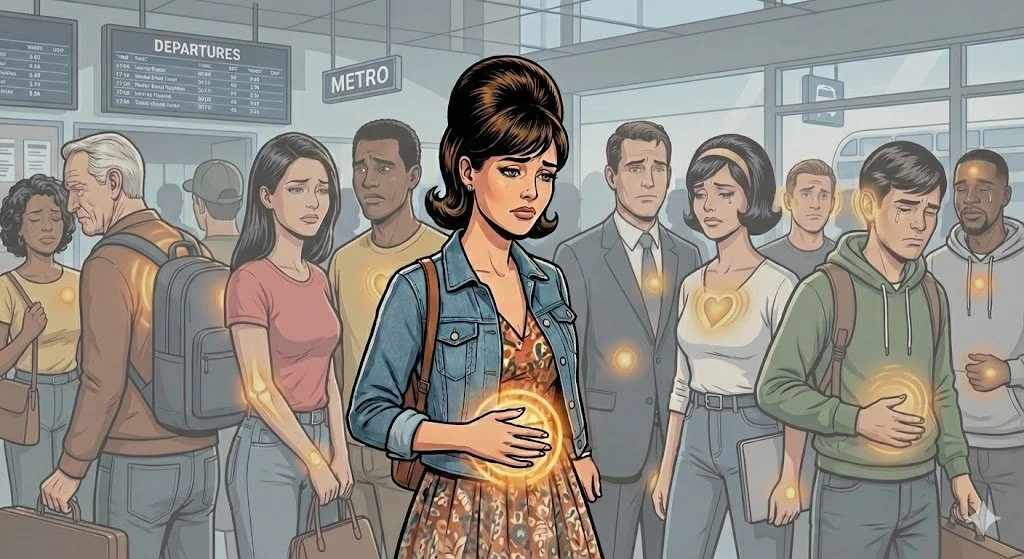









The Juicebox Podcast is a free show, but if you'd like to support the podcast directly, you can make a gift here. Recent donations were used to pay for podcast hosting fees. Thank you to all who have sent 5, 10 and 20 dollars!