
#369 Ask Scott And Jenny: Chapter Fourteen
Answers to Your Diabetes Questions…
Ask Scott and Jenny, Answers to Your Diabetes Questions
Any helpful tips on sleepovers?
What to do and consider when relocating? Tips on finding a new doctor.
What other specialists do diabetics need to visit?

You can always listen to the Juicebox Podcast here but the cool kids use: Apple Podcasts/iOS - Pandora - Spotify - Amazon Alexa - Google Play/Android - iHeart Radio - Radio Public or their favorite podcast app.
+ Click for EPISODE TRANSCRIPT
DISCLAIMER: This text is the output of AI based transcribing from an audio recording. Although the transcription is largely accurate, in some cases it is incomplete or inaccurate due to inaudible passages or transcription errors and should not be treated as an authoritative record. Nothing that you read here constitutes advice medical or otherwise. Always consult with a healthcare professional before making changes to a healthcare plan.
Scott Benner 0:02
Hello, everyone, welcome to Episode 369 of the Juicebox Podcast today on Ask Scott and Jenny. And these are questions that Jenny and I did our best to answer that came directly from you. Today we'll be talking about sleep overs, relocating, finding new doctors, blind management, which is the idea of being able to manage Type One Diabetes without being with the person that you're helping. And what are those other doctors that people with type one diabetes need to visit? Now you guys know Jenny, by now, Jenny has had Type One Diabetes for over 30 years. She's a certified diabetes educator and a lot of other cool things. But mostly, she's the first you know, from the pro tip series from ask Scott and Jenny, of course, and defining diabetes. Jenny really is just the cat's pajamas when it comes to type one and a couple of other things. Please remember, while you're listening that nothing you hear on the Juicebox Podcast should be considered advice, medical or otherwise, always consult a physician before making any changes to your health care plan for becoming bold with insulin. If you hold on for just one second, after the music, I have something for you.
So today's show doesn't have a sponsor in the classic sense, meaning that no one has you know, paid a fee to put an ad on the podcast today. What I do have, however, is an opportunity, one for you. And one for me. One for everybody living with Type One Diabetes, actually, but let me explain a little bit to you. If you remember back a number of weeks ago, maybe it's months now, the CEO of T one D exchange came on. It's a nonprofit that does data driven stuff to help people with type one diabetes. Anyway, after that episode, I maintained a relationship with T Wendy exchange, we're talking back and forth about a couple of things. And they asked me if I'd be interested in helping them gain participants for the T one D exchange registry. So see the T one D exchange registry is a research study conducted over time for individuals with Type One Diabetes and their supporters for like the parents of somebody with type one as well. The participants are volunteers that provide their data for research by just answering these questions in an annual survey. Once you're enrolled, registry, participants have the opportunity to sign up for other studies on various topics related to type one diabetes. The goal here is to improve knowledge of type one diabetes, help accelerate the discovery and development of new treatments, or to generate evidence that supports policy and insurance coverage changes that help people living with type one. So if you're not just paying for me to tell you this, how does this work? This is important for me to tell you, I want you to understand this.
Every one of you that goes to the link, T one d exchange.org. forward slash juicebox enters the registry, answers a couple of questions to see if you're eligible. And it's really just about having diabetes, couple other things. And then complete the questionnaire, which I've done already took me about seven minutes, I actually did it live. And I recorded it. So it's at the end of this episode. So you can hear took me about seven minutes. The questions are very basic and completely anonymous, your information will never be attached to the answers, they will never know that you. Let's say your name, for instance, is john. And john, your information, the answers to your questions will never be attached to your name. It's taken very, very, very seriously. HIPAA regulations are followed to, you know, the nth degree. Anyway, this information impacts all kinds of things. For instance, you know how Medicare started covering cgms. They used the data that the T one D exchange was able to pull together to show how important that was. And it helped move that legislation forward. It's helped coverage for test trips, it's helped to show that Dexcom can work without finger sticks, all of this different stuff. But but here ends up being the real problem. The more data that they have, the better. They can do their job. And the T one D exchange is having trouble getting enough people to do it. That's why they came to me they thought that this podcast could reach more people. It's not a situation where people don't want to do it. It's that they don't know it exists. So they don't know how to do it. So they don't just need 25 of you to do this. They don't just need 100 of you to do this. They need thousands of you to do this and it's super simple. Again, you'll see at the end, but you go online, the website is really clean. It's very intuitive. It's easy to get through a couple quick questions. Am I okay to do this? Yes, comes back immediately through your email, you keep going, right there on the web page, answer the questions, I go over every question. So you know them. And then that's it. And then annually, so yearly, you'll be asked to kind of update your answers to some things and maybe ask different questions. I put a lot more information at the end of the episode, so you can understand this. But that's it. It's super simple, and incredibly valuable for people living with type one. So if you've been looking for a way to support people with type one diabetes, and if you'd like to support the podcast, this is going to do that, you know, with one one effort two birds, one stone, think of it any way you want to, you're going to help people with type one, you're going to help yourself, you're going to help your child, you're going to help the future with type one diabetes, and you're going to help support the podcast. T one D exchange wants you to know that the purpose of the study is to collect the information from individuals with type one diabetes, and parents of children with T one D to learn more about the management of type one diabetes, how it may change over time, and how different management approaches relate to glycaemic outcomes, acute complications and the use of health services at this time, there is no end date in sight for the registry. T Wendy exchanged hopes to follow a large group of people with type one diabetes over many years, so they can get a very firm grasp of what all this data means. Anyway, I think the people listening to this podcast fit perfectly into this idea. And I know we can reach a lot of people. So if that sounds good to you, and you can spare a few minutes, T one d exchange.org. forward slash juicebox. Links near show notes and links at Juicebox podcast.com. us residents only. Oh my god. Hi.
Unknown Speaker 7:00
Hi.
Scott Benner 7:02
When you texted I was like leisurely. Just you know,
Jennifer Smith, CDE 7:05
like getting a cup of coffee or no tea. Don't drink coffee. Tea. Yeah, I was.
Scott Benner 7:10
I had a Arden's blood sugar got low on me at 4am Oh, no, just two seconds. I got up and I fixed it. But I I stayed awake to make sure. And then the dogs barked. And then before I knew it, it was 630 to get out. I hadn't been up yet. And Kelly let me sleep. So I just like 10 minutes ago, my eyes was like, Huh, it's morning. Funny, I don't sleep in ever. I never get to sleep in. So I was like,
Jennifer Smith, CDE 7:43
well, that's a long sleep. And it was.
Scott Benner 7:45
And so I was like, Okay, cool. Like, I'm gonna go set up and get ready. I'll take a shower. And then you're like, I'm ready. Lady, what's going on? All right, Jenny, let's actually get to the questions here, shall we? Get Megan Megan goes, I've heard Jenny talk about when she was little. This is about little tiny Jenny Oh, and did sleep overs. I've never let my daughter go to someone else's house overnight. She's nine years old. Any helpful hints? She doesn't wake up to her phone alarms. So it would have to be me calling in other parents when she needs something. Well, I know what I do. So you're in a different position. You're, you're not little Jenny anymore. But like, let's talk about that for a second back in the day. Like why was it easier when people knew less about diabetes? Like and I mean about the data and what was actually happening? Because
Jennifer Smith, CDE 8:37
Yeah, I mean, did you because nobody could follow anything. I mean, there was there was literally no continuous glucose monitor. And while there were pumps, they were they were nothing. So I didn't I didn't have one. I was only on daily injections. I mean, this lipo was first that I had, it wasn't like some random person down the block that was like, Hey, I met Jenny at the playground. Let's have her come sleep over. You know, I mean, these sleep overs were with good friends that knew that I had diabetes. I mean, they didn't know much about the management of it. But you know, what my parents essentially my mom really did. And she was like, the order keeper in our house. Was she just kind of hyped up a plan, right, she was, she called the parent ahead of time. She knew kind of like what kind of snacks and things what we were going to be doing, whether it be like playing outside or whatnot before or if it was just an evening kind of thing where we'd be watching movies and then talking all night or whatever it was, you know, and she essentially just gave a guideline for Jenny needs to check her blood sugar at these times. Again, we had no continuous monitor just so I had to do a finger stick right and you know, has to have a snack at this time because actually at the time of doing sleep overs, and even In through high school, the insulin that I was on required very regular meals and snacks, I didn't have the option of using a human log because it wasn't available or a nova log because it wasn't available. There was no rapid there was our right, which was longer acting. So I had very time two types of things. So I always had an evening snack plan. And it was just that my mom had to make a consideration for what that was going to be at the friend's house. Now compared to what I usually had at home,
Scott Benner 10:31
did you deal with the lows, the way people deal with lows now on that insulin.
Jennifer Smith, CDE 10:37
Um, only if you didn't eat only if you didn't eat correct, because on regular insulin, you usually mixed it in a syringe with an intermediate acting insulin, which was cloudy, right? And that had about a 12 to maybe 16 ish hour impacts, you took that kind of insulin with the our insulin every 12 hours morning, you didn't take any insulin at lunchtime, because the cloudy insulin was supposed to peak in action. And so the lunchtime met the peak of that insulin, so you didn't take insulin to cover lunch. But again, meals were also very structured, like I had a certain amount of fruit and vegetable and protein and fat. And, you know, everything at the meal was very sort of sketchy, you know, a schedule that was regimented. So I think that might have actually made it a little bit. A little simpler. I would say
Scott Benner 11:28
I'm honestly, I'm thinking your mom's real concern was eating at certain times, right testing to make sure we're not way crazy off one way or the other, and, and maybe having to adjust the insulin a little more aggressively for party foods that you didn't eat every day.
Jennifer Smith, CDE 11:47
Right? Right. And potentially knowing that, you know, the next morning, I mean, the call was always this Jenny's blood sugar. It wasn't that the parent of the house figured out what to do. It was that they called my mom and they were like, this is Jenny's blood sugar, and that we did the math, and we figured it out. You know, we knew how much to take them in. Because we did have a correction. Yeah, you know, to be able to add in. But as far as overnight, I believe I remember the parents at night, waking me up in some cases, but I can definitely say not all the time to test. I mean, that was a, that was a thing that my parents did do at home. But I'm quite sure that my mom didn't have them doing that all the time with,
Scott Benner 12:33
it'll be okay. It's usually Okay, that kind of thing.
Jennifer Smith, CDE 12:35
And she went with that, because she knew the kinds of things I was going to be snacking on at a party in the evening, were likely actually just going to drive my blood sugar higher than we would want them anyway. Yeah. And we just left him sit there. So you know, we didn't know really,
Scott Benner 12:48
so. So I think the two things here that make your experience different than Megan's question is the type of insulin right that we use now versus back then. Right? And that your mom had things pretty well structured, right? Yeah. She wasn't like, things weren't a mess at your house for your diabetes. Your mom was like, well, we'll just roll the dice and let her go. You're like, shoot, right? She had a plan? I think it sounds to me, How old is your mom?
Jennifer Smith, CDE 13:21
Um, my mom is
Scott Benner 13:22
- How would she do on one of these interviews? Do you think I just thought it might be. might be interesting to talk to your mom one day. But, but you'll decide if that's a good idea or not. I don't I don't need to know. But But my thought was, is that she was she was more like us, the people listening to this podcast, probably. But back then. She really, like dug through it. It wasn't just as easy as you know, like, blah, blah. Like, I know, I had friends who had diabetes, you know, that long ago. And it was just sort of like, Hey, this is what they told me to do. And this is what I do. Right? They weren't looking at it any farther than that. Right? And so
Jennifer Smith, CDE 13:59
today's technology has brought in the ability to see so much more. I mean, I mean, even my mom says, today, gosh, I wish that I had had this type of visual information. When you were little right. The things that we could have done differently is kind of, and I'm like, you know what, Mom, I'm alive. I am complication free. You did a really good job with what you had. And that is what it is, you know. But in today's world with the technology we have, you kind of have to take it and say, What do you know about the people where you're sending your child's sleep over?
Scott Benner 14:34
Right really going to do this thing that you're asking to do? Or will they not see it as being important? But I also think that if Megan has a CGM, if she has a dexcom and she has shared I mean, which I think at this point, they all share like there's not one that I don't think anybody's using one that they can't see on a phone or, or something like that remotely. So is the idea for me. I mean, here's how I did it. I think I thought, okay, I can't not let Arden spend the night at someone's house, right. And I've had two different experiences. I've had parents who lets you know what, I've had three different experiences. That's interesting. I've had parents who just listened to what I said, and didn't over or under think it. And that always went well. I had a guy who had struck him so hard. The Father, not the mother. He just stayed up all night long. He couldn't bring himself and go to sleep. When I got there in the morning to pick him up. He hugged me, and we did not know each other. And it was a I'm sorry, Your daughter has this hug. Oh, like it was like that.
Jennifer Smith, CDE 15:39
Like, I'm sorry that you stay up all night? Yes.
Scott Benner 15:41
He just assumed I think that I probably know, he probably looked at me. Like, that's why that guy looks so bad. But, yeah, I mean, I wouldn't be I wouldn't be okay either if I never slept, but no, he just, he cared so much. And he and he took it so seriously, that he couldn't bring himself to have a moment he slept through. And he just sat up. Sure. And I've had people this one woman comes to mind. Who, if something would go wrong, it was fine if it went right. But if something went wrong, if Arden's blood sugar got out of toe a little bit, she'd call me and say you have to come get her. And she made me pick it up at three o'clock in the morning, once. So I've had all the different experiences. So the people you're sending them to, are a big part of this AR because you don't know how they're going to react to being able to see the data. Right?
Jennifer Smith, CDE 16:37
And I think you may want to in that, in that sense, you may want to even start with the people who really, you've come to know them, well, you don't only know their child, but you've come to know the parents of the child, right? You've gotten comfortable with them, they see your strategy of management because you've interacted socially, hopefully again, at some point.
Unknown Speaker 16:59
What right.
Jennifer Smith, CDE 17:02
video now. Right, right. So, you know, I think once you get to know people, they have a comfort level, because they can see how you strategize. And they can see your comfort level with it. It's throwing a child into a setting where again, it's like, the parent of a kid who's kind of newer, to the group of kids your child hangs out with, and you're like, they're trying to get to know people. So they're going to have a party and whatever. Well, you know, what, maybe call the parent talk, see what their comfort level really is with everything. Because people I've learned people get a sense of comfort from what you exude. Right? They, they, they feel eventually what you're feeling about it. So if you're like, oh my goodness, wow. I mean, they're gonna be all like, anxious and like, ramped up
Scott Benner 17:53
to, every time I talked about school, I tell people do not come off as crazy, because they're just gonna think you're crazy. And that's going to be the end of it. Now, the person who made me come get Arden at three o'clock in the morning, let me say this. I was not surprised that she was the one that that happened with. She was a me person. And when it got hard for me, being her she didn't want to have anything to do with anymore, but her kid was popular and art and was trying to, you know, get along. Yeah. Interestingly enough, now I think Arden's popularity has changed a better way. Yeah. So I don't see Arden trying to, you know, make friends anymore. It's she's just comfortable with the people she's comfortable with now, which is really nice. But But this bigger idea. And Megan, you're lucky you answer the SS question here. Do you know, years ago before all this fun technology, I actually sat in Manhattan for 12 hours in a television studio in a chair, and a light would come on. And someone would say you're live in Indianapolis on CBS three news in 54321. And then I would talk about sleep overs. And I did it for Lilly. And then you'd sit back and say this one's a radio, you don't have to be on camera and you sit back and then you do a radio interview. I forget what they call them. But I did one one time for Lilly diabetes, when they were putting out this little book, it was like kids books or something like yeah, like the CoCo bucks. Yeah. And it was interesting, because I got to talk about sleep overs over and over again, it was a little more like, Listen, you really need to let your kids do this, because it's a weird thing to restrict. Now, having said that, I know people who think that sleep overs are weird, and would never let their children sleep in someone else's house. And I don't know that I can argue with that. Like, I mean, if that's your feeling then right on, but what I think is, is that if this is something your kid wants to do, and something you want them to do, having to restrict them because of diabetes is gonna have some sort of psychological impact. It might be a little But it's not a good thing moving forward, I was never allowed to go anywhere, which will later build into I shouldn't go places I'm scared like it could, it could pet right it could build, some people might not care. So I think if you've got the technology, the way I ended up eventually being good at letting art and go anywhere, was I would practice managing when she wasn't with me through Texas Rangers, right, and then we got so good at it, I don't need to be with Arden to help her with their blood sugar, right, then it becomes the overnight spot, then you have to have a person who's willing to take a phone call, and knows it's possible the phone's gonna ring overnight and will wake up and can take direction from you over the phone. Correct me though.
Jennifer Smith, CDE 20:44
And all kids too hard, a very different level of their own ability to manage, right? Some kids from early on, can wake up to their alarms, and they may not know how to treat it, but they wake up to it, they go shake their parent, they're like I'm low, or their parent is already in the kitchen getting themselves think or whatever. Some kids sleep through everything. And it's a good majority of kids who actually sleep through everything, you know, because they just kids have a very deep sleep, which is a good thing. But from the standpoint of alarms, especially when you're trying to communicate with your child at three o'clock in the morning, and they're, you know, six miles away. That's it's hard. So again, you have to have that communication piece with the parent, not necessarily saying hey, if to sit up all night and watch my child's blood sugar, but if I call you, I would hope that you're going to answer you know,
Scott Benner 21:38
two other things with technology that helped with that. One Find My iPhone for people with iPhones, if you don't know what find iPhone is it sends a piercing signal through another phone. So you know, you could send that. The other thing is to I would you know, after dexcom share was was you know, a thing. I put the the follow app on the parents phone, right? But only give them alarms for low extreme
Jennifer Smith, CDE 22:08
high or really
Scott Benner 22:10
percent right, I would put an extreme high or at 55. I said, Alright, listen, if this thing beeps you know, kind of deep and twice. Her blood sugar's too high. And if it beeps, like faster, I can't I said dumb and you'll see like, it actually sounds more panic the low beat Yeah, it feels like it's killing you, oh my god, you're low do something. Or my brain is, you know, you know, attributed that to the sound at this point. But and I said, you know, it'll be beep, beep, beep beep for really fast that's low. Low means do something right now don't wait, hi means we really should be getting her blood sugar down. And those were simple, like directions that I think they were able to understand. Yeah, maybe my
Jennifer Smith, CDE 22:55
mom, my mom went as far as all the sleepovers that I went to I always had my glue gun kit with me. I did. I mean, the parents again, were knowledgeable, good friend, parents. And they, they knew how to use it. They knew the purpose of it. So I just I brought it along. But again, never had to use it in those circumstances. Thankfully, the parents never had to try to read the directions at two o'clock in the morning. And
Scott Benner 23:22
it's a tough thing to look at another human being in the face, pull the thing out and go, if she has a seizure, what I need you to do, like, wait, what a second now. Yeah, and you're like, Oh, don't worry, that's not gonna happen. I used to say aren't had diabetes for five years, six years, eight years, that's never happened. We've never used one of these, I buy these and throw these away all the time, blah, blah, blah. Right. Having said that, if she should have a seizure, it's not a not a reassuring thing to say to another person. But it's a good thing. And so my point is, maybe have that this is how the glucagon works conversation, not at the drop off. But prior to that, so that you don't put them into shock. You know,
Jennifer Smith, CDE 24:02
and I think you'd actually just said something very appropriate. It's the prior to, it's the planning. Yeah, right. Most people don't have any plan for dropping their child off at a sleep over. Other than just saying, yes, you can go get everything ready, and they drop them off. Yeah, as a parent with diabetes, you already know that you have to have a plan for a plan and plan B for Plan C and whatever else. Yeah. So it's the plan ahead, the talk ahead, don't expect to spit everything out at the parent as you're dropping your child off at the curb and then be like, bye, bye.
Scott Benner 24:40
This is not something you should be yelling out the car window. I'm actually thinking we should add a couple other things to this. So parties, picnics, things that you don't go to because you don't you know, you don't like the parents. So you just I can't spend the afternoon over there with those drunks, you know, like gigs or whatever. Whenever you know, something you Won't be at. I think a lot of these ideas fit right along. And they're actually simpler because people are always going to be awake during them. The one thing that I know causes a hiccup is a pool party when you go in the pool, now you're not, you don't have a signal for your CGM anymore, right. And so I think still, one of my, one of my most valuable diabetes skills, is being able to blind manage diabetes, like not to have to be with the person or see exactly what's happening, to infer, from what I know about the situation or what I can see in the data. I think that's why I'm good at looking at someone's graph and being like, hey, blah, blah, blah, you know, do this and this and the way I think of it, the way I thought of it originally, when I realized I need to be better at this when I'm not with it, is I was always impressed by customer service people for computers. Like they're not looking at your computer, but they're walking you through the computer, right? Like they're like, you know, see that thing over there. Click on that,
Jennifer Smith, CDE 26:06
you know, the parts, they know where they are, they know where to poke it, they know exactly on a list of a drop down which one to write,
Scott Benner 26:12
right, like, in my mind, make yourself a marine that can take apart and put his gun back together, blindfolded. Like, like that sort of a thing with diabetes. Like I feel like I'm there now, which will help you in your own life too. But it definitely helps you when you lose the signal. And you can calmly say to yourself, okay, the signals last Arden's in the pool now, yeah, she's not gonna swim that long, she doesn't usually swim this long. So in about a half an hour, you know, she was 105 and a half an hour, if I haven't heard from her, I'm gonna send her a text and ask her to get back near the transmitter for a minute. And be okay with that. And not be sitting around your house, you know, scrolling on the walls in your own excrement because you've lost your mind. Billy's a nice boy. Like, you know what I mean? Like, like, try to hold it together is what I'm saying. And if you can't hold it together a nice phone call to the host parent who's willing to take that phone call or text just say, hey, I need you to have Arden test your blood sugar. Right? That's all
Jennifer Smith, CDE 27:12
and tell her to get out of the pool for five
Scott Benner 27:15
minutes, text me afterwards. That's, it's all very reasonable. In the end, as we're talking to Megan and talking to each other, and I'm recollecting all these things I've done throughout time with diabetes. In my mind, I feel like I'm like, I almost feel like I'm getting away with something or having a podcast, because is anything we've just said not common sense. Like, right? It's just that what happens to us around diabetes, is the fear literally knocks that common sense right out to you. Correct? Yeah. And then and you cling to I need rules, give me rules to follow, if I have rules, then nothing will happen to my kids not gonna have something happened to him, I don't want to happen. I don't think that's it. Like I don't, I think those rules are just there to make people give them like a, almost a false sense of calm, where what you really need to do is understand it, and is different than anything else in the world really. You know, also making keep in mind is your kids nine, now she's going to get a little older skin and want to go to a dance at the school, this is going to be the same, the same muscle you're going to use there, you're going to start sending her to parties, I hate to say this in the 1314 range, some little malcontent and your town is going to start drinking and think it's really super cool to bring alcohol to a party. And hopefully your kid won't be the one at 14 years old and artist that wants to try it right. But you know, by then I'd like to see you have a firm grasp on this. Because, you know, right, everything gets a little harder when they hit that, that age in there.
Jennifer Smith, CDE 28:50
And I think you brought up a point to before about, you know, it's your decision that you just don't agree with sleepovers at all has nothing to do with diabetes, then for the child who has siblings, those siblings also follow the same rules. So it's a little easier for that child to feel like has nothing to do with diabetes, it's just because mom and dad don't really agree with going to sleepovers. Whereas if your siblings are going to parties, and they're eight years old, and you're 12 years old, that's really that's not fair. It's not your call, and you're causing a problem that could be a problem later on for how that child continues to grow and feel about sharing about diabetes and being open about it and even managing it a little bit more on their own in an open way.
Scott Benner 29:36
Diabetes is already an already has the possibility of being an issue in your kid's life. You don't want to turn it into that cousin that you talk about behind their back. Where you know, I mean, where you're like, oh, yo, Patty's great. And then at home, everybody's like, Patti. So where am I? Right? You know, maybe like you, you know how it goes with family, right? Like because that's, you don't want your kid you don't want to be telling your kid. It's fun. This is manageable, you can have a normal life. And then, you know, three times a year be like, but you can't go because of this diabetes. It's not my fault. I'm not the one keeping you out of it. Because now you now know Nobody. Nobody likes Patti, and not therapy, and right, not gonna help you throughout your life.
Jennifer Smith, CDE 30:18
No, no, I mean, I can, I can remember only one. And as an adult now, well beyond my teen years, I still remember this one time that I was not allowed to go to do something. And it was in high school. And I know it had to do with diabetes. I do. Yeah. And I know, because my brother who's four years younger, so we were never in high school together, right. I finished I went to college, he started his freshman year, so we were never together. My senior year, our basketball team went to stay. And that meant that we wanted to travel with our team. And we wanted to go to state and watch them play a weekend tournament. Right? My mom wouldn't let me go. All my friends were going my known friends, good parents that my parents knew were going to be there. My mom wouldn't let me go. Yeah. And I knew the reason, despite her letting me go to a million other things, sleep away Girl Scout camp, sleep overs, all those things. But I was in high school. And she didn't want me to go out of town to sleep in a hotel, along with this like, and again, I think from a visual had she had some information technology wise, she would have been okay with it. But yeah, that was the one instance and I know it was diabetes, because my brother when he was in high school, they also at some point went to state, the varsity team, and my brother got to go
Scott Benner 31:46
could this has been a gender thing, as I'm asking was, was was your mom trying to keep Jenny pure another week? I don't know. Why, why did you really want to go to the basketball tournament?
Jennifer Smith, CDE 31:58
And that's the funny thing that was a really like, I was I still am pretty much like a follow the rules. There are many things that I don't, you know, follow strictly everything kind of go my, but I'm pretty much like the rule follower. And I was I growing up my brother was the one that pushed the buttons. He pushed the limits. He did not me. I was the firstborn and I did it. Like I was told I'd be home by 1130. I am home at 1120. I was told to be home at 1130. I I don't know if it was the gender component. Perhaps it was. I maybe don't
Scott Benner 32:33
I don't know, either. I'm just wondering. That's all
Jennifer Smith, CDE 32:35
anyway, that's the only one situation that I
Scott Benner 32:37
can remember if your mom was like, I'm just gonna pull this diabetes card out one time here to keep Jenny a virgin.
Jennifer Smith, CDE 32:47
Boyfriend at the point.
Scott Benner 32:49
Don't need one of those at a basketball tournament. Anyway, that's nice. Do we want to talk about relocating when you have type one, like literally moving somewhere else? Or do we want to talk about it or
Unknown Speaker 33:05
have you? Oh, I've done.
Scott Benner 33:07
Alright, here we go. MC pres what to do or what to consider when relocating, especially if you're the caregiver of a younger kid with type one, what should I do before leaving? And when I get to my new location? All right, Jenny, you married somebody in the military. All right.
Jennifer Smith, CDE 33:26
I did. My husband is a retired Marines.
Scott Benner 33:29
So he actually probably does know how to take a gun apart with his eyes closed. And what else can your husband do in the dark? And? And
Unknown Speaker 33:42
we'll go with guns.
Unknown Speaker 33:42
Yeah.
Scott Benner 33:45
We're just gonna talk about Jenny's husband's pistol for a couple more seconds. And then we're going to talk about reload. I'm just kidding. Go ahead. What do you do to read now that I've got her?
Jennifer Smith, CDE 33:52
Yeah, we've, we've relocated a lot. I mean, since we got married. We have moved many numerous times, within cities as well as out I mean, we grew, we moved. When I did my internship out to Colorado, that I took my first job and we moved down to Florida. Now we, that husband took a different job. So we moved up to Washington, DC. And then the area was very busy, and we wanted to be closer to family. So we moved back to Madison, Wisconsin to be closer to family when we wanted to have kids. So we've moved a lot. And in each instance I can say that prep ahead of time and so that this is a great question. I somebody is thinking ahead here, they're thinking I know I should be planning something, but what should it be right? I mean, as as the person myself with diabetes, I always very quickly established, who to go to write with whoever my insurance was. Once we got there who I could see I called a bunch Have people I called around to see, you know, as an endocrine practice for adults? Do you see a lot of type ones? Or are you mostly type twos and you just dabble in type ones, or, you know, you're only like, this friendly to this particular pump, and you don't want to help anybody with anybody, anything else? I. So I guess, in that it's asking questions, right? In within, again, kind of your network of provider availability, yeah. As the caregiver, those are some things that you can do ahead of time, that, you know, if you're, if you know that you're moving someplace, obviously, you've got a location that you're moving to, you're not just going to like live in your car on the street corner until you find a place. So you've either got an apartment, or a home that you're renting or a home that you're buying and your new location. You know, consider distance in a city, if the best provider is 20 miles across the city, but they're the best. And you've heard the, the greatest things and they've got openings, you have to kind of fit that into your I can do that. And in the moment to see the person every three months or every six months. So I can do that? Or do you want to be closer? Do you have a lot more issues that you need to discuss, but calling around as well, like I said, if you know, especially because insurance dictates a lot of what you can do. So if you know what your provider is going to allow in the new location, look at the network of providers on that plan. Yeah, start to pick out some even even you know, with so much social networking online and the diabetes online community, there's so many Facebook groups, especially available that can give you you know, parents of kids with type one, ask a guarantee, at least in some of the big major cities, and in most of the states, you're gonna find somebody who answers you back and says, Hey, I live in this city, and I see this person and they're really, really awesome.
Scott Benner 36:59
You know, mine when you do that, though, everybody, everybody grades differently, like they do. What is awesome mean? Like, you know, in the back of someone's head, awesome could mean you know, I come in there with an 8.1. And they don't give me a hassle. I like that. It's awesome, which probably isn't is a good thing. I'm just saying that people's expectations are varying. But I do think it's a valuable way I just used my breach to try to find a an endo, for a girl in New York City. Yeah, you know, and I'm wondering as we're talking, if you don't, I wonder if you couldn't set up a short conversation, not an interview, you wouldn't call it an interview to the doctor, because they wouldn't like that. Right there. God complex would definitely not like that. But um, but you know, I conversation where you say, look, this is how I manage? Would that be okay with you? You know, like, would you be open to helping me on this path, because I don't want to take all the effort of coming to the PAC practice sitting down explaining to you what I do, and having you say, you can't do it like this, or, you know, I just don't waste your time or my time. I wonder if that's not valuable?
Jennifer Smith, CDE 38:04
I think that's kind of the it's sort of a more in depth. thing to do, I think more the tip of the iceberg for for filtering. Yeah, which is kind of what you're doing is calling the providers that you can see, you know, on your plan or whatever, and assessing, most likely you're going to get in contact with their nurse that helps them rather than the actual practitioner and ask ask them Yeah, right, you know, have a line of questions that are essentially, I use this kind of product, I use this kind of continuous monitor this kind of, you know, I use this software. Does your offer, is your office, you know, kind of allowable for these types of things. Do you use these? Would you allow me to bring in reports, if you can't physically see them? How much time will you spend with me? I've got a lot of questions. I've got other things besides diabetes, maybe they've got celiac as well. Or maybe they've right can you work with them?
Scott Benner 39:03
how flexible would you be if I said, you look, I you know, I don't wait three hours to correct the high. You know, because there's a there's some places who'd know, I'm starting to believe they know so little about it. In regard in terms of like, looking at the data and making a decision, they need to know when things happen, because that's how they think about it. I'm starting to think now that's what it's about. It's not about I don't want you correcting a high probably in the back of their mind. They're like, geez, get this blood sugar down. But if you did, then they don't know how to look at your graphs and make sense of them anymore. Right. And and so, you know, if I did that, yeah, right. I need these notes to say what I need them to say so that I can help you. Otherwise, if you bring me different data, I'm, I'm useless to you. You know, I'm starting to think it's a little less about them wanting you to do something a specific way just to control you or because they think you're wrong. And it's more about them, about you getting them out of their element. By doing things differently than they're accustomed to, right, right. But But and
Jennifer Smith, CDE 40:04
that's, that's the notes component that I always talk to the people that I work with about. Your doctor isn't necessarily like a bad doctor. Yeah, it's just that one, they have a time constraint. First. Secondly, if you only give them your pump to download, there are no notes. There's no history, and there's no information about it. They can only take the information there and make suggestions based on data, right, but they don't know the variables of your day. If you come into the office, and you've been in Aruba for the last three weeks drinking my ties on the beach. They didn't know that when they looked at your data and said, well,
Unknown Speaker 40:43
gosh, right,
Jennifer Smith, CDE 40:44
what was going on here?
Scott Benner 40:46
Sometimes people don't know, I have to say, That's weird. What's happening right there. You know, I, you know, what made me think of this. And I've never considered this before. But I think it's a good idea. Like you're saying call head talk to a nurse or practitioner or something, get a feel before you lock yourself in, and then then have to go through that trauma. It made me think of, when my son was recruiting for baseball, we went to a meeting. And I think he wanted to go to this place. And the guy started saying weird stuff. And it was like any any we walked out, he goes not here, not this guy. And I went, Okay, why he goes, I don't know, man, not here. And I'm like, all right, you know. So he just, he got some feedback back from this man that made him feel like this is not where I want to spend four years playing bass. Right?
Jennifer Smith, CDE 41:31
Well, and you bring in a good point there too, from you know, this, this person is asking specifically for their child, they don't know how old this child might be a young or might be a teen or whatnot. But I think especially for all ages, finding this would be a pediatric and no practice, right? But finding one that the doctor really has interaction with the child and expects the child to be a part of the conversation too. Even if it's you, right? It's it's not just I'm talking to your parent, and you're off in the corner playing on your iPad, because I don't give two hoots about talking to you. I'm just going to look at your data. In my opinion, if it was my child, that's not the kind of practitioner I want. My child needs to be engaged in that visit, even if they're three years old. And the doctor just asks, Where do you like to put your pump? Or which finger Do you like to stick or write? I mean, there needs to be and that those are questions again, that you can ask ahead of time. How do you work with kids? Yeah,
Scott Benner 42:35
and that's good, because it might not be so important in the moment, but it's important for when your kids 25 and feels comfortable talking to their doctor about their diabetes, right? Yeah, I our endo is very good about that with Arden. Because, you know, in honesty, Jenny's right, they're just they're honestly those kids are really there. So they can check their sites to make sure their sites aren't going bad. And like, you know, right, ask them, you know, the rest of the questions or to make them comfortable. And now you're making a point, though, about being an adult. I think about this all the time for Arden. I wouldn't know this if I wasn't so involved in community. But adult endos are a bit of a grab bag. Right? It there's not a ton of really good ones. And so, unfortunately, I want Yeah, I wonder how long I have to start prior to art and getting booted from a children's hospital. How old? Do they let you be at a children's hospital? You're done college 18. Is it not? If you go to college, you can keep going there because PD pediatric? That's a good question. Yeah. also find out about that.
Jennifer Smith, CDE 43:40
Yeah, I would definitely ask about that. Because I know it used to be like, when I was kicked out of my pedes it I was 18 Yeah, it didn't matter. That was in college. I was 18. And I had to switch over to a an adult and oh,
Scott Benner 43:53
yeah, I'll tell you, I might very well lead with Listen, here's Arden's records for all these years. I just need you to write some prescriptions. Can you do that for me? You got an A one c machine back there somewhere, you know what I mean? Like, like, that sort of thing. Without being cocky in a way that will make them be like not like you to like there's that's the other part of it is like you have to realize you're building a real personal relationship even though it only happens 20 minutes at a time every three months. You don't want the doctor to walk in and look you in the face again. This one? Yeah. I remember him. He didn't need me, like didn't mean like you're you need to avoid that kind of stuff. So. Alright. That makes sense to be cover that,
Unknown Speaker 44:40
I think All right, cool.
Scott Benner 44:46
So here's a pretty simple one. And now you got you go.
Jennifer Smith, CDE 44:48
Oh, I was gonna say the one. The only other thing that I would add to the end of that would also be from a prep standpoint, which is the quote, you know the question make sure that priority tubing, you have enough supplies that you're not in a rat race of establishing with a practitioner to actually get new prescriptions for things. Yeah. Because that a new new provider will usually not do, right. If they don't know you from the corner, man. They are not going to write a prescription for you just because you're in urgent need of one, but
Scott Benner 45:22
the person you're currently with would probably be happy to load you up before you moved. Yeah, right. I know. Um, one time, Kelly switched jobs, unexpectedly. Nice way of saying that, isn't it? One time? Oh, and don't worry, we're fine. But but but you know, she switched jobs unexpectedly one time. And I was right on the phone, nurse practitioner, I was like, Hey, we might have a gap in medical insurance. And she's she, I didn't even have to like, finish my sentence. She's like, Oh, okay. I'll just send all the scripts here because we bought online pharmacies. Like I'll send everything in right now. for it. I was like, thank you. There was it. So what I'm saying is that while my wife was transitioning, there was a stack of insulin in my refrigerator big enough that like, we couldn't buy hotdogs get on me. Yeah, so we're a little low on space. And, and, and that's because we had a great relationship with her. But you know, she's the one we know. So if you're going to relocate, stopped up with the person who knows you beforehand. All right. We I think we can do this one before you go. Brittany said, all of the other. By the way, there's a before I start, there's there's a question here that I don't know if we can ever, I'm going to read your question, and we're not going to do it. But it says I feel like so many of us struggle with finding the right balance of explaining diabetes, like fitting in the right amount of details. So they understand it's more than a couple of shots, but not too many details where you give, but they give you the glazed over last
Jennifer Smith, CDE 46:54
is like explaining to somebody else about
Scott Benner 46:58
just like not necessarily the how or the why or the scientific medical part. But like a, hey, if you're listening to this, someone you know, love has type one diabetes feel they need insulin for food they eat but not all carbs are equal, you know, and she goes, this is really interesting. She goes, basically, you know, could you roll all of the episodes of the podcast into a quick 30 minutes that I can hand off to another person? I don't know. I don't know if we could and at the same time, I'm I'm invigorated by the idea of trying.
Jennifer Smith, CDE 47:31
Well, actually, that strikes of funny because I had a thought the other day, like as I was, I usually try to like read or like do a little bit of journaling before bed. Just like my down mental shift. And I was thinking, we've done a lot of like informative, I was like, I wonder if somebody would take all of these and like write them into a book. I make a book for
Scott Benner 47:56
waiting for somebody to ask me to make the podcast the book. And to be perfectly honest with you. I started having that conversation with someone last year, and then it died somewhere along the way. But interestingly enough, for you know, I've written a book, I have this podcast, there's a couple of things I've done throughout my life. If you knew how many things how many irons went into the fire and never came back out of the fire again, you gotta throw a lot against the wall to make something work, you know? Yeah. Yes, you do. I'll tell you what I you know, hold on. Let's do one more quick question about that. Okay. So Brittany says all of the other type one diabetes related appointments we need to make diagnosed for nine months and just heard last week, we need to make eye appointments for my four year old what else Don't I know about? So I appointments are the, you know, the big one, right? They dilate your eyes, and they look all the way back there and they get a baseline for the health of your eye? And then you go back every year and do it again and again. Yep. Right? And what do they just tell people what they're looking forward to that.
Jennifer Smith, CDE 48:56
They're really looking at the vessels in the back of the eye? Anytime you go to an ophthalmologist, not just an optoma optometry, you know, Dr. omala, just actually has studied enough and knows, like, kind of the diseases of the eyes. And also can really focus in and do that where they dilate the eye. They look at the back of the eye. They're essentially looking at the vessels and they're looking for what are called micro like hemorrhages, or big hemorrhages, potentially, but they're looking for those vessels to have kind of opened, right. And when that happens, the eye tries to heal itself and it makes these tinier little vessels. But unfortunately, in that healing and making of little vessels, those little vessels are not as stable so they have more potential to break and or hemorrhage yet again, creating more problem in the eye so that you just we really want to establish and when I was first diagnosed, my doctor told my parents Not to have me visit the eye doctor until my blood sugar's had actually stabilized after diagnosis. Because those high blood sugars can affect so much early on, it makes
Scott Benner 50:09
it look wonky right there,
Jennifer Smith, CDE 50:11
it makes it looks wonky. So you, you really want some stability after initial diagnosis to go in and get an eye exam, right. So, you know, nine months post diagnosis certainly get been established, where is the eye health right now, whether the child has to or 80, or 96, you want to have kind of an established, this is where your eyes are, because then every year at least, you should be having new checks. And if there are problems that do end up coming up, they'll have you come in more frequently then, and there are therapies and things that they can do if there is a problem down the road. But that early on, gives you baseline, right. And for little kids, it's it's really mostly the eye doctor, really, I think of one two that many people don't really consider relevant to diabetes, but it's the dentist. Yeah, if you don't have a regular dental routine for your children with diabetes, get on board with that right now. They should be having a cleaning evaluation checkup every six months at least. Right?
Scott Benner 51:16
Yeah, it's a for a couple of reasons a diabetes, but by your kid is, you know, we always talk about it, like, you don't think of juice is a bad thing. Cuz it's medicine. You know? Oh, my kid takes Smarties by do. You know, like, there's a lot of simple sugars, especially in the beginning, when you're really learning how to keep things, they are a lot of sugar that is not followed up by much teeth brushing. So you really have to be ahead of it. And I've talked about it on here before we just one time switch juice boxes, because Arden just was sick of hers. But I had the right one meaning I could track it, it did what I wanted, it didn't have too much sugar in it. In the six months, she used the other box. And thank God she had baby teeth, teeth still, she developed 10 cavities from this different juice box. So you know, yeah. T says, Is there anything else you should be doing that she can't think of right now.
Unknown Speaker 52:13
I mean,
Jennifer Smith, CDE 52:15
you know, we always talk about like, foot health as well with diabetes, right, just from the standpoint of like nerve health and everything. podiatry. I mean,
Scott Benner 52:25
you know, taking your No, no, your four year old to the house. Yeah, this
Jennifer Smith, CDE 52:29
unless for some reason they already have been established with flat feet, or something else, or they've got shoe inserts or whatnot, obviously, you want to talk to your podiatrist and inform them. Well, now we have a diagnosis of diabetes in the picture here, as well, just to you know, I obviously chart should show them that, but you just want to bring it up.
Scott Benner 52:48
Yeah, if you don't understand the reason, foot health is so important for diabetics, if you should develop neuropathy, and you can't feel your feet now suddenly a small wound that you'd be aware of you might not be aware of any more wrapping that could be your fat goes on long enough, that can be a really terrible problem.
Jennifer Smith, CDE 53:06
Correct. And in the same vein, you know, kids are kids. I mean, sometimes my kids run around in the backyard in the nice grass without shoes on. Yeah, I mean, technically, as somebody with diabetes, and technically, you know, we're told Don't, don't not wear shoes, you know, walk in the backyard without shoes, and walk out to get the mail in the morning or whatever, you know, without my flip flops on, and, but I have feeling in my feet, no
Unknown Speaker 53:33
buttons, nobody dresses.
Jennifer Smith, CDE 53:35
But even for kids, you know, kids, sometimes they're not very like a tune to their body, right? So check your kid's feed every time you give them a bath or at night when you're taking their socks off to put them in bed. Just check their feet. And that's better than anything but don't have
Scott Benner 53:51
a paranoia around it puts don't happen. Right, right. I mean, the only thing, the only other thing I would say to Brittany is that through the years, you know, I pay a little closer attention to blood tests. I think I don't just take it's in range as an answer. So, you know, what does that mean? Am I at the low end of the range of she thought, like were in that range? Is she and you know, I'll go into it in another episode. But, you know, Arden has hypothyroidism but her labs were quote unquote, in range, but we were watching her like, shut off like a, you know, like a light. That battery was dying. Yeah. And and the doctor is like, no, she's fine. We don't treat in this range. And I was like, ooh, you treat my kid in this range. So make make with the Synthroid, you know, right, but right. I'll talk about that at some point.
Unknown Speaker 54:39
Yeah,
Jennifer Smith, CDE 54:40
I think the the only other thing I was gonna say would be um, this is a, I feel like this is a missed point entirely. And I know I've talked about it, we talked about nutrition, and kind of impact of foods and whatnot. But for kids who have diabetes, working with A good dietitian, who's a diabetes educator. Yeah. It's a great way to establish what are your child's needs? Not because they have diabetes, but as a child, what should your child be eating? How much and it's not, you know, work with somebody who really understands that it's not all about, I'm not here to talk about carbohydrates, I get it, I know how to count my carbs don't teach me how to read a label. I want to know what my kid needs, how much extra protein do they need, they're in gymnastics for hours, three times a week, or they're playing soccer, you know, two hours, four times, whatever it is, those are really important, because then the diabetes management works in to what you're
Scott Benner 55:43
feeding them. We really don't talk about, like, food as fuel. No, in America at all the way we should. And sometimes you're pushing through activities. And your body is, you know, it's it's lacking. It's eating itself to get through what it wants to do. And you're like, Look, they're fine. They're kids, kids are resilient, you know? Right, whatever stupid thing people say.
Hey, huge thanks to everybody out there for sending in their questions. And of course, the Jenny from integrated diabetes.com for coming on and checking it out. If you want to hire Jenny, you can do that at integrated diabetes.com. Okay, if you want to join the T one D exchange registry, just go to T one d exchange.org. forward slash juicebox. And you can do everything that I explained at the beginning of the podcast episode. But if you'd like to actually hear me go through the questions first, that's going to happen right now. So settle in and keep listening or jump over there to T one d exchange.org. forward slash juice box right now. And get started. Okay, guys, I'm gonna sign up for the T one D registry right here. My name is Scott, enter. My email address is Scott Juicebox podcast.com. password, phone number for added security for a one time identification code to your mobile phone. All right, do that. Who am I completing these questions for my child who is under 18. The other option is myself over 18 because I picked my child I put in hardens name. Sign up. Well, that was easy. confirmation code. That quick submit success. Your account has been created. Let's get started. Okay, now I'm going to answer the questions. Start the study. Are you and your child able to read understand English? Yes. What's your child's date of birth? was easy. I knew that. What is your child currently live which state? Okay, was easy. And the code you can also answer my child does not live in the US or US territory. Let's say. Has your child been diagnosed with Type One Diabetes? Why she has been easier child currently using insulin? Yes, I'm finished. You are all finished the screen questions? That was easy. Once you're ready, you can submit your answers. I have submitted my answers. But this is going to tell me if I'm if Arden's eligible for success your child is eligible to take part in the registry, you will now move on to the informed consent and decide to go to consent. There's some legal stuff here I say continue what is good for my son? Can I stop being the study? You or your child can stop participating at any time you will be told about new information or is there a cost related to being the study no cost? Is there a payment for taking part in the study? There is no payment for taking part in the study at this time. How will my child's or my information be kept confidential? Very, very, very. There's a lot of stuff here confidential. Okay. Now consent, I agree to take part and then type your name like a signature and agree received an email says, Oh, it's a copy of the consent form. That's lovely. That was easy. And you do a cent you're being asked to be in a research study. The purpose of this asset form is to help you decide if you want to be in the research study then you should not join this study until you've answered all the questions are answered. Okay. Who's doing the study done by the T one D Exchange and is being funded by the Helmsley charitable trust. He went to exchange we use the funding to organize the study. purpose of the study is to collect information from individuals with one D and parents of children went to India to learn more about the management of T one D, how it may change over time and how different management approaches relate to glycaemic outcomes, acute complications and use of health services So at this time, we do not have an end date for the registry, but we hope to enroll and follow a large group of people with T one D for multiple years. That's cool. And I hope that a large amount of those people come from this podcast. Alright, so we say yes to assent we have your consent you have completed the informed consent process, you are signed and dated consent form has been sent to your email. Oh, there it is. Okay, now there's a questionnaire. Before you start, you will be reading and answering the following questions on behalf of a minor. Okay. What's your child's biological sex at birth? They identify race and ethnicity. What percentage of the time does your child reside in your home? When was your child diagnosed with Type One Diabetes? You know, I don't remember the exact day. What's interesting, just put month in year how was your child diagnosed? Or it was in DK? What was your child's last day one see this one? I know
5.8 How did you or your child find out about the registry I found out from the Juicebox Podcast that's other juice box make sure you put that in their podcast Cool. Thanks. What's the highest level of education that you the parent of the parent or caregiver completed Please select only one answer. What is your the parent or caregivers current household income from all sources? How would you best describe your the parent caregivers current employment status? I think I'm employed right here on the podcast. Call that part time. What kind of health coverage does your child currently have? Who does your child see for diabetes care? And you can choose more than one like she has an endocrinologist but also a nurse practitioner he which of course we go by Be specific match practitioner got it in a certified diabetes educator. How tall is your job? I know this to Arden is five seven feet seven inches.
Unknown Speaker 1:02:21
wants to see why. I know that as well.
Scott Benner 1:02:26
Just any of her immediate biological family members have diabetes. Does your child have any other immune diseases? Seems so hypothyroidism? I look at this psoriasis is listed there. It's interesting.
Unknown Speaker 1:02:44
Is your child currently pregnant?
Scott Benner 1:02:46
No. How many biological children does your child have? Zero? Has your child ever been treated for and or diagnosed with any of the following frozen shoulder? anxiety Alzheimer's substance abuse I'm not gonna read all these let me just roll through here real quick cardiovascular disease
Unknown Speaker 1:03:07
No, no, no, no.
Scott Benner 1:03:11
It feels pretty good to be able to say no to these things. That's cool. No I should child had an ice slit transplant. No. pancreas transplant No. Types of insulin does your child take a pee next How does your child usually take insulin? insulin pump tubeless Omni pod it's very specific was also on here for if you loop you can put on here open APS Android. Oh, there's very uh, insulin, pens, oranges and helbling. Everything's here. addition to insulin. Is your child currently using medications to lower blood sugar? No. Child ever used a real time continuous glucose monitor? Yes. The dexcom g six. How many times per day? Does your child check their blood sugar with a glucose meter? Doing a little averaging here? Which glucose monitors your child use? Oh, that's easy. Contour. Next One blood glucose meter. Where's that? From a sensia Contour. Next One. Got it. Next, describe your child's experience starting in January of 2020 with Coronavirus.
No, my child has not had symptoms. And then okay. And my child did not get tested. Okay. I finished it was it I submit my answers. I've done it. I have successfully joined the T one D exchange and completed the questions. Now what's gonna happen is once a year they're going to reach out to me and ask me to update some questions. And that's it. That's all this is completely complete. pletely blinded meaning no one knows who you are. Nobody knows who your kid is. These are just questions that you're answering to help other people with type one diabetes. The T one D exchange registry is a research study conducted over time for individuals with Type One Diabetes and their supporters. Participants volunteer to provide their data for research, for example, by answering questions in an annual survey. Once enrolled, registry participants have the opportunity to sign up for other studies on various topics related to type one diabetes. The goal here is to improve knowledge of type one, help accelerate the discovery and development of new treatments, and to generate evidence to support policy or insurance coverage changes that help people with type one diabetes, all participant information is kept confidential participation is completely voluntary, your information will be kept in an encrypted database in an anonymous way, this means in place of your name, you will be issued a randomly generated identification number, opting out at any point will not affect your care. By sharing your opinions, experiences and data, you will help create the most comprehensive data set of those diagnosed with Type One Diabetes in the United States. This will advance meaningful treatment care and policy, all participation information is kept confidential. And participation is completely voluntary. This questionnaire can be done from your mobile device on the go or in the comfort of your own home. It is fast as you just heard, easy as you just heard, and confidential. As I've promised you now three times, and the T one t exchange has promised me over and over again, I asked them a million times before I did this, the online platform is very easy to use. I just did it in front of you. But I'm telling you super simple and clear. The screens are clear what to do next is clear, there's no you know what I mean? Like it's not a messy setup online, you can really see what it is you're supposed to be doing. It is not difficult to get through this. The T one D exchange, of course takes your data very seriously. That's why they are HIPAA compliant. When you register, you're assigned a unique identifier. So none of your personal identifiable information will ever be linked to the data, you provide your what I'm saying, you and the data, even though I mean, you heard what they just asked me it's not like it's a big deal or anything but you and the data are never associated to each other within the database. Nobody could. I'm so nervous talking about this, because I'm going to keep saying data and data because I jump between data and data just like it's super easy. Oh, by the way, everything you do with T when the exchange is online, you'll never be asked to go to a doctor or an in person study or anything like that. But if they have something like that in the future, that's going to be completely optional. So if you've ever wanted to support the Type One Diabetes community, and didn't know how this is a really super simple way for you to do it. And full disclosure, it supports the podcast. But I want to be absolutely clear. This is an ad. Now it doesn't mean that the T one D exchange just said Look, I'll pay you some money to be on this episode, you'll tell people about the exchange. It's not an ad like that you just hearing this is not is not making money to understand I'm saying I'm going to get some money every time one of you completes the survey. So if you're looking for a super simple way to support the T one D community research development, things like that, and the podcast without having to buy anything, right. So here's a way for you to support the podcast without $1 leave in your pocket. You don't have to get yourself an omni pod tubeless insulin pump, you don't have to get yourself a dexcom g six continuous glucose monitor. You don't have to get yourself a Contour. Next One blood glucose meter. You don't have to buy Lily's chocolates. You don't have to get some GMO glucagon through a link. Like none of that just do this thing. You'll support the podcast. Obviously, supporting goals of people with type one diabetes comes first. But if you can help the podcast at the same time, I mean, double bonus. Right? Like Bingo.
I just want to add that as you know you hear me say all the time I'm very careful about the advertisers that come on the podcast. I think you know that I believe on the pod Dexcom Contour Next One to be gold standard in their spaces and the T one D exchange gives me that same feeling. I don't know if you remember back a little while ago but the CEO of the T one D exchange, Dave Walton came on the show and I had a really interesting conversation with him. That led to more conversations that led to this opportunity. So being superduper honest, the T one D exchange has thousands of spots open and they need this data from the from thousands of people and they're not getting it. So they came to me and said we were hoping you could reach a broader audience with more people and fill these slots. So Everybody, please go. They don't just need 50 people, they don't just need 500 people, they need thousands. And I know you're all out there, I can see, I can see who's listening. So if you guys could just jump in and do this, you'd be helping them, helping me helping the podcast, helping yourself helping other people with type one diabetes, it is a win, win, win, win, win, win, win. Okay, guys, T one d exchange.org, forward slash juicebox. I put that link right there in the show notes to the podcast app. And there'll be a page at Juicebox podcast.com. But all you need to do is go to T one d exchange.org. Ford slash juice box and do the things you just heard me do. It's that simple. Thanks so much for listening to this episode of the Juicebox Podcast. We'll be back very soon. With more interviews, information, and fun. Oh, hey, I'm glad you're still here. Listen, I bought any new microphone and we had a time set up this to get it all set up for and it happened to be as I was finishing up this episode, the editing of this episode, so I recorded it. I don't know if you want to hear Jenny and I set up a microphone. But if you do keep listening,
Jennifer Smith, CDE 1:11:17
stay in place. And then I hooked on the microphone and just see where it was supposed to be. So I was
Scott Benner 1:11:22
like, clearly that's all I had to do. By the way a second ago. I decided I'm recording this because I'm going to put it at the end of the episode. I was trying to hook your microphone and microphone. So if you want to curse I'll BPL Okay, so you already hooked up your one mic, it shouldn't be that hard. This is just a USB cable just like the other one, right?
Jennifer Smith, CDE 1:11:41
Um, yes, it's got a USB cable. Again, I didn't like connected or plug it in yet. And it looks like it's got a place for like, it just got a headphone jack to
Scott Benner 1:11:51
Yes, that is not something you'll need.
Jennifer Smith, CDE 1:11:54
So just keep doing my headphones through the computer like I do. 100%
Scott Benner 1:11:57
that's for if you were doing recording and you wanted to do something where you could hear yourself before you got processed through the computer, you'd listen to that. And that's actually those dials are for that as well. So you won't need those dials either. Okay.
Jennifer Smith, CDE 1:12:13
So I don't really have to play with either of these, which I don't really know what they mean nothing
Scott Benner 1:12:17
for you to do there.
Jennifer Smith, CDE 1:12:19
Okay, so just plug this into the computer and then hopefully the microphone goes through this. I
Scott Benner 1:12:25
think it's gonna magically begin to work. Let's see. I'm just finishing an episode that's gonna go up now, but with you and I, oh, yeah, I can ask Scott and Jenny episode.
Jennifer Smith, CDE 1:12:38
Oh, nice. Yay. Okay, I've got like a little blue light on this thing in the jigger. Okay. It's all fancy. Like I walked into my office, I set it up, like, at night, it was like 10 o'clock, because then everybody's asleep, right? And nobody bugs me. And little boys aren't like, Can I play with the buttons and like, dial everything and like, see how the arm works and whatever. Yeah. And so then I walked into my office the other day, and I was like, outside my office being completely deranged right now because we'll be doing the floor and everything in it. So everything works for it. This is art and stuff from
Scott Benner 1:13:11
her room or painting her room. Everything of hers is behind me right now. So I hear you.
Jennifer Smith, CDE 1:13:16
Yes, if you could see the floor, it looks it's like a disaster. for it. They walked in and I was like, outside of the horrid stuff. I was like, my desk actually looks like it looks like like a studio.
Scott Benner 1:13:30
Kind of is. So um, alright, so I think what you need to do is go you're Are you in zoom the application? Are you on zoom online, you have the application zoom on your, on your computer, right?
Jennifer Smith, CDE 1:13:43
I do have the zoom app on my computer, and that I clicked the link that you sent me in the the message and I just pulled up my messenger messages on my computer. And I just clicked the link through the messages. So I'm assuming it's coming through the app on my computer.
Scott Benner 1:13:59
So top left of your so when you click on the zoom window and activate it, you should see on the top left of your screen and your Apple it should say zoom.us next Yeah. Okay, good. So go up to that and then go down to preferences. Yep. And microphone. What's the show?
Jennifer Smith, CDE 1:14:18
I have? Oh, yeah. So it's on audio already. And then
Scott Benner 1:14:22
this is a microphone microphone on turn. All right now,
Jennifer Smith, CDE 1:14:26
it looks like it says built in microphone. internal microphone. Yes.
Scott Benner 1:14:31
Click on that. And then the new microphone should be there as well.
Jennifer Smith, CDE 1:14:34
Yes. And click on there.
Scott Benner 1:14:36
Yeah. Okay. Oh is the volume all the way up the volume slider underneath of it.
Jennifer Smith, CDE 1:14:41
The volume slide is like a little bit down lower than half. We should
Scott Benner 1:14:46
all the way to the top. Let's see what happens at the top.
Jennifer Smith, CDE 1:14:51
Hello, move, move, move, move, move. almost to the top. Wow.
Scott Benner 1:14:58
Okay, let's try halfway.
Jennifer Smith, CDE 1:15:02
Alright, let's see here. Oh, I don't know what it's, it's not sliding down. Now, let's just
Scott Benner 1:15:11
click on it. You can click on the dot and then drag it.
Jennifer Smith, CDE 1:15:16
It's not dragging for me. It's not doing anything. It's kind of weird. Did you click on automatically adjust microphone volume by mistake? Oh, let's take that off. There. So now it's in the now it's in the middle.
Scott Benner 1:15:28
Okay. So, now you can see, I my microphone is different than yours, but I'm up on my mic, right? Yes, I'm like, about next to it like next to him. I don't want you to have to be that much. So let's try bringing it How far are we from your face right now, I guess. Jenny's measuring with their fingers, probably about 434 inches. Okay, three inches, so try bringing it a little closer. But there are that,
Unknown Speaker 1:16:00
hey, that's like, two inches right
Scott Benner 1:16:03
there. Whoo. It sounds really good.
Jennifer Smith, CDE 1:16:05
Okay, I'll have to just mark this little like, space. Well, like, I feel like I like cfcu. Because the microphones like covering. I know,
Scott Benner 1:16:14
I feel the same way. Sometimes. Actually, there are times when people say you go away from the mic. It's because I'm looking at a person and I kind of turn my face to try to feel more like something which is not the there's not good, better, better, they can hear us. Cool. So I'm with you at that desk. Here's why I like you at that distance. Because when that slider was higher, we were getting a little noise but but slide that slider up just a little bit more. And let me see where the noise comes in.
Unknown Speaker 1:16:43
See.
Jennifer Smith, CDE 1:16:47
So now it's at like three quarters.
Scott Benner 1:16:50
And there's a little bit of noise. So slide it down. Go back a little bit. I'm trying to get it so that's louder, and you can take the mic a little farther away from your mouth, if that makes sense.
Jennifer Smith, CDE 1:16:59
So now it's probably at like 60% of the way towards full volume. I love this.
Scott Benner 1:17:04
This sounds terrific. It really really does sound good. Yay. Oh, I'm so excited. I'm glad it's because this good.
Jennifer Smith, CDE 1:17:13
I don't I don't hear anything like different but I also don't do this, like, you know, I don't record and do all of the listening and the editing. So I don't hear the differences. Yeah,
Scott Benner 1:17:23
it is literally not going to sound any different here, but it's just gonna be way better for the people listening. So this actually ended up being Oh, I lost my ears for a second. But I know why give me a second. Um, hold on one second.
Jennifer Smith, CDE 1:17:38
Yeah, thank my my tea and like slosh around the ice cubes anymore. While we're actually
Scott Benner 1:17:44
because the irony here everything The irony is, is that microphone is going to hear less of the background in your room than they did. So that one is more just right here around your mouth. Because interest. It's so odd the way this worked out. Because you and I set up this microphone test randomly. And I spent the morning editing an episode, the episode that made me think I am buying Jenny a new microphone. Because there was something I don't know if you remember we must have recorded How would you remember this was like April right? As Corona was starting. We did an ask Scott and Jenny, which is this episode right here. Okay, um, because I'm just going to leave this conversation at the end of it so people can hear it. And there was a noise behind you. And we couldn't get rid of it. And we were like, Is it the fan from your computer? You remember? So there's some small noise in the background? That that microphone was just picking it up? Right?
Jennifer Smith, CDE 1:18:38
Yeah, I remember picking up the mic that I had, which is a much better mic than I had ever had before. And I was like moving it around. You're like Yep, nope, I can still hear it. I can still hear I don't know what else
Scott Benner 1:18:50
was picking something up in the room, right like a background noise in the room. And so I'm getting a text that Arden is hungry. One second. Apparently I'm the short order cook. today. I would never say this in front of my wife. But when we're both working for home, I think to her Her work is more important than mine. So when something like this comes up, I tend to be the verse that takes a break and goes and handles it. But I'm not complaining. It's fine. No. But anyway, yeah, like so we're recording and there's this background noise and you're talking I'm really interested. And then I'm just annoyed by the noise and I thought yeah, I have to get any better microphones so you have a much better microphone now. And you sound super clear. As a matter of fact, in an hour or two when this is on the internet, you should go listen to some of it from the beginning and then and then listen to this you'll be totally different in the difference in it. I am jacked up excited about this. This is a really great thank you and you don't have anything else to do so. Is it okay like you'll be able to keep it out of your way when you don't need it like or Yeah,
Jennifer Smith, CDE 1:19:52
absolutely the arm is really actually quite nice because I it did come the microphone itself came with like a stand to pop it up.
Scott Benner 1:19:59
I saw that. I didn't like that though, for you
Jennifer Smith, CDE 1:20:02
that Yeah, the nice thing is that this I can just slide off to the side and pot often over. Um, so yeah,
Scott Benner 1:20:10
plus Thank you very much. No, please, thank you. Here's some stuff you don't know about yourself when you're being when you're making a point. You bang the table. Do I really you get excited? You're like, you bang the table. So I couldn't give you the mic stand on the table because it would like go think when you were doing that that was and so I'm like, I she can't have that. That's why when I didn't by the way for anyone listening I did not force Jenny. I said Do you want a boom arm? Or do you want a table? She got the pic. And but when you said you under the boom arm? I was quietly like, yes. Okay, that's gonna be better. But you're gonna use this now for your calls. Now? I would imagine, right?
Jennifer Smith, CDE 1:20:45
I guess I certainly could try it and see if the call like, if the noise and everything is certainly better, especially since you said that it deletes much of the noise in the background. I mean, I do work from home. So especially with everything the way that it is now and the fact that my upcoming second grader will be virtually school from home.
Unknown Speaker 1:21:06
I'm ever feeling it was gonna be on the podcast sometime this year.
Unknown Speaker 1:21:10
Or noise? background.
Jennifer Smith, CDE 1:21:12
But that'll be kind of nice. Because if I do use this, I would expect that then maybe some of that background noise will be less Yeah, I'm can't guarantee that my 85 pound chocolate lab barking will be completely gone. But
Scott Benner 1:21:26
no, no, this is a way to you just hear those a clarity in your voice now. And like a like a, I think you would call it a timber. Like there's a depth to it that didn't exist before. So isn't there's perfect? Listen, we never do this. But when we're going to record on Friday, let's see. Can we do an episode of you and I talking to significant others in people's lives, teachers, co workers, family members and explain diabetes to them. Like this is the first time they're hearing about it.
Jennifer Smith, CDE 1:21:57
Like layman's term? Well,
Scott Benner 1:21:59
well, so like imagine you get diagnosed or you have type one and you have people around you who want to know more, but it's overwhelming to explain it to them. I want them to be able to say here's an episode of this podcast. It will explain diabetes too. Can we do though? That sounds fun. I think we can. Okay, absolutely. All right. You go back to your life. This is super exciting. I will send you a text when this is available so you can hear it. Thanks Scott. CJ, you want to say goodbye to the people are gonna hear
Jennifer Smith, CDE 1:22:23
Bye bye. Bye
Scott Benner 1:22:27
bye. See you


About Jenny Smith
Jennifer holds a Bachelor’s Degree in Human Nutrition and Biology from the University of Wisconsin. She is a Registered (and Licensed) Dietitian, Certified Diabetes Educator, and Certified Trainer on most makes/models of insulin pumps and continuous glucose monitoring systems. You can reach Jenny at jennifer@integrateddiabetes.com


The Juicebox Podcast is a free show, but if you'd like to support the podcast directly, you can make a gift here. Recent donations were used to pay for podcast hosting fees. Thank you to all who have sent 5, 10 and 20 dollars!

#368 Benny and the Jets
Hope Not Pressure
Allison is the mother of a young type 1 and she's brought a few diabetes topics to talk about.
App is free & already on your iPhone ⤴
You can always listen to the Juicebox Podcast here but the cool kids use: Apple Podcasts/iOS - Pandora - Spotify - Amazon Alexa - Google Podcasts - iHeart Radio - Radio Public or their favorite podcast app.
Check out the Diabetes Pro Tip episodes and Juicebox Docs
+ Click for EPISODE TRANSCRIPT
DISCLAIMER: This text is the output of AI based transcribing from an audio recording. Although the transcription is largely accurate, in some cases it is incomplete or inaccurate due to inaudible passages or transcription errors and should not be treated as an authoritative record. Nothing that you read here constitutes advice medical or otherwise. Always consult with a healthcare professional before making changes to a healthcare plan.
Scott Benner 0:10
Hello, everyone, welcome to Episode 368 of the Juicebox Podcast. Today's show is sponsored by the Contour Next One blood glucose meter and touched by type one, you can get a touched by type one.org. To learn more about my favorite diabetes organization, or Contour Next one.com forward slash juice box to learn more about the blood glucose meter that my daughter uses, I find it to be small, easy to use, easy to use at night, easy to get a second reading from if you don't quite get enough blood the first time right they've got those kinds of test strips and it fits nicely in whatever you carry your diabetes gear in the Contour. Next One blood glucose meter is spectacular for accuracy. And I think you should check it out. So while you're busy listening to Benny's mom, Allison today talk about a number of things including social media around diabetes, being hopeful and a lot of other stuff actually. Remember this. Nothing you hear on the Juicebox Podcast should be considered advice, medical or otherwise, please always consult a physician before making any changes to your medical plan for becoming bold with insulin.
Alison 1:26
My name is Alison. I am a mom to my daughter who is six. And my son, Benjamin, who would call Benny who is my type one diabetic. And he is four and a half. Excellent.
Scott Benner 1:45
Benny is four and a half. How old was he when he was diagnosed?
Unknown Speaker 1:49
He's that bad? And he Yes, that's him.
Alison 1:54
I see you later. She's going out with his baby. So right now. Nice.
Unknown Speaker 1:59
Yeah.
Scott Benner 2:01
How old? How old was he? Who the babysitter? Wait, hold on a second. Let's not get crazy for a second. Hold on. Let me slow down. Or give me Benny Benny was how old was diagnosed?
Alison 2:12
Benny was diagnosed last March. So it'll be
Scott Benner 2:18
1010 months? Yes. And how did you find the type one babysitter?
Alison 2:26
So we actually were I live in New Jersey, we have a great a type one diabetic, like mom group community. And so I sort of found her through the grapevine. And one of our friends recommended her and she's amazing.
Unknown Speaker 2:43
I'm very nice.
Scott Benner 2:46
So yeah, so we've had her for about six months. Now two. Interesting question. Did the babysitter know more about diabetes than you did? Or did she think of it different? I assume she that was sexist of me. I apologize is the babysitter.
Unknown Speaker 3:01
Is she Yes. She says yeah.
Scott Benner 3:04
I was right. Okay, but that's fine. But how is
Unknown Speaker 3:09
it? That's an interesting question. Mm hmm.
Scott Benner 3:12
That's why I asked it.
Alison 3:13
Because she did not know about your podcast, and I found your podcast maybe two or three days
after we came home from the hospital. Well,
Scott Benner 3:25
how did that happen?
Unknown Speaker 3:27
I think a little bit of desperation.
Scott Benner 3:31
Dear internet,
Unknown Speaker 3:33
please, please.
Alison 3:36
Um, yeah, so. So she wasn't really she didn't know about the techniques that you talked about? Okay. And I had already known so we had a, we had bit of different management styles. Mm hmm.
Scott Benner 3:52
And what ends up happening is it turned into an employee employer situation where you're like, just do it this way, please. Or do you kind of let her roll her way? Or how do you guys handle that?
Alison 4:01
I think it's a little bit of both. I think it's a little bit of both. I definitely give her a lot of leeway. But I don't let things get crazy. Obviously, don't let him hang out in the 250s 300 when she's with him. And she always asked me before, you know, can I give him insulin? I need to treat this low.
Unknown Speaker 4:22
So I would say it's a good mix. Nice.
Scott Benner 4:24
And she and she understands the you know, the the overarching ideas between you know about what's wrong, why how you would fix it, why you wouldn't want somebody to stay one way or the other. So it's good, right?
Alison 4:36
Yeah, absolutely. And I think the biggest thing is that she doesn't panic. Mm hmm.
Scott Benner 4:41
And that's what's super important to me. Ken, she charged more for having diabetes skills.
Unknown Speaker 4:47
She can she and she does, which is good for her.
Scott Benner 4:52
So like a diabetes tax on the on the hourly rate.
Unknown Speaker 4:55
Yeah.
Alison 4:57
Um, you know, and we have two dogs, too. So she also deals with that, oh my
Unknown Speaker 5:01
god, I just
Unknown Speaker 5:03
paid very well. Let
Scott Benner 5:04
me just tell you, if I had to take care of your two children and your dogs, and one of the kids had diabetes, I would want somewhere around $150 now,
Unknown Speaker 5:15
pay $250
Scott Benner 5:18
I'd be like, Listen, I can watch your kids for $1,000 a day round if we keep it under the table. But if we're gonna pay taxes, I'm more in the 1500 range, because you've got these dogs and these kids, and it's a lot of work. Now. I'm just I'm joking. But that's
Unknown Speaker 5:31
pretty chaotic.
Scott Benner 5:32
Of course. That's very cool. So do you have a babysitter because you de drinker, you have a job.
Unknown Speaker 5:38
So
Alison 5:40
I don't currently work. I have our babysitter come once a week. So when Danny was first diagnosed, it was crazy. Obviously, that's what happens to everyone. I pulled him out of pre K, I quit my job. I our whole world shifted when he was diagnosed, which I'm pretty sure happens to everyone. And so I have her come so that he, he's in pre k in the afternoons. And he gets to spend some time with someone else who's not me in the mornings. Yeah, which I think he enjoys.
Scott Benner 6:23
I would like to spend some time away from my mom when I was younger. So you're saying you're trying to pass this off as this is for Benny, not for you. And I like by the way that when I asked if you need a drink? You did not say no, Scott, I did not get a
Unknown Speaker 6:34
no. I'm totally a drink.
Scott Benner 6:38
Right. Now, but that's cool. So it's so that you get a babysitter once a week to give yourself a break and give him a break and let everybody sort of you know, find their own space.
Alison 6:48
Nice. Because Yeah, sorry to cut you off. But yeah, she has because she has diabetes. I don't have to think about diabetes. For the couple hours that she's with him.
Scott Benner 7:00
It's a little mental health thing.
Unknown Speaker 7:01
It's a little mental health thing. Yeah, for sure.
Scott Benner 7:03
I'm down. I like it. Okay, um, let's start slow. Benny was diagnosed, but he was only diagnosed 10 months ago, you found the podcast very quickly, which is interesting. Did you was that seriously through a Google thing? Or did you ask a person?
Alison 7:19
To me? No, it was not there a person I was definitely through Google. Or, you know, just searching, you know, Type One Diabetes on Apple podcasts.
Scott Benner 7:27
Gotcha. Um, what kind of technology is Benny using?
Alison 7:32
So Benny is MDI and he has a dexcom. He's had a dex
Unknown Speaker 7:37
Tom,
Unknown Speaker 7:39
honestly, for about seven months, eight months?
Scott Benner 7:43
How are you finding that that method?
Alison 7:49
We like it, we're used to it. He is sort of a creature of habit. And so he is really comfortable with the shots. Eventually, I mean, pretty soon. Now he's only in school half day. But when he moves to school, you know, when he goes to kindergarten next year, and he's in school for the whole day, I'd like him to be
Unknown Speaker 8:09
on a pump thinking about a pump. Yeah.
Scott Benner 8:12
Where do you inject mostly is it arms, legs, stomach excites us.
Alison 8:19
So our endocrinologist just asked us this.
And we mostly do his arms. It's really where he'll let us do it got to be honest. And we want him to be comfortable. So I don't really try and push it.
Unknown Speaker 8:32
And it works. Well, for us. Are they
Scott Benner 8:34
worried that it's being overused the spot?
Unknown Speaker 8:39
I do.
Unknown Speaker 8:43
But then I remember, you know,
Alison 8:46
right now hold a stick out his arm and let us give us a shot. Let us give him a shot. But I don't really want to hold him down again to try and give him a shot and his legs or his butt. So we don't do that to him.
Scott Benner 8:59
So back to the arms. Do you think it's out of sight out of mind? Because you're behind him? Do you think it's easier for him? I always used to think that like garden kid couldn't see it as much. So it felt more relaxing to her.
Unknown Speaker 9:10
Sure. And I think it's just habitual at this point.
Scott Benner 9:13
Well, so I'm really interested in this. Take a little bit of a sidebar for a second because she Arden was obviously really young when she was diagnosed. And just like you said, like you you build a habit with something like there, you start putting a pump somewhere. And then that seems like that's where the pump goes after a while like it's a rule almost.
Unknown Speaker 9:31
Right?
Scott Benner 9:32
And then you say, hey, let's put it here now and they're like, Whoa, that's not where it goes. And it brings anxiety. We actually got really lucky. This is gonna sound weird for a second. But Arden had to have a cyst removed. You know, she had to have surgery. And they were going to go in laparoscopically through her like a couple of small holes they made in her stomach. Actually they made 200 stomach and one right in her belly button which was freaky weird. And so she wears her palms on her stomach a lot. And I'm always like, hey, let's try other places. And she's stomach stomach, like either side of her belly button. And then her thighs, but her thighs don't work great. And so I'm always like, you know, we got to go back to your arms a little bit, which we hadn't done since she was really little. And she ended up getting away from because it was tough to play softball with it on her arms, because she was swinging your arms, right? She felt like the pod would wobble. And it felt like it was pulling and she didn't like that. So I'm saying, we don't get as good of control on the legs as we do on your stomach. And we can't just keep using your stomach forever. And I you know, explain the whole thing to her about why she understands why you can't just use the same places over and over again. And then when I'm like, let's use your arm. She's like, now, like, right away, I don't want to do that. You can see it it. It heightens your anxiety, it makes her it makes her frightened. So when she gets the surgery, we go in for the pre op consultation. I said the doctor so you know, she has an insulin pump. We can put it on her legs or stomach or arms. Obviously, you can't be on the stomach for the surgery. Where would you prefer? And because he because the surgery was going to be happening on our sides. They just didn't want to on our legs because they didn't want to lean on it or something like that. So the guys like arm. And I just, it was so hard for me to hold my smile. And when he said arms. I was like, Well, if that's what you want. We'll work that out. And I looked over at her super seriously. And as soon as he left the room, she looked at me and she's like, you're enjoying this because I have to use my arms for though I was like, No, I don't know what you're talking about. But I was so happy. You know,
Alison 11:36
your daughter is about to have surgery and you're smiling because I finally figured
Scott Benner 11:39
out a way to get her pump onto her arm. I was like well I when you know. And like it was some sort of like a Dorrance like I was like I sweated her out finally. And she's been back and forth on our arms now for a couple of weeks. And she doesn't mind it. So the only thing we have left to get over is her wanting to not like it. If that makes sense. You know, because she's our
Unknown Speaker 12:03
course.
Scott Benner 12:05
In this morning, we changed her pod before she went to school. And she's like, I think I can put it back on my stomach. And I was like, I don't know, I think it needs more time. But anyway, but anyway, this is a big problem for a lot of people, you know, because you just get so kind of like and it's I don't think it's something people think about but it happens with injections to with kids. You know, when I was growing up, my friend Mike would just bang them into his stomach like it was nothing.
Alison 12:31
A lot of adults do their stomach. Mm hmm.
Unknown Speaker 12:34
Yeah, I I've seen Yeah,
Scott Benner 12:36
it's a just grab a little fat. They're like, bang, they seem to think nothing. I don't even
Unknown Speaker 12:39
flinch. Right. My point he won't. He won't do that.
Scott Benner 12:43
No. Well, my point in telling the story is that you have to look for an avenue somewhere like you hear me joke with people sometimes like, you know, just buy them off, like give them money or toys like i a woman recently got her kid to use an insulin pump by buying them like a Lego set. It's like there's I know, I don't see anything wrong with
Alison 13:00
that. bribery is the key to parenting.
Scott Benner 13:02
I mean, if you want to do it easy instead of well, it's 100%.
Unknown Speaker 13:06
Right? Absolutely.
Unknown Speaker 13:08
Anyway.
Scott Benner 13:10
So you are on the show today. I remember you want to talk about kind of like fear and anxiety and social media like that kind of mix. But am I right about that?
Unknown Speaker 13:21
Yeah.
Scott Benner 13:22
Tell me what made you reach out.
Unknown Speaker 13:26
So
Alison 13:29
when Benny was first diagnosed,
I remember coming out of the hospital.
In a days, I was just in a daze.
Unknown Speaker 13:42
And
Alison 13:45
our endocrinologist, I have to say was really great. You know, he came into the room on the first day of diagnosis. And he said, Listen, Benjamin is a healthy kid with diabetes. And in a lot of ways, to us, that's how we live and it's true for us. But I couldn't pull myself out of the dais. And so part of what I did was I went online, found your podcast, people told me to join support groups and go online and find the Facebook group for your town or join all these Facebook groups. And so I did that. And I mean, he was home from pre K. So he was he was home a lot with me in the beginning. And I remember just sort of scrolling through social media.
And I remember it's actually scaring me a lot. I think. Sometimes it made things worse, and I was looking for some sort of answer for it to be okay. And when I went online, I was like, Oh my god, everyone else is freaking out too. And they're still freaking out. So it was like are they gonna Do we come out of this? Is there always is there always is there another side to this? And for what I could, from what I was reading, I couldn't see that. Which was funny because when I listened to your podcast, I remember the first time I listened to your podcast, Benjamin was taking a bath as he was in the bathtub. And it was his first few days out of diagnosis, I was looking at him. And when you come out of the hospital, you're sort of and this sounds horrible, but you're sort of ready for them to sort of, you're sort of ready for something really bad to happen at any second. Watching him and listening to your podcast and thinking, Man, this guy is he's so calm. Why is he so calm? He should be freaking out too.
Scott Benner 15:47
I can forget it. You want me to but
Alison 15:50
I mean, you were just you were talking about diabetes, like it was diabetes. And I hadn't really encountered that anywhere else.
Scott Benner 16:01
Okay. Well, I didn't know how you were going to answer the question. And I'm not gonna lie. I'm excited about how you answered the question. Because I'm glad Yes. I'm glad to respond. And I'll tell you, I'll tell you why. Because first of all, it's the internet, right? People don't go to the internet to say great things. That's not what the internet's for. The internet's for. Listen. It's for email. It's for pornography. And it's for complaining. That's what the internet is for. as near as I can tell in dating now that the the app world is and that's not even the internet it is but
Unknown Speaker 16:34
it doesn't even work well, so
Scott Benner 16:35
well. Everyone you know, you love it once in a while. We're like we met on Tinder and we're married now. Like, you're the one story of that, aren't you? But okay.
Unknown Speaker 16:45
Talk to you in a couple years. It's
Scott Benner 16:46
more like I met someone on Tinder. Now I hide in my house. But But No, but seriously, I know nothing about dating on Tinder. And I hope not to have to find out.
Unknown Speaker 16:54
We're both married. Yeah. Odds are
Scott Benner 16:56
though at some point, at some point, Kelly's gonna get sick of me and leave. So I'm probably gonna have to keep abreast of this a little bit. But, but no, my but my serious point is that there are so I think there's levels of thought, right? You can you can look at a problem and see the surface. And that's easy. Most people can see the surface. Every once in a while somebody gets confused and think they see one thing when they see another thing, you know, we talked about that sometimes, like the pencil in the pocket, kind of an idea. Like, right, you think you know what you're saying. But when you start chipping away at ideas, there's levels after levels after levels and things compound and they and they come in from all different angles and perspectives and and change the problem. Things are not easy, nothing is easy to understand, right? You need a wide view, you need to be calm, but most people look at something make a snap judgment, and then that's what they think of it. And in the you know, in the diabetes space in general. You know, there are some people who talk about it really thoughtfully. And you know, that's why I love Jenny. Because Jenny breaks things down. She She thinks on levels. She sees what impacts you know, from from places you don't notice. But then they're just some people will say things like, don't share your graph online. It makes people sad. Like, hey, how do you know that? It made you sad? It doesn't mean it makes people sad. It means it makes you sad. And you have a blog. So now that's a rule. You know what I mean? Like, I don't get that. And then I heard from someone recently. Oh, do you mind doing Arden's lunch real quick?
Unknown Speaker 18:35
No, I don't hold my writing or
Scott Benner 18:37
is it Alright, hold on, I first have to find out she's hungry cuz she's in the middle to the end of her period, and she has not been as hungry lately. We bolused really hardly for dinner last night. She's like, I could eat all this. gave her the insulin and like three seconds later, she's like, I don't want this soup. I was like you gotta be and now her friends are sending me pictures of themselves. Instead of instead of answering my question, oh, just
Unknown Speaker 19:05
past the phone time at school.
Scott Benner 19:07
Yes, I'm getting photos of people. Not insanely is the answer to my question. Are you hungry? sometime today, I want you to head over to touched by type one.org To find out more about my favorite diabetes organization. Their mission of course is to elevate awareness to type one diabetes to raise funds to find a cure and to inspire those with diabetes to thrive. They have all kinds of great programs and services and you can find out more about them at touched by type one.org at Contour Next one.com Ford slash juicebox. As soon as it comes up at that website I know a lot of English show for but at Contour Next one.com forward slash juice box. You're going to find right at the top of the page. A photograph of Arden's blood glucose meter It's hard to get excited about a blood glucose meter, right, but this one is inexpensive, it uses strips that work incredibly well and have a second chance testing. So if you touch the blood drop, but don't quite get enough, you can go back in again and try again without wasting the test strip. But honestly, you know, we can talk about the portability of the meter, how bright the light is, at night, the things that you are going to end up caring about. But what can't get lost in all this is the accuracy, this thing just works, right, you're gonna get a good, accurate blood glucose test with the Contour Next One blood glucose system. And if you want, there's even an app to help you make sense of all those numbers that goes to your Android or Apple phone. But if you don't want the app, it's okay, you can just use the meter. So with the app or without the app, you're going to be holding in your hand, a blood glucose meter, that's going to give you a number that you can feel confident about. And it's affordable. So if your insurance covers it, obviously, that's easy. But there may be some of you who find that the cash price for the Contour Next One blood glucose meter is less than what you're paying for your other meter through your insurance. All this is well worth the five minutes, it's gonna take you to figure it out. Contour Next one.com forward slash juicebox. There are links in your show notes, and links at Juicebox Podcast comm for this and all of the sponsors. I love this meter. It just works. It's easy. That's what you need. You need easy. You need works. This isn't rocket science. Life's tough enough. doesn't need to be made tougher by having some old 10 year old meter technology. It's giving you a number that you can't trust. Alright, that's it, we're gonna get back to the show, check out touch by type one.org Contour Next one.com forward slash juice box. You can fill your heart and upgrade your gear in just a few minutes with those links. Let's get back to Allison we'll finish up Arden's meal bolus, which actually comes back around again I've talked to, I'll end up talking to Arden again, a little later in the episode, we're gonna make a small adjustment for that meal bolus, but you'll see as it's happening, anyway, this is this conversation is really just getting going. I never say this inside of the ads for some reason, but thank you very much for supporting the sponsors of the Juicebox Podcast. They really are the reason in total honesty that I can keep the podcast going and free for you to listen to. And when you and when you click on the links, it helps. So thank you very much. Thanks for your support. And I hope I'm you know, I hope I'm thanking you for your support by bringing you good quality advertising, not just you know, not selling you a mattress or something like that. This is this is a stuff that you can use that I think most of you are going to find to be really valuable in your life. I was this little bad boy right there, but it comes out.
So let me thank bagel banana cookies. Grapes, cherries, she's gonna eat the grapes and the cherries, the cookies. 2035 bed sheets half of the banana 45 Why don't we do 55 carbs? People are like he got the 45 and then just added 10 for no reason. You're right. I did. Okay,
Unknown Speaker 23:50
so I'm gonna do
Scott Benner 23:52
I'm gonna have her do 50 carbs. But tell me if you eat that seems good. Mmm, I'd be fine. But Amanda
Alison 24:05
Arden is like my daughter in the sense of the eat the same thing every day.
Scott Benner 24:09
Yeah. It I don't think she wants to. But every time I take her to the grocery store, it's about once a month. This is a parenting skill I have, which is I am. I'm a hopeful person. It's funny, because if you knew me personally, you'd be like, I think Scott's not a hopeful person. I think he's like really cynical. But I'm super hopeful, right? I always think that people are going to do the best they can. And and I try things over and over again. When they prove out wrong. Doesn't matter. I'm like, this is right. I should do this. So my kids, I take shopping with me once a month and I'm like walk around the store. Find anything you want to try. I'll buy it. And every time they buy the same stuff. They never try anything though, and it never works. So I it's not that Arden's repetitive because I'm like, Look, these are the five things I buy. It's just she won't try Something new at lunchtime. But at any other point in her life, she mostly try anything. She's no real aversion to any food. But when you say take it to school, it somehow changes things for she's like, I just want these things.
Alison 25:13
Again, it's habit. And also I told my daughter, I say, look at what the other kids are eating or class. Is there anything that you like? Do you want to steal anyone else's lunch ideas? Anyone snack because I do not
Scott Benner 25:26
know it's okay. We made my son meatballs for years wouldn't touch them one day, he's at his cousin's house, they have meatballs, he was probably pressured into eating them. He comes home, he goes, Hey, you know what, I like? meatballs. My wife almost killed him. Like, I thought she was gonna, like, throw them out of a door. Like you don't I mean, like, She's like, wait, you we we've been throwing meatballs away for six years? You
Unknown Speaker 25:45
know, that's good peer pressure.
Unknown Speaker 25:48
Yeah, right. When peer pressure works. Wow.
Unknown Speaker 25:51
That could be the title of this episode, when peer pressure works.
Scott Benner 25:55
So okay, so back to the social media idea, right? People? Um, you know, they see something, and they just say to themselves, well, this is the answer. This was my first thought about this. And so this is the answer. And that's just not how things work. So, you know, so you see, a lot of times that happened, don't share your graphs, it makes people feel bad. Well, I happen to get to talk to more people than just my own thoughts. And what I hear overwhelming from people is, hear seeing someone do well, is hopeful. It's not, it doesn't beat you up. It doesn't listen, it's not great. It's not a great feeling to see like, oh, wow, there are people doing this. And I'm not if you choose to see it that way, what you should choose to see is, that's possible. And I say that on the show a lot. You see somebody doing better than you at anything, you should think, oh, that's possible. Don't be jealous of them be excited that that's the thing that happens. And you know, I it's not that a person with a flatter graph than you or a lower graph than you is lucky. They don't have a better kind of diabetes than you do. You know, like they just they know something you don't know, find out what that thing is.
Alison 27:09
And yes, absolutely let it inspire you and rip
Scott Benner 27:11
them off. Just like the idea of the lunches. Boy, this is really coming together, you would think I plan this? Seriously, it's one of my like, tiny superpowers talking and making things connect. I don't know how it happens.
Unknown Speaker 27:26
But that's impressive.
Scott Benner 27:27
Thank you. And another one of my superpowers is to get people to say nice things about me. No, but seriously. So I don't believe in that I don't believe in don't share your graph, I believe in share your graph, show people look, look at how well this is going and then say, I don't know how the heck I did this. Or here's how I did this. Or, you know, but don't don't just throw it out there and be like, I'm better at this new go to hell. Like that's not the point. Right? The point is to be, you know, an example for someone else. And anyone who sees that example and right away wants to erase it from the world. I don't trust them. Like, I don't, I don't like that idea. There's so much fear, like so now. People are afraid of their insulin, causing them issues with their blood sugar. And now we're gonna make them afraid of good examples. Like, why don't we just why don't we just drag them into a dark room and starve them to death? Like, what's the point? What's the point of being alive? You know,
Unknown Speaker 28:23
like putting them in a blindfold?
Scott Benner 28:25
Yeah, yeah, take them out to pasture. They're done already. Like it didn't work out for you on the first day. So give up. Like, that's how it feels to me. And so we're so busy protecting perceived ideas of what people's feelings are, that we don't bother trying or reaching. And I don't get that. So I don't want to be reactive, productive, productive. Reactive would be like, if I got a piece of paper, and I blacked out something I want to be productive, right. I think I redacted from probably all the news in the world. Anyway, I don't want to be I don't want to be reductive. Because there are some people who have anxiety issues. And I'm going to assume that those things are harder for them. But this week's episode of the podcast, which by the time you hear Allison, maybe, you know, last year was like Episode 293 or 294. with Megan, right? And Megan talked about her anxiety. But she also said in that episode, that she found it hopeful that other people were doing well. So don't put your bs on other people and decide what they get to look at and what they don't get to look at. And don't go out into the public and you know, and be nasty to people don't don't just run around going I'm doing better than you nananananana but you know, I don't know. I just I feel very strongly about this. I don't like when people dumb down this space. And it happens more often than it should I think.
Alison 29:51
Yeah, and I think there's also another sort of layer to it. When you're talking about the fear, and I think that's fear as a parent, which was Are you experienced with Arden, especially when she was younger? Um, I think people as bet once been he was I noticed. And as he as, as the D started to pile up, and you know, 10 months in now, and there are days that we don't think about diabetes all day long. Yeah, of course, we don't. We, I don't look at him and I don't think diabetes, I look at him. And he's funny, and he's funny. And he has this amazing personalities growing into this. Still little, but he's growing into a person. And I think some it's so hard for some parents, because they're so afraid, just sort of snap out of that, and see their kid as a kid, with diaper, eds and sort of not the other way around. And I don't know how you feel about that. But we've seen it on so many levels. Was there a time when you never thought this time would come? Oh, yeah. Okay, the first two months, I would say, the first two months, I was waiting him for him to sort of drop, I remember bringing him to the playground. And you my husband, I were really lucky because we actually knew a bunch of people who have had type one for a long time. And, you know, it hasn't went to high school, elementary school and middle school and high school with a woman who now is an endocrinologist. She's had type one forever. There's a, someone he works with who's had diabetes for a really long time, and type one. And I also have a friend who is type one, and they were super supportive in the beginning to which I think really helped us sort of get our feet on the ground.
Scott Benner 31:46
But look at that you had all that knowledge and those people and still you felt like this is never gonna change. Right? So So even with good examples around you in real life, it probably still wasn't enough to go Yeah, but this will be okay. For me. You probably thought I'll be the exception. These people are all doing great. We're gonna be terrible. Is that I felt Yeah, cuz Where do you get self confidence from about a disease that you just found out about five seconds ago?
Unknown Speaker 32:12
Right. All right.
Scott Benner 32:14
All right. Awesome. You're all wrapped up. But you're all revved up. Now. I like this. We're moving.
Unknown Speaker 32:18
Oh, good. God. Yeah.
Scott Benner 32:19
Yeah, I love this. Okay, so, okay, I want to stay in this for another minute. Because if you stop and think about who reaches out into the world for help, it's people who are more newly diagnosed, really struggling, or have gotten the information that they are at the point now where like, this can't be right, like, you know what I mean, like, maybe there's something else going on here. Those are the three people I hear from the most new and scared, not going well. Starting to figure it out, blah, blah, blah, they get out into the world. So the internet's an interesting thing. And I've been around it long enough around diabetes, to know that people come and they go, and that's hard to hear, right. But I will interact with someone this month, that I won't know, six months from now. Right? They'll just be gone with any luck, they'll, you know, they won't need the Facebook page anymore. Or they'll keep listening to the podcast, but they won't interact over social media. Like however it ends up happening. That's got to be the goal, right? I write I need to be comfortable enough thinking that the the information that I'm putting in the world is valuable enough that new people will find it through the old people. But I can't be a person who says, Let me keep putting out new information that keeps people scared and keeps them here. Yes, right. Right. I, my my, my goal is not to raise my children have them live with me for the rest of my life. I want them to go live their own lives. I'll be sad when they leave. But I don't I don't want to hold them back. And, and so that's the goal. And that's what happens for most people. There are very few people like me who stay behind to say, Hey, here's all the stuff I learned. I'm just gonna stay here and keep telling it to you. And let's be honest, why? Right, like I was writing a blog. So I kept doing it. I saw it helping people It felt good. I have kind of a caregivers mentality. So that fit me. Then I found the podcasting and not lying to you. I enjoy talking to you. I enjoy talking to the other people who come on here. And and so this is something I like, it's not something I'm doing because I have an ad to, you know, to get out. It's not that it's not because I have a bill to pay. It's because I enjoy it. I think it's valuable. There are some people who are just doing it to make their money. There. There are some people who are doing it for ego. There are plenty of people who probably think I'm one of those people. You can think that if you want no i don't think well, I wasn't talking to you. I was talking to the people. And there are a couple and that's fine, you know But But you have to realize that this should be, I find these people that who are starting one of these couple of fragile situations, show them what I know. Hopefully that's valuable to them, and it helps them and then they should go on and live their lives. But if we treat those people with kid gloves when they show up like they're fragile eggs, and they can't handle hearing anything, well, that's just going to keep them where they're at. And maybe some of them can't handle it. But that's not a good reason not to tell all the others who can handle it. And I don't know how to figure out who's who. So I'm not going to least common denominator to the things I'm putting into the world. That's how I've decided to handle it. And it sounds like that was helpful to you. Am I right?
Alison 35:49
Yeah, absolutely. Being able to? Well, first the decks calm was, was so super helpful. Once we got that, and we actually saw what was going on, um, being but feeling like we were starting to take charge of diabetes versus diabetes, running our lives, our lives.
That that's when things really started to settle,
Unknown Speaker 36:14
I think, yeah.
Scott Benner 36:15
And it's just a little confidence, right? That you need somebody to give you because where else you're gonna get it from. And, you know, some good information, like you said, the CGM really helped you. I have to say, like, you know, I feel like we can open like, pull this curtain back for people. So I just did a talk on Sunday. And, you know, sort of, there's nowhere to be, it's not one of the bigger talks, it was in a smaller it was at a hospital for a group. So maybe 50 people, right? In the bigger talks, I can hide somewhere else and just come out on the stage and be like, hey, Scott's here, and then talk about insulin and leave. But in those I'm in the room. And so people are coming in now. It's sort of like a wedding reception, like, and I'm just like, Hi, how are you? Like standing by the door shaking hands with people. And this Sunday, you came up to me, and you're like, I'm recording with you on Wednesday. And I was like, Oh, you're Allison. And you probably were even like, knew my name from the thing. It was just, I was a little surprised. It's on my calendar. Allison. Let's Let's play it so I got to see. This is the second time I've done your group's talk. You weren't at the first one. Were you? No, no. Okay. Because your kid wouldn't have even your child was diagnosed when he was diagnosed, like two months after I did that first talk there. So, so did this talk last January 2019. And they asked me if I would come back. It's very cool, because it's run by the CDs who were in the department. And its families that are you know, coming to the hospital, a lot of adults there were some of you guys who listen who showed up. And so I gave my little talk. I think we were there probably three hours if I'm
Unknown Speaker 37:59
probably right about that.
Scott Benner 38:00
Yep. And, and then the next year, I thought, like, when they invited me back, I was like, it's just gonna be the same people. But Alright, like, I'll come, even though missing the football game, whatever. I'll do it. And. Right, right. But I got there. And really only about 10 of the 50 people were holdovers from last year.
Unknown Speaker 38:20
That's so interesting. Yeah.
Scott Benner 38:21
And I was like, well, these are all new people. And so you are in a unique situation, to give me feedback, and I am going to ask for honest feedback now, because you can help me make my talks better. We offer that for a second. Sure. All right. So to start with, because I, I, you know, let's, let's ease me into it. Start with start with what you enjoyed. And even after listening to the podcast, what you found helpful if there was anything. Okay, I'm gonna edit out that pause. So that No, I'm just kidding. No,
Alison 39:01
no, because I'm trying to think of it as someone who has not walked. See I had already listened to your podcast before. So a lot of the things that you were talking about, I hadn't known already.
Scott Benner 39:12
Okay, well, then let's say I'm listening to you what's asked this question, then? Yeah. Does it work live? Would you need the podcast? Like the like, did was there enough time to get it out?
Alison 39:24
What you said was really amazing. It really struck me. Um, when you said something about, I'm not here to give you something like, this is totally spitballing here, but he said something like, I'm not here to give you the intricacies of this. I'm here to give you the overarching ideas that I use, that I know work that work for all of these other people. And I'm doing this so that you're interested enough and you see hope enough to go to the podcast. really listen, and listen to what I have to say. And you brought home the ideas well enough. And the idea is well enough. And the woman who was sitting next to Nope, she doesn't mind me talking about her, but she has had type one diabetes. And she told me she was 21 months old. Well, and I could see that she was really understanding what you're saying. And she had not really listened to your podcast. So she was sort of new to listening to you. And the things that she was that you were saying she was nodding, saying, Yeah, yeah, I get it. And they make sense. They're logical. And you use real world ideas and concepts to bring those things home.
Scott Benner 40:50
Okay, well, that's good. I, I'm happy to hear that. Because it's not enough time. It's obviously I mean, the podcast is now 300 episodes long, in my opinion, you should just listen to all of them if you really want to get the feeling for what you need to be doing. But I obviously don't have 300 hours. So yeah, my my thought is, these are the main parts. Here's the big idea. Here's an example of how it works. Can you you know, just get them to the point where they're like, yeah, that does make sense to me. And then they're gonna have to go home and find out more on their own. Like some people. It's amazing. Some people just from that talk, they leap right into it. That always fascinates, right? Like, I'm like, Wow, you really, like added your own information to what I said, like me, there must be some outside information that you added to this. But some people still struggle there are some people are just walk out. And they're just like, it doesn't make sense to me. And they might not never try it again. But I didn't. So I'm asking you like, do you see a better way? Having listened to the podcast and been at a talk? Is there something I could be doing that I'm not that you think might be valuable? It's also okay to say no, Scott, you're doing a perfect job. But I'm just I'm really interested if you think so?
Alison 42:07
No, because I think I don't think there's anything I think you've I think you've perfected it in a way. That is totally understandable for people. And here's why I say that. Because I think your biggest concept is you need the insulin and the food to be working at the same time. Right? Really? That's, that's she needs to know about diabetes, and they will tell you that the hospital,
Unknown Speaker 42:33
right? Right. They don't tell you that.
Scott Benner 42:37
Well, if they did, I wouldn't have a podcast. I mean, it really, really is the whole thing. Here's the truth, right? Here's how the podcast should go. Hello, and welcome to the first episode of the Juicebox Podcast. Make sure your insulins working while your food's working, you know, so when the insolence trying to pull you down in the foods trying to pull you up. They're kind of doing it at the same time. Okay, thanks so much for coming. You'll figure out the rest.
Unknown Speaker 43:00
Yeah, they told us. I mean, they told us
Alison 43:03
when we left the hospital, they said, you know, after Benny eats, see how much he eats and give him an insulin. Here's the the calculation you use. And I remember I walked home, we had this huge stack of paper, these charts for what he ate and the card counts, and how to do the math. And I don't you know, now I'm like you, I don't really, really know. I don't really card count. I can look at a plate and I say, Hey, this is what I think, based on what his blood sugar is right now. How much insulin he is gonna need. And here's what I think he's gonna need it.
Scott Benner 43:43
Yeah, I mean, you picked it up in 10 months, right? So it's, that's really cool. How do I do with the bazel? Like, did you understand? Was I clear about bazel? Because like talking about Oh, yeah,
Unknown Speaker 43:54
you know, one thing I thought that there we go. Sure if you said it, but what?
Unknown Speaker 43:59
I got my pen.
Alison 44:01
Uh, you were saying a lot that bazel is the most important thing. thing, which is what I've found 100% if we can tell, on a day when Benjamin's bazel is off that his bazel is off. His graph is crazy. Which doesn't happen very often. But with MDI, it's a little hard because sometimes, you know, you get sort of one shot at it. And sometimes, like, if we don't hold it in long enough, or we haven't pulled it out exactly the amount that he needs, his visa will be off for the day, okay. And which is annoying. But one thing that you said on the podcast that you didn't say that talk was that it's sort of the volume, and that's how we look at it. We sort of BS our bazel on what one how fast his blood sugar tends to move up and down. So when our So on the bad days, we get a lot of skyrocket up, crash skyrocket up crash happen often right and but then also we can tell overnight how has Basal is doing by sort of where it lands sort of the volume it lands at So, no sometimes we get a good 195 90 those are the those are when is diesel is that's when it's bazel is on point.
Scott Benner 45:29
So I'm not following the volume part though. Are you? You mean like an analogy about sound? Or do you mean about like liquid? Like volume like enough?
Alison 45:37
No, I mean, like sound like sound? So I turning
Scott Benner 45:40
it up and I didn't say that I felt like I did. Maybe you stopped listening. You might have been like swept off with I can't believe the guy from the podcast here. So exciting. Oh, my God. By the way, if you thought that seek mental health. You need to do psychiatry. But I felt like but I will make sure I wrote it down. I will double make sure that I say it like so that analogy works for you. The idea of turn it off until it and then bring it back down again. Okay. All right. Good. Thank you. Do I talk too fast? Well, you're from Jersey, you don't you don't know you? I know I can I
Unknown Speaker 46:16
just like whatever. I can hear anyone?
Scott Benner 46:18
Yeah. Yeah, I'm six people talking at the same time. You'd be like, yeah, I get you
Unknown Speaker 46:22
know, listening. Right. So, um,
Scott Benner 46:26
how fast that I look. That's important to know was I don't okay. I mean, trying my hardest, you know, they mean?
Unknown Speaker 46:33
Yeah, he looks fat.
Scott Benner 46:34
Yeah, that's what I thought I seriously a week before I go to any speaking thing. I literally cut out carbohydrates. no carbs. I
Unknown Speaker 46:44
drained all carbs. Fingers crossed.
Scott Benner 46:47
I just drained all the liquid out of my body right before I go. Like I get there in the morning. Like you want to eat them? Like, I feel like that would be a bad idea.
Unknown Speaker 46:55
Also a smaller
Unknown Speaker 46:56
rule. Mm hmm.
Alison 47:00
So so I'm sure you're like, No, I'm sure you're used to and you are, you're sort of on it. Like you were saying, You're used to talking on a stage you were sort of on our level. Yes, I could get you did seem a little bit nervous at first.
Scott Benner 47:11
Yeah, we got into Oh, because I'm like, I don't like the angle you're looking at me from just like, oh my god, geez, I know how this must look. It's also I'll tell you the one thing where I, when I start where I probably don't look completely like set settled yet is that I'm not so so I don't know if you've ever spoken to a bunch of people with the the intention of saying 10 things that are kind of complicated. But I would assume that most people have it down to some sort of a, I don't know, I just I just stand up there. And five seconds before I start talking, I think to myself, explain how insulin works to these people. And then I start talking. I don't think one of my talks has ever been the same. When I left there. I asked the CDs. Interesting. We had a conversation at the end that I had with the three CDs, and I said, um, how do I do? I didn't it wasn't real repetitive from last year, right? And one was like, it didn't seem anything like last year. And I was like, Oh, good. And then at the same time, I was like, maybe that's not good. Okay, I like how to lay. Because I said the same stuff. I just didn't say it the same way. Because I just don't want it to become repetitive. But it was funny.
Alison 48:28
I don't want it to sound scripted, too.
Scott Benner 48:31
Yeah, that to me, then it would get boring. And then if it's boring, then you're not listening. And it's boring.
Unknown Speaker 48:36
Yeah, cuz it's scripted. It would be boring. Oh,
Scott Benner 48:38
my God. Well, I'm talking about diabetes. It's not like, I'm not telling you the story of the time that me and a hooker and an elephant, you know, gotten in a plane and went to, you know, by the way, it wasn't a hooker, or an elephant, but me and somebody and somebody got into a plane into the thing. I get that. Okay, that's good. It's funny, because at the end, I said, I'm sorry, if I went really long, and they're like, no, this is this was fine. I said, The truth is, and I said it to you a little bit earlier. In a perfect world, I'd go and like, Go look, get your Basal, right. Learn your Pre-Bolus time. You know, try to stay flexible. bumping nudge, you're probably going to use more insulin than you think you're probably gonna use more baisley you think? Alright, I'm out of here. You know, to me, like, like, in the end, that really is. That is what I'm there to say. You know, and so I just do you find stories helpful. Like, did you find like the boy, the boy and the Cheerios? Like, did you find that story interesting for thinking about how food impacts insulin instead of
Unknown Speaker 49:39
Yeah, hundred percent.
Scott Benner 49:40
Okay, good. All right. Good. All right. I'm doing fine. What am I worried about?
Alison 49:44
Yeah, no, I think I think
going off experience stories, it makes it relatable. It's easier to listen to and you're still bringing home the key concepts. Yeah. So I really did think you did a great JOHN, thank you very good job.
Scott Benner 50:01
Was it weird that at no point did I show you a picture of art? And did you ever think maybe the kid doesn't have a daughter? He's making this all up?
Alison 50:07
No, I just think she probably doesn't want you to show her a picture. You don't?
Scott Benner 50:10
Yeah, she's not. She's not like, She's like, don't put my picture up there. Like, gotcha. Yeah, I didn't even ask her. She was just like, I don't like, even though like the podcasts, like the icons, the podcast and everything. They were always pictures of her when she was really little, like three years old. And one day, she was like, I do not want to look like a baby on the internet. And I was like, gotcha. So we just did away with them. And, you know, with this something else? All right, cool. All right. So where do you go from here? When your kids only four and a half? You've had diabetes for 10 months? Like, are you? This is a long haul scenario for you. Right? Like you're thinking about the next 20 years? Right? Maybe Maybe you can marry him off in his late 20s and get some girl to help him? You know, but like, this seems like a big How do you plan for the long haul? Do you think about it? Are you more of a one day at a time person? Or what are your? Like? What are your big ideas around around Benny's diabetes?
Alison 51:10
Yeah, that's a really interesting question.
Unknown Speaker 51:14
I, I'm,
Alison 51:17
I think I'm a little bit of both. I don't know how you have a long term plan for diabetes. I'm just hoping one day within the next 20 years, he'll have some sort of weird robot part that just handles his diabetes for him. I don't know if that's ever gonna happen. But we do the day to day, we really did. Do the day to day. Yeah.
Scott Benner 51:41
Is he so small right now you, it's probably just about like, let me get him to school with a pump. And like, I'll figure out how to get that done. And then we'll figure out the next piece. And I think that's, listen, I never know what anybody's gonna say when I asked them a question. But I think that if you're spending time with your kids, four and a half worrying about what's going to happen when they're going to college, you have, you know, you have found a way to worry, that probably isn't necessary. You don't I mean, and so that's cool. I think it's day to day. And I think that what you said about there are some days I don't think about diabetes, I think that's astonishing for 10 months, and that's excellent. Actually,
Alison 52:20
my main objective for having a, a young kid with diabetes is for him to never feel like his diabetes is bigger than he is.
Scott Benner 52:36
Yeah, I think my, my goal ends up being the thing, I end up wearing it when it works, it's the thing you worry about, too. So my goal is for Arden, not to feel like she has diabetes, and you know, as much as possible. And at the same time, there's times, you know, like you just pay attention to that place because and you know, so it's, it's weird, you put her in a scenario where she's just like, Yo, this works, I'm good. These are the things I do these things do this, everything's okay. It really is more about the timing the amount and the settings than it is about anything else. I always like when I hear people, I saw somebody the other day, who I think of is a real kind of icon in the space of people sharing diabetes information with other people. And this person is talking about being burned down. And I'm only watching from afar, whatever they're willing to share online, obviously, I'm not not in their house, you know. But I get that like just not wanting to do it, or just, you know, rather doing something else. You're being so busy that it's not it doesn't come first. All that stuff I completely understand. But as I see them, I think is it just like are you just are your settings wrong? Are you just like, like, why is it that much trouble to begin with?
Unknown Speaker 53:54
That's how I feel about it. Right?
Scott Benner 53:56
That's the thing I can't understand. I know why not understand. And and I you know, I don't reach out I don't know the person well enough to do something like that. But, but that's what I keep thinking cuz there's days I don't want to deal with. I've seen there's days for arms, like you have to be kidding me. We're changing this pump today. You don't mean like, and again, it's been three days, you know, and and it's just a look on our face. Like I've got homework, and I don't want to you know, like all that stuff. But it's a couple of minutes. It's the pump, it's filled, the pump goes on, you push the button, it's over. You keep going. Like it literally is five minutes. And yeah, like start to finish. And when your kids are younger, it takes longer, but trust me as they get older. I could. Let's just say this. I think if you could give me a tray that things stuck to. I could ride a bicycle and fill in on the pod and stick it on myself. Right? Like it's just it's super simple to do. Same thing with the CGM like boom, boom, boom. It's like you know,
Alison 54:56
I try to look at it sorry to pay off but I look at it as just annoying. things you have to do during the day. There are all a lot of annoying things that I have to do that we all have to do. Mm hmm.
Scott Benner 55:08
Well, you're married. So you have a different perspective.
Alison 55:11
Yeah, that is true. But I, you know, I was like you, I mean, when you were, we were at the top here at hanging out, like missing, I was the same way. I was the same way with school. Okay. Um, and, and like, that was a, it was annoying to me to go to school, not saying diabetes, the same thing. But I'm just saying life is a series of like, really annoying things. And so, you know, Benny's Dexcom is out tomorrow, and we're gonna have to change it. It's not his favorite. But bam, we change it, this is the situation just try and move on. There's nothing we can do about it. So it's funny,
Scott Benner 55:50
I saw I grew up really broke, like super broke. And so there are plenty of things that I just think of as tasks, right? Like they need to get done, and they get done and you do them because there's no other option can't buy your way out of them, you can't get somebody else to do them for you. You know, that stuff, like I've just always grown up that way, like just put your head down and do it. But at the same time, I think that if you want to know one of the reasons, I feel like I'm successful with helping my daughter with diabetes, it's because I see my to do list as very fluid. And so when I make a list of things in my mind, or on a piece of paper on my phone that I need to get done both today, this week, this month, this year, those things just they can, they are constantly reordering themselves. You know what I mean? Like, I don't write the list down. And now go, I have to now I did the first thing. And now the fifth thing is yelling at me. But I have to do two, three and four before I get to five, like my brain does not work. And I'm like, Alright, five is random either five now goes to one. And and so now I do five. And I think you'll find as you go along that there are some things in life that you would be nice to get done. But if they don't get done, it's not really the end of the world. And you know, pay your bills on time. You know that stuff. Make sure there's food in the house that stuff. But you know, you're really meant to, I don't know. So a hole in a pair of pants you have and it doesn't get done. doesn't get done. You know, like, like, you can't make
Unknown Speaker 57:26
pants.
Scott Benner 57:27
You don't sew holes and pants you so holes closed. Oh, so just kidding. No, no, I'm just joking. You didn't have to apologize. Um, well, I stitch up some clothing if I like it, and often I don't want it to keep wrapping Sure. I've been a stay at home dad for 20 years. I clean toilets, take out the garbage, clean the floors, do the dishes. I the other day. I'm mumbling to myself. And Arne goes, What are you saying? And I said, I'm saying? I said I'm saying wash the pan, make the pan dirty. Wash the pan, make the pan dirty. Wash the pan make the pan?
Unknown Speaker 58:01
She's like you're about to commit?
Scott Benner 58:03
Yeah. She's like Yari? No, Mike, I've watched this pot four times the day someone needs to stop eating for a while, like, what do you just give up for a minute. But my son's home from school, they all get up at different times get on your break? Yeah, kind of stuff like that. I don't know, like, you know, but I'm not washing the pot thinking about Oh, the thing that's 10th on my list, I've pushed down three times, and I don't get mental about that stuff. And I so I do that with diabetes, too. There's what's important. It's like nice to haves and nice to haves. So then I take care of the needs as the needs turn from nice to need. That's all. Yeah, and then sometimes nothing needs to be done. And that's when you relax and Coast. Right? I mean, is that not life? Maybe I'm wrong.
Unknown Speaker 58:51
I don't know. good moments, bad moments, annoying moments.
Scott Benner 58:56
Right? And here's one for you. You want to get a little deeper?
Unknown Speaker 59:00
Sure.
Scott Benner 59:02
Every day is not gonna be terrific.
Unknown Speaker 59:04
No, you don't mean like
Scott Benner 59:06
if you wake up every day go and this day better be terrific. I better be happy and smiling. I'm not saying like I'm walking around like dragging myself around thinking like, Oh, I just need to find a window to talk myself out of but I'm just saying like, some days aren't super exciting. You said something earlier that I thought was very mature and like indicative of a parent and a married person. You said something like the day started piling up. And I thought that is interesting. If you've been alive for a while you realize there are a lot of days. And you know what I mean? And that they're not all gonna get to be you know, they're not all the day you went to Rockefeller Center, went skating saw the you know, saw the saw the girls kick for the Christmas show and then get your picture taken in front of the cathedral and then bumped into Jeremy Irons like that, you know, that's by the way that actually happened with me one day, which is where
Unknown Speaker 59:59
that whole day happened to you?
Scott Benner 1:00:00
Yeah, Jeremy Irons was right in New York. And he was shopping at Christmas. And I was like scar. Right? Right. Like we got your scar. So we just everybody looked at him, we're like, yo, Jeremy Irons. And he was like, hello. And then we just lock the layer like was back before cell phone cameras. So you were just like, the guy from The Lion King and other films. And right now people are like Jeremy Irons is from this not the Lion King, but and
Alison 1:00:31
he definitely has the better version of be prepared. 100%
Scott Benner 1:00:35
of course, first of all, and secondly, number one super skinny guy.
Unknown Speaker 1:00:39
Really, I found myself
Unknown Speaker 1:00:40
thinking, could I just break Jeremy Irons in half if I needed to? Probably I
Unknown Speaker 1:00:46
would definitely be a story man be a day.
Scott Benner 1:00:49
Went to the Christmas show. Ice skating saw the tree broke Jeremy Irons and F for no reason. Just because he looked brutal. No, but but my point is, is that every day can't be that day. Yeah, you know what I mean? Like and so with diabetes every day can't be the day you don't think about diabetes. It doesn't make the day you have to think about it. Some horrible, depressing slides just that's such a huge thing. Right? Yeah, it's such a huge thing. be hopeful. That's sort of how it seems to me, and the rest of it kind of comes together. Okay, so you didn't say but when do you have a pump in mind for Benny when you try to get him on a pump?
Alison 1:01:31
Yeah, we're definitely gonna put them on the pod for definitely
Scott Benner 1:01:35
no ads on this show. Just know, just go to the links, you'll be all set. No, I'm, I. I'm a fan, obviously. And they're their sponsors. Because we have such a good time using the Omnipod. For so long. It just it's consistent. It's a it's a workhorse in our life. Right? Like it doesn't, it doesn't let you down and it does what it's supposed to do. It does the way you expect it to do it. It does without tubing boom. I find it, you know, for little kids, or adults doesn't matter to me. Like I find like when you say something about something and you're like, Oh, it's great for kids because of this, then people like suddenly think well, it's not good for other people then but that's not the case. Like that thing. I just love it. I think it's terrific. Do you think Has he seen it yet? Have you
Alison 1:02:21
he has so he is not a big fan of putting on the Dexcom Mm hmm. And so it's been partially why we have sort of held off on the pump. He doesn't really want to be wearing something else. Mm hmm. So that's where we're at right now. about it. But you know, it's it's all like getting into the routine of things.
Scott Benner 1:02:46
Yeah. And you're doing well with MDI. It's not like you be not pressured to move. You can do it. When you're comfortable doing it. How, um, how would you mind sharing? what is success look like? What are your goals, you know, day to day and a once a day, once a day.
Alison 1:03:03
So his first when he was diagnosed, he was we caught it really early. So he was maybe seven something when he was diagnosed. Hmm. And we, with the honeymooning and stuff like that we were able to bring it down to force for seven times. And then his last endo appointment, which was last month he was five, six.
Scott Benner 1:03:27
I think that's very respectable.
Alison 1:03:29
Yeah, yeah. So we do the best we can at school. It's a look now that he's been in school since September. That time is harder because he's not with me. Although he has a great team at school, his his, the nurses, great. His teachers are great. They follow the dexcom they're really vigilant, although they don't and they don't shelter him, which is sort of where, what I really asked of them, sort of like just like every other Katie spine, but also make sure you're looking at is Dexcom.
Scott Benner 1:04:01
Yeah, you know, I realized that you say that to people. They don't really, some of them don't really hear it like they do. They pretend they are but I'm just gonna. It's my hope. But you know, artists in high school. She's a sophomore, she doesn't look like you know, she looks like every other kid. And they're to drop off points in the front of Arden's High School one that's right at the door like a loop that takes you right to the front door. And there's a loop that kind of takes you to the top side of the parking lot where you would let your kid out and they would probably go about on a 30 cent 32nd walk to get to the front door. And they re kind of like moved around how the traffic went. And I one of the principals said to me one day, hey, I you know, I just moved the traffic, you should try the top drop off, like inferring the drop off that takes the 32nd walk and then says totally seriously and with that concerning his voice and his face, she can walk that right. And I was like, I almost for a second was like, What the heck? Are you even asking me, you know? And then I realized what he was saying. He was like, I know she has diabetes, can she make that walk? And I thought you don't understand that at all. Do you like you have no grasp of this whatsoever? And I was like, and it's not important that he does. I just went, Yeah, no problem. Anyone? Okay, great. Give it a try. Then I was like, we certainly will. But I was I drove away. I was like, Huh, there's something I never would have known had they not fixed the traffic pattern in front of the school. And he wanted to say that to me, um, but he he sees her is different, even if he doesn't say it out loud. Right. And I think that's probably fair, you know, I mean, like, he didn't know anything about diabetes. And what he really meant was like, I don't want to put her in a situation that she's not okay with. But he wasn't being like, you know, your busted up kid can walk right? Like, that's, he was just like, you know, oh, I made this suggestion to you. And now I realize, maybe, maybe I shouldn't have and he was just trying to figure it out. There was no malice, you know what I mean? It was perfectly
Unknown Speaker 1:06:11
right. It was innocent, completely, completely innocent.
Scott Benner 1:06:15
But I just think sometimes, people really expect other people to completely understand everything. And I'm like, I don't even completely understand this stuff in my life. And you know, I've used this analogy in the past. If you started telling me you got on here and started telling me about your disease that wasn't diabetes. I have no idea what I was talking. I just feeling well, it's amazing. I might, I might speak to you about it more carefully, because I know you know how people have spoken to us. Oh, hold on. Arden's back. Excuse me. One second. Sure. didn't eat the chips or the cookies. Oh, look at me. But she that means she ate the bagel.
Unknown Speaker 1:06:55
Then I want to Bolus more.
Scott Benner 1:06:59
How many more? How many more? How many more? 918? Three more units?
Okay, um, what you don't know is while we've been talking for the last five or 10 minutes I've been typing. Hello. What did you eat? Hello. What have you eating?
Alison 1:07:23
Did you do the can talk right now?
Scott Benner 1:07:25
I said I she answered me finally when I said killing that. me that. Then I got What? Oh, I didn't eat the chips. Cookies. So I just sent back Bolus, you know, three more units. Yeah, hello. Hello. It wasn't the No. Oh, I told you guys that at the thing. I don't know if I ever say that here. But when if I call art and it's not when I text if I give up and call to get the ring to kind of get her attention because she's not ignoring me on purpose. She's just not hearing it. She's just busy. The minutes that her phone rings she you know, for those of you have an iPhone, she swipes up on the thing and hits like, I'm sorry, I can't talk right now. So it sends me It stops the phone from ringing and then sends me a text it says I'm sorry, I can't talk right. That's my that's supposed to be my clue that All right, I'm paying attention now. What do you want? But this was texting. I was been texting her. Hello, hello. Um, sometimes I text her name one letter at a time. That seems to piss her off. In case you're wondering.
Unknown Speaker 1:08:27
Hey, I could see that. I could see that. Or
Scott Benner 1:08:32
the she's like what? But it opens me up or if I don't see her text. Oh my gosh. Then I start getting s see. Oh, and she doesn't stop. She hammers them out really quickly. So even once you're answering you're like, stop. I'm here and they just keep coming. And you're like,
Unknown Speaker 1:08:48
because How old is she? She's 15. Yeah, yeah. She can talk with her eyes closed.
Scott Benner 1:08:54
Yeah. Oh my god. Are you kidding me? sometimes she's talking and texting. And I'm like, That's fascinating. You know, I'm getting there, by the way. Like, can you do it a little bit? Can you text without looking? Yeah, I can. I can start imagining like, oh, the Jays over here. I'll just move in that direction. Alright, Alison, you had topics I really liked, which meant I spoke more. So I feel bad about that. But did we? Did we not do any of the things that you were hoping to talk about?
Alison 1:09:25
No, I really think we covered
I think we covered everything really touched what I wanted to what I wanted to bring home to people. Okay, so you let me down on one point.
Scott Benner 1:09:36
At no point in the podcast did you use the word jet? So that I could make the title of this episode Benny and the Jets? Yeah, so
Unknown Speaker 1:09:47
does Benny like playing again?
Unknown Speaker 1:09:51
How's Benny with planes? Does he like them at all?
Scott Benner 1:09:55
Just say Benny likes just
Unknown Speaker 1:09:58
loves jet. So I thought
Scott Benner 1:09:59
so. Thank you, Jesus, Allison get on board.
Unknown Speaker 1:10:05
Just hold my hand they'll get there eventually say the kid
Scott Benner 1:10:08
likes planes, for God's sakes make this easier on me. Now. I'm totally calling it many of the Jets.
Alison 1:10:15
Oh, 100% I didn't even think about that. But do you
Scott Benner 1:10:18
know, in my mind, what I think is people say it's called Benny in the jets and the entire time they're listening. They're like, when is this gonna be about planes? Okay,
Unknown Speaker 1:10:28
where is the song?
Scott Benner 1:10:29
Yeah, right. Are they gonna sing is just about elton john, what's going on? So that you all know, I? Alright, ready? We're gonna be a little honest. I named the podcast episodes. First of all, they're vague for for a reason. Like, because if I said to you right now, Allison, what did we talk about today? Is there a way for you to put that into a sentence?
Unknown Speaker 1:10:53
Absolutely not.
Scott Benner 1:10:53
Not right. And I think we hit three or four, maybe five important ideas about diabetes. If I start listing them, then it feels like medicine, right? Today's show is about, you know, the Internet, and share like Pope, if you told me that I'd be like, I'd be like, Oh my God, why don't I just bang my head into this door instead of listen to that, right? If I say, Allison's the mom of a four year old with type one diabetes, and everybody who's an adult ago, and that's not for me, but that wouldn't be true either. Right? And so I just picked something out from the episode. That tickled me. And I make that the title. The title almost never has anything to do with the episode, but it's just the hook. The devious part of me thinks, you know, if the thing in the title comes in the last 45 minutes, I could probably make sure you listen to the whole episode. For those people who are paying attention to that I'm I'm like a mastermind.
Alison 1:11:50
I feel like you just let us in on a big secret. Do you
Scott Benner 1:11:52
feel like you're gonna look back now some of the titles and be like, Oh, my God, that's true. This episode wasn't about that at all. It's just what they said in the last 10 minutes. And then I got to that I was like, I might as well keep listening now. Because? Because I'm not interesting enough to hold you for an hour. I don't that's not true. I don't think that at all. I think I'm incredibly interesting. How else would I make a pie? Who else would have listened? It's like being like president, right?
Unknown Speaker 1:12:19
If you're looking Oh,
Scott Benner 1:12:21
wow. How is it like being Oprah? I'm interested. Good.
Alison 1:12:25
Because Oprah is Oprah because Oprah believes in herself. And overthink, she's great. And look at her.
Scott Benner 1:12:33
All right. Well, if you have a second This podcast is gonna go longer. You good? Yeah. All right. So we're having this conversation last night. With someone in Arizona, I'm in talks to do a to go out to Arizona in May of 2020. I think it's going to happen. So if you're in the Arizona area, I think it's like may 2 or may 3 or something like that. But there'll be more details when it gets hammered down. So when someone reaches out to me, and they want me to speak, you know, the first thing they're really interested in is listening to me speak to some people hear the podcast, they know what they're getting. They're just like, we want you to come out like, just come. But some people are like, Hey, we had a colleague tell us about you, or there have been so many people who have you know, from our group, they keep asking for you to come and let me be honest with you. I don't know who you are. So you know, we get on the phone. And it's my job to sell them the idea of me, I guess, right? Sure. And so I kind of have to say, look, here's where I came from, here's my ideas. Here's how I'm going to talk to the people when I get there. This is my goal for them. You know, I kind of lay it out for them. But at the same time you're being engaging while you're talking because you want them to think, oh, I've had a good time on this phone call. I bet you he'll do the same thing when he gets here. So there's a whole lot of that going on. And I had that call last night for Arizona while I was coming home from somewhere. So I was driving. And we got along so well on the call. I thought that at the end, I said I'm so sorry. Like I sold you pretty hard. I really want to come out there. And she said Why do you want to come to Arizona so badly? I said, I've been there before I'm getting a lot of people asking me to come back. But the jdrf doesn't, they don't repeat speakers one year after the next like so I'm, I'm not coming next this year for that group. And I still would like to be in the area. So I was like I was I was trying really hard. I wanna I want to come out. And I said it's a weird thing to talk to you about this because I have to project to you confidence in what I'm saying. Confidence in my ability to come out there and reach your audience without sounding like I love myself. And I you know, and I don't but at the same time I do have a lot of confidence in my ability to come do the things I just told you. I was gonna do And so it's a weird line to walk you don't know when you're walking if you're on the wrong side of it or not. And sometimes you can be on the right side of it for some people and on the wrong side of it for other people, which everyone's perception. Right, right. I sure if you don't hear sarcasm, well, we didn't grow up around it. I could, I could totally see listening to this podcast and thinking that guy Scott is a jerk, like I would, but you don't feel like I'm a jerk. But you grew up around here where people are generally sarcastic with each other. Yeah, for no real reason.
Alison 1:15:36
or actual jerks. And I'm still not bothered, right?
Scott Benner 1:15:39
Yeah. You guys and ask but nice guy. Right, right, right. And so. So you're talking to people in other parts of the country, and you're sort of like, I don't know how I'm coming off right now. I can only be myself and it'll, it'll be what it is. But it's a really, now here's the other side of it. I've spoken at a lot of things. And I'm not always speaking 24 seven, while I'm there, you know, I do a lot more than most people like I don't just come in and do an hour, I do sometimes three or four separate hour long talks. And in some situations, I'll do one block, like I did with you guys on Sunday have like three hours. But but so I have some time to move around and listen to other people. And some people are so engaging and delightful. And I'm like, Oh, they do it so much different than me. But this is so much fun. And you know, interesting. There are some people, like you walk into the room, and you start listening and you think, how do I get out of here? Like, like, I gotta get out of here. You know, like, painful? Yeah. And and, you know, don't have any carriage of the, you know, the, you know, like, I don't even know there are some of maybe they get frozen in headlights or something like that. I don't know. But there's some of them. I think to myself, why would they have offered themselves up for this even like, this would be like if I showed up? You know? You know, at the at the Sixers game tomorrow night, I was like, I could play center for you guys tonight. They were like, really? We need a center like, absolutely. And then I got out there and realize that was you know, five, nine and 50 years old.
Alison 1:17:05
Yeah, like the bad people that try out for American Idol.
Scott Benner 1:17:08
Right? Sort of like that. Like, you're just like, why are you here? Like, why did you think this was the thing you do? It's not, you know, or, but then there's sometimes they're done. And they're so pleased. I was like, oh, wow, this is interesting. So I talked as I talked to the people who put these things on, and sometimes I asked like, How frequently do you have someone in and you're just like, Whoa, we missed on this one. And they're like, every year, every year, there's someone where you're like, how did who, who told us this person was good for this, you know? And it's sad. Like, it hurts because I'm going to tell you right now, if I do have ego around something, I don't want to show up at something and speak to an empty room. Like that would crush me. I'd be like, oh god, there's no one in here. I'm gonna fake up broken leg and get back on the plane. But I saw a person one time speak to three people in a room that held 150 people. And I felt terrible for them. Like I do.
Unknown Speaker 1:18:05
I don't think I would be able to do that.
Scott Benner 1:18:07
What would you do? Like right? Like hi head? Oh, no, everyone. Why don't we? Why don't we introduce ourselves? Like, it's like, I wouldn't know where to go from there. I just I'm telling you, if that ever happens to me, you'll hear the next thing you'll hear from people Scott got sick anyhow.
Alison 1:18:24
I feel like confidence genuine confidence comes from from three places. One, your ability to fake it. Right? Like some sort of ability to like, really be able to put on a show, fake it smile. Act like you know what you're talking about? And I guess it's I guess maybe too, and then really listening to other people. Right? So someone's like, it's like you asked me said, How did I do in my talk? Right? Because you are genuinely curious. Because you're gonna take what I say. And you're gonna use it next time, right?
Unknown Speaker 1:19:00
I said, Scott, you sucked.
Scott Benner 1:19:02
You'd be like, Oh, I would say Why? I would say tell me why. Yeah. Well, I think that, you know, being complete, not that I wasn't being serious before, but I was being a little flippant at one point, but being completely serious. I am confident with the information that I'm giving. Right, that I think if you listen to the podcast, you'll know I won't answer questions. I don't think I that I don't have an answer to I don't I don't pretend to know something. I don't know. But the things I do know, I'm confident that I know. And it's the confidence comes from writing about it for eight years, talking about it for five years, having all these conversations with all you guys and the people that I have these conversations privately with, like, that's practice. You don't I mean, it's it's it's that that I'm confident about an experience.
Yes. I don't. I never feel good about how I feel like I look like I'm like I I'm not gonna lie to you. I wish I was 62 and, you know, you know, more handsome and dashing like, but I'm over That, like, I don't care that I don't look like that. That doesn't bother me anymore. But it did in the beginning was hard. In the beginning, I was like, I stood up there and I thought, I don't look the way I think a person doing this should look. But that turns out not to be a problem. And I was able to work through that. But you're you're right. It's not even the faking it part. It's the faking it to yourself. Like, you have to believe you belong there saying it. Yes, that's really the like, you're not faking the information, you're faking that it should be you because no one has that confidence that it should be them. You know, like, what, what do they call that imposter syndrome? We all feel like we're imposters in our lives. Right? Like,
Unknown Speaker 1:20:39
like, they're why you put it in a really good way. Did you really manage to say what I was trying to
Scott Benner 1:20:43
say? And so and that's the other thing that I know, I do. Like, I know that I say complicated things, simply. You know. And so I but I've seen that throughout my life, is I didn't just decide yesterday that it would work and take advantage of it and go like all speak your thing because you asked me to like, I didn't speak at something until I was confident that I could do it until I had practiced it. Other places. I didn't just wander in somewhere and be like, yeah, let me tell you all about this topic. And by the way, some of the topics aren't topics here, you if you know what if you're, if you have a podcast of your own, you're still listening. You deserve to know this. You know, the problem with your podcast is that you try to make one episode about a topic. No topic eats up an hour. That's pompous. Okay? You don't know enough about a thing to fill an hour about it. You don't I mean, like, you're not you're not a lecturing like. And by the way, how bad is that in college when they get up and lecture for two hours? Like? Yeah, who? Exactly? So so one of the problems with podcasts is, some of them try to pick a topic and talk about it the entire time. And there's no like, it's just there's nothing's that interesting. It also doesn't
Alison 1:21:56
allow for the fluidness of conversation,
Scott Benner 1:21:58
right? Where the idea that you might say something I didn't expect you to say. You don't mean like, and that's why I don't like to talk to people beforehand, because I asked you a question earlier. And I was like, Oh, I like the way this answer when, but you could have answered the opposite. And I would and that would have started a different conversation. And you know, then I don't know, it. Just it makes sense to me. But I don't know, like some of them. You're just like, oh my god, like, all right. It's 45 minutes later, I swear to god off, I'll recycle. Leave me alone. I'm sorry. I'll do it. Please, please stop talking about though you're trying to beat me into submission here. Like is that what's going on? The even when I had the idea to bring Jenny and and do pro tips. I was like today we're going to talk about one idea. There's still conversational around the one idea there. It's not part one, part two, part three, this step 1234. I just don't I mean, maybe there are people who can talk about talk like that. But it's not me, you know. So.
Alison 1:22:59
Right. But also those episodes that you have with Jenny, the shorter one,
Unknown Speaker 1:23:03
huh? They're not an hour. Yeah, they're usually not that long. Right?
Unknown Speaker 1:23:08
Yeah. To talk about the thing. You're done talking about the thing. And we're done. Yeah. And then you're done. It'll keep beating the
Scott Benner 1:23:15
don't keep beating that, you know, I'm just like, Ah, this horse is dead. Let's move on. You know, this is how you Pre-Bolus Let's get out of here. Now, and I appreciate that. I really do I have to admit, like, I'm, this is the sixth season of the of the show. And sixth year, I complained in an episode recently about podcasts or like have eight episodes and like that was season one. I'm like, Nah, what? Alright, you know, but, but I've been doing this like a really long time. I feel as comfortable now as I ever have. I feel like the the shows are getting deeper. Yeah, but not in a bad or boring way. And I really do enjoy doing it. Like you'll know when I stopped enjoying it, because I'll stop doing it. But I just I have a really love this. And again, I haven't said this in a while. But the super secret of the podcast, it's not that secret is that these conversations really helped me help my daughter. And then that in turn helps me talk about it on the podcast. So it's sort of a very uncommon thing. That's everybody's giving to it. And everybody's getting from it. Which you don't you don't see something. Yeah,
Unknown Speaker 1:24:23
absolutely. It's very cool. It's like the ripple. The ripple.
Scott Benner 1:24:28
Yeah, that's hundred percent. It's wonderful. You people like you Come on, and you open up about your life. And, you know, everybody grows along with the idea. So I love it. I'm very happy to this. I appreciate I'm sorry, I'm holding up now. I appreciate you coming on. And
Alison 1:24:42
no, of course I was so happy to come on.
Scott Benner 1:24:45
I really appreciate that. I wrote it was very nice to meet you. I know while I was talking. On Sunday, I said to Alison I was like this is disconcerting because you look just like your avatar picture. And, and it really did and then you were like Oh good. Whatever, you know, what is that? What is that? What? on Facebook? See? What do make me look old for they used to be called avatars. Okay? Like your little picture of yourself on wherever you are.
Alison 1:25:11
It might be called that I just I don't think I've ever heard it.
Scott Benner 1:25:15
You trying to make me feel old? That's fine. And now you've just insulted all the other old people who are listening. Just Say No, but you look just like, yeah, you look just like literally, like there was part of me that at first like so here's how it went through my head. I was like, Did she like dress like her photo online, so I would know who she was like, that was my first thing then I just realized it's your glasses and dark hair. Yeah. Do you see what I'm saying? That like that. I was just like, it's just very recognizable. And I just looked at you on Facebook to have this conversation. So now this this episode's gonna go three more minutes. Are you from Red Bank?
Alison 1:25:52
Yeah, I was born in Riverview. I love
Scott Benner 1:25:54
Red Bank. Because Kevin Smith so nice there. Yeah, that's why that's 100% Well, that's how I found that town. Like, like, 2020 years ago, I was like, yo, you guys know Kevin Smith opened a comic book store and Red Bank. Like, can we like, you know, we're like, We're going and here's the thing, people who don't live in New Jersey don't realize you can drive across New Jersey in like, 45 minutes.
Unknown Speaker 1:26:19
Yeah, no, it's right. Yes. It's no, it's not bad.
Scott Benner 1:26:23
It's not that there's a part of Central New Jersey, where you basically can go from the entire western part of New Jersey to the to the shore in literally like an hour. And so the first time we got in the car, like, Oh, it's gonna be a trek, you know? And then an hour later, we're there like, Oh, my God. And then and then there was Kevin Smith's comic book store.
Alison 1:26:43
And I'm so happy you said central jersey.
Yeah. Always something there's like a huge thing. Where are some people say central jersey does not exist. But I always say that I grew up in central jersey, right
Scott Benner 1:26:55
people in so people in the Trenton Princeton area are considered South Jersey to anybody north of them. As if, right as if the south, the southern part of New Jersey doesn't exist. But there's a Southern part down below Philadelphia. That's that South Jersey. And so this essentially, this is not a difficult thing. You look at it, and the middle is the central part. Right? But everybody gets that wrong. Everybody's always like you live in South Jersey. I'm like, No, I live in central jersey.
Unknown Speaker 1:27:29
Like jersey,
Unknown Speaker 1:27:30
everyone has an opinion about it. So jersey,
Scott Benner 1:27:34
to disagree about something so simple that they really can't be disagreed
Unknown Speaker 1:27:37
about name.
Scott Benner 1:27:39
Yeah. So what is it that the real southern part of New Jersey people think of is Pennsylvania they think of it more is Philadelphia, right? Do you think I
Alison 1:27:46
just think of wah wah
Scott Benner 1:27:51
wah wah. Now here are everywhere. There's one in Red Bank.
Alison 1:27:54
There is one of my bank. I've been to 10 Really? 10 minutes from my house growing up. Never knew it.
Scott Benner 1:28:02
I went to Kevin Smith's film festivals at that in that little theater right there in Red Bank. Count Basie. Yeah, it's at the Count Basie theatre. I've been to the Count Basie theatre a half a dozen times in my life always to see Kevin Smith's movies. And you're saying you grew up like 10 minutes from there? Yep. So now here we are. All right. Now no one Allison does not live in.
Unknown Speaker 1:28:25
I don't live there. Right bank anymore. Don't go looking for you. We're gonna try and find me. Yeah, yeah, that
Scott Benner 1:28:30
one of you out there right now. It's like dark hair and glasses. Red Bank, you say? Just pull yourself together. Turn yourself into the cops. If you're thinking that all right.
Unknown Speaker 1:28:39
Don't worry. I'm pretty sure they'll find about
Unknown Speaker 1:28:42
I don't know.
Scott Benner 1:28:43
More than one Allison.
Alison 1:28:45
Allison with dark hair and glasses in Red Bank.
Scott Benner 1:28:48
All right. Leave Alison's alone for God's sake. All right. Awesome. I'm gonna say goodbye. Hey, huge thanks to Alison for coming on and talking about her life and Benny's type one diabetes and bringing up so many great topics. Thank you all so touched by type one. And the Contour Next One blood glucose meter for sponsoring this episode of the Juicebox Podcast. Go to Contour Next one.com forward slash juice box and touched by type one.org to support today's sponsors. There are links to all of the sponsors right there in the show notes of your podcast player and at Juicebox podcast.com.
support the sponsors

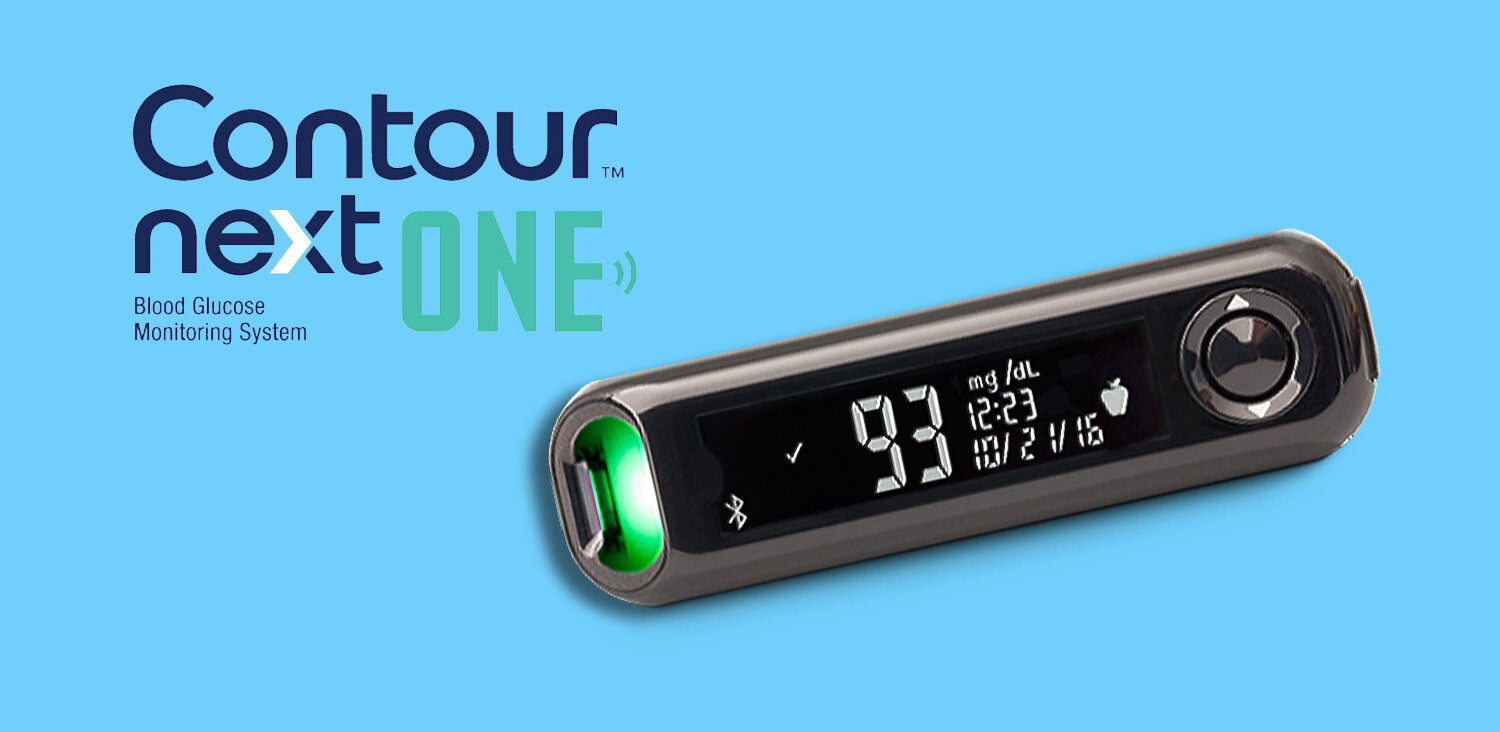














The Juicebox Podcast is a free show, but if you'd like to support the podcast directly, you can make a gift here. Recent donations were used to pay for podcast hosting fees. Thank you to all who have sent 5, 10 and 20 dollars!

#367 Utah Jen
Let's not quibble about juice
Jen has two children. One has type 1 diabetes and the other lives with Dent disease.
App is free & already on your iPhone ⤴
You can always listen to the Juicebox Podcast here but the cool kids use: Apple Podcasts/iOS - Pandora - Spotify - Amazon Alexa - Google Podcasts - iHeart Radio - Radio Public or their favorite podcast app.
Check out the Diabetes Pro Tip episodes and Juicebox Docs
+ Click for EPISODE TRANSCRIPT
DISCLAIMER: This text is the output of AI based transcribing from an audio recording. Although the transcription is largely accurate, in some cases it is incomplete or inaccurate due to inaudible passages or transcription errors and should not be treated as an authoritative record. Nothing that you read here constitutes advice medical or otherwise. Always consult with a healthcare professional before making changes to a healthcare plan.
Scott Benner 0:03
Hello, everyone, welcome to Episode 367 of the Juicebox Podcast. Today's show is with Jen, Jen and I have known each other for a while. She's the mother of a child with type one diabetes, and the mother of a child with dengue disease. She's also someone whose private conversation with me turned into something that I talked about on stage when I'm speaking. I can't tell you the twists and turns that this episode takes. So every time you think, Oh, this is what this one's about, it'll change. Please remember, as you're listening that nothing you hear on the Juicebox Podcast should be considered advice, medical or otherwise, always consult a physician before making any changes to your health care plan, or becoming bold with insulin. Don't forget, if you'd like to share the diabetes pro tip episodes with a friend, you can actually just send them to diabetes pro tip.com. Nice and easy. Of course, you can always get them to subscribe to the podcast, but diabetes protip.com will show them those specific episodes. And if you have a great doctor that you'd like to share with someone else, check out juice box docs.com. This episode of the podcast is sponsored by Dexcom, makers of the GS six continuous glucose monitor, find out more about the dexcom G six@dexcom.com. Ford slash juice box. And if you'd like to get a free, no obligation demo of the Omni pod tubeless insulin pump sent directly to your home. All you have to do is go to my omnipod.com Ford slash juice box. It'll be there as quick as the mail can get to you.
Utah Jen 1:55
My name is Jen. I live in Utah. And I have a little boy who is eight. He has type one. And that's why I'm here.
Scott Benner 2:06
Ah, that's not why you're here. Here, Jen, because you are one of the few people who I've communicated with in the past who have a title. All right. You are Utah Jen. That's a mutagen. There's also a woman in Pittsburgh, her name is Pittsburgh. This is how I keep track of people. She doesn't even get her full name. She just gets Pittsburgh,
Utah Jen 2:27
especially Jen. Because there's so many of them.
Scott Benner 2:30
Well, that ended up being one of the problems is that at some point I was corresponding with enough Jennifer's that I was just like, I don't know who you are. And I can't like I'm scrolling back going like who is this? But your story's specifically exciting for me to tell you and you don't even probably know why. But I'm gonna start by asking how things are now for your son.
Utah Jen 2:55
So good. Scott,
Scott Benner 2:57
tell me about how it goes now, like what's a regular day like?
Utah Jen 3:01
So regular day is, you know, typical when he wants the food, we, I don't sit there and count all the carbs like I used to and like be freaking out about it. I kind of look at the meal and I say okay, Hmm, this looks about you know, 3040, whatever, 4050 carbs. And I say, Okay, let's do it. And so can we kind of do it together because I'm trying to help him to get to that point. And we, we've learned the extending, we've learned the, the temp basals. We've learned so much. And he's now able to pretty much hopefully if things go well go throughout his whole day, and not really think of diabetes. That's very, which is a huge step from where we first came from. Right. And we're gonna get to that.
Scott Benner 3:53
Yeah. What What is a one c? Can you say?
Utah Jen 3:57
I'm 6.2 right now.
Scott Benner 3:59
That's lovely. Good for you. Okay, so am i right to say that we found each other? You found me through Facebook?
Utah Jen 4:08
Yes, I did. How did that happen? Um, I was just, well, wait a minute. No. So I was listening to a different
diabetes podcast before.
Scott Benner 4:18
Do you still listen to that diabetes podcast? No. Oh, keep going?
Unknown Speaker 4:24
I don't,
Utah Jen 4:25
I can't. It just doesn't. It doesn't click with me. And then I found you. And I'm like, Who is this weirdo? When I first started listening to you? I thought you were I thought you were super quirky. And I and I'm like, I loved it. Right? And then I just got hooked. And then I'm like, you know what? I'm the type of person where I don't I kind of think we're all together in this, you know? And so I'm like, I'm just going to email him, or I'm going to find them on Facebook is what it because he kept saying, go to my Facebook page on the web on the Juicebox Podcast and so I went to the Facebook page, and I think I texted you on Facebook or instant message you and said, Hey, this is this is our deal. I don't know what to do with this. And we were just doing we were still MDI at that point. And then you kind of reached out. I mean, you were so quick at reaching out to, well, like, Oh, my God,
Scott Benner 5:21
that's lovely. It's because you were in such a situation that made me feel like, Oh, can I really ignore this and let this kid's blood sugar before 100? And I felt like I couldn't do that. So do you know that what comes next? That conversation we had and what we did that afternoon was a Saturday afternoon that I speak about that without your details at every live event? I do. Do you know that you
Unknown Speaker 5:44
Yes. dearly. Use? That is awesome. I use that
Scott Benner 5:49
example of what we did together to give people a way to think backwards about things. So like, what I mean by that is, I think normally people think about, you know, you guys have heard me say like how insulin affects the number, right? Like I give insulin to make the number go down. I think that's the extent of how some people think of management. And I like people to be able to think about how food can impact insulin, how food can impact the blood sugar, like, you know, the number like all these different kind of ideas. So I tell them the story of you and I on the phone. And I would love to go through it now and get your recollections of it as we go, because I only had my side of it. So
Unknown Speaker 6:31
yeah, I'll start
Scott Benner 6:31
by saying that I recall, Jen, which even feels weird, she really is Utah, Jen. But I recall, we were on the phone. And my wife and I were dressing to go to where are we going? Oh, we were taking Arden and her friend to see the Nightmare Before Christmas projected on screen while an orchestra played the background music to the the incidental music to the movie through the whole movie. So just the movie and the the words would come out of the speakers, and they would play all the music live, which is was really kind of cool. But we were getting dressed to go to that is my point. And I remember my wife being like, Hey, you don't have time to talk to somebody right now. And I and I showed her your son's graph. And I was like, are you sure we don't have time for this? And she goes, Hey, all right, God, you call her and I was like, okay, so I remember the first thing you told me was like, I'm like, How did this happen? It was Cheerios, right? Mm hmm. Ah, okay,
Utah Jen 7:37
Honey Nut Cheerios.
Scott Benner 7:38
So your kids blood sugar was pegged over 400 on his Dexcom graph? Oh, yeah. And I basically launched into what I think of is probably the same 30 minute conversation I would give anybody in that situation. Do you remember at all what I said at that point?
Utah Jen 7:54
I kind of I mean, it's, it's, it was a little bit of a blur. It scared the crap out of me, honestly. Right. Um, so I think that you said something like, we're going to do something that is going to be crazy, but we're gonna do it, and we're gonna figure it out.
Scott Benner 8:09
Do you want to do something potentially dangerous for your child with a stranger on the internet?
Utah Jen 8:14
We've never met. And do you trust me? And I'm like, Well, I trust you. So let's do it. And you're like, well, I can't guarantee you.
Scott Benner 8:21
There's the tone of Jen's voice in that moment, which was really, I have no other choice. Like, I'm, I'm clearly so terrible at this, that I, I'll listen to anyone like, I think I actually could have come at you right out of a prison door. You know, wearing a suit from 30 years ago, holding my sharpened spoon in my hand. I've been like, I could help you if you want help. And Jen would have been like, okay, I'll try. You know, she just she did not have any where else to go.
Utah Jen 8:47
And the frustrating thing, Scott is that I'm a nurse. And so I was like, What the hell am I doing wrong? Like, how can I not understand this? And that was frustrating even more. Yeah, because I'm like, this is my degree, right? Like, you know,
Scott Benner 9:01
that of the people I intersect with nurses. I swear, I think I have enough data now to say this out loud. Nurses, as parents of people with type one diabetes struggle, maybe more than anyone else in the beginning.
Utah Jen 9:14
Totally would make sense. You know why? It's because we look at it and we have to double check insulin in the hospital. It's a very, very high risk drug. And so whenever you're double checking it, and you're giving it to somebody that you don't know, and you don't know how they're gonna respond to, it's a big deal for a nurse, right? And so when we're like pumping it into our kids, or like,
Scott Benner 9:34
it's this thing that you've been doing forever is super, super dangerous. And you've you've there's actually procedures in place for you to treat it like it's very dangerous.
Utah Jen 9:43
Oh 100% No, so you're
Scott Benner 9:44
in your house with a little piece of plastic.
Utah Jen 9:47
Yes. I'm sitting here injecting a full on frickin unit into my son and I you know, doing that in the hospital, I have to have two nurses double check the exact drying up the exact you know, name And whatever of the insulin and the order and I get to process Yeah, so that makes sense.
Scott Benner 10:06
Yeah, at home, it's just like, hey, here we go. It's like drinking lighter fluid, it feels like more. Okay, so, Alright, so here's my favorite thing. So whatever I end up saying to Jen on that call is me trying to cherry pick probably the most salient couple of details from the pro tip series, and jamming them in your head like ideas that you'll be able to fall back on or that you'll be able to go to the podcast and you know, maybe make more clear for yourself. But then, what happened at the end? Because was crazy, because at the end, I said, Are you okay? And she's not like, she's clearly not, you know, and so I'm like, I'll keep texting with you or something if you need me to. But then I said, Okay, so what are you going to do now? Like thinking that Jen would take some of the information that we spoke about, and put it into practice? But But Jen, what you said was, well, he's hungry. So I'm gonna give him lunch. And yeah, and I looked into kids, blood sugar was still 400. I was like, and I'm like, No, like, I think you were the first person that I actually just ever said, No, no, that's wrong. You got that wrong. Sorry. That's not what we're doing now. So that I said, let's do want to do something crazy with a stranger on the phone. And you were like, all right. And I said, Okay. And I remember saying to you, how much insulin makes this 400 100? And you started talking about ratios? And I said, No, no, stop that. Stop. I don't care. I said, obviously, your ratios don't work because blood sugars for so. You know, just you guess like, ballpark it in your head, just gas. And I believe you said a unit. Yeah. And then I said, Okay, think of his lunch. How much insulin Do you think his lunch is gonna take? And I swear it was fascinating, because you started going? Well, he gets one unit purse, and I was like, Whoa, like five seconds ago. I just said no to this. And it was just interesting to see. And so you guessed it a unit and a half. And I said give him two and a half units. And I'll never forget you said and then it'll eat and I was like, Oh, no, then we're gonna wait. And that 45 minutes.
Unknown Speaker 12:13
Oh my god,
Scott Benner 12:14
I thought you were gonna die of a stroke or an aneurism a number of different times,
Utah Jen 12:20
saying, I was walking around my house going, Oh,
I'm sorry. I can't swear.
Scott Benner 12:25
Oh, keep cursing. We'll turn it into a protein after dark if we have to. So yeah, so the my recollection of it is that it took quite a time for him to even diagonal down out of that high number. And then he he was drifting for a while at a diagonal down number. And the way I tell it on stage is I'm like, you know, she gave her the two and a half, you gave him the two and a half units. And it took a while. And I felt like about 45 minutes later, we were in a freefall, like in the two hundreds, right?
Utah Jen 12:56
Yes. Like double down? Yes. Yeah.
Scott Benner 12:58
Like isn't really, really, really falling. And I said, and you I remember saying, hey, it's okay to make the lunch now. And the funniest thing that's ever been said to me on the phone is you said, I made that lunch a half an hour ago.
Utah Jen 13:13
It's sitting on the counter
Scott Benner 13:14
sitting on the counter. And I was like, watching you really remember this conversation? That's great.
Unknown Speaker 13:20
Oh, how could I forget Scott? Are you kidding?
Scott Benner 13:23
So? So anyway, for the kids, you know, he's eating. And now I'm saying things to Jen that I'm sure don't make sense. Like, Hey, watch the CGM. You're gonna see how the food is impacting the insulin and how it's gonna start, you know, leveling out and coming down and it'll slow. Well, I want to say, around 115, two arrows down. I thought, Hmm, I should have let him eat a little sooner. And I was like, but to me, that was no big deal. And I didn't want to make you feel like a big deal to you. So I said, Hey, john, could you do me a favor and give him a little bit of juice? And you spoke words after that, that I laugh out loud? When I say I it's the biggest laugh in my talk. You remember what you said?
Unknown Speaker 14:07
that'll have me juice? We don't keep juice in the house. Yeah, we don't. And there's a pause
Scott Benner 14:11
on my end. And I must have made a face. Because my wife goes, What's wrong? She mounts what's wrong to me? And I cover the phone, and I look at her and I go, I just killed a kid in Utah. And she's like, what I'm like, Oh, hold on. And so I put the phone back up to my, to my ear. And I said, Okay, Jen. Well, what we're looking and you started saying we treat lows with Skittles,
Utah Jen 14:37
like Skittles, or jelly beans or some something like that. Yeah, yeah.
Unknown Speaker 14:40
And I was, like
Utah Jen 14:42
I said, then I said, but I do have a little bit of lemonade.
Scott Benner 14:45
And I remember saying, Jen, let's not quibble over what juices please.
Unknown Speaker 14:52
I don't know what I was thinking.
Scott Benner 14:54
No, there's no juice here. All we have is lemonade with sugar in it. Huh? Damn. I guess he's got gonna die. And so and so then you were like how much and I remember saying, I don't care, just give them a little bit. Like, I just want to take the speed out of this arrow a little because I had real comfort that the food was in that the food was going to impact them. Listen, I don't know how good your guests was of a unit and a unit and a half, right? Like, um, just based on his weight and what he was doing and what you were planning on feeding. I thought that seems reasonable.
Utah Jen 15:26
Right? It was like a peanut butter and jelly, I think is what he was having with like some berries or something.
Scott Benner 15:30
Gotcha. And so and so the juice did it the juice. Since Jen's cursing all over the place, the juice took the air out of the arrows, right, and it started to slow down. And I don't remember the timing anymore. But we started catching a diagonal down arrow. And then eventually, I think I'm going to be exactly right about this number, his blood sugar level off at 77.
Utah Jen 15:51
Yep, right, right.
Scott Benner 15:52
Yep. Okay. And then the first thing you said to me was, should I give him some Skittles? And I was like, Jen, it just took me an hour and a lot of work of magic over a telephone to get this kid's blood sugar from 400 to 77. With his meal and him, please do not do that. Just be okay. And I remember you feeling nervous. You were really nervous, though. Mm hmm. Why? What about that number made you nervous?
Utah Jen 16:18
I think I was freshly out of diagnosis. If I'm remembering right, I think that was in the winter, because my husband was at work as a ski coach. And at that time, I think we were probably only like, four months out for four or five and I was scared of that number. Yeah. And I don't. Now Now I do. I look at it. And I'm like, Oh, he's beautiful at 75 level, right? Like, perfect. That's where I probably am right now, too. But when I look at like my mom, she is very nervous at him being at right. And so I think it's just that. Oh, my gosh, is it going to turn in? Is it going to just drop when now that I know that? The food is like like you explained that tug of war, the food and the insulin or tug of war ring so well, that it's just gonna stay that way? Like it's not it's not going to drop at 75 of his level. Yeah. And so once I learned that, but that that was the key. I remember my husband came home that day, and I'm like, Oh, my God, let me tell you about what happened today. I called a stranger
Unknown Speaker 17:29
on the phone and let him give my son insulin. You should leave me and take these children.
Utah Jen 17:36
But he respects you so much. And he's like, holy,
funny, you know, and we in an ever since then, I talk about being bold with insulin. I mean, seriously, right? Like this. That's like, catchphrase right there. Because now I'm like, Okay, well, you know what, I know what to do. And, and now when I dose him, I'm not afraid. And I usually go much higher than I think. And we keep them beauty, like nice beauty lines. And of course, I'd like his agency to be lower than it is right now. But I'm, I, I think you remember, I have other things going on in my house in my home too, with my other little boy. And it's like, my whole day is keeping my boys alive and happy. Pretty much. And so it's like, but we're but we're moving in that direction. And
Scott Benner 18:32
we're doing terrific. And and we can get to the rest of the second. But I want to jump back for a second to he's 77. You were uncomfortable. I could tell in your voice. You were very uncomfortable. I wasn't following his CGM or anything like that. And I was about to embark on a 45 or one hour drive to this place where we were going, right? So I gave you my number, like my cell number. And I was like, it's gonna be fine. Don't do anything. And, you know, I hung up the phone. It wasn't. We were not even to where we were going yet. It was a half an hour, maybe 40 minutes later, and you texted or called I think you might have called because I think my wife picked the phone up. And you're like, he's 220 diagonal up. And I'm and so my brain. Like before I answer, my brain runs through this litany of ideas about diabetes, these things that I understand. And I think that's not possible. Like that's just not possible. And I'm like, What happened? Do you remember what you said?
Unknown Speaker 19:29
No,
Scott Benner 19:30
you said I gave him some Skittles.
Unknown Speaker 19:34
I was like, Oh,
Unknown Speaker 19:37
my God, I remember now.
Scott Benner 19:41
So I was like, Listen, I'm about to go into this thing. I can't help you with this again. And then what happens next is sort of interesting because between then and now, I had to round about guess I'd say that we've spoken four times and texted a ton in the last couple of Is that fair? Okay. All right. You resisted this information more than any person I've met so far in the beginning. And I'm wondering if you're aware of that? And if so, do you know why?
Utah Jen 20:15
That I know? I don't think so you don't
Scott Benner 20:17
feel resistant? Did you just struggle with it more? Like? Like, why? Like every time you got a hold of me, I was like, Oh, it's almost like we didn't talk last time. But yeah, were you just struggling to put it into place? Because you're in place. Now. That's why I asked you where you are announced that we can kind of work backwards to it. What was your process from that day, to where you are now? Like, what did you figure out? on your own, that helps?
Utah Jen 20:40
Boy, the only thing I can think about, honestly, is going back and thinking about the last two years of my life have been a complete blur. And to the point where I have been, I was in a car accident in March, and it kind of threw me over the edge. And I've been told by my doctor that I've been living in this fight or flight response mode for the last two, three years of my boy's life. And yeah, from from what we've been dealing with. And now I'm able to look back upon it, because I've been off work since March. And I've been able to really focus on my mental health and my anxiety and mindfulness and you know, changing everything in my life. And I'm actually able to look back on the two or three years and go holy, I don't remember half of it, because I've been living in this literal, high stress, trying to survive every day. You know, working full time as a nurse, there's a high in a high stress job, taking care of my little boy trying to figure out this diabetic stuff, and then dealing with my other little one, too, and trying to keep a marriage alive. And you know what I mean? And
Scott Benner 22:03
so makes a lot of sense.
Utah Jen 22:05
Yeah. Now I look back on it, Scott, and I couldn't freakin figure it out, either. I'm like, why the hell? Am I not getting this? I am not stupid.
Scott Benner 22:13
Because every time you got a hold of me, I would feel like Did someone like Shake what I said out of her head? Yeah, like, like I couldn't. Yes, there was a time I was sitting outside of a store. I forget what I was doing. And I was talking on the phone from my car. And I just thought, like, I started thinking, how long have Jen and I been doing this? Like? Like, like, like, how? How did she just asked me that question. I can't like it was fascinating. Tell me about just for a second, your other child has a different medical issue, which What is that?
Utah Jen 22:45
Yeah, so I'll give you like a down and dirty on it. So um, so my little boy who was three and a half at the time, my older one FOSS was not diagnosed at this time. So this was back in, I don't know, three and a half years ago. See, it's a blur. Like, honestly, it's all a blur to me. He started peeing and drinking a lot and like regressing on his potty training. And I'm like, What the hell does he have type one diabetes as a nurse, that's the first thing that came to my mind. I couldn't keep water in his mouth. I couldn't keep a dry trainer on him, you know, or he was just paying like crazy. And I'm like, I'm going to take him into the doctor. I'm like, Can you guys just check his blood sugar. And they did. And it was normal. So they did a year analysis. And he had really, there was no glucose, but he had really, really high protein in his urine. And the pediatricians like, this isn't normal at all. So I'm going to refer you down to nephrology down at primary children's, and go down there and see what they have to say. And she's like, it's probably nothing, you know. So we go down there, we talked to them, we get this out of a doctor probably shouldn't say that. I probably shouldn't say that. We have a great doctor now. So let me just preface it or follow with that. And he, you know, he kind of goes and says this and this and this could be wrong, this and this. I think we need to do a kidney biopsy. And you know, that was after a couple appointments and bloodwork and whatever. And so we ended up doing this kidney biopsy, I found out that he has this really rare genetic kidney disorder called dent disease. Very rare, and it's also rare because it's not, you don't really have symptoms of it. I think honestly, the only reason why I picked it up is because I'm a nurse, most kids would be like a our most parents I think would just let it they would just let it fly, which is what a lot do. So anyway, come to find out I'm the carrier of it. I got it from my father who had is in chronic kidney disease. And then we I've been able to trace it all the way back. So it's a x linked recessive kidney disorder, which means that it only if Boys. And I, of course, had an older son. And so it affects women as carriers, but it only affects the boys with the disease. So I had a 5050 chance of giving it to fosse as well. And so I'm like, Okay, well, we got to get the genetic tests for FOSS. And so we did, got his blood drawn, sent it off, and we were waiting on the results, and they were taking forever. And in the meantime, fosse started peeing and drinking a ton. Right? And I'm going will show he has done disease, guaranteed. I know it. And it kept getting worse. He started sleepwalking at night, he would lose weight. He had bags under his eyes. I would clean up pee around the toilet, because I have two boys. They're disgusting, right? Lovely, disgusting, but disgusting. I would clean up here on the toilet, and it would be like syrup. And it never occurred to me once that it could be type one, not once because I was skewed towards the stem disease. Yeah. Even though Luke's p was never sticky, right? But still. Then finally I'm like, Oh my god, can I just get the results? So I can treat this boy, you know, there's really not a treatment, but still. And I got the results and they were negative. And I'm like, there's no way. There's no way. I don't believe it. And like a week later, I took him to his karate class. Well, no, a couple days before that. He was up at my mom's house who lives way up in the mountains, like you have to snowmobile up to her house in the winter. She was at he was up there. And he started like having this massive abdominal pain and he was vomiting. And he was just like, Grandma, I can't drink enough. But he was vomiting and sick. And my mom called me She's like, you need to come pick him up. And I'm like, Oh, my God, like, is he passing a kidney stone because that is a symptom with dent disease is a form calcium in their kidneys. And like he had I know he has dead disease, and he's probably passing kidney stone. So I go up there, I grab him, bring him home, give them a bunch of water, put them on the couch, and he starts to feel better. Like he just passed a kidney stone, like in my mind, knew it. Next day, take him to karate. He's at karate. And he's like, mom comes up to me crying and he just looks like seriously. Like, Mom, I do not feel good. And I'm like, hey, let's go. And I just had this feeling in me. I called the pediatrician. It was like five o'clock. They're like, we're closing. I'm like, I'm bringing him in right now. And drive over there. And I'm like, Can you just test his urine? I know you're gonna find protein in it. I know it. Still thinking, Scott.
Unknown Speaker 27:41
It was done. Yeah.
Utah Jen 27:43
And so they tested urine in it comes back and she pulls me out of the room. She's like, Jen, can I talk to you? pulls me out of the room, takes me into the room next to the where the kids were. And she looks at me. She gave me this look. And she put her hands on my shoulders. And I said, I just kind of put my head back. And I'm like, Well, I guess it's a 5050 chance, right? And still thinking it was that disease. And she looked at me and she said, sweetie, she's like, it's type one diabetes. And I just looked at her. And I remember, like, almost blacking out like, no, like, it makes me emotional thinking about it now Sure. Because I remember it so well going. There's no way that this can be happening right now. There's no way and I literally dropped to the floor. And she consoled me for a minute. And I pulled myself together. I said, Okay, what do we have to do? And she's like, you need to get your kids together. They tested his blood sugar, it was 800. And you need to go to the hospital. And so I tried to call my husband he was like on the way to the dump or something to like, dump a bunch of crap or whatever. And it kept cutting out. And I'm like Scotty fosse has type one diabetes, and he's like,
what you're cutting out I'm
Unknown Speaker 29:09
throwing away a refrigerator. Leave me alone.
Utah Jen 29:11
Yeah, I'm like, and I called him back and it kept cutting out and cutting out and cutting out and I'm like, oh my god. Finally like I got I told him and he's like, Oh my god, like it rocked us. Right and so we met at the house and went down to the doctors or the hospital and the rest is that but I just the way that it presented and skewed me was insane. And that's part of the reason why I wanted to come on and talk about that also is because I listened to that podcast that you had with the woman who had lost her son and that was a tear jerker. And I said to myself, I'm like, you know, I think that people need to hear That, because it's hard. And it's so like it. Diabetes alone is so hard with your kid. And you add other things, and it just is so much, you know, I have to, my little boy has to drink 90 to 100 ounces of water a day, and he's six. And that that alone right there, dictates his kidney function. So if he gets dehydrated, it could put him into kidney failure. And so keeping him hydrated and keeping my other boy alive with insulin, and you know, it, it's everything. And I want, I really wanted people to know that it's okay to feel overwhelmed. And then I listened to your other podcasts with the couple that you had on there who spoke about how it's really not talked about how couples feel. And those two episodes to me just stuck with me so much. And that's where I'm like, you know, I really want people to know about this just just because it's just, it's unexpected, and life throws things at you so hard. You know?
Scott Benner 31:13
No, I was thinking, as we're busy researching what might be a third autoimmune thing for Arden. And we're trying to figure out why she has incredible tension in her shoulders, and her joints, sometimes her neck and can be your ankle on her knees, and you're trying to figure out what all that is. And for a long time, we thought maybe it was just their thyroid medication was off. She had low iron. We thought maybe it was that. And we're, you know, it takes a while to find a physician that can even be helpful, who doesn't just read, you know, lab results and tell you know, that's fine. This is okay, sorry. You're right.
Utah Jen 31:50
Yeah, yeah.
Scott Benner 31:53
And we're picking our way through it. And I don't know what's gonna come of it, if it's gonna just, you know, I have no idea. And it very well could end up that she'll have a third autoimmune thing. And it may end up that she doesn't, maybe we figure out something with diet, or I have no idea, right? Like, I just don't know where we're at yet. And it made me wonder if I was going to tell my kids that you have to really consider this before you have children because of the impact it has on your life. Yeah, it's really substantial. It changes it changes the course of almost said possibility. And I mean, you can fight through it and still do things. But it's just always there. It's, it's like, it's like, I don't know, it's like some sort of like torture, just a buzzing in your ear, or a light that no one will shut off. You know, just it just, it just doesn't leave you alone, ever, ever. Yeah. And you and it's as much of an impact as it has on you. And as hard as it is on relationships. It's even, it's harder to look at your kids and think something else is gonna go wrong. Like is like, like, forget, is this gonna go bad? Like is something else gonna happen? Like, I think all the time like Arden was to when she got diabetes, and she was, I don't know, maybe 13 when we figured out the hypo thyroid thing, you know, life seems like it's piling up on her quicker than it does on some people. And, you know, is that going to be like, what is that going to mean for her? You know, and I don't know, it's just, it's hard. And I'm, I wish, I don't know what I would have done differently. But I do wonder if somebody could have come to me in my 20s with all certainty and said, Look, you met a girl, you love her, you're married the two of you, we're going to make a baby together that has type one diabetes, and this other issue and maybe a third. If I wouldn't have just said like, maybe we should just make some money and travel and, you know, yeah, just not what someone else
Utah Jen 33:51
through this. It's crazy to think about that, isn't it?
Scott Benner 33:54
Yeah, no, it's terrible. And I'm not wishing my kids away. I'm just saying it's, if you really think about it, it's, it's there. And it's a lot to think about. Today's show is sponsored by Omni pod and Dexcom. And I'd like to tell you a little bit about both of them right now. The Dexcom g six continuous glucose monitor is absolutely the greatest tool that I have ever seen, for making decisions about insulin, and food and diabetes in general. Why is that? Well, because with the dexcom g six, you can see the speed and direction that blood sugar is moving, not just the blood sugar, which is helpful like to know hey, my blood sugar is 95. It's 130. It's 310 whatever it is, but what if it was 130 and moving up, and not just moving up, but moving up at one or two points per minute, or three points per minute. If you knew that just with these little directional arrows that give you that information at a glance. In case that's not enough the person wearing the dexcom can share their information with up to 10 followers. So your child could be at school while you're listening, you know, at home to a podcast and all of a sudden your phone just might go beep beep. And you think, Oh, I know what those two beeps mean. My child's blood sugar has moved above the threshold that I set for it to alarm yet, so maybe you want to be alarmed at 140 I like being alarmed at 120 that's when I like to know my daughter's blood sugar's moving up. I want to know when you're going down. You can set an alarm for that as well. Huh? This is making sense to you. dex calm down.com forward slash juicebox. Get in there, find out more. Do the reading. Figure out if it's something you want. And if it is get going. I'm going to tell you right now you will not look back. This will be one of the best decisions that you've ever made. Another terrific decision that we made here was getting Arden the Omni pod tubeless insulin pump. This is something we did many years ago when Arden was four years old. And as you know she just turned 16 Arden has been wearing the Omni pod for 12 years, every day. And it never fails to do exactly what we hope and what we need. There's the little things right? Temp Basal increases and decreases. Extended boluses pumps do that. But the Omni pod does it without tubing, you are not attached to anything when you were and on the pod, no controller, no tubing, no muss, no fuss, this little device, you put it on, you wear it, you can hide it or wear it out loud and proud. Doesn't matter. This thing is terrific. You should be able to experience it for yourself before you decide to make the plunge to take the plunge. You can my omnipod.com Ford slash juice box go there fill out the tiniest bit of information on the pod would be thrilled and they will expediently that is not a word but quickly is what I meant. send you an omni pod demo to try on. They call it a pod experience kit. It's very exciting. It comes in the mail, you pick a spot where you want to put it you put it on. And then you go about your life. Your work, you play your baby asleep, you see what it's like to wear it on the pod. And if you decide this is for you, on the pod is the way I want to go. You move forward with the process. And if you don't, on the pod does not bug you about it. I don't like they're not like knocking on the door like, Hey, we sent you a demo pod. What do you want to get me going tomorrow? They don't do that. They just go you didn't like it? Whatever. Cool. That's why it's worth trying. Miami pod.com forward slash juicebox. No Obligation means give it a whirl, see what you think. I mean, the demos free, you have nothing to lose. There are links in your show notes to all the advertisers. And at Juicebox podcast.com. If you can't remember, the ones I've just given to you.
It's a lot to think about.
Utah Jen 38:05
It is it's a lot and especially I've and this also will kind of play into where I've been the last few years is with my mindset and like everything was kind of it's been this, this full on blur? Because I am the carrier of it. Right? So I'm the one that gave it to him. And I also have hypothyroidism so I have an autoimmune disease. So here I am thinking the doctors like Well, you could have it could be your problem for the type one blow, you know, and it's like, oh, gee, great
Scott Benner 38:38
thing to have to say. Like, why does it matter where it came from? It came right came from randomness is where it came from?
Utah Jen 38:44
Yeah. And so, so yeah, you sit there and you beat yourself up about it? Well, if it if it wasn't for my genetics, I wouldn't have given that to my boys, you know, or boy, whatever, you know, and it really messes with your mind, especially when you're trying to figure it all out and still live a normal life and keep them normal and, and grow and help them to be raised. Feeling their normal. And that's a big deal for me, is I'm not letting type one affect my little boy to the point. I'm trying to not let it affect him to where he feels that he can't have something or, you know, he can't go to a birthday party or whatever, you know, it's like, and you still get those comments from people at school or you know, neighbors or whoever, whatever that say, Well, he can't have this cupcake. Or he can't have this and it's like no, he really can. He can eat the entire cake. As long as I figure out what to dose him with. And it's okay. And I'm not afraid of it anymore. Like literally I could set a birthday cake in front of him and dose him and and Scott By the way, with the honey materials. I haven't died. He ate a big old thing of Froot Loops the other day. dialed it, it didn't go above 120 Wow, beauty,
Scott Benner 40:06
I feel pressure for that. Made you understand how to use insulin, that's really cool. Yeah, and you can use it with anything, it's because
Utah Jen 40:14
my mind is more clear. And everything has become so much more calm and clear in my life. And it's, it's helping my kids to you know. And so that accident that I had in March was actually a really good thing. The concussion that I had, and all that stuff was a good thing, because it took me out of my fight or flight mode that I was living in for so long. And made me realize, hey, you can't you literally can't live like this anymore. It's gonna kill you if you do. Nothing. So it helps to hear you say this to me. Because it really does, because it helps to justify what I was feeling those two years. I'm saying
Scott Benner 40:57
no, I'm really glad I like I said, you said it earlier. Just you were a reasonable person, and you're intelligent, you understood, and then we get back together. And it was almost like you were calling to say like, Can you explain this to me again? And? And I was like, Huh, this doesn't make any sense. And now with contacts that I made, I guess it makes perfect sense, honestly.
Utah Jen 41:20
Yeah. And and I'm I get it now. And I do want to say that I'm changing, changing paths in my nursing. And I'm going to get my CDE. And I'm going to be working for a small nonprofit clinic here in town to help people with diabetes, all sorts, and working with this amazing internal medicine doctor to build this beautiful diabetes program. And so I'm like, jumping in full bore with my clear mind, and a whole new outlook on it. And I'm so excited.
Scott Benner 41:55
That's lovely. It really is. We all have to find a way to help each other because, I mean, listen, I feel like I can hold myself together. As long as the things that happen to my children are manageable. Like I don't expect the perfect life. I don't get mad at people who have lives where they don't run into medical issues, right? Yeah, that's not my thing. I just realized that somewhere beyond manageable. If something happened, that was your reparable just life changing, you know, couldn't leave a room couldn't do a thing. couldn't function that I don't I honestly don't know if I wouldn't be exactly in the shoes you were describing. If I wouldn't just zone out and think Yeah, alright, let's just just keep everybody alive until you know, until this is over.
Utah Jen 42:46
It would be pretty hard when I got the call from the doctor telling me that they thought it was dengue disease. I remember I was in my kitchen and my husband wasn't home yet. The kids were out back playing. And he goes, this is what I think it is. And I'm like, Okay, well, what the hell is that? And he's like, well, it's, you know, it's all dependent on it can it can cause kidney failure between anywhere between the third to fifth decade of life? And like, What do you mean? And he goes, Well, he could possibly need a kidney transplant. And I just sat there. And I'm looking at my three year old playing in the backyard on the swings, and I'm like, like, you could imagine.
Unknown Speaker 43:28
No, I can, yeah, I and
Utah Jen 43:31
my husband came home, I told him in the kitchen, and he, he just started crying. And when you see a grown man just full on start bawling because of his little boy, it's it's traumatic, and it was rough. And so I, I do I want I want people to I want I want it to be heard that. That is definite PTSD. Like it's it changes your whole entire life. The whole thing. And, and then to have, you know, let's see so far. He was Yeah, so less than a year later, Foster was diagnosed with type one.
Scott Benner 44:11
Yeah, while you're still fresh in this other thing. I'm looking here just for context for people dense disease is a rare genetic kidney disorder characterized by spillage of small proteins in the urine, increased levels of calcium in the urine, kidney calcifications. recurrent episodes of kidney stones and chronic kidney disease dense disease affects males almost exclusively. That's your that that's a good clear understanding of it.
Utah Jen 44:36
Mm hmm. Okay, Yep. Yep. And it can be so various, you know, from person to person in a family. Somebody can have like my little sister, who is my dad's daughter. My parents are divorced, but she is my dad's daughter. She is a carrier of dense disease too. And so and then what do you know she has two little boys and her oldest who's three was diagnosed with Then studies as well, and then her youngest one and a half has not been tested yet. So, but difference, you know, like Luke's kidney function is down. I mean, he's in stage two chronic kidney disease. Her little boy has fine kidney function. And so it all totally depends. You don't know how it's going to affect you, my dad 60. And he has, I think, what 18% kidney function right now, he needs he needs to be on the transplant list. I think he's going to be there soon. But he's 60. You know, and he never knew he had this until two years ago.
Scott Benner 45:36
Right? And so is your son. Like, is this progression quicker?
Utah Jen 45:42
Um, I don't, I don't know, the doctor that we first saw, he put him on some pretty strong medications in the beginning, I think which put him into like an acute kidney injury, and kind of took down his function. For a while we took him off those meds I went, I flew out to the Mayo Clinic to see a real specialists on this, because there's very few, I think that they're probably the only ones. And he says, Now these are way too strong for him. He's too little. And they took him off of them. And his function came back a little bit. And they can't they won't tell me you know that if that is what kind of took it down. But they said that, and he's been staying nice and level for the last year. And so I'll take that, you know, we we pump him full of water all the time. And he's a great trooper with it.
Scott Benner 46:32
Um, how frequently does he have to give blood for testing to track function?
Utah Jen 46:38
every three months?
Scott Benner 46:40
Yeah, Arden's been given a lot of blood lately to try to figure out her other issue. And, you know, it starts off. It just it feels like a drudgery and then all of a sudden, I don't know what's worse, it stops being a drudgery and you get accustomed to it. I'm not sure if it's worse to struggle, or if it's worse, to just be okay with it. I don't know if that makes sense or not. But
Utah Jen 47:02
oh, it totally does. And then add the fact that I'm a nurse. And so I can pull up his records. Right, right, right when they come up. And I look at the numbers, and I know them. So because I look at them all the time for my job. And so being able to look at the numbers and go, Oh crap, why is this? Higher? And this lower? What can I do? You know, and it's that, that nursing brain takes over? And everybody's like, Oh, it's a good thing. You're a nurse, you're in good thing. You have these kids? And really, it's like, man,
I almost wish I didn't know. Yeah,
Scott Benner 47:36
and I gotta say, it's a weird statement to say that because you decided to go into nursing. It's good that you got a child with dense and type one diabetes.
Unknown Speaker 47:43
Right?
Scott Benner 47:44
odd sentiment today for somebody? Like Thank you. Thank God, your mechanic your car breaks all the time,
Utah Jen 47:50
right? Yeah. Do you think you could
Scott Benner 47:52
if we were wishing for things? Couldn't we just wish for them not to have dents in type one diabetes, instead of this? This is an odd wish to have. Yeah, I get people intent. But it's odd.
Utah Jen 48:02
Yeah. Like if my little boy was to go and have kids, the one would dent he would if he had boys. It would be gone. And it wouldn't be passed down the family. But if he had girls, they would be they would have a 5050 chance of becoming a carrier. Or no, they would be 100%. carrier. So it all depends on what Luke has for kids. Yeah. And but I have to say, I have to follow it with this being the determined mom that I am and the one that's not going to let just anything just be like, okay, here it is. When I was told that he had it, I sat there and I'm like, okay, medicine has come so far. And I know that we're not to where I'm just going to be like, okay, he has this rare disease. That's it. I searched and searched and searched and I found a top notch medical center back east. And I've met with them. And we are funding a research project with them to to try to find a way to genetically modify the chromosomes of the of the kidney, or the DNA where that disease is, and so there's a specific spot on the DNA where it's affected. And there's this thing called CRISPR. And it's a genetic editing tool. Like Think of it as little. Yeah, it's pretty amazing. So we have a different we have two different ways that they're that they're researching it, but CRISPR is one of them. And we've funded it and we're in the we're beginning the third year of it, they've created a colony of mice that have done disease, and they are now going in and testing the DNA to see if they can extract that defective part and replace it with a non defective part in reverse the disease
Scott Benner 49:58
genetic engineering That's very cool.
Utah Jen 50:01
It's pretty amazing. So I have to say that, you know, by the time it's, it's a problem for him, hopefully later in life, we're going to have a cure for it. And I'm pretty proud to say that, you know, I have been moving along. Yeah. Yeah, that's very cool.
Scott Benner 50:19
I don't, I can't imagine how just comforting that feels to be able to do something towards a possibility.
Utah Jen 50:27
Hundred percent. Yeah. There. I just wasn't okay with just letting sitting there and letting it go. Because there's no research on it. Because it's so rare. Type One, diabetes has a ton of research, obviously, right? But this, there's none, because the NIH doesn't want it. They don't want to have anything to do with it. Because it's so rare. So the only way that these rare diseases ever get figured out is by families. And luckily, my father in law in my mother in law, were kind enough to help us with this and to put the money into the research it and I pray to God that every day that it that it works out, and I have these amazing doctors that are world renowned working on it with us, and I just feel so I just that's that's my hope, you know, so it gives me that whenever I get scared and nervous. I just think of that and go Okay, you know, I have I have an amazing team working on this everyday for us right now. Literally for my boy,
Unknown Speaker 51:25
that's excellent.
Utah Jen 51:26
Good for you. So, yeah, it's pretty cool. It really
Scott Benner 51:29
is. I mean, when you stop and think about this, these little ideas, like I mean, right now, like I'm saying, Arden's got no. constant tension, like muscle tension, right. And it stopped her from playing softball. It's, you know, she tried to she was trying to paint her room last night, and she couldn't hold her hands up over her head. She's like, my hands are getting numb. You know, like, so? severe it. Yeah. And it can definitely be and you're trying to figure out everything and and, and you stop and think about what it really is. There's just something like autoimmune, right? If it is, and that something in your body is just telling something. I don't know the details of it, right? But something's telling something, hey, make this stronger, instead of weaker, make this weaker, instead of stronger, you know, inflame here instead of there, or, you know, it's just the oddest thing. It's just, it's a, if it was a computer, you would just, you know, we just tell it, no, stop doing that. And that would be the end of it. And that is really what you're talking about with crispers is going into a gene and saying, hey, look, this thing here, we're gonna remove this and put something in that, that that works better.
Utah Jen 52:38
And then your body will just proliferate it and just, you know, be like, Okay, I see that this is the way that it is now. Yeah. It's pretty amazing.
Scott Benner 52:46
Very cool.
Utah Jen 52:47
Yeah. Yeah, I feel pretty, pretty fortunate that we have it going. I feel that I'm actually trying to do something about it.
Scott Benner 52:53
No, no, I agree with you. I really do. And it's beginning to go back a little bit. There are times when Arden like jokes about, I'm gonna just say like, I'm not gonna have kids I'm gonna adopt. And I do wonder sometimes if she doesn't really mean that if she doesn't mean, like, I don't want to give somebody else diabetes, like like, I don't know, if I've never really asked her she's too young. I think dig into it too much. Because if she's not thinking that I don't want her to
Utah Jen 53:20
write, or Oh, yeah, put it in her brain, right? What are the chances Do you know?
Scott Benner 53:25
I mean, in the end, they're not that much greater. I think the numbers like 10%, or something like that. But I think I don't even think that's how she's thinking about it. I think she's thinking about it of like, okay, so say I have a kid that doesn't have type one diabetes, and he has a kid that doesn't have type one diabetes, but three generations later, someone does again, and could I have put a stop to that? Like, like, I think that's what she's thinking about? Like, could I be the one who doesn't let it happen here? And I don't know if that's really well thought out as she's a pretty young person. Or if she even or if I'm misunderstanding or, but I don't know if she did it. I don't I think I would think of it as a kind of selfless, you know, yeah. And so I don't know, I really have no idea what's going to end up happening. But I can tell you that I've spoken to people who just very recently, a woman who told me like I am I'm not having kids because my life experience. I'm not gonna I'm not gonna put it on somebody else. You know, so I was like, okay,
Utah Jen 54:30
geez, that's amazing. You know, I, I look at it as
it's a hurdle, and it sucks ass. Bad. But I also am trying to teach them that everybody in this world has something either. If we don't have it right now, we're going to have it and it could be bad. It could be a nuisance, and it could just be like, you know, whatever. But somebody is always going to have something and um, And I've really been trying to teach them to, to not just look at the, at the person, but you know, deep down, you know, the kid next to you in class could have could have a G tube and have to have tube feedings. And you don't know about it, you know, the kid next to you could have had a open heart surgery or a heart transplant. You know, I mean, there's so many things that kids have and deal with every day. And type ones manageable. And I've learned that from the past. Yeah, however many years, it's manageable, it's sucks. It's a disease. But you know what? I think the more that you give them, the power and the confidence in it. And you know what, and just to let them my little boy has a therapist that they talk to every week. And just letting them voice their anxiety and their frustrations in their their worries. helps a lot. Because it's true. I mean, it's scary. And it's it all of a sudden takes over your whole world. And it brings out anxiety in kids a lot. And I agree, I sit there. And I'm like, What the heck is going to happen? And when they turn teenagers that that worries me?
Scott Benner 56:16
Yeah, yeah, I think that's that other person's point, too. Is that not? Maybe it isn't even so much? Like, I don't want to put somebody else through this, but I don't know if I have it in me to basically do it again. You know, like and watch it, you know, is hard enough doing it? Now I'm gonna watch somebody do it. I just think that some people, they don't want that they can't handle it. And you know, I think good for them to for realizing what they can and can't handle to
Utah Jen 56:42
Oh, yeah, you know, it 100%
Scott Benner 56:46
it's a it's a lot. Well, Jen, Listen, I'll tell you what I figured out here in the first bit of this conversation is that of the people from Utah who come on the show, of which if you listen, you know, there are many, you're clearly not Mormon, because you've cursed about a million times since we've been.
Utah Jen 57:01
And I've actually toned it down a little bit.
Scott Benner 57:04
Yeah, I know that. from talking to you privately. This easily could have devolved into just me saying and you saying other things like that? Oh, totally the whole time. easily could have gone that way. But yeah, wow. Uh, geez.
Utah Jen 57:21
Born and raised in Utah. And never, I was never, never LDS and I attended a high school that I was the only non Mormon High School in, or no, a non Mormon person
Unknown Speaker 57:31
in that school. Mm hmm. That's interesting. Pretty interesting. Yeah. So
Scott Benner 57:39
I wonder if you wouldn't tell me a little bit about you. You talked about your husband's reaction to the dense diagnosis. How did it How did it hit him? The type one a year later? Was it just were we just numb by them were just like, was waiting for something like this? Or, you know, how do you feel then,
Utah Jen 57:58
um, I it hit him hard to it was on May 9, when we were diagnosed, and his birthday was on the 11th. And so we were still in the hospital for that. And I remember driving to the hospital. And I was just in this daze. And he was sitting next to me. And I took his hand and I said, You know what, we have to be so strong right now. And I already knew that we were struggling from the previous diagnosis. Because we were both mentally trying to figure it out, and to come to terms with it. And I said, this is not something that we can't have amazing communication with, like,
this is gonna bring us to a whole other level. And
he just sat there, just looking ahead, and he's like, okay, okay. You know, I mean, he, he was just, you could tell he was just shocked. just scared. And he didn't know what to think. I don't think he knew like the he didn't know the extent of what it was going to be. And then they had, and then he dropped us off at the hospital. And then we stayed the night, and I stayed with him. And he went home with my little boy. And, of course, just sat and thought about it, and was like, and researched it, and then it kind of hit him. And he's like, Oh, my God, like this is non reversible. This is never gonna go away. And it's 24. Seven, all the time. You don't get a break from it. And it hit him hard.
Scott Benner 59:35
Yeah, well, you got that. All right. Well, listen, I mean, you can try to be upbeat about it and say that this is the these are the cards you have and you need to play them, you know, whatever metaphor makes you comfortable. And I believe that and I definitely operate that way. It doesn't stop me from wondering if there isn't a barrier that if we push past I my brain just When God bless, you know, that would be enough for may be too much. But, you know, until then I just you just keep doing the things you need to do the things you're supposed to do and the things that work and have the the foresight to look and see the things that aren't working. You know, look at you, you may have really saved your son by, by balking at that that medication, you know, you never know the doctor could have put him on something that would have just burned his kidneys out in, in a year. And you wouldn't, and you would have had to look back and think I gave him that pill every day. Like I did. Like I literally facilitated that somebody else told me to do it, but I handed it to him. And totally Yeah, I think about that a lot with you know, even just thyroid medication, you know, when you're trying to mess around with levels define where it is. And, you know, doctors are like, well, I'll try a little more, try a little less, and they get hyper and then they get you know, you they bring it back a little bit and you're just like, wow, that just happened. Now look at her struggling and I every day said to her, like take this, take this, take this. And I'm doing it on the advice of someone else. But
Unknown Speaker 1:01:09
yeah, but it just it's that
Utah Jen 1:01:11
gut feeling of a parent, and you have it too. I was gonna say the mother's intuition. But those dads, you know, that are with their kids all the time you got you have those gut feelings. And you know, when something's not right,
Scott Benner 1:01:24
yeah, yeah. And then and then I find myself thinking about every day that I don't figure something out for her. I feel like I wasted a day of her life. Yeah, and, you know, it's probably why I figured this all out for insulin and, and put this all together. And then I felt so burdened by it. I thought, Well, how do I not tell someone else? Like, other people feel like this? You know, so I'll put it out to the world and let other people take from it if they will, hopefully, people will find me quirky and hang on to the podcast and learn something like you did. But but just all the other things? I don't know. I just wonder, like yesterday, if Arden didn't feel well, like what would she have done if she felt better? And, you know, and how many other days are going to get pissed away until I can figure out what to do for or come up with the idea that there's nothing to do for at least be able to feel like you exhausted every option. And sadly, you just don't have an option. But But at least I won't wonder, you know, to me, like finding out like you can't impact it would be better than spending every day thinking there was a way to impact it, and you weren't figuring out what it was. I don't know exactly that makes sense or not. But
Utah Jen 1:02:50
100%. I mean, that's exactly where I'm at right here with this research that we're doing. I either could have just sat back and said, Alright, here we go. There's nothing, there's no treatments, you just kind of wait, you have no option. Because there's nobody that knows anything about it. Or you frickin try to figure it out. And if it turns out that nothing can be done, you know what, at least I tried, and at least I put a really, really, really good, valiant effort into it. Right? And it's the same with you, Scott. But I also think that you can sit there and I've learned this over the last three years of chaos, that you can sit there and beat yourself up every day, even though you're not really beating yourself up. But you can think those thoughts and say, What if and why and this and that. And trust me I do every single day. But I also listened to your podcast and I think good lord, this girl is getting so many amazing tools for her life that she is going to be so well taken care of. And no matter what it throws at her. Look what you've done.
Scott Benner 1:04:10
Well, that's very nice. I thank you. I I tried to believe that whether Arden is even aware of what the podcast does or not, that like her life led to other people doing better. Like I I take some solace in the fact that your son is healthier today. Because my daughter has diabetes and
Utah Jen 1:04:33
absolutely and I look at what you post and her graphs and they're beautiful, and how your high is what 120
Scott Benner 1:04:42
we try to react at 120 and you know and stop spikes I consider a pretty major spike 180 that's definitely how my mindset is around it.
Utah Jen 1:04:54
Okay, and see and you've won off on me like that, too. When I see him starting to climb. Done. I deal with it. And it's because of her. And it's because of hearing how her agencies are and that she's basically she's living in a non diabetic agency range. Yeah. And so think of what you're doing for her life in the diabetes realm. Right? So you're taking all of those complications that she could be getting from this later. And you're just you're taking them away, because of what you're doing for her and teaching her. That's huge. Scott,
Scott Benner 1:05:27
I hope so.
Utah Jen 1:05:29
Yeah, it's huge. And so the things that she's, she's a strong, strong girl, and so for her, to be able to overcome whatever's coming up and gonna be, I hope that we're you guys are able to find answers for it. She's going to be okay. And she's going to take it and she's going to be like, you know, what, this probably doesn't compare to what type one is. That's my goal,
Unknown Speaker 1:05:51
like, you know,
Scott Benner 1:05:54
and I do but by the way, a lot of what you said I firmly believe in she is mentally tough, and not in a way where She's ignoring knowing what's happening to her. And she is, she's got a great I don't know, just a vibe about her. That's, that's very positive. Even like, you know, right now, while we're, you know, going through all this, you know, and trying to figure out something new and she's struggling, she still has a very good sense of humor about it. She says funny things like, Hey, tell me the truth? Did you just make me for spare parts for coal, and then just didn't need the parts? And now I'm just rotting away? Like, she's like, what's happened to me? Exactly. And I'm like, No, you know, or so, you know, she's just, I don't know, she just, I know, she's frustrated. And she obviously should be. But it the frustration doesn't get internalized, it doesn't turn into you know, she's not drinking and getting high. And like, you know, like, you know, doing, she's just, she's doing the things she needs to do and, and being patient. And I think a little hopeful. And, you know, I told her last night, I said, Look, I know we're not getting through this very quickly. But I want you to know, like I'm every day mom and I are trying to figure it out. Like we're not, you know, we're not slowing down, we're not stopping it is tough, because you kind of want to just throw all your responsibilities away and just dive into this thing until you can figure it out. But sometimes I think you have to do it, you have to make your way through it, you have to meet a doctor who looks at something and then says, Ah, you know what, he had to go talk to this person instead. And you know, like, there's a process there, like everybody in the world doesn't have all the answers. And there are plenty of people who are, you know, endocrinologist that don't understand diabetes, just like there are plenty of people who are other kinds of doctors who don't really completely understand enough to help a person all the time, you know, what, so you gotta, you got to keep swinging until and make connections until you meet people who, you know, like, are the right people, it's a very random thing. And it's not fair. But
Utah Jen 1:08:02
it is. And another thing I have to say about it, and that I've learned is don't feel that you have to take the medical care that's around you. So like the, like you said, making connections and finding people that are having similar situations and whatever. And then looking outside of that. And like I said, I I have doctors at Rochester in Mayo, Mayo in Rochester, Minnesota, I have doctors in North Carolina, and, you know, these specialists that help provide things that aren't anywhere near Salt Lake that the doctors that I go to don't even know about these doctors. Yeah. And so it's it's finding the people that it's finding them
Scott Benner 1:08:43
and bear out there and being hopeful that it exists to it. And by the way, some people don't even have the, you know, they don't have the money or the or the connections to do things like that. And I think that one thing that I find to be important is that when you eventually end up online looking for answers or support, you have to remember that there are always going to be people who have for probably sometimes very good reasons given up. And they're just in a management scenario. And that might not be the right word Exactly. But just like I'm just gonna get by, like, tell me what I have to do to get by with this. And when you see a lot of those people collected in one place, you have to be careful that you don't expect that that's just, you don't start thinking that's the expectation, this is what's going to happen. Like, I'm going to end up here too, because there are plenty of people who won't end up there if they keep looking for other avenues. And I think that's important not to get sucked into other people's misery. And totally that isn't, that isn't to minimize their misery. But if their pathway didn't lead them to a doctor in North Carolina, when they lived in Utah, or that pathway didn't lead them to a podcast that taught them how to Pre-Bolus or whatever it is, you could end up thinking that there were Reality is the ultimate, you know, this is what's going to happen. And that's, that can very often not be the case, it's just very easy to get sucked into other people's misfortune. And a lot of times support can turn into. There's a word I'm looking for that I can't think of It's, um, I guess misery loves company. There should be a word around that somewhere. But at some point, when you feel like you've reached the end, and there's no answer, and you meet somebody else who does too, that then becomes your bit of hope. But if you're not to that part yet, it could suck you in like a black hole before you have all your chances to try. So I just I'm trying to say to people, like don't give up. And there are a lot of answers for a ton of the things that you're going through.
Utah Jen 1:10:44
Not everybody, follow your gut feelings, follow those instincts. Like if you think something's wrong, follow it. Yeah. And because, you know, you know, best
Scott Benner 1:10:53
and, and hopelessness can be depression, too. Yeah. If you really start feeling hopeless. It's not because there's no hope a lot of times, I mean, listen, don't get me wrong. Some people have no hope. I'm not saying that. But you know, for a lot of people, hopelessness is just is sadness. And it just doesn't mean there's no hope. That's all
Utah Jen 1:11:13
right. There's an even for the people that don't have hope. I think that they they do they just need to find where it is it there's something there? Well,
Scott Benner 1:11:22
yeah, in a very minimal way talking about diabetes. That's part of the reason why I think sharing your success is nice, because a person who feels hopeless can see a, you know, a more stable graph, and think that's not possible. And they can be mad, or they could see it and think, Hmm, maybe there's something I don't know that that person knows. I want to find out what that is, you know, like me, I think other people's success should feel hopeful. Not accusatory, not like, Oh, look, you're not good at it. I am. That's that shouldn't be the case. I think you should let them think, oh, that guy's got to know something. I don't know. I want to find out what it is, you know,
Utah Jen 1:12:02
yeah. And it kept it kept driving me because I kept hearing people that you had on the podcast that would listen to you for a couple months, and then be like, I got it, you know, like, beauty. And I'm like, What the hell? Why can I not get this? And?
Scott Benner 1:12:17
Well, it turns out, your brains were scrambled.
Utah Jen 1:12:19
It was it was too much like my brain It was my brain was just not it was not functioning it was in it was in survival mode. And now that it's not, and I mean, it's it's awesome. Like Farrell, there's days, I love those days like that you talk about the days that you don't even really mention the word. And, and Arden doesn't really think about it, you know, granted, does she think about it, when you have those days, I don't know.
Scott Benner 1:12:48
We're at least not talking about it. It's not a subject of conversation. It's not eating up minutes and seconds and hours of days. So I mean, I'm sure it's in the back of your head, like I said, like that this, you know, a buzzing sound or a light that won't turn off when you want to go to sleep, but it's not overwhelming. And it's not the first thing at the front of your head. And I think
Unknown Speaker 1:13:06
she going back to school.
Scott Benner 1:13:08
No, no, she's gonna do it from home again for another semester.
Utah Jen 1:13:11
Yeah, am I? Well, just because she likes it.
Or is it because I've had the option? Uh huh. And
Scott Benner 1:13:20
I think she liked it better. Yeah. So as long as the option existed, I'm think she's like, oh, I'll do this. Yeah, plus, it gives us a good chance to, you know, work through everything else that's happening, because there are times where she's, she's very tired. And just you know, and so she can at least get up and make it downstairs and do her schoolwork. She doesn't have to get up and take a shower and get dressed and do a whole thing. So buys us a little more time to kind of figure out what's up.
Utah Jen 1:13:48
Are you guys, um, do you think you're close to to maybe figuring something out? Do you feel that way? Well, we
Scott Benner 1:13:53
were it's, you know, it's a process of elimination. I think it ends up being so I you know, we're we have actually an appointment a couple of hours to talk with a doctor about her last bloodwork. And I think we're going to get her, her thyroid medication definitely settled into where it belongs. And then I'm not sure if she might offer up one more suggestion here. And then if that doesn't clear, the muscle pain and the kind of the, the soreness, then I didn't we'll move on to I mean, I'm guessing a rheumatologist next and try to pick through that. I mean, it's not you have to understand that it's not so terrible that she's not curled up in a ball, right? Like it's, it's just it's muscle tension. painful joints, sometimes not always. And then, you know, more painful sometimes than others I should say. And she'll sometimes say like, it feels like our bones are bruised. It's the way she describes it. So, you know, we'll we'll follow that path and see where that takes us. Next.
Utah Jen 1:15:05
Yeah, it's hard to see your children in pain.
Scott Benner 1:15:07
It certainly is. Yeah, definitely not something I would recommend.
Utah Jen 1:15:12
No. Yeah. But it makes it makes you as a parent stronger. And it makes you and your child's relationship stronger to in a weird. Not okay way.
Scott Benner 1:15:25
I hear what you're saying. As long as it doesn't kill me. I guess I'll be alright.
Utah Jen 1:15:30
Yeah. And as long as it as long as it doesn't take you to where you can only handle like it's true. Your brain in your body, as a human can only handle so much stress until it will just be like, can you have done? Yeah.
Scott Benner 1:15:43
That's off. So you don't make yourself completely insane.
Unknown Speaker 1:15:45
Yeah,
Unknown Speaker 1:15:46
yeah. Well, I mean, hopefully you can come back from it.
Scott Benner 1:15:50
Alright, well, I feel like this was uplifting. And at the same time, I can't be certain.
Utah Jen 1:15:55
Right? It's it's life, Scott, it's life. It's the way it hands it to you. And it's the way that you're going to take it and look at it and tackle it. I'm not going to let I'm not going to let these two things. Bring my kids down. They're going to live an amazing life and become amazing men, with amazing families and live to be grandpa's, you know, that's, that's what we're going to do. And they're going to take life and they're just going to be like, Okay, let's do it. I'm strong. I'm a badass little boy. And I'm going to become a badass man. And I'm going to conquer it.
Scott Benner 1:16:31
I always think of it this way, I think we're going to figure it out. And I genuinely believe we're going to, but if we don't, whatever that whatever it is. I guarantee you that my last breath, I'll be swinging. Like I'm not, I am not giving up until the very, like, you're gonna have to take me out of this for me to give up. Yeah, you know, so I am definitely going down swinging, that's for sure.
Utah Jen 1:16:54
Yep. Arden's got a good team on her side. And you will, you won't, you won't let things go, you're going to figure it out for her, and she's going to be better, and she's already better in the long run. And she's gonna be set up for a beautiful life. Well,
Scott Benner 1:17:09
I hope to, um, I hope to be able to report back those sorts of things. And you know, one positive thing from all this is that the endocrinologist that we found that's helping her with the thyroid stuff, even if the thyroid stuff doesn't end up being the entirety of the issue. I'm going to get her on the podcast, and she's going to talk about thyroid in a way that most people don't get to hear about this is going to be really valuable for you. And this wouldn't happen, I wouldn't have met her I wouldn't have been able to bring her on the show eventually. And you know, she asked that we have to wait, obviously until she's done treating Arden. But yeah. But after that happens, you know, we've met another person and we can spread good information to to more people. So
Utah Jen 1:17:47
yep. Because thyroid disease is a whole other ballgame that is very, very deep.
Scott Benner 1:17:51
Yeah. Yeah. It's not easy. That's for certain. All right, Jen, thank you very much for doing this. I'm so happy that you're in a better space. You know, yeah, it's been really cool to get to know you over these couple of years, then to bring it together with this episode. I've liked this so much. I'm putting this out very soon. Just saying Oh,
Utah Jen 1:18:08
thanks, Scott. And I, I have to say that the way that we treat our son in his diabetes is a lot. Not a lot, I would say 98% of what I've learned from you not Mar endocrinologists, because as you say, they, they keep them alive, right. And they don't care if they're sitting pretty at a 200. And so I have to give everything that we're doing to your advice. And I take that to Honest to God, the deepest parts of my heart for thank yous because it's, it's pretty amazing what you're doing. I feel
Scott Benner 1:18:43
like you're trying to make me cry, john.
Utah Jen 1:18:46
It's true, though, like you, the impact that you're doing for people all across the world is a big deal. And I can't my husband and I and my family can't thank you enough. So
Scott Benner 1:18:57
it is just so much. It is very much My pleasure. I mean that it's helping people it's helping me. Yes, just so you know, you know, every day I can't fix everything in my life for for my kids. And I hear about somebody like you or people listening or having more success makes everything feel better. You know?
Utah Jen 1:19:16
Yeah. So you're making a difference. And, you know, when you die. My grandpa always said this. My grandpa always said this, when you die, you want to know that? You know, it doesn't matter what you have, it doesn't matter what you have next to you as far as material things or how much money you have in the bank. It's what you've done in order to make a difference in people's lives. No, and you will literally I look at you and I say you know you're the type of man and your family is the type of family that is able to, to carry that and to show the impact that you've made on so many people's lives.
Scott Benner 1:19:50
This is very kind of you just say thank you. I thought you were just gonna say you're gonna come to my funeral, but never mind. I just want one person to show up at the end and be like hey, cuz you know, the people I grew up with, they're gonna be like that, guys. Like, what are we talking about right now? Why are people sad? I would need like, I need you tell Jen to stand up and be like, No, listen. I just need one of you. Y'all don't have to come just one of you, please.
Utah Jen 1:20:10
Because I'll be there. How's that? Don't make it anytime soon? No, no, I'm just
Scott Benner 1:20:14
saying, you know, some of those kids I went to high school with, they know me like 30 years ago, there'll be like, wait, the guy who made the dumb jokes. That's the guy you know. And I'm like,
Utah Jen 1:20:23
they know while they're working their nine to five you're changing lives.
Scott Benner 1:20:27
Now. You got to thank this microphone and technology, by the way, cuz seriously, I would be yelling out of window if it wasn't for the internet and, and how some of this stuff has become so available for people to talk to each other. It really is amazing.
Utah Jen 1:20:41
I have recommended your podcast I don't I can't even tell you how many people Thank you. I randomly working in the hospital and working with newly diagnosed type one diabetics. I'm like, you've got to let this the first thing I write down on their discharge paperwork.
Scott Benner 1:20:55
Oh, that's so cool. I really mean, and it's nice if you that you're going to go into the community and like it made me feel like recently you said like, I'm going to go work at this place. I thought, Oh, wow. Like something I said, might come out of Jen's mouth one day and help somebody
Utah Jen 1:21:10
like that. Are you kidding me and the interview that I had, I said I don't think of diabetes as a typical person who thinks of diabetes. And I used your words. I said I you have to be bold with insulin, and you can't be afraid of it. And they don't even diagnose it. Or they don't even prescribe insulin to their patients. Because they don't have the the employees and the medical professionals to follow up on it to see how it's working for them. So it's all oral meds are like Lantus. They don't do fast acting because of that. And I said, well, we're gonna we're gonna change lives. And literally, it's because of the way that you're helping me. Give a lot about it,
Scott Benner 1:21:53
Jen, I know you're tall but you're not allowed to people in the house. That's illegal. Just
Utah Jen 1:21:58
that's my dog. bazel is a French Bulldog, right?
Scott Benner 1:22:00
He's a mix, but he's got a lot of French in him.
Utah Jen 1:22:03
Okay, I have a French and an English. So that was my English.
Scott Benner 1:22:06
Well, you know what I'm gonna let you go. But as you're talking about sharing, then telling people about the podcast, it made me pull us up to look. And a second ago, we were 370 downloads away from 2 million and I refreshed it just now. And now we're 320 downloads away from 2 million so I really appreciate when people share the show. Because if this doesn't help anybody else, I just don't have the like, that's the one thing I can't do you know, is I can't go find people.
Utah Jen 1:22:37
Well, I'm telling you this you're gonna be a it's gonna be the first thing I'm telling you on this on this paperwork I give to patients and teach them.
Scott Benner 1:22:45
Thank you. I really appreciate that. I really
Utah Jen 1:22:47
well, I appreciate you. Alright, have a great day. Okay, Scott, take care.
Scott Benner 1:22:51
Yeah. Well, for someone who doesn't live anywhere near the ocean, Jen short can curse like a sailor catchy. Thanks so much to Jen for coming on the show and telling the story of both of her sons and her life being the caregiver of children. You know, with issues that are our daily. I really thought this was terrific. I really just did. The Who else? Oh, Dexcom. Thank you Dexcom, makers of the G six continuous glucose monitor, please go to dexcom.com Ford slash juice box to find out more. And if you want to no obligation demo of the Omni pod tubeless insulin pump sent right to your home, my omnipod.com Ford slash juice box. And if you want to do the podcast a favor, go into those show notes and click on my link. Can you do that and click like like or type it in the way I set it exactly. My omnipod.com forward slash juice box. And then dexcom.com forward slash juice box let the sponsors know you came from me. And that way they'll keep being sponsors and you'll keep getting a free podcast. Don't forget the giveaway lasts the entire month of August 2020. So go to Juicebox podcast.com. At the top of the page, you can click on the link that says to millions. And when you get there, it's easy to enter. There's nothing to do to enter. As a matter of fact, you can enter once a day every day in August of 2020 What can you win a Juicebox Podcast sweatshirt, some Omni pod t shirts, Lily's chocolate gift pack, a 30 minute consultation with Jenny Smith CDE a bunch of Dexcom swag, some touched by type one goodness, and anything else I can find a throw in here. And I think I'm trying to get you a meter from contour. I'm working on that. I'm not sure if that's like a thing you're allowed to give away or not. But I'm gonna find out. That's me. I'm out there swinging for you. Okay, check it out. Thank you for helping me celebrate the 2 million downloads of the podcast which actually happened yesterday. During that doctor's appointment that I mentioned for Arden's telehealth thing that you kind of heard in the in the episode I know this is crazy that there's an episode coming out the week. It's recorded. It's probably frying your mind. But while we were on that call with the doctor, when we got off, I refresh my screen. And we jumped right past 2 million. So I missed it, it's gonna take a screen grab of is a little excited. I don't know what I would do with the screen grab, then once I had it, I'd be like, Oh, look, I have a screen bad numbers, two, comma, a couple zeros, comma, more zeros. Not sure what I would have done with that. Nevertheless, enter the giveaway. Get the swag. If you're looking for it, check out you know, maybe a win Jenny two. It'd be goodness for you. You know what I mean? Just help me celebrate the 2 million. I really appreciate. Every time you share the show with someone else, it grows the way it does, completely because of you. And you know, I've never done this before. But if I hit refresh now, so I checked how many downloads the podcast had, like 15 minutes ago. It has 123 more downloads than it did 15 minutes ago. Isn't that cool? is a very exciting. That's you guys. That's you finding the show, thinking it's great telling somebody else about it. That's you leaving great reviews on Apple podcasts so that when people get on there, they can say, Hey, I think this is a podcast I should check out. So whatever you can do to help spread the word. Thank you. I hope the giveaway is in some way. You know, an actual Thank you. But I mean, only one of you is gonna win it. So I mean, for the rest of you just know that I wanted to send that to everyone. I just thought What am I gonna do? If you tell somebody do about the show constantly. And you've already left a great review, and you're still thinking like, how can I help the podcast? start picking up random strangers iPhones, opening the podcast app and subscribing to the show? That's one idea. Thank you so much for listening to the Juicebox Podcast, tell a friend hit subscribe. Are you not subscribing subscribing your app, do it now. Get in there. Push the button, push it, push it. I'm being serious for a second. If you're the person who listens to the end of an hour and a half long podcast episode and you're not subscribed to an app. You're killing me. You understand? You're it's as if you're standing on my chest and jumping up and down on my heart. I just I would just, it would break my heart to know that you are not subscribed in an app.
I'm thinking about it now. Yeah, it's making me nauseous. You have to subscribe me You love the show. You got to subscribe. You don't love it. Don't subscribe. I hear what you're saying. But if you love it, I mean, it's an hour and a half in I'm babbling away at this point, push subscribe. Do you know if all of you who are just listening like I'll just download it once in a while, or I'll listen on the web. If you all just hit subscribe right now on a podcast app. Boom. We blow up like crazy on Apple podcasts jump right to the top. I mean, we're like around number 20. In our I'm now saying us like there's someone else. It's just me Just so you know. I'm like the entire podcast but but but the point is, is we we I think I mean me in the podcast. Why don't we just say the podcast the podcast would jump up to the top of its Oh, how exciting would that be if it jumped right up to the top of its little thing there where it's put in with other podcasts that are in the health and fitness category in medicine? Hmm. I'll tell you what, here's something I should do. Since I'm babbling on, like a lunatic. Let me tell you something here. I mean, throw some thank yous around. Here is a list of charts that we are currently charting on. Again, I said we makes me feel strange. I meant the podcast. Here we go. You ready? Thank you. United States of America for consistently putting me in the top 25 in my category. Thank you to Great Britain. for having me in the top 150 Canada seriously, top 15 way to be Australia. You're falling behind Canada here. I'm 117 over there. Germany to 14 I appreciate it Sweden. I don't know like it seems to be dropping in Sweden new Swedish people need to download some more episodes. Number 50 in Russia number 194. Norway number 29 excuse me number 29 in Norway actually getting in the in the parent. I see or 194 in the parental category number 29 in the sub category in Norway. Yo what's up Norway? Are you getting a shout for that baby? Ireland number 60 Thank you Denmark number 72 Thank you, the Netherlands 133 eu Netherlands is another one of those parent things in the parent category were 133 in the medicine category number four. Yo what's up Netherlands? New Zealand just felt 10 New Zealand at number 37 don't love that New Zealand get on it. download some episodes. Switzerland number 90, Austria 69 South Africa Belgium Singapore, Israel, Finland, the United Arab Emirates, Egypt and Qatar. I know Qatar you're like damn, did he say that right? Even though you put a queue at the beginning your name, I said Qatar the way I was supposed to. Thank you so much all of you all over the world for listening and for sharing. Do it more, more sharing, more listening, more subscribing. There can't possibly be anyone left listening at this point. I'm I'm now 100% sure I'm talking to myself. Hey, so it is 90 minutes since I recorded that last sentence. And I got motivated to do something that Non Us listeners have been asking for for a long time, which is to make an easy conversion chart. So when I say something like Arden's blood sugar was 120 You don't have to go I don't know what that means. You can just look at the chart and see that means 6.7. Anyway, Juicebox podcast.com, forward slash conversion. And I'm looking into putting a calculator on there as well. But for now, it's just the chart Juicebox podcast.com, forward slash conversion. I'm really sorry to everyone overseas, that it took me so long to do this. I have heard you're just countless, countless times that you've asked and I just haven't had time until right now. It was thanking everybody from overseas and I'm like, you know what, what am I doing here? I got to make this chart. I hope you like it. I'll talk to you next time.
support the sponsors
The Juicebox Podcast is a free show, but if you'd like to support the podcast directly, you can make a gift here. Recent donations were used to pay for podcast hosting fees. Thank you to all who have sent 5, 10 and 20 dollars!