#366 Kelly with a Y
Kelly is a D-Mom of a three year old
Cory is a T1D mom and Justin is her grown son living with type 1 diabetes.

App is free & already on your iPhone ⤴
You can always listen to the Juicebox Podcast here but the cool kids use: Apple Podcasts/iOS - Pandora - Spotify - Amazon Alexa - Google Podcasts - iHeart Radio - Radio Public or their favorite podcast app.
Check out the Diabetes Pro Tip episodes and Juicebox Docs
+ Click for EPISODE TRANSCRIPT
DISCLAIMER: This text is the output of AI based transcribing from an audio recording. Although the transcription is largely accurate, in some cases it is incomplete or inaccurate due to inaudible passages or transcription errors and should not be treated as an authoritative record. Nothing that you read here constitutes advice medical or otherwise. Always consult with a healthcare professional before making changes to a healthcare plan.
Scott Benner 0:02
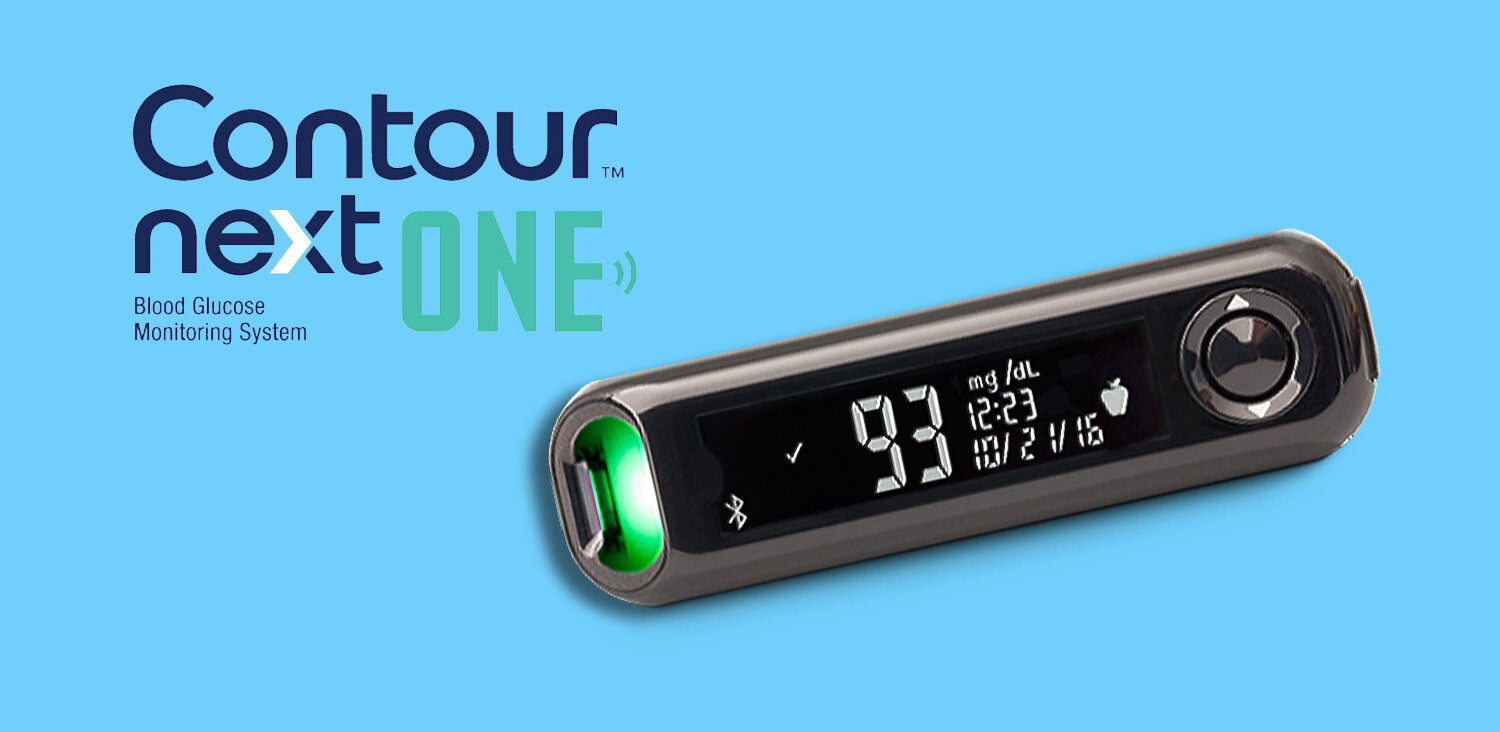
Today's show is sponsored by touched by type one, and the Contour Next One blood glucose meter. Touched by type one is an organization that has programs and services for those living with the daily reality of type one diabetes. They offer a supportive community. And many, many interactive programs, and creative resources that are designed to empower people to thrive with type one. Check them out at touched by type one.org, you can take one simple step to upgrade your diabetes care, this is going to be incredibly easy for you to do go to Contour Next one.com Ford slash juice box to check out the Contour Next One blood glucose meter. This is the same meter that my daughter has been using for a while now. And it is absolutely the most accurate, easy to transport easy to use bright lighted good test strip blood glucose meter that I've ever held my hand Contour Next one.com forward slash juicebox. It's even possible that what you're paying for your meter and test strips right now through your insurance company so subsidized by your insurance company that could actually be more expensive than just the cash price of the Contour Next One blood glucose meter. And that in itself is worth checking into Contour Next one.com forward slash juice box. There are links to the advertisers right there in the show notes of your podcast player, or they're available at Juicebox podcast.com. But if you can just remember, Contour Next one.com forward slash juice box and touched by type one.org. Well, then you've got all you need.
Hello, everybody. Welcome to Episode 366 of the Juicebox Podcast. This episode is just incredibly conversational. And so it's hard for me to even pick out something to say Oh, it's about this because it's just a good conversation. There's a D mom named Kelly, and she has a child with Type One Diabetes. It's just a good conversation. And I think you're gonna really love it. So this is me and Kelly. Now my Kelly different Kelly. Kelly's gonna have a baby. At the time of this recording. She knew the sex of the baby but hadn't told her husband I think she tells me at the end, what kind of a baby it's gonna be you know, there's only two kinds, right? You could have like a boy baby or a girl baby, they come out either or usually. And she'll tell you which one. And that's pretty much it. We'll have a really nice conversation about living with Type One Diabetes. Please remember that nothing you hear on the Juicebox Podcast should be considered advice, medical or otherwise, always consult a physician before making any changes to your health care plan for becoming bold with insulin. There is still time to enter the big giveaway that is celebrating 2 million downloads of the Juicebox Podcast go to Juicebox Podcast calm at the top of the screen. I think something there says 2 million you click on that. It's easy to enter. There's nothing for you to do. And you can enter once a day through the entirety of August 2020. Check out the gifts that I've been able to pull together for this extravaganza and see if you don't want to throw in your you know your info there and try to win. I don't keep your email address from this. Nothing. There's nothing that comes to this for me, you just want to you is gonna win the prizes. That's it. I'm just trying to celebrate very happy you guys share the show. I mean, 2 million downloads is a heck of a lot of downloads for a type one diabetes podcast. So my respect, thank you very much. And hope you win. Good luck. All right, here's Kelly. I have to admit that I don't remember why we said you were going to be on the podcast. So this is perfect for me.
Kelly 3:55
Because honestly, neither do I. I think I just like I had started listening. And I was like, Oh, cool. You just talk to random people. Like I'm a random person. Let's do this.
Scott Benner 4:04
I'm a random person.
Kelly 4:05
Yeah, but really, my biggest thing is like my daughter was 22 months at diagnosis. So you know, I feel like we have that in common because obviously it was really little but I hear from a lot of people online. They're like, Oh my god, I don't know how parents of toddlers do it. It's like, well, you do. You don't have a choice. Yeah.
Scott Benner 4:22
Because there's no receipt that allows you to take a child back to the store.
Kelly 4:25
had a question? I know obviously, like, I'm not Kevin Sayer or like someone super important. So this isn't going up like tomorrow. But do you have any idea how long it'll be before it airs?
Scott Benner 4:36
Did you enjoy the one yesterday with Megan Did you hear that?
Kelly 4:39
I'm like halfway through it. I work from home all the time now. So I never have time to like drive anywhere and listen to it because I just listened to my car.
Scott Benner 4:47
I recorded that one in April.
Kelly 4:49
Okay, so it'll be a while. Well, and I only asked because I am six months pregnant right now and I know what we're having. My husband does not so I don't want him to like find out on your podcast but it sounds like all have had the baby before. This is great before anything happened by the way.
Scott Benner 5:07
This is great. Oh, that's wonderful. Yeah, I will not put it out before you have your baby. But I am trying to do fewer. My wife would be so proud of me just now that I didn't say less fewer recordings in the beginning of the the year right here, because I'm a little too far recorded ahead at this point. Like I have to admit when I put Baggins out yesterday, I thought it should not be nine months, like to get to get her recording out. So um, yeah, trying to use some
Kelly 5:34
things come up, though, like, you know, the Dexcom issue that happened over Thanksgiving. Like, that's kind of something you need to put out there. And
Scott Benner 5:43
thank you for understanding Kelly. I appreciate this. Yeah, totally. You're making me uncomfortable because women named Kelly are not that frequently nice to me.
Kelly 5:52
I'm sure she loves you. She stuck around.
Scott Benner 5:55
I mean, where's she gonna go? The kids look, or your podcast
Kelly 5:57
is finally making some money, right?
Scott Benner 6:00
She's like, No, I can't go now. The guy's finally bringing in a couple of bucks right now. So anyway, why don't we just do this? Everyone? This is Kelly. With Kelly's daughter, tell me your daughter's name.
Unknown Speaker 6:15
Alexis
Scott Benner 6:16
was diagnosed when she was 22 months old. How old? is she now?
Kelly 6:20
She turned three yesterday. Oh,
Scott Benner 6:23
so we're, um, a year? A little over a year? You're two months?
Kelly 6:27
Yeah, a year in two months. Exactly. And
Scott Benner 6:29
in the middle of figuring out diabetes. I'm starting to feel like you didn't get pregnant on purpose with this baby.
Kelly 6:37
Oddly enough, we were like about to start trying like the month that she was diagnosed. And then obviously stress just did its thing and kept that away. But yeah, we kind of got a better handle on things and figured Yeah, well keep going with this. Right. But this is the last baby we're gonna be having for sure.
Scott Benner 6:56
One that year. So you're six months pregnant. Now the one you're pregnant with right now is how many babies for you?
Kelly 7:01
It'll be baby two. And final?
Scott Benner 7:04
Yes. I feel like two is a nice number. Yes, it is. Really as as last night Arden was you know, doing her homework? And I'm like, Oh my gosh, if there was another kid still that was younger, like, what would we do? Yeah, you don't even like like, I'm right now looking at her at 930 at night thinking. Just go to bed. I don't care what grade you get. Please, I'm tired.
Kelly 7:28
Like, yeah, we're still a ways off from like dealing with school and stuff. But it is like it's kind of nerve wracking, like, purposefully bringing another child into the world after you already have a type one diagnosis. You know, like, I know a lot of people that have multiple children, but you know, one or even two or three of them are diagnosed like later, you've already got the kids, you know, but we're like, we had type one with our first kid. And now we're still consciously doing it again.
Scott Benner 7:57
Yeah, that's what I was gonna say Is that you? You may you you didn't get like I have six kids. And now one of them has diabetes. You're like, I'm gonna make another one on purpose now.
Kelly 8:06
Yeah. And hope he doesn't have type one. But you know, if it does, then we know what to do, I guess.
Scott Benner 8:13
Yeah, no, I hear you. I am. I wonder if now that we're done joking around about how many children? I wonder if I was the person I am today. If I was that person, 10 years ago, I wonder if we would have had a third child? Sometimes. So yeah, that person then couldn't have imagined being not completely dumbfounded. 24 hours a day by diabetes, you know? Oh, yeah. I just felt like I was gonna be like that forever.
Kelly 8:42
Yeah, I go see my ob. And she's like, Oh, where are you getting enough sleep? I'm like, Well, I have a three year old who's diabetic. So No, I don't. But thanks.
Scott Benner 8:50
And even if you just had a three year old, you probably wouldn't be.
Kelly 8:52
Right. Exactly.
Scott Benner 8:54
All right here. Okay. So listen, I just saw you put a photo of your daughter up in the Facebook group the other day, and she was just absolutely adorable. Was that for a birthday? Or who we
Kelly 9:08
thought was her third birthday yesterday?
Scott Benner 9:11
Oh, yesterday?
Unknown Speaker 9:13
Yeah. Very nice.
Scott Benner 9:16
might be the episode title. Happy birthday. How is it? Having a three year old with diabetes? What's her level of understanding of what's happening with her life? day to day?
Kelly 9:30
Um, I don't know. Like she doesn't know a difference because we've been at it a little over a year now. And this is just like, this is her but she she understands you know, when we say it's time for a sensor change for Dexcom or time for a site change for her pump. You know, she she has the anxiety around it because obviously I imagine the pump side change hurts. So she doesn't love it. But you know, she understands she knows when we tell her like Hey, you got to sit Still, so we can dose you. She'll stand still. So let us do her thing with her pump. And she doesn't, you know, she doesn't mess with it herself. We have the T slim, so we keep it in a little fanny pack. Yeah. So just sits on her back all day and night. And, you know, she just kind of leaves it alone. So
Scott Benner 10:17
she doesn't pull out it. I wonder if it's a boy or girl
Unknown Speaker 10:19
thing
Scott Benner 10:20
cuz I was just talking to somebody the days like my son won't leave stuff alone. It's like, I wonder if that's how bad I'm sure there's girls who don't like it either.
Kelly 10:29
Yeah, it's either that or just like, like I said, she was so little, like, we got Dexcom, about seven weeks after diagnosis. So she's actually had that just about a full year at this point. And I mean, at two years old, you don't know a difference. So I guess either. Yeah, the kids are gonna pull at it because like, this is not natural. Or it's just a part of them. Now. She just leaves it alone.
Scott Benner 10:52
Well, how did you figure out that, um, that she had diabetes? Did you figure it out? or was she diagnosed through now?
Kelly 11:01
Yeah, yeah. I mean, it was a totally typical Google symptoms of everything. You know, with the difference of a two year old is not going to tell you they feel dizzy, or they don't feel good or a stomach hurts or something. So, you know, it was probably it. Well, it was November 6, was when she was diagnosed. So we're like a week past Halloween. And of course, it was the first Halloween that she was like running around and actually trick or treating and getting the eat most of the candy and have fun with it and stuff. And I looking back on photos now I can tell she was super skinny. But you know, you don't see them losing weight right in front of your eyes when you see him every day. So she looking back. She definitely looks sick. But she seemed to feel fine. And I'm thinking cool. I got the only two year old in the world who's like, eating anything and everything we put in front of her like we're doing something right. But no, she was just starving. So yeah, she was eating a lot. The biggest thing was like she would pee through her diapers like, even the overnight ones that are meant fairly crazy thickness and stuff like nothing was stopping that She'd wake up in the middle of a two hour nap or the middle of the night and just yell for water. Which you know, we live in Arizona, it's hot here. I figure Okay, like she just is thirsty. And I didn't know anything about it. So I didn't even think to Google the symptoms. I took her pediatrician at one point thinking it was a UTI. And the nurse practitioner who I don't see anymore, had asked briefly, does diabetes run in your family? Nothing else around that? And I'm like, No, that's a weird question. And that was it like no finger poke no further why she was asking that just that was it. And they gave her some, I think an antibiotic or something saying Well, I don't think it's a UTI. But if it is, so clear it up. And a week later, she's doing the heavy breathing like super lethargic, just not wanting to get out of bed, didn't eat anything that day. took her to the babysitter anyways, because of course we all had to go to work. And then by like five o'clock that night, I'm taking her to urgent care because something weird going on. And yeah, I mean, after 10 minutes in urgent care, the doctor is like, Okay, well, we're gonna, we're gonna do all these tests to rule different things out. And of course, she starts with a heel stick, because I think she knew and just didn't want to freak me out. But get that number back was like 480 something which I'm like, cool, high score. I don't know what that means.
Scott Benner 13:40
Finally, and she's like,
Kelly 13:42
yeah, she's like, well, it really shouldn't be over like 150 considering she hasn't eaten anything all day, like, Oh, okay. So after a couple of minutes of crying in the doctor's office at urgent care, she's like, okay, now you need to pull it together and you need to take her straight to the Children's Hospital. Don't stop for anything, just go like, we'll call ahead and let them know. And so yeah, we took her in and two days in the PICU and two days on the general floor, we're set home with our new life.
Scott Benner 14:12
Hey, listen, I'm just realizing something. Do you spell your name one way and pronounce it a different way? No, no. Do you know your Facebook say fit page says pronounces name. Ke Li.
Kelly 14:26
Oh, really? Yeah, I had no idea.
Scott Benner 14:28
That's weird. Okay, fix that. We'll do that. I'm like, I'm like here's what I was thinking when it popped up in front of me. You're finishing up your story. And I'm just checking because your kid really is adorable. So I'm going to look at a picture like this right while you're talking and and I'm looking over to says pronounce his name Keeley. And I was like, am I talking to a lunatic who spells their name Kelly and says Keeley and I should know that if I am absolutely
Kelly 14:53
Kelly. Yeah, that's how your wife spells it too. Right Kate? yelloweye
Scott Benner 14:57
Yeah, I believe there's like two ways to Well, Kelly Yeah, there's
Kelly 15:01
Oh, there's multiples fully. Here's
Scott Benner 15:04
why. And I and I is crazy. All right.
Kelly 15:07
Yeah, I can just I too, which is kind of cool. Oh,
Scott Benner 15:10
my gosh, yeah, Bedlam. But yes, but Okay, so I just want to make sure you went nuts. And now that I more comfortable that you're not. I want to know a little more about your experience being diagnosed because, and this is tough, because, you know, I think at this point, the podcast is well listened to enough around the country, and other places where if you say something off color about your children's hospital, they might hear. So right. I don't want you to do that. But I've been to Arizona to talk. Right. And I know the difference between people complaining to complain, like, you know, jumping on the internet to say something they don't like, because they want to get it out, or saying something when you bump into something and hearing very similar stories over and over again, that seemed like they have more than a grain of truth to them. Is there an issue with how you guys are? assisted? Like, what? Or did you feel good about? What you got from the hospital when you were leaving? And how has it proven out over the last year?
Kelly 16:20
Um, it's weird, I guess, because I mean, I, we really only have two children's hospitals here. So you're going to one or the other. Most of the time you start by whatever is closest to you. And then you continue with, obviously what insurance covers. So it's not like we've had the opportunity to like, go to different doctors or anything, but we love ours, like we met him through and I believe you know, him, he was on the panel with you. But we, we went to, to the local Children's Hospital. And I mean, they were great. Like we walked in, and I say I don't think they call the head because she gave me a paper like, you know, you leave with the discharge paper from urgent care. And it said, possible DK on it, which I, I don't know how I had the willpower, but I did not Google that on the way to the hospital. Like and thank God I do. It is terrifying. But we walked in and you know, we wait behind two or three other people who are there with their kid, you know, with the flu or something. It's November, so flu season. And I walked to the front and we go to register. And she's like, Well, you know, what are we doing for you? Like, oh, Urgent Care said to say possible DK and like, I swear, five nurses heads just whipped around. They're like, How old is she? And I said, almost two, and they're like, Oh, my God, that's too young. And I have never seen them move so fast. Like, we cut every line, they they moved really quickly. So the hospital itself did a phenomenal job. And you know, explaining things as you go. And then we didn't actually meet the endo until the next day, because by the time we got to room, it's like two o'clock in the morning. And so we met everyone, and you know, they're all great. And they really do explain things as best as they can. And it's kind of frustrating now, because looking back a year later, you're like, Well, why don't they tell you this? And it would make so much more sense if they explained it this way. But it's like you've said before, like they're giving you don't die rules. They can't explain the ins and outs of this. And I think one of the nurses we talked to actually set it really well is that there is there's so much of it. That's an art. Like it's not just a science, which really drove my husband crazy at first because he's like, Well, no, it is a science like this is your blood sugar. This is how it gets there. But now we realize like that's not true. Yes, there's a science to it. But so much of it is your diabetes may vary. Like you have to learn what works for your kid. And, you know, just after listening to the podcast for a year and talking to people and being around others, we've learned, you know, oh, yeah, elevation makes our kid drop some people that makes them go high. Those are just things that the hospital can't tell you because they don't know.
Scott Benner 19:08
Yeah, so this week, this past weekend, I spoke at a hospital around here in a lovely group of people. And it's the second time I've been asked to talk to them. So I felt this, I felt a little bit of pressure. Like I'm like I'm back, there's gonna be some doubling of people. And actually, it was nice here, probably about 50 people there. And, you know, there was only maybe eight or 10 who had been there the year before. So it wasn't you know, it wasn't like I was saying the same thing twice. And anyone who knows me would know that I don't actually have the ability to repeat something. So not that well thought out. I and so I you know, I go in and do my thing. We started a Gosh, like three o'clock maybe. And I walked out and got in my car at 620. So I'd spoken for three solid hours and after As I was leaving, I thought, Oh, I should have said this, you know, and I really should have made this point a little, like stronger. And and I just as I was walking out of the building, I kept thinking of things like, Oh, I wish I would have been more clear about this or made this point better, or something, or I hope they understand this. Because the truth is, I could have probably talked for another three hours. And now everything that you know, in my heart, I would want them to know, as they were leaving. So I don't even know how a doctor in anyone in 15 minutes would really put you on the path. I mean, without the because they're trained the way they're trained. And they come into practice. And this is their life, they see you 1520 minutes move on. Yes, some people get a little more my doctors not as pushy, like you'll sometimes just spend a half an hour in there. And that's even dumb luck, you know, that if you get if you're at a place that can go that long. And I think that I think that if they had the opportunity to speak long form over and over again, like the podcast is, then they'd be able to keep boiling down the things. That's why I feel like the podcast is valuable, because there's sort of these big ideas smashed down into a couple of words. And if you listen long enough, those words, they paint a larger picture in your head when you think of them, right. Like, you know, I was saying to the people the other day, I'm like, at some point, the words like trust that what you know is going to happen will happen. It's going to mean so much to you. Yeah, but in this moment, as I say to you, you're just like, wait, that's like, sideways talk, there was this one, this delightful. I every time I say this phrase, in public, I think someone's gonna laugh, and no one ever does. And this past weekend, a woman cracked up and she made me laugh. Because I'll tell people, as I'm beginning to talk about pumping and nudging and not letting blood sugars kind of get out of line too much. I say, listen, the truth is, if you don't get high, you won't get high. And which doesn't make any sense. You know, at first, that's a way to like, pull people's thoughts together, make sure everybody's focusing and then I started talking about not letting blood sugars, you know, like, don't let them run, you know what I mean? Keep them on a leash, stop them before they get started, whatever you want to think about. But she broke down laughing and I was like, I walked all the way out into the crowd door. And I was like, I've been waiting years for someone to point out how ridiculous that is. Thank
Unknown Speaker 22:23
you.
Scott Benner 22:26
But she's like, what does that mean? It doesn't mean anything. I was like, Oh, well, in a minute, let me tell a story, you know, and then I sort of build a narrative around it. And then kind of brought it back to the idea again, but that's just, it's very difficult to do, you know, in a quick setting. But you feel good about it. Your you like what, what the hospital has been teaching you at the pace they've been teaching you? Are you able to like, see, like, what the division of labor is, like, How much have you gone out and learned on your own and brought back to the process? What do you think the split is?
Kelly 22:59
Oh, like most of it? We like, I mean, like I said, They taught us to don't die rules, we go home. You know, we're MDI, initially, they did actually bring up the dexcom g six, when we were in the hospital. So the nurse practitioner who is actually who we see more often we only see the end, like once a year. And she had brought it up and was like, you know, here's some information about it, look into it, see if your insurance covers it, like this is going to be amazing, especially for a kid this young. You know, you just you need to know what's happening. And I literally refuse to go back to work after her diagnosis until we had Dexcom. Like, I was not comfortable leaving her alone. I wanted to know what was going on at all times. Like I I just couldn't do it. So we I think about seven weeks later is when we got it. And we had some actual issues initially, too, because our insurance was hesitant to get us on the Dexcom. Because Dexcom specifically is like FDA approved for two years and up and she wasn't to yet. like are you kidding me? We are seven weeks away from her birthday. Like let's just do this. This is clearly a medical need. But eventually they come through and she turns to when we get it pretty quickly after that. So that part was good. I mean, I don't feel like we would have known about it otherwise, because we didn't start getting involved in like the internet community for a little while after that. I mean, we actually we joined some local type one parents groups, while we were in the hospital, you know, there's always a case of Oh, someone knows someone and then gets you involved in the group. So that happened before we even went home. But other than that, that was just kind of like the overwhelmingness of everyone, you know, reaching out and oh, here's the hugs and prayers and you know if you have any questions, whatever. But yeah, the hospitals been great. I mean, we we actually had a hospital stay shortly after that, like, right After we got the ducks calm, she ended up with the flu and strep throat in the same week. And I just especially being MDI to later, I can only give this 25 pound kid, half a unit, which is going to drop her like crazy. She's not eating anything because she feels like crap. So, you know, what am I going to do? So we ended up in the hospital, that was actually a longer hospital stay to get over the viruses than the initial diagnosis. So in two months, we spent almost two weeks in the hospital, which was super fun. But after that, I mean, knock on wood. We've been good the last year, you know, we've been managing other sicknesses and stuff. But obviously the pump makes that a lot easier to when you can do these micro doses and stuff.
Scott Benner 25:45
This weekend after the talk, and she was standing there with her daughter, and saying, like, Oh, this really made me feel more comfortable. I appreciate it. And I have been wondering, and she started talking about, you know, the her child was on a pump, but not a glucose monitor. And they're trying to get one of their insurance companies messing around with him, said the kids agency was too good. But then you look at the kids numbers, the kids they want sees lower because she's having these crazy lows. You know, like, you know, you know, the insurance company knows that they're just I said, Look, they're just putting you off, you got to keep going back and like the you know, the CD will be able to help you get a letter to explain everything, you'll be able to get through it and get a glucose monitor, but she was talking about it. And while it took me right back to an Arden was younger, like the idea of like, you know, I put her to a bed and I tested her and she was okay. And then I, you know, I wake myself up a couple times at night that has then it just this last feeling that you don't really know what's happening.
Kelly 26:42
Yeah, you think you're rocking it and find out? Not
Unknown Speaker 26:45
so much you're not? Yeah,
Scott Benner 26:46
well, you're having these outcomes. That are the ghosts, right? They don't they're not really true. Yeah, it's a way I talked about setting baselines on a lot. I tell people look, until you get your bazel. Right. Nothing else you're seeing is real. Yeah, you know, like, you don't really know what your Pre-Bolus time is, you don't really know if your insulin to carb ratio is right, or your action time is set up correctly, all these other things that you really need to understand about how the insulin works. Because if the bazel is too strong, you may be bolusing. You know, your ratio might be often below but it won't matter because you've got way too much. bazel. And, you know, these just these ghosts, you have to first the baseline has to get set before you know what you're seeing. And she she's like, she said, I don't know what to think like, I test her and I see a number and I don't know what that means. You know, like, like, it seems okay for the moment. But what does it mean after that? And yeah, I was like, Yeah, I don't know. But you just took me into a, she put me right into a time machine and took me back to a time where I felt absolutely freaked out most of my life. You know what I mean? So
Kelly 27:54
Oh, yeah. Yeah, I can't imagine like, some of you do parents with the older kids who did it, you know, with a toddler without having a dance calm or something like that, like that is terrifying. You just didn't sleep the first like five years of her life,
Scott Benner 28:09
sleeping, and then it was all just sort of like, I put the insulin in here. We'll wait this amount of time we'll check again. Normally, she was too high, then yeah, frozen in fear, because you kept thinking like, well should probably come back down. I did what the doctor told me. And then you test again, she was and then you realize you had to give her insulin, and now all of a sudden, you are actually stalking insulin. Because Yeah, I didn't know what the hell you're talking about, you know, and it's just a very, it's a very blind way to do it. And it's not not doable. Like, don't get me wrong about that, like you could, you know, when I said to her, I was like, Well, you know, the thing you can do in the meantime, is just test like a lunatic. To give yourself sort of this, like, our to our CGM graph, just I said, test every hour, and make a.on a graph. And then, you know, you can just sort of imagine where you were in between, if you're at five at 7am. And you're 110 at, you know, at 8am. I don't think you went to 150 and came back to 110. Like, there's probably somewhere in there is the path your blood sugar took take, you can cheat and give yourself a little bit of an idea. And she's like, maybe I'll try that. And I was like, that's a good idea. I'm like, I might say that on a podcast. And then I just stuck it in here. So I'm just like, here. I wonder how can you tell a story that will put this
Kelly 29:31
stick? No, that's fine. Yeah. Yeah, I mean, are we we're doing the whole you know, talking to the CDs daily, emailing the blood sugars, daily, all of that and then just like literally, I got the Dexcom and very shortly after that, like probably within the same month, is when we started listening to your podcast because we we started listening to it in January, so about two months in we had just gotten ducks calm. And then I think you were here for the the type one nation summit. In February, and like, honestly, you're the reason we went like cuz I'm like, Oh, hey, that's that guy listen to on the podcast, we should go got my husband to listen to a couple episodes. And oddly and like he actually grasp everything so much faster than I did. Like he's just a very analytical person and everything that you said made sense. Whereas I was like, Well, yeah, but the doctor said this and he's like, but it's not working. So
Scott Benner 30:25
anytime you just walk past it every setback?
Kelly 30:27
Yeah. And I think it is, like you've said before, I think people just we grew up our whole lives myths, oh, well follow the doctor's orders. But this is not a disease that can be managed only by following doctor's orders. Like, obviously, they have your best interest at heart. But at the end of the day, yeah, you're seeing maybe an hour every year, like, they're not living with you. So and our CDs were great. And our nurse practitioner, the endo, they're amazing. Like, they let us do our thing. They basically told us from our very first visit, we dropped her a one c like significantly from diagnosis to the first three month appointment. They're like, Wow, you guys really seem to have a handle on this. And we did tell them about the podcast and like, yeah, this is how it's kind of presented. And it makes sense. They're like, well, cool, keep doing what you're doing. If you have questions, you know, reach out to even now, you know, we had an endo appointment in November and Godrej, one c back and it had gone up a little from where it was, but still in a good range. And she's like, yeah, you know, maybe these are some of the changes I'd make. These are the most recent graphs I'm seeing on the pump that's, you know, showing something off. We'll try this. And then she's like, hey, fee was just just approved for pump use, you know, is that something you guys would be interested in? Like, yeah, sure, we'll be the guinea pigs. So, you know, they've used it with other pediatrics, but not someone as young as her. And they're just like, well, you guys have a good grasp on it. So if you want to try it, you know, I trust that you guys, you know, know what you're doing, and we'll stop it if need be, and go back to him a log or whatever. So that's working out, you know, it's just, the whole thing is, it's a lot. But once you kind of know what you're doing, which is weird to say, because people ask like, Oh, you know, how's that diabetes thing going? You have it under control? No. Yeah. Like, there is no control. But she is alive and well. And we're not pulling our hair out every day. So some days are better than others.
Scott Benner 32:24
Isn't it like you lost your dog? They're like, Kelly, do you find your dog? Like, yeah, we found it. Great. Oh, that's great. And that's the end of the day want there to be a finite answer to what you're saying?
Kelly 32:33
Exactly. Like, no, this is something I'm going to stress about every day of my life, but it is what it is. You move on. You won't though.
Scott Benner 32:40
I know it feels like that now, but you really want
Kelly 32:43
it. Yeah, I'm just terrified for the, the puberty years. Because that's the only thing that I see online that people are like, Oh, the only thing worse than dealing with a toddler with type one is dealing with a hormonal teenager.
Scott Benner 32:57
Let me see if this makes you feel better. Okay, so I'm just jumping back here to 3am. So it is noon here right now. Arden's blood sugar 3am was 110. At 4am, it was at nine, at 5am. It was 79 6am. It was 70 7am. It was 76 and 71. And at 930 9710 4184. And it's 91. Right now, so and Arden. I look, I know, one day, she's gonna like I'll be dead, right? But she'll go back and listen to this podcast. She's gonna be like, you know, I think the thing my father talked about the most on that podcast was my period. And right now Arden has her period. So it's not not doable. You know, I mean, it just really is an abstract idea. With a concrete answer, which is, your body has a need, you fill the need, you know, it needs a certain amount of insulin you put that insulin in,
Kelly 34:12
and not being afraid of doing it, like you know, it needs to be done. So just pull the trigger and do it. The other day, we had a site issue, which we rarely get with the sites that we use, because it's one of those like the 90 degree metal ones, like it looks like a thumbtack, but they really don't have sight issues because there is no canula or anything like that. But I think it was a case of like the the adhesive had kind of pulled up a little and I just don't think the needle was in far enough. And she's going up going up. She had eaten so I'm like, Okay, this is kind of a strange high, but whatever. She has high on Dexcom and I'm like, Oh my god, what is going on? And I told my husband, he's like, well pull the site give her an injection. But I had just pushed like two units into her pump. Like Well, I don't Know how much of that she got like, I'm scared to give her another whole unit via injection. And he's like, so what do it and we'll have a juice box like, we need to do this
Unknown Speaker 35:08
oh and turn up. That's Yeah, no, he's
Kelly 35:11
he is great at doing this stuff and he just like you know it needs to get done so we give her the injection, which she hates. I mean we come at her with a syringe now and she's been on the pump so long. She's like, get that thing away from me. But you know, she gets the shot and within 10 minutes, she's backed down, you know, 380 200 like we were having 60 point drops in five minutes. I'm like, Oh, crap, maybe we should get some juice go in now. And yeah, we actually we nailed a she had like half a juice box, and I think a couple pieces of fruit snacks or something. And like she rounded out at 97 within 30 minutes, like it was insane how quickly it worked.
Scott Benner 35:48
So by the way, Arden just texted me and she's like, it's lunchtime, and I said, Are you hungry? And she said, not really. My stomach hurts. And I said, Oh, wow. I said, Okay, well, let's so I'm thinking about our launch, right? There's stuff in there. She's not going to eat if she's not feeling well. But there's two chocolate chip cookies in there. And there's a bagel and popcorn and all the carbs. grapes and cherries today. I tasted the other day. I was like mom bought you cherries out of season. I don't love you enough for that. They're very expensive out of season. Seriously. Yeah, I was like she obviously either a does not care about our money or be really loves you more than I do. Because I would not have done that. And, and so I'm joking with her. She's gotten that. So what I just told her was, look, let's just do 40 carbs for now. Right? Because there's
Unknown Speaker 36:46
chumps, sorry. I'm laughing at what she said.
Scott Benner 36:50
She came from gym and she's like, I just did yoga. And that did not help out my stomach.
Unknown Speaker 36:56
Oh, yeah.
Scott Benner 36:58
So So I said, like, Look, let's just do there's probably 80 or carbs in that launch. Now my expectation, by the way, said she'll never eat the whole thing. Like Arden's not a lunch finisher, completely. Like I sent her way more food, people are probably like, wow, that kid eats all that food. I send her more food that she's going to eat. I don't expect her to eat the entire half of the bagel. I don't expect all of the grapes like you know, I just I have this mount of insulin in my head that she generally needs.
Kelly 37:26
Yeah, and she has options too.
Scott Benner 37:28
Yeah, right, right. And then she can kind of eat what she wants, and it's not too bad. So basically, we're gonna just cover 40 carbs, which in my mind, is the two chocolate chip cookies, some of the grapes, a couple of the cherries, and maybe a bite or two of the bagel. And then so I just said to her, I'm like, Look, just, you know, let's do 40 carbs right now. And then send me a text and tell me what you eat. And if it ends up being more, we'll do more. And if she gets a little high over that, whatever, you know, it's you know, they're trying to stay fluid with it and everything like that, but I'm not gonna roll through and be like, do 80 carbs. And you know, and then have her come back and say, I didn't eat anything. Plus, I know. Yeah, you know, plus yesterday. I remember what I took out of her lunch bag at the end of the day that she didn't eat. So kind of doing the math on that in my head. And this seems like a nice centerpiece. Plus, you might start eating and feel better. PS now on looking. It says that the yoga was painful for everyone, not just her. So this might not be about her period. This might be about a bunch of out of shape girls, who just did downward dog for the first time. A bunch of Netflix girls, that's that's, that's what they are. But anyway, yeah, that's how we're gonna do this. And she'll you know, she'll text me a little while and say, I didn't need as much for this is what I ate. And we'll just adjust off of that.
Unknown Speaker 38:47
Yeah.
Scott Benner 38:48
But with a little kid, it is a little different, isn't it? You know? Yeah. How is she with eating? This is Alexis finisher you give her?
Kelly 38:56
Um, no. I mean, sometimes it depends, like we've gotten a lot better about not letting her snack as much so that when it is mealtime, she's actually hungry enough to eat it. And that's made dosing a lot easier. Because I mean, the hardest part is just when they're constantly grazing. And I'm like, I can't do that I can't have you do what some of your friends are doing. And just have, you know, goldfish crackers here, and then a cookie here. And then Oh, you want milk and all this and that. And that's what most three year olds do. And it's hard because you want her to be normal. But I also need some consistency too. So she's, she's good with food most of the time. You know, she says she wants something. I'll Pre-Bolus for it. But we're not doing like a 20 or 30 minute Pre-Bolus either, like, we'll basically dose for it, give it to her she eats, but then she'll take you know, 30 minutes to eat a fig bar or something anyways, and it's something that's going to take a few minutes to hit her so she's still kind of getting that same Pre-Bolus and that's what fiasco has actually been really good. For is it doesn't seem to need quite as much of a Pre-Bolus to start working. So that's been helpful. But I have noticed and I've seen other parents say this online too, is that once you get to a higher point, though, it takes more to bring you down. So it's almost like the insulin resistance hits harder. But like you said, if you can avoid getting high in the first place, then it's better. So you know, we have some really good days where I'll look back at the 12 hour graph and be like, Wow, did she even eat today, cuz that's like a really straight line. And then other days, I'm like, Oh, she's just up and down, up and down. But her ups are still she might hit 180, and come right back down. But at that, it's like, well, I can't just keep pushing insulin in either, because then I'm just gonna be chasing it with a juice box. And then she's gonna constantly be on the roller coaster. So yeah, some of it is hard, because you have to have the patience to wait and see what's going to happen. But a lot of it is, yeah, you know, either we miss time did or didn't give her enough to begin with, which is mostly because we don't know exactly what she's gonna eat.
Scott Benner 41:03
Okay, I have two questions based off of what you just said. My first one is about grazing, like, what do you just want you to kind of put into like more specific language, what you find difficult about the grazing, eating.
Kelly 41:16
Um, just because when she does graze, it's usually higher carb things, you know, the goldfish and animal crackers and things like that, that aren't necessarily gonna hit right away. And we with having the T slim, we do the basal IQ. Like, that's literally the whole reason we went with that pump, okay, and it's fantastic. Most of the time, but it is hard, especially like with things like pizza, I just listened to one of the episodes you did with Jenny, where she was talking about how she bonuses for pizza. like, Well, that sounds fantastic. If only it worked that way for us, because it we literally cannot doser for pizza, she will eat it. She loves pizza. That's her favorite food, which of course God helped me with that, because it's, it's a nightmare. But she will eat a piece of pizza. And we found the typical kind of version of 30 grams for a slice actually works really well for us. But we cannot doser for it for about two hours. Because even doing a Temp Basal on it or something or an extended bowl is actually the beginning. It's too much. And then it ends up shutting off when bays like he sees she's going down, they'll shut off. And then of course, one of us will forget to turn it back on and doser and then she had the pie for hours. And it's just constantly pushing to get her down. Yeah, so we found it's easier if that's all she's eating. So usually, if we give her pizza, we try to give her either like a sugar free juice, or water or something like that, that's not gonna immediately affect her. We'll give her a piece of pizza. And then we just will all set an alarm on my phone for an hour later. And I'll check Dexcom and be like, Okay, how she started trending up yet. And if she has, then I'll put in and do the extended Bolus. So if we do it too soon, it just shuts off. And then we're screwed the rest of the day. But usually it's been working out better to do it that way. But that's kind of the same thing with grazing as if she's eating these carb heavy snacks. Then it's like well, do we just do a Temp Basal to kind of blanket cover all of it right now. And sometimes that does work. But she's eating something that may not hit her for an hour, then same issue, the Temp Basal is going to bring her down, it's going to turn off, we're going to have to give her a juice box to bring her back up just in time for those heavy carbs to hit her. And then we're dealing with highs again.
Scott Benner 43:35
Okay, can you so try to think of when this is gonna air? I'm getting good at looping.
Unknown Speaker 43:45
Yeah.
Scott Benner 43:47
So there's, there's ways to trick it. And, you know, into. I saw somebody wrote an article recently, and they said, you know, these algorithms are best if you leave them alone, let them do their thing.
Kelly 44:01
But I don't have your like, Yeah, right. Like, I don't agree
Scott Benner 44:03
with that completely. You know, like, I get what they're saying. But there's also a way to jump in and out of it out of the algorithm. Without it messing things up. In the future, you just sort of have like thoughtful about a little bit. And I find that if the algorithm lets her get past like 150 then I have to, I have to shut the algorithm off. And then and then I, I come in and I handle it the way I would handle it without without that, you know, I'm aggressive with it. And I and I push it back down very quickly again. And then as she gets to about 141 30 diagonal down situation. I let the algorithm take back over again, because there's I have so much. The idea is that I have so much insulin going in that moment. That when the algorithm tries to take away the bazel for the next hour It won't matter, like, so I've got my 140 diagonal down, which I want to be at again, it's gonna see the 140, diagonal down and be like, take all the bazel. And I'm like, I tricked you, I already have insulin in there to cover that bazel. So I'm learning how to like stop an arrow up by shutting the algorithm off. I'm also learning how to stop them from happening ever by balancing absorption times with carb. And that's what I want to ask you about the baseline Q, does it do that? Can you tell it? I don't know, this is a meal that has 50 carbs in it. But I believe that 20 of these carbs are going to impact greatly over the first two hours, I think 20 of these carbs are really impact over three hours. And I think 10 of them are going to impact over four hours, can you split them the dose up like that, when you tell it or does it not?
Kelly 45:46
Not really, I mean, you basically have to do it in your head and then tell the pump what to do. So I mean, we'll we'll kind of do that on our own anyways, she likes these, like for her breakfast, nine times out of 10, she wakes up and says chocolate milk and bar, which is like these chocolate protein shakes from Costco that she's obsessed with. Those will raise her immediately. And then she likes these like Fig Newton bars. And she'll eat one of those and combined, it's like 38 carbs. So we'll put that in. But I'll usually do an extended on that because I know the chocolate milks gonna hit her right away. And she drinks that real quick, like within five or 10 minutes. But the bar she kind of takes her time eating and it takes a while to hitter. So I can usually do like, Okay, well, we'll say 50% up front, because they're both roughly 20 carbs. So 50% up front for the chocolate milk, finish that and then the other 50% over an hour. And then if you know she starts going up faster than I anticipated, or whatever, we'll throw on either Temp Basal, or just stop it altogether and just give her the rest of the Bolus. And that seems to work pretty well to it. Just some of those things, you know, she we're used to dealing with on the daily and she usually wakes up in a good range, like our overnights are pretty fantastic. So that's why I feel like her bezels right. It's just as soon as she eats something that screws it up, because I never know, is she gonna drink all this issue not. So that's why I started doing the D extended on some of those meals too is it's just easier, at least then we can take it away if she doesn't actually eat it. Right.
Scott Benner 47:23
And we talked about this this weekend, too. And I said, that's one option, what you just said, you know, create an extended Bolus and take some Yeah, don't finish it. I also am a fan of for small kids Pre-Bolus thing an amount that you can be certain they're going to eat even if it's only a few carbs. And then maybe it's thinks a little bit but while they're eating, maybe you make two or three small boluses. Throughout the food. We're like alright, 10 more carbs. Definitely just when it Yeah, and you know, like that kind of thing. And that way you get enough of a Pre-Bolus to stop a spike. And hopefully you can get the rest of it in there and get it active before the food has a chance to take over too much.
Kelly 47:59
Yeah, and that is a lot easier when you're on a pump because you don't feel like Oh crap, I have to give them another shot for this. Like when we were MDI and we started listening the podcast, before we had the pump. It was ridiculous, because she was getting probably 12 to 15 shots a day
Scott Benner 48:14
for a two year old. But it was working right?
Kelly 48:17
Yeah, yeah, I mean, still not as well as it is now obviously, because again, the best we could do was half a unit. So you know, we give her half a unit, but then we'd have to give her juice because we know that's going to bring her to low. But also our idea of highs and lows have changed in the last year as well. I mean, we did your trick was like oh, lower your alarm. So you react sooner and all that. So right now, my alarm, like overnight for her is set at 65 because she doesn't ever just drop at night, if anything, it's a slow decline. So she'll hit 65, I'll wake up when sugar make calls me and then go up, give her a sip or two of juice, and she'll coast and write it out the rest of night, which is perfect. Okay. But then during the day, I have it at 70. Because if she's falling, which is something you should bring up to Dexcom. And I know other people have said this with the follow app, it would be amazing if we have the same notification of the double arrow down and the double arrow up. Because I don't get a notification until she's at whatever arbitrary number I've put in there. But if she's falling, even if she's at 200, I still want to know if she's falling real fast. Because can we catch it? Maybe before it hits a low? Yeah, and you know, that would be great. I mean, it works if we're home with her because we just hear it on her phone anyway, and can do something about it. But if she's with a babysitter or something, it's you know, hopefully she catches it and does something with it, too. But yeah, I mean, during the day, we've now got our high alarm set at 150 because we found if we she hits 150 and same thing, she's just kind of cruising there. I'll just do a Temp Basal to slowly bring it down. But if she's cruising closer to 200, I'm just going to jump ahead call it 200 do a correction and bring her back down. Because we obviously Miss timed or miscalculated something at that point. And then she's good. But we before, I mean, we were having a high alarm set at 300. Because we basically had to have read 300 before we gave her even half a unit for a correction, or just drop her to heart.
Scott Benner 50:23
That's all gonna get more. She gets bigger. She gets bigger. Yeah, yeah, you got to just fatten her up and get her to go. Look, can you get taller and gain weight, please?
Kelly 50:33
Yeah, I mean, she's like 40 pounds now just about and it's already getting easier to do that too. But again, the pump is just so much easier with that, because you can manipulate the bazel to do what you need it to do. So I do a lot of temp bagels, just to help kind of round it out. Because I do feel like that gives it a better rolling graph, as opposed to just the crazy spikes and stuff, the ups and downs. But then I think you've seen both my husband and I and now my mom has all worn a duck scout for 10 days. And so that brings so much more clarity and understanding to the parent. I think it should honestly be required that every parent were a CGM. Tell me what, you just have no idea. Like, I'm sure everybody has tested their blood sugar before and you're like, Oh, cool. 95 110 whatever. Like, that static number doesn't tell you anything, you know. So when we wore it, it was great, because I actually found my numbers tend to be a little higher than my husband's. So I'm probably on the way to prediabetes at some point in the next 1015 years. But it just, you know, it shows you I think I had a bowl of cereal at one point, like Cheerios, it wasn't even anything crazy. And my blood sugar rose like 165 and sat there for four hours. And I'm just watching my Dexcom. And I'm like, I would have dosed her for this two hours ago. Can I get some insulin here? What is happening? Well, but you just realize now some of those highs, you're not always going to avoid like it's natural to have that happen. Whereas I think people people look at a 65 blood sugar and they freak out. Oh my god, she's so low. She's not my husband wrote at 65 all night long one night, and that he didn't feel any different. He went to bed had a great night's sleep woke up and was fine. Like that's just his normal. So
Scott Benner 52:26
a couple things. First of all, there are plenty of people right now who know this that are just like, I hope he tells her Cheerios, even though they don't look all sugary. And they're not they don't have a picture of like a chocolate count on the front of them. They hit really hard. Oh yeah, Cheerios
Kelly 52:40
are tough. Cereal does. Yeah.
Scott Benner 52:44
But seriously, like there be in your mind, there'd be a way to think well, they're not frosted, or they don't have Yeah, but Cheerios are healthy. Yeah, they're healthy. They still hit your blood sugar hard. The other the other idea is, is about the, you know, your, your husband with the 65. I mean, I'm not a doctor, right. But I, I can agree with you. You know, like I saw today where or I put a new graph up in my talk. And I was I was showing people kind of like, what, what it looks like when things go wrong, and how I so that is the the crux of this one slide is listen, everything's not always going to go okay. But here's how I maintained my concepts throughout like, you know, so we got a, got a meal started without a good Pre-Bolus she got high, we corrected, the correction was just way too much. And here's how I shut bazel off and added juice. But as you can see, she got down lower than I wanted. And you can see on this graph, you can see she hits 65. And she stays there for 15 or 20 minutes until she kind of rises back up. My point in that part of the graph is so look, you see here, I'm not panicking, I've got the food and I've taken the bazel away I trusting the what's about to happen is gonna happen. You know, I'm not overloading or with carbs. But as I look out into the group, they're all they can see is the red, where the dots Yeah, they're just like, it's red. It's red. You know, my cat, but she's just it's 65 Plus, she's got the food. I think if I would have finger stuck or there, she probably would have been a couple points higher anyway. I mean, and yeah, think of how ridiculous that is. If she was 70 it wouldn't have been red. And they would have been completely comfortable with that.
Kelly 54:28
Yeah, you know, to me, it really is a visual thing. Yeah. And I mean, again, like keeping steady at 65 is very different than two arrows down at 65. I think we got two arrows down at 120 and we're like crap we messed up like where's the juice? Where's the candy something Yeah. And we'll get it back up. But yeah, to be steady at 6570 like that's a perfect night and that's where you're going to get the good a one sees. Unless of a rollercoaster I feel like the next day even I think if we can have a steady night. It helps lead in Have a better day. Yeah, it seems the days that are crazy are the ones where we had crazy highs overnight because she had like pizza late at night or something, or caffeine or something. And then yeah, the whole next day is just screwed up too. Well, to finish that idea, the rest of that graph is to show them like, Look, now we got through this. Now it's lunchtime.
Scott Benner 55:19
Yeah, not only did I still do exactly what I normally would have done with that meal, but I added some bazel. And they said why, like her blood sugar was gonna like, no, but back here. I took it away for a while. Yeah. And they started talking about, you know, like, bazel. You know, everything you do with insulin is not for now, it's for later, you know, every decision you make with insulin right now affects later, it's not really affect Yeah, as much. So I'm like, so I've basically by taking her bazel away in that 1011 o'clock hour, I've created what's going to be a black hole of basal insulin an hour or so in the future. And I was like, so I'm going to need extra power there to overcome it. So I put in enough insulin to overcome the food. I put in her regular bazel. And I put in some extra bazel to just sort of try to keep on top of things. And you can see her blood sugar, by the way, cruises out of this graph at one 10th. Really cool. Excuse me, but it's not, no one would think like that. Yeah. And then just this morning, someone reached out to me online and was like, hey, my daughter's blood sugar got really high this morning out of nowhere. And talking about like, What happened there? And I'm like, No, what happened before and it turned out the kid was low overnight. And she'd taken bazel away for a while. And I was like, yeah, so that is one of those moments where you're creating a problem hours from now. Like, yeah, fixing your problem right now, right? You're taking it all the bazel away, and it's keeping this low blood sugar from getting any lower. But when it starts to pop back up, you basically have to look back at that base and go, how much did I take away? I need almost all that back now.
Kelly 56:55
Yeah, we actually did that. The other day. She I think her birthday was yesterday, we did her birthday party on Sunday. And this was the first time we've had a bounce house for her. So we got you know, 15 kids in the backyard going crazy in this bounce house. I had originally thought like, Oh, I should have some sugar free drinks, like set aside for her so she can drink whatever. Are you kidding me? Like we're given her juice, like everything, all the carbs so that she can continue jumping. And she had an amazing graph during the day. And we had actually got to the point where we just straight up took her pump off, which is another thing that we actually like about t slim is it doesn't have to be on her 24 seven, like we can take it away, she can have a bath or do whatever. But we took it off and just let her go and play and be a kid. And we actually experienced that. Like she had great blood sugar control during the day, because the jumping was of course keeping her low. We gave her all the juice and stuff. And then once she took a nap everybody leaves. And then it starts creeping up creeping up and we had like a couple hours of low high, but just have enough start pushing that bazel back end because yeah, she'd been without it for a few hours
Scott Benner 58:05
when you took the pump off. Yeah, it's so interesting to hear people like it is very true that everybody's different and that there are gonna be things that excite one person about something the other, because I feel this like you just said something you feel very strongly about it. And I'm not negating it. We like the T slim because we can take it off. And yeah, I like the Omni pod because it doesn't come off.
Kelly 58:25
Exactly, because I'll be in that position when she's older and doing sports and stuff but honestly right now too it's just it's so big on her little body like 40 pounds and like little stick arms and she is tall for her age. So it just I don't think it would work but I do really want to try it at one point. And I think you know as technology gets better and stuff we're going to be switching around anyways. Like I'm not 100% tied to anything. If someone's going to come out with better product Guess what, that's where we're going cuz she's three we're gonna be dealing with this as parents right for at least another what 23 years while she's on our insurance and then from there
Scott Benner 59:04
don't switch on the sake of switching but when something's better it's Oh yeah, you know I I've been in a room before the army pod I'm like keep innovating because Yeah, I like you guys.
Kelly 59:14
Yeah. excited for like control IQ just got FDA approval. I have no idea whether she's actually eligible based on her age or not. But I'm like are knows great and I'm sure he'll push for it too. If he thinks it's gonna be a good thing. Maybe one of those like, let's give it six months and see if there's any bugs that may be worked out before we try it on the three year old but you know, I love the technology. And I I feel for these newer parents too because they are kind of scared I think sometimes because they are so rely on it. But you know, we'll do during the Dexcom two hour warm up, depending on what she's doing. I may finger poker once, maybe twice during that time period, just to make sure that what I think is supposed to happen is actually what's happening first. But for the most part, yeah, like, that's fine. I will say I think one of the biggest things, it's funny, my brother just moved back to town. him and his wife were living overseas for the last two years. And they're in town now. And they're like, yeah, we're here. We want to learn how to take care of her. You know, where do we start? I'm like, um, I feel like if you had asked me that a year ago, I would have given you you know, all the rules that the doctor gave us. Now, the hardest part is just so much of it does require that forethought, like you were talking about. You have to know what's going to happen a few hours from now, as far as what to do with the insulin. Our babysitter's rocked it with that, and my mom, who's the other babysitter, my mom and dad, they rock it. But other than that, like you can't explain to someone how you do what you do when you just do it. Does that makes sense? Like I can't explain why I decided at this point, oh, maybe I'll give her a little snack or something. Or why I'm deciding to do a Temp Basal instead of a correction. It just, it's what I do. Like you live with it day in and day out, you just do it, and hope it works. And if it doesn't work, you bank it for later. But that's something that's so incredibly hard to explain to someone, especially when it's someone who wants to be able to watch your child. So I almost feel like now the biggest thing we can teach someone is, these are, this is what a low is, this is what needs to happen if it's an emergency low situation. So I have friends I've been able to leave her with, you know, they live five minutes away, I've like left her and then run home to do something or whatever she's been there for like an hour. And of course, like I have Dexcom so I can follow her on my phone. And I can call them if I see something going weird. But for the most part, like I just need you to know what to do. And an emergency is really the biggest one. Because otherwise I'll just tell you what to do.
Scott Benner 1:01:55
super glad that you know what to do. I'm even more happy that you don't know how to explain it because that's one less person is going to decide to try to make a podcast one. But But I do you are you at the point yet where you can do it remotely? Like that it like in your head? Can you can you do it without being there yet?
Unknown Speaker 1:02:15
What I mean? Like,
Kelly 1:02:17
like how what to do for her? Yeah,
Scott Benner 1:02:19
like, I haven't been with Arden for the last six hours. But if she completely lost her ability to be to do anything, I could tell people right now what to do remotely? And I haven't been with her. I haven't seen what she's done. Oh, yeah. Tell by the graph and how things have been going like what to do, can you it's almost like, it's almost like being like an IT person. Like, like explaining how to get through someone's computer with out seeing their computer. Like I feel like that with diabetes like I can I can get you through this program without being there.
Kelly 1:02:54
I think so. Yeah. Like her, her babysitter just text me like half an hour ago and was like, hey, she hasn't eaten anything since you dropped her off. But she started to get high. Did you want me to do a correction or Temp Basal? And I was like knowing that information. Let's do this. Sometimes I'll see that she's high. And I'll text whoever has her and be like, Did she just eat something? Or was that out of nowhere? And they'll be like, Oh, yeah, she just ate but I didn't dose her enough or whatever. So General, as long as I know why whatever happened happened, then it makes sense. But yeah, I mean, I can use look at it and be like, Oh, she must have eaten here or something. Except on those beautiful days where there is no spike, then it's like, Wow, did she actually eat today? I don't even know.
Scott Benner 1:03:36
That's very cool. So listen, I'm thrilled for you. Because you've obviously come a long way in a year, I'm a little disappointed that you didn't tell the people in your life who wanted to learn about diabetes, listen to the podcast. And other than that I'm feeling good about what we owe. And
Kelly 1:03:51
well, I have actually my dad has started listening to the podcast, and he's hoping he'll be caught up before my episode actually airs. But yeah, he's he's learned a lot too. And he's kind of caught on the same way. My husband is like, Oh, well, yeah, this is what you told us originally. But now that you've been listening, this makes sense. So he listens usually an episode a day cuz he rides his bike to work. My mom is just not really a podcast person. But she does really well to just kind of guessing on carb counts. And you know, same thing if it's not enough or too much or whatever. And our babysitter's amazing like, it sucks because we really only have a couple people that I really trust to watch her for long periods of time. But, you know, it's really no different than people who don't have family that live close by like you have wire to solid babysitters, and then you just take your kid with you everywhere. How they're,
Scott Benner 1:04:40
yeah, no, I hear you. Well, listen, I just heard back from Arden about our lunch. Two things. I don't care if your mom's not a podcast person or not. That's not an excuse not to listen. Arden's blood sugar's 90 right now. And she told me she ate everything except for the half of the bagel. So we just did 20 more carbs. So basically We ended up doing I thought it was at in the bag total, I'm guessing I don't know how many grapes there were, I don't know how many. Basically when I put the bag of grapes and cherries, and I thought to myself, it 20 and then I put into cookies and I don't remember, I didn't look at the carbs, but I remember thinking 15 so like, there's 35 I guess she didn't eat the bagels to the bagels out the popcorn is like another 15 maybe so 50 and then I'm in that of course weird space for I don't remember the other thing I put in there. Oh, I gave her two little pieces of chocolate. Because I'm Oh boy. And that's like the most I know about periods. I figured she'd want chocolate. So I put like a couple little dove chocolate hearts in there. And I don't remember what else there must have been something else I'm not thinking of right now. So we'll just do that. And then if in the next 30 minutes, I see any indication that our blood sugar is trying to run, we'll just yank on the leash and pull it back before it gets away from us. Do you
Kelly 1:05:59
find though that those things are going to hit her differently? Because like everything you mentioned, I'm like, okay, cookies would hit her later chocolate would hit her later. cherries and grapes, those are going to hit her immediately. Like just with the complex versus simple carbs. She leveled out it though.
Scott Benner 1:06:13
But yeah, but at the same time. If you think back to when we did this, it's been 30 minutes, 35 minutes since the first insulin within. So that's all there now it's active. So I'm basically creating an extended bolus right now by doing this.
Kelly 1:06:29
Yeah. Faster stuff.
Scott Benner 1:06:32
There's I'm trying to think 918 36 probably like four. Actually, the first Bolus was five units.
Unknown Speaker 1:06:42
Five, no,
Scott Benner 1:06:44
yeah, five. And this next one's two and a half. So yeah, you know, that'll be it. So it's basically like Pre-Bolus, saying five and putting two and a half and a half hour later when she ate more. It's not perfect. This isn't going to work perfectly. But it's close enough for this scenario where she's like, look on my stomach hurts. And I might not eat all this.
Kelly 1:07:03
Yeah, you know, well, and so grapes reminded me when my husband was wearing the Dexcom. We, he did an accidental experiment where, you know, he had like his lunch and had grapes with it, and, you know, no major change or whatever. And then the next day, he decided he was going to have just a handful of grapes with no other food. And that shot his blood sugar up because they are like straight sugar, you know? We realize like, oh, okay, so even in the non diabetic person, like the food is basically working the same way. He says simple sugars with complex carbs. It tends to kind of even them all out. Yeah, versus you eat straight sugar by itself. You're gonna go up.
Scott Benner 1:07:47
By the last couple of days, excuse me. Arden's after school snack has been late. It's like she's, like, all of a sudden, she's a 55 year old lady on a Sunday evening watching television. So crackers and cheese and grapes and stuff like that. And, and I'm seeing, you know, no real impact in the beginning, and then it gets really harsh, like 45 minutes later. Yeah, you know, we just kind of adjusted a little bit how we put it in. But this was really great. Kelly, thank you for coming on and doing this. I really appreciate it. I feel like I did that. Was there anything that we didn't say that you were hoping to say? Oh, I have. I want to find out your bit. So you're six months pregnant? At the beginning, you said my husband doesn't know what I'm having. But I do. So before that, but then we never said it. So what do you have any?
Kelly 1:08:34
Yeah, so we will be doing like a gender reveal type thing and the next month or so? Because we only have like three months ago. But yeah, I found out at the ultrasound because I don't like surprises. But we are having a boy this time. So we'll have one of each and hopefully at least one without diabetes.
We'll see how different that can be.
Scott Benner 1:08:55
Good Hope. Yeah. Well, one of each is nice. That's it. Congratulations. Yeah, he'll be excited. Was he is he looking for a boy?
Kelly 1:09:04
Um, he we were actually both really hoping for another girl. So it actually took me a minute when I found out to like, process it because I really wanted to be able to like reuse her clothes and you know, have that whole like little girl experience again, but I'm, I'm happy about it now. So I'm sure he'll be happy either way. He's, he's big on cars and stuff. So he'll love Oh, boy.
Scott Benner 1:09:22
Do not forget to blame him. After you tell him. Just be like this is completely your fault. Right you I wanted another girl and now that I've done
Kelly 1:09:32
right, you control the gender here so it's not on me. Wait, I'm just throwing it. And
Scott Benner 1:09:36
don't forget later to tell your son. How you were hoping you'd be a girl?
Kelly 1:09:41
Yeah, yes. I will be sure to remind you of that. Yeah, no, I never decided Alexis is super excited to be a big sister. And I think she'll be great. So
Scott Benner 1:09:52
congratulations. Let me be the first one. Does anyone else know besides you and I and the doctor up?
Kelly 1:09:57
Yeah, a couple of our friends. No, but they've been sworn secrecy. So,
Scott Benner 1:10:01
I felt like it was just me now that it isn't.
Kelly 1:10:03
But hey, maybe Scott will be a contender for the name.
Scott Benner 1:10:06
Wait a minute. Let's get to that. Is it anywhere near the running?
Kelly 1:10:12
It could be because it's actually my brother's middle name. So it's not 100% out of the realm of possibility,
Scott Benner 1:10:17
right? I'm gonna let you go. But let me explain to you how to handle this. Okay? If you end up using the name because it's a family name, that's cool. But when you tell me you don't mention that, you just say absolutely. I gave the baby Your name Scott. You don't even have to say named him after you. My ego won't even hear that part.
Kelly 1:10:33
It'll be like Scott juicebox meter something go crazy.
Scott Benner 1:10:35
I don't want you to lose your mind. Just when you tell me you lie to me and tell me it was for me? Absolutely. I want to have a stable of Scots by the time this is over.
Kelly 1:10:46
Yes. Pardon me? Well, you're gonna have all these babies named.
Scott Benner 1:10:50
That's what I want. That's why I want to like a little army case I ever need like a security force when I get older.
Unknown Speaker 1:10:55
Exactly.
Scott Benner 1:10:56
What would I need a security force for by? No, you imagine? Well, I want to thank Kelly for coming on the show. Even though she did not end up naming her baby Scott was a pretty big letdown. I emailed her just the other day and I said, Hey, your episodes going up soon. Any chance that kid's name is Scott. And the answer was no. said it was in the running. I know better. Kelly. Thanks so much to touch by type one. And the Contour Next One blood glucose meter for sponsoring this episode of the podcast go to Contour Next one.com forward slash juicebox or touched by type one.org. To learn more. There are also links in the show notes of your podcast player and at Juicebox podcast.com. I'll see you soon.
support the sponsors















The Juicebox Podcast is a free show, but if you'd like to support the podcast directly, you can make a gift here. Recent donations were used to pay for podcast hosting fees. Thank you to all who have sent 5, 10 and 20 dollars!

#365 After Dark: Sex with Type 1 Diabetes (male perspective)
ADULT TOPIC WARNING
Eric is a married adult with type 1 diabetes and he's here to talk about relationships and having sex.
Not for children.
You can always listen to the Juicebox Podcast here but the cool kids use: Apple Podcasts/iOS - Spotify - Amazon Alexa - Google Play/Android - iHeart Radio - Radio Public or their favorite podcast app.
+ Click for EPISODE TRANSCRIPT
DISCLAIMER: This text is the output of AI based transcribing from an audio recording. Although the transcription is largely accurate, in some cases it is incomplete or inaccurate due to inaudible passages or transcription errors and should not be treated as an authoritative record. Nothing that you read here constitutes advice medical or otherwise. Always consult with a healthcare professional before making changes to a healthcare plan.
Scott Benner 0:00
Hello friends welcome to Episode 365 the Juicebox Podcast. Today is the next episode in the afterdark series. The afterdark series began back in October of 2019 and Episode 274, where we talked about drinking with Type One Diabetes. The next month, Episode 283. After Dark we did this show. And then in 2020, at Episode 305 talked about trauma and addiction in Episode 319 sex with Type One Diabetes from the female perspective. In Episode 336, of after dark, we talked about depression and self harm. And today, sex with Type One Diabetes from a male perspective. Please remember that nothing you hear on the Juicebox Podcast should be considered advice, medical or otherwise, always consult a physician before making any changes to your healthcare plan or becoming bold with insulin. Listen today again, there's going to be a lot of adult language and themes. The curses, you know, like the actual curse words are beeped out. But still, there's a lot being spoken about here that is, you know, not exactly well hidden. So now's a good time to shut this off. If your kids are in the car or if your kids listen by themselves. Usually, you should be running through the house to stop them. This episode of The Juicebox Podcast is sponsored by Omni pod, the tubeless insulin pump, get a free, no obligation demo of the Omni pod sent directly to your home today by going to my Omni pod.com forward slash Juicebox Podcast is also sponsored by dexcom, makers of the G six continuous glucose monitor, check out the Dexcom G six@dexcom.com. forward slash juice box. And if you enjoy the theme of today's show, you're going to enjoy the theme of today's ads. So when we talk about Dexcom and Omnipod later, you know there might be some beeps.
Eric 2:11
I'm Eric Dutcher, also known as chronic super human, and I'm a type one diabetic 19 years. And I'm married to my wife, Heather for seven years.
Scott Benner 2:23
Nice. 19 years. How old? Are you? No,
Unknown Speaker 2:25
I am 45.
Scott Benner 2:28
That's interesting. So you were diagnosed at like, 26?
Eric 2:32
Yeah, yeah, it was, uh, you know, I was running and gunning and a new career and everything seemed to be going okay. And then it wasn't?
Scott Benner 2:43
how did how did then it wasn't present itself.
Eric 2:47
I actually lost about 20 pounds, which I'm 155 160 today and on a five nine frame. So that was pretty significant. And, yeah, just doing the typical, frequent, urgent need to pee and the weight loss. And so it was pretty clear that it was diabetes, although I didn't know that at the time.
Scott Benner 3:14
Yeah, though. It's interesting. I was gonna say that you and I met recently in Dallas, for a brief minute, but I thought 20 pounds must have been Stark on you.
Eric 3:24
Yeah, it was quite a bit. Yeah, there's quite a bit, but it it. Like, it threw me for a little bit, it threw me into either low mood or depression for about 10 years. And really the biggest part of my journey, and my story is really coming on the other side of that depression and becoming who I am today, or actually more appropriately refining who I was before.
Scott Benner 3:48
So let's find out about that a little bit. We always assume, like people guess all the time, right? Like when's the best time to be diagnosed with diabetes? As if there's, you know, a best time but I think most people tend to agree that from a psychological standpoint, it's before you know, about a life without diabetes, is that what three year window a depression, just the sense of loss?
Eric 4:14
Yeah, you know, the sense of loss was a big part of it, but it was just this. You know, the, the weight of everything coming down, you know, you're sitting in that white room, the doctors come in, you stop really understanding what he's saying, and your world is completely changed. So there's the loss, and a lot of people don't grieve the loss. But I think even at younger ages, that loss, that burden of that loss just gets transferred to a parent instead of an adult. And so I always look at it as it's better that I was diagnosed as an adult because the impact is on me as opposed to transferred to my parents.
Scott Benner 4:58
So you had that thought like that. At least I'm old enough where they don't feel responsible for me.
Eric 5:03
Not initially. But as I've grown over the past, you know, decade that's, that's what I've come to, you know, when people ask me that question I say, Well, at least it's me and you know, it's within my control as opposed to affecting, you know, a parent, a parent really having to be that management. And that doesn't even account for what I do a lot with diabetes coaching today of when parents have now have young adults that are ready to launch. But the parents don't know how to do the launch, because the kids are, you know, seeking individuality. The parents are still nervous, you know, I've got adults that that still, you know, wake up every day and texts or parents, hey, I'm still alive, which is a really kind of hard place to live.
Scott Benner 5:54
Well, when you were 26, you didn't live at home, you were on your own.
Eric 5:59
I was Yeah.
Scott Benner 6:00
Did you have any real contact with your parents about diabetes? Or what was that like to be an adult but not so old? That you probably still didn't have a fairly? I would think closer relationship? And?
Eric 6:13
Yeah, well, it was. So it was really hard. I was in a really broken marriage at the time. My ex wife was, yeah, it was not a good situation. I've I've gone through therapy and all this stuff and realize that I was going through abuse and all this other things, as well as the day I called my parents to let them know that I had been diagnosed. They said, Yeah, well, we have news for you as well. Your dad's kidney cancer is back. So they were in the midst of a medical struggle. At the same time, I was in the midst of a new diagnosis. And so I'm sure they were way more supportive. Then I really kind of remember in hindsight, but it was it was a difficult time for the entire family. Yeah,
Scott Benner 7:07
they had their own specific thing going on. And oh, wow, jeez, this is why we have these conversations, because I didn't expect you to say, actually, any of what you just said.
Eric 7:20
Nor did I
Scott Benner 7:22
know, that's something I saw. I'm hearing that your first wife gave you diabetes. I hear what you're saying.
Eric 7:28
Well, you know that you're stressed that is a factor. But yeah,
Scott Benner 7:33
let's just blame her as we move forward. Okay.
Eric 7:38
Okay, so Wow. And I'm sorry, your father. How did that all go? I feel like I have to ask you, although kidney cancer doesn't sound like a good thing in a reoccurrence? Yeah, no, he went, he went through, basically the first tumor he had grew over a three year period, the second tumor that came back, grew the same size and six months. So it transferred into what's called spindle cell carcinoma, which is extremely aggressive. And he tried everything with the best doctors, bone marrow transplants. My parents approach was to exhaust all opportunities. And yeah, he he passed away at 53, which is always kind of a, you know, being someone with a health condition like I am today. And now being 45. There is a little bit of an underlying Healthwatch of Am I going to make it past 53? Even though it's not rational, right, but it's just it's life, and it can mess with your head. Sometimes. I would imagine I found myself wondering how much correlation there is in that or if it is just something that people think about like, Oh, my, my dad made it to this, you know, I'm trust trying to make it there. I wonder if that's really, you know, if the if the data actually supports it, there's anything to worry about there? Yeah, I don't I don't actually think that the data supports it. But it's definitely there's a I, I would imagine a lot of people go through that mental gymnastic hundred percent. We
Scott Benner 9:09
love to set arbitrary, like, milestones for ourselves in the future. It's people love to do that, you know?
Eric 9:18
Yeah, I would, I would maybe put a finer point on it. People love to put arbitrary limitations on themselves. And by thinking, hey, my dad only made it 53. Like, I'm already kind of saying, well, that's a hurdle. Yeah,
Scott Benner 9:31
I hear I did I do the exact opposite thing. I always look around and think like, you know, if I make it to this age, that's good. If I make it to this age, I always think of it as like these little races where you get like bonuses at the end. Like,
Eric 9:43
I love it. I
Scott Benner 9:44
don't I don't know exactly what like, you know, you know, in your 20s you don't meet very many people who have certain ailments. And so you think, well, if I, you know, there, I'll be clear for that. But now we got to just leap over that and there's, again, there's no real common sense to it at all. It's just you know, That's ridiculous. It really is our minds play a lot of a lot of interesting tricks on us. So, so you have been an adult, a sexually active adult, I have without diabetes. And and with it. And so and so Eric, you're on today because you were the You are the lone man, in a sea of women who's who step forward, you were the lone man who said, I will talk about what it's like to have sex with type one. And I appreciate that. Thank you very much. You're welcome. For whatever reason, dudes like sex, but they don't like talking about it. I think it's funny to talk about, so I'm good. Okay. So, I guess we should start in before for a second, like prior to type one. Did you have any? I don't know what to call it. Like, was there anything about you know, being intimate with another person that made you feel like, uncomfortable or, you know, self self? I don't know. Like, like, I big Did you were you were you just one of those people was like, Hey, leave the lights on. I'm good. Let's get going. Or were you under the blankets kind of guy like, how did you start off your endeavors?
Eric 11:12
Well, I'll start with this. Like, I had to warn my mom that I was going to be on a sex podcast, like, my grandfather was a Episcopalian priests. Sex wasn't really talked about, you know, the, the conversation with dad was like, do you know what it is? And I said, Yes. And he said, Great, and get out on the way. So sex was always kind of a taboo talk. topic. So I really, you know, that kind of led into the bedroom a little bit, too. It was, you know, I, I never really felt that comfortable in it. You know, early on in life, and really, at the time of diagnosis of pre diagnosis. I wasn't exactly. You know, I wasn't Casanova out there by any means. But I
Scott Benner 12:03
don't think any of us are, are we were at the whim of women who are nice enough to be kind enough to have sex with us. But it's funny, as you're talking, I realized, you're you're a handsome man, Eric, we've met and you're in good shape. And I'm not in you know what you would? I'm not in your shape. And I could probably have sex in the middle of the mall with 1000 people there if my mom was shopping at Macy's? I don't I don't know if that's just a if there's like, that's the monkey part of my brain like, I don't know exactly. But you'd be hard pressed to put me in a situation where I'd say, huh, no, no, thanks. Not now, that seems wrong here. Or they're not that I would you know what I'm saying? I'm over exaggerating about being a public, but I don't think there's a lot about there's not a lot about that holds me back ever. But as you're discussing it, I realized I didn't grow up in a house where people you know, shied away from it. Or, or, you know, nobody said to me, like, you know what it is right, that thing. Yeah, we don't have to say it. And then it's over. You know, like, it didn't work that way for me. But But okay, so you weren't exactly. You weren't exactly like swinging from a vine like Tarzan prior to diabetes?
Eric 13:15
No, no, no. And I, you know, I wasn't sexually active until college. And so yeah, it was, it was much later in life for me than some others. And, you know, just the fact that I reached out, you know, kind of is a really part of my transformation as well, whether it's through counseling, or really in communication with my wife, Heather, who's amazing. So even
Scott Benner 13:44
doing this was sort of you trying to be a little more aggressive and bolder for yourself?
Eric 13:50
Well, me doing this is really about Look, I run a PG Insta account, all my communication is very, it's it's very PG and maybe even G. And there is not a place where people really talk about especially males diabetes, and sex. And so I've had, you know, I met a guy out in California, just on a whim, I was like, Hey, I'm in town. Hey, you want to talk and we talked and one of the things we talked about was being diabetic men, and how it affects sex just because it's not out there. And there's not a lot of people like you that say, Hey, I'm going to do an after dark series so
Scott Benner 14:36
so what's the first concern like First of all, do you pump you in jack? Do you wear CGM? What do you have?
Eric 14:41
Yeah, so I wear a CGM and I wear a tubeless pump.
Scott Benner 14:46
Okay, so let's guess you have a dex commented on the pod. Right. Okay. And, and you are so what's the first thought you meet your now wife? I'm assuming when you had diabetes, you matter. Yes. Right. So, um, I use that math to figure that out with your age and your diagnosis date. I think everyone should be incredibly impressed. And so the first time you guys decide we're going to move forward here. She knows you have diabetes already. That's correct. Right? Was there any conversation around it was there? Hey, by the way, I'm, I've got some gear on, like, don't bump into my CGM, or what do you do? How do you do you talk about or do you just not talk about it?
Eric 15:28
Well, it at the very beginning, we didn't. But we actually, you know, we talk about diabetes in relation to sex a fair amount, because we sex is part of a healthy relationship. I mean, you know, when I think about it, like sex is what connects you to a partner, it releases oxytocin, it's the same sort of thing that's released in a child that breastfeeding with the mom and the mom gets from that process. So there is a bonding process part of sex, so we talk about sex quite a bit. But early on, like it was just, you know, when something came up, then we would talk about it. But now that the doors are open, and most of the stuff has come up over the course of seven years that we can proactively have those conversations. So did you feel self conscious for her seeing your your gear? You know, it's funny, I said, gear now I think people think I mean, penis, but I mean, like your CGM in your in your pump. Like, did you? Did you feel self conscious The first time you took your clothes off? or How did it make you feel? Do you remember? I'm more self conscious and kind of goofy about my other gear? My diabetes gear doesn't, you know, bother me too much. There's, it's, it is what it is. And it's not me, versus my gear is me. Right. So like, if she doesn't like the diabetes equipment, then it's the diabetes equipments. I believe it's not that I'm ugly.
Scott Benner 17:12
either. So yeah, like so you wouldn't have taken it personally, if, if she like stared a little too long at something or, or something like that?
Eric 17:19
No, no, but I will say that, you know, one of the things that I do think about is your diabetes gear should be in certain spots, and I specifically don't put it in certain spots, so it doesn't get into the way during sex. And I actually I'm very happy that I'm tubeless. Because I don't have to be like, Hey, I'm disconnecting my pump. If you know what I mean.
Scott Benner 17:44
Bow Chicka. Wow, here we come. So Alright, let me try to guess here, right. I've had sex before. I wouldn't want something to be on my hips in the back. If we were talking about missionary. If she was on top, you wouldn't maybe one on your thighs. Am I getting? Am I close? Am I figuring this out? Or how does it go?
Eric 18:08
Yeah, yeah, no, it's, it's true. And then there's certain parts of like, there's optimal placement on your stomach and there's sub optimal placement on your stomach. And then really, it's just a lot of it is her being aware of where it is before we're intimate. So like, where we're touchy feely people, we're always hugging multiple times a day, and so she's pretty aware of where my devices are already before sex is initiated.
Scott Benner 18:38
Now, have you ever gone? This is gonna sound silly, but have you ever said to yourself like in your head? I'd love to go from reverse cowgirl to doggy here but I can't because my CGM is blank or does that not come into your head in the moment?
Eric 18:53
I know typically what happens is something gets bumped and then you go Okay, was that a? Was that a fatal bump or not a fatal bump to the pump and you know, if it if it comes off in the process, no big deal. It's just like anything else, you just reattach it later.
Scott Benner 19:10
So the the passion part of it sort of overtakes the concern part of it like sort of if you were to knock a lamp over, you wouldn't stop and go we have to pick the lamp up now like that kind of a thing?
Eric 19:20
No, I think usually what it honestly it's something like that typically happens and it causes a giggle or something and then you get you get going down the road again right?
Scott Benner 19:30
Do you worry about being low when you're like do you worry about like the exertion making you low?
Eric 19:41
Yeah, so I what guys need to be thinking about a lot and you know, not having the the view into women diabetics. There's also an effect there as well as your blood sugar dictates how Thick your blood is. And because our sex organs are filled through engagement with blood, if you've got thin blood, guess what doesn't happen? erections are really hard to maintain. Although sometimes, like, you know, you finish and you know, you're like, Well, I was 56 How did that happen? You know, but, you know, when you're high, like, you're more likely to not last as long, it's going to feel, you're going to feel more pressure, you're going to feel kind of achy. You may feel sleepy and slow down in the process. When you're low, you know, you, you could have problems, you know, keeping an erection and like I, I remember, there was a time we were, you know, we were active and, and she was manually stimulating, and like, I had nothing and think about, it's not just the low blood sugar that's making it hard to get up. But on top of that, because you're low, you've got this emotional catalyst going on in your brain. And so like, I just broke down in tears, and like, I had a bawling fit on the side of the bed. And it was like, wow, okay. That's kind of not what we planned. When we came back to the bedroom.
Scott Benner 21:28
I gotta tell you something, I assume the women listening are like, Well, nothing sexier than a crying guy with a taffy for a while we're trying to have sex.
Eric 21:37
Yeah, no. And I think like, I think it devolved into, like, you know, something about my father dying and all this other stuff. So like,
Scott Benner 21:45
it was, like, you were so low, you got emotional that that like thing that we all see with our kids or, you know, you know, adults where you get so low that you just really get emotional out of nowhere.
Eric 21:56
Yes, I was a blubbering baby. And and, you know, it took some time to recover.
Scott Benner 22:03
Did she just like back away and pull the blanket up over top of your office? Let's go.
Eric 22:10
Now, I mean, in that moment, I mean, she knew something was wrong, right? I can, it was a it was a, you know, there was a moment that, you know, there are moments that you can recover. And there's moments that you can just and yeah, and what we've learned is like, when you get and you want to have sex, and it just doesn't happen. It's okay if you don't recover. But it's always good for me to let her know, hey, look, I know this didn't happen, right? But, man, if if you wake up in the middle of night, let's try this again or not, you know, just say, yeah, it wasn't you. But like having that communication that she didn't do anything wrong, or, you know, her communicating to me that, hey, it's okay. It didn't work this time. That's an important element. Because when when, when people go and have sex, and oftentimes before it, guys are really good at this, you start building a sex script in your head, hey, this is what sex is going to look like. But as we know, like, you know, when diabetics, write scripts, like diabetes, like come along, and like just crumple up the script, and chew it up and laugh in your face when you're doing it, and
Scott Benner 23:28
so that's interesting. So you just feel like, Guys, a lot of people men are like, I'm gonna do this for five minutes, then I'm moving to this for 13 strokes. And then I'm going to flip it like, do you think like, because I'm, I realized, as you're saying that, like, I have sex the way I live, like, I just, I move in a direction until the other direction seems like, right, I don't think things through like that. That's interesting.
Eric 23:51
Yeah, it's not it's not as specific as that. But it is, it is a clinical thing. And when you go into sex therapy and whatnot, a lot of times there will be discussions around Well, what is your typical sex script? Or what would your ideal sex script be? So it is, like, it's not a, hey, I'm going to do this for five minutes. And she's going to respond this way. And then I'm going to do this for five minutes. It's a more of a general of this is, it's like if you were going to run a race, this is how I'm going to approach the race. And this is how I think it's going to go typically, there's something in that involved especially in you know, in a committed relationship, you tend to form typical sets, grips that work better
Unknown Speaker 24:44
for you. It's interesting.
Scott Benner 24:45
So I have two questions. Before we get too far away. You said two things that made me think of some stuff so before we get too far away from your thought, I want to understand with a high blood sugar, you're saying that no matter how, you know, amazing Sex is that feeling of being high, you can't overpower that. And I come from a place that with that question, I've, I've had sex while I'm ill before, like sick, and you don't feel sick while you're having sex. But that doesn't. That's you can't overcome that high blood sugar feeling, huh? Like endorphins in your fury, it can't mask that.
Eric 25:23
Oh, it I mean, it definitely can mask it. But you can't. You can't not be overcome. Yeah, you can't overcome the physical effects of it. And like, if. So we actually set a thing of like, if I'm over 200, we typically try not to initiate sex, just because you don't know where it's going to go between the start of sex and intersex and over 200, like I could end up at like 300 or higher. And, you know, I've had those moments where you know, you're orgasming and you're over 300. And your heart is just, you can just feel it pushing that honey thick blood through your blood vessels and going, Man, that's not good. This isn't how I want to go out. Right, exactly. And, and being 45. You know, I'm not, you know, who knows what other complications could be around the corner. So you're trying
Scott Benner 26:19
to you also try not to put too much tax on your body in general. Exactly. That's it, which is already being taxed by the HUD, the high blood sugar already. Right? Do you think if you went down in that moment from a heart attack, would you ever were with all to be like, like, clean me up before they get here? Or do you do? What do you think your last thought would be on your way over? Like, ah, I knew this was gonna happen.
Eric 26:42
I don't know what my wife would take care of me for sure. Heather, Heather would know, she would chew
Scott Benner 26:48
up the situation, it would look like it would look like you guys were taking Family Photos when 911 got there. I always hope at my death that I have a minute to realize I'm dying. Like I don't want it to be painful. But I want to be able to cognitively like understand that I'm leaving. Because I want to know the I want to be able to think finally I'm in arrest. Like that's what I want to be. I want to like consciously be aware of like, Oh, I'm not gonna be tired tomorrow. This is fantastic. Yeah, but so. And then I have I mean, this seriously, it's gonna sound like a joke. But when you're low on the lower side, like say your blood sugar's 85. And you're, you know, you're vigorously having sex. I keep saying having sex, I want to say, but I have I keep saying, and so. And do you ever use that as an excuse to not be the more active person in a position? Do you ever say Yo, you got to jump up on top here? Cuz I think I could hold on to this 85 blood sugar? If I'm not the one thrusting? Have you ever. But do you get can you get lazy and use your blood sugar as an excuse? I think is my question.
Eric 27:54
So this is this is the difference between a diabetic and a non diabetic in that conversation, you actually are more likely to be in a better position to become more active when you're low. Because, you know, if, if I'm, if I've got thin blood sugar, and it's hard to maintain a rec interaction, it's gonna be hard in any position. So when more aggressive than Well, no, what I'll do is is so you switch up what you're doing. And let's say I've taken a glucose tab, which you know, in game glucose tabs is no shame, right? You get that glucose tab in and then you focus on manual stimulation of her or oral stimulation of glucose tabs dissolved, maybe there's and then you've got time to get your blood sugar back up without losing the mood. And actually, it's, it's kind of a good thing, because, you know, as all guys know it, there's more time typically involved for a female to enjoy ourselves. So I hear what you're saying takes forever.
Scott Benner 29:05
Now, I'm, I'm gonna ask you a question that I think it's possible, you might say yes to do you ever incorporate the glucose into the event?
Unknown Speaker 29:15
Um,
Scott Benner 29:16
I know I'm pleased apologize to your wife. If the answer's yes. Because now I feel like I'm asking a question about her too, but she's never, like, hit a tablet somewhere and been like, yo, go get that. Nothing like that.
Eric 29:28
No, no. You know, we could be more interesting, I guess and keep honey by the bedside and like, you know, yeah, put honey on the spot. Yeah.
Scott Benner 29:41
I think people are gonna listen to these after dark episodes and realize that the guy that's teaching them how to use insulin
Eric 29:48
as a problem, it's a no, it's a new side is gone, right?
Scott Benner 29:53
No, I'll tell you. I mean, this, um, if I'm lucky about one thing and my ability to talk often Cough, it's that I think a lot of people are limited when they're speaking to the ideas that they actually firmly believe or, or hold to be true. My brain can go find examples of things that I've never considered before in my entire life. And it happens, like in a split second, so I can say something ridiculous. And most people, you know, will listen and think, Oh, well, he must, um, you know, he must have these thoughts all the time, but I trust me, I say stuff, I do not mean in any meaningful way. Like, they just popped into my head. And I just thought, like, I wonder if maybe his wife could start stuffing like tablets around and being like, yo, you know, piggy go route that out? You'll be okay. And?
Eric 30:40
Yeah, no, I mean, luckily, luckily for most diabetics, like the, the, you know, there's sugar hidden in all parts of the house, and most especially by the bed, and so depending on where you are, you typically have access nearby. And, you know, it doesn't have to be me always being aware of the situation, you know, she can ask a question, Hey, are you low?
Or, you know, how are you feeling?
Scott Benner 31:11
Have you ever been in the act and just seen a hand come up with a juice box? Like the shepherd just be like, Yo, I know what this guy needs like this. In my, my real question is, is that is it on you? Unless it's an emergency situation? Is it on you just to maintain it? And I guess to the secondary part of that question is, How hard is it to be aware of your blood sugar while you're having sex? The dexcom g six continuous glucose monitor is a staple in our house. Being able to see my daughter's glucose trends and values at a glance, is that's irreplaceable. Honestly, right there on my iPhone or your Android doesn't matter which phone you have, you'll be able to see a loved one's blood sugar. And if you're an adult living with Type One Diabetes, you'll be able to see your own right there on your screen. Quick swipe, there it is. The Dexcom shows you your rate of change. how fast you're moving in a direction, right? Am I going up? Am I going down? That wasn't even a pun. Anyway, is it happening quickly or slowly? The Dexcom g six will tell you everything you need to know about your blood sugar. So not only can you know your blood sugar's and their speeds, you can know their directions, which is important. making great decisions about Pre-Bolus thing for meals or, you know, as you're listening to today, being ready to have some fun, what could be worse than getting in the mood, getting into bed and getting too low to perform. With your Dexcom you can see what your blood sugar is ahead of time and make changes that will put you in the position you want to be when you're getting into the position you want to be in. I thought that was pretty clever. I gotta be honest with you. I hope you do too. Go to dexcom.com forward slash juice box to learn more about the G six continuous glucose monitor doesn't matter if you're an adult, or a child. If you're living with Type One Diabetes, or honestly using insulin at all even type twos, the information that comes back from the dexcom g six is life changing. And I mean if it helps you get off better, that's just a bonus. With the time that's remaining, let's talk about the Omni pod tubeless insulin pump. First things first tubeless no tubing don't have to hide in your clothing and isn't a problem when you're not wearing any clothes. Just imagine all of the things that a tube could get caught on I mean a doorknob handle on your dresser someone's I mean, you're gonna have to fill in the blank there, right, but a lot of body parts tubing could get caught on. But with the Omni pod, you don't have that problem. No door knobs or knobs of any kind to worry about tubing getting caught on. The Omni pod is terrific. I believe in it. My daughter has been wearing it forever. And you can check it out at my Omni pod.com forward slash juice box. Now when you get there, ask for the free no obligation demo. They'll send it on the pod right to your house. Right You could be on MDI right now but thinking about a pump, slap that on the pod on somewhere, jump into bed with your significant other and put it through its paces. See if that thing holds on. Eight seconds. Isn't that a bull riding thing? Right? Yeah, to stay on for eight seconds. Well the Omni pod is gonna stay on for three days. Right? 72 hours is how long the Omni pod last night great. You put one on last for 72 hours insulin runs out, pop it off, put on a new one going again, nice fresh infusion sites every 72 hours. All kinds of different FDA approved locations for you to put the pump on. So you're going to have a lot of choice choices. What's important Check out the Omni pod demo to see if it's a good choice for you. And then bring it home and brains out and see if it falls off or not. I bet you it won't vegetal hold on like my Omni pod.com forward slash juice box, get that free demo today dexcom.com forward slash juice box, check out the Dexcom g six continuous glucose monitor. This is the perfect tandem of diabetes devices. My opinion? Get out there, upgrade your stuff.
How hard is it to be aware of your blood sugar while you're having sex?
Eric 35:41
Um, you know, there, there are times that I'm completely unaware. Like there are times that like I said, you, you you're done having sex and below, you realize, wow, I was really low during that time period. And I just didn't realize that. And for whatever reason, the physical response hadn't happened yet. Or I'm high and you know, didn't know that, either. Because you're right. You know, sex is about passion and passion covers up a lot in the moment. So what that means, though, is oftentimes you'll spike higher or lower than you would normally realize. You know, I don't particularly like to have a watch on while I'm having sex, but like, if I do, then, you know, Dexcom can tell me where I am. And I don't always like I I think it's important that I don't let it interfere with our sex life too much. So of course, I generally know where I am from a blood sugar level, but it's not like I I think that's one of the advantages of being tubeless. And all this other stuff is I don't actually have to physically disconnect anything. You don't start going up automatically because you're losing your bazel Right, right. It's not like I'm going to run a race and I have to play in 30 minutes in advance before I have sex I we can you know, we can let the moment take us.
Scott Benner 37:10
I allude to that in some of my Omni pod ads. I wonder if people hear it when I'm like, you don't have to disconnect you know, for whatever you're doing. And I think in this episode, I'm just gonna say it the ad and bleep bleep it out. That's a tagline. I'm sure the pod wants to know, the Omni pod tubeless insulin pump. You don't have to take it off.
Unknown Speaker 37:30
Yeah, really, really
Scott Benner 37:32
tell you what, they might sell a couple of that.
Eric 37:36
Seriously, but like, I I'm lucky. I should point this out. You know, I am lucky in that. You know, my wife has no problem with my devices. Yeah. My ex wife actually, like part of the the control that was delivered by her. I wasn't on the on the pod and I wasn't on a CGM. And that technology, or at least a pump was available. And I was constantly being told, well, you don't want something connected to your body all the time. Like, you wouldn't want that. And what she was saying
Scott Benner 38:17
is I don't want you to where that right. Exactly.
Eric 38:19
And and because of the the mind side of it. And so I don't know the situation of every diabetic out there. And there may be some fear that somebody's not going to accept your method of insulin delivery and blood sugar control. And what I think you know, everybody needs to hear is it is your insulin method and your delivery, choice and your control choice. And you need to be vocal about why you've made that choice. And either the person you're with accepts it or doesn't accept it. But if they don't accept it, that probably a signal of a bigger problem. Did
Scott Benner 39:01
you believe it when she was saying it? Did you think Yeah, I don't want that. Or were you? Were you conscious of the fact that she was subliminally telling you she didn't want it?
Eric 39:10
In the moment? And in the moment, I believe that there's a there's a master manipulator kind of effect to what she had. That led to the the control that was extremely effective. Yeah. Was she Catholic?
Scott Benner 39:29
No. I just think that there's a Yeah. So I've met some Catholics that are really good at the guilt thing. So
Unknown Speaker 39:37
Oh, right.
Scott Benner 39:41
Imagine she was Jewish. Yeah. But there's the two religions that are really on top of guilt. So
Eric 39:47
well, like Yeah, and that's, I mean, look it that was a really dark time, but that was a part of an aspect of it. Like you know, my wife and I, Heather, we have a we have a like group Really free life together, were very open and encouraging. And everything that we do we talk about things in a way like she, she's a change from being a CPA to a licensed professional counselor, she's an intern right now, all based on her ability to communicate and understand relationships. And that's really what inspired me to come on to this is because if you can take the lessons learn from Heather in our relationship, whether you're in a committed relationship or not, when it comes to sex, like you can have a really normal and beautiful sex life, even as a diabetic,
Scott Benner 40:48
I think to it harkens back to something I said on the podcast a number of times, but you need to be with the right person, and a person who can accept that you have a glucose monitor or you know, insulin pump, or that you need insulin or whatever, that's not the right person. You know, you don't want to live an entire life in a battle where you're being manipulated about your your diabetes of all things. That's just, that's terrible. You know, and so I would try to look at it from a more positive aspect, which is, you have an extra sensor on you, that tells you if the person you're with is bad or not, you know what I mean? Like, like, because sometimes it's hard to tell, but this, this thing about the about diabetes, it's hard for them to mask it, if they, if they're not accepting of it, it's easy to see. And so that means it's easy for you to see that you need to be with somebody different, you know, or be treated like, like you don't deserve. And and you don't want to get I think Eric can attest this, you don't want to get caught in a way where you're being treated like that, because it's difficult to break out of because there's still I'm assuming there's other things about the person you like. And so you're ignoring your health to hold on to the parts you do. Like, is that
Eric 42:00
right? Yeah, and I and I think it becomes even more important when you think about it from a sex perspective, because sex is an accelerator, no matter like how much you you know, believe in one might nightstands or whatever sex is ultimately an accelerator in any sort of relationship. And it's physiological, like that whole oxytocin connection, like you will be forever connected to anyone that you've ever had sex with. Or if you're just in a casual relationship, and then you go have sex, like, it's automatically made that more of a thing. And so if you're, if you're already experiencing like, negative talk from somebody about your diabetes, like you need to have the conversation before you need to have sex, just because otherwise, like you're setting yourself up for a bad situation with clinging or being caught in a deeper relationship with someone who is never going to accept you as a diabetic or never accept the it's a much more complicated life to live with someone with diabetes. And families that have kids that are you know, that become diagnosed, they don't have that choice. But we as diabetics, or those that come into a relationship with a diabetic, they get to choose whether or not they want to be with a diabetic, then you want someone that's okay, making that choice. Yeah.
Scott Benner 43:27
And if you've listened to any number of the interviews on this show, when you find you hear it when people find a partner, that is right, it's it's easy. And the diabetes is never an impediment in that situation. You know, now, if you're diagnosed, you know, if you're diagnosed after you're coupled to somebody, and you find out Oh, geez, look, I guess we found their line, this is too much for them. And I don't know what to do. They're like, you know, I've been married to somebody for 15 years, and I'm diagnosed with type one, and then I realized this person is not supportive of this. Like, is that something you end a relationship over? Like? Or is it something you eat? You know, I mean, like, it's, I guess there's a lot of different scenarios where it comes up, but I think the important base of it is, is to, you know, get into a situation where people are respectful of you. I mean, I don't know that that's any different from any other part of relationship, honestly.
Eric 44:18
No, and I think that's where like, I think you hit on it. It's not any different than any part of a relationship, which means we need to use the tools that are available to us and like, therapy is great. And, you know, whether it's therapy because I've now been diagnosed and I need relationship, honestly, in my coaching, like it doesn't even have to be a licensed professional counselor. You can do Relationship Coaching, that you know, doesn't get into deeper mental health issues, but just is coaching on how to talk and educate couples on how to talk about diversity. You know, learning things like asking the question of how are you feeling as, as opposed to where is your blood sugar, you know, things like that, that really help. The same thing can go for sex, like people think about Oh, like a relationship is going into trouble I'm going to have. So now I want to go into therapy? Well, the time to have therapy is really before things go into trouble, like, you know, and there's nothing wrong with having sex therapy, as well as, you know, relationship therapy, and sometimes it can come from the same source.
Scott Benner 45:37
What do you what do you find? thinking specifically about like sex therapy? Like, what do you think? Is most people's blockade? Is it just that it was made taboo to them? Is that like, the worst thing I could do to my kid is make sex taboo to them? I guess, is my question.
Eric 45:56
It's one of the biggest, because when you think about it, sex is a form of communication. And ultimately, it's, it can be a very elaborate or an elaborate dance. And the more elaborate the dance, the more you need better communication. And feeling that shame is going to lead to not talking about things. So like, I don't want to give the impression that we're in the bedroom. And we're always like, Well, do you want me to do this here? Or do this? There is no, like, there's a time for having that communication. But if you don't communicate, like, who knows, I could have something that I'm interpreting that I'm doing that feels great for her. And she's like, yeah, that feels awful. Or it might feel good at, you know, this time, but this other time, like, don't do that. Because that affecting things if you can't have those conversations like that, because of shame, or the privacy of diabetes, or because one party feels like, you know, guy may come in and say like, this is my sex grip, and it feels good to me. Or a girl, same thing. These are the only ways that that are going to work for me if you don't have those conversations, like you're never going to have a fulfilling sex life.
Scott Benner 47:23
On the other side. Oh, yeah. Well, yeah. I mean, if if you've been letting somebody twist your nipple for 30 years, and you don't like it, you know, because they're like, this must be great, right? You're like, I don't know why you would think that. But you know, like, it's not, or if you want that, and nobody would think to do it, the same thing, you have to reach out, maybe the partner is just like that. I don't want to, like, do that. That doesn't make it wouldn't feel good to me. And that really is, by the way, a human thing. We all think that what we like, sex or not sex is what everyone likes. Like, if it works for you, it just makes sense. It's, it's why we push our politics on each other, or, you know, like anything like, you know, like, this makes sense to me. So it must make sense to everybody. And that's just not the case. Yeah, I mean,
Eric 48:11
yeah, that the perfect example is, and it fits here is like the love languages, you know, if I, if my love language is touch, I'm gonna touch my wife a whole lot more, but if her love language is words, like I need to be using more words and less time, right?
Scott Benner 48:26
Yeah, the one person can be tactile one person could be more, you know, intimacy based with, you know, like you said, with, with language, it's just you and you're never gonna know if you don't ask because there's no way that you've unless, I mean, listen, those of you who are lucky, who are just like, you know, animals who bumped into another animal, like good for you, you know, because that must just be like a cage fight. I would assume you just go ahead and start throwing hands until it's over. And everybody's like, yeah, it was perfect. Because I have a question about, it occurs to me that when I'm done having sex, I am frequently hungry. And is it difficult to Pre-Bolus for a post coital meal?
Eric 49:06
Not so much in that there is a there's a natural effect of you're going to have to be higher sensitivity.
Scott Benner 49:19
Maybe you don't need as much of a Pre-Bolus because you've have all that activity. Correct. Oh, yeah, that makes sense.
Eric 49:26
Yeah. So I think like, I think that's one of the things we forget about the most in as diabetes is insulin sensitivity because, you know, even with all the algorithms stuff, you know, loop and whatnot, even bazel iq, whatever it is, insulin sensitivity is determined to be flat unless you tell it's different. But great thing about sex is your insulin sensitivity goes up afterwards. So if you're hungry afterwards, like it takes less insulin or you know, you're less likely to spike because and frankly, sex is worth a spike. Yeah, put that on a T shirt.
Scott Benner 50:05
Is Bolus worthy? Is that what you're saying? Another episode with a lot of beeps I said something in an episode I recorded yesterday, that's just gonna be like nine seconds of beep just no one's gonna know what God said. Fill in the blanks for yourself, you decide what's Bolus worthy? It'll look, there you go, it'll work out for you. Um, I have, are there any things that your wife has ever said to you that you think would be valuable for other people to know, going into a relationship, you know, question she's had or things you've seen her kind of maybe like, pause about, like, the stuff that people could be looking for?
Unknown Speaker 50:53
Um,
Eric 50:55
I'm trying to understand the question
Scott Benner 50:57
like, Has she ever done something, or reacted in a certain way that would make you think like, Oh, this must be common for a lot of people like something I could know, like, might happen, so I could be ready for it or something that you could have done differently, that cause confusion for her or anything like that?
Eric 51:16
Um, I honestly, I think it's more about myself. There is a there's a natural, I guess, fear of performance for males. And, you know, this, the whole expectation of the difference between how long it takes to get a man aroused versus a woman aroused. And so there's already a lot of pressure to perform that you can feel as a man, add diabetes to it. And there is a tendency for me to hold that in, as opposed to share it with my wife. And the pressure that you feel. Yes, right. Not to this? Well, yes. Yeah. So we're like, you know, oh, look, it's you know, tonight's not gonna be online, you know, honey, but like, I still want to be together. Yeah. And I, you know, she's been good about encouraging that communication. Yeah, there's a lot of things that whether it's diabetic, or just sex related, you know, you know, reminder that, you know, sometimes sex can just be physical, we both may not be like, in that romantic place, but we need to physically Connect. And so we have, you know, there's an opportunity to have sex outweigh, like, there's just a lot in a relationship that I guess, if you're married to a diabetic male, chances are that male is not going to be comfortable about talking about it.
And boys are silly,
Scott Benner 53:03
they really don't talk much. And by the way, you just said bang one out in the nicest way I've ever heard anyone say it my entire life.
Unknown Speaker 53:11
I'm married to a therapist. And I say
Scott Benner 53:14
that in the way that a man or a woman could be comfortable with, you could have said that in front of a total stranger, they would have been like, Oh, I know what he means. He means, you know, sometimes you just need to quit real quick. And you put you really were good at that. You know, it's funny, I don't want to brag, but I will for a second. I realized that I your your answer about like time, like the pressure to perform, like when you said pressure to perform. It didn't strike me the way you meant it at first. Because that is just never been an issue for me. Like you could say to me, or let's if we were together, and you said to me, Scott, I want to have sex and I but I only wanted the last four minutes. I'm your man. And if you said to me, Scott, I want to have sex tonight. But I wanted to go 45 minutes, whatever, I'll do that too. Like, I don't have. I can't, it doesn't matter to me. I can do it for as long as you want to do it. And that sounds like it's not even a humble brag. It sounds like bragging. But it's not. It's just what I found in my life. But I realized that that's just specific to me and not to everybody. Like there's no amount of time I couldn't accommodate. As far as I know. I've never I've never gone I've never gone for like you know, you know, three hours or something like that. I'm not saying that. But I'm just saying that within the in the, in the confines of reasonability where a woman would not be like, Oh, god, I'm, you know, this is not pleasurable anymore. Like, you know, I mean, whatever that space of time is, I'm okay. And, but yeah,
Eric 54:37
and I think what what's interesting is, is, in general, comparison is the thief of joy. And we're constantly bombarded with these images of what sex should be. You know what sex is on TV. or, or, you know, pornography, pornographic images that are put out there, right and whatnot and you know, that can put a lot of pressure on anyone, whether you're in a committed relationship or early on in a relationship of what you think the other person thinks you should be able to do from a performance perspective. And there are some people that are like, Hey, I'm gonna go get mine, and I don't really care what happens to the other person. Yeah, there are other people that, you know, a lot of their arousal is derived by the arousal of their partner. And so that becomes a very important part of sex, in, in their relationship. And so, I think there's a lot of angles to it. And I think that's why if, if anything else that I can take, you know, that everybody could take from this conversation is one, remember the physical side of blood thickness, and all of this, but in to communicate, but, but really three, like, don't be afraid to, if you're not communicating in the same lanes with your partner on sex, to get somebody that can help guide you in those conversations, because regardless of whether it's four minutes or 45 minutes, and you know, that can mean a whole lot of things, you could have, you know, two hours of foreplay, and two minutes of of actual penetration, or you could have, like, you know, much longer penetration, depending on what the circumstances are. But it's all sex, whether it's manual simulation, oral simulation, or whatever. And I think that's, I think what you have to do is realize that being diabetic, you've just got to add a little bit more versatility into it and change the script during during the act. Just to make sure that that y'all are connecting in a way that that's fulfilling.
Scott Benner 56:58
Yeah, that's, that's good advice early as I can. Um, I do think that were you saying a minute ago that the access to pornography has given people unreasonable expectations for what sex should be?
Eric 57:14
I think it's, there's a lot of it's and it's not just pornography, but it's it's also just bravado. And or it's really the simple act of comparison is like, if I'm always comparison, it's like, so I, you know, Don, Mattel's running across the US as a type one diabetic. Like, last year, he ran across Texas, I ran for days with them, I ran 110 miles with the guy for four days. And afterwards, I've like spent weeks going, Yeah, but he ran 150. And I'm like, That's stupid. Like, I ran 110 miles, I gotta own that like the same thing. And in insects, like, if my wife feels really good about our sex life, and I make her feel really good, then all of the other comparisons don't matter. And I think what happens is when we see things like pornography, or we see what's going on TV, or we hear people talk about like, I, you know, people get here, you say, hey, like, I could go for 45 minutes, if that makes the website. Yeah. And and it's really, that's not the point. Because, honestly, I'm sure there's some women be like, hey, please do not make it 45 Minute. Oh, yeah, like
Scott Benner 58:37
100%. Yeah. And that, and that's what I was saying to it doesn't need to be that long. It could be it could be whatever, whatever is fulfilling, I mean, my honest interpretation of, of a sexual relationship. I've always just sort of thought that if I concentrate on my partner's pleasure, and they're concentrating on mine, then we both make out, okay, do not need me like, it's like, if you're not going in very, like greedily, I think and thinking about, like, this is what I want out of this, and I'm gonna make sure this thing happens for me, then, you know, everyone should, you know, I'm assuming have a reasonable time, you know, and get and get what they're looking for out of it. Whether it be emotional or physical. You know, we're just recreational, I
Eric 59:21
guess. Yeah. No, that's that's a great way to look at it. There's a there's a great blogger, Dr. Kelly Flanagan that says, he's got a book called marriages for losers. And that's the whole the whole concept there is like if you're focused on giving your partner what they need, as opposed to winning an argument or winning the sex race, whatever it is, if you're focusing on selflessly giving, then especially in sex, then you're gonna have a great sex life.
Scott Benner 59:54
Yeah, it should give back to like I think that's a life lesson. Honestly. It's you know, The other day while we were doing this show that I, that I think the way I talk about insulin really is just the way I think about life. It's it's just common sense. And you know it, there's a weird overlap there that I'm still discovering. But I realized that I didn't come up with some amazing, you know, thing about insulin out of the clear blue, it's just how I think about things, and it happens to work with diabetes management. And I think that there's a way to live that, you know, works with a lot of things. And I think being selfless is one of them, like, just that idea of, if I'm a person who's helping the people around me, and they're helping me, then, you know, we get to think about other people, which is incredibly fulfilling. And, and, and it fills you up, you know, I don't have a, I'm not a religious person, by any stretch of the imagination, but I feel you know, I don't know if you'd call it spiritually or emotionally, like, I feel full like that. And I, it's from this podcast, you know, with in regards to diabetes. And in my personal life, I just came to the conclusion A long time ago, I've been a stay at home dad for a really long time. But I just came to the conclusion A long time ago that my kids had things they needed, I was the one they were looking to, for them, and that I had to find meaning in doing those things. Like, if you can't look at vacuuming the carpet is like this thing that's like, I can't believe I'm the one that has to vacuum the carpet, you have to think of it as I'm providing a clean home for my children, you know, and they'll grow up one day thinking that having a clean home is important. And they'll you know, they'll do the same and I don't know, there's just there has to be, there has to be something in those things that that fills you up, you can't always be looking to climb a mountain or, you know, bang as many girls as you can or like, that's just like a weird way to like live your life, I think. And yeah, you know,
Eric 1:01:57
no, there's, there's beauty in what you're offering. And I think that's the thing is, is if it's important to find beauty in what you're offering, but it's also important that your partner finds beauty in what you're offering. And I think, you know, it's very easy to come out and distance from things that don't feel good. Like if your sex life is not working well, whether it's because you've been newly diagnosed, or you still haven't figured out diabetes and sex, like the natural inclination is to distance. But the real answer to the problem is, is to actually have more sex because it's just like, any other thing. You do, like if, if you're vacuuming and you've only vacuumed once, like watching my you know, kids vacuum for the first time, it's like, what are you doing? Like, you're not even playing to the carpet, right? But like after, over time you learn how to vacu Well, it's the same thing with sex like, and your body. There's actual just like diabetes and exercise, diabetes and sex. There's a physical adet adaptation where your body starts to go, Oh, hey, I know what this is. It's bound to bump over time. And like, I know how to adjust. Yeah,
Scott Benner 1:03:19
no, I hear. That sounds cool. All right. Listen, this was fun. I appreciate you doing this. Dude.
Eric 1:03:26
Did we not say anything that you thought, Oh, we should definitely say, while we're here, uh, just for dudes, you know, because there is something out there around diabetes and rectal dysfunction and fears around that. And I think it's just important to know, you know, there's studies out there that say anywhere from 35 to 75% of type ones will ultimately experience EDI and the type ones are 50%. More likely. It's a good thing to just have conversations with your wife about it, instead of living in that fear alone. Just I think with anything else, whatever your fear is, don't hold it to yourself, share it with your spouse so that she can join you in there. And y'all can plan together for what life looks like at that time.
Scott Benner 1:04:25
Oh, that's a great idea. Well, thank you very much. I appreciate you doing this in the middle of the coronavirus, lockdown.
Eric 1:04:32
Yes. seems perfect time to talk about sex when we're supposed to be physically distancing.
Scott Benner 1:04:38
Yes. Physically distancing nine months from now. They're gonna be 8 billion babies flying out of vaginas all over the world. Yeah. I mean, how long can you stay in your house before you just like I think people who hate each other are gonna start.
Eric 1:04:56
Honestly, though, like there is a certain amount of like, hey, if you Last a diabetic, like if my wife gets sick, like, you know, how much sex should we be having right now? Like, it's actually a thing like a conversation, you know,
Scott Benner 1:05:11
I'm gonna tell you a story, Eric that I didn't think would ever come up on this podcast ever. But when I was like 20 years old, I think I was dating this girl, she was lovely. And I got really sick. I had, I had mono. So I was like, shot, like, I could barely move. I felt like I was dying. And this girl was an angel, she would come over every day, to have sex with me to make me feel better. I have to tell you, that I would live an entire day almost incapable of moving. I was so sick. And for the time she was there, I felt really great. And, and I would say to her, like the first time like, you can't get this. She's like, we'll just keep our faces away from our each other's faces. And I was like, Oh, this girl's applier. She really was terrific. I did not end up married to her just so everyone doesn't think that was my wife and that story, but but she was really like, it was funny. Like she was young. And you know, she didn't have you know, like, you mean, we were young. We didn't have like incredibly deep relationship. And I felt I think that the things she felt like she had to offer me to help me feel better was her body and that's what she did. And I was really grateful at the time. I still think about it. 30 years later is one of the more selfless things anyone's ever done. But having said that, don't get the Coronavirus because you want to have sex? Because this is more serious than mano I? Yes, yes. Yes. But yeah, it gets it's a it's a scary thing, right? Like, because we're talking about, you know, droplets, you know, from your mouth. And then I'm assuming that again, it's funny I talked about I talked about Coronavirus with a doctor the other day he's gonna come back on I guess I'm gonna have to ask him about how a transfer during sex would work. And get and get a real question real answer out of that, because this one with you will go up after that one. So sure, you know, people look back one day and go Oh, I remember hearing that. So you'll know that that question came up here with Eric. And I hope all of you will still listen after hearing just a tiny bit about how I have sex. Figured out like oh, I'm done with this show. Or this was really cool of you to do man. He talked about some stuff that I don't imagine a lot of people would want to talk about and actually from responses from men. There were not a lot of men who want to talk about it. So you did a you did a really nice thing here for a lot of people. So thank you very much.
Eric 1:07:46
Thank you Scott. I appreciate the forum. Absolutely.
Scott Benner 1:07:52
If you want to check out Eric good dot your life.com that's that's your counseling at DOT your life.com also on Instagram at chronic superhuman. Huge thanks to the greatest mother insulin pump on the planet the Omni pod tubeless baby, check it out my Omni pod.com forward slash juice box Get yourself a free no obligation demo today. Stop getting your insulin pump tubing caught on people's. And the next calm g six continuous glucose monitor head over dexcom.com forward slash juice box links in the show notes of your podcast player and at Juicebox podcast.com. Ah, feel good to curse a little bit. I love cursing. I swear to God I could spend all day saying shove it up your mother. So much goodness comes from cursing. Hey, thanks so much for checking out the after dark series from the Juicebox Podcast today, of course was sex from the male perspective. We also have sex from the female perspective, depression and self harm trauma and addiction, smoking weed drinking beers, we got a lot and there's more coming. There's a lot more Actually, I have a couple recorded right now for afterdark you're going to enjoy these things. They're honest conversations about real life issues that everyone has. And you know, people with type one diabetes have them too. We just never seem to talk about them for some reason. Well, not here. On this podcast, we're gonna pick into the deep dark recesses corners of you know, reality and talk about it. We're pretty far from 15 carbs 15 minutes. I think that's right where we need to be. How can you possibly be expected to live with something like type one diabetes, if you don't understand the full scope and impact that the disease can have and ways that you can mitigate those impacts. That's it. I didn't mean to get serious then. Should I curse again? Oh, we how do we want to end? I was just gonna blurt out a curse and now I feel a lot of pressure to pick the right one. And that's something I can't think of one. That's crazy. Thanks so much for listening to the Juicebox Podcast. If you're enjoying the show, please leave a rating and review on Apple podcasts or wherever you listen and of course tell a friend share the show. Please help me spread the word.


Please support the sponsors


The Juicebox Podcast is a free show, but if you'd like to support the podcast directly, you can make a gift here. Recent donations were used to pay for podcast hosting fees. Thank you to all who have sent 5, 10 and 20 dollars!
#364 Diabetes Pro Tip: Pregnancy
Diabetes Pro Tip: Pregnancy
Scott and Jenny Smith, CDE share insights on type 1 diabetes care
You can always listen to the Juicebox Podcast here but the cool kids use: Apple Podcasts/iOS - Spotify - Amazon Alexa - Google Play/Android - iHeart Radio - Radio Public or their favorite podcast app.
+ Click for EPISODE TRANSCRIPT
DISCLAIMER: This text is the output of AI based transcribing from an audio recording. Although the transcription is largely accurate, in some cases it is incomplete or inaccurate due to inaudible passages or transcription errors and should not be treated as an authoritative record. Nothing that you read here constitutes advice medical or otherwise. Always consult with a healthcare professional before making changes to a healthcare plan.
Scott Benner 0:00
Good and fresh.
Jennifer Smith, CDE 0:01
Because I'm not gonna sing this. I don't
Scott Benner 0:04
say oh, no, no, because this episode is going to be basically me going. Uh huh. And you saying a lot of different things. So okay, I want to if I can, yeah, do a protip episode about pregnancy. And I mean, like, pre planning leading up to it, what to expect how to prepare what to do, what's going to happen if this happens, what I do, and if we can, how do I do it without a glucose monitor? Is that all doable in the next hour? Right, well, let's do
Jennifer Smith, CDE 0:38
the mean without a continuous Yeah. Without
physically without knowing anything.
Scott Benner 0:44
That's possible. But isn't it funny? I call them glucose monitors or blood glucose monitor. Why do I do that? I don't know. Anyway, with without a CGM,
Unknown Speaker 0:53
gotcha, gotcha.
Scott Benner 0:54
Okay. Because I would like to, I want to do that as well. So anyway, I am, I'm going to be on the outside looking in here for this. But I do think that the place to start if you agree, is understanding what the pre planning is like? Because you can't, or you shouldn't, I'm guessing if you have type one diabetes, if you're the lady, you should not just if you can help it be in a situation where we got bored on Friday, and now we're going to have a kid. Right, right. There should be some more planning than that. So how far out? Does the planning have to be in is that maybe person the person and based on their situation? Hello, everyone. Welcome to Episode 364 of the Juicebox Podcast. This is the next in the diabetes pro tip series. And this is the 19th installment of that series. The diabetes pro tip series begins at Episode 210 with an episode called newly diagnosed or starting over. And then the episodes of course are in the body of the podcasts from they're they're spread out a little bit. But if you'd like to see them all in one place, you can find them at diabetes pro tip.com. Today, Jenny Smith and I will be doing a diabetes pro tip about pregnancy. That's the beginning then how do you make the baby with the type one. Please remember, as you're listening that nothing you hear on the Juicebox Podcast should be considered advice, medical or otherwise, always consult a physician before making any changes to your health care plan. or becoming bold with insulin. There'll be just a little more air for the music and then we're gonna get back to Jenny.
My friend Jenny Smith has had Type One Diabetes for over 30 years. Jennifer holds a bachelor's degree in human nutrition and biology from the University of Wisconsin. She is a registered and licensed dietitian, a certified diabetes educator and a certified trainer on most makes and models of insulin pumps, and continuous glucose monitors. Jenny has also had a couple of babies while living with Type One Diabetes. And I'll tell you this, if you could certify being delightful and wonderful and lovely. Jenny would be a certified delightful, lovely and wonderful person. This episode of The Juicebox Podcast is sponsored by Omni pod, the tubeless insulin pump, you can get a free no obligation demo of the Omni pod today sent right to your door by going to my Omni pod.com forward slash juice box. When you do that, on the pod, we'll send you the demo to your house and not pressure you about it at all. You can just try it on and wear it and see what you think there's zero obligation free and no obligation equals can't lose my omnipod.com forward slash juicebox. The show is also sponsored by Dexcom, makers of the G six continuous glucose monitoring system. Find out more about the dexcom g six today@dexcom.com forward slash juicebox. Every day we make decisions about my daughter's insulin use. And those decisions come directly from the information that we get back from the dexcom g six dexcom.com forward slash juice box. Alright, let's settle in. We're going to talk about being pregnant with Type One Diabetes. Jenny's going to give you her opinions about how to do that best for your health and for your baby's health. And by the way, if you ask Jenny privately, if you pulled her aside and said, Hey, Jenny, this thing we tell people about you know how to manage while they're pregnant. Isn't that how you wish everybody was managing all the time? and Jenny would go, huh? I think so. So there's gonna be a lot in here for everyone. Not just those of you who are looking To make a baby. So how far out does the planning have to be in is that maybe person, the person and based on their situation?
Jennifer Smith, CDE 5:09
Yeah, and kind of like we always talk, it is sort of person to person, you know, overall, if you've all along had pretty good management, you've put lots of the tips and tricks into play, and you know how to your insulin works, you know how food and activity and all of those things work for you. Maybe three months, maybe, you know, maybe you get married, and it's a quick turnaround. And you're like, yeah, we're ready. And like you have everything in placing, you know, your glucose is where it should be. And I mean, there are other parameters to check to, especially with diabetes, things like thyroid, all of those things should definitely be checked and analyzed and evaluated prior. But everything checks out. Great. If not, then yes, it could be three months, it could be six months, it could take a year. You know, if you're somebody who's starting out you, you know that you and your partner really want to have a child, but you don't really have things in place to do that safely from a discussion maybe that you've had with your doctor or your ob team or whoever, then it might take a long time, because I think it takes going back to really like the pro tips episodes. Really, if you're trying to get things contained. That's that's the starting place. Because while while you know where you need to maybe get, or maybe you don't glucose target range for pregnancy, should really be started prior to conception. Because then it's not such a big changeover from saying, Okay, well, I've been aiming for a target of 80 to 180, let's say, right? Well, Pregnancy target is, you know, fasting 65 to 95. That's when you wake up in the morning, is that is that anyone see in the fours?
Scott Benner 7:00
Is that is that high fours,
Jennifer Smith, CDE 7:02
have to look for the E one C. listing. Because what exactly where that is, I think
Scott Benner 7:08
what we're talking about here is that you have to know how to manage your blood sugars tightly, and see some consistency through weeks and months. So that it's not just a fluke, like one month, you're just like, Oh, I did it. And you have to be able to do it without low blood sugars that are going to be dangerous for you or the baby to write, you know. And so yeah, get it right, and then prove it over and over again,
Unknown Speaker 7:33
over and over again, or
Scott Benner 7:34
your period through different meals, because you also could, I just finished what I really enjoyed, I haven't, I did a four part series with a pregnant person who has type one. And we interviewed together after her first trimester after second after third and just yesterday, when her baby is three months old. And so I went through the whole process with her to try to understand it. And her a one C was like 4.8 during her pregnancy. And she was describing needing insulin, more than double than what she normally needed. And that like swallowing that pill of like, Oh my god, there's way more insulin needed here. I have to do it. And yeah, I want to get to all that. But But yeah, to me, what you're saying is, you can't be a person who's got an A one C of nine and say I'm going to have a baby. I'll just get pregnant now. And I'll fix it. Because what could those things lead to? Like what what Ohio one season pregnancy lead to?
Jennifer Smith, CDE 8:36
So that's where the like the typical national standard is? A one c less than 7%. at conception, right? That's, that's the broad goal. And we aim for a little tighter than that. Because as you're kind of getting to, it's easier to have things tighter to begin with. Rather than say, Oh, goodness, I've not really done anything, or I didn't plan it. And I also haven't done anything. And now I really have to tighten everything up. That's a lot of change all at one time, along with a load of hormones impacting things at the same time. Yeah, so it's a lot, right. So the standard for under 7% at conception is really because what they've seen in research is the risks of things like early miscarriage, or many of the genetic problems that can come up from those early weeks of forming all of the different body systems, right, all of the different body organs and everything. That's what's happening in that first trimester. So the goal being under 7%, your risk is about even with the general population who doesn't have diabetes, for those same types of problems to happen, okay. Okay. How hire the one See, the more potential for early loss or or miscarriage, the more potential for the heart to not form the right way or any of the organ systems, you know, a lot of those genetic types of things could happen. Also a lot of things that are not specifically genetic, like they don't come from down the gene line. But they just happen because glucose levels aren't allowing the cells to divide and form into what they're supposed to do. So
Scott Benner 10:32
anywhere from a miscarriage to birth defects, correct. Okay. And is it a mortal lock that that's going to happen? I mean, you know, how, you know how some people are like, I smoked all through my pregnancy, and he's fine. Like that, like, Are there dumb luck people? And I'm not that I'm saying roll the dice on that. But, but were you definitely going to see something or maybe not even know, like, Is it possible? You know, is it is it out of this world to think that you could have a high one C and your child could develop asthma? And that, even though you're never going to know, it could have something to do with that? I guess that would be speculative. But that's
Jennifer Smith, CDE 11:08
it is yeah, complete speculation, because there's really not. There's a lot of research done on later outcomes in kids who've been, I guess, born from women who have had diabetes, right through pregnancy, but a lot of it is more assumption of putting information together, right? You're never really going to know and you know, the opposite of that. Let's say you, you did plan to really take care and adjust and make changes and you know, things do happen. People get pregnant
Scott Benner 11:43
and it happens. I've seen it happen personally. Yes, yeah. There we go. No one's planning on it. And the next thing you know, you're moving to a place to have more space.
Jennifer Smith, CDE 11:55
Because you're gonna need it. There's gonna be another person,
Scott Benner 11:58
someone by mistake got knocked up. Cuz, you know, long day, everybody missed each other. And the next thing you know, I gotta leave my condo. That's all.
Jennifer Smith, CDE 12:06
There you go.
So you know that it happens. And I mean, and I've worked with a number of women through pregnancy, who that has been the case while they were planning eventually wasn't really right now and a once you really was not where we would aim to have it be the highest I've had someone start a pregnancy, which was really not planned. It was a teen pregnancy
was 11.3.
Scott Benner 12:36
Wow. And now they come to you right away. And and no, it took too long.
Jennifer Smith, CDE 12:41
They didn't they, you know, they came in early second trimester it was, you know, they had gotten through their first trimester with ob team and some endocrine, I can't even remember how the family found integrated to, you know, get in contact and get some consultation. But I worked with her through her whole entire pregnancy. And we pretty quickly got her a one seat down. Yeah. And then, you know, by the end of pregnancy, her a one C was 5.7.
Scott Benner 13:11
Wow, that's great.
Jennifer Smith, CDE 13:12
So I mean, and she has, she's a beautiful little kid, now that there are no problems there. So can things be okay? Yes, they can. But the risk increases dramatically as the a one C and the glucose levels are not man.
Scott Benner 13:29
Yes, it's me, for me personally. And given that you can get pregnant by you know, not on purpose.
Jennifer Smith, CDE 13:36
by breathing out someone, yeah. That's what I was told.
Scott Benner 13:40
But I think what we're saying is that, you know, say you live in a nice, safe town, you don't really need to lock your door, but you do anyway, there are certain steps you take, just because why would we take the risk if we don't need to? Like, if we know we're going to have a baby, why would we start with a 71 seat and go, I bet I can get it down before something weird happens to the kid like, you know, like, like, let's not do that if we don't need to. Right. If we get caught in that situation, then, you know, figure it out, write it down? It's correct. It really is. It's such as it's, I don't know, I just I'm thinking back now to the conversation I had, that the person who I mentioned from the, you know, the four different moves to the pregnancy came to my attention because her first pregnancy ended in the midst of miscarriage. Right. And so and I've been contacted by people who there's a person I'm still hoping to get on the podcast, she found out that she had diabetes, because she was pregnant. Yeah, you know, like, she got pregnant. They ran a blood test. And they were like, oh, you're not just pregnant. You have type one diabetes. And yeah, I did not know prior to that. That person's doing terrific. has a really cute kid, and I'm hoping to have her on one day. But um, anyway, it's just Yeah.
Jennifer Smith, CDE 14:54
You know, the other thing I wanted to mention here too, is that despite all the things that you can do ahead of time. Sometimes things do happen anyway. Right? I mean, I, I'm actually my personal is our my first pregnancy I had a miscarriage. So, you know, and I did everything ahead of time I had been doing everything for several years before we were like, yes, we're like, finally ready to definitely have a child. Right. And I had done everything. And in fact, my, my maternal fetal medicine, which is a high risk ob doctor that typically manages through high risk pregnancies. You know, she was like, this has nothing to do with your diabetes. She said many, many early pregnancies. In fact, she said many women, they kind of their visit late, especially, they've been pretty regular. They're a little late in their in their, you know, period starting. And then it starts like five, seven days late. And they're kind of wondering, she said, oftentimes, those are very early miscarriage where the body actually didn't even start up anything truly. Many miscarriages in terms of a person without diabetes, and a person with diabetes, who has managed well, they're just because the body knows that there's not something quite right.
Scott Benner 16:16
It just feels like a false start. And that's right. Oh, that's
Jennifer Smith, CDE 16:19
and it's sad. Yeah. And so, you know, I mean, it's sad in any regard. But I think if you can do the things ahead of time to prevent it, then you know, that you've done everything possible,
Scott Benner 16:33
takes away from the idea of is this diabetes? Or is this something else that you can see yourself as more than having type one, say, you can see normal things that happen to people, I just saw someone recently who had a seizure, and thought it was because of their blood sugar, but then figured out, it was, you know, but that was their first thought was, oh, I must have my blood sugar must have gotten very low. And it turned out not to be right, you need to see yourself aside of diabetes. And the best way to do that is to make diabetes a lesser impact on you so that you're not always worried about is this happening because of that, right.
Jennifer Smith, CDE 17:09
And I think that that's a good point, though, for the pre, the pre conception, the pre planning stage, to know, the impact of this versus the impact of that versus, you know, I do this activity. And this happens, there's a lot that goes into that, beyond just having well managed blood sugars, there are a lot of other things to consider in that right. Nutrition is one of them. And then the other factors that are very common in type one, or autoimmune disorder is are your other autoimmune conditions? If you do have them? Are they well controlled? thyroid is another very big one that's really, really important to have tightly managed prior to conception. Because thyroid levels do change through pregnancy, and they will manage and evaluate and do more blood tests and adjust your medication. But you also have Chi, you have to have kind of a baseline right to know coming in. Yes, things are good.
Scott Benner 18:10
You know, it's funny, you mentioned that because just an hour ago, I took art and to get her blood test, because we've been managing her thyroid through her endo forever. But it's always just like, well, she's in range. It's fine. It started with still having a lot of, you know, side effects of what you would consider hypothyroidism. Sure, I finally found an endocrinologist who doesn't care exactly what the number says they care about how you feel. And so she's doing all these other things with her. And I hope to have that doctor on at some point when this process is done with Arden, but it's fascinating. She's taking. So Arden uses terrassen. And the amount of tear sent that her first doctor had her on is half of what the second doctor had her on. And she looked and she said yes, her numbers fine, but her symptoms are terrible. And she said given her weight, I would think that this should be more medication like so she was just she's very tuned into it. I just think that I would like to do a lot more about thyroid. On the podcast. I just you have to find the right people to talk to him. They're difficult to locate, you know? Yeah. But yes, so that as well. So what do I do I've and I don't want to skip over what Jenny just said about nutrition to like, Don't get so focused on your blood sugars that you're like, Wow, look at me. I've got a four eight I can eat all the Twinkies I want I learned how to keep my foot the kids gonna need like some greens and protein and stuff like that to grow it but I don't want to tell you how to plan your family. What I am wondering is I've decided I've got some money, I found a space I can put the kid nice. The Safe closet if I want to go out maybe they can't get hurt, you know, and moving forward. Do I make with the bangbang fun part or do I go find a doctor first? What's first?
Unknown Speaker 19:57
Yeah, that's
Jennifer Smith, CDE 19:58
again, the other part of it. Not only your management, having a team in place prior to conception is really, really important. Because I've had a number of women that I've worked with who have thought that they would just go with who was preferred with their insurance, right plan. And a number of them have transitioned once or even twice through pregnancy, because they were so unhappy with the care that they were receiving. A lot of it's specific to diabetes, and the consideration of diabetes in the pregnancy. I mean, ob teams, and definitely high risk, Maternal Fetal Medicine teams, they know pregnancy, but it really takes the right team to know pregnancy and diabetes together. And pregnancy and diabetes with Type One Diabetes is very different than gestational diabetes. And so if you've got a practitioner who, you know, says yes, or they're you call and you ask around to a couple of offices to talk to their nurses and get a bit of an idea about how the clinic runs and how appointments run and the doctor and experience and Oh, we've got lots and lots of experience with diabetes, what kind of diabetes right is the question you should be asking? Because they may have a good amount of gestational diabetes management experience. It's very different with type one,
Scott Benner 21:30
you don't want to get caught in the medical equivalent of Oh, my aunt has that? Yeah, correct. Right. Right. Type on your end as type two, it's different. Thanks for right.
Jennifer Smith, CDE 21:38
So do your shopping is really, you know, the case, the other piece, when you're doing your shopping, essentially, for your care team is, if you've got a really great endo that you're working with already, that would be a first, like, stop to actually ask them. Are you going to be my diabetes backup manager through this pregnancy? Because I've had some NGOs who defer to the Maternal Fetal Medicine team, which, that's okay. As long as the Maternal Fetal Medicine team has got it,
Scott Benner 22:13
man, they understand the diabetes piece,
Jennifer Smith, CDE 22:14
and they understand the diabetes pieces. Well, I've also, you know, and teams differ, you know, some ob is, once you get pregnant with high risk anything, they're hands off there, like you're going to high risk, high risk is going to manage the pregnancy for you.
We want to you
Yeah, right, we won't see you until baby is born. And you are post delivery time, right? Other teams, the OB sees you for the basic ob visits just for the monitoring, and that kind of stuff, you'll be shuttled away to Maternal Fetal Medicine, potentially, then for the high risk types of things. anatomy scans, fetal heart echoes all of the higher risk types of evaluations, especially in the third trimester. So it, it pays to ask around, it pays to even see if offices have a preconception consultation that they will do. So you can talk to the doctor and you can bring them this is how I manage I'm well managed. This is what I've done to get to the point of being ready. Because the more that you can show, any team like that, what you know, and how well you're doing, the more comfortable they're going to be helping you to manage the right way. Yeah,
so
yeah, it it takes, it takes looking.
Scott Benner 23:33
Okay. So if do some shopping, fine, we find the doctor. We, we we decide to move forward. We start doing what we're doing. I end up pregnant. Me, I don't know why. You don't pretend I'm a lady for a second. I'm pregnant now. And I have diabetes. So pretend everything about me is different. I'm a lady. I have diabetes. I'm pregnant. Now. How soon do I start? noticing like well, I noticed that my blood sugar's before I notice in my pregnancy test.
Jennifer Smith, CDE 24:05
For the most part in the first several weeks post conception, blood sugars are going to start to look wonky, wonky. And I think the easiest way to describe it is if a woman has experienced a rise of any kind in blood sugar during their normal monthly cycle, whether it's the three to five days before the couple days of once they get it or even around ovulation. Hormones from the start of pregnancy are significant and they will make a big difference in blood sugar. Most women in about the first week to let's call it five to six weeks will experience a rise in their insulin need because of those hormones and the impact that they have. So you know, if you haven't been trying and you know that you've been trying As soon as you know you're done try get on the these are my diabetes pregnancy targets that I'm aiming for if you haven't been doing it, you know so tightly prior to trying then definitely do it as soon as you're done try
you could be pregnant.
Scott Benner 25:18
Alright, let's take a detour for a second and and and let Jenny rant for a minute. Yeah. Why? It's might be something I know about her that she's never said here but why are there different ideas of health for pregnant people with type one diabetes and non pregnant people with type one diabetes if it's great for the baby isn't it great for all of us, huh?
Jennifer Smith, CDE 25:41
There you go. Yes, it opens up a whole can of worms, Pandora's box, so to speak,
Scott Benner 25:47
we have an hour. Let's start with Dexcom, shall we? How would you like to always know your number? With just a quick glance at your smart device, I'm talking about Apple, or I'm what's called Android, I'm talking about Apple or Android, you can see trend lines that show you where your glucose levels are headed, and how fast they're getting there. So you can take action. Before something goes, you know, in a way you don't want. You're going to be able to set customizable alerts and alarms. So you can decide what your optimal ranges were alarm for Arden's blood sugar at 70 and 120. Allowing us to stop highs and lows before they happen. You're going to be able to share glucose data from the user to up to 10 followers. That could be a mother, a father, a grandmother, a teacher, a school nurse, or just a well meaning friend 10 people of your choosing can see your blood sugar can be alerted if you're super low. Wouldn't it be nice to have a backup or to be able to make decisions about insulin for your child through text messages? Right. That's how we do it with Arden. You've heard me a million times help Arden with her lunch at school because it's like I'm there all the information that I would have if I was with her I have when I'm not with her and that makes decisions easier. dexcom.com forward slash juice box Get started today with the Dexcom g six continuous glucose monitor. This morning I helped one of Arden's friends with a serial bolus did it remotely. So I could see Arden's friend's blood sugar on her dexcom. And I knew she had an omni pod tubeless insulin pump, and we just set up an extended bolus to help tackle this cereal. So using the Dexcom data, we decided when to Pre-Bolus and using the Omni pod, we set up an extended Bolus, think we put in 70% of our insulin up front and allow the other 30% to go in over the next 30 minutes. That's just one thing you can do with an omni pod, set up an extended Bolus, you can also do Temp Basal increases and decreases. You know most insulin pumps are going to do that. But here's what on the pod does that the rest of them can't do on the pod can get you your insulin without tubing. It's tubeless. And that means that you can wear it wherever you want, right? You can show it off on your arm or hide it on your abdomen. It's up to you. Do you want people to see your insulin pump? Or don't you? Are you playing a sport for lifting weights? Or going for a run? Where would it be easiest for you? It'd be in a wedding next week. Put it where it won't be in the way. Do you see the versatility that the army pod gives you? You know, maybe I'm not doing such a good job of explaining it, you should try it for yourself. Go to my Omni pod.com forward slash juice box to get a free no obligation demo of the pod sent directly to you. You can actually wear a non functioning pod to see if what I'm saying is true. And once you decide that you'd like to go with Omni pod, you'd like to set up an extended bolus on an insulin pump that no one can see. It doesn't have tubing that you can go swimming with or running with or play soccer with or take a shower with just calling the pot back and tell them you want to keep going. But there's no obligation. There's no cost to try the demo. It's worth a shot. Miami pod.com forward slash juice box dexcom.com forward slash juice box links in your show notes at Juicebox podcast.com. Upgrade your stuff.
Jennifer Smith, CDE 29:51
It's a great question and it's one that's always kind of been like in the back of my mind even before my husband and I were like yes, it's like We definitely want to have a child within the next year, right. But I had already prior to that readiness, I had already been focusing on much tighter targets than my endo ever told me to aim for. knowing what I know the research that I've done information about long term outcomes of blood sugar management and control, right. And it was several years ago, actually, that I worked with a woman through her pregnancy and postpartum, she said to me, so my doctor wants me to loosen up my targets. And she's like, now that I've gone through pregnancy, managing the way that I did, and knowing what people without diabetes, what their body manages for them. Yeah, she's like, why would I go back? To loosen targets? Right? Why would I do that? And so it was, I mean, it really like brought it to the front of my head from like, a subconscious level of that's what I always aim for. So I guess I didn't really think about it. But that's right. It's it's a great question. Why are we not overall, consistently aiming? Whether you're a man or a woman? Why are we not consistently aiming for blood sugars that are in the non diabetic range? Why Why is that the case? Now, outside of this? There are some good reasons things like older adults, hypoglycemia unawareness, there are some medical types of conditions or certain scenarios, let's call it that could need a broader range and or a higher range for safety kinds of reasons. But the general population, it's a good thing to bring up because that's, it's true. Why are we aiming for less than 180? after meals, really, it should be lower, and I
Scott Benner 31:54
brought it up, because in my sort of peripheral understanding of this, this whole time that I've been in the diabetes space, I've always thought of it as people with people with I was gonna say, people with pregnancy, people who are getting pregnant, are somehow asked to do some superhuman thing with their health. That's not even necessary. And it took me a while to realize that's not what we're really saying. What we're saying is that every Listen, there's a lot of people have type one diabetes, and we all have different access to different technology insulins, all these different things. And so there's a, there's a blanket statement out there, like, if you're a one sees, you know, under this number, you're probably have a really great chance of being okay. As it gets lower your chances of problems get differently, you know, maybe they lessen, but then once in a while someone will put out a report, this is all there's no benefit in having a one c under this number for some reason, right. And I every and we've talked about on here before and I see that I think I don't, I don't believe that that's true. And I think that that's gonna be one of the things that 10 years from now someone's gonna say, oh, there was a report 10 years ago that said this was wrong. Yeah. But, uh, whoops. You know, and I also think that it's a, it's an emotional idea. Like, if someone has a seven, you don't want to make them feel like a failure, because they're not five and a half. Right? Right. Because they're not, but it doesn't mean that they should stop trying for the right not make themselves crazy, or, you know, like anything but right. But better goals. It's, I don't know, right? It just, you know, it's like, if I went out and ran a 300 yard dash today, I think I'd finish it. And I don't know, probably an hour and a half. And so right. Now, that might be my personal best. But I saw in the Olympics, it can be done, you know, in about seconds, about 15 seconds. And so I can't just sit here and say, Oh, I did the best ever, because that's my best because it's not and it's your health or your child's health. And you can't just I I mean, I think that one of the underlying concepts of this podcast is that you can't just say, oh, oh, it's fine. It's good.
Jennifer Smith, CDE 34:06
Or it's good enough.
Scott Benner 34:08
300 after pizza usually go to 400. That was a huge win.
Jennifer Smith, CDE 34:11
That was that right? And maybe that was a win. Maybe that was a win, you know, but if it's, yeah, it's totally better. Again, try again, try but try again. Yeah. And that's it. So yeah, that's a very good point to bring, I think target targets in pregnancy are in a way they are tighter because we do have certain parameters such as in the post meal time period. The targets are at one hour post meal, the goal is less than 140. At two hours post meal, it's less than 120. Yep. And really, if meals aren't in the picture, you should be averaging somewhere around you know, like the 65 to like 100 ish range. That's, that's, that's what you should be aiming for. Now, the person who's not pregnant if they're sitting at you know, 121 Great, they might feel really good at 121. in pregnancy, that's the high end of really where we would want to hover long term. So there are some parameter differences. And I think it has to do also with everything that the mother is doing to her body does have impact on the developing baby then
Scott Benner 35:21
right? Thank you. So line by that is 221 blood sugar. If if you're a person, like we've been able to see my wife's blood sugar in the past, my wife's blood sugar sits at like, 75 most of the time, right? Yeah. And so if, if, if that's what your normal is, and you're 121, I'm going to tell you some quick math tells me that's 46 points higher than what your body would have done without diabetes, which is a significant difference significant. It's a significant concentration of glucose in your blood, messing with the development of that baby. That's what I'm, or if you're not pregnant, messing with your life, you know, so
Jennifer Smith, CDE 36:02
as far as like messing with the baby, I think another piece to bring in is once the baby, I always find this concept really interesting that a pregnant woman who has diabetes, Type One Diabetes specifically has a pancreas that's doing pretty much nothing, right? The betas are either almost completely dead, or they're all gone. Right? what they have and are growing, this little person has a working pancreas inside of its body. Yeah, right. I mean, that's, it's amazing just to think of like a developing baby to begin with, but then to think of all the little parts and pieces that are growing and working the way that they're supposed to, in that like little being. And it's amazing to me, so when you consider blood sugar in pregnancy as well, your baby has a functioning pancreas very early on, right. And it starts to make insulin in response to what your body is telling its blood sugar. Right, so the flux of your blood sugar tells then how it kind of it goes along with how much glucose or how much food gets funneled in to the baby, the higher your glucose levels are, the higher the baby's glucose levels will get now, baby's glucose levels again, they're being controlled well within a normal non diabetic target, because that's what its body is doing. But the more the pancreas has to work to combat your high glucose levels, the more like swapped in glucose, the baby is going to be continually. And that's why like later on post delivery, if the baby's body has been so used to pumping out excess insulin all the time, as soon as the baby is born, and you've heard about babies have been born with really low blood sugar. Yeah, as soon as that umbilical cord is cut the mother's food source to the baby, it is gone. Right? And if the baby has come into delivery, with a pancreas that's spitting out excess insulin because the mother's glucose levels were so high, its blood sugars are going to plummet.
Scott Benner 38:17
Interesting. So that makes sense, obviously, but that's Yeah,
Jennifer Smith, CDE 38:21
interesting.
So that's another piece of like, we talked about the tight control in pregnancy. Tight is it's, it's there for a different reason, really. And so the ranges and how long glucose should stay at that elevated like 140 Mark, and then be back down, really into the normal range. There. There's reason for that.
Scott Benner 38:43
Yeah. It's funny, we all talk about it. So academically, like you know, 140 in the first hour 120 in the second hour back down and stable until I work glucose monitor and watch my body do it. It really didn't mean as much to me as it did say it right, because my understood my entire understanding of insulin is through Arden's perspective. Like I've never thought about it before about about somebody else's ever once. And there's no lie, your blood sugar just sits in the 80s, you know, and that pops up a little it comes back down, it comes back down and levels out and maybe you see a protein rise or something from fat later, it comes back up a little bit, but boom, right back down again. I ate my face off and couldn't get my blood sugar to go above 145 one, you know,
Jennifer Smith, CDE 39:35
that cage or something?
Scott Benner 39:37
Totally took in as much food as I could and I couldn't get over 135. So, you know, so, but how do we? You know, it's interesting, right? Because this podcast works because we talk to people honestly about stuff like this, but most people's perception of how to talk to people, so don't make anyone feel bad. And I don't want anyone to feel bad like Don't want someone to hear this and think I can't do that. Because I think you can. I think that I think that it's very possible that Jenny and I could have cottoned on and said, this is a diabetes protip episode about pregnancy, go back and listen to the other protests, and then have sex. Yeah.
Jennifer Smith, CDE 40:17
Right. We'll see
Scott Benner 40:18
you next time. It may be could have been that, really. And so if you're in the scenario right now, where you're listening to this, and you're like, Oh, I can't do this, or I have a different kind of diabetes, you probably don't, you know, like, you know, a blood sugar that sits stable at 7075 80. That's basal insulin, that's just getting your base. All right. And so it's real doable. So if you've made it this far, you must really want to have a baby. And, and it really is doable. I really do say go back to Episode 210, find the beginning of the pro tips, or go to diabetes, pro tip comm where they're all listed, and listen through them, I think you could change your management. Now. Here's the thing you've been pregnant, like you said a number of times with type one, is it more difficult? And by difficult, I mean, intensive with your focus and paying attention to your diabetes while you're pregnant, while you're not pregnant? And what's different about it, like what are people going to find once they're pregnant? So I've got my three months where I'm doing great, but now all of a sudden, there's a baby in there, what changes?
Jennifer Smith, CDE 41:26
It's more intense, I think, because of the impact of the hormones once you are pregnant, right? So you knew what you were doing? You knew, let's say you had your list of 30 awesome foods that you had figured out or 30 awesome meals, and you knew what to do for them and how to Bolus and you could knock out your 10 mile run, you know, twice a week and whatever, you figured it out hormones in the picture, change
Scott Benner 41:49
that. Okay.
Jennifer Smith, CDE 41:50
And so and that sounds kind of scary, but it's it's kind of a roll with it sort of thing, right? You and if you've learned things, again, from the pro tips, you've learned that don't let it just sit there fix it, right? Don't wait six days to see is this really a trend? If you've got a high blood sugar in pregnancy, Okay, one, it might be hormones, great. Okay, but then let's get it down. In many of the ways you've already tested, that you know how to get your blood sugar down, use those tools, you may need to use the tools, you know, in a more hyped up way, right, let's say you always knew that an angled arrow or a straight arrow up required an extra half a unit of insulin. With pregnancy hormones in the mix, maybe it requires a whole entire unit to offset that. Because those pregnancy hormones cause some insulin resistance. And in early pregnancy, it's a very quick, noticeable rise in insulin need. The end of the first trimester typically things dip off a little bit, they plateau as there's a transition from where the pregnancy hormones are made transitions from ovaries into your placenta, there's a little bit of a transition there. So you might run some lower blood sugars in late first trimester, before second trimester starts. And this is where I kind of call it like, if you've ever been at a theme park, and you get on the roller coaster, and you're right at the bottom, and it just starts to get you going up and you're up and you're up. And you keep climbing and you keep climbing. That's from second trimester or about like 18 ish plus weeks, that slow steady climb and insulin resistance, thus requiring more and more and more insulin over time. I mean, the heaviest resistance is definitely the third trimester, typically somewhere between about 30 to 32 weeks until about 36 weeks is the heaviest resistance. So you accommodate by making adjustments. And again, this is where that team that you set up to begin with should be a huge advantage to you. Because during pregnancy, Pregnancy brain or mommy brain is not a myth. Yeah, it is something that is there. You might get lost in in data. And so having a team that's really really good and willing and able to help you frequently through pregnancy with adjustments, despite you making your own, you may need a second set or a third set of eyes looking at things and being able to say that was great, but I think we could bump this a little bit more we could change it a little bit more here. Oh, this looks like it's happening now.
So I guess that's
Scott Benner 44:39
well, I was just as you were speaking, there's this conundrum around more insulin like you know, my body needs more all of a sudden give it more and we call it insulin resistance. And I'm always resistant to call it insulin resistance. I'm always thinking of it as just more need, but how do you convey that to a person Right, how does a person who believes that their bazel is one unit an hour? How can they make the leap to now believe it's two units an hour or that a meal that was three units is six units all of a sudden, like, That's such a huge leap in your head? And I wonder if it wouldn't help people just to think of insulin resistance as magical carbs that just appeared inside of your body, right? Like so. Like, instead of insulin resistance, pushing your fasting blood sugar from 85 to 150, think of, well, how many carbs would have moved me that far? Right? And how much insulin would I have used for those carbs? So that's in there, there's a math equation of how much insulin Do I need. But what I realized most about the podcast is that people need a way to think about it, right? They need a way that it makes sense to them. Because otherwise, they want an equation that's going to tell them when I'm pregnant, I need this percentage more, or the food's gonna need this much more. And I don't know that anyone's gonna give you that answer. The way you want it, so
Jennifer Smith, CDE 46:02
and so it's, I think it is it's more but I think if you know, when you're talking about like the math, as you said, If you know that your typical fasting now in pregnancy has been like 7881. And now all of a sudden, you're waking up 103109 110
that kind of range?
How much of an insulin adjustment is needed? In that overnight bazel? Then and where did it go up and and what to adjust. Because again, if you've done your homework ahead of pregnancy, you have an idea of where things started. And as you see those slight changes, you're more attuned to them in pregnancy, you just you see things on a super highlighted level, let's call it um, you know, you're paying more and more and more attention, you asked, you know, what's the difference between paying attention outside of pregnancy versus in pregnancy? I think just the pregnancy itself, drives a woman to think I'm now caring for another little being that's growing, and I have, I have the ability to let this baby develop really healthy from the get go. And I am a big part of that. Right? So you become really kind of like hyper focused on evaluating what's happening to your blood sugar. I mean, I looked at my I looked at my Dexcom more while I was pregnant, I was constantly like clicking to see, you know, what was going on? Where was it going? What was happening? Because one I wanted to be able to see, Is this normal or up? have I gotten a new load of like pregnancy impact? And do I need to make a shift now? Oh, look, this is like, day two, that I've now had to correct my blood sugar with a little more after lunchtime. I need to obviously add more insulin to my Bolus, I need to change my ratio. Did you have
Scott Benner 47:59
anxiety around that? Samantha mentioned in the episode that she sometimes felt like she was hurting the baby when her blood sugar would get high? Yeah, it was hard to deal with sometimes.
Jennifer Smith, CDE 48:09
And then I think that's a, I would say 95% of the women that I work with their pregnancy that's at at least once it's mentioned, well, my goodness, my blood sugar, you know, over the weekend, we we had like a baby shower, and I had like a bite of a cupcake and my blood sugar was 201. You know,
I got a doubt really, you know, right away.
Unknown Speaker 48:29
They're like, okay,
Jennifer Smith, CDE 48:29
that's that's okay. And they're, you know, they're very, I think the worry really is one they need to voice it. Because if it was concerning, yeah, too. It's the fact of worrying about that baby. Did that really high blood sugar for one hour? Cause my baby to now have three eyeballs or to now weigh at 12 pounds? No, it's it's more understanding that the consistent lengthy, high blood sugars, that's problematic. These one off, I mean, was my blood sugar sitting at 83, the entire pregnancy dislike flat, beautiful, I actually go back to my Dexcom records from that time because I printed them out. But I have them in like my pregnancy file.
Scott Benner 49:12
Just let everybody take a second to say to themselves personally, whether they're doing chores, the house working out or your grocery shopping to go. I knew Jenny had her Dexcom
Jennifer Smith, CDE 49:24
they're good. They're reference for me, as I work with people, and I was really glad having done that my first pregnancy, because we knew that we wanted more kids. Yeah. And I wanted to have a reference to be able to say, this is where things shifted. So once you get through a first pregnancy and you get an idea, yeah, I needed more around 20 weeks, I needed more again, in Basal and in Bolus and I needed to lengthen my Pre-Bolus that's another big one that shifts through pregnancy. You might you know, pre pregnancy you might do 1520 minutes. kind of works. Things are stable, that works really great once you're pregnant. As you get more pregnant, the time of Pre-Bolus gets longer and longer and longer. So by about mid pregnancy, you should be at about a 30 minute Pre-Bolus for most meals,
Scott Benner 50:22
how much of what's happening to a pregnant person is in in regards to their insulin use is that they're pregnant, that they're cooking a little person inside of them, they've got a bunch of hormones going on. And by the way, all of you have to be so impressed that I talk about this stuff so much. And I've never told that joke from the 80s. How do you make a hormone? I keep it inside every time I hear it, just so you know. And and so how much of this has to do with that? And how much does it have to do with gaining weight, too? Is that a part of it? So like, side of the diabetes piece, or a side of the pregnancy pace, you are gaining weight as well,
Jennifer Smith, CDE 50:58
right? you're gaining weight, and you should you should be gaining weight. And that is a very big piece of it. Yes.
And you know, healthy weight gain. If you've if you're at a really good target, happy healthy weight prior to pregnancy, you could gain somewhere between 20 to 3025 to 35 ish pounds in pregnancy, that would be considered normal. You have to expect, I guess you have to understand where does that wait to come from? Because in both of my pregnancies, my first pregnancy, I think I gained, I think it was 26 pounds. My second pregnancy, I gained 21 pounds. And you have to expect that let's say you have an eight pound baby, that's like a third to maybe half of your weekly depending, you know, that's a big chunk of that already now, like put on the floor plopped out after you delivered, right, hopefully not the floor, but right, it's like not on you anymore, right. And then you have to expect breast tissue development for lactation, you have a placenta, you have all the amniotic fluid, your fluid levels in your body double through pregnancy. That's why a lot of women experience swelling and whatnot in their legs. By the end of the day, at in late stages of pregnancy, your blood volume increases to pump all of that extra blood through you and the developing tissue and the baby. So you've got a lot of gain, that disappears, literally once you deliver the baby. So really, women end up you hear people complaining on his last five pounds, I can't seem to get rid of it after pray. That's really it is that game? Yeah, most women gain somewhere between about three to seven pounds of fat gain through pregnancy. And it's normal, your body should be doing that. Because if you plan to nurse or breastfeed your child, your body needs a reserve. So it's packing things away. So you can make plenty milk to supply this like
never ever,
ever empty baby.
Scott Benner 53:03
It was about to show off and say that that was for breastfeeding, but then you beat me to it. I was like, oh, something finally that you did.
Unknown Speaker 53:09
Yeah, but
Scott Benner 53:10
I can't prove it now. So it doesn't matter.
Jennifer Smith, CDE 53:12
And typically, as long as you nurse, you're usually most women are gonna retain about that three to five pounds. Once nursing is done, depending on how long you plan to nurse, usually, as long as you return to your normal activity, and you haven't been eating bonbons crazy, just because you want to typically that weight does come off once you're through nursing.
Scott Benner 53:36
Alright, so we've gotten through the pregnancy things have gone well, the day the delivery comes, please talk to your doctors well ahead of hand and understand that just speaking to your doctors doesn't mean that the nurse at the hospital is going to know that you're taking care of your blood sugar during your during your delivery, right. And it's going to if you've been doing such a good job this far be really weird to hand it off to somebody, you know, in the last 50 yards, and you're like I can see the end. Now you take care of my blood sugar. So you know, if you have a spouse or a family member, that you can, you know, teach how to help you or
Jennifer Smith, CDE 54:17
be there with you right in
Scott Benner 54:18
case something gets funky and they end up putting you out or something like that. I guess obviously, if they go to a C section, you're going to get handled like a surgery case then too, but if you're just having a regular vaginal birth, you should be able to manage your blood sugar through that time pretty
Jennifer Smith, CDE 54:32
well. And potentially even a C section you know, really? Yeah, really and hospital hospital. I think this is where protocol. Like you said initially, it's really important to have this talk with your team much sooner than delivery could possibly happen. I mean, they're always certain instances delivery at like 28 weeks or 30 weeks or whatever those are really, it's not often and that's a very specific scenario of management. Right. But for the most part with women that I work with your pregnancy, we establish and detail a labor and delivery plan. Okay, and it goes through. These are the expectations of glucose management, this is where you should target through dip through laboring and delivery. This is how much insulin adjustment you could expect to need to make. And again, every woman responds to laboring and delivery a little bit differently, some women's needs with the active nature of laboring, some women's needs go down by 50%, great use attempt, these will decrease, right? Some women's needs go up a little bit with the stress of all of the contractions and everything great. So you might need a little nudge kind of boluses of insulin in order to get a little bit, right. A little bit extra, whenever you're correcting in delivery, our recommendation is typically take about 50% of what your pump is recommending to correct a blood sugar while you're laboring, because, again, you're you're active. I mean, it's not like you're out running a marathon. But a pregnancy can take longer, or a delivery can take a lot longer than marathon takes a person, right? So you can expect that that correction that you're giving now is going to get active pretty quick, and it's going to have a faster impact on your blood sugar. Okay. So those are some of the things that we highlight. We also have a pattern established in the care plan, so that the doctors know where your rates are, what your sensitivity is going into the laboring and delivery. And then there's also a post partum part of the delivery plan that notes. Now insulin needs are decreased considerably. This is what your postpartum pattern should look like. A lot of the women I work with take it into their ob team, they get it signed off, it becomes part of their medical record. So then once they go into the hospital, that's the plan of care. The nurses know the targets. They don't have to continue to explain it over and over and over and over to all of the nurses as they're rotating through their eight to 12 hour shifts.
Scott Benner 57:13
Yeah, yeah, that's Samantha brought that up, too, that the first nursing staff was great after the pregnancy and then when they switched over, the next group didn't know what the first group knew. And then now you're explaining about your blood sugar's and that all gets and you've just had a baby said she was wasted from having the baby. Yes, the whole thing. Okay, so I have a couple more questions. And I know we're running out of time a little bit. Oh, we're good. Okay. Make the baby baby comes out. Everybody comes to the hospital, like oh my god, the baby made a baby. It's great. You see your friends of yours. You're like, Oh my god, they shouldn't even be near kids. Somehow you let them hold your baby. If you're younger, trust me that will happen when you're 25 or 30 year old friends is going to be holding me like that's probably a mistake letting Jimmy near the baby. And you know, so that all happens. Your home now. Now, you've got to take care of a baby. Yeah, I see a lot of people say well, it's hard to take care of the baby and my blood sugar the way I was taking care of it before. But it did you find I'm using you as an example here because you're very good at handling your blood sugar. Did you have trouble after you had a baby keeping carry yourself?
Jennifer Smith, CDE 58:21
I think you know, this is where again, planning your care team kind of thing comes into play. And while your mom your aunt, your best friend, you know your uncle's brother, who isn't really your uncle, but as a good friend that you call a friend or whatever it is. whoever's going to be there anyone post delivery that you trust, not Jimmy, who
Scott Benner 58:46
might get the baby to know
Jennifer Smith, CDE 58:49
he can't get the baby to but
somebody you're going to trust to be there once you come home from the hospital. Yeah, that is a really, it's good to plan something for at least a week, maybe even two weeks for someone to really be there to help with things because one delivery in and of itself is it's a labor. Yeah, that's why they call it labor. Right? It's it's work you'll you may with a vaginal delivery, as long as you're feeling okay. You may not be in the hospital for very long. If you have a C section delivery, C sections typically are about a three to three to four nights stay at it depends on healing and how things are going and all of that kind of stuff, right? But definitely when you get home. It is it's harder because you're now not taking care of just you and diabetes. Now, it's like you've got a second child, even though if this is your first real child. I always considered diabetes, kind of like a toddler that never really grows up. Like constantly sort of like caring for it right? And so it's almost like This first child diabetes gets pushed off in the corner and you're like, yeah, you're just gonna have to sit there for a bit, because mommy's gonna take care of
Scott Benner 1:00:06
you fine, he can do fine. You're gonna be fine.
Jennifer Smith, CDE 1:00:08
That's right, right. So you know, some things to kind of, along with that care person, they're beyond your spouse or your significant other, you know, whatever. Somebody else that can be there. So you can focus a little bit, because in that time period, especially the first month, things will change considerably with insulin sensitivity, especially if you're nursing. There are a lot of changes that will take place and blood sugars are going to look a little bit more roller coaster than you probably want. How important are blood sugars to the breastfeeding process? Does that impact the milk at all? So there's a lot of like thought around it a lot of research, that's sort of like a 5051 of the big things is, high blood sugars can actually impair good lactation. So if you leave your blood sugar's sitting high one, as we've talked previous episodes about, like hydration, your blood sugars are sitting high, you are not well hydrated, you are in a and milk is liquid, not not only a more coming out as your nursing, blood sugars are high, and you're not drinking enough. Oh, I see. So right. So hydration is really, really an important part of not only the blood sugar, but also continuing to be able to supply enough liquid that's going to get sucked out of your body. Yes.
Scott Benner 1:01:32
Mine too. If you've never had a baby before, they don't sleep the way real people sleep. So there's a tired factor that is really hard to put into words. It's not easy. Yeah. Yeah. So there's a lot going on. I mean, listen, we've gotten this far, I should probably tell you having kids is a huge mistake. You should? No, no, I don't mean that. Having them is great. It's getting them and taking care of them and keeping them alive and being you know, good to them and teaching them things. All that is a harsh show. But the kid itself is lovely. Like we just walk through the room, you're like, Oh, look, the kid. That's nice. Oh, yeah, in that moment, you don't think about when they're yelling at you when they're eight, or that you paid a guy who was probably homeless to be spider man and a third birthday party or something like that, like, those are the things you know, they want you to have a dog, and then your dog cuz you're like, oh, the kid should grow up with a dog. And then at 630 in the morning, everyone's asleep, but you and you're outside with a damn dog. You know, like, you know, I'm saying kids are great. A lot of what goes with it is hard.
Jennifer Smith, CDE 1:02:39
And it's hard. And especially right after your baby is heartbeat, especially if again, it's your first pregnancy. Yeah, it's it's a harder time. And this is again, where help comes in the form of also, like, pre planning. For the post delivery, the time period, you know, we I had done a number of like soups, and things that I could put in the freezer, that were easy to pull out, I knew the content of them, because I knew what was in them, I either made them or my mom made them. And I froze them if needed a heck of a lot easier. Also, having some of those foods that are definite known foods and how you react to them. Yeah, can be a huge help in the aftermath. So it's just not it's not more struggle, as you're already managing. Nursing a child putting a child to sleep, learning how to not like have pooped all over the place as you change them. You could
Scott Benner 1:03:37
experience postpartum depression, which is incredibly common. There's a lot that could happen. And by the way, a lot of guys will eventually turn into good fathers, but it doesn't, they don't have a nature provided switch, like I'm telling you, you're gonna have a baby and be like, this is the most important thing in the world. I watched what happened to my wife, she almost didn't even care that I was alive. When the baby came out. She was like, the baby's here. And that guy, you know, like, it was you if you're, you know, lucky, you're gonna get a great connection, and you're gonna feel that desire to take very good care. It takes guys longer to figure out how to be fathers than it takes women to figure out how to be mothers, generally speaking, even if you've got a guy, even if you're listening to right now you're like, no, my guys a good guy. Listen, I'm a good guy. It took me like two years to figure out how to be a good dad. Right? Like, you have to watch it and go, Okay, this is what I think they want. But this is what they actually need. There's a difference in there. I still struggle with To this day, I'll probably be struggling with it on my deathbed. I'll be 80 years old, just drifting off, and I'll hear someone in my family go, huh, he did that wrong, you know, like so. There's, there's that too. There's a lot that's going to happen to you when you have a baby and you're going to have diabetes too. And it is It would be very much my hope that you don't take all this wonderful stuff that you've learned pre planning for your pregnancy, through your pregnancy through your delivery, and just do that human thing of going that baby's more important than I am. And so I'll let my stuff wait.
Jennifer Smith, CDE 1:05:17
You know, I think a friend of mine who also has type one, she had a son prior to our first son. And she gave me some really good advice, and said, you know, what? If inter we're talking about like, low blood sugars around nursing, right, and she was like, you know, what, if my blood sugar is low, and the baby is screaming, that the baby is safe, not sitting like on the edge of the counter waiting to fall off, right? But like, fine, I am important to take care of myself, it's important that I take care of myself. I'm important too. I have to manage my low blood sugar. Maybe I have to manage my high blood sugar and the baby screaming, it's okay. Yeah, maybe it's gonna be okay. Screaming really. I mean, you're not going to let him scream for like three hours. But yes, in the case of 510 minutes, while you are taking care of you treating a low blood sugar, or even just bolusing for your meal before you actually sit down to eat it. That's another piece that I we talk a lot about Pre-Bolus thing in the typing in this podcast. And that's a piece that often goes out the window, because depending on what your schedule is, like, what your significant other schedule is, like, you may at times be home alone in your maternity leave with the baby.
Scott Benner 1:06:41
Yeah, I there's part of me that believes that we should be making a sign and selling it through the podcast that just says that's a real homie. You know how to like you see those beautiful signs and people's kitchens. It's like the cook is blah, blah, blah. So there should just be one that says Pre-Bolus, hung in people's homes so that it gets drilled into your head over and over again, because this is the easiest thing to mess up. Like, forget, you know, I did it this morning, this morning, we got back from the blood draw and Arden's like, I'm gonna have eggs and turkey bacon and toast. And I was like, does that mean I'm making it for you? And she's like, yeah, so I'm thinking, Well, I have an hour till Jenny and I record. And I can get this done by then. And I started focusing on getting it finished. And then I turned her and handed her a plate and thought I didn't give her any insulin
Jennifer Smith, CDE 1:07:25
damage. And of course, she didn't think of it either. Nobody thought of it.
Scott Benner 1:07:28
No, we'd gotten up super early to go to this blood draw place. And you know, like all this stuff. So I said to her, we're going to Bolus now and please eat the toast last that was like the best I could come up with, you know, in the moment, and we ended up having to use an extra unit to overcome the
Jennifer Smith, CDE 1:07:44
offset. Yeah.
Scott Benner 1:07:45
So okay, did we miss anything? Is there something in the back of your head burning?
Jennifer Smith, CDE 1:07:51
I'm trying to think of, maybe I guess the one last thing along with the postpartum time period is definitely stay connected to your care team. Um, you know, because that's, as you mentioned, already, there is potential for postpartum there's a difference between just being a little bit like, down in the aftermath of delivery. And true, like, you crawl in bed, and you're like, I don't, I don't want to do anything else. I, I will nurse the baby. But then the baby goes over here, it's almost like a, it's a disconnect that happens in true postpartum depression. Yeah. And so staying connected to your care team, is really, really important. Making sure you have those postpartum follow ups kind of scheduled before you even leave the hospital. It's really, really important. Maybe staying connected with your diabetes educator or your endocrine doctor, whoever was also a really good advantage through pregnancy, stay connected with them so that, you know, they can even nudge you may be to say, Hey, you know, can you just pop your your pump in and upload it and I can take a peek and I can make some recommendations for you.
Scott Benner 1:09:03
Let's hope you
Jennifer Smith, CDE 1:09:04
let somebody help you. Really? I think I'll go ahead
Scott Benner 1:09:09
if you think it can't happen to you. And my wife and I, we were just talking about this recently. She said for the first two weeks after our son was born, she had no feeling at all about having a baby. Like she just felt like we brought home a lamp. You know, like it really she's just like, I don't know, if I like this thing or not. Plug it in over there, leave it. We'll see how it goes. Hey, man, and she said that all of a sudden, one day, a couple of weeks in, I was at work. And she said she just was holding coal and just started crying. She's like the baby's The most important thing. Like it all hit her at once. It was almost like you expect it to happen when you need it. But it didn't happen to her right away. And then she had that like, Oh my god, I have a baby and I don't care. Like right we're not even not care but like there hasn't been this ramping up connection connection immediately. Right. Yeah. So and that's a rabbit hole. People could fall down especially if you've been depressed in the past or you know something like
Jennifer Smith, CDE 1:10:03
and especially with another condition to manage like diabetes. Yeah, there's there's more to manage than just connecting with this new little person. Yeah, so um, so stay connected
Scott Benner 1:10:14
to somebody that can walk you through it and if you're feeling that way have to tell somebody like don't hide it. Just tell somebody.
Jennifer Smith, CDE 1:10:21
Just tell
Scott Benner 1:10:22
right? Yeah, and I should say here as we finish up if anybody wanted to buy a book about pregnancy with Type One Diabetes, should they buy one called pregnancy with Type One Diabetes your month to month guide to blood sugar management available on Amazon and written by ginger Vieira and Jennifer Smith CDE should Oh, yeah. Okay.
Jennifer Smith, CDE 1:10:40
Yes, they should. Absolutely. I think the farthest I've heard that somebody purchased our book is Valley. Um, wait. Oh,
Bali. Bali? Yeah.
I'm in Bali.
Scott Benner 1:10:54
Yes. Bali the place in Vegas where I can lose my money in
Jennifer Smith, CDE 1:10:58
Bali. Bali. Yeah,
Scott Benner 1:11:00
there's someone in Bali right now has a little baby. A Bali baby. Yeah, yeah. She's pregnant. Oh, look at that. All right. Well, all I know is ginger has been on the show before you obviously know, Jenny, the books only 12 bucks. It definitely is worth your while.
Jennifer Smith, CDE 1:11:15
And it goes through everything kind of in a much more broad sense of what we've touched on kind of in each of the sections of print planning pregnancy, whatnot. It's, it's a good book. I'm glad that we did it.
Scott Benner 1:11:28
Well, I'm glad you're proud of the book. And I know it's, uh, I know that I can easily get behind you and ginger, ginger, who doesn't get to be on the show as much as I would like ginger on the show because she lives in a terrible part of the country with bad internet connections. So she's not allowed to come on. That's all because every time I interview it sounds like this. I can't do that. So you know, if ginger movie
Jennifer Smith, CDE 1:11:51
wants to listen to that,
Scott Benner 1:11:52
you'll know ginger moves. Because one day she'll be on the podcast more often. Because I have very fun conversations with her where I'm like, oh,
Jennifer Smith, CDE 1:11:59
Ginger is way fun.
Scott Benner 1:12:00
They're probably I'm like people would love to listen to this
Jennifer Smith, CDE 1:12:03
actually prompted me
to um, she her little girls like to scooter. Like the not electric ones. Yeah, the like, random razor or whatever. And so she I saw that she had posted something I liked their scooter so much that I just bought a cheap, like, used one myself. And I was like, I'm gonna buy myself a scooter. Like my boys loved a scooter. And so I bought myself one. It's green. It's super awesome. Yeah, many times I have to take it away from my seven year old because he's using my scooter. But it's
way fun, and it's better workout than I ever expected.
Scott Benner 1:12:36
We'll see. When you saw ginger with the scooter online. That's how you reacted. I just sent her a sarcastic text message suggesting that she stole it from a child.
Jennifer Smith, CDE 1:12:47
I think I saw that. Yes,
Scott Benner 1:12:49
I put it online. I was like, I know you stole that from someone. And then she's so funny. She came back. She's like he looked like he was done with it. And so anyway, Ginger moves somewhere with good internet connection, you can be on the podcast. Thank you very much, Jennifer, I will talk to you. I know you're in a rush. So I'll talk to you soon. All right. Huge thanks to Omni pod index comm for sponsoring this episode of the Juicebox Podcast. There are links to all of the sponsors right there in the show notes of your podcast app, or you can find them at Juicebox podcast.com. But if you'd like to get a free no obligation demo of the Omni pod sent directly to you my on the pod.com forward slash juice box. And to find out more about the Dexcom g six continuous glucose monitor dexcom.com forward slash juice box.
Jenny and gingers book, Pregnancy with Type One Diabetes, your month to month guide to blood sugar management is on sale at Amazon. It's a little under $12. And you should pick it up if you're thinking of having a baby or if you're having one right now. Jenny Smith works for integrated diabetes and she is for hire. Check her out at integrated diabetes.com




Please support the sponsors


The Juicebox Podcast is a free show, but if you'd like to support the podcast directly, you can make a gift here. Recent donations were used to pay for podcast hosting fees. Thank you to all who have sent 5, 10 and 20 dollars!