
#273 Ask Scott and Jenny: Chapter Five
Answers to Your Diabetes Questions…
Ask Scott and Jenny, Answers to Your Diabetes Questions
Let’s talk about the difference between GMI and A1c results.
Tips for Dexcom G6 signal loss.

You can always listen to the Juicebox Podcast here but the cool kids use: Apple Podcasts/iOS - Pandora - Spotify - Amazon Alexa - Google Play/Android - iHeart Radio - Radio Public or their favorite podcast app.
+ Click for EPISODE TRANSCRIPT
DISCLAIMER: This text is the output of AI based transcribing from an audio recording. Although the transcription is largely accurate, in some cases it is incomplete or inaccurate due to inaudible passages or transcription errors and should not be treated as an authoritative record. Nothing that you read here constitutes advice medical or otherwise. Always consult with a healthcare professional before making changes to a healthcare plan.
Scott Benner 0:00
This episode of The Juicebox Podcast is sponsored by in pen from companion medical. Please remember that nothing you hear on the Juicebox Podcast should be considered advice, medical or otherwise. And always consult a physician before making any changes to your health care plan for becoming bold with insulin. The pen is America's only FDA cleared smart insulin pen and app system. In pen works like other pens, it's just a lot smarter, you can use it in pen, like any other injector pen. The difference in pen is that it tracks each dose and delivers your data to a secure app on your smartphone. So finally, there's no complicated math and no log book to update. In just a moment in pen user, Fiona Wylde is going to tell you a little bit about why she loves her in pen. And then we're gonna get right to ask Scott and Jenny. But if you're interested in finding out more, I urge you to go to companion medical comm or click on the links in the show notes for the ones that are available at Juicebox podcast.com.
Welcome to Ask Scott and Jenny. In today's episode, I Scott and Jenny Jenny Smith from the diabetes pro tip series in defining diabetes. You know Jenny, Jenny works at integrated diabetes. She's a CDE, a registered pump trainer CGM trainer dietitian, she has type one, I bet you that Jenny's the kind of person that would never throw a piece of gum in a wastepaper basket without wrapping it in a tissue first. Right after in pen user, Fiona Wylde tells us how her in pen helps her remember her basal insulin. Jenny and I are going to talk about your a one c test. What's better? Is it the clarity report from Dexcom? What that tells you? Is that what they give you in the office? How do you know what the trust and what not to? It's actually a bigger topic than you would think. And then in the middle of that Jenny ends up having her own question for me, which I answer.
Fiona Wylde 2:11
They also give you your long acting reminders by take lantis. So it'll give me a reminder of like, Hey, we need to take your lantis. And then you can record that in the app as well. So it says okay, I just gave myself X amount of units of lantis. Like it's all recorded in there. And that's good, too, because that kind of goes back to my thing of Oh, oops, yeah, I forgot to, you know, give myself an answer, give myself that. Because with pens, it is kind of easy to forget. Or it's easy to just like give yourself insulin and walk away from it. Because you don't have something attached to your body for the constant reminder. I definitely feel a bit more free, which is really nice. But it's easier to skip some things too. And that's why the in pen, make sure that you don't skip steps that, you know, maybe are easy to forget, but helps you plan for the steps that you didn't forget. And then it helps you plan for the future as well.
Scott Benner 3:09
Okay, now, Jenny, this one's interesting, because you said you wanted to do a pro tip episode about this, but it's a
Jennifer Smith, CDE 3:16
well answer the question maybe Yeah, the one I'm thinking of Lissa
Scott Benner 3:19
asks, my agency in the doctor's office is always much lower than my Dexcom. GMA, for example, my doctor said my agency was 5.7. But my GM for 90 days is 6.4. Which do you think is more accurate? Is that the one you were expecting?
Jennifer Smith, CDE 3:36
That's the one I was expecting. And it's a very, very common question. In fact, it's, it's a question that I get a lot from also from people that I work with. They're like, I see my CGM is telling me this and I went in and I got this a one c done. And my a one C is higher, my agency is lower. Right? So, you know, essentially, GMA and do you do Scott know what GMA stands for? Sure.
Scott Benner 4:04
It's gross mountain infrastructure. No, I don't know.
Jennifer Smith, CDE 4:10
Gi is glucose management indicator makes belts. Right. And if you remember with that within Dexcom for a while they had IE, a one c estimated a one C, right? Well, and then for a while, they got rid of any estimate whatsoever that was completely gone from any of your clarity reports. And then they they they did all of this, you know, hashing and thinking and putting together something new and they came up with this GM I termed concept, glucose management indicator and really what it means is clarity kind of has its own secret sauce, sort of algorithm that it takes your glucose within a range, you know, whether it's a 14 day 30 day 90 day, and it estimates based on where your glucose trend has been within that defined time period. So one, if you are looking at a time period of 14 days, and you're getting your GFCI, perhaps you've had really, you've taken all of the pro tips that we've done, and you've put them into work and you're like, I am knocking this out of the ballpark, I've got this beautiful like looking average, it's come down considerably. Your GM I, for that 14 day is going to look great. And then you go in, you get this agency and ah, e one C is higher. And you're like, well, that, that doesn't look great. Why is that? Well, the timeframe is different, we have to remember that a one C is averaged over a 90 to 120 day time period. Right?
Scott Benner 5:51
So is that what 90 to 120? Because some people get it done every 90 or every 120? Or is it because no it because it bleeds into that period, right?
Jennifer Smith, CDE 6:01
It has to do so 90 to 120 days is a one C is where a one c comes from mainly because of the life of the red blood cell. So doing a little biology for you, your red blood cell has hemoglobin attached. And when we look at how much glucose has attached, that hemoglobin part, we read a one c over the time period of life and have your average blood cell your average red blood cell which is about 90 to 120 days for most people. So we have this long timeline of how much glucose has kind of stuck there. And you can tell an average blood sugar value then based on that. So the problem is that of course, as we've talked before, a one c isn't the end all be all of glucose management, right? It doesn't give the time and range it doesn't give how much variability you're having to get that average it's just a one spot check in right and same thing with this GMAT. The GMAT is also just an average of where your CGM data trend has been over the course of whatever defined time period you have populated into your clarity report for that evaluation. So if you're looking at 14 days might look phenomenal. Or if you've been on vacation for 14 days, and you've been eating all of the pizza and Margarita is on the beach and whatever and not paying attention. You could have this high looking and you're a one c could actually have been much better because your time period before that you were doing a phenomenal job. So therein lies some of the difference there. Um, I guess
Scott Benner 7:46
I have a question. Wow. Okay. So imagining in your mind this, I think most of us think of it as a as, excuse me as a 90 day period, we had our agency checked and 90 days later, we do it again, if I had what, what you just described, not 90 days ago, but three more weeks past that if those three weeks were magical for me, my agency was five in those three weeks. And then the next 90 days, it was more like Melissa is describing it, you know, the GM is telling me the last 90 days was 6.4. But when I got it back, it was 5.7. Is it because some of those first 14 days might still be? Do you see what I'm saying? Like is the blood looking back further than my last doctor's appointment?
Jennifer Smith, CDE 8:35
possible? Actually, it's actually waited, I think what you're asking a little bit opposite. So if you the older red blood cells don't have as much impact on the ANC value right now today as the ones closer to today. So if you're a if your glucose was like, not where you want it to be three to four months ago, but in the past month, you've really reined things in and you've gotten it down and you've nailed it and you've got this beautiful looking standard deviation and everything is in range. This time period in the past month has more weight on actual a one C then 234 months ago because there aren't as many of those red blood cells hanging around to give data point two does that make sense guys?
Scott Benner 9:26
But then how is she seeing a 90 day GMA, that's higher than her actually one say. So take her out of it for a second when that happens. What what's the likelihood of the like what is like
Jennifer Smith, CDE 9:40
if her well, and that could have relevance to accuracy that has her CGM.
Scott Benner 9:46
I think I think Jenny hasn't had a signal on her Dexcom for a while. Is that what that?
Jennifer Smith, CDE 9:50
Oh, I haven't. I'm really really annoyed right now. This is I actually called in a sensor. We talked about this. I called you yesterday really annoyed, right? So, um, yeah, and this sensor has been wonky since I put it in yesterday. I'm back numbers. And now I have signal loss. And I've had signal loss three times this morning attempting to reconnect, wait up to 30 minutes,
Scott Benner 10:14
really put your phone up, shut off the Bluetooth, and then turn it back on again. So open your phone, close all your apps that you're not using except for Dexcom. Where you can close them off you want right now for a second. And then you know that you can leave. Then go into your settings. Oh, yep. And shut off the Bluetooth. Yep, then turn the Bluetooth back on. Open the Dexcom back up. And then this is where I tell Artem because Arden wears her Dexcom sensors on her hips. I'm like shove that phone right up your ass. Just stick it right next to the to the next to the transmitter. And leave it there for a few minutes. I bet you it's back in five or six minutes.
Jennifer Smith, CDE 10:56
Okay, that'll be awesome. If you are I see. Good to know people in the right places. Right?
Scott Benner 11:02
I'm right about that. I'm amazing. So and by the way, you just said something. I'm gonna ask Jenny a question. I'm gonna make myself a note. Okay, so I'm so sorry, with where the heck were we with?
Jennifer Smith, CDE 11:14
I know we're talking about accuracy. Yeah, I and so that's where some of that may have relevance. You know, I some people have really awesome consistent accuracy. They could do a finger stick occasionally. And they're like, yep, my CGM is right on with that finger stick. But you know now in today's world with G five, and now g six and whatever is coming out after this. with FDA approval without having new finger sticks. Many people literally aren't doing finger six anymore. Whatever is appearing on their CGM is what they're using. Well, unfortunately, CGM can be off. They may not be as accurate as what your true body blood glucose your blood cells are telling. So let's say this person's a one C is higher than the actual a one c comes out to be CGM, GM is higher. It could be that the CGM is actually reading higher than their true glucose trend is reading in their body.
Scott Benner 12:13
Yeah, I'll tell you that. Um, so that's an interesting issue. And what it made me think was what if she's she doesn't say here, whether it's a G six or a G five, right? What if she's calibrating with a meter that's less accurate than the CGM and she's lying to the CGM and to the CGM, like. So there's a lot of scenarios here. I'll tell you right now, that's why you have to put effort into getting whatever the best meter on the market is just get it I'm we have the,
Jennifer Smith, CDE 12:40
the Contour. Next One, that's
Scott Benner 12:42
the one I have. It's it's I don't think I've ever tested with that contour. And it hasn't agreed with a CGM that I believed was accurate at the time,
Jennifer Smith, CDE 12:51
the next most accurate is going to be the Accu check guide me. That's another one. That freestyle light by Abbott also does a really nice job accuracy wise, I think within the first with the top five that are on the market, those three are within that as far as accuracy rating.
Scott Benner 13:09
Because it's small, and yeah, it's it's got a nice bright light. For me, it doesn't take much blood to get it to go, No, and it's got second chance, I forget what they call it. But if you hit some blood, and it's not enough, you have like a fairly long
Jennifer Smith, CDE 13:23
time period, I think it's like 15 to 20 seconds to get another
Scott Benner 13:26
prop on more time than you need. So. Okay, and plus, I guess the other thing we have to consider, too, is and Maddie comes in and says that a nurse practitioner at her work told her that the A ones c machines are actually allowed to be up to point 5% off. So even there, it's just a bunch of things you don't consider like what if it's a little bit of all those things? You know, I don't know that to be true. And
Jennifer Smith, CDE 13:54
is it clear clarity? Therefore, the a one c machine would also be Is it an A one c machine that's an office a one c where they do your finger stick in the office and derive it, you know, within the next 10 or 15 minutes? Or is it a lab value a one c? That would be a good clarification to make for which a one fee is allowed to be your have such variants
Scott Benner 14:16
which would we prefer lab value right to for accuracy,
Unknown Speaker 14:19
lab value
Unknown Speaker 14:20
for accuracy?
Scott Benner 14:21
What about the finger sticks? How close are they do you think? in the office,
Jennifer Smith, CDE 14:26
the finger sticks can be a little off. I know my office when I when I used to see my endo in DC, they always did an office a one C and I always asked them at the same time to do a lab because I just I wanted I wanted the accuracy from it. There was always for me, my average change was about a point three. So if my agency was like, six in the office, it was usually like a 6.3 if it was like five Point either off, it was usually like a six from the lab value.
Scott Benner 15:04
I'll tell you how I think about it too. Like I listen, I don't I don't make any secret of an art and say when Caesar are fantastic, right, and they've ranged between five, two and six, two for over five years now, if we go in, and it's five, two, and then three months later, it's five, four. I'm not like, Oh, my God, I'm just like Arden say, once is great. You know, I mean, you know, I don't see a difference between a six two and a six, four, you're doing terrific. You know, like, it's not a lot to knock yourself up over, you know, not an OT, and then can Ott. Cool.
Jennifer Smith, CDE 15:38
By the way, I just want to let you know that your trick work. Of course, it's all have data. Yeah.
Unknown Speaker 15:44
Don't you worry, Scott,
Unknown Speaker 15:46
why not know that trick.
Scott Benner 15:47
That's how I got the podcast. That's fine. Good, too. All right. So Jenny's got her data back, we're all good. And that's a good Listen, there's a good one for all of you if you're using the Dexcom g six right now and you experience a signal loss and it tells you wait up till 30 minutes to reconnect close all the apps on your phone like crash them you know how to crash an app right? And then shut off your Bluetooth and settings. Wait a spilling off the wait long, turn it back on reopen the Dexcom app and then take that phone and stick it near the transmitter.
Unknown Speaker 16:21
The transmitter if
Scott Benner 16:22
people are apt to blame Dexcom which I'm sure they have culpability in this in some way or another but Bluetooth is a very in faxing problem call there's a lot it's a big part of this. So Bluetooth is is you know, it's got its problems. So that's why some people see better or worse results with different phones. If you'd like to learn more about the in pen, you can always go to companion medical comm where there are links in your show notes or at Juicebox podcast.com. And if you'd like to check out Fiona on Instagram, her latest picture is of her racing in China. She says it's pretty cool to be racing at the 2008 Olympic sailing center. She's Fiona underscore wild on Instagram. Fiona the classic way ephi Oh Na underscore, you know is like a dash but it's lower. And then wild Wi l d. Check her out. If you're on MDI and you want to stay that way, but you wish she had a little more control. Check out the in pan with your internet connection probably on your phone. companion medical there terrific. If you'd like some perspective on how not musical I am if that didn't just do it for you. Consider this in my head. The tune to Sweeney Todd was playing when I did that. I know right? There's no correlation whatsoever.
About Jenny Smith
Jennifer holds a Bachelor’s Degree in Human Nutrition and Biology from the University of Wisconsin. She is a Registered (and Licensed) Dietitian, Certified Diabetes Educator, and Certified Trainer on most makes/models of insulin pumps and continuous glucose monitoring systems. You can reach Jenny at jennifer@integrateddiabetes.com
Please support the sponsors


The Juicebox Podcast is a free show, but if you'd like to support the podcast directly, you can make a gift here. Recent donations were used to pay for podcast hosting fees. Thank you to all who have sent 5, 10 and 20 dollars!

#272 Sir Drew
Drew Holder was diagnosed with T1D at 3 years old.…
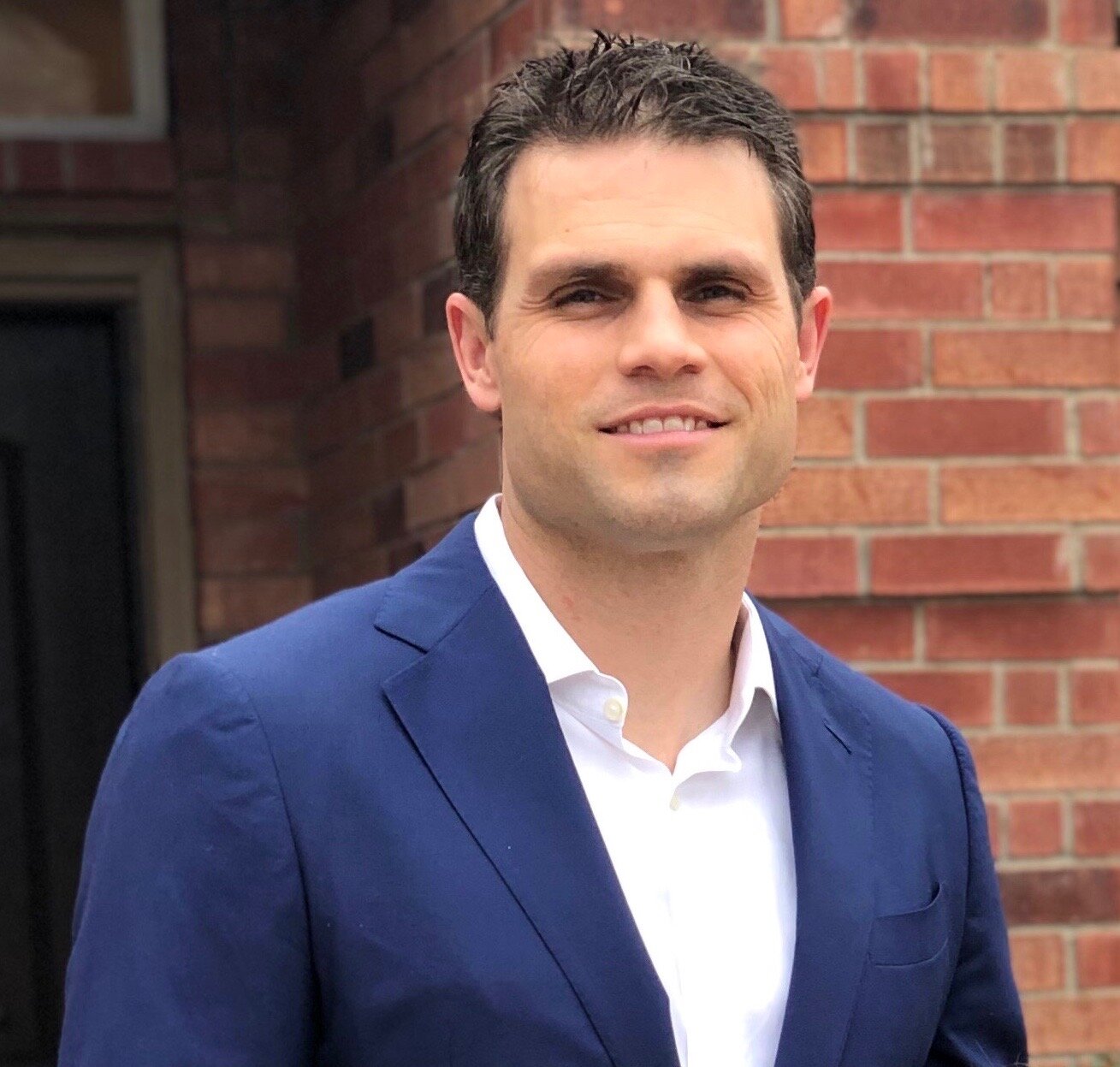
Former professional baseball player Drew Holder is on the show to share his type 1 diabetes story.

You can always listen to the Juicebox Podcast here but the cool kids use: Apple Podcasts/iOS - Pandora - Spotify - Amazon Alexa - Google Play/Android - iHeart Radio - Radio Public or their favorite podcast app.
+ Click for EPISODE TRANSCRIPT
DISCLAIMER: This text is the output of AI based transcribing from an audio recording. Although the transcription is largely accurate, in some cases it is incomplete or inaccurate due to inaudible passages or transcription errors and should not be treated as an authoritative record. Nothing that you read here constitutes advice medical or otherwise. Always consult with a healthcare professional before making changes to a healthcare plan.
Scott Benner 0:00
This is Episode 272 of the Juicebox Podcast. Today's show is sponsored by dancing for diabetes, Omni pod, and Dexcom you can go to dexcom.com slash juice box, my on the pod comm slash juice box or dancing the number four diabetes.com To find out more about the sponsors. And if you have trouble remembering any of those web addresses, you can always go to Juicebox podcast.com or click on the links right there in the show notes of your podcast player. This is kind of fortuitous. I met messaging with one of you right now as I'm recording this. So I'm not going to give like last names or anything like that. But one of you is letting me know about their two children, siblings who started last let's see three months ago with a one C of seven. And today they got their a one CS back five, nine and five, eight respectively. Mavis had type one for about two and a half years while Aiden has had type one for two years. And they're doing great. Their mom was just letting me know how excited she was. And she said she wanted to shout it from the rooftops and I told her to go outside and yell Don't worry about the neighbors. But then I thought you know what, I'll help you shop from the rooftops. We'll do it right here on the podcast. So Maven Aiden, congratulations. Great job. All right, I'm running out of music. Today's guest is Drew holder Jew has had Type One Diabetes for a very long time he was professional baseball player. And I thought this week, but the World Series coming up what a great time to talk to somebody used to play. Please remember that nothing you hear on the Juicebox Podcast should be considered advice, medical or otherwise. And always consult a physician before becoming bold with insulin or making any changes to your health care plan.
Drew Holder 1:57
My name is Drew Holder. I've had Type One Diabetes since age three. And I've had a lot of different experiences. And through the highs and lows of diabetes, I've been able to play professional baseball, the husband and a father and now a working professional.
Scott Benner 2:14
You were diagnosed in what year? Do you know?
Drew Holder 2:17
1986 86?
Scott Benner 2:19
How old were you again?
Drew Holder 2:20
Three years old. I was just just after three I got diagnosed.
Unknown Speaker 2:23
Wow,
Scott Benner 2:24
you called me Sara second ago, which now I'm going to leave in I thought how much older could I be than you but I believe I graduated from high school in 89. So we need to sort of thing going a little I'm just kidding. Do I Oh, no, no, please. I'm joking. But I have I'm so interested like you reached out. And your note was very like I you know, I'd like to be helpful if I could be and if I'm you know if I could share something interesting. I would love to. So I was really excited because I have a ton of questions for you. Well, thank you. Let's start a little slow. How did you find the podcast?
Drew Holder 2:59
Man, I think it was by chance. I think I just I just looked at on Apple podcasts I was I always think about diabetes and what's going on. And I think I just searched type one diabetes and your podcast popped up. And I started listening and I listened to podcasts with Jeffrey Brewer. I like what he's doing a lot with Bigfoot. And then I listened to the Chris Rutan just because of his background and working out and then hearing about your daughter. And, you know, I just obviously there's common ground. And I think we all feel that as is or adults with type one I think we do. It's just such an easy conversation starter.
Scott Benner 3:41
Yeah. And it's difficult to find people who have this in common, really, I mean, it's not it's not just easy to, you know, walk into the gym to meet people. And you know, somebody just pops up like I've diabetes, like, where do you? You know, I hear from people all the time who say that this podcast is their only connection to people who have typed on. They just don't know anyone in their personal life. So I'm glad you found it. I really am. I'm glad. Thank you. I'm glad I got it set up correctly in the searches. So are you diagnosed at three? Let's go there for a second. My parents together. Yes, sir.
Drew Holder 4:15
My mom. Funny enough is I was a nurse or still as a nurse, but she was kind of in denial. You know, I would sit there at the faucet and drink glasses, glass after glass of water go the bathroom come back. And this probably went on for I think they said three weeks. But my grandfather saw a article in the newspaper in Austin in Austin American statesman about symptoms of type one diabetes. And he was like, hey, my parents like hey, you need to go check. Get him check. So finally they took me in. And my mom knew all the signs but and then finally my you know, my glucose readings were off the charts on the on the glucose meter. I mean, I think it read just AGI so then they knew Okay, well Let's treat it now.
Scott Benner 5:01
Do you think you've ever spoken to your mom about it? Do you think she just was trying to prolong what she knew was coming? Or she just trying to work up the nerve? Or what do you think it was?
Drew Holder 5:10
Yeah, I don't know. I mean, now that I think as I'm as a dad, I mean, I'm so quick to, you know, think the worst, but still hope for the best. You know, I think that's just where she was like, oh, man, I hope he doesn't have diabetes. Let's just keep seeing if it gets better. You know,
Scott Benner 5:29
over short, listen, we're a couple of generations removed. You know, my father would have been like, he'll be okay. You just tell them to keep going. So I saw I see that. Okay. So three years old? 1986. When's your first real recollection of your diabetes? Like, when when you think back on it? How, what age do you get to?
Drew Holder 5:52
Yeah, good question. Honestly, I think it was probably around, you know, anywhere eight, 910. Obviously, I don't remember anything, or not, obviously, but I don't remember anything before. age three, or life. Before diabetes. For me.
Scott Benner 6:08
I burned my finger at my fifth birthday party. And if that wouldn't have happened, I don't remember my lifetime, like 12. So I'm just wondering, like, when does it come into your consciousness enough that you remember as an adult? So that that's just that's interesting that, you know, I think, too, for parents who are worried sometimes that their children are being this, you know, horribly impacted by this disease, you see that a lot. People are very concerned about it, probably rightfully so. But at the same time, you know, I think I always try to share with them the story that, you know, Arden probably had 10,000 injections when she was little. And then we switched to a pump when she was like, four years old, maybe could get in closer to five. And it took a few years before we ever had to pull out a syringe again. And when we did, she didn't even know what it was. Wow, you know, and that's that kind of the message I want to leave with parents. Like I know, you feel like you're doing something that's just gonna run your kids over forever, but really, we don't remember anything. You know, when we're little like, how much do you remember? Really?
Drew Holder 7:07
So that's such a good word. Right?
Scott Benner 7:09
So okay, so you have a G sec. She told me in your in your email, but do you pumper Are you injecting?
Drew Holder 7:17
Yes, sir. So I injected for 20 years. So from age three to basically 22 episode guess 19 years, okay. And then I got on my first insulin pump. And then I've been kind of on insulin pump therapy, with, you know, a few breaks here and there, but for the past 13 years, okay, insulin pump.
Unknown Speaker 7:36
Okay, so now,
Drew Holder 7:37
I have a tandem pump now
Scott Benner 7:39
using a tandem now what have you, how many of you, how many different ones have you used over the years?
Drew Holder 7:44
So I had a cause more. Most people probably don't remember that. But that was my first pump. And I was actually when that was when I started professional baseball with the Astros and they made me kind of the I guess a spokesperson or a you know, I would I would travel around speak for them
Scott Benner 8:04
to come the pump the pump company did back then.
Drew Holder 8:07
Yeah, the deck. I think it was a Cosmo. I can't even remember. I think it was a subsidiary of animus or Johnson and Johnson
Scott Benner 8:14
you're gonna make me look while you're talking. But I think it's Cosmo. Right? Because Yeah,
Drew Holder 8:17
Cosmo.
Scott Benner 8:19
You keep talking. So did say you you worked with them a little bit kind of traveled around telling people about the pump.
Drew Holder 8:24
Yes. And then I and then all three or four years I upgraded to the economists had that for five, six years and and then finally just upgraded to the tandem. tandem now.
Scott Benner 8:38
This is so interesting. The delco Cosmo. See this website? Well, it looks like it was it looked it looked durable. So it was look like it was built? Well,
Drew Holder 8:50
it was made it was made out of it was made out of a helmet like baseball helmet like that kind of I dropped it. It couldn't break. You know
Scott Benner 8:58
that that is really my first thought when I looked at I was like, Wow, it does look really durable. Like it just like it like you could have thrown it against the wall and it would have been okay. So So tell me something. what age did you start playing baseball? Do you remember that?
Unknown Speaker 9:14
Six years old
Scott Benner 9:16
and right into like little league or local ball like in your town?
Drew Holder 9:20
Yeah, yes, sir. Just the local. We call it Town and Country in Austin. I played one season and T ball and then, you know, went through all different age groups going after that. Do you remember?
Scott Benner 9:32
So you've obviously you've hit on something that I'm really interested in because my son's a freshman in college right now playing baseball. So my son started playing when he was four. And it was the he's a February birthday. And my my wife was like, he wants to start playing baseball now. I was always like, oh, Kelly, he's like three, like, how do you know what he wants to do? And she's like, well, look how good he is that he should try it. You know? And I was like, Well, I think you have to be fun. To play baseball, and she's like, no way, like, he'll be four when the season starts just because he's three now and I'm, and so my wife, basically I was I was, you know, spouse bullied into contacting the local YMCA. And I said, you know, look, my son will be four when the spring starts. Is there any chance you can start playing this year? Because my wife seems really intent on this happening. And, and the guy's like, you know, let me see him play. And if he looks like he won't get hurt and everything, and I said, Yeah, sure, let him do it. So I, I don't know how many people know this. And you know, we're going to talk about diabetes a lot today, but we're going to talk about some baseball too, but it's not really baseball. But first, ooh, this is exciting for you. You don't even realize but it's time for It's time for Arden's lunch bolus, which I love to hear about. So today is day one of her new g six. So she's had it on now for about 12 hours, it's looking pretty. Pretty right with the blood, we did one finger stick today and it looks right so I'm gonna trust it her blood sugar's 131. We're gonna do a Temp Basal increase, to get a pretty big lunch. I'm gonna go 70% for an hour and a half. And so what that does, is it adds about two units of insulin over the next hour and a half just through bazel. And then we're gonna do a bolus. Right, you're on a second, banana, pop, corn, half a sandwich. Yogurt, peaches, grapes. All right, ready, three for the sandwich. 456789, let's say 12 units extend.
Drew Holder 11:47
I like this because I'm looking at my pump now. And I'm able to adjust my my readings to 60%
Unknown Speaker 11:52
now
Scott Benner 11:55
and the rest over a half hour. So my idea here is it's a pretty mixed lunch, right? There's a peanut butter and jelly sandwich in there. But there's also some fruits. So there's simple sugar. There's not a ton of beyond the the bread with a sandwich, there's not a lot of real kind of like heavier carbs. So I'm going to get a lot of the insulin and now to kind of combat you know, get a nice Pre-Bolus going hopefully, she'll start eating in about 10 minutes. Maybe I can get her you know, 120 ish, like moving in that direction. And then I like the insulin to have a nice momentum. Like I like it. I want it to be out in front, right? I agree. Yeah. So when those simple sugars start hitting, hopefully we can hold them at bay. Use the Temp Basal in the extendable, spread out the instant, a little more over the meal. And hopefully, we'll see what we got. We'll find out in our drill. So okay, so you start so my son starts playing baseball for he's played every year. Absolutely. Since then. I he loves Oh, hold on a second. Now she's telling me Hold on one second. She got to she got to launch quickly, more quickly than I expect her to. So she's they must have sent them in early. So now I've told her to kill the extended bolus. We're gonna throw in all 12 units right now cuz she's sitting at the table. Oh, geez. Okay, it'll still work out. So
Drew Holder 13:26
what's her insulin to carb ratio?
Scott Benner 13:28
Oh, do I have no idea? I don't pay attention to that. I don't count carbs. I I look at the meal. And I think that looks like 12 units to me.
Drew Holder 13:35
Yeah, that's kind of how we did it grown up too. Right. And we had no,
Scott Benner 13:40
we you didn't have this gear. Right. So you just don't know. Yeah, you're guessing right? How do ya how does it change having glucose monitoring from not like, what's the biggest difference? Oh, man, it I don't know. For me, that's like the biggest deal. Just to just to know where you are at all times.
Drew Holder 13:58
I mean, I can just I mean, I had six diabetic seizures. Growing up, like I guess through my life. I even had one in college, but it's just the roller coaster of highs and lows when I gave a shot. That's the big difference for me is that the CGM basically is telling me Am I going up going down and even now at the tandem it actually shuts off. If I'm if I'm diving in the middle of the night, which is sometimes I tend to do because of whatever happened during the day.
Scott Benner 14:27
A tandem has that it's called Bayes like you right it it. It feels you go and down. It just kills it kills you but you're doing all your background insulin and shuts everything down for a while. Correct. Yes, sir. That's pretty damn handy. We are having a cluster here today with our and she's like, but I already did the extended one. So I'll tell her stop it and tell me what delivered. So yeah, I would say that that variability that you're talking about, like the up and Down the bouncing, that's that's not only just hard on your body, but it creates you know, I always say highs cause lows, right? And oh yeah, you get high, you start bola saying and then boom. Tell me what delivered one, okay? Not much.
So only a unit went in. So now she's gonna put in the other, we cancel the extended bolus, she's gonna put in the other 11 units, and we're all set. Alright. Anyway, okay, so we're jumping around a little bit here. But anyway, we'll we'll track ardens balls and see how that goes as well. So what I was gonna say is that people might not realize that, you know, I know the numbers for my son, but I'm sure they're very similar for you. The year my son Cole started playing baseball, 4 million children picked up a bat in the United States for the first time. Wow, Little League local, like that whole thing. There's 4 million kids that year started playing baseball. This past year, when he went to college, 9500 of them moved on to play college baseball. And that's across four divisions d 123. And Juco. It includes right. So obviously, to get that far is involves more than you can imagine, right. And I don't just mean hard work. I mean, sometimes luck, your body doesn't break down, your skill holds up, you know, all these things happen. But the leap, then from there, to a minor league baseball player is down to something like I think three of those 9000 3000 of those 9000 make it to that next step, and then only hundreds actually ever step into a major league ballpark. So I want to I'm going to ask you a few questions about around that. When you were when you were younger, 789 10 years old. Were you any good? Did anybody looky and go that drew he's gonna play in college and then go on to be a pro.
Drew Holder 16:57
You know, honestly, I mean, probably not. I mean, God definitely blessed me with athletic talent. And I was always to be honest, you know, one or two, top three guys on the team, you know, that I don't think anybody and honestly, I didn't get I didn't become a great, great baseball player. until probably my junior year of college, like so I was kind of a developmental guy. My my, my true passion was football. Honestly, I played football through high school. But I'm not the biggest, biggest guy, I'm 511. I weigh about 205 pounds.
Unknown Speaker 17:37
But
Drew Holder 17:39
when I realized that the beating my body would take with football, I'd have to put on some way to play college. And then the way it would tax me more with the diabetes, I chose baseball. And I got a scholarship offer to Dallas Baptist University. And, you know, I was just blessed to be able to play at that great university.
Scott Benner 17:59
And it still took you at college, two and a half probably seasons until you came into your own.
Drew Holder 18:06
Yes, I mean, until I really felt like I belonged. And I felt confident. And it just kind of went from there. You know, obviously, you mature a little bit, you get bigger, you get stronger. But yeah, I mean, even as a freshman in college, I remember looking around like, Man, these guys are huge. I don't belong, my confidence wasn't all wasn't 100% there, you know, but just staying the course and working hard, like you said, you know, and just kind of, and then opportunities arise, you know, and you know, you take advantage of them.
Scott Benner 18:37
Yeah. I'm going to share that. So my son doesn't have diabetes. My daughter does, but cold. My son Cole is it's interesting. He's probably weighs about 170 pounds. He's a freshman in college. And he's 511 and he's drill know what I'm saying? When I say this? My son's actually 511 he doesn't tell people he's 511 He's 511. So baseball is big on adding an inch or two on people's height. Because once you get no spikes, everybody looks six feet tall. And and it's hard to tell. But so my son's 511 baseball 177 pounds. And he's a spectacular outfielder. I mean, there's just no where you can hit the ball where he won't be. If you put the ball in left field when the left fielder is catching it, my son standing next to him. If you know if he's at the fence, it's 400 feet, it's in a gap. It's over shoulder makes it look like he just flipped the ball to him in the living room. It's It's amazing. I don't know how he sees the ball that way. Because he's a talented runner and runs fast. But he's not like a six five kid. Yeah, like he just knows where that ball is going. So he is also a really good student. And when he was recruiting for college, my wife and I just said, Look, we're happy for you to play. We definitely want you to, but you have to go get like the best education you can. Like, you know, like we absolutely need you to go to the best school that you absolutely can And that ended up being a d3 school that really fit him the best. So, in his mind, you know, as a high schooler, he's like, this is amazing, because it's just the three and I'm going to show up there and they'll be so thrilled that I'll be there like, you know, blah, blah, blah. And, you know, two days into practice, I text them, how's it going, he goes, the kid playing centerfield in front of me as a senior, and if you wanted to kill me, he could pick me up and break me in half. And I said, Okay, he goes, Yeah, I don't think I'm gonna just be like, wandering onto the field announcing my arrival and starting to play anytime soon.
Unknown Speaker 20:33
And I was like, Yeah,
Scott Benner 20:34
Yeah, no kidding. Right? And it's, it's interesting, isn't it, that people think of it as these divisions, right? If you go to D, one, you can play and if you go to d3, you can and if you go to D two, you're not smart. And if you like, there's just too much generalization around sports and baseball and and the assumptions that people make, like just for you. I mean, you get drafted. Drew, when you were a minor league baseball player, and to this day, you are one of the most talented baseball players in the world. And even if you never take another step past, minors, it's, it's an amazing accomplishment, you know, and yet in our society, anything that doesn't get to the whatever the very top is, the rest of that is considered a failure. And I just, I never kind of can wrap my head around that. It doesn't, it doesn't. It never makes sense to me. But I wonder if it doesn't make sense to me, because I have the perspective of watching my son do it. But anyway, it's a lot of times, just want people to understand cuz I know a lot of parents Listen to this. And the best player when they're nine isn't necessarily the best player when they're 15. And it definitely doesn't mean they're going to be great when they're 21. And it's a long, long process. And I want to talk a little bit about maybe I want to talk a lot about the the lessons that diabetes can teach you and the lessons that baseball can teach and I want to know how many times you found those to overlap. Okay, let me see how long this takes dexcom.com slash juice box. Okay, I am on dexcom.com forward slash juice box. A lot of information here about zero finger sticks, glucose readings right on my smart device. customizable alerts and alarms here get started with the Dexcom g six. Can you get started with the Dexcom g six in less time than an ad on the Juicebox Podcast patients first name, but my name, last name, did that email. phone number. City, zip code. month, day, year of birth, type one diabetes, insulin pump. Insurance private.
Unknown Speaker 23:03
I agree.
Scott Benner 23:09
I agree. Next, I look. That's how long it takes to get started with the dexcom g six continuous glucose monitor less than two minutes to change your life. I don't see how you don't give it a shot. Go to dexcom.com slash juice box. fill in the information get started with the dexcom g six continuous glucose monitor. So you can see the direction and speed of your blood sugar. There is nothing more important in my opinion. You could do it right now while you're listening. It's that simple. Less than two minutes to get started. Dexcom does so much. So you don't have to. Before we get back to the show, allow me to remind you that the 19th annual dancing for diabetes show is on November 9 2019. At the Bob Carr theater that's in Orlando, Florida, go to dancing the number four diabetes.com there's links in your show notes. When you get there. Go to newsroom click right on the 19th annual dancing for diabetes show to get more information.
I see this stuff that my son learned from baseball it's not always the stuff I thought it was gonna be. You know, like he like for instance he he called me the other day. And and again, Drew will have more of a maybe a perspective for this and then some other people but my son can stand after he's warm and have a catch with you at 120 yards. He's got if he's got one pro tool, it's probably his defense in his arm, right? Yeah. So you know he's but he doesn't want to pitch and he doesn't He's like, I don't like pitching. I don't want to pitch I don't you know, I don't like the mechanics of it. And so I said to him one day, I was like, how long do you think you're going to stand throwing the ball 60 yards farther than everybody else while you're warming up and someone's not going to ask you to try to pitch you know. Eventually someone's gonna be like, Can we drag that kids butt up on a mound and see what happens when the throw The ball plate. So he goes over the other, he sends me a text. He's on his way to practice and he's like, Oh my god, they're gonna make me throw a bullpen today. And I was like, Well, you know, just just do it, you know, like, whatever. And a couple hours later, I get a text back from and he said, I had an 88 mile an hour fastball, my changeup was 81. And I was dropping my curve in four strikes, and I think I'm gonna have to pitch a little bit now. And I told him, I said, Why don't you just throw the ball into the ground? The guy told you, I'm not good at this. But but but he, but he's just too competitive. And in the moment, he didn't want that. And four days later, he's like, it'll be okay. Like, I'll just, you know, this will help me get on the field. Like his mind. He is so much more mature than he was nine months ago before he got to college. And I don't know what that is. So I guess I want to ask you like, what does it really take to hit a roadblock in baseball, and push through it? Like when you when you have that, that feeling of like, Oh, my God, I'm not good enough for these guys are so much better than me, or whatever it is. You have some stories about that?
Drew Holder 26:04
Yeah, I mean, I think just in general, for me, just being coached my whole life. I mean, I love coaches. Without without all the great coaches I've had, you know, I'd probably just not been able to develop, obviously. But a lot of things we said at Dallas Baptist was day by day, and getting, just try to get 1% better every day. So instead of focusing, Oh, I should be starting right now. Or, you know, I'm better than this guy will focus on what you can control and let the rest take care of itself. You know, so if I just focused on, what do I need to do to get better today. And for me, I was an outfielder, just like Cole, and I look. And that's the thing I missed the most Honestly, I don't miss necessarily hitting as much as I thought I would. I still miss it. But I miss tracking that ball and catching, you know, an awesome line line drive that the competitor hit. I mean, that's what I miss. I miss tracking that baseball and trying to trying to not let it hit the ground, you know, and throwing somebody out at third or home. You know, those are exhilarating moments.
Scott Benner 27:11
It's so interesting that you say that, because when you know, I think Cole was 11. And he told me one day is like, I'm gonna get really good and play the outfield. He's like, it just it looks great. And he's, you know, I can see people looking at baseball from the other side going, Oh, my God, it's boring. You stand around out there. What if the ball doesn't come out? Baba, I watch my son is moving and intent on every pitch for years. He loves being an outfielder and he will you get into a car after a game. They get shellacked, you know, like they they lost tended to, you think he's going to climb in the car and be you know, absolutely mortified. And he's like, hey, back in the fourth inning, what made that kid think that single was a double. And I was like, I'm like, right? And he goes, he's like, I hadn't by like three steps at second base, or catching a ball in a gap. And then throwing a run around at third he thinks they can tag up and get the third. He is so just jacked up by that. It's incredible. It's a very specific mindset, that idea of like, the balls not going to hit the ground. And to go back to what you said, when people I've heard people ask him like, you know, why do you like how do you take something like this so seriously, when you're younger and really want to do it. And he said, I've heard him say he's like, I used to play for a man who was the outfield coach on my little league team. And I just never really wanted to let him down. It that was the first way it hit him as like a 12 year old there was this nice guy named Frank and Frank put a lot of effort into him. And he thought catching that ball was his responsibility. And, and I just, you know, it's such a an odd thing that you would never expect for a 12 year old to build some sort of relationship with a grown man who's, you know, just trying to help out in town. And but but that ended up meeting a lot to him. And I don't know now today, I think he's more. He's kind of type A, but he's competitive with himself more than with a game. I don't know if that rings true to you. I think that's a sentence. Some people don't understand. But
Drew Holder 29:08
yeah, no, I mean, I definitely agree. Like even in diabetes, I'm competitive. I mean, I don't want my numbers to go above my range or below my range. You know, the one of the most irritating things about diabetes to me is when my blood sugar goes high. Like you said earlier, you it takes so long for it to get back down, that you're like, hurry up, hurry up, you give too much insulin and you bought them out, you know? Yeah, same thing with baseball and just being competitive. But yeah, I was definitely I competed with myself a lot, but also also forced to always compete against the other team or the other pitcher.
Scott Benner 29:42
You know, I love to what you said about like, trying to get 1% better every day because I was I was standing at my son's High School one day for a baseball game and a parent came up, you know, a few a few innings into the game on this field where there was no scoreboard She comes up to me and she says, What's the score? And I thought for a second, I looked there, and I said, I, you know, I don't know. And and she goes, Well, Who's winning? And I went, yeah, I don't know that either. And and she's just get here. I said, Oh, no, I've been here since the warmups, and she goes, is there a score? I'm like, oh, there's definitely a score. Because there's been a lot of cheering. And she's like, are you not watching? And I stopped, and I said, Listen, I don't know how you're going to take this. But to me at this age, baseball is about playing baseball. So you can play more baseball. Like, like, you're just trying to fix something today, figure something out, get better, so that you can keep playing tomorrow, like playing baseball is about getting to continue to play baseball. It's not about winning this game, I would love it. If they win, don't get me wrong, but I don't, right. I don't care if they win. And I don't care if my kids you know, it's it sounds trite to say I don't care if he's over four, I don't care if he's 444. There are little things he's trying to accomplish today. And he needs this game to work them out. You know, and I try to tell people, I wonder now, as I'm kind of dissecting this and why I was excited to have you on, like, when I talk about diabetes with people, I always tell them, there's no mistakes, like you can't make a mistake in diabetes, you can have an experience that doesn't go the way you wanted. But you need to learn something from it so that tomorrow is better. The only real mistake you can make sure was that if you do something today with your blood sugar, it doesn't go the way you want. And instead of trying to learn from it, you spend time being upset about it. If you if you do that, that that was a mistake. You know, don't give away this data. Don't give away today's practice. Don't Don't, don't ignore what you are learning because you want to be upset or dramatic or sad.
Drew Holder 31:43
Yeah. Sorry. But yeah, perspective is everything. I mean, control what you can control. And then, you know, I've always tried to have a positive outlook on whatever, but man, there's always challenging times in anything. Yeah. And that, you know, there's always negative impacts, but it's just what you do with that going forward. Yeah,
Scott Benner 32:02
no, I mean, just see your story. And really, guys who play in general, it's just it's a if you're, if you're still listening, you know what people who are listening who have diabetes, who maybe have never played baseball, like try to imagine starting something, when you're six years old, that doesn't begin to really pay off until you're a junior in college. Like, like, you know what I mean, like, not that you didn't have good times, and you know, enjoy what you were doing in the interim, but you didn't get to, like, hold your fist up in there and be like, I'm really good at this for you know, for that amount of time. And, and to have to make a decision to, to have been great at football, and just have to look back and go Look, I don't think my body can handle this. So I'm gonna have to just, you know, that must have been fairly, I'm crying, especially being from Texas, right, like football is life.
Drew Holder 32:53
Well, I mean, it's just funny how life goes. I mean, the way the way I felt God directed my life. And, you know, I didn't have any scholarship offers to play football, I had a lot of walk on offers to Baylor SMU, even Boston College. But then when I took my recruiting trip to Dallas Baptist, I just, I think, just it's a it's a mid major team that plays division one, baseball plays the best competition in the country. And just a place where I knew I could grow and develop. And I just felt led to go to it. It was it was just a no brainer for my family and I
Scott Benner 33:31
so when it felt right, it felt right. You didn't you didn't struggle in that moment to leave something else behind because you knew you were heading in the right direction. Man, it was crazy. Like,
Drew Holder 33:40
I think it was a month before Google of 2003 or 2002 after I graduated, so a month before, like, you check into college, like I didn't have anywhere to go I was I signed on in a junior college. I may have I still was thinking I may go walk on and play football. But then like a month before I went to Dallas Baptist, right this is it and then driving home called the coach back. Alright, I'm going to Dallas Baptist and there was a month later I showed up on campus you know that's I have to say that
Scott Benner 34:13
probably five visits into my son's like, like recruiting visits you know the kids they bring the kids in the coach smiles he goes oh we'll take them to class and it's gonna be great on my kids trying to kill him like I'm pretty sure I know what's gonna happen when I walk away from here. But So Mike, but my son is not a drinker, for instance. So at all of his visits, he was looking for a place where he could not drink and people wouldn't kill him over it. You don't mean like so that was like one of the things he was looking for. He was looking for academics. He was looking for a place where he thought there weren't too many go older guys stand in between him in the field but he was trying to assess all this. You had all these like these overnights and overnights he come home you'd like this place was okay. I like this one. This one was fine. The coach was nice, but I didn't like the school. It was back and forth. He walked out of a building after the overnight where he's at and he just looks at me. He goes, we can cancel the restaurant. I'm gonna come here. That's awesome. I was like, Okay, are you sure you don't want to go to the restaurant? Because there's no need. He's like, I'm gonna come here. Oh, I was like, that's great man. Like, you know, because but honestly, I was getting tired of driving to all those schools. I i drug my ass the Boston three times during that recruiting thing. Yeah. Oh my God, what a terrible drive. So, but anyway, it hit him. So I don't know, he just said he's like, I like the size of the school. I like the coaches, the guys are good. He's like, no one, you know, broke my balls last night about not drinking. Not even like a little bit. And I was like, okay, you know, and even when he gets frustrated now, about baseball, what he really talks about is like, I'm not learning anything, because I'm not on the field enough. Like I was, like, that's how he thinks about it. I, I, I've never been so focused about anything in my life, I'm in awe of people like you and Cole who are who can be so single minded about something and at the same time be broad in their, in their feelings like that. He's not just a baseball player.
Drew Holder 36:12
But when he's doing that, it's, it's amazing. The focus he has now gone. Well, I'm just gonna, I'm just gonna say, I mean, congrats to him. And, and to you, too, for you guys to have the wisdom to find a great spot for him. And just because he knows he can develop, he probably got to play right away and may not even in pro baseball, I played with guys that one, they didn't play college. They got drafted High School. And then there's other guys that just played one year of junior college or, you know, play the Enya, NaVi ball or division three, it didn't matter if you're a good player, and you develop and just continue to get better. I mean, you'll still have those opportunities. If, if time allows, you know,
Scott Benner 36:53
yeah, it really is about that about time, too, because Cole was saying to me the other days, like, it doesn't matter. He's like, if I can keep playing after college, he goes, it doesn't matter where I play college. He's like, if I can do it, I can do it. And he's like, you know, if I can't, I can't, you know, sometimes where you end up in college is an indication of your skill or your body or anything like that. But sometimes it's not, you know, sometimes it's just, I'm not in a rush. And, and you mentioned something earlier that happened to happen to Cole is that he's a, I mean, a late bloomer, too, like he's always been, you know, I mean, imagine you start playing when you're four, you're already a year younger than everybody else. And that starts to catch up to as you get older, when, you know, when the kids who turn into 20 year old men when they're 16, or 16, and you're 15 and not gonna turn into a 20 year old guy till you're 21. Like, you don't mean like, You're, you're in that space like those guys, you're talking about who don't play ball in college. They're grown men when they're 18 years old. You know, like, you use Bryce Harper as an example. He was always walking around like a grown man, he was 17. So you know, that's just luck or random or, you know, whatever it ends up there. But you sometimes you just got to grow into your skill to try a pod for free to experience how liberating the Omni pod truly can be. If you're considering insulin pump therapy, the best way to understand the comfort and convenience at the Omni pod offers is to try it firsthand. So get a free experience kit, which includes a sample nonfunctioning pod and see what you think there's absolutely no obligation to buy. You can wear a non functioning pod to see how it feels. Find the area that works best for you, and feel the freedom you could have with the Omni pod system. Did you know that 95% of Potter's surveyed by Omni pod said they trust the Omni pod system to manage their diabetes. And 88% of them said the Omni pod system makes living with diabetes easier. Well guess what? I 1,000,000% agree. That's right. If you go to Miami pod.com forward slash juice box and get started today by having Omni pod send you a free no obligation demo of their wonderful, most excellent dissed. insulin pump in the world tubeless insulin pump By the way, did you know that? Of course she did. But now you know for short because I told you just now with my words. tubeless insulin pump we're talking about? Absolutely no tubing. I know right now you're thinking insulin pump. You put a thing on long tube No, no, no long tube. Oh, and then they'll have to hang something on my belt. Nope, nope. Nope, that's not on the pod works. On the pod is self contained. It's magical. It's the future but now it's like going into the future getting something and bringing it back to today. Listen on the pod doesn't want you to know that they broke the space time continuum, but they did. They went to the future. They got an insulin pump. They brought it back to 19 whatever this year is no I'm guessing now that I said 19 it's more like 2019 but anyway, Miami pod.com Ford slash juice box. With legendary shownotes, where Juicebox podcast.com? Would you say that even though you're competitive and you don't want that number to climb over a certain spot, that when it does? I mean, what do you do when it does? How do you react?
Drew Holder 40:18
I mean, yeah, like I said, you just, I can only control from that moment on. So you know, let's just say, a blood sugar's 200, or even 250. You know, I will let's assess the situation, how much insulin Do I have on board? You know, do I need to get more insulin to get down? And it's usually Yes, give more insulin, if you're 250. You know, and then, hopefully, in 45 minutes, you know, that insulin will kick in and you can start seeing, start feeling better, and the insulin will start to go down.
Scott Benner 40:48
What's it feel like when you're 200 200?
Drew Holder 40:52
I don't really feel a difference. I think, even recently, like, I've had a lot more better control because of the G six just always seen, but even though I'd say when I get to 250 is when I start to feel like I haven't been I haven't been 300 only but one time in the last probably three months. And but when I was man, I I feel like complete trash. I had to lay down. I was like, dizzy. And I used to be 300 all the time, honestly, you know, but I think your body just adjusted the different levels. But yeah, when I was 300 is probably last week. Man, I just, I had to lay down, give insulin, and it just takes so much longer for that insulin to work to when you get once you get that high.
Scott Benner 41:37
Yeah, I just can't, you know, I can't stress enough like for you. I mean, I don't know, where's Where does your CGM tell you? Where do you get an alarm for high blood sugar what what level 181 and
Drew Holder 41:49
then I get a, an alert at 75 when I'm training low, lower.
Scott Benner 41:55
And so what we do here is, is my alert on my phone is at 120. And on my daughter's is 130. The idea in it that I kind of go with is that if you find out earlier than you can correct with less insulin, when you correct with less insulin, you're less likely to get low later. And if you start you know slowing a hot, you're stopping a high before it comes then keeps you in a space where you're not, you know insulin resistant to because by the time you get to 180, you know getting from 180 to 100 might not be an apples to apples comparison to insulin, like getting from 120 to 290. So you know, say you need to move 30 points and whatever that amount of insulin is, once you're over, you know, once you start getting higher that doesn't, it doesn't just double it doesn't say well, I need to go down 60 points. So it's just double that it doesn't always go that way. But people feel that way. Like Well, if it takes me this much to move 30 points, it'll take me that double that to move 60 which stops being true. So I like to bump the blood sugars I like when they try to get higher, you bump them back. And what you find is that it upfront, it's a little more work. But eventually, you end up making decisions that you don't even realize throughout the day that keep you from ever really being above 130 it's it's fascinating how you you sort of get what you expect at some point. No, I
Drew Holder 43:20
agree. I think I'm gonna have to look at Lauren, my little my little range then
Scott Benner 43:26
Dexcom put out a we actually did an episode about it a couple years ago, they they backed a study that just says the lower you make that high alarm, the lower your a once a day. That's it, just it just it. That's what happens. The sooner you react, the better. Yeah, no, I
Drew Holder 43:45
agree. And probably probably more alarms you're gonna get through, though. Well, so
Scott Benner 43:48
now in the beginning, during the BS in the beginning, yes. But eventually, no. Because what you'll figure out at some point is if you keep drifting up like that, that's your basal insulin. So you'll change it'll change your bazel and then you won't start drifting up anymore, you'll actually end up bolusing less once you figure out why it is you're going over that 121 30 range to begin with. It's fascinating. I am. I know way too much about this now.
Drew Holder 44:15
I mean, I look forward to seeing a baseball game with you. But I mean, and we can talk more, but it's just crazy. Like, I've had diabetes for almost 33 years. And you know, I would just say the last five to six years, I've actually started to really grasp how everything affects me. You know, for the first 25 years. I just live by the rollercoaster you know, just trying
Scott Benner 44:39
to be okay, so you could play and do the things you wanted.
Drew Holder 44:42
Yeah, but technology now is just has been so helpful at school. Did they did a trainer help you during games?
Yeah, I mean, even even to that point they did. They always had food. They They always knew like if I started to do some weird things like hey, Drew, let's go Take your blood sugar, here's some food, you know. And, but even that, like it was so taboo, they didn't really know. Nobody really experienced it as I was growing up. I mean, I never had a teammate that had diabetes. There was one guy in Austin that was an athlete, and still a friend of mine. But that's the only guy I remember that ever had Type One Diabetes when I was growing up, you know,
Scott Benner 45:23
I don't know if you know the name, but Molly FECKNER has been on the podcast and she's a friend of mine. She was the catcher for Alabama when they went as far as they've ever gone a few years ago. And she's the head coach. She's a head coach at University of Louisiana. No, but she would say that, like, you know, they would just take care of and I always wondered like, Did she just like accept that was okay, or, like, you don't mean like, Oh, they have it? Because you know, you get in that situation but like, you know, when you're a student you think one way when you're a parent you think another way like my son's like, oh, the trainer's here Mike, who's the trainer? Like don't just assume he knows what he's doing. Like you don't even like you know, you have that kind of feeling. And do you know Sam fold Sam played in the league for about a decade. He's a manager with a Phillies now or a coach with the Phillies. Now,
Drew Holder 46:07
I've never spoke with Sam but we have a good mutual friend and Ben's Oprah's Ben Zobrist, and we've talked about each other with Ben.
Scott Benner 46:15
Yeah. So. So Sam's been on the show. He's actually coming back on pretty soon. I was talking to him the other day, but he told me when I interviewed him the first time he's like, you go back and watch me playing baseball. You as if I'm chewing gum in the outfield. He's like, I was getting low. He's, you know, he's like, that's that was the extent of his management back then. Like I don't, okay, I don't feel okay. I'm gonna be stuck out here a little longer a handful of bubblegum. And I was like, Wow, you're lucky you're alive. Yeah.
Drew Holder 46:42
Oh, man. I mean, let me tell you this one quick story. I've had I've had severe lows, obviously, throughout. But the one I really remember was, I was in, I was in a homerun Derby in high school. And I was, you know, I was one of the better hitters. So I was expected to hit a lot of home runs. And my budget was so extremely low. That coach threw me five pitches, I missed all five of them, which BP you know, it's pretty easy. For at least me to hit the ball, but I missed all five of them. My dad comes down from the stands and he's like, Drew, come here, let's check your blood sugar. You know, whatever. I was 4050 I just couldn't see. And it didn't always happen that way. But I had no depth perception. So that's why it's baseball's even harder if you have if you're high or low because your your visions affected. Yeah, we know. So
Scott Benner 47:33
it's, it's frightening. I mean, that how quickly your body just leaves you get any means your ability to hold yourself up to think to see to make sense of things like once, you know, we talked about it here once a while, but that that there's a level of sugar that needs to exist in your blood for your brain to function. And when you start getting below that, that's you know, your brain can't work without without a certain amount of sugar. You know, and man made insulin doesn't know to stop taking it out of your blood. If it's in there. It's gonna do it's gonna do what it's gonna do. Yeah, it was playing once in our known Arden basically played up till like the end of Little League and a little more after that, and she's hurt right now. So she hasn't played in about a half year and there's part of me that thinks she's never gonna play again. Like, she's just like, yeah, okay, well, we did that. But, you know, but she's interesting. She doesn't love it like my son does. But she's good at it. So like they were playing, you know, right up to like, go into the Little League World Series the last time you know, she was really playing. But but a number of years before that is there, you know, teaching those kids how to play on 95 degree days, three times because it's softball, she she came through the dugout, one time, she played third base, she came through the dugout, she looked at me She raised her glove up overhead. And she was I'm not okay. I was like, What? And so you know, it was back in the days of like, older glucose monitors, they didn't work quite as well as they do today. And she was sure enough, by the time I figured out and what was going on that the the monitor did tell me she was really low. But she got incredibly low, like in the 40s and took in a bunch of, you know, liquid bunch of sugar. She sat on the bench, like put her head on my lap, like I sat in the dugout, like trying to get her back together. And she missed. She didn't have the bat that innings. But then she missed going in the field, the following ending, but her bat bat came up after that. And she was still only like, 65 and still coming back up. And she's like, I'm gonna I'm gonna hit. I was like, maybe not. She goes, she goes, if I don't hit, he's gonna take me out. I'm gonna feel better five minutes from now I'm not gonna be able to go back in. And I was like, all right. Why are my kids so competitive? And I was like, I was like, okay, and she got out there. She hacked away, she found off a bunch of them. And eventually she did, I think, pop up or something. But she just, I couldn't believe she did that. Like when I look back on it, I'm like, how did you even go out there and like, find that ball once. You don't mean and it's just it Rector it Rector for 10 minutes, like she was she, if she was by herself, I don't know what she would have done like in that moment, like she was just not capable of doing anything. Anything you think of as a human, you know, function. It really is it can be incredibly frightening, which is another reason why these these tools are so they're so amazing, you know, and not just not just for helping you keep a high blood sugar down but for just day to day stuff.
Drew Holder 50:25
And I agree. I mean that diabetes can seriously just if you have those extreme lows it, it takes control of your body. And people don't understand that like, Thank God I have a I have kind of a happy personality. And I love to laugh, but like, So traditionally when I get low, I'll just get real giggly and real kind of real strange and just say weird things. And so my wife is always able to usually say hey, before this is before the CGM, but she's always able to look go check yourself get some food, you know,
Unknown Speaker 50:58
but she's telling fart jokes is blood sugar.
Drew Holder 51:02
Yeah, it's just strange how you're everybody's different, right? diabetes affects me different than it does Arden. You know, of course, that's crazy.
Scott Benner 51:09
Do you have children of your own? Yes, sir.
Drew Holder 51:12
I have a six year old daughter. Her name is Lyle and my son. Name is Pierce. He's three years old.
Scott Benner 51:18
I can't better go play baseball. He's gonna be in trouble.
Drew Holder 51:22
A little. He's a little tank. I hope he I hope he does love something.
Unknown Speaker 51:25
Yeah, yeah,
Scott Benner 51:26
I you know, it's funny. I always thought that. I always thought that that was more than a joke. Like, oh, you should. If I love this, I want my kids love that. I realized once I had kids, I didn't care what they liked, as long as it was something they liked.
Unknown Speaker 51:38
I agree. Yeah. You know,
Scott Benner 51:39
I just really I used to say to my son as much as it looked like, we were gonna get some money for college, and he was gonna have fun. As it got more and more serious, I'd remind him every spring that you don't need to do this. You know, if you want to, I'm down, like we'll do whatever it is that it takes I'm like, but if you don't want to don't feel like you're doing this for me or for your like, you need to want this for yourself, you know? Because I just think it could be dangerous to get caught in a situation where your children start feeling like they're, they be letting you down if you didn't do that. I agree. My daughter said she'd one of her one of her best moments was going into the high school and telling the coach, look, I'm hurt. I'm not playing. You know, she's like, I'll see what I can do. And maybe I'll come back next year. But for now, I'm not playing the woman because she would still want you on the team and my daughters. I am not showing up every day and go into practice to watch other kids play softball. It's like I could do my homework. Hell, I could take a nap. But I got it. But I'm not I can't do that. Like there's there's a mindset around that, that whatever it is, but I I think we've given our kids so much freedom, they don't feel pressured to do things like that. So I was really proud of her. I was like, cool, you know, I said, you know, the woman even said, do you want to be the manager and my daughter comes home. I wish people knew Arden better like she's so she can be so sarcastic. She was like the manager. She's like, I play I don't write down the score. And I was like, great. She goes even if I never play again. I don't even know what this is an interesting question for you. My son wants to do nothing but play baseball. But while he's playing he doesn't want to go see a baseball game. He's like I don't want to go watch guys play I want to play and like like when it's you know when he's not playing? He's happy to go to a game he loves going to a game. But when he's playing he's he he I don't know it's like he's he does not want to watch someone else do something that he wants to be doing. Is it hard for you to watch ball now that you don't play anymore?
Drew Holder 53:37
No know i mean i really i can I really find common ground with Colin saying that I mean, growing up I never really even watched baseball honestly. Ever. Yeah. You know, I now I watch some of my old teammates still but and I do love that go watch games now. But I'm so far removed. I love to get back and just experience the environment again. But yeah, during when I played I didn't. I didn't really
Unknown Speaker 54:03
milestone, right.
Unknown Speaker 54:05
Yeah,
Scott Benner 54:06
I tried. We were just down this spring break in Florida. And I said, Hey, we can head over to the Phillies are playing the Yankees today. We can take a ride over to Tampa. He's like, I've been playing all week. And I was like, I don't want to drive 45 minutes to go watch other people play baseball. I was like, right. All right, man, we'll do something else. But yeah, I just it's a very interesting mindset.
Drew Holder 54:29
Like you said, it's I think in anything in life, you have to have some kind of outlet. You know, if you're, if you're playing baseball six days a week, you know, that seventh day, you don't really want to go and be mentally in baseball again. You know,
Scott Benner 54:42
you know, it's funny, as you say that people ask me all the time, like, you know, seriously other than yours, like what other diabetes podcasts do you like? And I was like, I don't listen to other diabetes podcasts. I'm like, busy making a podcast like I can't. To your point. Like I can't spend the five free minutes I have like listening to someone else do it. Yeah, it doesn't make any sense. So yeah, I guess it may be it's a very similar thing. Okay, so juicy. You're playing college. What year do you do when you do get drafted? What year do you get drafted? Are you in school still?
Drew Holder 55:11
So I got so I graduated in 2006. I got in May of 2006 got drafted june of 2006. I signed as a senior with the Astros in the 16th round. I had a neat experience. The two weeks before the draft basters wanted me to come down a minute made in Houston and do a tryout and man I played lights out you know, I was I was slotted to get drafted but nobody really knew where but I just played I had a lights out trout I took one of Craig videos bats in bed in in the cages from under it without a man Major League Baseball would is so much better than any wood I've ever swung with baseball wise. And I you know, I hit some homers in batting practice. I threw well from the outfield, you know, made some diving catches. And I mean, I obviously I impressed him a little bit because they drafted me and took a chance, you know?
Scott Benner 56:07
Yeah. Yeah. It's so cool that and now, is it. I think if my son got drafted and then spent the rest of it played one day, they said, Oh, I can't believe we drafted you. It was a huge mistake. And he spent the rest of his life homeless, he'd still be telling people do I got drafted? And so is it about one of the greatest things that's ever happened to
Drew Holder 56:26
me? Yeah, you know, what, it? It was such a neat experience. And I'm so thankful that it happened. I mean, it's not something I just run around and tell everybody about I mean, people probably look at me and like, he probably, you know, he never played sports or whatever, who knows. But if people ask me not young first to say, Yeah, I got to experience minor league baseball. And I remember that day that I got drafted, I was with my whole family, at my grandparents house, and I didn't get any phone calls. But you know, you're just kind of looking at the computer and you see all these names. One of my teammates got drafted two picks before me by the Phillies. And I was like, Man, that's, you know, being competitive, like, dude, I'm better than him, you know. And then all of a sudden, my name comes up, I'm like, Oh, my gosh, you know, and we all you know, we're all kind of jumping around and excited. But yeah, it was just a it was a memorable experience for sure.
Scott Benner 57:18
Yeah. It just it's, you know, after trying so hard at something like that. It's it's kind of amazing. How long did you how did you play minor league ball.
Drew Holder 57:26
So I played one season in New York and short season with the Astros and then the next season after spring training got promoted to we call it low A or full season single a. Then after that season was over, got released a week before Thanksgiving, which is kind of strange. And then then I played two more years of independent baseball in Grand Prairie for Pete and Kabila. He was my manager. Okay.
Scott Benner 57:54
If he came up, I Were A Phillies fan. So Pete played here for a while towards the end of his career.
Unknown Speaker 57:58
Yeah.
Scott Benner 58:00
So what what is what ended up being the thing? Like, what when you look back, like what was the thing that had progressed as far as it was going to progress for you? And you just couldn't? You didn't have to go further than that? Like, what stopped you?
Drew Holder 58:16
Man? Good question. I mean, a little bit of consistency, probably. I was probably honestly, third or fourth outfielder on the team. And, you know, and a lot of things go into that, whether it be business or you know, how much money somebody gets signing bonus. I definitely had, you know, I think my my only average was, like, 260, or something like that. So I wasn't, you know, I can just, I just didn't have that consistent. Every time I played, you could count on me to do something, some games, I would be liked out some games. You know, I would go for for, you know,
Scott Benner 58:52
it's so incredibly funny to say this is the name you're not going to know because it's a new jersey name. But it's a guy that lives in my town. He's, you know, older now, but he made it to the to the Orioles as a catcher. And I was talking to him the other day, and he's like, you know, what killed me is like, there were some days. There was nobody better. And he's like, and then the next day, I was horrible. And he's like, hey, just any use the word. He's like, I couldn't do it consistently. He's like, he's like, I just couldn't find the consistency of friend of Cole's was drafted by the White Sox A number of years ago. And after three years, he was home. Cole said to him, what happened? He goes, I just mentally I couldn't the hitting is just, it's so mental. And he's like, I just, we'd get on the bus and we'd ride, you know, forever. And he's like, I was tired. And I just, I couldn't be consistent. And it's the same word that everybody uses. I'm so fascinated that you said the same thing. It was like I can do it. I just couldn't do it. Every time, you know, or that other answer that you gave, which I don't think people think enough about is if somebody got excited about another guy a little more excited than they got about you and gave him a little more money, even if you're better than him. They're gonna hold on to him longer to try to be right. Right, right. Like there's there's that idea like we paid this guy like we're in business right, right let's wait and see what if we can get something out of them the other guy we didn't pay so much we can let him go if we have to. Now, after you're out of the miners, can you talk about how that helps when you move into the business world? Is it? Is it a big deal? Like you go into a job interview? Does everybody turn into a little kid? They're like, Oh, my God, you played for the Astros? like is that? How do you get offered jobs that you have no business having?
Drew Holder 1:00:35
I don't know. I don't. It definitely helps. It definitely doesn't hurt. I mean, most big companies and most, you know, business owners, they want competitive people that are going to go go after something hard for for them, you know, so, and they know, for the most part athletes, you know, they have discipline, they're competitive. You know, those are kind of the, the characteristics you want as an employee, you know, so yeah, it was it definitely got me interviews. I mean, I, I started with Stryker, which is a medical device company, right out of right after I get done playing. But I started in the warehouse, so it wasn't like, I didn't get like a, an amazing job. You know, I had to work my thing. I had to work myself up the way up in the organization, you know?
Scott Benner 1:01:23
Yeah, yeah. No, I definitely feel that again. It just there's this one guy that told us this, I told me a story one time and he was just like, I was in this interview, when he's like, in five minutes, I realized, like, I don't know what, like, this isn't a good job. For me. It's not a good fit. And he's like, in the job was, you know, it was important because it would have been dangerous to give me this job. And he goes for 45 minutes, guys are like, tell me about playing baseball. And then in the last 15 minutes, I'm like, well, we love you. And he was like, I shouldn't have this job. Because everybody in the room just turned into like little kids. And I was like, that's very funny. Even my neighbor used to throw BP for the Mets in the 80s that helps him at work. It's crazy. Like
Unknown Speaker 1:02:01
guy you're right guys turned a little boys.
Scott Benner 1:02:03
You know, when they talk about baseball, and probably rightfully so by the way, baseballs. Any sports, right.
Drew Holder 1:02:09
I mean, I say traditionally, baseball is such a fraternity. You know, if you played baseball, and you even at a high level, you know, you know, a lot of the same people. And, you know, it's fun to talk about and same with football. I mean, that's why that's why like he said, athletes are, you know, a rare commodity, I guess, in the business marketplace. Yeah,
Scott Benner 1:02:31
it really is interesting to, like, watch my son talk about, you know, I mean, in this semester, Cole's taking multivariable calculus, you know, some high level Spanish thing, then he doesn't even speak Spanish that well, and still getting like, you know, great grades, still goes and lifts. You know, I don't know how often they lift, they must lift four times a week at least. He's, they're playing three or four times a week at this point. And they still practice on their off days. And when I talk to him, like how you doing good, I'm good, Mike. All right. I cuz I'd be dead. He would just I'd fall over. But he's like, I'm a little tired. You know, but I'm okay. I'm okay man. Like, go get him like, I don't know what that is. That's a switch. that's a that's a gear not everybody gets, you know. So it is really It is amazing to see how much work gets put into it. But well, you don't Yeah, you don't know any different either. I
Drew Holder 1:03:24
mean, you're just kind of it's almost like your cattle. You're just kind of your coaches tell you what to do. And you say Yes, sir. And do it. You know, and you're like, Okay, now I gotta go study now. I got to get some sleep and it starts all over and you know, but you don't know any different and you love it. Yeah,
Scott Benner 1:03:39
he real and that really is the key man. He really does love it. Yeah, he's What are you gonna do this summer? He does. I'm gonna try to get bigger notice like that. That's the summer plan. He goes, yep. Okay. Yeah, you go get bigger, guys. I don't know what you know, go get them kid. I wish I do. I wish you could see me. I'm just not like you would not look at me and go, I bet that guy's got athletic children. I can't tell you. My wife says to me all the time. She goes, we sit at a softball game. And someone comes up to me like I've never met before she goes, they point to the chubbiest kid on the field, and they go is that your daughter? And I was like, No, no, my daughter's the like, you know, that one they're pointing to like this, you know, like, lean, like, totally Catholic kid. And they always go, oh, oh. And I was like I said, Kelly. I said every baseball. Every baseball field I've ever been at somebody like is the catcher your son. I'm like, it's not the catcher. centerfield. They're like, Oh, really? And they look I can see. I'm gonna tell you guys, everyone's gonna get to hear a really embarrassing story. Right? So my son's in. I don't know, he's playing baseball somewhere. And I'm watching him practice when a ball goes out into a parking lot. I'm like, okay, it's probably my turn to go get the foul ball. So I get up and I walk in, I get it and I'm coming back to the field and I see a coach standing by second base by the bucket at second. So I just, you know, drove get the ball in my hand, I gesture, I've got the ball and I'm going to throw it to him. And he starts running towards me. And I was like, what is happening inside? Like, put my hand up like, no, no.
Unknown Speaker 1:05:15
I like, I don't
Scott Benner 1:05:17
want you to come over here. I have the ball. Like I thought he didn't realize I tried to throw the ball. So just like I was like, that's enough for this. I just threw the ball. And later it hit me. Like after the practice, and we're staying off this side. I said, Joe, can I ask you a question? He goes, Yeah, I said, when I showed you the ball, you knew I had the ball. Right? And he goes, he goes, why don't you run towards me? And he goes, I didn't think he could reach me. And I was like, Yeah, I mean, I get that. But did you think the kid just figured it out? Like all by himself? Like, like, you just came out? Like, came crawling out of the womb with a baseball. It looks like someone showed it to him. It wasn't my wife. You know, like, and so yeah, I just don't look like that guy.
Drew Holder 1:05:55
Yeah, I call you I'd call you a closet athlete. You know, like, you may not look like you're an athlete, but I'm sure you can. You can move and you can do, you can do certain things.
Scott Benner 1:06:05
I always tell people, I'm faster than I look. I can throw this ball farther than you think I can. You know, I'm much better than you would imagine, right up until I'm not. But But like, Listen, in fairness, Cole was a better baseball player than I've ever been. By the time he was like 12 to be perfectly honest, like he just, you know, he just got better and better and better as he went. So I want to ask you, you said so you know, Ben, and so you know, Sam through Ben, but Ben doesn't have Ben doesn't have diabetes does he?
Drew Holder 1:06:33
know but he was my teammate at Dallas Baptist. That's how you know him.
Scott Benner 1:06:37
Have you ever done Sam's wiffleball? The T Wendy slam is with football games. I have it that Sam runs these cool BAM wiffle ball games to raise money for diabetes charities.
Unknown Speaker 1:06:47
Okay, yeah,
Scott Benner 1:06:48
I have to reach out to Sam and if we can be a part of what's going on. He got thrown around a little bit as the Rangers manager in the offseason is I didn't know that. His name came up a couple times. And I was like, I texted him. I was like, hey, do I know the next manager? The Rangers? That sounds pretty exciting. He's got you know, I'm gonna have him on because Sam has a job that is completely unique and Major League Baseball. He I think I believe he's the only one who has it. But he's the liaison between the statistics department upstairs and the players. Wow, Nicole, he kind of takes the the math of baseball and translates it into baseball. Like like you don't he's like a it's just a very interesting job he has
Unknown Speaker 1:07:32
like sabermetrics stuff.
Scott Benner 1:07:34
Yeah. Yeah. He takes the sabermetric stuff and and he he she's a Stanford, he went to Stanford has an econ degree from Stanford. So he's played, he played a decade he went to Stanford together, we imagined he knew something if he got through there, yeah. And so and so he takes the sabermetric stuff. And then he goes to you as the player and puts it into baseball terminology for you. Wow, such a cool job, you know, so it's cool. I never heard of that. And that's it. He's the only one in the league that has that job. So I think that's new for the Phillies started that last year. And I don't know if other people will, you know, you know how people like once they see something work and they'll climb on.
Drew Holder 1:08:12
Oh, it'll go in cycles, for sure. You're gonna follow that?
Scott Benner 1:08:16
Yeah. And the Phillies right now, I think you're gonna use the sabermetrics of let real Muto Harper and mccutchen hit that baseball. So I don't, they're gonna need numbers for that. Exactly. But, uh, we took a big leap. Who's Who you root for when you're watching baseball now?
Drew Holder 1:08:31
Team wise, you know, I'm local. I definitely run for the Rangers. But you know, also route for the Cubs because his own risk. I think he's the only teammate I still have left playing. I mean, he's played 14 year, I think 14 years in the majors or maybe, whatever it is. 12 years, probably
Scott Benner 1:08:47
a long career. He really does. He's starting to talk about maybe this is it this year, right? Have you heard him say that?
Drew Holder 1:08:53
I mean, I have just over the radio and, you know, on TV, but he just, he's just a good dude. man. He's a great leader. And that's people love having him in the clubhouse. No, he puts other people before himself. And you know, I'm proud. I'm proud to call him a teammate for sure. It's amazing. It
Scott Benner 1:09:13
and you know, there's different ways to lead to like, there's some guys who are you know, yelling and screaming and jumping around. And my son, my son actually said to me the other day, he goes, I think I'm having like a good impact on the team. And I said, why he just talked about some of his workout stuff that he does. He's like, when I got there. I was doing some stuff. And people are like, what are you doing? Like they like they were a little like, I don't I've never seen anybody do that before. And ankles like now I'm starting to see some guys are like, you know, breaking off a piece of the field on their own and they're doing some stuff. I'm starting to see him do some of the stuff. I was just like, I feel like I'm having a good just impact on people. And I just, I wish you knew him better. Like I never imagined that would have been something he would have said to me, you know, so yeah, it's very cool. This this process of getting to play sports and colleges. Um, I definitely think it's an experience, it'll that'll feed him through his whole life. So,
Drew Holder 1:10:04
yeah, and I think that's why, you know, we all feel successful when we're helping others, myself included. I mean, there's been times in my life when I've been self focused. But, you know, when I'm focusing on others, you know, I'm usually more fulfilled, you know, I think that's what excited me to reach out to you and just say, if there's anything that I can do to encourage people, man, let me know, you know,
Scott Benner 1:10:28
well, I think you did it to share your story. And, you know, talk and I, and I agree with you, too. I'm, you know, you I mean, you've mentioned your your faith a couple of times, I'm not a particularly religious person. And yet, I will tell you that when I do this podcast, and I hear back from people that it's helped them, I don't have a better feeling all day than that, that's for sure. So I feel exactly the same way coming from a different coming at it from probably a different angle than you but at the same way that the results exactly the same, like when you're helping other people, and and kind of relieving their burden a little bit. It's incredibly rewarding. So I agree. Absolutely. So I really appreciate you coming on and doing this. Thank you so much.
Drew Holder 1:11:10
Well, Scott, it was it was a pleasure. I let me know if you're in Dallas or if I get up north man, we'll we'll go see a baseball game.
Unknown Speaker 1:11:17
That'd be amazing.
Scott Benner 1:11:20
Thanks to drew for coming on the show and sharing his story. Thanks to on the pod Dexcom and dancing for diabetes for being sponsors. Don't forget that you can go to dancing the number four diabetes.com to get tickets to the big show at the Bob Carr theater coming up on November 9. You can go to my omnipod.com slash juice box to get a free no obligation Demo Day on the pod sent directly to your home and of course@dexcom.com Ford slash juice box. You can get started today with the G six continuous glucose monitor that Arden use is good. It's over now you go to the do your thing. Another podcast maybe from the Juicebox Podcast tell a friend about it. I mean, I guess you could listen to a different podcast as long as it's not about diabetes. I don't need the competition.


Support the podcast, buy some swag!

The Juicebox Podcast is a free show, but if you'd like to support the podcast directly, you can make a gift here. Recent donations were used to pay for podcast hosting fees. Thank you to all who have sent 5, 10 and 20 dollars!
#271 Ask Scott and Jenny: Chapter Four
Answers to Your Diabetes Questions…
Ask Scott and Jenny, Answers to Your Diabetes Questions
Arden is all YOLO
When is it a good time to get a pump when you are honeymooning?
Any advice for Basal IQ and extended bolus?
You can always listen to the Juicebox Podcast here but the cool kids use: Apple Podcasts/iOS - Pandora - Spotify - Amazon Alexa - Google Play/Android - iHeart Radio - Radio Public or their favorite podcast app.
+ Click for EPISODE TRANSCRIPT
DISCLAIMER: This text is the output of AI based transcribing from an audio recording. Although the transcription is largely accurate, in some cases it is incomplete or inaccurate due to inaudible passages or transcription errors and should not be treated as an authoritative record. Nothing that you read here constitutes advice medical or otherwise. Always consult with a healthcare professional before making changes to a healthcare plan.
Scott Benner 0:00
This episode of The Juicebox Podcast is sponsored by in pen from companion medical. Please remember that nothing you hear on the Juicebox Podcast should be considered advice, medical or otherwise. And always consult a physician before making any changes to your healthcare plan or becoming bold with insulin. MDI users, this one's for you. How would you like to live your life less complicated? You can do that within pen in pen is a reusable injector pen that has its own smartphone app. They talk to each other through the Bluetooth. Bluetooth is magic, isn't it? You know what the app does? I'm going to tell you a lot about it over the next few weeks on these Friday shows. But for right now, dose calculator dose reminders reporting actually tells you if the temperature of your insulin has gone out of range. Not only that, it connects to your CGM. Ooh, I got you there tonight. An app on your phone that connects to your continuous glucose monitor that connects to your insulin pen. Now you want to know more about in pen, don't you? Check out companion medical.com Welcome to Ask Scott and Jenny. In today's episode, I Scott and Jenny Jenny Smith from the diabetes pro tip series in defining diabetes. You know, Jenny, Jenny works at integrated diabetes. She's a CDE, a registered pump trainer CGM trainer dietitian. She has type one. And if Jenny was a blanket, she'd be a quilt that you've had for like 10 years that's heavy and soft, warm, but does it make you sweaty, all at the same time? That's what Jenny is Jenny's an old quilt. In this episode, we take two questions from you the listeners and I tell a little story about Arden's YOLO experience. Today, one listener asks, How soon is too soon for an insulin pump? Do you really need permission from your doctor to do something like that? And the next is about basal IQ and how it seems to mess with your extended boluses. You tandem people are going to be up for this. It's also kind of a looping idea. Honestly, it's an algorithm idea. Arden I just made up all this that after after I pushed the FTC pushed a button I was like, Huh, I wonder if this a killer? Probably not. We're gonna be fine.
Jennifer Smith, CDE 2:25
Buffy a good meal. Yeah. Well, it's
Scott Benner 2:28
a weird confluence of situation. So today was like picture day. And so she goes in, they get out of the room, you know, you know, for picture day. And then they start to see in the cafeteria, and she's like, Can I just grab a muffin real quick? And I was like, Yeah, sure. So I'm like, what kind do you think you'll get? I don't know. And I said, Okay, well, why don't you put 20 carbs in now? And you know, let me know what you end up with. And she's like, Okay. And I swear to you, eight seconds passed, and she says, I got a chocolate muffin. I was like, Wait, did you were you standing next to it when you were texting me? Like I didn't understand. I thought she was like in a classroom, maybe thinking of going to the mosque, you know? Anyway, I'm like, Okay, well, you know, we put the rest of the the insulin in. hour and a half later, can I get a chocolate milk? And I was like, sure. What are you thinking of doing that? And she says, I already bought it. And then she goes YOLO and I'm like, you only live once? Is that the message today? Alright, so we Bolus for the milk and I thought everything was going great. And about maybe I'm gonna have to say 45 minutes after the milk. It just went a little curved up as like, Oh, 125 diagonal, a blitz. Just boom. 141 straight up. I was like, Ah, so I texted I'm like, hey, lunches in like, 15 minutes, right? She said, yeah, it's like we're in a bolus now like, really heavy right now for it. So we did, it caught the up arrow at 177. So it's 177 diagonal up now. I just I can't wait to see what happens then afterward. She's like, I don't know that I'm that hungry. And I was like, Oh, good. Good. Everything's gonna be fine.
Unknown Speaker 4:05
Don't you worry.
Jennifer Smith, CDE 4:06
I'll get another one of those chocolate muffins and some chocolate milk for later.
Scott Benner 4:10
If you get a juice box in your purse, right? And she said, Yeah, like, okay, it's gonna be fine. Good girl. See you later. Yeah. Anyway,
Jennifer Smith, CDE 4:18
have a good day. Oh, sure.
Scott Benner 4:20
Go get them killer. So I don't know what's gonna happen. We, uh, Jenny, I think we are going to keep going with ask Jenny.
Jennifer Smith, CDE 4:28
Okay,
Scott Benner 4:29
I've changed it to ask Jenny Scott because I started feeling bad about myself. Now, some of the questions came in that were directed. Okay, let's do this. Okay, so Rachel says, this one's interesting. She said My son is seven years old and he's had Type One Diabetes for only seven months. He still honeymooning pretty hard, and is only using two units a day. I spoke with our CD who she loves when she mentioned waiting until bazel needs are greater. But I'd really like to get a pop. But it sounds like it's not a good time yet. Any thoughts or advice? There are time that I think I get this, right if you're if your basal needs are so low that a pump can't approximate them. You can't use a pump, maybe. But I don't know. You know what I mean? Like, I'm if you want a pump, I think you you can find a way to do it. And I've seen people find different ways to do it. What do you tell people in this scenario?
Jennifer Smith, CDE 5:20
Right? Well, I mean, you know, to you, and it's an hour or two units a day of just the base bazel is essentially what she's saying that she's or her child is on, right? So really, I mean, even if you divide that into 24 hours, it comes out to a basal rate of point 08 an hour, which in pumps usually do either point 025 or point 05 per hour, right? So technically, yes, there's definitely at a point that they could be using a pump, I would recommend if they are looking at a pump to get a pump that has the ability to have increment of probably the point zero to five or even the point 05. But with the ability to have the point 00 as a bazel. segment.
Scott Benner 6:14
Good pimps do that, at this point.
Jennifer Smith, CDE 6:16
All pumps on the market. Do that at that, at this point, Omni pod dash does that at this point, but not the current PDM pod. So if they wanted a tubeless pump, they would have to choose the gas pump to begin with because they couldn't get less than point 05.
Scott Benner 6:34
Rachel's question makes me think, I don't know, maybe I'm cynical. But sometimes I think doctors are just looking for an excuse to tell you something like, Oh, you don't use enough insulin yet. You don't need a pump. Like I know a lot of doctors add just these arbitrary lines on things like you have to do this for a year. And then we can give you a pumper. You know, I want to see this many a one sees in a row, or the one that always fascinates me is you're not taking
Jennifer Smith, CDE 7:00
any stable.
Scott Benner 7:01
Yeah, you're not taking care of your blood sugar correctly. So we're going to take the pump away from that one fascinates me. And I'm like, okay, just so a lot of this doesn't make sense to me, a lot of this always makes me think about my experience, where we asked for an omni pod at our pump training. And we were told no, you don't want that pump. And they were adamant about it and threw a ton of reasons at us, right? Your daughter's too lean? You, you know, I forget there was all these things, you have to carry this thing with you like they did everything they could to get me not to try it. We tried it anyway. It's a story I've told in the podcast. But then a number of years later, we were told by the hospital Hey, listen, we apologize for trying to get you away from this, but we just didn't understand it. We didn't want you using something we couldn't support. So instead of saying that, it was excuses, don't do it because of this, that this or all these things I thought about. I wonder how often that happens to people because Rachel's predicament is interesting in that a pump could accommodate her kids based on needs.
Jennifer Smith, CDE 8:02
Yes, so it could are they going to change because they're very early in this, they're going to change. But the benefit of the pump, outside of an injected amount that you can't change, once it's there is that you can adjust the pump right now, you can adjust the bazel. And with the ups and downs that are coming, so soon in a diagnostic era, you know, in a diagnosis time, the pump could be very advantageous.
Scott Benner 8:33
That seemed like a no brainer to you really, because you could go off, you could set basal rates with insulin for hours at a time. Like that just makes sense. Correct? Yeah, right. So I always tell people, look, it's your kid, it's your diabetes, whatever it is, you know, you're not asking. I know it feels like that in the doctor's office, you're asking for permission, but you're not you say look, I want an insulin pump, write the prescription. And if they don't want to write, I say find a doctor that wants to, you know,
Jennifer Smith, CDE 9:02
but Right, exactly. Find somebody to support. It's kind of like you've mentioned before, just with the as a supportive component, if you're being told that you are not well, well enough control B on a pump. That doesn't make any sense whatsoever. It's also like the offices that only prescribe one brand of pump. Well, the reason that they do is because they've only been educated on that and they've got to a comfort level that they don't see the outside they are on this narrow path of must prescribe this pump because that's what we've been taught to do. But that's not addressing people's individual needs. It's not aesthetics with a pump, pump, are chosen by the user for very specific reasons. And when you as a user like up this comp isn't fitting my need anymore, I'm going to go on to this other pump. I mean, that's what I did. Originally, I was on an animist pump. I had started Doing triathlons. And I was tired of disconnecting. I was tired. And so I had a friend and she was like, Hey, you can wait just a couple of months, there's gonna be this great tubeless pump that's on the market. And I was like, really? She's like, yeah, she's like, I can get you connected with a rep and talk to him and everything. And I didn't from there on it was Omni pod. Because, you know, it fit my life.
Scott Benner 10:22
So, and I know people who for instance, love a T slim, and aren't looking for an omni pod. And good for them, you know, but yeah, so Rachel, don't let your doctor make that decision. I think you can. I think you can do it now. Right? I guess speaking at t slim Bailey says. My question is, if there's any advice for those of us with the tandem x two with basal IQ, says we when we extend a bolus, it almost always cancels that before the extended bolus is finished, because it predicts we will reach 80. But then we do the math and dose the rest because obviously, they call it the insulin. Oh, but now we have to remember to do that. You know, that's a that's my world with looping right there in a nutshell. So I think what we're talking about here is this algorithm based, you know, system, all these systems are making, you have to understand because they're working by adding and subtracting insulin, they don't have a way to magically make your blood sugar come up. So they are trying to keep you from getting well,
Jennifer Smith, CDE 11:22
right. Um, and the basal IQ specifically is trying to prevent a blood sugar less than 80. So really, you know, it predicts out into the future over the next 30 minutes where the trend in glucose is coming. And visa like us job is only to suspend and prevent a low it's a predictive low suspend. It's not quite there. declaration just called I think it's control IQ is what it will essentially be. But their their basal IQ is essentially just to prevent a drop. So with the extended bolus, they're correct. What ends up happening is, if the trend in glucose is coming down with that extended bolus going days, like you kicks in, and it turns off all ads, not just to bazel. But it also cancels that extended Bolus. So to get around it, extended boluses from what our our user in the office, our educator in the office, who uses tandem and has used it a long time herself, for extended boluses, she recommends turning basal IQ off when you've got that extended bolus going. Because it's it's kind of just allowing the extended bolus to work in a time period for what you know the purpose for it being there, right? You've used it before, you know, you need to use it for this purpose. You don't want the bazel or any insulin to be kicked off, because you know how it's supposed to work. And so none of these systems are 100%. Perfect. None of them are cut and dried and forget about it. So what you just said turn off the predictive system. That's the same as in a looping scenario where I would open the loop because I want the loop to stop working for a little while because I'm trying to bring a blood sugar down. Okay.
Scott Benner 13:14
All right. I think I lost you. I don't think I can hear you. Did you lose?
Unknown Speaker 13:19
I hear you.
Jennifer Smith, CDE 13:22
I was shaking my head. I do not even have to remember nobody sees this. They hear it. So yeah.
Scott Benner 13:30
That was like, Oh, we've lost our audio. Anyway, I think I think Jenny's description is perfect there is that there? There's just some things that these algorithms can't see. Right? And variables are only one of them. And so you, you're gonna have to be you know, one of the things I end up telling people about looping is you're still got it you still have to be involved. It's you It's not gonna be like set it forget must interact. Yeah, you're still it's just a different different interaction.
Jennifer Smith, CDE 13:59
Interactive system. You just get Yeah, it's just different.
Scott Benner 14:03
Yeah. Thanks so much to in pen for sponsoring this episode of Ask Scott and Jenny. And don't forget, please, that you can actually hire Jenny. She works at integrated diabetes. There's a link in your show notes and there's links at Juicebox podcast.com. But you really just need to go to integrated diabetes.com. Go to the staff find Jenny, there's her email address, and you're on your way. Alright, little bonus here at the end compliments of in pen. Now in pen, of course is available at companion medical.com. There's also links in the show notes. And what you get when you have an M pen is an insulin pen that speaking to an app on your phone. What you get from that is all of the functionality. Well, almost all of the functionality that you can get with an insulin pump. You can't mess with your basal insulin obviously. But the other stuff like insulin on board, helping you with your carb ratios when you're doing meal boluses. All that's right there. And as you know, these episodes for these couple of Friday's here are going to be sponsored by in pen. Part of what you're going to get is little snippets of a story from one of their users. Fiona Wilde, who is a professional, wind surfing, paddle board. She does something on the water with a big board and sometimes she has a stick in her hand. But what she always has in her backpack is there in pen. So here's a little bit about Fiona's diagnosis. And then of course, in a few weeks, you'll hear the entire episode with Fiona companion medical makers of the in pen brings you this story with Fiona Wilde. And there are links in the show notes and Juicebox podcast.com. If you'd like to check out the in pen for yourself.
Fiona Wylde 15:54
Hey, this is Kiana Wilde and the Juicebox Podcast is super cruzi.
Scott Benner 15:59
When you're first diagnosed, I'm assuming you leave the hospital with like, like pens or syringes and insulin and a meter. Right. That's about it.
Fiona Wylde 16:09
Primarily, because I didn't really think that anything was you know that wrong? I knew I wasn't feeling great. But, um, basically, I just went into my family care doctor. And, you know, I explained that, you know, I hadn't, you know, had dry mouth, I've been losing some weight, you know, I had that infection and this and that, whatever. And he looked at me, and he's like, Is anybody ever tested your blood sugar? I was like, no, what, what is that? You know? And I was like, you know, thinking, Okay, all sorts of tests, you know, what's involved? And he just pulled out a meter. And he said, let me prick your finger.
Unknown Speaker 16:43
I was like, No, thank you.
Fiona Wylde 16:46
Okay, and then he pricked my finger. And the number that popped up on the screen was 586. And I was all happy, because I just graduated high school that morning. So I'm like, great. What's that out of like? 1000? And he goes, No. Yeah, I'm really sorry. But you pretty much have type one diabetes, tears, and I didn't know what that meant. And, you know, I had no idea what diabetes let alone type one was. But I live in a small town and he pretty much said go home, because I just went to the doctor's office on my own. He was like, go home, talk with your parents. And he gave me his personal cell phone number and was like, have them give me a call. And I can talk and you know, help you guys out if you need anything. So then that night, it pretty much I didn't get any insulin didn't do anything. I actually never went to the hospital. Because I was 18. So I wasn't an adolescent. I guess I'm more just kind of strange. But um, yeah. So then I went, and the next day got connected with a diabetes educator. And she went through absolutely everything and you know, explained how insulin works, what diabetes is, and she was spectacular. And she's the one, you know, who showed me how to prick my finger and how to, you know, calculate carbs and give myself insulin for that. And that's when it all started. But the problem was that I was supposed to go to Europe to race for the first time, five days later. And I was like, oh, my goodness, you know, like, first go diagnosis. I was bummed because I was like, okay, like, obviously, you're not going to go like, this is not my priority. Right? Now. My priority is my health. But then after getting influenced started, and like, you know, immediately coming out of the five hundreds, which is good. Oh, you went and spoke with my doctor. I was sitting there with my parents. And I was like, Okay, so, here's the thing, like, I was supposed to go to England to race. My dad was already planning on coming with me. But you know, if it's going to be any problem for my health, like, you know, please tell me and I absolutely will not go you know, that's, I don't want to put myself in any harm. And he looked at me and he goes, that is not the decision for me to make a it's not gonna hurt you. So I think you can make that decision as a family. And I was like, Okay, dad, we're going to England. And then we got on a plane two days later.
About Jenny Smith
Jennifer holds a Bachelor’s Degree in Human Nutrition and Biology from the University of Wisconsin. She is a Registered (and Licensed) Dietitian, Certified Diabetes Educator, and Certified Trainer on most makes/models of insulin pumps and continuous glucose monitoring systems. You can reach Jenny at jennifer@integrateddiabetes.com
Please support the sponsors
The Juicebox Podcast is a free show, but if you'd like to support the podcast directly, you can make a gift here. Recent donations were used to pay for podcast hosting fees. Thank you to all who have sent 5, 10 and 20 dollars!