
#299 Ask Scott and Jenny: Chapter Ten
Answers to Your Diabetes Questions…
Ask Scott and Jenny, Answers to Your Diabetes Questions
Can a fast drop in blood sugar values affect your health?
How do you help your body recover from a high?
How do you know when to adjust basal rates, correction factors and insulin sensitivity?
Let’s talk about basal to bolus insulin ratio.
How do you figure out what type of insulin to use?
What are the impacts of diabetes on your dental health?
What is the best insulin pump for you and how do you choose?

You can always listen to the Juicebox Podcast here but the cool kids use: Apple Podcasts/iOS - Pandora - Spotify - Amazon Alexa - Google Play/Android - iHeart Radio - Radio Public or their favorite podcast app.
+ Click for EPISODE TRANSCRIPT
DISCLAIMER: This text is the output of AI based transcribing from an audio recording. Although the transcription is largely accurate, in some cases it is incomplete or inaccurate due to inaudible passages or transcription errors and should not be treated as an authoritative record. Nothing that you read here constitutes advice medical or otherwise. Always consult with a healthcare professional before making changes to a healthcare plan.
Scott Benner 0:00
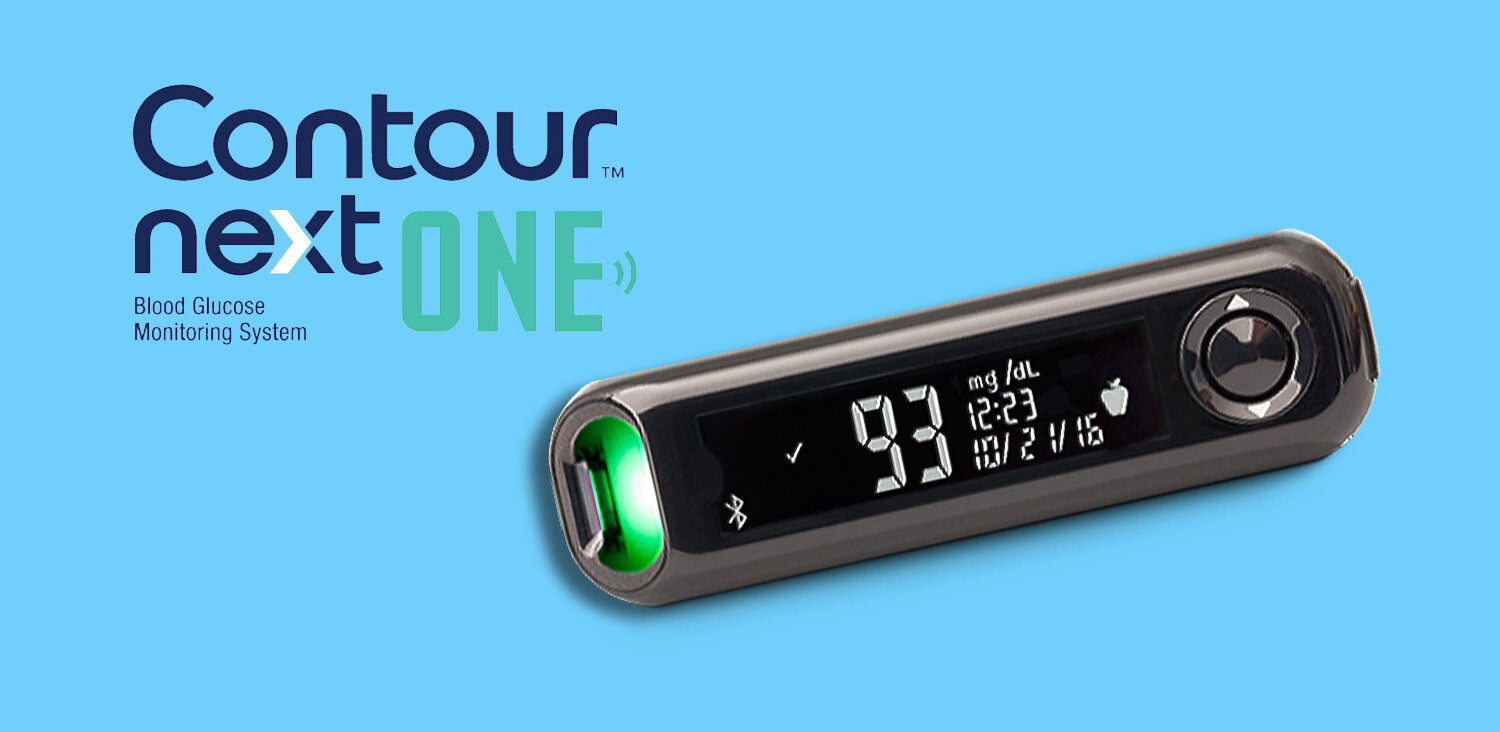
Hello, everyone, welcome to Episode 299 of the Juicebox Podcast. Today's show friends is sponsored by the Contour Next One blood glucose meter, this is the meter my daughter uses, it is incredibly accurate, easy to carry around. And if you go to the link right now that's in your show notes are the one that's at Juicebox podcast.com. And click on it, it will take you to Contour Next one.com. When you get there, top right corner, there's a yellow button says about getting a free meter, click on it, scroll down a little bit, fill out a little bit of information. And you're on your way. There are some limitations and restrictions that apply. But it'll only take you a second to find out if you're eligible. If you're not go to your doctor and be like, Yo, I want to try the Contour. Next One write me a prescription for that. Think about it. How long have you had that meter that you're using? Is it old? Is it out of date? Is there technology that exists? It's better than the one you're carrying around right now? I bet you there is. And I bet you it's the Contour. Next One.
Welcome back to another episode of Ask Scott and Jenny. This is sort of a super sized episode. What are we going to talk about today? Among other things, how to help yourself coming back from high blood sugar. When should you adjust your basal and bolus rates, different types of insulin the impact diabetes can have on your dental health, which sounds boring, but isn't. And Jenny talks about insulin pumps, she kind of rates them it's fun. Please remember that nothing you hear on the Juicebox Podcast should be considered advice, medical or otherwise. And always consult a physician before making any changes to your health care plan. We're becoming bold with insulin. And if you'd like to get Jenny Smith, working for you go to integrated diabetes comm and click on Jenny's email address. Actually, the email addresses in the show notes. It's the Juicebox podcast.com On this episode, and all the episodes Jenny's involved in so you just want to email Jenny and say something like hey, Jenny, I'd like to hire you. And then you'll start that conversation with her. Now you guys ready? Here comes don't? Don't it's gonna jump up now. Done ready?
I haven't asked Jenny question. My wife met somebody recently, who said that their adult child lived for a fairly long time with higher elevated blood sugars higher a one C, they kind of pulled themselves together, all at once out of nowhere, got it come to come down quickly, but then had like neuropathy problems that the doctor told them was from a fast drop. I'd love you to explain that to me, because I only heard that one other time, but not even put that way.
Jennifer Smith, CDE 2:59
And from the physiology standpoint, I mean, I'm certainly not a neurologist or anything to explain it from the physiology component. But it's the same as I think not that long ago, we had talked about changes in AI as well, with really fast changes in blood sugar. So it's the same thing it's your body has adapted to the high values. And as such, the neuropathy if it was probably there, as well as probably getting worse along the time of the blood sugars being too high. Now with the quick change in blood sugar. The change to how the sensation of those nerves are, I guess, feeling things because of the change in the glucose level, which has been impacting the health of the nerve cells. That's what brings on a more significant and more profound pain than they may have been living with when their blood sugar's were just high.
Scott Benner 3:59
So is that a bit of a false narrative then then the queen? Yeah, it was coming anyway, it might have just come a little quicker because you took this thing that your body was accustomed to, and so greatly changed it
Jennifer Smith, CDE 4:11
and greatly changed. Exactly if
Scott Benner 4:13
I'm diagnosed today with an 11. And I somehow end up with a five, two months from now, I'm not going to give myself neuropathy.
Jennifer Smith, CDE 4:23
No, no, no, the neuropathy was there to begin with the pain symptoms were something that were exacerbated essentially, because of the major shift in glucose that the body was not used to again it I mean, it does take some time to bring blood sugars down and you know more power to the person who was like gosh, I can't live with you know, 400 blood sugars anymore. I'm going to get them down to be like 150 Now instead, but still, that's a major shift for the body to handle. If you do it all at once great but you you may have some of those typical symptoms like again, you may have major shift in the way that you see things, you may think that you are seeing things great when your budget was at 300. And now one is down in normal, now you can't see anything, we have to give your time your body time to a climate to that new, what is healthy value, and then go see the doctor, if it doesn't. If it doesn't get better, you know, within like a month or so of being in target. Same thing with the neuropathy. While it may help to go and see, you know, your neurologist, or whoever's helping you to manage that, likely, they're not going to change too much other than potentially maybe prescribing some additional pain management strategy for you until the glucose levels are stable enough at that target value. And the symptoms kind of go away, or they come to a more normal stable, you know, range. And at that point, then of course, they're preventing further further damage from happening. So okay,
Scott Benner 6:01
well, I'm keeping stuff together here in a little bit of a blend. So elanco wants to know about helping her body recover from high blood sugar. So she's just talking about I think, a day, you know, where you have six hours and you're elevated, and you finally get back down? Is there something she could be doing to fortify yourself to feel better sooner to? Like, I don't know, like other than hydration, I wouldn't know what to say. Like, how do you make that blog go away?
Jennifer Smith, CDE 6:27
Yeah, if it does, it takes some time. I don't think there's necessarily any one cut and dry kind of strategy. Hydration certainly is a big one. Absolutely. Also, you know, if things like regular food intake, or snacks, or even activity, sometimes those can sort of help you clear. That mental fog, as things are changing to even just getting out in sometimes the fresh air and getting a walk and getting movement and whatnot can help as well. So
Scott Benner 7:05
is it a diabetes thing and more of just a human thing? Maybe because you've been put through this situation. And now you got to kind of bounce from it's like, almost like, I guess, like being sick. And then you wake up and you're like, Oh, you have that weird, like, lost feeling. I don't know what being obviously, I don't know what being high feels like. So my job, I just know people's descriptions of it. Okay, let's see, I feel like we've said this before. But correction factors, and insulin sensitivity, basal rates? When do you
Unknown Speaker 7:40
adjust? Like, like you said, when you know what? To a job?
Scott Benner 7:44
Yeah, yeah. Well, when do you When do you know when to adjust? Like, let's say, you know, it's your base, or, you know, it's your insulin to carb ratio or something like that? How long do you wait before you save yourself? This is my new normal, I need to make an adjustment in my pump to cover this is it? To me, this is another one of those like somebody wants you to tell them how much time? I don't know how to answer that. Like, I know doctors will tell you what three days is that sometimes
Jennifer Smith, CDE 8:09
even longer than that some doctors want like a week's worth of data to see that it's a definitive trend. I mean, I usually, I usually say, you know, if you know that, now, all of a sudden, whatever reason is happening, you're waking up at 150, when you used to wake up at 100. And it's been happening in the last three nights, and you have literally not changed anything, clearly something changed. So go ahead, make a change to the Basal or if you're kind of wary about changing your profile set at Temp Basal. In this instance, set a Temp Basal increase at bedtime of a certain percent and see if it hits the mark. If you wake up where you were great. Go in see how much the pump was delivering based on the temp you instituted and make that change into the Basal profile.
Scott Benner 8:54
Great. I would say that this is one of the things that led me to say things like more insulin, because I just kept looking at these scenarios like Jennifer's talking about here. And I just thought there's not enough of a rhyme or reason to this, that I can say to myself, okay, what I'll do is I'll wait X amount of days every time this happens. So just I just decided like, I'm gonna stay fluid. And if it's like this today and tomorrow, great, and if it changes, you know, the next day, right, what am I gonna do? I know, I'm, I'm gonna have to do what I have to do.
Jennifer Smith, CDE 9:31
Right? I mean, sometimes it takes I would say, for me personally, I always look at things after like a two day, you know, if it's tonight, for some reason, in the morning, I wake up in the morning higher than normal. And that's one night, I don't know. Let's see. I'm gonna go to bed at my normal rate where I would usually go to bed. If I see a rise again overnight tonight, in the middle of the night, if I wake up, I'm probably going to pop in some change of some kind, just that I don't wake up high again. And tonight, then I'm going to say, I'm going to go in and change my Basal profile, I'm not going to deal with this, right, I'm not going to wake up to alarms and alerts if I don't have to. And you know what, if I end up dipping down, then well, just two nights that I needed some extra insulin. And I'll go back to what I needed. But an overall change, usually, most people have had diabetes, a number of years, kind of get this intuitive sort of feeling about something has shifted, I know that something has shifted, I don't know why it shifted, I just need, quote, unquote, more insulin.
Scott Benner 10:37
Put that in there. I genuinely think that that's, that's one of those scenarios where you just have to, you just have to stay fluid and take care of it. You know, right? It comes. Because I would rather because I know what the fear is, right? Like, what if I turn it up, and then all of a sudden, five days now that causes a low? In my mind, that would be another time to adjust? And at least for the last five days? You haven't been high? Right? You know, I think it's all in the way you want to look at it. Right? Hey, welcome to the new age of smart diabetes management. Welcome to the Contour Next One blood glucose meter. By integrating your blood glucose meter with a smartphone app, you can simplify the management of your diabetes, blood sugar results captured through the day can be automatically synced and logged in over time, the results may create meaningful insights into how your activities affect your blood sugar levels, which can help improve your understanding of your diabetes. All of this while being on the same platform you use for so many other aspects of your life. Yes, smartphone. So check out Contour Next one.com. There's links in the show notes and a Juicebox podcast.com. That'll take you right there. When you get there, you're going to find out about the simple to use, and remarkably accurate Contour. Next One smart meter, and the contour diabetes app. It seamlessly connects via Bluetooth technology to capture all of your blood sugar readings, and help you to manage your diabetes smarter. When you combine the Contour Next One meter with the contour diabetes app, you're going to have a smart system that allows you to engage the level that is right for you to manage your diabetes. All right, so head into the show notes, hit the link, check it out, some people will be eligible to get the Contour. Next One meter for free. There's a little yellow box at the top of the page, check it out, you might be the one where if you'd like to talk to your doctor about the Contour Next One meter, just be like Yo, I want to use the same meter that the guy on the podcast kid uses. And then tell them it's the Contour. Next One, you will not be disappointed this meter or rocks. Please use my link. It's available at Juicebox podcast.com. We're in the show notes of your podcast player. Okay, very quickly. I'm not going to seem to make sense when I start talking in this next bit with Jenny. But what happened was while Jenny and I were talking Arden's pump ran out of insulin at school, and Jenny and I took a break, I ran across the street, and we changed the pump real quick. Right? So now that'll make sense for you. Ready in 5432 you have to be a little impressed.
Jennifer Smith, CDE 13:17
I'm actually really impressed. Like, your school literally must be like right across the street.
Scott Benner 13:23
It's um, that's pretty close. It really is across the street, right? it's it's a it's a four minute ride. You know, she met me in the office, we rolled down to the nurse and and bing bang, boom, I'm back. So eight. I think I think I was going for 18 minutes total. So
Jennifer Smith, CDE 13:42
yeah, it wasn't long. So awesome.
Scott Benner 13:45
Next time I do an on the pot. And I tell you, you can swap it on the pod fast. you believe me? We've done Arden's on the bench of a softball field. Keep the dust away for a second, right. Anyway. All right, I think we can get through a couple here. Okay. I like this one. Tara wants to know, about bazel bolus ratio. So she says that her endo tells her you know 5050 but then Becky comes in and says we're 30% bazel 70% bolson. Are those fine with it? I feel like I'm gonna say if you are too heavy on the Bolus side, you're probably bumping in nudging too much. And you could probably get some back from Basal. But what is the like why do people say well, what do you say? Because I've heard 5050 to
Jennifer Smith, CDE 14:32
5050 is a starting place It really is. And that's why endo is kind of look at that as a place to start with potentially where adjustments might need to be made. But you also have to consider some other things from the standpoint of like, metabolic bazel insulin need, what I've seen in practice, and seems to you know, be kind of correct is that If you have a pretty active lifestyle, metabolically, you are probably more at an appropriate body weight, and you will respond to insulin better. So sensitivity will be higher. So from a standpoint of background bazel insulin, your basal insulin and an active life may actually be less, you may be kind of one of those people whose bazel bolus ratio is more like 4060 40%, coming from bazel. Because without food in the picture, your body just responds nicely to insulin, it could even be more than that. Maybe it's 35. Or you know, whatever. More commonly, though, for most active, it's about like 4060, give or take kind of thing. On the opposite of that, if you have a really busy life, but you're mostly sedentary and you really are only able to get to the gym once or twice a week, you're probably on the other end of that you probably have a higher metabolic need, because your body's just not responding as well to insulin. So your basal needs may be a lot higher. And it may seem like your boluses aren't really that heavy, then, as far as like an analysis, another good place to look is at the breakdown of your bolus insulin, like how much of your bolus is truly derived from just covering the food that you're putting in. And how much of it is actually corrective. Because if you're constantly like you just said, if you're constantly nudging, by correcting with little bits, because it's just not getting down to target, it may very well be that your background is also not high enough, it could be that you're covering with more Bolus, because in the back, there's just not enough there to keep you you could be using more Basal,
Scott Benner 17:00
right. And so there's a lot of different scenarios. This is interesting. So you know, your activity, if you were a person who didn't need very much bazel to keep you stable, but you had big meals, you might even see a swing like that. Right? Right. Right. So then there is no right ratio, there's no correct ratio, there's a correct ratio for you. But there is a way to check to make sure, hey, let's make sure that we couldn't be doing some of this with Basal and take away some of that bumping in. And I think that's specific to people who listen to the podcast, like the bumping and nudging is great. But if you're bumping and nudging, and your kid puts on 10 pounds, because they're growing, you're going to just keep pumping and nudging when you should be thinking more based
Jennifer Smith, CDE 17:43
on a problem or bazel. Exactly. Yeah, yeah. And you're right. I mean, from the standpoint of somebody who, like I think I commented, I don't know when we talked a couple times before about mango man. He's a type one who is an expert in like nutrition. He's got like a PhD. I don't, I don't remember too much more about him. But he, I mean, he eats like hundreds of grams of carbs in a day, but he's also really, really, really active. And so I would, I would estimate that his Basal needs are probably pretty low. But his boluses are probably fairly big, given that he eats so much carbon at a time. And then it covers it, and it drops him back down to his target. And his bazel holds him there until the next time he eats you know, 200 grams of carbs.
Scott Benner 18:36
I think that that makes 100% sense. And I think that is the clarity for this question. So I think we did good there. Okay, so here's one that I don't know that there's any truth to this one. Katherine's asking about figuring out what type of insulin they should be using. And I know that technically, there's not a big difference between the insolence right, the fast acting insulins, but some people do see differences differences when they use them. But is there anything that we could like literally say, like humalog novolog, a Piedra? Are there fiasco? I mean,
Jennifer Smith, CDE 19:16
are there discernible differences between them? I mean, the fiasco obviously, there, there should be a discernible difference with fiasco. If you get response by using it. Yes. For the most part, the two that are the most similar and action that I would say a good majority of people who've switched between novolog humalog novolog because now their insurance covers it up. Now you're covering human logs. So let's switch you back. They usually don't notice much of a difference in its action. There are people however, who do notice a difference. I personally don't notice the difference between novolog and human log at all. I tried to Piedra and it it didn't work the same for me at all, I especially noticed it when I was using extended boluses, it just didn't have the same emphasis or work the same in an extended fashion as my human log normally did. I've got a friend who she knows that if she's on human log, she uses more insulin on human log than if she goes back to novolog. She knows that. So I, you know, definitively again, majority of people don't notice much of a difference novolog to human log, I think the two outliers there, a Piedra may work a bit differently for you. Again, there are people who can use interchangeably all three of Piedra novolog, humalog and have no difference whatsoever. fiasco is kind of in its own category, really, I think there is there's a definite difference, mainly because it's action is faster. And then there are some people of course, with ABS, but it works great, like me, worked for five months, and it was done. It didn't want to work for me at all anymore. I'm done. That's it. Yeah.
Scott Benner 21:04
I you know, I would say for Arden, she used novolog. And she she used a pager. With novolog, we saw a ton of like double arrows up double arrows down, you know, big spike after a meal, then a crazy crash later kind of a feeling. And for Arden, I've only ever been able to explain it that a PG appears to just work smoother for her. Like it's just more constant and it and predictable for me. And that's it. You know, I don't know that human log wouldn't be better. I never tried it. Right. And and you know, people all the time, like, you know, don't you want to try fiasco? And I'm like, Well, I don't I want to hear about fiasco is that it works for the people it works for and others don't. And here's the other thing about crowdsourcing this information, right? It's that we don't know everybody's other details that they don't share with you like, oh, you're all you see someone line who says, human doesn't work for me. They don't say, by the way, human doesn't work. For me. My blood sugars are mainly in the 250s. Most of the time, I eat an incredibly carb heavy diet. And I don't have a CGM, like you don't mean like, they don't give you all the details about their life. They just say something like, you know, I didn't like that television show. But you know, you don't I mean, like, you don't get enough of the details to know why crowd sourced information is tough sometimes, because it lacks the details that you you often need. The one thing I'll say is that it can't hurt to try, you know, a reasonable endocrinologist should let you try if you want to. Right, Arden did need more a pager than she needed. novolog. So her ratio went up a little bit when we switch,
Jennifer Smith, CDE 22:42
but it worked better, but it works way better, less spiking, dropping. So yeah. And I think that it takes evaluation, you know, if you if you have a sense that there are that there's something that just doesn't seem right. Ask your doctor for, you know, as many doctors have some sample bottles, ask them for a sample bottle of the opposite type of insulin and see if you don't get better response from it. I mean, if and if you don't notice anything different well, then maybe something in your settings needs to change or something in your strategy needs to change, you know, but at least you've tried and you've kind of addressed
Scott Benner 23:20
to see whether or not I will just tell you that for Arden with a Piedra I have. I don't I mean double arrow in either direction. I don't remember. Like it just, it just does not happen. So, um, okay. Uh, let's see. We're doing well, by Well, I mean, we have time left. That one seems like it's a little too much for now. Let me uh, that one's pretty obvious. I could get answered there. Oh, okay. Here's a pretty simple one. What are the impacts that type one diabetes, if any has on your dental health?
Unknown Speaker 24:03
Um, well.
Jennifer Smith, CDE 24:06
Overall, we know that diabetes can affect most places in the body. Here oral health included. People with diabetes more commonly have a potential for bleeding gums, more ginger vitus gum diseases, more potential for receding gums. And, you know, the interesting thing about it is it seems to be for the most part, the higher blood sugars again, can cause more oral health problems. So long story nutshell short, just keep your blood sugars contained to try to avoid dental problems. Does it mean that everybody with diabetes is going to end up with some type of gum disease because of, you know, mismanaged blood sugars. Not necessarily, you know, but it is certainly one of the potential, I guess complications of, of life with diabetes. Now, the interesting thing is, I mean, I have receding gums myself, I've had them for years. But the interesting thing is that, to me, I don't know how it could relate to my blood sugar control.
Scott Benner 25:30
Pills really good. Yeah, it's
Jennifer Smith, CDE 25:31
good. I haven't let my blood sugar's run at like 300 or 200. Even, you know, for years and years. The interesting thing is that it actually started after I had kids. In fact, I didn't have my first cavity. until after I had a child. And my I asked my dentist about it actually, at the time, I was like, are you sure there's a cavity there? Are you sure? Like, I've never had a cabinet in my whole entire life, you know? And he, he said, Well, interestingly, we do know that the oral health of women during pregnancy, because of all the hormone changes, there are some things that can impact like the natural bacteria in the mouth of a pregnant woman. And so he said, it can provide a better environment for bacteria to start causing
Scott Benner 26:19
problems. That's a technical way. Yeah, let me let me tell you what I've witnessed in my life, making a baby drains the life out of you. And for women worse, your feet get bigger. That's not a good thing. anybody whose feet get bigger while they're pregnant, it doesn't go back. So congratulations for that one. And I just think of it as like a demon in a movie that sucks. Like, you know, they go face to face, you can see the life pulling out of like the live person and bringing in the demon back to life. That's what happens. That's what your kids are their life suckers. So um, I will add this, and this isn't specifically about diabetes. But if you are bouncing around on that roller coaster and correcting a lot with sugar, especially overnight, that could impact your dental health.
Jennifer Smith, CDE 27:07
Absolutely.
Scott Benner 27:08
Because you're taking this juice in your mouth. And then it sits in their mouth and gives them cavities when Arden had baby teeth. And we were not good at this. I'm almost horrified to tell you that I think she had they were on her baby teeth. But I think she had 10 cavities one time, like all at once. And you know, she had to, she actually had to go to the hospital to be put under because they were so worried about blood sugar, because we were so bad at her blood sugar back then. You know, like, like now when she goes to the dentist, I'm like, it'll be fine. I'll take care of it. You do your thing. I'll do my thing. Her blood sugar will be okay. But back then had to go to the hospital insurance didn't want to cover it. Yeah, my wife's company actually stepped up and forced the insurance company to do it, which was lovely at the time. It was like a $15,000 bill to put her in the hospital to fix it was crazy. But it was just from the juice. Now. We had it all worked out. And then one time she told me she was sick of the juice she was drinking. But I had found this kind of like impactful juice that wasn't it has fairly natural stuff in it. So I switched her to something else. And in that six months, she got a cavity. And nothing had changed about it. She wasn't using a lot of juice, but that so we switched away from that juice. And she hasn't had a cavity since then. Hmm. So interesting. Yeah, it's not from diabetes directly, but it is indirectly from it.
Jennifer Smith, CDE 28:31
Correct? Correct. And that it's also a hard thing, that overnight component and I'm glad that you brought that part up. Because who overnight really, even as an adult, a knowledgeable adult who wants to treat their low blood sugar and then oh, yep, got to go to the bathroom. I gotta brush my teeth, we got to floss and like chewed on gummy bears, right? Eat the juice or whatever. Nobody wants to do that two o'clock in the morning, right? I don't want to do that.
Scott Benner 29:00
You've already and I do know, some people keep water next to the bed just to swish at least to try to. And that's better than nothing, right? But yeah, to your point. I mean, you're gonna drink juice and then Go brush your teeth. And then imagine 15 minutes later you get low again, a drink some more juice, you're brushing your teeth again. And, and at the same time, you know, to avoid a cavity. Maybe it's not a bad idea. But I mean, I, you know, I'm supposed to take like, one over the counter and acid before I go to bed at night. And sometimes I'll brush my teeth and then I'll take it. I'll be like, oh, like do that for and now again. You know, it doesn't have to be constantly it happens every once in a while, you know? A great while. Okay, well, that's a big question. I'm skipping right over that. We get to that one later. But that's a huge question. That's not a that's not an ask Scott and Jenny. that's a that's a bigger one. Um,
Unknown Speaker 29:56
that's an episode one is
Scott Benner 29:57
a complete episode. I don't know that. I have an answer to any of It. So
Jennifer Smith, CDE 30:03
that's a you need an appointment to discuss this
Scott Benner 30:05
girl again, therapist and six friends. Oh, I see Chris here says that I should just say what are a couple of times so you can make fun of my accent. He doesn't care what we talked about there is satin Jenny as long as I say whatever. And by the way, I've noticed I've never brought it up but when Jenny accesses her brain so when I ask her a question, she accesses her brain to think of it. her left eye closes more than a right eye. And I wonder if she? Oh, yeah, I don't think she knows that. I don't know. It's almost like she's a supervillain. And she's got information somewhere. And she's like, Huh, and she pulls it right out. Because for you guys listening. I don't tell Jenny this stuff up. Like I'm just throwing questions at her. And she's like, okay, answer you like on the spot. Yeah, yeah, it's it's like a driver's test. But you're driving in a car. And you know, they're like, turn now turn now.
Jennifer Smith, CDE 30:53
That's really funny. I've never noticed that.
Scott Benner 30:56
Yeah, exactly. So Alright, so here's one that I think we could finish up our time with. Is there in your mind? Because you deal with everybody in the you know, who uses all kinds of different pumps? Mm hmm. And obviously, you use Omni pod? And that's to you, the best for you. But But is it the best for you? Or if I got you secretly off in the corner? Is it the one you think would if I made you the king of the world? But you put one on everybody or no? And what are the pros and cons of the other pumps at all of them? Actually?
Jennifer Smith, CDE 31:30
Yeah, this is actually a great question. Because I think it's also a big part of the reason that oftentimes people end up coming to work with us is because we, we don't push to one specific direction when somebody comes to us and says, Hey, you know, I'm considering a pump coming from MDI, or, hey, I've been on this pump for like, eons. And do you think that there's something that would be better for me? Should I be considering this one? Should I be considering this one? What's coming out? What's, you know, which company is heading development and kind of moving the fastest and blah, blah, blah, blah, blah? Um, I, I personally would, I've got reasons for staying on Omnipod right now, which, you know. And there, I mean, the reasons really are such that it provides me with a system that allows me to get the best management.
Scott Benner 32:30
So So Jenny is talking around something so I can put ads on my epic, correct? Yeah. So um,
Jennifer Smith, CDE 32:36
so I'm trying really hard. If, if that wasn't a potential, I would say, put on the spot about another pump that I would consider changing to I would consider changing to tandem? Why would I think they are being the newest pump company of the three that are currently on the market? I think tandem has stepped up, they've done a fantastic job of development of making a product that's user friendly, touchscreen, small, convenient to use. And they're continuing to quickly move ahead with their technology. They're they're trying to bring to the table management that can help people better they are. So I mean, if I had to choose, you know, within the next month, because my current setup was no longer going to be available to me, I would say, yeah, I'll, I'll choose tandem, I like it.
Scott Benner 33:45
And so what you think tandem brings overpowers the tubeless nature of Omni pod for you.
Jennifer Smith, CDE 33:52
That's the only drawback I can definitely say the tubeless nature of Omni pod is a huge step above the other two companies on the market. But from I feel like that tubeless piece is it's more aesthetic. It really is. It's something that I as an adult, I can get over it. I don't I don't love tubing by any means. But I can get over it. If a system provides me with something that helps my management, the to versus non tube. I don't really think it has anything to do with what I get from a control perspective. Right. It's more my lifestyle that the tubeless is huge benefit for but I can deal with the tubing. If it means the pump provides me with what I need for good management a
Scott Benner 34:52
gun to your head right now though. Pick a pump,
Unknown Speaker 34:56
Omni pot okay.
Scott Benner 35:00
Good second for you.
Jennifer Smith, CDE 35:01
tandem is a good second and I hate you know, saying I mean Medtronic has been on the market a long time. They're they're also, it's a really good pump it truly is. But for I think for a fair number of people with the current system they have on the market. I've got a lot of people I work with who they like their Medtronic pump, but they choose to use a different CGM, because they're CGM is just not meeting the mark. For many people, myself included I did the pump was okay. It was fine to use. It was a tube pump, it did what it was supposed to do, blah, blah, blah. But their sensor has never worked for me. So you know, from an all around, encompassing, that's why I said, you know, if I had to choose because I no longer could use my Omnipod. I would choose tandem, because at least it still connects and works with Dexcom.
Scott Benner 35:54
Okay, if so, Omni pod ads, say the FDA goes to phone control. And that's okay. That pretty much levels the playing field, and tilted towards on the pod for you away from tandem. Like if you get the same kind of like one screen touchy feeling from it,
Jennifer Smith, CDE 36:13
the ones green touchy feeling getting rid of a PDM that feels like
Scott Benner 36:18
you're carrying a thing? Yeah,
Jennifer Smith, CDE 36:19
I'm carrying like a thing around like, it's even bigger than most glucometers
Scott Benner 36:25
are the new ones. You're so you're, you're you're stuck with the PDM because of what you're doing. And so and, and Right, so the dash is smaller. Right. But still, it's you're carrying an extra thing? Right. And I think to this, this whole question becomes moot, probably within the next 1012 months. Right. Like when, when horizon, you know, if if horizon comes out and, and the other companies are going to, you know, they're going to make their changes again, and it's just a lot of stuff is going to change. The insulin pumps are gonna change a lot in the next year and year and a half, I think.
Jennifer Smith, CDE 37:03
We hope
Scott Benner 37:04
Yes. Yeah. Well, yeah, those are their timelines, right? Like, or what if it all comes out? You're just like, sort of the same?
Jennifer Smith, CDE 37:11
right? Exactly. I do know that there are there are definite nuances between the three, what are considered kind of those hybrid control hybrid, closed loop systems with the FDA approved pumps, right? I mean, 670 G is already out, control, like you, hopefully will be out sometime soon. Even that compared to Medtronic, it's different, the system will work a bit differently, the you know, what it does for you will be a bit different and horizon from everything I know about it, which isn't a heck of a lot. It will also have its specific pieces that are different compared to control IQ and six, seven Digi. So I think each system will do something better than a current conventional pump does. But you know, you'll have to figure out which one is best for you.
Scott Benner 38:04
Yeah, there's gonna be a lot of choosing and I think to a no, I can say that. What I thought was really cool with the pod said was, look, when, when our horizon system comes out, we're gonna have an algorithm. But if you want to use the tide pool algorithm, then use that one, like, they don't care which algorithm you use, which is a is is a huge step towards trying to give you choice. Now, having said that, I don't exactly know when tide pools gonna make it through the FDA either. So there's a lot happening and at the same time, it's unsure. It's uncertain until it actually happens. So all right, well, that was good. I have a bazillion more for next time.
Unknown Speaker 38:38
Okay.
Scott Benner 38:41
Okay is right Jenny. Thank you so much, Jenny Smith for coming on the Juicebox Podcast and sharing your wealth of knowledge with everyone. Don't forget, you can hire Jenny at integrated diabetes.com or right there in the show notes is her email address, you can just send her an email. Thank you so much to the sponsor, Contour. Next One meter, this is Arden's blood glucose meter, it is terrific and it can be yours. Click on the links in the show notes go to Juicebox podcast.com. If you don't have shown us that you can find by the way you do you just might not know how to get to them. Or you can go to Contour Next one.com to see if you're eligible for a free Contour Next One meter. mm meter scrape I swear to God, it's amazing. You're thinking like it's just the blood sugar meter but new stuff bomb diggity. Hey, friends, couple of things coming up on February 16. I will be speaking at the type one nation event in Dallas. He says questioning whether or not he knows where he'll be. Let me click on the link. You get to Juicebox Podcast com scroll to the bottom of the page, click on events and you'll see these there. Type One Nation summit North Texas they call it the greatest Dallas and Greater Fort Worth Arlington chapter. This event is on Sunday, February 16. I'm doing a one hour talk there about being bold with insulin. You can also see me coming up in Atlanta, Georgia, Saturday, September, Saturday, September, I said September. Let's try again. On Saturday, February 29. I am doing a ton of speaking there that day, I'll be speaking in a bunch of different sessions. And one of my sessions will actually be with Jenny, Jenny and I are gonna do a q&a together. That'll be fun. Come out and witness Jenny and I meet each other in person for the first time. You can still get tickets. There's links again here on my page. I'm going to be at the jdrf in Wisconsin on March 26. It's a Thursday night from think five to 8:30pm. It's just three solid hours of me chit chatting about the stuff on the podcast, show up at five leave at 830 a new person while we're rolling through the events, Saturday, May 30, had touched by type one in Orlando, Florida. And they will be at the type one nation event in Virginia. That's rich from Richmond, Virginia, August 22. That's a long time from now. I just had to turn one down the other day that broke my heart. I wanted to do it so badly. But it conflicted with a date. I had something set up on already, but we're trying to figure out something else to do. So I can come out. I can't tell you where because you'll all be bummed out and they really wanted me there and I wanted to come so you can't be like, you can't be like up their butts about or anything like that. They really tried. It was my fault. My schedule didn't link up but I so wanted to go. I love that part of the country. Okay, so yeah, Juicebox podcast.com, scroll to the bottom, click on events, get yourself tickets. Thanks so much for listening. I hope you have a terrific weekend. I hope I see you at one of the live events. I can't tell you how much it means to me that you are listening to the podcast and sharing it with other people. January is well on its way to being the most downloaded month of this podcast. So that's because of you guys. And I really very much appreciate all the effort you put into getting the word out about the Juicebox Podcast. I'll talk to you soon.
Please support the sponsors - Contour Next One
About Jenny Smith
Jennifer holds a Bachelor’s Degree in Human Nutrition and Biology from the University of Wisconsin. She is a Registered (and Licensed) Dietitian, Certified Diabetes Educator, and Certified Trainer on most makes/models of insulin pumps and continuous glucose monitoring systems. You can reach Jenny at jennifer@integrateddiabetes.com


The Juicebox Podcast is a free show, but if you'd like to support the podcast directly, you can make a gift here. Recent donations were used to pay for podcast hosting fees. Thank you to all who have sent 5, 10 and 20 dollars!

#298 The Good Stuff
Shelby Shares
Shelby is an adult with type 1 diabetes as well as the mom of a type 1.
+ Click for EPISODE TRANSCRIPT
DISCLAIMER: This text is the output of AI based transcribing from an audio recording. Although the transcription is largely accurate, in some cases it is incomplete or inaccurate due to inaudible passages or transcription errors and should not be treated as an authoritative record. Nothing that you read here constitutes advice medical or otherwise. Always consult with a healthcare professional before making changes to a healthcare plan.
Scott Benner 0:00
Hello, everyone, welcome to Episode 298 of the Juicebox Podcast. On today's show, you're going to be hearing from Shelby an adult with type one diabetes who also has a child with type one. Please take a moment with me now to remember the sponsors dexcom Omni pod and dancing for diabetes. Now of course, you can get a free no obligation demo of the Omni pod sent directly to your door by going to my Omni pod.com forward slash juice box, you'll be able to find out more about the Dexcom g six continuous glucose monitor@dexcom.com forward slash juicebox. And to hear more about dancing for diabetes, where do you go? Ooh, longtime listeners you're thinking I know. But huh? Try touched by type one.org touched by type one.org. And now we will play the music and begin the program.
Alright, I just got back from the dentist. So I'm going to keep this short. Nothing you here on the Juicebox Podcast should be considered advice, medical or otherwise, always consult a physician before making any changes to your health care plan. We're becoming bold with insulin.
Shelby 1:29
All right, my name is Shelby. I am a parent of a child with Type One Diabetes. And I also have Type One Diabetes myself, and I was diagnosed as an adult.
Scott Benner 1:43
So you were diagnosed when you were in your late 30s?
Shelby 1:46
I was 38. About to turn 39. Yeah.
Scott Benner 1:49
Okay. And how long ago was that?
Shelby 1:51
I'm 11 years. Can you do the math? Well, sure I can. But I
Scott Benner 1:55
don't want to show off your 49. You got it. I'm pretty impressed. So Excellent. So okay, so you're diagnosed 11 years ago. And I guess the first thing to dig into is what was your what was the course of action? Like? How is it being diagnosed as an adult? What happened?
Shelby 2:17
All right, so I, um, I was actually trying to get pregnant with Caroline, and so was going through not a whole lot of fertility stuff, but still like really paying attention to the things you need to do to try and get pregnant. And every month, I would not be pregnant. But I would notice the signs that I saw on, like, fertility groups online, like, oh, super thirsty, paying a lot, and so tired. Those are all signs of being newly pregnant, apparently. So I got really excited every time I was really thirsty, or paying a lot or super tired. And it never ended up that I was pregnant, and I just never thought anything about it.
Scott Benner 3:10
So I'm sure we can ask you a question. Yeah. When you were super excited at the signs that you thought you were pregnant, honestly, was it because you didn't have to try to get pregnant anymore?
Unknown Speaker 3:20
Yeah.
Shelby 3:23
Yeah, it's work. You know, how much fun?
Scott Benner 3:30
That's what I was thinking, Oh, my God, this part's over. Excellent.
Shelby 3:35
I'm done for a while.
Scott Benner 3:37
I hope the men listening are really taking this to heart. Because you really are just the person who brings home the food and makes all the babies look the same. So there you go. Okay, so. So you're online, you're looking at the forums, your feet, you're feeling like it might be that but how long before? I mean, month after month, you're not pregnant? Do you start thinking I wonder what else this is?
Shelby 3:59
Yeah. So it was, um, it was July? Well, I had, I was teaching summer school. So I was working eight to 12. I was coming home, completely wiped out taking like three hour naps in the afternoon. And I remember saying to my husband, why am I so tired? He said, Well, you're working. I said, I'm only working a half a day, four days a week, like that shouldn't make me this tired that I kept on, you know, not thinking anything about it was going to bed with two full glasses of water every single night and drinking them both in the middle of the night. And finally, it was about mid August. I'm like, this is not right. There's something wrong. So I googled, you know, thirst, frequent urination tired, and diabetes popped up. And I'm like, well, that's can't be that. Can't be that it's got to be something different. So I remember it was a Saturday, my primary my primary care Dr. Had office hours Saturday at noon. So I said, hey, let's go to the doctor. I think something's going on. It could be diabetes, but it's probably not. I just want to go get checked out. So we go to the doctor, and I happen to know the nurse, she she was a friend of mine. And she was like, Oh, you've lost so much weight. I walked in, I hadn't thought anything about losing weight. She said, Oh, my gosh, you've lost so much weight. I said, Oh, I have. She's Yeah, you look good. She's what's, what's the problem? I said, Well, really thirsty? I'm peeing all the time. And I'm tired because Oh, you know what it is? About? It's like the honeymoon cystitis? I bet you just have a urinary tract infection. And you know, we'll get you straight. So let's pee in this cup. And, and see, you know, and see what it is. So, I'm thinking Great, that's easy. That's an easy fix, and did the urine sample, and she comes in the room, she goes, um, your glucose is very high, we're going to need to check you with a finger stick, like, okay, no clue what any of this even really meant.
Scott Benner 6:10
So you're still not connecting that to what you read online?
Shelby 6:13
No, no. And she's like, did a finger stick? It was 300. And I don't know, 65 something around there. And she said, you have diabetes. And I said, you know, immediately I'm just sobbing in the office just, I'm thinking What in the world? I don't know anything about it. And and the first thing I said was, does this mean, I can't try and get pregnant? And they were like, No, no, you're fine, you can still get pregnant, they just have to monitor you more. It's no big deal. But they diagnosed me right there with type two, of course, because I was 38 years old. So they gave me a shot of insulin and the arm told me to take the Metformin that they were going to prescribe to me and come back in a couple days for a lab work,
Scott Benner 7:08
we should have known not to believe them, because 20 minutes earlier, they told you how to UTI. So you should have been like you might not know what you're talking about.
Shelby 7:15
Right? I know, at the time, I was just like, okay, whatever you say,
Scott Benner 7:19
seriously, you know, to what a whirlwind honestly because you're struggling for months I To me, the one of the saddest little things that we kind of blow right over is, you know, filling purposefully two cups of water to go to bed every night when you know, like this isn't right. I've never done this in my life. And you're walking you know, to your bedroom with these water, wondering what's going on. So you struggle all that time, you finally say to yourself, okay, I'm gonna go to the doctor, you'll wander in, you're uncertain, probably worried about what's going to happen. And the first thing you do is you see somebody who looks at you and goes, Oh, my God, you look terrific. And you're like, Oh, I do look terrific. This is amazing. You know, like, I am killing it. And and I just have a UTI. I'm gonna take a pill once a day for seven days, I'm going to feel better. And I'm going to be thin, like, yeah. And then five seconds later, someone's yelling diabetes at you and type two, they're getting your diagnosis wrong. And that all happens what in 20 minutes?
Unknown Speaker 8:15
Yeah,
Scott Benner 8:16
pretty much. Yeah, it is. It's it really is like somebody just grabbed me by the head and shaking. It's horrible. What now? So do you come back in a week? Having, by the way, I guess after the Metformin, you lost a little more weight, huh?
Shelby 8:30
Um, I think I wouldn't know what happened after that is of course I'm, I'm like, Google queen. And I do a lot of research when I need to know something. I just research and research like a crazy person. And so immediately I went home, I found the ADA forums, and I jumped on there. And I'm so glad I did. Because those people are they people at that time, were super knowledgeable about, like, what you should eat in order to kind of manage type two, which of course, I thought I still had, you know, because at the doctor, they gave me the crappy diet, you know, plan, which was toast and fruit and orange juice for breakfast.
Unknown Speaker 9:16
Which for the rest of your life,
Shelby 9:17
yeah. And I'm like, this isn't this, this can't be good. So those people were like, you know, you've got to test your blood sugar every time you know, two hours after you eat. They were like super competent with more so than any of the information I got from the doctor's office. So so it was after a while, though, that I went to I took the Metformin for a while and I think they gave me something called active plus, something met Oh, that's what it was. It was best what they gave me access plus met which then I read, I googled and research that and that like, hold on to your fat cells. Like I don't want to take something that hold onto your fat cells, inflames your fat cells or whatever it does.
Scott Benner 10:04
Shelby let me cut you off your voices. Your voices? Yeah, we have a connection. You hear me? Are you on Wi Fi? All right. Yes. All right, hold on one second. Because Can you hear me now? Nice. I still have the poor connection.
Unknown Speaker 10:25
All right. So I your your broken up.
Scott Benner 10:28
Okay, I'm going to disconnect. I'm going to disconnect and call you right back. Okay. Nowhere else you'll never find a connection between your Omni pod and some controller because the Omni pod is tubeless. It's not connected to anything. You guys really got to give me some credit for being able to tie in what's happening in the podcast, these ads. I mean, it's not easy. Anyway, you know what is easy. Watch this, wearing it on the pod tubeless insulin pump because there's me tubes. Think about what that really means. So every other pump on the market has an infusion set right. And that goes in to your body. And then that's connected by plastic tubing that runs all through your clothing. And every which way to the controller where the insulin is stored and where you make all the decisions you push the buttons. But on the pod doesn't have any of that on the pod is this small, self contained device that speaks wirelessly to its controller. So there's no tubes, no tethering, not stuck to anything. Now this may be hard for some of you to x. Now this may be hard for some of you to picture in your mind's eye. I get that mainly because of my poor description. But luckily for you, you don't need my description to understand the Omni pod better because Omni pod would be thrilled to send you an absolutely free, no obligation demo of the pod directly to you right to your house. Wherever you are, wherever you receive the mailings. You could get it right there. Just go to my Omni pod.com forward slash juice box fill out the tiniest bit of information about yourself. And Omni pod will get you the demo right to your door ASAP. And don't worry if you can't remember the link, it's at Juicebox podcast.com. Or right there in your podcast player shownotes. Miami pod.com forward slash juice box get your free no obligation pod experience kit sent to you right now today. Last thing Don't forget that dancing for diabetes.com is now touched by type one.org check out touched by type one.org they gave you a medication called
Shelby 12:42
aptos plus met and it was something that works alongside Metformin I guess to lower your your glucose levels. But when I researched it, it there were some part of the way it works is to like increase your fat cells or blow up your fat cells or do something and I thought I don't want to be on this for you.
Unknown Speaker 13:08
So I just
Shelby 13:11
say, right, I don't I don't need it anymore fat cells.
But they you know, the doctor they did they scheduled me for the lab work, my agency came back it was like 9.9 I think. And then they scheduled me for an appointment at the dietician and the certified diabetes educator. And they were great. In fact, it was the certified diabetes educator that after a month of me being very meticulous logging every food I ate and every form of exercise I did and every blood sugar I checked, she looked at my my information and said you you may want to get checked for type one you are not presenting as a type two, you should not be spiking to 300 after you eat a rice cake. And so I did some research I I looked into the the latent autoimmune diabetes, which you know, there's no like medical code for that. So they either call you type one or type two, like my endocrinologist doesn't even recognize that as a as a thing. He's just like, nope, you're type one. But I do think it was more of the latent autoimmune just because because of some of the other stuff. But yeah, so I have I have a friend that's a doctor and I said, Hey, this is what I think is going on. And she said, come into the office tomorrow we'll do blood work and see. So they ran the Gad 64 the antibody test and C peptide. And after about a week she called me at home and said look I just wanted to You that your antibodies came back? And it looks like you have type one. She said, I'm going to refer you to the endocrinologist.
Scott Benner 15:08
How did you feel at that point? Was there a relief for an answer?
Shelby 15:10
Oh, absolutely. I was so relieved, because I was struggling with my blood sugar. And I couldn't figure out why. That anytime I ate a single gram of carbohydrates, I was shooting through the roof. And so I was Yeah, it was a huge relief. And I guess. So they scheduled me with an appoint within the chronologist and sent my files over there. And it was like a week away, you know, because I don't think regular medical professionals understand type one very well. And the endocrinologist called me it was a Friday, he said, Can you come in today at 430? I know they were getting ready to close and he he got me in that day, and put me on insulin.
Scott Benner 15:51
Somebody understood Finally, and you were you were finally talking to somebody who had a plan and an idea. That's excellent. And yeah, and you're happy 11 years later? Are you still with them?
Shelby 16:01
Yeah, I am. He's, um, he's a funny guy. He, he listens to me. He like, I'm very proactive with my own care. And I, I kind of have a reputation for telling doctors what we're going to do, instead of asking them what we're gonna do. And so, I mean, he's always, he always listens, he always does whatever I want to do. So I like him pretty well. Without giving
Scott Benner 16:25
away too much, I guess here to people about your location. I guess your scene at the hospital where my daughter was diagnosed while we were on vacation. I'm thinking
Shelby 16:35
that's where my daughter is. Yeah,
Unknown Speaker 16:36
daughter was okay.
Shelby 16:38
Yep. And her story is a whole completely separate, crazy story, too. But my endocrinologist is actually local. And we're about an hour, an hour and a half from that hospital. And we live in a really, really pretty rural small town. So we're lucky that we even have an endocrinologist in town.
Scott Benner 16:58
Yeah, I see. Oh, so Okay, so you're lucky to have your own endo close by. And you don't have too bad of a ride to get to what I understand is a very good Diabetes Center at a children's hospital. Yeah, right. I was told back then that we were lucky to have been diagnosed there. Yep. is Dr. satin Smith still there? Do you know?
Shelby 17:17
He is that is not who we see. But I do. We'd go to a diabetes, or where we went to a diabetes camp family camp last year. And she was one of the endocrinologist there. And we're going this coming weekend. I'm sure she'll be there as well. Well, you tell
Scott Benner 17:32
her I said hello, please. That poor woman took a phone call from me. The first night we took garden home from the doctor, I'm from the hospital, I must have called her at 430 in the morning to say Is it okay if I give her this insulin? And I tell you, I mean, you none of you know me personally, but for me to call you in the middle of the night was a I sat there it was it was turmoil for me like deciding do you call a person at this time of the of the night and wake them up and I couldn't bring myself to give her the insulin, I couldn't bring myself to ignore that I thought she needed the insulin. And I had no idea how to make the decision on my own. And it was the first night we were out of the hospital. So she was very sweet because she did not call me names or yell at me when I called her at her home. She was she was really great. Honestly.
Shelby 18:19
Yeah. I've heard good things about her. She said she's a well respected endocrinologist in that practice.
Scott Benner 18:25
Okay, so you're going along pretty well, I'm assuming, let me get a feeling for what you do to manage. Are you pumping give a glucose monitor? How do you handle it?
Shelby 18:34
Um, I right now, I've been pumping since about, since really three months after I was diagnosed with type one. At first. I was like, Oh, I don't want to pump that's weird, like to have a thing attached to me. But the more I you know, the more I thought about it, the more I was like, you know, that's actually pretty cool that you can, you know, does all the math for you. I don't have to worry about counting how many units for per carbon all this? You know, I'm not very good at math. So. So that really was what appealed to me, I guess at first. So I started with the Omni pod. It was pretty new at the time.
Scott Benner 19:13
Yeah, that's about when Arden started with it actually, about 11. Yeah.
Shelby 19:18
I did that for about five years. And then I was on the T slim for another five years. And now I'm using the 670 G. I was gonna say now you're on Medtronic, because there's only three
Scott Benner 19:31
insulin pump companies left.
Shelby 19:33
I know I had to try them all out.
Scott Benner 19:36
It just wasn't any other option. Unless you were like and I went overseas and got this.
Shelby 19:41
Dana or whatever. Yeah.
Scott Benner 19:43
So you're so you're using the they're closed loop, but do you find it working for you?
Shelby 19:48
Yes, I
I love it. And Caroline's been on it since she was newly diagnosed and I just transitioned to it back in January. So it's been great for me. So you got to see her on it. So you could decide before you got to see somebody use it in your home and then decide if you want to use it. Exactly. And I was, I was basically an expert by the time I got mine, so I was like, I don't need training. Thanks. I'm good.
Scott Benner 20:16
We I know how to do this and just give me the box. So I'm gonna work backwards with your daughter's diagnosis because we're gonna just trust me for a second I guess. So. So. How long ago was your daughter diagnosed?
Shelby 20:31
She was diagnosed.
Thanksgiving Day. 2017. Okay.
Scott Benner 20:38
Wow. Happy Thanksgiving. Yeah. Which, and
Shelby 20:42
guess what? We were on vacation at the beach.
Scott Benner 20:48
It just happens like that. Yeah. Well, you want to see, man, I just sidestep for a second. I try to talk my family into going away on the big holidays all the time. Like, imagine how much fun it would be to be on a beach on Christmas or something. I always say stuff like that. And everyone stares back at me blankly. I'm like, No, trust me. No one's it's never gonna happen in my lifetime. But I applaud you're going away for Thanksgiving. I like that a lot.
Shelby 21:11
Yeah, we went away for Christmas. This past Christmas. We were We were in the mountains. See, no one listens to me.
Scott Benner 21:19
So you're away you're on vacation where everyone gets diagnosed. And, and, and, and she's diagnosed so but so you're I guess at your your near the Children's Hospital that we talked about?
Shelby 21:32
And no, we are actually we are actually down an hour and a half south of that Children's Hospital about the same distance away from where my home is, but still
Scott Benner 21:43
away, maybe around the Outer Banks or something like that. If I'm guessing we certainly were Yes. Okay. And okay, so you figure it out on vacation? Do you bail on the vacation and go to the go to a hospital? How do you handle that you just start giving your insulin. The dexcom g six continuous glucose monitor features a slim water resistant sensor that is discreet and easy to insert. The sensor accurately measures glucose levels just beneath the surface of the skin, and sends data wirelessly every five minutes to compatible smart device or right to your dexcom receiver. The dexcom g six also has customizable alerts and alarms. So say you'd like to know when your blood sugar gets to 140 you can set that up. For us. We have Arden set at 120. So it's customizable, like you could be different than me that nice. Now, here's the big deal about the G six, in my opinion, zero finger sticks. The dexcom g six is FDA permitted to make diabetes treatment decisions without confirmation from a fingerstick or calibration. That's pretty darn exciting. So let's really wrap our heads around what we're talking about right now, a device that is small and discreet and waterproof. That tells you the direction and speed that your blood sugar is moving in. This information can be shared with up to 10 followers. So you could be following your child as well as their school nurse. And I don't know, their dad and the Seven Dwarves, maybe not dopey, so you'd have an extra one. But really, if you don't know what the Dexcom gs six is, it is really something you should try to find out more about. I hope I've got you interested, head to dexcom.com forward slash juice box and take a real hard luck. You were talking about being able to see your blood sugar in real time and make decisions to stop high blood sugars and treat lows before they ever happen. Every decision we make about ardens care begins with the dexcom g six.
Shelby 24:13
Well, I could have but here's here's what happened. This is the crazy story. So she wasn't really she wasn't sick. She wasn't. She wasn't really symptomatic. There was a couple look in hindsight, looking back the couple of weeks prior to diagnosis. I remember she told me one time her legs felt shaky. And so I checked her blood sugar because it's not unusual for me to check my kids blood sugar. I've been doing it ever since I've been diagnosed anytime they ask for more than one glass of water. I'm like let me check your blood sugar.
Unknown Speaker 24:48
Here's your water.
Shelby 24:52
So she told me her legs were shaky and I checked her blood sugar and it was pretty low. It was like I can't remember maybe low 60s, maybe Upper 50s. It was like it was lower than I had seen on any of my kids. And throughout the years and I thought, well, that's interesting. And she feels low, huh? Well, that's weird. And I remember telling my husband and he's like, Well, what do you think we should do? I'm like, Oh, I guess we'll just keep an eye on it. And I remember saying, I feel like if she wets the bed, then that will be the sign. I need to check her blood sugar and be concerned and buy a mattress. And sure enough, and this is the crazy part. This is like how your brain really goes into denial. It wasn't maybe three nights later, I woke her up one morning, and her bed was soaking wet. And I was like, Oh my god, you wet the bed. And she's like, Oh, my God, but I happen and she's not a bad wetter. But then I thought, seven, seven year olds sometimes drink too much and all night and sleep really hard and don't get up. I just you know, I explained it away, even though I had said, that will be the sign I need. And even my husband said Did you check her blood sugar? And I said, No. She's not really super thirsty. She's not like paying a lot. I just I just ignored it. And then do you have any insight into that moment? Now looking back? Did you just not want her to have diabetes? Or I think I didn't want to know. I mean, I really think I knew deep down that something was going on. And I just didn't. I wasn't ready to know it
Unknown Speaker 26:33
yet. I can understand that.
Shelby 26:36
Yeah. So yeah. And I thought, there's nothing else going on. Like she doesn't look sick. She hadn't lost weight. She's, you know, she's fine. But so when we are at the beach, we were it was the night before Thanksgiving, and she was had had dinner and dessert. And she was I don't remember, she was playing the iPad or something. We were watching TV. And we've had a couple glasses of wine. And I was checking my blood sugar because my husband and I eat late and we're getting ready to eat our dinner. And Caroline came over and said, Hey, can you check my blood sugar? And I'm like, sure. Haha, you know, this is not this is something we do. Like it's not a big deal.
Scott Benner 27:19
What's mommy has just enough wine in or not to be worried.
Shelby 27:24
Exactly. And so I checked her blood sugar, and it was like 325
Scott Benner 27:34
that's overdue right up. I bet.
Shelby 27:36
I was like, Well, you know, have just enough wine to not panic. I said, hey, go wash your hands for me. And so she goes in washes her hands, and I check it again. And it's like 295. And I'm like, Go wash your hands with a different soap.
Scott Benner 27:55
Can you scrub all the sugar off your hands, please and get back here. I need to get on at least 180.
Shelby 28:04
And so she does that. And so I check it again. And it's still in the upper two hundreds. And I'm like, well, this is interesting. And I've just got this fake smile plastered on my face because I don't want her to freak out. And I'm like, Okay, well go on to bed now. You're fine. So, um, you know, my husband and I are talking. We're in the Outer Banks. The hospital care there is not stellar. And um, he's like, should we take her to the emergency room? I'm like, Well, number one. We've been drinking wine we don't really need to be driving. Number two, if we take her to the Outer Banks hospital, they're not going to know what to do with her. They're gonna they're gonna send us right to ch Katie. Oops, I just gave away where we were, but that's the case. And, you know, it's not super dangerously high that she's worried about her. She's not vomiting. She's not you know, she's not showing signs that she's going into DK a. I said, I think we should just get up first thing in the morning and go and so that's what we did. We we went to I checked her again before bed. She was down you know, she was coming down on her own. And, and we got up in the morning and driver straight to the hospital. And they they were funny, you know, it's Thanksgiving Day. So they didn't have anyone there that the endocrinologist was a phone consult. But they did blood work, per se was only like 6.5 I think, and she did not have any ketones. There was no signs of decay and we just caught it super early. Super, super early. They didn't send us with any insulin nice they sent us with a meter and some strips and said check her blood sugar. Keep her low carb and come back Monday after the holidays. They actually they did offer to admit her to the hospital. I'm like, No, I don't think we need that. Let's just we're gonna go finish our vacation and have our last weekend without being, you know, having diabetes. And
Scott Benner 30:12
yeah, well, you probably went to that hospital and said the same thing we did at that front desk. She's like, why are you here? And we said, Our daughter has diabetes. And they said, and what's going on? I'm like, Oh, no, you don't understand. We're diagnosing her. My daughter has diabetes. Now we need your help. And, and they were just like, How do you know? And of course, she's like, well, we tested her blood sugar and the internet and they laughed, because it was, you know, so long ago, the internet was, you know, now you're like, I figured things out on the internet. People like that makes sense. And back then you were crazy person if you you know, medical on the internet, so, okay, so how that so Caroline's, she's 2017, November, it's about a year and a half ago. It's not too much more than that. I guess I'm assuming you've got her on a pump.
Shelby 30:58
Right? Yes. Okay. I did well, about three weeks in with, with at the time she was diagnosed, I had taken a pump break. So I was on MDI, for like a year, had put my T slim in the closet, I was just doing shots, because I was kind of over it. And I just didn't feel like worrying about I mean, I was really kind of in a, in a burnout mode myself. So she was diagnosed is basically as soon as she was diagnosed, I pulled out my pump and started pumping again, because I was like, she needs to see how much easier this is with a pump. And three weeks later, I remember trying to correct her in the night, a high blood sugar and the night with a pin. And she was like rolling away from me and struggling. And I was like, This is the pits she needs to get on the pump. And I called the endocrinologist the next day and said, she needs to get on the pump. We don't want to do a sailing trial. I don't want to talk to any pump reps. I know and I want and you just need to write the prescription. And she's like, All righty, I'll do it.
Scott Benner 32:06
No, I really want everyone to listen to what Shelby just said, because so many of you write me and say, my doctor says that we just have to wait, or the ones that make me the most mental, by the way are when you guys get the pump mailed to your house, and you wait a month to go to the class. I mean, I know you're supposed to. But if you know what you're doing, you know what you're doing. And there's, there's no reason when you know what you're doing. There's no reason if you don't know what you're doing, then get good direction, obviously. But I know you imagine you're going to go to some pump training class and some magical deity of diabetes is gonna come down from a pie and explain it all to you. But it really is just a person who comes to the room it goes, Alright, here's what I've been told to tell you about this insulin pump. So, you know, you can do more than Shelby just told you. She just told her doctor, this is what we're doing. And the doctor was like, all right, like, Don't hurt me. And then that was
Shelby 33:02
it really was And so yeah, the pump came. We actually had a follow up appointment, like a week later, just because it was six weeks after her diagnosis. And so I'm like, we'll just do the training there. And they were so accommodating. I mean, they they are they have been wonderful and accommodating us whenever, whenever we need it
Scott Benner 33:23
getting getting a good practice or good hospital is, is lucky and exciting, actually, because the people who get the bad ones have terrible stories. Exactly. Okay, so two questions I have that are kind of disjointed. But you've said stuff that I like you're doing such a good job. I don't want to stop you when you're talking. But you are alluding to more children. How many kids do you have exactly how many times you've gone through that horrible process?
Shelby 33:48
Oh, just Well, I mean, just one. Caroline was the only No, no. I have three kids total. The first two were not a process.
Scott Benner 33:58
I meant the having the babies part when you made them.
Shelby 34:01
Oh, yeah. Three times.
Scott Benner 34:05
Okay. So you've put up with that three times. And now you're three. What are their ages? Just I was wondering.
Shelby 34:11
I have a just turned 18 year old who's headed to college in the fall graduations. My daughter, my oldest. And then I have a son who is 16. And then Caroline is nine.
Scott Benner 34:25
Wow, that's nice that they're well spread out. You'll be able to afford to send them all to school.
Shelby 34:30
Oh my gosh. I mean, that's a whole nother story is the whole college expense thing. That was eye opening.
Scott Benner 34:37
Yeah, yeah. Oh, please. I'm dizzy standing here talking to you right now. But thinking about the payment starting up again. Anyway, so Okay, so three kids spread out pretty well. And the other thing that I have to ask because you said you were teaching but that you're bad at math. You weren't teaching math, right?
Shelby 34:53
No, actually, that when I taught math, I was really good at teaching it because I was kind of learning it along with the kids. So then it started making sense to me. So I could explain it like really well, because it all of a sudden, it was like, Oh, now I get fat. And then I could explain it really well. You just
Scott Benner 35:10
said something that is so disconcerting to people who don't teachers. They're like, wait, they learn it while they're teaching it to the game.
Shelby 35:19
Absolutely, like, so much of the time, I'm learning it right along with them.
Scott Benner 35:24
So anyway, those of you who again, who were sending your kids off to school thinking, oh, there's a grand deity that comes down for a pie, and it's none of this works. We're all just people. So gotcha. That's hilarious. So how did you? How did your daughter handle being diagnosed? And do your other children seem wary that it's going to happen to them?
Shelby 35:44
Um, okay, so Caroline, it was kind of weird. Like her diagnosis. They never ever said she had diabetes until our follow up visit that Monday. Like they were just calling it hypoglycemia, I think, because we didn't want to be admitted to the hospital. And if they had called it diabetes, and then they hadn't admitted us, maybe it would look like
Scott Benner 36:11
I'm so sorry. Hold on one second. somebody's calling me. Just not not handy. But it's something ready. This is crazy, but we're gonna call them back. So, my dogs, this is embarrassing. Hold on a second. My dogs are in a kennel. today. I'm picking them up after I'm done talking to you. And I just want to check to make sure they're okay. So I'm just going to take my headphones away from my ear for a second.
Unknown Speaker 36:39
All right, hold on.
Scott Benner 36:43
Call them back. We should put on speaker
Unknown Speaker 36:50
Hey, Scott.
Scott Benner 36:50
Hi. How are you? Hey, so listen, I'm recording my podcast right now. So you're gonna be live or you're gonna be on the recording when this happens. I just wanted to make sure they were okay. You're just telling me what time to pick them up because of the grooming right?
Unknown Speaker 37:02
Well, that was what I was calling about. I have written down Monday, but in the computer, it says Wednesday. So is it today? Yes, we're picking off today.
Scott Benner 37:09
Okay, we'll have them ready for 12 1230 you want me to be a little late? Just a little bit. Okay. Thank you so much. Hey, everybody. Great. Kendall in New Jersey. Windy hell's going on. There we go. All right. Bye. Bye. You're welcome.
Unknown Speaker 37:25
Well, that was weird.
Unknown Speaker 37:26
Okay. Well, good news.
Scott Benner 37:28
I get a little extra time on myself. I'm so sorry. Where were we when that happened?
Shelby 37:34
Gosh, I'm the last person you need to ask that. I can never remember what I'm talking about. Oh, maybe how Caroline handled it. Oh, yeah, I know now. So they never called it diabetes in the emergency room. They just said hypoglycemia, and call us back Monday. And I knew or I figured they were doing that because they didn't admit us. And it would look maybe unprofessional. Or
Scott Benner 38:01
they know how to talk to the insurance company so they don't get in trouble and you don't get in trouble.
Shelby 38:05
Exactly. So I don't think they wanted to say Oh, she has type one diabetes, but we just let her go after a couple hours. So. So when we when we did the follow up at so we didn't really explain it to Caroline, I guess I was kind of waiting to make sure for for 100% sure that this is what we were dealing with. We got to the appointment on Tuesday, we called Monday and they got us right in. And the you know, the nurse is checking her blood sugar and saying, so how's your diabetes going? And I'm like you we don't call it that. Yes, please don't. Don't scare my child. My
Scott Benner 38:45
mind. You weren't going to be the one to tell her. Do you think that? I mean, have you spoken to her since then? Did she know at that point, or? I mean, she's only nine. So I'm just along for the ride, right? I mean,
Shelby 38:56
she she kind of knew she she wasn't really sure what it all meant for her. But that same day, we were trained on how to do the pins, which I was like, I know how to do the pins, but train my husband because I don't feel like having to do that.
Unknown Speaker 39:15
Oh, that's so funny.
Scott Benner 39:18
I don't need you to help me with this. But here's a list of things. I don't want to have to tell that guy.
Shelby 39:24
So really, it was training for him. And my daughter. So yeah, we we did that and that she was fine. I mean, she's been through her moments of I hate diabetes, because it's really only when we're doing like a sensor change. And she doesn't like that particular aspect of it. But other than that she doesn't care like she swears or pump around and says how many carbs is this? How much should I put in my pump? And
Scott Benner 39:52
you know, we just go on? It's just been watching you do it for a very long time too. So, yeah, I you know, I also think that children Especially in a certain age, they don't want to do anything that they don't want to do at a certain time. And they're switching your sensor out is obviously not as much fun as putting your clothes away or something like that. But, you know, in that moment, if you said your daughter, look upstairs and put your laundry away, she'd be like, I don't want to do that, you know, like, it's they don't want to do what they don't i don't want to do it. I don't want to do so. It sucks. It does. But it sounds like she's going along really well. So now,
Shelby 40:26
you asked about my other
Scott Benner 40:28
pair, I want to know about do your other kids ever come up to you privately? And are they like, Hey, is this gonna happen to me?
Shelby 40:34
Um, no, it's more like me saying that to them. Like y'all need to watch out. You might get it too. And I still check their blood sugar. So I have here here's something interesting when I was when Caroline was one, and that's as old as you can. That's the first time you can be checked with a trial net study. I signed them all up for trial net and had the blood draw, but their blood drawn and they all came back negative for antibodies.
Unknown Speaker 41:04
So he didn't have any at that time.
Shelby 41:06
Not at the time. And then once she was diagnosed, I called trauma back and said, Hey, I want to, I want to check my other two. Again, they sent me the kit to take to lab core and it's just been sitting on my desk, I just am looking at it right now. Because it's a pain to get a lab courts up. It's an hour and a half away from where we live and trying to take two kids that are on completely different schedules and get them all together to go to Virginia to get a blood draws. Right? It's pretty impossible. So is your daughter.
Scott Benner 41:38
Your daughter is starting college in the fall. Is that Yeah, timeline, right. Yeah, I pulled my son aside when he left last fall. I was like, Look, I'm really sorry to have to say this to me. You're trying to leave and we're trying to be upbeat and everything, like then you probably never gonna get diabetes. But here's a couple of things. If they happen to you, you absolutely cannot ignore them. And you know, you need to tell us right away if you know, and I went through the, you know, the signs and symptoms with them. Not that we hadn't talked about it prior, but I just all of a sudden felt this anxiety about him being somewhere else where he might just ignore it. Yeah, exactly. So anyway,
Shelby 42:13
yeah. So they're, they're aware. But the good thing is they they are children, the older two are children from my first marriage. So I mean,
Scott Benner 42:24
I don't know not the same. It's not the same stew that made Yeah, that made Carlin I hear you. Yep. That's the good thing. You were like, how many other times your life have you thought that probably never right?
Unknown Speaker 42:41
Exactly.
Scott Benner 42:42
At least I didn't make them with what's his name? So you know? Exactly. I was trying to figure out what I could say there's so many times I remember that kids listened with their parents. And I'm like, I don't just not even cursing. I don't even want to allude to things. Obviously, the other the other guy's got better stuff. So as far as that goes.
Shelby 43:04
So we know I mean, if we assume we don't know, I was an adult when I was diagnosed.
Scott Benner 43:09
So Exactly. So how about that in your, in your bloodline and the other type one or endo issues?
Shelby 43:16
Well, I am, I was adopted as an infant. So I have no medical graduate to
Scott Benner 43:23
so I that we're in the same boat. I was at a doctor's office the other day. And he starts asking me a bunch of questions, just put my hands up, because I didn't want to like talk over him. And he looked at me and he's like, what? No, and I'm adopted, you can skip over that whole part.
Shelby 43:35
Yeah. I kind of love that part. Because it like takes a whole segment away from that appointment. Like, I don't know, I'm adopted.
Scott Benner 43:42
Yeah, he just goes, Oh, okay. And then they just get by it like nothing happened, which makes you think, well, how important was this part anyway? Because you don't seem concerned at all that you don't have the answers to these questions. Right? I gotcha. Okay, so you guys are managing along, I'd like to in the last kind of like 15 minutes here talk a little bit about day to day stuff. So my first thought is, do do you manage the same Now personally, that you did prior to Caroline's diagnosis, or did her diagnosis make you turn you into I want to be a role model situation like what situation Did you find yourself in?
Shelby 44:18
Absolutely, like I turned me into I want to be a role model. And I want to I want to start taking better care of my myself diabetes wise because I need her to see that that's important. So I definitely like I said, I put my pump back on I started checking my blood sugar more regularly. And but it's it's hard because I'm so caught up in her diagnosis and her diabetes and wanted to make sure that she's like as perfectly taken care of as she can be, that I do. I sometimes forget about myself, you know,
Scott Benner 44:54
well, you can't leave her with that husband by himself. So you're gonna do better for yourself, but so it's Tell me a little bit if you don't mind, and I feel like you're pretty open. So prior to you know, prior to Caroline, let's let's go back a little bit in time when when you when you're pumping t slim so now you're five years into your diabetes. What do you know? 10 years because I did Omni pod for five years before that. I meant when around when you started t slim you were Oh yeah, you're right. Yeah. And so what what do you back then calling like, when What? What a one CD you hear at the end? Oh god, that's good. And you know, and how do you handle like insulin where you are Pre-Bolus? Or like, how did you how did you live your life? Like sort of back then in the middle of your 10 years? Um,
Shelby 45:43
let me think about that. I, I, I don't really remember, I think I was pretty you know, what I would I do remember, I was always very conscientious about checking my blood sugar and, and trying to keep it, you know, within range as much as possible. And I knew that, you know, I was not satisfied with an eight, one c above seven. And when it went above seven, one time, I was horrified. And my endocrinologist was kind of shocked, I think, because there's never been that high. And he was like, Do you need a lesson? Another lesson on carb counting like, What is your problem? But I got myself back together and, and and got it back down. So
Scott Benner 46:29
it's so interesting. The carb counting is what popped up into their head like you must have forgotten how to count called. Like you really, you don't have diabetes, doctor. Okay, so So, you under seven, you were which by the way under seven, it's terrific. And you're you know, you're you're happy there. Where you are Pre-Bolus? Sir, were you? Were you accountant needed? Or how did you handle then?
Shelby 46:54
I mean, I was not not really a Pre-Bolus or because I just, I forget, like I'm terrible with I still struggle with that. And that Pre-Bolus thing is really good when you're on the Medtronic 670 G. And I still forget, like I'm good at Pre-Bolus and Caroline, but I always forget to Pre-Bolus myself, so I'm not so good at that. I just, I've always never been afraid of insulin. So taking too much insulin does not freak me out.
Scott Benner 47:23
Okay, so you've been aggressive most of your time. And that translated to Caroline when you started with her? Or did that? Did you get scared then?
Shelby 47:31
It first I was a little scared. And now I'm you know, then I actually started listening to your podcast. And it you know, kind of calmed my fears. I'm like, Oh, you know, it's not a big deal. She has to have a juice box because I gave her a little too much insulin it And typically, that doesn't happen typically giving a little more insulin is what keeps her in range. I yeah, I
Scott Benner 47:52
find that it's usually more than you think almost every time Yeah. Yeah. Right. So and I you have to, you get caught in such a loop. When you under you underestimate, you know, and that loop could go on for hours that could roll into days rolls into weeks, that rolls the months and years, where you just always end just you know, think about it going back with a little kid, you know, nine years old, another half and other three quarters another unit could have made, you know, all the difference in the world. And for adults to I know, it's you know, it's tougher for adults I hear them talking with it's like, you know, you want me to be more aggressive, it's a lot more insulin, it's not an unitar to you know, I'm a 200 pound human being it's 30 more units, you know, or something like that. But still, I think I think being more aggressive is the way to to get your answers about what you need and what you don't need
Shelby 48:43
and and not overcorrecting Alo. I you know, that is the worst. I see on these Facebook groups that I'm members of and the people are posting their Dexcom rollercoasters and they're like, 440 and then 440 I'm like, stop correcting with, you know, 500 grams of carbs a brisket and
Scott Benner 49:08
try gummy bears to try for gummy bear see what happens. Why does it have to be the whole package of gummy bears, you know, like, and I get that they get hungry in that you know when you're getting low. But But to your point again, like how many times does that have to happen to you before you say alright, I ate all the gummy bears. Maybe next time I'll try eating half of them and see what happens and some people will tell you it's fear. But I you know, sometimes I wonder when people share those graphs, right? Like I think there are some people who share them who are really genuine like, Look, I don't know how to stop this one of you needs to I need I need a stranger on the internet to help me please. And I get that right. And there are some people I think that just sort of enjoy the drama of it.
Shelby 49:49
I so agree. I think that is a huge part of it. And then they follow up with I just hate this disease. And I'm just like, it's just not like If not, no, no, no,
Scott Benner 50:02
yeah, let's do something helpful. That's what I'm about. Seriously, that's whole podcast is about I'm like, let's just do something positive and, and try to get to a better situation like let's stop looking at the same thing over and over again and just yelling Oh, well, that's just diabetes. There's nothing I can do about it. And there is, you know, so it's so you have been aggressive and she's doing well. How are you? Would you share Carlin's a one say like her latest one? How she don't?
Shelby 50:27
Yeah, she, um, she was 6.3 at her last visit. Well say she was 6.5 when she was diagnosed, and I think she went up to like, seven, you know, when we're still kind of honeymooning and yeah, figuring it out. And then she came back down to 6.7. When she got when she first got on the pump, and I was really excited. Then she was 6.2. And then she was 6.3. So great. That's statistically not that, that different. But that, you know, what's crazy is that there is this like pa or nurse practitioner or somebody that works for that hospital that we go to. And she had the nerve, when we went to see her one time to tell us that 6.7 with too low that they like to see a more around 7.5. And I said, I'm not gonna run her higher, just to satisfy your arbitrary, like requirement of a one. See, that is crazy.
Scott Benner 51:27
Thank you for for seeing what the ADA said 10 years ago and trying to hit that number for my daughter. I don't that that that number is set out when they're trying to they're trying to help people who have much higher a one sees, say to them, Look, hey, wouldn't 7.5 be way better? In what world? Does it make sense? The poll, you are, by the way, anyone else aside, and your story of that is echoed so many times in my inbox, people who go in they're like, Look, we did it. We figured it out. No crazy variability, no, no, no lows, no highs, and and we've got a six, five, and then they get yelled at. It's crazy. Yep. It's another it's just another example of them not understanding. That's all.
Shelby 52:12
But you know, the recommendation says lower than 7.5. It doesn't say keep them right at 7.5 for optimal results. Actually, it's not a target. You're not like shooting for it. So you have a hero dog. And it's like somebody's trying to get to you. Do you have something to do? Do you have to go? No, my son was coming in the door. So I ran upstairs because I can do that. Since I'm on the phones.
Scott Benner 52:38
I just thought oh, maybe like she's got to do something and I don't want to hold her up. So you go in with your six, five. Now, how did you respond to that, like face to face? Or did you just ignore them and leave?
Shelby 52:49
I literally said that to her. I said I am not going to run her higher to meet your arbitrary requirements.
Scott Benner 52:56
And how was that NASA? This is the important part. How does what's the response back from your assertion?
Shelby 53:03
I said she said it's not her a Wednesday is low because she had lots of lows. I know that was her assumption is that the run you know, running on low or having so many lows is going to lower your average. I said she is in range most of the time. And so she goes Oh, oh, let me look again. And she looked at her actual pump reports and then said, Well, you're right. She doesn't. She isn't having that many low but she loves but she's still having some
Scott Benner 53:31
suggests she has diabetes unit we use insulin made by like a person. It's not perfect. Yeah. It's got to be frustrating. It really I'm in a different situation at our endo where I don't get a lot of, I don't get a lot of pushback. So not too many infuriating things get said to me over the years.
Shelby 53:50
Well, and her regular endocrinologist would have never said that. In fact, when I went to her, you know, and she saw 6.2 she's like, this is great. You're doing you know, she's doing great, blah, blah, blah. So it's just this one in P and we have to see her next time. And I'm already like, geared up to fight
Scott Benner 54:09
to go in there with your gloves on already. Before you start, lady, listen, I'm going to tell you right now what you're gonna find out or anyone see to be when you run that blood value. And then why don't you just not even mention it? Because we're all happy over here.
Shelby 54:24
I mean, I think I might have to practice it.
Scott Benner 54:27
Just keep her keep her spot. That's all just just get the prescription pad out so we can get out of here.
Shelby 54:33
Exactly. Don't ask me any questions. We've got that
Scott Benner 54:37
I need stuff. I need stuff. Oh, that's so amazing. It really is this year. How involved is your husband with care?
Shelby 54:45
Um, you know, when I'm home I typically just do it because I do all the stuff because it's easier I it's second nature, or I don't have to think about it and he really has to think about it. But I you know, I'm not always here and he just, he just does what he does. He's He's learning he's figuring it out. He used to call me a lot when, when I was if I was gone, like how many carbs do I give her, you know. But now he's pretty much got it. I did had to go out of town to take my daughter to visit a college last weekend. And it was sensor change and site change weekend.
Unknown Speaker 55:23
Okay, chum got the full show.
Shelby 55:27
So I did YouTube videos, and posted them so he could watch the video to help him along.
Scott Benner 55:33
That's very good. That's it's a great idea. Just seeing it is I mean, honestly, you know, no matter which pump you're using, it's just not that difficult, you know, so anyone could figure it out after a while the trepidation is, is from that feeling like you don't want to mess it up? Mainly because that's exactly it's about to poke a hole in you. And you don't want to do that more than once if you don't have to. And the second thing is, is that it's expensive. And you don't want to you don't want to ruin it, you know, so I definitely get that. All right. Well, this was really fantastic. Thank you very much, you were perfect for the show.
Shelby 56:08
Thank you. I'm so glad I suggested that I
Scott Benner 56:11
said I come on. Listen, if you think that everyone isn't doing this, that's how I get most people, most people reach out. And they're just like, I really think I could be valuable here. And I'm like, That's excellent. And because how would I find you? And you know, it really is great. There are some people I hear about, and I reach too, but honestly, I'd rather have a conversation with you shall be a person who doesn't have a voice in the diabetes community already. Because you're going to tell your story in a really unique way. You have not been telling it to people for 100 years, you know, at conferences or something like that, which there's nothing wrong with that. But, you know, I like I like hearing a real conversation, not something that you knew you were gonna say 20 minutes before you said it, you know, so I really appreciate this. Now, the one problem you have, I would imagine, is Steel Magnolias. Right? Because your name, right? Because your name is Shelby. And yeah, right there, your husband, cuz I'm thinking about it for myself. You get a little agitated. And I want to say drink your juice shall be but I can't because at the end of the movie, they kill Shelby. Right. So like, if they just want to let Shelby live at the end of the movie, this would be a perfect joke for your husband to use for the rest of his life. But
Shelby 57:23
right. She died. Yeah, they
Scott Benner 57:26
ruined they ruined your husband's job. By the way. They were that movie? And that's what I'm saying. Has he ever said it to you once?
Shelby 57:33
Never, never, ever, ever. I don't even know if he's seen that movie. I would probably he probably freaked out if he saw the movie. And then the Shelby with Type One Diabetes Dies at the End. And he'd be like, Oh my God, that's what's gonna happen.
Scott Benner 57:46
Do you think movies dictate how your husband thinks the world goes? not worried about the Avengers not stopping fantasy?
Shelby 57:55
I don't know. He hasn't seen that either.
Unknown Speaker 57:58
Do you let him out of the house?
Unknown Speaker 58:01
Sometimes just working
Scott Benner 58:02
to pay for that college? I guess. So.
Unknown Speaker 58:05
Get out there your money, buddy.
Scott Benner 58:08
I'd let me say goodbye. And then take one second. I would say goodbye to you personally. Okay, thanks. Thank you. I want to thank Shelby for coming on the show talking about her type one diabetes, for her willingness to tell us that her husband is not really allowed to make many decisions and how our ex has the good stuff. One day someone's gonna get divorced from coming on this podcast.
Unknown Speaker 58:37
Alright.
Scott Benner 58:39
Okay, let's go slower. I'm ready. I want to thank the podcast sponsors Dexcom Omni pod and dancing for diabetes. Don't forget dancing for diabetes is now at touched by type one.org. Same great place, slightly different URL. You can get yourself a dexcom g six continuous glucose monitor@dexcom.com Ford slash juice box
Unknown Speaker 59:03
or
Scott Benner 59:05
to get a free no obligation demo of the Omni pod tubeless insulin pump sent directly to you. But am I on the pod.com forward slash juicebox. Two things before I let you go, it's still pretty early in January 2020. But this month is on track to be the most downloaded in the history of the podcast. So huge. Thanks. I'm out there telling you all the time, please share the show with somebody else. I think you might actually be doing it. Thank you very much. Last thing, I just got a really great review from one of you and I want to thank you directly for it. So whoever elemental is, please know that your review that you left on Apple podcasts really just made me feel terrific. It really made me feel like what I'm trying to do is happening. I won't read the whole thing to you. Because it would seem like I was just tooting my own horn, which I am not I'm putting pointing out that she said, I'm assuming Ellie is a woman that the podcast is challenging to the status quo. That was just heartwarming to me. There was other nice stuff in there too. But that part really made me feel good. So elemental, you made my day. And I want to thank you for leaving the review. And thanks to all of you who've just left a ton of great reviews. I've seen a lot of new ones recently, and they all are very meaningful to me, please don't think otherwise. That one just really just got me right there. I really enjoyed it. Okay, I will see you on Friday with a new show. Sound right? Right. It's a date.

You can always listen to the Juicebox Podcast here but the cool kids use: Apple Podcasts/iOS - Pandora - Spotify - Amazon Alexa - Google Play/Android - iHeart Radio - Radio Public or their favorite podcast app.


Support the podcast, buy some swag!

The Juicebox Podcast is a free show, but if you'd like to support the podcast directly, you can make a gift here. Recent donations were used to pay for podcast hosting fees. Thank you to all who have sent 5, 10 and 20 dollars!
#297 Ask Scott and Jenny: Chapter Nine
Answers to Your Diabetes Questions…
Ask Scott and Jenny, Answers to Your Diabetes Questions
Let’s talk about the benefits of rotating sites.
What are the pros and cons of using a temp basal increase versus a bolus?
How long does it take for a temp basal increase to start working?
Let’s talk about how an extended bolus works.
Let’s talk about how temp basal works including how to create a black hole.
You can always listen to the Juicebox Podcast here but the cool kids use: Apple Podcasts/iOS - Pandora - Spotify - Amazon Alexa - Google Play/Android - iHeart Radio - Radio Public or their favorite podcast app.
+ Click for EPISODE TRANSCRIPT
DISCLAIMER: This text is the output of AI based transcribing from an audio recording. Although the transcription is largely accurate, in some cases it is incomplete or inaccurate due to inaudible passages or transcription errors and should not be treated as an authoritative record. Nothing that you read here constitutes advice medical or otherwise. Always consult with a healthcare professional before making changes to a healthcare plan.
Scott Benner 0:00
Hello everyone and welcome to Episode 297 of the Juicebox Podcast. Today's episode of Ask Scott and Jenny is brought to you by the Contour Next One blood glucose meter. This is the blood glucose meter that Arden has been using for coming up on getting closer to year and a half now. Absolutely fantastic. Wonderful. Actually, let me tell you why. First and foremost, in my mind the Contour Next One has remarkably accurate testing demonstrated proven accuracy with the Contour Next One meter, and Contour Next One test strips tell us that the smallest error range demonstrated by the Contour Next One meter system was determined to be 95% of results met. Right? That's like plus 8.4 milligrams per deciliter, or plus or minus My gosh, there's a lot of information here. Hold on a second. Wow. I might not be smart enough to tell you about this. I'm reading it and I'm not sure if I'm smart enough. Hold on a second. Anyway, the things really really accurate. But Contour Next One wants you to know that I'm going to read it again meter system was determined to be 95% of results met plus or minus 8.4 mega boy versus reference for glucose values under 100. per deciliter or above 100%, respectively. For subject fingers testing is Alright, listen. I think here's what you're gonna need to go to Contour Next. one.com read it for yourself. See if you have better reading comprehension than I do. You know, me, I just dumb things down. I know the Contour. Next One is incredibly accurate. I've seen a lot of testing, it comes right up at the top of every chart I've ever seen. And you know what? A listener just reached out to me like 10 minutes ago. No lie on one second. But this is an ad. Hmm, this is what the company was looking for when they throw in with me. really concise ads like this. was like it's gonna go with the episode. Hey, Linda reached out right? She's telling me about a little bit of about the podcast asked me for somebody to come on if I could. But but in the middle of her note said, let's see what she say, Oh, I wanted to let you know a tidbit about the Contour Next One app. So the app that goes along with the Contour Next One, it works with voiceover users on iPhone for the blind and visually impaired. Isn't that great? Thank you, Linda for telling me that. Okay, well Contour. Next One, if you know, they're still advertisers, next week, after hearing this go to Contour Next one.com. There's links in your show notes and Juicebox podcast.com. The meter is incredibly affordable, covered by many, many insurance companies. And Arden is just having a great experience with it. As Am I let's put it this way. The Contour Next One is a million times better at being a blood glucose meter than I am at reading an ad about the Contour Next One blood glucose meter following that. Okay, listen, this isn't ask Scott and Jenny. I don't want to give it away. But I leave a little bit of like preamble Jenny and I talk sometimes before you get to Harris. And Jenny brought up something about a Reilly link for loops. So I left that in. I thought that was interesting. We talked a little bit about site rotations. And you know the importance of being prepared. We will even remind you to change your smoke detectors at some point and then we're going to get into some basal insulin talk. It's a little more deep dive. And that comes from questions from you guys. Please remember that nothing you hear on the Juicebox Podcast should be considered advice, medical or otherwise. And always consult a physician before making any changes to your health care plan. We're becoming bold with pencil.
Ask Scott and Jenny are questions directly from you the listeners that Jenny and I answer Jenny, of course, is Jenny Smith, who works at integrated diabetes.com. And you can always go there and check out what Jenny does. You know, you could you could pay Jenny and she'll help you with your diabetes. She's She's good like that. It's her job. You know, I mean, it's not like you, like weird or anything like that. Jenny is a contributor to the podcast. For those of you who have not heard this before, and she's just absolutely amazing. So check her out. Jenny Smith had integrated diabetes.com Let's jump right in.
Unknown Speaker 4:36
Hey, no.
Unknown Speaker 4:37
Hi.
Scott Benner 4:38
What happened your Riley link died died like gone.
Jennifer Smith, CDE 4:41
Yeah, like this morning for 13. So my Oscar he's got a cold and he woke up coughing this morning at like 430 so I went in and gave him some cough medicine, some water and whatever. And I noticed that I always have my like Riley link and my pot my phone right next to my bedside. table and I noticed that my Reilly link was like the green light was not solid It was like green. Green.
Unknown Speaker 5:09
Little Blinky.
Jennifer Smith, CDE 5:11
Like, that's not right, you're not supposed to be doing you know. So I turn it off I turn it back on and then there was no green light. And then now I have like this, like I just I I unplugged everything to like try to plug it back in. I like did all this like trying to figure out it's like this flashy Christmas blue, green, blue, green, blue, green, blue, green. And like, That's not right, as I go to the website and look at you know, like Riley link like errors on the get Riley link. And the only things that I can find, seem to indicate that I have if I have like a solid blue, and it stays on that the board might be dirty. So it says to unplug the battery, clean the battery thing out, well, I don't have like one of those little air can do it with. And I don't have an old toothbrush. They've all been like in somebody's mouth in the house. And so I'm like, screw it. I don't have time for this. Today, I will just use my PDM and figure it out later. I think I have a feeling that it's just that it's just gonna work because I I took the old battery from my Medtronic, Riley link. And I plug that in, and I get the same response. So I have a feeling it's the Riley or that it's actually the motherboard that it's has nothing to do with the battery or the connection. I think something's dirty. So I don't know. I mean, I just ordered it in. April. I don't know if I should send a message to Jeremy and be like, Hey, I haven't I've only had this like six months, would you replace it? Or if I should just go ahead and buy a whole new one.
Unknown Speaker 7:00
So
Jennifer Smith, CDE 7:01
this is what I get for not having a backup.
Scott Benner 7:03
I was gonna say in a very unlike me fashion. About two months ago. I just ordered another one. And I thought if I never it's sitting right over there in a box. I thought if I never take it out of the box, I guess I don't care. And then every time hers acts a little wacky, I'm like, ah, I don't care if this breaks. I have another one. Right?
Jennifer Smith, CDE 7:24
Exactly. And right now it doesn't look like there any holdups as far as like getting another one quick. So hopefully I can just get one and get up by next week again.
Scott Benner 7:39
I got a note from a woman this morning, it said that she moved to loop because of the podcast. And then oh begged me to do a follow up. She's like, I need a best practices podcast for loop. And I was like, Yeah, well, as soon as I know what the best practices are. I'm happy to tell you what they are. And I think I'm close by the way we are. We're in a good spot. Hey, I just finally, after a long time of trying. I finally got Arden to try a different site. Okay, the one thing
Jennifer Smith, CDE 8:14
what she what she had, what had she been using?
Scott Benner 8:18
Arden was thighs. And she's belly canula pointed towards her belly button. And she does not like me. No, no, no, no, no. Like, you know, if you said like, Hey, you should try your arm. She looks at you. Like you said, Hey, you know what we should do? Let's shave your head and your head bald, paint a face on the back of your head and make you walk backwards. Right? Right. Like really looks at you weird. Because when she played softball when she was little, and it was on her arm, she could feel the pod wiggle around when she threw her arm. So she got in her head at a young age. That that's not good. Yeah. And Arden is really, for all of the amazing things that she is. Every insertion of every pump is treated like It's never happened before. Even though when it's over, she's like, it doesn't hurt. It's she it's hard to put into words. But as it's clicking, she just tenses Oh, my god until she's almost at a ball. And then when it gets to the fifth click, if it doesn't happen, she goes. There's a little shake it. It's It's It's not funny, but it is yeah. So she's just like, it's she's just incredibly the Dexcom she doesn't do the thing because there's no click. Yeah, I know. That's what it is. It's her. It's her hearing the clicking and it's ridiculous. And she knows it's ridiculous. Like if you had her here, she tell you. I know. It's not a real fear. But my goodness. So. So what she's done is by keeping the same couple of sites, she's a little numb to the insertion, right? So it feels different on a new site. And but I got it To finally I mean by the by God or I don't know what I might have like, I might
Jennifer Smith, CDE 10:05
have thrown Mercer a read for.
Scott Benner 10:08
So she spun the pod on her belly 180 degrees the canyon was going the other way now. And it works so much better because her her thighs were really like we don't have propped up. Oh, no, I don't know, they just don't work well, like like, because we try all different places I never have
Jennifer Smith, CDE 10:26
my thighs have never worked.
Scott Benner 10:28
So better blood sugar is not on her thighs. And I told her, she's like, well just use my belly. And I was like, you only have two spots. And even when I say to her, like very up and down, she moves it like a quarter of an inch. Right? Like our night a little farther than that. Yeah. So anyway, I got her to move. And finally, it was not without some tense moments, but it's done now and her blood sugar's are way better. So
Jennifer Smith, CDE 10:54
Wow. So you can speak to the benefit of rotating site. Yes.
Scott Benner 11:02
This is gonna seem disjointed. But Jenny and I jump back to talking about the Reilly link for a second. And the bridge we got back to it with wasn't interesting. So this is me telling you little more about Riley link. And then we jump in ask Scott and Jenny. At the very least you haven't had it that long.
Jennifer Smith, CDE 11:19
I haven't. And that's the thing. I mean, if I had had it, like two years, I wouldn't even ask, I would just order a new one. But I haven't had it for very long. And I feel like I mean my other one, the one that I have had for Medtronic, the battery still works, I can still turn it on. It still connects, it works perfectly. And I never replaced that one. So and I've not done anything different. Like I'm not like cleaning out attic spaces with whole bunches of dust in my Riley lane. Collect all the dust you can you know, I like
Scott Benner 11:51
sometimes just stop swearing. I actually, you know, we had a smoke detector that started like chirping. And I just was like, you know what the thing seven years old? Like, I just throw it out and put another one up. You know, I
Jennifer Smith, CDE 12:04
actually recommend replacing them every three years.
Scott Benner 12:06
Yeah, so I had just done a bunch of the other ones in the house with these. There were these two that were like, they were going strong. And I was like I'm writing these out. And then when they started because you know, as an adult, what's the worst thing is to spend money on stuff like that, right? Like, I always tell people the worst part about owning a house is that I once had to have a tree cut down. I had like, like, there was this day that I had 1500 dollars in my bank account and a tree. And when the day was over, I did not have 1500 dollars. And I did not have a tree and that I had less than when I started. Not even like I had a new and improved tree, or you know brakes on my car or even when it was just one of those like the money's gone and the thing is gone. Being an adult is terrible.
Jennifer Smith, CDE 12:50
Yes. adulting is hard.
Scott Benner 12:52
Not fun. All right, you ready? Sure. All right. So it's hard to know where to start when there's this many. So I think the top is probably where to start. I'll go with Stacy who says pros and cons of using a Temp Basal increase versus a Bolus. She says that she tends to do extra boluses if her son doesn't have any insulin on board, but her husband tries Temp Basal as more often. Now, I think this is more of a situational thing. Mm hmm. You know, because there are moments where, and this would feed right into another question. But there are moments where I don't have time to wait for Temp Basal to start, right, right. It's a timing issue. So if it's, if it's after a meal, and there's a creep, right, like, it's just like 85 becomes 89. But there's never an arrow and then 10 minutes later, it's 93. And all that, then maybe I would be like, Ooh, this is so close. Maybe I'll try to tamp it for a little bit to get away. Yeah. But if this was a diagonal up arrow, and it was, you know, 115 to 121 to 130, I would think I need the more immediacy of a bolus correct. So I think that's the
Jennifer Smith, CDE 14:07
right way to think about it. I mean, it's a bolus is going to go in, it's a big depot of insulin right there right now, it's, I mean, it's still gonna take some time to get absorbed, there's a large amount of it at one time to get absorbed. The only caution to that is, especially for those who have really big boluses at a time to begin with, if you just bolused 10 units for a meal. And now it's 30 to 40 minutes later, and you see these arrows going up, and you're gonna bolus, you may, in fact, really not, you may not reap the benefit of an additional extra bolus to offset that on top of the large amount of insulin sitting under the skin already, because it's still absorbing especially if you didn't give enough Pre-Bolus timing, you know, all of those other considerations. So there are, there are lots of variables to both uses. I think
Scott Benner 15:06
I think too, it's what it comes down to a lot of like, again, timing. So if you if you have a quick rise, like you said, but it's happening 45 minutes an hour later, and you Bolus You're so off time now that maybe you'll cut something out of that rise, but you probably most definitely make a low later, right. That's why I like to get as much of the insulin upfront as possible, because at least at least when that battle happens between the carbs and the insulin, you know, you're gonna know there's not a ton leftover afterwards
Jennifer Smith, CDE 15:39
at the end. Exactly, yep. And that's the whole purpose of the Pre-Bolus, as well as more of like that super bolus consideration is up front loading of insulin, gets the insulin connecting with the sugar that it needs to connect with to get used. So in the back end, there's less of it.
Scott Benner 16:01
I'm sorry, I know you couldn't hear that. But that's okay. I was getting a phone call from my doctor's office. And for some reason, it came through my computer too. Could you repeat that really wanted to reach you, I'm a guy bounce through everything I own just oh, my gosh. But But would you say that again? I apologize.
Jennifer Smith, CDE 16:20
No, I was just, I don't even know exactly what I just said, Ah, oh, yes. So the larger amount up front, it's, you know, if you if you do a big Bolus up front, and you do it with more, just because you see a rise, or if you initially do like a Pre-Bolus in your front loading, or you do that super Bolus concept, where your front loading with a lot of insulin with the meal as well as the bazel behind it, you've got more action in the beginning for the insulin to connect with the sugar and to prevent that rise so that in the back end, majority of that insulin should be kind of used up that back end impact isn't as heavy. So
Scott Benner 17:09
I think the bigger response to Stacy's question and by the way, Stacy did not get her question as first because she bought a bunch of gear from the merch store today. Just because hers was at the top. But But I think the answer is it seems like early on, you probably had success with your Bolus, your husband had success with Temp Basal. And now you both think it's a tool that works best for you. But the truth is, in certain situations, it's one or the other. It's not like it's not like one. It's not like two tools that do the same thing. And you prefer one and he prefers another? I think that it's there are two different things because of the timing aspect. And this rolls right into another question. Another question that I'll let you here in just a second after I tell you again about the Contour Next One blood glucose meter. Okay, so I did a pretty poor job at the beginning of telling you that it's really accurate, but it's super accurate. You can go to Contour Next one.com to see how they figure that out. It also has something called Second Chance sampling. This prompts you to reapply blood if the first sample is insufficient to take a reading, it helps to avoid lancing a second time. And more importantly, maybe wasting valuable test strips works terrific. Other top features of the meter that you can add events to your readings. You can record events such as diet activities, medication, also add photos, notes, or voice memos to help put your results in context. Hmm, now we're talking right? voice memos, photos. So wait, I could take a picture of a plate. Oh, now you're getting that right, and put it into the app and say this was the meal I had. This is how much insulin I used this but my blood sugar was when I started watching see what the Bolus does how it works. Next time, got some Delete on their smart alerts, you can get alerted when your blood sugar levels are at a critical high or a critical low level with the Contour. Next One. It's very cool the way it does it was sort of colors and lights and everything you'll see. You can also easily share your results with your doctor in person to before your checkup, you are getting a lot out of a tiny little meter accuracy, alerts, reminders, an app that you can interact with, it'll actually help you with your blood sugar's And best of all, this meter is teeny tiny, but not too teeny tiny. So it's not a pain to carry. And it's not a pain to use Arden and I love it. Go to Contour Next one.com where the links in your show notes. Were the ones that you'll find at Juicebox podcast.com. People wanted to know about how long it takes for a Temp Basal increase to start working. And even though I told him like, Look, we've I feel like we've answered this a bunch of times but it'll it'll but right up nicely with this question. So Let's start with the idea of I bolus insulin. And it takes whatever 15 or 20 minutes to start working for, you know, whatever your your your truth is five minutes, 30 minutes. That's going to, of course, vary depending on your hydration, how high your blood sugar is, like all these different ideas. So okay, so let's just say it's 15 minutes. And that's a pretty consistent thing for you. But what if in that same scenario, my blood sugar's 95. And I suddenly do a Temp Basal increase? How long do I see before it starts impacting? I know, you're gonna say 30 minutes to an hour, probably right? Or even longer?
Jennifer Smith, CDE 20:40
Well, it's, it's interesting, because, you know, as we started with the Temp Basal increases a slower creep up in dosing and amount of, of more right of more insulin. So as soon as you increase by using Temp Basal, you do have to wait for the next pulse of bazel that the pump is going to deliver out for it to incrementally adjust that up. So with the next pulse of bazel, that comes out, it's going to be boosted up in the temporary amount you told the pump to increase by, but that pulse, then that initial little extra pulse is still going to take time for that larger amount in it to get noticed in the circulation and to start impacting the blood sugar. So as you do a temporary bazel increase, you may get more, if I'm talking about just Omni pod, in general, the pulses go out as point 05 pulses, right? So the more or the higher your basal rate is over the course of a one hour time period, the more point 05 pulses, you get to deliver a bazel. So if your bazel is normally at point zero, or point five or point six, you get 12 pulses over the course of an hour, right? If you do an increase to that point six, and now you're getting 1.2 units an hour, you're going to get more pulses over the course of an hour to drive that temporary increase that you've told the pump to provide to you. But it's still going to take time for each one of those pulses to get circulating. As far as absorption. So it's, it's kind of hard to define exactly when you should start to see an impact. But I would say some of its dependent if you've got a load of insulin, again, from a bolus sitting under and you're doing a temporary bazel increase. Sure, you might see in in, you might see a change in blood sugar faster, especially if you're doing a really huge temporary basal increase. If you're doing just this minor little temporary bazel increase, and you don't really have any insulin on board at all, it's probably going to look like it takes a lot longer for that temp increase to make an impact.
Scott Benner 23:01
Interesting, because I think this is one of those scenarios where people really do want a concrete answer. And I don't know that there is a concrete answer. I find that when especially when I'm speaking and so you're in really in front of people who are, you know, really trying to figure out something new. They there's always someone who's like, how long how much when, you know, my head, listen, you know, I can, I don't know,
Jennifer Smith, CDE 23:26
the definitive cut and dry and there is no definitive cut and dry
Scott Benner 23:29
exactly how long would I do a Temp Basal increase while I started seeing an impact? And the truth is, you know, so situational and personal and, you know, where's your site, get a good site, you got a bad site, got an old site, get a new site, like there's so much going into it. The other thing that I wanted to mention here that I find shocking, and, and not because I would expect people to know because anybody would tell them. But I don't want to insult anybody, but it seems like a common sense thing. The amount of people who believe that a basal rate is put in once every hour, like if your basal is one unit an hour it like that they think at like 12 o'clock, you get a unit and then one o'clock you get again, that if you really stop just for a second Think about it. That doesn't make any sense. But I guess it does, if no one's ever explained it to you like why and unfortunately
Jennifer Smith, CDE 24:20
at pump training, it isn't often explained to how that bazel rate is delivered. I think it's it's expected as an underlying under understood but not specifically stated. You know, yeah, it's just not it's not commented on unfortunate. In fact, it kind of also relates to an extended bolus. I don't know how many people I've had asked me or kind of explained me Why give this extended bolus. And I gave 50% now and then I did the other one in two hours. So you know, but then I cancelled it an hour later, so I didn't really get any of that that extra drove that I extended for two hours. I'm like, Nope, that's not how it works. Yeah. As soon as you're up front part of that, let's call it a dual wave where you get some now and some extended. As soon as you get that your pump starts delivering in drip, drip, drip drip over the amount of time you told it to extend it, it's dripping in that second part of the Bolus. told it. You need it longer.
Unknown Speaker 25:23
Yeah, right. Yeah, no, it's
Scott Benner 25:27
if you extend to Bolus, and I know this isn't the first question, and let's just use round numbers, that's understandable. Using 10 units, and you want 50% up front and 50% over two hours, then five units goes in, when you push the button, and the other five units gets broken up evenly over those extended amount of hours. It's, it's, you know, it's whatever that ends up being, if it's point two, five every 15 minutes, or I don't know what it ends up being, I'm not doing the math on it right now. But he just breaks it up evenly over the over the amount of time you tell it to extend it out over. And I don't know, I guess for a lot of people, that's just not something that anyone's ever brought up to them, and they can be confused about it. I've been talking about temp basals like, you know, the idea like I got a message the other day, somebody's like, you know, I just realized that what Scott says about like turning off bazel sometimes to catch like a, like a real drifting low work so well. But they were talking about that they can only do it for a certain amount of time they figured out or they'll close the highlighters. It's great. They're figuring it out.
Unknown Speaker 26:28
Yeah.
Scott Benner 26:30
When I was in Kansas City, I was up on stage. And I said something that I'd never said before, because I was like, Look, think of turning off your bazel as creating a pothole in the future that your blood sugar is going to hit. Right. And then someone from the audience said a black hole and Oh, that's so much better. Like let's say that. Okay, so, you know,
Jennifer Smith, CDE 26:53
good. Yeah, I think better one because
Scott Benner 26:55
it's because it's just a complete, it's a vacuum, right? So, so you've got this layer of, you know, one unit an hour of Basal and so on, that's, that's exists in you. But if you shut your bezel off for an hour at noon, and say it takes an hour for your bazel to go out of you, that means around one o'clock, there's going to be this vast nothingness of bazel right and so if you had a drifting blood sugar, and it hit that black hole, it would all of a sudden it would be weightless, right? It wouldn't have anything pulled the gravity would be going down and then you can hit that spot and stay level. And I so like I got done saying it and I celebrate a little bit and I could see a person down front looked at me and I'm like, I just thought of that just now. So I'm it's a good example and I'm just happy with myself. Just give me a second.
Unknown Speaker 27:47
A little celebration, we're gonna move on it's gonna be fine.
Jennifer Smith, CDE 27:52
You know, we should have we should have those little What are those? Those little popper packages, right where you can like pull apart, like, explode like whenever you go to your kind of your conferences, you should bring those along. And if you have those, like aha moments, you should pull one it surprised the audience. You're like, I
Scott Benner 28:08
just had a moment I think the surprise would be they'd stopped coming. They'd be like, this guy's like, doing Gallagher up here. It's gonna it's gonna break a watermelon since there's an old reference, nobody's gonna get.
Unknown Speaker 28:20
I get it.
Scott Benner 28:21
Jenny really does get it doesn't she? You know, she gets education. Jennifer actually holds a bachelor's degree in human nutrition and biology from the University of Wisconsin. She's a registered and licensed dietitian, a certified diabetes educator, a certified trainer on most make some models of insulin pumps and continuous glucose monitoring systems. She's an active member of the American Diabetes Association, American Association of diabetes educators, and Team Wild. She is also a contributing author for diabetes sisters. What isn't Jenny? What isn't? She? I don't know. If he even likes cooking, did you know that? Alright, luck. Now I've basically just read you like what they write about genuine integrated diabetes. If you want to hire go there, look for that information and click on email, Jennifer. There's also a link in the show notes of this episode, where you can email Jenny directly. She really is terrific. I appreciate her coming on. What else do I appreciate? I think you know, I'm gonna say the Contour Next One blood glucose meter. Give it a try today, at least go check it out. Please use my link if you do. If you can't use the link that's in the show notes or Juicebox podcast.com. Right on just type in Contour Next one.com into your browser. How about a little bit of an announcement about where I'm going to be upcoming in case you want to get some tickets and show up and be like, yo, that's Scott, the guy from the podcast, you can do that. On February 16. I believe that's a Sunday for the greater Dallas type one nation event. If you want to find that without googling, you can go to my Facebook page and go to events or go to Juicebox podcast.com. Scroll to the bottom and click on events. There's links there so that's the greater Dallas type one nation I'm only doing one hour there that They not the whole Juicebox Podcast extravaganza like you're gonna get on February 29 in Georgia at the type one nation event. You guys are really gonna love this one. I'm doing an hour on my own and then a second hour, you know who comes to join me? Jenny Smith in that cool Jenny's gonna go off do her own thing. I'm gonna do a little talky talk, and then as mine and she's gonna roll in, we're gonna do a q&a together. Now, that's exciting. If you're in the Atlanta area, forget me. Honestly, meeting me is quite a letdown. But Jenny Hmm. That's what you're looking for. That's at the Georgia Tech hotel and Conference Center. Actually, I'm sorry. The one in Dallas is in Irvine. The Irvine Convention Center is at Irving. I don't know what you guys say in Texas. It's spelled Irvine, it might be said Irving. shimmy OSHA Maazel. I don't know. After that on March 26. Speaking of shimelle show Maazel in Appleton, Wisconsin, Tickets are available now for that too. That's a three hour build with insulin talk on a Thursday night, I think 530 to 830. Straight through great conversation q&a with me all about stuff you hear on the podcast, if you're out in Appleton, Wisconsin, or somewhere nearby, or you have a sled dog, and you can get to it, really would love to see you there. Those three events are all jdrf sponsored events. Very cool for them to have me out. stuff in the future. I don't know if you can get tickets for yet. Maybe you can maybe you can't touch by type one in May the end of May, in Orlando, Florida. And on August 22, to type one nation event in Richmond, Virginia. I am currently talking to people about doing something in October somewhere I won't mention yet. Might be a couple of them coming in October. But anyway, these are my events. I hope you can check them out. They're wonderful. And I'm not just saying they're wonderful, because it's me and I believe they're wonderful. Other people say they're wonderful too. So I obviously I think they're wonderful. Because, I mean, what I really show up and say something that I thought like, Ah, this is just okay. It would be silly. I am not you. I don't know me that well. But I am not getting on a plane flying somewhere to do that's just okay. We're gonna deliver the goods when we show up. Okay, you're gonna leave with some info.
I'm comfortable saying that. A because obviously, I have a narcissism that allows me to do that. I'm kidding. For those of you who will now leave reviews and says, this guy's really narcissistic. He even says it on the podcast, how wonderful of you to pick up on that. Those of you who don't seem to understand sarcasm, and the but the real reason I can say that is because I just got back from Oklahoma, and I saw messages online, one of them was really touching. It's like a vlog a vlog for you older folks is when people blog, but with video, you get it vlog. It's really Oh, anyway, and this person put a vlog out that was just touching about the talk that I gave. So I'm there to motivate. I'm there to inspire. I'm there to answer as many questions as I can to try to set you on the ideas of the podcast. And of course, to take an incredible amount of selfies that make me feel self conscious. That's why they call them selfies. Thanks very much for listening to the Juicebox Podcast this week for leaving the really cool reviews that you guys left on iTunes recently, the social media posts, you know, that I see on Instagram and Facebook, for your participation in the private Facebook group where people are trying to help each other both adults and parents of children with type one, I really just appreciate the support overall. The reason I bring that up is because when I go out to these public events, I meet a lot of different people, different ages, different situations, different agencies, different goals. And I can tell you that when I leave, a lot of these people are better off than when I got there. And when you see some of their situations, it's hard to it's just hard. Not everybody's having the same success. So to be able to go around the country and find people who wouldn't find a podcast. And to be able to help them or get them started or move them in the right direction is an incredibly and this is overused by people all the time, but as an incredibly humbling feeling. And the fact of the matter is that I would not be in that situation, to meet those people to potentially help them if it wasn't for the success of the podcast. So every time you tell someone else about it, and the lore of the podcast grows and it gets more downloads that motivates people to ask me to come out and talk. So for the really good feelings I've had recently meeting people in person, and for the private notes that I've received afterwards from those people after they see improvements in their health, I thank you for them. I thank you for myself. I really appreciate the listen. And I did a pretty good job of ending this episode on a real bummer. So let me say something happy at the end. And it's personal. But still, my son is still home from college. He actually goes back in a couple of days. And I was sitting at my desk late last night, getting this episode together a little bit, getting ready to edit it today. And he came in and he sat with me for a little bit. We got talking about a bunch of other stuff. And he asked me what I was reading. And I was reading an email from one of you. And it's lovely and personal. But my son got to see what I do, which was very nice. He doesn't know really, you don't I mean, like, he knows I have a podcast, he knows it's about diabetes. But he got to hear from a person who said, some really kind things about the podcast, and I think he was proud of me. So that was really nice. You guys did that to keep sending the emails, keep being bold. You're all going to do fine. It's going to get better if it's not going better. And if it's going great sky's the limit. Keep going. I'm proud of all of you. I'll see you soon.
Please support the sponsors - Contour Next One
About Jenny Smith
Jennifer holds a Bachelor’s Degree in Human Nutrition and Biology from the University of Wisconsin. She is a Registered (and Licensed) Dietitian, Certified Diabetes Educator, and Certified Trainer on most makes/models of insulin pumps and continuous glucose monitoring systems. You can reach Jenny at jennifer@integrateddiabetes.com
The Juicebox Podcast is a free show, but if you'd like to support the podcast directly, you can make a gift here. Recent donations were used to pay for podcast hosting fees. Thank you to all who have sent 5, 10 and 20 dollars!