
#279 Jen had a Pancreatectomy
Jen had a Pancreatectomy.…
Jen had five organs removed, one of them was her pancreas.
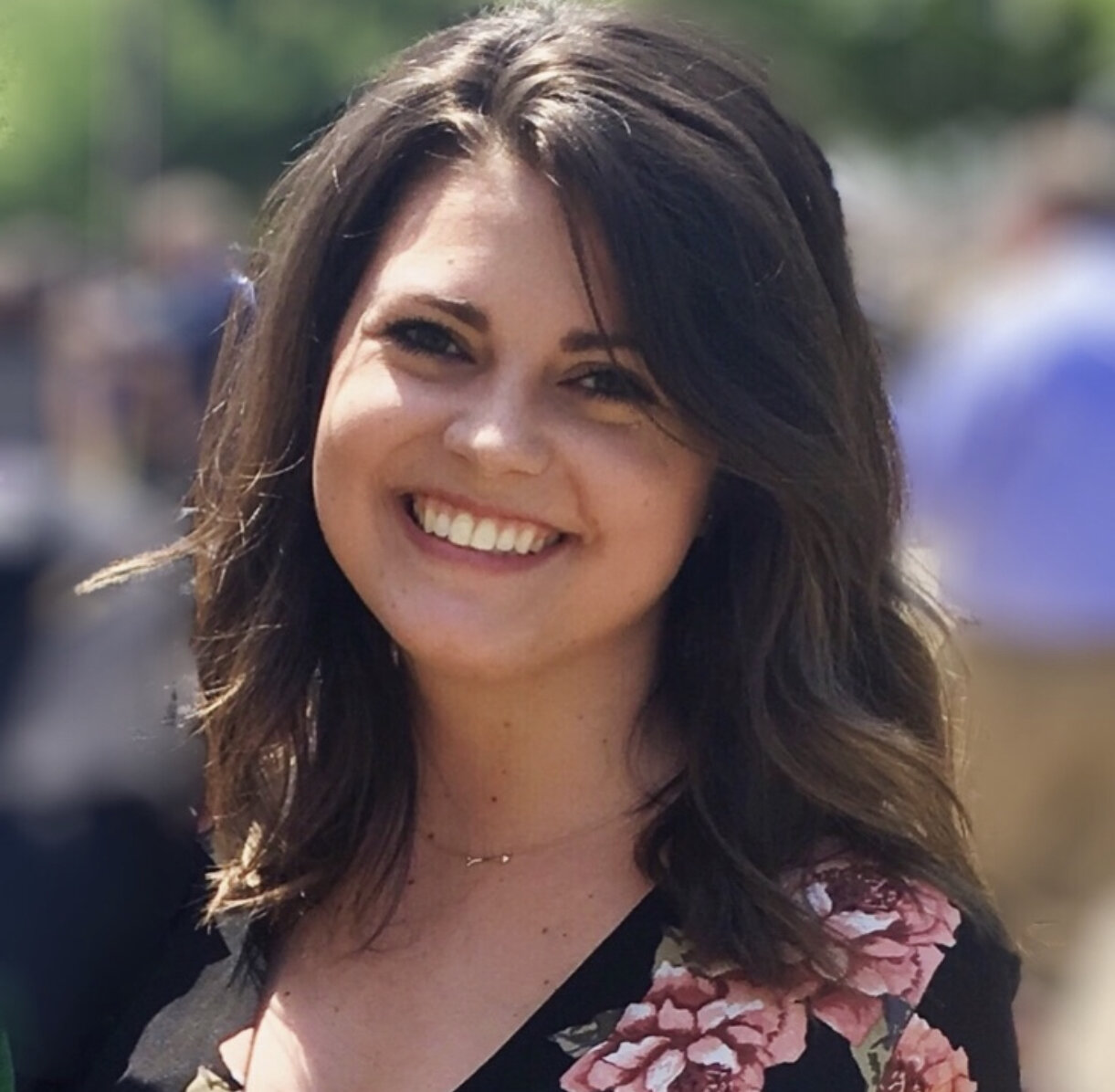
@JenHasDiabetes on Instagram


You can always listen to the Juicebox Podcast here but the cool kids use: Apple Podcasts/iOS - Pandora - Spotify - Amazon Alexa - Google Play/Android - iHeart Radio - Radio Public or their favorite podcast app.
+ Click for EPISODE TRANSCRIPT
DISCLAIMER: This text is the output of AI based transcribing from an audio recording. Although the transcription is largely accurate, in some cases it is incomplete or inaccurate due to inaudible passages or transcription errors and should not be treated as an authoritative record. Nothing that you read here constitutes advice medical or otherwise. Always consult with a healthcare professional before making changes to a healthcare plan.
Scott Benner 0:00
Hello, and welcome to Episode 279 of the Juicebox Podcast. Today's episode is sponsored by Dexcom dancing for diabetes and Omni pod, you can go to my omnipod.com forward slash juice box dexcom.com forward slash juice box, or dancing the number four diabetes.com. There are also links in your show notes. And at Juicebox podcast.com.
I don't even know how to begin to explain this episode to you. So I'm going to keep it simple. Jen had to have her pancreas removed for medical reasons, she'll explain the entire thing to you. It's fascinating. But if I tried to like pull it together a couple thoughts about it here. I don't even know what I'd end up saying. The only thing I know I should say for sure is that nothing you hear on the Juicebox Podcast should be considered advice, medical or otherwise. And always consult a physician before becoming bold with insulin or making any changes to your medical plan.
If you're enjoying the Juicebox Podcast and you'd like to help it grow, please share it with a friend. Just you know, maybe take their phone from and be like, hey, look, this is your podcast app. And this is search for the Juicebox Podcast and subscribe. A lot of people don't understand how to do that. Or send them a link or something that's probably viable, too. All right, ready? Here's Jen.
Jen 1:49
How many name is Jen? I'm 28 years old. I live in New Orleans, Louisiana. And I live without a pancreas.
Scott Benner 1:58
Excellent. So you've done a very good job of introducing yourself already. This is excellent. Jen was very worried that she could unmute yourself properly. But we're past that. And we're moving forward. Jen, Louisiana born there.
Jen 2:09
I was not. I grew up in Cincinnati, Ohio. I moved to New Orleans four years ago, my husband is in surgical residency at LSU. And we moved here to let him complete that it's a six year program. So we're down here for at least six years. And hopefully moving back to Cincinnati after that.
Scott Benner 2:31
How are your sweat glands doing in Louisiana?
Jen 2:34
I'm not doing great. I will be honest with you. Very hot. I always tell people that between the month of April and October, like, count me out. Like if you want me to go outside. I can't promise that I'm going to but those other months are perfect and just beautiful.
Scott Benner 2:55
But not it's April and October. Now. When do they do that thing with the beads and the boobs? When is that?
Jen 3:01
Oh, that's Mardi Gras. That would be in February.
Scott Benner 3:03
Okay. My wife's always talking about like, we should try Louisiana one time. And I'm like, I don't want to be warm or see weird bugs that.
Jen 3:12
Yeah, you wouldn't do well here.
If you don't like if you don't like to be hot and sweating in your own house, then you might want to Yeah, you might want to consider elsewhere. But it is a very fun place to visit. And I always say that it's very different to live here than it is to visit. I'm not like on Bourbon Street every night like getting wasted. It's it's mostly just me and my house. But I understood that. God, I'm so sorry. I was gonna say that part of New Orleans exists and the suburbs exist. And that's where I'm at.
Scott Benner 3:52
You're making me think that Austin is not just the Big Film Festival now all of a sudden I'm rethinking everything.
Jen 3:58
Yeah, I mean, every city has its thing has its thing. That's
Scott Benner 4:03
right. So Jen, I made Jen just so you guys know turn off her air conditioner because of the noise. So she's gonna start wilting any second now.
Jen 4:12
It's already happened. This happened. We're gonna
Scott Benner 4:15
happen. No, please don't. Please don't rush it. It's doing fine. So guys, listen. Jen's nervous. She's been overthinking being on the podcast for six months. That's my fault. I didn't know she was thinking about that harder, I would have tried to move her up in the schedule. So anyway, Jen's on for a really super interesting reason. And I'm going to ask my first question out of ignorance. Do you have type one diabetes? Next time you're near your keyboard or on your smartphone, go to dancing for diabetes.com check them out. They just had their big dance event. I bet you There are pictures and video floating all over their social media on Instagram, Facebook, and dancing for diabetes. dot com?
Jen 5:03
That's a great question. I don't I don't think that there's any. There is ignorance regarding diabetes, but I feel like there's a lot that people just aren't taught that they don't know that. So I don't like the word ignorance because I think everyone always has something to learn. I do not have type one diabetes. I was not diagnosed with diabetes until my pancreas was taken out of my body by a surgeon. Now they stole it from you. They stole it like blackmarket
Scott Benner 5:36
is it? Did you wake up in a tub full of ice? How did this?
Jen 5:39
Yeah, it was. It was crazy. It was just this black market weird.
my pancreas was stolen on the black market
Scott Benner 5:48
question mark. I actually think it was sold on the black market stole Yeah. When in a seedy motel room? Yeah, if you believe all the movies, so so you had, I'm going to assume and then I'm going to ask your questions, but I'm gonna assume you had some sort of a medical procedure and necessity. And you lost your pancreas in the ensuing fight, I guess. So tell me what, what's, you know what, let's just let's gild the lily a little longer. How did how did this medical thing present? Were you perfectly healthy, skipping along through flowers whistling with butterflies. And then all of a sudden you felt not? Well, one day what what was?
Jen 6:24
Oh, that's actually exactly what happened. Um, I didn't get sick at all until I was about 2425 years old. It was right after I moved to New Orleans. I first was diagnosed with an autoimmune kidney disease. And that's its own podcast. So I won't go really into that. But a few months later, I had my first episode of pancreatitis. And I was in the hospital for four weeks. And they were really just trying to figure out why this was happening to me. And it took a really long time to figure that out. And there were a lot of speculations, a lot of reasons that weren't correct. I.
It was, it was a long time. So
Scott Benner 7:20
can I ask a question before? Yeah, I missed your question. pancreatitis. Can you put that into context for people who don't know what it is? Because I hear that I think of like they're on Grey's Anatomy. Somebody who's painting their side. They don't know what to say they might be pancreatitis.
Jen 7:34
Yeah. So pancreatitis is when your pancreas is inflamed. So that's when pancreas and then is at the end. And it presents as very severe abdominal pain, kind of in the upper quadrant, like kind of under your ribs, like around that area, and it radiates to your back. So you could also have very severe back pain. And I had both and I so I woke up the day after Christmas. 2016 2016 sorry, the timelines wonky, and I had really bad stomach pain. Well, what I thought was stomach pain. I thought I had a stomach ache from eating too much on Christmas. I thought that it was just you know, a little stomach bug and it was going to go away as the day goes on. Or I might be in bed all day.
Scott Benner 8:32
What did you eat on Christmas?
Unknown Speaker 8:34
I know, a lot of
Scott Benner 8:36
a lot of weight that made you go this incredible pain could be from what I
Jen 8:40
yeah, that was a lot of raw cookie dough. That's what I thought it was. I made cookies. I ate a lot of cookie dough. I'm like, the rumors are true. It does make you sick.
Unknown Speaker 8:51
I knew I shouldn't eat an egg.
Jen 8:54
Yeah, so I thought that I was just sick. You know, just normal person sick. So I was in a lot of pain all day. And I was just in bed I like when I say I was in a lot of pain, like it's unfathomable pain, I and then I was at my parents house for Christmas. I went downstairs to my mom and I said, Mom, I think something's wrong. Like I think I think I need to go to the emergency room like this is not this is not a stomachache. So my mom took me to the emergency room. I could barely check myself in I could barely sit in the waiting room. I was screaming in pain. They took me back they did test really quick and they got me some medicine to make me feel not like I was dying. And they said your pancreas is inflamed. You have pancreatitis, and I immediately was like, What is that? I don't know what that is. I'm 25 years old. I have no idea.
Scott Benner 9:54
Yesterday I was just the person who was like eating cookie dough is fine. That was the extent of like your thought process and Tell me something about the pain for a second. contextually, let's try to find the worst period you've ever had in your life. 100 times worse, 1000 times worse. You thought somebody I would say, a million times worse. Gotcha stabbing, burning.
Jen 10:15
If it was. So they asked you to say what your pain feels like. And it was kind of like a, I would always say nine. Like it just felt like it was consuming me. And stabbing, burning, aching, throbbing every word you can think of. That's the pain. Like, if you ever have that pain, if you're ever like, This hurts more than anything ever go to the hospital, because it's, it's probably something bad because I, I had had pain like that before. And this is another issue with what I had been through and I was misdiagnosed for several years, I was diagnosed with constipation, UTI, stomach flu. And that was I'm sorry, my dog is in the background, if you hear her that she um, but anyway, so the the fault is on the doctors, obviously. But it's also on me because I just went to an urgent care and urgent cares aren't set up for doing the tests necessary. They can't do CT scans, they they don't they just run a simple blood test, they're not going to be able to see your pancreas and zyme levels. So when they look at your labs, and they see your white blood cell counts high, they're like, Oh, well, you have an infection, you might have a UTI because your back hurts.
Scott Benner 11:47
Gotcha. Yeah, it's very simple. Like, well, they follow. It's a checklist. Really, I know doctors personally, they would tell you the same thing. Like I go on historical and what your you know what your stuff is telling me, you know, you have a pain here. That's likely this. If it coincides with this, well, then that might be that and it's just the but when you're an incredible pain, like you're describing that's of no comfort whatsoever, you know, I'm in pain. Help me. And when they don't have an answer, they don't have an answer. Now, the interesting thing here is that anything could be inflamed in your home with the freezing cold temperatures that you keep the air conditioning. Obviously, inflamed is more of like a it's a bigger word. It's not Yeah, it wasn't on fire. Now now Now, you mentioned before your kidneys. And I know you're not going to go into it. But you were diagnosed, can you just tell me what you were diagnosed with about your kidneys?
Jen 12:42
Yeah, and the condition is called i g m nephropathy. And that's a big fancy word for my kidneys don't filter protein correctly. Instead of filtering protein into my blood, which is what the filters of the kidneys are set up to do. They filter protein into my urine. And it causes a lot of issues. I had to take a high dose steroids for a year and a half, which completely wrecked me and my body. And a lot of things happen with that. And I'm currently in remission so that I am happy about that. I don't have to worry about the kidneys right now. I don't know what the future holds for them. But for a while it was
very annoying. What else?
Scott Benner 13:36
Listen, I'm just gonna jump right down this rabbit hole and ask the question, do you have any other organs that aren't working the way you expect? Or would it be simpler to list the ones that work? Right?
Jen 13:47
I do always say that every organ is failing me. But I do have a couple things here and there just because so I will say with this pancreas surgery, kind of going back to what exactly happened with that surgery and why they had to take it out. When you have your pancreas removed. They can't just reach in and grab the pancreas and say, okay, all done. It's not like a gallbladder. It's not like an appendix. It's a very, very complex surgery. And they have to take out a lot. So they take out your pancreas, they take out your gallbladder, they take out your upper small intestine, which is called your duodenum, the lower portion of the stomach and frequently the spleen and in my case, they did take my spleen as well.
Scott Benner 14:39
I'm missing when you said my spleen. I was like, Oh, they totally took her spleen.
Jen 14:43
Yes, of course. Of course they did.
Scott Benner 14:50
Just yesterday I did what I call a pop up podcast in person where I showed up somewhere and people from the podcast showed up and we just talked about diabetes. It was a Absolutely amazing day. And thank you to everyone who showed up, it was really mind blowing to say I'm going to be in some random place in Pennsylvania and 50 people game. One of the things that happened during that event that I was incredibly pleased by was I asked at the beginning, how many of you are wearing a dexcom CGM. And I'm telling you all but like four hands went up, it was nuts. There are 50 people there, everybody's like me, like. But for those other people who didn't raise their hand, and for you listening, you got to get to it, you got to go to dexcom.com forward slash juicebox. And start using a continuous glucose monitor right now. And not just any CGM, that Dexcom g six continuous glucose monitor. Mm hmm. It works like magic hardens, blood sugar actually got a little high tonight at dinner. And we've been bringing it down gracefully using the Dexcom. Today she was at school, I could see her blood sugar all day, with the Sharon follow features right there on my iPhone. And if I had an Android phone, I would have been able to see it there as well. So really get what that means. No matter where my daughter is in the world, I can see the speed and direction of her blood sugar. it's mind blowing. I know the longer Dexcom exists, the more that just seems normal, but you really have to focus on what I'm saying. It is next level, you trying to get to that ninja level diabetes care. I don't know how you do it without the Dexcom g six, you can get started@dexcom.com forward slash juice box. There are also links in your show notes right there in your podcast player. And at Juicebox podcast.com. I guess I'm going to go backwards for a second and just ask you when someone sits you down and says we're going to remove all of these things from you. What's the feeling like? Do you think Let me try to understand do you try to say no, no, you don't have to do that. Like do I would run away probably. But what was
Jen 16:54
the first time I was told I was coming out of anesthesia from a procedure. And my husband was with me. And the doctor had just looked at my pancreas and had done like a scope procedure where they're able to look at the pancreas. And I was coming out of anesthesia. So if you've ever had a seizure, you know that that time is is a sensitive time and you're not fully aware and you're not your emotions aren't all there so I was kind of in disbelief. And they also was sobbing.
Scott Benner 17:31
Jen, can I break the tension for a second? When I come out of anesthesia? I say incredibly inappropriate sexual stuff. Every
Jen 17:39
if I think it's happened to me too much that it's just like, get me out of here.
Scott Benner 17:43
Beat that out. Don't worry. Yeah, sorry. I just I'm telling you like I couldn't on this podcast in a million years tell you what I what I wake up from anesthesia and then say the worst things. My wife's always like to the nurse. And it's only I mean, handful of times in my life. My wife, my wife's like, just ignore him. I'm so sorry. Like, She's embarrassed. And I'm like, I'm sorry. I don't know what I'm saying. Then I say more of it.
Jen 18:07
Like I do miss out of anaesthesia, too. So it's normal. I don't.
Scott Benner 18:11
But anyway, but so you're just I mean, over overwritten with emotion. And absolutely, like, Oh my God, because what you just said, If you told me you were gonna take any one of those things from me, maybe the pancreas worse than the rest of them. But if you told me you were taking my gallbladder, I'd be like, that doesn't sound like a good idea. I know that does something. The spleen. I believe from television. isn't that important? But what do I really know? And so like but the pancreas Did you immediately think but how am I going to make insulin?
Jen 18:45
That wasn't my first thought. Um, so you know, it wasn't just them telling me one time this needs to happen. And then the next day I went into surgery, it was I was told this and then I had consults with several doctors, several surgeons. Because I was like, you know who who do I let do this to me like, they're like, this can't be that common that just any? Any Old Joe doctor can can do this. So the first doctor I saw for a consult said that he had done three of these procedures.
Scott Benner 19:23
That's not comforting to me at all. But
Jen 19:25
no, I did not have the surgery with him. shocker. The surgeon that I did see has done over 200 so I was very confident that he he would do a good job
Scott Benner 19:37
but imagine the doctor holding up five fingers again, see these fingers? That's not quite as many of these as I'd Yeah. And you'd be like I have to go now. Thank you.
Jen 19:45
Yeah, really great talking with you.
Scott Benner 19:48
Who let somebody practice on their removing their pancreas like I've never done it Who was the first one that guy's like, I've never done it before. But I've seen a YouTube video that lines the whole thing up and I've read all about it. I think This is gonna be 100% Fine. Let's go for that. Who was like, Yeah, go ahead. Let's try it.
Jen 20:04
Yeah, my husband is a surgical resident and he has not been in this procedure. Yeah, like it's it's not happened that frequently. It does it. I mean, I'm lucky to have met a lot of people through support groups and things that have had the surgery, but you don't meet anyone just walking down the street.
Scott Benner 20:22
That's completely strange. Okay, so they take all your other business out, I'm assuming you lost like 10 pounds, just in organs.
Jen 20:31
I was already huge from steroids. You gain a lot of weight on steroids. So I wasn't a skinny legend at the time. But I'm sure I did lose a couple of pounds in Oregon. Last skinny
Scott Benner 20:42
legend is a T shirt. By the way, I can't get by I don't I wouldn't be able to wear it myself. Although maybe it would be ironic if I were on that scale.
Jen 20:49
If I wore it, people would be like, I don't get it.
Scott Benner 20:53
So okay, so surgery's over, I think I really want to start with um, I mean, just what it's like to so you don't have type one diabetes. I mean, we've diagnosed you didn't have you know, something didn't happen your body Baba, someone came in and snatched out your, your, your pancreas. Yeah, your body can't make insulin anymore, obviously. So you are insulin dependent, but not diabetic.
Jen 21:20
I am diabetic.
Scott Benner 21:22
You're freaking me out. How are you dying?
Jen 21:25
Okay, so I would be considered to have what is called type three c diabetes, or secondary diabetes, which means diabetes, that happens because of something else diabetes that happens because of pancreas disease. Frequently, when you have pancreatitis, or pancreatic cancer, you will get diabetes as a result of that. That was like full blown type three C. And it's also considered type three, see if you've had your pancreas removed. So I do have diabetes, in that I am on the diabetic spectrum. I am 100%. In full independent, I wear an insulin pump. I wear a dexcom. I see an endocrinologist every three months to get my agency and
Scott Benner 22:16
yours much a part of the club is anybody else?
Unknown Speaker 22:18
Exactly. Okay.
Scott Benner 22:20
Wow. So is it any different I'm assuming you've heard people describe their diagnosis and diagnosis CS CS says at the time they were diagnosed and and the impact it had. So were you more focused on your overall health. And now the the need for insulin was just this next thing you had to do? Or did you score was it so overwhelming that it shifted you away, and that became your focus.
Jen 22:49
So diabetes was obviously something that I knew was going to happen. Um, so in my surgery they did. I'm so complicated, I just keep adding layers to the story. They did what's called an auto islet cell transplant where they take islet cells from your pancreas, when they're removing it, and they isolate those in a lab, and then they inject them into your liver hoping that they will be able to produce insulin. Sometimes that works. My surgeon told me about 30% of people that have this surgery become not dependent on insulin, so it's a low percentage. In my case, it was zero percent. I came out of the surgery, they knew it wasn't successful, my pancreas was too damaged, they could not get enough islet cells to ever be able to produce insulin for me. So some, I have a very good friend who had the same surgery a couple years before me, she does not take insulin, her islet cell transplant was successful. She is currently not not needing insulin at all, but she's done. Does she have to take
Scott Benner 24:07
Are there any other medications she has taken to keep that going? Are they just jammed? No. It just worked
Jen 24:12
the jam and done mineral liver and it worked. I don't want to be too technical.
Scott Benner 24:17
Well, gee, then why isn't my question Why can't other people try that?
Jen 24:26
See, well, so it's an auto transplant, which means it's coming from me auto meaning myself. So if it let's just say our dad wanted to have an islet transplant, she doesn't have functioning islet cells herself, so she can't have she can't have her own islet cells put into her liver because her out cells don't function. And
in order to take them from someone else,
they would need to be dead. I guess
Scott Benner 25:00
You weren't when they took your
Jen 25:01
Yeah, I? I'm not a doctor, I don't know. But there are obviously reasons why this is not a common procedure because the rejection would it would be happening.
Scott Benner 25:12
Yeah, you would need anti rejection medications would likely
raise up your net, your likelihood of getting cancer and now you're just, you know, out of the frying pan into the fire, you know, what situation? Plus, you know, any doctor is gonna probably tell you, if you're managing well with that, you know, with this and blah, blah, then we don't need to, you know, invasive procedure, and I get all that I wouldn't. I wasn't saying why don't people do it? I was just trying to, I mean, you just painted this amazing picture where they?
Jen 25:41
Oh, yeah, I was very helpful I was, because they do kind of make you think that it's gonna work. Like before surgery, they were saying, like, Oh, you know, we do this trip, I would transplant and you could not need insulin, you could not need insulin, you know, you kind of get ready for that. But you also have to get ready for the possibility that you will be fully insulin dependent for the rest of your life. And going back to your previous question, you said, you know, was was I focused on my health? Or was I preparing for diabetes? Obviously, I knew that diabetes was going to possibly happen. It was not my biggest concern I I had, so what the reason that they decided that this procedure needed to happen was because I had developed into chronic pancreatitis. And the reasoning that this was all happening was I have mutations in two specific genes that can lead to chronic pancreatitis. The first one being a pancreatic gene, called s pink, and the other one is a actually a cystic fibrosis gene. People with cystic fibrosis very commonly have pancreas issues. And I am a carrier of that gene, and I have a mutation, but I do not have cystic fibrosis. But I did have those two mutations, they said, Your pancreatitis is not going to get better. It is not a case where it's a one time thing, or you know, it might get better with time. They said, This is it, you can either move forward with your life and have surgery and, you know, go towards a better quality of life and a better future. Or you could just be in and out of the hospital every couple weeks. Forever.
Unknown Speaker 27:37
So I
Scott Benner 27:38
think you You did the right thing.
Jen 27:40
Yeah, I mean, I didn't, I had a choice, but I didn't have a choice.
Scott Benner 27:45
On the pod, once you have a choice, they want you to be able to make the choice between being tethered. And not. That's the difference between tubes, and no tubing. If you choose on the pod, you won't have tubing, you get to make another choice, will you have to carry around a big thing with you that will be attached that tubing and keep that on your pants or clipped to your shirt or to your bra, maybe you choose on the pod, you won't have to make that choice, you won't have to decide where to clip that thing. Because that thing won't be attached to you. Pretty sweet right? Now, you have a choice. When you go to the gym or you play sports, you can choose to leave your insulin pump on and get it knocked off or something weird like that or have it bouncing all over the place and the tubing get caught on somebody. Or you can choose to have it on the pod and exercise and frolic anyway you want without having to sacrifice your insulin, right, because when you take that other pump off whatever that other pump is, you're not getting your basal insulin anymore. You're not able to bolus you're disconnected but not without the pod, you can play and again, let's say frolic one more time because it was fun with it on the pot all you want. Also, if you want to go swimming, or take a shower or a bath, get to keep it on the pot on there to those other pumps. If you make the choice to get one of them. Those pumps have to come off. Now how do you know for sure if this choice is the right one? That's easy. You go to my omnipod.com forward slash juice box and get a free no obligation demo of the Omni pod sent directly to your home. That's right You can try it on and decide for yourself because on the pod is happy for you to have a choice. They think if you see the on the pod, the choice will be obvious. So you had a problem with your pancreas and it had to come out in the course of taking it out you had to lose other organs did losing those other organs create new problems for you is diabetes, your only new problem or other others.
Jen 29:47
So I do say that I traded one issue for new issues. I traded pancreatitis, for diabetes and also digestive issues. Like if you're missing a chunk of your digestive system, things are bound to go awry. I will also say that the pancreas has several functions that I don't think a lot of people know about. A lot of people assume they get type one diabetes, their pancreas is useless, their pancreas is dead. Like why do I even need a pancreas, it doesn't do anything. That's absolutely incorrect. The pancreas produces the enzymes necessary to break down food for you to digest. So without a pancreas, I have to take an oral enzyme, every time I put food into my body, or else my body will not be able to digest that food.
Scott Benner 30:48
You're thinking about Pre-Bolus Singh, insulin carb counting, taking a pill? I'm assuming picking the foods you know you do better with than others. There's Yeah, every time you eat,
Jen 31:00
or um, it's not just taking a pill for the enzymes, I have to know how much how many, you know, how many pills Do I need to take? What's the fat content in what I'm eating? The frequency of what, how when I eat them throughout my meal, I have to eat at the beach, I have to take an enzyme at the beginning of the meal during the meal at the end of the meal. If I mess up any little thing, I could pay for it later in the restroom.
Scott Benner 31:28
Can I just want to take a second and say that really sucks? I'm sorry.
Jen 31:32
Yeah, it does. But it does get easier. Like it's not at first, it was so hard. And that's exactly how it is with being diabetic. Like it's so hard at first you have to learn how different foods affect to affect you how, you know, taking different amounts of insulin affects you it's not just you're given a treatment plan, and they're just like, oh, take this, you know, this amount of insulin and that's it. It's, it's the same way with enzymes. You kind of have to figure out what you need to do. And it takes a long time. But I do feel comfortable with where I am right now. It's been two years since my surgery. But I'm human, I make mistakes. I forget sometimes. And things happen. But it's it's manageable.
I was asked honestly the other day,
I was asked by I forget who they said
how's your diabetes going? Like, you know, in in the grand scheme of how you're doing, like, how being diabetic and I said, it's honestly, the least of my concerns. It's so hard. It's so much work. It's 24 seven, it's, you know, it's it's just as huge if I as if I were type one diabetic, it's the exact same you know, I it's my whole life, but it's also the most manageable part. It's, it's, you know, my Awan See, I just got back as 6.1. And I feel like I'm doing a really good job at this point in time with management, and especially with Dexcom and Omni pod it's,
Scott Benner 33:20
that's amazing.
Jen 33:21
It makes it a lot easier. If this was 10 years ago, I might not be singing the same tune just by just walk out
Scott Benner 33:29
into the Gulf and keep going. Yeah. Well, listen, I think that, you know, things that take up your energy and your you know, your computing processes and your mind, like the amount of time and effort that you put into things sometimes becomes overwhelming.
Unknown Speaker 33:47
And you know, it's a lot of work. Yeah.
Scott Benner 33:49
And it becomes a lot of work. And then, you know, you say to yourself, Well, what if, you know, what if I didn't have the time, what if you know, what if, Jen, I'm assuming you're not a person who like, you know, installs telephone poles for a living, but what if you are, you know, like, what if your job was up early in the morning, incredibly difficult. Outside not a lot of time, like, you know what I mean? Like, there are some people who have situations where they're, you know, indoors, I know, that doesn't seem like a big deal to people, but being indoors helps, you know, not not having to exhaust yourself physically so that you can maybe exhaust yourself mentally, that stuff helps when when, when I hear about people who, you know, they'll point to somebody and say, oh, they're not doing well, or all that stuff that none of us want to hear, you know, you're not compliant. I wonder, do you really understand their entire situation, you know, and everything that impacts their day and their energy and their ability to even think about these things. And so you have all of these other things to think about diabetes on top of it, and you're saying at least with the technology, it's easier?
Jen 34:53
Yes. I was actually speaking with a woman this morning. That she found me on Instagram, and, um, a lot of the point of my Instagram is to educate people to the best of my ability and to meet people who are in similar situations than me. And I said to this woman, we were chatting about, you know what we're both going through. And I said, unfortunate, unfortunately, no one's going to understand what we're going through, unless you've been through it. And it's like, my husband is a doctor, and he does not fully grasp. Like he tries his best and everyone's going to try their best to be empathetic and sympathetic about it. But unless you've had the sun, you don't you don't know how actually physically exhausting it makes you you don't know, the pain that comes with it. You. You could look at me from the outside, or you can listen to me on this podcast and think like, Oh, she sounds great. Or she looks great. She's you know, she's 28 years old. She seems like, you know, a healthy 28 year old, and I try to put on that vibe. I try to stay positive and optimistic and not like Poor me, what was me? But I am struggling. I you know, I'm going through a lot. And it's really, really not easy. Yeah.
Scott Benner 36:14
Well, how does that? How does that show up? If you don't mind, I guess talking about like, how does that show up in your life? Like when the struggle? You know, when I'm assuming when you get overwhelmed, right? How does? How does it manifest? Is it Do you not take is does the care level drop off? Does?
Jen 36:32
Oh, yeah, it's, um, so I would say it mostly manifests in, I don't want to leave the house, I feel most comfortable when I'm at home. And I can wear the clothes that I feel comfortable in, like, my scar goes across my abdomen horizontally, and it's right under my, where I would wear a bra would sit. If I were to wear a bra, it is very, very uncomfortable. And often causes me more pain. So if I'm not comfortable wearing that out, I would rather stay home and be comfortable. That's not the only reason that I like to, to stay home, I like to be near a bathroom, I like to be in a comfortable position. Sometimes standing up and moving around is hard for me. So I would say it mostly manifests in. I like to be home, I do have a lot of anxiety. I do have a little bit of PTSD. When it comes to medical things that I get nervous. I'm a little bit of a hypochondriac now but like I am getting over a sinus infection that I've had for a long time, and I texted my husband like can I die of a sinus infection? He's like, you might have meningitis, but you probably don't. I was like, Don't say that to me. I don't
Scott Benner 38:01
have nose cancer.
Jen 38:04
Now I definitely have meningitis.
Scott Benner 38:06
Way to give me meningitis. So I know buddy better teach Hannah how to sniff out all diseases. She could become a disease sniffing dog. And that's it. Girl, by the way, the dog? Yeah, I mean, it's a girl's name. But this day and age names don't appear to mean anything. So I wasn't sure. But Okay. Wow. anxiety. Did you have anxiety prior to this?
Unknown Speaker 38:27
No.
Scott Benner 38:28
Okay. So you didn't find yourself worrying? You were sick prior to this having?
Jen 38:32
No. I mean, I had, I would say I had normal functioning normal human anxiety. Everybody has a little bit of anxiety about something. Um, I would, I would think that most people do. But it wasn't to the point that I needed to be medicated or that I needed psychiatric help. It was mostly just work stuff or, you know, just just things that
a normal person would go through
Scott Benner 39:05
not a sick person. Do you see a therapist now?
Jen 39:09
I do have a psychiatrist that I see currently.
Scott Benner 39:13
I think I would. Absolutely. Honestly,
Jen 39:15
it's tough though. Because
my mental health I always say that it's not when I did see a therapist for a time, and I didn't find it helpful, because it was a lot of talking and a lot of talking about what I'm going through talking about my health. And I came to the conclusion that talking about what I'm going through doesn't change my physical situation is so it's not. It's not your standard depression anxiety case where I could maybe like a serotonin imbalance or something. It's because I have medical problems. So talking about it. didn't change the fact that I have medical problems. So talking about it isn't, we're still trying to find the best way for me to, to cope and to deal with anxiety and things like that. But it's
Scott Benner 40:16
hard. No, of course I yeah. And so you go to a psychiatrist to try to find more like coping tools and, and where the therapist is like, let's talk this out and make you feel better about it, you're like, this isn't gonna get better. I guess that would be like if I was trapped in a wrecked car, and it was on fire. And someone came along and said, Let's talk this through. I'm sure we can find a way to feel better about this. And you're like, no cars on fire kicking my leg out? Not gonna feel better about it. I listen, that makes sense. It's interesting. Your anxiety and your and your stresses and the things that you're describing are pretty reasonable responses to what's happening to you.
Jen 40:53
Yeah, everyone says that everyone. Like, oh, it makes sense that you're going through this, like, it completely makes sense.
Scott Benner 41:01
And if there's no end in sight, you
Jen 41:04
know, yeah, it's not something that's just going to get better overnight. It's something that I'm going to have to deal with the rest of my life. And the, the recovery time for this surgery is frequently stated at three to five years. And I think that that's mostly just finding it a new normal, figuring out how to be human again,
Scott Benner 41:30
you're healed inside, but the rest of it is just it's learning to walk with your new reality, basically, yeah. Well, that's, um, what's the word I'm looking for? Horrible? And, again, I'm sorry. I will have to say, though, that, um, I mean, if you're pretending you're pretending Really? Well,
Jen 41:52
yes. I do pretend Really? Well. Like I said, I don't like I don't like people who feel sorry, for me, I don't like to be the center of attention. And, you know, going to a family function or going to a friend gathering and people being like, how are you doing? How are you doing? How are you doing? Like, it's like, I feel like, my help has become my personality. And, yeah, that's hard. Like, I don't love that. But at the same time, I just try to flip it and make it a positive. And just be like, I have all this horrible stuff happening to me, but I, you know, I'm able to do my best
Scott Benner 42:30
do you have? Do you have any idea what the pathway to it not making you feel? anxious? Is? Is it like acceptance? Is it? Well,
Jen 42:39
no, I feel I feel with it. I feel acceptance, like, I have been accepting of this for quite a while, like, ever since the surgery happened, like you got, you kind of have to? If you don't, then it's going to make life a lot harder. If you don't, kind of tackle it head on. But, um, I think a lot of it because I've never gone to a doctor or psychiatrist and then given me an answer, and then have them saying like, this is what we need to do, and this will make you better.
Scott Benner 43:16
So here's a here's a question that as I ask it, I think don't ask this question. Because if the answer's no, what you think it's gonna be horrible. Would you say that you're still happy that you went through the surgery? Or should you just live with the pain?
Jen 43:30
I'm happy about happy. I think that I decision, I think I made the right decision. It's different than what I expected. I was expecting. Because I was in a lot of pain before surgery, I was expecting the second that pancreas came out, I was expecting it. I mean, obviously, surgery causes pain. So I knew I was going to come out and pain. But I was expecting once that I was recovering from surgery, I was expecting life to be better. And it's not it's,
Scott Benner 44:07
it's different. It's different.
Jen 44:09
And like my quality of life is it was supposed to improve and it's so like, I sound so sad. But like, I don't want you to feel that.
Scott Benner 44:20
You're being descriptive. And yeah, I don't listen, I don't feel bad for you. And I don't think anybody listening is gonna put you in that box. I think that you're, you're doing a great thing by coming out and explaining something that not a lot of people understand. And I think that there's a ton of overlap with someone who has type one diabetes or anyone who has a chronic illness with what you're saying, you know, so I think you're just you're just helping people i don't i don't see this as sad or, you know, for you to be pitied.
Jen 44:48
Yeah, so my biggest I would say my biggest issue that I feel that I face post surgery is pain, like physical pain. I have what's called adhesions. And what adhesions are is like when you have surgery or you have something removed, or you know anything that they're messing with your insides, you have to develop scar tissue like your, your insides have to heal. And sometimes it's not perfect. And the scar tissue can grow between organs the wrong way, and that causes pain. So my organs are kind of stretching in different directions that they're not supposed to. And that causes me very severe physical pain. And that pain is so severe that I can't work, I can't have a full time job. I can't. I am not a normal functioning member of society. I was a dental hygienist. As my profession before I got sick for about three years. And I'm not a dental hygienist anymore. And that sucks, because I absolutely loved it. But I will never, I mean, I won't say never. But if I'm predicting the way that my timeline is going, I won't have the physical stamina to do that job ever again. So that's, that's what I yeah, that's what I feel like is the hardest part about the surgery that I have is not I mean, not everyone has adhesions the same way and not everyone has pain after surgery. I know people that are that went back to work six weeks later. And I know people that I would say most of the people I know that I've had the surgery don't go back to work.
And I wasn't expecting
Scott Benner 46:42
that. Yeah, it wasn't something you do prior, you know that now from being involved in the community and talking to people yes. happen to you. Can you do like, you know, a lot of people who are hairdressers cut hair out of their house? Can you clean teeth out of your house? Or would you be breaking some sort of a law?
Jen 46:59
that's against the law, unfortunately,
Scott Benner 47:01
but Hannah has amazingly clean teeth. I'm assuming
Jen 47:04
she does. If she tolerated a toothbrush now should I have? I have cleaned her teeth before? Like with a
Unknown Speaker 47:12
uninstaller? Is the person clean their own teeth?
Scott Benner 47:15
Oh, absolutely. So you're saving a little bank there with that? Not a lot. Not that's
Jen 47:20
Yeah, I clean my teeth all the time. And it keeps me in it. I mean, I'm like, you know, I get to clean somebody, Steve. But
Scott Benner 47:29
give yourself a toothbrush and floss after you're done cleaning your own teeth? No.
Jen 47:37
I know. I do have I have so much like samples and things. My husband's an oral surgeon. So he, we have like, a lot of toothbrushes around. So if anyone ever comes to visit, don't worry about forgetting your toothbrush. Because
Scott Benner 47:53
when you said samples, I made air quotes standing here because I was like, they stole that stuff.
Jen 47:58
We did not feel it. It comes in the mail. I'm joking,
Unknown Speaker 48:03
but it was fun.
Scott Benner 48:07
Gotcha. All right. Listen, we are about 10 minutes off of an hour. So we're gonna have to find something to tie this to
Jen 48:16
let's talk about diabetes. I feel like this is the diabetes podcast. I feel like I should we should talk about diabetes. So how do
Scott Benner 48:25
you manage him?
Jen 48:28
So when I was first
diagnosed with diabetes was after my surgery, and you know, I was in the ICU for 10 days. So at that point, I was just like on an insulin drip. But then when you get into recovery, and you're getting better and you're getting ready to be released from the hospital, in that moment, you are a newly diagnosed type one diabetic, it's the same exact education a diabetes educator comes in. They teach you how to inject they teach you about carb counting and about, you know, everything. You know, when I'm sure every single type one has a diagnosis story that they're in the hospital or they're at their doctor's office, and they're thrown into this new lifestyle that they weren't expecting. I I'm different in that I knew that it was coming. And I tried to prepare to the best of my ability. Um, but I surprisingly didn't get a lot of education prior to the surgery. Like I wasn't. I didn't go in knowing like, Oh, this is exactly what I need to do. You remind me. Yeah, I was a little busy.
Scott Benner 49:43
You had you had 30% hope that this wasn't gonna happen to you.
Jen 49:46
Yeah. Luckily, my grandmother had type two diabetes that my mom helped her with. And so my mom had a knowledge of injecting insulin and When it comes to that, so luckily, my mom had a base of knowledge to help me. I did not have that knowledge. But a diabetes educator came in. I was on pain medication, I was out of it. I was in pain, I was tired. And I had to learn everything. And then I left the hospital. And I was on kenalog injections, and Lantus. And for a couple of months, it was just learning how to do that. And then I was getting pretty used to that. And I was like, I'm ready. I'm ready to get the technology I want the best thing I can get, I want to have, you know, an easier time with this. Like, I know that it's possible. I know. I'm the kind of person that will do a lot of research on something. So I knew about all the pumps, I knew about the CGM. I was like, just ready to do it.
Scott Benner 51:02
So, um, so you found the diabetes community online as well as the support for your for your pancreas,
Jen 51:08
I immediately found the Instagram community of type one and I was like, okay, like, if you guys don't mind, like, I'm gonna join, like, I'm gonna, I'm gonna follow everybody, I'm gonna support everybody. make myself one of you. And throughout my journey, you know, you post one picture on Instagram, you're not gonna immediately meet all these people. Throughout the time that I've had an Instagram, I've met so many people that are in similar situations to me. And it's, it's very helpful to me, because before I had the surgery, I did have one friend who had also had the surgery and I went to her for a lot of it was a really weird situation, like a childhood friend of mine had the same exact situation, the same exact surgeon, the same exact surgery in Cincinnati, and it was just absolutely bonkers. But I I leaned on her a lot for support during the beginning, and I still do, she's one of my very good friends. But I've met a lot of people and been able to learn how different people manage it. And I also met a lot of type one friends. And I think type one is the closest thing to what I'm going through. And I can't just say like, Oh, I'm the type one and I think a lot of a lot of people without pancreas is just say type one because it's easy, and it's cheaper. That's
Scott Benner 52:53
something that somebody has called you on or is it just something you trying to be delicate with other people and not say, Hey, I have what you have when you technically didn't get it the same way is that you're trying to be sensitive or you've heard back from people
Jen 53:06
from the beginning, I made it clear that I was a little bit different. I didn't want to I didn't want to I was type one because I'm not like i i don't know i but I've learned holding
Scott Benner 53:19
other people.
Jen 53:21
I don't it might be I don't see why. I I mean, I would say sometimes I do personally get offended when there's people that don't understand the pancreas does a lot more and are quick to kind of I don't know, like no one no, no one's like,
Scott Benner 53:48
like, Dan been like, hey, look, yeah. Okay, so you're just trying to be reasonable and say
Jen 53:53
yeah, but I have run into tips with people here and there that I'm like, you know, we'll get in a little comment battle, but I never have malicious intent, but I'll be like, hey, like, you know, this is what I'm going through if you want to chat more about it like this is you know, your pancreas isn't dead. your pancreas has a lot of functions. If you didn't have it, you would miss it.
Scott Benner 54:19
Yeah, I hear what you're saying. Yeah, so so when you see people be like I have useless pancreas you're like, it's actually gotten more useless than you think. And that's exactly
Jen 54:27
what it is. It's like so it gets to me because I don't want people to have that mindset I because that's it's kind of a negative way to think about it. And I'm like, Okay, well, you know, it does. In pancreas also produces glucagon and some type ones don't produce glucagon at all. But glucagon is kind of what bounces to make you not so brittle and diabetes that kind of keeps things level and without a pancreas at all. You don't have alpha cells. Alpha cells produce glucagon, a type one does have alpha cells, I'm not gonna say that every type one has functioning alpha cells because that's not accurate. But like there are so many little things, like if you, you know, went and deep, deep dove on Google about what a pancreas does, it's, it's way more than just insulin.
Scott Benner 55:20
Oh, by the way that you and your childhood friend were bitten by the same radioactive spider because I don't for the life of me when you said that someone at home in Ohio, who you knew before had the same thing who eventually saw the same doctor? That's mind numbingly
Jen 55:38
crazy. We were on the same swim team. So I'm thinking like that in the pool.
Scott Benner 55:44
Have you can have you considered like that idea that you both lived around something that puts you in this situation?
Jen 55:51
Now because we both had things that are genetic things that we were born with. So but it is just crazy, coincidental? And if she was someone that I hadn't talked to since childhood, and she posted on Facebook, and was like, oh, like a lot of you know, I had my pancreas taken out and I was like, hold on. Okay, stop right
Scott Benner 56:11
there. I had my fingers out. This is
Jen 56:14
time like, I need the rest of the talk. Because
it's not something that
Scott Benner 56:20
I mean, just to find somebody who's had the procedure is probably not that common. And then to find somebody who actually knows just just wonderful. Yeah. Are you guys friends now? Oh, yeah, we're really close. It makes a lot of sense. All right, so but so you got off the pens, you went to a pump? You have a CGM. And do you Amanda, you said, you listen to the podcast, you do stuff sort of the way we talk about it here or
Jen 56:46
Wow. So I love the bold with insolent episode. Um, I, I feel that I kind of already did that before I had listened to the podcast. And that kind of reinforced that I was doing things correctly. I mean, I'm not saying that your advice, advice, but it has helped a lot of people and it has, you know, reinforced that influence, not something to be afraid of. And if know how to how to do use it to your personal body and how you how you figure out you need to use it. It's not something to be afraid of it. You don't have to have a resting blood sugar of 180. Like it doesn't have to be that way. So
Scott Benner 57:39
I'm thrilled does having your blood sugar in a more stable, lower range give you any relief beyond? You know, beyond what we would all expect. I mean, does it help other parts of your health?
Unknown Speaker 57:51
I mean, I'm sure
Scott Benner 57:52
yeah, I noticed I guess when your blood sugar is higher bouncing around. Do you notice other issues? Or is it hard to put two and two together?
Jen 57:59
Um, yeah, it's a little hard because I you know, I already suffer from nausea from gi upset, you know, from exhaustion. So when my blood sugar is high, I'm not like, Oh, I feel this way. Or I have a headache or you know, it's because my blood sugar is high. But, so personally, I don't experience a lot of the, the symptoms that are I don't know if I experienced a lot of the symptoms of high blood sugar. But I'm a micromanager. So I like I watched my dexcom and I, I tweak as I need. And I like kind of to a fault. Like I go to my endocrinologist and she knows that I I watch every single basal rate, I have a different basal rate for every hour of the day. I am crazy. Does it work? It works.
Scott Benner 58:51
It works and nobody's crazy. I you know, I'm a I was, you know, I like the set one and kind of adjust idea. But if you can figure it out, I mean, if you can figure out absolutely positively I'm you know, I'm 1.5 at noon, but I need to be wanted at three then I mean, by all means go for it, you know?
Unknown Speaker 59:09
Yeah, that's how mine is. I would
Jen 59:13
like the point five, we need to take it from 1.25 to 1.3. And, you know, it's, I'm not perfect. I don't have anyone see you. In the fives. I have had it in the fives but I'm comfortable having it in the sixes. I mean, six 6.1. I'm very comfortable with that. I was shocked to see that. That's where I was at last time but
Scott Benner 59:38
I am happy with it. Congratulation. Happy you should. I mean, I'm not. I'm the one to tell you what you should think but I'd be ecstatic. I'm excited. Yeah, it's amazing. I
Jen 59:47
felt like I got an A on it.
Scott Benner 59:49
I have you Hey, I mentioned this. I mentioned this I thought of this earlier and didn't ask. And as we come to the end it's it's weighing on me so your husband's in residence. See, are you alone a lot of the time. This all the time. He's very busy.
Jen 1:00:05
Very busy. So right now he is so we live in New Orleans, he today had to move to Baton Rouge, which is about an hour and a half away. And he has to live in Baton Rouge for the next two months. Um, so even if he's not in Baton Rouge if he is in New Orleans, he works he leaves you know four or 5am he gets home six seven o'clock we have dinner and then we go to bed so I'm home by myself while the day my dog Hannah is my absolute best friend in the entire world and I know people say their dogs their best friend but like yeah, she's literally like, I just hang out with her all day I talked to her like
Scott Benner 1:00:47
genuine but one to accept the fact that you're not wearing a bra and not judge you that's exactly and that to Hannah can be my I
Jen 1:00:54
was gonna say I you know, I don't have I'm getting more comfortable like my next door neighbor. I'm very close friends with her and she knows my struggles. And I'm like, Girl now that you know, I'm sorry. But I'm not worried about my neighbors. No, I'm not walking the dog and abroad. You see me out then judge me if you will. But you don't know what I'm going through.
Scott Benner 1:01:18
I swear to you, I my wife would be horrified. But if I shared this, so obviously I will. But many nights I see her sit down after work. She fiddles around, and then I see her reach up underneath of her shirt and boom, here comes her bra.
Jen 1:01:33
Right out the sleeve. Yeah,
Scott Benner 1:01:35
at some points. We have bra collections in the living room so I don't have breasts myself. Not yet. I'm getting older and working on them. But one day I but watching her the relief on her face. I'm being serious or second. The relief on her face when she takes her bra off is amazing. And if I if she had a scar where that bra was resting I imagine it would be just kind of terrible to deal with constantly.
Jen 1:02:01
I'm sure every woman we're seeing can attest that there's no better relief than taking off your broth and the day. And if we all could just live in a brawl brawl this world all would be forget world peace we need. We need no bra world.
Scott Benner 1:02:19
Listen, I've never put any thought into this. But as a heterosexual man, I would like to start the march for no more bras. I think we
Unknown Speaker 1:02:26
appreciate your effort.
Scott Benner 1:02:28
I appreciate that. You appreciate my appreciation of your appreciated this because I really think that would make my life better. I don't think about it. All right. Listen, did your dog just eat your foot?
Jen 1:02:41
Someone knocked on the door.
I'm like, literally running away.
Scott Benner 1:02:48
This would be great. Like the podcast ends now. And then there's a postscript. Jen was murdered just moments after the podcast is recorded by Hannah, who apparently don't not like her comments about friendship. And I because
Jen 1:02:58
I'm like, my dog. She's my best friend. Braxton.
Scott Benner 1:03:04
Listen, I really appreciate you doing this. Because you shared a lot of stuff that is just, you know, next level personal and thank you very much.
Jen 1:03:13
No, I'm very happy to as I said, I've been looking forward to for six months since we we literally booked this in December. And every single day I've been looking forward to it. Every single podcast that comes out. I'm like, I can't return. Because it's I feel like my story is just a little bit different. But it's also I can I can relate to everybody. But I can also give a different perspective on
Scott Benner 1:03:38
did i do okay for you, you happy? Well, you
Unknown Speaker 1:03:40
did great, really good job. to worry.
Jen 1:03:44
It was a lot. It was easy. I was just nervous that I wasn't going to come prepared with the right information because I'm not a doctor. I'm not an expert. I just know what I know, based on my experience, and I can only
Scott Benner 1:03:59
I appreciate Listen, you have to go because your dog's next guy. FedEx guy right now is like, lady come take this package. And now and now look at
Jen 1:04:09
now my husband's gonna know that I ordered something from Amazon. Not
Scott Benner 1:04:12
only that, but now the FedEx guy after being attacked by your dog is gonna see without your bra. full day for
Unknown Speaker 1:04:18
the whole day for me.
Jen 1:04:21
It's not even noon and I'm. It's been a day. Yeah.
Scott Benner 1:04:24
I appreciate that. All right, great. I will talk to you soon.
Unknown Speaker 1:04:27
Thanks, Scott. A great day. Thank you.
Scott Benner 1:04:35
I have to admit, there was a moment during the podcast. I was like, oh, Hannah is making so much noise. But by the end I really embraced it looks like this is hilarious. So I left it in for you actually left in. After this. There'll be a little bit from the beginning where we're Jen was figuring out where the noise in our room was coming from. And I found that absolutely entertaining. So let's leave that into. We'll call that bonus content that you might not want. Thanks so much to Dexcom on the pod and dancing for diabetes for sponsoring the Juicebox Podcast, please go to dancing the number four diabetes.com, do it frequently. Go to dexcom.com Ford slash juice box to get started today with the Dexcom g six continuous glucose monitor. And of course to get a free, no obligation demo of the Omni pod sent directly to your home. It's my on the pod.com. forward slash juice box. Thank you very much. All right. I'm glad you guys are here. I love that you're listening. downloads are crazy. I mean, just hit like 1.2 million downloads for the show. I'm in all every time and I alluded to it earlier, but it was absolutely it kind of just took my breath away that 50 people showed up that I did that one of you a listener just found a space actually Alyssa, thank you Alyssa found a space and said, Hey, this is pretty close to your house. Would you come here? And I said, Yeah, I'll do that. And so we threw it up on Facebook, and in a week 50 people and I'm telling you this is not like a major metropolitan area. I was really touched. I mean, I was touched and I was impressed by the podcast, not me the podcast, like how does it reach that many people? It was really cool. We got together, I did my presentation from the jdrf events. And then we did a q&a for like two hours, I felt so good about it. People came from as far away as three hours. Like they drove real great distances to come. I was just very, I was touching, if I'm being perfectly honest. Anyway, thank you for that. Thanks for the latest reviews on iTunes or think we're supposed to call it Apple podcasts now. But thanks for leaving those they were really touching. And all the notes you guys send, I just really get a lot out of them. So thank you very much. Have a great night. And here's some extra stuff where Jen can fit, you know, whatever, blah, blah, blah, here we are. I mean, I I did like this huge home project yesterday. Outside It was like a lot of work. And the 30 year old me who told the 47 year old me that it wasn't going to be trouble lied to me. Because the last time I did something like that was about 15 years ago, and I woke up this morning and my wife's like, how's everything going, I was like my shoulders are burning. And I'm gonna
Jen 1:07:26
I did the same thing. Like we have a deck in our bag, or we had a deck in our backyard that was like, dilapidated, and our landlord pulled it out. And then there was like a bunch of garbage and like random stuff. And I was like, I'm just gonna go out there and pick everything up. And then the next day, my quads were so sore. And I was like you would have sworn that I like did some really good solid workout.
Scott Benner 1:07:52
Well, I had 45 cubic yards of topsoil that I had to move around with a small machine like a small like bucket thing and then by hand and all had to be raped. And my wrists and my forearms and my shoulders. It's terrible.
Jen 1:08:07
I just put in my headphones. Can you hear me? Okay?
Scott Benner 1:08:11
I can but there's a noise behind you. So, okay, so fan in the room on and
Jen 1:08:17
I do have the AC on. I think I'll die for a little bit. But Jennifer,
Scott Benner 1:08:23
it makes you feel better. In the Dead of Summer. A woman did the podcast in her car not running with the windows closed. Oh, God. No, thank you. That's how badly she wanted to be.
Jen 1:08:32
Okay, so I keep my house. I keep my house at 65 degrees. So I think I can handle it like it should. Let me make sure everything's off.
Unknown Speaker 1:08:52
Turning that traffic to know. Yeah. Okay.
Unknown Speaker 1:09:07
That better. You have to speak. Is that better now?
Scott Benner 1:09:12
Yes. So prior when you were speaking, here's what it sounds like. You're like, hey, Is that better? And behind you is this. Ah, so now that's gone.
Jen 1:09:19
Oh, oh, that was my dog. Just breathe.
Scott Benner 1:09:23
So anyway, if you feel like you're gonna pass out, we'll stop and cool the room. Yeah.
Unknown Speaker 1:09:27
Yeah, I'm okay. That's
Jen 1:09:30
precisely why keep it so cool in case something happens and then like,
Scott Benner 1:09:36
I live in Louisiana. So like, the first 20 minutes of the Apocalypse, you'll be okay.
Unknown Speaker 1:09:41
Yes, I will be.
Jen 1:09:44
That's exactly true. Because it's our AC has gone up before and it's already been like, okay, it had been set at like 70 something and I'm like, Oh, no,
Scott Benner 1:09:53
I can't imagine it's just such a hot part of the country so. So jet Do you. I don't know if you listen or not So I do, this is going to be super informal and casual at whenever you're ready, you're going to introduce yourself anyway you want to be known. You could say I'm Jen, you know, you could say I'm Billy, I don't care. I will. I'm Billy Eilish. Exactly go that way. And you know, I didn't know if you want to be I don't think you do you publish stuff. I'm sure you don't mind your name out there.
Unknown Speaker 1:10:23
No, I don't write.
Scott Benner 1:10:24
And then I'm going to ask you a question. You'll answer it. We'll say stupid things to each other and an hour from now. We'll be all finished.
Jen 1:10:31
Okay, so in my intro, do you want me to just kind of say like, about my diabetes? Or just say Hi, I'm Jen.
Scott Benner 1:10:41
You were overthinking this already?
Jen 1:10:43
I know. I've been overthinking this for six months. You really have
Scott Benner 1:10:48
to you and I cannot be together. If my wife dies. I over I've watched it. I've already watched another person overthink everything. I can't take it anymore. No, so seriously, all you need to do is just say, Hey, my name is Jen. Or whatever you're gonna say, bah, bah, bah, bah, bah, you don't have to give a big backstory. As a matter of fact, I prefer you don't because I'd rather come out in the story than for you to just like, put it out on Front Street and people like Well, I don't have to listen. Now the girl just told me the whole thing in 30 seconds. So just your name and and, and I'll ask you the next question.
Unknown Speaker 1:11:21
Okay. Okay,
Scott Benner 1:11:23
Jen, I hope you know that. I don't know what the next question is going to be.
Jen 1:11:26
I don't know. I feel like once it gets flowing, it's gonna be great. But like,
Scott Benner 1:11:32
have you ever heard an episode that you thought sucked? No. All right, well, then this will be fine. You can find Jen on Instagram at Jen has diabetes and I can't believe I'm gonna tell you this. But Hannah, the dog is there too as Hani, the dog it's h A and n IE


Support the podcast, buy some swag!

The Juicebox Podcast is a free show, but if you'd like to support the podcast directly, you can make a gift here. Recent donations were used to pay for podcast hosting fees. Thank you to all who have sent 5, 10 and 20 dollars!

#278 Know The Signs And Symptoms Of Type 1 Diabetes/Conozca Los Síntomas De La Diabetes Typo Uno
Know The Signs And Symptoms Of Type 1 Diabetes…
Conozca Los Síntomas De La Diabetes Typo Uno…
Know the signs, share the episode.
You can always listen to the Juicebox Podcast here but the cool kids use: Apple Podcasts/iOS - Pandora - Spotify - Amazon Alexa - Google Play/Android - iHeart Radio - Radio Public or their favorite podcast app.
More information about the signs and symptoms of type 1 diabetes can be found here (English and Español) https://www.juiceboxpodcast.com/blog/diabetessymptoms
+ Click for EPISODE TRANSCRIPT
DISCLAIMER: This text is the output of AI based transcribing from an audio recording. Although the transcription is largely accurate, in some cases it is incomplete or inaccurate due to inaudible passages or transcription errors and should not be treated as an authoritative record. Nothing that you read here constitutes advice medical or otherwise. Always consult with a healthcare professional before making changes to a healthcare plan.
Scott Benner 0:03
You're listening to the Juicebox Podcast,
Paola Marrero 0:05
or FAS escuchando and Juicebox Podcast.
Scott Benner 0:09
This episode is meant to be shareable, informative and brief. You're going to hear an outline of the signs and symptoms of type one diabetes and what you should do if you see them and you are a loved one. After you hear the information in English, it will repeat in Spanish. Thank you to Paola Marrero for her beautiful translation.
know the signs and symptoms of type one diabetes.
Paola Marrero 0:37
Carlos Carlos tiempo mas de la vida de Bono.
Scott Benner 0:41
If you're noticing any of the following symptoms, please contact a physician immediately. Frequent or excessive urination, unquenchable thirst, unexplained or rapid weight loss, nausea and vomiting, metallic or fruity smell on the breath, bedwetting, extreme hunger, mood changes, mood swings or irritability, fatigue and weakness, blurred vision, headaches, panting or heavy breathing. Please be aware that a physician could miss diagnose these symptoms as the flu strep throat, a stomach flu, a urinary tract infection or a virus. And initial misdiagnosis of Type One Diabetes is not uncommon. If you are a loved one is experiencing some or all of these symptoms. Please insist on a blood glucose test right there in the doctor's office. It's a simple finger stick. These tests are inexpensive, they're easy to perform. And every moment that you wait increases your chances of developing diabetic ketoacidosis or DK. dk is a serious condition that can be fatal. Please be safe and not sorry. Remember if a doctor is telling you that it may be the flu strep throat stomach flu, a urinary tract infection of virus and you are seeing the signs and symptoms of type one demand of fingerstick tests. trust your gut. Too many people are turned away over and over again. Don't be one of them. This message will now repeat in Spanish
Paola Marrero 2:08
konos Carlos sintomas de la vida de Bono arena Xs Eva said in sassy Evelyn bajo de peso rapido or inexplicably alimento Metallica of Ruto, Mohan de la cama xtrema cambios, the more they repented, or irritability, fatigue era VCO madrasta although this isn't how they are listed under vertex diagnostico incorrect on noising como su said oh, I can click on o se esta and Sanjana algunos to seem to ask photos for our sister Kellyanne will examine the glucose is to examine so baratos e facilis. That Omar? kar momento caspary status gandel Alessandra yagoona Connie Sonia Ma. Se to acidosis if the condition is more serious, you have a sister Amina siendo. Fatah. No Sara pianta. Is this a guru? Si es Tanzania No. sintomas era with St. Bono, Indiana profesionales Sue has to Nando ks greenbay creepers to McCann infects you on the track to renew OMB rose. Cutting he does his trip Corsica. Pr our PR on examine the glucosuria perivale informasi own PR power via Juicebox Podcast.
Scott Benner 3:20
punto com. This information is also available at Juicebox podcast.com. Please share it with a friend. This episode of the podcast is not sponsored by anyone but I want to take a moment to thank the sponsors for making the podcast possible so that I can get information like this out into the world. Without them there is no Juicebox Podcast. So thank you very much to Dexcom on the pod dancing for diabetes in pen by companion medical and starting in 2020. We're adding another name to the family of sponsors for the Juicebox Podcast ardens blood glucose meter that Contour Next One no the signs and symptoms of Type One Diabetes
Paola Marrero 4:00
conozco Lo siento mas de la vez de poner


The Juicebox Podcast is a free show, but if you'd like to support the podcast directly, you can make a gift here. Recent donations were used to pay for podcast hosting fees. Thank you to all who have sent 5, 10 and 20 dollars!

#277 Ask Scott and Jenny: Chapter Six
Answers to Your Diabetes Questions…
Ask Scott and Jenny, Answers to Your Diabetes Questions
Let’s talk about the importance of hydration.
Let’s talk about the biology and impact of blood glucose on mood, function and brain.
What does a seizure feel like?
You can always listen to the Juicebox Podcast here but the cool kids use: Apple Podcasts/iOS - Pandora - Spotify - Amazon Alexa - Google Play/Android - iHeart Radio - Radio Public or their favorite podcast app.
+ Click for EPISODE TRANSCRIPT
DISCLAIMER: This text is the output of AI based transcribing from an audio recording. Although the transcription is largely accurate, in some cases it is incomplete or inaccurate due to inaudible passages or transcription errors and should not be treated as an authoritative record. Nothing that you read here constitutes advice medical or otherwise. Always consult with a healthcare professional before making changes to a healthcare plan.
Scott Benner 0:00
This episode of The Juicebox Podcast is sponsored by in pen from companion medical. Please remember that nothing you hear on the Juicebox Podcast should be considered advice, medical or otherwise. And always consult a physician before making any changes to your health care plan, or becoming bold with insulin. The pen is America's only FDA cleared smart insulin pen and app system. In pen works like other pens, it's just a lot smarter, you can use it in pen, like any other injector pen. The difference in pen is that it tracks each dose and delivers your data to a secure app on your smartphone. So finally, there's no complicated math and no log book to update. I urge you to go to companion medical comm or click on the links in the show notes are the ones that are available at Juicebox podcast.com.
Welcome to Ask Scott and Jenny. In today's episode, I Scott and Jenny Jenny Smith from the diabetes pro tip series in defining diabetes, you know Jenny, Jenny works at integrated diabetes. She's a CDE, a registered pump trainer CGM trainer dietician, she has type one, if Jenny caught a foul ball at a baseball game, she'd give it to your kid. Today, Jenny and I are going to talk about the importance of hydration. And we're going to have an extended conversation about the impact that blood sugars have one function mood, and just living with Type One Diabetes, it becomes a really longer conversation than I expected it to. But we're not just going to talk about how low blood sugars make you feel, but maybe why they make you feel that way. As well as highs, then I'll kind of tell a story about art and seizure and actually cover something in my own health. It's comprehensive already. Please remember that nothing you hear on the Juicebox Podcast should be considered advice, medical or otherwise. And always consult a physician before making any changes to your health care plan. or becoming bold with insulin.
Unknown Speaker 2:10
I'm gonna ask my question.
Scott Benner 2:13
Yeah. So Arden started school up last week. And first two days were great, you know, and then there was the weekend and then Monday came. And her blood sugar went up to like 140. I couldn't get it back down. Then she ate and I couldn't get it under 180. And then it sat there and sat there and sat down is like, Huh, what's going on? And tried everything that you would think of? Until they landed on the answer. And the answer was, Arden gets up in the morning. She leaves for school gardens, not a breakfast person. Not when she goes to school. She is on the weekends, but not when she goes to school. So she'll run out the door. She goes to school, sometimes breakfast, or sometimes they she has lunch this year, two different times 1030 and 12 o'clock. So every other day it changes just to make things fun. Yeah, right. So here's what ended up being the issue. Arden was dehydrated. I stuck a bottle of water in front of Arden and I was like drink the water. She takes a little sip of it. Like a demure princess at a tea party. And I'm like no no, no slug the water back. Now like I need you to get a half a bottle of this water in right now. So she complained and bemoan This is not what it is. Leave me alone, blah, blah, blah. She didn't do it didn't do it. Blood Sugar climbs and climbs and climbs, we're bolusing nothing's happening. I finally she starts getting a little surly because her blood sugar's higher. And I get more direct and I'm like, Look, drink the water. Or, you know, I'm gonna kick you out of the house. I forget. I forget what I said. But I you know, I was just like more direct about it. So she bangs this water in. And 10 minutes later, diagonal down arrow and here comes her blood sugar down and levels out and we're good. The next day she gets up for school. She doesn't drink water, her blood sugar's difficult. As soon as I get her to push water, it's now all the sudden, the pump does what I expect it to I don't know if you know that phrase or people listening have that idea. Like I always think of it like, is the infusion site acting the way I expect. That's one of the ways I kind of inspect the infusion site, in my mind is exactly what I think it should be doing. And this was the same thing. That's why I was like, Oh, God, is it the infusion site? Is it you know, you know, people start going through? Yeah, Moon out of phase like, you know, you start to start running through these litany of things that are probably not at the core of what's going on. Anyway, that's it, it was dehydration, but I really would like you to talk about that a little bit because I think it is. I think a lot of people are not hydrated properly. And I think we spend a lot of time chasing blood sugar's around that might be fixed with a bottle of water.
Jennifer Smith, CDE 4:54
That's a great, great one to bring up and I I in fact, I just I just had a conversation with a mother of an athlete who I specifically addressed the hydration component with. Also around like CGM and to you know CGM is remembers CGM or reading interstitial glucose, not reading blood glucose from your bloodstream. It's reading your interstitial glucose, which means that hydration makes a difference for how well the CGM is giving you data. Same thing for hydration in the body and influence flow and insulin action and movement and everything. You know, if you think about, we all wake up dehydrated. Unless you are somebody who drinks water through the night, you know, every time you get up to pee or whatever. 99% of people wake up dehydrated in the morning. That's why
Scott Benner 5:51
I weigh myself in the morning.
Jennifer Smith, CDE 5:54
Yes, exactly. Call the driveway. Absolutely. driveway dehydrated with no clothes on is the best time to wait yourself. There's another little
Scott Benner 6:04
tidbit to get my arms trying to make like maybe this will get me off the ground a little bit.
Unknown Speaker 6:12
That I that is a really humorous
Scott Benner 6:15
mix of you're just imagining that I'm actually flipping.
Jennifer Smith, CDE 6:19
But yeah, hydration. In fact, it's a it's a trick that I came across myself. In starting to do like workouts in the morning. Knowing that I was dehydrated, I was drinking some water before I would head to the gym and I was like, Huh, blood sugar, even on mornings that I wasn't then going to the gym, and I was drinking my big slug glass of water, you know, like probably it was probably at least 12 ounce glass of water in the morning when I got up. I didn't have that weird, dramatic change in blood sugar, I didn't have the problems post meal that I you know, was trying to beat down with extra insulin before. And hydration is huge. If you drink the big thing of water when you wake up in the morning. Oftentimes, not only does it wake up your digestive system, without a carb component being there to cause a significant rise. But you're also adding hydration to a system that needs it. Your insulin can work better, it can flow better, you've got better circulation.
Scott Benner 7:23
Yeah, it's one of those situations where you can see yourself as diabetes, when you should still be thinking about yourself as person two. And I just gave privately advice to somebody who said they were fighting with what they you know, they were calling it the dawn phenomenon. That's what anybody calls any blood sugar between 4am and 8am that they don't like I guess the dawn phenomenon, like you've no idea, but if it is or not. Okay. And so my we talked through this guy's problem, and I said, I'll tell you what, for about a week, why don't you put a glass of water at your bedside. And when you open up your eyes, just bang it back. And it's my son gets up early in the morning to play baseball, and I tell them all the time, like hydrate yourself right away, it wakes your brain up. It you know, while it does so many things for you. And one of them are a lot of them are the things Jenny just said. And, you know, I started off by talking about how it could stop insulin from doing what you expect. But Jenny makes a great point. And Dexcom would be the first to tell you if you're not if you're not hydrated, your CGM might not work correctly. And maybe so maybe that even goes back to Melissa's question. I don't know. I don't know how well Melissa drinks water.
Jennifer Smith, CDE 8:32
It could be pieces of a lot of Yeah, absolutely. I you know, hydration, even just from that standpoint of overall health. If you think about you know being dehydrated is like having like molasses in January running through your blood running through your system, right? If you think of all the things that are supposed to be circulating in your body, in your bloodstream, all the nutrients and the wonderful things that are supposed to get to certain parts to heal and rebuild and restructure the body and keep you running healthy. If you've got like mud running in your system, think how hard it is to heal and repair your body. Yes,
Scott Benner 9:11
yep, there we go. I fixed all your problems. Have a glass of water.
Jennifer Smith, CDE 9:17
Drink your water to the finish. I agree. Yeah. That my kids don't know anything. Honestly, they're they're excited when they get to have like a glass of juice at grandma's house because they only know water. That's, that's all they drink. They're like
Unknown Speaker 9:32
this is amazing.
Jennifer Smith, CDE 9:35
Like, what is this mom? I'm like this is called juice. Yeah. No.
Unknown Speaker 9:40
But it's amazing is that you enjoy it. That's why
Scott Benner 9:42
grandma's great. And that's that. I have one here. I have one here from Rebecca. And you She asked if you could explain the biology behind blood sugar changes in relation to mood. So the actual biology of it. I mean, I think it's I think it's Something we all recognize, right? Like, the simple one to point out is, if your blood sugar gets too low, you know, I've heard stories that are, that are, are massively sad, you know, from adults, you know, a spouse of a man, especially whose blood sugar gets low and they're still as strong as they were, but now they don't know what they're doing. And they can get, you know, violent even sometimes if your blood sugar's low enough, you know, besides, you know, the ones we know you can get dizzy, lightheaded, sweaty, you know, there's these things that happen. Those are the obvious ones I don't think we talk enough about and I tried to make a point about them on the podcast, because I think a lot of parents don't. I don't think a lot of parents lend enough credence to the idea that their kids are acting like jerks, but but you know, you're also you know, their blood sugar has been 250 for a week. But can you do it? Do you know? Like, can you speak to it on a on a biological level?
Jennifer Smith, CDE 10:54
On a biological level? And I don't know if she's asking if she's asking, like, the biology behind how you feel when blood sugar is too high or too low, or the biology behind? What stress and mood due to blood sugar?
Scott Benner 11:14
Well, I think here's what I took out of it. Wow, Rebecca, we've got three different questions out of your question. Here's what I always want to know, we'll start with me because you know, it's my podcast. So let's go with what I want to know first, what is God? What happens in the brain, like, so when you're low, I realized there's less blood or less sugar in your blood, and that sugar is sort of the energy your brain works off of right? So why do you start losing functionality when it gets lower? And it's not even a diabetes? Question? Really?
Jennifer Smith, CDE 11:45
Yes, I mean, from a I mean, from just basic physiology, your brain does it. It works off of Google's or, you know, sugar, so we have to make sure that we're maintaining his base level, so that our brain can send out all the signals and perform the way that it's meant to essentially that we're thinking about the way that we're supposed to think as a normal human being. If there's not enough glucose there in the brain is deprived. And so it's almost like, almost like the effect of alcohol on the brain. Right? You sort of get this like loopy, inability to put thoughts together, sometimes not very cohesive language that comes out. And you might be talking about very weird things. And people are like, Oh, that's totally not what we're talking about. Are you okay? You know, so when the brain isn't getting that sugar energy that it needs, if it can't perform, it's doing the best that it can. And it's almost like the signals of just are not connecting quite the right way. Or, and that can lead to some mood components. There are many people who have said, especially when I used to work clinically, in patient, there are some older people with type two, who would come in am I, my husband gets belligerent when he has got these low blood sugars. And he tries to throw the jars at me from the kitchen and whatever. And I'd be like, well, don't get too angry at him. One is not thinking clearly, this is what happens with a low blood sugar. You know, these are the ways to prevent it, blah, blah, blah. But that's pretty normal. Some people do have like this brute strength, they get violent when blood sugar gets so low. And again, from a from a true physiology, I don't know all of the real reasons that that happens, other than the fact that the brain is just not getting what it needs. And it It can't think the right way, I have
Scott Benner 13:49
one thing to add. And I have a theory which is based in nothing. But my thing to add is that Arden had a seizure from too much insulin when she was two right after she was diagnosed, like I gave her too much insulin, she had a seizure. And one day, we were talking about it in the kitchen, and I had a video camera out for a completely different reason. And I just pushed record on it. And let her tell me about the the seizure. It's on YouTube, and a lot of people have watched it but a point she says that she sounded like a monster. And she's too and she said she saw colors. And so her eyes didn't work. I saw colors and then they were back or something like that she talked to so she lost her sight during it. I saw it happen because I reached out to put my hand on her and me touching her scared the crap out of her. You were there. I didn't know I was there anymore. And she says she sounded like a monster because she couldn't talk. She was growling. So in her voice, you can hear it in this video. She's like, I couldn't talk. I sounded like a monster. So she was grunting. It was really something in Iowa. wondered, is that your body? saying? Is it confused? Like you're saying like things are just going haywire and I'm about to short circuit and shut off? Or is it shutting down unnecessary systems trying to keep you alive for right? Because it can it's just trying to do your basic function stuff and keep you alive? Like I don't know the answer, but in the in that space has got to be the answer somewhere. Mm hmm. So, yeah. Now that I bummed everybody out, going, by the way, she was fine, but put glucose in her cheek and she woke right up. It was really not that much trouble. I tried Chinese food before I knew what I was doing. I'm better now. High blood sugars though. Cause so I just talked about it. I don't know if it'll make it into this episode or not. But Arden was really dehydrated, her blood sugar got high. And then she got combative. I was like, the more I asked her to drink a bottle of water. By the time our blood sugar was up in the high two hundreds. She was you know, a million with you asking her to drink that water is like I told her to get up fly across the room. And you know, and she was like, I can't do that. You can't it's right there. Just drink it. You know, she flew. Now, I'll tell you the amazing part is she drank the water, her blood sugar came down. We talked again, 45 minutes later, and her personality was right back again. Yeah, why does that even though
Jennifer Smith, CDE 16:18
I mean I, again, everybody's symptoms, and what comes out of them high or low are a little bit different person to person. But from the high standpoint, it's kind of similar highs. And kind of almost what we talked about with the hydration component. There's this like, slog of like mud and muck kind of gunking. Up there, right? There's way too much glucose, so many people complain about, like the fatigue and inability to, like really put the thoughts together and the fatigue component being different than, like, gosh, I just didn't sleep very well. Last night fatigue. The fatigue is an all encompassing mental fatigue, and it feels like your body is weighed down by bricks, and you're trying to walk through mud. That's high.
Scott Benner 17:19
Do you know at all if you stay high, we all know if you stay high long enough, your body tries to get a client listen to it. Does that go away eventually? That like? Or is it is it just a level of effort that you're used to living with?
Jennifer Smith, CDE 17:34
I would say the ladder it's a level of feeling that you get used to living which with which is why many times if people have been living high, and they bring blood sugars down or bring them down too quickly. They can actually have low blood sugars, simple, low blood sugar symptoms at a more normal value until their body again gets accustomed to that more normal value. And they realize then, well, gosh, I feel better. I'm performing better my test results. If I'm a kid, I'm performing better in school, I'm learning better. It doesn't take me three hours to study two math problems I can get through it like this. So there is you know, a deaf a definite difference there. But from from the mood standpoint, you you would be very cranky to if you had this sort of like sluggish. I just why are you bugging me go away, stop bugging me kind of
Scott Benner 18:37
hard to react it.
Unknown Speaker 18:38
Yeah.
Scott Benner 18:40
I've said this a couple of times in the podcast. And I don't know how comfortable people are when I get really emotional and talk very seriously. But I think that one of the reasons I love making this podcast is because I think everyone deserves to be who they authentically would be if they're not being impacted by low or high blood sugars, or variable swings, or any of the things Jenny just explained. So you know, I mean, think about it like that, when you're struggling to figure out how to make a bolus or how to you know where to do Temp Basal. The end result for you is going to be like this person like who they would have gotten to be if they didn't have diabetes and their blood sugar's bouncing all over the place like you owe that to yourself and, and to the people you love is and try your as hard as you can to get to that spot. It's just it's it's unfair to think like a, you know, I talk to people sometimes who are adults, and there's a one that always pops into my head. It's this woman in her late 30s. And she's a single mother of a lot of children. She told me her eight one sees her over 12 years. And I helped her and she got her blood sugar's down in range and very quickly and as happy as she was to see it happen. You could see how devastating it was to her that it was that easy, and that she had lived all that time and you could hear When she was talking to me, that she was beginning to wonder, like, what did I miss in my life that I don't even know, I missed, you know? And so I don't
Jennifer Smith, CDE 20:08
and are some of the mood component if she's got many children that she's managing on her own? What did she Miss in being able, like different communication method or different way of working with and through problems with her kids and addressing things, and even helping them learn and all of those things, you know, along the way, and I mean, now she can thankfully go forward and do what she wants to do and feel good about it and feel good doing it, you know, but
Scott Benner 20:37
I don't talk about my own health on here very often, but I, for some reason, don't retain iron. So a couple of times in my life, I have my irons gotten very low. The last time it happened was in 2019. So you know, you go to a doctor, and you try a new doctor, you think, well, the last time this happened, like I was just like, gave me a bunch of supplements, I never really felt like I bounced back, you know? So I try, I'll try a different doctor. So of course, anyone who knows anything about low iron, the first thing he thinks when he sees my low iron is so you have cancer, because obviously, you're bleeding internally somewhere and we can't see it. So the guy's face changes. And I'm looking at like, in the logs. I'm like, man, I don't have cancer man. Like, I know, I know what you're thinking and all but this happens to me. Can we just get past it? Well, he goes through all the steps. And those steps take months, he wants to do a capsule study of my esophagus, I have to get scoped from both sides, right. That was fun hormones, and drugs. Oh. So I got scope from both sides. I had to swallow a camera. I had to stop eating corn.
Unknown Speaker 21:45
And gluten.
Scott Benner 21:48
None of those things had any impact on my iron, by the way, actually, there's not even the corn and gluten actually made my iron go down. So now they ruled everything out. And I said the whole time. I'm just I'm like, Look, can you just like get a bag of iron and hang it on an IV and jam it in me? Like, that'd be great, you know? Oh, yeah, we'll do that at the end. If none of this other stuff calls, I could never figure out why they wouldn't do it then. So I over this six month period of getting all these tests done, I'm declining, like really looking bad, starting to gain weight for no reasons. And it turns out after I got two bags of iron Finally, and I'm back to my own peppy, happy self. I was and I'm gonna have to bleep this out. I apparently was quite an at around my house. And so I had no ability to like, handle anything. Like Like, if something got annoyed, I was at 100 if I was mad, I was mad if like, you know, if you were irritated me, I was completely irritated. I had no ability that who would even know this, right? And so I was I was terrible. I'm telling you, they put that iron in. And it was back to you back to myself right now. Now, here's the problem. And the reason I bring this up, even though my family knows that, intellectually, it didn't stop them from having to live through it. Of me just being unpleasant. And I think that that's something to keep in mind too in extended families, like with diabetes to have blood drawn, always lower, always high. Even though you know cognitively Oh, it's because of their blood sugar. It doesn't mean that you don't feel it the same. Like you
Unknown Speaker 23:24
know, like it could handle it.
Scott Benner 23:27
Yeah, it could mess with it with your relationship. So yeah, all the time. I tell you, it's far easier to stay in range and all the good things that come with it. I think this is another good thing that comes with it. I think you get to be yourself and get to have the relationships you are going to have then you can just hate each other for the right reasons.
Jennifer Smith, CDE 23:45
Right? Absolutely. You can be angry because of spilled milk because it really is spilled milk. Yeah,
Unknown Speaker 23:51
but at least you'll be
Scott Benner 23:53
released. You'll hate them for the right reason. Damn it, there'll be clarity. Right? That's all right, exactly. That's fun, Jenny.
Jennifer Smith, CDE 24:02
Iron you. Do you get enough vitamin C?
Scott Benner 24:05
I believe I do. Although By the way, now that I stopped they made me stop eating gluten and corn. I was just like, huh that's cool. Now I have a hard time eating food anymore. Like I'm almost a vegan. I'll tell you what stopped me from being a vegan. I don't like vegetables. But I seriously like now my body doesn't even like i don't know i don't i don't do that well with like meats and proteins anymore. Like I'm just an easier when I'm not eating. I did a baked potato fast one time. I've never been happier.
Unknown Speaker 24:38
Just eat bacon.
Scott Benner 24:40
I was thin as I'd ever been nice. I felt great. some wonderful. It has all the vitamins and nutrients I needed anyway. I don't know what happened.
Jennifer Smith, CDE 24:47
Well, I've never heard of. I'll tell you about it privately. Never heard of the big potato fast. Yeah, that's okay.
Scott Benner 24:54
huge thank you to in Penn for sponsoring this episode of Ask Scott and Jenny Check them out at companion medical comm if you're an MDI user looking for a smarter insulin pen, or you're just a person who you know, doesn't want to pump, this is the way to go in pen. Rox companion medical.com. If you'd like to see the in pen in action, you can see it and Fiona Wilds hands a lot. At her Instagram page, it's Fiona fo na underscore wild w YLD. Go check her out. At the end of this, I'm going to put in the audio from that YouTube video I told you about about art and describing her t shirt. It's a little noisy. So you can try it. If you don't like it, skip out on it. And then you can maybe find it on YouTube. But uh, I just thought I'd put it here in case you're interested. But it's old audio from like an old video camera. So, you know, let's not expect the clarity that you're getting right now in my voice.
Are you talking about when your blood sugar gets low? Like you weren't able to talk? Right? And then what happened? Did your voice make a different sound? Do you remember that?
Unknown Speaker 26:27
It means like
Unknown Speaker 26:31
evil.
Scott Benner 26:32
How did your eyes work when you're having your seizure?
Unknown Speaker 26:37
Free by doing so.
Scott Benner 26:44
It was real dark and it was scary. You feel like you turned into a monster? Yeah, you didn't turn into a monster sweetie. You couldn't see. And you couldn't talk? Yeah. You didn't know you were doing it. No, we don't think you knew you were doing it. It happened because your blood sugar got low.
Unknown Speaker 27:08
My eyes got
Scott Benner 27:11
trick I created I changed colors again. Yeah. Oh, what? Oh, you just saw that the camera was pointing at you. Yeah. Yeah. You don't want your picture Dagon? No, I just thought people would think it was interesting to hear what it sounded like when you're having your seizure.
About Jenny Smith
Jennifer holds a Bachelor’s Degree in Human Nutrition and Biology from the University of Wisconsin. She is a Registered (and Licensed) Dietitian, Certified Diabetes Educator, and Certified Trainer on most makes/models of insulin pumps and continuous glucose monitoring systems. You can reach Jenny at jennifer@integrateddiabetes.com
Please support the sponsors

The Juicebox Podcast is a free show, but if you'd like to support the podcast directly, you can make a gift here. Recent donations were used to pay for podcast hosting fees. Thank you to all who have sent 5, 10 and 20 dollars!