
#262 Ask Scott and Jenny: Chapter One
Answers to Your Diabetes Questions…
Scott and Jenny Smith, CDE answer listener submitted type 1 diabetes related questions.
How do you combat that morning rise?
How does carb absorption work?
How does it feel being low?

You can always listen to the Juicebox Podcast here but the cool kids use: Apple Podcasts/iOS - Pandora - Spotify - Amazon Alexa - Google Play/Android - iHeart Radio - Radio Public or their favorite podcast app.
+ Click for EPISODE TRANSCRIPT
DISCLAIMER: This text is the output of AI based transcribing from an audio recording. Although the transcription is largely accurate, in some cases it is incomplete or inaccurate due to inaudible passages or transcription errors and should not be treated as an authoritative record. Nothing that you read here constitutes advice medical or otherwise. Always consult with a healthcare professional before making changes to a healthcare plan.
Scott Benner 0:00
This episode of The Juicebox Podcast is sponsored by in pen from companion medical. Please remember that nothing you hear on the Juicebox Podcast should be considered advice, medical or otherwise. And Always consult a physician before making any changes to your healthcare plan or becoming bold with insulin. Welcome to ask Scott and Jenny. In today's episode, I, Scott and Jenny Jenny Smith from the diabetes Pro Tip series and defining diabetes. You know, Jenny, Jenny works at Integrated diabetes. She's a CDE, or registered pump trainer CGM trainer dietitian. She has type one, Jenny is the she's the full pack Jenny's the goat, I think that's what we're saying. Right greatest of all time. That's why she's here on the Juicebox Podcast. So we're doing something new on Fridays, they're still going to be some defining diabetes. But we're going to go back and forth a little bit between ask Scott and Jenny and defining. Anyway, in these segments, Jenny and I will be answering your questions. This all began as Jenny and I were talking about new episodes for diabetes pro tip. And I said, Let's do an Ask Jenny thing. She's like, I'm up for that. I said, you know, I'll ask people on the Facebook page if they have any questions for you. And they did. But the questions were sort of never ending and really good. It's interesting how listening to the podcast is making people think about deeper questions. The day after Jenny and I recorded, I woke up thinking, well, that really went well. I love that we should do more of that, you know. And I got an email from Jenny, you know what it said? Jenny told me we should do that. Again, that's a guy was thinking that too. So we were like, You know what, instead of making this a protip thing that happens once in a while, and we can't just make it one episode. Because there's so many questions in an hour, I think it would just get overwhelming. You'd forget what you heard. I said, Jenny, let's break these up into smaller episodes, so they're a little more digestible, and keep doing them. You know, I'll put up a thread every once in a while and we'll get new questions from people. Jenny was like, that's a good idea. I said, Jenny, why are you talking like that? And then I realized I was texting with her. And she wasn't really talking. I was just making up that voice in my head. Anyway, welcome to ask Scott and Jenny, answers to your diabetes questions. For those of you who think that Jenny and I have practice this ahead, you'll know for certain in a second that that's not true. I did send any of the questions so she could look at them. There's no I don't
Jennifer Smith, CDE 2:31
think I did not. I think I looked at like a couple and I was like, Okay, we'll just attack these as we get to that, because I can't, and it was like, 945 at night, and I was like, my brain has no bandwidth, or reading or Okay.
Scott Benner 2:48
All right. Well, I'm just gonna start what I see is the top right, so I think I can get first names. Lionni asks, she says, I just started listening to the series with Jenny and you in the last month and love it. My question, how do you combat that morning glucose rise, no matter what time of the morning, I wake up, as soon as my feet hit the floor, my sugar spikes, Basal increase causes lows, and doesn't fight the rise quickly enough. I know hormones get released when you get up, but still haven't figured out how to stop it from happening. So I'm not fighting highs all morning and delaying food. Good question. Good question. I have very little to add to this. But I think I should go first because I think it will lead you please. I have Arden's you know Basal program set up for a normal day being alive, getting up at a certain time going and doing something summertime comes along or Saturday comes along and she sleeps in. Now all the sudden her Basal insulin that kicks in at like 630 in the morning, so she can get up for school demands too much at some point. So I wake up a little earlier. And I dial her Basal back for a very long time, usually by 30% Does it most days, if she's trying to get low, there might even be moments in there for half an hour right to shut it off completely, to create, like, like there's so I have to mess up on the loss so that she can. So that's the sleeping in idea. But the reason I bring it up is because what it taught me is that opening your eyes, makes your blood sugar go up. And I know technically that's not true. But I think there's something about being awake and alive and aware and anxious and in a hurry and all the other things that come with being alive and having your eyes open, make you need more insulin. So now you can tell her like the technical reason for all
Jennifer Smith, CDE 4:36
that. Yeah. I mean, you alluded to some of it really, it's like, you know, what we kind of commonly referred to as the dawn phenomenon, right? And while most will say oh, it happened somewhere, you know, starting around maybe three or 4am and continues through, let's say maybe 8am. Most people really see it heaviest. Once they do wake up, it's almost Like the feet on the floor, and my blood sugar is rising, and I haven't even like said hello to my dog yet. And my blood sugar is like skyrocketing, right? And this listener reader poster,
Scott Benner 5:12
essentially, is a listener, but she follows okay for Facebook.
Jennifer Smith, CDE 5:16
Awesome. So both fabulous. So essentially, it has kind of the right idea, we would typically say, go ahead. And if you are, in fact getting up at about the same time, every day, like Arden's example, her normal school day, she's getting up six o'clock in the morning, if that's your typical, and you start to see a rise by 615, the accommodation in Basal is appropriate. But in this setting, perhaps the Basal hasn't been adjusted high, soon enough to accommodate for when the rise is going to start. So you know, if the rise is starting at 615 in the morning, and you have your Basal set to increase at 6am 15 minutes of more Basal isn't going to offset arise in 15 minutes, it's not going to do it, like we talked about in the Basal, you know, setting episodes, you really have to get about an hour lead way before you expect to see a rise or a fall happening in your blood sugar. And so in this instance, again, you'd probably need to do a, an increase in your Basal around 5am. If you want an offset arise that you know is going to happen by six 615 To get started, because then by then the Basal be high enough, it'll stop it from happening, you won't have the spikes.
Scott Benner 6:37
This is an example of like what I'd say about like anything you're doing with Vincent currently isn't for now it's for later,
Jennifer Smith, CDE 6:43
it's for later, right. And if you are getting low, you know, she mentions, well, I've tried the Basal thing and it's causing you to go low, it may be again, the timing, it may be that the Basal isn't adjusted high enough, soon enough. And if you're adjusting it six o'clock to accommodate for a rise 15 minutes later, but then it doesn't need to be high anymore by 8am. By that's why you're low is because it's high hitting you at a point when you now no longer need it to be too high. So it's kind of a mismatch of timing. The kind of the other compensation like you bring up, you know, for Arden's sleeping days for adults who are on their own. And I, I did this, you know, with my pump early on, I figured out the same thing. My work days were very different than my weekend days. Not by much. I mean, I'm not I wasn't a teen, it's not like I was sleeping until 11 o'clock versus getting up at six o'clock. But even if I slept in by an hour or an hour and a half, that Basal accommodation that I had set, it was it was too much. So I actually created weekend or day off profiles. And on Friday night, I would set my weekend profile to start running. And it accommodated for that time of day that was just longer in asleep,
Scott Benner 8:04
I would say to for any pump companies that may be listening, you have to be able to they need to be automated. I agree. Or you can't make me remember Friday night to turn on my Saturday Pro. I had
Jennifer Smith, CDE 8:14
reminders on my phone. Yeah. And then my reminders specifically said it wasn't just alarm going off. It was turn on weekend Basal. On Sunday night, I had an alarm that said turn on weekday Basal. Otherwise, I would forget,
Scott Benner 8:29
of course, people for people who are thinking about it on this level, there's no safety concern with allowing them to change their Basal programs automatically. So my last few thoughts about this are basically Liana, what what, what Jenny's saying is, is that you're throwing a punch an hour after the fights over, you know what I mean? You're putting your insulin now, the extra Basal, but it isn't working right now, all of a sudden, an hour later, when you kind of don't need any more. Now all of a sudden, it's there. She's thinking maybe and by the way, right? You know, this is our guests off of four sentences. The other thing I want to say, right? It's interesting to me like Leanna, she says, I know hormones get released. This is what I always talk about. Don't spend so much time trying to figure out why it's happening. Just stop it. You know what I mean? Like, when the bank robbers coming in the door, we don't try to figure out the psychology of why he thinks it's okay to steal from the bank, someone just really needs to stop, right from stealing. So I get it fixed, then if you want to, you know retcon it and think you know, analyze it, then do it. But don't worry. In the moment you need more insulin when you need more insulin. Okay.
Jennifer Smith, CDE 9:37
And another I guess another accommodation just to finish it to is for people who do have more shift kind of work and let's say as you brought up it's hard to remember to change a Basal pattern and to remember you needed on Tuesday for this shift in this, you know, Friday for this shift in a weekend and a day off and whatever. The other potential accommodation that does work for some people is it You know, by evaluating what the rise is that you get, as soon as you wake up, let's say you always know that you get a 5070 30 point rise in blood sugar, you can actually use your correction factor in an opposite way, then you can say, Okay, if one unit drops my blood sugar by 50 points, and in the morning, I have this consistent 40 To 60 point rise in my blood sugar. But when I wake up, if I take a unit of insulin right now, I should be able to offset that rise, because we know it's going to take about 15 to 20 minutes to get a Bolus working. Usually that rise is going to be seen, if it's going to start it's going to be within about 15 to 30 minutes of waking up in the morning. So if you can take that Bolus to offset with a figured amount of insulin, it's another way to accommodate if your days are very different in when you wake up. So you're over bolusing the morning. So you're over Bolus in the morning without ever playing with Basal. You're just accommodating for the rise that you know is going to be there
Scott Benner 11:04
like that. Okay. Do you need a breath? Yeah. All right. I'm good. Here we go. Jennifer asks what I think is a really interesting question. She says so garden, did she, this must be a brilliant question, right? She says so carbohydrates begin digestion in the mouth and absorption can start in the mouth. But the amount of time that the food actually stays in the mouth before you swallow it isn't that great? Then it goes to your stomach. There's about three hours before it moves on to the small intestines for digestion finishes, and then the majority of absorption happens. So my question is, why do we Bolus for the insulin upfront? Why don't we Bolus heavier on the end so that three hours afterwards to catch it when it's being absorbed by the small intestines? Now? I think there's a this is an interesting question, because I think it's possible Jennifer asks, and answers her entire question. What she needs is someone to come along and tell her she's right. Or maybe right so there's a lot in here. So for food does not spend very much time in your mouth by now. The quickest way to stop a low blood sugar is your chipmunk. You just run around with your nuts. He pocketed your key. Yes. Run around with your nuts in your mouth and looking for a hole. That's what a chipmunks right, saving for a rainy day. Anyway, jeez, this is gonna go off the rails, we need to be more structured than this. But so she's you know, I just the other night, a person who's been on this podcast, you guys haven't heard her yet, but contacted me privately. And she said, I just Bolus eight units. And I meant to do point eight, and I'm alone. And I don't know what to do. And I've drank juice, but my blood sugar is like I think it was in the under 40. And so I started like rattling off like, get some of this, get that get this well the person's like, like keto or low carb or something like that. Like I don't have any of that stuff in this house. I was like, okay, so I was like now I'm like, Oh God, now I'm on the hook. Like I'm really thinking right? I said, Oh, sugar bowl. And she goes, Yeah, I said take a teaspoon of sugar. Just melt it in the saliva in your mouth and keep it in your mouth. Like don't smile, it just keep it there because your cheeks super absorb really quickly. Right? So I guess this is an interesting question. And we'll get to Jennifer's overall question, but how is it when my blood sugar is 50 and it's not falling? And I drink, you know, 1015 carbs of juice? How does it pop up so quickly after that? Where does the majority of that absorption happen? Because I'd imagine that just doesn't even make it to your stomach because you start seeing it hit pretty quickly. Do you know?
Jennifer Smith, CDE 13:44
And well in that in her question, and this kind of bring up component of a meal, right? If you're drinking something like juice, the reason for juice being recommended, or any very simple carb source being recommended as a true treatment for a low blood sugar. Or, you know, the reason that you want to Pre-Bolus if you just decide you're going to drink juice and you're not low is because you do need time, because that is going to work fast. That sugar gets absorbed. In the absence of fats and proteins and fibers and other things. Sugar itself gets absorbed pretty quickly. And it gets it gets absorbed essentially, you know through the whole passage and a liquid sugar source things like a gel or a goo or the juice or even like you said liquefying like in fact, something I learned years ago was if I choo choo choo choo choo, the glucose tablet up and needed almost like liquidity in my mouth and then swallowed it. It was a lot faster and why I came to this probably in those strange moments of low blood sugar where you're like, oh, let's try this and your brain is like floating through mud and like, whatever. But I figured, you know, I figured out what works a little better. So that liquid component to it, it gets absorbed a lot faster. And in a very simple sugar form, it's going to get absorbed through the digestive system much, much faster. Now with a meal, she brings up a good point with a meal. Why am I taking this big upfront Bolus? For food, that probably is going to hit me at least some of it is going to hit me a fair amount of time later, right. Thus, you know, a lot of the reason that they truly built in especially for pumpers, that feature of a combo or an extended or a duel or a square wave Bolus, two pumps, that's why it's there. The problem is that you've been taught how to use your pump, but you haven't really been taught how to use your pump, the insulin works, you've not been taught, this is how the insulin works. This is the component of a meal. This is why the insulin needs to be matched to this kind of a meal. This type of food, you know, together. This is the type of Bolus you might need. I mean, the science behind it is more in depth than the education that's being provided it is. So again, this brings up a very good question and potentially, you know if that's if that's what this person is seeing, then yes, an extended Bolus, if you're using a pump is probably in your best advantage to try to figure out writing down some of your common meals. Seeing what is your CGM trend look like trying to match accordingly. You know, maybe I need 30% of my meal Bolus right now. And maybe I need 70% of it drawn out over two hours to accommodate that kind of digestion.
Scott Benner 16:53
I think I think this this question from Jennifer made me think she's never heard an episode where I do Arden's lunchtime, insulin and Arden's blood sugar's already like 80 Because that's the exact situation where I go, Okay, we're gonna use 13 units now. But it's 0% up front and the rest over a half an hour an hour. Because I need I needed to start happening. But I needed to, I need the impulse out longer shot longer, right? Yep. All right. Yep. For now. I think that answers Jennifer's question. I also wrote down that if this wasn't a regular episode, I would call it floating through mud, because that's the most interesting like analogy I've heard for being low ever, like the idea that you're floating, but very slowly.
Jennifer Smith, CDE 17:33
That's how I feel. When I it's one of the best descriptions that I've like been able to come up with for how I have felt long term because symptoms change for low blood sugar for many people. But I've always had this feeling that I'm sort of like, floating or slogging through mud. Like, I feel like I'm moving exceptionally throw the very slow, but my thoughts at the same time are running extremely fast. They're like they're spinning and spinning and spinning and spinning. But I feel like I'm just the slow like, I'm like the slowest, slowest slot on the planet.
Scott Benner 18:13
For your life, but you're changing your chair.
Jennifer Smith, CDE 18:15
Yeah, yeah, it's just, it's, it's a weird sensation.
Scott Benner 18:20
The way you said that.
Jennifer Smith, CDE 18:22
floating through IDs like that.
Scott Benner 18:25
At the beginning of the podcast, I told you that this episode was sponsored by in pen by companion medical. And I want to tell you a story about how that came to pass. So things don't happen as quickly as you might think. About a year and a half ago, companion medical came to me and said, we'd love to come on the podcast and talk about this new smart pen we have it works with Dexcom. It's really terrific. And it's called in pen. I said, Yeah, that's nice. But I can't have you on the show. Because my daughter doesn't use it. I don't know anything about it. And that means a lot to me. I can't take an ad from somebody that I don't really know. You know what I mean? You guys don't even realize it. But there are people who try to come on the show all the time to push what they do in the world. You know, I'm a physical something, I do this for people. And if I don't have direct knowledge of what they're doing, I don't let them come on here. I don't let people just come here and sell to you. So anyway, I kept talking to in pen. And the more I heard from them I liked but I still didn't have any like real world data to back up having them on the podcast. So I told them if you want to come on, that's great. You'll have to sponsor the whole episode. I want people to know for certain that this is an ad. No mistakes, right? I'm not saying I use him pen or I stand behind it. But if you want to come on and talk about it in pen, do it. Just make sure people know this is like a paid for episode and way back like a year ago. They did just that in episode 174. In the year since then. I can't tell you how many of you I've heard from her like Scott, I heard about impact on the podcast. It's amazing and everyone's telling me about how well what's working for them? And what a great thing it is for them. And not only that, but I'm going to talk past the music here for a second. But not only that, but major props to Omnipod for never saying to me, Look, you're taking ads from us. So you can't do like a pen to. Nobody does that this is a very open community. We're building here on the podcast, and it's very collaborative. It's fantastic. So anyway, you know, Omni pod doesn't stop me from taking other ads, you hear people come on here all the time and say I wear a T slim or, you know, I use a libre CGM. Nobody ever gives me trouble about it. When I set these things up with the sponsors, I was clear upfront, you know, I can't stop somebody from saying they use a product that's not yours. If someone starts saying something about your product that you don't like, I'm not going to stop them. I can't do that. And everyone agreed, which, you know, is great in theory, but it's actually happening in real life, like in real life, none of the sponsors have ever called me sent me a note or anything and said, Hey, we didn't like what that person said there, please, you know, could just stop that. That is never happened on this show. I would never let that happen, which I liked. Because I like this information to be, you know, unfiltered for you. Anyway, in pen came back a couple of months ago, and there said, you know, we really would like to buy ads on the show. Is it possible that you'd be open to that now? I said, I gotta tell you, I've heard from so many of your users such great experiences, I think I would. But let's not just lay an ad in the middle of the episode and clog the whole episode up with these ads, right? Let's do something interesting for my listeners. So what I decided was, I'd like to talk to an in pen user, and then break up their story kind of a mini episode, over a number of weeks. And that's what I'm going to do on these Friday shows these episodes on Friday for a little while, are going to be sponsored by in pen, and you're going to hear from one of their users. Now, I think we found a really cool user with a really amazing job. And I don't think we have the person exactly nailed down yet. So if the wait a second longer to make sure that she's on board, should I even say she I'm not sure. Anyway, I'm pretty sure it's gonna happen. So this episode of The Juicebox Podcast is sponsored by in Penn by companion medical, and for now, there's nothing for you to do, unless you'd like to learn more. And you can go back to Episode 174. And listen to the conversation I had within Penn last year. Coming soon, of course, the story of an impending user and some links, you can click on To find out more. Thanks so much for listening to ask Scott and Jenny. Be sure to go follow the Facebook page bold with insulin so that you can ask a question next time the opportunity arises. And please don't forget that Jimmy Smith works at Integrated diabetes. Not only has Jenny lived with type one diabetes since she was a child, but she holds a bachelor's degree in Human Nutrition and biology from the University of Wisconsin. She is a registered and licensed dietitian, a certified diabetes educator and a certified trainer on most makes and models of insulin pumps, and continuous glucose monitors. All of that is nice. But here's what you really need to know.
I like the way Jenny thinks about type one diabetes management. I love it. Actually, she fits right in with how I vibe. If you'd like to hire, check her out at integrated diabetes.com There are links in your show notes. And at juicebox podcast.com. Thank you to everyone who sent in their question. We look forward to doing this again and again. This is going to go on for a while guys. I have a feeling this is going to be pretty popular. I'm tempted here to sing along with the music until the end of the show. Because I hear from a lot of people that you like that. But privately I want you to know that I believe you're mentally unstable for thinking that and I will not be encouraging this with anything today.
Please support the sponsors

About Jenny Smith
Jennifer holds a Bachelor’s Degree in Human Nutrition and Biology from the University of Wisconsin. She is a Registered (and Licensed) Dietitian, Certified Diabetes Educator, and Certified Trainer on most makes/models of insulin pumps and continuous glucose monitoring systems. You can reach Jenny at jennifer@integrateddiabetes.com


The Juicebox Podcast is a free show, but if you'd like to support the podcast directly, you can make a gift here. Recent donations were used to pay for podcast hosting fees. Thank you to all who have sent 5, 10 and 20 dollars!
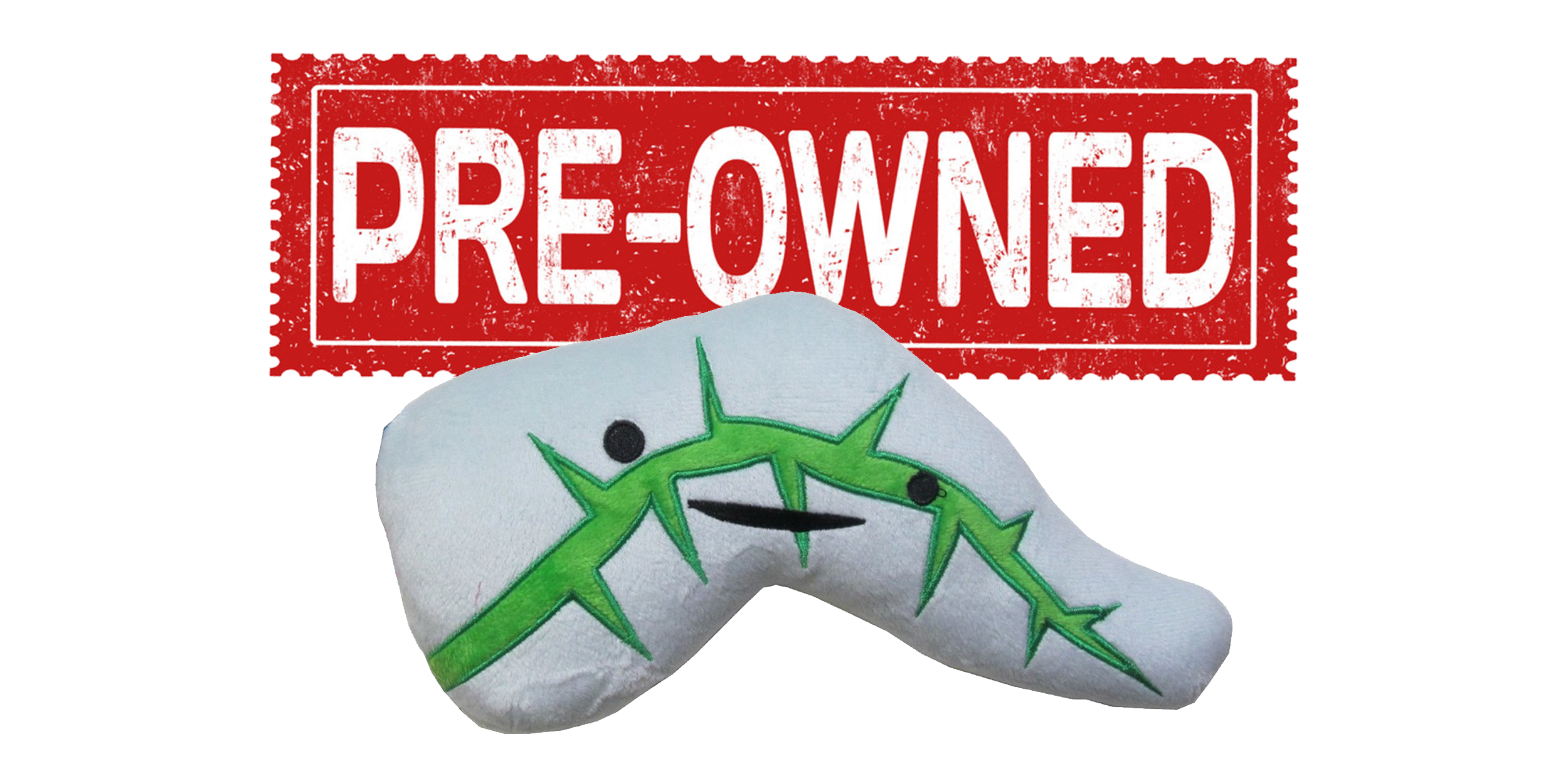
#261 Pre Owned Pancreas
Nicole (from ep 151, 'Complications are Complicated') is back…
Nicole is back to talk about having a multiple organ transplant. Get ready to have all the feels.
You can always listen to the Juicebox Podcast here but the cool kids use: Apple Podcasts/iOS - Pandora - Spotify - Amazon Alexa - Google Play/Android - iHeart Radio - Radio Public or their favorite podcast app.
Follow Nicole on Instagram
Become an Organ Donor
+ Click for EPISODE TRANSCRIPT
DISCLAIMER: This text is the output of AI based transcribing from an audio recording. Although the transcription is largely accurate, in some cases it is incomplete or inaccurate due to inaudible passages or transcription errors and should not be treated as an authoritative record. Nothing that you read here constitutes advice medical or otherwise. Always consult with a healthcare professional before making changes to a healthcare plan.
Scott Benner 0:00
Nothing you hear on the Juicebox Podcast should be considered advice, medical or otherwise. Hey, it's cool. You're alive. That's really cool.
Unknown Speaker 0:09
Yeah, right.
Unknown Speaker 0:10
I mean, you know, when
Scott Benner 0:11
you hear somebody who's gonna, like, have parts taken out and replaced with like other people's parts you think that seems like a coin flip? Does it it? I guess.
Nicole 0:23
Yeah, you know, when they took me back for surgery, right before I started crying and my parents were like, what's wrong? And I was like, Well, what if I die and they're like, you're not gonna die. And in my mind, I was like, I could die. You know?
Scott Benner 0:38
Are you kidding me? I had my appendix out, I looked at my wife and I was like, Listen, I gotta tell you something that she could like, you're not gonna die. Like you have no idea what's about to happen back then. And I was just having something taken out. I didn't need.
Nicole 0:49
Yeah, I was thinking about it. You know, they actually I was, I was out before I was even in the room. And they didn't even tell me that, you know, I like to know, like, count to three or say, okay, you're gonna feel tired or something. But I just, I remember seeing my parents and then I just blacked out.
Scott Benner 1:09
Hello, everyone. Welcome to Episode 261 of the Juicebox Podcast. Today, we're going to be speaking with Nicole. She's a returning guest, you may remember her from Episode 151. complications are complicated. Today's episode of The Juicebox Podcast is sponsored by Omni pod Dexcom. And dancing for diabetes, you can go to my omnipod.com forward slash juicebox. Dancing for diabetes.com. That's dancing the number four diabetes.com or dexcom.com forward slash juice box. At these links, you will learn about the greatest continuous glucose monitor in the world. People who are doing amazing things for children living with type one diabetes, and my favorite insulin pump, the only tubeless one that you can get. I just want to give you guys a little heads up about what you're going to find in this episode. Nicole is here to talk about her double transplant. She's got new kidneys, and a new pancreas. She's going to tell you about the surgery, the process leading up to it, how she shares online about the things that she's been through. And she talks about gratitude. Perspective survivor's guilt. There's a lot here. I even kind of come out of my shell about my friend Mike who was on dialysis for quite some time. His podcast goes on for a while. It's like an hour and a half long. It's an openness. It's very emotional at points. It's also uplifting and thoughtful. And I really hope you like it. After the I don't want to die thing the doctors are probably like just put her to sleep.
Nicole 2:54
Like we don't want her blood pressure super high going into this nine hour surgery.
Scott Benner 2:58
Yeah, she needs to get out of here. I'm sorry. How long was the surgery?
Nicole 3:03
It was nine hours.
Scott Benner 3:04
Okay, so let's, uh, let's go backwards for a second. You were on the podcast back on episode 151. We spent 100 episodes ago, which makes it like two years ago. I could be completely wrong about that. I probably am wrong about that. Let me look. Actually, it looks like you were on in February of 2018. Not not really two years ago, but but a long time ago. When you were on then you came on and shared about like the different complications you had. They were stemming from diabetes. And people should absolutely go listen, if they haven't heard that yet. I'd pause this one go back and listen to that and then come forward here because there's a little bit of a saga here that Nicole is gonna help us kind of button up bookend for us. Anyway, you had you had a surgery to have your kidneys and your pancreas transplant is that right?
Nicole 3:59
Well, so what they do is they actually don't they didn't take out my I still have all of my original organs. So I have two I have my two kidneys and my old pancreas. And then I received a new pancreas and a new kidney. So I have three kidneys and two pancreas is technically just Fried my mind ahead
Scott Benner 4:21
of all the things I thought you might say in this next hour, I got to keep all my old gear was not going to be on my list anywhere. That's okay. So did they explain to you why they do that?
Nicole 4:32
Because it's just not necessary to take out the old kidneys. eventually they'll shrivel up. And I mean they don't work anyway. They're like there's no fun. I don't have any kidney function. So the new kidney they just kind of tie it in in a different space and you know your kidneys are like in the back. And so my new organs are tied in more like in the front. Same thing with the pancreas. They don't take it out because even though everyone's like, oh I have a dead pancreas. It's technically not true, because your pancreas still has enzymes that are for digestion. So I have two pancreas is doing the same thing. And that's it.
Scott Benner 5:11
Okay. First of all, I'm super excited for whatever else you're going to say over this next hour. Next time you have a chance, head over to dancing for diabetes.com and see what they're doing, make a donation, join their mailing list. If you're a newly diagnosed person ask for their D box, they send out this great diabetes box to newly diagnosed people dancing the number four diabetes.com
I'm now incredibly excited for what you're going to say for the rest of this hour because I didn't think we were going to start so strong with I got to keep my kidneys and my pancreas. You were making such a good point. You do see people I think they're saying it kind of flippantly online. They're like, you know, I'm part of the dead pancreas gang or something like that. Except even when you have type one diabetes, and your pancreas isn't helping with insulin, it is still doing other things. And you mentioned enzymes for digestion. Hi, do you have any superpowers now because you have to pancreases Do you eat something and it's digested quicker or smooth.
Nicole 6:12
Well, you know, I asked the surgeon I was like, Okay, so now I have to pancreas is that are both making enzymes for digestion is that bad? Like, I don't even remember if I got an answer. Or if he was just like, no, it's fine. But my stomach after I eat, it makes noises like loud. And I never had that before. I mean, even someone was sitting next to me. They're like, is that your stomach? I'm like, yeah, does that now? I mean, it's loud, whatever. And I could feel it,
Scott Benner 6:37
or something.
Nicole 6:39
I don't know. I mean, it's kind of embarrassing, but it's, it's fine. It doesn't hurt her anything, though.
Scott Benner 6:44
Well, okay, so I gotta figure out where to start. Um, I guess in case people don't go back and listen to your other episode, let's just give them two minutes. them the like a high level overview of what led you to needing the surgery.
Nicole 7:00
Okay. All right. So I had Type One Diabetes for 19 years. And just to make a long story short, I was very non compliant for about 15 of those years. And just kind of pretending like I wasn't a diabetic, just it was just diabetes, denial, just kind of, I'm not going to be a diabetic eating whatever I wanted, whatever. And running blood sugar's like three to 500 you know, only taking insulin when I was like 500. And, you know, throwing up. And that just led to like, like we had talked about before serious complications, basically every single one you could get besides heart disease. Luckily, my heart is very healthy. But so I ended up with kidney failure. And stage I disease, peripheral neuropathy from my knees to my feet, and gastro precice autonomic neuropathy.
Scott Benner 7:56
Nicole pretty much got the Wikipedia checklist for diabetes complications. I was thinking about this today as I was kind of wondering about what our conversation would be like. And I believe that when people hear something like, Oh, just Can you see him online, sometimes he's like, Oh, you should get a transplant, like, I know, a person that got a transplant, they don't have diabetes anymore. There's something kind of flippant like that, like, it's such a simple process, you know, they'll just give you a new one. And this will be that, but you did your best. And there were times where you pulled back, but you did your best on Instagram to put up some pictures of the, you know, around the surgery. And there are like some scary images that you know, and they're upbeat, but they're still like, they're still something you look at and think, Oh, I do not want this to happen to me. And you know, like, it's frightening. So I guess I'd love you to walk me through the process from the day that the doctor says this is gonna have to happen. I'm assuming you get put on a donor list or what's what's the very beginning like,
Nicole 8:52
oh, man, you know, it's like such a whirlwind. You know, when I think about just from having to start dialysis until like today, I can't even believe like that I'm even talking to you about any of this, right? Because it was just in each phase, it just seemed like I was going to be stuck there forever. I mean, it was just basically when your kidneys hit about 20% function, you can be listed for a transplant. And there's a couple different ways you can do it, you can either find a living donor, which is near impossible because they have to be like the healthiest of the healthiest of the healthy. And in America today. Most people have something wrong with them, right? Even if it's like high blood pressure or whatever. So you can find the living donor someone that's also a match for you. You can list for the dual transplant which is the kidney and pancreas or you can you know get a living donor kidney and then like three to six months later, you can get a donor like a cadaver pancreas. So for me, I did have a couple people come forward As a living donor, but most of them were turned away. Originally, I was listed at UCLA, which was a nightmare. And you know, I don't want to come on here and bad talk, you know, any facility or whatever. But for me, I just had a lot of issues with UCLA, which I don't, I don't think we really have time to go into all that. So I listed with them first, and then decided about, I don't know, three to six months later to go over to cedars. Now, I would have listed with cedar Sinai to begin with, but at the time, they didn't have a pancreas surgeon. So that kind of delayed the whole process. And my diabetes doctor is at cedars. So that would have made more sense. But then I was also having insurance issues. Where can you hear me
Scott Benner 10:54
know, like, I'm here, I'm listening, I'm hanging on every word on it's like,
Nicole 10:58
oh, sorry. So basically, the, the, who was it, it was cedars came back and said, your insurance will cover the transplant, which is like, I don't know, 300 or $400,000. But they won't cover your anti rejection drugs. So we're not going to transplant you until you get different insurance. And the drugs that I have to be on or, you know, forever are like $60,000 a year without the insurance. So then I ran into that issue. So then there was like fundraising and waiting and getting the winch. I mean, it was just like, it took me probably a year to get listed and get the appropriate insurance before I could actually move forward. And I was I was on a financial hold, and I was coming up for offers, so I could have transplanted A long time ago.
Scott Benner 11:48
Okay, but you were you couldn't, right?
Nicole 11:51
Right. Right. So once, once everything was set, I was probably a matter of four months, five months, and then I and I received three calls. And the third one was my was my donor. Okay, I
Unknown Speaker 12:08
have question, what was that actual call? Yeah.
Scott Benner 12:11
Okay, let me let me pick through this little bit. So first of all, I think that it's incumbent upon us to let everyone know that it's not this thing where you go to the doctrine or just doctors like, Hey, your kidneys are 20% you're eligible you on the donor list, I flipped the magic donor list switch. And you'll just be getting your kidneys as soon as it's you know, able, it's you did a lot of legwork on your own and you were in dialysis while you were doing that. Right.
Nicole 12:36
Right. To be honest, there's really no help you do do this on your own. And it is financially emotionally, physically exhausting and draining, because I felt like The Walking Dead on dialysis like I was not, I think I kind of portrayed myself as everything was fine, but I was very sick.
Scott Benner 12:58
My, my friend Mike was on dialysis for for a long time. And he described to me a number of times the same problem like oh, I, you know, I didn't like you know, he was on dialysis so much that he was on, he couldn't work. And then they tell him Well, you can't be on the transplant list if you don't have a job. So he had to get himself like a job a guy in his 40s had to go like, you know, he went to a movie theater and became an usher just so he could look, you know, so he was employed, and that they think of doing it. And then he started running into the, you know, the same stuff, like, you know, how do I get the insurance correct and all this stuff. And it was a, it was really difficult for him, he could never quite pull it together. And, you know, I've never really spoken about it here before, but I guess today is the day Nicole Mike passed away a few months ago. And he he was you know, on dialysis and and doing his best and he had had type one since he was I guess we were kids like 18 maybe. And you know, we're in our I'm 48 and he passed away a couple days after his 48th birthday, you know, on dialysis trying to figure this whole system out and he just couldn't we just couldn't get it straight You know? So as you're describing what you went through I keep thinking as hard as it sounds I don't think the people listening understand that it's not just you know, it's not like getting a prescription you don't just tell the doctor and the doctor call somebody and then it happens. It's a very on you kind of scenario. there so I'm sorry, I didn't mean to buy me out.
Unknown Speaker 14:29
Oh, no.
Scott Benner 14:31
So you you go through all of this. How long does that take that whole process until you're like I'm on a list?
Nicole 14:38
Well, for me it took about like I said it took about a year because I you know and I guess since you mentioned your friend it is important to say like with UCLA, part of the issue was is that you know they told me that the weight when you do a transplant any two organs, the weight is always less the weight for a kidney, only in California. Yet is eight to 10 years. I didn't think I was going to make it eight to 10 years waiting for a kidney only. And that was a big reason why I decided to do the kidney and the pancreas. I mean, they offer it to you when you have end stage renal disease. So UCLA saying it's three to four years for kidney, pancreas, and then I have cedars saying it's six to 12 months. And I was like, and they're in the same region. So what you what you end up what ends up happening is the transplant centers make the rules and different centers want different things, different testing different this different that UCLA was really pushing me for a living donor only. And they were like, there's all these complications with the pancreas. And it's dangerous, like they didn't really want to do it. And I was kind of like, if diabetes is what like, you know, made me have kidney failure. If I transplant a kidney only, and I still have diabetes, and and now I have a used part, right? Like these are used parts. Your your original organs are the best organs like keep those healthy. You know what I mean? Because I tell people to, if I could go back, I mean, what would I rather be a healthy type one diabetic for the rest of my life, or end up on dialysis with kidney failure, and then transplanting kidney and pancreas? I mean, yeah, I don't have diabetes. But I'm still I'm still have all the diabetes complications. This body, I thought I honestly, I thought that I was going to get this transplant, I was going to be healthy and blue, I was going to everything was going to be great. And then, you know, two months ago, I was jogging and I broke my tibias. And I and and now I haven't been able to exercise at all. And I'm kind of like, Oh, my body is actually not as healthy as I thought or hoped I'm still in the same body.
Scott Benner 16:48
And that's funny, you know, so it's to make a really odd reference. It's almost like that movie cars. Because you're you're you're an old busted up car, but you feel young inside. And so you're, you're taking it out for a ride going, Oh, I feel better. Now let me go push myself except your body has been beaten up in other in other ways. It's, it's just it's stuff that, you know, no one wants to think about this. I mean, we you know, we didn't really talk about that much in the beginning. But when you have type one, this is not something people talk about as on the whole, the community doesn't speak about it much. And you understand why because you it's a bummer, right? But we people need to understand the entirety of it without them being scared like I would not, I'm not having you on. So someone will get scared and think oh, I better figure out how to Pre-Bolus you know what I mean? But it's, that's not a good way to motivate people either. But they should understand that. This is not just a random thing that happens and people tend to do that. You know, like I I always think of smokers in that situation. Always. Like there's always a guy like sucking 9000 cigarettes down, you know, somebody will say something to him, like, adds it so far so good for me, you know, like, right up until so far so good runs out, and you were doing the same thing. You were like, Hey, I'm just gonna, this is working for me right up until the day it didn't. And now, and now this is your life, you know, so? Well, I first of all, think it's amazing. And I said this the last time i think i think it's amazing that at some point, you were like, I have to do something about this. And you and you started you were just we were behind the eight ball by then. So I want to understand. Geez, let me think I guess I want to understand the surgery itself. And you're really brave. You put up pictures on Instagram, I see your scar that goes from I don't know how to put it maybe like maybe your sternum to below your belly button. Is that about accurate?
Nicole 18:42
Yeah, it's like it's like a it's almost mid stomach but like a little bit lower. And then it goes all the way down to like, no, it's like the pubic area or like, bikini line a little past that. It's I think it's like seven inches. I mean, it's definitely like, but you open it Oh, and like open you fillet you. I wish I had asked for pictures to be honest. And my mom was like, What? And I'm like, Yeah, I want to see what my insides look like. And she's like, That's weird. And when I actually said that on Instagram, and people were like, Oh, I got pictures of my this. This is not my back, you know? So I guess I could have got a picture.
Scott Benner 19:19
Let me ask you, what is your fistula incision on your arm longer than your transplant incision.
Nicole 19:26
You know what, I think I measured that one too. And I think they're the same, which is weird because the arm one looks so much longer to me.
Scott Benner 19:35
Okay. It's know why. I guess for people who don't know, once you're on dialysis, they put a port in you for your dialysis. Some people I've seen it in people's necks. Am I wrong about that? Uh, I don't know you had yours. Right?
Nicole 19:50
Yeah, I've never seen anyone do anything in the neck. I mean, I mean, maybe if I mean because the access points for dialysis are any place on the arm from Risk up to like, the bicep on both arms. They can also use the size. So I guess if if for some reason, though, you know, like on my left arm they didn't start at the risk because I didn't have veins big enough. So yeah, I mean, I don't know anything in the neck freaks me out. And you'll see that picture of me when I woke up from transplant. I had stuff everywhere. I had something in my neck. I had it up my nose, my throat drains I, and they don't tell you you're gonna wake up like that.
Scott Benner 20:32
Yeah, cuz they won't show up for the surgery.
Nicole 20:35
Yeah, so so yeah. So I was just trying to, I've never seen anyone die also through their neck. But I mean, I guess if it was dire, and they didn't have their veins were all bad. Maybe they could I don't know.
Scott Benner 20:46
I feel like I'm jumping around. But would you? Can you sort of walk us through a week of your life while you're on dialysis? Like you wake up Monday morning? Did you have dialysis on Monday?
Nicole 20:58
No. See? So people either have dialysis Monday, Wednesday, Friday, or Tuesday, Thursday, Saturday. So I was Tuesday, Thursday, Saturday.
Scott Benner 21:06
So when you when you wake up on Tuesday morning? Are you as refreshed as you are all week? Or how do you feel?
Nicole 21:15
I mean, in the morning, I usually would feel feel good. I was also waking up at like, two o'clock 2am because I had a 3am start time, which is another thing that I wasn't aware of, it's like, okay, I except I'm going to start dialysis. And by the way, be there at 3am you want to stay alive show up at like, you don't get to pick your time, right? You just go when you know other people have priority. Yeah, so But you know what, I never woke up mad. I was just kind of like, Okay, this is my job, I have to do this. And I'm grateful because there's some people that are either, you know, can't get go to dialysis other countries like, you know, so. And then it was three and a half hours and you sit there in a chair with your arm out, and you don't move because the needle is you have two needles in your arm. And basically, it's, you know, pulling your blood out and filtering it through this big machine and taking out toxins and then putting the blood back into you. I had severe low blood pressure, because I have the autonomic neuropathy, right. So even now, when I'm, when I'm laying down, my blood pressure is the highest. And then when I sit up, it drops. And when I stand, it drops. And for some reason, when I was on dialysis, I just got very low blood pressure. So they'd have to lay me down. When your blood pressure gets to be so low, the machine starts alarming, and then they have to flush you with sailing fluid. But the problem is not only as the machine cleaning your blood, it's also taking fluid off of me. Because at some point, you know, you you aren't urinating anymore. So if you don't urinate, you're not getting rid of fluid. And if you get too much fluid, it builds up around your heart and your lungs and literally, like you will die like you'll drown. You can't breathe. So that was the other thing is that there's fluid restrictions, depending on how much you're you know, how much urinating you're doing. But yeah, it's like this whole thing. It's not like just go there and sit there. And I mean, it's, it's scary. And you know, you can get if they take too much fluid, you can get cramping. And, and I mean, pretty much after every session, I would just go home and sleep. Because I was just so tired. You know, but on the days that I didn't have it though, I didn't take naps on those days. You know, I didn't work when I was on dialysis. So those were my days to go shopping, go to meditation, see a friend. You know, whatever it was, I didn't, I was not
Scott Benner 23:44
laying around on those days, but then you'd go back so you'd go in Tuesday. So it was Tuesday, Thursday, Saturday, is that right? Yeah, yeah. So it's basically every other day, you're having a process done just so you can stay alive. And right. I believe that it's not talked about much. But once you're on dialysis, I think your life expectancy is is five it's five to 10 years over 10 years on dialysis. Right? Right. So even that's got to be on your mind right like um, this is a ticking time bomb like I'm I'm gonna live every other day for the next five to 10 years if I don't get kidneys and and I don't know how you even dealt with that like and maybe you could tell us like like how do you how do you keep your mind clear and stay focused and hopeful and enjoying your life as best you can when when somebody suddenly turns on a countdown clock on you?
Nicole 24:36
You know one of the things that we that I think I talked about in the last podcast was keeping my blood sugar's high because I was afraid I was gonna die in the night. And I finally what I came to terms with my diabetes, you know, like year like in 2015. So once the damage was done, I said to myself, you know what, Nicole, if you're gonna die, you're gonna die. I believe that Things are already set in motion that things happen for a reason when they're supposed to. And I, if I'm doing my best if I'm taking care of my type one as best as I can, and something happens, then something happens, and I did my best. And so on dialysis, it was kind of the same thing. Like, did I want to die? No, did I think about it? I think we all think about it. You know, like, I've had many conversations with people on dialysis, either because they had diabetes or not. There's other reasons kidneys can fail. And yeah, of course, you think about it, but you don't stay stuck in it. You don't think about it every single day, like oh, my God, I'm gonna die. You You have the statistic. You're like, okay, maybe this will happen? Maybe it won't. And for me, it was just like, what's the fastest way to get off of dialysis, and that was the dual transplant. And that's why I did it, you know, six to 12 months and could have died, then, of course, you know, I've got all these other problems, you don't know. And I had a conversation with a another friend on dialysis. She's been on and off dialysis since the 90s had transplants that have failed all this. And I said, Why do you think some people die? And like why do some people why are some people on dialysis three years, and they pass away? And other people could be on it? 20 years? And they're like still on dialysis? And which is very not common? to like, I don't know, I think it's just kind of like the luck of the draw sometimes.
Scott Benner 26:21
Just to hold up.
Nicole 26:24
Yeah, basically. And I feel like my body was weak. That's why I was I just didn't really have the feeling in my heart that I was going to be able to last eight to 10 years. People do it. They do it, you know.
Unknown Speaker 26:36
But I just,
Scott Benner 26:37
you went after the transplant. And you got and you got
Nicole 26:39
Yeah, yeah. And I think I think the only reason Scott I lived was because I had this will. Like, I mean, I still wake up I'm like, Oh my god, I'm alive today.
Scott Benner 26:49
I can't imagine you don't think that honestly, because you've been through so much. In honestly, a short amount of time. Really. It's 2019. Your you describe in 2015 or 20 to 2015 thinking to yourself, like I have to do something here. You know. Yeah. And not only that, I think it's interesting for people to hear that it's not like you were just running around, like going away, I'm just not going to take care of this. You would probably a real fear and anxiety about about overnights that you just couldn't get past and then I imagine you left your blood sugar high, then you started feeling normal at high and so it stops bothering you as much and you kind of move on in time goes by and the next thing you know it's yours.
Nicole 27:28
Yeah. It's like this cycle. Because I would always say like, Okay, well, you know, when I get married, and I get pregnant, that'll be a time to like, get my blood sugar's under control. Or like, there was always or like next week or next month or for new, like it was always like something stupid, right? Like, why did I keep pushing it off? Because really, it would have been so much easier to just take care of it. I mean, once I was taking care of it, it was easy to me. I mean, and I know some people are gonna be like, What do you mean, diabetes isn't easy. I don't know, I found you know, I ate things that worked for me. I knew how my body worked. I had Dexcom, which like, changed my life forever. And I just it it's not. It's not been one of the it was challenging. Yeah, it sucks. Okay, I mean, I have, I still have friends. Now. We're like, we'll go out to lunch. And I feel bad. Like that. I'm not a diabetic and I see them struggling and their blood sugars are going up and down. And I know that I get it. But I don't know. I think that definitely the the kidney failure. Like you know, a lot of times people will be like, Oh, I saved my life was just today. It's like, okay, was your blood sugar? 20 or 30? Maybe you saved your life. But if your blood sugar is like, 6070 Did you really save your life with juice? Because I was actually like dying. When you're on dialysis. Those machines are really keeping you alive. You know? I mean, I guess an insulin pump keeps you alive too. So does insulin, but you don't I mean, like sometimes it's like, I just feel like, I don't know, many people kind of like exaggerate things and
Unknown Speaker 29:03
well, they they lack
Scott Benner 29:05
Nicole, they don't have your perspective. Do you don't mean like, it's easy to. I mean, sometimes I think those statements are meant to be flippin. And I think and fun and sometimes I think they're meant to the people are really trying to say like, Hey, I if not for a juice box, I would have died last night. Except I've seen it too. You know, I mean, and listen, there are people have drank juice boxes like you said their blood sugar's are 30 and 20 and falling and it did save their life. And I've always seen I've also seen the people who are like, you know, oh, my God, I got so low I was at last night I and I'm like, Yeah, well, like you've got you finally got your blood sugar to a normal spot and you got panicky because you didn't because you don't think about it that way. And so even their perspective is skewed. You know, they're thinking, Oh, I'm low at 60 or 70 in a dangerous way. And you know, you don't want your blood sugar to be 60 or 70. But certainly not killing. It's not gonna kill you. It's so it's a very interesting thing. How perspective keeps building and a person like yourself is been through so many things, and actually been towards the end, you know, like to the spot where, hey, this really could end for me. Your perspective, just, it's bigger than most of ours, you know. So you it's a great thing to have it really is. And I'm appreciative that you're coming on here and sharing it with people.
Nicole 30:18
Yeah, I think about, like, I think about my perspective of just like gratitude and life in general. You know, when I was 1718 2125, even 30? I didn't I did I love life. was I so grateful? I don't think so. I don't think I could have gratitude. I could not be where I'm at today, if these things hadn't happened. And, and for that, I'm happy that it happened this way. Because I do have a different perspective, because I do see things differently. And so I don't I don't blame people for not being able to see like this. But I wish there was an easy way for people to see, does that make sense? Like it does.
Scott Benner 31:00
Now I understand. Because it happens. You know, you hear people say it all the time. And it sounds trite that you I don't know, you get married and you understand better interpersonal relationships, or you have children, you understand better selflessness, or, you know, like something, yeah, I'm close to death, and you have a appreciation for things in a different way. It's just Well, I mean, the, in my mind, the moral is tryhard things, going, I mean, do hard things. And, and that that's going to build who you are. And, you know, I just think that that's a way to live, and you got thrust into it. And some people, you know, some people get pushed into it, some people get to just, you know, make the decision for themselves. I'm going to do this. It's not, it's just there's no perfect scenario. You know, what I mean? No, like, you know, we all just can't learn, we can't download ourselves and into a computer, computer, teach us everything we need to know. And then that's pretty much it, you know? I Right, right. So it's really, I don't know, I think it's important to, to know that you are born with a certain set of ideas and standards, then your parents add their knowledge and their experience to you, you pick up some of it or don't. And that's really all the farther you are along in life, and then you have to start doing things and those things have to impact you and you get to learn from them. You just got hit with the really the biggest one I mean, I mean, now that your your body's making insulin again. And is it What's it like? I guess like what's it like to not have to inject or change a pump or anything like that, like, is it? I don't know, how does it make you feel? Make knowledge your superpower with the dexcom g six continuous glucose monitoring system. With the dexcom g six, you can make better diabetes treatment and diabetes management decisions with zero finger sticks, and no calibrations. To Dexcom g six lets you see your glucose numbers, with just a quick glance at your smart device and receiver. get alerted when your glucose levels are heading high or low and share your data with up to 10 followers to Dexcom g six is covered by most insurance plans. If your glucose alerts and readings from the GS six do not match symptoms or expectations, use a blood glucose meter to make diabetes treatment decisions. To find out more about this, go to dexcom.com forward slash juicebox. When you get there, you can find out about customizable alerts and alarms. Because with the Dexcom, you can set your optimal range, and then get notified when your glucose levels get too high or too low. You can also share your glucose data with up to 10 followers, as I mentioned earlier, Who could that be? How about your child could be seen by their school nurse and you and your spouse? Maybe you're an adult who has type one diabetes and you'd like a friend to be able to watch? Do you live alone need your mom still, like I need my mom still a little bit like you know, she can do that for you. Or maybe you have a friend who has type one diabetes and the two of you just want to support each other. The dexcom g six has multiple uses. And each one of them it's pretty terrific. dexcom.com forward slash juice box head over and get started today. There are also links in your show notes into Juicebox podcast.com.
Nicole 34:28
That's a question that sometimes I don't I feel so uncomfortable with but I get it like everybody wants to know like what's it like to be a diabetic anymore? I I feel uncomfortable, I think because I feel guilty. You know, I recently went into my dialysis unit to say thank you to the nurses and the techs and everything. And when I looked at everybody on dialysis, I just felt I felt sad because I wanted to take every single one of them out of there and fix them. And it's the same thing with diabetes. It's just like, you know, I, I live, I had diabetes more than half my life. And now I don't. And so a friend who has diabetes asked me that same question, what's it like? And I said, Well, I don't really think about it. Because I'm afraid if I get too comfortable, that my organs will fail, and then I'll be a diabetic again, because that does happen, like organs do reject. And I have deceased donor organs. So they're not technically like, as good as a living donor. And she was like, Oh, she's like, you need to like, embrace your non diabetic self. She's like, if you, if you mentally live like that, you're, you're leaving yourself open for diabetes to come back. And it's like, a spiritual perspective, kind of, you know, and, and then I was like, Oh, yeah, so I try to embrace my new self. I don't have fears of dying in the night. I mean, I didn't realize how much I had anxiety as a diabetic and a lot of that anxiety was from diabetes. You know, I just and when I say diabetes was easy, and and now that I'm saying what I'm saying now, like, just, it's, it's like, there were parts of it, that were just like, draining, you know, just like the every day like, the like, it was just it was diabetes is a lot. It's manageable. It's doable, like, you could still be happy live with it, but it's still a lot. And so I don't, I don't have that now, you know, I I went to target the other day, and I was talking on the phone and I was and I noticed the Halloween candy was out now. I only ate candy before if I was low, and I I now like I'm a vegetarian. I'm gluten free. Like I eat a very clean, you know, I I still I eat pretty healthy. Like, I don't eat candy. But I I saw candy corn. And I was like, Oh, the Halloween candy is out. And I'm like, wait a minute, I'm not a diabetic anymore. I can have candy corn. And I bought some. And I ate the whole bag. And it was like very out of character for me. And like obviously that's not healthy. It's like solid sugar. It's like disgusting. Really. I can't believe I put that into my body. It's like not good. But I eat it. Yeah. And and and I was like, I would have had to take insulin for this or I would have only been able to have like three of these if I was low. You know,
Scott Benner 37:23
I feel good for you about that. To be perfectly honest. I think that's terrific. Plus, you really did eat through something because I think we all know candy corn after about three or four pieces starts to just taste like wax, but yet you powered.
Nicole 37:37
Yeah, I mean, and that was like, I think after like when I was in the hospital, I wasn't hungry because I my guess your prices is like, it's like going out of control right now. So since I woke up for the last four months, because I'm four months, you know, post surgery, I've been getting bloated, I've had no appetite. Like I've been nauseous. So I think in the beginning I was like, Oh, let me eat this potato and see what happens. Oh, my blood sugars. Okay, I need this and see what you know, I was eating things just to see what was going to happen. And my blood sugar's are at in the morning, and I don't hit anything over 120 and my ANC was like five something. And I just cried. I was just crying. Because I mean for me and like obviously as a type one diabetic do I think anyone personally should. I don't my doctor would never wanted me in the fives. Okay, I was I think I would my agency was like, 6.3% before my surgery, like, fixes for me for my body and we're all different and like I was fine, but to have what it means to have an agency and the 5% range now is that the complications that I have, I mean, it's gonna like it's that's like extraordinary. This is gonna This is giving me a second chance it's giving me it's giving my body time to like just a breath and not have these fluctuating sugars that are going to make my eyes worse make my gastro priestess worse. Like make everything worse. Yeah. So
Scott Benner 39:03
you're stood still now and you can work on those other things the best you can and
Nicole 39:07
and yeah, I mean, yeah, I mean, my eyes. I had an eye surgery. I was at last October on my right eye. And then I had the other vitrectomy on the left die like a year before that. My eyes are stable. Like knock on wood. I don't like I'm My eyes are good. Like I still pulled 2020 on my right eye like I'm, I don't even it's like it crazy. Because it's
Scott Benner 39:30
so crazy that I'm not fighting against it anymore. Your blood sugars aren't Yeah, it's not trying to pull it the other direction.
Nicole 39:37
Yeah, so for whatever amount of time that this transplant last May be it leaves for a month, a year or 30 years because I'm part of a Facebook group that is a kidney, pancreas like support groups. Which I don't go in a lot because you have to be careful in these chat rooms and people saying things and but I've seen people they've had their transplants 10 15 2030 years and that is kidney pancreas from a deceased donor. That's it's unbelievable because like I said, usually deceased donor organs aren't statistically lasting as long as like a living donor kidney. So I that's kind of like my new anxieties because I have some one of them is like, well, what if my organs do reject? And again, it's like, you know, the statistics, you know that maybe it might happen, or maybe I'll be like one of these people that have had their transplant 30 years
Scott Benner 40:30
will do 20 years. I have to ask you, do you you do drive? Yeah. Do you drive? Do you jump in the car and think, gosh, I hope I don't die in a car accident today? No, it's a similar
Nicole 40:41
although I do I do think I do, I do hope no one will hit me from behind because my boat, my bones are very weak. And I did get rear ended, like six months ago. And it you know, obviously, like no one wants to be hit from but sometimes maybe I have a little PTSD. I'm kind of like, Oh, God, just don't hit me. You know, all the traffic out here.
Scott Benner 40:59
I can't imagine I mean, any kind of, you know, any kind of arm short chair quarterback, you know, advice I would have on this is ridiculous. Because I don't have no clue. I don't know what this is like to actually have something in me that I think of is like a used part. And that could, you know, could blow out at any point. And who knows if the person who died wasn't, you know, three years away from getting Type One Diabetes themselves for I don't know, whatever. Like, I see all of the angles and the anxiety but I but the point of the person you were speaking with, you can't live that way either. Like you've got this shot. Now. I think you just have to, like, close your eyes and run forward and just, you know, make make the best out of every second that you get it I that's how I would try to think about I don't know how successful I would be.
Nicole 41:46
Well, one of my doctors he said to me, actually yesterday or the day before, he's like, how's your social life? You know, like, do you have boyfriend he has like this thick accent he said his copy all about kidney, pancreas and bones. You know, like, like live your life like the transplant. See, I gotta say cedars has been amazing. I had an issue this morning, where because I take medications four times a day 10am 11am 10pm and 11pm. And I've been a little groggy and out of it. So I took my 10pm meds 11 o'clock rolled around, I was feeding the dog taking and doing her whole routine. And I took my night meds on accident and started freaking out. Because it's like, these are anti rejection meds and like, there's different times for different reasons. Then I was like, Do I make myself throw up? Like, what do I do? So I called the team and I mean, they've just been amazing, no matter what the issue is, no matter what an anxiety I've had, from the surgery till now. I I just I'm like in awe at the treatment I have received. It has been the best treatment I've ever medically I've ever received in my entire life. And I thank them from the surgeon who answers my emails, the nurses, like the person that cleans my room. I mean, I just I I love those people. I really do. I just,
Scott Benner 43:02
oh, they saved you. You know, they just they took all their expertise and their knowledge and they they changed your life. It's It's spectacular. It's amazing.
Nicole 43:10
Yeah, and they are very pro me living my life. So when I called to ask if I was okay to have my plants in my room, because I have four, right? They're like, enjoy your plants. I'm jealous. Like, you know, your green stone. I'm like, okay, but the soil is not you know, because there's this whole thing like they tell you all these things, right? Like,
Scott Benner 43:30
infection,
Unknown Speaker 43:31
you know, your germs, yeah, like virus
Scott Benner 43:34
in some of your pictures. You're wearing a mask? How long did you have to do that for?
Nicole 43:38
So technically, like, the first three months are like their critical times. And then after that, they're like, you're good. But for me, I'm still scared. You know, like I and that's the other thing that I talked to other patients about. I never like I was talking the other day about, you know how some diabetics lick their finger after they do their blood sugar and others like wipe it on their pants, which I never understood. I was a liqueur, okay? I never I wash my hands. I just prick my finger and did it and then lick my finger. I mean, I did that for 20 years. I never got sick right now. I'm like, Oh my god, that is disgusting. No, because it's like, I like these doorknobs freak me out shopping carts. I mean, they find ecola on like, like people are going to bathroom not washing their hands and I have no immune system. Yeah, so I could get anything. And you know, it's just, again, you can't live your life like that. So I went to the Hermosa Beach street fair two weekends ago, and it was a big crowd crowds is what makes me nervous because they're people are sick and they don't wash their hands. But I didn't wear my mask. And that was a big deal. So now, I wear it when I go into a doctor's office, just because there's lots of people. I had been wearing it at the grocery store. And obviously for the rest of my life, I'll wear it on a plane or like a bus. I was on a bus at work but I Now I go to the coffee shop and I don't wear it. I went into at&t the other day, and there was this girl and she looks like her nose was running. And she was coming towards me. And so I was backing away. I'm like, Are you sick, and people get like, they get, like, irritated, they're just like that. I'm like, I just had a transplant, I just want to make sure she's like, it's just allergies. And I actually stayed and talked to her, which wasn't like I'm working, I'm working through this, like, fear of getting sick. But again, it's like one of those things is it's going to happen, it's going to happen. And, you know, my, my, my donor had something called the CMV virus, which, like 80, or 90% of adults are exposed to enter life. And for whatever reason I wasn't exposed. So they're like, we're putting you on this med. Because if your body realizes it, like you could you're at high risk to get CMV virus, which will put me in the hospital and people end up on a picc line. And I'm just like, Oh, my, you know, so I think a lot of it is just like, you don't want to end up on dialysis again,
Scott Benner 45:56
you know, the nurses does not sound out of line to me. I think that it's it's, I think you're being careful. I I would want it not to impact you psychologically. But I would understand you taking the steps. I do have a question. Just for clarification. This all exists because of the anti rejection meds, is that correct? With your Yeah, your immune system?
Nicole 46:18
Yeah. So basically, what they have to do is they have to suppress the immune system so much that it's like,
Scott Benner 46:25
it does have nobody that agrees doesn't belong to you.
Nicole 46:28
Right? Because if if you weren't on all the anti rejection meds, the body would just be like, hey, what is that, and it would start fighting the kidney and finding the pancreas, which leads to kind of like the next question, people are like, well, if your body attacked the cells that were producing insulin, the first time and you became type one dance that happened again now? And the answer is no. Because the drugs you're like you Your body is not fighting anything. Yeah. So it, you know, it can be a problem. You know, that's why like with the garden, and they say, like, Don't garden because there's when you start churning up the soil, there's things in the soil viruses and stuff that you can get lung infections, and then the treat that you're on these medications that interfere with the transplant and people lose their like, it's just it's, it's, it's there's a new set of anxieties. It's not, it's not a
Scott Benner 47:17
party, you're saying, just your blood sugar doesn't get high and low anymore, but the rest of it's pretty much
Nicole 47:23
Well, I mean, it's, there's definitely, you know, I'm not writing off into the sunset, but I'm, I mean, you know, I mean, there's medication, there's side effects from the meds. Yeah, you know, and one of those nightmares that I took right before we got on the phone was my melatonin, which I'm, you know, luckily, it's not like some heavy duty sleep med. But now I'm kind of like,
Scott Benner 47:44
Molly, have you dizzy? Let me ask you questions about what the doctor asked you, are you? Where are you with the idea of trying to, like date or meet somebody? Is it not even in the front of your mind?
Nicole 47:54
I would love to date and meet somebody. I asked my doctor, I'm like, Do you have anyone for me?
Scott Benner 48:01
Like a little Tinder for you or something like that?
Nicole 48:04
Hey, there you go. You know, it's hard because I'm in Ventura County, which is like, 45 minutes from Los Angeles. And dating in LA, is like, I don't even know, I don't even know the word for it. Like, you just don't want to do it. And I don't know, like, it's just like, the people are kind of generalized, like a certain way. And then in Ventura County. Like, this is a beautiful place. I love it here. But everybody's married. It's like a family town. There's not, you know, and then all my friends are married and having babies. So I, I don't like makena.
Scott Benner 48:41
Maybe you could just throw out marriage or something like that. You could just be no rectory. Don't do that. No, no,
Nicole 48:45
no, no, no, that's bad karma. I don't suggest anyone does that.
Scott Benner 48:50
I don't either. I'm just trying to work within the parameters that you gave me a lot of married guys. Have you switching teams? Maybe?
Nicole 48:59
I mean, if I could, I would, but I just I it's just not my thing. But I have thought about it. You know, it's like, then I'm like,
Unknown Speaker 49:07
possibility pool at least right.
Nicole 49:09
I know. I mean, I'm probably Yeah, I don't know. It. It's a little disheartening, you know, especially at this age. And I think that's like the other thing that people forget is that this all like this whole process. I was very much doing it alone. When you're married or you have a significant other, you know, that's a big support system. Yeah. Did I have my parents? Yes. Well, I mean, were they amazing? Yes. But it's a little bit different. I think when you have a partner, right
Scott Benner 49:41
end of the day, you're by yourself feeling sick from you know, what's going on or tired or whatever and you're in your apartment or your house by yourself and you are by you know, by yourself fighting this horrible thing. It's uh, you know, I mean, I mean, really, we talked about we call it dialysis, but think about it, like, like, really think about it. They actually attracted all the blood out of Nicole's body, scrubbed it and put it back into her every other day. You know, like, that's just to the point where she had to have something put in her arm just so they could, you know, remove the blood and put it back in and this fistulas they get infected. Sometimes they they blow, right you have to get them somewhere else. And then there's all kinds of none of this is easy. Like, none of this is, hey, my head hurts. I'm taking an Advil like it's not it's not easy like that. I do want to ask you, and I don't know if this is I feel like this is like for edification, but at the same time like it seems sadistic to x but I just am dying to know how painful is the surgery?
Unknown Speaker 50:44
The kidney pancreas? Yeah, you wake
Scott Benner 50:46
up and how bad is it? Exactly?
Nicole 50:49
Oh, well, this is this is what happened. I, I was vomiting. I woke up. And I remember opening my eyes and kind of looking for my mom and not seeing her right away. But I woke up in the ICU because all dual transplant patients go into the ICU first, which I knew and I I had the urge to vomit and I in my mind even though I was on all those drugs. I was like this is gonna hurt. And I vomited for probably four or five days straight, like multiple times an hour and I think it was my gastroparesis to be honest. They I was only supposed to be in the ICU for like one or two days, but I was there longer. And I mean that hurt because when they cut you up and then you have to throw up I mean, it was like that, that hurt
Scott Benner 51:37
your being either by stitching and staples and your retching right in your muscles
Nicole 51:41
will actually actually just glue because my my surgeon was like, we don't I don't use staples. He's like, that's the lazy way to you know, I was like, Okay, good, because the staples look like they hurt. I didn't want them anyway, you know, so just glue but yeah, it was like, it was really gnarly. And then I was hallucinating and delirious, like literally seeing things, talking to people, friends that weren't there. Looking for a knife in my bed. I was like, What do you do? I'm like looking for my knife. It's gonna cut me in my sleep. She's like, Nicole, you're in the hospital. There are no knives. I mean, literally. I that was what was scary. That was what was more scarier than like the pain right? Like, I have a high tolerance for pain. I wasn't in a lot of pain. I just the psychologic because they don't tell you Oh, we may give you toxic amounts of anti rejection drugs and you know you I hadn't had anything to eat in a week. And then you're in the hospital. So you can't really see if it's night or day. So some people go into like the psychosis. So I that's why nobody heard from me on social media because I wasn't okay, I was vomiting. I was like, like I said, it was like, it was kind of crazy. Does that happen to everybody? No. You know, after a few days, it went away. You know, and I was telling them what was going on. It was happening at night. And they were cool. But they are the whole team. I saw about 20 people every day. My surgeon came to see me for I was there. 12 days he came every day. They all did. I mean, it was
Scott Benner 53:12
it sounds like he did a really good job, actually, unless I do need to know do you normally sleep with a knife? Was it a reasonable concern?
Nicole 53:19
No, I don't know what that I thought people were gonna like lights that light The Room on Fire. I mean, I and I remember all of it, which is what's weird. It's like I remember the hallucinations. I texted my friend, my best friend that she was talking crap about me. So we couldn't be friends anymore. And my mom was like, What are you doing? I'm like texting. And she was like, Okay, I mean, she wasn't about to try to take the phone for me. So she texted my best friend was like, hey, Nicole's, like, not in her right mind right now. So just ignore everything that she's saying. And she was like, Okay.
Scott Benner 53:52
Fix drunk texting to another level.
Unknown Speaker 53:55
Yeah,
Scott Benner 53:55
I have a question about the gastro priestess. So I understand that when you have it and you have type one. The real concern is, of course the laid digestion which throws off the timing of your insulin. So people get scared to Bolus because they think what if the insulin starts working in the food doesn't get digested, then my blood sugar doesn't go up in this insolence, and they're working against nothing. That's one set of problems. What What is gastro precice like when you don't have type one diabetes?
Nicole 54:22
Well, besides for that first episode I had right after surgery. I was about a month ago in the hospital again for about five days because I had a gas reprises flare, and I couldn't stop vomiting. And now the new problem is Guess what? You can't swallow your meds that you need four times a day. And you have to have those meds or your organs will reject. It could be one day it could be a week but if you don't get those medicine, you you will lose your organs. So I was like freaking out. Yeah. So I so they Well, I ended that. The other thing is I have to go to theaters. I can't go to this hospital. That's close to let's 10 minutes. For my house, I have to get to the transport they transplanted me. Basically, they have to take the pills and put them into a liquid form. And that's not easy because again, during that hospital visit, I blacked out as in for five days. I don't remember it at all. They did an X ray, someone changed my clothes. I don't remember. I'm like, I asked my parents. What was did I go to the bathroom? Was I walking like what was going on? Like, why was I like that? They still don't know. But but they did see that the anti rejection meds were elevated in my blood. So I don't know if it was that they were giving me an event. I don't know. But I just told them I said, I need to be aware of what's going on. I don't want to be like that. But they they're like, we don't know. We don't know what what happened. So yeah, if you're if I'm vomiting, even if I just have the flu, if it's not gastroparesis, that is that's the problem. So it. Yeah, I mean, that's another anxiety I have, right. So at that point, I've got a phone number from the transplant team, it's 24. Seven. If I have that issue, you just call them like I did this morning freaking out.
Scott Benner 56:07
I like yeah, with all these things. You seem incredibly upbeat right now. And, and have you said, You're happy to be alive? Like it's, it's, it's just very interesting, the human spirit, right? Like, you can put so many things in front of you. And still, the desire to wake up tomorrow, again, is so strong that, you know, the things you're explaining, you're like, these are just these are hurdles in my life. Now. They're not, they're not something that stops me or makes me want to just give up or quit, you're just like, Okay, this is this is what I am. This is what I am, who I am and what I have to do now. I guess my question is, is that, I mean, you you basically said it earlier, but I'm just going to kind of like, like, strip away all the everything from it just said, This is way harder than taking care of your diabetes, right. And even though you were stopped by that anxiety back there, you finally bumped into something that stopped that said, you know, you can't, your anxiety can't be in the way anymore, you're gonna kill yourself if you keep doing this with your insulin. So you have to move forward. I mean, do you have, like, with all of this perspective, do you have a message for people who are living with type one? Like, is there something you wish? Like, there must be something in the corner view that you wish you could tell everybody that has diabetes? Maybe I'm wrong, but I feel like there is.
Nicole 57:27
I think it's the same message as when I was on the podcast before, you know, it's just that. I mean, I've had a couple messages from like younger people, or just people that aren't very well informed, and they're like, Oh, I'm gonna get a pancreas transplant. It's like, you don't want this. Like, you don't want it to get to this point. Because there's no guarantees. Right? And and if you can manage your diabetes to the best as you can, does that mean you have to be perfect? No, if my blood sugar is 180, to 200, and I and I've done everything I can to try and bring it down. Like maybe I'm just having one of those days where that's what it's going to be. And that's okay, that if I did my best is fine. Like, do your best like, don't, don't get to the point where, you know, people end up with diabelli, Mia and all these other issues, because they want to, like be so low and have like this perfect day when seeing this pert. Like, it's not about that I think it's just about doing your best. Did I do my best? No, I wouldn't be in this situation had I done my best back then. You know, but and like we talked about before on the other podcast, which I do hope people listen to that one too, is like, you have to have pools, you have to have support. And that's another big thing is that I am so happy that I made so many friends and that I you know, had diabetes sisters, and that I really got involved because that helps with my management a lot. Like that helps a lot. I wish I had that when I was first diagnosed,
Scott Benner 58:51
I very much hope that this podcast does that for people that it's just some sort of a community for them, you know, in one way or another that they can lean on when they need it. Because I can't imagine that everyone with Type One Diabetes doesn't at some point, go through all of the things that you see other people going through, you know, the burnout, or anxiety or you know, jeez, I don't want to die in my sleep, or what if nobody wants to be with me, you know, all the things that come with this. Just because they're not on you at the moment doesn't mean that they might not creep up. And where do you go in that moment? Again, some people retreat back into themselves and that leads to problems, you know, you gotta sort of have to be out front with it and find somebody else has been through it. So you can see the path again, like let them like the path for you so you can get out, you know?
Nicole 59:40
Yeah, I mean, I talked to hundreds of people. Rather, they have complications or not. I think a lot of people are really worried. Like, they'll say, Well, I spent many years not taking care of my diabetes, and they want to know like, what the symptoms like they're missing it. They're missing like there's nothing you could do about that. You can do moving forward to prevent anything is to do your best and make sure your blood sugar's aren't going crazy, like don't be running 2345 hundreds and just walking around like, Hey, you know what I mean? Like the people, or the or they, they're at the point where maybe they do have a little bit of kidney damage. And then they're like asking, you know, and I still think that antidiabetic community and on social media, there are some, what I call the big hitters, like the people that are very well known. And they are maybe they're doing great things. But they're not talking about the highs that they are having, because we all have them. Right. Like, and that needs, like you said, it needs to be talked about, it really does. Nicole,
Scott Benner 1:00:46
I always sort of, you know, I'm not I don't know what the kids would call it with this would be throwing shade, or if that's already a thing that's gone now, but I don't I'm not pointing fingers at anybody. But I do warn people all the time. Like when you're listening to somebody for direction. If they're not willing to tell you how they're doing that might be an indication. So you know, if if somebody is like, you know, throwing up like you only live once man go for it like that kind of thing. You don't know what that that's why one of the i have to say i think it's the only reason why I share when you hear me say my daughter is a onesies been between five, two and six, two for five years. Without diet restrictions. I say that, so that you can have the tiniest bit of confidence that the next thing I say, is what led me to that place. And you know, and so you don't hear me yelling, just eat it. Don't worry, like like that kind of stuff. And I think you should just eat it. And I do think you shouldn't worry. But I also think you should know how to address it with insulin. And you have to be careful of people who claim that you should be following what they're saying. And then don't do the service of explaining to you where it has led them. You know, and I hear what I hear what you're saying. Like there are times that you're just like, Hey, you know, be careful, because what they're saying, you don't know where they're at with that advice. And you maybe you don't want to be in that place. I like it when people are clear and honest. That's why I like having you. And I'll tell you right now, while you're talking, all I can think is if this is your perspective, now, I'm having you back on again and another year and a half, because you're gonna be you're gonna be like the Oracle from the matrix by the time this is done? No, because seriously, because imagine all the things you're learning right now that you haven't aggregated yet, you haven't actually, you know, folded them into who you are, but you're experiencing them when you have time to live with them. Speaking of perspective, I have a fair amount of it about being the parent of a child who uses an omni pod tubeless insulin pump. And all the years and all of my experiences tell me that the Omni pod really is the perfect choice for my daughter. And there are a million reasons why but you know, the ones we talked about most are waterproof, can go swimming with it, you can get a shower with it, they on the pod doesn't have tubes, right? No tubing is such a big deal, right, you don't have to wear an infusion set and then snake a bunch of plastic tubes all through your clothes to get to the controller unit that holds the insulin, you know, you don't have to pull this thing out with the tubing on it to make treatment decisions. The only pot is tubeless it's a just a device, this small device that you know, adheres to you it has the insulin right there in it and you make treatment decisions from a PDM. It's a completely wireless little unit. And actually if you're using the dash now, I think it looks just like a tiny little cell phone. It's amazing. So the Omni pod is discreet. It's functional in an in a everyday real life sort of way. And it just works. Spectacular the time it takes to insert an omni pod is minimal. The insertion process is automated, you push a button and it just happens. It's possible that I can't say enough good things about the Omni pod to truly get to you how I feel about it. But you can try to find out on your own by going to Miami pod.com forward slash juicebox and getting a free no obligation. pod experience gets sent to you today.
When you have time to live with them. You're gonna have more and more to say.
Nicole 1:04:32
Do you have one? Well, I haven't really told anybody yet. But I guess I can tell you I am going back to school. I just got accepted into California State University Channel Islands. And I'm switching my major at 36 years old from psychology to health sciences, which is terrifying because I've never even taken a chemistry class and I don't even know if I could pass chemistry. But yeah, I want I want to take this past just social media and reading be helping people in real life. So that's why I decided to go back to school. Yeah,
Scott Benner 1:05:05
yeah, that's amazing. Listen, we said earlier, right? And they're not actually my words, they were shared with me by, by by a person who listens to the show who told me that they appreciate the podcast because they, they, they see the podcast as me, helping people to do hard things. And it meant a lot to me. And I like it meant so much to me, I can't even give you the context of the note. If this person ever wants to come on the podcast, they can, but I wouldn't force them to. But I think that's what you're doing. You're doing hard things, you're doing difficult things you're you're making. You're not taking easy path decisions, you're gonna make something of your time, like, you know, to me, like you've been given this gift. And now what are you gonna do with it? You know, it's like, you're gonna do a lot with it, which is just, it's really wonderful.
Nicole 1:05:54
Yeah, especially because my donor like he was so young, you know. And I actually wrote a letter to the family. But I haven't heard back. So I hope I will, but I understand that I might not and so just them getting my letter, you know, makes me feel happy. You know,
Scott Benner 1:06:12
we have we missed anything that you were hoping to talk about today.
Nicole 1:06:17
I mean, I could talk for like, three hours, you know, me. I mean, not,
Unknown Speaker 1:06:21
you'll be back, don't
Scott Benner 1:06:22
worry, I I but but I just want to make sure there's nothing like right on the front of your mind, that's gonna make you mental after you leave, I can't believe I didn't say this. I didn't want you to have you have enough to live with. I didn't want you to live into that. So
Nicole 1:06:35
I guess in case there are any transplant patients listening because I'm sure once I post that I, you know, that I was on and there may be people, you know, that don't have diabetes that want to come listen, or whatever. The last post I did, and I don't even think I really got I didn't really say everything that was on my mind. And that post because I just I sometimes I feel like I have to be careful. It's that, you know, it's okay. To be in this like transition space. It's okay to like, be sad, like people think I kind of I don't know if this is a good analogy. It's like women that have postpartum depression, or like after they have a baby, someone that doesn't know anything, maybe like, Well, why are they depressed, they have this beautiful, healthy baby, like, it doesn't work like that, and transplant and similar. It's like, you're gonna feel all these things. And that's okay. And it doesn't mean that you're not grateful. You're not happy to be here. And I think that a lot of times, maybe it's a society, like they think in like these black and white terms, like you have to be this or you have to be that, you know, it's that's not how that's not how it is. You know, it's not like that
Scott Benner 1:07:39
a lot of a lot of critics, not a lot of people making the art, you know what I mean?
Unknown Speaker 1:07:43
Exactly.
Scott Benner 1:07:45
I have to say that I'm just, it's just really wonderful for you to come on again. And I'm thrilled that you reached out and you're like, Hey, I haven't been on in a while you just come back on. And I have to tell you, you must have at some point in the last year changed your your Instagram handle a little bit or something. Because I don't know what happened. But the link I had on my website suddenly stopped leading to you on Instagram. And the minute that happened, I started getting emails from people. And I'm talking about a year or more after you were on the show, I started getting multiple emails, like, Hey, I'm on your website, listening to the call. I'm trying to visit her on Instagram, but this link doesn't work. So Oh, your story resonated with people so much that a year after it had broadcast on this podcast for the first time, there were still multiple people like listening to it every day. So it really is, it really is cool. I'm just super happy that you're doing this because it just is an underserved aspect of this space that I have not had the, you know, for the lack of a better term, I still haven't had the balls to get on here and talk about my friend Mike. Like, I don't know how to do that. And having you on I think sometimes I think is going to be the closest I ever get to it. You know, so I really, I really appreciate it. It's a It's a sad, it can be a sad, lonely place. You know, I've had a lot of conversations or excuse me, I had a lot of conversations with Mike after dialysis, when he was sick, and not doing well, and trying to do better with his diabetes and beat up and feeling terrible about himself because he didn't have a job and you know, like all of the stuff that comes with it. It's just a lot more than you would expect. And as you're talking like, I'm trying to imagine how like where he would have been if this would have happened for him and then all that makes me think about is you have 19 different kinds of survivor's guilt. Like I don't even want to say that front of you. I don't want to make you feel bad that Mike didn't get his transplant you know what I mean? Because you must feel bad about not having diabetes anymore about the person who lost their life to give me your Oregon's about all you know about all of this stuff. And I just as you're talking, I just want for you so badly to be able to let go of that. And I have no idea how to help you with that, but I really wish for you that it happens
Nicole 1:10:01
You know, do you want me to read you the letter that I wrote to the family? Do we have time?
Scott Benner 1:10:07
Absolutely, no, please.
Nicole 1:10:09
I haven't put this on social media or anything like that. And I don't think I will. But I think that this might be important, though, if I could read it a few. If you don't mind. I think we should we could finish with that. That'd be that'd be fantastic. Okay. I don't know if I can read it without crying. No, I'll do my best. And this was June 19 2019. So this is about 55 days after my trance after my transplant. Okay, to my donors family, I've contemplated when to write this letter, and I wanted to be considerate of your morning, I kept thinking about when it would be right to reach out to you. And I'm not sure if there's ever a right time, then I hope that you may be able to find some type of solace in this letter that's even possible. I think of your son every day. And I also think of your family. My name is Nicole and I live in California, and the recipient of your son's kidney and pancreas. I was called exactly one week after my 36th birthday. And it's been 50 days since my transplant, and I want you to know I'm doing great, I want you to know your son's gift to me save my life. After almost 20, almost 19 years of having type one diabetes, I found out I had kidney failure. my kidneys declined quickly. And I was placed on dialysis. And I went to dialysis three times a week for three and a half hours. Each treatment while the machines cleaned my blood and took fluid off of me. And I wasn't able to work anymore. Because I was so sick. The world kept spinning while the machines kept me alive. And life expectancy on dialysis is five to 10 years. And I wasn't able to find a living donor because no one was a match for me. I felt in my heart that there was a plan for me and that it would be as it should be. I worried I worried as I waited that someone would pass away and I would live and there was guilt and sadness in that for me. After my transplant, my new organ started working right away, and the doctors cured my diabetes and there isn't a cure for others living with type one. And I no longer have to check my blood sugars. I'm free of an insulin pump, which I'd wear 24 seven, and that gave me insulin every hour. I don't worry about things that were constant maintenance for me with while living with diabetes. It's a difficult disease because it's so unpredictable. It's caused other health issues for me. And now with my new pancreas, the doctors are hopeful my overall health will improve and I no longer need dialysis with the help of your son. My body is healing and working now. I work as a drug and alcohol counselor and soon I'll be able to go back to work. And I have dreams of seeing the Northern Lights, reading a book finding love and adopting a child and maybe even going back to school. In my spare time I make jewelry, spend time with my dog Luna and I do advocacy. I do advocacy work with other people living with diabetes and kidney disease. And none of these things would have been possible before. It's hard to explain in words how life changing this is. I had to write you because I wanted to thank you and tell you how grateful I am on dialysis. I couldn't walk around the block. Now I'm walking two and a half miles every other day. And I feel deeply connected to your son, someone I never met. I hope if he knew me, he'd be happy that he and I were a match. I have so many questions about him that only you can answer. I like to know his name and his birthday. I want to know what he looked like. I want to know what did he like to do? What were his favorite foods? Was he an athlete? Was he shy or outgoing? Are there any places he wanted to see and didn't get to and his honor if there is such a place I want to go there. If I had one wish it would ultimately be to meet you his family. I understand this is difficult, but every day I will stay hopeful to hear from you. I like to hug you but if all you can do is send a letter understand I will keep these organs safe and never forget that not only did your son save my life, he gave me life. I truly believe he and I are one now and that he does live on within me. Since he's not physically here to think I need to thank you I send your family love and light every day. Thank you for saving my life Nicole
Scott Benner 1:14:05
I don't know if you didn't cry but I did.
Unknown Speaker 1:14:09
My hands is shaking a little bit.
Scott Benner 1:14:11
Right when you I don't know why but when you started talking about the things you're doing with your life that's what got me so by the time you got the jewelry I had tears Yeah, that's wonderful. I I both understand if they never get back to and I would hope that they would like you know what I mean? Like it I had visions in my head of them just writing down the answers to your questions and stuffing an envelope with a picture and even just mailing it to you, you know without a return address even just enough so that you could have that. Oh, my gosh, I guess that it this is a very good place to say that. organ donor.gov is a place you can go to find out more about becoming an organ donor.
Unknown Speaker 1:14:49
Oh yeah, it's
Nicole 1:14:50
great. Yeah, even at the local DMV. You can be you can just it's just a box you check and you can be a donor.
Scott Benner 1:14:57
You know when you're refilling your license again. a driver's license.
Nicole 1:15:01
Yeah, I mean, in there, you could do a whole podcast on that. But there's really a lack of, you know, donors and
Scott Benner 1:15:09
yeah, yeah. You don't need your pancreas or your dead people give it to somebody else. Yes, seriously wonderful.
Nicole 1:15:16
There's, there's Yeah, there's so many organs that you can donate, and it saves people's lives. It really does. And that's why, you know, like your friend, like, it's so unfortunate. You know, I had three friends died while I was on dialysis. And it was hard going to their funerals. And it's, it's hard. And I do feel bad. It's like, why, why, you know, like, why me and not somebody else? I don't, I don't know, random.
Scott Benner 1:15:42
And you you mentioned, listen, you mentioned that earlier that your hearts really doing well. And in the end, that is what got Mike, he was on dialysis and doing, you know, as well as he could be doing it. He was just sitting in his living room, and he and his wife were discussing what they had for dinner. And he had a massive heart attack. And that was pretty much it. He spent the next five or six days, you know, in a coma in the hospital. And then they took him off of life support. And that was it. A very, very, very strange. And I had just two days prior, we were messaging each other because it was his birthday. And he was I said is it you know, what's that, like? You know, because he's a couple of months older than me. And we've known each other for so long. And he really is my He's my best friend. And I said, What's it like being 48. And then we just joked around going back and forth for about five minutes about how long his testicles has gotten since he got hold her. And that was like the last thing we talked about, you know, it was such a strange like, Hey, how's it being 48 that's about the same my testicles hang lower, blah, blah, blah. We'll talk soon. And, and then, you know, I mentioned on another podcast earlier, and I almost brought it up here. And I didn't but i i've been struggling this year with my iron being very loud. And so I almost thought to bring it up here because when I went to the infusion place to to get it. It was the closest I felt like I had ever felt to understanding what Mike must have felt like going to dialysis. like sitting in this kind of cold, strange place. Everyone's got a needle in their arm, because I was there getting, you know, an infusion of iron that took an hour. But most of the other people in that room were getting chemotherapy. And it was just a very felt like a very solemn place full of hope and despair. At the same time open despair mixed together is weird. You know what I mean? And like, that's what that space felt like.
Nicole 1:17:42
Yeah, it does feel exactly like that. Because, you know, most of those people aren't I mean, especially because if they're, if it's a unit that has older people like that they're gonna die, you know, like that they're not. And you know, as far as your friends heart dialysis does affect the heart, because the machines, think about it. If your kidneys are working 20 477 days a week, yours, someone on dialysis, their kidneys are only getting, they're only working, you know, three times a week, three and a half hours. So the machine is speeding things up faster, faster, faster, and it speeds up the heart.
Scott Benner 1:18:13
And some people's hearts just can't take it just he didn't even like he didn't know four seconds before he died that he had a problem with his heart. You know, he never really did. He had two more heart attacks while he was in the coma in the hospital. And it was really I have to say the the night I found out and his wife called me. I was being checked into the hospital because of my iron being so low. Like I actually had to go into the emergency room to get iron just to pull myself together. There's a podcast, I can't remember which one it was. But I recorded a podcast. And then I went to the hospital because I thought I was gonna pass out. And so I got checked in. I was getting settled in a room and his wife called me. And you know, she and I didn't talk as much as he and I did. I was like, Hey, what's up and she's crying and she's like, Mike died. And I was I was like, wait, why'd and it was so weird, Nicole, because Try to imagine five seconds before the nurse had come into the room. She was getting me settled. And she's like, do you have everything you need? I said, I'd love a diet ginger ale. And you know, like, I was like, I was so excited to be getting my iron. I was just like, Hey, you know, I'm gonna flip the TV on, watch a ballgame, have my diet and drill get my iron. I'm gonna feel better. And so she leaves the room and we're joking around about me wanting a drink. She comes back three minutes later, and I'm crying. And this poor nurse is just like, Whoa, what happened? Like I got the ginger ale buddy, relax. You know, like, she didn't know what happened because the last time we spoke, we were just talking about a drink. And she's like, Are you okay, what's wrong? And I said, I'm sorry, my my friend died. I just found out my friend died. And she she didn't know what to do. And you know, nobody knew what to do when she left the room. And, and I I'm like, and then Arden and Kelly show up at the hospital and they're like, are you okay? What's wrong? And I had to tell them, so I got out of the hospital The next morning, went home, took a shower, change my clothes and, and drove to where Mike was in the hospital. And I got to talk to him. You know, not, you know, obviously, I don't know if he heard me or not, but I got to talk to him. And I went back the next day. And, and he was using the same situation I knew I'd spoken with his brother and his wife, and I knew they were going to take him off of life support the following day. So I just went in there, and I played him all of his favorite music and just sort of sat there, I didn't really know what else to do. And I just, I felt like I had been there as long as I could, and I got up to leave the room. And I just told him, I loved him. And I started walking out. And I stopped myself. And we've had such a great like fun relationship our whole life. Like the things we did together were just ridiculous. And I turned around to him. And I was like, Mike, I can't walk out of here having the last thing I say to you is, I love you. I'm crying. I'm like, this is just stupid. So I told him the dirtiest joke I know. And then I left, which I could never even begin to tell on this podcast. But I think that was more appropriate for the the end of our relationship, then. Then Then a hug and a kiss. Goodbye, you know, so I just I do this podcast, a lot. I recorded a lot more than you guys listen to it. You know, at any point, when you're listening to the show, I have 30 more shows already recorded, like this podcast could go on, I could drop that in this podcast could go on for half a year. So I'm always recording and talking to people. And there are times when it's tiring, or there are times I'm like, Oh, I don't know how this is gonna go or my day is busy or whatever. I don't feel well. And I just think, I don't know exactly. I just Mike was really interesting with his diabetes, he didn't want to let anybody in. And it's just completely ironic that his best friend is a person who helps so many other people get their blood sugar's under control. And yet, he and I could never really figure out a way to do it together. He just really didn't want to be. I don't know, like, I've never been able to figure it out. But he just was not interested in other people knowing about his diabetes. So when you guys listen to this, and I sound like I'm like, No, you know, pay attention, do this, that kind of stuff. I guess now maybe everybody knows, like, maybe what my focus is, I guess everybody probably thinks it's about my daughter. But I think it's a lot about Mike to
Nicole 1:22:25
know, I think that even if you weren't able to be successful helping him with his diabetes, at least it sounds like you're a really great friend. Because when you're on dialysis, it is very lonely. And people do kind of just stop talking to you. I mean, I don't know if they're uncomfortable, or they're just too busy or what, but having somebody just call him say like, Hey, how are you or distract you with the joke or what just like, be there, like, just show up? That's a big deal. And I mean, that and that's it makes me emotional. Because it's just, I feel sad, you know, for the whole situation is because it's so I it's so real. You know what I mean? For you? I mean, I, yeah, I walked into my dialysis unit just to say hi, and thank you to them, and I got choked up. Probably just, you just don't want it. You don't want to be there. You know what I mean? Like, you have to you just don't want to be there. And so, yeah, I, some people, it doesn't matter how many times you try to help them or what you say to them, even me, like when you're in that space of just like you're gonna do what you're gonna do. There's some times that it just has to run its course. And and some people may be like, Mike, and they may not make it and other people like me will just get lucky.
Scott Benner 1:23:48
Yeah, I think that's it. It's a little random, right? So good for you. Um, it's great. It's cool that the randomness fell on you, because you're a great person. You're doing great stuff with your life. So, you know, I think that's fantastic. And I'll tell you what, we might not know who your donor is right now. But Mike loved art. He was a huge fan of the movies, he loves comic books, music, you know, if you do something this weekend, you know, go see a movie and think of my friend who would love to have been in the movie. He just he's the kind of guy that if he couldn't get somebody to go with him, he would just go by himself. He just he didn't care. I I I said at his funeral, that most of the things in my life that I stretched to when I was younger, were because of Mike. Like Mike would, he would take me to movies that I I never would have gone to on my own he helped me have me listen to music. I never would have listened to by my own like thoughts and ideas and books. He just he stretched me out when I was younger. You know what I mean? Like he got me out of my comfort zone. And um, and there was no like, there was no like embarrassment ever about the level of what it was or what it wasn't. You know, he took me to clerks for the first time like my first Kevin Smith was like, you have to see this and I was like, Okay, I'm not a movie. I would have went back then. I came home from work one day, on a Friday afternoon. And I was I used to work in a sheetmetal shop when I was younger. And so I was, I was just dirty in a way that's hard to put into words. And Mike is sitting on the hood of his car outside of my house, like a five year old and it's Christmas, you know? I'm like, What are you doing here? And he goes, you could go get a shower, we gotta go. And I was like, would you me? Because I got tickets for movie, we gotta go, man. Let's go. And I'm like, like, I'm exhausted. Like, shut up, get in the shower, get down here. We gotta go. And I was like, alright. So I'm, we're in the car, and we're driving along. I said, like, Where are we going? He goes, You have got to see the Nightmare Before Christmas. I was like, Mike, are you taking me to a cartoon because we're like adults, and it's Friday. And he's like, shut up, you have to see this. And it's just, it was amazing, like this stop motion art and something that I would have never appreciated in my early 20s. And Mike was like, No, you have to see this. It's beautiful. Like, look at all the work that went into this. It's amazing, you know, and he just saw the world in a different way. He's a voracious reader. He was just always chewing through a book constantly. He's the, you know, the first guy I knew who was like, British humor is funny, here's why. And he like, you know, just over and over and over again. He's just a really wonderful, kind hearted person. And, you know, we've done so many weird things together, that we'd become the repository of like, memories for each other. Like, there were times where he'd started telling me a story. I was like, That's fascinating. Like, when did that happen? Because that was you and me. And I was like, get out of here. You know, like, like, he was, like, Are you serious? We've done so many crazy things together. So somewhere, you know, those people need to be remembered, you know, and so of course, everybody's got somebody like that in their life. So I say spend a couple minutes this weekend thinking about them. And, and, you know, and then one day, hopefully, you'll get to visit one of those places that your donor wanted to go. So.
Unknown Speaker 1:26:50
I hope so.
Scott Benner 1:26:52
I hope so. Alright, Nicole, if anybody made it this far, we should probably put the Suicide Prevention hotline number in here. Because that's, this is sad. But um, but I really glad you did this. And like I said, I'd like to wait to an appreciable amount of time and do it again, I think following your, your path along for as long as I have this podcast, I think is a very good idea.
Nicole 1:27:14
Well, and if anybody listening wants a visual, I don't know, I don't Scott, I don't know if you know this, but I did. I'm going to be on a documentary about type one and type two diabetes and like the difference, and they've been following me for a year. So they're will like they came to the hospital. And it's going to be a PBS documentary. It's going to air nationwide, April 2020. So yeah, so I'm excited. Hopefully, I don't get cut in any bad way. But I don't think that I will, because the team was amazing. And they really, they really want to show people what living with type one and type two diabetes is all about. So I'm excited for that.
Scott Benner 1:27:55
I when the time comes, you make sure you reach out to me and I'll make sure I remind everybody, but until then, they should follow you on Instagram, right? What's your Instagram handle? It's Nick gets real. So and I see GTFREAL and there'll be a link in your show notes and the Juicebox podcast.com. But for the entry for Chronicles episode. All right, Nicole, thank you so much. I'm gonna hang up and say goodbye to you for real. So thank you so much. Okay.
Nicole 1:28:22
Thank you so much for having me. I appreciate it.
Scott Benner 1:28:28
Okay, is everybody okay? Yeah, your tissues thrown away and pulled yourself together. I want to thank Nick for coming on the show and for sharing this incredibly personal story with us. Please don't forget to check her out on Instagram. Nick gets real on Instagram. There's a link in your show notes. I want to thank Omni pod dex comm and dancing for diabetes, for making this podcast possible. I don't think stories like this get told enough. I think we need the air to do it in you know what I mean? The flexibility of the time, you know, everybody's always like I'm doing this thing for diabetes. So we're going to talk about, you know, all the tropes, everything that everybody talks about about diabetes. But when you have something like the Juicebox Podcast has been running for five plus years, and there's no end in sight, you can start stretching your legs and finding other topics. And digging a little deeper, and telling the stories that maybe are not comfortable to hear all the time. So thank you very much. If you want to support the sponsors, of course, there are links at Juicebox podcast.com in your show notes or you can just type in the the vanity URLs that I say over and over and over again. I think this is officially our longest episode ever. I hope you enjoyed it. I want to remind you that if you're enjoying the Juicebox Podcast that you can leave a rating and review on Apple podcasts or iTunes right where you're listening. I very much appreciate all the five star ratings and the amazingly personal reviews that you guys take time to write and not just like I love the podcast, there's real depth to them. That means a lot to me. I want to also remind you that I've started a private Facebook discussion group where listeners are helping each other and supporting each other. So check us out on Facebook, it's bold with insulin on Facebook, then you just have to ask to join the private group. think there's a link in the show notes for that as well. This episode of the podcast is dedicated to my best friend, Mike to Nicole's donor, and the donors family, to Adam and to everyone who does hard things. I hope you all continue to be bold or to find the courage to be. And remember that these difficult things that we do, they really do build our perspective. And often they allow us to see the world a little more clearly. So do hard things.
Support the podcast, buy some swag!

The Juicebox Podcast is a free show, but if you'd like to support the podcast directly, you can make a gift here. Recent donations were used to pay for podcast hosting fees. Thank you to all who have sent 5, 10 and 20 dollars!

#260 Defining Diabetes: Trust Will Happen
Defining Diabetes: Trust Will Happen
Scott and Jenny Smith, CDE define the terms that are at the center of your type 1 diabetes care.
Bonus content from listeners.
You can always listen to the Juicebox Podcast here but the cool kids use: Apple Podcasts/iOS - Pandora - Spotify - Amazon Alexa - Google Play/Android - iHeart Radio - Radio Public or their favorite podcast app.
+ Click for EPISODE TRANSCRIPT
DISCLAIMER: This text is the output of AI based transcribing from an audio recording. Although the transcription is largely accurate, in some cases it is incomplete or inaccurate due to inaudible passages or transcription errors and should not be treated as an authoritative record. Nothing that you read here constitutes advice medical or otherwise. Always consult with a healthcare professional before making changes to a healthcare plan.
Scott Benner 0:00
Defining diabetes is made possible by Dexcom on the pod and dancing for diabetes, please remember that nothing you hear on the Juicebox Podcast should be considered advice, medical or otherwise, the Always consult a physician before becoming bold with insulin, or making any changes to your medical plan. Very much enjoying these defining diabetes episodes. So much so that I'm adding a little flavor to our Fridays. So far, you've been getting defining diabetes every Friday, I'm going to start mixing in something else that I call ask Jenny and Scott, these will be questions sent in by you through the Facebook page that Jenny and I will read and then do our best to answer. So I don't exactly know what I'm gonna do yet. It might be like every other Friday, like a defining than an ask, I don't know, maybe I'll add a third day to the week on the show. I don't know if that would be too much for you guys. You're not getting three episodes a week. Anyway, I'm figuring it out. And I hope you enjoy it today, though, it's still defining diabetes. Today, we're talking about an adage from the podcast that I believe is just a staple of how I manage Arden trust that what you know is going to happen will happen.
I'm going to ask you today is a very common saying from the podcast. And I don't even know if you've ever heard me say it. But if I said to you that I think this is a diabetes management tool. And that phrase is trust that what you know is going to happen will happen. Now, do you want? Do you want me to tell you how I use it? Or do you want to take a guess? I'll take Yeah, okay, this will be fun.
Jennifer Smith, CDE 1:37
So trusting that you know what's going to happen will happen comes from it comes from the intuitive experience of doing what you've done before and drawing on that experience. And I would say for somebody who is for somebody who's newer to diagnosis, like say a month in there may not be as much to draw on. But knowing what you know about the basic medicine, you take insulin, you can also make some pretty good assumptions about what's going to happen. My drawing on experience, for adjustments that I make for exercise, the things that I put into place, I know that if I do too much or too little, I can probably guess a million dollars that I don't have, and what the outcome is going to be. I know that if I do too much of this, and I don't adjust this way, I'm, I'm probably gonna end up higher than I want to be or I'm probably gonna end up lower than I want to be, or I'm going to have to eat something along the way to prevent being lower than. So, I mean, that's what I take it as it's, it's kind of the draw on experience. Yep. Know what's probably gonna happen.
Scott Benner 3:05
It's a phrase that I came up with. And I know there are a couple things in the podcast that I say that are just not like they're not poetry, they don't they don't read well, but they're easy to remember, right? There's probably 1000 better ways to say trust that what you know is going to happen will happen. But what it means to me is when it's when somebody says how do i Pre-Bolus when I'm at well, foods going to make you hire your Pre-Bolus takes a certain amount of time to go into effect. I'm sure you've Pre-Bolus I'm sure you've Bolus before it at and started dropping right away and thought, Oh my gosh, like, look how quick that wasn't that Bolus, the insulin doesn't work that quickly. You know, you've messed something up before that made you low there. It's a confluence of events that make it look like that Bolus is what did it, you have to trust that what you know is going to happen is going to happen, that eating food will make your blood sugar go up, that Pre-Bolus takes a certain amount of time, those things if you don't trust them, then you can get your insulin out of balance so quickly, that you just start bouncing around and then nothing that you're seeing makes sense. And then you start doing the opposite, which is you start thinking you're seeing something happen, you're wrong about it. And then you start gaining see it happened a couple of times and you cling to it like it's a rule. You know, you people all the time, say I get low all the time. And I'm like, yeah, your baseline is not high enough. Now, like that doesn't make any sense. And I'm like, Sure it does. Because your bazel is too low, your blood sugar goes up, you correct it, you forget that you corrected it four hours later, you get low, and then I say make your Basal higher and you go that doesn't make any sense which I get it it doesn't. But But you know, then once you look at it and you trust that you need the right amount of bazel and then it could be more that happens now all of a sudden a variable pops up in your life. Your period comes and now instead of saying I don't have enough basal insulin, Your Honor, I got I don't know what's wrong. It's just diabetes. I guess I have to live like this like but no. Your body is making a call to you, it's saying, hey, I need more insulin now than I did last week. So trust that and give it more insulin. I just think that it's the, I think it's a statement that says to your point, you're not going to know right away. But once you start seeing things over and over again, trust them, once you count carbs for a bowl of cereal. And, you know, empirically, you're sure you know, because I counted them 100%, right, and there's 75 carbs in this bowl of cereal and includes the milk. And my insulin to carb ratio tells me that that's seven units of insulin, you put the seven units of insulin in, you do a great Pre-Bolus. And 30 minutes later, your blood sugar jumps up to 250. And then it levels off and sits there and you correct that 250 with, I don't know, say two units of insulin, then your blood sugar comes back down that Cruz's right in at 90. The next time you pour that bowl of cereal, trust that you need all of that insulin, who who cares what the carb ratio
Jennifer Smith, CDE 5:55
per unit units work to bring you down, you didn't get low, you need that upfront, get it
Scott Benner 5:59
up front, stop the spike, trust it. Like you know, there's, there's leaps that you have to make in managing insulin. Because if you don't, you'll keep doing the math, it'll keep going wrong, you keep banging your head against the desk. And then there's that burning that I I've spoken to so many people that have that burning in their gut, they know they're right. And they can't make the leap to doing just what common sense tells them to do. And I'm saying trust your gut trust that what you know is going to happen will happen and go for it. You know, and then what's the worst that could happen that you used two units too much of insulin for the cereal. So drink a juice,
Jennifer Smith, CDE 6:38
right? You know how much too much was there? So cover it with food,
Scott Benner 6:42
cover it with food, right? Think about it differently. Speaking of thinking differently, there'll be some bonus content right after these words with other perspectives on this topic. Before you go, I've added a private Facebook community, to my Facebook page to the bold with insulin Facebook page. It already has like 350 people in it, which is astonishing. I put it up like two days ago. And everyone's already asking questions, supporting each other and answering questions. And finding it absolutely heartwarming to see people take something that they've learned on the podcast, run it through their own lives, and then be able to kind of stand up and say to someone else, oh, I hear what you're saying. That's a good question. Here's what I would do. Anyway, if you're looking for support or think maybe you can support someone, check out the Baldwin on Facebook page, go to the community group and join. I'm seeing adults, parents of children with type one, there's a grandmother in there, and plenty of new listeners, lots of people trying to be bold with insulin for trying to support someone who is I hope you check it out. It's absolutely free. And maybe you can add something or take something you know one of those give a penny take a penny things is the convenience store. That could be you but with like diabetes stuff. Jenny Smith is not just the delightful voice you hear on the Juicebox Podcast. She's also a real live person with a job and she works at integrated diabetes. If you'd like Jenny to help you in your personal journey with Type One Diabetes, go to integrated diabetes.com find Jenny's profile and send her an email. There's also links right here in the show notes about you know how you can do that. I think there's actually even a link there to her email. And there's a brief description of her you know, Bona Fie days, why it is you might want to give Jenny a ring. Thanks so much to the sponsors Dexcom on the pod and dancing for diabetes, there are links in your show notes at Juicebox podcast.com, where you can find out more about the Dexcom g six continuous glucose monitor, figure out what's going on at dancing for diabetes calm and order a free no obligation pod experience get That's right, a free no obligation demo of the Omni pod.
I'm always trying to expand my knowledge about type one diabetes and using insulin so that I can speak to you about it better, and do better job for my daughter. Last night, I got a private message from someone who was thanking me for opening the private group that I was just talking about a second ago. So there's a Juicebox Podcast discussion group where listeners are talking and helping each other. Anyway, this person sent me a note. And in part of their note, they said, quote, it's a place where we can all speak and practice and embrace the language you taught us. And, you know, that was just really an amazing thing for me to read. Because it It took me a minute, it probably sounds a little you know, I don't know unseemly to say it here. But when I read those words, my first reaction was, Wow, that's amazing. Like, I never had that intention for the podcast. I didn't realize it was gonna be so impactful for somebody. But then I felt good about it. I was like I did do that didn't I like I made up a thing a saying and attach it to an idea and someone heard it and applied it their own life and had real success and I was proud myself, but then I saw these people helping each other in this private group. And what really interested me was seeing my thoughts distilled through another person's experiences. So I say something on the podcast and other person hears it on the podcast, they put it into practice in their own life. And, of course, may have a slightly different results or find a different way to use the tool. And I find that incredibly interesting. And I want to learn from that. So I posted, you know, an image today that says, trust that what you know is going to happen will happen. And I asked people, can you please tell me your definition for this idea? You know, I asked Jenny Smith about it, and it's gonna be on the podcast, and but I'd love to know what you guys think the answers were some I expected and some were really eye opening. So I'm going to go through them with you just kind of briefly. One person says this is central for us. To me, it means trusting your gut on the patterns you've seen over and over, even if there's no clear explanation like food or exercise. So to them, it means trust your gut. Another person says, This is so hard for me, I feel like this is where I am now I know where I think I know what I should do. And sometimes I do it. And it works out beautiful. But most of the time, I'm still cautious, I'm cautious because I feel like bazel changes so often. And if bazel is often who knows what the outcome is going to be. So that's a person who wants to trust if it's sort of just can't figure out how to yet couple other people come in and support her on that statement. You know, say I understand how hard it is to be cautious, but you can do it and be very nice. Now the next person says, For me, this translates to quote, we know that that's it, we know that we know that it translates to we know that. So what they're saying is while they're slowly working with their daughter, as she gets ready to head to college next year, they'll say to themselves out loud quote, we know that if your say 2022 units will get you to 140 with no food on board. Then she says we extrapolate each situation from their quote we know takes the place of trust what will happen in in their mind. So in their mind, it's not trust, what you know is going to happen will happen. It's we know that what I know is going to happen will happen it's it's a way for them to find confidence. Even another person says sometimes I get timid about reacting but then I realized that I can always nudge it back up with carbs or even my Temp Basal. So it gives me freedom to work with the insulin. It has kept this person from having high blood sugars from unexplained things like food, bad infusion sites, as their honeymoon period ends their period stress. That one phrase helps them with all that this one's great. This thing is one of our absolute favorites. She says she's secretly waiting for it to be on a T shirt which I promised to make happen. The statement is normally followed in their house by now be bold with insulin. So we know what's going to happen will happen now be bold.
For us, the statement means stay ahead of what you know was going to happen. So it doesn't take a ton of time and insulin to get a big back down again. This same means so much to me that I watched myself apply to all parts of my life. This one really touched me. In relation to diabetes, we're still pretty early in and just coming out of honeymoon. So I repeat this to myself when I feel unsure. So much for me is in the confidence in the technology to be able to catch something before a larger issue arises. So when I'm still feeling shaky, to be bold, I tell myself trust what you know is going to happen is going to happen. And if it doesn't, in the worst case scenario, I'll lean on my Dexcom That one's excellent. But the person says this is a mantra to me, you see how many people are in this private group you got to get there. This is a monster To me, it means many things if you eat and don't those who will eventually end up with high blood sugars. If there's two arrows going up, you can't just watch them go up, you have to react if nothing is working. Maybe the pump site needs to be changed. to them. It's all about not waiting to make a decision to be bold. Another person says this means Believe in yourself. trust your gut. Trust your common sense. stop doubting. They call it a powerful encouraging reminder of what they've been taught on the podcast. Another person says for us this means trust the trend, it's more about the trend than the number. Now there was one here Ah, this topic is one I've been struggling with my daughter has a protein fat rise every night about the same time. I'm getting better tackling it but I second guess myself and I end up regretting not to say more aggressively. This person uses it in a completely different way. I need to tell myself when I'm in a rush, like to see a low rise or high come down. They tell themselves be patient and let what you've already boldly done actually have time to work. I could keep going here because there's some I could keep going here because there are a lot but I just want to do this last one.
I chant this in my sleep, I swear, this is something I continually tell myself over and over. This means to me that you've learned from experience, you know, what will happen because it has happened time and again, over and over making the same mistake. So when you feed your kid like that dreaded Panda Express kids meal, and you see the rise Two hours later, it takes everything inside of you. But you have to hit it and hit it hard, even if he's 103. Because you know, what will happen? Trust yourself. So many people doubt themselves out of fear or failure be have, but you've been through this, you know it, so act on it, do what you know will work even though your husband is looking at you with big eyes. And a doctor if he knew would chastise you, you know, do it. Okay, that's what the people on the webpage were set. So that's what some of the people. So Jenny had her interpretation, which I just dropped on her. I didn't tell her ahead of time. She just heard it. I was like, trying to get her to like really put it into diabetes thoughts right away, which I think she did. And then you got to hear the perspective of people who have heard this over and over again, and are actually using it their lives. And that's how they're using that tool. So you decide if you want to use that tool. And if you are, how, maybe you'll make an amalgam of all these ideas. Or maybe you'll just run it through your own filter and decide what it does best for you. Thank you so much for listening to the Juicebox Podcast. really special show coming up on Tuesday return guest Nicole Nicole was back on episode 151 was called complications are complicated. If you haven't heard it, go listen, get ready for Tuesday. Because Nicole's coming back on the podcast to tell us how her transplant when Nicole has a brand new pancreas and kidneys. She actually said they're used but I can't wait for you to hear this. Episode. 151 complications are complicated. It's homework before Tuesday.
About Jenny Smith
Jennifer holds a Bachelor’s Degree in Human Nutrition and Biology from the University of Wisconsin. She is a Registered (and Licensed) Dietitian, Certified Diabetes Educator, and Certified Trainer on most makes/models of insulin pumps and continuous glucose monitoring systems. You can reach Jenny at jennifer@integrateddiabetes.com
Please support the sponsors



The Juicebox Podcast is a free show, but if you'd like to support the podcast directly, you can make a gift here. Recent donations were used to pay for podcast hosting fees. Thank you to all who have sent 5, 10 and 20 dollars!