
#204 Two Artificial Pancreas Studies
Jasper has been in two artificial pancreas studies.….
Rachael's son Jasper has been in two artificial pancreas studies. Today she is on the show to share what they learned about the Beta Bionics and Medtronic AP devices.

You can always listen to the Juicebox Podcast here but the cool kids use: Apple Podcasts/iOS - Spotify - Amazon Alexa - google play/android - iheart radio - or their favorite podcast app.
+ Click for EPISODE TRANSCRIPT
DISCLAIMER: This text is the output of AI based transcribing from an audio recording. Although the transcription is largely accurate, in some cases it is incomplete or inaccurate due to inaudible passages or transcription errors and should not be treated as an authoritative record. Nothing that you read here constitutes advice medical or otherwise. Always consult with a healthcare professional before making changes to a healthcare plan.
Scott Benner 0:00
Hello, everyone, welcome to Episode 204 of the Juicebox Podcast. Today I speak with Rachel, she's the mother of a child who's done two artificial pancreas trials, one with Medtronic, and the other with beta bionics, you're going to get to hear about what it's like to be in the trial, what it's like to use the devices, and what she thought of the experiences. This episode of The Juicebox Podcast is sponsored by Dexcom Omni pod dancing for diabetes, and real good foods. I'll tell you more about the sponsors during the show. But you can always go to dexcom.com forward slash juice box, my omnipod.com forward slash juice box dancing the number for diabetes.com or go to real good foods calm. And when you use the code juicebox save 10% on your entire order.
I'm really struggling for an episode title that describes what this is about. And at the same time seems fun and, you know, breezy. I've never thought of anything as being breezy before in my entire life. I have no idea why I just said that. Please remember that nothing you hear on the Juicebox Podcast should be considered advice, medical or otherwise. And always consult a physician before making changes to your medical plan. Hey, if you're in the Phoenix area on February 23, I'll be speaking at the type one nation event for the jdrf. We're going to be doing a live episode of the Juicebox Podcast. And I'll be doing a little q&a later in the day. I'll be there all day long. Come find me. You need to register. So go to the jdrf Phoenix, Arizona webpage, you'll find it you've got Google type in jdrf, Phoenix, Arizona and then find the type one nation event on February 23rd. Come on out and check out the podcast where we're gonna talk all about being bold with insulin and everything that that means.
Rachel 1:59
Hi, my name is Rachel and my husband TD and I live in Florida. And we have three boys. And our youngest, Jasper is our type one kid.
Scott Benner 2:09
Okay, and Jasper was diagnosed at how old
Rachel 2:12
he was five It was a couple days after his birthday as seems common sometimes I hear a lot of a lot of that couple, you know, right around birthdays. We were camping in Florida tend to camping. So it was pretty hot. And we had gone to these springs where you know sometimes in the winter the manatees come there and it was summer but there's just great huge fish it was a lot of fun and he was drinking a lot and being a lot all that stuff in hindsight but nothing that I picked up on at the time. So it's uh, you know, always always like guilty of looking in hindsight.
Scott Benner 2:52
You feel like it's ridiculous but yeah, that like I should have figured it out kind of feeling but that's you know, you did fine obviously he's doing great as two years later, right?
Unknown Speaker 3:00
Yeah, I'd
Scott Benner 3:02
be more right you're I'm
Rachel 3:04
two and a half about two and a half. Yeah, and he got pretty sick when we got home from camping. I thought oh, he had a stomach bug or something. And you know, I got something sick while we were while we were out but eventually it got to the point he was doing that. That heavy breathing that's really bad. I know now and he was in pretty bad DK we went to the emergency room that night they sent us in the mobile ICU up to the Children's Hospital and he was in the PICU for a few days. Yeah, so
Scott Benner 3:39
you got to the same spot we got to the that you can't ignore this part because it looks like it looks like they just got hit by a car under and they're just grasping for life at that point which they are grasping for life but but you know you get to the point where you're like okay, I can't write up an excuse for why my my kids panting and can't lift up his head.
Rachel 4:00
I know and it was nighttime when that started. We were I had just put him to bed next on the floor next to my bed. I'm just like I keep an eye on him because he had been like kind of up and vomiting all day. And when that started it was about 10 o'clock at night and you know at first I was had just put in a bed I was thinking okay well go to you know a walking because of course it's the weekend so I always the weekend and we'll go to walk in in the morning or something and I was about to lay down and go to sleep also when I heard that breathing start and I was like No worries. You going to the hospital now.
Scott Benner 4:33
Anyway, we broke the third one.
Unknown Speaker 4:35
Yeah,
Scott Benner 4:36
we did so good with the first two but this one's definitely busted. We got to get this
Rachel 4:41
one needs to go in for some maintenance. Yeah, so luckily, the ER doctor that we saw at our local hospitals, I knew right away I think you know, and when he said it, I was like both surprised and not surprised. I didn't really understand what it is. What's gonna, you know mean for our lives, but I was thankful for the staff there and the ER doctor they are and of course the staff at the Children's Hospital. They were great.
Scott Benner 5:09
Well, you know it so I've never really spoken about this before. But I think you just alluded to it once your child is that sick when someone while you're waiting and that time at the hospital between you got there, you don't know what's happening and someone comes and tells you. I don't know about you. It sounds like it sounds like maybe you were in the same space I was in. I was expecting some large bad news. I didn't know what it was when I wasn't expecting someone to come back and be like, Oh, you just forgot to clip our toenails like like you don't mean like, it was gonna be something impactful and big like that much. I knew while I was sitting there. Because I had never seen a person that Ill before. You know, then so that wasn't that ill. months before days ago. Yeah, right or right or two weeks ago even. Are you in the Orlando area join dancing for diabetes for their fourth annual bofur? Cause it's Sunday, January 27. from one to three. You're not the first person who said I was camping. But is it with you people going into tents for
Rachel 6:13
I don't know. I know in a tent, too. It wasn't like we were in an RV or anything. We were in a tent in June in Florida. I don't know what we were thinking. But we went to go to the springs. It was really nice. And the water is so cool. And the springs and it was for his birthday. It was kind of for his birthday because there is this restaurant down by those. The Blue Springs and they have like griddles at the table and you go for pancakes. And that's what they're known for. They like you like cook the pancakes at your table. And of course the kid loves pancakes. So you know that last morning, we were there. We were shoveling in chocolate chip pancakes and syrup and everything. Yeah.
Scott Benner 6:51
Can I ask you something because it sounds like a place you really wanted to go to vacation. And I had this experience where our team was on. We were on vacation when our son was diagnosed. And many years later, we were on a family vacation. So it wasn't just us, the four of us it was extended family and extended families. Like we want to go back there. We had such a good time. And I'm like, I never want to go back there again in my life. But I but I went and I was terribly sad the whole time I was there. Like I couldn't the second time I went back I kind of could not enjoy whatever anyone else saw that was good about that place. Did you? Have you ever gone back or thought about going back?
Rachel 7:27
We have not gone back? I mean, I think I think I could buy now. But I'm not. Yeah, it's not really at the top of my list.
Scott Benner 7:37
Yeah. Right. And it's funny too. Because when we did that. So Arden was diagnosed in 2006. You know, there was no good. There's no good technology back then. So you know, when we went back, we were still struggling with diabetes. It's not like it's not like I was like the guy I am now like, maybe maybe that guy could go back there for vacation. But, you know, back then it's not like we were doing great or anything like that I just was I don't know everything about the placing, like a reminder that Arden had diabetes, we're gonna jump a little faster. Like usually people are pretty accustomed to me continuing the conversation in a very just, you know, natural way. But you're on for something specific. And I don't want to give away too much time. So I guess to ask like, lately, I'll just start like this. Couple years ago, he's diagnosed when you leave the hospital, what do they give you to start with your management.
Rachel 8:26
Um, so in the hospital, they we were doing shots, like with syringes. Um, and but when we left the hospital, they gave us pins. And that was actually really good, because he hated the syringes. He pitched a bit every time. And the part that really broke my heart was when he had it. You know, he was thinking that when we got out of the hospital, it was going to mean that he was better, right? And we didn't have to take us up home with us. Luckily, he adapted to the pins much more easily and did not have a problem with that. And then, you know, I was I had gone back to work and I was talking to some of my co workers and one of my co workers said oh, I have to put you in touch with with my friend, her husband and their two kids are all type one. And you know you need to talk to her so I did a talk to her and she said my biggest piece of advice for you is get index calm and on the pod as soon as
Scott Benner 9:21
you guys did on your own you you ventured out and
Rachel 9:26
and we you know we were still going back to the the CDs for training and stuff at that point. And so we brought it up to them. I said, Okay, I want to Dexcom like when can we get it? And we did we got it within about a month. They didn't give us you know, any pushback on that. That pump they made us wait the six months because of insurance. You know, those are really logical rules. It was, you know, maybe six. By the time he actually was on it about that maybe seven or eight months later.
Scott Benner 9:57
We said something interesting, right? They i mean i never considered Before I don't know why I hadn't, but you said it's a matter of fact, I was like, yeah, how come that's never popped in my head? For a kid, I'm in the hospital, I'm getting special hospital treatments, those hospital treatments aren't going to come home with me. Like this is something we do with the sick place. That's so interesting. And I'm assuming that this syringes just look very medical and medicine where the pens are a little more friendly looking, I guess for the lack of a better word, right. And
Rachel 10:25
yeah, I can't imagine the Poke is all that different. So I think it is kind of a mental thing. And he just, he was always pretty fine with getting shots with the pen.
Scott Benner 10:37
It's so funny. Maybe if you would have started them with the pens in the hospital and switched into the syringes. Maybe you would have just been happy to switch to anything that wasn't
Unknown Speaker 10:44
that wasn't associated with the hospital. Maybe it's so interesting anyway.
Scott Benner 10:47
Okay, so, but in this like, short amount of time, you guys have been on the pod and Dexcom users. Jasper's been on a couple of clinical trials for different closed loop systems. So my first question is, how did you get like, how did you become a person who could be involved with the clinical trials you just apply to do how did how does that work? At the end of this ad, I'm gonna tell you how to save $100,000 I'm incredibly happy to have real good foods as a new sponsor on the podcast. Did you know that all of their foods are low carb grain free, gluten free, keto friendly and diabetic friendly, and that most of the items have as low as three to four grams of carbs per serving? They have chicken crust, pizza enchiladas, cauliflower crust, cauliflower, cauliflower, calm. How do you say that cauliflower, I guess right crust pizza snack by pizzas and poppers the poppers are made. They're like jalapeno poppers with chicken nugget. It's a chicken nugget, jalapeno popper extravaganza three carbs for serving. My mom loves the cauliflower, the cauliflower flour, colleague, dear Lord, this is embarrassing cauliflower pizza. And my wife loves the enchiladas, you got to go to real good foods calm To find out more and to place your order. Now when you do and use the code juice box you save 10% on your order. 10% is a lot. That's how you can save $100,000 all you have to do is order $1 million worth of cauliflower crust pizza, I said it and use the code. And when you do, you'll save $100,000 by a million dollars worth of pizza, save $100,000 with coupon code juice box, real good foods calm. They have great food, some of it I can't say. But all of it you can get 10% off on now if you don't have a million dollars and you spend like 100 then you save 10 bucks. I mean, you know 10% It's a sliding scale situation. Back to the show. cauliflower, cauliflower, cauliflower. You know what the problem is? I know a guy that says cauliflower and it messes me up. But I can say cauliflower.
Rachel 12:54
Yeah, I just started asking because, for me, you know, and I know, this is something I've heard you talk about, like you, you're looking for that sense of control, right? There's so much about diabetes, that's not in your control, that you can't fix it or make it go away for your kid 100%. So you want to control something. And so for me, that was just like, educating myself and learning about the technology and learning about what was out there and the research and everything. So I started reading, I started listening to podcasts, I started, you know, getting on a few, you know, Facebook groups. And through there, I learned about like, for deaf friends for life conference, and we've been to that twice now. And I, you know, just really researching kind of the big companies and following them like Bigfoot and beta bionics and, and learning more about like, nightscout and how that l that works. It helps me feel like I'm doing something, you know, because I just really wanted to do something once once you kind of like, Okay, this is my new normal and you're adjusted to it and you feel like, well, now what do I do? Like, can I quit my job and go work for jdrf? Like, can I do help? Yeah, how do I help? Well, you know what I do? So I am learned about, you know, some of the closed loop systems, hybrid closed loop and, and the different companies that are out there. And I started talking to, you know, when we went to our regular into appointment, I talked to the nurse practitioner and I said, Hey, this is something we're interested in, like, Who's your research person here? Who can I talk to? and find out what trials you know, our hospital is going to participate in and everything. So they gave me the contact the name and they all said, you know, we'll give them your name as well. And I just I called like, the next day I went and call this and I said, Hey, this is you know, my kid is I think he was Fix at the time. And he's on a pump and this, you know, we what's going on, we want to, we want to be involved. So, you know, I just let them know that we were up for it,
Scott Benner 15:10
they were basically like, Look, any cool research you're doing, let me know about it because we might be interested in being involved in and your hospital that's reasonably local to you, I imagine is one of the hospitals who helps with this research. Right? I say, okay, so. So that makes more sense, because it is one of those things that no one like everyone talks about, but even like you heard a couple weeks ago on the pod was on. And one of the questions from people was how do I get involved in trials for your, you know, your closed loop, and they were like, well, you got to go to like, you know, clinical trials.gov, or whatever the link is, and they don't even 100% know how to get in, like how you get involved in it. So it is someone else you think of it is the company doing this thing, and you know, in their kitchen, but it's it's obviously a much bigger operation than that. So you first of all, were lucky enough to be near a hospital, who was involved, you were smart enough to just ask, and they were interested in, in setting you up with it. So. So the first time that you do it, I really want to kind of be walked all through it. So the first one you did was for the Medtronic 670 G. Right?
Rachel 16:16
Yeah. So a couple of months after I had called and put our name down as as being you know, kind of an interested party. And that is part of it, that we have a pretty large children's hospital with a big, you know, endo practice there. And they, they called the, the nurse practitioner called back and said, Hey, well, we have this study coming up. And let's just see if he fits the parameters. You know, as far as I think there are certain requirements as far as like, the age of kids they're looking for and you have to already have been pumping for certain amount of time. And, you know, having a whimsy of in a certain range and basically not have been in the hospital for DK or anything recently. So, you know, if he fit in the parameters, and they said, it's for the Medtronic, 670 G. And this was just before this was before, and I think now it is approved for the younger kids, but at that time, it was only approved for ages 14 and up. So they were doing the trial. Yeah, there.
Scott Benner 17:16
Yeah. Okay. Um, oh, wait, I have a lot of questions. Oh, hold on a second. I got excited there for a second. I made myself laugh. I was like, I get so excited. I forgot what I was gonna say. So the first question is, is is, did this thing happen in a controlled environment? Like you, you don't go home with it? Right? They are you in a hotel? Or in a hospital? Or like, how does that work?
Rachel 17:42
Yeah, so that depends on it can it can depend on the age of the kid and what phase of the trial that they're doing. For this one, we did a week of what they called field trips. So for a week, the kids wore them with a doctor or nurses supervision. But they didn't stay in the hospital, they went to the zoo, they went out just around town to do different life things. They went to the park Yeah, to do stuff, and see how it worked in the real world, but with a doctor or nurse there, you know, to make to watch. So they did that for I forget, it was like four or five days in a row. And then we took it home. So we you know, had to go in for training a couple times. And they showed us how it worked. But honestly, I feel like we got we got less training on it. Then the people who get it through their endless when it's approved and everything because I know they get like the Medtronic reps do a lot of training and everything. Our nurses and doctors were kind of learning it along with us. Yeah, they were they hadn't seen it before, you know, so they were kind of learning it along with us. But they were there for our questions. And there was, you know, Medtronic, a special number, you could call for questions there or to report issues and things like that. But I did also get on some of the Facebook groups for parents of users and stuff, because one of the things about the Medtronic CGM, The Guardian is what it is now with that system. You can't follow it right? It's not like six con, there's no, like Dexcom there's no, there's no follow. So we had to, you know, setup nightscout and stuff like that. So we kind of did that part ourselves. But we did that. And we were on it for I think it was about four to five months that we kept it.
Scott Benner 19:39
Now there wasn't like a doctor living in your house the whole time.
Rachel 19:42
No, no, we had to go in and we had to either go to an appointment or have a call and appointment every two weeks. So we were either going in to basically once a month he had to get blood drawn a few times and or we would You know, just we would have a call with one of the nurses and just go over, you know, the the data and everything and how it's going. And so then they at the end of the trial, we weren't going to be allowed to keep it until it got commercially approved. Or we could return it, or we returned it.
Scott Benner 20:23
That's telling but we'll get to that. How did Jasper see this whole process? It was like a bit of an adventure to him, or did he? Do I mean, how do you sell it to? Like a seven year old? Are you like you're, you're helping people and yourself? Or were you like, hey, they're gonna pet by the way? Do they pay you?
Rachel 20:41
Exactly no accommodation? Yes, he did seen as an adventure. Um, they do get a stipend. Not a lot of money. But it was like, about, you know, $25 for a visit, when you had to come in, it's supposed to cover your gas and your time. But because he had to get blood drawn, I did have to bribe him with some of that money. So he got some Legos out of it, you know, and we did we explained like this, this is something you can try out, it might be something that you love, and even if you don't like it's going to be help other kids who might, who it might be really good for. And so he was all on board. And then I mean, his favorite part was in the beginning when they did those little field trips, because he was with a group of other type one kids, and they got to, you know, go do yeah, go do fun stuff together. So he really liked it.
Scott Benner 21:29
Well, of course, because when you guys take him out, you throw him in a tent, he gets diabetes, so he's happy to go with other people, wherever they're going. Maybe he'll have a better time. Yeah. How, how much effort and time did being in a trial take like, was it a job to you,
Rachel 21:48
um, that the first part was a lot of work, I had to take a few days off of work, because the sometimes the training, some of the trainings for the initial ones especially were like three or four hours, and we didn't you know, the hospital is about a 45 minute drive from us. So I took some time off of work here or there, or my husband did he, my husband actually took him on all of the those field trip days in the beginning, because I had something else booked that week. But so we kind of trade it off. And it was a, you know, a little bit of a time commitment there. Once we were home with it, it wasn't as as much as you know, to kind of go through the rest of the trial and do the follow ups wasn't as intense. But we did have to commit, you know, the time and that's something they tell you up front like this is gonna be this much time and you're gonna have to commit to it and kind of follow through. I mean, you can always end the study on your terms, like if you don't want to do it anymore, but they're definitely Of course looking for people who are hopefully going to follow through. follow through. Yeah. Okay, so
Scott Benner 22:53
let's talk about it like from a PI first, like a wide view, being on a closed loop system. Yay or nay? Is it a thumbs up or a thumbs down? Overall? longtime listeners knew I was gonna put an ad right here. I'll get right to it in and out. On the pod. The only tubeless insulin pump in the world Arden has been using it since she was four years old. She is 14 about to turn 15. We love it. We have amazing success with it. It is tubeless so you can swim or shower without losing access to your insulin. Do you play a sport does your kids play a sport do just not like having something tethered to you. On the pods is the way to go. It is small and convenient and self contained. You use your personal diabetes manager to give yourself insulin it is not connected to you it is wireless, nothing hanging from you anywhere not on your belt, not in your bra. No tubes running through your shirt and down your pants and wherever else tubing goes. tubeless. That's what tubeless means no tubes. Here's the greatest part about Omni pod. They are very willing, not just willing, but happy and excited to send you a free, no obligation demo. No Obligation means you don't have to do anything if you don't want to free means it doesn't cost you any money. You go to my omnipod.com forward slash juice box, you put in a tiny bit of information about yourself and the next thing you know, it shows up in the mail. Then you take it out, look at it, feel it, touch it, hold it, maybe take a selfie with it. And then you try it on and wear it and see what you think. Perhaps you'll agree with me and think this is the greatest thing since sliced bread which is an old saying that I think only old people understand because I guess pulling bread apart with your hands was not that much fun. And maybe you won't, but it'll be up to you. That's the best part you have choice and a free demo is a good way to find out what you think. Miami pod.com forward slash juice box the links to your show notes or Juicebox podcast.com being on a closed loop system yay or nay? Is it a thumbs up or a thumbs down
Unknown Speaker 24:57
overall?
Unknown Speaker 25:01
Well,
Scott Benner 25:02
long pause, I'm gonna have to leave the long pause in during editing. Okay, go Go ahead, like what were you hoping? For? So? Yeah, but let me ask you a question first. Are you allowed to talk about this? I'm not gonna get you in trouble, right?
Rachel 25:14
Yeah, no, I asked. I did ask. I mean, I don't think I know anything proprietary. And I, that was one of the things I asked, you know, in the beginning, like, Am I allowed to talk about this on social media? Can I post on my Facebook that he's in this trial? And they said, Yeah,
Scott Benner 25:30
so it's so funny. Medtronic tries to get on this show once in a while, and I kind of just I'm like, I don't know anything about it. And I don't know how to, like, get involved in the conversation. And now they're going to be on kind of, and you're about to say something not nice. Okay, so maybe I shouldn't ask overall about artificial pancreas. Let's keep it specific to this experience. At the Medtronic 670 G. I have heard from people, I really love it. And I have heard from people who I think have been on other products that they're like, I don't know, it's not for me. And so you come from an experience of Omnipod and Dexcom. Do you think that tainted your experience with the with the 670? g?
Rachel 26:09
In a way, yes, because the same I was, you know, like I said, I had joined some, some groups to, you know, get support from other parents and stuff. And there are people that just raved about it and loved it and everything I did feel at the end, it was not for us, partly because of you know, not having the the ability to follow, we did set up nightscout. But there's, you know, that's out there, its own drawbacks to to that the sensor was accurate. But because of the safety features that it needed to have, in order to operate the closed loop, we were doing so many finger checks, so many. And it wasn't at all like, you know, no calibrations and things like that it was at least three or four calibrations a day. And then sometimes you would just get into what they call the loop was not a good thing, not a good closed loop. But like a stuck loop where it's asking for calibration, and you give it one, it's like, Wait 15 minutes, and you know, all the even if your numbers are actually matching, it is not accepting them. And it really, it can get really frustrating sometimes
Scott Benner 27:18
will you be because both of the idea of this is less, you're trying to make less involvement, not more involved.
Rachel 27:26
Right. And I felt like it was more involvement. Um, it was, you know, it's but I think also, if it's different having it on a kid, versus if you're wearing it yourself, because every time I went to Bolus him or check what his number was on the pump, I had to go and find him and find the pump, you know, unzip it from the pouch, or whatever, and, and do it, you know, it touched the buttons on that are attached by tubes to his body, versus what I was used to, which was like, you know, walking by him with the PDM and being waving it in his general direction.
Unknown Speaker 28:01
So,
Scott Benner 28:02
yeah, I know and, and not only that, I guess, but, you know, with Dexcom if your shit you have the following the share, then you they can be upstairs or downstairs or somewhere out back. And you could just look at your phone and you're like, Okay, this is a bunch of, I thought we were gonna do something right now. But it turns out, everything's fine. And it's that like, look in, you're done. It's over, or, you know, a brief look, and he does need insulin. And then But yeah, I get your point. Like, you have to go find the thing with the number on it. And that thing's attached to him. And, and yeah, no, it's it sounds like a little thing until you do it. Every 15 minutes.
Rachel 28:38
Yeah. And that's why I think if it was you wearing it, as you know, the person in control of of it was also wearing it. It might be different, but you're just looking down. Yeah, first. Yeah.
Scott Benner 28:48
Okay. And so. So the way that and let's be clear, for people who don't know, the Medtronic 670 g isn't approved, it is approved, it's on the market, it's you were doing a trial for under 14. So they're, it's not like this is a this isn't a thing that they're still perfecting, this is a thing that they sell. So this is your experiences with his with what they have. Okay, what about like, at a meal time, that's gonna be what everybody's thinking about, like, was it like, could he just eat those? You know, could you have gone back for chocolate chip pancakes and his blood sugar not spiked? Because you were using the closed loop?
Rachel 29:25
No, you still had to enter carb. And, you know, you still would have so you still were definitely counting carbs and things like that with the Medtronic. And it, you know, did work on it would give him more insulin, you could see the micro boluses you could you know, take a look and see where it was adding insulin if he was going high. But it didn't always keep them from spiking. And one of the things that we've always struggled with in his care is he spikes at night as soon as he falls asleep. can see on this graph, it just shoots up So you can always pinpoint on his craft, like when he felt what time he fell asleep. And it did not control those nighttime spikes either. And sometimes what would be really frustrating is because you could give corrections on it also, you could go in and try to give a correction. But sometimes it would recommend he'd be at like 300. And it would recommend no correction, because it had because the insulin on board it had been micro bolusing him this and, you know, I was like, Yes, but it's not working. He needs more like, you know, it did, it wasn't taking into account, I don't think the this is me guessing I don't know their algorithms, but it didn't feel like it was taking into account the direction of the arrows, you know, so at least that that's how I always feel like if I if I see a an up arrow or double up arrow, I'm going to be adding attacks to that insulin into that correction, like whatever the corrections supposed to be. If there's an up arrow, it's getting, you know, 25%, more something like that.
Scott Benner 30:56
No coining a phrase and arrow tax. I
Rachel 30:59
like an arrow tag. Every people say like a carb tax or really carbee foods, you know, so it's like an arrow tag. And I don't I didn't feel like that was maybe included in the algorithm? I don't really know. But he did still spike it though, you know, at times. And it would be frustrating when you couldn't give a bigger correction. Without you could do it if you take them out of auto mode and go back into manual
Unknown Speaker 31:23
way of that.
Rachel 31:25
Right? Yeah. And you're just wearing a
Scott Benner 31:26
pump. Because here's my thought I'm sitting here thinking, well, auto modes was the stop the 300 blood sugar, but it hasn't, so it didn't work. So now I'll take him out of auto mode. Now I'm back in the same game I was before except now he's on a tube pump. And I can't see his CGM data remotely. So you felt like you went backwards? I guess. Yeah. When it wasn't working? Yeah, I
Rachel 31:47
mean, I'm glad we did it. I'm glad we tried it because it was a good experience. And it was a chance for us to try some different pump that you know, just to have that experience, and maybe we maybe we would have liked it. I know some of the families did keep it at the end of the trial. So definitely was worked for for them. But, um, and I am glad we did it. But we decided we did decide to give it back at the end of the trial.
Scott Benner 32:16
What was the target? For the when it was in the in the auto mode? What was it trying to get his blood sugar to?
Rachel 32:24
it? Did it Really? I don't remember if it told us, but it wasn't like something super low like 100. It was probably like one. I think 140 is what they expected the average to be I don't know if that's the target, but that's what they expected. Like, the average to be Yeah, that's disappointing.
Scott Benner 32:44
It really is. If I think that in any of these systems, if they don't make the target user definable for me, I don't really care, then, you know, like, you know, Arden's, you and I are talking on a school day. But Arden sec. So she's, she's home from school, today, she's sleeping, her blood sugar is like 78. And I'm thrilled, like, like, that's, you know, but you know, she's gonna be about 85. And I think in the next 20 minutes while we're talking, and that would be my goal on that bolusing and 85. Like, don't get me wrong, but I'm happy that that's where she's at. So how much does being unclosed? Like? So here? Let me go back a little bit. Before you start the trial with the Medtronic, your Omnipod and your Dexcom? What was what were your goals for chasseurs blood sugar?
Rachel 33:32
Well, I, you know, I was always working him towards, you know, that like, kind of 120. But I'm at his school, he does, he doesn't have a school nurse, his teacher does all of his care. And she's wonderful. She's amazing. But I never really pushed his high alarm or his, you know, high threshold down too much. Because at school, I didn't want to put too much of a burden on her or have his alarm be going off, you know, too frequently. And that was something I you know, kind of struggled with. Trying to find that balance of like, okay, when is it high enough that I'm going to want him to get a bolus, but not so high that it goes off just because, you know, he just ate lunch or something. So I think at school, it was like, 160. And then you know, at at home, I would lower it, but I wish Dexcom would add that as a feature. Oh, by the way, what would you like having multiple, multiple high threshold like multiple profiles, multiple threshold, like
Scott Benner 34:42
any school day profile and a home? Yeah, wouldn't have to change it back and forth?
Unknown Speaker 34:46
Yeah, there.
Scott Benner 34:47
You know, all these companies that I talked to at least they are very focused on the idea of making things more definable. I actually spoke again to Brett Christiansen from Omni pod the other day and we went Back over that idea that we talked about a couple weeks ago in the in the episode, which by the way, I don't know when you're going to go up people might be like, what's he talking about? It was like, around Episode 200. But where one of the, you know, one of the people who, who sent in a question for Omni pod said, I really think I would love it if I could send a Bolus suggestion to my kid. And then all they had to do was accept it or decline it. You know. And so the idea of like, Mike, maybe my son wouldn't know how to Bolus for lunch, but I would know. And so I can see his Dexcom dad, and I want him to have, you know, a seven unit Bolus where you get 50% of it up front, the other 50% over an hour. And there's a Temp Basal increase a 30% for two hours and whatever like crazy thing you're thinking of, can't I program that send it to him as a suggestion? And instead of him having to type it in, which is the disconnect for children a lot of times,
Rachel 35:54
because they don't know decimal points?
Unknown Speaker 35:57
Right? Yeah.
Scott Benner 35:58
Couldn't he just say, except, like, mommy sent me a bolus, I'm going to accept that. And it would just happen. And when when I saw the, the suggestion from the public, I was like, That's brilliant. And right, and then I sent it to him, and he's like, Wow, that's a good idea. And then we actually followed up and talked about it again. So those kinds of ideas that come from real users, that's the stuff even maybe they can't think of, you know, they're not in our situation. And so, I don't know, I just, it seems to me that what Medtronic has going for it is that it's first it got out the gate first. But it didn't have the opportunity to go through this more thoughtful process of like, Well, what do people think they were just like, we're gonna get this thing out in the world. And don't get me wrong. If you're a person whose blood sugar is, you know, 250 all day, and you just don't know what to do, then this thing would probably be an incredible, you know, improvement for you. And in that, in that situation, that's absolutely fantastic. But even when you tell me that you're shooting for like, 160 at school, last night, Arden's blood sugar, like jumped up out of nowhere, around, excuse me around 1am. And it went up to 170. And in my mind, I was like, Oh, God, like dig. Like, I wasn't like, Oh, 170 that's not bad. I'm gonna go to sleep. Now. I was like, I have to, I'm gonna get this back down now. And so if you're a person who's thinking about like that, then this closed loop is not the specific one in your, in your experience. It's not what you're looking for yet. And so right, the hopes got to be that moving forward, you know, I'm, I'm pinning my hopes on Omnipod, but that they make it user definable, that it has a target, and that their algorithm is shooting for something. I mean, even if, even if we get a system that overnight can keep your blood sugar steady, but during the day needs more involvement, even I think that would be an amazing first step. But, you know, that's just sort of, I don't know how I'm thinking about it. It was, it's very interesting to hear, because Can I ask you, you must have like, on day one, were you? What did you think was gonna happen? Did you were you like, wow, we're gonna strap this gear on his blood sugar is gonna be 95 for the rest of his life. Like is that? Because Don't you know,
Rachel 38:25
it's gonna be higher, I knew it was gonna be, you know, like, probably around 131 40, I was hoping that it would be more steady. And that was hoping that we would be able to sleep through the night, you know, more often. And sometimes we did. Sometimes we did, but not not all the time. And there was definitely I remember one night, very vividly where we were stuck in that calibration loop. And I must have tested him, like 17 times, I think I counted the test strips The next morning, you know, trying to get him back into auto mode before school the next morning so that he could go to school in an auto mode. And it was, so we had some frustrating nights like that, that maybe soured me on, you know, the good part. I could.
Scott Benner 39:15
My husband, he makes a good living. He's very handsome. does come home every day and poo right in the middle of the living room floor, though we're trying to overlook it. But it seems to be what he does. Like if I listen, there's something she can't overlook. And right and, and so I just inadvertently drew a line and said that the Medtronic poops on your floor, but I
Unknown Speaker 39:39
didn't mean we're not saying that. Yeah,
Scott Benner 39:40
no one's saying that. So, okay, so you have that whole experience. It lasted for a few weeks. You gave the metro where they like, Hey, would you like to keep it and you're like, No, thanks.
Unknown Speaker 39:50
Yeah.
Unknown Speaker 39:52
Didn't seem to crush them a little bit when you said
Rachel 39:54
no, no, because it wasn't we never dealt with the Medtronic. People directly. It was our nerd So and he's great. Yeah.
Scott Benner 40:01
How surprised you're not surprised was the nurse when you gave it back?
Rachel 40:06
I don't think he was surprised because I, you know, I reached out to him a lot when we were having different issues, because they helped us report some of the problems that we would have with the sensors or whatever. So, you know, he he knew some of the problems and the frustrations that that I'd had already. And so I don't think he was surprised. But I know, I know of couple of the families kept I don't know exactly how many out of the group, but some gave it back and some Captain Well,
Scott Benner 40:36
again, if you're, you know, if you're a person who is just not capable, haven't found the answer yet to your blood sugar, it's probably a huge benefit. You know what I mean? Like, yeah, I spoke to someone, privately a few weeks ago, who was in their 20s. And their blood sugar was just I, they sent me the graph, it was like, it was like, 6400 6400 6400, say, all day long. Yeah. And they're like, I don't know what, yeah, I don't know what to do. And I said, How long have you had diabetes was like, like, 18 years, I was like, Wait, what? You know, and just it just for, they couldn't figure it out. You know, and that's completely reasonable, by the way, because as I was speaking to them, they were doing the things they were told to do by their doctor. They weren't, they weren't like, ignoring it, they were putting a ton of effort into it. And they just kind of couldn't, they couldn't wrap their head around whatever it was that needed to be done. And I think I talked to them for 40 minutes on the phone, and the next day, you know, never went on like 90 and didn't go over 140. And the next day had a bagel. So you do just need to understand what you're doing and, and once but if you don't, again, if you don't, and you don't find that information somewhere. This is a huge help for you. It's just not it wouldn't be for me, and it doesn't sound like it was for you. Okay, so undaunted, undaunted, Rachel, be a glutton for punishment, I'm gonna say, I'm just guessing, because I really don't know this. The hospital called you again and said, Hey, would you like to be in another trial? Is that what happened?
Rachel 42:13
Yeah, well, right at that, actually, like, while we were giving the Medtronic pump back, they offered us another study, which was actually a low carb study. And they wanted, you know, they offered to get us information on that. And I looked at the information, but that one I decided not to do because at that time, I was a little concerned about Jasper's weight. He hadn't gained weight, the last couple of appointments. So and I, I, but I did talk to him about it. I said, hey, look at this is what you'd have to do, you know, in heat course. He's like, yeah, I want to do it because he's thinking Lego money, right?
Scott Benner 42:50
Maybe there's a Lego set, I need Wait, I'm willing, feel free to sell my hair.
Rachel 42:56
I said, Okay, let's try it at home. We'll eat low carb for a couple of days and see, you know what you think, and I don't think he lasted the day. So it was just going to be I felt like it was going to be a lot of work on my part as well to switch everybody. I mean, I know. Some people love low carb, and that works for them. And that's great. We don't particularly focus on it as a family. And I would have been a big Yeah, it would be a big change. And I did or I would like I said I was a little worried about it his weight at that point. And I said, You know, I don't really want to do that. But I said, keep us in mind. I knew beta bionics was coming up, because I had introduced myself to a Damiano at a for one of the friends for life conferences. You know, he was he was there to give us update and everything and was talking to people on the floor and said, Hi, you know, I I'm from Boston, so I'll use that as like my little intro. You know,
Unknown Speaker 43:56
Rachel, do I have to call
Scott Benner 43:57
this episode creepy, Rachel, I mean,
Rachel 44:00
like, I you know, I kind of wear my way in there. And that So when are you having What are you having trials, clinical trials for the kids, you know, and I, he because you guys can't be
Scott Benner 44:09
worse than the Medtronic. So
Rachel 44:12
I'm actually this was before this was the first friends for life. We were so this was like, two years ago and I was before even the Medtronic trial. But I knew that at some point they were going to have pediatric clinical trials or beta bionics at our hospital because he mentioned our, our hospital as one of the locations. So I told our nurse practitioner, that we don't really want to do the low carb study, but keep us in mind for beta bionics. I thought I was still going to be maybe another year away. But two weeks later, one of the nurses approached us we were at diabetes camp that the ADA puts on and the nurses and the CBE team are usually there. And one of the nurses approached us and said, you know, hey, somebody is going to come by at the end and talk about what trial coming up Do you want to can't tell you what child is but you know, to watch information. So, yeah, we'll be there. And so we spoke to is one of the doctors from the hospital. And you know, she mentioned that I was going to be another closed loop system. She didn't say the name, but I like. Yeah. So we we signed up for that. And that one was, so that was this past summer. Yeah, let
Scott Benner 45:24
me let me say this was back in like June or July of 2018. And I'm actually proud of myself, because I don't plan anything for this podcast. But we actually planned for you not to come on until after you were done with beta bionics. So I started talking to Rachel, back in the summer, it's January now 2019. And, you know, she had had this experience with Medtronic already, but we were like, let's hold off and let you get through this other experience, and do this. So I hope everyone appreciates that. It's like seven months worth of effort went to bring you this information. from Rachel, hopefully, the information about beta bionics will be better than the information to get a little more excited than the Medtronic one. But, but, uh, hey, I'm just saying, like I I, you know, I'm not always not planned out is what I'm trying to get.
Rachel 46:08
You planned it and although you did that email me and you're like, how come you're not scheduled until January? I forget.
Scott Benner 46:15
Okay, so good point. Let's tell them that we planned it upfront. And then once you set yourself into the schedule, I didn't remember why it was. Yeah.
Unknown Speaker 46:25
So credit for work credit.
Scott Benner 46:27
I'm gonna take half credit on this one. Okay. Okay. And, and so tell me a little bit about what beta bionics is. I know, it's, it's Ed, they're up in Boston, they've been working on it forever. It's had a couple of names over the years, I feel like was it I let it one time. I'm about to tell you 100% true story about Dexcom. From just last week, I received an email from a mother of a small child. She showed me the kids graph, his blood sugar's went from 60 to 400. And then back to 60, then up to 400. It was up and down, and up and down. I looked at the graph, she and I spoke for a few minutes, made a couple of adjustments. Three hours later, we had the kids blood sugar, under 202 days later, his blood sugar never went below 70 or over 130. How do I do that? I don't live with them. I don't know them, I couldn't see the food they were eating, which just looking at the data from this child's Dexcom g six continuous glucose monitor. Imagine what you could do, if you had that information for yourself or for your child. You could say, Oh, I put insulin in here, but it didn't react the way I expected it to. So I'm gonna put it in a little sooner next time, maybe I'll put it in a little later, maybe I'll use a little more, maybe I'll use a little less. That's what you can figure out with that data. You listen to the podcast, you will understand the ideas. Now you have to have the information to make those decisions with you go to dexcom.com forward slash juicebox. And get started today. I'm telling you, I wish you could see this graph 6400 6400, then bang down to 200, then bang down to 130. It's not magic, it's not at all. It's just understanding insulin, and having the information The Dexcom provides. I don't think I can strongly enough recommend the Dexcom g six dexcom.com forward slash juice box tried today.
Rachel 48:29
The pump is called the island, I le T and the company is beta bionics. And so they have you know been working on this closed loop and what's unique about their system, which we haven't got to experience yet but we are supposed to do is still coming up because we're we're really not done with the trial yet I'll explain but it's a dual hormone system, meaning that it has a stable glucagon as well as insulin. So the part that we've done already was insulin only. And the part that still coming to be trialed will be the the dual hormone and what we've done so far. So what we did back in July was only a two week trial. So it was sort of like that first week that I talked about with Medtronic where we just did the field trips and we had a doctor there the whole time. We did something like that. But we did it for two weeks, one week where the kids were wearing the eyelet in one week where they were wearing their regular doing their regular care whether that was a pump or MDI, okay. And so they had a great time. This was a really fun group of kids. He made some good friends and the families all you know, it was just like giant big field trips. The nurses everybody was was fantastic, but the purpose of that part of the study wasn't really to get like pretty Flat CGM lines and make it you know perfect blood sugars. In fact, what they were doing is they were really doing everything they could to push the kids out of range. They fed them pizza, they fed the Mexican food. They gave them popsicles and cupcakes. They ran them around on the at the zoo at the skating rink. They gave them tennis lessons. I mean, they were all over the place this days, every day for two weeks. And what they were doing was just seeing if the eyelet would keep them in range or bring them back in range without a lot of interventions from the user. Are they the caregiver? Okay,
Scott Benner 50:36
let me paint a picture first the eye let is there kind of proprietary pump, right. And then is there a CGM is involved? Yes, it's the Dexcom Dexcom CGM. Okay, so their pump Dexcom CGM eyelets tube right.
Unknown Speaker 50:50
eyelid is to, right.
Scott Benner 50:51
I'm picturing in my head. Now. I know I've seen it in the past. And so you guys are two weeks in a row. Again, it's like sleep. It's like camp you don't sleep away at I mean, I heard you say tennis lessons in there. So So okay, they've got you run around. They're trying to they're trying to push the limits of, of what they've got set up for this work better than the Medtronic.
Rachel 51:13
I felt like it did. Yes. Um, I stayed, we didn't wear them. We did. I mean, we did keep them on you know, overnight. And so once they had it, and then they were being followed remotely by the the nurses, and the doctors and the beta bionics team, all that Dexcom data was, was going, you know, to them as well, and you get a phone call if the kids were out of range too much. So I felt like it, it did, because he still, you know, I said before was he had those nighttime spikes that are the bane of our existence, but he still had them. But the eyelet would bring him back in range, without any intervention from us, you can't correct on it, there's no correction feature. So you just let it do its thing, and it would bring him back in range, and then he would stay steady the rest of the night. So at least for that part, there was less effort and intervention. from us, there also is no counting carbs. You just say if you're having like a small, medium, or large meal. Um, and so you know, that was really kind of a revelation. Because we didn't Yeah, we were having dinner one night, and Normally, I would weigh out a lot of his stuff, or fortunate and just try to eyeball things to get, you know, an idea for for the carbs and think you wanted a second serving of watermelon or something. It's like, Oh, I don't, I don't have to weigh this, I don't have to even tell the pump or anything. So to set a little change, like that was, was pretty cool. They, for the purposes of this study, they didn't want us to Pre-Bolus and they didn't want us to announce any snacks or things like that. So I feel like if you were allowed to do those things, you'd get a little bit better results in terms of being in range. But like I said, they were just they were trying to push it, they wanted to see like what what it could do, you know, in real life with kind of messy user interface kind of thing. Like the user, you know, not
Scott Benner 53:15
very little effort into, like making it work just seeing what it accomplishes on its own.
Rachel 53:20
Yeah. Okay. And we were using a deck calm, but they are also running trials, I think with adults on the, let's see implantable one cynthiana existence ever ever since. Yeah.
Scott Benner 53:33
Okay, so how about lows that he experienced in the lows overnight with a bit fuzzy running around like that doing all that stuff is?
Rachel 53:40
How did you get really experienced lows overnight, he would sometimes experience lows. When he was running around, you know, actually doing the the exercise and stuff like that he had a couple not really not too many. And I'll say he does have a good amount of Lowe's in general in real life, and I can attest because we order our juice boxes on Amazon, by the way the K pack is Yeah, so I know we've gone through probably 500 juice boxes in the last year based on you know our order history. What do you What's
Scott Benner 54:15
it what number we call low in your house? Like, where does that just box going?
Rachel 54:21
it well. I mean, his little alarm goes off at 70 as probably give him a juice box if he's heading down from there or in the 60s are down from there. Otherwise, it might just be like a glucose tab. If he's just
Scott Benner 54:36
hanging out there anytime phases to get ahead of that stuff. Do you ever do that?
Rachel 54:41
Um, yeah, if he's now and in real life, when he goes to karate or something like that. Then I'll, I'll do 10 vehicles, but a lot of times it's just he seven and he's,
Scott Benner 54:59
yeah, no, I understood. I'm not judging you. I was just wondering. Yeah, yeah, I just I have a lot of luck with, you know, seeing something coming and tamping the bazel back and getting it to bounce back, you know, with with just that I've eliminated a lot of our juicebox in the last couple of years, being more active with basal rates. So yeah,
Rachel 55:20
that's something I probably want to work,
Scott Benner 55:23
work on a little bit more, you stop being an unpaid employee of every insulin pump company in the world, but, but Okay, so they really pushed him for two weeks, and I'm sorry, and that that beta bionics test that had glucagon in it, or no,
Rachel 55:38
no, it did not, it was insulin only. Um, and it was the gen three. So if you, if anybody's interested in check on the beta bionics website, they have pictures of, you know, the different pumps in there, how it's changed. And so it was a little bit bigger and bulkier. We saw the gen four, they showed it to us, and it's a lot smaller, and it like chart recharges wirelessly and stuff like that. It's pretty cool. But we didn't get to use that one yet. So I think that's, you know, maybe coming, but we use the gen three, and it was insulin only. But that is why I mean, I know some people say well, I don't see the point of like, having this stable glucagon or the but for a little kid who's sometimes their blood sugars are a little bit more unstable just because they are you know, there's there's so many variables. And then it I think it would help for to catch some of those lows, rather, you know, and eliminate some of those, some of those juice boxes.
Scott Benner 56:48
Yeah, of course, no, I don't see how it could hurt, honestly. And so you're so right, what they were testing was their algorithm, because they because they're they're shooting to make a device that not only tries to avoid highs and lows, but if you do get low, can give you a an infusion of this glucagon, like in little bits to kind of nudge you back up again. But that wasn't part of what you were doing yet. And so there Do they give you any feeling for how far from market they feel like they are?
Rachel 57:20
Well, I know that I'm we're scheduled to do the second phase of that study we did in 2019. So we, we should be able we should get that. From what I heard and it's not pot not sure yet, but that that Gen four with the glucagon in as the second phase of the study in in 2019. So I'm going to say not this year, probably maybe next year, you know, usually I think after they get that because I know what the Medtronic after we did that part of the study for the pediatrics, it did get approved for pediatrics pretty quickly after that.
Scott Benner 58:04
You were sort of the end of the of the line to get it.
Rachel 58:06
Yeah, that was like the last thing they were Yeah, they were doing so I would imagine maybe it's similar. But
Scott Benner 58:13
yeah, I mean, I guess if they get the data back, they need I wish just um I'm gonna sound stupid, because I can't think of the name of the company off the top my head, but I've been having some contact with a company who makes who is bringing a stable glucagon to market, one that doesn't have to be constituted. And and you know, and doesn't go bad and that kind of thing. You know, very quickly. I mean, listen, it's, it's a great idea if it works. It's a great idea, you know? Absolutely. There was a time years ago, where all talk of artificial pancreas was that it would make decisions about your blood sugar based on a you know, a CGM. But back then it was, you know, one day when the CGM work well enough, and it would have glucagon in it to bring you back up. If you got low, every conversation from every company included that idea. It wasn't until I don't know what until they either decided that glucagon stability wasn't going to come to market quickly enough. Or maybe they started having better luck with their algorithms, and thought they could control the insulin better and then stay away from lows like that. I don't know what it was exactly, but then a lot of them got away from it move forward. But beta bionics stayed, stayed the course with the idea of glucagon and, and an algorithm so it's cool, I listen options are fantastic. So, you know, let them all do their best and get it out there so we can give it a try. If the beta bionics one was available right now, as you saw it without the glucagon, would you use it over what you have?
Rachel 59:47
I think I think we would because did have the advantage of working with the Dexcom. So there's, you know, that kind of solves some of the issues we had with With the Medtronic system, it is still a tube, two pumps. So there's, you know, definitely some drawbacks to that, as far as amena, as far as I'm concerned, as the parent, Jasper didn't seem to mind it too much, but I think he prefers a little bit not to have a tube pump, I definitely prefer in terms of, you know, not having to disconnect for a bath and swimming and all that stuff. We live in Florida, we go to the beach or the pool a lot. So I, you know, I kind of do prefer not to have to disconnect, but I definitely would try it. And I think that the advantages of having that ability to let go of some of the things like the carb counting, and just like, having to remind him, you know, like, Wait, hold on, you can't eat yet, you know, I need to bless you for that, and things like that, and some of those little everyday things that would be left the burden would be worth it. And I know, that's what, what they want to so I, I would love it. And I'm looking forward to the next part of of the trial, when we get tried again, as as well as you know, other things that are coming, I'm just excited about the competition and the different options that are going to be out there. Everything that's, you know, been announced with Omni pod and tide pools, the loop app, whatever, you know, might come of that when we see that happen. I mean, I'll I'll try whatever you like kid happy, whatever makes his life easier, whatever, you know, makes it a little bit less of something that he's going to have to think about because he's only seven in second grade. And so he really doesn't, you know, probably think about it as much as I do right now, or is it as his dad does? And I'm hoping that you won't have to Yeah,
Scott Benner 1:01:51
no, I Well, first of all, thank you for doing this because it does not sound easy. It sounds like a big time suck, you're not getting paid a bunch of money or anything like that. And it is helping everyone. So I appreciate that, you that you're doing it. And I agree with your sentiment. So I think that, you know, whatever they're all working on. The best they can do is I want to say it and I want to have an option of it. I you know, I really do. I'm it makes me excited for like you said like, What is Omnipod doing right now? And so, you know, what is all that mean? Like what is it they're shooting for? Like? Are they in a super lab somewhere trying to make it user definable and? and a lower? And is their algorithm, you know, better than someone else's outer? Like, I can't wait to find out it none of it can be bad news, the literally mean, so are you and did the so I want to kind of ask you just more from an emotional standpoint, before you saw this stuff. Were you more excited about it than you are now that you've seen it?
Rachel 1:02:51
No, I'm more excited now. Because I'm, we tried it, I know what the capabilities are. And I know that it's only going to improve, I know that there's more companies, you know, more things out there that are going to be good options. So I'm really excited. And I know that we just had New Year's to just turn 2019. But I'm excited for 2020 because that seems to be when everybody's shooting for, you know, keep hearing from whether it's horizon or whatever, that it's going to be 2020. So I'm excited to see what the announcements are this year, see what does come out and you know, what's gonna come out next year? And I'm hopeful that, you know, they start going to be things that, that make our kids lives easier.
Scott Benner 1:03:35
Yeah, no, everybody, absolutely. I agree, I can't wait, like, do more stuff, make it better. You know, I think Dexcom was talking the other day about their, their project that's, you know, making the their sensors much, much smaller. And, you know, I, you know, changing a lot about how it is structurally, I think it's gonna be disposable at some point,
Unknown Speaker 1:03:57
like, you know, yeah, I
Rachel 1:03:58
just saw those pictures with the verily and it's gonna be tiny. So that's, that's awesome. And, you know, I definitely, that the trials, like I'm not, I'm not trying to, you know, put any of the companies down, I think the trials are what we learned from, you know, in, and they're maybe not perfect systems yet. But that's, that's what they're how they're going to improve. That's how they get better with all this feedback. And even when they do get approved on market, like, they're not going to be perfect. We know the, you know, the Dexcom g six rolled out and, and people had issues with getting supplies or you know, with this and that and, and so Dexcom is going to take that and learn from it, I'm sure. And so it always happens with a new product where, you know, it's not going to be the final version of it when it comes out of the gate, if that makes sense. So, I think it's, you know, it has to get out there it has to get used by real people in the real world. And it has to, you know, go through trial by fire and get improved in order to make improvements and for them to have that data,
Scott Benner 1:05:00
especially in a niche market, which I know you don't, people might not think about it that way, because you have diabetes, your kid has diabetes, but there aren't that many people in the world who are who need an insulin pump. So right these are, you know, Medtronic, the bigger one of all them companies, but a lot of these companies are very small. They're small companies, you know, it's Yeah, Dexcom, who's now starting to have financial success didn't until very recently, and it's a smaller company that's growing on the positive, smaller company that's growing. I just, I saw somebody online the other day complaining about a device, I don't it doesn't matter which one it was. And they were like, it should do this, it should do that they shouldn't let this happen. I was like, You should be happy that these people are in this business. Because, yeah, like, this is not a, you know, the whole world's not clamoring to be in the insulin pump game yet, you know, like, like, we're in the CGM market, like be happy that there's somebody out there who thinks that this is a viable business and is trying to make something that's going to help your life. Dancing for diabetes is for those living with the daily reality of type one diabetes. They offer supportive community interactive programs, and creative resources designed to empower you to live a healthy life dancing for diabetes.com. They're also on Facebook and Instagram.
Rachel 1:06:24
Right, because we've lost several pump companies over the last couple years, you know, so, I mean, that it definitely could go the other way where we have less choice, and I'm hoping that instead, we're going to be able to have more, you know, more, right?
Scott Benner 1:06:37
Yeah, What you don't want is for these people who are, you know, are just CEOs and business people trying to make a business for them to just go you know, what, just use your insulin pen. Good luck. Yeah, you know, I'm gonna go make money selling something else, because you're not because they're not selling televisions, like, right, like everybody doesn't have three of them in their house, that's an easy basis to make money with, you know, selling somebody a glucose monitor or an insulin pump. That's a, that's a different game. It's a it's a niche market. And, and beyond that being a niche market, not even everyone in the niche market uses an insulin pump. So it's not like, it's not like there's, you know, 3 million people with type one diabetes, and I get to sell every one of them my product, like I you
Unknown Speaker 1:07:15
know, right.
Scott Benner 1:07:16
It's, I don't know, I'm thrilled that there are people involved in it, that are very much now seem focused on it. They seem, they seem like there are people in the company who have diabetes, and that they have a personal stake in it. You know, like maybe one of the most exciting things chasi ever said, when she was on talking to me from Omnipod is that her dad has diabetes. Like, you know what I mean? Like, she's, I'm sorry for her father, but she's, she's tied to it like she's currently invested. Yeah, not just trying to make money.
Rachel 1:07:46
Right, right. With beta bionics, you know, at Domino started doing this because his son was diagnosed, you know, and that was his goal was to get it, you know, ready for when his son went to college, which he is in college now. And they're, they're so close. So, you know, I know that they a lot. And that's true in a lot of these different companies as people. Oh, yeah. They're
Scott Benner 1:08:07
cool and Bigfoot and like, yeah, big. But, like, again, that's what you want, you want somebody who isn't just going to hit the first like, Roadblock, or the finances aren't going to look kind of shaky, and they're just gonna go out, forget it, you know, they need to want to stay in it for, you know, for good reasons. And those reasons are going to help you and my daughter and your son and a lot of other people. So I'm thrilled by it. I just don't, sometimes I think people are spoiled, like, like, you know, they're just, I think sometimes it would be nice if they all had to boil their urine to find out what their blood sugar.
Rachel 1:08:38
Right, and the glass syringe
Scott Benner 1:08:40
might calm everyone down a little bit when they're like, this doesn't work the way they said, and like, yeah, calm down.
Rachel 1:08:45
It worked the way they said for, you know, you know, it's 13 or 14 days, and you know, for two hours on one day, it stopped working and you're upset, like, this isn't your you don't mean like, it's not, like give that feedback to the company. Don't just complain about it on social media, because the more they get those reports and that feedback of what the issues are, where the pain points are, then that then their research teams are going to focus on that I send those little like, troubleshooting reports Dexcom all the time, you know, because I figure they're gonna want to know, if it's not working. If this, you know, something is an issue, they're gonna want to know. So if we have a pod fail, I'll call Omni pod, not because I necessarily need a new one that day, but because I think that they need that data. You know, in order to improve their product,
Scott Benner 1:09:31
a company needs to know the difference between a one off problem and something that that's happening consistently. And so that they can say alright, we have to like I guess, again, I said they're small companies how we're going to need to divert some of our attention to this issue over here because we're seeing it enough to know that it's an issue and not just one random person calling up being like this thing didn't do what you said it was gonna do. And and it you know, plus, listen, this stuff, you know, one of the goals of all this stuff needs to be ease of use. But there are people you see it online all the time they're complaining, like this thing doesn't do it. And when you're fine with it, or like, You're not even using it correctly, like, How are you, you know, like, you want it to work, you're not even doing it right, like, and then, and then they don't see themselves as a fault. They're like, this thing doesn't work. And it's, it's like if you took a hammer, and tried to screw and you know, a screw in with it, and then you called the hammer company up, you're like, I was trying to screw in a screw with your hammer and it didn't work. This thing's just work. Yeah, I just it's very interesting. The whole thing. So obviously, these company's goals are to make it, you know, failure proof, like so that you can't mess up and look at all the effort that goes into it. I mean, listen to what Rachel has been talking about, like, like these, you know, between the Medtronic and the beta trials, like they got the kids all over the place. They're trying to figure out, how do I make this work better. And it's, it's it absolutely exciting time, if you're not excited by this. I don't even know what to say to you. Because this is this is as cutting edge as diabetes, living with diabetes has ever been. So I'm all jacked up. I can't wait. I can't wait to talk to somebody who came out of the Omnipod trial. Like, I can't wait to hear about that. And whatever else is coming. So if anybody else is out there doing this stuff, let me know. I'd love to hear more about it.
Rachel 1:11:17
And can I add, so one more thing I wanted to mention. Um, we also have done trial net. And so if, if people listening don't know, trial net, is a blood test that screens for the antibodies that indicate you might be at risk for type one, they offer it to the immediate family members have usually a child with type one. So parents or siblings who are over 18 can get screened once I think for free. And then the siblings who are under 18 can get screened every year until they reach 18. So Jesper has two brothers. And when we first heard about trial net, you know, we were a little bit split on it, my husband and I discussed it, and we like do we do this? I thought it'd be good information to have. And I also just like we've been saying, We want to help the research just in general, right? Even if we didn't necessarily need the information, we give them data on he kind of felt like, well, what if, what if they have the antibodies? What do you do with that information? You can't do anything about it. And I hear people say that sometimes like, why would you want to know, because you can't do anything to prevent it. But that's not really true, because there's a lot of research and clinical trials right now going on, focused on delaying the onset, or preventing the onset of type one. And you can only do those if you're one of those people who have the antibodies, but you haven't been you don't have clinical symptoms yet, right? You haven't been diagnosed. So those are the people they're looking for, and they find them through trauma. So I would put a plug out there for people if they have the option to do the trial net. I know right now they're doing one with this drug that they actually do use for other autoimmune diseases already. I think this used like for lupus and rheumatoid arthritis, and they're seeing if it can prevent or delay the disease progression. So it's, there is something you can do if you get results back that you or your kid has the antibodies and that's really the only way they can find those people who are newly are not even diagnosed yet is through that screening and testing. So
Scott Benner 1:13:17
yeah, I'm trying to look real quickly. Trauma has been on the show. And I'm trying to tell you figure out real quick what Episode Two, I have so many episodes, they were on episode 52. And Dr. Greenbaum who runs town that was on to talk about, you know, all the benefits of it. My son has done it. It is really, I mean, there's that argument in there I you're what, you know, the one you just voiced, like, what I rather not know what's coming or no, it's coming. But like you said, Now there's, they think that they can either slow or stop the onset of diabetes, if that's what they're working towards. If you have three kids, and one of them's got genetic markers, it says they're going to have tape on one day. I mean, I'd want to know and get involved in tried to stop it. So look at you, you really are a good person, Rachel. And you don't have much of a Florida accent at all.
Rachel 1:14:07
No, I like I said, I'm from Boston, but I've been in Florida about 20 years now. So I heard it once or twice, but it wasn't.
Scott Benner 1:14:14
Uh, it wasn't very nice. I would love to come down there sometime. And you were talking about friends for life. I always my kids played so much baseball and softball in the summer that I never could get down there. But I think my life is is opening up a little bit where it might allow me to do things during the summer. So
Rachel 1:14:33
yeah, you should come it's really fun. Even my son type one kids enjoy it. They were after we went the first time they were like, are we gonna go back next year? Because it's at Disney to I mean, that's a bonus. So yeah, I mean,
Scott Benner 1:14:46
to be in stuff that attend so anything really, indoors is probably you
Rachel 1:14:49
know, my husband and I both used to work for Disney so they used to go all the time. And so they definitely you know, they're they're not sheltered from that but they they really had a good time and And anybody who doesn't know it can check out the children with diabetes website or just look for friends for life Orlando and get some information. It's a good time. Very cool.
Scott Benner 1:15:09
Hey, so can I ask you before you go? What did you used to do for Disney?
Rachel 1:15:12
I was a zookeeper, an animal keeper at the Disney Animal Kingdom Lodge. Yes, I took care of our giraffe and all our stocking birds over there.
Scott Benner 1:15:23
What What, what like did you do in your life that made you I don't know the right person to take care of a giraffe.
Rachel 1:15:31
Um, I studied I studied biology and wildlife management. And when I moved down to Florida to work for Disney, I actually wanted to work in the stables. You know, they have all the horses there that are in the parades and different things like that. But there weren't there were any openings there. I just started working in like the as kind of an intern in the animal husbandry department. And then I got hired on at at the lodge. So it was it was really fun time.
Scott Benner 1:16:01
So when your husband
Rachel 1:16:03
I met him at Disney. Yeah, he was doing a different job. But I did meet him at Disney
Unknown Speaker 1:16:07
to
Scott Benner 1:16:09
a wonderful world. Okay, so that's really and now neither of you are there anymore.
Rachel 1:16:14
We don't we have a couple of our family members still work there. My brother in law still work there and and my cousin, but
Scott Benner 1:16:21
this is excellent. Do you have your own pet draft? Now?
Rachel 1:16:23
I wish homeowner's association will let me so we just got
Unknown Speaker 1:16:31
a couple of dogs.
Scott Benner 1:16:32
Yeah, we petition. We petition them every year. And they say no, no draft. Sorry. Yeah. That's amazing. Well, I really did you. Do you feel like we covered everything that that we should have?
Rachel 1:16:42
Yeah, absolutely. Excellent. Like that plug in there at the end.
Scott Benner 1:16:45
I really appreciate that. Thank you so much for doing this.
Unknown Speaker 1:16:49
All right. Thank you.
Scott Benner 1:16:55
Thank you so much, Rachel, for coming on and sharing your experiences with the Medtronic and the beta bionics artificial pancreas studies that you participated in with your child. Appreciate it. Let's also take a second to thank Dexcom on the pod dancing for diabetes and real good foods for sponsoring the show. You like the show? They did it. They're paying for it if I you know. I mean, you don't know my life. But this podcast takes up a lot of time. And if I wasn't making some money doing it, my wife would, you know, I don't think she liked it too much. That's why I'm saying there's things to do around the house. When I'm not doing them. It's a little easier to say I'm not doing them because I'm doing the podcast. But hey, look, the podcast, look ads. Right? It's cool. Let me keep going. Please don't yell at me. dexcom.com forward slash juice box, my omnipod.com forward slash juice box dancing the number for diabetes.com. And it real good foods calm you'll save 10% with the offer code juice box. A moment ago. For humor sake. I may have alluded to the fact that I'm scared of my wife and I she is not in any way. I would never say that. It was just I don't I I'm just I'm scared. She's gonna hear this, please. I'm sorry. I'm getting upset. My voice is coming away. I'm fine. It's just a nervous condition. It's got nothing to do with her or the time we spent together. I just you know, I really appreciate that. You guys understand that? I have to take the heads and it's nobody's fault. There's no fault. It's wonderful. Everything's fine.
Please support the sponsors



The Juicebox Podcast is a free show, but if you'd like to support the podcast directly, you can make a gift here. Recent donations were used to pay for podcast hosting fees. Thank you to all who have sent 5, 10 and 20 dollars!

#203 Melissa's Job Is Not Cherry
Insurance, Customer Service and Type 1 Diabetes.….
Amanda and Scott talk about insurance, customer service phone support and life with type 1 diabetes.
You can always listen to the Juicebox Podcast here but the cool kids use: Apple Podcasts/iOS - Spotify - Amazon Alexa - google play/android - iheart radio - or their favorite podcast app.
+ Click for EPISODE TRANSCRIPT
DISCLAIMER: This text is the output of AI based transcribing from an audio recording. Although the transcription is largely accurate, in some cases it is incomplete or inaccurate due to inaudible passages or transcription errors and should not be treated as an authoritative record. Nothing that you read here constitutes advice medical or otherwise. Always consult with a healthcare professional before making changes to a healthcare plan.
Scott Benner 0:00
Hello and welcome to Episode 203 of the Juicebox Podcast. Today's episode is with Amanda. Now we almost called this one a bunch of different things. Let me see what my my notes here, the light inside Amanda, poor Melissa, kick a hamster in the butt. These are all options for today's episode Title I think I've decided to go with Melissa's job is not cherry. But the interviews with Amanda. So that probably doesn't make a lot of sense right now, but it will soon. What does make sense is that we have sponsors, they keep the podcast free. So let's mention them here. First of all, longtime sponsors on the pod and Dexcom I can't thank them enough for being here supporting the show. The podcast is also sponsored by dancing for diabetes. That's right, you guys were so supportive of dancing for diabetes last year, they wanted to come back and do it again. And we have a new sponsor. And I am super excited about this because this one actually has a promo code for you where you can save some money. Please help me welcome real good foods to the Juicebox Podcast, there's going to be more information about all of them throughout the show. But for now know this, all the links you need are at Juicebox Podcast comm in your podcast app, or I can say them so many times that you won't be able to forget them. You want me to try that? Of course you don't. But I will anyway, Miami pod.com forward slash juice box dexcom.com forward slash juice box dancing for diabetes.com that's dancing the number four diabetes.com. And real good foods is that real good foods.com. And when you get there, see the food gets so excited. And by some use the promo code juice box to save 10% on your order.
So Amanda comes on. And I think we're going to talk about insurance. And we do but we also talk about type one in general. And then we kind of go on this flight of fancy making pretend phone calls to customer service people like insurance companies, pumps, suppliers, you know where you get your insulin pharmacies. We just sort of I don't know what happened, but I
Unknown Speaker 2:07
had fun.
Scott Benner 2:08
I had fun making pretend phone calls with Amanda to insurance companies. I think you might enjoy it as well. It's kind of cathartic. Please remember that nothing you hear on the Juicebox Podcast should be considered advice, medical or otherwise. And always consult a physician before making changes to your medical plan.
At the moment, I'm watching as late as it is Arden sleeping and it's summertime, I think she might have went to sleep last night at like 330 in the morning. And so she's still sleeping. And I'm watching her watching her blood sugar in a mic. I set at Temp Basal. I'm like, I don't know if this is gonna hold or not. So we're gonna find out as we're going along, if I might have to run upstairs for a second. But that's neither here nor there.
Amanda 2:59
Hi, I'm Amanda. I am 31. I am type one and was diagnosed when I was 23 years old.
Scott Benner 3:07
Okay, eight years ago, you know, I went and ruin my job by doing the math very quickly. But anyway, so eight years ago, you were diagnosed that's 23. Just you just out of college for a little bit. Did
Amanda 3:18
you like go to college? Yep, just out of college. Probably about a year or so. I was diagnosed when I was in my first job out of college. So
Scott Benner 3:28
and we are talking today this is very specific. You emailed in your life insurance, right? insurance. And so you have a great perspective because you were younger, but still an adult. And you've had diabetes now for a long time. So you've had you know, you've rolled with the the phone calls and I'm assuming the cursing at people on the phone and not getting your supplies and etc. And you just really seemed very interested in wanting to talk about sort of that aspect and a little more. So we'll dig in a little bit and then we'll we'll figure out what's going on. So we'll start at the beginning of 23 diagnosed at your first job were you living on your own?
Amanda 4:11
Yeah, so I was living with my now husband been fiance. Let's see I I don't really remember what led up to it. I just remember that I had an extremely stressful period of time. Like, extremely stressful couple of weeks. And, and then one week, I was fine on Sunday. And by Thursday, my vision was completely blurry. I could not see anything. And so I called the doctor and got an appointment and went in and looking back on it. I had all of the classic symptoms of high blood sugar. I don't know why I didn't connect the dots. I was urinating all the time. I was constantly so It like, you know, just dry mouth. Classic stuff, right? So I finally get into the doctor. And as a fun side note, thankfully, my husband's glasses prescription corrected the vision issue. So I was still able to drive to work during this time.
Unknown Speaker 5:19
So that was my glasses. And
Amanda 5:22
thankfully, thankfully his prescription worked for this issue. I went in, they tested my blood sugar, and I was like, well over 500. They wanted to admit me, and I was like, No, I'm poor, you can't admit me to the hospital stealing other people's glasses,
Scott Benner 5:38
I can't afford health care.
Amanda 5:41
I'm 23. So they gave me insulin brought me down, sent me off to an endocrinologist that got diagnosed me immediately as type two didn't do any sort of tests whatsoever, just diagnosed me as type two. And I didn't know any better. So I started taking the oral meds that he gave me and I was with that, and oh, for about six months before I got fed up with his full hockey. You know, every time I saw this was pretty frequently, early on, he would constantly remind me that birth control could raise your blood sugar, and I said, but so do babies. So I got rid of that guy went to a different guy. And that endo was like, hey, you've never been tested for your type, we should probably do that. And then figured out I was actually type one. So all those oral meds were taking was doing absolutely nothing. Got me on some insulin pens. So I was on pens for a few years and got on the Omni pod about four years ago and got on my Dexcom about two years ago.
Scott Benner 6:53
I'm just imagining the first endocrinologist is very old guy, and he's actually coming on to you by going you know, birth control can make your blood sugar high. You're on birth control. Aren't you a man? Like right, just like being like, like, 1953 slick with you or something like that.
Amanda 7:10
He was definitely ready to retire and I felt like he was checked out.
Unknown Speaker 7:14
Yeah, like,
Amanda 7:15
he didn't even test me for my type. Right? I'm a new patient, brand new patient. Like,
Scott Benner 7:22
fine if you take this pill, the lady that brings the sandwiches in gave me these give these a try. I have
Unknown Speaker 7:28
a bottle of that form and at me and just, it's fine. Right out the door at noon for a long lunch and a golf outing.
Scott Benner 7:36
You know who's gonna die soon? Amanda? Me and you Here we go. Great. Well, so you've moved on to somebody better, which is excellent in pens you did shots for Well, how did you find that the first number of years on on injections were you making out okay?
Amanda 7:53
Um, you know, I don't truly think that my blood sugar was well controlled until actually fairly recently. I just kind of stumbled through those first few years. Yeah, probably not as good of control as I could. And part of it was probably just being young and dumb, and not realizing all the effects that it could have. But the other part was just not knowing any better. Like, I don't really feel like I've ever been well educated. Like I never I've never sat down with a diabetes educator. Like I said, I feel like my entry into the land of diabetes was like a real rough landing, like a crash landing.
Scott Benner 8:42
All dancing for diabetes hopes from you is that you'll check them out. They're a small organization dedicated to helping people with type one diabetes, they're dancing for diabetes, calm, it's dancing, the number four diabetes calm. They're also on Facebook, and they have a wonderful page on Instagram. stop liking that egg that's more popular than Kylie Jenner and check them out. Do you think it's a little bit because you're an adult too. And I you know, when your kids when you have a kid who's diagnosed right and you're the parent, you're standing there and you're all like, Oh my god, everything's horrible and, and in your kids, like all sad looking and skinny and everything. They're like, Well, here's what we're going to do for you. And they, they really throw the, you know, the medical kitchen sink at you like, you know, and but when you're an adult, it's really is like the world's a different place when you're an adult. People were just like, hey, you're sick, here's the medicine go away. It nobody nobody feels bad for you know, Amanda looking skinny. And you know, and you know, you know what I mean? Like, seriously, like, it's adults are treated differently. It's very, it's just very, I don't know, like, I think humanity is taken out of it a little bit, I think
Amanda 9:47
when I was 23, so yes, an adult but a young adult and I like to think that I'm pretty fiercely independent. And you know, I just feel like I probably just out of necessity have had to learn this stuff on my own. But at 23 I'm glad that I just had insurance through my job like, I had the foresight to get the better plan than the rest of my co workers because we were all I really
Scott Benner 10:20
Yes. All. Right, they all bought the catastrophic plan, because that premium was $10 cheaper than the other one. And I at least had the foresight, before diagnosis to pick the plan that I was like, Well, yeah, but if I do get hit by a car, like I need to afford to live after that, yeah, get the better plan, and thankfully, I did, because otherwise, I would have been screwed, you know, and it did. So it did help you beginning i. Okay. So you know, it's funny to go through your progression of like needles and then a pump and then a glucose monitor. It's funny, because it, I mean, it's not that different for a lot of people, but it really mimics Arden's like, we were doing injections for a number of years. And things were not, I mean, you know, she was little, but I was definitely not doing well at all. And then when we added the pump, it did get easier. But things didn't really come into focus until I could see her blood sugar through the through the Dexcom. And and was that a similar experience? She I feel like that's what you were saying when you were talking about in the beginning.
Amanda 11:24
Yeah, the Dexcom has been a real game changer. When I just had just the Omnipod and I would test my sugar, enter my carbs to eat and then a couple hours later test and I was still high. I just assumed like, Oh, I carb counted wrong. That's on me. Well, you know, that's probably also part of it. But at least now I can see okay, like, you know, this food affects me far differently than this food and I should extend the Bolus. I never extended a Bolus until I got my Dexcom because I didn't understand the value of it.
Scott Benner 12:02
I saw it just last night as I was going to bed there was a parent online who said, You know, I we bolus for dinner and kid fell asleep. And blood sugar went to 65. They panicked and shut his bazel off or her basil. I don't remember off for an hour. And then they went back and checked again. And the kids blood sugar was like 270. And I thought oh my god, you were probably they don't have a CGM. Right, so but I'm like that 65 was probably just a beautiful Pre-Bolus for the meal. And the parent kept saying, but there was insulin on board there wasn't on board. I'm like, Yeah, I was thinking you needed that insulin, like that insulin was there doing a job, you know. And as soon as you took away the basal insulin, now you basically, you know, whatever bolus was left behind was now acting as bazel. And there was nothing to fight the food and or, you know, body function or whatever. And I thought, wow, that's such a shame. Like they did it. It sounds like they did it almost perfectly, and then panicked at the end. And that panic came from like a lack of information.
Amanda 13:04
Right? Yeah. Until you can see what's happening with your sugars. It's it's hard to make an educated decision. And honestly, if I had to pick between the pump, or the CGM, I would pick the CGM.
Unknown Speaker 13:17
Yeah, no, I've
Scott Benner 13:18
said that point. I'm not looking to give either of them away. But if you took them back for me incrementally, I'd think oh, I guess I could go back to shots. And, you know, we would just inject more to kind of accomplish what we do. And of course, we wouldn't be able to adjust the bazel. But right, you know, but at least I could still see what was happening. Yeah, no, I agree. So you had good insurance, good enough insurance for 23 year old, you were like you had a like an entry level job. I'm assuming you didn't become the CEO immediately.
Unknown Speaker 13:49
And so Kelly, no, no,
Scott Benner 13:51
he didn't see he didn't see the light inside of you, Amanda and just
Amanda 13:54
just didn't see my potential.
Scott Benner 13:57
So you come in, you come in, first of all, listen, you had a job. I'm sure your family was thrilled. You know, like you didn't come home after college, although where they had a moved in with a boy.
Amanda 14:08
Well, we were engaged before we moved in, at least, Not that it matters. But yeah, we. I actually graduated college in 2009. So it was like, right at the beginning of the recession. My senior year was actually a little crazy. I had three different jobs. I applied for a job, February of my senior year in my industry, just thinking, Oh, get my name across the desk. They're never going to hire me because I don't graduate till May. But they hired me. So I had to adjust my class schedule. Thank God, I had, like, you know, really accommodating professors. And to adjust my class schedule so that I could accommodate that sounds like it's the recession. I'm not going to turn down an industry job before graduation, so I was working like, I don't know, like 80 or 90 hours a week, including class and certifiably insane, that distress you were referring to earlier? You know, this, this came after it. And I honestly like, I can't remember what was so stressful. All I remember from that time period is the diagnosis. So whatever was so stressful must not have been that memorable. Yeah, just the time in your life. But the theory was from my endo Anyway, after I got with a decent one. And he seems to think that perhaps my pancreas was just like limping along this whole time. Because as I look back on my symptoms of high blood sugar, I could have attributed to any number of things when I was in school, I just get really tired. Well, of course, I was tired, I was working all the time, and never slept. And I was in college. You know, weight gain. Well, I was in God. And, you know, so a lot of that stuff, I could contribute to other things. So I was probably like, pre diabetic the whole time. And my endo thinks that perhaps the stress just killed killed it. And Grace was done for and that week, my blood sugar just went crazy. Which is why led to the vision issues, which I've discovered is, you know, something that I can see when my heart when my blood sugar is very high, that affects my vision.
Scott Benner 16:23
Now, I know your vision came back after you got on insulin, everything.
Unknown Speaker 16:27
Yeah. Yeah,
Scott Benner 16:28
yeah. Alright, so what what insurance issues have you lived through? Or there's just a litany of them? Or is it just the overall the did you want to just talk overall about what it adds to your life? Because I mean, I feel like I can talk forever about just what happens because of it. Like, I mean, the days I've spent leaning on a countertop with like, my head in my hand with a phone, yelling at the automated machine, like
Unknown Speaker 16:57
customer service.
Unknown Speaker 16:57
If you'd
Scott Benner 17:01
like to customer service, push three non customers so that you start correct, I did learn by the way, if you curse into it, it moves you through the process faster. I think they must have like, keyed in a couple of certain words, that mean, stop making this person hold, just get them through. So all of my statements start with every question, are you calling for I'm calling about effing this, I'm calling about because it just moves through quicker, but but how about Yeah,
Amanda 17:27
I'll try that next time pro tip. It's just been like, well, I guess as a 31 year old, I feel like because like I said, I had a very rocky intro to diabetes. And you know, who doesn't, but I just feel like I had to, like really fight for myself and learn for myself. And just, it's not like there was any, like, one defining thing that happened, it was just like, I've just learned a lot of stuff over the years having to figure it out for myself, and at 31. I feel like I know, so much more about insurance than my peers, who have functioning pancreas is, and great for them. But, you know, like, they just don't have to worry about all this stuff. And so, you know, I talk about hshs and fa, FSH and blah, blah, blah, blah, blah, and it goes over their head and pays the deductibles and out of pocket maxes, like, you know, they have no, the act might be speaking Chinese to them. You know, so I just I kind of wish that I didn't have to deal with all of it. But on the other hand, I've learned a lot. And so that knowledge will help me going forward.
Scott Benner 18:40
What do you think are some of the, you know, like you said, some of the prototypes about dealing with insurance. When you think about how to explain the Dexcom, g six continuous glucose monitor to someone, the common wisdom is to tell them, you don't need the finger sticks anymore. You know, it's FDA approved, that you can treat without finger sticks. So hey, it saves your fingers. That's great. You know, other people like to know about the share and follow features that you know, with your iPhone or Android, you can watch a loved one's blood sugar, wherever they are. And that's all true. But I don't think that gets to the core of what makes Dexcom so amazing. In my opinion, it's the ability to see how fast your blood sugar's moving and what direction it's going in. And not just for safety, but so that you can make good decisions about your insulin that will stop those rises and falls next time. It's kind of boring to say the data is really important, but it is. It's important to teach you how to use insulin. If you're listening to this podcast, you know that I think that understanding how insulin works is the most important step you can make and the best way to come to that understanding By having a dexcom, continuous glucose monitor, I'm telling you right now, go to dexcom.com forward slash juice box and get started today, you will not be disappointed. As a matter of fact, you'll be elated. We do you see what's going on in your body weight? Do you find out how comforting it is? To know, good decisions come from informed people. And Dexcom is how you get that information dexcom.com forward slash juicebox with links in your show notes, or Juicebox podcast.com?
Amanda 20:35
Well, I have learned that you need to know your plan inside and out. I guess the impetus for me writing the email, too, was that I had just seen, I'm in a lot of diabetic Facebook groups. And I just I constantly see people post things like, Hey, I have Blue Cross Blue Shield of Michigan, what durable medical equipment suppliers do they cover? And just it's sort of frustrating that people don't understand that. That's not how it works. You know, I just, I really wish people knew their plans more inside and out.
Scott Benner 21:13
Because we could have the same insurance plan in the same state. But I could have a different level of it than you do.
Amanda 21:20
Well, it's not even it's, you know, you and I could both have the same carrier. But your plan is dictated by your employer, and what options they choose. It's all based on what options your employer has chosen. So you are probably going to have a different copay and deductible than I am. And they might have different in and out in network and out of network providers. And so asking the internet, Hey, does Blue Cross Blue Shield of Texas cover by room healthcare doesn't help you. Hey,
Scott Benner 21:56
it's like yelling. I think I've told this story here before, so I'm just going to cut through it really quickly. But when Arden was really little, she had a lot of dental work she needed. And they needed to put her the one to put her to sleep to do it. And she was really tiny, there are baby teeth and all this stuff. But the dentist was uncomfortable putting her out because of her blood sugar. So he said, Look, I want to do this at a hospital. And the insurance company who said no, we're not paying for that. This is dental, and they didn't care about any of the arguments about our safety or health or anything like that. And we went through for a while. And I thought, oh my god are we gonna have to pay for this is $15,000. And it's like, I can't afford that. And I eventually just called My, my wife's company. And it turned out that they were you know, it was a self paying, you know, policy, which just means that every one of their employees uses health care all year long. And every once in a while during the year, they just write a check to the insurance company to cover it all. The insurance company is really just, they're just sort of the middleman for your healthcare. They're not really paying it right. And so
Unknown Speaker 23:06
the third party administrator,
Scott Benner 23:08
that's it. So her company called the insurance company and said, let them, let them do this. And they said, Okay, and then we scheduled it, that was it. Yeah. Then Then at the end of the year, her company just wrote a check that was $15,000 larger than it was going to be to pay for the health care of all their employees.
Amanda 23:25
Yeah, I'm currently dealing with a somewhat of a similar situation. So before I had this, I've been at this employer for almost five years, but I was on my husband's insurance for the first couple years that I was here. And he his employer was a much larger employer. So they had a traditional insurance relationship where you know, the employer pays the premium, the insurance company is actually, you know, doing the insurance. Now, my employer is actually as your wife's self funded. So my carrier is the third party administrator. So basically, my employer just pays them to do all the paperwork. And at the end of the day, the carrier pays for the claims out of my employer's bank account. So yeah, they're just middlemen. But I think it's been kind of a struggle, because I don't know if it's the fact that they're the third party administrator, or if they're just not reading our SPD, or I don't know, but switching has been a very rocky road, they do not understand Omnipod at all, they're like, don't get it. I've like I even had to create visual aids. I had to educate my HR department on how Omni pod works, because the way our policy was written, or at least the way they were reading our spdr summary plan description says you get one insulin pump per year. Well, that's a great policy, right? But on paper, it looks like when I submit my pods that that's my first, my first order pauses my insulin pump for the year, and then 90 days later when I need more, but you're denied because I already gave you an insulin pump. No, that's not how it works. So I had to go through this whole thing, I finally got it covered, and now still having issues because after we got the whole pod thing straightened out, then my warranty and my PDM expired. And now that's an up there. It's just like, Come on, guys. But at least because because it is a third party situation, I can just go to my HR department, once I've hit my limit and say, Hey, like, here's the situation, I really need you to call your reps at the carrier. And they can usually make stuff happen, which is great. You know, in in another situation where the employer didn't have that relationship, I'm sure it would be a lot more difficult and a lot more fighting.
Scott Benner 26:05
Yeah. Plus, it's so much, it's just so much more work. And
Unknown Speaker 26:11
time.
Scott Benner 26:12
It cannot be understated how much time we lose to being on the phone with insurance companies, you know, durable medical cut male middlemen, you know, edgepark are one of those, you know, one of those terrible, terrible suppliers,
Unknown Speaker 26:30
you know, back there shall not be named,
Scott Benner 26:34
it just really I remember there was a time. My gosh, I don't know how many years ago, but freestyle had a recall on their test strips. And they handled the recall. So in so poorly, they were like, Look, just put all your test strips in here, mail them back to us, and we'll replace them. And so like, I contact them, I said, well, there's like, no, like, Wait, how will you know how many I sent back? And she's like, well, we'll count them. And I was like, Well, what if I send back? I don't know, 10 boxes attached your ups, and your person counts them as five boxes of test strips. That's a fair mistake. I get five boxes back and I call you're gonna go Hey, no, I sent you 10. How do I prove that to you? Right. And she goes, Well, there's no way I'm like, so you want me to send you these incredibly expensive test strips that I bought? With no no mechanism in place for you to? You know, but I don't know, like, you want me to take a picture of them? Do you want me to like, what do you want me to do? And I said, because none of that's gonna work. I said, every other medical company in this situation says, tell me how many you have. We'll send them to you. And then when you get the package, you send back what you don't, what what you're returning. That's how everyone else has it. But for some reason, freestyle just couldn't do it. The days and days, and hours and days, I was by the time I was done, I was talking to like high levels of the company just explained to them. I remember saying at one point, I could put my five year old in charge of this, this return, they could come up with a better concept and what you've done here, and the woman was like just put them in a box and send them back.
Unknown Speaker 28:14
And I was like,
Scott Benner 28:16
no, what, why don't you know? And a week later, like, literally a week later, my wife's like, Oh my god, just mail them back. She's like, you're gonna have a stroke. And I was like, You know what? You're right. So I put these 10 boxes of test strips, which is, you know, I think at the time 200 and a box is a lot of test trips, and I sent them back and I just crossed my fingers that they were gonna send me the right amount. And it's extremely frustrating, like, all of these little situations.
Amanda 28:46
I yeah, I feel like I'm constantly babysitting claims I'm constantly logging on to my carriers website to check on the status of this claim. I'm constantly calling to check up on this because guess what, they didn't process it right? Or, you know, it's just, it's so exhausting. It's, it's kind of like, you know, is it not punishment enough that my pancreas doesn't work? In addition, I also have to deal with these people. Oh, my gosh, and
Scott Benner 29:17
this is not specifically insurance related, but my favorite one, my the one that makes me laugh out loud while I'm on the phone is still sick when they say this. Hey, you're out of refills. We'll contact your doctor and get that straightened out.
Unknown Speaker 29:33
Oh, sure. You will.
Amanda 29:35
Yeah. A little lies. No, I actually my prescription is up tomorrow with my durable medical equipment provider. And guess who will be calling them today? You'll be like, hey, so just want to make sure you got my endo updated because I Reese, I recently moved and make sure you got my new doctor. also want to make sure what prescriptions you're going to fax to them that I can give them a heads up that your fax Because for some bizarre reason, we're still faxing things in 2018. Yes, this whole process, I feel like just the length of time it takes for them from start to finish. It's like, I could have like, gotten a carrier pigeon, and to get the forms to you and have it done faster than you did it electronically.
Scott Benner 30:25
Amanda and I are talking now. And you know, kind of the focus of these last few minutes has been the time that diabetes takes up in your life. Right, there's already so much that you have to pay attention to, you need something to be easy, Omni pod is that thing. So you get yourself an insulin pump, not only do you not have to, you know inject anymore, and instead of pulling out needles, pulling out insulin, you know, getting out your pen, dialing it up all this stuff, sticking it in, you know, injecting, pulling it out all the time, just now, when you want to give yourself insulin, you push buttons, it only takes a moment. The other night, I was cooking dinner, and I wanted Arden to Pre-Bolus. So I texted her and I said hey, you have to Pre-Bolus now but she was upstairs and her PDM, her personal diabetes manager for the pump was downstairs. And I didn't feel like running it up to her and she was doing her homework and she didn't feel like running it down. So I just walked into another room underneath of where her desk is on the second floor and held the PDM up over my head and gave Arden insulin through the floor. I guess through the ceiling, if you're thinking about it, from my perspective, that's what wireless gives you easy, you would not accomplish something like that with a tube pump with a two pump, the controller would be stuck to the person. And even changing it on the pot is so super simple that we have it down to a pit stop that only takes three minutes. You fill it, you prime it, you apply it, you push the button, I swear to you It's that easy. The best part, if you go to my Omni pod.com forward slash juicebox Omni pod will send you a free no obligation demo of the pod for you to try. So you don't even have to take my word for it, you can just do it yourself. Check out the links are in the show notes at Juicebox podcast.com. For now they're stuck in your brain. Because I said my omnipod.com forward slash juice box. One more thing, please don't forget to check out dancing for diabetes.com. They're on Instagram, Facebook and at dancing the number for diabetes.com dancing for diabetes doesn't want anything from you, other than for you to know they exist. That's pretty simple for you to do your online anyway, check them out. And it's not as if right? It's not as if every person on the planet isn't getting a prescription filled. It's not as if this is the first day. You know, it's not as if they hired a bunch of people who had never seen the the industry before. No one can figure it's it can't possibly be that difficult. Like when I spoke to a freestyle person like, couldn't have really been that difficult to understand there's no way to substantiate how much I've sent to you. You need to build something into the process or you need to accept the risk not me. Right, right. Like is that?
Unknown Speaker 33:11
Is that a tough concept
Scott Benner 33:11
for a college graduate making what I'm assuming is a six figure salary sitting in a desk somewhere to understand. Back to the idea of like, Oh, don't worry, we'll check it you you need a refill. So this happened to me recently. After years of not every time someone's ever said that to me like no, no, no, we'll I'll call I'll take care of it like, right. But this time, we just switched companies and I thought okay, well, let's let them try. Yeah, and it was right and well, it's gonna be fine. I hung up the phone to my wife is why did you do that? I was like, I don't even want to have hope. And she laughed at me. I'm like, I'm a hopeful person dammit. And I hope they're gonna do this. So I put a little note on my calendar. And a week later, I call back and I said, Hey, you know, I'm just calling to double check that you were able to get the refills and that my product is on its way for my daughter. And they the guy goes, I don't know what you're talking about. Well, I said, Of course you don't. I said, I'm going to take care of it right now. No, no will and I went, man, listen, stop. I actually said stop. I'm like, the next time there's only a game. Yeah, I said the next time there's a meeting and your manager says Hey, what are you hearing on the phone? Tell people we know the game. We know you're not gonna get the refills. Stop saying it. It's infuriating. I said, I'm gonna have the whole thing taken care of in 15 minutes. Just stop. And I said nice email to the nurse practitioner and she sent one back and we were all done. It was that easy, you know, and, oh, three phone calls. Three phone calls for them?
Amanda 34:43
Yeah. Yeah, like I said, My particular supplier still uses fax. And so I have to call them to initiate the whole process and then call my endo and say hey, heads up you're supposed to be you're allegedly getting a fax Today, and then when I call back three days later, because nothing's happened, they're like, No, we didn't get a fax and I gotta call the supplier back and be like, hey, so that fax you allegedly sent What happened? Oh, we didn't send it. And it's like back and forth, back and forth, back and forth. And again, like, What? What the heck, like get it together in a world
Scott Benner 35:18
where Yesterday my daughter said to me, hey, the dentist told me I should get a Waterpik. Now that I have braces, and I said, Okay, let me just tell you the text I got while you and I were talking. She told me that yesterday around five in the afternoon. Hold on one second. Let me let me check my text here. Your package with the Waterpik has been sent. It will be delivered on Tuesday, July 31.
Unknown Speaker 35:44
What's today's date?
Scott Benner 35:45
Let me just take a look real quick. Oh, it's Tuesday, July 31. So I can get a Waterpik to my house in under 24 hours for no extra charge, by the way. But a company who is doing the same thing over and over and over again hasn't so what does it tell you? It tells you that they know. They know it's messed up and there's no reason for them to make it any better.
Amanda 36:08
Right? Every time I call an insurance company or a durable medical supplier I like I envisioned in my head that it's like this big Rube Goldberg Machine Dr. Seuss inspired looking machine like right like like this one person initiate the faxes and for my prescription and they just put like a barbell down a chute and it like has to knock over several dominoes and like, you know, kick a hamster in the butt and all this stuff before anything happened when they could have just done it. Apparently,
Scott Benner 36:43
the button and a water picture is up at your house. Just push the button and send me the test drives push the button. Make this phone call the other day from from Mike my company now and because we just switched a little while ago, hey, you ordered land sets for Atlanta doesn't exist anymore. And I was like, But wait, what? And I said I didn't I didn't order Lance. That's I ordered the lance. She here. Oh, yeah, you ordered the lance. And it doesn't exist anymore. It's like, wow, you couldn't even get that right. I'm like, okay, so it doesn't exist anymore. I have, like 1000 landslides here, like, what am I gonna do about that? We don't have it. Okay. So I tweeted the company because I know the person that runs the social media for the company. And we have a fun back and forth all day long while she's taking pictures around the office looking for a lance that they don't make anymore, which was hilarious, but didn't get me a lance. And and then I, Sherry's. And then I went online, and I was like, oh god, I can pay $40 for this plastic Lance on Amazon. And somebody will sell it to me like third party brand new
Amanda 37:53
now, or you'll get it in two days, and sometimes same day. And now
Unknown Speaker 37:57
here's my thought,
Scott Benner 38:00
did I pay $40 for all the lance apps that are in my house still? Where if I just throw them away? Or give them to somebody else? Who can use them? And just reorder a new Lance with the land sets? Will that not cost me anything? Like, am I gonna am I about to spend $40 to be a reasonable person and not waste things when I could waste things and save the $40? Because my plan will cover this out of pocket with no out of pocket. Like how is this the situation I'm being put in? Like, like to like plan that? You know, what if I didn't know a person that I could give these things to like, I'm being told that if I throw these away, it'll be better for me.
Amanda 38:41
And in that a very similar situation is why I stopped using the lancing device. And now I just stabbed myself with the Lancet myself, because I can go buy whatever the heck lancets I want from Walmart, and just stab myself and it's fine.
Scott Benner 38:56
There's a backstory to you that I don't think we're getting to where you lost in the woods for a couple years as a child or anything like that. Parents completely ignore you and your 678 year old years, they just don't even look at her. She'll get along on our own fine.
Amanda 39:15
Well, my mother did teach me how to do my laundry at age 10. And as she I waited till 10 because I couldn't reach the knobs but then she got me a booster seat, like a booster to reach them. You're
Scott Benner 39:28
staring at you when you're nine and she's like, my kids grow so I can stop doing the laundry. I just needed to be like three inches taller. And I'm out of this. Yeah,
Amanda 39:39
no, my parents were very loving, very, very concerned about our well being but just instill this, you know, fiercely independent attitude and us and like, you know, no one's gonna do this for you see? better do it and I'm actually I'm super grateful because like I said, like, I think stumbled into this whole diabetes thing. And you know, it took eight years to get my balance. And I'm just glad that I had the, you know, the fortitude and the stick to itiveness to learn like, Okay, I have to have to fight with these insurance companies, I have to fight with the DMA providers and not going to take no for an answer, because that's just ridiculous. You're just telling me No, because your computer screen says something, you know, like, so I'm glad. And yeah, like, I kind of jotted down a few notes before we talked. And that was one of the things that I did, I did jot down was, don't assume your insurance company or your providers are doing their job. You can't, you have to check on it. Appeal as necessary. Even do as much prep work as you can, like I said, I'm going to go call my provider probably at lunch today and say, Hey, what's the deal with my prescriptions?
Scott Benner 40:55
There it is your job to stay on top of it, whether it should be or not. And that's a fantastic point. And I'll give you another point. This is something I've learned over time, because I'm chatty. Don't talk while they're thinking on the other end of the phone. Yeah, don't give them anything else to do to consider to utter because these are people who are very likely just gotten this job aren't being paid very much, very well could be running it from a laptop on their sofa with the prices right on in the background on mute. Do not distract them while they're working. Because Because if you try to hold like a Hey, how's the weather conversation, because you're trying to be polite or something like that, you will just confuse them. And when you can use them, they will make mistakes, I promise. Take that from a very chatty person who's always like, So hey, Melissa, while you're looking for my land sets a baseball game last night. And you know, because I'm just like, I get bored in the quiet so much I get chatty. And then I'm sure they're thinking this guy should get like a podcast or something. And
Unknown Speaker 42:01
he's got way
Scott Benner 42:02
too much to say. And, and, and I just I've learned over time, like don't talk while they're thinking, don't talk while they're typing. Don't mess with them. Not that I was, you know, blowing a trumpet and screaming and yelling in the background. I just, I just thought this is an adult, they can probably do that and talk about something else no wrong. Don't bet.
Amanda 42:22
Or I'm glad to hear though that you also are short. And Curt with them. Because sometimes I get off a phone call. And I'm like, Man, I'm a I'm a real be stressed like it is my husband has heard me on the phone sometimes. And he used to be in customer service. And he's like, you have to be nicer. Like, I worked in customer service. And when people were that nasty To me, it made me not want to help them. And I'm like, you know, every time I've gotten real nasty with someone, like literally every time I always followed up with with Hey, Joe, I know that this is not personally your fault. And I'm sorry. But you just happened to be the guy I'm talking to. So please make it happen. So I won't have to call you ever again. You
Scott Benner 43:10
never talk to me again. And your husband makes a good point. And I believe in his point. And back in the day when I was younger. And this was more frustrating. And I didn't have Ken This is important. And I didn't have really good control over Arden's diabetes. And I was constantly privately scared that I was killing her. Then all the stuff from this was even more and more stressful, right? I used to say to them at the end, like look, I realized I just got upset. I was like, you don't know what it's like. And I don't want to sound sad or like, like, I'm looking for pity. But my life is incredibly stressful. And there's already so much for me to do. And you guys said you were going to do this, I can't do all these things for you. And back then I really felt that way. Now I have more. You know, I have more compute cycles free in my mind. But luckily, because we figured out the diabetes part, right? But had I not I'd still be in that space. And by the time I was really steeped deep in that space, and that space. I mean, I would just like I always say to people who listen to the podcast, you know, me, and how I think about diabetes. I'm not putting on a show at all. But the part you're not getting is that I love to curse, and yell and do all those things that you would not imagine of me if you listen to the podcasts. But if you were here while I was on the phone with my insurance company last year, who didn't want to continue to pay for my physical therapy for my shoulder surgery, you would have been scared. And so when I'm just yelling, I don't even know how to beat things out. I'm not that good at doing podcast stuff. Or I would just tell you, it's just you mother, boom, you're trying to kill me. I'm gonna just you know, like rip out of my mind. And yeah, and I have it together better now. Like I now start my conversation. Like this, I don't know why I've chosen the word Melissa as the person who's on the other phone. But I'm like, hey, Melissa, how are you? She's like, how are you? How's your day? And I said, well, Melissa, it's going great so far. And I think, how it goes after this is going to be in large part to how you answer this very next question. And it's not your fault if you answer it wrong. But trust me, this is gonna go wrong for you. If you don't say, I don't know what else to do anymore. Let's just put it on Front Street. You guys have been messing me around for two weeks. This is the last time or again, another great tip. If you've made a call or two, and it's not going anywhere, do not waste your time explaining to the CSR for a third time, what's going on? Just go. Hi, this
Unknown Speaker 45:48
is Melissa.
Scott Benner 45:49
Melissa, I need to talk to your supervisor. Well, let me first know, Melissa, do escalate this call. I've explained this three times already. I'm not doing it again. No offense to you. I bet you're the one who would get it right. But I can't take that risk. I can't Melissa, cuz I got three hours into this already. And I can't take that risk. So you just got to put me on the phone call me please push the button, Melissa. Like and then she's like, hold
Unknown Speaker 46:11
on. Trust me, Melissa. Taught me.
Unknown Speaker 46:15
Hold, please.
Scott Benner 46:16
There you go. And then you know, Hi, this
Unknown Speaker 46:18
is Becky. I'm
Unknown Speaker 46:19
the manager. I'm like, you are not the manager but okay.
Unknown Speaker 46:25
Lies,
Scott Benner 46:25
liar. I've actually said this. My wife said this is the most hurtful thing she's ever heard me say on the phone to an insurance person. Let me speak to your supervisor. And then they say, I am the ranking supervisor the room and I go, Oh, you can't be. You can't be the person in charge. This you are not Oh my god, you're in charge. Well, that's why this is going so poorly. You have no power. They've left you powerless and in charge. And you don't even understand what you're talking about. This is why the company's falling apart. Because you're at the top of the chain. Are you sure you're in charge? There's no one above you. You own the company? Do your Billy
Amanda 47:05
Melissa's and the Phillies in the world, go home every night and they're just like,
Unknown Speaker 47:11
I got to get a better job.
Amanda 47:15
No, I do. I do feel bad. Every You know, every once and I'm like, man, I really got to retire my witch's broom for a while. Like
Scott Benner 47:23
you are making me remember you were making me remember? Amanda, you're killing me making me remember these phone calls now. Hi, here's one for you. Here's what a horrible sob I might be in situations like this. Insurance companies when they deny you deny deny you at the end of the call. I'll sometimes say. Let's say you seem like a really nice person. And you seem young. So I'm like in my mid 40s. Let me give you one great piece of advice for life. Do your best to find a job that doesn't make you leave your soul outside in your car when you park. Is this really what you want to add to the world? Melissa, what you've done here today, declining an eight year old from having insulin, an eight year old? Aren't you sitting here right now thinking, Oh, I should have taken that other job. Because most of your right you should have taken the other job, but it's not too late. And then I hang up the phone. I'm like that poor girl just needs to pay her rent. And no one she nothing she said to me was her idea. You know, she was But who?
Amanda 48:28
Maybe Maybe we're feeding our own vicious cycle because I bet those places have such high turnover.
Scott Benner 48:35
I'm not going to tell you an absolutely 100% True story. That is bizarre. My mom went on a vacation last year when she came home. She couldn't stop talking about this pizza that she had. She was going on about low carb and cauliflower crust. And it was great because she was trying to stay away from grains. And I just she wouldn't stop talking about it. I didn't know how to help her. I'd never heard of it before. And my mom's older. She didn't know what to do. So I looked online and I found it and I was like Oh, there it is. Mom, you can buy it there. All's well. That ends well. Months later, I received an email from real good foods, the company my mom was talking about, and they would like to advertise on the podcast. Well, I'm super excited. But I've never had the food before. So I can't just I'm not just going to tell you hey, the pizza is great. Try the poppers and take their check. I want to make sure I like them. So they shipped me samples. Well, first of all the way the food arrived was incredibly impressive. I thought how do you ship frozen food? But oh my goodness, was it frozen?
Unknown Speaker 49:37
I couldn't believe it.
Scott Benner 49:38
So they passed my first test with flying colors. The food arrives in perfect condition. Put it in the freezer, we start making stuff. I start with the enchiladas, which I think now are my wife's favorite. The kids love the poppers. Everyone loves the pizza. absolutely spectacular. But they've got a ton of stuff so you're gonna have to check it out. It's a real good foods.com family size Pizza, delicious flavors that got Margarita pepperoni, there's mix packs available. And when you use the promo code juice box at checkout, you save 10% on your order. So I guess if you want to be as excited as my mom was that day, go to real good foods calm and see what they have to offer, actually, you'll be more excited than her because you'll save 10%
Amanda 50:22
Melissa's job can't be cherry, right? He's listening to you and may like just just the braid her every day and day in day out. So she probably quits in like three months. And then we've got Billy Billy in the door, and Billy has to learn all this stuff. And he's not properly trained. And then he just it's like a vicious cycle, right? Like
Scott Benner 50:42
you're making a good point. And Melissa's job is not sure you could easily be the title of this episode, just so you know. Well, oh my gosh, I'm all upset now.
Amanda 50:55
I know. It's like, you know what, I already have gray hair at 31. And you're giving me more. Okay.
Scott Benner 51:04
I'm on the phone with you looking at my kids blood sugar, because it's nine o'clock in the morning. And she's trying to sleep in on the in the summertime. And all I'm thinking is please get this worked out. Because then I have to go set a Temp Basal soon or, you know, like, I have to get her ups or blood sugars. Like it's just, there's too much for me to think about. And please stop, just like stop. Well, you know, you know what, you know what an aspect is interesting, a good look into insurance companies and what they can do if they want to do and this is sort of gone away now. But, and this isn't something that you or some of the people listening to might know about. But there was a moment in time for a few years. If you had enough Twitter followers in a medical space, all I had to do was send a tweet that said I don't understand why United Healthcare won't help my daughter get her supplies. Oh, and I am not kidding you. Inside of 10 minutes, a direct message comes back, please send us your phone number and your daughter's first name and last name and date of birth. We would like to get this straightened out immediately. And then you get a phone call. Not from Billy, not from Melissa, not from any other, you know, person who they're jamming in these terrible jobs. But from a very thoughtful person who's clearly been with UnitedHealthcare. Whoever your insurance company is, for many, many years, who sits down and says what happened. And you explain it to them just like you expected. When you talk to the customer service person, they go Okay, hold on. Oh, I see what happened. Are you gonna be home tomorrow? You'll we'll fix it. Okay, thanks for calling. So then
Amanda 52:40
you I guess it would have just happened First off, I wouldn't have had to tweet, you wouldn't have had to shame you publicly. I wouldn't have lost three
Scott Benner 52:45
years off of my life yelling at Billy. Like, like, you know, so. So.
Unknown Speaker 52:50
Billy wouldn't be in therapy. Exactly.
Scott Benner 52:54
At Home With a hairless cat. Because she's so nervous. The cat's nervous, you know, and, and so Melissa is at home with a hairless cat easily could read the title of this episode. Now. Amanda dammit. I'm so but but yeah, but so I just sat there. And all I could think was Oh, God. So this is possible. And there is someone here who understands this, and I wasn't asking something unreasonable? Oh, enter the phone call. Is there anything else I can help you with? No. Would you consider taking that tweet down? That's the last question they asked. Now. I don't know if they figured out that Twitter isn't as powerful as it used to be or what they figured out. But it doesn't work anymore. The way it used to?
Amanda 53:32
Well, everyone in their mom has Twitter, right? So you've got more people looking at your feed. And so the honestly, the chances of that one tweet being seen by everyone is now less because there are more people and it seems backwards. But
Scott Benner 53:47
now they caught on. They don't do it anymore, where they'll call you. And they'll the process will happen still, but then it won't get fixed. They'll go know Yeah, whatever. Okay. We're scared. Not that much. mccobb. Interesting.
Amanda 54:02
So I guess just my I know, I know, it's hard when you're first diagnosed and all this is just you, like, you know, stumbling through this and got to learn for yourself. But yeah, I guess a number one piece of advice would be like a figure out who's covered under your plan, call your plan and figure it out. And then you know, you got to double check. You can't just assume these people are going to do what they say because they're liars. They won't do it. And then just know your plan inside it out. Like you and I, you know, could have the same carrier, but we're gonna have totally different plans. And, you know, yeah, sure. it's valid to say, hey, Facebook, like, what's your experience with carrier X, Y, or Z, but to say, hey, like, Who's going to cover my Omni pod? That's not going to help you because the internet's not going to know unless I look at your plan description.
Scott Benner 54:58
Yeah, and here's one To pay attention to to the doctor's office, and the insurance company will play a blame game. You have to be careful about that, oh, we would have sent you your army pods. But your doctor's office didn't send the script. I'm like, Indy, what are you doing, buddy? And I'm like, and I'm like, I'm like, okay. So then you send an email to the doctrine was, Hey, come on, you guys said you were gonna send this What happened? They're like we sent it, here's the receipt. And you go, Oh, they were lying about that, or they didn't see or whatever. It's at the bottom of the fax pile back in 1971. You know, and I've seen the doctor's office do the same thing. You know, they said they wanted this code, but I sent that code. And then the insurance company be like, no, they sent this code, and then they show me and I go, oh, like, either it's either they're buying time off of each other, or they're making a mistake and blaming the other one. But you have to make sure you understand both sides of the confusion before you start asking one or the other to do something. So and that's a hard thing to do. Because it's to get the blame somebody to get the ball rolling, it feels like,
Amanda 56:07
Oh, my God also learn to just check everything like actually call my insurance and check. Hey, I'm thinking about going on Dexcom? I want to make sure like, is it covered? What you know, first, I have to call the supplier and say, Hey, if I want to do this, what diagnosis codes would you send it through? Then I have to call the insurance and say, Hey, if this was sent through with these diagnosis codes, would it be covered? If so at what percentage? What's my, what's my out of pocket? What am I going to pay? Blah, blah, blah, like I've had to do that for everything. I even check. I even double check my formularies if my dad, I go to a doctor's appointment, and they say, Hey, we want to switch your medications, or we want to put you on this, like, nope, timeout, I got to login to my carrier's website and check my formula to make sure that's covered. You know, even little things like that, because I don't want to leave my doctor's office, having my script for whatever sent to Walgreens, then I get to Walgreens and like that will be eleventy billion dollars. I'm like, I don't that's not even a real number. I don't have that much money
Scott Benner 57:07
at all of the money.
Amanda 57:09
Right? Yeah, like, just recently, I was looking at the thyroid medication that I'm on. And I switched, I decided I was going to do the mail order pharmacy, because it does give me a little bit of money. So check my formulary, the generic, which is what my doctor had prescribed on the script was listed as not covered. But the brand name covered. So when I went to Walgreens, they just said, Okay, well, you know, we'll swap it out. But the mail order, they're very strict. And so they're like, no, we're only going to prescribe as, as written by to call my doctor back, have them write a new script as written that I get the brand name because I didn't want to be sent three months of a generic that wasn't covered. You know, so just little stuff like that. And you got to learn to play the game. And it's a crappy game, in which no one wins, and the courts on fire, and everything's on fire. And it's terrible. But you got to learn how to play the game, right? Yeah,
Scott Benner 58:08
the other day they sent test strips, which I don't want now because listen, we're in this gap of time on the on the pod PDM is gonna get phased out pretty quickly. We're going to get the dash PDM. And, and I and we're going to start using a different meter. So I have enough, I think, freestyle test strips to make it through that timeframe. And they just show up at the house. So I call them like you sent me test strips I didn't ask for and she goes oh, well, you know, you ran out of I couldn't believe she said that. She goes, You ran out of refills. So we you know, we ping the doctor's office and they sent new ones. I'm like, wait, it actually worked, and what not when I wanted it. And so it was like, all right, I said, Well, I don't want these test strips. And she goes, Well, you can't return them. And I said, but I didn't ask you to send them to me. She goes well, your accounts on automatic refill. And I said for my daughter's Synthroid not for this, she doesn't know the whole accounts on auto refill. I'm like, Well, can I turn that off? And I swear to you, she goes, and then she starts going into this long description. Oh, yeah. So you could turn this off. And like she's reading from a script. I'm like, I try not to read the whole thing. I went, can you do it? And she goes, Yeah, I'm like, What? What do you What are you reading me the script for like, just turn it? Oh, my God. So I said, so what do I do with these test trips? She goes, Well, you have great insurance. They didn't cost you anything. And I went wrong. What does that have to do with anything? Like what am I gonna do with these really expensive, valuable test trips? We can't take them back. And I was like, but I didn't ask you to send them. So at the end of the call, I said, Melissa, and she goes, Yeah, he said, Are you gonna surprise send me any other free stuff I don't want because don't send me stuff. I don't want. Oh, no, I've gotten all set up now. And I said okay, for the whole account.
Unknown Speaker 59:57
Yeah, Melissa. She goes,
Scott Benner 59:59
she goes You didn't just want it for your daughter. I was like, mother, just Melissa. Don't worry about this phone call made you think I wanted you just to send me random things that I didn't ask for. And I was like, how much stuff? Are these companies pumping into people's homes that nobody wants the insurance companies paying for? Because it's covered, like how much money is being spent on stuff that is sitting in drawers when there are other people? Were there other people who didn't use them and can't afford them?
Amanda 1:00:31
It's so wasteful, and it's adding to the health care problem. Right? Like, it's just isn't driving up the cost of everything. It's just, it's a vicious cycle.
Unknown Speaker 1:00:42
Well,
Scott Benner 1:00:43
we're coming up on the end here, Amanda, you've done amazing, by the way,
Unknown Speaker 1:00:46
I knew you. So I hope you get something out of this.
Scott Benner 1:00:48
Are you kidding me? Just us pretending to yell at customer service people alone makes this episode. Really?
Unknown Speaker 1:00:54
I wish there were a job. yell at people. Oh, I know, I
Amanda 1:00:58
thought. Do you think that we could convince the customer service people to like hire us as actors to train the new Billy than Melissa's and be like, okay, you're going up against Scott today? Here's this issue. How you gonna handle it? Oh, my God, I love it.
Scott Benner 1:01:15
I always imagine that their computer systems must be so antiquated that they just look at them. And they're like, I don't know how to figure out what he's asking me?
Amanda 1:01:22
Because I've done that paper with the with the dots on the side? Yes.
Unknown Speaker 1:01:27
Hold on,
Scott Benner 1:01:28
let me get your receipt out of the dot matrix printer. You know,
Amanda 1:01:35
john is assigned to AOL first.
Scott Benner 1:01:38
I'm gonna call my manager and then you just hear the, the the old SOS
Unknown Speaker 1:01:45
you know, because
Scott Benner 1:01:45
what's the what is the other because I'm looking at a computer screen right now, in a couple of fairly confusing, you know, thick applications. And in a glance, I can completely understand what all of them do. So how is it possible that this job they have? It must just be tiny little green screens with you know, like flickering lights by I don't know, it's just it's very fresh. It is really. This episode was a terrible idea, man, he really got me upset.
Amanda 1:02:15
I know, I've probably riled up all of your audience.
Scott Benner 1:02:19
If anybody hears that I died. It was from this I just had a stroke or something.
Amanda 1:02:24
I just hoped that I know a lot of your listeners probably are not exactly new to diabetes. But if anything, I just hope that people who are new like learn a learn your plan. You can't take no for an answer. You have to fight. You can't trust these people to just do their job. Unfortunately, in a perfect world, you would be able to, but it's not how it works. And just Yeah, I've learned that I have to be a be sometimes I don't want to be I don't want to break for Melissa. But you know, sometimes you just got to make it happen. You really do have to
Scott Benner 1:03:01
stick up for yourself. You can't take no for an answer. It's just it is the absolute crux of this. And also, if you're if you've listened to this far into this episode, Episode 61 of the podcasts way back in the middle of 2016 is called Samantha is the Robin Hood of diabetes insurance appeals. And Sam is crazy knowledgeable about this stuff. And I've seen the appeals that she's written for people because she does it in her free time just to be nice, like people who can't Thompson cgms. Her appeals are iron clad, pages long. Anything they try to say she's like, yeah, go to page eight, Subsection B nine, I got you covered there. So if you're having any real trouble with pumps, or cgms, Episode 61 well worth your time. And, Amanda, I really, really appreciate you coming on and doing this. Thank you so much.
Unknown Speaker 1:03:55
Thanks for having me.
Scott Benner 1:03:56
It was my pleasure. It really was Amanda and I had a tiny bit of Skype trouble in the beginning, which you'll never hear. But you should just know that she is a visual professional who works with computers is literally sitting in a sound booth now recording this and was very embarrassed that she couldn't figure out the scope. So feel free to laugh at her now if you want to as the episode ends and the music starts. Did we miss anything? Amanda that you want to say that I didn't like to say? Because I know you made notes.
Amanda 1:04:26
You know, I think I covered it all. Yeah, just again, like learn your plan. You know? Try Try not to go in blind if you can. You're always going to be blindsided by something. But if you do your homework, hopefully it won't be the obvious.
Scott Benner 1:04:41
Yep. Listen, it's a parable for the blood sugar. So if you don't understand how the insulin works, how can you expect the bulls as us to work and how do you get involved in a conversation on the phone with somebody if you don't even understand what's rightfully yours and what's rightfully not yours. So right? get educated and then get in there and start cursing. Man, I hope you have a great day. Thank you so much. Oh, thank you. Amanda, thank you so much for coming on. I thought this was a fantastic chat. Thank you as well to Dexcom Omni pod real good foods and dancing for diabetes. There are links to everything that you heard about today in the show notes at Juicebox podcast.com, you can always go to my omnipod.com forward slash juice box real good foods calm and use the promo code juice box, go to dexcom.com forward slash juice box, or check out dancing for diabetes, wherever they are Instagram, Facebook, or at their website. If you'll stay with me for just another moment, I want to discuss the structure of the podcast with you for a second. Right now we have 16 episodes already recorded and ready for you to listen to 21 more are scheduled between now. And mid June 2019. More go on the schedule every day. podcast is going really strong, completely due to you. And I understand that. And I want you to know that I appreciate it. I know that the reviews you leave on iTunes make it more searchable. I know that when you tell a friend about it, it helps it to grow. I know that that's why I'm able to have ads on the podcast at all. And that's why I need to let you know that I'm going to be a little in artful here for the first number of weeks in 2018, they're going to feel like they're probably a little too many ads in the podcast. And I'm going to be figuring that out as I add content, I'll be able to stretch it out a little more, and put them in different places. It is not my intention to over welcome the show with ads. And at the same time, I do need to take in enough money to keep it going and keep it strong. So I appreciate you understanding, I hope you listen to them. I try very hard to make them interesting and funds. They're not just a repetition of information. But I will be adding some new content this year that will help you know give it give those ads a different place to be. But in content that you're going to find incredibly useful and interesting. I just need a little time to figure the whole thing out. I'm a one man operation over here. So I appreciate your patience and I will see you next week.
Please support the sponsors
The Juicebox Podcast is a free show, but if you'd like to support the podcast directly, you can make a gift here. Recent donations were used to pay for podcast hosting fees. Thank you to all who have sent 5, 10 and 20 dollars!
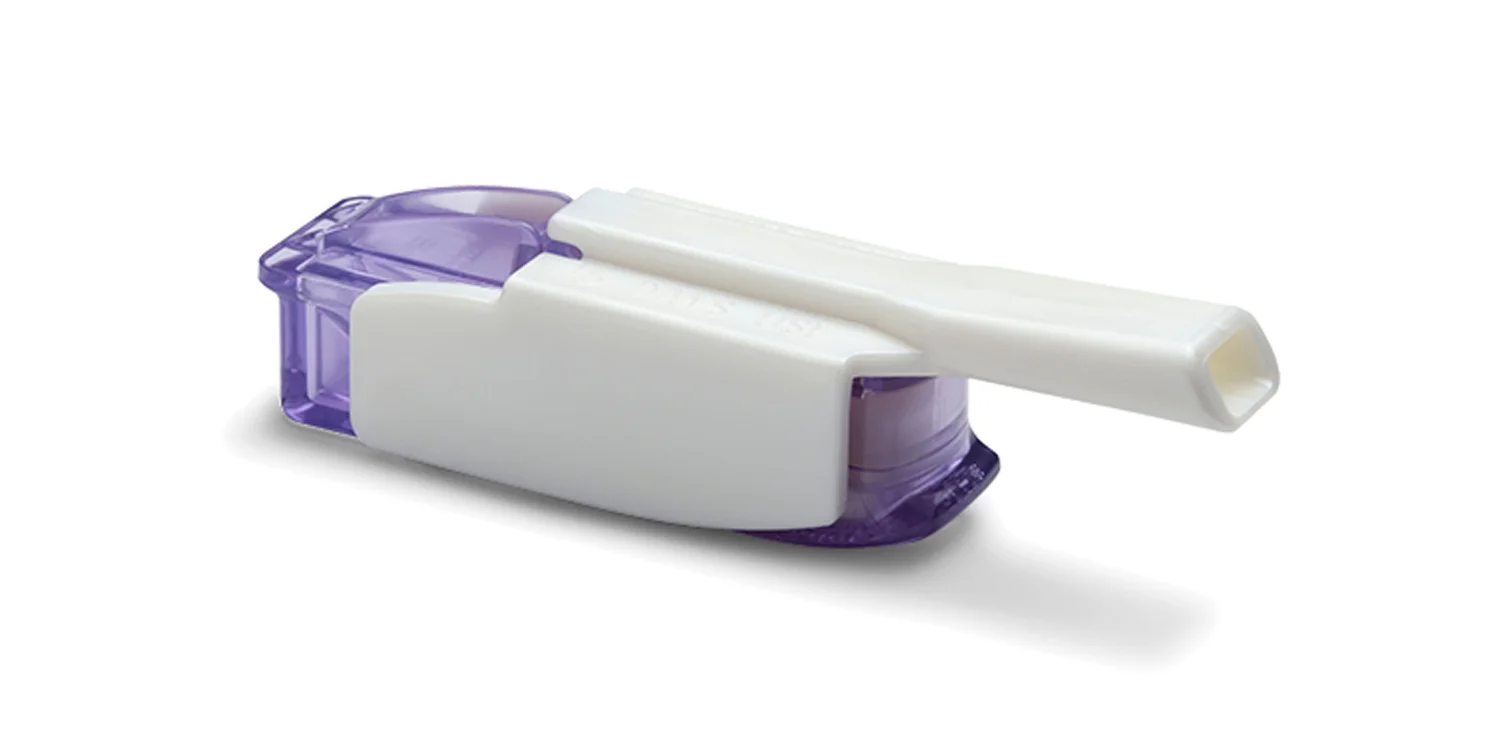
#202 Groundhog Day
Life with inhalable insulin and type 1 diabetes.….
Mike Joyce was diagnosed with type 1 diabetes at age nine. 22 years later he's doing terrific, forging his own path and using the inhalable insulin called Afrezza.
You can always listen to the Juicebox Podcast here but the cool kids use: Apple Podcasts/iOS - Spotify - Amazon Alexa - google play/android - iheart radio - or their favorite podcast app.
+ Click for EPISODE TRANSCRIPT
DISCLAIMER: This text is the output of AI based transcribing from an audio recording. Although the transcription is largely accurate, in some cases it is incomplete or inaccurate due to inaudible passages or transcription errors and should not be treated as an authoritative record. Nothing that you read here constitutes advice medical or otherwise. Always consult with a healthcare professional before making changes to a healthcare plan.
Scott Benner 0:00
Hello, and welcome to Episode 202 of the Juicebox Podcast. Today's episode marks the beginning of season five. And when I give you a season of the podcast, it's not 10 episodes or 12 something cute like that. No, no, no, this is a weekly show for people living with diabetes, you are going to feel connected, supported. And you're going to leave here every week with a new tool to help you do better. Alright, get your headphones on just the way you like them get comfortable, and let's get another season of being bold with insulin underway. This episode of The Juicebox Podcast is sponsored today by Dexcom, makers of the G six continuous glucose monitor. And of course by Omni pod, the tubeless insulin pump that my daughter has been wearing for over a decade, you can go to my ami pod.com Ford slash juice box dexcom.com forward slash juice box or find links at Juicebox podcast.com or in the show notes of your podcast player to find out more. Today we're speaking with Mike. Mike reached out when I was looking for people on multiple daily injections to be on the show. But it turns out he's actually doing that inhalable and some Frieza frezza. I don't know what they call it, but I didn't find that out until a little later in the episode. This episode is just a good conversation. It's a great way to start the new year. I think you're really gonna like Mike.
Please remember that nothing you hear on the Juicebox Podcast should be considered advice, medical or otherwise. And to always consult a physician before making changes to your medical plan.
Mike Joyce 1:47
My name is Mike Joyce. I was diagnosed with diabetes on Groundhog's Day 1996. So about 22 years, and I use MDI I don't use a pump. I use the pump for 10 years and I don't use one anymore. So when you said that you needed some piece someone to talk about having success with MDI, I reached out to you. That's why we're, we're talking today.
Scott Benner 2:18
The movie Groundhog Day came out in 93. So you just missed by three years.
Mike Joyce 2:23
Actual perfect. fairing. Yes. As I've been. I've been reliving the day for the last years.
Scott Benner 2:33
There had to have been some irony, somebody in the hospital must have looked at you and said, this is gonna follow you around for Yeah. So in 96 How old were you? I'm sorry.
Mike Joyce 2:46
I was nine years old.
Scott Benner 2:47
Oh, okay. But you didn't really see the the humor in it that I would imagine.
Mike Joyce 2:52
No, I tried to I did. I had seen that movie. Okay. At least with my parents. So, I I grew up with, we joked about it in the family for the whole time.
Scott Benner 3:06
So you at nine years old in 96 are diagnosed. That's pump time. People talked about pumps with you, right? Um,
Mike Joyce 3:16
I, I, they may have been discussed my first and wasn't very keen on pumps, especially with really active children. Which I don't know, he was, he was really great. When I was first diagnosed, and we had to end up changing undos when I was ready for a pump. I wasn't I didn't really like the idea of something attached to me, right? Initially, and then I went to diabetes camp and saw people with pumps. And I was like, Oh, my God, I have to have one. And so I got one. Right around 99 2000. Okay, I know I had it going into high school. And I know I tried it in middle school, like I demoed. The five of
Scott Benner 4:10
I know I lost you there. You demo The what? I'm sorry, you cut out. Sorry, I
Mike Joyce 4:15
was getting a phone call. So I demo the 507 C in in eighth grade. And then by high school, I was on the 508 Mini med.
Scott Benner 4:26
What's the last time you were pumping? But what year was the last time you had one?
Mike Joyce 4:30
I went off the pump in 2010.
Scott Benner 4:32
Okay. So they're fairly, it's it's very, the whole thing's incredibly interesting because I find that no matter where you fall into something like that, sure. That's sort of, you know, obviously your beginning of your understanding of it. And if somebody if you come in with a doctor who's like, you don't want a pump, or if you have a doctor's like you definitely want a pop, you know, like it's you kind of get swept up in in what's around you a little bit, plus, right plus the technology at this point. mean when you stopped using a pump? Are any of them still available? I wouldn't even know. But But if they've probably mostly changed over by now,
Mike Joyce 5:08
yeah, they've, they've changed quite a bit. I think since, you know, I was using the paradigm in 2000. And when I went off the pump, and I mainly went off because I graduated college during the recession, and I couldn't find a job with benefits that would cover a pump. That was crazy. George Bush took your pump?
Unknown Speaker 5:29
Is that what you're saying? Yeah,
Unknown Speaker 5:32
nothing like that. Listen, we
Scott Benner 5:33
don't usually find the title of the episode this quickly, Mike, but George Bush took my insulin pump is probably how this one's gonna roll out just in case you're wondering. No. So that's interesting. So you get out of college, you're on your own, you're like a big, you know, an adult, but an adult with a bunch of bills and probably not a great job to start out with. And it just wasn't in the cards for you to be able to afford that.
Mike Joyce 5:52
It wasn't when I left Pennsylvania, I went to college in Pennsylvania, and they have some really great Medicaid available to, to people with, with diabetes that are working, they have like a workers with disabilities sort of Medicaid program. And I, that was incredible. Like, I've never had insurance like that, and probably will never have again, but it was like $3 co pays for just about everything. And I paid like $25 a month for the insurance.
Scott Benner 6:22
I just had to like submit pay stubs to show that I was working at least 25 hours a week, you're like, look at me, I'm working poor trying to make my way in the world. Give me $3 prescriptions, by the way, Pennsylvania Commonwealth. So not a not a state actually their own their own rules. Apparently, they make some good ones 10 years ago. So what did you mean, you move for a job at some point,
Mike Joyce 6:45
I moved for, to get at it to get out of the college town. And I was kind of stuck in my parents had moved down to Florida while I was in college, and I didn't really want to do that. So my girlfriend at the time was moving to work on a farm for like, a summer in Montana. And I looked at her when she told me this, I was like you're not coming back, are you? And so I was like I'm coming to and so we went to Montana. And I found a job at like a grocery store cooking and kind of worked as this like work. They're cooking and ski bombed for three years.
Scott Benner 7:33
We're used to Russia, I gather for those three years. Yes, she's been a heck of a girl You chased her to Montana. That's a I think that's outside of the where I might relocate to. So that's a that's pretty impressive. I think that says a lot for her is what I'm saying. She really she's like, I'm leaving. I'm going to a big flat state with mountains and it's cold and you're like, I'll come Don't worry. It's fine with me. By the way to your parents abandon you while you're in college. I
Unknown Speaker 8:00
don't know if you've ever thought of it. Like
Mike Joyce 8:04
I've had some some ups and downs about it. But now that I'm I'm now back in Florida, and it's really grown on me it's becoming home. At the time, I was a bit resentful and disappointed but now um, yeah, it's good.
Scott Benner 8:23
How much of that was wrapped around? I don't I didn't mean to turn this to it. Like one of your parents who I'm sure are lovely people. But how much of that was wrapped around the diabetes? Like how much of it? Did you just feel like, Wow, you guys are the middle I moved out of the house you guys just took off? Or was it about like, I'm alone, I don't really know what I'm doing very, as much as other people might.
Mike Joyce 8:42
I think that age group is just awful to have diabetes, just in general, like your late teens 20s, as you're forced to change to, from your pediatric endocrinologist to some adult endocrinologist that really doesn't
isn't really good with Type One Diabetes necessarily doesn't pretend to like you as much when you come into the office.
Right. And I don't pretend to be too happy to see him or her at at that point, either. Because I'm think I have it all figured out. And I want help, but I don't want help at the same time. So that age group was pretty difficult. I at least had a good support system from growing up going into camp and like working at that camp through high school. And so like I always end and Facebook came out when I was in college. So like, I at least had people that I could reach out to in the
Scott Benner 9:47
type one community sort of finding like so. It wasn't just camp anymore, where you can find people you can find people online. It can sounds like it was really impactful for you in a number of ways. Like it was a really good kind of peer pressure.
Mike Joyce 9:59
Yeah. Yeah, Camp camp, I went to camp six months after diagnosis. And I don't know, if my mom knew what she was doing, if she just needed a break, I'm sure it was a mix of all of it. But it was the best thing that that could have happened to me that early to just see that I wasn't the only person with diabetes. Because
Scott Benner 10:26
when you said by went to camp right after diagnosis, I thought, Yeah, because your parents took off to somewhere warm, probably for a couple weeks. They're like, Hey, Mike, this is gonna be really good for you or it won't. We don't really care goodbye. We're going somewhere warm and hanging out? No, I hear what you're saying. Like, especially because if you're if you I was completely overwhelmed, it would have been fantastic. If somebody would have like, taken me out of the for a week, get on me to wax. It would have been good for art and was much younger. So I don't think you I couldn't have sent my two year old to camp. But I mean, it would have been great if somebody would have had her for a little bit. So I could have pulled my pulled my, my head together, I guess, you know, Arden was diagnosed on vacation. And after she had the hospital, we had one more day left in this vacation. And I remember my wife saying like, you know, what, what would help you the most when we get home because there was this horrible moment, like four or five days into the diagnosis where we were sitting at this carb counting class. And there must have been, I think, eight families in who'd all been diagnosed the last couple days. Yeah, they're sitting around this big conference table while somebody's trying to explain carb counting. And I it took me 20 minutes in the class to recognize that I was the only male sitting at the table. The rest were like seven women and their husbands were like standing behind them. And I was sitting at the table, my wife was standing behind me and it hit me I'm like, Oh, my gosh, when we go home, like I'm a stay at home parent, like she's gonna go back to work. Like, this is, this is me, you know, took me a couple days to like, wrap my head around that. She's like, what would help the most when we got home? And all I could think was, can you clean the whole house, like make the house like back to like, day one clean, so that I can so that I can ignore it? While I'm trying to think it was an odd thought, but I just have like somebody so I need to just simplify my life is what I thought, you know, in the end, and, and I it never worked, and I was just scrambled for a really long time was a I think your mom and dad might have done the right thing to be perfectly honest. That sounds like a really good idea.
Mike Joyce 12:25
Yeah, my parents have always been really supportive. And in diabetes, even even though I push them away at times, especially in my high school days. You know, my mom was always really good at like measuring food and counting cars, put notes in my lunch with take this much insulin and so. So it was it was really good. I had a really good support system growing up, which I think is huge for for anyone with diabetes, to have a support system, whether they're utilizing it or not just knowing that it's there.
Scott Benner 13:02
I think really, really helps you think so. So like, even if somebody's offering you if somebody's throwing you a rope down a hole and you absolutely will not grab the rope, it's still comforting to know the ropes hanging in there. There's somebody on top who's like I yeah, they need me
Mike Joyce 13:17
there's a way out if I want to take it, but it's all it's all up to you. I mean, like, my endocrinologist doesn't control what I eat and what I how much insulin I take, that's all on me. You know, I I have to take the tools that are presented to me to to actually succeed in managing diabetes. We just don't use the tools I
Scott Benner 13:46
stock. So yeah, you just said something. I want to roll back to you for a second. You said that even though you kind of pushed your parents away in high school in that age group, like what did that like look like? Like What Did pushing them away look like giving an example something sticks in your head? Well, if the amount of times you guys have clicked on my Omnipod link in the last couple weeks is any indication, you were as excited by my recent episode with Omnipod as I was, as a matter of fact, instead of a regular ad today, I'm just gonna read you a note I received through Instagram, I got an opportunity to switch over to the Omni pod for free. And I took it I was unsure about it at first but after listening to your podcast and my friend using one for a while I made the switch. Oh mg so much better than my old Medtronic pump. The feeling of not having to worry about tubes or my pump falling off my pants when I go to the bathroom is amazing freedom. I don't know. I've never worn a tube pump. And so the idea of pulling my pants down to use the bathroom and my pump just tumbling all over the place made me laugh. And I told the person I'm going to read this as an ad next week on the podcast. So to this person, your note is now an ad and everyone should go to my omnipod.com forward slash Use box, or click on the links near show notes, or use the links at Juicebox podcast.com. Because when you do on the pod, we'll send you out a free, no obligation demo of their device. That way you can feel it, touch it, hold it, actually wear it, and figure out if it's something that's right for you, my Omni pod.com forward slash juice box, no more of your pump falling off while you're trying to pay.
What did pushing them away
Mike Joyce 15:32
look like? When I got the pump? It was kind of my mom's not extremely technical, like tech savvy. So I started pretty much self managing at that point, she would help you know, measure food and count carbs and, you know, do the calculation. Since she was preparing most of the food it was it was easy, easier for her to calculate carbs and stuff right around. But when it came to like, the emotional side of diabetes, I didn't really want them in it anymore. I think it was kind of just like, I think it may have been because I found peers my own age like as as much as caregivers are super helpful and super supportive. They still it's not permanent for them. Like there's eventually they can get away, they can get a break from it. And so so I think in that age, I was getting kind of angry about how permanent this was going to be. And how on my own I was with it. So like, I wanted to figure out how to do it on my own, because I knew my parents weren't always going to be there.
Scott Benner 16:59
So So I think it was more like creating your own kind of private space where you can figure it out for yourself.
Mike Joyce 17:06
Yeah, but probably not doing it in the most positive manner because I was 1415 years old.
Scott Benner 17:13
Yeah. And angry too. Like, I mean, that's what you're describing, right? is anger, like you're like, well, this is because when you're a kid, everything feels like temporary, I think like and permanent. At the same time. It's an interesting way to think that you can imagine something different. But yet your life changes constantly. And so you can't imagine that this thing's going to stay with you for you imagine anything's gonna stay forever. And at the same time, you can't it's a weird space to be in because you don't have the, the perspective, I guess that you need to really understand time. Like I remember the first time I signed a car loan. I thought I'm not gonna be alive in four years, like four years, like seemed like a million years. Yeah, you know, yeah. And at the same time, I found it kind of like, telling and, like, interesting, but sad, like the idea that you as a mid teen at some point thought, oh, wow, this isn't gonna go away. Like, I've got this forever. And but that's just got to be. I don't know, that's got to be incredibly impactful at that age. And that, did it spin you out of control a little bit? Or how did you handle it? Um,
Mike Joyce 18:21
I, I don't know that the 20s were tough. That's where that I think that's more where it hit me. And, and high school is tough, because like you're around a bunch of people who can mindlessly eat all the time. Like, I can't really mindlessly I can it just doesn't really bode well, two hours later. Like, it's just I don't know, I, I've always I guess kind of had a detachment in a way from peers because of how aware of life's impermanence. I was at a young age.
Scott Benner 19:02
Do you just feel a different? Like, is it yeah, it gives you that feeling?
Mike Joyce 19:06
it? It was different, but it was, but it's hard, but like not different. Because, you know, on the surface, I look totally normal and healthy and fine. So I think that's where diabetes becomes really difficult is that the hidden nature of the illness.
Scott Benner 19:24
Because you can almost forget for hours at a time that you have diabetes and not think about it.
Unknown Speaker 19:29
Right? And then
Scott Benner 19:30
all the sudden someone says, Look, I brought cookies to soccer and you're like, oh my god you're waving your hands at your parents. You know, we're you know, you're in college and you know, you've had your day planned out so nicely and your blood sugar is really going along with what you want. And then all of a sudden, it's three o'clock in the afternoon everybody's done class, someone says we're gonna go for pizza and you're like, I wasn't planning on that. And then it then it puts that whole like thought in your head. Like if I go What if I if I'm mess up the insulin then my blood sugar is gonna be high all night. I got other things to do I have to study I have to do this. I'm supposed to go out again like it just it flips you right back into that mindset of I have diabetes again. Right? Yeah, it's interesting how it's like it's gone and then it's all of a sudden back. Yeah and it everything else pauses while you while you think about
Mike Joyce 20:22
it takes you out it takes you out of like the now
Scott Benner 20:26
Yeah, yeah no absolutely for people who say I live in the moment like the moment gets frozen and everything stops and then you're like I said something Darden the other day we were going into school or something and I said hey, you know what you're going to need to Bolus before you have you know, before you, you know, but now like you need to Bolus now she's like, Oh, I'm gonna be late. And I thought I don't care. Like I don't care if you're late. I care if this insulin doesn't go in now, it was interesting because in it with my other kid, if I needed them anything to do, I'd be like getting there before you're late. Hurry up. You know, like, it's, it's interesting how you stop caring about things you care about, because there's a precedence scale and diabetes always sort of rolls to the top of that of that ladder. Yeah, yeah, it's something
Mike Joyce 21:10
else. Well, cuz if my numbers aren't good, it's very hard for me to be present for life either, like so like, if I don't do actions now. To correct something that hasn't even happened yet. Thanks to CGM technology, but like, like, If I don't take action on what I'm seeing on trends like AI. It's too late.
Scott Benner 21:37
Right? When when reality causes a different way when your blood sugar's 190? And you don't feel good? or right, no, no, no. So I think you've just said that diabetes is rather unfair. And so do you find so you listen to the podcast I glean that from the note you sent me when you asked the you know that you want to be on obviously the only way you'd want to, you'd know that I was looking for people, but um, and even though you're doing injections, do you still do kind of how we talk here? Like, are you bumping your blood sugar around not letting it get out of range as much as possible? Because you sent it to CGM?
Mike Joyce 22:14
Yeah, I like what you say about being bold with insulin. I feel like there's a lot of there's two types of diabetics from, from my experience, there's the ones that are like super fearful of lows, and the ones that are super fearful of the highs. And I'm the ladder like, I'm, I don't want to go high ever. So I'm always my doctor sometimes doesn't like how aggressive I can treat blood sugars, but I also have some insulin resistance. So sometimes I have to be a little harder on some of my correction. Yeah.
Scott Benner 22:51
When there's a doctor seem like
Unknown Speaker 22:55
I don't know.
Scott Benner 22:57
Is it just an overall vibe you get because Mike, the reason I asked is because so many people contact me privately and say, hey, my, we got my agency went way down. I'm so excited to go to my endo. My kids, they won't see one way down. I'm so excited. They get to the end of the day, the endo yells at them,
Mike Joyce 23:11
and says it's too loud.
Scott Benner 23:12
Yeah. Because Because the endo can't imagine that they did it properly, I think is why.
Unknown Speaker 23:18
Yeah.
Scott Benner 23:19
But is that well, and interesting overall? And without their help, without their help you think do you think it's a little bit of that, like a little bit of the gods?
Mike Joyce 23:26
A little ego in that in? You know, I mean, they spent a lot of time and money getting that degree? Yeah, they they want to have some recognition for for doing well, as well.
Scott Benner 23:39
That was hilarious. I never even considered that. I'm so.
Mike Joyce 23:43
So more concerned about lows. Like that. There's this fear, like they can get sued if someone has a low overnight and doesn't wake up like, but if 20 years down the road. I go blind. I've written off at the injections and all that fun stuff. Like, that's just part of diabetes. Yeah. Yeah. We can't be blamed for that. But so, I don't know. I don't know if that's what it is. But they, like, they don't like Hello, my one. What did you do? Would you mind Tell me what it is? I just tested last week and I was 5.0.
Scott Benner 24:30
My gosh, no. And that's without like, like, you have a lot of lows in the course of a month or and what do you call low?
Mike Joyce 24:38
I mean, I'm not gonna say I don't have lows. I have diabetes. But a low for me is under 60 is really when I consider it like I need action immediately. Most of my lows are pretty gradually dropping down into the 60s, and I don't always trust the Dexcom especially overnight, if I'm running a straight line, it likes to tell me that I'm dropping 10 to 20 points lower. Okay. At least from my experience energy five,
Scott Benner 25:15
g4 we got,
Mike Joyce 25:18
I got the G five, five, okay. But
Scott Benner 25:20
it just, I always say this about CGM, like like and now Arden's on we just inserted Arden's third, g six yesterday last night actually, but prior to that I am writing with you with the G five. Like if I had a real steady blood sugar that went on for hours, I'm like, is that right? Like it's it just seems unlikely for it to be that stable. You don't I mean? That's usually the time when you test you're like, Oh, no. Okay, and then you would calibrate with the new one you don't there is no calibrating. So now I'm just I'm still new at it with the G six. I'm still figuring it out. But now if I see too much stability, I I just have to see like if I'm where I expect to be or not, and you don't count right after that. You just kind of kind of keep an eye on it. But it's been really, it's been really different in small ways. But that's one of them. I have not seen one like three hour line that told me her blood sugar was 105. You know what I mean? So but I hear what you're saying I really do. And six I have to say to Arden's low threshold is set at 70. So we know when she gets to 70. But I would do something at 70. If it was going lower, I would try to like bump it back up again. But I wouldn't get into that situation where I was like, we have to do something right this second until 16. My number 216 my like, we have to do something now like let's stop ignoring this. And yeah, get to it number.
Mike Joyce 26:48
Well, and and I think it's also I think CGM technology really helps to, to allow you to know how quickly it's happening. Like, so how urgent is it that I eat something right now? Or can I?
Unknown Speaker 27:06
You know,
Scott Benner 27:08
is this a panic situation? Or is this Yeah,
Unknown Speaker 27:10
like, am I?
Mike Joyce 27:13
Or am I just, you know, did I just dip a little bit, right?
Scott Benner 27:16
Oh, no. And I'll see sometimes I'll see like a 63 that I'm like, let me see just what happens next time. Like maybe this will kind of go the other way again. And I know last night, I saw an ad five diagonal down right before Arden was going to bed. And I thought okay, so I shut her bezel off. And that ended up being the wrong thing to do. Like had I just wrote it out for another 10 minutes ever, it would have bounced again and come back up. And yet I can tell you that from my experience an 85 diagonal down before bed normally needs something from for her. Right. Right. And so, you know, it was the one time that you know, trusting that what I knew was going to happen was going to happen, bit me in the ass. You know, but the other than the next 25 times that happens, it's going to be the right thing to do.
Unknown Speaker 28:03
Right. You
Scott Benner 28:05
know, it is what it is, I guess. I don't know if you're thinking of the JSX ever. But if you are, the insertion process is incredibly easy. It's fascinatingly simple. That's
Unknown Speaker 28:15
what I've heard
Scott Benner 28:18
three times now and Arden has said each time. Not only did she not did it not hurt, but she said that wasn't like a big enough explanation of what she didn't feel. She's like, it's just like nothing that's like, I just don't notice anything happening. And she said to me last night, she goes, how did they do that? And I said, I don't know. I said, I guess you would imagine they work on it all the time. Right? Like trying to make it better. And she was like, Yeah, like she's like, Really? You can't feel it. And I was like, that's pretty cool. So and it's excellent. I mean, I agree. I think the technology is amazing. But a five a one C on injections is really and still thinking of 60 is low. Like so you're not like walking around with your blood sugar 45 going I don't care. And then and then up with like this, this, this low a one see later. So you're also stopping spikes and and keeping like highs away. So do you find yourself you inject multiple times through a meal? Or do you have it worked out to some sort of magic or do you have a diet that you know how it kind of works? What's your plan?
Mike Joyce 29:20
So yeah, it's a whole slew of factors. So to be a little more clear, I was I've switched to the inhaled insulin.
Scott Benner 29:31
Okay, okay. So you're I don't know how to say is it a freezer or freezer?
Mike Joyce 29:35
It's a I'm pretty sure the company calls it a frezza but just about everyone else calls it a preset. Insulin, I switched to that about eight months ago and maybe nine months now. But my last day one see on injections was 5.6 is still you know, so yeah, and Look at standard deviation with my CGM data and that the difference. So then when I switched to a friend of mine, once he went down to 4.9, my standard deviation at the 5.6 was about 4045. And then with a frezza, it's down to about 20.
Scott Benner 30:20
And so, so I will say that, I mean, when it came out, I was like, that seems really amazing. It's the concept of having my kid the Huff's. Like put something in their lungs like that, that throws me off, which is, so what's your experience been so far with it?
Mike Joyce 30:38
I think it's totally changed. insulin. It's taken the like, You talk a lot about Pre-Bolus thing, which is what what I had to do to before I ever found the podcast, but when I got the CGM I could see at either just think CGM is so important for everyone. Yeah, pump or not. Because you can see how long it takes insulin to start working in your body, which allows you to decide when is the right time to Bolus for the food that you're going to eat?
Unknown Speaker 31:13
So
Mike Joyce 31:16
but with that said, uh, frezza starts working so fast, that like, I start eating and then I'm like, Oh, yeah, I should take some of this and then I take it and then like, I it, it works within three dots on my on my Dexcom to start, like to start actually lowering my blood sugar. Okay, and whereas with novolog it was taken almost 15 minutes. Yeah. Oh,
Scott Benner 31:44
yeah, that's why that's where the Pre-Bolus thing comes in. Because you're trying to find balance between the time and the and the food and so is it in cartridges? Is it a mist when you inhale it? Is it like a powder? Like what is it like
Mike Joyce 31:55
a powder? It's a powder and they're in little little cartridges? They have four unit eight unit and 12 units.
Scott Benner 32:08
You just hit Yeah, 12 units. So four, eight and 12 units and then so there's no like partial like you take whatever's in this in the cartridge.
Mike Joyce 32:17
You can break them open and split them up. Which I I have done but the units aren't really comparable. I think one reason the company is struggling is because the units don't match unit for unit injected
Scott Benner 32:35
okay. So it's this way or but it's it's meaningless in there's no comparison really was how Yeah,
Mike Joyce 32:41
I find a four unit dose is like my correction dose and it works as like one unit, maybe one and a half. Okay. Whereas the eight units are like a five unit dose. Okay, maybe six. So
Scott Benner 32:56
So how do you use inhale bones like if your blood sugar goes to 130 it sits there how do you get your blood sugar back down again? Like he just do the four unit one and it doesn't go too far or how does it work?
Mike Joyce 33:08
Yeah. I would take a four unit dose it's out of my system in two hours at the at the most I pretty much done working and an hour and a half so like I it's hard to stack which is good because i as i said i'm can be a little aggressive with my correction. So like if I take a dose of the four and inhale that they 130 it may move it might not but within 30 minutes I know if that was enough or not and then I can do another correction if I need it I say which is kind of how I injected to maybe not in 30 minutes but you know if if in an hour and a half I was still at the same point like you were doing something about it I guess I needed to to bump bump it a little bit more
Scott Benner 34:09
so what's the real bonuses it really cut down spikes or like because you're not getting big numbers at all so you you're not spiking yeah what
Mike Joyce 34:18
when I see it start to curve up I can take like an eight unit dose and you can see the intensity of a curve and stop it and because its onset is so quick it and literally like it all start spiking up and then like flatlines and then it might start coming up again and I'll have to take another dose but like it's amazing what it does to some of my my Dexcom lines. Yeah,
Scott Benner 34:48
it sounds almost like the top when you're talking about it makes me like imagine in my head like there's a button that says Like, like like a magic button that says like more or insulin like didn't even like you'd like oh, going up button, a little more push. And then it just it's like it's interesting because it's and so and the action time being so quick and yet it the the life being so short makes you feel like you can. You can use it every time you need it and you're not worrying about like all this. So you don't ever have a situation where six hours later, your blood sugar's 30 and you can't get it to go up. Now that doesn't happen with that. Okay, now and are you taking a slow line for me? Of course Yeah,
Mike Joyce 35:30
yeah, I'm taking your C by just switched it to Seba about three months ago. And it's totally the greatest thing that's ever happened.
Scott Benner 35:40
Why did people say it's really good?
Mike Joyce 35:43
Yeah, like I have flatlines overnight, which I never had with Lantus or levemir. Like I, I used to struggle with a lot of 4am lows with lantis. And it doesn't happen anymore.
Scott Benner 36:01
Yeah, no, I've heard nothing but good things about a juicy buffer for a while, actually, you know, some people obviously, it doesn't work for everybody or something like that. But you know, overall, like the positive vibe from it, I think seems pretty consistent. Yeah. Okay. So you are so you're huffing insulin. And is it How about the I know you've only been doing it for eight months, but is there a feeling like do you feel it in your chest? Like, do you ever feel like heavy or like get like, I don't know, I have literally no idea. These are just my unfounded fears.
Mike Joyce 36:40
Now I've I've recently gotten into running quite a bit. I've been running some 10, K's and a lot of five K's and
Unknown Speaker 36:51
I
Mike Joyce 36:53
I don't have any issue with breathing. Because of it. Yeah, I just I play soccer a couple times a week. It's a there's a lot of fear there. And reasonably
Scott Benner 37:06
Yeah. Do you worry about it? Like, do you say to yourself, okay, this is only been eight months, because there's not much long term study on it. So, like, Do you ever think about that, or what's your
Mike Joyce 37:14
dad's been on the market for almost four years now. And I did folk when I was in college. So I have some concerns about it. Because of that, but at the same time, like there's the trade off of better control or a fear of something that isn't currently
Scott Benner 37:43
like may or may not happen.
Mike Joyce 37:45
I could also I mean, I also have fears of losing limbs and
Scott Benner 37:53
I have other
Mike Joyce 37:54
going blind but but that's not happening currently. So we also that happened like yeah, I
Scott Benner 38:04
you would think the price the the price of doing business, right? Like it's a what I wanted to tell you wasn't far too you could be carried off by a gator. And then a boa constrictor in that Gator could fight for your carcass? Like I mean, yeah,
Mike Joyce 38:15
well, and there's so many old people and doctors that in handle cancer that
Scott Benner 38:22
if you're like if I get cancer, I'm in Florida. It's in the best place. I mean, that's the best place I've cancer. Florida, the best place to have cancer. You don't ever see that on this is your drive. It should be it should be
Unknown Speaker 38:39
terrible.
Scott Benner 38:41
Okay, so Okay, so that's it. I mean, that's really interesting. I've been doing it for eight months. You know, as you were talking, I realized what the Dexcom you're in a Dexcom CGM and using an inhalable insulin, you you poke yourself once every couple of weeks, really except for your like, how often do you test your blood sugar even?
Mike Joyce 39:00
I test my blood sugar all the time. Do you? Okay? Yeah, after 20 I didn't get a dexcom until I was 21 years of diabetes. Like I still haven't turned over full trust the government. And especially like if I'm because I tried to keep a really tight range. Like I tried to stay around the mid 80s all day long. to like, check it make sure you were if I'm going if the ex cons show in a 70 and I feel fine. I'm gonna test my blood sugar if Dexcom is showing 100 and I, as I say I try to be around. I correct that, like 110 Oh, sure. Um, so if x I'm showing 110 and I feel fine and I haven't eaten. I'm going to check to make sure it's not.
Scott Benner 39:53
Yeah, no, no, no, Mike listen. Arden's doing standardized testing this week at school. So, I don't know, 830 this morning, she's already in class taking the test and her blood sugar went to was sitting at 110. And I was like, I think we're gonna do something about this because I kept imagining, like anxiety or just dehydration or something like that go on in that room, right? Or just the, you know, ungodly like mental anguish. And so, I, when, as soon as I saw it drift off of 110, I bumped it again. And she's been 101 for a while now. So 101, or 398 has been sort of like in that space for about the last, I'd say two hours. But yeah, I don't know what what it had we not bumped it, I don't think she would have gotten much higher. Based on that it didn't the the Bolus didn't really take her completely, very low. But at the same time, I don't know. Like, I don't know what would have happened, because because there's, there's those moments where you're like, Oh, it's only 120. And then all of a sudden it runs the 116 you're like, Oh, I should have done something. Yeah, you know, like, and now all of a sudden, you're using extra insulin. And then, you know, two and a half hours later, you're low because you had to over Li be aggressive. And yeah, I just think it's I mean, obviously, it's what we talk about all the time. But when you just bump a nudge like that you just you give yourself the best chance to not be incredibly high or incredibly low later. Yeah. And I
Mike Joyce 41:22
I'm a big fan, obviously of that. And it's, you can totally do that with injection. Yeah, yeah. Oh, sure. And yeah, and I think I think we get stuck in the back. Like, I think there's just a lot of old school approach to diabetes back that that just stuck from 20 years ago. of, you know, you take your insulin, and you wait, and you can't take more insulin until that insulins done working. And what if you didn't take enough to begin with? Like, crazy?
Scott Benner 41:59
Like, it's just wait,
Mike Joyce 42:00
yeah, it'll wait for hours before you can take another day. Like that's, that's insanity. Like, let yourself be 250 for four hours, because you didn't take enough insulin to begin with. It's it's and and having a CGM, if you took too much. It lets you know, before you hit a dangerous point that you can do something react before or react before you need to react. Yeah.
Scott Benner 42:26
Oh, absolutely. Or you can't react. No, no, no, no, I listened. I completely agree with you. And you will completely agree with me. It's a it's just it's a very, very simple idea. Like, I mean, going back to what you've just said, it's, you know, any number of stupid analogies like if you're, if you need to stop your car, and you push the brake halfway down, that doesn't stop, you don't go well, I've pushed it as far as the guy who taught me to drive told me to push it. So let's just see what happens. Now. I'm going to hit this car in front of me, oh, well, I've done what I just told. You don't do that. You push harder you go, oh, gosh, something undesirable is happening. I need to continue to try. And and it's the same thing with insulin, I, you know, I, I counted my carbs. And I put in the insulin and now my blood sugar's 300. So I'll just wait three and a half hours, four hours, like the doctor told me, I'll see what happens. Now your blood sugar just says hi. And your Dexcom on your meter. Like, well just keep waiting. Like, why are you waiting? Well, the doctor said that, you know, the doctor was assuming you'd get the bolus, right. Like, you know, like, that's the unspoken part of the conversation that they don't really they don't tell you. And they don't tell you because they don't want you to stack your insulin. They don't want you to get crazy low later. All that stuff, which is what we talked about earlier, which is like don't die today. Advice. It has nothing to do with you being healthy forever. It's just, you know, a doctor saying, I don't want you to get really low off of something I said to you. That's pretty much it. Yeah, you know, you still have to make the decisions. And I'll tell you, I spoke at something pretty recently. And when I was done, someone came up to me and just started thanking me and they're like, I watched my kids blood sugar be high for hours. And I know it shouldn't be like that. But the doctor just keeps telling me to do it. It feels wrong with every ounce of who this person was. They knew what was wrong. They couldn't break free of the idea because they were told don't do that. And, you know, I just told them very clearly that nothing you heard during this talk was advice. And and but but I agree with what you're saying. It is a very strange idea to sit and watch your your blood sugar be 350 404 hours because why? Yeah, you know, there's no reason.
Mike Joyce 44:37
I think we also get hung up on carbs too, as like be only an influencer on our blood sugar. Mm hmm. And I've switched to a an extremely low carb diet, which helps for my standard deviation quite a bit. But I still have to take insulin for protein and like vegetables have Some carbs in them, but like, but it's amazing how much like, I was never told that protein and affect my blood sugar or fat? Like how much fat slow down digestion for that? Like, if I Pre-Bolus? Like if I Pre-Bolus too aggressively for a pizza?
Unknown Speaker 45:21
No, you get a burrito? Why am I going
Mike Joyce 45:22
low an hour after eating pizza, and then I'm high for four hours
Scott Benner 45:27
afterwards if you're lucky, and scared to do anything about it, because you were just low and you put all that insulin,
Mike Joyce 45:33
right man. That's a, again, the Dexcom is, or any CGM in general is, is going to be helpful, because you can actually see the bigger picture, you know, like, I know, you, you might be like a marketing guy in there used to test people are used to test art in at like, an hour after eating and like doctors would be like, why are you doing that? It's like, they want to see the whole picture like, which is like, totally, that makes sense. And it's totally changing how to approach diabetes, and our doctors are teaching to approach diabetes hasn't picked up on that yet.
Scott Benner 46:19
It's incredibly behind. There was it, it's fascinating, like I had someone so close to who's in medical school to be an endo, so close to having them come on the podcast, and not give their name and just talk about how kind of archaic things still seem to be about what they're being taught. And then they for reasons that I completely understood, didn't couldn't, couldn't do it. You know, they're afraid for themselves. And I understand. But at the same time, I really do think that about like, like, I use the pipe, use the podcast as an example, in my mind, like, you are a person who, I'm thrilled you found the podcast, I think whatever you got out of it has been really valuable for you. And it's what I intended. But this is just going to happen over and over and over again, ad nauseum forever if people keep churning out new diabetics who think things like, count my carbs, put in the insulin, wait for hours, like that kind of thing, again, until this becomes the norm for how people talk about it. At the diagnosis side, it's not going to change. And it's tough because you're fighting I was in a room with a lot of people who have diabetes this weekend. And I guess by the time your episode goes up, it'll be a long time ago, but I was at a you know, a blogger summit put on by Novo Nordisk. And it was mainly wrapped around insulin pricing. But what I saw when I was in the room is there were some people in there who had diabetes for 40 years. And no matter what they they're using the new technology, they understand things exactly the way you understand them. But when they stopped to talk about it, everything they talked about is they're scared. Like somebody made them scared 40 years ago, and they're still it's their default, right now today. And so until generations of scared people, you know, I hate to talk about like this, but move through the disease and, and stop being impactful in the space. You're still going to always be fighting with these ideas like, Well, you know, give yourself more insulin if your blood sugars have well, you have to be careful. Well, why do you have to be careful using a dexcom? That's care. Isn't that being careful? Like you have a CGM on is I would say that's being careful.
Unknown Speaker 48:36
If you look at it,
Scott Benner 48:37
yeah, yeah, right. Pay attention. You have insulin that works incredibly, more efficiently than the insulin that you were using when you were eight years old. 40 years ago and scared. It's a different world, you're applying old rules to a completely new game. Right? They almost don't having diabetes with a CGM and an insulin pump has nothing. It almost has no relationship to having diabetes on mph and regular, like they're almost a completely different thing. You know, besides the fact that your blood sugar can get high on your blood sugar yellow, I mean, other than that, every the process is completely it's completely changed. Yeah. But you know, good luck having that conversation in front of somebody who has rightfully been scared most of their life about something and can't shake that feeling. You know what I mean? Like that's the human piece of it and why the teaching won't change more quickly. Because people are still listen, I said to Sean Busby. Two weeks ago, I don't go in the ocean because I can't get eaten by a shark in the ocean. Where does that come from? When I was five my parents let me see jaws the bad idea that was right, right. Like so. I listen, I go on the ocean. Don't get me wrong, but but my point is, is that when I'm in there, there's part of me is like, this is how I die. You leave it like this. And it's just some long lasting, childish fear that's rooted rooted in nothing. Sometimes I think you guys will think I'm just making this stuff up. But I'm not. 10 minutes ago, while I was editing, Arjun texted me from school, out of nowhere. 845 in the morning, I'm going down to the cafeteria to get a muffin. This high school, they just let the kids be to free and I mean, back in the day you sat in your class today? It's a I have a minute Can I go get a muffin? So okay, I say how big is the muffin? I don't know. It's big. said Okay. Well, Bolus a half a unit now go get them off and text me again. When you know which one you have. I start getting the Hello I'm here I have the muffin Baba ba. I said, I don't know what to do. Is it? You know, I don't know. Like, I can't see it. I don't she's not like texting. It's uh, you know, it appears to be a blueberry muffin with about 45 grams of carbs. It's just a muffin. She's grabbing off a tray. So I looked at her blood sugar, which by the way, was 102 and steady. And I said, All right, let's just give it a whirl here. Let's do five units in total. So we've already done a half a unit to four and a half more, do you think you're going to eat the whole muffin she said, Yeah, she's gonna eat the muffin. If she doesn't, we'll make an adjustment. But this kind of like woo free and fluid kind of feeling you're hearing from us. It comes from the data, we get back from ardens Dexcom, g six continuous glucose monitor, we are gonna do a muffin unexpectedly on the fly using that data. And whether you're the parent of a child with type one, or you have type one yourself, you could handle a muffin the same exact way dexcom.com forward slash juicebox to get started today, you will not be disappointed. Free and Easy muffins. Think about it. I'm excited for a changeover
Mike Joyce 51:59
as well. Yeah, meat meat, I'm just excited to see doctor Well, I see a lot of doctors just be like, Oh, you're struggling to have control of your diabetes here, taken it get an insulin pump. And that's not really gonna fix it,
Scott Benner 52:16
you start to understand how the insulin works,
Mike Joyce 52:20
work and the tools in the like the the different plays that you can do with basal rates. And, you know, you know, there's a lot of tools within a pump that if you don't understand like, and I think that's why a lot of doctors used to be resistant to putting patients immediately on a pump, because I think a lot of the patients that immediately go on a pump don't really recognize how many great things there are to do with the pump that so they're just stuck, basically, doing MDI, with a pump with my bazel Ray, and they just take insulin, when they
Scott Benner 52:59
feel they're pumped, it was cut down on their injections, but they're
Mike Joyce 53:02
not getting them excited to test their blood sugar a little bit more.
Scott Benner 53:05
I was talking to somebody again this weekend about that, and they not understanding so many aspects of what their pump does. And I realized I was like, Oh my gosh, this would be like if I made you the quarterback of a football team. You'd never seen a football game before. And I explained you that football is the man in front of you hands you the ball between his legs, you turn around to the man behind you hand it to him, and he'll run and see how far I can get. And then like 20 years later I go you can throw the ball to it and you'd be like, Oh my god, what did you say that before? Like, it really is like this sort of? I don't know, I you know, I put it a million different ways. And I've outright said on the pod. I've been in the room with them. I said, Look, I know that you're they're stuck. They can't teach. It's funny, they sell this product they can't teach too much about because their FDA approval doesn't allow for them to say certain things like but you have a you know, you have this this rocket launcher. And you've so far taught people how to like kill flies with it for some reason, like like, like, it's not a flyswatter it does so much more. It has so much more. There's so much more to it. And they can't really come out and talk about it because they're, they're limited by by the FDA about what they can say that their product does. Because the minute they tell you it does something. Hey, you can set up an extended bolus. And then you set up an extended bolus and it doesn't work for you. They're skirt so they so they can't say anything you know it's an interesting world we we live in around the diet about around this stuff. It's funny to it came up this weekend we were talking like why is the phone ringing? Nobody calls here let's see what its gonna be Hold on a second. I'm gonna go Big Brothers Big Sisters is I don't know my phone. We all have the same phone in the room. Now have you noticed that it's down to like two home phones you can buy at Best Buy
Mike Joyce 54:58
because I didn't know that people still have At home phone Did you don't even
Scott Benner 55:02
listen? I'm running from alligators. I don't have time for phone calls.
Mike Joyce 55:08
Well, actually, I think Florida has the most flip phones per capitals and any state.
Scott Benner 55:14
There's still the flip phone going on. Because what is this whole lesson like, baby boomers don't need don't want smartphone, I'm being offered something at no cost. If I push one, I could have opted out. I would have definitely opted out Had I known. Maybe baby boomers. I just like I know right now is in his late 50s. He has a flip phone. He seems completely happy with it.
Mike Joyce 55:38
Yeah. It might be it might be the way to go refreshing to to get a like, like a pump vacation. Yeah,
Scott Benner 55:45
right. Yeah. Right. A phone vacation? Well, I'm sorry, I was gonna say that while we were we were together in the room. You know, we were talking about, you know, what everyone, you know, what people do? Some people had blogs. And you know, I set up a podcast and and a guy across the room, who I know really well said, you know, how valuable the podcasts have been for him at some point. But somebody says to me, we have to be careful, you know? And I was like, you know, of course, you know, I mean, I don't run around like, something doesn't work one time in my life. And I'm like, Hey, guys, new way to handle diabetes stuff. Like, if you hear me saying something here, I've been doing it for six months, for a year for longer, like I have a ton of confidence that I can share my experience with you. My experience has been very consistent. And I said, Yeah, of course. But we know. And then and then the fear came in. It's all about fear. Like every day, I'm like, Oh, my God, even you on this side of it is are scared. Like, you're a person who people look to for, for their experiences. And you're telling me you're holding back things, too? I mean, how valuable is that? Really? If you're only going to say part of what you think? Because then it leaves everybody to fill in the holes themselves. And they're blind. They don't know what pieces to use to fill in the holes. Just like with the doctor, Hey, take the insulin. Wait this many hours take it again. Well, yeah, but there feels like there's gaps. No, no, there's no gaps. I mean, None None that I'm comfortable telling you about at least. It's just like, you know, what are you doing? Like either help be helpful or don't be helpful? Don't be partially helpful. seems odd to me. But
Mike Joyce 57:24
I don't know. And I think everyone should have a CGM. I think doctors are so quick to say, oh, a pump gives more better control. But really, more data gives you the ability to have better control, you
Scott Benner 57:37
know, no scanning of what's happening. Yeah, absolutely.
Mike Joyce 57:40
Just having a tool to give you the same insulin in smaller quantities. Like, like, Yeah, that's great, especially for children that have, like, point two units will totally make or break life for them. Like for small children's, for me, point. A half a unit isn't really gonna
Scott Benner 58:04
is meaningless, right?
Mike Joyce 58:06
Yeah, it's trivial at that point. But, um,
Scott Benner 58:09
well, I think I think you're right, I think that, I think if you put me in the very false situation where I had to choose one, and I had to move forward with just one, I would be able to make a very strong case for just having the DAX gone. But if you put me in a more real situation where I could explain to someone how to use their pomp in a in a in a very, like, impactful way, then I would tell you, oh, gosh, I mean, can we just make up a new scenario because I don't want to give one of these away you know, like, let's make up a new made up scenario where I get to keep both of them and and let me tell you how to do that thing. Like you know, I mean, listen yesterday, it's completely it's incredibly complex afternoon for art and yesterday it day in general, she goes into school, she does four solid hours of standardized testing so jammed in a room for four hours. The anxiety hit her in the beginning, we were able to with a Temp Basal stop that from being a problem. Arden tests in the room with everyone else. So even though this has nothing to do with this episode, no one will ever hear this. I'm really very, very proud of is pulled aside by an administrator the other day, who said that because of how I pushed to allow art in to have contact with me about her diabetes while she was doing standardized testing without making her leave the room with everybody else. She said it is now possible for children in New Jersey to do what Arden's doing and she's like, I swear to you, she goes I'm not the woman's like I don't spend a lot of time telling parents that they've changed the system. She's like, but you you did she's like there's possibilities that exist now that have never existed before for how kids can take standardized testing in New Jersey, which was really cool.
Mike Joyce 59:57
So I didn't know that. I didn't know that I grew up in New Jersey, and I didn't. I took standardized testing with everyone else.
Scott Benner 1:00:07
Well, you did it before cell phones. So now the state is very concerned that my 13 year old will be very worried about a math equation so much so that she'll go on the internet and cheat about it or take a picture of it and share it with somebody else. So, Arden had been relegated to an office with a teacher she'd never met before. So when it was time for testing, Arden had to walk down to guidance or to a conference room, sit down by herself in the room for four hours with another person in there who proxy the task for that person sat there and stared at her and hat and and, and if she had to stop for diabetes related it should they stop the clock there was all this stuff that happened. The first thing I was able to do was to talk them into Okay, look, let the proxy hold Arden's phone, I'll waive my rights to HIPAA. I don't care what you hear about Arden's diabetes. So if I text her and I say, hey, you need insulin, or Hey, drink a juice, the the proxy can then stop the clock real quick hand the phone to art and watch her use the phone do or diabetes and get right back to the house instead of having to take these big breaks and all this stuff, which was really cool. Yeah, but about two years ago, two and a half years ago, Arden came to me and she's like, I hate going to a room by myself to take those tests. I just want to stay in the room with everybody else. So I began the process of telling them Look, why can't we just continue to do what we're doing, but she's in the room with everybody else. And you know, all the standard bs came up? Well, things beep and that's not fair to other kids. And I'm like, I don't care. And it's not fair that my kid has diabetes. So what are we talking about? Exactly? Like, it's fine. These kids are all have been in class with her for years. No one's but I've never once gotten a note from someone. Dear Scott, your daughter's beeping is causing my son to have a low grade math. Like this has never happened. You know what I mean? Like it's another one of these false flag things that people worry about. Because they're, their little brains make up a problem before they even know if there's a problem. They hear something. This is their knee jerk reaction to it. We're human. we're wired to believe that what we think is right. And like See, this is going to be a problem. Like we haven't even tried it yet. How do you know? And so I got them to go to the state. We had to petition the state we had to like write these letters and do all this junk that was not fun. And finally, that's how it works. Now. So right now Arden's in standardized testing, she'll be down a little bit, and her friend and her phone is with the proxy. And so I was able to bump Arden's blood sugar this morning via the proxy, basically. So the test never stopped are not to do anything. She didn't have to leave a room, she doesn't have to be trapped in a concrete box by herself with like, some weird teacher that they don't let near kids usually, you know, none of that had to happen. You know, I hope no one ever listens to this. I'm sure it's not a weird teacher. But But you know what, actually, it ends up being usually as your gym teachers, they get stuck proxying the test, you know. And so all that stuff is it's just incredibly important to keeping our blood sugar stable. So we were able to keep her blood sugar stable all the way through the testing yesterday. She went right into lunch where we were still able to Pre-Bolus everything went good then it was supposed to rain here yesterday, I was planning on the rain very, very very, very closely, Mike and then it didn't. So all of a sudden, Arden had to play a softball game after school. So we do all the lead up to the softball like change your basal rates, like everything and kind of like, you know, do some Temp Basal raise, get her where she's going tell her to start hydrating, a little more. She gets to the field and she says, I get a text. I'm just the aging today. I'm not playing in the field. So now most of the things that we set up about our insulin are now wrong. And so like I saw, I'm like Alright, we'll cancel this Temp Basal do this like do that video Bolus here a little bit. She does all that. Then the worst thing happens. The worst thing happens. She's sitting on the bench with the girls who usually don't play. Turns out those girls get bored so they bring snacks with them. So Arden's like I have a giant sugar cookie with ice in here. Can I have this? I was like, Yeah, sure.
Absolutely. Now what am I gonna tell her Let's Pre-Bolus wait till the third inning to start eating it. You can't get couldn't do that. So I doubled or bazel or bolt a double or bazel for an hour and I over Bolus the cookie like I looked at the cookie. You know, I knew what kind of cookie was enough to look at it. I thought that cookies three minutes, but I gave her almost five instead. Because there was no Pre-Bolus like I knew she was gonna her blood sugar was going to try to jump up and if I could put enough insulin in there, I could probably stop at around 150 and like hold the spike back until the spike stop trying and the rest of the of the second pull it off. It almost worked. Okay. She went to 170 But, and then she came back down again, which was like not, would not have to have happened if it wasn't in that situation. But what I thought about it in that moment was my daughter got to hang out on that bench with all those other girls and like eat like, sugared up like sugar cookies, and she didn't think anything of it. And it didn't change how she played. So I thought, you know, no, no crash
Mike Joyce 1:05:21
from taking the extra insulin either. No, no,
Scott Benner 1:05:24
no, no, because I don't think it because it's not really extra insulin, you're just pre conceiving what a spike and then bolusing
Mike Joyce 1:05:32
Yeah, up front. Well, and there's so much insulin resistance once you get over a certain number, which doctors also leave out is how, you know, when I'm 150 a correction is much different than when I'm 250. Of course, yeah, like this, it the ratio does not stay the same as I get higher. Like I need significantly more to bump that down.
Scott Benner 1:05:56
Yeah. Oh, absolutely. I mean, that's why I use Temp Basal to bring I blood sugars down when they used to happen more, I would be like, okay, more bazel and Bolus at the same time to try to, you know, because you need more insulin. Now, your blood sugar's higher, and you have this resistance all the sudden, no, actually, she didn't. Not only was it not too much, but coming home from the game we bolused again. Okay, yeah, because it hit that 170 Peak, and it sat. And then it started to drift. But I didn't love the giraffe. That didn't feel fast enough to me. Yeah. And I had food in the oven that I knew was going to be ready in a certain amount of time. So I basically started Pre-Bolus and dinner on the ride home from the school, knowing that she was still a little high The food was going to be ready in about a half an hour. It was just a lot of Yeah, that stuff, you know. Yeah. But it works. It works really well. So yeah, just all timing and amount to be perfectly honest. It's, it's, it's, it's, it sounds incredibly good. sounds incredibly difficult, but it really isn't like once you're doing it, it all sort of like everything I just described, again, is blown out long form, but it it encompassed about three minutes of my entire attention over two hours. Yeah,
Mike Joyce 1:07:09
it becomes second nature. Yeah. I mean, we're basically doing what it's overwhelming to think about that you're, we're, we're doing all these actions that our body should naturally do on its own, like without thought. But it becomes how we stay alive. So it becomes our own natural, instinctual way that we handle life as Yeah.
Scott Benner 1:07:40
And I'm sure it's not the same forever, I'm sure the anxiety of it maybe sticks to some people differently than others. Like, I'm not saying that I'm saying for me, I don't think about it that often. You know, like I have, I don't stare at Arden's blood sugar while she's at school. I have pretty tight tolerances set up, I'll find out if she goes outside of it. You know, I'm not gonna bother wondering, you know, is she 85 right now? Or she 100? Like, I don't care, Either is fine, whatever, you know, like I prefer if it was 85 to be perfectly?
Mike Joyce 1:08:10
How, how's the trend? Is there gonna be a transition to where she starts making more of the decisions? Or is that?
Scott Benner 1:08:19
Yeah, I talked about a lot in doing when people ask because it is a really it normally is an interesting question. From your perspective. It's an interesting question. From my perspective. You know, like, I wondered the same thing, like, Is there gonna be a moment where she's just like, Oh, go to hell, I'm not doing this like this, you know, I but I don't know. All I can tell you is that we slowly hand off knowledge that she understands a little better every day. And that there is clearly going to be a time in these next couple of years through here. I'm assuming before she's 16, where she's really not going to want people to be as involved. And when she gets to that spot, that's when we have more serious conversations about Okay, well, then here are the things you need to understand on your own, then, you know, on your own, and you could always reach back to me and ask but bigger ideas. I did have one of those conversations with her a few weeks ago. And I think I talked about it on here. At some point. It was about Pre-Bolus thing, and I was just busy one morning. And she and my wife, there was confusion on my wife's side, my wife, I thought her blood sugar was lower than it was. And you know, my daughter just like asks for pancakes. And I said to her, I'm like, you know, you have to Pre-Bolus pancakes. She's like, yeah, I'm like, why didn't you and she said, Well, Mom said I'm like, Yeah, but there's got to be a point where you hear something you know, is wrong and say, Hey, I don't care who you are. Listen to me. That's not right. I can't eat pancakes without Pre-Bolus saying like, you know, why are you saying that? Let's figure this out. And we had a really serious like, 20 minute conversation about and that I think grows around Understanding a little more, but I am just not the person. I am not going to sit my kid down in a room on a sofa for three hours explaining diabetes to her and go Okay, do you understand now? Like, I just yeah, doesn't make any sense to me.
Mike Joyce 1:10:13
Well, and you also, I like the relationship with. I mean, I don't have kids, but I was a kid. And like, if every conversation I ever had with my parents was about diabetes, like, be mortified make me really hate diabetes, and like, really start to not enjoy the relationship with my parents and right, I've been working as a Youth Ambassador, or a coordinator for the Youth Ambassador Program down here in the they're in Sarasota is for jdrf jdrf. Okay. Yeah. And, and so I meet with some of the kids and meet with some of the parents. And I think that's a common thing that that seems to arise in the teenage years with, with some of these parents says, The kid finally snaps and says, like, the only thing the only time you ever reach out to me is when you see something on my Dexcom
Scott Benner 1:11:08
Yeah, it's a horrible feeling. Do You
Mike Joyce 1:11:09
Do you like it? And I have the same problem sometimes too, with, with parents, it's just like, we talk, like, things that we like in life. Because life's not about diabetes. treating diabetes is well is how I live life. Or how I give myself the opportunity to live and enjoy life, so. But finding balance in that is never easy.
Scott Benner 1:11:39
Yeah. No, no, please. It's this simplistic question to a very complicated problem. How am I going to hand off what I learned about Type One Diabetes to my kid? And in my mind, I treated the way I treat everything else, how am I going to hand off? What I know about being a decent person to my job? What am I going to hand off about hard work and dedication and perseverance? And well, how do you how do you hand those things off to your kid? And the truth is, we all are not very successful at it, like not everybody's successful. I know some really wonderful people have some really terrible kids. Like you don't I mean, like, how did they not? How are they not able to translate a little bit of who they were into that monster, and they weren't? Or vice versa, the terrible people who their kids end up great, you're like, how that happened? You know, like, like, how did that like, wonderful person come out of that storm of disaster. And, and so I can tell you this, Mike, when you have kids, it is everyone's intention to the best of their ability to have a child who is successful and happy, and etc. And we all have different levels of accomplishing that. And it's funny, because parenting is an interesting thing, it's, um, you make a decision without knowing if that decision is going to bear fruit, or if it's going to be a horror. And the best you can do is take what you think is the best thing to do. Put it into action, and see what happens. And maybe if you're smart enough to adjust when your ideas don't do the best all the time, that's great. But most people just go with what their gut tells them as their parenting along. It's the best you can do. You know, I mean, you can read a book, you can talk to a friend, you can find out how other people do things. But in the end, something arises, your best intention pops into your head, your best idea pops into your head and you put it into action. You see what happens. My son got a detention for being late. And it's the end of the school year, and he's a senior. And he told me, I'm not going to detention. He's never had one before his whole life. He goes, I was late four times this year. This is stupid. I was like born you're gonna get in trouble. He's like, at the end of the year, by the time they figure it out all graduate. And tonight I said to him, I when I should have said to him was no, you were late. Go to the attention. I said, Okay, good luck. I hope that works out for you. Here's the one thing I'll tell you, you can't get in more trouble. So work this out any way you want to, but you can't get in more trouble. If you get in more trouble than just this detention. I'm gonna, I'm gonna get involved, and then you're gonna have problem with me. And so, because I want him to try it, like it's a very meaningless thing over the course of his life, like whether or not he goes to detention or not as senior like, let him try to negotiate it and see what happens. Let them get in trouble and find out what happens.
Mike Joyce 1:14:18
That reminds me of my, my senior year of high school I was I was in AP Physics. And the AP tests are like in April. Okay, you know, like that was taken early May that is so but we had all these labs built into the schedule that we weren't using anymore because we had taken the AP test, but my teacher didn't really care anymore. And so you know, where that where the AP like, like nerds in physics class, and so we left campus and went down and got breakfast sandwiches. And the only door to get back in that was unlocked was the front door and as we walked in, it was our Our principal was like walking out of the office and sauce. All right. And so the whole AP physics class got detention.
We went to get breakfast,
Scott Benner 1:15:09
dedicated kids in the school probably.
Mike Joyce 1:15:12
Yeah, it was. None of us had ever been to detention for it. And I kind of said the same thing to my parents. And they're like, go like, you'll have detention. Like, it's enough. Yeah, big deal.
Scott Benner 1:15:25
Well, and you're like, we
Mike Joyce 1:15:26
all we all did work together.
Scott Benner 1:15:29
I once I once had a pizza delivered to detention, I'm going to tell you, so I'm obviously older than you. So my senior year of high school would have been 89. And there was no like, you could not leave the campus like you just couldn't. But I drove to school. And one day, I was like, I really want to go out to lunch. So it wasn't like now like my son has to like key card in the school, all the stuff. I walked out the back door, I wandered into the parking lot, I got my car, and I drove away and I had lunch. I came back in, I parked my car, and I went back in and I went to class. I was never, I wasn't late. I didn't miss anything, you know, but that was completely against the rules. The number of hours later, I'm in a class and the phone rings. And the guy says to me, Hey, you have to go see the the principal, but the one who's in charge of like, you know, bad stuff, not the happy principle, the principles in charge of getting you in trouble for it. Yeah. So I assumed I knew what this was about. I went down to the principal's office, knocked on the door, went and sat down. I said, Hello, how are you? And he's like, good. Listen, your truck was seen leaving the school premises at 12 o'clock. And without missing a beat Mike. I went, my truck got stolen. And he looks at me and he goes, No, it came back about 45 minutes later, and I said someone stole my truck and brought it back. 45 minutes later, I'm like, that's really lucky. And he stared at me blank and I stared at him blank. And I was like, You think I'm gonna admit to this right now? Like, what is this? What? What are you? What am I an idiot? I'm almost 18 years old. I'm like, I'm not just gonna, like be like, Oh, no, you caught me. I'm like, let me see where this goes. So we looked at each other for a long minute. He goes,
Unknown Speaker 1:17:10
you're not gonna.
Scott Benner 1:17:13
And I just looked back and he's fumbling for words. You know what I mean? Like, he doesn't have a sentence and he goes on your truck left and it came back. You were in it? And I went, No, I wasn't. And he goes, Okay, go back to class. And I went, actually, I'm gonna need a pass to go out to check my truck to make sure nothing's been stolen. Then I spent the next 20 minutes of my truck listening to the Guns and Roses album. Because screw him. That's why, like I did. And I had a pass Now, like I was out in the parking lot was nice, warm day. And I just realized, like, as I look back on my life, that moment, is more helpful to me, then, had I not screwed around, got caught, figured out my way out of it. Like that whole thing. Like, it's such a stupid story, but it's, but it really is important to go through things. So it's my belief that when Arden's ready, her blood sugar is going to get messed up. And it's going to take her a while to figure out how to do it. and with any luck, she'll lean on me, and I'll be able to pass on the things that I understand further. And she'll get to them. But the truth of the matter is, is that the secret that every parent of a kid with Type One Diabetes wants to know the answer to there is no answer to like, how do I transition them into being an adult? It's not a fixable solution. It's just you, you got to roll with it. You got to do the right thing. Sometimes you yell at your kid for getting attention. Sometimes you tell them hey, go see what see what happens. And I think this is I think of this in the very, very same way. But like we've been on way too long. So you must have a life to get back to I mean, I'm assuming.
Mike Joyce 1:18:50
Yeah, I just took a long break at work.
Scott Benner 1:18:55
Let me let me say thank you very much. I really appreciate you doing this. I don't know if we know if it's a frazzle or freezy, but we'll never really know I guess. Huge thanks to Mike for coming on and sharing his story with us. Thank you also to Dexcom, makers of the G six continuous glucose monitor and on the pod the makers of the only tubeless insulin pump in the world, you will love them both. Check out the links in the show notes at Juicebox podcast.com. Go to my omnipod.com Ford slash juice box or dexcom.com Ford slash juice box to find out more. Now listen, I know I didn't give you a brand new episode on the first Tuesday of January because it was like the first or the second. It's like everybody's gonna be they don't care. So wait until the next week. And I gave you an extra long episode. See what I did there. extra minutes. Hey, how'd you like a little update about Mike I spoke with him by email. He said he's still using a freezer. And a lot has happened to him since we recorded this podcast. most interestingly, he's taking up endurance sports and running like ultra marathons. 30 mile races backpack Over 300 miles this year, and he's planning on thru hiking the 2200 miles of the Appalachian Trail this summer. Alright, Happy New Year. I'm excited to get 2019 underway. Don't forget Chris Rudin is going to be on the Titan games this week. I think it's Thursday on NBC. Check him out. Have a great week. I'll see you next time.
Please support the sponsors
The Juicebox Podcast is a free show, but if you'd like to support the podcast directly, you can make a gift here. Recent donations were used to pay for podcast hosting fees. Thank you to all who have sent 5, 10 and 20 dollars!