
#189 The Tide is High
Loop, loop skip to my loop…
Tidepool's own Christopher Snider is here to talk about looping with type 1 diabetes. AP baby!
You can always listen to the Juicebox Podcast here but the cool kids use: Apple Podcasts/iOS - Spotify - Amazon Alexa - google play/android - iheart radio - or their favorite podcast app.




+ Click for EPISODE TRANSCRIPT
DISCLAIMER: This text is the output of AI based transcribing from an audio recording. Although the transcription is largely accurate, in some cases it is incomplete or inaccurate due to inaudible passages or transcription errors and should not be treated as an authoritative record. Nothing that you read here constitutes advice medical or otherwise. Always consult with a healthcare professional before making changes to a healthcare plan.
Unknown Speaker 0:00
Hello everyone, today
Scott Benner 0:00
you're listening to Episode 189 of the Juicebox Podcast. We are sponsored as always by Dexcom on the pod and dancing for diabetes. Now you can go to my omnipod.com Ford slash juice box, you can go to dexcom.com Ford slash juice box, or dancing for diabetes.com. That's the number four. While you're at the dancing for diabetes website, click on their link to Instagram. They're doing something cool for the next 34 days on Instagram. And while we're speaking about Instagram, let me say this dex comes on there. They do a great job there. But you know who's new on Instagram just this week, on the pod there at my on the pod on Instagram now flood them with messages, give them some likes, let them know you came from the podcast. Today's show is ripped from the headlines. That's right. I saw some news happening breaking in the diabetes community. And I went right to my I just picked up my phone really. And I sent a message to somebody I know. Chris Snyder. You know, Christopher, you know, Christopher Snyder, you will soon anyway, I sent a message to Chris because he works for the company who broke the news. And I was like, Hey, Chris, I know you. Can you come on my podcast? And he said, Yeah, sure. And I was like that easier it? I mean, I like to make it sound like it was bigger than it was. Now why do we want to be talking to Christopher Snyder? Well, that's an interesting question. I'm gonna answer for you right now. Chris has had Type One Diabetes a very, very long time. He is married to a lovely woman who also has type one diabetes, he works for a company called tide pool. Chris has done a lot in the diabetes community over the years. I've known him for quite some time. And he's an amazing advocate for people like you. Today, Chris is on the show, because he's here to talk about looping, artificial pancreas tide pool like this kind of a lot of words that you might be like, I don't know those words, Scott. But don't let this feel technical to you don't need to understand the words. Even though by the end, you will just know this. We are all very close to our Dexcom CGM sending data to an algorithm, a little program. Basically, they're probably live on your cell phone. And that will tell your insulin pump more insulin, less insulin, it'll help you stop getting out, it'll stop you from getting high. That's the near future. That's what Chris is here to talk about. Please remember that nothing you hear on the Juicebox Podcast should be considered advice, medical or otherwise and to always consult a physician before making changes to your insulin plan. I think part of my delightful charm is my ignorance. I know tide pull doesn't mean that you work on a cruise ship helping people learn to surf.
Unknown Speaker 2:35
This is true that
Scott Benner 2:36
that much I understand the rest of it. I've never, I'm not embarrassed, but I'm spread a little thin. I've never really delved too deeply into it, because it hasn't. It hasn't been something I've needed. But it is always one of those things that I think Gosh, I'm pretty sure I should understand this better. Like what tide pool is in general. And then you guys came along and started making this announcement about loop. And I was like, Alright, it's time Scott needs to be informed. So can you tell me first what you do at tide pool and and what time pool is?
Christopher Snider 3:08
Sure. So I'm the community manager at Tide Pool, which means I'm responsible for among other things, social media and email communications. So if you do receive typos emails, it's my smiley face at the bottom was in data. Christopher Snyder. title is a nonprofit organization. We create free software to view data from pump CGM. And why do we use meters all in one place? That I mentioned that it's free, it's free for people diabetes their families and clinicians that I mentioned that it's free. That's the thing that I have found whenever I provide demos of our software to Coalition's they are all most often surprised by whenever they see what all this stuff looks like in motion, which is really, really exciting. But that also means that there's a natural follow up of Wait a second, it's free. How do you stay operational as a nonprofit organization to which I say great question, eager person who's paying attention to my software demo. And I said, We are supported in part by grants from Helmsley Charitable Trust and the jdrf. They've been a big supporter of ours from the beginning of time cool. I say ours even I've been a part of the team for a little over a year and a half. But at this point, ours. And also, there's a whole research component to the title platform. And on that side of things, we do charge money. The type of platform can be used as a data back end for clinical studies. So if you've got an idea and you're conducting research and you need diabetes device data type will can help you with that. Additionally, people with diabetes we're using type will have the choice to opt in to something called the typo Big Data donation project. What that means is that we will anonymize and de identify the device data that you upload to title secure servers. And we will license those data sets out to different partners and people with a grand idea. So when you hear things about machine learning algorithms and things like that, the big data, data sets that are coming out of typos can contribute to that. This This program is entirely opt in that type of we believe people diabetes own their data. First and foremost, we don't do anything without their explicit consent. So it's like maybe it is a checkbox that you would have to check to enable that sort of process to begin. But that money that we make keeps us sustainable as a nonprofit, and it's really useful. To work at this company, we are a growing group now as we're about to get into thanks to this typo loop thing. But almost everybody, I think for the exception of one person, a typo on either has diabetes or has a kid with diabetes, I, myself am living with type one, my wife also has type one for what it's worth. And one person who doesn't have type one diabetes, he just loves devices and that sort of technology thing. And he sort of found his way through his own master's thesis into diabetes tech, and then eventually found a better title. So it's like there's, there is a very earnest and sincere obsession with getting this right, because we know what's at stake, because it's our lives. It's our kids lives. It's our spouses lives that are dealing with this stuff, too. And it makes it really impactful to work with this group. And it's been a really special ride for me to be part of this and to ultimately be one of the voices of this company. So that's the data access side. I know is Arden still rocking it? Omni pod?
Scott Benner 5:53
Yeah, Arden uses Omni pod. And she's using g six. Okay, I've never, I've never looked more into it. Because we're having, we're having so much success already. And I end up being one of those people, Chris, who's I wanted to come out of the box and work and I don't want to understand it. Like, like, that's for pretty much any of my technology. I've never been, I don't know, I don't have that gear. And I have to admit, like, at some point when someone said Raspberry Pi, and I saw electronics champion with Tic Tac box, I was like, I'm out. And, and it doesn't matter. It could have been the easiest thing to do. I saw that. And I was like, I'm done. And I think that I reflect I think I really think my opinion is reflected through most people because it is really it comes down to like compute cycles in my day. I just I don't have any more time for anything else.
Christopher Snider 6:46
So buddy, do you have USB cables hanging around your house, of course. And you have you have a google google chrome on your computer? I do. Okay, then you could use fiable, you could sign up for a free typable account right now connect that PDF, and then connect the Dexcom. And you could see all that data in one place, and also potentially donate it to research if you were so inclined. It's as simple as a USB cable. That's all you need to stifle. Yes, sir. Yes, let's do what
Scott Benner 7:10
the most interesting thing ever happened on any podcast. And that's go to the internet. So you're, you're saying I go to tide? pool.org?
Christopher Snider 7:18
I'm working tightwad org. There's a button at the top that says sign up. I see that. You click on that. That'll get you started on the process.
Scott Benner 7:25
No kidding. And then so what So basically, it's going to let me see everything from art and CGM and everything from ardens pump all in one place. Now, tell me something. Is this not? What is this not what? On the pods telling me I'm going to have soon anyway? Or is how is it different? different from what from like other stuff that everyone else is doing? Like what sets this apart? Like, why is because you guys have risen to the top? And I mean, I think when I look into Thank you mean, no, absolutely. I think there's there's a number of companies all sort of like saying, Hey, we this is what we do. I feel like you guys have have have really kind of ascended. And so why do you think that is? Why do you think people lean towards side pull over other options. Option one is your blood sugar's just doing what it's doing. And you can't say option two is it's doing what it's doing. And you can say it, which sounds better, option one or Option two. Option one, your child's at school, their blood sugar's getting too high, you'd like to do something about it, but they don't go to the nurse for three hours. So it just keeps going up and up.
Unknown Speaker 8:29
Option two,
Scott Benner 8:30
your child's at school. They're wearing their Dexcom g six CGM, their blood sugar goes above the number you've designated. It sends a little message to your phone, beep beep. It says to you, your kids, blood sugar's over. For me, it's 120 instead of three hours of a high blood sugar, what you have is an immediate ability to bump that blood sugar back to where you want it. What sounds better, option one or Option two. Option one, you're out for a run in the park. It's a beautiful day you have type one diabetes, and everything's looking good. You've put in the food you expect to handle things. But what you don't know is that 20 minutes from now, your blood sugar is going to drop pretty quickly, under 50. Now option two is the predictive alert on the Dexcom g six tells you Hey, I expect your blood sugar to be under 50 in about 20 minutes. Maybe now's a good time to do something about that. What sounds better, option one or Option two. I want you to go to dexcom.com forward slash juicebox. Find out more today about the dexcom g six continuous glucose monitor. I'm putting this ad earlier in the show because the rest of what you're going to listen to it all hinges on having a dexcom it's time to get going. If you think of your life with Type One Diabetes is not having options. I'm here to tell you there are a lot of them and they're pretty great. Dexcom is a huge part of that. Today's the day to get started dexcom.com forward slash juice box. The links in your show notes were the links at Juicebox podcast.com. Why do you think people lean towards side pull over other options?
Christopher Snider 10:05
I think the nonprofit angle definitely helps I think the personal connection and the credibility that the type whole team has built across the years the title has been around, like when you hear our CEO Howard talk about this stuff, his daughter has type one. Like he's, it's clear that he gets it. Obviously, he's the CEO of this of this entire venture. But he speaks in a certain way that is so passionate, and so empathetic about it, that it's hard to not want to run through a brick wall for him, and then know that he will be on the beat or on the other side, with some sort of, you know, EMF service to help you out in case for some reason, you actually did try to run through a brick wall. I think from a technical side of things, it what's really exciting is that there is an ease of use to it. But also there's a standardization to what we do, does that mean data comes in on an animist pump on a T slim on an omni pod on a Medtronic 670 g as those from those individualizes. But we visualize it in the exact same format no matter what the device looks like. So if you have sort of artisan or Omni pod right now, if she switches to a Medtronic for reasons, the data is still going to look the same. So there's no new process for trying to understand how to interpret the data, it's just a matter of changing the upload process a little bit, because it's a different device. And I think that that standardization, and what I believe is an ease of use, and a nice opportunity to interpret and understand your data because it is yours or your kids data in this case, I think that Ease of Access provides a lot of opportunity for people that they didn't necessarily think that they need it because there is, as my cat claws at the wall in the background is gonna make for great audio. There is a great opportunity for for that sort of like there's like a lightbulb moment, we sort of internally call it a typo moment of actually seeing all that data together in the first for the first time. Because if you're uploading your Dexcom stuff that clarity, yes, they clearly does a great job of providing Dexcom specific reports, all their trends, your weekly reports of how often your remains and things like that. That's fantastic. But what are you doing on the insulin side of things? declared can tell you that? But if you put it all together with title, for example, then you can then you have the entire context of your diabetes experience. Hey, Arden went low. What happened before that? Oh, wait, there is a Bolus over here. Was that too much? Was that too little? What's happening over there. And then you can sort of connect those dots as it were, and try to make a little better sense to hopefully, you don't necessarily want to say get it right, but have hopefully a better outcome the next time around. Makes
Scott Benner 12:13
sense. And also, I mean, it's funny, as you're talking, I thought that's not interesting. Like say I have a DVR for my television, and I'm used to the on screen, UI. But there's a better DVR that comes up but it's completely different. Like I can't I have I switch I have to switch I get a new DVR, I get a new UI and that's it. But what you're saying is no matter I can go from pump the pump to pump. My data always looks the same. Yes, sir. That's a great idea. And and how is that? So tell me a little bit about that side of like, how is that possible? Like, why?
Unknown Speaker 12:45
Like, what
Scott Benner 12:46
is it just because you're a separate entity, right? Like it you're not attached to a company. And like when when you tell me tide pool works with all these pump companies, is that something they had to agree to or it doesn't matter. But so for all of the devices that we currently support, with the exception of Medtronic, we have signed agreements for them to share their data protocols with us so that it's easier for us to implement across the board. In the case of Medtronic, they had some different perspectives on data ownership, for example.
Christopher Snider 13:14
And we had to do the work ourselves to build our own Medtronic driver. And that's why it took over a year for us to release support for Medtronic six series pumps.
Scott Benner 13:22
Tomic Sonic, I
Christopher Snider 13:24
have a different view of them to it. Well, it's, you know, it's, you know, everybody has their own perspective on it. And, and we've had plenty of conversations with Medtronic, we still have conversations with them to this day. Ultimately, I think even and I can't speak to the specific conversations, but my, my, my sort of assessment of it is that there are plenty of people at Medtronic that get it and that, you know, in that aren't necessarily believe what we believe, but they, they get it. But ultimately, it comes down to you know, certain people making those decisions. And if certain people don't feel a certain way about or they don't want to sign an agreement that that day, then Okay, and then we'll just see what happens next time. We have another conversation. But that hasn't stopped. title from pursuing conversations with different you know, pumping CGM companies across the board, like we want to work with everything with everybody. Because we believe people diabetes on their database should have unfettered access to it. And we're gonna do everything we can to provide that. And it's, you know, so far, it has been so good, but you know, as more stuff comes out, you know, hopefully we can we can stay ahead of the curve and continue to be the go to place for for data access.
Scott Benner 14:27
I think of data as experiences and I couldn't agree more. I think that everything that I accomplished with my daughter herb, I'm looking right now our blood sugar's 106. It's nice and stable. It's been like this for hours while she's at school this morning. And and the things that people hear on the podcast that then they kind of put into process in their own life and hopefully have similar outcomes. It's all just understanding your experiences, having an experience looking at it, and then making adjustments to it next time, a little sooner, a little later, a little more, a little less. That's really what it boils down to. I think that I think that for me, the cool of managing Type One Diabetes is understanding how insulin works in your body. I think that's, that's the first step to the whole thing. And so obviously more data leads you into that space. I think the word data sometimes scares people, which I think is why I say experiences. But that's what I mean. I mean, you got to go back and look and see what happened and make adjustments. Yeah. Interestingly enough, and this is a little behind the curtain, but I think it's important to know, When, when, when you guys made this announcement about loop, which is something we're gonna talk about in a second. The first thing I did out of respect to the relationships I have is I went on the pod and I said, Is it alright, if I interview tide pool about loop? Like, I don't understand the business of it like, is that somehow getting in the way of what you? Do? You know what I mean? Like, is it a direct competitor, and they very quickly got back to me said, No, absolutely talk to tide pool, that's fantastic. Because what they're what they thought was, there's going to be a way, you know, horizon is gonna come out one day, right, and they're gonna have an artificial pancreas system and everything. But if there's another way to do it, and someone can still use an omni pod and use a different algorithm, or whatever, they're, they're excited for that. They're excited for people to have more options to use their product with. And I think that that is an amazing leap, just in general, that a company would say, Hey, you know, sure, we're gonna have software that does that. But if someone else does you like it better, or works better for you, or whatever, go use that one. Like, that's, that's a great moment. For us. For people, I don't have diabetes, I know, I feel like I do sometimes. But for people living with Type One Diabetes, that's spectacular, that's a company not trying to lock you into their idea. And because their idea might not progress as quickly, because they're busy making insulin pumps, you're busy working on software.
Christopher Snider 16:43
Mm hmm. I think the key word in there that you are alluding to is choice, and providing people with diabetes and their families choice in their therapy. So like, with typo you like we don't necessarily title can dictate, you know, what insurance is going to cover. But we want to provide you the choice and the option and the ability to view that data and an unfettered way through our free software. And and that's that's sort of the vision that we have with Hyperloop is that as, as different ICG M's and AI pumps come to market and they we do establish agreements with these companies to to include them in the title loop, you know, sort of process with our AI algorithm or AI control, I'm not sure what it's ultimately going to be. But the key thing at the end of the day is to be able to sort of pick the pieces of your diabetes management that you want, and then just make it and it will all just work. And that's the promise of it. Obviously, like, you know, as we are recording this, we made an announcement about type polio today, three days ago, on Monday, the eighth and I've been losing my mind and Twitter notifications ever since. So like, you know, we haven't announced obviously, which devices The thing is gonna work with just yet. But we the goal, ultimately is to provide choice to the diabetes community.
Scott Benner 17:50
Over the next few weeks dancing for diabetes, we'll be introducing you to 34 incredible and inspiring young individuals on their Instagram account, please go to dancing the number four diabetes.com right now check out what they're doing. And then scroll to the bottom and click on their link for Instagram. And don't forget if you're local in the Orlando area dancing for diabetes is holding their 18th annual extravaganza at the Bob Carr theater. Let me ask you a question that you may or may not have a thought on and and this would require you to speak for someone else but maybe maybe you can have maybe you can Why did it take tide pool to exist? why don't why didn't accompany have like dinner? I mean, like why wouldn't they do this already? That was the thing that I always like, you know, any of the devices I've seen everybody's pumped. And like you said the information you get back is nice, but it doesn't. It doesn't speak to you know, another device, it doesn't do overlays, there's all kinds of problems and I use clarity every you know, not every day, but I use clarity a lot and it does fine for me. But to your point it doesn't I can't see what I'm doing with insulin and I can only see what the blood sugar is doing. I just as you're as you're describing with high blood, as I'm looking here on this website, what I can think is like why didn't one of them do this? Like why? why did why do you make any sense? It doesn't make sense that you needed to do you know what I mean?
Christopher Snider 19:11
Yeah, um, as I was actually in a roundabout way, talking with our CEO about this a couple of days ago, just sort of like why him Why then why now and a little a little about context. I mean, Howard was VP of software at TiVo and Amazon like, he's a big geek. It's it's kind of remarkable. Like, how, how much of a nerd he actually is about all this stuff. And it just like, you know, fate is not a word that we want to throw around too often. But it just, it was the right place right time for for him whenever his daughter was diagnosed, and she was on a pump and CGM. And it's like this technology is great, but why can't I see all this data? Why can't I make any sense of it? Why isn't it working? And then, you know, being in Palo Alto, he has a different level of access and opportunity and he found some very smart people who had a similar idea. And then together they became the foundation of title and it's evolved and grown. And expanded into what it is today. And it's I hate for it to be a matter of right place right time. But and I in Howard even told me himself that he believed that something like this would have come along. If it weren't for him. I mean, somebody else would have had a similar thought they just happened to be him, he happened to be the right person at the right time to, to spearhead this and then take the lead on it. And then Ever since then, we've done what we can to to move the conversation forward about data access, we've been as part of like the title loop thing, like we published our meeting minutes with the FDA. So you can go to tide pool.org slash documents right now and see everything we've told the FDA about this project to date, which is a level of transparency that I quite frankly, I haven't seen anywhere else, when it comes to diabetes stuff when it comes to FDA stuff, like Howard has believed. I've known him on and off. I mean, I guess before working a title, I've known him for about four or five years. From the beginning, he's always said the FDA is not the enemy, you just have to be willing to engage with them early and often. And and that has benefited us tremendously to the point that I feel like we are regularly punching above our weight in the conversations that we're having across the healthcare industry, not just diabetes space, but across the healthcare space, because of how we're approaching data validation, our process our our quality management system, as far as the level of transparency that we're sharing with the rest of the community, anybody who wants to take a look and see what we're doing our code is open source, the Trello boards that we have for the current work that we're doing and work that we've completed are all open to the community, we know, to the extent that we can share something with with everybody we do that. And it's it's pretty remarkable to be part of that process. Whenever, whenever the like I said, like there hasn't been a lot of history supporting that sort of effort. And we'll see what happens five years from now, like that fighter window for these people is always a tenuous thing. But we'll see what happens if more companies sort of take that approach. I hope that they will. I mean, if I hope that we people see us as a standard setter for this. And in seeing this as not just a fluke or an anomaly, but as like a genuine path forward for how you can approach digital health software.
Scott Benner 21:55
My wife works in drug safety, her whole career pretty much. And she always tells me that the biggest problem that pharma companies have is that they're afraid needlessly of the FDA. Yeah. And she's like, if they would just do what you just said, She's like, everything would just and I just clicked on this, like, this is an incredible collection of everything you guys are doing, made public. But he or she would always say that if they just would just not be scared. And I think the first person I saw diabetes, not be scared, right? was when Sanofi opened up, they're coming, they're kind of community arm and they they were reaching out to people with diabetes more, they were the first person who would, to me just said, Well, let me let me do what we think is right here, have good intentions. And if and, and the FDA will tell us if we've gone too far, instead of instead of pulling back doing less than we think would help people, let's do what we think would help people and then and then maybe that won't be a problem. And it turned out wasn't a problem. And my wife says that all the time. She's like, if you just if you just went forward with good intentions, that's what the FDA wants, they want you to do good work for people. They don't they're not in the business of telling you. No, they're in the business of telling you do do good things for people. Yeah. And so that's, that's really spectacular. I can't tell you that that's going to lead to so much success. I mean, it definitely seems like it will to me, and it looks like it is already. Okay, so tide pool starts out, it's a way to aggregate my data together for my pump, some ice jams and all this stuff. But now the world is I don't know how much people listening really understand. But there are plenty of DIY people in the world. You know, I we've had some of them on here making their own artificial pancreas as with all pumps and algorism algorithms that they wrote themselves. And there's a lot of people sort of on the fringes of diabetes doing this work for themselves that you know, they don't want to wait for a company to do it. They're doing it for themselves. And I hear people tell me all the time, oh, we're looping now. We're looping. And I just think of that movie with Bruce Willis. And that handsome boy and then I don't know, I haven't seen that movie yet.
Unknown Speaker 24:03
Is it really good?
Scott Benner 24:04
You know what, Chris? It's worth it. You'd like it. Okay,
Christopher Snider 24:06
you would Yeah, I'm always down for a good sci fi time travel sort of paradox thing and like it's been like on my Amazon with watch lists, but I haven't actually pulled the trigger because I have no time anymore. But thanks to puppy and just barely watching any of the shows that we normally watch is a whole hassle and there's like a half hour shows. So like trying to watch out for a movie is an impossible task at this point.
Scott Benner 24:26
A couple of things that people may or may not care about one I saw you got a puppy on line. I was like that's adorable. Because I love our dogs and so wish I didn't have them some but but I was like oh Chris and his new wife are gonna have this nice house and whether that dog pees on the floor ones anyway um,
Unknown Speaker 24:47
but
Scott Benner 24:48
But no, I get what you're saying. So looper as a movie review. It falls apart a little bit at one point but not in a way that makes you sad that you watched it. Okay. So and and Bruce Willis does his halfway between his diehard fans. And halfway between his Moonrise Kingdom thing. So he's he's writing his Bruce Willis sweet spot in my opinion.
Christopher Snider 25:07
That's that's fine by me. I'm diehard three all day.
Unknown Speaker 25:09
Yeah. So
Scott Benner 25:10
and then there's that other boy with the three names whose name I can't remember right now.
Unknown Speaker 25:13
Joseph, Joseph Gordon Levitt Joseph Gordon
Scott Benner 25:15
Levitt, who's been I don't think been banned. anything I've ever seen. So, okay, so everybody go watch looper that has nothing to do with looping. You're gonna have to talk to me like I'm for for a second. What is loop? Instead of an on the pod ad right here, I'm gonna tell you a little bit about a note I got last night. It's from a person who said that they let's see. Hey, Scott, I want to thank you for the podcast making diabetes management actually seem manageable. I found the show this summer. When I was looking for details about the Omni pod products that were coming up, I found your interview with them dove into the older episodes. And of course, listened to the classic episode number 11. I honestly never looked at diabetes management that way before. But I changed my mindset completely tweaked my basal rates changed, my ratios changed my dexcom alarms started treating high blood sugars more aggressively. And here I am three months later with my a one c down from seven, one to 5.5. And then she uses an expletive here, which I like, I don't know that my once has been that low and 16 years of having diabetes. This is the great part. I'm getting married in December. Thinking about having kids before I found your podcast, I just don't know if I ever would have felt comfortable enough to try to get pregnant with my one season the seventh. Going to the doctor today and seeing that 5.5 was so exciting. And also a relief, I can do this. Thank you for giving me the confidence to do something about it. I included this story here in this ad for Omni pod because three years ago, when I had the idea to start this podcast, and not one download to show for it. I went to Omni pod I said I need you to back this idea I have to help people. And they did before there was any reason to support it. And here we are now three years later, reading a note like that, about a woman who's about to start a family and have children with the help of something she heard on a podcast, something that three years ago didn't exist, that I couldn't afford to start on my own. Something that ami pod heard about and said, Yes, I'm really gonna let you into this conversation. You think things are about money all the time in business, I told them, Look, I don't know if this is ever going to make any money. But I can tell you that I really believe that it's going to help people. And if Omnipod wants to be part of helping the community, I really would appreciate your support. And they did it based on that, before they even knew if I could ever get it, download my omnipod.com forward slash juice box, try the free no obligation demo today. Try the pump on see what you think and support the company that supports this podcast, while just trying to support you. You're gonna have to talk to me like I'm for for a second.
Christopher Snider 27:53
What is loop? Alright, so we had to take a step back, I got Well, first of all context, which is really exciting. Like there are currently nine people a tide pool that are looping or have used open APS, which for that doesn't really mean a lot. But it's just like a fun little number we can throw around. So you have cgms people know about that the Dexcom thing that does every five minutes your blood glucose value in the people have figured out ways through things like nightscout to get that data elsewhere to have that visibility elsewhere. Some very, very smart people figured out that certain old Medtronic pumps can receive commands through very specific radio frequencies translated from very specific devices to alter basal rates and to do other things that has branched off into a couple of exciting new ventures, Android APS open APS, which people might have heard and loop. Ultimately, we're talking about Dexcom data, going into some sort of algorithm based thing and then sending a command to an insulin pump to say, Hey, I'm a little low, a little less Basal please or ham a little high, a little more Basal please. or, in the case of blue, pay about the eat, give a little more insulin, let's go. People figured this out. They're very, very smart. They have shared this code, it is all open source. And in depending on the route, you want to go with it, you can go open APS, which means that you carry around this thing called an Edison board. It's like the size of a of like a post it note ish. But it is a computer in your pocket that handles all the math to adjust your your insulin dosing based off your CGM data and the settings you were put into it as well. The other path is loop. And that is an iPhone app that you have to build yourself. So you have to have an apple developer license, which is apparently you can just sign up for it's like 99 bucks a year or whatever. And then there's another device called a Riley link. It's about the size of a tic tac box. And what happens is your CGM data goes to your iPhone, the phone does the algorithm stuff and then it sends something to the Reilly link and the Reilly link says hey Medtronic pump do this. And so the right link is basically being a translator for that radio frequency to to adjust insulin dosing from that, again, that is all open source. But as you can imagine, there's effort required to make this happen. You'd have to find a very specific old Medtronic pump and as the months and years have gone on, finding those has become more difficult and more expensive. There is time involved in quality In the code and executing the code, and making all that happen, making adjustments, there is some sort of tech savvy required. The community itself has been tremendous at helping people along and providing guidance and assistance and pointing out things whenever people are looking for help. But you still have to do it on your own to DIY system, do it yourself. Also, there's money involved, you have to buy the Edison board, you have to buy the Reilly link, you have to buy the apple developer license there, there's all this investment up front, before you can get this closed loop system, that you're managing yourself. And all of a sudden, you know, as our VP of product of Biz Dev, Brandon arbeiter, he controls his insulin pump from his Apple Watch, which is both wild and crazy. But he's doing all that and it's really, really cool type of loop. I did my own Monday, typos has, we have announced to the world that we are going to take the loop project and turn it into our own thing, and make it an FDA approved application to work with commercially available pumps and CG items. So we're talking about stuff that that insurance will cover that your doctor will write a prescription for, and they will feel comfortable writing a prescription for because it is FDA approved. And we will be supporting that'd be so DIY loop as we're calling it just draw a distinction will still be a thing will still move forward and will still receive updates and things like that that's not going anywhere. But typo loop, the branch of the project that we maintain and monitor, that's going to be our thing, and it's going to work with it and warranty stuff. So you don't have to go to the gray market. For an old Medtronic pump. You don't have to buy additional hardware, beyond the phone that you already need to make all this stuff work. But the future that we envision as you go, you talk to your doctor get a prescription. And then I'm not sure the exact process but also you're gonna get a prescription to go to the App Store and download this thing on your phone without having to do anything else. And then when you boot it up, you say I've got this pump. I've got the CGM. Here are my settings, loot me, I don't know if that actually is going to be the command. But we're just gonna have some fun right now. But ultimately, like I said, Our vision is that we will be supporting multiple pumps in CGM will be compatible with the software. So you pull up, you got your pump, you got your CGM, you configure your system, you're good to go. And then you can control your diabetes from your phone. And it helps me that'll automate stuff in the background. So it'll adjust your basal rates as your blood sugar's high and low. You'll be able to bolster stuff, you can set different targets whenever you are exercising and things like that. All this will be automated. And in theory, and actually not in theory, because I've actually I because I work with these people. And the system is incredible. I'm quite jealous me and my tandem like, we want to talk about basal IQ for a little bit. Hopefully, the pot sponsors won't get mad, but like, I'm rocking baseline IQ, I love this thing. But to see what happens whenever you have control on the highs and the lows, that peace of mind that has been provided, as I was talking with my co workers about it a few months ago, he's like, he doesn't think of it as diabetes nearly as much as he ever did and improves his quality of life and improves this work and improves his personal life for the relationship with his family. Do you spend more time with his kids all the time that you're spent dealing with diabetes, you still care about he so you know, keep a portion of your brain on it. But there's a huge chunk of that you get back. And then like at this point, like just with basal IQ only managing the lows, like I don't know what to do with that extra portion of my brain now,
it's not a lot. It's enough that I'm like, I'm not thinking about my diabetes right now. No, I
Scott Benner 33:06
we spoke about it recently on the podcast because I was like, This is fantastic. But it really is just the low side it's more of the it's more of the you know, the the don't die alarm. It's not the it's not the whole process but the whole process is so who do you you know someone who's you know a number of people that loop so you're telling me that that I if my blood sugar is thinking about getting low in the future and there's no way I can possibly know that the the loop understands that and it cuts my bazel back so that that hopefully low doesn't happen.
Christopher Snider 33:39
Yes, or it's not as severe and not
Unknown Speaker 33:41
as fair
Scott Benner 33:42
or and if I start getting crazy low and something really is going to go wrong. It just shuts my insulin down so that whatever is happening doesn't get worse. And does it come back it comes back on on its own I don't have to tell it Hey, you know you you sent my bazel down but now put it back on I really there's not a lot to do.
Christopher Snider 33:59
It's relying on that CGM data so as long as that's flowing then you're good to go. So a little bit like I get I get I'm on a T slim I have not looped before. So I can't speak to the specific current loop experience. But the thing is as often as is as automated as it can be, and it is remarkable to see it in action. Okay,
Scott Benner 34:16
so this so loop is no different than it well no different in a basic way than what any of your pump companies are off working on right now on the pods working on their, their algorithm, that's their loop for the lack of a better term. And so and so as I'm assuming tandems gonna try to go from base like you do a full system. I'm assuming they
Christopher Snider 34:35
are. It's called control IQ. I believe they're supposed to be working on. Last I heard from one of their reps at the conference I was at they said something about summer 2019. But that's like, super unofficial I have no idea. I'm,
Scott Benner 34:48
I know I know. Omnipod says like, like the end of 2019 or 2020 or something like that. And at the same time, it's interesting it really is now because because look what Luke did for everybody because I'm now Thinking that, that all these companies who have these target dates way off in the future? Why is that different from you? Like, how are you going to get it? Like, do you imagine yours is going to have FDA approval before these other companies?
Christopher Snider 35:15
We have an aggressive timeline in mind internally that I cannot share with you. I think it is a great question, though, and there is some something of a more substantial answer to it. And part of the reason is that DIY loop already exists. And it is a true is a fantastic sort of foundation for what type of loop will become. And there are a couple of pieces that are gonna be coming into play with this one is an observational study that's gonna be taking place, the Jade center metaphor is going to be looking at current loop users to sort of measure like not just the data, but also do some quality of life stuff to just sort of see how it's going. because there hasn't actually been a substantial clinical trial or clinical study, or, in this case, an observational study done on a DIY system before. And as you will see, in our meeting minutes that we published on type.org, slash documents, we're going to use that data to sort of prove the safety and efficacy of the system. And that's part of the thing that we're gonna be using to submit Hyperloop for FDA approval. And also along the way, there's this whole other thing that we didn't even talk about called the FDA, the digital health software pre certification pilot program. Basically, what that means that the FDA realizes that their process for approving digital software is outdated and ancient, and they would need help and they needed help figuring out what the new process should be a bunch of companies applied to be part of that process. typo was one of the nine companies selected along the likes of Apple, and Google barely and Fitbit and Johnson and Johnson and pair therapeutics and two others, I believe, so we are helping to make an FDA policy with Apple and Google and a bunch of other folks to hopefully provide what we are more simply describing as like a TSA precheck. So it's sort of like a fast lane for approval for digital software so that this stuff can get to market sooner. And part like we're actually going through an FDA audit right now to sort of prepare ourselves down the road for our eventual submission of typo loop. So like, there's a tremendous Foundation, from the code side of things, there's going to be clinical study data we're gonna able to use for our submission. And then with this FDA pre cert thing happening, about two different pieces are at play here, that should help us get this thing out in a much more reasonable timeline than I think people may ever imagined. So cool.
Scott Benner 37:23
No, I mean, no, can you can I suppose for a second, is there a world where you can eventually talk pump complex? So let me ask this question before that. So we the way it's set up right now, you described that my phone has an app that then talks to a little board, I have to hold a key I carry around with me to talk to this Medtronic pump. So how do you get past that say, say you guys sign an agreement with Omni pod? Does Omni pod have to put that board in their pump? How does from the How does it get from the app to the pump, when it's not that old Medtronic that somebody found a radio frequency though.
Christopher Snider 38:00
So there's a whole other FDA, there's a lot of FDA talk here, but it's all really exciting because the FDA wants all this stuff to happen, which I think is the most encouraging thing. So Dexcom recently received a classification for their g six called CGM leave if things are interoperable? I think so I, but basically, it means that it can work me it has been approved to work with other health software with other health applications and things like that, which is why tendons basal IQ got approval with dexcom g six, because it was g six was already certified by the FDA to do this stuff. and Canada said, Hey, we're gonna use g six to do something cool. And FDA said, awesome, go have fun with it. So that's the CGM side of things. On the AI pump side of things. There is yet to be an AI pump out in market yet, but the vision is that an AI pump will be able to receive data from an AI CGM, or to interact properly with CGM to do cool stuff. So you have the AI pump, you have the CGM, and then type a loop would be the AI algorithm or the AI controller, and all these interoperable pieces. Again, you get to pick your pieces of the puzzle. Right now it's just bringing the AI algorithm portion, we just be typing a loop. But I mean, hopefully down the road, we you have multiple CGM to pick from multiple pumps to pick from provided insurance covers and blah, blah, blah. But you get to pick the pump that your kid is most comfortable with. And then you just boot up Hyperloop, and you're good to go. And all that stuff will just with it. So I mean, if ami pod were a company that supports that, then that's great to go. And this is all going to happen. Because the different companies that that we are talking with that we haven't actually had a chance to share who we're talking with and what software is compatible yet. But there's something happening over Bluetooth, and they're all going to be compatible with the IPAM protocol. And once they're all on board, and we signed the agreements to make that happen, then they're sharing their data protocol communication agreement or their data communication protocols with us, so that our software can able to can be able to communicate with their devices. Actually,
Scott Benner 39:48
I can't believe I understood but I really did. So as you were talking I was incredibly impressed with myself because I would
Unknown Speaker 39:55
just fall.
Christopher Snider 39:56
For anything. This is good because I haven't had a lot of chance to talk about Too often so I feel okay that I'm being able to hopefully describe this in a reasonable fashion without getting into the weeds about it.
Scott Benner 40:05
No, absolutely, I'm thinking to boil it down is that Dexcom has added something to G six that allows it to make that communication with pumps that are that are set up to handle the communication. And then I extrapolate a little bit of my brain that I think about the companies who already have an agreement with Dexcom are moving forward, I use on the pod because I know it, I know they're developing their horizon, artificial pancreas system with the Dexcom g six. So it makes sense that they that would be for instance, one of the companies you'd be able to, to talk to, and and tandem the same way, if tandems already got their base like you and they're working on the other IQ system, then it makes sense that tide pool would work well with them and anyone else who has this agreement. So I see I do understand, and it takes away their need for me to carry around a small circuit board and a tic tac box. That really was the sticking point for me, in case you're wondering. Actually, it's funny, I mean, the, you know, in my mind, the real sticking point would have been going to a two pump I, when I heard that I stopped. I was like, Okay, I don't want to do that. But, but let me understand the rest of it. And then as I was like, if I did want to go with this to pump, then what would I have to do and then I like you were talking about earlier like, and I'd have to become a developer and it gets beyond my depth. And I've even had people reach out and say we could set it up for you. And I thought, well, that's great. Except that, you know, when my Wi Fi stops working, I like that I know how to get it working again, like I don't want my daughter to be using an insulin pump system that is dry through some lovely person in Montana who set it up for me who I don't want to have to call two in the morning if it doesn't work. And so in plus, I'm in the very, I guess I'm in the good position of, you know, my daughter's agency and her blood sugar stability is all very well regulated right now, just with just with what we're doing. So I didn't feel a pressure. But that didn't stop me from thinking about the other people who may be listened to this podcast and go, it's great that you're doing that I can't figure it out. Right. And I wish I had something else to do I talk all the time about I think the end of this podcast ends up being when looping and artificial pancreas becomes something that everyone can afford, then I don't see a need for this podcast anymore. I'll do a final six months, make sure everybody understands their artificial pancreas, and then I'm riding off into the sunset. But you know, but prior to that, there's there's more people than just me who can afford to get my daughter and in some competent CGM, and has the time to sit around and think about it, right. And so I try to think about all the levels of people living with Type One Diabetes, their access to health care, their access to technology, their ability to understand it, their ability to implement it, those are those are, you know, there are many, many levels of people in all varying situations like that, I am excited for the day when everybody gets to have a piece of this, you know, in a in a in a meaningful way that leaves you not walking around constantly scared of being low, or not looking at a meal and thinking, I don't know how to handle this, you know, so I'm just not going to eat or I'm not going to eat that. Like That to me is. That's that's the next level that I can imagine. I'm sure that I'm sure there's more past that. But I'm gonna be an old man by then Chris, I don't know, I'm gonna care by then what I think.
Christopher Snider 43:20
But I'm glad I can make you a believer is a nice,
Scott Benner 43:22
dude, you I mean, it's it's not that I didn't be clear, it's not that I didn't see the value in it before. It's just there were too many hurdles. And what I'm here, what I've been waiting for is for the companies to take the hurdles away. But what I'm,
Christopher Snider 43:34
but that's what we're here for you, I believe in the type of mission. Our goal here is to make data accessible, meaningful and actionable. We already talked about the accessible and meaningful part with the access regardless of the device and meaning, because it'll look nice and pretty on type of software. Now we're talking about action, but we're gonna put all this data to good use for you because it is your data, but also, you know, we get all these things happening and you start you start that type of loop process. And hopefully, you know, through that action, life gets a little bit easier, you know, in some marginal fashion, like it's, we're talking before we start recording, like all things considered, life is pretty good for me. But I also recognize that privilege and my ability to save that but you know, diabetes is definitely absolutely part of that equation when it comes to how am I doing and if it just like I said, Just seeing what basal IQ was done for me and my and how I feel about my diabetes and how I balance in turn, improve my life. Adding in more pieces to that control process, be it control IQ or Omni pod horizon or typo loop or whatever open APS continues to become like, all these different options are part of that process to try and make life a little bit easier. And diabetes is gonna go away anytime soon. Like I'm not I'm not sure how I really feel about like a proper biological cure, like give me this pill and all sudden I'm good to go. If we can improve the technology, while also continuing to have conversations about affordability for insulin and things like that, like those conversations aren't going to stop anytime soon. And type was absolutely going to be part of that. Anything else we can do to contribute to that in a positive fashion, it's super exciting to share that news with the world.
Scott Benner 45:08
I found these 10 phrases that they say make hypnosis more effective, I'm going to use them right now over the next 30 seconds, just pretend you've gone to dancing the number for diabetes.com. And the more time you spend there, the happier you feel, every time you go back, that happiness swells. This is what it must be like to be in heaven. Suppose you listen to me, and you remember to go to dancing for diabetes.com. Imagine what it would be like, when you get there, you'll be full of warmth and happiness, and find yourself realizing that you've done the right thing. So whether it's sooner or later, you're going to go to dancing for diabetes.com. Look into my eyes, you're getting sleepy. As you're talking, what I realized is this is you know, we're in October already in 2018. So this whole next year, you know, this whole next year is going to be just a run up to this explosion that's going to happen. You know, throughout all these tech companies wrapped around diabetes, like this is going to be the most exciting 12 months of since my daughter's had type one, and we're up on a dozen years now. So it's starting to feel it's starting to feel like a long time, you
Christopher Snider 46:25
know, and you throw in beta bionics and Bigfoot, like there's a lot happening. And it's, you know, him with all the caveats of access, and affordability and insulin pricing, all that other stuff. It's still a really exciting time right now to be to be sort of looped in on this conversation around where this technology can go and hopefully have you know more and more choice and more, more opportunity for people to seek better control so they can get back to posting their they Juicebox Podcast, doing one of the 15 podcasts that I have, or you know, to knitting whatever you want to do go walk your dog did not worry about this stuff. Just the idea of
Scott Benner 46:59
the free time is so exciting. I like Arden's blood sugar was incredibly stable last night, so I slept, you know, I went to bed earlier than I usually do. And I slept longer than I did. And I feel better today than I have felt all week. And I can't imagine how that would be I sometimes I lay in bed and I think I don't even have it. Like Like, what about every adult that's climbing into bed right now who's like, I'm gonna leave my blood sugar high so that I don't get low, or I'm gonna try harder to keep it where I want it. But then it's and then I got low and it's just it's a sleep is supposed to be this just regenitive restful time. And for so many people who use insulin, it's not it's the opposite. It's like this fearful, scary thing. And just to make that go away is amazing. So yeah, dude, it's very, it's incredibly exciting. I'm so happy that I reached out to you and asked you to explain this to me, because yeah, I was I feel like I was right there. But I was never speaking within about any. I didn't have any real confidence when I was talking. I'm like, I would always like parse, I'd be like, I think what it is, is this, it sounds to me like it says, I'll tell you as you were talking, I realized with all these great companies that are doing this work on their different ends. Dexcom really is the center of all this, isn't it?
Unknown Speaker 48:11
Like had they kind of crazy, right? Yeah, yeah,
Scott Benner 48:13
without them, like this doesn't exist at all.
Christopher Snider 48:16
But you think about where Dexcom is right now and how the community has pushed all that forward, like you think about what nightscout did to open up access to that data and visibility. And then all of a sudden, Dexcom share became a much more viable thing. And then, you know, the Apple Watch and all this other stuff, like, you know, I mean, the community absolutely deserves credit for moving all of this forward. And you think about I mean, like I said, like the open APS and DIY loop, like this community is driving the conversation. And to the point that we hired peach while the person who designed the Riley link and Katie de Simone, the person who created loop docs.org, the fantastic documentation site for people that are looking to get started with loop. We hired those two people that are working at type one full time to work on loop and loop docks, and also how about and also work on typo loop. So I mean, like you said to me, like it's like they were doing the stuff part time overnight, like they had they had full time jobs. But then there were also doing this loop stuff. And now because of everything that they've done in the community has done to move this conversation forward to put people in a position to make this happen. We can make this their full time job, their dedication to commit to the community has resulted in a tremendous opportunity, not just for them, but also for them, but for all of us. And it's from that from that tireless effort. That is it's just it's so remarkable.
Unknown Speaker 49:29
It's just it's crazy
Scott Benner 49:29
to think that the efforts of just random people scattered all over the globe, that that foisted a company on its shoulders really moved by the way Dexcom I'm gonna charge more for the ads. Now I didn't realize how valuable this was. And it just it No but seriously, it took this great idea and it helped move them forward. Not that they're not a great company and they're not doing good work there. The way they deal with the FDA is is revolutionary, to be perfectly honest with you like that some of the stuff that they've gotten through so quickly was mind boggling. A couple years ago how quickly they jumped from g4 to share from share to font like it was really something, you know, but but just to see that move forward. And for that to be that data, again, it's the data, the data is the hub, the data, helps the pumps do more the data helps you do less the data is it's everything, the experience and the understanding of how that insulin works, is the whole thing. That's fascinating. Well, it really is, and congratulations to everybody, anybody who's listening, who had any part of just, you know, sharing their experience or pushing a company, because I'm telling you, I found myself saying this a lot recently. But if you go back even to like, when you and I met, you know, a number of years ago, it used to just be exciting if a meter came out, like Oh, look at the meter, and everybody's like, Whoa, you know, like, like, that was the extent of like, the excitement in the diabetes world. You know, maybe this pump company will refresh this pump in a decade if we're lucky. Like, that's how it used to feel. And now I feel like I might wake up every day and hear about some amazing accomplishment, some giant leap forward. And it's a great time to it's a great time to have type one diabetes, that's a T shirt. Yeah,
Christopher Snider 51:09
it kind of is. But also Yeah, you may wake up tomorrow and find out which you know, pumps in CGM will actually be properly compatible for typo loop and that's what's coming tomorrow. But you know, this thing is happening and it's gonna happen. And because I mean, I, for anybody who's been following typo bait, people should know, we like to move quickly. And I can leave it with that sort of generous and probably overly aggressive teas
Scott Benner 51:32
like that. I take that so when you have anything else to say you feel free to reach back out. Chris as as we get ready to say goodbye Chris has alluded to he has a podcast of his own that you should be listening to first you want to tell people
Christopher Snider 51:47
and I got three one of them is kind of collecting dust. The other one just talking is the longer running one which is includes an interview with you from like, probably four years ago, whenever you met one Miss Katie Couric just talking podcast.com mostly talking with patient advocates a lot of people with diabetes and then started to branch out to the Legal Health Network to talk with other people, including somebody who has hyperhidrosis excessive sweating, which is the whole thing. And there's there's a lot to unpack, there was a really remarkable conversation. The other one that I have is called mark all that apply. It's a conversation about race between multiracial siblings, my younger sister, and I talk about race related topics. As you can imagine, there's a lot to get into there. But also, it's a lot of fun, because we view our blackness differently, which creates a lot of interesting conversation, but also she's pursuing her PhD and some something in the realm of multi racial studies and culture. So I personally believe as her big brother that doing this podcast will help her her thesis defense down the road, which is where a lot of fun play out. So that means that that is the personal life. And then of course, I pulled out dog. It's food, folks, go check it out.
Scott Benner 52:51
And there'll be Scott. Yeah, I Well, first of all, I will. And secondly, links in the show notes for all everything Chris just talked about. And I can't thank you enough for doing this. Can we throw this together very quickly. As soon as the as soon I think pretty much hours after I saw what happened. I reached out to Chris and I was like, Hey, I really want you to come on the podcast. One last thing. Can
Christopher Snider 53:11
you tell your son, tell your son that he's got a great crow hop still. We talked about this many, many years ago when you're on the podcast about how I love it. Good crow hopper. And you mentioned how fluid his motion is from the outfield. And I've seen some videos you've been posting really isn't that you got yourself a winner over there.
Scott Benner 53:26
I'll tell you what he's poor kid gets to college about six weeks ago. Now. As soon as he gets there, he's there for four days, he gets sick. And it's this horrible head cold that moves into his chest. And he's just he's so beat up. But baseball started for the fall. And I was like, you gotta you have to rest and he's such a type a kid. He won't not go to class. He won't not do his homework. He won't not go play baseball. There's nothing he won't give anything up to feel better. So he's been feeling pretty beat up but not stopping. And he told me he's like, it's I'm not hitting the way I want. He's like, I just I can't quite get rested. I'm not focused. He's like, I just want to feel better, you know? And I said, Okay, that's great. You know, you will Don't worry. And then a couple weeks into it. He said, Well, we have a scrimmage. You know, it's kind of a whole day the parents come if you want to come so I show up and my wife's there and my daughter's there and we're all watching Cole and he runs out into the outfield and the first ball hit to him. Chris was about a I might have to say roughly 280 feet from home plate. There was one out with a man on third called caught the ball and he promptly threw the kid out trying to run home coming
Christopher Snider 54:32
from third. That makes me so happy.
Scott Benner 54:35
I swear to you, I couldn't even make a noise. Thank you, Chris for coming on the show. Don't forget to go to tide pool.org get your data so much together from your CGM from your pump, make it go together squishy so you can see it and what it's doing. You understand and some goes here. This is what happened next. This is the information you need to make better decisions. Thank you dancing for Diabetes. Thank you Omni pod. Thank you Dexcom for sponsoring the Juicebox Podcast. Go to my omnipod.com Ford slash juice box, go to dexcom.com Ford slash juice box go to dancing the number four diabetes.com there are links to all of this at Juicebox Podcast comm or in the player that you're listening to right now on your phone, Instagram users check out my Omni pod decks calm and dancing for diabetes. They're all on Instagram. Now go listen to some old episodes. And I'll be back next week. Come on, tell a friend about the podcast download Episode 11. You heard her talking about it or Episode 53 or 65 or 92 or 114 137? What about Episode 617 44? Sick? Look how many there are. There's like 190. I could list all the numbers but I mean, you know all the numbers, right? It's 123 and then it gets to 10. Then it starts building then it's like going back to one then so it's 10 then 11 which 10 is really just 10 plus one and then 12 which is 10 plus two and then 10 plus accounting is actually very simple.
Please support the sponsors


The Juicebox Podcast is a free show, but if you'd like to support the podcast directly, you can make a gift here. Recent donations were used to pay for podcast hosting fees. Thank you to all who have sent 5, 10 and 20 dollars!
#188 Diabetes Burnout
Diabetes Burnout…
Maria has experienced burnout multiple times in her almost 30 years of living with type 1 diabetes. Today she is a new mother and on the podcast to share how she weathered the journey.
You can always listen to the Juicebox Podcast here but the cool kids use: Apple Podcasts/iOS - Spotify - Amazon Alexa - google play/android - iheart radio - or their favorite podcast app.
+ Click for EPISODE TRANSCRIPT
DISCLAIMER: This text is the output of AI based transcribing from an audio recording. Although the transcription is largely accurate, in some cases it is incomplete or inaccurate due to inaudible passages or transcription errors and should not be treated as an authoritative record. Nothing that you read here constitutes advice medical or otherwise. Always consult with a healthcare professional before making changes to a healthcare plan.
Scott Benner 0:00
Hello friends welcome to Episode 188 of the Juicebox Podcast. Today's episode is sponsored by Dexcom Omni pod and dancing for diabetes. Later today when you decide, hey, I am going to go find out a little bit more about the sponsors, the Juicebox Podcast, the good people who helped bring me the podcast that I love so much that is free to me. I don't pay anything for it. It's just it there. And I mean, someone's paying for that Dexcom Omni pod dancing for diabetes. So check them out. And when you check them out, please use the links that I provide because then they know you came from here, the Juicebox Podcast. You see, it's very Circle of Life fish. Today's episode is spectacular. Do not take my word for it, though. Keep listening. We're going to be talking with Maria about burnout. Now, Maria was diagnosed at a young age, and has had Type One Diabetes for quite some time. And she's experienced burnout at many different junctures as junctures or junctions, jump, hold on one second. Yeah, I looked it up junctures is right. junctures a particular point in events or time, so I was 100%. Correct. And then I doubted myself, which now I feel bad about. But anyway, Maria has experienced burnout at a number of different junctures in her life, and she's going to talk about all of them. And you know what, this is amazing. During the episode, I find out I didn't know this. Maria was pregnant while we were recording this, she was 12 weeks pregnant. And guess what? She's had her baby. And you have to listen all the way to the end to find out how big it was and what its name is. And if it's a boy or a girl, today, Fang. Just listen to the end, what are you doing, I put a lot of work into this. Please never forget that nothing you hear on the Juicebox Podcast should be considered advice, medical or otherwise. And to always consult a physician before making any changes to your health care plan. Because this is a podcast, I am not a doctor, and I mean, my God, be responsible.
Maria 1:59
Hi, I'm Maria, and I am 33 years old, and I live outside of just outside of Chicago.
Scott Benner 2:09
How old? were you when you were diagnosed?
Maria 2:11
I was four. So I'm coming up in April, on 29 years.
Scott Benner 2:17
Perfect. And what can I say? I say perfect. Because for what we're going to talk about today, you have length of service, and you and you have experienced as an adult. So I think what you're gonna say is gonna be it's gonna cover a lot of bases, which I can come I'm very excited about.
Unknown Speaker 2:34
I hope so. Yeah.
Scott Benner 2:37
Let's tell people a little bit what happened. So Maria, sent me a note. Do you listen to the podcast? I do? Yes. So you sent me a note. And you were like, you have an episode about burnout. And I said, I don't. But I know how to fix that. If you're experiencing burnout. Which, yeah, I'll put poor Murray on the podcast and talk about our burnout.
Maria 2:55
It's the thing I think a lot of people, you know, experience at some point or multiple points for some of us. But I just thought it was a good topic. And I was I really enjoy the podcast so much. I was like, if he's done a show about this, I should reach out. Because I probably started listening maybe about a year ago. So I knew that there was some archives that I hadn't, you know, hadn't heard yet.
Scott Benner 3:20
Well, we'd like to encourage people to go back and listen to all episodes, man. I don't know how many people listening realize how many people you are listening to got on the show by calling by by sending a text or a message through Facebook or something and saying, hey, do you have something about MDI, do something about burnout? And I'm like, No, but do you? What do you know about it? And, and then it's amazing because sometimes, knowing something about the topic is really valuable for people, but also not knowing and then talking through what you don't know, ends up being just as valuable. So I really appreciate you taking the time and lending yourself to this. So let me let me ask you the first question diagnosed at four. And you're 33 Mm hmm. 29 years ago, you said that's a long time. I By the way, found myself jealous that you're 33 which now I guess means I'm in the latter part of I 40 sounds like three Yeah,
Unknown Speaker 4:21
I pay for that.
Scott Benner 4:26
What do you remember about being diagnosed at four?
Maria 4:28
I'm not much I was you know, in preschool and my teachers were obviously noticing that I cuz it was a pretty like, Good Kid, good student. And then I had a pretty serious like attitude swings, and they weren't really sure where that was coming from. Because I felt horrible. And then at home, you know, all the classic stuff I think I did was a little bit of weight and I'm drinking constantly going to the bathroom constant Lately, like I actually remember getting up in the middle of the night and going to the fridge. And I opened like a, probably a thing of like orange juice or whatever you keep in the house when you have, you know, four year old kid. And just taking the whole gallon out and trying to drink from the gallon, but I was so small that it just it spilled everywhere. Yeah, in the middle of the night, so
Scott Benner 5:23
Well, now, this was a story about diabetes, that would just be an adorable sight. Right? I
Unknown Speaker 5:29
know. And then you look back, you're like, Oh, that's sad.
Scott Benner 5:31
child was dying. And it's all context and the music you play behind it. Really? So?
Maria 5:40
Yeah, but my mom is, is still a nurse and was at that time as well. Um, she knew that something was was up. Um, you know, we went to the family doctor. And I grew up outside of just outside of St. Louis. So the family doctor on the Illinois side was like, yeah, you know, I really think this might be type one. And we were lucky enough in St. Louis to have there's two great children's hospitals. So we went right over there and had, you know, got diagnosed had the week long stay. And, you know, diabetes boot camp that new parents go through, my parents did that and, you know, on your way figure, figure it out.
Scott Benner 6:25
While being diet you've been diagnosed before and having experienced burnout, and I think you've experienced it more than once, right? It's come and gone. Yeah. Right. So you kind of are taking away a tiny bit of my hope, which was, my daughter was diagnosed early that she'll never really remember life without diabetes. And that might help her. I think it does help in some ways. But can you talk about that, from your perspective? The big dancing for diabetes show is coming quickly on November 10. Orlando peeps, have you got your tickets yet? Everyone else? Have you checked it out? Dancing for diabetes.com? That's dancing the number four diabetes.com. But can you talk about that, from your perspective? Yeah,
Maria 7:06
absolutely. Um, so and, you know, I do know, people, it's gone both ways where they've always had it. And so you know, in a sense, they don't know any differently. folks who are diagnosed where they have to totally change their life and their habits. Um, and it may be a little bit personality based, too. But, you know, for me, I think, my The first time I really started to experience burnout was really that transitional age between like 18 and 25. I think that's a, I think it's a hard time for, you know, people in general, you're trying to figure out who you are. In my case, I was going away from home to college. And my mom had been, you know, she's a nurse, so she helped take care of everything, which was really great. And I, you know, I gave my own shots, but I just, it wasn't an ever present thing in my mind when I was a teenager. Um, and I was on a pump, actually, in high school, and I went off of it, and probably my junior year in high school, because it was getting in my way, I had a tube to pump and I didn't like it. Um, so went off to college, with MDI, and then in between trying to figure out life away from home, and, you know, who I who I was and who I wanted to be. You know, it's kind of a partier. So, going out all the time. And I just didn't, I didn't feel like I had room for diabetes in my life. Yeah. And it was a lot easier to just not acknowledge it, right. Um,
Scott Benner 8:46
but it doesn't, he doesn't really let you do that, right? No,
Maria 8:50
no, it totally doesn't. But you, you think that you think that your best thing is, you know, you're, you think you're invincible, because you're 18 or whatever. or in any stage of life, you just, it's the whole thing that you've talked about before, where there's immediate consequences if you have tight control, and you're dealing with lows. And those consequences just seem far away when, excuse me, when it's highs, you know, it's kind of like student loans, like Yeah, and I know I've got them someday I'll have to deal with that. But they don't seem real to you at the moment. Sure. Um, which I have both diabetes and student loans. So I can totally good analogy, but it's something that just it was so much easier for me to focus on the things that I wanted to focus on and, and to let diabetes run in the background but not be a big part of my everyday life. You know, so that was really like college. I just, I was kind of in the attitude like, I don't have time for this. It's going to be fine. Whatever. And then later in my 20s,
Scott Benner 10:02
ask one question there when you were doing that, and you were saying, when you were saying, you know, I don't have time for this, it's going to be fine. Did you? Did you consciously think I'll catch back up? Or did you think this isn't really a problem? Or did you know it was a problem? You just thought it wouldn't be if because it's only gonna be a couple of years? Like, what was the rationale? You used to have that thought? Um,
Unknown Speaker 10:24
I don't.
Scott Benner 10:26
I mean, I knew when I remember.
Maria 10:28
No, I knew it was bad what I was doing, but I didn't, I didn't consciously think about like, Okay, well, when this happens, I'll be in better control. Like, I really did not think about that. Um, you know, the lows, really scared my head really. Just, I was terrified of them. Because I had had, I'm a person who has seizures if my blood sugar gets too low, and I'm a super heavy sleeper. So I that had happened to me a few times before college. And then it happened, you know, happen a couple times in college too. But for me, like, diabetes is so invisible to other people, if they don't know that you have it, you know, you look totally like a normal person. So I could run around, you know, I was active. I was a dancer in college, and I had a major in a minor, I took all these credit hours and lots of friends, I did had all this stuff going on. And nobody knew that I was kind of choosing to hurt myself in that way. Nobody knew anything was wrong with me. And that's how I liked it at that time.
Scott Benner 11:43
Did you hide it? Like purposely?
Maria 11:46
So I didn't really, you know, I wouldn't say I was checking my blood sugar a lot. But I was wearing my insulin pump. I did end up going back on one, I think maybe my junior year of college. And I gave shots. You know, before that, I would, I would give shots, but I didn't actively hide it. But it wasn't something that I talked about a lot. Gotcha.
Scott Benner 12:11
Sure. Did you ever meet? No.
Maria 12:14
Um, my roommate didn't know. Yes. Actually, all my roommates did no. But again, it was kind of like I mentioned it, you know, a couple times, it just wasn't something that either of us were thinking about constantly. But
Unknown Speaker 12:28
right now.
Scott Benner 12:30
I'm assuming like boys and drinking and maybe going to class stuff like that.
Unknown Speaker 12:37
Normal college kids.
Maria 12:39
I think that was part of it, too. Like, I just, I just wanted to be normal. And that was the closest way that I could come up with to, to be a normal person.
Scott Benner 12:51
So breaking your life down into little bits, right, like going back to this this time first? With your, I don't know, with the with the with the you know, the benefit of hindsight at this point. Mm hmm. How could you have entered college and balanced taking care of your diabetes and being you know, a quote unquote normal person? Would it have been something that existed that you now say you could have had it? Would it be if you could fast forward into I don't know, like, now when what kind of gear to use now to have upon now? I do. I have the Omni pod and I'm using Dexcom. And I've been on both of those for about two years. Okay, so if you had those things going to college Do you think it would have changed? Do you think it was it's time and experience and perspective you need to like what would you have needed back then to kind of seamlessly go to college, have friends dance, get decent grades, go out and drink Take care of yourself?
Maria 13:47
I mean, for me, it was it's really it's all been an attitude change. So it's, it's feeling that sense of like empowerment and control that I didn't have back then I kind of had the attitude back then like, no matter what I do, it's wrong. I just can't figure this out and I feel kind of helpless. So it takes a lot of energy to keep trying and not getting the results that I want not to say that I tried super hard, but when I did it, it was just it was defeating to always like have my blood sugar be out of control or feel badly.
You know, I kind of felt like I was punished when I did try to keep them in control with lows and then you know, a seizure and negative attention that I didn't want and hospital stay. It was just like why even go through this because I can not do these things and I can get by without it makes you feel better. I had a headache the other night and Advil was 26 feet away from me across two rooms. I was like I'm not going through all that. And so, and there was nothing even to step over on the way to where the Advil was, and I was still like, I'll just live with the headache. So I get what you're saying like, what?
Scott Benner 15:09
And stop me if I'm wrong, please. But back then No, no real, no tools that were working for you. And, you know, trying but not succeeding. And then nobody telling you, hey, we like how much you're trying but try this instead of that. So all this kind of effort without reward. It just, it's overwhelming at some point, like, how many times can I push into this brick wall before I realize it's not gonna fall over? I'm looking at a photograph right now of Arden from her homecoming dance Just this past weekend. Arden's a freshman in high school now, she just looks so grown up and healthy and amazing in this picture, and really pretty. And it made me think of another photograph. And it was a photograph that she took when she was four years old. Just as she was beginning to use on the pot, she did it for her children's hospital, it was for one of their brochures. And I just remember her being so adorable in that picture. And I don't know, I just started thinking about the passage of time and a decade. Since these two pictures were taken, you know, a decade had passed. And she's growing up just perfectly. And in both of these photographs is this pump this insulin pump made by Omni pod. It just really made me consider how much of Arden's health and success is tied to her ability to get insulin to keep her blood sugar in a good range. This pump has been in all these pictures for 10 years, the Omni pod has been a stable and reliable friend to my daughter and our family for a decade. It is a huge if not almost complete part of why her a one C is where it is why her blood sugars are mismatched, and why her blood sugars are manageable during school and sleep, and pretty intense physical activity when she plays a sport. I'm going to put this picture on the Facebook page for Juicebox Podcast and for Arden stays blog, you can take a look if you want. But for now, you should really consider going to my omnipod.com forward slash juice box to try one for yourself. There are links in your show notes. And on the pub. We'd love to send you a free no obligation demo pot. A decade of trusted confidence is just a click away. How many times can I push into this brick wall before I realize it's not gonna fall over?
Maria 17:34
Yeah, absolutely. And I mean, there's so many things. Now there's a lot of tools now that I'm you know, I think every diabetic who feels like they have some success and control has a multi faceted approach for why you know why they're doing well. And that certainly is my case. And I had zero of those things happening for me back. You know, at that time,
Scott Benner 18:00
I have a 10 point plan of which at the moment, I have none of the points. Do you think that was burnout? just ignoring it in college?
Maria 18:12
Um, I do because in high school, I didn't ignore it. Um, and it? You know, I like I said, I think people in that age group tend to go through something similar, even if it's not with diabetes. I mean, with some young adults, it's finances, right, you've never really had to deal with it, you go off to school, and you're like, I'm just gonna have a credit card. And you kind of have to, I'm a person who has to, unfortunately learn the hard way sometimes. You know, so I think that it happens, and this just happened to be the, you know, the hand I was dealt with type one. Um, so but that is a different type of burnout that I experienced later in my 20s.
Unknown Speaker 18:59
Um, well, I
Scott Benner 19:00
want to stop you for saying I want to I don't want to flash forward yet. So if you're willing, I want to know if you're, you don't need to do this. But if you're willing to put context to, I was paying attention to it in high school. What did that mean? For like average blood sugars? And they one say? Sure. So
Maria 19:16
when I was in high school was the early 2000s. So, I mean, I was paying attention to you know, when I was on injections, I was taking shots, whenever I ate and I'm counting carbs, checking my blood sugar. I was a cheerleader. It's like all my cheerleading friends knew like, Oh, you have to give a shot now, you know, it was just it was more of a presence part of my life. Sure. Um, it was more integrated. So I was, um, and I was very active. So of course my my mom was helping me in or my parents were helping me make sure that I could manage Lowe's if I was doing a dance thing all day or cheerleading or whatever. Um, so it just had, it was just more Incorporated,
Scott Benner 20:05
I guess. And so you your numbers were what you would have called like, I don't want to say good, but I'm looking like you were you were in a stable range that your doctors were happy with and you were happy with?
Maria 20:17
Yeah, I think I was probably my agencies were probably around, you know, in the seventh or eighth
Scott Benner 20:25
and see that, you know, it's funny, taking into account the time MDI high school, I was sitting here thinking she's gonna say, between seven and eight, yes, because that seems reasonable, you know, for that gear for that time of your life. And then do you do you did you keep up with your appointments in college?
Maria 20:45
No, No, I didn't. I became very much a, you know, I was a drug seeker for influence. Like I went to the doctor when I had to get my prescription refills. And I've cried inside of a Walgreens more times. I'd like to admit,
Scott Benner 21:04
just to get somebody to give you insulin.
Maria 21:06
Yeah, yeah. So it was not good. I did not have a steady relationship with my doctor didn't like going to the doctor. I felt terrible every time I went because my blood sugar's were out of control. You know, they'd yell at me, because they I think I've heard I heard you say this on a recent episode, but they didn't know how to motivate me. They're like, Oh, we'll just try to scare her and see if that worked. Well, is
Unknown Speaker 21:29
your legs honey? Oh, and I'm sad already.
Maria 21:35
Yeah, I'm 20. And I know everything. Yeah, honestly. That guy's an idiot. Yeah. So that that wasn't helpful. Um, but no, I and I mean, I would switch doctors, often, because I just didn't
Scott Benner 21:51
come in, get your scripts, get what you need, and then not go back. And then they get tired of that. Yeah. Okay. And I have to ask them and I don't want to throw anybody under the bus. But where was your mom on the not going to the doctor thing in college?
Maria 22:05
Um, you know, I think she was trying to do her best to ask me and you know, should always ask how are your blood sugar's how's everything going? But really try to release the reins to me, you know, she knew that she wasn't going to manage it from five hours away. And certainly we didn't have the technology that exists now. So she, she was concerned, I knew she was always concerned, I probably lied to her a little bit and said they were better than they were. Um, but yeah, they, you know, I kept her in the dark. And it was easy to do that because they were far away.
Scott Benner 22:44
Yeah. Did you do it through? I think I'm gonna know the answer here. But because of your your other answer, about By the way, so funny. A drug seeker for insulin is hilarious. And so but um, but did you do it through like deception? Or did you do it through like putting up a wall that she knew she couldn't get away with asking too much about?
Maria 23:04
It was probably a little bit of both. Um, yeah, I mean, and, you know, I wanted the main thing was, for me, you know, I was in all other areas of my life, being pretty successful. I was, you know, always on like, the Dean's list in college. I was a good student. I liked school. It was never even a question. If I was going to go to college. I always had that in my plan. Um, and so my mom was always really, you know, and my dad too, but they were always really happy with that. Yeah. Um, and if I could keep my blood sugar's up, and I'm sorry, keep my grades up. And
Unknown Speaker 23:42
also my blood sugar, and my blood sugar's down.
Maria 23:46
Um, you know, they were, they were happy with that. But yeah, you know, she just didn't have
Scott Benner 23:53
no, I understand. I was just wondering what what tools you employed to keep her at bay? Because you're 33 now, Do you have kids?
Unknown Speaker 24:01
Um,
Unknown Speaker 24:02
I don't, okay.
Maria 24:04
I am actually 12 weeks pregnant.
Unknown Speaker 24:07
Congratulations. Thank you.
Scott Benner 24:09
You're welcome. I just did an interview with ginger Vieira and Jenny Smith about their pregnancy with diabetes book. It's not up yet. But, um, but I'll give you the title of it when we're done. So, so you can answer from from a 33 year olds perspective, looking back now? Do you wish at that moment, your mom would have ignored you and just pushed harder? Or do you think you would have pushed back harder than it would have just got more contentious in that way? But like, you don't mean like, there's this i? I can only imagine my own kids right at 18. I have almost a 14 there are times they put up walls. And I don't accept that and and if it's important enough, I pushed through it, and they sort of can't stop me. Did you know what I mean? Like I don't let them hold me back and then they get mad at me. Maybe but then that goes away like, would you have preferred that happen looking back now her to just be like, man, come on, like, you know, you got to give me better answers than this. And if you can't, if you can't come through, I'm gonna drive for five damn hours out there and we're gonna get this straightened out like, would you have wanted that kind of loving parenting from her Do you think you would have?
Maria 25:20
I think that would have blown up spectacularly? I don't think I would have been receptive to that at all better
Scott Benner 25:25
than your dad or her? Or would it have mattered?
Maria 25:28
I don't think it would have mattered, you know, and I was very much like, I know that. I know, parents get it because you do it, you take care of them. But at that point, I was living with it. You know, it was a little bit to None of your business kind of kind of perspective. So. And just my, you know, my relationship with my parents is very different now than it was when I was a teenager, of
Unknown Speaker 25:57
course, but I just
Maria 25:58
don't. Yeah, I think that would have not gone well, that would have would have probably ended up in us. Not speaking for a while I would have pushed her I would have pushed her away. Definitely. Joshua,
Scott Benner 26:11
I would have taken your money away made you come home. Yeah, I would have been like, hey, guess who? Everyone that goes to college, raise their hand. And as you start to put your hand up, I'd be like, not so fast. And you're coming home? That wouldn't scare? I don't know, look, I get what you're saying. like everyone's different. Like I don't I didn't ask that question to be like, hey, there's a specific answer for how to handle this. I was just wondering, in your perspective, you want some perspective, I'll give you some perspective. My daughter's a one C, it was not good for a long time. Then I figured some things out, figured out about Pre-Bolus saying I figured out about bumping and nudging all the stuff that you hear me talking about when I'm like bold with insulin that stuff. But you ever wonder how I figured it out? You think it just came to me in the dream. I was just sleeping one day I was bowled with insulin. That is not what happened. I was paying attention, the data that was being delivered to me by Arden's continuous glucose monitor by her Dexcom. Right now, Arden, where's the Dexcom g six, it is the most advanced version that Dexcom has ever produced. It is absolutely spectacular. I'm looking at her blood sugar right now. She's at school and it was 122, we had a little bit of a high and we're in the middle of nudging it down right now. But back to what I was talking about. You do something with insulin, you see the effect, you're not blind. I mean, just get up and close your eyes and try to walk around your house, it's impossible. You're going to come out of it with a with a bloody nose and a black guy. And that's what happens with diabetes when you try to do things with your eyes closed. Dexcom opens your eyes. This device is not just an alarm that tells you when your blood sugar's low. I mean, it does that. But it's so much more. The data is everything. You know, Dexcom also supports share and follow on iPhone and Android phones. So you can see your loved ones blood sugars, no matter where they are. About what are you waiting for? dexcom.com forward slash juice box the links in your show notes the links at Juicebox podcast.com. Do it right now do it today. Do yourself a favor.
So you graduated from college. And we're pretty unaware of really anything about your diabetes. At that point. You were you weren't really going to doctors and everything and then you said you experienced burnout again in your 20s What was that? And you know, what, what what is what face does that take because I think when people when you say burnout to me, I think of it just it becomes overwhelming. You don't really feel like taking care of it as much and it's just it's cumbersome and tiring and repetitive and but I also am not in my mind in any way. A person who has ever experienced any kind of like sadness or depression in my life like I've had, you know, the same stuff that everybody else has. My parents are divorced. I live with the idea that I'm being adopted. I've had people die around me, I don't get depressed. So it's it's not my natural course. Is it your natural course or now? Or is this is this Can you describe what Bert because that that's the thing. Sometimes I feel like we talked about things like burnout, you know, burnout, but what is that? Yeah, like what did it do to you?
Maria 29:26
Yeah, so I think for me, that specific term has taken a few different it's shown his face in a few different ways. But I've never been clinically diagnosed as depressed but I have eventually and will get a story you know, sought treatment for dealing with a chronic disease, which was helpful. So early on, no, it was not, I'm sad, I'm depressed about being diabetic, it was more like adds too much and I kind of can't handle it. So I'm not going to Um, I think the the sadness and sort of depression part, which is, I don't know, maybe a little bit of my personality not not completely, but, um, that came that came later, when I started really trying again, that was really like, I just kept feeling so defeated. Every time I would try to, to manage my diabetes and fail. So yeah,
Scott Benner 30:29
so you got it back in you again, I'm gonna try again, a little more mature, a little more aware of your health. And then and then still not the right tools, not the right support and right back to the same path again. Yeah, that would have done me into a problem. Maybe Maybe that maybe the fifth time it happened, I would have been like, you know what I'm, I'm called. So okay, so go ahead, do your 20s What happened next.
Maria 30:52
So after my 20s, I moved, you know, to Chicago and had met my husband pretty young, and had a really great group of friends. So I was, I got a job right away. So it was working and, and, you know, I lived alone, so I was really, really scared of lows, that that was always the other side of it. I just didn't want to be found, you know, dead alone on my apartments
Scott Benner 31:19
are good aspirations for the very good aspirations that have Yeah, I'd like to have a little savings, maybe bump into Oprah once while I'm here and not die in my apartment by myself. Yeah,
Maria 31:28
that'd be that'd be awesome. I'm so you know, I think it was a little more, I probably felt like, okay, now I'm an adult, and now I'm going to take care of myself. But that didn't exactly it happened to be more of the same from college, into my early 20s. And then, you know, something would happen, where I'd be like, Okay, I'm going to try and get my life together. And I'd go see a new doctor, I, you know, maybe I did have, I think of severe low, like a seizure at, I don't know, maybe my mid to late 20s. Okay, I have really have to be better about this. And then I would try, and then I didn't have the, you know, the right tools or the right support in place. And it was just, I was so crushed by not being able to do that. And I think part of that also comes from, like I said, because then the rest of the areas of my life, I do have my life together pretty well in most other areas. So, you know, I'm an educated person. Why can't I figure this out? What is wrong with me that I can't make this work?
Scott Benner 32:40
So is is it's funny, because I bet you being successful in other areas. makes it worse, because you can look and say, Look, I do this, well, I do this. Well, you know, these things are all working out the way I kind of intended or at least closely enough. How is it this one thing? I'm this last about? Right? Yeah. And that's interesting. Um, oh, Jesus, I feel bad. I don't I didn't expect to feel I'm sorry. No, no, no, it's not your fault. I feel like I feel me talking to you about this part of your life. really gives me the same feeling that I think drove me to the podcast, like it was just that like idea of like, you were this person who was like, you're describing a person who was so close to like fulfillment, and just for the want of somebody saying, hey, look, this is how insulin works. And you just put it in here instead of there. And like that kind of stuff. And like those little like tips and tricks and things like that, like you were like, it just it's crushing to me to hear you that you spent that many years. That close to the answer, but still that far away from it. It's just, yeah, we don't know each other. And still, I feel like an incredible amount of like, empathy at the moment, like, like, it's, it's too much for a Friday is what I'm saying. Yeah.
Maria 34:00
I mean, I just think that if you don't, I mean, the support is huge. And having a network and having those tools. I mean, diabetes can be so isolating, and just, you know, even my, my boyfriend at the time, who now is my husband, like he was with me all the time. He kind of saw what I was doing, but he had no idea. And my friends who love me and are so supportive in every aspect of my life. I love them so much. I can't even talk about them without crying, but they, they don't get it and it's fine. They I can't You can't expect someone to understand the nuance of living within debt, managing diabetes, so you know it and then you have the isolation part. And then you have the shame part, which was huge, because I knew that it wasn't doing well. Doctors were blatantly telling me I wasn't doing well. I like couldn't I felt like I couldn't tell my you know, my parents, my family because they'd be really disappointed. Yeah. So you know, I had this whole other like shame aspect of how, you know how poorly it was going, which was even more isolating. So it was just a lot of complex feelings kind of pushed down under this like, hey, this like shiny, Happy 20 year old person who kind of looks like she's got her life together. Yeah,
Scott Benner 35:25
that you just said something you didn't know about. But this week earlier this week, I recorded an episode with a person who we basically just talked about shame. And they reached out to me, and they said, I am so full of shame about my diabetes. And we talked about it for a full hour, what I just realized is I'm going to run yours one week and hers the next week, because they're going to complement each other really well. And it's funny. In one week, I heard the word shame twice, and I didn't really hear it in 150 hours prior to that. Yeah, so I'm glad we're talking about it. Okay, so you're in Chicago, you've met the guy you're gonna marry eventually. I have one question about that. When you get serious with someone, and you're a person who's not really that open with their diabetes. Do you feel like you're hiding something from him? Does it? Does it change? Does that being private change more into I feel like I'm lying to you ever?
Maria 36:20
Um, you know, it didn't in the beginning, because what I what I told people and kind of what I believe myself is, you know, I'm type one diabetic, but it's, it's not really that big of a deal. And so I didn't feel like I was hiding anything. In the beginning, I think when I started really trying to manage it, and it was difficult. That was really like the breakthrough moment of like, you know, crying This is so hard. I don't know what I'm doing. I can't do this. I think that was the time when we really had the the tough conversations around it. And I think he probably was, you know, surprised by all of the all the things that come along with dating and loving type one diabetic,
Scott Benner 37:09
I was gonna say he must have been shocked. He must have been like, Well, I didn't see any of this. And now this is all the sudden here. You're opening up to him, which is great. And I and he didn't like he didn't excuse himself to go into the other room and never come back. So you must have been like, wow, this guy either really loves me or I'm really good at sex. One or the other. Hey, I wasn't I wasn't knocking. You could totally be good above. And so but but no, I it just because that's a real like leap. Like, it really is. It's for somebody to have like been with you for a while and been like, yeah, that she's got diabetes, but it seems really easy. And she's got it to one day, one day, you'd be like, Hey, I haven't mentioned that. It's not easy. And I don't got it. And and then and then here's, here's really how I feel that well, good for you. I mean, I've said it here a bunch of times to people like, you know, don't settle for somebody who doesn't love you like that. You know what I mean? Like, there's that's really wonderful. So I'm really happy for you that you found that. Okay, so you've now opened yourself up to him. Did that? Did that lead to your next attempt of I'm going to take better care of myself?
Maria 38:18
Yeah, I mean, my next several templates. Yeah, we, you know, that was something that we we talked about. He was always willing to, you know, help be part of that. But yeah, I think slowly, kind of talking about it more, really, I don't feel like I got into a good, really putting concentrated effort to managing my diabetes until probably my late 20s. Early. Probably, when I turned 30. I had I went to grad school, when I was, you know, 28 and 29. So I graduated right before I was 30. And at that point, I was like, Okay, I'm 30, you really do have to get your life together in all areas, including diabetes. I had been married for, you know, five years at that point. And we, when we got married, we weren't sure if we wanted to have kids. But I was like, I'm 30. Now we need to figure out what we're going to do and come up with a plan if that is the plan. You know, so I think that was the motivating factor. But I started you know, just like my husband before, we kind of had those talks. All of my friends all of my colleagues who say the same thing, she's type one, but you know, she's got it like she does such a great job taking care of herself because to them. It looks like that.
Scott Benner 39:40
Yeah, Marie, all you did, all you really did was do a really good job of making everybody think you were okay.
Maria 39:44
Absolutely. Yeah, I was amazing at it. Yeah. Um, so then I had to start, you know, correcting people actually, not, you know, not so much my close friends and things like that but being able to have those conversations You know, it helped, it just helped me not feel so alone. And I think that was huge. I felt like I had the support, um, I could be honest and have to hide what was going on. And that was really helpful
Scott Benner 40:14
for me, to, to be open with it was to kind of take away a lot of the pressures that cause the, the, I guess the sadness and the burnout to begin with. Yeah, just letting other people in. That's, you know, it's funny when you say it sounds so simple, right? Like, did it doesn't it feel like, wow, how did I not figure that out sooner? And yeah, and it's, and it's funny, because you just trip into it one way or the other. Like you said, it could be personality based, you know, I know, I know, some people who were like, I, my kid will not let anyone see their insulin pump. I spoke at something recently, and I met this person who I know listens to this podcast, and her daughter was there. And she's like, nobody gets to see your palm. And I, you know, her daughter was like, 17, I'm sure I overstep the bound, but I looked at her daughter in the face. And I have to bleep this out later. But I was like, really, you should not give anybody else thinks about your diabetes? Yeah, you know, I was like, just where the pump on your forehead if you want to, just just don't worry about them. Because Because the advice I gave her at that moment was moving forward in your life later, you know, when you're when your health is at risk, because you don't want to pull out your device and give yourself insulin in class, because you're afraid of people looking at you. So those people will all be gone. And you're going to be the one left with the the issues, you know, yeah. So you have to really and then what I said to her at the end was you have to care about yourself more than you care about what other people think. Yeah. And then it's funny, because what you found was, you know, in a slightly different vein is you needed other people to just know you for real, like, like to really like just to see what you are and to just go Okay, I get it. Like it's funny. You weren't asking anything from them, right? You didn't ask them to carry your insulin around for you? Or did make sure you're testing your budget. You didn't ask them to do something. You just you just let them see you. For real.
Unknown Speaker 42:03
I just had to be vulnerable, which is hard for me. Yeah.
Scott Benner 42:07
Well, it won't be hard for you to have that baby because you'll be Yeah, just be sitting here letting him go. I don't know why I did this. I mean, the kids delightful but oh, my god once everything. But but it's it really is interesting to see all this tie back to you. The more conversations I have, the more interesting I'm to see the different interested I am to see the way that things tie together in ways I didn't expect them to. You know, and there are really only a finite number of stories that we're all just sort of living through but just slightly differently depending on our circumstances, I guess and our personalities and perspectives. Yeah. So how much of so we talked about that it's coming gone? We've talked about probably what it you know, what, what leads into the burnout? How do you get out of dancing the number four diabetes.com go to dancing for diabetes.com? Have you not done this yet? dancing? For diabetes.com? Dancing the number four diabetes that maybe don't spell? Is that why you haven't been there? Dancing is da n c i n g four is a four it's a number that comes after three. It's between three and five, and diabetes di a BTS B et s.is a period and calm CLM dancing for diabetes.com? How do you get out of it? Is it just the siding to get out of it? Um,
Maria 43:42
I think that's certainly a part of it. We have to, you know, make a commitment. But I think surrounding you know, as we said, there's resources, there's tools, there's support. And for me the the 10 point plan, you know, was I think a big part of being able to get out of it was you know, I did seek some mental health help, because I was just struggling and so I you know, I changed doctors, that was huge for me, because the doctor I had been going to was very nice. She certainly, you know, cared what was going on with me, but the little stuff I know, you talked about this before, you know, they weren't. They weren't
connected in a digital way. So just you know, write down your blood sugars and bring them in. Okay, well, you know how that goes. Yeah.
Or I would do it I'd be like, Okay, well, this one was to 12 like I wouldn't just make so I didn't want to I was too proud to walk in there without anything but I also I wanted to be compliant but I couldn't be compliant.
Scott Benner 44:49
Were compliant, but not honest. Right, which is probably not compliant.
Maria 44:56
I know it's a waste of everyone's time.
Scott Benner 45:01
Here are the numbers I made up. Let's get going. Right?
Unknown Speaker 45:04
Do you work your magic, please?
Scott Benner 45:08
Oh my god, I'm so sorry. You just made me laugh. So, like, What a waste of everyone's time. That line just made me it just made me laugh. Like, that's such a great, um, just a management from you like
Unknown Speaker 45:23
it was so ridiculous, I should
Scott Benner 45:24
have went to the zoo. Right?
Maria 45:28
I'm glad I paid you my $30 copay to come in here and waste your time. So, you know, it just, it wasn't working for me. Again, I feel like that doctor that I was with she was she was trying really hard, but it just wasn't working. And then she went to the scare tactics. And I'm like, Okay, I gotta go somewhere else. So I ended up going, I actually worked for a health system now. So I ended up coming into my health system in which, you know, they hooked everything up, you don't have to do anything, and they could help read my numbers. But by the time I found them, I was I walked into the office, I said, My agency's terrible, I want to make it better, I'm ready to like, help do that and work towards that. But I need a lot of help. It's going to take a lot of work. Okay. Um, so that was a big part of it, too. I also found I think I started on and had never occurred to me to do this to like, look at diabetes, like message boards and not do like, the jdrf for you know, I wanted like young people who looked and talked like me. So I think I found a Reddit thread that was so brutally honest, about people experiencing burnout, having, you know, struggling to manage their diabetes. And for the first time, I was like, Oh, my God, other people go through this, too. Yeah. And that was really helpful. So from there, you know, it landed on the Facebook groups, which I think is maybe where I heard about the podcast, you know, the Dexcom and Omnipod. Group eventually. But that was a huge part of support.
Scott Benner 47:08
I think the honesty factor can't be undervalued, you know, just scrubbing things up and making them feel nice and telling you it's gonna be okay. And everything is, it's just a very Pollyanna way of approaching everything. Like you shouldn't scare the crap out of people when they're diagnosed, or when they have questions, but it would be nice, at least to let them know, you know, that your expectations should fall somewhere in this range. Not not like if this doesn't happen, you've screwed up and then run away crying, it just it's, I can't be honest. It's just, it's overwhelmingly important. You know, it's funny, you said you, you went to you found some mental health care. I just spoke with somebody this week, privately, who was the parent of a child has been recent, more recently diagnosed, and the anxiety of the of the worry of, Oh, my gosh, am I gonna do this that hurt them or, you know, that kind of thing led them to do the very same thing. And when they told me that, I was like, congratulations, like, for doing it so quickly. You know, for not just like, digging a hole and then burning yourself and digging it deeper and keeping going straight away. This person was just like, I'm gonna go talk to somebody and, and work this out. And, yeah, you just can't ignore things like that, you know?
Maria 48:21
Yeah. And it wasn't. I mean, it was certainly wasn't my grand idea they just came up with it was when I started seeing my new health team. And it really is a team of the endocrinologist the CD ease. But that was, when I said, I'm having a hard time they're like, you know, it might be worthwhile, we have somebody who specializes in dealing with chronic illness. And it might be worthwhile to go talk to them. So I did. And that was, you know, I think one of the best things I learned from that actually don't see that person any longer. But they had had a lot of anxiety. This is before I had the pod about changing my pump. I had like a Medtronic before that. And I was like, I just it like, takes forever, I have to run around and get all this stuff. And like, I just don't want to quit what I'm doing to change the site. So I just sit there like without insulin for, you know, hours or whatever. And, and she's like, you have to get the time how long that chain it takes to change a site. And she's like, do that let me know. And I was like, it takes one minute and 30 seconds.
Scott Benner 49:26
Forever.
Maria 49:28
Is that like a mental? You know, I just had all these mental barriers of like, I can't do this. I don't have time to do this. I'm not I don't know how to do this. And so she helped me it was kind of like cognitive behavioral therapy. So she said, you know, here's the thing you're worried about here are the tools that we can use to kind of deal with that and that was really helpful for me furnace.
Scott Benner 49:52
Okay, so I'm assuming that all this led into your 30s I'm gonna You know, I'm imagining, you know, Mary Tyler Moore running down the street. The wind's blowing in your hair, everything is fixed, you're on a new path. But But how much of deciding to have a baby, like whipped you together the rest of the way? Because this is something I was talking about just yesterday with Jenny while we were recording. It's funny how this all lined up. But, you know, I said to her, I'm like, how many people couldn't find a way to love and care about themselves enough to really make the leaps they needed to make. But once they decided they were going to grow a baby found the way to like, you know what I mean? Like, it's sometimes it's easier to love and care for somebody else.
Unknown Speaker 50:40
Yeah,
Scott Benner 50:41
rather than yourself. Yeah.
Maria 50:43
Yeah, that I mean, that was certainly part of it. So I think that, because I did get serious about I asked my team, you know, what would, what needs to happen if that's something that we want to do? Because we're not we still weren't 100% either way on it? And they're like, Okay, well, we want your a one fee under six, which I don't know, my job was on the floor. If I had never, I was gonna say, Where was it when they said that to you. Um, I think when I started seeing this particular team, I think my agency was like an 11, it was high. And then I kind of hung around eight, nine, for a while it would kind of bounce back and forth. So it was like, Okay, I have to get it down to a six. So I was like, I am not sure I will ever, ever be able to do that. But they're like, you know that that's what has to happen. And so did you.
Scott Benner 51:33
Did you tell your husband, you better start looking at puppies? Because I'm not 100%? sure this is gonna work?
Maria 51:39
No, I mean, we had, we had several in depth conversations about, here's what it's going to take and you know, I will need your support. But it's all me, you don't have to do anything, I have to do all of this. It's, it's a lot. I don't know if I'm going to be able to do it. And then there was the other aspect of, you know, we've never tried to have a baby before, I had no idea if it was even going to work. So I was like, we could go through all this. And we should go through this exercise. Because I do need to get my agency down. I think my life's gonna be it will be better once I am able to do that. Um, it's something I should be doing anyway.
Unknown Speaker 52:19
But it's
Scott Benner 52:20
your head, like, what if we're in fertile somehow or? Yeah, yeah, cuz that wasn't you weren't thinking like you couldn't figure out how to do it, do it? You were thinking, right? You weren't just like, what if this doesn't work? And my hand ends up pregnant? And so. Right, right, right. It wasn't a misunderstanding like that. Right. Interesting, is that you needed his support, but you didn't need him to do anything. What does that mean?
Maria 52:47
I mean, so to control my diabetes, you know, I need I need a supportive ear to listen to me whine when things aren't going well or, you know, be there to support me emotionally but physically, managing the disease, managing my insulin, making sure my blood sugar's stay within range, I, I do all of that. My husband understands her diabetes works. But if I was, you know, if I was unable to communicate with him, he couldn't run the show. But, um, so it's on me, so I, you know, I felt pressure to like, if this is something we want to do, if I can get my act together, it won't happen, because it's all on me. So, you know, just, I wanted him to understand what that what that pressure was, for me what that meant. And then, you know, be just kind of be ready to go through that as I was gonna really give this a try to get the agency down. And like, we kind of made an agreement, like, you know, if we're going to do this, if we're going to try to have a baby, we will not start trying until my eight one C is where it needs to be.
Scott Benner 54:00
You have to prove to yourself, you can actually get there. And then on top of that, you want that. Trust me, I had a long conversation about all this yesterday with the CD. So now I understand that a little better than I used to, but you want the baby's development to start at the right place? Not right, not begin and then hope you can get it the rest of the way.
Maria 54:18
Yeah, absolutely. I mean, and then you have to write maintain it for nine months. So it's much easier to already be in that spot rather than Oh, crap. Now I have to get there and figure out how to do it on an ongoing basis, right? Because
Scott Benner 54:30
what if you can't figure it out right away and it eats eight months of the pregnancy? Okay, so what did you figure out? Like, because I'm assuming you, you've steadfastly made that agreement with each other. So you had Dre once he had sex when you got pregnant. So how did you how did you get to that spot?
Maria 54:47
So that was a combination of getting the Dexcom getting the Omni pod, which I love so much, but it was Have that happened, like I said about two, maybe almost three years ago at this point, so I was already on those. But then finding, I guess, finding the tips, and listening, you know, listening to this podcast, I think the Pre-Bolus thing really helped get me there. My range on my Dexcom now is 70 to 120. So I'm really trying to keep that tight control.
Unknown Speaker 55:27
Those are my limits.
Maria 55:30
So, you know, that was combination of it just trying to be I'm just I'm so much more relaxed about it. Now, when something goes, quote, unquote, wrong when I get a blood sugar that I don't want or don't expect. I can still get frustrated, but it doesn't just, it doesn't turn into, Oh, I can't do this. What is wrong with me? It doesn't get to that point. Like it used to be.
Scott Benner 55:55
I'm so glad to hear that. Can I go out on a limb and ask if it's a boy, you name it, Scott?
Unknown Speaker 56:01
We can. We'll keep it on the list.
Scott Benner 56:04
It won't know. My middle name is terrible. So I can only offer my first name to you know, that is just really, that's great to hear. Like it really is. It's It's It's hard to put into words from my perspective how nice it is to hear you say that. So I'm just really happy for you. Yeah, oh, wow, congratulations. The you weren't infertile? And I, you know, do you know, I don't, I don't know how much people will believe. But when you came on, I didn't know you were pregnant.
Maria 56:39
Yeah, no. When I reached out to you, I certainly wasn't
Scott Benner 56:42
right. And so. And when we started this phone call, like when you said a couple minutes ago, like when I was like, how did you do it? Like, I don't, I don't know. And you're like, Well, you know, it all starts with on the pod indexing. I'm like, oh, people are gonna think this is ad placement. And then you were like, but I got them three years ago. I'm like, Oh, that's back when the podcast started. There's no way that they think that now, but I think we're learning is. And I really mean this is that first of all, I've said it a billion times the podcast, there are ads on this podcast from Dexcom and Omni pod because I 100%. Believe in them, and know how you can how they can be used to create great experiences like the one you're having. And then that's why it's there. plenty of other people try to advertise on the podcasts, and I don't talk to most of them. And, and but the the bigger point is, is that those tools really are. I mean, they're just game changing. They just they really, really are, I mean, you can live your life otherwise, you don't have to use a pump, you know, you can you can totally do MDI, if you're willing to give yourself a bunch of injections every day, you can't manipulate the basal rates, which is, which is problematic if you're really trying for, you know, to make, like small adjustments, these bumps and things like that. But I'm not saying that's the only way to live. I'm just saying that. It gives you a layer of understanding that most of the time without, it just makes a lot of this really difficult and can put you in a lot of situations like the ones you've experienced, which were, which are terrible. I really think if we go back in a time machine and find you in high school and slap a tubeless insulin pump on you in the CGM, your life goes differently. And so, you know, it just didn't exist them.
Maria 58:26
Yeah, I think so. I mean, the the Dexcom certainly is game changing, and I did have other CGM before Dexcom. You know, that stayed on for three days. They were painful. They were inaccurate. I hated wearing them. Like, there were I wear for three days, I'd be like, yeah, I need a break. I'm not gonna wear this for a little while. And now, I actually had a situation a few months ago, where my Dexcom I did something like goofy and started a new transmitter earlier than I should have, because I thought the other one was dead. But it wasn't. It was just a little bit of a learning curve mistake. But anyway, I found myself I was going to have two weeks before my insurance would pay for another transmitter. And I paid out of pocket because I was like, I can't, I can't. And I never would have before I think back many years ago, I would never have said I love a piece of diabetes equipment that just never would have come out like it was cumbersome. It was something I had to have. But I I love the Dexcom I love it it. Um, it makes my life a lot easier. And I just it's hard to imagine that there were days where I didn't have it.
Scott Benner 59:46
Yeah, no, no, you just described Dexcom the way I talk about TiVo. But no, it is weird to talk about something that is wholly unsexy. Not something you really want to have in your life. If ever Anything was perfect. And you had your druthers, right? But, but it this being what this is, this stuff is it's just it's it's aces, I don't know another way to say it like there's nothing better than then than having that kind of view. And then having the ability from there to make these like little bumps and everything like that, and not just in your insight, I just did it. While you know, we've been talking for just about an hour now. And when we got on, right before we got on, I got alerted that Arden's blood sugar was creeping up over 120. And so I sent her a text because she doesn't get alerted till 130. And I said, you know, just, I think I gave her like, literally like point three, I said, 2.3 and we You and I were talking for about 15 minutes, the point three didn't work. And we we bumped it a little more. But I've got a you know, we're gonna have to Pre-Bolus for her lunch in about 40 minutes. So I didn't want to do too much. But at the same time, she just got rubber bands in our braces, and her mouth hurts, I thought maybe a little more sweet, bumped it a little more. And now it's coming back it that 120 diagnol up got to 139 now it's down to 133. And it's gonna keep drifting down, she'll be more like 120 when we Pre-Bolus you know, and that's still higher than I was hoping for today. You know, but she's got this pain in her mouth. So she's a little elevated and stuff. And then but just all of what I just described, took 25 seconds to accomplish. Like, literally, if I did it while I was talking to you. I never lost track of what we were saying. And you'd never know why I was doing it. Right. But if Artem is using, you know, if she was using pens or injections, I would not have texted her at school and been like, hey, try to draw up less than a half of a unit of insulin while you're in math class. And, you know, just it just wouldn't, that wouldn't be the world we live in. And then you don't think of it that way. But that 120 would have turned into 150, maybe 160 than it would have sat there. And then she would have been more resistant when we Pre-Bolus and the Pre-Bolus wouldn't have worked. And then the insulin I tried to use for lunch wouldn't have been enough. And you know, and if anxiety hit me and I thought oh, well, I can't you know, I don't want to be too aggressive because she's at school. And that's how she comes home from school. But 200 later today, like it's just if this one little thing, I I can't stress enough to people that it is so much easier. And I want to ask if you find this to work in the tighter parameters, right? Like it takes less effort, and less of your focus and time and attention than it does to be all over the place. Do you find that? Yeah,
Maria 1:02:34
I will tell you when I think you said you've probably been saying on the podcast for a while. But when I first heard that I was like, absolutely not. I mean, that's so hard.
Scott Benner 1:02:44
That doctor here we're like, idiot shut off.
Maria 1:02:47
I mean, I was like, I mean, sounds great. But I don't know how to do that. But I am at that place now where it is it's so much easier. I didn't think I could ever get to a spot. I mean, nothing's easy, right? It's, it's still work. But it is a lot easier to keep things in that tight control, rather than always correcting higher low. You just you're swinging around. For me, that makes me actually pretty exhausted. I feel bad when that happened. Um, so you can feel better, and make those subtle shifts and it it it is easier. I know it's hard. It's hard to imagine. Right? Right. But it really is.
Scott Benner 1:03:33
I'm glad you found that and how long did it take you to get from? Hey, that guy on the podcast doesn't know what he's talking about to Wow, this is easier.
Maria 1:03:41
Um, I mean, it took a while. So within the past year, I had a one sees I was pretty steady at like 7.5 7.5 I think maybe two or three visits in a row over the summer, actually, probably in August got down to 6.5. I think I had I think I adjusted my limits probably last summer on my Dexcom. And then I was at 5.9 in January. So I say really within the past six months. I've probably been getting to that place. Was it being more aggressive with the insulin? That was the last step? Yeah, yeah. Yeah. Not being you know, a friend in the DEF CON kind of gets rid of that fear.
Scott Benner 1:04:30
Yeah. And also, I would say that making smaller adjustments like a lot of insulin highs cause lows and as much as you make these big boluses and then later the carbs in your body or whatever is affecting your blood sugar ends up gone, but the insulin stays behind and then you get low. And if you're making smaller adjustments, and there's not as much insulin to cause those lows later,
Unknown Speaker 1:04:51
right. Yeah.
Scott Benner 1:04:52
My gosh, you are you are you are you really put my weekend on a good path. Like I know I was sad in the beginning. But now I'm super happy. Thank you did Is there anything about anything that we didn't cover? Or sometimes you seem like you thought about this before you came on, which I appreciate, by the way?
Maria 1:05:11
I did I made notes. Um, no, I
Unknown Speaker 1:05:14
think.
Maria 1:05:16
No, I think that it's just, you know, I hope that I know, there's a lot of parents who listen to your show. And so I hope that they're not totally terrified, by, you know, the experiences that I went through that I talked about today. You know, because even if your child or even if you're listening to this, and you have diabetes, and you go through it, you can come out on the other side, it's a much better place to be, it's, it's hard to get there. But you can do it if, if I can do it, anybody can do it. You know, and I think that, just because you have a time in your life where diabetes seems impossible, it you can come back from it, and especially with the right tools and support, just keep looking for what works for you. Because it's a little bit different for everybody, but
Unknown Speaker 1:06:08
it can work.
Scott Benner 1:06:10
Yeah, I can't agree enough. I really can't, I can't tell you how happy I am for you, or for your husband or for that little baby that you're making little Scott. And, and, and but just generally speaking, I'm just thrilled that you said that because it is really difficult to imagine when you're not when you're not in this place that this place exists or that you have the, the skills or the or the wherewithal to get to it. And I'm just because you just said if I can do it, anybody can do it. I'm telling you, if I can do it, anybody can do it. Because I was I'll tell you a million times in the shower crying, I'm gonna kill her. I'm not good at this. I'm never gonna figure this out. I mean, that was me. I was as bad at this as you could possibly imagine at one point, and, and now I'll say it here because I think it I think it, it bookends things nicely. 5.6 to 6.2 that's Arden's range for over four years now. Yeah. Incredible. Not even hard to accomplish. And I'm telling you last night, homemade chicken pot pie. And then she ate it and goes, I didn't love the crust and then went to the refrigerator and got a piece of lasagna out that was leftover from last night. I don't know how many carbs were in the pot pile nominee, Congressman lasagna. Later in the evening, around 10? Yes, my 14 year old is still up at 10 o'clock. You can judge me if you want. She's like, I'm hungry. And then she had Apple Jacks. And sure none of this sounds healthy. But but
Unknown Speaker 1:07:41
but a teenager.
Scott Benner 1:07:42
Right. Right. And, and her blood sugar was like 110 all night?
Unknown Speaker 1:07:47
Yeah, that's awesome. Like, like,
Scott Benner 1:07:48
yeah, just that's it and, and had labels the Apple Jacks, I don't know, she was eating handfuls out of a box. And then at one point, she's like, Can I get a cup of milk and throw them in that? I'm like, Yeah, sure. And like, you know, I had her blood sugar drifting down from the lasagna, and I knew she was gonna need some sort of a snack at the end of the night. So she's eating it and eating it. And like, she's down at like, 76 and a little diagonal down sheet in the cereal, oh, my God, and where everybody else might be like, I don't know what to do. I was like, This is perfect. And you know, like, and so I saw the end of the lasagna Bolus as the Pre-Bolus for the nighttime snack and, and then when it was over, I'm like, Alright, let me wait. And you know, you might say, well, she had, it's ridiculous, I don't even know, seven of her handfuls of Apple Jacks, one of my handfuls and the amount of milk that I can't possibly tell you. And then I looked at the Dexcom and watched what it did. And I said to myself, Okay, I'm gonna put in, and it was a tiny bit of insulin, it wasn't nowhere, it wasn't anywhere near the amount you would need, if you would have taken those Apple Jacks weighed them out, and count the carbs with and I'm like, I'm just gonna put in like, three quarters of a unit right here. And I just kind of manipulated the arrow around and when it leveled out, I was like, Okay, then it tried to drift a little bit, so I bumped it back. And then I went to bed. And that was it. Yeah, I
Maria 1:09:11
mean, it just does become a little bit intuitive. After, you know, after you do it for a while, it does start to get a little bit easier, and you just have to, you have to work a little bit less hard. You still have to work but it it's not. It's not quite the uphill battle anymore. And I think that's certainly, you know, being able to look at the Dexcom I still have issues when, like being just being at work where I can't totally focus on my diabetes shirt, you know, 100% every minute. But it's just easier now. I'm able to catch things and it is intuitive now. I kind of feel things or I know like this food. Yeah, it's probably this many carbs, but I know I'm going to have trouble later if I don't split This dose extended or whatever, that it becomes easier. I
Scott Benner 1:10:04
don't want to say that I get it right every time. I certainly don't. and I are gonna Arden's blood sugar jumps a couple times a day, honestly 151 8200. But we get it right back again. It's not like a, I don't see it going up and go, I wonder how this is going to end I see it going up. And I'm like, Oh, you know, we missed on a bolus hit it, you know? And, yeah, and it's just, you know, I know that some people here anyone see a 5962. And they think that they imagine a like a CGM line in their head that's 85 straight across for forever and ever. It's It's not like that. They'd be nice. Yeah, that's not gonna happen. That's what, you know, you get that when you don't have diabetes.
Maria 1:10:42
Right. Um, and I think that you, you know, you do it gets to be, you know, those highs and the lows are going to happen, they're going to happen. And I mean, you're expected to keep during pregnancy or agency, you know, in very tight control. But you can't beat yourself up and go off. Fourth, if you do get that high, because I know it's going to be there. You just have to fix it. And, you know, and move on with your life.
Scott Benner 1:11:10
So just that mantra when something goes not the way you wanted, don't think of it as a mistake, but a learning experience it that actually helped you.
Maria 1:11:18
Yeah, I think so. Um, it's kind of like, you can be upset about the thing that's happening. But then you're also giving yourself another problem, in addition to your existing problem.
Scott Benner 1:11:29
Yeah. So you might as well just, you know, better fix it and move on drama is definitely your enemy. Even if it's just personal drama in your own head. It's not a, it's not helpful. What is really great to hear that anything that I made up in my silly head and said on this podcast helped you. So I really appreciate knowing that because in the end, all I'm doing is I'm having experiences over and over again. I'm thinking them through, I'm coming up with an answer. I then try the answer a bunch of times it actually works. And then I go, Okay, this is valuable to share. And that's pretty much the process. So it's really cool to hear the end of it, which is you heard it and it did something.
Maria 1:12:08
Yeah, absolutely. It does. It helps. You know, you don't get it. I think a podcast is unique, because you get to really kind of dive down into what was what was the context of the situation? What were you thinking about? What were you anticipating and what happened? It's different than sort of a message board where it's just a thought here, a thought there you really get. It's like sitting with someone else who has diabetes and kind of doing shadowing them.
Scott Benner 1:12:35
Yeah, yeah, that's really helpful. Yeah, even blogging about it, it's not as bad. It's, it's valuable. But it's not as it doesn't accomplish what you just said, you can't, you can't really break it apart, deep dive, give examples, you know, that kind of stuff. So I'm just I'm so thrilled. I really am. A huge thanks to Maria for coming on the show and sharing her experiences with burnout. And hold on one second gonna tell you about the baby. But first, thank you Dexcom. Thank you on the pod. Thank you dancing for diabetes, please go to the links in your show notes at Juicebox podcast.com. Or if you have to type it into browser yourself, do it. But just remember i'd love it. If you click on the link. It's my omnipod.com forward slash juice box. dexcom.com forward slash juice box and dancing the number four diabetes.com. Okay, let me find my my note from Maria Hold on a second. tell you about the baby. A lot of babies born for people who've been on this podcast. Have you noticed? All right, here it is. Maria, I said to Maria. Hey, Maria. I'm getting ready to post your episode. Do you have any updates that you can share? She said Hi, Scott. exciting to hear from you. I've got a pretty big update. Actually. Our son Wesley was born two weeks ago tomorrow on 925 height a very healthy pregnancy. My agency was between five nine and five seven the entire time. He came a little bit early, but with no complications. It looks like Wesley weighed six pounds 13 ounces, and was in the 50th percentile for growth during the entire pregnancy. Maria says they're at home now doing well and trying to figure out life with a newborn. But they're very much in love with the newest addition to their family. Guys, listen, this isn't an after school special or anything, but I think I got to come in here with the moral to the story. Maria experienced burnout a number of times throughout her life and look where she is. Now. What does Maria's story teach us? Three simple words. Don't stop believing. And I'm not gonna sing Don't worry. I actually tried it a second ago it went incredibly poorly and I deleted it was really kind of scary. Actually. I was all falsetto and I'm not a good singer. It was really horrifying. I mean, I've left a lot of stuff in this podcast where I sounded stupid but this I was actually like I'm taking that out. That is horrible. I should should never do that. Alright journey fans. See you next week.
Please support the sponsors
The Juicebox Podcast is a free show, but if you'd like to support the podcast directly, you can make a gift here. Recent donations were used to pay for podcast hosting fees. Thank you to all who have sent 5, 10 and 20 dollars!
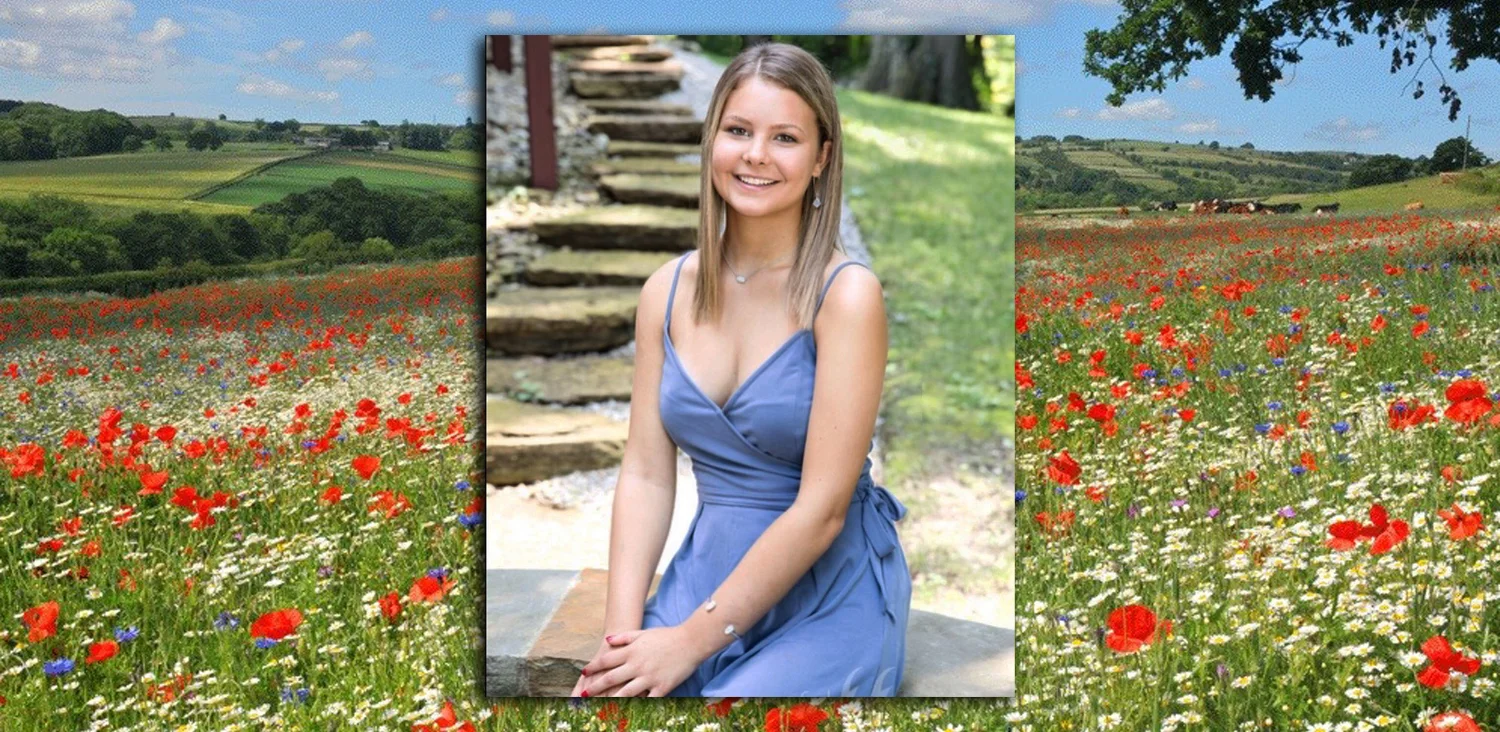
#187 Beauty in the Randomness
Izzy survived a horrific car accident caused by a low blood sugar…
This is her story.
You can always listen to the Juicebox Podcast here but the cool kids use: Apple Podcasts/iOS - Spotify - Amazon Alexa - google play/android - iheart radio - or their favorite podcast app.
+ Click for EPISODE TRANSCRIPT
DISCLAIMER: This text is the output of AI based transcribing from an audio recording. Although the transcription is largely accurate, in some cases it is incomplete or inaccurate due to inaudible passages or transcription errors and should not be treated as an authoritative record. Nothing that you read here constitutes advice medical or otherwise. Always consult with a healthcare professional before making changes to a healthcare plan.
Scott Benner 0:00
Today's episode of The Juicebox Podcast is sponsored as always by Dexcom on the pod and dancing for diabetes, you can go to my Omni pod.com Ford slash juice box to get a free no obligation demo of the AMI pod right now, you can go to dexcom.com Ford slash juice box to find out more about the Dexcom g six continuous glucose monitor. And of course you can go to dancing for diabetes.com that's dancing the number four diabetes.com just to see adorable pictures of children with diabetes, dancing. There's other reasons to go. But the cute kids are the best reason. There's also links in the show notes at Juicebox podcast.com. When you click on them, it helps the show.
Izzy 0:45
This is me hand and you're listening to the Juicebox Podcast.
Scott Benner 0:49
Hello, and welcome to Episode 187 of the Juicebox Podcast. As you just heard Today's guest is Izzy me. I know you recognizes his name I've spoken about a number of times. She is a high school senior from Ohio who recently had a near fatal car accident when her blood sugar got low is he's on the show today to tell us about the accident and her recovery and what she's learned since then. Please remember that nothing you hear on the Juicebox Podcast should ever be considered advice, medical or otherwise. And to always consult a physician before making changes to your health care plan.
Izzy 1:33
The first thing I do remember is waking up on Saturday morning, and the accident was on Tuesday. But the first thing I remember was waking up. They took the breathing tube out and I said what's my blood sugar? Hi, I'm Izzy me, Han.
Scott Benner 1:55
How old are you?
Unknown Speaker 1:57
I'm 17 years old 17.
Scott Benner 1:59
Okay, how long have you had type one diabetes?
Izzy 2:02
Well, I was diagnosed at 13. But I've had it for over four years. Your math is strong
Scott Benner 2:07
is a very strong.
Unknown Speaker 2:10
Thank you, sir. So
Scott Benner 2:11
you're welcome. Are you a? Seriously you'd be very proud of that some people stumble? Are you? Are you a senior in high school?
Izzy 2:20
I am. I'm a ursuline Academy.
Scott Benner 2:23
You're a senior in high school. You've had Type One Diabetes since you were 13. And you're on the podcast today? Because maybe I have to start this out. Okay, so I feel like it was just still this year. Right? It was in 2018. Your Yeah, your incident, right? It was in 2018. And, and I got a note from from your mother. She sent me a message. And very sort of briefly explained to me that you had been in a car accident, and that she was hoping for people just to sort of send you messages of like, good wishes and things like that. Yeah. And I have to tell you, like, on my end, I was sort of like, wait, what's happening? Because a lot of people listen to the podcast, and a lot of people read the blog, and I know some of their names like like, you don't mean like there's names that pop up in front of me. I'm like, Oh, I recognize that name. Yeah, and your mother's name was one of those names. So it's like, I recognize this person. And so we're talking back and forth for a second. And I'm like, wait, wait, hold on. I'm gonna get can we call each other because this is, I think I'm missing exactly what's going on. So the next thing I know very, because I didn't really understand the timeline of everything. I was speaking to your mother and she was at the hospital, I have to tell you that like, from my perspective, obviously, your situation was worse than mine. And your mother's was worse than mine. But I was really like, I felt like someone kind of like smacked me in the head with a board because suddenly sort of this person I just tangentially know, through the internet is telling me this horrible story. And I'm trying to both be supportive of what she's saying, and absorb how I like even know you guys, you know what I mean? And so on. And so it was all very, very strange for a second but, but I want you to sort of kind of fill in the space between that phone call and what happened to you. So you're at school one day, and your blood sugar gets low.
Izzy 4:21
So I went to school that day, and like I didn't get a lot of sleep the night before. Just because I was studying for a bunch of tests. I had a lot of homework, and I see healthy fat during my lunch. And that day, I had like an unusual lunch like with a bunch of carbs and I didn't treat it like I didn't treat for all the carbs properly and blood sugar went like over 300 and so I just kept correcting and like it was 300 I corrected 350 I corrected again so I kind of just kept stacking it. I wasn't getting over what my pump said to get but I just kept correcting and then my blood sugar finally came down and I stabilized at around two Hundred. Both of my parents called me before I left school to go to my AC t tutoring session just to make sure I was fine. And like I was responding and my CGM, my Dexcom still said I was like stable at 100. So I drove to my tutoring session. And I don't really remember anything about the tutoring session. Like the last thing I really remember was being at school that day. Okay.
Scott Benner 5:25
Well, let me let me let me go back for a second. Let me let me unpack a couple things. So you ate sort of an unusually large carb heavy lunch that you thought you under Bolus for at the beginning. But then as your blood sugar was going up, you're like, Oh, geez, and you kind of kept after it. You felt like you got it back to where you wanted to have it. And then you and then you drove to a tutoring session. Did you? Did you complete the tutoring session? Yeah, because those things are so boring that if you don't remember those that might have nothing to do with diabetes, first of all, or insulin. I watched my son do those in our dining room. And I would pull my wife aside and be like, That kid is a trooper. I'm like, I would be asleep on the table right now. You know? Yeah. So how far was the ride from like, so let's put some times on it. what time of day did you leave school? When the show ends, don't forget to check out dancing for diabetes.com. That's dancing. The number four diabetes.com.
Izzy 6:24
I left school around three o'clock.
Scott Benner 6:26
Okay. You went were for the session just
Izzy 6:28
to a library, which was about like 15 minutes. Oh,
Scott Benner 6:33
okay. So you're about 15 minutes away from school. And you're at the library. How long was the session with the the tutor
Unknown Speaker 6:40
an hour?
Scott Benner 6:42
How did you do on the AC T's? Have you taken them yet?
Izzy 6:45
Yeah, I took it a few months ago. And I did good. So I'm finished. Now.
Scott Benner 6:48
I just want to make sure that this was all worth it. So okay, so you've got Yeah. So So hey, you're breaking up. You're breaking up just a little bit. So let me ask you, are you on a computer or a phone?
Unknown Speaker 6:59
A computer? You're on the computer?
Scott Benner 7:00
Is there a cell phone near you? Yeah. Can you move it away a little bit? Because I think we're getting like, yeah, it's interfering a little bit.
Izzy 7:09
Yeah, I'll move it away right now. Okay, thank
Scott Benner 7:11
you. Okay, that's good. It's a break in the tension. So, so you've completed the the tutoring, which I'm assuming was an hour. And so we're driving what are we talking about? Like, 430 you leave this tutoring thing? Maybe?
Izzy 7:24
Yeah, around 430. I left and it was 15 minutes from my house. So it wasn't a long drive or any
Scott Benner 7:31
thing and I don't want to like build unnecessary suspense because your your story is gonna be terrible enough. We don't need suspense. But you didn't make it home, right. No, no. Okay. So what ended up? Well, I guess you don't know what happened to you. Thanks for real, like, you
Izzy 7:48
know, yeah, I don't remember anything that happened. But like, I know, my both of my parents have talked to witnesses. And they said that, like they saw me passed out in the cars, like in the driver's seat, and like, they like most people thought I was on drugs, and the ambulance was going to give me Narcan assuming that I'd overdosed on drugs. But my mom luckily used her find my friends app and knew that I was in a remote place of remote place in town. So she called 911 and told them that I was a type one diabetic. And they said, hell, how do you know like that she got in an accident. She's like, I just know, like, she could, she could see my blood sugar, like, stabilized around 80. And she knew that the dexcom got stuck there. Because it's done that before I've gone from like a 400 blood sugar back down to like 80 been stuck at 80 for like an hour checked my blood sugar. And it was like, you've been lower than that.
Scott Benner 8:45
Right? So so she she felt like that she had seen this process before and she had this bad feeling. Plus, you were supposed to be somewhere that you weren't, I assume, right? Yeah. Okay. So she's able to kind of jump in with MS and let them know, hey, look, you know, my daughter has taught you're gonna find her in a second. She has diabetes. So she wanted them to know that that's really cool. But you were pay, people said that you were passed out in the car. People said you were passed out in the car after the accident or they could see while you were driving that you weren't conscious.
Izzy 9:19
They could see my head. They could see my head for like leaning forward while I was driving.
Scott Benner 9:26
So you were out.
Izzy 9:28
Yeah, and they said that I was probably going over 100 miles per hour. Wow.
Scott Benner 9:32
Okay, yeah. What did what did you strike that stopped your car finally.
Izzy 9:40
It was like I had a bunch of things like, like three mailboxes and then just like a big boulder. That kind of just stopped it all together. That was
Scott Benner 9:51
a car. Yeah,
Unknown Speaker 9:52
yes.
Scott Benner 9:53
So don't Is there any part of it? I don't want to make light of this. But is there any party that wishes you could have been a little awake to see the mailboxes like pop up in the air like like in a movie or have you ever thought it through? No not really. So, so So is he It is incredible that you and I are talking It is incredible that you're talking to anybody anywhere because you drove a car unconscious very fast into a giant piece of rock that stopped stopped the clock. How have you seen the car since since the accident?
Izzy 10:25
Oh yeah, we I saw I've seen pictures of it and it obviously from what happened it wasn't a like they weren't able to reconstruct it constructed or anything.
Scott Benner 10:39
Throw new radiator on it. You're driving around nothing like that. My point is it was it terrible. It was it completely wrecked was it smashed in? Like,
Izzy 10:46
yeah, it was basically like everything was pretty smashed. And gotcha. And it's just like, I don't understand how I am how I am now. Like how I don't have brain damage. I like and walk like, I was in awe, like after my parents told me this story. And like, I like that, like I wasn't paralyzed and how none of that happened.
Scott Benner 11:07
It's crazy. So, so Okay, so this sort of takes me up to me talking to your mom in the hospital. And I'm not going to remember it all correctly, but she started running over your injuries with me. And I even remember thinking, wow, that doesn't sound promising. In any real way did do you know what the initial? Like what did they What did the hospital staff initially tell your your parents about your condition when you got in there? What were their expectations for you? The army pod tubeless insulin pump is a two part system. It is completely waterproof. And it simplifies the management of your insulin dependent diabetes. The Omni pod systems innovative design allows you to live your life and manage your diabetes with freedom, comfort, and convenience. This small waterproof pod and the handheld personal diabetes manager communicate wirelessly to deliver continuous insulin based on your personal settings. Now listen, the idea of not being tethered to something is everything in my opinion. You know, you hear people talk all the time about I wanted a pump and I didn't want to feel like a robot. Well, I get that. But with the Omni pod, you just apply the pot and you're not connected to anything. And before you know it, and I have worn one in my daughter's one one since she was born. She's 14 now. But before you know it, and this is my experience, you just forget it's there. Because it's tubeless. It allows you to swim, or involve yourself in any of your physical activities without disconnecting from your insulin. I believe that it's incredibly important to have a constant stream of insulin. When you have type one diabetes, I don't like the idea of I had to take it off and take a shower, I had to take it off to go play a sport, I had to take it off for 9000 reasons. I love the pump because it is with you all the time, constantly delivering the insulin that you need. And it's tubeless it's easy. And it rocks. Go to Miami pod.com Ford slash juicebox. To find out more for click on the links in your show notes, or Juicebox podcast.com. Oh, did I mention that demo was free, and it had absolutely no obligation attached to it. There's genuinely no reason why you shouldn't do this. It'll take you two minutes online now the pump will come to your house, you can give it a shot. What did the hospital staff initially tell your your parents about your condition when you got in there? What were their expectations for you?
Izzy 13:32
on the first night there, they didn't think I was gonna make it and they knew that they were going to have to take out one of my kidneys and take out my spleen. They thought that I broke both of my legs which
Scott Benner 13:47
I'm sorry, you cut out for a second job was broken. You cut out for a second they thought you were gonna. They thought both your legs were broken. But
Izzy 13:55
yeah, I thought both of my legs were broken, but neither are broken. And then they thought my job was broken. But it wasn't broken. Like they were just giving a whole list of injuries to my parents. And then because of you and my community, like everyone unbreached down was praying and like all these small miracles happened overnight, like the next day like they're like, oh, her lungs are getting better because I thought like I was like I wasn't able to breathe on my own but then like soon I was like all these small little miracles were happening but yeah, I still had to get my kidney taken as a sleep taken out and I broke my right wrist and I had to get surgery on that and my like, my finger and then like multiple breaks and my back and neck and I wore a back brace and neck brace but most like most of those are all temporary. Yeah. I'll have to live with one kidney for the rest of my life. But like, it's just like, that's not as bad as it could have been worse. No,
Scott Benner 14:58
it's incredibly Fortunate honestly. Okay, so you said a lot there. So first of all, I didn't do anything, I appreciate you saying that. But all I did was I put up a like a special like bonus episode of the podcast. And I asked for people to send, like, there was a link that they could go to at the hospital send you messages. And I was just like I, you know, do that. And I was even scared when I told your mom, I'll do it, you know, I'd be happy to do that. But I thought, what if people don't do it? But can you tell me about how many messages you got from the people listening to this podcast,
Izzy 15:30
it was really so nice that you made that small podcast I made because I received so many letters, like hundreds of letters when I was in the hospital, like, I got letters from Spain and different parts all over the world. And no one even knew me. And they were sending me these kind letters and by sisters read them to me at night. And it not only helped me but it helps my family to know that they weren't alone. And, and I look and I have a binder full of them. And I still look at them whenever I need inspiration. And they all just show like how the type one communities there will always be there for each other. And that reaching out helped me get through all my injuries,
Scott Benner 16:10
really happy that it had that impact. And I can't thank everyone enough Who? Yeah, who took the time to reach out to me that was really special. Yeah, I was so scared. It would be like three people. And it was like, because I just felt like I was promising in that moment. I felt like I was making a promise to your mom, like, like I will, you know, don't worry, I'll do something and people will reach out because she what she would say is that the delivery system for the for the people's notes were were sort of like they went into a queue. And then I guess the hospital actually printed them and gave them to you. Right? Yeah. And so she said, like, there'll be certain times a day where just 50 or 100 of them would shop at once. And I thought oh my gosh, that's great. And, and I just thought, thank, like, thank God that everybody did that. Like I was really pleased for you guys, because I couldn't imagine how much you needed at that moment. Yeah, you know, just a distraction, or some hope or anything like that. So after the first night, after the first night when they said, Hey, I don't even understand by the way, I don't even in my wildest dreams understand what you do when someone tells you we're not 100% sure your child's going to survive overnight. And so the next day when you're still there, and and things are slowly improving, then it became more about triage, seeing your injuries and, and getting you on different paths of you know, of healing. So did the did the spleen and the kidney come out the day of the accident, like did you come in? And were those taken out like an emergency surgeries?
Izzy 17:41
Yeah, they were. So I came in and they perform that surgery. And they had to leave me open overnight, and go back in in the morning to see if they could if they had to take anything else out. And they expected that they would have to. But then in the morning, they went back in and everything looked fine. And they closed me up. And they told my family that it was a miracle that that happened because they're betting that there would be other injuries is a you're a tough woman.
Scott Benner 18:10
So seriously. Well, how long were you in the hospital?
Izzy 18:19
About three weeks. And I was supposed to be in there for six to eight weeks from like a normal person. Like who would go through that amount of injury.
Scott Benner 18:32
So not to I'm not gonna stick on the injuries too long. But in in just two. Why would someone try to call me now is he wrong? So um, but but broken wrist that definitely did happen, right? Oh, yeah, a thing and that needed? I'm assuming surgery and things like that.
Izzy 18:50
Yeah. And then I work cast on my right arm for
Scott Benner 18:54
six weeks after the surgery. And you mentioned a finger. Was it disfigured that it has to be fixed as well.
Izzy 19:00
Yeah. So there's, like metal, not in my finger. But like, on the back of my hand. There's metal inside because I broke a bunch of small bones and then like, my fingers were like, disfigured at the time. I bet.
Scott Benner 19:19
And okay, so I know what a kidney does, and we're gonna get to that a little bit. I have to admit, I don't really know what a spleen does. But I guess it doesn't do too much because you're talking to me pretty well.
Izzy 19:31
Yeah. Yeah, I mean, honestly, the doctors like we've asked the doctor, why do we have spleen. The doctors were just like, it's kind of unknown. Like, we don't know that much about the spleen. But we do know that it helps like with bacterial infections. So like every time I get a fever, I have to go to the doctor and get tested. If it's bacterial then then I'd have to stay in the hospital and like, get treated by the doctors there because I don't have a spleen to take care of. bacterial infection. Gotcha. Okay.
Scott Benner 20:03
Well, that's, by the way, that's horrible. But I, yeah, like the spleen doesn't do anything except keep you out of the hospital. If you have a bacterial infection structurally to your face, they thought your jaw was broken, but it wasn't. But there must have been, I'm assuming some fairly significant damage to your face at the time.
Izzy 20:22
Yeah, at the time, like, my parents had, like, my face wasn't really recognizable. Like, it was all like puffy and red and like, like, covered in bruises and like, now there's like, two small scratches that are barely noticeable on my face, which is amazing.
Scott Benner 20:40
Yeah, I saw a picture of you recently with Who are you with Ryan Reid?
Izzy 20:44
Yeah, I went to one of his race car events and met him there.
Scott Benner 20:47
Right. And I was gonna say, like, I'm looking at you in the photo. And I don't think to myself, there's a person who was in a horrible accident, like you don't, you don't look like that, which is phenomenal and fantastic. You know? Okay, so six, you so you're in the hospital. Now, I've now corresponded back and forth with your mom and this time a couple of times. And I really did struggle with how much to be supportive, and how much to leave her alone, because I don't really like No, you don't. I mean, I'm like, trying to find my spot in this. But I would, I would check in with her sometimes. And, and there was this one time that she and I spoke. And I thought, like, I'd never been more proud of a person who I never met before. And this is me feeling this way about you. And she told me that you were in the hospital, it was Susan, the beginning days of all of this, and you wanted your insulin pump back? Because you didn't like the way they were managing your blood sugar.
Izzy 21:46
Yeah. Is that right? Yeah, that's right. So when I was there, there really wasn't any cross management between a trauma patient and a patient with a chronic illness like diabetes. So the entire time, my mom was like, trying to help the nurses and trying to take over like, saying, like, she knows what to do, and like, I didn't want to ever eat because I would be 300 and they'd make me eat like 50 carbs and stuff food down me, and then they wouldn't give me insulin there till 30 minutes later. So I'd go to like 400. And, you know, you have to have a good blood sugar to heal. Like, that's it. If you don't have a good blood sugar, it's gonna be even harder to heal. Like, the nurses were great. And the doctors were great. They saved my life. And but the one thing was, there was just no cross management between by diabetes and then the trauma I went through.
Scott Benner 22:38
I just thought, well, that's a common story. First of all, I guess, most people who you hear of in extended hospital stays with diabetes, say that just no one considered my blood sugar em to your point. And it's always my point, as well as that healing is so tied to like, in control blood sugars, right? Like that's, yeah, it's just such a counterintuitive idea. Like, oh, we need this person, the heel, but we're gonna let their blood sugar be 300. Like, just okay. And so right. Yeah, but but as your mom's explaining it to me. I was just so like, I don't know what I was, to be honest. But I was like I said, I was really proud of you. Here's a person who just went all through all this happened because your blood sugar got low. And you're still saying, hey, I need more insulin. What are you people doing? Like I? They? Seriously, because this is so important for people to hear is that even me? Because I don't think much worse could have happened to you unless you ended up dead honestly, like this is pretty pretty, incredibly terrible. And so, and still, you weren't dissuaded? From what you knew you needed to stay healthy in regards to your type one. Yeah. And and I don't know how I'm so interested in how you got to that point in just four years and at your age. Like, why are you Why do you feel so strongly about it? I guess.
Izzy 23:56
So before I was really tightly controlled, and like nine months after my diagnosis, so I was like, that was a that allowed me to like micromanage and kind of act like a bionic pancreas. And like, I would see myself going though, I drink juice really fast. And again, if I saw myself creeping up, I'd like give a small dose I don't like I've always just been a perfectionist. And, and it was really hard because I also wanted to be in the perfect range. Like, I got my agency to it, like how a normal person without Type One Diabetes would be. It actually got to a 5.1 at one point. But even at that, I only had 1% of hypoglycemia because I had the deck I guess after my accident, like just having that perfectionist mindset still in my head. I just wanted to like have my blood sugar down and I just kind of knew like, I'm not going to be able to heal well if my blood sugar's this high. Yeah,
Scott Benner 24:57
well, it's just it was truly I mean You would think like from an outsider's point of view that this would happen to you and you, you would think, you know what, I'm going to just be okay with 200 for a while, but you really weren't, you were just you just really didn't lose focus of what was important. And it is really something that we talked about on the podcast once in a while, I've said it a bunch of times. And that, you know, people people will say, like, Well, what about like, overnight or this or, you know, you don't want something terrible to happen. And of course, no one wants something terrible to happen. But, but that idea of trading now for later is, is is real, you can't you can't pretend that leaving your blood sugar high for years isn't going to have some effect on you down the road? It's not going to be it's not going to it's going to be detrimental. Yeah. And and so, how do you safely do this? And do you still have any idea? How? Because I'm like, as we think back to the timeline of the accident, like, you know, what time did you give yourself? insulin? It was it was hours before, right? Like it all caught up to you at once and just kind of kind of pushed you down? Did you know, let me ask you this. Do you know what your blood sugar was when the MS got to the the accident scene. Very few times in my life has something or someone surpassed my expectations every time I've had contact with them. Years and years ago, Arjuna started using a dexcom continuous glucose monitor when they were at version like I forget what it was called, like seven plus. And it was an amazingly, it wasn't perfect, but it was so much better than what we had prior. And then they came out with a new revision, I think that was the g4, then there was the G five. And now there's the G six. And each time a new product has come to market, things have gotten better and easier and more accurate. And they've helped to make diabetes a smaller part of our life. I think that's an old tagline from Omni pod. But it really does fit in this example, the Dexcom g six continuous glucose monitor feeds back the information from my daughter that allows us to make adjustments to her blood sugar that keeps her blood sugar where we want it to be. In a life where nothing is a short, the dexcom g six is the closest thing I've seen to comfort, convenience and confidence in over a decade of living with Type One Diabetes. And I bet you the next version, whenever it comes out. I'm not saying I know. But I bet you it's better again Dexcom their employees and the products they make are absolutely life changing. And I believe that forget view for me. I want to be involved with them. As long as they're making diabetes devices. I want my daughter using them. Consider going to dexcom.com Ford slash juice box today to get started with the Dexcom continuous glucose monitor. Do you know what your blood sugar was when the MS got to the the accident scene?
Izzy 27:56
I'm pretty sure it was 31.
Scott Benner 27:58
Had you ever had you ever? Did you see? Do you know?
Izzy 28:03
No, I hadn't ever seen before that.
Scott Benner 28:05
Okay, and did you have a seizure then? Or did you just blacked out? Or do you? Did they not really put a description on what happened to you?
Izzy 28:13
They didn't really put a description on but I think I just blacked out in the car.
Scott Benner 28:19
Where did you feel your lows that? Like when do you start thinking oh, I need some something.
Izzy 28:23
Um, so before the accident since I was so tightly controlled, I had a really hard time feeling my lows. And that's why I use the decks calm to always catch my lows. Like it's kind of like a GPS. Like, if you learn how to drive off a GPS, you never actually learned the directions and you're kind of dependent on the machine. And that's kind of how I was with my Dexcom. So I didn't really feel them until I got in the low 50s before the accident.
Scott Benner 28:53
Okay. No dropouts. Now listen, now you fill them when I'm sorry.
Izzy 28:59
Now I've kind of feel them in the 60s because I've been trying to run myself a little higher, but obviously still taking good care of myself, especially with the one kidney. But I just find myself that I'm not spending as many hours like micromanaging everything. And I just like try to stay stable but like between 120 and 140. Just about 121 40 Yeah, yeah. Well, that's
Scott Benner 29:23
the it's you know, that's excellent. It's
Unknown Speaker 29:25
not Yeah,
Scott Benner 29:26
yeah, it's it's nothing. That's nothing to be ashamed of. Yeah, sir. Yeah. And so because you are now how many months removed from the accident?
Unknown Speaker 29:35
I'm about nine months, nine months.
Scott Benner 29:39
Wow. You bounce back faster than Carson Wentz. Which is a football reference that only people in Philadelphia might understand. But that's fine. It is essentially incredible turnaround in such a short amount of time. Are you astonished by it sometimes do you
Izzy 29:54
I am like it. It doesn't feel like it happened this year. Like I missed the whole quarter school. college applications and as he which I'm still working on my applications that mine but I'm mostly all caught up now and it just kind of feels like it never really happened even though it was like such a big part of my life. And
Scott Benner 30:15
it's so interesting to even when you're I was talking about this with my son in the last six months about the passage of time. And that idea that that sometimes a day can drag on forever. A week can feel like it takes forever, but then a month feels like it goes by in the blink of an eye. Yeah. And you know, and then you you sit down at Christmas, and you think it was just Christmas, like how did this happen? But how many days that I lived through at two o'clock in the afternoon. I was like, Oh my God, this day is never going to end. And you know, and so the time is, as you get older, you'll say as you get older, you start having a different feeling about it. But when you're younger, it things feel like it's like they're flying by constantly. And it really is it's just really kind of spectacular. how quickly you bounce back if you always and this is gonna sound like a random question but you've ever been Have you always been like a fast healer, like you get a cut and then wake up the next morning. Oh my god, it's gone. Or you like, seriously,
Izzy 31:13
like, I've never been one to complain a lot or like didn't really talk about my diabetes a lot of people because like I didn't want to be like, dramatic or anything and it was kind of embarrassing for me to talk about it. So like I never I like always tried to push through my pain and like, I wish I think like has made me stronger. But it's also taught me that being so like I feel like isolated myself because of my diabetes but from the accident I have definitely like reached out and like been more open about it and been more accepting about my diabetes. But I've But no, I wouldn't call myself a faster healer. I would just say that. I'm like going off the perfectionist thing. Like I just like, I tried like everything to get better, like right away because I do not like being independent on other people are dependent on other people.
Scott Benner 32:05
So you just willed your way through it. You were like, I don't care if I drove into a giant boulder. I have to get up now and do other stuff.
Unknown Speaker 32:12
Yeah. And
Scott Benner 32:12
what what kind of other stuff do you do? Did you play sports in school?
Izzy 32:16
I played volleyball. And I actually quit right before my accident because, I mean, I loved volleyball and I was and I like to get to be libero for my school. But like, I did not like having high blood sugar and not being able to. Or, and I was always worried about that. And now looking back on that I feel like if I ran myself a little high or just like accepted things, then it might have been different. And
Scott Benner 32:54
so you're so this is very interesting, because you mentioned a five one a one C of one point, which is insane. And, and my daughter's last day when she was five, four, the only real difference between Well, there's two differences between you with a five one 100 with a five for two things are is that I'm helping her with her management. So it's not all on her. Yeah. And and the other thing is, is that I don't worry about spikes too much if they happen, like if you if I could see most of Arden's 24 hour, like Dexcom graphs, she gets high a couple times a day, until as high as like 150 or 160. And, you know, we'll do something about it every once in a while. You know, something happens where you're like, Oh, geez, like last night, she went to get in the shower. And her blood sugar was like 73. And I said once, just wait a second, like I have a feeling it's going to try to fall. And so the arrow kind of turned diagonal down. And she's like, I know what to do. And she grabs food and eats it and goes and takes a shower. And while she's upstairs in the shower, like I see her blood sugar goes to 75 it stays it goes to 85 it stays it goes to 90 days now. It's like oh wow, she really did a good job of this. And I stopped paying attention to it. And then she's downstairs. And she in my mind. She takes really long showers. So I was like guys, it's been a while. Yeah. And all of a sudden I hear I hear like the beep beep that she's going over 120 and I look and she had her arrow straight up and I thought it's funny. I'd forgotten about I said What did you eat? And she's like, when I was like at 70 is like what each because I had two Oreos, and I was like, oh, giving you some insulin for those Oreos. And so I get I'm like, let's try this. gave her a little bit and five minutes later, you know, her blood sugar was like shooting up. And so I bolused more and it an hour and a half later, an hour, hour and a half later. She was like back to like 135 and she was in this steady decline that happened, you know 135 130 very slowly over the next hour or so. And she was really great overnight there was the blood sugar was pretty stable overnight around like 95 or 100 But, but I'm not like I don't like, unlike the way you're describing. Like, that doesn't make me mental. Like, like, you know, I'm like, I don't feel like oh my God, we screwed up or like, I just don't have those feelings. But there was a point in time where when stuff like that was happening to you were you felt like oh no, I'm supposed to be doing better than this. And you don't feel like that anymore. And that's good, by the way, because you shouldn't feel like that. Yeah, yeah. So I, you know, would have been nice if you could have figured that out without driving into a rock. Rock. But, but I'm glad that positive things are coming out of this. Yeah. Seriously, this is do this is a completely ridiculous question. What is something like this do for your overall popularity in high school? Um, do you become like that girl that lived through the car accident?
Izzy 35:49
I think kinda like everyone knows who I am now. Like, y'all mentioned my name and even like, people from last job be like, Oh, yeah, I know who that
Scott Benner 35:59
girl almost died.
Izzy 36:03
Maybe not in front of me. But
Unknown Speaker 36:04
I'm sure they said that. Oh, my god, you're walking down the hall at least 20 times a day somebody like that girl Miss died. You know that girl.
Scott Benner 36:14
That's to be serious about that for a second. I don't have that experience in my life. I have not come close to what you know what that's alive. And I've been in a couple of motorcycle accidents as a young person where I looked up and thought who I was at that telephone pole. But I wasn't really I wasn't hurt. Like, dude, I mean, I just flying through the air and was kind of okay. And so do you have enough distance from this? At this point? You have enough maturity enough perspective to tell me what it's like to come that close?
Izzy 36:46
I mean, yeah, like it doesn't bother talking about it or anything. It's just Alright, if I don't remember accident.
Scott Benner 36:54
I gotcha. So So you think maybe if it was more of a you like actually experiencing it consciously, like if it was just an accident that you think maybe you'd have more perspective, but you just fell asleep? woke up and were hurt?
Izzy 37:11
Yeah, um, the first thing I really remember, or the first thing I do remember, is waking up on Saturday morning, and the accident was on Tuesday. But the first thing I remember was waking up. They took the breathing tube out and I said, What's my blood sugar?
Unknown Speaker 37:29
Very good.
Unknown Speaker 37:33
Really, it just
Scott Benner 37:38
cuts my blood sugar. You guys know you people aren't doing this right? And I'm on a roll here with my did people laugh at that?
Izzy 37:48
No, like it cuz it was just because like it was the first words I talked and like, I was just confused. Like, I thought my I asked my parents like, did I go low overnight? Like I thought I was in the hospital from an overnight low or something. And then they told me I was in a in a car accident. And then I asked like, if anyone else was hurt.
Unknown Speaker 38:08
But see, how am I sure?
Scott Benner 38:12
I probably wasn't your car. Right? who lost their car in this? Your mom? Your dad, by the way?
Unknown Speaker 38:17
It was my car? Who's your car? What
Scott Benner 38:18
kind of car was it? Because it held up and kept me alive.
Unknown Speaker 38:21
It was a Ford Escape. Alright, for escape. Well done.
Scott Benner 38:26
So now here's my next question. From your, from your perspective. Did your parents do your parents, you know, have they? Do they still? Do they treat you differently? Like did life change around your house? Are people more? I don't know. Like, does everybody feel like they're on borrowed time with you? Or is it been weird? Or how do you find your interactions with your loved ones?
Izzy 38:51
I mean, like, at first, the first few months like, my dad stayed home skips a ton of work. My mom was by my side 24 seven. Both of my two older sisters like took time off of college and came home and they would come visit like every single weekend to make sure I was okay and like just spend as much as time with me. And they still do but I mean, not as not as much like like a 24 seven watch anymore, but like
Scott Benner 39:21
have you ever done that? Have you ever looked across the room and thought, oh my god, they're staring at me.
Izzy 39:27
Well, my mom might have done that before my accident. But um, yeah, I have caught them staring.
Scott Benner 39:37
So it's very, you know, obviously it's not it's not apples to apples, but you know, you have two older sisters. Right. So you have to, you're the youngest and but my son just left for college a few weeks ago. And we went and visited him for there's a family weekend, you know, three weeks into the time and we're eating, we're eating dinner before we're getting ready to drop them back off at his dorm and go home. And I had to stop myself from just like looking at him. Like, like, you know, like, in the course of a regular dinner conversation, your eyes go all over the place start talking to this dog here. And I just found myself thinking like, look at him because he's gonna leave. Yeah, you know, and it um, and then I had to stop myself because like, don't be a creepy person. Like That was my second thought, like, stare at him though, you know, don't be creepy. But but it is. I I'm just imagining that they reverted in their minds to you being an infant again. And they were just like, oh my god, like, Don't let her pick that up off the floor. Don't let this happened. Don't let that happen. Like, stare at her stare? I can't I can't really imagine your mom was I I thought when I was speaking to your mom, she was incredibly strong. And I felt like she was dazed. And that seemed very expected to me. Um, do you? So now nine months later? How frequently do you think about it? Or do you not?
Izzy 41:02
I mean, I don't think about it as much as I used to, like, when I was in my braces, like, I just had that to remind me every day. But now besides like, the scars, I have, like, I don't really think about it as often. So like, maybe like, once or twice a day, I'll just think about it. But like, not for a long time. Just like, Oh, yeah, that happened.
Scott Benner 41:27
I have this like, when I think about you, which I do sometimes. But again, not not a creepy amount. And so but but when I think about you, I always I always my brain jumps to the randomness of what happened to you. Because your blood sugar got really low and you lost consciousness. You happen to be driving. had that happen during your a one c? there you're Excuse me? So many acronyms in your urine, LSAT prep, right, when you were in your prep class, a CT prep, when you were in your a CT prep class, had it just happened then, then there would have just been a panicked like person in a library going, Hey, Can someone help me, this girl just slumped over on the table. And someone would have come and given you a little glucagon or done whatever they did. And you would have sat up and been like, Yo, what's up? And your life would have went forward from there? Yeah, it's the randomness of it. That throws me off. Because think of all the things the confluence of things that had to happen like you go have a meal that's common for you. So not as you're not sure about how to Bolus for it? Well, you do know I'm going to stop this error. I'm going to stop my blood sugar from going up, then it levels out on you. And you're in a good spot. And then you live for a long time after that with a blood sugar. That looks really great. You feel fine. Listen, Dexcom I think is an amazing tool. But it's still a it's still a machine. And I'm yeah, I mean, we've all had a moment where, you know, somebody's seen a quick drop on a blood sugar. And it takes it five minutes to catch up. And today, you know, yeah, it happens. You see even that's random. I bet you that I see that happen too hard. And once or twice a year. I'm like, oh, wow, she's lower than it says she is buying. And in a situation where it's like, well, let's do something about it. But then that had to happen to you then like in that like you don't I mean, like, yeah, there's so much randomness to it, which is sort of the beauty of life. And yeah, also what can scare some people about it. But But I want to ask you like right now today, would you consider yourself a person who sees the beauty in the randomness? Or are you afraid of it now?
Unknown Speaker 43:44
Dancing for diabetes spreads awareness through the art of dance to better educate the community, raise funds to find a cure and inspire those with diabetes to live healthy and active lives. Please join us on November 10. For the 18th annual dancing for diabetes at the Bob Carr theater in downtown Orlando. Tickets are on sale now at Dr. Phillips center.org You do not want to miss this.
Scott Benner 44:14
Would you consider yourself a person who sees the beauty in the randomness or are you afraid of it now?
Izzy 44:19
No. I mean, I definitely see the beauty and the randomness because even though that is everything that could have went wrong, that day went wrong like Like you said, like the food I ate, which made me go high and then the stacking, which eventually got me down and my CGM said that I was stabilized. But I actually probably wasn't even though that was wrong and like all this random things. I still see like the beauty in it because it's made definitely made me more accepting of my disease and I've immersed myself more in the type one community before I really didn't know that many type ones and I had, there was no one at my school knowing that my volleyball all my volleyball teams, and I just, and I didn't want to go meet any type ones because I was just like, well, I don't want to, like this isn't this disease isn't me. So like, I don't really care about meeting other people. But that after I saw how the community reached out to me, and I realized that I had been missing out and meeting so many pipelines has just helped me get through so much.
Scott Benner 45:31
Well, so a couple of things. described a little bit for me before this happened, like when you said you kept to yourself about it, like you weren't, were you hiding? Like you're like, kind of pumped you have Omni pod, okay, and so like, was that something you would hide? Or he didn't care if someone saw it, you just weren't going to be the person who engaged in a conversation about it.
Izzy 45:53
I mean, like, I don't really like it was never really like an outside that people could see like, it was always under my clothes. So like, I guess it was kind of hidden, but like, I wasn't really purposely doing that. But like, I like when I like when I Bolus for food. Like I would try to like, do it like, in my pocket. So like kind of secretively like, just to like no one would make a big deal out of it. Because I'd like didn't want to have to answer all these questions like my friends knew and stuff, but even with them, like I would still kind of try to be like I was I tried to hide it a little. But now like the whole city knows, and a bunch of people around the world know. So like, you're out now.
Scott Benner 46:35
Yeah. Because so you um, did you do work with the jdrf? in your in your town prior to this?
Izzy 46:44
Yeah, I did. I was the jdrf Ambassador my sophomore year. So I did some of that. But I was playing volleyball at the time. So like, I had to miss a bunch of events and like any I went to all like the there's like a thing called type one teens dance, and Cincinnati. So I went to all those for four years. And your your chapter tell everybody which chapter you you belong to the jdrf. Oh, Southwest, Southwest,
Scott Benner 47:14
right. Yeah. And, and so somebody sent me. It was a video of you speaking at I guess the gala. Maybe? Yeah, right, a number of months ago. And I and I, what I felt was I heard this girl wasn't like talking very much about this stuff. And you were up there really, really doing a great job. And I have to ask you a question. Because I've wondered about this for a while. During your talk. I felt like you were talking about the podcast without mentioning it once. Were you? Or did I misunderstand that? Because you were talking about support you got from the community? And I thought you were talking about like the letters and everything, like at the hospital? Is that what you meant? or What were you talking about in that? When you gave that speech?
Izzy 47:58
Yeah, it was like, for sure. Like mostly, like all the letters I received from the podcast. And then just like, just like the people from the jdrf jdrf of Southwest Ohio like sent me like car, like even more cards like specifically just from that. But like, mostly just like all the people around the world who have type one or who are living with someone with type one. From you mentioning me in your podcasts that were just sending me all this love. So all I'm saying is
Scott Benner 48:27
what happened was I was watching it and my wife was working from home. And she watched it too. And I said, I think she's talking about the podcast. My wife's like, she's not talking about you shut up. I don't mean it like that. She just always thinks, anyway, we've got too long, but that's not the point. So but so yeah, you're given this big talk. And, and I was like, Wow, that's amazing is a huge group of people. And then a month or so later, your chapter contacted me about speaking at your type one nation event, which I'm going to come out and do pretty soon. So we're gonna get to meet in person, which I'm yeah, I'm really looking forward to.
Izzy 49:01
I am too.
Scott Benner 49:02
Yeah, that's just it's great that you. It's great that you found community in some way. I'm so sorry. Obviously, how it happened. But yeah, but I think it's important because you described just being alone and being the only one in your school. Like even Arden has a handful of kids with type one diabetes in the school. And even though my daughter's not friendly with the people who have type one in her school, and not for any reason other than their maybe in different grades or just not in her friends circle or whatever. But she knows they're there. You don't mean like they walk by each other in the hall. There's got to be some sort of a feeling of Hey, that kid's got diabetes like me. And yeah, and my daughter does also have a couple of really good friends that she's met online that have type one, so she has that as well, which is I see. It's interesting how I see it because I think Arden thinks about herself the way you do it. I don't believe she sits around thinking oh, I have diabetes or you know, I'm a person. I don't Don't think she has a lot of those thoughts. But I do see sometimes she'll say to me, I was talking to Jani the other day, and her blood sugar's like this. And mine was like that, like there's just this and hey, Jani. What's up? Because I think she listens that her mom does, but but there's just that nice moment where there's some sameness, you know, and I'm really happy for you that, that you have that now, too. Can you tell me are you doing? Like, what's the concern, as far as the doctors have told you about being a person with type one and having one kidney.
Izzy 50:37
So there really hasn't been too many people in the world who have experienced having type one with one kidney. So there's not that many, like, things that they can compare it to. But they said like, keeping your blood sugar under control is the main thing with having one kidney, like, that's what's gonna keep that kidney healthy. And so I can live like, just like a normal person would, which kind of makes it a little, like, even harder for me than it was before. Because I feel like I have to make my blood sugar even better. But like, obviously, I know that, excuse me. Obviously, I've know, I know that, like, I've released all like a bunch of stress of going high and stuff. But then having one kidney makes me stressed out, too, because I feel like my blood sugar needs to be more under control. But then, but the doctor said like, as long as it's, you know, and a normal anyone see, like, I really shouldn't have any complications with it.
Scott Benner 51:39
That's tell you something. Haley, if this wasn't such a sad story, I would totally call this episode, having one kidney makes me really stressed out. But I won't be doing that. But still, as you said, I was like, Oh, that's the title of the episode. Well, listen, I can't imagine like diabetes is already enough people, really, people of type one don't need anything else. They don't need health care concerns. They don't need insulin pricing concerns. They don't need one kidney cancer, they've really got enough already. Yeah. But this is, you know, as as if there was a good time to have something like this happened to you, which there's not it's not a terrible time, because I know you're like, I think you're still using the on the pod. Right? Yeah. Okay. And, you know, we are all very close to artificial pancreas world where, where your, your range should be able to be, you know, more closely controlled without so much effort from you. And, and hopefully, you know, on that on that device that's coming in the future, hopefully, that low blood sugar really doesn't happen. Maybe. Yeah, you know, like, maybe that's that that's the I mean, are you excited about that technology? Is that where you're headed? or?
Izzy 52:55
Yeah, I for sure. Yeah, I really, I'm so excited about that technology. And it would make such a difference in my life. And even if like Omni pod had the low glucose suspend anytime soon, like, I'd for sure, like, get that right away. And does that would help me so much through college, and because I'm going to be leaving next year. So
Scott Benner 53:16
yeah, I just said to somebody just the other day that, you know, my short term long term goal for Arden is for the horizon system from Omni pod to be ready before she goes to college. I think that was such a big deal for her. And I have to say, I think you're right on because just watching my son for the last three or four weeks, he'd be so pissed if he knew I talked about him on this podcast, but he'll never know. But so he's, you know, on the baseball team at his at his college. And so he's an incredibly fit person. Like, he's one of those people that takes off his shirt, you're like, wow, like, he should be like a magazine, you know, incredibly athletic, incredibly fit, good eater. You know, all this stuff. But he gets the college, It's his first time living away from home. Practice starts a few days, in a week and a half later, he gets a bad head cold. He gets it into his mind that he wants to eat healthier, because while he doesn't eat badly, he still got some junk food in his diet. He doesn't eat enough greens. So he starts to flip his whole thing around. And now he's sick. He's overtaxed with with, you know, school and now, you know, practices that are now happening daily and getting up to lift weights at five o'clock in the morning. And just three weeks. I found myself thinking, how would he do this? If he had type one? Like, I know, I know, he could. But at the moment, I don't I can't imagine how like you don't even like and so I just thought oh my gosh, like this is and I thought about all of you like just all the kids who are leaving for college and have a type one and have varying levels of understanding of their of their their management. And so you have a little bit of time left. What's your like? Are you are you Is this your new normal? Where you're keeping your blood sugar and you think this is how it's gonna be? Do you think you'll start to? Like, tighten it down again? closer to where you were like, What? Do you have an idea about that? Are you just sort of going with it for now?
Izzy 55:13
I mean, I really like it. I really like where I am now. Like, just trying to stay between 120 and 140. That's where I feel my best and I have a cushion, if I will, if I drop for some random reason. Um, but obviously,
Scott Benner 55:30
let me just say, if you told me, Scott, I almost quit High School and sat in a room surrounded by pillows and sugar just in case like, I would be like, that makes sense to me. You know, like, if you said to me, I haven't driven since then. But you you're you really are pushing ahead like you drive right? You're back at it. Yeah. You get a better car. Like what do you get for this time? Like you were probably in a position to get a really good car. You know, you could have been like, Mommy, no, it would be much safer if I had a Land Rover. And so like recently, did you did you play? Have you forget all that question. Let's go back is he? How much of your adolescent brain is manipulating your parents based off of the guilt they must feel over what happened to you? Have you been shooting for better birthday presents? Better vacations? What is it you're doing to those poor people? You tell me about that now?
Izzy 56:17
Well, the biggest thing would probably be making them get me a dog.
Scott Benner 56:22
I mean, why not? Yeah, so
Izzy 56:24
we actually have two dogs now. We just got one a few months ago and she's almost four pounds now.
Scott Benner 56:32
So here's how I imagine your parents are in bed at night. It's late. You guys are asleep. Your sisters are gone. And and one of them turns the other one is the one that almost died in the car accident. Once a dog how are we going to say no to that? And then you're like in your room like like snidely whiplash, which is something you don't even understand. It's just a reference and you're like, wringing your hands together? Like a like an evil genius. Got a dog like what do I do next with this noob hour? Seriously, you're like a wizard at this point. You just need to wish for something in front of those two people. And it's gonna happen What do you want? You should test this as he tell them you want the ceiling in your room painted black and see if they don't go to like Home Depot this weekend. start buying it, you'll stop. Seriously, I think you're in a power position. So don't let too much time go by. Because they're gonna be like, Oh, you know what, we forgotten about that already? You really got to you got to strike while the iron is hot here. I should make a list of things you need and really get to it is what I'm saying.
Unknown Speaker 57:30
Are you dating?
Unknown Speaker 57:32
I am.
Scott Benner 57:33
Is this a guy? I'm sorry, girl. Is this person somebody before the accident? Or? Um, no. I
Izzy 57:40
have a boyfriend and we met after my accident. I
Scott Benner 57:44
see this accidents been a real boon for
Izzy 57:46
the spleen in the kidney thing and all the incredible injuries and pain and suffering. It's a funny story because we actually met after the gala that I spoke and he kind of just congratulated me off of that. And then we just kind of like started hanging out after that. I
Scott Benner 58:06
hear what you're saying. Listen to any any 17 year old boy who's got the wherewithal, let's say, Hey, good job on a speaking at a gala. You got to imagine is a pretty good kid. Because are you finding them to be a nice boy so far? Yeah. Yes.
Izzy 58:19
He's actually a type one diabetic to No kidding. Yeah. And does he go to your school? No, he's actually a year older than me.
Scott Benner 58:28
I say, How are our parents with that? Well, what are they gonna say you must die in a car accident, you're fine.
Izzy 58:35
So they're okay with it. They really like,
Scott Benner 58:37
yeah, you're not seeing this, right. They're good with anything. It doesn't end with you not being alive anymore. You're really in the driver's seat here. Like literally and figuratively. I'm sorry, I'm so glad you have a good sense of humor because it's such a sad story. Like if we didn't laugh I'm not sure what we would have done for the last hour.
Izzy 58:57
Okay, like even my dad's made a joke like even on the day of my accident, like I missed the turn into my house like he was driving me back from somewhere like a month ago and he's like, so you turn here to get back home?
Scott Benner 59:10
That's what you need is your Well you see, but that's a good indication that you're going to lose your magic power soon so yeah, you gotta get like really like apply to a really expensive school or something right now. Something like that. You got to get out of Ohio. Isn't
Unknown Speaker 59:22
it cold there in the winter? Um, yeah, it's pretty cold here in the winter.
Scott Benner 59:26
The South wouldn't hurt you know what I mean not that's where those those hurricanes are though. I don't know there's nowhere to live that by the way honestly, none of this matters because I don't know if you've seen the the projections today that the temperature of the Earth is gonna rise seven degrees in the next like, we're all just gonna cook the death anyway. It's not Not really. So what do you do a plan? Do you know what you want to do in college is such a silly question, I think but it maybe you have a thought.
Izzy 59:54
Yeah. So even before my accident it was I've always wanted to go into nursing. Which probably was just because I was diagnosed with Type One Diabetes and like, I've never really seen myself like, in business I've always wanted to be like, around helping people. And then just like after my accident, like that kind of made me want to be a nurse even more like to see like, how much the nurses there helped me and like, how like I could even help eventually, like with cross management between trauma patients and chronic illnesses, like especially like diabetes. So that's always been my dream to be in there. It's excellent. You think you do have the attitude like you? Are you kind of science and math minded? Yes.
Scott Benner 1:00:37
Good for you. Yeah. Me schools in mind?
Izzy 1:00:41
Um, well, I've really just been like, I've really just been looking at schools in Ohio, like OSU, Miami and UC, I really haven't toured that many out of state yet.
Scott Benner 1:00:54
You don't have to do the cold. I mean, as soon as they invited me to your thing, I was like, What month? Is it? Am I gonna freeze?
Unknown Speaker 1:01:00
That was my first question. Yeah, it'll probably be cold when you're here. And my next
Scott Benner 1:01:05
one is in a couple of months in Phoenix. So they were like, Hey, can you come out? And like, not in the summer? Not in the summer, my fingers crossed. They're like, how's February? I'm like, Yeah, I can do that. Like, take me somewhere warm. There's an actor named Michael Caine. Who you may not know, he's an older man at this point. But I heard him interviewed once. And he said, somebody asked him how he picks his his projects. And he says, in the cold, but he's British, but I don't have a British accent. He goes in the cold months, I pick warm weather locations. And in the warm months, I pick cold weather locations. And I was like, what an artist? Yeah, guys got his finger on the pulse of his art. He's like, just, I just want to be comfortable. I don't care about these hobbies. That's what I heard. Is there anything we didn't talk about that you wanted to talk about?
Izzy 1:01:52
Um, I mean, it really does. So I can give advice to any type ones out there is just to like, do your best to pretreat. Like, I try to do like 20 to 30 minutes before I actually eat my fit, depending on what my blood sugar is. But if you can, pretreat that'll take so much like I have like the pain away. Like, if you pretreat you won't have a high that could later cause a low and it helps keep you stable and feel good. And we didn't know to pretreat until we listened to your podcast, because Children's Hospital never said anything about that. And pre treating has made me feel so much better and just helped with my a one C and everything.
Scott Benner 1:02:34
That's excellent. And listen to I I'm gonna go into that a little bit. But I let me just preface it by saying I'm not judging anything about your situation. Okay, but but as you've explained it today, had you been more aggressive? up front with that meal? Right, then you would have gotten less of a spike, which would have would have then you wouldn't have had to have been so aggressive afterwards. And then all those hours later when that food left your system, because that's all that happened to you in that moment is that the food finally got through your system, but there was still a bunch of insulin left behind. Right? Yeah, so when you hear me tell people this whole things about timing and amount that really resonates with you, I imagine. Yeah, is there really isn't much more to it than that you just have to have the right amount in at the right time. And when the when the food or when your physiological reason for your blood sugar wanting to be higher is gone. There can't be a ton of insulin leftover. It's still working. It's pretty Yeah. Wow. My gosh, is he? I want to say that I'm really genuinely, like, touch that you came on because I thought there was a moment you know, months and months later when I was talking to your mom and I said you know and I just said defense isn't fizzy everyone's to come tell her story about this like she can but believes if she never did I would think nothing of it. And I'm not pressuring you, obviously like she could just do it and and and what I heard from your mom and actually from people, other people too, is it? I don't know how comfortable she is talking about time and you sounded so comfortable. Like I'm so I'm so pleased for you of how far you've come through this in such a short amount of time. And yeah, and that you wanted to do it here. I really, it's really like touching. So thank you very much.
Izzy 1:04:21
Of course, thank you so much for having me and I just want to help inspire others and help others learn from what happened to me.
Scott Benner 1:04:30
Well, is it I think what you said is incredibly inspirational because what you here's the crux of what you said, diabetes is not always easy. Some scary things can happen they might try to kill you those scary things. That doesn't mean that you can stop doing what you need to do. And and I think that there's so much wisdom in that and and bravery like and I really don't like the word bravery because I don't think people are brave because they want to be I think people are brave because they have to be but some Maybe bravery is not the word like there's, there's a conviction to what you're saying and the steadfastness to what you're saying that is incredibly just inspirational, like, because I've been alive for almost 50 years, and I've seen things in my life that have made me go, you know what, let's just give up on that. Because, you know, because that's too scary. And you that easily could have happened to you. And it and that it didn't is, like I said, it's just monumentally inspiring. It really, really is. So I felt that the day I spoke to your mom, like when she said in the hospital, like his, he was like, Hey, what's my blood sugar? We got to get it down. I thought, like, Good for her. Like, that's, like, wow, you know what I mean? Like, and maybe it's just your youth, like, maybe it's just your ignorance in youth? Maybe, maybe if you were 30, you'd be like, Hey, you know what, never mind. But, but to hear you talk right at the end here about how to manage a meal. I just think that's, that's spectacular. So thank you very much.
Izzy 1:06:02
Yeah. Thank you so much. No, it's
Scott Benner 1:06:04
it's absolutely My pleasure. Well, I will see you when am I going to see you hold on a second. Let's take a look. I am going to see you soon. Right. Yes,
Izzy 1:06:15
I think it's like November 3, and third. Yeah. Right. It's
Scott Benner 1:06:18
like, it's like I come Saturday night for some dinner. And then the thing happens on Sunday.
Izzy 1:06:26
That's the day after my 18th birthday.
Unknown Speaker 1:06:28
Is it Holly?
Unknown Speaker 1:06:30
Yeah. Oh, see? I'm
Scott Benner 1:06:32
gonna make people sing Happy Birthday to you during lunch? Are you gonna have to come? Are you gonna come on and do the podcast live at lunch?
Unknown Speaker 1:06:40
Probably.
Scott Benner 1:06:41
I'm gonna make everyone sing do at the end. be incredibly embarrassing. I hope you're. So you're the girl that lived? I don't know what to say like you. You're the Harry Potter for a while. It really is. Seriously, I'll let you go in a second. But your, your overall attitude about this is uncommonly sunny sonny. And I don't feel like you're hiding some horrible sadness by acting happy. Yeah, it really is a testament to I don't know exactly what but it to how you were raised or who you are, or a combination of a lot of things. But you should know that something like this. It stops most people from living well, and that and that you didn't have that reaction is such a great reflection on you. Oh, so seriously, like, Well done, you know? Yeah, no, absolutely. I know, in your mind, you don't see another way. Like, it's because that's who I get from talking to like, that's who you are. You're like, I'm just gonna keep going. I'm be I'm gonna do this. But this would have stopped a lot of people. So really good for you. I do want to ask you this one last thing, but then I'll let you go. You're still using Dexcom CGM?
Unknown Speaker 1:07:59
Yeah, yeah.
Scott Benner 1:08:00
And do you hold any like ill will about it not doing? Like you. You seem very reasonable. Because I believe it that technology is not perfect. And you can't count 100% but it won't be easy for you to be angry, but you don't seem so are you?
Izzy 1:08:17
I'm not mad at that. Because the Dexcom has saved my life multiple times. Like, after a volleyball game. Like when I'd go to like, in the 30s at night, like it always caught that. So I yeah, and I love the Dexcom it's, it really has helped me with a lot. And I just think it was because I didn't really learn my body. And I, like 100% trusted the machine, but like, now I've learned to, like, Listen to my feet, like, like, not, like, understand how I'm feeling? And not just rely on the Dexcom
Scott Benner 1:08:55
Yeah, I think that's incredibly smart. Like it just there's, there's times when you have to just say, I know what this says. But my experience tells me differently. Yeah, and you made such a good point earlier in, we were talking about how you kind of were just treating it like a GPS, and you never really learned the roads. And that is again, that's another great thing for people to understand. Because for me, if Arden would have been in that situation that you described, there would have been a time where I would have been like, Hey, we have to test here because we used a lot of insulin. And and and it's just experience like I have that thought because I have 12 years of experience with it. You're four years into it. Yeah, you know, so it's, I'm gonna think a lot about what you said about that GPS thing. So I appreciate that very much. Today's episode of The Juicebox Podcast is sponsored as always by Dexcom on the pod and dancing for diabetes, you can go to my omnipod.com Ford slash juice box to get a free, no obligation demo of the AMI pod Right now, you can go to dexcom.com Ford slash juice box to find out more about the Dexcom g six continuous glucose monitor. And of course you can go to dancing for diabetes.com that's dancing the number four diabetes.com just to see adorable pictures of children with diabetes, dancing. There's other reasons to go but to cute kids are the best reason. There's also links in the show notes at Juicebox podcast.com. When you click on them, it helps to show
Izzy 1:10:29
this is the me hand and you're listening to the juice box plot. I messed up. This is in my hand and you're listening to the Juicebox Podcast.
Please support the sponsors
The Juicebox Podcast is a free show, but if you'd like to support the podcast directly, you can make a gift here. Recent donations were used to pay for podcast hosting fees. Thank you to all who have sent 5, 10 and 20 dollars!