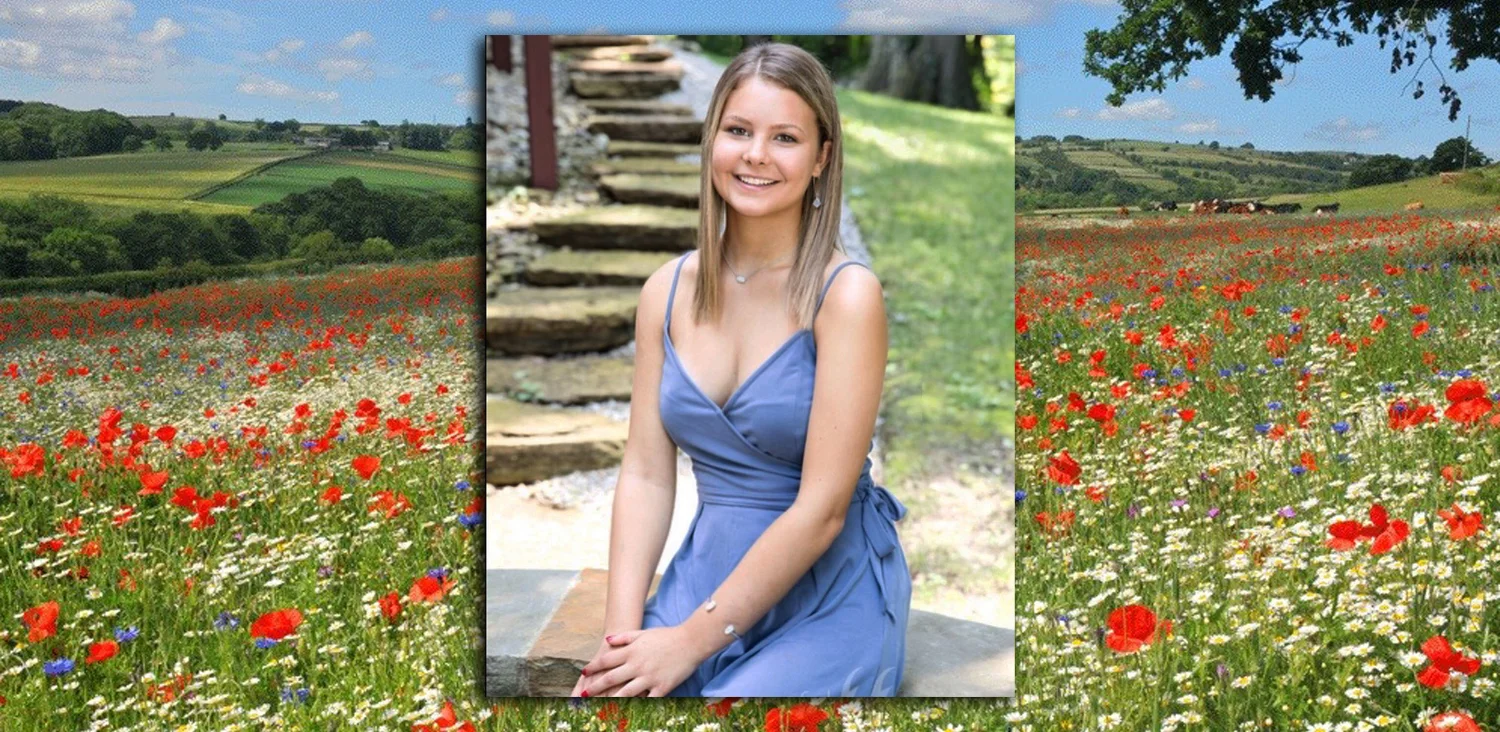
#187 Beauty in the Randomness
Izzy survived a horrific car accident caused by a low blood sugar…
This is her story.
You can always listen to the Juicebox Podcast here but the cool kids use: Apple Podcasts/iOS - Spotify - Amazon Alexa - google play/android - iheart radio - or their favorite podcast app.




+ Click for EPISODE TRANSCRIPT
DISCLAIMER: This text is the output of AI based transcribing from an audio recording. Although the transcription is largely accurate, in some cases it is incomplete or inaccurate due to inaudible passages or transcription errors and should not be treated as an authoritative record. Nothing that you read here constitutes advice medical or otherwise. Always consult with a healthcare professional before making changes to a healthcare plan.
Scott Benner 0:00
Today's episode of The Juicebox Podcast is sponsored as always by Dexcom on the pod and dancing for diabetes, you can go to my Omni pod.com Ford slash juice box to get a free no obligation demo of the AMI pod right now, you can go to dexcom.com Ford slash juice box to find out more about the Dexcom g six continuous glucose monitor. And of course you can go to dancing for diabetes.com that's dancing the number four diabetes.com just to see adorable pictures of children with diabetes, dancing. There's other reasons to go. But the cute kids are the best reason. There's also links in the show notes at Juicebox podcast.com. When you click on them, it helps the show.
Izzy 0:45
This is me hand and you're listening to the Juicebox Podcast.
Scott Benner 0:49
Hello, and welcome to Episode 187 of the Juicebox Podcast. As you just heard Today's guest is Izzy me. I know you recognizes his name I've spoken about a number of times. She is a high school senior from Ohio who recently had a near fatal car accident when her blood sugar got low is he's on the show today to tell us about the accident and her recovery and what she's learned since then. Please remember that nothing you hear on the Juicebox Podcast should ever be considered advice, medical or otherwise. And to always consult a physician before making changes to your health care plan.
Izzy 1:33
The first thing I do remember is waking up on Saturday morning, and the accident was on Tuesday. But the first thing I remember was waking up. They took the breathing tube out and I said what's my blood sugar? Hi, I'm Izzy me, Han.
Scott Benner 1:55
How old are you?
Unknown Speaker 1:57
I'm 17 years old 17.
Scott Benner 1:59
Okay, how long have you had type one diabetes?
Izzy 2:02
Well, I was diagnosed at 13. But I've had it for over four years. Your math is strong
Scott Benner 2:07
is a very strong.
Unknown Speaker 2:10
Thank you, sir. So
Scott Benner 2:11
you're welcome. Are you a? Seriously you'd be very proud of that some people stumble? Are you? Are you a senior in high school?
Izzy 2:20
I am. I'm a ursuline Academy.
Scott Benner 2:23
You're a senior in high school. You've had Type One Diabetes since you were 13. And you're on the podcast today? Because maybe I have to start this out. Okay, so I feel like it was just still this year. Right? It was in 2018. Your Yeah, your incident, right? It was in 2018. And, and I got a note from from your mother. She sent me a message. And very sort of briefly explained to me that you had been in a car accident, and that she was hoping for people just to sort of send you messages of like, good wishes and things like that. Yeah. And I have to tell you, like, on my end, I was sort of like, wait, what's happening? Because a lot of people listen to the podcast, and a lot of people read the blog, and I know some of their names like like, you don't mean like there's names that pop up in front of me. I'm like, Oh, I recognize that name. Yeah, and your mother's name was one of those names. So it's like, I recognize this person. And so we're talking back and forth for a second. And I'm like, wait, wait, hold on. I'm gonna get can we call each other because this is, I think I'm missing exactly what's going on. So the next thing I know very, because I didn't really understand the timeline of everything. I was speaking to your mother and she was at the hospital, I have to tell you that like, from my perspective, obviously, your situation was worse than mine. And your mother's was worse than mine. But I was really like, I felt like someone kind of like smacked me in the head with a board because suddenly sort of this person I just tangentially know, through the internet is telling me this horrible story. And I'm trying to both be supportive of what she's saying, and absorb how I like even know you guys, you know what I mean? And so on. And so it was all very, very strange for a second but, but I want you to sort of kind of fill in the space between that phone call and what happened to you. So you're at school one day, and your blood sugar gets low.
Izzy 4:21
So I went to school that day, and like I didn't get a lot of sleep the night before. Just because I was studying for a bunch of tests. I had a lot of homework, and I see healthy fat during my lunch. And that day, I had like an unusual lunch like with a bunch of carbs and I didn't treat it like I didn't treat for all the carbs properly and blood sugar went like over 300 and so I just kept correcting and like it was 300 I corrected 350 I corrected again so I kind of just kept stacking it. I wasn't getting over what my pump said to get but I just kept correcting and then my blood sugar finally came down and I stabilized at around two Hundred. Both of my parents called me before I left school to go to my AC t tutoring session just to make sure I was fine. And like I was responding and my CGM, my Dexcom still said I was like stable at 100. So I drove to my tutoring session. And I don't really remember anything about the tutoring session. Like the last thing I really remember was being at school that day. Okay.
Scott Benner 5:25
Well, let me let me let me go back for a second. Let me let me unpack a couple things. So you ate sort of an unusually large carb heavy lunch that you thought you under Bolus for at the beginning. But then as your blood sugar was going up, you're like, Oh, geez, and you kind of kept after it. You felt like you got it back to where you wanted to have it. And then you and then you drove to a tutoring session. Did you? Did you complete the tutoring session? Yeah, because those things are so boring that if you don't remember those that might have nothing to do with diabetes, first of all, or insulin. I watched my son do those in our dining room. And I would pull my wife aside and be like, That kid is a trooper. I'm like, I would be asleep on the table right now. You know? Yeah. So how far was the ride from like, so let's put some times on it. what time of day did you leave school? When the show ends, don't forget to check out dancing for diabetes.com. That's dancing. The number four diabetes.com.
Izzy 6:24
I left school around three o'clock.
Scott Benner 6:26
Okay. You went were for the session just
Izzy 6:28
to a library, which was about like 15 minutes. Oh,
Scott Benner 6:33
okay. So you're about 15 minutes away from school. And you're at the library. How long was the session with the the tutor
Unknown Speaker 6:40
an hour?
Scott Benner 6:42
How did you do on the AC T's? Have you taken them yet?
Izzy 6:45
Yeah, I took it a few months ago. And I did good. So I'm finished. Now.
Scott Benner 6:48
I just want to make sure that this was all worth it. So okay, so you've got Yeah. So So hey, you're breaking up. You're breaking up just a little bit. So let me ask you, are you on a computer or a phone?
Unknown Speaker 6:59
A computer? You're on the computer?
Scott Benner 7:00
Is there a cell phone near you? Yeah. Can you move it away a little bit? Because I think we're getting like, yeah, it's interfering a little bit.
Izzy 7:09
Yeah, I'll move it away right now. Okay, thank
Scott Benner 7:11
you. Okay, that's good. It's a break in the tension. So, so you've completed the the tutoring, which I'm assuming was an hour. And so we're driving what are we talking about? Like, 430 you leave this tutoring thing? Maybe?
Izzy 7:24
Yeah, around 430. I left and it was 15 minutes from my house. So it wasn't a long drive or any
Scott Benner 7:31
thing and I don't want to like build unnecessary suspense because your your story is gonna be terrible enough. We don't need suspense. But you didn't make it home, right. No, no. Okay. So what ended up? Well, I guess you don't know what happened to you. Thanks for real, like, you
Izzy 7:48
know, yeah, I don't remember anything that happened. But like, I know, my both of my parents have talked to witnesses. And they said that, like they saw me passed out in the cars, like in the driver's seat, and like, they like most people thought I was on drugs, and the ambulance was going to give me Narcan assuming that I'd overdosed on drugs. But my mom luckily used her find my friends app and knew that I was in a remote place of remote place in town. So she called 911 and told them that I was a type one diabetic. And they said, hell, how do you know like that she got in an accident. She's like, I just know, like, she could, she could see my blood sugar, like, stabilized around 80. And she knew that the dexcom got stuck there. Because it's done that before I've gone from like a 400 blood sugar back down to like 80 been stuck at 80 for like an hour checked my blood sugar. And it was like, you've been lower than that.
Scott Benner 8:45
Right? So so she she felt like that she had seen this process before and she had this bad feeling. Plus, you were supposed to be somewhere that you weren't, I assume, right? Yeah. Okay. So she's able to kind of jump in with MS and let them know, hey, look, you know, my daughter has taught you're gonna find her in a second. She has diabetes. So she wanted them to know that that's really cool. But you were pay, people said that you were passed out in the car. People said you were passed out in the car after the accident or they could see while you were driving that you weren't conscious.
Izzy 9:19
They could see my head. They could see my head for like leaning forward while I was driving.
Scott Benner 9:26
So you were out.
Izzy 9:28
Yeah, and they said that I was probably going over 100 miles per hour. Wow.
Scott Benner 9:32
Okay, yeah. What did what did you strike that stopped your car finally.
Izzy 9:40
It was like I had a bunch of things like, like three mailboxes and then just like a big boulder. That kind of just stopped it all together. That was
Scott Benner 9:51
a car. Yeah,
Unknown Speaker 9:52
yes.
Scott Benner 9:53
So don't Is there any part of it? I don't want to make light of this. But is there any party that wishes you could have been a little awake to see the mailboxes like pop up in the air like like in a movie or have you ever thought it through? No not really. So, so So is he It is incredible that you and I are talking It is incredible that you're talking to anybody anywhere because you drove a car unconscious very fast into a giant piece of rock that stopped stopped the clock. How have you seen the car since since the accident?
Izzy 10:25
Oh yeah, we I saw I've seen pictures of it and it obviously from what happened it wasn't a like they weren't able to reconstruct it constructed or anything.
Scott Benner 10:39
Throw new radiator on it. You're driving around nothing like that. My point is it was it terrible. It was it completely wrecked was it smashed in? Like,
Izzy 10:46
yeah, it was basically like everything was pretty smashed. And gotcha. And it's just like, I don't understand how I am how I am now. Like how I don't have brain damage. I like and walk like, I was in awe, like after my parents told me this story. And like, I like that, like I wasn't paralyzed and how none of that happened.
Scott Benner 11:07
It's crazy. So, so Okay, so this sort of takes me up to me talking to your mom in the hospital. And I'm not going to remember it all correctly, but she started running over your injuries with me. And I even remember thinking, wow, that doesn't sound promising. In any real way did do you know what the initial? Like what did they What did the hospital staff initially tell your your parents about your condition when you got in there? What were their expectations for you? The army pod tubeless insulin pump is a two part system. It is completely waterproof. And it simplifies the management of your insulin dependent diabetes. The Omni pod systems innovative design allows you to live your life and manage your diabetes with freedom, comfort, and convenience. This small waterproof pod and the handheld personal diabetes manager communicate wirelessly to deliver continuous insulin based on your personal settings. Now listen, the idea of not being tethered to something is everything in my opinion. You know, you hear people talk all the time about I wanted a pump and I didn't want to feel like a robot. Well, I get that. But with the Omni pod, you just apply the pot and you're not connected to anything. And before you know it, and I have worn one in my daughter's one one since she was born. She's 14 now. But before you know it, and this is my experience, you just forget it's there. Because it's tubeless. It allows you to swim, or involve yourself in any of your physical activities without disconnecting from your insulin. I believe that it's incredibly important to have a constant stream of insulin. When you have type one diabetes, I don't like the idea of I had to take it off and take a shower, I had to take it off to go play a sport, I had to take it off for 9000 reasons. I love the pump because it is with you all the time, constantly delivering the insulin that you need. And it's tubeless it's easy. And it rocks. Go to Miami pod.com Ford slash juicebox. To find out more for click on the links in your show notes, or Juicebox podcast.com. Oh, did I mention that demo was free, and it had absolutely no obligation attached to it. There's genuinely no reason why you shouldn't do this. It'll take you two minutes online now the pump will come to your house, you can give it a shot. What did the hospital staff initially tell your your parents about your condition when you got in there? What were their expectations for you?
Izzy 13:32
on the first night there, they didn't think I was gonna make it and they knew that they were going to have to take out one of my kidneys and take out my spleen. They thought that I broke both of my legs which
Scott Benner 13:47
I'm sorry, you cut out for a second job was broken. You cut out for a second they thought you were gonna. They thought both your legs were broken. But
Izzy 13:55
yeah, I thought both of my legs were broken, but neither are broken. And then they thought my job was broken. But it wasn't broken. Like they were just giving a whole list of injuries to my parents. And then because of you and my community, like everyone unbreached down was praying and like all these small miracles happened overnight, like the next day like they're like, oh, her lungs are getting better because I thought like I was like I wasn't able to breathe on my own but then like soon I was like all these small little miracles were happening but yeah, I still had to get my kidney taken as a sleep taken out and I broke my right wrist and I had to get surgery on that and my like, my finger and then like multiple breaks and my back and neck and I wore a back brace and neck brace but most like most of those are all temporary. Yeah. I'll have to live with one kidney for the rest of my life. But like, it's just like, that's not as bad as it could have been worse. No,
Scott Benner 14:58
it's incredibly Fortunate honestly. Okay, so you said a lot there. So first of all, I didn't do anything, I appreciate you saying that. But all I did was I put up a like a special like bonus episode of the podcast. And I asked for people to send, like, there was a link that they could go to at the hospital send you messages. And I was just like I, you know, do that. And I was even scared when I told your mom, I'll do it, you know, I'd be happy to do that. But I thought, what if people don't do it? But can you tell me about how many messages you got from the people listening to this podcast,
Izzy 15:30
it was really so nice that you made that small podcast I made because I received so many letters, like hundreds of letters when I was in the hospital, like, I got letters from Spain and different parts all over the world. And no one even knew me. And they were sending me these kind letters and by sisters read them to me at night. And it not only helped me but it helps my family to know that they weren't alone. And, and I look and I have a binder full of them. And I still look at them whenever I need inspiration. And they all just show like how the type one communities there will always be there for each other. And that reaching out helped me get through all my injuries,
Scott Benner 16:10
really happy that it had that impact. And I can't thank everyone enough Who? Yeah, who took the time to reach out to me that was really special. Yeah, I was so scared. It would be like three people. And it was like, because I just felt like I was promising in that moment. I felt like I was making a promise to your mom, like, like I will, you know, don't worry, I'll do something and people will reach out because she what she would say is that the delivery system for the for the people's notes were were sort of like they went into a queue. And then I guess the hospital actually printed them and gave them to you. Right? Yeah. And so she said, like, there'll be certain times a day where just 50 or 100 of them would shop at once. And I thought oh my gosh, that's great. And, and I just thought, thank, like, thank God that everybody did that. Like I was really pleased for you guys, because I couldn't imagine how much you needed at that moment. Yeah, you know, just a distraction, or some hope or anything like that. So after the first night, after the first night when they said, Hey, I don't even understand by the way, I don't even in my wildest dreams understand what you do when someone tells you we're not 100% sure your child's going to survive overnight. And so the next day when you're still there, and and things are slowly improving, then it became more about triage, seeing your injuries and, and getting you on different paths of you know, of healing. So did the did the spleen and the kidney come out the day of the accident, like did you come in? And were those taken out like an emergency surgeries?
Izzy 17:41
Yeah, they were. So I came in and they perform that surgery. And they had to leave me open overnight, and go back in in the morning to see if they could if they had to take anything else out. And they expected that they would have to. But then in the morning, they went back in and everything looked fine. And they closed me up. And they told my family that it was a miracle that that happened because they're betting that there would be other injuries is a you're a tough woman.
Scott Benner 18:10
So seriously. Well, how long were you in the hospital?
Izzy 18:19
About three weeks. And I was supposed to be in there for six to eight weeks from like a normal person. Like who would go through that amount of injury.
Scott Benner 18:32
So not to I'm not gonna stick on the injuries too long. But in in just two. Why would someone try to call me now is he wrong? So um, but but broken wrist that definitely did happen, right? Oh, yeah, a thing and that needed? I'm assuming surgery and things like that.
Izzy 18:50
Yeah. And then I work cast on my right arm for
Scott Benner 18:54
six weeks after the surgery. And you mentioned a finger. Was it disfigured that it has to be fixed as well.
Izzy 19:00
Yeah. So there's, like metal, not in my finger. But like, on the back of my hand. There's metal inside because I broke a bunch of small bones and then like, my fingers were like, disfigured at the time. I bet.
Scott Benner 19:19
And okay, so I know what a kidney does, and we're gonna get to that a little bit. I have to admit, I don't really know what a spleen does. But I guess it doesn't do too much because you're talking to me pretty well.
Izzy 19:31
Yeah. Yeah, I mean, honestly, the doctors like we've asked the doctor, why do we have spleen. The doctors were just like, it's kind of unknown. Like, we don't know that much about the spleen. But we do know that it helps like with bacterial infections. So like every time I get a fever, I have to go to the doctor and get tested. If it's bacterial then then I'd have to stay in the hospital and like, get treated by the doctors there because I don't have a spleen to take care of. bacterial infection. Gotcha. Okay.
Scott Benner 20:03
Well, that's, by the way, that's horrible. But I, yeah, like the spleen doesn't do anything except keep you out of the hospital. If you have a bacterial infection structurally to your face, they thought your jaw was broken, but it wasn't. But there must have been, I'm assuming some fairly significant damage to your face at the time.
Izzy 20:22
Yeah, at the time, like, my parents had, like, my face wasn't really recognizable. Like, it was all like puffy and red and like, like, covered in bruises and like, now there's like, two small scratches that are barely noticeable on my face, which is amazing.
Scott Benner 20:40
Yeah, I saw a picture of you recently with Who are you with Ryan Reid?
Izzy 20:44
Yeah, I went to one of his race car events and met him there.
Scott Benner 20:47
Right. And I was gonna say, like, I'm looking at you in the photo. And I don't think to myself, there's a person who was in a horrible accident, like you don't, you don't look like that, which is phenomenal and fantastic. You know? Okay, so six, you so you're in the hospital. Now, I've now corresponded back and forth with your mom and this time a couple of times. And I really did struggle with how much to be supportive, and how much to leave her alone, because I don't really like No, you don't. I mean, I'm like, trying to find my spot in this. But I would, I would check in with her sometimes. And, and there was this one time that she and I spoke. And I thought, like, I'd never been more proud of a person who I never met before. And this is me feeling this way about you. And she told me that you were in the hospital, it was Susan, the beginning days of all of this, and you wanted your insulin pump back? Because you didn't like the way they were managing your blood sugar.
Izzy 21:46
Yeah. Is that right? Yeah, that's right. So when I was there, there really wasn't any cross management between a trauma patient and a patient with a chronic illness like diabetes. So the entire time, my mom was like, trying to help the nurses and trying to take over like, saying, like, she knows what to do, and like, I didn't want to ever eat because I would be 300 and they'd make me eat like 50 carbs and stuff food down me, and then they wouldn't give me insulin there till 30 minutes later. So I'd go to like 400. And, you know, you have to have a good blood sugar to heal. Like, that's it. If you don't have a good blood sugar, it's gonna be even harder to heal. Like, the nurses were great. And the doctors were great. They saved my life. And but the one thing was, there was just no cross management between by diabetes and then the trauma I went through.
Scott Benner 22:38
I just thought, well, that's a common story. First of all, I guess, most people who you hear of in extended hospital stays with diabetes, say that just no one considered my blood sugar em to your point. And it's always my point, as well as that healing is so tied to like, in control blood sugars, right? Like that's, yeah, it's just such a counterintuitive idea. Like, oh, we need this person, the heel, but we're gonna let their blood sugar be 300. Like, just okay. And so right. Yeah, but but as your mom's explaining it to me. I was just so like, I don't know what I was, to be honest. But I was like I said, I was really proud of you. Here's a person who just went all through all this happened because your blood sugar got low. And you're still saying, hey, I need more insulin. What are you people doing? Like I? They? Seriously, because this is so important for people to hear is that even me? Because I don't think much worse could have happened to you unless you ended up dead honestly, like this is pretty pretty, incredibly terrible. And so, and still, you weren't dissuaded? From what you knew you needed to stay healthy in regards to your type one. Yeah. And and I don't know how I'm so interested in how you got to that point in just four years and at your age. Like, why are you Why do you feel so strongly about it? I guess.
Izzy 23:56
So before I was really tightly controlled, and like nine months after my diagnosis, so I was like, that was a that allowed me to like micromanage and kind of act like a bionic pancreas. And like, I would see myself going though, I drink juice really fast. And again, if I saw myself creeping up, I'd like give a small dose I don't like I've always just been a perfectionist. And, and it was really hard because I also wanted to be in the perfect range. Like, I got my agency to it, like how a normal person without Type One Diabetes would be. It actually got to a 5.1 at one point. But even at that, I only had 1% of hypoglycemia because I had the deck I guess after my accident, like just having that perfectionist mindset still in my head. I just wanted to like have my blood sugar down and I just kind of knew like, I'm not going to be able to heal well if my blood sugar's this high. Yeah,
Scott Benner 24:57
well, it's just it was truly I mean You would think like from an outsider's point of view that this would happen to you and you, you would think, you know what, I'm going to just be okay with 200 for a while, but you really weren't, you were just you just really didn't lose focus of what was important. And it is really something that we talked about on the podcast once in a while, I've said it a bunch of times. And that, you know, people people will say, like, Well, what about like, overnight or this or, you know, you don't want something terrible to happen. And of course, no one wants something terrible to happen. But, but that idea of trading now for later is, is is real, you can't you can't pretend that leaving your blood sugar high for years isn't going to have some effect on you down the road? It's not going to be it's not going to it's going to be detrimental. Yeah. And and so, how do you safely do this? And do you still have any idea? How? Because I'm like, as we think back to the timeline of the accident, like, you know, what time did you give yourself? insulin? It was it was hours before, right? Like it all caught up to you at once and just kind of kind of pushed you down? Did you know, let me ask you this. Do you know what your blood sugar was when the MS got to the the accident scene. Very few times in my life has something or someone surpassed my expectations every time I've had contact with them. Years and years ago, Arjuna started using a dexcom continuous glucose monitor when they were at version like I forget what it was called, like seven plus. And it was an amazingly, it wasn't perfect, but it was so much better than what we had prior. And then they came out with a new revision, I think that was the g4, then there was the G five. And now there's the G six. And each time a new product has come to market, things have gotten better and easier and more accurate. And they've helped to make diabetes a smaller part of our life. I think that's an old tagline from Omni pod. But it really does fit in this example, the Dexcom g six continuous glucose monitor feeds back the information from my daughter that allows us to make adjustments to her blood sugar that keeps her blood sugar where we want it to be. In a life where nothing is a short, the dexcom g six is the closest thing I've seen to comfort, convenience and confidence in over a decade of living with Type One Diabetes. And I bet you the next version, whenever it comes out. I'm not saying I know. But I bet you it's better again Dexcom their employees and the products they make are absolutely life changing. And I believe that forget view for me. I want to be involved with them. As long as they're making diabetes devices. I want my daughter using them. Consider going to dexcom.com Ford slash juice box today to get started with the Dexcom continuous glucose monitor. Do you know what your blood sugar was when the MS got to the the accident scene?
Izzy 27:56
I'm pretty sure it was 31.
Scott Benner 27:58
Had you ever had you ever? Did you see? Do you know?
Izzy 28:03
No, I hadn't ever seen before that.
Scott Benner 28:05
Okay, and did you have a seizure then? Or did you just blacked out? Or do you? Did they not really put a description on what happened to you?
Izzy 28:13
They didn't really put a description on but I think I just blacked out in the car.
Scott Benner 28:19
Where did you feel your lows that? Like when do you start thinking oh, I need some something.
Izzy 28:23
Um, so before the accident since I was so tightly controlled, I had a really hard time feeling my lows. And that's why I use the decks calm to always catch my lows. Like it's kind of like a GPS. Like, if you learn how to drive off a GPS, you never actually learned the directions and you're kind of dependent on the machine. And that's kind of how I was with my Dexcom. So I didn't really feel them until I got in the low 50s before the accident.
Scott Benner 28:53
Okay. No dropouts. Now listen, now you fill them when I'm sorry.
Izzy 28:59
Now I've kind of feel them in the 60s because I've been trying to run myself a little higher, but obviously still taking good care of myself, especially with the one kidney. But I just find myself that I'm not spending as many hours like micromanaging everything. And I just like try to stay stable but like between 120 and 140. Just about 121 40 Yeah, yeah. Well, that's
Scott Benner 29:23
the it's you know, that's excellent. It's
Unknown Speaker 29:25
not Yeah,
Scott Benner 29:26
yeah, it's it's nothing. That's nothing to be ashamed of. Yeah, sir. Yeah. And so because you are now how many months removed from the accident?
Unknown Speaker 29:35
I'm about nine months, nine months.
Scott Benner 29:39
Wow. You bounce back faster than Carson Wentz. Which is a football reference that only people in Philadelphia might understand. But that's fine. It is essentially incredible turnaround in such a short amount of time. Are you astonished by it sometimes do you
Izzy 29:54
I am like it. It doesn't feel like it happened this year. Like I missed the whole quarter school. college applications and as he which I'm still working on my applications that mine but I'm mostly all caught up now and it just kind of feels like it never really happened even though it was like such a big part of my life. And
Scott Benner 30:15
it's so interesting to even when you're I was talking about this with my son in the last six months about the passage of time. And that idea that that sometimes a day can drag on forever. A week can feel like it takes forever, but then a month feels like it goes by in the blink of an eye. Yeah. And you know, and then you you sit down at Christmas, and you think it was just Christmas, like how did this happen? But how many days that I lived through at two o'clock in the afternoon. I was like, Oh my God, this day is never going to end. And you know, and so the time is, as you get older, you'll say as you get older, you start having a different feeling about it. But when you're younger, it things feel like it's like they're flying by constantly. And it really is it's just really kind of spectacular. how quickly you bounce back if you always and this is gonna sound like a random question but you've ever been Have you always been like a fast healer, like you get a cut and then wake up the next morning. Oh my god, it's gone. Or you like, seriously,
Izzy 31:13
like, I've never been one to complain a lot or like didn't really talk about my diabetes a lot of people because like I didn't want to be like, dramatic or anything and it was kind of embarrassing for me to talk about it. So like I never I like always tried to push through my pain and like, I wish I think like has made me stronger. But it's also taught me that being so like I feel like isolated myself because of my diabetes but from the accident I have definitely like reached out and like been more open about it and been more accepting about my diabetes. But I've But no, I wouldn't call myself a faster healer. I would just say that. I'm like going off the perfectionist thing. Like I just like, I tried like everything to get better, like right away because I do not like being independent on other people are dependent on other people.
Scott Benner 32:05
So you just willed your way through it. You were like, I don't care if I drove into a giant boulder. I have to get up now and do other stuff.
Unknown Speaker 32:12
Yeah. And
Scott Benner 32:12
what what kind of other stuff do you do? Did you play sports in school?
Izzy 32:16
I played volleyball. And I actually quit right before my accident because, I mean, I loved volleyball and I was and I like to get to be libero for my school. But like, I did not like having high blood sugar and not being able to. Or, and I was always worried about that. And now looking back on that I feel like if I ran myself a little high or just like accepted things, then it might have been different. And
Scott Benner 32:54
so you're so this is very interesting, because you mentioned a five one a one C of one point, which is insane. And, and my daughter's last day when she was five, four, the only real difference between Well, there's two differences between you with a five one 100 with a five for two things are is that I'm helping her with her management. So it's not all on her. Yeah. And and the other thing is, is that I don't worry about spikes too much if they happen, like if you if I could see most of Arden's 24 hour, like Dexcom graphs, she gets high a couple times a day, until as high as like 150 or 160. And, you know, we'll do something about it every once in a while. You know, something happens where you're like, Oh, geez, like last night, she went to get in the shower. And her blood sugar was like 73. And I said once, just wait a second, like I have a feeling it's going to try to fall. And so the arrow kind of turned diagonal down. And she's like, I know what to do. And she grabs food and eats it and goes and takes a shower. And while she's upstairs in the shower, like I see her blood sugar goes to 75 it stays it goes to 85 it stays it goes to 90 days now. It's like oh wow, she really did a good job of this. And I stopped paying attention to it. And then she's downstairs. And she in my mind. She takes really long showers. So I was like guys, it's been a while. Yeah. And all of a sudden I hear I hear like the beep beep that she's going over 120 and I look and she had her arrow straight up and I thought it's funny. I'd forgotten about I said What did you eat? And she's like, when I was like at 70 is like what each because I had two Oreos, and I was like, oh, giving you some insulin for those Oreos. And so I get I'm like, let's try this. gave her a little bit and five minutes later, you know, her blood sugar was like shooting up. And so I bolused more and it an hour and a half later, an hour, hour and a half later. She was like back to like 135 and she was in this steady decline that happened, you know 135 130 very slowly over the next hour or so. And she was really great overnight there was the blood sugar was pretty stable overnight around like 95 or 100 But, but I'm not like I don't like, unlike the way you're describing. Like, that doesn't make me mental. Like, like, you know, I'm like, I don't feel like oh my God, we screwed up or like, I just don't have those feelings. But there was a point in time where when stuff like that was happening to you were you felt like oh no, I'm supposed to be doing better than this. And you don't feel like that anymore. And that's good, by the way, because you shouldn't feel like that. Yeah, yeah. So I, you know, would have been nice if you could have figured that out without driving into a rock. Rock. But, but I'm glad that positive things are coming out of this. Yeah. Seriously, this is do this is a completely ridiculous question. What is something like this do for your overall popularity in high school? Um, do you become like that girl that lived through the car accident?
Izzy 35:49
I think kinda like everyone knows who I am now. Like, y'all mentioned my name and even like, people from last job be like, Oh, yeah, I know who that
Scott Benner 35:59
girl almost died.
Izzy 36:03
Maybe not in front of me. But
Unknown Speaker 36:04
I'm sure they said that. Oh, my god, you're walking down the hall at least 20 times a day somebody like that girl Miss died. You know that girl.
Scott Benner 36:14
That's to be serious about that for a second. I don't have that experience in my life. I have not come close to what you know what that's alive. And I've been in a couple of motorcycle accidents as a young person where I looked up and thought who I was at that telephone pole. But I wasn't really I wasn't hurt. Like, dude, I mean, I just flying through the air and was kind of okay. And so do you have enough distance from this? At this point? You have enough maturity enough perspective to tell me what it's like to come that close?
Izzy 36:46
I mean, yeah, like it doesn't bother talking about it or anything. It's just Alright, if I don't remember accident.
Scott Benner 36:54
I gotcha. So So you think maybe if it was more of a you like actually experiencing it consciously, like if it was just an accident that you think maybe you'd have more perspective, but you just fell asleep? woke up and were hurt?
Izzy 37:11
Yeah, um, the first thing I really remember, or the first thing I do remember, is waking up on Saturday morning, and the accident was on Tuesday. But the first thing I remember was waking up. They took the breathing tube out and I said, What's my blood sugar?
Unknown Speaker 37:29
Very good.
Unknown Speaker 37:33
Really, it just
Scott Benner 37:38
cuts my blood sugar. You guys know you people aren't doing this right? And I'm on a roll here with my did people laugh at that?
Izzy 37:48
No, like it cuz it was just because like it was the first words I talked and like, I was just confused. Like, I thought my I asked my parents like, did I go low overnight? Like I thought I was in the hospital from an overnight low or something. And then they told me I was in a in a car accident. And then I asked like, if anyone else was hurt.
Unknown Speaker 38:08
But see, how am I sure?
Scott Benner 38:12
I probably wasn't your car. Right? who lost their car in this? Your mom? Your dad, by the way?
Unknown Speaker 38:17
It was my car? Who's your car? What
Scott Benner 38:18
kind of car was it? Because it held up and kept me alive.
Unknown Speaker 38:21
It was a Ford Escape. Alright, for escape. Well done.
Scott Benner 38:26
So now here's my next question. From your, from your perspective. Did your parents do your parents, you know, have they? Do they still? Do they treat you differently? Like did life change around your house? Are people more? I don't know. Like, does everybody feel like they're on borrowed time with you? Or is it been weird? Or how do you find your interactions with your loved ones?
Izzy 38:51
I mean, like, at first, the first few months like, my dad stayed home skips a ton of work. My mom was by my side 24 seven. Both of my two older sisters like took time off of college and came home and they would come visit like every single weekend to make sure I was okay and like just spend as much as time with me. And they still do but I mean, not as not as much like like a 24 seven watch anymore, but like
Scott Benner 39:21
have you ever done that? Have you ever looked across the room and thought, oh my god, they're staring at me.
Izzy 39:27
Well, my mom might have done that before my accident. But um, yeah, I have caught them staring.
Scott Benner 39:37
So it's very, you know, obviously it's not it's not apples to apples, but you know, you have two older sisters. Right. So you have to, you're the youngest and but my son just left for college a few weeks ago. And we went and visited him for there's a family weekend, you know, three weeks into the time and we're eating, we're eating dinner before we're getting ready to drop them back off at his dorm and go home. And I had to stop myself from just like looking at him. Like, like, you know, like, in the course of a regular dinner conversation, your eyes go all over the place start talking to this dog here. And I just found myself thinking like, look at him because he's gonna leave. Yeah, you know, and it um, and then I had to stop myself because like, don't be a creepy person. Like That was my second thought, like, stare at him though, you know, don't be creepy. But but it is. I I'm just imagining that they reverted in their minds to you being an infant again. And they were just like, oh my god, like, Don't let her pick that up off the floor. Don't let this happened. Don't let that happen. Like, stare at her stare? I can't I can't really imagine your mom was I I thought when I was speaking to your mom, she was incredibly strong. And I felt like she was dazed. And that seemed very expected to me. Um, do you? So now nine months later? How frequently do you think about it? Or do you not?
Izzy 41:02
I mean, I don't think about it as much as I used to, like, when I was in my braces, like, I just had that to remind me every day. But now besides like, the scars, I have, like, I don't really think about it as often. So like, maybe like, once or twice a day, I'll just think about it. But like, not for a long time. Just like, Oh, yeah, that happened.
Scott Benner 41:27
I have this like, when I think about you, which I do sometimes. But again, not not a creepy amount. And so but but when I think about you, I always I always my brain jumps to the randomness of what happened to you. Because your blood sugar got really low and you lost consciousness. You happen to be driving. had that happen during your a one c? there you're Excuse me? So many acronyms in your urine, LSAT prep, right, when you were in your prep class, a CT prep, when you were in your a CT prep class, had it just happened then, then there would have just been a panicked like person in a library going, Hey, Can someone help me, this girl just slumped over on the table. And someone would have come and given you a little glucagon or done whatever they did. And you would have sat up and been like, Yo, what's up? And your life would have went forward from there? Yeah, it's the randomness of it. That throws me off. Because think of all the things the confluence of things that had to happen like you go have a meal that's common for you. So not as you're not sure about how to Bolus for it? Well, you do know I'm going to stop this error. I'm going to stop my blood sugar from going up, then it levels out on you. And you're in a good spot. And then you live for a long time after that with a blood sugar. That looks really great. You feel fine. Listen, Dexcom I think is an amazing tool. But it's still a it's still a machine. And I'm yeah, I mean, we've all had a moment where, you know, somebody's seen a quick drop on a blood sugar. And it takes it five minutes to catch up. And today, you know, yeah, it happens. You see even that's random. I bet you that I see that happen too hard. And once or twice a year. I'm like, oh, wow, she's lower than it says she is buying. And in a situation where it's like, well, let's do something about it. But then that had to happen to you then like in that like you don't I mean, like, yeah, there's so much randomness to it, which is sort of the beauty of life. And yeah, also what can scare some people about it. But But I want to ask you like right now today, would you consider yourself a person who sees the beauty in the randomness? Or are you afraid of it now?
Unknown Speaker 43:44
Dancing for diabetes spreads awareness through the art of dance to better educate the community, raise funds to find a cure and inspire those with diabetes to live healthy and active lives. Please join us on November 10. For the 18th annual dancing for diabetes at the Bob Carr theater in downtown Orlando. Tickets are on sale now at Dr. Phillips center.org You do not want to miss this.
Scott Benner 44:14
Would you consider yourself a person who sees the beauty in the randomness or are you afraid of it now?
Izzy 44:19
No. I mean, I definitely see the beauty and the randomness because even though that is everything that could have went wrong, that day went wrong like Like you said, like the food I ate, which made me go high and then the stacking, which eventually got me down and my CGM said that I was stabilized. But I actually probably wasn't even though that was wrong and like all this random things. I still see like the beauty in it because it's made definitely made me more accepting of my disease and I've immersed myself more in the type one community before I really didn't know that many type ones and I had, there was no one at my school knowing that my volleyball all my volleyball teams, and I just, and I didn't want to go meet any type ones because I was just like, well, I don't want to, like this isn't this disease isn't me. So like, I don't really care about meeting other people. But that after I saw how the community reached out to me, and I realized that I had been missing out and meeting so many pipelines has just helped me get through so much.
Scott Benner 45:31
Well, so a couple of things. described a little bit for me before this happened, like when you said you kept to yourself about it, like you weren't, were you hiding? Like you're like, kind of pumped you have Omni pod, okay, and so like, was that something you would hide? Or he didn't care if someone saw it, you just weren't going to be the person who engaged in a conversation about it.
Izzy 45:53
I mean, like, I don't really like it was never really like an outside that people could see like, it was always under my clothes. So like, I guess it was kind of hidden, but like, I wasn't really purposely doing that. But like, I like when I like when I Bolus for food. Like I would try to like, do it like, in my pocket. So like kind of secretively like, just to like no one would make a big deal out of it. Because I'd like didn't want to have to answer all these questions like my friends knew and stuff, but even with them, like I would still kind of try to be like I was I tried to hide it a little. But now like the whole city knows, and a bunch of people around the world know. So like, you're out now.
Scott Benner 46:35
Yeah. Because so you um, did you do work with the jdrf? in your in your town prior to this?
Izzy 46:44
Yeah, I did. I was the jdrf Ambassador my sophomore year. So I did some of that. But I was playing volleyball at the time. So like, I had to miss a bunch of events and like any I went to all like the there's like a thing called type one teens dance, and Cincinnati. So I went to all those for four years. And your your chapter tell everybody which chapter you you belong to the jdrf. Oh, Southwest, Southwest,
Scott Benner 47:14
right. Yeah. And, and so somebody sent me. It was a video of you speaking at I guess the gala. Maybe? Yeah, right, a number of months ago. And I and I, what I felt was I heard this girl wasn't like talking very much about this stuff. And you were up there really, really doing a great job. And I have to ask you a question. Because I've wondered about this for a while. During your talk. I felt like you were talking about the podcast without mentioning it once. Were you? Or did I misunderstand that? Because you were talking about support you got from the community? And I thought you were talking about like the letters and everything, like at the hospital? Is that what you meant? or What were you talking about in that? When you gave that speech?
Izzy 47:58
Yeah, it was like, for sure. Like mostly, like all the letters I received from the podcast. And then just like, just like the people from the jdrf jdrf of Southwest Ohio like sent me like car, like even more cards like specifically just from that. But like, mostly just like all the people around the world who have type one or who are living with someone with type one. From you mentioning me in your podcasts that were just sending me all this love. So all I'm saying is
Scott Benner 48:27
what happened was I was watching it and my wife was working from home. And she watched it too. And I said, I think she's talking about the podcast. My wife's like, she's not talking about you shut up. I don't mean it like that. She just always thinks, anyway, we've got too long, but that's not the point. So but so yeah, you're given this big talk. And, and I was like, Wow, that's amazing is a huge group of people. And then a month or so later, your chapter contacted me about speaking at your type one nation event, which I'm going to come out and do pretty soon. So we're gonna get to meet in person, which I'm yeah, I'm really looking forward to.
Izzy 49:01
I am too.
Scott Benner 49:02
Yeah, that's just it's great that you. It's great that you found community in some way. I'm so sorry. Obviously, how it happened. But yeah, but I think it's important because you described just being alone and being the only one in your school. Like even Arden has a handful of kids with type one diabetes in the school. And even though my daughter's not friendly with the people who have type one in her school, and not for any reason other than their maybe in different grades or just not in her friends circle or whatever. But she knows they're there. You don't mean like they walk by each other in the hall. There's got to be some sort of a feeling of Hey, that kid's got diabetes like me. And yeah, and my daughter does also have a couple of really good friends that she's met online that have type one, so she has that as well, which is I see. It's interesting how I see it because I think Arden thinks about herself the way you do it. I don't believe she sits around thinking oh, I have diabetes or you know, I'm a person. I don't Don't think she has a lot of those thoughts. But I do see sometimes she'll say to me, I was talking to Jani the other day, and her blood sugar's like this. And mine was like that, like there's just this and hey, Jani. What's up? Because I think she listens that her mom does, but but there's just that nice moment where there's some sameness, you know, and I'm really happy for you that, that you have that now, too. Can you tell me are you doing? Like, what's the concern, as far as the doctors have told you about being a person with type one and having one kidney.
Izzy 50:37
So there really hasn't been too many people in the world who have experienced having type one with one kidney. So there's not that many, like, things that they can compare it to. But they said like, keeping your blood sugar under control is the main thing with having one kidney, like, that's what's gonna keep that kidney healthy. And so I can live like, just like a normal person would, which kind of makes it a little, like, even harder for me than it was before. Because I feel like I have to make my blood sugar even better. But like, obviously, I know that, excuse me. Obviously, I've know, I know that, like, I've released all like a bunch of stress of going high and stuff. But then having one kidney makes me stressed out, too, because I feel like my blood sugar needs to be more under control. But then, but the doctor said like, as long as it's, you know, and a normal anyone see, like, I really shouldn't have any complications with it.
Scott Benner 51:39
That's tell you something. Haley, if this wasn't such a sad story, I would totally call this episode, having one kidney makes me really stressed out. But I won't be doing that. But still, as you said, I was like, Oh, that's the title of the episode. Well, listen, I can't imagine like diabetes is already enough people, really, people of type one don't need anything else. They don't need health care concerns. They don't need insulin pricing concerns. They don't need one kidney cancer, they've really got enough already. Yeah. But this is, you know, as as if there was a good time to have something like this happened to you, which there's not it's not a terrible time, because I know you're like, I think you're still using the on the pod. Right? Yeah. Okay. And, you know, we are all very close to artificial pancreas world where, where your, your range should be able to be, you know, more closely controlled without so much effort from you. And, and hopefully, you know, on that on that device that's coming in the future, hopefully, that low blood sugar really doesn't happen. Maybe. Yeah, you know, like, maybe that's that that's the I mean, are you excited about that technology? Is that where you're headed? or?
Izzy 52:55
Yeah, I for sure. Yeah, I really, I'm so excited about that technology. And it would make such a difference in my life. And even if like Omni pod had the low glucose suspend anytime soon, like, I'd for sure, like, get that right away. And does that would help me so much through college, and because I'm going to be leaving next year. So
Scott Benner 53:16
yeah, I just said to somebody just the other day that, you know, my short term long term goal for Arden is for the horizon system from Omni pod to be ready before she goes to college. I think that was such a big deal for her. And I have to say, I think you're right on because just watching my son for the last three or four weeks, he'd be so pissed if he knew I talked about him on this podcast, but he'll never know. But so he's, you know, on the baseball team at his at his college. And so he's an incredibly fit person. Like, he's one of those people that takes off his shirt, you're like, wow, like, he should be like a magazine, you know, incredibly athletic, incredibly fit, good eater. You know, all this stuff. But he gets the college, It's his first time living away from home. Practice starts a few days, in a week and a half later, he gets a bad head cold. He gets it into his mind that he wants to eat healthier, because while he doesn't eat badly, he still got some junk food in his diet. He doesn't eat enough greens. So he starts to flip his whole thing around. And now he's sick. He's overtaxed with with, you know, school and now, you know, practices that are now happening daily and getting up to lift weights at five o'clock in the morning. And just three weeks. I found myself thinking, how would he do this? If he had type one? Like, I know, I know, he could. But at the moment, I don't I can't imagine how like you don't even like and so I just thought oh my gosh, like this is and I thought about all of you like just all the kids who are leaving for college and have a type one and have varying levels of understanding of their of their their management. And so you have a little bit of time left. What's your like? Are you are you Is this your new normal? Where you're keeping your blood sugar and you think this is how it's gonna be? Do you think you'll start to? Like, tighten it down again? closer to where you were like, What? Do you have an idea about that? Are you just sort of going with it for now?
Izzy 55:13
I mean, I really like it. I really like where I am now. Like, just trying to stay between 120 and 140. That's where I feel my best and I have a cushion, if I will, if I drop for some random reason. Um, but obviously,
Scott Benner 55:30
let me just say, if you told me, Scott, I almost quit High School and sat in a room surrounded by pillows and sugar just in case like, I would be like, that makes sense to me. You know, like, if you said to me, I haven't driven since then. But you you're you really are pushing ahead like you drive right? You're back at it. Yeah. You get a better car. Like what do you get for this time? Like you were probably in a position to get a really good car. You know, you could have been like, Mommy, no, it would be much safer if I had a Land Rover. And so like recently, did you did you play? Have you forget all that question. Let's go back is he? How much of your adolescent brain is manipulating your parents based off of the guilt they must feel over what happened to you? Have you been shooting for better birthday presents? Better vacations? What is it you're doing to those poor people? You tell me about that now?
Izzy 56:17
Well, the biggest thing would probably be making them get me a dog.
Scott Benner 56:22
I mean, why not? Yeah, so
Izzy 56:24
we actually have two dogs now. We just got one a few months ago and she's almost four pounds now.
Scott Benner 56:32
So here's how I imagine your parents are in bed at night. It's late. You guys are asleep. Your sisters are gone. And and one of them turns the other one is the one that almost died in the car accident. Once a dog how are we going to say no to that? And then you're like in your room like like snidely whiplash, which is something you don't even understand. It's just a reference and you're like, wringing your hands together? Like a like an evil genius. Got a dog like what do I do next with this noob hour? Seriously, you're like a wizard at this point. You just need to wish for something in front of those two people. And it's gonna happen What do you want? You should test this as he tell them you want the ceiling in your room painted black and see if they don't go to like Home Depot this weekend. start buying it, you'll stop. Seriously, I think you're in a power position. So don't let too much time go by. Because they're gonna be like, Oh, you know what, we forgotten about that already? You really got to you got to strike while the iron is hot here. I should make a list of things you need and really get to it is what I'm saying.
Unknown Speaker 57:30
Are you dating?
Unknown Speaker 57:32
I am.
Scott Benner 57:33
Is this a guy? I'm sorry, girl. Is this person somebody before the accident? Or? Um, no. I
Izzy 57:40
have a boyfriend and we met after my accident. I
Scott Benner 57:44
see this accidents been a real boon for
Izzy 57:46
the spleen in the kidney thing and all the incredible injuries and pain and suffering. It's a funny story because we actually met after the gala that I spoke and he kind of just congratulated me off of that. And then we just kind of like started hanging out after that. I
Scott Benner 58:06
hear what you're saying. Listen to any any 17 year old boy who's got the wherewithal, let's say, Hey, good job on a speaking at a gala. You got to imagine is a pretty good kid. Because are you finding them to be a nice boy so far? Yeah. Yes.
Izzy 58:19
He's actually a type one diabetic to No kidding. Yeah. And does he go to your school? No, he's actually a year older than me.
Scott Benner 58:28
I say, How are our parents with that? Well, what are they gonna say you must die in a car accident, you're fine.
Izzy 58:35
So they're okay with it. They really like,
Scott Benner 58:37
yeah, you're not seeing this, right. They're good with anything. It doesn't end with you not being alive anymore. You're really in the driver's seat here. Like literally and figuratively. I'm sorry, I'm so glad you have a good sense of humor because it's such a sad story. Like if we didn't laugh I'm not sure what we would have done for the last hour.
Izzy 58:57
Okay, like even my dad's made a joke like even on the day of my accident, like I missed the turn into my house like he was driving me back from somewhere like a month ago and he's like, so you turn here to get back home?
Scott Benner 59:10
That's what you need is your Well you see, but that's a good indication that you're going to lose your magic power soon so yeah, you gotta get like really like apply to a really expensive school or something right now. Something like that. You got to get out of Ohio. Isn't
Unknown Speaker 59:22
it cold there in the winter? Um, yeah, it's pretty cold here in the winter.
Scott Benner 59:26
The South wouldn't hurt you know what I mean not that's where those those hurricanes are though. I don't know there's nowhere to live that by the way honestly, none of this matters because I don't know if you've seen the the projections today that the temperature of the Earth is gonna rise seven degrees in the next like, we're all just gonna cook the death anyway. It's not Not really. So what do you do a plan? Do you know what you want to do in college is such a silly question, I think but it maybe you have a thought.
Izzy 59:54
Yeah. So even before my accident it was I've always wanted to go into nursing. Which probably was just because I was diagnosed with Type One Diabetes and like, I've never really seen myself like, in business I've always wanted to be like, around helping people. And then just like after my accident, like that kind of made me want to be a nurse even more like to see like, how much the nurses there helped me and like, how like I could even help eventually, like with cross management between trauma patients and chronic illnesses, like especially like diabetes. So that's always been my dream to be in there. It's excellent. You think you do have the attitude like you? Are you kind of science and math minded? Yes.
Scott Benner 1:00:37
Good for you. Yeah. Me schools in mind?
Izzy 1:00:41
Um, well, I've really just been like, I've really just been looking at schools in Ohio, like OSU, Miami and UC, I really haven't toured that many out of state yet.
Scott Benner 1:00:54
You don't have to do the cold. I mean, as soon as they invited me to your thing, I was like, What month? Is it? Am I gonna freeze?
Unknown Speaker 1:01:00
That was my first question. Yeah, it'll probably be cold when you're here. And my next
Scott Benner 1:01:05
one is in a couple of months in Phoenix. So they were like, Hey, can you come out? And like, not in the summer? Not in the summer, my fingers crossed. They're like, how's February? I'm like, Yeah, I can do that. Like, take me somewhere warm. There's an actor named Michael Caine. Who you may not know, he's an older man at this point. But I heard him interviewed once. And he said, somebody asked him how he picks his his projects. And he says, in the cold, but he's British, but I don't have a British accent. He goes in the cold months, I pick warm weather locations. And in the warm months, I pick cold weather locations. And I was like, what an artist? Yeah, guys got his finger on the pulse of his art. He's like, just, I just want to be comfortable. I don't care about these hobbies. That's what I heard. Is there anything we didn't talk about that you wanted to talk about?
Izzy 1:01:52
Um, I mean, it really does. So I can give advice to any type ones out there is just to like, do your best to pretreat. Like, I try to do like 20 to 30 minutes before I actually eat my fit, depending on what my blood sugar is. But if you can, pretreat that'll take so much like I have like the pain away. Like, if you pretreat you won't have a high that could later cause a low and it helps keep you stable and feel good. And we didn't know to pretreat until we listened to your podcast, because Children's Hospital never said anything about that. And pre treating has made me feel so much better and just helped with my a one C and everything.
Scott Benner 1:02:34
That's excellent. And listen to I I'm gonna go into that a little bit. But I let me just preface it by saying I'm not judging anything about your situation. Okay, but but as you've explained it today, had you been more aggressive? up front with that meal? Right, then you would have gotten less of a spike, which would have would have then you wouldn't have had to have been so aggressive afterwards. And then all those hours later when that food left your system, because that's all that happened to you in that moment is that the food finally got through your system, but there was still a bunch of insulin left behind. Right? Yeah, so when you hear me tell people this whole things about timing and amount that really resonates with you, I imagine. Yeah, is there really isn't much more to it than that you just have to have the right amount in at the right time. And when the when the food or when your physiological reason for your blood sugar wanting to be higher is gone. There can't be a ton of insulin leftover. It's still working. It's pretty Yeah. Wow. My gosh, is he? I want to say that I'm really genuinely, like, touch that you came on because I thought there was a moment you know, months and months later when I was talking to your mom and I said you know and I just said defense isn't fizzy everyone's to come tell her story about this like she can but believes if she never did I would think nothing of it. And I'm not pressuring you, obviously like she could just do it and and and what I heard from your mom and actually from people, other people too, is it? I don't know how comfortable she is talking about time and you sounded so comfortable. Like I'm so I'm so pleased for you of how far you've come through this in such a short amount of time. And yeah, and that you wanted to do it here. I really, it's really like touching. So thank you very much.
Izzy 1:04:21
Of course, thank you so much for having me and I just want to help inspire others and help others learn from what happened to me.
Scott Benner 1:04:30
Well, is it I think what you said is incredibly inspirational because what you here's the crux of what you said, diabetes is not always easy. Some scary things can happen they might try to kill you those scary things. That doesn't mean that you can stop doing what you need to do. And and I think that there's so much wisdom in that and and bravery like and I really don't like the word bravery because I don't think people are brave because they want to be I think people are brave because they have to be but some Maybe bravery is not the word like there's, there's a conviction to what you're saying and the steadfastness to what you're saying that is incredibly just inspirational, like, because I've been alive for almost 50 years, and I've seen things in my life that have made me go, you know what, let's just give up on that. Because, you know, because that's too scary. And you that easily could have happened to you. And it and that it didn't is, like I said, it's just monumentally inspiring. It really, really is. So I felt that the day I spoke to your mom, like when she said in the hospital, like his, he was like, Hey, what's my blood sugar? We got to get it down. I thought, like, Good for her. Like, that's, like, wow, you know what I mean? Like, and maybe it's just your youth, like, maybe it's just your ignorance in youth? Maybe, maybe if you were 30, you'd be like, Hey, you know what, never mind. But, but to hear you talk right at the end here about how to manage a meal. I just think that's, that's spectacular. So thank you very much.
Izzy 1:06:02
Yeah. Thank you so much. No, it's
Scott Benner 1:06:04
it's absolutely My pleasure. Well, I will see you when am I going to see you hold on a second. Let's take a look. I am going to see you soon. Right. Yes,
Izzy 1:06:15
I think it's like November 3, and third. Yeah. Right. It's
Scott Benner 1:06:18
like, it's like I come Saturday night for some dinner. And then the thing happens on Sunday.
Izzy 1:06:26
That's the day after my 18th birthday.
Unknown Speaker 1:06:28
Is it Holly?
Unknown Speaker 1:06:30
Yeah. Oh, see? I'm
Scott Benner 1:06:32
gonna make people sing Happy Birthday to you during lunch? Are you gonna have to come? Are you gonna come on and do the podcast live at lunch?
Unknown Speaker 1:06:40
Probably.
Scott Benner 1:06:41
I'm gonna make everyone sing do at the end. be incredibly embarrassing. I hope you're. So you're the girl that lived? I don't know what to say like you. You're the Harry Potter for a while. It really is. Seriously, I'll let you go in a second. But your, your overall attitude about this is uncommonly sunny sonny. And I don't feel like you're hiding some horrible sadness by acting happy. Yeah, it really is a testament to I don't know exactly what but it to how you were raised or who you are, or a combination of a lot of things. But you should know that something like this. It stops most people from living well, and that and that you didn't have that reaction is such a great reflection on you. Oh, so seriously, like, Well done, you know? Yeah, no, absolutely. I know, in your mind, you don't see another way. Like, it's because that's who I get from talking to like, that's who you are. You're like, I'm just gonna keep going. I'm be I'm gonna do this. But this would have stopped a lot of people. So really good for you. I do want to ask you this one last thing, but then I'll let you go. You're still using Dexcom CGM?
Unknown Speaker 1:07:59
Yeah, yeah.
Scott Benner 1:08:00
And do you hold any like ill will about it not doing? Like you. You seem very reasonable. Because I believe it that technology is not perfect. And you can't count 100% but it won't be easy for you to be angry, but you don't seem so are you?
Izzy 1:08:17
I'm not mad at that. Because the Dexcom has saved my life multiple times. Like, after a volleyball game. Like when I'd go to like, in the 30s at night, like it always caught that. So I yeah, and I love the Dexcom it's, it really has helped me with a lot. And I just think it was because I didn't really learn my body. And I, like 100% trusted the machine, but like, now I've learned to, like, Listen to my feet, like, like, not, like, understand how I'm feeling? And not just rely on the Dexcom
Scott Benner 1:08:55
Yeah, I think that's incredibly smart. Like it just there's, there's times when you have to just say, I know what this says. But my experience tells me differently. Yeah, and you made such a good point earlier in, we were talking about how you kind of were just treating it like a GPS, and you never really learned the roads. And that is again, that's another great thing for people to understand. Because for me, if Arden would have been in that situation that you described, there would have been a time where I would have been like, Hey, we have to test here because we used a lot of insulin. And and and it's just experience like I have that thought because I have 12 years of experience with it. You're four years into it. Yeah, you know, so it's, I'm gonna think a lot about what you said about that GPS thing. So I appreciate that very much. Today's episode of The Juicebox Podcast is sponsored as always by Dexcom on the pod and dancing for diabetes, you can go to my omnipod.com Ford slash juice box to get a free, no obligation demo of the AMI pod Right now, you can go to dexcom.com Ford slash juice box to find out more about the Dexcom g six continuous glucose monitor. And of course you can go to dancing for diabetes.com that's dancing the number four diabetes.com just to see adorable pictures of children with diabetes, dancing. There's other reasons to go but to cute kids are the best reason. There's also links in the show notes at Juicebox podcast.com. When you click on them, it helps to show
Izzy 1:10:29
this is the me hand and you're listening to the juice box plot. I messed up. This is in my hand and you're listening to the Juicebox Podcast.
Please support the sponsors



The Juicebox Podcast is a free show, but if you'd like to support the podcast directly, you can make a gift here. Recent donations were used to pay for podcast hosting fees. Thank you to all who have sent 5, 10 and 20 dollars!

#186 Diabetes Hiding in Plain Site
Laurie didn't tell her children that she had type 1 diabetes…
Laurie didn't tell her children that she had type 1 diabetes but she became more open when her oldest son Ryan (from episode 179 - Behind the Cheese) was diagnosed in his late twenties.
You can always listen to the Juicebox Podcast here but the cool kids use: Apple Podcasts/iOS - Spotify - Amazon Alexa - google play/android - iheart radio - or their favorite podcast app.
+ Click for EPISODE TRANSCRIPT
DISCLAIMER: This text is the output of AI based transcribing from an audio recording. Although the transcription is largely accurate, in some cases it is incomplete or inaccurate due to inaudible passages or transcription errors and should not be treated as an authoritative record. Nothing that you read here constitutes advice medical or otherwise. Always consult with a healthcare professional before making changes to a healthcare plan.
Scott Benner 0:00
Hello, everyone, welcome to Episode 186 of the Juicebox Podcast. Today's episode is sponsored by Omni pod Dexcom and dancing for diabetes. You're going to learn more about each as the episode goes on. But for now know this Omni pod is the tubeless insulin pump that Arden has been using for a decade. We absolutely love it, you can learn more about it at my Omni pod.com forward slash juice box. Dexcom, of course is the CGM that gives us all the information that we use to make the decisions and do the things that we do with that on the pod dexcom.com forward slash juice box for more information about that. And dancing for diabetes is just the beautiful little organization that helps kids living with Type One Diabetes through dance, and all they want from you is to check them out dancing the number four diabetes.com Maybe you remember back in Episode 179. It was titled behind the cheese. And we spoke with Brian, who's a gentleman who was diagnosed as an adult, his 20s. And he spoke a little bit about how his mother also had type one diabetes, but the entire time he was growing up. He didn't know because his mother hid that from them. Well guess what? Today's episode is with Ryan's mom, Laurie. She's had type one for over 40 years, she's gonna share her entire story with us, including why she felt like it was necessary and needed to not let her family feel burdened by her type one diabetes. Two things to remember one nothing you hear on the Juicebox Podcast should ever be considered advice, medical or otherwise. And always consult a physician before making changes to your health care plan. And to consider this if you haven't listened to Ryan's episode, behind the cheese. I think you should stop this one and go back and listen to his first you don't have to, but I would.
Laurie 1:57
Hi, I'm Laurie. I am a type one diabetic for about 42 years. And recently had a son named Ryan who was on the podcast who was also diagnosed at 27 years old. Also type one.
Scott Benner 2:13
So let's go back over Ryan for a second. How old was he when he was diagnosed?
Laurie 2:18
About 26?
Scott Benner 2:20
How long ago was that now?
Laurie 2:22
About a year
Scott Benner 2:23
about a year ago. Okay? Yeah. For people who listen to the podcast regularly, you'll be thrown off by the immediacy that you get to hear Lori's interview. So Ryan's interview was done many, many months ago, but it ran just recently, it's Episode 179. It's called behind the cheese. I think if I'm not mistaken, that's a reference to where his mom might have hit her insulin when he was little. Yeah. In the course of me talking to Ryan, he said, You know, I usually ask like, if there's family history and things like that, and Ryan really kind of took me by surprise, telling me that he grew up with a mother who had type one diabetes, but they didn't know it. Right. So that's what we're gonna get to. But first, Laurie, I don't want to out your age. I don't need that. Okay, but how old were you when you were diagnosed?
Laurie 3:09
I was about 15.
Scott Benner 3:11
Okay. Do you have any recollection of that time,
Laurie 3:15
um, it's a little bit foggy. But I do have recollection, I'm actually sitting right now in the room that I diagnosed myself, which is why it's so interesting. I just remember having extreme weight loss all of a sudden, extreme thirst like my mouth felt like I had a bowl of cotton in it. And the more I drank it, just, you know, never got better. It actually got worse. I remember back then friendlies was a very common restaurant to go to when I would get fribble, which is probably just like a thick milk milkshake filled with sugar, which made it worse. But one day, and then I just started generally feeling sick. I was in high school. And then I went to the encyclopedia, because at the time, that's all we had, I know everybody's going to be laughing at the younger generation, because I literally went to a jet encyclopedia, I opened it up. And I don't know why I knew right to go to diabetes. I don't know anybody who hasn't nobody in the family. None of my friends. Nobody. And I opened it up and there was the diagnosis. And I was like, that's what I have. And then I told my mother, we have to go I think that's what I have. And it was like, that's what I had. That's insane. Yeah, yeah. The Encyclopedia
Scott Benner 4:25
encyclopedia which you think young people are laughing young people right now are going I don't know what that is. They're going to find out what an encyclopedia is. I I am Laurie, a little younger than you I think. And I remember my parents buying encyclopedias on a payment plan that's how broke we are. So we would get we got like a through you know, whatever it was, and then they'd make payments and slowly the next and the next and next volumes would show up at the house.
Laurie 4:56
Oh, wow. Well, we we got our encyclopedia because I'm a very Close friend. We had a we had a set and then a very close friend was going through some hard times, I guess. And he was selling vacuum cleaners. So we bought a vacuum cleaner. He sold encyclopedias. So we had a second set of encyclopedias. anytime he sold something my parents were nice enough to buy it. So
Scott Benner 5:17
we had two sets. That's amazing. And a great vacuum. Yeah, so I'm guessing a Kirby cleaner? If I'm if I'm, I think it was just the
Laurie 5:25
regular regular or whatever. Yeah.
Scott Benner 5:29
All right. So so you so you died, I fascinating that you figured it out. You know, isn't it great that your parents made the payments all the way up to D? You wouldn't have known, you would have been like I might have I I don't know, if I haven't set the lightest or not, we get that we get we get? We get that volume coming. Anyway, so so you do this, go to the hospital? How did your life change then, as far as your medical procedures, because 42 years ago is before a lot of the stuff that we have now. So what did you do to manage yourself?
Laurie 6:01
Yeah, um, very little. I mean, there was not much for me to do other than not eat sugar, eat a lot of diet foods, which we now know, have carbs. But at the time, it was free, it was free. You know, you could I mean, diet, soda was always free, but you know, diet desserts, and, you know, now looking back, it's like, nothing is really free for the most part. So I remember that. I remember. Like my mother used to say, Don't stick your head in the sand because I was not really in denial, but I was determined not to let it get me down. determined not to let people know, and determine just to move forward. Almost pretend like it didn't happen.
Scott Benner 6:48
I was gonna say is that how the determination showed itself was it It wasn't like, I can overcome this because you didn't have a ton of tools to try to overcome anything with.
Laurie 6:57
I had nothing.
Scott Benner 6:58
I had nothing. So we for you. It was just like, if we just pretend this doesn't exist. That's me being determined. Is that sort of like like I wasn't there, or
Laurie 7:08
I didn't I I guess I kind of I acted to other people. Like it wasn't there. I knew myself. It was there. And I was very conscious of it every minute of every day, but it didn't. I didn't let other people know. So in that respect, yeah, it what I was in denial to other people. And which, which I still am To this day, basically.
Scott Benner 7:29
Yeah. What everyone doesn't realize yet is that this is sort of Lori's coming out party. So but we'll get, we'll get to all of that. The dancing for diabetes annual benefits show is coming up quickly. It's on November 10th. And if you live in the Orlando area, I cannot suggest strongly enough that you attend. Go to dancing for diabetes.com to find out more. That's dancing, the number four diabetes.com. And even if you don't want to go to the show, go check out the cute pictures of the kids dancing. They've got diabetes, so do you. And besides, what are you doing on the internet anyway? Just go do this dancing for diabetes.com. So let me ask you something because that long ago, I have a friend who was diagnosed when I was a teenager, and he would get up in the morning and say to himself, I think I'm gonna be a little active today. And I think I'll eat you know, and he would just kind of guess and this amount of insulin, he'd stick it in his belly in the morning, we'd be on our way and later that night around dinnertime he takes another shot. Was that I was that even what you were doing?
Laurie 8:36
or What were you doing? Know what I was doing was the doctor gave me I guess based on my age, my weight. Whatever it was based on, I really don't even know, he gave me a number. And that was the number i'd inject morning and night. Or more than that I it's really foggy, I think I definitely was on like I was on a mph and our that's what is regular an MPH. So he gives me and it sounded to made logical sense. You'll give me an amount for mph, which lasts 12 or 24 hours, that's your like bazel almost your background. And then the novolog, which was I mean, I'm sorry, that novolog it was the mph which is the long lasting and then the the regular, which you would put in the same vial. It was not the same vial of the same syringe, and you would inject at the same time. And then one would peak lunchtime and the other would peak later on. So it kind of made sense that one would take over and the other would stop and then the other would take over and the other would start. But what didn't make sense is there was no way to know what you were eating and how it was affecting you. And then you were panicking because you had to eat at a certain time. Otherwise, you know, you turn into a pumpkin. So that was life
Scott Benner 9:51
what happened when you didn't need a certain time.
Laurie 9:54
You felt the insulin reaction. Um but you know, then you started Also panicking feels like an insulin reaction. So there were times you'd start to panic because at the time, they didn't have any testing devices for blood sugar testing. So, you know, were you really feeling low and needed to eat something? Or were you just panicking and having a panic attack, so you never really knew what was happening, you never know what was happening. And then he was supposed to go to the doctor and tell them how you were feeling? Or they would do your blood, your you know, you're a one to hike. They called it like custom lated hemoglobin? And then he would tell you how you were doing?
Scott Benner 10:36
And how do you remember how you were doing quote, unquote, like,
Unknown Speaker 10:40
horrible, horrible?
Scott Benner 10:41
I'll say to you, Laurie, you're doing horrible.
Laurie 10:44
He would say, You're not taking good care of yourself with my mother sitting in the room. And the two of them would be staring at me, you're not taking good care of yourself, you really need to do a better job, you know, you this, this is really dangerous in the long run, you could be blind and, you know, there's a lot of complications, you know, you can lose your feed, and, you know, and and he was always asking me if I could feel my feed, and, and I'm sitting there, like, you know, being being accused of not taking good care of myself. When
Scott Benner 11:14
you were right. You were you were injecting the insulin the way they told you and eating times you were supposed to avoiding sugar and things like that. Yeah, yes. So yeah. So basically, if you look, when you look back on that now, do you know what was happening back then you recognize he didn't know what he was doing. And this was just the best they had, and your numbers were probably never gonna be what he considered to be good, right? no real way to accomplish that, I imagine.
Laurie 11:39
Right? Right. So, you know, I think the revelation really came when the Dexcom the Omni pod, you know, came out and I started to use it, because all of a sudden, the light bulb went on in my head, and said, all those people that sat in those rooms and blamed me my entire life, for 30, you know, five, whatever years, that it was my fault and that I wasn't doing the right thing I was I think that's part of the reason I was hiding. It was because I was always led to believe that I wasn't doing the right thing. And so shame on me. And so I didn't want people to know, because I could never say Oh, yeah, yeah, I'm really good control. I was not in good control. But I had no way of knowing what that even meant.
Scott Benner 12:26
Luckily, for us, it is not 42 years ago. It's right now in 2018. And there are amazing ways to help you manage your type one diabetes. One of those ways, is the Omni pod tubeless insulin pump. Now, Omni pod understands that it might be scary for you to switch to a pump, or even if you already have a pop, now you might, you know, be a little weirded out to go to another one. And that's why they offer a free, no obligation demo of their product, all you have to do is go to my Omni pod.com forward slash juice box or click on the links in your show notes are at Juicebox podcast.com. When you do that, you will fill in the tiniest bit of information, your name, your address, maybe a phone number, and you will push a button. And then the Omni pod demo will come to your house. This is where in the privacy of your own home on your own time on your own terms. You can take that pump that little pod and you can wear it, wear it for days, see what you think. See how small it actually is. See how it will fit into your lifestyle. Understand that after you have it on for a little while not long at all. I've won a demo pod a number of times, you won't even realize it's there. That will be the first step into you understanding that there is a world out there that is unencumbered by tubes and allows you to make these amazing adjustments to your blood sugar that will lead to successes and ease of life and happiness that you at this moment maybe can't even imagine. Please go to my omnipod.com forward slash juicebox. To find out more. There's absolutely no obligation.
Fast forward a little bit. You got married at some point, I imagine. Yeah. And you made some little little Lori's right.
Unknown Speaker 14:20
A few of them a few. How
Scott Benner 14:21
many kids did you have?
Laurie 14:22
Well, I have twins. I have Ryan is my oldest. He's 27. And I have twins who are just about three and a half years younger than he is also boys. I have three boys. So I managed to have Ryan and I have twins and I don't know how I did it.
Scott Benner 14:38
I really don't know how you met. So was there any kind of like right now, if you went into if you were you know back then if you were that age back then you went you're obese off said hey, I have type one diabetes and I'm going to have a baby. They would tell you that you had to have your agency under control and you couldn't have any spikes or real incredible lows and you had to be like in this incredible control of your blood. blood sugar in your and your type one everything to even consider getting pregnant. But did any of that happened back then
Laurie 15:06
the only thing I was told was that I had to be in good control. And I knew that I knew that anyway, I wasn't only doing it because I was having children. I mean, I was doing it because I wanted to live and live a good life. So, I was told that that I had to be in like, really, really, really tight control. And I was actually told I had to be in tight control before I even thought of getting pregnant, which, you know, was a good, I think that was a positive thing. So I went thick, I went three months before I decided to get pregnant to the doctor, they did my a one C, I must have starved myself for the three months, because I don't know how I did it. But I think I started with the 5.9 a Wednesday, I remember that number, which was like, crazy good for not really knowing anything. So and then he told me I was all set, I could I can get pregnant. So I knew that I can get pregnant. And the one question that we asked was, is this gonna affect my children? Like, will they will my children possibly genetically be disposed to having diabetes? And his answer was no, that type one diabetes is generally not hereditary. That's type two. And that there is a slight chance, but it's like two to two to 3%.
Unknown Speaker 16:25
He said, back then I think
Unknown Speaker 16:26
that's what they told me. I
Scott Benner 16:27
think they say now that you have your children have maybe a 10% over the whatever the national average is, you've about a 10% more of a possibility, a greater possibility, but it just sounds like it sounds like anything else with health is that they learn, you know, generation after generation too. And I'm sure he was giving you whatever his best information was back then. But, but the idea of being so harsh on you, that I imagine has stuck with you most of your life. Is it still with you now,
Laurie 16:59
it's, it's with me now. But it's with me in a different way. It was with me my whole life just being really angry, because everybody told me I could do better. And I didn't know what that meant. And I wanted to do better. I mean, I wasn't rebellious, I wasn't trying not to do well and take good care of myself. It just nobody really and nobody understood that I couldn't like I didn't understand why I couldn't I just didn't, I didn't know. And then when I did get the Dexcom and the Omni pod, all of a sudden, it was like that moment of that. I just open my eyes and I said oh my goodness, all my life. People are blaming me. And it was never my fault. It was not my fault. I mean, I always say it's like put somebody in a car, put blinders on them, and tell them to go and don't hit anything. Yeah. And then
Scott Benner 17:50
Yeah, I was gonna say that it's really interesting how people's minds work. I was standing at a baseball field recently and watching this kid work out for softball and, and she wasn't very good. Like, she wasn't bad, right? But she wasn't good. She just didn't. She was fighting against ourselves. I don't think she was the most physically talented kid. I don't think she had a lot of baseball knowledge, IQ, like where to go with the ball, things like that. And as she was sort of faltering at this tryout. The the father eventually I guess, got the best of me yelled to her to just do better, basically. And I thought to myself, this is no different than if someone said to me, Scott, you have to go dunk a basketball. And if you don't, you know, we're gonna, we're gonna scream and yell at you. And because I can't, like, I can't dunk a basketball, you could tell me the right things to do. You could I could do everything as well as you could explain it to me, I would never be able to jump that high up in there. I lack I lack something that would stop me from doing this. This girl lacked something that was making what was asked of her impossible. And it doesn't seem like people care about that. They just want you to get to this place. But don't offer you either direction. Or, or the the confidence to say like, How great would it have been if a doctor said to you back then look, I see you're doing your best. And, you know, keep going like don't stop them being positive because maybe they knew in the back of their mind. There was no best. They weren't giving you good advice. They were giving you the best advice they had. And I'm fascinated constantly by by how that works in people's minds, like their expectations for other people are, are always sort of interesting, I guess. Right? Right. So, so so when you have Ryan, you're How old? Um,
Laurie 19:37
I was 20 I was just about 30. About 30 years old.
Scott Benner 19:41
Yeah, you're married to a doctor.
Laurie 19:43
Is that right? Yes, I am. Okay, I
Scott Benner 19:46
am. Do we know Can we
Laurie 19:47
say what kind of he's that? Yeah, he's a podiatrist. He's a foot doctor. Yeah.
Scott Benner 19:51
Okay. So So is now you're married to a person has been through medical school. They've this your husband's already always known that you have type one.
Laurie 19:58
Yeah, because I met him when I was was 19. So I had already had it for four years. So he Yes, he knew he knew right away. Yep. So
Scott Benner 20:08
things are going good and bad, right? You've got diabetes, but you found yourself a doctor. So you're, you're on your way. Right. my buddy's a doctor, and he said, even when his boys were little he could see like neighborhood moms like buddying up their seven year old owners. Like he was like, come on.
Laurie 20:26
Well, being that it's my husband's a foot doctor, people just take off their shoes to him. Wherever we go, we could be in a restaurant. They're like, Oh, you're a photographer. I just want you to look at this. Just look at my toe. What do you think?
Scott Benner 20:38
A little less sexy version of being?
Unknown Speaker 20:41
I guess it could be worse.
Scott Benner 20:43
I hear what you're saying. He could be you know, a proctologist that would be so uncomfortable in a restaurant.
Unknown Speaker 20:49
Yeah. Yeah.
Scott Benner 20:51
Okay, so. So you you have Ryan now to back to go back to Ryan a little bit. Can you explain to me what he meant when he said, I grew up and I knew something was up with my mom, but I didn't know what
Laurie 21:04
well, I, I definitely hid my diabetes from everyone. I would never talk about it, I would never share it with anyone. I would never like nobody, nobody. I think only my best friend knew. And it was only because she was in school with me when I had to go, you know, I was in hospital for a few days, I was I was, you know, absent from school. But other than that, I never told anybody. So, um, when my kids came along, I didn't want I didn't want to show any weakness. I think that's like when I have to think about it reflect. I just didn't want them to see me any differently. Like, I didn't want them to think mommy's sick, or, you know, if mommy's eating candy. It's because she's not feeling well, I always wanted to be like, and maybe not the super woman, but you know, somebody who's somebody who's like, got their feet solidly on the ground. And just don't worry, like you don't have anything to worry about. And I really feel like if they knew they would have in some way, shape or form worried, and I just didn't want that.
Scott Benner 22:08
So your goal was just for them not to not to see you as in need in any way. Exactly. You want that you want it to be there for them. You weren't looking for them to be there for you.
Unknown Speaker 22:19
Right. Make
Scott Benner 22:20
sense? And your and your husband? What was his level of? You know, I guess, involvement, because you had kids? I mean, you were diagnosed when you were 15. But your kids when you were 30. So you would had diabetes for 15 years already? By the time you had kids. Yeah, my math is solid tonight. And so it's so anyway, and so. And so for 15 years, you've been living like this, how long have you and he'd been married prior to the kids coming?
Laurie 22:50
Um, we got married in 1980. So all before the kids like, a couple of years, three years, four years, we were together for long, like seven before we had kids, but married a couple of years.
Scott Benner 23:00
I get what you're saying? Yeah, little board. And here comes Ryan. I understand don't ya? Right. Don't let Ryan think of his life that way. But it's fine. keeping things moving. Yeah. So how like, but what was your husband's involvement with your diabetes? Was there really any? Well, I
Laurie 23:15
think he would have been very involved, and I let him but I didn't want anybody to be involved. Basically, there's nothing to be involved with. I was told to do certain thing I did it. I was told not to eat certain things. I didn't eat them. And other than that, there was no involvement. I mean, I think now the involvement is different. Because you have all these tools. Oh, what do you think? Should I decrease this? Should I it becomes a little bit more mathematical and analytical. Whereas back then it was just like, don't do this and do this and go to the doctor in three months and be you know, accused of not doing the right thing and come home. And then you know, we had to do yeah, so basically, what I did was I just didn't want to go to the doctor that became a whole big there other thing in my life is just not wanting to face the doctor because he wasn't helpful,
Scott Benner 24:03
right? So why Yeah, why go get your whipping? Right? When when not right? You're getting nothing in return? How
Unknown Speaker 24:08
right? Why would you?
Scott Benner 24:10
I don't want to put words in your mouth. But were you when it came to the diabetes? And were you lonely? Did you feel isolated? What? What was the? I'm sure that do you think?
Laurie 24:21
I didn't feel I didn't feel lonely because I mean, my husband was always there by my side if I wasn't feeling well, or, you know, just to vent to But no, I wasn't feeling lonely yet. Not at all. I didn't want to be part of that community because I didn't again, I wasn't in denial. I just didn't want to be part of a community. I just was fine. being by myself. I
Scott Benner 24:43
was doing fine. And I was just gonna go along and have nobody No, do you when you think about who you are? Like if I said you were to write down a bunch of descriptive words about yourself, how far down that list Do you think you'd get before you mentioned diabetes? very far. You just don't think about it like that, right?
Laurie 25:02
No and and yet, it's on my mind from the minute I wake up till the minute I go to sleep and and while I'm sleeping and waking up and checking my Dexcom. So it's, it's on my mind every second of every day yet. I don't want it. I never wanted it to define me. And it still, it still doesn't, you know? Yeah.
Scott Benner 25:22
So so when you talk about when Ryan talks about not knowing like, what lengths did you have to go to to keep them from knowing you had type one, like, what did you because when they're young, you're still basically sliding scale, right? Like, when did you switch to? I mean, I assume at some point, you switch to something like novolog and set and lava mirror Lantus or something like that, right? How well do you think Ryan was when you made that switch?
Laurie 25:46
Um, that was kind of life changing, because I felt like the Nova log at least gave me the flexibility if I didn't want to eat or, you know, one of the the different time I had the flexibility and again, it seemed like it made a lot of sense, you know, that, you know, you took the you took, what did I take in the morning was something like 11 in the morning, and that lasted, you know, till the night and then the novolog was just in between when you wanted to eat something. So, that kind of made sense. And that was like, one of the things that changed my life for the first time. Do you remember?
Scott Benner 26:19
That was like what, like, in regards to like year or? Or how old Ryan would have been around? Yeah,
Laurie 26:25
I don't I don't really remember. I honestly I don't.
Scott Benner 26:29
I'm just one and so because what I'm because what I'm wondering is, to what level did you have to go to kind of mask that you had type one because if it was regular an MPH, then you know, when he's little, I'm assuming you could inject right in front of them. He wouldn't even know but as he gets a little older, it's not like you're injecting 810 times a day. It's not like you're really even testing still. So you can just sort of morning and night and nobody can really see I imagine it was part of your your teeth brushing routine. Exactly.
Laurie 26:55
I always I always say that. I always say that. It was always part it was like you know you wake up you brush your teeth. I woke up I gave myself insulin. I went to sleep brush my teeth gave myself insulin. But I never let anybody see me in check anybody? Nobody? Nobody, not even my I mean, not that my husband had seen me this I'm going back way, way back. Not that he hadn't seen me but I just didn't do it in front of him just because I would just go in a private place. Um, until the pen came out then it was like I was doing it everywhere because you could just
Scott Benner 27:26
hide it was simple to do. You know, I want to point out very quickly for people that my analogy about around tooth brushing You and I have not spoken before about this. I'm very impressed with myself. Nevertheless, that Okay, so this all makes incredible sense to me. Like I I put myself in the mindset like let's for, for everybody, like who's just kind of like snowballing or spitballing. This number here, it's 2018. He said 42 years we were diagnosed what the end of the 70.
Laurie 27:56
Yeah, so I was 15. Yeah, like 77. Something like that. Yeah, yeah, it was right before I graduated graduate high school and 78. So yeah, 7677, something like that.
Scott Benner 28:07
This is the part of the conversation where if Arden was here, she told me old and I don't want to have no response to that. Along with it. So different. We're all different technology, different time. Everything's different. Right? You're you're pretty much kind of like, you know, shut out your husband, as far as you know, being around anything. You're trying really hard for your kids not to see how old was Ryan when the twins came?
Laurie 28:35
He was about almost there almost for a little less than for like three and a half, three and three quarters. Something like that. Yeah.
Scott Benner 28:43
So you're almost mid 30s then?
Laurie 28:46
Yes, exactly. 34 it was 34. Yeah.
Scott Benner 28:50
Yeah. All right. And And at this point, the Sharad of hiding the diabetes. Nothing's changed about that. Ryan's he's, he's heading off to school soon. How is it raising twins with diabetes?
Laurie 29:05
Um, I had a very typical pregnancy with Ryan and with the twins. Um, you know, my only thing was, I just, I just made sure that I was always high. Because to me, I know I've heard a lot of people say, I haven't heard anybody feel the way I feel actually, in any of your podcasts. I've listened to pretty much every one of them when I am high. And when I was high, you know, as far as my sugar is being my blood sugar being high, I felt I felt great. Not a care in the world. Not a care in the world because, sure, maybe I was a little bit thirsty, but I not not that much. Sure. I had to go to the bathroom a little more often, but not that much. But I felt great. I felt like I had no anxiety about going low. I wasn't afraid. I was on the top of the world. So I never felt sick being hot. You know, having high blood sugar.
Scott Benner 29:57
At that point. Did you have a meter that you were using more frequently?
Laurie 30:01
Well, again, you know, having, like, kind of what I said before was that, you know, people were always telling me to do better, but I didn't know what that meant. So having a meter and having a reading, I didn't know what to do with that. So if I was high shirt, man, I had to take more insulin, but then I was worried I'd get low. And so if I got low, then what? Then I wouldn't go in a car and I know I'd start eating a lot of sugar and candy. So I'd go high again. So it almost to me felt like why am I testing I don't, I'm just going from high to low to low to high. And I also kind of tricked myself into believing or felt, you know, had my own like rules that if I saw a one in front of it, I felt good. Like, if even if it was 199, I was like, Okay, great. Great. I got a one. Exactly. That's right, exactly. It could be 199. I'm like, All right, I'm good.
Scott Benner 30:52
I'm good. It's crazy. A piece of masking tape over the screen where the other numbers were just like one though, I got a two Nevermind. Well, that's but see that that's really important. Because I hear a lot of people say, I got comfortable at 200 or I found a 200 was a number I was comfortable with my child being at and then eventually you talk yourself into believing that that numbers okay. And and you do that by you know, you do that by you know, doing what you do you hold your fear up, you go Okay, well, listen, I'm afraid. So under 150 is not okay, because that's my fear spot. Yeah, and, and I don't want to be 250. And the doctor said, I can be anywhere from 90 to 180. So 200, really only 20 points higher than 180. So I'm doing great. And then you do that lot that you know, mind twisting math in your head to trick yourself into believing it, you're okay with what you're doing. And then that becomes normal. And then and then your body becomes accustomed to how it feels at that level. And, and I know that when I spoke to Ryan, Ryan, now that he has diabetes, I think he carries a little bit of guilt, that you felt like you had to keep your blood sugar higher so that you were okay for them. It's interesting. I don't know that he used those words. But I remember talking to him and thinking that that had an impact on him as an adult, probably as a child. He had no idea and he didn't care, I think but I got the feeling like he was aware of it now like now that because now he has context like he is right. Yes, Type One Diabetes has real context. So you said when you got novolog, you don't know exactly when that happened. But you know, when you when did you switch to a pump?
Laurie 32:35
Well, that I can tell you exactly.
Scott Benner 32:37
Ladies and gentlemen, the new Dexcom g six continuous glucose monitor is FDA permitted to make diabetes treatment decisions without confirming with a finger stick. What did I just say? Zero finger sticks. No more poking your fingers. Think about it for a second. Now think about this. You are anywhere in the world. And the person you love. Who has type one diabetes is also anywhere in the world. And right there on your phone, your Android or your iPhone, you can see what their blood sugar is. And not just the number not just Hey, their blood sugar like ardens right now is 114. But I can see that Arden's blood sugar is 114 and stable. But if it was falling, or if it was rising, the arrow that would indicate that fall or rise would tell me how quickly that rise or fall was happening. Is Arden 114 and just drifting down? Where she falling? Does she need to be notified? Think about it. Think about it. Now think about this. You listen to this podcast constantly. And I thank you for it. Go download some old ones, by the way. And you hear us talk all the time about art and say one see currently art and say once he is 5.4. And it has been between 5.4 and 6.2 for almost five years. How do we do that? With the Dexcom with the information that comes back from art and CGM. That's how we make decisions. That's how we say Oh, you know what, we missed a little bit on this Bolus for this meal, put in a little more insulin. That quick decision can be the difference between a spike and nothing. I want you to go to dexcom.com forward slash juice box go right now. So you can experience that comfort.
Unknown Speaker 34:25
When did you switch to a pump?
Laurie 34:28
Well, that I can tell you exactly what happened was I know that my doctor had been recommending a pump for many years. But to me I kept saying and what is it going to do? Well it's just a different way of administering the insulin you don't have to give you shelf shots. So to me, I didn't want that I had no problem giving my show. I mean nothing no problem. But you know, I was okay with giving myself shots. I didn't want anything tethered to me. I didn't want the string. I didn't want the you know the not the string the the tubing. I didn't want to have to put it you know on myself. skin, I am very vain. And I dress with, you know, nice fitted clothes and I didn't want and because I was hiding from everyone, I didn't want either the tubing or the, you know anything to show on my body. So if the only benefit was that I have a different way of administering it.
Scott Benner 35:18
Not enough of a bang for your buck, right? Not at all. I'm
Laurie 35:20
like, I don't need to I don't want anything. I don't want to be tethered to anything, my friends.
Scott Benner 35:24
Now friend Charles, who will never listen to this would say that the juice isn't worth the squeeze. That's very new york thing to say, I think so, and so. So you were just not interested in letting people know, obviously, from what you've explained to me so far, and everything I know, you weren't looking to announce to people, hey, I have diabetes. And this guy wasn't giving you because I have to say, saying that a pump is just a different way of delivering insulin is such an incredible understatement.
Laurie 35:55
But well, I know I see that now. Which makes me realize how little is that as we you know, I knows you always say how little the windows really know. And I've, you know, have a lot of experience recently with thinking this doctor that I go to was fantastic. And I I'm now that I know so much more recently, after having it for 42 years. The past year, I learned more than I learned in 42 years and realize that she knows it's a woman now because I don't go to the other man anymore. He retired. I know so much more than her that it's scary. I don't want to know more than her. Yeah, yeah. Well,
Scott Benner 36:30
I understand that. I also, as you've been speaking for the last half an hour, I've been wondering, and I didn't know if I should ask you because I didn't want to insult you. But now that you're you know, more freely talking and that you have diabetes, and you're seeing more community even if it's just this podcast, you found some sort of a community. Is there any hindsight about I wish I would have gotten involved earlier? Like maybe I would have learned something sooner or felt a different kind of comfort? Or like do you feel like you? Do you feel like do you feel like hiding it was didn't accomplish what you want to accomplish? Or did it accomplish what you wanted to accomplish at a price?
Laurie 37:12
No, I think that it accomplished exactly what I wanted to accomplish. And I'm I don't feel at all that I should have come out sooner. I mean, if I you know, should have let people come out of the closet, but I know I'm I don't feel it at all. And I still feel like I want to hide it. I do because I still think that people that are not surrounded by it and maybe even some that are still might see people as a little weaker. And I can tell you that because I work around people and I work in a school. And there are several children that have it. And I look at them. There's one little girl that I know she's well she's Middle School, she's some high school, and she has the Omni pod and she has the pump and anytime every Oh poor, you know poor I won't mention her name. But you know, of course, poor Susie poor. So Susie, Susie is eating more cupcakes and more candy than any of those kids in the room that are gluten free, and dairy free. And she's got her pump and she's going to use it. And so when she wants to cupcakes with frosting, the nurse has to figure out the calculations with her. And she gets her cupcake. So it's not for Susie. Or for there are people that say, why is Suzy eating a cupcake? She knows she shouldn't be in it. Why are parents letting her I don't understand just because they want you know, they don't want her to feel different. And I'm sitting here
Scott Benner 38:35
and that impacts you. Right that really impact you know, do you think that's a generational thing because I let me tell you this I saw my daughter on just last week, so this is gonna be like real time last Saturday. Arden played in three softball games, we got up at five o'clock in the morning, drove somewhere. God only knows where by the way if anyone listening has children, if you put them in a sport, you're gonna see just the worst corners of the world. And so we're behind like what I think might have been a sewage treatment plan or, or where they stored the garbage trucks for this towel on this baseball field. Right. And she played at eight o'clock. She played it at 1130. She played at one o'clock. We drove home. She got something to eat. She changed, took a shower, put on a bikini went to our friend's house for a birthday party. They're in the hot tub at night. There's a fire burn in the background. She brings home some pictures. It's her and her friends. And there's Arden in her bikini with her on the pod right on her thigh and our CGM sticking off of her hip and and she couldn't possibly care less than neither. Nor could any of her friends or the people around her. And so and so. I'm totally not trying to make you feel bad. But I'm wondering if and by the way, 70, mid 70s to you know the 2000s there's a lot of growth in society since then. viously Right, right. But But do you think that? Do you think that you just grew up around a bunch of people who weren't going to? Like it? Or do you and Arden did? Or do you think that you set an expectation and C's, she set an expectation and Susie setting and expectations and whatever other people think, then I can't curse on here but FM, right? Like, who cares? Who cares what other people think? And I get it, like, I totally get it. My mom is me, you know, older than you but more of your generation. And she certainly would be very careful to hide things about her life and my life and everyone's life. Um, you know, you know, and I don't know if that's generational or not like, I'm sitting here, I can't decide that while you're talking. I'm not sure.
Laurie 40:43
I don't know. I think I just think that because the technology right now is so great. And so unbelievable that I like I have never felt more normal in my life. I don't think anybody even five years ago, you know, from that generation, which is basically this generation, I don't think that they're, they're even up to speed on how fast things are and how it's moving and how people are really living like, you know, pretty normal lives with diabetes. And I feel like, there are a lot of people that have it, but not that many. I don't want to be the one to have to educate everyone, because I do like, Yeah, because I do feel like I you know, I've been around people that have told me things not knowing have diabetes, and I'm looking at them like, Are you kidding me? I don't want to be the one to go around educating everyone I'd rather just
Scott Benner 41:34
be trying to live now.
Unknown Speaker 41:35
Yeah,
Scott Benner 41:36
no, that's the goal. Right. That's everything. And I completely get that. So yeah.
Unknown Speaker 41:41
We you so you said you,
Scott Benner 41:42
you didn't want to pump? You said no to it. But what it's and by the way, people I don't pre screen what pumps people use before they come on the podcast. Okay, so when did you When did you get a pump then?
Laurie 41:55
So the first thing was the decks calm before the pump, and my dock my doctor, because so what was happening was, I decided I was going to take control, like, because the meters were better, and they were faster. And so I decided to get a better meter. And just really like I started to just think to myself, I really have to take control of this. So I'm just going to test myself. So what did I do? I tested myself, and I'm not kidding, probably 20 times a day. But guess what, I was doing a really good job, because by doing it 20 times a day, I was like a human Dexcom I could see what was happening five minutes, every half hour after an hour. So I went to the doctor and I started doing really well because I was testing all the time. And she thought I had OCD. And she thought I should maybe see Well, she didn't really say you should really see someone but I could tell that would have been the next comment. She says, That's ridiculous. You can't you just can't live your life like that. I said, Why? Because it's just not healthy. I said it actually is healthy, because I don't have the highs, the lows, or at least I'm able to catch them whatever. She said, A dex calm is for you. And so I started to listen a little bit and I said, Well, what is it? I said doesn't give you the number? She says no, no, it's not accurate. It doesn't. And this is only two years ago,
Scott Benner 43:12
which which version? Was it?
Laurie 43:15
Probably the G four or five before the G five. Okay. I think it was the G four or five. It wasn't much beyond you know, before that.
Scott Benner 43:22
I have to tell you, I was bolusing from the G five. I was Yeah, I wasn't even testing back at G five. But it's it again, you're getting it. Okay. So you get new instruments. How many years ago? Do you think? Just two years ago?
Laurie 43:34
Okay. Yeah, yeah. So what she said to me was you don't get a number the numbers and is not accurate. So don't even look at the number. But what you get is a trend. You know, you see if you're going high, you're just going low. She didn't even say there was like a margin of error. It was more like it's just not accurate. So you just could see I said, well, then what good is that? I'm actually doing better myself by knowing a number. Yeah. So um, but she said, but that's really what you need. And so the question of when I got it was when Ryan was diagnosed, because I was already like, I had already been in the motion of really taking charge and doing really well. But I didn't have any tools. So when he was in the hospital, in the emergency room, lying on the table with the 600 blood sugar and nobody was doing anything. I was sitting with him my husband and my daughter in law who is sitting on her cell phone, googling every everything there is to know about diabetes and more. And she said, Hey, Laurie, did you know and now you have to remember, I hadn't even mentioned it to her yet, or anybody. I mean, it hadn't come out. I wasn't talking like she knew I had it, but we never spoke ever right. So here he is on the table and all of a sudden, like my whole life spilled out. And she was showing me the Dexcom and the Omni pod and all of a sudden it was like, you know, like in The Wizard of Oz when it turns to color. That's what happened. That's basically what happened. My world went from black to color. And the minute that she said that we started looking, I realized I had to do this not only for myself, but I had to now do this for Brian and set a good example.
Scott Benner 45:13
So now I'm gonna cry because your whole life you were doing this one thing for him, and then it turned out the exact what you had to do. This is like an after school. Yeah. Right, right. Right. And listen, I, I have children, and I've had a child diagnosed with diabetes. And I know what it's like to sit in that room. I imagine it's no different at all. If you have diabetes, or you don't have diabetes, I think that it is. It's a defining moment in my life. I actually think harden, kind of like sarcastically a couple weeks ago, we dropped my son at college for his first year. Oh boy. And I told Arden privately I was like I said, if you didn't have diabetes, this would be the worst moment of my life. But the day you were diagnosed is still holding really strong is maybe the worst thing I've ever lived through. And so I have to ask in that moment, if she doesn't, if your daughter because what your daughter in law basically did right then is either she lost her filter about your diabetes, because she was so overwhelmed. Or she thought, Hey, lady, it's time for you to spill about this diet thing, right? Like it was one of the things she was she either wasn't thinking or was really thinking when she hit you with it. Do you think if she doesn't say anything to you, do you think you still have this moment? Dancing for diabetes.com? Dancing, the number for diabetes.com dancing for diabetes.com? Go to dancing for diabetes.com?
Unknown Speaker 46:45
Oh, have
Scott Benner 46:46
you heard about dancing for diabetes.com? I haven't. Well, you should check it out. Dancing for diabetes. Where do I find that? Well, odd us in said dancing for diabetes.com? Do you think if she doesn't say anything? Do you do you think you still have this moment?
Laurie 47:03
I think that if you just know my daughter in law, it's more about I see a problem or a situation and I will I want to help and that's with anybody, you know, any, any anything in anybody, even if you want to book hotel room or, you know you you want to buy a new pair of shoes, you tell her what you want. And she's already done the research for it for you. So that's just
Scott Benner 47:24
let her do her research. Basically,
Laurie 47:26
I was I mean, I actually I think she you know, she enjoys doing research. So I gave her something to do in a very horrible moment that actually really, really helped, distracted and just helped immensely. So um, you know, and then the minute I mentioned it, and I you know, I mentioned it to my other my boys, you know, my twins, for all about, you know, they're software engineers, they're all about technology, and you know, living in this generation, they all jumped on the bandwagon and looked it up for me. And they were, you know, telling me how wonderful it is. And I did this and that. So it just then it just became like a whole support
Scott Benner 48:01
group. For me. I was gonna say you created your own support group, right. And Ryan's diagnosis room basic. Right,
Laurie 48:06
right. And so he always says that, what happened, his diagnosis was the worst thing that ever happened to him, but the best thing that ever happened to me, that's how he always, you know, puts this whole diagnosis together. And then I always say, I don't know if you got this to help me become better? Or did I get this disease to help you to learn what to do? So it's, you know, it's all?
Scott Benner 48:36
Well, Laura, you're on this podcast now you just became part of, quite literally 10s of thousands of people's support groups. So it's just building on itself. And you're doing a great thing by by talking about this because your story is so uncommon, and and far reaching as far as time goes, like you start at a place where people who are diagnosed now can't even appreciate and I'm not scolding anybody. But listen, when I see people on Facebook going, Hey, my pump was supposed to last, you know, six days or three days, and it lasted two and a half days. I can't believe this Surma, can you believe that I lost my CGM signal for three hours today. You know, who can believe that? Laurie? Who Yeah, who was at home going? I don't know what to do. Just stick this stuff in this syringe and let's get going. And yeah, you know, things have come. It's hard to picture when you're in the moment of it. These things have come so far. And to your point. It used to be I've said this in the past, but it's worth saying again, my daughter's had diabetes for 12 years. And um, you know, we're, we're amateurs compared to you, right? But But 12 years through a specific span where I can tell you that advancements from diabetes companies didn't used to come every four months. It was it was Hey, we made a meter Right, and that was it. And two years later, someone else will be like, hey, our meters a little more accurate than that meter, hey, we made a pump. And that was it. And then you didn't hear from again and again, again. Sometimes you hear people complain, hey, they have a you know, innovation in Europe is going faster, because the FDA is not just you know, isn't there and you know, the, what they do in Europe's not as strict and you'd hear that complaint, what's wrong, I'm telling you right now, I can have Dexcom word around the pod on this podcast three times a year to give you new news about what they're doing. Yeah. And their did not used to be companies didn't push innovation like this, until a my opinion until Dexcom. When Dexcom came along and said, Look, it's our goal to show you the in the you know, the reason your doctor told you it's the direction not the number is because, you know, when that technology first started that that's not wrong, you know, Arden had the Dexcom seven, or the Dexcom, seven plus, which was before the g4. And to say it wasn't accurate, is to say that back then maybe it would say your blood sugar was 90, and it was really 140. And it will catch back up eventually, you know, but it wasn't, it wasn't great, and the g4 got better. And by the time the G five came up, like I said I was making decisions off the G five. And now the G six is it's stunningly good. And yeah, and I'm about to have them back on next month for them to talk about the stuff they're going to announce over in Germany in October, and there's going to be more to talk about more, this stuff's gonna get smaller, it's going to get more accurate the wear time is going to extend this back then for me to go from G four to G six. That's 10 years of innovation back then. And now we're talking about what is it two years maybe three? Dino to map to make that leap? It's It's fantastic. And look what it did for you. It drugged you into the you saw such incredible things. You're like, I can't ignore this anymore. I have to go do this.
Unknown Speaker 51:58
Right. Why?
Scott Benner 51:59
What has the impact been? On your health? Do you think? What's the first thing you think of when I say you've got to CGM now, you're using the Dexcom you're using it on the pod? Like what's what's been the greatest benefit for you so far?
Laurie 52:13
I think I think you know, it's a toss up, it's a toss up, because mentally I feel not only do I feel feel more normal, but I also have so much less anxiety about leaving my house. I mean, I do leave my house, of course, I'm you know, I work I mean, I'm never home, I'm very, very active. But there was always anxiety around it. So if I knew I was going out, I would eat candy or eat not candy all the time. But you know, like cookies or something, or and forget about the amount of candy I have, I had my candy and my backup candy. And then like, I think you had said something to Ryan, like your mother was Willy Wonka. Because every crevice of every place, just in case, I always had candy. And so that in that respect, psychologically, I'm, I feel healthier, because I'm able to go out navigate my path and not worry so much. Um, and as far as physically, you know, the, the, you know, the fact that I'm healthier. I think it's just the, you know, the fact that I don't have the as much as high lows and as high highs. And I'm able to kind of be in the more normal range most of the time, like I think it was, I think I was it was 88%. Last time I went to the doctor exactly, which I was I was like flying, flying high. And her comment was that not that I was in range so much my my eight one C was 6.2 which I I was just like over the moon and I went in there. Thank you. I was so excited. And she was not excited
Scott Benner 53:55
too low, right?
Laurie 53:57
She said too low. And she said in order to get that low, I must have had a lot of clothes to compensate for the highs. And I said no, but I have the CGM. So I don't and I said what I said and by the way, here's my cell phone and I turned it sideways and showed her my line for the day that was pretty much a straight line with a few little bumps. You know what happened to be an extra good day because of course we know that some days are not like that. But I turned it sideways and I don't think she knew what she was looking at. And she was like, oh, okay, very like I went in there thinking I was going to get like a marching band. And I came out feeling so disappointed in her reaction happens
Scott Benner 54:37
to a lot of people or I get a lot of private correspondence from people who are like I listen to the podcast, I figured out what you were saying, put it into practice real excited, went to the endo. They yelled at me because they thought exactly what you just said. And and all that goes to show is that the advice you're getting from those people is based on the idea that they don't believe you can do what we're all doing. And and that's dangerous because they're advising you sometimes based on a fear that you don't really have anymore. You know, because you're just because let me ask you and I really don't know, are you employing the things that we talked about in the podcast? you bump and nudge? Do you? You know, are you a little aggressive when you need to be like that kind of, um,
Laurie 55:22
I struggle with the being aggressive. I, I very much struggle with that. Because as much as I am, you know, I call myself bionic, because between my CGM and my Omnipod, and my Apple Watch, and, you know, I've got it all. I feel a little bionic, I still have 40 years of baggage. And the baggage is, when I'm low, that feeling is just I mean, it's just something you don't want to ever experience. And even though I know, I see where my numbers are going, it's not going to keep going. I'm not going to like, you know, just pass out. I mean, I could, but I'm not. Because I you know, I can shut everything down and eat candy. I still suffer from that panic feeling of not knowing where I am, and Hello, I am and Hello, I'm going to keep going.
Scott Benner 56:09
So I so fast that it overwhelms you. And yeah, by yourself, I
Laurie 56:13
understand. Yeah, so being I'm, Ryan's always telling me you got to be bold. You got to be bold. And I'm like, I know. It's like we don't get it.
Scott Benner 56:22
You think you think that the day you were diagnosed, Ryan was your worst day, it's turned into my worst day.
Laurie 56:28
I know, now I really got to take care of it.
Unknown Speaker 56:31
Watch the other rescue
Laurie 56:33
now. And now I'm shared with the you know, with my family and everybody's looking at this. I'm like, this is like so not me, you know. So it's a it's just a whole different whole different world for me, but I still I do still I do struggle with that baggage of my path. Yeah.
Scott Benner 56:50
I imagine it'll get easier as time goes on. I really do. I mean, and but at the same time, you're doing it right. I mean, you're even a one C and the six is in the low six is spectacular, right? You eat Really? You eat normally, right? You're not. Um,
Laurie 57:05
I eat normally for me, you know, I'm just I like to eat. You know, I like low carb, because that's just what I you know, I want to stay thin. I eat? Yeah, I normally for me, I mean, maybe somebody else would say, you know, how come you're not eating bagels, and you know this and that. But it's for me, this is normal, the way I'm eating? I'm not denying myself anything. It's just how I choose to eat
Scott Benner 57:29
exact. Can I ask you a question? I meant, yes, or SSL or I want to go back a little bit. Brian's diagnosed, and and you guys sort of formed this relationship around diabetes now? Is that a mothering instinct? Do you think like, as much as your instinct told you not to make your kids feel like they were need to look out for you? And do you think that being more available to Ryan and talking more about your diabetes? Is that just feeling like your responsibility as a mom?
Laurie 58:00
Um, I think it's just very natural, because, um, you know, Ryan and and my other boys, you know, Greg, and Doug, also were, you know, very, very close. I talked to them pretty much Well, the boys are one of them still lives home, I talk to them every day. And I talked to Ryan, pretty much every day if not texting and back and forth. So I'm very connected to them. And And specifically, you know, speaking about speaking about Ryan, you know, we definitely have something much more in common now than we did before. And the mothering instinct does come out. But I think I also am approaching the relationship about diabetes with him from the perspective of, he knows what he has to do. He knows how to do it, he's better at it than I am. And, you know, if I see a low or a high and we're shared on this, you know, the shared situation, I might remind him what's going on, but I'm not going to point my finger like they did to me all those years, because I know that he knows what to do and how to do it with me. I got all the fingers pointed to me and I didn't know what to do.
Scott Benner 59:09
You're not doing that again to somebody else, right?
Laurie 59:11
No, no,
Scott Benner 59:12
no, it's funny how our minds react when we go through something bad. We either become you know, the polar opposite of it or we embrace it right, your parents, your parents or screamers, you either end up being a screamer, you never talk above a whisper, like that sort of a thing. And so it's it's great that it that that had enough of an impact on you that you realize like this is not the way to treat people. Now, and I'm even sorry to hear that you went back with your grade one C and sort of got pushed back because that must have been very reminiscent of when you were younger and must have felt pretty.
Unknown Speaker 59:43
Oh boy, I
Laurie 59:44
would imagine. I mean, I think she wasn't it wasn't that it was not I didn't really look at it as like negative. I looked at it as nonchalant, just nonchalant. And then and then to add in, you know, add insult to injury when I got the report in the mail because you know, I you Talk to her when I got it, but then they send the hardcopy, and everything was like, perfect, perfect. And at the bottom, she wrote her comment was, everything looks fine. Like, everything's fine. I you if you would have heard me screaming at the mailbox
Scott Benner 1:00:21
for years of getting this six, and this is everything is fine. That's it.
Laurie 1:00:25
I mean, yeah and I, I did I came in the house and I was showed my husband I was screaming, I was like, Can you believe this? And of course, you know, he being as supportive as always said, What do you care what she says, you know that it's amazing. We all know, it's amazing. We know how hard you work. Why do you care what she says? I said, because I just can't believe that she has the nerve to write doing this. Everything looks fine. I'm like, I'm better than fine. I really wanted to just go back and say, Do you know how much work this took? When
Scott Benner 1:00:55
you When? When you told her look? No, I have a nice stable line. I'm not too high. I'm not too Did you tell her how you work? You didn't say to her? I listened to a podcast right like that?
Unknown Speaker 1:01:04
I did.
Unknown Speaker 1:01:05
Did you really? Oh, God.
Laurie 1:01:06
I did. I did. I told her I mean, you you you are like and I don't even know where to begin to tell you how much your podcast has. I'm gonna now I'm gonna cry. Your podcast has absolutely changed my life. I don't I mean, words could not begin to tell you. Because every time I listen to one, and it's interesting, I see you have one about a baby and a mother and a husband and a wife and a caretaker and, you know, a dancer and I look at it. I'm saying that that's not really me. Like there's nothing, that there's nothing in there that I could really you know, I'm sure it's an interesting story. But what I realized is that every story has something I learned from. So that's amazing. And I don't there are not enough hours in the day for me to listen to all the podcasts. So I take walks I have a new puppy, I take walks with the puppy, I got those ear, bud, I you know, whatever the things I'm telling you. I'm bionic, I have the Apple Watch. I now I'm getting the brand new phone that's, you know, the whatever. I mean, I am so hooked up. But every one of them is there for me to listen to a podcast.
Scott Benner 1:02:16
So I sorry, it's costing you so much. I know. I tell people, it's free apparently cost a couple thousand dollars. Yeah, yeah.
Laurie 1:02:24
And I've had my you know, my boys listen to the podcast, and my husband listens to parts of it. And it's just I, I don't know what to say.
Scott Benner 1:02:32
Well, you didn't I wasn't setting you up to say something. I
Unknown Speaker 1:02:35
said, No, no, no, I
Scott Benner 1:02:36
but I very much appreciate that. And I have to tell you that as time goes on, I'm much better taking that compliment that I was at the beginning, that if you go back 50 episodes, I would have said something stupid after someone said that. But I genuinely appreciate that. That's how it is struck you. And that's how it's helping you. And it is totally my goal. And so it's really fulfilling to see that it's having that effect. And, and I'm just pleased that you found it. I really am. If nothing else, I'm just very happy for you. Yep. We are coming up on an hour. But I don't want to rush you off. I want people to understand that. Laurie was really very nervous to do this that I have. It's funny how it happens. Most of your scheduled recordings happen, they go off without a hitch. But I must have had to push Laurie off like 73 times at this point. And to the point where this morning I overslept through our recording, and and I could not have possibly felt worse and got ahold of her. And I said, Look, we're doing it in the evening, which I never do. And and I just wanted to I want you all to know that when you hear this this week, it was just recorded six days prior. And I'm putting it out very quickly ahead of others that I've recorded in the past because I don't want Laurie to feel nervous every day for months and months and months until this episode comes out. So we're we're getting there, right? Oh, she's getting special treatment because I because I slept through her podcast recording.
Laurie 1:03:59
I appreciate that. Because anyone that knows any one of us in my family, we can't can't wait for anything. So you did Perfect, perfect. Well,
Scott Benner 1:04:07
your son and your son is terrific, by the way. Like I really enjoyed talking to him. Like, he just he really just he amazed me like along the way, even to the point where I realized I was interviewing him. He was sitting in an airport, and I was interviewing him and I didn't even I didn't even know that. Yeah, well, he travels
Laurie 1:04:24
a lot for his business, right? He does. And, you know, nothing ever seems to knock him down. And when his diagnosis came, he was had a scheduled trip to I don't know if it was his first trip or second, I think it was the second trip to India. And there he is lying on the table with a 600 blood sugar not really knowing you know what to do about anything. And he said, all you have saying was I got to be on a plane to India in a couple of days. You know, they better get this thing figured out for me because, you know, I got to get on a plane. And I thought to myself, you know, that made me feel so good because if it were Me, I'd be thinking of how many ways I could get out of doing that until I got myself together. And he couldn't. He was like, you know, they just want to help me figure this thing out, because I'm going to India. And that, you know, that just tells me about his resilience, which I wasn't surprised about.
Scott Benner 1:05:16
Well, you have to I mean, you said, Listen, you, I'm spoken to you for an hour. Now, you don't seem in any way. Like you're like you're downtrodden from having diabetes. For all these years, you don't feel beat up, you don't say things that make me think that you are feeling sorry for yourself or suffering some sort of, you know, a depression about it or anything like that. And you made a decision just to, like you just said to yourself, I'm going to be as normal as I can be with this. And you did it. I mean, over decades with no technology, no support from doctors. I don't imagine your parents were very involved, right. And then so really, I wouldn't, I wouldn't expect anything less from from a child that you raised. And I have to tell you that what you did in the beginning, though, I think you did it in a different way than I did is very similar still in tone. You know, when we we said, I'm sorry, my wife has asked me if they want me to bring me anything from dinner. Sorry. Hold on a second. Okay, good to say No, I'm good. Thanks. Anyway, we set you know, we set about I said, my wife and I agreed early on, like, we we need to treat this like, it's common. Like, it's just it's not, not who she is, forget all that just like this doesn't really exist. It's, it is what it is it takes what it takes. And then once it gets what it needs, it's gone. right and right. And we and that is that way. And it's why I'm proud of some of the things we talked about on the podcasts, because once you figure them out, they really don't require that much upkeep. And you know what I mean? And that was purposeful on my part, because I didn't want to be thinking about this all the time. I don't you know, I Arden's had a pretty rough couple of days. I think she's, um, there's a spot and time before her period where she gets more insulin sensitive. And, and we're making it through those days right now. And still, it hasn't been all that, you know, it hasn't made that big of an impact on our life. And I'm talking about like, Oh, she's 60 Hang in there, you know, no, like, like lower lows that are holding on things like that. Not dropping that crazy lows, but but you know, yesterday afternoon, where I'm going to tell you story about the pride in my kid while I got you on. So yesterday, I had to go to the dentist. And I was in the dental chair for 90 minutes. Arden comes home from school, two o'clock in the afternoon. She says I'm hungry. I said okay, well, I gotta we got to get you set up here with something that I have to go over three o'clock dentist appointment. So she gets herself a bowl of Apple Jacks. And that's what she's going to eat. And I at that moment don't know that she's about to get into this span of lower blood sugars needing less insulin because it's this space and time around. Right. So I bought this and she and I, you know, she shows me the ball. I'm like, What do you think that issue is? It looks like seven units to me. I said I think you're 100% right? She gave herself the insulin. I go to the dentist's office. I'm you know, in the chair, I go she gets me prepped, he's bout ready to like, put me back. I look again, or blood sugar's 90. It's like 45 minutes afterwards. I'm like, this is exactly what I expected. And he works on me for a while. And I fall asleep, which I don't know how crazy that like, Yeah, it was. It was a treatment of an old root canal. I put my headphones in put in a podcast that I listened to and I fell asleep. And so they wake me up. I kid with diabetes. I sleep wherever I can. So so they wake me up. And the first thing I do is I pull myself together. I rinse my mouth out and I checked my phone to see what her blood sugar is. And Arden's blood sugar is low. Like it says l o w. Oh my god. Dexcom So she's by herself at home. And I text her. And I'm like, I don't even like it. There's nothing just like juice juice. Arden you know? Yeah, you know, and and so I'm I'm a little dazed. I don't know how long she's been low or anything like that. I'm like our need to drink a juice, turn off your bazel blah, blah. And she go I get a text back. I should find it for you. Right. Hold on one second. Let me let me let me come over over an hour now. No one cares. We'll keep going. Let me go back here.
Unknown Speaker 1:09:38
It says
Scott Benner 1:09:40
already had a juice and some chocolate. I could
Unknown Speaker 1:09:43
have more.
Scott Benner 1:09:44
More if you weren't texting me so much. So I said, I said hey, your blood sugar says low. How long ago did you drink the juice? And I'm like and chocolate doesn't work on low blood sugars. I need you to test your blood sugar. I tell her Right. So Lori, hold on to yourself. She tests and I'll tell you on this podcast and I say all the time, once or twice a year, Arden will have a really low blood sugar just like everybody with diabetes does. But they they really only happen once or twice a year. This this this year while I'm at the dentist's office. Oh my god meter says 38. Ah, and so I'm still sitting there. He's not done with me yet. I texted my wife. Are you home? She's like, No, I'm like, are you close? She says yes. I'm like how close she says 25 minutes I responded to her. Oh my God, that's not close. Nevermind, I go back to Arden. And I said, I need you to drink another juice to make sure your bagels off. And she goes, I don't want to drink another juice.
Unknown Speaker 1:10:41
Oh my god. And now I'm like,
Scott Benner 1:10:43
is she combative? Or did you know? So I'm like, how long did you drink the juice? She goes a few minutes ago, my blood sugar is gonna come back up. I turned my bezel off. And I'm like art and just drink another juice, please. There's no time drinking other juice. Should your blood sugar's dangerously low drink juice. And she goes, Dad, I knew I felt low. So I had a juice. And I'm feeling better now. Trust me, please. Oh, boy. So I said, Okay. Would you eat something? And there's a pause, and a pause at a pause, and she goes, I'll have Cheetos. And I said, Okay, oh, boy, it was the end of the text. It is the end of the time that we talked there. And so I waited a couple of minutes, I watched the arrow turned back up. It was diagonal download, by the way, when I first Oh,
Unknown Speaker 1:11:39
my gosh,
Scott Benner 1:11:40
so So um, I sitting in the chair, the guy's like, I can let you go in just a minute. Meanwhile, the his aide is looking over my shoulder while I'm like you're gonna die do something, right. So she's like, I think he really has to go and I'm like, I really do. And he goes, like, I can't like you can't leave like I have to finish this. And he had a company's like, just a couple more minutes. So I'm like, okay, so they're the arrow goes low diagonal down, and then suddenly, it's steady at 40. Oh, boy. And then it's 43 and 45 and 52. And then the arrow swings the other way. And I thought, okay, she's okay. Yeah, you know, she's okay. She did what she was supposed to do. None of this went the way we expect it to. And it's still she's all right, you know, and she and she handled it. So I let the dentists finish. And I got in the car and I called her and I said, Hey, you know, I'm on my way home. And she's like, whatever, I'm good. So I got home. loreena came in the door, and she's just hanging out doing her homework, just like she was when I left and her blood sugar level out and it was good. She actually treated really well. She and overtreating. She was right there. And I told her, I'm like, honey, I need you to really understand. I 100% trust you. I said, but I came into that situation, a little blind, and I was a little dazed from like being asleep. And I really didn't know how long you had been low. I didn't know if you'd address it. I said in my heart. I didn't know if you were unconscious when I started texting you. And I said, and when you said you didn't want another juice. I realized now you said that because you knew you did need it. But I didn't know if you were just being combative, because your blood sugar was really low. She goes, I was good. And I was like, okay, and that wow, that's
Laurie 1:13:24
I'm pretty impressed at the fact that she doesn't panic when she gets low. I mean, if somebody told me that I should drink another juice or eat something like wild, horses couldn't stop me because I I get so panicky, and so scared that I'll stuff my face. I'll gorge my face. I'll I'll I mean, I'll just keep eating. Um, I've gotten better with that, because now I can actually see what's happening. And I do realize that the arrow for the Dexcom takes, especially with those really low lows, takes a little while to catch up. Yeah, so I'm better. But you couldn't stop me from eating a whole box of cereal if and especially if somebody told me they thought they should. You wouldn't I mean, you know, I think right? I think Ryan once said that, you know, if he's low and he is looking for sugar, he would eat a gum drop off the bottom of somebody's shoe if he
Scott Benner 1:14:22
was really listen, I was. And this is something that I think that I'm telling the story is valuable for because like I said, first of all, this is not a daily occurrence, not a weekly occurrence, not even a monthly occurrence. This is a yearly occurrence, right, a blood sugar that low. And so, but what I was most impressed with was it she just sort of followed the steps we talked about. And one of the things I say all the time i think is what she did is what she trusted that what she knew what's going to happen was going to happen. She tried, she drank the juice. And she she is like this is going to work and look maybe you know there might have been a moment where it didn't work, but we also So, to be honest with you the seven units back to that bowl of cereal in any other, you know, time of the year, I under Bolus the little bit because I was leaving, I had no idea like, I don't track my 14 year old daughter's period. Although I guess now I should. But But, but apparently like it was just dumb luck. It was dumb timing right. But when when she handled it and she was being, you know, coherent and she told me she was eating, if I told you, I was never really upset or worried. I don't know what that says about it. About me. I think it just says that. Like I tell people all the time, like, eventually you will have so many experiences, that those experiences will inform how you feel in the future. And I would have been worried if there was a reason to write Trust me, I would have ran out the door with a dental dam in my mouth if I thought, right, right. But I watched it. And I was like, No, I can see how this is going. She's right. This is gonna go the way she said. Yes. So that kind of data and that kind of feedback from this equipment. And and it's just, I don't know, it's spectacular. Like you're really Yes. You know,
Laurie 1:16:09
yep, yep. And it's spectacular that you have a daughter that has you to model the, you know, the correct way to manage your diabetes, because, you know, I you do speak of what you're doing out loud. And I think that's, that's part of the modeling that she sees what you're doing in certain situations. So
Scott Benner 1:16:27
it's the whole plan learning. Yeah, it's just like any other parenting situation, you don't bother telling them things. Don't bother writing it down. You just you be a role model. And that's right. And they'll they pick it up.
Laurie 1:16:40
That's right. That's right. And I think that's what you're doing for all of us as well. You know, you're talking out loud of how you're both listening and what your bowl is saying. And you know, how you're managing art is modeling, modeling it for us, you know,
Scott Benner 1:16:55
everything, all of that. But now Yeah, now I will forever so thank you very much.
Unknown Speaker 1:16:59
That's very nice.
Scott Benner 1:17:01
Well, we're now way over time, so I'm gonna say goodbyes or anything. We didn't talk about that you wanted to talk. I don't want to leave anything out. Um,
Laurie 1:17:10
no, I don't I don't think so. I think we touched on touched on everything. You know? Yeah. Yep.
Scott Benner 1:17:16
I can't thank you enough. I can't apologize enough for sleeping through our time this morning. Very pleased that you were able to be flexible with me tonight. Thank you. I it means a lot. I think this was really a spectacular conversation. So I'm, I'm super excited to get it up. And I will. I won't even bother telling you what happened. You'll just open up your app. And it'll be there.
Laurie 1:17:37
I'm excited. Thank you so much. Great. Thank you. Thank you, you too. Bye, bye.
Scott Benner 1:17:43
Huge thanks to Lori for coming on and being so honest. And of course for Ryan for being back on the other episode that caused Laurie to come on this, you know, the whole thing. I don't have to tell you again. But thanks to Ryan and Lori to their entire family for being so transparent with us about their life with Type One Diabetes. Thank you all. So to Dexcom dancing for diabetes and Omni pod, please go to your app right now and click on the link in the show notes. That's where it's at in your diabetes app, or at Juicebox podcast.com. Go find out more about all of the great sponsors of the Juicebox Podcast when you support them, you support us and us is me and me as the podcast. So if you like the podcast, click on like, what else? Oh, I know what else there's one more thing. If you get the chance, go back and download a couple of old episodes just one or two a week. If you don't have the chance to listen to them right away. That's cool. Make a plan. But if you do have the chance, I think it would be amazing. I think a lot of stuff has gone by and you may have missed it. So if you liked this episode, just remember there is a ton of what you might call evergreen stories. You know, evergreen like they never go bad. Because they're not really time sensitive. You know stuff about tech from two years ago, you'll skip but you heard Laurie say it in this episode. Every week. She says something comes up on the podcast and she'll look and say oh, that's like a mom of a kid that's got nothing to do with me. And then she listens and realizes, well, this has everything to do with me. So go ahead back find it episode you haven't listened to yet and give it a try. I'll see you next week.
Please support the sponsors
The Juicebox Podcast is a free show, but if you'd like to support the podcast directly, you can make a gift here. Recent donations were used to pay for podcast hosting fees. Thank you to all who have sent 5, 10 and 20 dollars!

#185 A Really, Really, Really Wonky Diagnosis
wonky as it gets…
Janae has type 1 diabetes... or does she?
You can always listen to the Juicebox Podcast here but the cool kids use: Apple Podcasts/iOS - Spotify - Amazon Alexa - google play/android - iheart radio - or their favorite podcast app.
+ Click for EPISODE TRANSCRIPT
DISCLAIMER: This text is the output of AI based transcribing from an audio recording. Although the transcription is largely accurate, in some cases it is incomplete or inaccurate due to inaudible passages or transcription errors and should not be treated as an authoritative record. Nothing that you read here constitutes advice medical or otherwise. Always consult with a healthcare professional before making changes to a healthcare plan.
Scott Benner 0:00
Hey, welcome to Episode 185 of the Juicebox Podcast. Today's episode is with Janae. Janae has, well, when Janae wrote me she had type one diabetes and when she got on the podcast, I don't I mean, I think you're just gonna have to listen. As always, the Juicebox Podcast is proudly sponsored by Dexcom, the makers of the G six continuous glucose monitor by Omni pod, the only tubeless insulin pump that you will ever need. And really, it's the only tubeless insulin pump there is. So I mean if you wanted to, but anyway, you get the point on the pod. And by dancing for diabetes, that's dancing the number four diabetes.com visit them today to see adorable children living with Type One Diabetes dancing. It's really kind of sweet and wholesome. Check it out.
Okay, so this is Janae. And as I was editing this podcast episode, and I'm gonna give you a little look behind the curtain that you may or may not want, I record them, save them back them up, make duplicates, and then I don't listen again until it's time to put them on the on the show. And so a day or two before you hear it, I sit down and listen again, I edit out like loud noises because you know, that wouldn't be fun to listen to, you know, maybe somebody like coughs. I tried to get rid of that. But I also end up listening again, almost for the first time, because the first time is the conversation. It's me going back and forth. And the second time is me actually hearing what was said, as I edited this episode, my wife, Kelly was working from home that day. I got about halfway through and I said this one's fascinating. Like on the edge of my seat. I don't know what's going to happen. And my wife says, What do you mean, you don't know what's gonna happen? You interview the person? I said, Yeah, I know. But I forget. So anyway, if you've never heard it before, there's a lot of suspense in this one. And it's just wonky. You have to hear.
Please remember that nothing you hear on the Juicebox Podcast should ever be considered advice, medical or otherwise. And to always consult a physician before making changes to your medical plan. You're ready for janai? very informal, I just asked you to introduce yourself. I asked you some random question that pops into my head and then we start talking. Okay, I wish it was better planned out than that. But it is not.
Janae 2:35
No, I have like a couple of topics that I want to touch on for sure.
Unknown Speaker 2:39
I could tell by your email.
Janae 2:43
We'll send that then I've had the most amazing and weird twists and turns I will tell you.
Scott Benner 2:49
So well. Listen, I'm already recording. So just introduce yourself Anyway, you want to be known. Just know I have a little bit of a head cold. If I'm talking and all of a sudden I stop. That was just so I could breathe. Go ahead, just anyway you want to be known.
Janae 3:06
I'm Janae. And I was diagnosed in early college years, my freshman year actually. And I've been solo living with Type One Diabetes. Actually, I don't know if this is a good introduction. Not good. I don't have type one diabetes. I found out
Unknown Speaker 3:26
you said that you don't have type one.
Janae 3:28
No. Do you? I don't think so. We don't know what I have.
Scott Benner 3:32
Fantastic. Things are going great. And you're saying?
Janae 3:34
Yeah, it's but that's the thing is it is going great. It's like the medicine I'm on and how like I just got the freestyle Libra. So I am doing like checks and all the like semi regular things that type one diabetics do I live does one for seven years. So I definitely have some experience. Okay, we're gonna,
Scott Benner 3:58
we're gonna, we're gonna have to slow down and start over. I can feel it. So okay. No, no, no, no, don't be sorry. I got a lot of good information here. So you're a freshman in college, which made you eat teen ish. Yeah, I was 18. Okay, off on your own, like anywhere near home or we're pretty far from home.
Janae 4:15
Oh, just a couple hours. Okay. Um, far. Yeah.
Scott Benner 4:19
You couldn't drive home on a whim, right? No. Okay. So far, not far enough away. you're diagnosed while you were at school, or while you were home on break.
Janae 4:27
I know when I was at school on Valentine's Day.
Scott Benner 4:32
Okay, let's just we'll go through that. How did that happen? Were you on a date? Were you sitting at home saying how much? Valentine's Day Well,
Janae 4:41
I've never been a fan of Valentine's Day. And I definitely am not. Now. That was the day I diagnosed. But it was I had a urinary tract infection that started like a week before and I was just drinking cranberry juice trying to get it to go away. And it seemed to go well. But then I started having these stomach pains, because the infection actually moved into like my kidneys and into my blood. I didn't know. And I had a friend Dr. me just because I was like, Oh, my stomach hurts so bad. And they're like, is so bad You can cry? And I was like, Yeah, I guess so I just wanted to tough it out. It was just weird. It didn't seem like there is a reason for those pains. So I went to the hospital, and then they checked my urine and they're like, can you come back here? And then they said, I, they actually said that they didn't know for sure. But they think that I'm type one
Scott Benner 5:39
should try it. Let me ask real quick. Did you actually have an infection also?
Janae 5:44
Yeah, I had it all through my blood and my kidneys and then into my lungs. And I was I was only hospitalized for three days. So I mean, it was a bit but it wasn't as bad as it could have been. I guess they must have hit you with a good antibiotic. Yeah, so
Scott Benner 5:59
you're now you're 18? Did parents show up? Or did you just by your by yourself with friends?
Janae 6:04
No, my mom, single parents, she came right away. Like as soon as I called her, and she spent like every night with me in the room. I like barely alone.
Unknown Speaker 6:15
Which is good and bad.
Scott Benner 6:18
So what what what made them say you had type one? Was your blood sugar elevated when they looked at your urine?
Janae 6:24
Yeah, well, they found proteins I think, which was the like, alert that they had. And then they checked my sugar. And I think I was like 300, almost 400 or something, which is obvious sign. And I don't know why they said that. They didn't know exactly. The reason I honestly lived for a very long time not really understanding my diagnosis and like not understanding why they like weren't sure. And trying to figure out like, Well, can we be sure? Like I don't know. But like I kept having to do everything, like take insulin and check my sugars and do everything a type one would do. So it was very confusing for many years.
Scott Benner 7:07
But you left the hospital in this couple of days after the infection cleared up with the understanding you had type one diabetes and you wanted a meter and all that stuff. And you were back at school? Yep.
Janae 7:18
Okay, and then my mom left me in my dorm room. Your mom? I hear you. Yeah. And I was just like, sitting in there like, Okay. still feeling horrible. But it was just the days.
Scott Benner 7:32
Yeah, so, so. Okay. And you live for seven years, like that? All through college? Your first three years? So you're 1819 2022 to 2425 years old? Is that how old you are now?
Janae 7:48
Well, I guess maybe eight years I'm cuz I just found out. Like, a month ago, two months ago, maybe like the changes in my diagnosis and stuff. So I'm about eight years. Maybe you miss math class while you're in the hospital or something? Like I went to art school. I don't really put a lot of emphasis on math.
Scott Benner 8:11
Okay, so so I, I think we're gonna end up going backwards at some points. But let's Pulp Fiction this and jump forward a little bit. Okay, do you because when you eat, you know what, I don't usually do this. But hold on a second. Yeah. When you emailed me Initially, I was diagnosed in 2013 2009. With MDI, for it was by myself as possibly type one. C peptide. Okay, so somewhere along the way, it is still defective, because I take insulin as well, but sometimes from it when you Is it possible, you just have the maybe you just have the flow for like eight years ago, it's possible now? Probably not.
Unknown Speaker 8:58
So okay. Not sure what
Scott Benner 9:00
happened recently that that now has you on here saying I don't have Type One Diabetes after thinking you had it for eight years. When Elizabeth contacted me, Elizabeth runs dancing for diabetes and said I'd like to put ads on the podcast. I said, Well, what do you want to accomplish? And she told me, she just wanted more people to know about dancing for diabetes, like Well, that's easy enough. I'll just say dancing for diabetes.com a bunch of times, and hopefully people will, you know, surf over and see what it's about.
Unknown Speaker 9:29
That's it.
Scott Benner 9:30
That's how nice she is. shouldn't ask me to sell you anything or do anything. She just said, Can you tell them dancing, the number for diabetes, and I said I can do that. Dancing for diabetes, dancing, the number for diabetes. I mean, you can take a minute right? Check it out.
Unknown Speaker 9:47
So what happened?
Janae 9:49
Well, I think it brings in the problem of getting a good doctor and getting the right knowledge and the right science behind it because the reason why I was taking insulin and like measuring my sugars and like, I remember asking my doctor after like, three or four years in like, I'm confused, like, what am I because I was not reacting to the insulin like normal like I was telling him, I actually don't need to take that much insulin as you're telling me to and he's like, oh, you're wrong, you're wrong, he's very elderly. And I was told by a few people like he should probably retire, you know. And he was very not proactive, not like in the nose like up and coming things, which is what I was really needing and interested in. So every time I'd asked him, he just kind of a blowed off. And when I told him about, like, I'm going low, when I'm taking the insulin that I'm supposed to be taking lows being like 40 to 60, which is pretty low for me. And I'm sorry, I lost track, I'm a bit add. And so he was like, I don't believe you. And he's like, let's do a C peptide test, which basically is testing the amount of insulin your body's like making and producing. And we took that test and I was making normal levels, which is like two point something. And that's the same amount as a normal human being. And we look back on my test. And when I was diagnosed, I was making point nine, so basically are like 0.9, or something like which type ones really should not be making any insulin. That's the whole point of like, why you are type one. So it was just like, astounding to him. But I still like needed some insulin because something wasn't working, right. Like either my receptors or like the insulin I was making was defective or something, because I would still have really high sugars, if that weren't healthy.
Scott Benner 11:44
So sometimes when you bolused, you drop because your body was also affecting your blood sugar. And sometimes it wasn't, is that the the thought?
Janae 11:52
Yeah, I think ultimately, I had the feeling like my body was making this as one and it was using some of it, obviously, because sometimes I would eat a doughnut even and I wouldn't even need to take any insulin. But then sometimes I would. It was weird. I wasn't really sure it was, it was kind of like I had to just guess and check all the time is pretty inconsistent. There'd be like phases, obviously, where I'd have to take way less insulin because my body's natural insulin was working more and then I
Scott Benner 12:24
felt probably felt like the longest honeymoon period ever. Well, and
Janae 12:27
that's what I kept getting told, like, I straight up remember telling someone who was older, like a adult who was diagnosed, and he had lived with type one for a really long time. And I mean, this was after it was about seven years. And I was telling him like my, like, how it's interesting or whatever. And he's like, Oh, well, you're just in the honeymoon phase. And I was just like, that's so insulting, because I feel like I've been
Unknown Speaker 12:53
going on for a while now.
Janae 12:54
Yeah, I've struggled with a lot of the struggles you know, really low lows really high highs, like I have to check all the all day long. You know what I mean? I have to inject all day long still. It was just like kind of unfolding because I'm like, okay, you're just as bad as a doctor you know, who doesn't really isn't listening to the whole thing. Yeah.
Scott Benner 13:17
In fairness, it's it mimics that idea. But if you know anything about the honeymoon, you have to say after, you know, after a reasonable amount of time that something else has to be you know, going on, right? It doesn't take that Oh, can you give me one second here my wife was texting me how much insulin for Panera Bread broccoli, cheddar soup, and mac and cheese. I'm not sure if there's 111. I'm gonna say huh. Bolus. This is complete gas. Let's assume she's gonna eat 236 they're gonna probably have bread, right? Yes, seven, eight. Let's call it 10 because 10 seems like a nice round number and say, okay, when are you starting? We'll find out how long till she starts deep because if she's going to start to eat in the next couple of minutes I'm going to overhaul is to cover for the lack of a Pre-Bolus. Let's for today's on the pod ad. I'm just gonna read from the notes that you guys have sent me. My son's a one C was eight. But now it's 6.9. After I got the on the pod, thank you for the podcast. I told our doctor that we wanted a pump. They tried to get us to take a Medtronic but I said no I heard about the Omni pod on the Juicebox Podcast. They pushed back I pushed harder. But now we have an omni pod. And we love it. I want to thank you for the podcast and listening to the show. We've had a breakthrough and we've moved to the Omni pod and the Dexcom g six. We started with an A one C of 8.1 but now my daughter's a one C is 6.8. I used to accept blood sugars from My son of over 200, but then I started listening to the podcast, I got an omni pod. And as a onesies already gone from 8.5 to 7.6. And I know it's gonna go lower. I want to share with you the last six months of my life with Type One Diabetes, I started listening to the podcast and I got my agency down to 6.4. The next time I went, it was 6.1. And I can't thank you enough for telling me about the Omni pod. I'm gonna keep going. I'm not even through the last two weeks of emails here. I'll just look again, click, just search the word on the bottom of my email. I've been living with diabetes for 15 years. And until I found that out next comment on the pod from you. I don't know what I was doing. My agency is going from, oh, this one's great. My agency is going from 8.5 down to 7.5. down to 6.7. down to 5.5. Thank you. Don't thank me thank Omni pod. Go to my omnipod.com Ford slash juice box to get a free no obligation demo of the best, most amazing tubeless insulin pump. It's thick. It's the bee's knees. Do it. My omnipod.com forward slash juice box with links in your show notes or Juicebox podcast.com half day of school day. Kelly's out with Arne.
Janae 16:17
What's fun? Is it raining or you are
Unknown Speaker 16:19
is rainy here is dreary. I know it was so nice a couple days ago. Just
Janae 16:25
came right open horrible or I am gray. Everyone's seasonally depressed.
Scott Benner 16:32
Yeah, right. Okay, so she said just now the food already came right out. And I gave her 10 years I was gonna say 10 units. So I will say I was going to say 10 units. If you get a diagonal, Up arrow
Unknown Speaker 16:52
was another unit.
Unknown Speaker 16:58
There we go.
Scott Benner 17:02
I can't believe we ever agree on anything. The same thing might be all day. Okay, sorry about that. Now, I'm fine. Okay, so you. I mean, it's crazy, like, so what did the C peptide comes back, the doctor looks at you and says, Hey, you don't have Type One Diabetes you have?
Janae 17:21
Well, he didn't say that. He just was like, Well, it's interesting, but just keep doing what you're doing. And that's what I got told for seven, eight years that I had was every time I would go back. Like, I never had any alarming things he would use definitely big on like, you need to lose weight, even though I would say really am not that overweight, and I'm pretty active. I have like a muscular build, too. So I don't really think and my current doctor now is like, no, you're fine. Let me ask you
Scott Benner 17:55
a question. Because that's what I want to ask you like, other than getting low and messing around with all this diabetes stuff, generally healthy otherwise? Yeah.
Janae 18:04
I mean, I have lots of like, I have a lower immune system, I get infections. You know, I had all the classic symptoms like frequent urination and like thirst and you know, the classic symptoms.
Scott Benner 18:18
Yeah, I'm see, because I'm just thinking, like, if he sees you, and believes in his heart, you have type one diabetes, and you're just coming in and telling him I get low a lot. Maybe he discounts you. And when you leave, he just thinks that this person just does not know how to handle their insulin, right? Maybe there's maybe there's ways for him to write you off and write you off and write you off the whole time. And if you're generally healthy to begin with, he might just be like, Oh, this is a person who comes here. I give them scripts for their, for their stuff. And you don't I mean, they go on your way. Like I it's not an excuse, thinks it sucks, but I'm trying to wonder how you made it eight years like that.
Janae 18:54
I made it a lot by my own personal motivation and research. Like you didn't really I didn't even have a diabetes education class. I didn't even know that what that was until I got a new doctor and they're like, Are you serious? He never made you do one of those.
Scott Benner 19:12
Doctor, the first doctor and endo was the first doctor just a practitioner.
Janae 19:15
No, he was who the hospital sent me to. So it was you know, someone on the roster that they just send people to and
Scott Benner 19:25
out of a mountain or something
Unknown Speaker 19:28
like that. No, but
Janae 19:31
and I like reached a point where I was like talking to my regular doctor, and she she worked from the same building. They're not really related, but she knew who he was and she was kind of like a maybe he probably shouldn't even be being a doctor anymore. And she's like, I honestly she thought my information was really curious. And she's been kind of along for the ride in a really big support on many ways. Like she's an amazing doctor and really cares and she was really promoting me to find someone else. And I tried I even mentioned something to my endocrinologist, which he probably shouldn't do, I guess because, but I didn't know where to go. And they're like, Well, I mean, you're gonna have too hard of a time finding anyone else. So and I was just like, Okay, well, your copay, please don't leave. Yeah, he's not doing anything for me. I asked him to like write letters. Because when I lived in Illinois, right after I graduated college, like a year or two after I moved to Illinois, and I was still trying to figure things out, my mom found this research document or this research article, about Modi. Yeah. So like the mid onset youth diabetes? Which I don't really know why it's called that because I don't think it's necessarily like, I don't really understand the name, and there's different types. But um,
Scott Benner 20:55
I don't completely understand the whole. Yeah, the acronym either. But listen, yeah, that's not why we're here.
Janae 21:03
I don't think the doctors even really understand what Modi is even yet. Like, it's so new and being researched.
Unknown Speaker 21:11
But yeah, like,
Scott Benner 21:12
I find this article, did you then go whoa, wait a minute. Maybe I don't have type one. Is that the first time you thought it?
Janae 21:17
Um, well, I was so curious. In the beginning, when my insulin wasn't working, and he told me I was making. I was or my insulin, was that reacting in a predictable way. And he told me, I was making my own insulin. I was like, Okay, this is weird, like, and then he was like, well, from the beginning at the hospital, they never actually said they knew 100% that you're a type one. And I was like, but what does that mean? Like he wasn't giving me any answers, or even a path to find answers. And
Scott Benner 21:45
he just was not that then what? Yeah, that wasn't the next statement ever.
Janae 21:51
He just kept saying literally every single time like, Look, just keep doing what you're doing. You know, and he was having me, I didn't even realize sugars over like 120. And like, that kind of sugar was bad until I was listening to your podcast. I was like, oh, like he was encouraging me to lower my sugars. I was living at like, anything. Above 150 is high.
Unknown Speaker 22:13
Okay. So and so at 140 you were just like, this is great. And just Yeah, well, anyway,
Janae 22:18
I didn't, I had no clue until I started listening to your podcast mirror saying the cashier who you're trying to get and I was just like, what? I feel lower 100?
Scott Benner 22:27
Well, that's probably just because you spend your whole time at 150 by just
Janae 22:32
right. My body's used to it, but it shouldn't be right.
Scott Benner 22:36
Right. That just because it's accustomed to it and you feel okay. Doesn't mean long term. It's gonna be good for you.
Janae 22:40
Yeah. Well, he never encouraged he didn't even bring up the idea that was ever even a bad thing.
Scott Benner 22:46
Yeah. Back that from your description so far. So Ah, but now you're not with him anymore, right? No. Um, and how does? How did you? I'm interested in that, though, like, at what point did you say to yourself, I'm not, I'm not putting up with this anymore. And I have to, I have to move to some somewhere else try to get a better answer.
Janae 23:05
I know. Well, see, I tried to contact those people that my mom sent the article to at one point A few years back. But that was like a long waiting list to get the test. And it's like to get a test to see if you're Modi, which I had no clue if I even was like a seven panel genetic test and really expensive. And they'll do it for free. But you have to be on this like waiting list kind of thing was like multiple years. So that kind of just fell on the wayside. I have emailed her back and forth, but nothing really happened. And then I moved back to my home, or I live in Columbus, Ohio. So I moved back to Columbus. And when I moved back a year after I moved back actually met someone and ironically, his uncle has diabetes, his aunt had diabetes, his dad has like hyperglycemia. And their family is really into like, the fundraising and the whole diabetic scene here in Columbus, which was really amazing. And we have OSU, which is the research college. And so but that's the thing, it's so hard to get into ocio. Once you're in, it's good, but I basically just went to the wrong hospital on the get go. Because if I would have went to issue if you go to the hospital for anything, and you go to OSU, then you're already in the system
Unknown Speaker 24:27
to be on a patient just like that. That's right.
Janae 24:30
And I didn't I didn't even think about that. I thought I just had stomach pains anyway, so but so basically, I had tried, I called even like, can I possibly become like a patient here? And they like got my information were like, well, I don't know. And they put me on this list, but like, I predicted I wouldn't really hear back for a really long time. And he had doctors in the family my boyfriend does. And they actually talked with me about it. They got me into appointment so I could get into the system, and then directly referred me through email to an endocrinologist at OSU and I've been working with her and within three appointments. Like my whole perception is like turned around. It's been nuts.
Unknown Speaker 25:15
It's gonna say how long ago was that? Um,
Janae 25:20
probably six months at four months.
Unknown Speaker 25:24
Do you feel better?
Janae 25:26
Yeah, it will. It's not. To be honest, I am not even taking insulin anymore. Okay, so what do you have?
Scott Benner 25:34
Let's keep going for a second with the feedback messages. Scott, thank you so much. I learned how to stop my spikes. I don't think I ever could have done it without seeing the information that the Dexcom g six was showing me thank you for introducing me to the most amazing thing that's ever happened to me. This one's just all in caps. And it says what are other people doing without Dexcom I can't even I can't even Scott, I wanted to send you an update. Since we got the Dexcom. I just wanted to say thank you and tell you that my daughter's agency has gone from 9.3 to 7.8. I still feel like we have a way to go. But this is an incredible improvement. That gives me nothing but hope. This last one is a story someone told me personally. They said that their child was diagnosed, they were following all the instructions that their doctor gave them. They didn't know what to do. They found the podcast, they got an insulin pump and on the pod, then they got a dexcom g six. This person told me that the stress they were feeling about not being able to manage their child's diabetes the way they wanted to cause them to need to start on medication for depression. But then they said they got the dexcom they got the on the pod. They listened to the podcast, and they were able to go off the medication. And their child's doing amazing now telling you guys I love getting these notes. And you'll be able to send one one day to if you just go to dexcom.com forward slash juicebox or click on the links in your show notes or Juicebox podcast.com. Scott, I've had Type One Diabetes for 34 years, I just switched to a dexcom like you said to my Awan sees going from 8.1 to 6.2.
Unknown Speaker 27:21
So what do you have
Janae 27:23
that but that's the thing. Okay, so my first appointment, we go through everything. My history and my history. Um, my mom's side of the family is very bizarre, my grandma, who I just met a couple years ago because my mom was adopted. And we never even met her until my mom was 50. And we have a good relationship and everything. But in meeting her, we found out some more medical history. And she was diagnosed with type one when she was like 10 maybe and like, three months from her diagnosis. They wanted to send her to a camp so she could like learn how to take care of herself and everything. And by the time it was time for the camp. They undiagnosed her because she wasn't showing signs anymore. And that look, that was it. She's like 70 years old and still doesn't have any
Scott Benner 28:14
baby. She just didn't that moment they diagnosed her But since then, yes, gone.
Janae 28:18
Yeah, but her sister did have type one. So it's just a very weird thing. But people supposedly with Modi have weird histories like that of people being diagnosed or diabetes going away. And like you have to almost have like certain family history that lines up. But
Scott Benner 28:38
you're still learning about all this
Janae 28:40
this right? Pull the weirdest thing is okay, so through the three appointments with my doctor, we kind of concluded like, at the second appointment, the first appointment was just kind of to get the base points, get my history, kind of get my levels and what I'm doing and then try to get me to a lower Shergill sugar level in general not to be comfortable at 150. So I worked on that. And then the second appointment and we did a whole bunch of tests. So waiting for this stuff to come back the second appointment, we had the test come back and she's like, well, you're negative for the antibodies and everything that people with type one normally have. So I've never had the antibodies and everything. I've always been negative though since the beginning. That's I think why people did not hundred percent say I had to be type one because they
Scott Benner 29:31
go back and they use the they didn't see with you.
Janae 29:34
Right, I was negative for them when normally type ones are positive. And she was like just verifying them and she's like, I don't know, I think you might be moody. And that was kind of why I got in with her because she's really big on research and like the newer things with Modi and everything. And so she's like, we're gonna go ahead and test you for Modi. In the meantime, we're gonna just take you off insulin Put you on Victoza which is a type two or weight loss medicine either or, which is very crazy and it was a really weird adjustment but basically she was saying that I was making insulin so she wanted to see if I can utilize my insulin better with Victoza like, interacts with like receptor like insulin receptors and like releases less glucose into your body and then it also tricks your mind to like crave less carbs. It's like really crazy. It's like a neurological drug, but you inject it the same way. So I have to do an injection every day. Just like infant The only one and I had to like wing on to it because it made me very sick. Just I think with the shock of not having insulin. You know what I mean? After eight years it was so crazy to like, I felt so tired. I was very nauseous. The medicine does that. But since that day, I have like literally just been taking the Victoza. Okay, so that's been working. But the really, really, really weird thing is when we she got went ahead and ordered the test to see if I was Modi only one place in the country does it only like takes the test and then they have to send it to the only other one place that actually like, does the test. And it's like, like I said the seven genetic panels or something like really intricate It was like $6,000 but with my, how much I make, like only 800 for me.
Unknown Speaker 31:36
So actually being broke. That's Yeah,
Janae 31:40
I'm like, okay, that's not that bad. 6000 is like insane. And my old doctor, that was his excuses. Like, well, I mean, it's a lot of money. I don't know, insurance doesn't cover and that's just what he would say anytime I ever was like, Well, can we just do the tough, you know, just to see and he's like, it's hard to write up. And that's what my doctor said Is it is very hard to order, like even to get it like order but she's very forceful and very, like, in the know, and I guess does that stuff all the time? But um, well, not that all the time though. She doesn't I don't think a lot of it for her. For her right people right?
Scott Benner 32:14
away. You named the episode a minute ago, it's just gonna be called the really, really, really weird thing. And then because we are a half an hour in, I cannot figure out what is going on, which is fascinating. It's it's, it's I mean, I'm just wondering, so let's stop for a second psychologically, or was it like to live with Type One Diabetes for eight years and not have it? Dancing for diabetes the show. Dancing her diabetes holds an annual benefits show featuring award winning and nationally recognized performers. They create an evening of entertainment and hope. These people are champions throughout the performing arts community as well as in the hearts of those affected by diabetes. Each year, the show grows in magnitude reaching new audience members, due to the generous and loyal support of the community and those directly involved. Dancing for diabetes continues to grow and fulfill its mission. Until a cure is found dancing for diabetes is passionately committed to the fight against diabetes, go to dancing the number for diabetes.com to get more information about the upcoming show. Alright, everybody, thank you. There are no more ads the rest of the way we're going to find out the rest of Janae story and I have a little update that she emailed me that I'm going to read to you at the end. What was it like to live with Type One Diabetes for eight years and not not have it?
Janae 33:41
I think I'm still in shock. I honestly don't even think I've really registered just last night, I got the freestyle Libra, which I've never had anything on my body because originally obviously I was emailing you because I did just a regular glucose monitor, you know, and I was emailing you mainly on that experience that I had. So I still I'm checking my sugars and stuff. So I got that and I was just like, Oh, it's gonna be so weird. I have something on my body and he was just like, you realize that your life is so different now like that's nothing
Scott Benner 34:15
it's just a strange, it's it's hard to put into perspective, honestly, you know, yeah, so when you check your blood sugar, what is it usually high or low or at to be
Janae 34:28
the Victoza has helped really, um, it helps me lower my sugar myself. Um, and basically my ranges are like 90 to 130 at the highest and it's like right after I eat.
Scott Benner 34:44
Yeah, that doesn't seem like you have diabetes.
I'm gonna have to license this sound that Scooby Doo makes when he's confused and put up all three episodes here. Because I genuinely so it obviously it's something different. And I while you were talking just a minute ago, I tried to pull up, you know, moody diabetes from the ad. Yeah, there's a lot of information here. And I'm gonna link it so people can go through it. Yeah, exactly the matter is, is that I don't understand that enough to have. If you want to talk about your favorite television show instead. I maybe I watch it too. I'm a fairly. I really like madami Oh, no, but, but but No, but seriously, like, I mean, you must be in shock still, because the one thing I don't understand is if you were using insulin, how are you not constantly low? Like Yeah, militating li low? Are you just using a very insignificant amount? Or do you think your body was in a different phase at that point?
Janae 36:09
The thing is, is I had to inject fairly frequently but I was literally only doing like one unit one to two units. I would my carb ratio was like 30 carbs per one unit. And back
Scott Benner 36:23
then if you didn't inject that one unit what would happen your blood sugar after you ate
Janae 36:26
I would go up to like two that 200 but I was also comfortable at being a little higher. So technically, I probably could have done better with like a couple units instead of one unit sometimes.
Scott Benner 36:36
So there was a time in your life where if you did not take insulin and you ate food, your blood sugar would go up over 200 and yeah, that doesn't exist anymore, but you're taking with Victoza Uh huh. Yeah, I'm gonna put an ad here because I need a second what do you think we should do the ad live together because I literally don't know what to do. I've never done that before but it's starting to make sense to me. But we'll hold tight so I'm now looking up Victoza, because why not? What type of insulin is Victoza? It's not influenced. As I'm reading the internet. Don't yell at me. Similar to insulin but not insulin. See, you are right. These medications are in the class drug called incretin mimetics which improve blood sugar control by mimicking the action of a hormone called glucagon like peptide adds a lot of information I don't mostly understand. Let's go to the more dumbed down how Victoza works page. This is not an ad for Victoza no no this is me trying to figure out what the heck is going on.
Janae 37:44
We can learn together
Scott Benner 37:45
learning so Victoza is made by somebody who's made by novo when food exits your stomach too quickly after you eat your blood sugar levels can rise out of range. When your liver makes too much sugar your blood sugars can get too high when your blood sugar so high your pancreas needs to make additional insulin to help right well that didn't help us three ways that I work Victoza works in three ways like a voert like the hormone GLP one to help control blood sugars. Victoza slows food leaving your stomach
Janae 38:16
yeah definitely does that right
Scott Benner 38:18
Victoza helps prevent your liver from making too much sugar and Victoza helps the pancreas produce more insulin when your blood sugar levels are high. Okay, that makes sense. Hold on it's not insulin it's not a weight loss product Have you lost weight?
Janae 38:33
Yeah, actually, I'm not an unhealthy amount my doctor was like are you eating but um I lost about seven pounds
Unknown Speaker 38:41
I would take that
Janae 38:43
not doing anything I know I was like Okay, I get
Scott Benner 38:45
it all right, he The most common side effects of Victoza may include nausea yeah never have that ever stomach ever queasy? Yeah, I've had all these about poopy that's not solid you have that ever.
Unknown Speaker 39:00
Oh yeah, I
Scott Benner 39:01
have IBS so vomiting decreased appetite indigestion and constant I love that. Yeah, constipation or diarrhea.
Janae 39:11
Dehydration I think that it has a lot to do with that because you get dehydrated on it as well. And when you're dehydrated, you can actually have diarrhea, which is weird. Like it's a symptom of being dehydrated I think.
Scott Benner 39:23
Okay, so now we know a little more but what I want instead of how Victoza works I want like who needs Victoza like like what we're gonna we're gonna totally use the internet to figure you out Hold on one second. I'm googling who needs Victoza
there's a frequently asked questions way like you Victoza raise your blood pressure.
Oh my gosh, this is the worst podcast ever. Hold on a second. I'm not even talking I do not use Victoza if you your family have ever had MTC where if either and in the current system condition what is Victoza?
Unknown Speaker 40:17
Hmm,
Janae 40:18
from my understanding, because my one doctor, my, what go ahead
Scott Benner 40:23
you tell me your understanding because I have zero understanding
Janae 40:26
my one doctor. Okay, so I just see this was like we're gonna put you on this Victoza thing. It's an older substance, I guess that's been around for a while. So that's why she felt it was an easy switch for me to do. She said, definitely do not take insulin on it. Even if you reach 200. The only reason why you would need to take insulin is if you're over 300. Because that can make you like go drastically low and really hard to get back up. And I've never had to take insulin on it. So that's good. But that's basically the only information I had to go off of except for like, the things I told you earlier and what you kind of read. And then I went to my regular doctor, and he's the one who's been super supportive and really interested in everything. And I was kind of like laying it all out for and I told her what I was taking, she's like, Oh, I give like a version of that to my patients for weight loss. So I think for the most part, people use it when they're type two, or when they're overweight.
Unknown Speaker 41:27
So I see
Scott Benner 41:29
for type twos, it can be used for the treatment of cardiovascular diseases. Let's see.
Unknown Speaker 41:40
Yeah,
Scott Benner 41:41
I don't understand heart problems, kidney or liver is safe for you tell your doctor. Geez, I need I need a refresher on this. Okay. Okay. So but so the the long and the short of it is is a lot better than seven pounds, which i think i think so. And you feel are you getting low blood sugars? Um, yeah,
Janae 42:05
I have had a couple but my lows were like 90 of my doctors like that's not Wow, that's
Scott Benner 42:12
but I'm hoping my blood sugar's lower than that right now.
Janae 42:15
But I don't know. I wasn't adjusted yet, though. And I definitely was giving me the shakes. I felt like I needed to, like, just eat like a couple documents.
Scott Benner 42:26
In the beginning of this, what you're so right in the beginning of this trance this, like this transition in your life, you know, like it's, you don't even know what the heck's going on yet.
Janae 42:37
Now, well, and I haven't even told you the best part. There's a better part than that. Go ahead.
Unknown Speaker 42:41
I'm listening. Yeah.
Janae 42:43
So anyone else who's listening, I need a little help. Maybe because when we took that Modi test, I came back negative. So my doctor was like, I don't know what that means. You literally have no known signs for Modi. I'm gonna have to contact some of my colleagues and maybe find someone we can send your blood to. Basically, I might be a test subject for someone out there because what I have doesn't seem to exist.
Scott Benner 43:11
You stop taking the Victoza right now what do you what happens? Do you know?
Janae 43:16
Oh, I definitely would have like higher sugars. Probably what would happen before when if I was when I was taking insulin and stuff. I mean, I still took I took Lantus and no vlog and I needed the long and long acting and the short acting, I would definitely have high sugars and stuff like that, I would no doubt about it. I need something you know, and I need to be active and I need like, the basics of all what type ones need, but I really am blessed to be able to find this medicine. You know, that takes significantly less work and time. You know, like everything that is so hard working and so stressful. You know, it's still stressful. But I will definitely admit it's not anything like what type ones have to go through anymore.
Scott Benner 44:12
So now I'm on Modi awareness calm. That's fantastic. I feel like there's nothing I could have typed into Google that wouldn't have come. What causes Modi results from a mutation or errors in a single gene? cases the mutated gene is inherited from a parent we can fake. It sounds like
Janae 44:30
I know it's 50%. It's about 50% if you have Modi, whether your kids will have it and
Scott Benner 44:38
it's different from other kinds of diabetes. Modi is unique because it is caused by mutations. This makes it different from type one type two which are caused by changes in genes and or other factors such as being above Okay, unfortunately moody is often confused with type one type two. Who gets it let's get them that. How do I find out if I have it? There's a genetic test, which we've already heard about from you, that you are now negative for and wondering, right? Good times. symptoms, many patients may have the usual sciencism. Sometimes, they may have the usual signs and symptoms of type one and type two, like high blood sugar, thirsty urination. But Modi patients do not have these symptoms. But many, many patients do not have these systems if you were your child was simply Jesus treatment, several types received, for example, many Modi's can be treated with simple changes in diet and exercise. Have you just tried going for a walk, it's what other times
Unknown Speaker 45:43
it just fixes it.
Scott Benner 45:45
There are also types that must be treated with insulin. Once a person is diagnosed with Modi, his or her doctor will help the person to get the right type of treatment. Well, yeah, and that's the that's the path you're on right now with this.
Janae 46:01
Well, there's different types of Modi.
Unknown Speaker 46:04
Are you on the same page? That's amazing. No, I'm
Janae 46:06
telepathically
Scott Benner 46:09
said are the different types of Modi's caused by media. Today, scientists have identified eight genes that can cause several unique types. Wow.
Unknown Speaker 46:17
Yeah.
Scott Benner 46:18
How are they different? Is there a cure that there's not a cure? There was a cure, you wouldn't be on the podcast, you'd be like, Modi, but they cured it. I'm wishing it. Tesla. Thanks. It's pretty common. over a half a million people united states have it, which makes it about as common as type one. I don't think that's right. But close.
Janae 46:38
I actually heard my doctor said it was like 5%, or something of all diabetics, or something have Modi I'm from my understanding, it's kind of rare.
Scott Benner 46:50
And so but you still have the same it says here, it's still still very serious. Because if you let your blood sugar get out of control, it's not good, right? different, you know, right, does what it does,
Janae 47:00
I definitely need to be taking care of myself. And being a thought I got the freestyle lever, I mean, I still need to be checking my sugars. See, the active
Scott Benner 47:07
belieber for you makes a ton of sense. Because you're not concerned that you're going to be like shooting up or shooting down and it's like testing your blood sugar, but without pricking your finger. So, right, I think it makes a lot of sense for you. Um, what should I ask us with my doctor? Nothing. All right. So I'm gonna keep I'm gonna put this link into because we're not just reading the internet on the podcast, but I think I don't know where else to go with it. Because I am. Because what you're saying, Let me tell you a secret about the podcast. People say stuff. And when they say stuff, I think, Oh, that's interesting. I wonder if blank and then I say that out loud, then they answer it. And then before you know what an hour goes by, but when you were saying it when you're talking, all I can think is, well, that doesn't make any sense. And that's not a good question to follow up. Sorry, I'm assuming it's not your fault. But but so what's the process you see of three, you've had three visits with your doctor now that you understand that this is probably your diagnosis. Yeah. But then the genetic tests come back. And you don't match Modi at all. But yet the treatments working?
Janae 48:17
Yeah, so what's this form of treatment? Because it's still not insulin or anything. It's that weird other solution that I'm injecting into my body, but for now, the next step? Because I was like, well, I really want to answer especially because I'm at the age where it's like, I don't know, in the future. I mean, I definitely want to leave the option for kids open and I need to know, you know, as much as I possibly can
Scott Benner 48:45
tell you a secret real quick. I'm, what 46 I've got two children, two dogs. If I didn't have kids, or dogs, my life would be amazing. I'm not saying they don't love kids and dogs, I'm saying that they take an incredible amount of effort and money to mean.
Unknown Speaker 49:01
And I know
Scott Benner 49:02
the income we had without children and dogs, I'd probably be a king. That's all I'm saying. You shouldn't go get children if you want them. I'm just saying there's times when they do stuff and you're like, this is what I gave up my life for. But I'm just saying I think
Janae 49:19
I can predict those thoughts going through my head.
Unknown Speaker 49:23
Be rational, I'm probably not the
Janae 49:24
most maternal figure out there. So
Scott Benner 49:29
I want you figuring out what the hell is going on with you before you do anything because
Unknown Speaker 49:33
oh, yeah,
Scott Benner 49:34
you because let me ask you a question. You're in your mid 20s. Right? You have a art degree so what is it you're doing with your art degree right now?
Janae 49:42
Um, I'm a but we're an accessories designer, though.
Scott Benner 49:46
So you already got your art degree?
Janae 49:48
Oh, yeah. Are myself quite well actually do special effects makeup on the side. So like the blood and guts and gore and weird thing for film and Music videos.
Scott Benner 50:01
My daughter, Arden is only 13 and a half. But she talks all the time about wanting to design clothes. That's really well that's what she seems cool. But we tried to buy her a sewing machine for Christmas. She could mess around. She's like, I don't know how to use a sewing machine. And I said, Well, that would be a good opportunity to learn. She's like, I don't think so.
Janae 50:22
The concept is she doesn't want to do it. I
Scott Benner 50:24
think she what she told me was she wants to she wants to be better at drawing so that she Yeah, design stuff better. That's what she said.
Janae 50:32
Yeah, people put a lot of emphasis on drawing. And a lot of cases for mining specifically, it's benefited me like in my career, but people don't necessarily need to be drilling either. But it is a great skill to have. I've always been pretty good on it.
Scott Benner 50:51
You were in Chicago, but you're not now you're in Ohio back in Ohio. Okay, yeah. And I felt like I needed a deep breath there. People may have other episodes I've had a head cold. So every once in a while I realized I'm using all the air in my body to talk and no other air is coming in because the hole of my nose appears to be
Janae 51:13
please breathe. I don't want you popping out. That'd be great. It will be very boring. Hello,
Scott Benner 51:19
I disagree. I think it would be completely compelling to hear you go Hello. Hello. nothing happening on the other
Unknown Speaker 51:26
side screaming the
Scott Benner 51:29
podcast guys dead hello
Unknown Speaker 51:33
everybody
Scott Benner 51:35
no one's listening. But But I So did you we have my God when you got the no markers for moody back. What was the next What? Did everybody just throw their hands up in the air go to lunch? Or was something said after that?
Janae 51:51
Ah, it was so frustrating to me because we have like a thing where you can email your doctor through like this app or whatever. And so I've she normally gets back pretty quickly and she did answers she's like keep do it. She asked me how my medicine was working and checked in to make sure like everything in about my levels with the Victoza because I hadn't talked to her at that point about it. Just kind of like going with the flow and pushing through the nausea and vomiting and stuff like they say to do. But I was just like, okay, so I don't know what this means. My boyfriend's like, well, you might be type two. And I'm like, this is the weirdest version of type two. And I don't mean to like discriminate or anything. But as a type one part living as a type one diabetic for so long. It was like I kind of I know, through talking through social media and stuff with other type one, like they kind of feel the same way. Sometimes, like people who have type two are kind of just frustrating because it's just not the same.
Scott Benner 52:50
And weird. These two diseases get stuck with similar names. And then people are trying to compare them there's no right or some with me. Well, I've
Janae 52:58
had people who have typed too. They're like, yeah, I have diabetes, too. And I'm like, it's not the same.
Scott Benner 53:08
At all.
Janae 53:09
Yeah. Oh my gosh, it's just so annoying. And like, you know, they get diagnosed when they're like 6070. And it's like, oh, wow, well, you got 6070 good years. are you complaining?
Unknown Speaker 53:20
I was just trying to drink some cranberry juice as a freshman in college. Thank you.
Janae 53:27
Excited to be holistic.
Scott Benner 53:28
I genuinely like not to go too far off the track. But I don't find any value in comparing anyone's struggle with anyone else's struggle like it just well. I'm gonna go to like, am I ever gonna say to you, oh, yeah, your stuffs worse than mine? Well, I think that quite seriously, like, whatever you got going on. Oh, that's pretty bad. It's your thing. You have to deal with it, you know? Yeah, like so to you. It's the worst thing in the world. And that completely makes sense to me.
Janae 53:56
Mm hmm. What I found was really encouraging was the beyond type one app I'd never heard about. I don't know if I heard about it through you or like on Instagram or something. Either way, I found that group and like, on there, I just feel like everyone it's not like a compare. Like, everyone kind of shares a story, but it's never in a comparing way. It's just like, Oh, yeah, I get it. Or like mine to just in a different way. It just feels like so relatable and not like we're allowed to share and we're allowed to vent. But it's also not just like, Whoa is me, you know, it's just like, yeah, like my sugar is super high. And it was like uncomfortable and it was super low, you know, or just something that you had to deal with.
Scott Benner 54:43
It's cool that you found that because I just I just interviewed Sarah Lucas from beyond type one yesterday. Oh, really? Yeah. Her episode will come out way before yours. But we're we were just talking about their DK awareness that they're trying to put into pediatrics and I'm on your Facebook Page looking at your makeup.
Unknown Speaker 55:01
Oh, exciting. It's
Unknown Speaker 55:03
really cool. No,
Unknown Speaker 55:04
creepy.
Unknown Speaker 55:06
There you go. Excellent. It's amazing. Thank you gotta get the Georgian I got the one go to Georgia where they filmed the walking dead. This is where you're
Janae 55:16
I know I've done them one local feature film is going to come out I think and then I'm about to work on another like independent film and I've done some music videos, the film scenes kind of like up and coming in Columbus. So we have really good tax situations where people get taxed a lot less if they come in town for business so appealing, okay,
Scott Benner 55:40
you're sick. It appears in some of these videos that you would also make a good doctor because you are willing to poker Yeah, things that look right.
Janae 55:46
Well, what's so interesting is I was totally gonna go into the medical field. And in high school, I trained to be an EMT basic, and got my phlebotomy license and wanted to be a surgeon or something. And then halfway through senior year, like I'm going to art school, just because I need to be selfish. And I know I'm weird and quirky and like want to look a certain way and not have to worry about people judging me and just want to be able to cast and be myself, you know, not just be so I don't know, appeal appeasing the patients and stuff in that way. But I do miss I do have a certain something in myself, that is always good. When I miss that
Scott Benner 56:31
moment don't know, maybe your doctors are looking at you and thing and what that eff is going on? And they just can't say it. Because it Do you feel we're so close to an hour? Do you feel like you're honest, like something like, do you think this doctor is moving you towards something?
Janae 56:47
I mean, considering that this is I've had four appointments now and I have another one already scheduled for two, three months from now. And the plan was she's going to research during those three months and hopefully have someone hopefully, that's willing to dive deeper on that she knows considering I've made this much progress and three visits, four visits compared to seven years of stagnant trying, trying, trying. And she's very motivated. And even if she doesn't know what I am, it seems like she's one of those people that needs an answer as well. She's like, she's not okay, for just being like, okay, you know,
Scott Benner 57:31
it is what it is, I have to tell you, I need you to follow up with me still. Because I mean, now that you can take the genetic tests and don't have the markers. I mean, maybe something happens, maybe people get false negatives or false positives or whatever. But I want please have to stay in touch and let me know what you find out as you go. Because, yeah, I'm never gonna sleep exactly right. I understand your story.
Janae 57:52
Me neither I fall asleep and wake up confused. Every day about life about myself, I'm like, what's going on is very injured, like weird, like eating, and knowing that I don't have to take insulin, but being like, what the heck is going on in my body, though? You know, like, how am I processing this? Like, how am I getting this point? Like, it bothers me. I'm not someone that I like need answers.
Scott Benner 58:21
I understand. Can I ask you in the last couple of minutes to try to separate two thoughts for a second, just want maybe you won't have an answer? And this is fine. But in a very, you know, it's not not exactly the case. But you sort of, you know what it's like to live with type one diabetes, and then it's gone now? And is can you put that into perspective? Like, is it life changing? Is it not as a big deal as you thought it would be? Like, where are you at? Like, as far as that means? That wasn't just said, but I'm just really genuinely interested. It's not like you woke up the next day and you were like, Oh, my God, this is amazing relief. I don't have Type One Diabetes anymore.
Janae 59:08
No, it honestly just feels kind of uneasy. And like I've there's been so many times like when I told my boyfriend this because he's been very involved. And he's fairly knowledgeable about diabetes since then his family and everything. And he's had to deal with me as a type one for a while. And he we just assumed that we were and then all of a sudden, I was like, well, she said this and blah, blah, blah. And he's just like, the day I stopped taking insulin, he's like, you don't have to take insulin anymore. Like, you look, he and like, I'll be like, Oh, my sugar is like 130. And he's like, Can you just appreciate that, like your sugar would have been 200 and you'd still have to take insulin and everything and he like, tries to encourage me and I'm still not. It's just like, Yeah, I don't know. I guess I just don't believe it like diabetes, like having type one diabetes. You don't want to put too you want to Celebrate the positive, you know, but you also you can't totally be like, woohoo, cuz nothing's ever consistent, like you learn not to be.
Scott Benner 1:00:10
Yeah. The other thing too is in eight years, it just occurs to me as you're talking like, you're part of the tribe now like, it's not me like, it's not like you don't completely understand living what you do and the downfalls of it, and the low blood sugars and all that, that goes with it. I would imagine that it's, I don't know, like, if everybody can't walk away from it, maybe it doesn't feel like you have like, like, you feel like survivor's guilt or something? I do. I mean,
Janae 1:00:38
I do. And actually, I told him, like, I just like, I feel like, kind of left out, like, I just feel like on the outside looking in to all these people that are dealing with something I'm so familiar with. But I just and I can relate, but not currently, in the same way. And I do I and you know, I was kind of excited listening to your podcast, I was like, hearing learning a lot about Dexcom and about Omnipod. And I was like, really interested in like getting those things going. And I was like, Oh, my gosh, I won't get to have anything like that. Not that that's something to be mad about. It's just like it was so it's just confusing, because I was like, I don't know, it's like an identity crisis, kind of.
Scott Benner 1:01:21
Seriously, I don't know. It feels like a good title for the episode. I'm confused. I just because you don't you're just it's almost like a like when we first decided to talk, that conversation would have been, I think interesting and, and probably complete. And now the conversations interesting, but it's, it's impossible to wrap up because you don't have enough answers. You have to wrap up the
Janae 1:01:49
crowd, like smack dab in the middle or right in the middle of Darden something,
Scott Benner 1:01:54
or you have to come back on then. That's fine.
Janae 1:01:57
Yeah. I do want to say though, that like, you know, I, I can't not say that I do feel extremely blessed and like, grateful. for, you know, what my body's capable of I will never say that, like I, you know, I don't want to rub it in or anything like that. But I'm not gonna take what I am given for granted. You know, it's almost like a second chance.
Scott Benner 1:02:23
You don't want to I don't want to give anybody the feeling like you're like, haha, sucker. I'm out of this.
Unknown Speaker 1:02:28
Yeah.
Scott Benner 1:02:30
Because you don't feel that way. And at the same, same time. I mean, I don't know enough about what is going on with you at the moment. But at the moment, it does sound better than having type one. So
Janae 1:02:42
right. Good for you. Definitely, I'll say a lot less than jack shins. And truthfully, throughout the day, it is night and day difference of like just worrying and being so attentive.
Scott Benner 1:02:53
Sure, sure. Yeah. There's there's just less opportunity. It sounds like for things to go. Yeah, emergency situation on you. Right. Which is a big part of that's a huge part of not doing not doing the worry around blood sugar's getting high if you don't do the insulin, right. I mean, listen, it's a huge, it's just
Janae 1:03:09
feeling better, you know, not having to just do a roller coaster.
Scott Benner 1:03:14
The whole time. You're talking though, I just keep thinking how you said your grandmother was your maternal grandmother was dying, right? She type one and then never lived with it after that.
Janae 1:03:22
Right. But that is actually one of the things like having three generations or something is like a sign for like a movie that you might have modius you have like three generations, I think. I don't know. There's something to that. Well, yeah. All right.
Scott Benner 1:03:38
So you gather all the information on this thing all the time, and then you come back and report the whole thing to me. But we have to make a deal right now that at the end of that next hour, we're going to have some sort of an understanding so that people can feel fulfilled, inclusion. Wow. Today, your life is wonky.
Janae 1:04:03
But, you know, I'm excited to be living.
Unknown Speaker 1:04:13
How can we find a picture of your shoes that you've designed? Why are they not there?
Janae 1:04:17
Oh, well, you could just go to Walmart or Target. Or any like warehouse club place. Yeah,
Unknown Speaker 1:04:23
no kidding.
Janae 1:04:24
I work. I work for dearfoams slippers. So we're known as the old lady slippers, but we actually do a lot more than that. Yeah, that's I do the little kids and like the novelty so like the critters. Anything with a thing on it.
Scott Benner 1:04:39
That's crazy. slippers in your house.
Janae 1:04:43
Oh, actually, yeah, but we only have sample sizes. So it's literally like seven eight for women's and like 910 for men.
Scott Benner 1:04:49
You have a lot of slippers that don't fit you in your house.
Janae 1:04:52
Oh, those don't fit me. I can't really give them to lay people up there. That's,
Scott Benner 1:04:57
that's great. That's really cool. It's very, I mean, get away from whatever I was gonna say get away from diabetes, but I don't know what Yeah, but to get away from the other thing from it, it's just neat to hear that you went to school for this very, you know, specific thing that I would think that most people are like, that's not a job. But you. Yeah, you made it into like a whole thing. That's amazing.
Janae 1:05:17
Well, my career, my path career path is interesting in itself. Hmm, I didn't really go to school. No, I went to school for illustration. So primarily drawing.
Scott Benner 1:05:28
Yeah, I know, a person who makes I think for the NHL, like every time the NHL comes out with new t shirts. The design, like a person I went to school with, sits in their house and makes them like, oh, dreams them up, and, and then adapts them to the different teams. And then they come. Yeah, that's it
Unknown Speaker 1:05:47
so interesting.
Scott Benner 1:05:48
It's just not what they expected. They'd be doing, I don't think Yeah, but
Janae 1:05:52
I don't think a lot of people I mean, you could say that for a lot of people. They went to school for one thing, or doing something else. I mean, that's why I have makeup on the side. I'm hoping to, you know, I'm, who knows where I'll be?
Scott Benner 1:06:05
I'm pretty sure if you would have told me I was gonna have a podcast when I was younger, I would have been like, I'm right. I don't think that's me. Exactly.
Janae 1:06:13
Like, I don't even know what that is exactly. even exists.
Scott Benner 1:06:16
I tried to tell somebody the other day that, um, you know, they said, Oh, you know, the podcast has been really helpful. And we'd spoke in person that kind of helped them hash out a couple of thoughts. And at the end, they were thanking me and I said, Look, you don't understand. I'm like, prior to diabetes. This wasn't me. Like you would never have looked at me Listen to me, known me and thought Scott's gonna take some of his free time to try to help people with their tight bond.
Unknown Speaker 1:06:41
Yeah, it's
Scott Benner 1:06:42
not, it's something about just the process of living with it. And our life. Just it just took me to a place where I thought I really should be doing this. And, yeah, you never know how you make those.
Janae 1:06:54
Well, you have things that have capability and stuff that a lot of people might not have to be able to verbally discuss it, you know, in a way that people are appreciated. Oh, you're very nice. And I always like to end the show with somebody complimenting me. So
Scott Benner 1:07:08
yeah. Just call it off right here. Janae I really appreciate you doing this. I genuinely don't know what it is. We did. Yeah, I think it's fascinating. And I think what's gonna happen is when this one goes up, I'm gonna hear back from a lot of people are like, Oh, my gosh, that mimics my life. And I'm maybe they'll have answers maybe for you. Yeah, you know, maybe for themselves. That's
Janae 1:07:30
what I'm hoping I'm just hoping that someone else who has something that they just don't feel right about, will figure out a way to find at least the steps towards an answer, especially if they have a doctor, you know, I don't mean to bad mouth, mouth doctor. He was great. But it's just, you know, you got to do what's right for you. And even if they say it's gonna be hard to find another doctor or something, you know. Alright, guys, do what you got to do. I
Scott Benner 1:07:55
think the after school special message of your of this last hour is that you can't give up and just have to keep pushing and advocating for yourself. Yeah, you know, so, if nothing else, I think people will take that away from it. So yeah, I'm gonna say thank you. Omnipod. Thank you. Dexcom. Thank you dancing for diabetes, good at dancing the number for diabetes.com go to my Omni pod.com forward slash juicebox. For going to dexcom.com forward slash juice box. Of course, there's links at Juicebox podcast.com. And in your show notes. And now Jenny's note. Oh, that's a Google Alert. I don't want that one. Not that I'm not filling out your form to see how I like it and J's that I've got it. Hey, Janae, I wanted to let you know that your episode is being released tomorrow. And I want to reach out to see if any updates. Hi, Scott. Awesome. This is very exciting. Thanks for the heads up. I'm now taking trulicity once a week, and using the freestyle Libra. I am very lucky. And both things seem to be going well so far. I also just found out that my doctor found another doctor that would like to do some research on me regarding my diagnosis. So this is also very exciting. I'm going to find out more in November. I hope all is well with you. Well, then I responded back and I was like, but what's your current diagnosis? And she said, it's still unknown. I'm being treated as a moody type two. So try to imagine that for a minute. Right now. It's September 2018. When I'm telling you that she just emailed me this, but Janae initially emailed me Janae initially emailed me in January of 2018. Imagine living like that all this time without a real firm diagnosis and understanding what you're doing. I mean, I'm Janae if you can hear me, I know you can't I know you're listening. I'm thrilled that you're doing better and that you're doing really well. But I'm rooting for you to have a real solid, firm answer. And I think everyone else Since listening is too so when you find out what's really happening, and you have, you know, a way to like explain it, contact me and come back on. I'd love to hear the rest of this. All right, I'm gonna get out of here but first thank you for all the recent iTunes reviews and ratings are very much appreciate those. And please, please remember if you're enjoying the podcast if you found it valuable if it's helped you in any way, please share it with someone else. It really is the way the podcast grows, and we continue to grow every day, every week, every month because of you. I don't have a budget to run, you know, ads on Facebook or, or you know, Instagram or anything like that. I don't, the show just doesn't make that kind of money. So I count on all of you to spread the word you do an amazing job. Just please keep going.
Please support the sponsors
The Juicebox Podcast is a free show, but if you'd like to support the podcast directly, you can make a gift here. Recent donations were used to pay for podcast hosting fees. Thank you to all who have sent 5, 10 and 20 dollars!