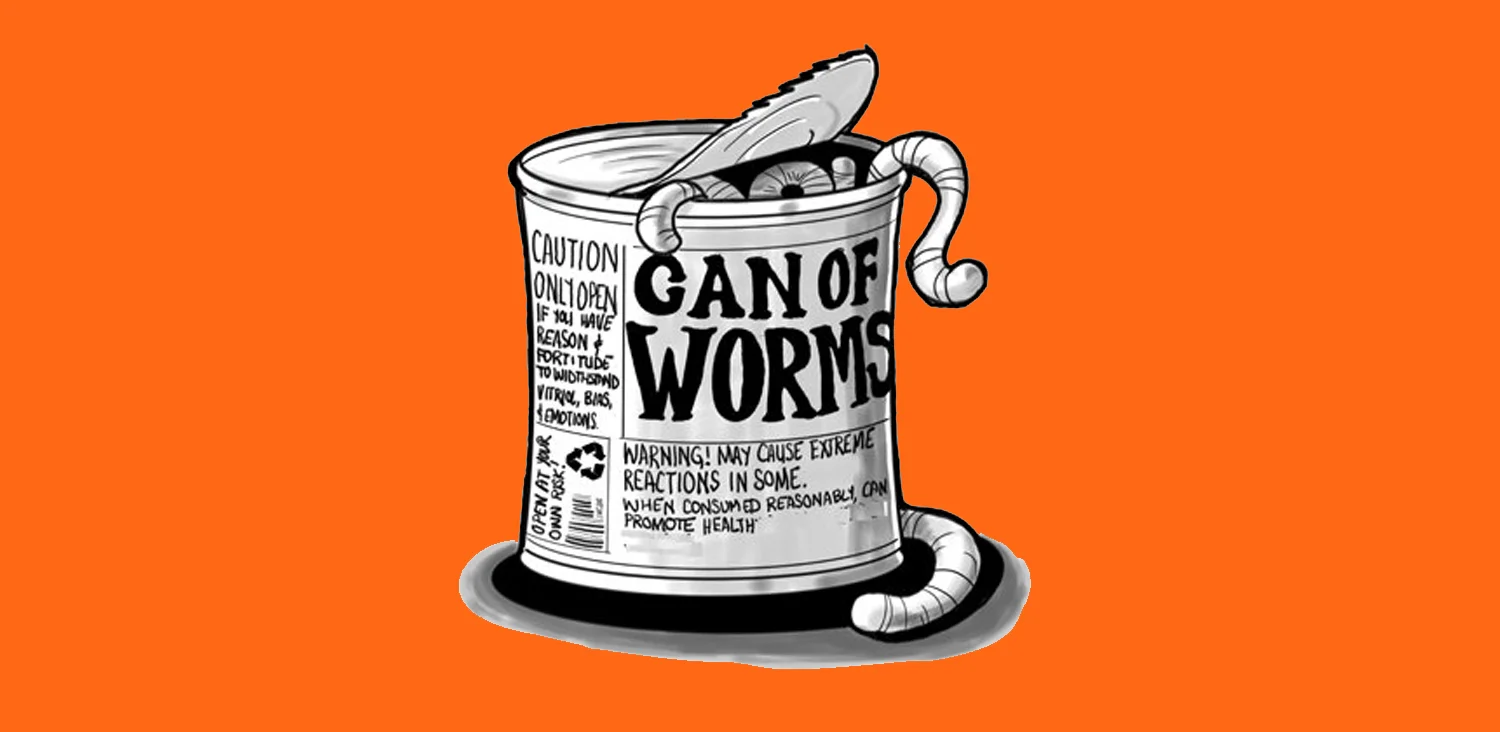
#169 A Whole New Can of Worms
Type 1 gives you the 'feels'...
Christina's husband is a doctor who was diagnosed during his residency. Not long after, one of her three children was also diagnosed with type 1 diabetes. Today we talk about life with type 1 and those diabetes 'feels'.
See the NEW Omnipod DASH PDM here
You can always listen to the Juicebox Podcast here but the cool kids use: Apple Podcasts/iOS - Spotify - Amazon Alexa - google play/android - iheart radio - or their favorite podcast app.




+ Click for EPISODE TRANSCRIPT
DISCLAIMER: This text is the output of AI based transcribing from an audio recording. Although the transcription is largely accurate, in some cases it is incomplete or inaccurate due to inaudible passages or transcription errors and should not be treated as an authoritative record. Nothing that you read here constitutes advice medical or otherwise. Always consult with a healthcare professional before making changes to a healthcare plan.
Scott Benner 0:00
Hello, everyone, welcome to Episode 169 of the Juicebox Podcast. In today's episode, I'm going to be speaking with Christina. Christina, his husband is a doctor who has type one, and one of her children and she has three children, but one of them also has type one diabetes. This conversation goes in a lot of great directions. But mostly in my mind, it's about the feelings around type one diabetes. And Christina is incredibly open and honest with her thoughts and how she feels and so I want to thank her right up front for her transparency. This episode of The Juicebox Podcast is brought to you by the dexcom g six continuous glucose monitoring system. Now FDA permitted for zero finger sticks. You can make diabetes treatment decisions with zero finger sticks and no calibration. Always know where your glucose number is headed with the new Dexcom g six continuous glucose monitoring system. I am also super excited and proud to be sponsored by Omni pod makers of the tubeless insulin pump that Arden has been using since she was four years old. Why use multiple daily injections or a tube pump. When the Omni pod insulin delivery system is about to make a huge dash forward itself simple, smart and discreet as always, it's tubeless and waterproof, like always. But now the new pods are going to be Bluetooth enabled. Why? Because Omni pod has just received FDA clearance for their new dash personal diabetes manager. It is small and thin and sleek and what is today and now exciting. It's a touchscreen, personal diabetes manager, you're still tubeless you're still wireless. But now you're holding state of the art technology to control your insulin pump blood. And let me tell you something, it's pretty.
If you don't mind, I just like to remind you that nothing you hear on the Juicebox Podcast should ever be considered advice, medical or otherwise, always consult a physician before making any changes to your health care plan. I am not a doctor, this is just a podcast.
Sorry about that. That was actually my fault.
Unknown Speaker 2:26
No problem.
Scott Benner 2:28
I sent it the first time and realized I had one wire not connected. And I was like oh and I tried to stop it.
Unknown Speaker 2:34
Christine, you
Scott Benner 2:36
I say this to a few people when I start but I this one absolutely has to be the winner. This is the longest amount of time between when we first started talking when we actually were able to record.
Unknown Speaker 2:47
I really
Scott Benner 2:48
just sets a record I believe I think we've been talking since maybe June. Yeah. So I'm very glad we're able to do this.
Christina 2:58
Yeah, I'm like everyone, I hear them say they were nervous. And I was like, Oh, I won't be nervous. And now I'm nervous. And I'm like, What am I gonna talk about? There's nothing, nothing special over here. But
Scott Benner 3:08
so it's funny. I was speaking just the other day to somebody on the phone privately. And we really discussed it, they should come on the podcast, they completely agreed in the first thing they said was, but what would I talk about? I said, Well, what did we just talk about for the last 45 minutes? And she's like, well, that's not interesting. I said, I don't know. I was pretty interested. And and then I told her, you know, all the people that you said you listen to on the podcast that that make you feel so much better. I said, you know, they all have one thing in common. None of them thought their story was interesting. Alright, she was like, okay, so you this will be the same for you. Really? I mean, you have you have interesting stuff going on. So yeah, I think we I think we can make two Why don't you just introduce yourself Anyway, you want to be known and we'll start.
Christina 3:50
Okay. Well, my name is Christina and I have three children. And my husband was diagnosed with diabetes five years ago, and then my oldest was diagnosed almost two years ago. type one. So
Scott Benner 4:07
your husband was in his, like, early 30s when he was diagnosed? Yeah, he
Christina 4:11
was 32
Scott Benner 4:12
Okay. Out of nowhere was it was there a family
Christina 4:16
tro later, it was out of nowhere and he's actually a doctor, and he was in residency, and he had just started residency and he was eating like crazy and everything and then he said, you know, you need to make a doctor's appointment. I either have diabetes, or I have cancer, like one or the other cuz he had lost like 25 pounds in a month. And, you know, now that we know like, all these symptoms made sense, but never in our mind was type one. So his whole family is surprisingly 100% type two. And there are some autoimmune issues like he had an aunt that died from RA and then we're finding there's another cousin here, they're sprinkled with type one. So he was born and raised in Mexico. And so I know there's a strong genetic component. But there's also you know, a lot of his, his brothers and his dad Dale smoked, and they're overweight. And so the type two made more sense. But they were all diagnosed in their 20s as well with type two, which is more rare.
Scott Benner 5:19
I mean, your husband really has the doctors bedside manner all fixed up already. He's like, Christina, honey, I have cancer or diabetes. Can you call the doctor for me, please? Yeah.
Christina 5:28
Yeah. So it was like in the doctor was like, well, we can see him in three months. And I was like, No, he needs to be seen like now.
Unknown Speaker 5:34
Yeah.
Unknown Speaker 5:35
Can I ask
Scott Benner 5:36
you when he said that to you? Were,
Christina 5:38
I mean, did you notice he was losing weight? You know, it's a funny thing is that other people had made comments, and I was like, Oh, no, I, you know, like, I didn't really like I had noticed that somewhat, but I thought it was the stress from going from med school to working 80 hours plus, you know, and trying to keep up as a first year resident.
Scott Benner 5:58
So unless you're married, you have three kids, you weren't probably looking at him to begin with. Right? You were just
Unknown Speaker 6:02
Well, yeah. Well, at that point, I just had one. Okay. And so that was your mistake, he
Scott Benner 6:08
kept looking at him. That's how you get the other ones. What I've learned from my wife is when I come in the room, she just she looks the other way. Even if it's into like a vacant corner. She's like, Don't make eye contact with them. Or it's almost time for bed. Like I can see you just did it wrong, Christina.
Unknown Speaker 6:24
Oh, God. Well, that's
Scott Benner 6:25
that's it. Listen, that sucks. And then so when he's diagnosed, how does that it's interesting. He said that he's a basically a doctor at that point, right? He's in his residency. So that's it affect you. How does it affect him? did it affect his residency? Your marriage, like what all happened?
Christina 6:42
Well, they diagnosed him with type two and send him home with Metformin. And then, you know, with the blood sugar is that his blood sugar was like 600 something. And then we were like, Okay, and then the next day, the doctor called him and said, You know, I think you have type one. And he was like, I think this doctor is crazy.
Scott Benner 7:01
Okay, you know, but it's age, right? It's always the age you think.
Christina 7:04
Yeah. So it just, you know, but then there we were within 24 hours in line for needles and insulin and, you know, realizing, but no, it you know, with him, they didn't I didn't really realize, like, it didn't change too much for us, because I didn't realize how dangerous it is and everything. And they didn't tell us about ketones. He never got ketone strips. It was like nothing, you know, like, I didn't even
Scott Benner 7:32
do you think because of his profession. They just, he didn't get the full walk? Yeah.
Christina 7:38
Yeah, they do that to us a lot, though. They say, oh, you're you know, you know, this, your husband's a doctor. But the thing is, is that they don't even teach nutrition. In med school, they get like maybe an hour, people think doctors know a lot about things that they don't really know about. So they did kind of just rush us through it. And it was his health care system. And you know, like his doctor was his endocrinologist was a co worker. So I think they kind of just, you know, said, Oh, you know, this and,
Scott Benner 8:05
but everyone just assumes and yeah, and your husband doesn't know what he doesn't know. And yeah, yeah. Oh, wow. So how did how was this beginning? Did he have a really rocky road figuring it out? or How did he figure it out?
Christina 8:17
You know, he just kind of did it. He's more like, he gets mad at me sometimes with my daughter because I'm burned out or I'm angry, or I'm like, this sucks. And he doesn't like me to be able to say that this sucks. Like he says, that's a negative outlook. So he doesn't even ever talk about it. He just goes with it.
Scott Benner 8:33
Gotcha. He's gone. He's going the Catholic route on you.
Unknown Speaker 8:38
Yeah, he's
Scott Benner 8:39
like, everything's fine. Just keep moving forward. Well, first of all, let me let me say this to you, it does suck. And, you know, I will absolutely sit here and reinforce with you, it sucks. I also don't think that giving a voice to the fact that this isn't a lot of fun, makes you negative, it just makes it it just makes it what it is. You know, I get I hear from my wife sometimes, too, because I think I must wear my emotions right on my face. And I'm probably not completely aware of it. And so you know, just little things happen. Like you make up you make a bolus and you expect it to work and it doesn't work and it goes the wrong way. And I must just express all of that on my face. And my website guide you every time I look at you about this, she's like, I feel like you're just you're mad. I'm like, I'm not mad. I'm just like, you know, I did this and I thought it was gonna work and it didn't. And now I'm starting to do the math that I'm going to be up until two o'clock in the morning. And you know, like it's Yeah, it's irritating.
Unknown Speaker 9:30
Yeah, yeah.
Scott Benner 9:31
So I have a good I mean, I think I I think I have a good outlook about it. But my outlook still has space for the fact that it socks. Yeah. Well, okay, so if you ever need to tell somebody at socks, tell me I'll agree.
Unknown Speaker 9:43
Okay. Thank you.
Scott Benner 9:46
very welcome. So So does he get what does he managed with like you said needles in the beginning Does he still do Is he still on like MDI, how does he handle?
Christina 9:54
No, so he was diagnosed in September and then December he started Omni pod because for him tubes were like, out of the question. And so he started on Omni pod, you know, three months after being diagnosed, but they never approved a dexcom. For us, his doctor tried and tried, and they just wouldn't approve it on our insurance. And so once he did, you know, once he graduated from residency and became a real doctor,
Scott Benner 10:22
real Doc, he was a doctor, you know, I'm sure you've heard those words from somebody at some point.
Christina 10:27
Yes. It's not as fabulous as it sounds.
Scott Benner 10:30
I have a friend who says that. He's a doctor and his his boys when they were really young, he could see moms in the neighborhood, like trying to like buddy up their daughters, and he's like, I think they're trying to marry off their nine year olds to adopt like, he's like, it's creepy.
Unknown Speaker 10:47
That is creepy. So yeah, no, I
Scott Benner 10:49
know. It's not all it's cracked up to be. Yeah, I gotcha. I'm sorry. But he got the on the pod. You couldn't get to Dexcom he became a real doctor. And what happened? Well, then
Christina 10:58
he finally got the Dexcom. And then we were like, shocked by what you know what happened. And I think he had a lot of like, hypoglycemic episodes at night that we didn't know. And, you know, and I had had another baby, like, a month after diagnosis, I was pregnant with our second and then, you know, so a lot of the times he was on nights and all these different shifts, and he slept alone in the room. And then I would sleep in a room with the baby because he didn't want to be, you know, woken up. And so I had some mornings, I did feel like, oh, let me go check on him. Oh, my gosh, you know, he hasn't come out yet. So those were the only times when I kind of felt scared. But after we saw what was happening, it's a little terrifying.
Scott Benner 11:38
That's definitely how it went for us. Like we were, we got Dexcom back when the beginning of it wasn't as easy. You didn't just go, Hey, I want this and your insurance said yes. And you got it. It was the our doctor put her put on a blind sensor for a week. And we first we had to prove that she needed it. So they said like, well, we'll take our readings for week. And if you know, there's danger going on that'll that'll help you get it through your insurance. And it's like, whatever, yeah, I'm sure it's fine. Like, I'm like, I put her to bed at 190. And she wakes up at, like, 8590 It's perfect. Like, I'm really good at this, don't worry, I don't know how we're never gonna get this, you know, but what it showed was that her blood sugar would fall and sit at 54 hours. And then probably her body, like her liver or whatever, something would kick in morning, you know, the morning, the dawn phenomena would happen or something bounced back up again. So I had that feeling. For a long time, like, this is fine. You know, this is so good. Like, I put her to bed a little high. And she wakes up and it's all good. And I see when I see people talk online about that. Like that always breaks my heart like I'm always like, I want I want to say don't like you should probably test a couple times, right to see what's really happening. Right? You can't spend your time. You know, I can't you can't you can't grab everybody who thinks that. So hopefully people find it out safely. So he finds it out. Gets it Dexcom did it change how he thinks about the diabetes? Do you think?
Christina 12:58
Yeah, I think it changed, you know, every aspect. And you know, when you get the Dexcom, then it does take a lot more of your time because you know what's going on, and then you're treating loads and alarms are going off. And then you know how high you are constantly. So it's like, you know, you You just have to, he's pretty easy to manage the like he barely ever goes above 200
Scott Benner 13:19
is the brand new oven is eat well, and things like that, like stuff that makes it easier.
Christina 13:23
He keeps a really high bazel going and then he knows like there's two points in the day when he crashes. So you know, he doesn't eat a lot, because he's so busy. And he works through lunch and everything. So he kind of knows when to eat a snack. And
Scott Benner 13:38
so he almost he kind of cranks his bazel up in the nose are certain times a day he has to feed the insulin kind of Yeah. Kind of a doctor as you can you say he's internal medicine. Okay. Okay, so Okay, so he's working in an office or in a hospital setting. How's he?
Christina 13:52
He works in the office. He does primary care. Okay,
Scott Benner 13:55
okay. Well, that Yeah, so his day is pretty regimented, then. And that makes sense. Because when Arden's at school, I have a way easier time managing our blood sugar when she's at school than when she's at home. Yeah, because there's less factors. And you can count on things happening at certain times and stuff like that. So Alright, so he's got diabetes for a few years, you're going along? It sounds like you're fairly removed from it. Like it's something he's taking care of on his own. Do you think that he didn't fully explain to you what was going on? Because he was trying to be private? Or do you think that you were just so busy with the baby? Like how to like, because it happens that most adults I talked to don't have a lot of interaction between Yeah,
Christina 14:36
without I think he just, you know, like, with his attitude of, this is fine. And I got I have this taken care of, and it was, you know, sometimes I would see him up at midnight and be like, why are you up? And he said, Well, because I I ate and I need to wait a few hours to see what my blood sugar's doing before I go to sleep. So he was aware of it. You know, knowing that he didn't want to go to bed. You know, too low. Everything but he didn't. I don't know, I didn't even think of it.
Scott Benner 15:03
Yeah, he didn't, he didn't put enough of an explanation together where you could be like, oh, there's more to this than just right. He ate. He's got to wait. So, Alright, so now it looks like but it may be if like four years later, your child's diagnosed from his diagnosis or about a year. Yeah, I
Christina 15:23
think it was 2016. So at the end of 2015, so he was about three years into it, I started noticing. Well, of course, I had, you know, been waking him up in the middle of the night for juice boxes and stuff like that, now that I was hearing alarm, but I was pregnant with my third one at this point.
Scott Benner 15:42
And exhausted by the way, Christina, you're not doing much for that, that calf, that Catholic miss about like, what like, did you? What did they call it? Where they call that Catholic twins, right? Is that what you had? there? Is?
Christina 15:52
No, they're all like about three years apart? So it's not since 2013 2016, you know,
Scott Benner 15:59
are you like, do you dodge him now at this point, like with three kids? Probably you have a stick on the side of the bed.
Christina 16:05
Kill me for saying this. But like I demanded of a sec to me this year. So it happened. Because I you know, I actually wanted more because I'm crazy. But with diabetes and everything. And I know this is like a sensitive subject, but I don't think I would have had my son had I known. I didn't know that the risk was so high either. Like, if the dad has it, the risk is even greater.
Scott Benner 16:26
It gets 10% I think is the is the number it raises your your possible I think 10% is it but I listen, I understand what you're saying. I've always been very open and said here that I think that my wife and I were always planning on having three children. And and that Arden's diagnosis, slow that down, you know, if for no other reason, who would have time or energy to have sex, and but the rest of it, too, I mean, you know, joking aside, it's, it really is I've heard people make the, you know, have the conversation on both sides. And it sounds completely reasonable both ways. Like I, I remember back to like Sam fold as an example. And I was talking to him, and he said, No, I just like, you know, doesn't stop me from having kids. He's like, Look, my life's fine. And I was like, Oh, that's completely clear headed and reasonable. Like, you know, and I've had the feeling where, like, oh, gosh, like, I don't know if I can do it, you know, or you hear people who have two and three kids with type one diabetes, and you're like, Oh my gosh, look, their whole life is like feels like it's this and I don't know, there's you know, it's it's a personal preference for sure. So okay, so so now he's you're giving him juice boxes, because you can hear the next time now. Now, you know, he's low while you're pregnant. Probably really thrilled to be being woken up at night and five
Christina 17:41
year old still not sleeping through the night. So you know, it's it's fun.
Scott Benner 17:44
Yeah. It sounds like a lot of fun. I don't know why you wanted more kids by describing a party, Christina.
Christina 17:52
It gets worse.
Scott Benner 17:53
Okay, well, let's hear it. By the way, I've been married for 21 years. I know it gets worse. But, but seriously, so how old is it? Your daughter was diagnosed then? Yeah, so
Christina 18:06
she had just turned five and in November and then in, you know, around Thanksgiving and stuff, I start noticing that she's peeing a lot at night. She's drinking an obscene amount of water all throughout the day and night, and I didn't really notice the weight loss. But now when I see pictures, I'm like, how could I not see it? Because she was very thin. And, you know, it's just all these things. And I would tell my husband, and he said, Oh, she's just growing. And so he didn't want to face it either. And then Christmas came. And then after Christmas, I was like, this is just getting out of control the amount of food she's eating. Then she started getting leg cramps, which is also what my husband was getting.
Scott Benner 18:48
Yeah. Did you tell him she's either got cancer or diabetes.
Christina 18:53
I was like, you know, so on. And it was like Martin Luther King Day, and she was home from school. And I said, I had been begging her for a week to let me poke her finger. And she was melting down over it. So I was pushing it off. And I just said, I have to do this. So I did it. And it said Hi, which means over 500 for her meter. And then I called my husband at work and I, you know, told him and then I called to get into a pediatrician, she happened to be, you know, covering the clinic that day, because they were off. And so I have to drive her down to a clinic further away. And then the doctor is a personal friend of ours, and they had her pee and she walked in the room. And she looked at me and said, You know, so what brings you guys in today? And I just said, Well, you know, so then she like you looked really horrible inside and said, you know, you need to take her to the ER right away.
Unknown Speaker 19:42
Well, so that is Yeah,
Scott Benner 19:44
that's terrible. And I'm sorry. Yeah, but at the same at the same time. I'm interested to know what happened like I it's interesting to hear what happened to you because I think so many people put off that thing. Like the people who have a husband or a wife or or another child who has type one, they see it coming. And they kind of just don't want it to be, you know, so that you pray, I think it's kind of comforting to hear that a physician and his wife were like, no, it's probably this, it's probably that it's probably, you know, the same thing everyone else does, you know, that horrible feeling of, like, I don't want to, I know what's on the other side of the door, but I don't want to open it and prove it, you know, so maybe we'll just stand in this room forever, and it won't exist, you know? Right. It's, it's, it's comforting. I think we're here to hear that it happened to you too, you know? Yeah. In some strange way. So
Christina 20:36
she's how old when this is good, just turned five. And so she was, you know, she was fine. She didn't have I think she had like mild, maybe moderate ketones, but she was perfectly fine. She was an MDK or anything. And you know, we went to the ER and so they wanted to admit her, but I refused. Because, you know, I'm sitting there pregnant as can be my two year old saw me, my husband was never able to make it to the ER, he wasn't they wouldn't release him from work. And my mom was with me, thankfully. But, you know, so I said, you know, we can handle this can Is there a way to do it outpatient, so we have to drive like about 45 minutes to where they have pediatric endocrinology for us. And so we just did that four days in a row and met with them for about four hours a day. And it was overwhelming, you know, and I couldn't quit crying, I was sobbing hysterically. And I was angry with my husband, which is another sensitive subject, you know, because it's not like, it's his fault. Like, he has to be born with that, you know, or to have this happen to him. But I was angry because it was, you know, it felt like it came from him, right? Yes. And Had I known this, you know, when I married you or something, maybe we wouldn't have had kids? Or maybe you know, like, you just have I don't know,
Scott Benner 21:49
you put your rerunning all your decisions and right, yeah,
Christina 21:54
so it just opens this whole new can of worms, and I have to work through all these feelings of anger. And you know, like, what am I doing now? What about my other kids now? And, you know, and it becomes this horribly overwhelming, because when he was diagnosed, it was like, guy, you know, here, here you go. And then it was like, oh, here's a social worker, here's a, you know, I don't know, like a child development specialist. Here's a nutritionist. Here's the you know, here's the doctor, and here's the nurse, and, you know, you're holding her down. I, you know, I hear people say on your show, like how easy it is and how their kid handles their shots. Well, well, this was not the case for us. I mean, it was like, I mean, I remember sitting outside, begging her, like, you have to take this and I have to tell my five year old you're either gonna die, or you're going to let mommy give you this injection because this is what's gonna keep you alive now and having to tell your daughter that at the age of five, but it totally changed after that. Then she kind of realized the, you know, the seriousness of
Scott Benner 22:52
it. Yeah. This lady's not just trying to poke me cuz she's more. And yeah, no, I hear you. I've, you know, I've said before, Arden was never really thrilled with shots. And there were times where I had to, like, sit on her to give her injections and things like that, you know, like, actually hold her down to do it. Because she would just run if you didn't, right. And you know, even to this day, at 13 when she's she's pretty good with like changing sights and stuff like that. But you can still say she tenses up a little bit. And it's still not even though she's like, it doesn't. At this point. She's like, it doesn't hurt but I can't not tense up. Yeah, I'm like, No, I understand. This is my gosh, at this point, what are we talking about here? This is 11 or more years later, and it's still, you know, it's not just free and easy for
Unknown Speaker 23:39
right?
Scott Benner 23:39
I get the end, how do you? How do you rationalize with a five year old like, you made me think when you said it, you know, you had to be like, Look, you're gonna die if we don't do this. It might sound really harsh to people. But I remember the first time my son made a made an all star baseball team. He was like it was the summer he was six years old. And I remember dropping them off at the first practice and kind of like leaving him alone, let them be there. And at the end, he scooped him up, and we're walking over to the car. And I said, you know, what did you think? How was it? He said, he was really excited. He loved it. And he said, but the coach kept saying this thing, because I didn't know what he was talking about. I was like, Well, what maybe I could explain it to you because he won't, he said that we should all be more aggressive. And I was like, yeah, so you know, be more aggressive. He's like, well, what is aggressive mean? And I thought, Oh, he sex. There's a word he's never heard before. Right? He has no context and any has no context for it. So he does spend time. Like I forget how I ended up doing I think I ended up using like a tiger as an analogy as like, imagine if you know, there was a tiger and it attacks something. I'm like, the act of attacking that act is aggressive. That's aggressive. And then I broke it down into other ways into sports metaphors. Took the entire ride home to explain a word to my six year old. Yeah, you know, and like so how do you how do you take a five year old and say, hey, look, there's this medicine. There's this thing inside of your body, it stopped working. It's just like, like there's that's a lot of information for a five year old and That's why it's such a weird spot because Artem was too. And she was diagnosed. She didn't know we just did. Well at five. You kids got context. She can talk. You don't mean like, like, she's she's going, Wow, this was not happening to me last week. You know, it's not pleasant. It's a it's a very strange and you're pregnant. How pregnant were you when she was diagnosed?
Christina 25:21
Well, that was January, and I had them in May. So.
Scott Benner 25:24
So anyway, yeah. So you were in second trimester? Yeah. Hormones happening. All that stuff. husband's a doctor. Yeah, there's a lot going on. you're by yourself with those kids and the pregnancy and yeah, gosh, and then you
Christina 25:39
know, having to hold her down. And it's just, it's just horrible to do. And so luckily, you know, because of him being a physician and stuff, they moved us along, because they don't normally let people start pumps so quickly, but within a month we were on a pump. Does she like that better?
Scott Benner 25:54
Did she use the same pump that her dad Susan or no?
Christina 25:57
Well, we use the Animas. Well, she's on Omni pod now, but we did use the animals, our insurance actually doesn't cover Omni pod. And so we pay out of pocket for it. And so we went with the one first and we liked it, and I act, there's something that I actually miss about it when I switch to Omnipod. Okay, but I definitely don't miss the technology because they were so behind.
Unknown Speaker 26:23
And that's that is the company that's going out.
Christina 26:28
But the canula, I think is where we struggle the most, because she used the needle infusion set before. And so I think we have more issues now with absorption and stuff like that, that we didn't have with a needle set. But do you just change more frequently? When
Scott Benner 26:41
you get it must be hard as you're paying cash, but you must just change it more frequently.
Christina 26:45
If Yeah, well, we do if we have to. But I mean, even just doing slight changes is just horrible for ya. Know,
Scott Benner 26:53
I hear that she still has issues with it. Arden doesn't like said on the pod clicks before it goes in, right and so. But the insertion doesn't always happen on the same click and artwork. allergen counts them. And she's like, 1234, and she'll get the five and one five doesn't happen. You can see she's like, in that gap of time where Oh, my God, that didn't happen. But it happens. And I have to be perfectly honest, if it wasn't. So if it wasn't something she didn't like, I would have to let I do laugh at her something happened, something Solaris. I think I know we've changed this pump every three days. Since you were four, like we she said on the podcast. She's four. I'm like, so what are we talking about here? like seven, eight years, right? Maybe more at this point? And I was like, are you really surprised by it? She goes, No, it doesn't hurt. And she has no and I'm like, What is all this about? She's like, I don't know. I think is your daughter gets older, I said this to a couple people. And you've probably heard me say it to them. But I'll say it to you because I think you maybe need to hear it. By the time aren't done using shots. I calculated that I probably stuck her in some way shape, or form. But over 10,000 times, and a couple of years, like into on the pod. We want to she got sick one day, and I thought I couldn't tell if the pod was not you know, just needed to be changed or if she was resistant to insulin. So I thought well, I'm gonna inject some insulin. And I thought well, because if our blood sugar moves real quickly, then I'll change your pump. And if it doesn't, then it's not the pump, and she just needs more insulin. Excuse me. So I get out the syringes that we have are kind of like backups, jammed way down in a drawer somewhere I pull one out, I draw some up, I tell her, Hey, I'm going to give you some insulin with this. And she just looks at it. Like she just she'd never seen it before in her whole life. And she goes, What is that? And I said it's a needle I'm going to give you the insulin with and she's like how, like just like really? Like, what are you even talking about? Like I get my insulin through that pump? You know? Yeah. And I explained it to her. She had literally no recollection of ever having a needle in her entire life. So maybe your daughter will, maybe a lot of it will go for dinner. I mean, like it was impactful on her as you're imagining. It's probably more of the the sadness on your side. But I have to tell you, too, I don't I don't remember that sadness anymore very much either. So there will be a day where this all doesn't exist for you get you don't even good. Yeah.
Christina 29:17
Yeah, I think it is harder for the parent sometimes than it is for the kid. But
Scott Benner 29:22
it absolutely can be like there's no I've admitted here before. I've never given myself a shot. I've never tested my blood sugar. I've never inserted a pod or Dexcom or none of that because I always thought if it hurt, then I'd know it hurt like and then I would know what it felt like and then how would I do it? Give me like at least now I have this veil of ignorance. And I know that everybody doesn't agree with me on this, but I had this veil of ignorance. I don't know what it feels like. And I am the one who's supposed to be doing this. Like I'm the doctor in this little situation in our life, right like I can't, I can't cut your leg open with a scalpel. If I know what it feels like, maybe like you don't like so i just i have to do this thing. I think it's better for me not to completely know what it feels like. And I'm sure some people agree and some people don't agree. That's how it always struck me. So, yeah, I definitely get how hard because it was very, it was hard for me to like I would, you know, do something and then go cry. And then, you know, come back and, and be like, everything's fine. Everything's great. I'm not crying. Now, I totally get it. Well, in your email, this is funny, people won't know how to you won't know how to like make sense at this time. We're recording this in November of 2017. You and I started talking in June of 2017. This probably won't post until February or March of 2018. So it'll almost be 10 months since we actually spoke the first time. But in your initial email, you said that the podcast sometimes feels like therapy for you. Yeah. And I was wondering how so. earlier in the show, I told you a little bit about the Omni pod insulin pump. And now I'm going to tell you a little more. Today I want to focus on the ease of use for the Omni pod. So not only is it tubeless, and wireless, so the personal diabetes manager doesn't actually in any way connect to the pump itself. It's wireless. And the pump itself doesn't have any tubing. So, you know, how does it do that you might be wondering, it's pretty simple. The Omni pod is just this tiny little device that you fill with insulin applied to your skin and then press start on your personal diabetes manager. It inserts the candle automatically and begins delivering your insulin all with a touch of a button. It is actually as simple as I just made it sound Arden's been using it since she was four years old. And next month, she will be 14 years old 10 years we've been using the alley pod, it is spectacular. Please go to Juicebox podcast.com and click on the links. Or there are links in the show notes to your podcast app. But in the end, you need to go to my omnipod.com forward slash juice box and they're on the pod we'll set you up with a free no obligation demo pod. But you can actually apply a pod to yourself and wear it and see what you think there's no risk doesn't cost you anything. And I'm telling you after 10 years, you couldn't make a better decision. My omnipod.com Ford slash juice box with the links in your show notes or at Juicebox podcast.com. Also, if you'd like to see the new personal diabetes manager from Omni pod, the new dash PDM I'll put a link in the show notes for that too. I have some pictures back on my blog. You said that the podcast sometimes feels like therapy for you. And I was wondering how so?
Christina 32:48
Well, I think it's just because you you know, you live in your little bubble. And for me, like we've tried to make other friends with type one or other families. So you have some type of somebody that understands because people, no matter how much they want to they don't understand what your life is like or what you go through. You know, and you hear people whining that, oh, their kid was sick. So they had to stay up with them last night, you're like, well, that's my life every day.
Scott Benner 33:15
You know, find compassion for them. And yeah, did that happen to you once this year?
Christina 33:21
you for saying? Yeah. So to hear other people and just even like you said, Just hearing other people's stories of diagnosis or how it, you know, unfolded for their family, or how they're dealing with it or anything, it gives you that, you know, kind of sense that there's other people out there doing it, you know, struggling with the same things and that we're all you know, we're spread out across the country and across the world. But we're all in it together still. And just to hear that just gives you like, I don't know, kind of a sense of relief or to hear other people's they they're struggling with something that you're struggling with or you know, makes you feel like you're not doing it wrong, right,
Scott Benner 33:59
you can have that feeling like, Oh my gosh, I'm struggling, I must not understand something about this. But when you find out that that's something that happens to everybody, maybe it's part of a growing process or a learning process takes a lot It takes a lot of the guilt away.
Christina 34:13
And then you know, you help all the time, like you say how it doesn't get easier, you just get insanely better at dealing with it or you know, you say, you know, don't beat yourself up and you're you know, you're constantly giving the kind of things out there that I think people need to hear. And if you're listening to it after you've had a particularly rough night or day, it's just you know, it's therapeutic to hear that, you know, everything's gonna be fine and it's, you'll get this and you know, start over you always say start over that's in the past. It's done. I think you should do like, like, Scott's best advice episode,
Scott Benner 34:49
but then we'd have to say it's not advice.
Unknown Speaker 34:51
I just call it what you should plug in
Scott Benner 34:54
best advice. Not really advice. I have considered just putting Together, it's like, these are the episodes that people find the most valuable. I actually, I actually might put a call out to people and have them tell me what their five favorite episodes are. So we can sort of because, you know, because the other thing is too is like, I'm the one making the podcast sometimes. After I go back and I edit it, I have a chance to listen to it again. It's been months since I've recorded it when that happens. And I listen, I'll be like, this person was great. Which is why you'll hear me on like, the beginning of the episode. This is like the best episode because it's not that I have like, you know, a memory problem. And that I didn't just say that two weeks ago, but for me, like I hear it again. I'm like, Oh, this was great. Like, I forgot how great this was. Or even in the midst of saying, like having the conversation. It didn't strike me right away. That something someone said was so impactful, or at times, you know, humbly like I'll say something that later I'll hear and I go, Wow, that was really smart. Like, I didn't know that when I was saying it.
Christina 35:52
I actually write things down that you say, and I keep them to go back and read them sometimes. Oh,
Scott Benner 35:57
I I'm embarrassed and touched very early like that. I always tell people, it's like, Can we just get my wife on here real quick. So she can I had a private phone call with somebody last week. And she was going online about what the podcast mentor. I think there was part of me like this little just childish part of me that like I wanted to put it on speakerphone and be like, Listen, other people how they think about. But it's also very, you also don't have to live with me, Christina, you are you very much might not like me, either. If you had to spend the whole weekend this. Just kidding. I think my wife likes me. I can't it's hard to tell. And so well, let me let me so that's really I first of all, I'm really great to hear that the podcast does that for you. So it makes me feel like it must do it for other people too. which I find really, like, it's heartwarming. But you said something that I just found really super interesting. Like you tried to make type one friends. So imagine that like when you go out to make friends. First of all, making friends as an adult is not that simple. And then then when you put parameters on it like well, these people have to be probably near my age have kids near my age have similar interests as us they got to be as excited to go see for this weekend as I am, you know, or an arthouse movie, not for like whatever it ends up being I wouldn't I like this kind of food. And then on top of that you narrow your field down by plus I have type one diabetes. That's like Craigslist kind of stuff. Like how are you ever gonna find anybody that? Can you? I picture you at a dinner party going to your husband? I really like these people find out if they have diabetes.
Christina 37:35
You're making me sound crazy. No.
Scott Benner 37:38
Listen, I'm gonna tell you what I tell my wife. You're doing that yourself. No. I'm just kidding. She's not crazy. You're not crazy. It was just a cheap joke. But, but but but you're not. But you're, I understand what you're saying. Like you're looking for this person. who cannot just be a friend. Yeah, but but understand what's happening, you know,
Christina 37:55
more so for my daughter, because she asked, you know, so we did meet a boy, that's nine that has type one. And that was the first type one she met. And she just thinks it's the most amazing thing ever, that there's someone like her like she can't even grasp. You know that there's people out there like her and we haven't taken her to camp because it's it's hours away. And it's kind of inconvenient to get that week off. And then to do that with all the kids, you know, the family camp?
Scott Benner 38:18
Yeah. Where are you at in the country.
Christina 38:21
We're in California, in Northern California. So they do have a camp, but it's like, in the central California. It's a three four hour drive, which is not fun with little kids. And you know, it's just not something by on our list right now.
Scott Benner 38:37
Drive four hours home and you're four hours away, then. Yeah, when she's at the camp, and if you have an issue, that's how far she you know, it's funny. My daughter has never been to diabetes camp. And yet I've had people on here who talked about it directors from camps, people have gone, they all find it to be the most amazing thing. When I talked to Arden about it, she doesn't seem to be in any way interested in it. And so I'm like, Alright, well, I think my kids just not a camp person. Like, like, take the diabetes out of it. Right? Like, when you're like, hey, so we'll take you to this place for a week and a cabin and you can already see. She's just like, whoa, wait, what have I done something wrong? You know, like, like, Am I being punishment? I don't need to leave that. I got Netflix here. I don't understand what you're saying. Why do I have to go?
Unknown Speaker 39:22
with artists?
Scott Benner 39:22
Yeah. I don't think she's a camper at heart. Yeah, the last vacation we took that was just in Vermont. We rented a house for a few days. And the house was wonderful. And they were still like, way too much nature. And I was like, Okay, all right. So I think my kids are more of I think they're more beat. They're more beach people to be perfectly honest. So and that even has been our our family getaway for years. You know, we don't go every year. It's way too expensive to do that. But we've been a handful of times to St. JOHN in the Virgin Islands. And now it's been hit so hard by the hurricanes that I don't even genuinely know if it's there to visit or not. You Yeah, so Okay, let's not let so let's let's kind of like regroup for a second. Well,
Christina 40:07
let me tell you what I have done. So you don't think I'm so crazy? Oh, first of all,
Scott Benner 40:11
no one thought you were crazy. Again, just a cheap joke. This is a really great episode, you are being really honest, I don't think you're crazy at all. But tell me more than I'll follow.
Christina 40:19
Well, I, so we, I reached out to the school nurses, right. And we have a lot of schools in our city. And ironically, my daughter goes to a private school, and 30 minutes away in another town, which has its own set of issues with diabetes, and that they don't have a school nurse. And, you know, that's a whole nother can of worms, but I'm trying to manage it from far away, but I reached out to the school nurses and I, you know, I said, I'm trying to start this group, you know, for our county, and, you know, just with parents so we can get together, we can get our kids together, maybe we can have some education or something, you know, I'm, I have my Master's in Public Health, and I did the health promotion, health education. So I was kind of routing it that way. But nobody responds. And parents just start kind of interested. So I think everyone's so busy with their own life, that it's hard enough just to deal with, you know, everything they have going on in their family that that's how the world's going on, it's hard to get people together. Often.
Scott Benner 41:16
I agree, I, I am a stay at home dad to two kids, one of them has diabetes, I do this podcast. And other than that, I pretty much vacuum and grocery shop and do things like that. And I've been trying to get together with a friend of mine for lunch for like six months, and I can't seem to make it happen. And so I get that. And I also get the how much all those people would love it. If you guys did get together once in a while. And you know, I'll have to think about how to i, it's, it's going a little slower than I hope but we're really thinking of like taking the podcast out into the world and doing it in front of like a group. So I'll be doing it. In March, I think in New Jersey at a at a jdrf conference. And I have a phone call tomorrow, about one in January in Arizona, which by the time people here, this will have happened a long time ago. But But I just think i think that the conversation you and I are having, but with a bunch of people who could all, you know, have like, like maybe a little micro conversations with me back and forth. And like we're doing now and then move on to something else. By the time everybody got through their question. My imagination says that all everyone's question would pretty much encompass what everybody's thinking get out. Yeah. And I think that would be really cool. I don't know if you heard the last episode number 168. But it was an interview and a review of the Dexcom g six. Here's how it was an interview, review and interview, if you will, I had Jake leech on he's the Senior Vice President of Research and Development for Dexcom. And I basically gave Jake my feelings about having used the GS six now for the past four or five weeks. And then Jake was there to give us a deep dive into how some of the things that I asked about work, I thought it was interesting, I hope you heard it. And if you didn't, you should go check it out. But I bring it up, because it's gonna give you a lot of information about the new Dexcom g six. And that's what this ad is about. If you go on the link in your show notes, or Juicebox podcast.com, or just go to dexcom.com forward slash juice box there, you'll be able to get all the information you need in the world about the glucose monitor that is the center of everything you hear about here on the podcast. You know, it's easy to say yeah, I want to be able to see my kids blood sugar while they're at school or my mother's blood sugar. While she's in Florida, I don't know where people go or why they do things. But it is nice to be able to see their blood sugar when they're not with you. That is good. I love that. I think it's great to know what direction your blood sugar is moving in and how fast it's going. It can be a real safety feature as well while I'm sleeping. But in the end, to me the real focus of what the dexcom g six is, is this. You need to understand where your blood sugar is, where it's going and how fast it's going to get there to make good decisions about your health. The Dexcom opens up a world of information that allows you to make those decisions simply easily and effectively. Definitely go to dexcom.com forward slash juice box or click on the link in the show notes to find out more. She really talked about in your email like burnout. You said there was one specific episode was it super Stephanie was that the one yeah. Yeah. And and you said that it just really helped you. Where were you at that point before you heard it before you heard that episode?
Christina 44:38
Um, you know, I think that I'm just kind of really, I still feel burned out to be honest, but I just kind of keep it in because people in my family do not like to hear that. You know, it's like you're not allowed to feel this. This is just go on with the day and that's it. So it's, it's I just feel overwhelmed. With alarms constantly going off, my husband sleeps through his he sleeps through my daughter's and then you know, the baby being born and then having, you know, breastfeeding a baby, you're up all night anyways, breastfeeding that requires more and you know, just everything going on. And my daughter also has a hole in her heart. So she needs she's going to need surgery to fix that at some point. So
Scott Benner 45:22
we've gone through that her whole life. And then Christina, which was the second which you were just like, oh, not only that, which child is the child with diabetes are different? Yeah. She's losing the luck lottery. So So is that something that we're not worried about? In the moment, it's just as to get to a certain growth spot before it can get fixed?
Christina 45:40
Yeah. So she, when we she was born, she was born in New York City. We were there for three years. And then we moved on to Connecticut for three years. And he worked in Massachusetts, but we lived in Connecticut. And, you know, we were seeing they found it when she was six months, she had a murmur, they sent us to a specialist. They were pushing us for open heart surgery, this needs to be done Now. Now. Now I met with someone at NYU, I couldn't stand the surgeon, he was so arrogant. I told there's no way he's touching my daughter. And the idea of them stopping your child's heart cutting in and then putting her on bypass and circulating the blood. You know, this is not high on my list,
Unknown Speaker 46:13
since to do with somebody with my
Christina 46:16
firstborn, who I'm super protective of. And, you know, somebody that just rubbed me really the wrong way.
Scott Benner 46:22
And so one of the other options was to wait a little longer.
Christina 46:25
Well, so we were he was ending his. He was graduating and starting residency. So I said, Let's wait and we'll we'll find a new doctor in Massachusetts, you know, Boston Children's is there, it's the best. And so we found another doctor, and they came up with completely different numbers and said, it's not as big as they were saying, I don't know why they were saying this. And so I was like, You're crazy. So we go to another doctor. And they said, it's not that big. So then we went to Boston Children's, and you know, they were like, Oh, she's totally purse candidate to do a cath lab procedure instead of open heart surgery, and she can wait until school age. That's great. So now we just had follow up, and they said, she might even be able to wait till she's in her 20s to close this.
Scott Benner 47:05
So that's really something in that first guy was just like, just I'll just cut her chest open, and it'll all be fine. Yeah, as well. You did you sniff them out? You did the right thing. Does that help you with the diabetes too? Like, how often are you with an endocrinologist who says something that you're like, I don't think that's right.
Christina 47:23
I'm an endocrinologist. Don't bother me. The dietitians kind of drive me crazy.
Scott Benner 47:29
What do they want from you?
Christina 47:31
Well, I just think that they're not realistic in life. I mean, they, they really annoy me, Scott. It's like at the last meeting, if I so we had this nurse that we really loved. And she moved to a different site. And so then they started seeing patients here one day a week in our town, and I just didn't, I think your relationship with the nurses more important with the doctor, the doctor comes in for a few minutes. And you know, says, All right, maybe we can make this change or looks, everything's great. Right? So the nurse is more important with this nurse here, I just wasn't feeling it. And then the dietician last time, it's just like, gas, I'm feeding her, you know, yogurt in the morning, or cereal, and that is just so sugar laden, and I wouldn't feed that to my daughter. And, you know, it's just like, they always come in. And for some reason, they're like these anorexic older skinny women that look like they barely ever eat.
Scott Benner 48:28
All you have to do is eat this kelp. It's great, you'll learn to love it. So you know, that makes me think of what you're saying makes me think of, I love it when somebody's standing in front of me in like this person's perfect physical condition. And they're like, you could do this too, what you just need to do is you have to quit your job. And you work out about 19 hours a day, and you just run and you eat this and you drink this protein. And I'm like, Wait, is that what you do to be like that I'm like, I would like to be more in shape. But I can't, I can't do that. Like, I think some people are lucky enough in either their constitution or their, or their situation, where they can put themselves in almost a perfect situation to accomplish this thing. Right, which is great. But if we all were Instagram, workout models, then none of the other things in the country would get done. And so like we all can't do that. And I think sometimes it's almost like you forget, you would be pulled over by a police officer who gives you the letter of the law. And you're like, I do agree with you and con, you know, in theory, but here are these other things you're not considering. But they always have the law on their side. They're always able to go, No, no, this is how it goes. Because this is what the law says. I think that the dietitians do the same thing. They go look in this perfect situation. If you exactly did this, then everything would be great. And we're like Yeah, but this isn't the real world. The real world is I have three kids, and they're all hungry and I you know, I am like how am I gonna do all that? You know, so once in a while my kids gonna get a bowl of cereal. And then I got it and then not that I feel great about the cereal to begin with. And then I have to sit down and listen to you tell me that it's bad. I already knew it was bad. Yeah. Don't go to those. Yeah.
Christina 50:06
So I called the nurse that you know that I'm like, and I said, Look, I'm gonna drive all the way over there to see you at this new site, because I can't handle this stuff anymore because we had had it before to where we would see the doctor. And then they would say you have any more questions, we'd say, No, we'd leave. So the four hour appointment went down to like, 45 minutes. And now this new site, they, they don't Oh, and they don't know what Omni pod is. They don't know how it works. They're overwhelmed. Where's her data, and I'm having to give it to them. And you know, it's just like, overwhelming for them.
Unknown Speaker 50:36
And tax.
Christina 50:39
It's just like, so he agreed to let us go every six months now, because this is ridiculous to go every three months, for a one sees fine. I mean, I, you know, and it's, it's 7.1 I'd like it to be better. I'm working towards it being better. But, you know, like, the doctor told me last time, you know, you need to relax. He said, I think what you're looking for is an A plus, and you have an A so just, you know,
Scott Benner 51:02
calm down. If you can keep the variability out. I don't I can't disagree with that, like, as long as as long as her blood sugar is not like 300 for a few hours, and then a 70 for a few hours. And that's how you're getting your your middle ground number. I think if you can keep the variability, the up and down out of the blood sugar, seven ones amazing.
Christina 51:21
Like, they're very, they're very against the lows, you know, and I told him the last time I said, you know, what, show me the evidence of that, you know, having lows every now and you know, every now and then. But unfortunately, it's a little more than every now and then. But how low
Scott Benner 51:37
are we talking about?
Christina 51:39
In the 650 60s, most of the time in the 60s. Oh,
Scott Benner 51:43
um, so I would tell you that I don't like Arden's blood sugar to get under 70. But when it's 65, I don't think it's low. I just get it back up again. Right when she's if she hits a 50. And I can bounce it right back again, I don't think twice about that. If she has 50 and sits there I work very hard to get out to grow quickly.
Christina 52:03
You know, I do things now like I said it at the alert sometimes at night, I'll set it to go off at 100. So that way, yeah, because I'd rather be able to stop her bazel and instead of having to wake her up and give her juice because inevitably it's like this with her. She's very sensitive. So you stop her pump. And she usually reacts very quickly. Pretty quick stuff. Yeah. But you know, otherwise you give juice and then it's this ping pong and it's like, should I give insulin? Should I not give insulin? Sometimes I do and then it backfires on me. And then you know, you're needing more juice. And so
Scott Benner 52:38
yeah, I'm actually gonna give me a second. I'm gonna turn the balls here for a second.
Unknown Speaker 52:46
So
Scott Benner 52:49
I know exactly exactly what you're talking about. And we go through the exact same things here. I think giving yourself the the warning. Giving yourself time to do something with the basal rate is such a such a great way to handle it, because it also nobody wants to be drinking juice in their sleep. And yeah, stocks, you know, like it all really does. And so yeah, I definitely try to do as much as I can with with manipulating through the base of this morning art and got up this morning. She was upstairs, I was downstairs, packing her lunch and she was upstairs. And I saw her blood sugar at 95. And now she'd been going up in the mornings. So I watched and the arrow never changed. So the arrow was still always straight across. It wasn't diagonal up or up or anything. Let me get a drink. And, but then the next time it refresh, she was like 98 and she was 103. And then I said, ooh, it's happening. Like she's going to go up here. So I said to her when she answers it real quick before you stuff everything in your backpack. I think I had her Bolus, like point eight or something like that. And she's like, my blood sugar is like 100 I'm like, it doesn't matter. It's gonna go up. So Bolus the point and it worked. And she was just like 110 like all morning, and she started to drift up again right before lunch. And I actually didn't do anything about I let her drift up to like 140 and then we just gave her this, this great Bolus, this Pre-Bolus Now she needs like now it's been let's see 20 it's been like two hours and 40 minutes later and she needs another half a unit because she just as you and I are talking I saw her drift up to 160 and so we just bought again and my goal is she'll be home in about an hour and I'd like her to be back down around 90 because she's going to come in the house hungry and want a snack and all that other stuff. So I love the idea of manipulating the bazel I think it's one of the absolutely most undervalued tools in a if you have an insulin pump, you know you're just definitely can make so many great adjustments with the basal insulin. Good to see you're doing well. Like you're you're I mean seven one you've got it figured out you got 33 kids that's a problem but but I mean and the husband is seems a little focused on being a doctor which I am matches what being a doctor is. And that sucks, do you feel because you started to talk earlier, and I wanted to get into it. And at the same time, I was like, I don't want to, like ruin this person's life. But at the same time, like, you feel I know how you feel right now, like you feel alone, right? Like everyone's looking to you for something, not just the medical stuff, but the medical stuff seems bigger, it feels bigger. It feels like you're sort of in charge of the of people's life and death decisions and their long term health and it's a lot of pressure. And then your husband's got his diabetes on his own. So he probably feels like he's already doing this. Like, do you know what I mean? Like, so you're your daughter, but you're also worried about him? You've got these other two kids holding the heart mom somewhere, you got a lot going on.
Unknown Speaker 55:45
On that allergy.
Scott Benner 55:46
Do you really? What is that to say?
Christina 55:48
My, my middle child is allergic to nuts, you know, so I say,
Scott Benner 55:52
go for adoption. That's enough.
Christina 55:55
Free playground, you know, glucagon audit, epi pens, got it. You know, like, come to me if something's wrong,
Scott Benner 56:02
I can save like, 15 different people's lives. If you guys need anything, I have a bag full of stuff over. But But is that about? Right? Does it just feel like, it all kind of falls to you? Right?
Christina 56:12
Yeah, it does. And then, you know, like, I have, I mean, not to get too much into, but it's like, you know, I gave up working when I was and gave up nursing school, when I found out I was pregnant with my first one. And then it wasn't planned. So it was kind of a surprise, and that kind of, you know, my life's been on hold for eight years, and I'm ready to kind of do something more than be, you know, listen to everyone, and do you know, meet everyone's needs? So I'm kind of starting to feel like, you know, like, what about me? Yeah, you know,
Scott Benner 56:41
it's a common Listen, if it makes you feel any better. It's not gender related. either. I have the same exact, I didn't think that I would be a stay at home parents still when my when my last child was 13. Yeah, you know, but you look at our day, and how things go and what my wife's job requires ever, and it's just, we both couldn't get up and leave in the morning, it just wouldn't work. Right. And so here I am, I'm going to be a stay at home dad until I'm 50. And then I'm sure the working world will open its arms right back up to where I can become a cashier. It's not, you know, I mean, I'm assuming, right? Like, that'll be like pretty much what I can shoot for. And it's just, it's just one of those things like, it is hard not to feel like your life is passing you by, you know, while you're taking care of other people, which is why I've talked before about having to find, like some really deep meaning in taking care of your family, so that it doesn't feel like you're just performing tasks. That right there's a bigger a bigger thing for you like, I mean, I hope you could find that or maybe have but
Christina 57:51
I think we only way out of it. To be honest. We had some people over for dinner, they were all doctors and actors, friends. And one of them was talking to me kind of just mentioning, kind of saying that he kind of understands what I go through. And then he looked at me and he said, What an honor to be able to take care of your family. And it made me feel so horrible, because I'm like, that should be how I'm looking at it. But that's not how I feel most days. Just like what an
Scott Benner 58:15
honor and you're like, actually, I was thinking of putting all these people in a sack and throw them in there. So is that okay? We can we all go out to the garage for a second sit in the car and listen to some music. Let's start the car to stay warm. Everybody look over the bridge. A little farther, a little farther. I hear what you're saying. And again, that's um, that's that's just like the nutritionists really that that that's advice from a from a an academic place? isn't an honor to take care of your family like this? Well, yeah, sure it is. Except that doesn't take into account any of the real world things that are happening to me, right. And, you know, wouldn't it be if your kid just ate the celery for lunch? Or blood sugar would never move? Well, yeah, that's great. You talk my five year old into eating the salad every day. You know, like that kind of an idea. And yet you get the intent of what the person said to you. Because, again, academically I do feel like that. Like, it is really great, but there are definitely days where you just like no one listens to me. I'm like invisible here. Yeah, I'm just the person who makes things happen. Right? You're just you're just you're the switcher that makes the trains run on time. Nobody. Nobody ever gets on the train and thinks I really should find the guy that made sure this train was on time and thank him like right right never works that way. You know you think the you know you think the guy running the train because it seems like he's doing it but it turns out he's not there's somebody behind the scenes doing it. And that's you It's me. It's everybody who's in our position and I do think that it is largely a thankless job that you have to find your own thanks and because it to think that you're that my 13 year olds gonna stop and be like, Hey dad, right on good job with this. Yeah, like, she's just like trying to get to the next thing, do her homework, brush your teeth go to bed, she's got her own stuff she's trying to remember, you know, it's it's as fulfilling as it is crappy, kind of, like, you know,
Christina 1:00:14
I think also it you know, that's where the show helps me too, because it's like, there was a diabetes educator on not too long ago. And, you know, she was talking about how their brains aren't developed till they're 25. And they need their parents help. And of course, I know this, I've taken these classes, and I was like, Oh, my gosh, you know, like, and then I hear you say, how you're in the background, helping art and you guys were at a birthday party or something. And she, you saw her look on the look on her face, and you were just like, I got this, you know, eat what you want? Or do what you, you know, I'll be back here. And they do need us. And it's an extreme, it's a huge burden that they're going to live with for the rest of their life. So if we could, you know, take some of it off of them for now, why they are, you know, just being a child. You know, that's,
Scott Benner 1:01:00
it seems important. Oh, yeah. Right. It's, it seems very important to do I think you're right, I feel that way. I do think there's stuff to learn trial by fire stuff. But it doesn't have to be every day all day long. It doesn't have to be at the expense of their a one c two, which is, which is when you hear other people talk about like, hey, my son's that he's 15. He's doing this by himself. He's doing greatest plays a once he's like eight, I'm like, well, but you know, it's it's amazing. A 15 year old, maintaining an eight a one seat is crazy. Good. But what if you, you know, what, if you were in the mix a little bit, like, would it be a seven? And could he still be learning, you know what I mean? Like, and so that's more how I think about it. And then I probably trend a little bit to the other side where, where I take a little more on, like, there's, you know, last night Arden's blood sugar last night, was like 135. And it got real sticky. Like overnight at 135, about four in the morning, like it went up, I bolused, it didn't come back down, it needed more bazel. And I stayed up for about 45 minutes or an hour to make sure I got it back to where I wanted it to be. And a lot of people might hear that and go look at my kids blood sugar was 145 instead of overnight, I'd be sleeping. And I get that. And there are nights, by the way that I'm so exhausted, I don't do it. But if I can, I will do anything, just try to steal some agency points where you can just kind of feel that. So I think you're doing great. I mean, listen, you have a lot going on, like you genuinely genuinely do and and for how much you have going on. The one thing you're not giving yourself credit for is you're aware of it. Like you're aware of how you feel, and you're aware of what how you want to feel, and you're aware of what your goals are. That's probably most of the battle, you'd be surprised at how many people are in your situation, who just think everything is going great. They just ignore stuff and think nothing of it, like you're aware of it. And I think that's most of it, I think you'll find your way through the rest of it. But because you're aware of what your what your goal is, I don't know if you feel that way or not. But I think you should for literally nobody and I shouldn't be even saying that to you. But it seems to me like you. It's just a big difference. Like, you know, there's a difference between being overwhelmed and being crazy, right? Crazy. People think they're crazy. They're just like, I'm fine. Everybody else is wrong. You know, but if you're just a little overwhelmed, you go Look, I understand that how I feel right now it's not. It's not It's not my goal. Like I do want to feel honored to take care of my family. You know, like the good, but at the moment, I don't but at least it's visible you can get to it.
Unknown Speaker 1:03:33
Yeah, it seems to me,
Unknown Speaker 1:03:34
oh, what's going on? Some
Scott Benner 1:03:37
alarms on my phone going off that I genuinely don't know what they're for. But we've been talking for 59 minutes, so maybe we'll just call it the end of the podcast alarm. And that'll be that'll be the end of it. Did we not cover anything that you were hoping to talk about?
Christina 1:03:51
No, no, you know, I didn't really come into it with me, like map or anything like that. I was more concerned about what I was going to be able to say.
Scott Benner 1:04:00
That's excellent, because I think that they go much better when nobody pre planned So
Unknown Speaker 1:04:04
yeah, I
Scott Benner 1:04:04
thought this was great. And thank you very much. I really appreciate you coming on. If you would give me a second to stop the recording. I'd love to say thank you in person. Wow, thank you so much Christina for being so incredibly open and honest. This was a real gift for people who get to listen Thank you also to Dexcom and to Omni pod for sponsoring the show. It goes without saying but without the ads. I can't bring you the show without the show. You don't hear Christina etc etc Circle of Life kind of stuff. Thank you very much for your support. You can go to my on the pod.com Ford slash juice box or dex calm calm Ford slash juice box to find out more.
Unknown Speaker 1:04:45
Oh, one last thing.
Scott Benner 1:04:46
I really appreciate you listening. I'll see you next week.


The Juicebox Podcast is a free show, but if you'd like to support the podcast directly, you can make a gift here. Recent donations were used to pay for podcast hosting fees. Thank you to all who have sent 5, 10 and 20 dollars!

#168 Dexcom G6 One Month Review
Not your average product review...
We've been using the Dexcom G6 CGM for over a month and I wanted to provide a review that was more than just my opinion so I invited Jake Leach Dexcom's Senior Vice President of Research and Development to talk through what I've learned since Arden began using G6 about 40 days ago. Type 1 diabetes will never be the same!
You can always listen to the Juicebox Podcast here but the cool kids use: Apple Podcasts/iOS - Spotify - Amazon Alexa - google play/android - iheart radio - or their favorite podcast app.
+ Click for EPISODE TRANSCRIPT
DISCLAIMER: This text is the output of AI based transcribing from an audio recording. Although the transcription is largely accurate, in some cases it is incomplete or inaccurate due to inaudible passages or transcription errors and should not be treated as an authoritative record. Nothing that you read here constitutes advice medical or otherwise. Always consult with a healthcare professional before making changes to a healthcare plan.
Scott Benner 0:00
Hello and welcome to Episode 168 of the Juicebox Podcast Today is a special episode, a very special episode of the Juicebox Podcast. And it's brought to you by Omni pod, the world's most amazing list Everest best this tubeless insulin pump and Dexcom, makers of the G six continuous glucose monitor. Today, I'll be speaking with the Senior Vice President of Research and Development at Dexcom. Jake Leitch. You know, is this a review episode? Is it a follow up to G six? Well, you call this one what you want. But Arden has been using the Dexcom g six now for 1234 I think four insertions. So we're somewhere between 30 and 40 days, I have a firm grasp of what the product is, how it's better. And I thought all right, I'm going to do a, you know, a review episode for you guys. And I had the opportunity to have someone on from Dexcom. So instead of talking about the stuff that you can read anywhere online about what Dexcom is, I thought let's talk with one of the people who is the lead of their research and development, we can kind of dig deep on some ideas. here's just some of the topics that we'll cover. How does low predictive alert work? What's the next leap index com? What should we be excited about? Has the adhesive changed? What's the compression low? How does the inserter work? How is it designed? Talk about the auto startup? direct integration with Apple Watch the one with the cellular in it, you know? And how about that two hour warm up period? Is it ever gonna go away? All that and more right now on the Juicebox Podcast who I have to squeeze this in real quick. Nothing you hear on the Juicebox Podcast should be considered advice, medical or otherwise, always consult a physician before making a change to your diabetes care plan. Oh my god.
Unknown Speaker 1:48
Bernie and Scott Benner.
Unknown Speaker 1:49
Hey, Scott, how you doing? Good.
Scott Benner 1:51
Thanks. How are you? Jake, I had an opportunity to talk to Kevin say again. But I asked for you this time, because I thought your background might lend a little better to the conversation. And here's why you guys are in the like iPhone space now. Like it gets a little better every time. But I can't point to why it's great. Because it's been great for a while. But if I go back 10 years, I know why my iPhone is amazing. I do know what I mean by that. So there's not a lot of space for you guys to go is the problem, I think, but maybe you know differently, which is why I thought talking to you might be interesting.
Jake Leach 2:26
Yeah, it's wonderful. It's a pleasure, pleasure to be with you.
Scott Benner 2:29
I appreciate it. So I'm going to start by telling people that this is going to be part of the review episode that I do about the Dexcom JSX. But that if I had to do a review, in all honesty, it would take about eight seconds. So I'm going to try to stretch it out a little bit here by kind of going through it step by step. So we start off with the new insertion process. I wanted to talk about maybe from your perspective, how did you go from what it was to what it is now?
Jake Leach 2:57
I'm sure yeah, so the you know, the whole purpose of the insertion, the applicator devices to get that sensor under the skin as quickly, as painless as possible. And with this little steps, and one of the things we we knew about our G five applicator and the previous manual versions was that there were quite a few steps involved, that the user has to go through to make sure that sensor gets inserted properly. And it also isn't automatic read, you have to go through each step. So the goal of that new insertion system, the one that's with G six was to develop it so that it was as simple as a push of a button, we wanted it to be single handed operation so that it could all be done without needing to use multiple hands to complete the sensor insertion. So it's very similar, the sensor and needle under the skin. It's all the same dimensions as the manual applicator. But we set the development team off to develop a way for the insertion system to insert the sensor very quickly and easily. And so the actual insertion is about 15 milliseconds is all it takes for that sensor to be placed just under the skin tickets.
Scott Benner 4:13
It goes beyond that it's spectacular. So I asked my daughter after we did the first time, I said hey, they said it's almost painless. And she thought about it for a second. And she goes is feel this award because I don't know what happened. And, and so I swear to you stick it on, you know, she's 14, she's, you know, apprehensive because it's something new. And I realized that when I thought about it in the abstract before I held it in my hand, I imagined that the pushing of the button was pushing the needle but now I realized the needles already drawn back almost like a like a harpoon or a bow and arrow and all you're doing is releasing that tension when you push that button so there's not even much of a push involved. It's it's hard to put into words you just touch that button and it's over.
Jake Leach 5:00
Yeah, exactly, there's a there's a number of spring powered mechanisms inside the device that mean when you're pressing that button, it's really just releasing the spring to pull this put the sensor and pull the needle out. And it's a, it's a lot less, we found it's a lot less intimidating than the previous version. Because it's just that much simpler to use and doesn't necessarily look like, like an injection device.
Scott Benner 5:23
Yeah, the last one was a little frightening. But But, but I'm telling you no lie. I pushed the button. Look there in the face. There was no expression on her face. And she was like, it's done. And I said, Yes, she goes, I didn't feel it. And I was like, okay, and that has been she's now worn. I want to say for and she's had the exact same experience over and over again. So kudos to engineers who came up with that, that it really is amazing. Wonderful to hear.
Jake Leach 5:51
glad she I'm glad she's enjoying it.
Scott Benner 5:53
Absolutely. So once it's on, it's simple. That little inserter just kind of like slips off. You know, you, you click your transmitter in. Now, I do have I have to tell you, I'm having hiccups with the scanning of the Is it a QC code? What kind of code is that? The q? I don't know what they call? Yeah,
Jake Leach 6:10
it's a QR code. Yeah, like the code that's on the sensor is actually the first version of our app, the one that we released with this smaller market release, it did actually have a bug in it. So we are just in the midst of fixing that, though, we'll be deploying the fix this week. So give me give it a shot the next time around, and it should work. Yeah, it will both the Android and iOS app should be fixed fixed up,
Scott Benner 6:36
it is as easy as I think it's like a four digit code. And it doesn't take any effort. It's just that one step of scanning. So for people who don't understand what you'll do going forward is you just sort of hold your phone up to the, you know, to the cake, the packaging from the sensor bed, and it just scans it all in. And it's all set. And and you're on your way. Now. Now, the moving forward part, this part is interesting. How did you, I'll tell you the most magical part, you would think it would be the insertion process, but it's not. It's after the two hour warm up, it just starts working. So I don't I never think about it once it's on again. And then magically, it feels like there's just a number all the sudden that pops up. That really is kind of spectacular. But I'm going to ask you a question from listeners. Is there ever a spot in the future where you imagine there is no warmup period? And can you explain the what the warmup period is for?
Jake Leach 7:29
Oh, yeah, absolutely. It's a great question. So the, the warmup period is, like a couple of things are occurring with the sensor is dry, when it's in the package. And then inside the applicator device, once the sensor is inserted under the skin, there's a period of time that it takes the chemistry on the sensor to acclimate to the tissue to the body into the interstitial fluid, where it's measuring the the glucose, there are ways to reduce that warmup period, and we're very confident that our future versions, we're going to be able to reduce it, I think we're gonna be able to get it down to about 30 minutes, maybe even faster. But you, you're balancing a little bit of what's the level of performance. And if we cut it any lower than 30 minutes, we wouldn't want the system to be inaccurate. So we're very confident we can reduce it by at least an hour. And if not even maybe get to half an hour. And we do that through updates to the center, as well as the algorithm that is turning that sensor signal into a glucose reading. The more one of the big things with GS six was, we did change quite a bit of the materials that go on the center. They're all kind of the same base materials as our previous products. But we we've fine tuned it quite a bit both in the design in the process we use to manufacture the sensors. And what it results in is a much more consistent and stable sensor signal. So that's why that's what enables our factory calibration, where users no longer have to enter the finger sticks to calibrate and it's also what's going to enable us to reduce the warmup time in the future.
Scott Benner 9:13
Okay. Okay, so that leads me into my next question which is when Arden put on the G six At first, I left the G five honor we did it for about 12 hours I did it out of anxiety right you would think I might have done it for the podcast somebody I just was anxious I was like I trust how this G five works right so you're going to give me something new. I believe in you guys. So I think it's going to work but I need to see it myself. So I put it on. First of all, the concept of it doesn't work real well on the first day or it's not as accurate as you would like it to be till it's been on for a while that I've I've let go of completely I'm but what I saw initially g five g six was that they didn't exactly match. They were close but they didn't match. And then I realized that I'm calibrating the G five based off my meter. And then we get into this weird world of diabetes, right? Which is, which one of these things is closest to accurate? And what does that even mean? Like, what does? Do you know what I'm saying by that? Like, what is my accurate blood sugar mean? I've gotten to a place in my life where I've just said, I'm going to pick the device that I trust the most. And I'm going with what that tells me. But it is one of those things that if you sit down and think about it academically, it'll make you insane. So how did you how do you how do you guys think about it? Like, because I trust the G six implicitly already? It's It's fantastic. But it didn't agree with the G five. But is that because the G five was making some decisions based off my meter readings?
Jake Leach 10:41
Yeah, it could it could be the the way that we look at accuracy. And you're absolutely right, it can get really kind of mind boggling. The The main thing that we look at is the ref blood reference Are you using to calculate your accuracy. And so what we do for our systems to measure performance, is with something called a y si, it's actually a laboratory analyzer. And we compare our performance our measurement of glucose in the interstitial fluid to what the venous blood glucose concentration is. And so that it were matched to that one of the things that's a little bit different about it, fingerstick meters, it's measuring capillary, it's a finger stick at the tip of the fingers. So you're going to get flight differences between the venous blood and the capillary blood. And so when you're calibrating to the capillary meter, it's still accurate. But it's just it can be slightly different than than what a venous blood measurement would have been. And when we designed g six, it's designed to be coincide with the venous blood readings.
Scott Benner 11:50
So how do you decide I don't even know if this is a fair question, but there's an interstitial reading. There's a reading I can get for my blood. And there's what for the lack of better word God knows my blood sugar is? And so how do I know what gets closest to? Like, how do you how are you? Why don't because it's working? Great. Let me tell you why I think it's fantastic. Because I look at my daughter's clarity reports. And her a one c reports back incredibly close to what clarity tells me, you know, if I look at her her average blood sugar, what it's going to be. So to me, that makes me feel like what I'm seeing moment to moment, day to day has accuracy. But I don't but that just seems like the only way I can tell. Do you mean like what is the what do you guys talk about when you sit down and talk about this.
Jake Leach 12:39
So when we, when we talk about accuracy route, we're always looking at, you know, making the system as accurate as possible. And when we do our clinical studies for the FDA, and when we really are looking really closely at performance, we do look at that that venous blood draw, we actually draw blood out of the catheter and measure it. But the differences between the the venous blood in the interstitial and the capillaries, it's also small, it's it's very rarely going to make any clinical difference, you're not going to make a different decision based on the different glucose readings. So that's, that's how we look at it, we look at it from a Wi Fi perspective, the FDA, that's how they have specified, particularly with the new approval for G six as an integrated CGM. There they they put out some very specific standards for how AGM icdm should be studied, and the performance they need to meet and all of the different aspects that really is what sets cheesecakes apart.
Scott Benner 13:43
But spectacular. Can I ask you a couple kind of rapid fire questions or my expectation? Well, first of all, Arden used acetaminophen yesterday for the first time, it literally did not make a difference. Thank you very much. I don't know what the magic is. But that was really cool. If I told you, you could have something for free, and that giving it to you, in no way bound you to do anything else in the future. Would you take something for free? Have you answered that question in your mind now? Have you said to yourself, yes, Scott, I would take something free if I didn't have to do anything in return? Well, if you have, boy, do I have good news for you? I need you to click on the link in your show notes or go to Juicebox podcast.com and click on the link. You can type it in the browser if you want. Clicking on the link does help. I'm not gonna lie. I don't make money when you click on the link. But it does let the advertiser know you came for me and that does help the podcast keep going. Anyway, what are we talking about? The Omni pod tubeless insulin pump on the pod is thrilled to send you a demo of the pump. They actually send you a pot. It's not a working pod in as much as like you know you couldn't get insulin from it but it has all of the same parts inside. It's the same weight as a real pod. And you know that way you can really To get a feel for it, you can wear it and see what you think. You can hold in your hand and say this thing is pretty Tommy, where's the thing I hook on my belt, you might say to yourself, that attaches to my tubing that attaches to my infusion set. Well, that doesn't exist with the Omni pod. The Omni pod is an all in one device. It's controlled by a handheld, personal diabetes manager, let's take off the PDM. But that PDM is wireless, it talks to the pod wirelessly. It's not connected to you, you don't even have to have it with you most of the time. And the pod has everything you need, and it's on your body. And then once you're saying it's hard to picture, Scott, but is it not really tiny and it's small, it's amazing. And it's lovely, and it doesn't have any tubes. And if you go to my omnipod.com forward slash juice box, or click on the links in your show notes, or go to Juicebox podcast.com and click on a link, you can have a free no obligation demo right in your hands very soon. Arden Arden's about to be 14 years old, she's been using the only pod since she was four, we could not be happier with it,
Jake Leach 16:01
I really hope you give it a try.
Scott Benner 16:03
g five, I thought was really good. But I lost my signal more than I would have cared to. And it took a little time to come back. Now I figured out how to trick it back with like resetting Bluetooth and stuff like that. So I figured it out along the way. But it happened more frequently than I was comfortable with it happening. I am not seeing that at all with G six. How did you fix that.
Jake Leach 16:28
So it's a it's a Bluetooth communication protocol that we use in the transmitter to communicate to iPhones and Android phones as well as insulin pumps, and then also the receiver device that we supply. And so that Bluetooth protocol, when you start talking about mobile phones, it's complex, because on the mobile phone, there's a lot of other systems on the phone that are using a Bluetooth, whether it's streaming music, music, audio, and many times even the Wi Fi chip is the same electronics as the Bluetooth and so their their time slice. So it gets complex on those platforms. And one of the things is we work very closely with operating systems on those phones. And we we do quite a bit of optimization to do to try and limit the amount of time that Bluetooth signals are lost. And I agree with you, it still happens. It just the fact that it happens is something that means that we have more work to continue to do g six, it should be about the same. We made some enhancements. But you still can't experience the signal loss alert on on G six. And but you You got it, Scott, you you basically reset the Bluetooth. And that's often what will bring the signal back because on the phones. It's not it's not a perfect scenario. So sometimes you get great performance. Other times you don't but there is always a way to fix it by by cycling that that Bluetooth
Scott Benner 17:57
crash the app go in and out of airplane mode and then back right away. So that's how it's been working for me hate this. I'm seeing. So every once in a while we see a compression low, which I'd like to get you to explain to me because in my literally untrained mind's eye, the interstitial fluids being pushed away from the wire. And that's how it reacts. But I'm sure I'm wrong. I'd like you to explain what it is when you lay on the sensor for too long or press on too long that it it reports a low that's false. But also Also, I'm seeing much quicker recovery time after I tell Arden Hey, rollover is and I don't know if that's my imagination.
Jake Leach 18:35
No, no, it's a great question the soap compression. Also, in some of literature, it's called sensor attenuation it is basically when you put that pressure on the site where the the transmitter and center are, it can reduce the diffusion of interstitial fluid in that area. So the sensor is still very measuring the glucose in that area very accurately. But it's just as the glucose in the area where the sensor is, isn't reflective of what the glucose is in the rest of the body. And it comes from that event compression where the interstitial fluid is not diffusing into the area around the sensor. When when people run into that I often know they try different locations for their sensors. But but it can happen. And we're you know, there's a number of items that we're always focusing on trying to our goal is to make the system as reliable as possible. And so we'd love to be able to detect those those compression events and so that we don't issue a low alert that isn't valid. So it is another area where we're continuing to investigate and has everything to do with the shape of transmitter and the size and the central location and all those things. So that's what causes a compression. The other part your question about the response time GG six is designed to be more responsive to glucose changes. And so that's exactly what's happening when when ardonagh rolls off, the sensor stops applying that pressure. Look, the glucose infuses back to that area very quickly in G sex detects it. I knew
Scott Benner 20:12
that wasn't my imagination, it was happening so much faster that it just it couldn't have been coincidental. Okay, as the adhesive changed at all in the G section, the
Jake Leach 20:22
G five, not the patch material, the base material itself and the adhesive have not changed, but because of the shape of the new transmitter. The shape of the adhesive is slightly different, but it's it's very similar to the shape of P five, but it is exactly the same adhesive as G five.
Scott Benner 20:40
Okay. Um, let's see, lag time, I'd like you to like, I'd like to understand that when I'm looking at like, I'm looking at Arden's blood sugar on my screen on my computer right now, which is the next thing I'm gonna ask you about. It's 114. Is it 114? Right now? Was it 114? Two minutes ago? What is how does that lag time? Is there like time and how does it work?
Jake Leach 21:03
So a couple of a couple different components to the lag time. So one part is just the time it takes for the interstitial fluid to have the same glucose concentration as the blood. And that's very quick, it's about a minute or two, there's been a couple of different clinical studies where they just are the researchers studied the diffusion of glucose from blood to interstitial fluid, and it's a matter of a minute or two. So you get a little bit of lag, they're not not really perceivable that there is some lag there. And then the rest of the lag tends to come from the system and the measurement system. So the CGM, and historically the CGM is we're a little slower to respond to glucose changes. And so the reading that you were looking at, could be, you know, a five minute average from five minutes ago. But as we continue to enhance the the systems we have, the reading is valid for that five minute time period, there's a little bit of prediction built into it. So it's not just like it's a five minute old value. Okay. So we update the readings every five minutes, but they have a component of prediction built into it. So that we are giving you as accurate reading as we can, because we're always trying to match that. What is the true venous blood glucose reading.
Scott Benner 22:21
So that makes sense to me, based on my findings, and for the people listen to this podcast. And there are a lot of them at this point who do things the way I do, which is I bump and nudge my daughter's blood sugar, I don't just you know, put in a mountain weight if I you know, if I see a 122 diagonal flop, I push a little insulin on it. And some people are like, well, that how do you you know, isn't that number behind, but I'm not finding that I'm finding that I'm, I'm working in relatively real time situation, my expectation for how the insulin works. And my expectation for what the CGM is telling me is, it feels pretty accurate to me, like it feels like it's all happening the way I expect it to. So that that makes a lot of sense. I'm a little bit about predictive. Actually, let me jump to this real quick that somebody asked this. And I have to say, I agree I'm using a third party app on my Mac right now. And I can see Arden's blood sugar up in my bar, and my menu bar, are you guys gonna ever develop something like that for PC or Mac, because it is, I'm being asked a lot by people who are at work, and whose jobs frown upon them having their cell phones out.
Jake Leach 23:22
We we don't have in our roadmap right now to do software for the computers to display glucose. But what we do have is, we're working with a number of different partners that we have right now we have a Data API that's available to partners who want to work with Dexcom. Right now, it's retrospective. So the the data is three hours old. But we're looking at lots of opportunities to determine how to partner on the real time data so that we could enable the ecosystem of developers out there who have great ideas and develop wonderful solutions that maybe Dexcom is not focused on, because we're focused on other pieces of software. But we do really believe in open systems that are reliable. And I think all the different options of displaying glucose is is my vision for how it should be is you should be able to get those real time readings anywhere. You want them anytime in the format that you want. And so enabling the developer community to help us with that is is the way we want to move forward.
Scott Benner 24:34
Right? So if you have a good idea, reach out to Dexcom and get involved. I can tell you right now I'm using gluco gram it's working great on my Mac and last week I was at the Indianapolis 500. Not at the race but at the speedway and I was watching Charlie Kimball race, and I was down in the pit and I could see his blood sugar on their screen in a row. It was pretty cool. Okay, uh, geez. Jake, 30 minutes. Hold on a second a predictive alarm alerts, how soon Am I seeing that predictive alarm you are going to be? Because right now it says something like it expects you to be under 55 in the next 10 minutes.
Jake Leach 25:10
Is that? Yeah, it's, it's Yeah, the way that the predictive, low alert, or the urgent low, it's basically determining, it's trying to give you enough time to deal with a impending low. So what it does, is it it estimates, in how much time are you going to be 55. So it looks at what's the glucose and how fast is it dropping in, it also takes into account where the low glucose threshold is set. Because if the low glucose threshold is going to give you 20 minutes of time, before you hit 55, we're not going to issue their urgent, are they going low, soon alert. But if you're dropping quickly, to the point where you're low alert will go off, but it only will give you let's say five or 10 minutes of warning, we're going to advance that alert in time to give you a little more time. So our goal is to try and give you 20 to 30 minutes of warning ahead of a 55 occurrence. So that's the way it's designed. So that the goal, one of our main goals of predictive alert was not to increase the number of alerts that users receive. Because we know historically, with other systems, predictive alerts can be a little bit of a nuisance, because they're not always that accurate. And so we wanted to do a very nice job of predicting that that low glucose will alert without giving too many false alerts.
Scott Benner 26:38
This next question you might just say no to do you guys have any plans to integrate with a Bluetooth meter so that I people who need to calibrate still don't have to type it in?
Jake Leach 26:48
We don't in our roadmap, we don't. That's not to say, though, that you couldn't, you know, develop a system that took in the Bluetooth meter readings, I've seen some different, you know, prototypes of health kit on the iPhone pulling in the meter readings. And so we don't plan plan to integrate with Bluetooth meter. My goal, ultimately, is to get to the point where the system is not, you know, finger sticks, we can basically retire the finger stick meters forever.
Scott Benner 27:19
That was my expectation of what your answer would be is that we're trying to get away from that. So no, Apple watch that has the cell connectivity. Are we ever going to be able to see our blood sugar on that without a phone involved in the loop?
Jake Leach 27:33
Mm hmm. Yeah. So it's a great question. The your left just told me no, but the core, the core, the core Bluetooth, connects, basically, the functionality that Apple announced last summer, that they were opening up to particular companies, including Dexcom. So they opened it up last, or they announced it last June. And then we've been developing with it ever since. And so we are working on a communication protocol between our transmitter and the Apple Watch directly. But it's still in development, because it is actually a very complicated scenario of the phone goes out of range, and then the transmitter has to switch over to communicating with the watch on its own. And then when the watch comes back in range, you have to switch back to the phone. So both Apple and ourselves are working on a number of different prototypes. So we're, I'm confident we will, we will have a solution there. But it is quite a bit of development still ahead of us to get to the point where it's reliable and works the way users want it to and expect the experience to be so we're developing on on the Apple Watch, and some other you know, the Android systems and we're also looking at doing it with Fitbit as well. So I do think that that's a really important option that we need in the future to have, you know, kind of lightweight, easy, convenient displays where you don't have to have your phone with you at all times. So I think it is it is definitely important aspect of our displays. And we are working hard on and by working
Scott Benner 29:05
hard. I mean, there are three engineers in the room have big clumps of hair missing off of their head.
Jake Leach 29:11
There's a lot here, there's quite a few engineers working on it.
Scott Benner 29:13
Let's see. Ah, is this is my I'm gonna ask you two questions. I'm not sure if you're the right person to ask do you know about like Canada launch and how upgrades work and stuff like that? Or am I better off talking to Kevin about that?
Jake Leach 29:27
You've been talking to Kevin about timing, I can I can mention that. The for the the upgrade that the system if users have the touchscreen receiver from G five that is fully compatible with G six and a Connect, it can just be firmware updated so that when it does come time to transition between g five and G six, all the user needs is a new transmitter in the sensors. And they can upload the firmware right to their receiver from our website. Okay, so we've got a number of G five users who've already upgraded to G six in that
Scott Benner 30:01
And then I think the rest of it's pretty easily spelled out online. If you're out of warranty on your G five, you'll you want to be transitioned to the G six you can be. And it's that simple. Alright, so I'm going to ask you a question that I don't know if you can answer but there's going to be two of them in here at the end, we have four minutes left, restarting the sensor, you can restart a G five, it's against the FDA, you know, protocol, it's not something you guys say people should do. But it's obvious at this point that people understand that you can just, you know, for lack of a better term, check the G five and a thinking that you've put on a new sensor but and restart it. I personally have, I have good insurance. So it doesn't bother me that the new g six only lasts 10 days. And I've been watching machinations online as people try to figure out how to restart the G sex. What I see, I haven't tried, and I don't plan on trying. But what I've seen is that you guys have created a sensor bed, where you can't get that transmitter out of there until you take it off your body and break it is in kind of like like cracking it kind of the sensor, but then the transmitter slips right out. Is someone gonna figure it out? Jake, or is it not? Or can it not be figured out? That's my question. Well, is someone gonna nerd out? Or can it not be figured out?
Jake Leach 31:10
You know, so the sensor restart issue? You know, the question about it was, as we started working on factory calibration, that was a really important part of our kind of risk analysis and all the hazards involved with factory calibrated sensors that get restarted. And so it's actually part of the FDA guidance on the integrated CGM because of the performance requirements, and the fact that there's no finger stick calibration required. It was part of the the approval is to ensure that the sensors could not be restarted. Now, you know, I'm an engineer. And I know there's lots of very intelligent engineers out there and other scientists and folks who can figure things out. And so I'm sure at some point, someone will figure out a way to do it now, is it going to be easy? Or is it something that we would recommend? Absolutely not. But they, you know, it's, it's like any system, if you work hard enough, you can generally figure ways around the design intent. I wouldn't recommend that
Scott Benner 32:15
Dexcom does not want you doing that I say, I report back if you know anything. And so here's my last question that it's really very open ended, but it is genuinely my biggest interest while I'm talking to you. What's next? What should I be excited about? That's coming? Is it something you can talk about? Can you be general McCain? Sure. Yeah. Next.
Jake Leach 32:39
So, you know, for CGM, one of the things that that's coming is the expansion of the use of continuous glucose monitoring past our current users, the most of our customers, and our patients, our intensive insulin users, right? Just like ours, and they're making decisions every day, how much insulin Do I need to take lemon to cover those carbs. And so it's a critical part of their, you know, how they manage diabetes. But as we step into other realms of type two diabetes, pre diabetes, there's a lot of opportunity for that continuous glucose signal to help people live healthier. You know, there's a coaching aspect to it. So one of the things you're going to see is that the CGM is are going to continue to get simpler to use, and more applicable to the broader markets, where folks don't necessarily have all the training that some with Type One Diabetes has, in terms of, you know, doing injections or are using CGM. So one of the exciting things is the the size of the CGM is going to continue to reduce the complexity will be reduced. The connectivity and all the things that come along with the Dexcom CGM, the phone apps, the share apps, we're going to continue to enhance those and make, you know, take advantage of all the new features that come out on the mobile platforms. Every time there's a new iOS or a new version, Android, they, they put in new new features that developers like Dexcom can take advantage of. And so I think there's there's a lot of opportunity to continue to enhance the experience and the basically making diabetes, easier to manage. Whether you have type one or type two, or or just interested in blood glucose, dynamics and living healthier, there's, there's tremendous opportunity, and we're just kind of we're, we're happy where we are with the mobile platform, but we see a lot of runway left still for what we can do and engaging users and giving them more than just you know, the glucose reading and the rate of change. You can imagine helping support some of the decisions that have to be made about insulin or carbohydrates, or exercise, all the all of those aspects. We can Continue to improve and work on.
Scott Benner 35:02
Cool. Can I ask you one last thing before I let you go?
Jake Leach 35:04
Of course God,
Scott Benner 35:05
did you guys ever consider taking a shot at smacking freestyle when they came out with that Libra thing and put because I'm assuming that their product is just it's an aspect of Dexcom. But it's not the entirety of it. I'm assuming you could create something like that Lieber fairly simply, based on we could. Yeah,
Jake Leach 35:24
we could we think one of the you know, there's the there's a couple aspects of Dexcom CGM, the performance of courses are is paramount to the reliability users have learned to trust and and rely on. So the performance aspect of Dexcom is different. But also the real time connectivity. So for alerts, alarms, and powering of closed loop systems, and all of those things, the integrated CGM is, you know, where we think is the right place to focus. And so that's where we are focused. And it's one of the reasons we implemented Bluetooth on our system was so that it could be integrated with more devices. And it's also why our partners are enabling their systems with Bluetooth, so that they can communicate with our our transmitter. So Tana being the first and intellect to working quickly on a Bluetooth version as well. So I think there's a lot of opportunity, and we're gonna stay focused on real time CGM.
Scott Benner 36:25
Yeah, I just I can't. If I can't see it, if it's not always there. It just takes away a big part of what it is. I don't know one other way to put it like when I look at that other that other product, what it looks like, to me is a fingerstick meter where I don't have to poke my finger,
Jake Leach 36:41
which is very similar. Yeah, we don't get the alerts and alarms at night, like when you expect, you know, that's one of the times it's critical for Yeah, monitoring glucose when you're asleep. And so yeah, you don't you don't get any of that functionality.
Scott Benner 36:51
No, that's it. I was just I was mulling around my my house today, thinking about what I was going to talk about with you. And I just kept thinking, I wonder if they thought, Wow, we could do that too, you know, but we don't want to. And so because it ends up being a pricing thing, right? It's just, it's cheaper. And so it's a it's, it's like a bit of it's almost like, if I buy my homeowners insurance from Dexcom in my house burns down, you'll you'll pay me back completely. And if I buy it from freestyle, you'll pay me back like half. And so it's not. And so it's not a bad deal. It's just not as good as it could be. But the price is lower, I guess if you're paying out of pocket, so I don't know that this wasn't for you. So anyway, everyone I had Jake on because Jake knows the r&d. And I thought everybody can do a review where everybody just goes over, you know, the stuff you see on the website. Again, it does this it does that. But it seemed to me like it would be more interesting to understand why it does what it does. And so that's why Jake, I thought I'd have you on today. And I really appreciate you taking the time. For everyone listening, I'm assuming Jake came into the office sat down, and I called him so it is very early where he is and we appreciate you taking the time very much.
Jake Leach 37:55
Thanks so much, guys. Pleasure.
Scott Benner 37:57
Have a great day.
Unknown Speaker 37:57
You too.
Scott Benner 38:00
I'll be sharing my dexcom g six review with you right after these words from our sponsor. It's very simple. If you heard something today about the dexcom g six continuous glucose monitor and you're interested in finding out more, click on the links in your show notes. In your podcast player, go to Juicebox podcast.com, where there are also links, or go to dexcom.com Ford slash juice box Dexcom would be thrilled to get you started right away. And when you use my link, they know you came from the podcast, which is very helpful. It's not financially helpful. Like I'm saying I don't get paid by clicks, which is important to know. But they do know that the podcast ads are bringing people to them, which helps me get more podcast ads, which helps the podcast keep going. Let's go over it really quick. You were a dex comm product, g fiber, the G sex, what you're getting is a real time understanding of your blood sugar, where it is and where it's headed. And how fast is it headed there? Is my blood sugar 80 and is it real stable? Is it 80 and about to be 50? Is it 90 and about to be 120? These things are very important to understand. Here's the next thing that's very important. The concept of sharing blood glucose data. The user, whether it's your child or your spouse, or just a good friend can be wearing the dexcom and sharing their information with others. Imagine what that means no matter where you are right now. You can know someone else's blood sugar. Maybe they're gonna be incapable of helping themselves. Maybe they're just not hearing it. Maybe it's your son or daughter at their sports event. Maybe they're at school. Maybe you're just giving some backup to a friend. But the share and follow functions of the dexcom g six are spectacular. They're available for Android and for iPhone. And they present a peace of mind that is unmatched in the world of living with type one diabetes. Again, go to the links in your show notes at Juicebox podcast.com, or dexcom.com Ford slash juicebox. To get started today, to find out more to switch from the G five, that a G six, use that link for everything.
And now after over 30 days of use with the Dexcom, GS six, this is my very unbiased and honest review of Dexcom latest product. It's fantastic. There you go. That was the whole thing. I'm kidding. I'll tell you more. Listen, we went over a bunch of it just now with Jake, those are my unfiltered thoughts as you can imagine. But I'll go through it step by step for you. Now, it's not going to take long though the honest truth is if you see some long review of this product, people are just using filler, because it is simple to use. And it works. So the insertion process, he take out the insertion thing, the device, the little potty comb, I don't know what to call it, exactly, it's a thing. And it has the sensor bed already installed, and you take it out the package, take off the adhesive coverage, you stick it on, you push the button, you pop in the transmitter, you know, I think there's something you have to do with the phone like push start sensor or something like that, or on your on the Dexcom g six receiver if you're not using your phone, start sensor. Two hours later, a blood glucose value just pops up on your device. That's it, there's no calibrating or testing necessary. If you want to calibrate and test, it actually has a function for you to still do that. But we haven't and we are having no trouble whatsoever. Now the actual process of the insertion is amazing. It's as smooth as silk. I mean, that's the review. The accuracy is better. The first day accuracy is fantastic. The insertion is painless, and easy. There's no calibration necessary. If you experience a compression load, once you take your weight off of the sensor, the accuracy comes back in moments. I've had no issue with connectivity between the app and the transmitter. It's working great. I mean, the last real thing I can't tell you, which is I have to wait for Arden to get an A one see to see how closely it matches her clarity app. You know what what has her average blood sugar been as far as the Dexcom is concerned over 90 days, and does that closely match with what her a once he ends up being? That's the last really measure I can use. And I can't tell you about that for a couple more months. And that is going to be incredibly important. I need to know that the information I'm getting back from the G six is helping me make accurate decisions. But in all honesty, I can't imagine it's going to be in some way not as good as the G five and the G five was fantastic. And I've been managing Arden's agency really well. With the information coming from the G five, I expect it just to get better with G six. So I'll be back to you with that information in the next couple of months. But for now, if you're looking to me for my opinion, if you're able to move from the G five to the G six, or from the G four to the G six, do it for the first time I'm able to actually give advice on the podcast. My advice is use the G six if you can. It's fantastic. It's quick, it's easy, it's painless, it's accurate. You know what it's making me think of honestly, back in episode, I think 158 I did a whole hour interview with the CEO of Dexcom. Kevin Sarah, we did it right around the announcement that the G six had been approved by the FDA. And at that point, I think Kevin called it an evolutionary leap. The G six was an evolutionary leap from the G five. I'm calling that statement an incredibly accurate description of the improvements that have been made. Okay, guys, I hope you enjoyed this episode. Also, two episodes dropped this week. So I hope you didn't miss the other one. Episode 167 is out too. If you got this one and you didn't get another one. Go back and look in your podcast app. It's there. It's a full one hour interview with the mom of a girl with Type One Diabetes, who is also quite the Instagrams thought it's actually a really great conversation about type one diabetes, but we also talk a lot about life low carb and not low carb, which is really interesting. That's Episode 167. Thank you so much. Dexcom for sending me Jake. Thank you Jake, for coming on. Thank you Omni pod for sponsoring. Thank you, Dexcom for sponsoring. Thank you for listening. Thank you. Thank you. Thank you. Thank you. Thank you. There's a lot of factors there. Actually, while we're at it, let's keep going. A lot of great reviews coming on iTunes. Really appreciate it. I love it. I love it. When you guys share the podcast. It is the best and pretty much the only way for the podcast to grow is word of mouth. If you like it, tell someone else. If they look at you funny when you use the word podcast, snatch the phone out of their hand and show them how to listen. People need help sometimes. You could be that person for them. You could be a podcast Sherpa, and official Juicebox Podcast Sherpa. Hey, I'm gonna do something they don't usually do. I'm gonna shout out a couple of people Trish for telling me that she loved when I babbled on at the end of a previous episode. bad jokes and asking while you were still listening. Trish said her hands I think were busy or dirty or something and she couldn't shut off the podcast, or switch to another episode. And that gave her something to do. So for all of you whose hands are dirty right now,
Unknown Speaker 45:12
I'm still talking
Scott Benner 45:14
is another shout out to I don't want to use the name but someone who contacted me recently to let me know that they went to their endocrinologist with a decreased day one C, and they were super thrilled. And the endo treated them poorly about it. You know, the endo gets scared that you don't know what you're doing and that you're achieving some sort of a lower a one C, by having scary lows. This person was not and told the doctor, the doctor said, What are you doing? And she replied, I'm being bold with insulin. I like write that in the email and was like,
Unknown Speaker 45:46
yeah,
Scott Benner 45:46
shout it out loud. Good for you. stick up for yourself. Also great notes from Europe lately, Germany.
Unknown Speaker 45:52
And
Scott Benner 45:53
where else Portugal? Am I am I right about that? I'm writing today from Portugal. A small country in the western part of Europe. Yeah. What's up, Rita? Thanks for writing. I'm going to email you back as soon as I can. Here's the point. The community built around this podcast is worldwide. You are not alone. I am not alone. together. We are. We are each other's support system, even though we can't hear each other's voices. That's really important to know. All right. I'll see you guys next week.
The Juicebox Podcast is a free show, but if you'd like to support the podcast directly, you can make a gift here. Recent donations were used to pay for podcast hosting fees. Thank you to all who have sent 5, 10 and 20 dollars!

#167 Juniper Eats Carbs
Junebug eats carbs.... lots of carbs!
Juniper was diagnosed when she was just two years old. Today we hear Junebug's story from her mom Lisa's perspective. They even tried to eat low carb for a while but (spoilers) they switched back.
You can always listen to the Juicebox Podcast here but the cool kids use: Apple Podcasts/iOS - Spotify - Amazon Alexa - google play/android - iheart radio - or their favorite podcast app.
+ Click for EPISODE TRANSCRIPT
DISCLAIMER: This text is the output of AI based transcribing from an audio recording. Although the transcription is largely accurate, in some cases it is incomplete or inaccurate due to inaudible passages or transcription errors and should not be treated as an authoritative record. Nothing that you read here constitutes advice medical or otherwise. Always consult with a healthcare professional before making changes to a healthcare plan.
Scott Benner 0:00
Hello and welcome to Episode 167 of the Juicebox Podcast today's episode sponsored by Dexcom and Omni pod, you can use the links in your show notes, or at Juicebox podcast.com. To find out more about both of these great products, you can also type into the browser if you want my omnipod.com Ford slash Juicebox Podcast dexcom.com forward slash juicebox. Quick note, this is Episode 167 168 also went up at the same time. So if you don't have it, check for it. It is my Dexcom g six review with the senior vice president of r&d from Dexcom. Jake Leitch so it's not your average review show. It's way better. We dig deep into a ton of stuff. Just go get it. I promise. It's really good. Today's episode is with Lisa Poole, Lisa's junipers Mom, you might know Lisa from Instagram where she runs an incredibly vibrant and exciting page called T one Junebug. Let me just leave a little silence here for all UT one Junebug fans to maybe Hoot and holler a little bit in your car. Go ahead. This episode is really cool. We're going to talk about a lot of different things about management style and you know, type one diabetes in general, and a little bit of Juniper and Lisa story. But also, Lisa, at some point moved Juniper to a low carb lifestyle and then moved her back from it. So you're going to get to hear about that entire experience being diagnosed, eating regularly, then going low carb then coming back from low carb. Nothing you hear on the Juicebox Podcast of course should be considered advice medical advice. Always consult a physician before making changes to your medical plan. Here is Lisa. Key one
Lisa Poole 1:48
super early here where I am so hopefully I don't sound too tired.
Scott Benner 1:51
What time is it?
Lisa Poole 1:52
It's six in the morning here.
Unknown Speaker 1:54
Well, I'm so sorry.
Lisa Poole 1:55
No, you're good. It's not like we get sleep anyways.
Unknown Speaker 1:59
Oh my god.
Unknown Speaker 1:59
I feel terrible.
Lisa Poole 2:02
No, no, I usually get up at six anyways, but I I got up at five and grabbed a coffee and left my house because it's noisy in my house.
Unknown Speaker 2:11
Oh my gosh.
Lisa Poole 2:13
They're good. I am Lisa Poole. I have five children. My youngest daughter is Juniper. She has type one diabetes. She is five she'll be six in about three weeks. Okay, Jennifer six.
Scott Benner 2:29
How we'll drill a 505 almost six. Excuse me? How old your oldest.
Lisa Poole 2:35
My oldest is 17. I have two boys. 1517. And I have three girls who are Juniper five. Addy is eight. And Penelope is 10.
Unknown Speaker 2:45
Oh my gosh. Very
Scott Benner 2:46
nice. That's a lovely family. Um, I have to ask right off the bat from my experience with the podcast. Are you a Mormon?
Unknown Speaker 2:54
No. Okay.
Scott Benner 2:57
Every time someone comes on here, they're like they have like 9000 kids. I'm like, you're a Mormon, right?
Lisa Poole 3:03
No, we don't live in Utah. We live in San Diego. We had two kids. And then we have three and why not go for four and then. And then we had five and we're like, wow, we are crazy. Like it is total chaos.
Scott Benner 3:18
I think the weather must be nice. There's something you need some another you got some, like depressing months or something like that, where everybody just looks at each other and like no, no, thank you. Right.
Lisa Poole 3:29
Now they are great kids, but they're there's always something.
Unknown Speaker 3:35
Yeah, no kidding. So
Scott Benner 3:35
okay, so Jennifer's, um, she's diagnosed when
Lisa Poole 3:39
she was diagnosed right after her second birthday.
Scott Benner 3:43
Arden was exactly the same. We were about three weeks after her birthday. I think
Lisa Poole 3:47
we were about two months after her birthday. Okay. Wow. Not not on our radar. At all. Of course. Yeah. on anyone's ever Yeah,
Scott Benner 3:56
no one's like, you know what I think's coming this year. We're gonna get that sidewalk fixed and someone's gonna get diabetes. Right. Right. So no, no, I hear you. It was it did it present in basic, the basic ways.
Lisa Poole 4:09
Looking back, it was all very clear sometimes, you know, during, and it was probably like a two week build up where I look back and the symptoms are crystal clear. Yeah. But it was summer it was August. It was really hot out and I was like, Ha she's drinking a lot. And and that just kind of kept increasing. And then she was sleeping in our bed with us so and she would wake up in the morning and her pajamas would just be soaked. Like she would soak through her diapers and I thought Oh, she needs some bigger diapers and she's outgrown that size. That we got bigger diapers and she continued to do it and I think it was the night before she was diagnosed. She woke up just crying for water and drank an entire sippy cup of water like in the middle of the night. And still it didn't quite clicked something serious was going on. The next day I remember we went to Starbucks, because you need a lot of coffee with five kids. And all my kids wanted to get a hot chocolate and June sat there and chugged a hot chocolate, which was another leg. That's weird. And it wasn't until the day the day she was diagnosed, my husband took her out of the house to go visit some friends. And so I had a quiet moment to Google some of her symptoms. And, and that's when it all started to kind of come together. But I still, you know, she was playing and acting healthy and she didn't look sick. She was kind of cranky, but you know, two year olds are cranky. Yeah.
Scott Benner 5:45
Yeah. Well, five kids, you might have thought one of them's gonna be a clunker. personality wise, maybe it's just her. Yeah, she was
Lisa Poole 5:53
always pleasant. But I thought, you know, I wrote everything you can write off as something else, like the crankiness. I was like she's teething. She's not sleeping. Well. It wasn't until the night before we went to a back to school event for my older kids. And she was crying for water, and they had food tracks. And so I'm searching for water, and they've sold out of water. And so they have this, like little juice, soda thing, but I thought, okay, my three girls can share it. And June, just sat there, chugging it, and another lady noticed. And she said, Wow, she is so thirsty. And that's my thought that's, you know, when someone else is noticing that your kid is excessively thirsty, maybe there's a problem. Yeah, so I started Googling and, you know, have that quiet moment. And it's still it just was not on my radar that my two year old could possibly have diabetes. But I called her pediatrician anyways, and I and I told the nurse, I said, these are her symptoms. And, you know, I'm, I don't feel super concerned. But I feel like maybe we should see what's going on. And she didn't seem super concerned. And we were going into a holiday weekend. So it was a three day weekend. And we couldn't make it into the office before they close. So she said, just come in on Tuesday morning. And we'll see what's going on. And thank goodness, the doctor called me back after the office closed, it was about 530. And he said, You know, I would just feel a little better if you would just take her to an urgent care near you. And ask them to check her her blood sugar. And I was like, Okay. And we are still not really concerned. I left. We had just arrived to the pool, because it's middle of summer with all five kids and my husband and I said, I'll be right back. I'm just going to run her down the street. It was literally like a mile away. We're going to get her checked out. And we'll be right back and we'll come swim.
Scott Benner 7:46
And there was still no part of you is like don't put the other four kids in the pool just yet, just in case.
Lisa Poole 7:51
No, they were already swimming up. Like I don't want to ruin your fun. We'll be right back. We arrived at urgent care. And I could tell the doctor there seemed like I was a little bit wacky, like my two year old looked fine. She was not acting sick. But she humored me and said we would check her urine and she was still in diapers. So they they put like a little collection bag in there so they can they can test and she came back and I just the whole her whole demeanor had changed. And she didn't say anything about the test she just said so we're gonna do a finger poke and just see what that says. And so they did a finger poke. They actually did a toe poke. And the meter just read Hi. Yeah. And now they're scrambling around looking for the pamphlet that comes with the meter to see what high even means. Because I don't think they've ever seen that. And I I knew that was bad. I had no idea what a blood sugar reading should be. But I knew it shouldn't be high.
Scott Benner 8:52
Was it? I remember saying on here once and I think I've said it here. But when we did it with Arden's we ran out and bought a meter. And the high was a chai like it was the screen was so small. And I and I I literally when it happened, I thought oh, how cool is that? That they make the meter? Like say hello to you before it tells you what your blood sugar is. And I kept staring at it go now when is the number coming?
Lisa Poole 9:14
So I thought about going to buy a meter but I thought I don't know what a blood sugar. I'm not going to know how to interpret that number because I had no I had no clue. Right? And so at that point, she said so your daughter has type one diabetes, we think we're gonna we want you to go straight to Children's Hospital. And so we I gathered up my kids from the pool who are still wet and dripping and we threw everyone in the car and drop them off at their grandparents house and got her down at Children's Hospital. And they were waiting for us and once we got there I could tell how serious things were. The mood was definitely you know, went from she's totally fine to she is not fine, and her blood sugar was over. For 801, we only got admitted. So yeah, we spent the next four days there, we talked him into letting us leave a day early because there are other kids were starting school and we didn't want to miss their first day of school.
Scott Benner 10:12
But your story is so incredibly similar to ours.
Lisa Poole 10:16
Yeah, I've heard you tell our story and a lot of
Scott Benner 10:20
a lot of similarities. That really is it's a, it's a, I don't it's, it's, I don't know what it made me sad. Like, when you were telling it, but it wasn't for you. It was for me, I usually I'm empathetic, while we're talking about like, Oh, this reminds me of a bad part of my life. And and everything you said, step four step makes sense, like the idea of writing off things that are right there in your face, because it could be something else, that's such a normal thing
Lisa Poole 10:46
to do. And the symptoms aren't talked about, I don't think nearly enough. And so I was, I really had never heard any of the symptoms, or the fact that my two year old could even get diabetes. And I think there's a huge lack of awareness for people who are not connected to the diabetes world somehow that like what sometimes to even look for an a child, which is why I I'm always trying to share and unfortunately, we had a friend who later on was diagnosed and she recognized some of those symptoms, because we talk about them a lot. And try and share and, you know, I just there needs to be a change in the amount of awareness that's out there, and people actually looking for those symptoms.
Scott Benner 11:28
But we did an episode a few weeks ago, with beyond type one, and they're really pressing, to get posters and information into pediatricians offices, and they're having really good success with what they're doing.
Lisa Poole 11:39
Right. I listen, that was, that was amazing. It was really cool.
Scott Benner 11:44
So you get out of the hospital for a couple days, you ship your other children off to school. And what's the next step? Like? How do you begin to be as it's only three years ago, right? Three ish years, maybe a little more
Lisa Poole 11:56
now. So the summer will be four years for her.
Scott Benner 11:59
Right? So what did they send you home with? Did you have a like, was it needles? Was it pens, what did they give you?
Lisa Poole 12:05
So we had needles, they sent us home on three different insulin. She was doing Lantus and novolog, and NPH. That was not fun. So for a two year old, she was on a very strict eating schedule. So she really freaked out in the hospital, like, like any two year old, which he really hated the shots. Like it took a couple of us to have to hold her down and, and do the shots. And it was just, it was horrible. And so they're, I think their thought was with the mph, we can eliminate a couple of shots during the day. And so she had very strict eating schedules. So like she had to eat breakfast at seven, and she had to have a morning snack at 10. And then she had to eat her lunch at 12. And then she had an afternoon snack at three. And then she had her lunch at five. And then she had an evening snack. Break two year old who before this was allowed to just snack when she wanted to. You know, she always would just kind of snack through the day. And it was it was really hard. I remember the first week home and all the other kids went to school and she wanted a banana which she had been able to eat the week before. And I had no idea how to dose for it. And it wasn't time for her to eat. And so she laid on the ground and cried for 45 minutes and I I literally did not know how to make that happen for her. Yeah. So you know, I don't think that a strict eating schedule for a two year old was such a good idea. such a fun idea.
Scott Benner 13:40
No, I was just at something this weekend where people were speaking and some people would had diabetes for a long time. And they this one person described the same idea of like, you know, I had to eat at certain times and certain amounts of food like one starch one car one this like, like it had to be fat in it. There was actually Carrie Sparling, she writes a blog called six until May it's a really popular diabetes blog. And she said that there was supposed to be a certain amount of fat in her diet. And her mom couldn't figure out how to get the fat or diet she would just give her like a tab of butter and make her eat it Oh my god. Because but because of the same thing I think you're describing like that, like how do I make this happen the way I'm supposed to do that kind of like insecure. So not knowing Yeah,
Lisa Poole 14:27
yeah, on top of it, each meal had to be a certain amount of carbs. So each meal was supposed to be 45 carbs. Each snack was supposed to be 10 carbs and I remember telling them in the hospital. This is more food than she eats now. And so we were trying to like add extra carbs to her food and we would dose her before and then she would eat only half and so then we'd have to make it up with juice and I remember being really stressful trying to like we were forcing extra carbs in her Yeah, your whole day. And then when she wanted to eat certain amount of carbs, she couldn't because it wasn't the right time, or it wasn't, it didn't fit into her food schedule. And so after we were home, we did that for a few weeks, and they actually had us calling in every single day. For almost the first two weeks, we would call in at night, and tell them what her numbers were. And then they would make adjustments to her insulin because she was all over the place. And I pretty much figured out by the end of the two weeks, they were just guessing what the amount should be. But they kept lowering it and lowering it, and she was having a lot of really scary lows. I remember our first week home, and she, it wasn't, I wasn't supposed to test her yet. You know, I'm, I'm still only testing her at the times that told me to test her and she, she wouldn't act low. And so she was playing and I decided to test her I think she would tell me when she was that little she would say I so tired Mama. And then I would know like, I better test her. And so she was 32. And she was just playing like nothing. And so very quickly, they rushed getting a deck on her, which was a really good move for us. Yeah. But she had a deck on within within a month of being diagnosed. Well, that's,
Scott Benner 16:21
that's fantastic. But it Yeah, but what you described First, I want to go back to that idea of like, okay, you know, inject this much and give us a call because we don't know what we're talking about. And then and then Hey, why don't you try this? Like, you know, when somebody starts saying, why don't we try this? You're in trouble?
Lisa Poole 16:40
And just guessing Yeah,
Scott Benner 16:41
right. And you picked up on it really quickly, which is good for you.
Lisa Poole 16:45
I still for it took me a while to learn that I could make adjustments and that I could do it, that I would know her better than they ever would. And it took me a while to figure that out that they really didn't know any more than I did.
Scott Benner 17:02
So the barrier to making that decision. Do you think
Lisa Poole 17:06
for me deciding that? Yeah, like
Scott Benner 17:08
what do you think held you back like the first time you had the thought? What do you think held you back from just making the decision and making, you know, adjustments on your own?
Lisa Poole 17:18
I just don't think it occurred to me that, that that's what we could do. I think once I realized that they sounded like they were guessing. And I thought Why? I could guess too.
Scott Benner 17:32
And I'm here, so I might have a little more idea.
Lisa Poole 17:36
But you know, I look back at the stuff they sent us home with like, her ranges, they had her and they didn't want her going to bed unless she was under the shade to be over 180 to go to bed. So if say she was 150 they wanted us to give her a snack before bed. To me, I've never seen blood sugars. I don't know what I'm looking at. I like I followed them for a short amount of time thinking that was normal. And definitely realized at some point that was not normal. We do not go to bed at 180 anymore.
Scott Benner 18:12
And that was just a fear thing. decision.
Lisa Poole 18:16
I think for them, they wanted to keep her safe and and that was safe. But really it's not.
Scott Benner 18:23
Right. Right. It's safe today. Not safe.
Lisa Poole 18:25
Let's say it's Don't Don't let her die tonight, but isn't really healthy for her body. So the interesting thing about her is after about each week, the insulin levels kept going lower and lower. And add up after about five weeks, I ended up taking off all insulin completely. Oh, she had she kept having so many lows, that it just kept decreasing and decreasing until they pulled out all insulin. So no lantis nothing. And like the second they did that I I ran with it and we switch to low carb. And I figured if we can however long we can keep this going. The better like you know for a two year old to even have a few days of not having to get shots that seemed very appealing to me. So we switch to low carb. And she stayed off all insulin for eight months.
Scott Benner 19:25
Wow. So that her honeymoon was really long then. But something it
Lisa Poole 19:28
was long and I think we prolonged it with the foods we ate and yeah,
Scott Benner 19:35
how did you do? How did she do with that at that young age? Like what are some examples of foods she would eat the low heart
Lisa Poole 19:42
so for her she didn't. I don't know that she knew much different. The whole family started eating that way. I would. I would bake a lot of foods we would make stuff like with almond flour and coconut flour and stevia I try and make her treats and like a lot of nuts and few berries, we cut out a lot of fruit at the time now looking back at it, it looks and it feels really restrictive at the time it worked. And to me the trade off was you eat these foods and we don't have to take a shot. So it worked at the time.
Scott Benner 20:24
Well, the whole thing had to be incredibly overwhelming for you, because you're you're describing first of all you have, I think I forget now 43 kids, and and then now you have a lot of children and, and other responsibilities on top of those children. And, and now you're, you know, she's eating at certain times, and that's not working, and then all of a sudden, she doesn't need insulin anymore. And you go to this low carb, and you're baking and you're cooking and did this thing complex most of your life.
Lisa Poole 20:51
Yeah, I pretty much lived in the kitchen, which at the time, it felt worth it. Honestly, I mean, it seems silly now. But everything I wanted to read everything and, and family and friends were sending me information about how the care is like right here. Like, if we can just make it a little further like the cure. Is this any day now? I don't live like that anymore. And but you know, in the beginning, you you kind of hold on to this hope that maybe this won't be your life forever.
Unknown Speaker 21:21
Yeah, no, no, I really understand.
Lisa Poole 21:24
I really don't. Yeah, I kind of had this feeling that if we can keep this going for a while then maybe she'll never have to go shots again. They'll have this cure by the time your honeymoon ends. And it'll just be that easy.
Scott Benner 21:40
I'm so do you. I don't know, how was it crushing when you realize that wasn't what was gonna happen? Or did it just kind of kick you into another year of we need to take care of this in a different way? Maybe,
Lisa Poole 21:56
I think it was gradual. You know, while we while she was off insulin, like low carb was the answer. And yeah, going back to why we chose low carb going out there and searching for support in mind at finding some Facebook groups. And it seemed like there was two sides to the Facebook groups. So you had the one more mainstream where you had people saying I just let my kid eat whatever they want. But then they're, they would show their graphs and the numbers would be insane. And I would think I don't want that. And then I found the low car groups where they were really restrictive. And this is what they eat, and they don't eat, but their graphs were beautiful. Yeah. And so with the information I had, I felt like those were our only two options, it wasn't an option to let her eat whatever she wanted, and have good blood sugars. And so to me, I knew as much as I wanted her to be a kid and eat what she wanted. I didn't want her to have these wild, horrible blood sugars. And to me, I didn't realize that there was another option that she could eat other foods and have good blood sugar at the same time. You know, so you do what you you do what you can do with the information you have at the time. And so those to me, it felt like were the only two choices.
Scott Benner 23:15
No, I understand. So, I don't know. I've never looked into like a low carb option for Arden. But But I did find something online recently where this person was saying, you know, here, look, this is my kids horrible graphs, you know, before we went low carb and here's my kids graphs now, just as you described, Rocky Mountains on one side, the other side was like 86 and perfect the whole day. And I thought, Okay, I see your first of all, probably pick the best graph you've ever had in the worst graph you ever had to make your point. But I understand still the point is valid, right? If you you know, restrict carbs, enough. Your blood sugar is not going to go out much if you're using insulin, but all it made me feel like was like, Listen, if this is a choice, I don't care, like make let me be perfectly clear if you don't eat carbs. I don't care. But But you know, but but don't say this is what diabetes is with carbs, when you clearly don't understand how to use the insulin to stop that from happening. Because then that's that's a disservice to people because then you give them that feeling of either or it's either horror, or it's joy. There are no other options. And that and that's what you saw, right? Which was
Lisa Poole 24:28
Yeah, it's one of those were absolutely It was like those were our only options was have horrible blood sugars and let her eat whatever she wants, or have really good blood sugars and have a very strict diet. Yeah, I didn't see that there was another option really until I started listening to your podcast. And it just kind of opened my eyes to like, hey, maybe we can eat like we did before we were diagnosed and have good blood sugars at the same time because I'm not willing to to put our health That risk just to let her eat different foods. Yeah, we'll see if I can do both like, Yeah, let's do both. Let's eat normally and have good blood sugars. And that's what we do now. Absolutely. Oh, much better I spend much less time in the kitchen.
Scott Benner 25:17
Um, well, first of all, I am glad for you. And, and I'm thrilled that you've you found this out, I'm a little extra mushy about it, because I just got a little I just got back two days ago from giving a talk to a roomful of people. And this is what we were talking about.
Unknown Speaker 25:32
I
Scott Benner 25:33
love that you found it. And I love that it's that it's helping you but I'll say that it's just a sad. Oh my god, Arden just I texted her that I wanted her to bumper bazel and her and Bolus a little bit. And she didn't see it. So I waited like a long time and I reset it again. And she goes dead. A human can't possibly answer in that amount of time. I think she doesn't understand that the there was a large gap of time in between when I said it the first time and she did. So anyway. So yes, a human as she gets older responses get more thoughtfully jabby
Lisa Poole 26:17
I'm sorry, I get my teenagers daily and think I hope they don't get diabetes. because that'd be a whole nother challenge.
Scott Benner 26:26
Yeah, right. Different. A different person's perspective is so different. And, and I know the same thing, like my son's a teen, and even though he's been around diabetes pretty much his entire life. He wouldn't be like, oh, okay, I know what to do. He would be one that would go kicking and screaming. So
Lisa Poole 26:43
Oh, yeah. My my son.
Scott Benner 26:45
Yeah. And I get it, by the way, but
Unknown Speaker 26:47
yeah, totally. Yeah.
Scott Benner 26:49
So but I'm sorry. But to go back to the idea of, I find it heartbreaking to think that you've felt or that other people feel caught in that situation like that, there's because I would do the same thing. By the way, if I thought that I would feed Arden, you know, dust I scraped off the countertop with salt sprinkled over. And if I thought that was gonna keep her healthy for the rest of her life, you don't mean like how some of the foods might taste?
Unknown Speaker 27:13
Yeah.
Scott Benner 27:16
I don't want to say but I've had a couple of those. And wow, Holy God. Unless I could use one less carbs in my life, we all could, I think on one level another. But there's a difference between the lower carb and no carb, like no carb is, like you're talking about like almond flour nuts, like you're talking about stuff like that, like this is a very specific
Unknown Speaker 27:40
diet at that point. Right. And
Lisa Poole 27:44
it limits a lot of your options, like we would avoid a birthday party, because oh my gosh, they're gonna have cake there. And I like it, it got to the point where I didn't even know how to dose for those foods, even if I wanted to give them to her. I think the further down the road, you go of low carb, you're dosing for such tiny, tiny amounts of carbs, if you're even dosing at all. That's a thought of dosing for like a piece of birthday cake. Like I didn't even know how to do it, right. So it took a lot of experimenting in the beginning and and we're still we're still learning, make sure that you know different foods, I try and look at it as like, I remember one of the first not low carb foods, we went out and met some people and she had pizza. And she, I think she might have hugged her pizza. If you could tell it was like the best thing she had ever eaten, which made it totally worth it. But her numbers were not great after but instead of thinking I failed at this, and we're never going to eat that food again, I just took it as a learning experience for what to do differently next time. And most of my learning experiences where I need to dose more. There was a lot of fear in the beginning of dosing such large numbers when we had not been dosing like that before. Yeah. You know, set a dose for five carbs, which might be something we did before now we're dosing for, like 45 carbs, and the despair over
Scott Benner 29:10
Yeah, the disparity between the amounts of insulin was probably shocking. I would
Lisa Poole 29:14
write Yeah, and those first few times felt really scary to dose that large amount. But the more we do it, the more comfortable we are at figuring out what dose works for different foods and how much she needs. And you know, each time we just learn a little bit better how to dose better for that.
Scott Benner 29:32
Let me ask you, how long ago did you start listening to the podcast?
I love finding a suspenseful place to put an ad. Actually, I got this note one time from this one person who was really mad. Okay, I'm always listening and then something gets interesting and then you cut off and put the ad in. I think if you every time I do that. I don't know who you are. I don't remember your name. Remember this suspense bothers you. Alright, that's enough, I used up most of the add on that, I'm gonna have to start the music over, hold on. Today's first ad is all about the dexcom continuous glucose monitor, specifically the G six. In the very next episode Episode 168, you're going to hear a 45 minute long conversation. That's my review of the G six plus conversation with the Dexcom, Senior Vice President of r&d. I think it's really insightful about how and why the G six is, in my opinion, a leap from the G five. But for now, all you need to know is this, if you want to know where your blood sugar is at where it's going, and how fast it's going there, if you want to be able to see that remotely for your loved ones. If you want to be able to make the kinds of decisions that you hear us talk about on this podcast everyday decisions to keep blood sugar stable and low to take away spikes. And if a spike comes make dealing with a spike easier, if you want all of that data, all that information that helps those decisions be so easy and painless, then you really do want the Dexcom g six continuous glucose monitor, you can go to dexcom.com forward slash juice box, you can click on the links in the show notes, you can go to Juicebox podcast.com, and click on the links. But one way or the other, you need to get yourself some more information about the Dexcom continuous glucose monitor. And those are the ways to do it. Most of the things that I accomplished with my daughter's Type One Diabetes with her a one C's, which at this point now are four years of 5.6 to 6.2. I could not accomplish those things without the dexcom and without the Omni pod. But the ad today is about Dexcom. So let's focus on that dexcom.com forward slash juice box with a link in your show notes or Juicebox podcast.com. Do it you will be happy you did.
Let me ask you how long ago did you start listening to the podcast?
Lisa Poole 32:05
maybe a year and a half ago. Okay.
Scott Benner 32:08
And you're still you're still figuring it out? Right? I'm plushy still small. It's, I mean, five or six years old is what would I mean? I'm guessing
Lisa Poole 32:18
piny 30 5038 pounds.
Scott Benner 32:20
Wow. Okay, so she says so little bits of insulin have a big impact on her she doesn't have a ton of body fat to distribute the insulin with and stuff like that. So it's, it's a it's a bit of a slog, right, right, trying to figure it out all the time. But But I love what you said about not giving up and just taking Hey, this is what happened. And now we'll just make an adjustment for next time. I I have to say it made me smile when you said it was like she would almost hug the pizza is like that's
Lisa Poole 32:48
oh my gosh, we if she had an extra piece that she she wanted to bring home with her. And like she had to hold it. She didn't even want to put it in the box to bring it home with her.
Scott Benner 32:59
She's like, no one's taken this from me.
Lisa Poole 33:02
Yeah. But it was at that same time that I thought oh my gosh, I don't want to give her these food issues of like, she needs to hoard her food because she might never eat pizza again. And I noticed that a lot when we first switched over, like she was so excited to eat a certain food that she had never had before, or it had been a really long time since she had. And I don't see her doing that anymore. Like it's just not as big of a deal when we have a tree eater, and she gets to go get an ice cream or whatever, which is what I want. You know, I don't want her to have any kind of food issues. I remember one of the first podcasts I listened to that you had was a lady you came on and you guys discussed diabelli Mia. And I thought oh my gosh, I do not want her to grow up with any kind of food issues or just any issues with food.
Scott Benner 33:54
Yeah, yeah. So that was a big changing point for me of I need to figure out how to dose her and get over being fearful. So that she doesn't think any differently if there's a given taken there. I mean, there's gonna be times where I go through it, you know, periodically, we put a pump on yesterday, that just must not have been a great place for it. And it took a while for it to start working the way I wanted it to. I don't know if it was in a muscle or you know, too close to a muscle or some whatever. And so I adjusted the insulin and we're good now but first number of hours wasn't great. And we came up on a meal. I was fighting like this 150 blood sugar trying to push it down. And then the meal came and I was like okay, I'm pretty certain this isn't going to go well but I'm not going to ask are not to eat this food. So I just gave her you know, I over Bolus then I covered it the best I could and eventually a broken or I got our blood sugar back to where I wanted it to be, but I think it would have been much more dangerous to create a conflict with the food than to let her blood sugar be one ad for a couple hours. Like, you know, that, to me is a trade off, it's worth making,
Lisa Poole 35:07
we run into that a lot being five years old, sometimes she just doesn't have the patience to wait for, for Pre-Bolus like I would like to all the time and, and so it is a balance of like, just eat it and I'll figure out the blood sugar and maybe I'll increase your bazel. Or I'll figure out a way to make it work, but just go ahead and eat it. And, you know, hopefully as she gets a little older, there's a little more understanding of maybe waiting a few minutes or getting the timing better. But it's tricky when you're five and you don't want to wait for that snack. Yeah.
Scott Benner 35:40
How about now how about I, there's a couple you can get away with, you can get away with under Pre-Bolus Singh and over bolusing you don't mean like trading extra insulin for less upfront time. But there are some foods that are just, you know, it doesn't work as well, like you can't, you can't make that trade off with a bowl of cereal. You know, for instance, he you know, that'll cause a low later, you'll have to use so much insulin upfront to stop like, you know, Apple Jacks from from doing something like that, that later you will get low. But
Lisa Poole 36:12
one of the meal I can sneak in the Pre-Bolus before she even know she's waiting, you know, as I'm making the food or after we order the food. And then when it arrives she can just eat and to her. She didn't wait at all right? I got the Pre-Bolus in and it all worked out great. It's usually with a snack, which tends to work out better anyways, without as big of a Pre-Bolus.
Scott Benner 36:32
That's interesting. And you're making me think of a story someone told me this weekend. So I wish I knew who told me this now I spoke to so many people this weekend. But somebody was telling me they had a friend with a like a toddler. And they Pre-Bolus the meal. But one time the Pre-Bolus got out of whack and the kids started falling before the meal was done. So she gave the kid ice cream, like an ice cream sandwich or something like that, right? And then the kid figured out, right? Like, I this is how I can get ice cream. And it became it became like an issue. And so you're saying that you can get away with Pre-Bolus in a meal because you know the meals coming but snacks. If it's just a snack, there's no cooking time for the snack like okay, you push the buttons not give me the thing in the package or the or the banana or whatever it's gonna be. And that's really kind of interesting. What kind of pump Do you have is a pump? It is
Lisa Poole 37:28
we have we are on Omni pod.
Scott Benner 37:31
So she No, but she knows when you're you can't do it without her noticing,
Unknown Speaker 37:36
I guess.
Lisa Poole 37:37
Oh, I can't. Just Yeah, well, that's the currency doesn't really pay attention to what I'm doing. Oh,
Unknown Speaker 37:45
no kidding. Okay.
Lisa Poole 37:46
All right. Yeah. Sometimes I have to ask her to come closer, because she's over somewhere playing and that they won't read that far. And usually, she's not really paying attention to what I'm doing.
Scott Benner 37:56
I wish there was I wish you all could have seen, like, pay for people of Omnipod, just to be with a reasonable distance of the pod to to use the, you know, the PDM.
Unknown Speaker 38:06
Right. And like, we have to be so close. Well, some days,
Scott Benner 38:09
I'll tell you the pump that Arden was wearing last time, I felt like they had to be touching. And the one before that I can stand in my dining room and do it through the floor up into our bedroom. So it's like, you know, some of them are, you know, different. Maybe that's where they're shielded on their body. I have no idea. But what I was going to tell you is that many many, many years ago, we were contacted by on the pod and they were working on the new PDM which at this point now is the old PDM it's about to be replaced. And I got we they asked for Arden to come down and Phil apod and do everything they were just trying to they needed data on little kids using the PDM for the FDA. So Arden goes down and she does it. And the guy setting up the fingers, hey, do you want to see something look what they've done with the distance. And he took the pod walked out of the conference room, we ran down the hall went into another conference room push the button, he said go ahead and deliver a bolus with it. And it was working like 40 feet away. And I thought, oh god, this is amazing. And then when it got back to the FDA, the FDA made him restrict it back down to us to a closer distance. And I was like a
Unknown Speaker 39:16
farmer,
Scott Benner 39:17
but I got to see it for one afternoon. And it's it would have been really cool. I don't know why the FDA made them do what they did. But I have to admit it would have been great if it worked at distances like that.
Unknown Speaker 39:30
Yeah. So
Scott Benner 39:33
anyway, I'm sorry, I got off on a bit of a tangent. Maybe remember this very happy about where you could Polish from anywhere in the house. Because at that distance, I probably could have like set temp basals from my bedroom. And that'd be perfect. That was exciting to me the idea of not getting out of bed but okay. Yeah, yeah. So let me so. So when you look back on low carb in your in your experience, and you look at how happy She has to have things that are not low carb, is it? Is it a flavor thing? Do you think like, what do you think is the difference?
Lisa Poole 40:07
The taste better? You know,
Scott Benner 40:10
white flour. Good.
Unknown Speaker 40:13
carbs is good, you're right.
Lisa Poole 40:19
I think part of it is just the freedom thing of like, being able to go out if we want to or like, hey, let's all go get an ice cream or, like having the piece of birthday cake at your friend's birthday party. Just the freedom to like I'm not scared to dose for any food that she that she wants to eat. You know, within reason I don't let her eat birthday cake for breakfast. But sure, you know, it just the freedom of being able to we're not scared of food. Where I think there was some fear before, like, I don't know how to dose for that, or we can't eat that. And now there's just that new freedom of we're not held back from food or what the food options are.
Scott Benner 41:04
I always worry, like my bigger like concern is and maybe it's unfounded, I have no idea. But if you spend your whole life eating that way, and you know, insulin is just this thing you give in tiny little bits and you don't, you know, to your description, don't really know how to Bolus for other, you know, items with more carbs. And what happens when your kid becomes an adult or goes to college or goes away for the weekend. And everybody's like, I'm eating pizza, and they're like, I love pizza, I think Let me try. And then the they are wildly unprepared for how to manage that food with the insulin in any way. Right? Like, I think you should understand as much as you can about diabetes, because you it's easy as a parent to look at your five year old. And you have more children or you have an older child too. But when you have little kids and just little kids, there is a time in your life as a parent, where you have this very unreasonable expectation that you are building the exact person that you mean to be building and that they're going to launch out into the world exactly as you mean for them to be, you know, and it doesn't really work that way, you know, like you're building a foundation for a human being, they're then going to leave your house, immediately, the bright sunshine of freedom is going to hit them and they're going to start making their own decisions. Hopefully, they'll make them sort of in line with the things you've been telling them. But it is unreasonable to think they're going to continue being your eight year old for the rest of their life. Which by the way, is not something you would actually want to begin with, even though it feels like it's what you want when they're eight, right?
Unknown Speaker 42:34
Yeah, having
Lisa Poole 42:34
a 17 year old, I cannot clearly understand what you just said. Yeah. So yeah, there's, they're gonna become their own person, and they're gonna do what they want. Yeah,
Scott Benner 42:46
and they need tools. Right? So they can't, everything can't be and you can break it down. If you forget low carb, it can be anything. I'll tell you right now my my son's 18. He's gonna leave for college in Gosh, if I cry, don't hold it against me, me. My son's gonna leave for college in less than four months. He's going to go to a school and he's gonna play baseball there. So he's been talking through social media with all the other boys were coming in on the baseball team. And they're all trying to get to know each other. But moreover, they're trying to find roommates. And, and my son comes to me about two weeks ago, and he says, I think the guys are all getting ready to like pick roommates. Like I have to figure out who I want now. What do I know how my son's gonna do? Like, my son's not a drinker. He doesn't run around and party like all this stuff. Like he's a pretty and I know people think oh, yeah, you think that but you're gonna have to trust me on this one myself that this is who he is. And so he comes to me one day after school, when he's texting with this kid. He goes, I think I found my roommate. He goes, we agree on religion and politics, and he doesn't drink either. And I was like that the part of me who thinks that I might be able to launch my eight year old and Phil world exactly the way I want them was like, I'm winning. I'm so winning right now. But still, that doesn't mean that's, you know, I don't mean to say that six months from now my kid's gonna come home with like, a fairly horrible drinking problem and a heroin needle in his arm. I don't think he's gonna go that far. But but to think that he's going to get through college without ever wondering what a beer is, is a little unreasonable, you know, and so I've given him both sides of the conversation, not just the side that I want him to stay in. And I think about that with the low carb, like, you can't not understand insulin. And, and if you're just But listen, I've had days where my daughter is sick, and she doesn't eat. Diabetes is really easy. If you're not taking in carbs. It's you know, it's super easy, actually. And so when you're sick, and then it just sort of that whole curveball of diabetes doing what it wants to do low Can I tell you, I'm very lucky Arden doesn't get low when she's sick. So it's just dumb luck on our side. Like when my daughter gets a head cold, I'm like, oh, four days off from thinking about bolusing. Because she, her blood sugar stays incredibly steady. And she doesn't need as much insulin for reasons that I don't understand in any meaningful way. But
Lisa Poole 45:13
then five days in the hospital because she was, had a tummy bug, and she couldn't keep anything her blood sugar, even if she would eat, she wouldn't absorb anything. So, you know, you don't feel like you're like eating when you're throwing up. But she would be throwing up and then I would have her eat something and she would eat 5060 carbs, and she would still be in the 50s. Wow. So we had her, her bazel turned off by 85%. And she was still like in the 40s 50s. So they had his turn her pump off completely, which was not, I don't think the best idea. And I even told them that. And so we did. And then of course by morning, she had large ketones, and she was in the beginning stages of decay, even though her blood sugar was in the 50s. So we added we spent five days in the hospital where they could have glucose in our IV, and it was the only way we could keep her blood sugar up.
Unknown Speaker 46:10
Well, that sucks.
Lisa Poole 46:12
Yeah, yeah, I'm sorry. She says they have really good chocolate pudding.
Scott Benner 46:18
Can you imagine how easy it is to buy off a five year old?
Lisa Poole 46:21
Like, if we could go next time to the hospital? And I don't get the IV? I'd be totally cool.
Scott Benner 46:26
Yeah, just the pudding. And then we roll in an hour. Oh, I'm sorry. I know that does happen to a lot of people where he just like Arden has bouts where her blood sugar will hit 50. And, you know, it won't come back up. It feels like no matter what you do, but these are a handful of times a year. And it only lasts for an hour or so like we don't have like that kind of. But I know a lot of people do.
Lisa Poole 46:49
That was by far the worst. Yeah. You know, it happens sometimes.
Scott Benner 46:52
Isn't it funny to like the situation that you got put in? Because when they said shut the pump off, you're like, that's not a good idea. We always need insulin, even if our even if. And yeah, and yet you felt like I'm assuming there was just no other option at that point.
Lisa Poole 47:08
Yeah, I think it was like, here's your last option before coming into the hospital. And let's give it a try. I knew it was not a good idea. Yeah. But at that point, I couldn't turn her pump back on either because I couldn't get her out of the 40s even while she was eating. So we couldn't give insulin. So once they got the IV and the glucose running, though we could give her some insulin. Because she had to glucose in her IV. Yeah. Oh, balance down.
Scott Benner 47:33
Yeah, well, maybe that's a little bit a function of her her size too. And her age and right, maybe being a little bigger will help you with that. And plus, you know, there is this other thing to like, you know, we've only ever experienced what I think is it's not it wasn't DK in the way that was told to me by a doctor. But we had a pump failure overnight one time. And Arden woke up in the morning and she gets out of bed and she's like, I don't feel good. And I'm like, okay, and we test and her blood sugar's in the three hundreds, but it's not overly high. But still, I'm like this shouldn't be so I look at the pump and the pump the candle like kinked or something, or I don't remember what it was, but put a new pump on got insulin going. And she was sick to her stomach. And I said, Look, I said to my wife, I'm like, in the amount of time I think this is been, she's gonna have to go the hospital, you know, like this and check her ketones or ketones were were out of whack. And my my daughter's like, I don't want to go to the hospital. Is there anything I can do to avoid going to the hospital, I said, Okay, if I give you a couple bottles of water, I need you to drink them. I'm going to bolus an incredible amount of insulin. And when it happens, and it's going to happen, your blood sugar is going to fall when you're not feeling well still, I'm going to absolutely need you to have to force some food in to catch to catch this. I said if you think you can do that, then I'll try it. And she was old enough to make that decision. Like I will eat sick, you know what I mean? But if she was younger, she would have never I couldn't have even had that conversation with her. You know what I mean? Like and she definitely wouldn't have been able to pass it because drinking the water almost killed her. Like like she was drinking water and she was like, like, Look, we can just go to the hospital. She's like, I'll drink the water and I'm like, Okay.
Lisa Poole 49:29
I actually had a very similar conversation with Juniper.
Scott Benner 49:35
In a life where so much is difficult. Something needs to be easy. Something needs to be an oasis. I think the AMI pod tubeless insulin pump is that oasis in a desert that is type one diabetes, to be able to get your instant delivery to be able to control your rate of basal insulin without being tethered to something to me is huge. I know when people Think about moving to an insulin pump, the first thing they think of is I don't want to be attached to something. And on the pod keeps you from feeling attached. Because there's no tubing, there's no device that you're tethered to nothing that you have to wear on your belt or jam in your bra or something like that. It's just this little tiny pod that just adheres to your skin, and it's got everything it needs right inside. I think that's nice. I think that it's nice for something to be easy and just work. Right? Don't you need that sometimes? Don't you just need something to just do what it's supposed to do? Do it well, and do it without being a burden. I feel like that all the time. Just sometimes you're like, oh, can't something just go the way it's supposed to? Well, the only pod will go the way it's supposed to. And you know what that's saying a lot for a medical device. It does what they say it's going to do, it does it well, and it does it without burdening you go to my on the pod.com forward slash juice box, or click on the links in your show notes. Or at Juicebox podcast.com. And on the pod, we'll send you a free, no obligation demo that you can try for yourself. You don't have to believe me, you can actually hold it and decide for yourself.
Lisa Poole 51:22
I actually had a very similar conversation with Juniper. So she had been sick for about two days before. And each time she would not eat or drink something, I would have to have the talk with her. Like we're gonna have to go to the hospital. And if you can't drink this juice, because you're we cannot get your blood sugar up and she would always choose like, okay, I can power through, I'll drink this, I'll eat this. And it was the morning that we went into the hospital where she just she was like, I can't and I was like, we're gonna have to go to the hospital. And she was like, okay,
Scott Benner 51:48
like, that's how you know, she really can't.
Lisa Poole 51:50
I was like, Okay, yeah, that's, that's the sign we need to go. You know, even being at five she was making those choices. And she definitely reached the point where she was like, I'm done. I can't do it. Well,
Scott Benner 52:01
that's Listen, that's pretty heady for a five year olds. Just be like, okay, I've tried and now I'm done in. Yeah, I guess it proves. I guess they do grow up too quickly, when they when they have diabetes, for sure. Hey, so are you from California originally?
Unknown Speaker 52:18
I am. Do you say what? Well, I
Scott Benner 52:19
feel like I'm saying water incorrectly. When I'm speaking to you, I my kids. My kids have made me completely like mental about a couple of words from the Philadelphia East Coast area. And I'll say it, there'll be like you meet. So I live in a place. It's like a meeting point in between a bunch of areas. And because of the kind of businesses around here, it draws people in from a lot of different areas. So my kids don't have the Philly accent. I grew up with, you know, things like sports, like you know, where I grew up, people watch the Eagles play football. You didn't watch another team play football. But around here, people are giants fans, they're you know, some people like this, they like that they Oh, cowboys and Patriots are like that kind of an idea. And my kids are not thrown off by it. I'm like, you know, as a child, we would have beaten those children for for liking a different football team. And so it's the same with dialects. There's dialects coming in from everywhere. And now my children know to correct my my bad pronunciation and
Unknown Speaker 53:21
no funny.
Unknown Speaker 53:22
I think about it now. And the podcast is fairly good. I'm
Lisa Poole 53:26
sorry. Our kids are only so quick to correct us if we
Scott Benner 53:29
Yeah, it's not nice. And the podcast is incredibly popular in California. As a matter of fact, I think if I had to, if you want to take a detour for a half a second with me, yeah, I think of all the states of the in the United States. It is, I think, the most popular in California. And I don't know, I don't know why that is exactly. It's interesting. But it is yeah, it is true. I'll use just this month or two the last 30 days and I'll look real quick. faraway.
Unknown Speaker 54:10
Maybe
Scott Benner 54:13
I'll see maybe triple the next closest state in downloads. Hundred. I don't know if it's the sheer size of California or if I've always wonder if it's if there's more progressive thinking that, like I can never figure out exactly what it is like when you share your idea with another person with diabetes. If they're like, hey, right on, I'll give that a try. Whereas if that happens somewhere else in the country, people are like, No, that's not what my doctor said. And I'm not gonna do it. I always wonder what it is if it's just the sheer size of the population or, or if there's something more sense a sense of a sensibility that's definitely
Lisa Poole 54:48
and he read it better than me interesting thing, trying to move away from listening to what your doctor suggests and or tells you to do and I think that's that takes a while. To, to figure out that you know, best. We actually had an interesting thing happened when Jane was in the hospital a couple weeks ago. And I battled a little bit with the the night nurse who came in and the things he wanted to do was just not acceptable to me. And he was going to check her blood sugar every single hour with a finger poke. And I was like, she has a dexa on like, why are we doing that? And there was a few other things. And so we, we definitely had some words, and the doctor came in in the morning, and I thought she was going to scold me for starting a nurse. And instead, she came and she was like, that was really awesome. What you did like that is so needed, you have to advocate and you're going to know your kid better than anybody. And in order to keep your child safe in the hospital like this, you have to be a strong advocate for them. And I think that is so important. And something maybe people don't realize that they they're going to know their child better than even the doctor sometimes.
Unknown Speaker 56:01
Yeah, it
Unknown Speaker 56:03
is just right.
Lisa Poole 56:05
Right, anyone, but you know, our kids who need us to be the advocate for them, and we do know them best, we're with them 24 hours a day, and I handle all of her diabetes care. So that was interesting. I was I was glad I was not in trouble for you know, I
Scott Benner 56:23
think Listen, I I advocate for that on the podcast all the time, like you absolutely have to just speak your mind without acting like a lunatic. You know, because it's easy for people to discount you if you seem crazy. So you know. And plus, you have to realize the situation you're in, you're in the hospital because something went wrong with your diabetes, you're like, Listen, I'm really good at this. And the person's probably thinking, are you because you're at the hospital. And,
Lisa Poole 56:47
Christine, when you go to the hospital, at least with the Children's Hospital we go to is every doctor that we end up with, they come in after already looking at all of our agencies. And so they came in and she was like, You clearly know what you're doing, and and everything well, like, we can see the circumstances that you're here for this reason. And you know, we're gonna let you have control of her diabetes while you're here. That's not why you're here. But I do think they see a lot of kids who are not well managed, and then they have to take over. So they could see that we were in a situation where they didn't need to take over her diabetes management. It was just that we needed that little extra help with the IV. And so they they let me still do like i'd handled all the dosing.
Scott Benner 57:27
Yeah. Isn't that it? That's incredibly That's an incredible insight into the process. Because
Unknown Speaker 57:33
Yeah, yeah,
Scott Benner 57:34
because they felt like they had a, you know, prize for the lack of a better term, they had a report on you. And then that report proved out that you must, at some level, know what you're doing. And so they felt more comfortable allowing you to keep going with it. Right. It's funny, because they were they came in and they were impressed with her. All right, when fee, so that was good. I do a similar thing with 504 plans at school. Every every year, we have a meeting, I take a minute to thank the school for their flexibility, because of what it leads to for Arden's health. And I show them, you know, numbers, I'm like, look here, this is, you know, here's, here's normal, here's where she is, you know that this is due in large part to, because you're allowing me to manage her the way we do through text messages while she's at school. And just giving them that idea that that the way they're treating me is benefiting Arden. It makes them they feel empowered, it's because it's interesting, because in the way we do it at school, I've taken all the power away from them, but they still feel empowered by it because the result is so good. Like, I've talked them into believing that their decision is better than their action. And and it's true, but I show it to them. I think you did a similar thing you didn't maybe they checked on you first and you didn't know. But I think it's good for other people to know that you can say, look, this is an anomaly. Most of the time, we're, you know, this is our understanding of it. And we need to be involved in the decision still.
Unknown Speaker 59:06
Right. Yeah,
Scott Benner 59:07
that's a it's a great point. I'm glad that came up, actually.
Lisa Poole 59:12
So while we were mentioning a one C's, I just wanted to tell you or anyone listening that, you know, we managed a really good agency was low carb, but we are now eating anything and everything and still have a really good agency. And so for me, I didn't think that was a possible thing in the beginning. And it is it's just about understanding how to actually use influence, and you can't eat anything. It's just not with the tools that they gave you in the hospital, you know, the tools they give us in the hospital. And then we walk out we try and let her eat normal foods and she would be 400 later and then we can't correct for three hours and it was a nightmare. Having the right tools like the Omni pod and the decks and then having a really strong understanding of how the influent actually works. You can, you can eat what you want and have a good day Wednesday, it doesn't need to be one or the other.
Scott Benner 1:00:05
I appreciate that. Can I ask you and you don't have to give me numbers. But what's the disparity between with carbs and without carbs? They once they like, what's the gap? Like? I don't know, went from five to nine or something like that. But what's the difference? Like the number of difference foods?
Lisa Poole 1:00:21
It's minimal. So her last three months, he's had been 5.9. And when she was low carb, she was about five point out of 5.1. Yeah, so we're not we're not perfect. We were still learning with different foods and mix still. I don't know if it's because the first sighs Yeah, sometimes it's not totally predictable. But we do our best and we know how to correct if things don't go right. Or I've definitely learned to use Temp Basal in the past year or so. Which is a game changer. Absolutely. Yeah, it's huge. Like, we figured out like Pre-Bolus, even when we go out to eat is really tricky with her because she can the timing of it and trying to time the food is tricky. And you know, we've done it before we're, the food doesn't come out in time and then dropping with double arrows. And we've got to like quickly find some other food for her to eat before it gets there and throws everything off. So now we'll use the Temp Basal sometimes. And we'll, I'll like increase the Temp Basal by 100%
Scott Benner 1:01:24
to get her bugs moving without ball, get
Lisa Poole 1:01:26
it to start moving without actually giving her a Pre-Bolus first. And then as it gets closer to where I feel comfortable, like, Alright, the food should be here in a few minutes, then I'll doser but then I feel comfortable that I can I can shut that off. If you know the food takes 45 minutes and she's dropping too quick. I can turn it off.
Scott Benner 1:01:44
We say you, you are my proudest moment. So you really, you really took to the information like really well that's it's such a so commendable. I'm, I have a question for myself, I guess. But two, I have two questions. So going back to what you said first, can you explain to people that while your daughter's eating carbs your graph is not perfectly flat? like it used to be with no carbs? Am I right?
Lisa Poole 1:02:10
It is not funny when we were eating low carb, we had a perfect straight line most of the time.
Scott Benner 1:02:15
But now there's some spikes, you get them back quickly and you still have a one to five line.
Lisa Poole 1:02:20
Exactly, yeah. You know, we we try and keep those spikes down using Temp Basal and Pre-Bolus seen but it's not perfect with with a five year old, like I was saying sometimes she doesn't have the patience or she wants to eat right now. And you know, we work around that and having the right tools like being able to, I don't know how you could do this without a pump. But having the tools like a pump to be able to to do the Temp Basal, so we use Temp Basal every day. And it helps so much with controlling those spikes. Or if we see she starting to trend low we can we can decrease what we use our Temp Basal is every day. And that's, that's been a game changer for us. And I just didn't understand how to use those. And really until I started listening to your podcast, and a lot of it is just experimenting, like not being scared to try it out. And the thing with Temp Basal is is you can always just shut it off. If you feel like it's not going the way you want it to go. I'm a lot more bold with a Temp Basal because I can shut it off at any time. So if I'm not sure about Bolus in a huge amount, I'll start with the Temp Basal I'll do a mix of the two. But now we don't have perfectly straight lines. But you know, if we do spike we come down fairly quickly. Like the other day, we had a huge spike she was playing and she pulled off just part of her pod. And we didn't realize it and she kept rising and bolusing heavy and she just wouldn't budge. And I finally looked and I could see that the candle had pulled out a little bit but you know it wasn't a like crazy panic moment. We fixed it she was got a new pod on Bolus heavy we set at Temp Basal and she was back down in range with you know, within a pretty short time. Nothing there's not such panicky moments anymore. We know how to handle everything. Yeah. And it's just learning to be comfortable with with trusting your skills and and using the tools you have. Like I hear so many people who don't have pumps who don't use 10 basals because they just don't understand them or they're scared of them and that is such a great tool to have and not use.
Scott Benner 1:04:28
Yep, it was my first thought when I got a pump was like wow, I could like be in charge of the basal insulin finally.
Lisa Poole 1:04:35
Yeah, yeah, I mean, like at night we've been using them. Like if I see your start to trend down and I can oftentimes catch it before she actually has to eat something in the middle of the night. Which is huge. I'd much rather just like shut it down and not have to be feeding her in the middle of the night. Yeah, it doesn't always work and sometimes we still have to feed or something but
Scott Benner 1:04:55
I tried last night so I template two examples of temples basals in the last couple of days one was Chinese food where I didn't think Arden looked as hungry as she was. So I thought she needed 11 units for the for the Chinese, right. So I normally would just give her 11 set up in some sort of an extended bolus and you know, work it out. But instead I gave her like eight of the units. And then I doubled up her bazel for like an hour and a half to make up the other three. And sure enough, like 40 minutes into this, like, you know, extravaganza with the Chinese food. I was like she didn't eat as much as I thought she wouldn't have just shut the bazel down, right. And it was perfect because the insulin wasn't in yet. And yet, we were still being aggressive up front. And it didn't result in a spike. And it was really a really good example of using it and then being able to shut it off last night. Last night, I did not I get sick in a very strange way I don't feel well a couple times a year, then I fall asleep wake up five hours later and I'm well again much to the My wife hates that about me
Unknown Speaker 1:05:57
the exact
Scott Benner 1:05:58
so I traveled this weekend, I came downstairs last night, I was doing the laundry last night because that is my job. And I came downstairs at eight o'clock ready to watch the Sixers game which they lost. So luckily, I didn't actually watch it. And I came down to the into the, into the living room where my wife was and I took a blanket and I jam myself into the corner of our sexual and I said I'm either going to be okay in a little while or this is where you're going to find me dead. And I like covered up. And and she's like whatever and whatever, whatever. And Arden had a little bit of a peak when I was when I was out cold. And my wife's not she's my wife's really getting it. But it's she's getting it slower because she's around at much, much less. And so she had a little bit of a peak and she got to come down. Well, when I woke up at midnight, completely healed by the way. I woke up at midnight, I kind of took over and I looked at her blood sugar was 72, which I was thrilled with. But you could tell she had been drifting down over a number of hours very slowly. And I looked at the 72. And I was like, Alright, I'm going to shut her base law for half an hour, I think I can catch this and get her back into like the 78 range. And I'll tell you what a new piece of technology kicked in. So we're using, we have the G six now the G six from
Unknown Speaker 1:07:15
now.
Scott Benner 1:07:16
You should be a little and I'll tell you why. So I shut the Basal off. And it's a little bit of a crapshoot at that point. Like I wonder if this Temp Basal is going to work because I got to it a little too late,
Unknown Speaker 1:07:25
right and
Scott Benner 1:07:26
diagonal arrow down 66 diagonal down. And that's a moment where I still would have gone back before with G five or before I would have said let me wait a little longer. And what would have happened is that little longer would have turned into 61 and then 55 and then a low. But instead instead the decks beeped and said. I forget exactly how it puts it right now. But it said that you will be at 55 sometime in the next 20 minutes. If you don't, right.
Unknown Speaker 1:07:56
I was like No, I was like,
Scott Benner 1:07:59
Oh, this is amazing. So I went in and I gave her like, three quarters of this tiny juice box. And boom 65 leveled off went to 7070 to 80 100 102 I think and it leveled off like 20 minutes later. And I was like, Oh my god, this is amazing. Yeah. And that. So now it's just like another feels like another tool. You know what I mean? Like another weapon to get right with. And it worked. So well. I was like, wow, that's fantastic. So I'm going to talk more about the JSX. At some point when I have a little more time with it, but
Lisa Poole 1:08:35
not wait to hear about it. We've got our order in. We're all approved. We're just waiting.
Scott Benner 1:08:41
I hear June, this will be out afterwards. So I can say I think they're going to start shipping more around June 1. And then
Lisa Poole 1:08:49
yeah, that's what they told me last week coming after that. pretty hot. And looking forward to it.
Scott Benner 1:08:53
It is pretty cool, though, I have to say, I'm actually going to you know, to go back to what we talked about about even when you're really in good control. You see, you see peaks during the day. I'm actually going to put the G five on myself and wear for a while just to see what it looks like when you don't have diabetes because
Lisa Poole 1:09:09
I've worn jeans decks before and it was interesting to see what a working pancreas looks like.
Scott Benner 1:09:16
Did it stop you from eating any specific foods?
Lisa Poole 1:09:19
was no I kind of wanted to challenge it and like see
Unknown Speaker 1:09:22
the challenge your pancreas? You mean you're like can you handle this? Yeah.
Lisa Poole 1:09:28
Let's see what you're gonna do with this.
Unknown Speaker 1:09:31
I'm incredibly amused by that for reasons I don't completely understand.
Lisa Poole 1:09:36
Yeah, it was interesting.
Scott Benner 1:09:39
your pancreas? Yeah. Fantastic. Well, Lisa, we are over an hour. You were fantastic. And I really appreciate you saying this. Because if if the low carb people hear this, they're gonna kill you.
Unknown Speaker 1:09:53
So
Lisa Poole 1:09:55
we've been banned from some low carb groups already.
Scott Benner 1:09:58
Did you did you try Let me ask you before we go, once you saw the other side, did you feel like this compulsion to go back and go, Oh my god, it's not true. And then they kicked you out.
Lisa Poole 1:10:11
They kicked me out before that. I say, see them eating pizza, they are banned. It's a it's a little, I hate to say it, and met some really nice people on those groups. But it's a little cold, like, like, and for a while, it was like, This is the only way but you you'd like step out of that cult culture. And it's, it's not and I I do wish that I could that they would look and see like it is possible to eat and how you want to eat and have good numbers. I think there's a lot of fear and, and dosing such large numbers. And there's a lot of thought that will it's just, it's safer to do it this way. Yeah. And, you know, I feel confident as being her caregiver that I am watching so closely all the time. That that she's not in danger. You know, I can always like you always say I can bump an edge things and I don't feel like she's in a dangerous spot for meeting normal foods, right. It's, it's not a dangerous thing to dose the amount of insulin that she needs. And it just it takes a while to get to that point. But yeah, I've been banned from some of those groups. And that's okay.
Scott Benner 1:11:27
They came after me once. I think I mentioned what was an art is lunch once and then I got hit pretty hard, but I'll say it again here in case you're listening. today. It's a grab bag of Cheetos. A full size bagel, a bunch of grapes. How many? I don't know. Let's see what else Oh, thin Oreos. I don't know exactly how many I just grabbed what appeared to be about two inches of them. And what else is in there? There's a carrot in there. And oh, a mixed fruit cup. But Low, low sugar,
Lisa Poole 1:11:57
some carrot for good measure. There's like counterbalance.
Scott Benner 1:12:00
I also I also Yeah, Cheetos in a carrot. You should see how this kid is she's
Unknown Speaker 1:12:06
covered. She's built
Scott Benner 1:12:08
like an Olympic athlete. She's just little and she's not little anymore. She's getting bigger, but she's very muscular. And I must be doing something. Okay. She's incredibly healthy. So
Lisa Poole 1:12:16
think you're doing very well.
Scott Benner 1:12:18
Thank you. And and so and how much will I give her for it? I have absolutely no idea. I'll just wing it throw some if it's not the right amount. We'll do more. If it's too much. We'll do last. And we'll just stay really fluid with it. And it's going to work out great.
Lisa Poole 1:12:30
Now that is the other thing I have taken away from you that I have to tell you, thank you. We used to measure everything. And everything was so precise. And and you say it still wouldn't be correct. Right? Right. Now it's so much more I don't measure anything anymore. It's all based on like the type of food she's going to eat. Like, how active has she been today? Do I think she's going to eat at all. There's no more measuring. And that's really nice
Scott Benner 1:12:57
for people listening, if you would all just figure out what Lisa's figured out, I could stop doing this podcast, and I would get a lot of my free time back. So everybody, please, whatever she did do it.
Lisa Poole 1:13:08
It's nice to not be so compulsive and, and anal about measuring every single like gram of food,
Scott Benner 1:13:15
hard enough time
Lisa Poole 1:13:16
measure, and then she's not gonna eat it all anyways, or maybe she's going to want more and what did you know, like, especially the five year old, you don't know how much they're going to eat, like, you know, start with a certain amount add more if they eat more, yep, you know, used to be like, I kind of panic if she wanted extras. And like, just you got to be able to roll with it. And having the right tools is, is huge. And being able to do that, you know, being able to just add a little extra insulin or increase the bazel or decrease it. Like if you didn't eat all of our food. It doesn't need to be like a panicky moment.
Scott Benner 1:13:50
I hope that it makes you feel better that the reason I was able to pass that on to you is because that used to be my life. Like I was like, I'd measure something and then she would need it and you were measuring back what she didn't need and then like how do I make up for this? And it's all just nonsense. But yeah, that is really
Lisa Poole 1:14:07
like I measured that out precisely you need to finish
Scott Benner 1:14:10
Yeah, and it didn't work anyway, right? Yeah, it's so I started my talk this weekend by looking out at a really nice group of people. I do have a full room which I was by the way for anyone who was there thank you because I saw some people speak to empty rooms and that's a horror I would not want but but so I started out by saying it's this type one diabetes thing. It's all about understanding the insulin it's all about timing and understanding the insulin once you've got that the rest of it just falls into place. And I'm just really thrilled that it worked out this way for you and
Lisa Poole 1:14:43
and not being scared to experiment and and try it don't look at it as a failure but you know as a stepping stone to doing better next time.
Scott Benner 1:14:51
I'm totally grateful for you coming on and saying this I I hope people understand that I do so little interaction with people who even want to come on the podcast that all I know Like Lisa told me, she's like, I want to talk about life after low carb. And I was like, cool, that'll be good. I genuinely didn't know she was gonna say that the podcast helped her with it. You probably don't believe that, but it's true. And, um, I just thought it was interesting to hear from somebody who ate low carb and then didn't. But this is
Lisa Poole 1:15:18
why I'm pretty sure we've officially been banned from any low carb. So we hadn't group that we had not been banned from before. But
Scott Benner 1:15:24
I have a Facebook group. You can come on, Lisa, it's fine.
Lisa Poole 1:15:28
All right. We have we have our own page. We have plenty of friends.
Unknown Speaker 1:15:33
You'll be okay.
Unknown Speaker 1:15:34
Yeah, we'll be fine. Well,
Scott Benner 1:15:36
thank you so much for doing this. I really appreciate you staying on extra time. I appreciate that.
Lisa Poole 1:15:40
Thank you so much for having me. It's fun.
Scott Benner 1:15:43
Cool. I couldn't agree more. I'm always grateful when someone comes on and shares their story so completely and honestly, Lisa definitely did that today. I want to shout out to Juniper Hey, Junebug, what's up, kid. Thanks for letting your mom come on the podcast. Thank you so much to Dexcom and on the pod for sponsoring the show, my omnipod.com forward slash juice box dexcom.com forward slash juice box with the links at Juicebox podcast.com. Where your show notes and you know what i'm on Instagram to Lisa can't have all the Instagram followers. I deserve some to write check me out for the podcast at Juicebox Podcast and for my type one diabetes blog at Arden's day. But you can also check out what Lisa is doing to and everything that junipers up to. She does a lot of cool stuff for a little kid. I put a link in the show notes for their Instagram T one Junebug. Thank you for listening to the podcast. Thank you for sharing the podcast. Thank you for rating the podcast. Thank you for being a part of the podcast by helping to build the community that the podcast thrives on. I'll be back next week with another episode.
The Juicebox Podcast is a free show, but if you'd like to support the podcast directly, you can make a gift here. Recent donations were used to pay for podcast hosting fees. Thank you to all who have sent 5, 10 and 20 dollars!