#151 Complications are Complicated
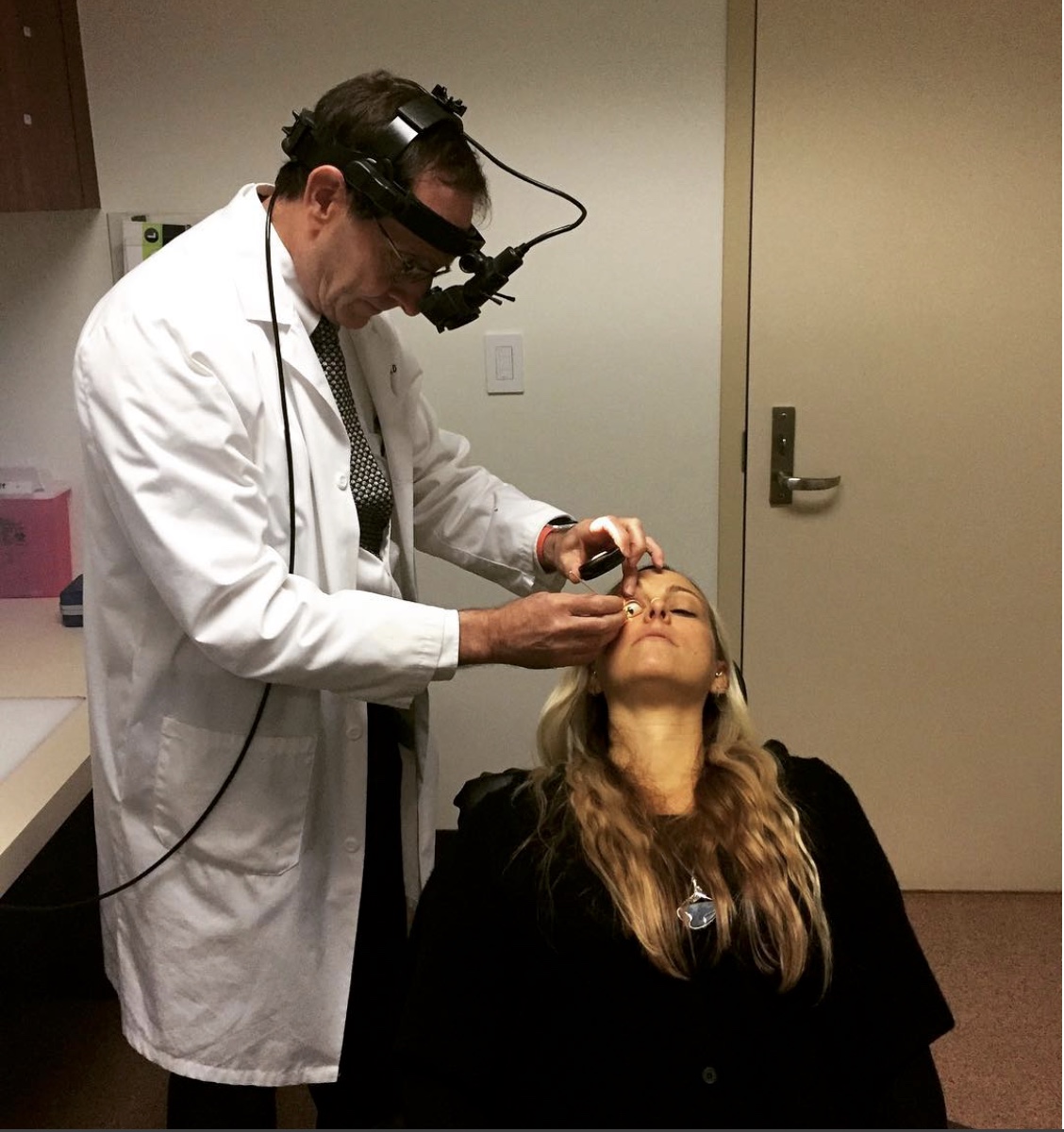
Nicole has multiple serious complications stemming from T1D...
Nicole has multiple serious complications from her life with type 1 diabetes. In this episode she lays it all out so that you can understand the real world impact of unchecked type 1.

You can also listen to the Juicebox Podcast on: Apple Podcasts/iOS - google play/android - iheart radio - or your favorite podcast app. Now on Spotify.
Follow Nicole on Instagram @nicgetsreal
+ Click for EPISODE TRANSCRIPT
DISCLAIMER: This text is the output of AI based transcribing from an audio recording. Although the transcription is largely accurate, in some cases it is incomplete or inaccurate due to inaudible passages or transcription errors and should not be treated as an authoritative record. Nothing that you read here constitutes advice medical or otherwise. Always consult with a healthcare professional before making changes to a healthcare plan.
Scott Benner 0:00
Hey everyone, welcome to Episode 151 of the Juicebox Podcast. I'm a little sick right now, so my voice might get funny, but don't worry, I was not sick when I recorded this episode. This episode of the podcast is sponsored by Dexcom. And on the pod you can go to dexcom.com forward slash Juicebox Podcast My voice is what are sorry about that. This is gonna be tough. Or my omnipod.com forward slash shoes box to learn more about both of these great products. They'll also be ads in the middle of the show somewhere all sound really funny. A quick heads up if you normally listen with a child, this might be one of the episodes you want to listen to by yourself before deciding if it's appropriate for them. Once again, I want to apologize about my voice that gets tired as I'm talking. Please listen through this episode very thoroughly. Nicole is going to give a masterclass here in being honest, and I don't think it's something you want to miss. diagnosed at 17 years old, she's 34. Now, she did not by her own account, do a very good job of taking care of her diabetes for a very long time to something that she regrets. But now she's trying to share her story. So you can completely understand what it means to your health. When your life takes this path, Nicole has multiple serious complications. She's gonna walk you through her life so that you understand how it happened. And I just want to tell her right now, Nicole, if you're listening, I'm just incredibly grateful that you did this. Thank you. Let's get to this. Please remember that nothing you hear on the Juicebox Podcast should be considered advice, medical or otherwise, always consult a physician before being boiled with insulin. And don't try to record the beginning of your podcast when you're sick. At the end of the episode, I'm going to read a couple of Nicole's Instagram posts that will update you even further from what she's about to tell you.
Nicole 1:49
My name is Nicole Egger, and I'm a type one diabetic. I've had type one. Since I was 17. I was diagnosed two days after my 17th birthday. And I have Omni pod and dex calm right now. So I guess my I've almost had diabetes for 18 years. Okay,
Scott Benner 2:11
I was gonna say so you're in your mid 30s. Right?
Nicole 2:14
Yeah, I'm 34.
Scott Benner 2:15
Excellent. That's your early 30s. What was I thinking?
Nicole 2:18
Yeah, I don't know. I already sometimes I think I'm already 40 at this point. So. So ain't like that I'm
Scott Benner 2:24
trying to figure out like, I always like kind of look back and try to think like, how do I meet the people who are on the podcast and stuff like that? And where does it start from? And sometimes it's me, I see people and I'm like, oh, that person there. Sometimes I get a lot of messages, okay to talk to this person. Sometimes it's a mix. You're just sort of known for being very honest about, I guess the things that haven't gone exactly right. With your diabetes. Is that? Is that how you think? How do you think of yourself? You know, inside of the diabetes community, what do you see as your partner?
Nicole 2:57
Um, well, in regards to social media, which, over the last two or three years has been something that I've been pretty active on. It's it's basically talking about complications, which I realize it doesn't make me always part of the cool group. You know, like, the cool kids on Instagram or wherever. But I feel like it's really important to get my story out there. And in doing that, I've learned I've met so many people or talk to so many people in regards to Yeah, I've got retinopathy, or I've got gastro precice or I have this or I have that. So that's kind of what I feel like, my platform is just the diabetes complications. Yeah.
Scott Benner 3:39
Okay. And I didn't know there was a cool group.
Nicole 3:42
Well, maybe that's, that's probably just in my mind.
Scott Benner 3:46
Now, I'm pretty sure I'm not part of it.
Nicole 3:50
No, you know, when I say that, and I don't want to offend anyone, because I, you know, I love the diabetes community. But I think that a lot of the organizations that are big, really want to represent type one diabetics, as everything's fine. You can live with this disease for a really long time, and nothing's gonna go wrong. And I sometimes feel like there's this not that it's pushed under the rug. I just people aren't talking about it. Right. It's not it's not pretty. Yeah, it's not pretty. So people don't want to talk about it.
Scott Benner 4:23
Yeah. So I think that I think that, that there's a couple of like, groups, right, there's groups who are trying to figure out how to live and how to manage and what's, you know, what's the right thing to do day to day, and I think there's groups who are just trying to be positive, which I think there's a lot of I mean, there's a lot of value in all of that to be perfectly honest, but I think that that you just it depends on what I don't know like, what lane you're in at the moment, like, you know, where's your head right now, but nobody is interested in wondering about the bad stuff. And right, because it seems like you know, I think I've said it like this before, but Have you ever met a smoker? Who thought they were getting cancer later in life? No, they always think they're the one right? who's like, I'm not, that's not gonna touch me like everybody, right? Doesn't get sick at the end, like, and so I think that it's, it's one of those things that people prefer to just sort of hope it's not going to be them. And, and and therefore, and it's I kind of get it like do you not? I mean, like I maybe I'm more than kind of get it like I but but there's a ton of value in talking about it. And right and I have my own perspective on that. But what forced you to forced you what, what not only forced what, what got you to start talking about it?
Nicole 5:40
Well, I think I think it's important to know, even before I answer that, that question, and let's come back to that in a second, if you don't mind, remind me is that, you know, I was diagnosed at 17 years old. And that's a big piece of this. Because, you know, I was not diagnosed as a child where I had my mom and dad, counting carbs, and making sugar free meals or whatever it was, and going to diabetes camp, I was practically an adult. So the way I was diagnosed, and the the people around me be either doctors or even my parents, or whatever, that triggered how I responded to my diagnosis. And it led me down this denial tunnel, right. And I did think I mean, I knew my blood sugar's were really high. I knew that was bad. And I knew that it didn't make me feel good. But I got stuck in it. And I just, it just kept going. And for 15 years, I was non compliant. And that's the other thing is that there's a lot of people that are doing that. So for you know, the handful or I mean, I don't know what the statistics are, we'd never really know, for the people that are, you know, running marathons and living well, diabetes, there's also this group of people that aren't living well with it. And I really, I want, I want the community to acknowledge that and embrace it, so we can help each other.
Scott Benner 7:00
Yeah, that makes sense. Okay, so let's dig into that for a minute. So you diagnosed 17 years old? You just getting ready to graduate from high school, or had you just graduated? It's in that time frame, right?
Nicole 7:10
Yeah, it was the it was the middle of my junior year of high school. Okay, and so
Scott Benner 7:13
and yeah, so let me help me to understand a little bit once you're diagnosed, was it 17 years ago? Was it something that just didn't? Like, how did your parents not get involved that it just not work out that they were involved? Did you say, oh, I'll take care of this. And they were like, right on or how did it? How did you know? How did the work division work itself out?
Nicole 7:32
You know, it seems kind of like a blur now, but I just I was I was an athlete. So I played water polo. And I was on the swim team in high school, and those seasons are back to back. So I remember having the symptoms like everybody has and everything, and my cousin is a type one diabetic. So as I was complaining about I'm like, I'm paying 20 times a day. And I started vocally, you know, being vocal to friends and then to my mom, and I think I came back came out and I said, Mom, look at these jeans. They're from like, eighth grade. So no, so my cousin hurt. My mom's brother's daughter had had been diagnosed with type one years before. And I think my mom kind of had a feeling. So she's like, you know, you might have diabetes, so we need to get you checked. So she knew something. And then sure enough, I went to a doctor, and I remember him saying, well, you have diabetes, but we don't know if it's type one or type two. And I looked at my mom, and I was like, get me out of here. Like, take me to someone who knows what the heck's going on, because this is ridiculous. And right away, I was diagnosed as type one. And I remember learning how to take injections. And that's it. I mean, I remember sitting in my room with a vial of insulin and a syringe and thinking like, Okay, I have diabetes. But they just, I think my parents, they may and I've, I love my mom, we are very close, and she's very much a part of my diabetes now. So and I know she's gonna want to hear this. I don't want to hurt her feelings. But I do think that both of my parents there, they were on their own denial. I think, I think, I think that people can only handle so much. And I just, and I was 17. You know, I, my mom's like, you know, we used to ask you about your blood sugar, you'd be kind of a brat like, I got it. And maybe I was saying that I don't really know. I just, I know that there was a disconnect between the support there really, I really wasn't getting any. I had a really, doctor that was not being helpful.
Scott Benner 9:34
I think it's fantastic that you said that because I first of all, I understand that you're you're not trying to crap on your mom. And and at the same time, you can't really tell the story. If you don't, you know, say honestly, like, Look, I was 17 it's an in between age. I'm not really an adult. I'm not really a child. You know, I wasn't really so open when people asked about it, and maybe it was easier for my parents to just say, Oh, it's gonna be okay. Everything's fine. And it like maybe that's how simply it started, you know, just in that kind of just, I don't know, it's just a it's just a simple human story. It's just, you know, it's not anything bad. Nobody was, you know, nobody was willfully marching around going, I'm not helping that kid with this and you weren't, you know, like it just
Unknown Speaker 10:18
yeah,
Scott Benner 10:19
I think it's important for people to know that you don't end up. You don't end up down that road all the time. Because you're just, you know, just willfully saying, I'm gonna go down this road, like sometimes. Right, right is what it is, you know.
Nicole 10:33
And I think that, because I was like, I got this, I'm fine. Everyone thought I was. So my friends. I mean, everybody thought I was no one knew what was going on. And what was happening was, my body was I was destroying my body. Like every piece of me.
Scott Benner 10:52
At what age do you think you You knew? Like, not from doctors or from tests or anything like that. But what age did you know? I should, this isn't okay. Like, I'm physically. There's an issue for here. Like when I don't mean like, when did something go wrong? Like when did you just start feeling so horrible that you were like, I know, this isn't right, I guess
Nicole 11:12
I think it was specifically two years after I was diagnosed, that I went to a, I was seeking out a diabetes support group, I think what I was looking for was, you know, people like me, and maybe even young people. And I did find a support group. It was more, you know, like I said, I was 19 at that time. So it was probably people in their 30s, which, you know, they they my blood sugar's were high. They were like 300 and 400 500. And the people in the group were like, What is wrong with you? They shamed me in a sense that the other diabetics were not nice to me.
Scott Benner 11:47
So most of the time, your blood sugar was high. When you went to a support group, all the support group did was say, Hey, what are you doing wrong?
Nicole 11:53
Yeah, they're like, What is wrong with you? Like, what are you thinking? Like what you know, and my doctor, when I was first diagnosed, he basically was like, your blood sugar needs to be 120 all the time. So I tried to get my blood sugar. This is before social media. So and this is and I and my cousin and I weren't close, she was a no state. So I didn't know anyone with diabetes. Like there was nothing I wasn't. You know? Yeah. So the doctor gave
Scott Benner 12:20
you an unreasonable expectation with no idea about how to reach it. 100%, right. Yeah, you did the best you could, it wasn't very good. And very understandable. You reach out to other people thinking maybe these people will help me and these people just use you, as a way to make themselves feel better. It you know, and that's, that's interesting, because we do that, as a group, a lot of it rears its head in a couple of different ways for you, I imagine you go into the support group, and there's a person in there who's can't get their blood sugar under 250, but sees your 300 and thinks while I'm doing better than her. And so if I if I can let all my kind of anger and rage and fear out on this girl, and I'll feel better, because my 250 is better than her 300 you don't mean like that kind of like, that horribleness that people can have in them. There's, you know, I don't want to out anybody but somebody just somebody just had a really horrible, like, issue in their life. And other people took the opportunity to go, Oh, you shouldn't have done that. You know, like, and this person's, this person didn't do anything on purpose. They weren't negligent. They ended up in a really bad way. And there were some people who took that moment to come in and try to make themselves feel better on their, you know, off of them. And it's just yeah, it's, it's, it's something because when you stop and really, like diagnose it and look at it, it's even understandable those people are struggling like mightily. And and they're probably on their way to tipping over like those people in your support group weren't there just for relaxation, they needed some support to write. And just the support they found was just going Ooh, that girl's worse off than I am. And so I'm not so bad. And that is horrible and understandable, literally in the same breath. And it sucks, you know?
Nicole 14:15
Yeah, I think I think at that point, I gave up. I was like, I'm done. This is a you know, I can't and I didn't understand that. There were highs and lows. I did not understand that. I knew I was terror. And that was the other piece. I was terrified of going low. That was a great fear of mine. But I didn't know. I mean, it sounds dumb now, but I didn't know that. That was okay. My doctor didn't like I said there was like this target and you're either in it or you're not. And it was it was awful. So I stopped seeing him. I stopped going to the doctor and I was going just to get insulin at one point. I wasn't talking about it. I was not trying to make friends with diabetics. I was not I just wasn't doing anything. I just was like, I Don't care, I'm done enough insulin to stay alive. Exactly. So in the beginning, so for the first two years, I did injections. And I think I think that time I was being as compliant as I could be. But once I went on the pump, which I also did not want the pump, because I did injections in my size. I didn't want anything in my stomach. I don't know why I just was I was freaked out. But I use like the top part of my butt for my site. And once I knew you could put a pump site there, I got the pump. I was on, not what I'm on now another pump for about 12 years, and I just ran the background insulin. I wasn't I wasn't bolson I would drink whatever I wanted. I'd have a soda or coffee from Starbucks. And you know, and I've had other diabetics even today, they're like, why would you do that? Or that was dumb. But there was there was a mental piece of this there was denial going on. There was shame, there was guilt there was not having the support, you know?
Scott Benner 16:06
Yet, okay, so you're reminding me of, Okay, I'm gonna record the on the pod ad. Don't feel good, guys. If you're listening to this in the first couple days of its release, probably not beyond February 23 2018. The Omni pod CEO Oh, Shea see who's been on the show a couple of times. She's coming on next week. If you have questions for you can go to either of my Facebook pages for Juicebox Podcast or for Arden's day and leave. There's there's a post already up. If you have questions for Shay, she can leave them there, and I'll do my best to get them answered. And as you can tell, my head is all swimming and I'm not making a lot of sense. So see where this goes. I also kind of can't breathe. Cheese's. This is a mess. Maybe I should run an ad I've already recorded Omni pod baby, we're gonna talk about the best insulin pump in the world. We're going to talk about it in simple simple terms today. You have a car, you ever need gas? You did right? You went to the gas station, maybe you got out you took the little hose you stuck in the side of the car, you squeeze the thing in the gas went in the car, maybe somebody pumped it for you. Maybe you live in New Jersey. Anyway, New Jersey pumps gas, they don't let you pump it. That's the point there. Nevertheless, can you imagine if you could only drive as far as that hose went? If you were always stuck to that gas pump? If you couldn't get away from it, no matter what. And if you did, if you said oh, I have to go a little farther than this hose will reach I'm gonna have to disconnect from this hose. You're going to drive away and run out of gas, then what? Is that? What you want to do? Do you want to be driving around stuck to a gas pump your whole life? You do not? That would be silly. It would actually be patently ridiculous. Now maybe there was a time in the past when that was all the technology would allow you to do is be attached to your gas pump while you were driving around. But that's not today. Today, technology exists. It's better. tubeless insulin pumps, for instance, are way better than tube insulin pumps, in my opinion, because you're not attached to something else. Why do I want to be attached to something just so I can get my insulin? Why do I want to have to unattach from it to take a shower or go swimming or playing a sport. I don't want to do that. You need your insulin, you need it all the time. You don't need it most of the time. You don't need it some of the time you need it constantly. I do not want you to feel attached. I want you to go to my omnipod.com Ford slash juice box and find out what freedom feels like. I absolutely love on the pot. And I think you will tell you're reminding me of when social media exploded out a little more Twitter became popular. There was a person with diabetes in the in the twittersphere. And she was I don't remember her name. I wouldn't say it if I did, but but she was definitely afraid of her insulin. Mm hmm. And so she would do exactly what you're saying like oh, I you know, I have my pump on. And my backgrounds running. But I can't bring myself to Bolus. And I watched countless well meaning people very supportively tried to help this person to just, hey, just look, you know, you know, think it through like this is probably going to take eight units. So just try four and see what happens. Right? And she couldn't do it. And and steadfastly couldn't she was having a real significant psychological impediment, you know, and eventually, one day she just disappeared. And I've always just sort of wondered about her. You know, I think and I think there are probably so many people like her that we're just not aware of she was just the one that had the nerve to speak up on Twitter. She was close enough to she knew she needed the help, but she could never take it and she could never even follow like she even knew you could see when she was talking. She knew what to do. But she couldn't write she couldn't bring herself to do whatever it was.
Nicole 19:59
Yeah I had Yeah, I had this fear that I was gonna die in my sleep, which every now and then that thought will come into my mind. But I'm not the same diabetic today as I was, you know, many years ago. So did you have a low
Scott Benner 20:15
that that scared you enough? Or did someone put the fear in you? How did you come up with that feeling?
Nicole 20:21
I you know, I don't know. I think I don't ever remember. My actual lowest low was probably a year ago, I was 35 off of an airplane. So I think that there was other that's like a whole nother that could be a whole episode, you know, flying well wearing an insulin pump. But I don't know, I just I didn't want to deal with it. And I didn't want to be low. I didn't the thought of passing out and someone finding me or having you know,
Scott Benner 20:50
it struck you so harshly that the other stuff didn't matter the feelings, right? sloshy thinking about what?
Unknown Speaker 20:56
All right. All that
Scott Benner 20:58
was like, well, that's not happening to me now. So
Nicole 21:00
this wins. Exactly. And I didn't think that I mean, I knew like I my doctors had not, they weren't like, I mean, they saw my blood work. They saw me anyone sees and they just,
Scott Benner 21:12
you were just the girl that they thought like, well, we can't help her. So everyone's not gonna try because i have i've,
Nicole 21:18
you know what, I never, I never had anybody, like, I wasn't like that girl. Like, I never had people. There was one or two. I had to get my gallbladder out years ago, it was an emergency surgery. Just like your appendix sometimes, you know, people have to get their gallbladder out. And so that so it was the surgeon. He was like, your UNC is really hot, because it was like 13 to 15%. Okay, it was off the charts like that is not normal, right? And he's like, you're gonna die? I'm like, No, I'm not. He's like, Yeah, he's like, he, he actually gave me five years to live. He's like this, you can't do this. And he actually called me. You know, and this was the surgeon. So he called me has always called me a couple times after that. And I did go back for my follow up. So he could, you know, look at the they use glue or whatever to fill me up to close me up. But yeah, I know, I just I wouldn't hear it.
Scott Benner 22:17
He saw your pre law, your pre surgery bloodwork saw your agency, and just said, Look, this is like crazy out of control. You're not gonna live like this and you didn't write you didn't believe him, or the amount is greater than his threat? Both. Okay, so I have a question. Maybe answer it, maybe you can. I always wonder about this. In other aspects of your life? Does your mind work like that? Do you get an electric bill? You know, you can't pay and not open it?
Unknown Speaker 22:49
That kind of thing?
Unknown Speaker 22:51
Maybe, okay.
Scott Benner 22:53
Because it's not a judgment. I'm just interested to know if, if you're, if you're, if you randomly getting Type One Diabetes is randomly more dangerous than someone else randomly getting type one diabetes, just for the fact of how your mind naturally works?
Nicole 23:10
That's really interesting. Yeah. It's definitely it's definitely a possibility. You know, I think when was funny that you brought up mail, because obviously, now that I'm deep into this, you know, I'm not, I'm not dealing with just, you know, money for insulin and pumps and see gems, I've got serious complications. And with that comes bills. And with that comes money. And, you know, I I'll be honest, I can't pay all the bills. I just can't
Scott Benner 23:42
know. Imagine how I mean, I can't imagine. Yeah, I guess but I imagine it's a lot. And so, see, because I I've said this here before, but I think it really begs saying in this episode, that I'm just, you know, when people hear how I am with with managing my daughter, you have to understand the randomness. That is who I am, right? Like it's, I'm a person who was put up for adoption, right when I was a brand new baby, and and I'm adopted by people who are very lovely, but they're blue collar. And I'm clearly unlike my mom will never hear this, but I'm clearly smarter than the people who raised me. And it wasn't it's not a judgment or anything like that. They're just brains worked one way, they were sort of simple people. I don't mean that they were not as smart as me because they were blue collar. I mean that I know plenty of very smart blue collar people. I just mean that something would come up and I would see this common sense approach to it. And I would watch them struggle to come up with any answer that was anywhere near mine. And even as a person in their early teens, my mom was coming to me and asking me about life things going like what would you do here? And it was a weird thing. And then right and then my dad left my mom. So now I've been basically abandoned once at adoption. I've been now abandoned again by the you know, the man who adopted me and My mom was broke. And then what to do next sort of fell to me at 13 1415 years old, I raised my brothers when I was a teenager while my mom went back to work, all these things that happened to me in my life, I kept responding to, but I don't take credit for that. I'm not telling you that I got thrown into the situation, and I stood up, it is just for whatever reason who I am. And so when this diabetes thing happened, I just attacked it in the same way. If I heard somebody saying something, it didn't make as much sense as what i thought i disregarded them and went with what I thought, I have a don't give up attitude, I you know, but this is not something I built or created or willfully did. And I, I really, genuinely believe that what happened to you isn't something that you built, created or willfully did, either. I just think it's who we are. And some people situations, lend to their strengths, and some people situations lend to their weaknesses. And that's beyond your control. You know,
Nicole 26:03
yeah, you know, I did a post recently where, you know, I taught, I see, I never, I don't want to blame anyone, right? Because again, I'm not in that space that I was like, I'm not, I am not non compliant anymore. So I don't want to like blame my mom or blame the doctors or blaming anyone. But for me, it has been important to look back and see what did go wrong. And one thing I can say is that, no matter how old someone is, when they get diagnosed, I don't care if you're two, or you're 10, or you're 21, or you're 50, there needs to be that support. And there needs to be like, I call it a diabetes team, right of people. And I think that how a parents how their attitude is towards their children and their diagnosis and the support they're given, will can set them up for success or failure. If that makes any sense. It does.
Scott Benner 27:02
And everybody needs some level of support. Some people might need more, some people might need less, some people might need more nuts and bolts support. Some people might need more emotional support, but there's a need for everybody who's diagnosed. And right and, and so that structure has to be in place. So you can take from it what you what you require, right so that you can be successful, because there is no doubt that in, in the right, in the right framework, you would have probably been more successful early on the new bar. It's just right randomness, you know, the randomness of your life just did not support you in any of the ways you needed.
Nicole 27:38
Right. And I don't I mean, and I'm thinking now, oh, gosh, everyone's gonna be listening to this. And you're gonna think like, Oh, well, this is a personality thing. This is just no, no, no, who she who she is, and I, you know, I have a lot of other autoimmune diseases where I think like I have celiac disease, I'm not sure if you're familiar. And basically, I can't have wheat, rye malt barley or oats. And that that diagnosis came in my 20s. So I've had that for 10 or 11 years. And I've always been compliant. And the difference between celiac and type one for me was with diabetes, I could be high and there was no consequence in that moment, right. But with celiac disease, it's like, Okay, if I eat something I'm not supposed to, I'm gonna have diarrhea, and not just once, but for the whole day. And then I'm gonna feel like I have the flu. So it was very, like, I'm not going to do that, because that doesn't feel good.
Scott Benner 28:35
No, that listen, that makes a bunch of sense. And I want you to know that I don't going back for a second. Like I didn't, I don't mean that it's a personality issue. Like you're a person who doesn't care. I just mean that. I just mean that there's sometimes it's just who you are like, I don't there's certain colors I don't like if you if you force that color on me every day, I wouldn't begin to like it. I just picked on that there's that thing, like my brain would always respond to that color the same way. Right? You know what I mean? Like if you there's stuff Look, there are things as much as I might be a go getter about some stuff. There's some stuff that that my wife will point out to you that if I don't like the thing that's going on, I ignore it. You know, like, I have to do something but it's not something I'll enjoy doing. So I ignore it. Right? I'm completely aware of that about myself. It has never made me change once But to your point it never also gave me diarrhea or retinopathy. So but but but it just but if I could have easily fallen into and I still could I could get you know, wouldn't it be ironic if I got type two diabetes and ended up being the worst type two diabetic in the world, like you just you don't know what, what it is that you're going to respond to not respond to. And it is difficult to force yourself past something, you know, especially when it's hardwired so you know you you don't you don't, you don't look at a person who's depressed and tell them what you're just not trying hard enough not to be depressed. And and the idea of depression or having built in responses to things I don't think is any different. I just think it's who you are. It's how you're wired. So right. So tell me a little bit about these high blood sugars and what they brought. What was your first complication that
Unknown Speaker 30:17
came up?
Scott Benner 30:18
I'm incredibly excited today to tell you about Dexcom. Dexcom is a continuous glucose monitor. Those are a lot of big words. I don't know if you know what that means or not. I'm going to tell you, do you know what your blood sugar is? Right now? Do you have type one diabetes, you know what your blood sugar is right now? Do you have a child with Type One Diabetes? Who's in the next room are at school? Do you know what their blood sugar is? Right now? I know what my daughter's buzz sugar is. It's 115. And it's nice and steady. It's been steady for the last three hours and kind of moving just gently between 90 and 115. How do I know that looking at an app on my iPhone. Now, if I had an Android phone, I could also look at an app there too. So I'm looking at my daughter's blood sugar from across town while she's at school. That's called the dexcom share. A continuous glucose monitor is exactly what it sounds like. It is a continuous, which means all the time ability to look at what your blood sugar is or what your loved ones blood sugar is being able to see a blood sugar when it's moving, and react to it. Being able to react like that. That's the key to keeping your blood sugar where you want it. That's why her blood sugar is at 115 right now it's why Arden's a one season between five, six and six, two for almost four years. Because we get a small announcement from the from the next time Hey, your blood sugar's on the way up, and we're able to just bump it back down again. There's no waiting until three hours to test to find out your blood sugar's 200 points higher than you think it is. And then you're fighting with it all the time. The bumping and nudging that you hear me talking about on the podcast is possible. With the dexcom share and follow ups. It's it's absolutely spectacular. I really do want you to go to dexcom.com forward slash juice box to find out more about the Dexcom. You have to don't confuse it with any other continuous glucose monitor in the world. Dexcom is the absolute best dexcom.com forward slash juice box. As soon as this episode is over, type that address into your browser or click the link in your show notes. You will absolutely be happy that you did. Please remember these results are mine and yours may vary. What was your first complication that came up?
Nicole 32:33
After having diabetes for about 15 years. I remember telling my mom just in passing because in 2009 I got I had a prescription for glasses, but it was it was like minimal, just made things a little bit more crisp. And I had noticed I mean, I wasn't really having any symptoms. I just I wanted contacts. I wanted to be able to wear my glasses. You know, I wasn't I don't like glasses on me personally. So I wasn't wearing um, I wanted to wear something at night I said, you know, I'm going to go get contacts. My mom's like, Okay, so my doctor, my eye doctor had just retired. And for those wondering, I was going to the eye doctor, I did go once a year. I can't explain why I was not compliant in some areas and others because i guess i in the back of my mind, I wanted to make sure that I was okay knowing my blood sugar's were so high. So my doctor had retired and I went and there was a new woman who had a heavy accent that I did not know. And she looked at my eyes for like a second and stood back. And she had this reaction. And she's like, they're they're, they're bleeding. And I'm like, Yeah, I mean, I could barely understand what she was saying. And I was like, what's bleeding? And she said, you have diabetes and your eye and your eyes. I was like, okay, and I still I mean even she was acting really weird, especially for a doctor like it was very dramatic. And I was like, okay, and she wrote down the name of someone and said, You need a retina specialist. So I told my mom and dad what had happened and they were like, you're not going to get my dad actually has a genetic disease called RP, which is not diabetes related, but it has to do with the eyes and it can make you go blind. So he already had a retina specialist. He's like, I've already seen that doctor that they want you to see the doctor is a jerk. He said you're gonna go to UCLA and see my doctor. You know, I wasn't even an even as an adult. Like he was telling me you're gonna do this,
Scott Benner 34:39
because you were the next step button how
Unknown Speaker 34:41
important right?
Scott Benner 34:45
You have diabetes in your eyes is a ridiculous sentence.
Unknown Speaker 34:49
Yeah.
Scott Benner 34:50
It's staggering that that someone would have such an unfeeling
Nicole 34:56
Yeah, well and and and with that with that comment, some people Some people would just not go to the eye doctor, they would be so scared, because people don't always want to know what's wrong with them. For me, it's like, if you tell me what's wrong, then I'm going to go and research it. Like, I need to know exactly what's going to happen. And then that helps ease my anxiety. If I don't know what's going on, then I freak out. So I want to know, and, and I've told all my doctors, please, like, Don't Don't sugarcoat anything, just let me know what's going on. So I can mentally prepare and deal with it. So my mom went with me to UCLA probably a month later, and basically the doctor that you know, UCLA uses fellows, which are doctors that are practicing. So they scanned me did all these tests and everything. They brought me behind the the actual room where they look at you. And I remember I was looking straight at the doctor. My mom was behind me, the two fellows were to the side of me. And he said, Well, you know, it's not good. I said, Okay. And he said, You have diabetic retinopathy, and it's proliferative retinopathy. So basically, they diagnosed me with end stage, retinopathy. And proliferative retinopathy is the type that will can make you go blind. I that was that was only like, that was in 2015. So I'm 34. I'm almost 35 now. So it's just a few years ago. It was what, two and a half, three years ago? Yeah, it just, it's
Scott Benner 36:30
interesting for people to understand that you began at 17 years old, and put in put in, you know, that many years of, you know, just not really taking great care, and that it still took that long for something to happen, because because when you're doing that, I mean, you've said it, and I think people can imagine it, you're betting you're like, Okay, well, maybe it won't happen to me, and write the message really does need to be, it is going to happen, but you know, like, it's not like you're gonna just, you're not gonna let your blood sugar be 300 forever, and nothing's ever going to come with it.
Nicole 37:04
Right, exactly. And that's why I tell people all the time, it's not a matter of if it's a matter of win like that, that this is not, I'm not like some I'm not a ninja turtle. You know what I mean? I'm not the only diabetic in the world doing this or that this has happened to Yeah. So basically, after, you know, he's telling me all this stuff. And then all of a sudden, he says, you know, and this can be hard for the whole family. And in my mind, I was kind of like, why is he saying that? And I remember in slow motion turning around, and my mom was crying. And my mom doesn't cry. So then I knew it even more than it was serious. And I said, Well, what can you do? Can you fix it? And he said, there are things we can do. And I said, like, what? And he said, Well, we can do lasers, lasers and injections. And I said to my eye, and he said, Yeah, I was like, Okay, well, I'll be asleep, right? And he said, No, you will be awake. So I felt my knees start to buckle. And freaked out. I remember going home and crying in the bathtub and thinking I'm gonna go blind. And so he's been working on me since 2015. At first I went like every two weeks, you know, working on one eye than the next and the next, the next. Now I go every six weeks. And, you know, I tell people, I've had over 20,000 laser burns per eye. I've had probably 48 injections in total. So 20, something to eat. I and I've had one surgery, I had a vitrectomy of the left, I had a major hemorrhage, and I have lost central vision in my left eye. So yeah, it's it's, you know, that's why I talk about it. Because even though it's not pretty, it's like, I don't want this to happen to anybody else.
Scott Benner 38:55
Yeah, it shouldn't be the understanding of this stuff shouldn't be in the abstract that we shouldn't, it shouldn't be in most people's minds. Oh, if my blood sugar's too high for too many years, something bad's gonna happen. Because it's just too in specific. You really knew if you're going to, if you're going to make a bet with your health, you ought to really know what you're betting. You know what I mean? Like, you won't just be random, like, Oh, I you know, maybe I just my fingers won't have as much feeling like, you know, you whatever you end up lying to yourself and thinking is gonna end up happening to you. It was the eyes, like, how long would you say you've been paying? You know, what you would consider to be closer attention to your blood sugar and trying harder to keep it in in that 120 range that the doctor told you about so many years ago?
Nicole 39:39
Right? Well, since when he when I got that diagnosis. I was terrified. And remember, a lot of my stuff is fear, fear based and it's something that I work on even today. I don't I don't want to live in fear. But I was terrified of going blind and specifically being a blind diabetic. I could not comprehend how is that going to work because nobody Like no one I'm I don't have a husband or a boyfriend or best friend or anybody that knows how to give me insulin like no one knows how, how my body works besides for me. So in my mind, I have to 100% all the time be in charge and taking care of this. I just it's like if I don't if I can't see my beater, and I can't take it, you know, there was all these like, what if and it was just playing like a movie? I'm like, Oh, hell no. And I it woke me up. And you know, I think I don't I think it was either right before right when that was happening. I got Dexcom. So those were the two things that happen was one I was not going to be a blind diabetic. In my mind. I was like, No, and two, I got Dexcom and Dexcom saved my life. Oh, I could see my blood sugar's I could see what the food was doing. You know, I also have some form of gastroparesis. So that makes bolusing difficult for me, but it changed my life. I could see, it's almost like when you don't have a CGM when you don't have Dexcom you're blind in a sense. And that I that? Yeah. So So now my agency, like I said, when I was in 1314 15%, and I don't talk about agency for kind of the reason we talked about earlier, is that people compare themselves. But it is important for my story to know that my agency now is the last one I had about a month and a half ago with 6.9%. It's the lowest day one see I've had in almost 18 years to see graduations.
Unknown Speaker 41:36
That's amazing. Yeah, a lot of Yeah. A lot of Yeah, I mean, a lot of fear, I
Unknown Speaker 41:39
would imagine.
Nicole 41:40
Yeah. And it's it's a lot of self control. Because I don't just, you know, I had someone tell me, oh, well, don't be afraid of the food. Just, you know, just just keep trying. It's like when you're newly diagnosed, you have time to have some high blood sugars here and there. And to play with the food. When you have complications. Every single high blood sugar I have, it's like, Oh, is that gonna pop up? Like is Yeah, do I have new vessels bleeding in my eyes now? Like, did my kidney just take another shot? Like, I don't? I don't, I don't want to try. You know, it's like, I eat specific things. And it's, it's very controlled. And I really don't go out have I had a dietician say, Well, yeah, I had a dietician. Tell me recently if you stay in your box, and she made like a box, like an imaginary box with her fingers. Yeah, well, no, I was insulted. She basically it was just like, I don't know what she said. I probably wasn't she started making the box tape. I was just like, whatever. You know, like, this is what works for me. I you're not me, I don't really care. I'm trying to live before I wasn't really trying to live now. I want to live like I want to do things. And my health is it's compromised. Like, we're This is. It's not good. And I don't like to think of myself as like the sick person, but I'm struggling. You know, I'm physically struggling at this point.
Scott Benner 43:05
I'm assuming you're limited by the gastro priestess as well. Right. So is that is that so for people who don't completely get the idea of like so is your stomach doesn't empty the way that it's expected to see you can't timing the insolence much more difficult. Is that right?
Nicole 43:23
Right. So basically, it's kind of it's like neuropathy, you know, nerve it's nerve damage in the stomach and I've got I'm, I'm riddled with neuropathy. I've got it my feet, my you know, legs and everything, my stomach. So basically, the food will just I'll eat it, and it'll just sit there. Yeah. So
Scott Benner 43:42
now leave it alone the way it's supposed to digesting it. So it's not sending carbs into your system.
Nicole 43:49
Right away. So, right. So now we have a whole new problem. And diabetics also don't understand this. Like I cannot Bolus 15 minutes ahead of time. Or right when I start eating I Bolus when Dexcom. When the arrow I call it a slight arrow when it starts to slightly go up, I Bolus right away. This is a timing thing like this is the timing is crucial because if I do not Bolus, you know if I don't catch it in time, and now I know there's certain foods that are more difficult than others or like I know blueberries, I can eat blueberries and Bolus five minutes in and be okay. There's some foods where it's like once that high once you have a straight up arrow, you know, and then you're waiting 15 minutes for the insulin to kick in. It's just it's a nightmare.
Scott Benner 44:35
So I think I think the message here is is that figure this stuff out now before you have problems because if you really stop and just listen for a second what Nicole just said. She said that I've had a blood vessel burst in my eye already needed surgery. I'm afraid if my blood sugar goes up again, it's going to happen again. But I can't tie my insulin properly because the neuropathy in my stomach keeps the food from breaking down in a way that Can Pre-Bolus she isn't you are in literally, like a four pronged hell, like really, and this is something you have to think of every time you eat, you know,
Nicole 45:11
right well, and there's and there's times where like all you say, I do not eat pasta, like okay, pizza, maybe I'll eat pizza two or three times a month as a treat, knowing knowing it is a food that I'm gonna hit 200 and I'll be lucky if I don't go higher than that. So it's not really worth it. But every now and then I crave it and I want it, I want it. You know, I try not to be too extreme. there's times where like, I won't have a rise in my blood sugar for two and a half hours. And then it's like, Okay, well, how much insulin Do I need now? Because it's been two hours.
Scott Benner 45:46
Well, and here's the question is, is, is it two hours? Because my body's just now starting to break down this food? Or is it two hours? Because maybe I was going to get low without some of that food and you have no way of knowing it's just yeah, so when your blood sugar starts to creep up, is it a bolus for all the food? Is it a bolus for some of it? Is it Yeah, no, I know and and and everything you're going through is just magnified so much by consequence the like because your consequences are now in the moment they're real they exist today they're not they're not something that may happen in the future anymore. They are happened to the future is now like it right and it's happening right now is there Okay, hold on. Let's take a breath, gastroparesis, their apathy, I issues. celiac, anything else?
Nicole 46:34
I mean, I will in regards to the diabetes, I also have kidney disease, unfortunately, right after I got my I and I and kid because I disease and kidney disease can come hand in hand and type one diabetics. So basically, you know, I'm assuming, see, I'm not one of those people, I don't always get my bloodwork and analyze it. I trust my doctor, my doctor is a type one diabetic, his daughter's a type one like, so. He tells me things and I listen, and I take that but he you know, actually, okay, let's back up. I had gone to my annual gynecologist appointment, who my gynecologist I also love and he said, you know, You're spilling protein in your urine. I said, Yeah, my diabetes doctor, he mentioned that and he's like, well, you need to like, go talk to him about it again. And I was like, okay, and again, I I'm not thinking that it's anything big. I already know about it. So I tell my diabetes Doctor, what my gynecologist says, and he said, Yeah, you know, you have beginning stages of kidney disease, but it's pretty normal. I mean, most diabetics when you've had diabetes, 20 3040 5060 years, although I've heard some say I have no complications, which I don't know how that's possible. He's like, it will happen, you'll have a little bit of kidney damage, and it's not a big deal. It's, it's in five stages. So stage one being maybe beginning stages into stage five. And I said, Okay, so it's stage one. And he said, Yeah, I said, but Are you positive? And I started questioning it because I'm already going through the AI stuff. And I said, No, I told him I said, That's not good enough. I want to know where it's at. Like I want to know exactly how much kidney function I have. And I put I had to push him had I not pushed him I don't think I would have found out obviously so soon, but when the test came back, it's a it's called a 24 hour creatinine clearance where you pay into a jug for for 24 hours you collect the urine, you give it to them they analyze it, they came back that I only had 50% function
Unknown Speaker 48:42
which is stage two stage three and he was telling you don't worry about it this is early on
Nicole 48:46
basically he told me what stage one so I mean I still see him he's still my diabetes doctor you know i But yeah, I I pushed for that. And you know, at that point he said I need to refer you to a nephrologist.
Scott Benner 49:03
And give me wish I never marked this podcast as Clean Language because I want to curse but but I can't. So I we don't really know each other except for messaging back and forth to set this up. And as you're talking I'm like rubbing my face down to my skull thinking like this poor person like all this stuff and and she's and now she's trying to get a hold of it cuz you said something really amazing. Somebody said your your Hey, there's protein in your in your urine. And you said I want to go find out what this means. Like you've done a complete 180 degree turn from where you started like the person you were back. Yeah. would have been like, I don't hear what you're saying. And gone home and not thought about it ever again. You might have worried about it been scared of it, but you never would have looked into it. And now now you had I do you think and if you don't have an answer to this, don't force yourself to have an answer. But But back then in the middle of everything that was going on, is there something that you wish could have happened before? before? What happened to your eyes that could have like desert anything you can imagine that could have pushed you forward? prior to it being health issues? Like Like, what would you tell somebody? Like if you could go back in time? What do you think you'd say to yourself?
Nicole 50:26
Yeah, no, no, I don't think No, I don't think so at all, you know, I would tell my self it's not that it's not worth it that that diabetes is so much easier on its own then all these problems that I now have. I mean, I can't have children now. I'm looking at needing a double transplant, you know, so and it makes me get a little choked up because I know that I caused this and so I have to deal you know, with the guilt and the shame but yeah, I it's not worth it. It's it's so much easier to just you know, you know, just take it just take care of it. Just check your blood sugar's that's what I tell people on social media check your blood sugar's like please check your blood sugar's I just posted
Scott Benner 51:17
an episode The other day, which now I realize I'm just running yours next week. Usually, they don't go out as soon as I record them. Because these are the sort of back to back messages I posted one last week with a girl who used to be the catcher for the Alabama softball team. I said in that episode, there is going to be a fight with diabetes. At some point, you can have the fight now, or you can have the fight later. But I would, I would much rather fight now before things go wrong. But while I've still got a chance of winning something like I don't want to fight for my life, I want to fight to keep my life. Right like and and I think that's what you're saying is that this is going to either you're going to deal with your fear now and your anxiety and your and your inability to deal to make good decisions because nobody's giving you tools, all the BS that comes with being diagnosed. You either deal with it now and figure it out, or deal with it later when you're like saying things like that man put 48 needles in my eyes. Like I don't even have the nerve to ask you what that feels like.
Unknown Speaker 52:19
It hurts.
Scott Benner 52:23
And so like, if you're going to get into a fight, eventually you might as well get into the fight that leads you to the best possible outcome.
Nicole 52:29
Yeah, absolutely. Just just deal with it. However, you have to, you know, I I have hatred for my disease. I don't have hate. I don't carry that today. Like I'm, I'm different. But yeah, I hated it. I hated it. And I thought I was invincible. And if somehow
Scott Benner 52:50
you would have met it head on back, then you have to also live with the idea that this probably wouldn't be your life at this point. And and right, but I do want to say something to you. And I don't know how much this will mean coming from a stranger. But you said that it was your fault. But I would really maintain that it's not your fault. It's diabetes fault, which again, is no one's fault, like, like, do you know what I mean? Like, I don't know, I don't want to make it sound super simple. But they say that a few times a year a giant block of frozen urine files out of an airplane and hits the ground never hits. But if but if Nicole, if you got up this morning and said, Oh, my alarm went off at seven and you hit snooze six times, and got up 25 minutes later than you were supposed to walk outside to go to work in a big block of floors and urine fell on your head. I guess you could make the point. It's my fault for pushing the snooze button. But it's not your fault. Like Jamie like there is some randomness to the world that's beyond all of our controls. You getting diabetes is one of those things your mom meets a guy and they're having a baby and their genetics together makes a baby who's more susceptible to diabetes than other babies and you end up with it. Had your mom said yes to the guy that asked her out three weeks before your dad did you know blah, blah, blah. You know what I mean? Like, keep going back in that line. countless people have made countless decisions that led to you being here. None of those you you don't mean like like, right, I get what you're saying that when it happened. You could have done something different. I don't think you're wrong about that. I do think you're wrong to assign fault to it, though. Right? And I hope you don't I mean, I don't know I don't think I can talk you out of it in 20 seconds. But I don't I mean, if the if you can do something for yourself. I would I would say forgive yourself for what you think you did, because I don't think you did anything first of all. Plus, I think it'll just make the rest of your life that much more pleasant, which it's a life now that you're fighting for. So it might as well be one that you're happy with. Right?
Nicole 54:53
Yeah, no, and I and I, I respect what you you know, your opinion and
Scott Benner 54:59
full of crap, and not the I'm talking about. But
Nicole 55:02
no, it's funny because my my friend who also has really bad gastro precice. And she also has retinopathy. I was with her last night with her boyfriend, and he said the exact same thing. So when somebody doesn't matter if you're a stranger or not, when I hear someone, whoever multiple people tell me the same thing, then I do absorb that and think about it. Yeah. You know, I guess. Yeah. And
Scott Benner 55:29
you can be academic about when you're thinking about other people's lives, it's still hard to apply to yourself. Yeah, you know,
Nicole 55:35
yeah, I just. And sometimes I think that this is, in a positive way, my purpose, because I know I have friends that have, you know, certain diabetes complications, and they're not out there talking about it.
Scott Benner 55:50
I've seen you on your Instagram, like, with friends who are in the hospital, or just trying to get people to, you know, meet things head on, and things like that. And it is a really wonderful thing. And you're doing this today. Look, I, you're going to end up being Episode 151 of this podcast, and there have been some incredibly honest people on this podcast, you're probably going to take the crown on honesty, you know, yeah, I was so cool. Because
Unknown Speaker 56:17
I think that's kind of cool. Well, it's
Scott Benner 56:18
amazing, because because nobody really wants to say out loud, look what I did, and look how bad it is, especially knowing like what we talked about in the beginning, that there are some people out there who are going to hear your words, and they're going to use your struggle to make them feel better about the things they're not doing their life. And, you know, God knows, some of them might come after you in public and let you know that they're doing better than you are that you screwed up or whatever makes them feel better to say, you know,
Nicole 56:45
well, you know, what I not to interrupt, but to interrupt, I get emails all the time. I get emails from my head, the email, or like, direct message on Instagram from, you know, someone that was pregnant, and she's like, my, I went black and I can't see and, you know, people that are on dialysis. I mean, I it's mostly actually I patients, or is this normal, and I have to tell people, you know, this is my experience, but go to the doctor, because you need to go to the doctor, right? Like, I can't diagnose you, and I can support you. And I can say, yeah, that happened to me. But at the end of the day, the eye, it's different for all of us. And it's very, very delicate organ. And, you know, I might like I said, My I've got a very close friend who, you know, has same diagnosis, and she's, she's, she's, she's pretty much blind in one eye. She's had had to have multiple surgeries. And, you know, and why, why why did that happen to her and not me? Why did we both have a retract to me? And, you know, although I have, you know, vision loss in that I like, it's hers were far worse than yours. And why
Scott Benner 57:59
you? And that's Yeah, that is survivor's guilt to some degree, I would imagine. Right.
Nicole 58:04
Well, well, you know, it's funny, because, yeah, it's funny, because when my doctors you know, they've been talking about, you know, having a double transplant, you know, kidney and pancreas. Sometimes I think I will feel guilty, because I like to stay on social media and support people and I, if that goes down, and who knows. I mean, I'm getting closer to, to some of that, but I don't know, I don't want people to be pissed at me or, or, or some. You know, what someone said once they're like, Oh, I wish I could have that. It's like, No, you don't, you don't want to wreck your body so bad that you need a kidney. And, I mean, there's so much that they don't know about pancreas transplants anyways, so it's all roses.
Scott Benner 58:47
It's no, like switch fish, you're gonna be on blockers for rejection the rest of your life, which Yeah, with your luck, that hole is going to lender lead dancer. And so you know, like,
Nicole 58:57
yeah, don't put that in my or, like, don't put that in my field.
Scott Benner 59:01
But But you know, but first of all, no one should be hoping that they're paid that their kidneys go so they can get a transplant. Because that is a hard you don't know, I know somebody's going through dialysis for a long time. And it's a personal friend of mine. And it's it's a heart. So
Nicole 59:19
yeah, that Yeah, that's a whole nother you know, yeah, yeah.
Scott Benner 59:22
But so, so point here is, of course, you can't give people medical advice, and of course, but but you can always give them the benefit of your knowledge. Your knowledge isn't going to if you got an organ transplant tomorrow, your knowledge about gastroparesis about retinopathy about being non compliant, that that knowledge doesn't change, it probably grows. It probably gives you a different perspective. You don't have to stop trying to lend help to people because your situation changes. You're such a grow you'll have more to help with right now and as far as people being angry that you got them and not you that's a strange idea. idea, you know, like, Nicole, I absolutely lovely, but you are almost health wise, not someone anyone should feel like I wish I was her. You know, like, it's just, that's just, that's probably someone's just, they're probably just in a dire situation, and they just don't know what else to do or what else to say. But I think you know what they should be doing. They should be confronting their fear, trying to find support, getting answers that will help them take better care of themselves day to day. And, you know, I just I'm, you know, we're so close to an hour, I'm totally having you back on at some point. Because first of all, you're chatty and thoughtful, which keeps me from having to talk too much, which the listeners will appreciate. And, and at the same time, I think there's way more to your story coming and still, that I would love this still. I mean, I would love to do this with you again, if you don't mind.
Nicole 1:00:52
Yeah, no, I would totally I would totally love to. And, and like I said, I'm, I'm, I'm totally open for anyone that has complications or questions. And, you know, I, I do make it a point to try to answer everybody at this point, right?
Scott Benner 1:01:10
An angel on Instagram, that's for sure. How do people find you on Instagram?
Nicole 1:01:14
So, my, I don't know, I call it a handle right? My name or whatever, it's nicknack 143143. So it's ni c n ac 143143, which I was just telling somebody, I do want to change it. So I don't know if there's a way for you to put on the podcast just in case it does change. If you ever changing you tell
Scott Benner 1:01:36
me and I'll because I'm gonna put a link in the show notes. It takes them right to your page. And if you ever change it, I've done it for other people. I'll go back and change it for you. Okay, so let me know. Um, but Geez, I so if you're having Listen, here's, here's the thing, if you don't, if anybody who listens to this podcast doesn't see that what Nicole's talking about is the end result of all the things that we talked about every week on the podcast, trying to avoid if you're not putting those two and two together, please pay closer attention. But, you know, because Nicole, we talked about how to stay away from spikes, how to eat food, without, you know, without creating these high blood sugars and lows later and stuff like that, really understanding how insulin works. It is super important to figure that stuff out now, not later. All right. And and I just wanted, I normally when I re edit, I'll edit this later. And at the end, I thank the person, you know, just kind of, they're not there anymore. But I just I'm gonna Thank you Now like, I just really appreciate you coming on and speaking so openly about this.
Nicole 1:02:36
I will thank you. Thank you for having me. And if I can just say one last thing is that I don't want to scare people, right? Like I don't, I want I want people to have a small healthy amount of fear. But I just tell people, like just do your best, right? Do your best. I get so many people want to know, what's the test for your kidneys? And this? It's like, I don't like, of course, you can email me that and ask me that if you want. But ideally, it's like what what should I do to not end up like you not what test? Do I need to get done right now? Right? Because the people are asking that it means that they've they've they think in their own mind. They've surpassed doing anything now that they're at a point where they may be having the same complication?
Scott Benner 1:03:19
Yeah. Like you said, like they need a healthy amount of fear. I don't even think it's I think that the one thing we don't need around diabetes is fear. I think that people need a healthy amount of respect for what this thing can do. This is no different than holding a loaded gun, driving a car, playing with fire. These are things that could devastate if you misuse them, right. And I think diabetes is just very similar like that, like you. I think the problem is that is the fear like the doctors make you afraid right up front or you get you get the fear because no one gives you information and you're left to wonder or Google or your anxiety takes over. I think that if people have heard me say enough on here, the step that I took first, to getting my daughter situation to where it was and like you said, I don't think it sucks the Sherry one sees because it can make people feel bad. But I do like you I share Ardennes because it shows that like a guy like me who didn't know what he was doing and was struggling as much as anybody could understand diabetes, figured it out and got you know, my daughter is a one sees been between five, six and six two for over four years. And wow, the first step to that was getting rid of my fear. And and that was the I had to figure out a way to do it was so meaningful to me that when I figured out that that was the lesson, anybody who paid me to blog years ago, or even on my own site where I wasn't being paid, all I wrote about was was fear and that it you needed to get rid of it. Because Because that's the first step to making because the rest of these decisions are difficult. And when you're afraid you can't make them be you know, it's just it sucks. It really is.
Nicole 1:05:00
That's right. And that's why I think I said, you said it better than I did. That's why I said healthy. Meaning like, you can't, I can't walk around and say, Oh my God, my blood sugar's 200. And now this is gonna happen. It's like, okay, I did my best. I'm gonna bring it down. You know what I mean? But But yeah, I like how you said,
Scott Benner 1:05:16
I wasn't correcting you. I was just saying that, like, I just in general, like, I knew what you meant. I just, it would be weird. If after 150 episodes and be telling people not to be afraid, I let you say, you need a little bit of fear. And I was just like, right on.
Unknown Speaker 1:05:30
Right? No.
Scott Benner 1:05:34
But But seriously, I'm gonna Let's stop the recording. And I'm just need to say thank you privately. But this was really terrific. You should be applauded for being this open. So thank you very much. I'm incredibly grateful that you did this.
Nicole 1:05:48
Well, thank you for having me. I appreciate it a lot. Absolutely.
Scott Benner 1:05:52
Let me thank Omnipod and Dexcom for sponsoring this episode. And thank them for putting up with me inserting old ads, but I'm having trouble talking today. Please go to my Omni pod.com Ford slash juice box dexcom.com forward slash juice box or the links in your show notes to find out more. Okay, I'm going to try to get through this. After we recorded this episode, I got a note from Nicole that said, You know, I was just thinking and I'm not sure how important it is or if it needs to be mentioned. We didn't dive too much into the kidney disease. But if there was something important for people to know, it's that I didn't stop at 50% function. It has progressed so quickly. It's now at stage four. I say this because you can live well and okay with 50% function. But now I'm facing dialysis and my function is like at 21%. So whether it's the podcast or another time, I think the quickness of the progression is important to share. Two days later, she posted this on her answer page. I wish I had better news. I even wish I had something profound to say. My doctor called and left me a message with the essays labs. He said it's time to call the transplant team. Quote tell them you have chronic kidney disease and you're a patient of mine. Tell them you need a transplant evaluation. Nicole goes on to say so basically they will evaluate me and then they will put me on the deceased donor list. my kidneys are giving up. Honestly, I just cried and cried. I called transplant and left a message and then just stared out the window. Not even thinking feeling like I couldn't really move my legs. Just sitting staring wondering how strong I am wondering if kidney pancreas transplant is safe or a good idea. thinking I'm not ready and I don't want this. Time's up. My body says I feel like I'm trapped in a nightmare. I want to go back in time for a do over too late. Time to keep moving forward. If you want to keep up in the call story, or even thank her for being so bold today on the Juicebox Podcast. She's nicknack 143143 on Instagram. That's Nic NAC 143143. There's also a link in the show


The Juicebox Podcast is a free show, but if you'd like to support the podcast directly, you can make a gift here. Recent donations were used to pay for podcast hosting fees. Thank you to all who have sent 5, 10 and 20 dollars!
#150 Process over Outcome

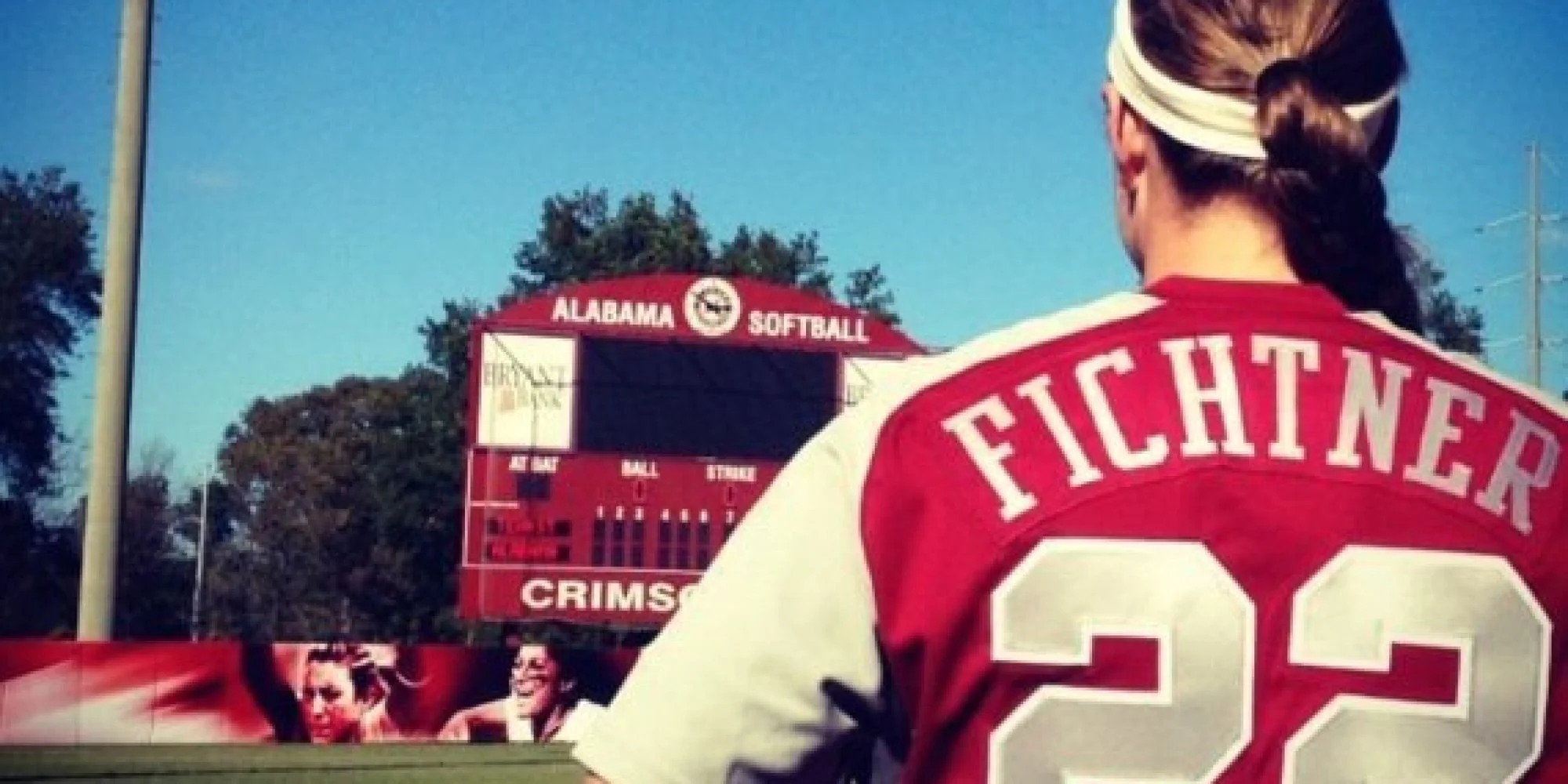
Alabama Softball catcher Molly Fichtner...
Molly Fichtner has been living with T1D for a long time and in that time she has accomplished quite a bit. Now a division 1 softball coach Molly was the catcher at Alabama during their most recent championship run. Her story is a good one and one that I've never forgotten.
You can also listen to the Juicebox Podcast on: Apple Podcasts/iOS - google play/android - iheart radio - or your favorite podcast app. Now on Spotify.
Check out the article that I wrote about Molly in 2014.
You can contact Molly at mollyfichtner@att.net
+ Click for EPISODE TRANSCRIPT
DISCLAIMER: This text is the output of AI based transcribing from an audio recording. Although the transcription is largely accurate, in some cases it is incomplete or inaccurate due to inaudible passages or transcription errors and should not be treated as an authoritative record. Nothing that you read here constitutes advice medical or otherwise. Always consult with a healthcare professional before making changes to a healthcare plan.
Scott Benner 0:00
Well, we've reached somewhat of a milestone here today. This is Episode 150 of the Juicebox Podcast. We are sponsored today by Omni pod and Dexcom Dexcom of course I continuous glucose monitor that I base most of what I do with Arden around and on the pod, a tubeless insulin pump you heard me tubeless insulin pump that Arden's been using since she was four years old. We love both of them, and that's why they're sponsors on the podcast. Later, you can go to my Omni pod.com forward slash juice box or dexcom.com forward slash juicebox. To find out more.
Unknown Speaker 0:37
Also, there's
Scott Benner 0:38
going to be links in your show notes. At the end of this episode, I'm going to give you an update on Isabel me when I was talking to Isabel's mom this morning, and I've got a little bit of an update on how her health and her recovery Skelly, if you're interested, it'll be at the end. As always, please, please, please, please, please understand that nothing you hear on the Juicebox Podcast should be considered advice medical otherwise, always consult a physician before making changes to your health care plan.
I don't want to under oversell today's episode, but let me just say that you might not know the name Molly Fichtner. But Molly was the catcher for Alabama's softball team. There are only a few really intense places to play collegiate division one softball, women's softball, Alabama is one of them. You really need to be able to play to be there. Molly did it with Type One Diabetes. I can't explain to you why have I explained to you why you need to listen to this entire episode, then I would just have to repeat the episode. But just let me say that. I know I say this a lot. Let me let me go back for a second. I say this is a great episode. But you have to understand I recorded this months ago. And now just recently, I've listened back for editing to take out like you know when people bang on desks and coffee and things like that. So you guys don't have to hear that. But as I do that, I get to listen back to the episode. I'm telling you. I'm proud of this podcast. I'm proud of Molly. I am proud of this episode. I hope you love it. This is Episode 150. The Juicebox Podcast process over outcome.
Molly Fichtner 2:27
My name is Molly Fichtner. I'm an assistant softball coach at East Carolina University I played at the University of Alabama. softball graduated in 2014 and played in the Pro League for one year for the Dallas charge. And I have been type one diabetic for 13 years.
Scott Benner 2:44
And how did we meet Molly I forgot. I guess I know what happened after we met with you remember? How did I reach out to you? Yeah, I
Molly Fichtner 2:52
think he reached out to me it was shortly after the World Series. My senior year I remember we had just lost national championship I think it was about a week later, I was about to start summer school for my master's degree. And I remember you had reached out to me, I think via email, and
Scott Benner 3:10
remembering that somebody contacted me, because I was doing a lot of like writing at that point. And I was putting a lot of stuff on Huffington Post. And somebody contacted me and said, Hey, Alabama, just like came in second in the in, you know, the college softball World Series. I think their catcher has type one diabetes, and I was like, Oh, alright, and so I picked around a little bit and figured out where you were and then you were kind enough not to yell stranger danger when you got the email and, and then we then we sat and spoke and I just remember thinking, I don't know how spectacular that was like I think for some, for some reason, Molly and I this is probably completely unfair. But, you know, having diabetes and doing something that intense is, of course really impressive. But I know for me, your height is what made it impressive to me. Like in the very beginning, I knew anything about you. I thought that girls catching for Alabama. She's like she's saying she's five, three, if she's saying she's five, three, is she? Three? Because who says they're five, three? Like that's easily Five, four lie, right? So how tall are you really?
Molly Fichtner 4:16
I'm actually about five, two and a half. So I do round up.
Scott Benner 4:24
But it's just as odd or as unfair as it is. Like that's the first thing that occurred to me because I can tell you that a couple of summers ago, my son was down in the south and he was in Georgia playing baseball trying to get somebody interested in him. And he came up to the room. We were staying in a hotel he him to the room and he goes I just met a freshman downstairs, a girl who committed the Florida to play softball. And I said she's a freshman in high school and he said yeah, I said, Wow, that's crazy. He goes not if you saw her, she's like six one. Right and she was really blonde and I said those Florida teams only take blonde softball players. It's probably Do with her height, you know. And if no one's ever watched a flight, you know what I'm saying no one's ever watched a Florida college collegiate softball game. It's fine models who could play softball and put them on a softball team together. But anyway, so I just always, because in baseball, it is very much like that, like my son's 511. He, I don't think I'm overstating has D one baseball skills. But the one schools don't particularly care because he's not over six feet tall. You know, like, it's just sort of how they think about it. So you know what I mean? So when I heard you were five, three, and then I imagined you were five, two, I thought this girl must really be able to play, you know, so you said, Tell me a little bit about, I guess, you know, you don't have to go too far into it as a really, as a really young kid. But what's the first thing that attracted you to softball? And how did you make it to play in college? Because that is very impressive to do with or without diabetes? Yeah, I
Molly Fichtner 6:01
mean, obviously, I think growing up, my parents always said, Molly, you were born with the ball in your hand. So I I just I always love sports. And I just had a passion for it. And I remember I played everything else for it, not to mankind folly until I hit about 12 years old, 13 years old. And at that point, that's when I was actually diagnosed during my basketball season when I was 12 years old. And at that point, after I got really into salt, I think I was 13, actually, and my dad sat me down. He's like, you know, Molly, I want you to choose a sport, and I want you to go after it. And at that point, it was just softball. I just absolutely love softball. And I do remember, I mean, obviously, my high was it was it was hard. Because I, I did get a lot of feedback from college coaches. That said, I was too short to play for the program. And obviously, that, you know, trying to explain to a 1516 year old that you're not going to play on my college because you're too short. I don't have any control of that. It was it was you know, it, it hurt. But I had a coach come up to me one day, and he said, you know, Molly goes, even though you're five, two, all you got to do is play like you're six, four. And I said okay, and and I didn't. And, you know, fortunately, it worked out. I went to Texas School on originally from Houston, and I got recruited to University of Texas, San Antonio, played there for two years had a wonderful experience. And then I transferred to the University of Alabama, and I played for patrick murphy for two more years. And I think the cool thing about him was, he never worried about height, if he could play the boy. And He always talks about two, he says, The coolest thing about softball is height doesn't really matter. And you can be successful and things like that. So, I mean, I really lucked out in my career. But like I said, there was obviously, you know, those people that you know, kind of said the same thing that your son was dealing with, in the sense where, you know, you're too small to play for my program, you're a catch, you're in your power here. Well, why would I get you at five to win, I can go get someone at six foot that has 60 pounds on you. You know, but that was just one of those things where, you know, the more the more people said, No, I was like, Alright, fine, I'm gonna work my butt off. And hopefully I'll prove to you wrong one day.
Scott Benner 8:21
It's such a great example of how people just think there's a way that things have to be done. You know, like, well, you need to be this tall to do this, or you can't, you know, we can't have a kid out here with diabetes doing this. Like it's too hard. Yeah. You know, like, I wonder if people realize how much in the world is said and repeated and done. Just because someone did it before them. No one even wonders if that was correct when that person said it. Yeah, you know, you don't you don't wonder where this thought originated from. I know some pretty stupid people. I bet you, you were doing things right now in the world based off of the the harebrained idea of a person who if you had five minutes to talk to him, You think I would never take their advice. Yeah, you know, and, and so and it just, it just proliferates and goes on and on to the point where, and I totally will not mention the program. But my son worked out this past summer for a team. And I said to him, Look, it's a it's a one double A school, I said, but they can't win a baseball game to save their life. I said, maybe they just be happy to have a kid who could play baseball. Anyway, worked out the whole thing, same story, wish we were a little bigger, blah, blah, blah. You know, that was that. And so we went to the trouble of finding some of their games online. And again, and we watched a couple of innings and I'm going to tell you these boys came out and they were prototypes. They look like if I said to you, Molly make a baseball player. You would make these boys they were sick. They were six, two, they were 190 pounds. They were strong. They were pretty. They would look good in their uniform. And then for three innings. I watched them not be able to feel the ground ball. Time and they couldn't catch a fly ball. They weren't baseball players. Were just really big athletes. And and I thought, okay, that's an eye. And what I told my son was, that's how this guy sees it, you're not going to change his mind will go somewhere where they will appreciate you and and flourish there. You know, yeah, that's exactly what he's been doing. But to kind of relate it back to diabetes a little bit. I do see things like that a little bit, too, when you're when your endo is telling you, this is how we do it. You know, you can't have a pump until you've been injecting for a year. Why? I don't know. It's just they don't they never say I don't know. But that's what they're thinking they go, I don't know. That's what we always do. You know, that's just that's the plan. That's how we do things. You need to challenge those things. When someone says something to you. It doesn't sit right in your gut, you have to stop and say, is there a good reason I'm taking this person's advice, because everything in my head is telling me that might not be correct. Maybe I should look at this a little differently. I'm assuming you had to do that a bunch of times, not just with the softball, but then I mean, you were playing with, it's not like you were playing with I don't know what you're used. Now. You popping Do you have a C jam, do anything like that?
Molly Fichtner 11:07
Oh, I have a poem by the tandem the T slim.
Unknown Speaker 11:12
Okay, good. So
Scott Benner 11:13
but when you were playing you were probably just injecting and
Molly Fichtner 11:16
Yeah, exactly. When when I was playing, I was only on the injections and the pins, novolog pins. And then I obviously just always have my meter with me. How often?
Scott Benner 11:27
How often because it's so you're not just playing softball, which is incredibly intense. But you're doing it in Alabama, where it's hot, and it's humid, right? Mm hmm. How? How many times? Do you remember? thinking of yourself, wow, I need to go find out what my blood sugar is? Or, like, do you ever have Have you had those feelings while you were playing? And how did you handle them?
Molly Fichtner 11:48
No, I know, honestly, I feel like I'm pretty blessed in the sense where I know my body really well. So even if I'm at 90, and I'm running around, I'll absolutely feel myself already and be like, Okay, I gotta go get some Gatorade for the rest of practice, you know, and things like that. Which, I mean, like I said, I'm very blessed with that, because a lot of people can't really feel it till they're about 60 or 50. And then they have to sit out for 15 minutes. But I also had great athletic trainers, who, even when I got distracted, and I wouldn't remember because, you know, I feel fine. They would be like, hey, Mama, come here. Let's test let's see where you're at, and things like that. I think the biggest thing that I struggle with honestly, good, because, you know, it's kind of just a regimen after a while, it's the same thing every single day in my body gets used to it. I think the hardest thing was on game days, game nights, I had my adrenaline would just go out the roof. And I remember, actually one one particular example we were it was at the College World Series. And this was my first game we were about to get off the bus to warm up to play at the University of Oklahoma, which of course playing the University of Oklahoma and Oklahoma City. It's basically about 8000 fans cheering against you, and about 2000 cheering for you. So that's just, you know, the home crowd advantage. And this was my first obviously, like I said, my first college world series game. And I tested when we were on our charter bus going over and I was about 170. And I was like, okay, not a big deal. I'll probably drop a little bit after warm up, so I'll be good to go. And once I warmed up our pitcher, it was about 25 minutes. So game time and I'm warming up the pitcher in the bullpen. And my athletic trainer comes over and she's like, hey, Molly, let's test real quick before the game and I said, Okay, so we test and I didn't feel like super funny. I mean, I felt a little out of it, but not crazy. And my blood sugar was about 340. And it was literally just the adrenaline that hit me like, like, it like hit me like a freight train. Because I was I was so excited. I was so pumped to take the field. And I was like, What the heck because I didn't have any Gatorade. I didn't need anything. It was literally just, I was so excited for this game. Excuse me. And I remember thinking, Okay, how much insulin do I take? Because after the game when my journal goes down, am I you know, plummet and I might go low. So I remember I think I took like half a unit maybe which isn't that much. And as soon as we got started by the third inning, I was back in 100. It was a crazy thing.
Scott Benner 14:33
Now we have to Bolus for Arden's adrenaline a lot. But you can't because you're trying to stop that spike, right? But at the same time, what if it doesn't come? What if she's just not excited about today's game or nervous like I've talked about it all the time. Like, if you take Arden out in the backyard and her blood sugar's 150 and she runs around like crazy, your blood sugar goes down. If you take her out in the backyard and the running around includes keeping score and she feels like that's important and She wants to win her blood sugar goes up. So yeah, so she's a competitive person she wants to win. And and and that brings adrenaline and then you have to bolster gentlemen, just like you said the amazing thing about bolusing for adrenaline is the minute the adrenaline's gone. And I really almost mean the minute it's gone, you know, maybe 10 minutes, maybe 15. If the insulin still in there working, there's nothing holding that insulin up anymore. It's, it's, it's amazing. It's crazy. And then you have to feed the insulin after that. So how do you we had a this summer Arden was playing in the Little League World Series tournament, they made it all the way into the regional round, and they won New Jersey. And they actually they came in fifth, I think in the region. By the time it was over. They said, awesome, a great run. It's so much fun. And but my goodness, did her blood sugar get low every night, they were in that regional tournament. And it and it wasn't just like, oh, a little low, it was the low that you fed. And then the low looked at you and when the just sat there, you know, like the 50 blood sugars were like, well, I've given enough food and carbs. Now we're a bunch of good should be 7000. But it's 50. Yeah. And then you would drift off and you think, okay, you'd be shutting off bezels and everything. Does that happen? Did that happen to you frequently? And how do you handle that when
Unknown Speaker 16:17
you're by yourself?
Molly Fichtner 16:18
Yeah. So I actually I there was a lot of times when I was in travel blog, the same thing happened to me, it was always at night, you know, you play all day, then you go out for a nice dinner. And then I go home and about 930 at night, right before I hit the bed. Oh my gosh, it was 70 or 60. And it was you know, it's kind of a pain in the rear end in the sense where, okay, now I have to stay up even though I'm exhausted, I need to stay up and make sure my blood sugar's are normal, or I'm waking up every 10 minutes to test. So it just it just comes with it. Um, but as far as like, just in general, I've been living I mean, obviously, when I was at Alabama when I was in college, I always had roommates. And once I left Alabama to go up to Dartmouth to start my coaching career after my year as a volunteer in Alabama. I live by myself. And living by myself, I think the big thing was, I kind of had to get to know my neighbors a little bit. And this is where if I ever needed anything, I could obviously have them right there for me. I this kind of funny to say and hopefully nobody judges me for this, but I'm 25 years old, and I text my mom every night and every morning when I wake up, just so she knows that, you know, all is good. You know, I'm heading to bed, and things like that. And she'll know when I wake up. And sometimes if I get to text her when I wake up, she'll text me or call me at 11 o'clock. And she's like, are you uh, are you okay? Just just to check on me. But I also you know, I know that gives her peace of mind, especially with me living by myself, and things like that. I do remember. Eric,
Scott Benner 18:00
can I ask you a question?
Unknown Speaker 18:01
Absolutely. texting her? Yes.
Scott Benner 18:03
Is it a mutual thing? Is it something you do for her?
Molly Fichtner 18:08
Yes, it's it's absolutely more for her than it is for me, in the sense where I, I had a friend in high school who passed away in the middle of the night. And it was two weeks after our graduation. And he was obviously type one diabetic he had gone low in the moment I passed away. And I remember at that point it it obviously scares you when when that when stuff like that happens, because you know that we're very well could be any of us, you know, just go into sleep and then just not waking up. And after that I knew it took a toll on my mom, and she was a little bit more worried than she ever was about it. And so at that point in high school, that's just what I did. I just, you know, obviously I was living with her. And then that summer when I went off to University of Texas, San Antonio, that's when I really started doing it all the time just for her. And you know, of course, I love my mom. So I'm going to talk to her. But, you know, it's just kind of one of those things where she knows I'm okay. And things like that. Now, if I get a roommate, you know, because I did have roommates, I still did it just in case. Now granted, my mom always had my roommates numbers for that kind of stuff. So
Scott Benner 19:18
I'm just imagining you up at Dartmouth telling your neighbor Hey, listen, if you feel like you hear a book hit the wall. That's not a cat knocking something over. I need your help.
Molly Fichtner 19:28
Right? Geez. Right I'm like, I remember growing up I had kids we had a two story house. So after I got diagnosed, my mom and dad did was they put kids their bedroom was downstairs and mine was upstairs. And they put a bill Bell right on my nightstand so if I ever turned over and I knew them I just ring the bell as loud as I could. And they would be up there you know, in two seconds but and of course you know my mom, I'm like I said I'm so 25 and when I go home for Christmas and stuff she'll and she does it to me My sister she'll like randomly like walking in the middle of night. Just make sure we're breathing. And I'm like, Mom, okay, this is a little weird. Well, I
Scott Benner 20:08
it's funny we were, I was talking to Mike because my son's getting ready to go to college next year. And we were having this conversation about something. And I told him I said, You know, I, it's hard to imagine it really, it sounds sort of like a platitude, but it's hard to imagine, before you have kids that you really do get up every morning and think that, you know, this is my, my sole purpose on this planet is to make sure that kids happy and doesn't die. But that's pretty much it. Like, that's, that's what I'm trying to accomplish. And because what is it? What is it that, you know, I don't what is my life become if my children suddenly disappear? Like, how would I go on? Like, why would that? Why would anything be meaningful after that? Like, I'm sure it could be. Don't Don't get me wrong, but it's hard to imagine before anything like that happens. And so I don't know. Like, it's just, it's completely delightful that your mom does that. But it's nicer that you do it. And I'm also imagining, too, it's you guys have this connection. Now. Even if it's just a text message at night in the morning that that you that you might not have without diabetes, maybe you would have been like, Hey, I'm going to college suckers. And yeah, that
Unknown Speaker 21:14
might have been the end of it. Okay, exactly.
Scott Benner 21:16
So, Alright, so let's get a little softball geeky for a second. What's it feel like to hit a ball over a fence in a game? But what is it? Like? When do you When do you feel human? Again? Like how long until you don't feel like a superhero?
Molly Fichtner 21:33
After? Oh, gosh, I mean, I think honestly, it kind of depends on on my teammates, sense where how long they celebrate, and how long I celebrate. And then, you know, so I mean, obviously, when you're running around the bases, there's obviously no greater feeling than that, you know, rounding third heading home where all your teammates are just as happy as if they hit it themselves. That's, that's where the true celebration lies, in my opinion, is, you know, when you when you see someone genuinely excited for you, and not pissed off, because you're starting over them or whatever it is. And then when you go back to the dugout, however long they want to celebrate is how long I'll celebrate. And then once it's over, you know, it's over. And it's not a big deal. And, obviously, you know, the next person goes, and then let's see, the next person is a home run. Now, it's all about that person for the next couple minutes.
Scott Benner 22:25
I love that. You know, I don't know how people feel about softball in general. And I don't know what I would know about it without Arden playing. But the amazing thing about softball is that the field you played on in college, was the same size field you played on and literally, like that field doesn't get bigger, but that ball does not want to go much farther than basically designed to not want to go that far. And when you can really, there's a joy I watch when I watch my kids play, like, you know, I think that people think that hitting is just this thing you do. But you know, you're trying to put the right swing on and get your timing right and everything. And you're basically guessing when your hands start moving. And all of that comes together. It's just It feels like the culmination of every practice swing you've ever taken, right up until that moment, like it's something you know.
Molly Fichtner 23:16
And I mean, it happened so fast to Sky. I mean, when you're looking at pitches on 6869, you know, hitting 70 every once in a while. It happens so fast. I mean, you swing the bat, the ball goes, and then Whoa, okay, it's over. That was quick.
Scott Benner 23:35
To call, I was like that was not a great fit goes. I don't know what happened. He's like, I got up there. The kid was throwing 88. And I was like, wow, this is quick. And so he's like, I took one and I thought, all right, I can I'll hit with a strike. I don't care about that. He goes, but then he came back with a breaking ball because the breaking ball had begun 70 threes, and I didn't know what broke into laughter I missed it. And I was like, and go it's just a really? I don't know, like, maybe it's just from watching someone work so hard at something and see it, you know, come together. Like, yeah, it's crazy to think that you could I know, it's such an overused cliche about you know, the baseball's about, you know, you know, it's more about failure than it is about success and stuff like that, and all that stuff, but it's just, it's just fascinating. When it happens. It almost feels like it's a mistake when it works. You know, like, like, it makes sense when you strike out and the good pitcher, so
Unknown Speaker 24:30
yeah, good. So
Scott Benner 24:30
when you and I spoke years ago now literally, it's been three years maybe, if not more, and and you said something during this interview that I want to tell you that I probably understood in theory, but I never put it to words before with my kids. And I have now said it to them and anyone else who would listen a million times since then. Right? And so you talked about I used to talk about it like this. I would say hey, You know, I heard some mom talking about how our kid turned to double play today. But, you know, they were at standing near second base when a kid who couldn't run hit the ball directly to them, they picked it up stepped on second through it the first to be perfectly honest, they could have rolled it the first and beat. Right? It wasn't, it wasn't exactly a baseball phenomenon what they did, yeah, but the result of what they did was was a double play. And so they run around yelling, I'm, you know, I made a double play today, unless, you know, blah, blah. But you said to me, at Alabama, we talked about process in process over the result. I don't know what the exact quote is. How did it How did you guys say it?
Molly Fichtner 25:40
Yeah, it was a process over outcome
Scott Benner 25:43
outcome. Okay. And so that's the concept that you could possibly do everything correctly, and it may not go your way. Or something may go right for you. But if you did it wrong. It's sorted doesn't count. Yeah. Right. Right. And and that's an odd thing to say, right? But, but it because you're in a situation where you have to do it again. And again, and again. And again. It's better to do it right five times. And it only work out twice than it is to do it wrong five times to get lucky
Molly Fichtner 26:12
once. Exactly. I mean, let's be honest, a blind squirrel finds a nut every once in a while. Right? Exactly.
Unknown Speaker 26:20
So I took a driver, but
Scott Benner 26:23
that concept, not only helped me help my son get to a point where I think he can play baseball in college. It not only helped me with my daughter and her softball, but it helped in just everyday life. It helps with diabetes, it helps with everything. It really does. You can't just be thrilled that you walked outside bend over and like I found five bucks, but you have to know how to make $5 you know, you can't just go Hey, I bought it, you know, I Bolus to dinner and my blood sugar never went over 110 that went to 19 it sat there. How did you do it? I don't know. But I want you to I want to know like how, let's let's, let's figure out the process. And I just can't thank you enough for having said that to me that day.
Molly Fichtner 27:09
Oh, you can name Patrick Murphy. He's the one that
Scott Benner 27:14
I hear what you're saying. But I think that's I think that's sort of maybe a an allegory for this podcast really is that you know, somebody is going to say something that you never thought of before or you never put in the terms that they put it in. And when it hits you like that, and you see it work, tell someone else. You know, don't keep that to yourself that that's good stuff. You know. I don't know if I'm explaining it as deeply as I I feel it, but it is pretty much everything. Yeah. You know, it really pretty much is like it's it's your intent. It's your desire. It's your work ethic. It's not, it's not lucking and you can't just be happy to lie. I mean listen, every once in a while I'm happy to look into something but yeah, it's bigger than that. You know what I mean? I can you when you talk about it now as a coach, do you see kids? Do they feel it the way you felt it? Are you having the same bucket passing it on to other people? I was just reminded the other day of how simple and easy it is to use the Omni pod tool sits on top. Here's what we need to change Arden's pump later in the evening on a Friday, and we talked about it in the afternoon. Hey, you're pumped tonight. Everybody's like yeah, maybe after your shower. Yeah, everybody's good. And then of course, we didn't do it. We just forgot. And there's Arden laying in bed sound asleep, and it's time to change your insulin pump. It has to happen now. So I went downstairs, I grabbed blood out of the closet. I filled it with insulin, I came upstairs, pushed a button. When I pushed that first button it shut down the pump shoes where I pushed the button again, it primed the pump that I was going to use. This all happens completely automatically. When that got done. I cleaned Arden's leg where she was going to put the Omni pod, stuck it to her. She's still sleeping, understand a pinched up on her skin a little bit, push the button,
Unknown Speaker 29:22
and
Scott Benner 29:24
that was it. It was insert. Then I peeled off the old one wiped everybody off, stuck back out of the room. And just like that pump change less than five minutes in the dark and the light from my cell phone. So not completely in the dark. Five minutes start to finish on a sleeping person. And there's no tubes. I mean, come on. Nothing to do nothing to think about very simple, very intuitive. probably less steps than any other insulin pump on the market to go from start to wearing My omnipod.com forward slash juicebox to get a free no obligation demo today, you 100% will not be sorry, you did that?
Molly Fichtner 30:11
Yeah, I mean, I think I think it's hard, especially since a lot of, you know, the kids that I've dealt with in the past few years, they've never been exposed to it. So and especially with the sport, like softball, you're looking so much at that, at the results, you know, you could get jammed, and you could hit like a little, you know, dinky hit over third base, and it would be a single, well, in the books, it's a single, but it was a really a great hit, no, we're on the flip side, you could square it up, you could be on time. And if you go straight to the shortstop on a line drive, or whatever the case is. And so I think with me, as a coach, I I try to celebrate as much as I can for you know, the process more than the actual result. So even if, you know, they do get a base hit, and let's say it wasn't their best swing, or they weren't on time, we're going to talk about it. And I'm going to say, you know what, you need to make this adjustment. I get that it was a single in the book, but that wasn't your best swing. Yes, no,
Scott Benner 31:14
I definitely I a couple weeks ago. So I don't know how much people understand about the process of being recruited to do something. But there are, you know, it's a long process. And at some point, you get notes from people like, Hey, we want to see you one more time where you're gonna be. So at the end of this summer, when my son was fairly exhausted, and told me, he felt like a showpony. At one point, he's like, he's, I can't go do the same thing for two days, one more time. And I said, well, we're gonna do it one more time. I say, because this coach, he thinks he wants you and he needs to see you one more time. So we're gonna go to the showcase. And it is hot, as you can imagine, outside. Right, it's just the worst day. And I watched him have this Abadi struck out and it was live pitching, and he struck out, and the ball that he swung and missed at the end of the bat, I thought to myself, that's maybe the best swing I've ever seen him take. Oh, yeah. Right. And so we there's a break in the day, and he goes to lunch. A lot of them were campers, they stayed but we were local. So he, we he and I just went to lunch together. Okay, we get in the car, and we're driving away and I said, Hey, when you get another bad today, I said don't do anything different. And he's like, I struck out it was I said, well hit the ball. But but but but do anything different. I said that ball that you swung and missed was the best swing you took make any goes today I went maybe in your life. And I told him why. And so, you know, he went back in the dugout and everything and afterwards and he came back at the end of the day, he told me I we guys were talking. And it's funny. You might have a son who doesn't say anything, if you're listening, when they're dugout together, they talk like adults think so they're talking about the pitching. They're talking about how hot it is. They're talking about the swing, they're talking, they talk about all this stuff. And so he said to this, this other kid, he said My dad told me to do exactly what I did when I struck out but to hit the ball this time, he laughed and said, that's really solid advice. Great, but it just it was, it's still amazing that. And so for people who would think Yeah, but he didn't hit the ball, he got an offer from the guy who asked him to come play, the guy who stood behind them and watched him strike out. That man is offering him a place to play baseball in college. Because the swing is there. It's right. He just didn't hit the ball. You know, and so maybe not to draw too hokey of a parallel. But if, if you you know, if you get lucky one night at a meal and you don't Pre-Bolus you don't spike up, it doesn't mean you don't need a Pre-Bolus. So, if you Pre-Bolus right, and it goes wrong, you still spawn the bat, the band had a good path, and it was what you meant to do. And do it again. And keep because you you you're gonna have more successes than failures that way and I've been waiting a really long time to tell to take what Molly told me about softball and apply it to this while Molly was here. So I don't know how I didn't reach out to you sooner for the podcast. You actually came after me? Yeah, because you had sort of I don't know did you have like a like, did you have a midlife crisis in your 20s do you
Molly Fichtner 34:26
know i think you know now that I'm I stopped playing a couple years ago and I still have because of the article that obviously you wrote and there was another one done by Graham pays for ESPN w online. I've had people reach out to me on Facebook, Instagram, Twitter, and to this day I still do and I and I get emails from people who are recently diagnosed family so you know kids, parents would whoever and they reach out to me and they reach out to me for inspiration for hope, like, how did you get here? My kids struggling? How did you get through it? You know, we've seen what you've accomplished, we read your story, things like that, which it's crazy, because I always thought and I actually went to the Fellowship of Christian Athletes last night here at East Carolina. And I know I'm not an athlete anymore, but I just wanted to crash the party. And, and just go, and I was thinking to myself, you know, for years, when I was growing up playing softball, I thought that my goal in life was to become the best softball player that Molly FECKNER could to play for a national championship to go to the World Series to play professional to play for USA. And, honestly, what I didn't realize, and now that I can, because I can connect the dots looking back. But, you know, God provided all those opportunities for me, but it wasn't just for me to be the best softball player, it's, it's for me to show people that that are diabetic, or the families that have newly you know, diagnosed kid that the sky is still the limit for them, you know, they can get to that level. And I think, you know, just thinking about it all the past couple months is, I want to share my story more, because I just if people are still reaching out to me, not because of my softball ability anymore, but because of the fact that I played at such a high level with Type One Diabetes. And I can so give people inspiration through articles, like you said that were three or four years old, I want to be able to help people more in that aspect. And I want to be able to talk and to give them advice and and inspiration and speak to them and share my story, just so that they know that they can get there. And I especially with me growing up I remember when I was diagnosed, my dad would sit there on Google, and he tried to find type one diabetic professional athletes, you know, Jay Cutler, or, or, you know, famous actresses that are diabetic. And I remember, can't get so excited to tell me about those people. Molly, guess what, like, This guy has type one diabetes, and he plays professionally, you know, in the NFL. And I'm like, Oh, that's really cool. But it was, it was exciting for him to tell me those things. Because, you know, that was his way of saying you can get wherever you want. Don't let this hold you back. Well, now looking at my resume and look at, you know, as fortunate that I was to play at the level I did, and now I can be that person and the softball world for people. And that's what I really want to do. And obviously, that's kind of why I reached out to you in the first place.
Scott Benner 37:38
I was like, how do I do that? How do I like, I want to do that I want and I thought that's a great idea. You absolutely should do that. You, you know. And I do think that like you, you paint a picture of your dad telling you and he was probably more excited than you are, but but it's still, it still sticks to you. You don't I mean, like you still walk away and think all right, you know, guys doing it? I could do it probably, you know, and it just makes you feel like, it makes you feel like, I mean, I think what you're saying is basically what people hear me say on the podcast all the time, like, you know, I figured something out, I want to tell somebody else, you know, like, I don't want to just take this knowledge that I have and not not share it like you are 1,000,000% correct. And the people who are listening to this, whenever they end up listening to this. One of the things that I see most impactful about sharing, you know, my life being someone's, you know, caregiver with Type One Diabetes is every once in a while. And I think if people looked at the blog, and even listened to this, you'd realize that I'm talking about my experience, you don't really see much of Arden in it, you know, she's not looking to be the focus of a blog or, or whatever. But what we share a picture of her playing softball impact impacts so many parents who were scared that their kids would never do do that, like participate in the sport. And it just like we talked about the beginning. If you get it in your head, a half baked idea that Okay, my kid was diagnosed with Type One Diabetes, that means they're not going to be, you know, athletic anymore. If you have that thought, and then it gets propped up once by anybody who agrees with you, you now think that's true. And now you need someone else to come along and prove that that's not true to you. And it's such an exciting moment with that happens. I guarantee you there was a time when your dad believed you couldn't do it anymore. And and then he needed someone to prove it to him and now you're going to be able to prove it to somebody else. Exactly. really spectacular. It really is. I'm going to put Molly's contact information in the show notes so people can get ahold of her if they if you'd like to have her out to speak or something like that. And you're down to where you're coaching.
Molly Fichtner 39:55
Yeah, I'm coaching at East Carolina University. So I'm I'm in North Carolina and green They'll Greenville, North Carolina. And like I said, I mean, obviously, I would love Scott, I'd love that. If you put the information out for them. please reach out. I like I said, it makes my day to hear from people. And obviously, hopefully I can provide a little hope a little inspiration to some people that might need it. Yeah,
Scott Benner 40:20
yeah. So Molly considered writing a blog. And I think you said you didn't really feel like that might be for you, right?
Molly Fichtner 40:25
Oh, yeah. I, I had tutors in college for writing. So
Scott Benner 40:33
Molly here where you sit down? Do you not mean? Oh, I do. Probably not that, but I hear what you're saying. So my son's the same way. My son's I say T is really strong. But it's very strong math. And it's very, it's kind of slight, but slightly pretty average on the reading side. And he was on one of the tours, they said, there's a writing center here where there's always a teacher available. And you could see him think like, Oh, that's that's a good thing. Go ask somebody.
Unknown Speaker 41:00
But no, no, I
Scott Benner 41:00
just think that, you know, you and I have had occasion to talk over, you know, time and we've connected to here and there and emails and things. It's just Molly's just a really genuinely good person. And you know what? Help short people. Like it's not it's not fair, that you don't want help. Now, look, here's the thing, if you have Molly out to your event to speak, she's gonna have to stand next to the chair, but I'm just kidding. It's actually Molly could probably pick the podium up and throw it across the room. Oh, how have you I saw a picture of you recently. That's of you and you. Did you play with more weight than your than your living with?
Molly Fichtner 41:44
Did I play with more weight? Sorry,
Scott Benner 41:46
like, on your frame? Did you carry more weight on your frame when you were playing? And you are now
Molly Fichtner 41:49
or? Yeah. Or what is it? I mean, I I did I obviously was a little bit stronger, I stopped, I stopped lifting as heavy as I did when I was playing once I got done. My weight doesn't end doesn't really fluctuate too much. But I did lose probably about five pounds, which five times out of five to frame is you know, it's
Unknown Speaker 42:15
quite a bit was 17% of your body.
Molly Fichtner 42:18
Which kind of stinks because realistically, it's like me and if I gained a pound everybody in their mom is gonna know
Scott Benner 42:26
Nothing's going on with Molly. You know, like I just I eat a cookie Leave me alone.
Molly Fichtner 42:32
I have gotten a little smaller. But I wouldn't say it's like extremely like that drastic. So
Scott Benner 42:38
I asked because so your your habits haven't changed that much from when you were playing till now is that opportunity to to work out still just because you're around it still? Do you still? Oh,
Molly Fichtner 42:48
absolutely. Absolutely. So I think you know, for for us right now we have Monday, Tuesday, Thursday, Fridays, we have 6am workouts for our girls and you know, we go every day the coaching staff we go and then as soon as the girls are done, and that's when I go and I get my workout in at 7am. And for a while. I mean, I'm not gonna lie as soon as I was done plan and my workout kind of changed into more, you know, not necessarily hitting the weights is hard but maybe more reps with less weight and you know, more treadmill stuff more walking, things like that. When I did that there was a little change in my my diabetes and I had to kind of figure out okay, now at what point do I need to you know, what, what is my How much does working out affect my blood sugar's now knowing I do something completely different than I've been accustomed to. And then and that's, you know, that's about it. So obviously, you know, I've tried to work out with them, you know, four times a week and and obviously, at practices I'm running around, you know, things like that I try to stay young.
Scott Benner 43:56
Is it fair to say that life with diabetes, playing softball and life with diabetes, not playing softball isn't that much different for you? It's my job as always, to make sure you understand how fantastic the dexcom continuous glucose monitors. Today, I'm choosing to tell you about the clarity app that comes with Dexcom. I'm opening Ardennes right now it's on my phone. I'm just going to tell it Hey, for the last seven days, Let's view the general report. And here's what this app will tell me. Oh, it's generating a code. And the code brings with it a ton of information. This is just the overview I'm looking at right now. But what I've learned is that over the past seven days Arden's average glucose is 116. I can also see her standard deviation, I can see how frequently she was in the range that we've set or out of the range that we set higher low. In addition to the overview, there's patterns, data, ways to compare statistics, everything you can go online and see it all blown up on your computer screen as well. It really is wonderful. Not only that, but when we go into artists, endocrinologist office, all I have to do is I pull up My phone and I opened the clarity app and I push a button that generates a code. I read the code to the doctor who types it into the computer like this. And just like that, she's looking at Arden's Dexcom graphs, and she has access to all of it. And I gave it to her. I don't have to give it to her, but I can. Are you kidding me? How easy so we spend a lot of time telling you that Dexcom lets you see your blood sugars. And it does, but it does a lot more than that. Right now I know Arden's blood sugar is 97 and stable. Sure, I can click on something really quickly. And let's see, over the last three hours, Arden's blood sugar has been between 70 and what it is right now at 97. I saw where it went up, I was able to give her a little bit of insulin to stop it. We're right back again. dexcom.com Ford slash juice box. If you haven't already, let me ask you one simple question. What are you waiting for? Is it fair to say that life with diabetes playing softball in life with diabetes, not playing softball, isn't that much different for you?
Unknown Speaker 46:01
Oh, absolutely, not. Really not.
Scott Benner 46:04
I think that's the takeaway for people who, who think that that kind of intense activity isn't possible it is. And if you're not, listen, I say stuff like this all the time. I know somebody's mad at me always. But if you're not having, if that's not working out for you, don't give up. It's not that it's just you just you're just not quite doing it correctly. But that doesn't mean that it can't be done. Better. You don't even that's just you have to. And just because you can't imagine how to accomplish that at the moment doesn't mean that you can't find the information that will help you do it at some point. You don't I mean, don't give up, it's there to be accomplished. It's not, it's not impossible. It's just, you know, it's just, you're not seeing everything quite yet that you need to see. And hopefully something Molly says or something, maybe I say on the podcast shot like that. Maybe those are the maybe that's where you find those little things that are just the slight adjustments that you need, you know, so I just like, I get upset to think that somebody might hit a wall once and just walk away from it, you know, give up so.
Molly Fichtner 47:08
Oh, yeah, we all do. Regardless if you have diabetes or not, there's always a wall that you Hey, you just have to go right through it and keep on truckin.
Scott Benner 47:17
100%. Right, it's got its, it really has, it really has nothing to do with diabetes. It has everything to do with just being alive. And diabetes is just your set of specific circumstances. Really? Yeah. So is there. So how old are you now? Can I ask?
Unknown Speaker 47:34
I am 25.
Scott Benner 47:36
That's like the midway point to being like,
Unknown Speaker 47:39
I know halfway to 50 Oh, God,
Scott Benner 47:42
halfway to 15th. Way to 75. You know? Is there somebody in your life right now? Are you?
Molly Fichtner 47:51
Yes, I actually I am dating someone I've been dating someone for about over two years. Um, no kids or anything like that? A little bit too young. Um, but yeah, that's it. Um, my sister Actually, she just got engaged to her fiance. Um, so they they got engaged about a month ago. And they're getting married in June, which is super exciting. And then one of my best friends that actually play with me in Alabama. She just got engaged, and she's getting married the same month. And so I'm, I'm the maid of honor for two weddings in June. So I'm like, oh, gosh,
Scott Benner 48:29
those girls make babies. And then you can just look at their pictures.
Molly Fichtner 48:32
I was gonna say I was like, man, well, my my relationships on pause for another 10 months with anything?
Unknown Speaker 48:39
Well, okay,
Scott Benner 48:40
so you put two years with somebody? Did you? You were at Dartmouth, though, at some point, like, did your relationship travel with you? Or did you
Molly Fichtner 48:47
know, so we've been doing this since so she actually, she's getting her master's degree right now at the University of South Carolina. And for Yep, so just for the past two years, we've been doing distance and you know, obviously, you really get to know somebody when you do distance. And now that I'm in North Carolina, we're driving distance away from each other, which makes it very, very convenient. So she'll graduate in December and then we'll kind of see what happens from there. But you know, hopefully she'll get a job close by If not, no big deal. You know, we'll figure it out.
Scott Benner 49:22
That's it. That's really see again,
Unknown Speaker 49:25
what you're seeing about
Scott Benner 49:25
Molly is I'm not joking around. That's something that's not easy to accomplish, like right to keep a team a long distance relationship for that much time. Yes. Is is pretty amazing. And you know, there's so there's something about you know, not take this for a second take don't don't don't shy away from this right, too, because I've seen it up close like I'm to play a youth sport is fun, like everybody comes out when they're five, six years old. Most people like I'm gonna try this. I'll play t ball. I'll try soccer, whatever. A lot of people Do it then they disappear. Right? Yeah, some people hang on. in baseball terms. The field gets bigger. The game gets faster. people drop out. Yes, some people hang on then they had the high school gets harder. Some people drop out. Some people hang on, then some people make it to college. Some people drop out some people hang on. Listen, Alabama, but there's no way there's no way around this.
Unknown Speaker 50:19
Yeah, playing softball
Scott Benner 50:20
album, this is one of the top programs in the country. Right? Yes. So and so that this is as high level as you can imagine. So everyone has to try to wonder how many, you know, how many? How many walls you had to run through how many how many times you had to say no to going out or doing something that you wanted to do? Because there was that this takes an amount of focus that is probably on paralleled for most people. You know what I mean? So I imagine when you were like, Hey, where do you live in another state? That's no big deal. We can still be together, it doesn't matter. And so do you have that? Like, Is there much that you can imagine that you don't think you can do?
Molly Fichtner 51:03
Ah, I don't I don't and I think I obviously diabetes helped me with that. But I also think the way I was raised and my mom was very much like, your you don't have a bad day, you're you're not having bad days, that's not an option. You know, you're gonna wake up every day, and you're gonna be grateful, and you know, you're going to be positive, you're going to be optimistic, and you're gonna be thankful, you know, for what God has given you. And, and things like that. So I think that obviously, through her and my dad growing up, and I'll tell you this much, too, is I had an amazing example growing up, I think, I've seen my mom in 25 years have two bad days. And one of them was when her mother, my grandmother passed away. And one of them was just something else that was going on in the family. Your dad
Scott Benner 51:51
got us, let's assume dad's fault.
Molly Fichtner 51:54
I know I can't I can't remember what it was. But I remember coming home from from school, I was, you know, in vitamin during when I was diagnosed, she had a bad day. But it was like, you know, two days that I've seen my mom have a bad day. And no matter what was going on in life, it was you know, she just that was her. And I think that obviously rubbed off on me, and especially with the diabetes, and of course, I have celiac as well. It's very, very easy to want to say, I can't do it. I'm type one diabetic. I can't do this. Because, you know, I feel Yankees disease. I can't do this, because I'm too short. Like that, you know, that's no, why not do it. I just I just don't understand. I feel like it's a great opportunity to prove, you know, and I hate saying prove people wrong. But it's just a matter of why not do something when you know, people say that I can't do it. And if I to me, and I truly feel this way, I just think that winners fail. And I think losers hide. You know, yeah, I just I don't think that I don't think that if you fail, you're a loser. I think that if you hide and you and you don't go head on with what you're afraid of, then I would say that that's more of a loser, then, you know, and winners fail because they go all out and you're gonna fail in life.
Scott Benner 53:13
That's the title of the episode, you just came up with it on your own winners. Losers hide, that's what this would be called. I love your mom's attitude, I think it's important to say is we're talking that you are speaking to me,
Unknown Speaker 53:25
I have
Scott Benner 53:27
zero, I'm not a religious person. Okay. And yet, everything you're saying to me, is how I feel about things. So however you get to that feeling to that thought to that idea, whatever your path is to it or whatever your your you know, the dogma is you attach to it, right? It doesn't matter. It's the it's the attitude that I can't be stopped. And once I'm stopped, that's, that's fine to like you. It's easy to hear. It might be easy for people to hear you say that and think, Oh, sure. Well, she's got enough talent and skill to catch it Alabama. Of course, she's making it. But that's not the point. The point is make it as far as you can make it. Like do the best you can do. And don't give up on whatever scale is yours. Like I don't know that that I hope that makes sense. But we all don't need to be you know, the CEO of the biggest company in the world to be a huge success. You are a huge success in what you're doing. If you've worked as hard as you can got as far as you could done as much as you could and you somehow at the end of it and this is really the key are happy with it. Like right it's just it's it's all the cliches that you hear when you're five like you know, I say this one here a lot you get what you expect a lot of times Yeah, so expect a lot. Right? You know, and and you have to you know, people tell you, you have to be happy where you are living the moment live in the net, whatever it ends up being. That is really that is really the truth. You know, you can go Be happy anywhere. It's hard to be happy some places than others, but it's still accomplished. There are there are people right now that are flat broke and have no hope. And they still are living happy lives. And you know,
Molly Fichtner 55:15
and I'll tell you one thing, real quick is heavier read the book chop wood carry water by Joshua Metcalf.
Scott Benner 55:23
I tried to read Mali, because not just if you have children, it's hard to read. But But
Molly Fichtner 55:29
okay, it is phenomenal. Actually, Joshua is a friend of mine. And he wrote this book. And it's basically, it's an easy read, it's you could literally read in an hour and a half. And it's basically about how to fall in love with the process of becoming great. So it kind of goes up this process over outcome. And it's a bunch of little stories in it. And I love it. I mean, it's, it's phenomenal. And I would absolutely recommend it for a lot of people that struggle with the idea of how do I even how do I like the process when I'm not getting the outcome? And it's very, very, very good book. And one thing that just reminded me, what you said is, you know, everybody's, everybody's different. And whatever makes certain people habits, it's all different. You know, granted, I played at the University of Alabama, you know, I had a great career. But I guarantee you, I'd be the same way if, you know, I had played somewhere else. And it's just, you know, comparison to me is the thief of all joy, right? So I'm not going to compare my ability to somebody else, I'm going to take Molly Faulkner's ability as far as I can, I'm going to be the best diabetic Molly Faulkner Can, can, I'm not, I'm not going to try to be somebody else that I think is better than me, like he talked about the CEO. Right? If I, if I'm working for the CEO, and I'm an employee of that person, I'm not going to try and compare myself to the CEO and wish that I was that person, I got to stay where I am, and trust the process. And then you know, whenever that day is, I might get that call. But till then I'm just going to be happy doing what I'm doing at the best of my ability, and then that book hits the nail on the head. So I would highly recommend it for anybody listening to this podcast, or, you know, obviously, for you to Scott, it's an it's an incredible book. It's chop wood, carry water by Joshua Metcalf.
Scott Benner 57:22
Thank you. Now I just, you know, I'm gonna, we're up on an hour, and I need to wrap up a recording to today. But, but I just wanted to say again, you know, just kind of set it. So like offhanded, like winners fail losers hide. And I think I hope people attach that idea to something that they've heard me say here before, which is, at some point, diabetes, you have to, you're going to have to get into the fight with diabetes at some point, right? You can try to ignore it if you want to, but all it's gonna happen is you're gonna have the fight later, with complications. So you're gonna have to fight the fight, fight it up front. And if you're scared, you're scared, it's fine. But, you know, I'd rather fight now and be scared than fight later and be maybe already defeated. You know, maybe it's too late. Don't Don't fight when it's too late fight now, and, and maybe you'll lose some of the battles. But you're in the game. Yeah. And I mean, if you if you duck your head down and try to ignore it, it will definitely wash you over at some point. Yeah.
Unknown Speaker 58:27
Thank you so much. It was awesome.
Unknown Speaker 58:30
I feel great talking to you. Now. I have a better day because of you.
Molly Fichtner 58:35
I'm gonna have one I was so excited about this morning, too. I like popped out of bed. And I was like, Yes. today.
Scott Benner 58:43
I appreciate that. I really do. Because it's hard to see how exciting it might be on my end.
Unknown Speaker 58:49
Oh, no,
Molly Fichtner 58:49
I love it. And you know, what's great, too, is, um, I actually I'm gonna meet with the Juvenile Diabetes Research Foundation, I'm going to meet with the development coordinator, probably like, the second week of October. So I'm really excited to hopefully I can get involved with some North Carolina stuff as well. You know,
Scott Benner 59:09
that's fantastic. And I just was approached to be in a in one of the New Jersey chapters, I think I'm gonna I think we're gonna do this podcast at like a type one nation event. Like, I don't have like, hundreds of people will do it live. So
Unknown Speaker 59:22
Oh, my gosh, that would be fantastic. So I live out that.
Scott Benner 59:26
That's what you're doing what you wanted to do. And I hope that I can somehow help because I wish everyone could have been on the phone when I was talking to Molly a few weeks ago. And she's like, I really just want to help people and tell my story. And I don't really know how to do that. So while we chatted for a while, I think that I think that Molly speaking to you is is the way to go. So again, there'll be links in the show notes. You can contact her if you'd like and this has been my life.
Molly Fichtner 59:50
Thank you, Scott. I appreciate it. I know.
Scott Benner 59:56
Thank you, Molly, for coming on the podcast and sharing your story. If you'd like to contact Molly, there is a link to email her in the show notes or at Juicebox Podcast comm also in those same places, you will find links to beyond the pod demo, which as we know is free and has no I can't think of a word.
Unknown Speaker 1:00:16
Oh my god,
Scott Benner 1:00:17
I say it every okay. goes down. It's a free, no obligation. There's no obligation. I really that just happened. Also, there's a link to the Dexcom you know, situation where you can I'm out of words. Now that makes sense.
Unknown Speaker 1:00:33
Listen, so
Scott Benner 1:00:36
if you want to find out more about Dexcom or Omnipod there are links in your show notes and Juicebox podcast.com. I genuinely hope you take a look. And now I'm gonna do my best to let you know how is the me hands doing? As I said earlier, I spoke to Izzy's mom Haley today, and she gave me a little bit of a rundown. So if you did not listen to Episode 149, which is just a couple of minutes long, it was me reaching out to you to let you know that a 17 year old girl living in Cincinnati named Izzy me hen had a rather herb rific car accident. And she was in the hospital. Her mother reached out into the diabetes community and just asked for people to send notes of encouragement because they were really helping her daughter, she was getting a couple through the, through the community, you know, through her personal community. And every time She'd wake up, they'd read her summon, and she was really buoyed by this. So I put the call out in Episode 149. And I am really proud and happy and thankful to say that hundreds and hundreds and hundreds of you have so far sent Izzy a message. You guys really are the best. There's a link in the show notes for 149. You click on it, you go to the Cincinnati Children's Hospital website. And you just put in a bit of information you put in you know his his name. And then you send her a message it goes to the hospital, the hospital generates the note and they show up in her in her room every day around noon. So far, she woke up one morning and a bunch of pain to 97 notes from you. The next day she came out of hand surgery to 100 or more notes from you guys. And then more and more still coming please don't stop. So take a look at that, if you will. You can hear the the initial story, which is very simple. Maybe I should just go over it again. Is he was at school she had a high blood sugar and she treated it. It fell the way she expected it to. She gave herself I think she drank some juice I think to level it off. And she thought she was good. She had a good blood sugar. She thought it was going to stick and she got in a car to drive home. It was about a 10 minute drive home. Somehow during that ride, her blood sugar began to fall again. And she became incoherent. She actually drove 20 minutes past her home into a part of town that she doesn't go to and doesn't know. reports are that her car was traveling as much as 100 miles an hour. Her mom told me yesterday that people said she was going down the street just clipping mailboxes before she hit a boulder. She was thrown from the car. Her on the pod was ripped from her. She lost her Apple Watch. She lost her PDM and she was injured rather significantly. multiple fractures in her neck and her spine, broken hand broken wrist, broken teeth. She lost her spleen she lost one of her kidneys and she has a significant amount of cosmetic damage to her body. That day her family was told not to expect her to live through the night. Now this is almost two weeks ago now. Each day is he is getting better. It is a very slow, very painful process. The bills are starting to show up at the hospital. Her mom is of course distraught, as is the rest of her family. But she has had a surgery now have some plates put in her hand or wrist. That is preliminary. She still needs to get her teeth fixed. She's very upset that they won't let her manage her blood sugar the way she wants to in the hospital. She is in a significant amount of pain. But each day she gets better and better. And your notes are a huge part of how she's staying upbeat as much so as she can possibly be. So the update from from Aziz mom medically is that it is a very slow process with a lot to accomplish and they are just now setting up a plan for how to proceed is he's in a back brace. And I think a body brace she's gonna have to be in that brace for quite some time but she does get up uses the bathroom is moving around talking. You know her mom and I spent a significant amount of time talking yesterday and Haley said to me all that happened as fast as she was going being ejected from the car. All the damage is done to her body. just you know, miraculously she has no spinal injury and no deficits no no brain injuries whatsoever. So while this is going to be an incredibly slow and long process for Isabel, you can make the argument that she got really lucky she probably should have died that day. So anyway, I'm going to do my best to keep you updated. Please, you do your best to keep sending me messages and have a great day. Reach out to Molly if you if you want to have her come speak at your event. She really is terrific. And I will see you next week with another episode of the Juicebox Podcast.
The Juicebox Podcast is a free show, but if you'd like to support the podcast directly, you can make a gift here. Recent donations were used to pay for podcast hosting fees. Thank you to all who have sent 5, 10 and 20 dollars!
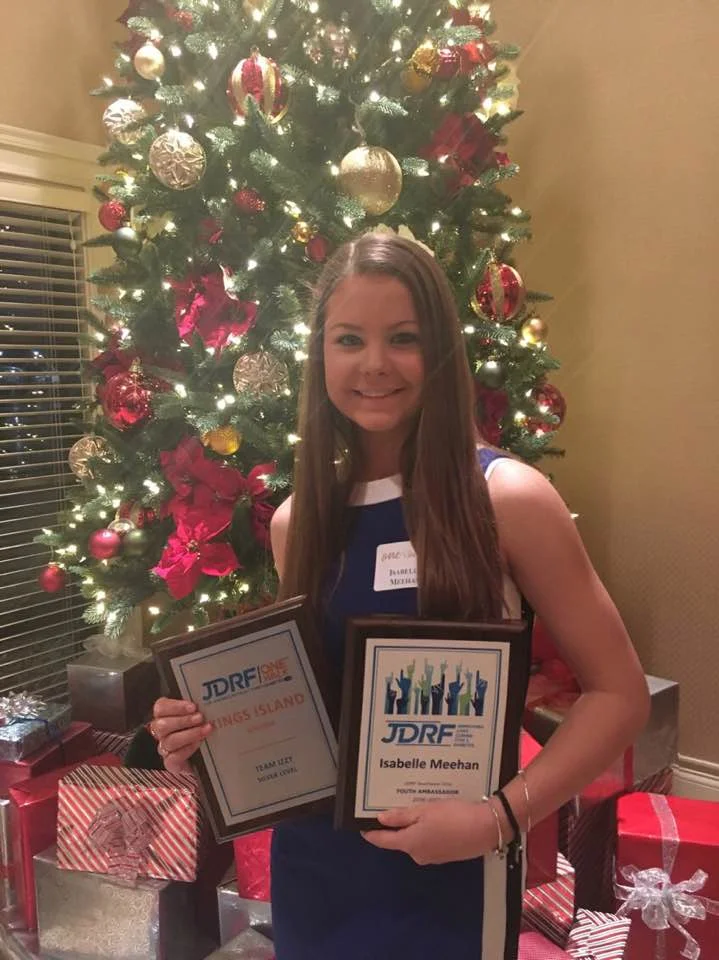
#149 Send your love to Izzy

17 year old Isabelle Meehan suffered a low blood sugar while driving home from school. ...
Contribute to Izzy's Go Fund Me.
You can also listen to the Juicebox Podcast on: Apple Podcasts/iOS - google play/android - iheart radio - or your favorite podcast app. Now on Spotify.
+ Click for EPISODE TRANSCRIPT
DISCLAIMER: This text is the output of AI based transcribing from an audio recording. Although the transcription is largely accurate, in some cases it is incomplete or inaccurate due to inaudible passages or transcription errors and should not be treated as an authoritative record. Nothing that you read here constitutes advice medical or otherwise. Always consult with a healthcare professional before making changes to a healthcare plan.
COMING SOON
The Juicebox Podcast is a free show, but if you'd like to support the podcast directly, you can make a gift here. Recent donations were used to pay for podcast hosting fees. Thank you to all who have sent 5, 10 and 20 dollars!